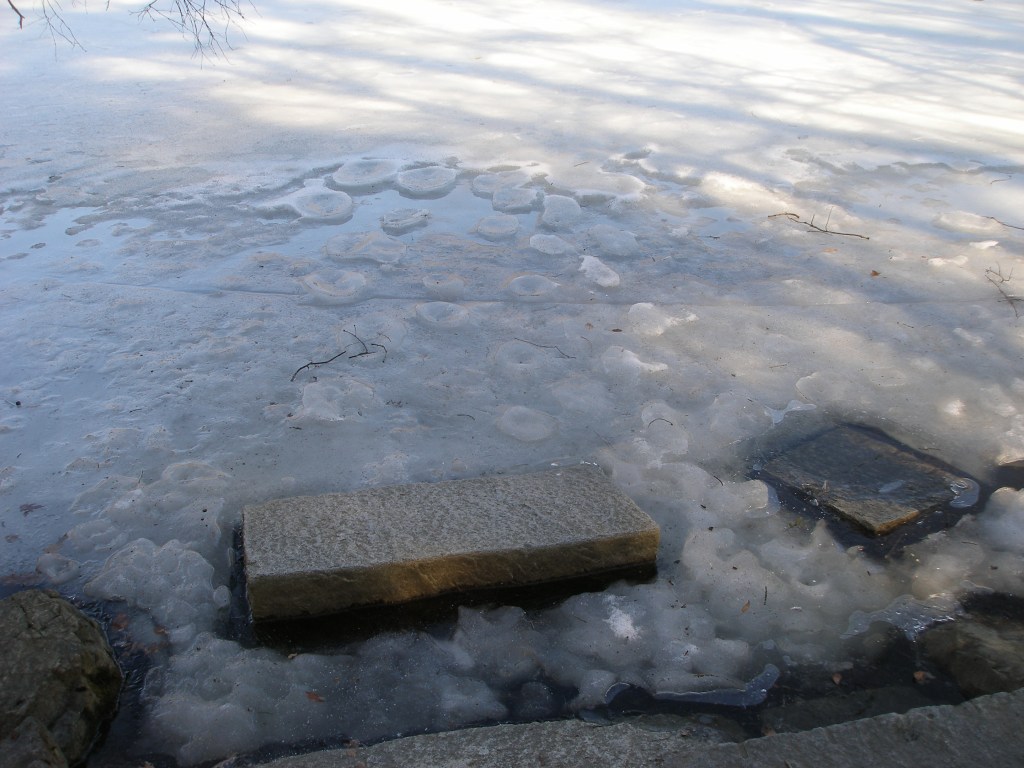
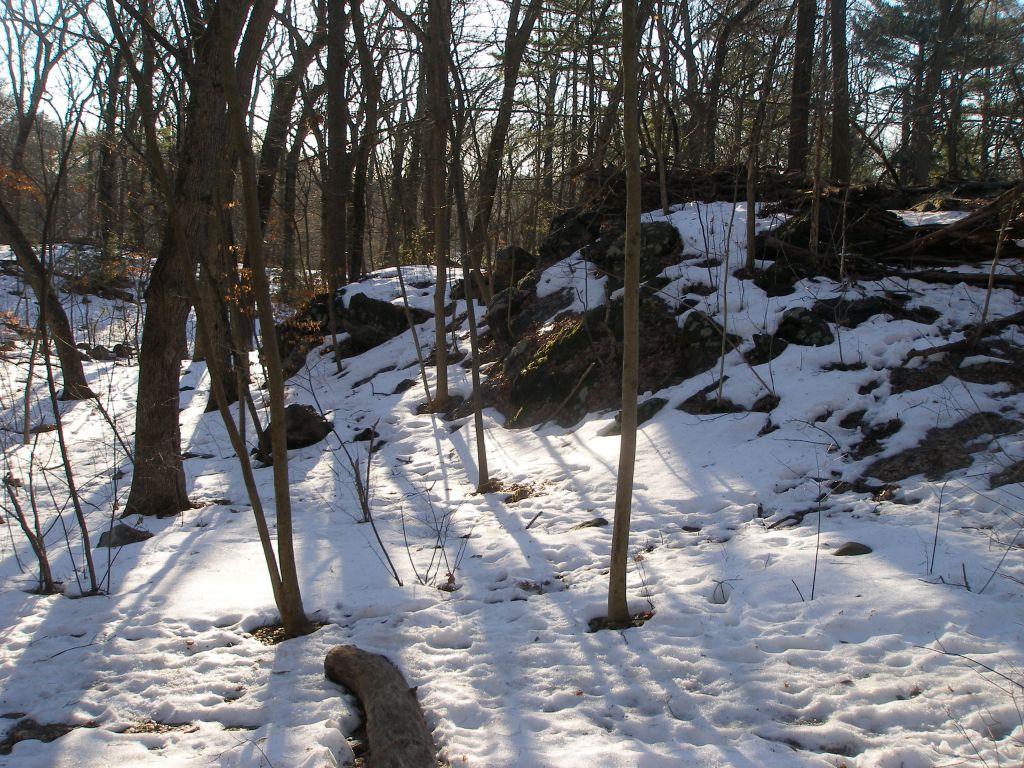
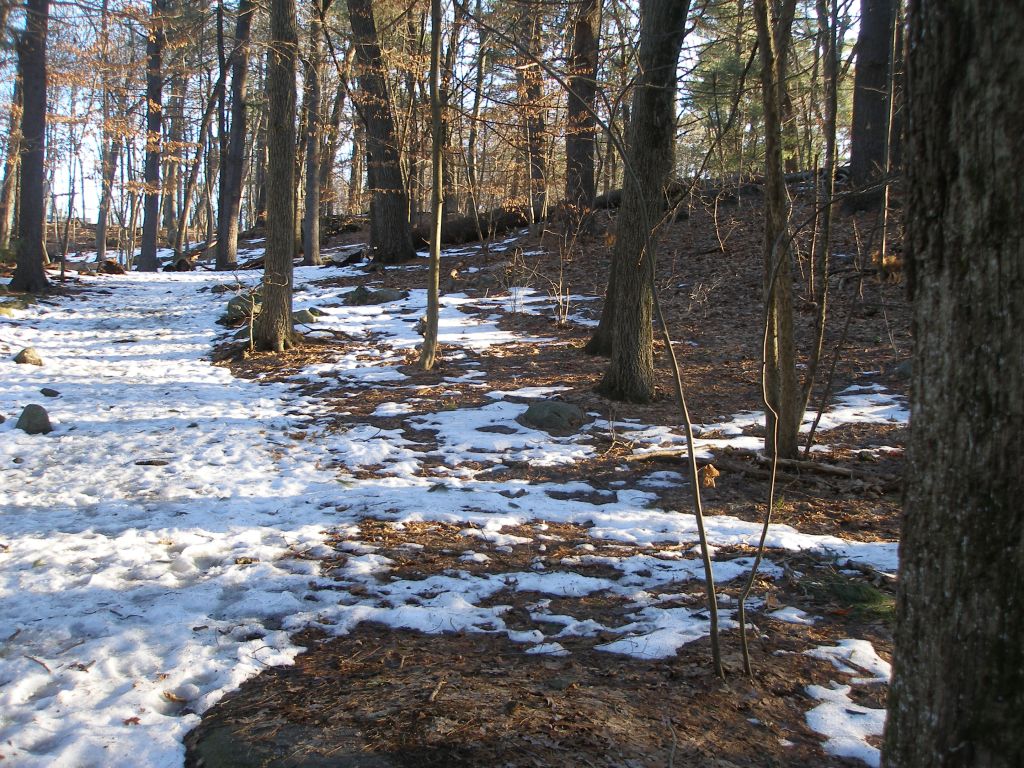
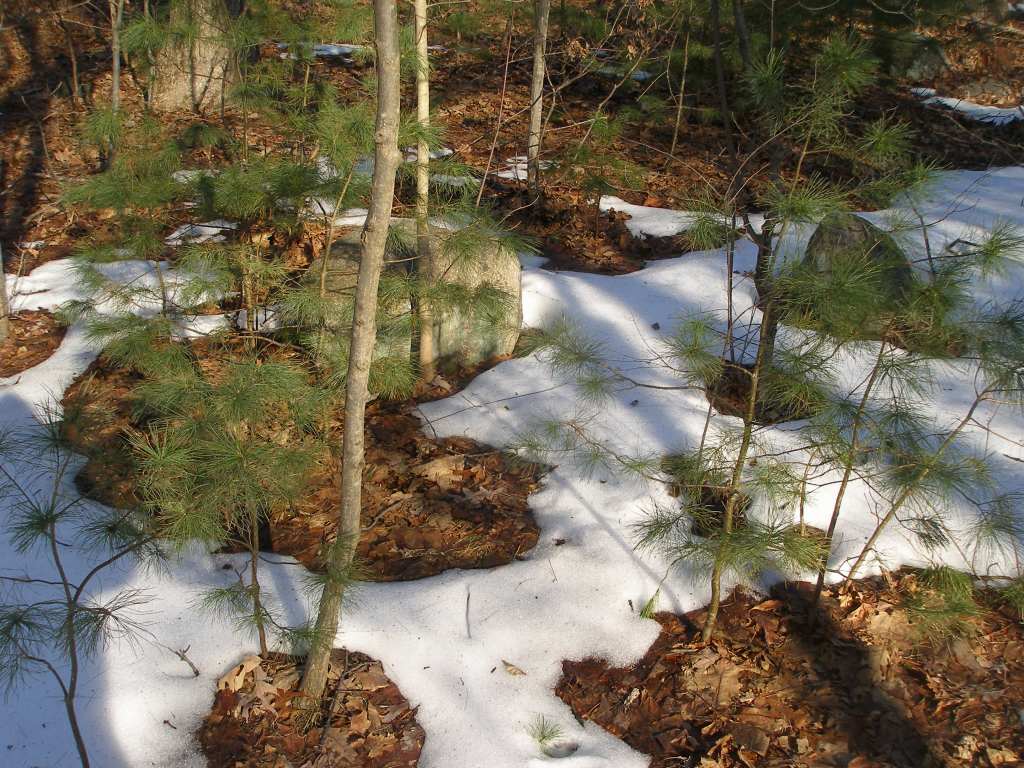
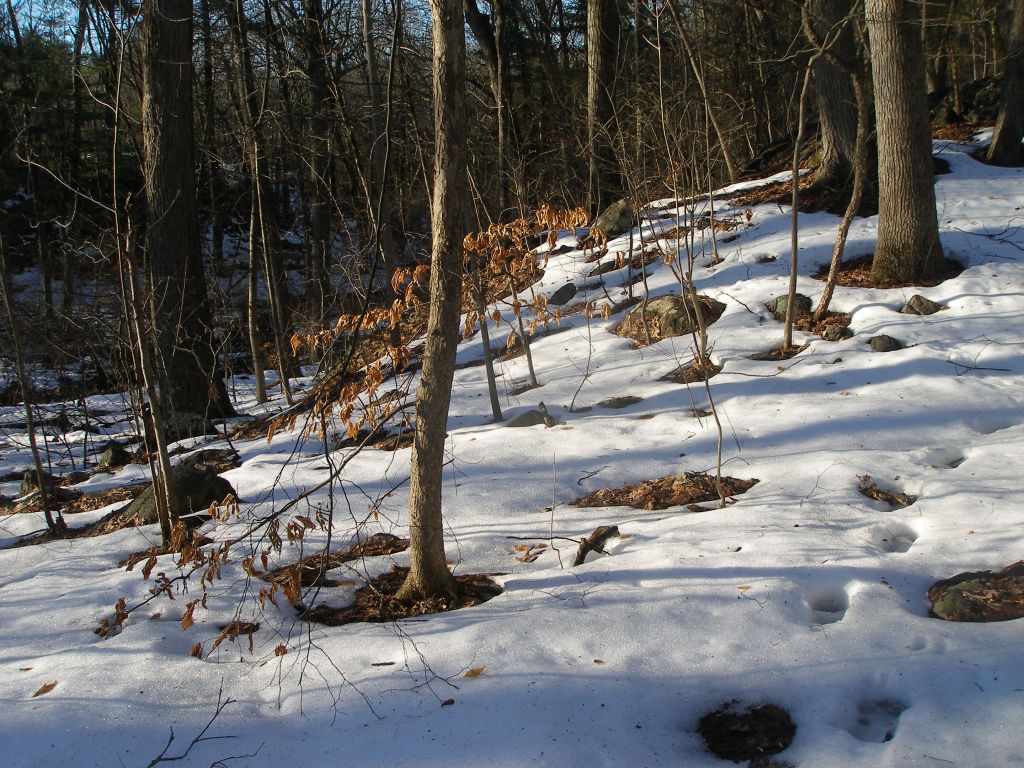
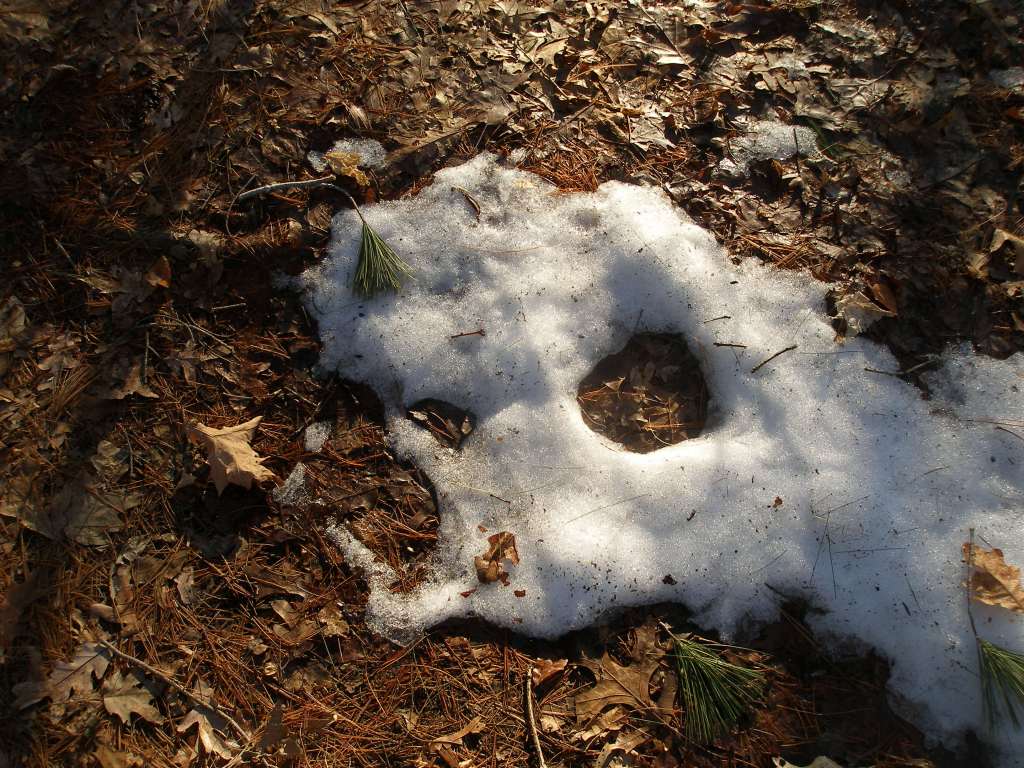
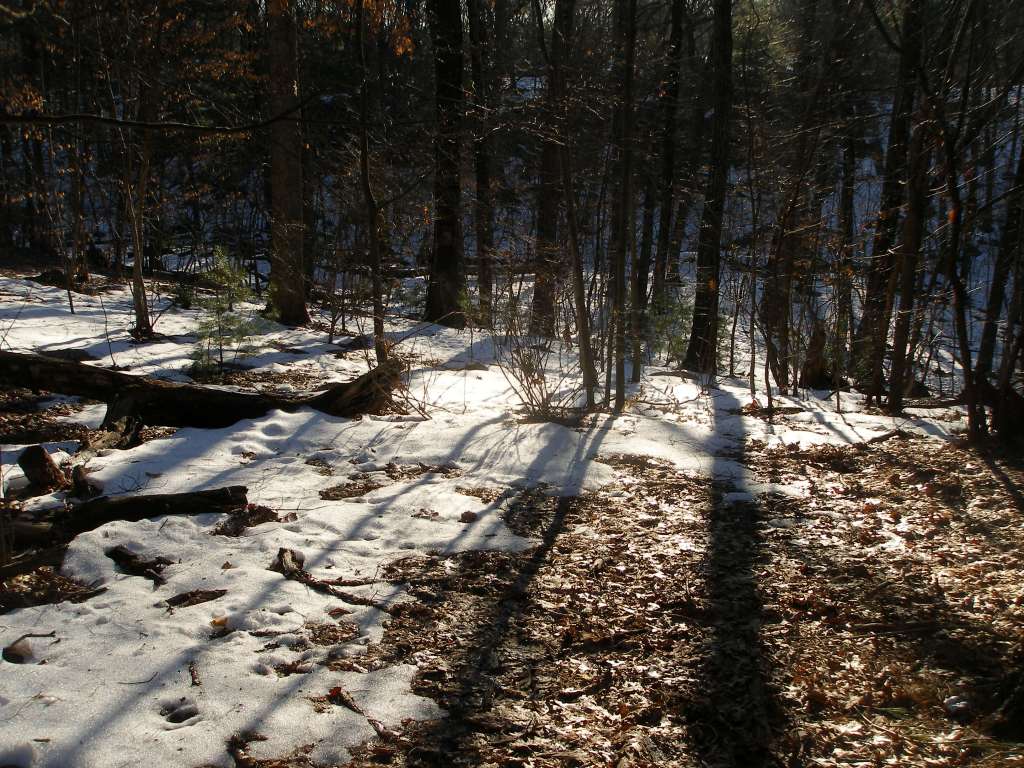
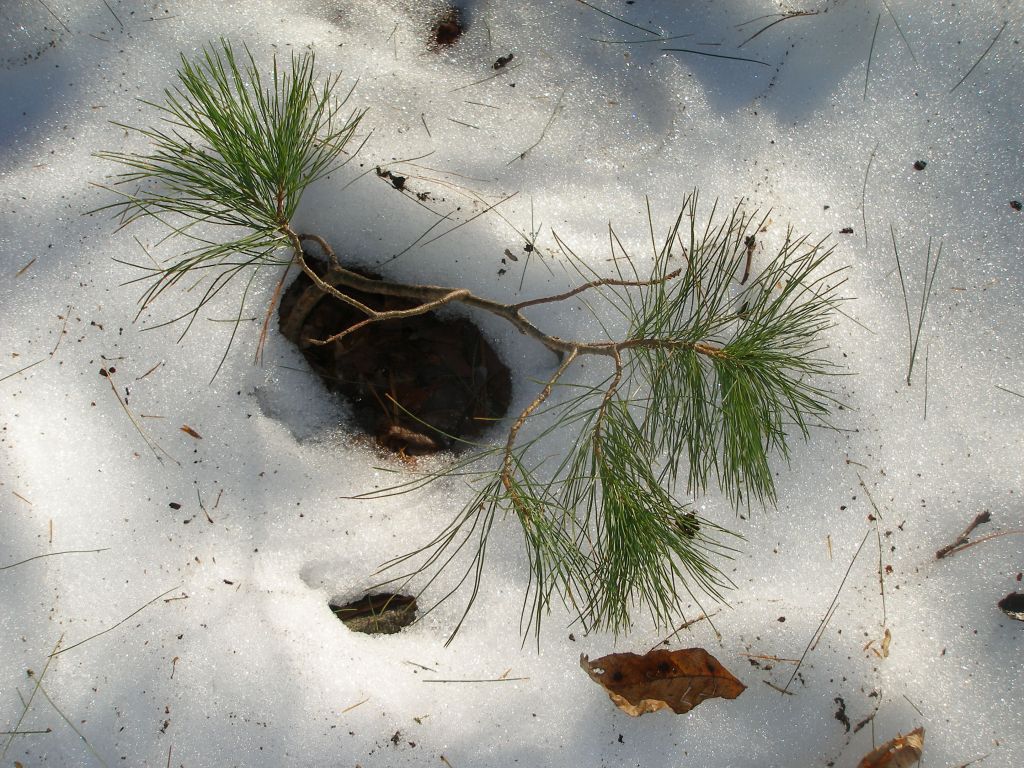
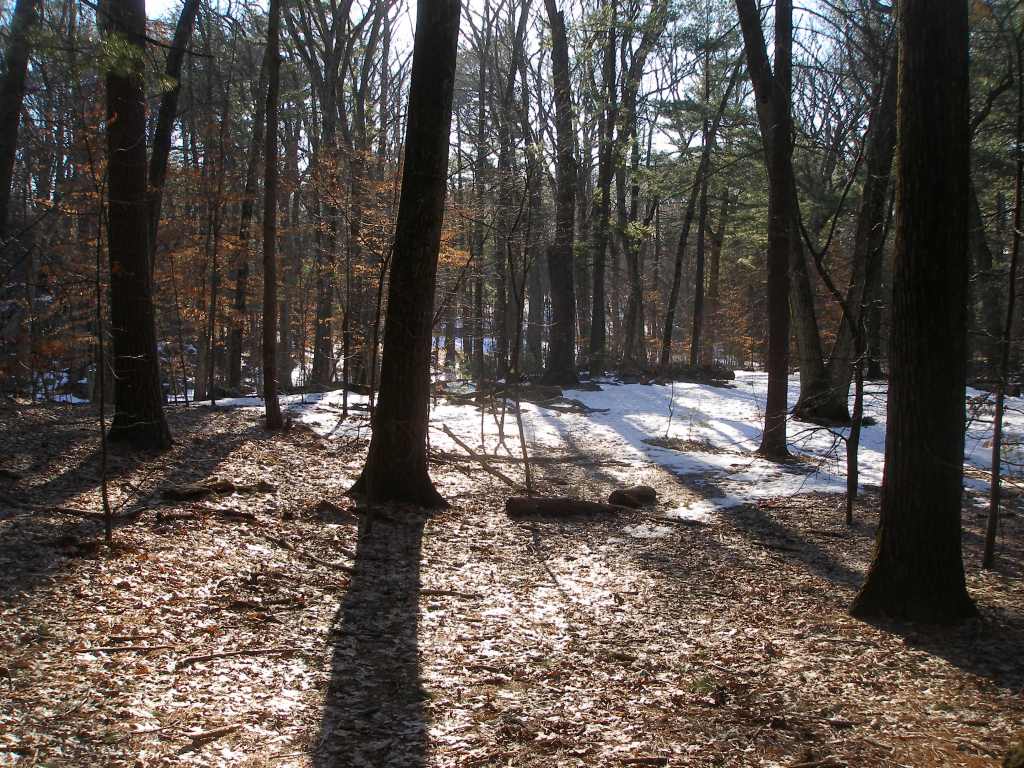
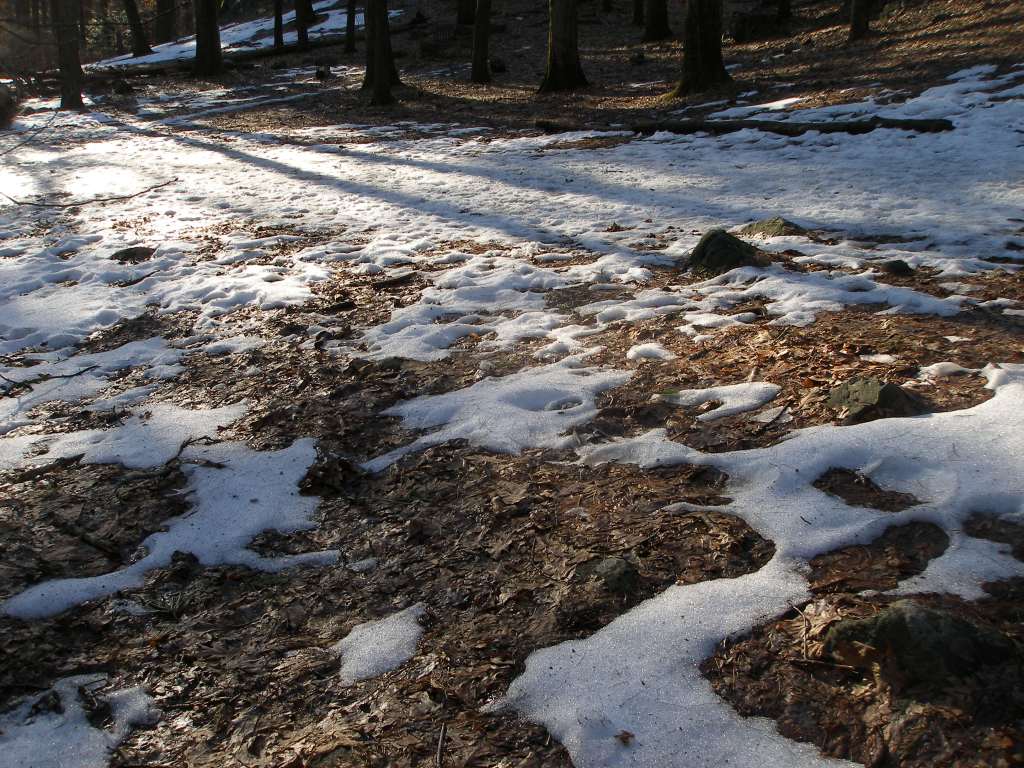
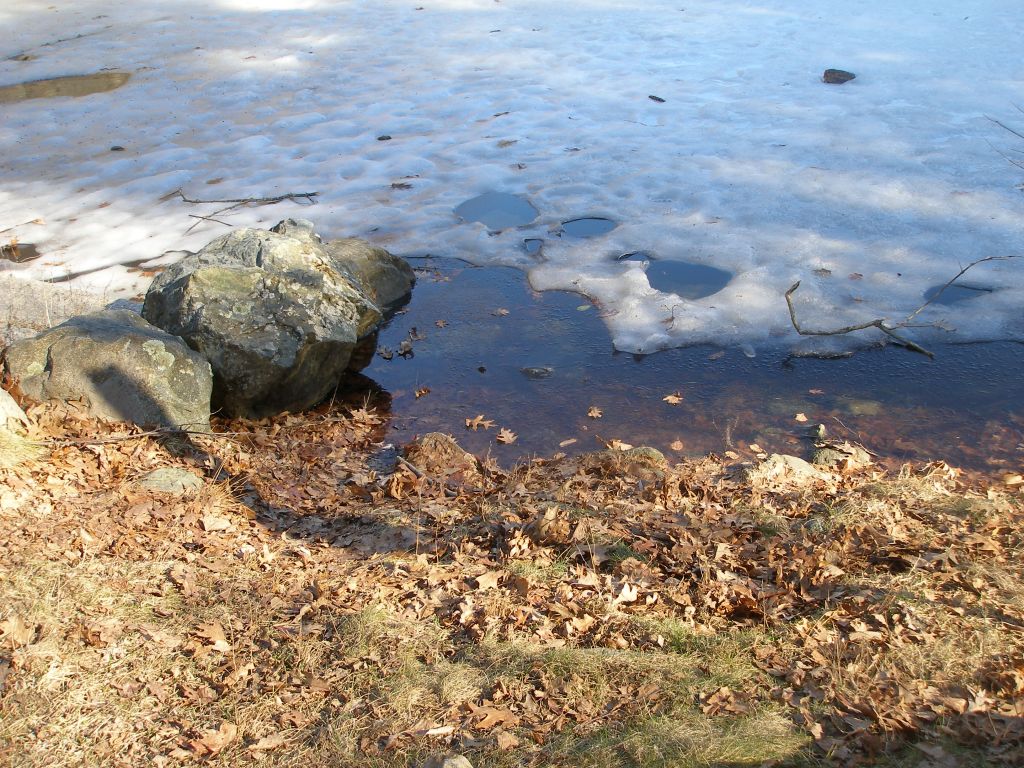
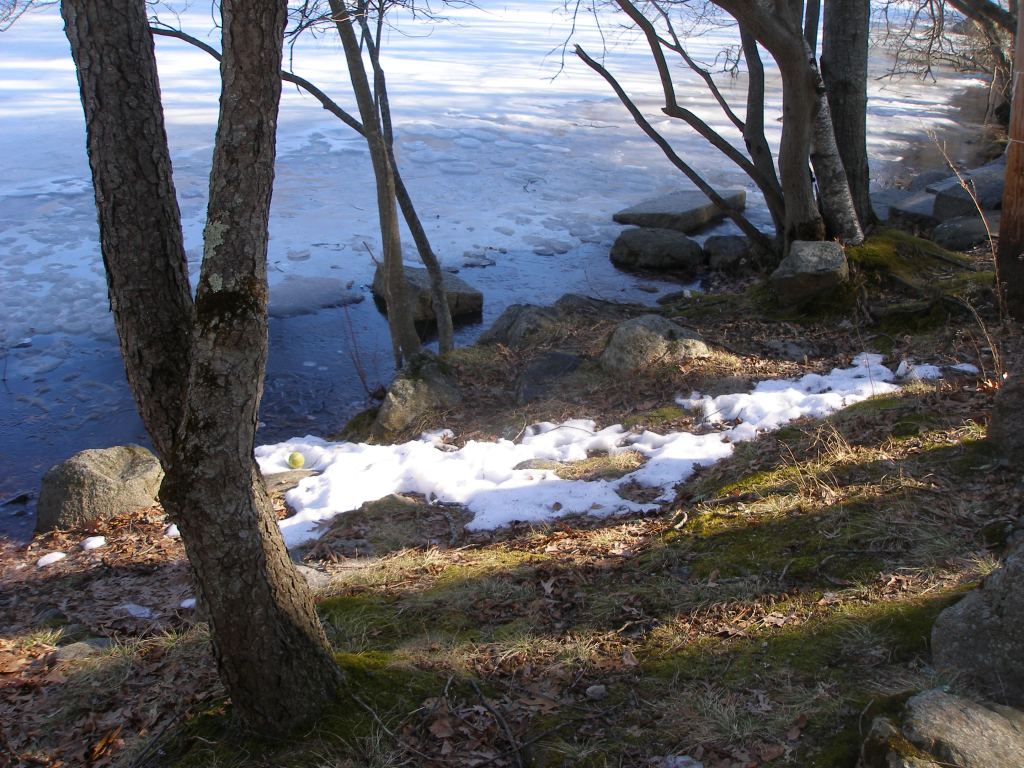
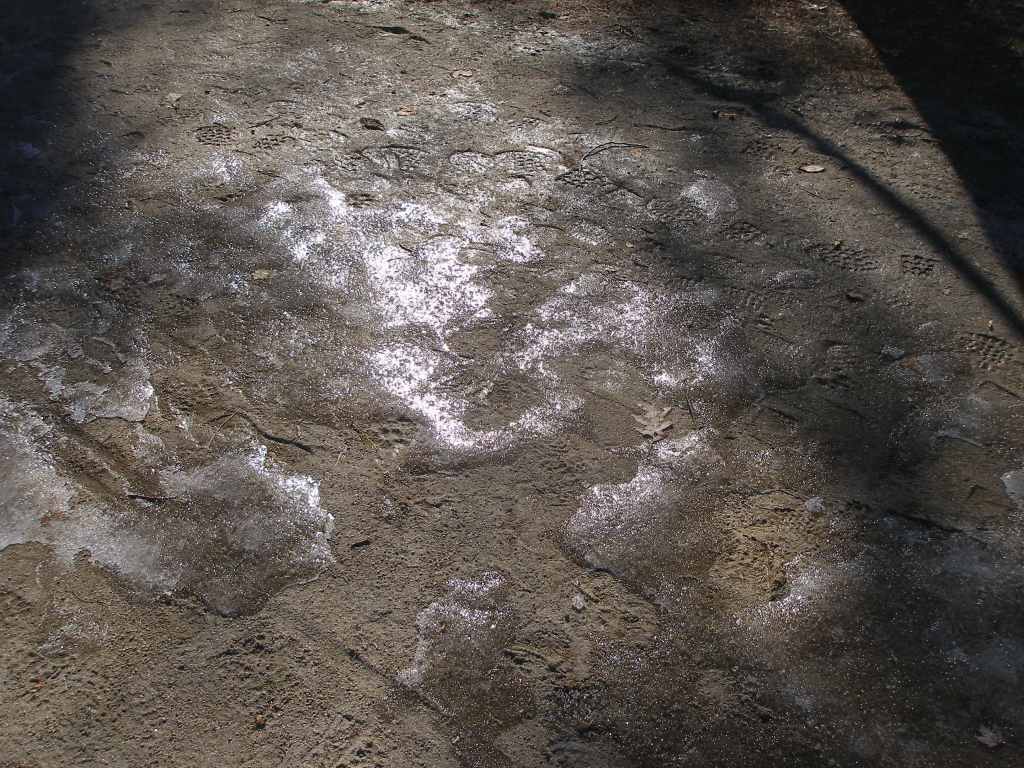
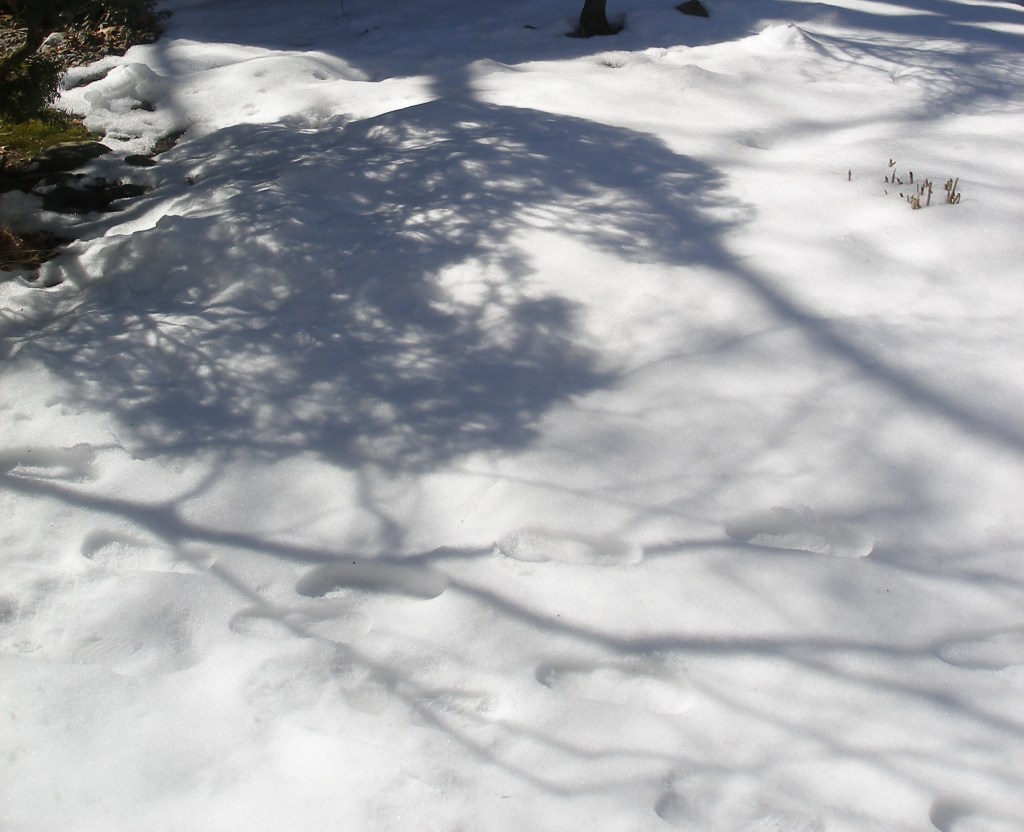
The snow had piled on snow this unusually cold winter. I wondered if I might find interesting patterns in the woods or at the pond now that it had finally started to melt.
Slick icy paths could be treacherous, but this year the inches-deep snow was mostly hard and crusty. I did not sink in as I added my prints to those left by dogs, people, rabbits and others.
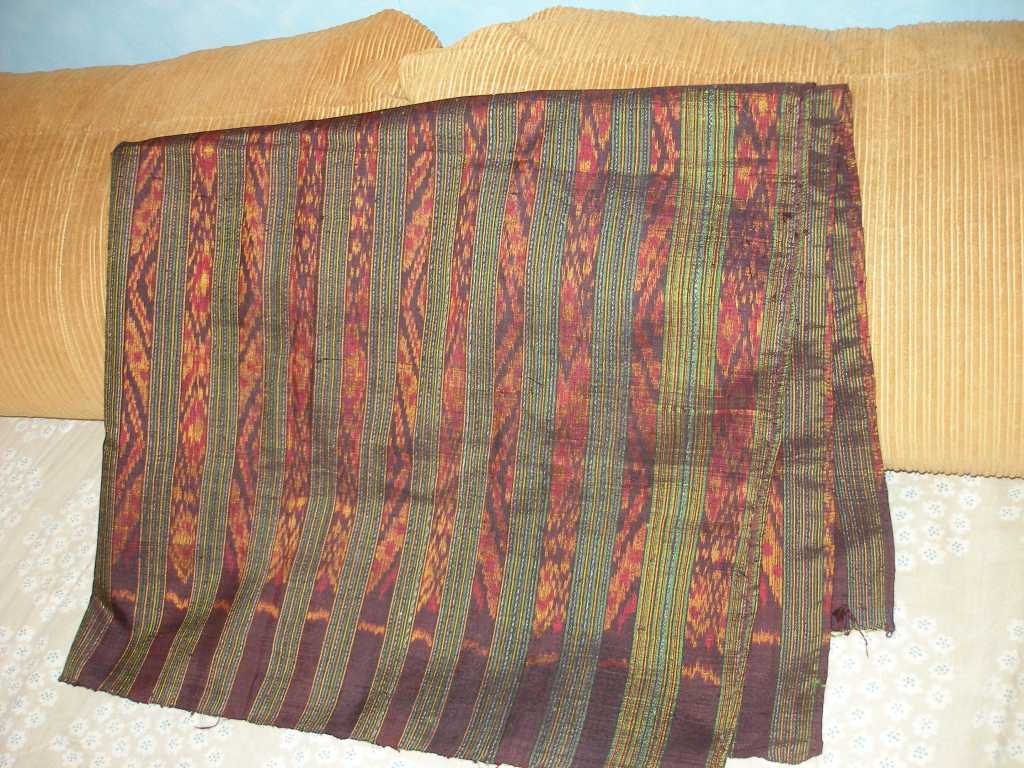
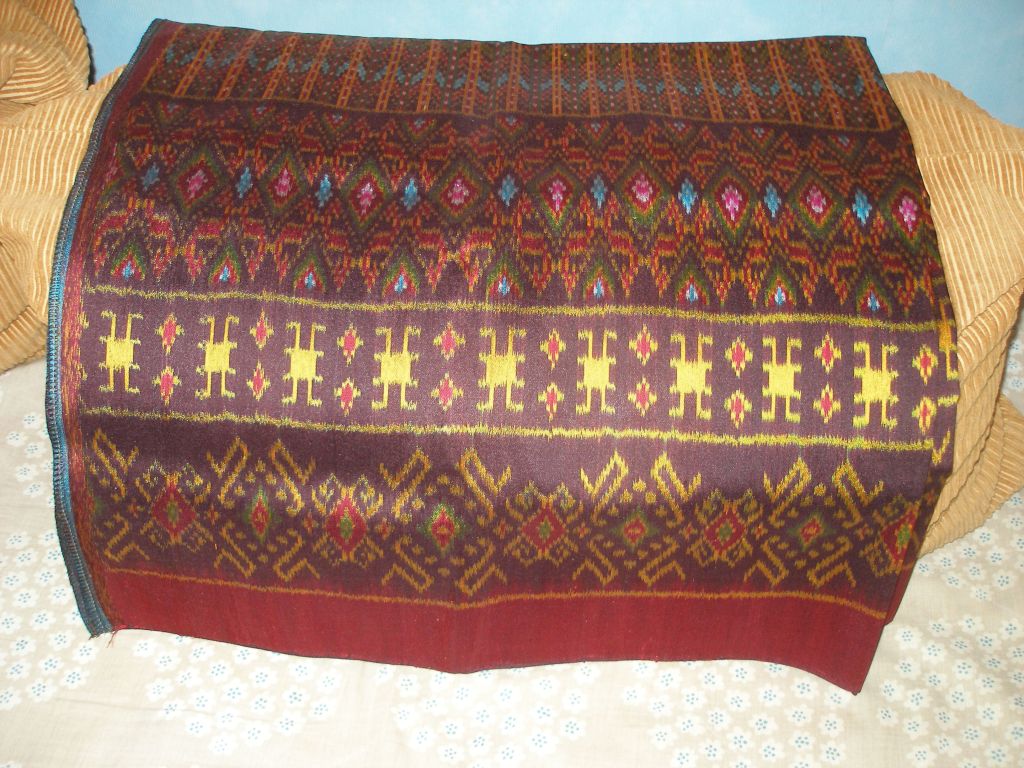
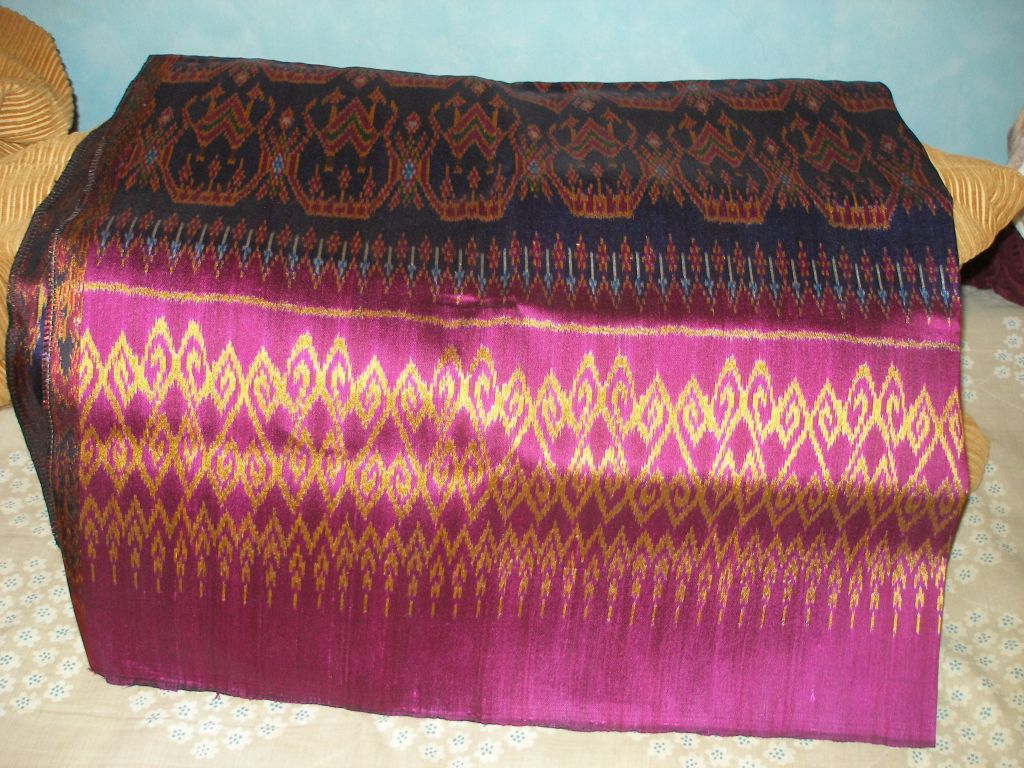
In contract to Indonesian ikat, Mudmee cloth from Thailand makes use of resist-dyed weft (horizontal) yarns. Originally, special designs were reserved for nobility with simple patterns for everyday use. While Indonesian ikats tend to use fewer colors, modern mudmee can have quite a range of vibrant bright colors, especially for cloth that is intended for use by young women.
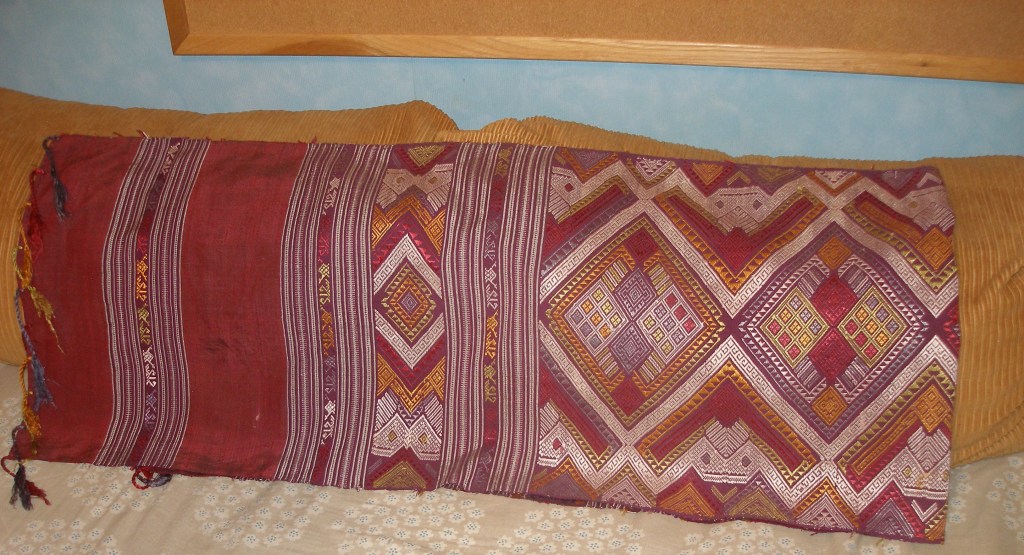
Traditional patterns often had strong horizontal or vertical bands, like the silk weaving shown below. Vibrant and complex-patterns are now created with the help of large modern looms, as was the case with the last two examples below.
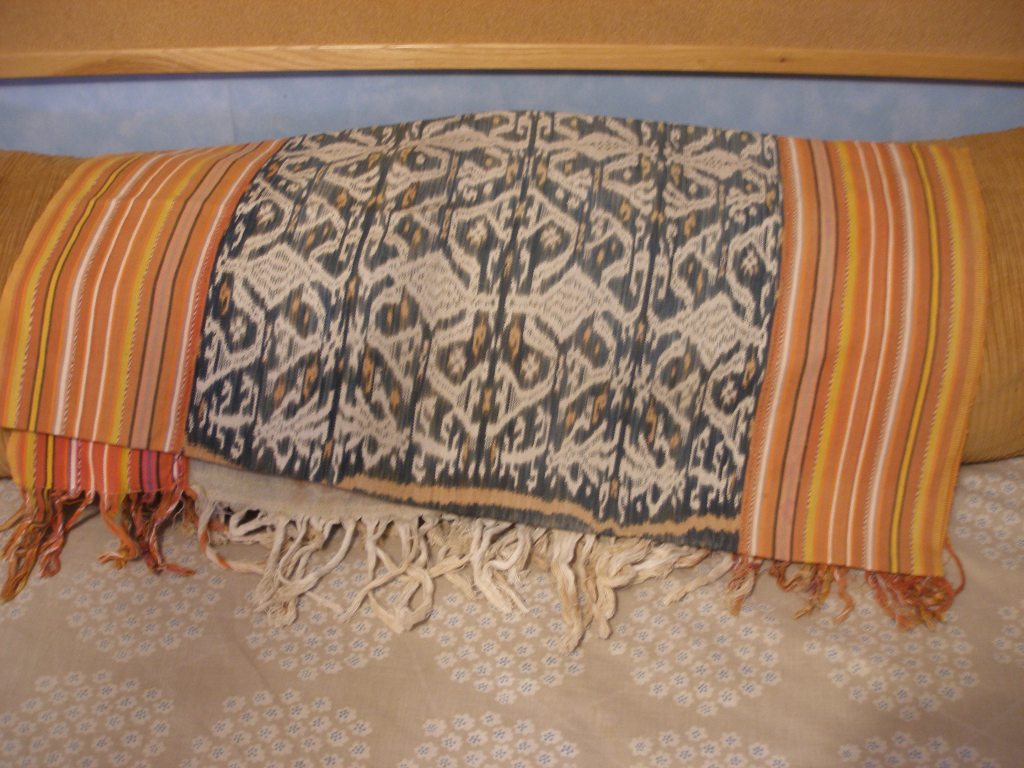
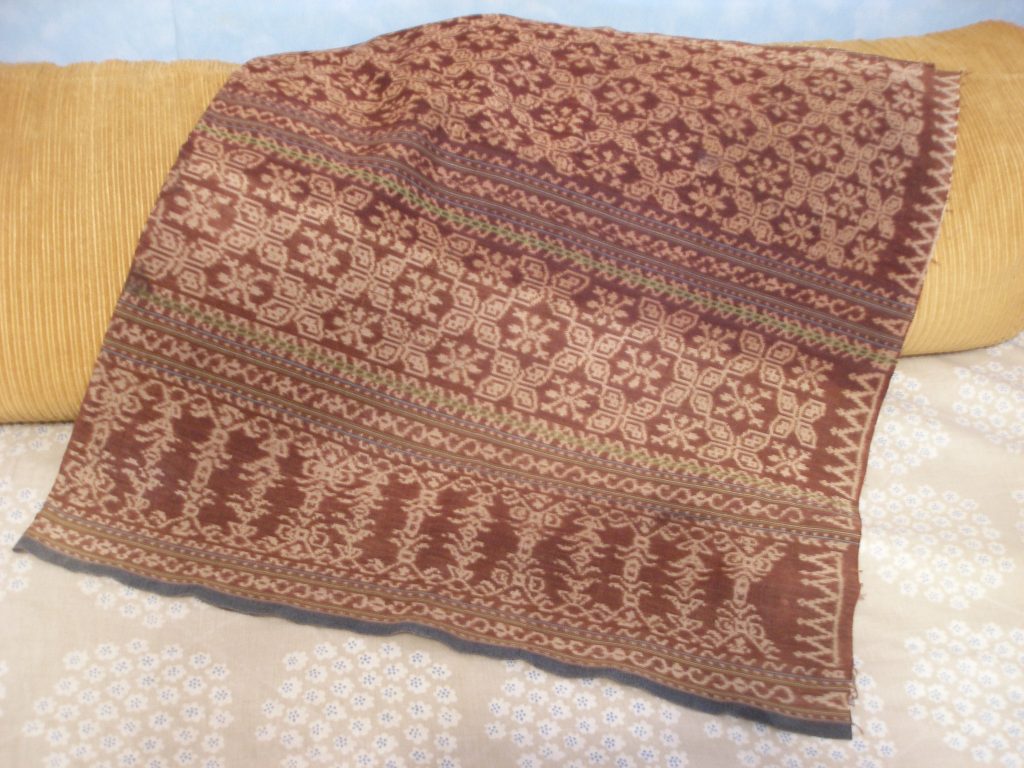
Betsy White told me that the Indonesian ikat she had listed for sale had been purchased when her family was living on Sulawesi between 1976 and 1978. That island did not seem to be the type of place that the average American tourist would visit, and there was something about Betsy’s few words that hinted there was a great deal more going on.
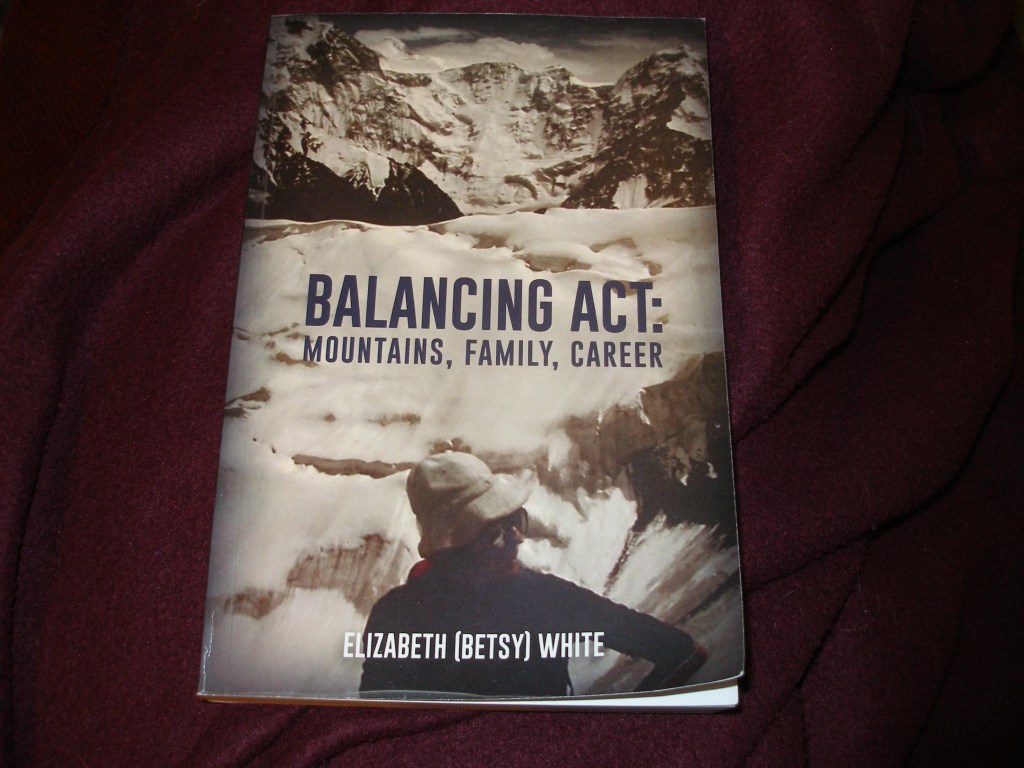
As luck would have it, Betsy had recently published Balancing Act: Mountains, Family, Career. That proved a perfect way to learn more about what showed every sign of being a fascinating life. It occurred to me that lessons she learned during her many mountaineering adventures must have helped Betsy live her (multiple) dreams. Besides mountain climbing, her husband, Gene, loved textiles including rugs, and he collected them wherever they went during their extensive travels. Betsy also has ikats from India, and central Asia.
When they lived in Indonesia, Gene would travel from island to island working on projects to improve access to fresh water during the long dry season. He would make it a point to visit remote villages and ask if they had any ikats for sale. I could tell that Gene and I appreciated many of the same qualities to be found in these lovely weavings.
The influence from specific island cultures is clear, but each piece also bears the stamp of the individual artist-weaver who put so much time and effort into their painstaking work. In addition to describing the textiles’ varied designs and fascinating cultural contexts, the books below include wonderful stories about individual weavers:
Between the Folds; Stories of Cloth, Lives and Travels from Sumba by Jill Forshee
Textiles of Timor; Island in the Woven Sea edited by Roy W. Hamilton and Joanna Barrkman
Gift of the Cotton Maiden; Textiles of Flores and the Solor Islands edited by Roy W. Hamilton
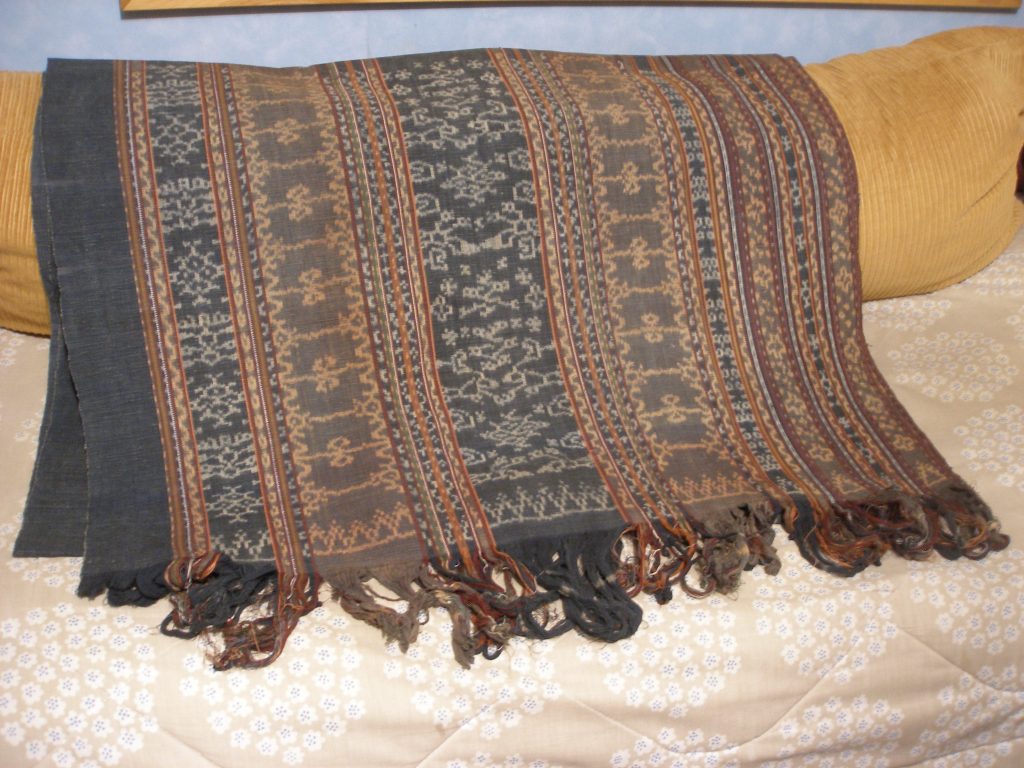
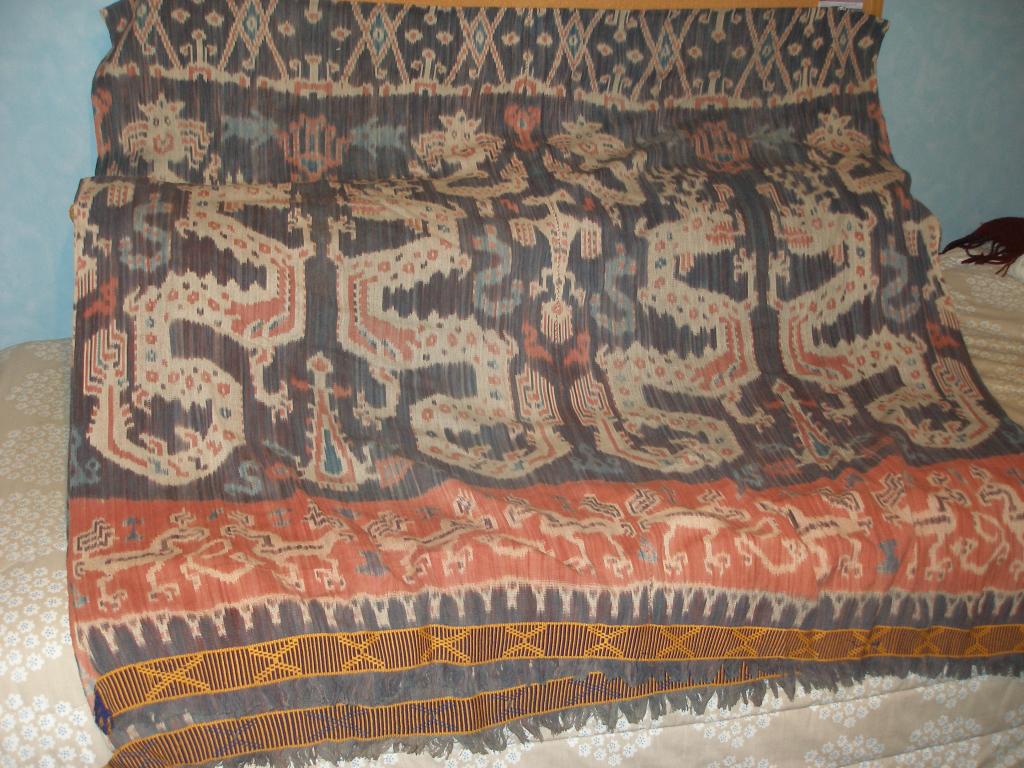
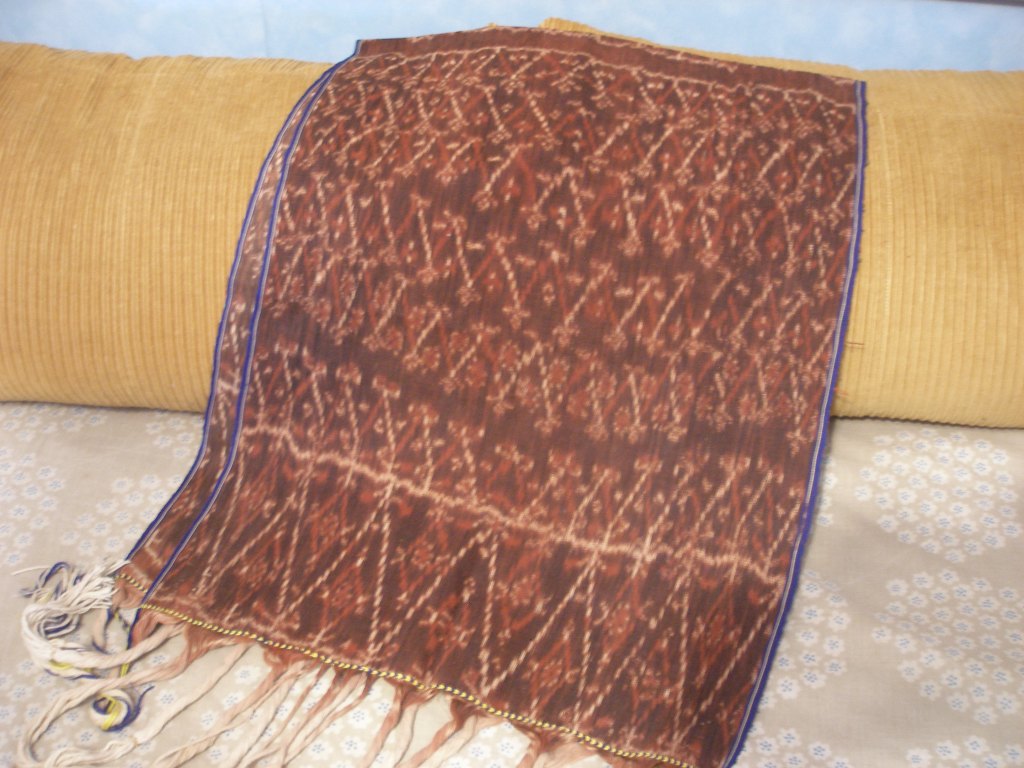
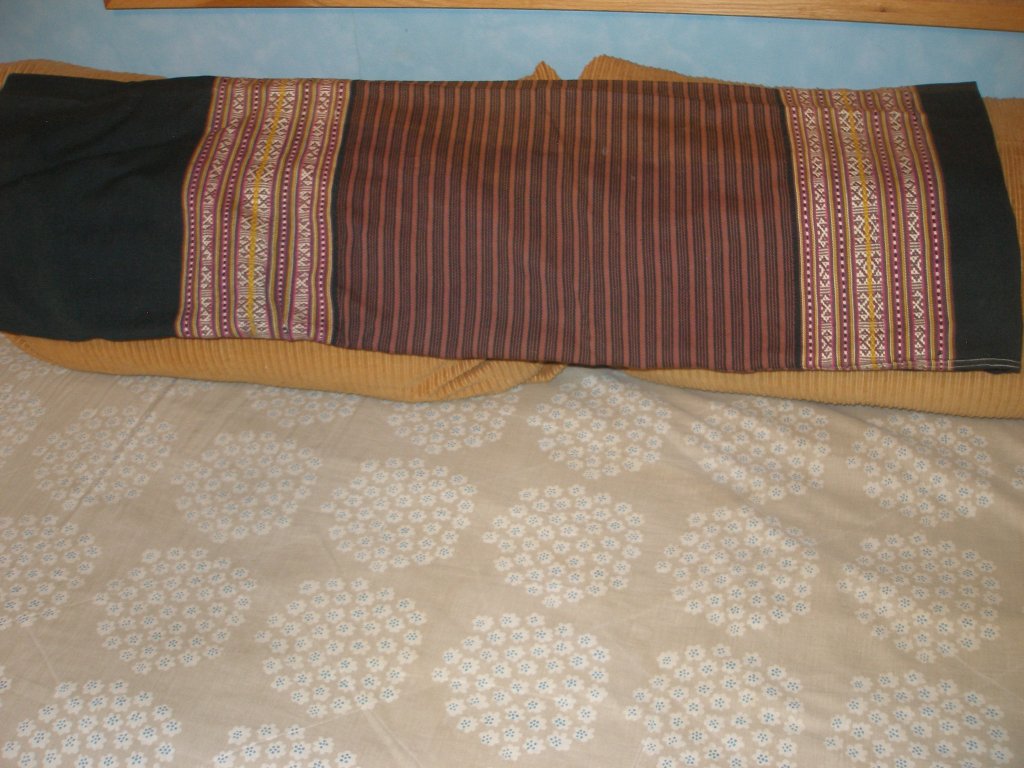
Ikats I purchased from Betsy are from (top to bottom): West Timor, Sumba, Flores, Sumba, an antique fragment that is likely from Flores, and lastly, an “everyday” sarong from West Timor.
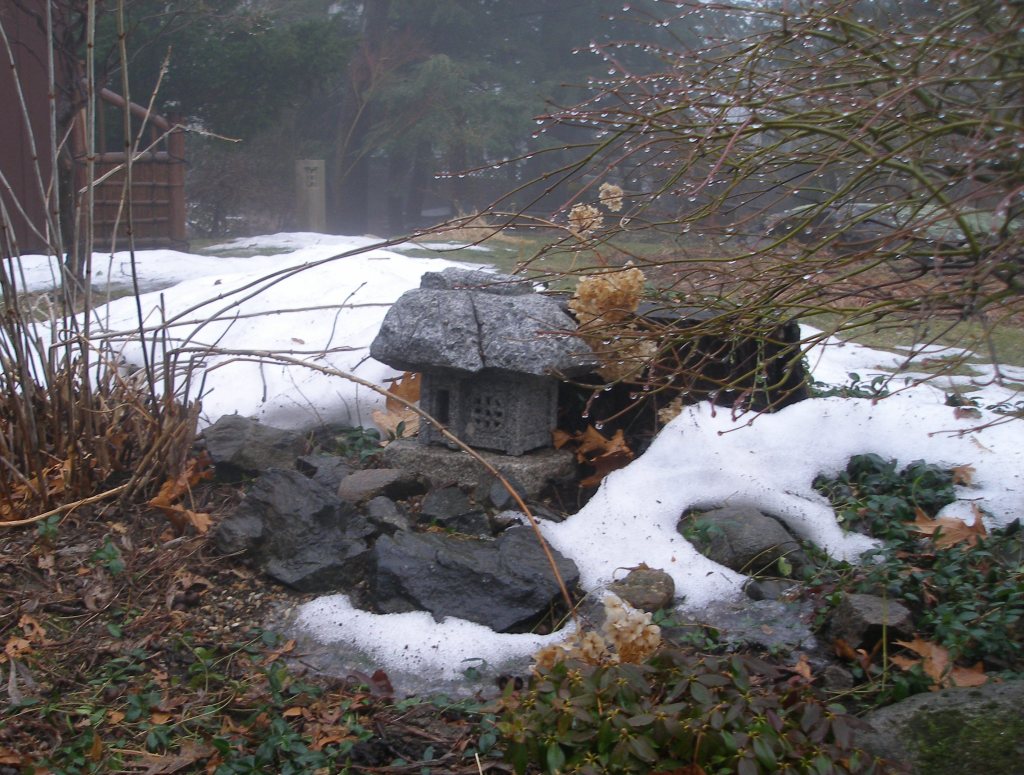
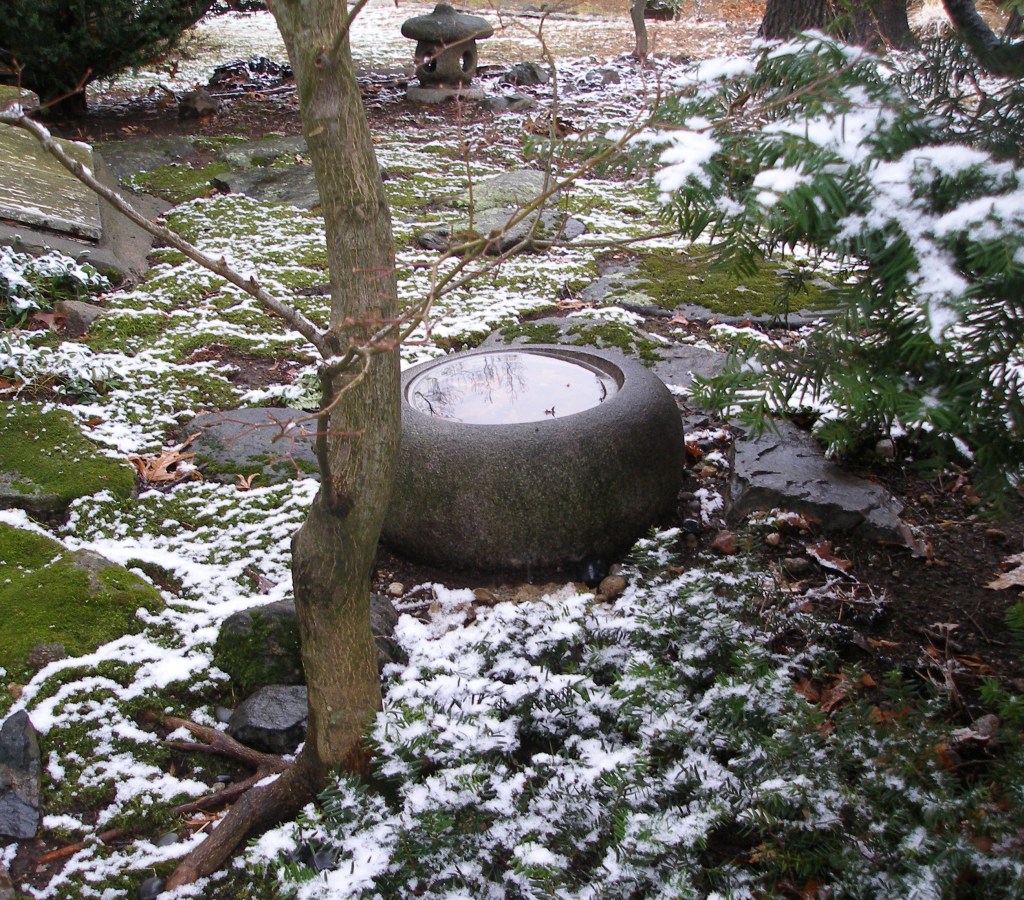
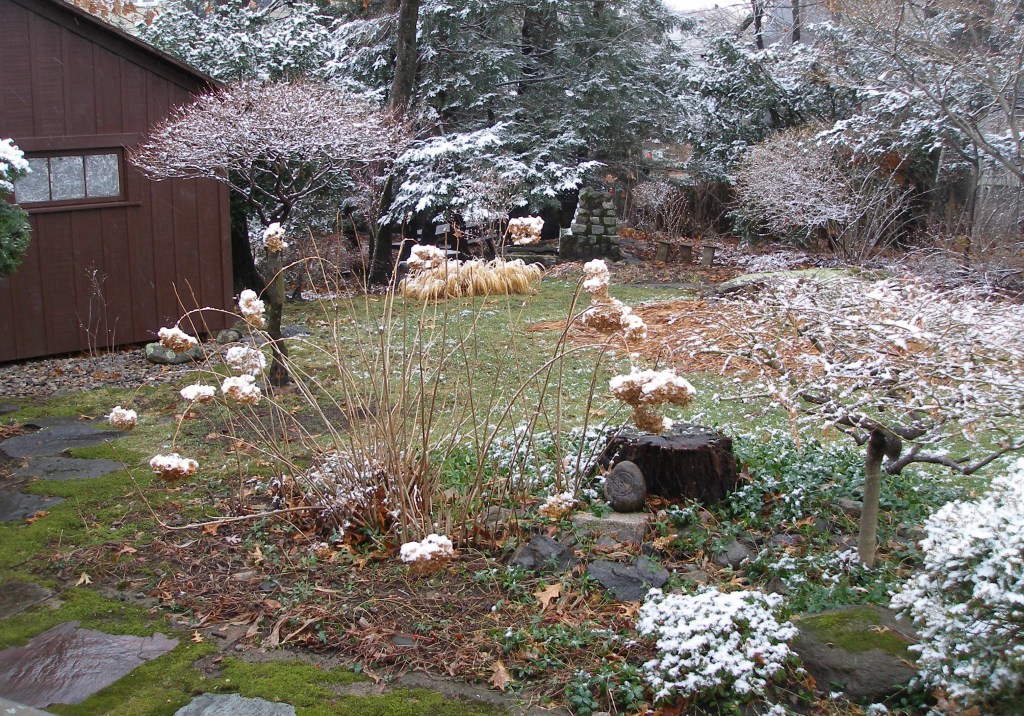
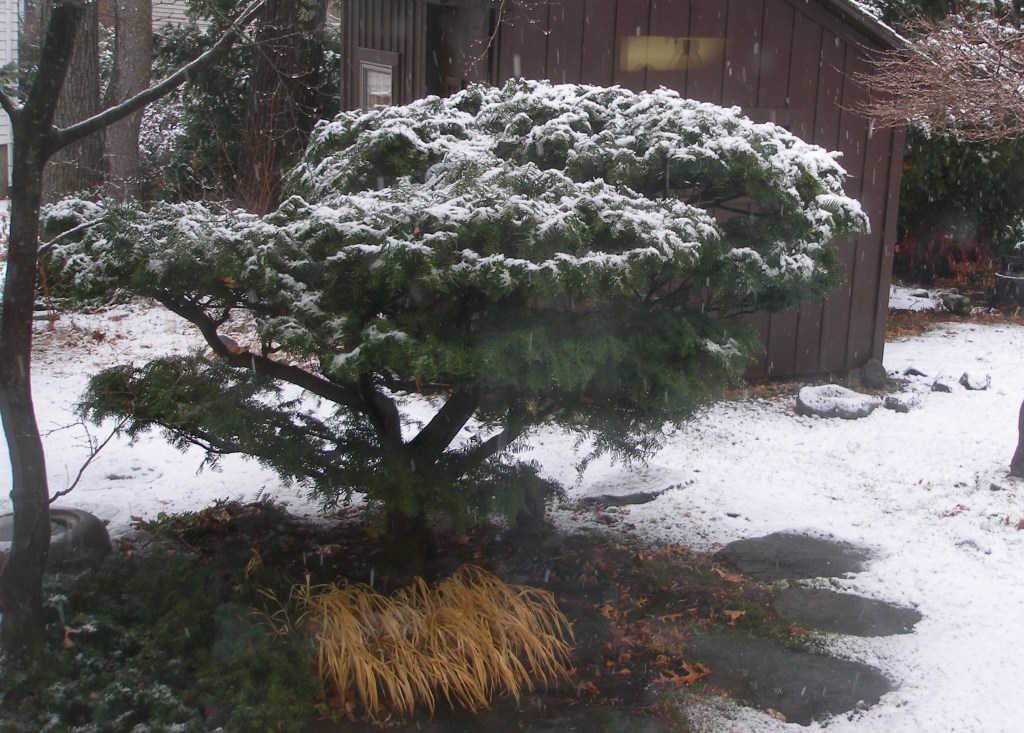
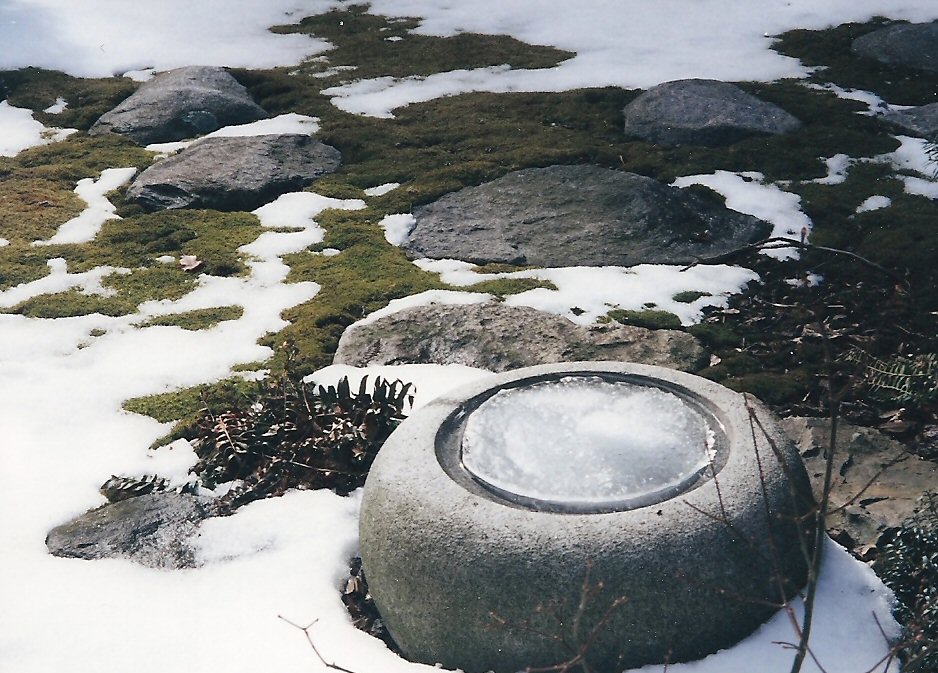
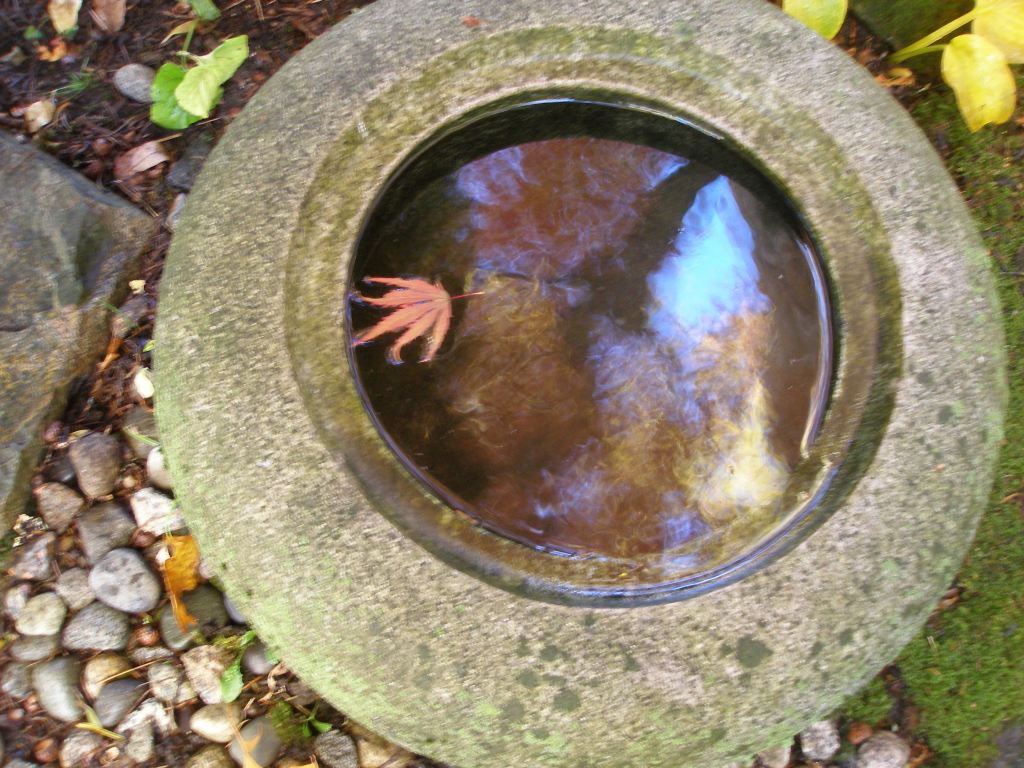
In a recent talk I gave about Japanese gardens, I did not include many snow images – just the wonderful results of a very light light dusting, and moss peaking out from snow as it melted around a water basin.
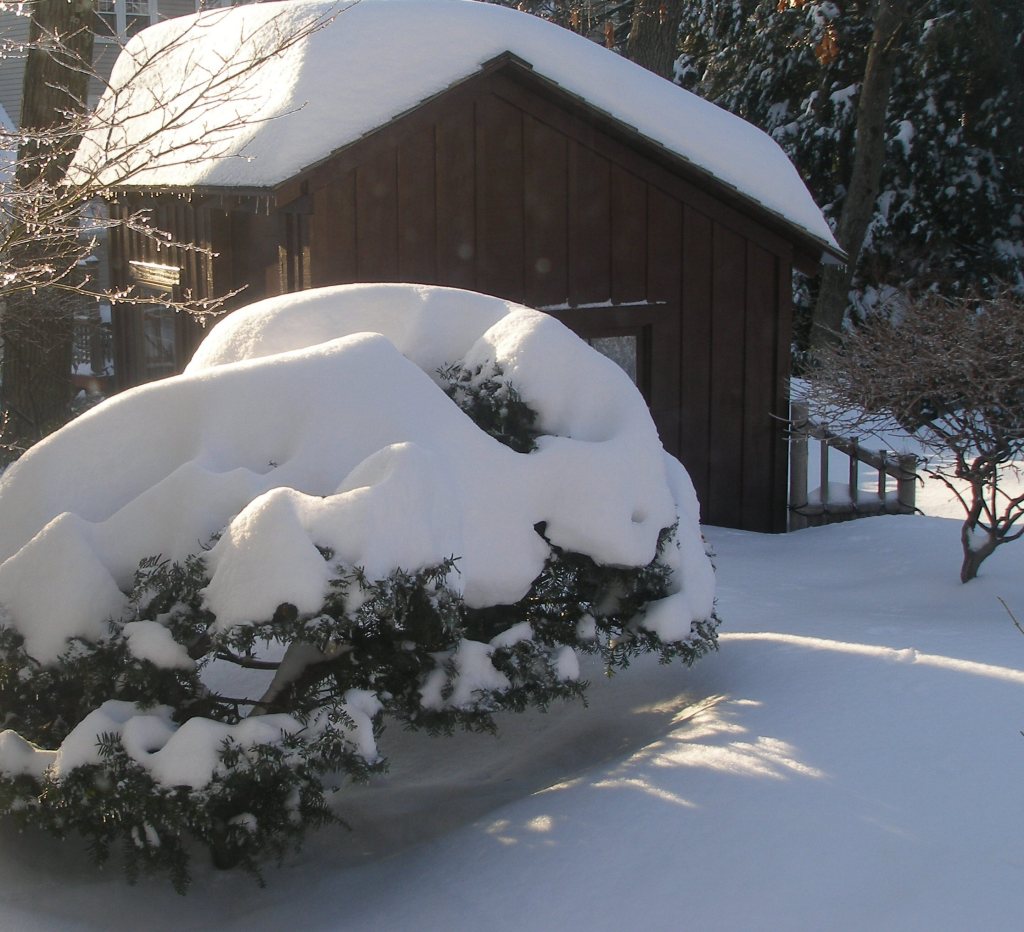
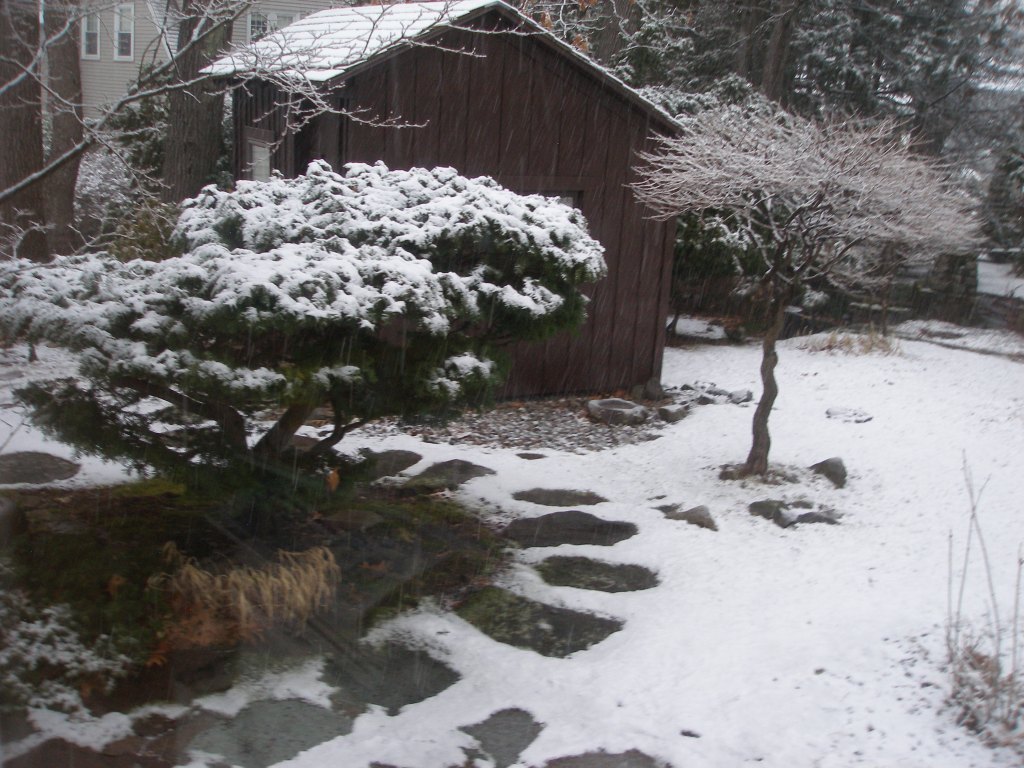
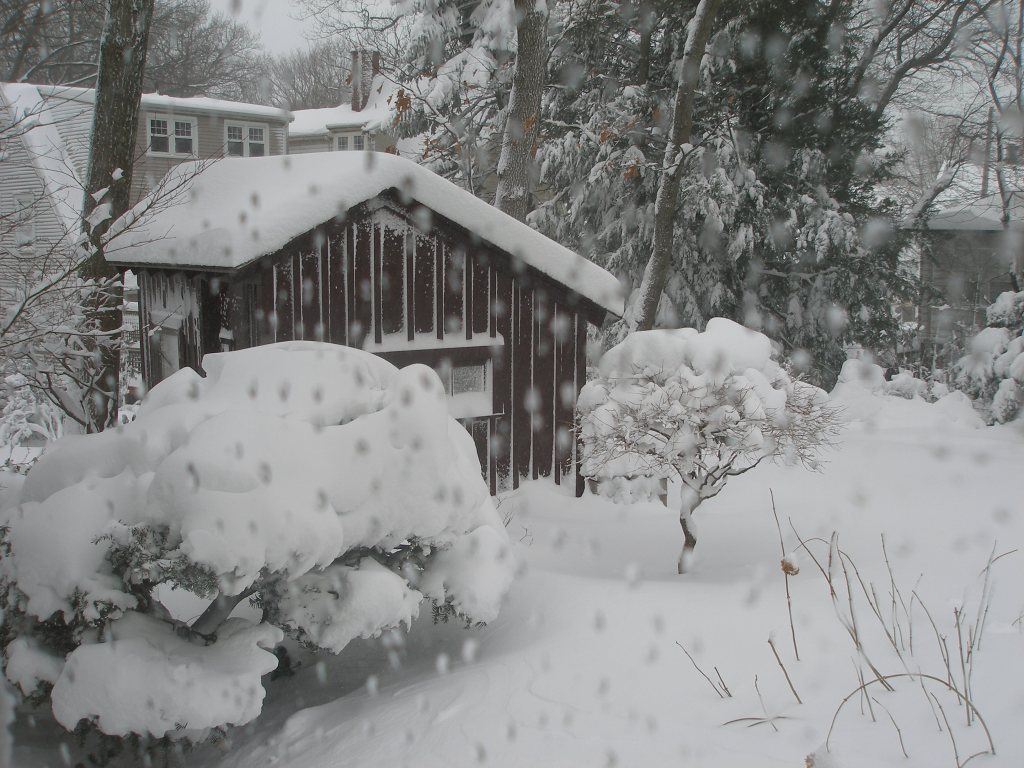
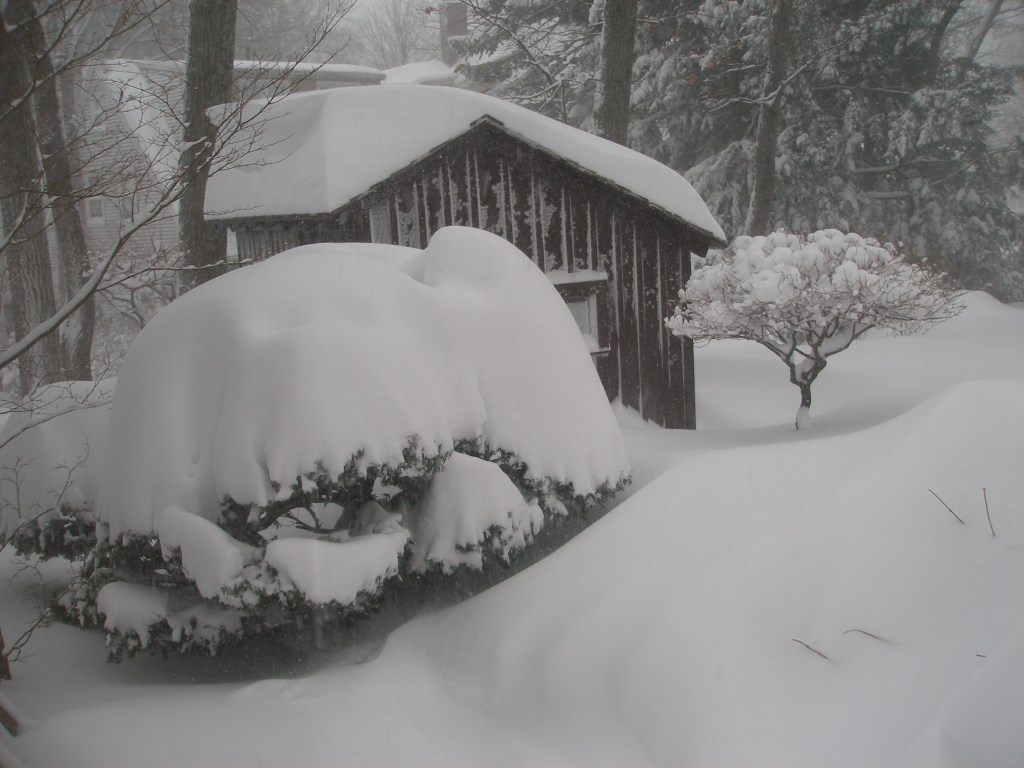
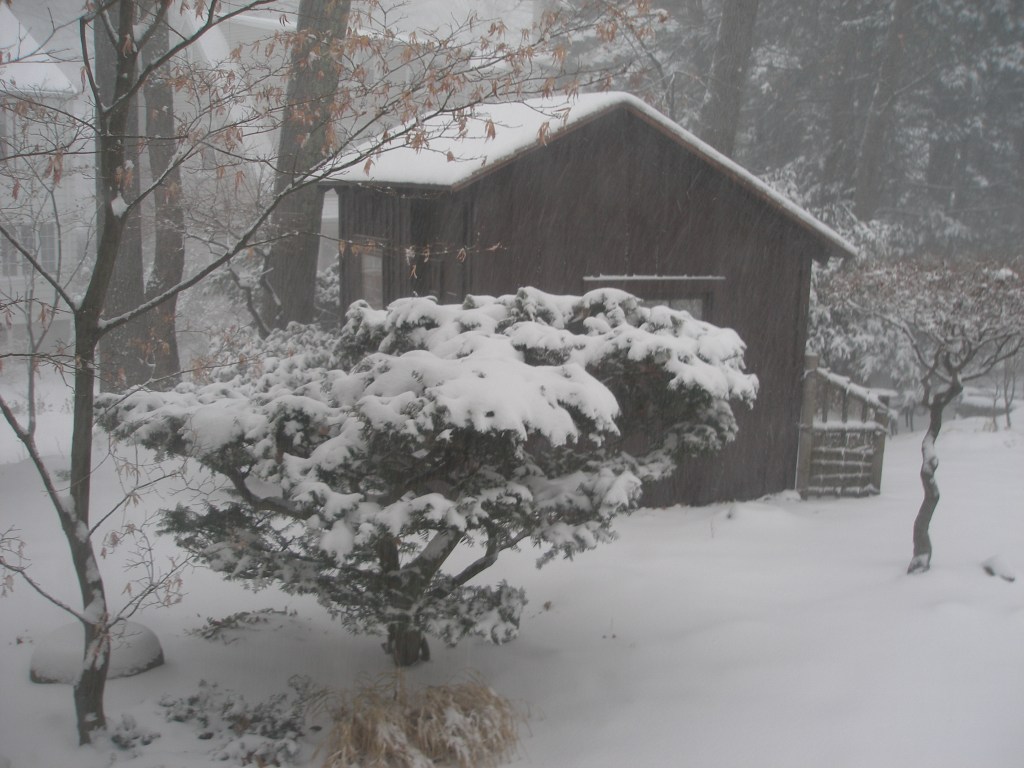
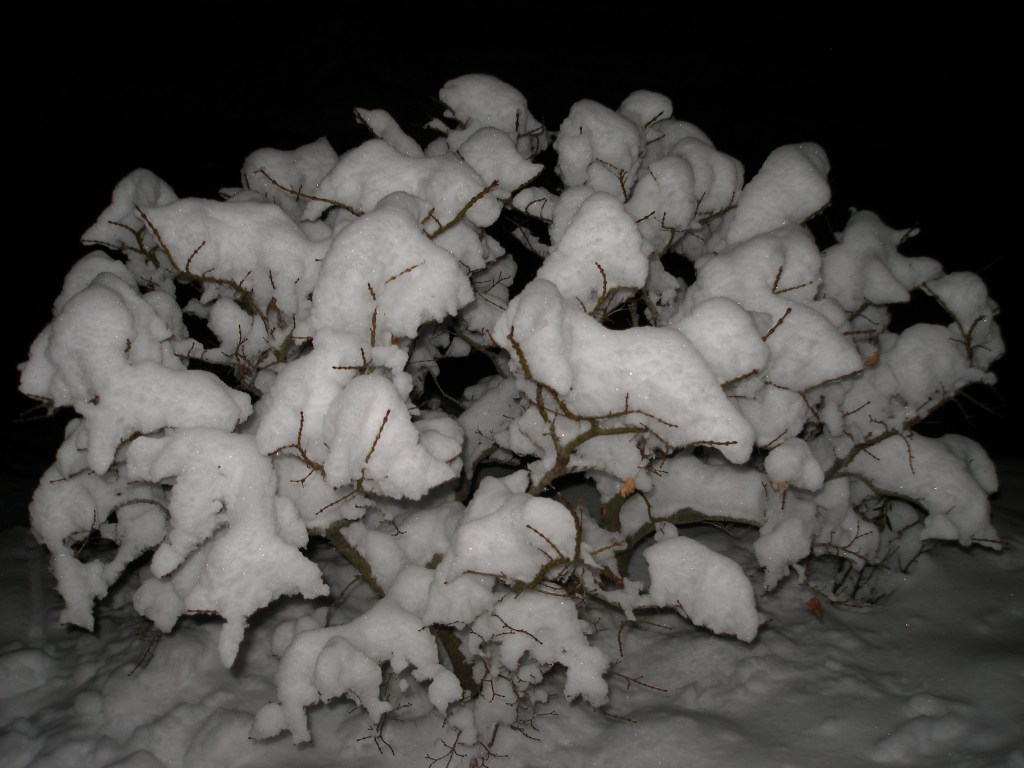
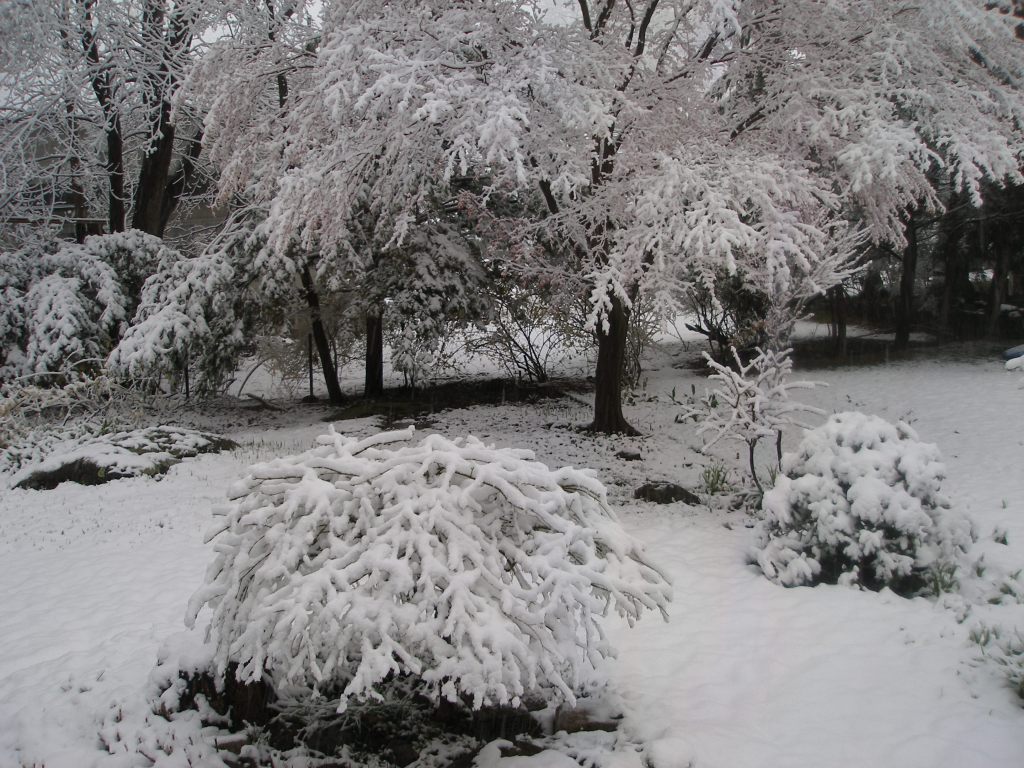
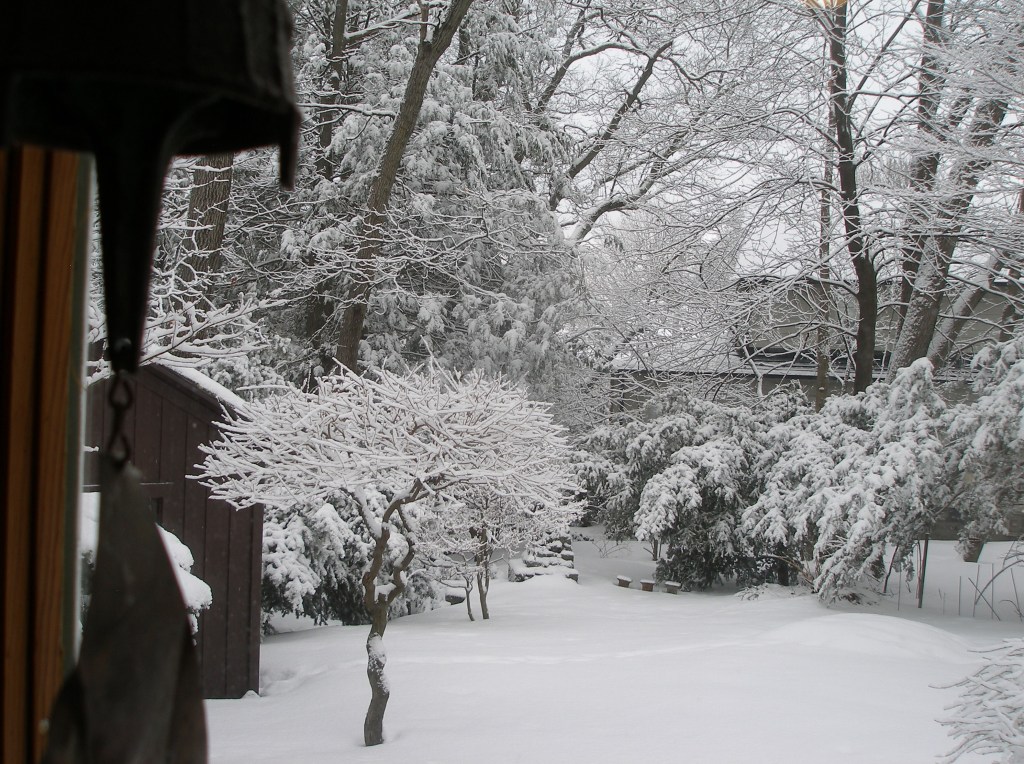
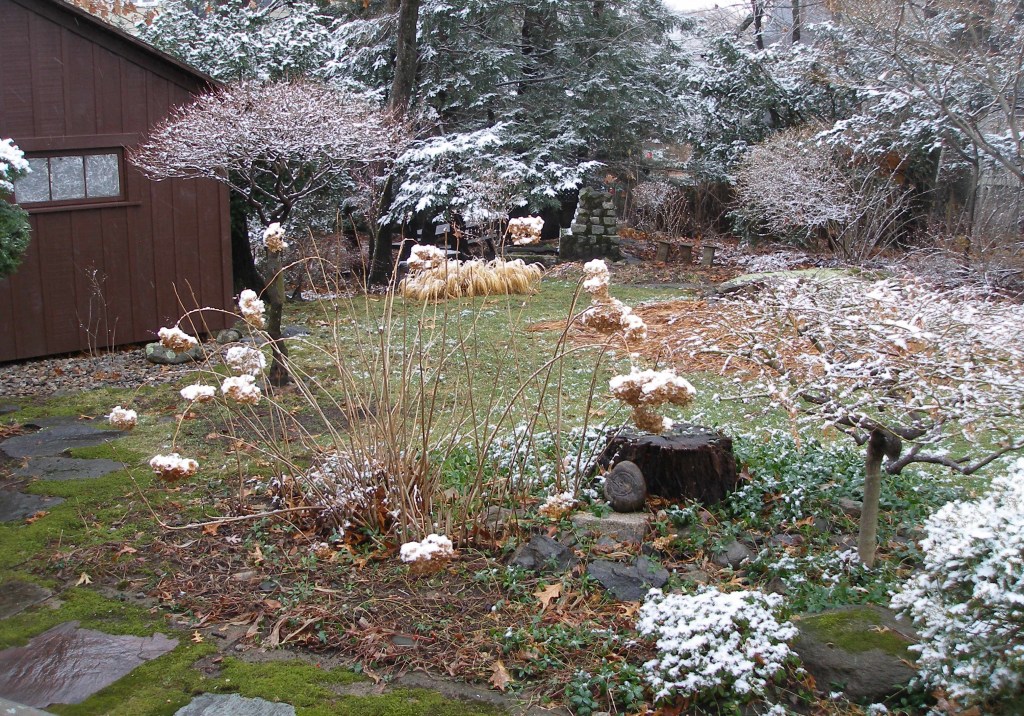
Reviewing photos of my Japanese inspired tea garden, I found a variety of different effects from delicate “snow blossoms” to deep mounds of snow left by blizzards.
Betsy White’s book had me thinking that not many of us would be willing or able to push beyond so many expectations of what is possible. Still for all of Betsy White’s pioneering achievements, she is the opposite of intimidating. I have found that is often the case for those who truly love what they are doing. Betsy warmly welcomes the reader to her world as she shares with open honesty about her struggles and the real rewards of her considerable efforts.
Betsy met and married Gene, a man who shared her passion for mountaineering, and her humanistic impulses. His civil engineering work providing access to fresh water in many developing countries made it easier for them to add international summits to their “life lists.” The couple did not allow their peripatetic life style to get in the way of raising a family. They found creative solutions to inevitable unanticipated problems with their gift for making friends who could offer them guidance and support. As a result, their lucky children got to experience a variety of cultures as well as wonderful mountain climbing adventures.
Betsy’s career focused on developing training programs and other practical resources for supporting human, and specifically women’s rights. Her cultural sensitivity and willingness to put in the effort required to learn the language gave Betsy rare access to Muslim women in the various countries where she lived and worked. When Betsy decided to pursue an advanced degree, her ground-breaking dissertation focused on how expectations placed on Muslim women affected their countries’ overall development and level of wellbeing.
Part way through the book, it occurred to me that Betsy’s mountaineering experience might have had quite a positive influence on her multi-achievement “balancing act.” It would teach the value of seeking out good climbing companions, careful planning, adaptability and finding creative solutions when things do not go as planned. The extent of her mountaineering experience would certainly have honed her intuition about when it makes sense to take risks, and when it makes more sense to turn back.
I found many valuable lessons like these in what Betsy shares. While most of us do not have the resources or degree of freedom that Betsy had to truly live her large dreams, many of us probably do not dream large enough. A great deal is possible. We risk short changing ourselves and the world by not carefully considering what risks are worth taking to include what we truly care about in the precious time that is aloted to us in this life.
This short Lessons from the Way of Tea documentary shares my experience with Japanese tea ceremony (also known as The Way of Tea). I was first attracted to the art’s many sensory delights and the way it acknowledged the seasons. It started with the joy of selecting the scroll and utensils and arranging flowers for a particular gathering.
We students copied our teacher hoping to learn the many steps well enough to be able to share tea in a natural flowing way, while supporting our guests’ tranquil awareness. Only after striving to prepare and share a bowl of tea over and over again, did it dawn on me that this gentle art is a bit of a ten ton canary.
It felt quite intimate, and somehow universal at the same time. Like any art, what you get from it, depends upon what you bring to it. That kept changing.
As my ability to sustain attention to the scripted generosity increased, I could feel my own responses more vividly. I was more able to fully take in other’s reactions. I began to find a deeper beauty in everyday objects, nature and people. I sensed wider connections, and I realized how bringing caring intention to even humble routine chores can add meaning and purpose to life. Tea ceremony practice never failed to leave me feeling centered and at peace.
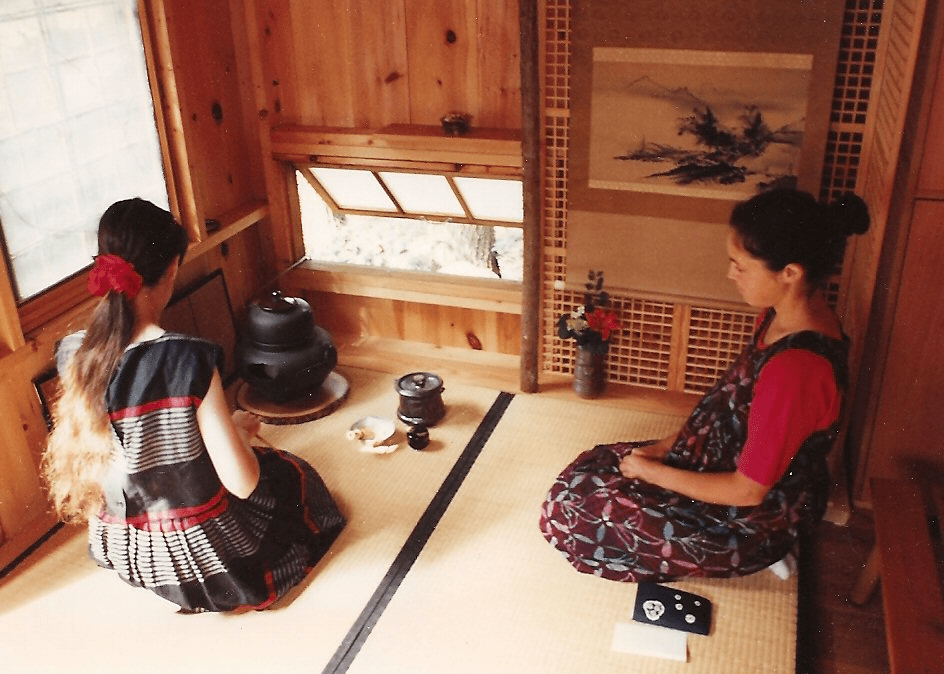
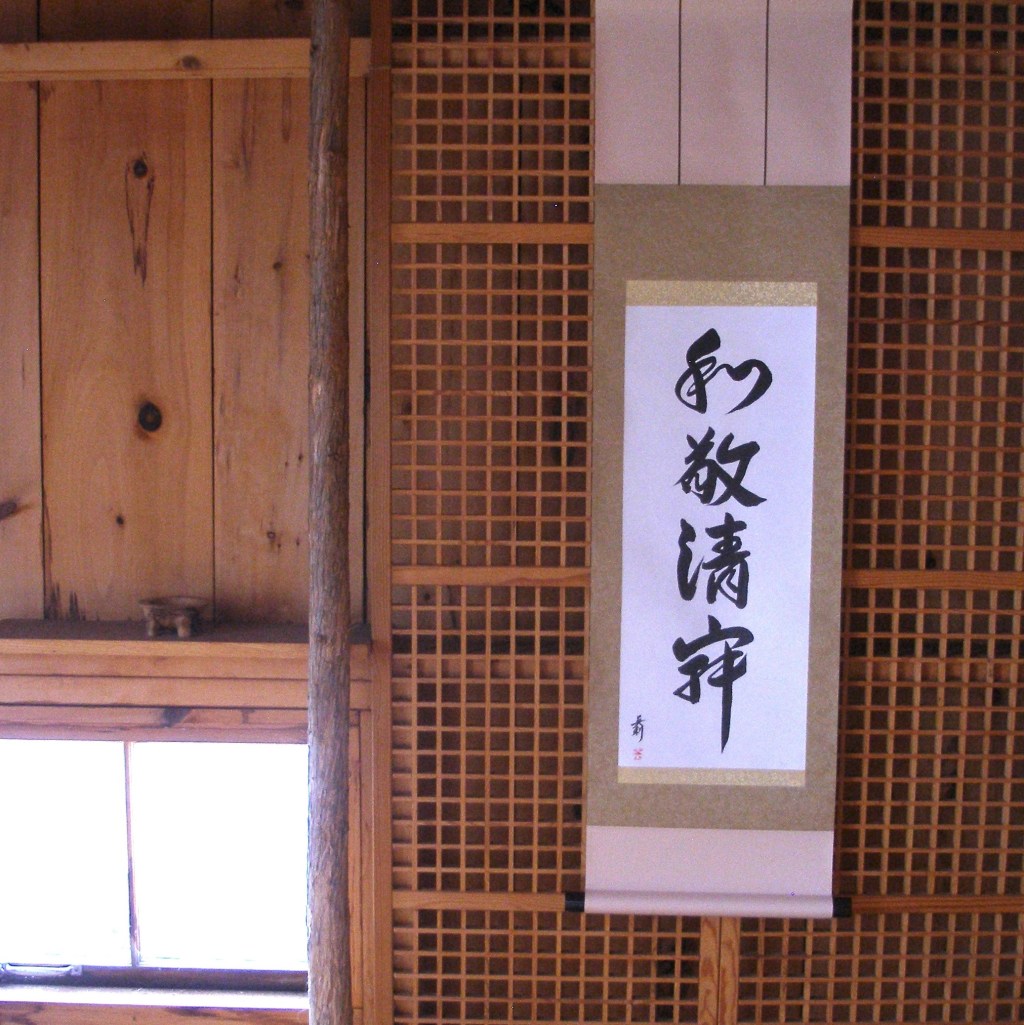
The art’s core principles of Harmony, Respect, Purity and Tranquility (on the scroll by Takase Studio in the photo above) are built into the rules and preparation steps in such a way that I directly experienced many important lessons.
Few people, even in Japan, are interested in learning tea ceremony’s formal procedures these days. But since what the traditional art has to offer seems so badly needed in our hurting world, I began to dream of finding more accessible ways for others to gain access to their own “tea wisdom.” This latest Lessons from the Way of Tea video is one result.
A second video, Hannah’s World: Living Tea Values provides an example of someone who seemed to be living life guided by tea ceremony’s core principles. She reaped benefits for herself, for others and also for the natural world that meant so much to her. An earlier project involved developing an accessible tea and dialogue mindfulness practice that showed promise as a means to combat the many serious health risks associated with loneliness and social isolation.
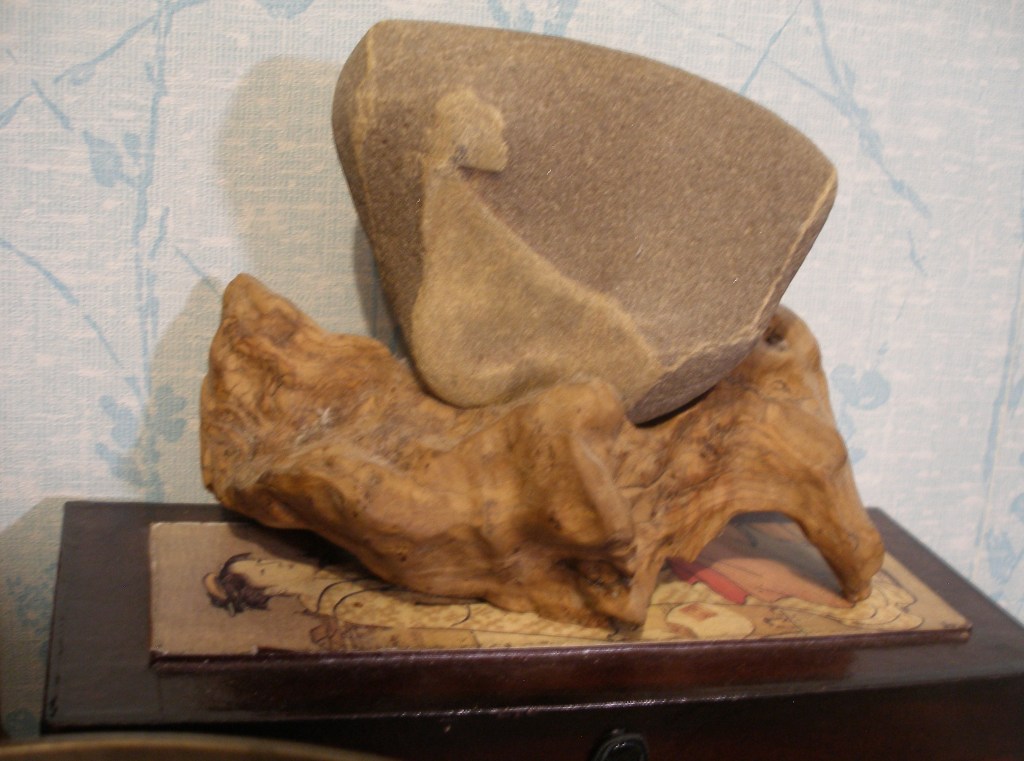
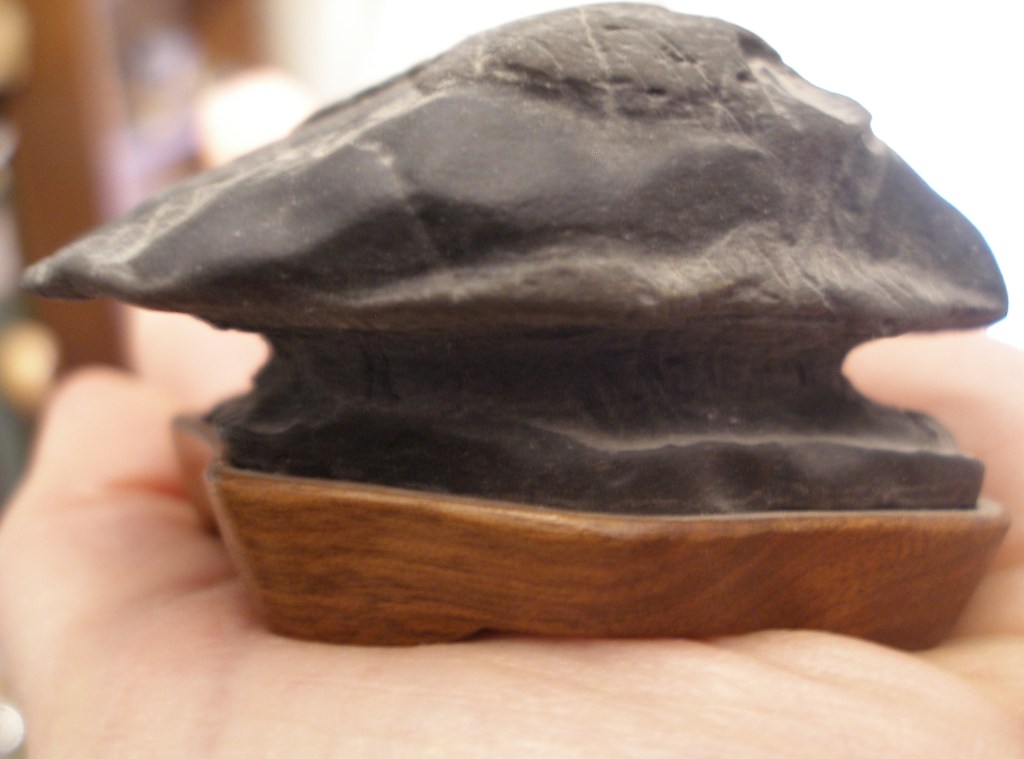
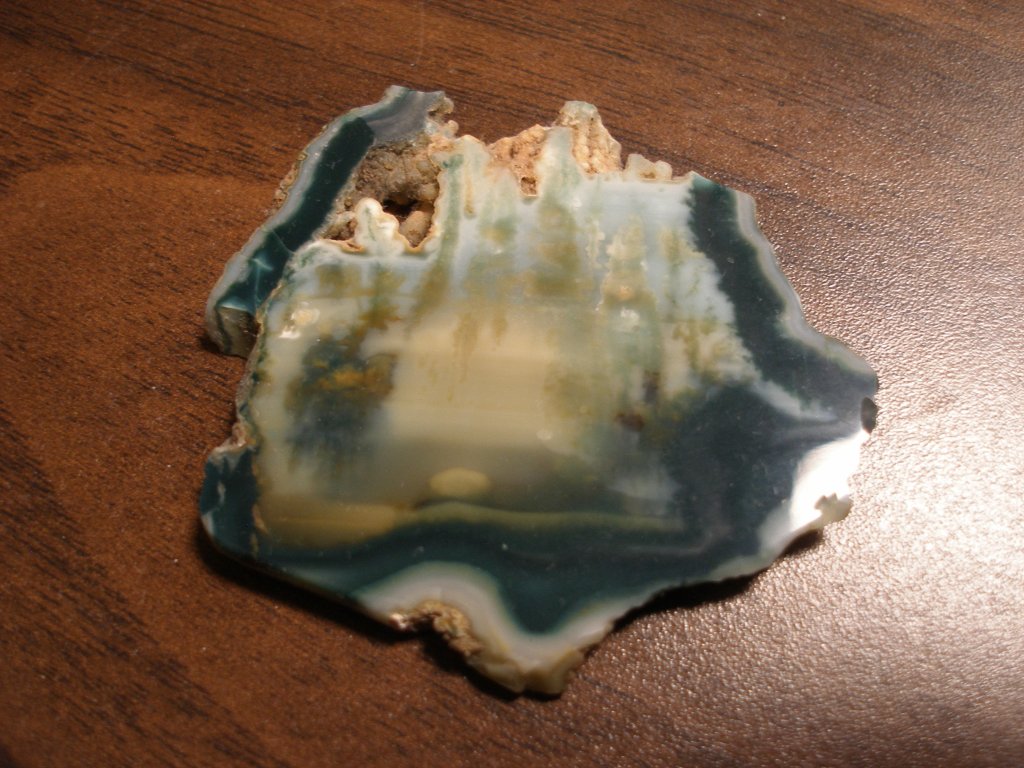
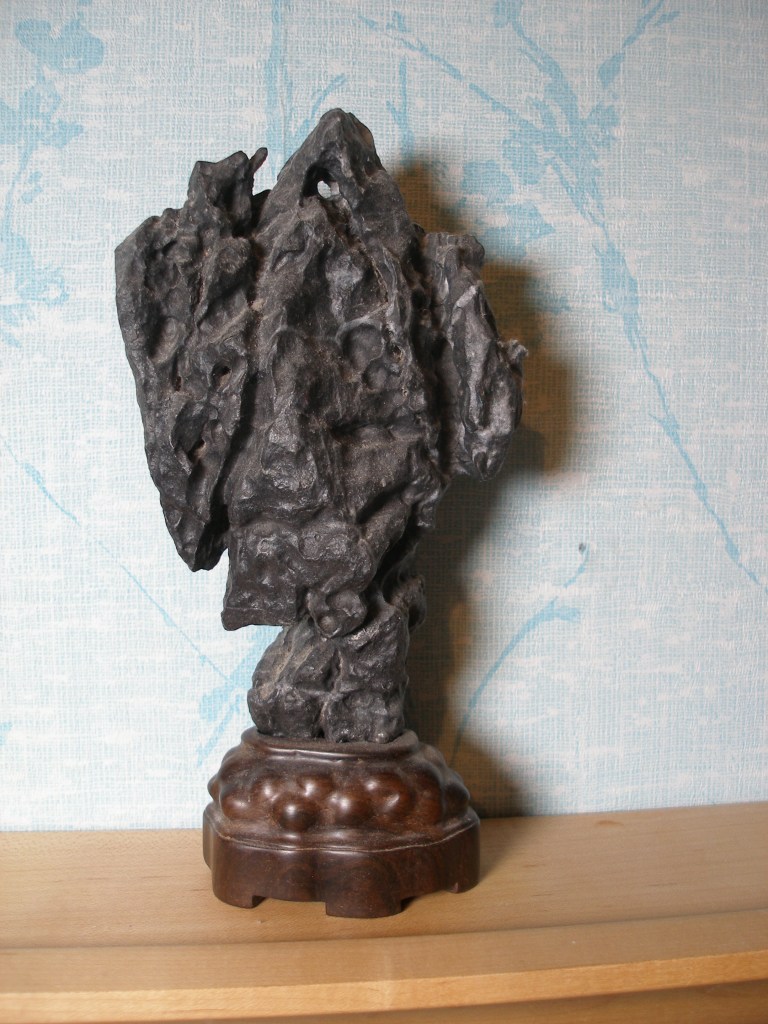
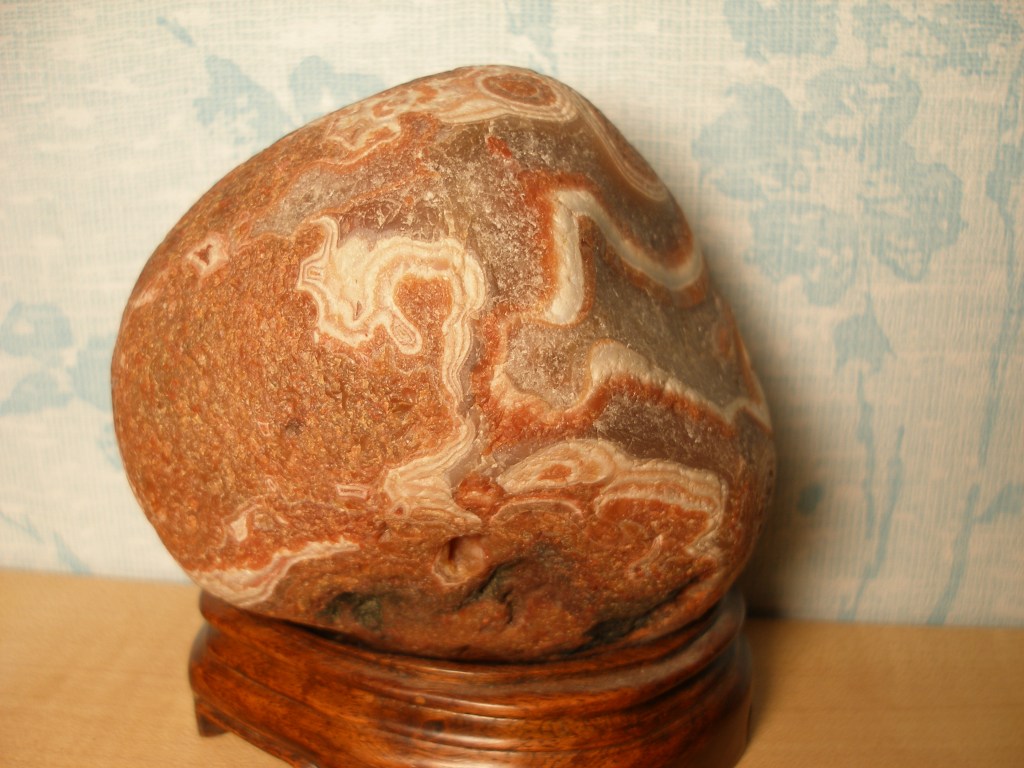
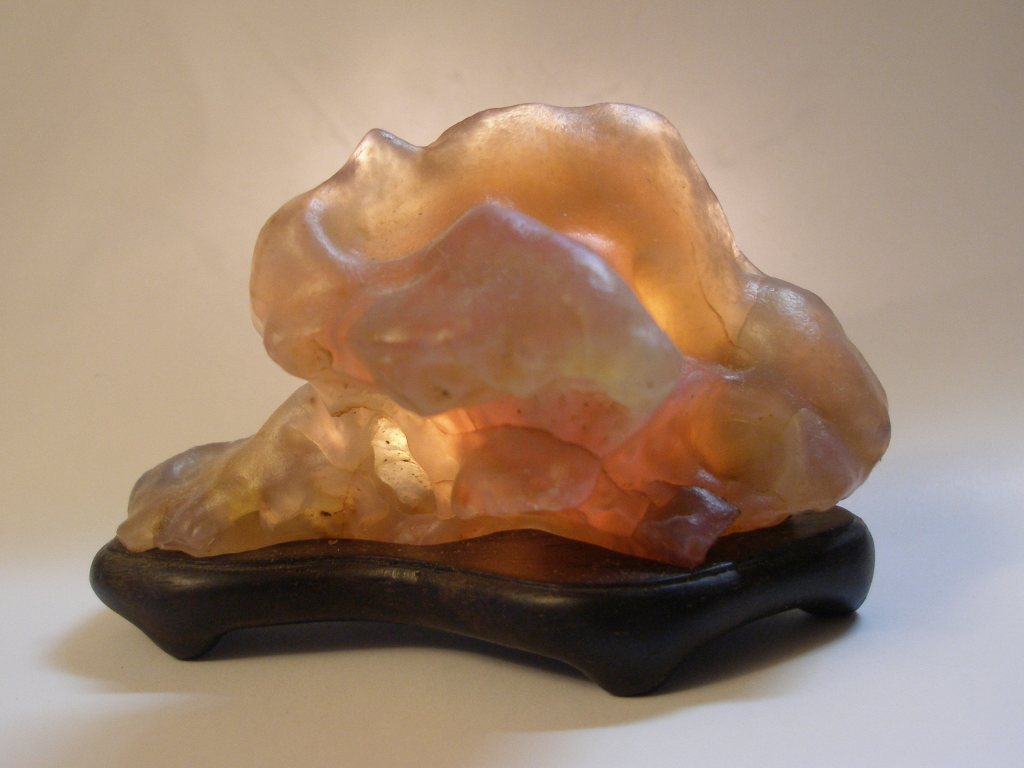
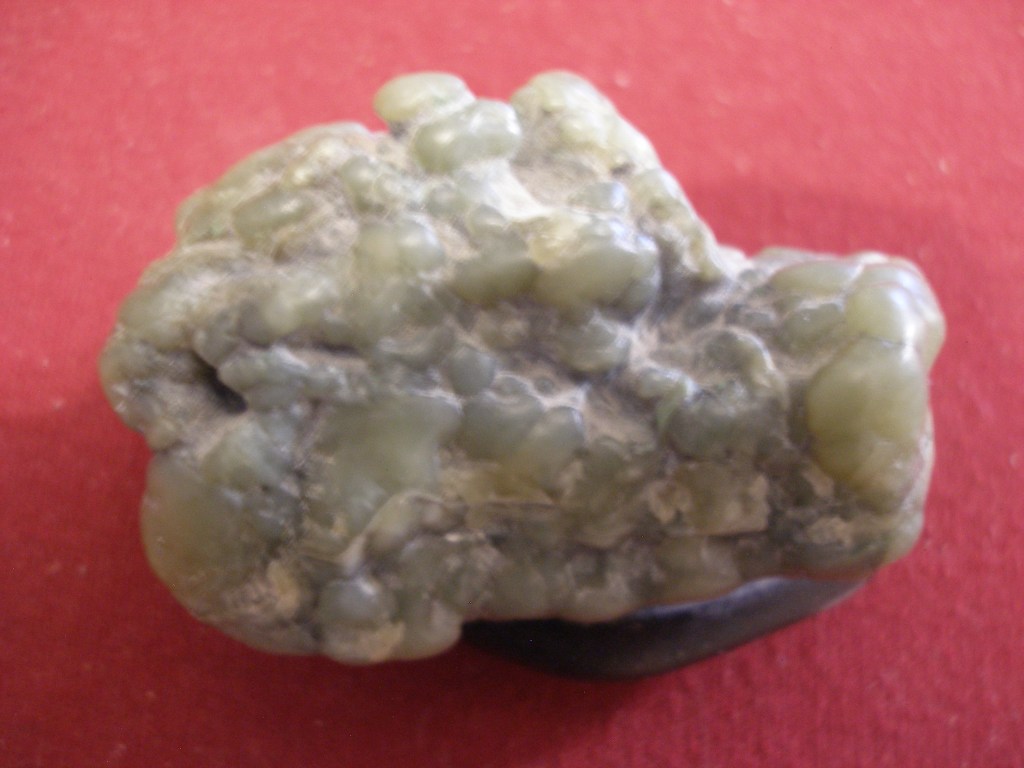
After many years of collecting evocative stones, somehow I managed to acquire an oriental princess, 3 hut stones, a pontificating wizard holding his book of spells, and no less than 4 dragons. The ones on stands are viewing stones. In two cases, I noticed “mythical” images in polished jasper slabs.
A small Blue Mountain jasper slab has a whole scene – a hut beneath some trees on the lower right and an oval (dragon egg?) by what appears to be a body of water.
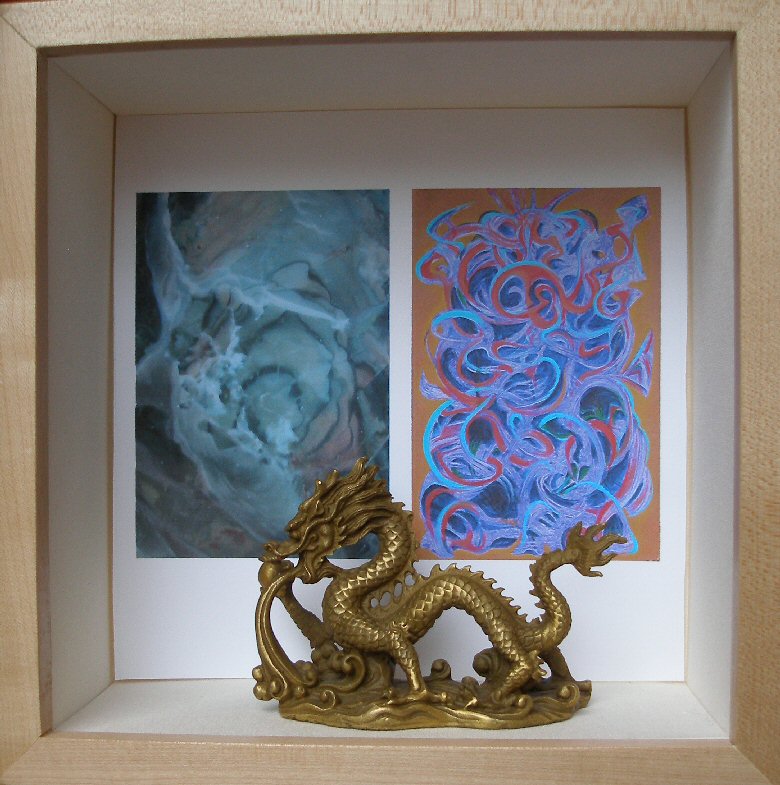
Thom Lane created a painting inspired by the dragon energy he found in a Morrisonite slab. A closeup of the dragon image in the slab and a photo of Thom’s painting were used side by side in a shadow box that I created for an article I wrote on using shadow boxes to tell stories about stones.
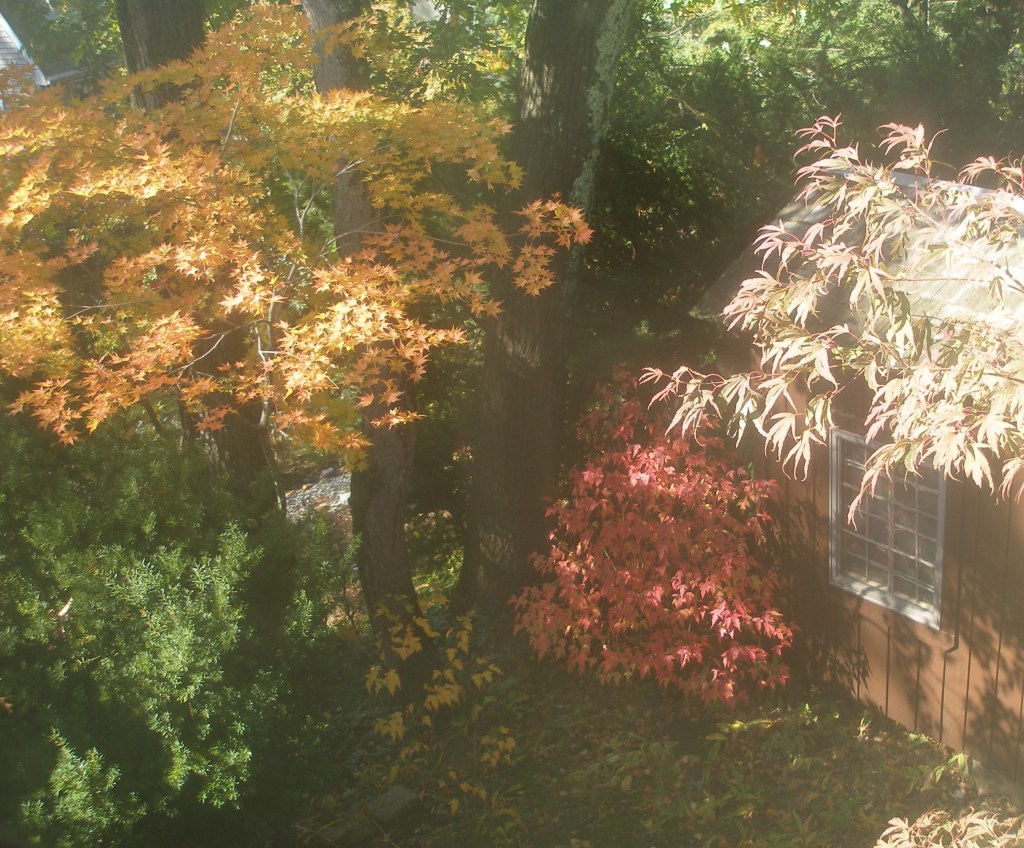
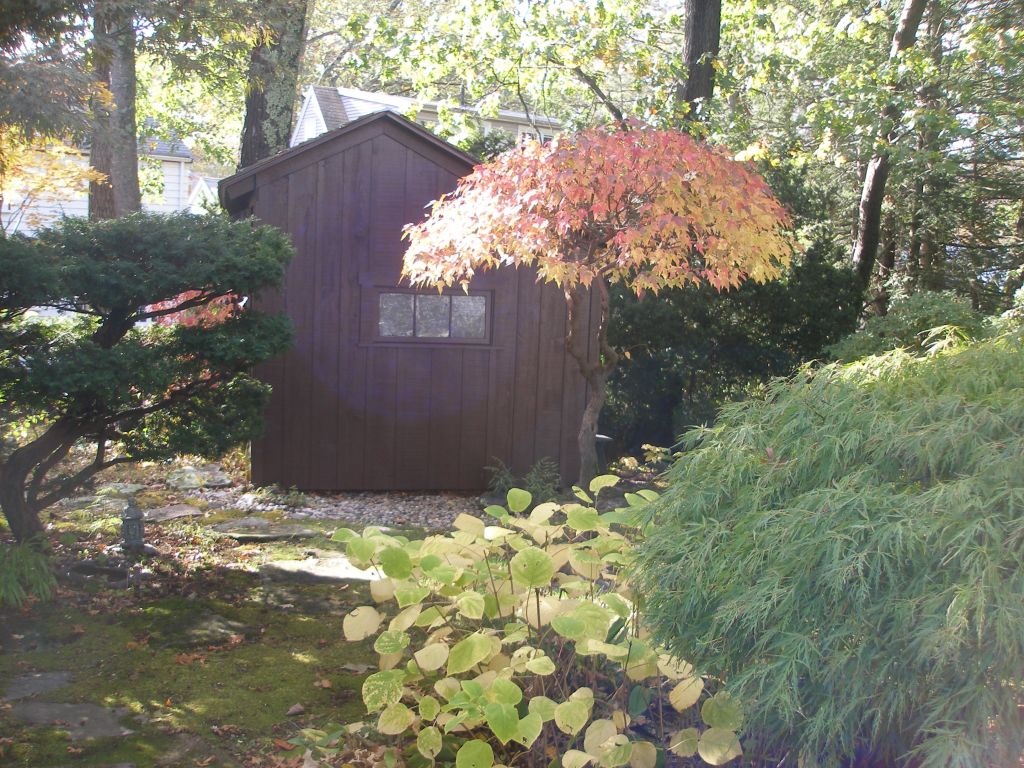
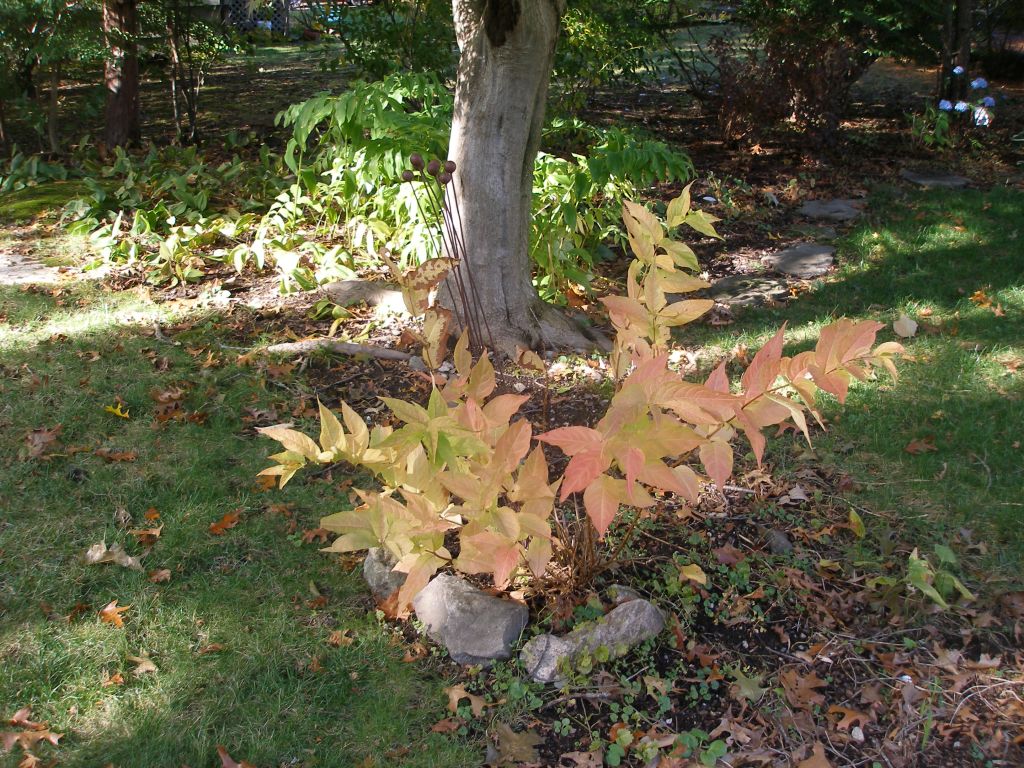
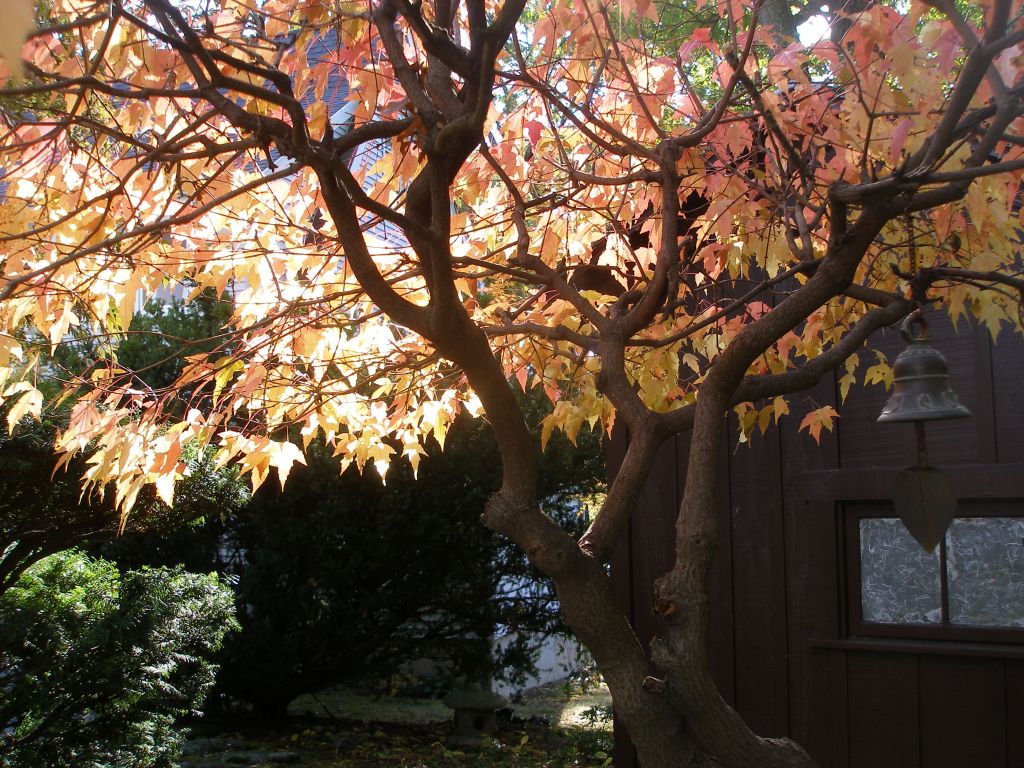
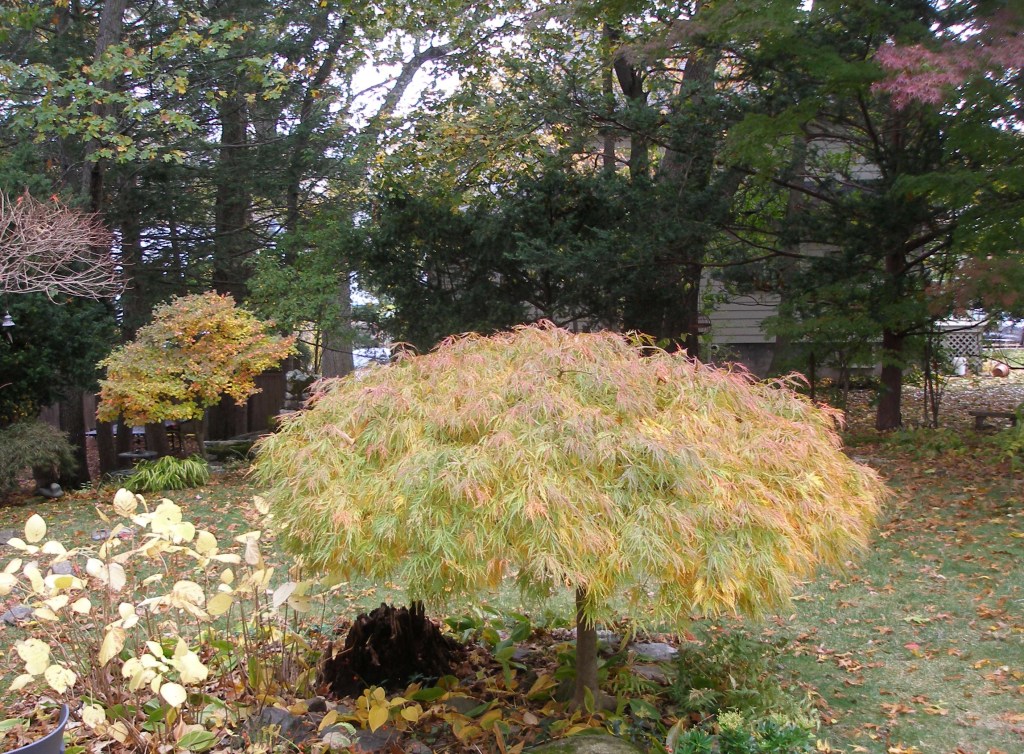
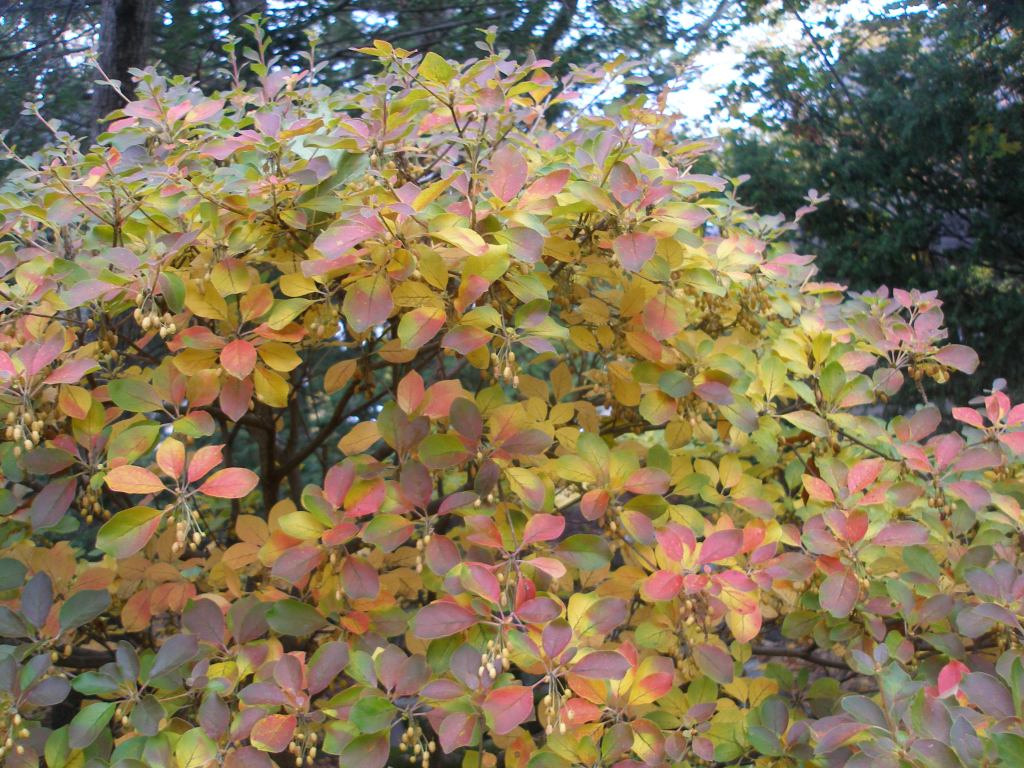
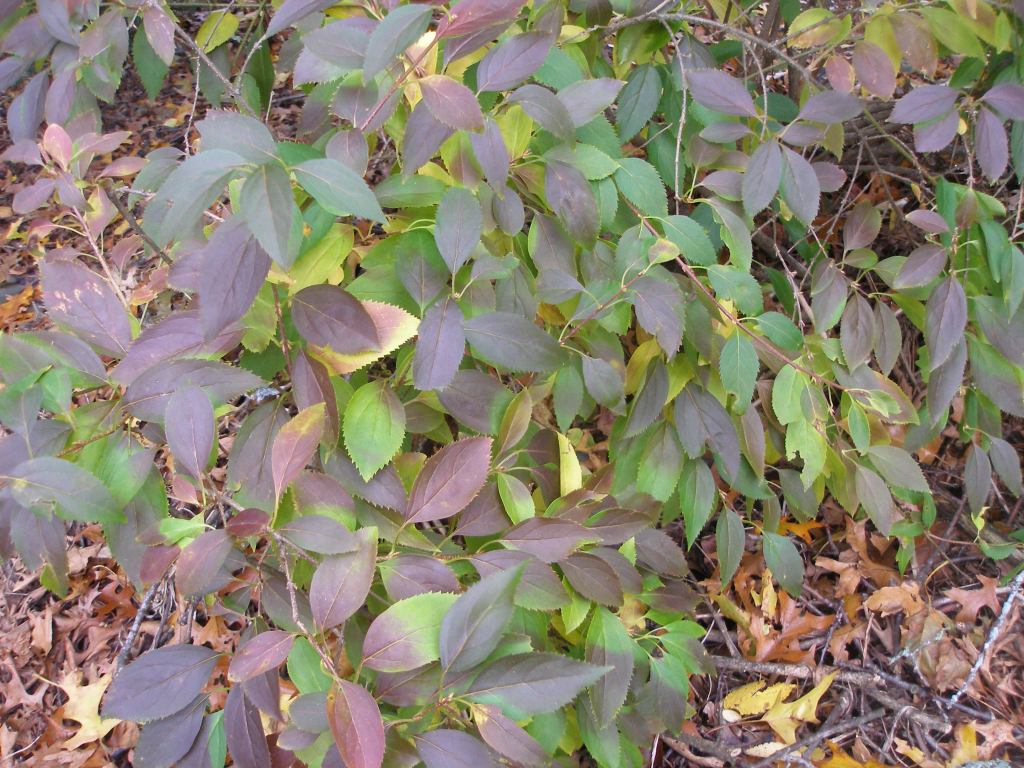
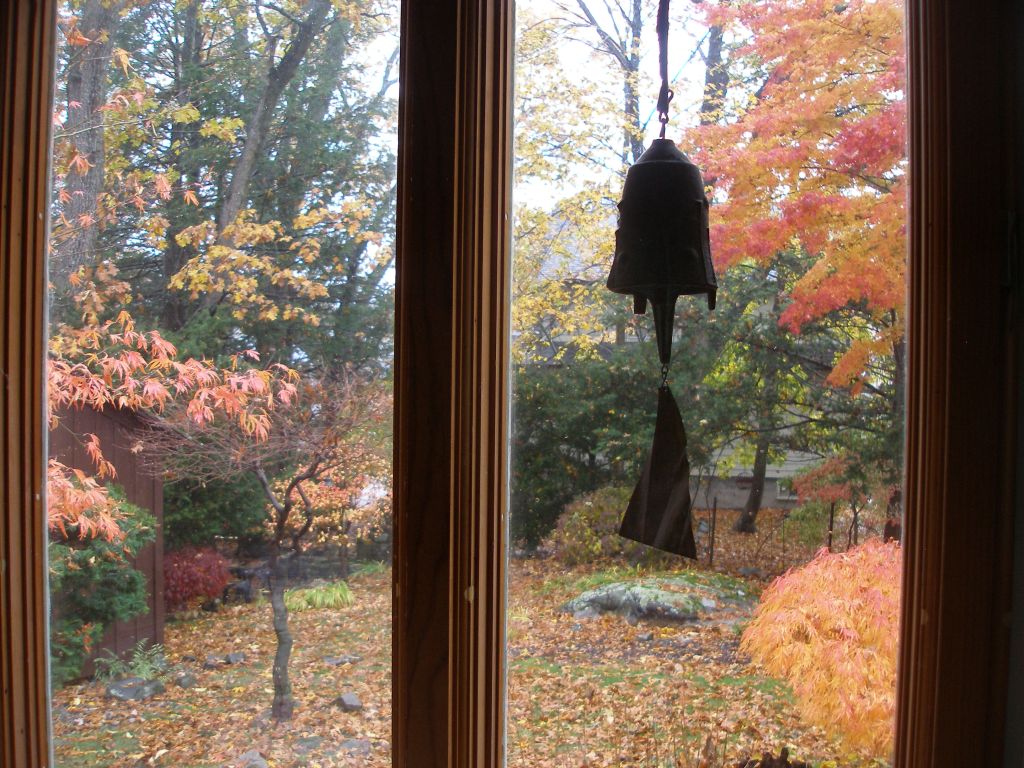
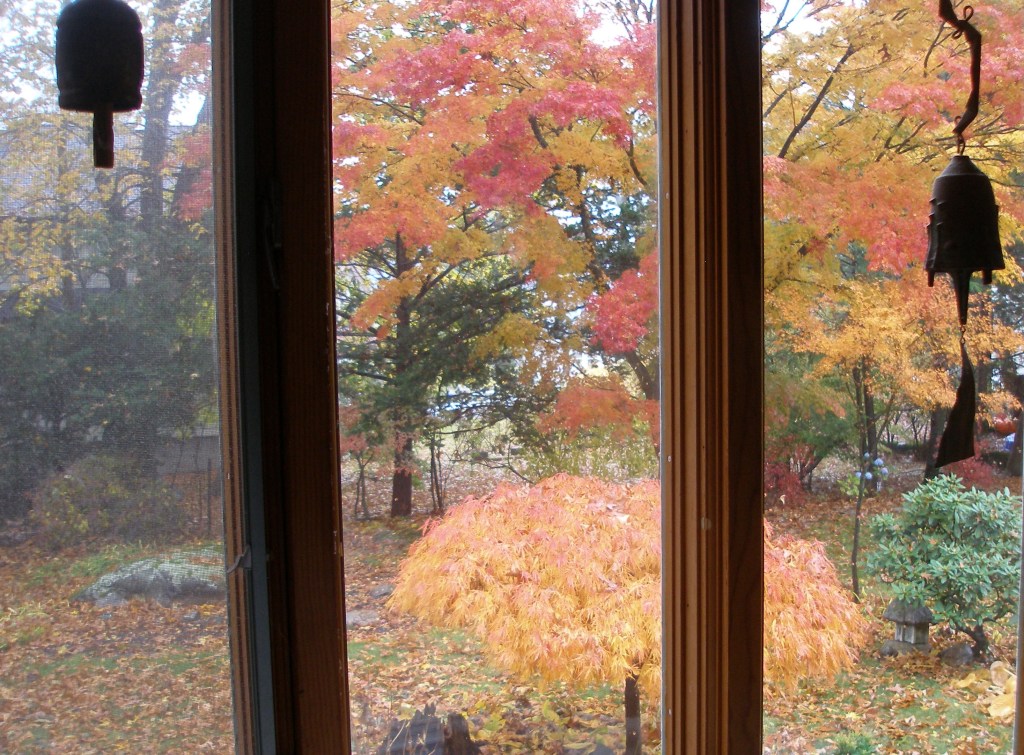
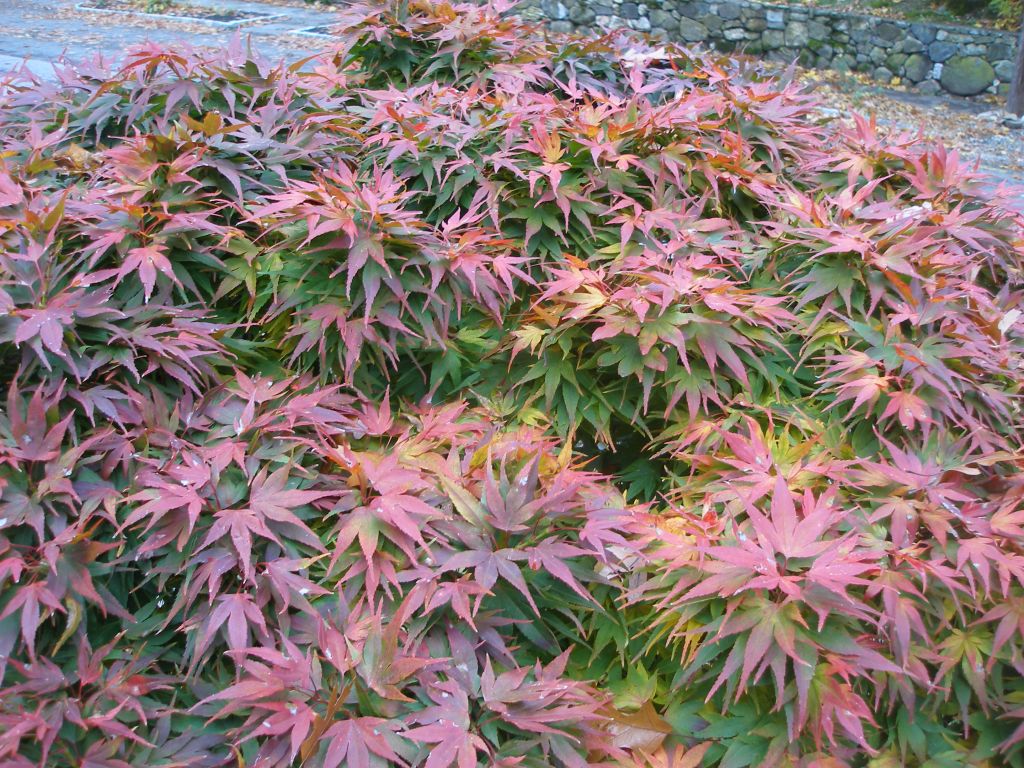
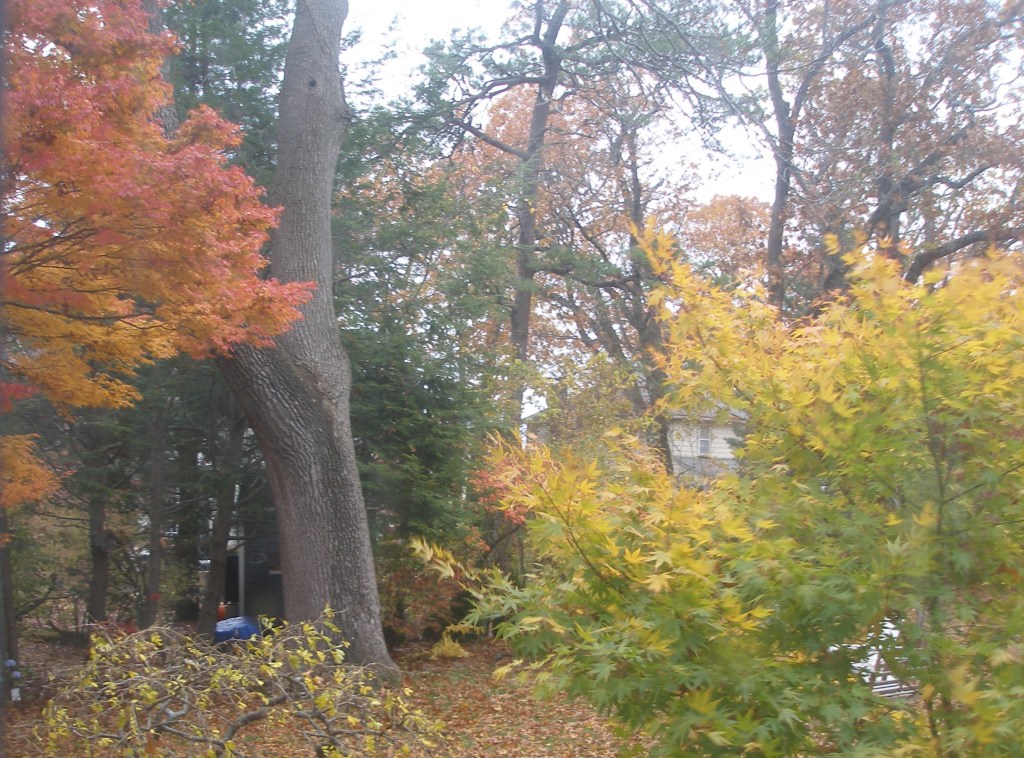
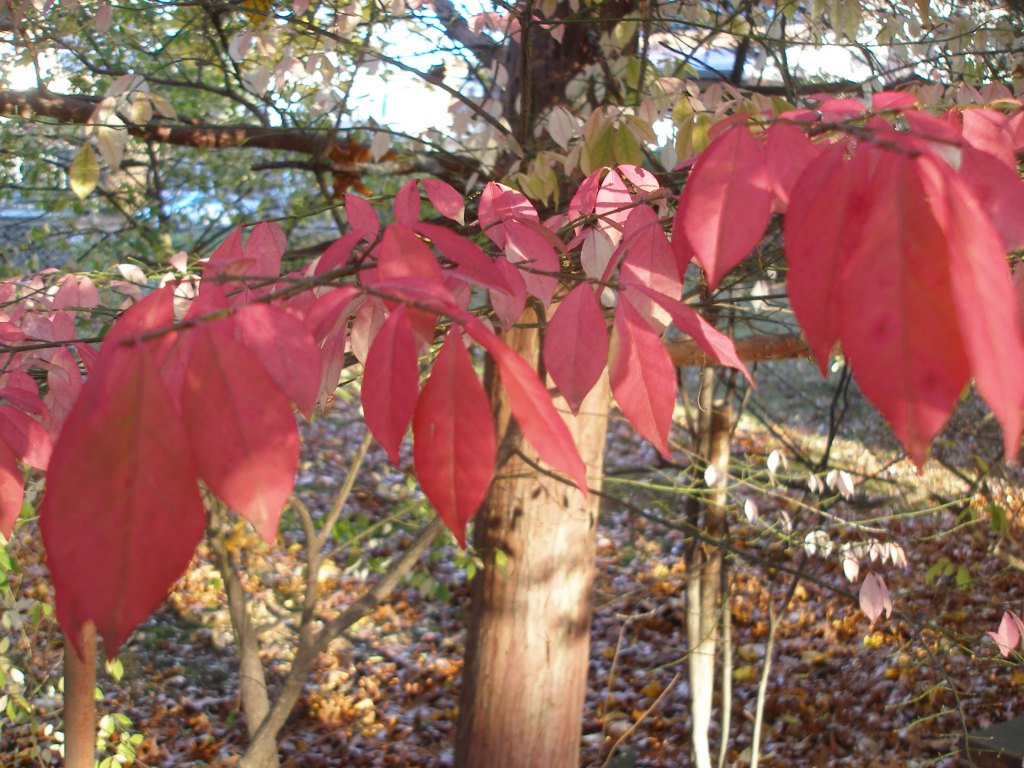
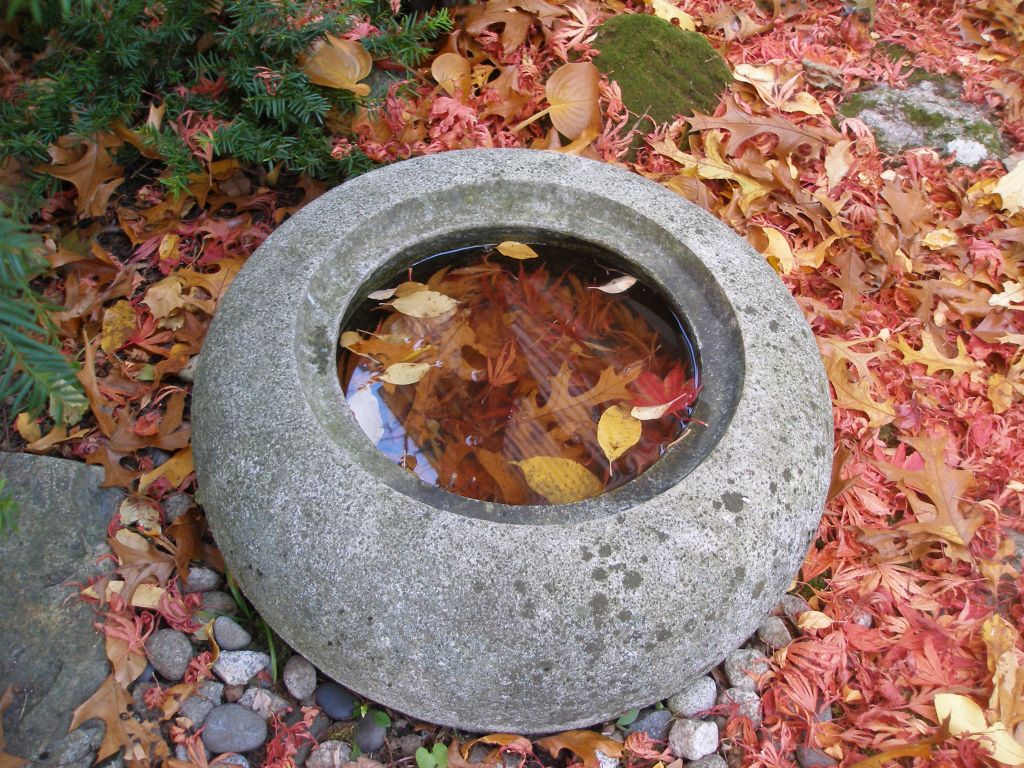
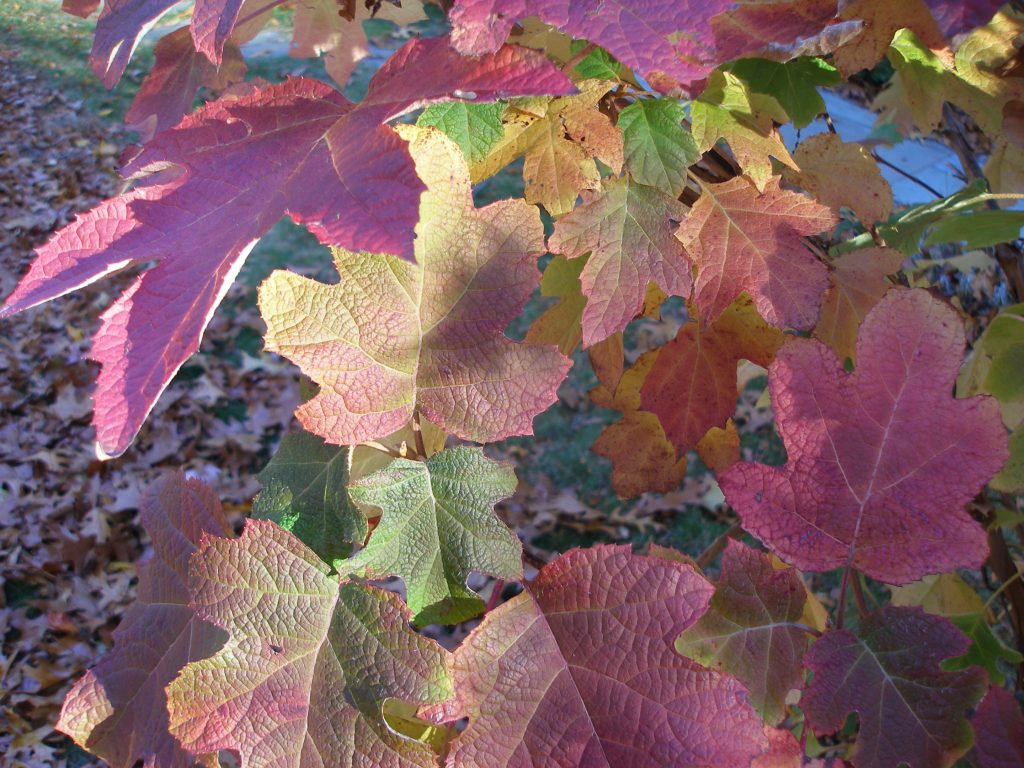
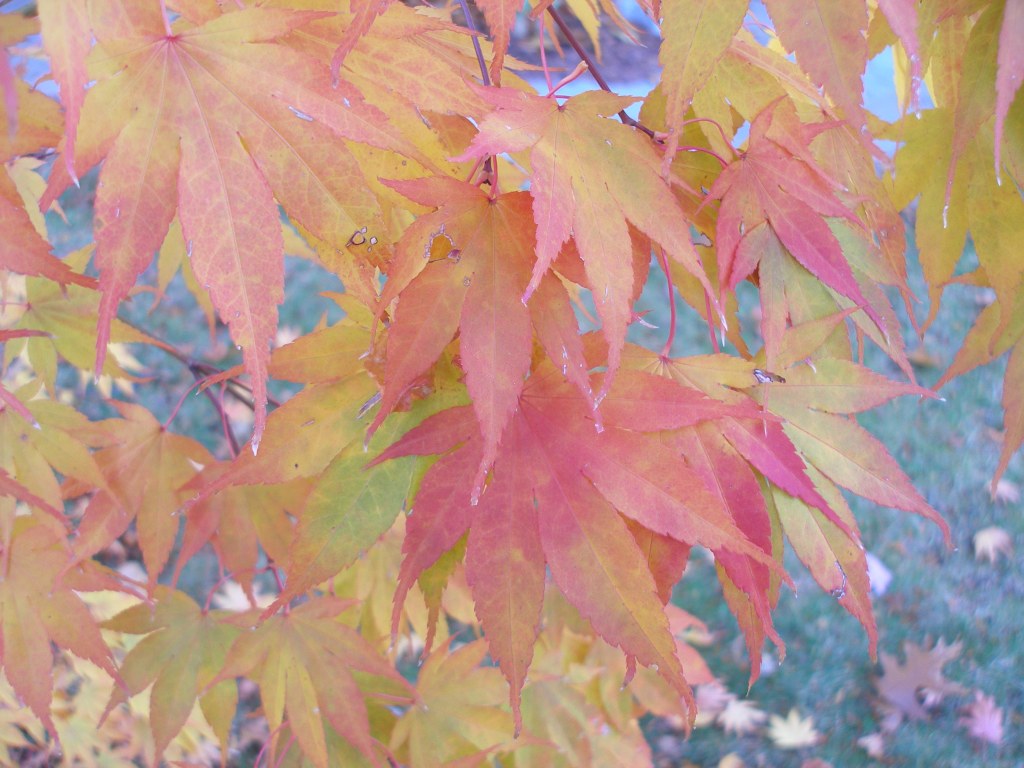
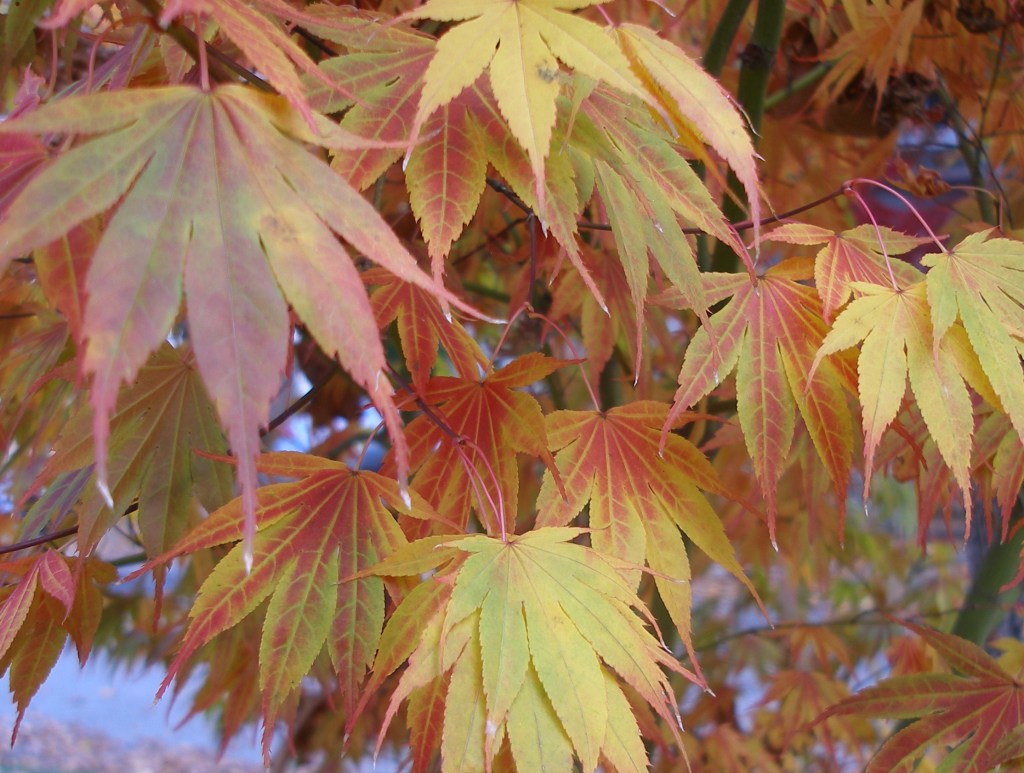
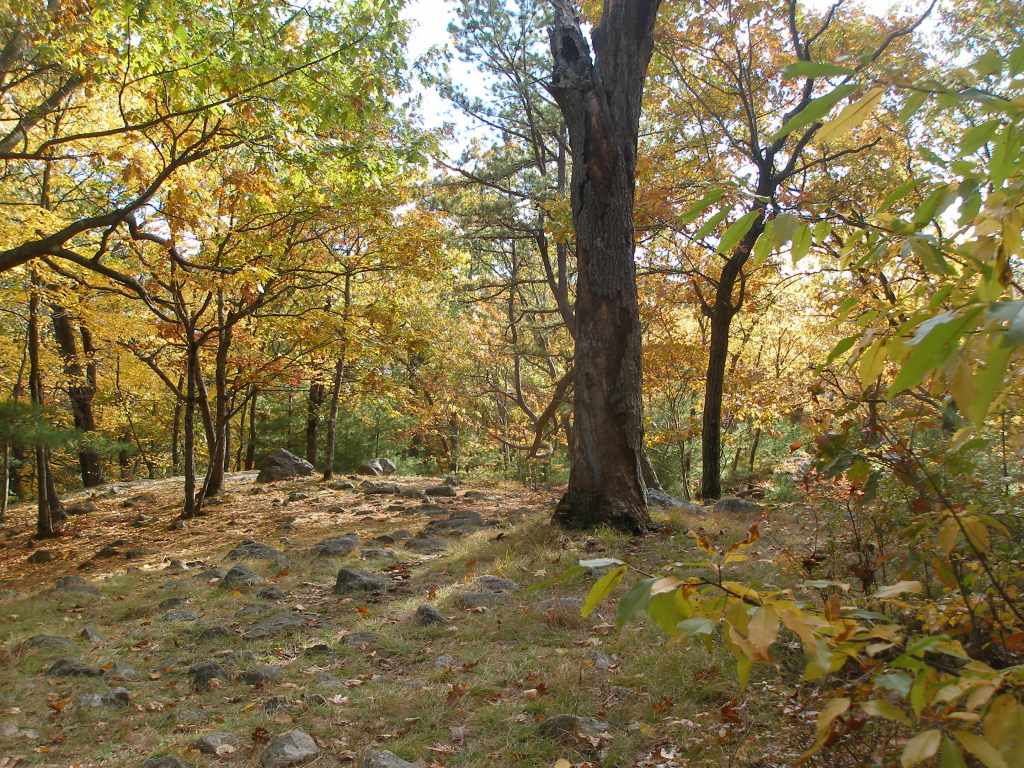
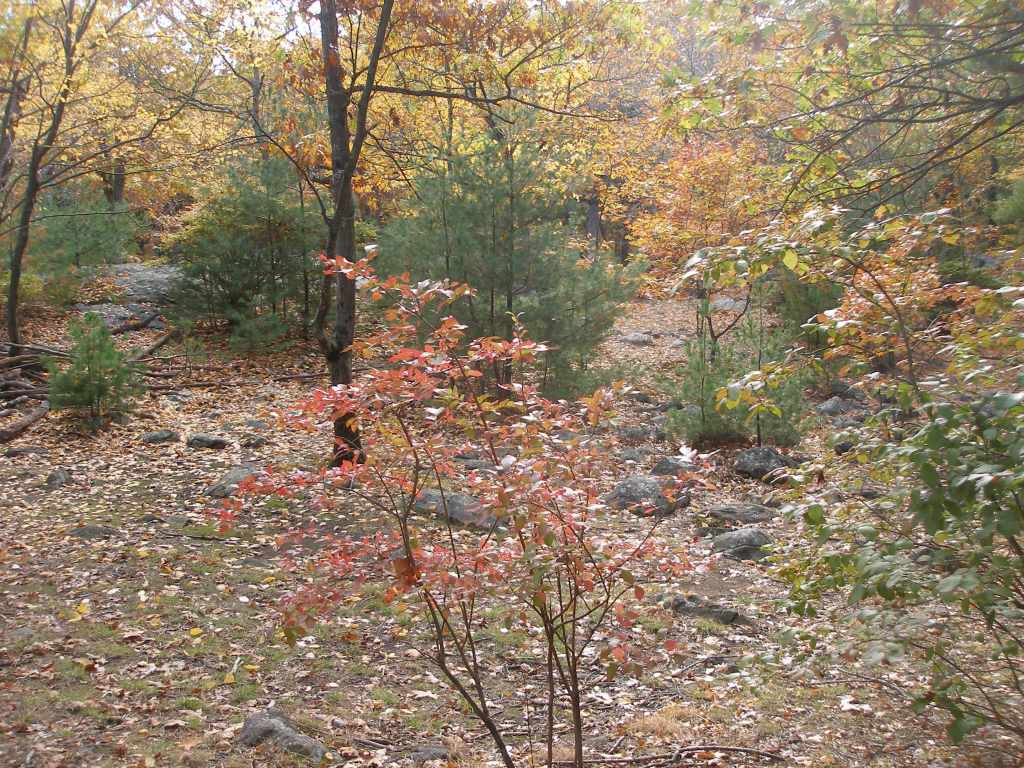
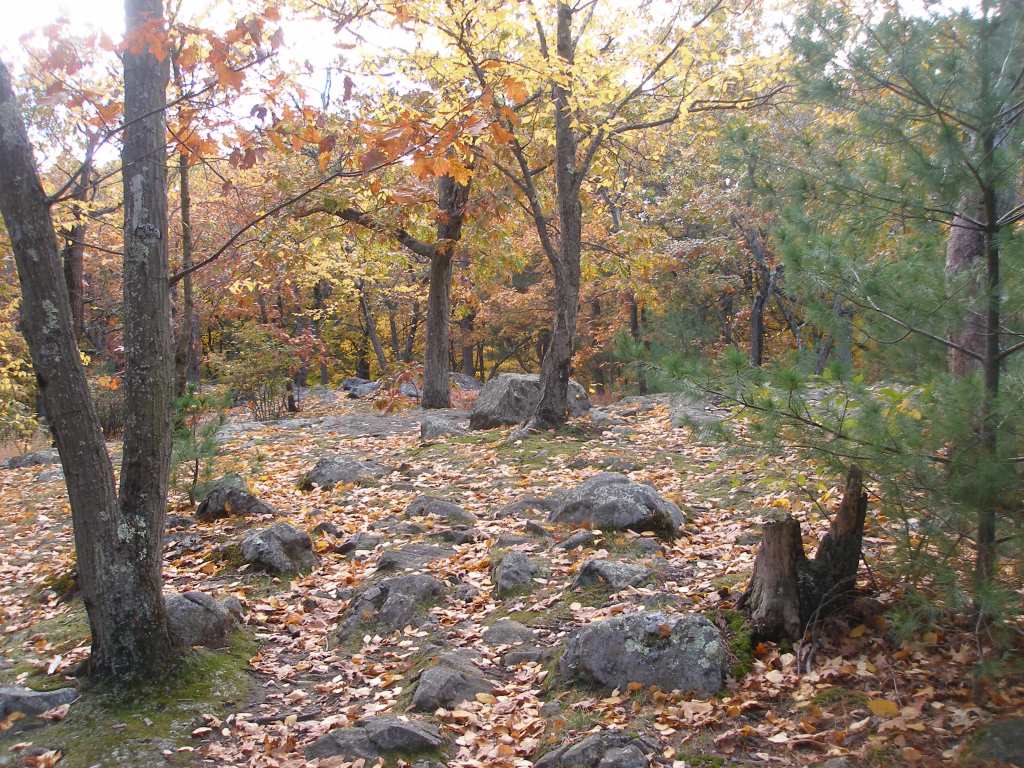
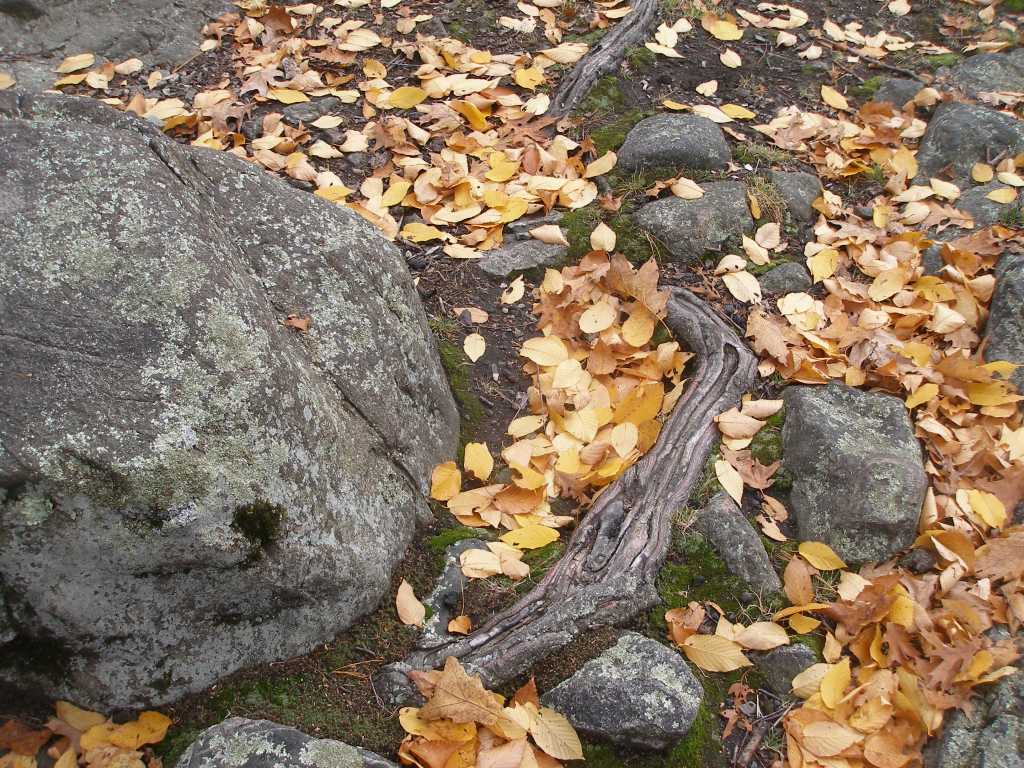
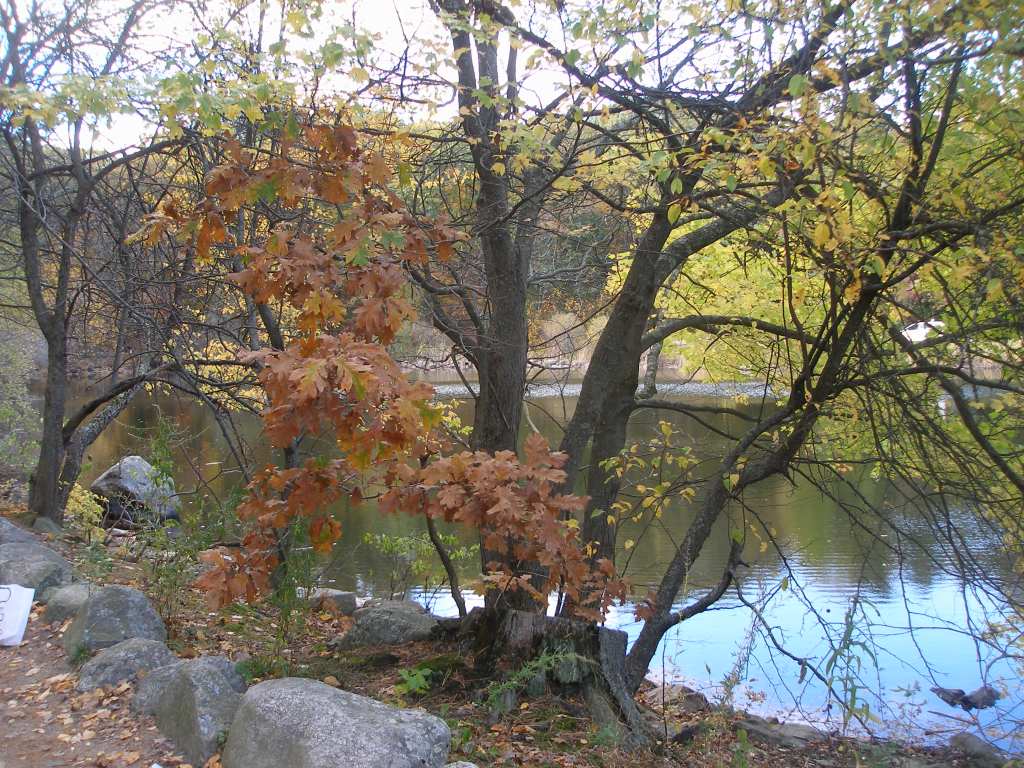
I cannot help staring out my kitchen window at this time of year. The kaleidoscopic patterns of leaf colors keep shifting on the trees and bushes, then fall into delightful patterns on the ground.
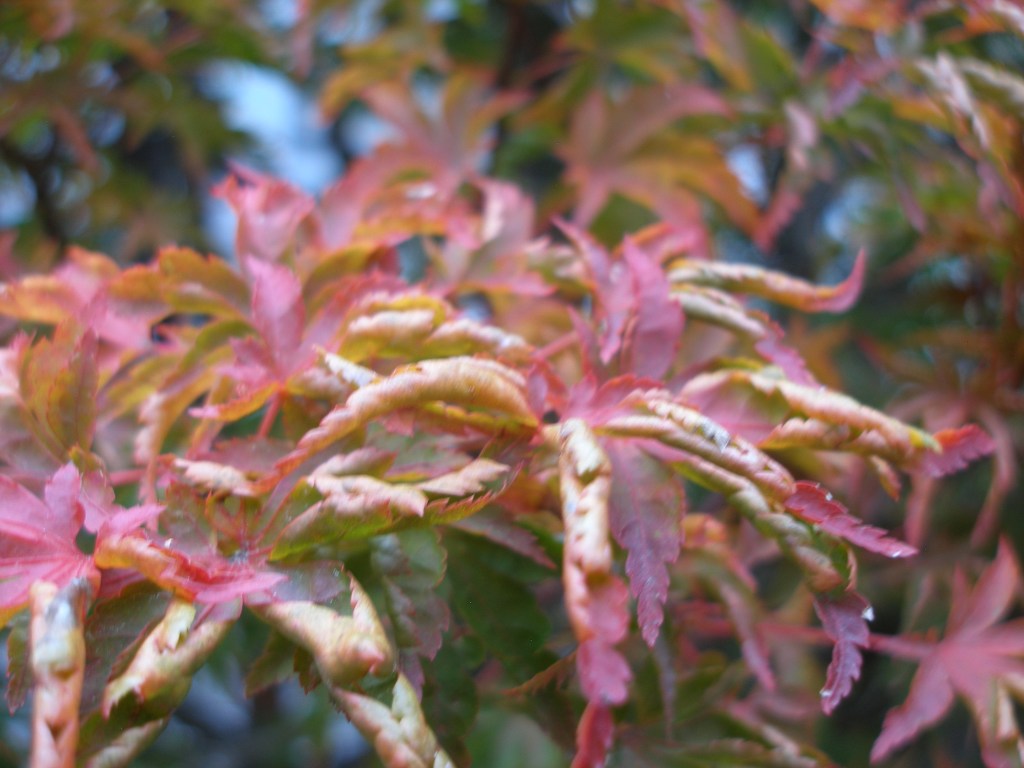
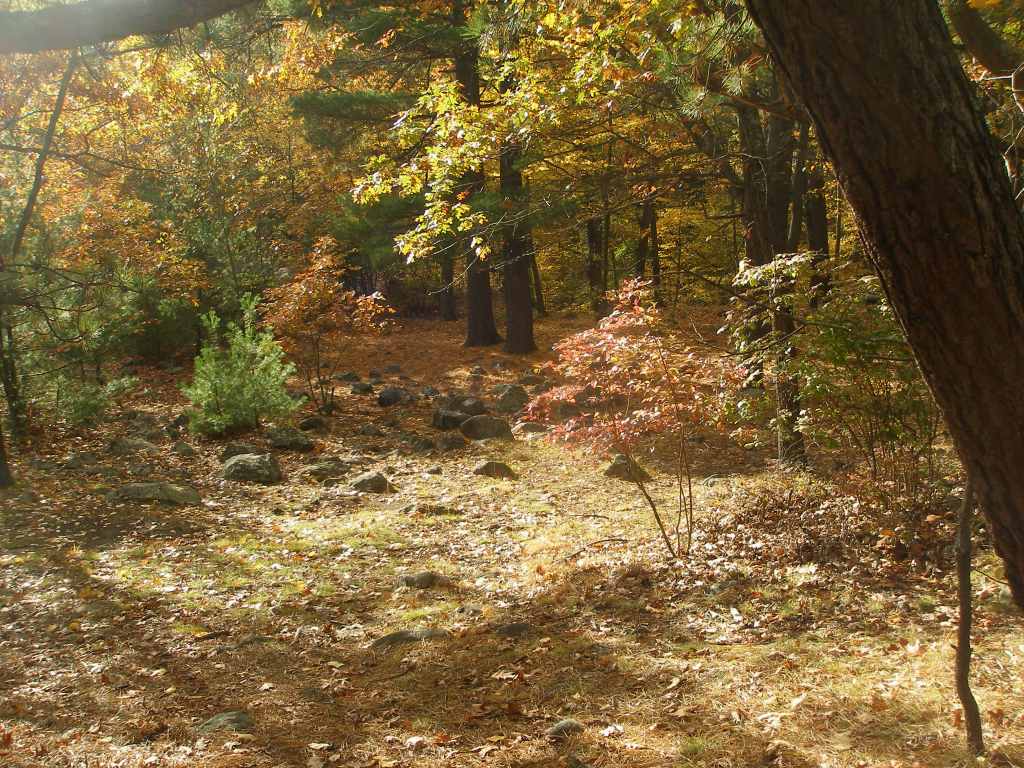
The gemlike colors on cloudy days can appear quite different when sunlight sets them glowing.
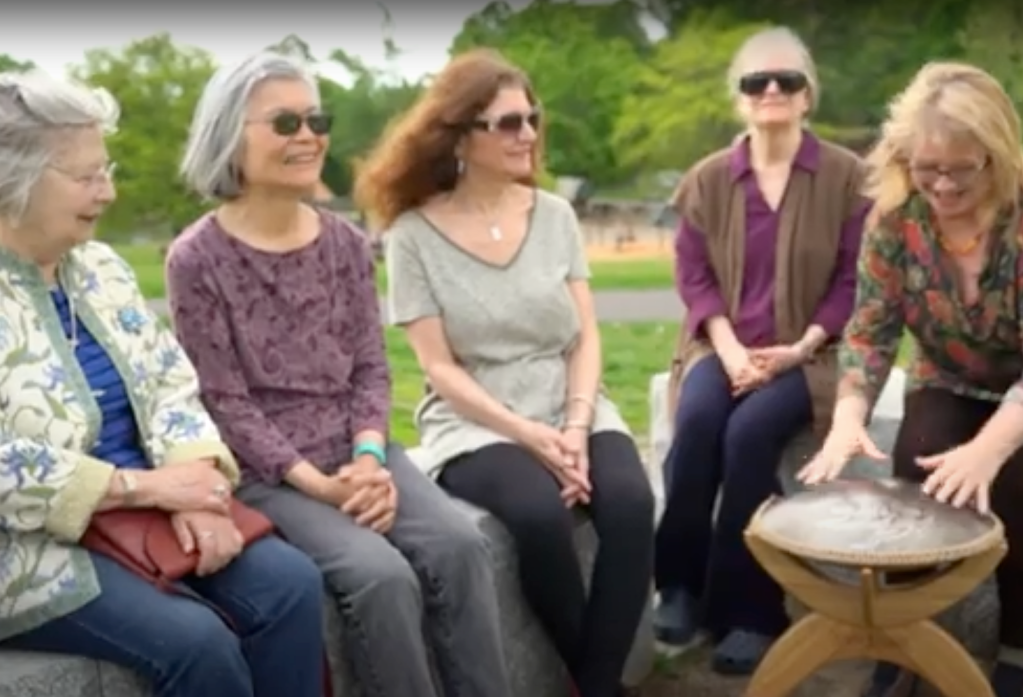
The Arlington, MA Council on Aging (COA) offers many opportunities for social connection. During my internship there while working on a Masters in Mindfulness Studies at Lesley University, I realized many elders are naturals at mindful connection. With time more precious, perfection and things matter less. What does matter is time spent together. They understand that deep listening and honesty both support the kind of heartfelt aware connection that amplifies wellbeing.
As I learned, many of the 200(!) or so Arlington COA volunteers are elders themselves. When I asked what they were most grateful for, several of them told me it was the opportunity to support others. That kind of wise appreciation is both rare and badly needed. It should not take a natural disaster or realizing there are few years left for us to understand we have the tools to honor each other’s dignity in ways that are mutually supporting.
My experience offering mindful tea and dialogue workshops to elders confirmed my sense that they might be well positioned to create and promote opportunities for the caring connection that is so badly needed in these increasingly lonely times.
During these tea and dialogue sessions, I observed: (1) caring support, (2) appreciation that deep listening powerfully benefits both the speaker and the listener, (3) growing trust and openness, (4) delight in sharing natural objects and stories (5) playful and joyous creativity, and not least (5) satisfaction from being able to support each other in ways that truly matter.
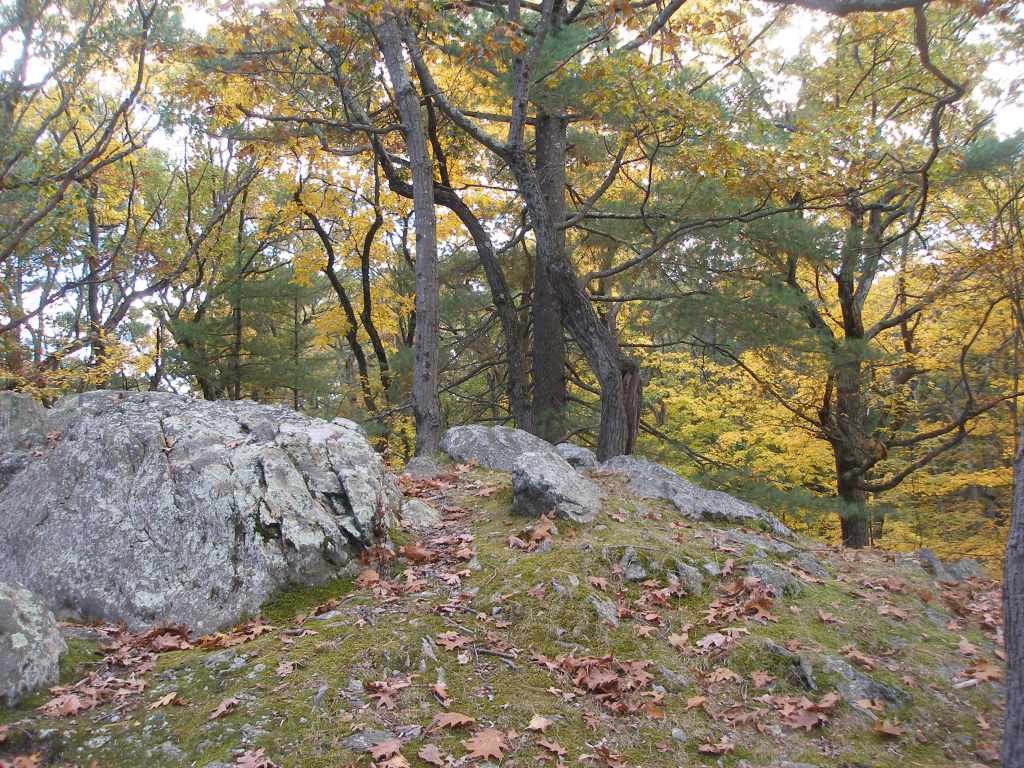
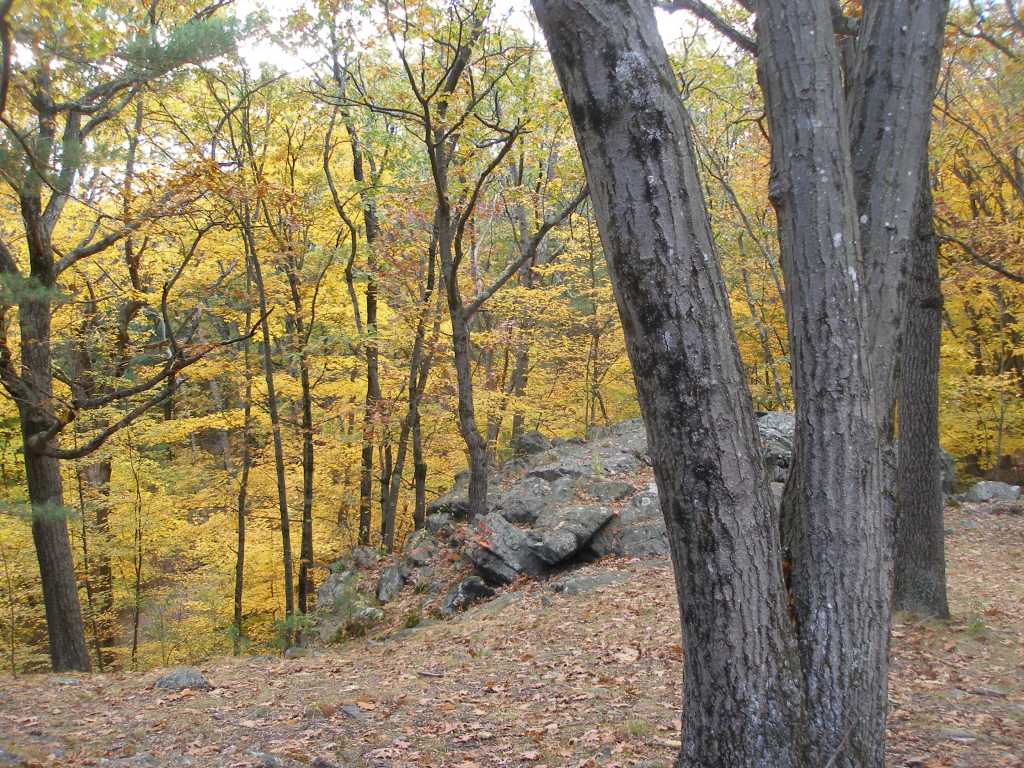
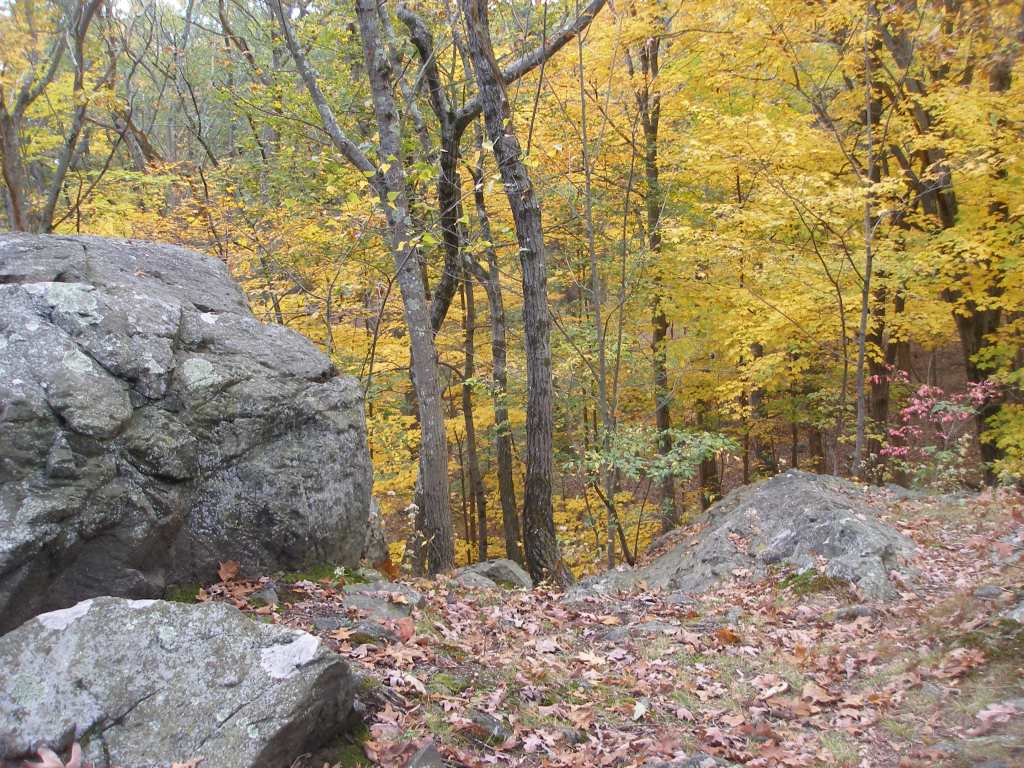
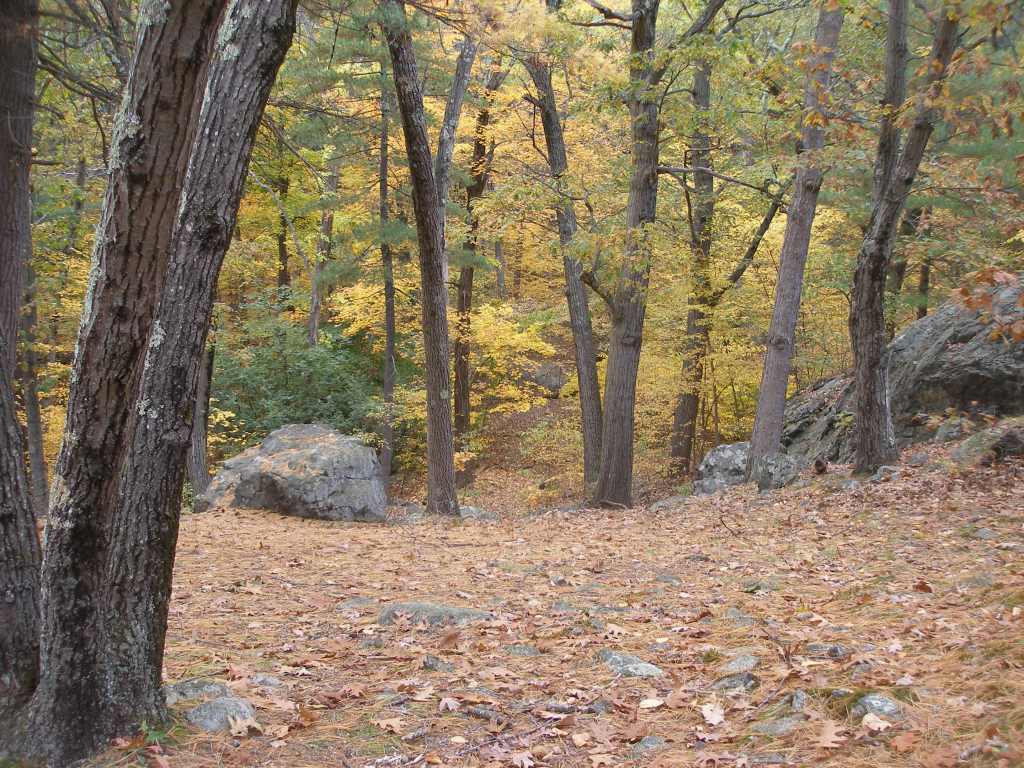
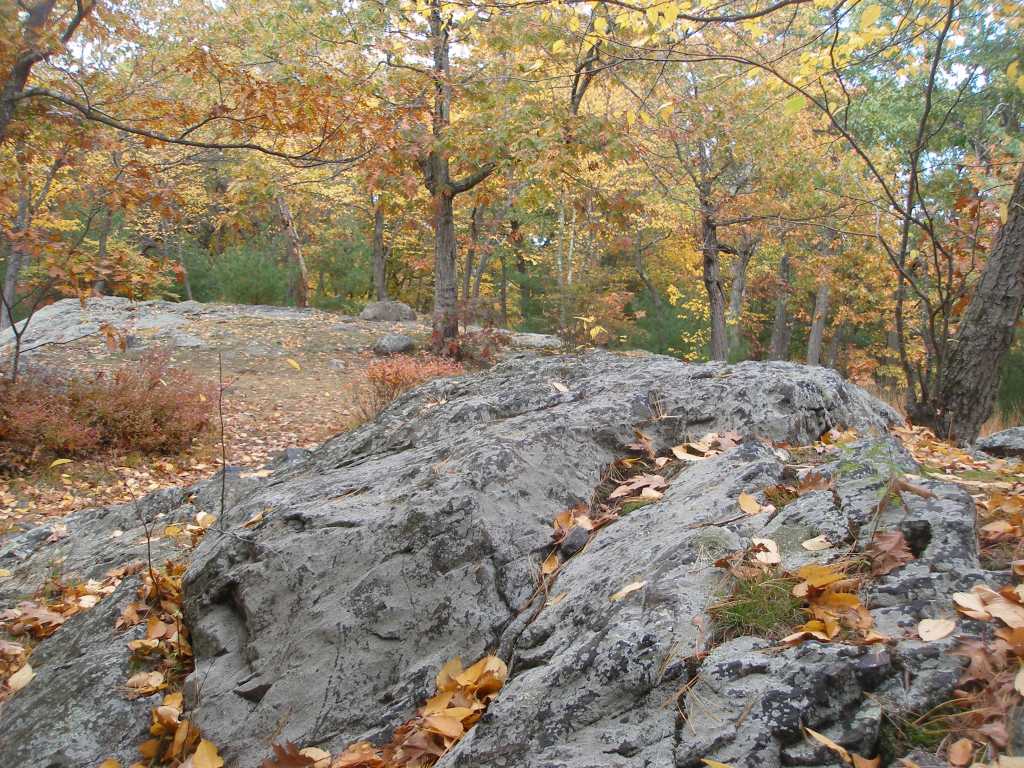
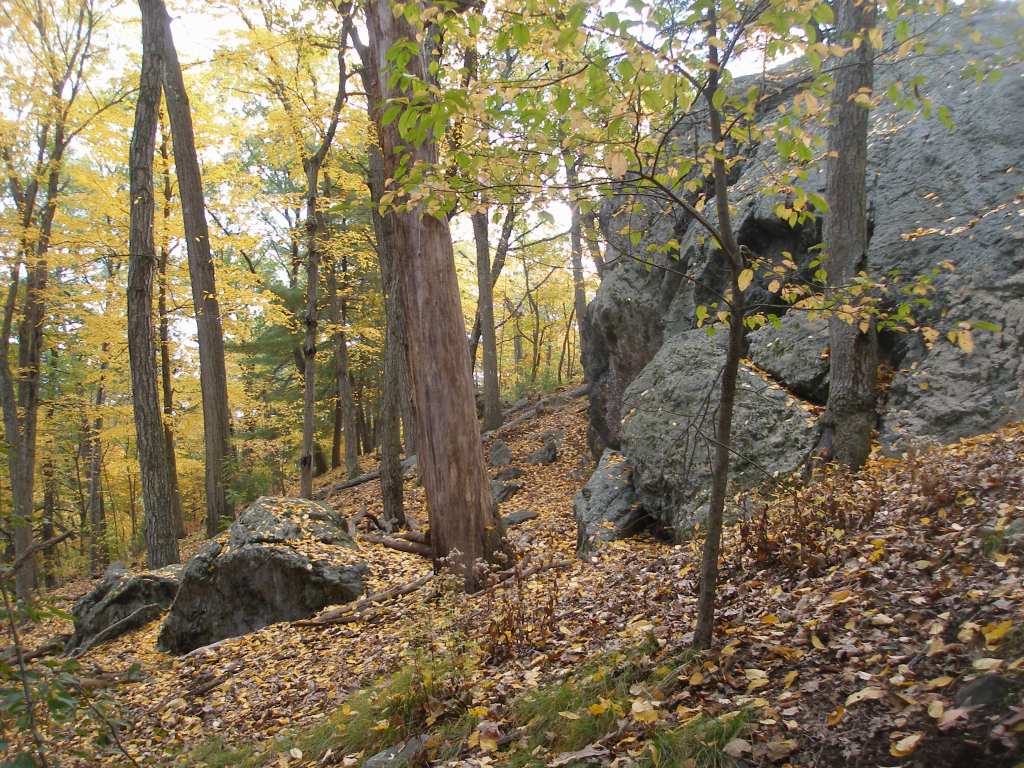
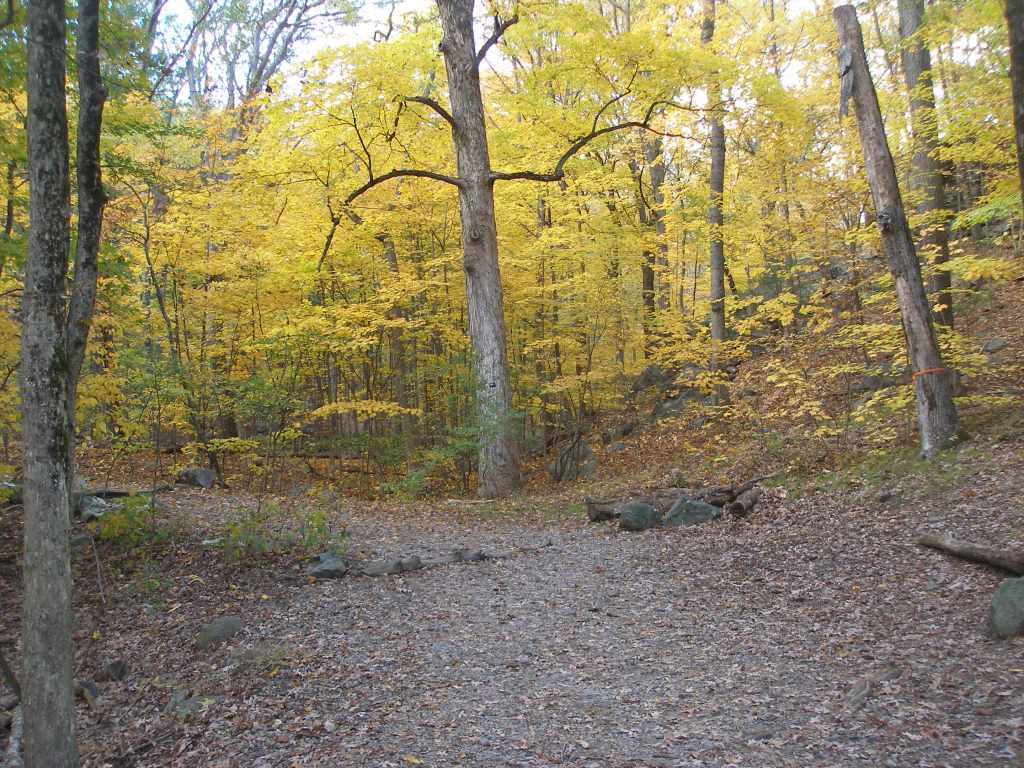
Although I expected a range of yellows in Menotomy Rocks Park at this time of year, the yellows had a clarity and depth to them as if they were saying, “We do not care that it has been dry until recently, we are going to do our yellow thing anyway so as to knock you socks off.”
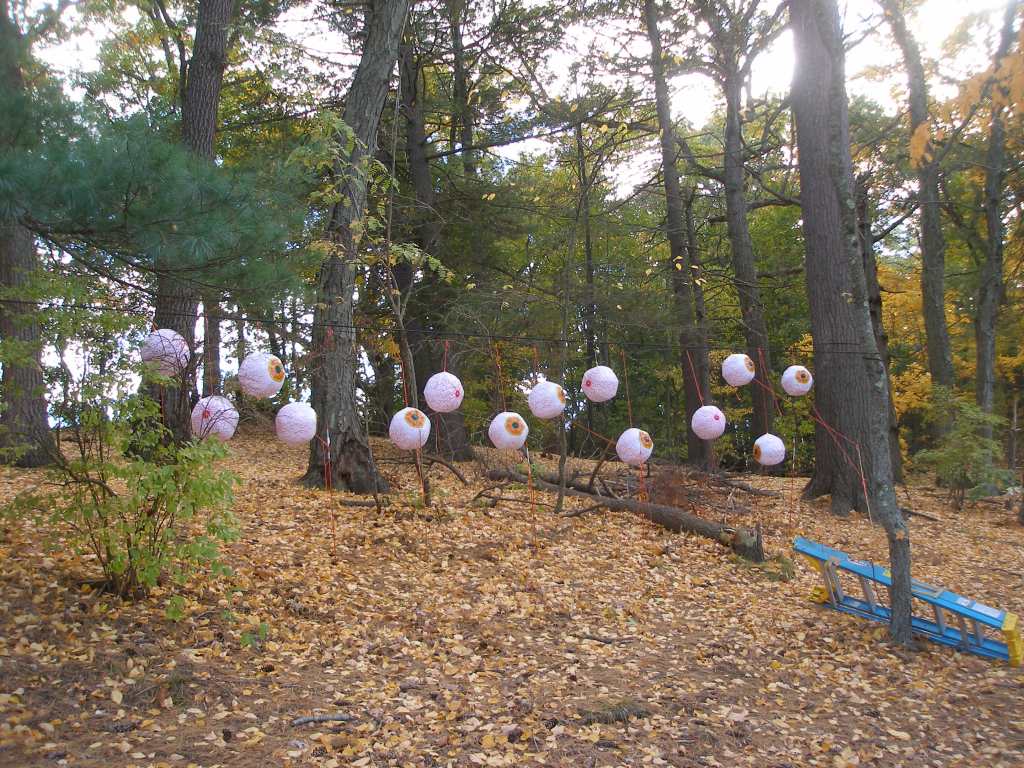
As I wandered down to the pond, folks were setting up for the “Spooky Walk” that would take place after it got dark. The mood was very different here, but I decided to included a few photos of their preparations, just for the fun of it.










 Radiant Refuge