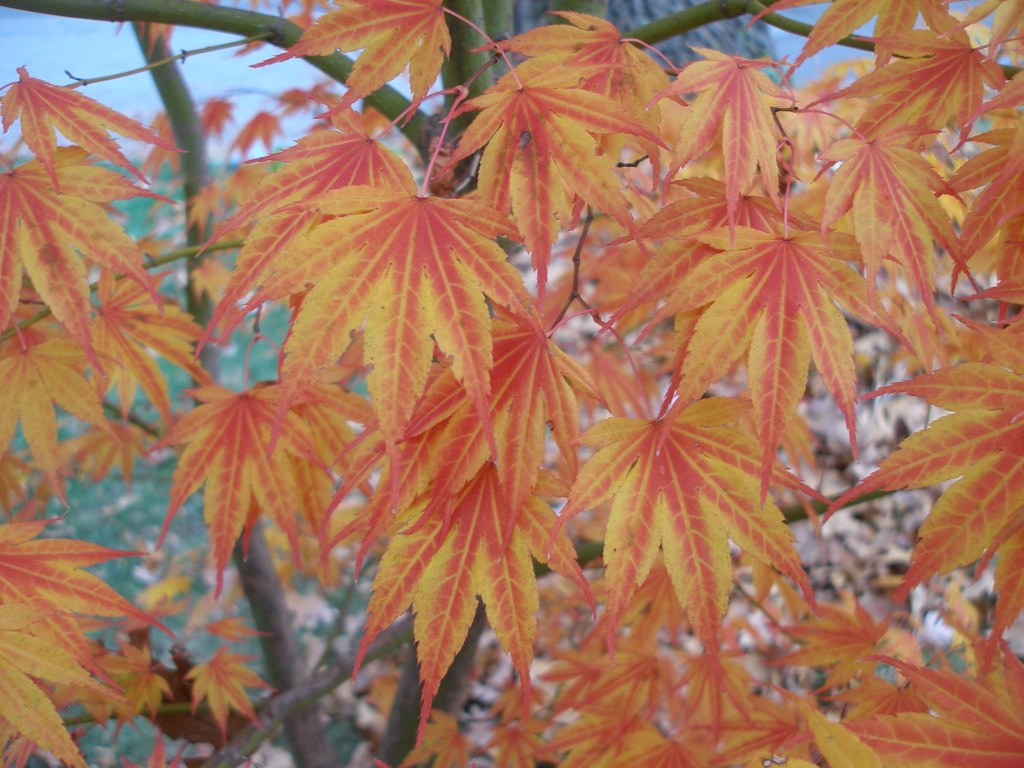
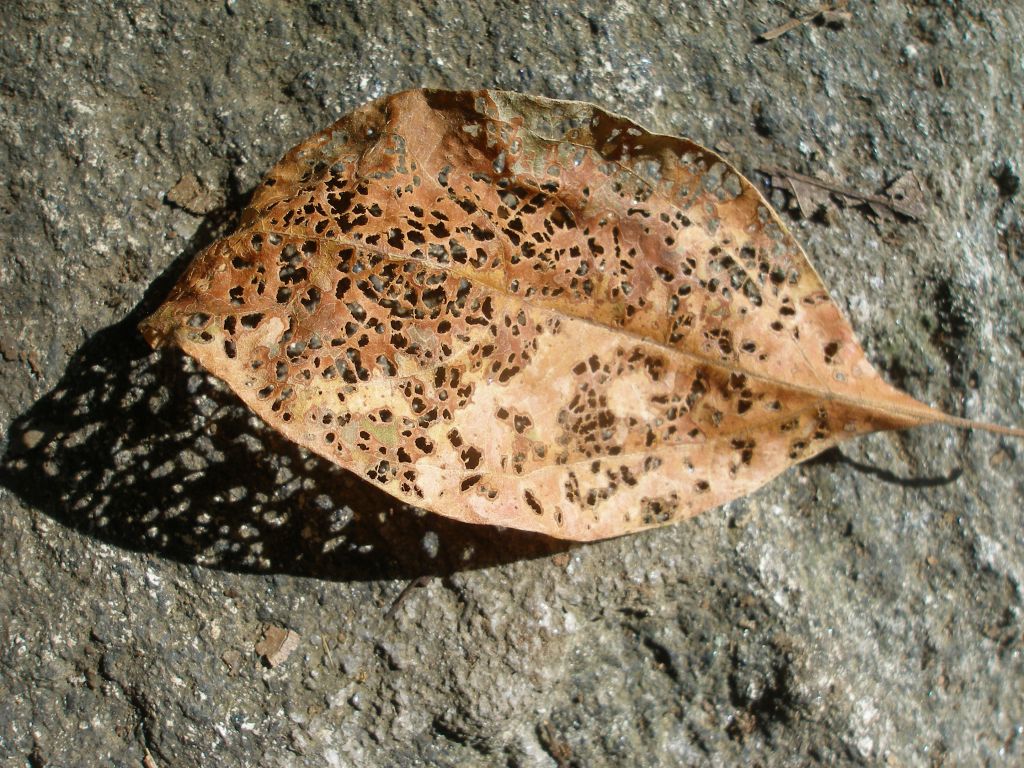
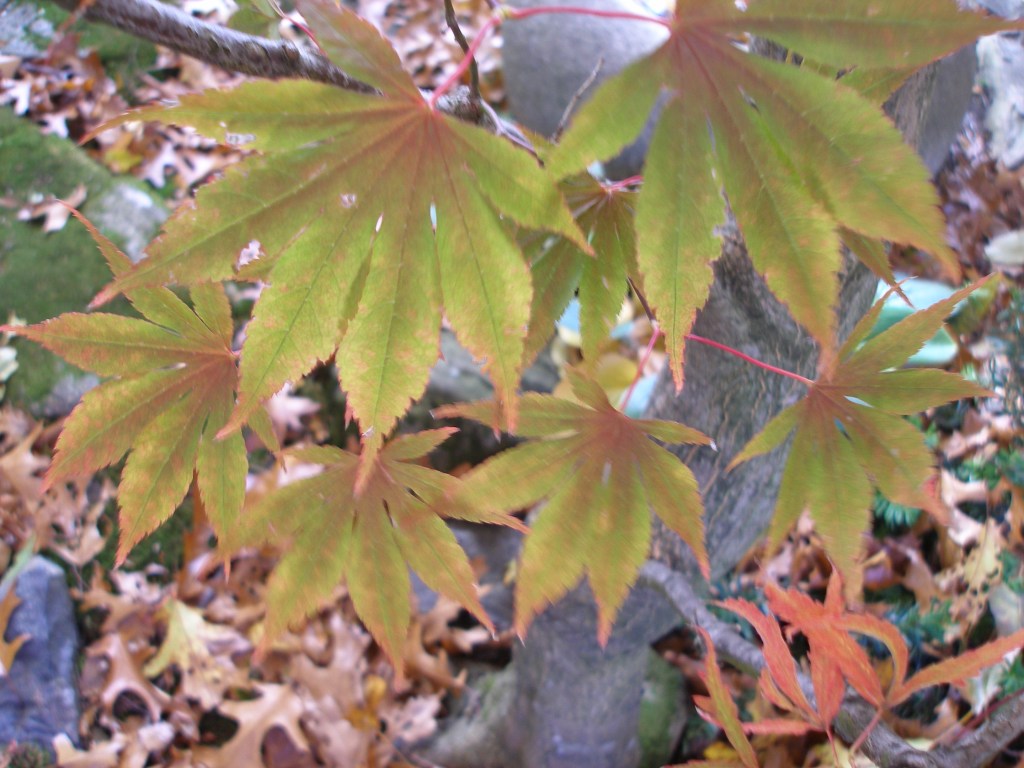
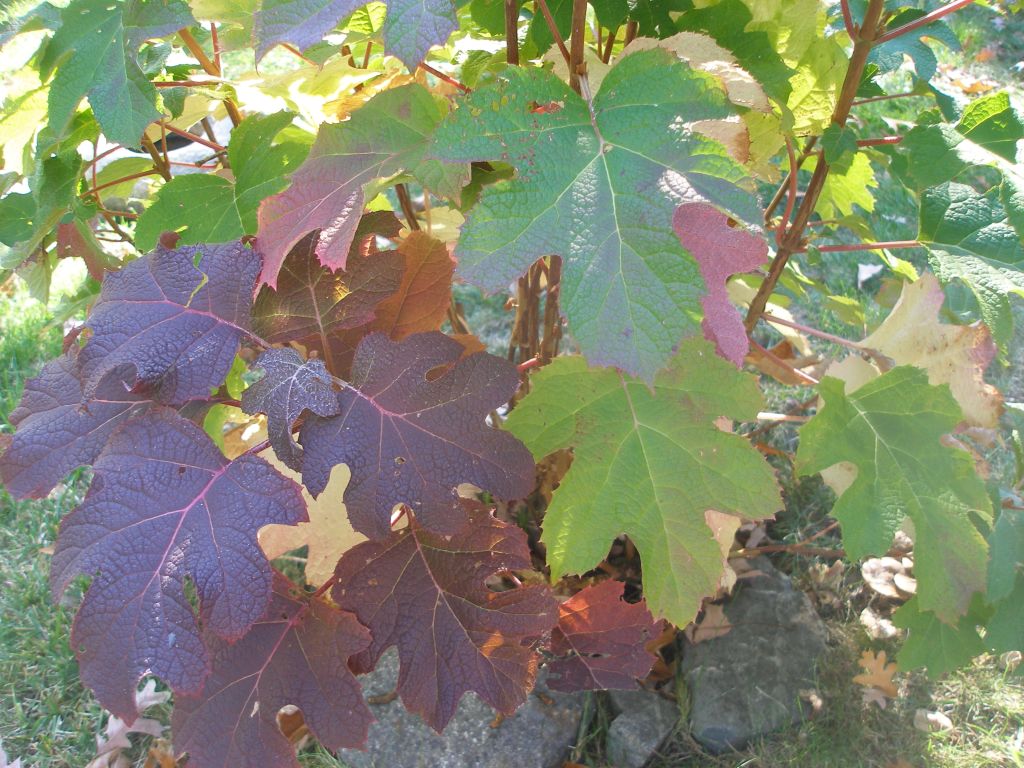
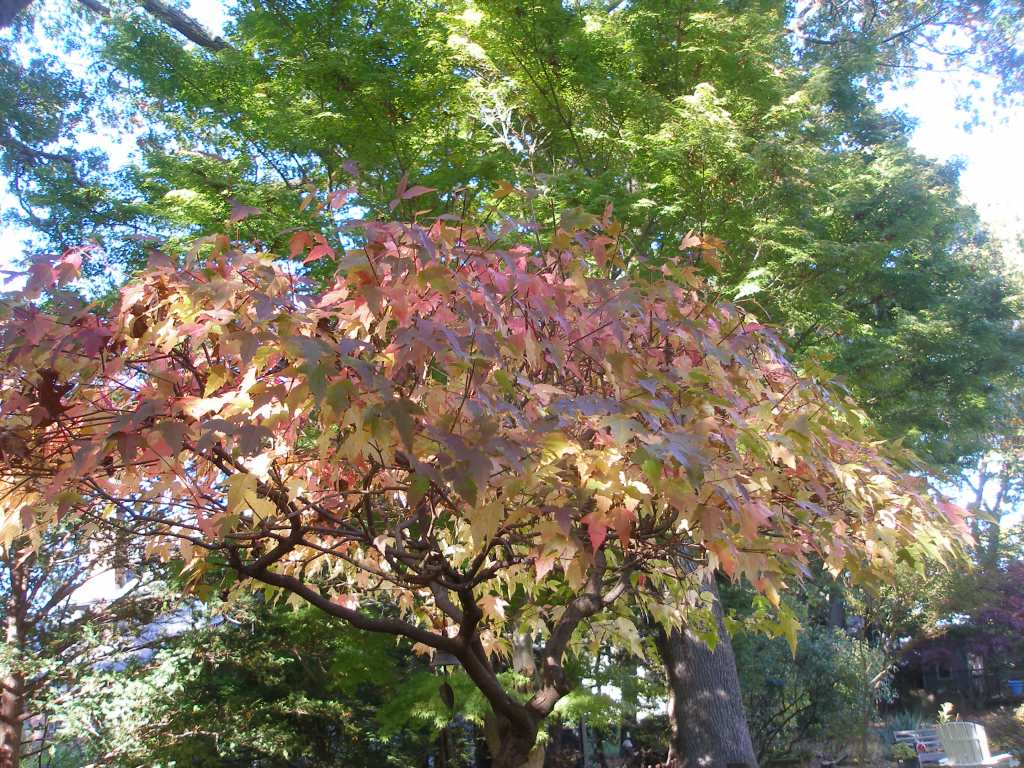
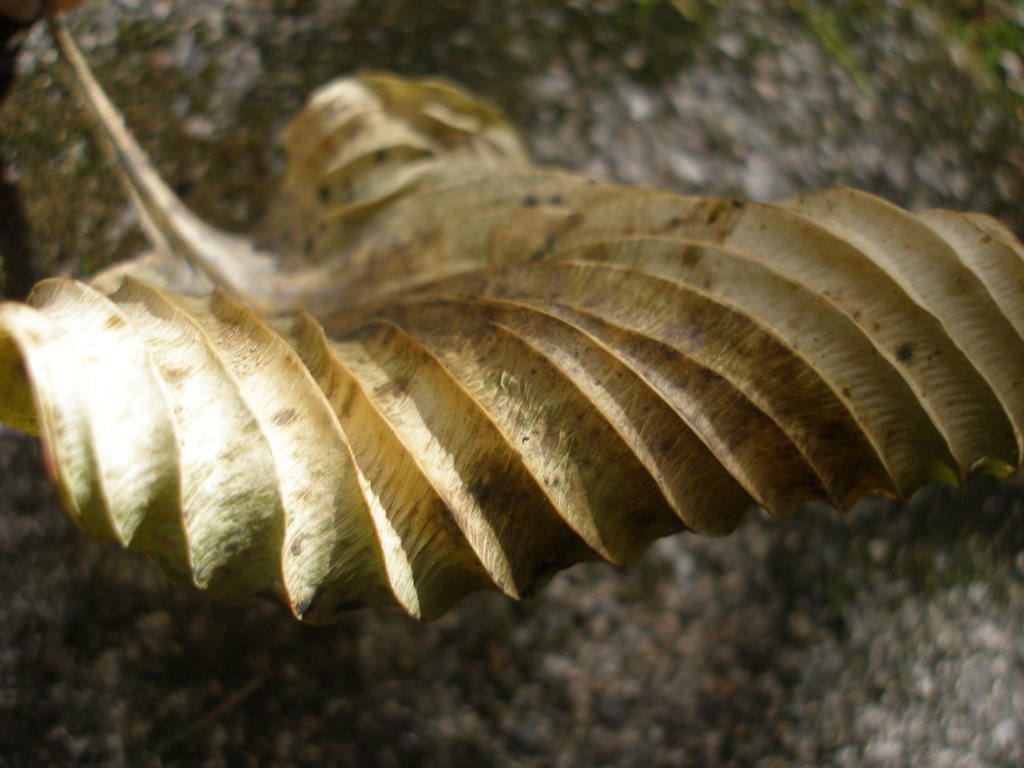
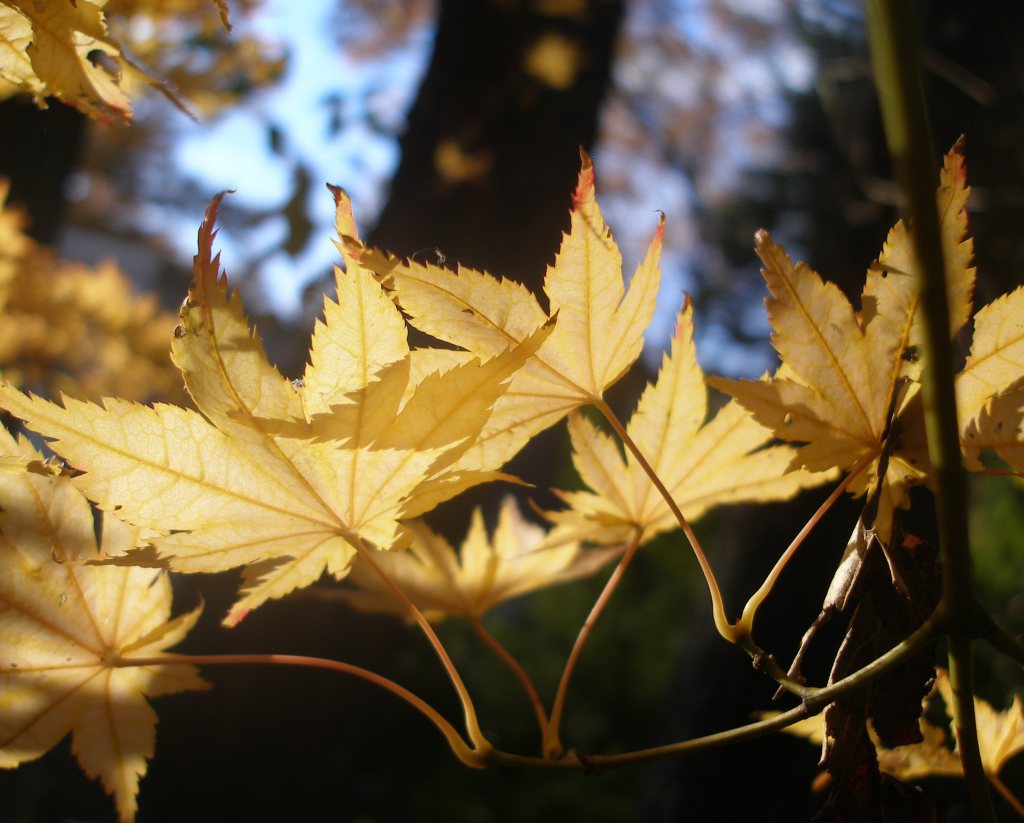
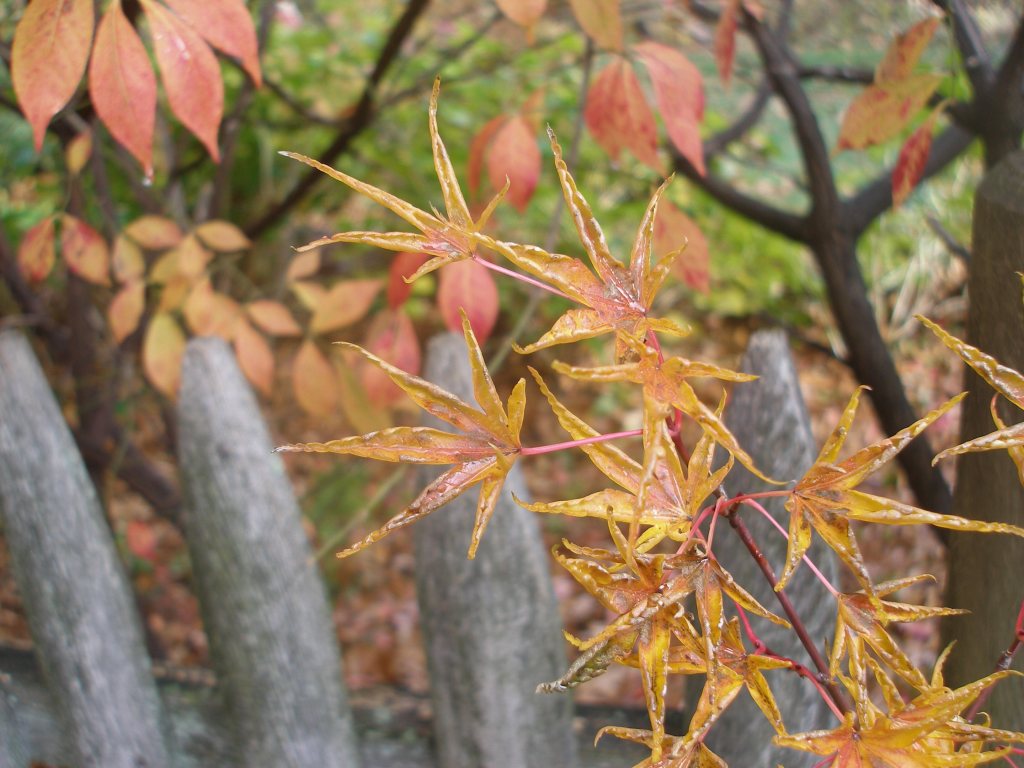
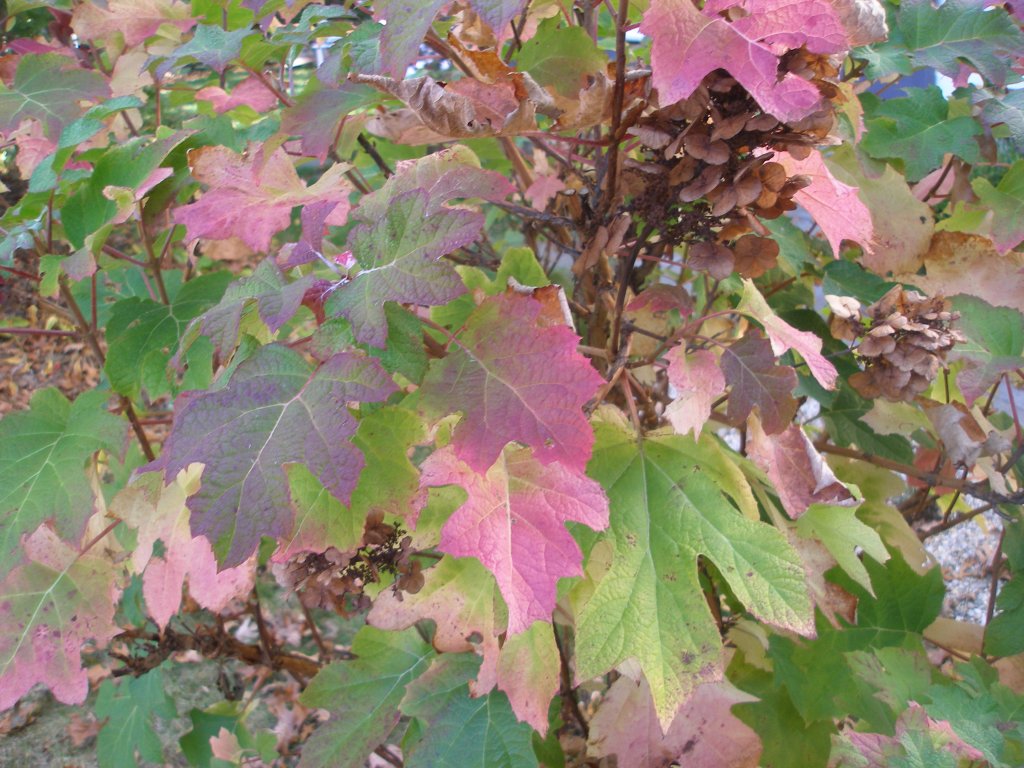
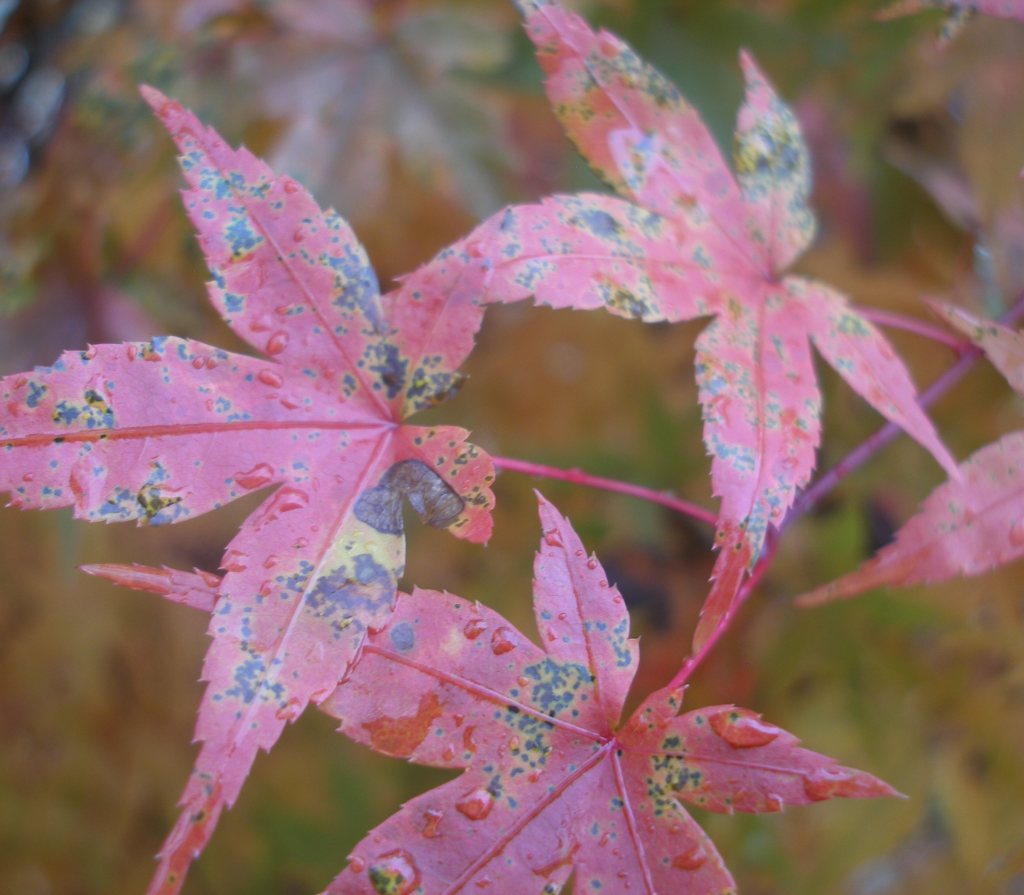
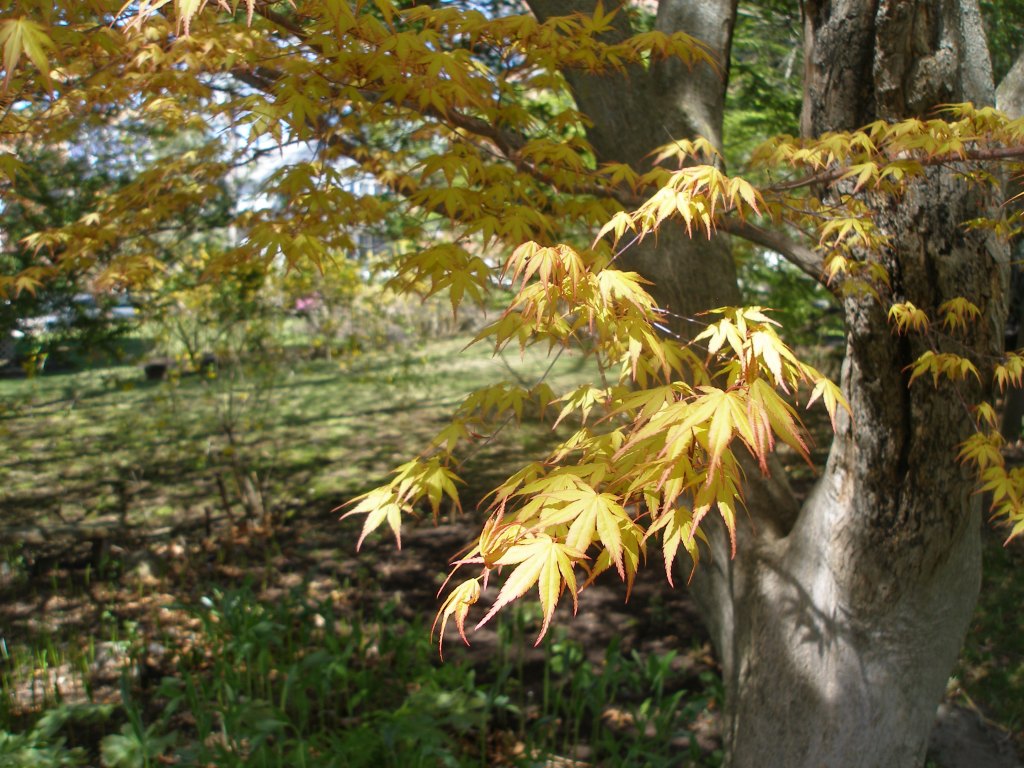
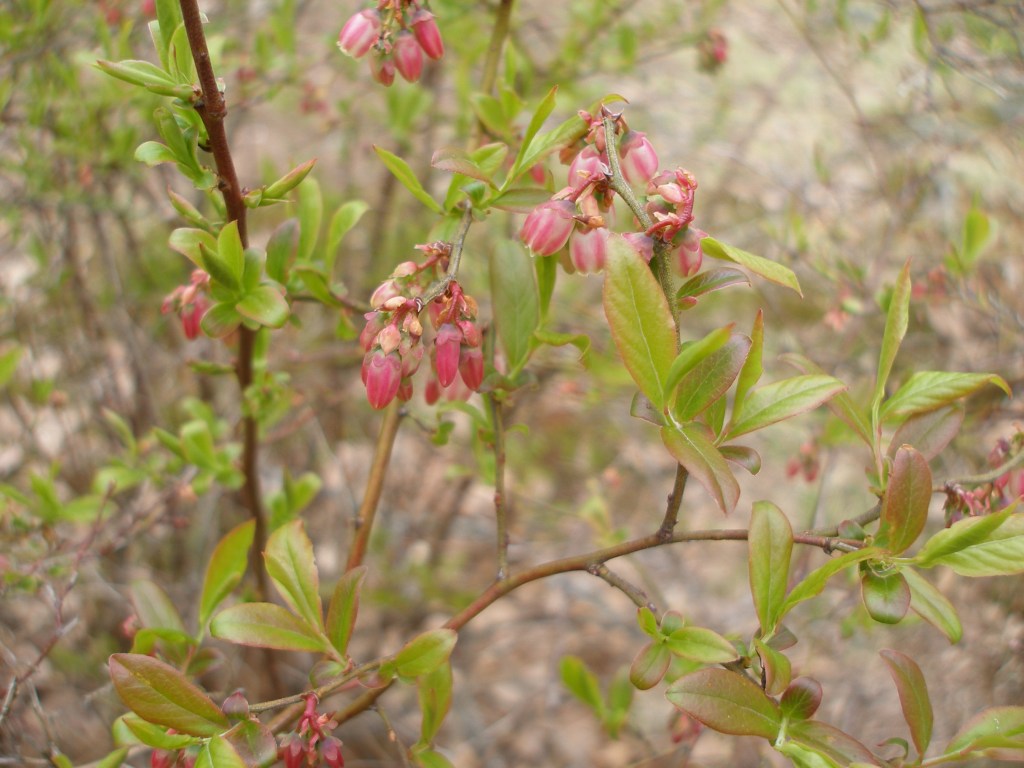
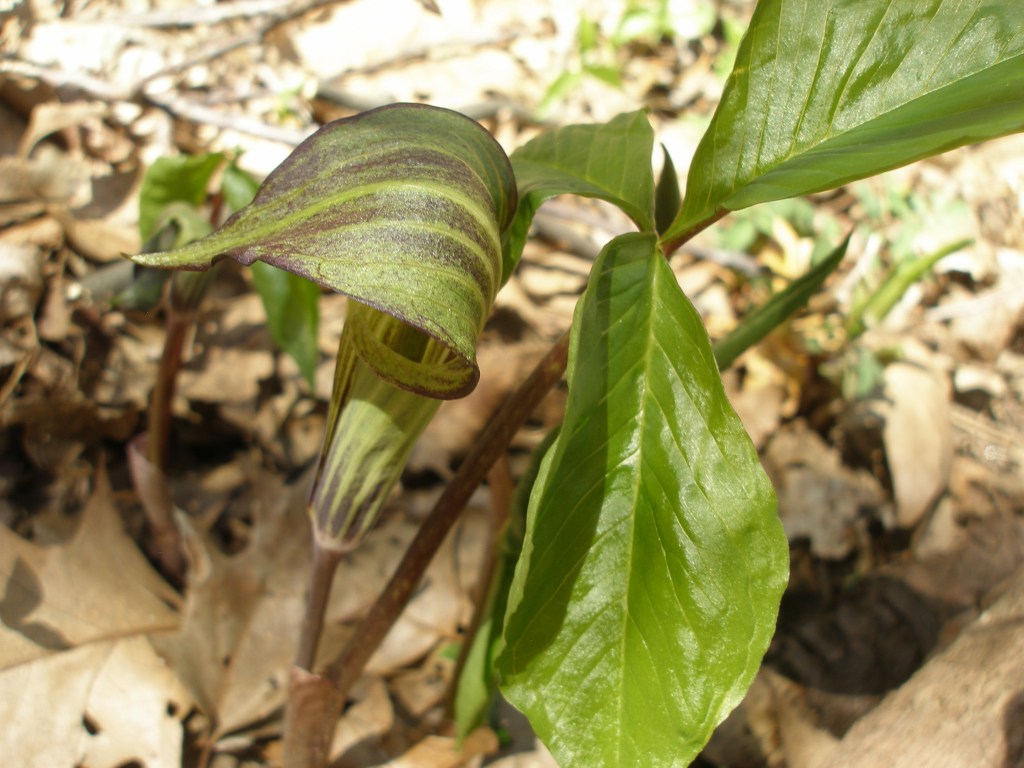
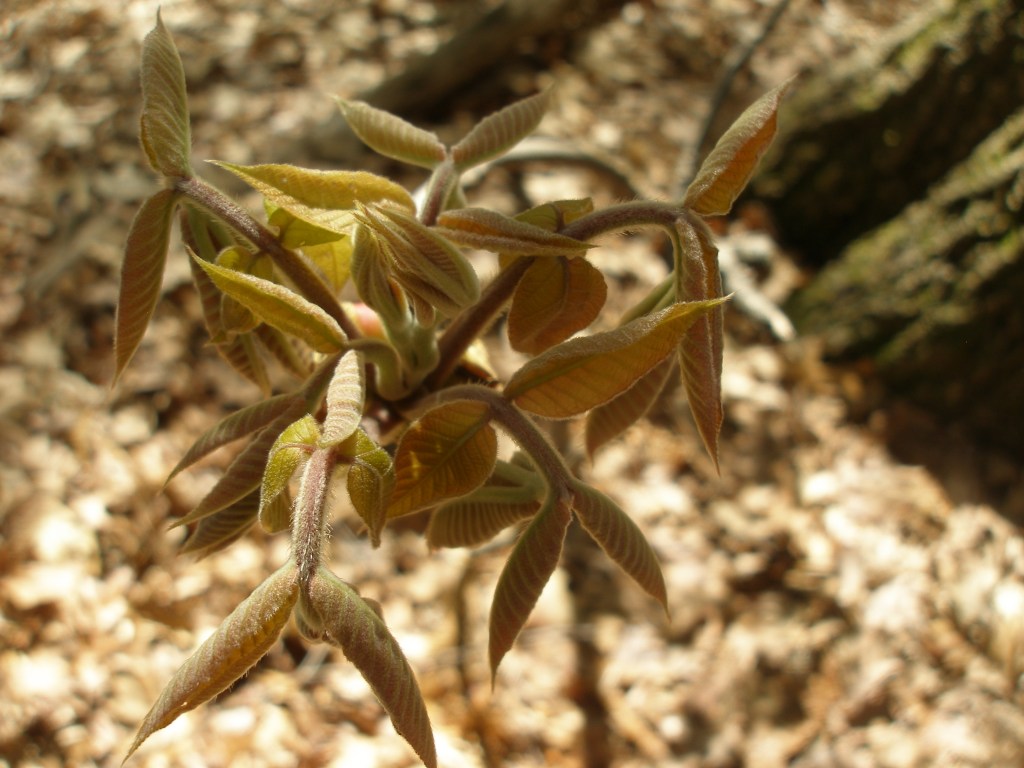
New England is having a particularly colorful season this year due to sufficient rain, and warm days combined with cold nights. Seen from a distance, fall colors can be spectacular. But individual leaves can also be worthy of our attention.
Below are examples that have caught my eye over many years of leaf peeping and I reserve the right to add to this opulence as the colors evolve and change in the coming weeks.
Unlike rocks, electronic photos of fungi, fall leaves and sunrises with their gorgeous colors and patterns have the advantage of not taking up much physical space.
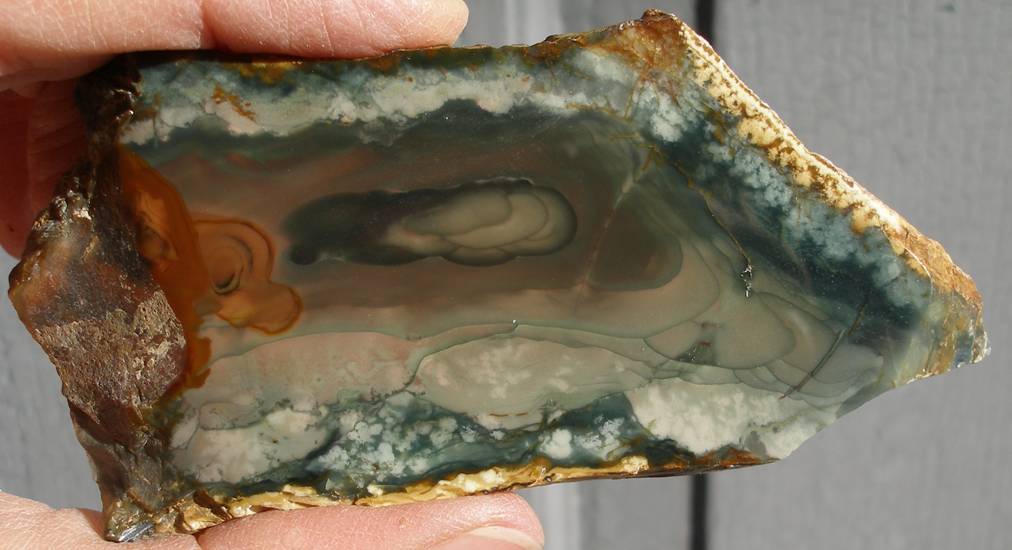
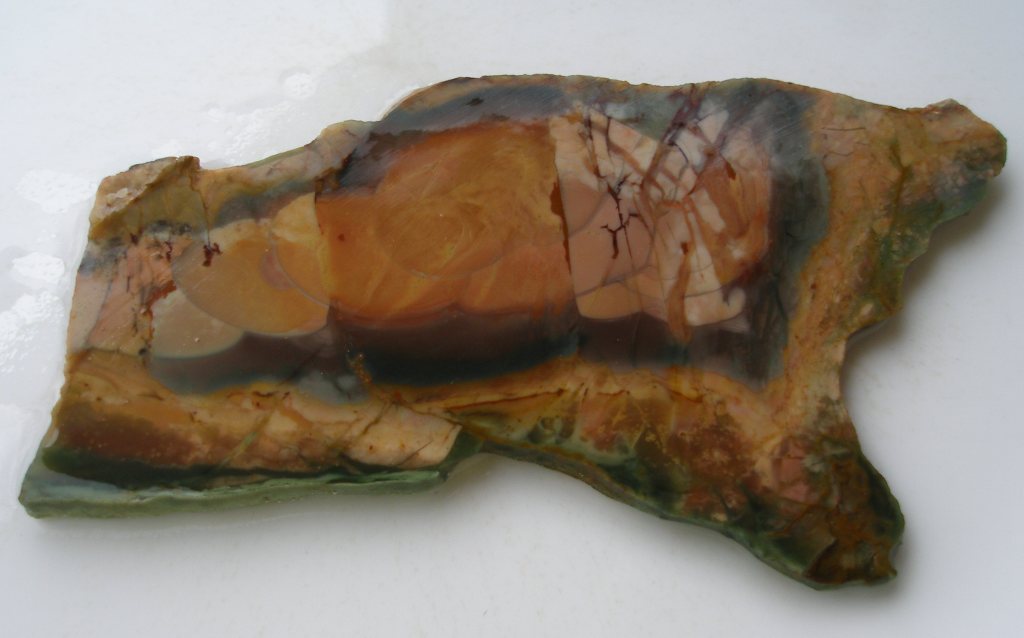
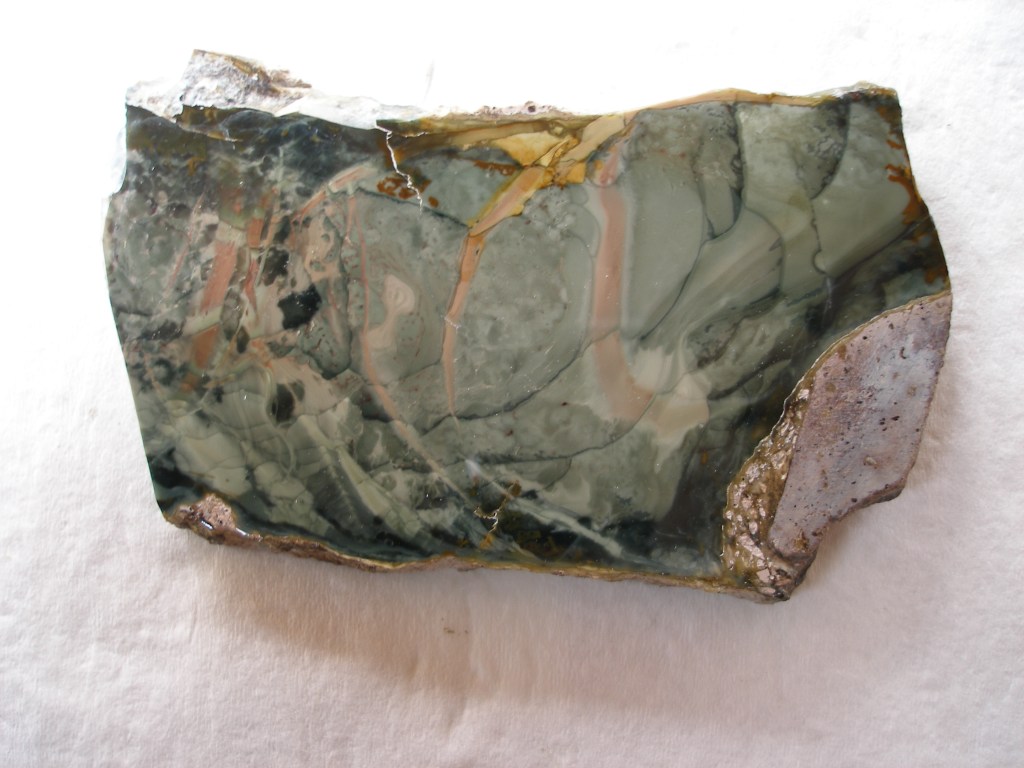
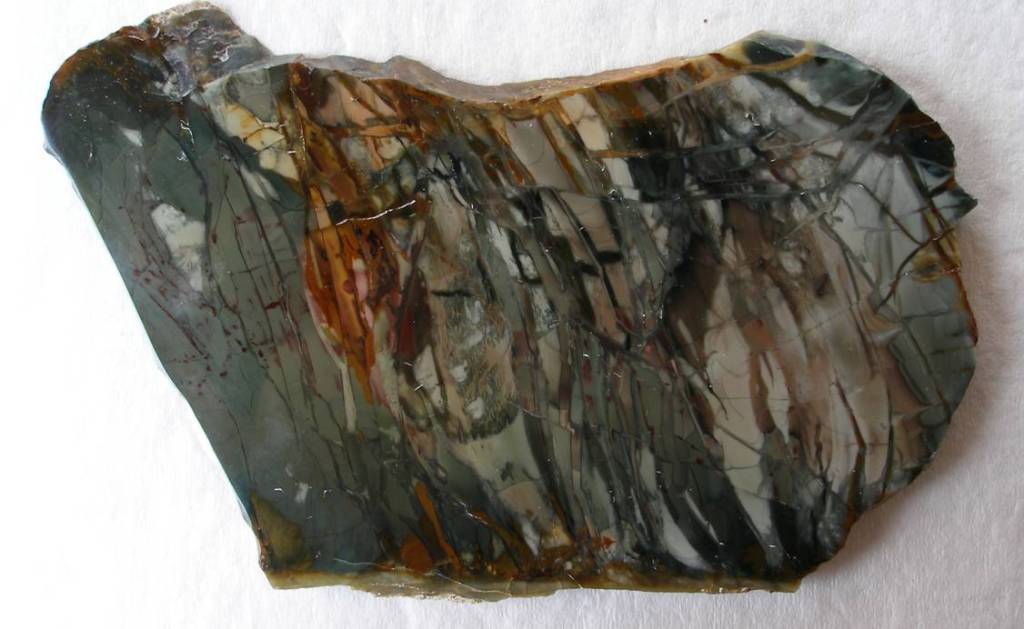
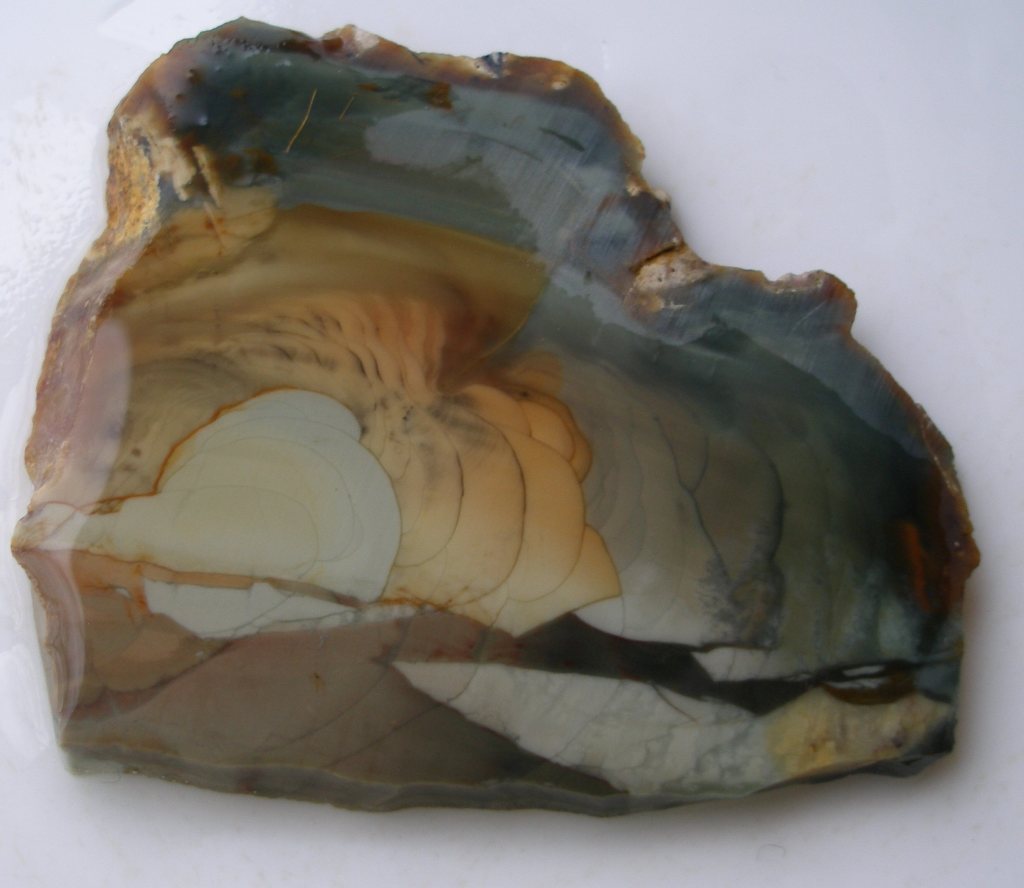
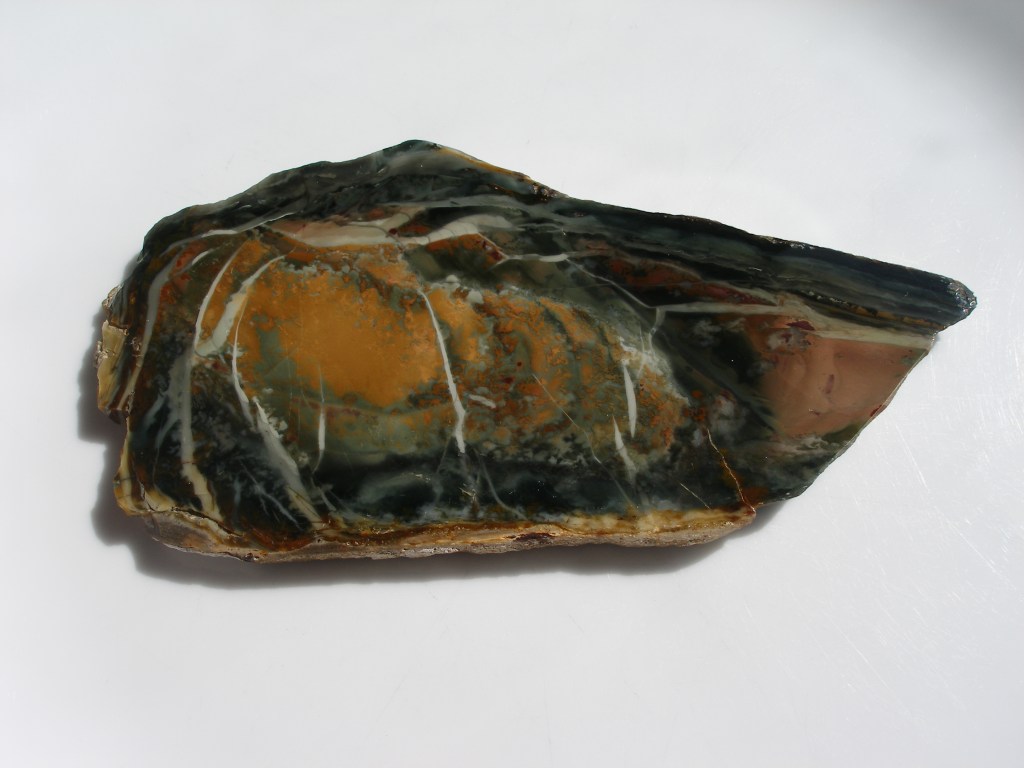
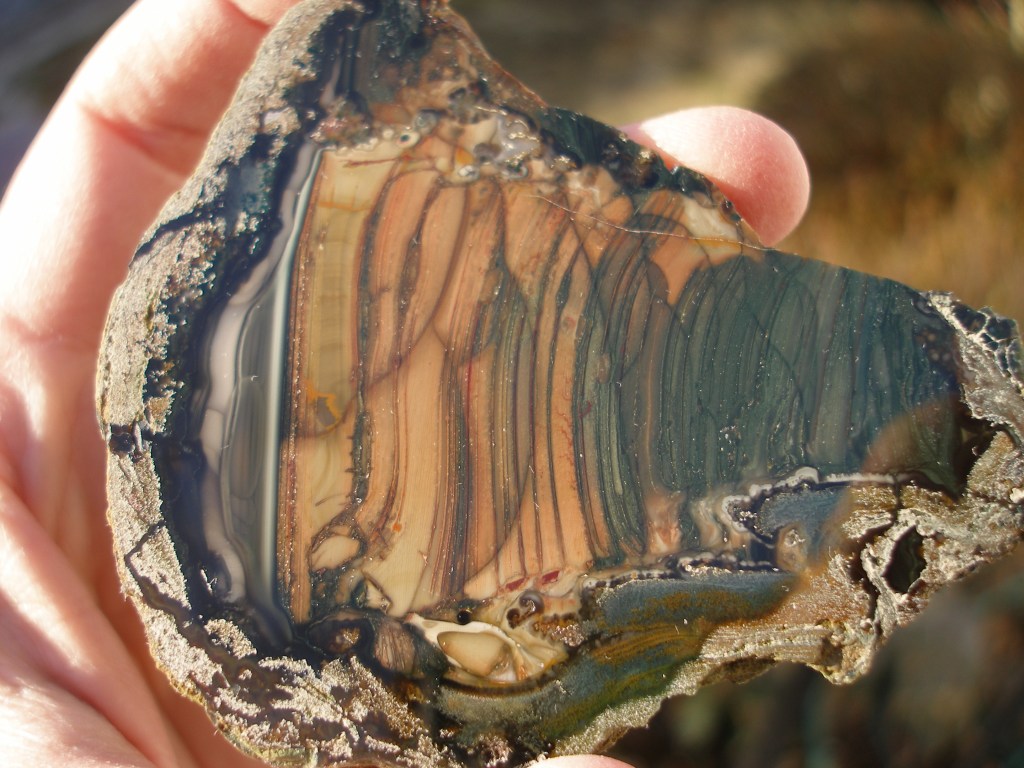
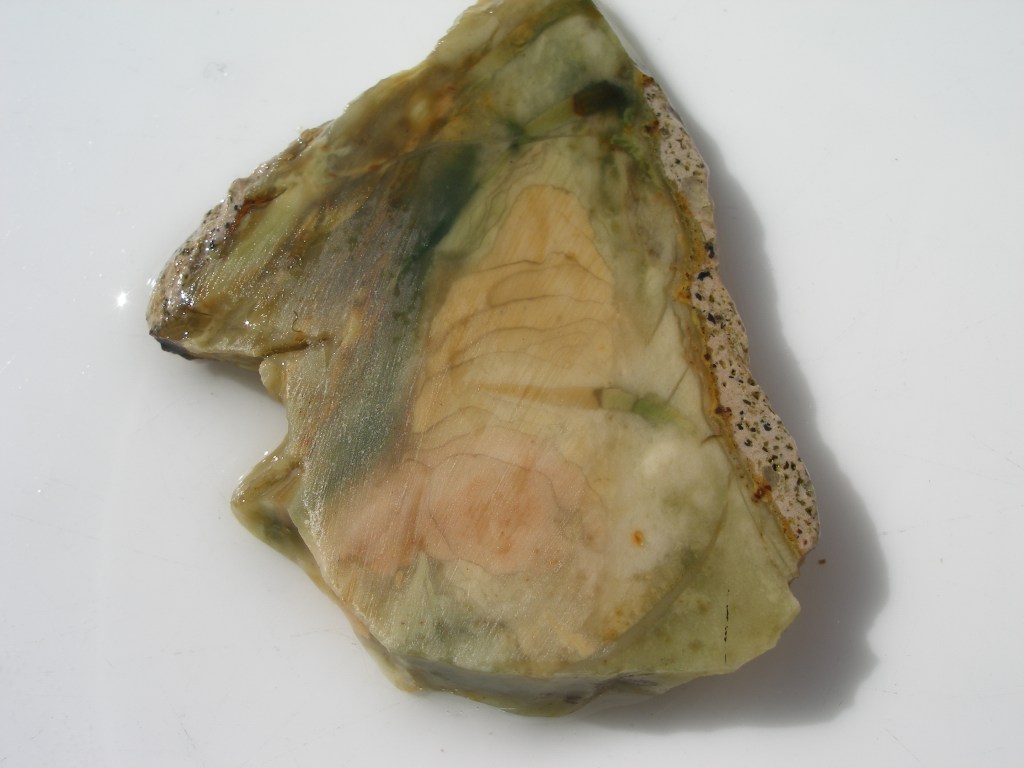
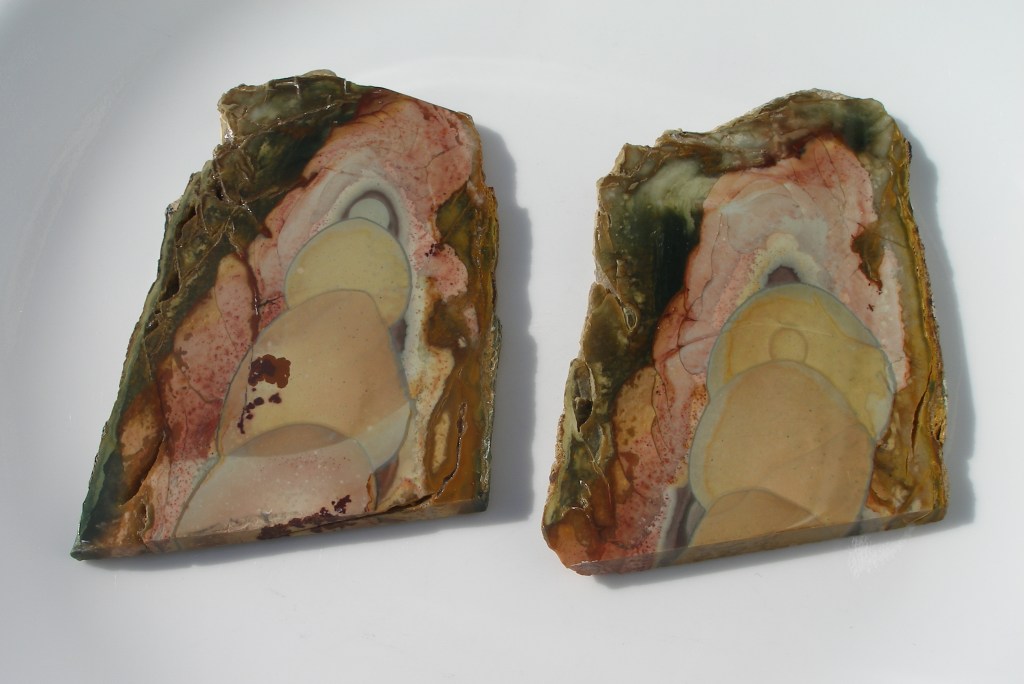
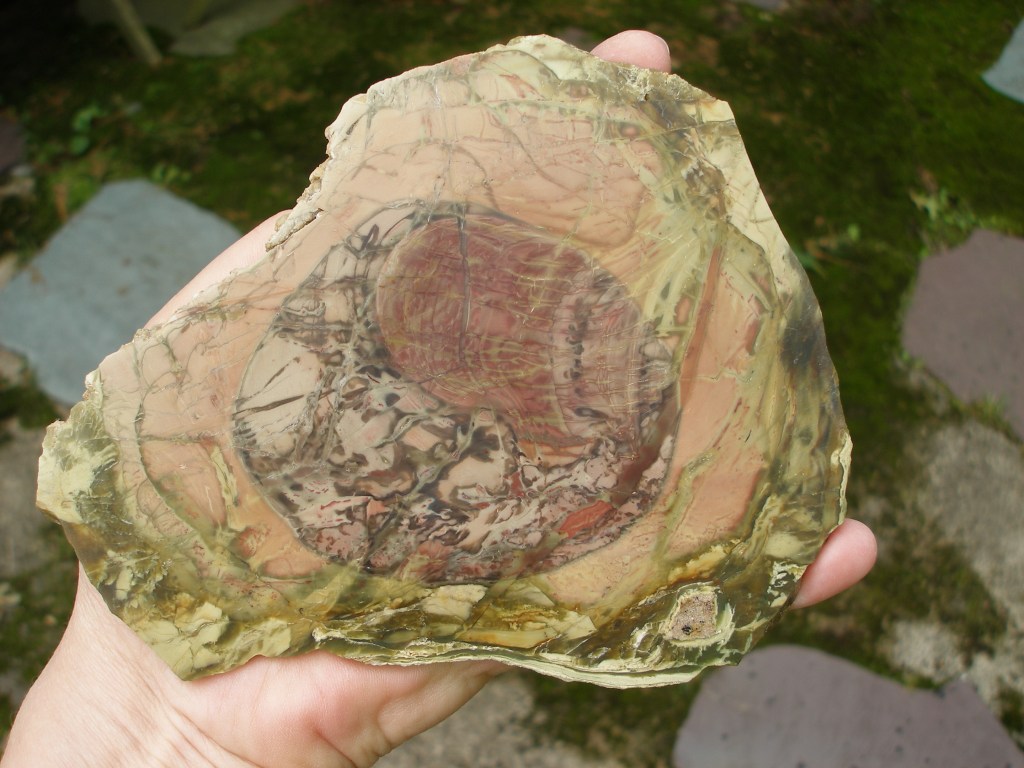
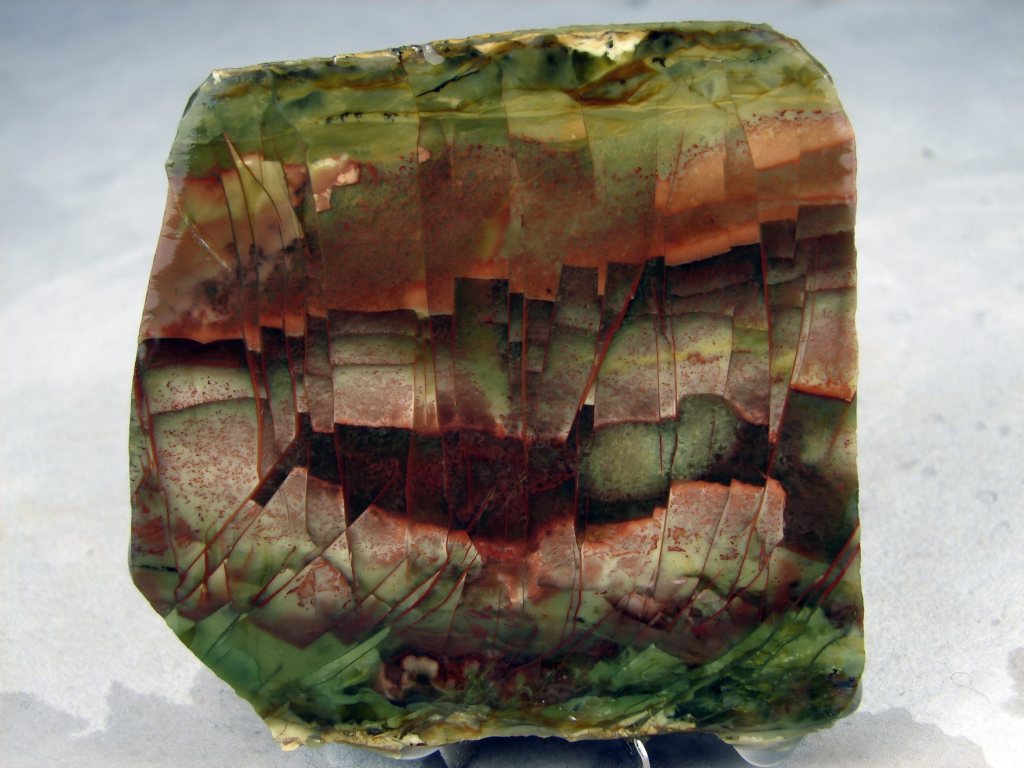
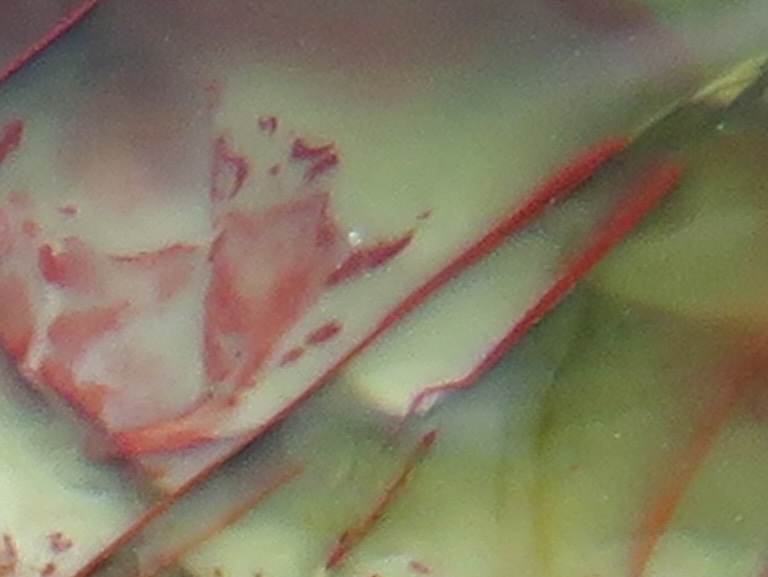
Still, I am glad I decided to collect Morrisonite when it seemed likely that this jasper would becoming increasingly hard to find. Like many beginning collectors, I just collected what I liked without understanding much about what this special jasper is capable of doing. Now I find many examples from those early days of collecting to be quite charming.
An article I wrote, “King of Jaspers” includes photos of top quality examples from Philip Stephenson’s collection. The single source of this jasper in eastern Oregon is also quite spectacular.
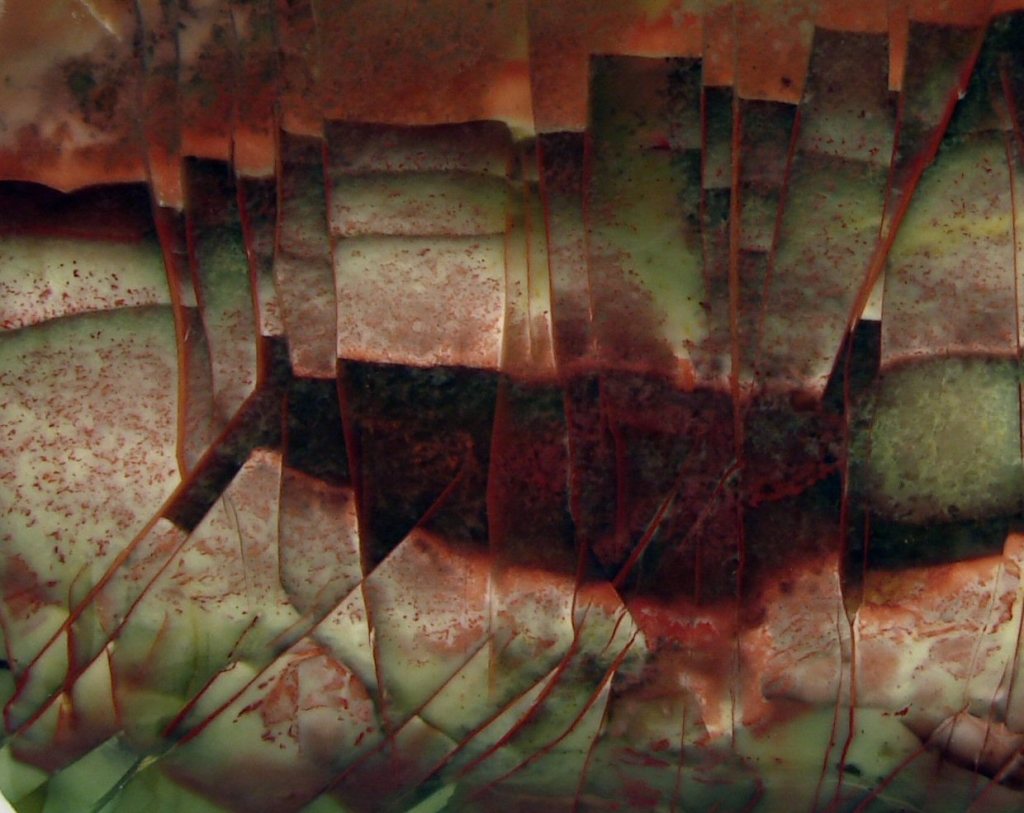
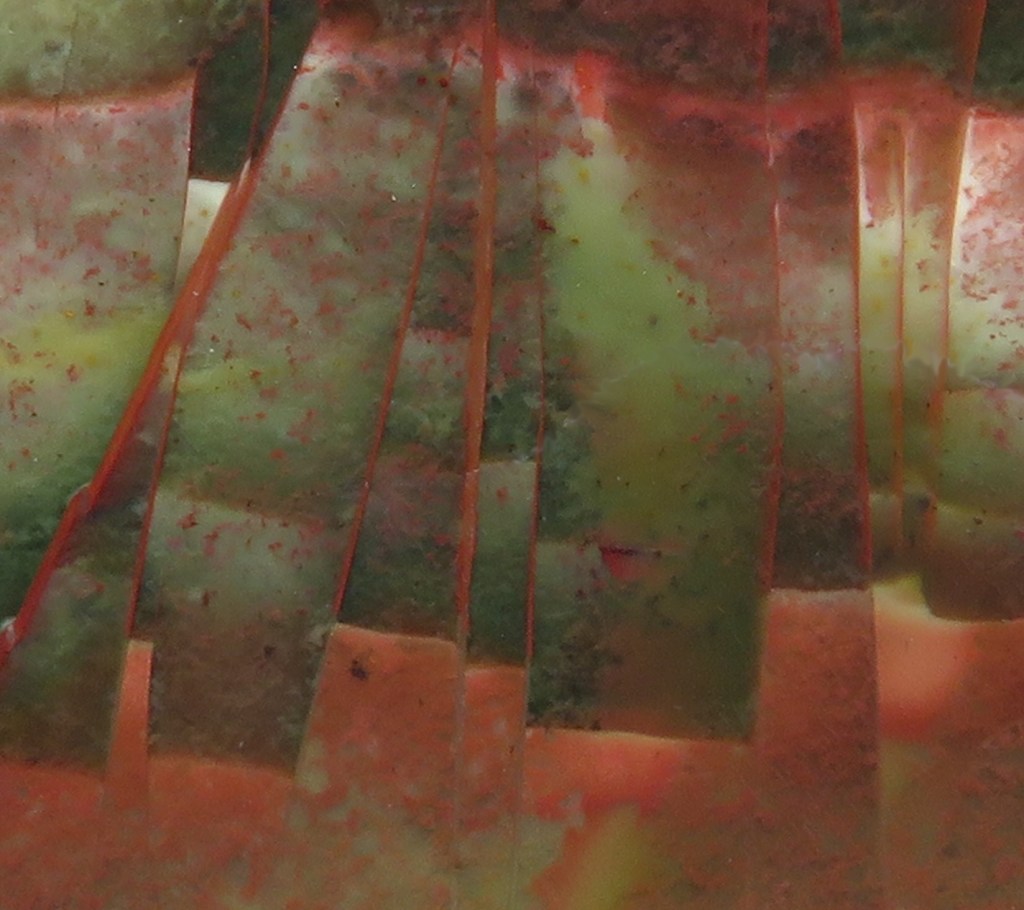
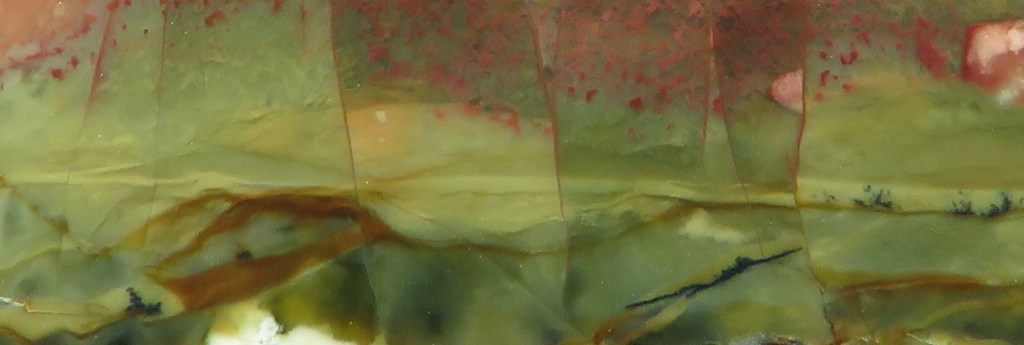
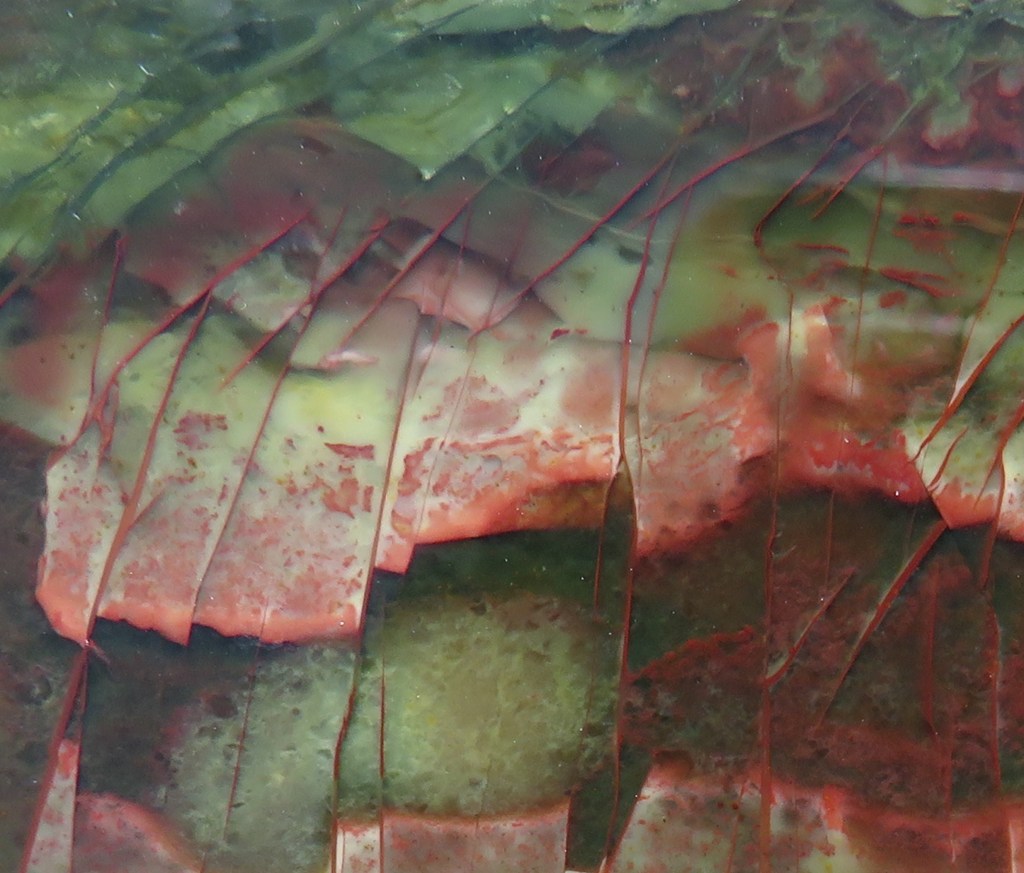
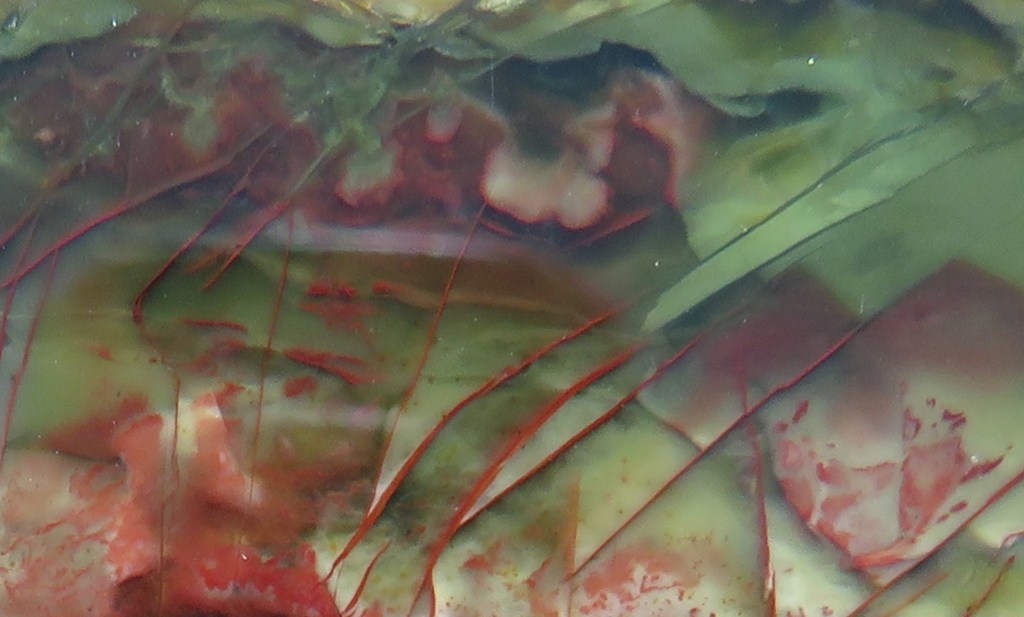
Well not just any rock – the source was an absolutely spectacular slab of Morrisonite jasper from the outstanding collection of Philip Stephenson (his website). With Morrisonite it often makes more sense to leave the slab whole rather than to cut it into cabochons.
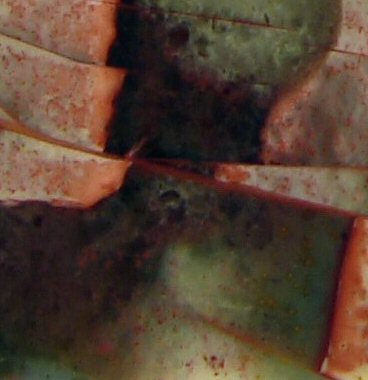
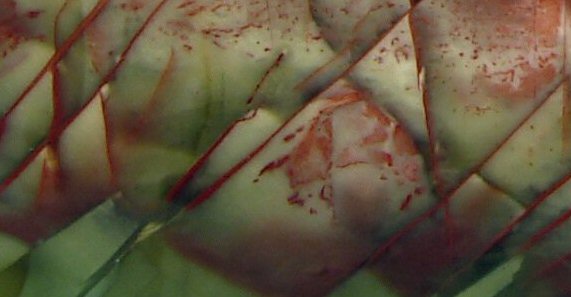
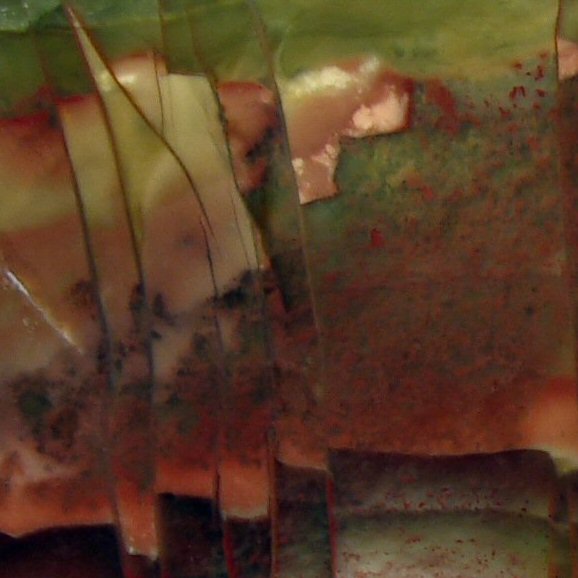
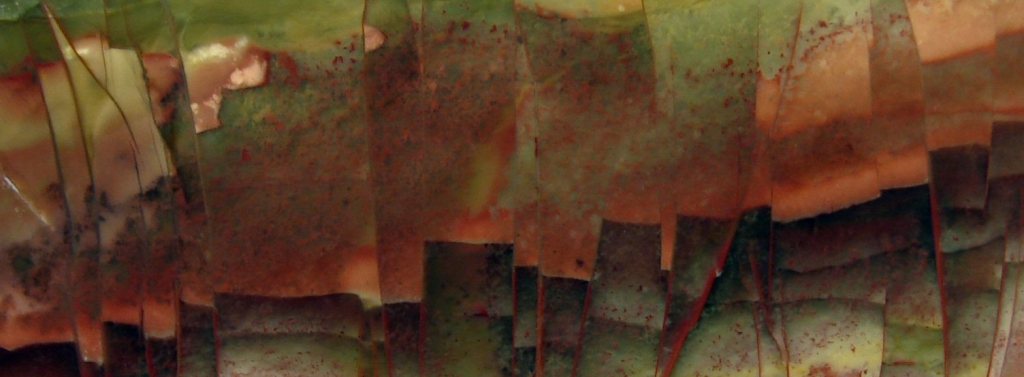
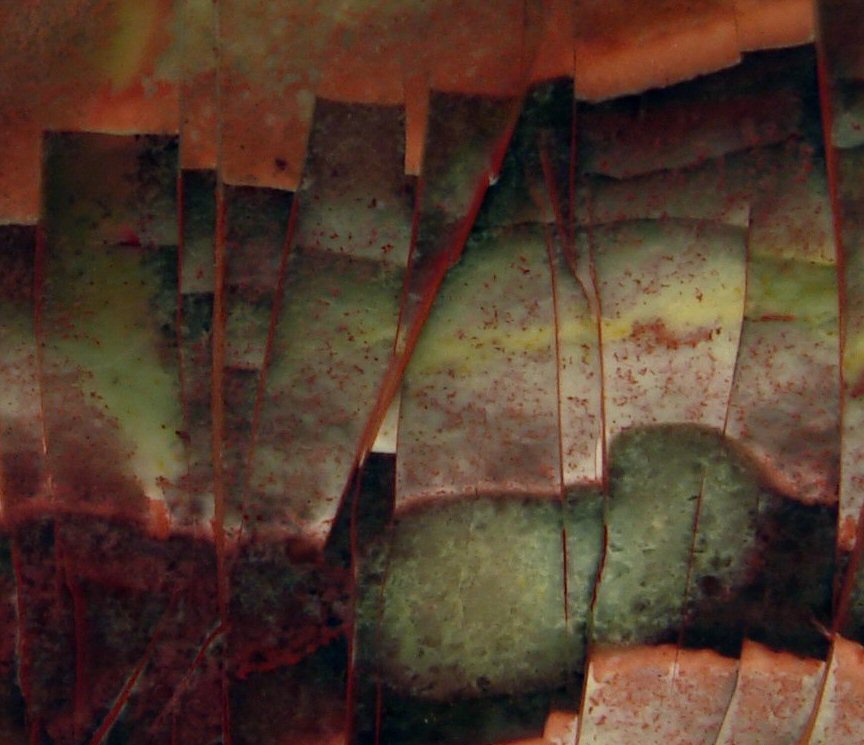
There was something about this particular slab – various sections of it might indeed stand out in a museum modern art exhibit. Below is the source slab and a variety of my cropping attempts, some more successful than others.
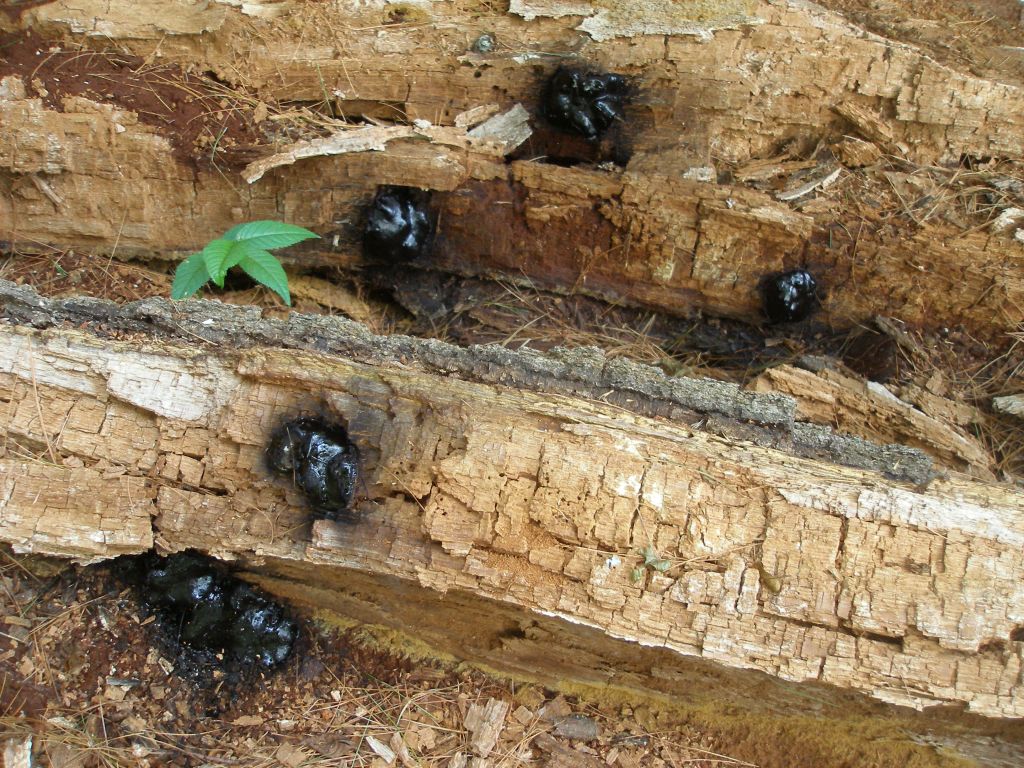
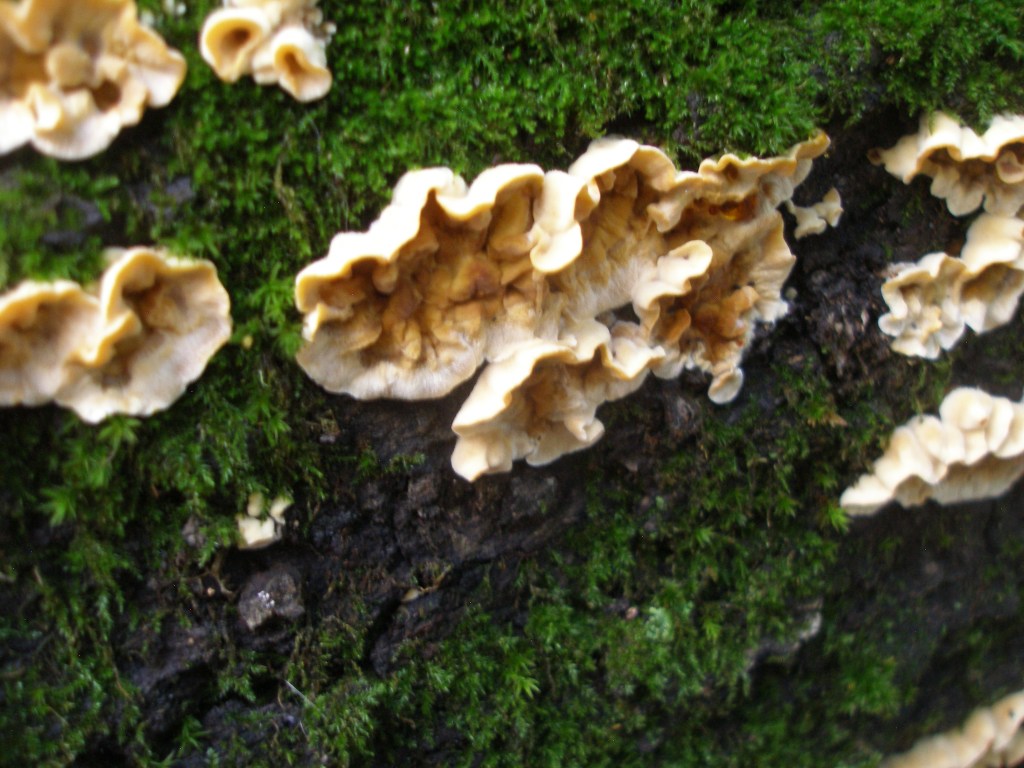
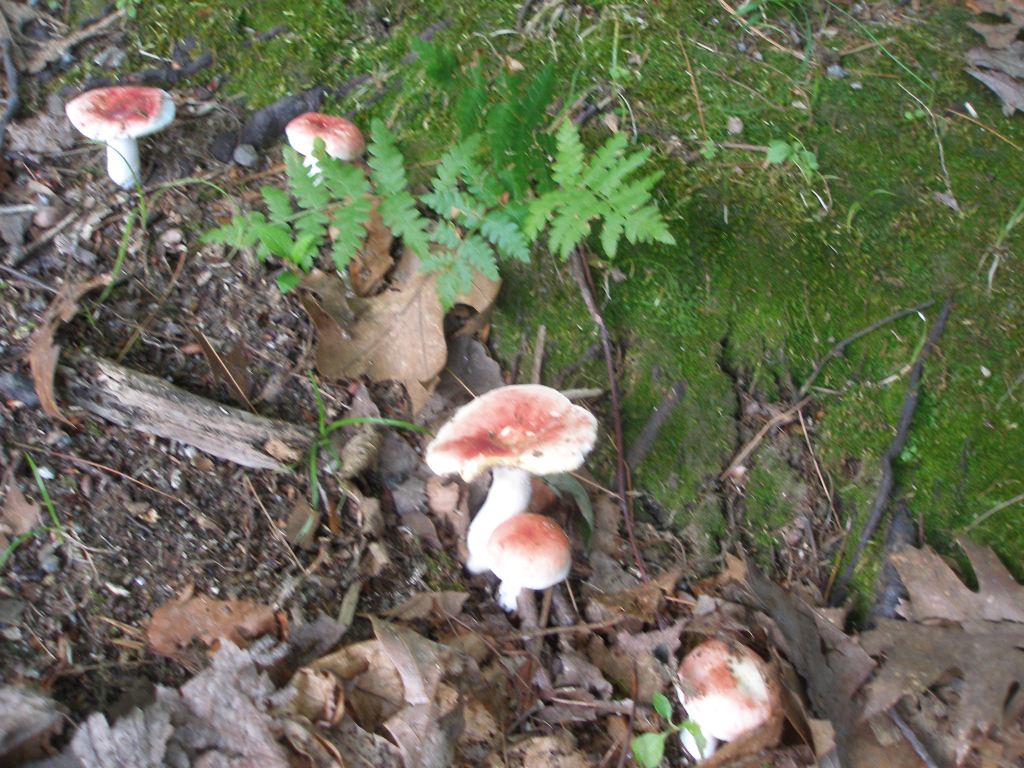
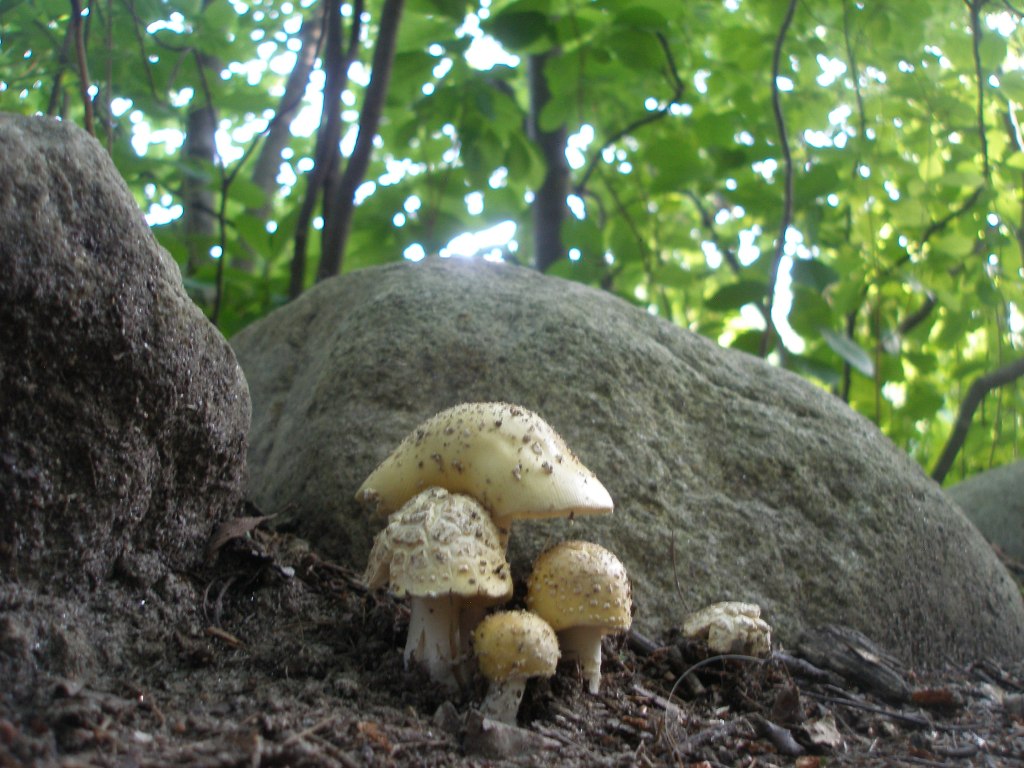
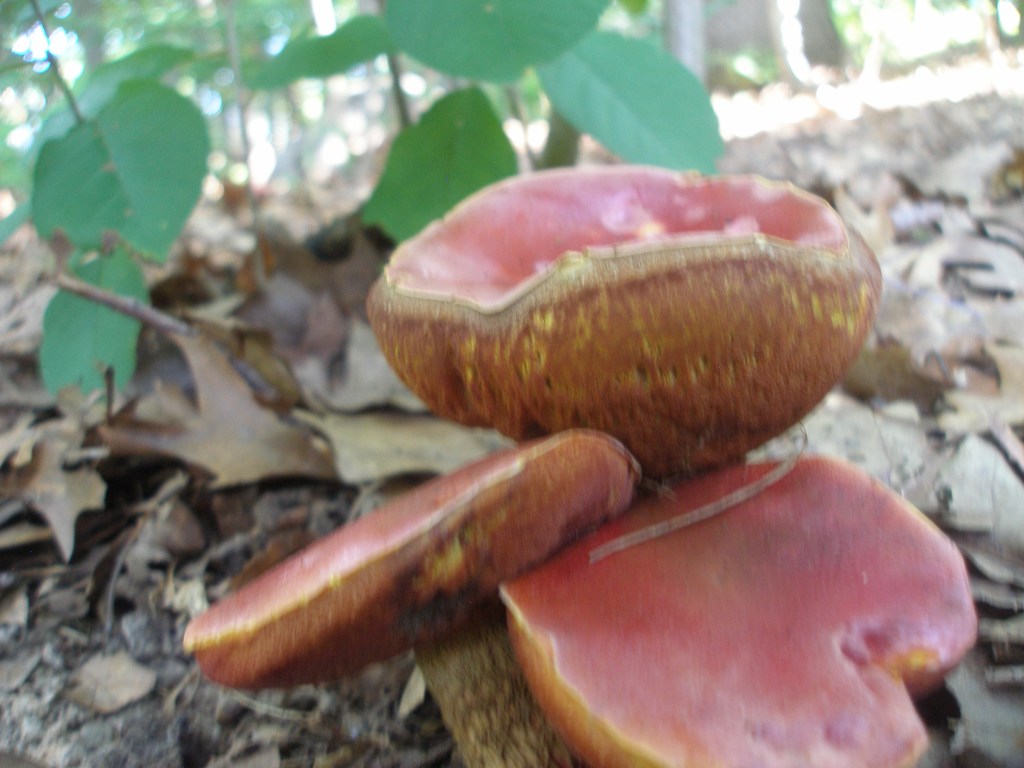
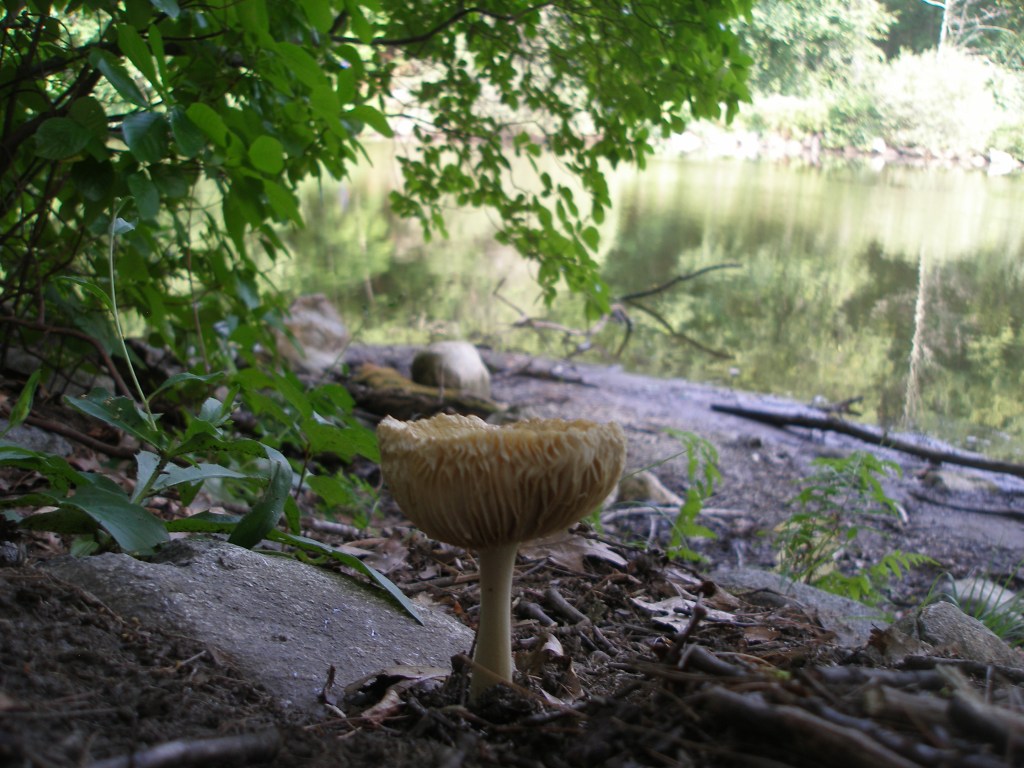
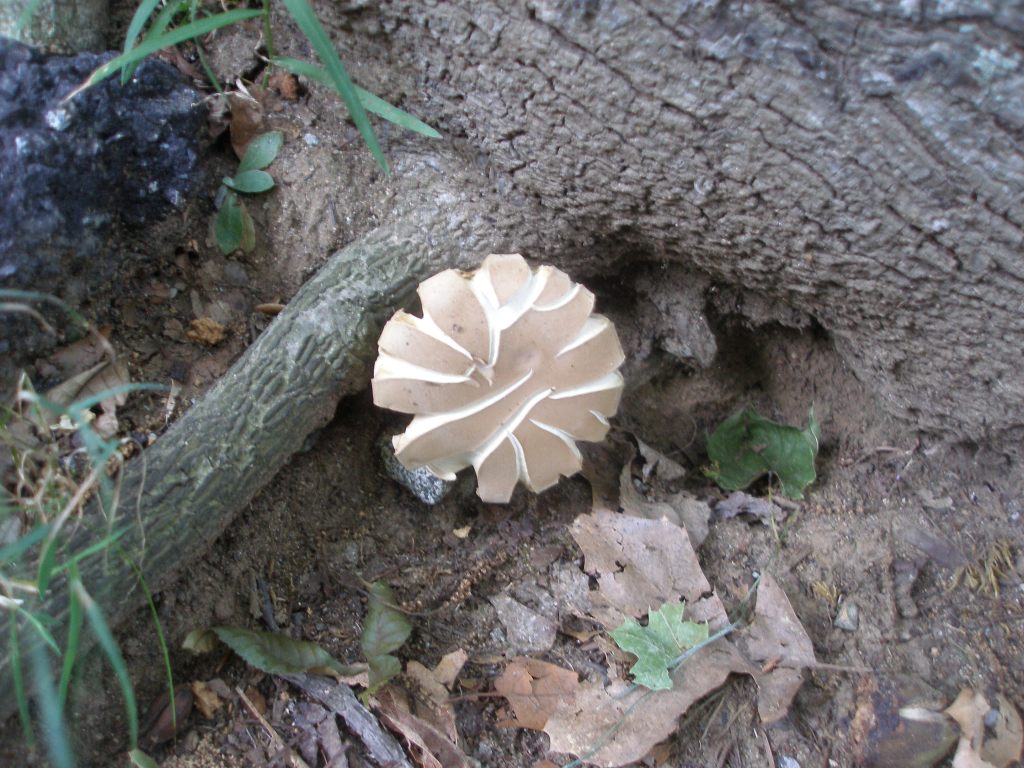
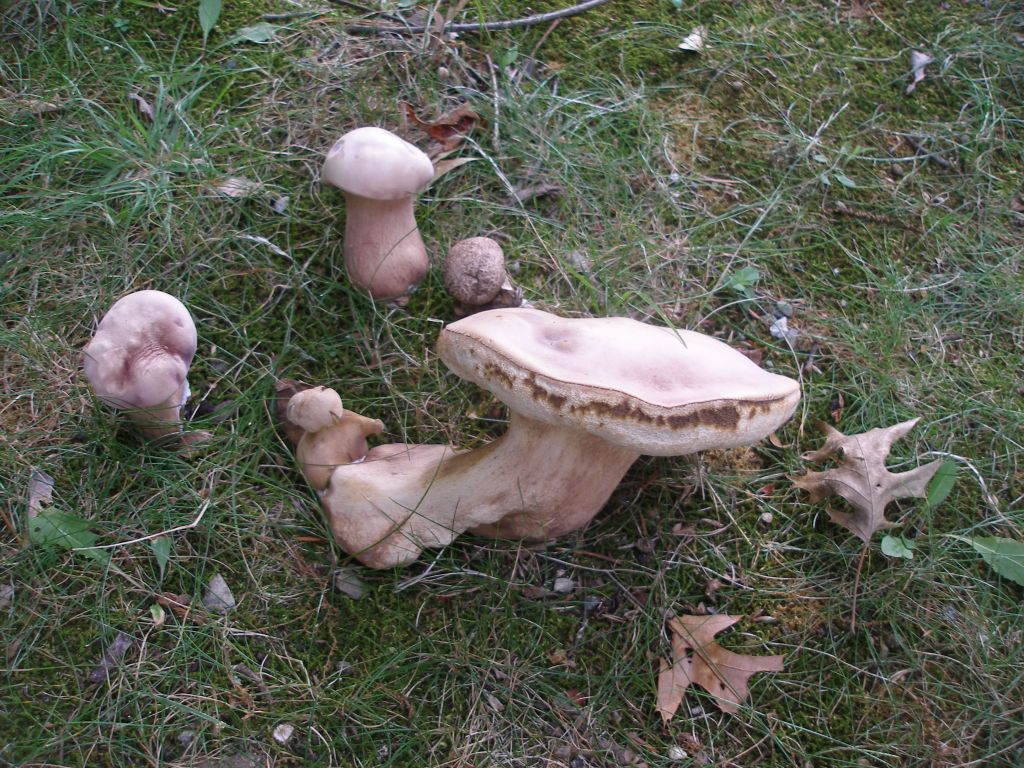
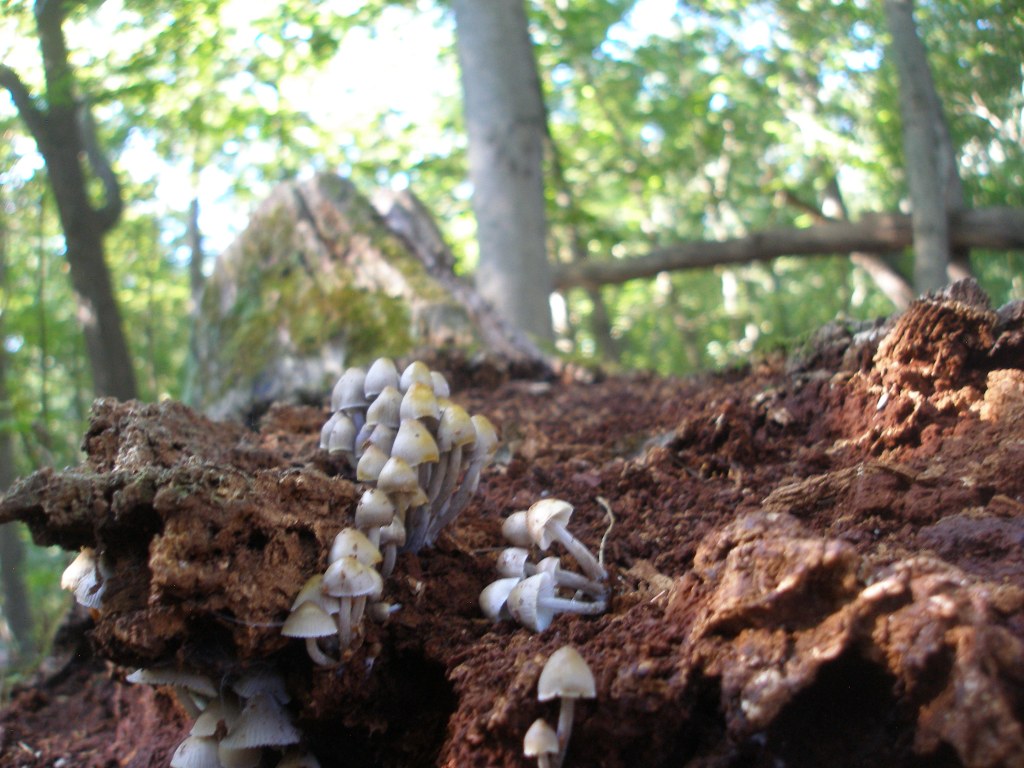
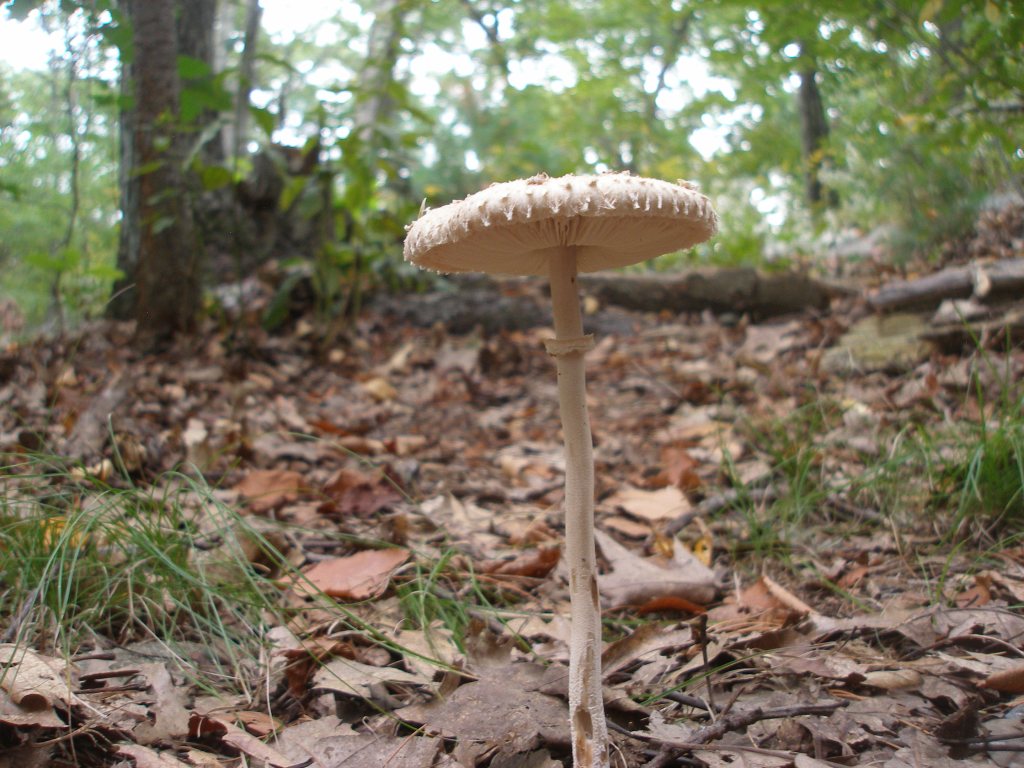
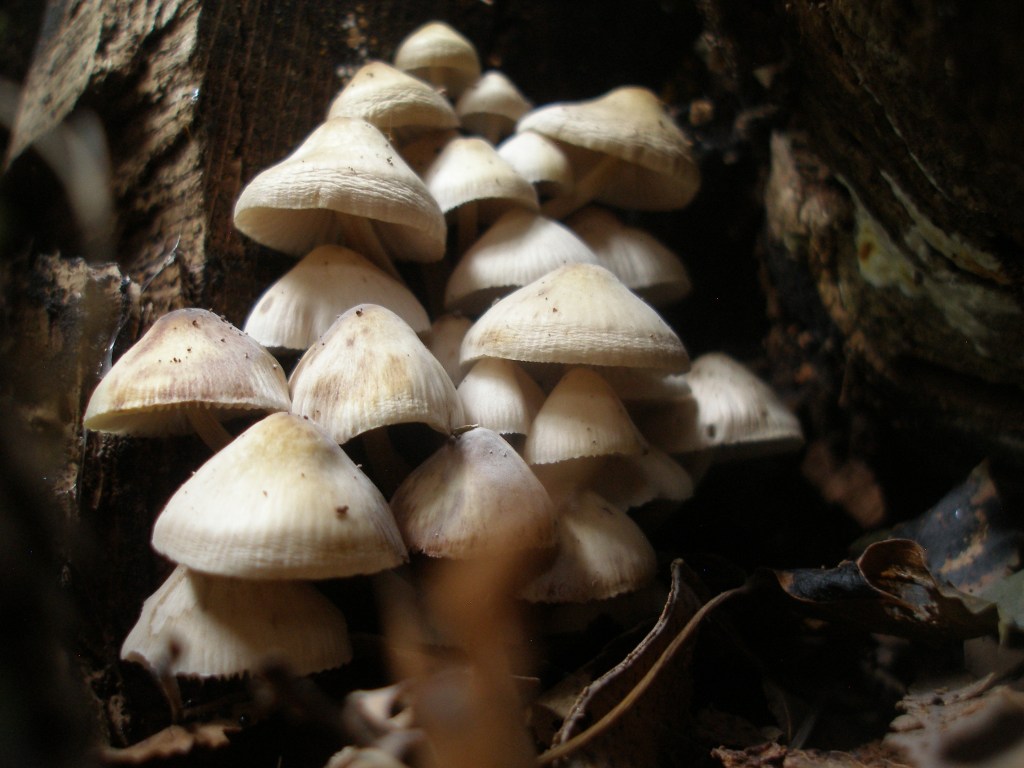
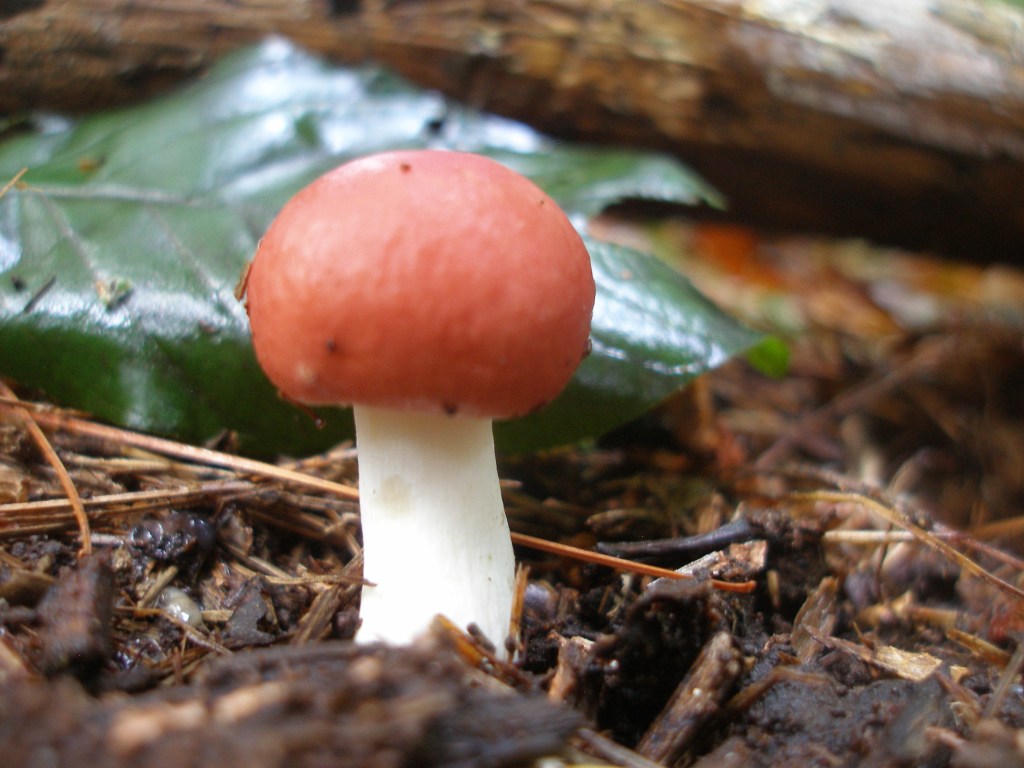
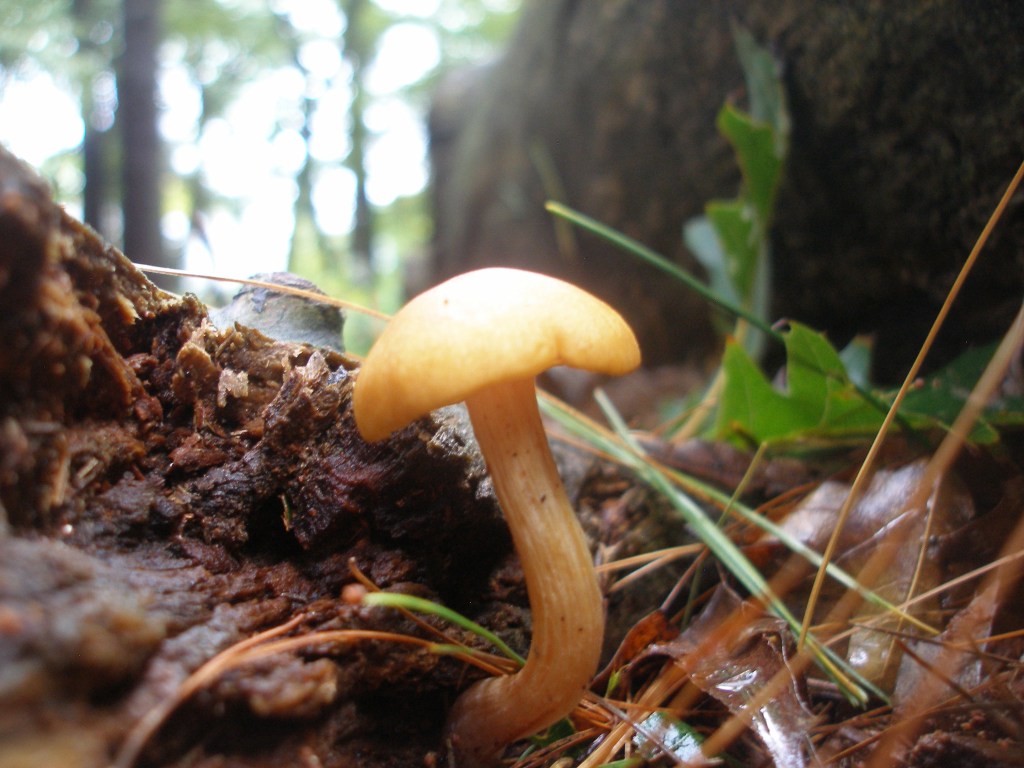
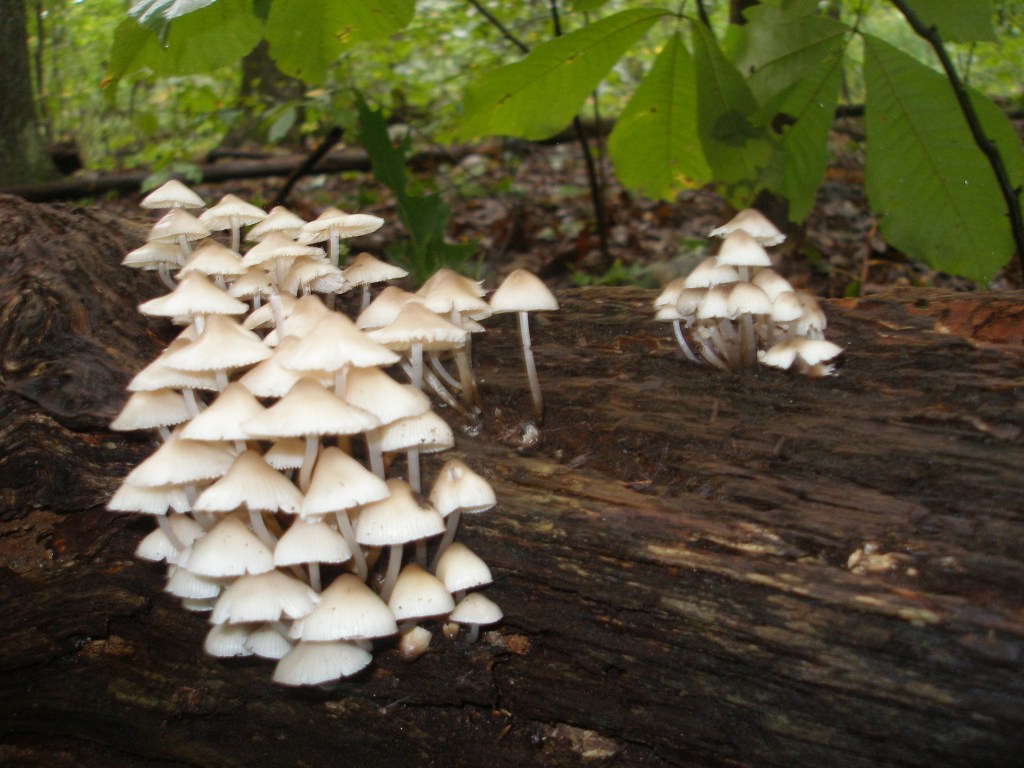
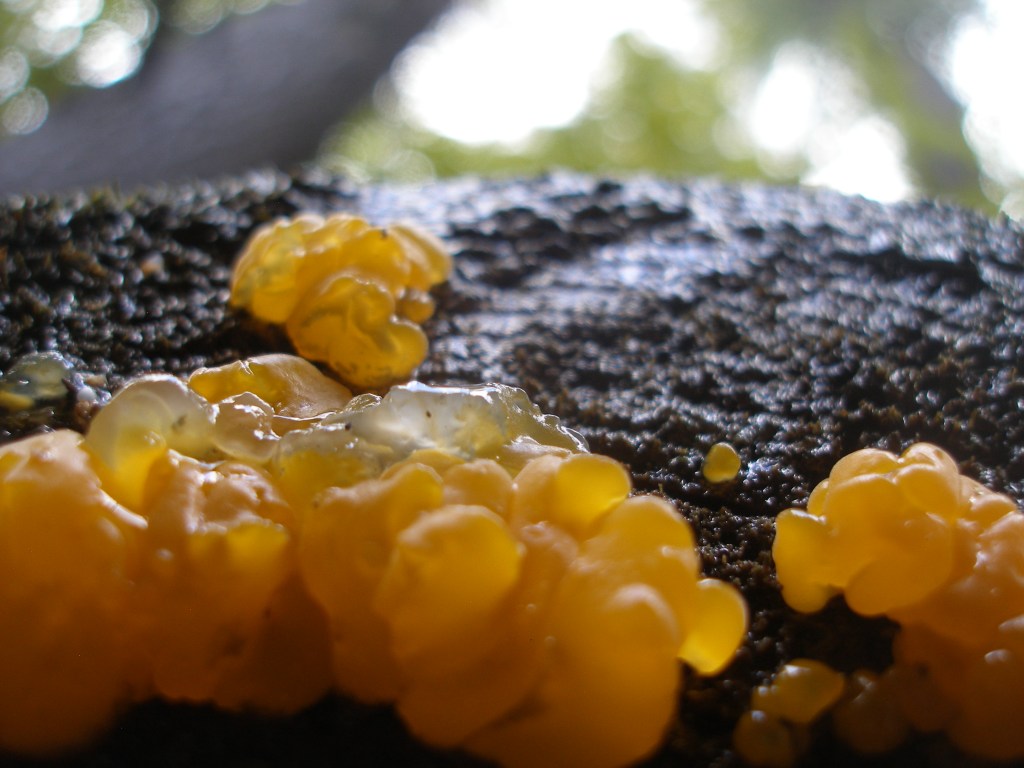
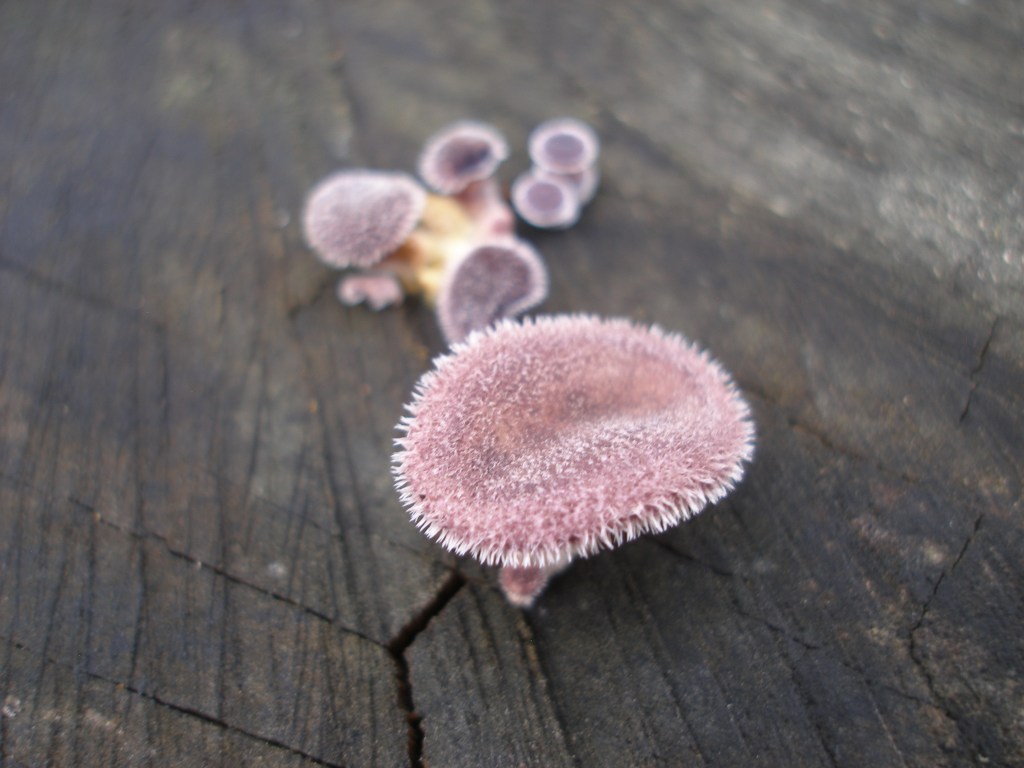
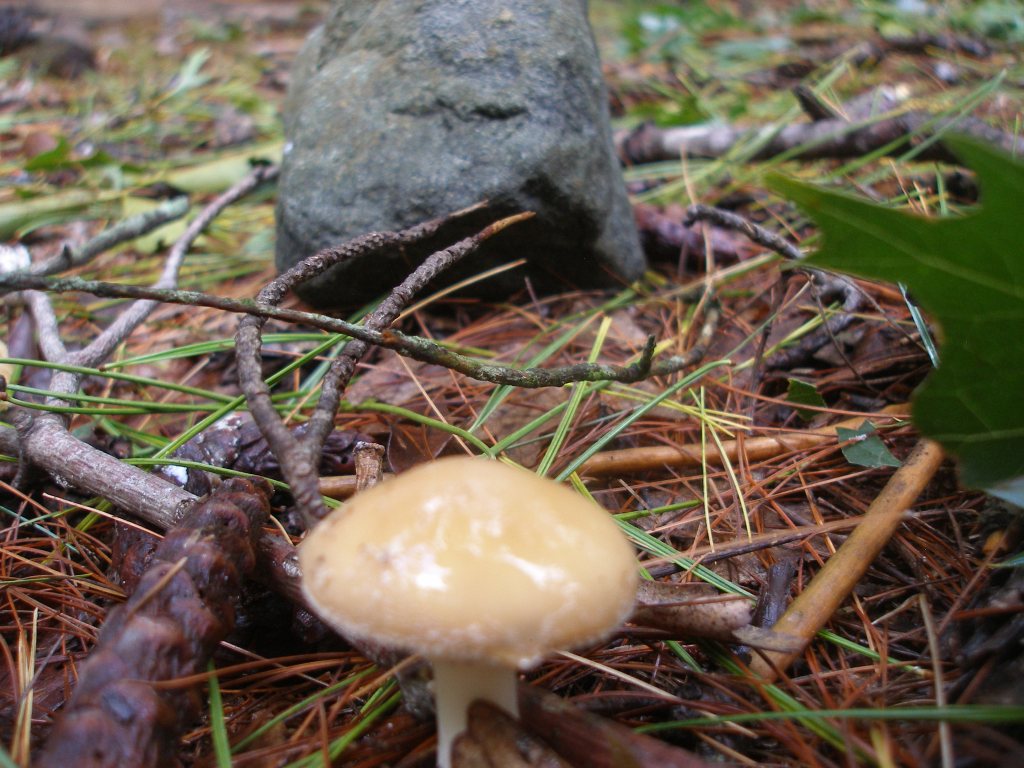
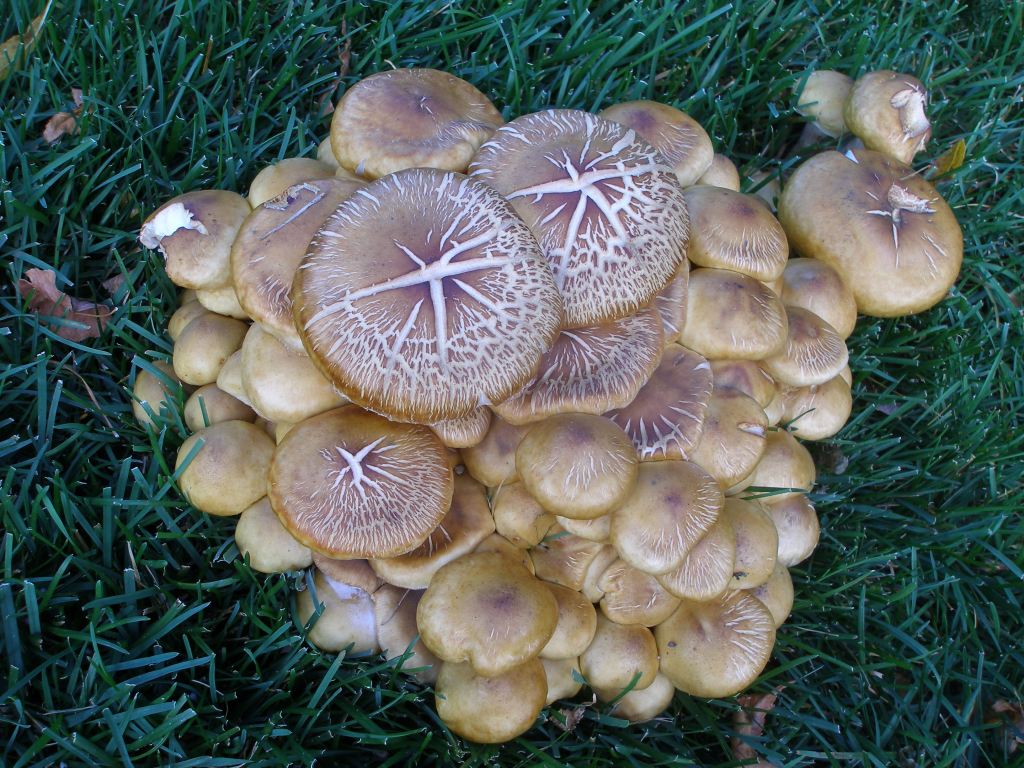
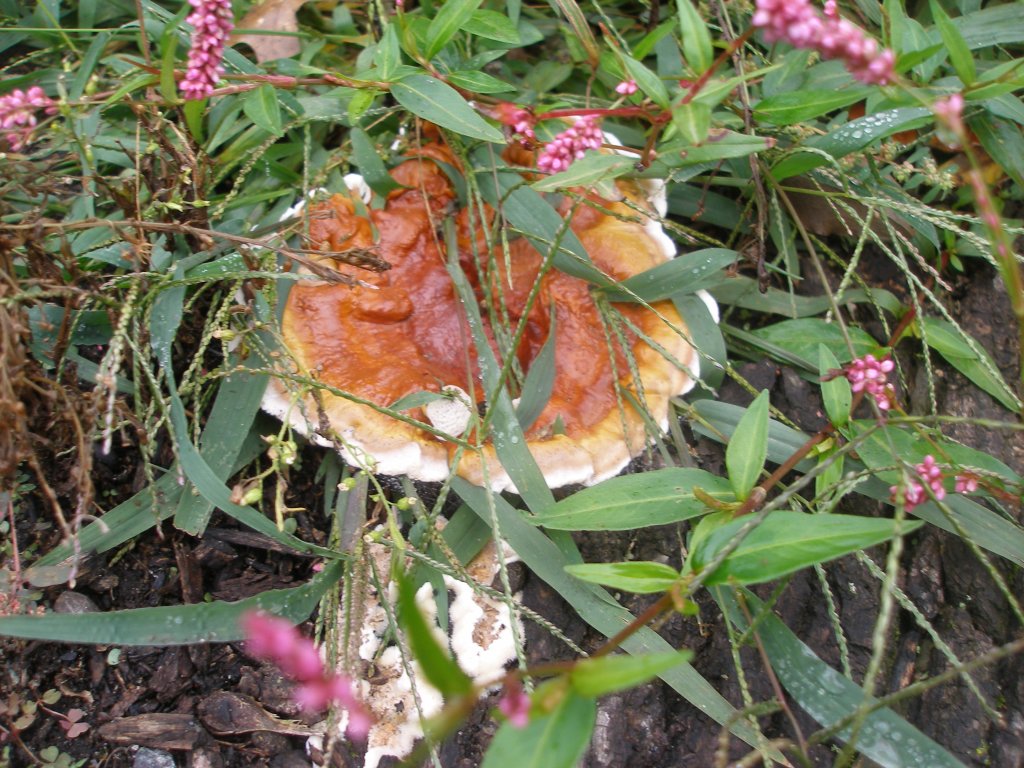
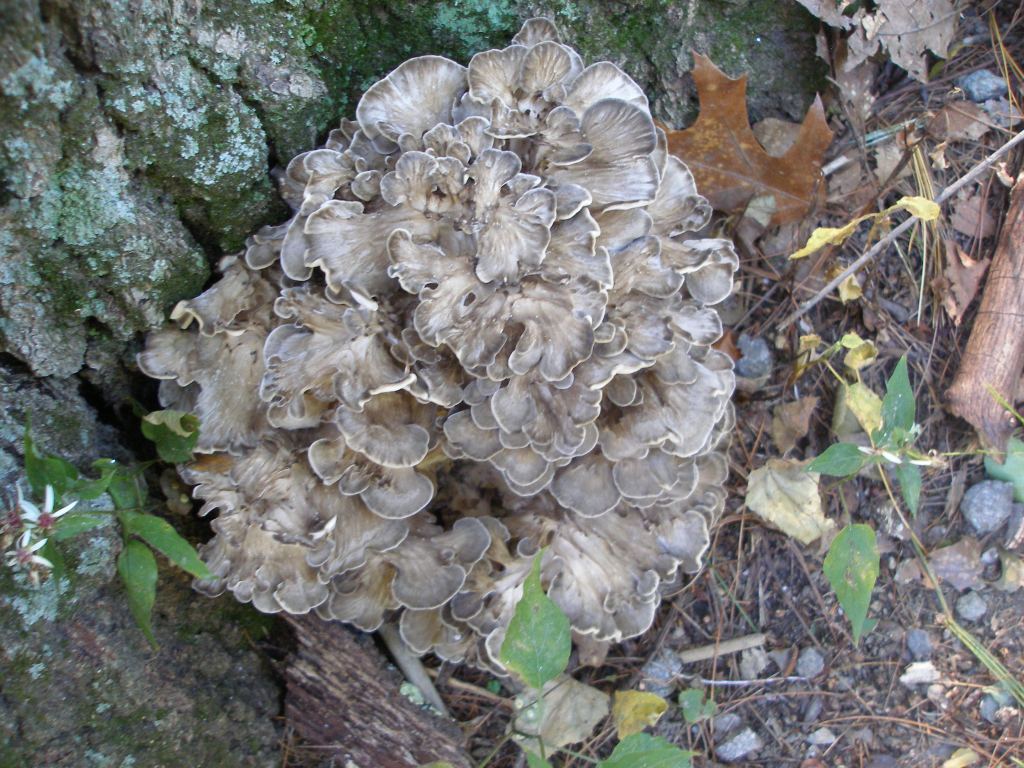
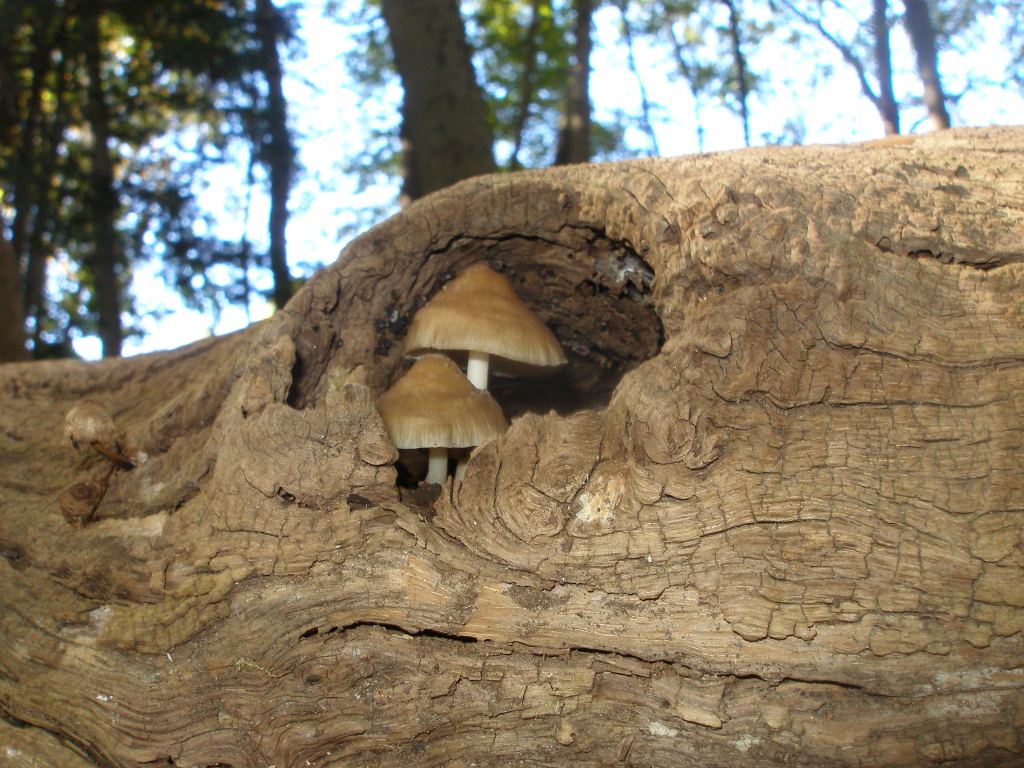
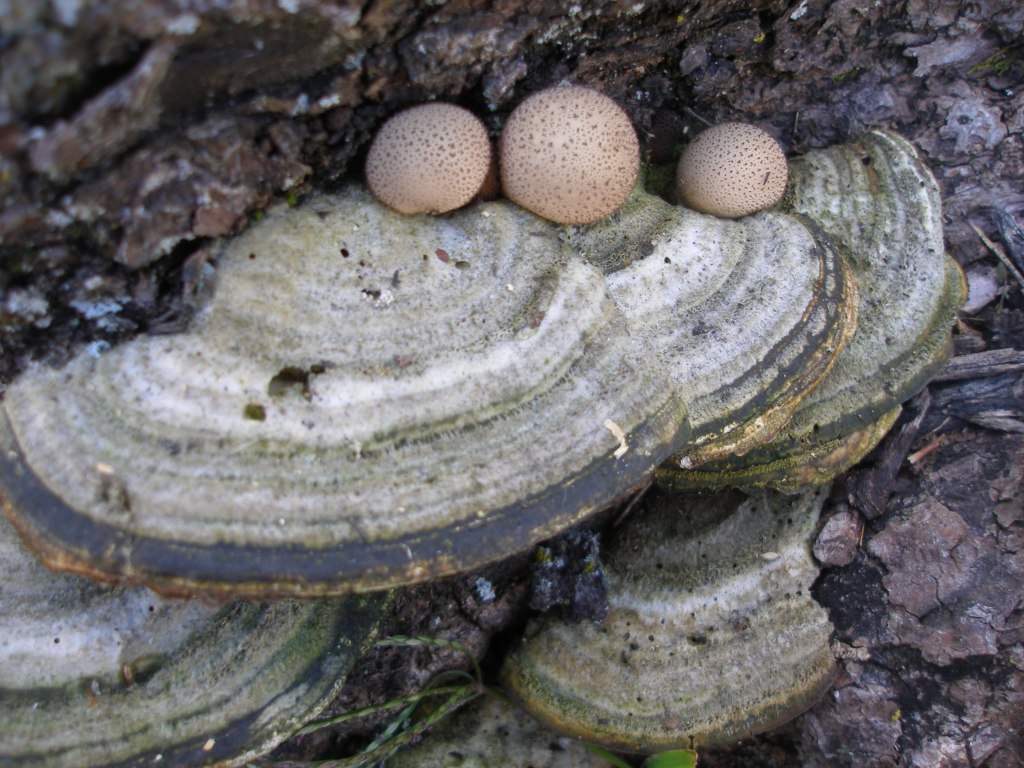
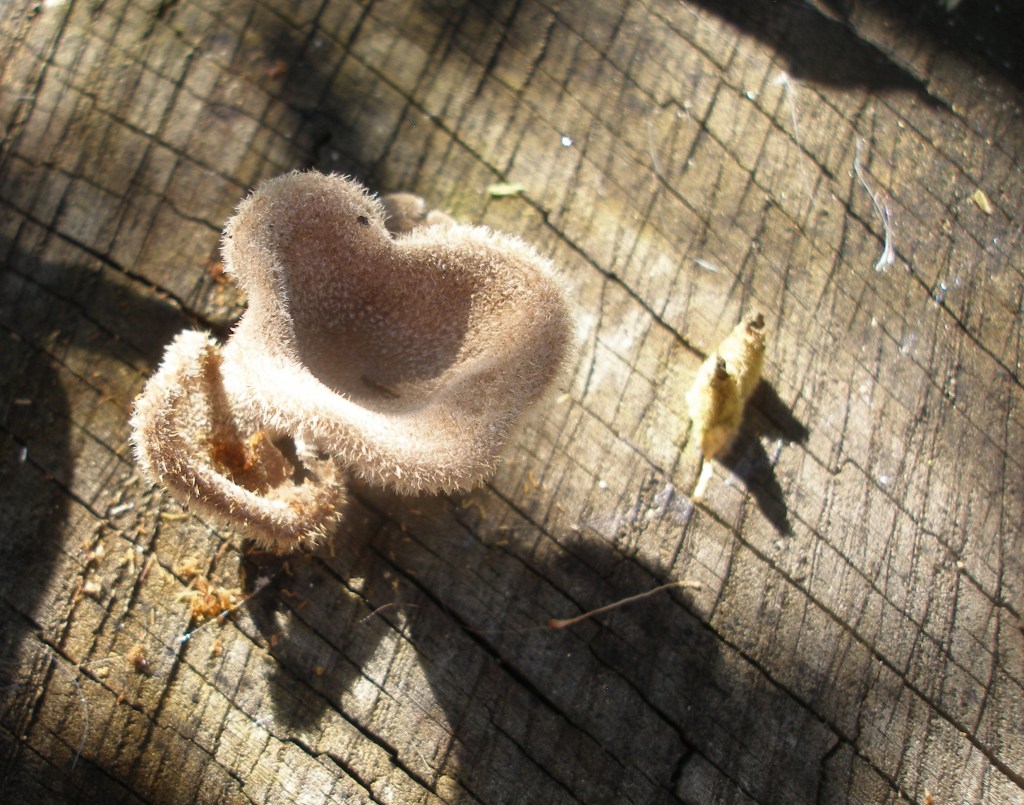
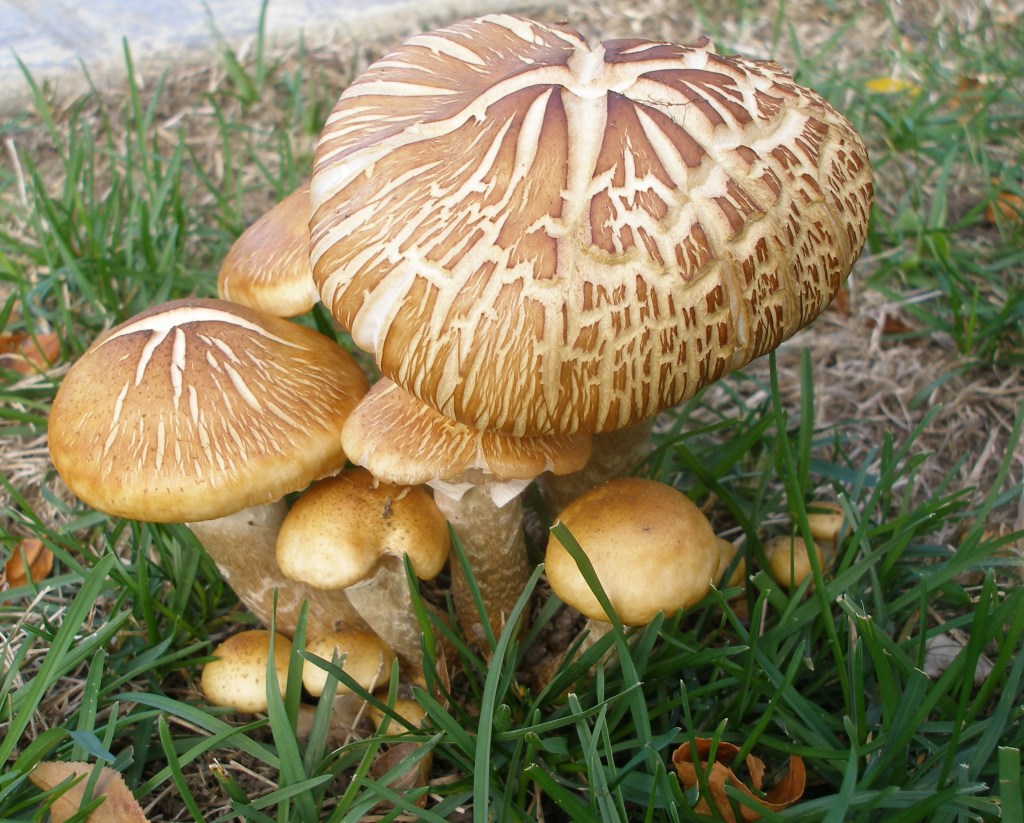
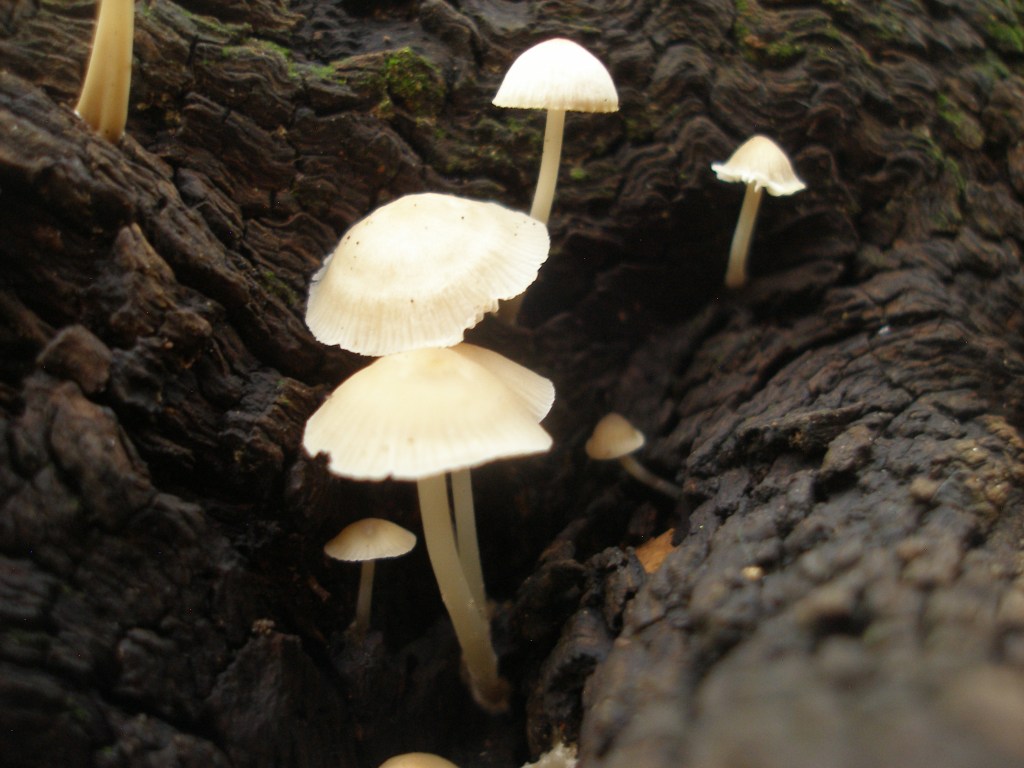
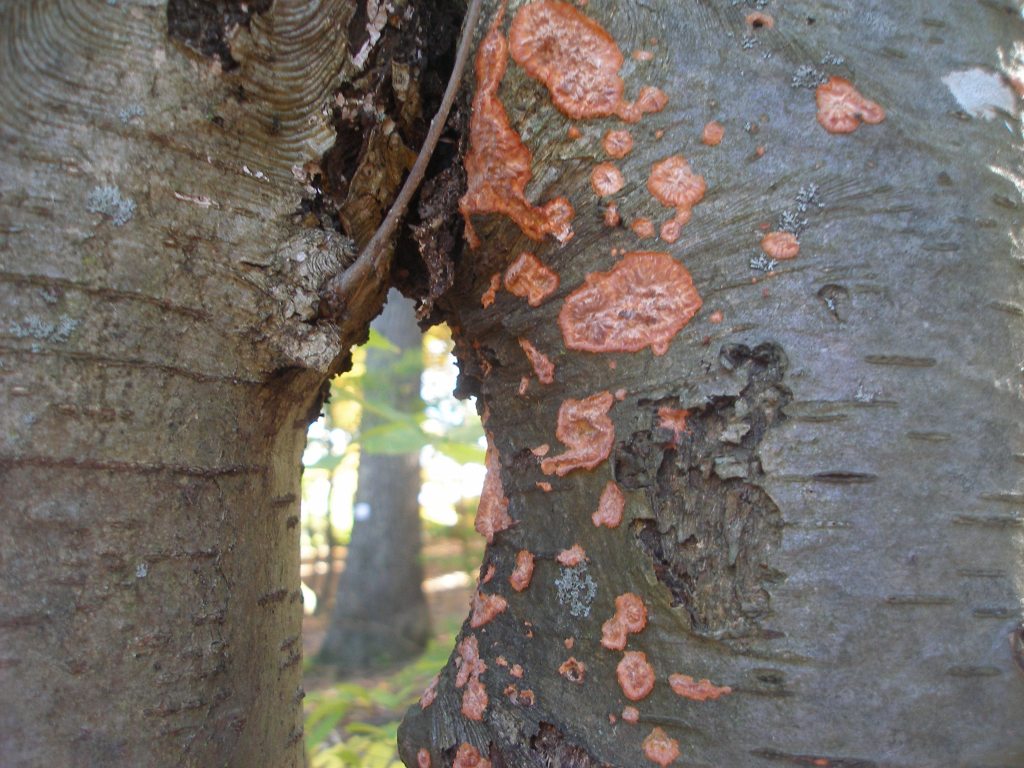
This year I decided not to take photos unless I came across a new type, or an arrangement that showed promise for a good composition. We will see how well I hold to that. I tend to find most “fun guy” to be irresistibly photogenic.
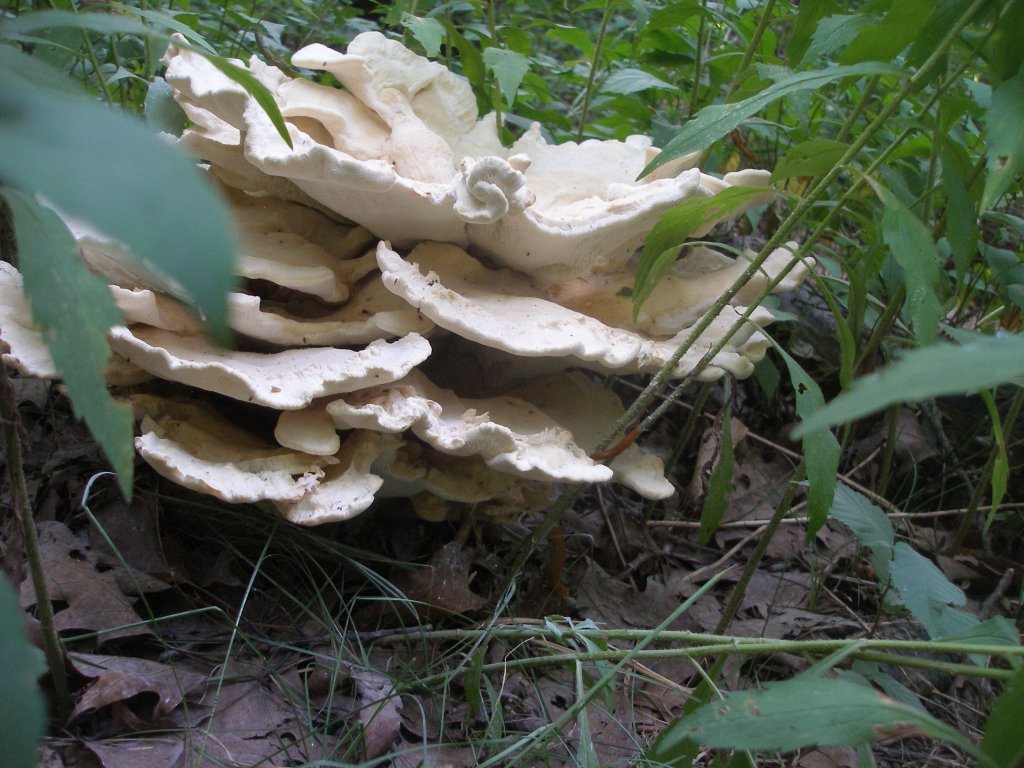
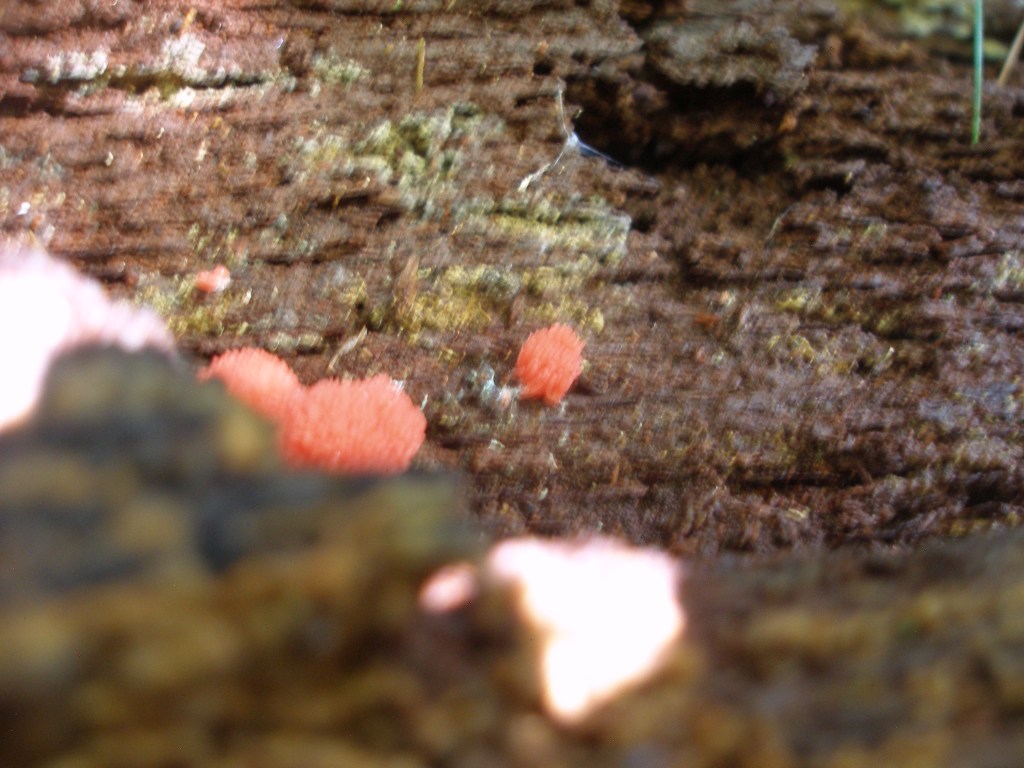
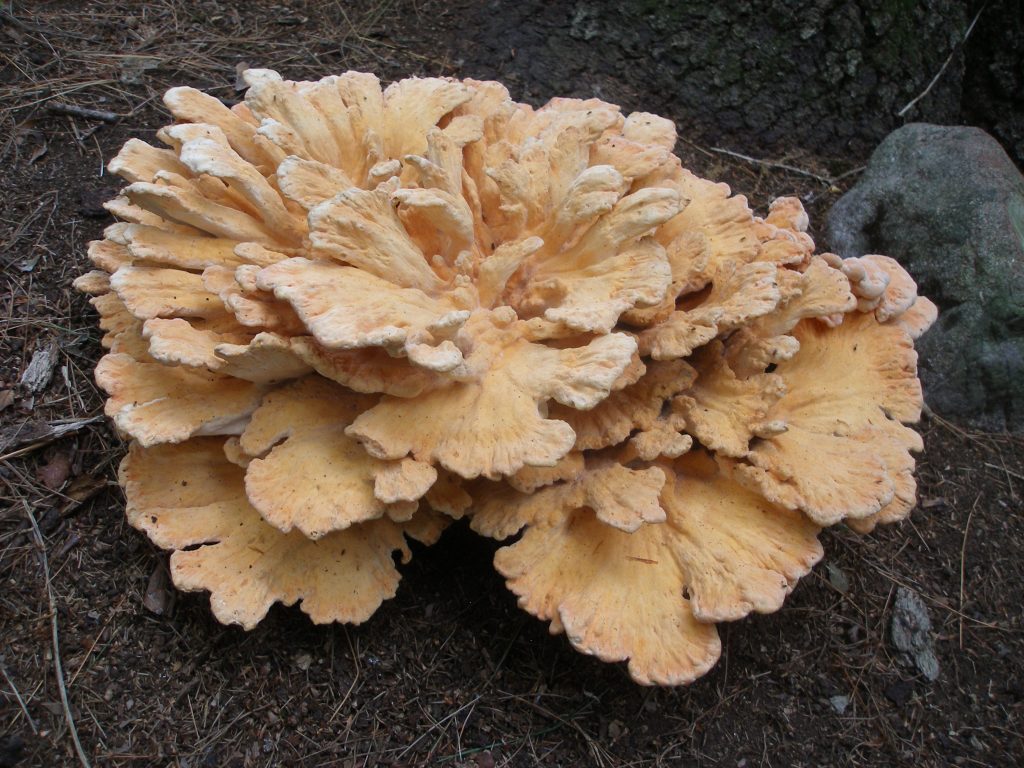
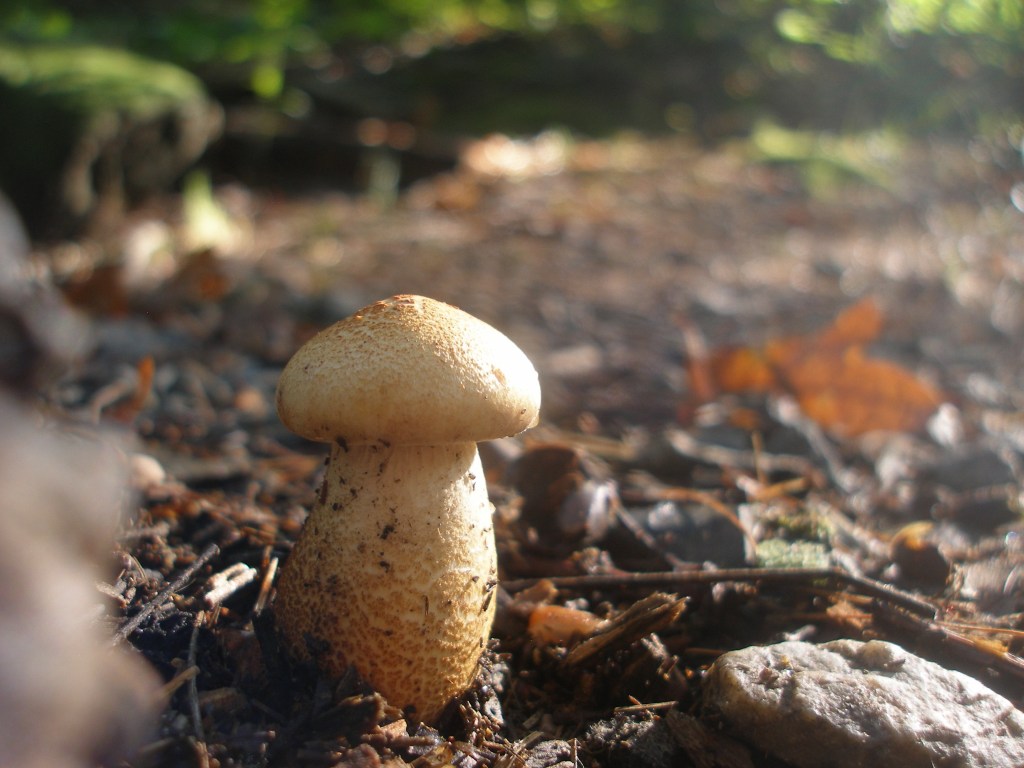
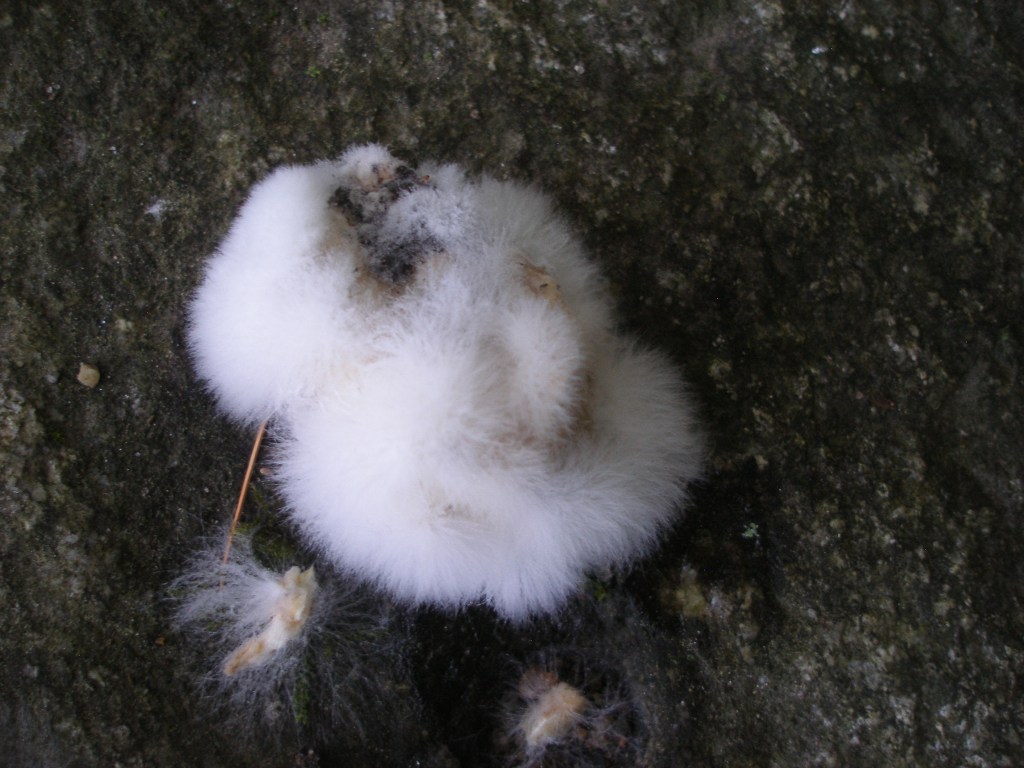
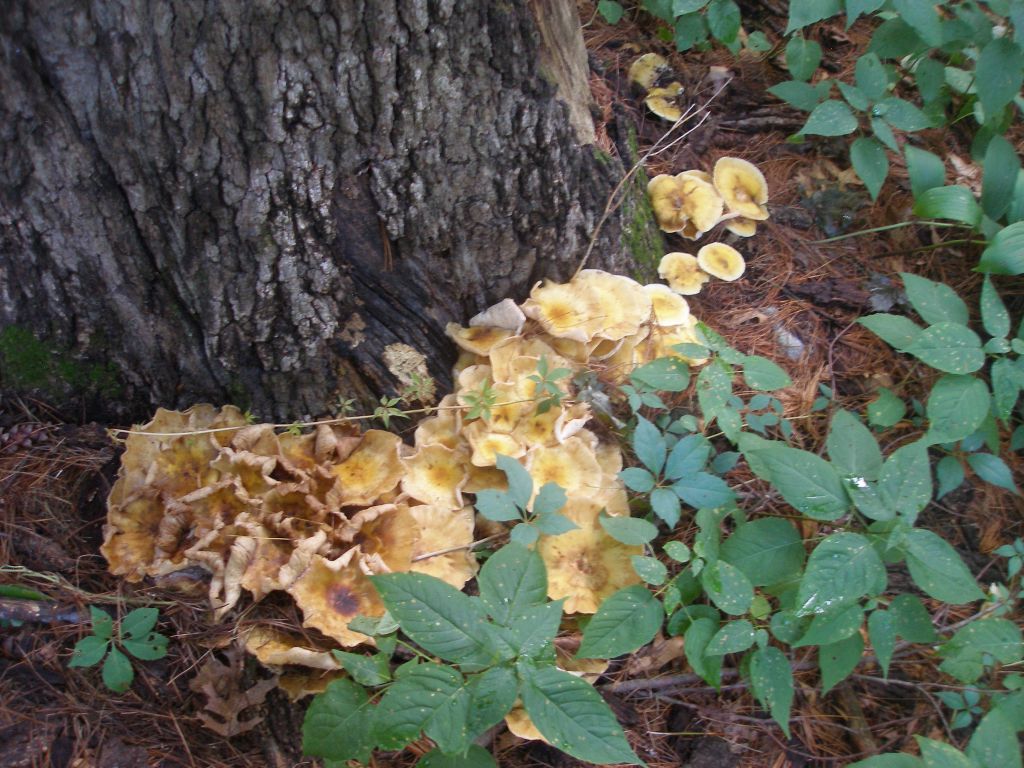
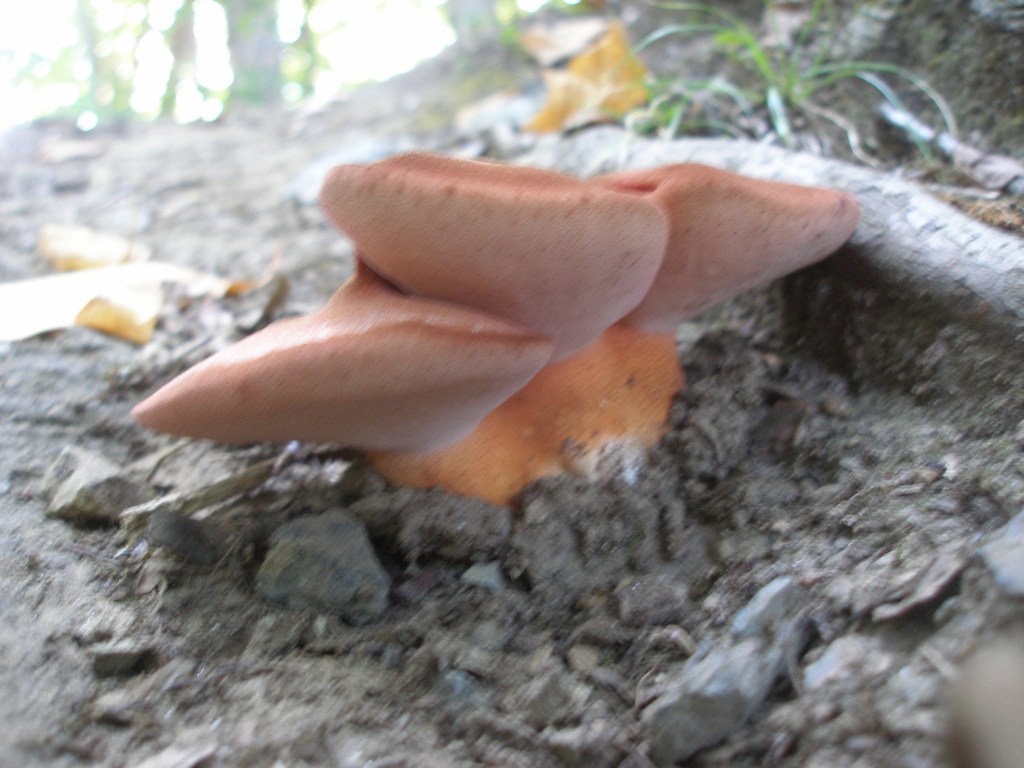
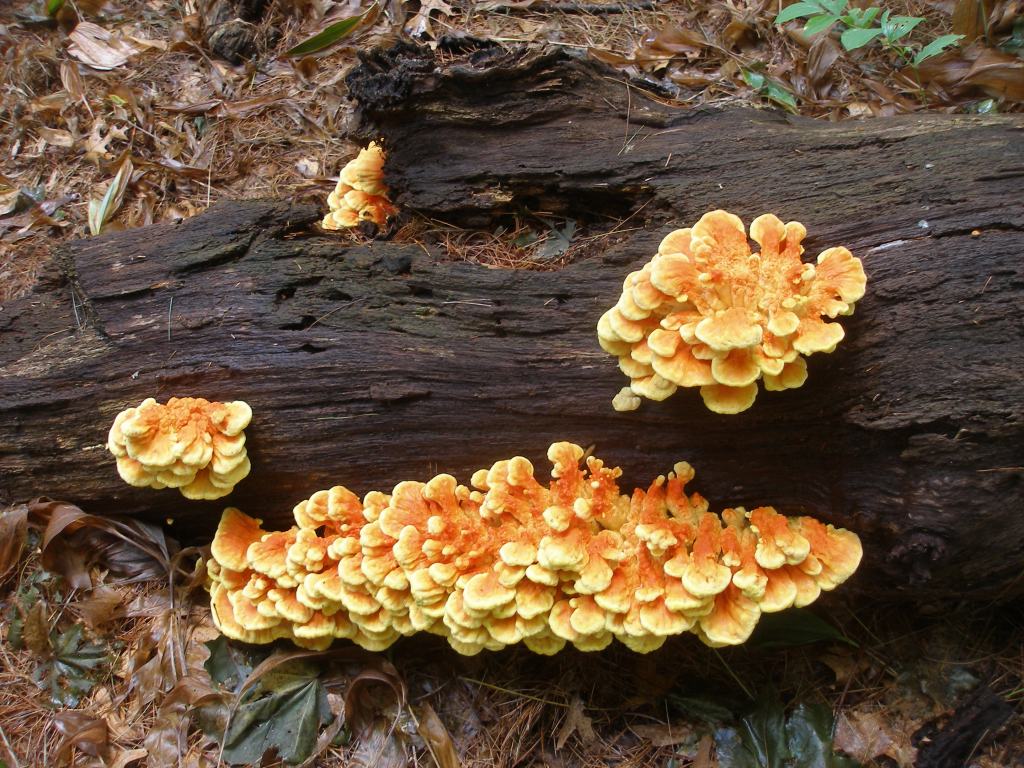
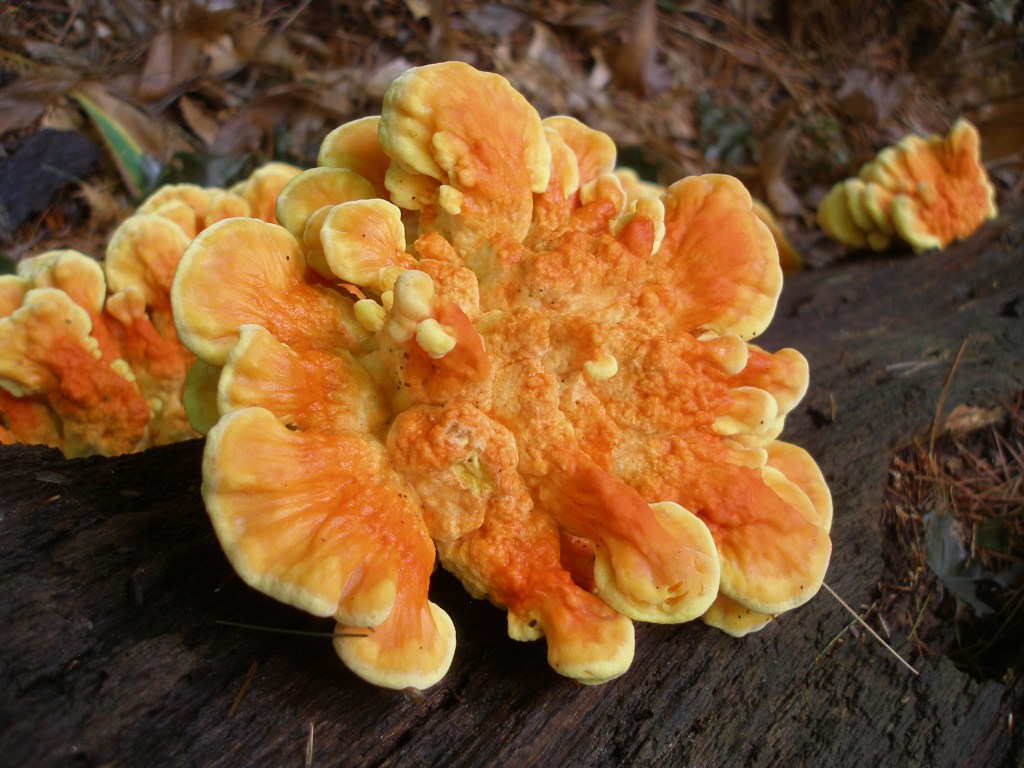
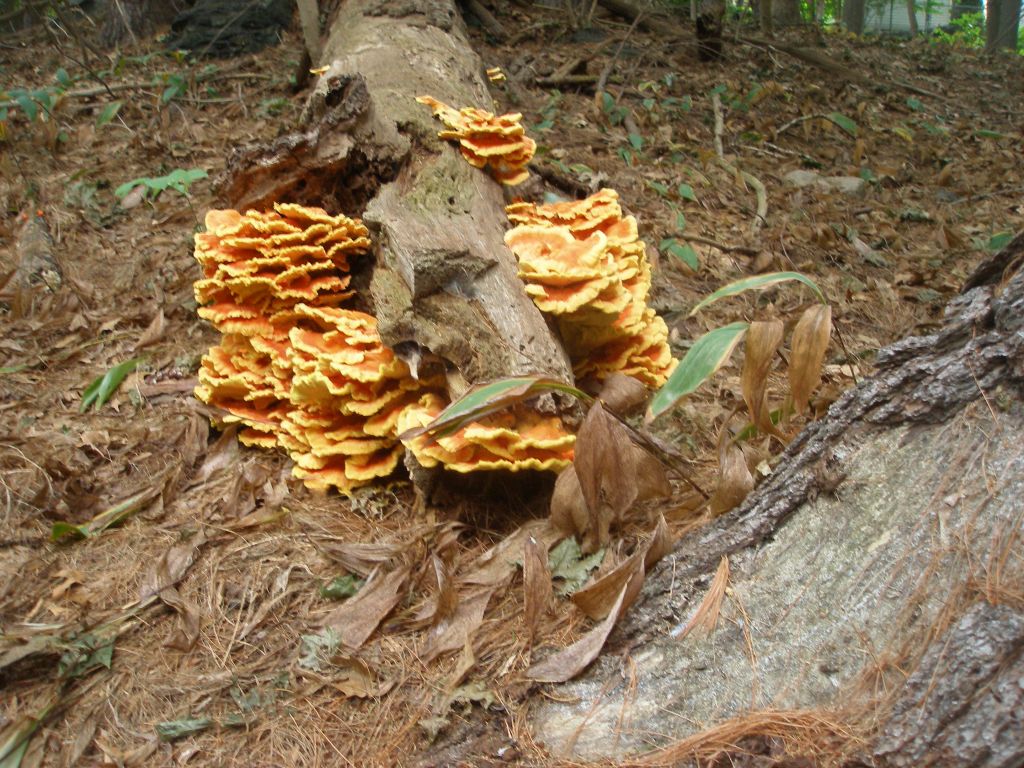
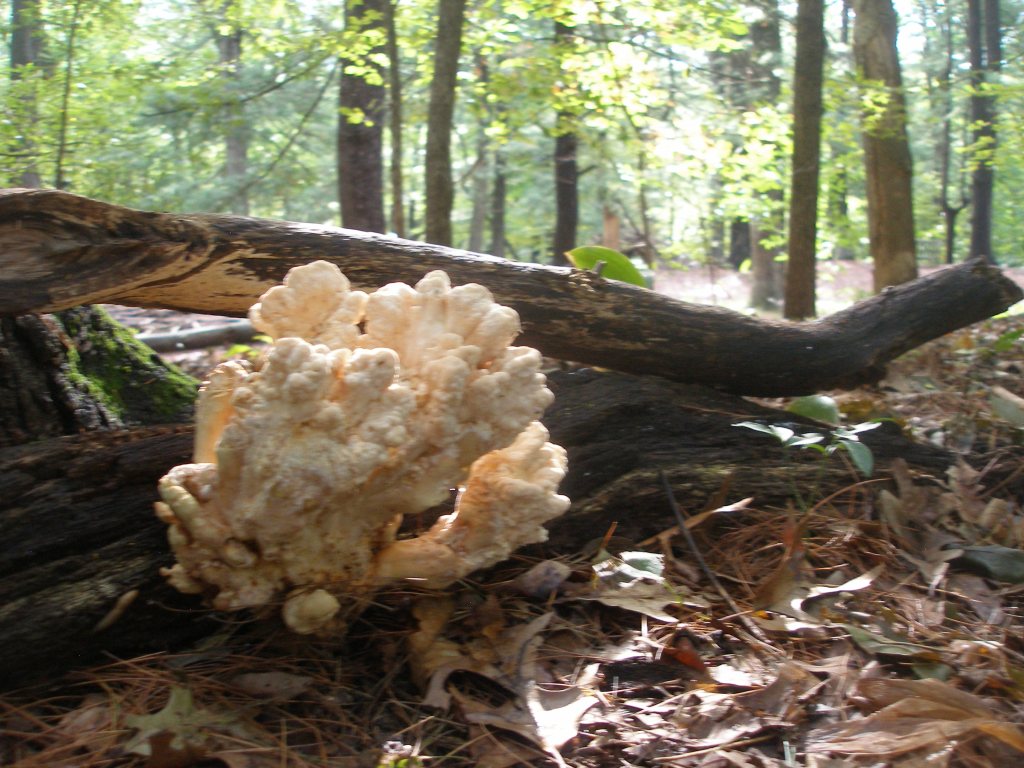
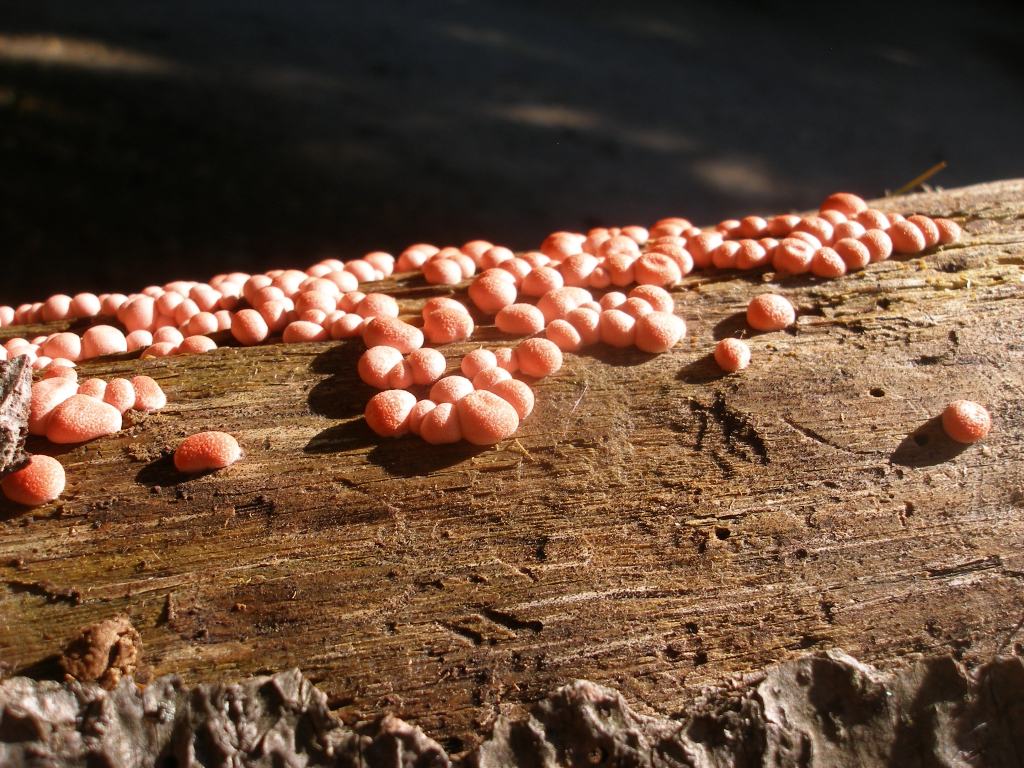
Some interesting examples popped up in the grass in my yard. Round puffballs spring up three times in succession near the entrance to Menotomy Rocks Park. Patches of Black Witches Butter and two different slime molds: tiny textured balls and white stars found a home in a large decaying tree trunk. And that reliable showoff, Chicken of the Woods, swelled forth in orange and yellow abundance with early September rains.
A bunch of these were leaning on each other in a cardboard box up high near the checkout counters. There was no explanation that I could see, just the $10 price. Knowing my 5-year old nephew provided a plausible excuse, I popped one into my grocery cart. Truth be told, they were so cutely odd I couldn’t resist. There seemed to be a story here, but perhaps one that only makes sense in the way that brutal fairytales do. The “Stop & Shop Marty” front and center on its belly gave me hope I could learn more with a little online research.
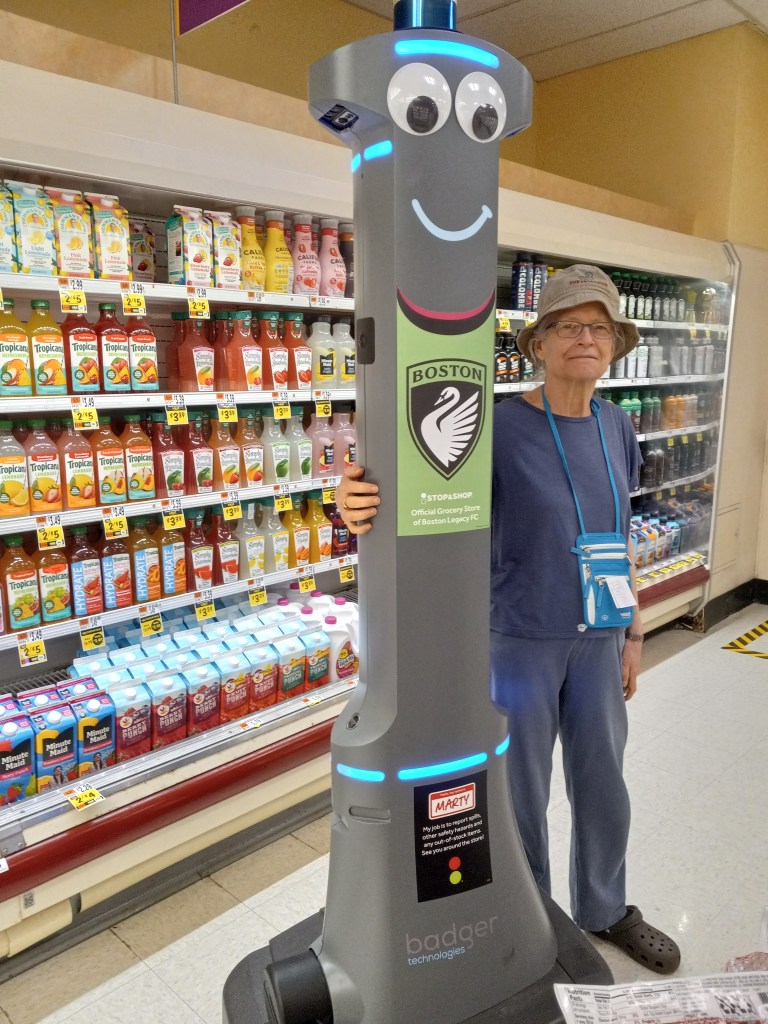
I already knew a bit about Marty. The original robots glide very slowly and smoothly around grocery store aisles. They will even stop for a picture. That is me with one below.
The first time one of these things crept up on me, it spooked me a bit. I found out that Marty makes note of spills and items missing on shelves and communicates that information electronically to staff for follow up.
Evidently, Marty is an acronym for “Mobile Autonomous Robot Technology.” The missing word beginning with “y” led me to believe that the name was added after the fact, as I learned was the case for the googly eyes and the drawn-on mouth. This article provides insight into this history, and notes that Marty seems popular with children. There are, in fact, a variety of Marty toys.
I can see how finding a way to put a robot and shark together in the general configuration of a Marty stuffed toy might prove challenging. But a shark eating a Marty robot would not be very good for the shark, nor for the robot.
Here are two scary things put together – hungry sharks and intelligent robots can both feel threatening. But in this unusual case, Marty is smiling and the shark also seems OK. We can certainly hope that the natural world upon which we depend and our rapidly evolving technology will both prove more beneficial than harmful.
In “Robot Revolution” in the July 6th and 13th edition of New Yorker, Stephen Witt describes how humanoid robots while still of interest, are raising a number of serious concerns. They can be heavy and pose safety risks; both arms and legs might not be needed or worth the additional cost. In addition, “physical AI that runs a robot remains underdeveloped” (p. 22) and there is always the concern that humanoid robots might take jobs away from humans.
Somehow I cannot fault this strange shark Marty toy. It may be a bit on the dramatic side, but this fruit of the arrangement between Stop & Shop and the Atlantic White Shark Conservancy draws attention to what is already here and what it is worth taking care with dangers, benefits and all.
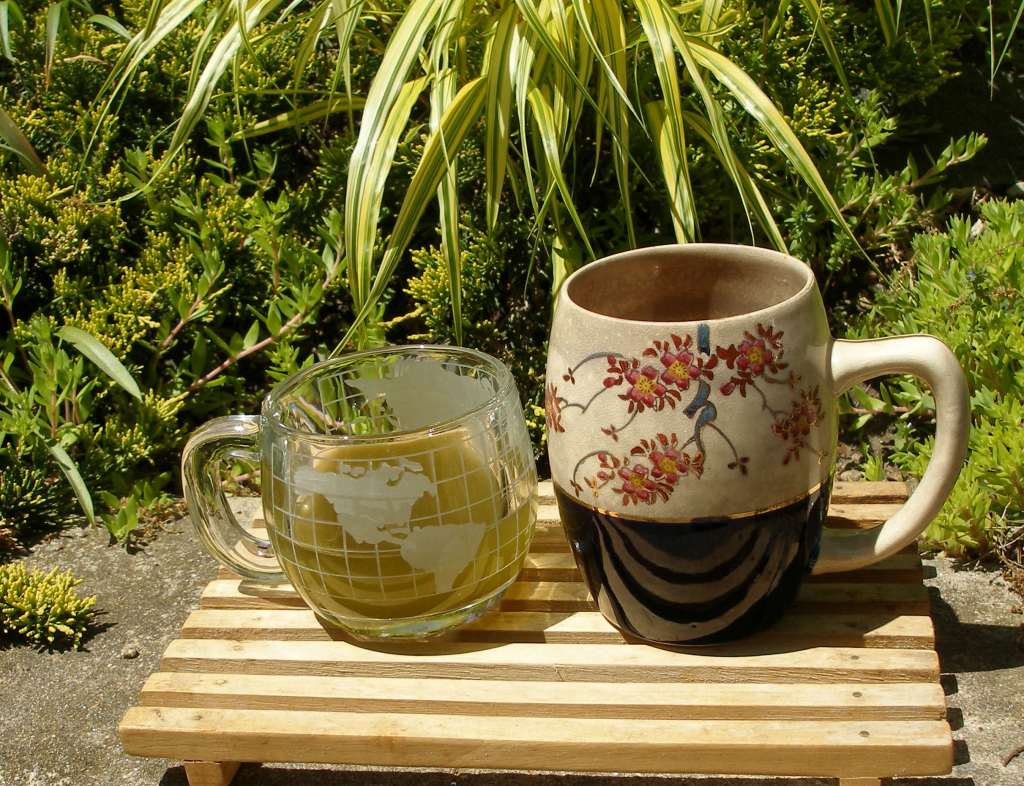
The first practice during a weekend online retreat for a cohort of individuals interested in offering Insight Dialogue was a variation that includes sharing tea first. My introduction focused on these basics:
Guidelines: While all of the Insight Dialogue guidelines apply – Pause, Relax, Open, Attune to Emergence, Listen Deeply, and Speak the Truth, I decided to emphasize “Open” in keeping with my desire to have this tea and dialogue practice serve as a form of welcome to our online retreat.
Generosity: With sharing tea it is obvious, but listening deeply and speaking the truth are also generous gifts. In this case, given the practice was being offered online, each of us must necessity make our own tea. Remembering to offer ourselves both respect and appreciation for such intentional acts of self care seems important in these particularly challenging times.
Ichigo Ichi ‘e (One Time / One Meeting in English) – Each meeting is unique and will never recur. That is a basic principle of Japanese tea ceremony which applies to every meeting. It makes sense to pay whole-hearted attention to those precious moments in which we can be genuinely alive to all that is here.
Other elements taken from Japanese Tea ceremony include support to attend to all of the senses and to think with appreciation of all that went into being able to share tea together. Bowing after speaking brings in a bit of the respect of formal tea etiquette, while a natural object or an image provides a reminder of our fundamental relationship with the natural world.
Mindful dialogue: For this part of the practice, the participants take turns listening and speaking, in this case contemplating, “What is arising from the experience of mindfully preparing and drinking tea, as well as bowing after speaking?” Participants mentioned appreciating the opportunity to slow down and open to themselves; the simplicity, comfort and warmth, and how this practice had served as “a soft start” to the retreat, as I had hoped it would.
Adaptability: Even without a hot beverage in hand, I like to think we can bring more of this open spirit to when we interact informally around the kitchen table, with strangers, and with those in need of comfort. And perhaps it might even help with bringing fewer judgments to our own internal dialogue.
Some days I do not take any pictures. Others, I take pictures after every few steps. For better or worse, my sensing there is something worth capturing has become quite intuitive. This surely has as much to do with my mental state and receptivity as it has to do with how patches of sky, reflections, and plants dance together in the changing light as I walk around Hill’s Pond.
There are similarities, but also quite a few differences in the photos below taken during two separate pond walks this past spring. Nature has a way of quietly reminding us that there is also a positive aspect to the continual change that none of us can escape.
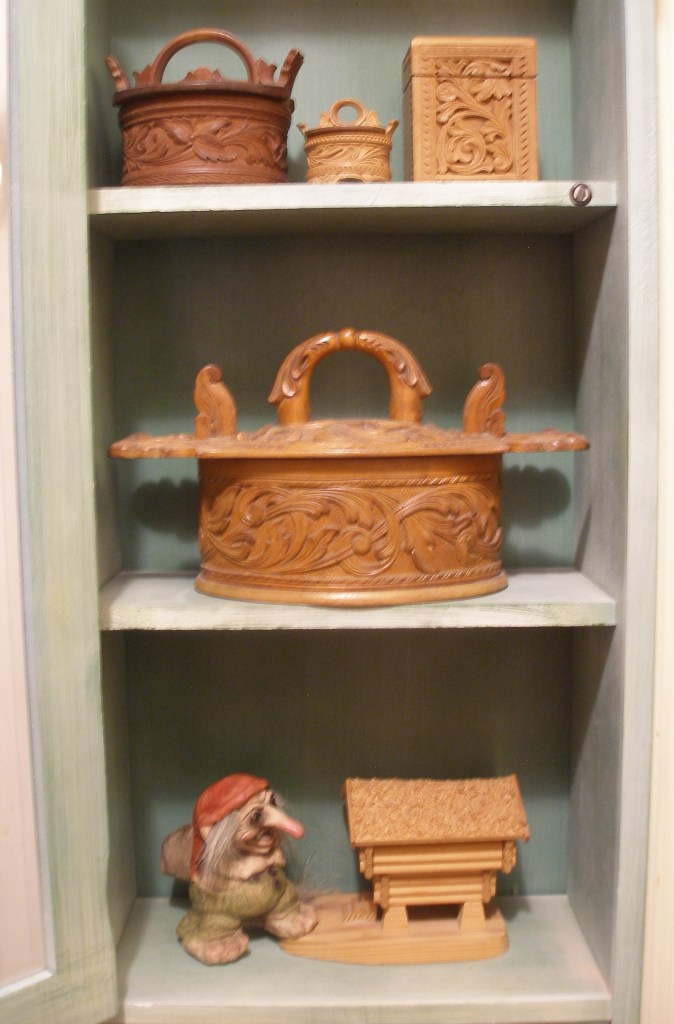
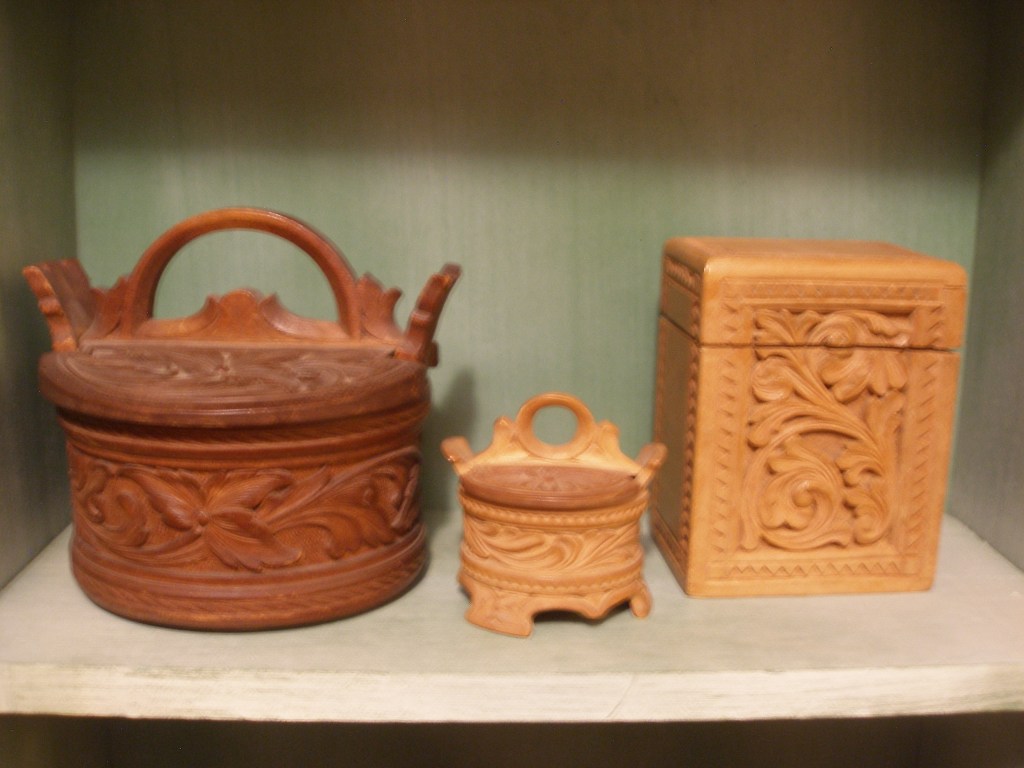
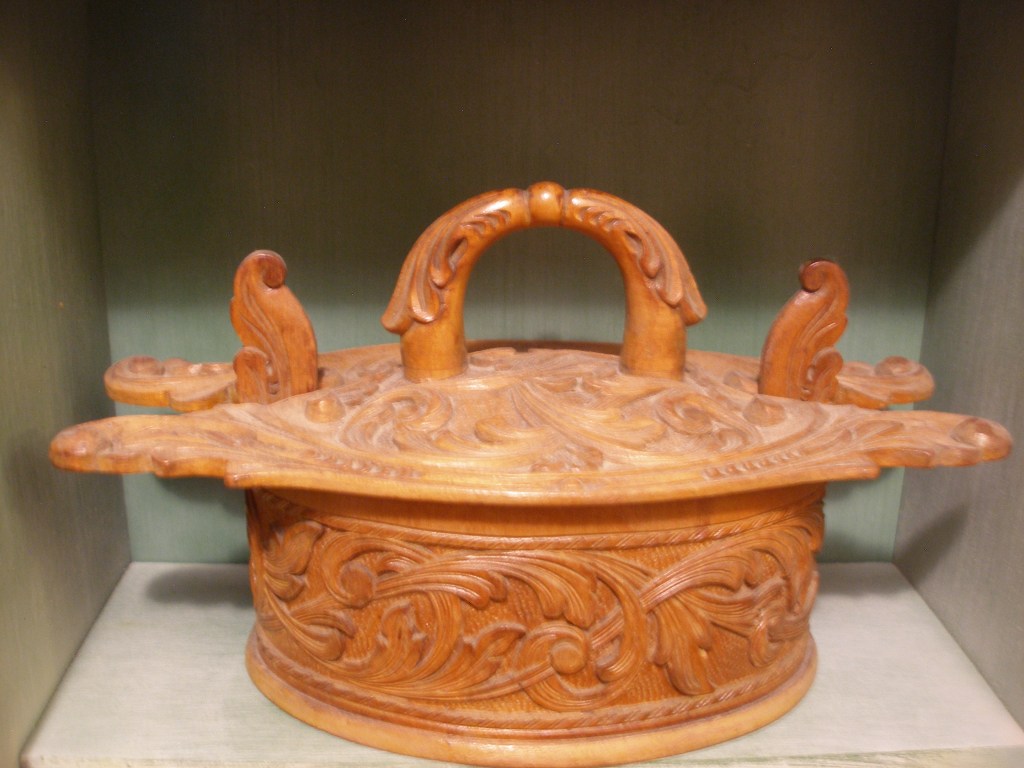
All four of the carved wooden boxes were described as coming from Norway, and that made sense given the Telemark acanthus leaf designs and the notches in three of their lids that fit over projecting tabs on either side. The smallest of these “tines” was the perfect size to hold one special ring. Perhaps it was my Oslo ancestor, but I could not resist this charming collection.
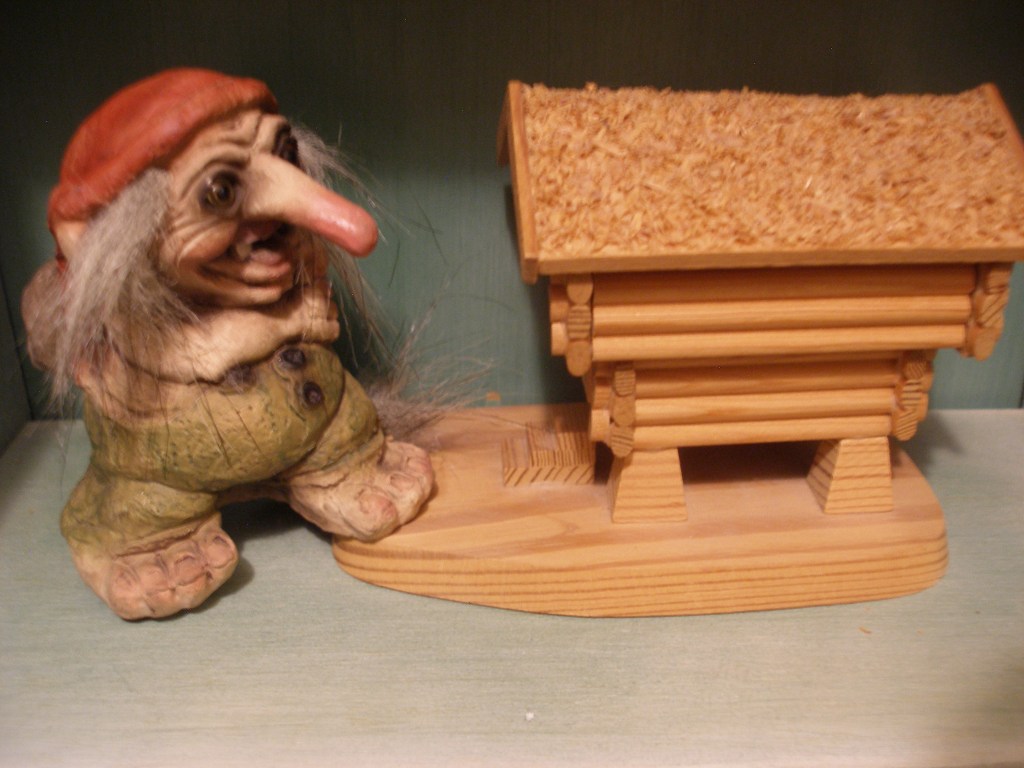
The fifth quite different box is a model of a Norwegian stabbur. These charming storehouse buildings are raised up on stone or wooden pillars with a gap above the steps to protect their contents from marauding vermin. You can imagine the fragrance upon opening that door from grain, flour, cured meat, root vegetables, dried fish, fruit and sometimes also clothing.
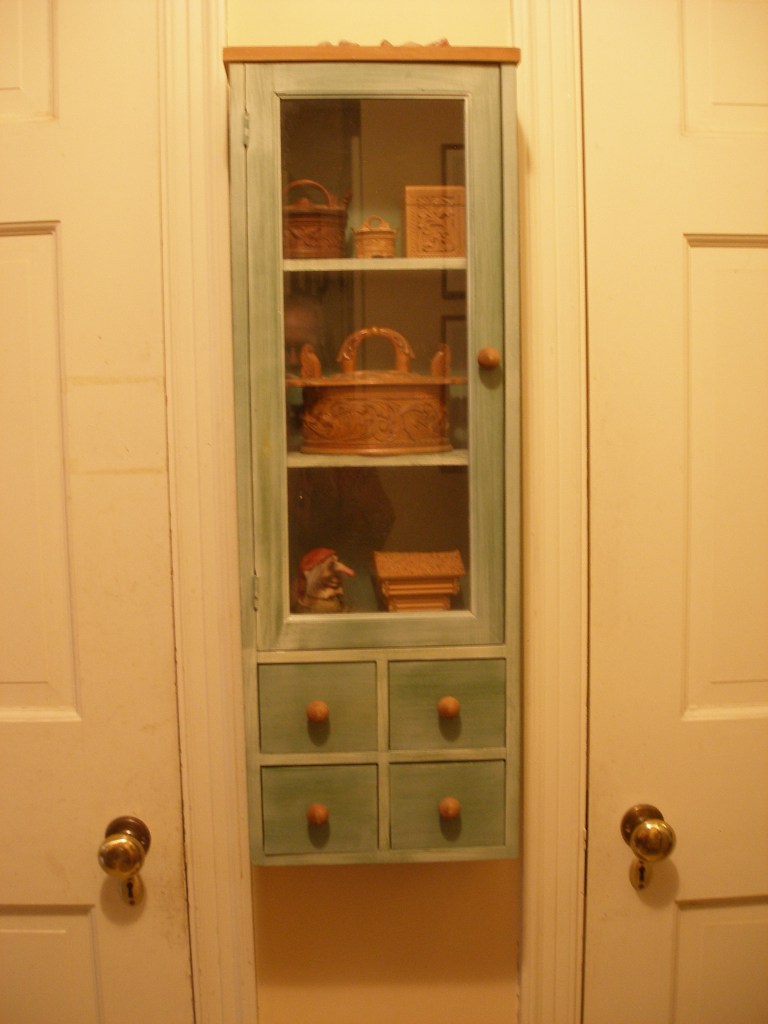
The wall-mounted cabinet was perfect to hold this box collection. Then, at my request, my Aunt brought me a troll back from her travels to Norway. I was glad that I learned trolls come in all sizes from small to gigantic. I sat the troll so he he seemed to be staring into the stabbur’s front window, but as the pouch slung on his back was already full, perhaps he had already completed his troll-like mischief.
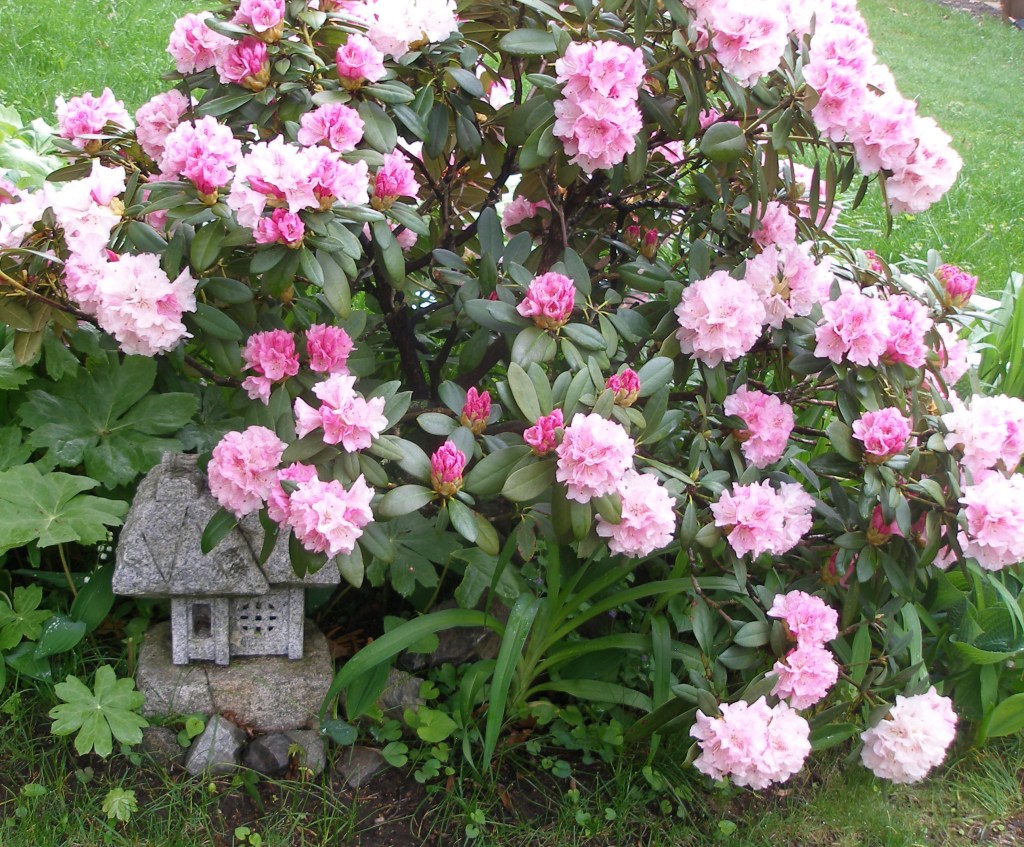
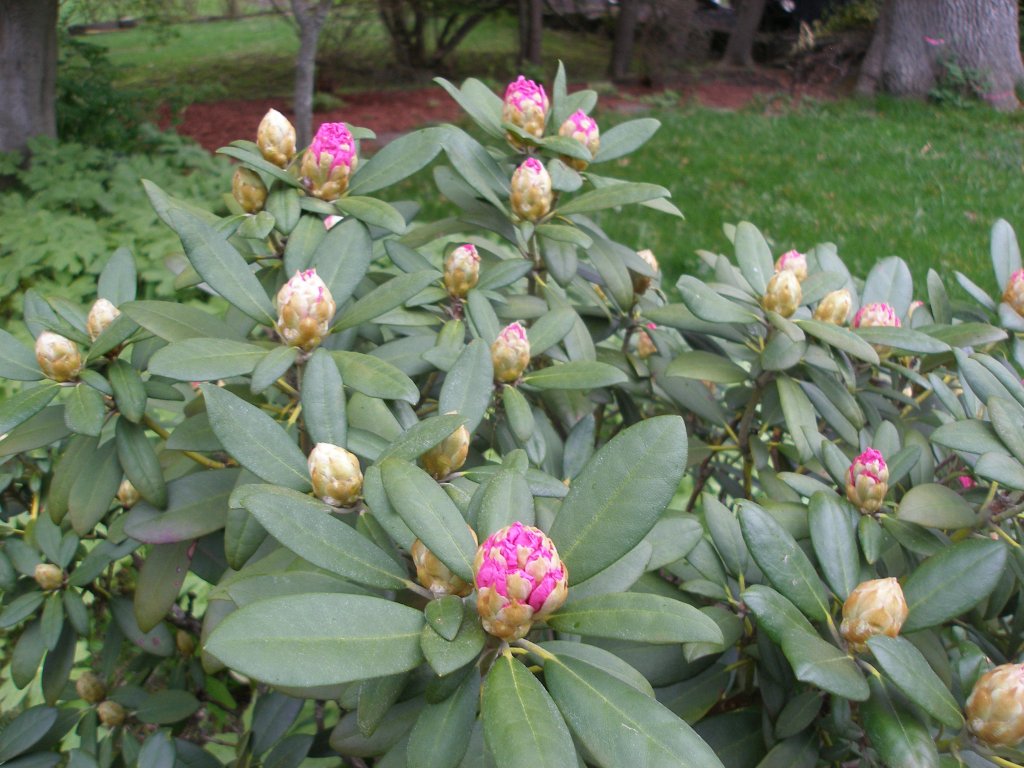
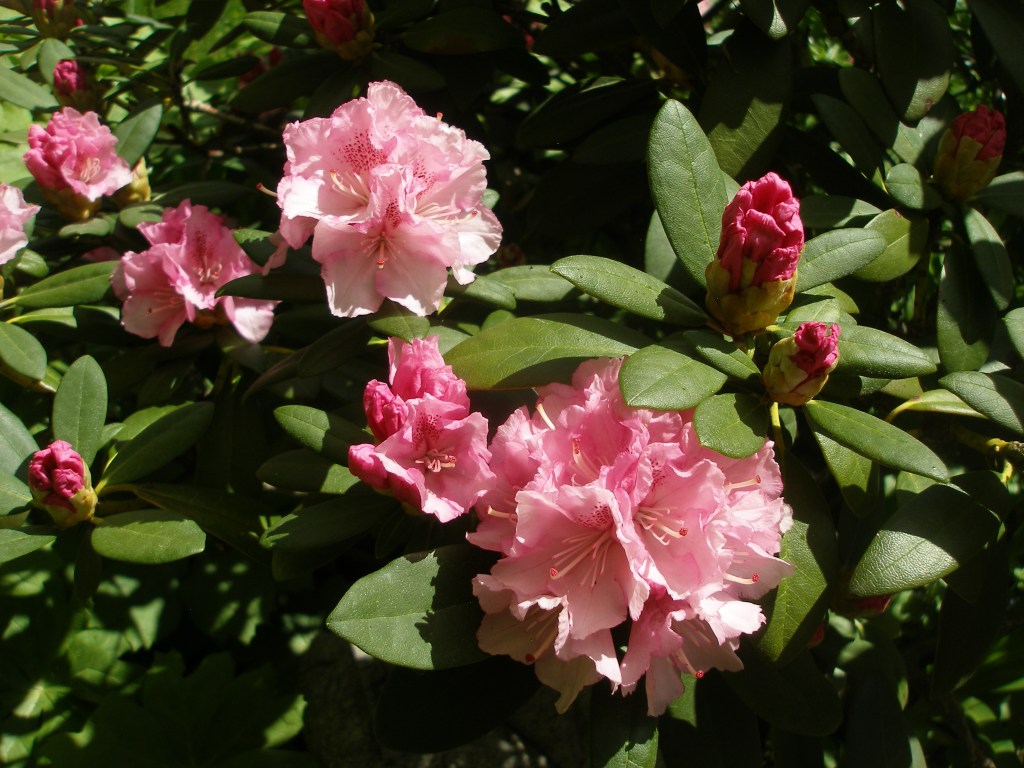
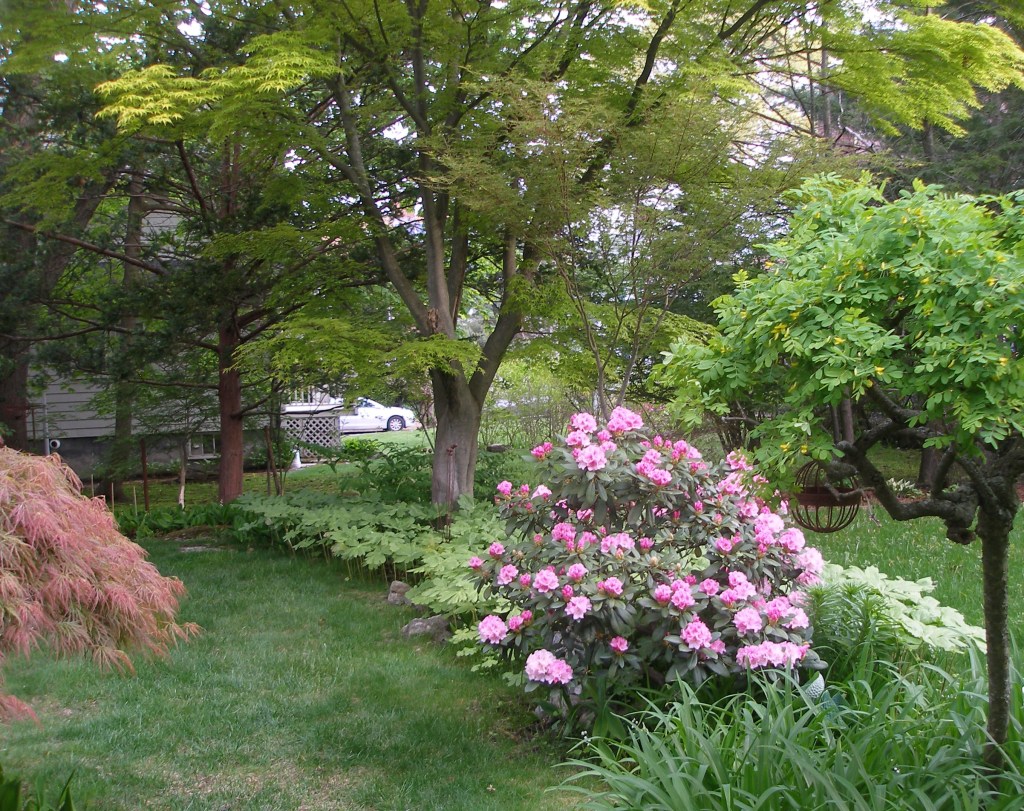
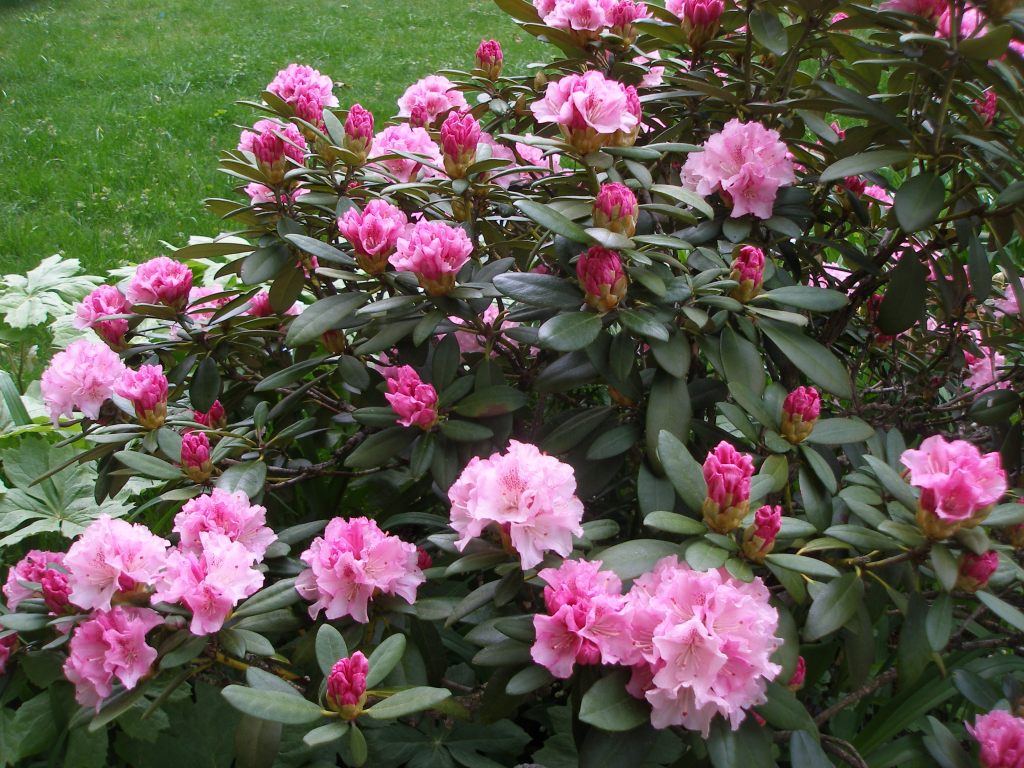
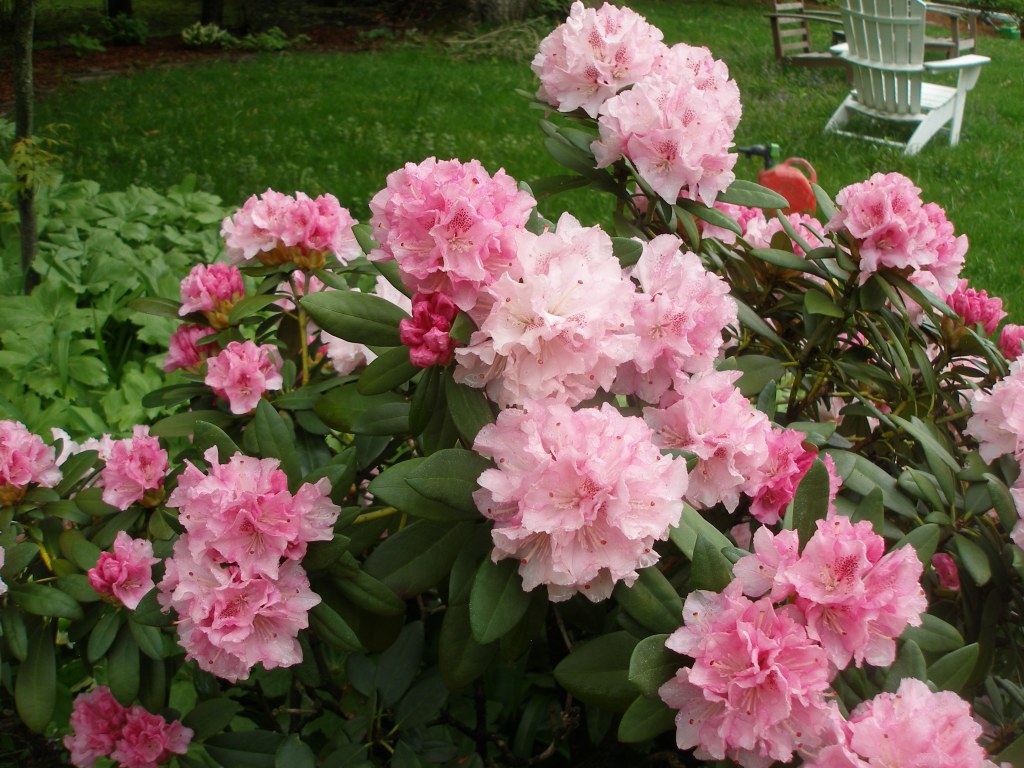
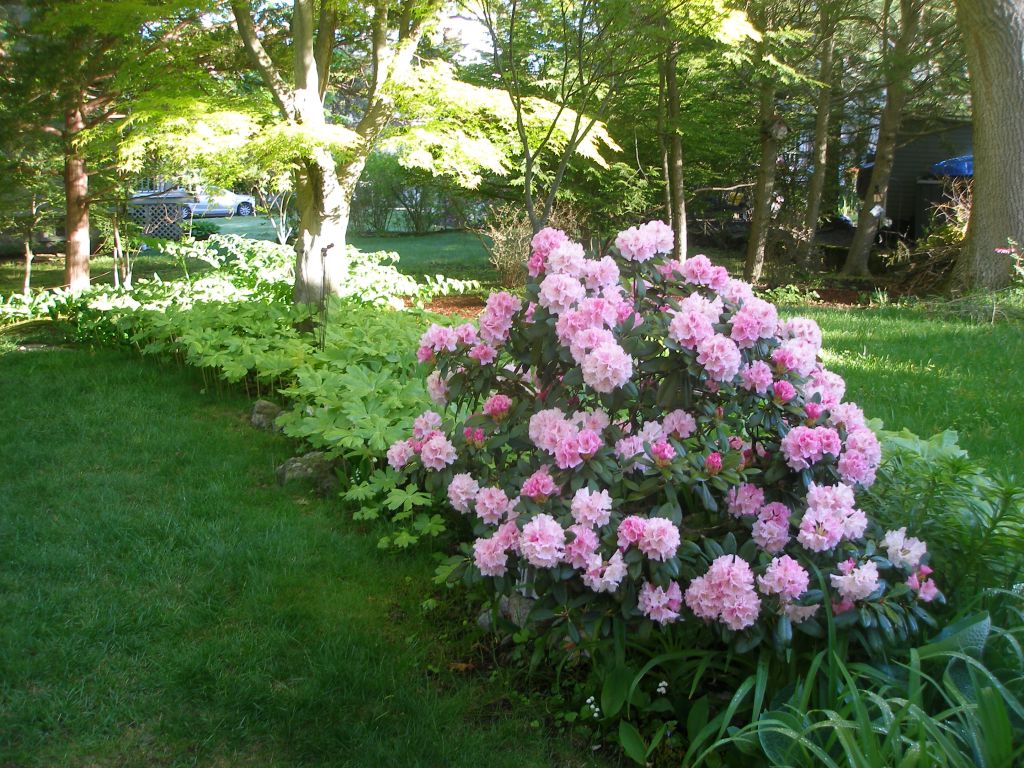
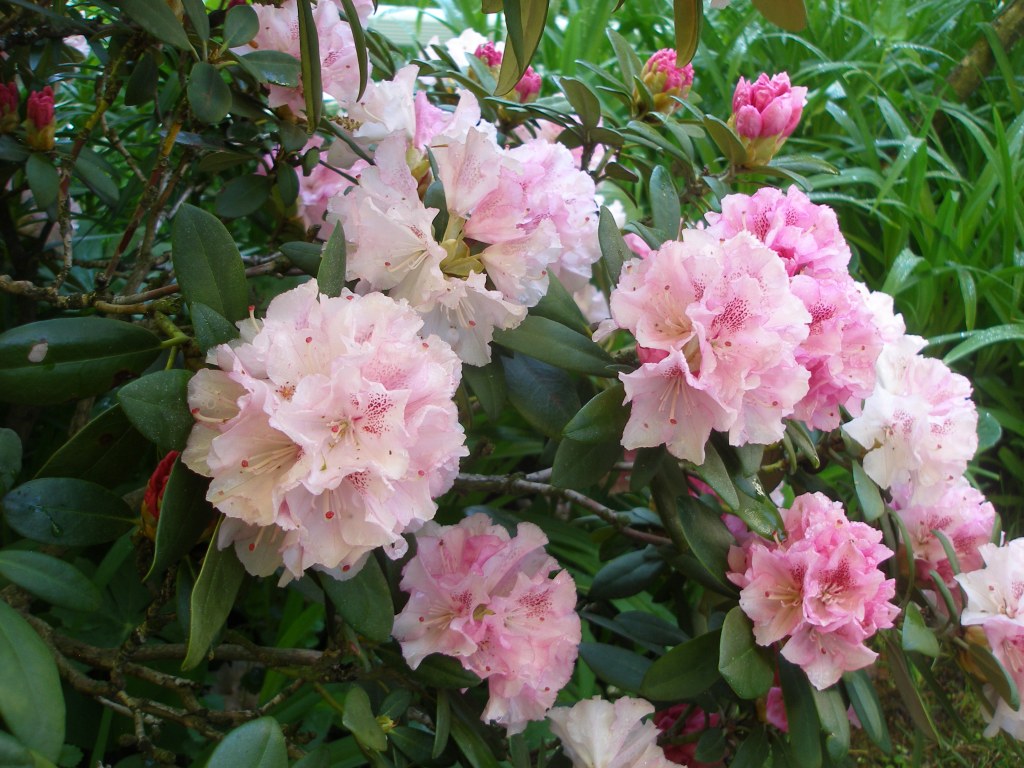
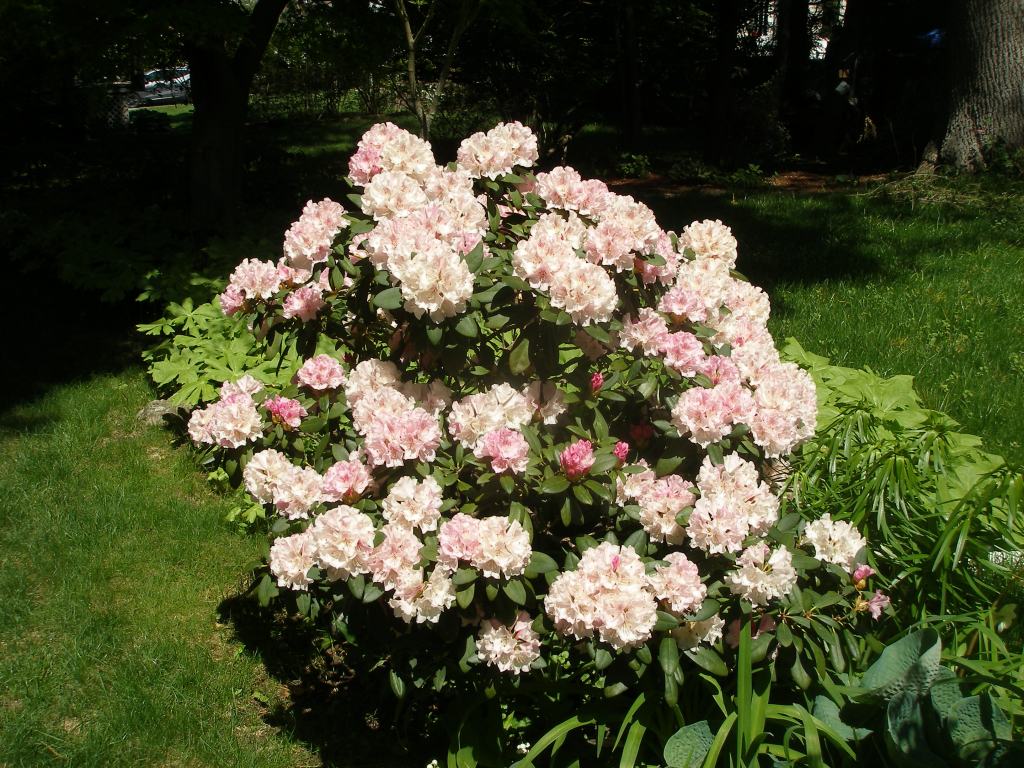
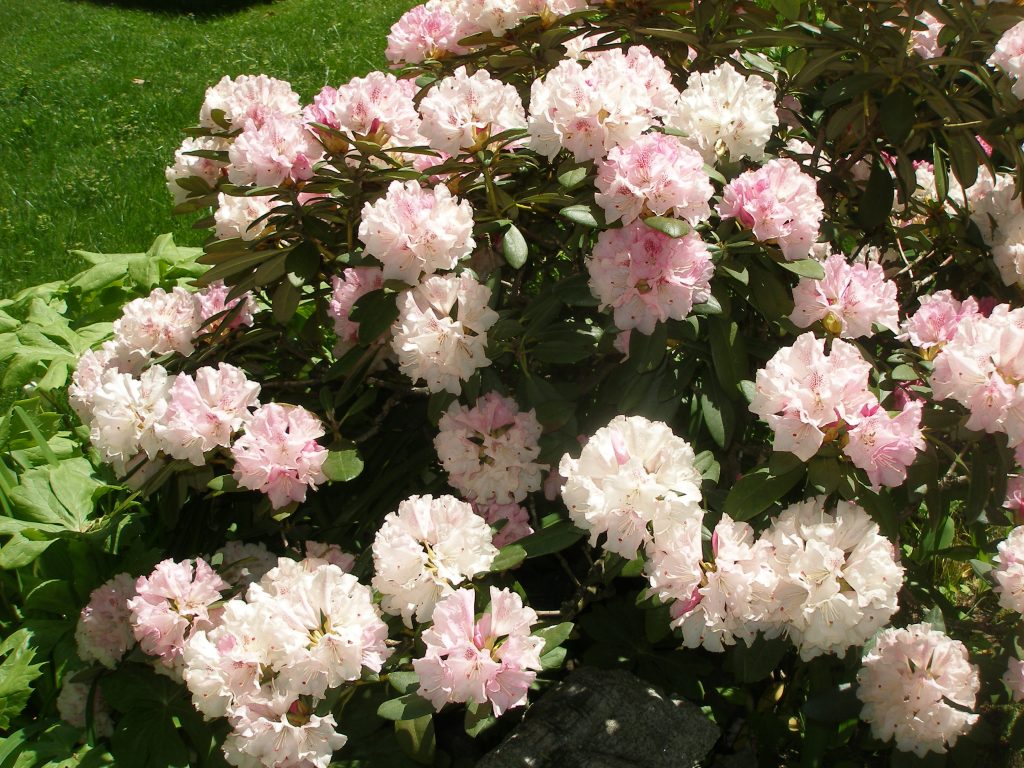
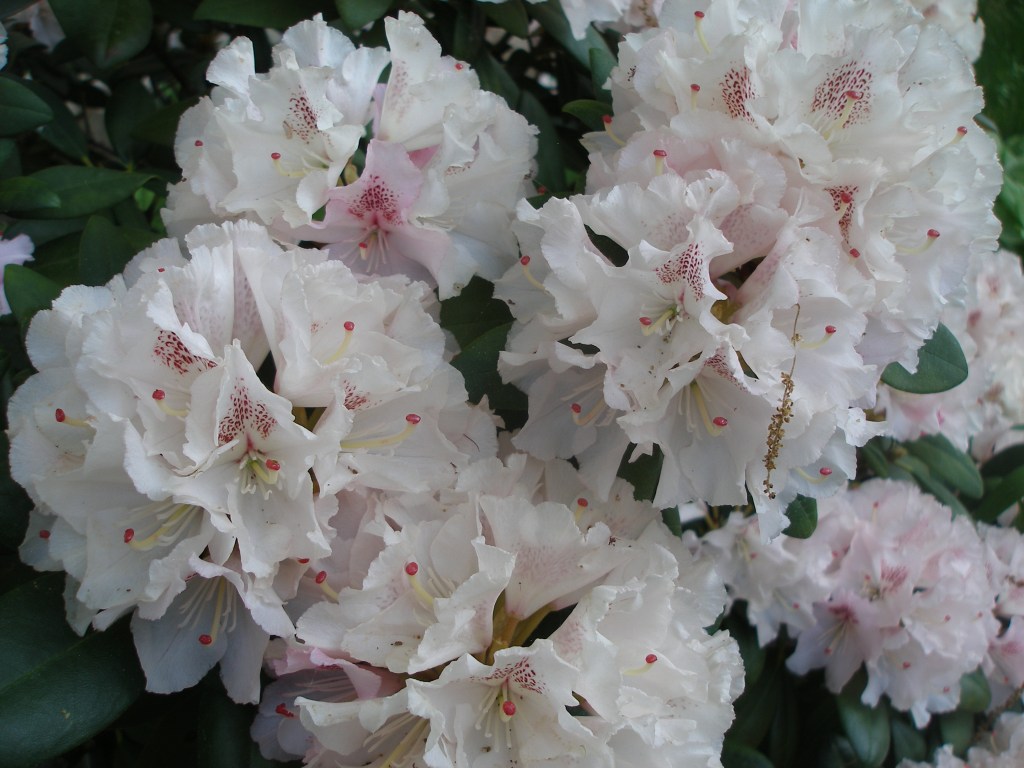
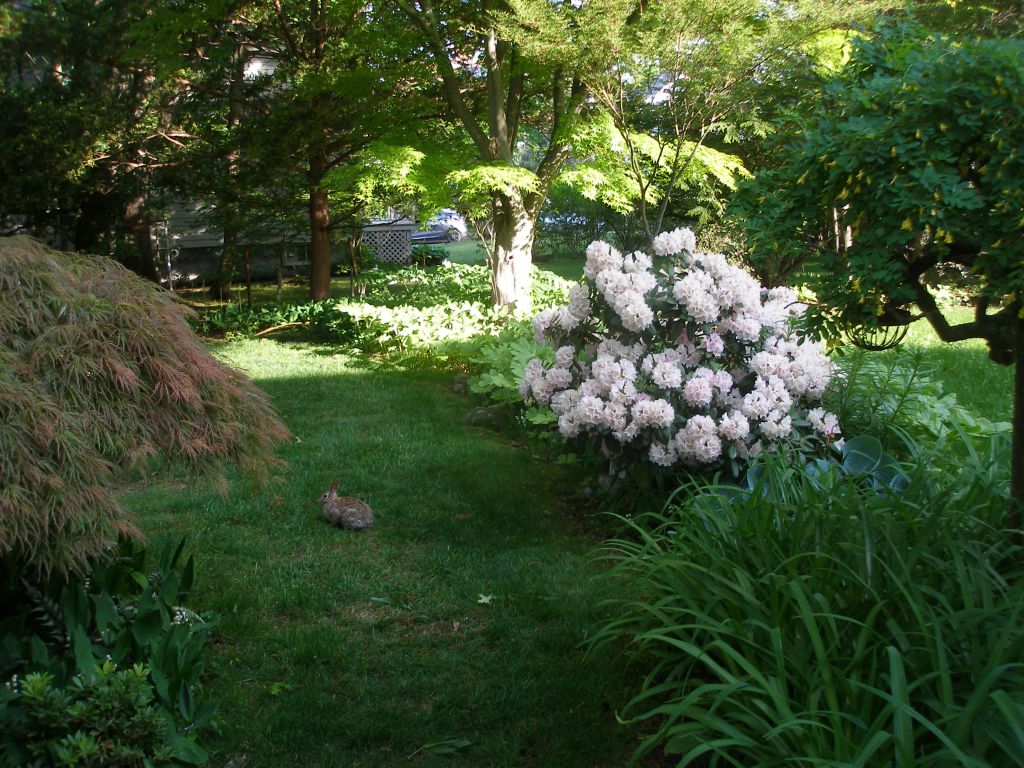
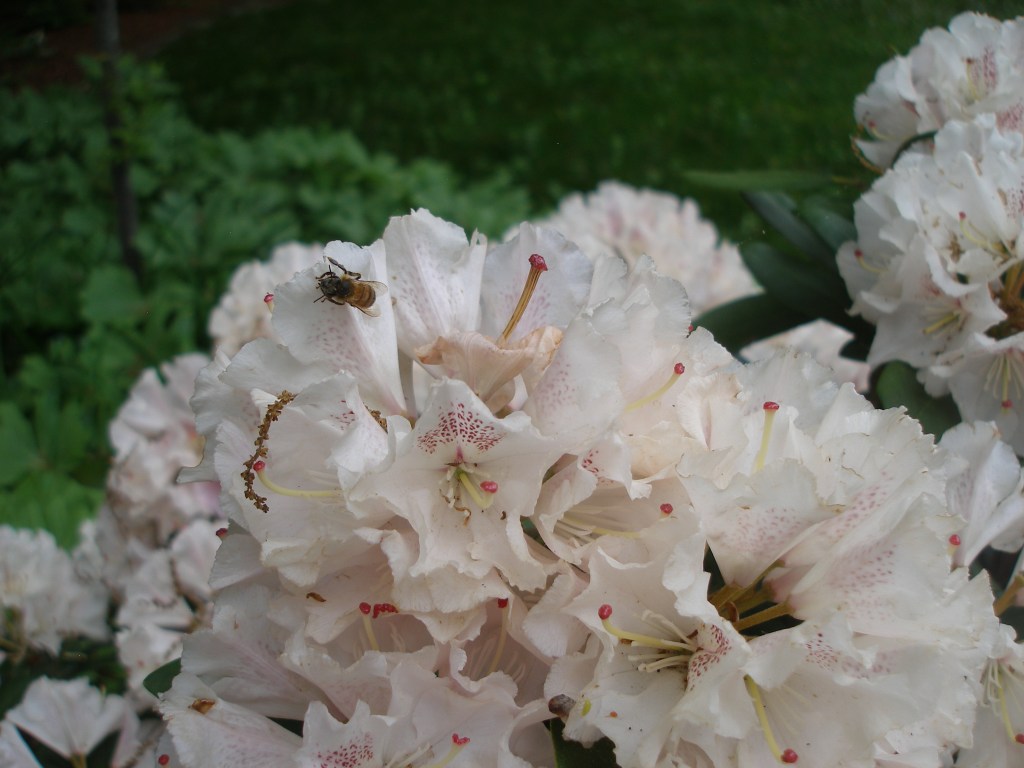
By the time the Lily of the Valley is seducing bees with its scented white bells, this one has completed a remarkable progression from deep pink buds to white with pink dots. The first photo below shows the colorful midpoint. The others show the 12-day progression from start to finish.
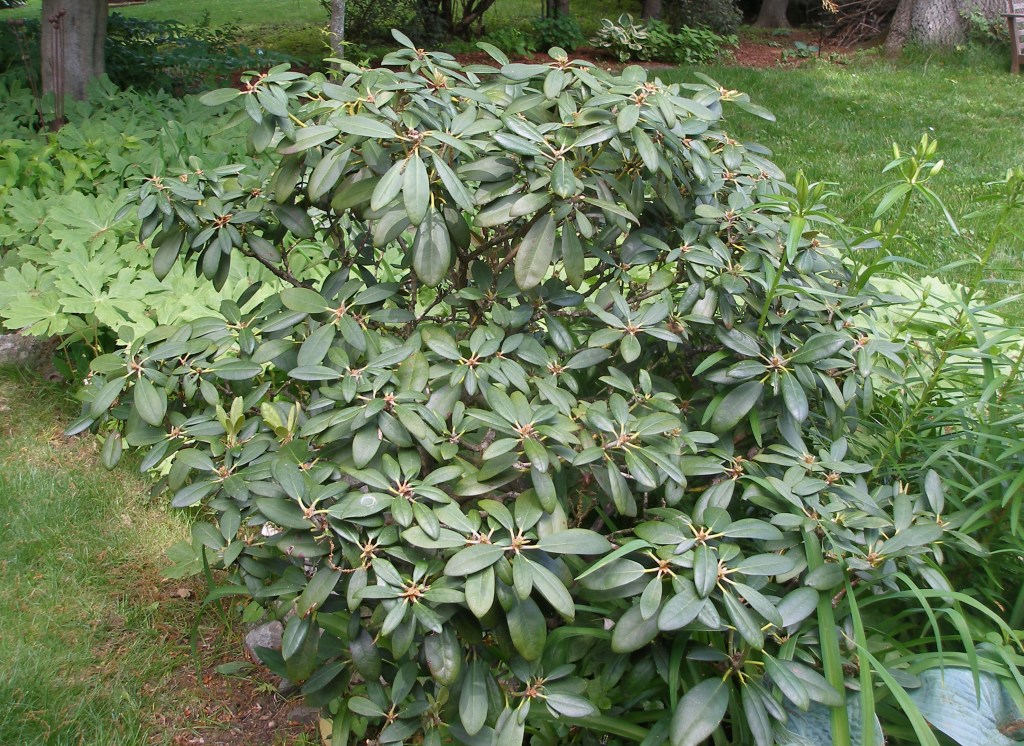
The last photos shows how it looks most of the year.
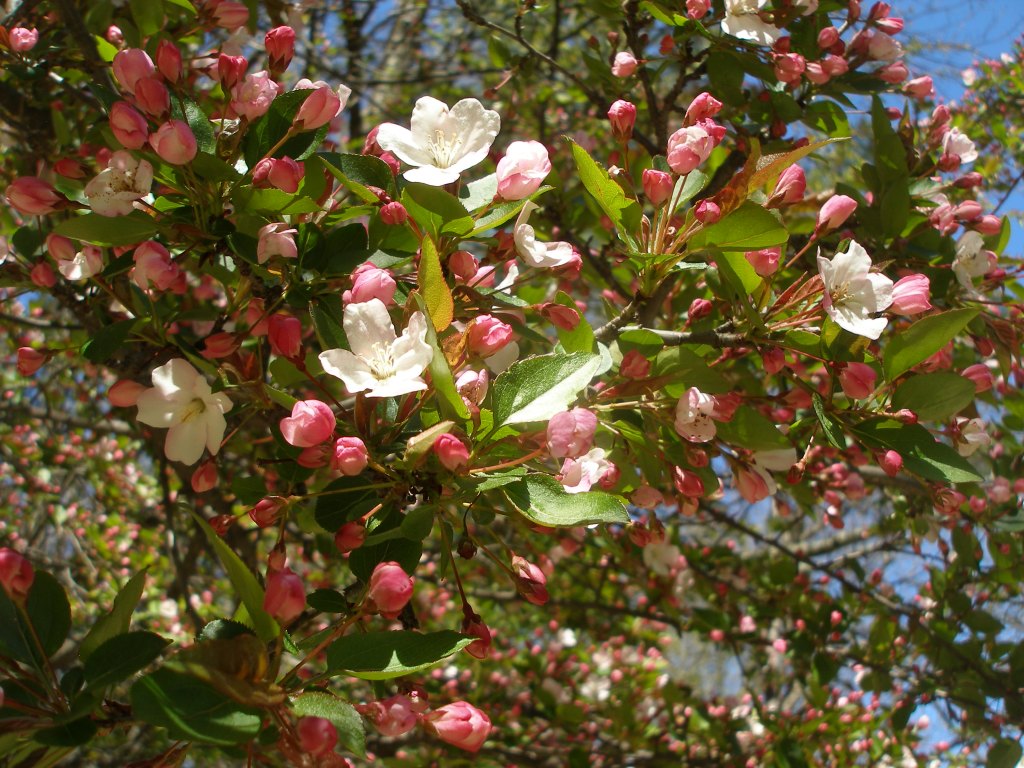
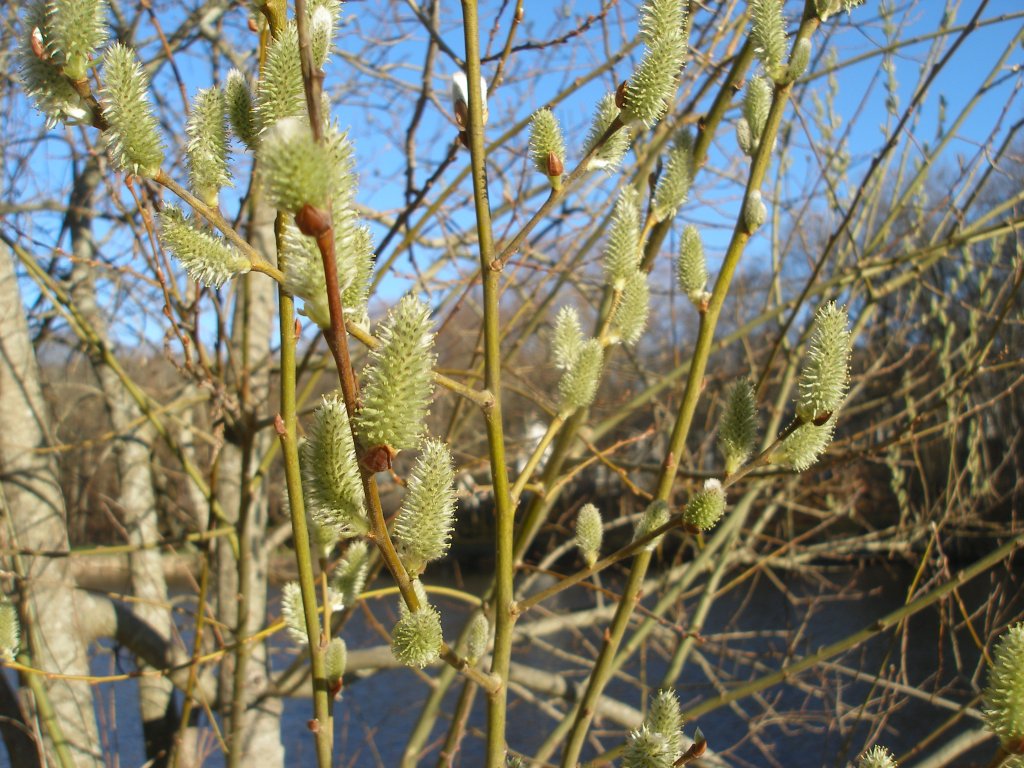
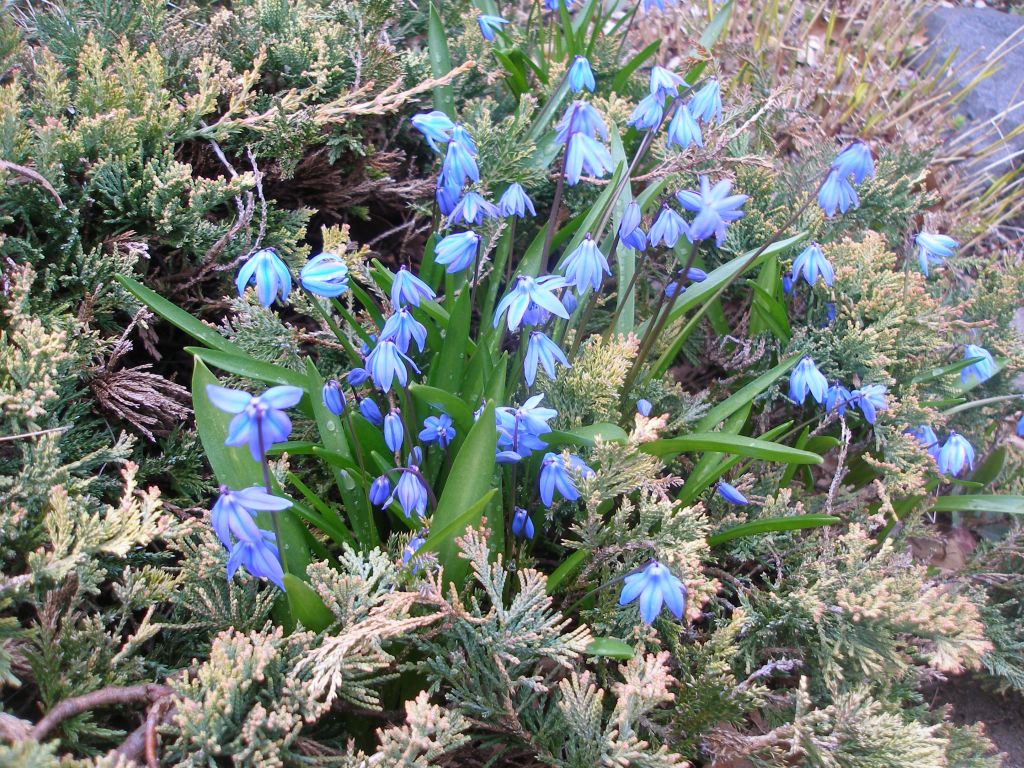
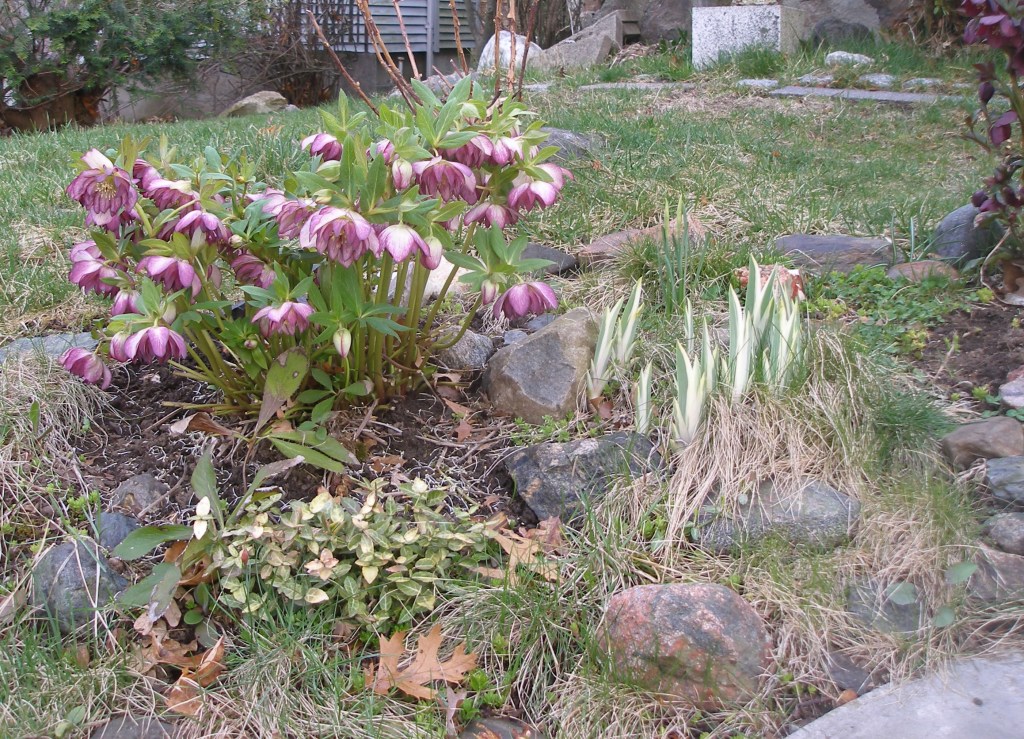
It was quite cold this spring. After several years of very little snow, we had several inches for most of the winter and that took its time melting. Then we still had nights below freezing and cold days for quite a while. Still there were signs. The daffodils started blooming on schedule. There were buds here and there. And when we got a few warm days towards the end of the month it was catch up time.