The Strange Attraction of a Stop & Shop Marty Toy

A bunch of these were leaning on each other in a cardboard box up high near the checkout counters. There was no explanation that I could see, just the $10 price. Knowing my 5-year old nephew provided a plausible excuse, I popped one into my grocery cart. Truth be told, they were so cutely odd I couldn’t resist. There seemed to be a story here, but perhaps one that only makes sense in the way that brutal fairytales do. The “Stop & Shop Marty” front and center on its belly gave me hope I could learn more with a little online research.

I already knew a bit about Marty. The original robots glide very slowly and smoothly around grocery store aisles. They will even stop for a picture. That is me with one below.
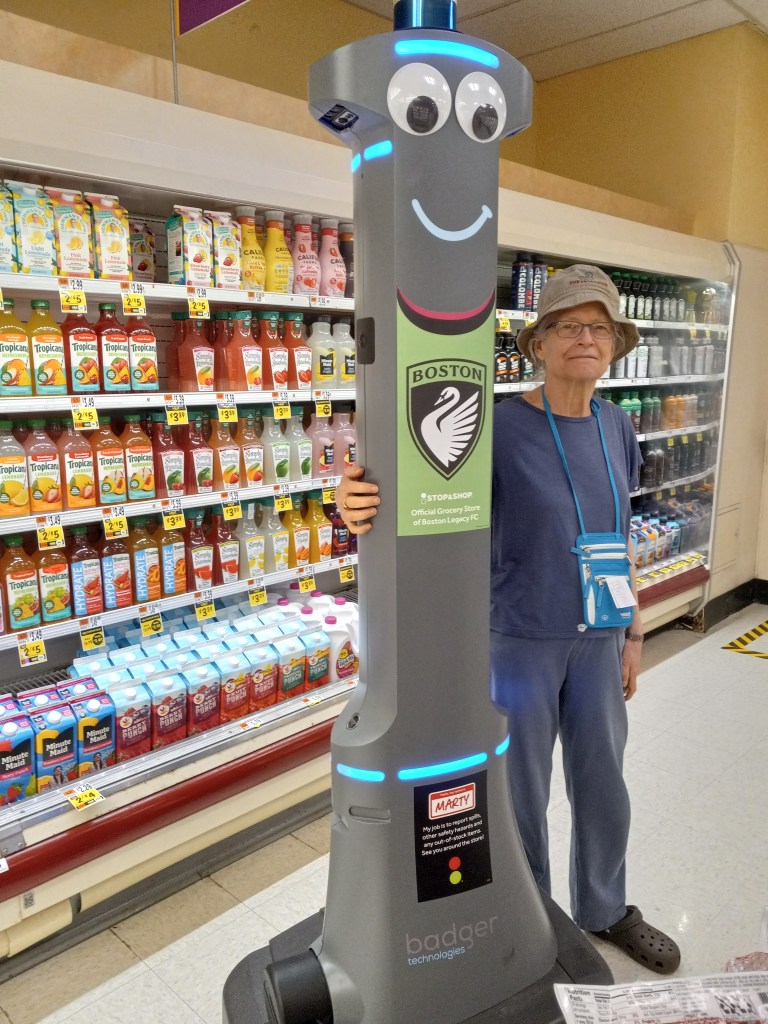
The first time one of these things crept up on me, it spooked me a bit. I found out that Marty makes note of spills and items missing on shelves and communicates that information electronically to staff for follow up.

Evidently, Marty is an acronym for “Mobile Autonomous Robot Technology.” The missing word beginning with “y” led me to believe that the name was added after the fact, as I learned was the case for the googly eyes and the drawn-on mouth. This article provides insight into this history, and notes that Marty seems popular with children. There are, in fact, a variety of Marty toys.

As for the one I bought, 20% of the sales go to the Atlantic White Shark Conservancy in Chatham, Massachusetts, USA a group that advocates for protection of white sharks and educates people on ways to stay safe from them.

I can see how finding a way to put a robot and shark together in the general configuration of a Marty stuffed toy might prove challenging. But a shark eating a Marty robot would not be very good for the shark, nor for the robot.

Here are two scary things put together – hungry sharks and intelligent robots can both feel threatening. But in this unusual case, Marty is smiling and the shark also seems OK. We can certainly hope that the natural world upon which we depend and our rapidly evolving technology will both prove more beneficial than harmful.

In “Robot Revolution” in the July 6th and 13th edition of New Yorker, Stephen Witt describes how humanoid robots while still of interest, are raising a number of serious concerns. They can be heavy and pose safety risks; both arms and legs might not be needed or worth the additional cost. In addition, “physical AI that runs a robot remains underdeveloped” (p. 22) and there is always the concern that humanoid robots might take jobs away from humans.

Somehow I cannot fault this strange shark Marty toy. It may be a bit on the dramatic side, but this fruit of the arrangement between Stop & Shop and the Atlantic White Shark Conservancy draws attention to what is already here and what it is worth taking care with dangers, benefits and all.
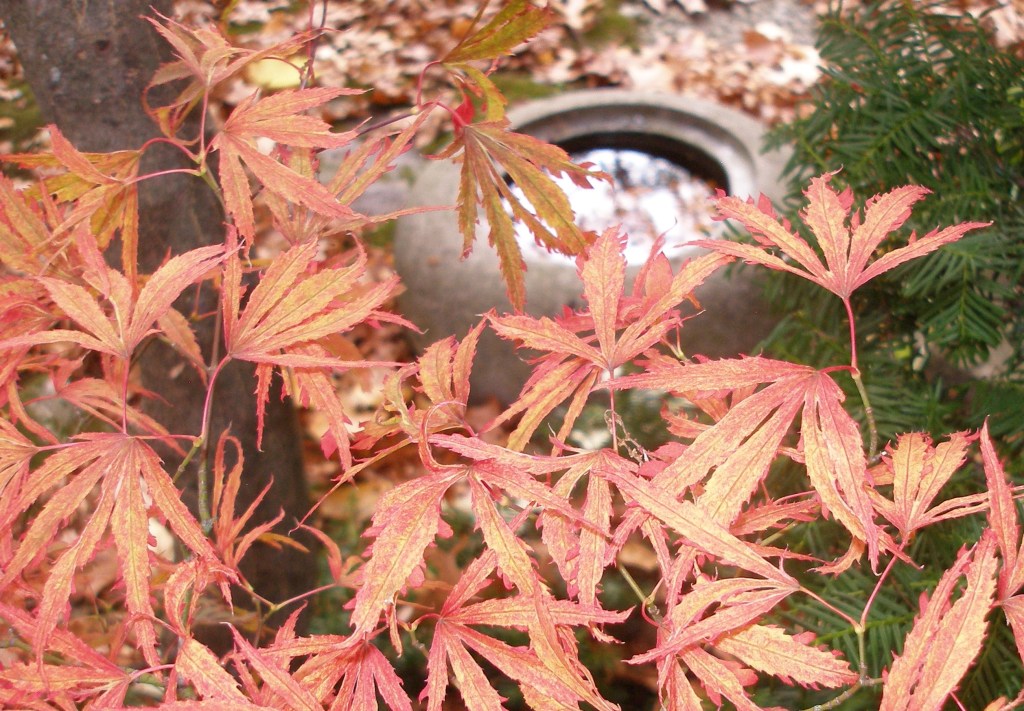
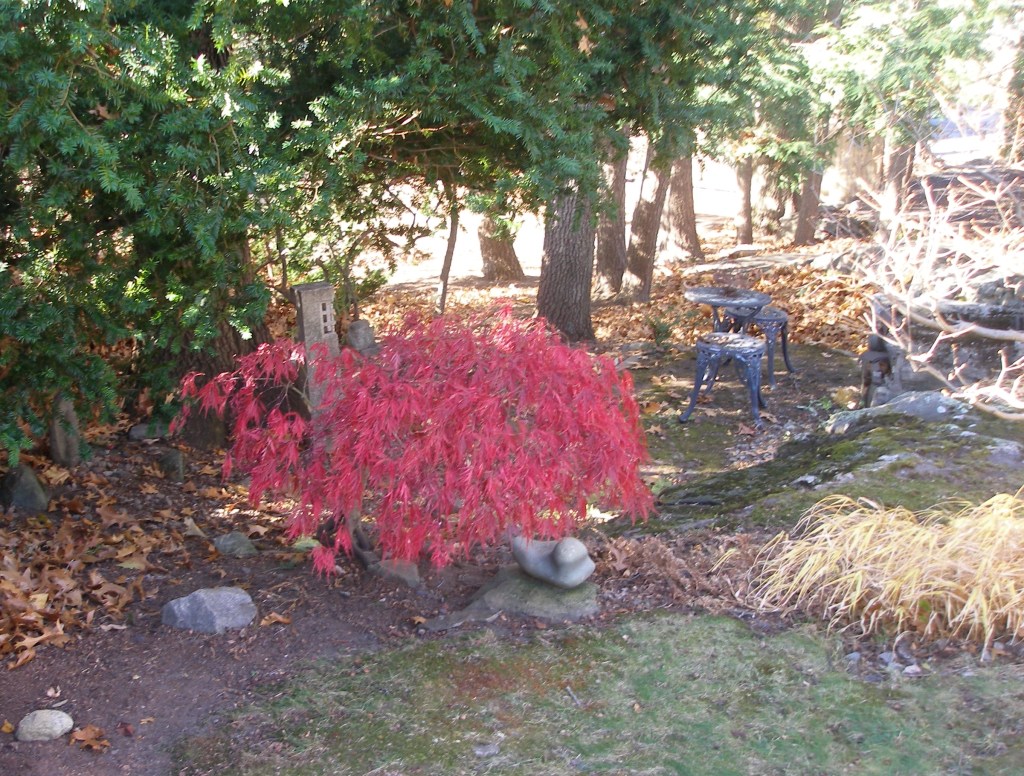
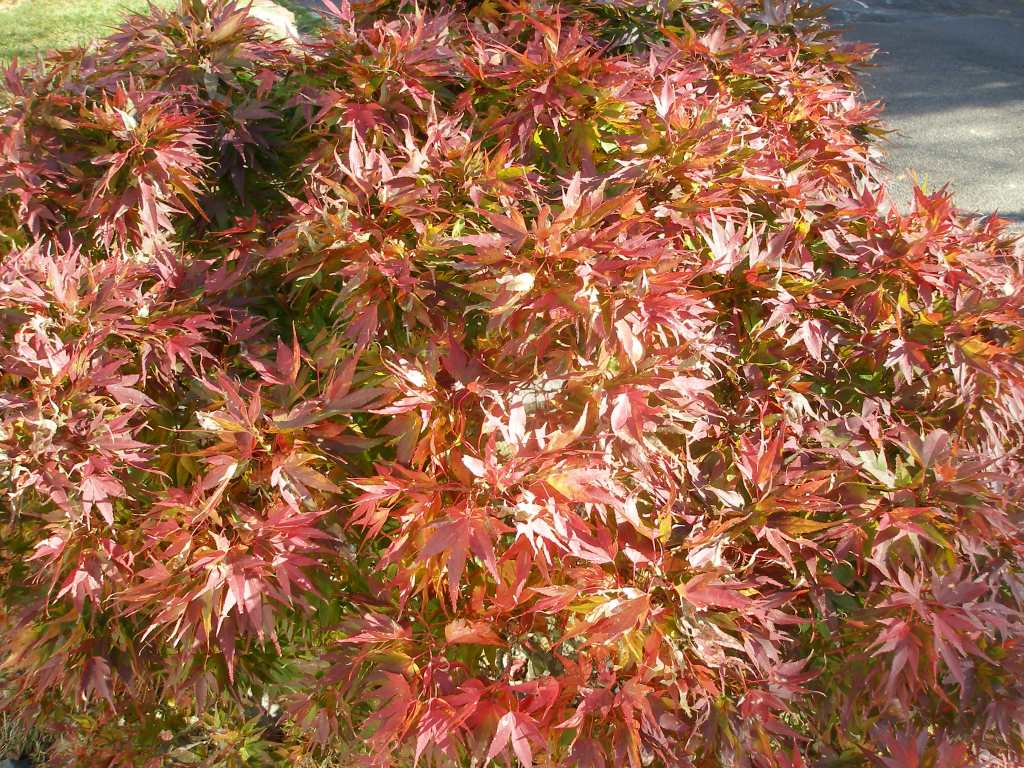
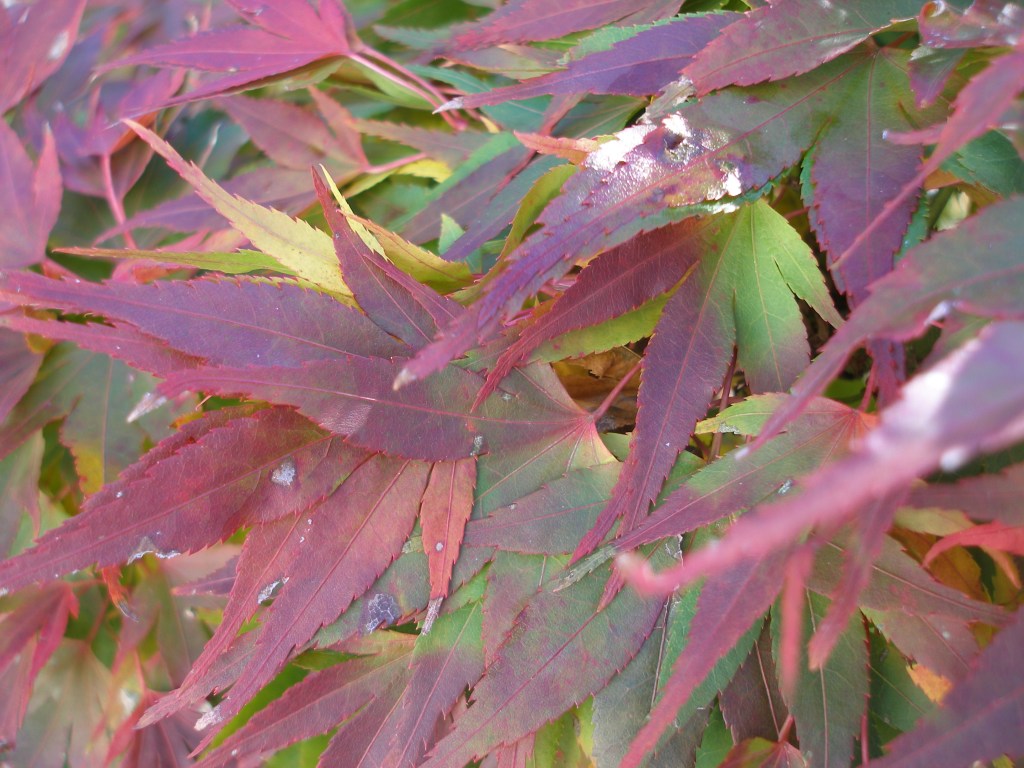
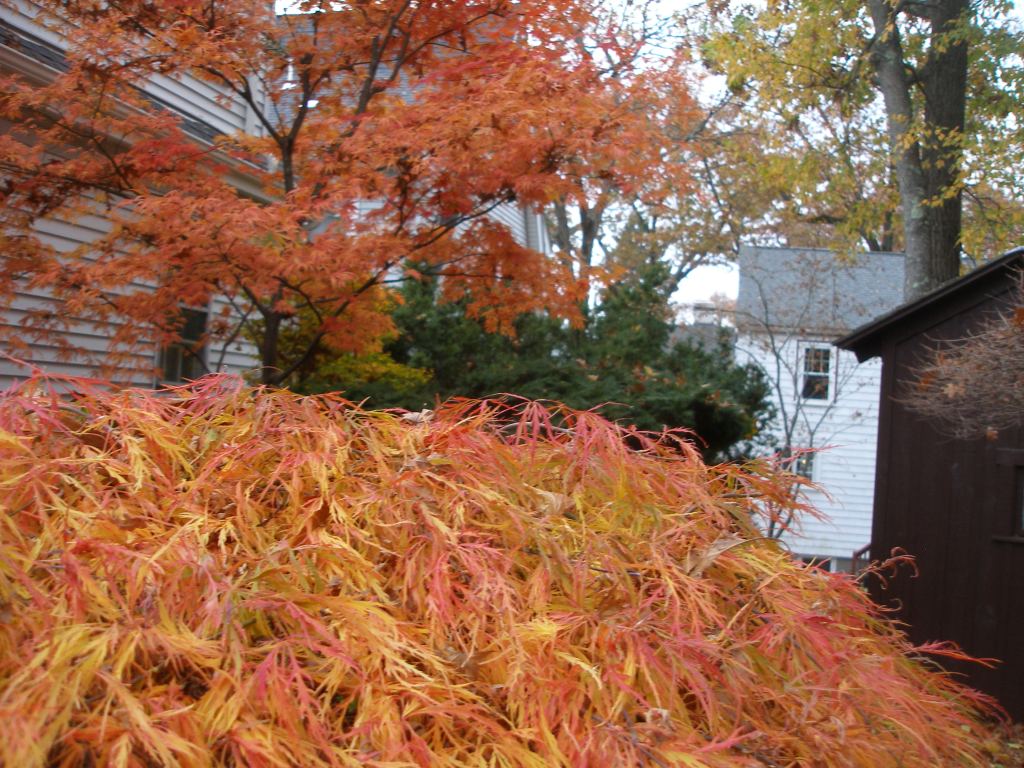
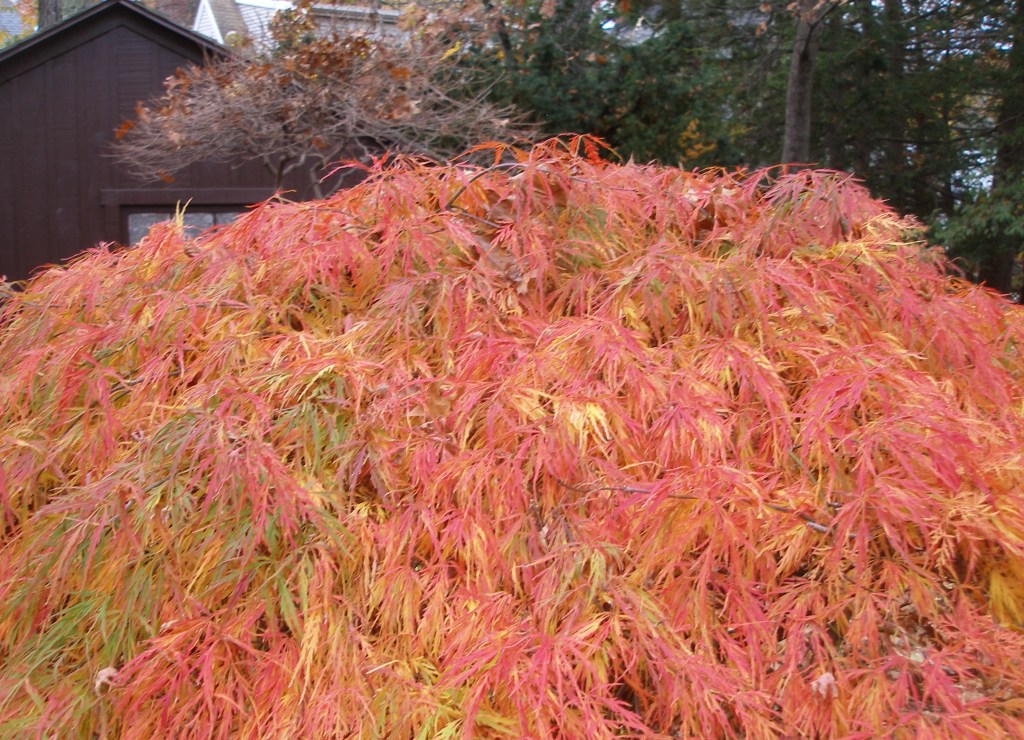
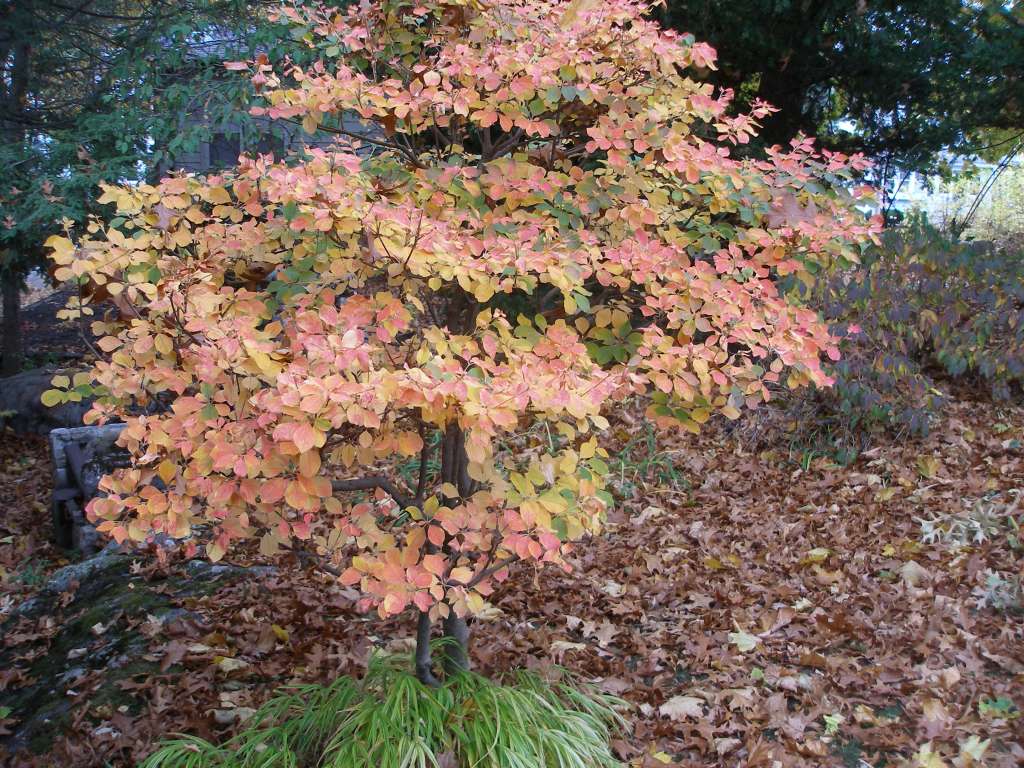
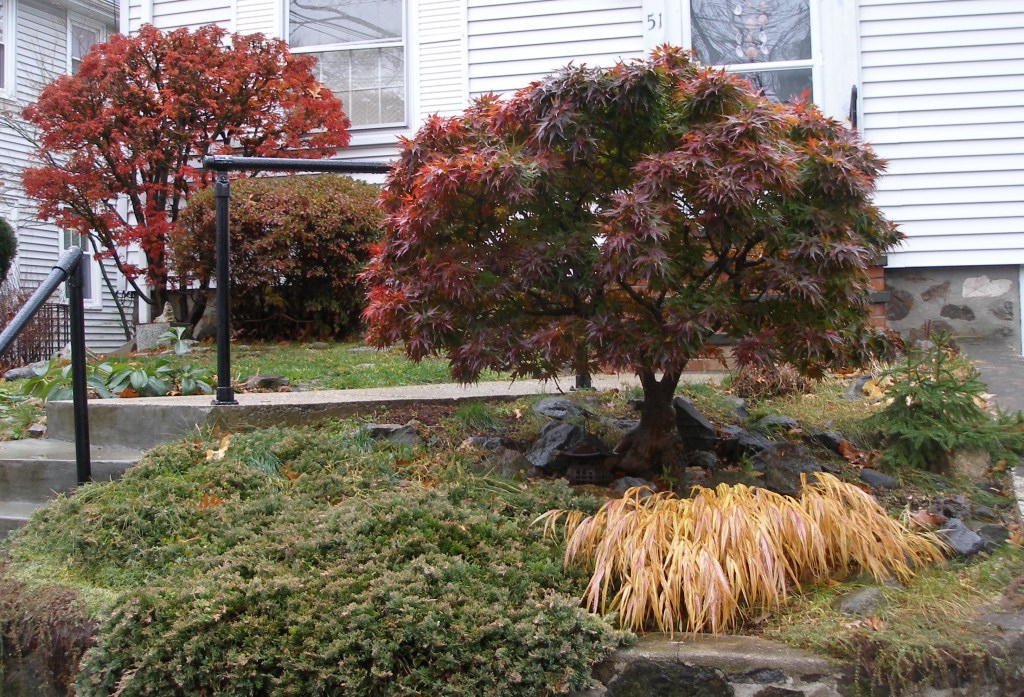
Fall Garden Colors to Remember

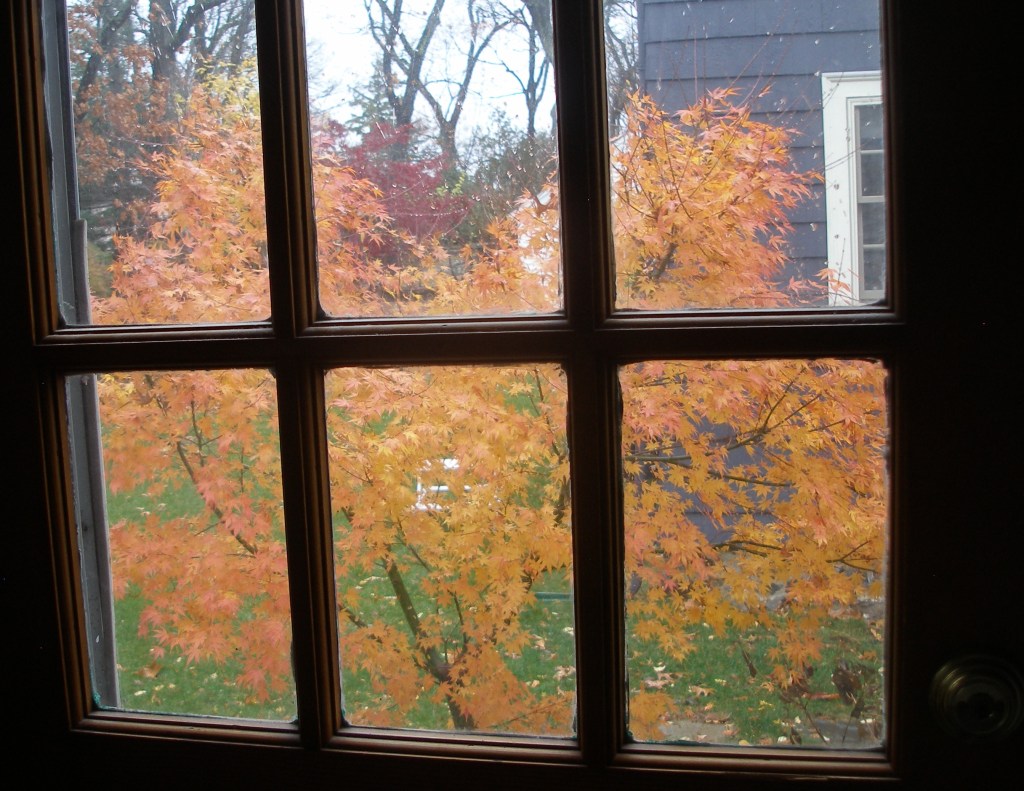
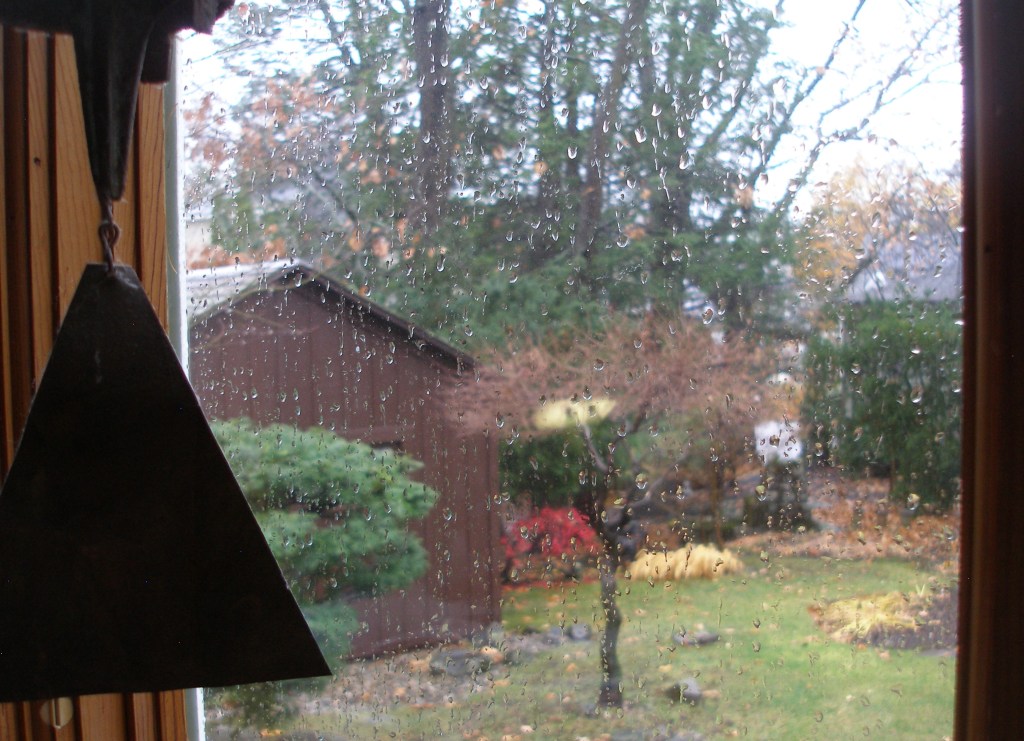
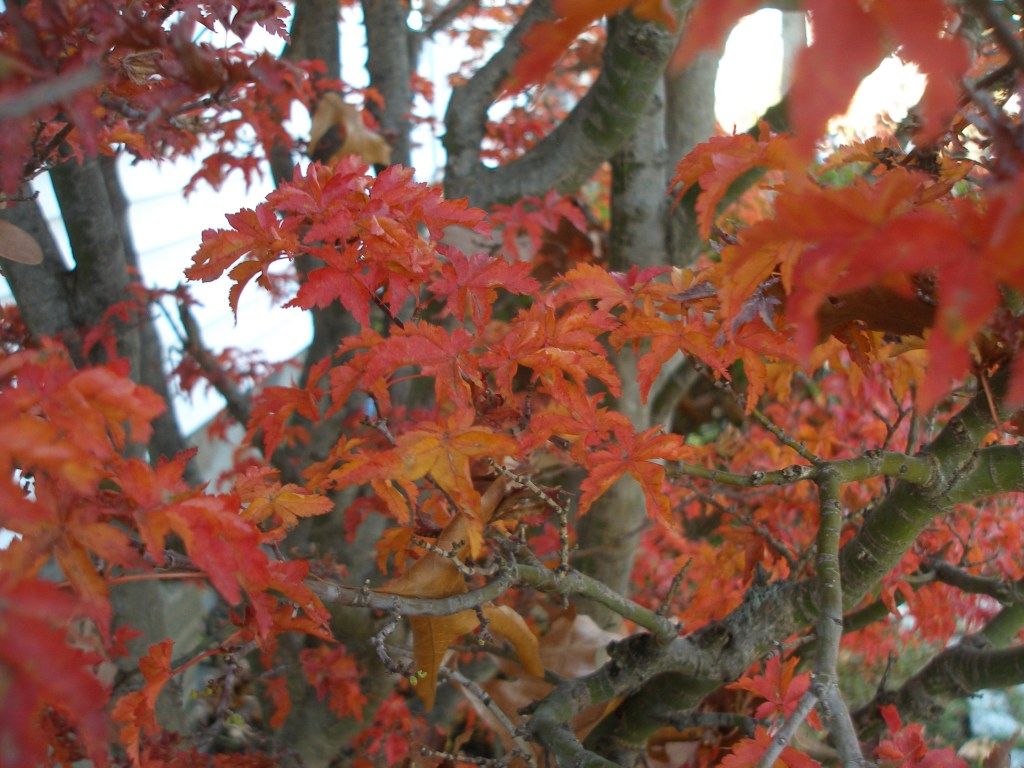
I was beginning to believe I might have to cut back on even the carefully-calibrated small amount of water I was providing my garden. But it rained all day today and the prolonged dry weather pattern seems to be shifting. The days have been unusually warm, and the nights cool, but not freezing.

According to this USDA Forestry Service article, that is precisely what can bring out the brightest fall colors:

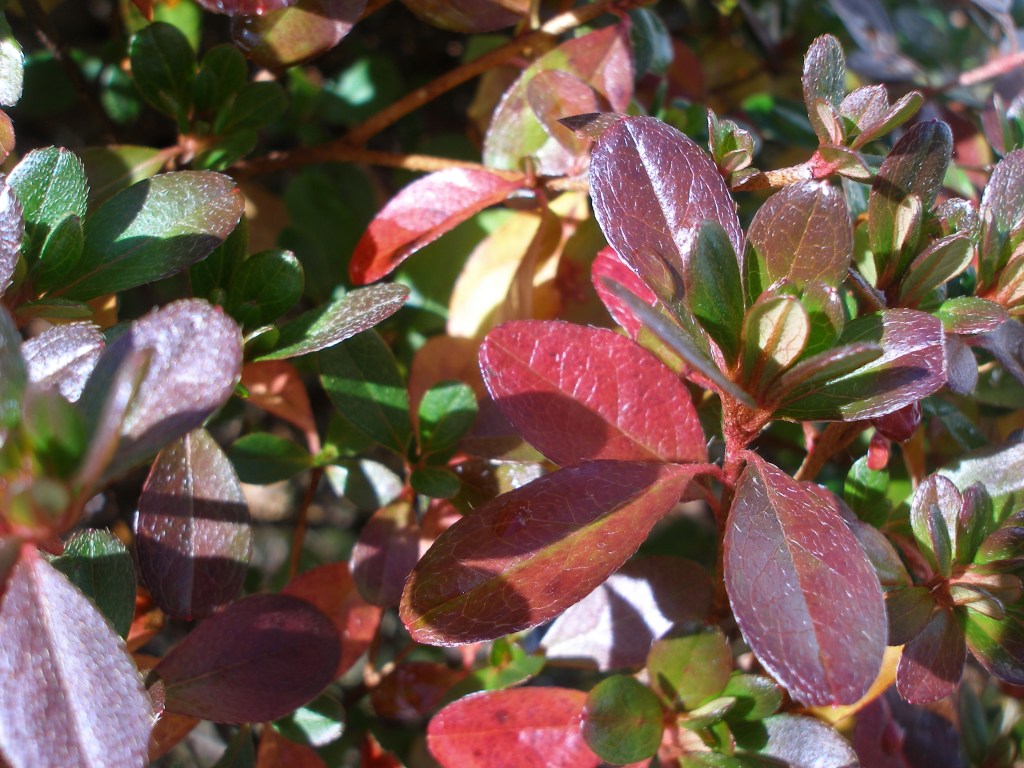
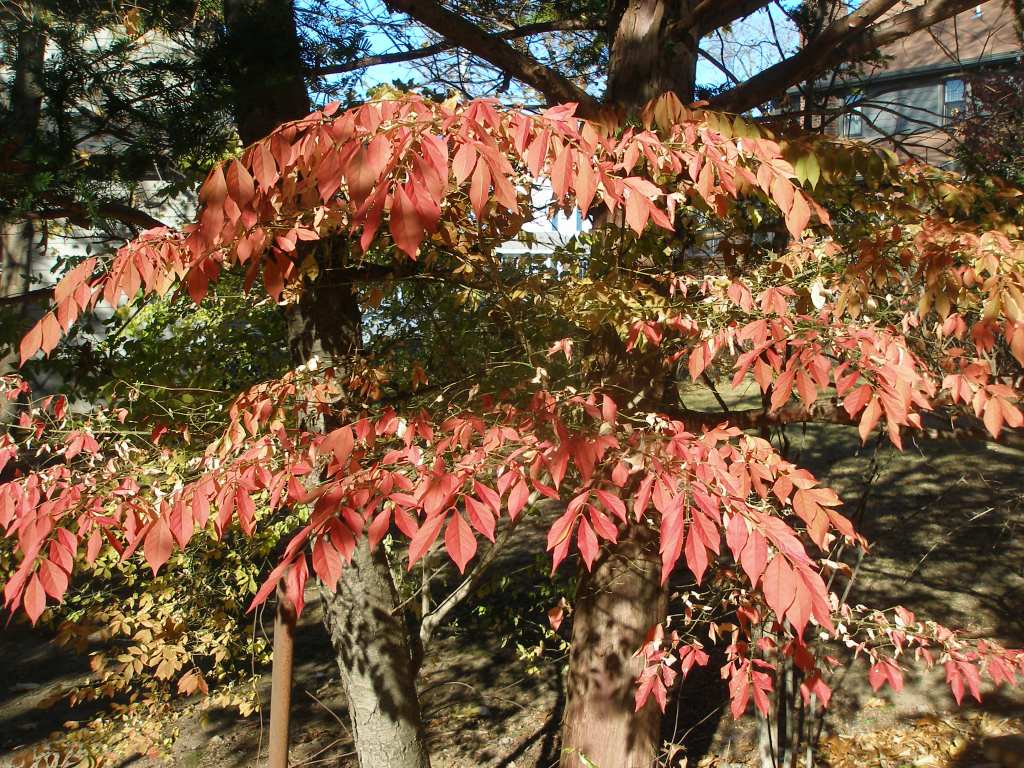
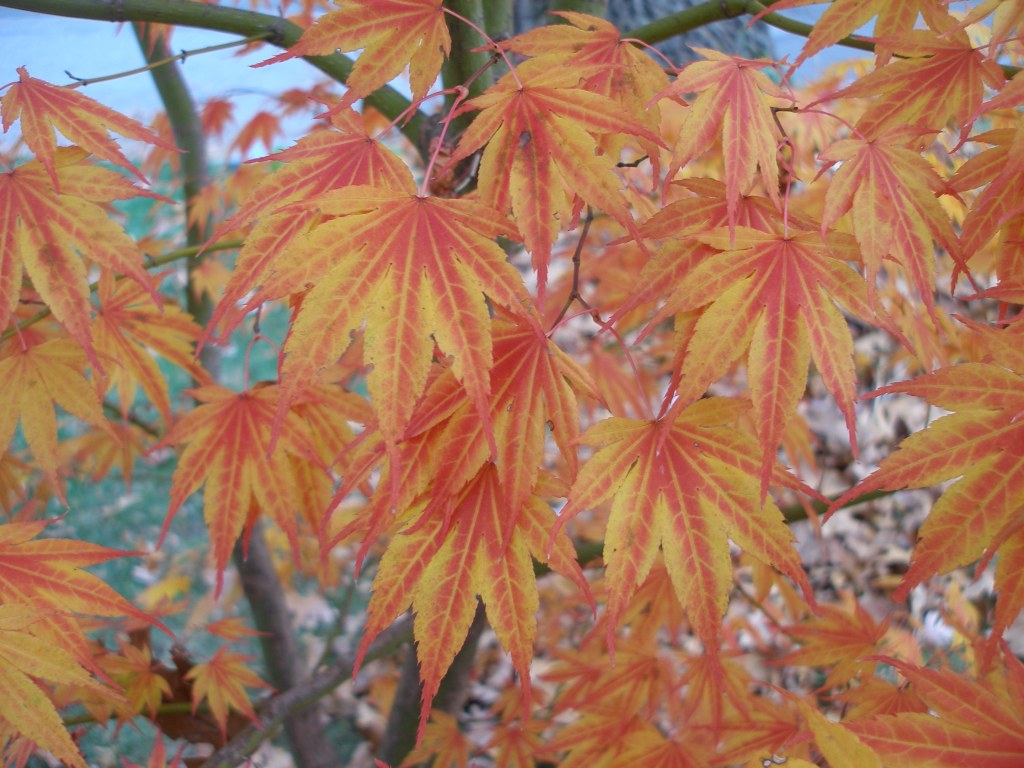
“A succession of warm, sunny days and cool, crisp but not freezing nights seems to bring about the most spectacular color displays. During these days, lots of sugars are produced in the leaf but the cool nights and the gradual closing of veins going into the leaf prevent these sugars from moving out. These conditions – lots of sugar and light – spur production of the brilliant anthocyanin pigments, which tint reds, purples, and crimson. Because carotenoids are always present in leaves, the yellow and gold colors remain fairly constant from year to year.

The amount of moisture in the soil also affects autumn colors. Like the weather, soil moisture varies greatly from year to year. The countless combinations of these two highly variable factors assure that no two autumns can be exactly alike. A late spring, or a severe summer drought, can delay the onset of fall color by a few weeks. A warm period during fall will also lower the intensity of autumn colors. A warm wet spring, favorable summer weather, and warm sunny fall days with cool nights should produce the most brilliant autumn colors.”


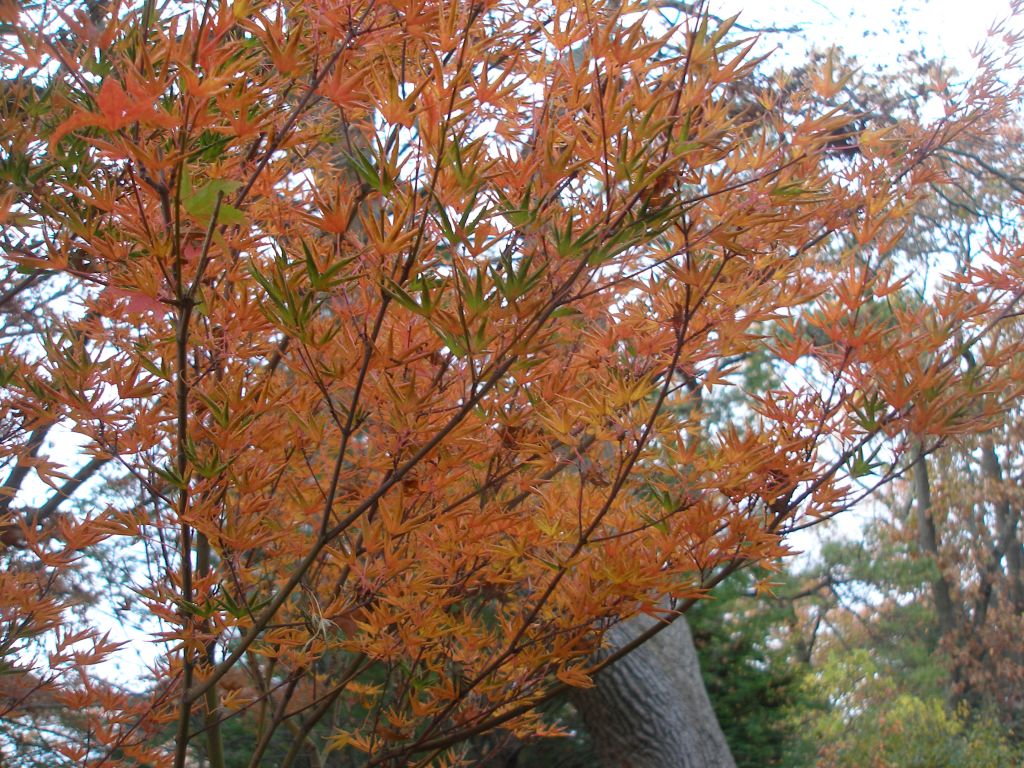
Colorful Maple Leaf Buds

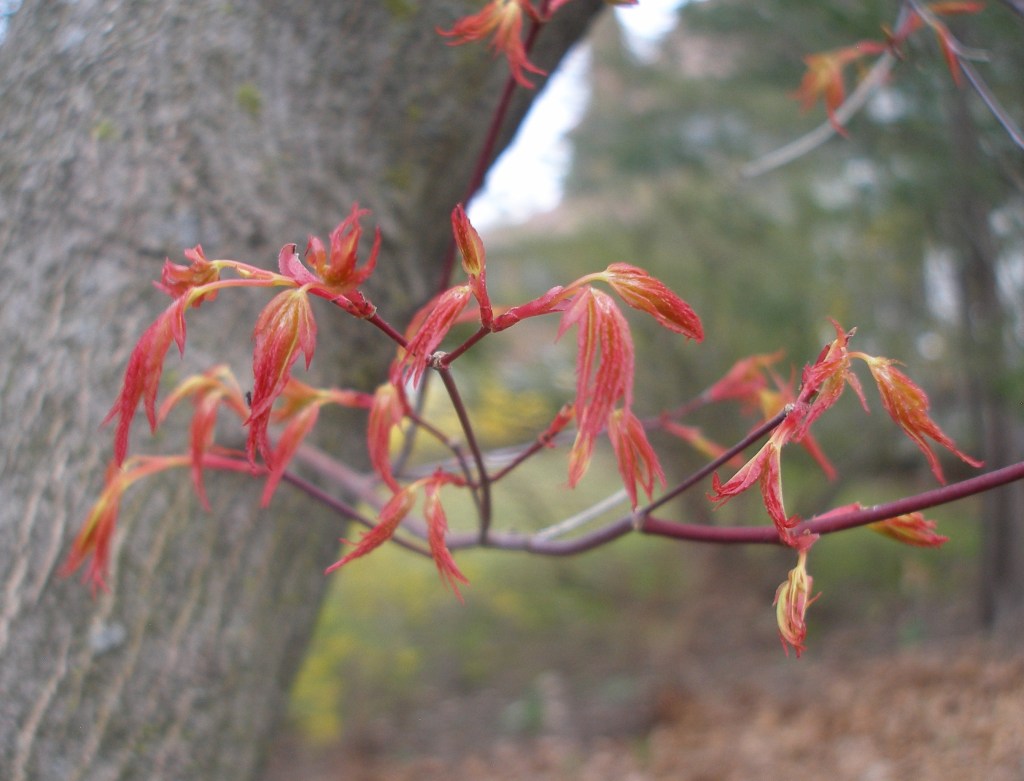
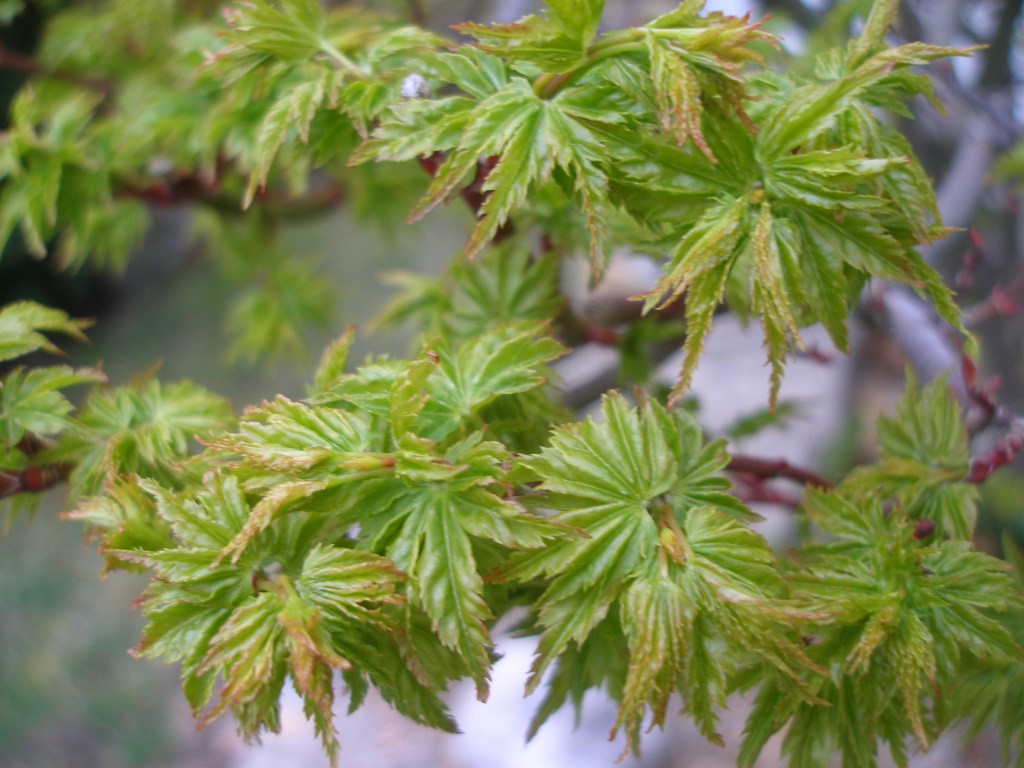
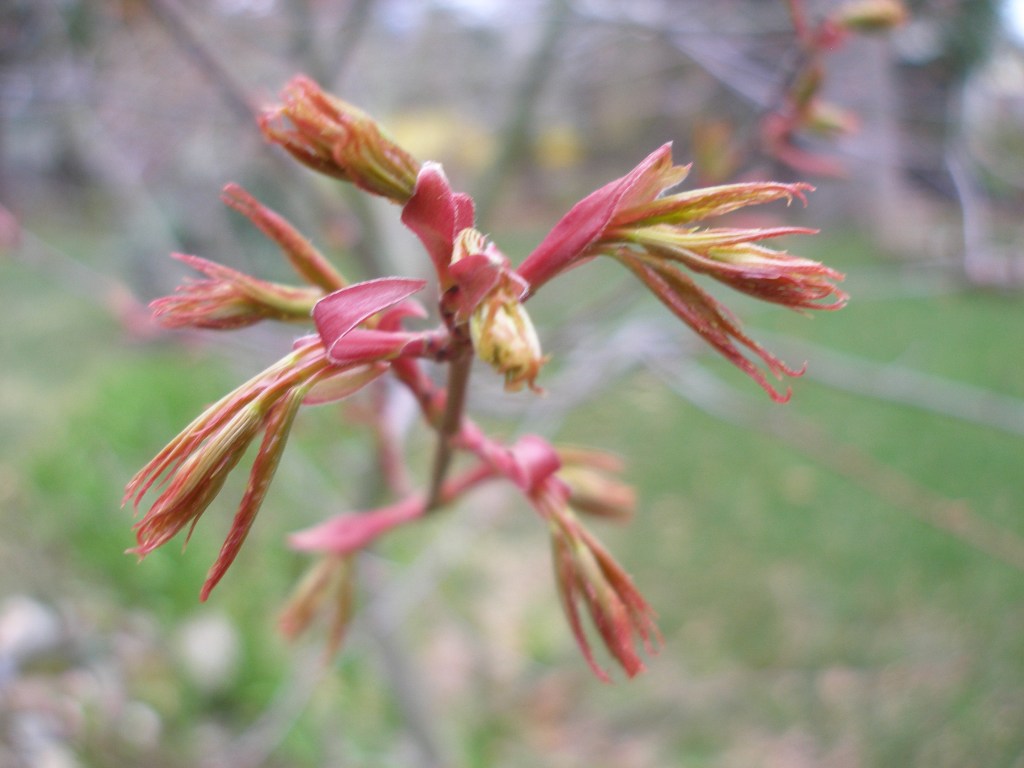
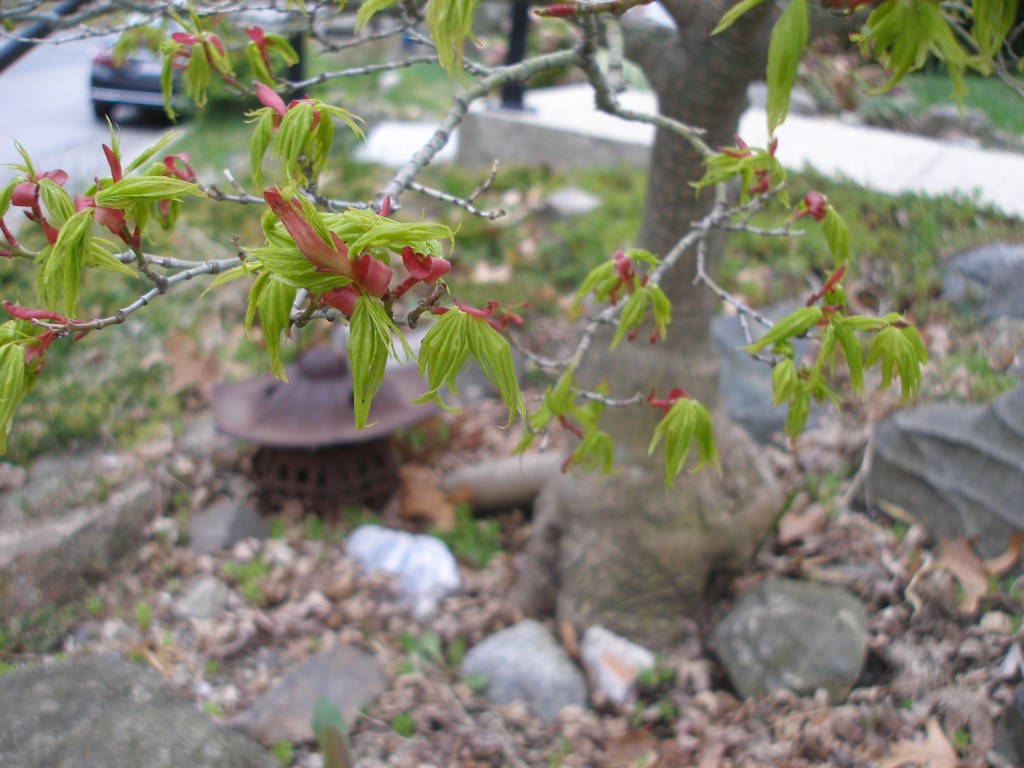
It was mid-April when we joined via Zoom for virtual forest-bathing. It would begin to get dark by the end of the session, so I decided to stay close to home and wander in my Japanese-style garden. After paying attention to all of our senses outdoors we went off to walk on our own with a suggestion that we pay attention to color.

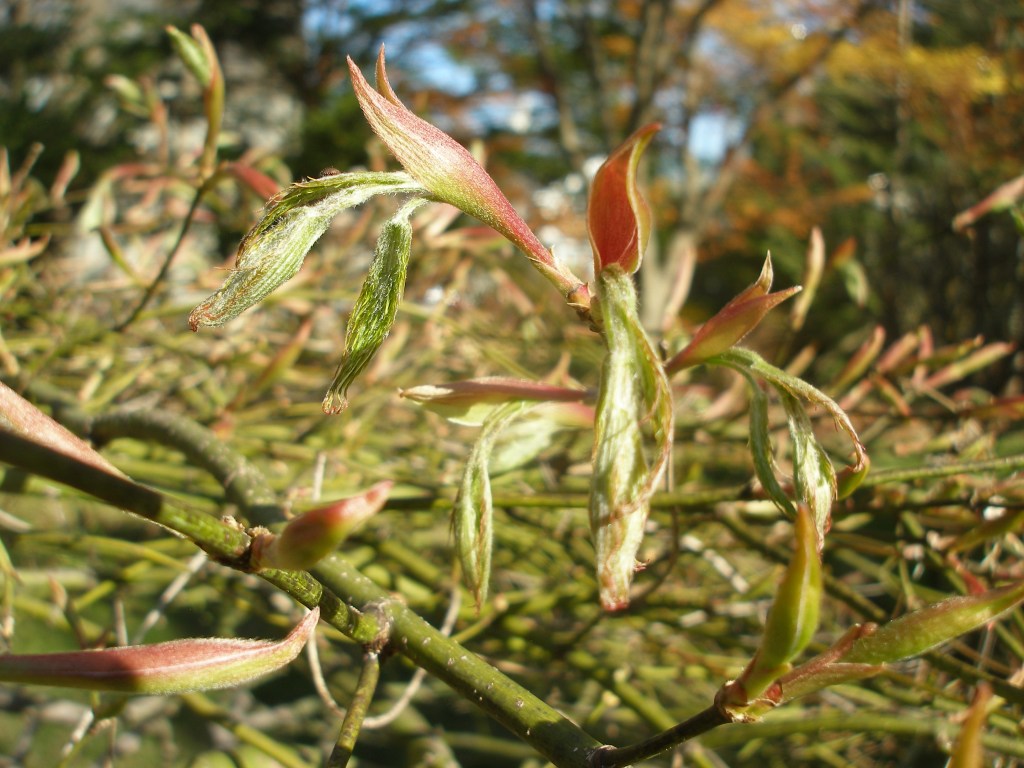
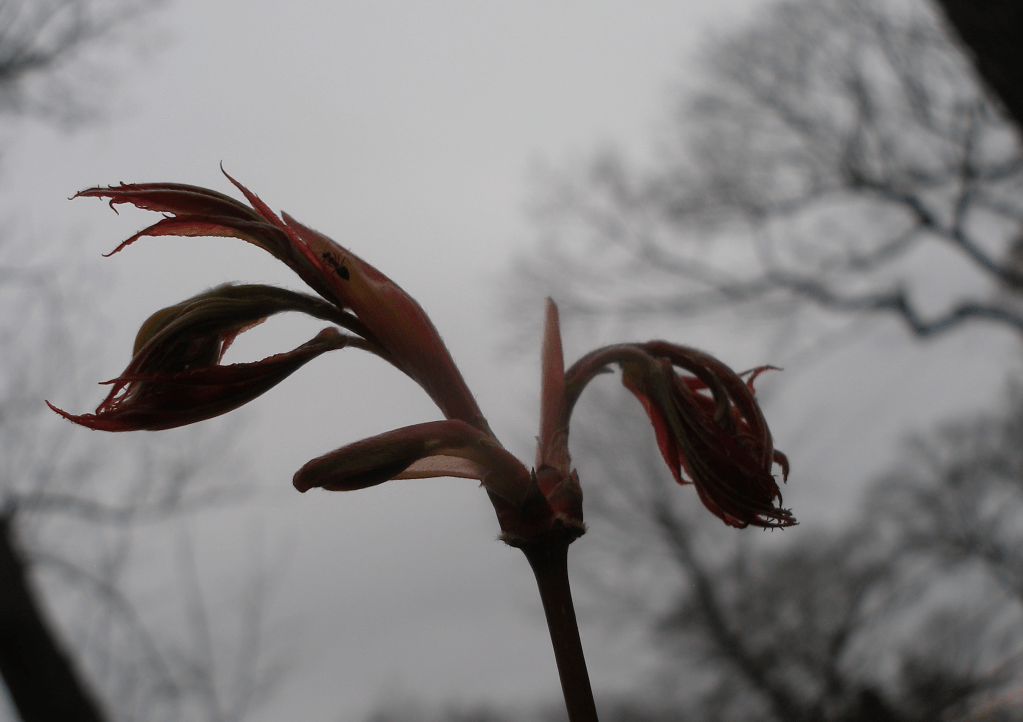
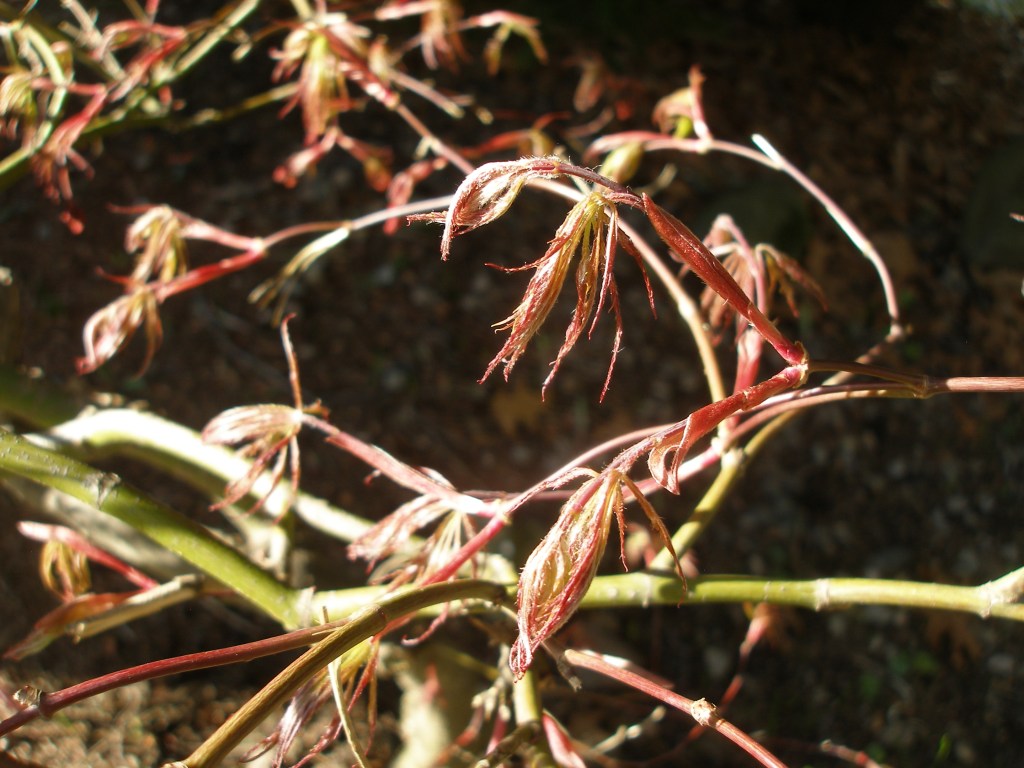
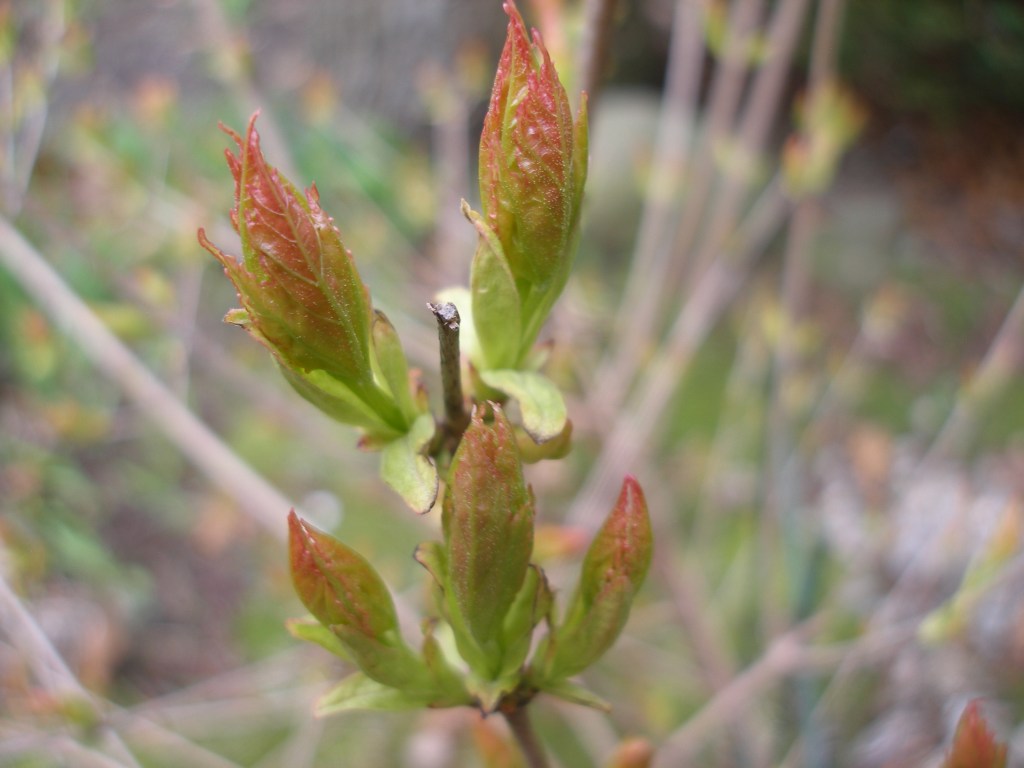
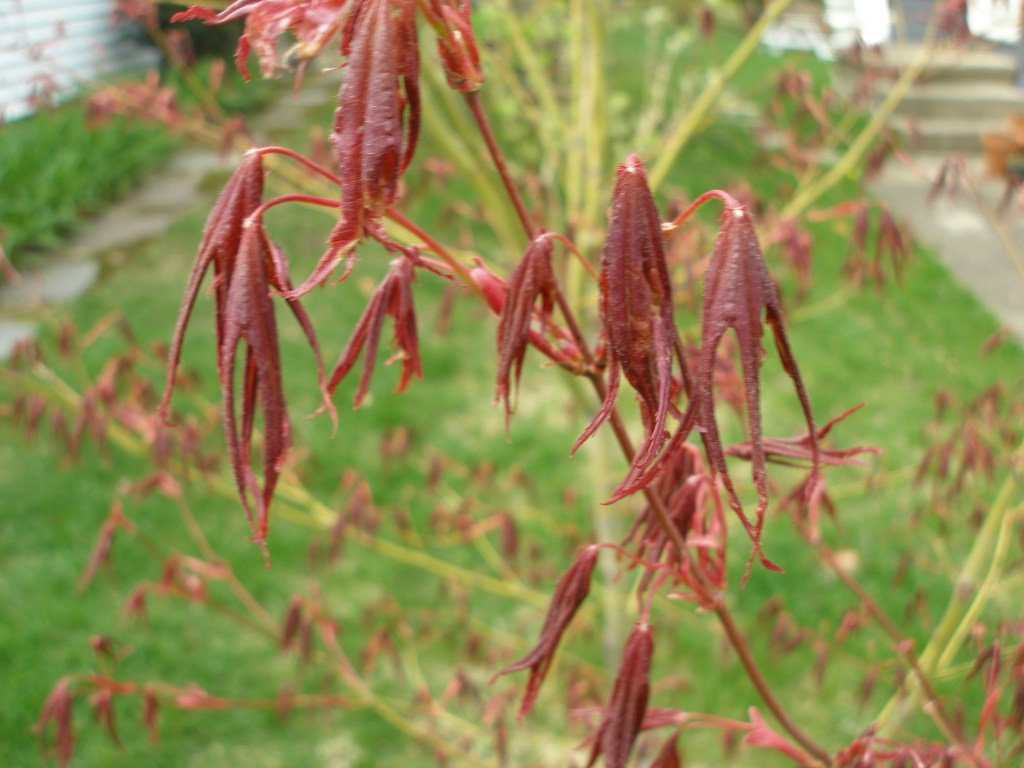
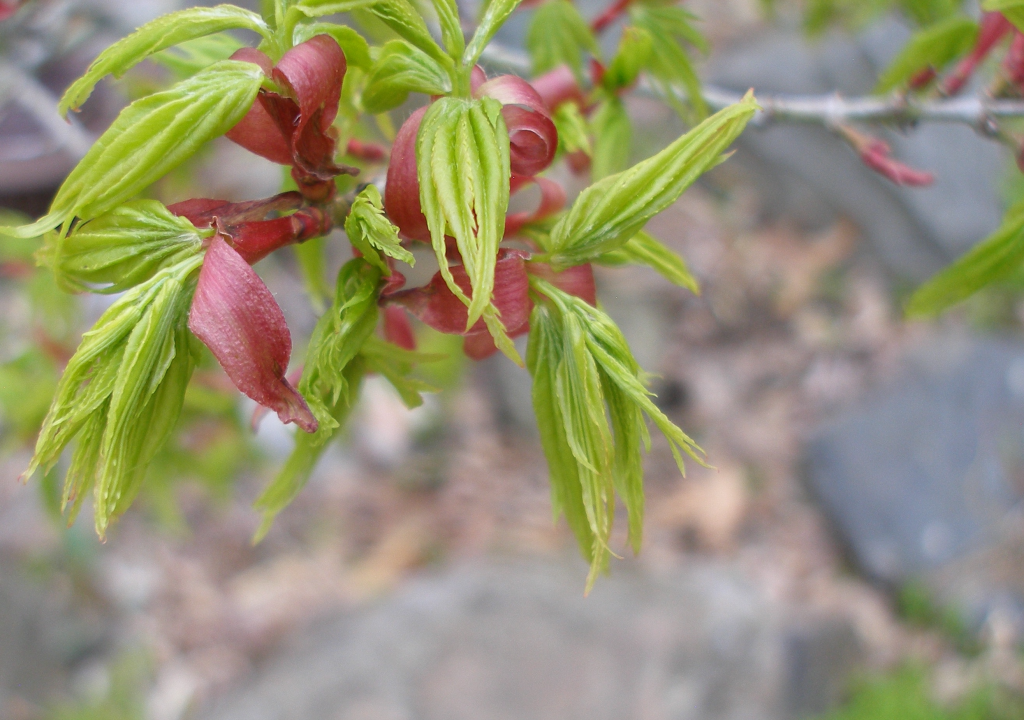
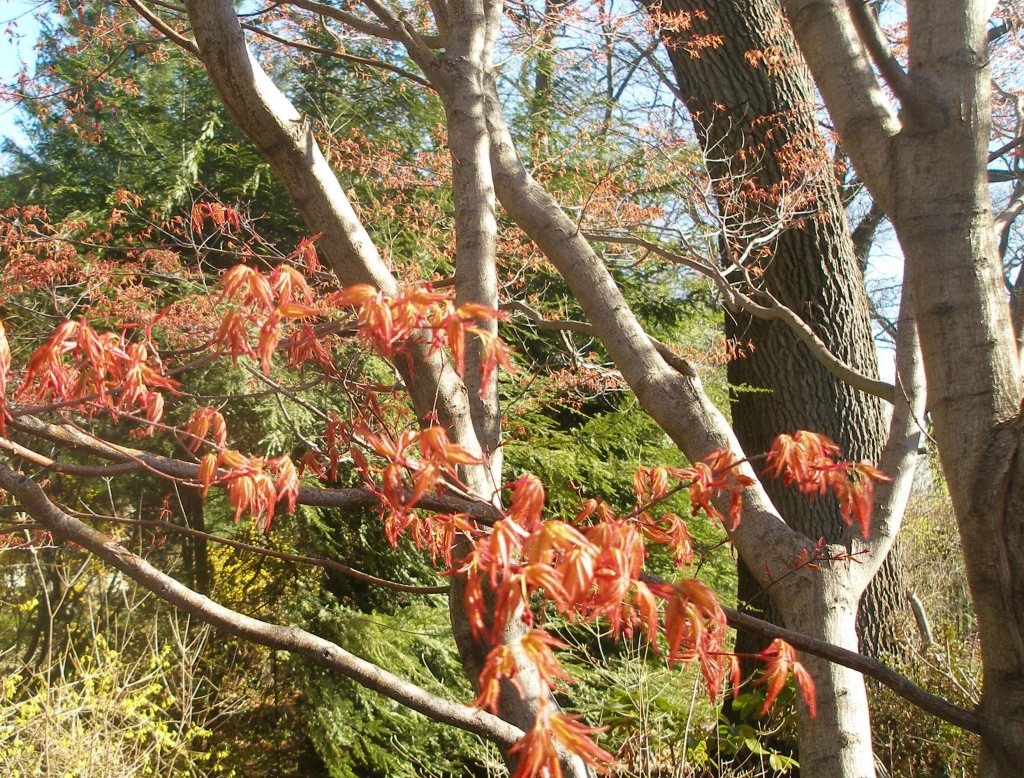
I decided to look for the new Japanese maple leaves. I noticed even tiny buds could be both pink and green. Not only were the new leaves quite colorful, but the way they unfolded, swelled and stretched out or hung limply was most worthy of closeup inspection. I added a few photos taken in prior years to include a wider range of these tiny new leaves’ fragile-tough grace.


A Question of Pinecones

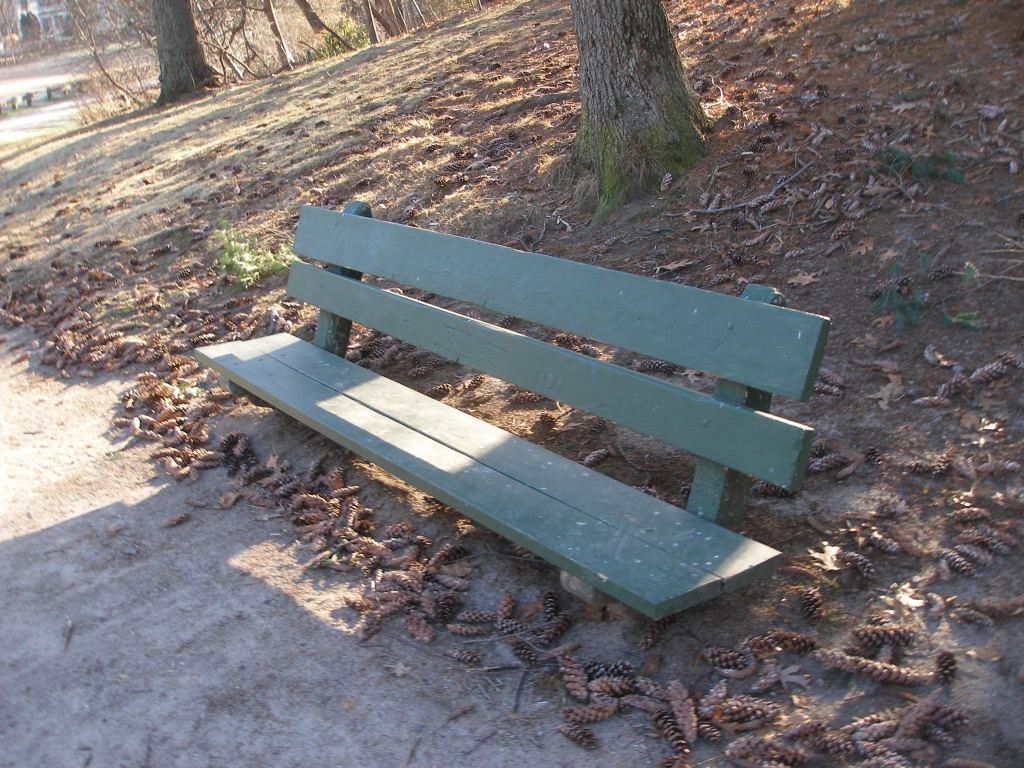
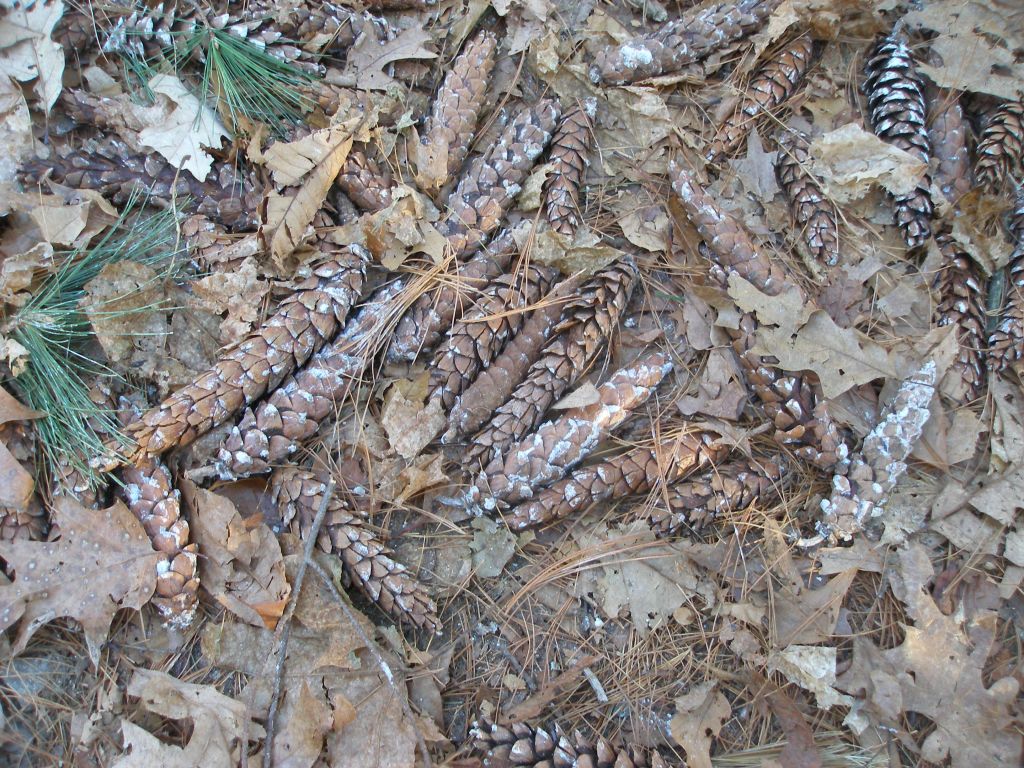
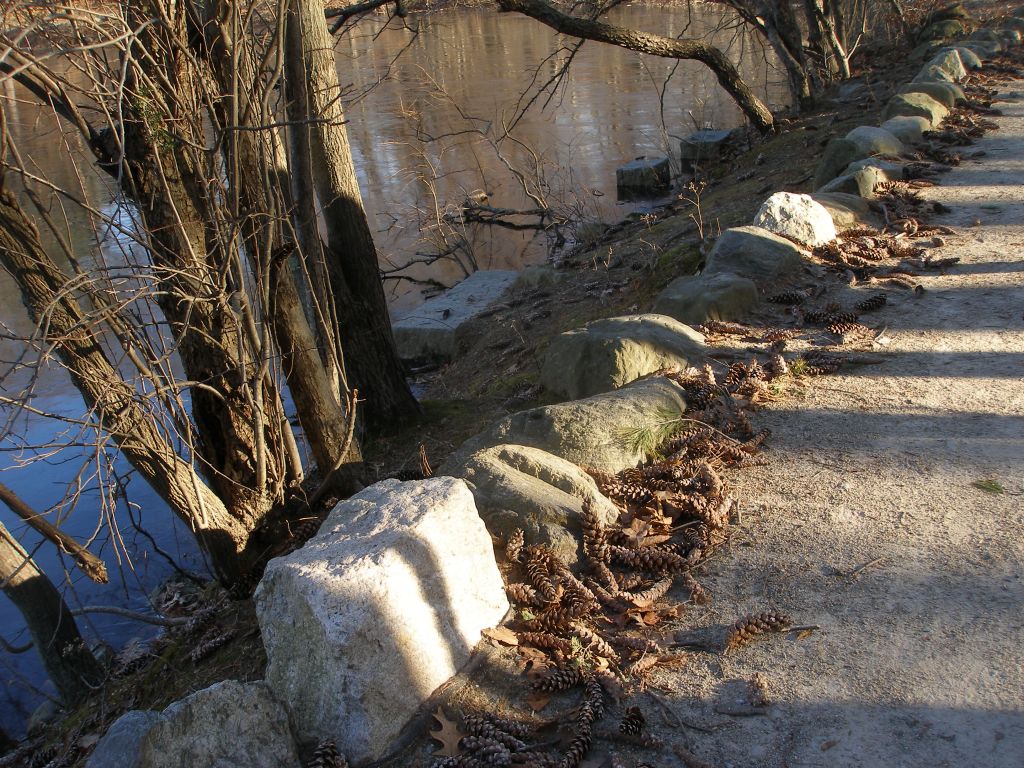
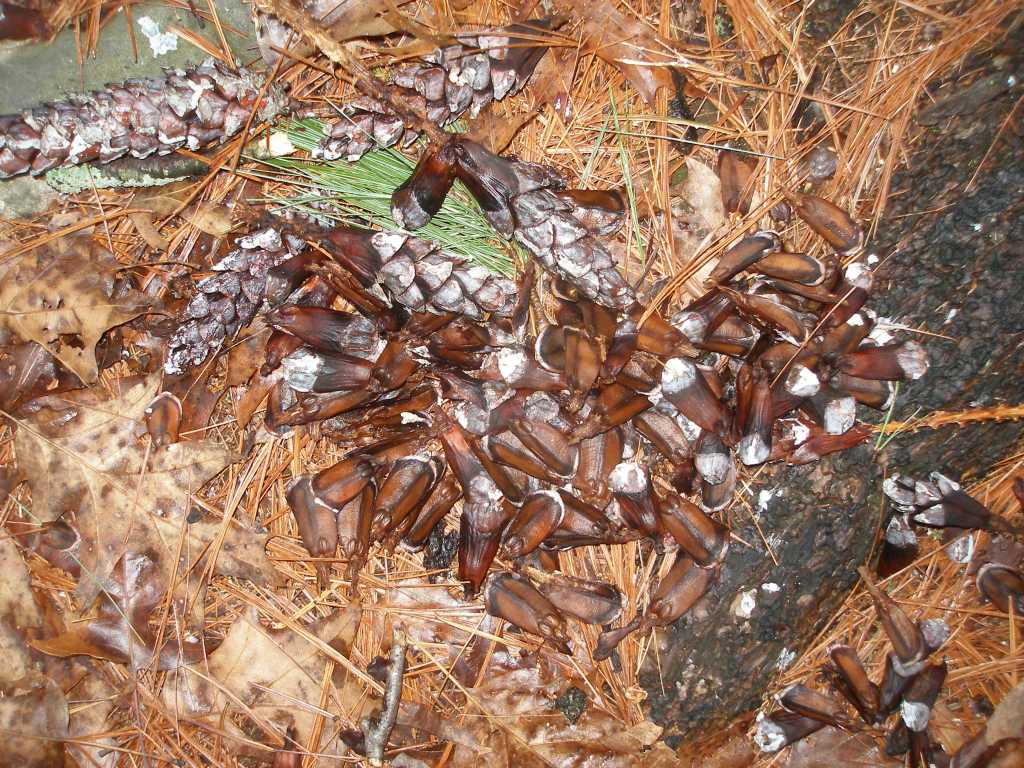
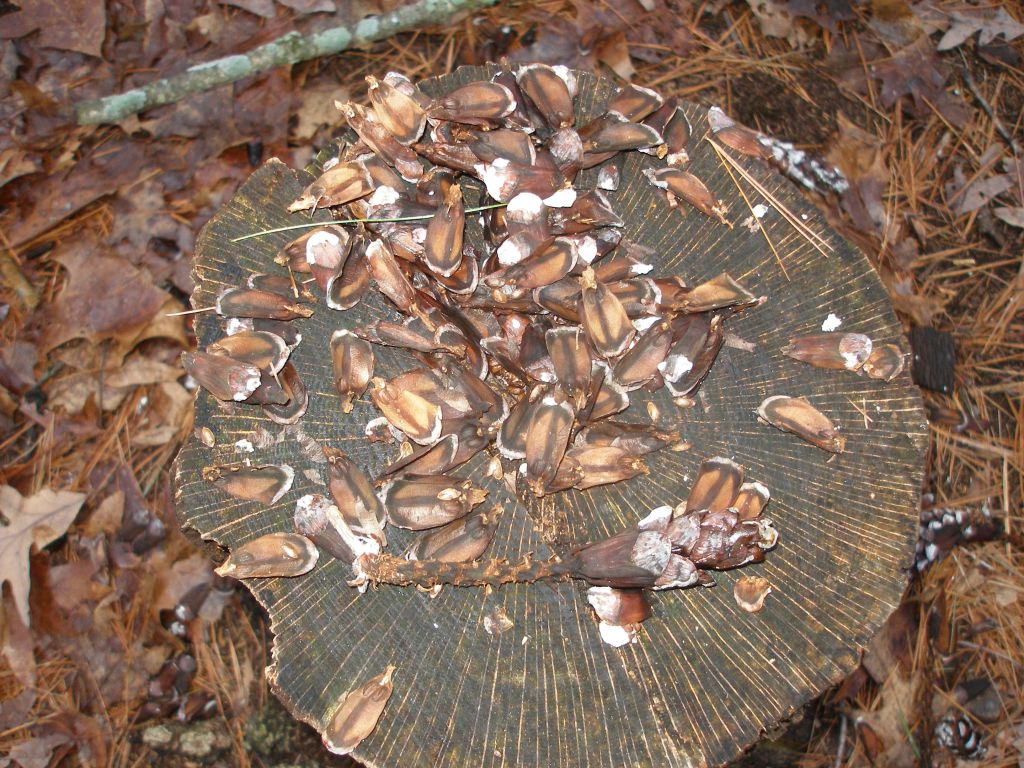
Pinecones were everywhere.

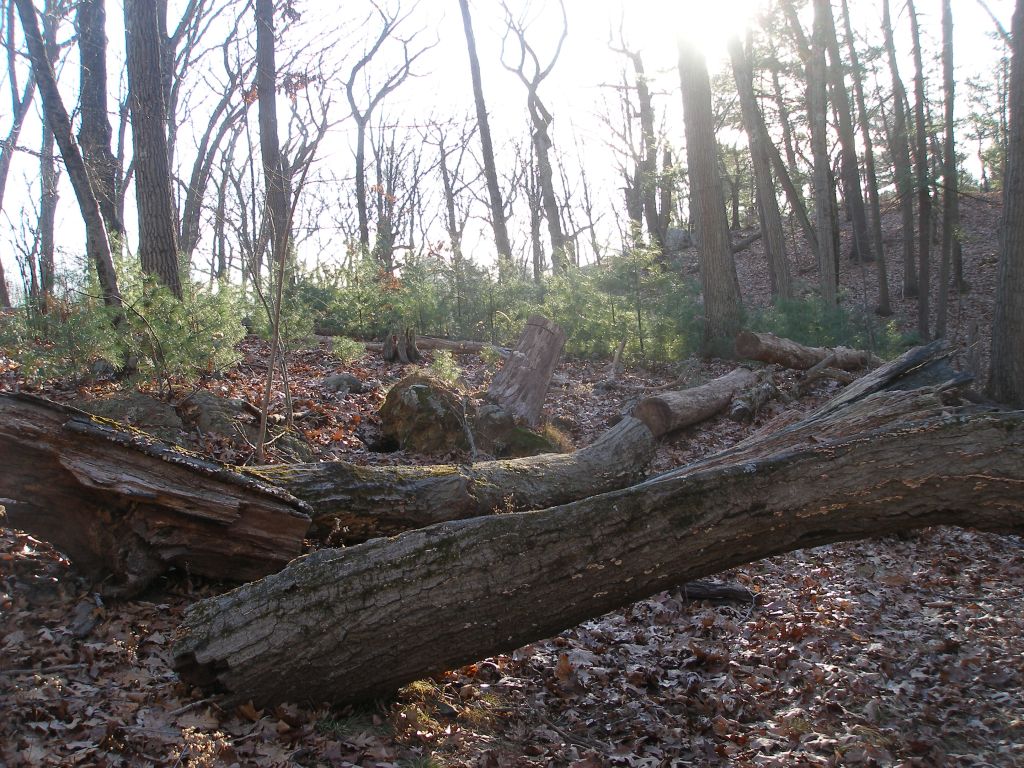
According to Menotomy Rocks Park, A Centennial History by Don Mattheisen, White Pines were planted after a devastating gypsy and brown moth invasion in 1902. It was hoped that the needles would not interest these hungry pests. In any case, no such massive invasion of destructive moths recurred then or now.

As to the unusual abundance of pinecones, recent high winds might have played a role in bringing them down, but could not explain why there were so many on the trees in the first place. Perhaps the White Pines planted in the 1900’s were approaching the end of their natural lives and providing for the perpetuation of their species. Or newly abundant rains the last few years had created favorable conditions for baby trees. Squirrels seem to be going after the seeds already. 

There are places in the Park where many young evergreens all seem to be about the same height. I will keep an eye out for more patches of young trees springing up, especially where sunlight reaches the forest floor.