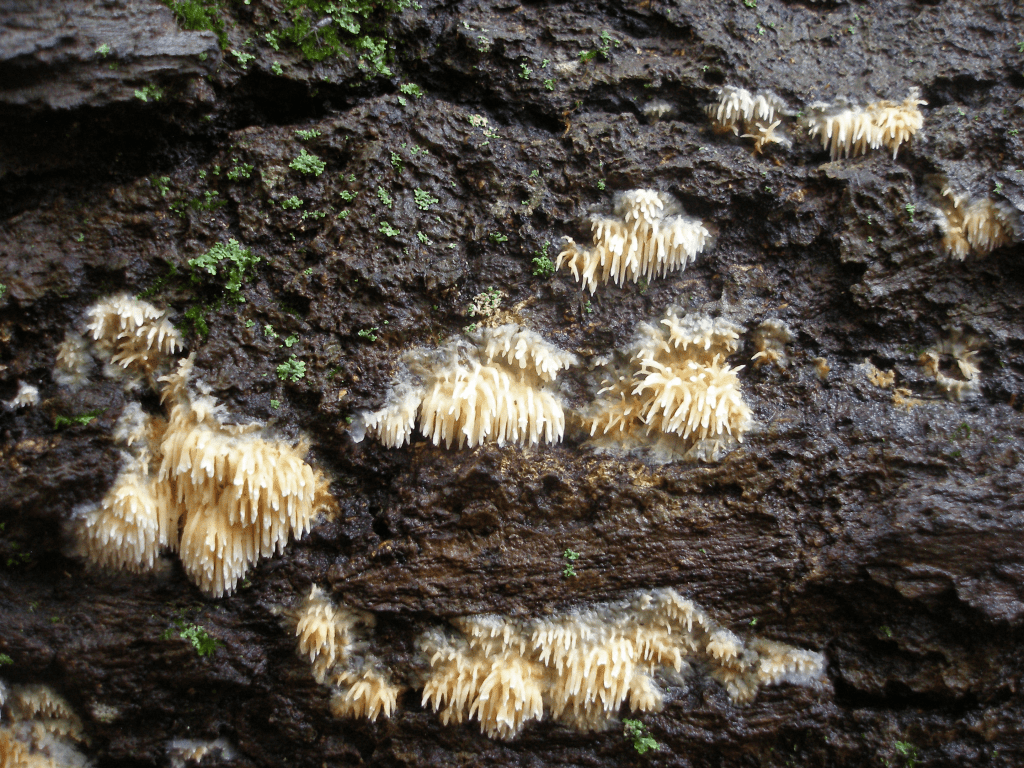
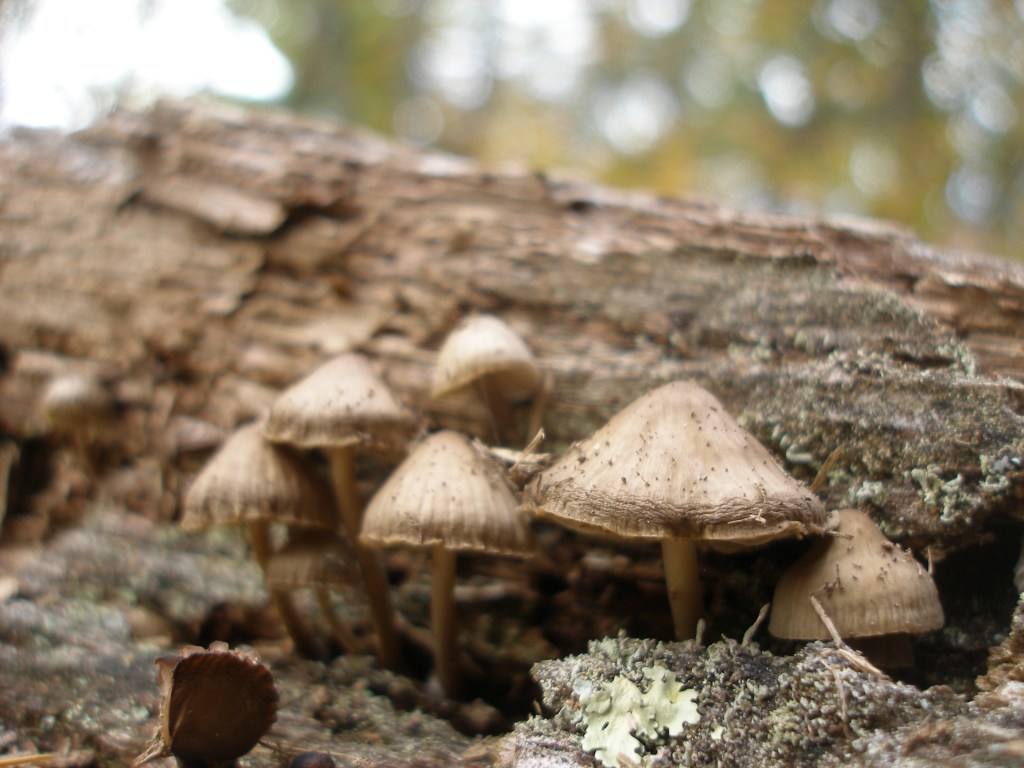
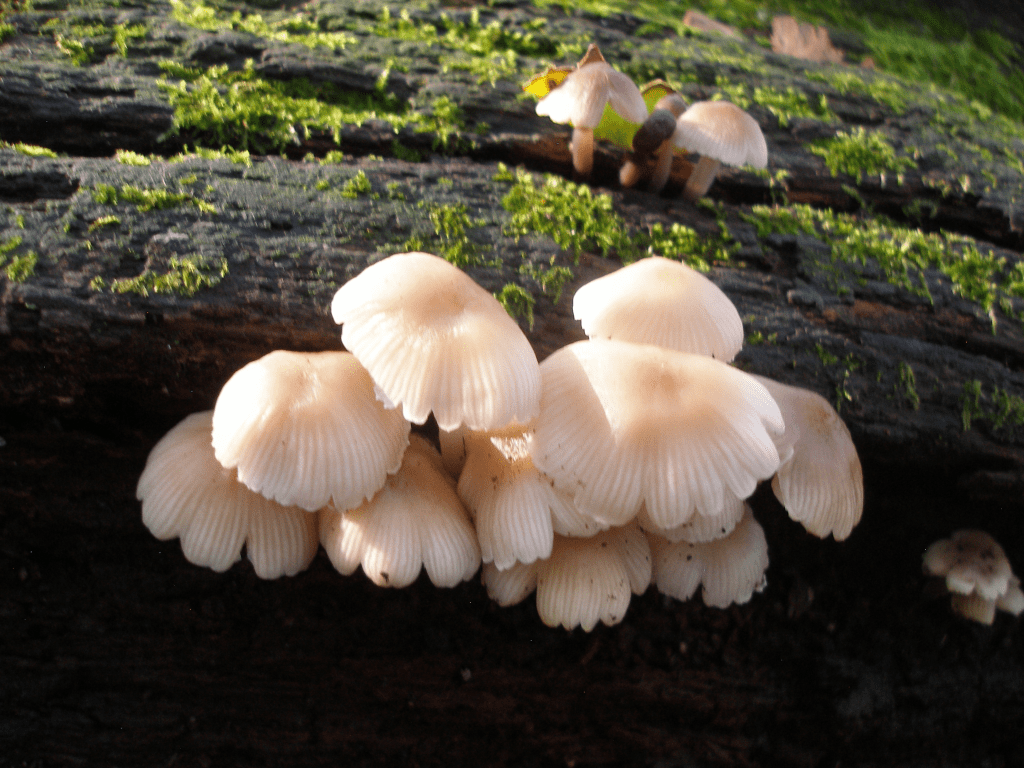
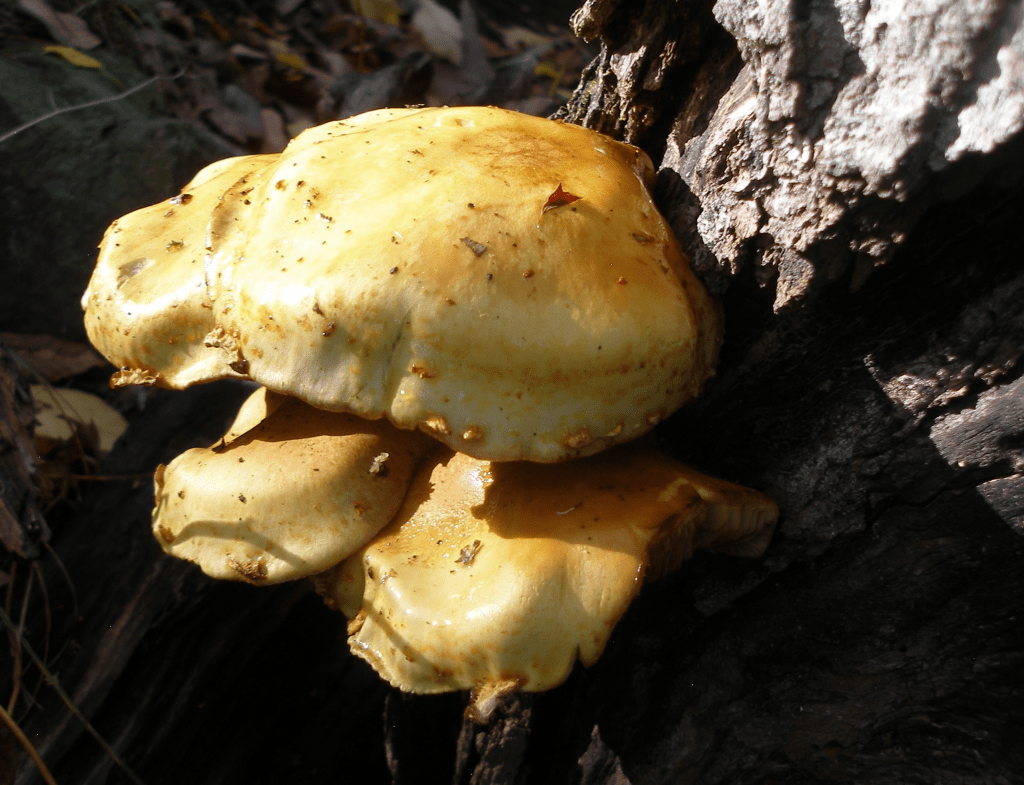
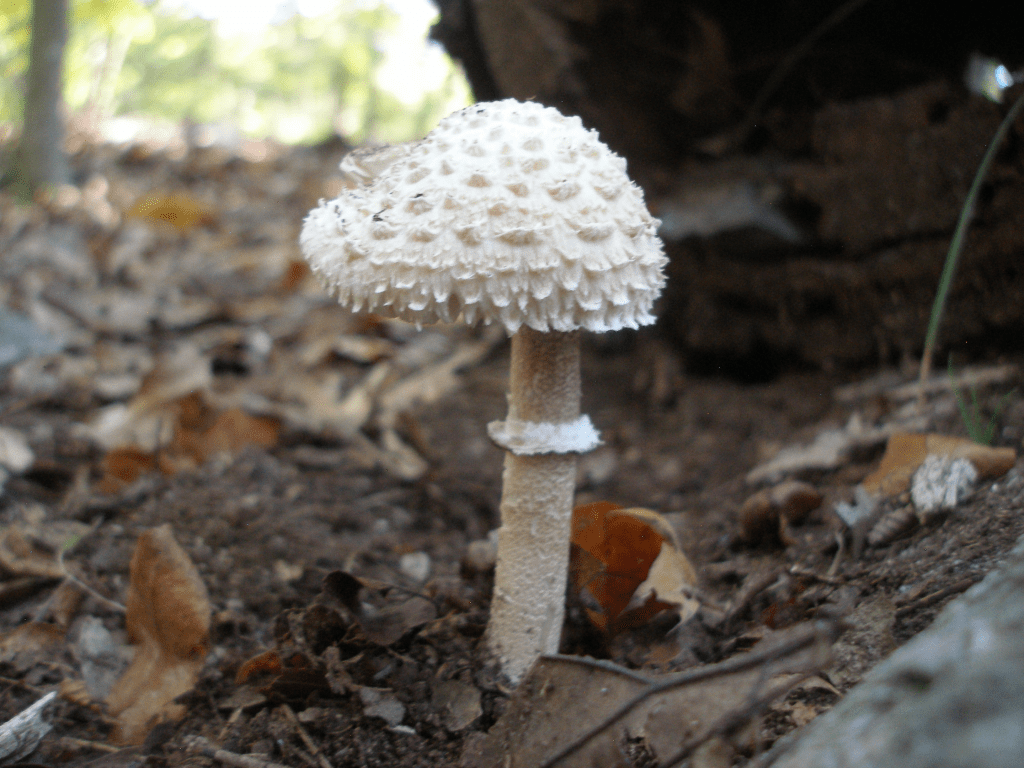
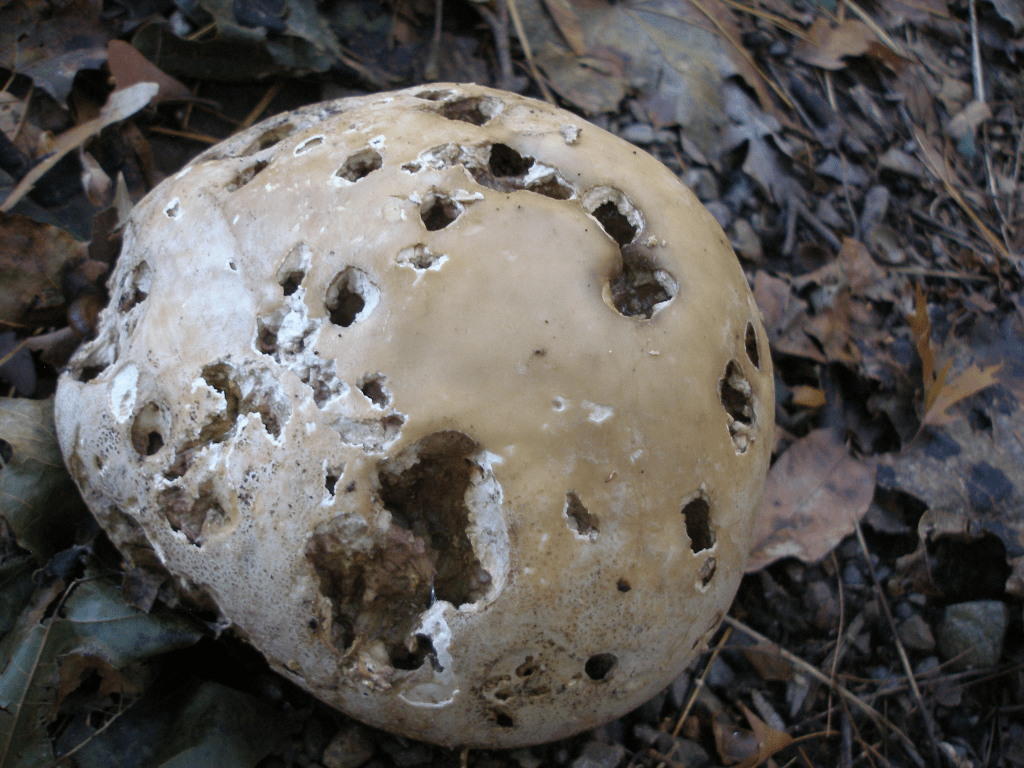
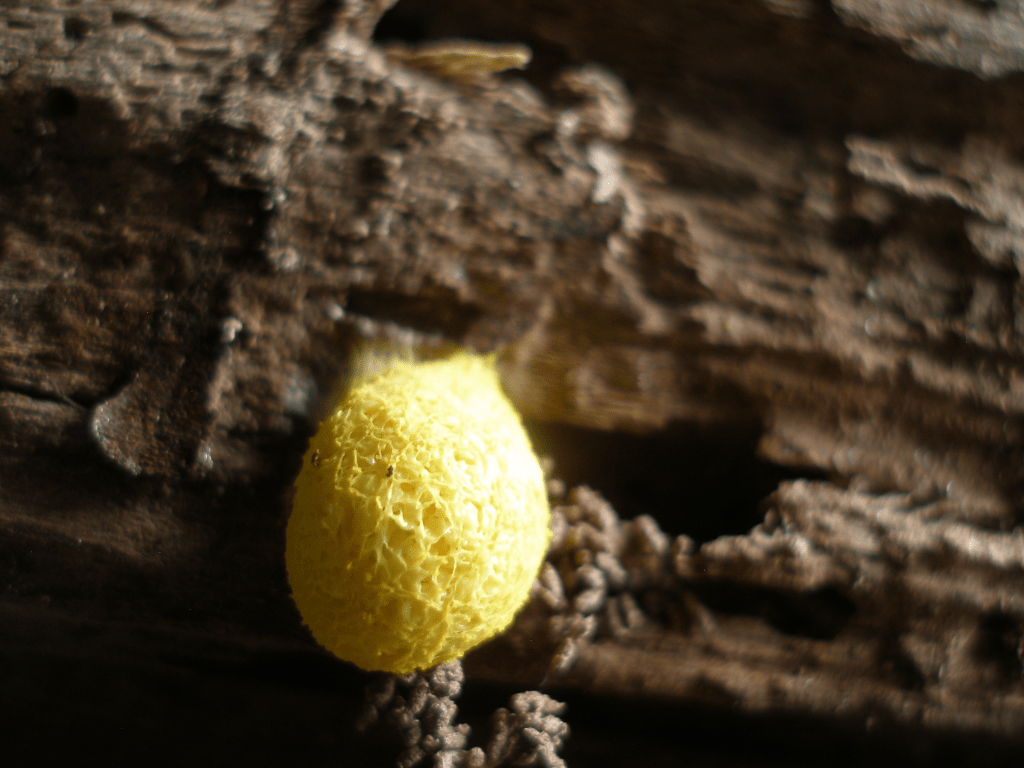
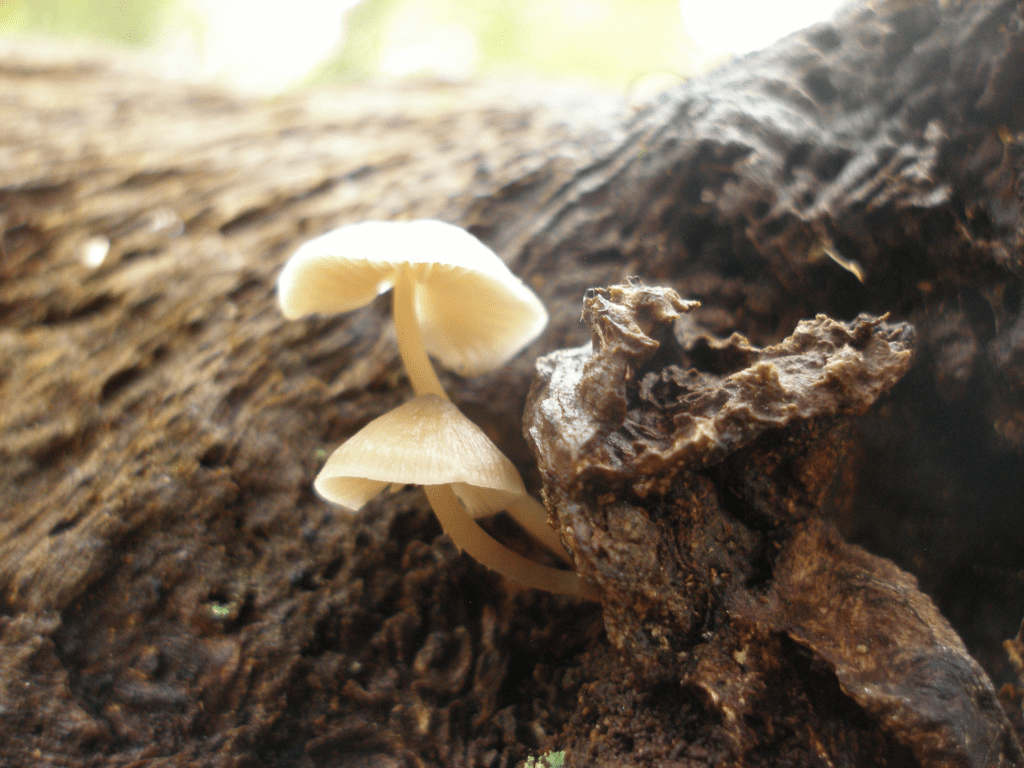
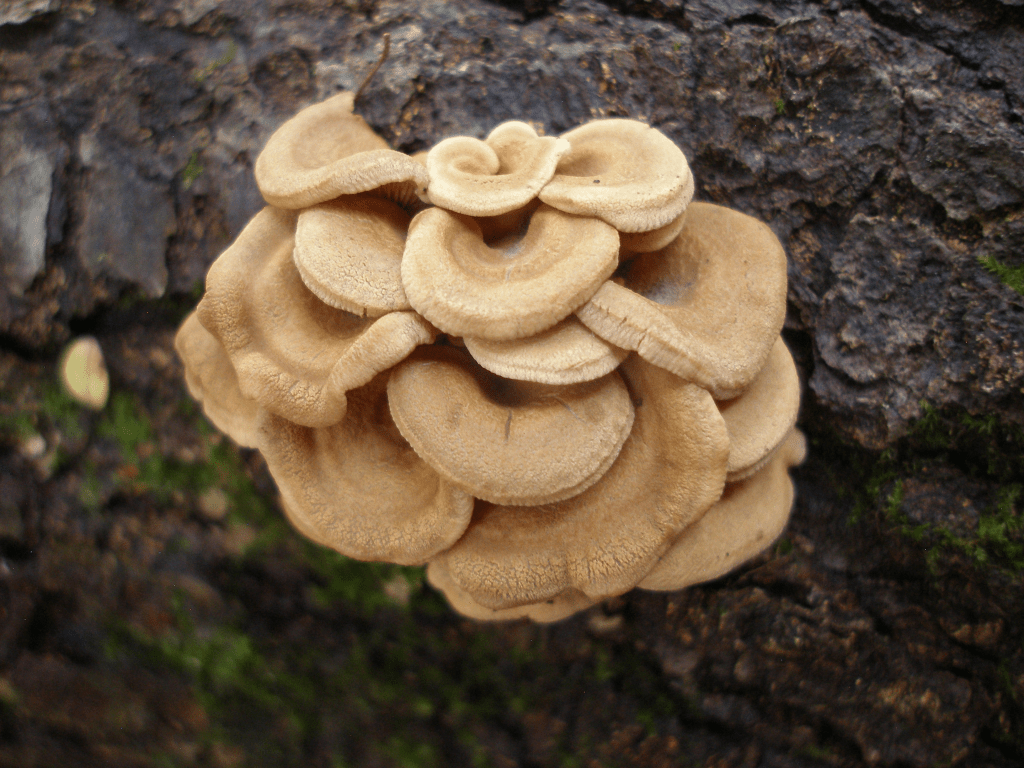
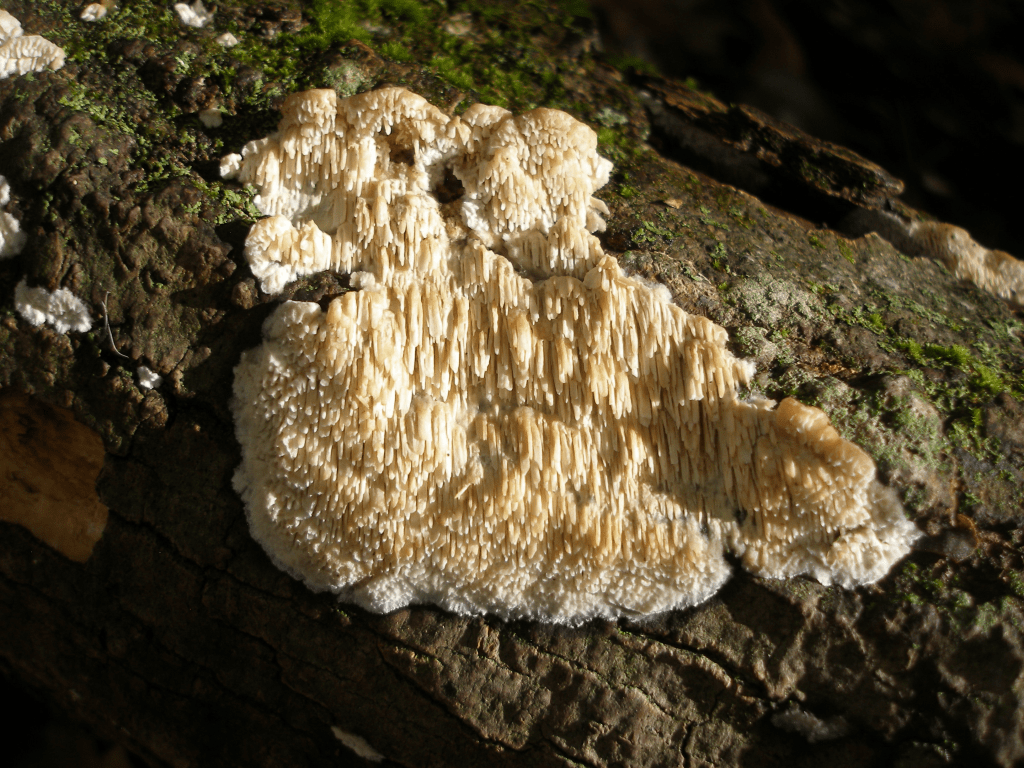
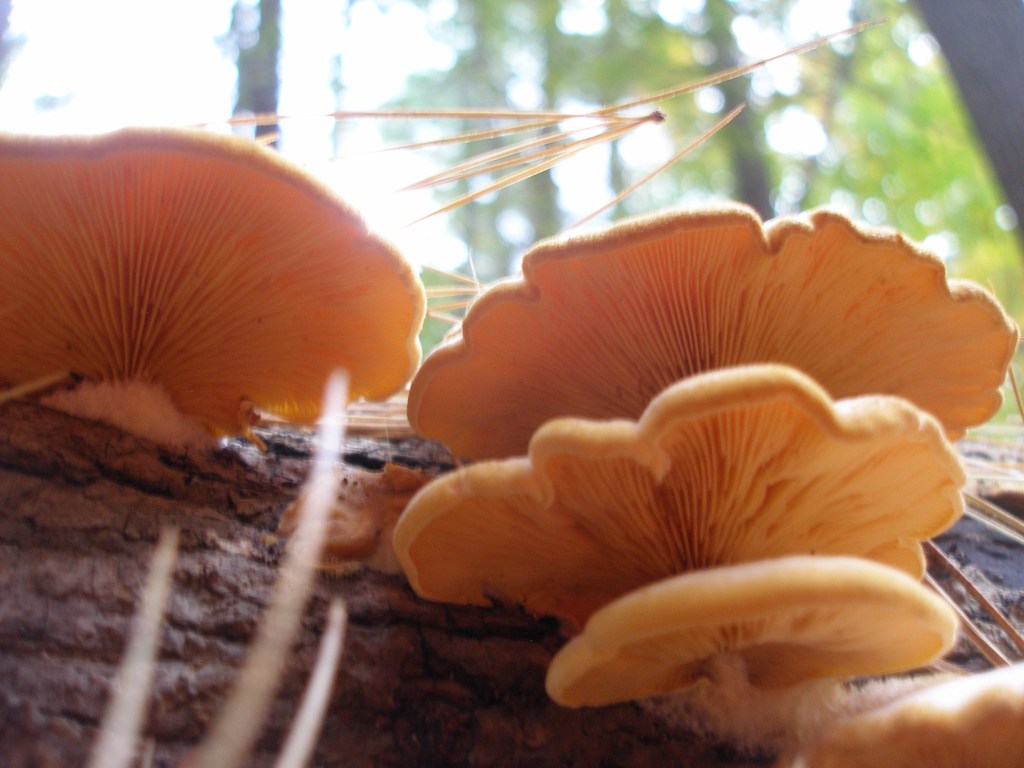
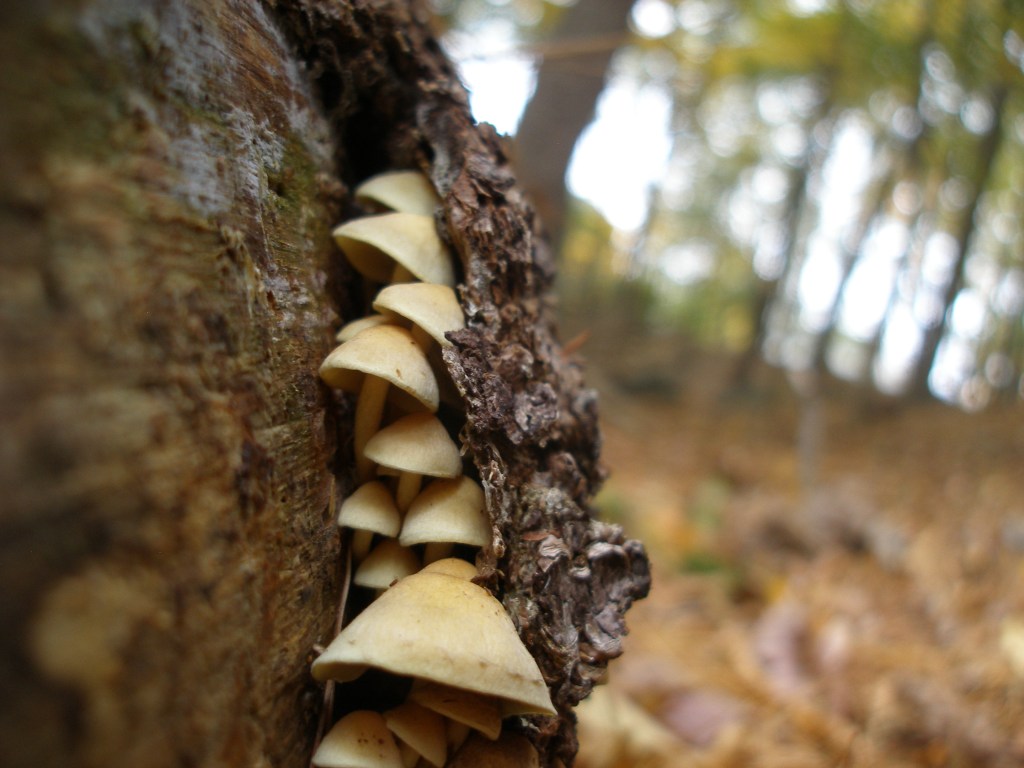
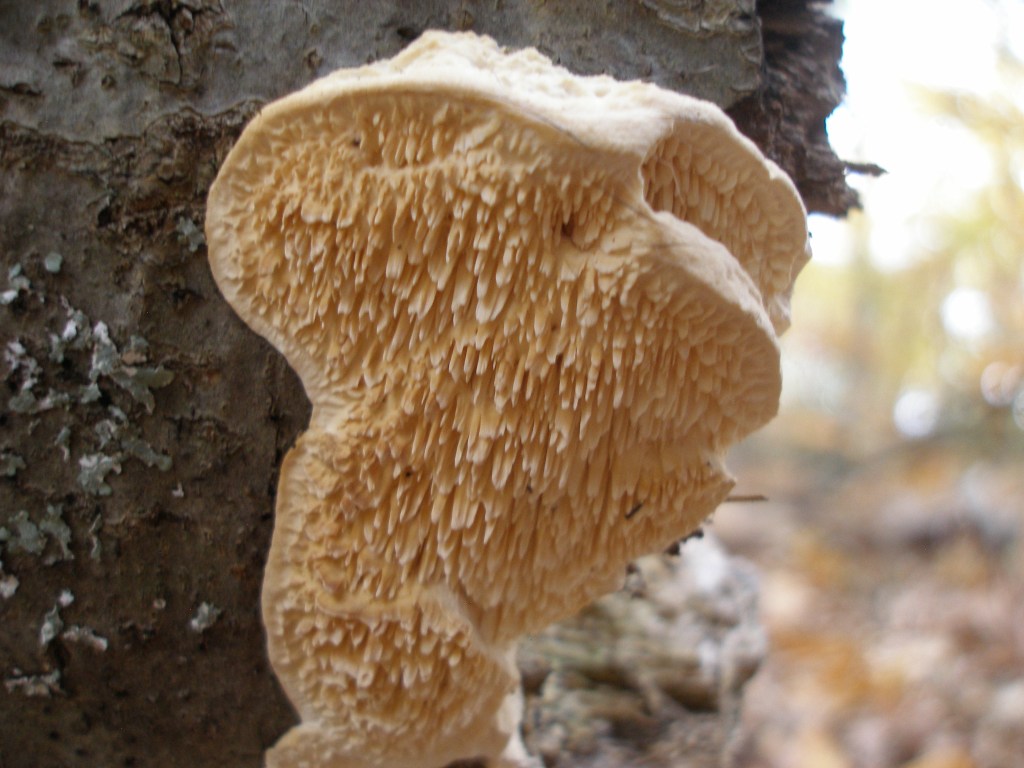
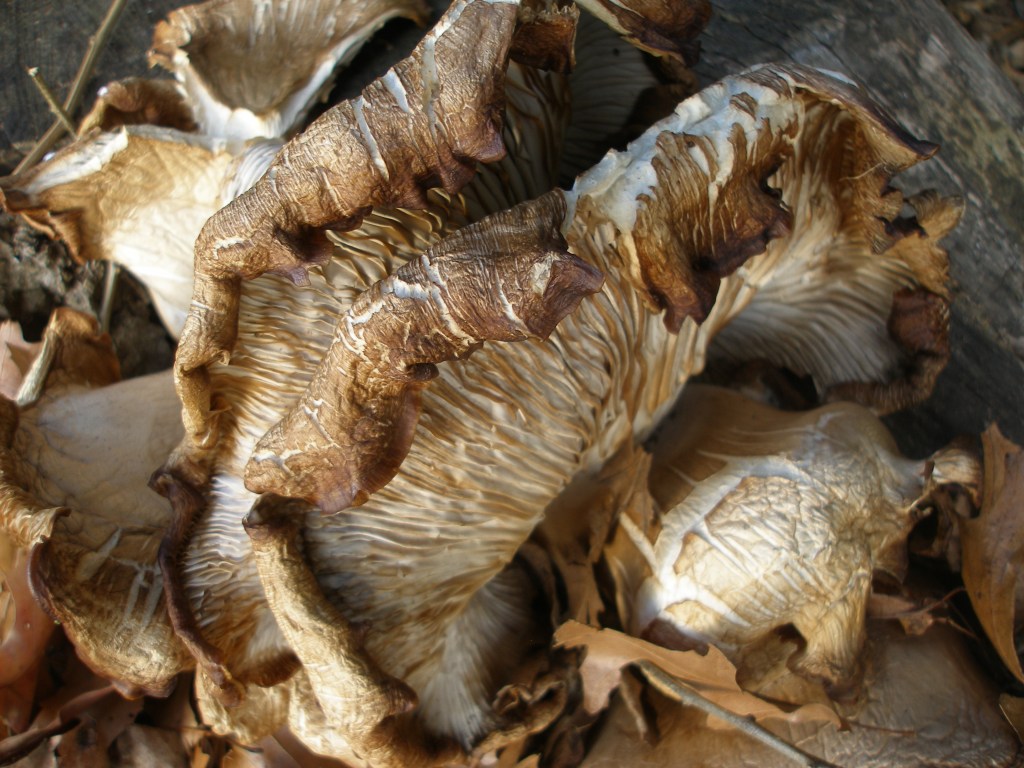
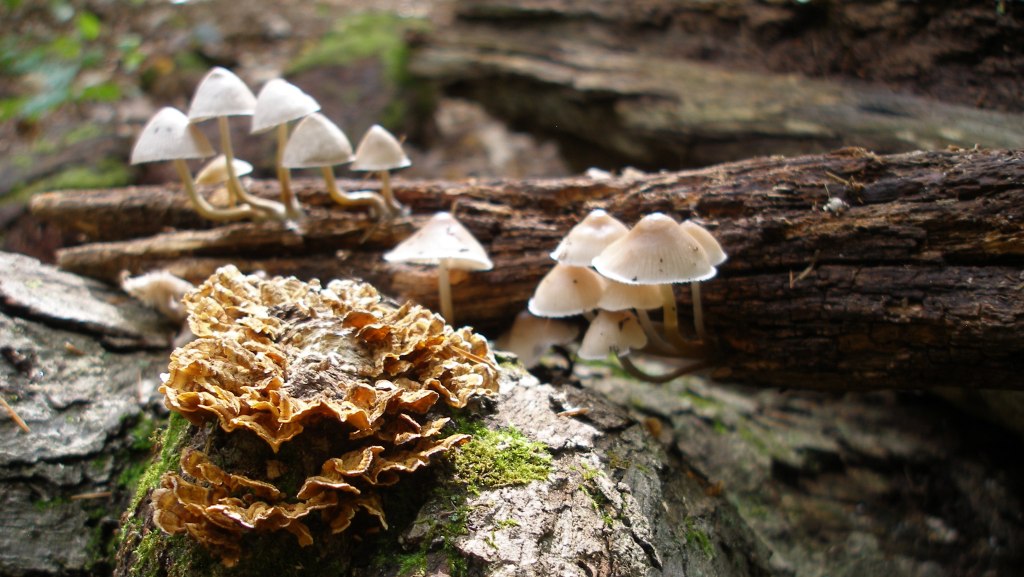
It has been a disappointing mushroom season -bland really, compared to the mushrooms in 2021. Still there were some interesting shaggy characters, crimped edges, jellies and a slime mold or two.
I saw none of the bright orange and yellow Chicken of the Woods mushrooms that were so abundant in the last few years despite the dryness. I missed them and hope they were just taking a break.
Indonesian ikat weavings have always had multiple uses. They are worn as sarongs and wraps as part of everyday clothing. They express and preserve cultural identity with outstanding examples playing an important role in various rites of passage such as marriage and funerals. In hard times, these valued and appreciated weavings can mean survival as they can be sold or traded for food and other critical supplies.
The patterns are produced by wrapping sections of (usually cotton) threads so that they resist a particular dye that is applied to the rest of the (usually warp) thread. With traditional dyes, the multiple dippings and dryings needed to achieve the desired shade can be quite time consuming. Modern dyes can make that process considerably faster while extending the range of possible colors.
Once all of the desired colors are dyed into the thread, ensuring precision in the complex designs calls for a great deal of attention to detail and sometimes subtle adjustments during the weaving process. In fact, quality hand-made ikat calls for a great deal of care during all stages of the sometimes years it takes to complete one. For that reason, I was not surprised to learn that in Indonesia, Ikat is generally considered the domain of women.
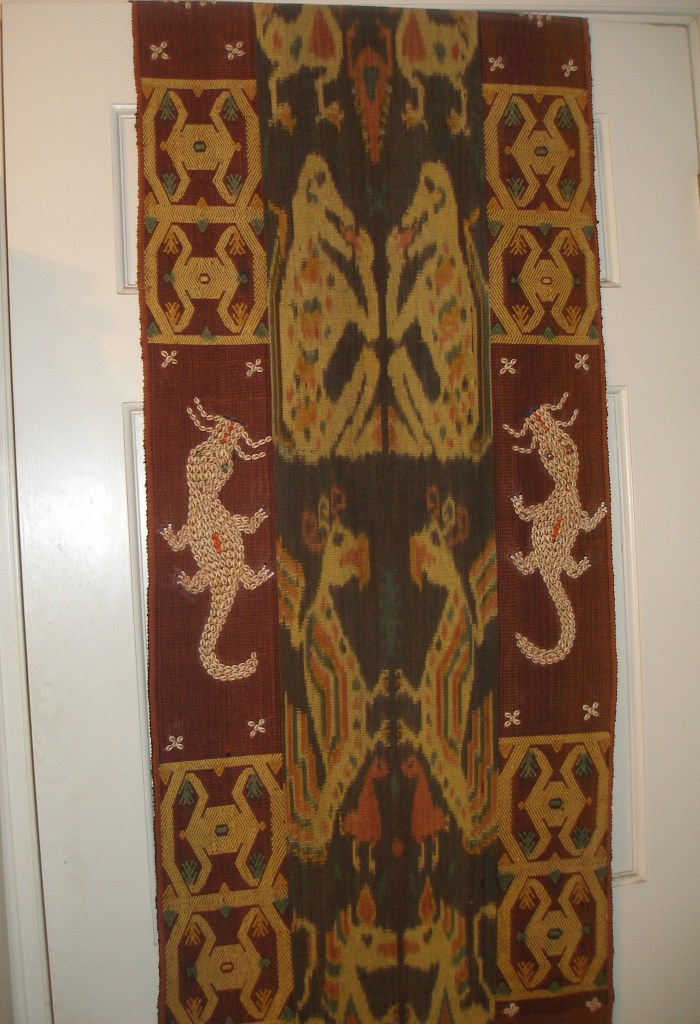
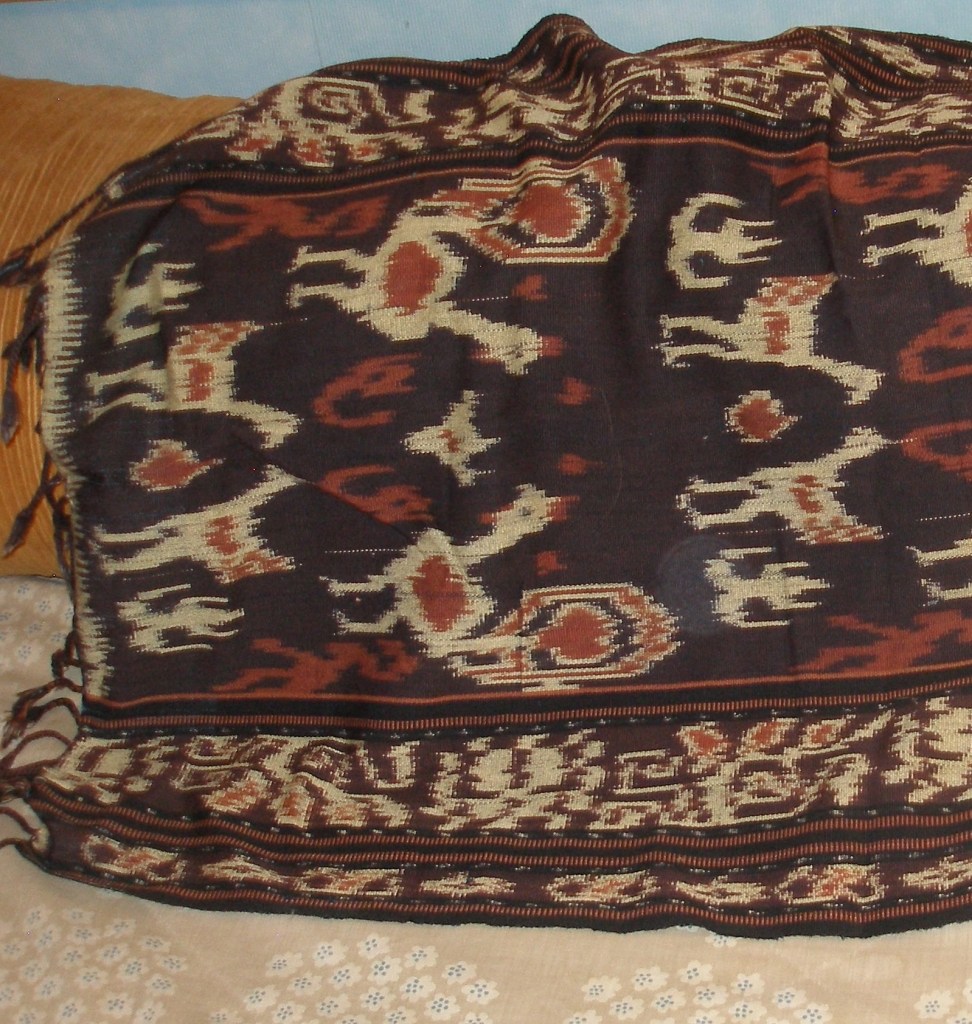
I decided to hang a particularly colorful modern example over the door to my office. This one combines a dark central ikat section with many different fanciful animals and two red outer sections with sewn-on cowry shell designs.
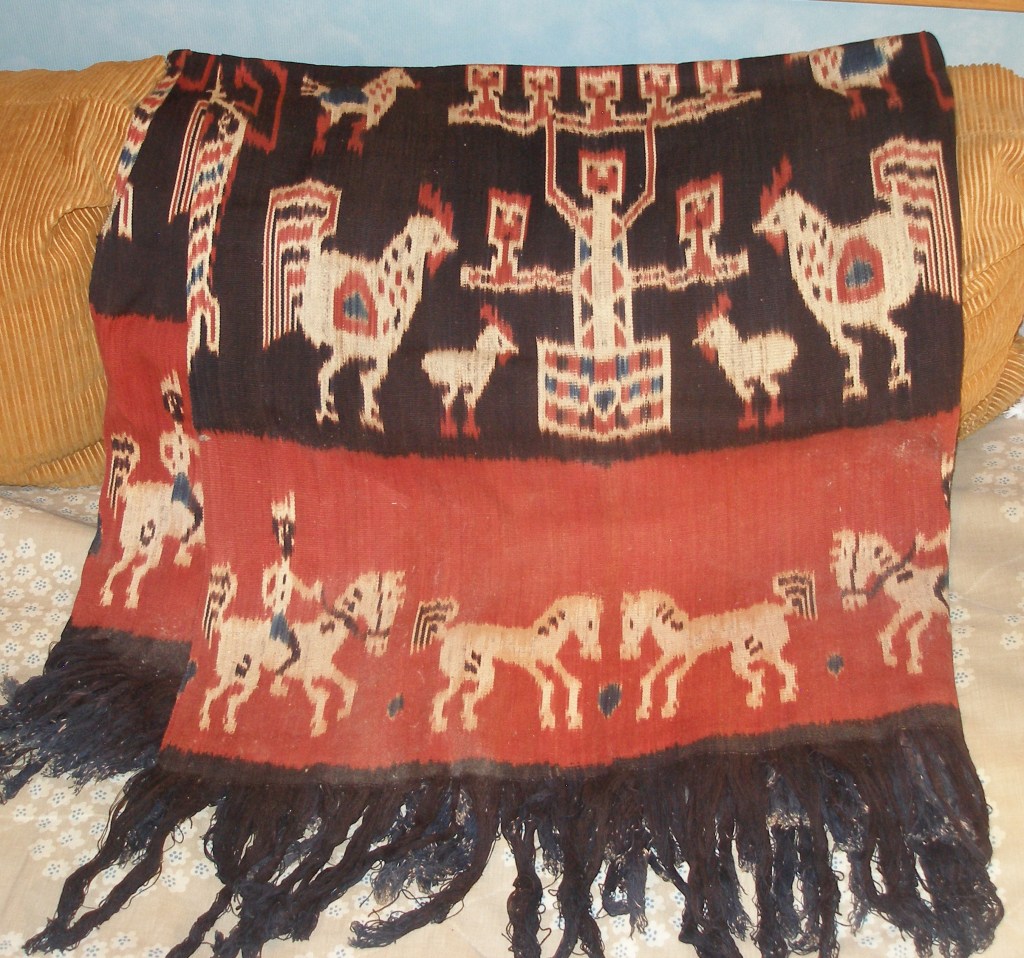
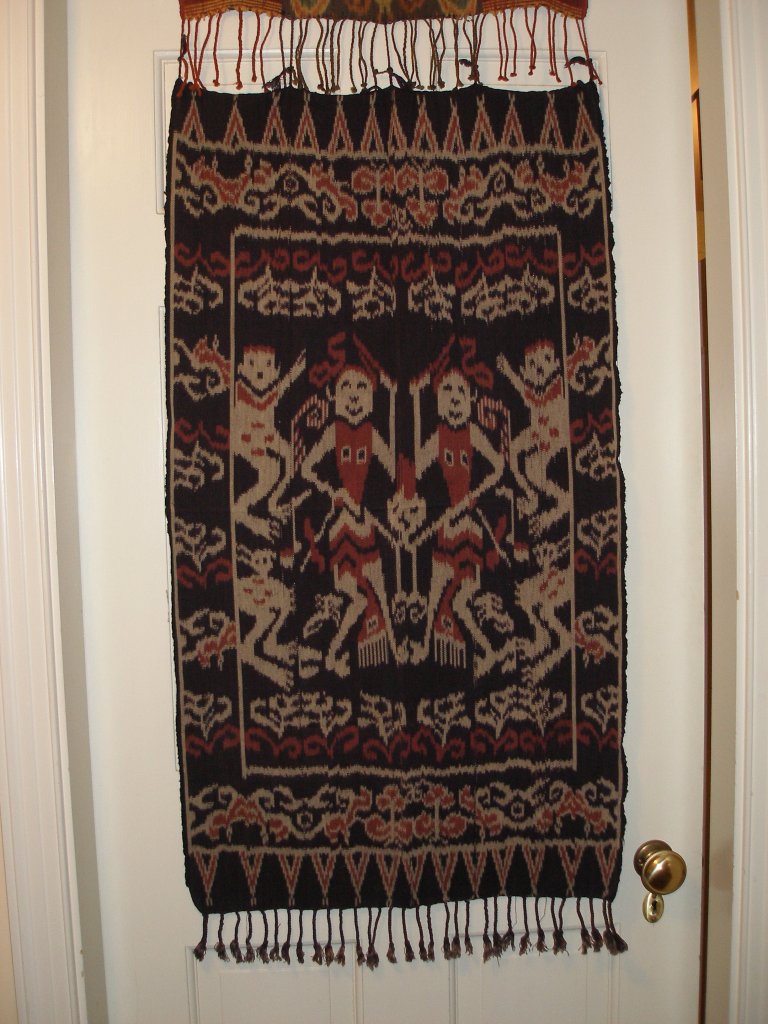
The last image shows an indigo-dyed Ikat hanging up in my tea hut in place of a scroll. Its Christian symbols are not a problem for its use during Japanese tea ceremony practice. In fact, Christian foreigners were among early adopters of Japanese tea ceremony and there are examples of a variety of early tea ceremony utensils including tea bowls that incorporate Christian symbols.
In our most troubled world, there is very good reason to remember Mr. Rogers’ wise words, “Look for the Helpers.” We humans can be very destructive, but there are also the helpers. Even though they often do not get the recognition they deserve, caretakers are everywhere, including caretaker animals like bees.
There is no doubt that the caretaker role can be extremely exhausting, and relentless as well as having potential for real and meaningful rewards. Still there can sometimes be toxic aspects and in those cases, limits must be set. It does no good for anyone if the caretaker is seriously undermined.
Recently, I needed emergency surgery and went to Mount Auburn Hospital in Cambridge, Massachusetts, USA. There I met an extraordinary caretaker named Rosie – hence the rose above. Her role as Patient Care Assistant, was not highest in the formal hospital hierarchy, but to me she was at the very top.
Rosie is one of those no nonsense, hard-working, get down to business people who move with great vigor as well as knowledgeable authority. Yet when it came to caring for me, she radiated such an air of deep respect. I found myself telling her, “I love you Rosie.” She answered right back, “I love you too.” I said, “I bet you love all of the patients you care for.” She said that was true. I told her I was a member of the Rosie fan club for sure.
I knew there would be others. A nurse told me that Rosie worked incredibly hard and had been at Mount Auburn for 20 years. He added that Rosie was the one who kept that hospital floor “revolving.” Shelly, a CAT scan technician, encouraged me when I told her I was thinking of giving Rosie a gift.
I asked my husband, Mark, to take out my collection of 7 jade bangles, and tie then with a ribbon. They flopped about too much so he put them on a cardboard towel tube, bent in a bit at the ends, and covered the whole with plastic wrap.
I asked Rosie to stop by when Mark came by to visit the next day as I had a small gift for her. The bangles were of many colors -black carved with flowers, lavender, dark green, and combinations like the one below.
I apologized for the informal packaging when I gave them to Rosie, but she said the package was beautiful. I told her that Jade is tough, durable, honest, beautiful, and protective. The circle shape can represent enlightenment, or wholeness and to me that has the flavor of love.
I hoped some of them might fit her, but she could hang them up or put them in a bowl. As I spoke, Rose ran one finger along the colorful bangles and indeed touch is an important part of the experience of jade. I told her that the collection was valuable and might provide a bit of financial security as these would keep their value unlike stocks or our crazy economy.
When I was preparing to leave, Rosie said, “Thank you for everything.” I told her that it was such a great pleasure meeting her. It was my great luck to be able to give Rosie a bit of the recognition that she (and so many others) truly deserve. She lives in my heart as I heal both mentally and physically and her inspiration will continue to help me channel and radiate that amazing powerful love that passes all understanding but is really there for us when we need it.
I still love you Rosie, and always will, oh so very much!
A while ago I tried changing to a river image on my computer screen. It did not feel right that nothing was moving and I went back to what is there now (first photo below). I used to change the wallpaper on a fairly regular basis.
I am not saying I will never change that image. But for some reason this one is proving remarkably sticky – it seems to want to stay put right where it is, thank you.
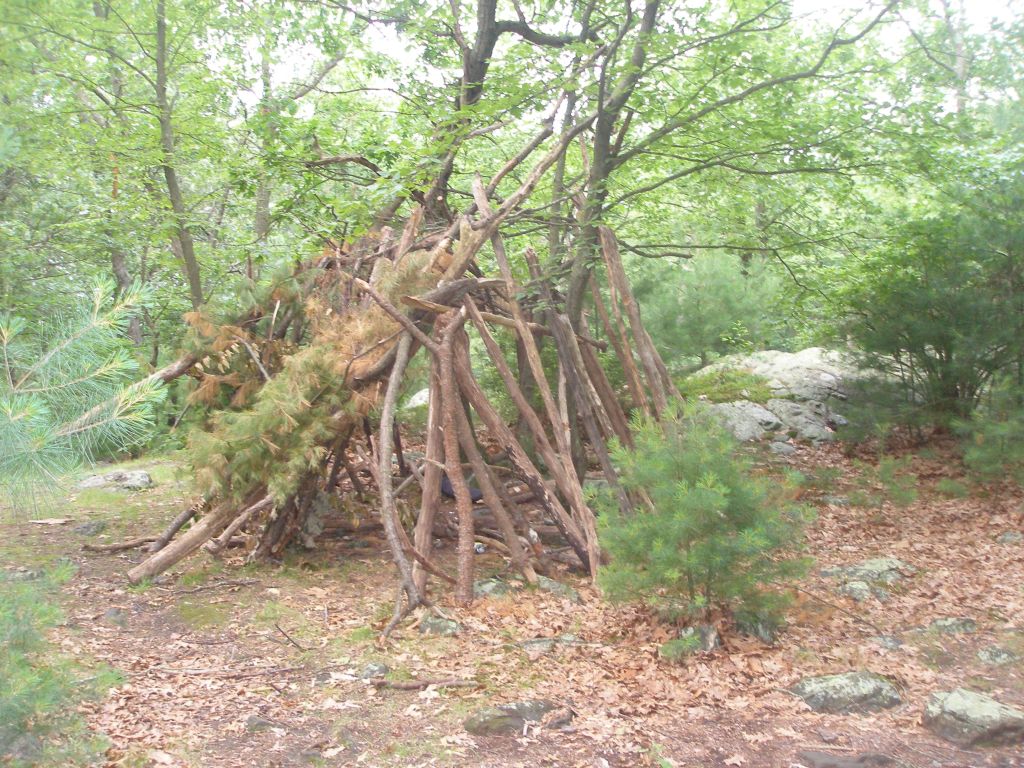
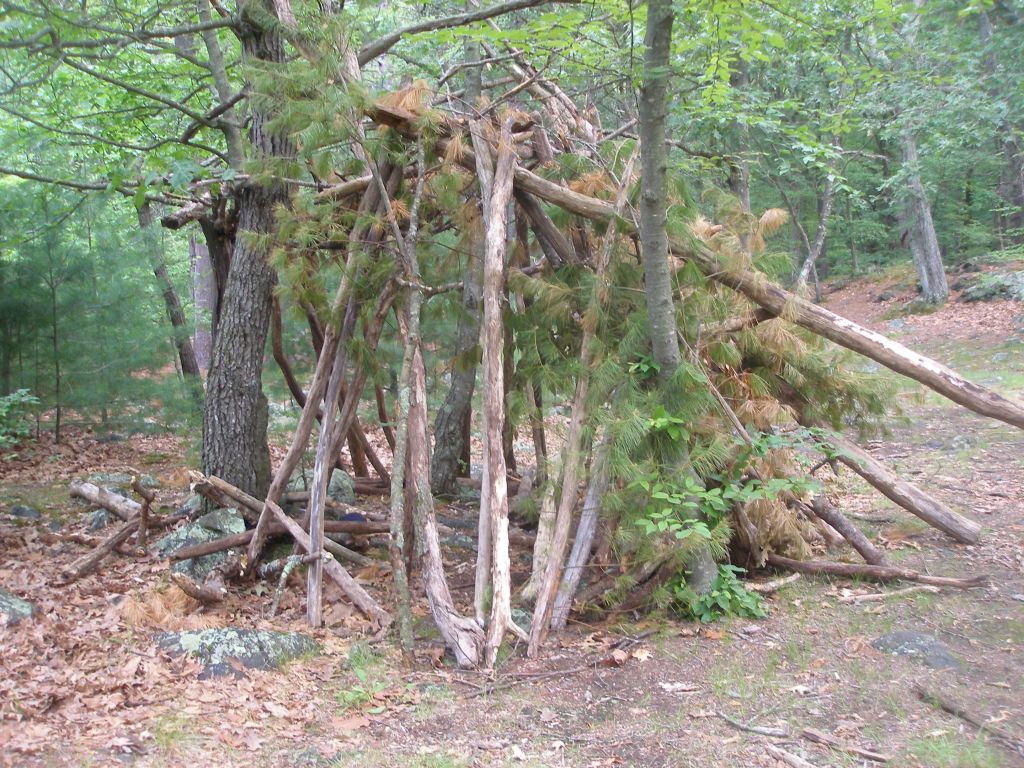
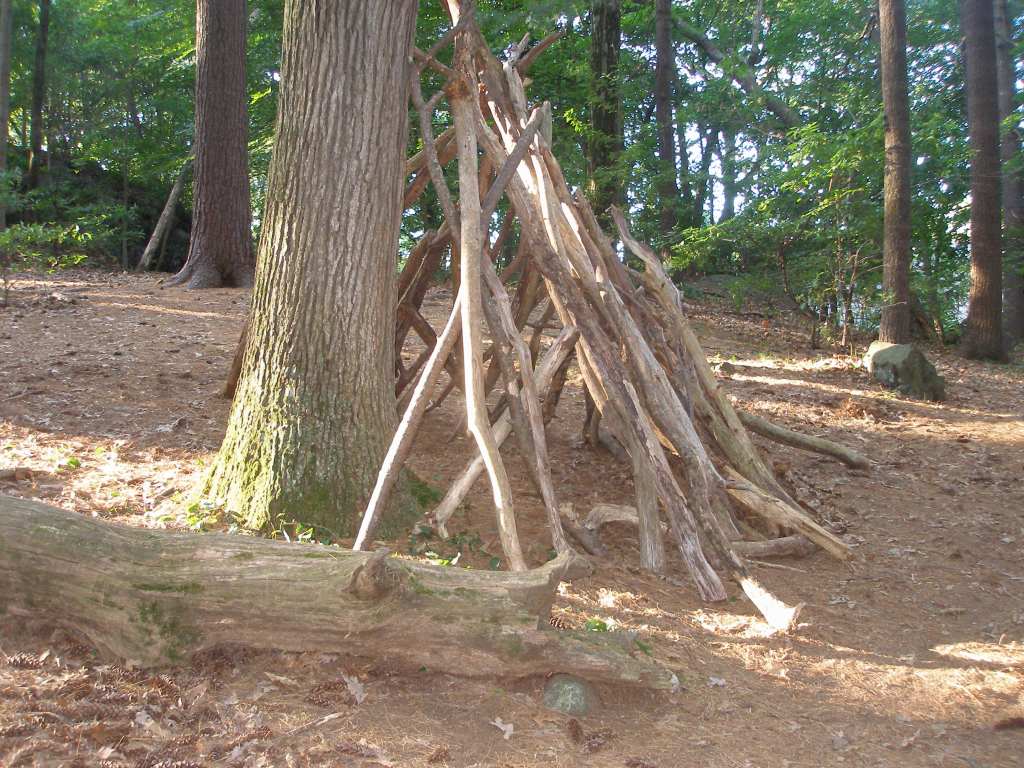
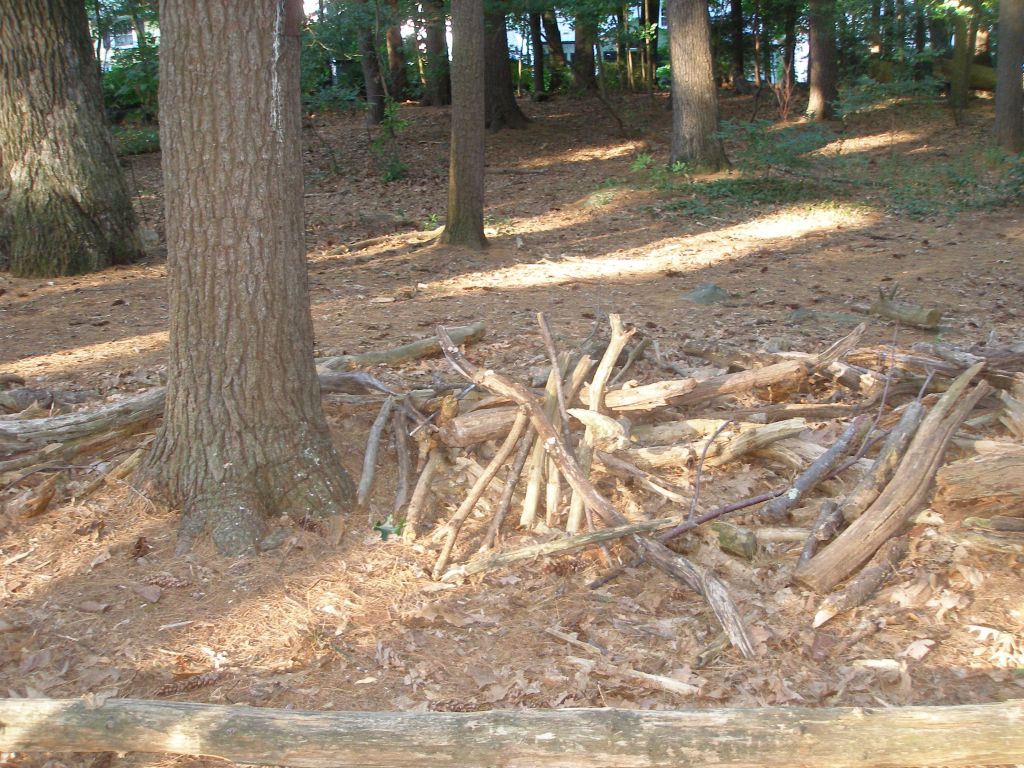
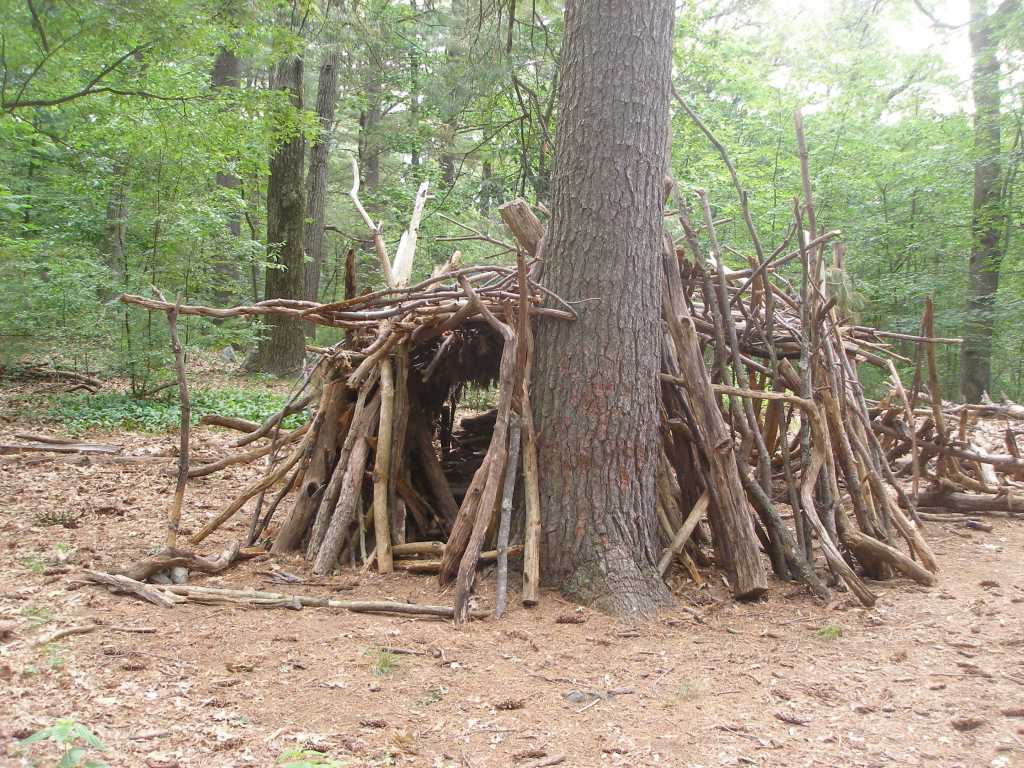
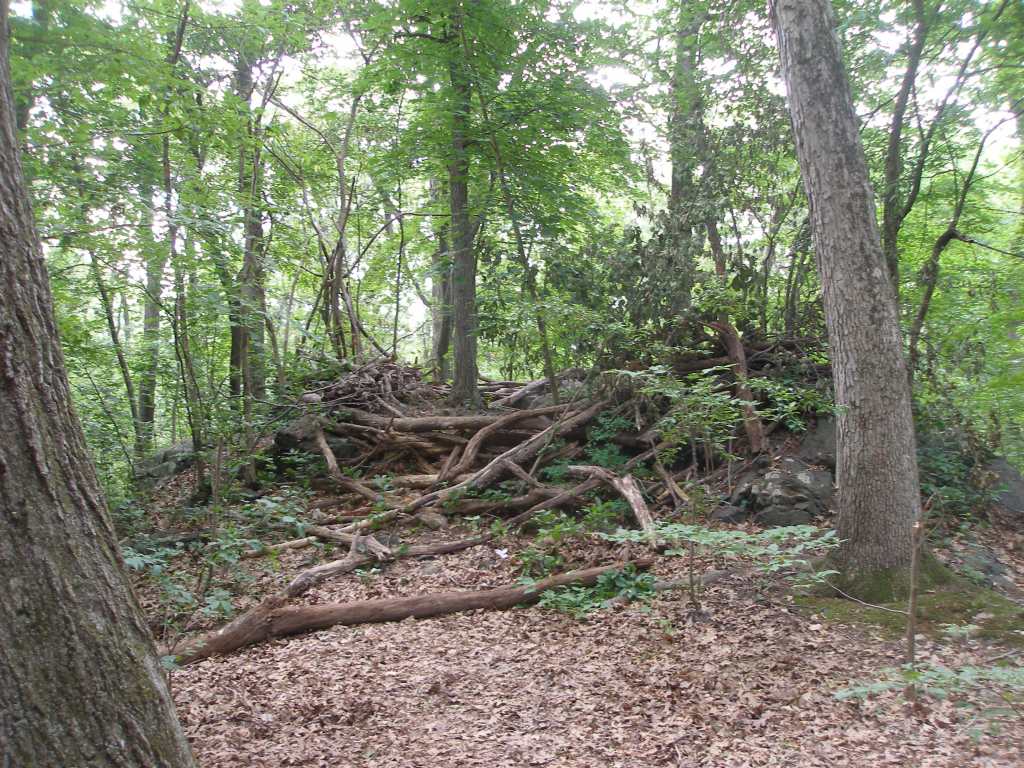
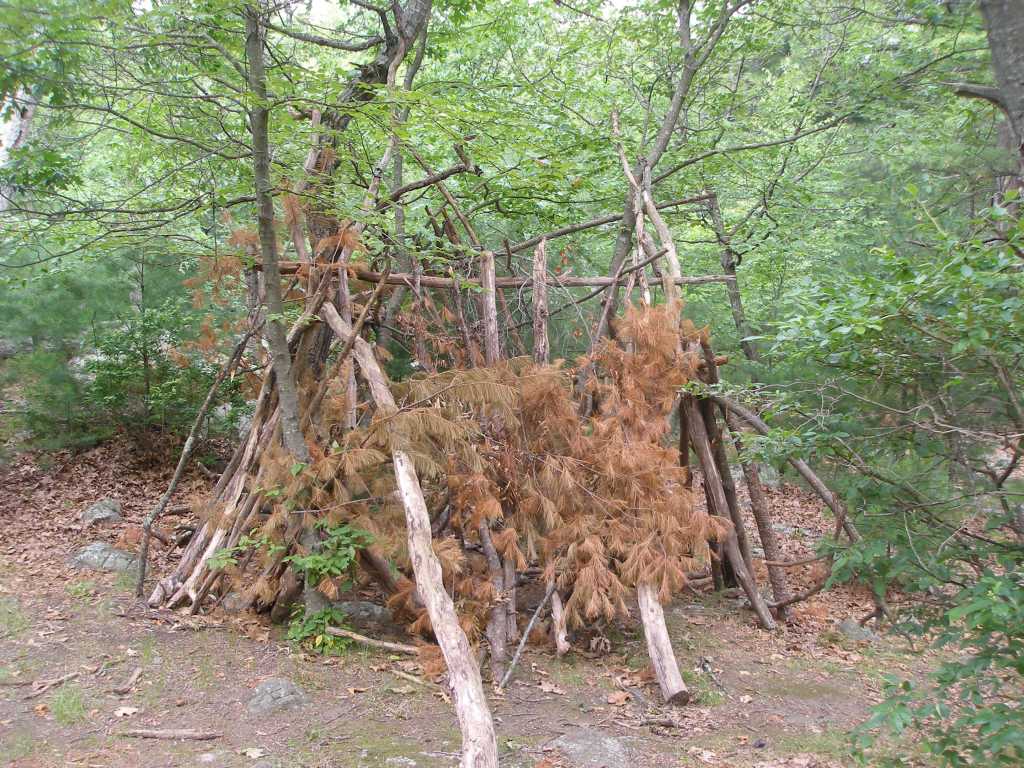
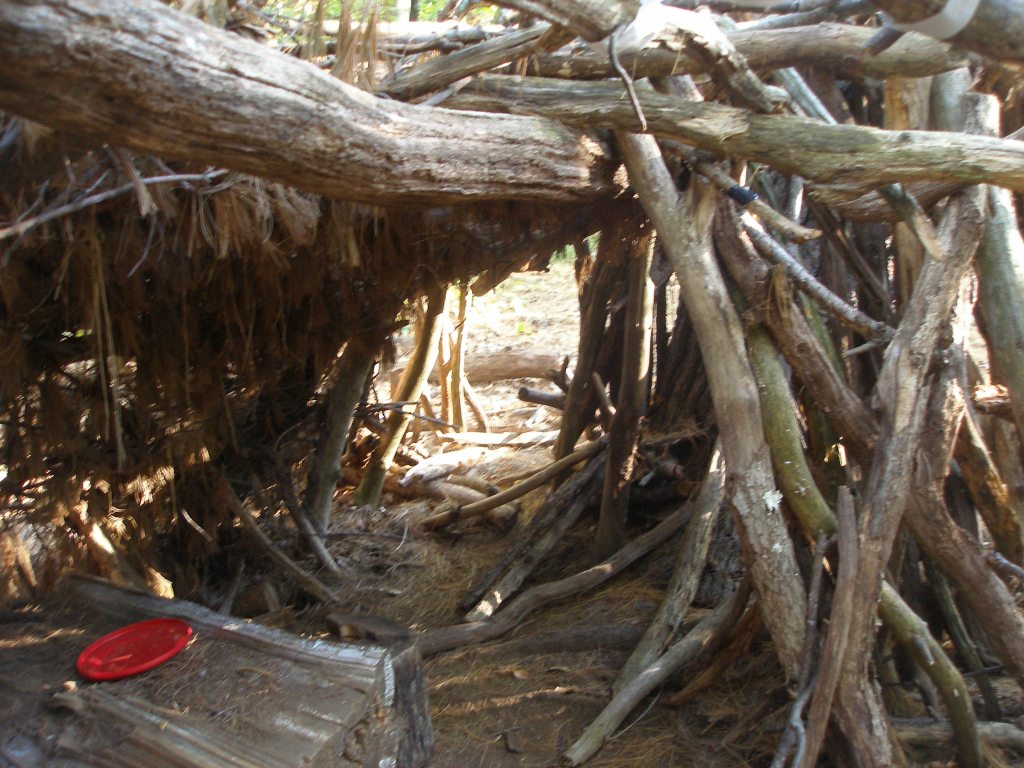
It is not uncommon to come across lean-tos, hideaways, and other constructions made with fallen twigs and branches in Menotomy Rocks Park near my home. Some are quite large and some are tiny “fairy houses.”
Our species tends to play with whatever natural materials are available. I understand that in the remote mountains of Nepal, children play with rocks. We learn that way. It seems to me we must have been creating structures like those below for a very long time.
Does that make these improvised constructions a legitimate part of nature – an appropriate part of the natural landscape?
I know some want them removed, but I have mixed feelings about these intriguing sculptures. They seem to have stories to tell and strike me as so much better suited to their natural environment than those mass produced molded plastic playhouses. What do you think?
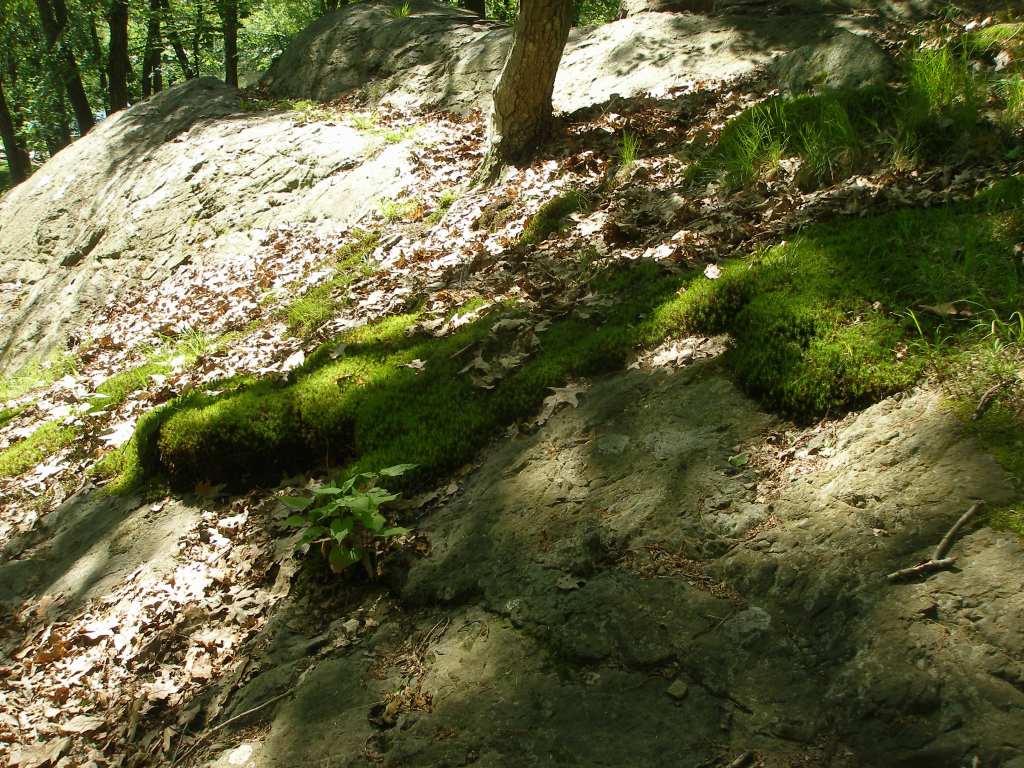
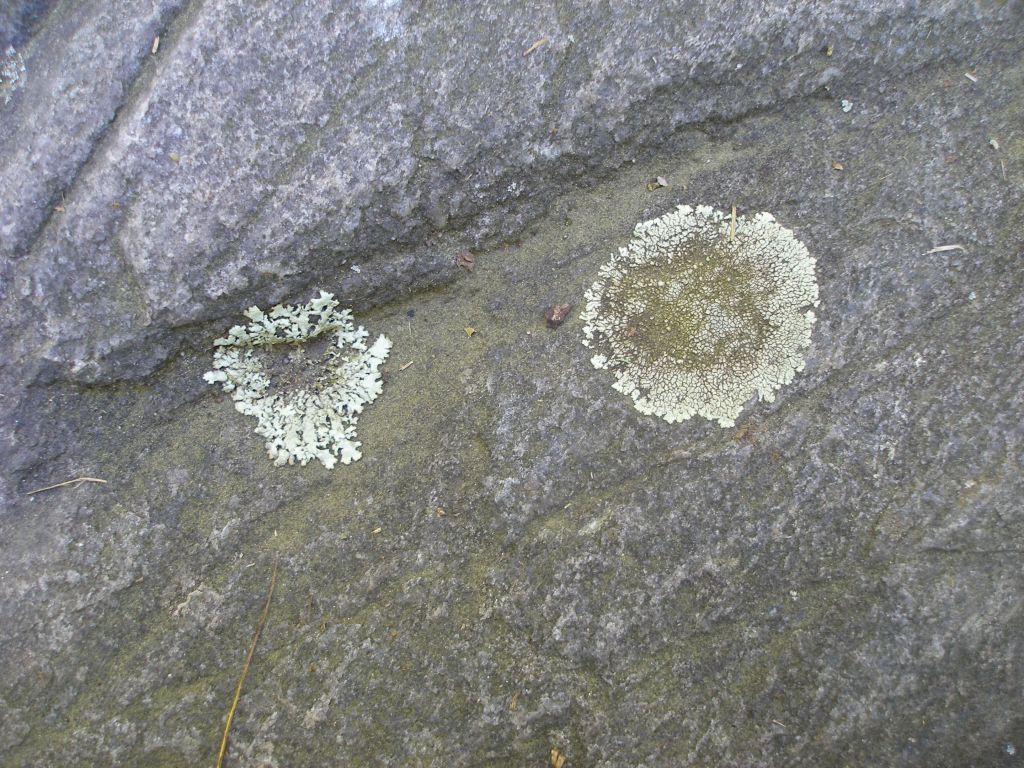
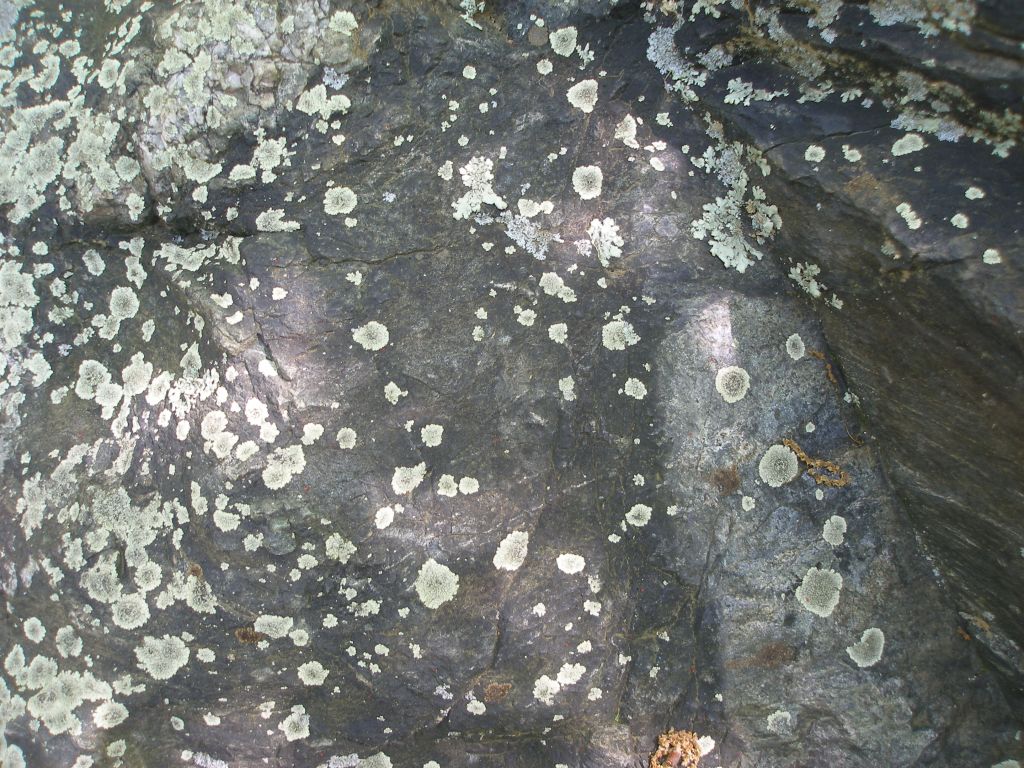
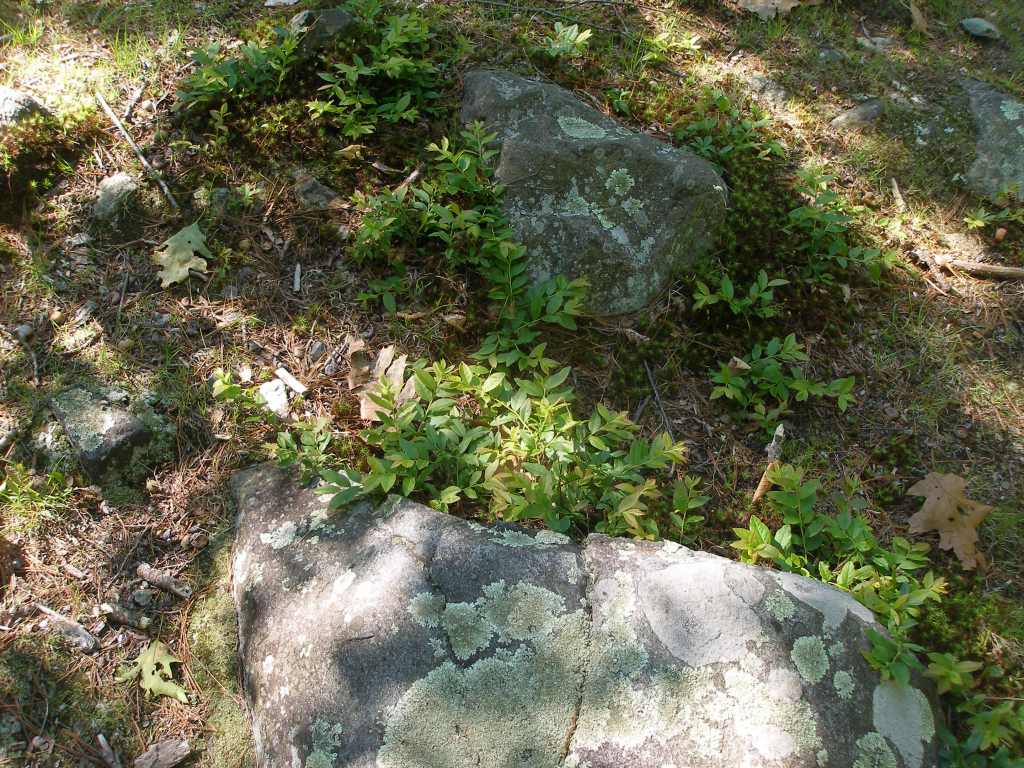
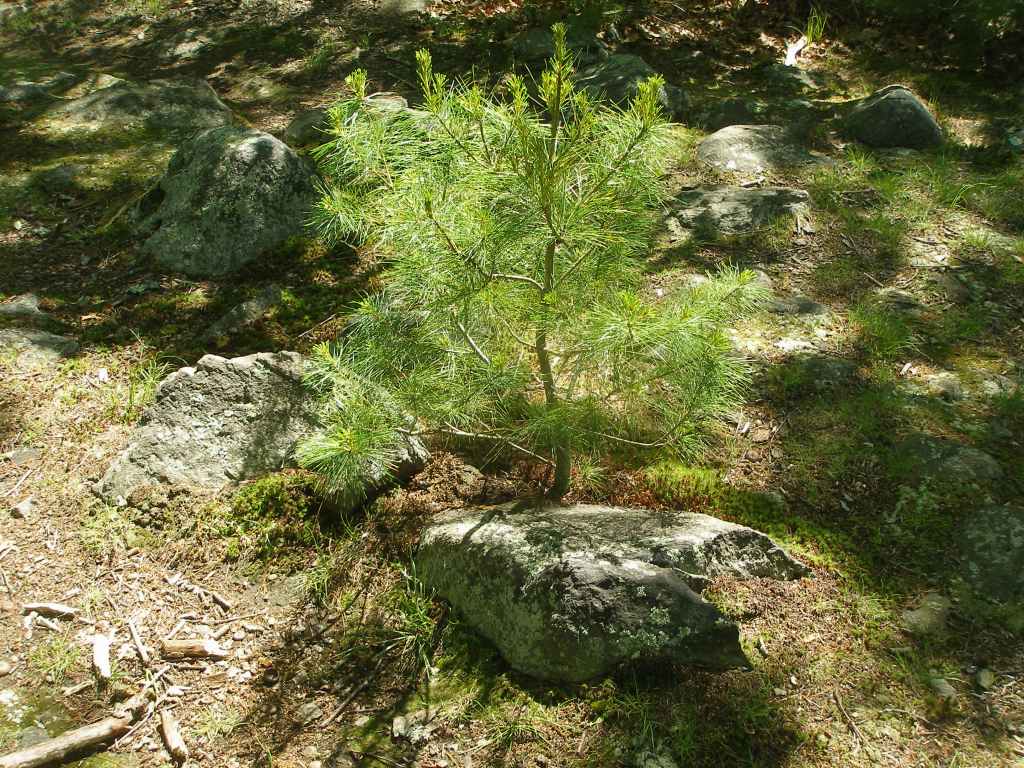
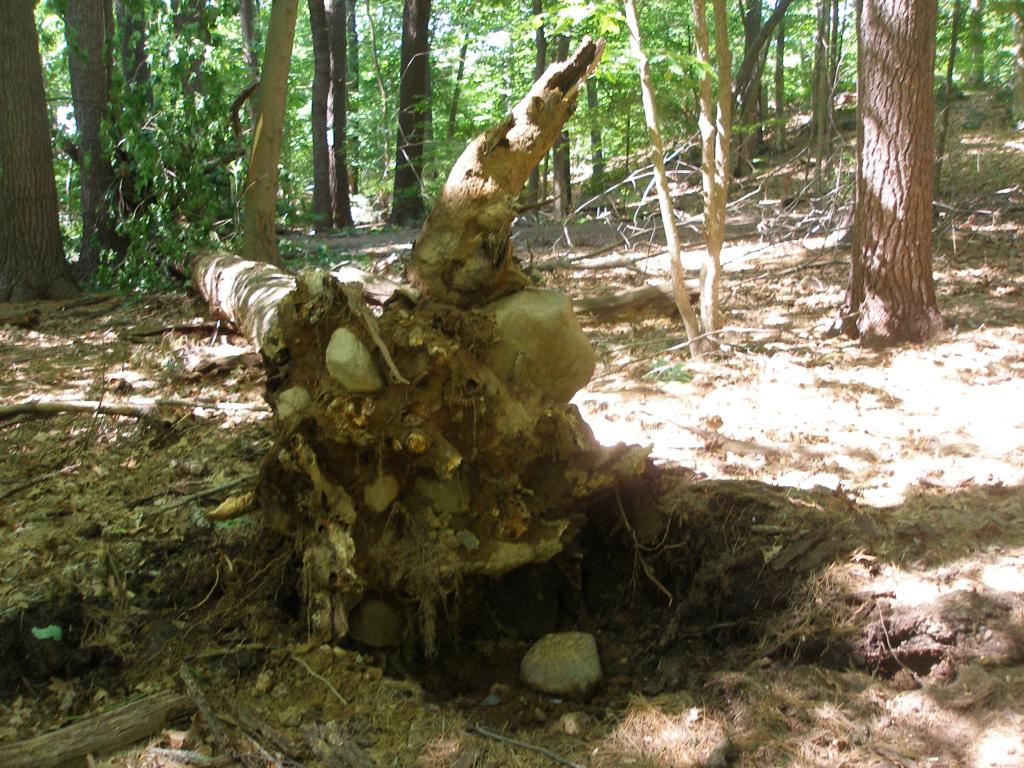
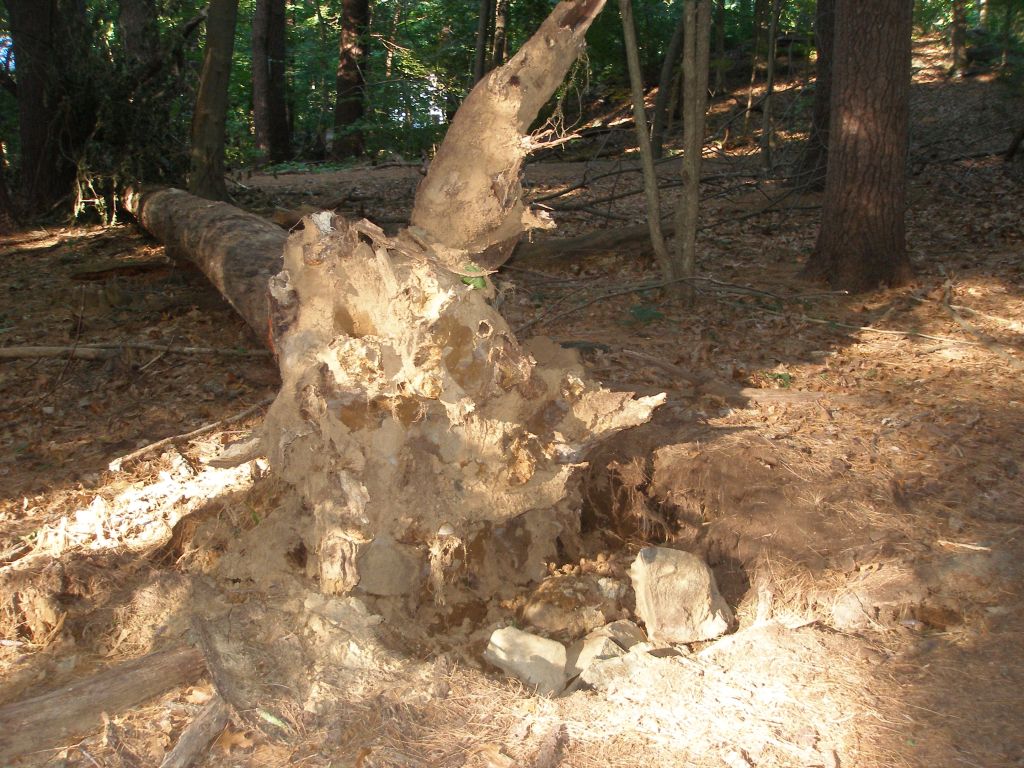
It can happen so slowly we do not pause to notice and tend to take things growing on rocks for granted. Lichens take hold with no need for nourishment. Seeds fall into cracks. Mosses huddle around and move up onto damp places. Blueberries thrive in rocky barrens.
Over time dying biomass builds up in hollows where young trees can take root. And when a storm topples an older tree that managed to grow, its roots may release a number of rocks it once held in intimate embrace.
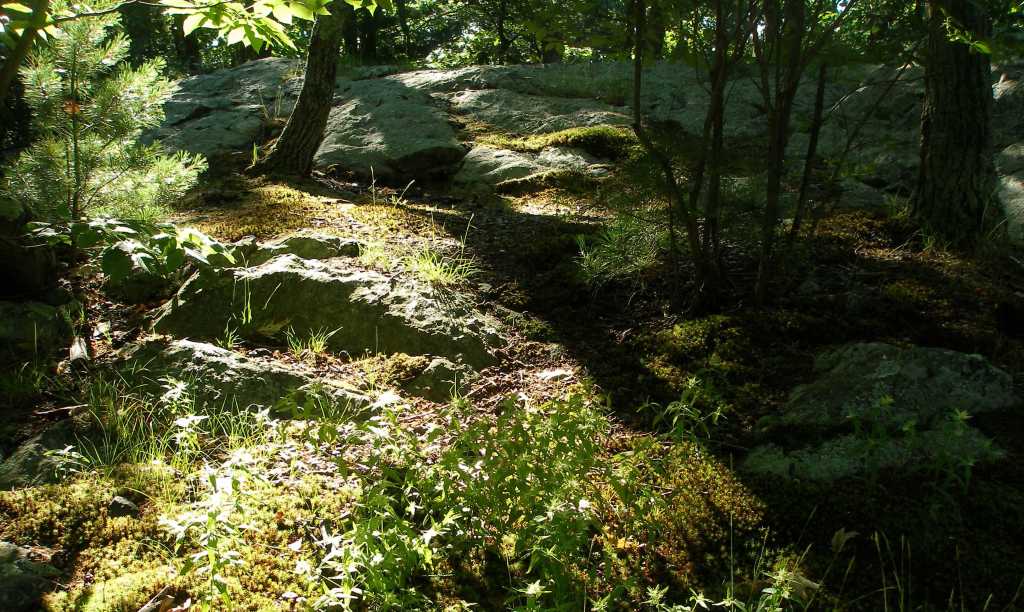
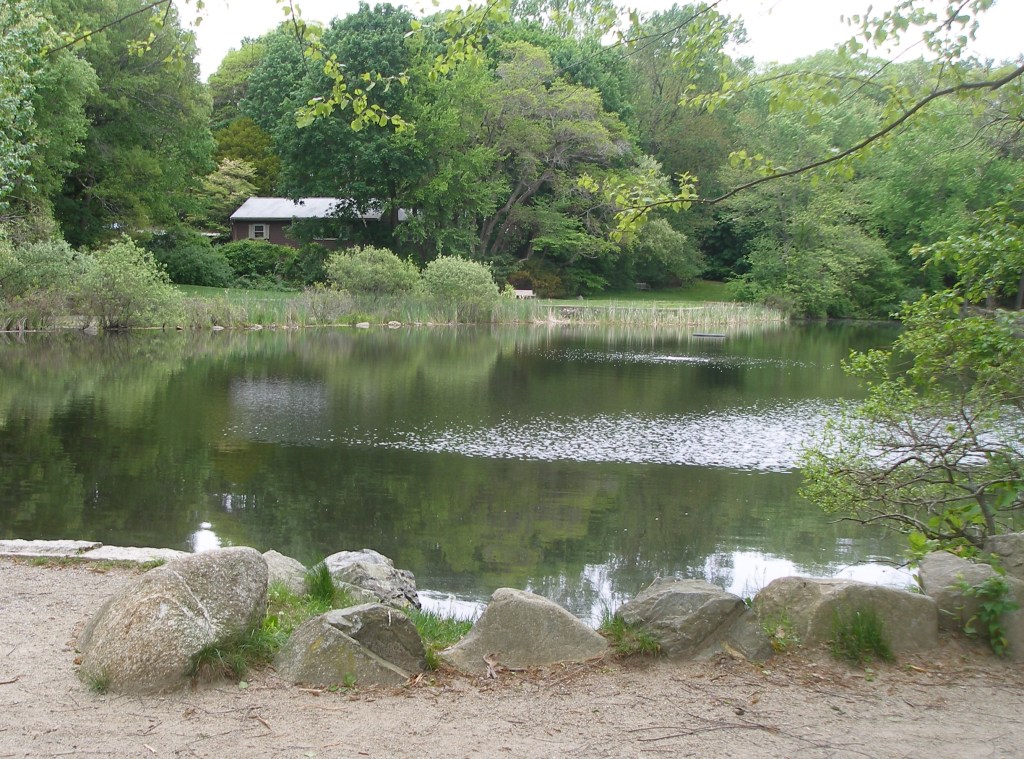
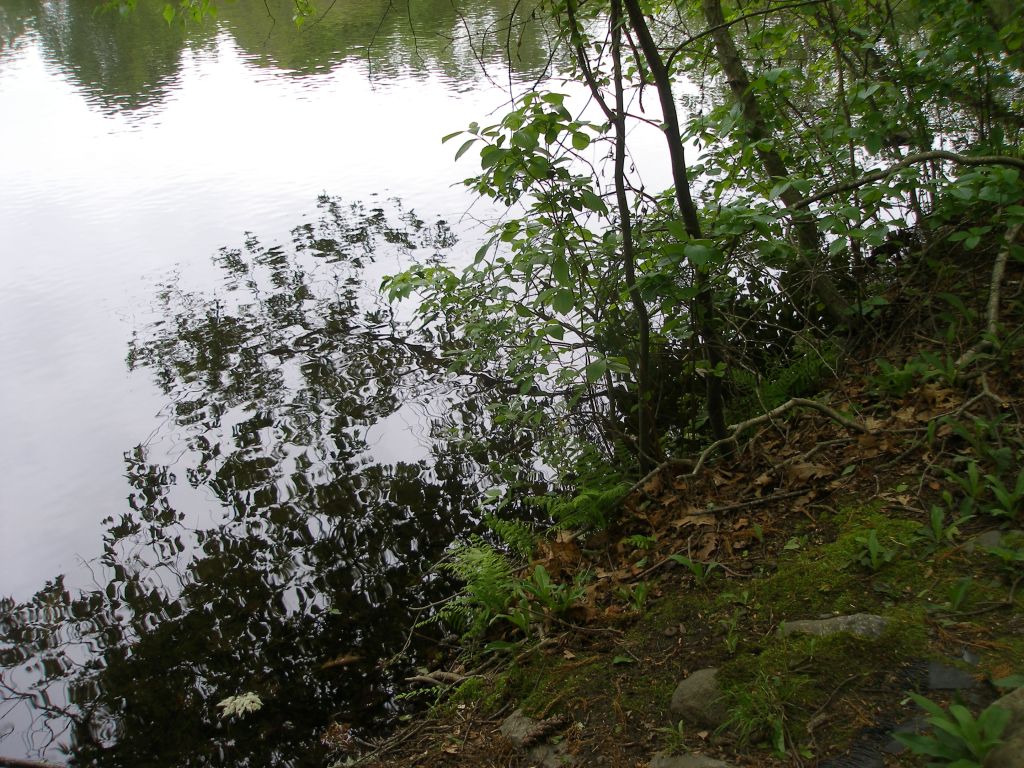
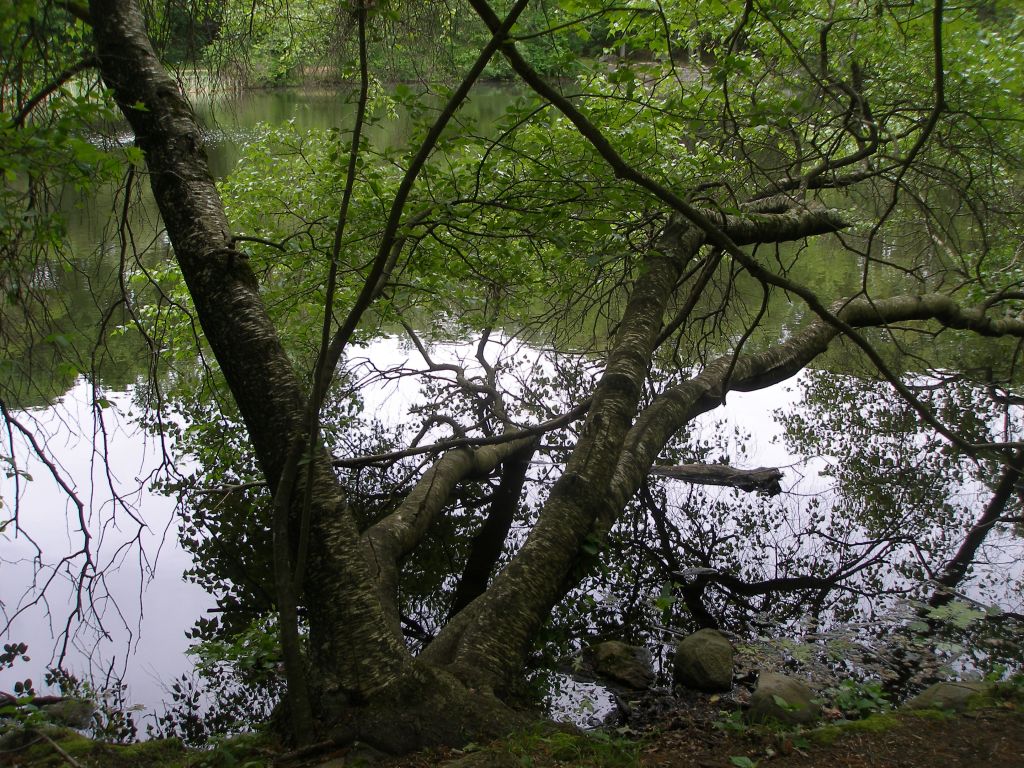
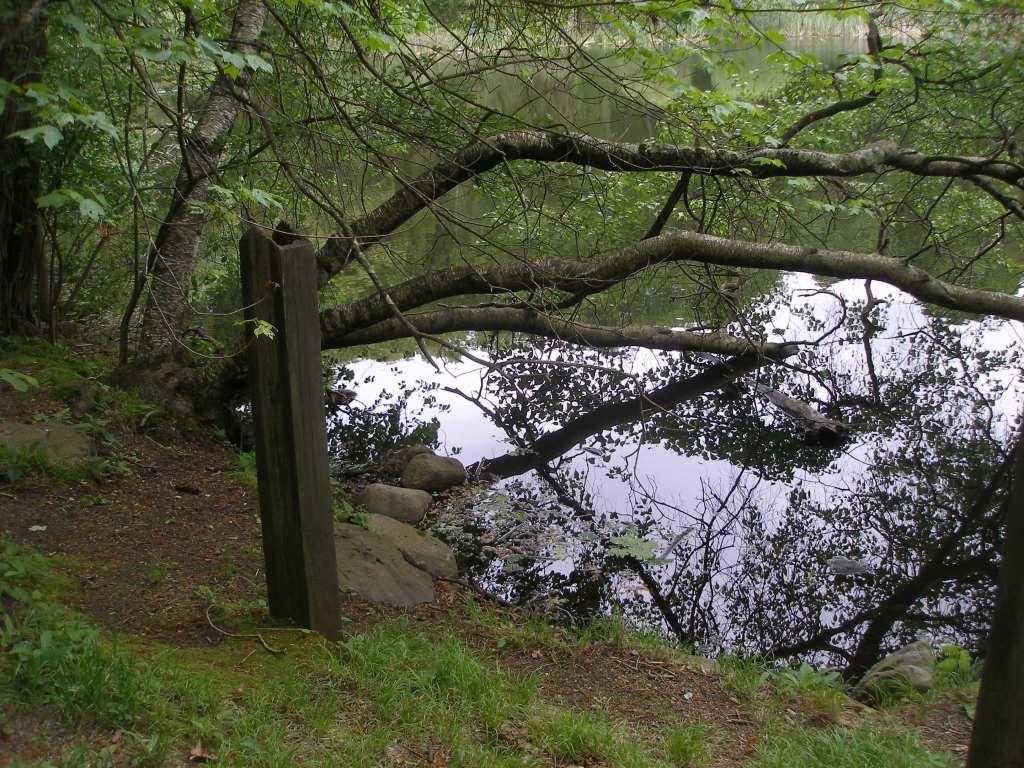
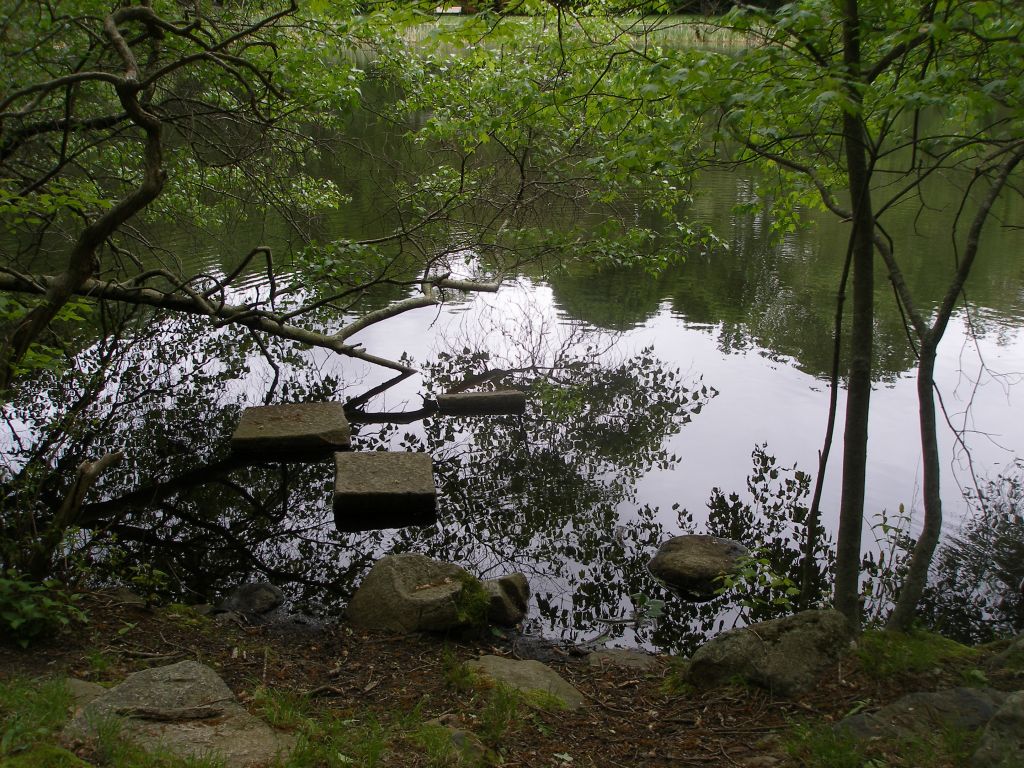
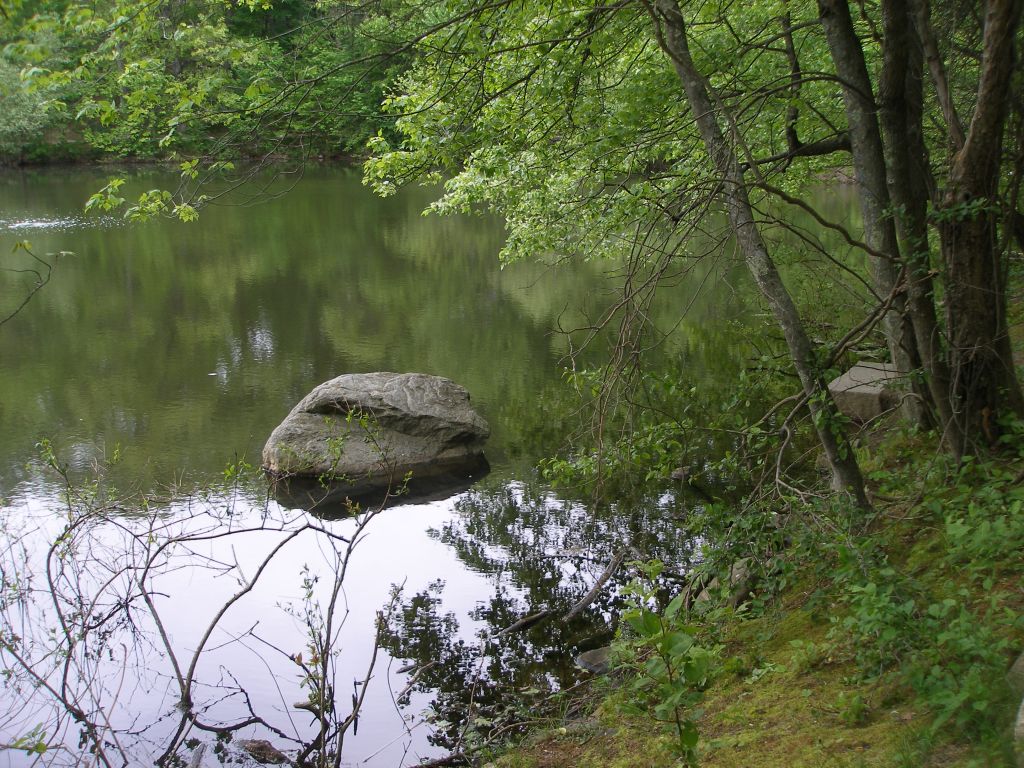
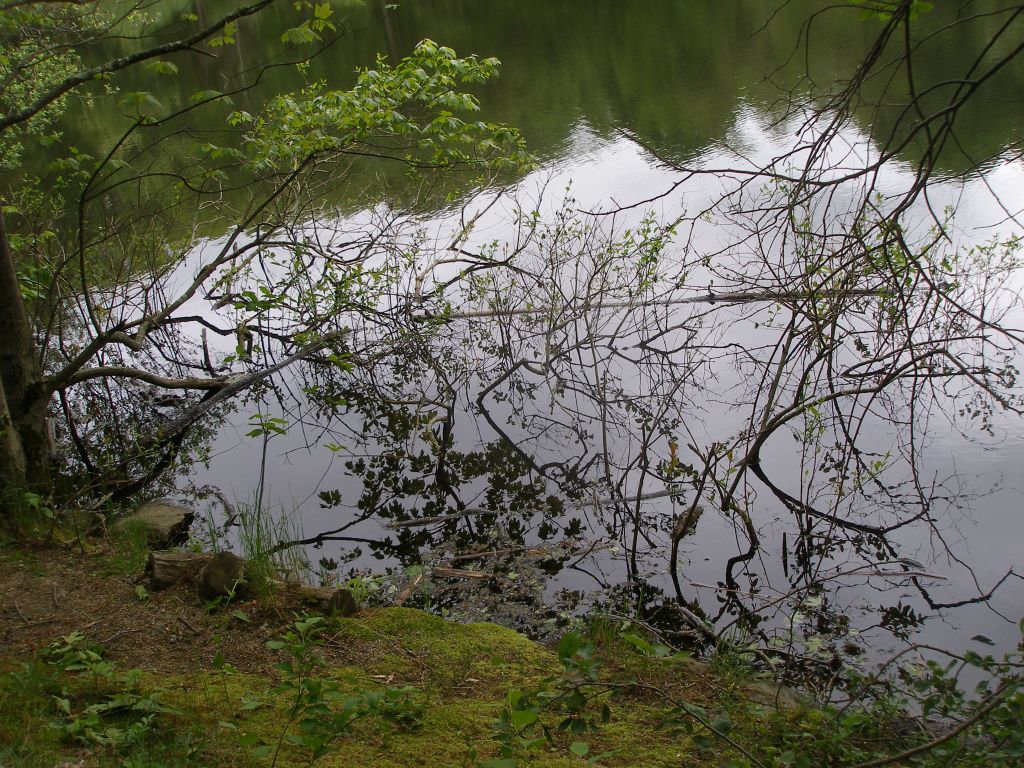
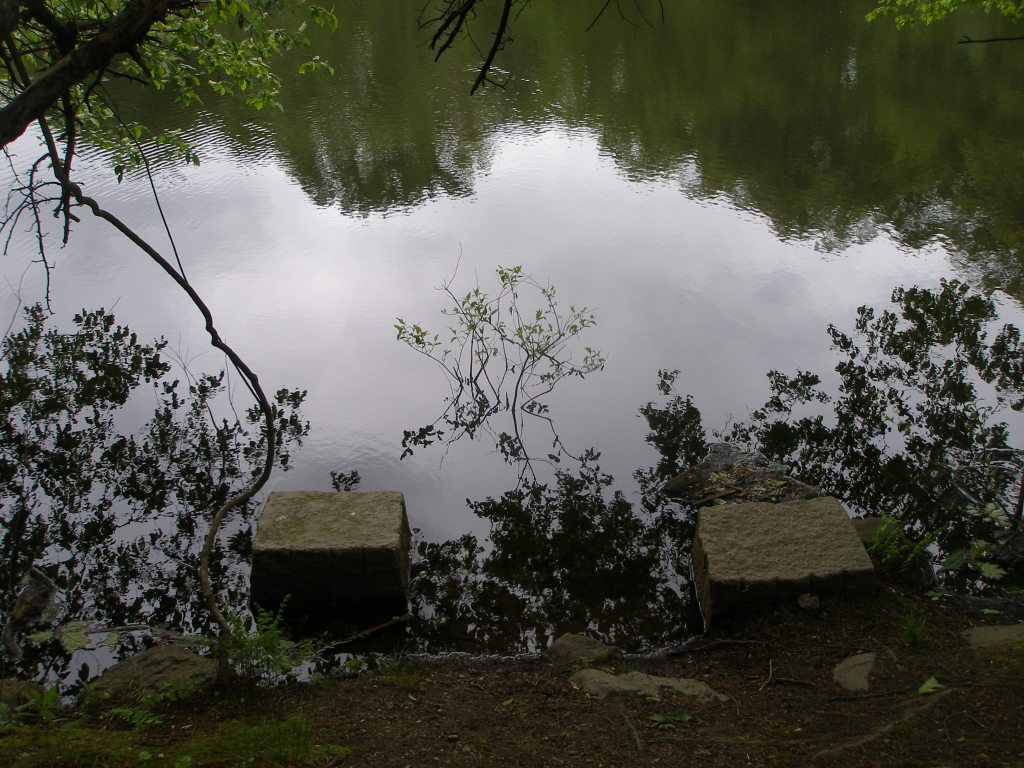
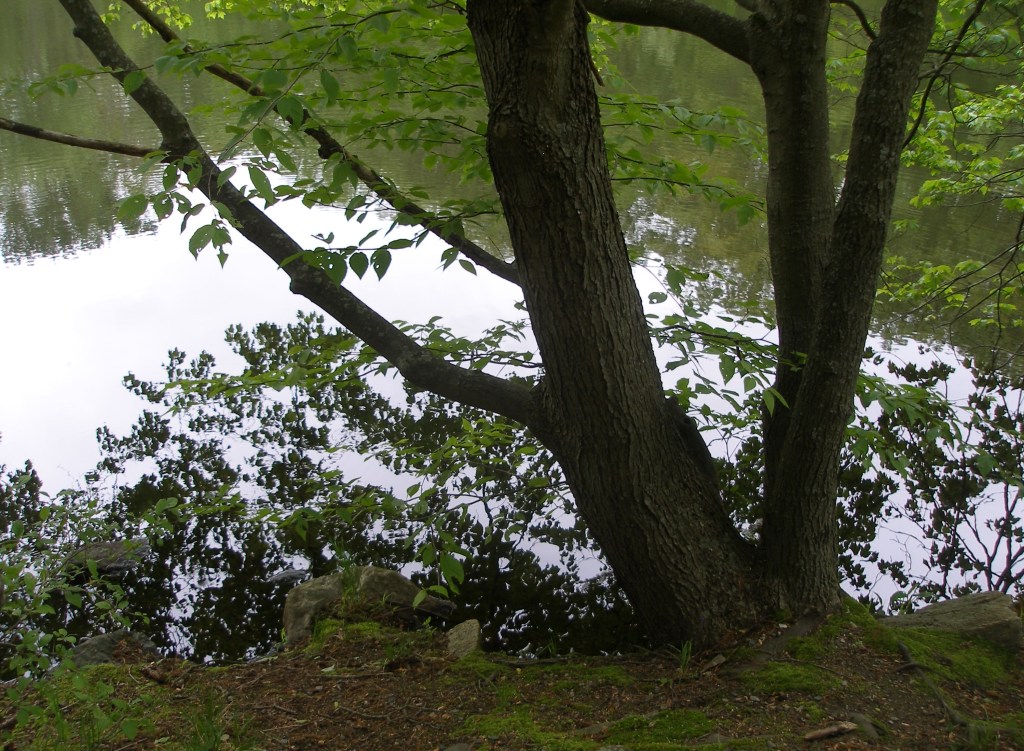
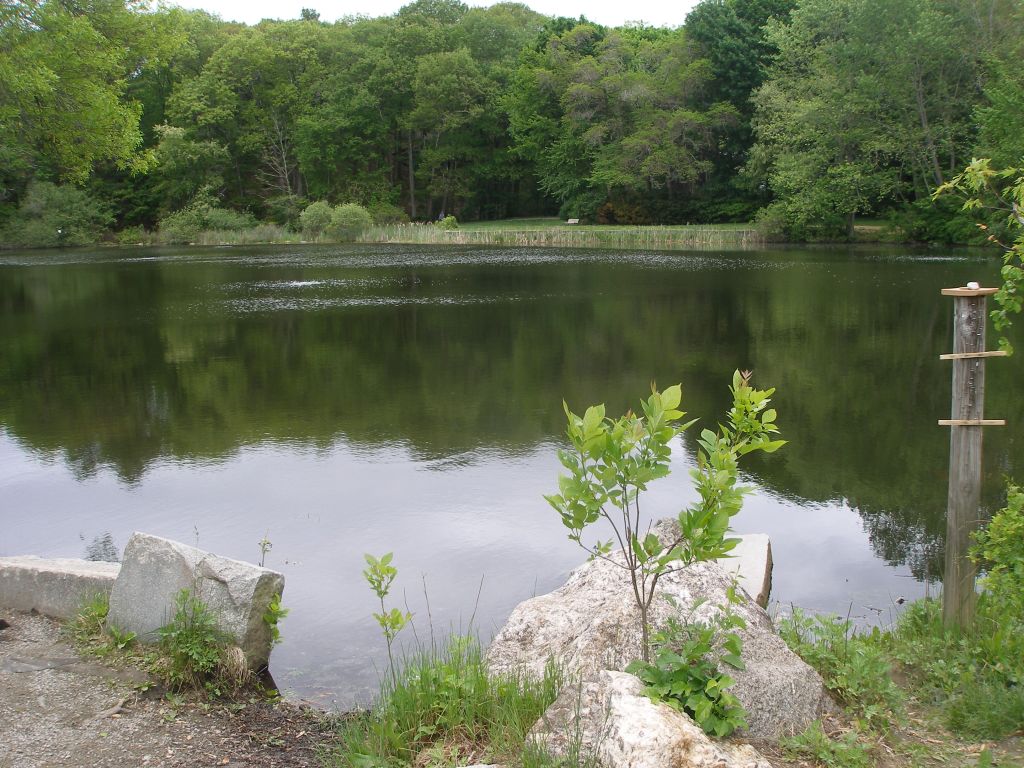
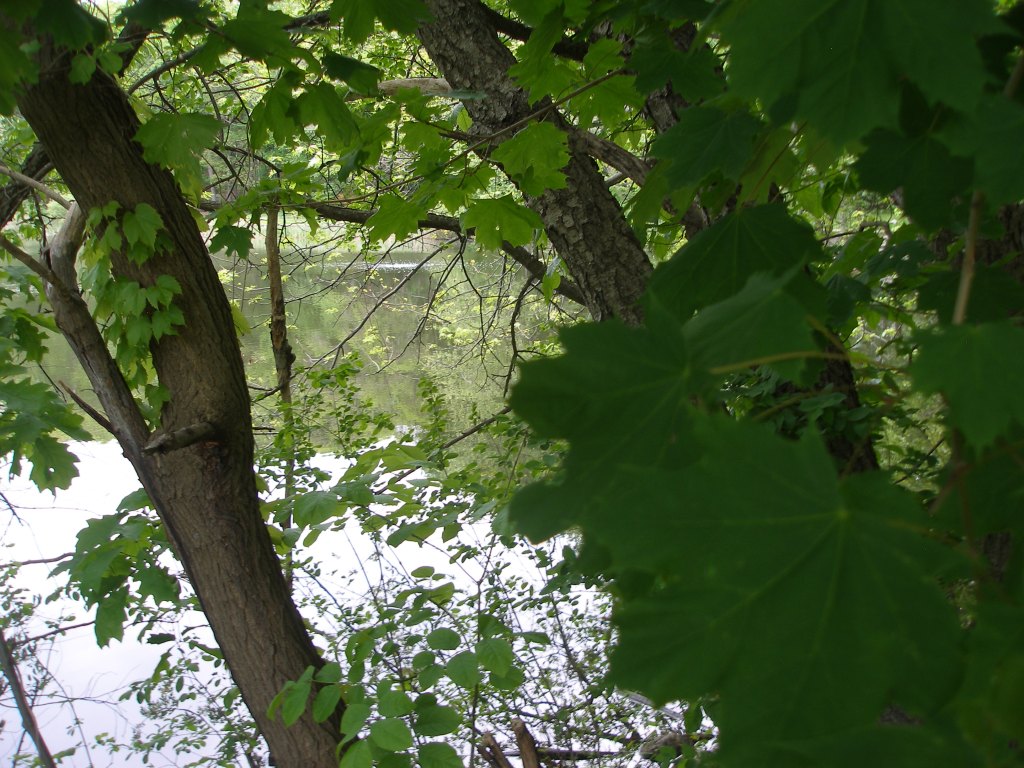
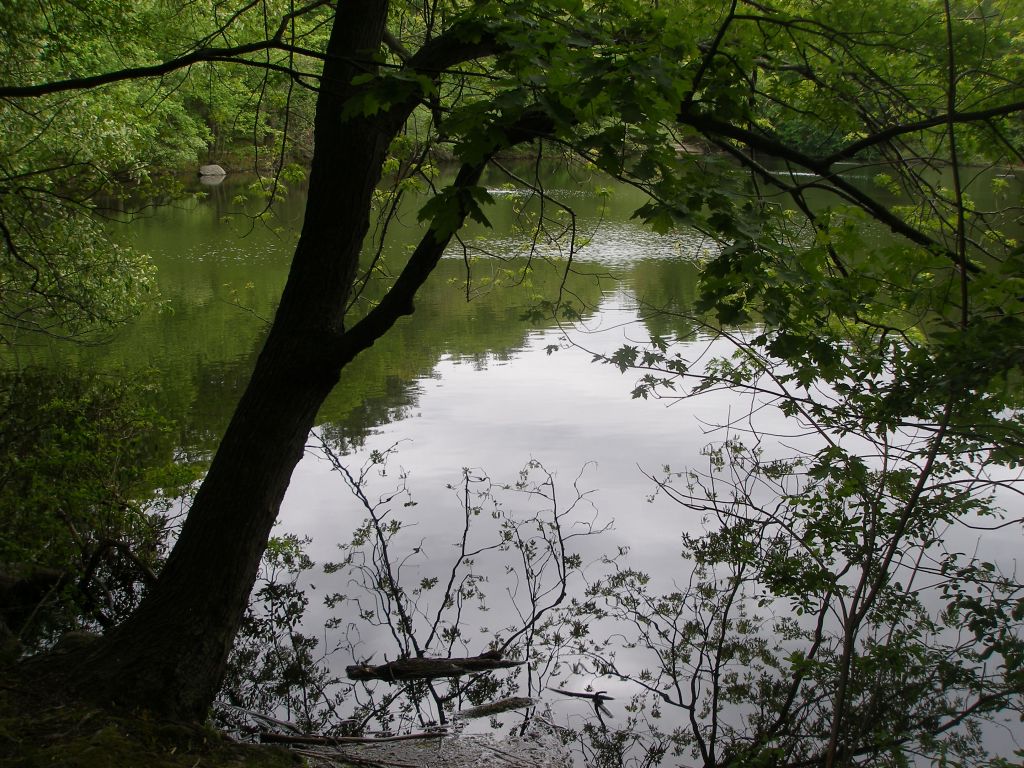
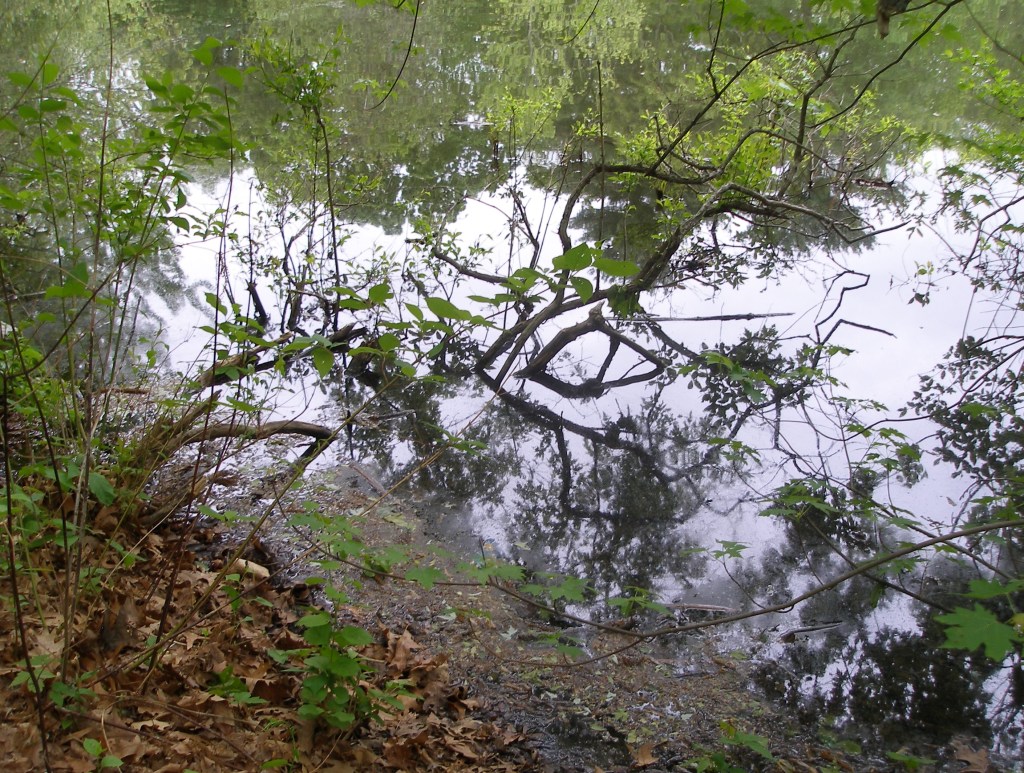
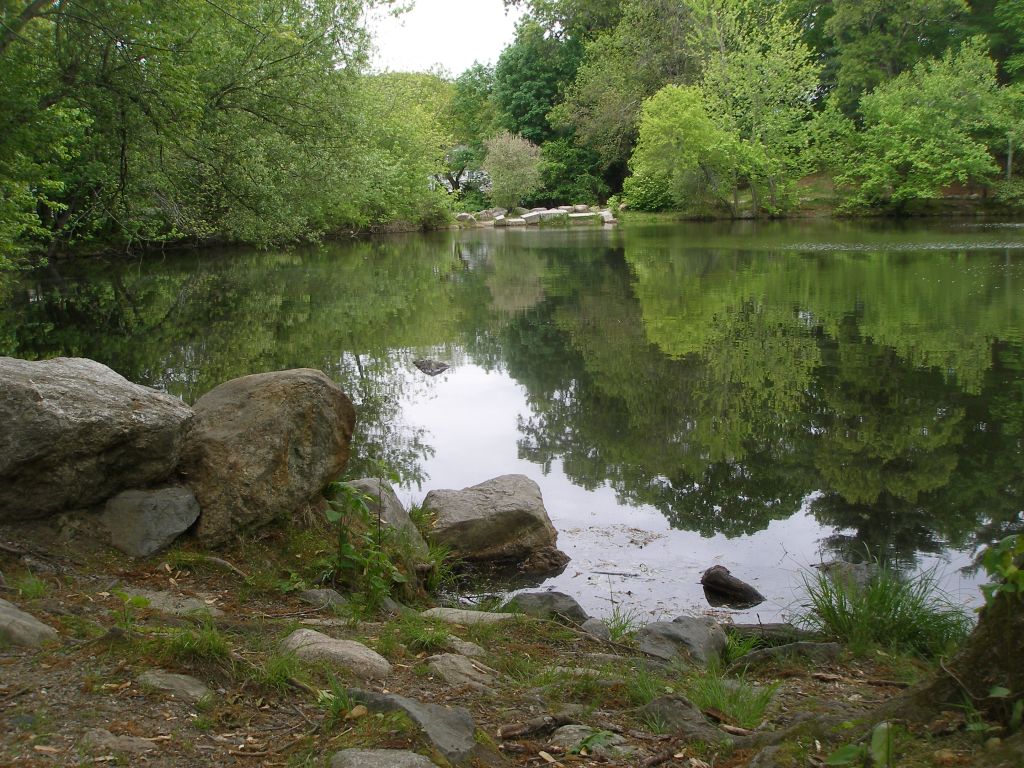
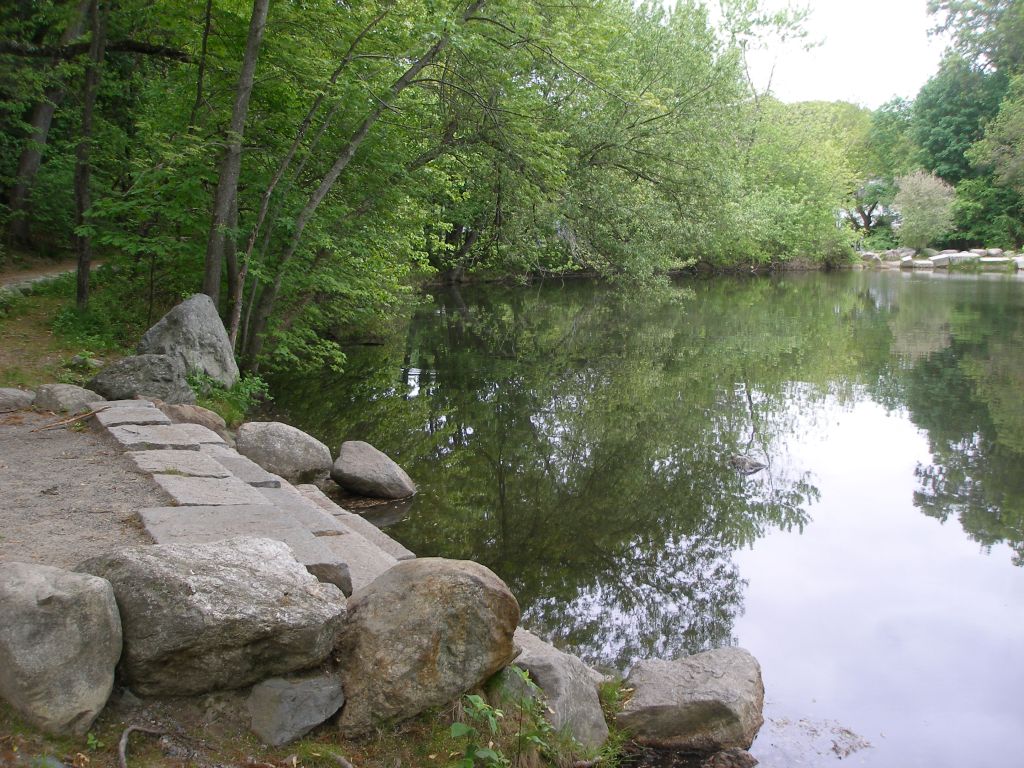
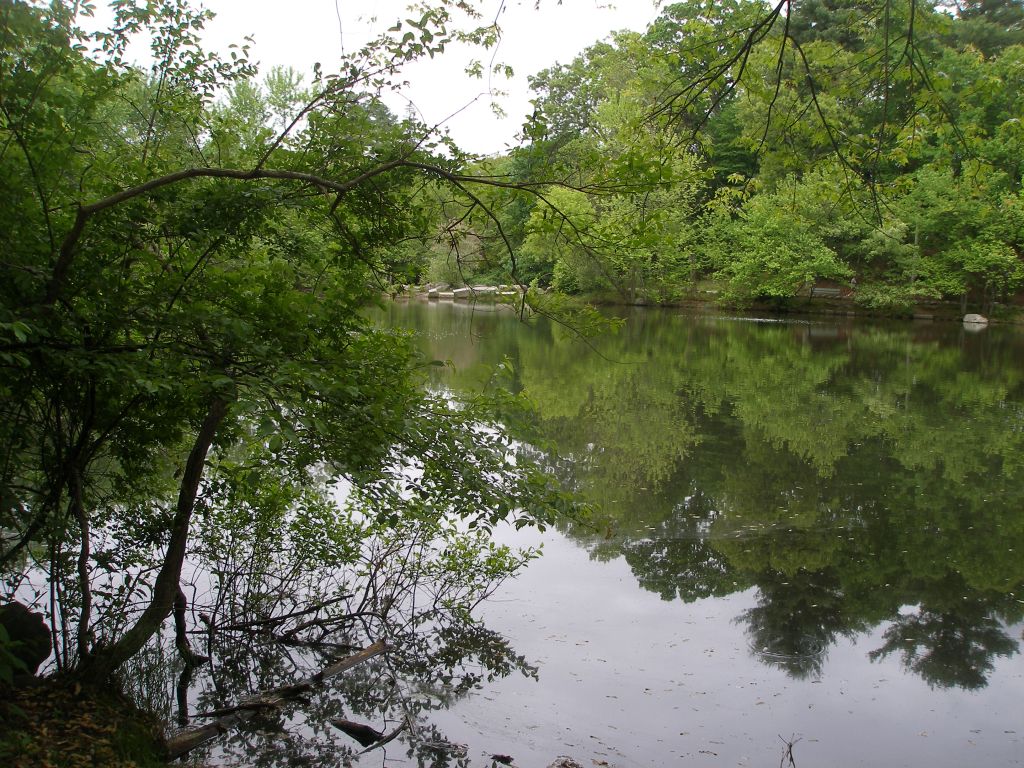
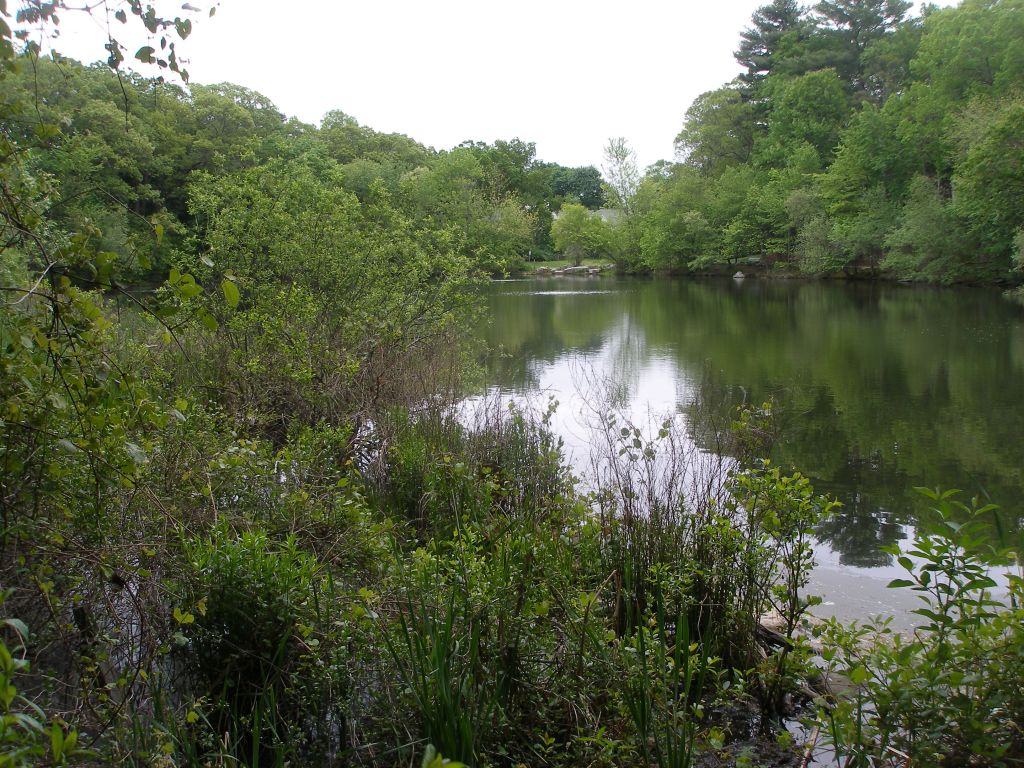
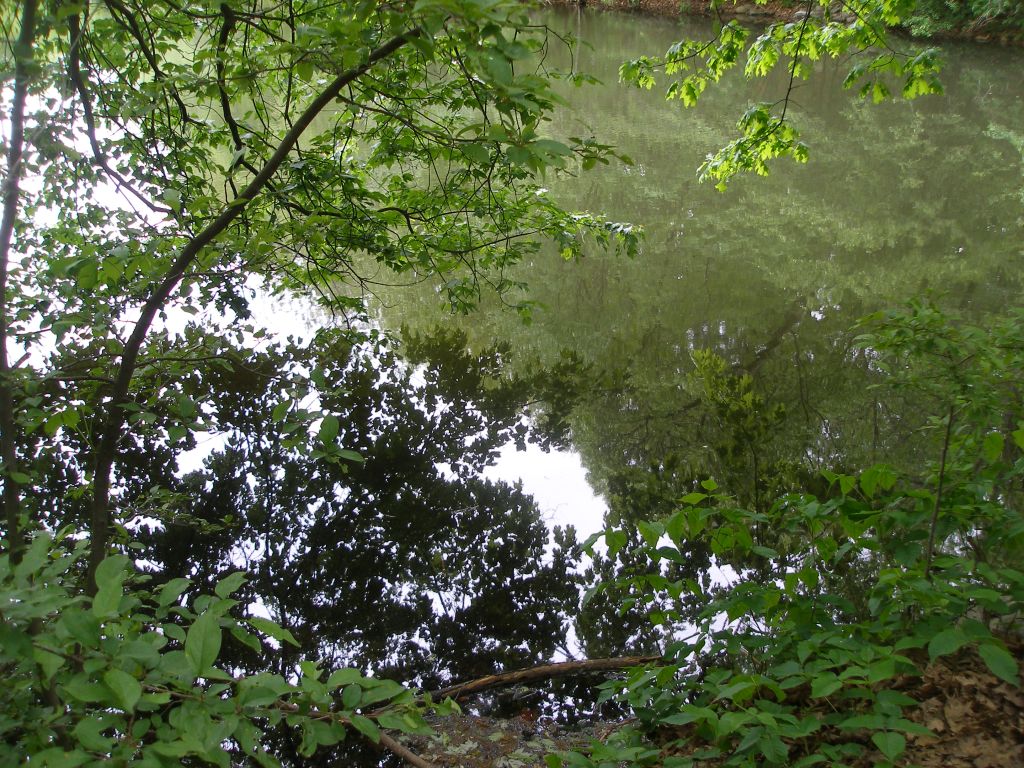
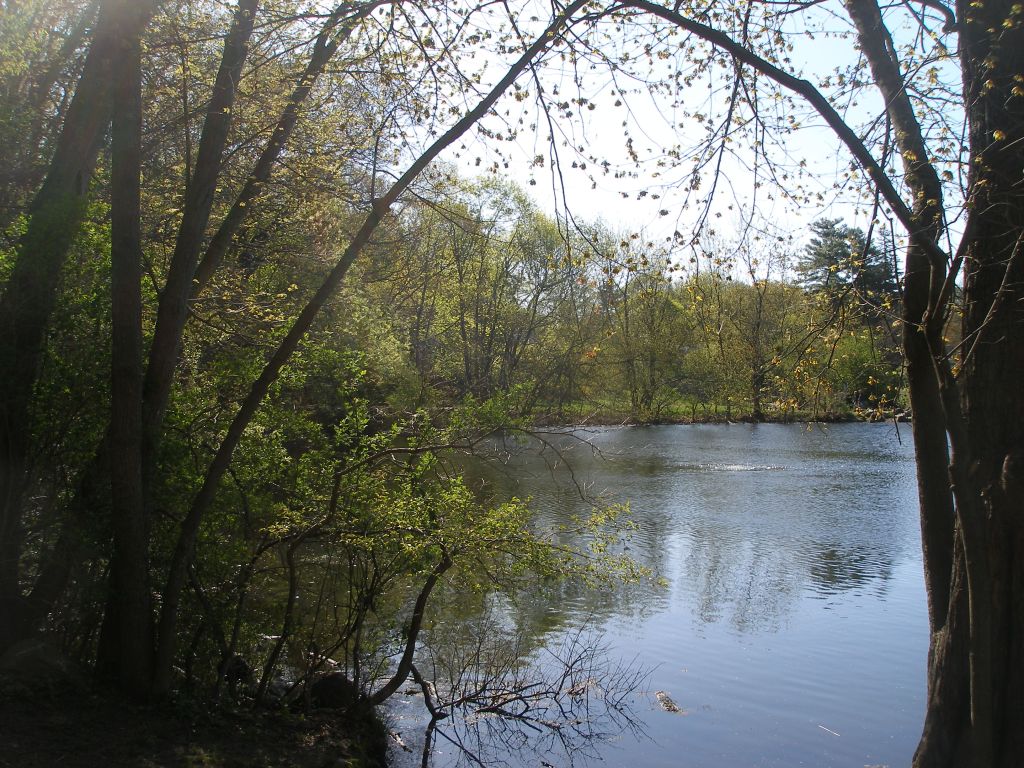
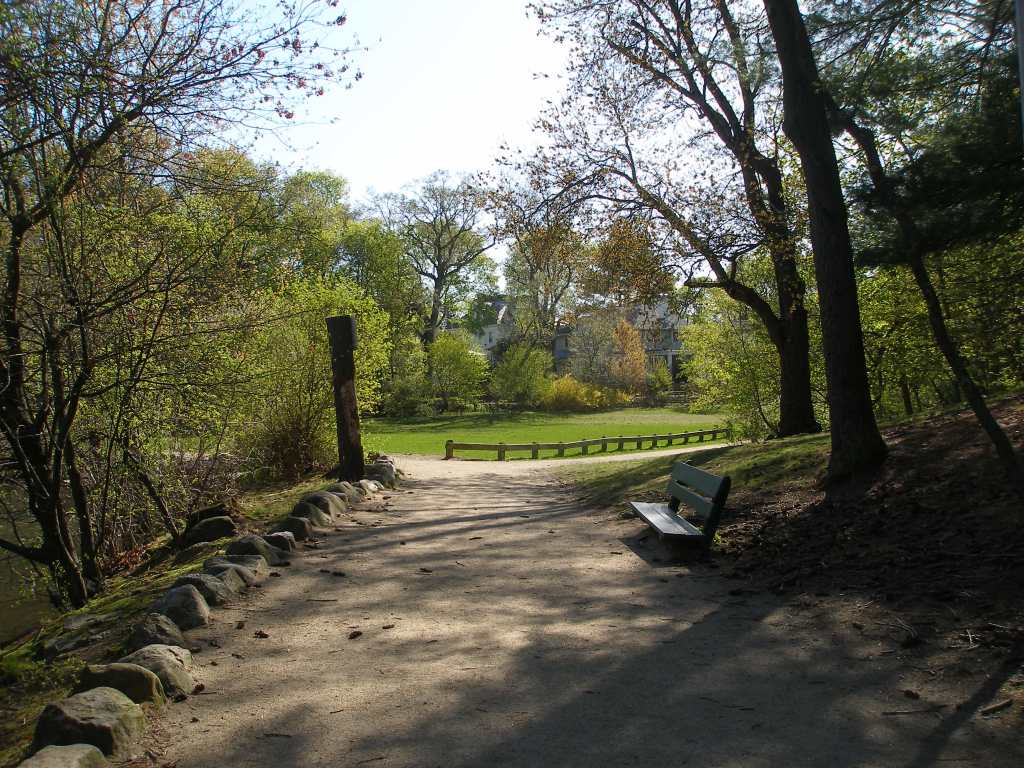
It was one of those days when it could go either way. One of those in between seasons. But as it turned out, I am glad I brought my camera so I can share this walk around Hills Pond with you.
Cloudy days make for fewer shadows and contrasts. In this case, the shapes just sang out, and the greens all worked together. Even though I was not expecting anything special, I found a quiet beauty all around me.
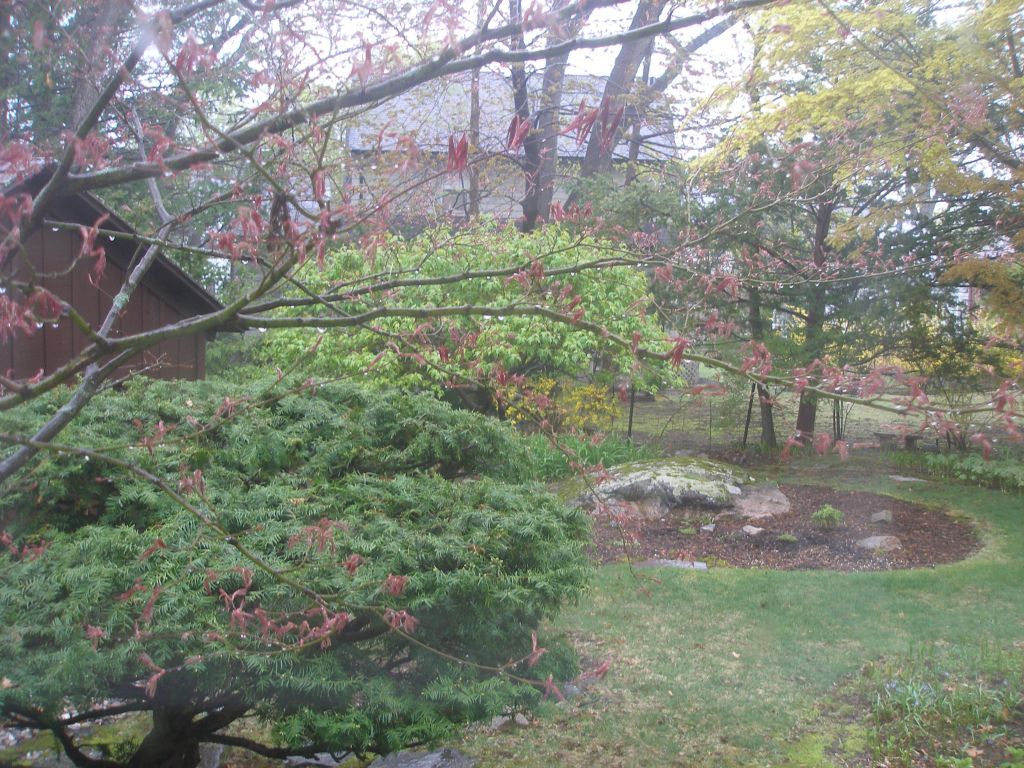
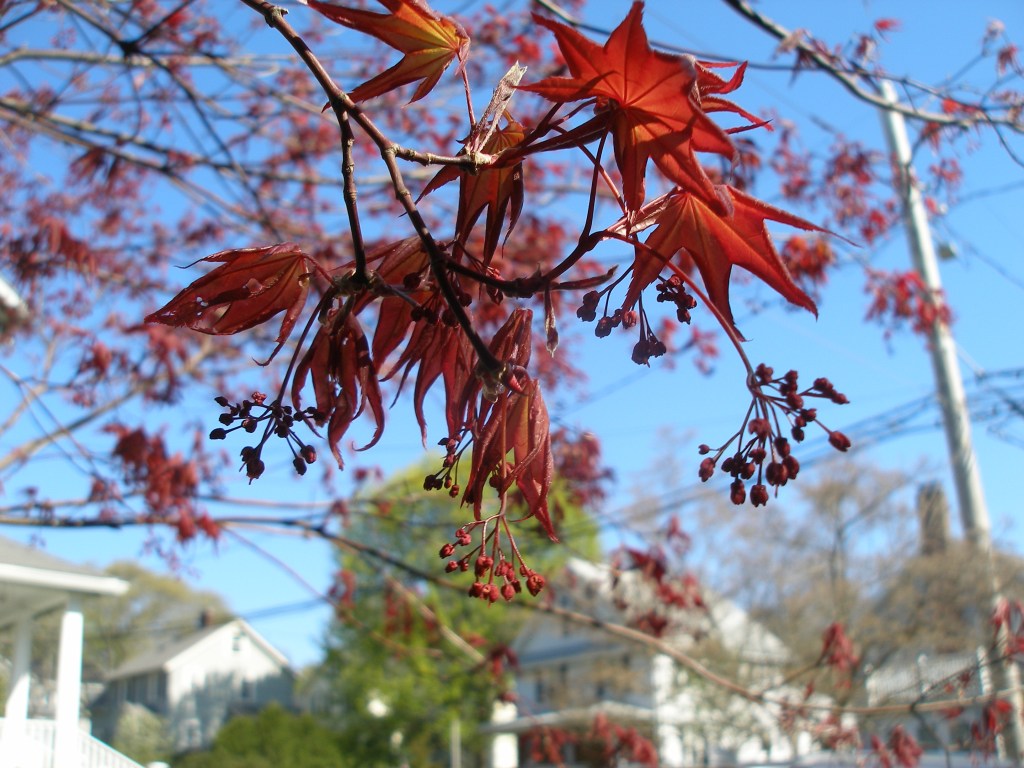
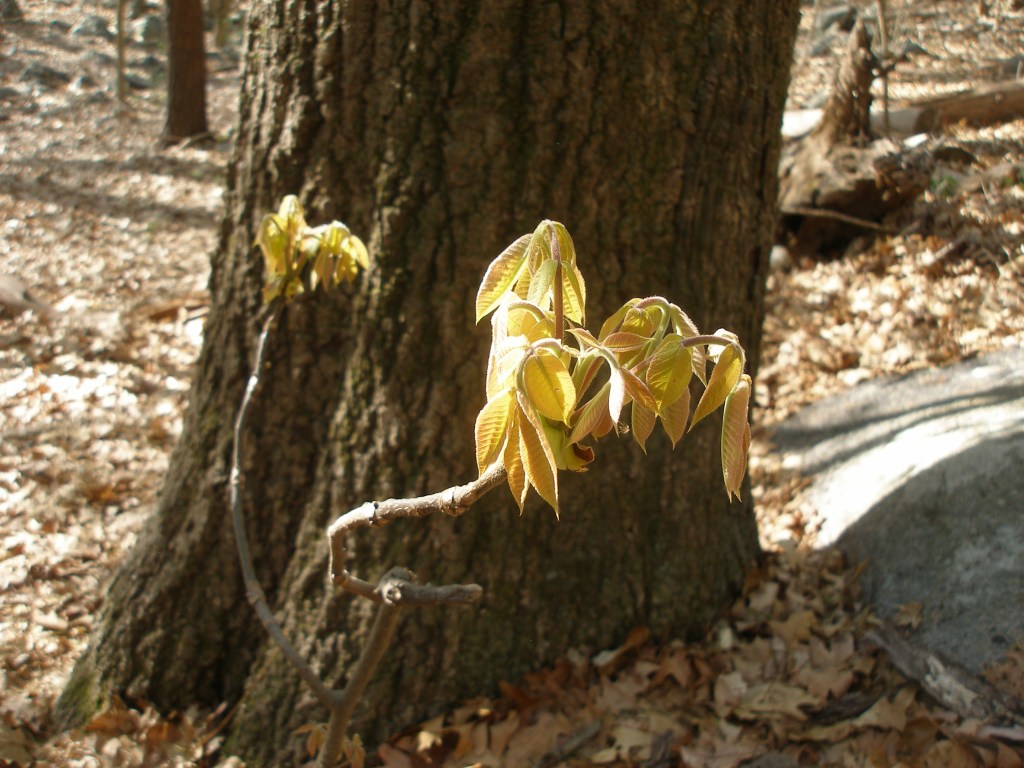
It had started raining on a more regular basis near Boston, so after a few days of warmer than usual weather, spring began to unfold step by step instead of all at once like last year.
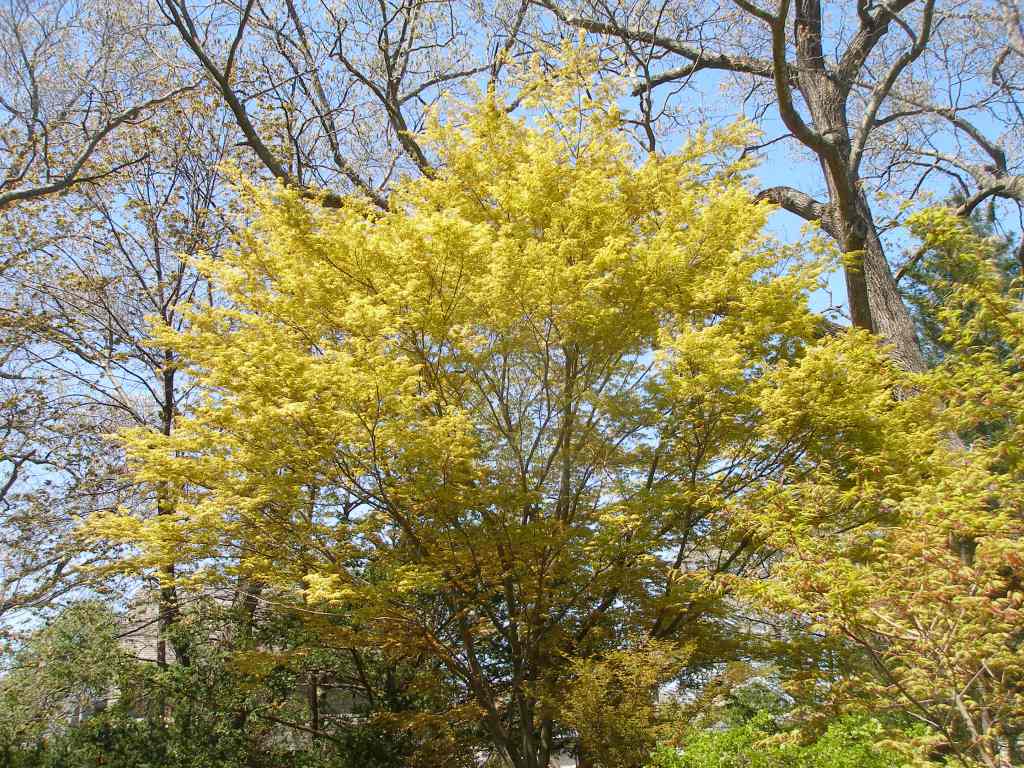
The photos below will give you a sense for what I noticed in the last few days of April; new leaves, blossoms, greening undergrowth, and my Katsura maple larger than ever as it goes through its color changes at this time of year.
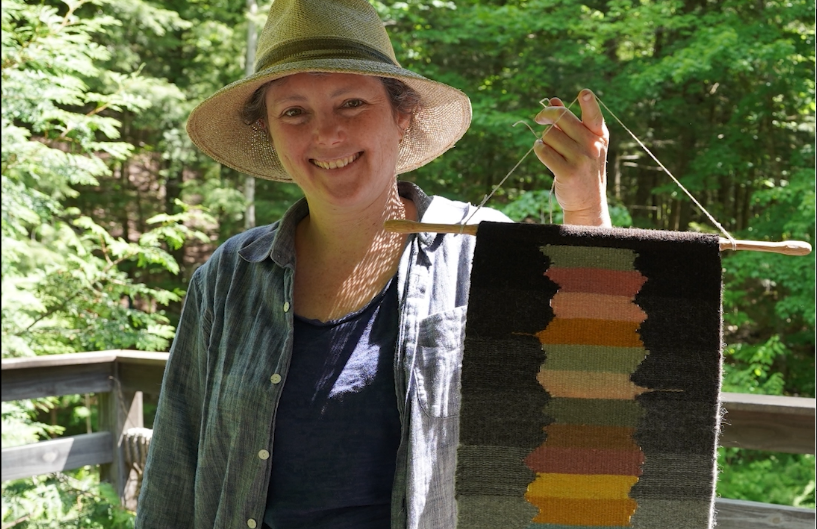
Hannah Regier with her “Color Harvest Moon” weaving. Photo by Jeff Klein.
This short documentary shares the world of Hannah Regier, who struck me as someone who truly lives by Japanese Tea ceremony’s core principles – Harmony, Respect, Purity and Tranquility.
I felt them in where and how Hannah lives, in the care she takes with her fabric art made using natural dyes gathered from the nearby fields and woods, as well as in her efforts to work with others to protect and share the lessons of natural places. There were other aspects of the the Way of Tea as well including creativity, generosity, and a deep appreciation for subtle aspects of the passing seasons.
Japanese tea ceremony was brought to its peak in times of war and great uncertainty. My trust in the worth of the art’s timeless values of harmony, respect, purity and tranquility provided a much appreciated anchor when things started to fall apart in my own life. But experiencing Hannah’s world made clear to me just how much those values can help to foster joy, connection and meaning, all of which are powerful antidotes to the helplessness and hopelessness it is all too easy to feel in these particularly challenging times.
Hannah Regier (her website), and videographer Jeff Klein (his website) both contributed their considerable artistic skills to this project. I am also most grateful for how Jeff Klein wove the sound of the stream behind Hannah’s studio throughout, an appropriate reminder of the importance of nature in the Way of Tea, in Hannah’s world, and, in fact, in all of our lives.
Like compassion, appreciative joy is a natural human capacity. I would expect to feel it in response to a happy bouncing dog, a child’s joy at experiencing the world or when being welcomed into a dear friend’s home.
On the other hand, when many things seem to be going wrong at once, grief can overwhelm me and joy can seem far away. I try to remember the Dalai Lama – certainly no stranger to all kinds of suffering. He repeatedly emphasizes the importance of joy, in how he relates, in his writing and his documentaries. The Daoists speak of the 10,000 sorrows & 10,000 joys – so both, not just sorrows.
I also like to think of Indra’s net where each intersection contains a jewel that reflects every other jewel. That would also include our reflecting our joys to each other.
Keeping the door open to appreciative joy is also a choice in that cultivating it takes effort. Being willing to speak the truth to myself and others, being humble about that, seems critical. That my individualistic, competitive and commercialized culture – not to mention social media – encourages envy, helps me to cut myself some slack.
When I am able to feel genuine appreciative joy, speaking the truth helps me to feel the enlargement, ease, connection and freedom – a taste of liberation from the bonds of self. And joyous connection is possible, maybe even critical, right in the midst of serious suffering. Here is one example:
Someone I don’t really know, who had just lost her mother, wrote on Facebook, ”Tonight I got a chance to chat online with a former next door neighbor when I was a teenager and she was 6 or 7 years old. She has amazing memories of things that happened then, 50+ yrs ago. She remembered many wonderful things that my Mom did with her and her family. She wished that she had a Mom like mine. Wow! Her sharing brought many memories back for me. This wonderful surprise brought me tears and joy. I am extremely grateful for her memories and her sharing. A precious part of my grieving.” I felt glowing warmth in my body-mind that ripened to awe. So honestly and simply told, that story was spreading its blessings well beyond just the two of them.
I find that Insight Dialogue with its sharing of heartfelt truth, provides powerful support for experiencing appreciative joy. The safe, caring space that everyone is holding makes clear we are not alone in our vulnerability. At times, the depth of mutual understanding, and naturally caring response to shared troubles produces a profound joy that seems to be felt at the level of the whole group. With the help of the guidelines Pause, Relax, and Open, an embodied experience of the practice’s rock-solid caring energy helped me to understand why Buddhists speak of spiritual friendship being “All of the Path.”
The power of appreciative joy can also be felt when we unexpectedly find ourselves in a position to help. A Chinese women used her few words of English to let me know she was looking for a local Chinese restaurant. I thought how brave she was to come to a new Country where she did not speak the language. She made clear her gratitude nonverbally. By the time we had walked to what I assumed was her new place of employment, it seemed totally natural to hug each other at the door. The meaning expressing by that hug went well beyond words. There was joy in her feminine strength and bravery that we both understood – in that short time we had become genuine friends.
Speaking the truth about appreciative joy to myself and others seems particularly important in these challenging times. In fact, I have been told it can be critical to many, particularly when few other resources are available. Keeping the door open to appreciative joy makes clear just how much of a relational superpower that kind of shared joy really is, as it points the way to freedom while providing ease, clarity and motivation to work at making our actions more beneficial. May all beings never be separated from the supreme joy that is beyond all sorrow.
You might want to try bringing to mind a time now or in the past when you unexpectedly felt or witnessed appreciative joy. How does that feel now? Are there any new insights that you were not aware of at the time?











































 Radiant Refuge