The Joy of Indonesian Ikat

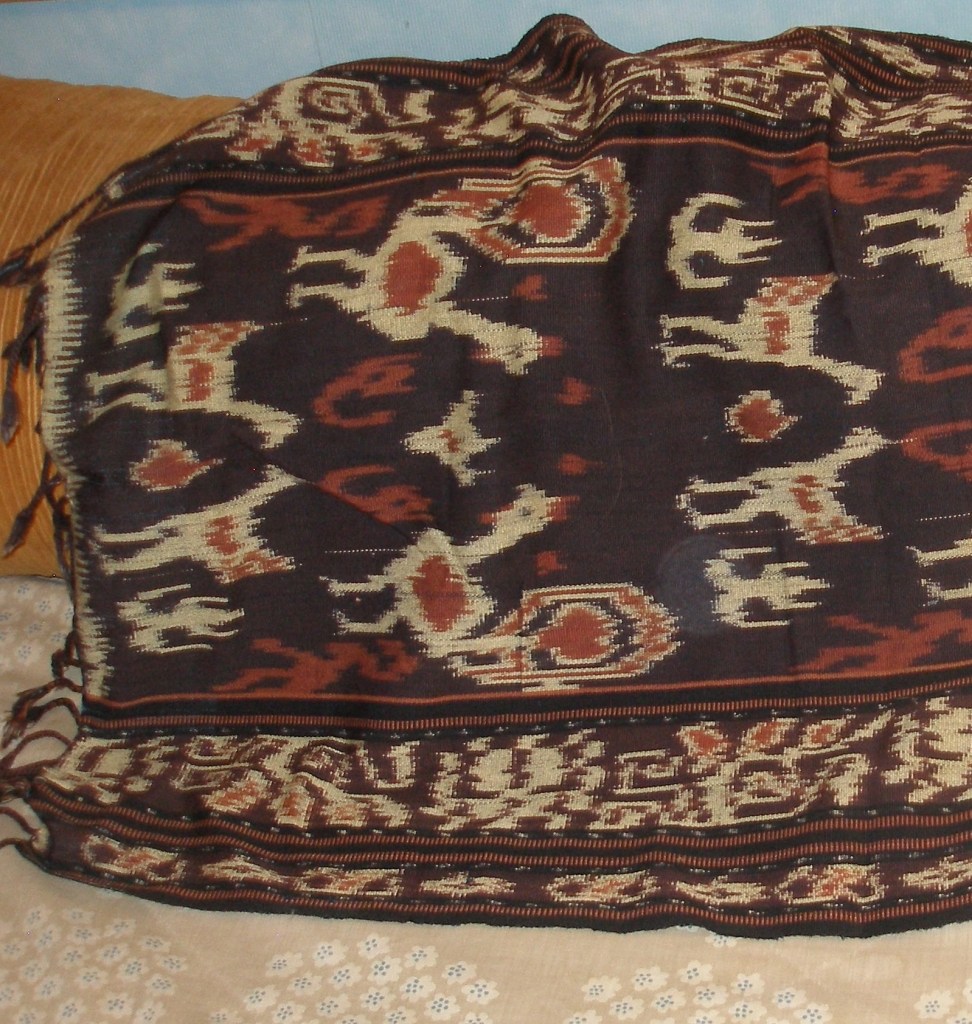
Indonesian ikat weavings have always had multiple uses. They are worn as sarongs and wraps as part of everyday clothing. They express and preserve cultural identity with outstanding examples playing an important role in various rites of passage such as marriage and funerals. In hard times, these valued and appreciated weavings can mean survival as they can be sold or traded for food and other critical supplies.

The patterns are produced by wrapping sections of (usually cotton) threads so that they resist a particular dye that is applied to the rest of the (usually warp) thread. With traditional dyes, the multiple dippings and dryings needed to achieve the desired shade can be quite time consuming. Modern dyes can make that process considerably faster while extending the range of possible colors.

Once all of the desired colors are dyed into the thread, ensuring precision in the complex designs calls for a great deal of attention to detail and sometimes subtle adjustments during the weaving process. In fact, quality hand-made ikat calls for a great deal of care during all stages of the sometimes years it takes to complete one. For that reason, I was not surprised to learn that in Indonesia, Ikat is generally considered the domain of women.

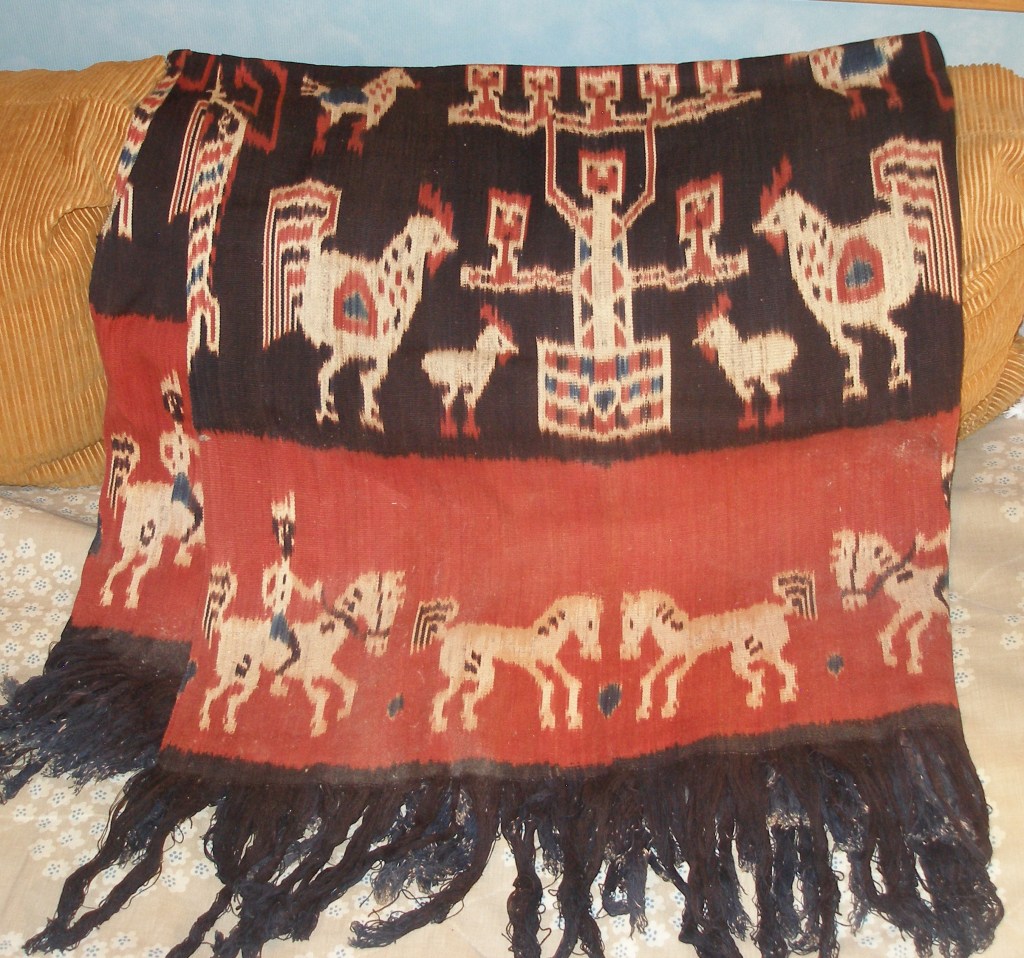
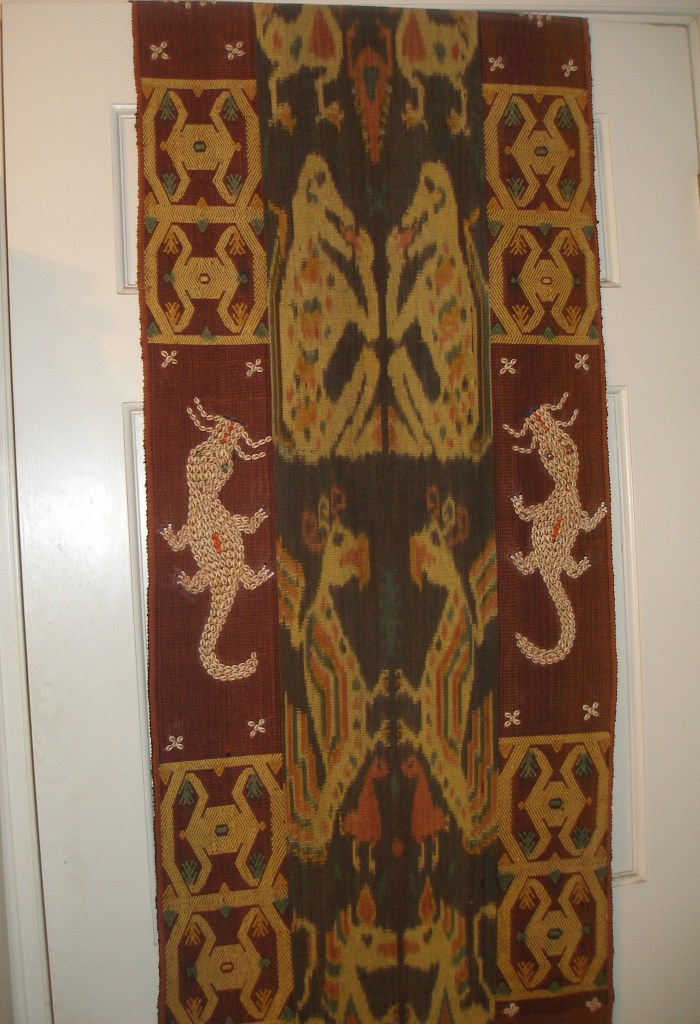
I decided to hang a particularly colorful modern example over the door to my office. This one combines a dark central ikat section with many different fanciful animals and two red outer sections with sewn-on cowry shell designs.

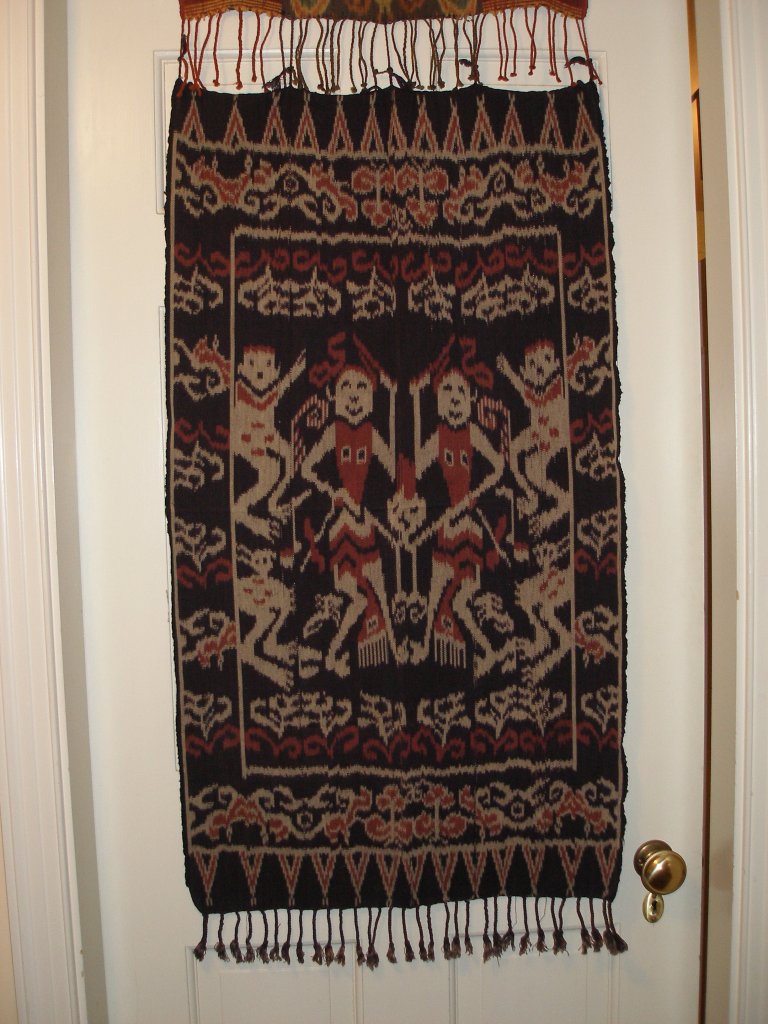
The last image shows an indigo-dyed Ikat hanging up in my tea hut in place of a scroll. Its Christian symbols are not a problem for its use during Japanese tea ceremony practice. In fact, Christian foreigners were among early adopters of Japanese tea ceremony and there are examples of a variety of early tea ceremony utensils including tea bowls that incorporate Christian symbols.

Turtle Encounters

A recent encounter with a turtle had me thinking about the fact that many humans walk around with our own invisible protective armor. It is not uncommon for us to pull back rather than risk revealing feelings that might be unacceptable to others or ourselves. And we sometimes carry around quite burdensome assumptions and identities in our efforts to stay safe. My actual encounters with turtles were quite a different story.
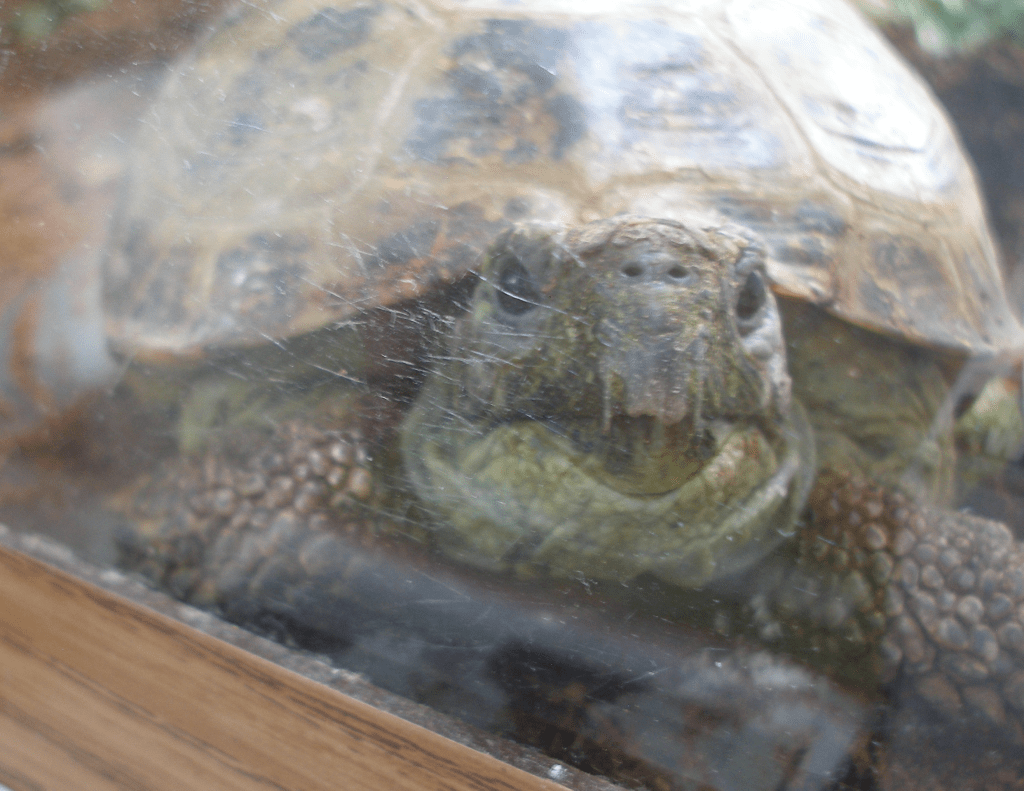
The first photo below shows a Russian Tortoise I met at a friend’s house. This venerable fellow seemed as curious about me as I was about him. He would surely have great stories to tell, and he seemed very happy in his luxurious and large terrarium home.

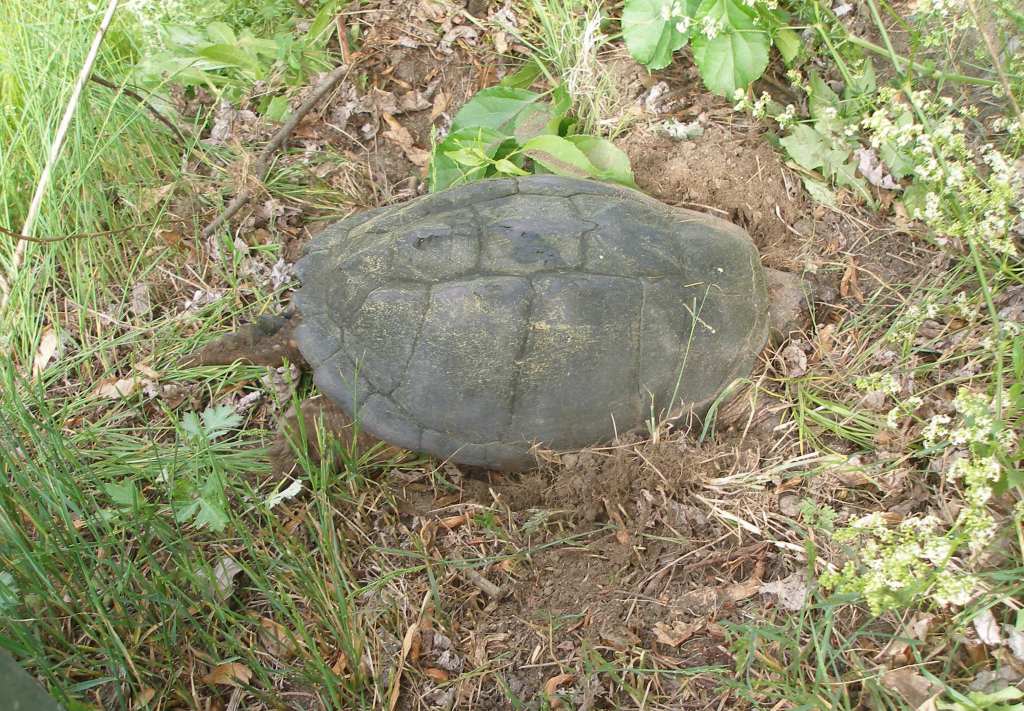
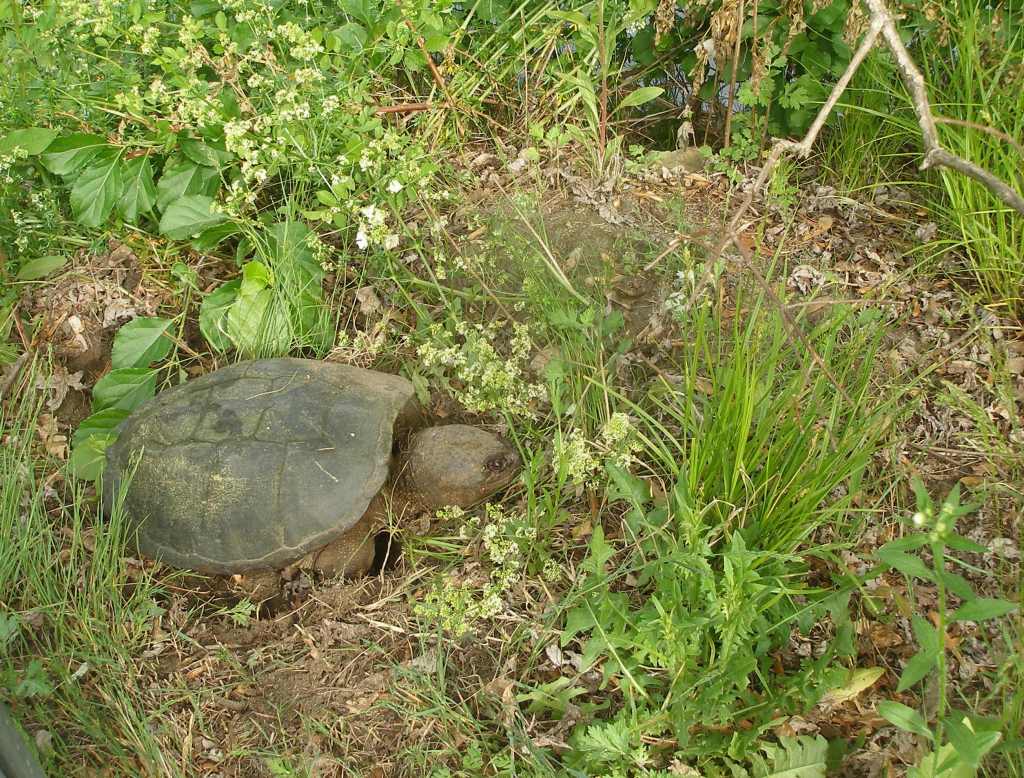
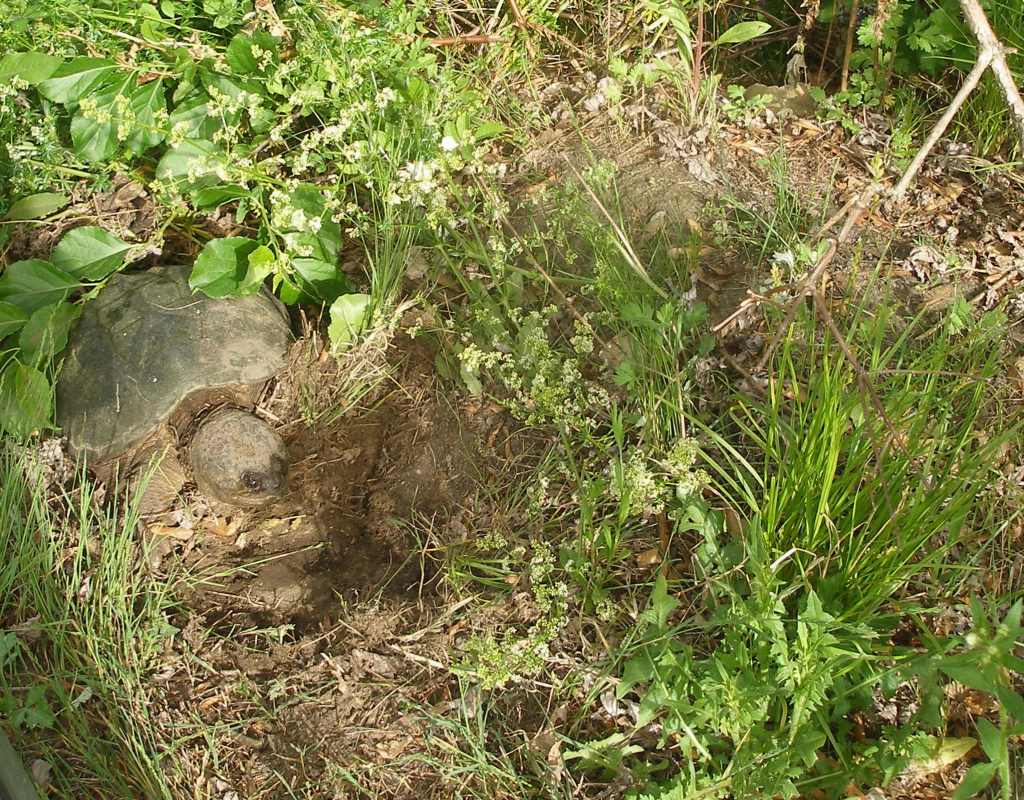
More recently, I came across a snapping turtle who seemed to be digging a nest for her eggs by the pond in Menotomy Rocks Park, Arlington, Massachusetts, USA. There were a number of people circling with their eager dog charges. I felt protective. I spoke to the turtle telling her that I was a friend and wished her well. She paused her insistent digging and looked up at me. It felt like a moment of genuine connection.

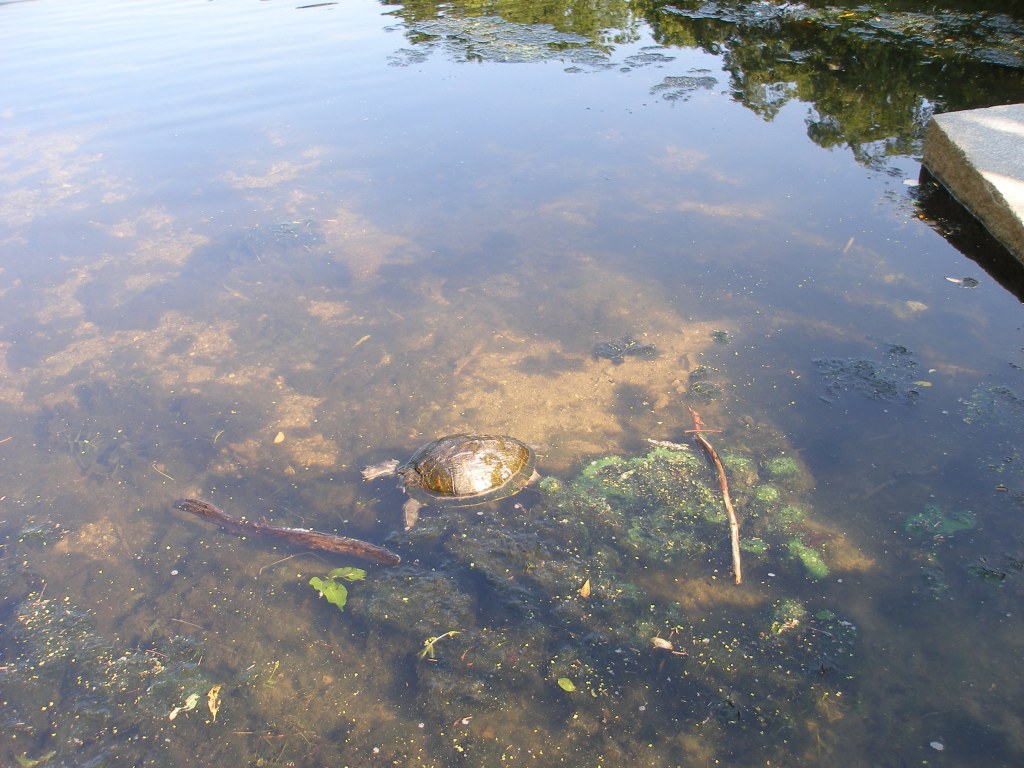
A few years ago, someone pointed out a dead turtle floating in the pond. I shared the photo of that turle with some experts and one suggested that it was a rare northern red bellied cooter. As requested, I sent in a report with the date, location and photo to those tracking rare species sitings in my state, and they told me it was actually a red-eared slider which is considered invasive and is not native to Massachusetts.

It is clear to me that I am not the only one who feels increasing awe and wonder at how much we can relate to, feel with and even communicate with other species but it is also quite sad that this growing awareness is happening at a time when so many species, including our own, are at risk.


Trouble at Menotomy Rocks Park

According to Don Mattheisen’s Menotomy Rocks Park; A Centennial History, this woodland park in the midst of a dense grid of small yards in Arlington, Massachusetts, USA was once called “Devils Den.” Transforming its tangled woods with looming granite outcrops and a swamp into a usable park took considerable will, expense and effort. When muck and leaves began to fill the pond, the town once again secured funds to dredge it out and installed aeration devices.

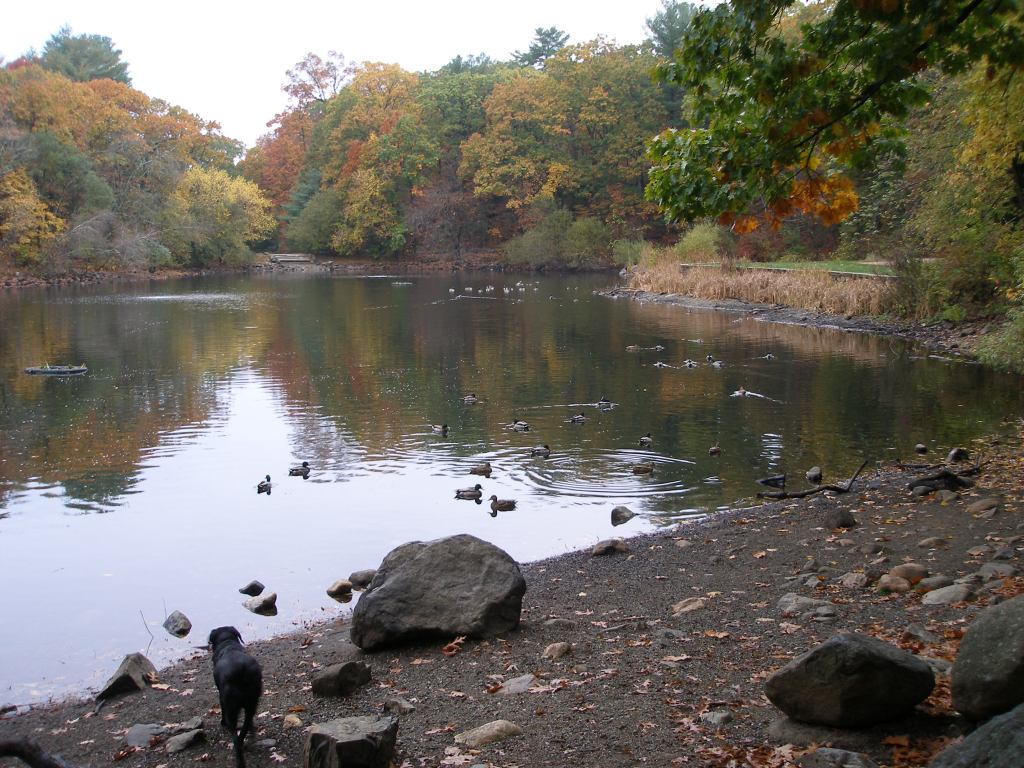
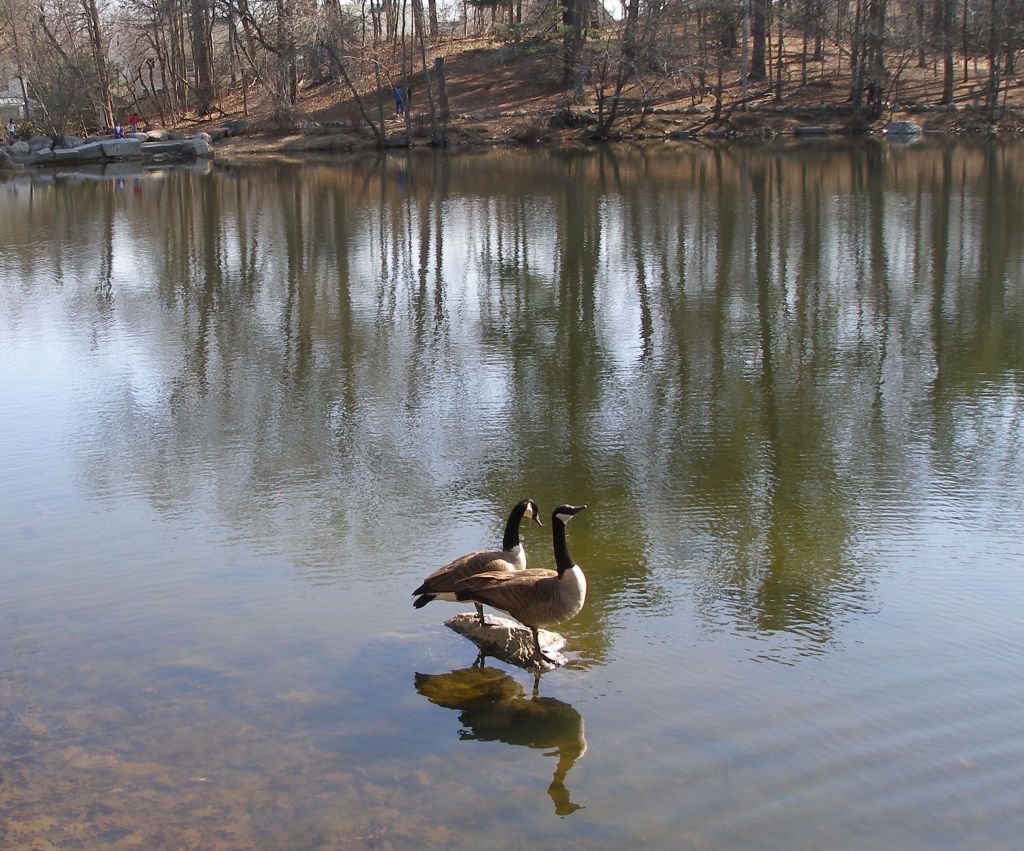
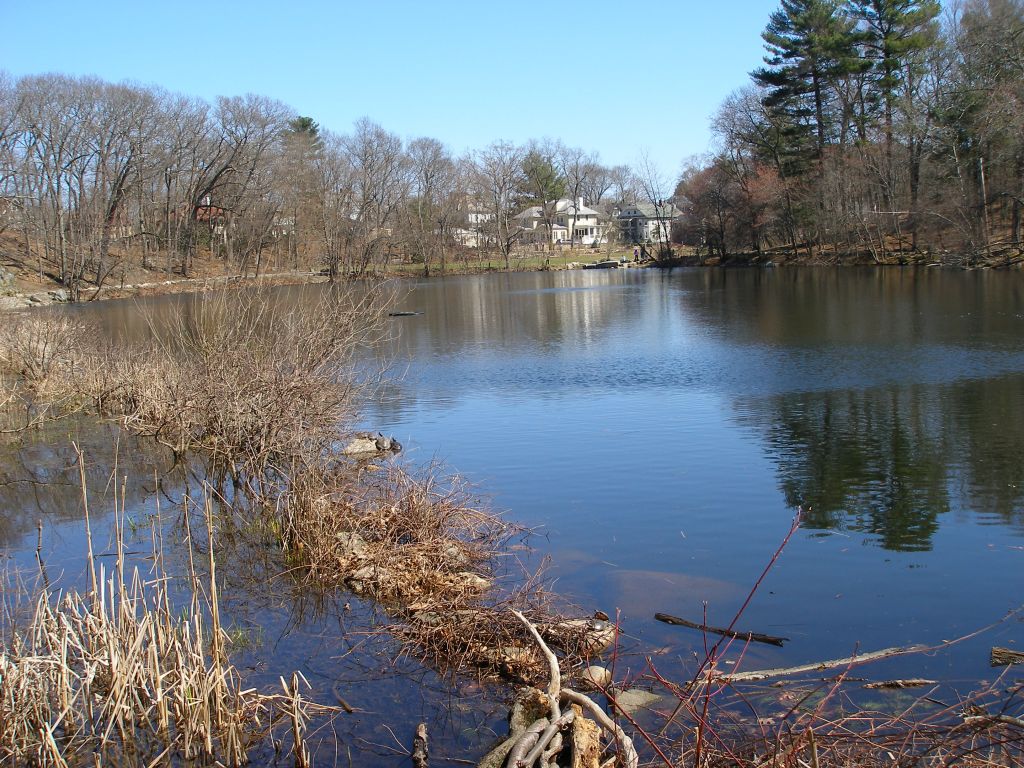
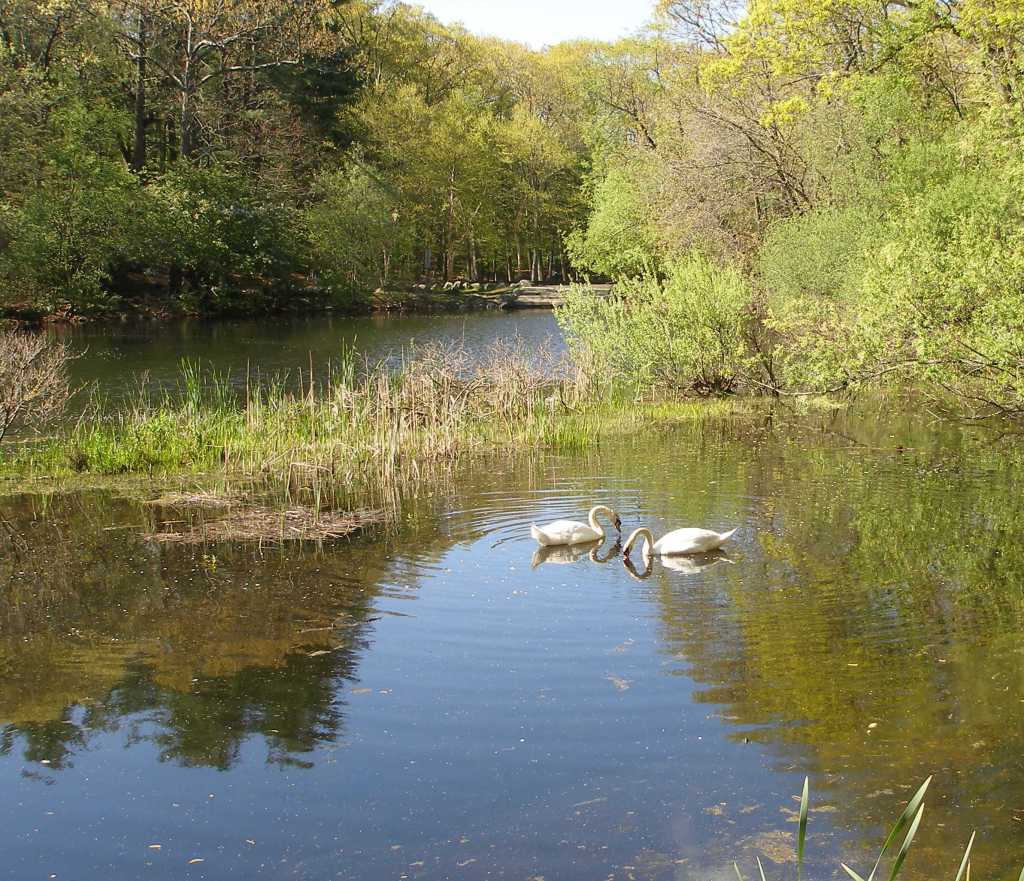
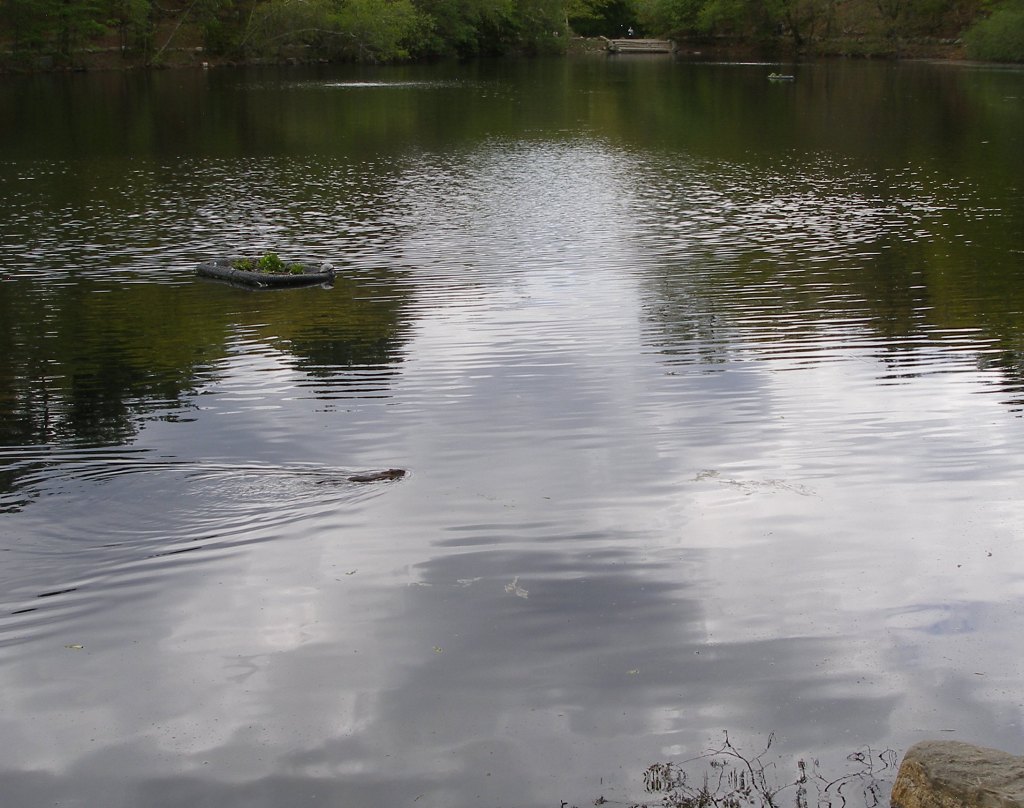
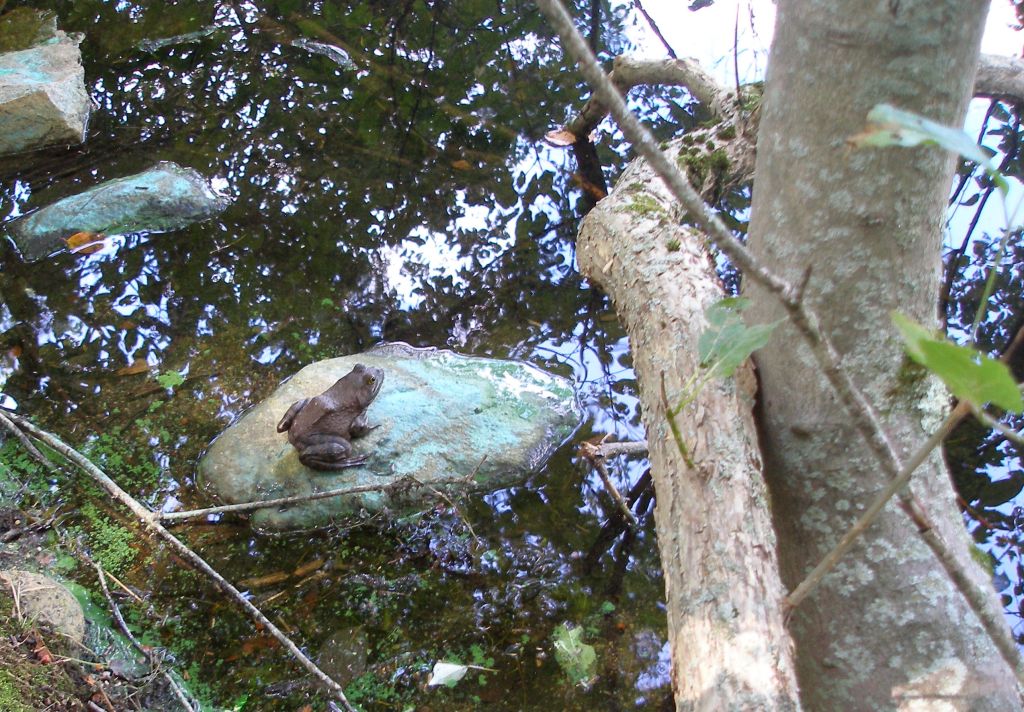
It was particularly colorful there last October when I started capturing what I noticed there as the seasons changed. It seemed like the ducks had begun to follow me as I walked around the pond. But as the winter’s snow compacted to ice on the paths, only a few ducks remained. In early spring, turtles clustered on a rock jutting out from a wetland area by the side of the pond. Two swans probed for tender new shoots and a pair of Canada geese acted as if this pond was their personal resort. A muskrat swam over to hide in plain view under foliage by the water’s edge and a bull frog’s loud call startled a dog walking by with its owner.

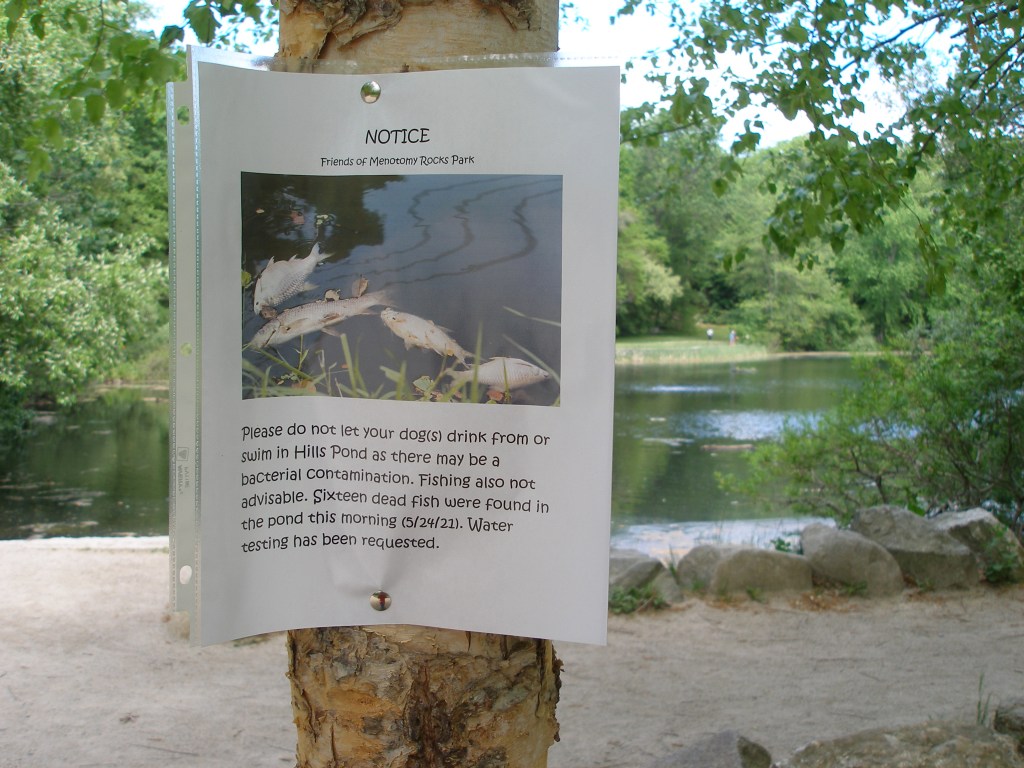
By late May, the robins and red wing blackbirds were as plentiful as ever, but there was only a single duck to be seen, sleeping atop a boulder. Perhaps the others had left to raise their young in a safer place away from dogs and snapping turtles. Then I saw a notice – fish had died and water testing had been requested. As if to ensure I had gotten the message, I saw a squirrel lying by the side of the road next to a rock as I left the park. It was still breathing. I spoke to it in gentle tones wishing it (and all of us) well.

Threats to the natural environment are ever more apparent, and I will continue adding updates to this post if I notice other signs of trouble in Menotomy Rocks Park that are worth sharing.

Only a single duck slept high on a boulder in late May

Many ducks of various species frequented the pond last October

A pair of Canada geese came in early March and stayed for several weeks

Turtles sunning themselves on a rock jutting into the pond on one of the first warm days

Swans probing for tender young shoots in the wetland at the side of the pond

Looking a bit like a small beaver, this muskrat has a narrow tail

The muskrat with its head poking up looks like a rock or log by the edge of the pond
A bullfrog making a rare appearance out in the open on a rock where it can be seen.
A raccoon to left of the tree trunk stared at me while I took its portrait
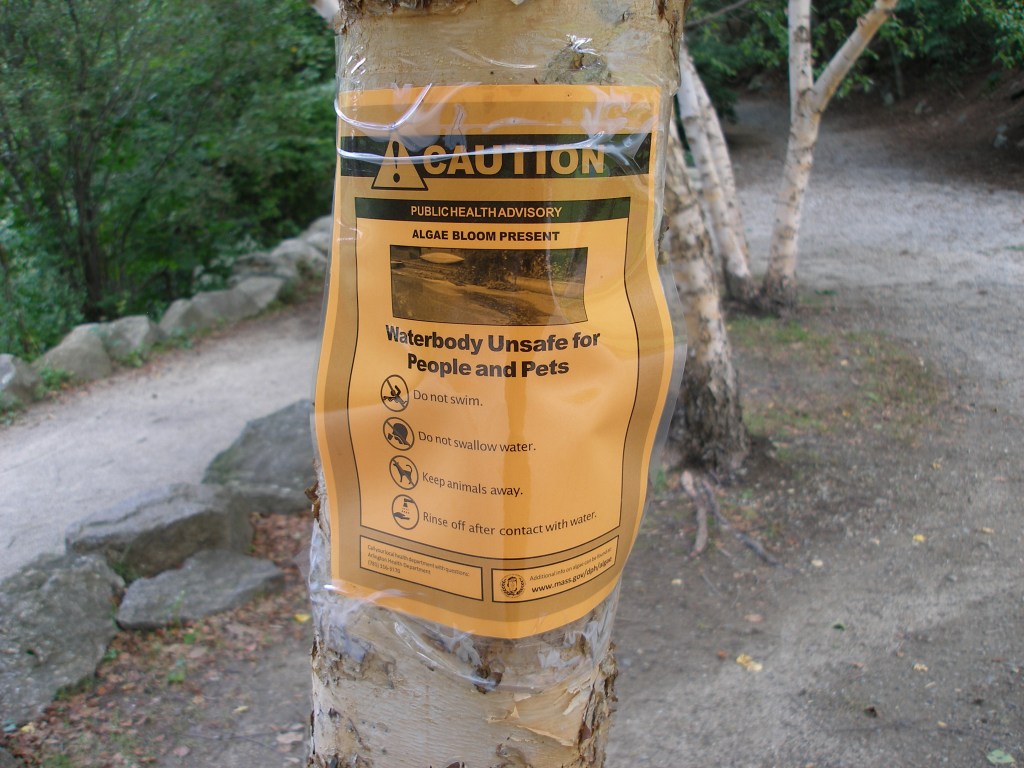
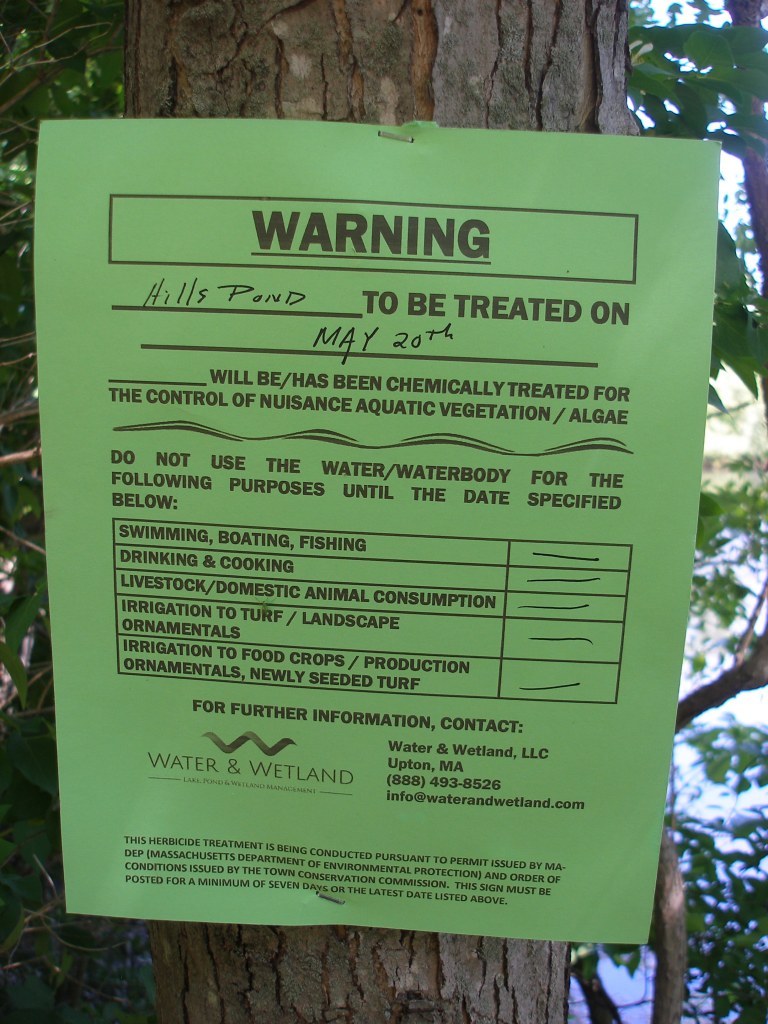
This park is lucky – people care and have the resources to work at preserving its health. May testing found the water was safe, however later testing in September found toxic algal bloom:
Warning sign posted
Hills pond was treated one year later
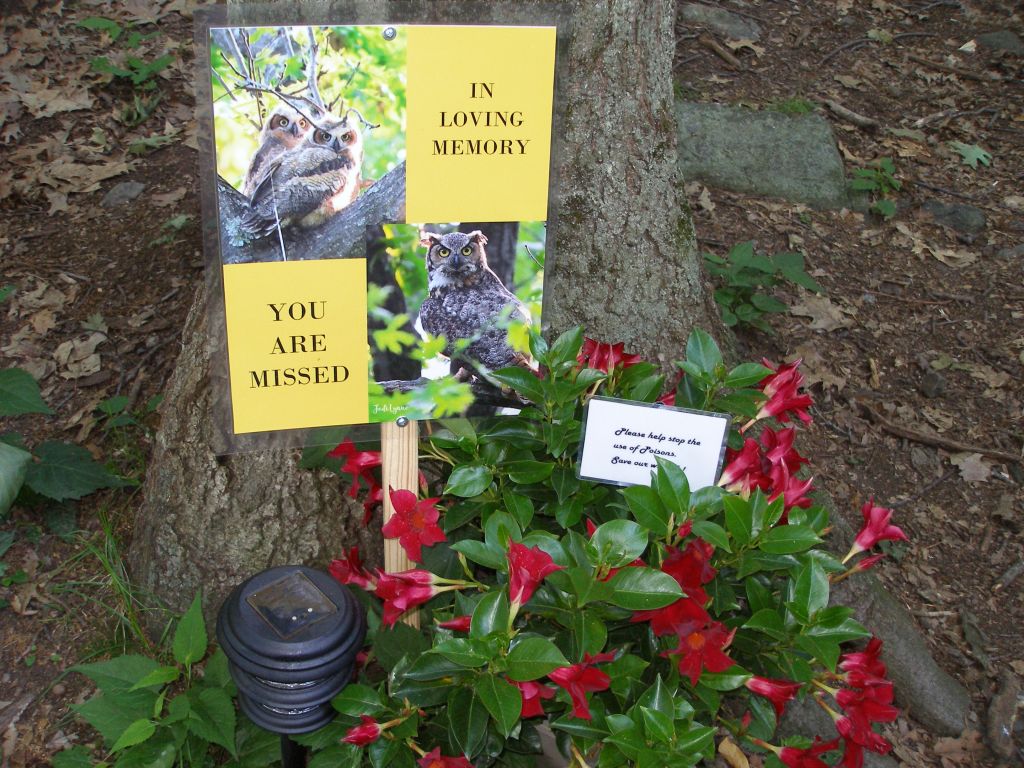
Another kind of trouble – rat poison killing owls as well – spring 2022

Dog Walkers Rule the Dawn

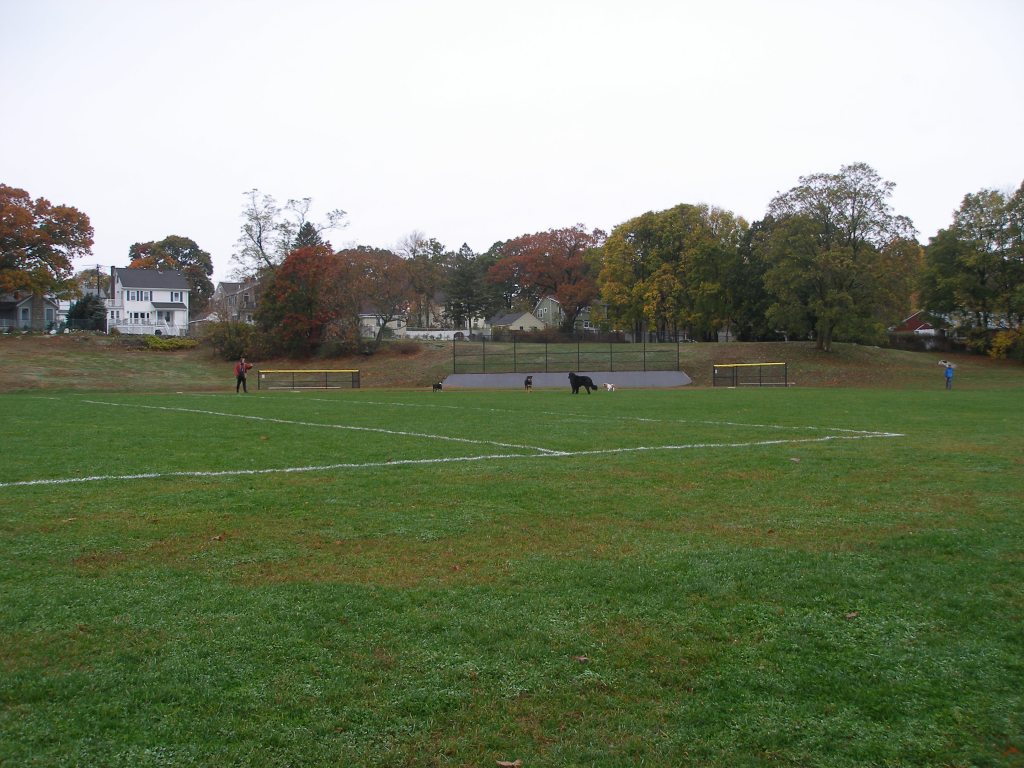
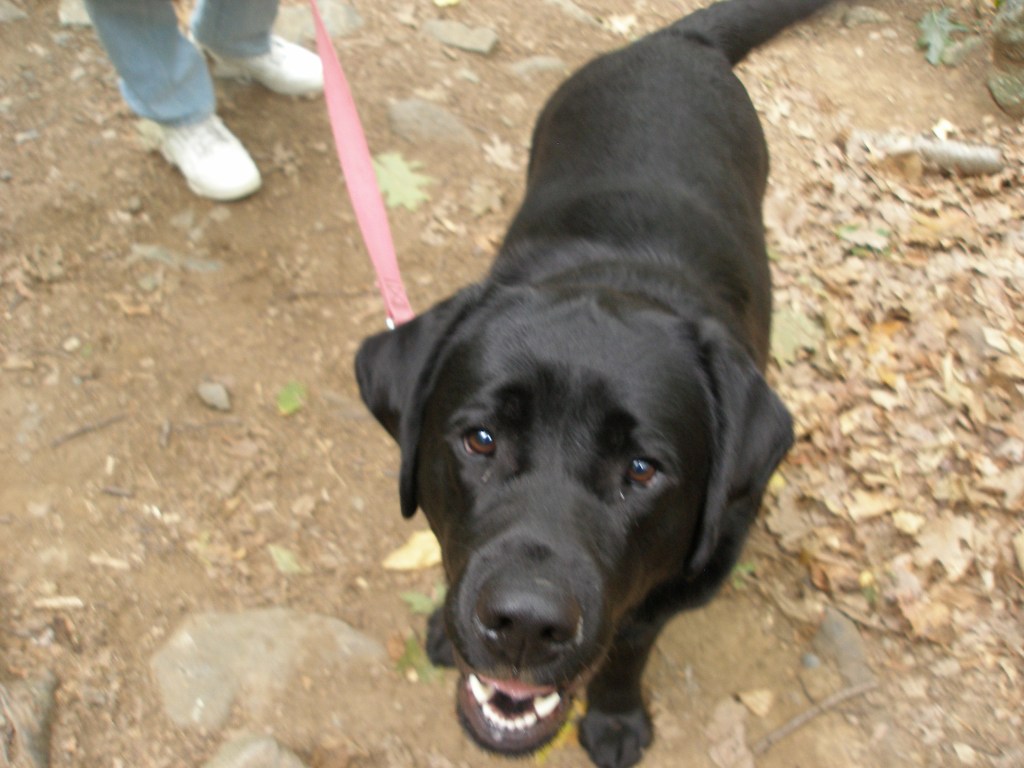
As I start my early morning walk, I notice it is quieter with fewer cars starting up. In my Arlington MA neighborhood, dog walkers have always been out and about at dawn. Seeing them now provides a most welcome sense of normalcy.

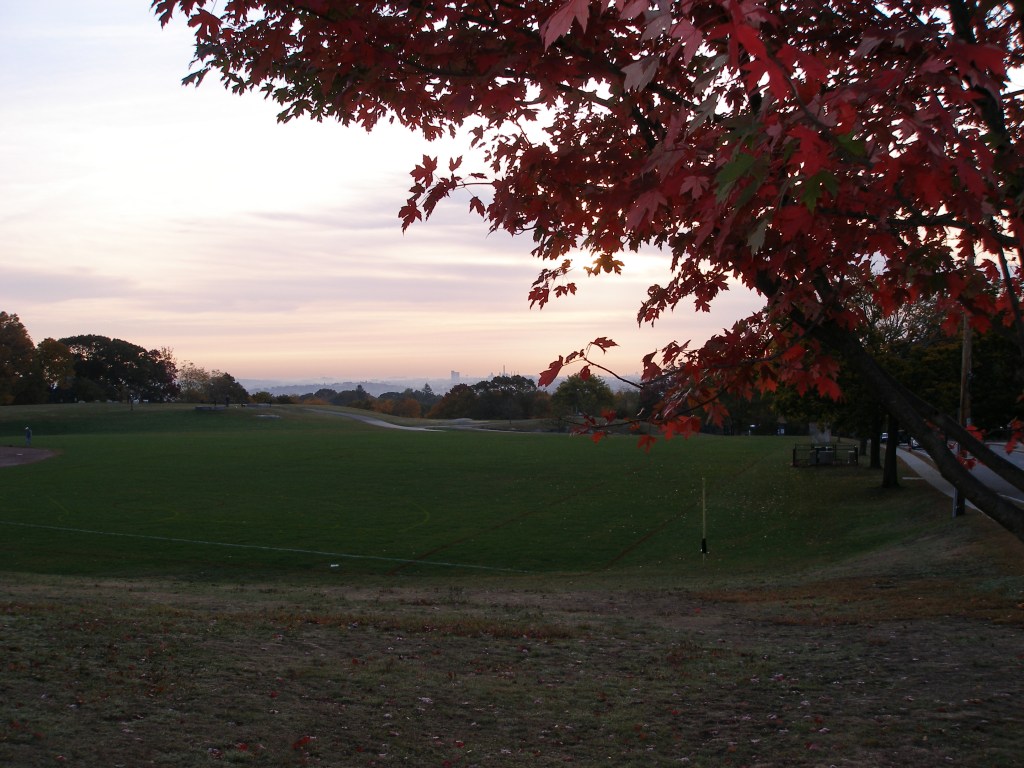
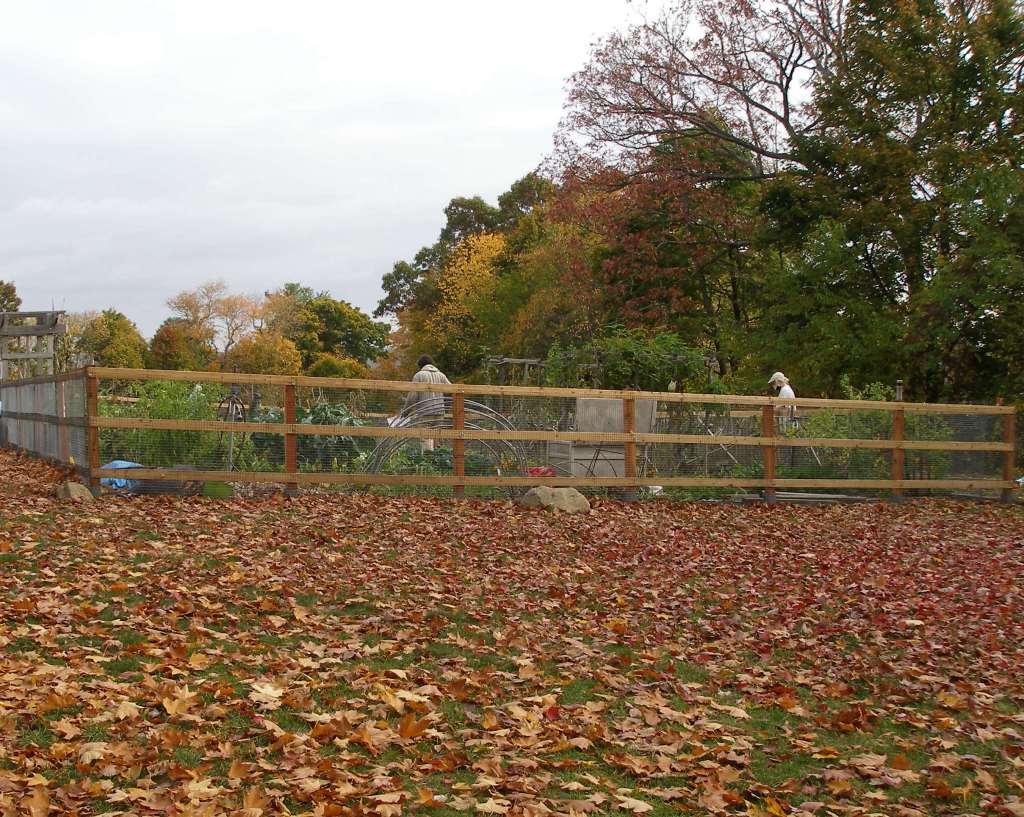
As I approach, Robbins Farm Park has a view of soft pinks over Boston framed by deep red leaves. Dogs romp as their owners call out greetings, recognizing each other despite their masks. A playground attracts a few children with its long slide and harvesters in the community garden seem most appropriate for a park that was once a farm.

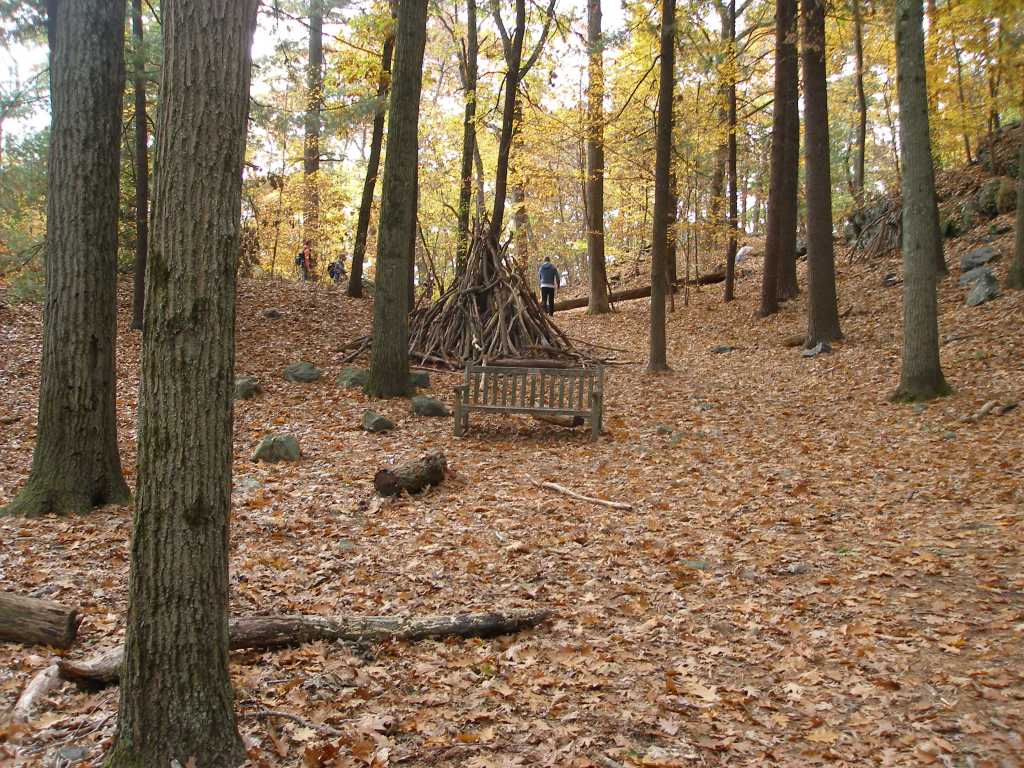
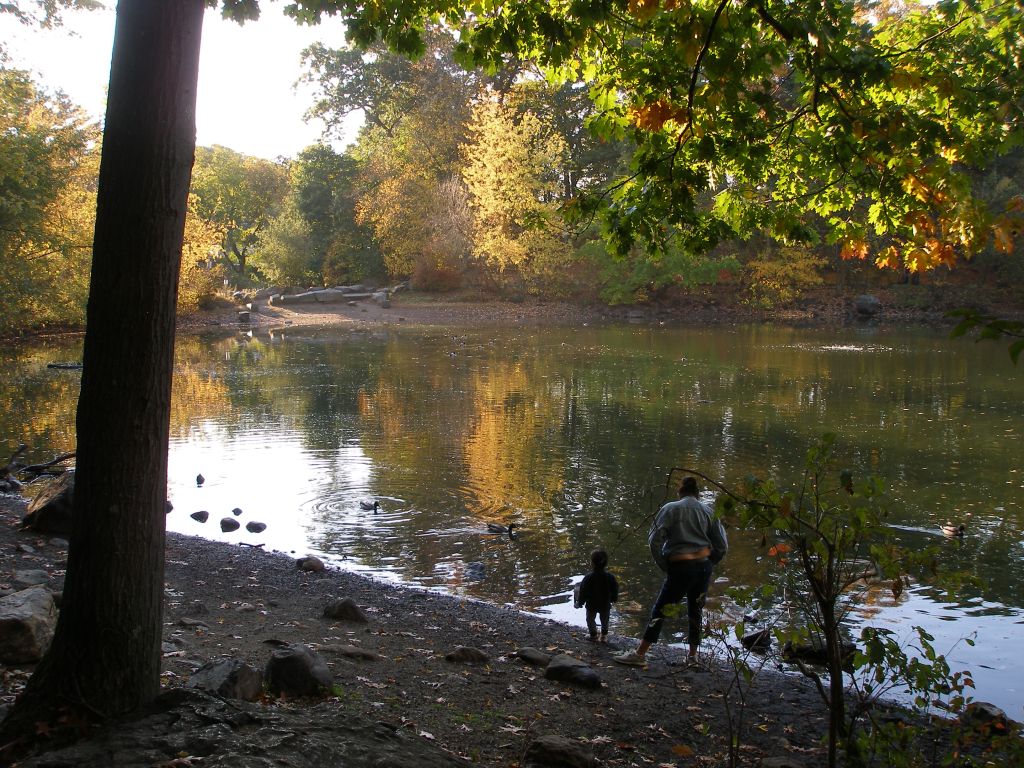
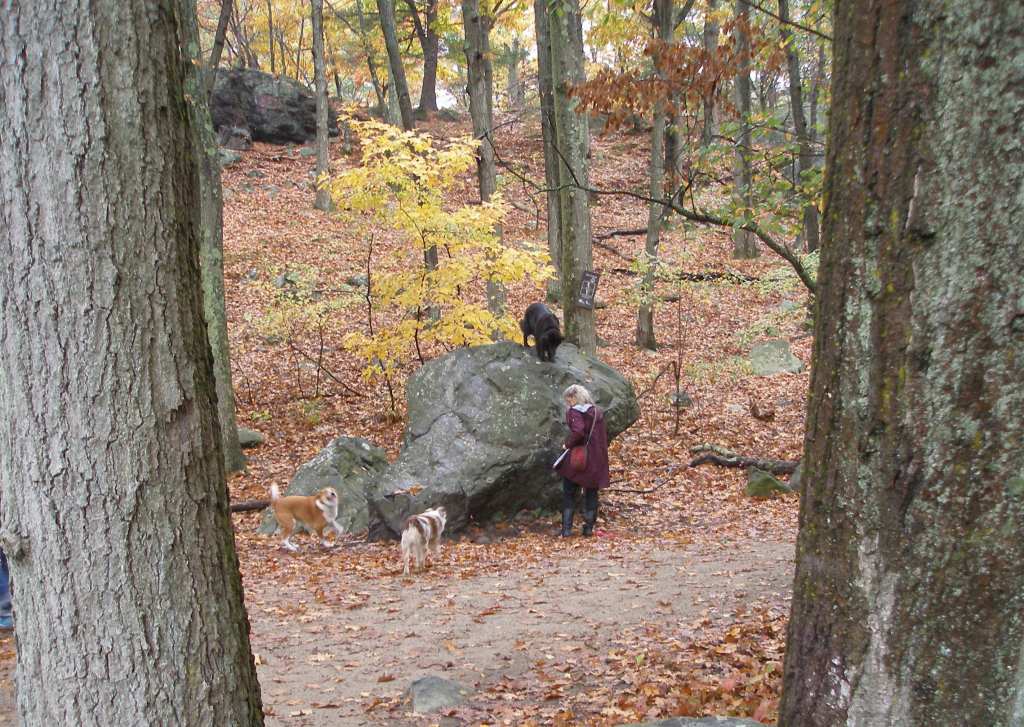
Continuing down the sidewalk, I come to Menotomy Rocks with its glacier-carved granite outcrops rising here and there. Fallen logs molder on either side of a wide path as yellow leaves glow on the living trees. Dogs seem to love it here and families come down to watch ducks swimming through vivid reflections.

Despite all of this radiance, the dogs and their owners are what speak most to my heart. Even from a safe “social distance,” there is no mistaking their contagious joy and contentment. They know how to live in the moment.

Sometimes, and especially now, I find it helpful to get back to basics. Remembering what is still here for us in this most troubled world has been helpful when there is so much to be worried about


And one more taken in August, 2024

Abalone Tide Lessons

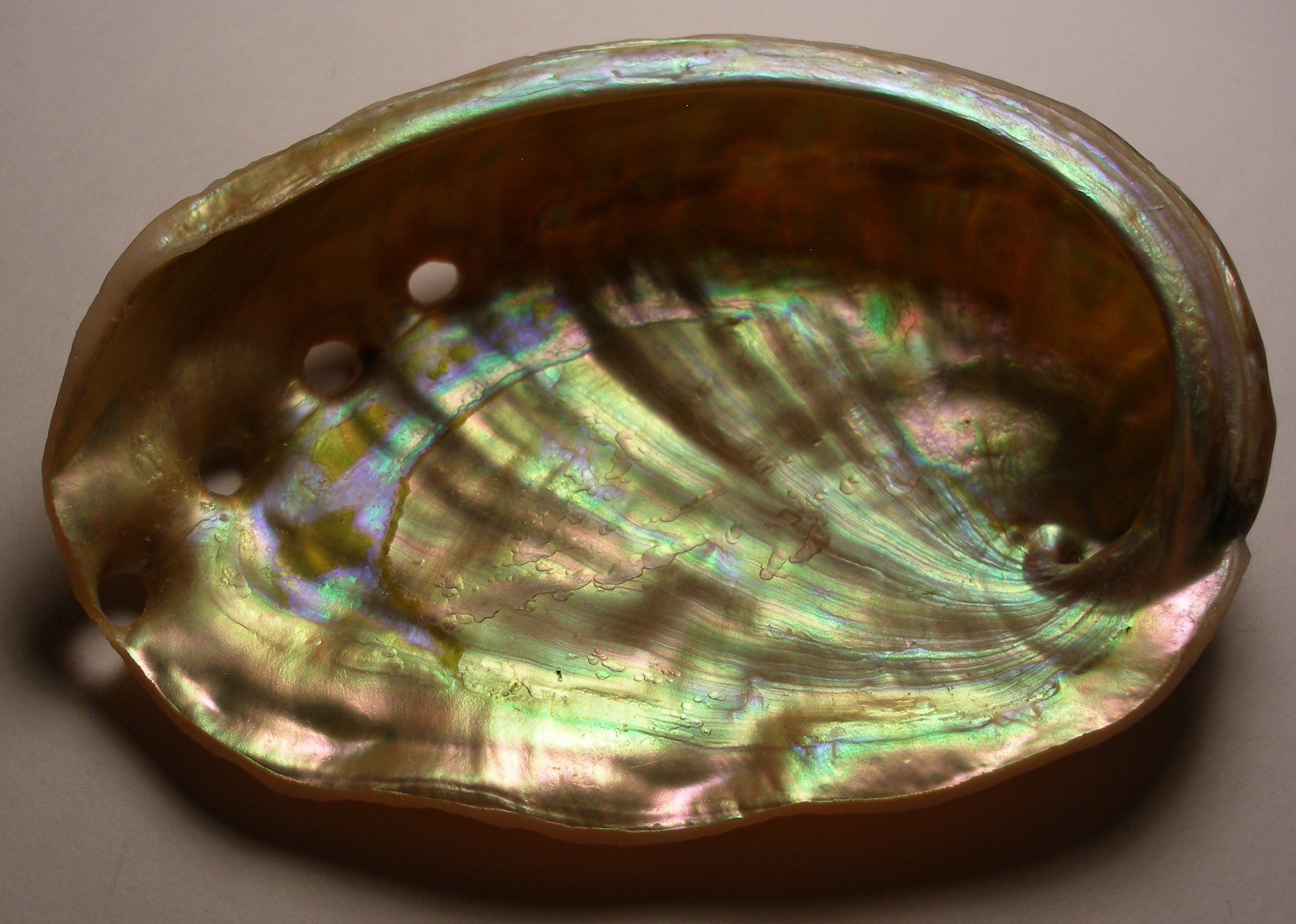
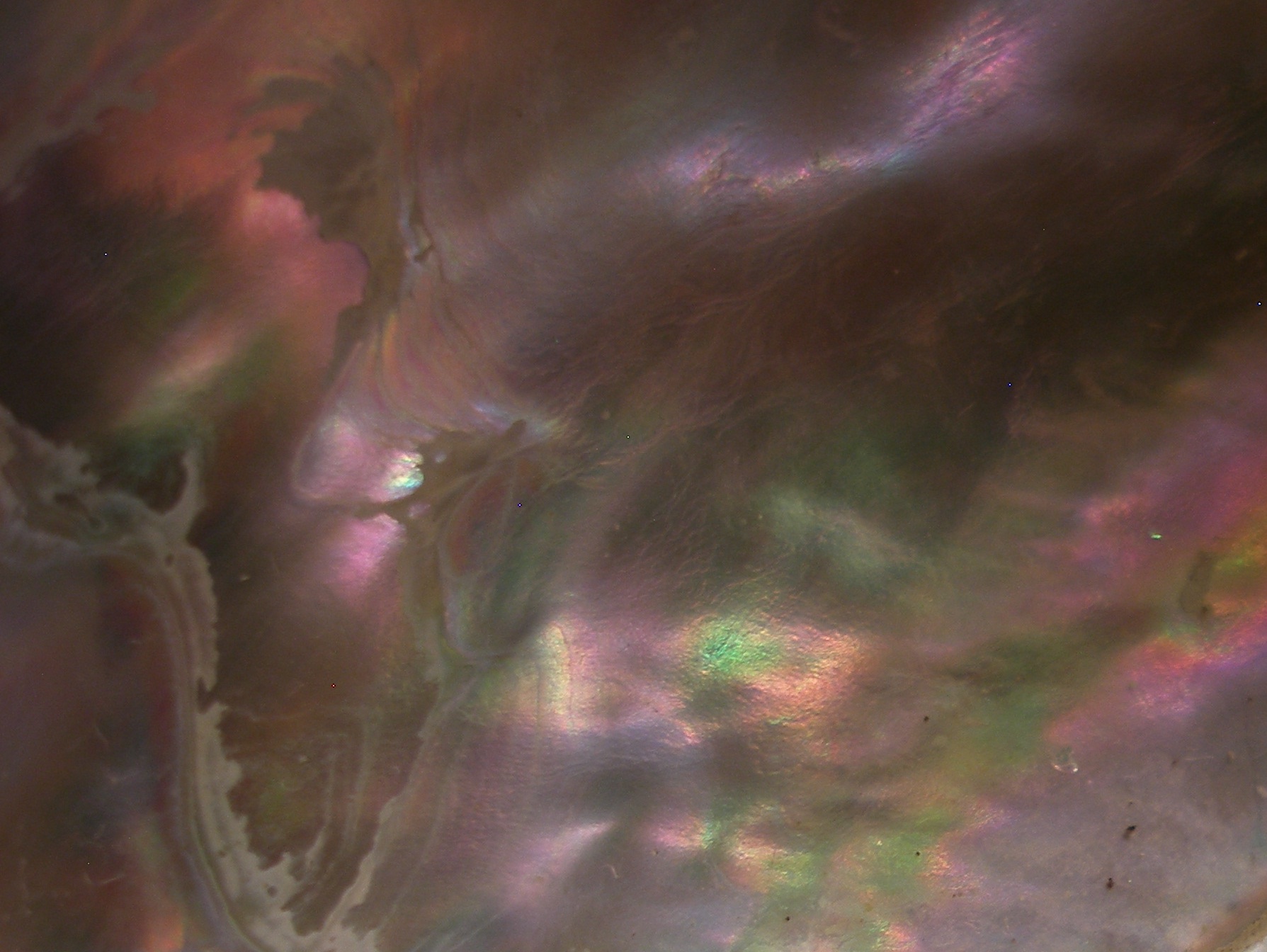
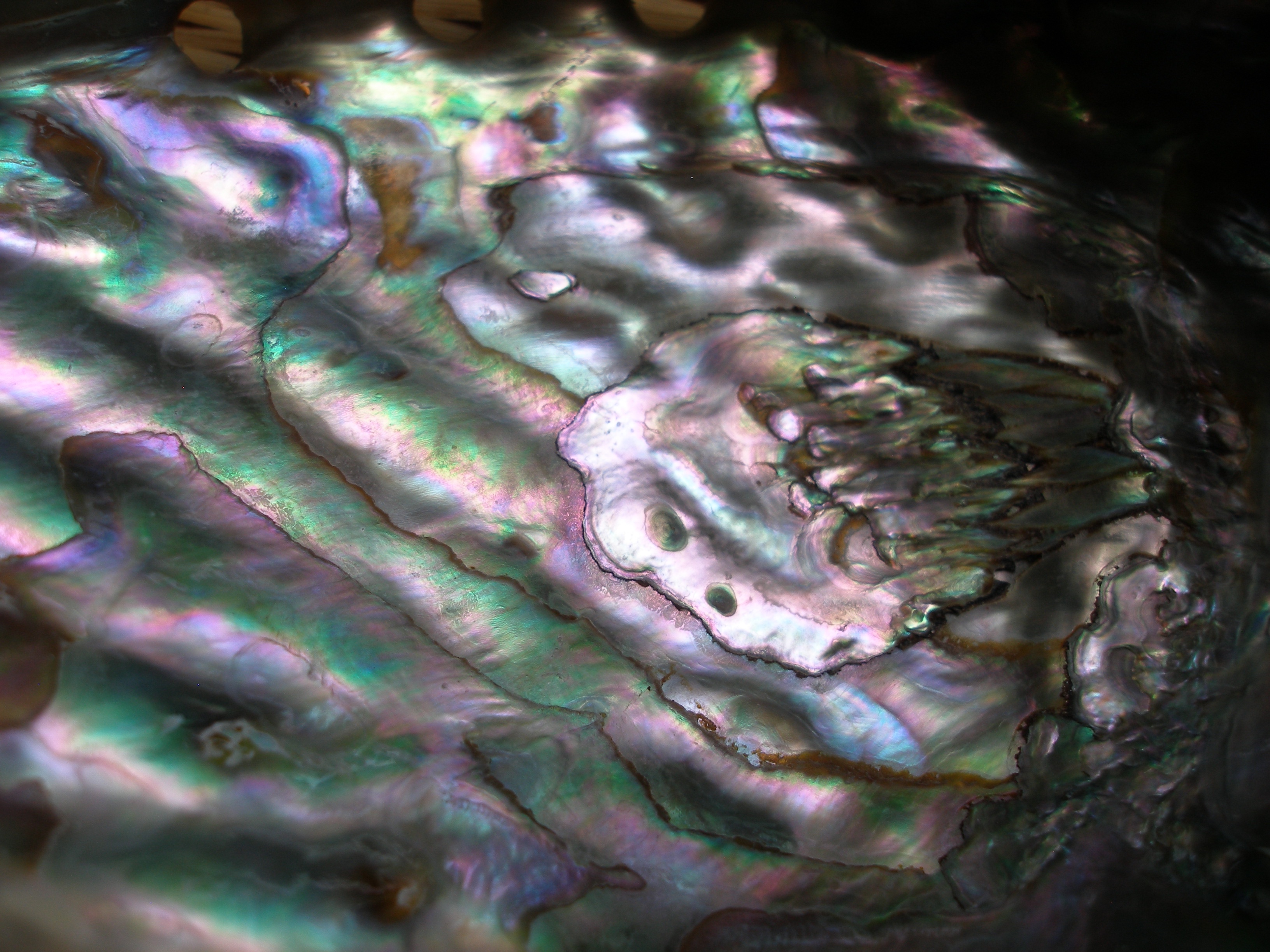
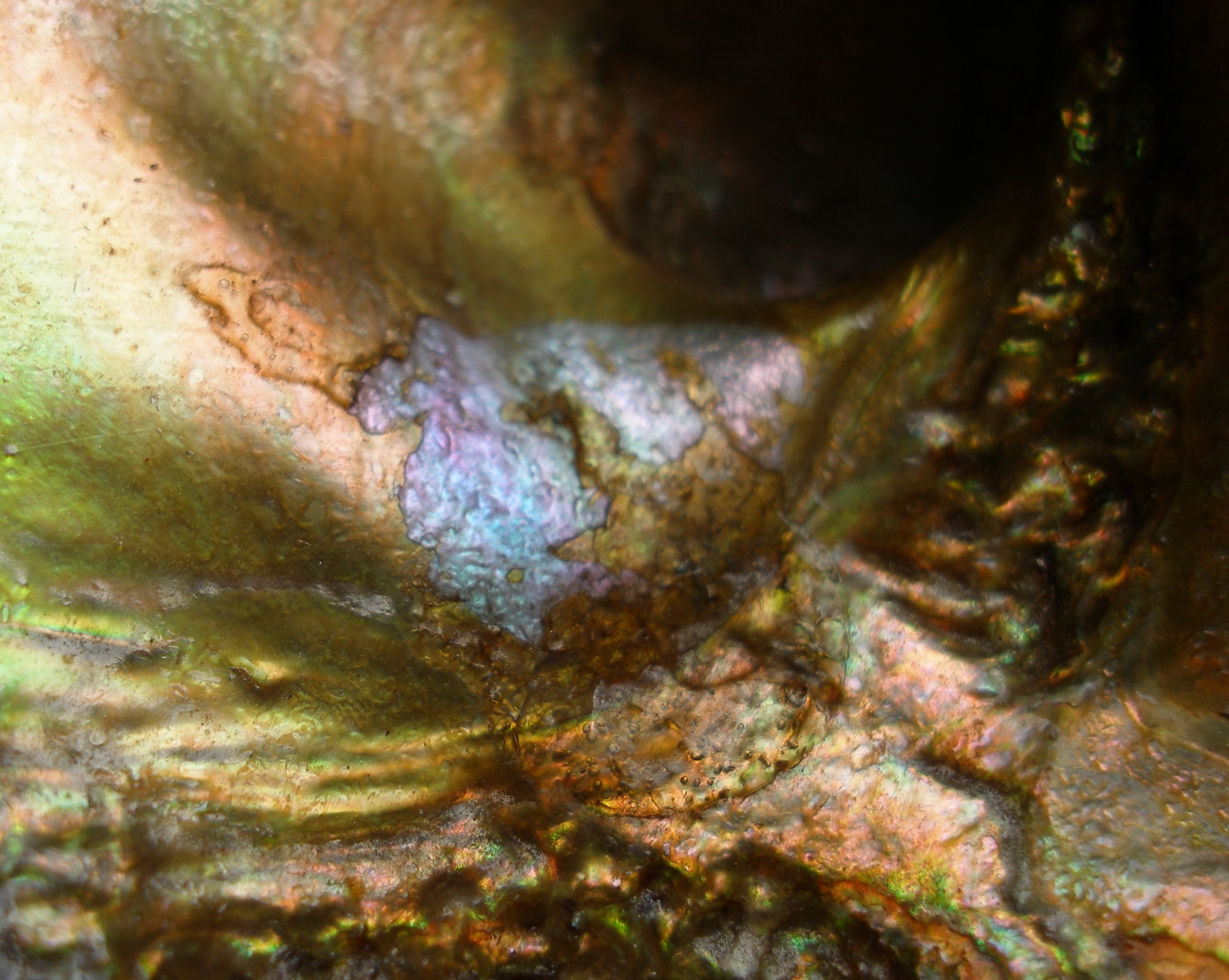
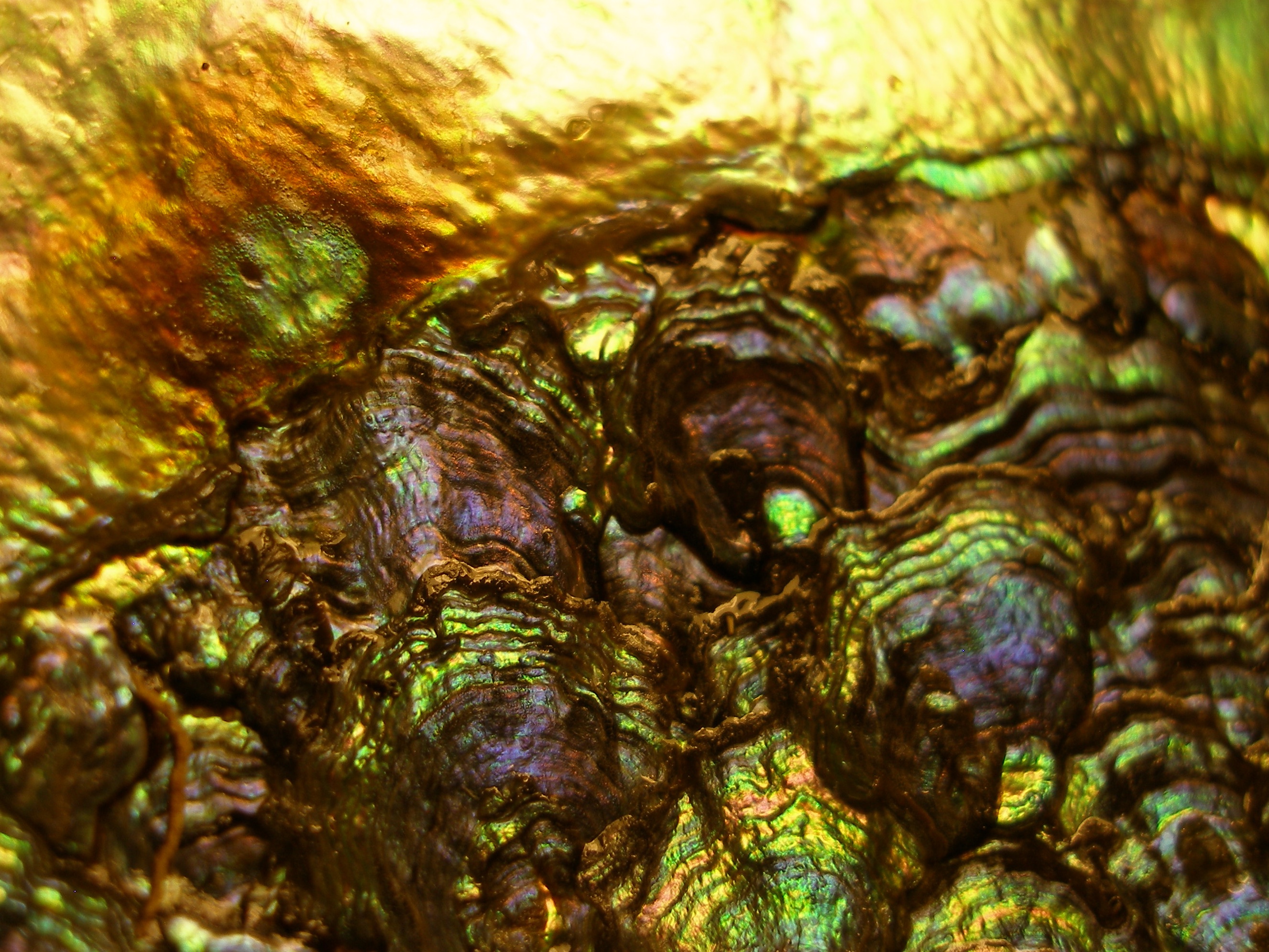
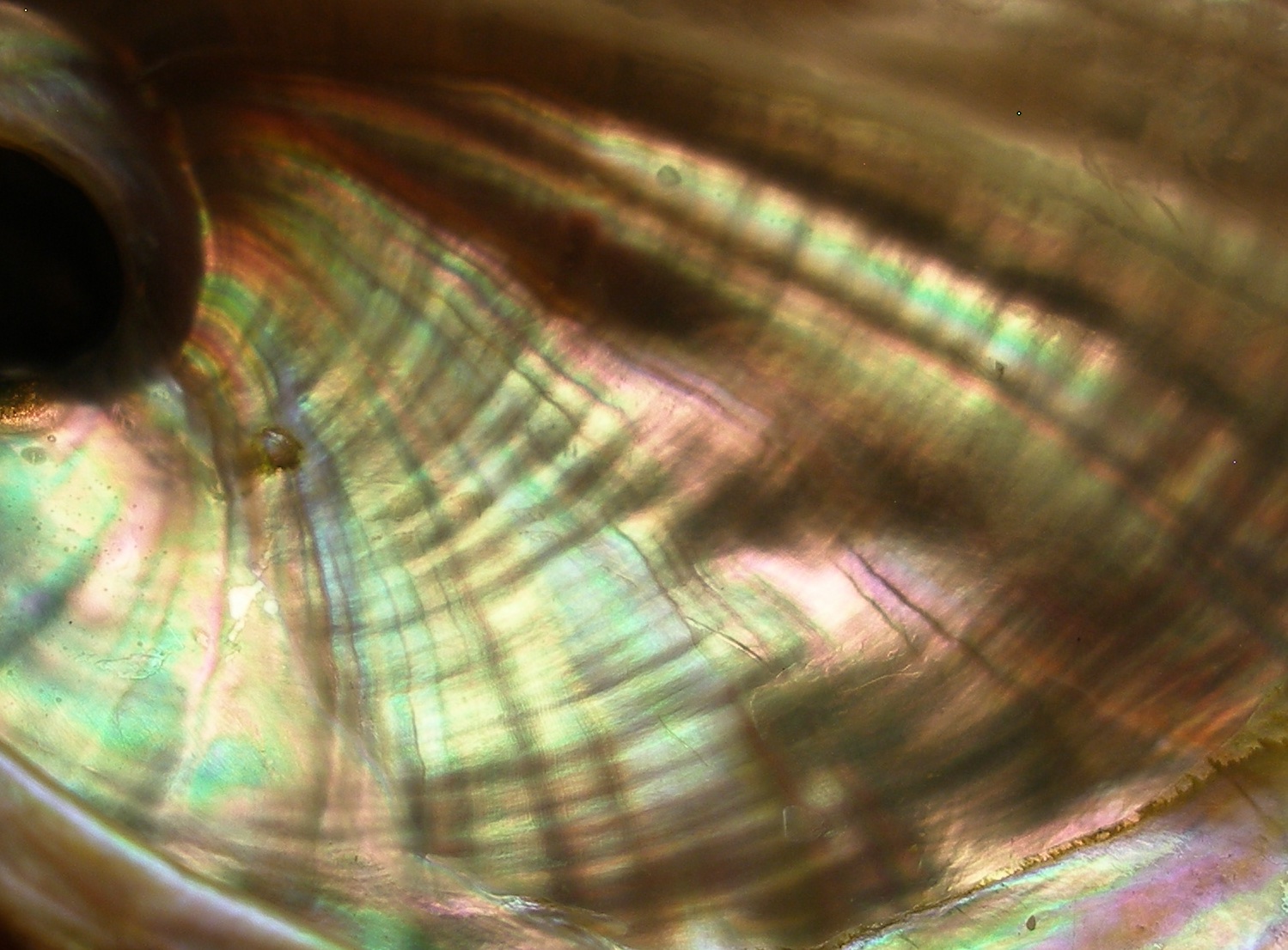
As soon as I started the photo series, I was totally entranced. There were worlds of dazzling design in the abalone shells’ spiraling concave interiors. I might discover an area of delicate veiled dreams or bold drama. Taking closeups and seeing what the camera had captured became an addiction.

I began to sense how the shimmering designs carried the rhythm of the tides that the abalone depended upon for all their needs. There were encoded hints of whale song yearning and how our planet breathes as it dances with its companion moon.

OLYMPUS DIGITAL CAMERA

OLYMPUS DIGITAL CAMERA

OLYMPUS DIGITAL CAMERA

OLYMPUS DIGITAL CAMERA

OLYMPUS DIGITAL CAMERA

OLYMPUS DIGITAL CAMERA

A Cat Kindred Spirit

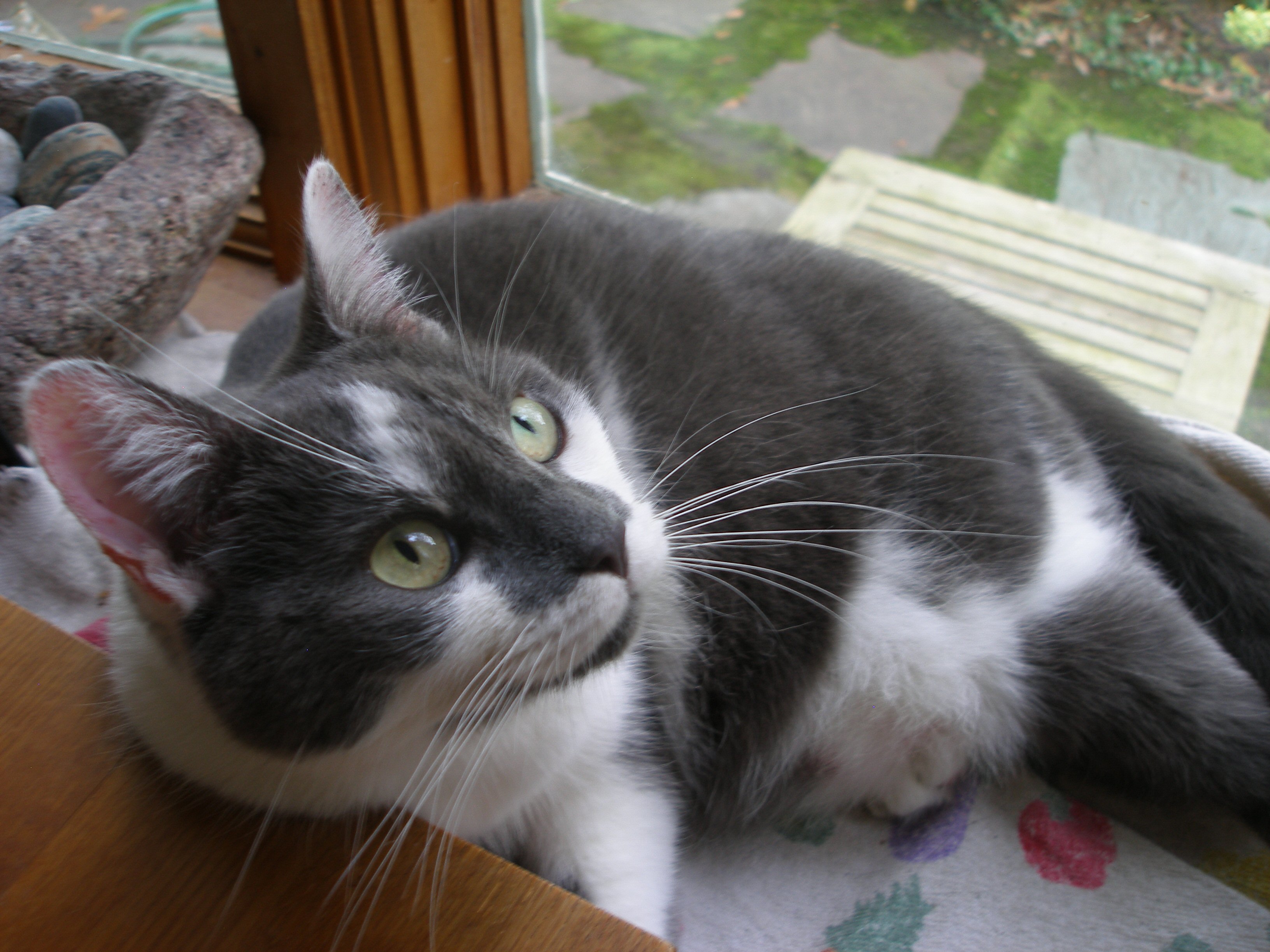
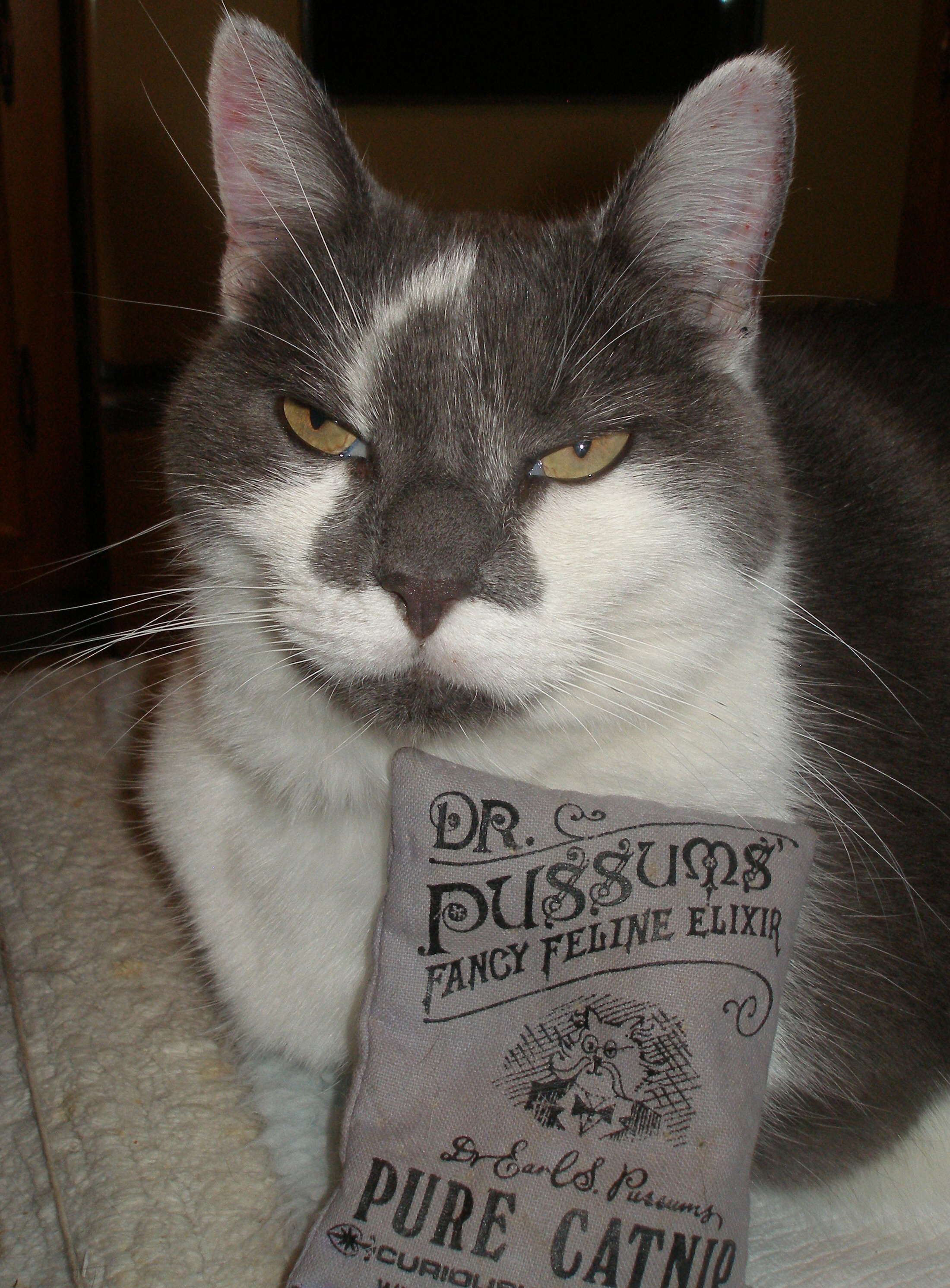
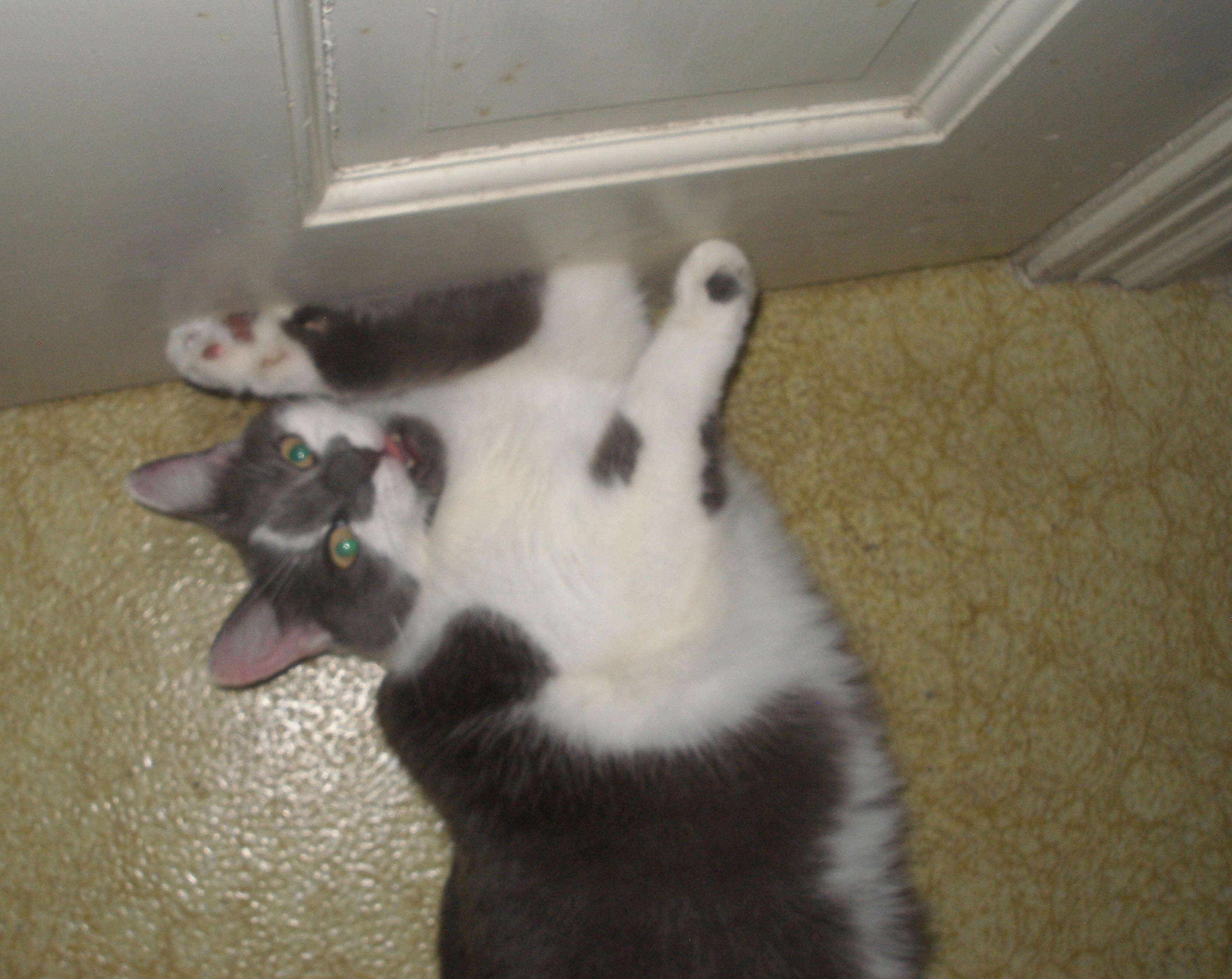
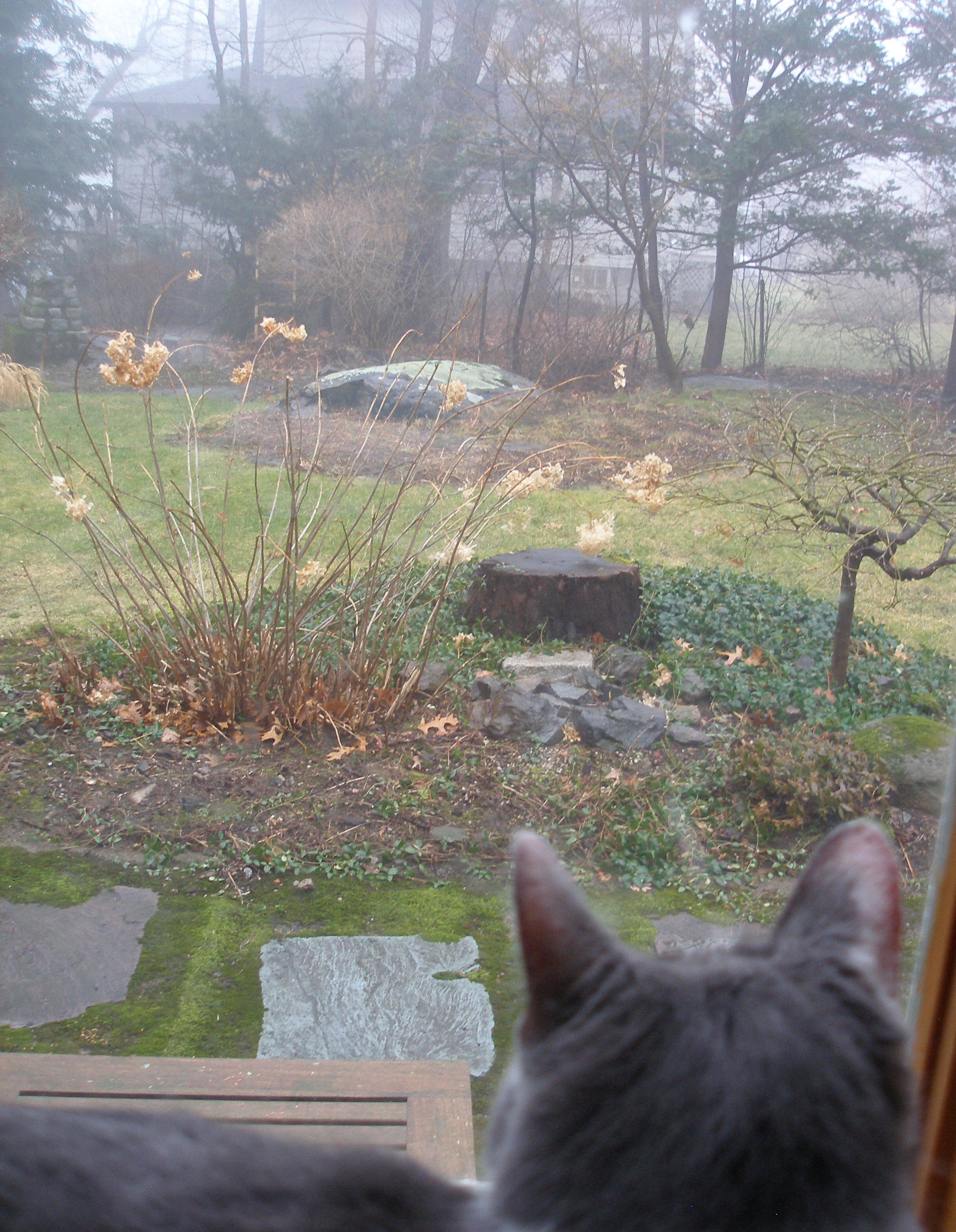
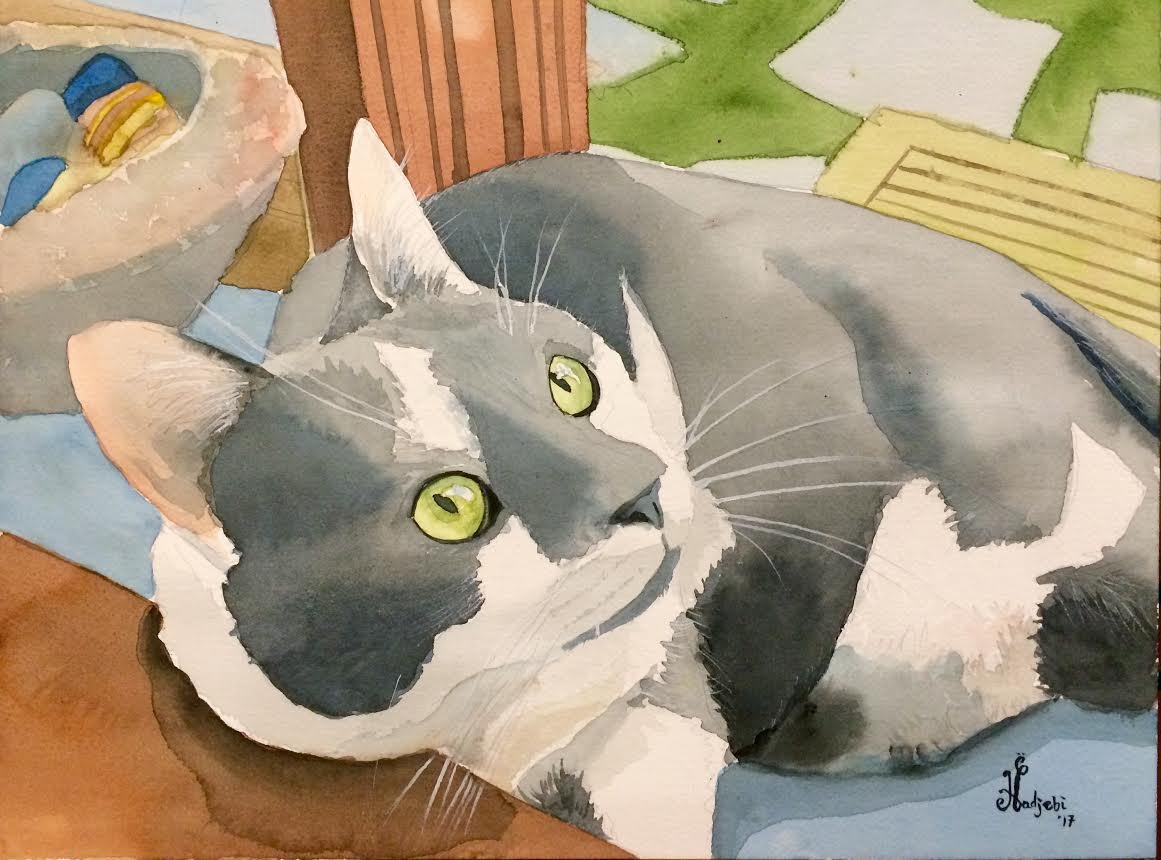
Jude needed a new home. When Shah Hadjebi told me she was a special cat, I knew I could believe him. As it turned out, that cat and I were kindred spirits. When I was home she was always with me. Unlike most cats, she liked to be carried. Since she loved looking out the large kitchen window, I began to carry her for daily walks in my garden. She could be playful and active at times, loved catnip, and when she wanted to go somewhere she let you know it.

I cuddled her under a blanket “cave” when I knew her days were numbered. I told her, “All we have is the present moment.” Cats understand that. They live their whole lives that way. A year after she died, I asked Shah to paint her portrait. He used the photo of her looking up at a blue jay through the kitchen window, a most fitting way to celebrate the life of a cat we both loved.

OLYMPUS DIGITAL CAMERA

OLYMPUS DIGITAL CAMERA

OLYMPUS DIGITAL CAMERA

OLYMPUS DIGITAL CAMERA

OLYMPUS DIGITAL CAMERA

OLYMPUS DIGITAL CAMERA

Jude

The Goose Feather Sequence

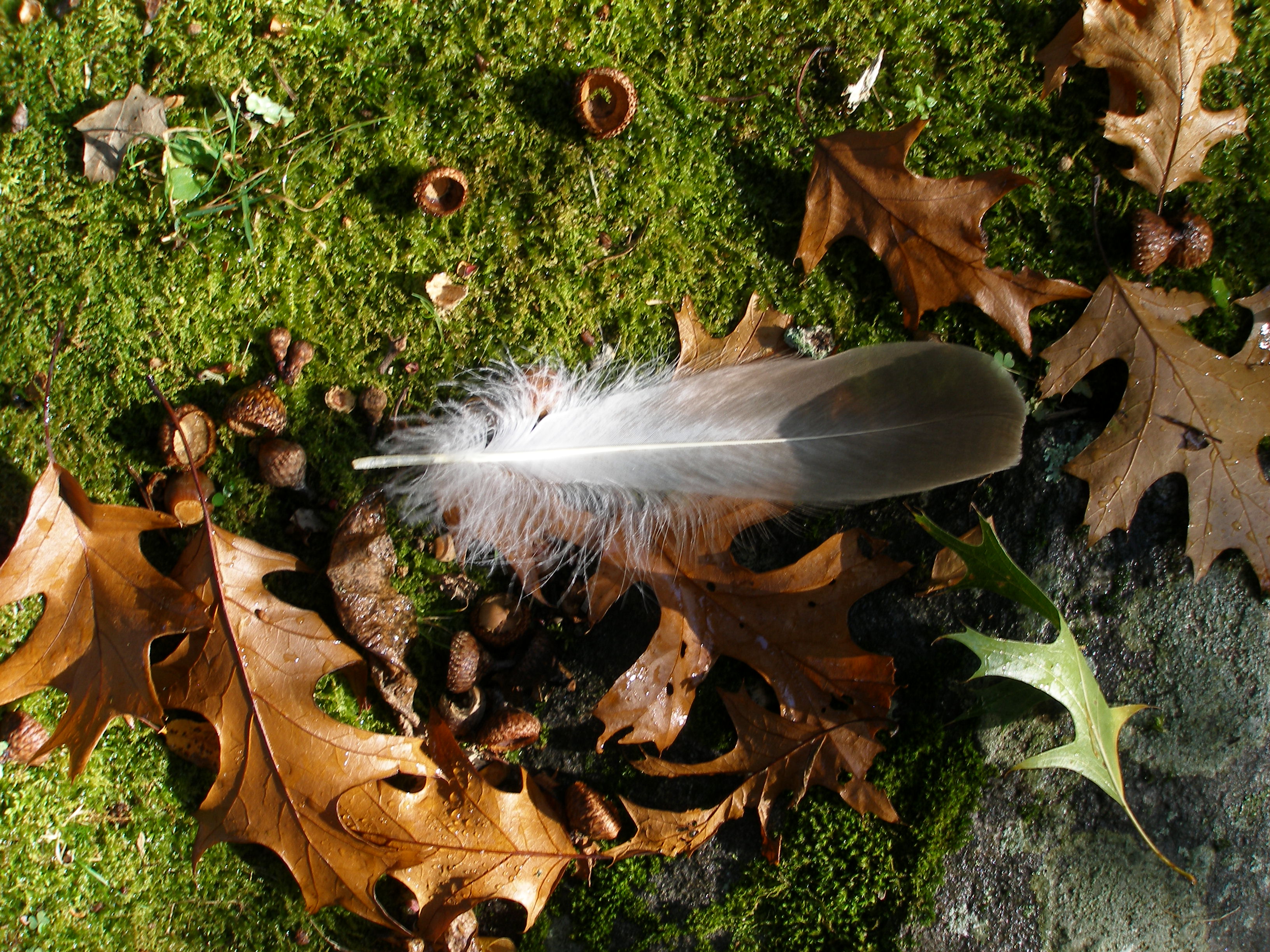
OLYMPUS DIGITAL CAMERA

Spiraling down from
This fall sunset sky of geese
A lone tail feather

Dreaming here in my garden,
I sit watching a feather spin.
Warm light bathes the soft sweet moss
in welcome to this winsome sprite.
Bounding fast lest it escape her,
the clumsy cat misses it!

Held in her mouth like
A dagger, or a rose,
The goose feather trophy
Must smell strongly
Of potential prey
To my hungry cat –
She wants her dinner.

No need for any plucking
With feathers flying about,
Her poultry comes in cans
Extracted by turning
A gear and applying
A blade to cut the
Lid round ‘till it snaps.

I’ve been told, geese are the
Perfect prey for humans, when
That dire time comes with all
The secret factories abandoned
And we must revert to honesty
About the brutal sacrifice
Of those we prefer as food.