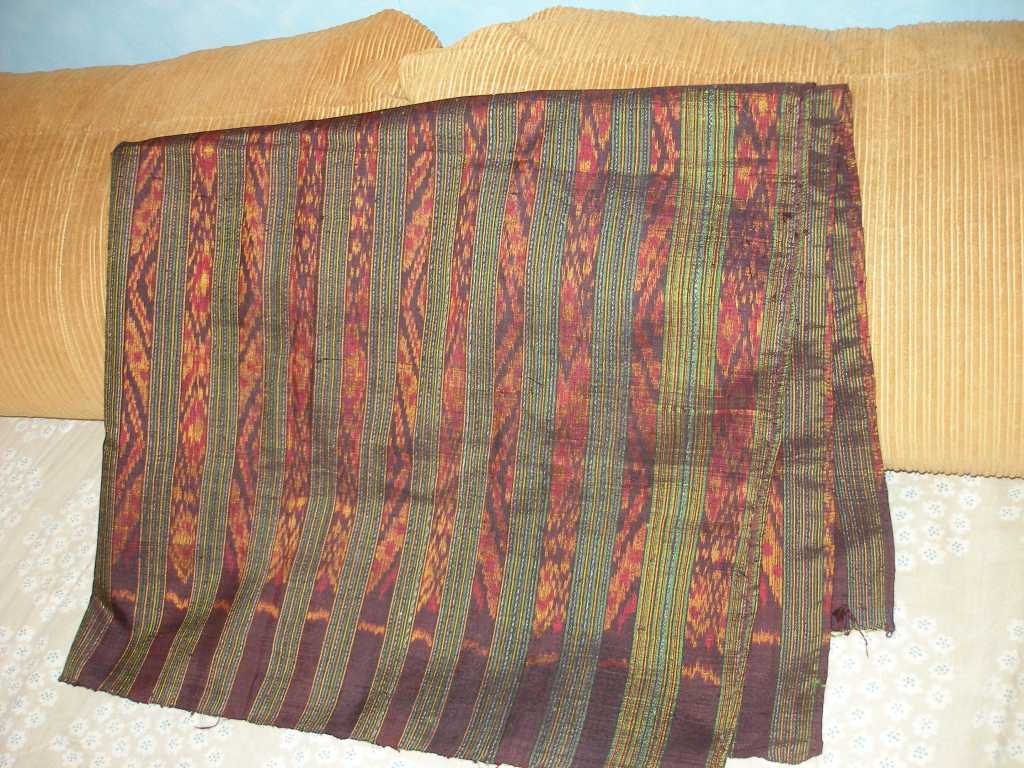
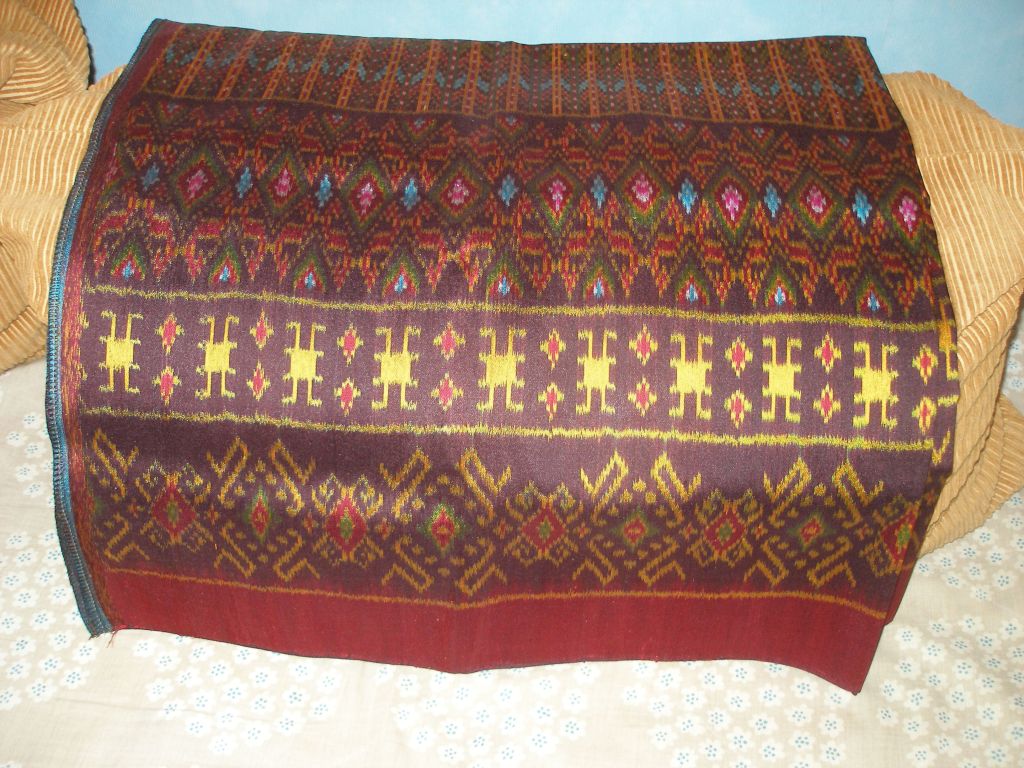
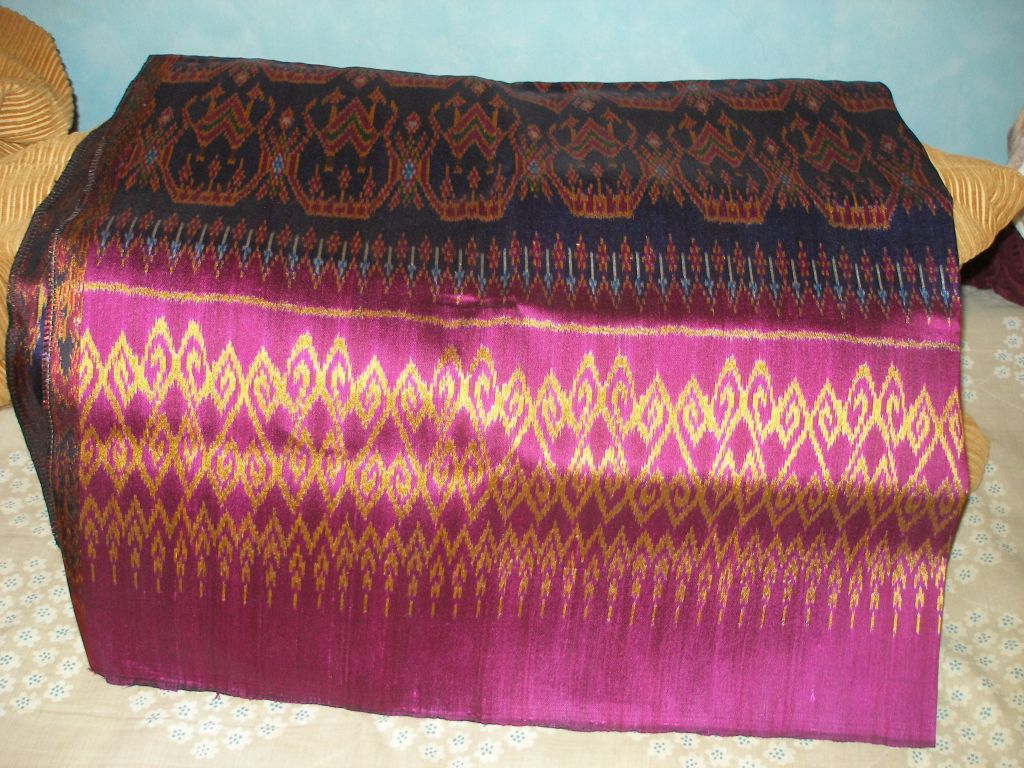
In contract to Indonesian ikat, Mudmee cloth from Thailand makes use of resist-dyed weft (horizontal) yarns. Originally, special designs were reserved for nobility with simple patterns for everyday use. While Indonesian ikats tend to use fewer colors, modern mudmee can have quite a range of vibrant bright colors, especially for cloth that is intended for use by young women.
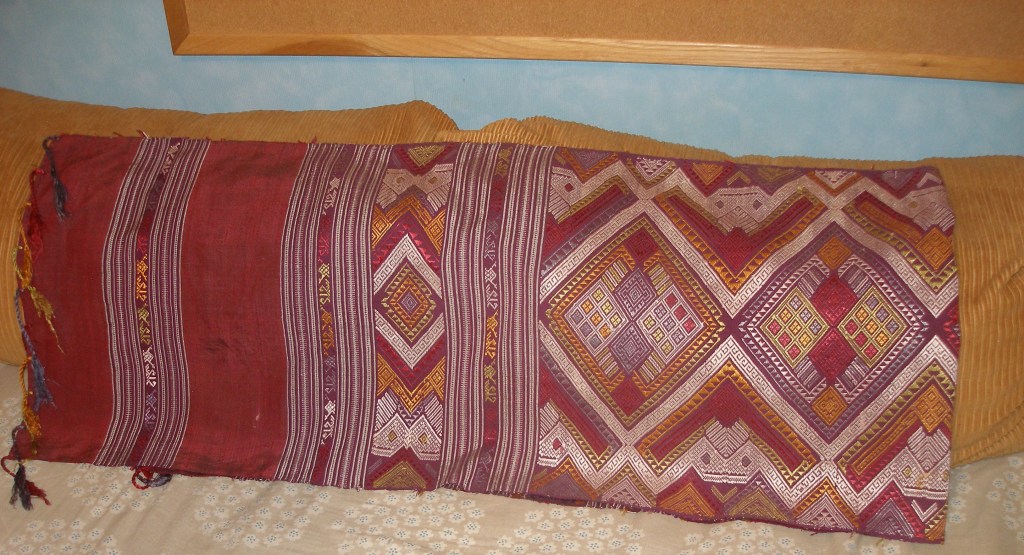
Traditional patterns often had strong horizontal or vertical bands, like the silk weaving shown below. Vibrant and complex-patterns are now created with the help of large modern looms, as was the case with the last two examples below.
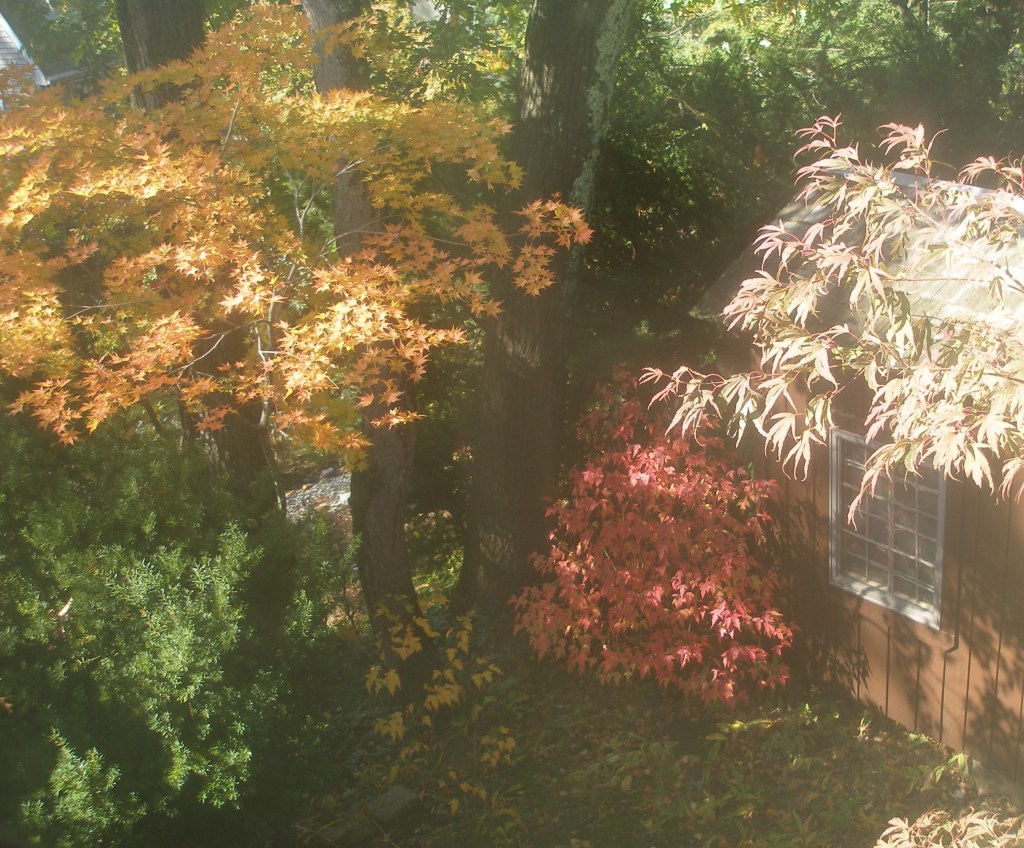
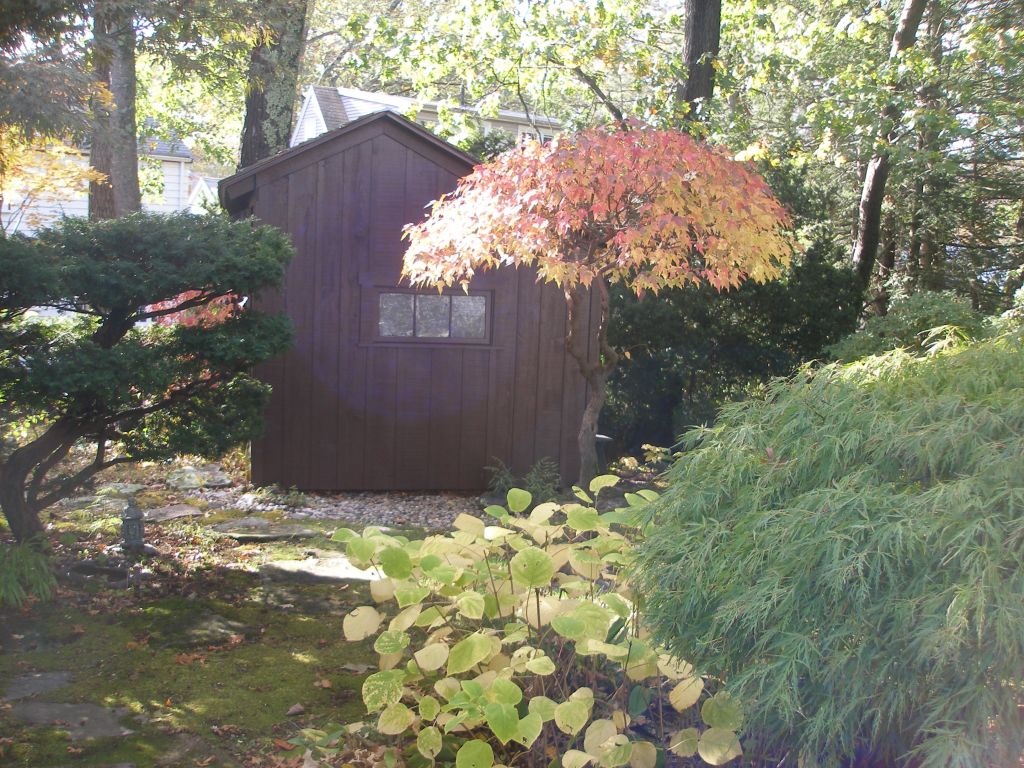
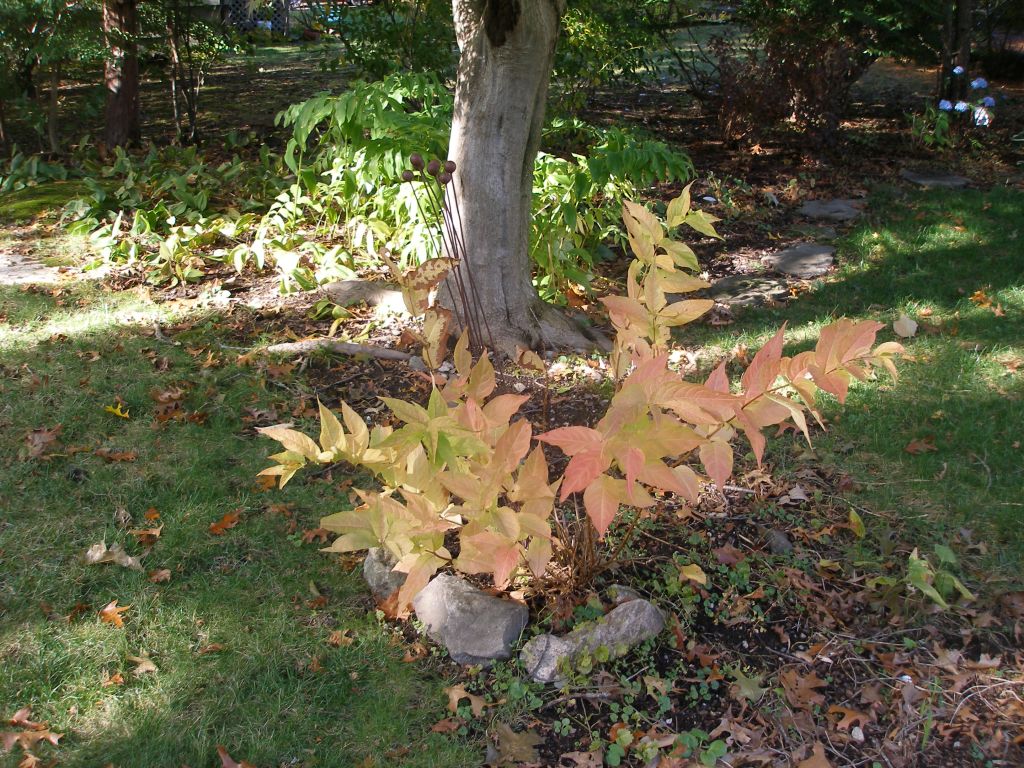
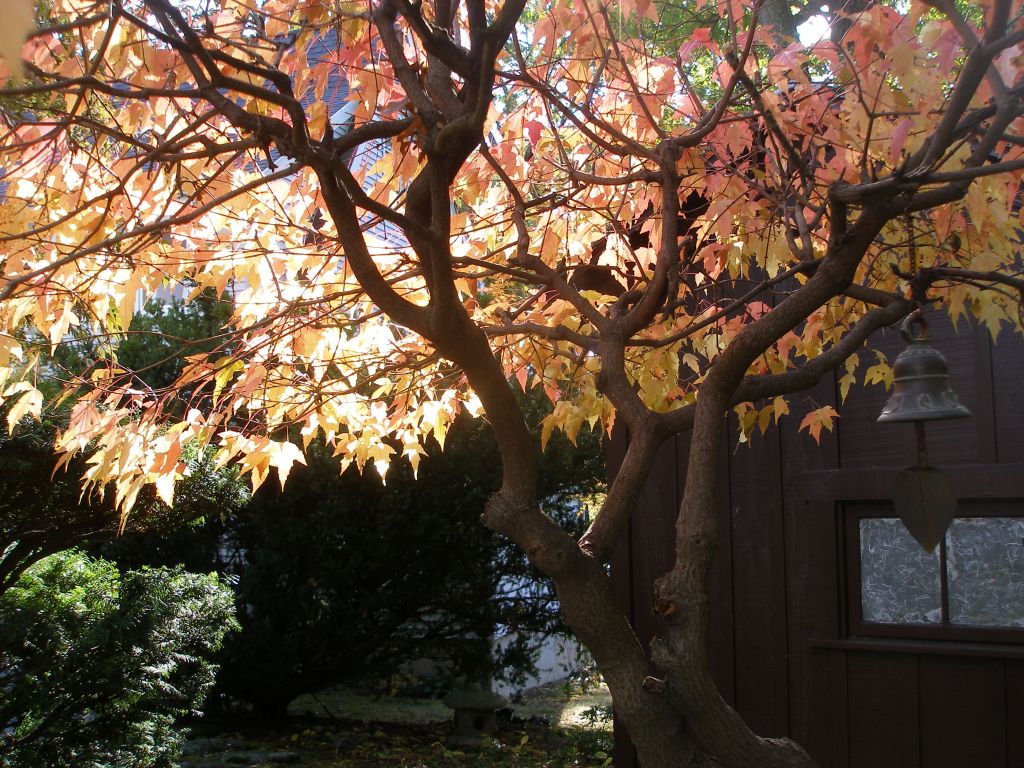
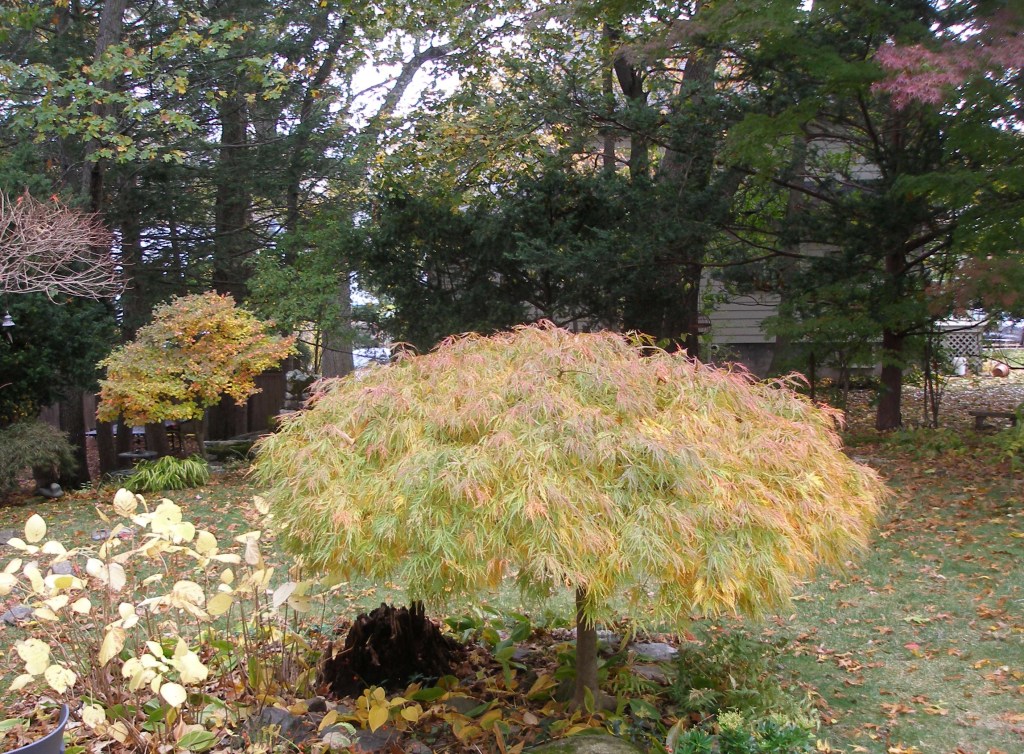
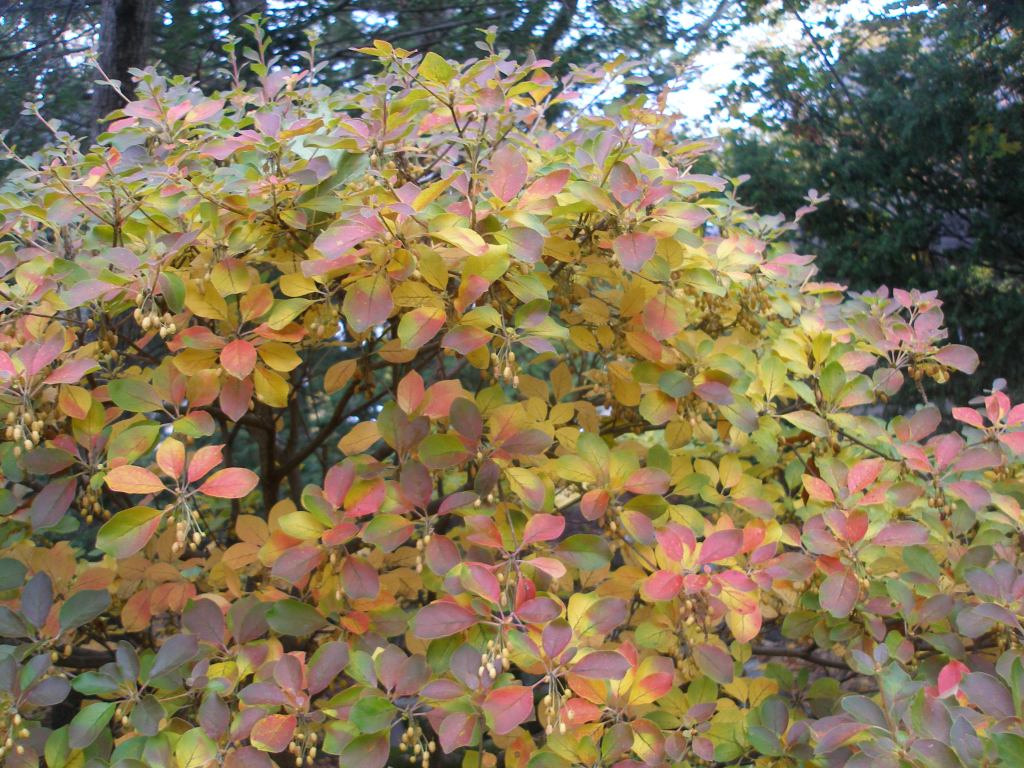
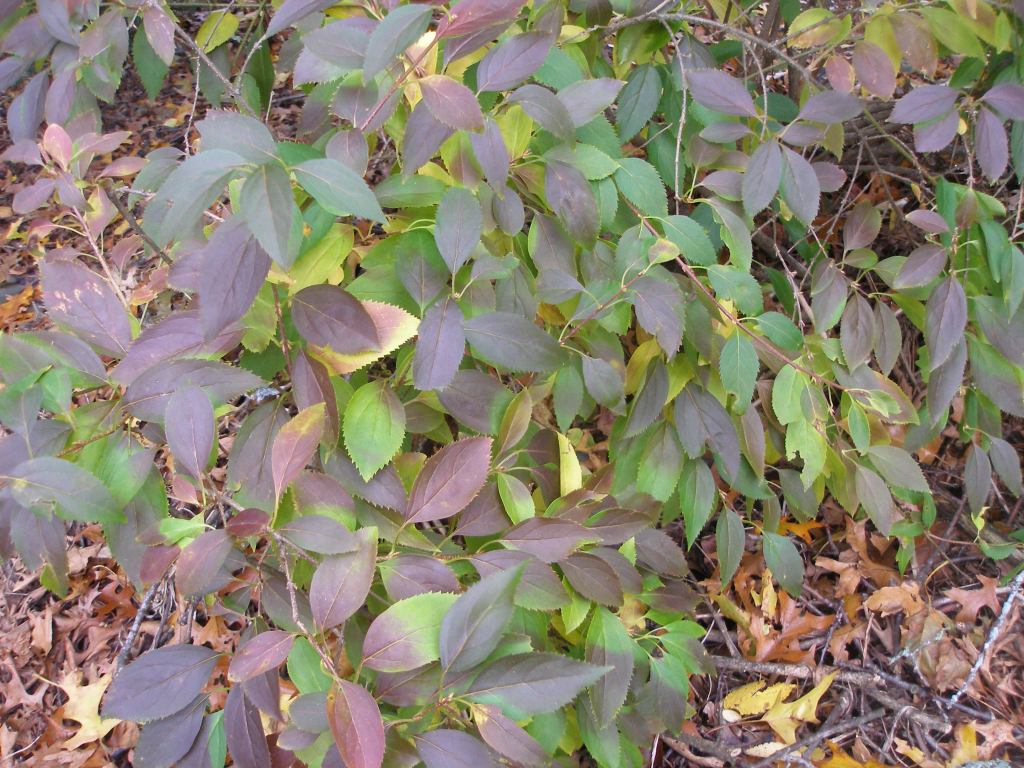
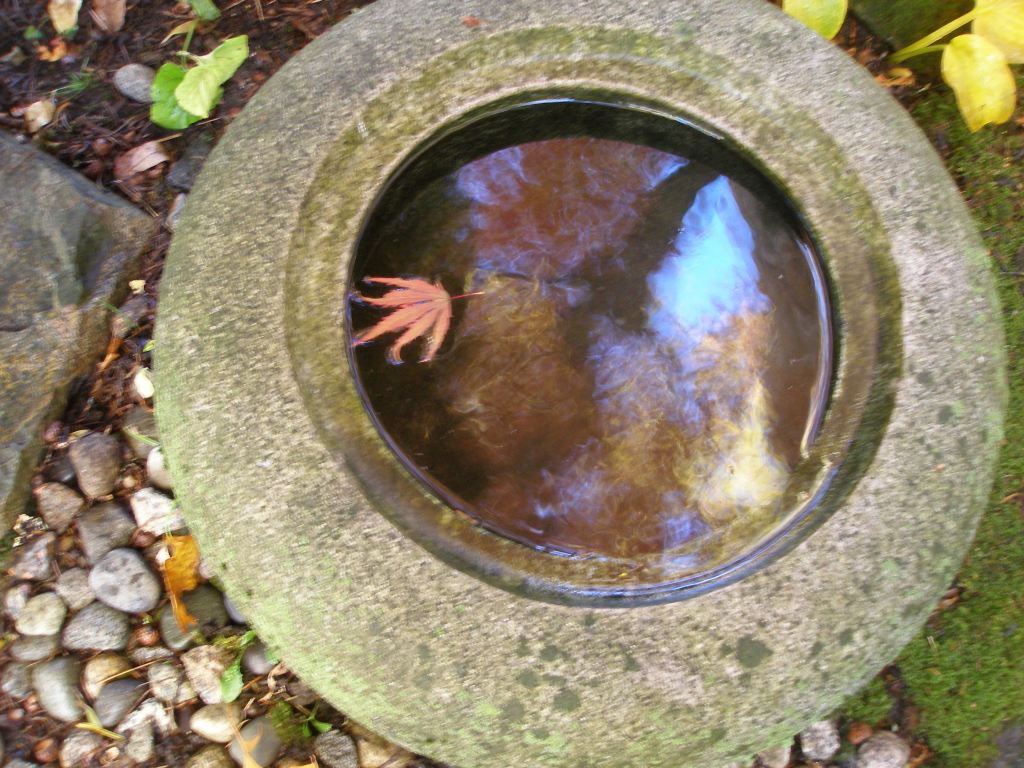
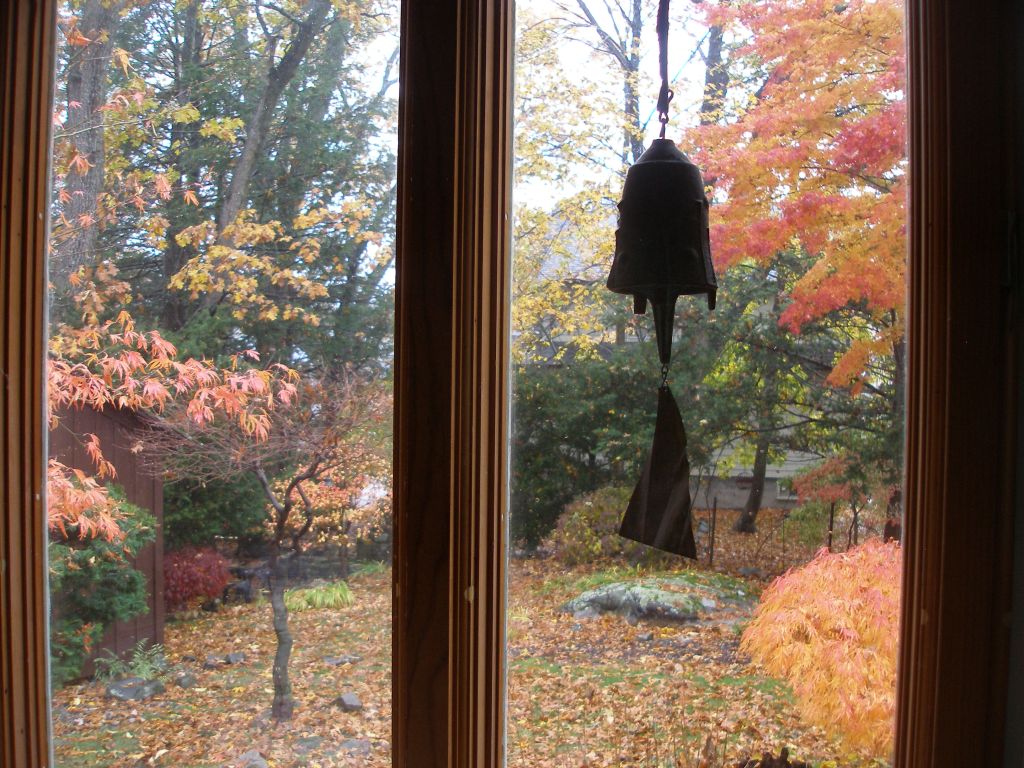
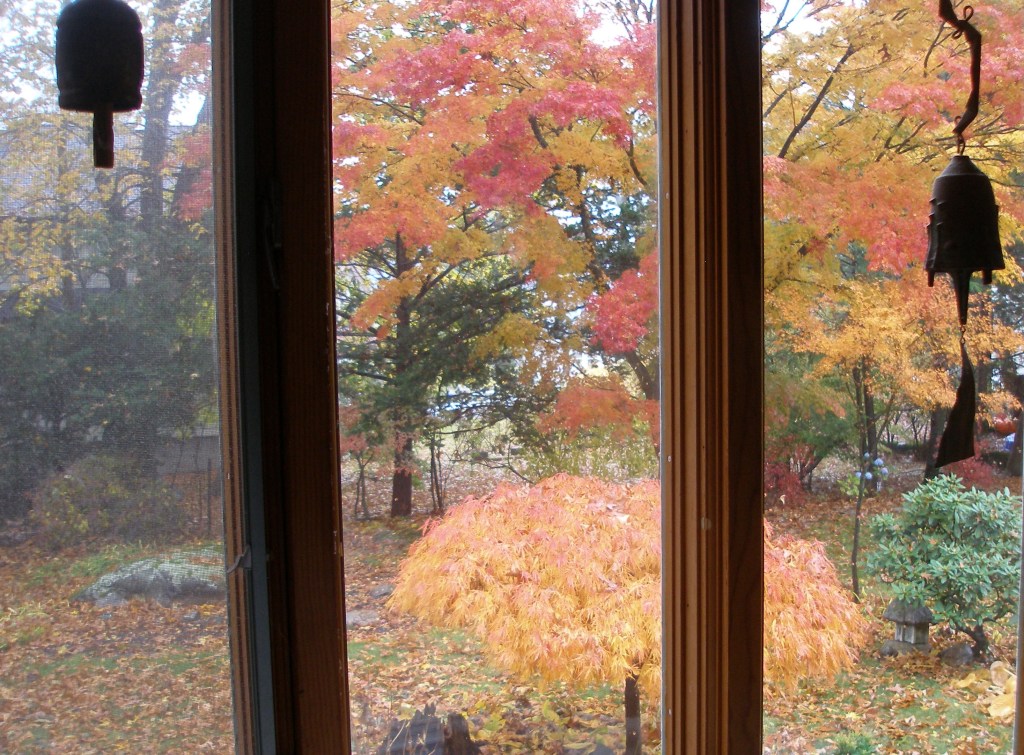
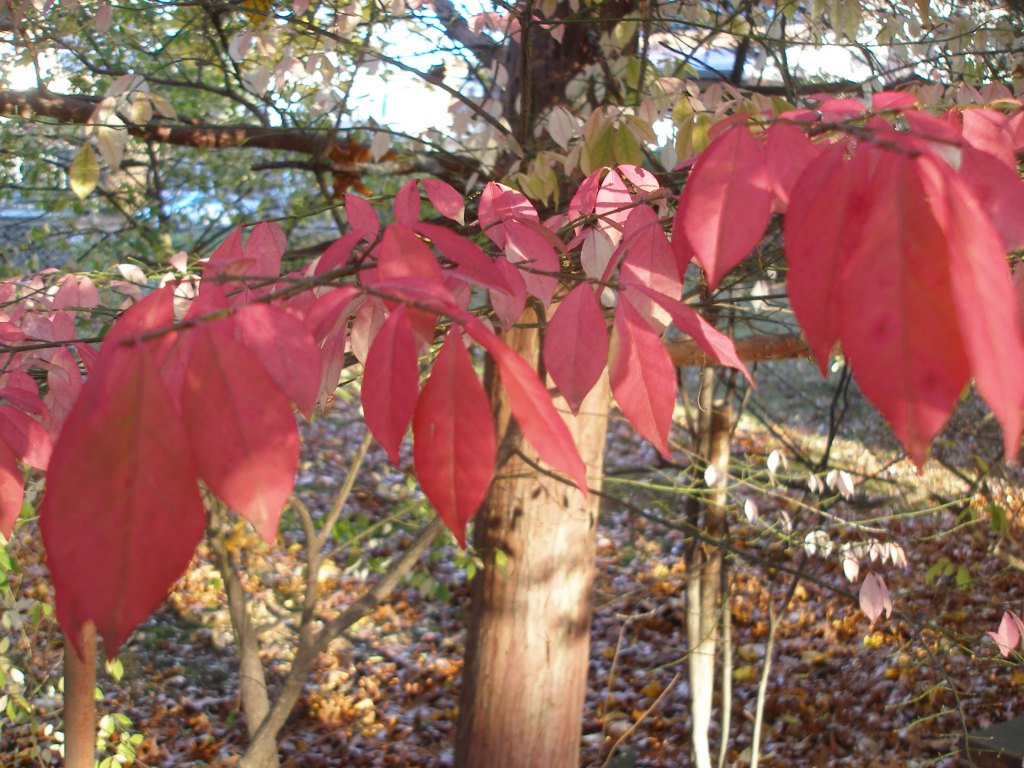
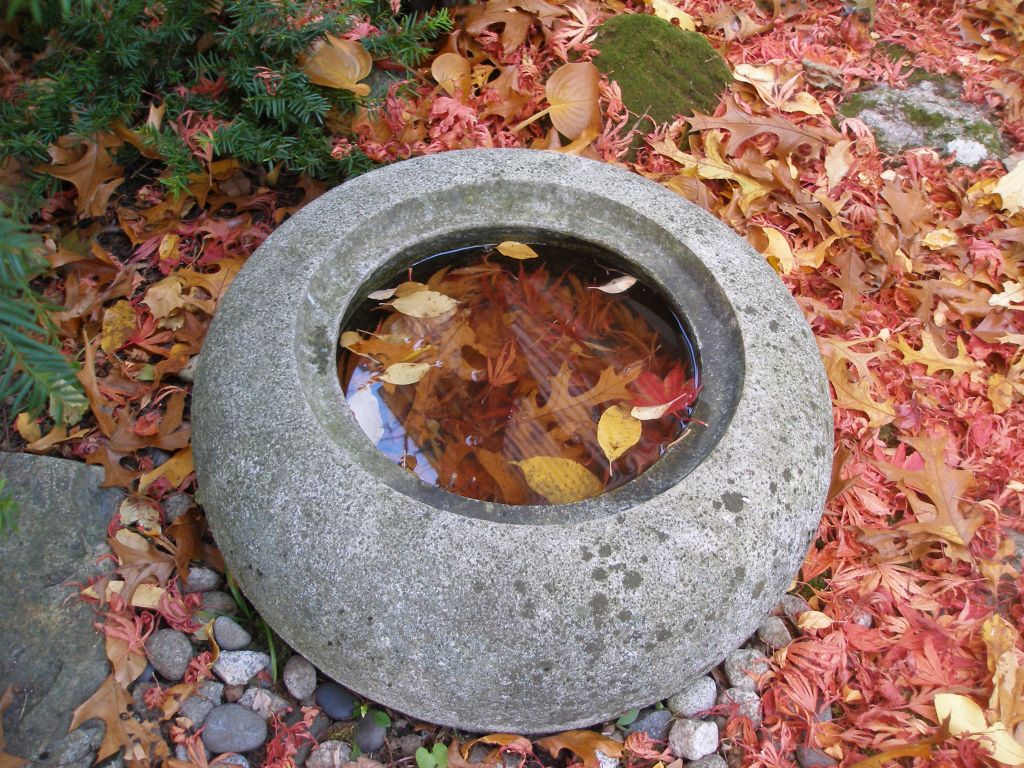
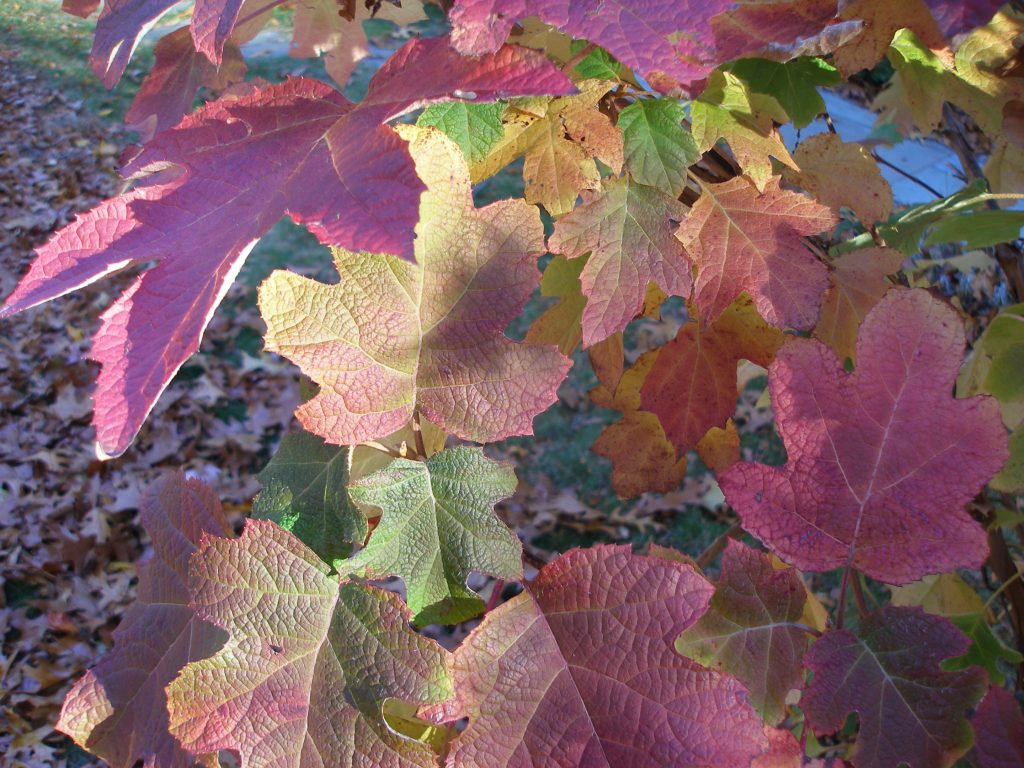
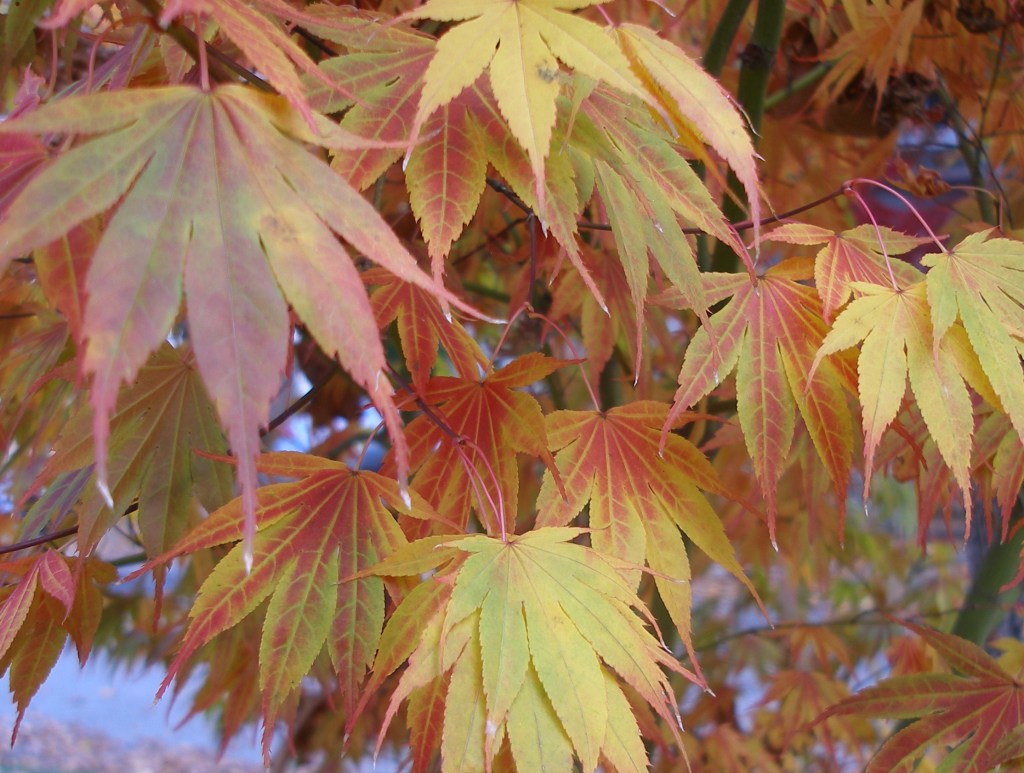
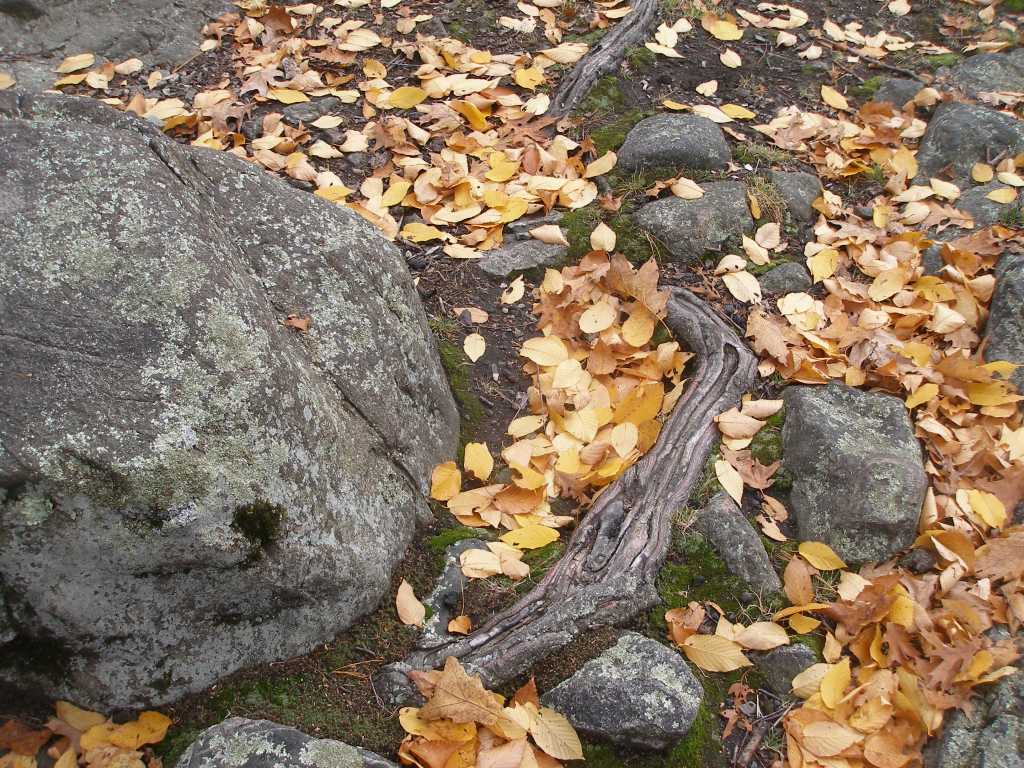
I cannot help staring out my kitchen window at this time of year. The kaleidoscopic patterns of leaf colors keep shifting on the trees and bushes, then fall into delightful patterns on the ground.
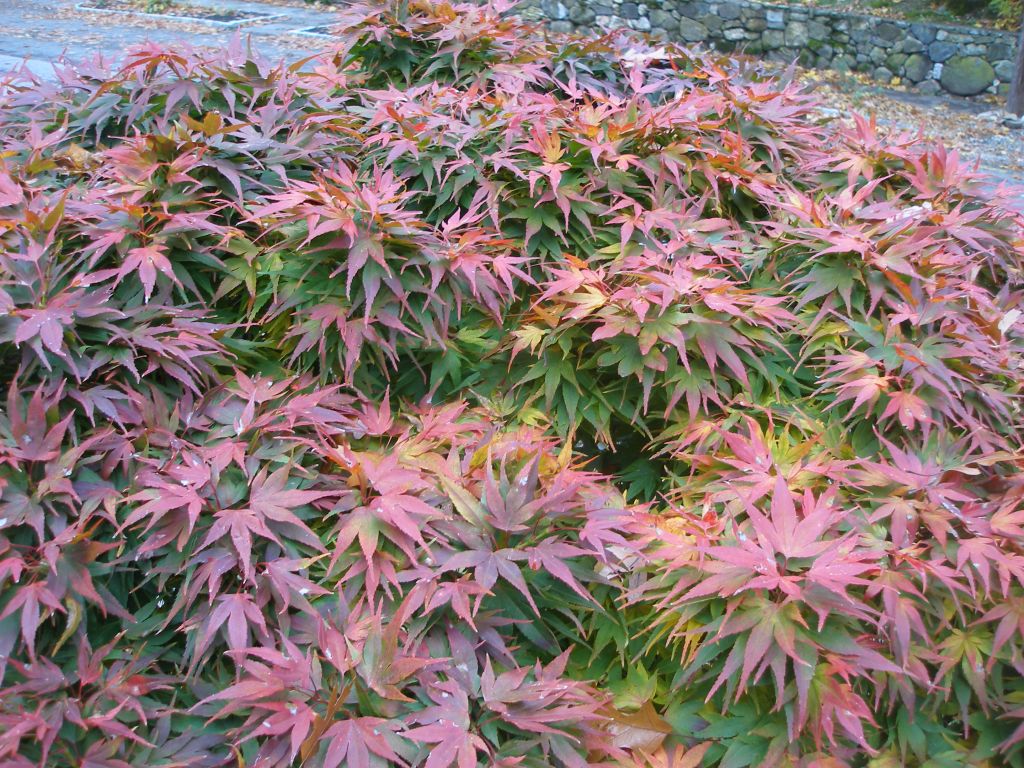
The gemlike colors on cloudy days can appear quite different when sunlight sets them glowing.
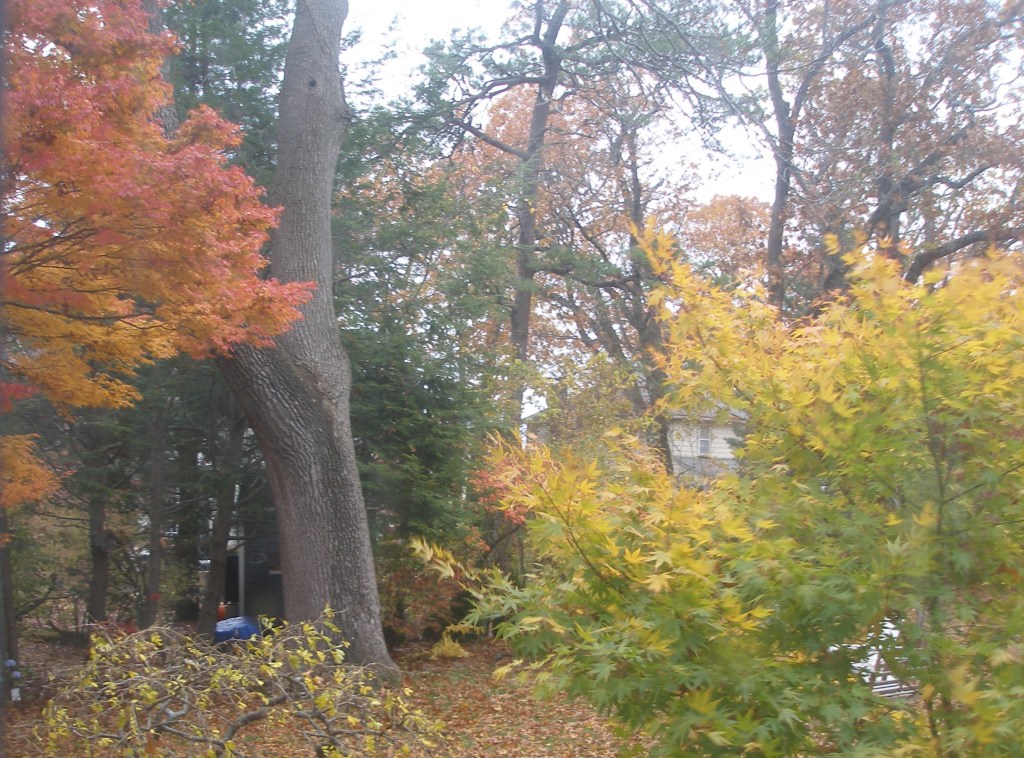
Although I expected a range of yellows in Menotomy Rocks Park at this time of year, the yellows had a clarity and depth to them as if they were saying, “We do not care that it has been dry until recently, we are going to do our yellow thing anyway so as to knock you socks off.”
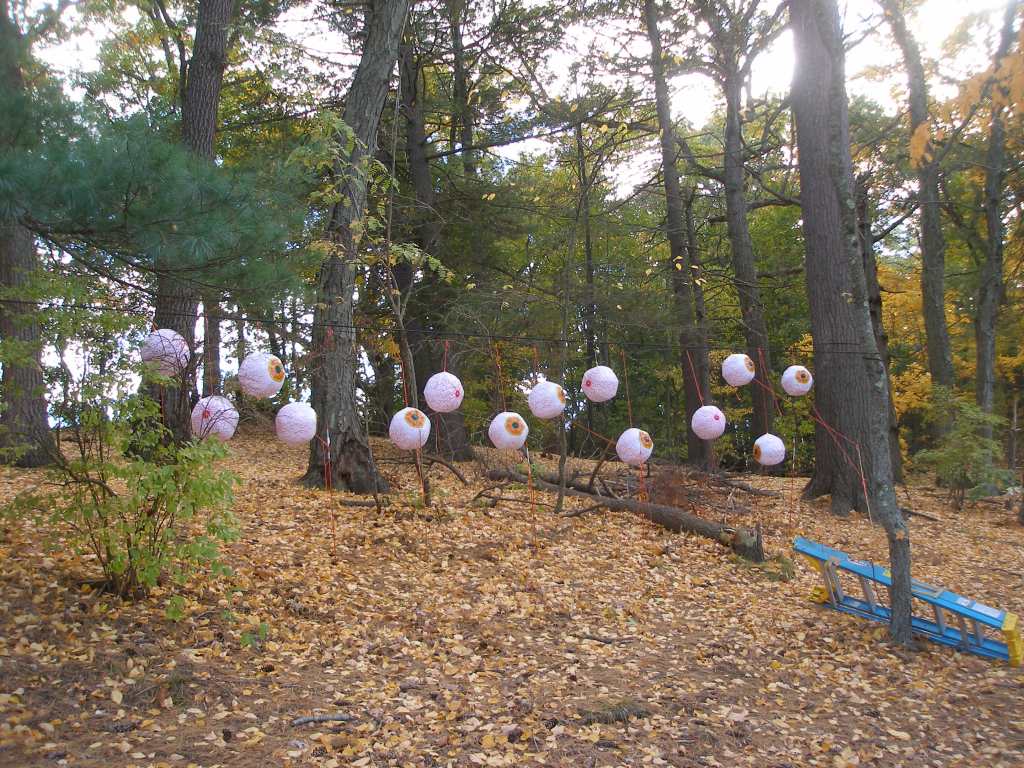
As I wandered down to the pond, folks were setting up for the “Spooky Walk” that would take place after it got dark. The mood was very different here, but I decided to included a few photos of their preparations, just for the fun of it.
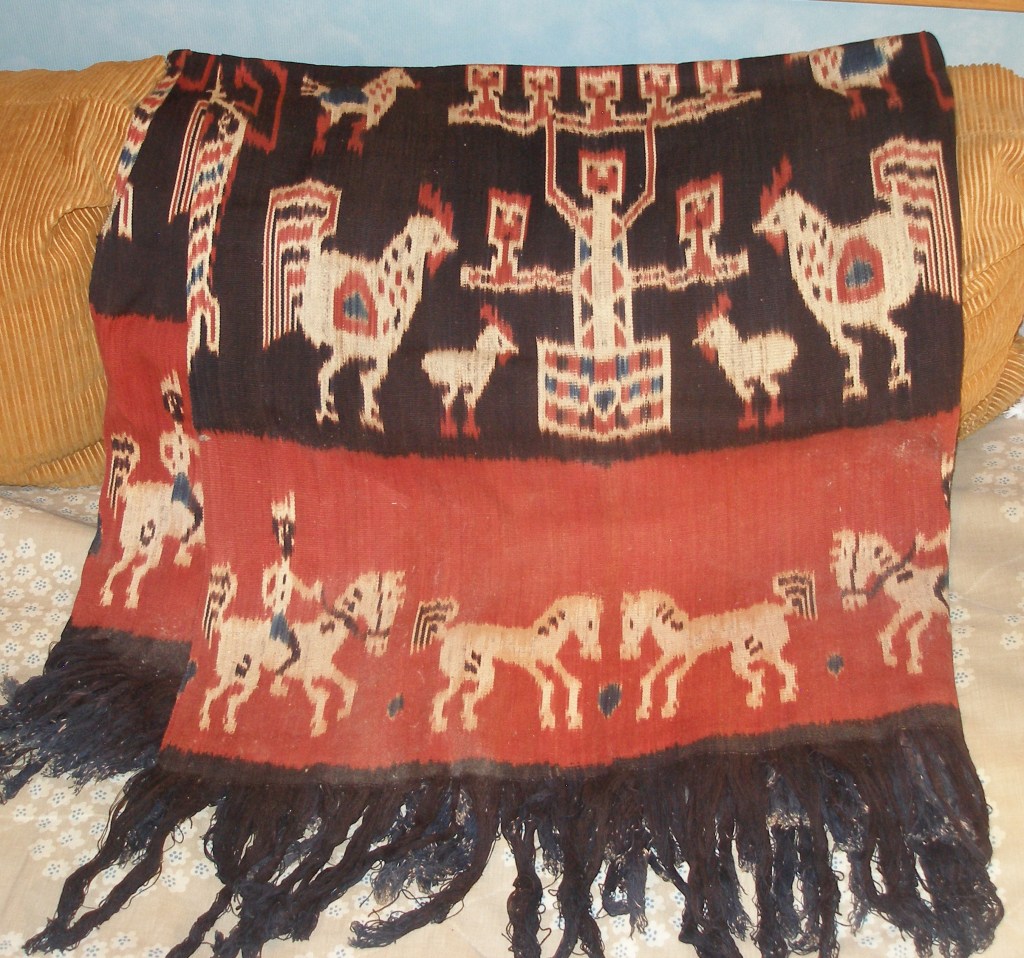
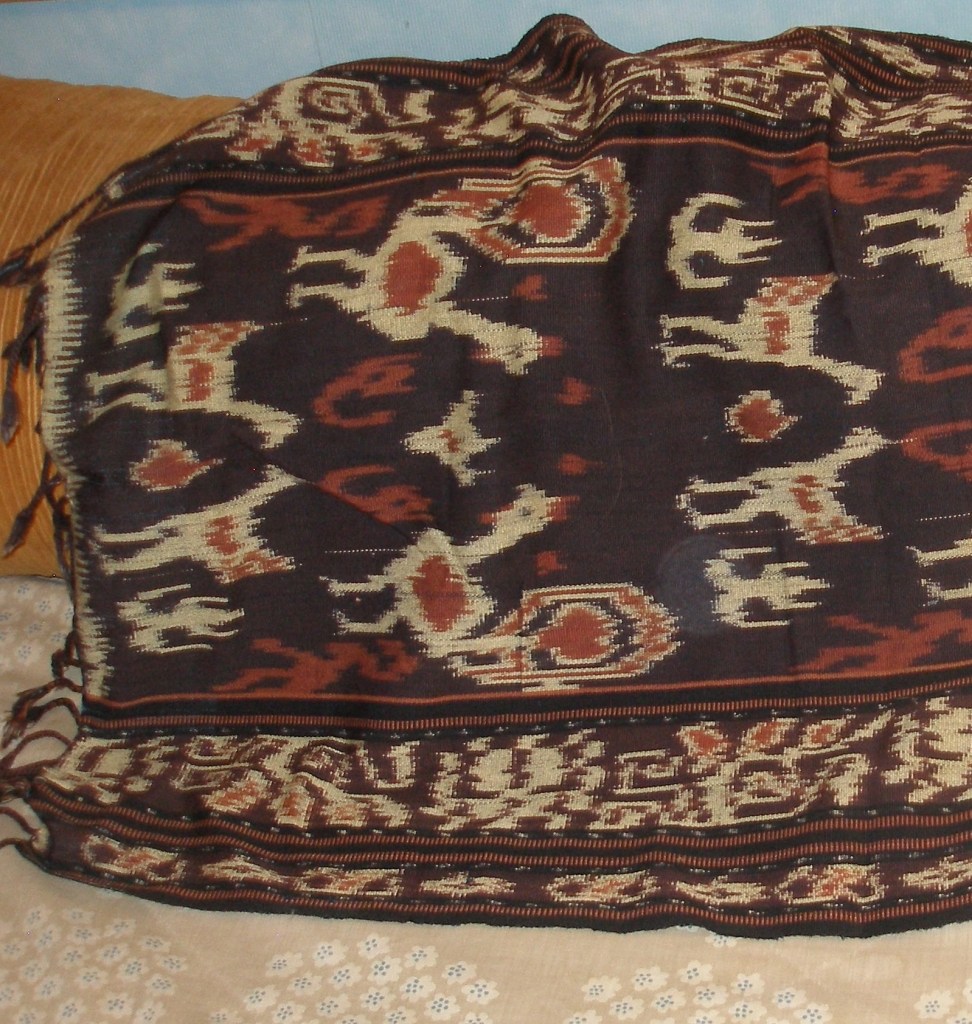
Indonesian ikat weavings have always had multiple uses. They are worn as sarongs and wraps as part of everyday clothing. They express and preserve cultural identity with outstanding examples playing an important role in various rites of passage such as marriage and funerals. In hard times, these valued and appreciated weavings can mean survival as they can be sold or traded for food and other critical supplies.
The patterns are produced by wrapping sections of (usually cotton) threads so that they resist a particular dye that is applied to the rest of the (usually warp) thread. With traditional dyes, the multiple dippings and dryings needed to achieve the desired shade can be quite time consuming. Modern dyes can make that process considerably faster while extending the range of possible colors.
Once all of the desired colors are dyed into the thread, ensuring precision in the complex designs calls for a great deal of attention to detail and sometimes subtle adjustments during the weaving process. In fact, quality hand-made ikat calls for a great deal of care during all stages of the sometimes years it takes to complete one. For that reason, I was not surprised to learn that in Indonesia, Ikat is generally considered the domain of women.
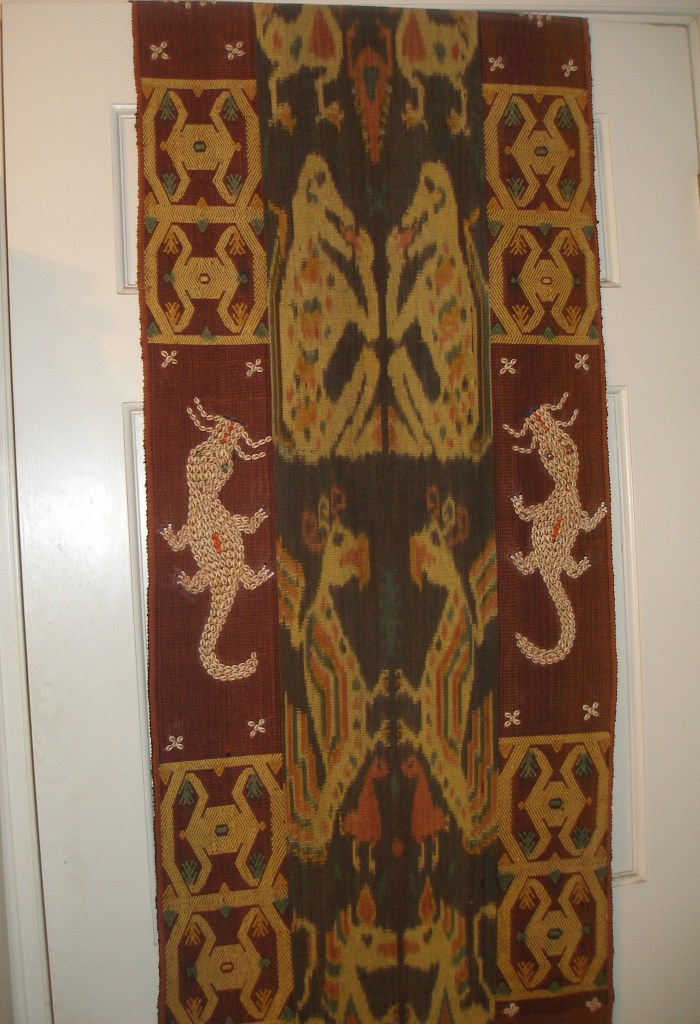
I decided to hang a particularly colorful modern example over the door to my office. This one combines a dark central ikat section with many different fanciful animals and two red outer sections with sewn-on cowry shell designs.
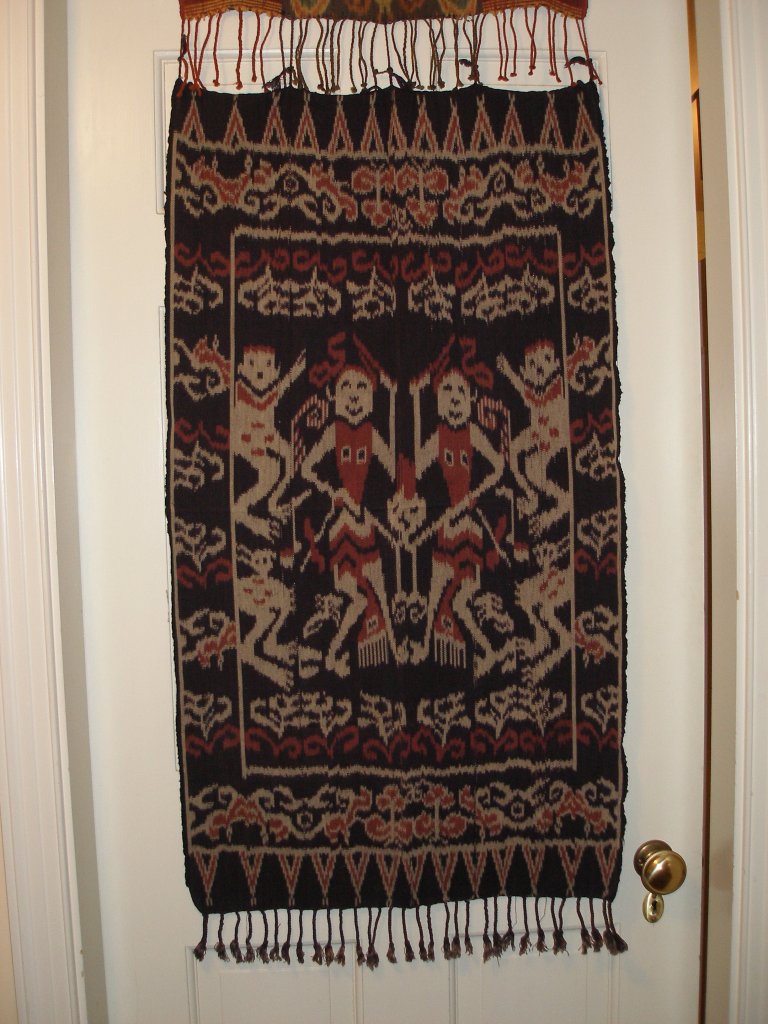
The last image shows an indigo-dyed Ikat hanging up in my tea hut in place of a scroll. Its Christian symbols are not a problem for its use during Japanese tea ceremony practice. In fact, Christian foreigners were among early adopters of Japanese tea ceremony and there are examples of a variety of early tea ceremony utensils including tea bowls that incorporate Christian symbols.
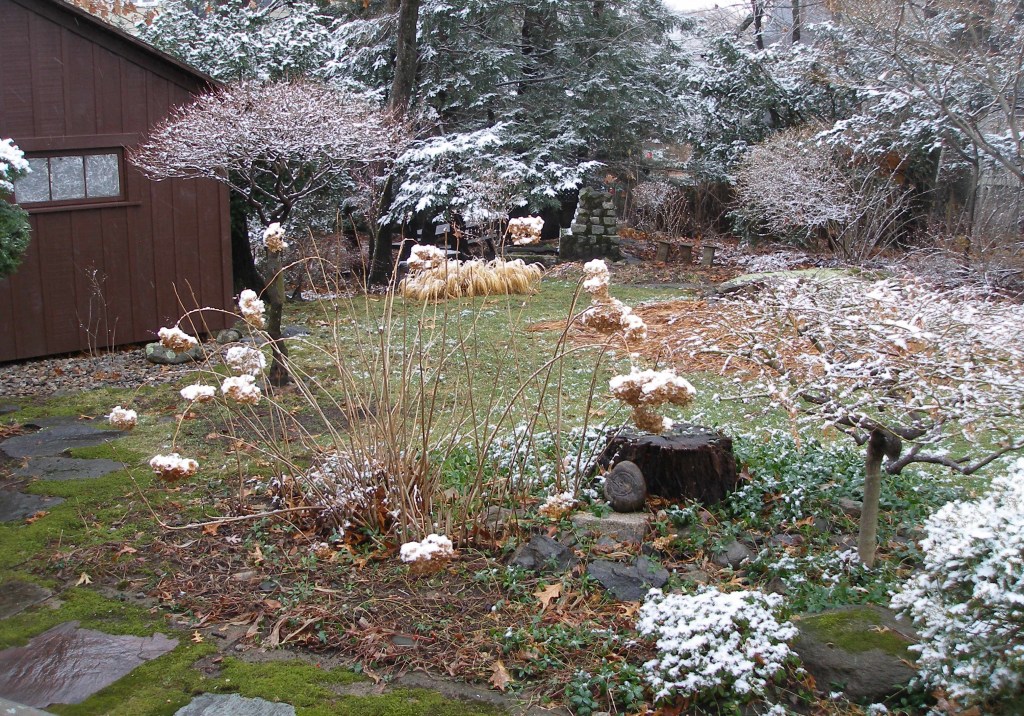
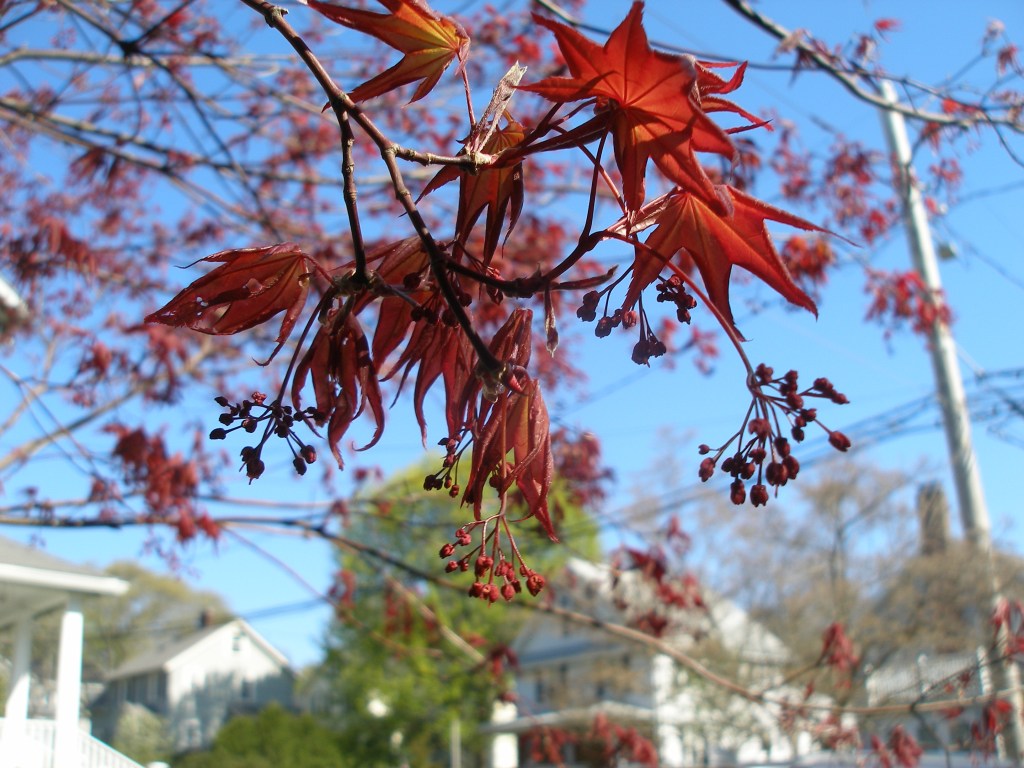
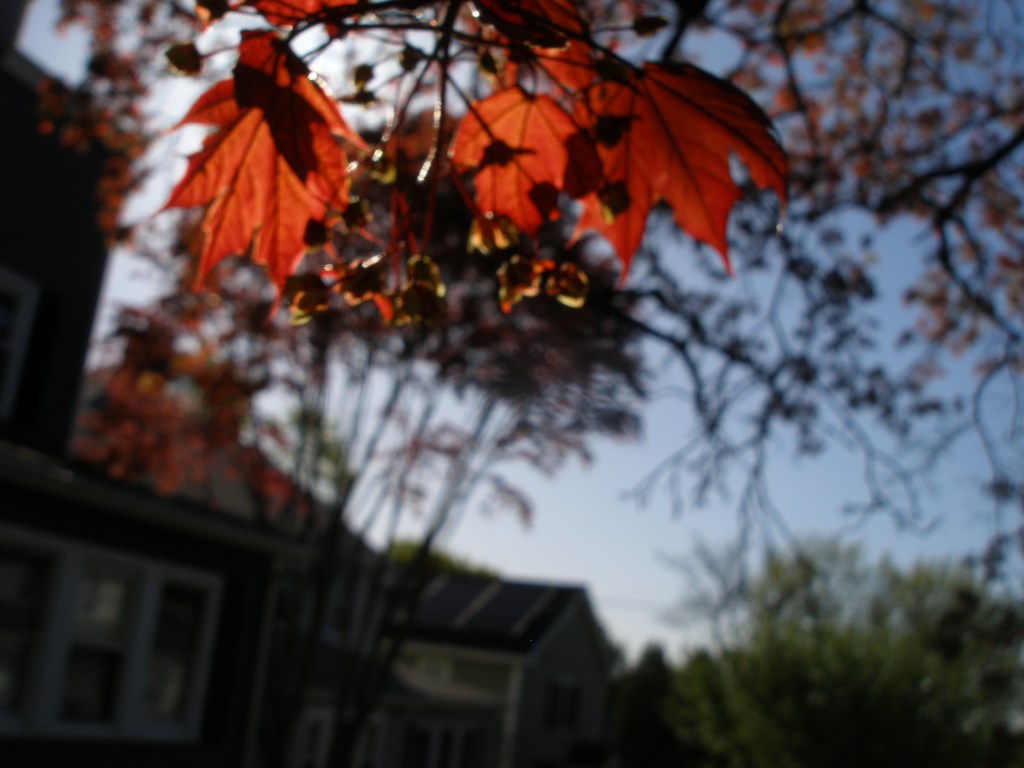
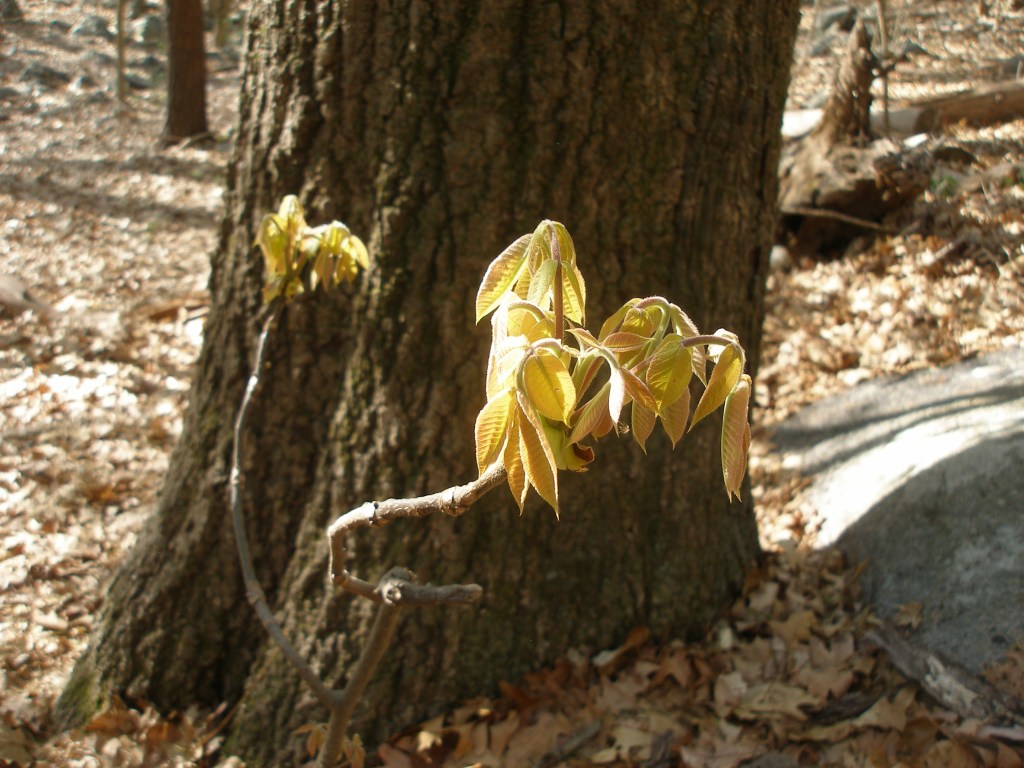
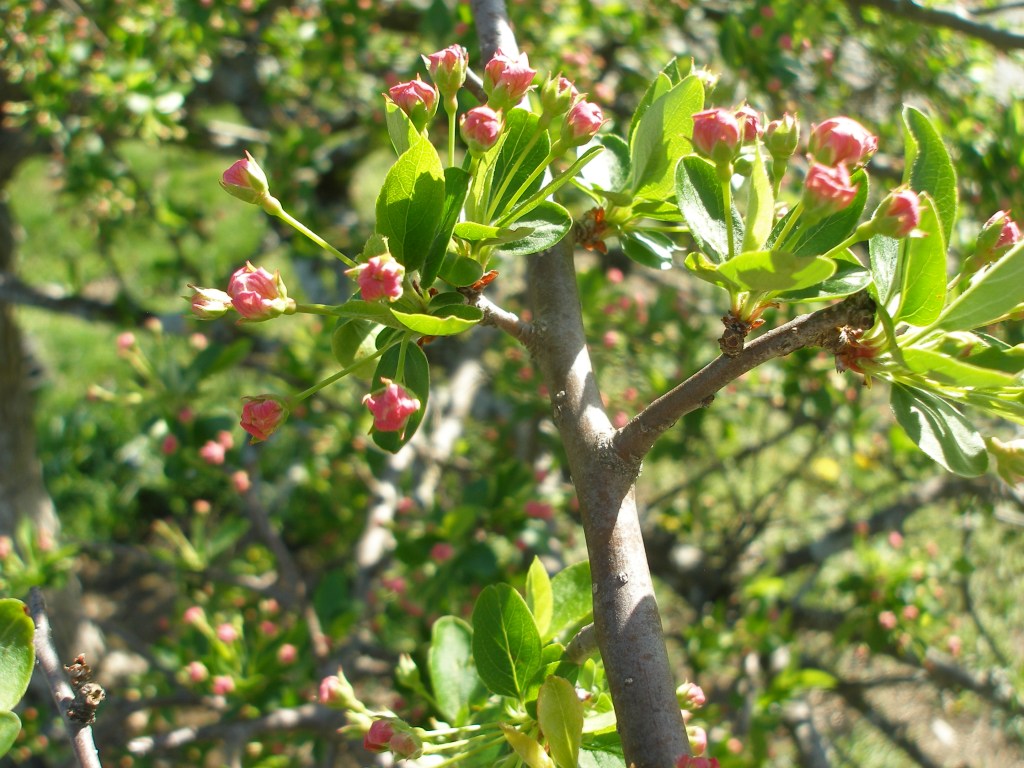
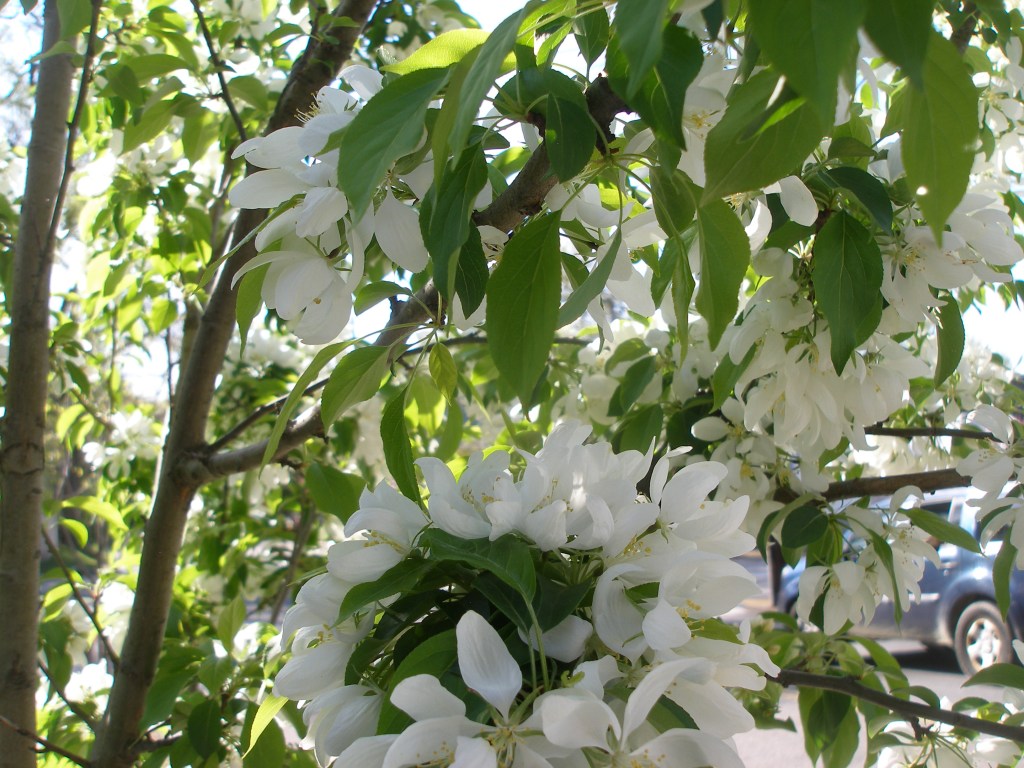
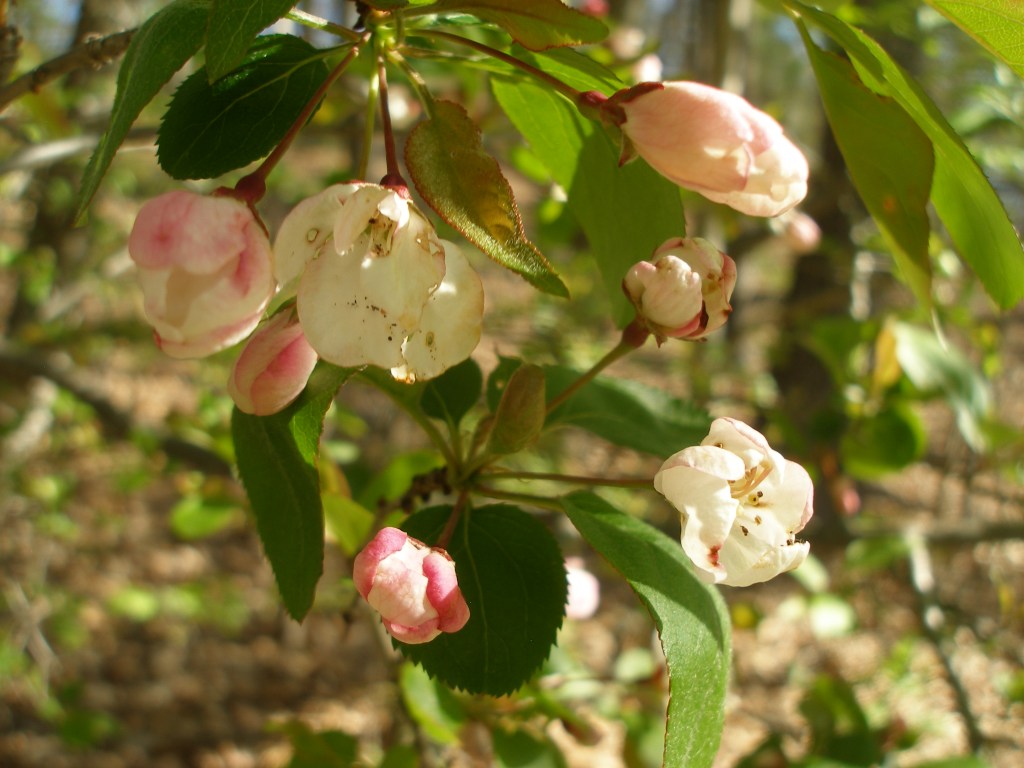
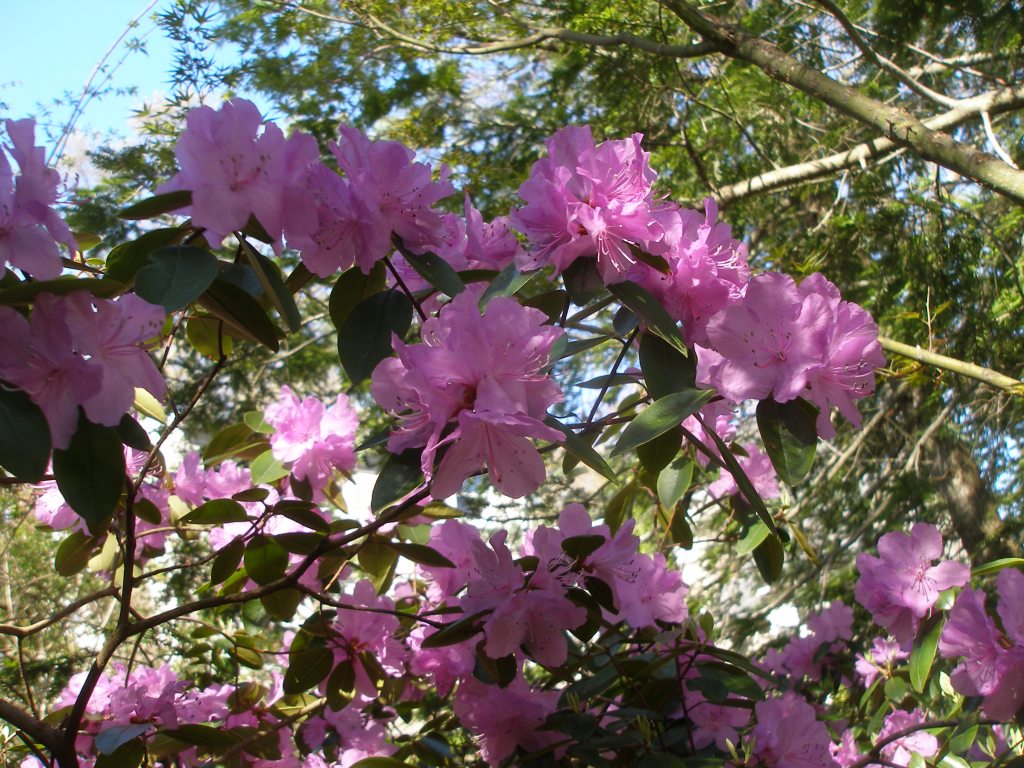
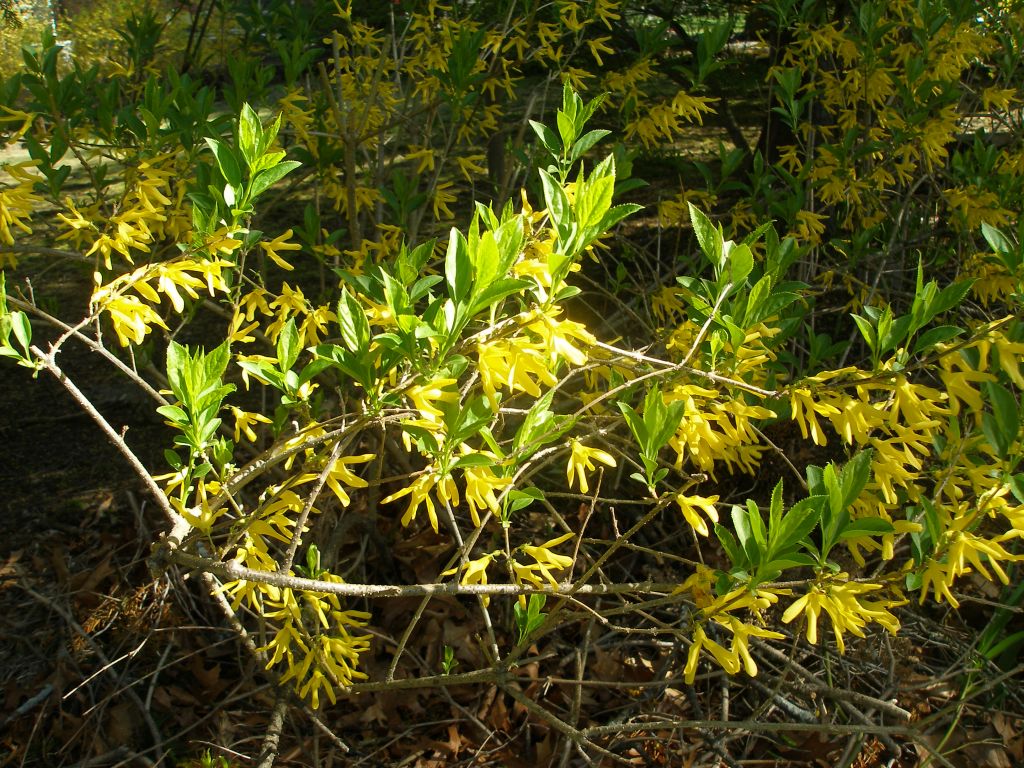
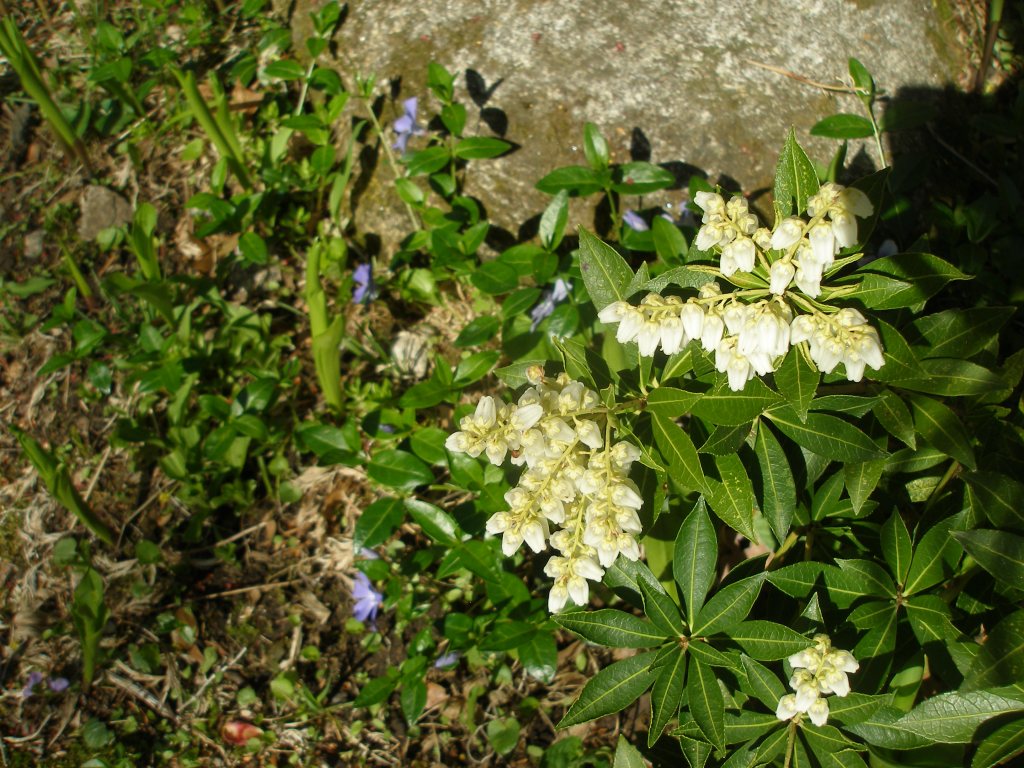
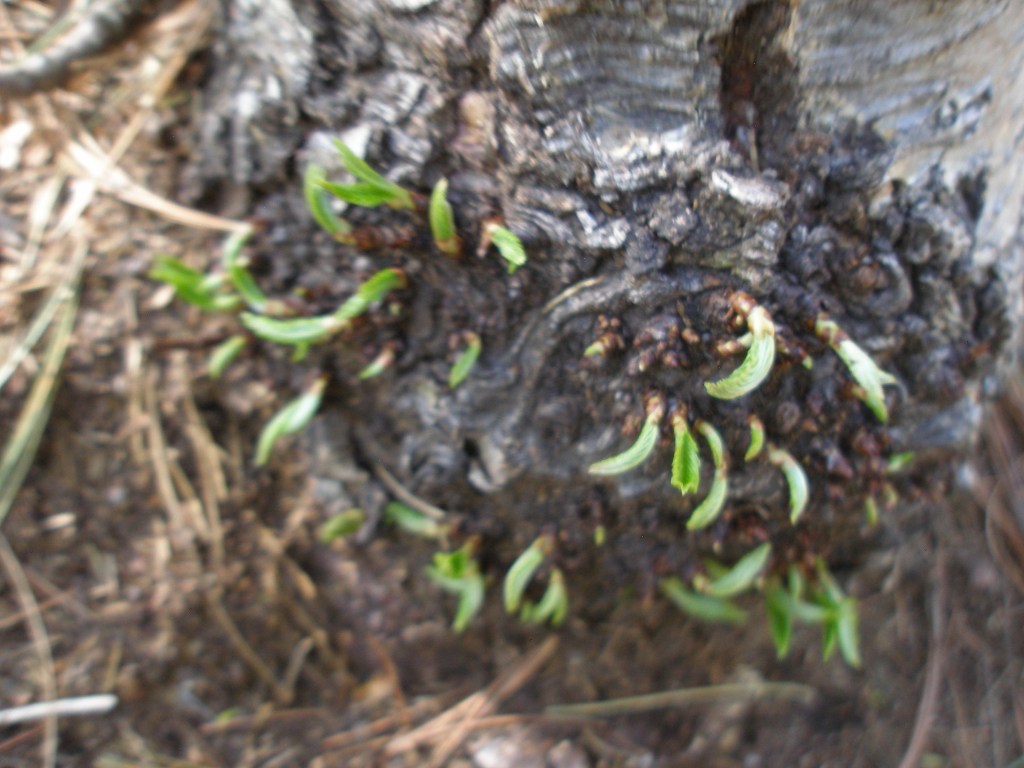
It had started raining on a more regular basis near Boston, so after a few days of warmer than usual weather, spring began to unfold step by step instead of all at once like last year.
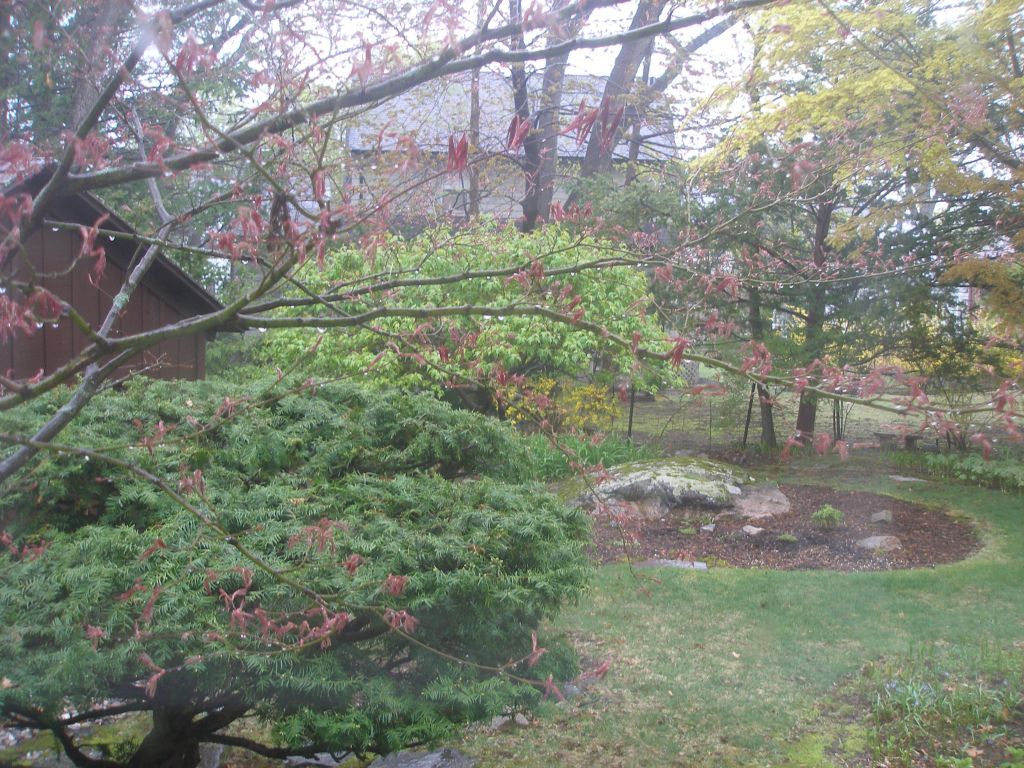
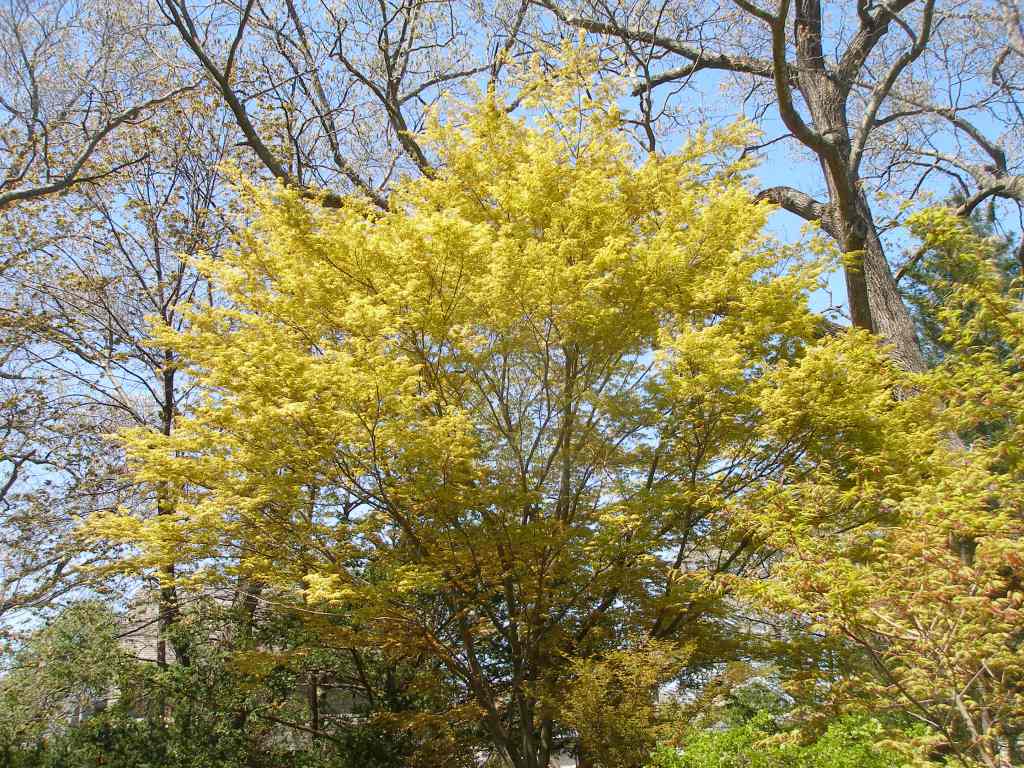
The photos below will give you a sense for what I noticed in the last few days of April; new leaves, blossoms, greening undergrowth, and my Katsura maple larger than ever as it goes through its color changes at this time of year.
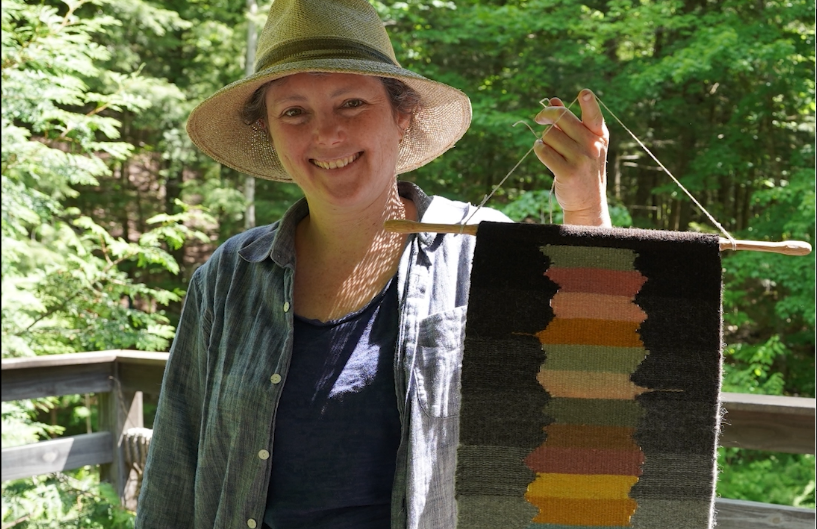
Hannah Regier with her “Color Harvest Moon” weaving. Photo by Jeff Klein.
This short documentary shares the world of Hannah Regier, who struck me as someone who truly lives by Japanese Tea ceremony’s core principles – Harmony, Respect, Purity and Tranquility.
I felt them in where and how Hannah lives, in the care she takes with her fabric art made using natural dyes gathered from the nearby fields and woods, as well as in her efforts to work with others to protect and share the lessons of natural places. There were other aspects of the the Way of Tea as well including creativity, generosity, and a deep appreciation for subtle aspects of the passing seasons.
Japanese tea ceremony was brought to its peak in times of war and great uncertainty. My trust in the worth of the art’s timeless values of harmony, respect, purity and tranquility provided a much appreciated anchor when things started to fall apart in my own life. But experiencing Hannah’s world made clear to me just how much those values can help to foster joy, connection and meaning, all of which are powerful antidotes to the helplessness and hopelessness it is all too easy to feel in these particularly challenging times.
Hannah Regier (her website), and videographer Jeff Klein (his website) both contributed their considerable artistic skills to this project. I am also most grateful for how Jeff Klein wove the sound of the stream behind Hannah’s studio throughout, an appropriate reminder of the importance of nature in the Way of Tea, in Hannah’s world, and, in fact, in all of our lives.
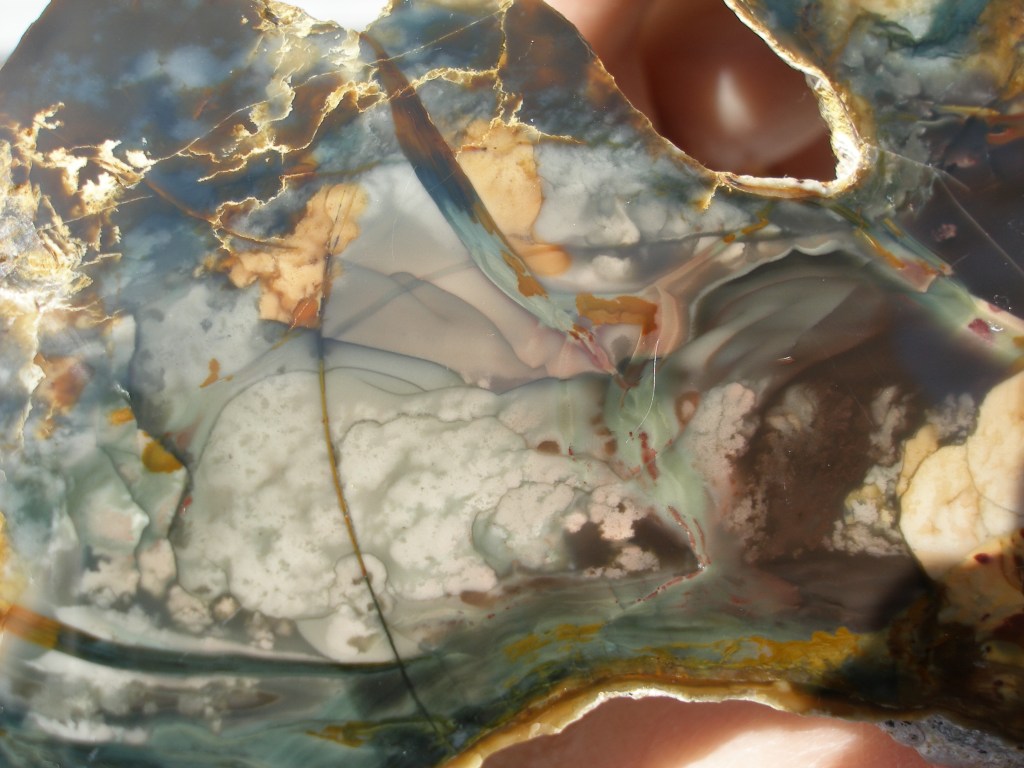
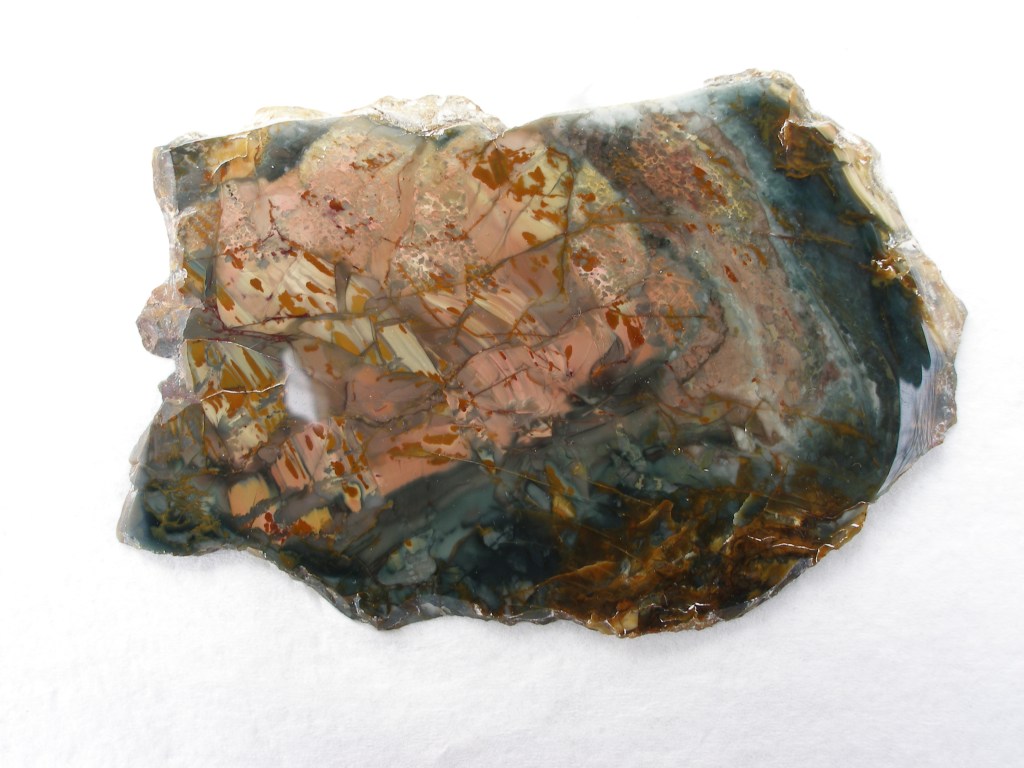
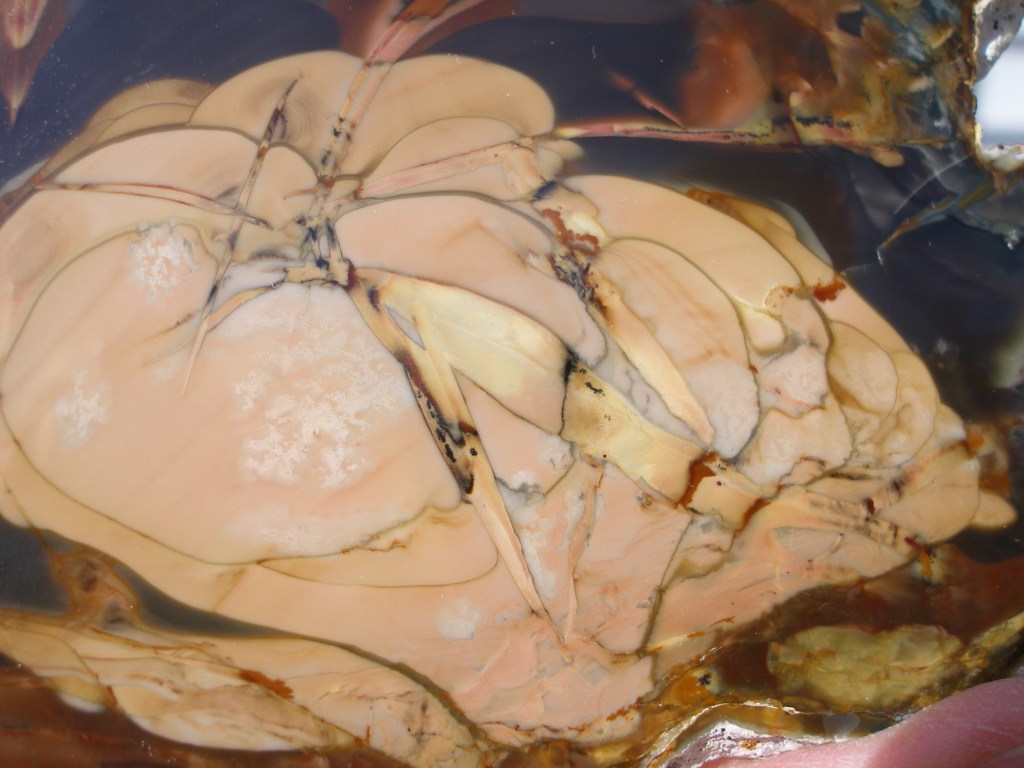
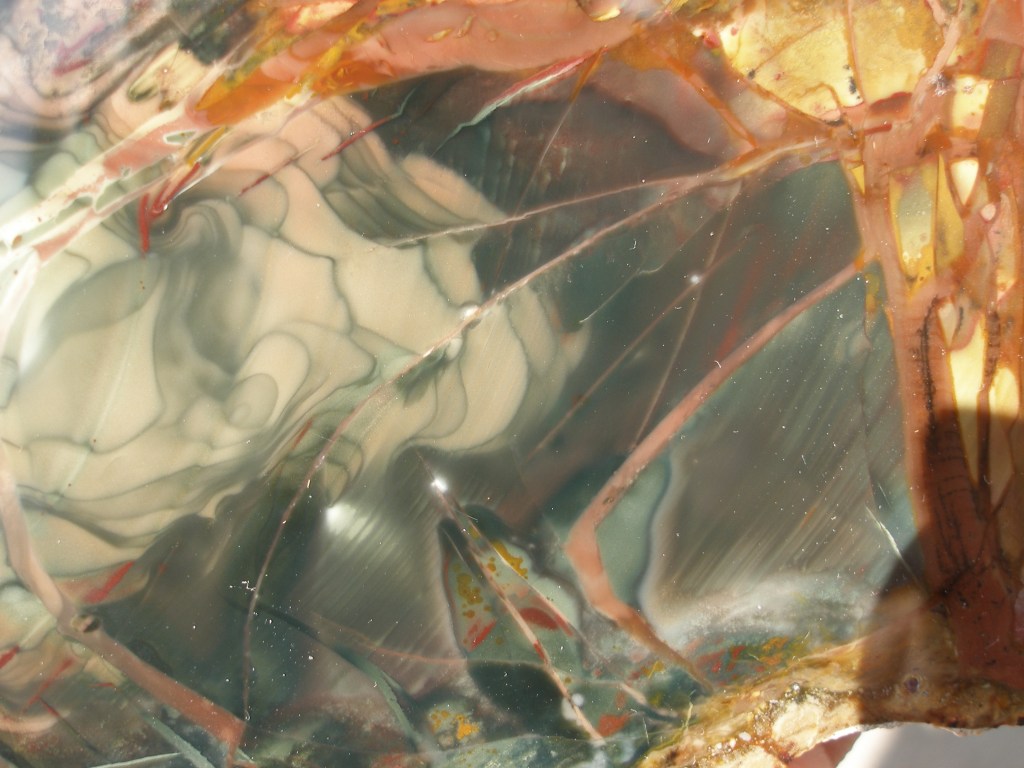
Rocks have a way of being relatively imperturbable. I like that. Especially in times when it seems impossible to keep up with too much information overload. They just sit there.
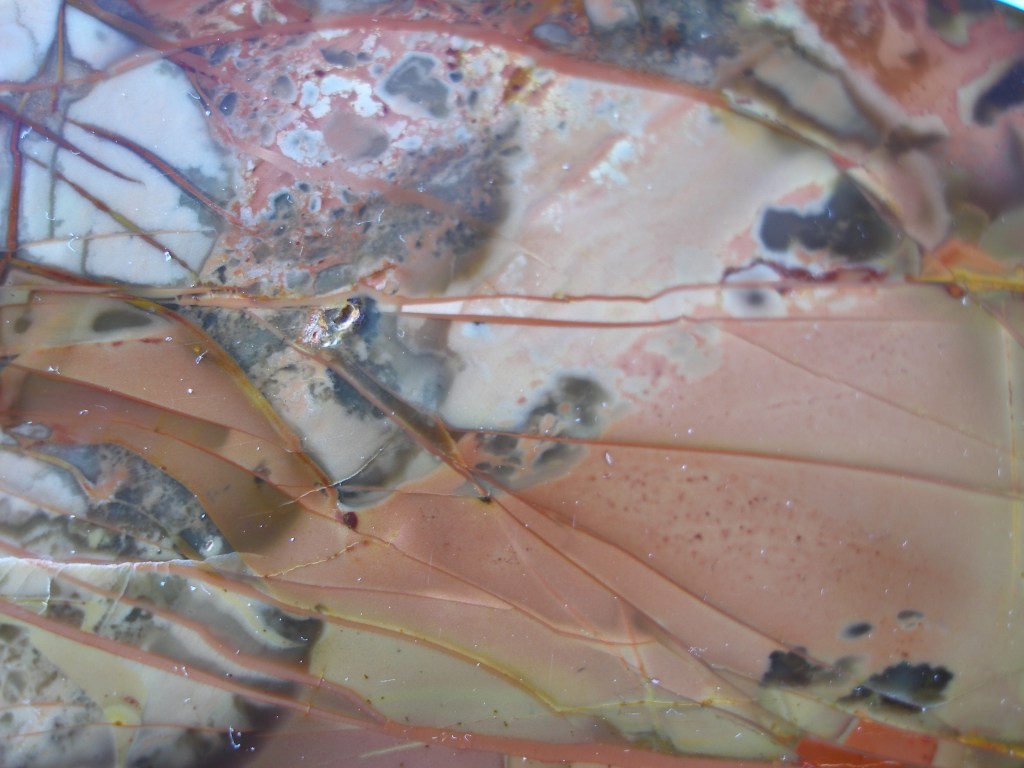
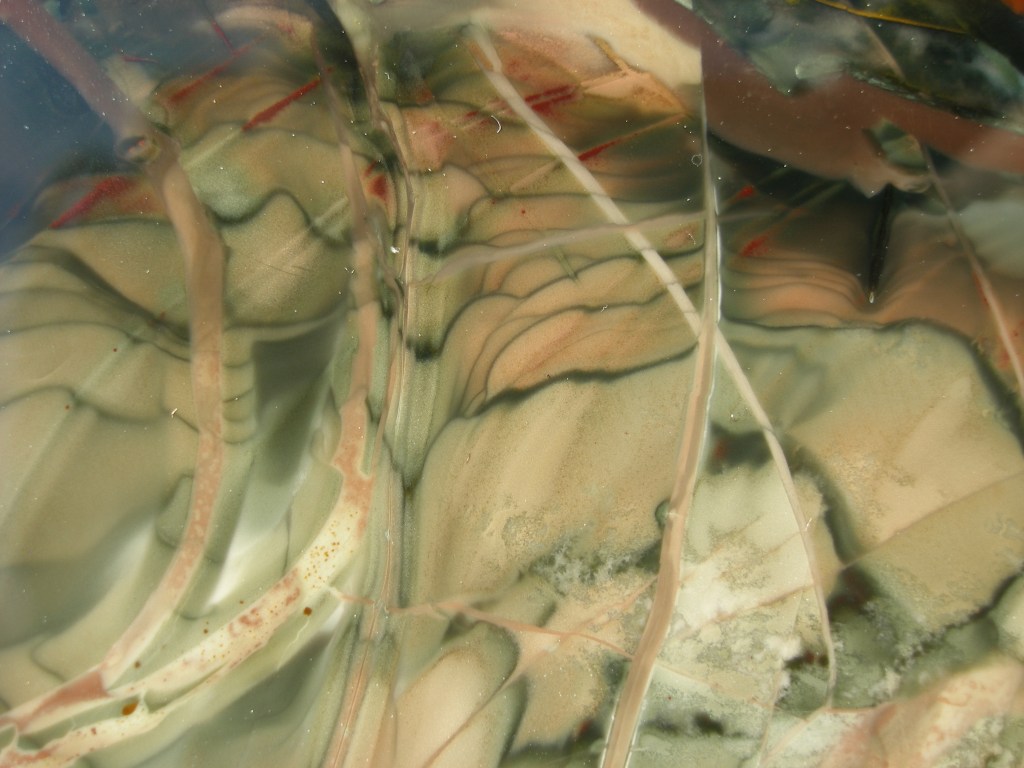
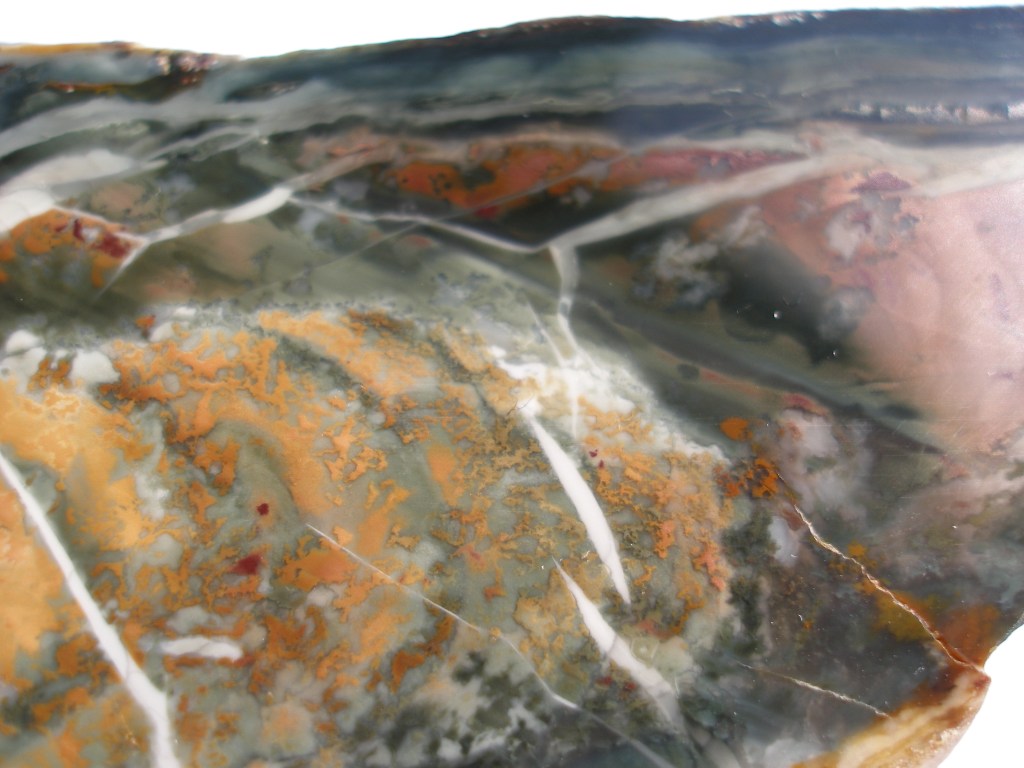
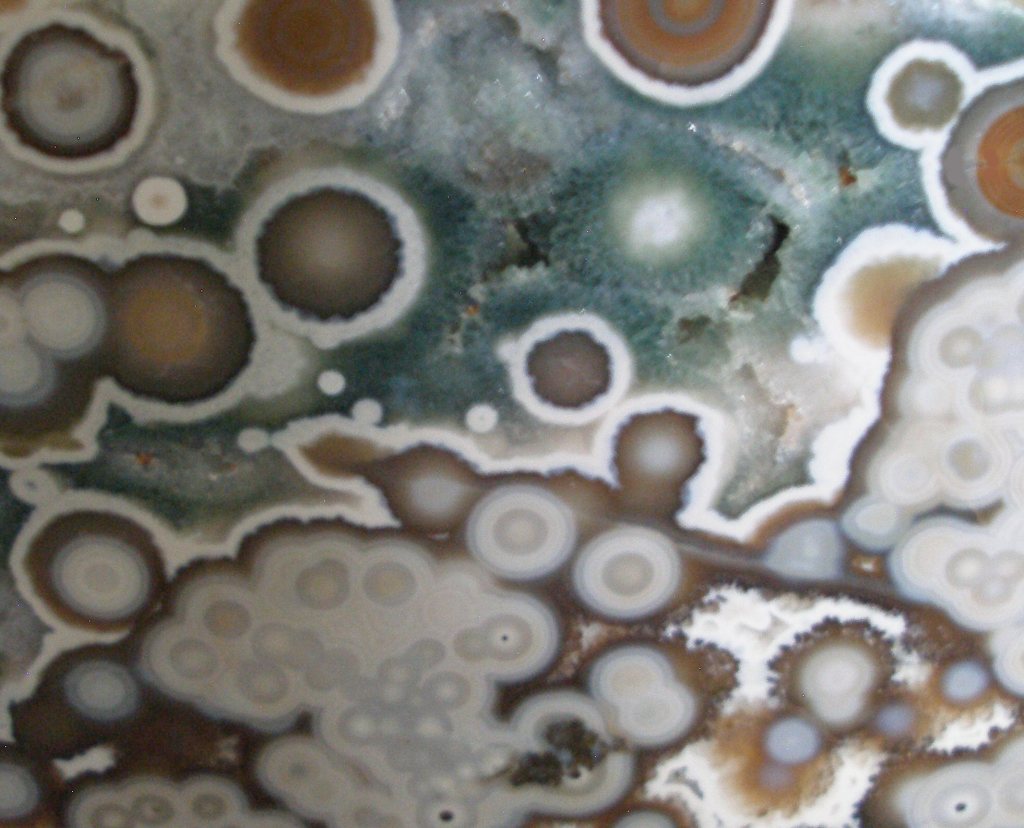
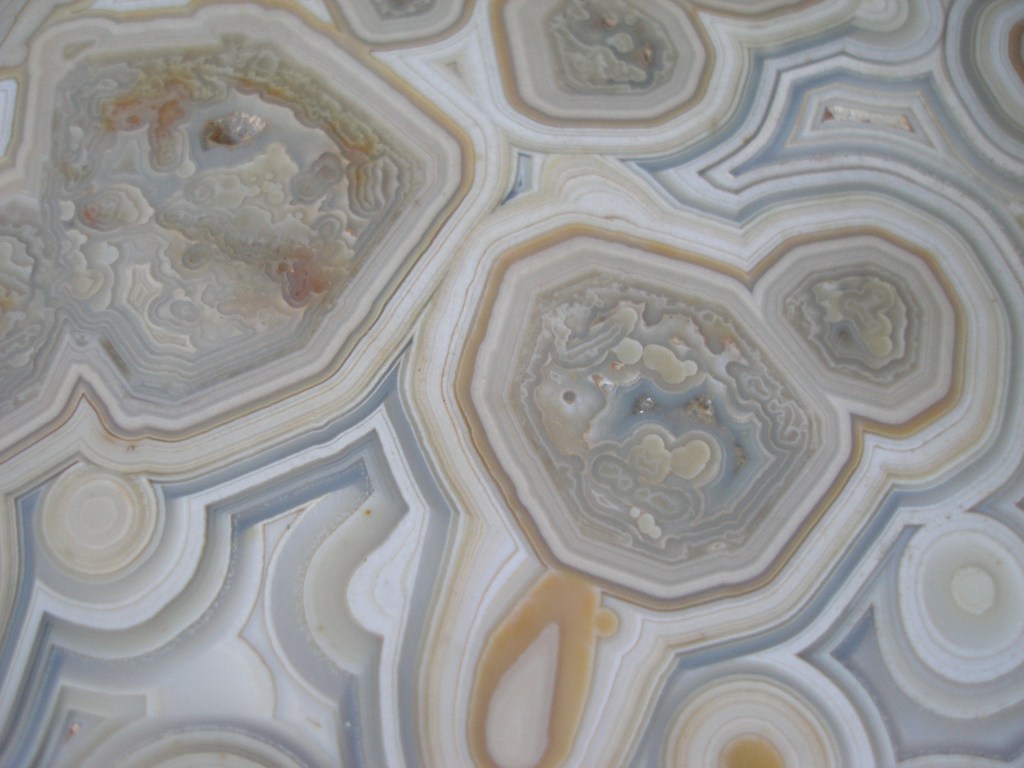
For some reason, they do not seem quite dead though. They strike me as too evocative, too mysterious and too miraculous for that – especially Morrisonite jasper. It contains worlds within worlds; swirling colors, and so many different things happening.
Perhaps it is just me. But why would this jasper show us all this if it were truly dead? Makes no sense.
With all the turmoil and craziness these days, I am grateful for physical activities like shoveling snow that can put worrying in the back seat for a while. If it were a bit warmer and less slippery out, I would no doubt be walking in Menotomy Rocks Park with my camera handy.
As it is, “playing around” taking photos of a colorful abalone shell puts me at the intersection of nature and creativity – two of my favorite refuges.
Why not try it? Pictures of any natural object taken from different angles in different lights can be quite a rewarding revelation. Taking a break to ground oneself in what is real and concrete in the here and now can really help when your mind starts spinning out with what could be.
In early January, an interesting conversation started up in an online forum on holiday decorations in my town, and I noticed that my partner had decided to join in. Based on the reactions, I was not the only one impressed by what he had to say:
“Very recently this discussion of decorative lighting seems to have started turning ugly, and I am not referring to holiday-sweater ugly. I am referring to a hostile tone including some intolerant references to other people’s religious observances.
Let us be very clear: when someone says ‘This town isn’t what it used to be’ he probably doesn’t mean we should give it back to the people who called it Menotomy and were here before Columbus. He probably doesn’t mean we should tear down all the buildings and bring back the farms. And I’m pretty sure he doesn’t mean that, like the Puritans who were here 400 years ago, we should ban Christmas observances as being too ‘pagan’.
So this isn’t about history; it’s about a false nostalgia for something that never happened in the way it is being ‘remembered’.
There were Jews on Columbus’s boats. There were Jews and Muslims here in the Colonies. Jews and Muslims fought in the American Revolution. Jewish worship was supported by Adams, Washington, and Jefferson. Jews and Muslims are full citizens of this country and have been since the founding. The original colonies were populated mostly by Protestant Christians, but they were sects of Protestants who were themselves victims of oppression, and who did not want anyone who held different beliefs telling them how to practice or observe. The compromise enshrined in the US Constitution is that no religion should be legally subordinated to another. In the course of two and a half centuries we have interpreted that to mean also that no person should be forced to pay for another’s religious observance.
By all means, decorate your homes and businesses — if that is what your conscience and your aesthetic taste encourages. White lights, colored lights, ultraviolet lights and DayGlo posters, all good. If you think Town property should be decorated, and you are willing to pay for it, great. I’m all in favor of pushing back the darkness — light bonfires, bang on pots and pans, scare away the dragon eating up the sun. Within the bounds of the noise laws and somewhat good taste, of course — I’m not too big on 8-foot Dancing Santas in front of Town Hall.
But we have a tradition of protecting minorities in this country. Unfettered democracy is two wolves and a sheep voting on what’s for dinner. We do not, and should not, do that.
So don’t ask others to pay for your decorations. Really, that’s all. By all means, volunteer. Donate. Organize. Just do not put it in the Town budget and require others to pay for your holiday. Yesterday was Orthodox Christmas, and I apologize for missing it. I hope it was happy, for everyone.
As that song by the Russian Jewish immigrant says, ‘May your days be merry and bright.’ As that itinerant rabbi from Nazareth taught so many centuries ago, love your neighbor as yourself.
All best wishes”
See what I mean?
Someone added. “So, Arlington, we should honor our freedom and privately pay for our displays of lights, white or any other colors for July 4th, All Hallow’s Day Eve (Halloween), St. Lucia’s Day, Christmas, Hanukkah, Diwali, Lantern Festival, St. Valentine’s Day, St. Patrick’s Day, and more. All good. Shine on. And switch to LED lights, if possible! Save energy!”
Among the brief comments were: “Well said!”, “I love this message”, “Thank you. Beautiful and spot-on to all points.”
One person listed 16 “Christmas” songs and the names of their Jewish composers. Another noted “a government ensuring religious freedom and the separation of ‘church and state’ was a truly novel and incredibly important development in the world’s history.”
And when it comes to what might be considered to be in good taste, I cannot resist adding a comment about a young fan of inflatable holiday decorations that appeared a bit later: “Holiday Inflatables – My 4 year old is obsessed and so sad that they are all going away. I promised him one more neighborhood drive-through this Saturday night, around 5, to look at whatever is left.”
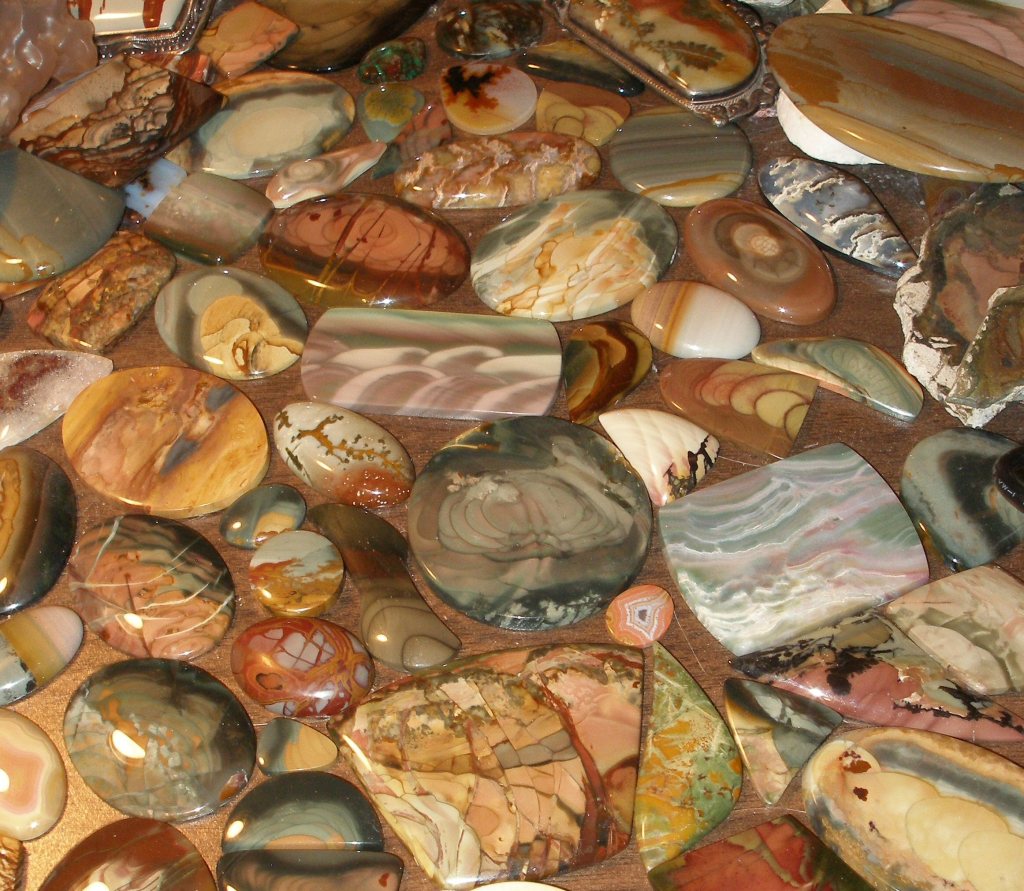
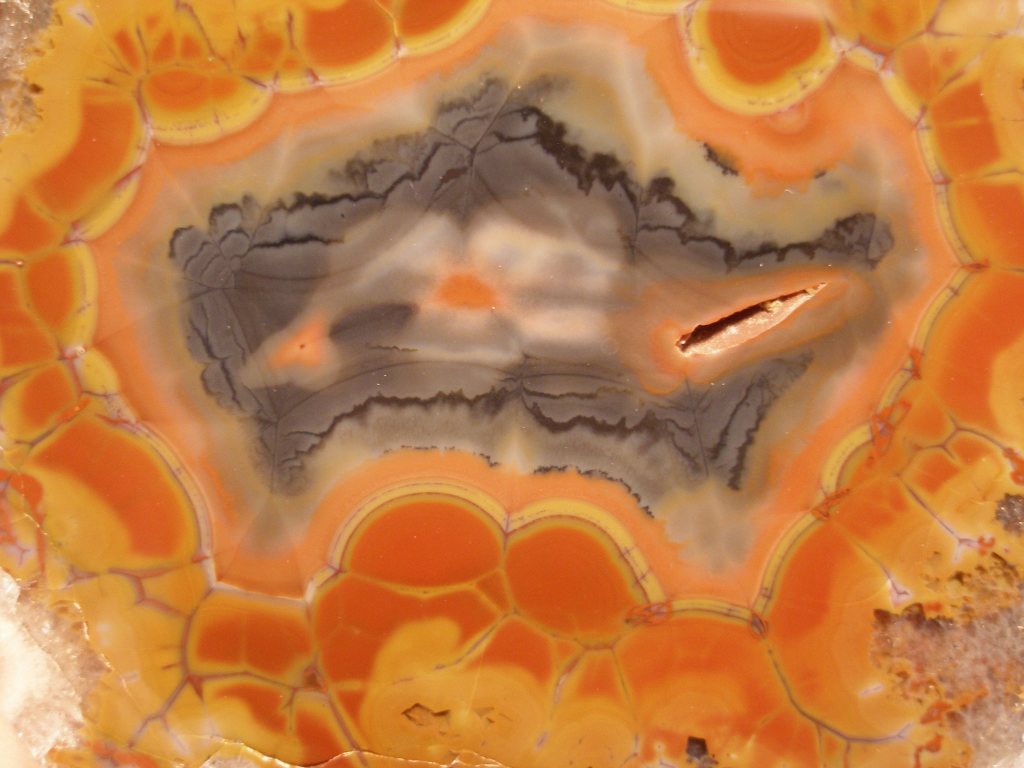
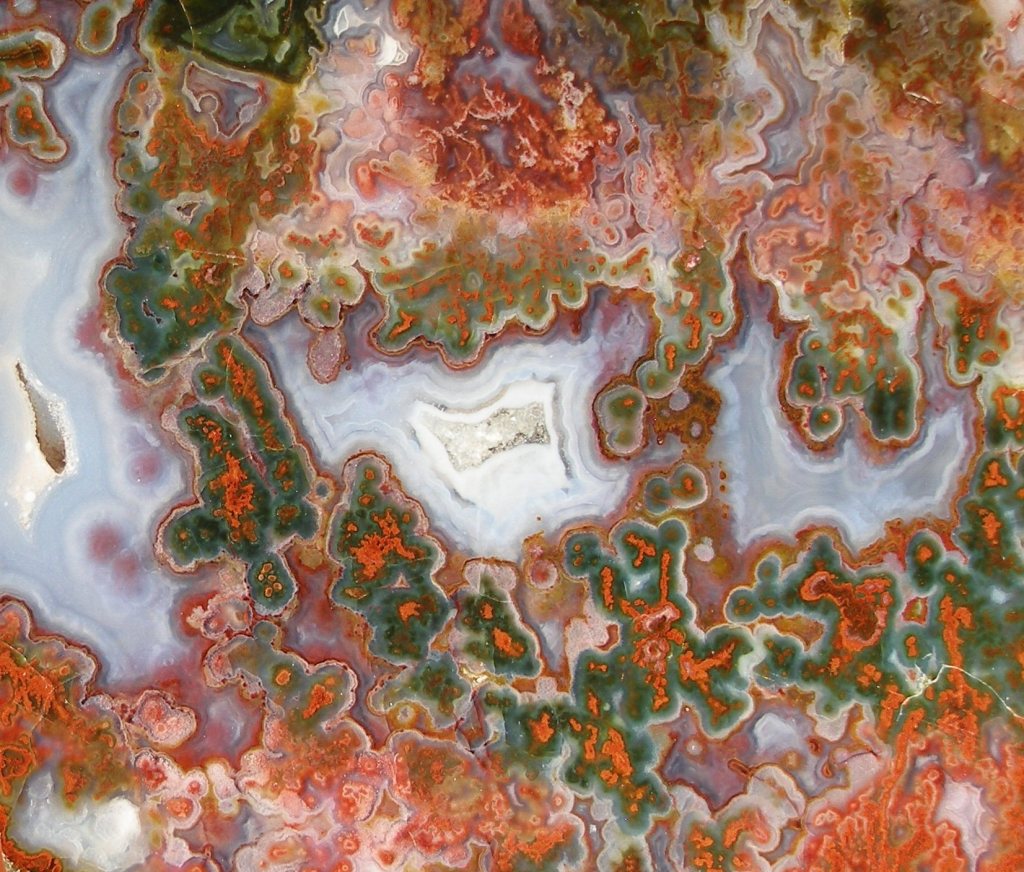
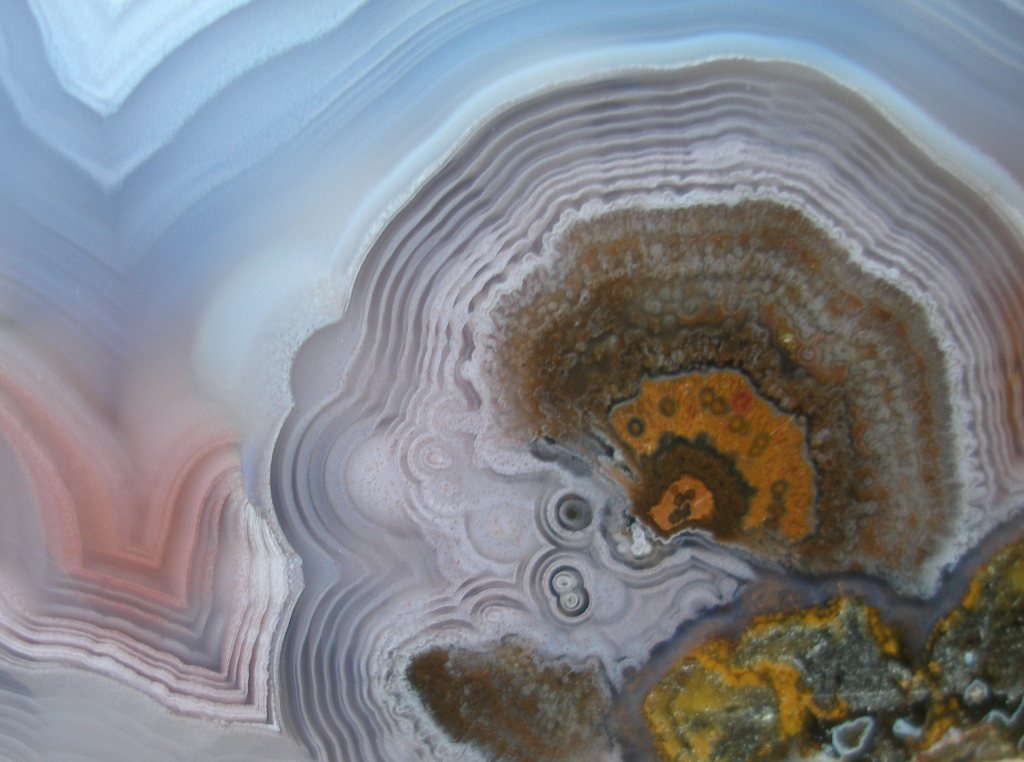
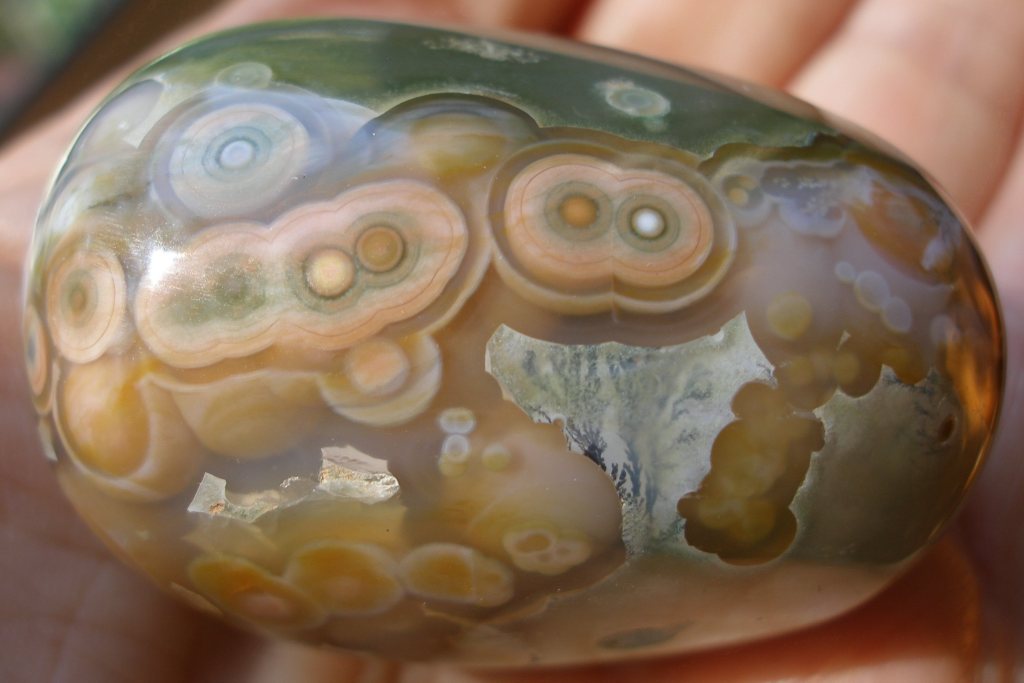
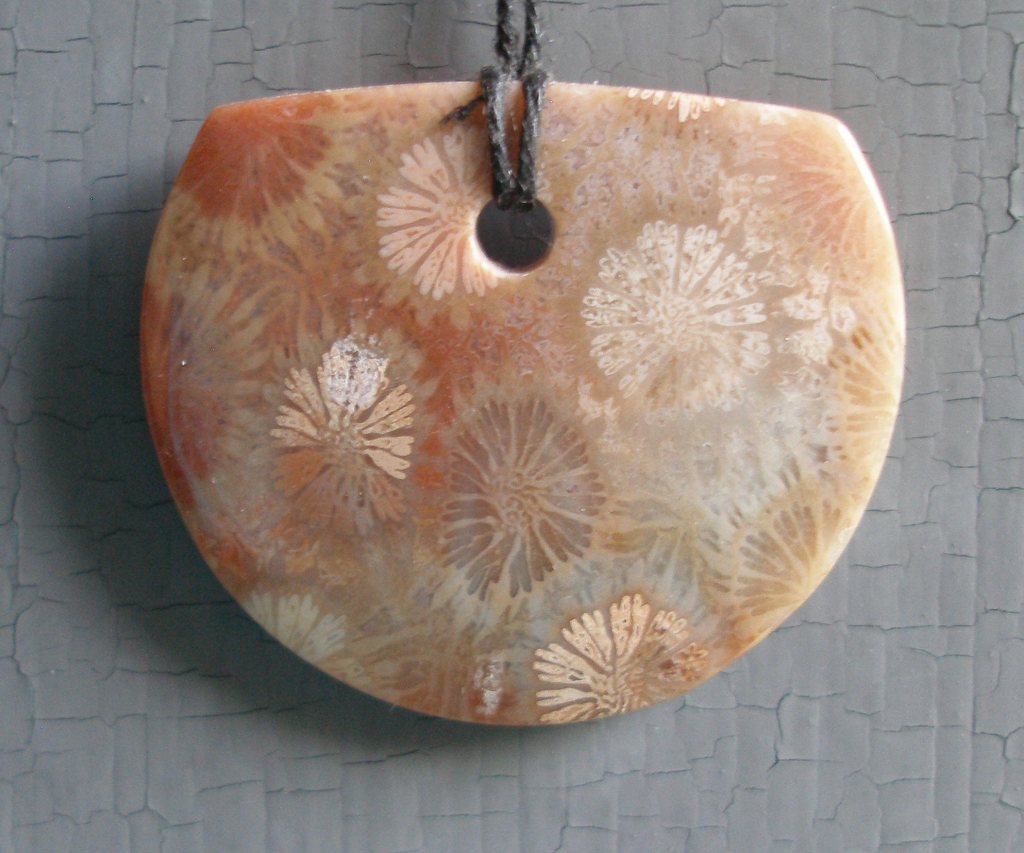
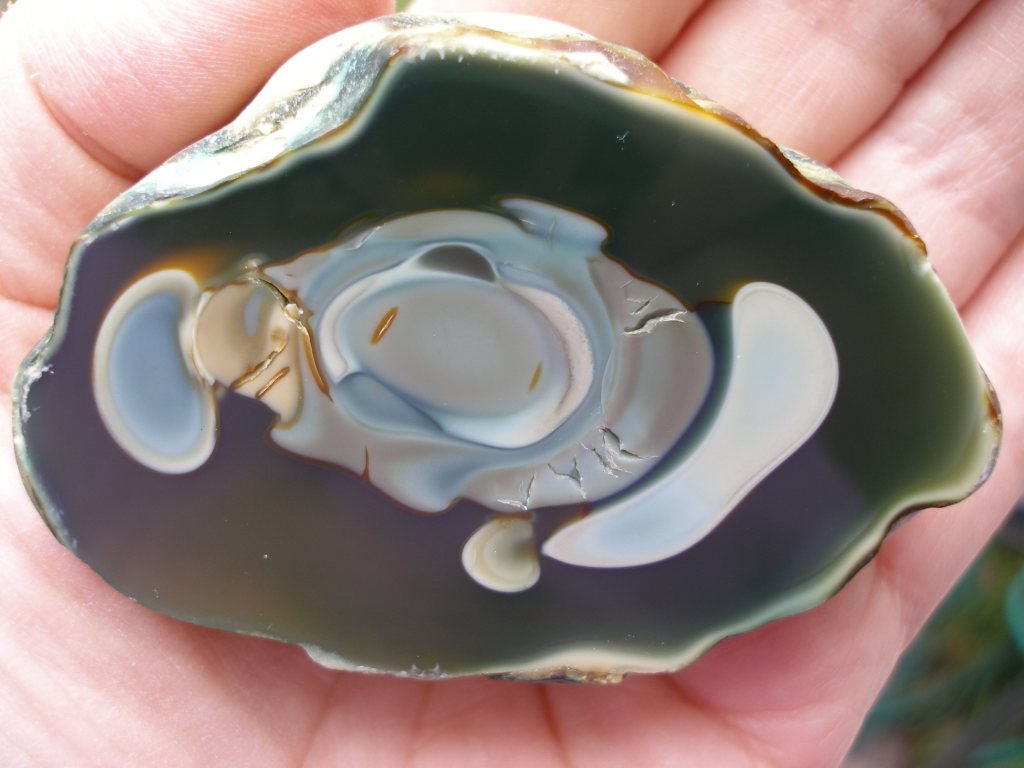
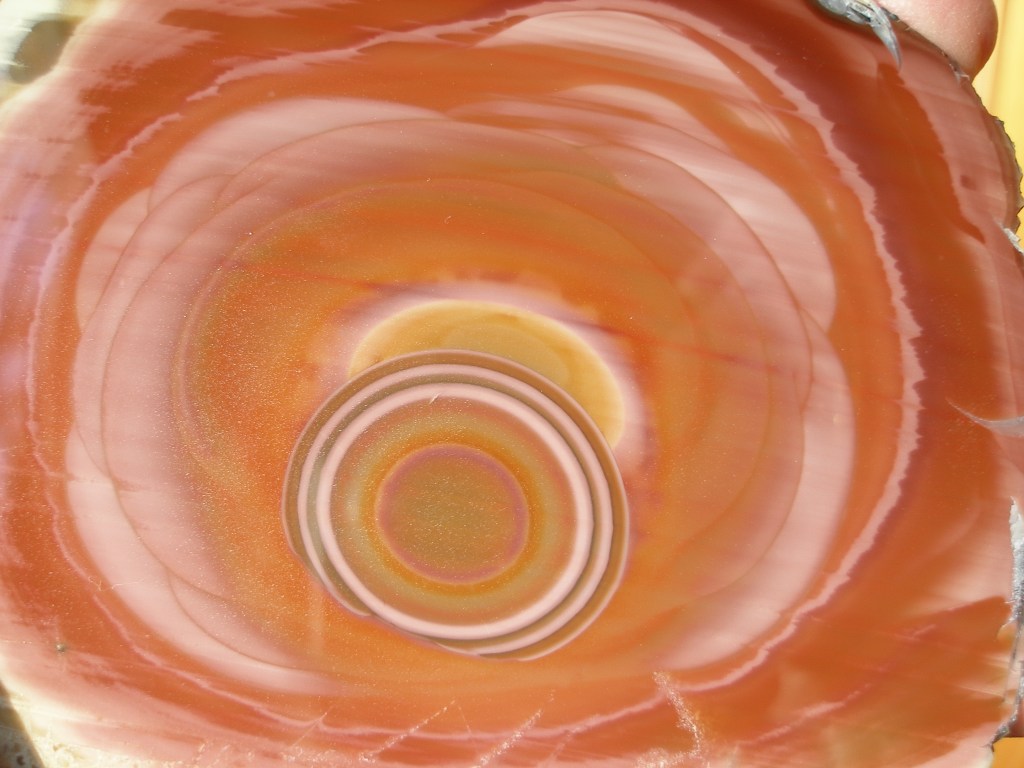
I have always liked all kinds including the ordinary gray rocks that find a home in my garden, but I was not aware of the amazing array of patterns and colors in agates and jaspers until I happened upon photos of them online.
The natural arrangement of colors in individual examples can be quite astounding. Lapidaries make full use of their art’s ability to capture and highlight particularly appealing sections of specimens.









































 Radiant Refuge