A Fall of Definitive Yellows

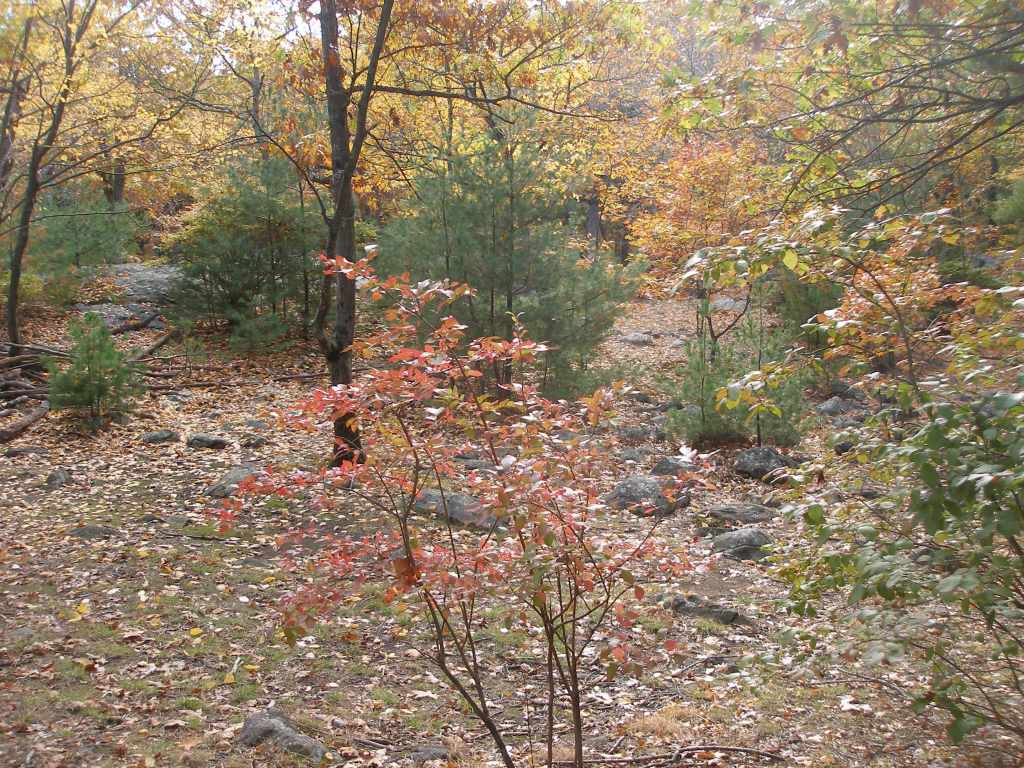
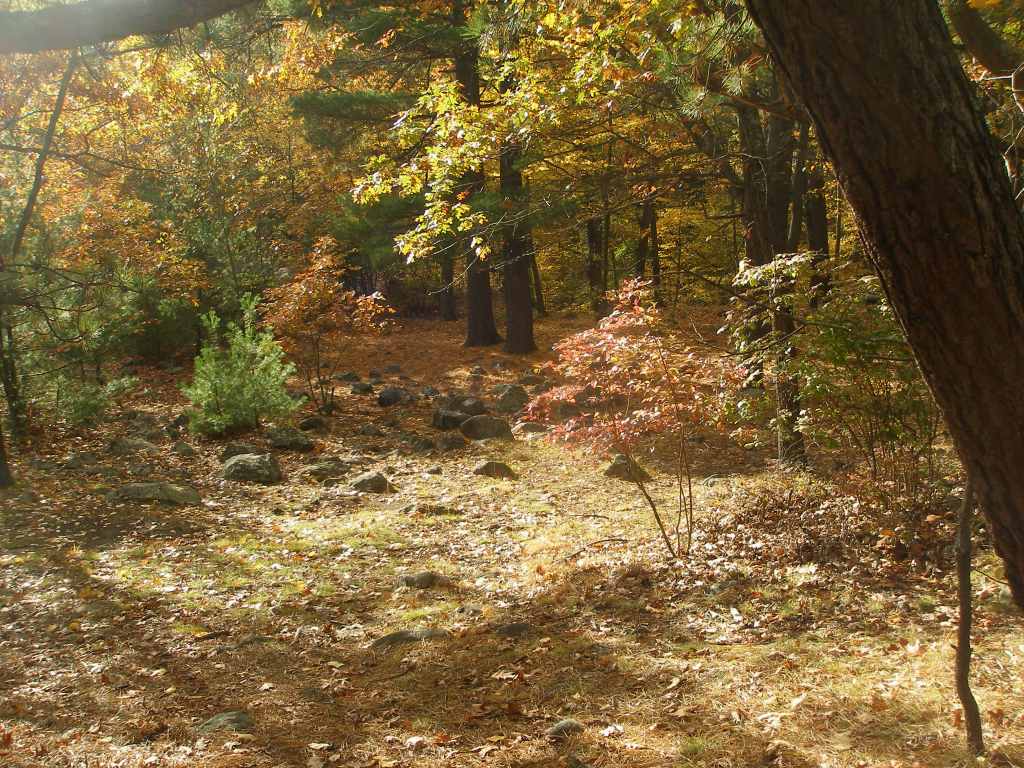
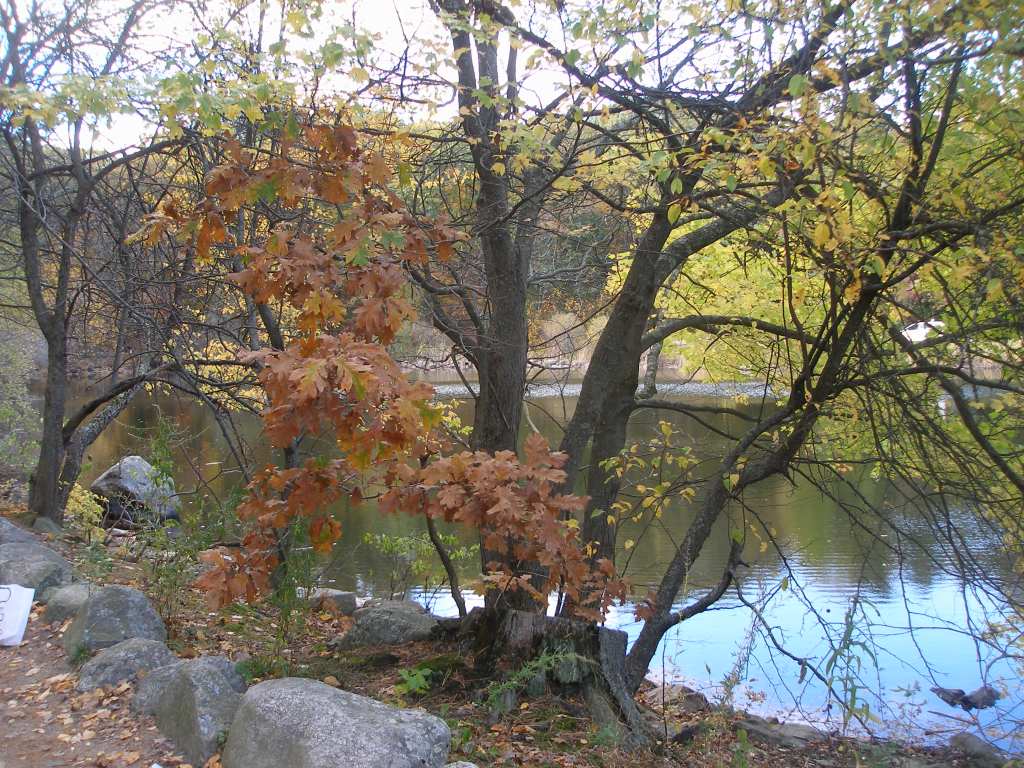
Although I expected a range of yellows in Menotomy Rocks Park at this time of year, the yellows had a clarity and depth to them as if they were saying, “We do not care that it has been dry until recently, we are going to do our yellow thing anyway so as to knock you socks off.”

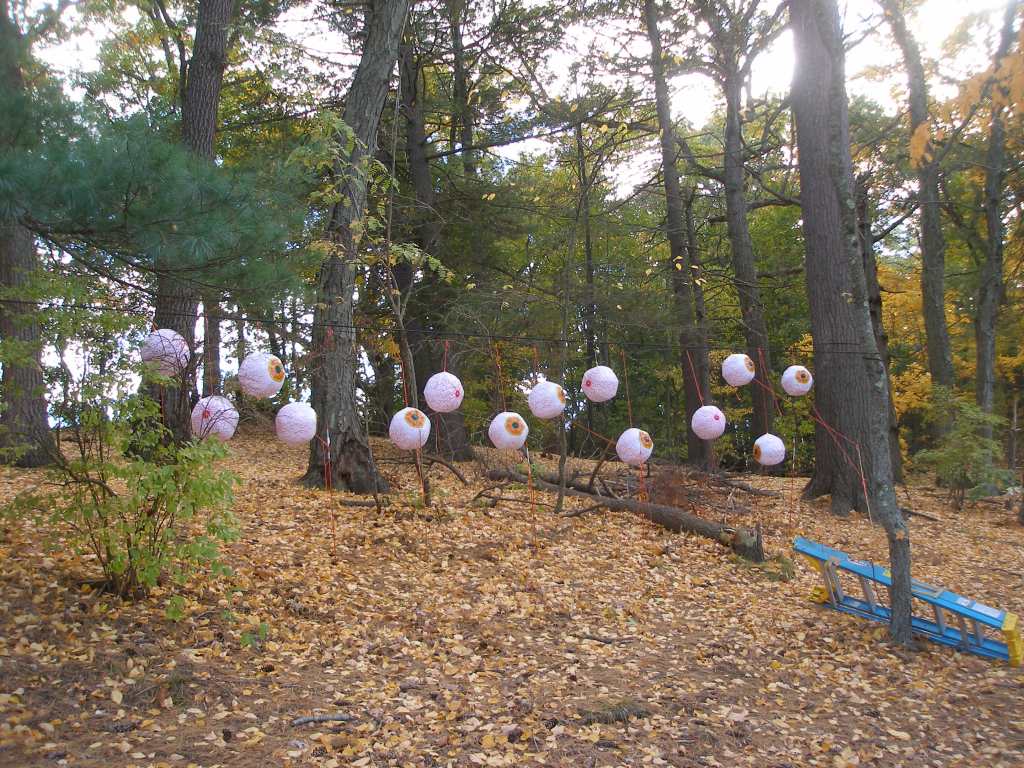
As I wandered down to the pond, folks were setting up for the “Spooky Walk” that would take place after it got dark. The mood was very different here, but I decided to included a few photos of their preparations, just for the fun of it.

The Joy of Indonesian Ikat

Indonesian ikat weavings have always had multiple uses. They are worn as sarongs and wraps as part of everyday clothing. They express and preserve cultural identity with outstanding examples playing an important role in various rites of passage such as marriage and funerals. In hard times, these valued and appreciated weavings can mean survival as they can be sold or traded for food and other critical supplies.

The patterns are produced by wrapping sections of (usually cotton) threads so that they resist a particular dye that is applied to the rest of the (usually warp) thread. With traditional dyes, the multiple dippings and dryings needed to achieve the desired shade can be quite time consuming. Modern dyes can make that process considerably faster while extending the range of possible colors.

Once all of the desired colors are dyed into the thread, ensuring precision in the complex designs calls for a great deal of attention to detail and sometimes subtle adjustments during the weaving process. In fact, quality hand-made ikat calls for a great deal of care during all stages of the sometimes years it takes to complete one. For that reason, I was not surprised to learn that in Indonesia, Ikat is generally considered the domain of women.

I decided to hang a particularly colorful modern example over the door to my office. This one combines a dark central ikat section with many different fanciful animals and two red outer sections with sewn-on cowry shell designs.

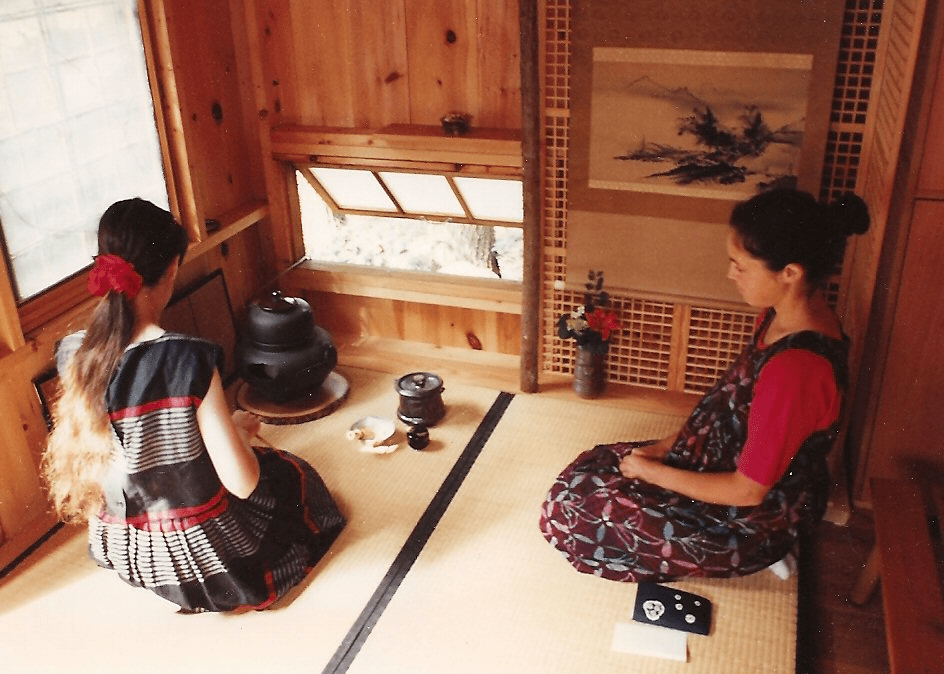
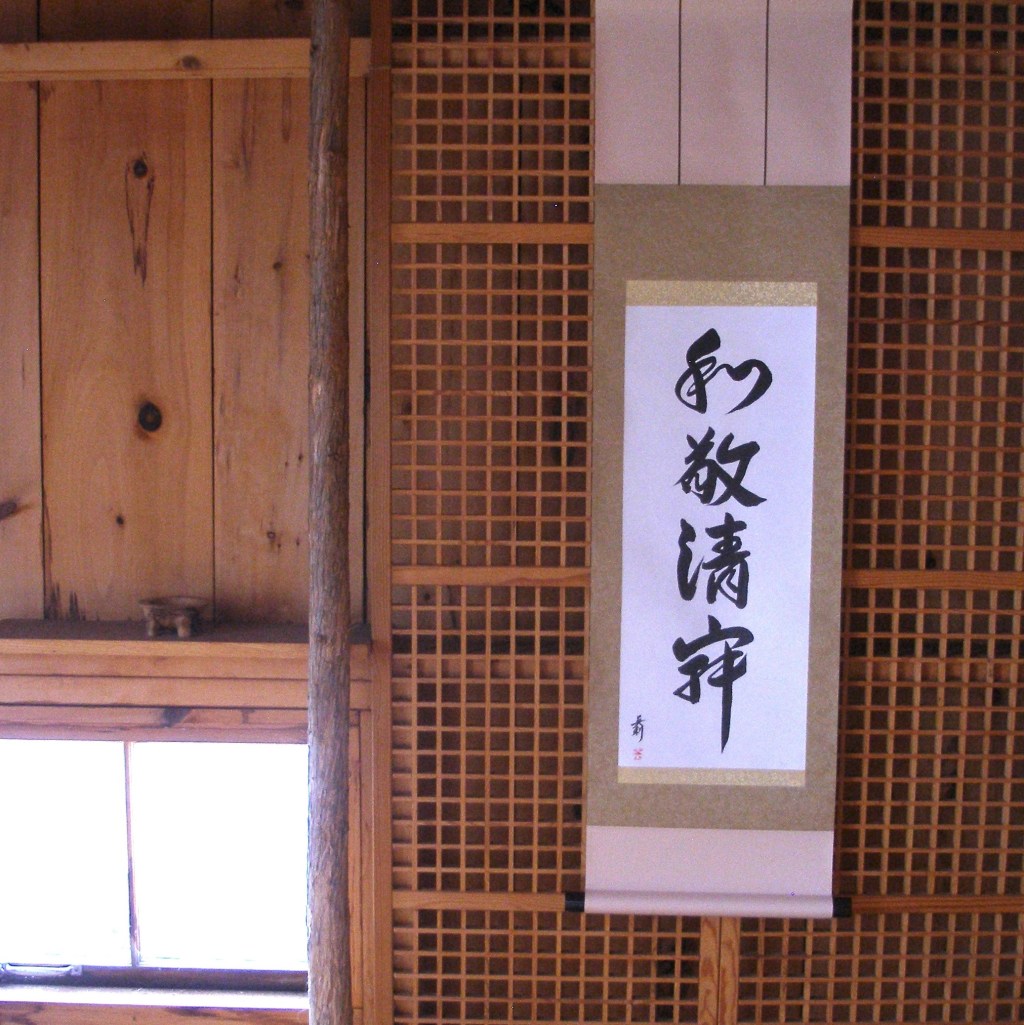
The last image shows an indigo-dyed Ikat hanging up in my tea hut in place of a scroll. Its Christian symbols are not a problem for its use during Japanese tea ceremony practice. In fact, Christian foreigners were among early adopters of Japanese tea ceremony and there are examples of a variety of early tea ceremony utensils including tea bowls that incorporate Christian symbols.


On the Rocks

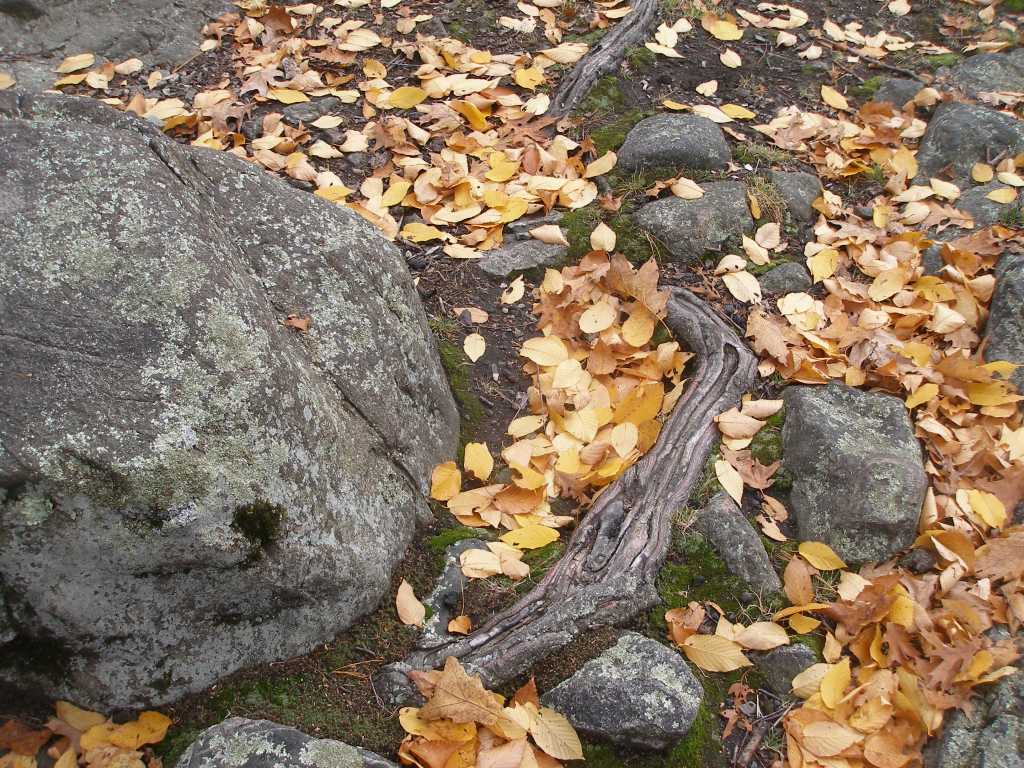
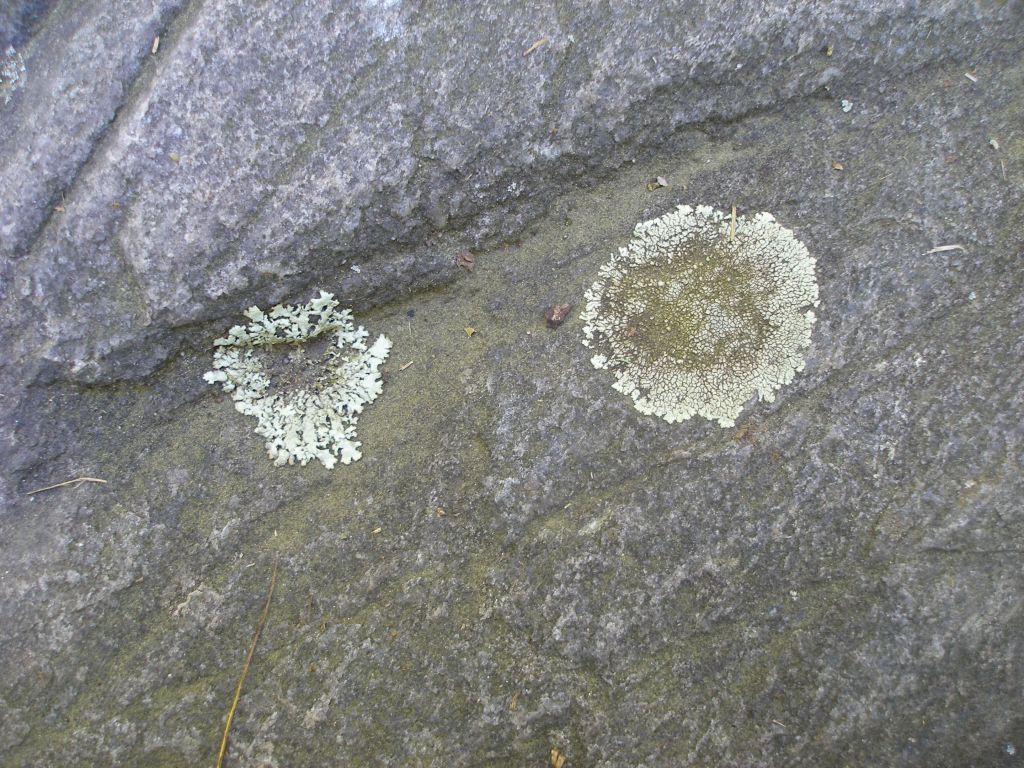
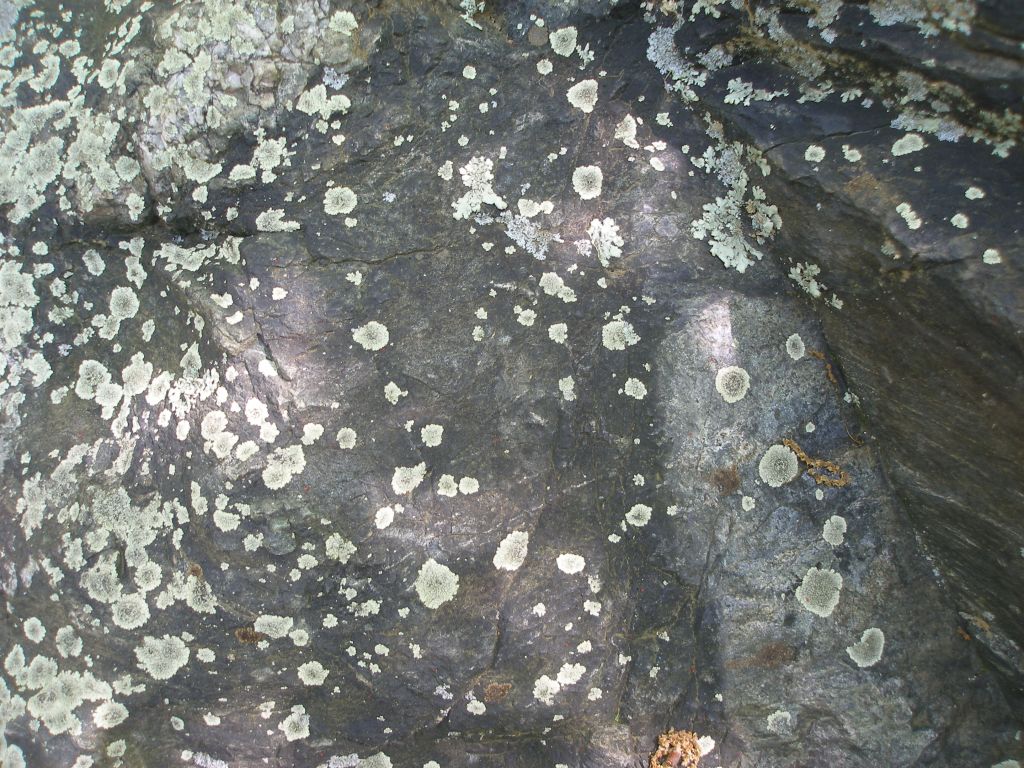
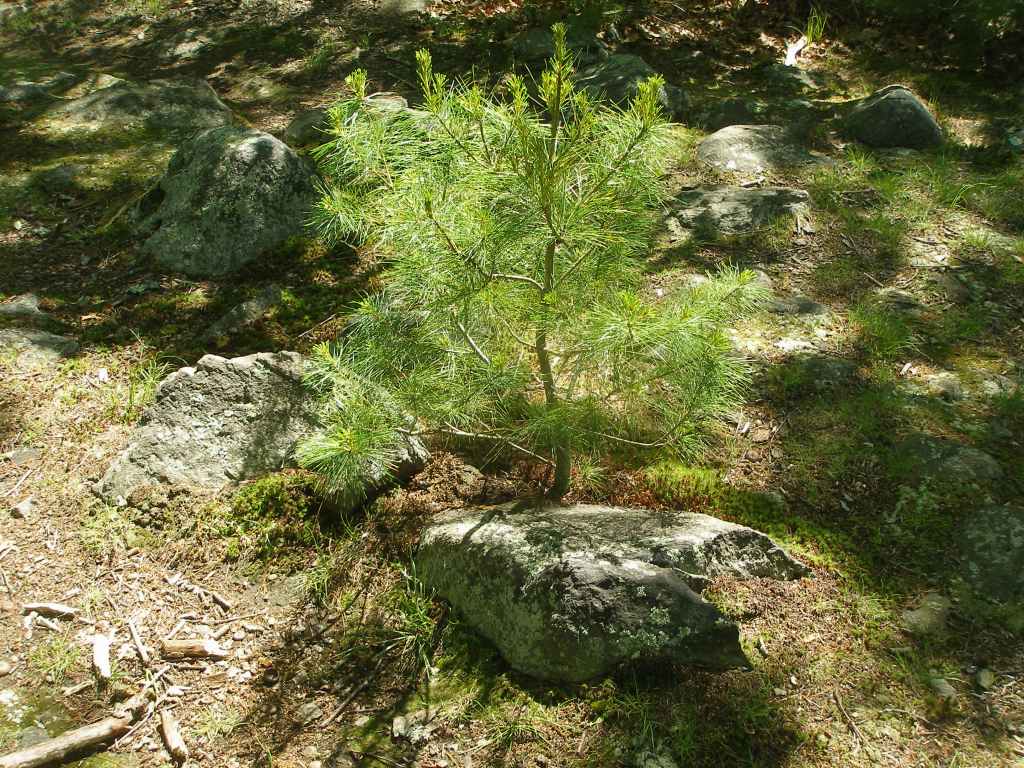
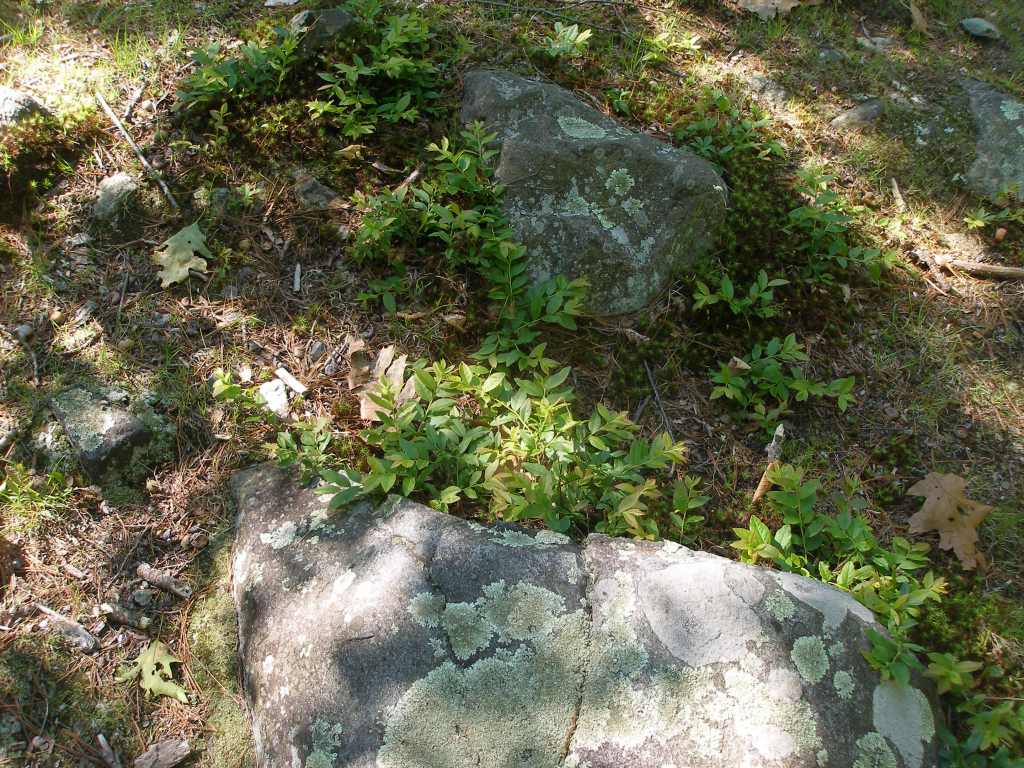
It can happen so slowly we do not pause to notice and tend to take things growing on rocks for granted. Lichens take hold with no need for nourishment. Seeds fall into cracks. Mosses huddle around and move up onto damp places. Blueberries thrive in rocky barrens.

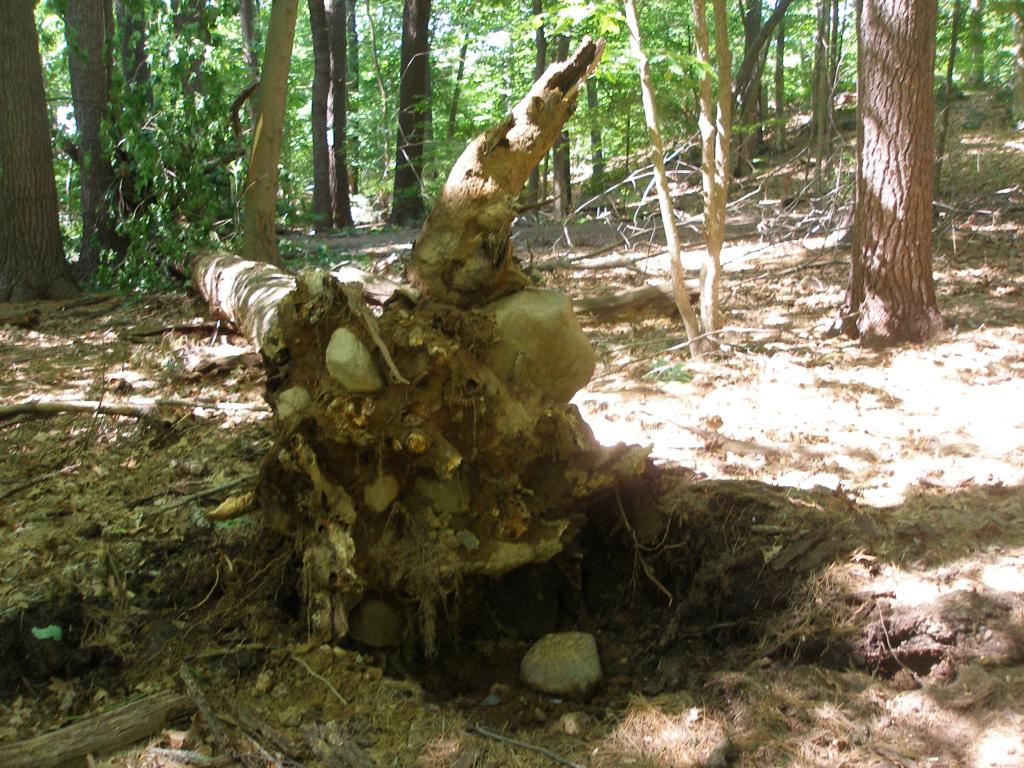
Over time dying biomass builds up in hollows where young trees can take root. And when a storm topples an older tree that managed to grow, its roots may release a number of rocks it once held in intimate embrace.


Living Tea Values

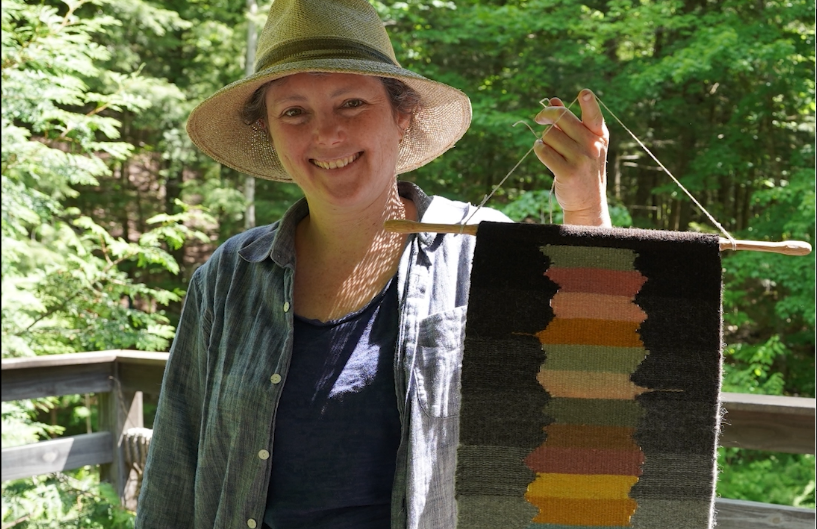
Hannah Regier with her “Color Harvest Moon” weaving. Photo by Jeff Klein.

This short documentary shares the world of Hannah Regier, who struck me as someone who truly lives by Japanese Tea ceremony’s core principles – Harmony, Respect, Purity and Tranquility.

I felt them in where and how Hannah lives, in the care she takes with her fabric art made using natural dyes gathered from the nearby fields and woods, as well as in her efforts to work with others to protect and share the lessons of natural places. There were other aspects of the the Way of Tea as well including creativity, generosity, and a deep appreciation for subtle aspects of the passing seasons.

Japanese tea ceremony was brought to its peak in times of war and great uncertainty. My trust in the worth of the art’s timeless values of harmony, respect, purity and tranquility provided a much appreciated anchor when things started to fall apart in my own life. But experiencing Hannah’s world made clear to me just how much those values can help to foster joy, connection and meaning, all of which are powerful antidotes to the helplessness and hopelessness it is all too easy to feel in these particularly challenging times.
Hannah Regier (her website), and videographer Jeff Klein (his website) both contributed their considerable artistic skills to this project. I am also most grateful for how Jeff Klein wove the sound of the stream behind Hannah’s studio throughout, an appropriate reminder of the importance of nature in the Way of Tea, in Hannah’s world, and, in fact, in all of our lives.

Sharing Appreciative Joy

Like compassion, appreciative joy is a natural human capacity. I would expect to feel it in response to a happy bouncing dog, a child’s joy at experiencing the world or when being welcomed into a dear friend’s home.
On the other hand, when many things seem to be going wrong at once, grief can overwhelm me and joy can seem far away. I try to remember the Dalai Lama – certainly no stranger to all kinds of suffering. He repeatedly emphasizes the importance of joy, in how he relates, in his writing and his documentaries. The Daoists speak of the 10,000 sorrows & 10,000 joys – so both, not just sorrows.

I also like to think of Indra’s net where each intersection contains a jewel that reflects every other jewel. That would also include our reflecting our joys to each other.

Keeping the door open to appreciative joy is also a choice in that cultivating it takes effort. Being willing to speak the truth to myself and others, being humble about that, seems critical. That my individualistic, competitive and commercialized culture – not to mention social media – encourages envy, helps me to cut myself some slack.

When I am able to feel genuine appreciative joy, speaking the truth helps me to feel the enlargement, ease, connection and freedom – a taste of liberation from the bonds of self. And joyous connection is possible, maybe even critical, right in the midst of serious suffering. Here is one example:

Someone I don’t really know, who had just lost her mother, wrote on Facebook, ”Tonight I got a chance to chat online with a former next door neighbor when I was a teenager and she was 6 or 7 years old. She has amazing memories of things that happened then, 50+ yrs ago. She remembered many wonderful things that my Mom did with her and her family. She wished that she had a Mom like mine. Wow! Her sharing brought many memories back for me. This wonderful surprise brought me tears and joy. I am extremely grateful for her memories and her sharing. A precious part of my grieving.” I felt glowing warmth in my body-mind that ripened to awe. So honestly and simply told, that story was spreading its blessings well beyond just the two of them.

I find that Insight Dialogue with its sharing of heartfelt truth, provides powerful support for experiencing appreciative joy. The safe, caring space that everyone is holding makes clear we are not alone in our vulnerability. At times, the depth of mutual understanding, and naturally caring response to shared troubles produces a profound joy that seems to be felt at the level of the whole group. With the help of the guidelines Pause, Relax, and Open, an embodied experience of the practice’s rock-solid caring energy helped me to understand why Buddhists speak of spiritual friendship being “All of the Path.”

The power of appreciative joy can also be felt when we unexpectedly find ourselves in a position to help. A Chinese women used her few words of English to let me know she was looking for a local Chinese restaurant. I thought how brave she was to come to a new Country where she did not speak the language. She made clear her gratitude nonverbally. By the time we had walked to what I assumed was her new place of employment, it seemed totally natural to hug each other at the door. The meaning expressing by that hug went well beyond words. There was joy in her feminine strength and bravery that we both understood – in that short time we had become genuine friends.

Speaking the truth about appreciative joy to myself and others seems particularly important in these challenging times. In fact, I have been told it can be critical to many, particularly when few other resources are available. Keeping the door open to appreciative joy makes clear just how much of a relational superpower that kind of shared joy really is, as it points the way to freedom while providing ease, clarity and motivation to work at making our actions more beneficial. May all beings never be separated from the supreme joy that is beyond all sorrow.

You might want to try bringing to mind a time now or in the past when you unexpectedly felt or witnessed appreciative joy. How does that feel now? Are there any new insights that you were not aware of at the time?

The Intersection of Nature and Creativity

With all the turmoil and craziness these days, I am grateful for physical activities like shoveling snow that can put worrying in the back seat for a while. If it were a bit warmer and less slippery out, I would no doubt be walking in Menotomy Rocks Park with my camera handy.

As it is, “playing around” taking photos of a colorful abalone shell puts me at the intersection of nature and creativity – two of my favorite refuges.

Why not try it? Pictures of any natural object taken from different angles in different lights can be quite a rewarding revelation. Taking a break to ground oneself in what is real and concrete in the here and now can really help when your mind starts spinning out with what could be.


Musings on Singing Bowls’ Call to Attention

Photo by Jeff Klein

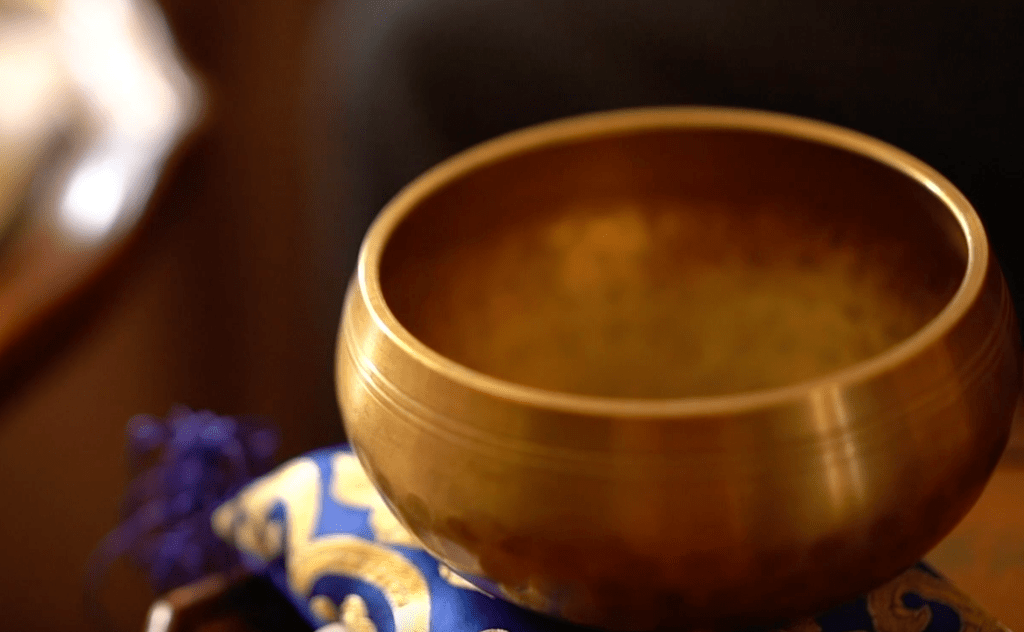
I was asked to start a brief period of silent online meditation by ringing the singing bowl that I keep by my monitor. As I toggled “Original Sound for Musicians” to on, I said I would “invite the bell.”

It turns out, there is a wonderful short video where Thich Nhat Hanh explains this phrase and offers this poem to would be “bell masters”:

  “Body speech and mind in perfect oneness

  I send my heart along with the sound of the bell

  May the hearers awaken from their forgetfulness

  And transcend the path of anxiety and sorrow.”

The ringing of a singing bowl can remind us to pay attention in the moment – so we actually come awake to what is happening now – the only time we can really do that.

Before I found that video which puts “invite the bell” in context, I had decided to contemplate that phrase to see where it might take me – In what ways are we like bells? Can bells be thought of as being “alive”? Human actions can certainly “ring out” impacts in all directions. Our screens show us this in almost real time these days. It can seem like too much with so much going on at once – a veritable cacophony.

I was taught to use the word “invite” rather than “direct your attention to” when offering guidance for meditation practice. A non-demanding humble approach provides a gentle welcome that leaves the participants with a sense of choice and agency. But to invite a bell to ring. Does it really have a choice? Perhaps not, but we can bring an attitude of respect and appreciation to the bell for what it provides for us. Modeling that kind general attitude of gratitude and care to others could certainly matter. It can make life meaningful.

It is possible to have an intimate personal relationship with a singing bowl? They can begin to feel something like reliable pets or wise companions that live with you, always waiting and ready to be rung as needed, or for no reason at all. And singing bowls are certainly individuals. They have distinct “personalities.” They come in a wide variety of sizes and shapes. Their voices can be light and clear, or deep and boomy often with wonderful expressive overtones. You can check out some most interesting “characters” here.

A bell does have a way of drawing us in when it sounds – we tend to take notice. I imagined my breathing self merging with the bell’s vibrating substance so we became one shining resonance with no separation. When that began to feel weird, I returned to my embodied memory of the grounded simplicity of listening to a bell at the start of meditation practice. And with that I realized that somehow the idea of “inviting the bell” had begun to make perfect sense.

Healing Garden Spaces

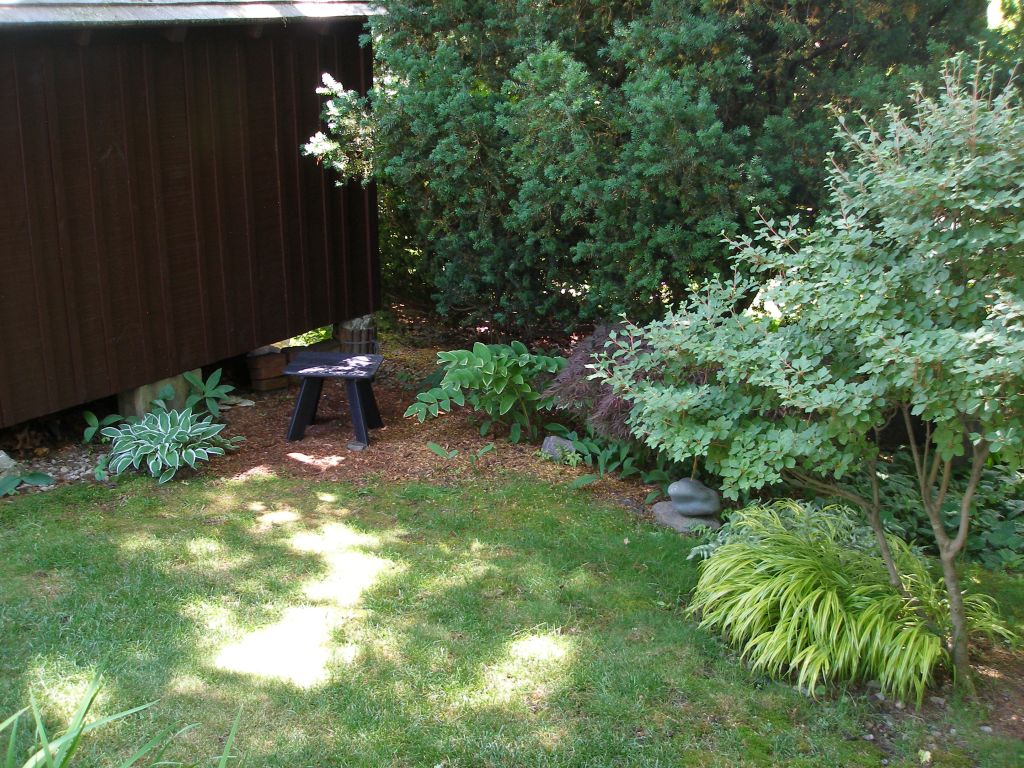
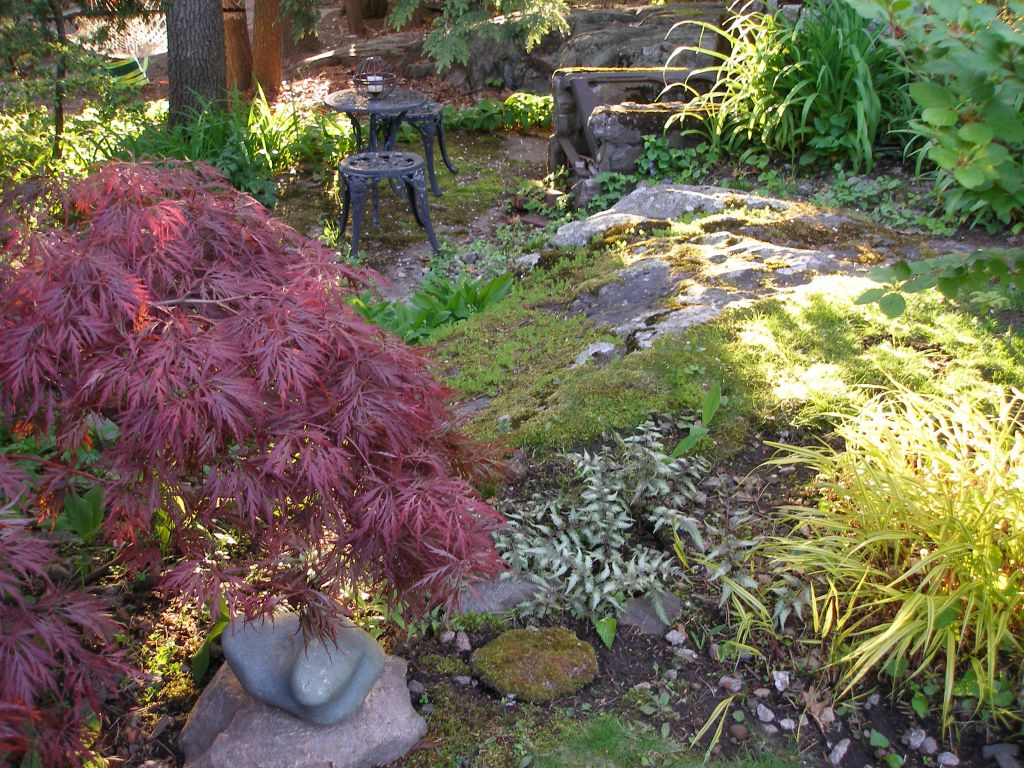
Appreciation is growing for the power of safe natural spaces to help support rapid healing even in cases of severe mental trauma and PTSD. Healing garden spaces are not new. They have a long history with varied, and sometimes elaborate designs. But this pilot program’s three designs each had a most appealing simplicity and clarity while accommodating varying numbers of people as might be appropriate for different stages in the healing process.

We are so bombarded with vivid news of trauma these days, that creating a variety of options to experience nature alone or with others makes perfect sense to me. In fact, I realized that I had done just that in my own garden:


A Walk in the Woods

The crisp fall air, crunching pine needles, and subtly pervasive fragrance all sparked a powerful wellbeing. Lingering concerns about the latest round of bad morning news did not stand a chance.

And I noticed that this particular glorious day did not hold even a hint of the sadness that autumn can bring. Yes nothing lasts, but that day there was no choice but to join in the dance and to forget all that.

The being alive, just that, and never alone, but held by it all.


Watching the Light Show in My Garden

Shadows move across the large granite outcrop in my backyard creating quite interesting effects now that I can see them more clearly. I decided to plant two tiny evergreens where irises once grew. There are some initial signs that they like the spots that I chose for them, but only time will tell.

The first photo below was taken around 4 pm. The other photos were taken at intervals starting at 11 in the morning. Unfortunately, still photos cannot show how shadows dance across this scene when a breeze stirs the leaves.