Moments in words and images

Sometimes I encounter moments that feel like poems. There is a clarity to them that has me stopping to notice.

They can be small and quiet, easily missed. Nonetheless, every once in a while, such a moment can leave me breathless.

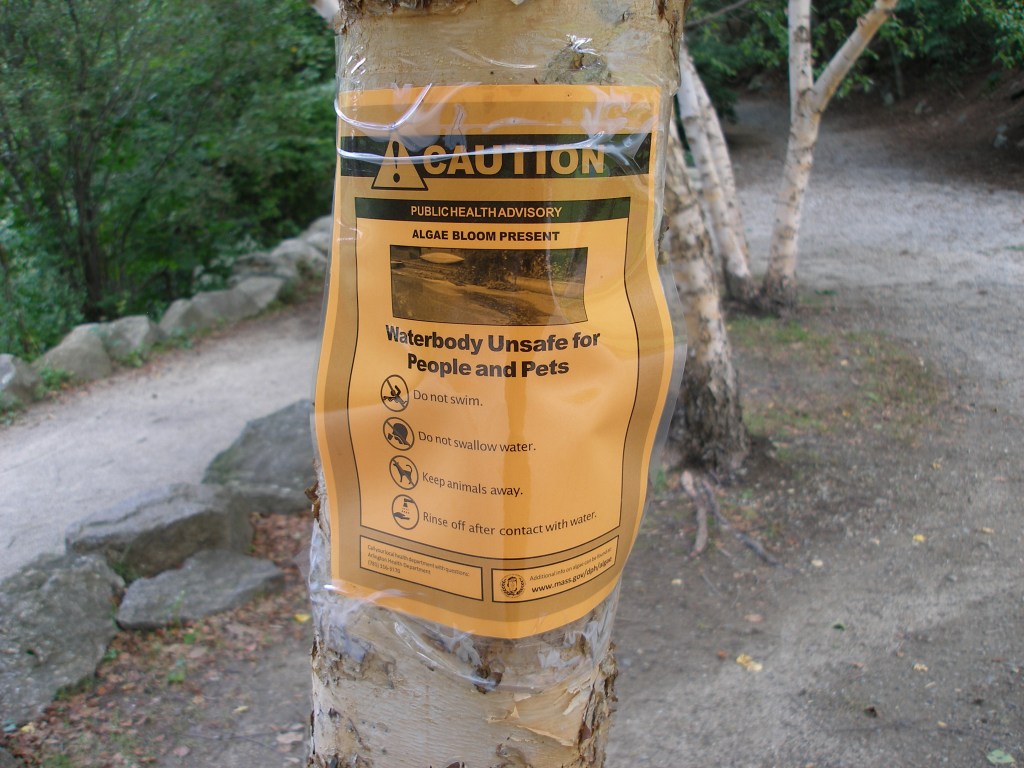
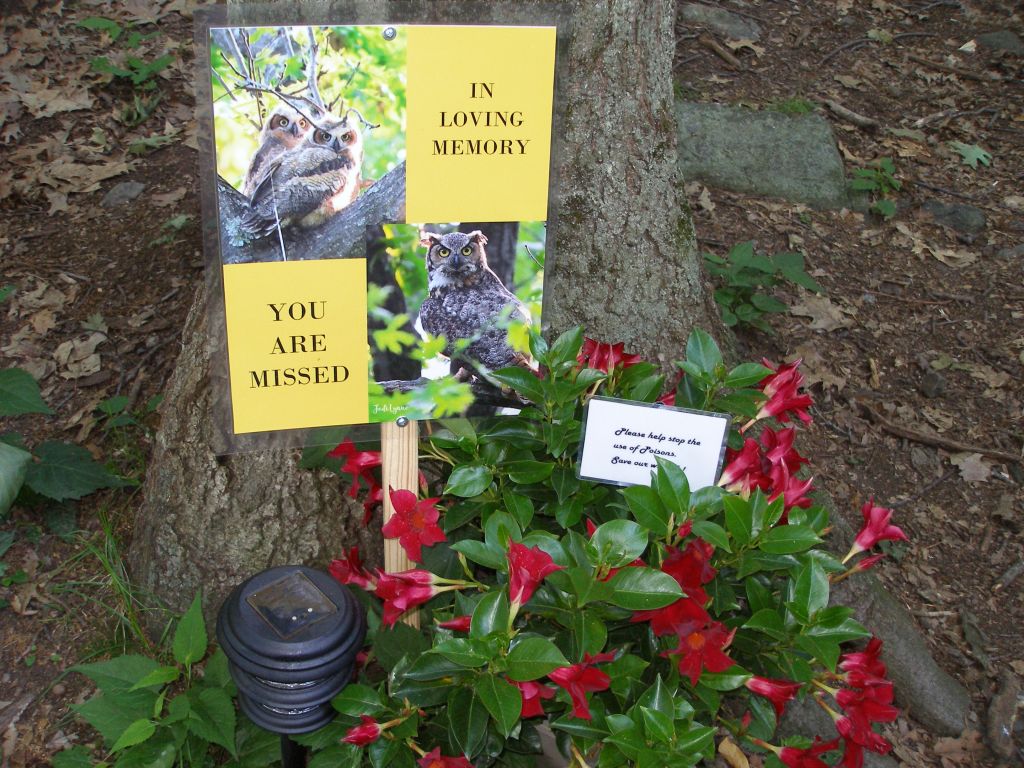
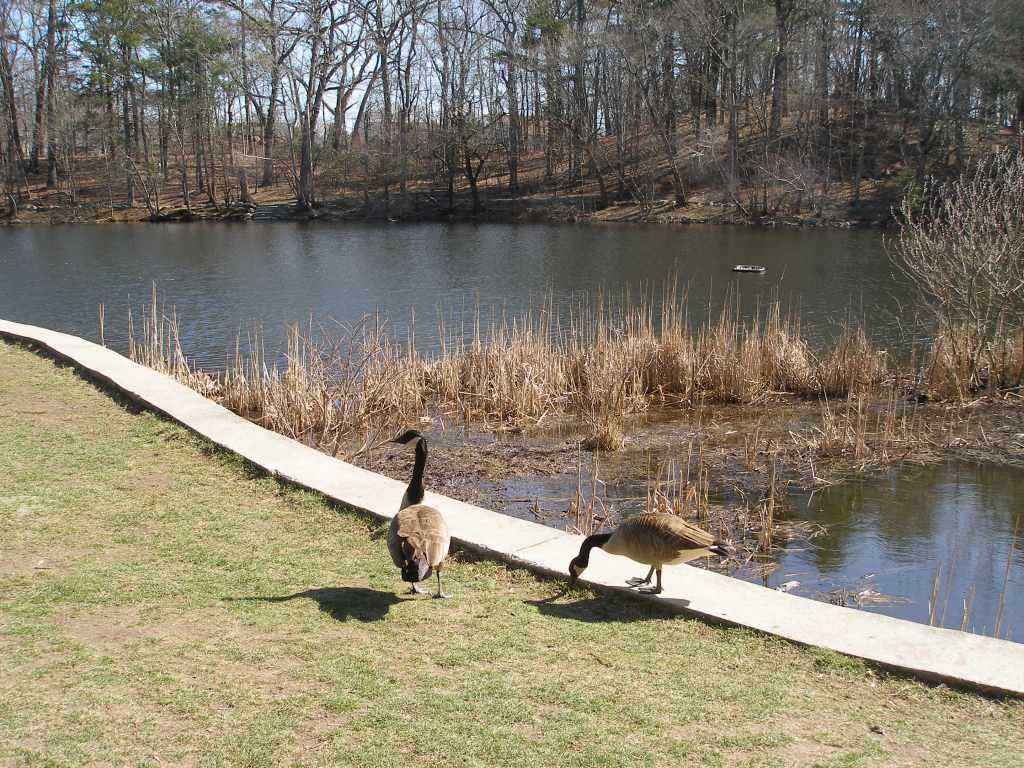
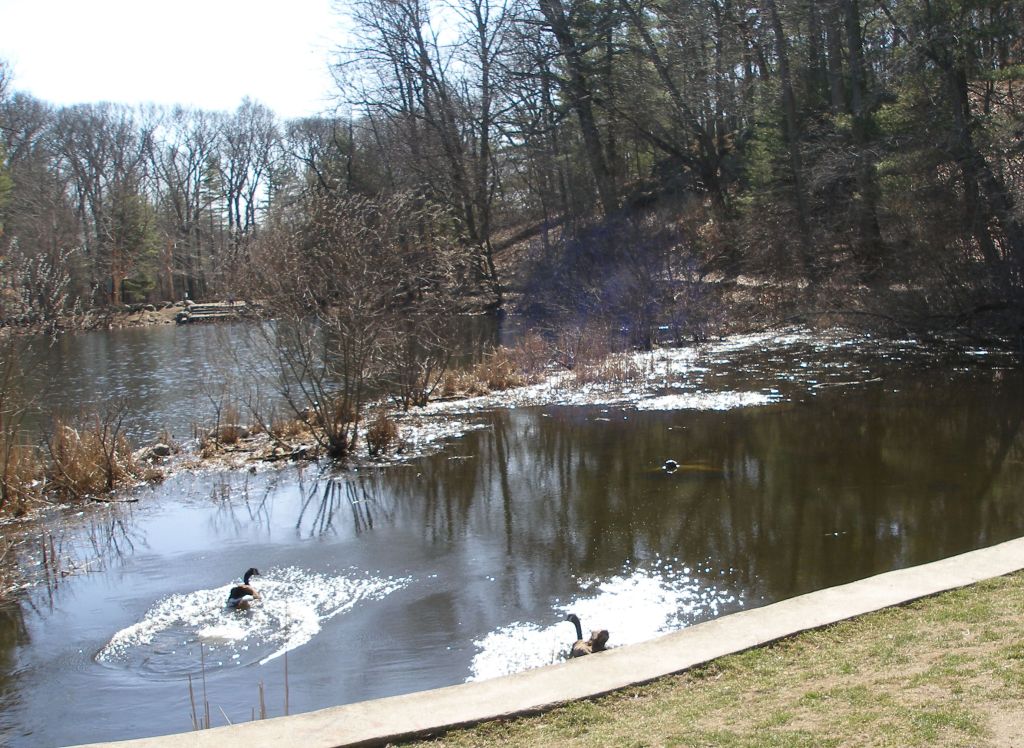
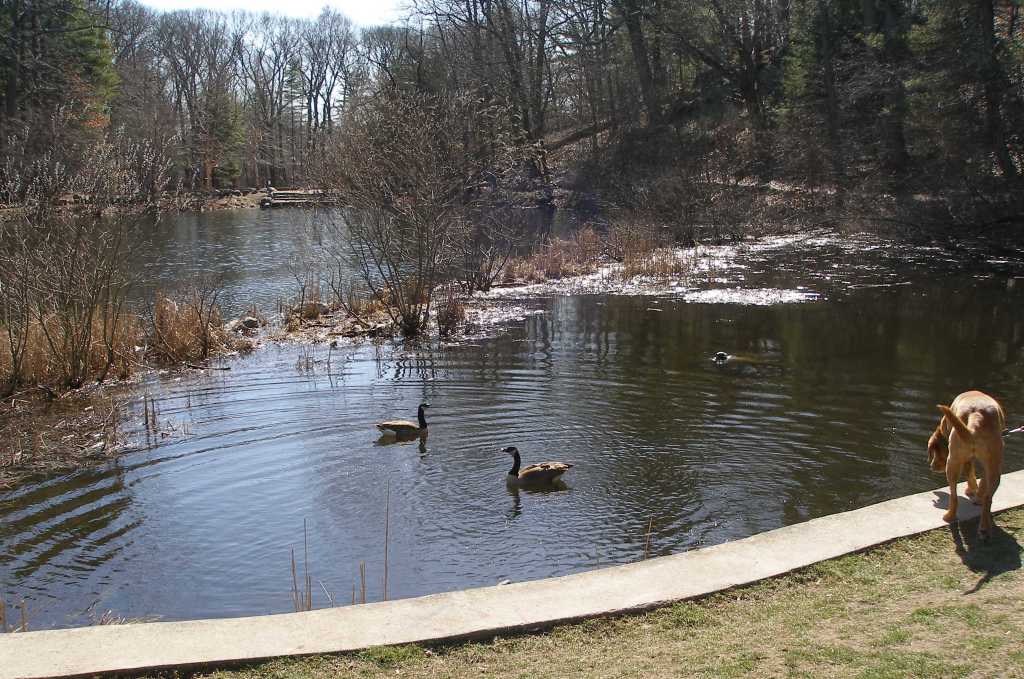
The first two spoke volumes without words but others inspired me to write haiku.

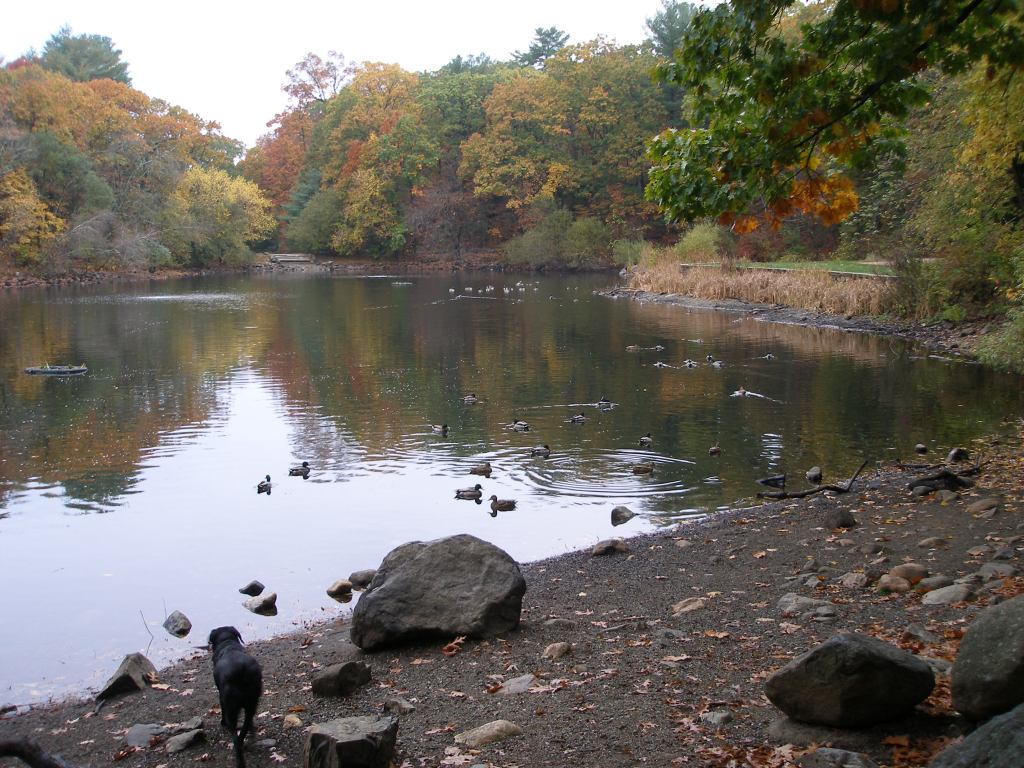
Heads up, dog coming

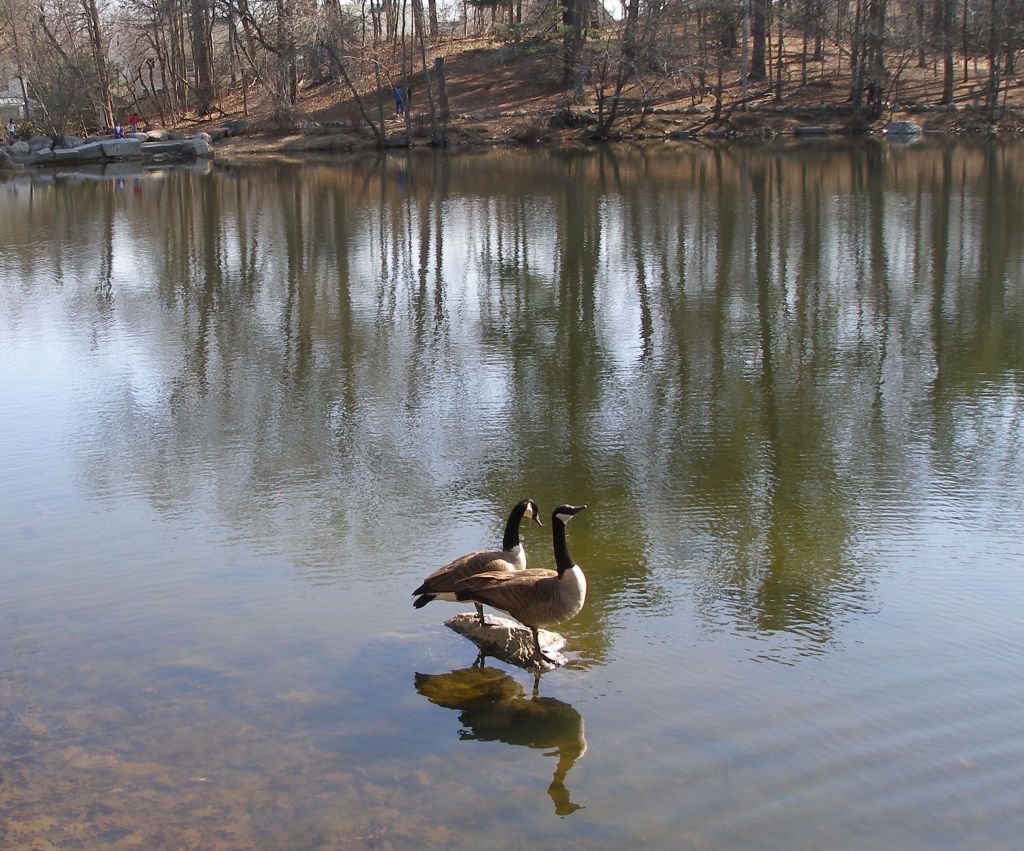
Grazing geese splashdown

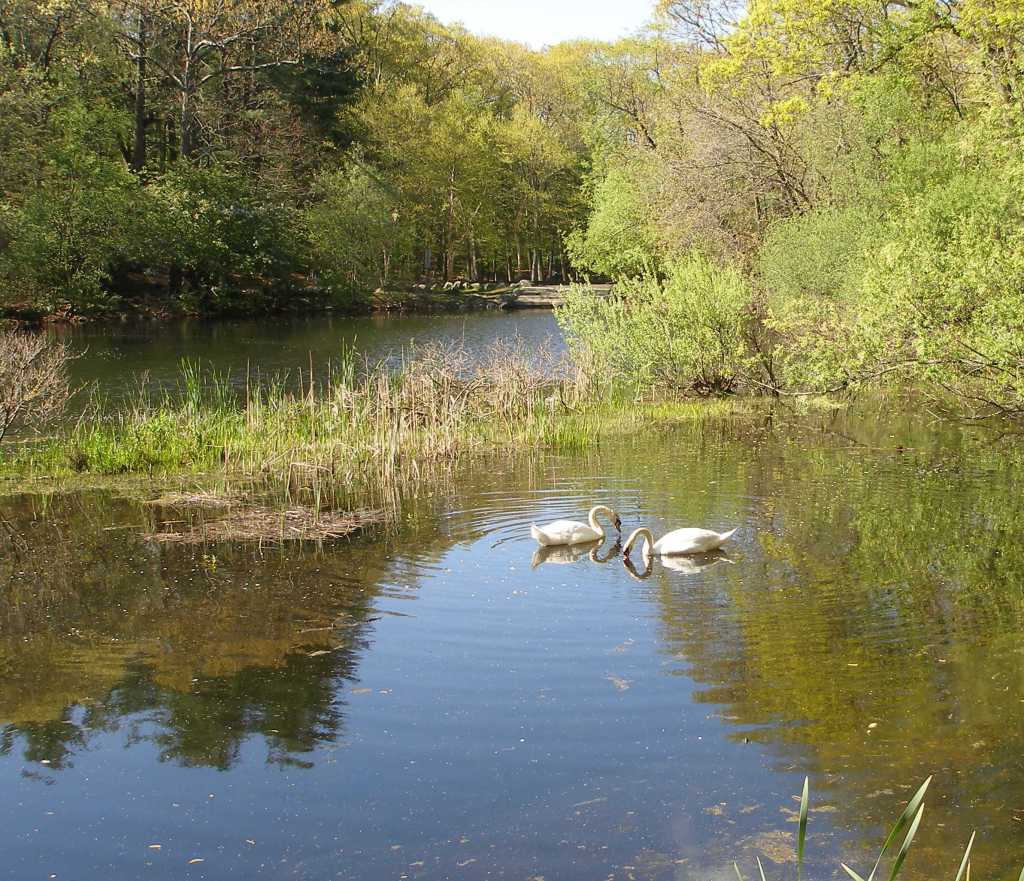
Safe on Hills Pond

Taped to the arm of

A Menotomy Rock’s bench,

Mother’s Day balloon

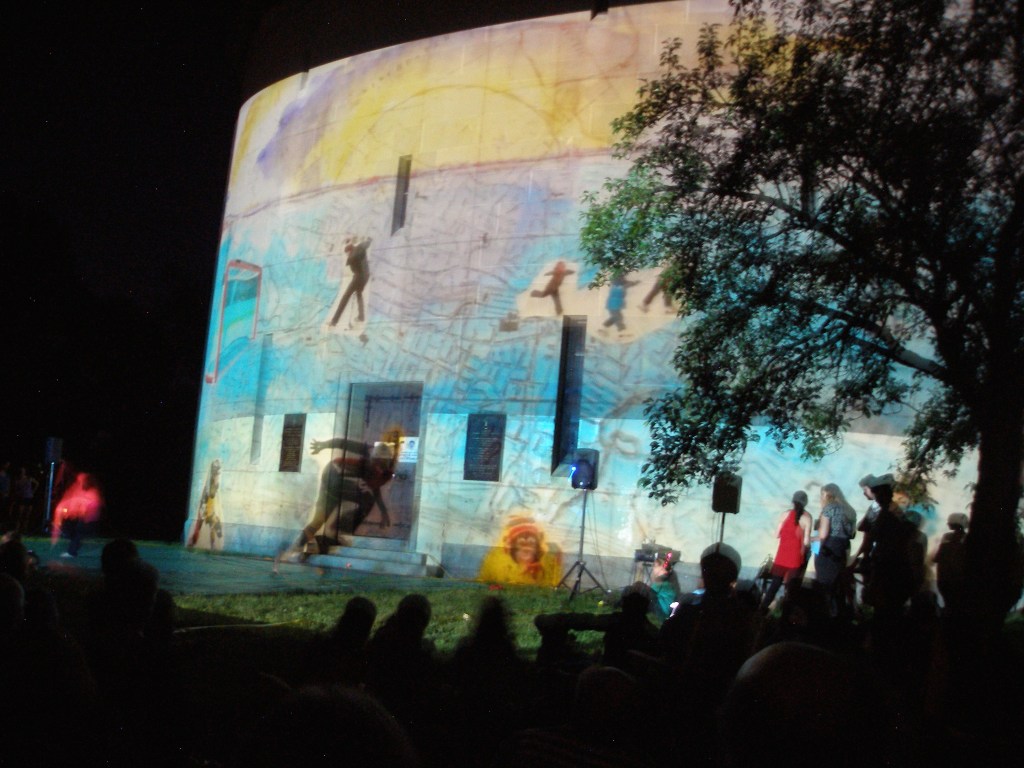
Warm fall evening

Water tower lantern lit

People drawn like flies

More images of this water tower event, and information about it may be found here.
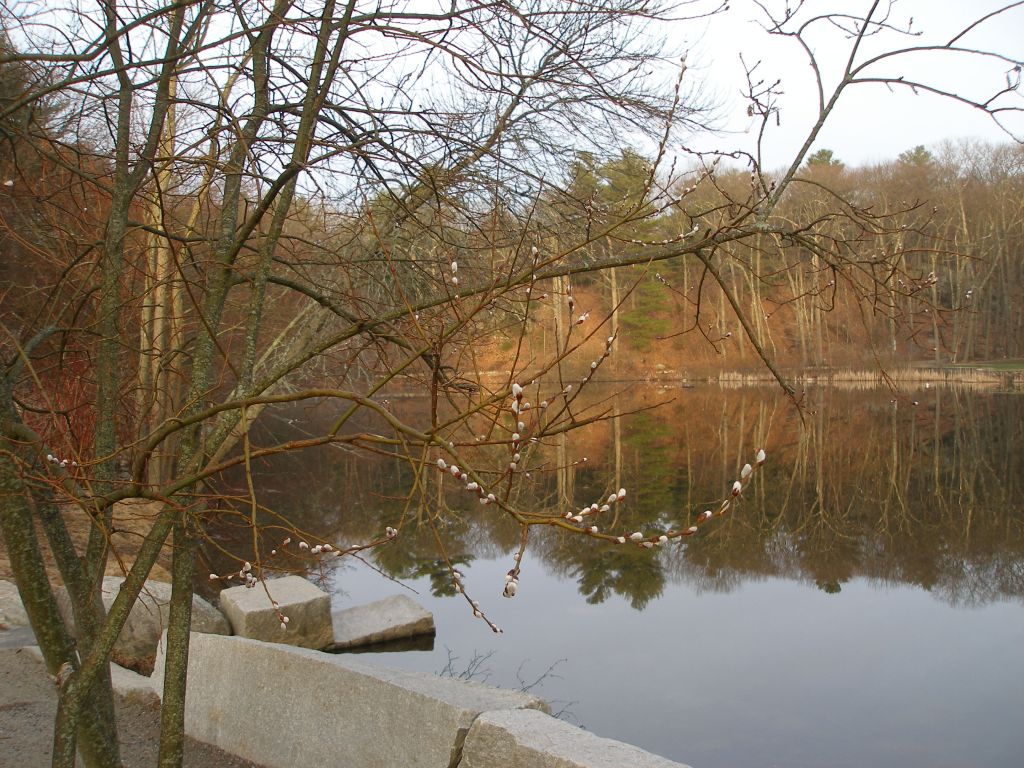
Spring Transformation

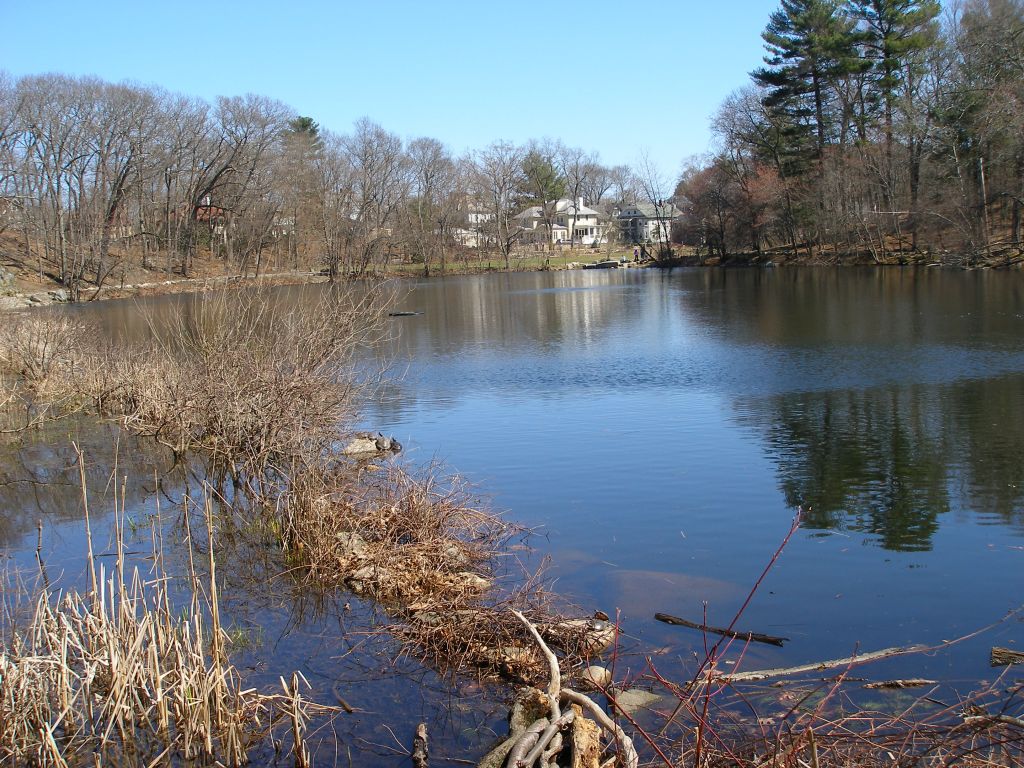
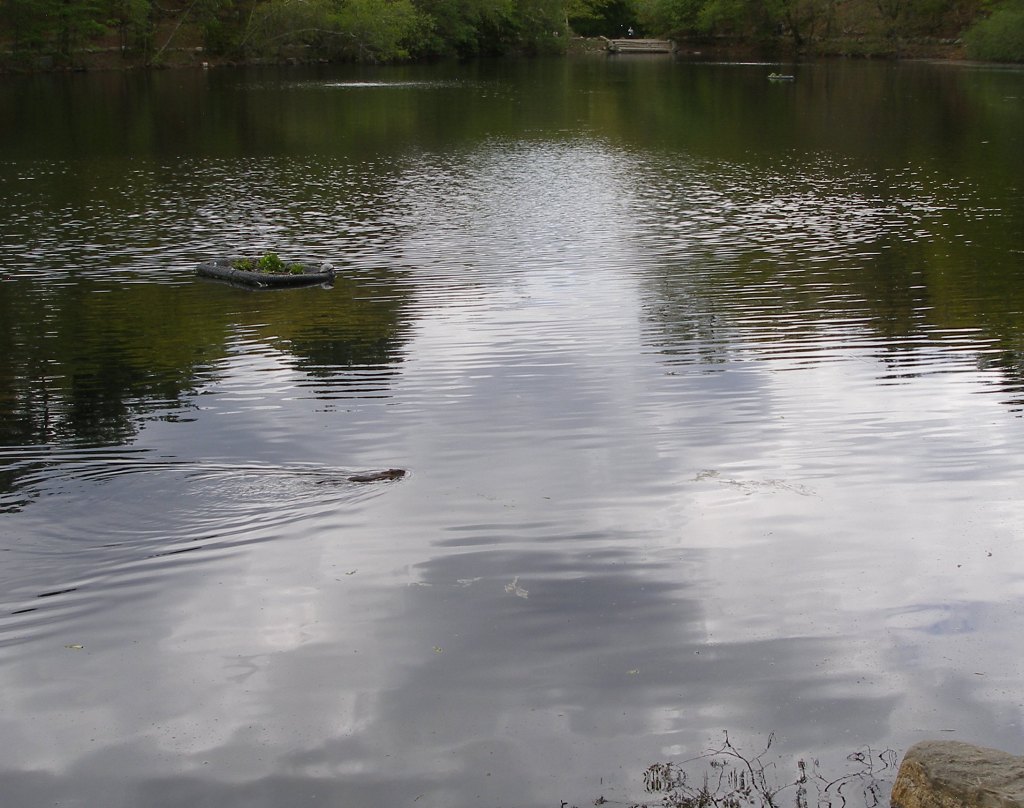
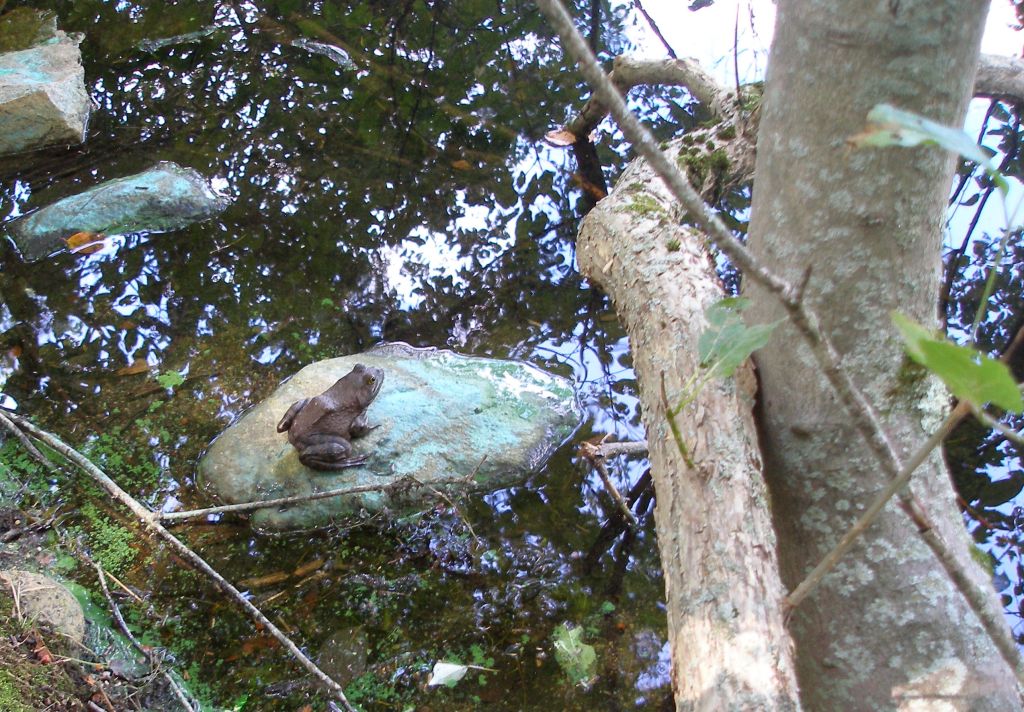
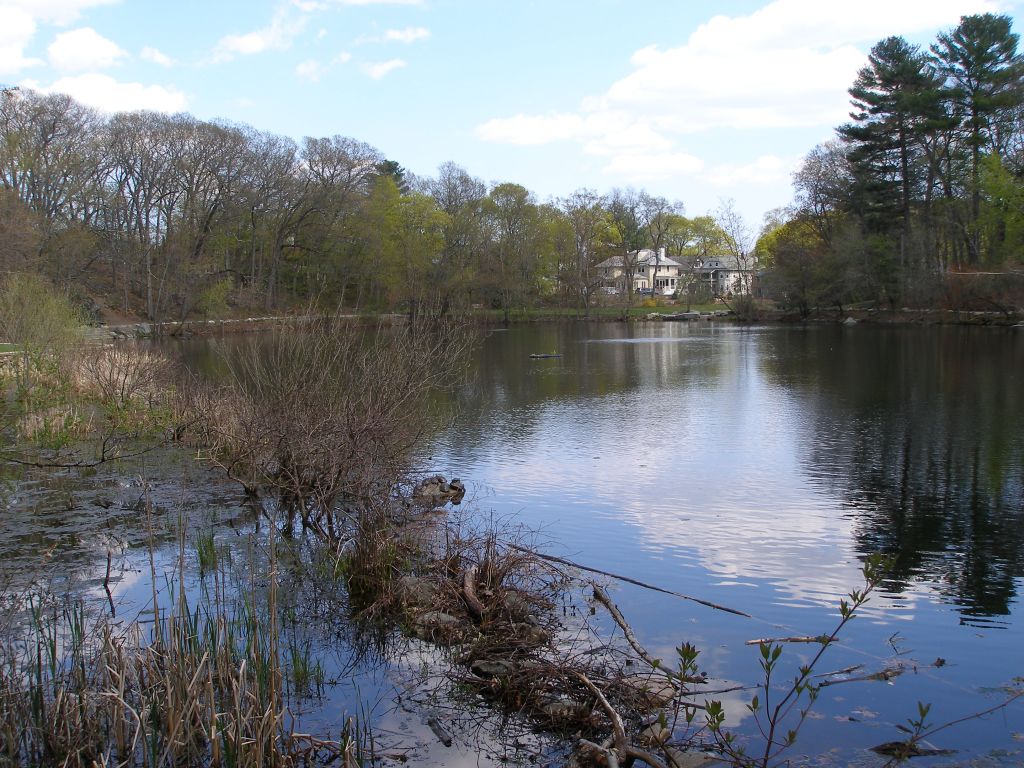
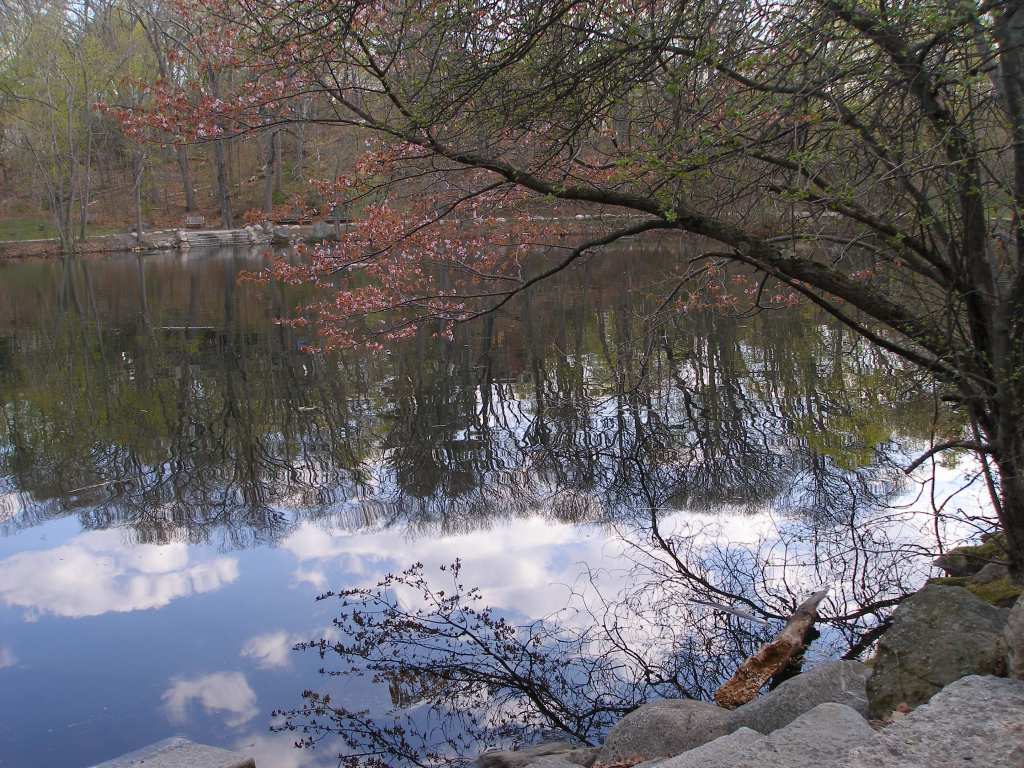
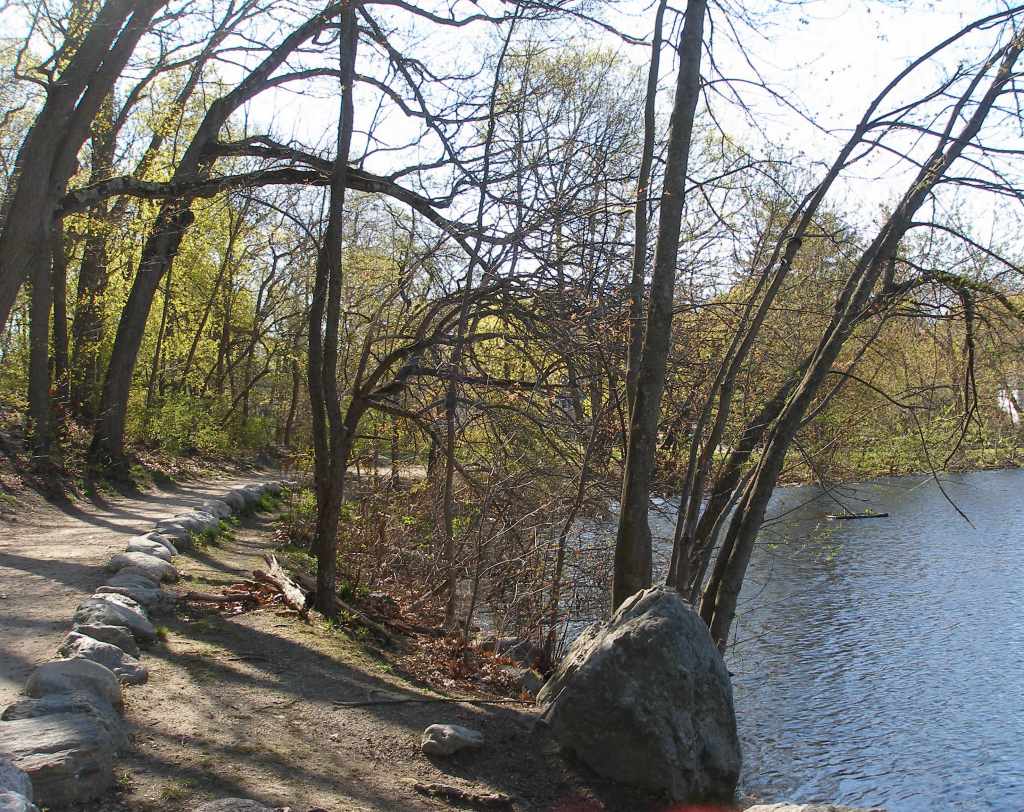
Puffy white clouds made lovely images in the pond this time of year. Now on warm days in late April, turtles gather on a rock that juts into the pond beyond a marshy area (see below).

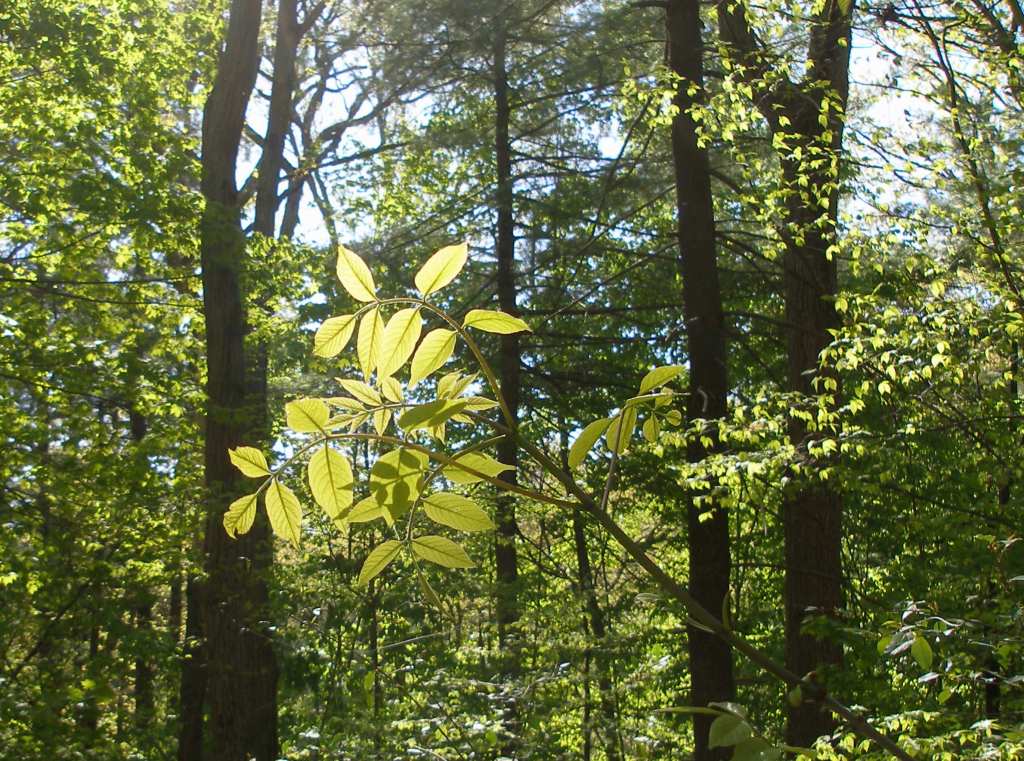
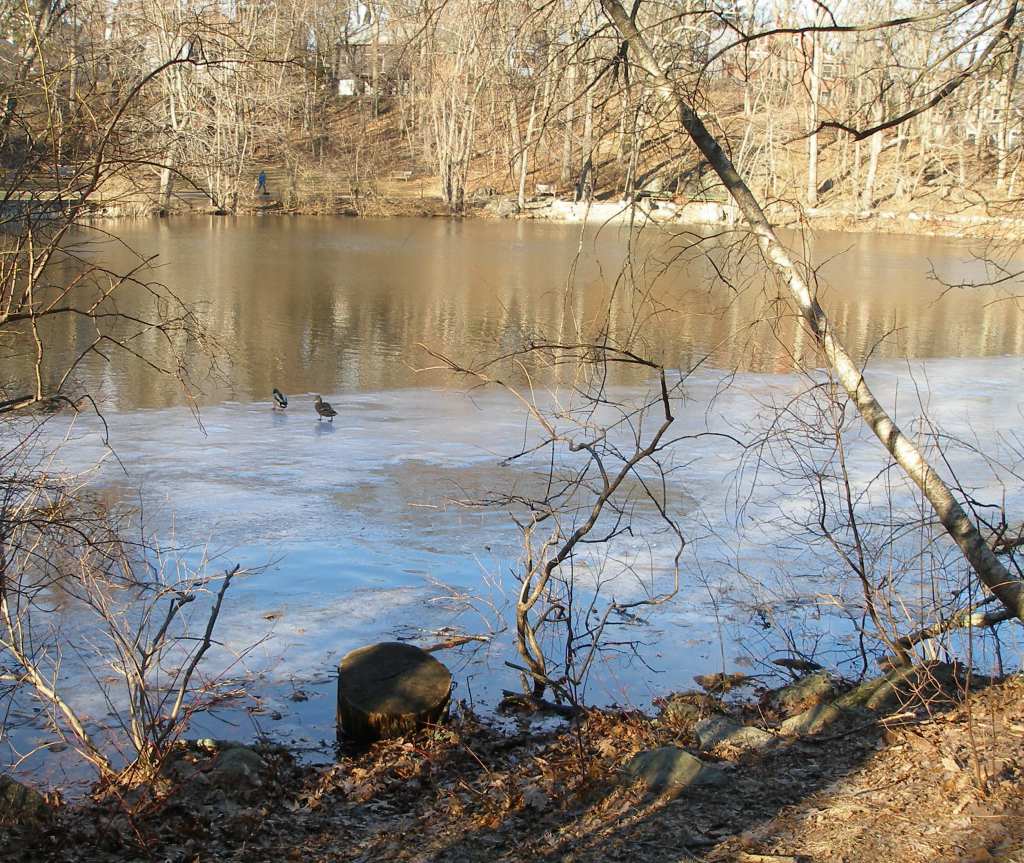
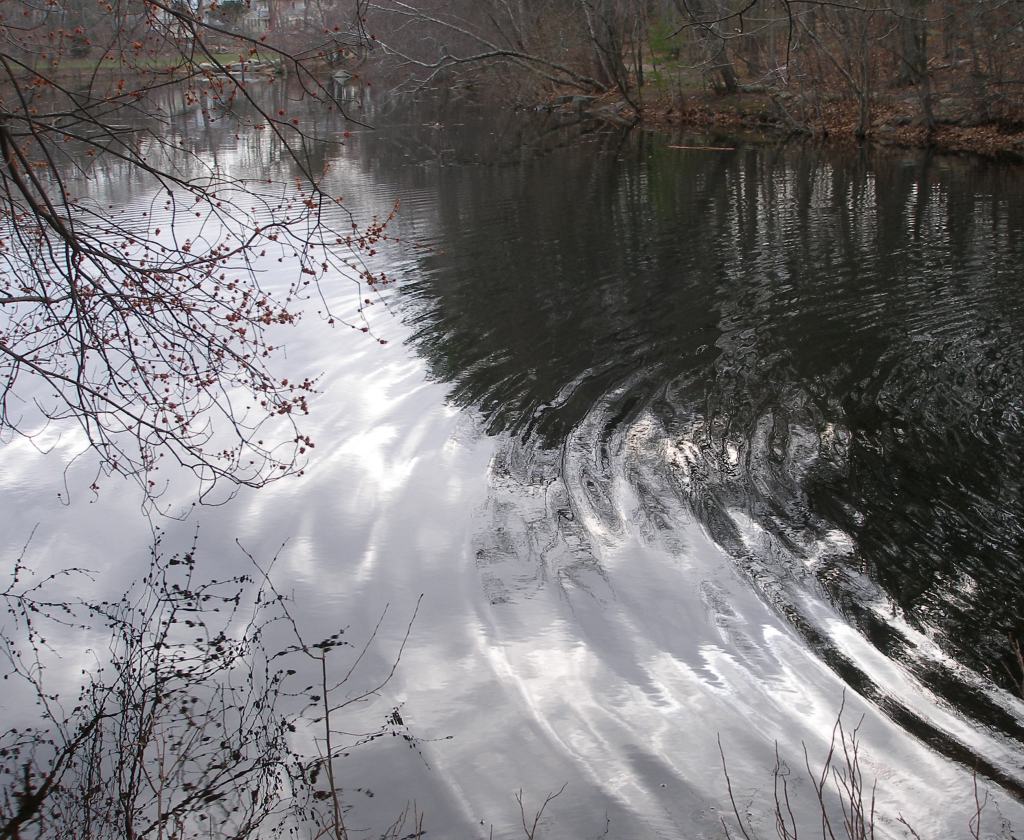
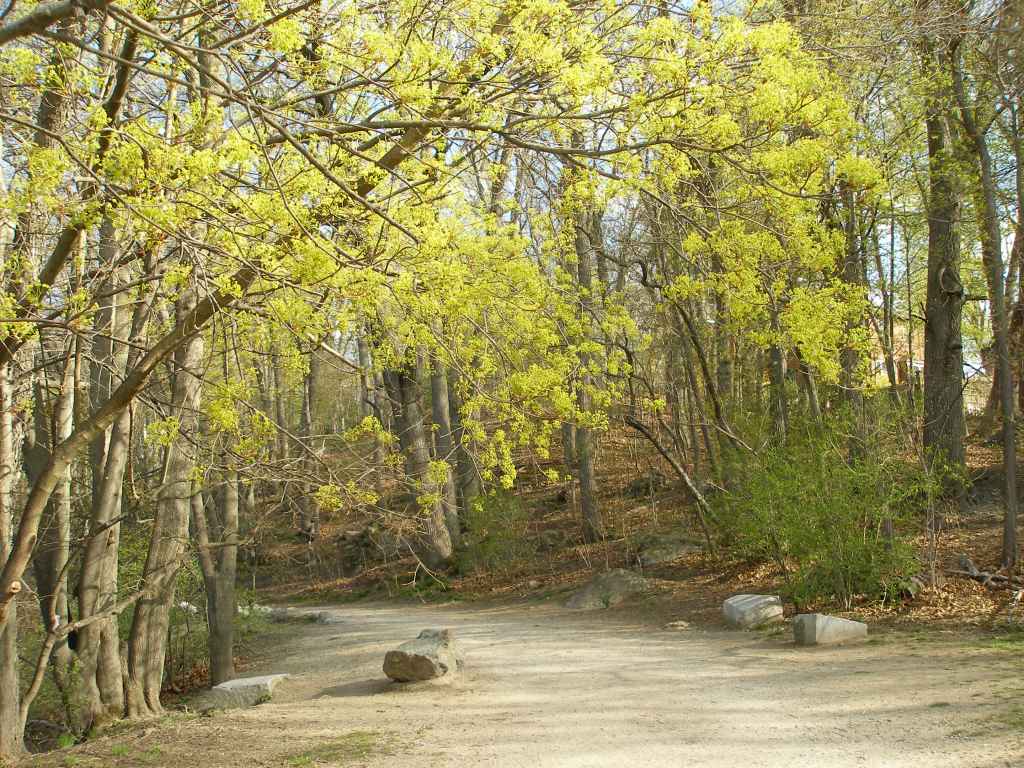
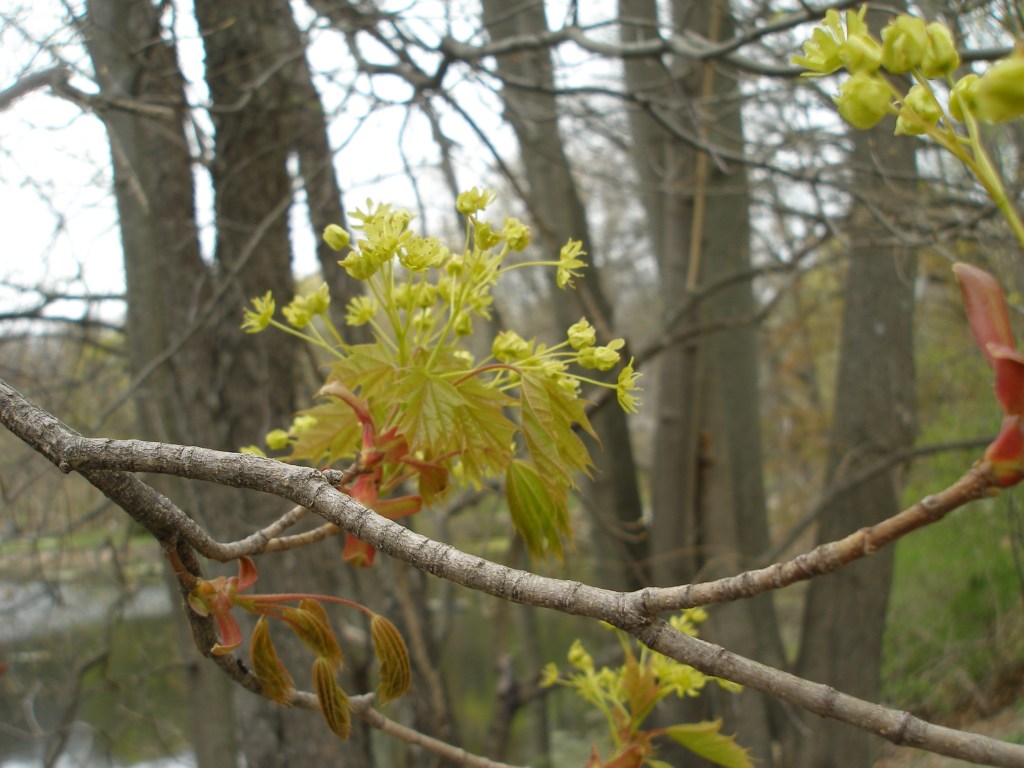
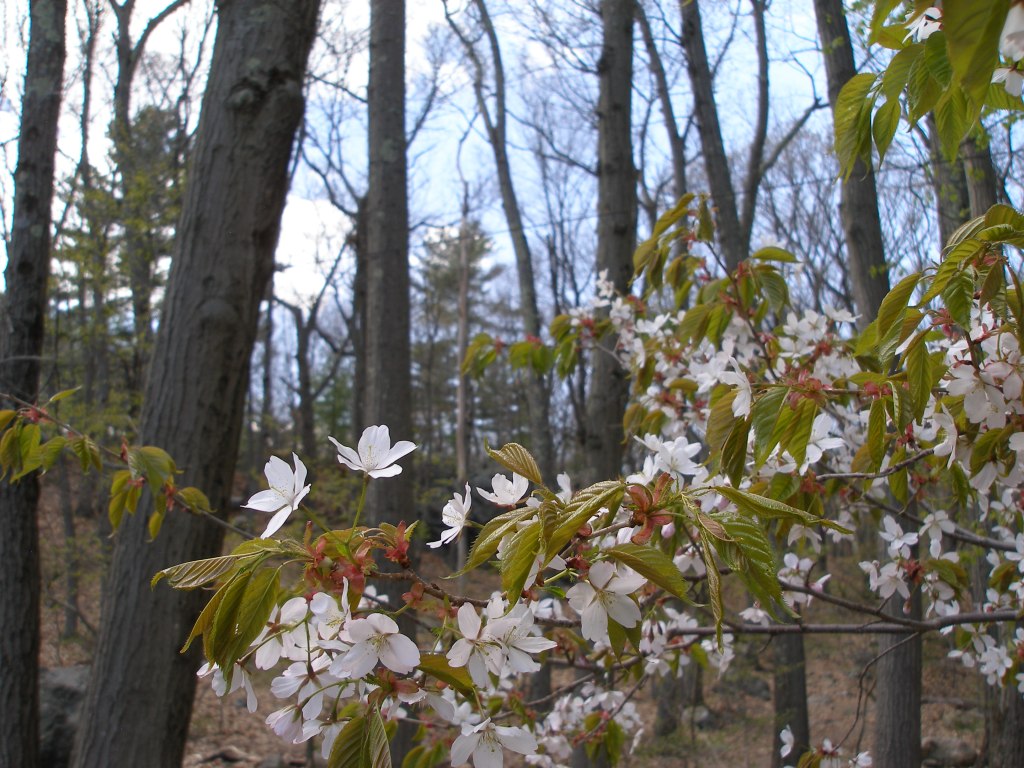
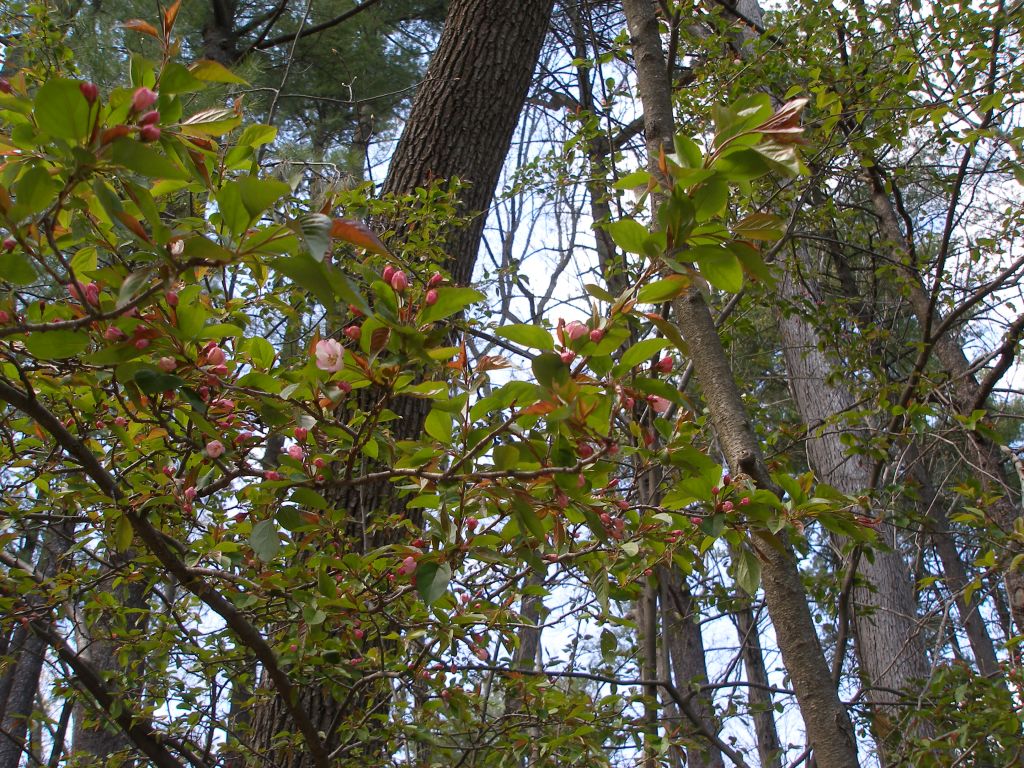
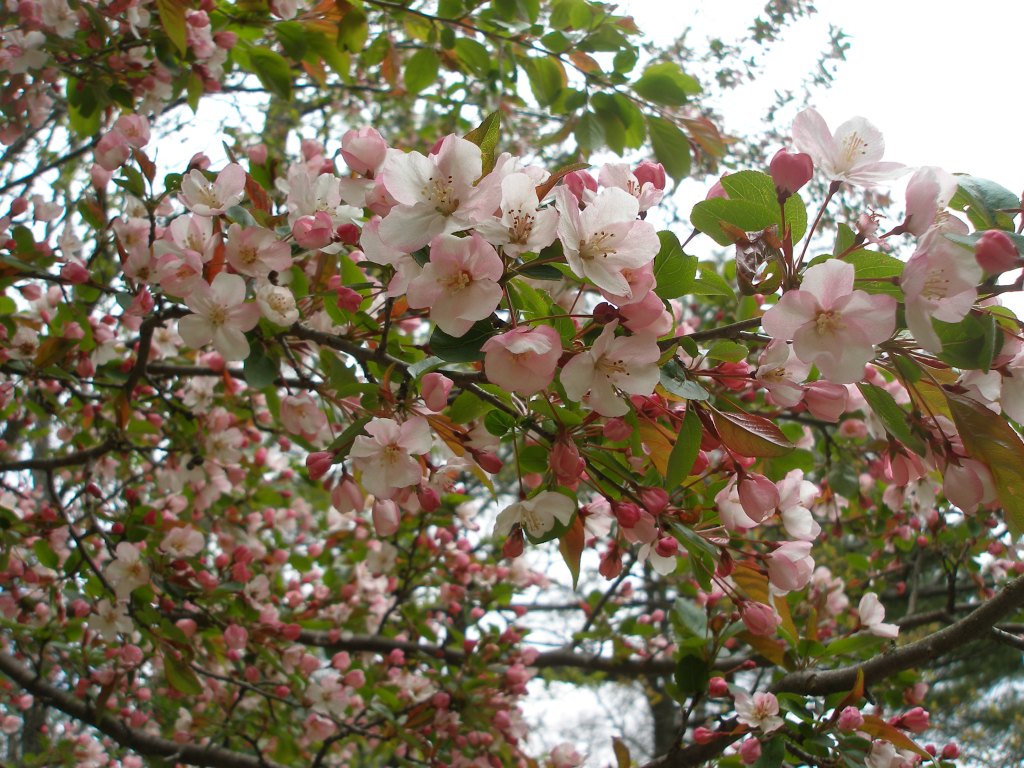
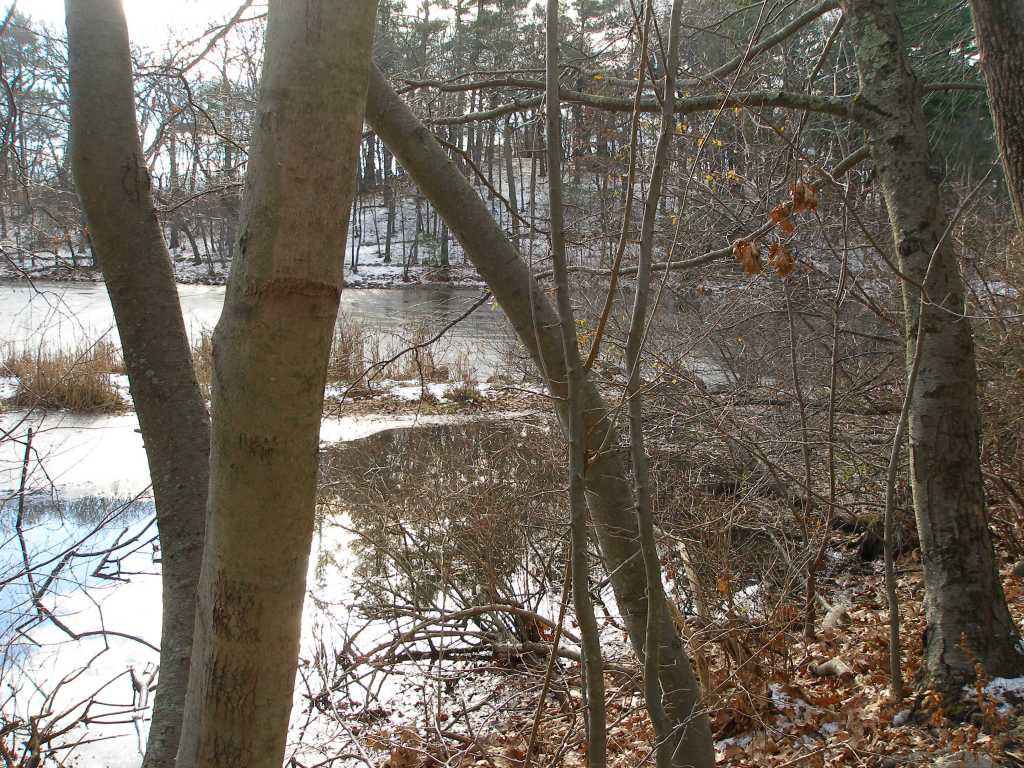
In early March, when the branches were bare, ducks walked out on the ice heading toward open water. A bit later, tiny buds spangled branches by the pond before the pastel haze moved up the bank and blooms began to appear along the woodland trails.

Weathering the Storm

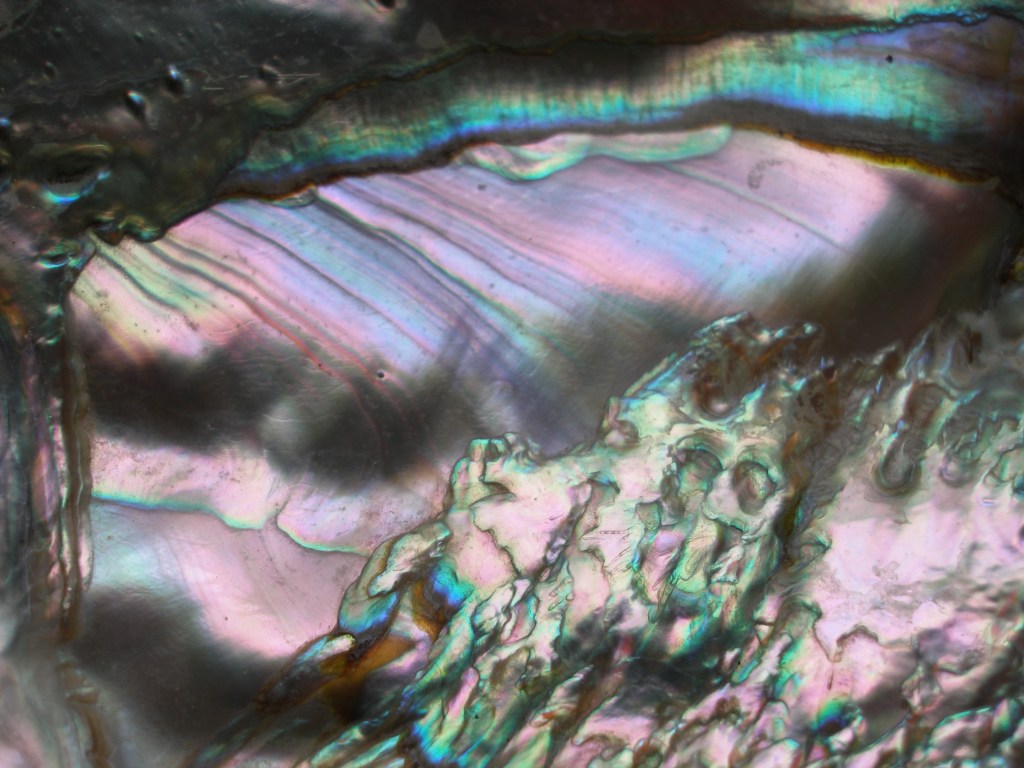
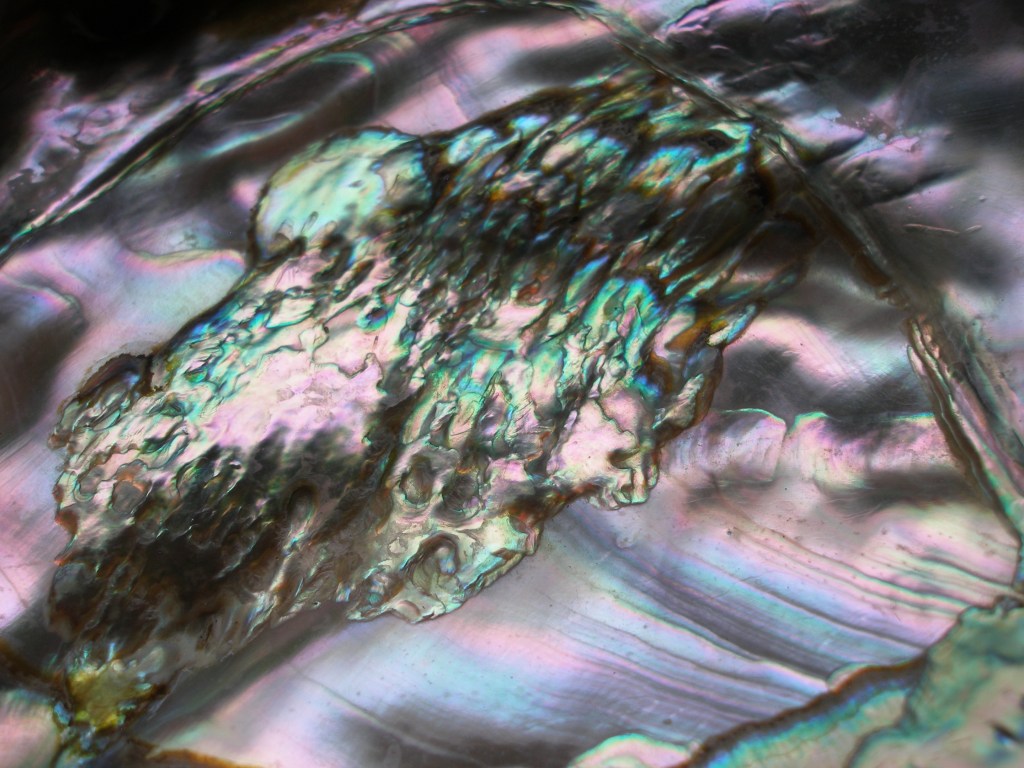
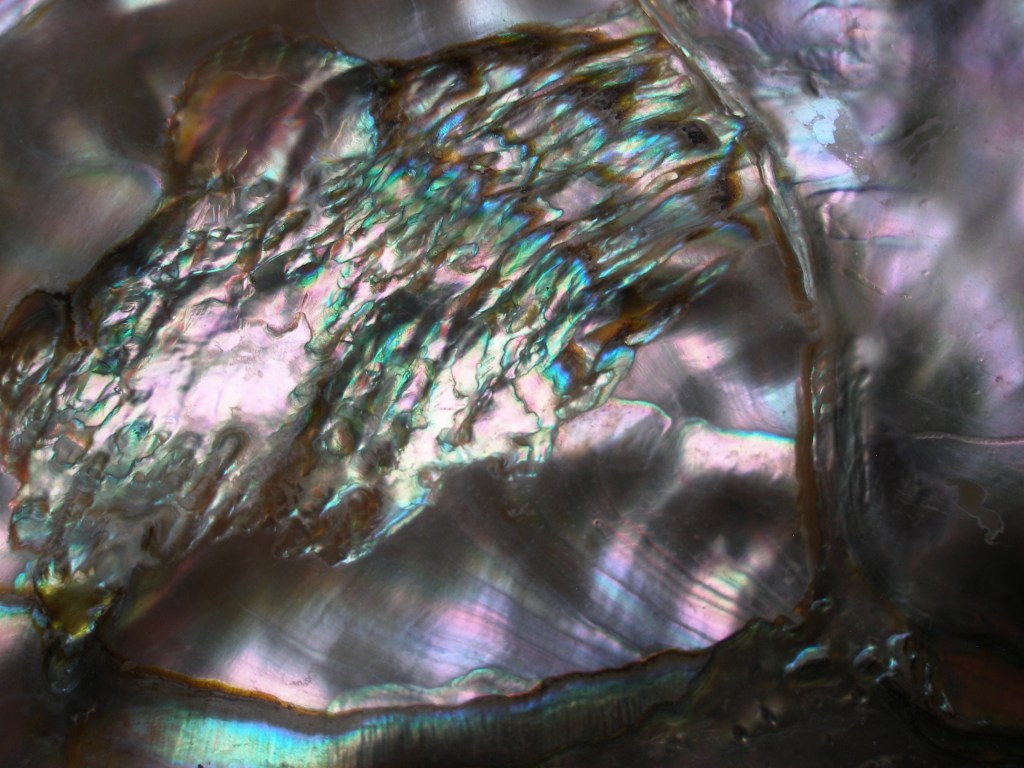
Recently, I came across an abalone shell that called out to me. At first I looked for abstract patterns in its colorful interior. Then, a wind-blown tree came into view. There was no mistaking the tree that both stood strong and bent with the wind. It feels a bit like that now, I thought. We began to see patterns with COVID 19 that we did not understand. Now we find we are in a storm with no place to hide from the global wind. Is this tree in a storm a warning, hope for resilience in the face of threat, or perhaps both?
Learning to See

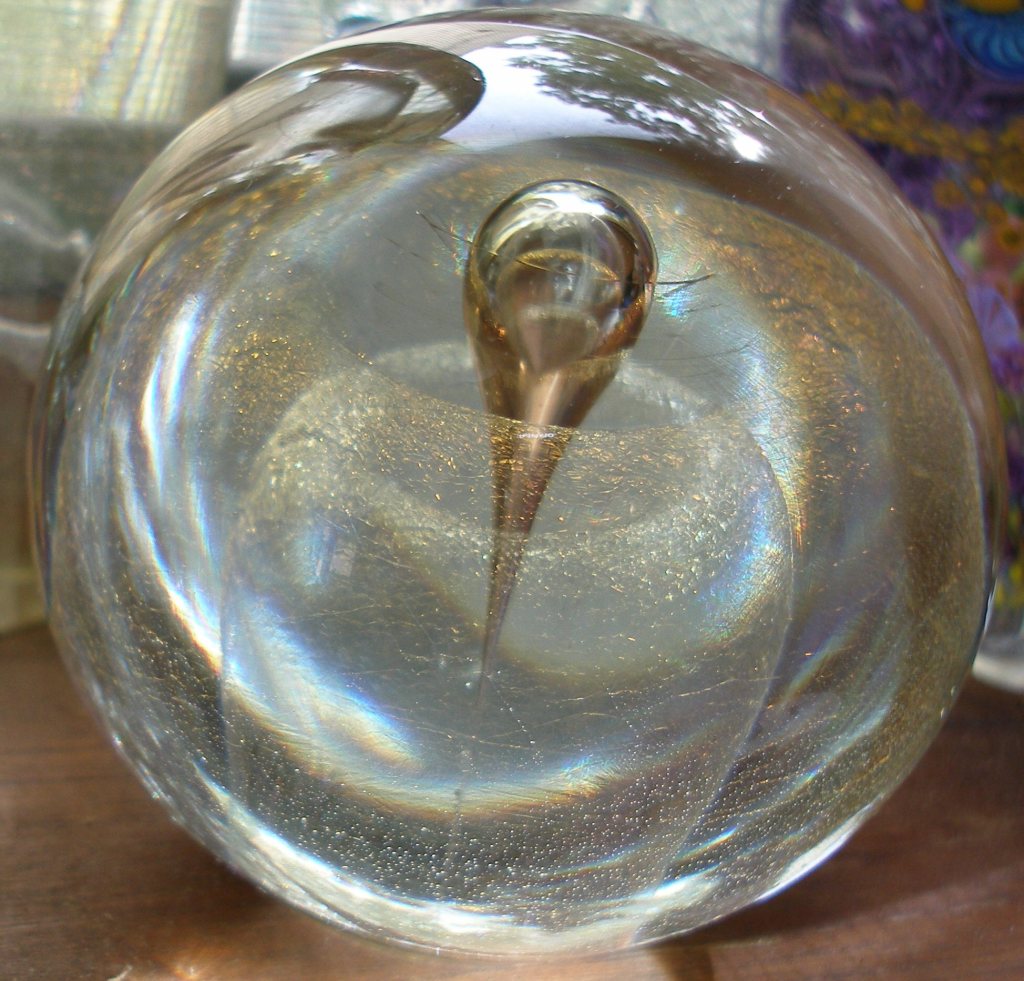
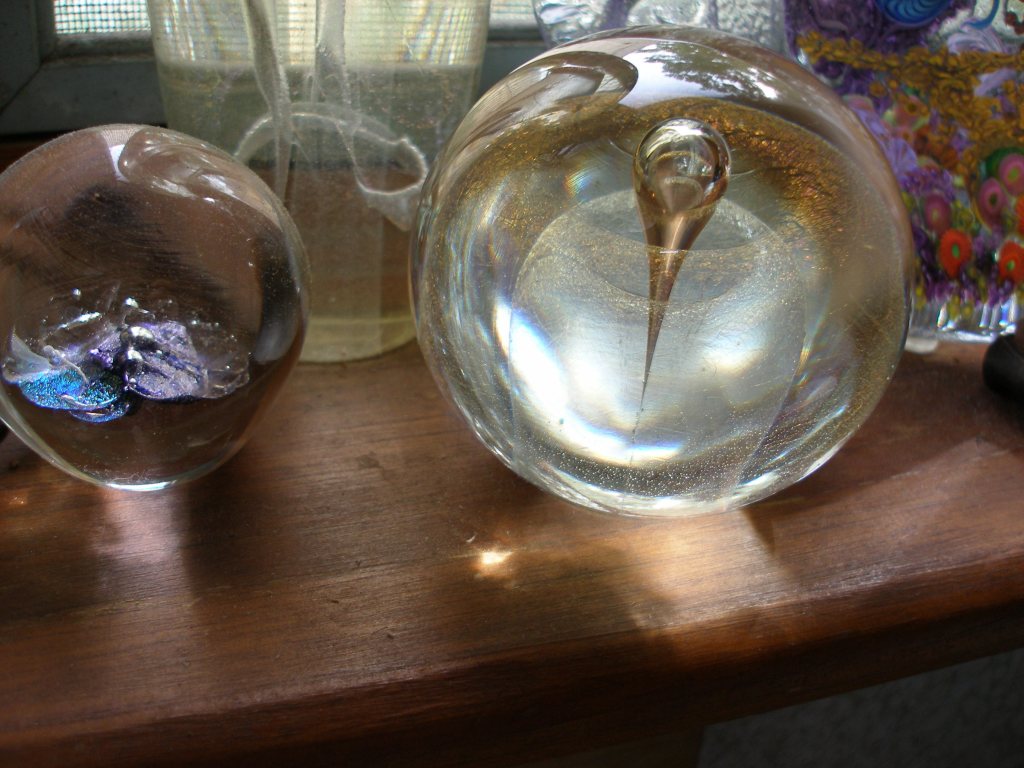
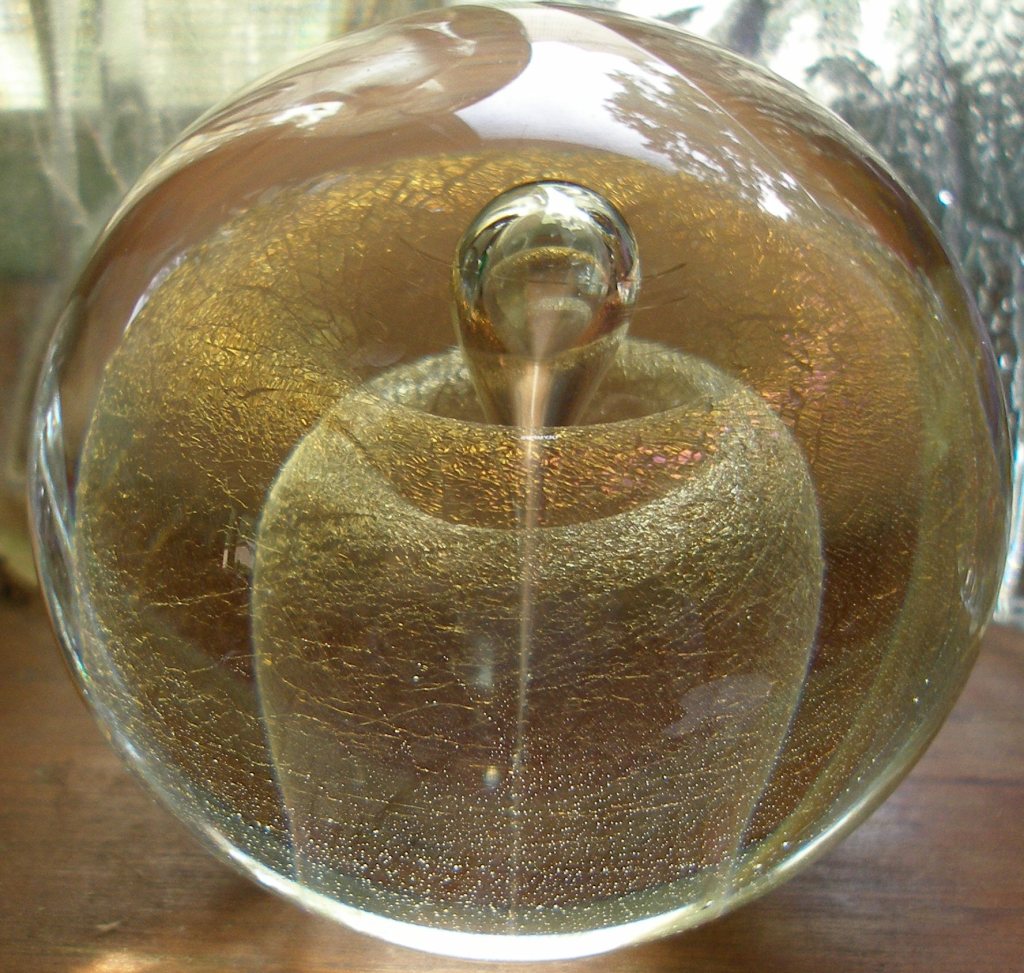
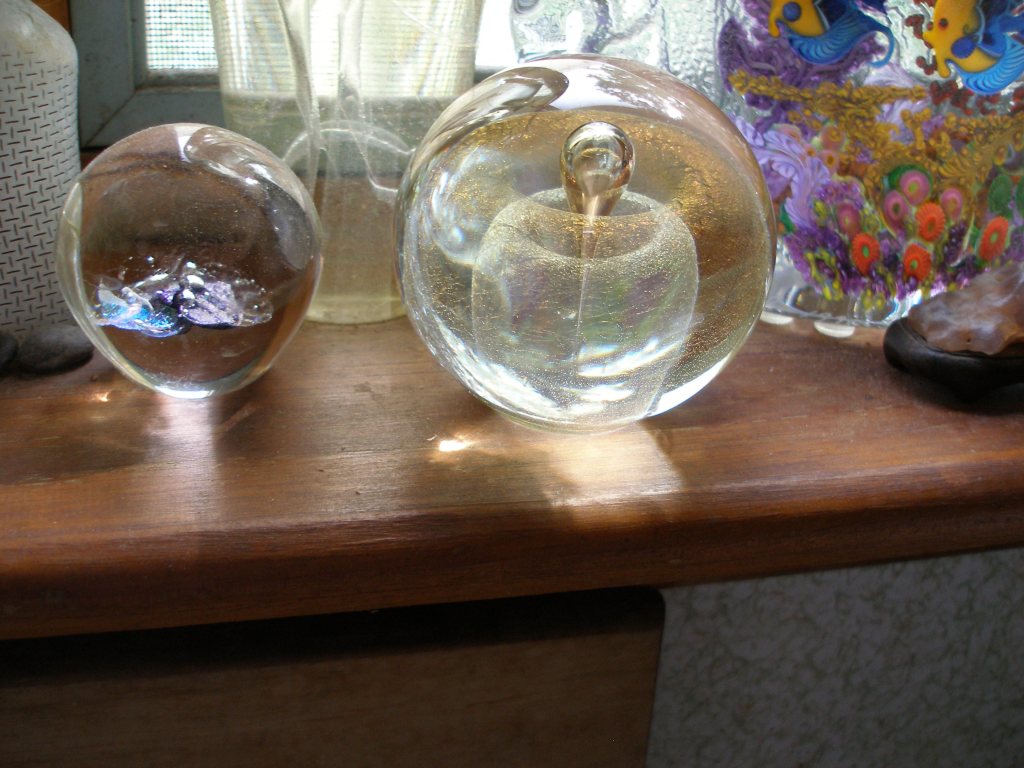
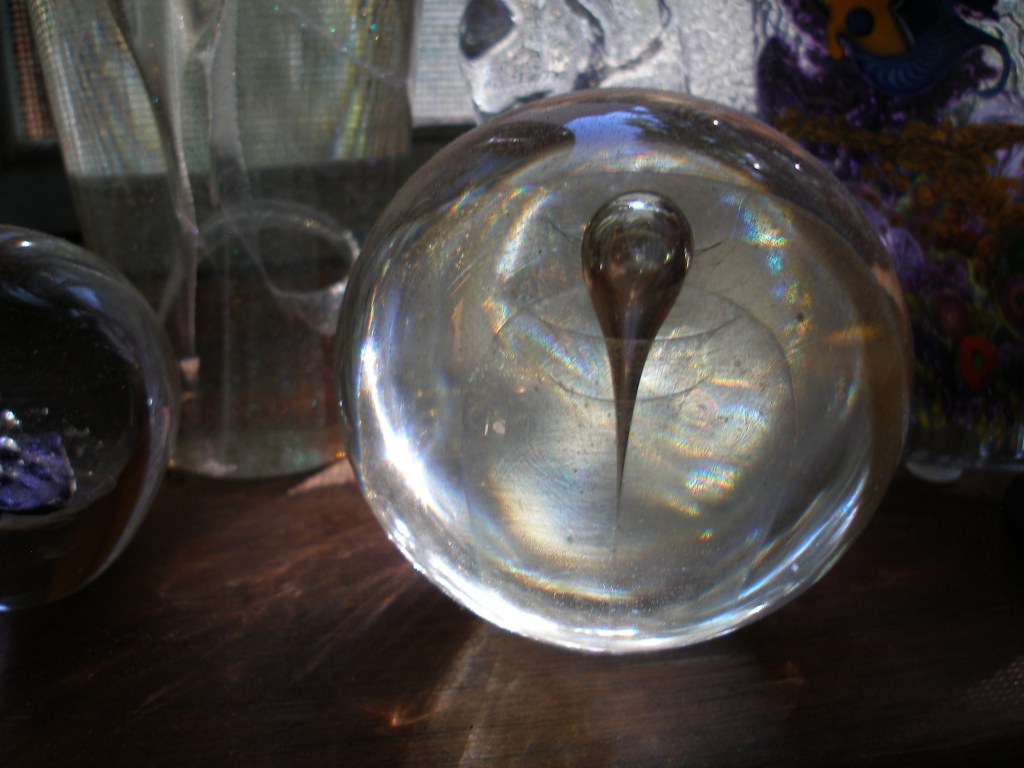
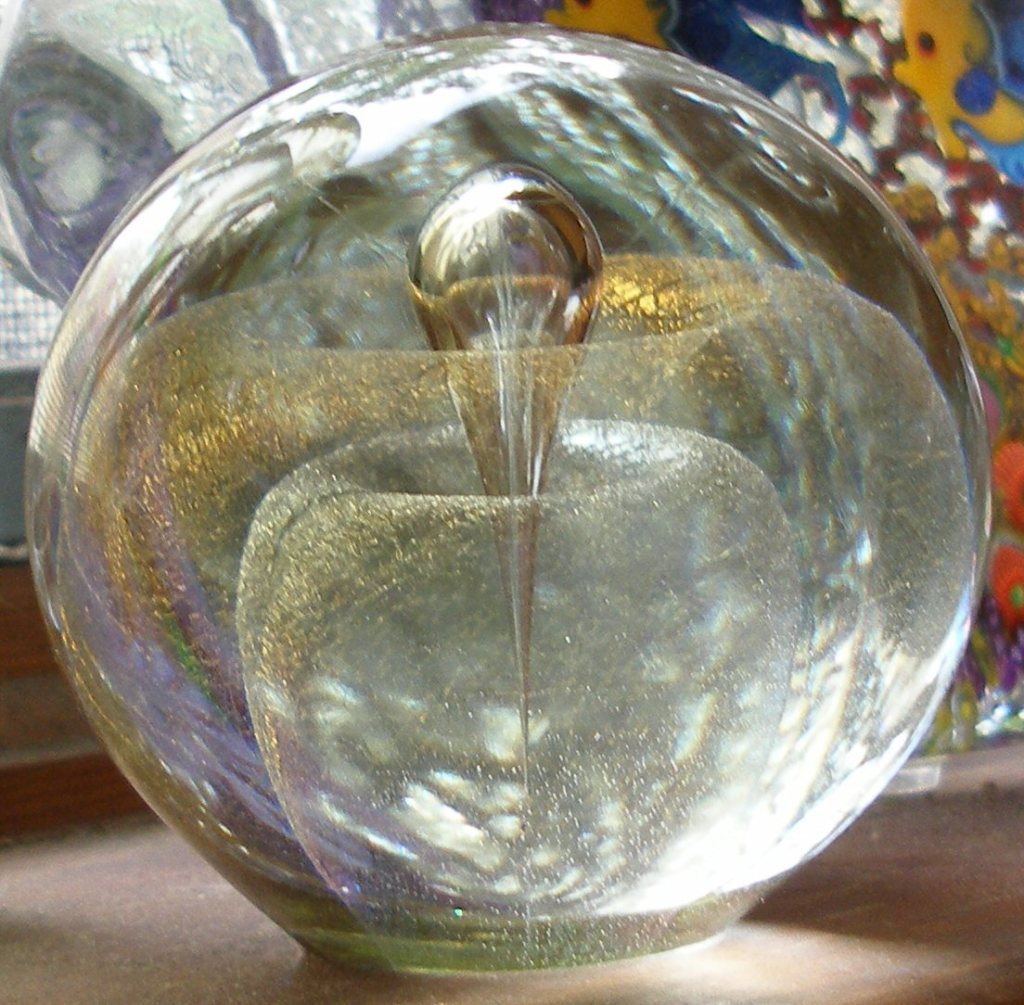
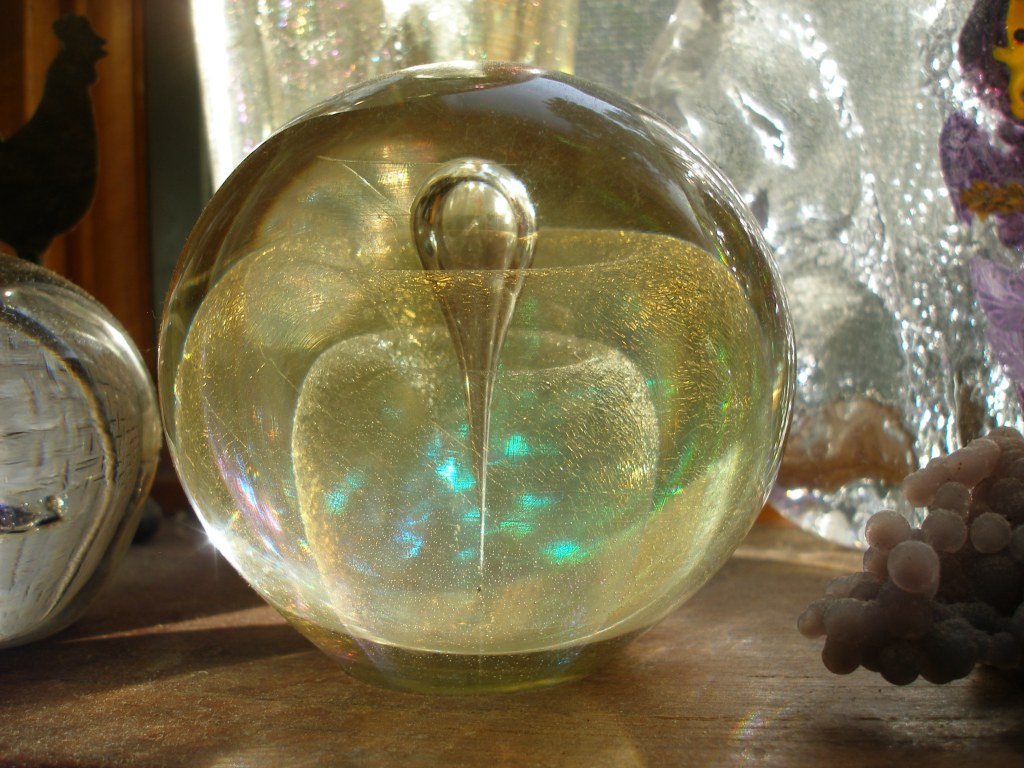
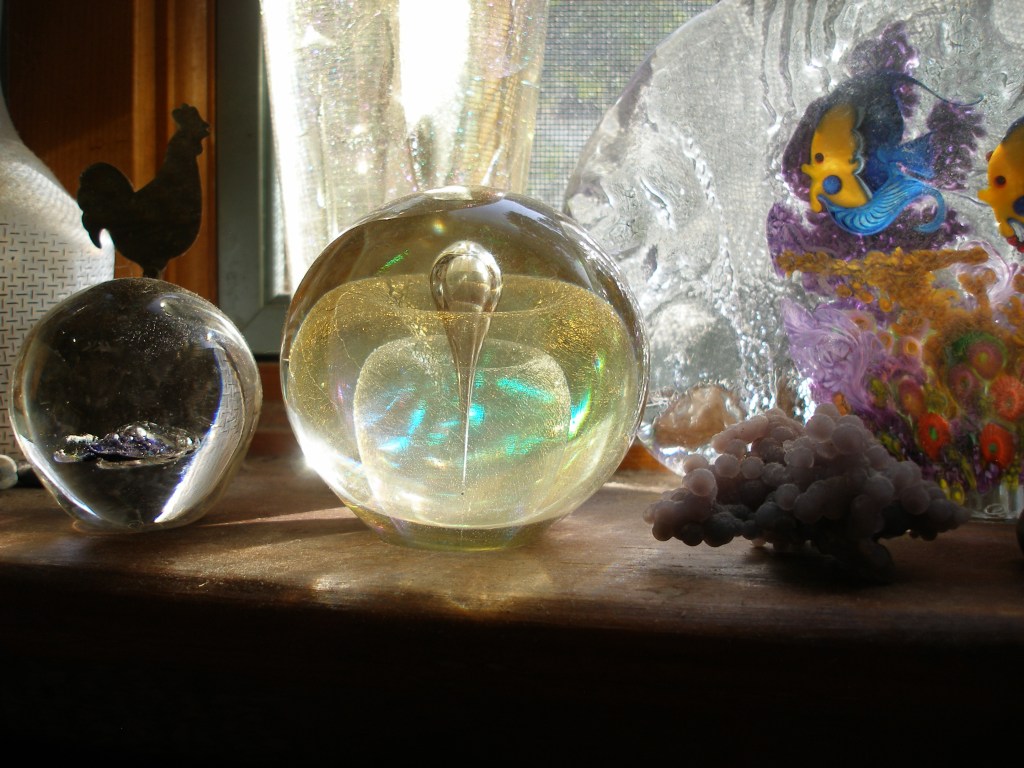
This paperweight was on the window sill for a while before I noticed its changeable personality. Two curved layers with outer films of dichroic glass reflected and transmitted light. Now that I looked more closely, depending on the light and the angle, everything changed.

I got out my camera to see what the super macro setting would capture. How could one small object do all of that?
Place as Winter Guide

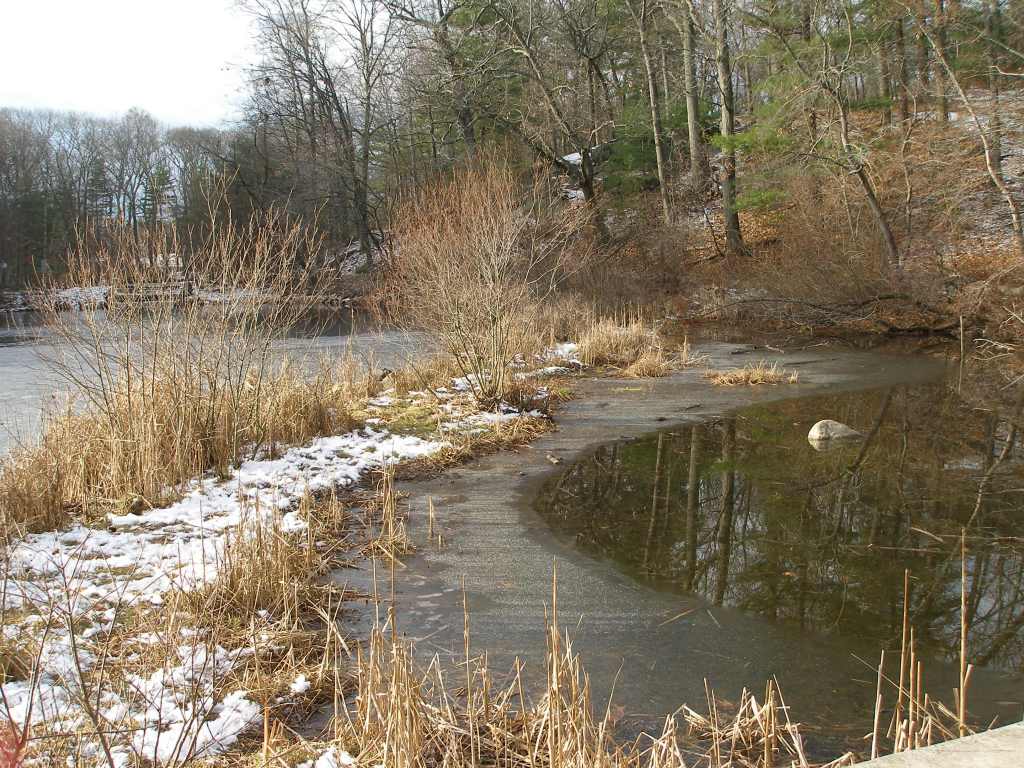
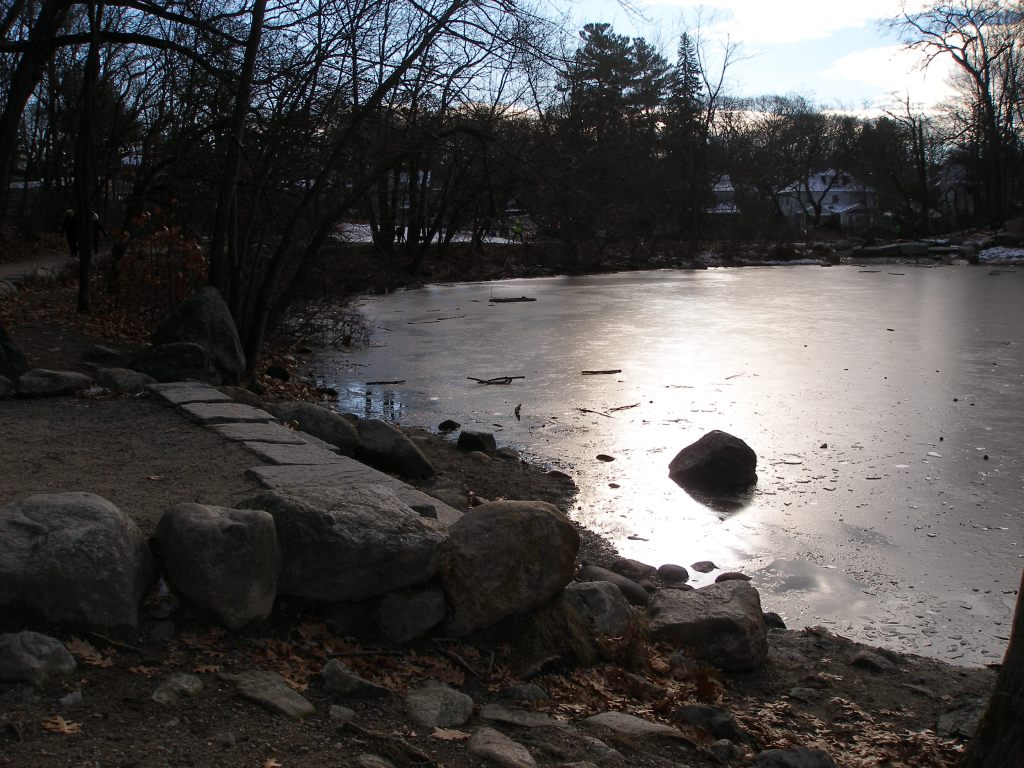
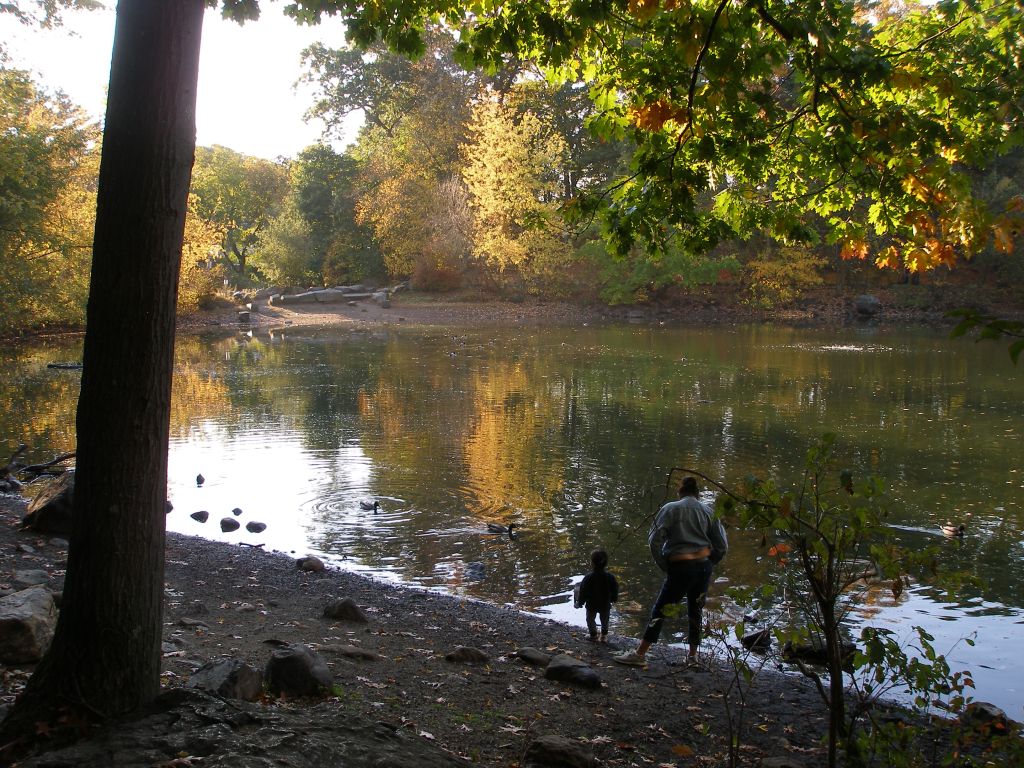
I wondered what the beginnings of winter would look like on this crisp morning in early December. After several inches of snow followed by thawing and freezing, I expected snow on the pond banks.

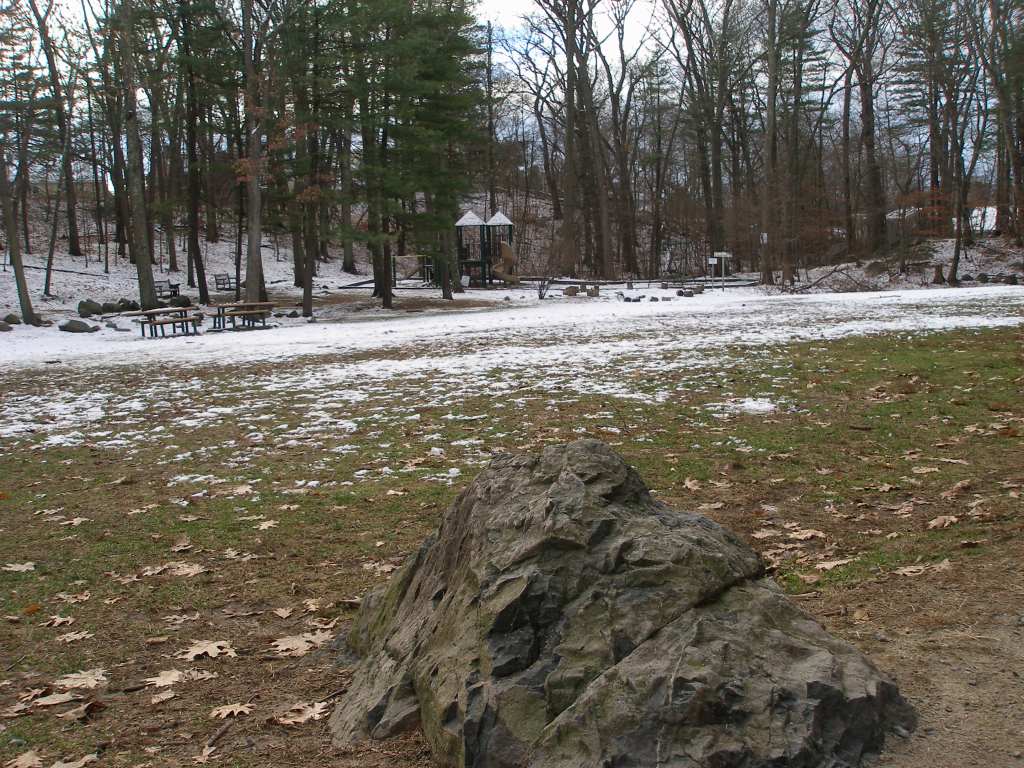
As I entered the park, I noticed certain rocks were beginning to become familiar friends. But I fought against all such expectations, all such stories. Walking for my health here in these times of pandemic provides opportunities too precious to waste. Most of all now, I long to be open; to not even know where I am going.

I noticed the pond had a skim of ice, but only in certain places. Scattered ice fragments captured light. The few dog walkers I encountered understood the preciousness of solitude. Offering quick greetings in soft voices, they did not disturb the infinite sweetness of the melancholic luxuriance.

As the place, itself, took over as my guide, shifts in light and mood signaled when to stop and look deeper. I aimed my camera with awe and humility knowing I was a participant observer, not separate from such generous grace.

Silent Tea Music

I find music in the largely silent flowing motion of Japanese tea ceremony. It came as a surprise, however, when my involvement with that art played a role in a musical instrument finding its way to its rightful owner. After hearing the shakuhachi played by a master at a gathering at my tea teacher’s home, I obtained a student version of the bamboo flute, thinking I might learn to play it. However, the shakuhachi was relegated to a drawer when I had no luck finding a teacher.

Several years ago, I was introduced to a fellow student in my graduate mindfulness studies program who had a deep interest in Buddhism and an advanced meditation practice. He shared my passion for tea and wrote about the social dynamics of how tea is shared in China for one of his papers. When I learned he had never tried the powdered green matcha tea used for Japanese tea ceremony, I invited him to my tea hut so he could try it.

After declaring the flavor to be “very silent,” he asked if I knew of any shakuhachi teachers. His flute was broken and he greatly missed playing it.

I asked him to help himself to more tea while I went to get my long-neglected flute. I found it where I had placed it in a lovely small chest of drawers. When I returned, my guest told me he had drunk three bowls of tea. Evidently he really liked that matcha!

Fortunately, the long dormant student flute was still playable. When I presented it to him as a gift, he seemed delighted. He asked if I really meant for him to have it. I told him, “Of course the flute is yours.” In fact, I told him that this match gave me great joy. It seemed wonderful that the flute’s voice would be heard in the world after all this time. My new acquaintance later informed me that he played the flute on a daily basis.

My suspicion that the shakuhachi was used for meditation was confirmed by a little research. In fact, it is associated with particular Zen monks where playing the flute serves as a spiritual practice. Shakuhachi playing can be remarkably haunting and expressive with qualities unlike any other kind of flute music.

My tea hut had gathered to it another wonderful memory and a hint of distant shakuhachi playing from a flute that had found its rightful owner.

Pond Reflections

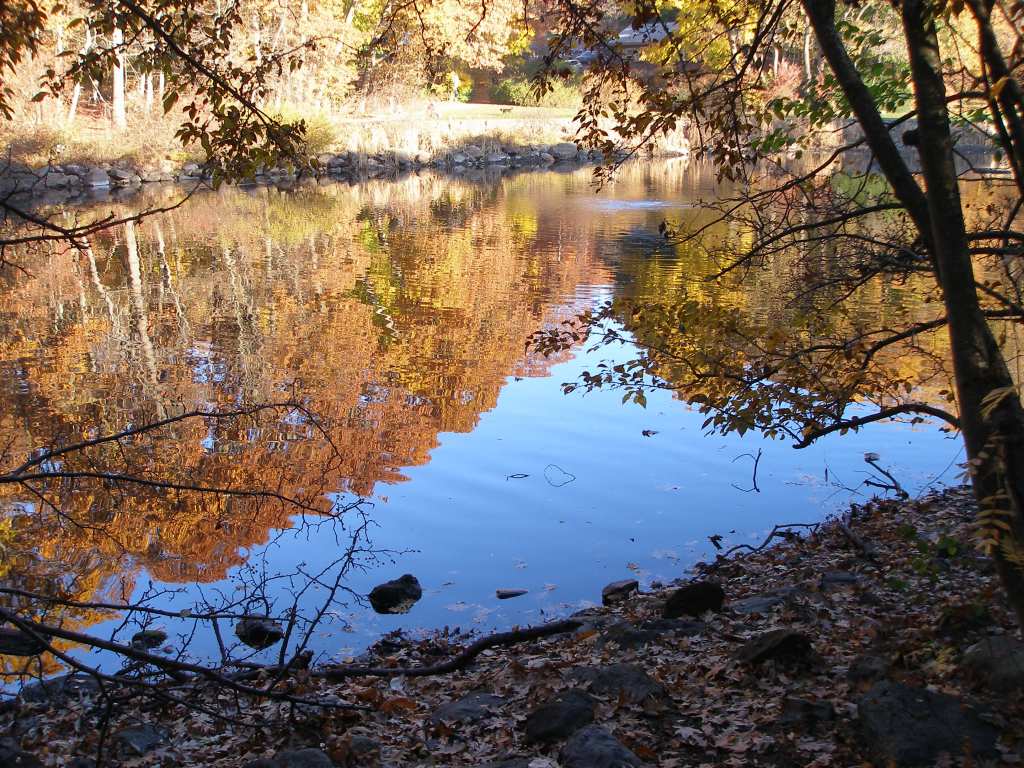
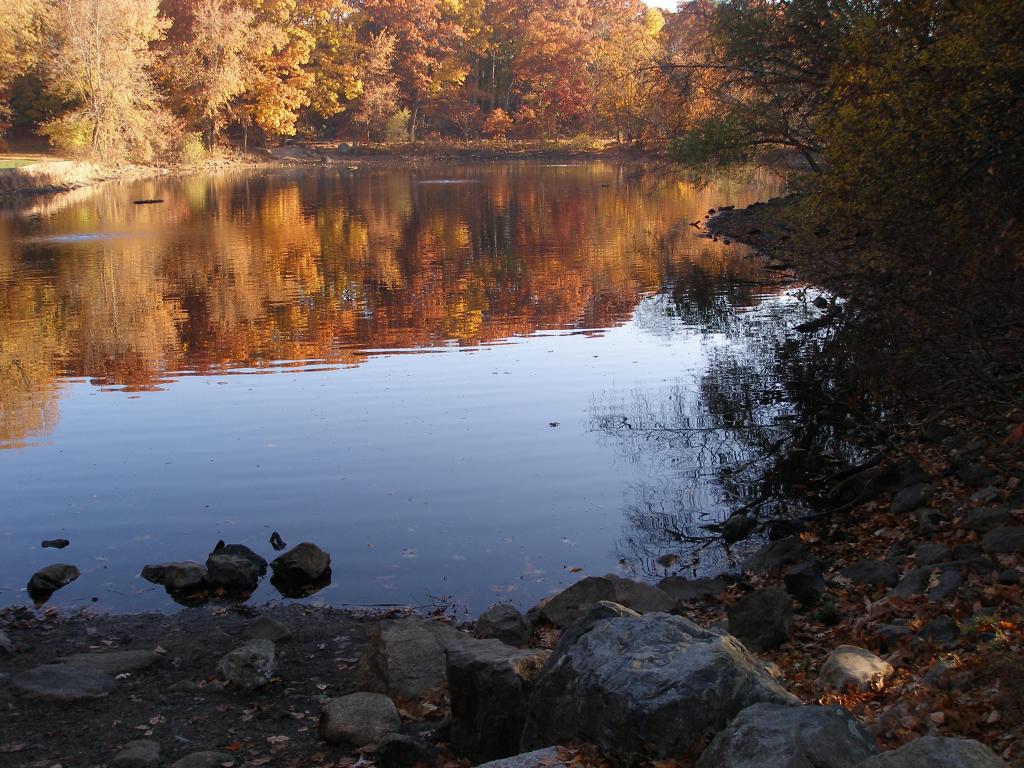
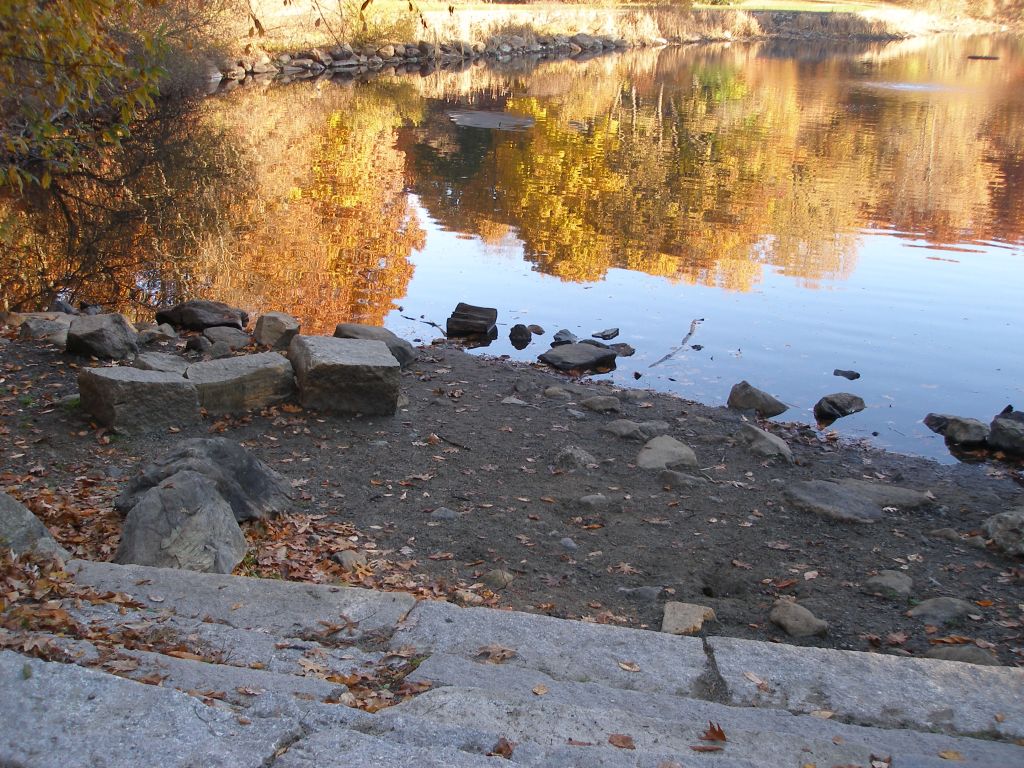
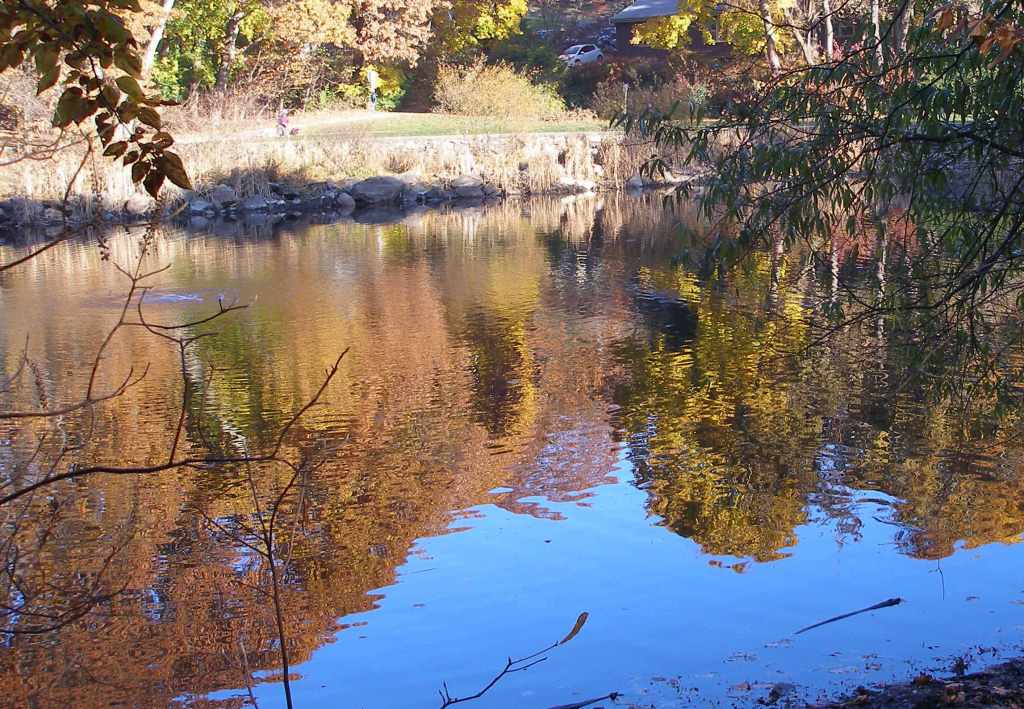
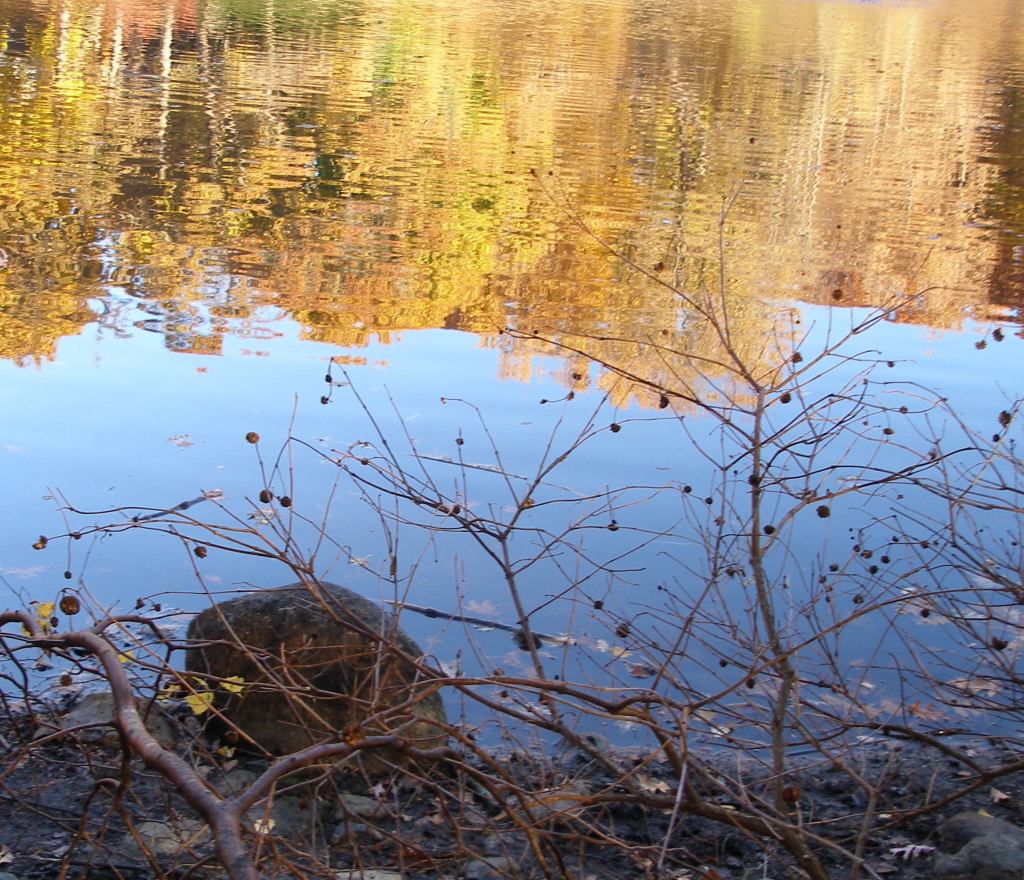
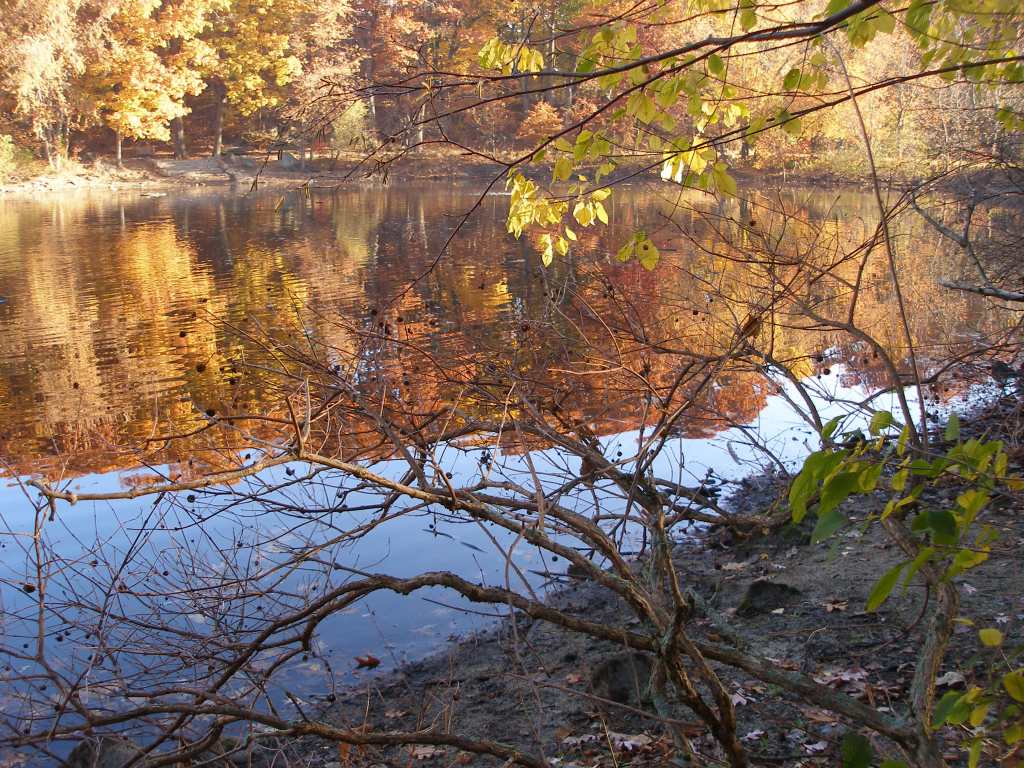
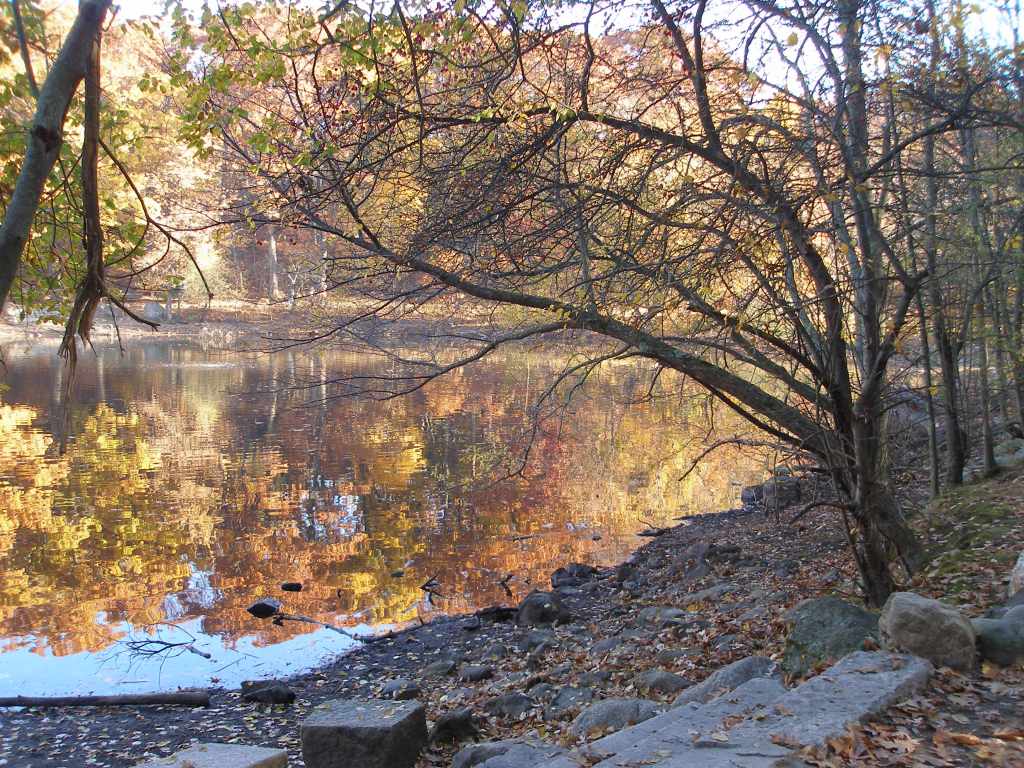
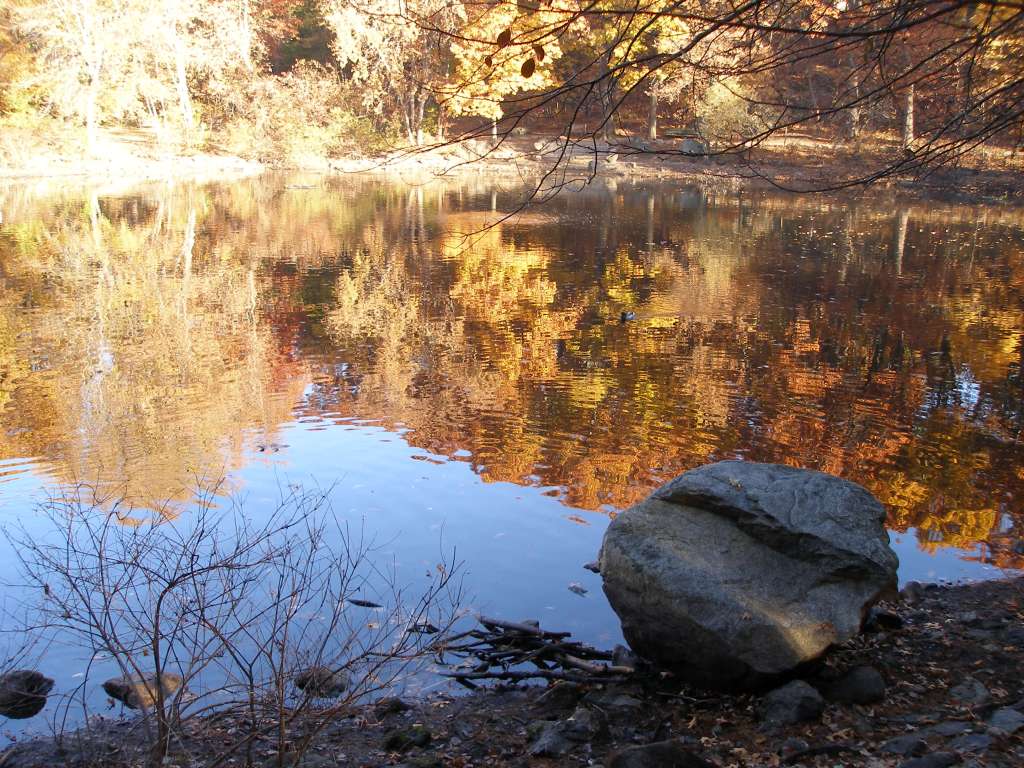
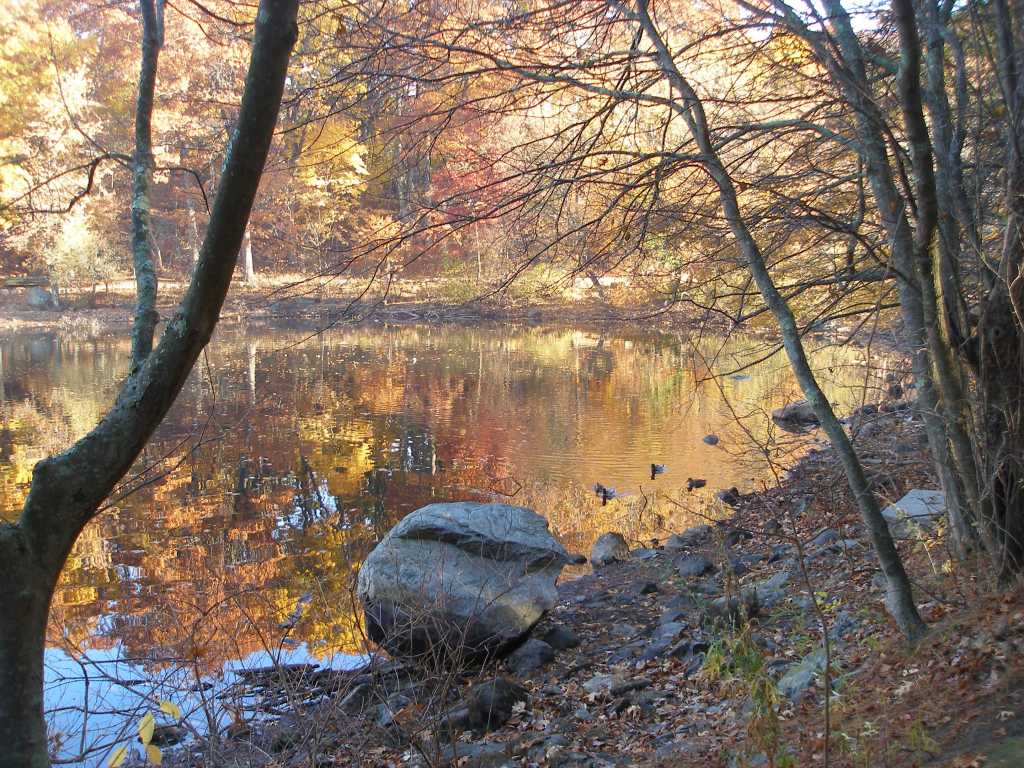
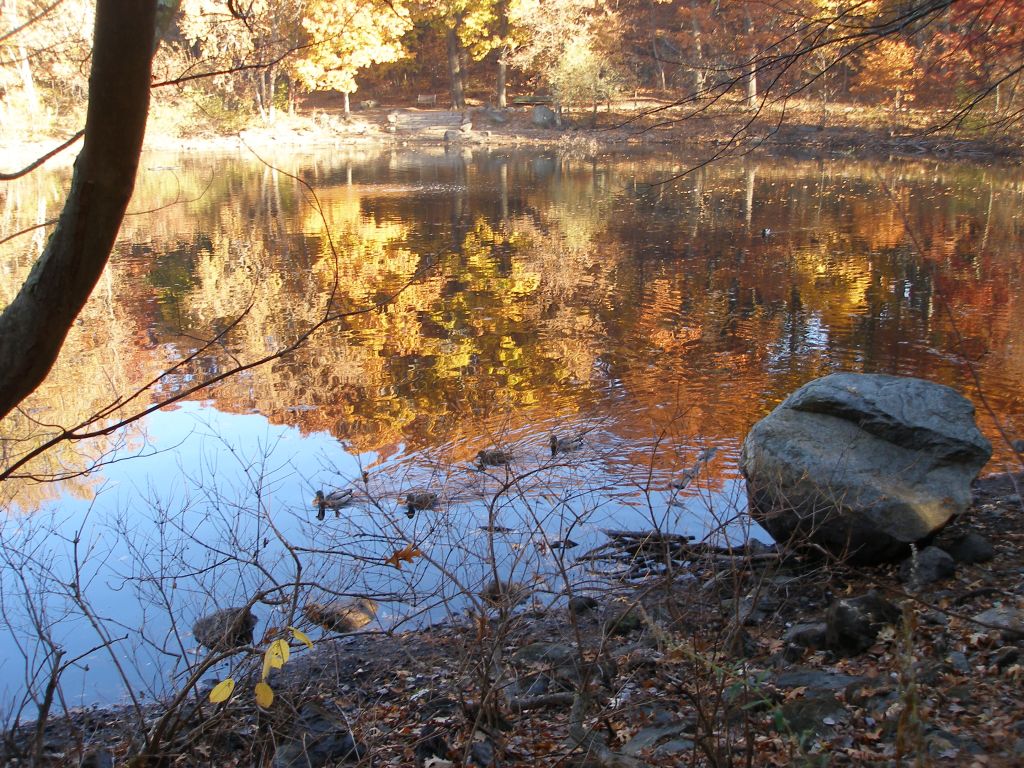
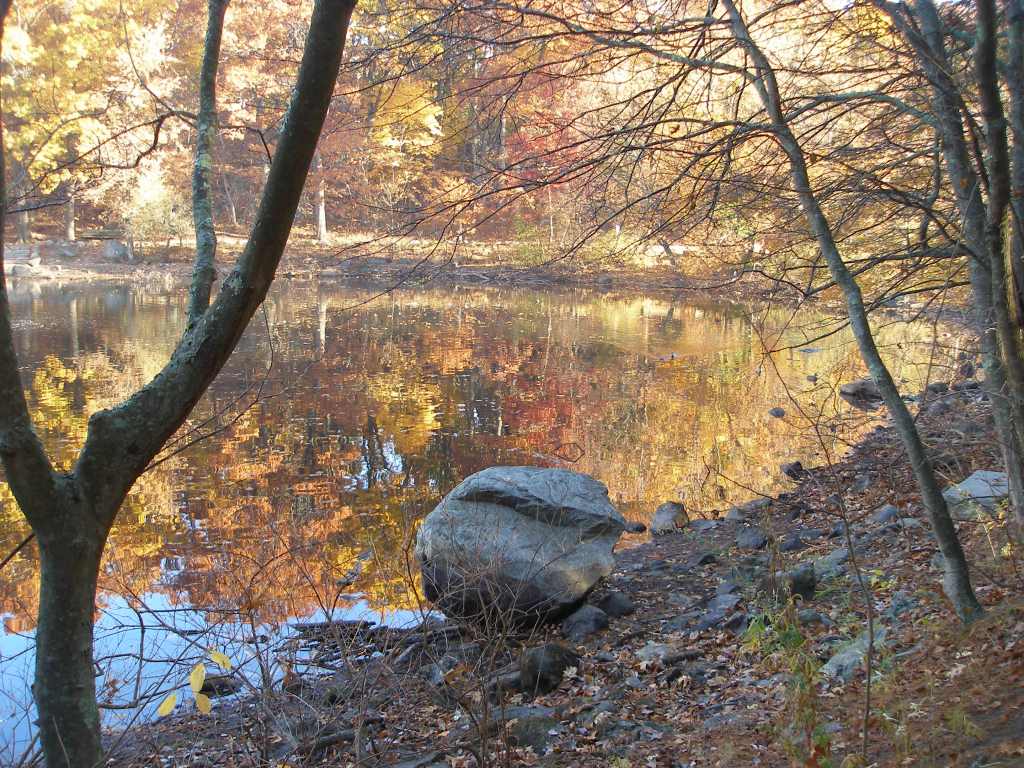
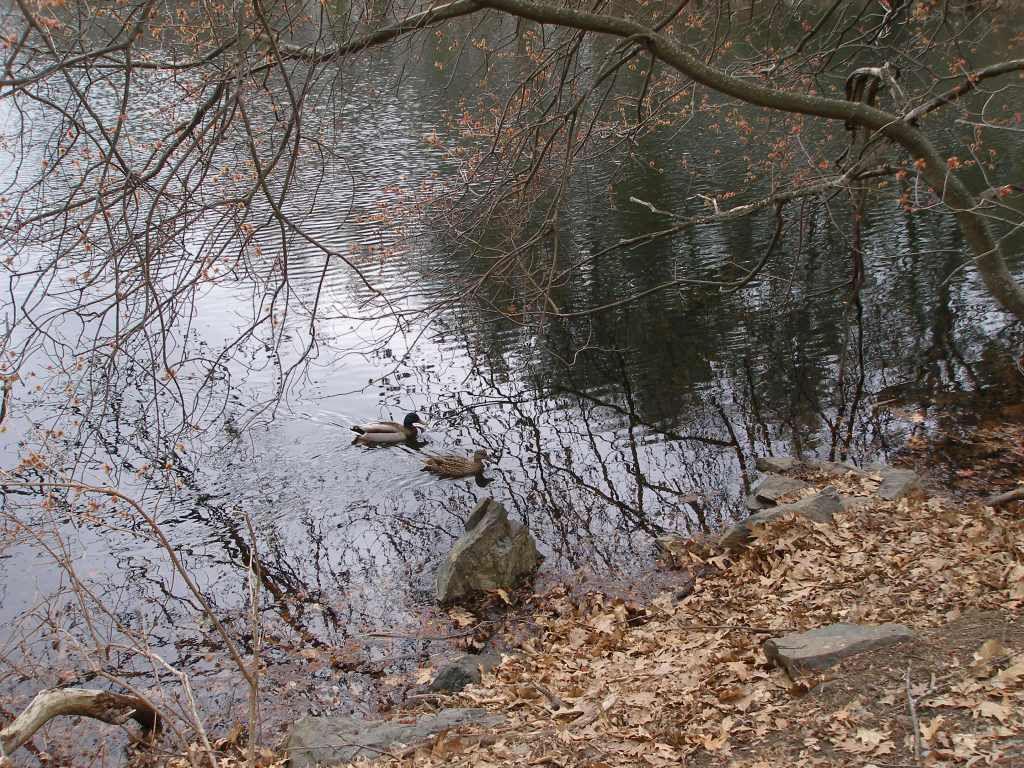
Now that the peak leaf colors and our election in the United States have passed, there is a softer, not so urgent feeling. The burnished colors have their own appeal as does not knowing yet what will happen. Come with me on my walk. Everything can change with just one small step.

It is quiet and hushed by Hill’s Pond at this early hour of the morning. You can hear the ducks’ small sounds. And perhaps notice that reflecting on reflections is nothing new.

Dog Walkers Rule the Dawn

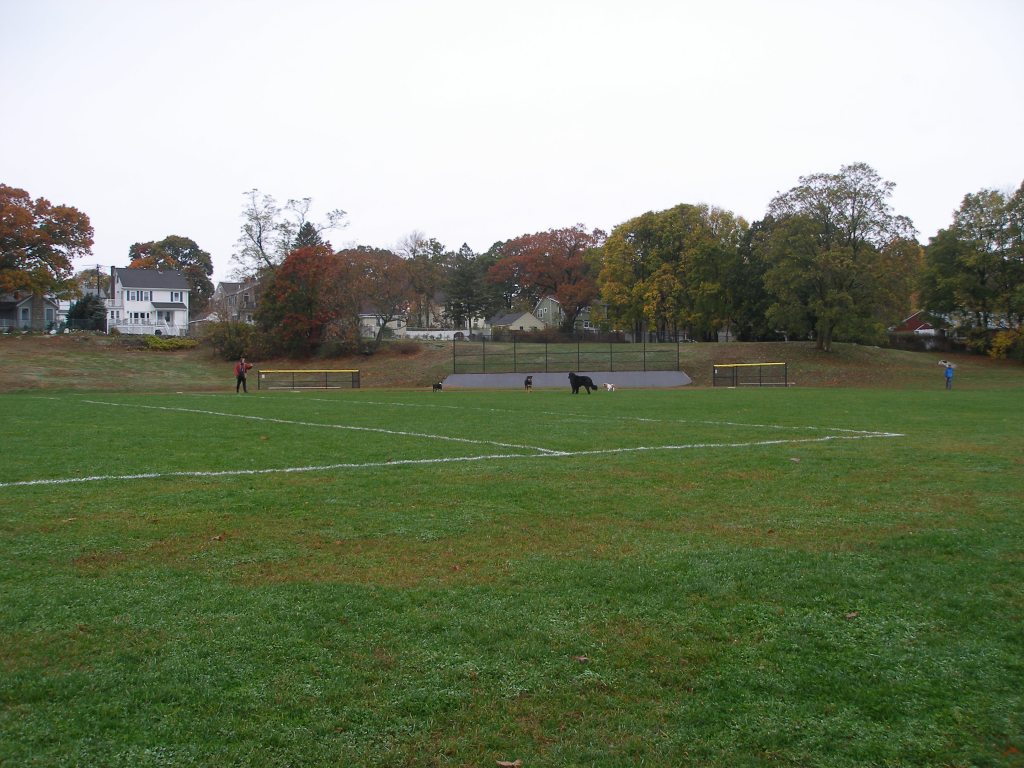
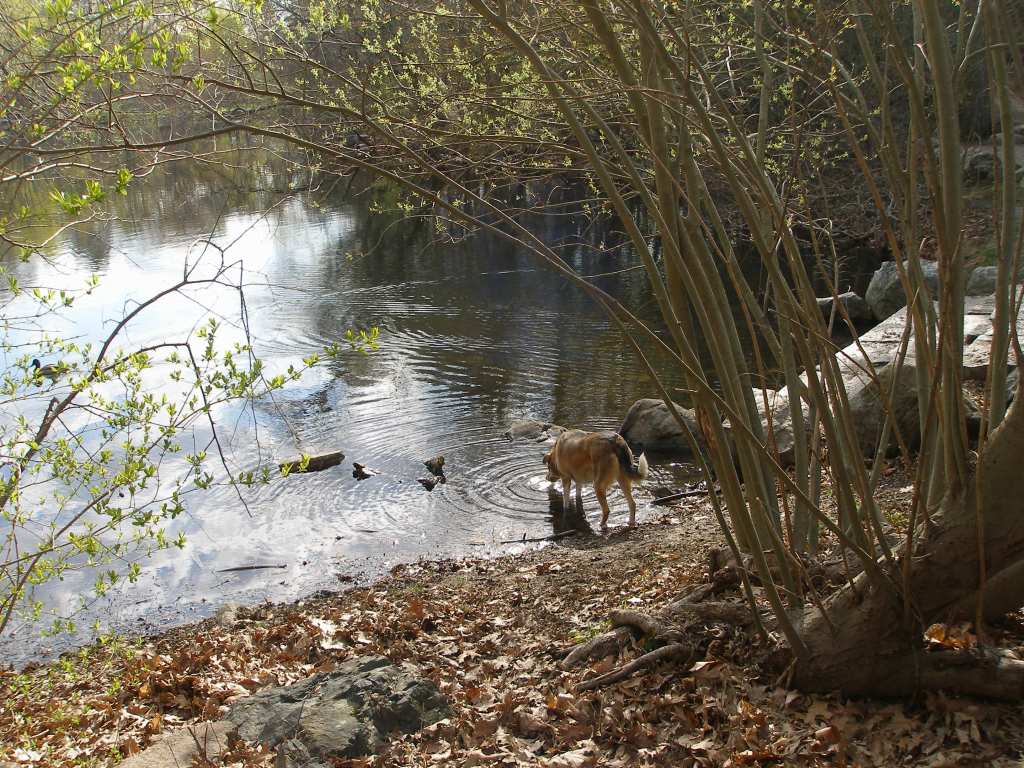
As I start my early morning walk, I notice it is quieter with fewer cars starting up. In my Arlington MA neighborhood, dog walkers have always been out and about at dawn. Seeing them now provides a most welcome sense of normalcy.

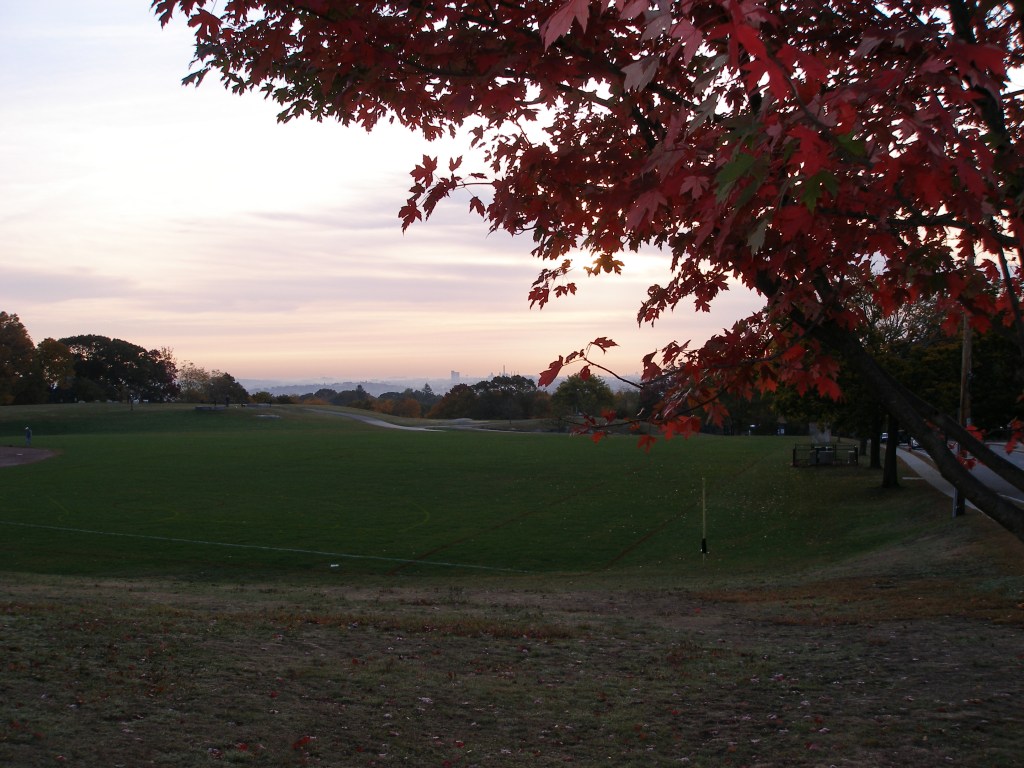
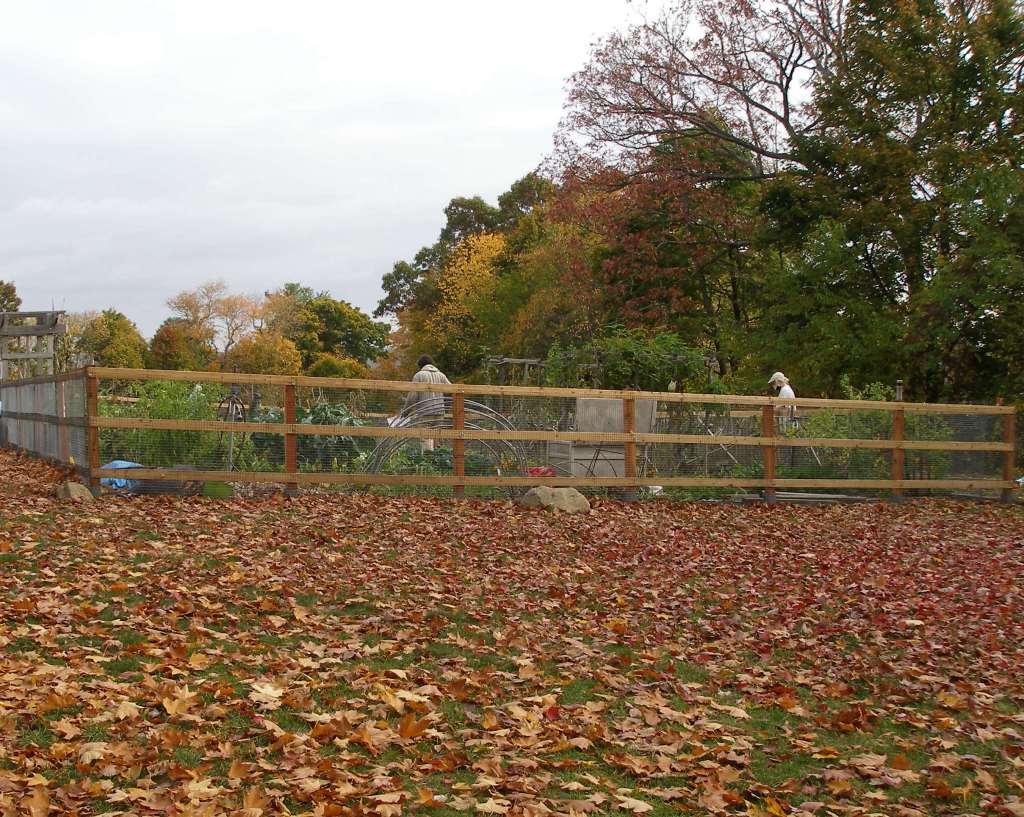
As I approach, Robbins Farm Park has a view of soft pinks over Boston framed by deep red leaves. Dogs romp as their owners call out greetings, recognizing each other despite their masks. A playground attracts a few children with its long slide and harvesters in the community garden seem most appropriate for a park that was once a farm.

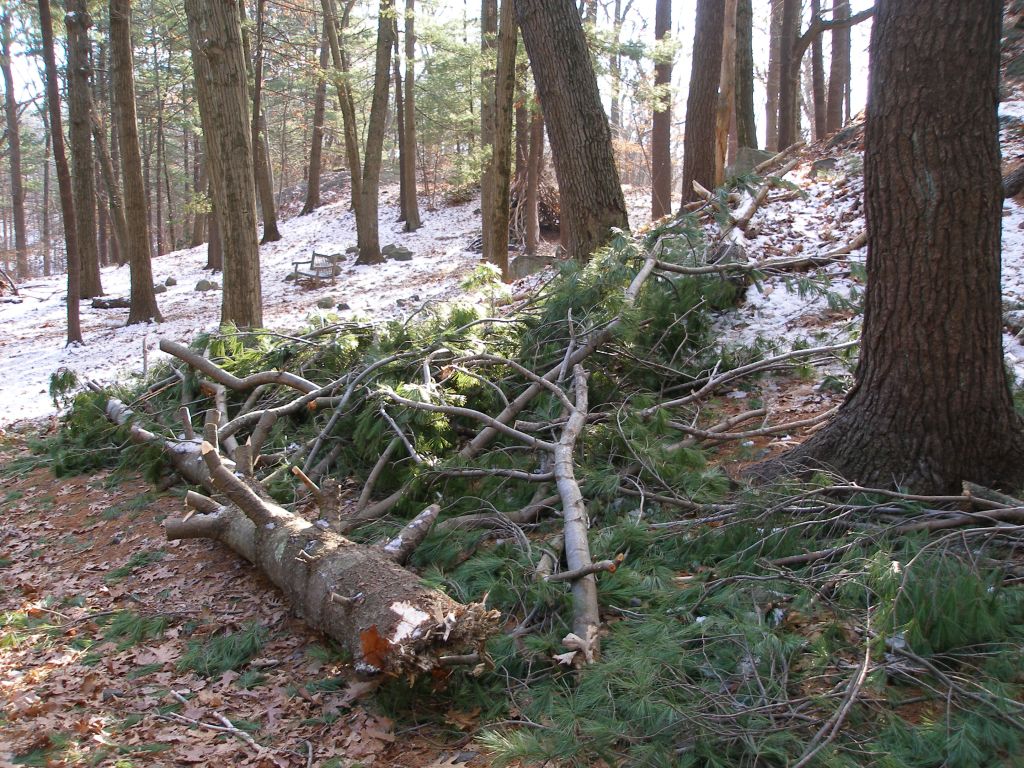
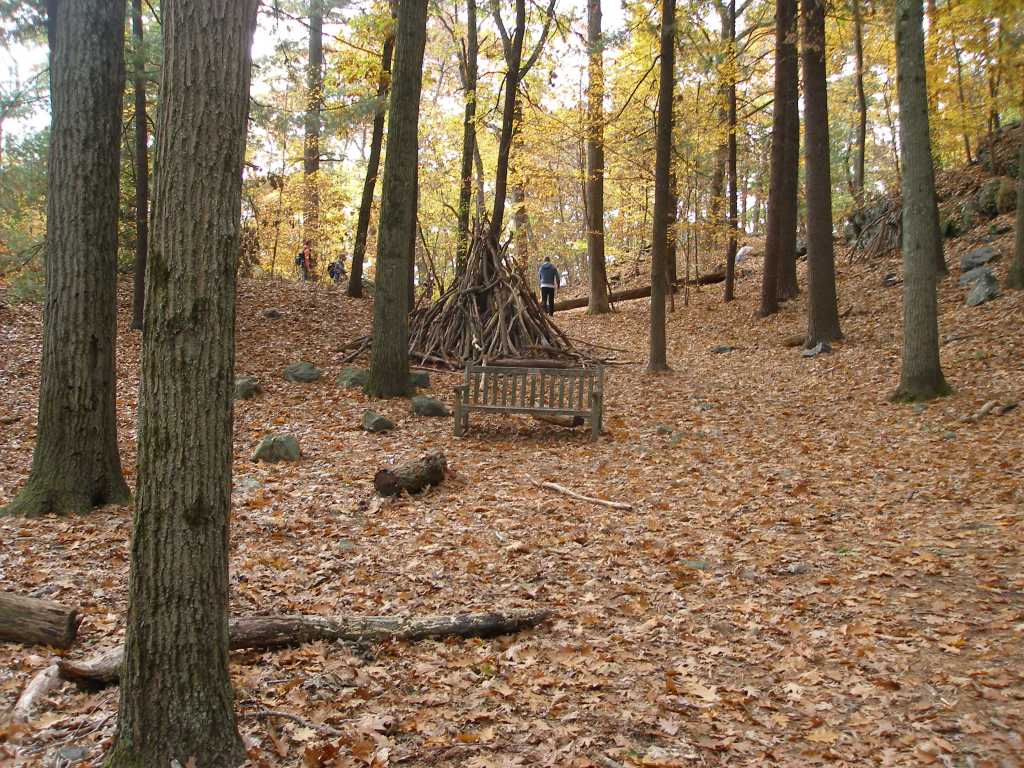
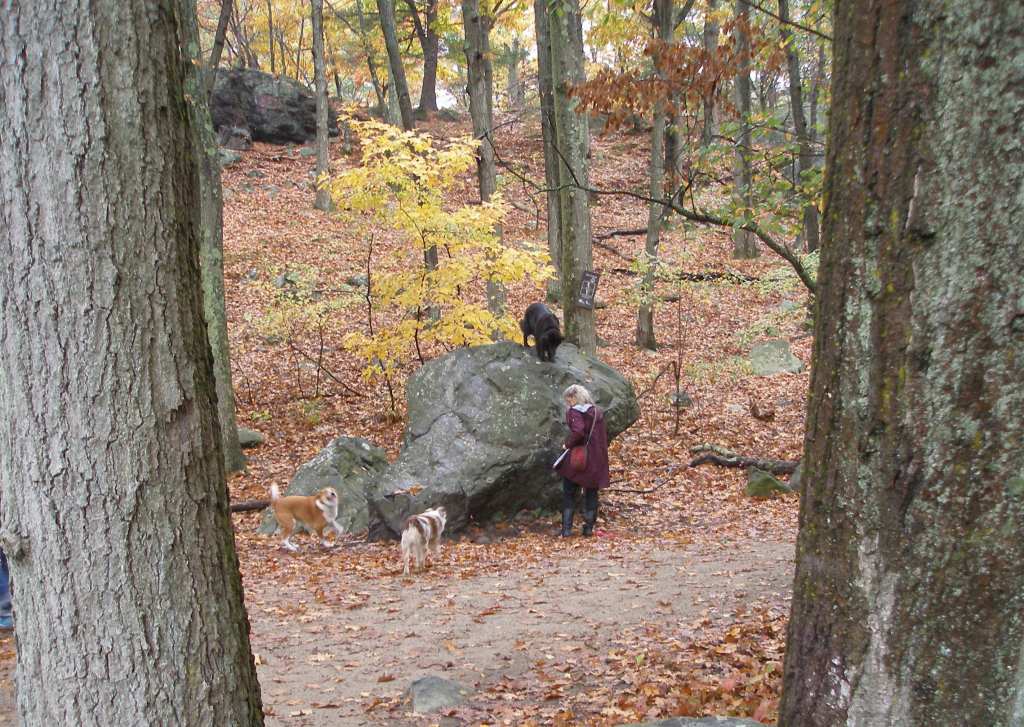
Continuing down the sidewalk, I come to Menotomy Rocks with its glacier-carved granite outcrops rising here and there. Fallen logs molder on either side of a wide path as yellow leaves glow on the living trees. Dogs seem to love it here and families come down to watch ducks swimming through vivid reflections.

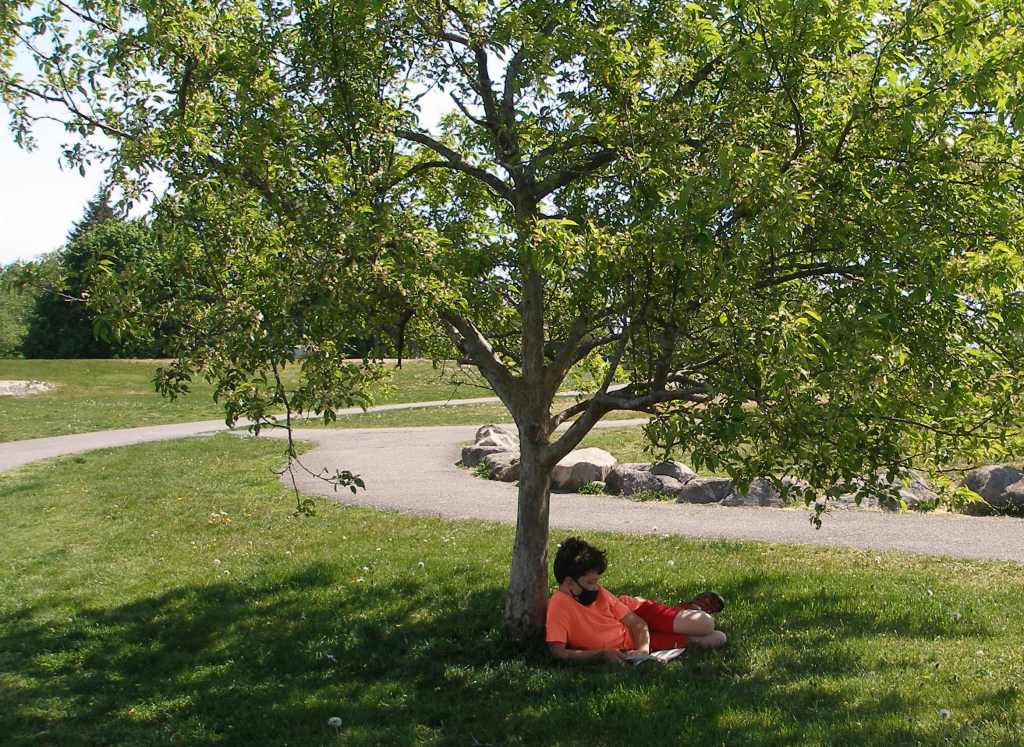
Despite all of this radiance, the dogs and their owners are what speak most to my heart. Even from a safe “social distance,” there is no mistaking their contagious joy and contentment. They know how to live in the moment.

Sometimes, and especially now, I find it helpful to get back to basics. Remembering what is still here for us in this most troubled world has been helpful when there is so much to be worried about


And one more taken in August, 2024

Japanese Tea Ceremony’s Enduring Zen Flavor

Tea practice copy

Japanese tea ceremony’s flowing process for preparing a bowl of tea may strike one as elegant or beautiful. However, for those unfamiliar with the art, just viewing a demonstration may not provide much insight into the depth that lies just below the surface.

Tea practice evolved over time. After it was introduced to Japan from China, tea was grown at Zen monasteries. Processed and ground tea leaves were mixed into hot water to support the monk’s alertness during meditation. This emulsion supports considerable and sustained calm awareness all by itself. It was also used as a form of medicine – matcha has many health benefits.

When the warrior elite adopted the drink, they delighted in collecting and showing off costly tea utensils. These objects were used as proof of political authority, and given to generals as rewards.

In the 1500’s, merchants with Zen training adopted a style of sharing tea imbued with refined rustic simplicity. All social classes and women were invited to participate. In this space apart, all present were honored and treated with great respect. Sen no Rikyu brought this style of tea preparation to its peak. Since that time, standards for Japanese tea ceremony have been maintained by hereditary tea schools.

Business executives adopted the way of tea followed by young women who would often return to it after raising their children. Learning about the many arts (like flower arranging, brush painting and ceramics) that tea ceremony employs was another way to fill free hours. Urasenke, the largest tea school, established chapters outside Japan in 1951. They recently began publishing books in English with detailed instructions and extensive photos starting with the styles of preparing tea that beginners learn first.

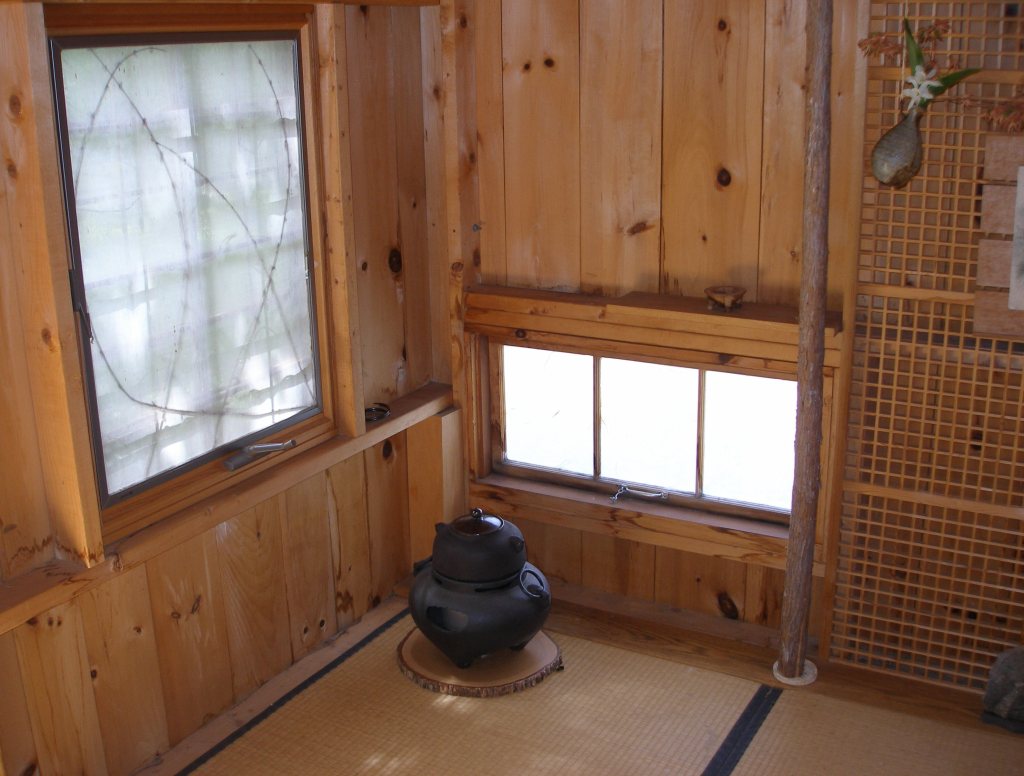
Tea practice in my tea hut (see the photo above) brings me into this season, and this time of day, embodied and grounded. There is something about the natural movements that brings one into accord with nature’s rhythms. Many comment on how time seems to slow down. With attention fully directed to what one is doing in the moment, there is no bandwidth left over for worrying about how one is perceived, or ego posturing. While you might think tea ceremony’s proscribed procedures would make it feel stiff or impersonal, it actually feels surprisingly intimate. Despite the formality, the caring generosity built into the practice is very real.

Under the right conditions, awareness may broaden to encompass everyone in the tearoom, the mossy tea garden and then expand outward from there. Even when mistakes occur or the right utensil is not available (creative improvisation is definitely appropriate per the tea literature), tea practice consistently brings me centering peace.

From tea ceremony I learned how bringing attention and intention to potentially annoying everyday activities can transform them. Washing dishes can become joyful service and meditative play. Tea ceremony teaches that it is possible to live life more like an intentional work of art with deep respect for the potential in each moment.

Abalone Tide Lessons

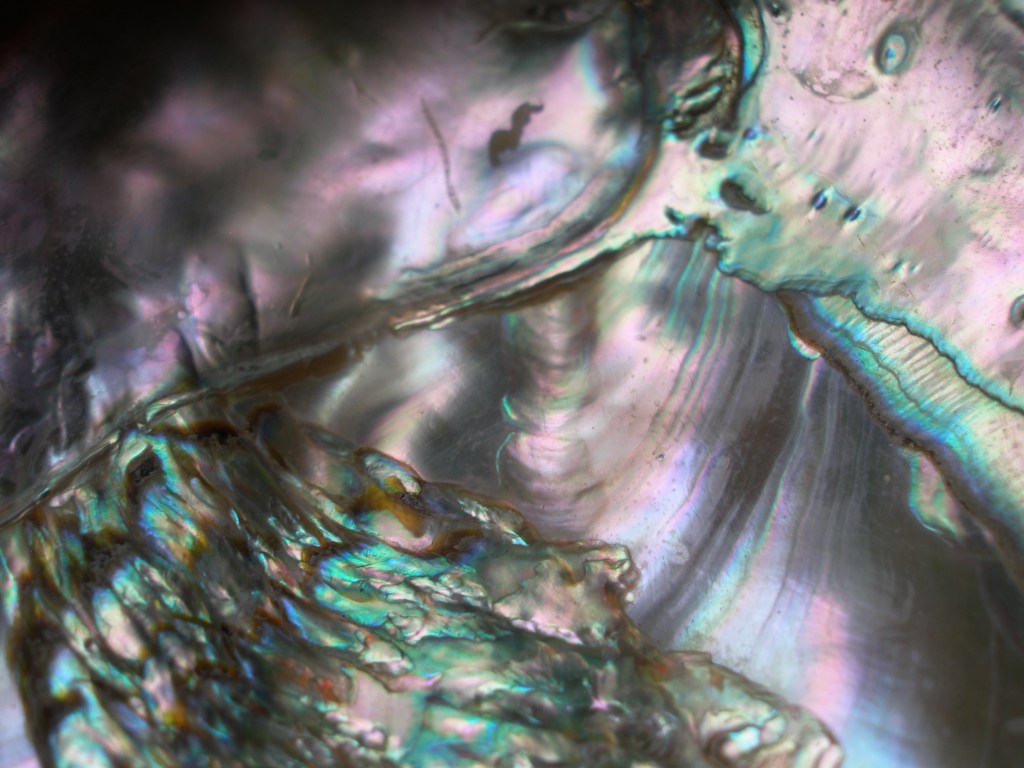
As soon as I started the photo series, I was totally entranced. There were worlds of dazzling design in the abalone shells’ spiraling concave interiors. I might discover an area of delicate veiled dreams or bold drama. Taking closeups and seeing what the camera had captured became an addiction.

I began to sense how the shimmering designs carried the rhythm of the tides that the abalone depended upon for all their needs. There were encoded hints of whale song yearning and how our planet breathes as it dances with its companion moon.

OLYMPUS DIGITAL CAMERA

OLYMPUS DIGITAL CAMERA

OLYMPUS DIGITAL CAMERA

OLYMPUS DIGITAL CAMERA

OLYMPUS DIGITAL CAMERA

OLYMPUS DIGITAL CAMERA