The Abalone Are Dwindling

OLYMPUS DIGITAL CAMERA

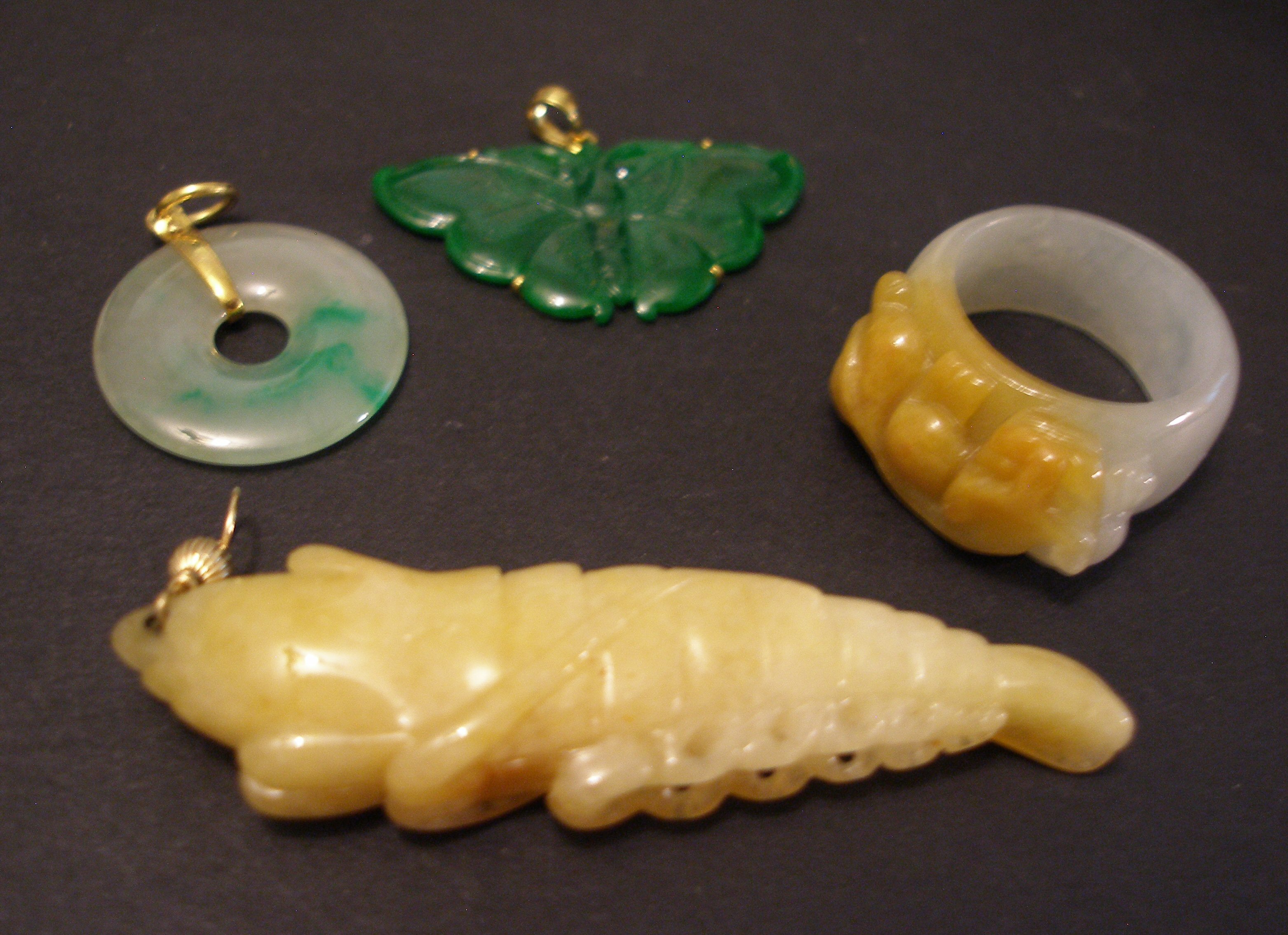
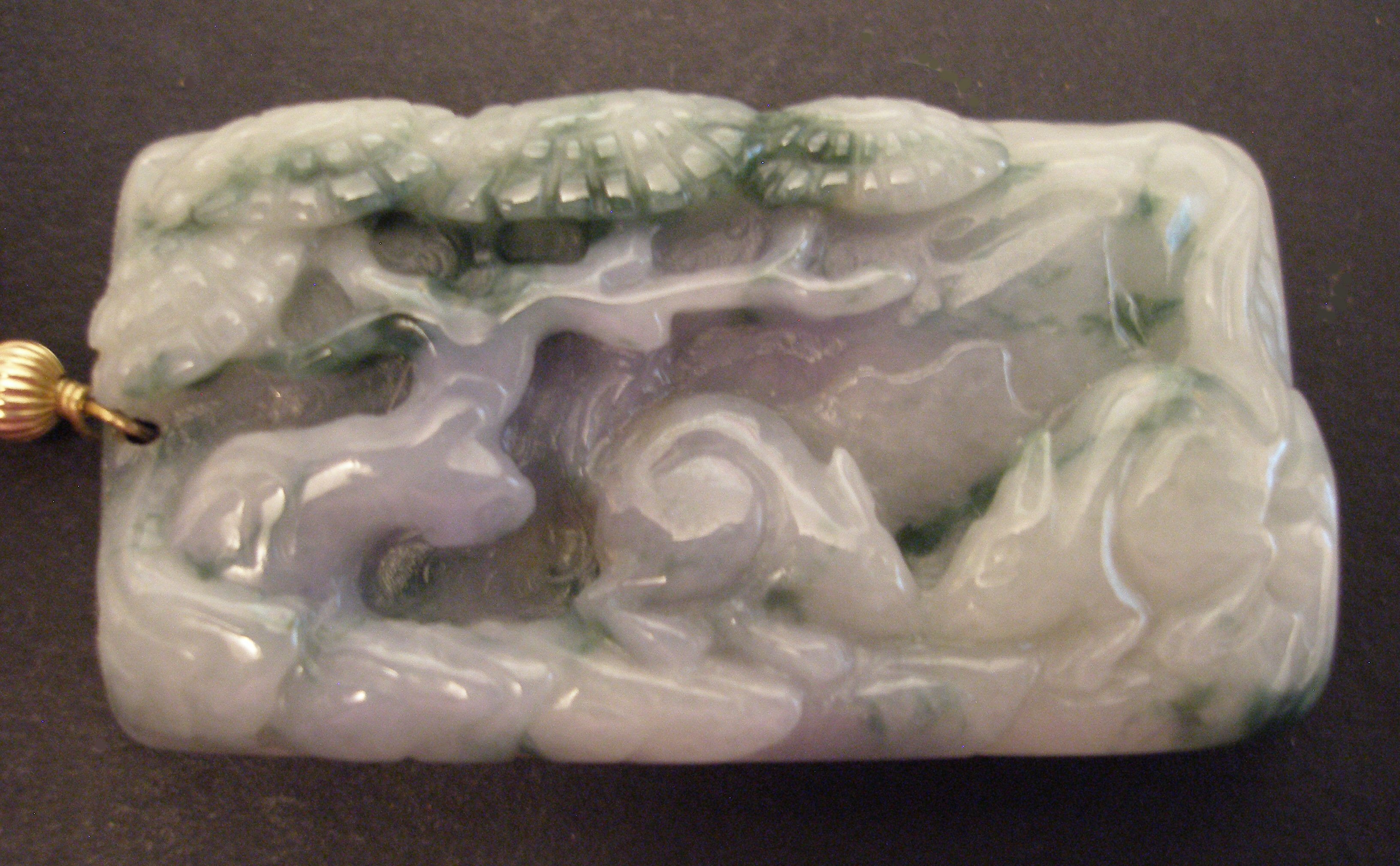
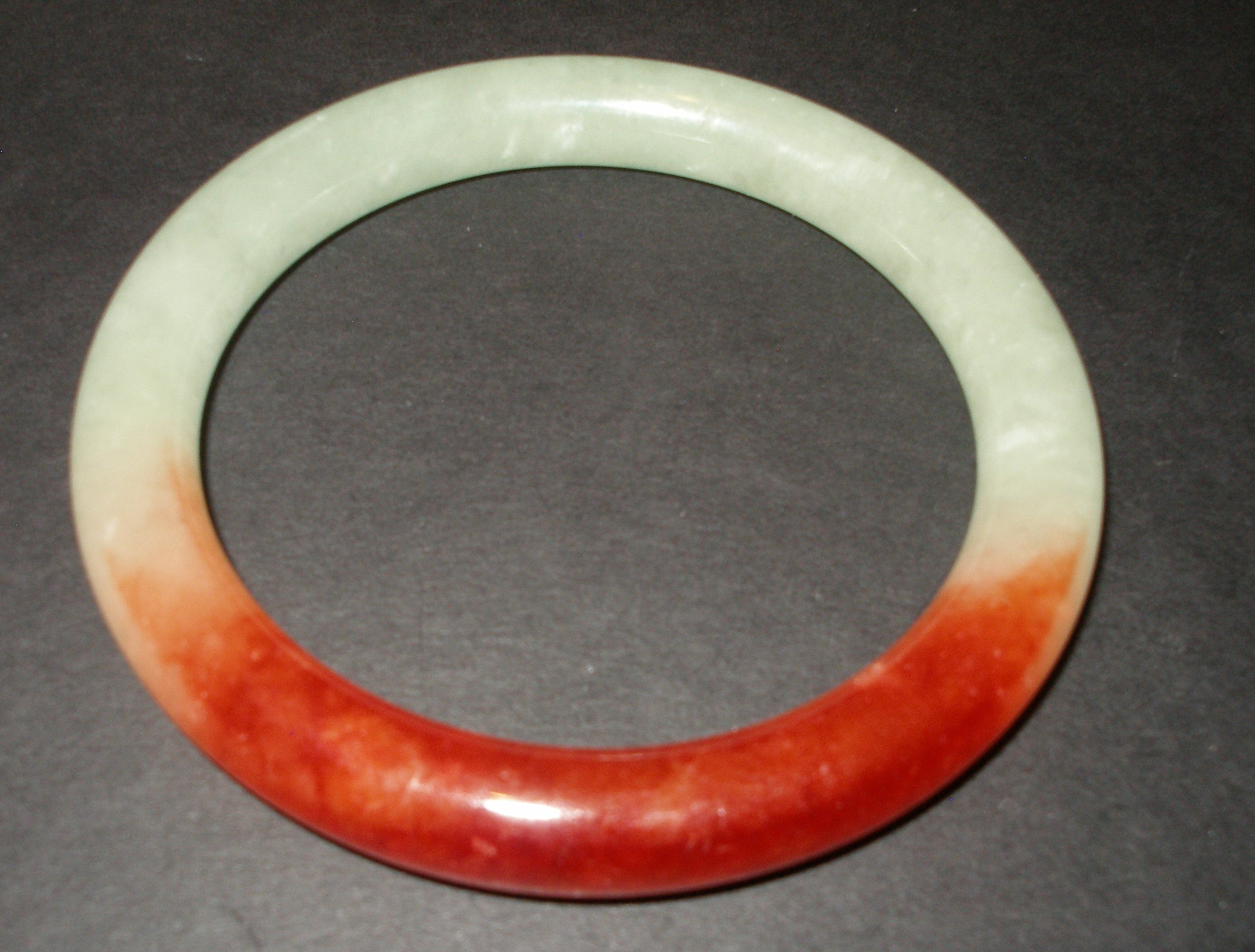
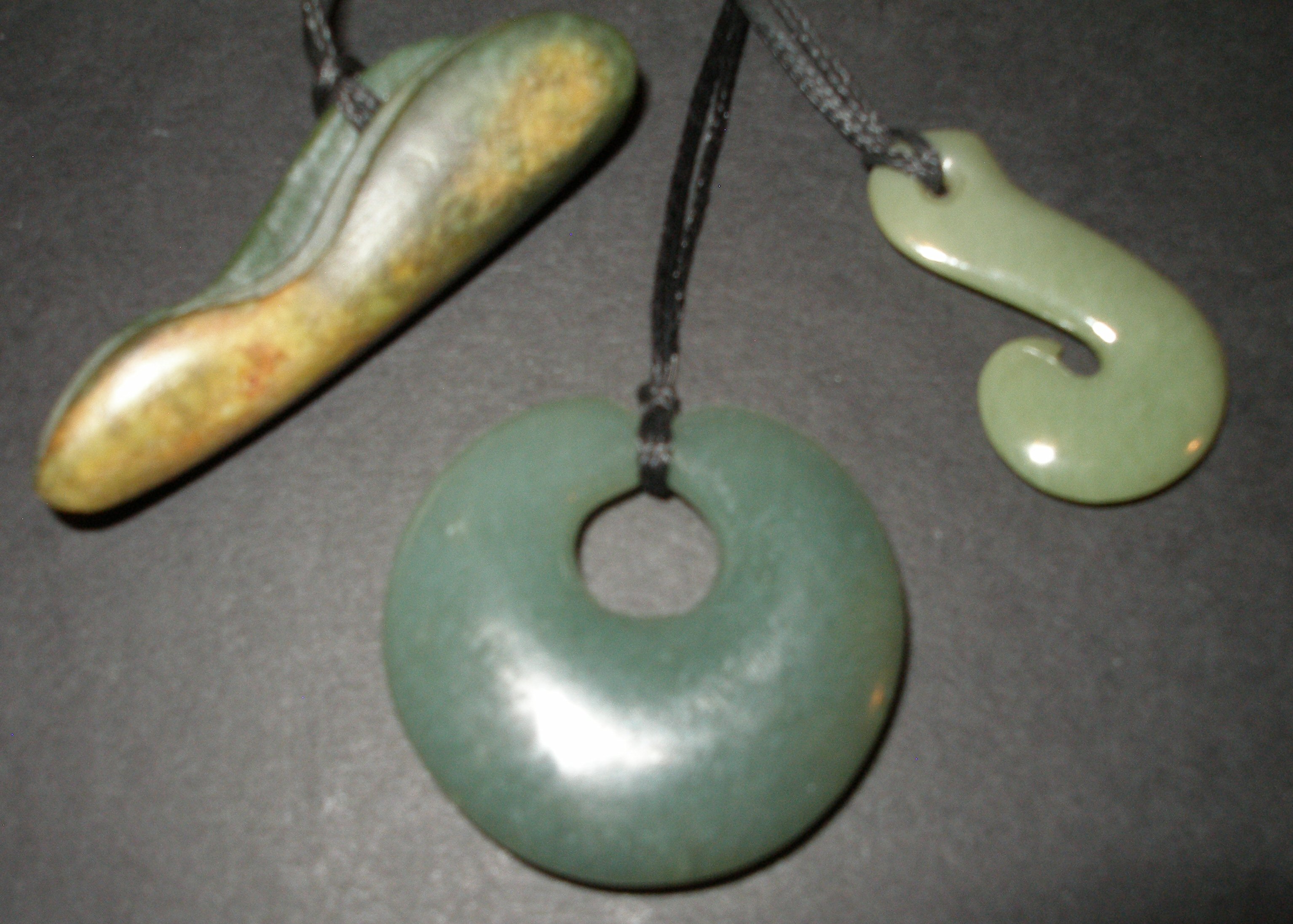
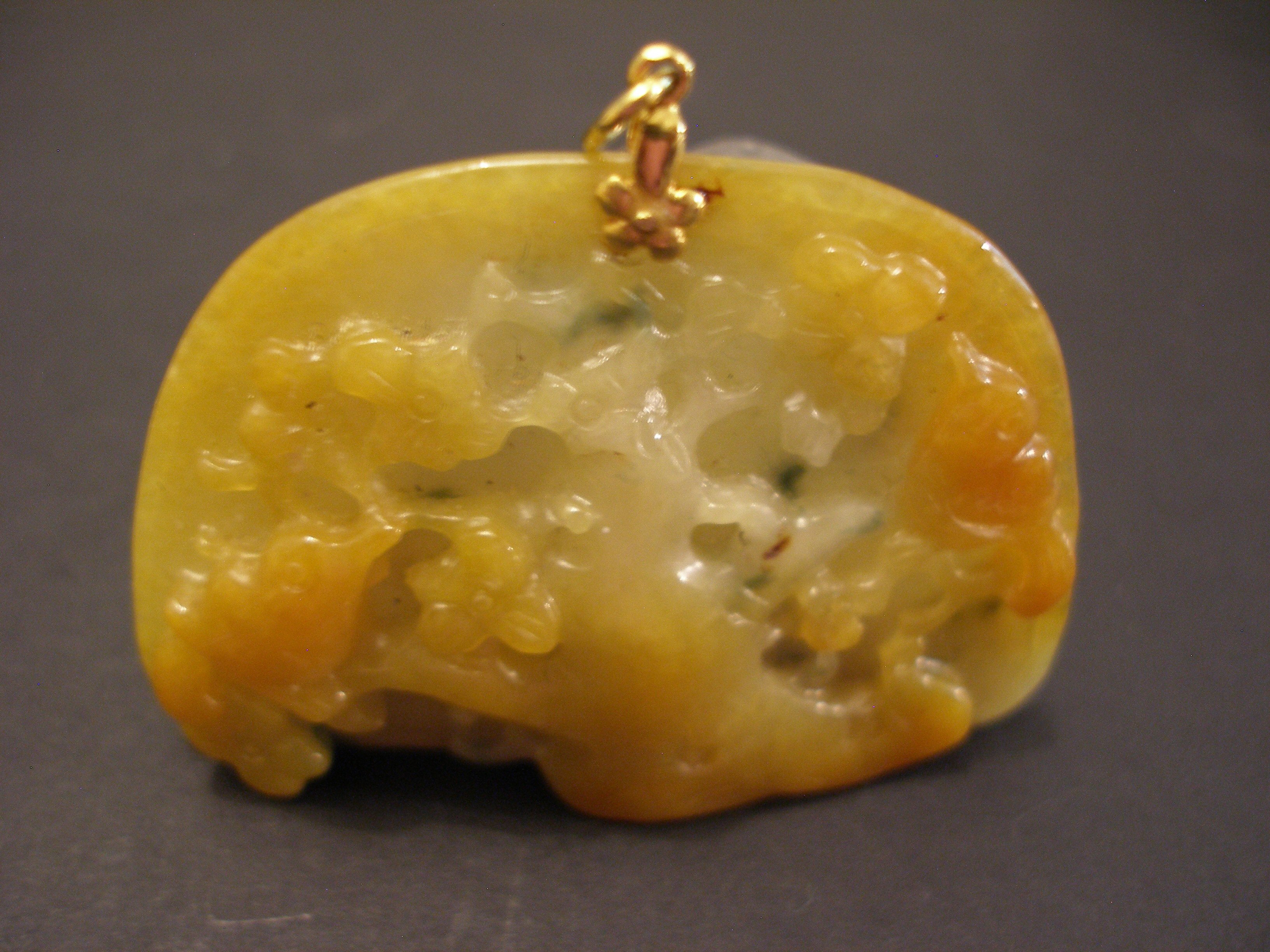
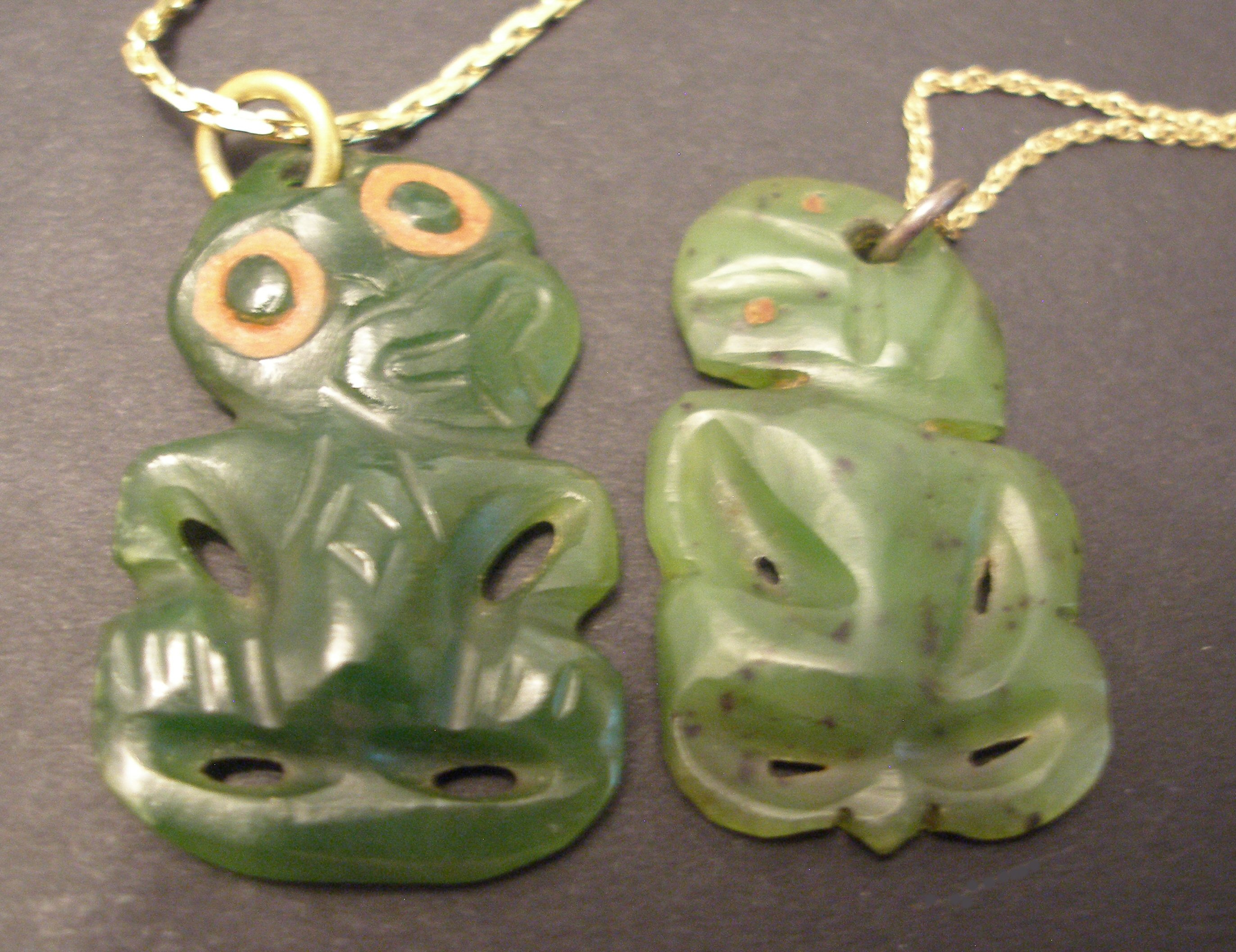
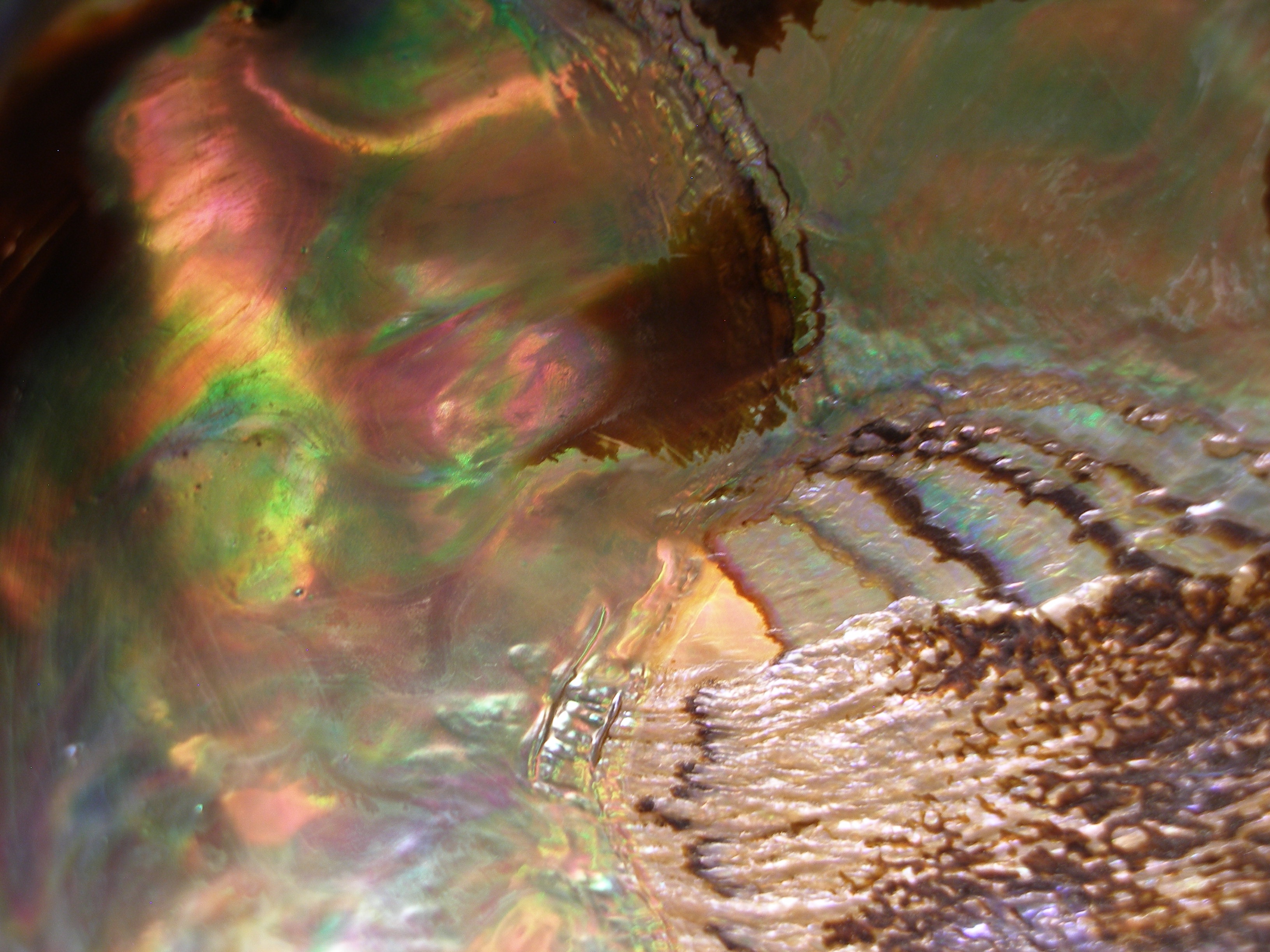
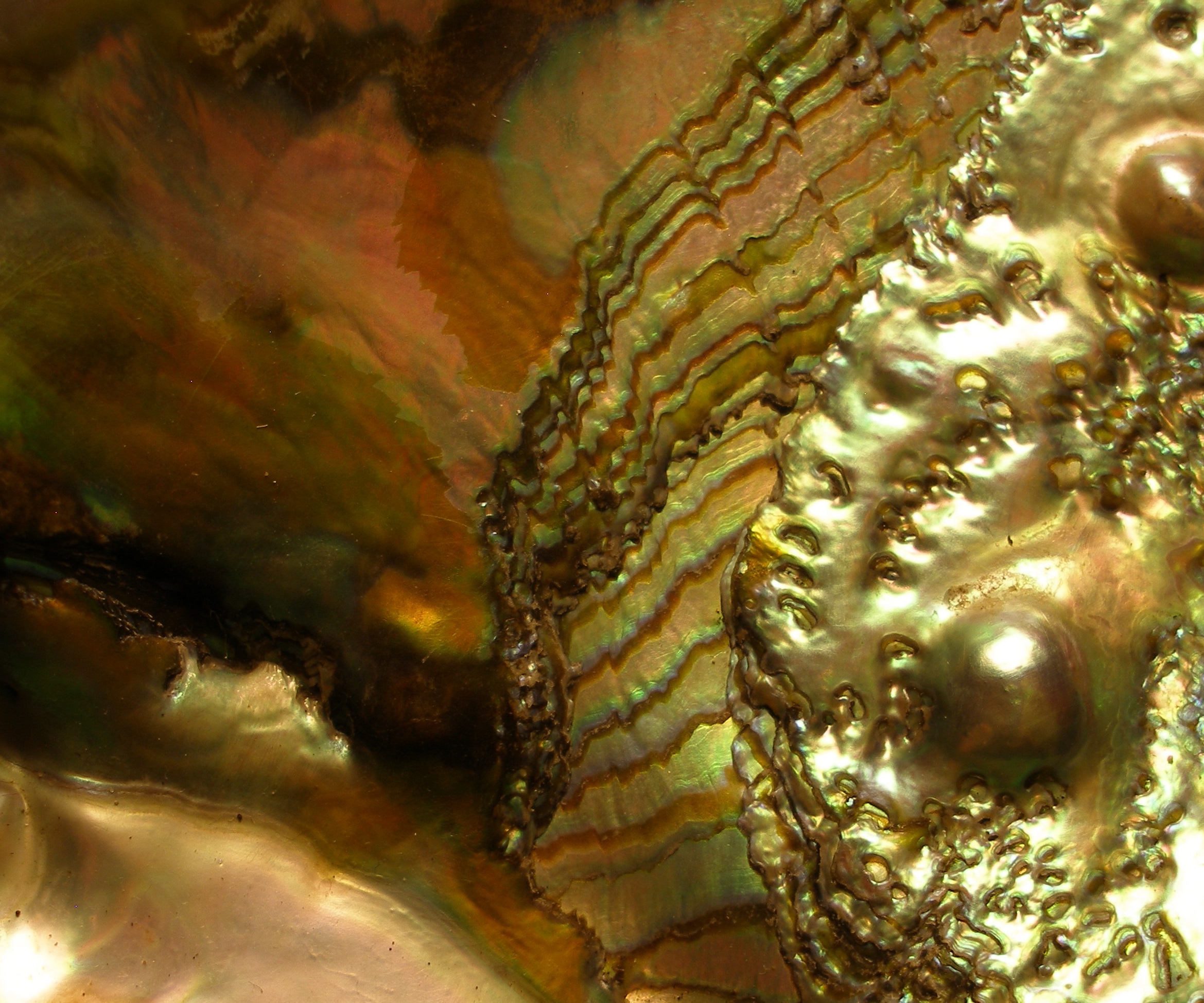
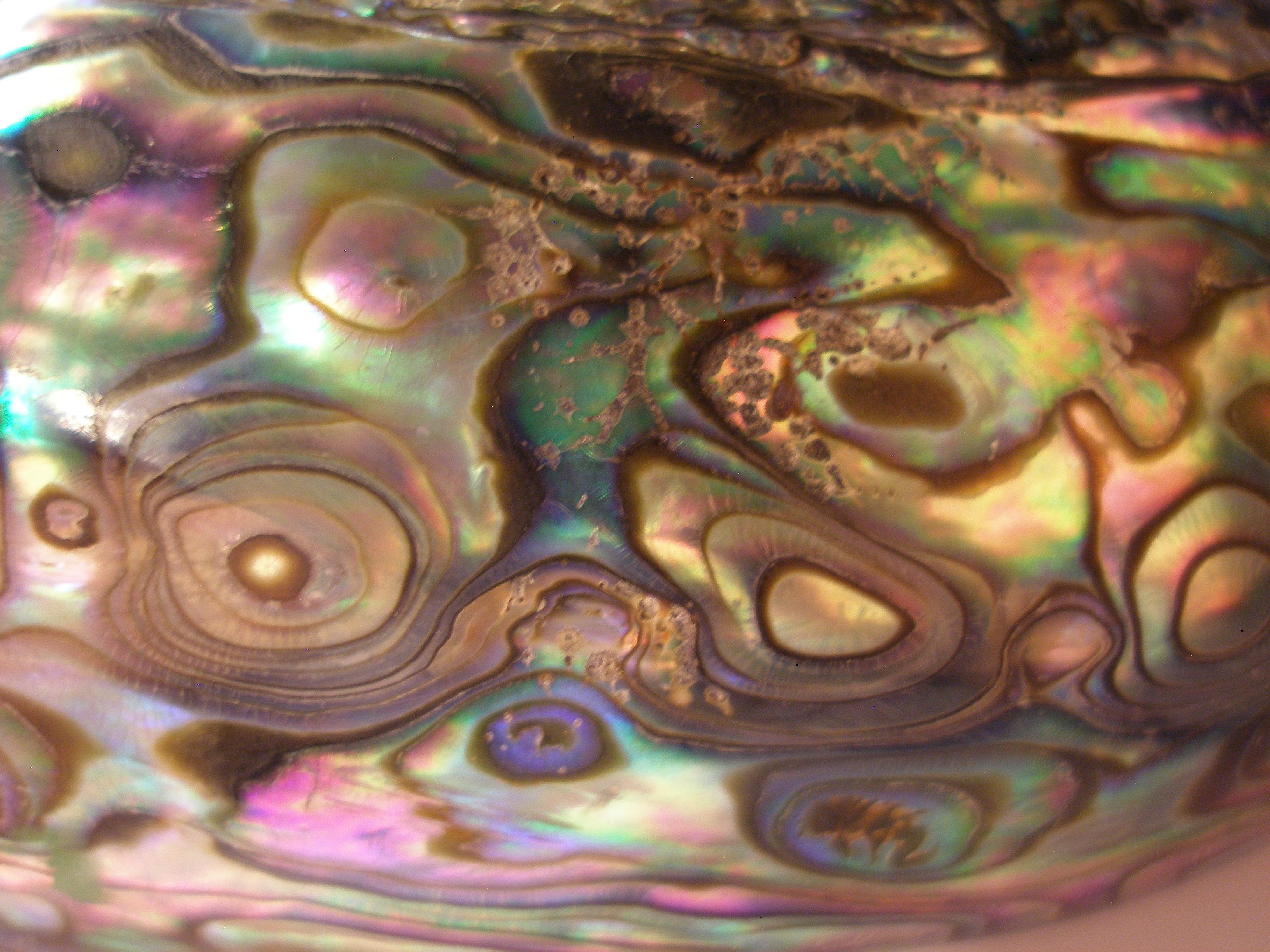
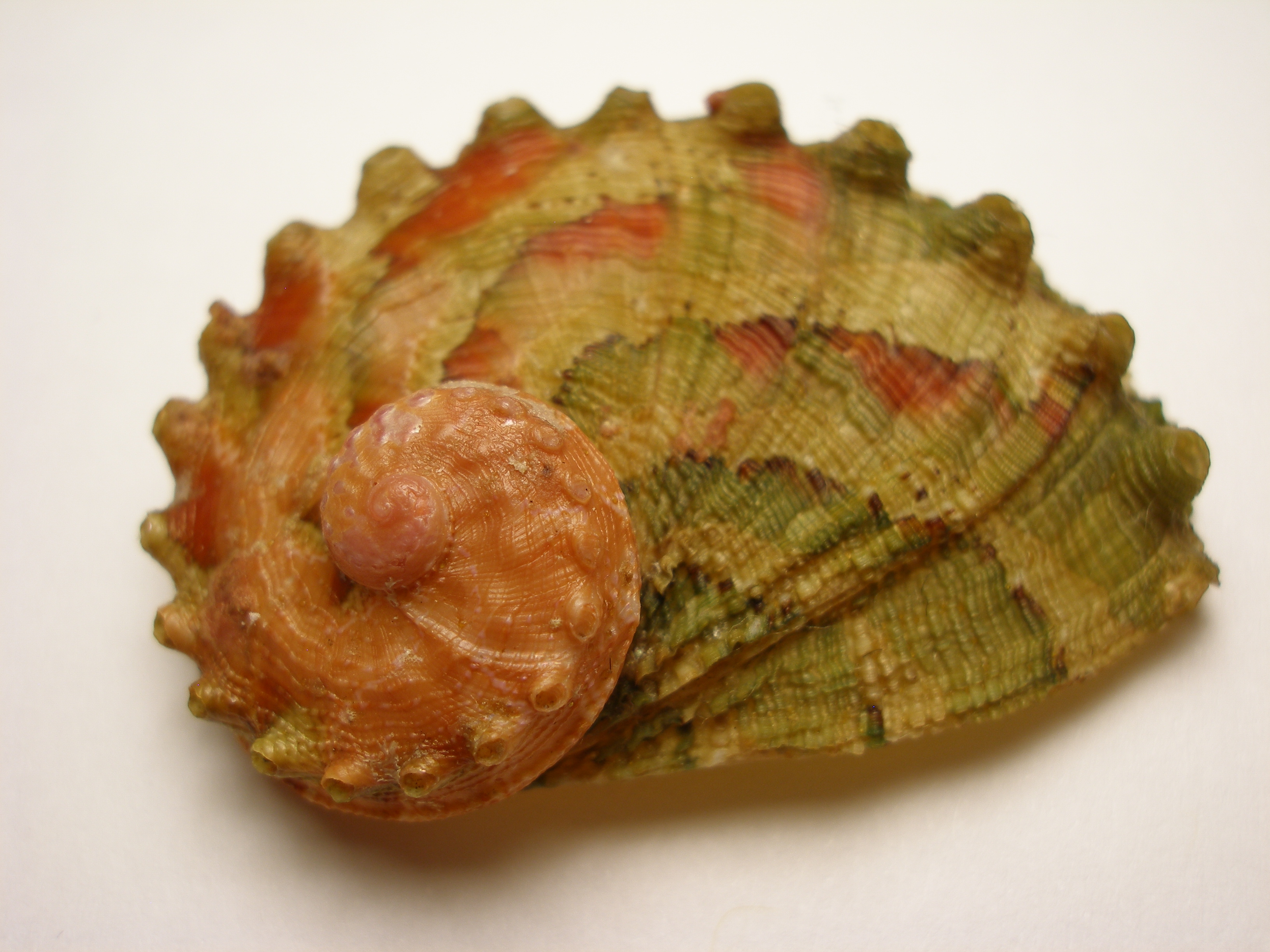
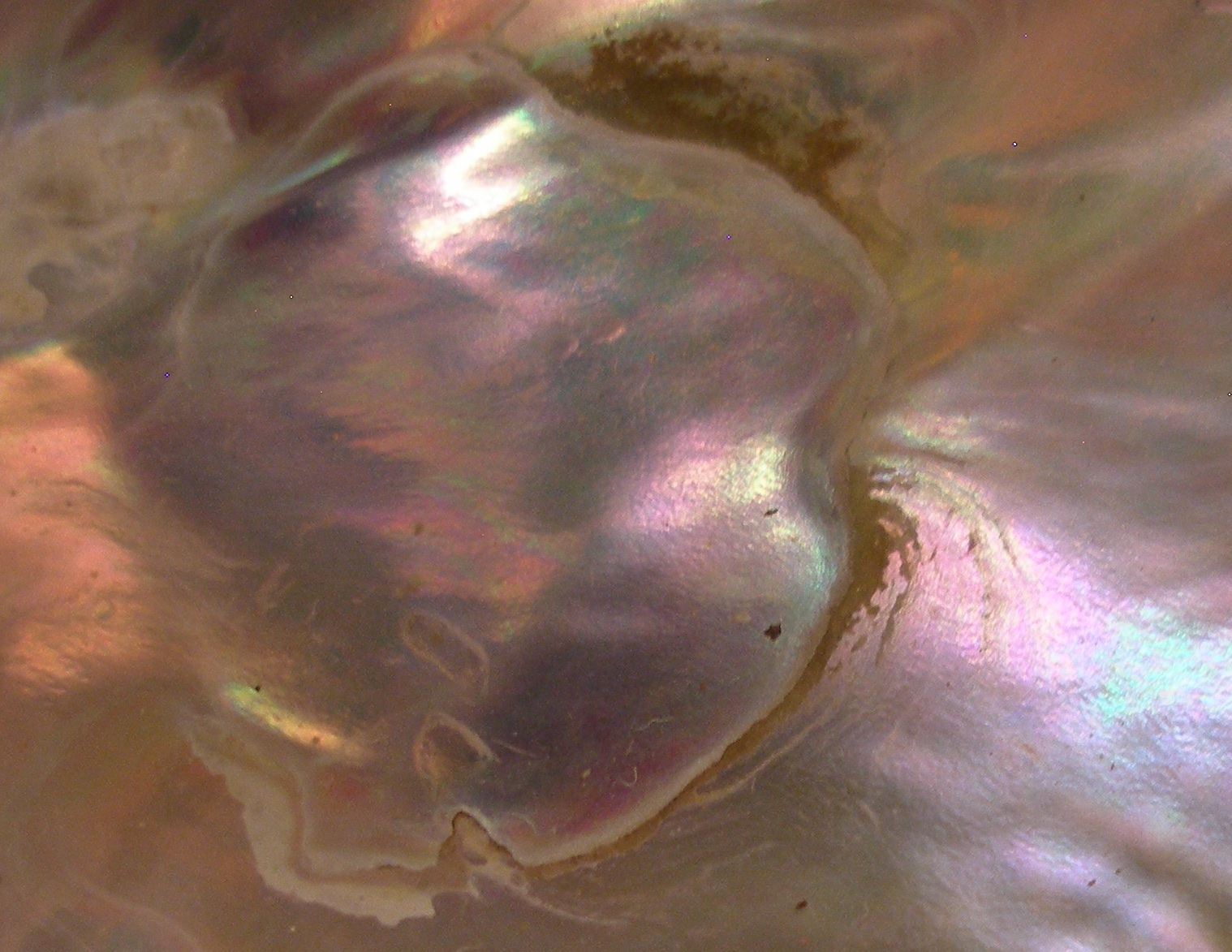
The abalone are dwindling
In their rocky abodes
Along our coasts

It matters not that the
Maori and others
Understood their sacredness

With only dim sight
They sense their limitless world
Of kelp and water

Once they thrived
Breathing and mating through
Holes in their shells

Clamped down and
Holding tight was enough
As the tides found them

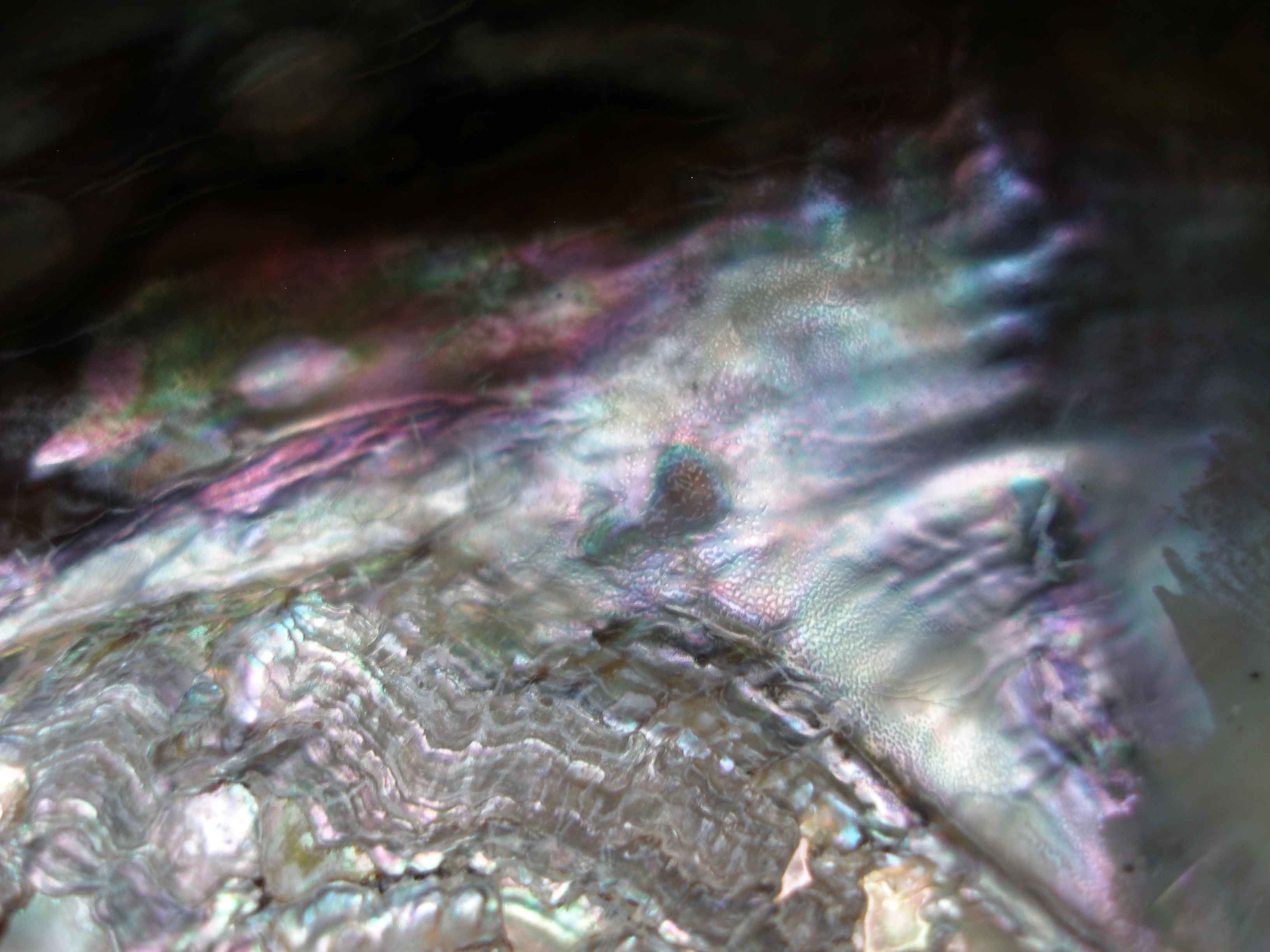
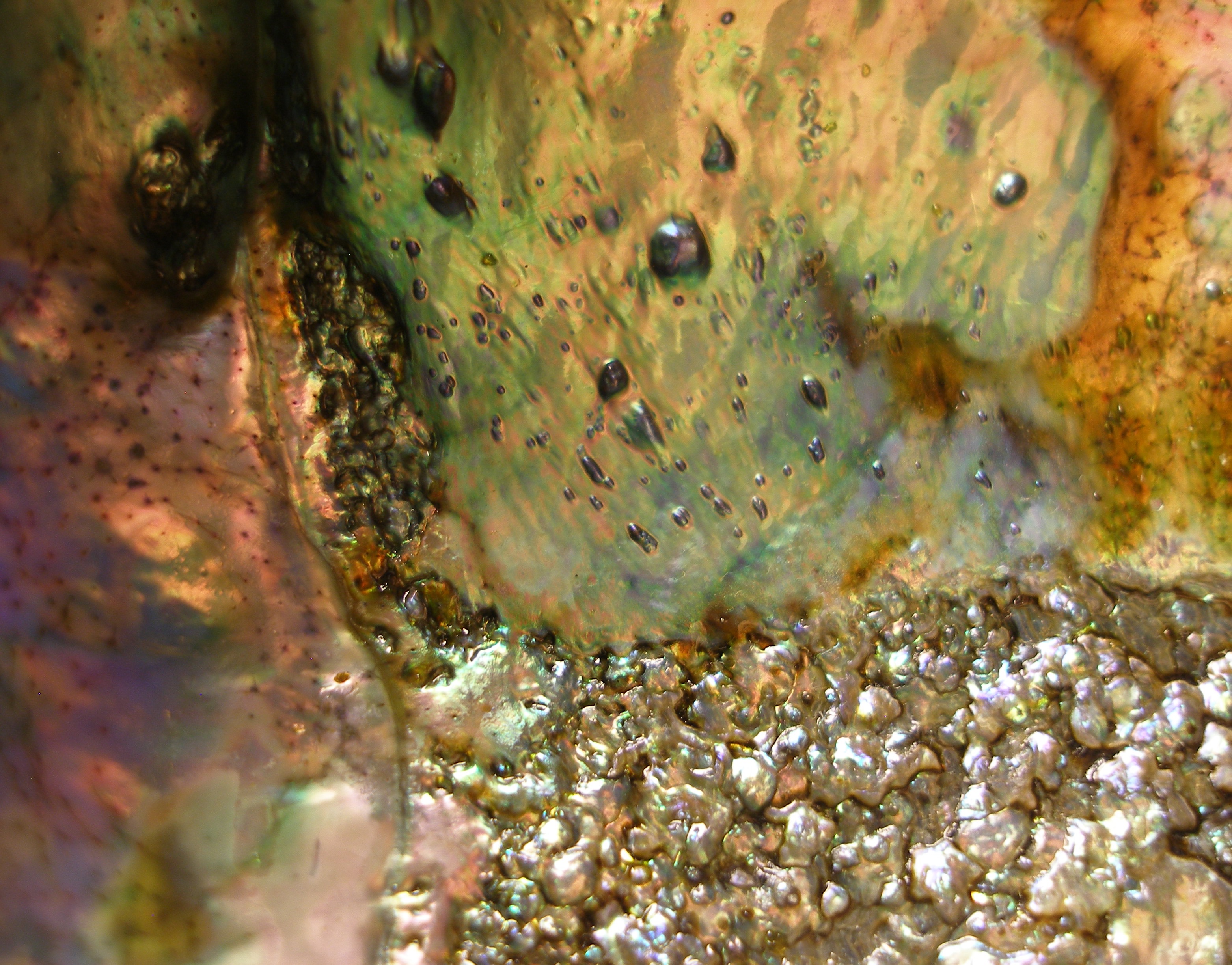
Now I grieve for the
Extraordinary beauty
They created never seeing it

The Goose Feather Sequence

OLYMPUS DIGITAL CAMERA

Spiraling down from
This fall sunset sky of geese
A lone tail feather

Dreaming here in my garden,
I sit watching a feather spin.
Warm light bathes the soft sweet moss
in welcome to this winsome sprite.
Bounding fast lest it escape her,
the clumsy cat misses it!

Held in her mouth like
A dagger, or a rose,
The goose feather trophy
Must smell strongly
Of potential prey
To my hungry cat –
She wants her dinner.

No need for any plucking
With feathers flying about,
Her poultry comes in cans
Extracted by turning
A gear and applying
A blade to cut the
Lid round ‘till it snaps.

I’ve been told, geese are the
Perfect prey for humans, when
That dire time comes with all
The secret factories abandoned
And we must revert to honesty
About the brutal sacrifice
Of those we prefer as food.

Music of the Spheres and Your Brain

Because I am taking a course on meditation and the brain, I have been thinking about how miraculous our continually changing human brains really are. I try to remind myself that even though we have names for parts of the complex brain, that does not mean we understand all that is going on. Could it … Continue reading “Music of the Spheres and Your Brain”

OLYMPUS DIGITAL CAMERA

Because I am taking a course on meditation and the brain, I have been thinking about how miraculous our continually changing human brains really are. I try to remind myself that even though we have names for parts of the complex brain, that does not mean we understand all that is going on.

Could it be that our brains are singing meaning along with the universe?

For example, articles make broad claims about the benefits of singing, and my experience would agree. But studies also make clear that a better understanding of specific aspects might lead to useful practical applications. I began to wonder about whether the rhythms and compositions I intuitively frame in my close-up photos make use of skills enhanced by neuronal connections formed during many years of singing. My ability to detect and relate to subtle nuances in tone of voice certainly grew over that time.
Recently while meditating, I had the feeling that the fact that everything is constantly changing is not just an annoyance. It seemed a fundamental building block of reality and, in fact, worthy of awe. I had the odd thought that when our sun consumes our planet, that transience will still be vitally “alive.” I found that oddly reassuring.
Toward the end of this talk on the brain, Keith Kendrick mentions that the time series of activity in the brain carries meaning, not just the structure or individual signals. This resonated with the musical quality that physicists seem to find at all scales including the probability waves at the heart of quantum theory.

Of all the problematic human undertakings, we can be proud of the music we make using our miraculous brains and bodies. As this article on modern physics and music describes: “Music resonates, it pulses, it leaps into our psyches. It offers a safe space for scientists and musicians alike to work through the paradoxes of modern physics.”

A Personal Garden Refuge

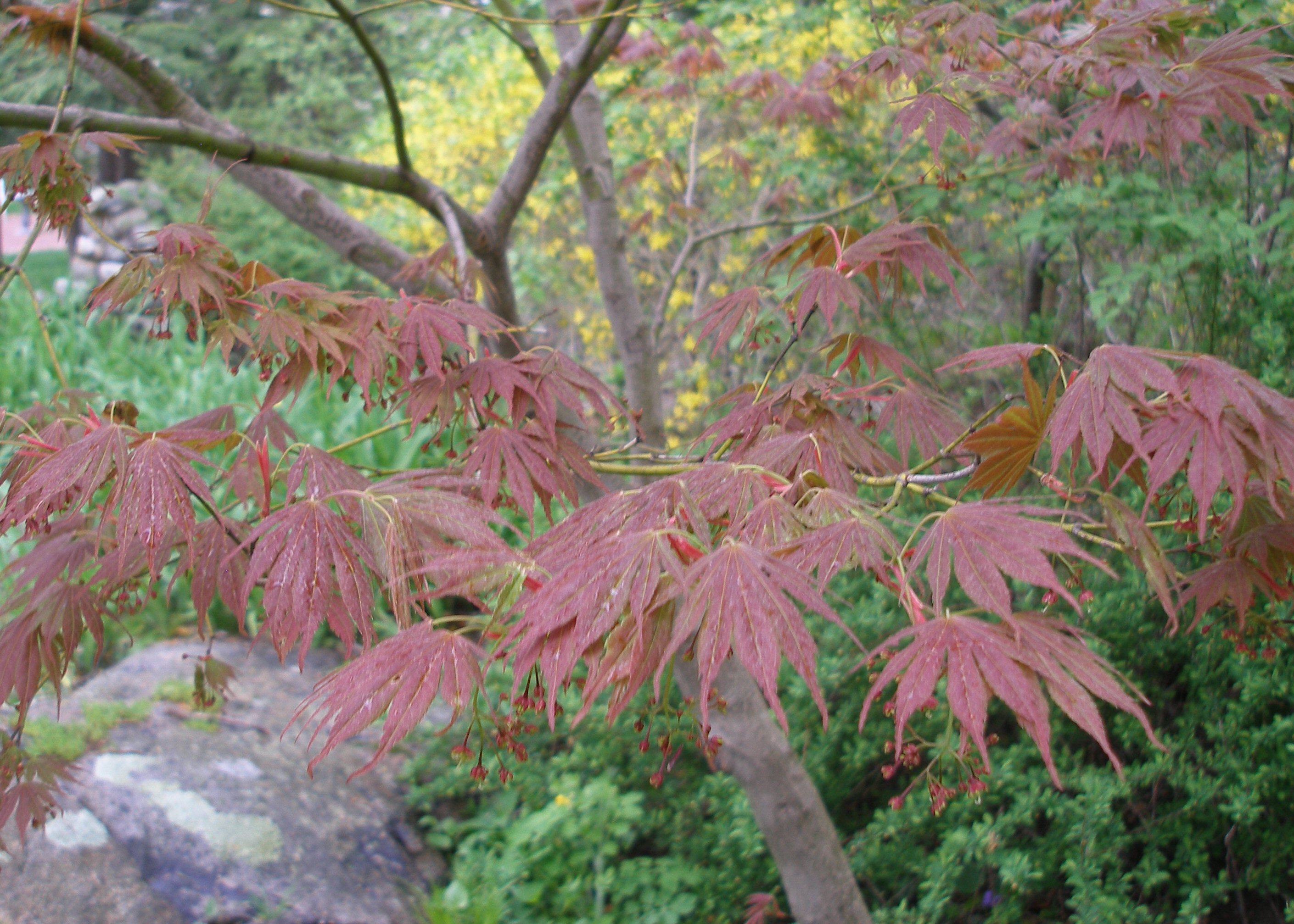
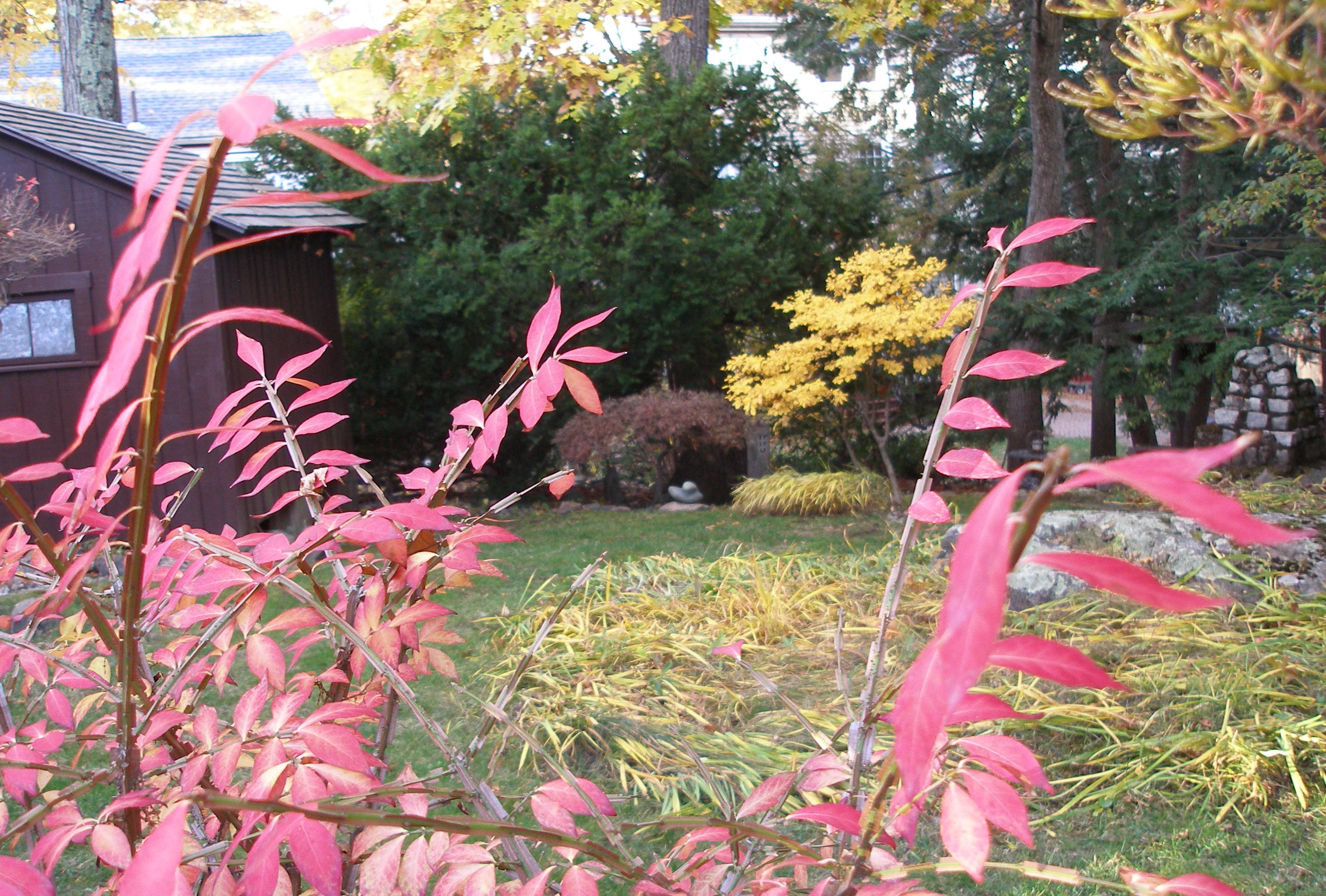
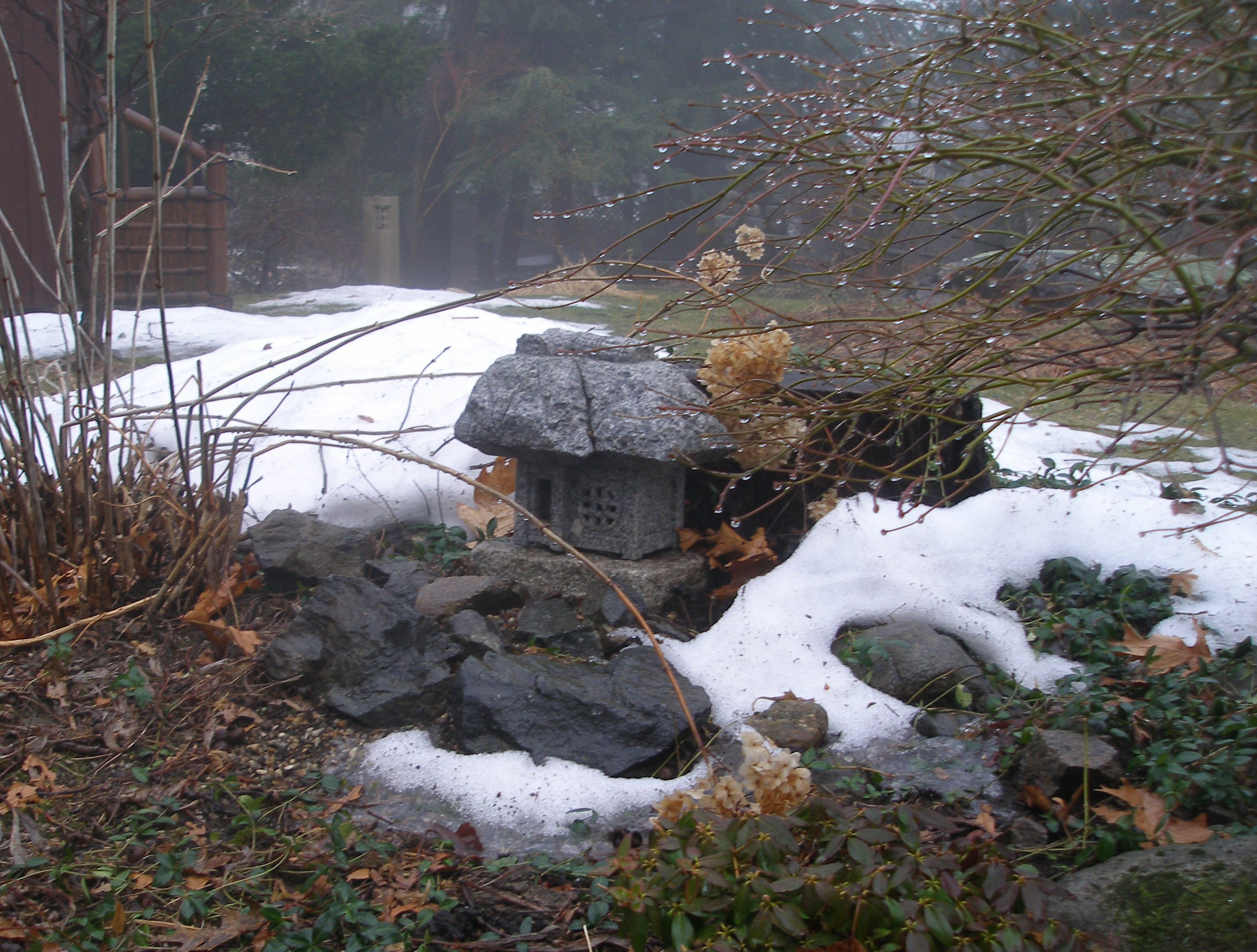
It takes many years to really get to know a garden so that you are in each other’s bones. I encouraged the moss that already liked to grow here. I added stepping stones and a tea hut. I watched for the new maple leaves, and took their portraits in the fall. Children jumped on the stepping stones. Raccoons drank from the water basin. The garden and I bless each other with mutual nurturance even as we continually change. Peace gathered and peace extended.

OLYMPUS DIGITAL CAMERA

OLYMPUS DIGITAL CAMERA

OLYMPUS DIGITAL CAMERA

OLYMPUS DIGITAL CAMERA

Noticing Stones

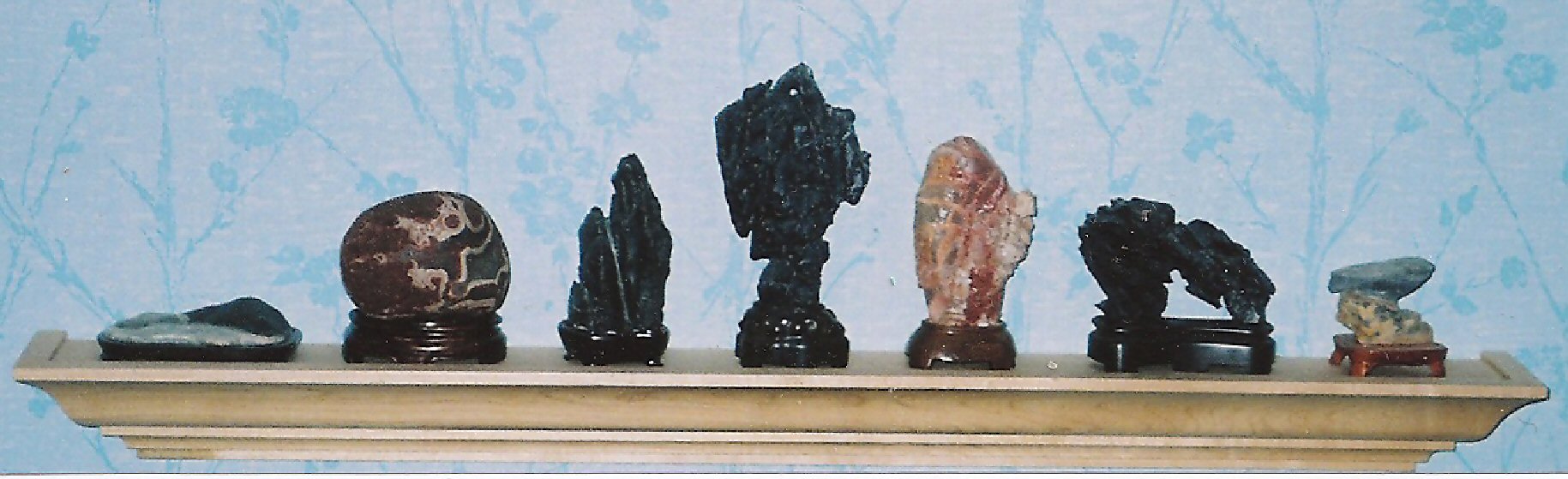
It is the rare child who does not like stones. Some of us never stop picking them up. It is not just the stones but the process – the adventures involved in finding them and the friendships.

These evocative examples lined up above my monitor speak of the larger natural world, a quality that is much appreciated by the Asian scholar.

Viewing stones on shelf

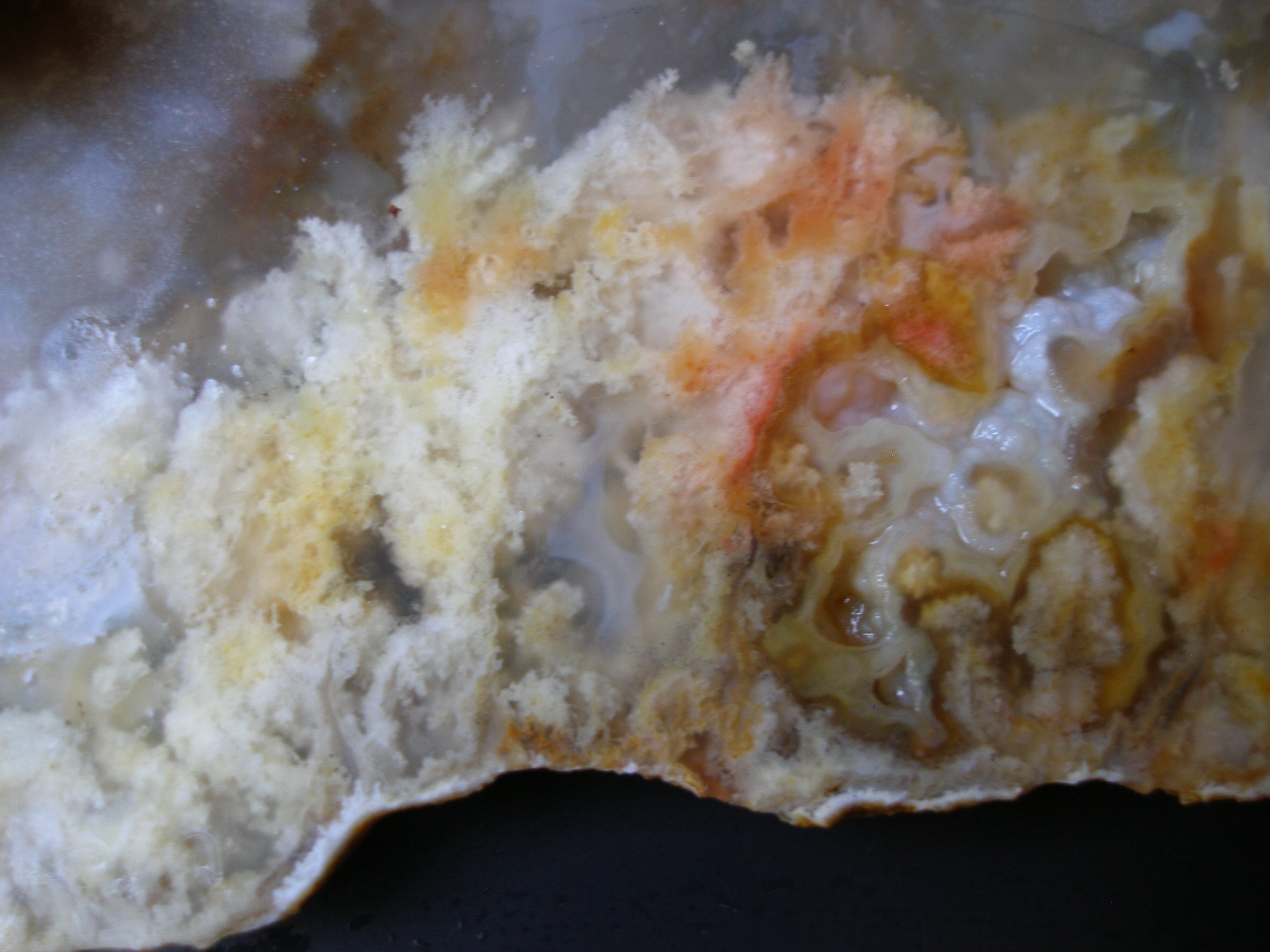
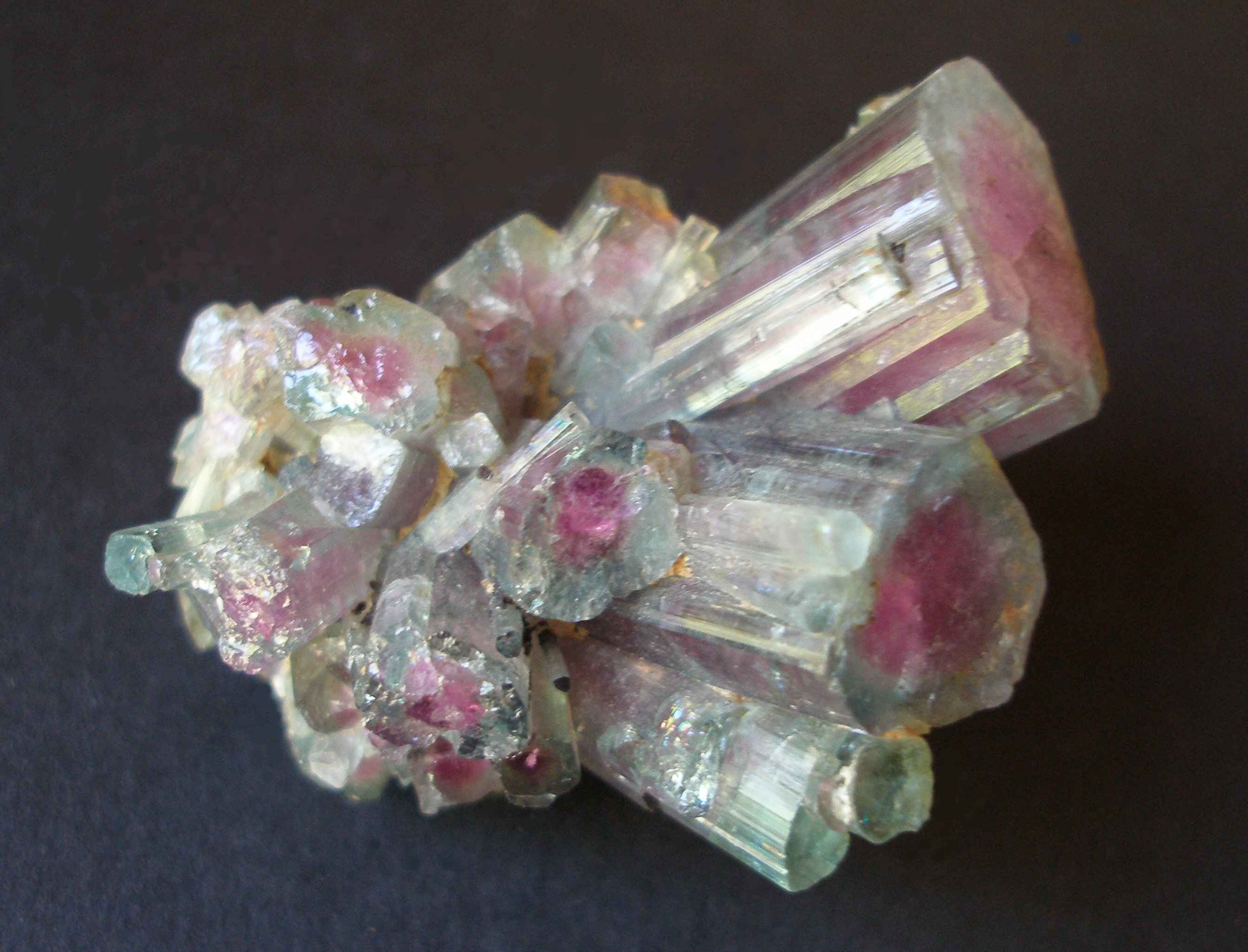
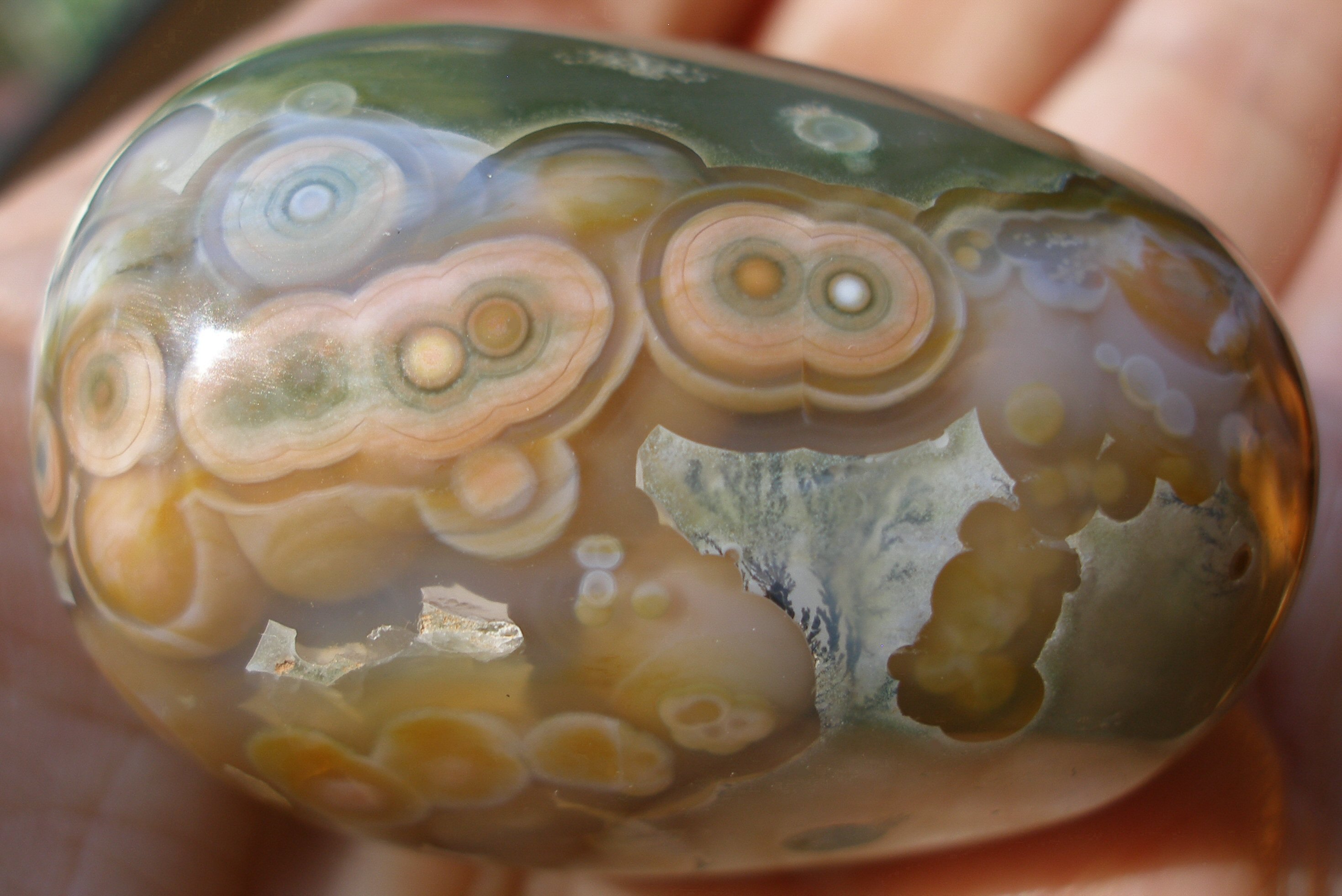
A close looks provides access to amazing colors, details and dreams:

OLYMPUS DIGITAL CAMERA

OLYMPUS DIGITAL CAMERA

OLYMPUS DIGITAL CAMERA

OLYMPUS DIGITAL CAMERA

OLYMPUS DIGITAL CAMERA

When Once Is Enough

When I first came across a Morrisonite pendant, I could find very little written about the rare jasper, so I decided to write an article myself. Now photos and articles about the jasper and the site where it was mined are available online.

I bought a digital camera with super-macro capability and sought out opportunities to take photos of its incredibly diverse patterns and colors. Making friends with miners, lapidary artists and rock shop owners in the course of writing that article led to an invitation to visit the mine site, itself.

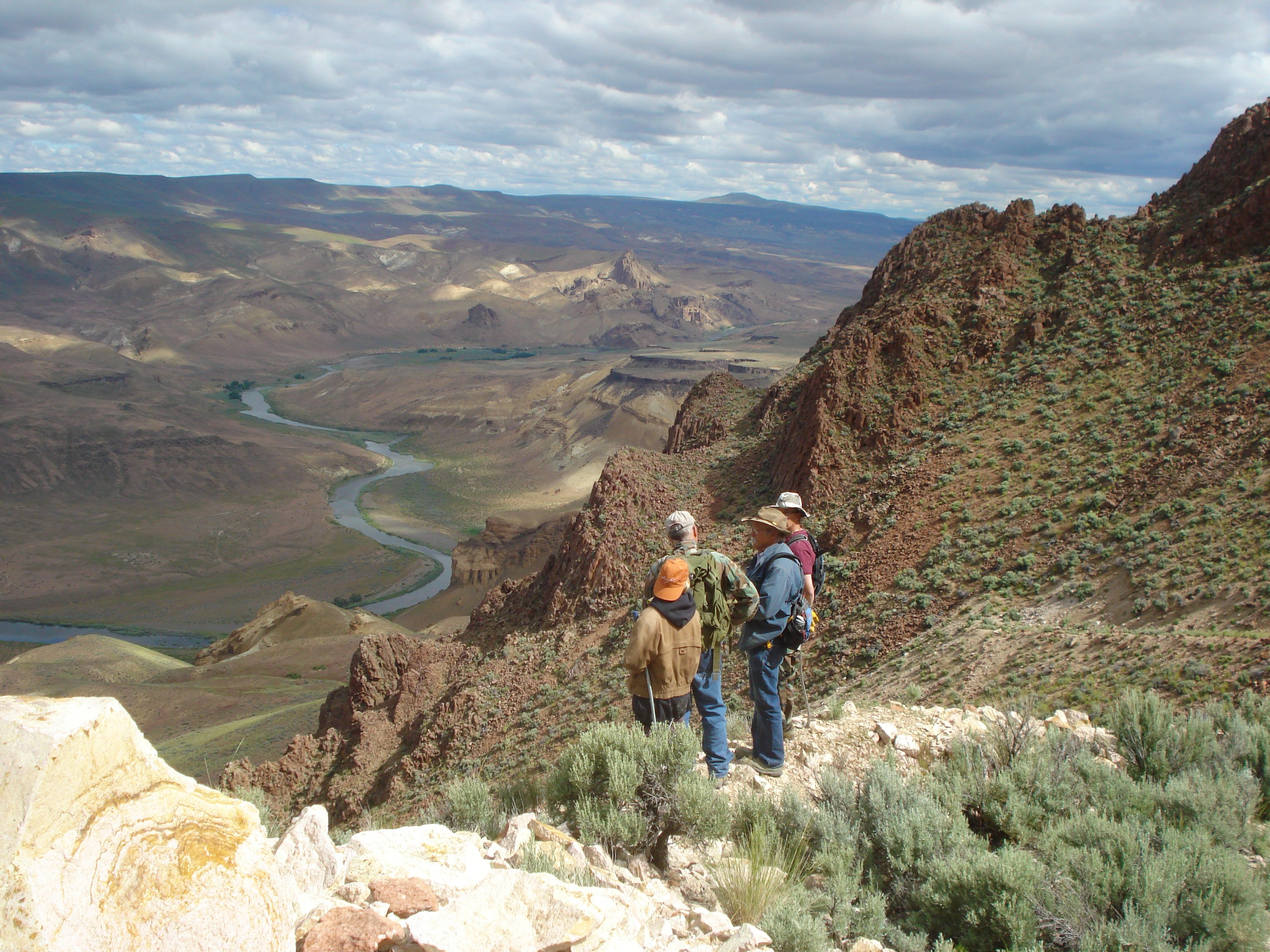
Of the seven of us on that adventure, two had mined the jasper, three had websites selling it, and one was the grandson of a rock shop owner who had known the discoverer of this spectacular stone. We took two four-wheel drive vehicles so as to have a back-up just in case. It would not do to get stuck in the desert highlands in the middle of nowhere in eastern Oregon.

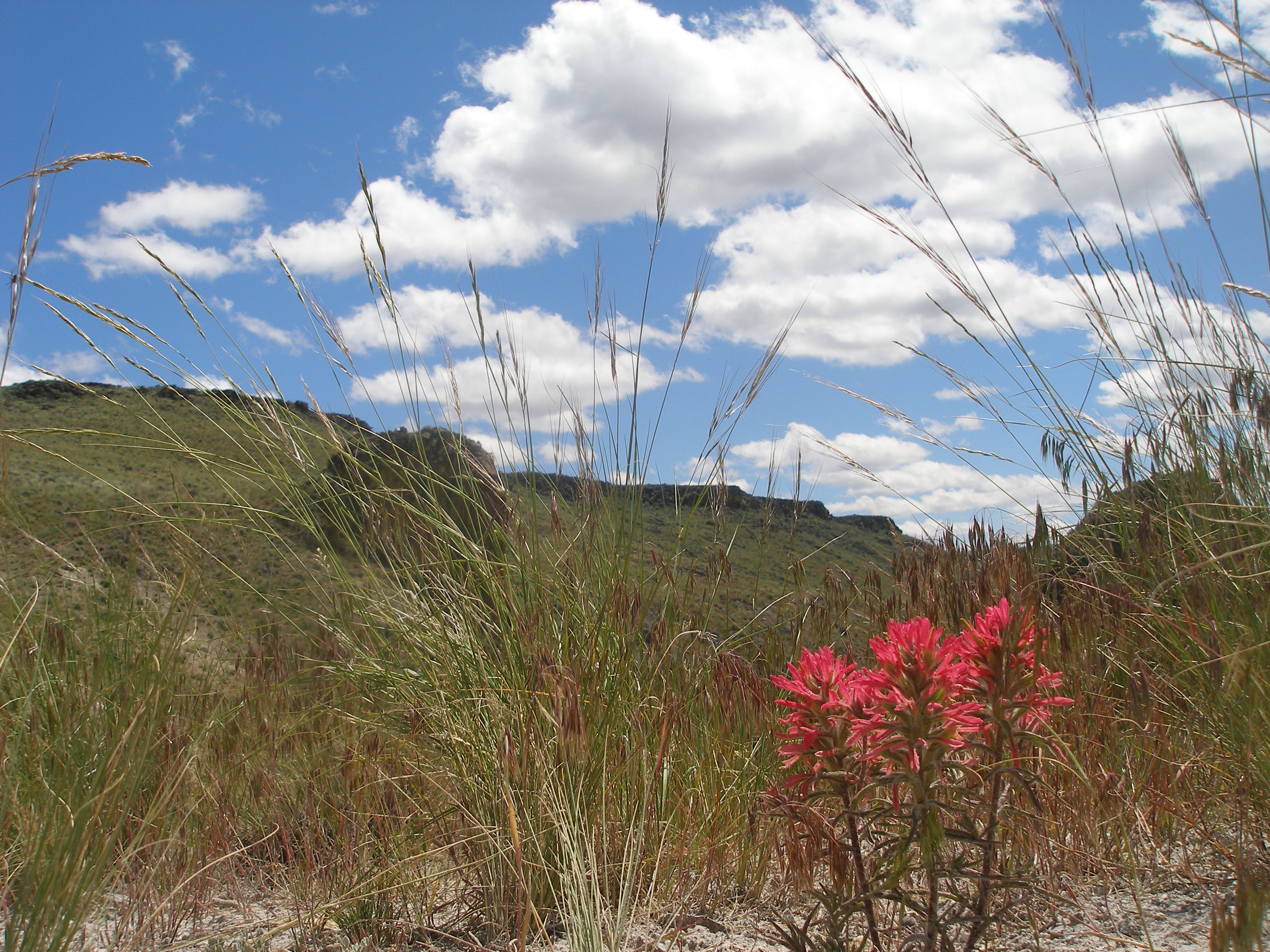
On the way to the steep canyon side, we passed farms, fruit orchards, wild flowers in clumps, sage brush (nice fragrance), cattle, horses, antelope, a coyote, a hawk flying with a snake in its claws, jack rabbits, and grouse. Despite the relative dryness, the area is very fertile because of ample volcanic ash.

OLYMPUS DIGITAL CAMERA

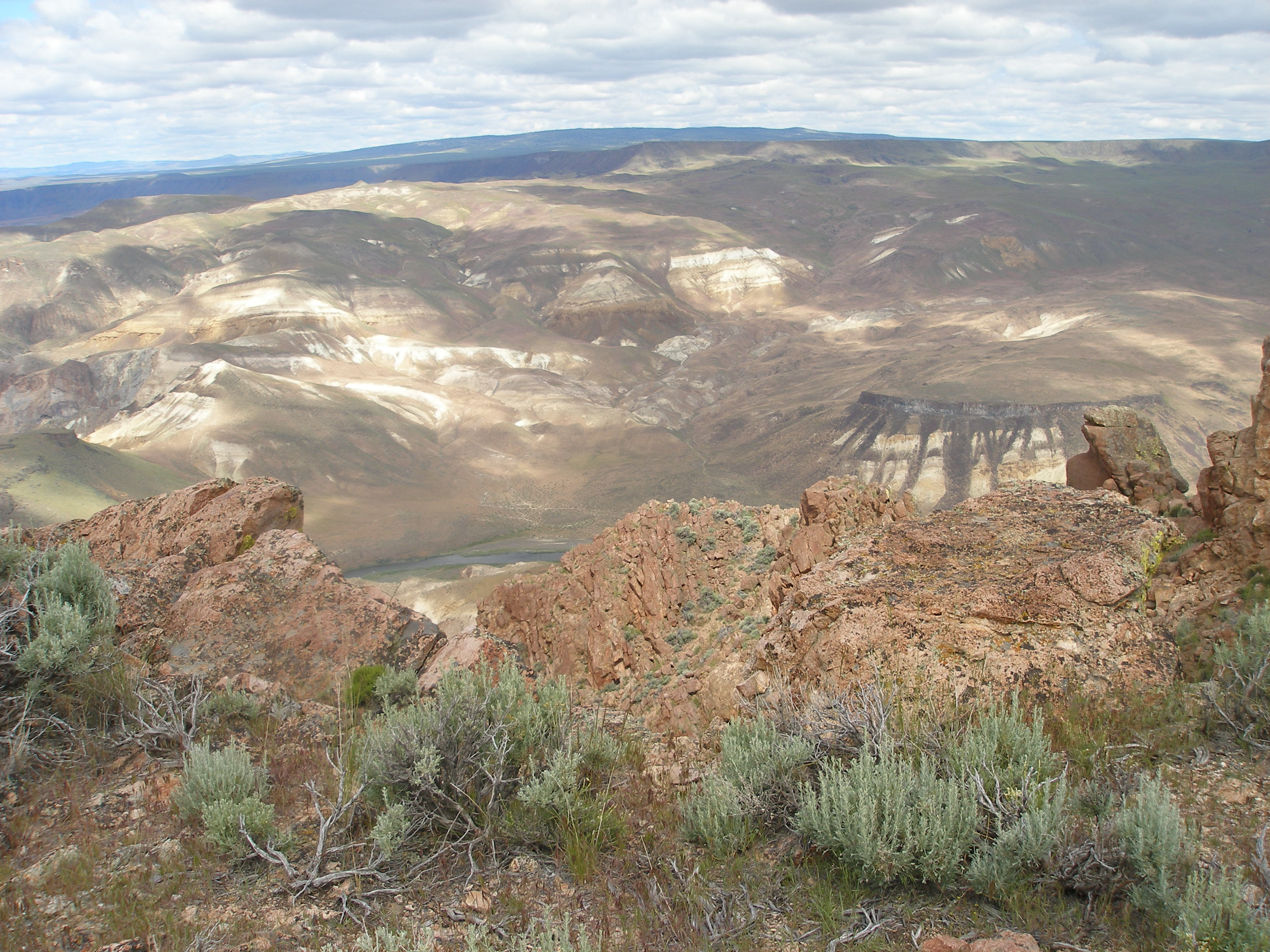
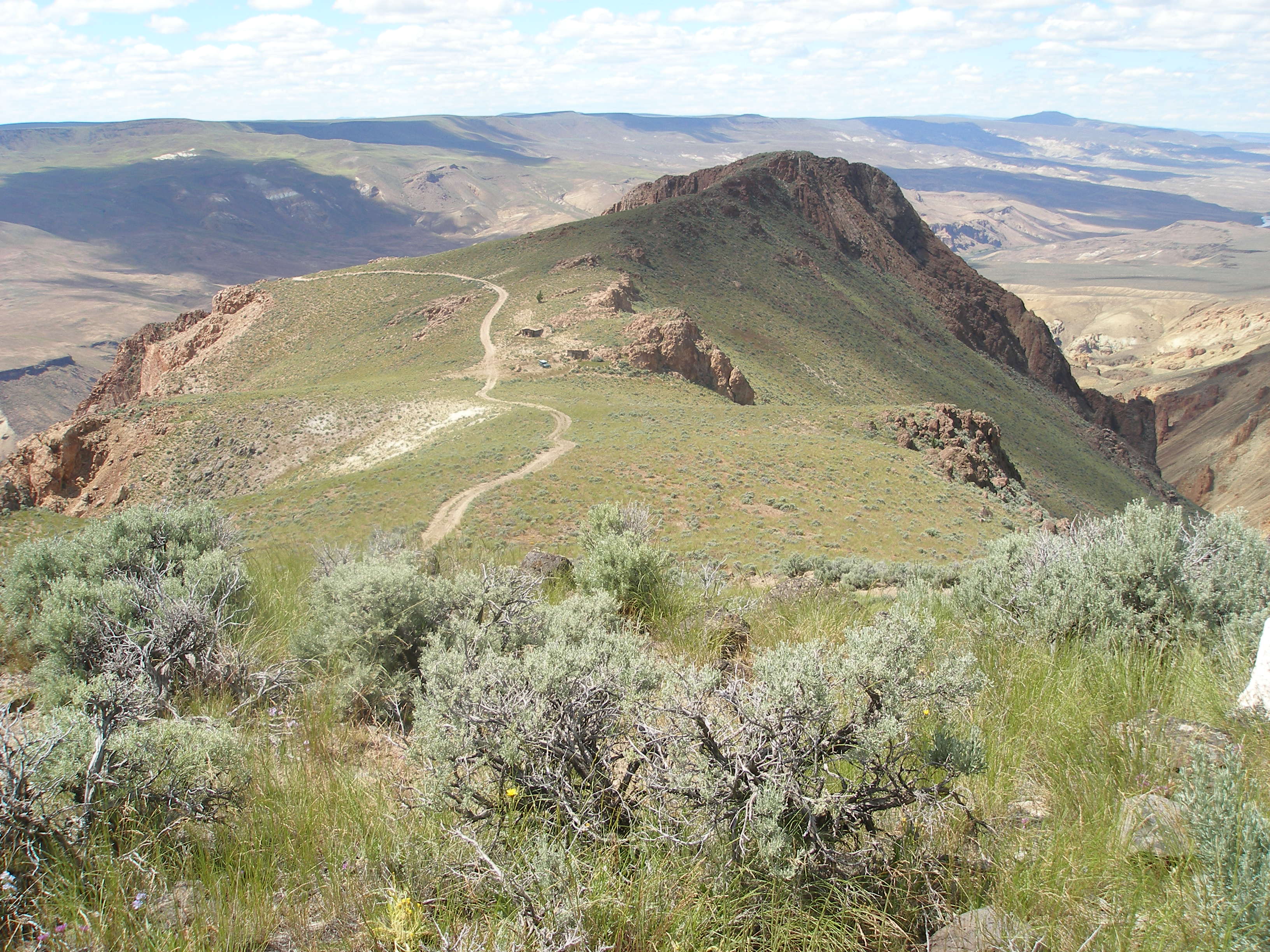
The final dirt track was intentionally left rough to encourage folks to stay out. We drove very slowly jouncing over large rocks and ruts. Beyond the second switch back on the final approach, it was no longer possible to drive, so we got out and made our way down the steep track contending with loose pebbles and sand.

OLYMPUS DIGITAL CAMERA

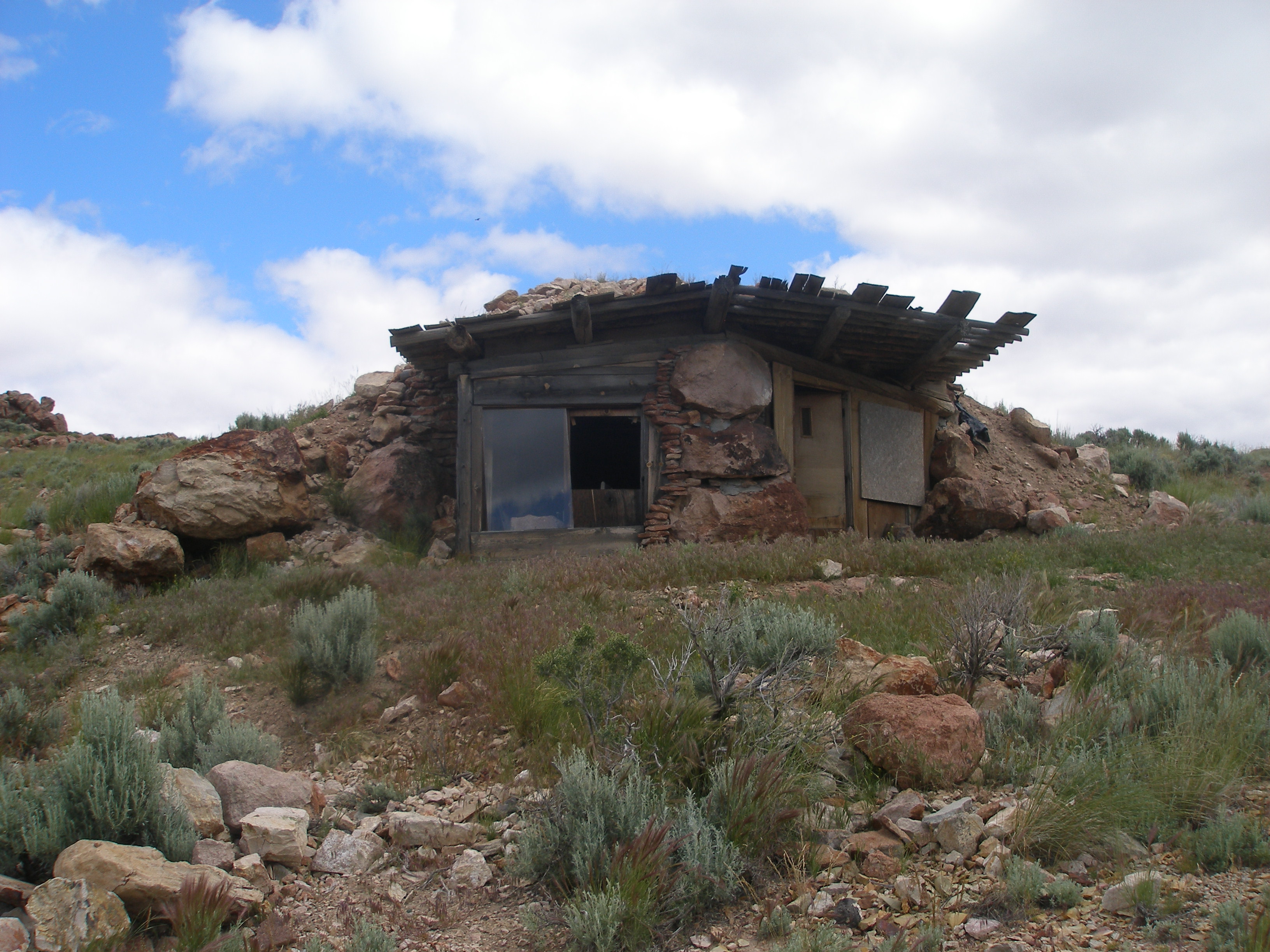
While the others hiked down the steep canyon wall to the mine site, I stayed in the top area with a friend who had a bad shoulder. The weather was perfect. It was a very dreamy location to spend an afternoon largely in silence, exploring two abandoned miners’ cabins, watching the light shift on the canyon formations and looking to see if there might still be some Morrisonite left in situ that I could photograph (there was).

OLYMPUS DIGITAL CAMERA

OLYMPUS DIGITAL CAMERA

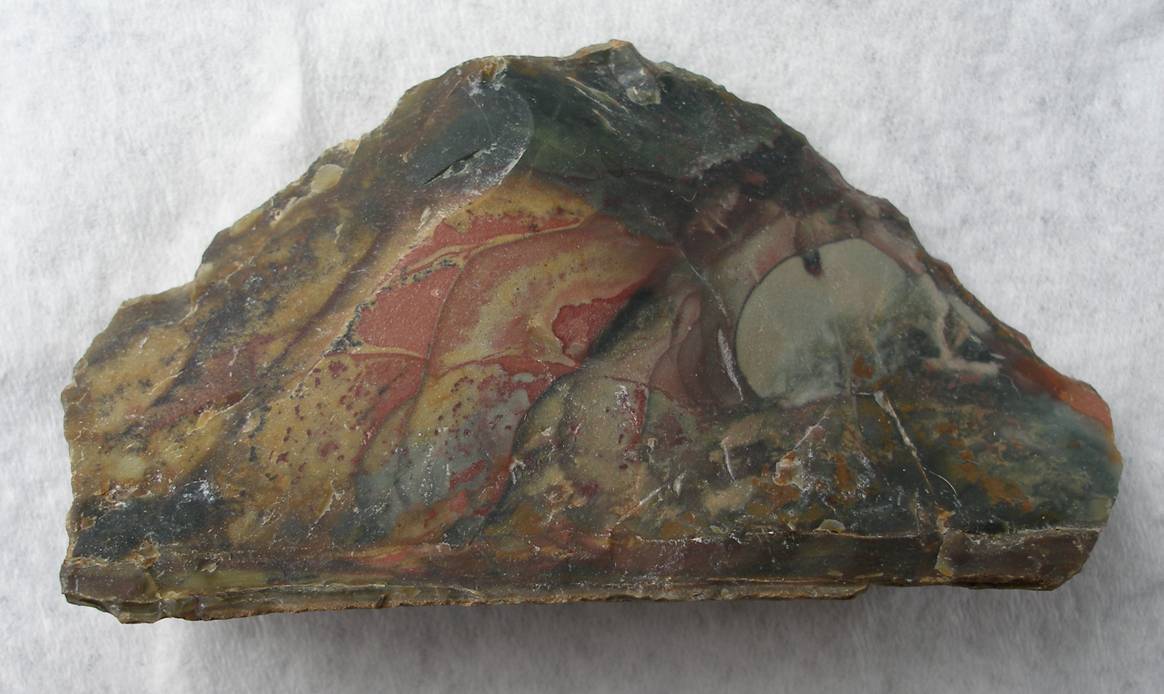
I only visited the mine site that one time. However, looking at the jasper (raw unpolished specimen below), and my special relationships with those who share my passion for Morrisonite became treasured refuges.

Cropped science fiction rough

As for the mine site itself, sometimes being just once in a magical place can provide nurturance for an entire lifetime.

On the trail at M Mine 62010 This last photo by Linda Stephenson is a favorite of mine.

Fall Leaves

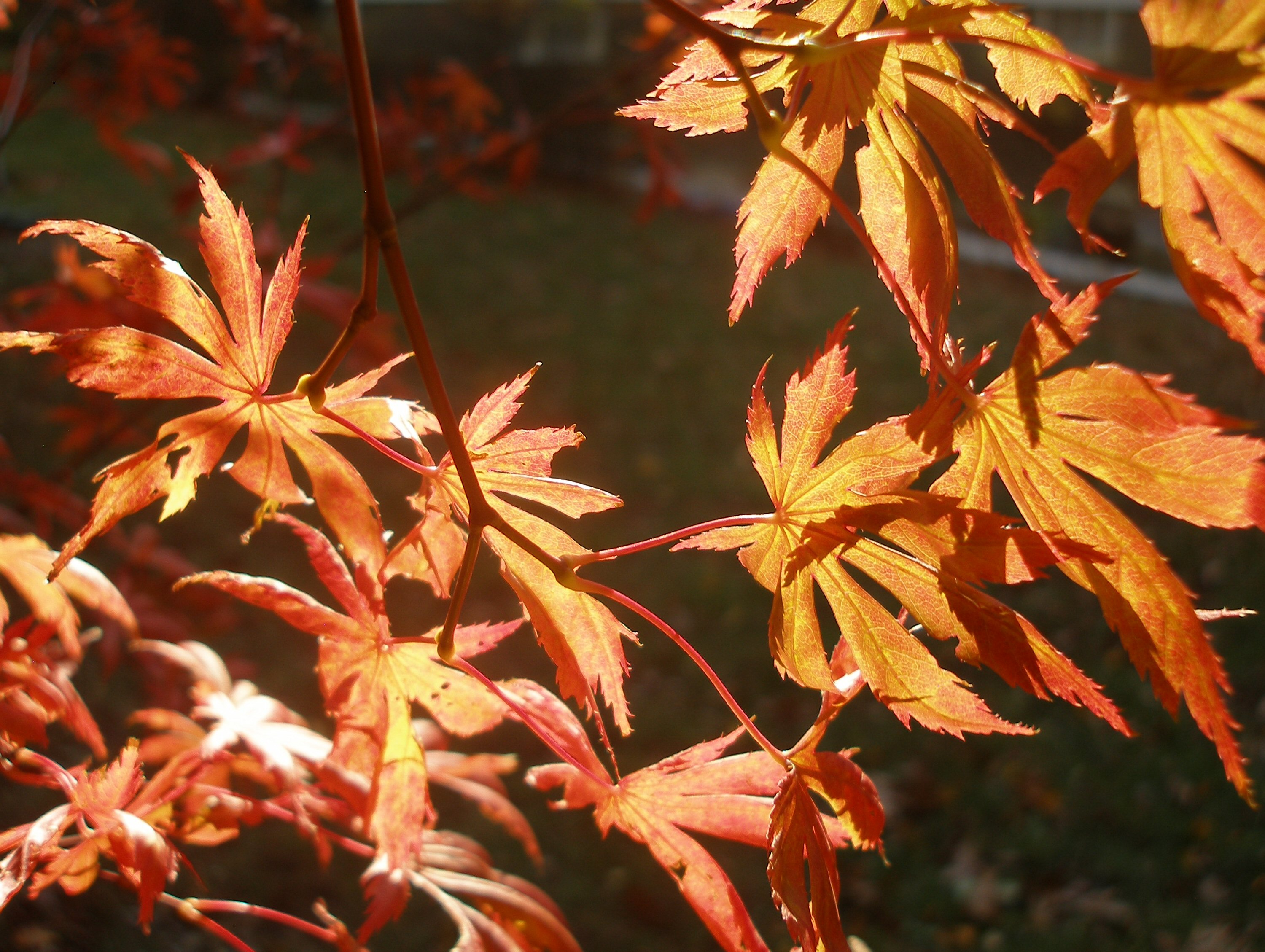
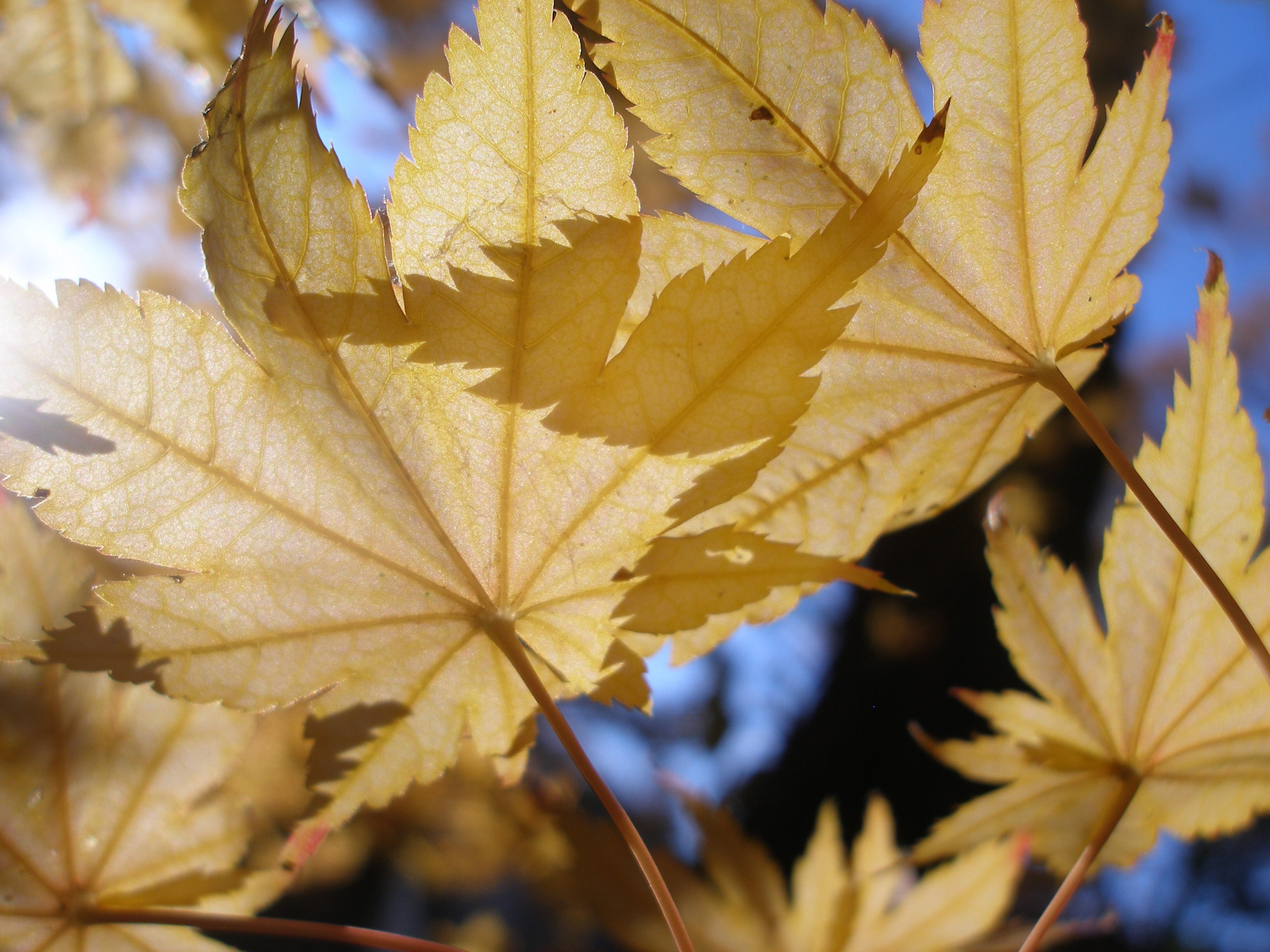
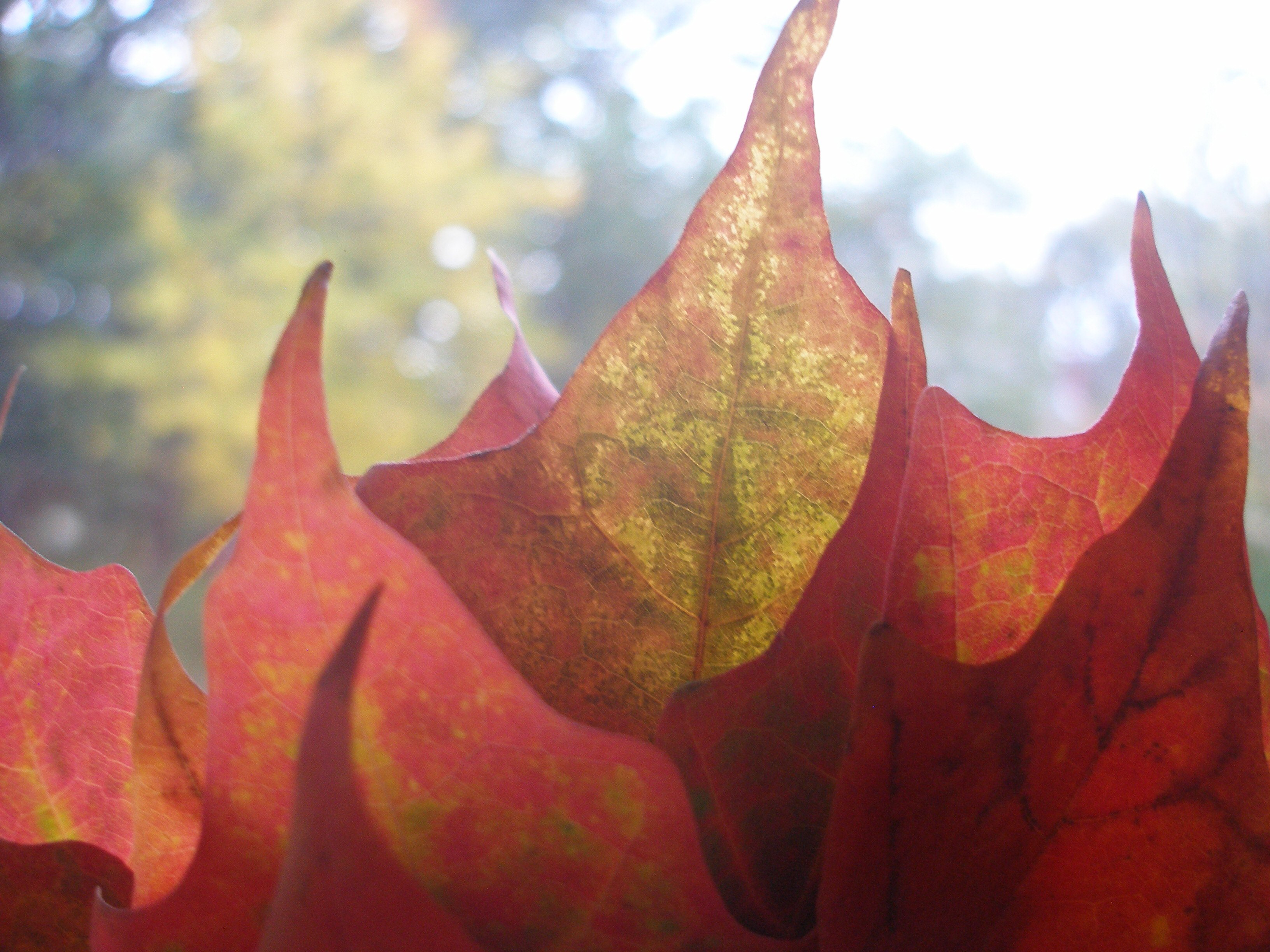
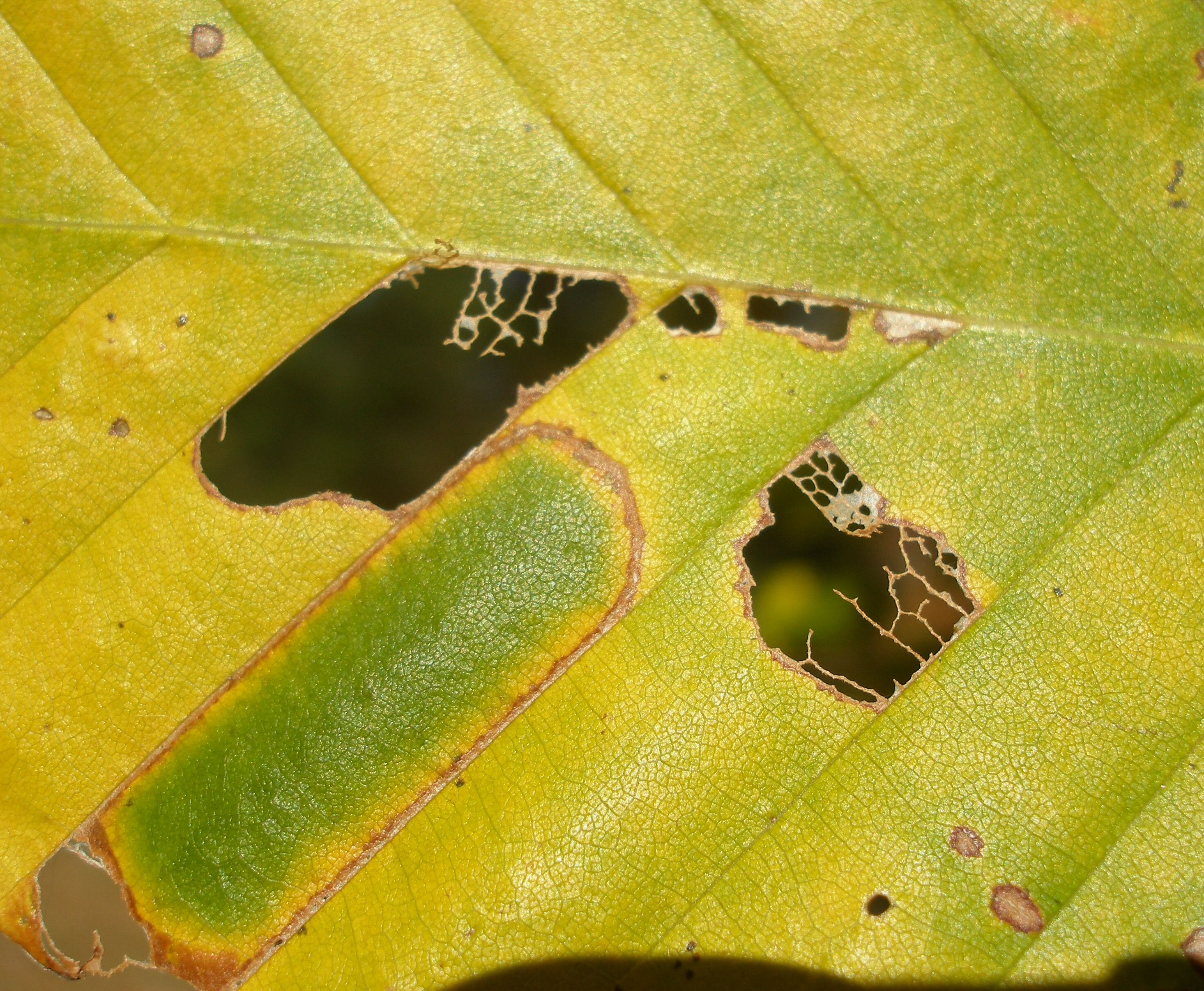
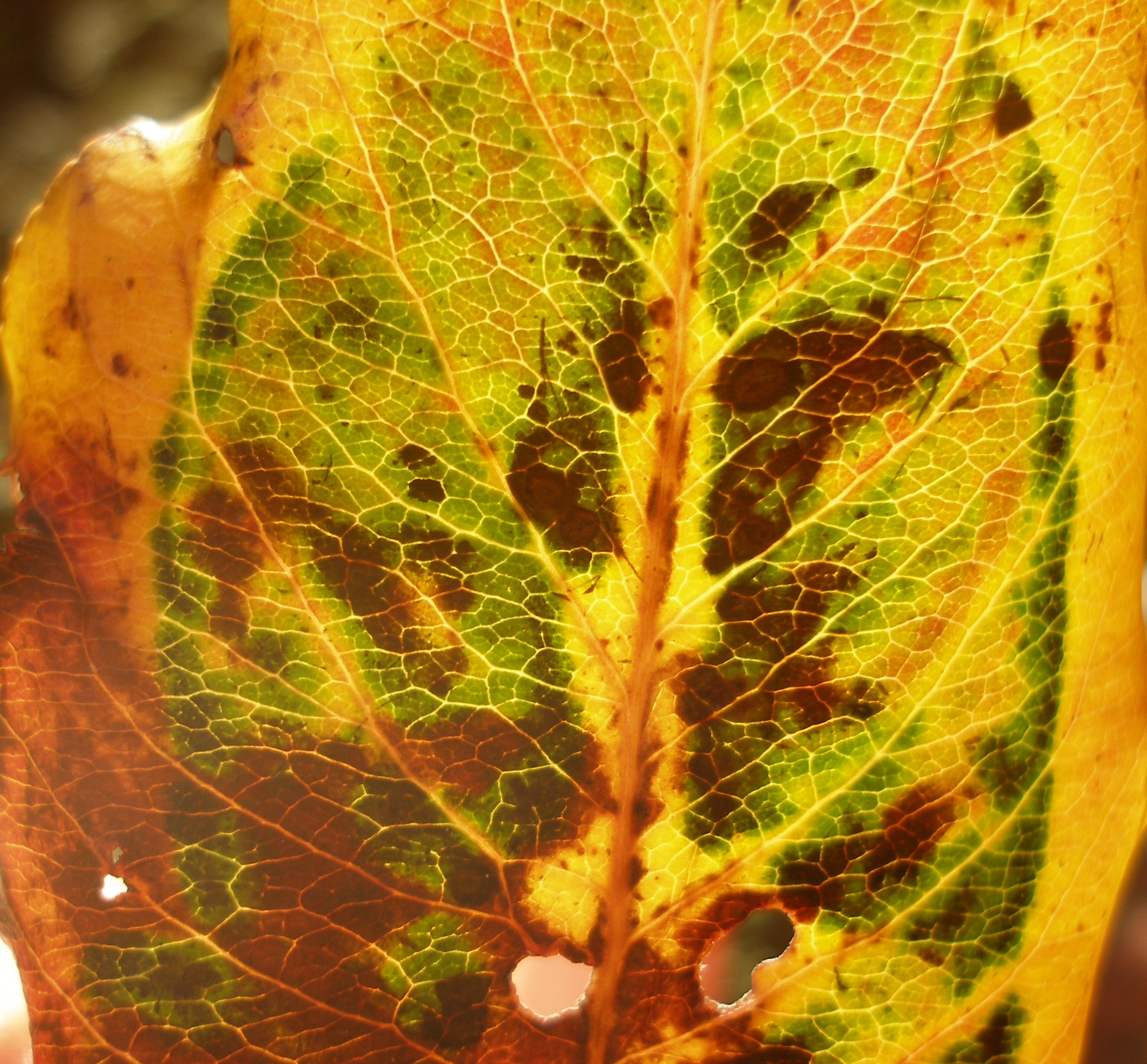
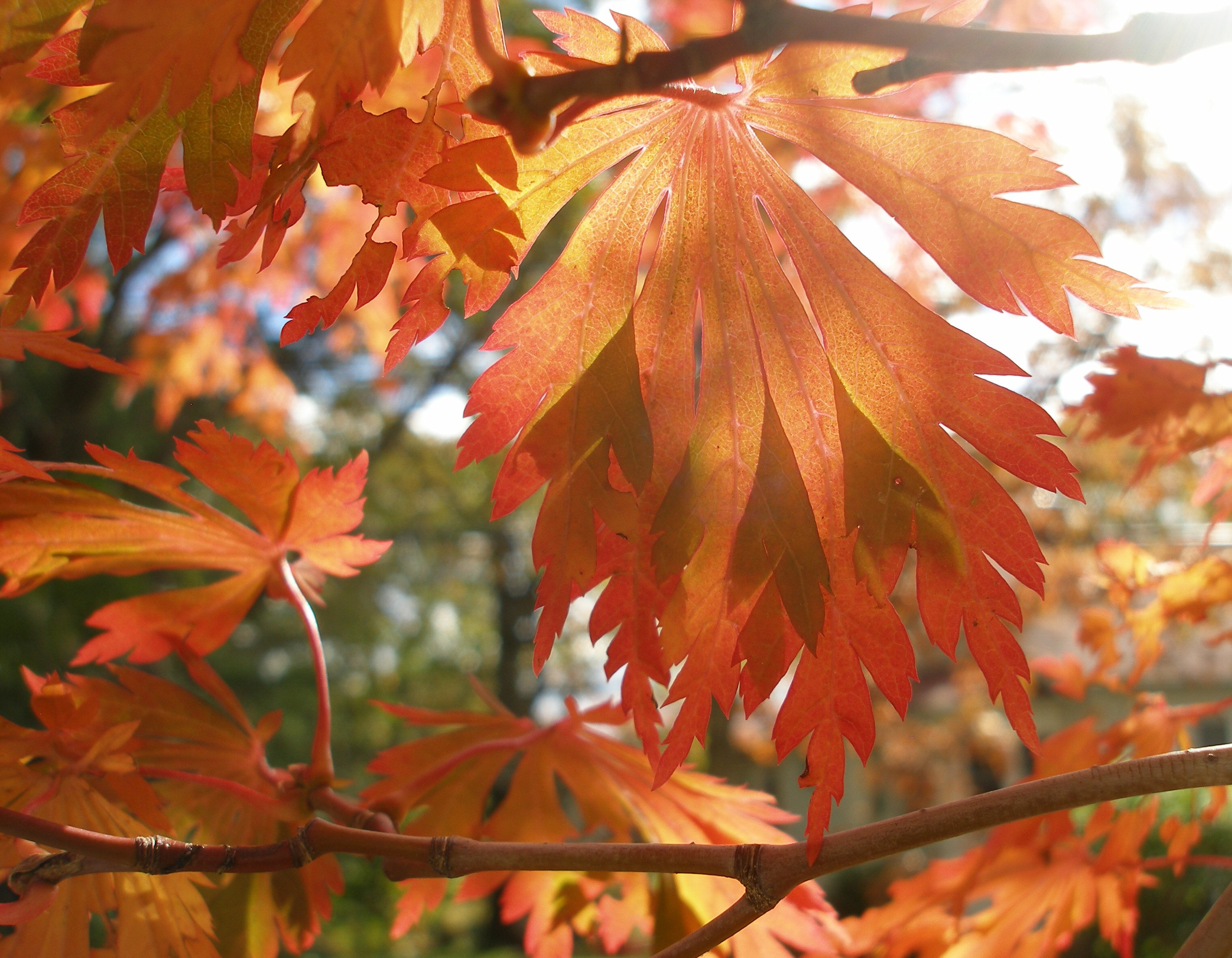
One form of radiant refuge for me is taking out my camera and looking for what I can find among the gems and jewels that are Fall leaves. I find colors and patterns and infinite variations on imperfection that is completely perfect in the moment.

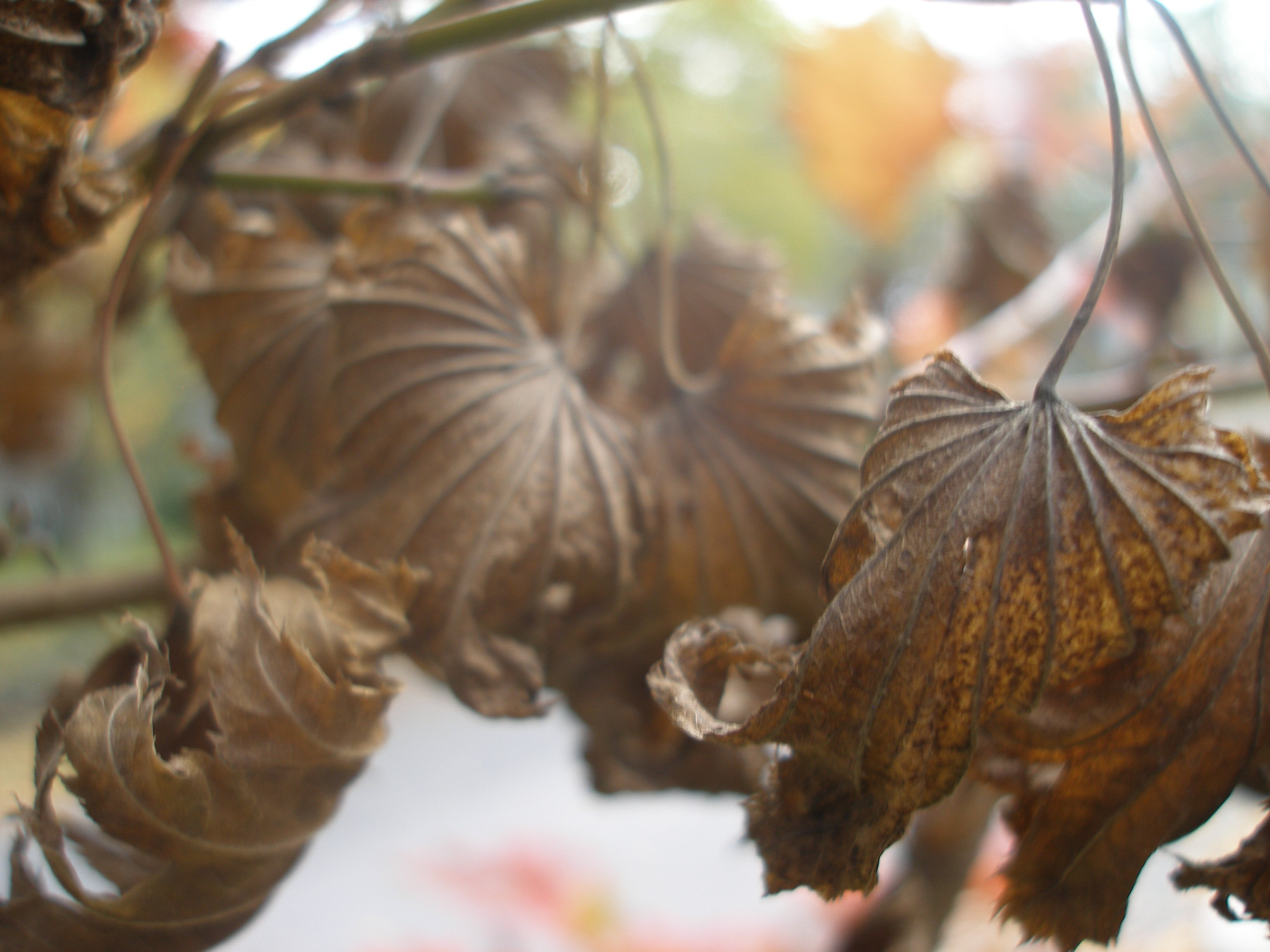
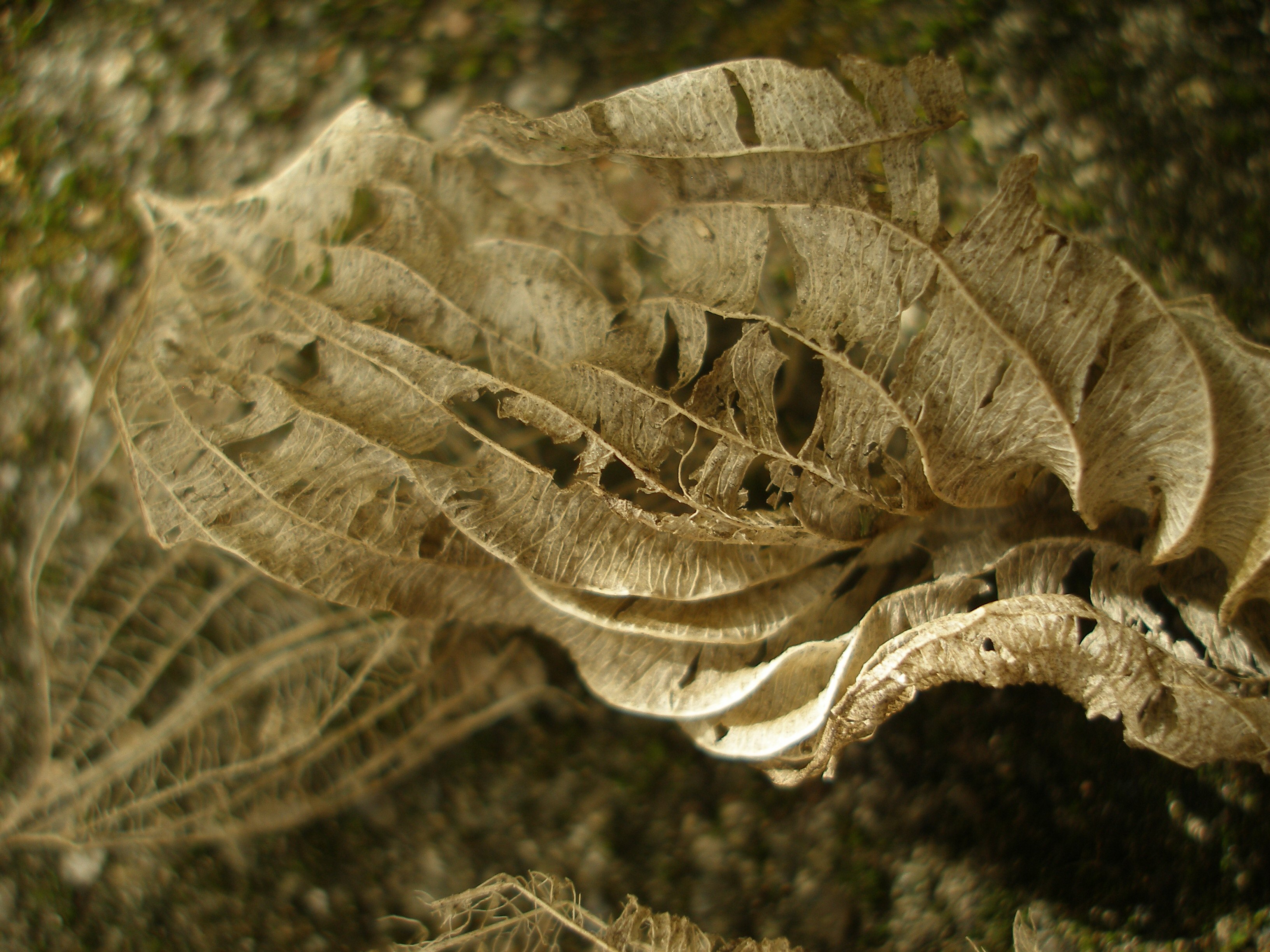
Like us, each leaf is unique, and like us, these leaves are always changing. I have learned to capture something I like when I see it, as the next day it can be totally different in color and feeling. Doing this kind of photography has taught me to see pattern and design through new eyes. Just looking at a simple leaf, even one that has dried up, brings me so much joy.
OLYMPUS DIGITAL CAMERA

OLYMPUS DIGITAL CAMERA

OLYMPUS DIGITAL CAMERA

OLYMPUS DIGITAL CAMERA

OLYMPUS DIGITAL CAMERA

OLYMPUS DIGITAL CAMERA

OLYMPUS DIGITAL CAMERA

OLYMPUS DIGITAL CAMERA

Chanoyu Lore

OLYMPUS DIGITAL CAMERA

When I first began studying the traditional Japanese Tea Ceremony I was interested in its aesthetics. There were subtle delights in abundance from resilient tatami mats underfoot; the soothing sound of water heating in the iron kettle; and the scent of cedar bark incense.

I quickly learned that humility was involved as well. The seemingly effortless movements required much practice to master. We were taught to pay attention to the season, the particular circumstances of the day, and what was happening in the tea garden. There is, for instance, a particular beauty to a day with a hint of snow in the air when the leaves have fallen and a few linger on the moss.

I came across several stories recorded in chanoyu lore where tea masters combined ingenuity with an extreme sensitivity to nature to produce transcendent experiences for their guests. Three of my favorites involve Sen no Rikyu, probably the most famous of tea masters. Rikyu was known for his exquisite taste and sense for the fitness of things. He simplified the tea ceremony while at the same time introducing many innovations. His manner of making tea was said to be totally natural and unaffected so that one could not pick out any one part as being the most beautiful.

In one of the most famous tea stories, Rikyu’s patron, the regent Hideyoshi, had heard about the morning glories that Rikyu planted in his garden that year and wanted to see them. When Hideyoshi arrived in the morning, there was not a single morning glory to be seen anywhere. However, when the guests entered the tea room, a single perfect morning glory was displayed in the tokonoma alcove. Hideyoshi and the other guests found this refreshing. I was taught never to use morning glories during tea practice for this reason.

In another example, Hideyoshi supposedly had a large golden basin filled with water and a single flowering red plum branch placed beside it. How would Rikyu create a suitable flower arrangement using just these two elements? Rikyu approached the tokonoma and lifted up the branch. He then gently stripped the buds and flowers so that they fell into the basin and floated on the water. After that, Rikyu quietly returned to his seat carrying the bare branch. Hideyoshi admired this elegant resolution.

At a dawn tea attended by Rikyu, as the guests took their seats there was no light at all in the tea room, only the sound of the tea kettle boiling. A profound peace prevailed. Just as they were all wondering about the host’s intentions, Rikyu noticed a glow on the shoji behind him and slid open the panel. The moon framed in the opening sent its light to the tokonoma. Just legible there was a scroll with the following poem: When I lift my eyes / To the quarter of the sky / Where the cuckoo cried / There is nothing to be seen / Except the early morning moon (From The Japanese Tea Ceremony by A. L. Sadler, p. 143).

I was lucky to attend a tea practice with something of this magical quality. My sensei had conceived the idea of a fall moon-viewing practice. Each student was given a lit candle in a small glass holder, and we were instructed to walk slowly up the wooded hill behind her house, leaving space between us along the path. I waited so I could see my fellow students winding their way up through the trees at dusk. As I reached the top, the moon was covered by clouds and then briefly appeared as a misty presence. Nature was very close all around us. We conducted the tea ceremony on a felt mat where all the utensils had been arranged in advance. Looking back, it was like walking into a Japanese print. I am sure we will all never forget the beauty and poignancy of that experience.

Although a tea master’s touch is always appreciated at a tea gathering, I have learned that special effects are not needed. The essence of chanoyu is present no matter how simple and quiet the tea practice is. Each is a “one time, one meeting” opportunity and all the wonders of nature and human ingenuity apply.

For more stories from Chanoyu lore, you may wish to read Stories from a Tearoom Window by Shigenori Chikamatsu.

This article originally appeared in the March, April 2010 issue of Sukiya Living, Journal of Japanese Gardening.