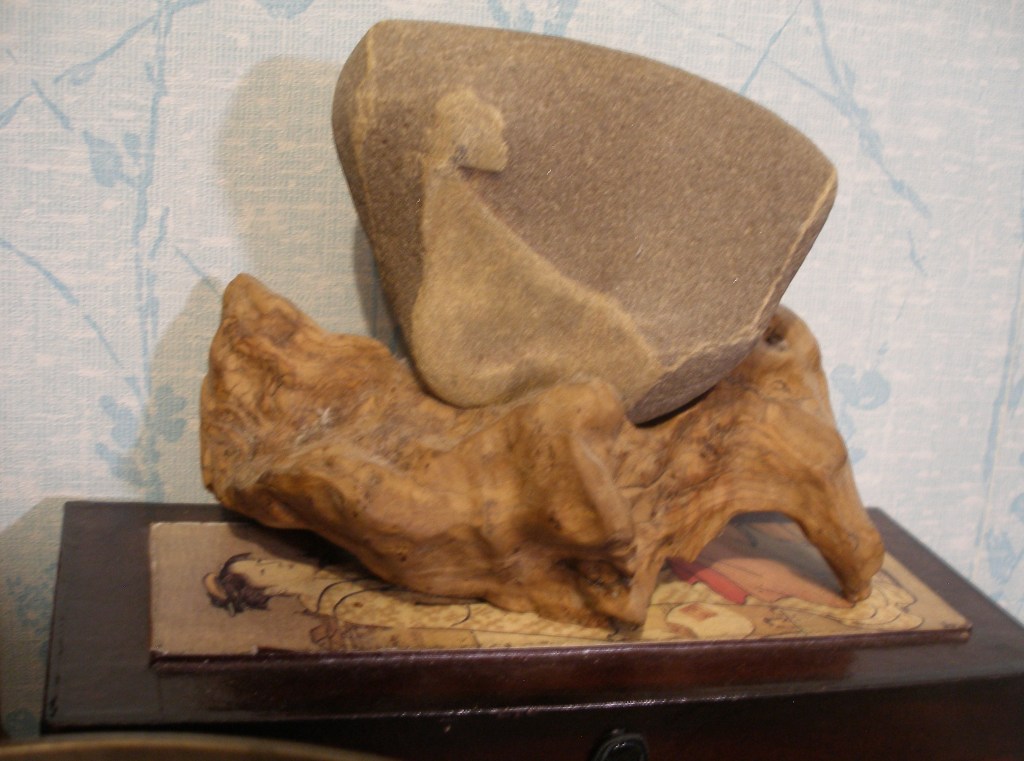
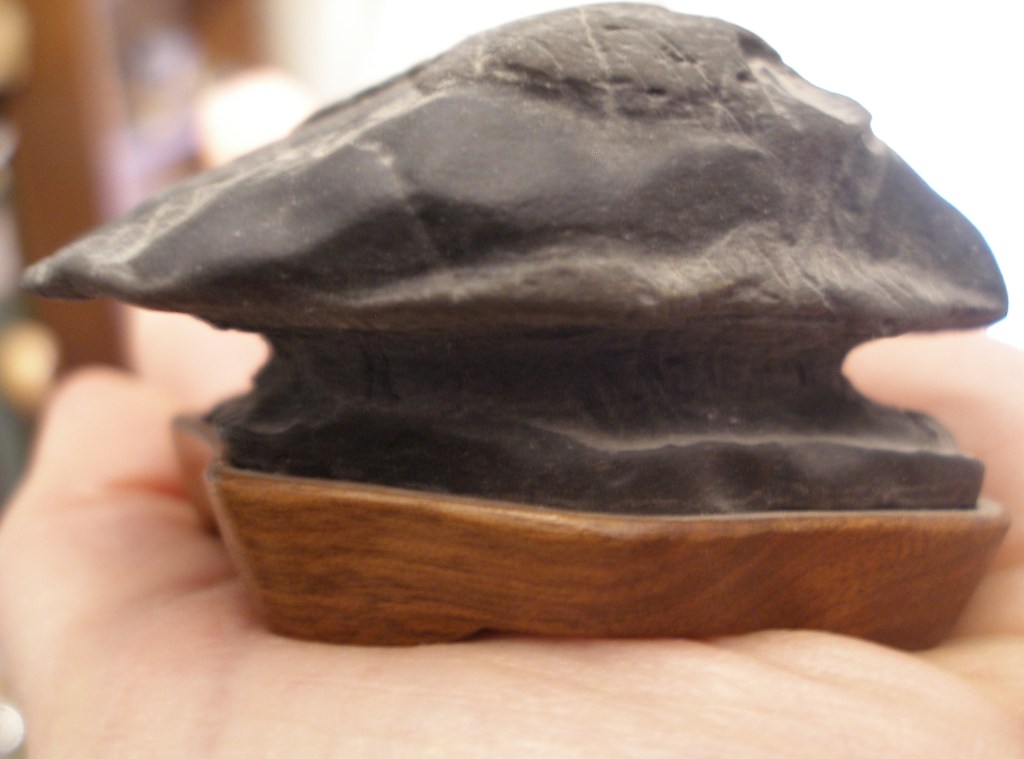
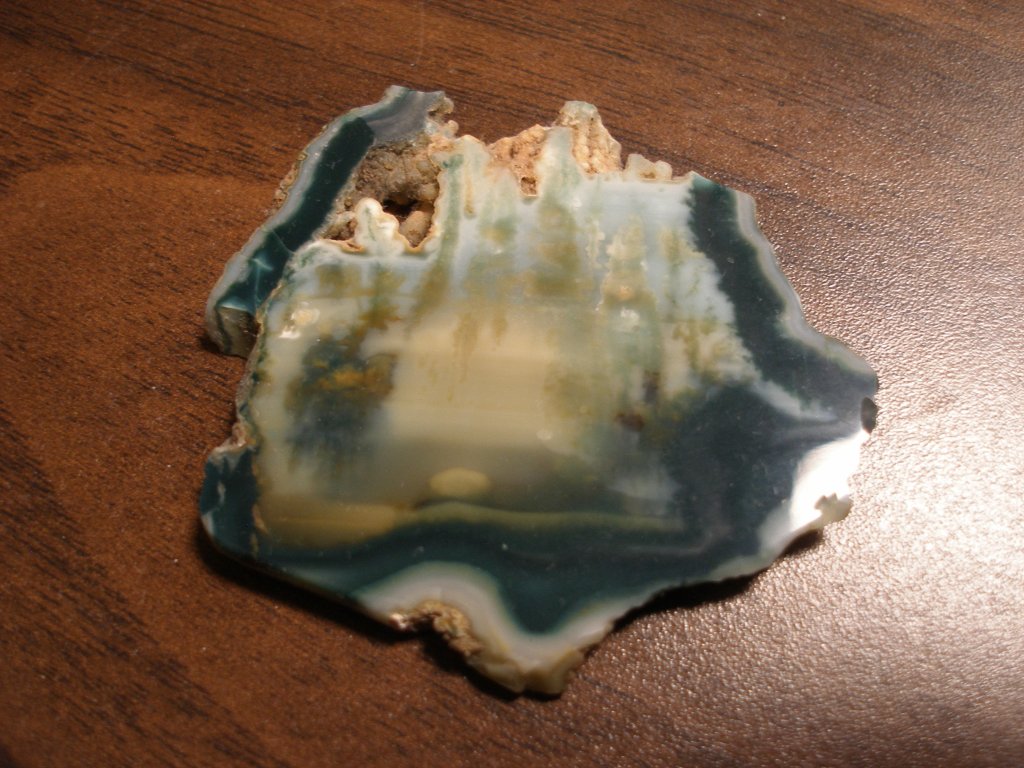
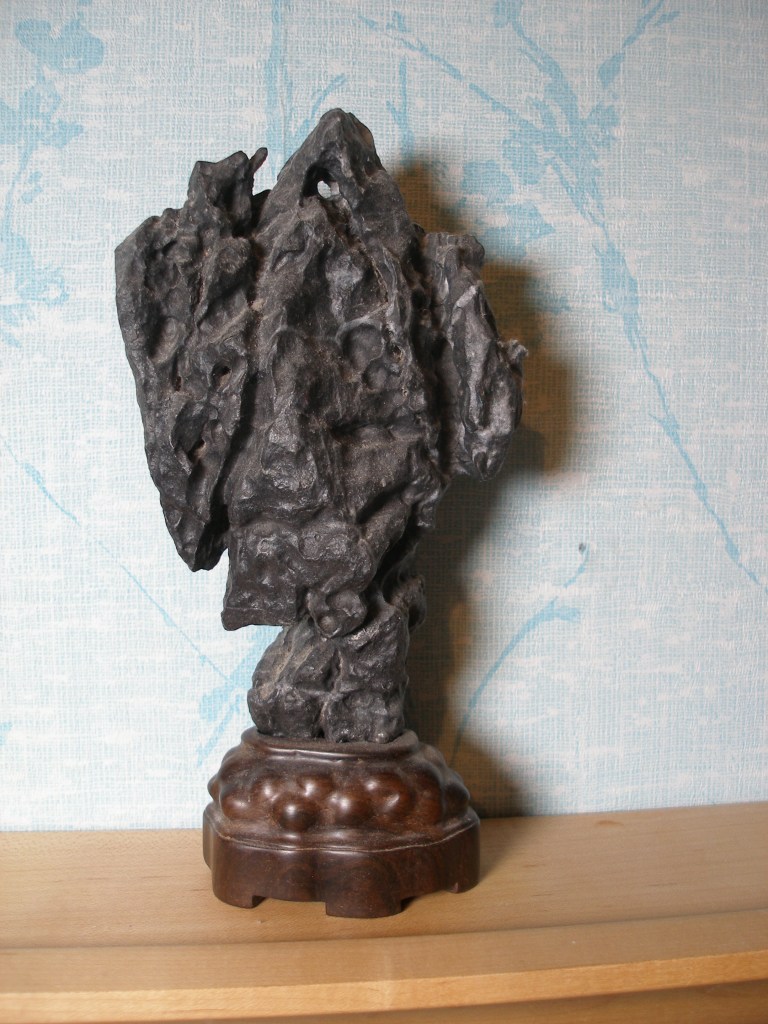
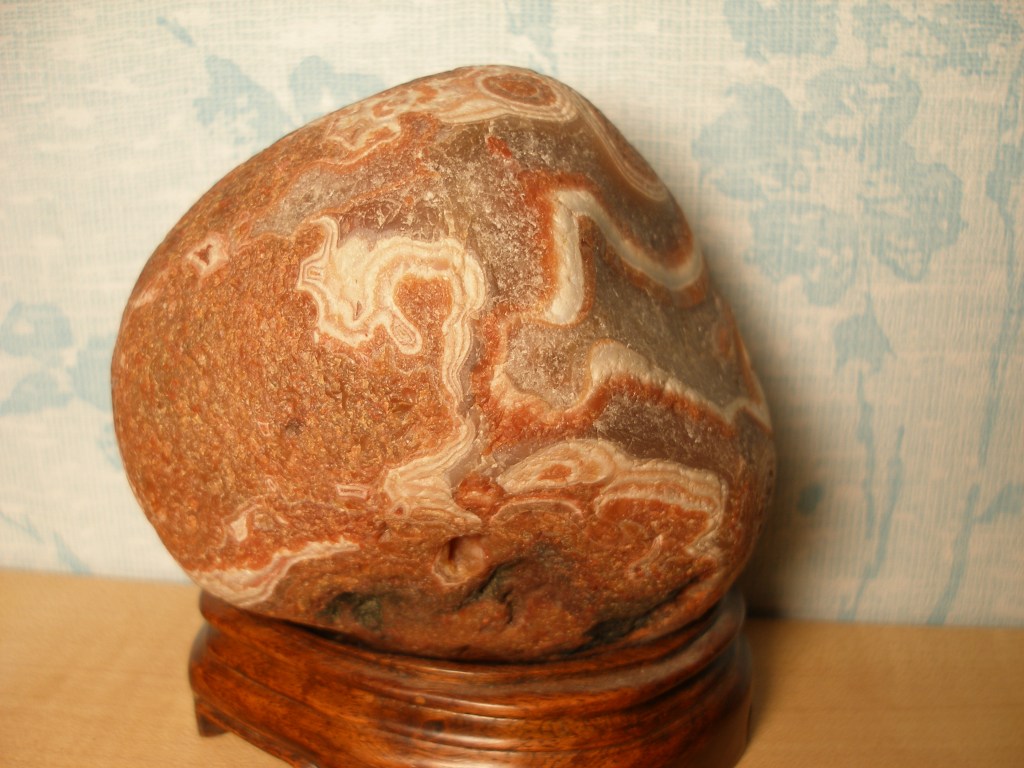
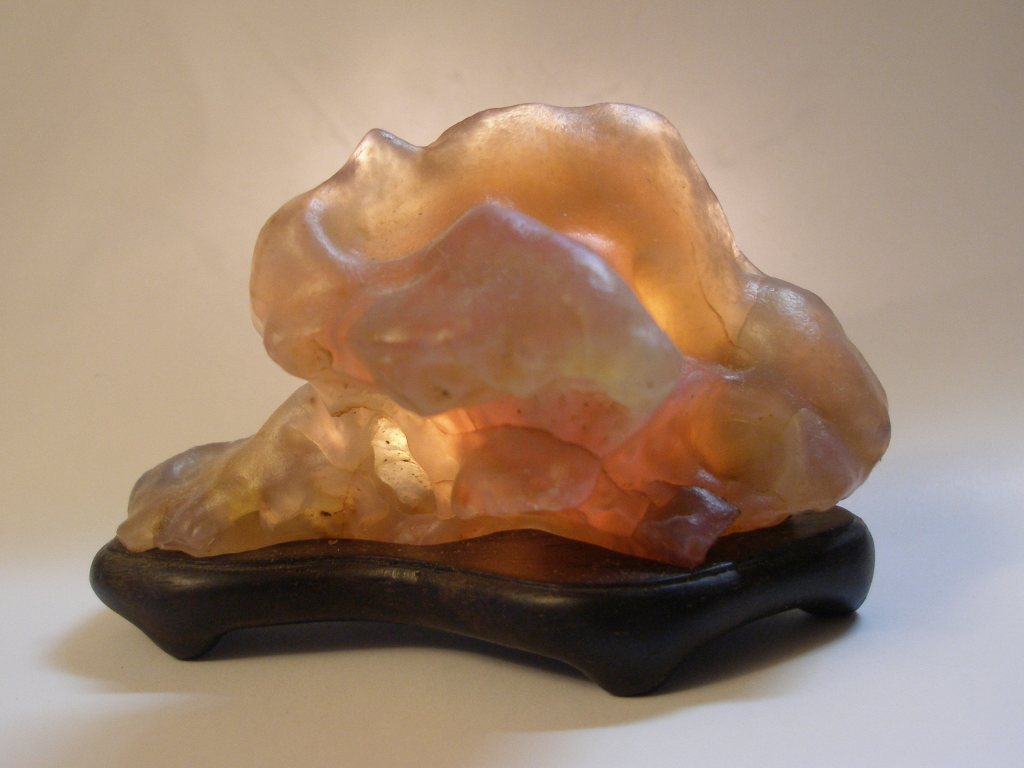
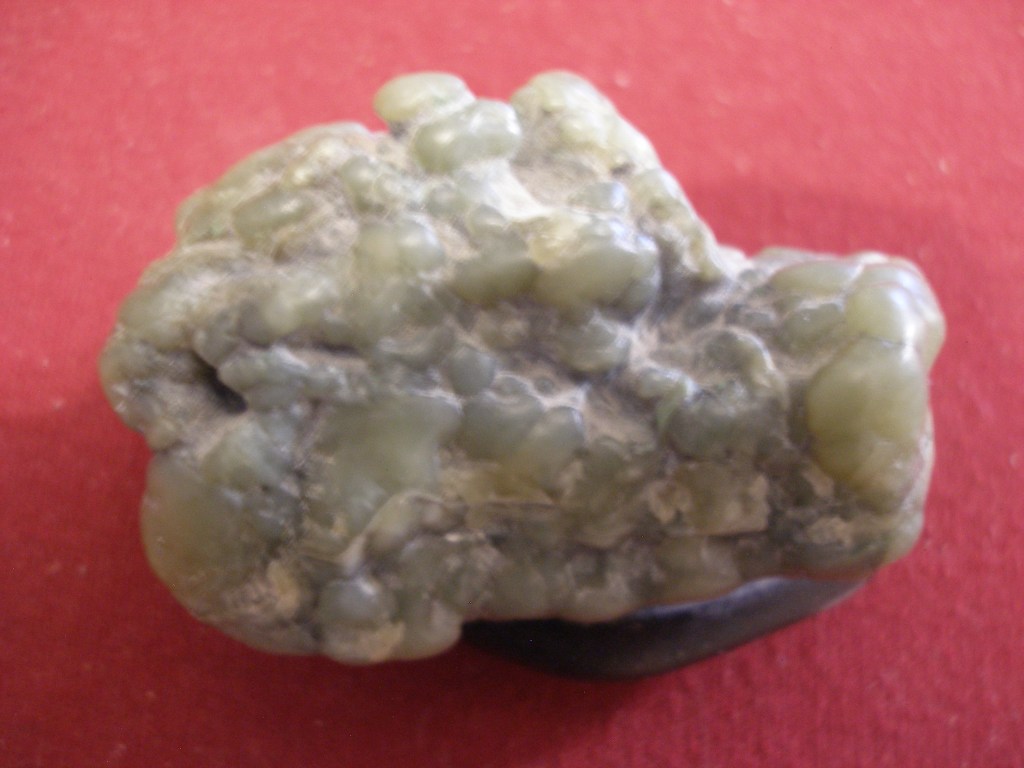
After many years of collecting evocative stones, somehow I managed to acquire an oriental princess, 3 hut stones, a pontificating wizard holding his book of spells, and no less than 4 dragons. The ones on stands are viewing stones. In two cases, I noticed “mythical” images in polished jasper slabs.
A small Blue Mountain jasper slab has a whole scene – a hut beneath some trees on the lower right and an oval (dragon egg?) by what appears to be a body of water.
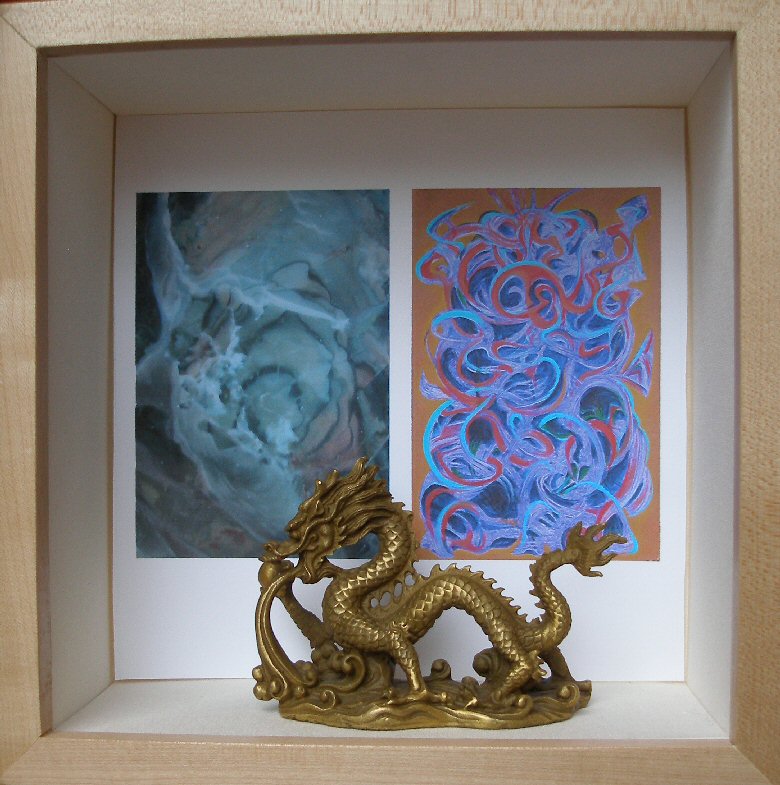
Thom Lane created a painting inspired by the dragon energy he found in a Morrisonite slab. A closeup of the dragon image in the slab and a photo of Thom’s painting were used side by side in a shadow box that I created for an article I wrote on using shadow boxes to tell stories about stones.
The Arlington, MA Council on Aging (COA) offers many opportunities for social connection. During my internship there while working on a Masters in Mindfulness Studies at Lesley University, I realized many elders are naturals at mindful connection. With time more precious, perfection and things matter less. What does matter is time spent together. They understand that deep listening and honesty both support the kind of heartfelt aware connection that amplifies wellbeing.
As I learned, many of the 200(!) or so Arlington COA volunteers are elders themselves. When I asked what they were most grateful for, several of them told me it was the opportunity to support others. That kind of wise appreciation is both rare and badly needed. It should not take a natural disaster or realizing there are few years left for us to understand we have the tools to honor each other’s dignity in ways that are mutually supporting.
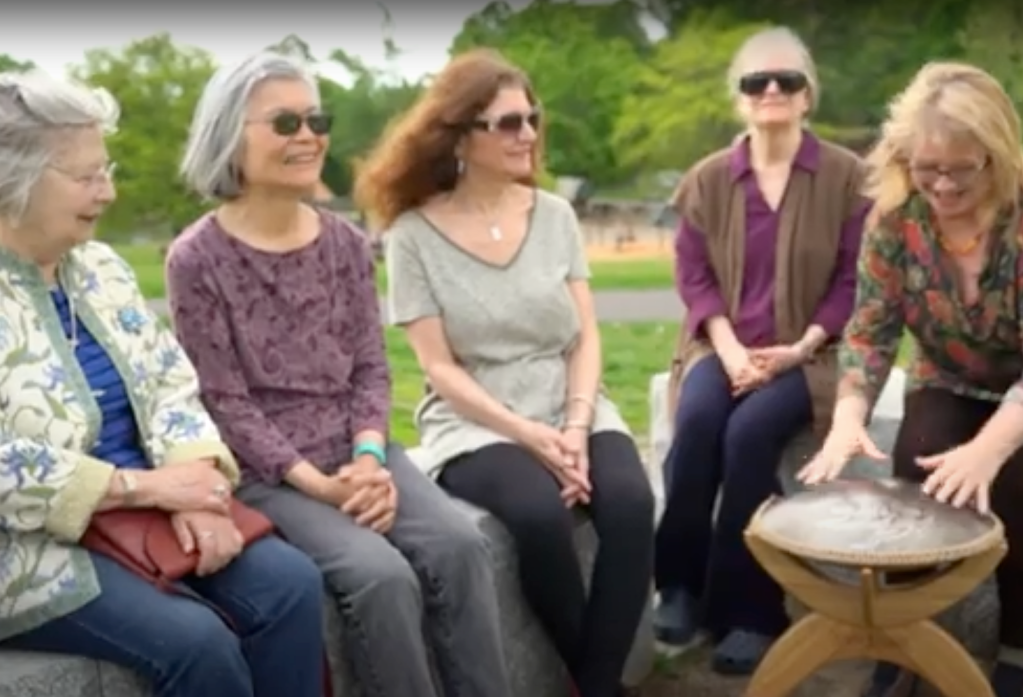
My experience offering mindful tea and dialogue workshops to elders confirmed my sense that they might be well positioned to create and promote opportunities for the caring connection that is so badly needed in these increasingly lonely times.
During these tea and dialogue sessions, I observed: (1) caring support, (2) appreciation that deep listening powerfully benefits both the speaker and the listener, (3) growing trust and openness, (4) delight in sharing natural objects and stories (5) playful and joyous creativity, and not least (5) satisfaction from being able to support each other in ways that truly matter.
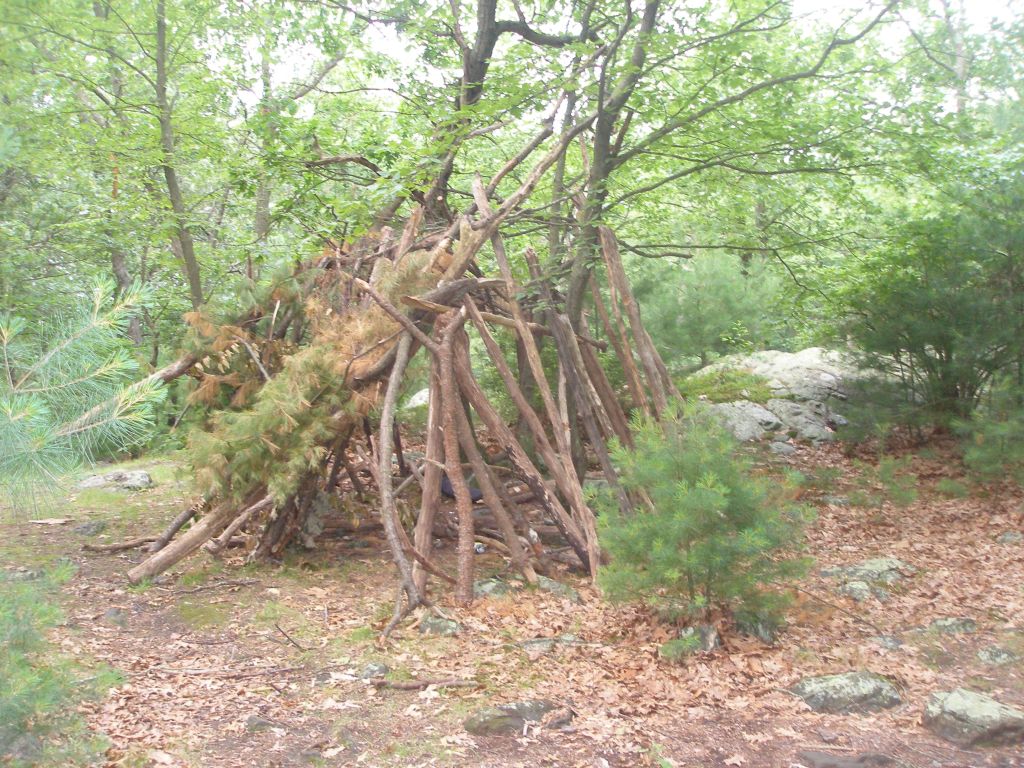
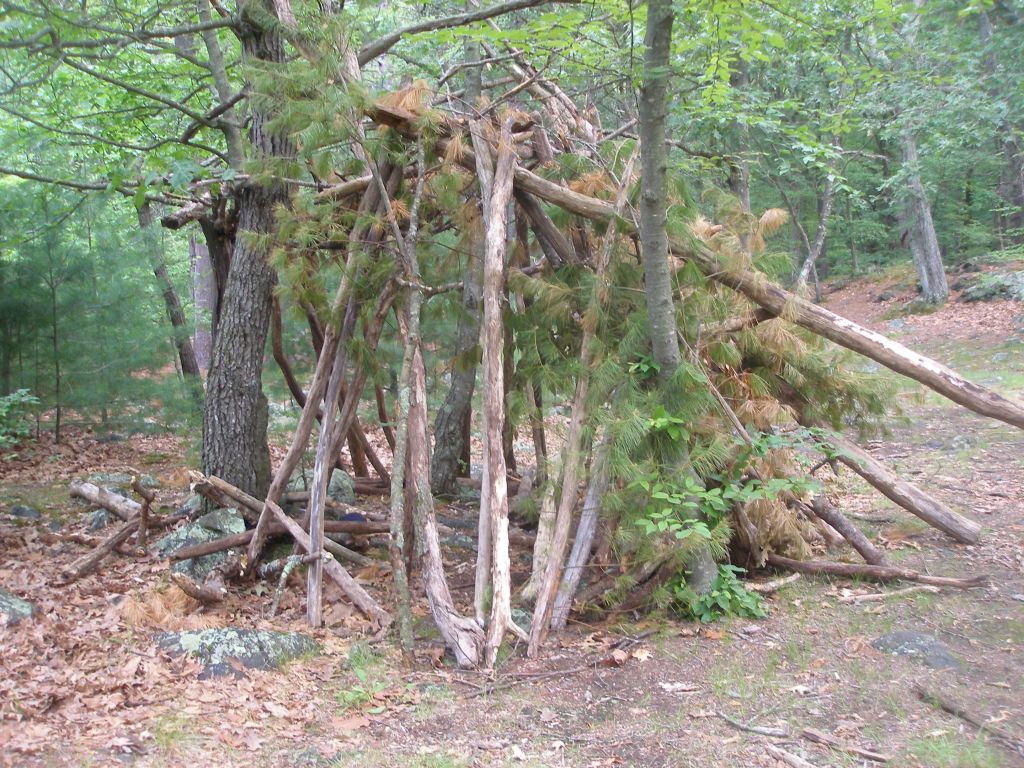
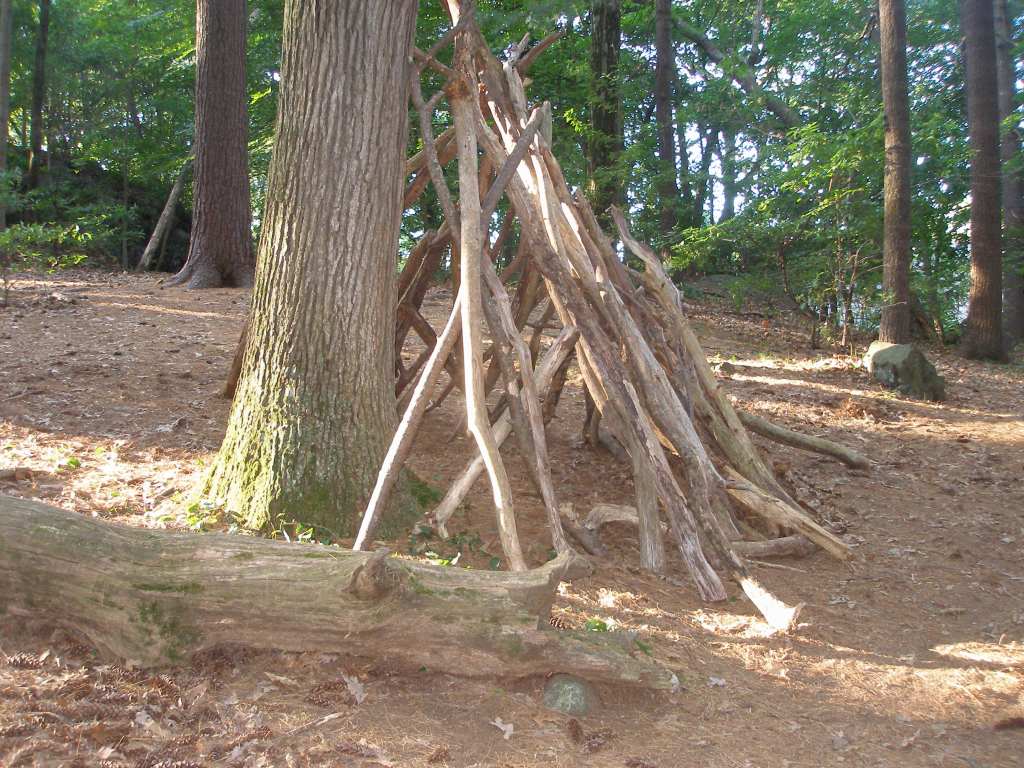
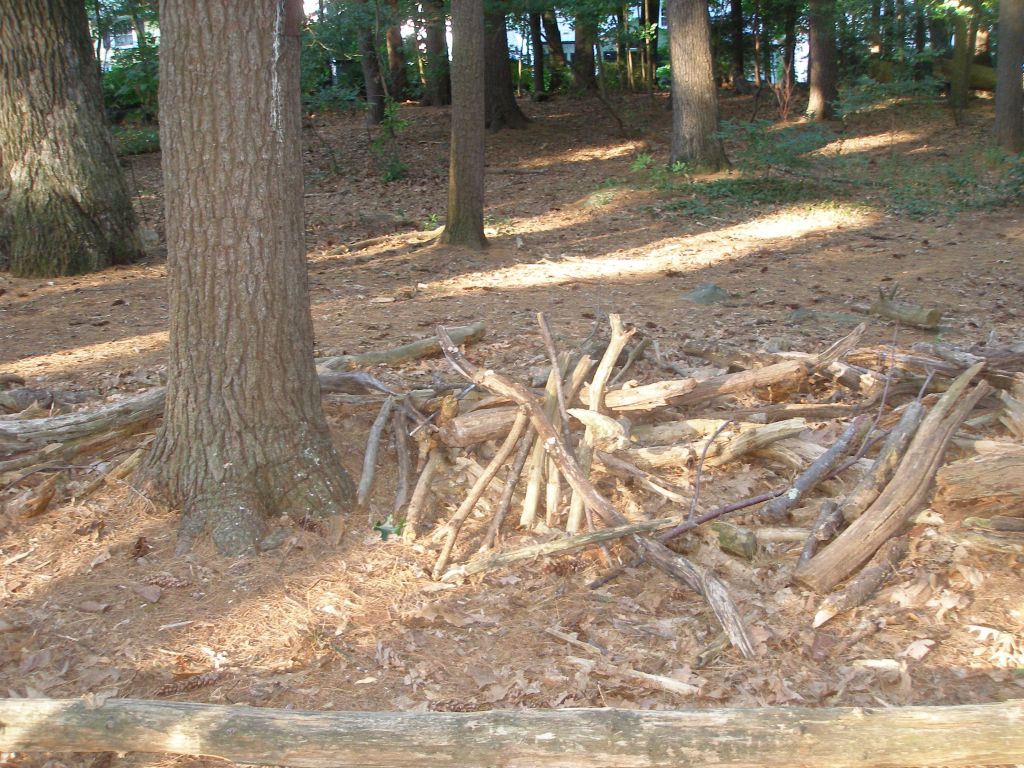
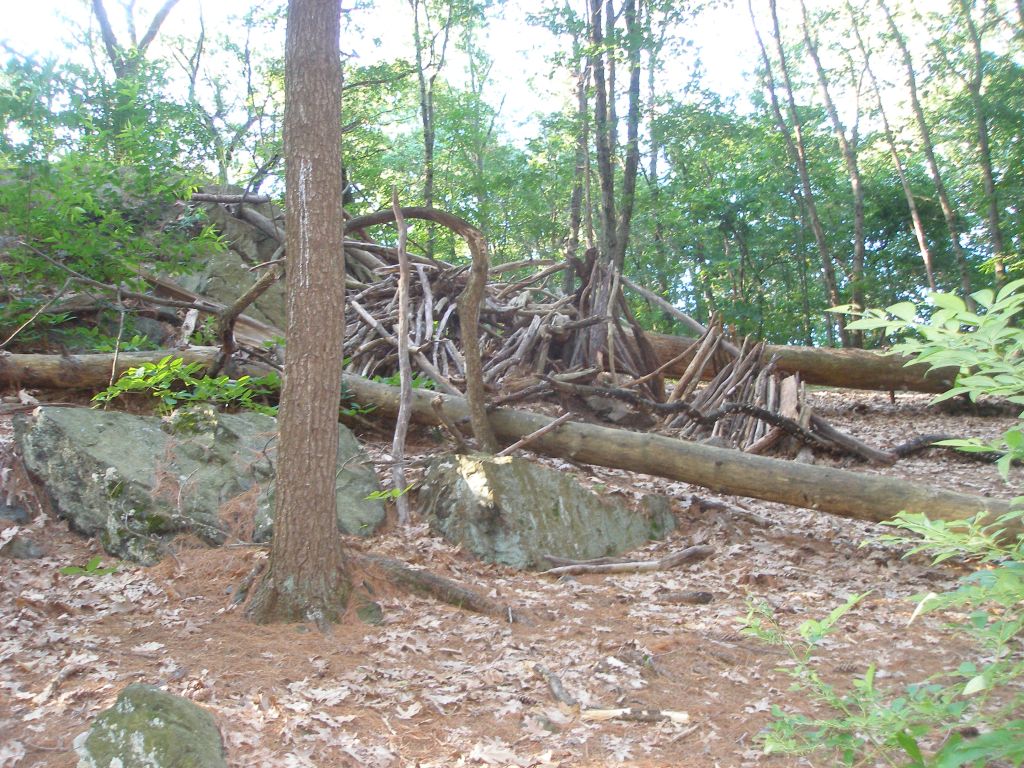
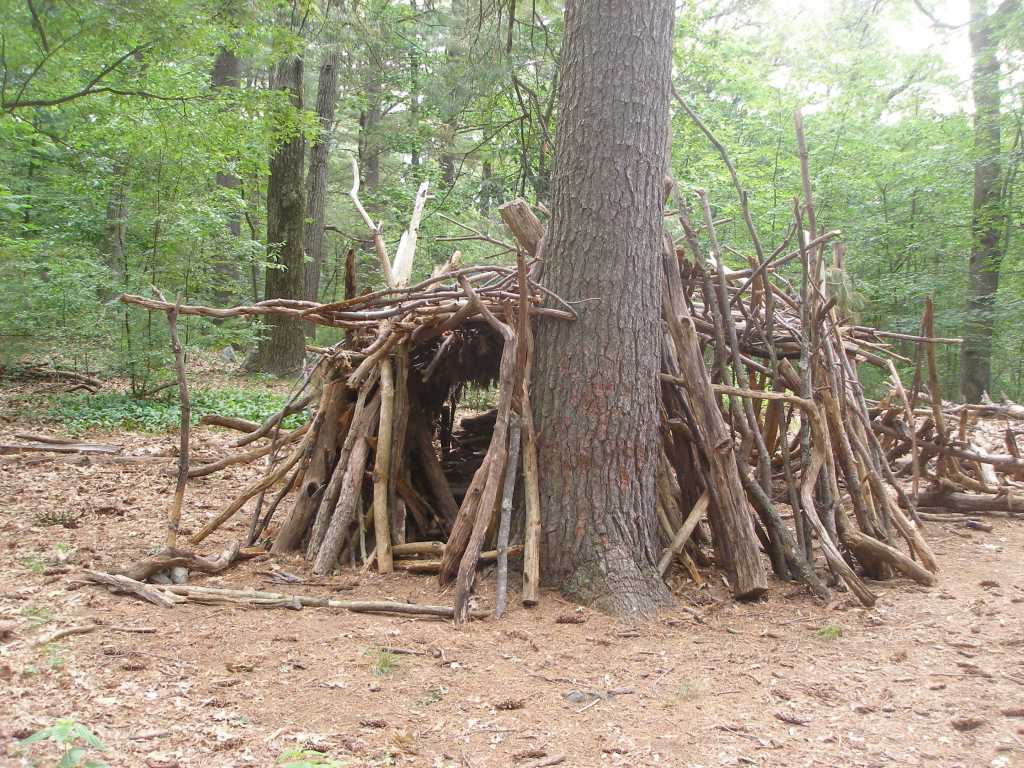
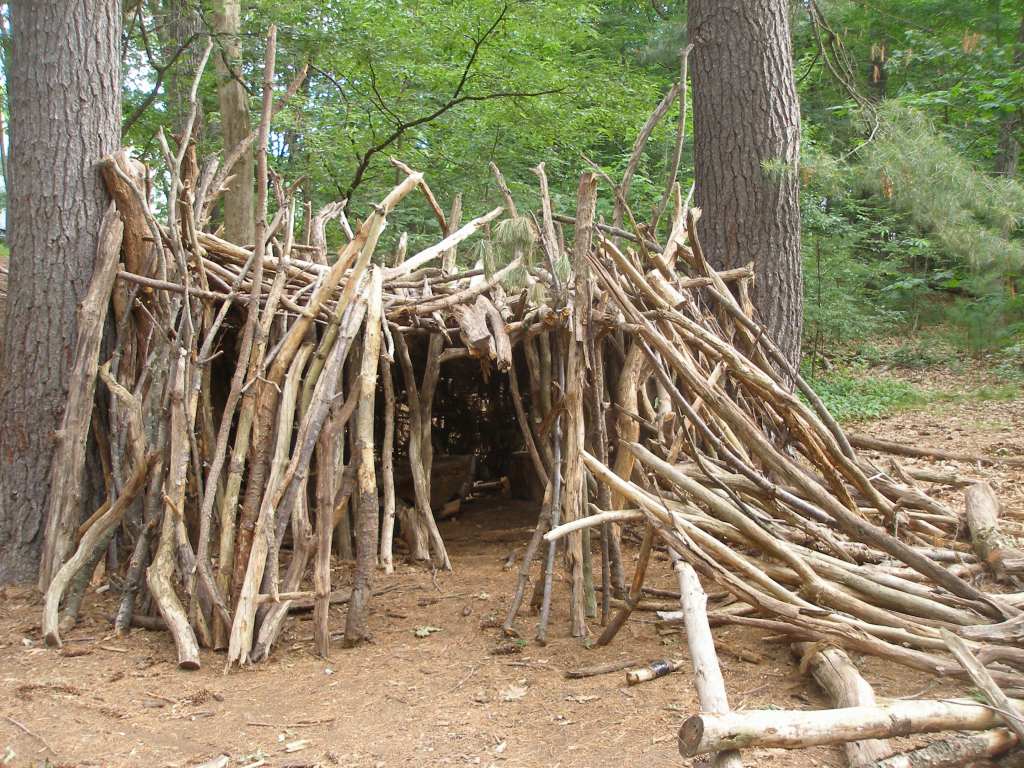
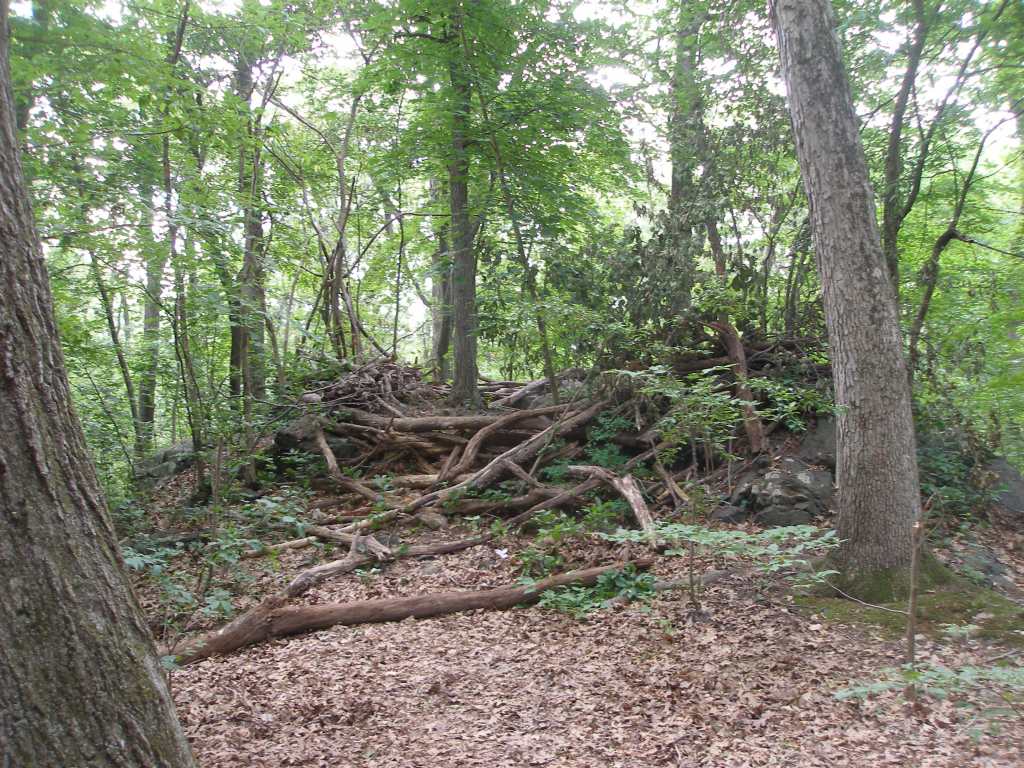
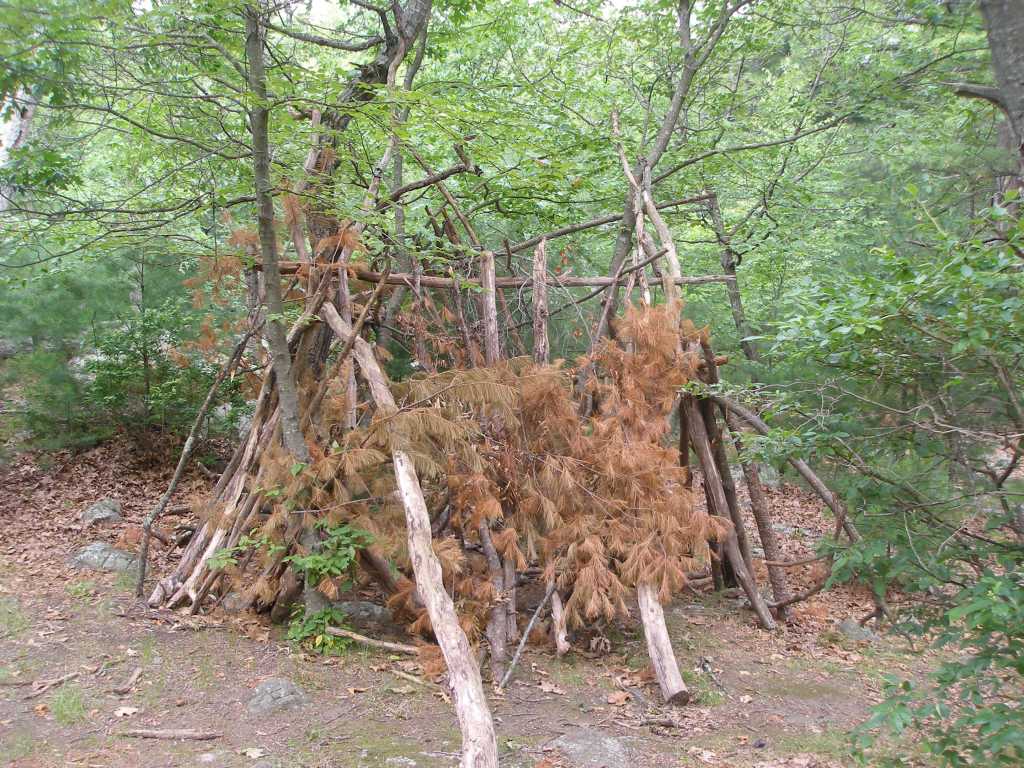
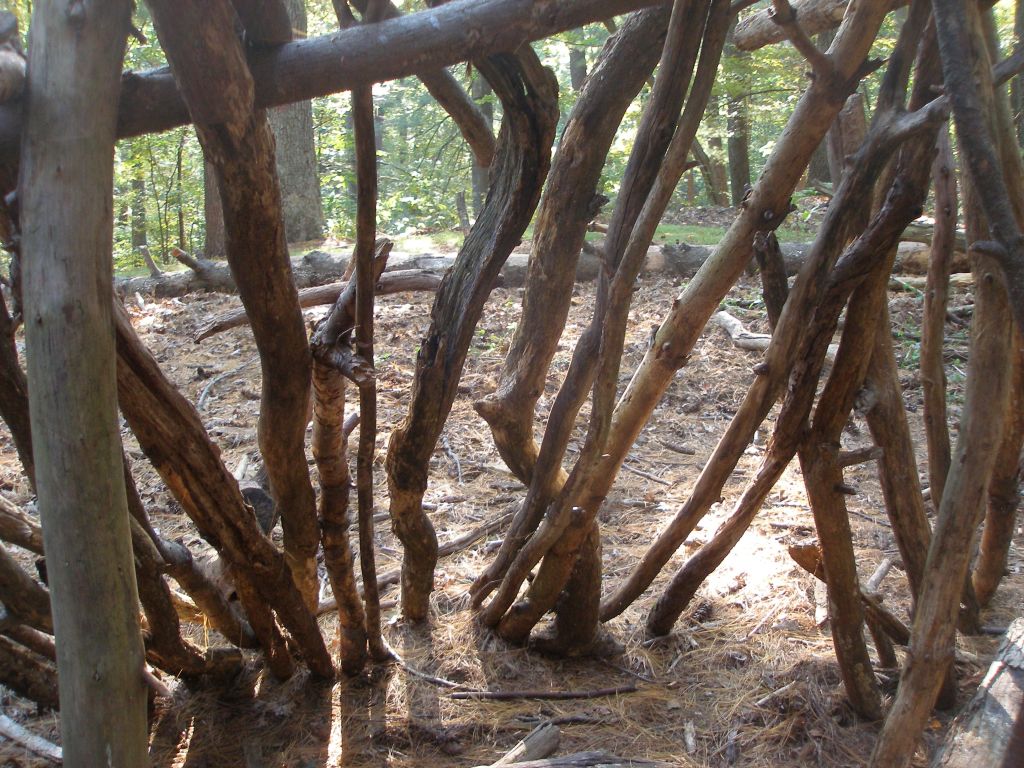
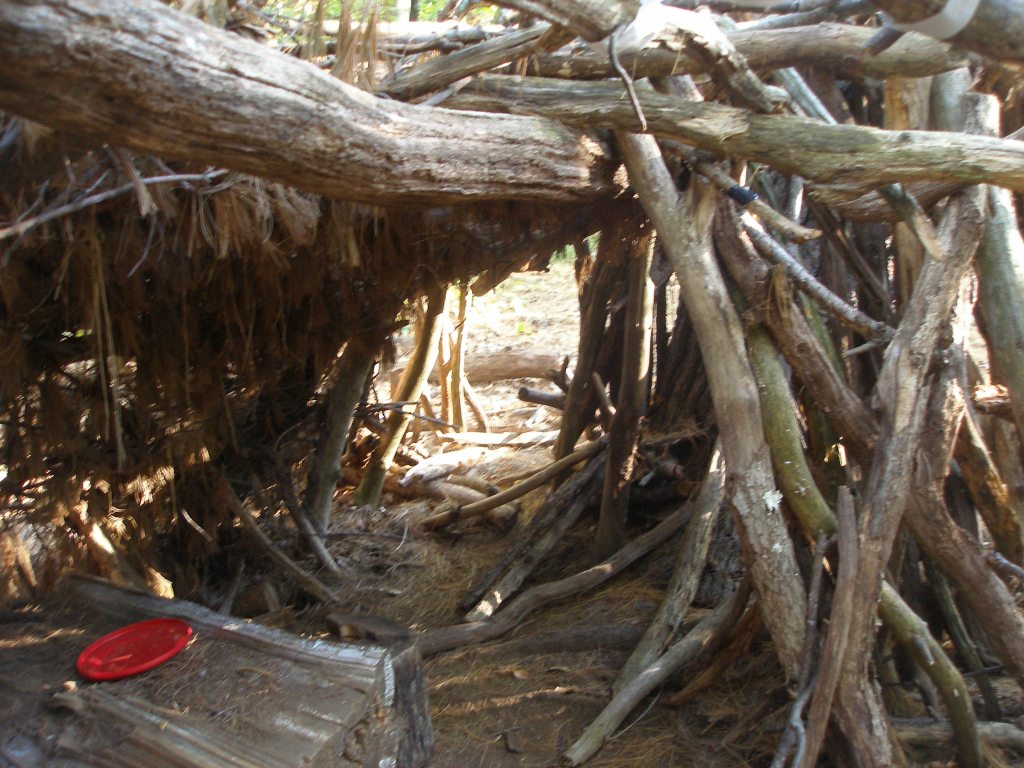
It is not uncommon to come across lean-tos, hideaways, and other constructions made with fallen twigs and branches in Menotomy Rocks Park near my home. Some are quite large and some are tiny “fairy houses.”
Our species tends to play with whatever natural materials are available. I understand that in the remote mountains of Nepal, children play with rocks. We learn that way. It seems to me we must have been creating structures like those below for a very long time.
Does that make these improvised constructions a legitimate part of nature – an appropriate part of the natural landscape?
I know some want them removed, but I have mixed feelings about these intriguing sculptures. They seem to have stories to tell and strike me as so much better suited to their natural environment than those mass produced molded plastic playhouses. What do you think?
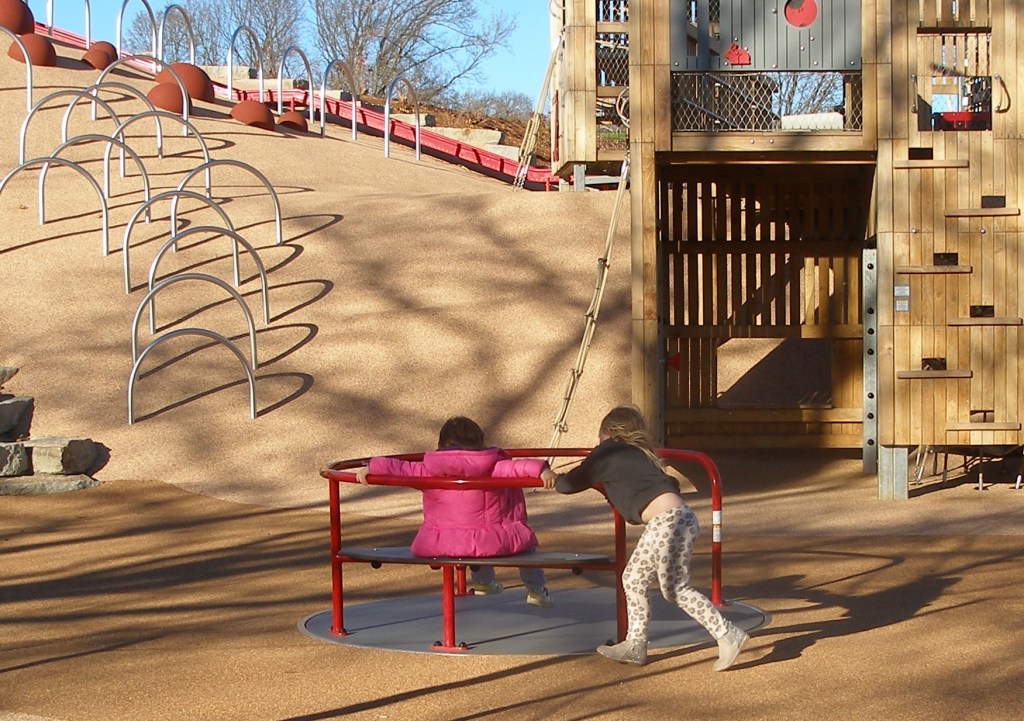
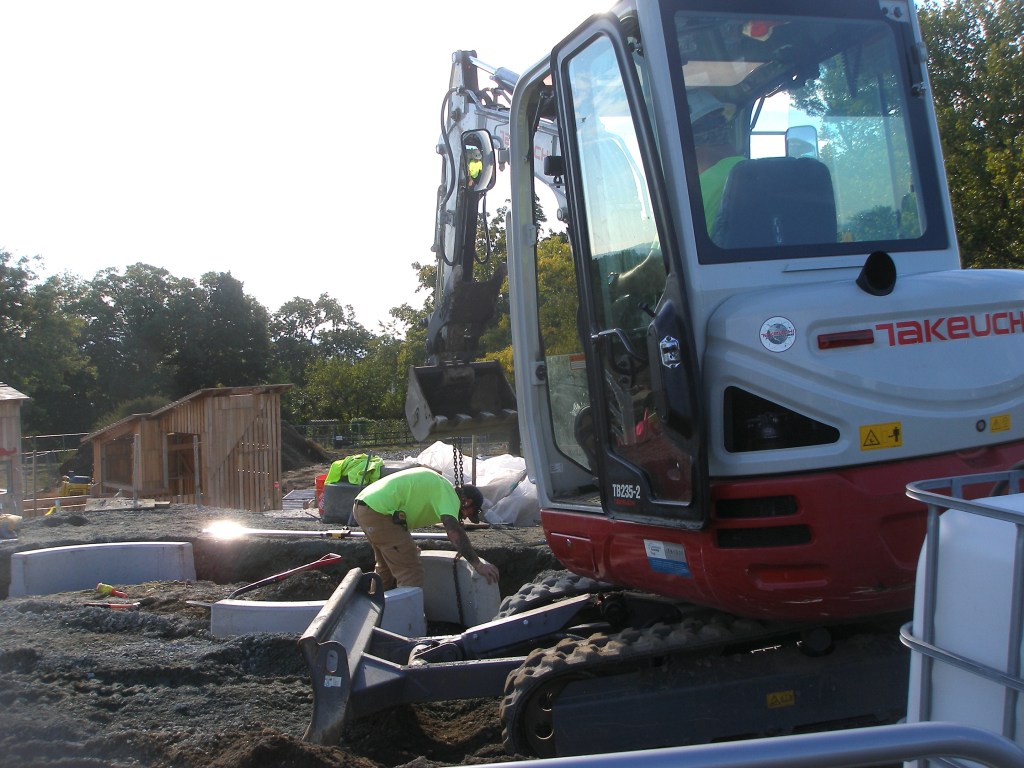
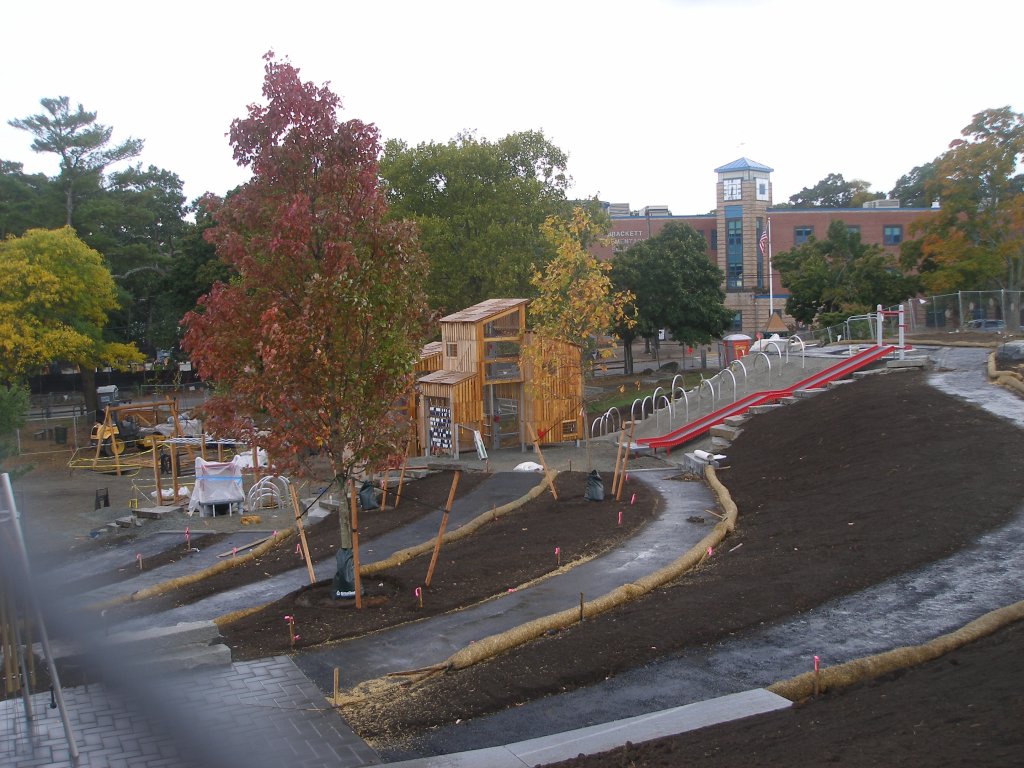
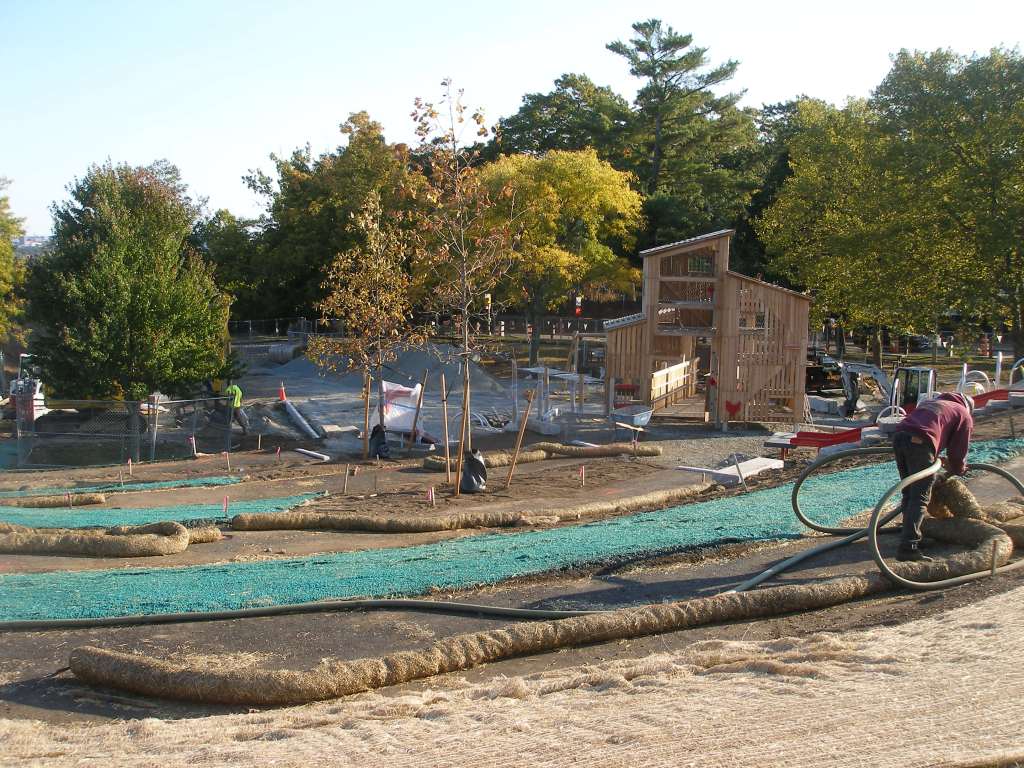
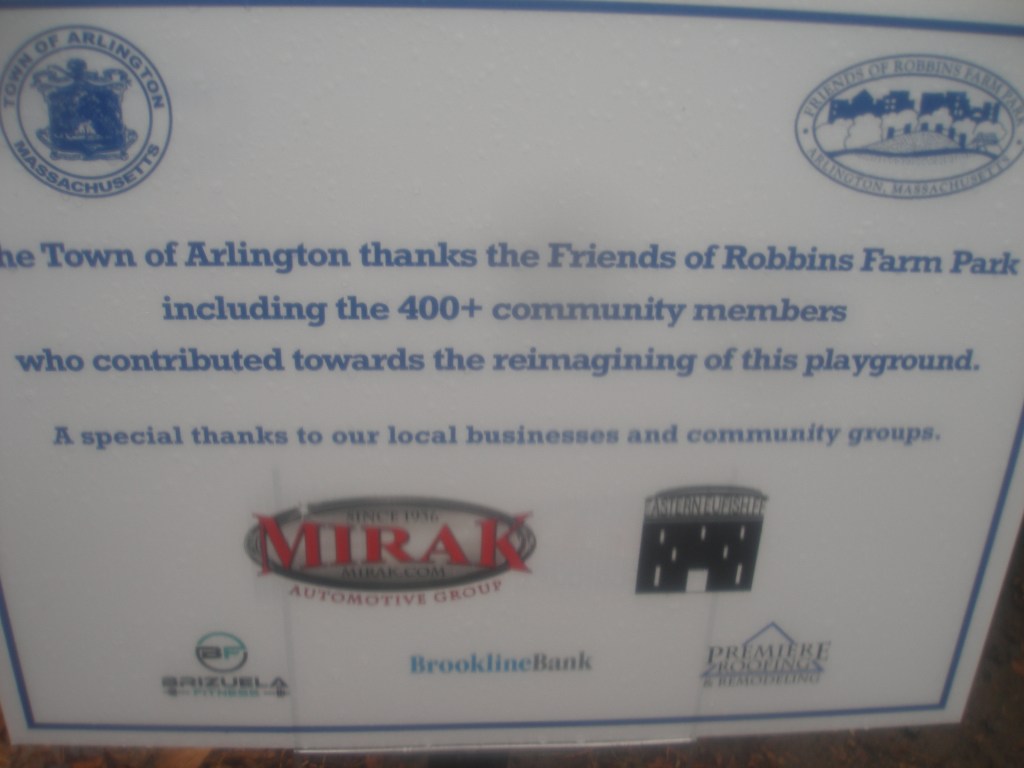
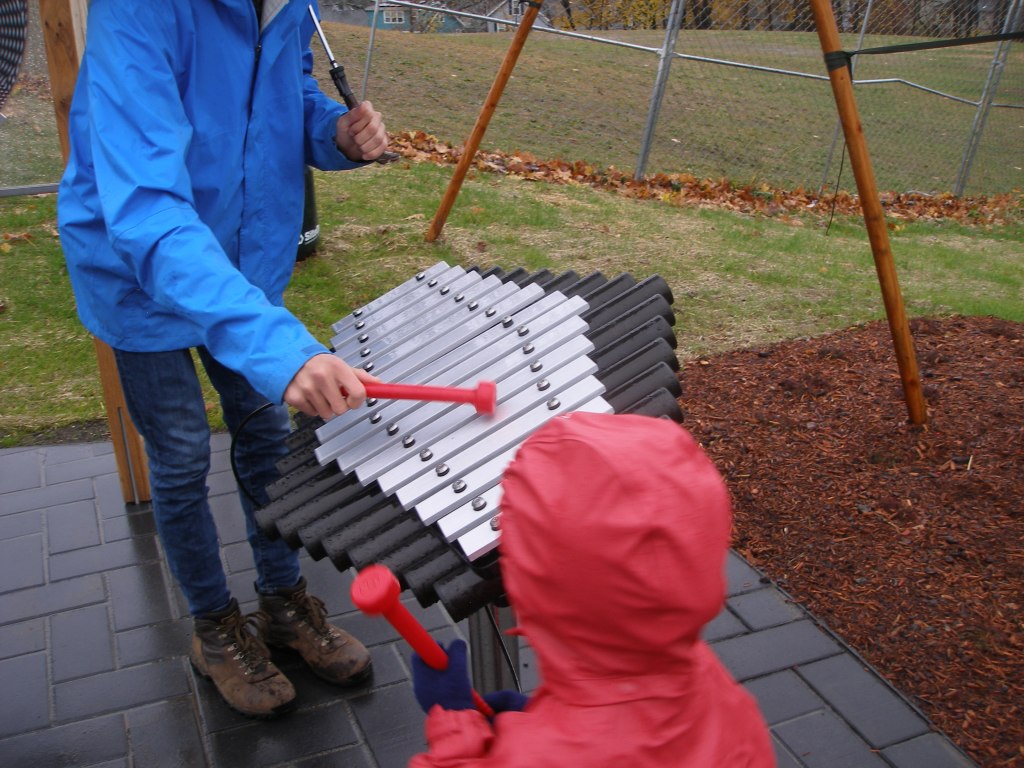
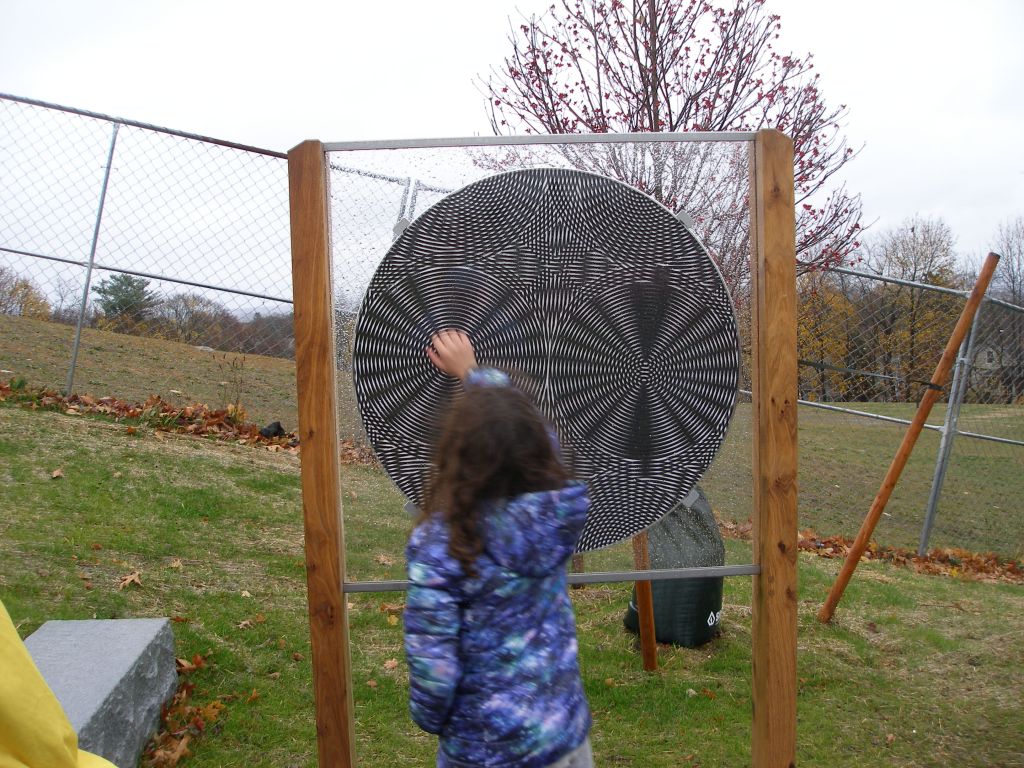
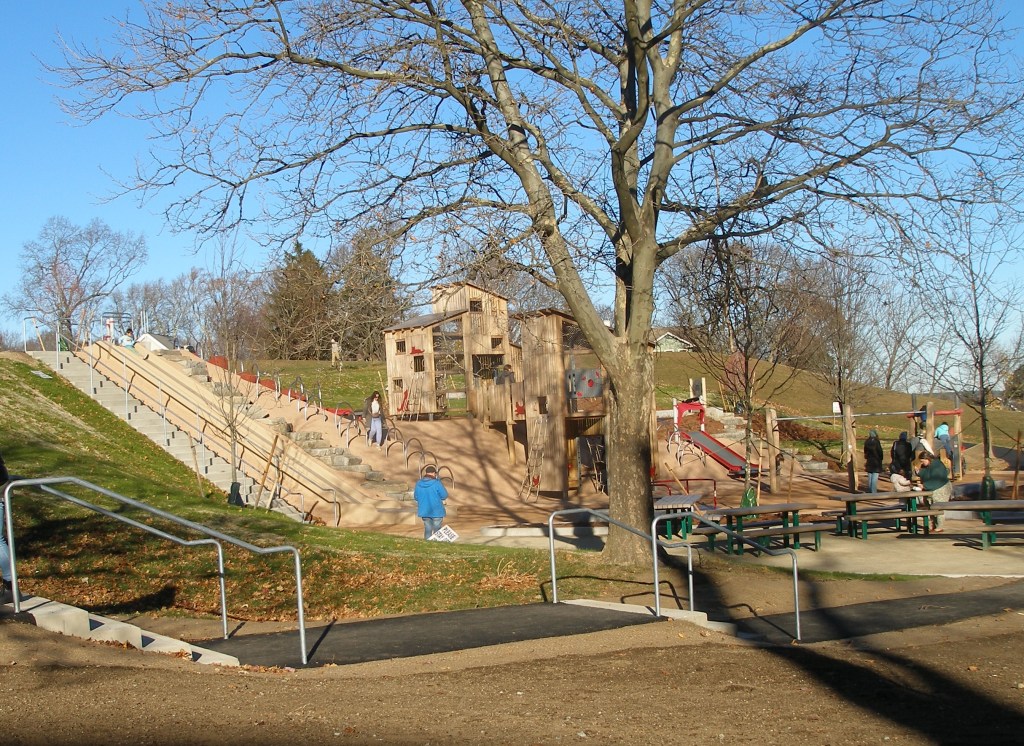
Playgrounds, even lovely ones, can become unsafe with age. When that happened in Arlington, Massachusetts, funding was secured, and a design team met to plan a new playground at Robbins Farm Park that would work even for kids who might not be able to use ordinary playgrounds. In the end, many residents of Arlington contributed. That along with funding from the state, and a number of organizations made it possible for several musical instruments and other fun features to be included.
At the ribbon cutting ceremony, a mother explained that her child had a rare neurological disorder. He could play and communicate in nonverbal ways and clearly has a sense of humor, but there was only one “accessible” playground nearby that would work for him. One day, the mother heard her older boy explaining to the other kids that his younger brother could not walk or talk, but he could play.
When she checked a bit later, she saw the two of them happily playing with the other kids. This was good for her two boys, but it was also good for the other kids, helping them to see that disabilities need not be barriers to play, and hopefully, other forms of interaction as they got older.
In her role as consultant to the project, this mother made use of her intimate understanding of what works for her son to help make the playground truly accessible.
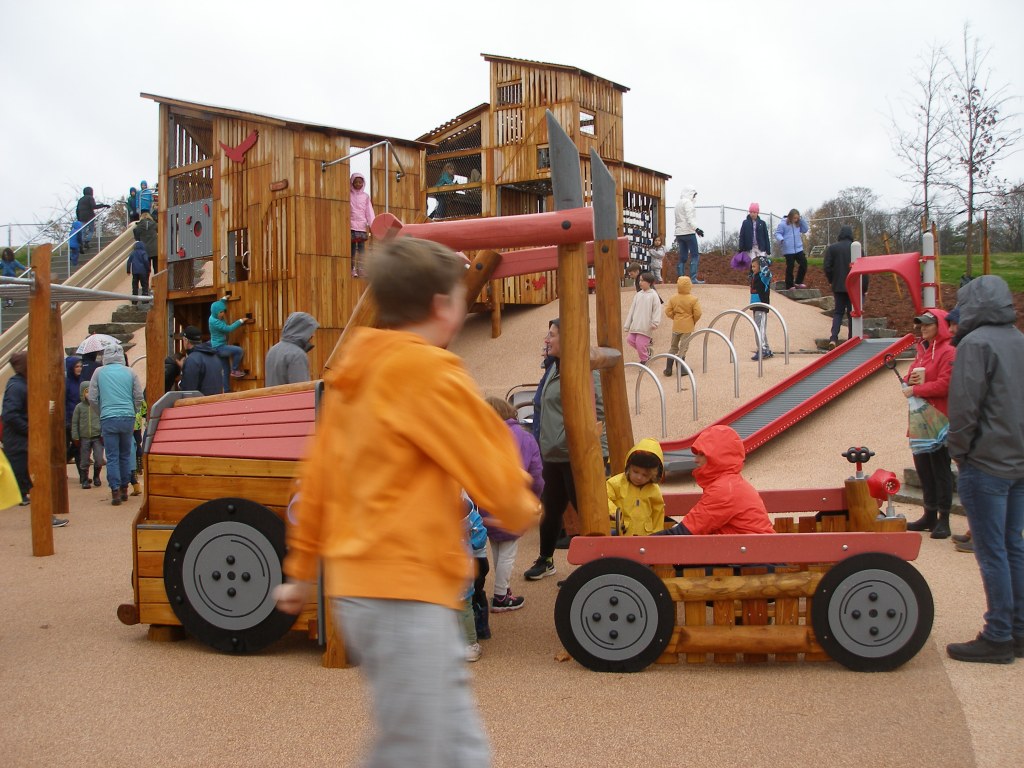
If you are in the area, please come and check our this new Robbins Farm playground on Eastern Avenue, opposite the Brattle elementary school in Arlington Heights, Massachusetts, USA with its multiple tactile and sensory delights.
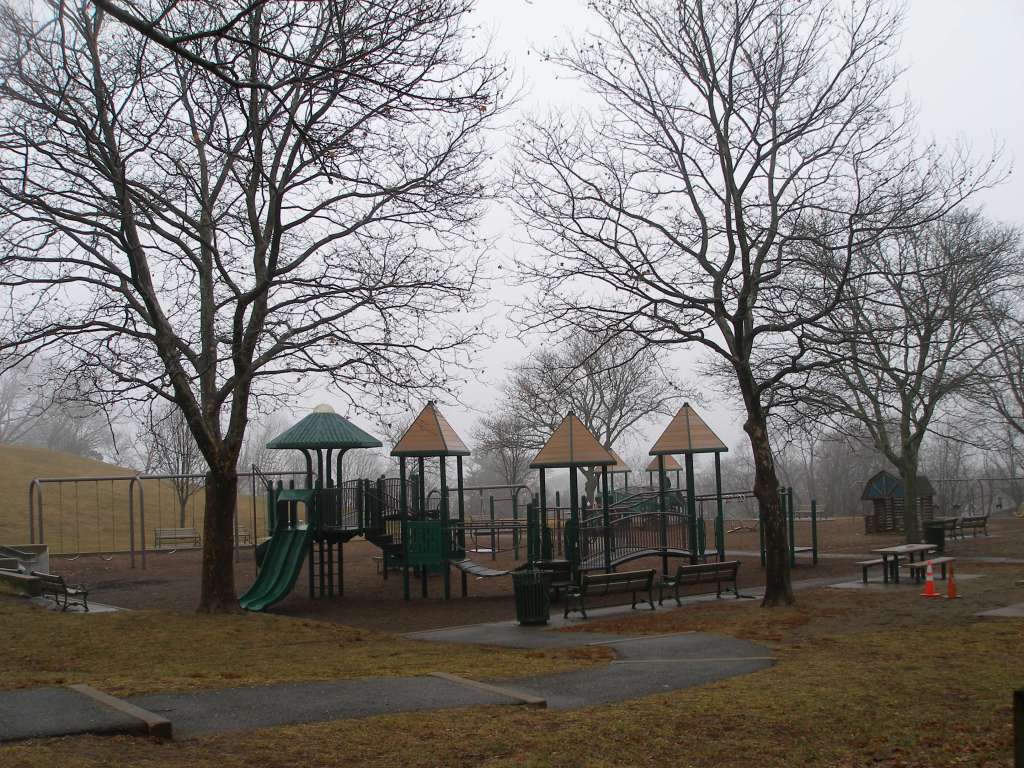
Although lovely to view in the various seasons, the old playground had the swings taken out as they had become unsafe.
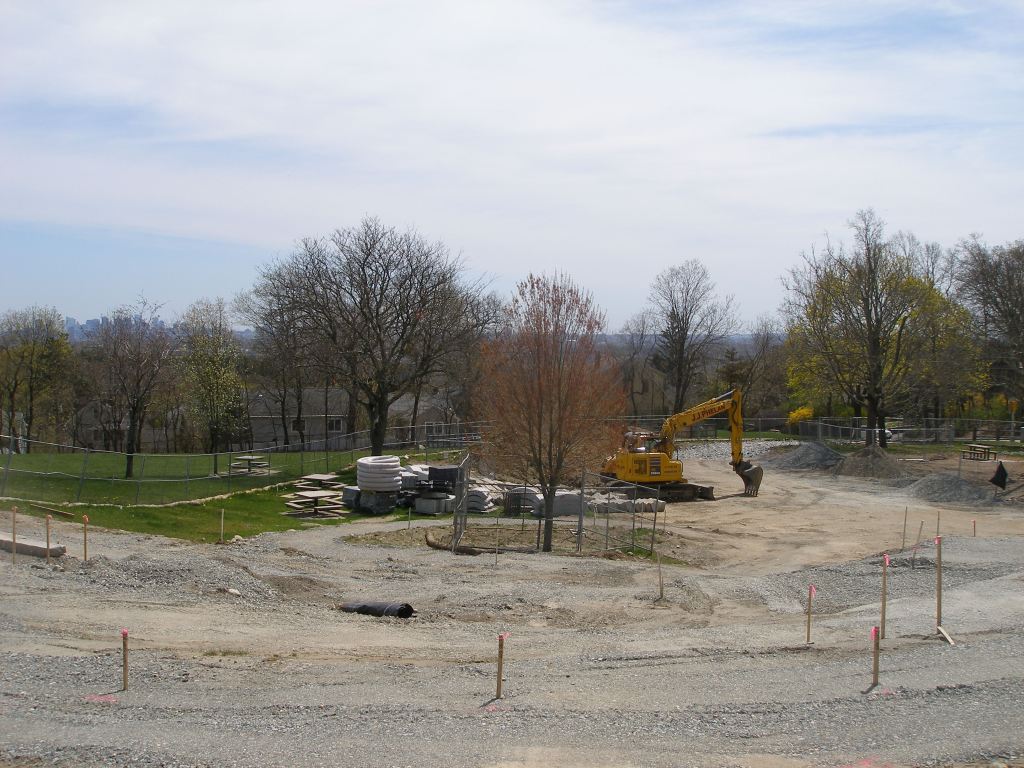
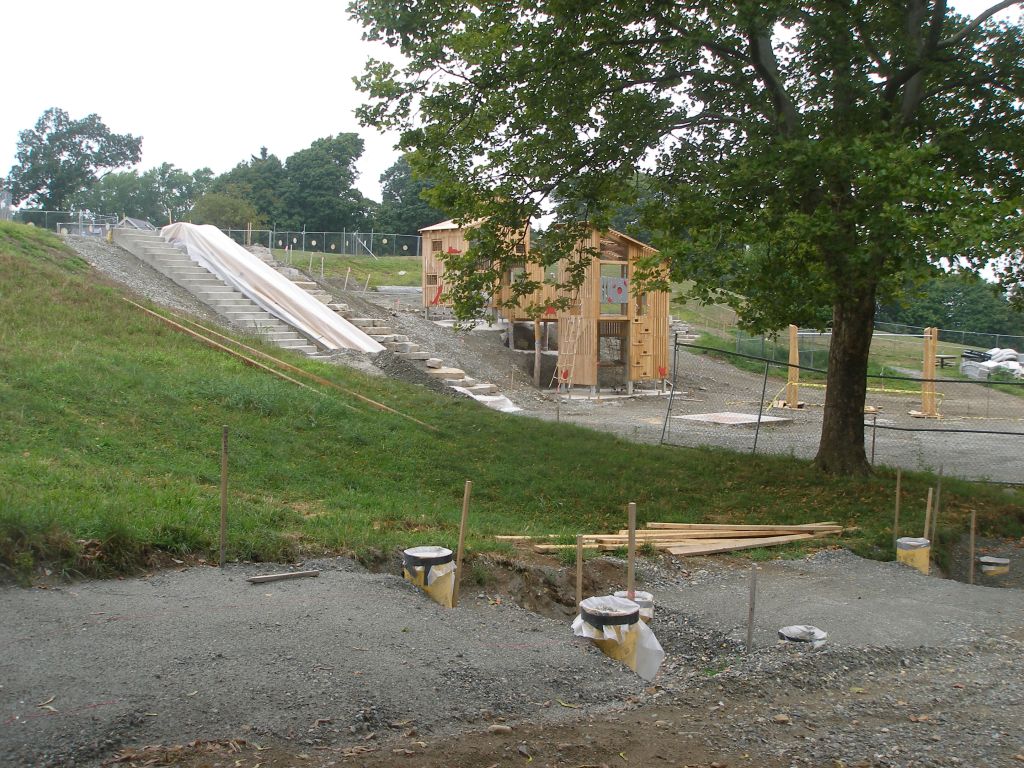
The start of the new playground project involved reshaping the slope where a long slide had been. I was glad they would replace that slide as it was well loved by the kids who used it.
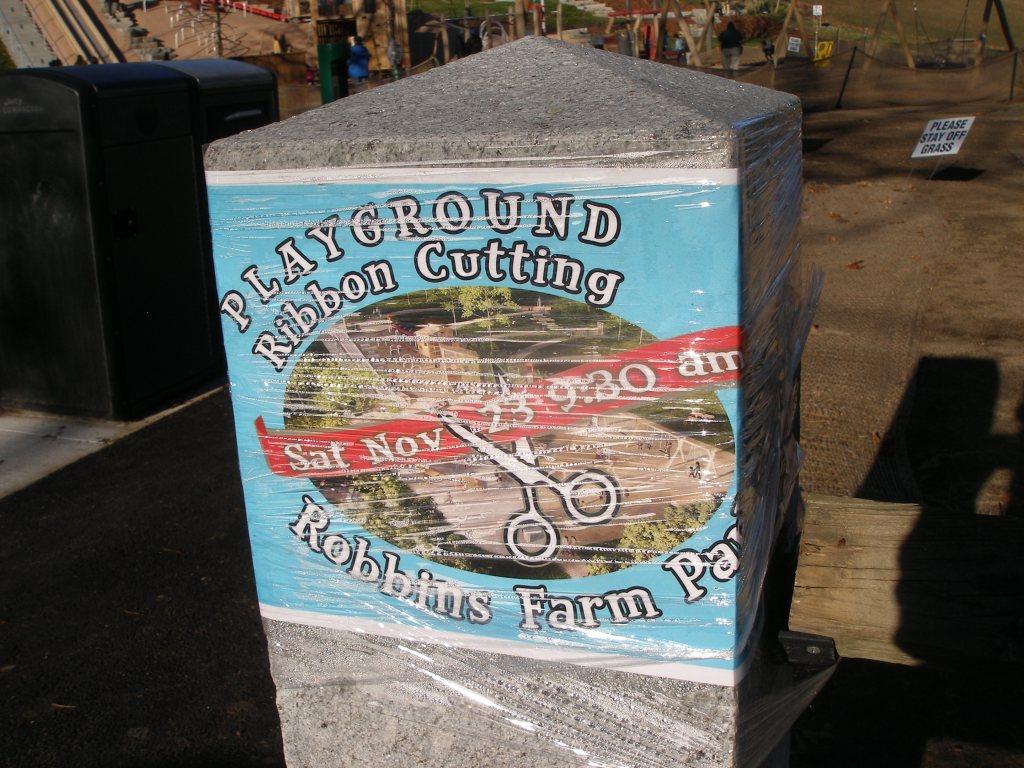
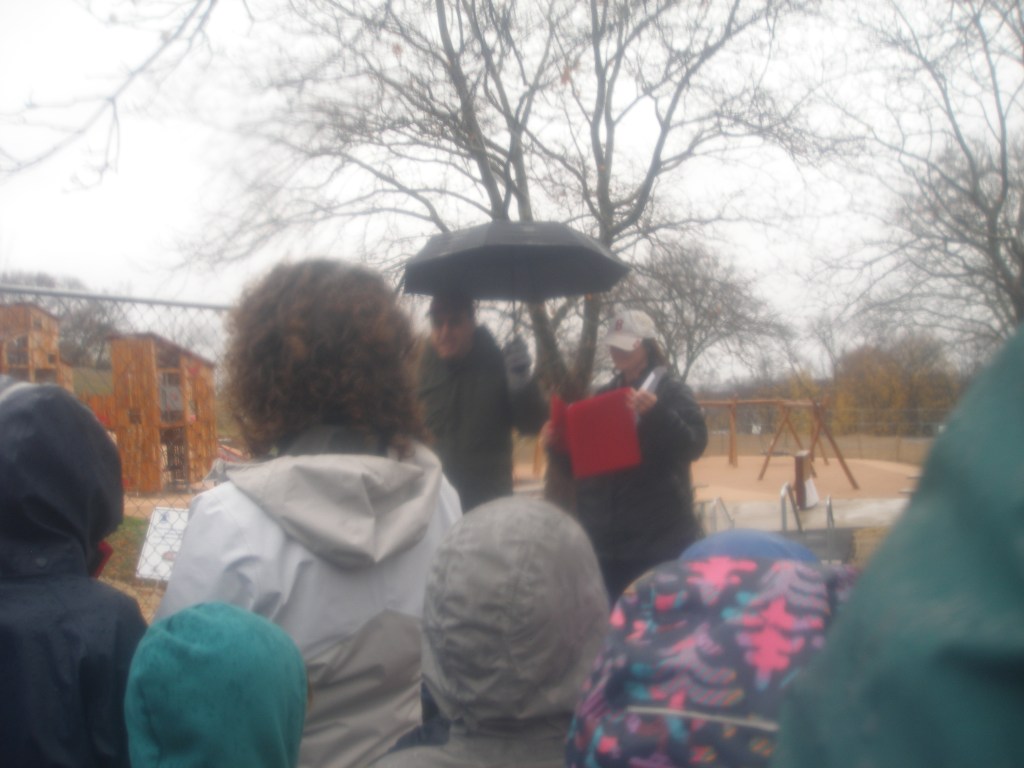
The Ribbon Cutting Ceremony brought out quite a large crowd even though it was raining. The kids chanted “Cut the ribbon. Cut the ribbon,” and there was considerable noise and glee as they scrambled in to explore their new playground.
And a few days later, there were fewer people. It will be interesting to see how it settles in, how the kids use the playground’s various features, and how the new plantings look in the spring.







 Radiant Refuge