When I first met Giselle, she suggested I come by for a free Japanese tea ceremony lesson to see if I liked it. I took her up on that offer. After many years of lessons at her house, I added a tea hut (below) to my yard. We kept in touch after she moved to France.
In addition to teaching the traditional Japanese art of tea ceremony, Giselle makes beautiful tea bowls and is a published poet. I was honored when she suggested we work together on a sequence sharing haiku impressions on the subject of MADO (‘window’ in Japanese), as winter turned to spring this Tiger year. MADO is the poetic word given by Japan’s Emperor for 2022.
M A D O Kathleen Fink, Arlington, Massachusetts, US & Giselle Maya, St. Martin de Castillon, France
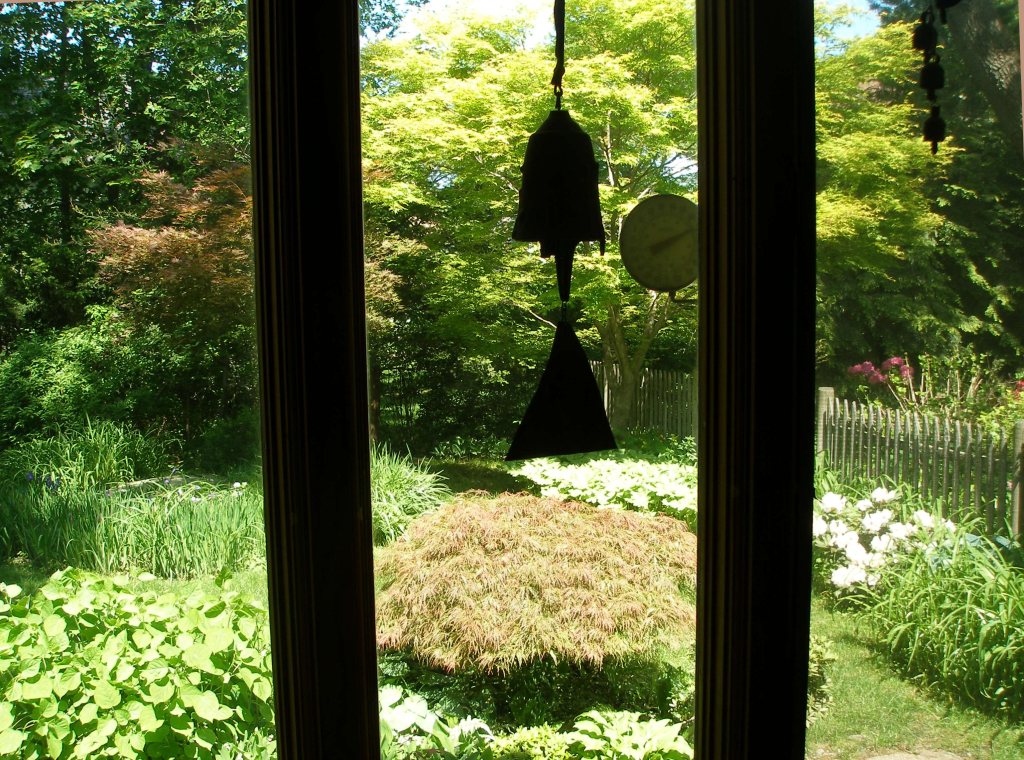
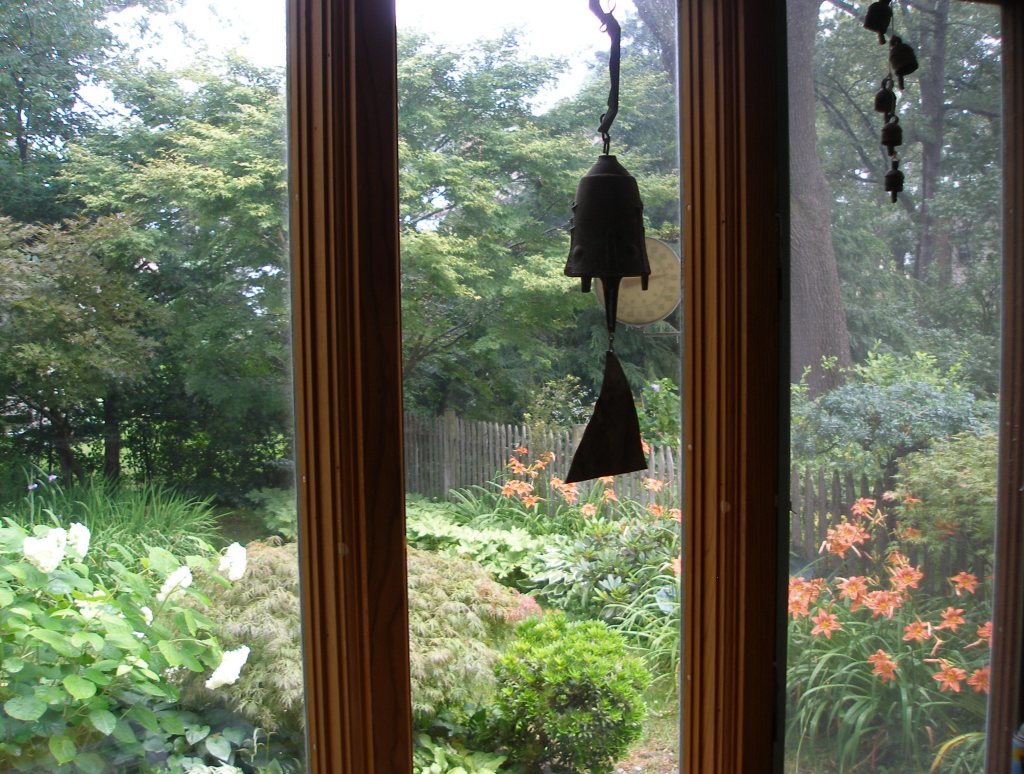
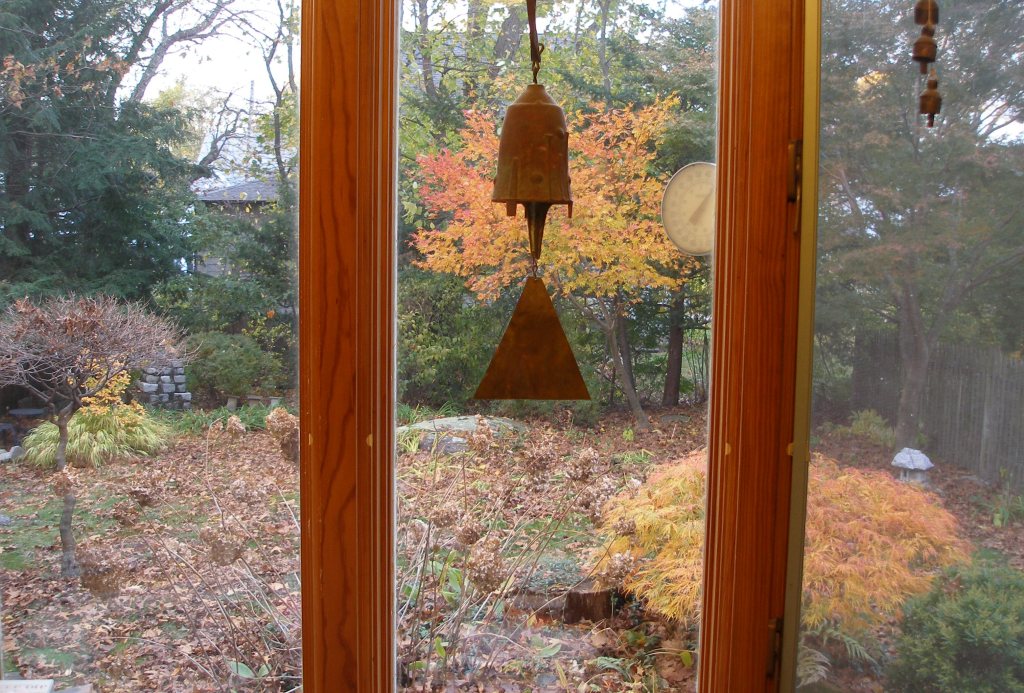
gazing out the window all is stillness in the garden what does my cat see
way up there a flock of birds migrate across my open window
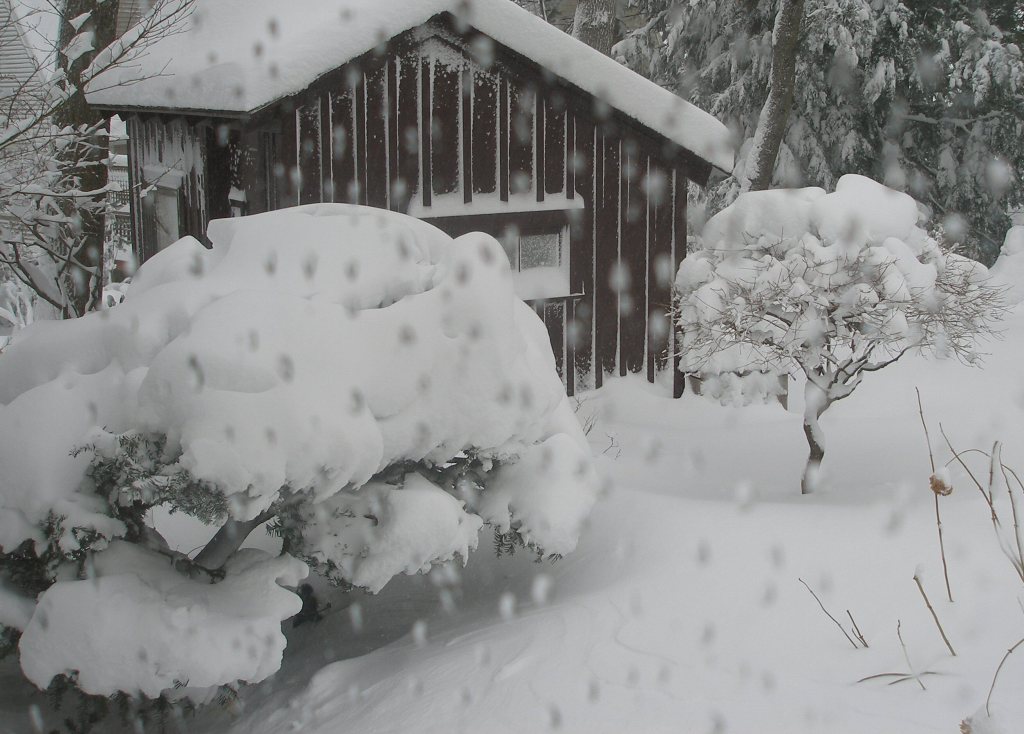
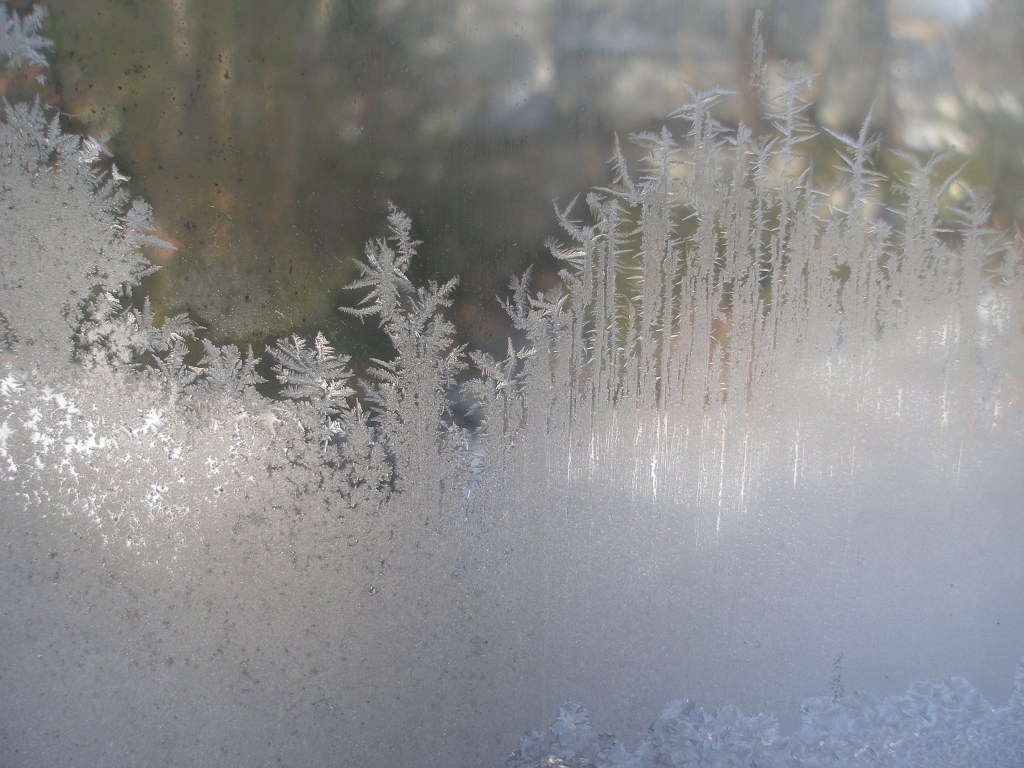
no one looking in snow on the tea hut window no one looking out
fox on his way to a morning tea gathering Sen Sotan invited*
reading by the window pattering snow whispers all morning long
sun-warmed nap Shiki-cat watching goldfinches mountain’s spring melt
brand new leaves capturing raindrops one by one
beginning of May swallows have returned time to choose a summer tea bowl
walking this dewy path a window flashes gold as dusk descends
perched in the olive tree Tora-cat moon gazing
* Sen Sotan is the grandson of Sen no Rikyu, the great tea master. Sen Sotan was deeply interested in the Chado tradition and many tea people welcomed him to attend their chakai – sometimes he appeared in the form of a fox.
When my Japanese tea ceremony teacher, Giselle Maya, told me that the poetic word for 2022 is “window,” I thought it might be time to revisit “Dream Window” by Peter Grilli. He had metaphorical reasons to choose that title for his poetic film about Japanese gardens. But it is also true that gardens are often viewed through actual windows – Such sight lines are an important consideration in garden design. What do you see through the windows where you live?
Whether another building, a field, undisturbed nature, an empty lot, busy sidewalk or a garden, looking through windows can bring out the poetry of this world. A limited view somehow makes the ever-changing wholeness “out there” easier to relate to.
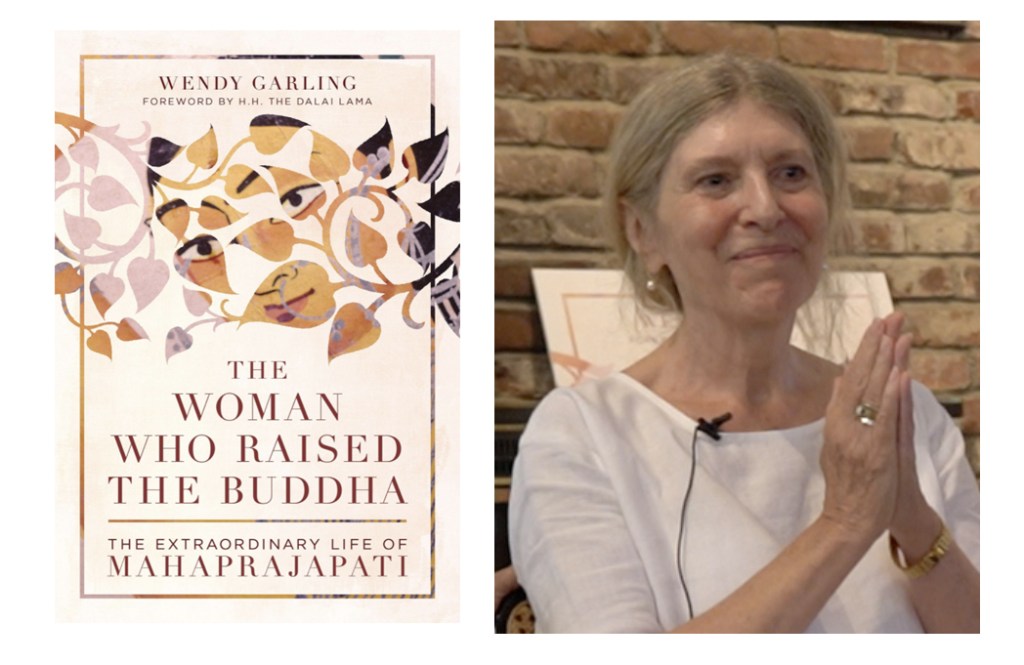
Seven days after his birth, when the Buddha’s mother knew she was dying, she entrusted her precious son to her sister, Mahaprajapati. You might think that raising the Buddha from an infant would be enough to make Mahaprajapati a figure of interest. But, in fact, very little information about her was available until Shambhala published The Woman Who Raised the Buddha; The Extraordinary Life of Mahaprajapati by Wendy Garling (photo by Jeff Klein).
In this short video from a June 27, 2021 celebration of her latest book, Wendy describes some highlights of Mahaprajapati’s influence. An audio recordingof her entire talk describes both the process and the contents of the amazing material that Wendy brings alive for us. Thanks to videographer,Jeff Klein, for both recordings.
Drawing on literature of multiple Buddhist traditions as well as recorded oral stories, Wendy introduces us to a woman who was of considerable importance in the early days of Buddhism. Even though she was the respected Buddha’s “mother,” and Queen of the Sakyas, it took Mahaprajapati’s own nurturing wisdom to overcame barriers so that the Buddha’s teachings reached both women and men (as he intended) right from the beginning.
Mahaprajapati’s effectiveness, despite the cultural values of her day, should be of particular interest to us now, at a time when we must work together to make progress in solving so many critical issues. Perhaps the publication of this book at a time when we are so in need of the transformative power of nurturing wisdom is not a coincidence.
At the party, Buddhist scholar, Charles Hallissey noted that not only does this book make a major contribution with its subject matter, but Wendy also shows us how to approach sacred literature in general. We all must necessarily start from where we are. Wendy models the process of using imagination to explore what might have been true in another culture and time where unanswered questions remain. At the same time, it is appropriate to be very clear about the assumptions one is making. By bringing imagination as well as all of one’s heart and experience to such literature, it can come alive in a meaningful way while making it possible for new insights to evolve over time.
WENDY GARLINGis a writer, mother, gardener, independent scholar, and authorized dharma teacher with a BA from Wellesley College and MA in Sanskrit language and literature from the University of California, Berkeley. She is the author of Stars at Dawn: Forgotten Stories of Women in the Buddha’s Life(2016, Shambhala Publications), and more recently, The Woman Who Raised the Buddha; The Extraordinary Life of Mahaprajapati (2021 Shambhala Publications). For many years Wendy has taught women’s spirituality focusing on Buddhist traditions, while also pursuing original research into women’s stories from ancient Sanskrit and Pali literature.
A Tibetan Buddhist practitioner, Wendy has studied with teachers of different schools and lineages, foremost her refuge lama His Holiness the 16th Karmapa (who gave her the name Karma Dhonden Lhamo), her kind root lama, the late Sera Je Geshe Acharya Thubten Loden, and His Holiness the Dalai Lama whom she first met in India in 1979. Pilgrimage has played an important role in Wendy’s life: in 2007 she journeyed to the sites of women saints in Tibet, and in 2012 and 2018 to sacred sites of the Buddha in India. Her dream is to bring back the stories of Buddhism’s first women, reawaken their voices, and ensure that they are not just remembered, but valorized as integral to the roots of Buddhism. Wendy lives in Concord, Massachusetts and can be reached at wendy.garling@yahoo.com.
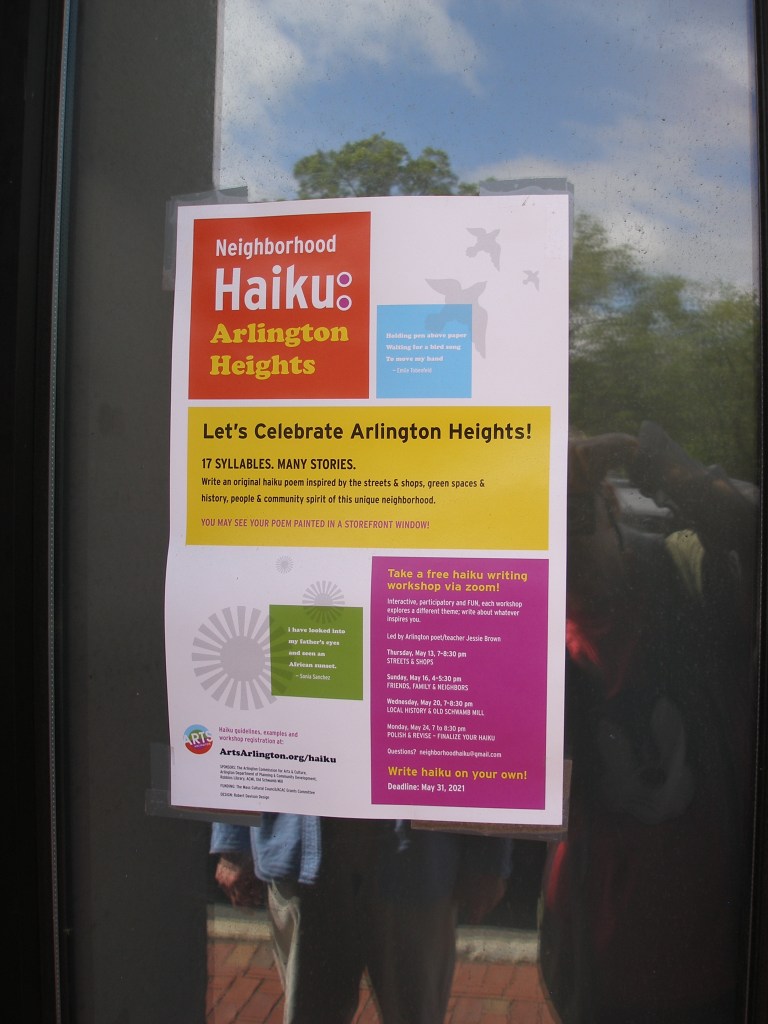
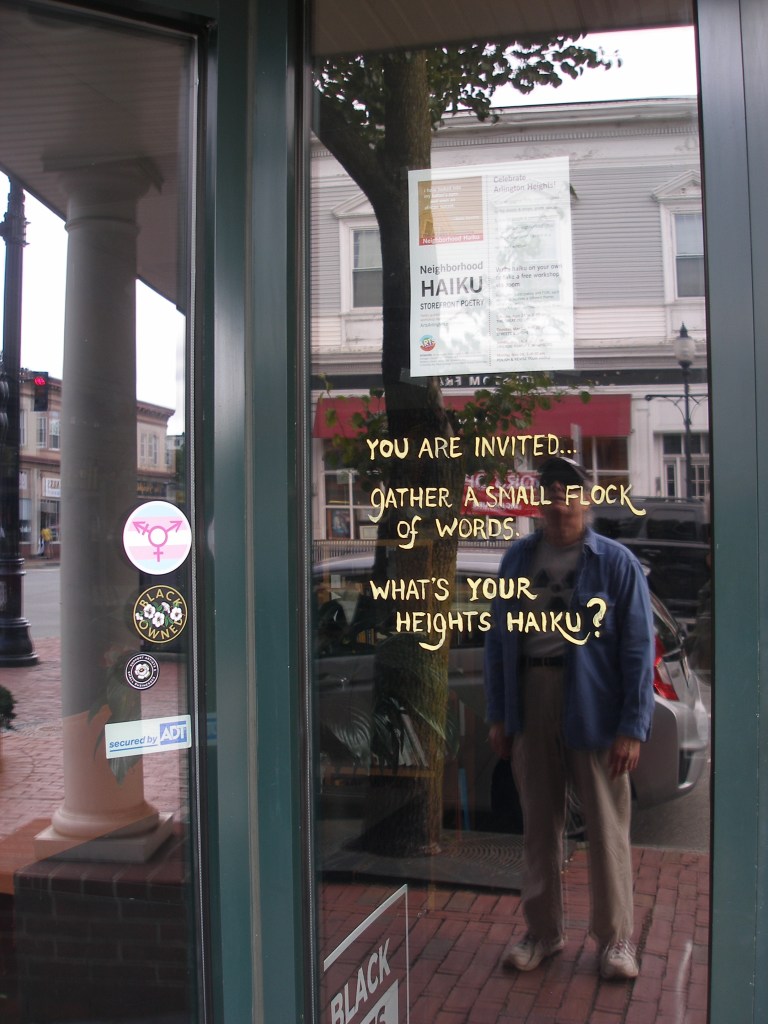
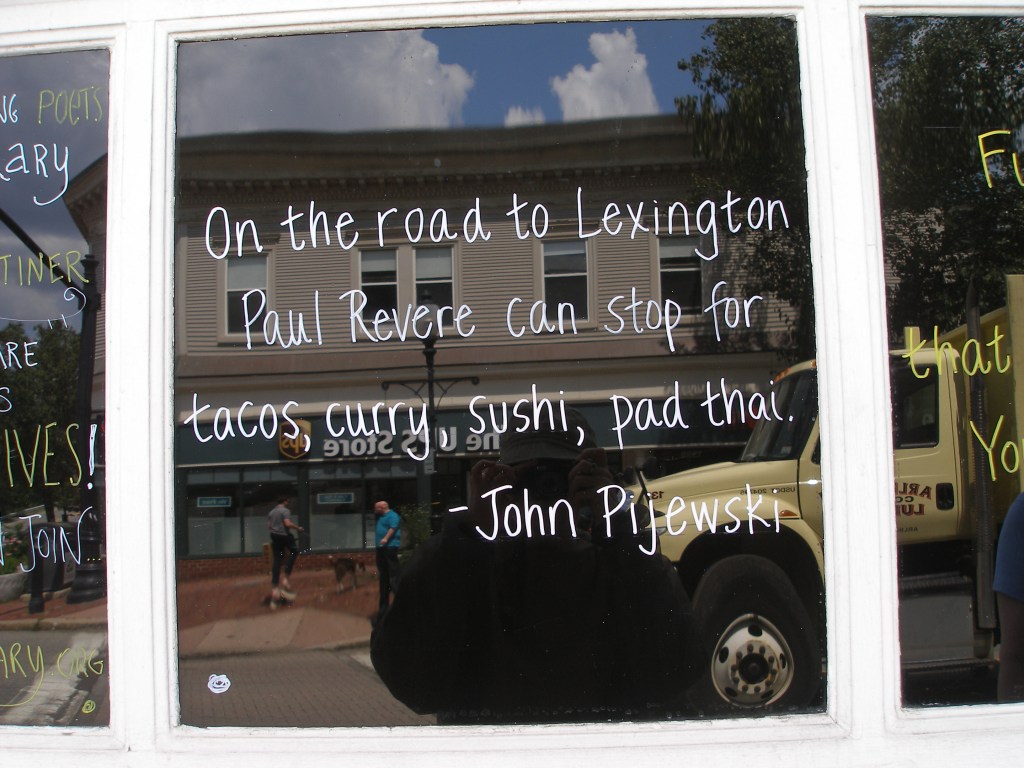
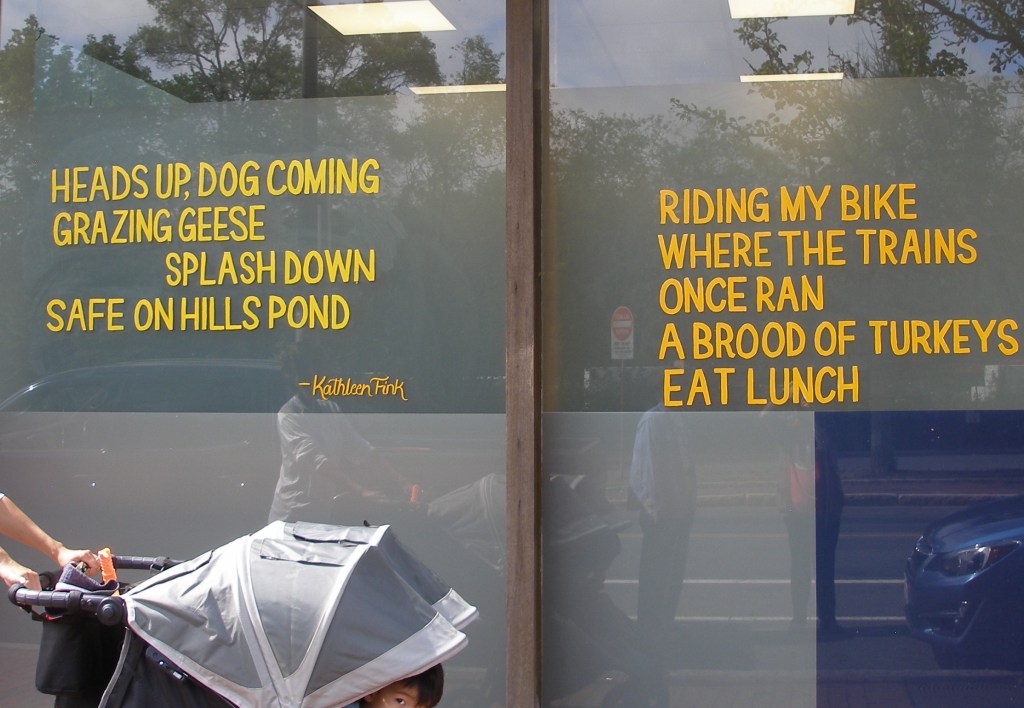
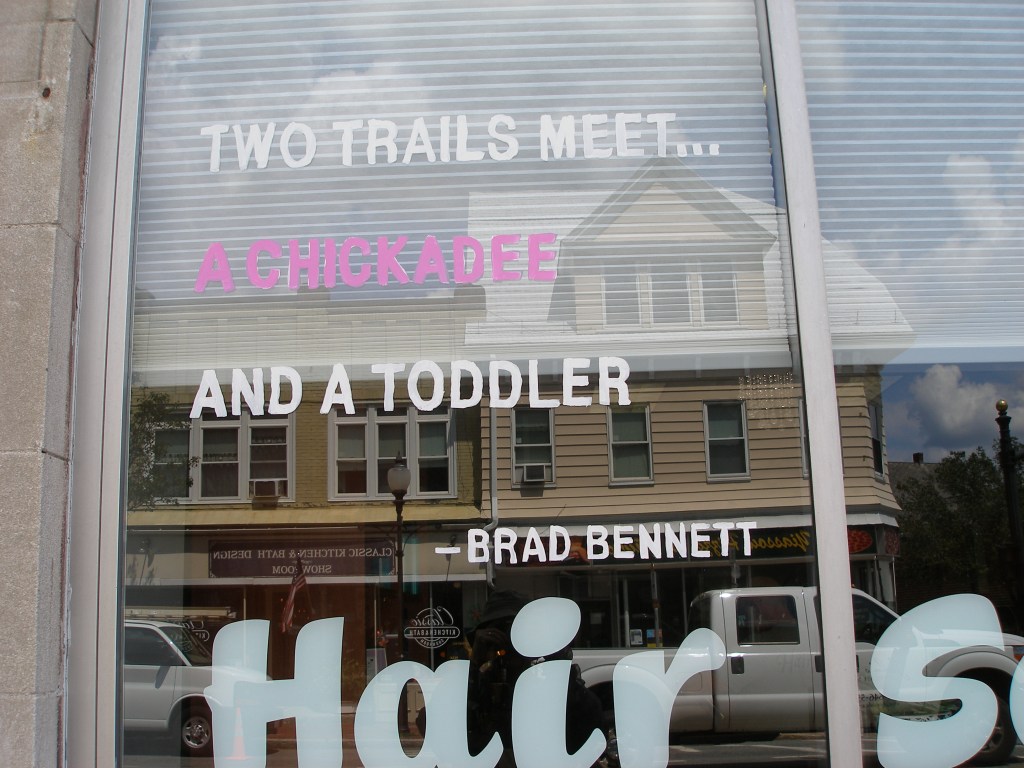
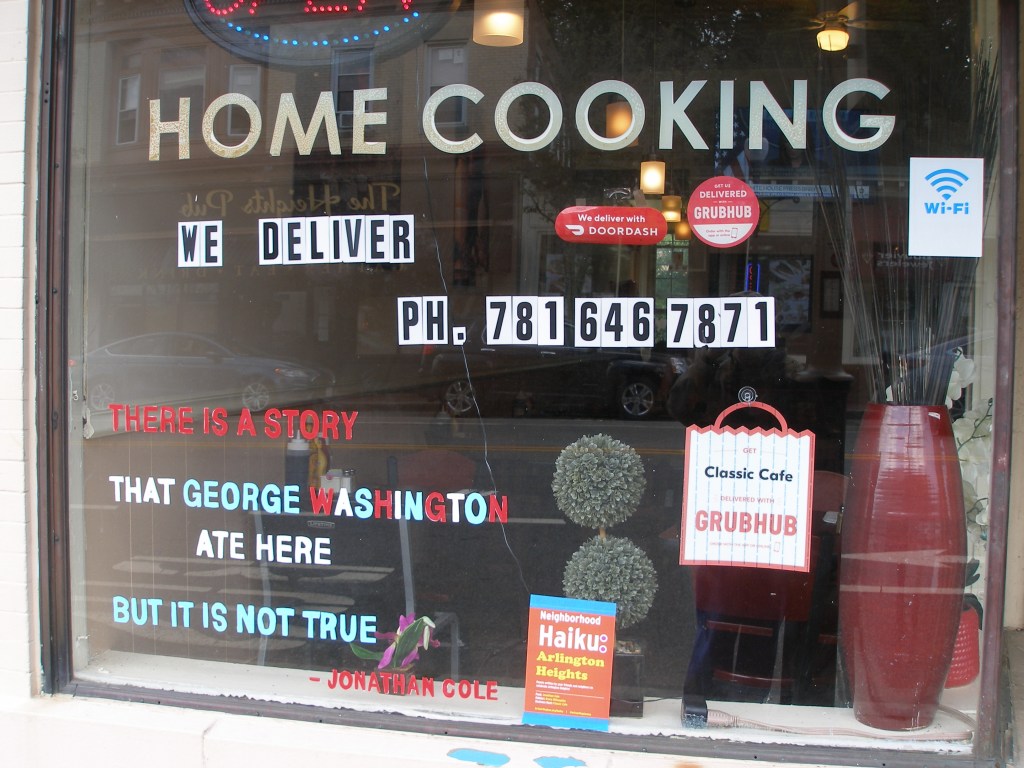
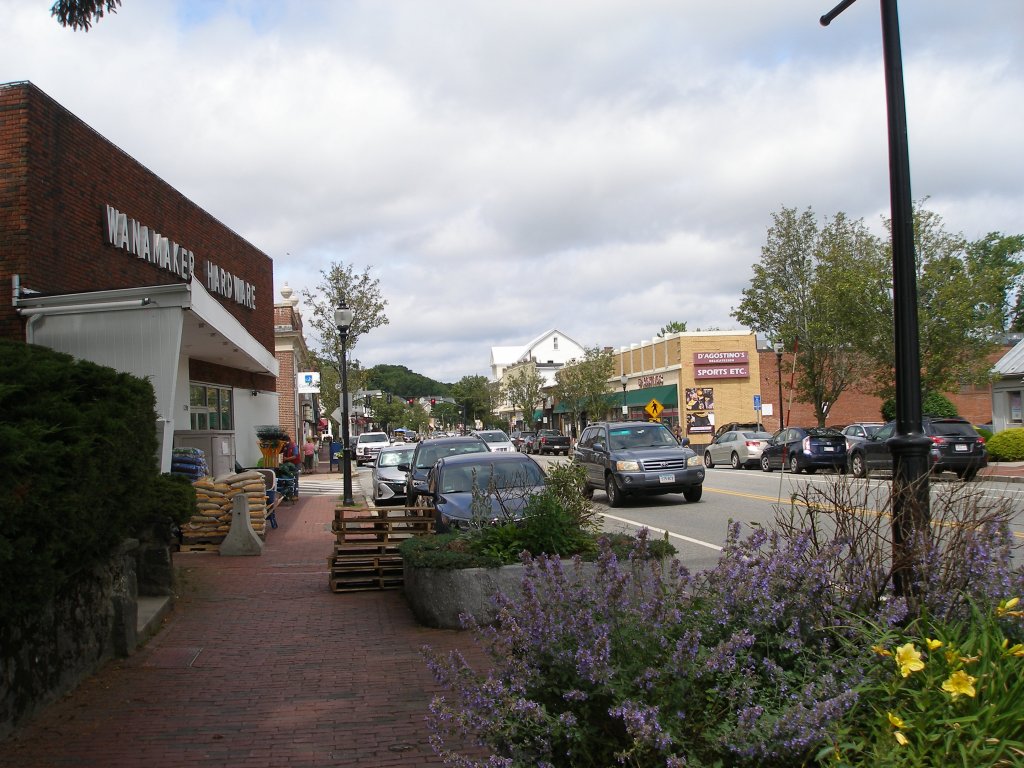
My town’s art association was holding a haiku contest. The haiku should refer to something the writer experienced in Arlington Heights, Massachusetts.
My feelings for this area where I live had deepened during the pandemic. I was more appreciative of kind neighbors and the caring friendliness of those working in local businesses. I spent more time in nearby parks enjoyed by children, families and dogs both on and off-leash.
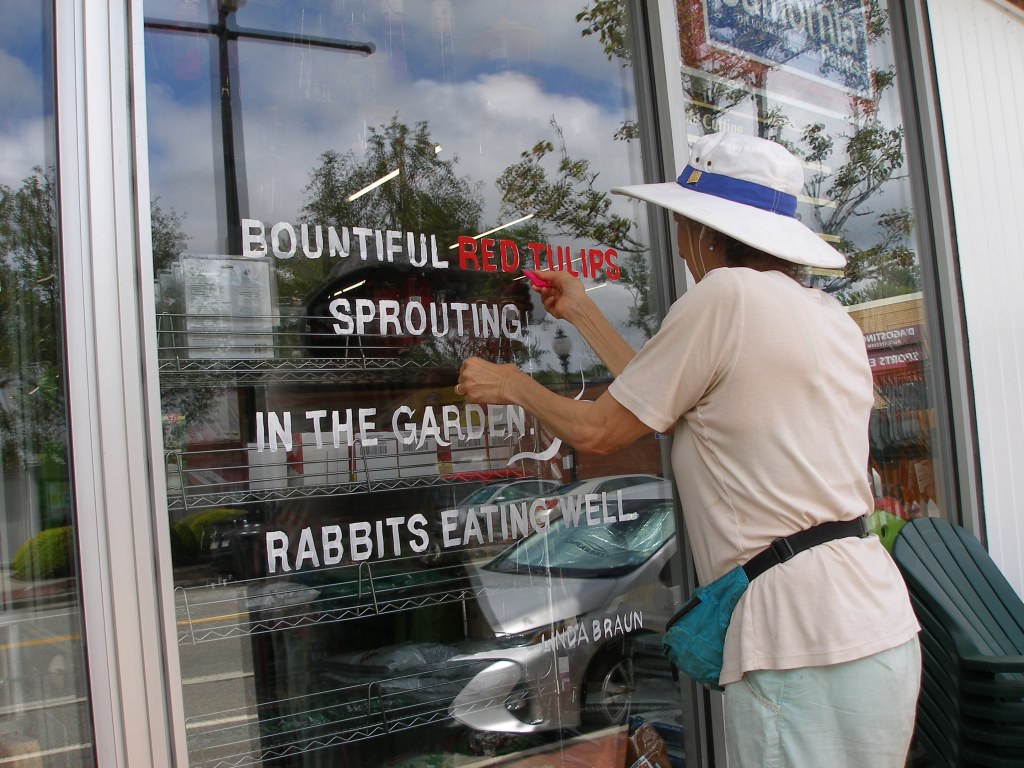
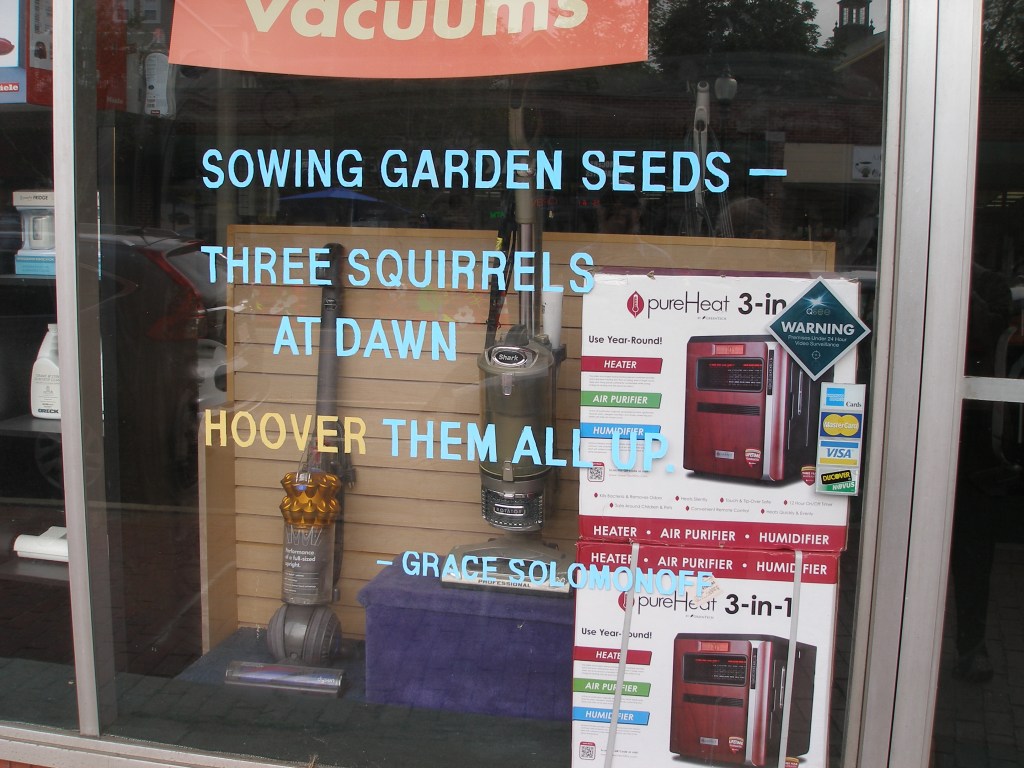
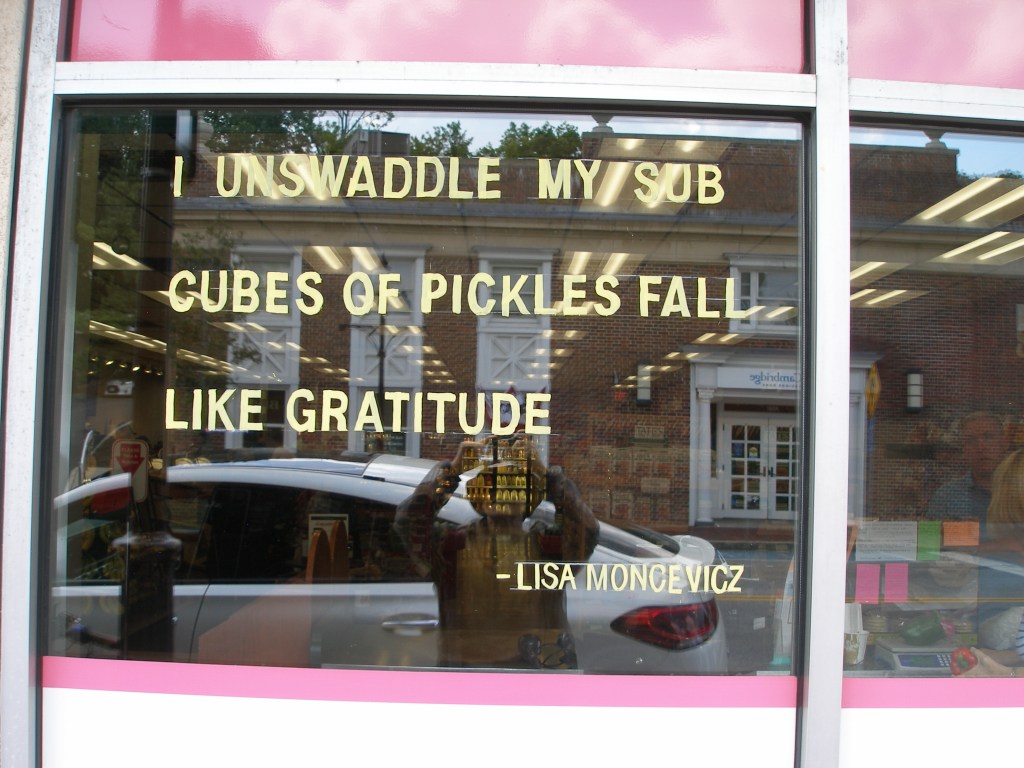
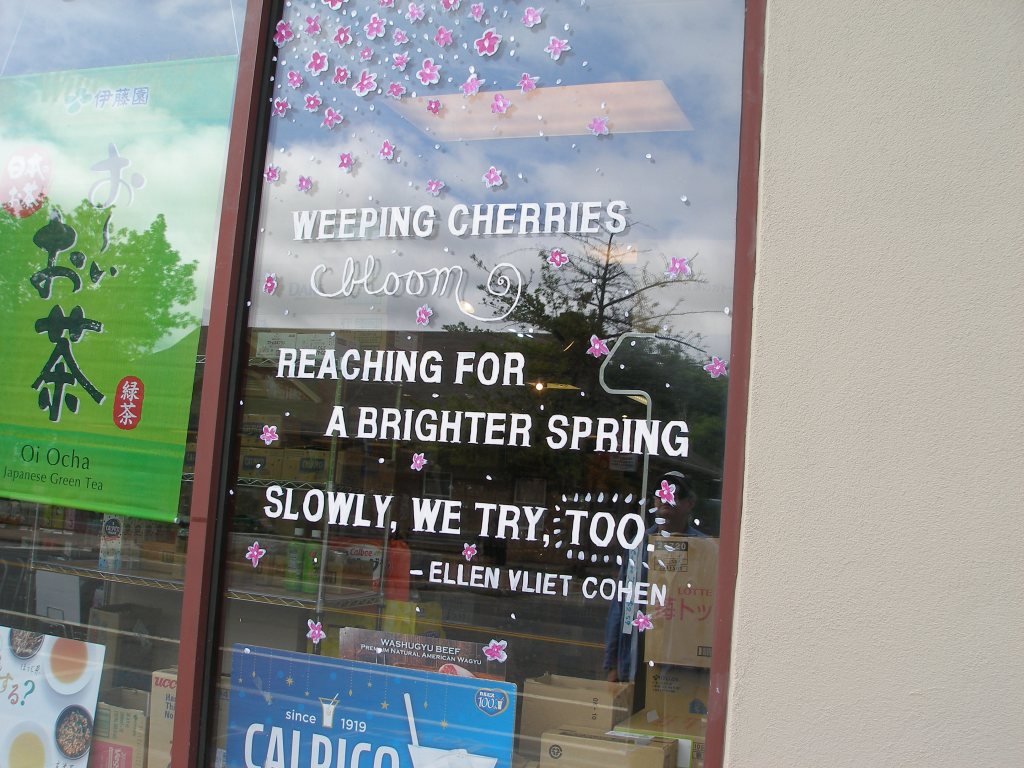
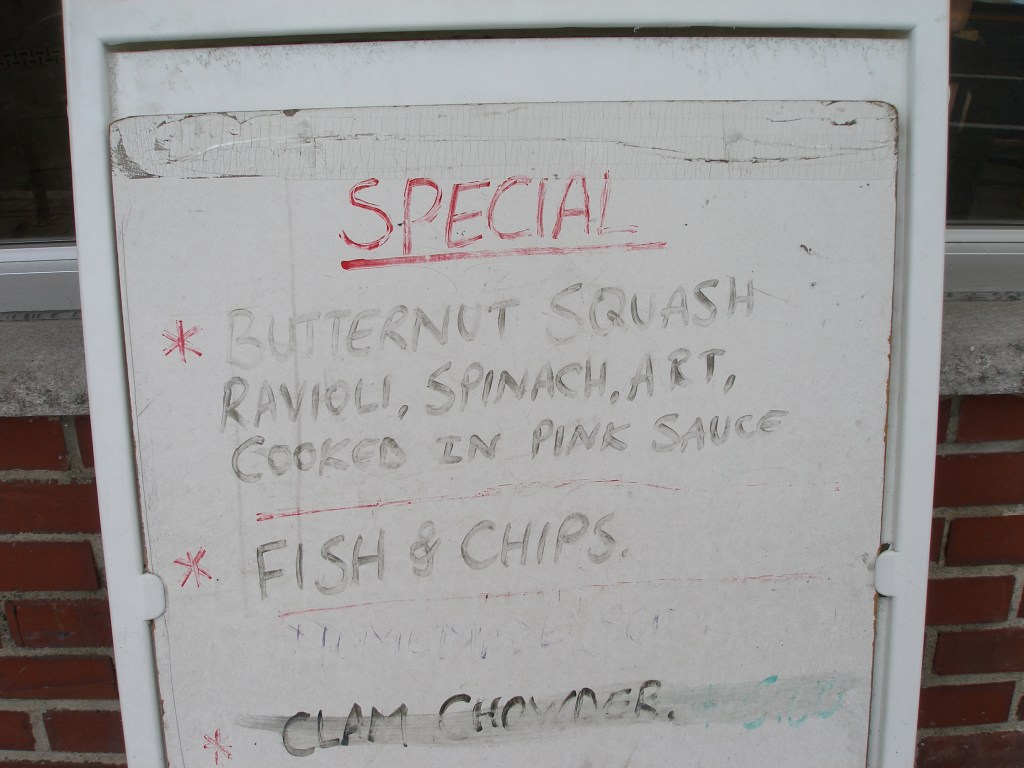
As I walked along Massachusetts Avenue near its intersection with Park Avenue looking for haiku from the contest, I came across several in the process of being painted. I said to one of the painters, “Maybe this has started something. Maybe there will be more poetry displayed in Arlington Heights.” The woman doing the painting agreed that should happen.
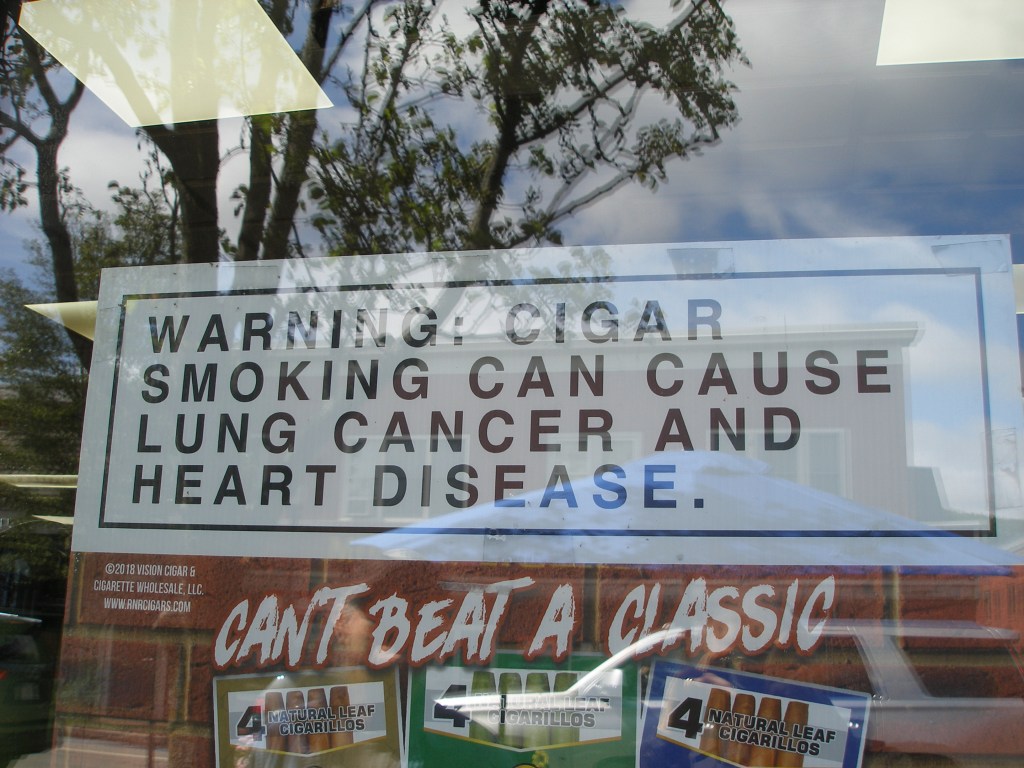
I noticed that some of the signs shop owners had put up in their windows felt a bit like poems. Looking back along the street, I knew it had happened again. I felt a new appreciation for this particular corner of the world.
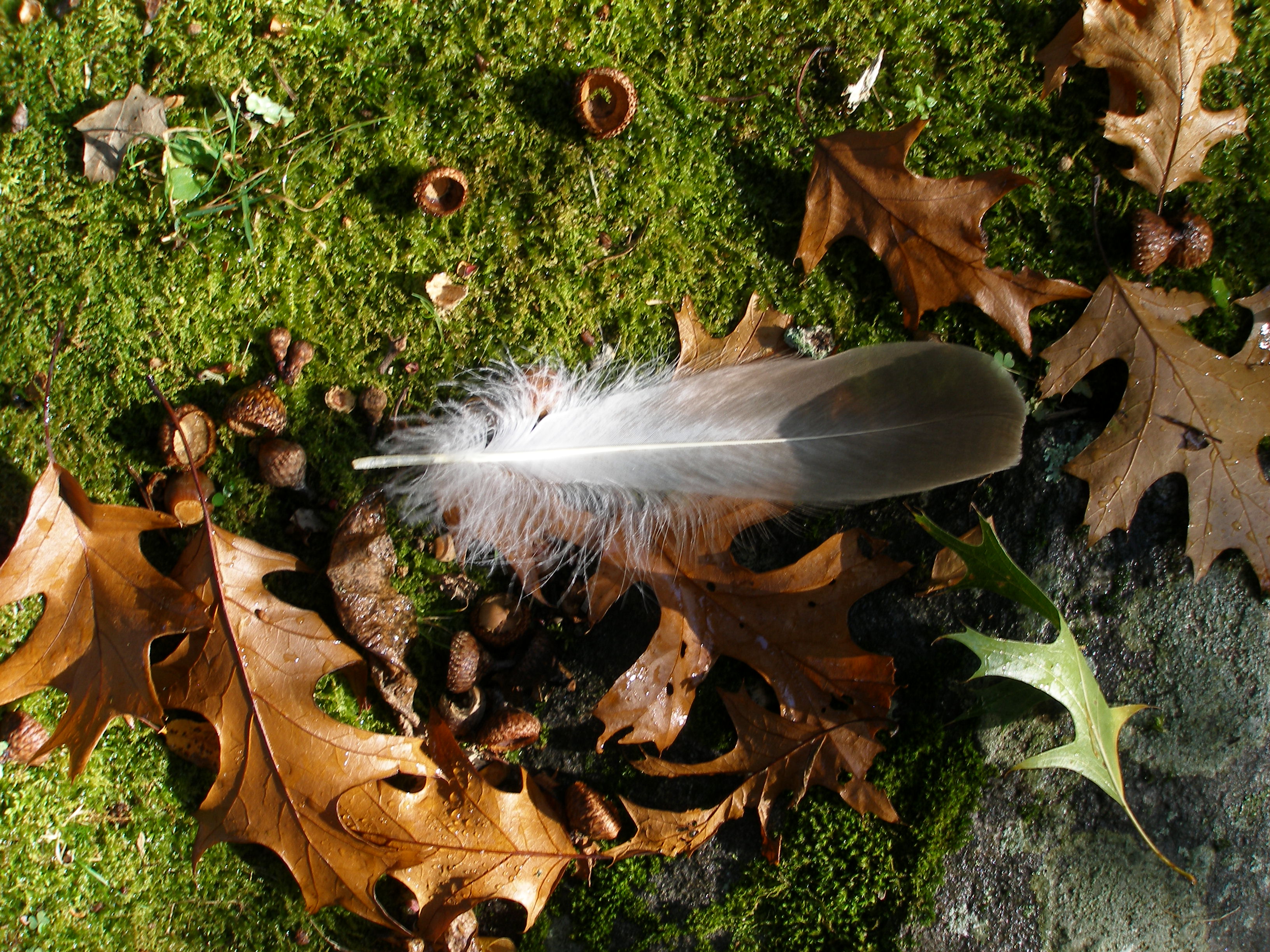
Spiraling down from
This fall sunset sky of geese
A lone tail feather
Dreaming here in my garden,
I sit watching a feather spin.
Warm light bathes the soft sweet moss
in welcome to this winsome sprite.
Bounding fast lest it escape her,
the clumsy cat misses it!
Held in her mouth like
A dagger, or a rose,
The goose feather trophy
Must smell strongly
Of potential prey
To my hungry cat –
She wants her dinner.
No need for any plucking
With feathers flying about,
Her poultry comes in cans
Extracted by turning
A gear and applying
A blade to cut the
Lid round ‘till it snaps.
I’ve been told, geese are the
Perfect prey for humans, when
That dire time comes with all
The secret factories abandoned
And we must revert to honesty
About the brutal sacrifice
Of those we prefer as food.





 Radiant Refuge