Lessons from the Way of Tea Video

This short Lessons from the Way of Tea documentary shares my experience with Japanese tea ceremony (also known as The Way of Tea). I was first attracted to the art’s many sensory delights and the way it acknowledged the seasons. There was also the joy of selecting the scroll and utensils and arranging flowers for a particular gathering.

We students copied our teacher hoping to learn the many steps well enough to be able to share tea in a natural flowing way, while supporting our guests’ tranquil awareness. Only after striving to prepare and share a bowl of tea over and over again, did it dawn on me that this gentle art is a bit of a ten ton canary.
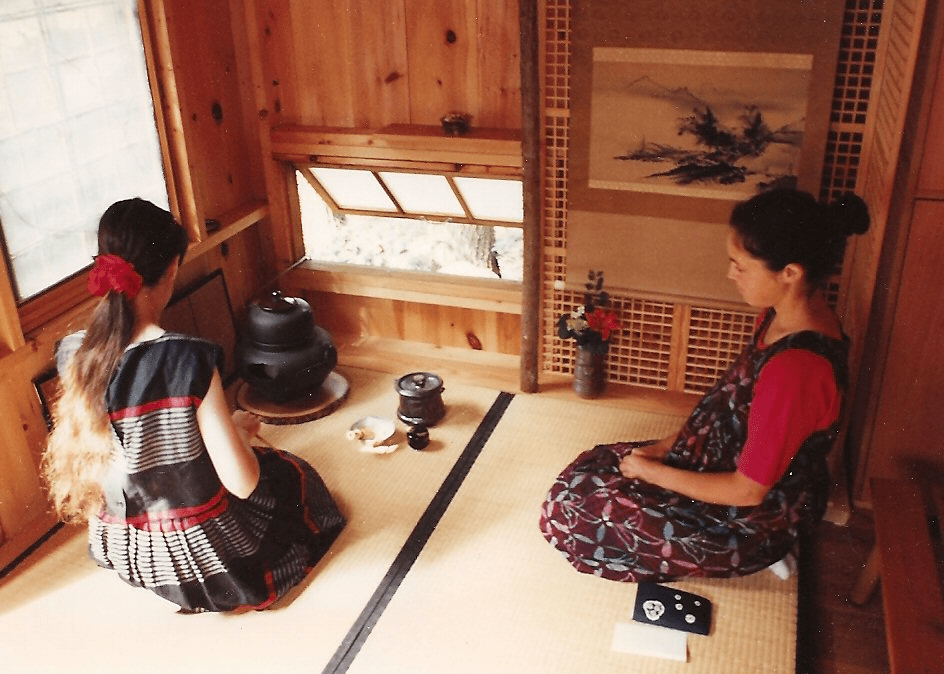
It felt quite personal, and somehow universal at the same time. Like any art, what you get from it, depends upon what you bring to it. That kept changing.

As my ability to sustain attention to the scripted generosity increased, I could feel my own responses more vividly and I was more able to fully take in other’s reactions. I began to find a deeper beauty in everyday objects, nature and people. I sensed wider connections, and I realized that bringing caring intention to even routine chores can add meaning and purpose to life. Tea ceremony practice never failed to leave me feeling centered and at peace.
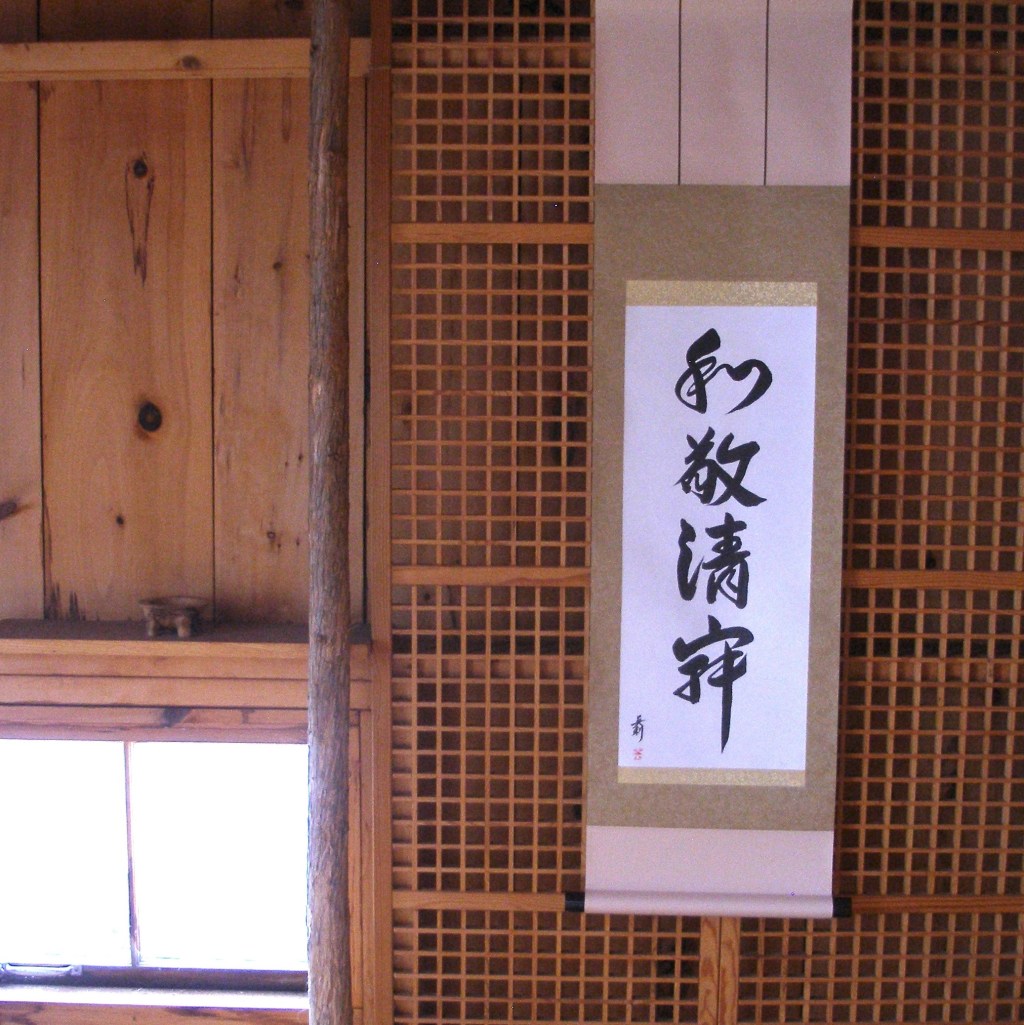
The art’s core principles of Harmony, Respect, Purity and Tranquility (on the scroll by Takase Studio in the photo above) are built into the rules and preparation steps in such a way that I directly experienced many important lessons about what really mattered to me in life.

Few people, even in Japan, are interested in learning tea ceremony’s many formal procedures these days. But since what the traditional art has to offer seems so badly needed in our hurting world, I began to dream of finding more accessible ways for others to gain access to their own “tea wisdom.” This latest Lessons from the Way of Tea video is one result.

A second video, Hannah’s World: Living Tea Values provides an example of someone, who seemed to be living life guided by tea ceremony’s core principles and reaping the benefits for herself, others and the land that she loves. An earlier project involved developing an accessible tea and dialogue mindfulness practice that, among other benefits, shows promise as a means to combat the serious health risks associated with loneliness and social isolation.
Living Tea Values

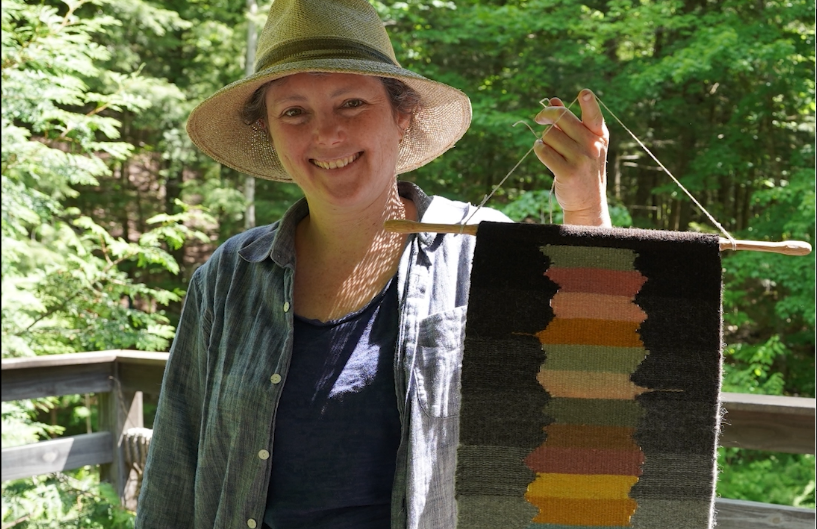
Hannah Regier with her “Color Harvest Moon” weaving. Photo by Jeff Klein.

This short documentary shares the world of Hannah Regier, who struck me as someone who truly lives by Japanese Tea ceremony’s core principles – Harmony, Respect, Purity and Tranquility.

I felt them in where and how Hannah lives, in the care she takes with her fabric art made using natural dyes gathered from the nearby fields and woods, as well as in her efforts to work with others to protect and share the lessons of natural places. There were other aspects of the the Way of Tea as well including creativity, generosity, and a deep appreciation for subtle aspects of the passing seasons.

Japanese tea ceremony was brought to its peak in times of war and great uncertainty. My trust in the worth of the art’s timeless values of harmony, respect, purity and tranquility provided a much appreciated anchor when things started to fall apart in my own life. But experiencing Hannah’s world made clear to me just how much those values can help to foster joy, connection and meaning, all of which are powerful antidotes to the helplessness and hopelessness it is all too easy to feel in these particularly challenging times.

Hannah Regier (her website), and videographer Jeff Klein (his website) both contributed their considerable artistic skills to this project. I am also most grateful for how Jeff Klein wove the sound of the stream behind Hannah’s studio throughout, an appropriate reminder of the importance of nature in the Way of Tea, in Hannah’s world, and, in fact, in all of our lives.

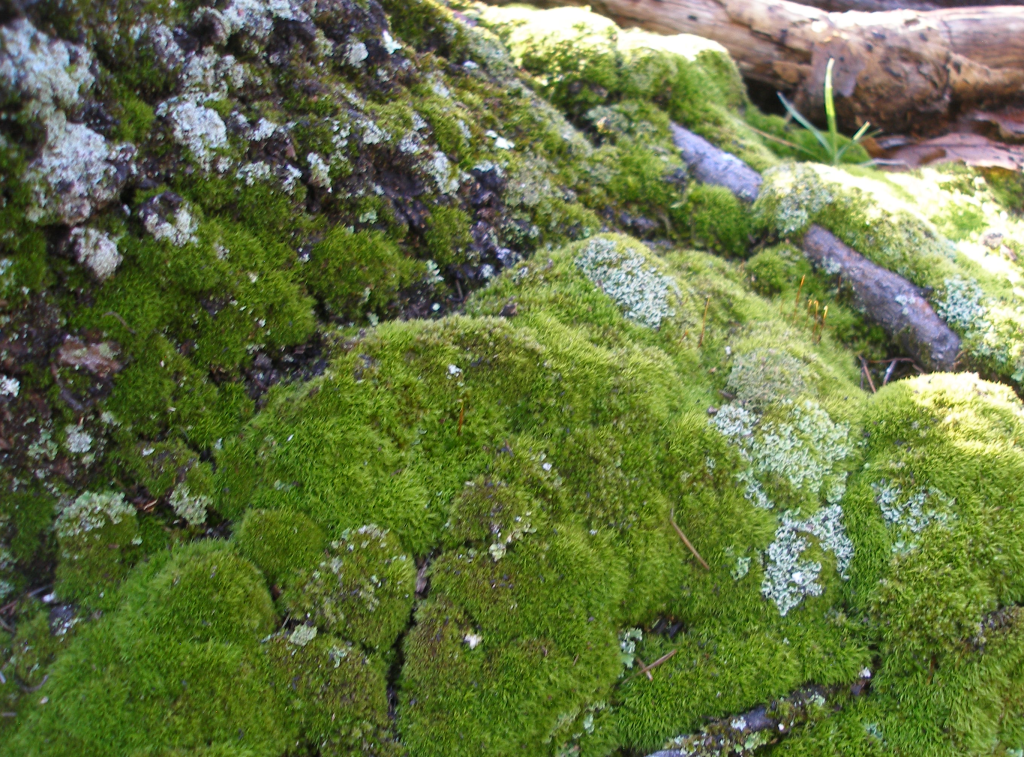
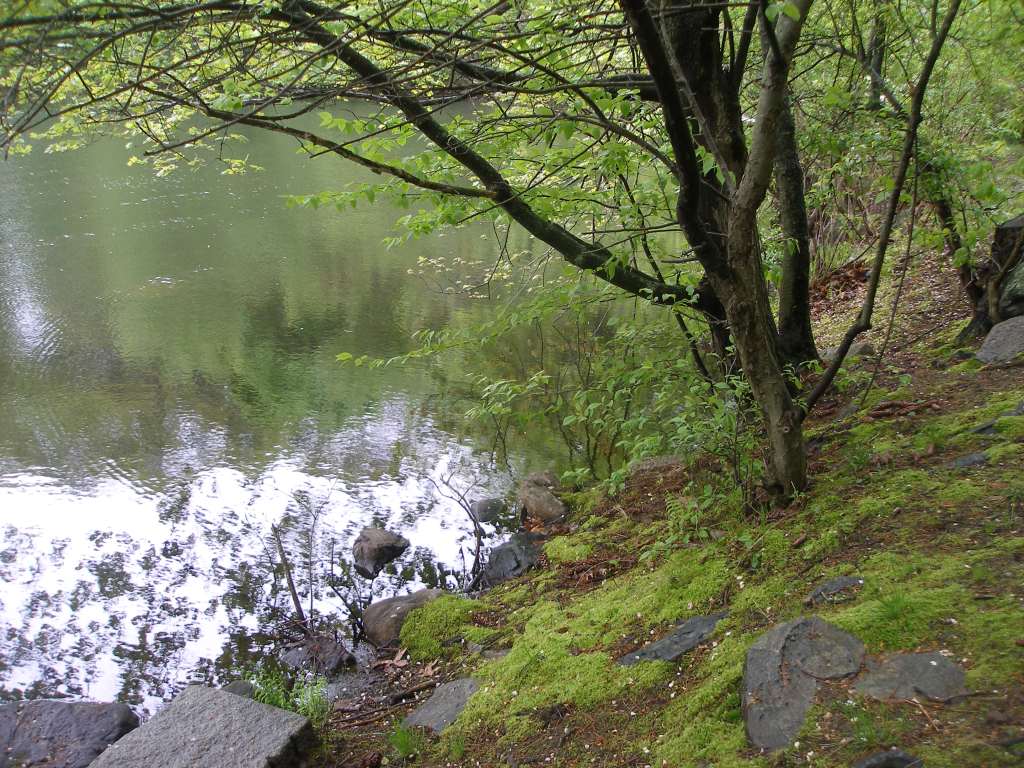
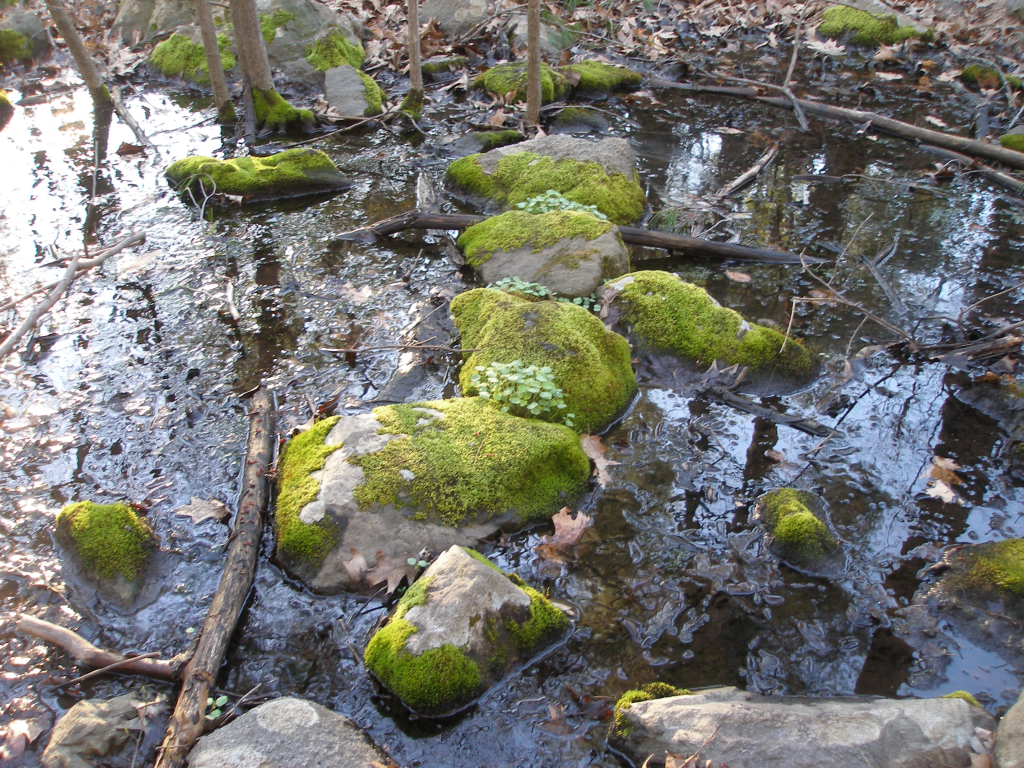
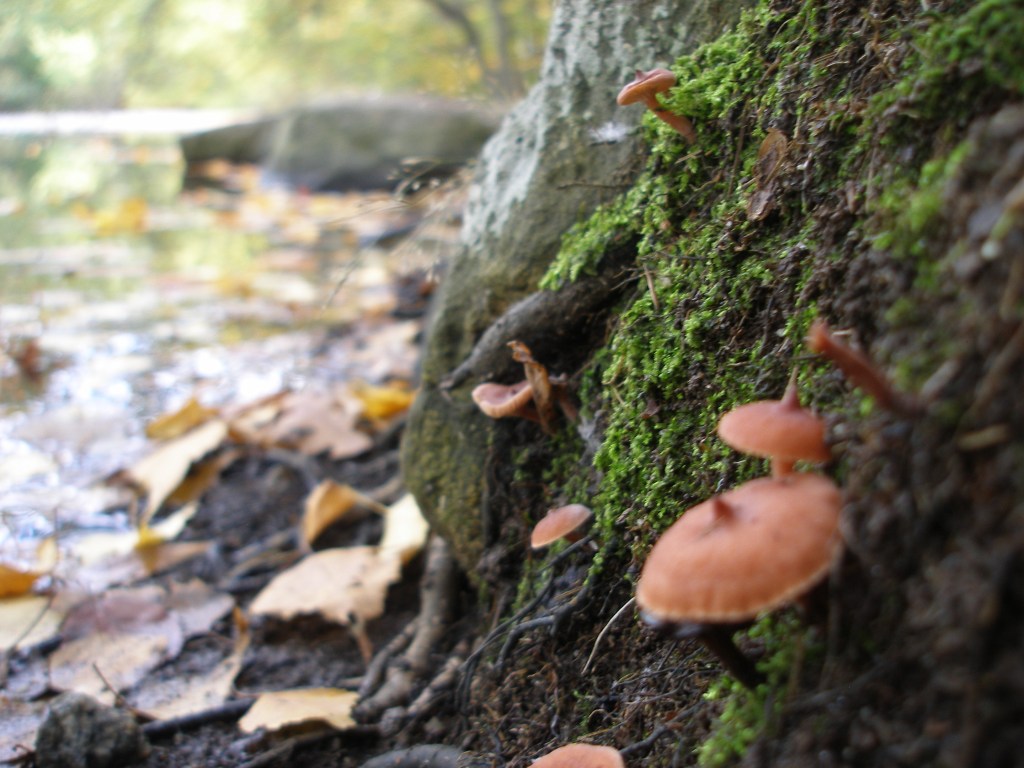
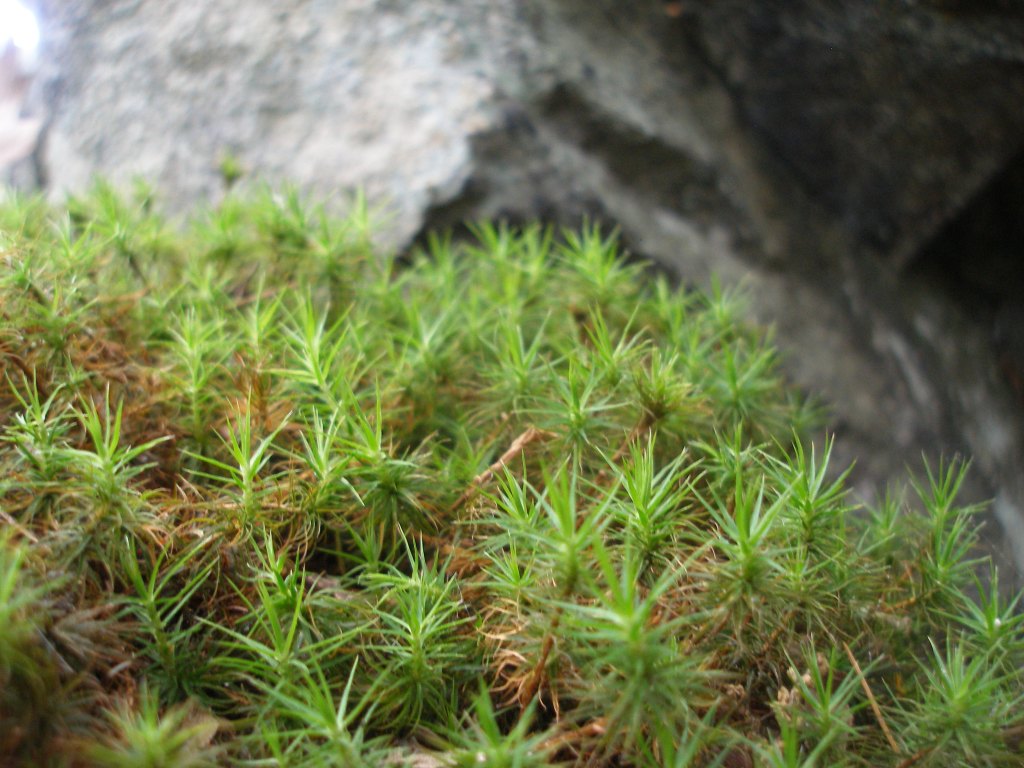
Moss Dreams

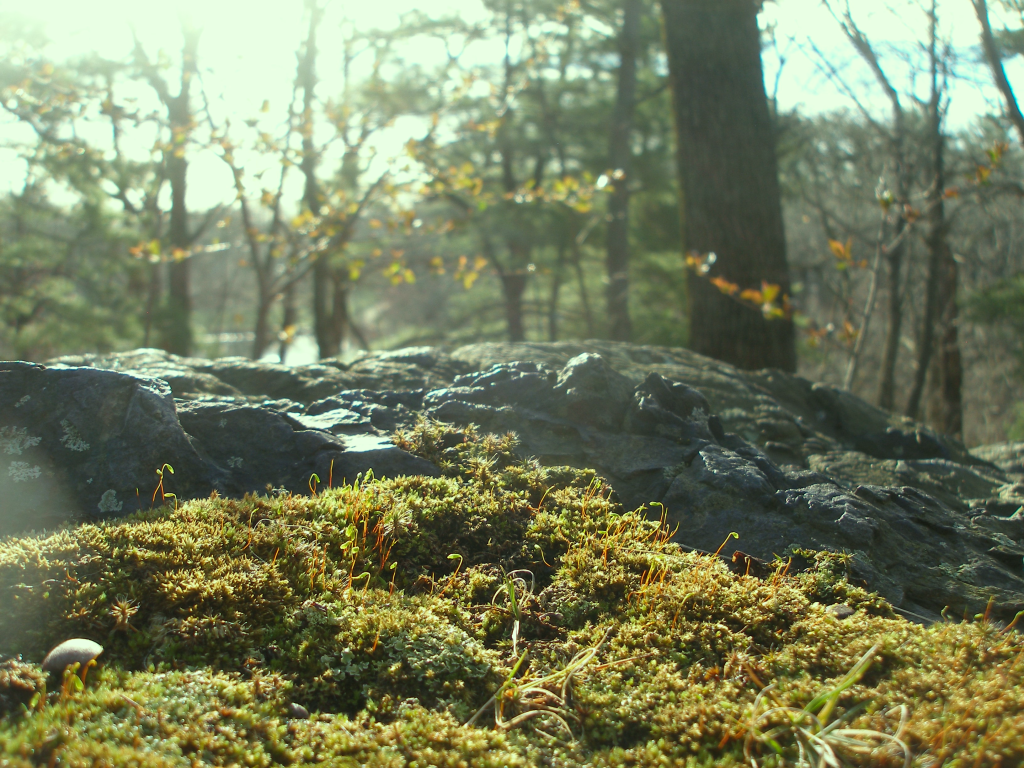
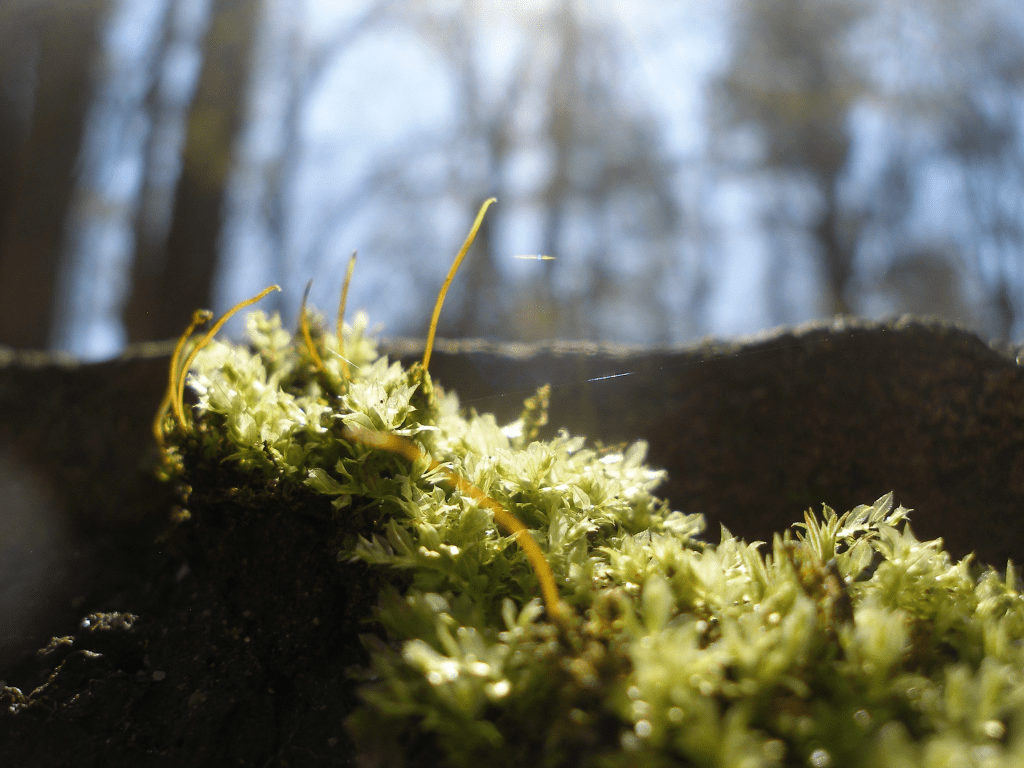
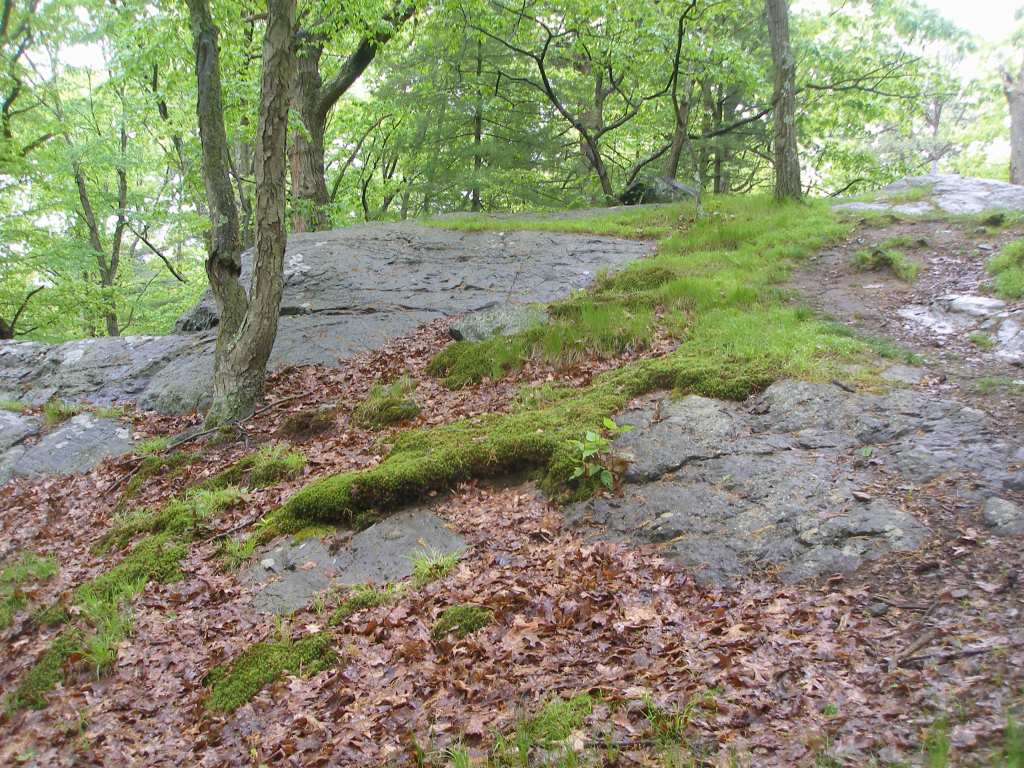
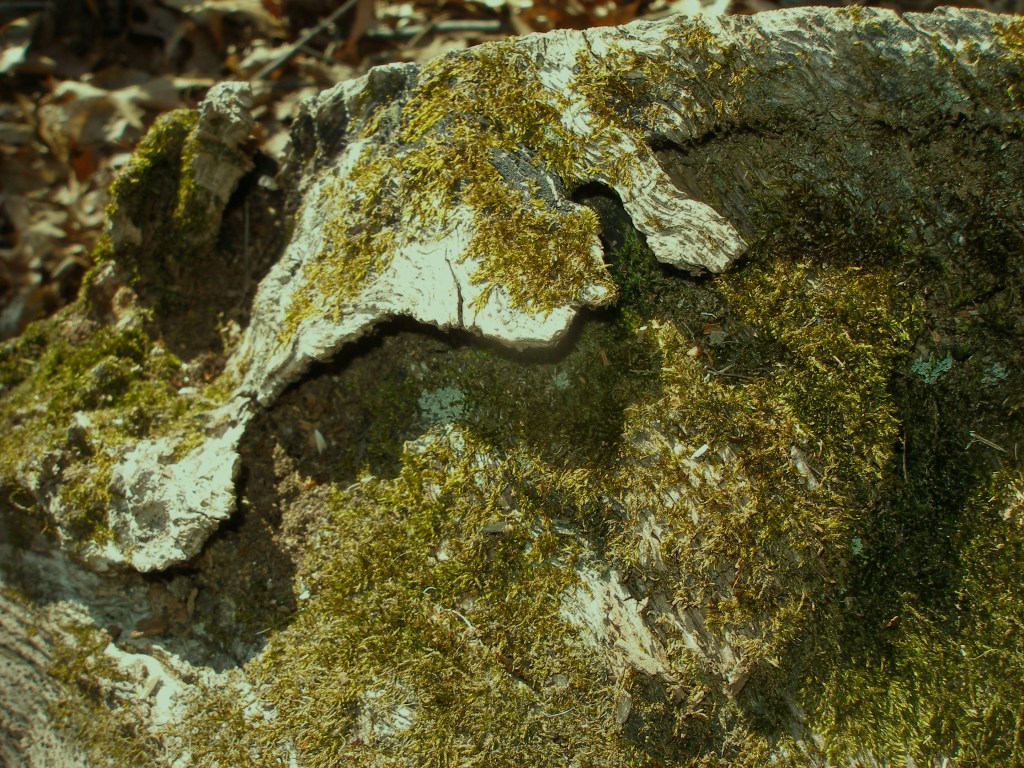
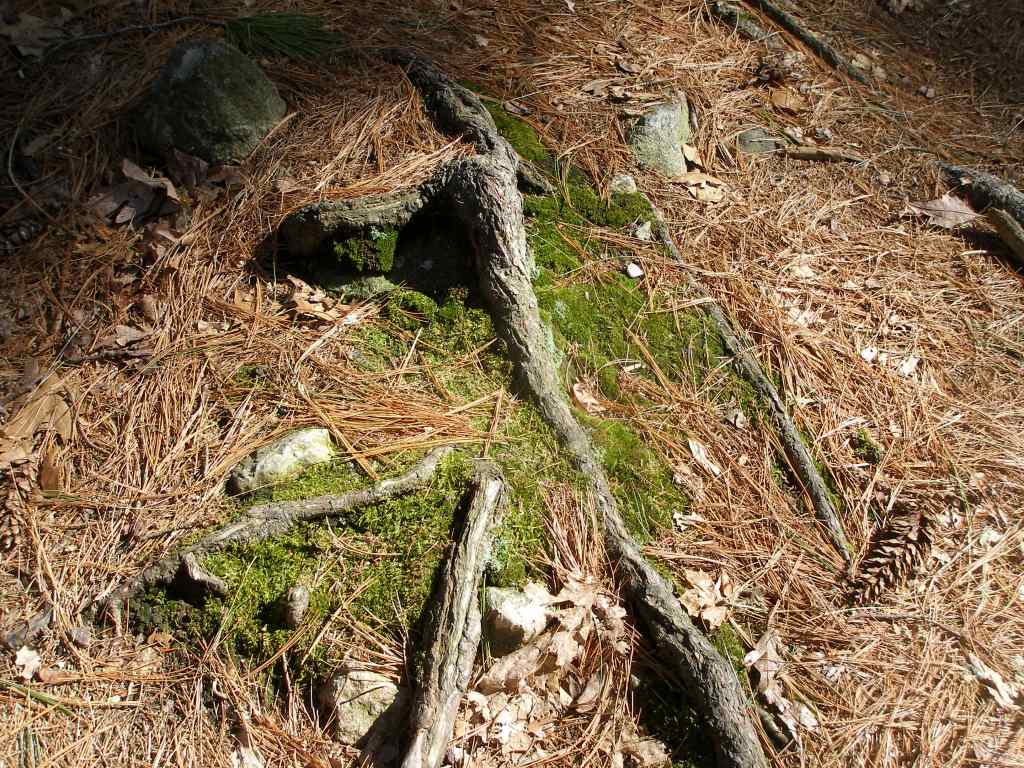
I love how these tiny plants create a soft carpet in shady places, but sometimes in sun as well. It seems natural to want to reach down and pet them. They also can help us achieve relaxed moods as in this dreamy video created by Jeffrey Klein. The Andante section of a recording of J. S. Bach’s Sonata #5 played by Jeffrey Brody on piano and Andrea Hart on flute (and used with their permission) is a perfect complement to the moss images.

Mosses are often used in Japanese gardens for good reason, and it is a delight to come across them growing wild in a natural setting.

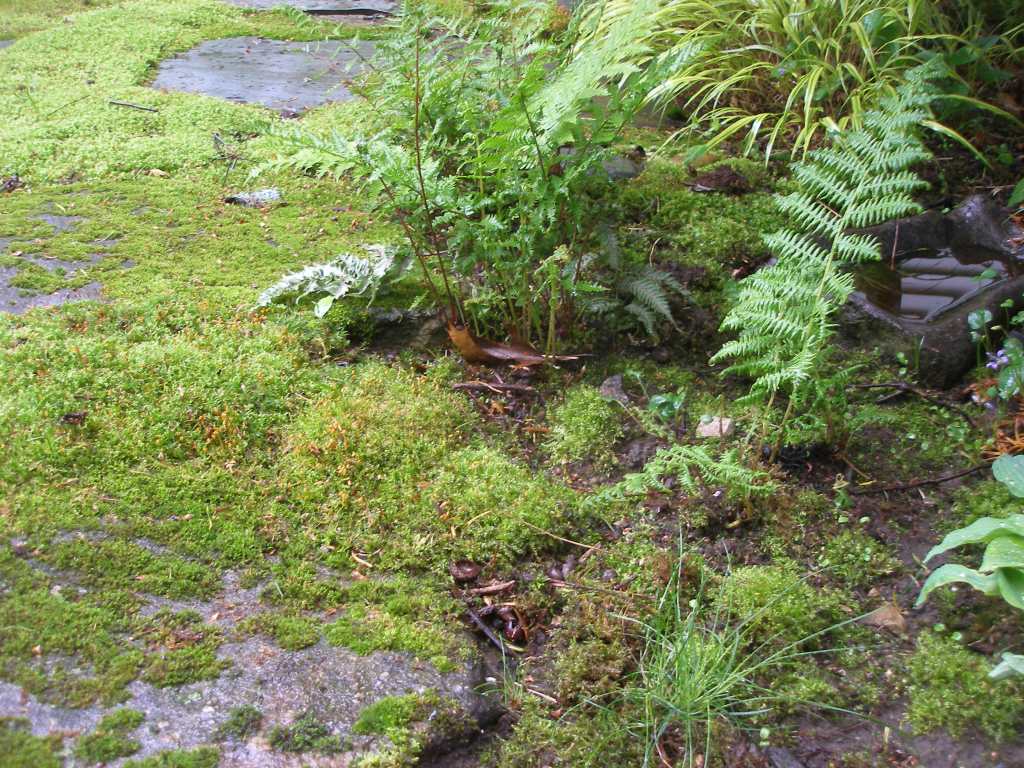
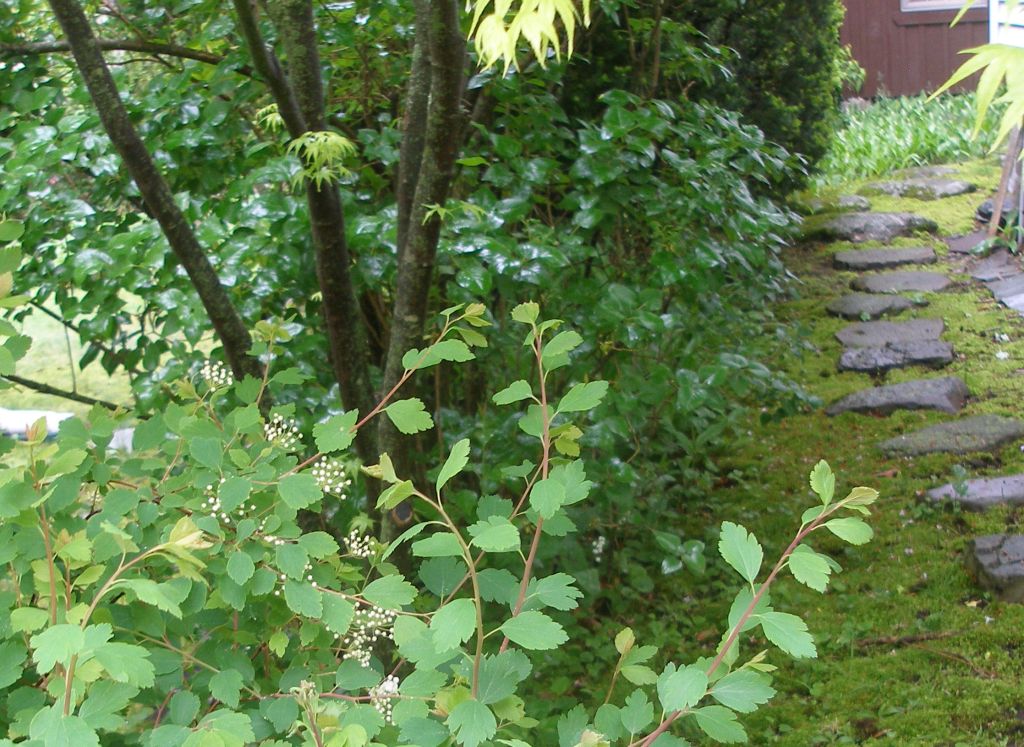
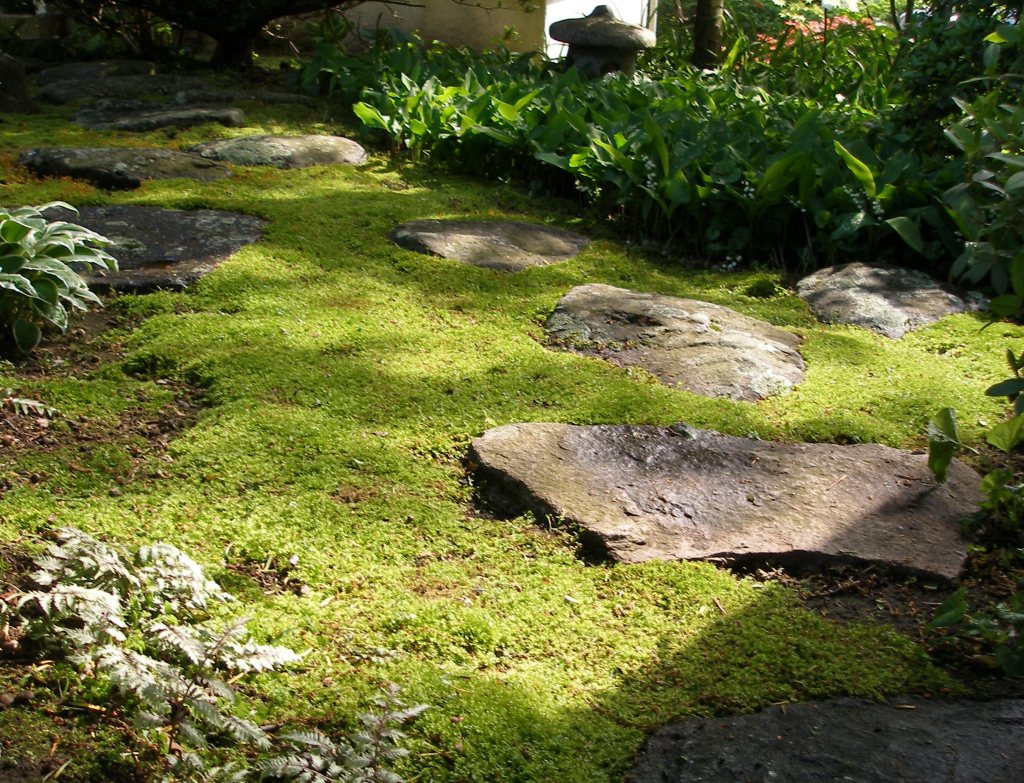
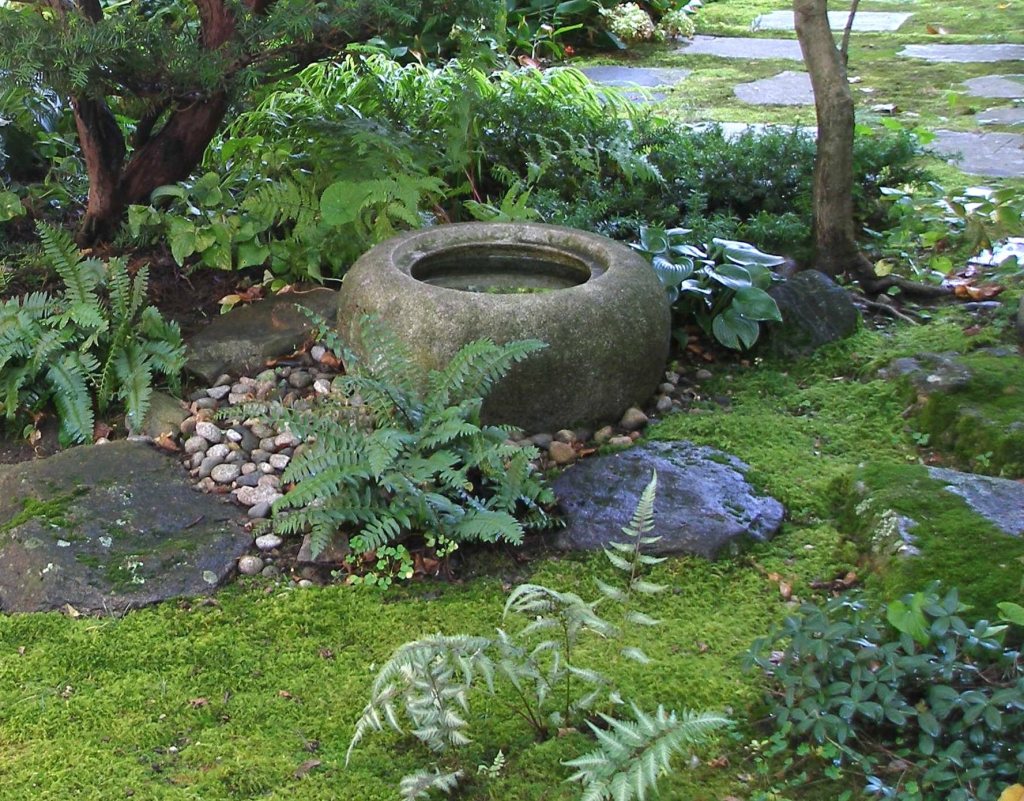
With all the rain lately, moss has been happily spreading in my garden. I was delighted when the tiny plants decided to form a soft green carpet where guests gather on my patio before sharing tea. In Menotomy Rocks Park, moss adorns the forest floor, the bases of living trees, fallen logs and even high up on rocky outcrops. Photos of moss in both settings are included below.