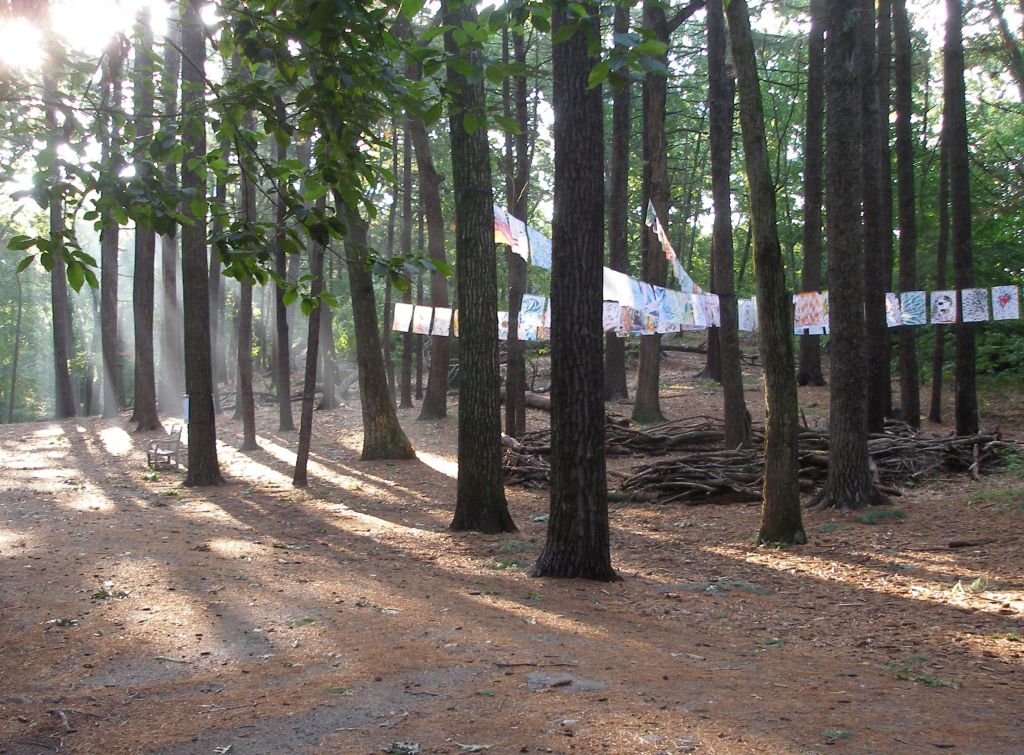
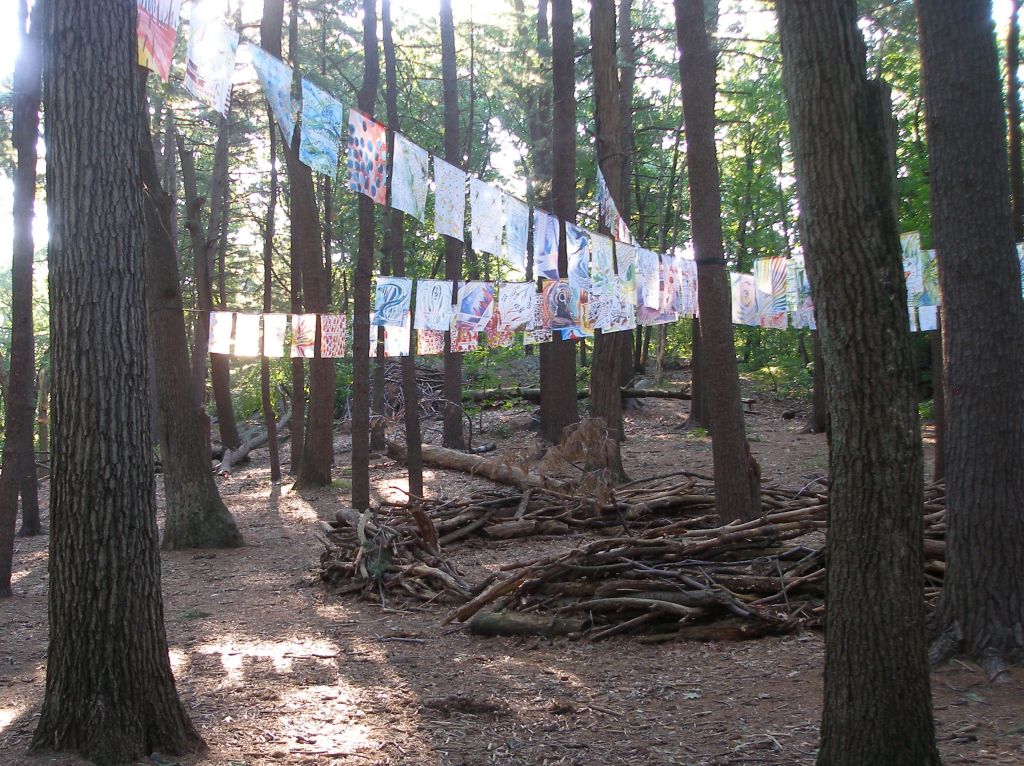
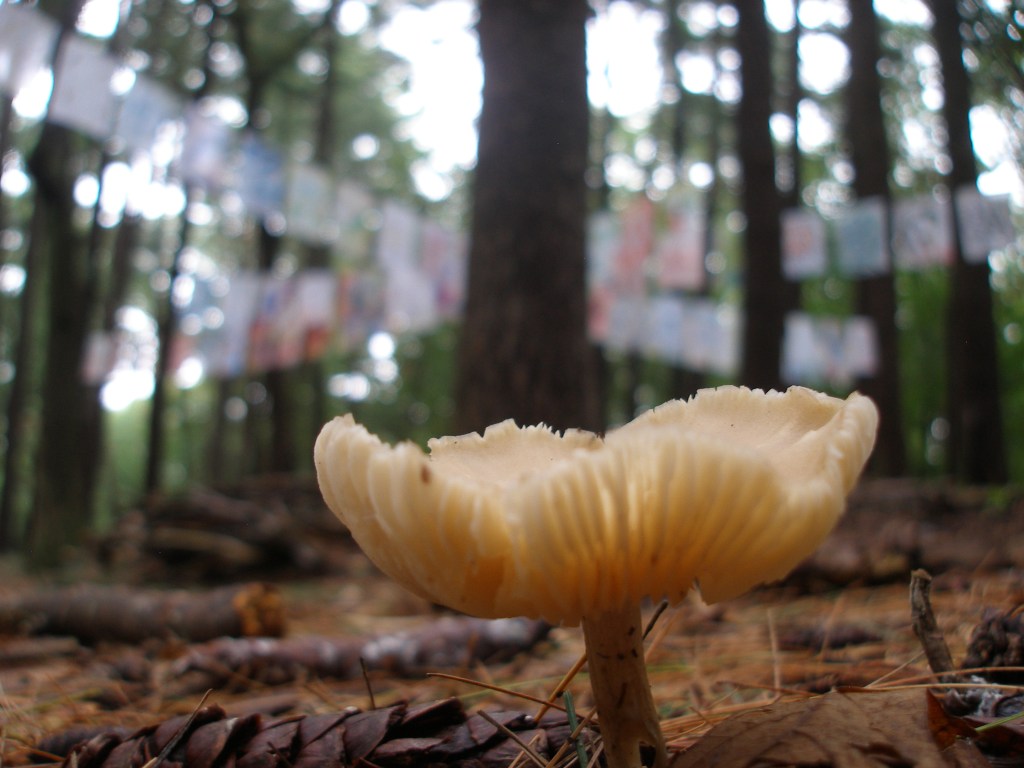
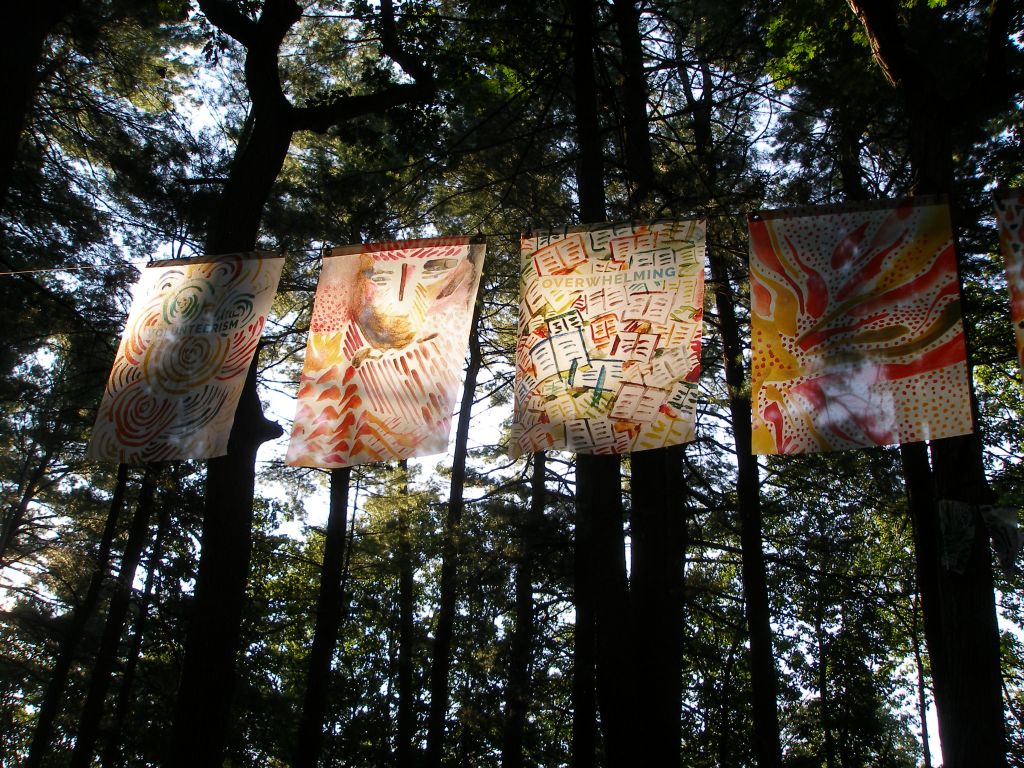
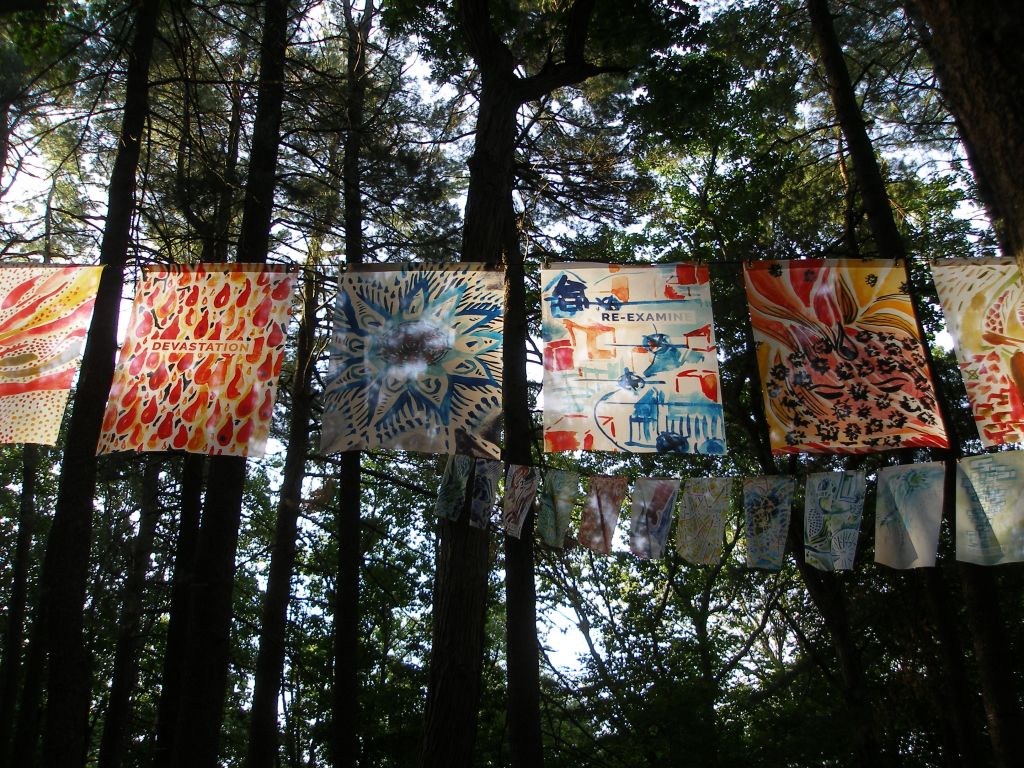
When I first came across the installation in Menotomy Rocks Park, early morning light streamed through the trees onto the translucent flags. A sign explained that Nilou Moochhala, the 2021 Artist in Residence in Arlington, Massachusetts had created this work, “Reflecting on Our Pandemic Experience.” As she describes, individual flags were designed in response to interviews she conducted with a diverse cross section of this town of 50,000.
Words were embedded in the flags’ design. I found Freedom, Madness, Tolerance, Humanity, Denial, Inclusive, Collaborative, Wary, Grateful, Unreal, Healing, Cautious, Overwhelming, Devastating, Love, Comforting and Confusing among others. Patterns and colors out to the edges suggested that the stories that inspired the multi-media flag drawings are still going on.
The words, patterns and colors all seemed part of a lively conversation going on within and among the flags, and I was being invited to join in – literally, as I learned. There was an opportunity to add my own responses to the pandemic via an online questionnaire. All responses plus this art work would remain in an archive at the local library.
We are connected like the flags by this pandemic, I thought. None of us can escape being affected in one way or another. Nilou’s art asks us to bear witness to the diversity of experiences. While there are great challenges, grief and suffering, the flags remind us that supportive connection and even growth are also still possible in these dark times. This art asks us not to turn away but toward. It asks us to hold and honor all of it with kindness and care.
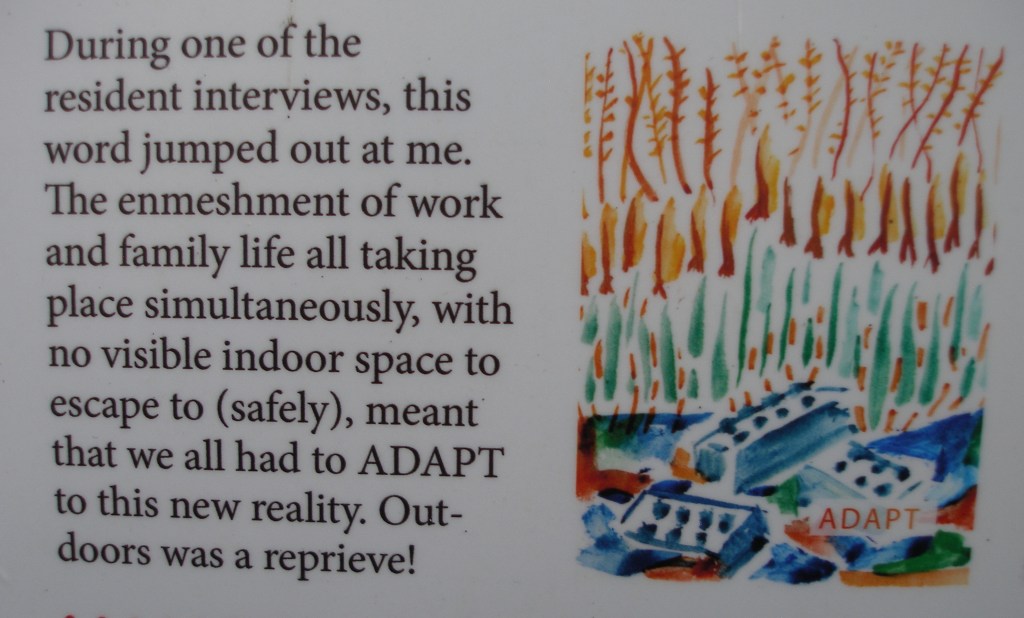
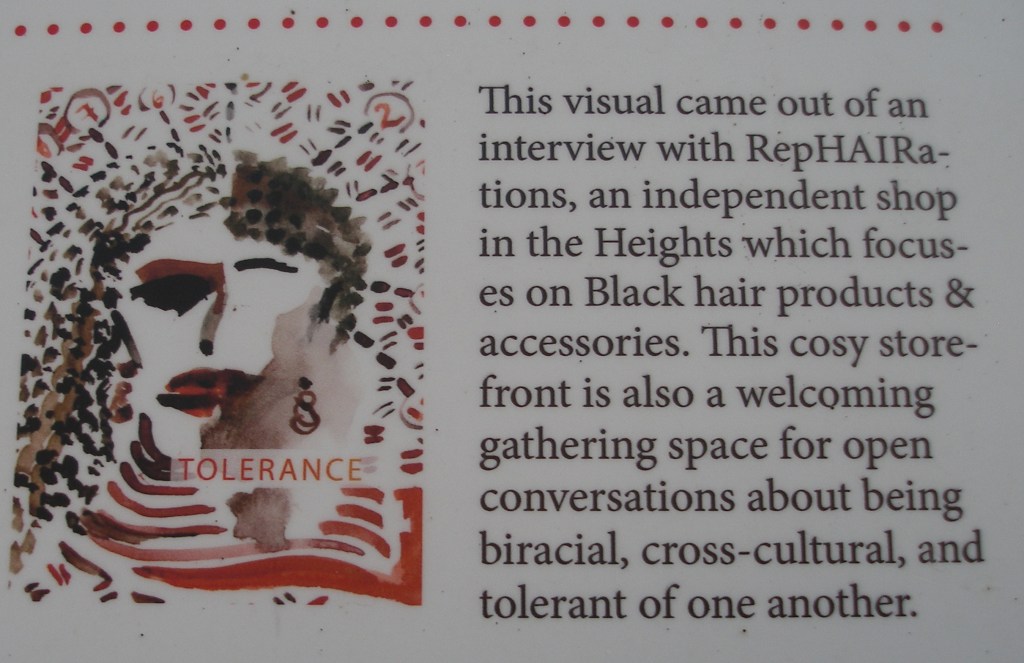
Closeup of section of a sign posted at the installation.Closeup of section of a sign posted at the installation.Closeup of section of a sign posted at the installation.
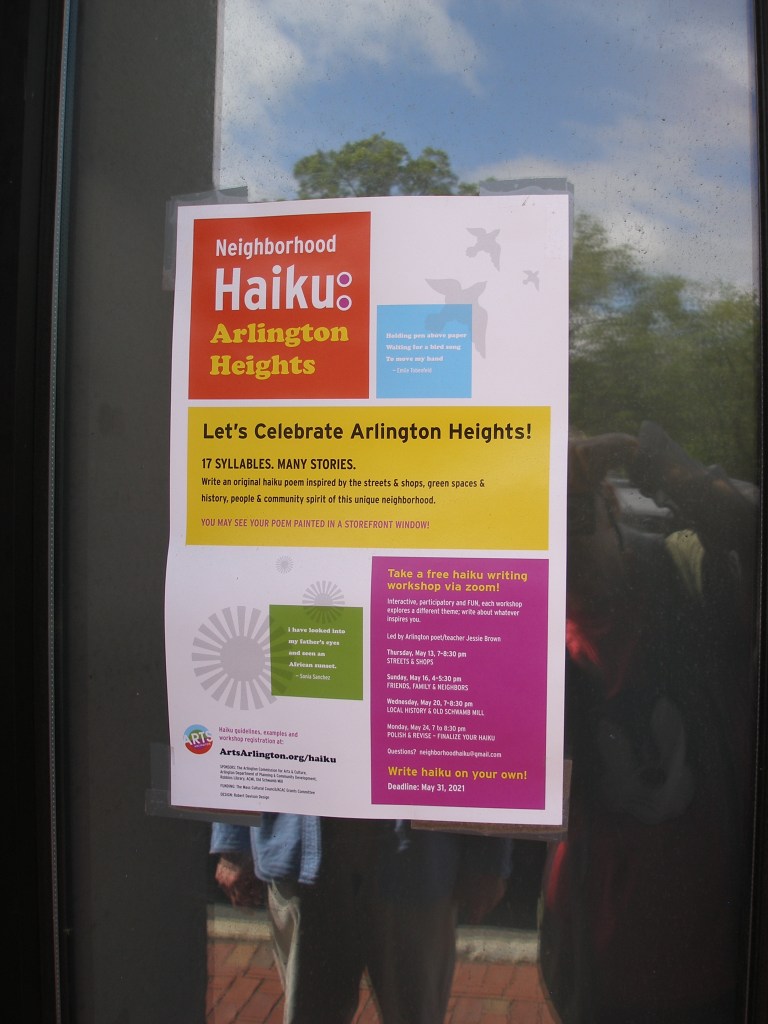
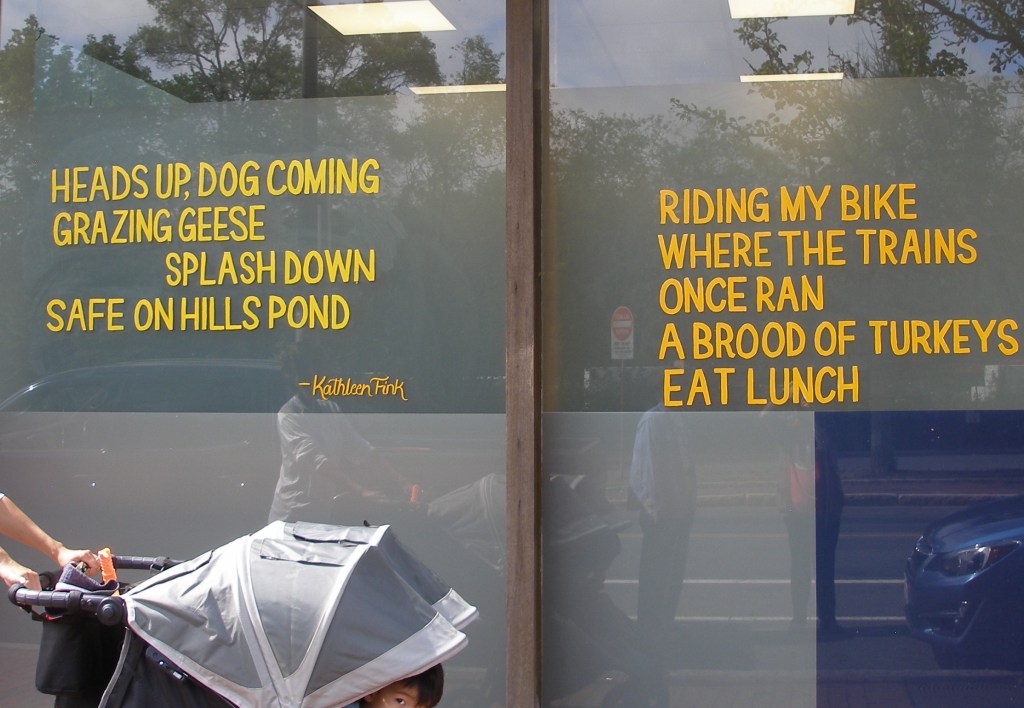
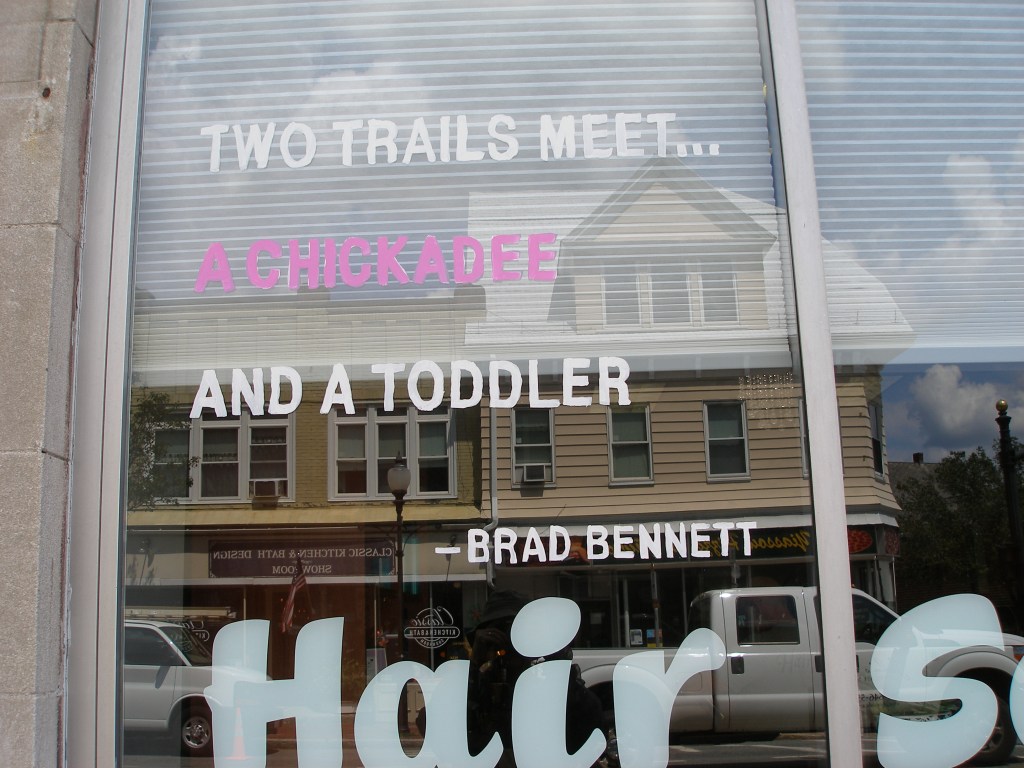
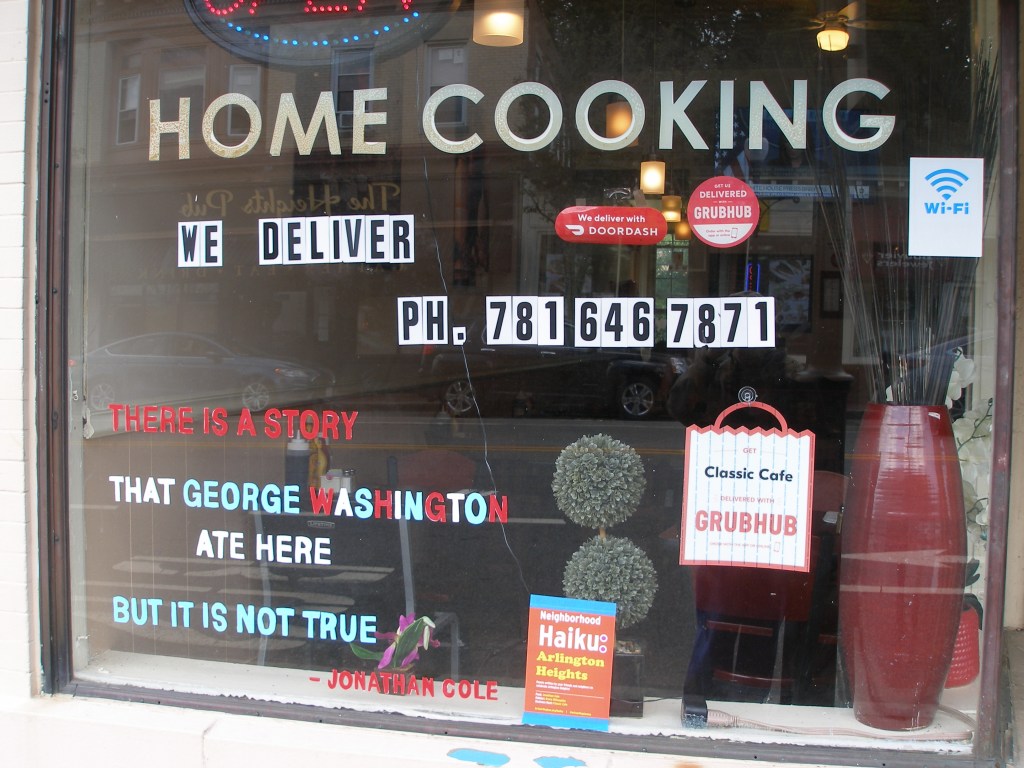
My town’s art association was holding a haiku contest. The haiku should refer to something the writer experienced in Arlington Heights, Massachusetts.
My feelings for this area where I live had deepened during the pandemic. I was more appreciative of kind neighbors and the caring friendliness of those working in local businesses. I spent more time in nearby parks enjoyed by children, families and dogs both on and off-leash.
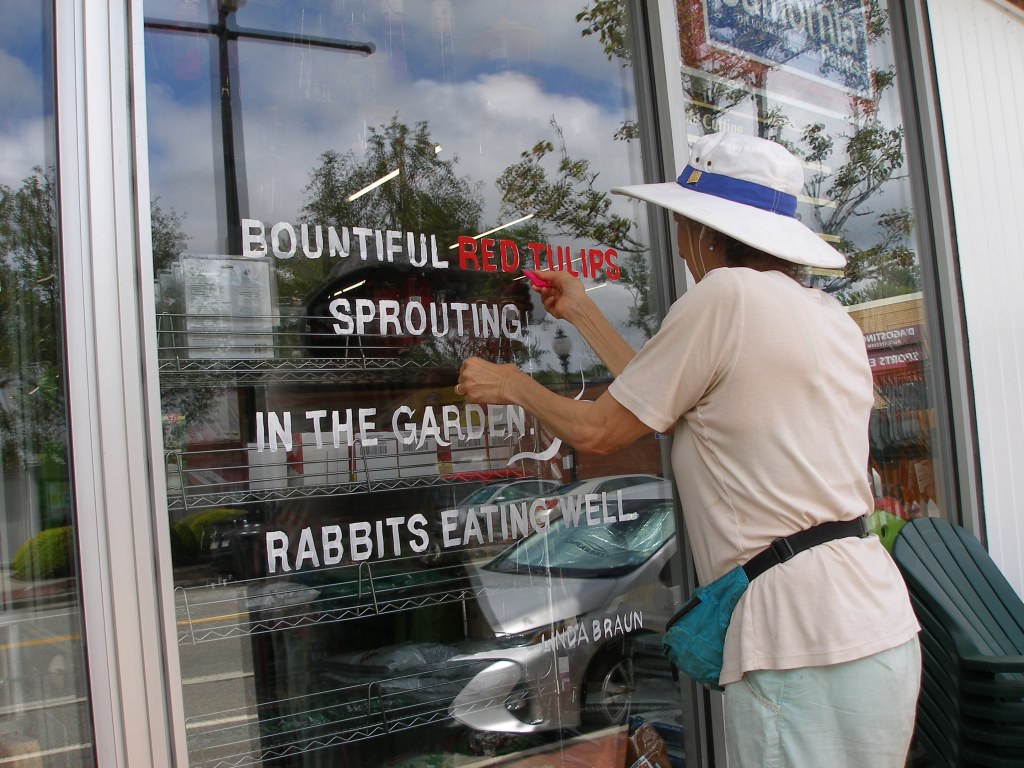
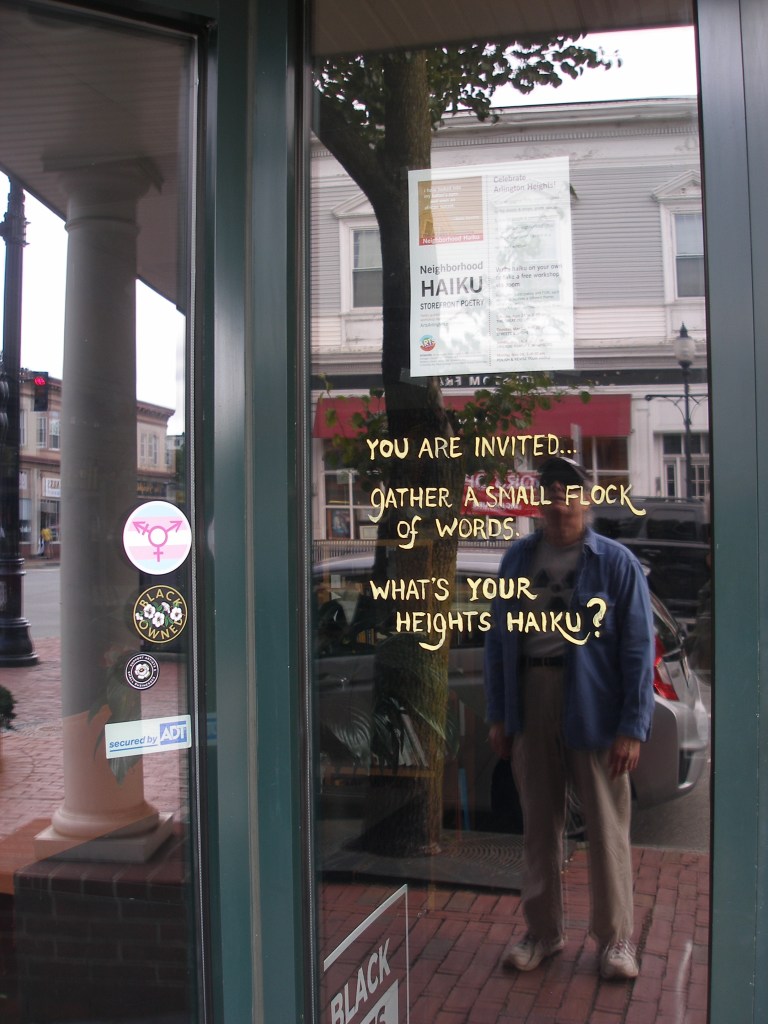
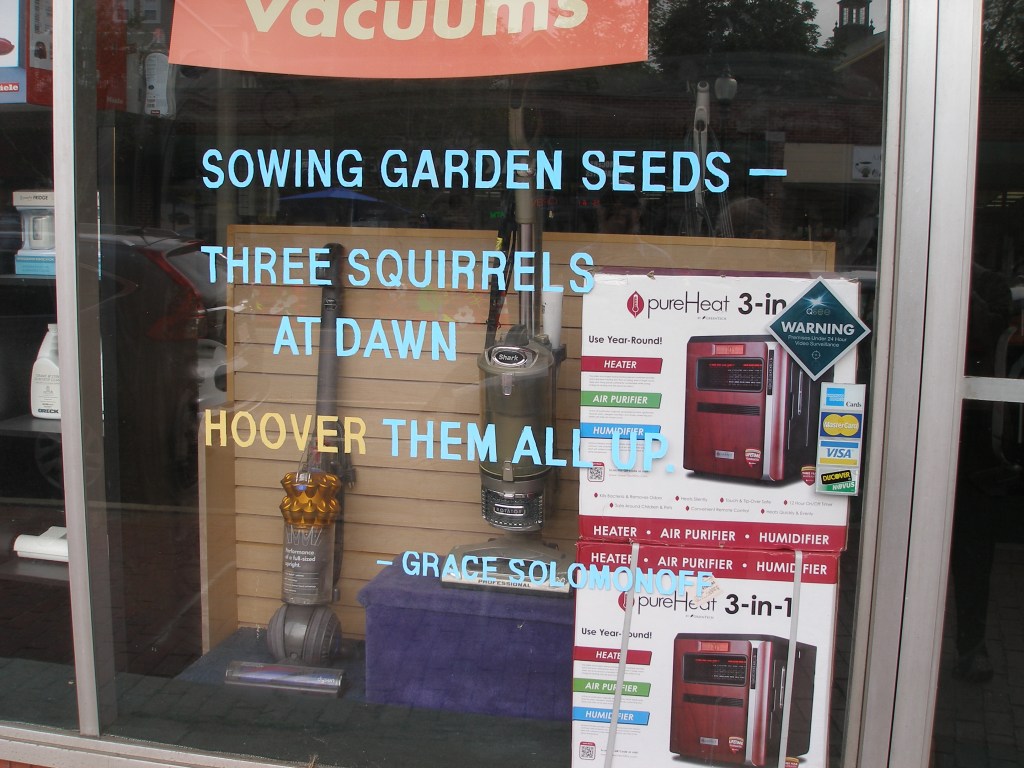
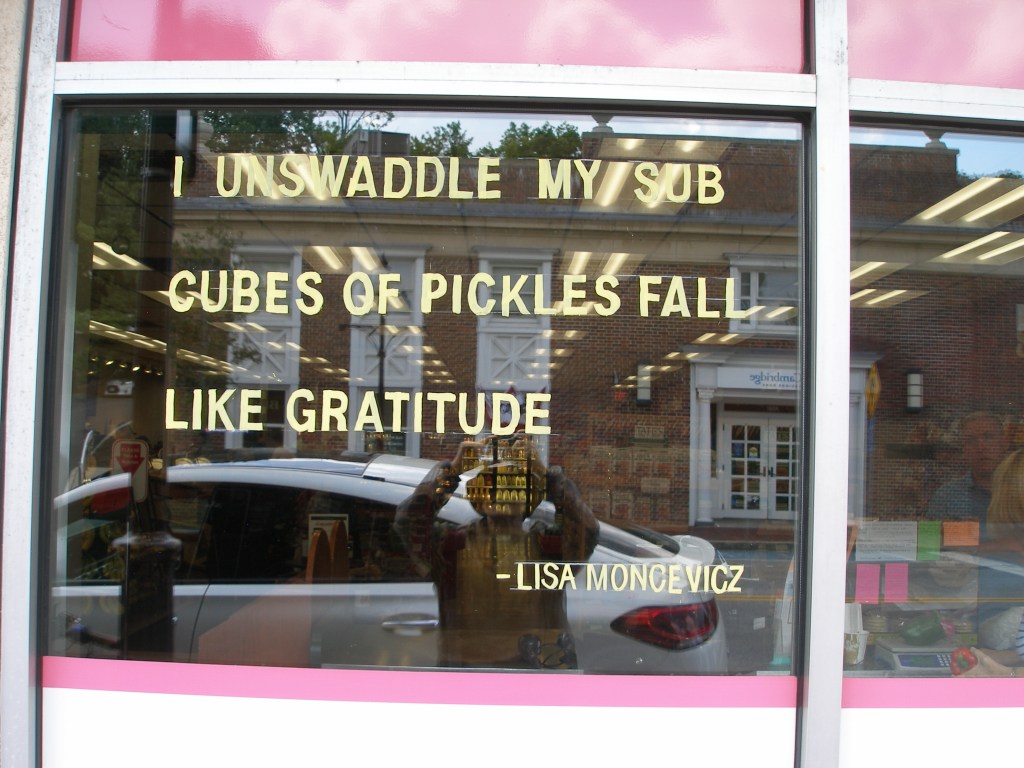
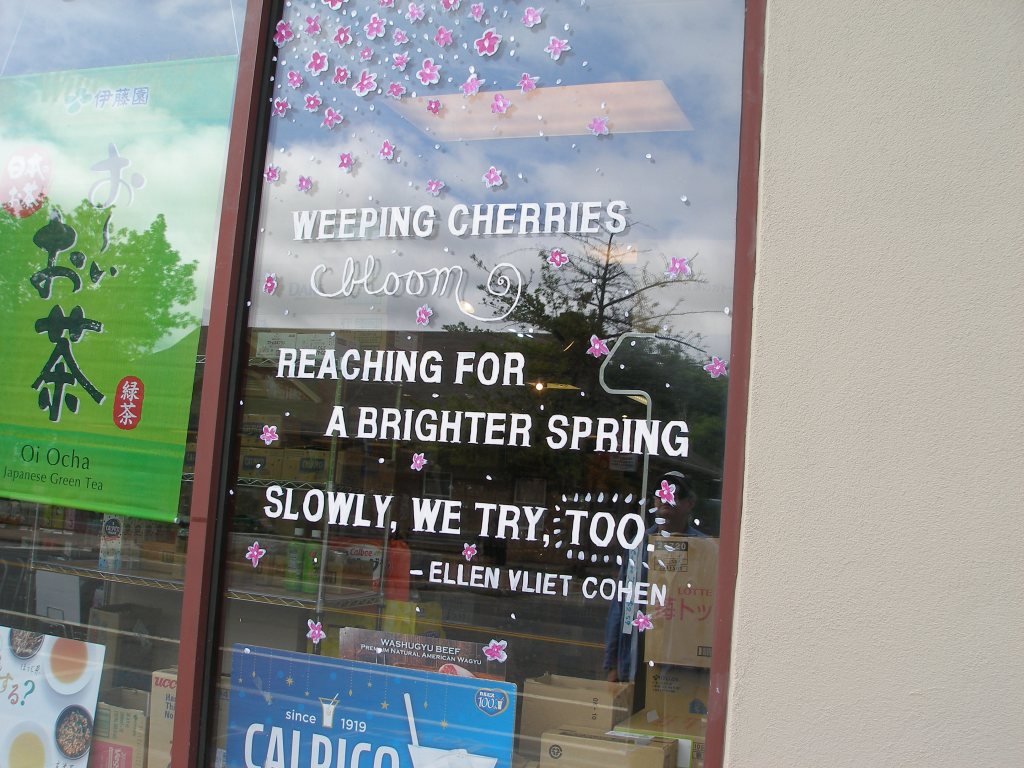
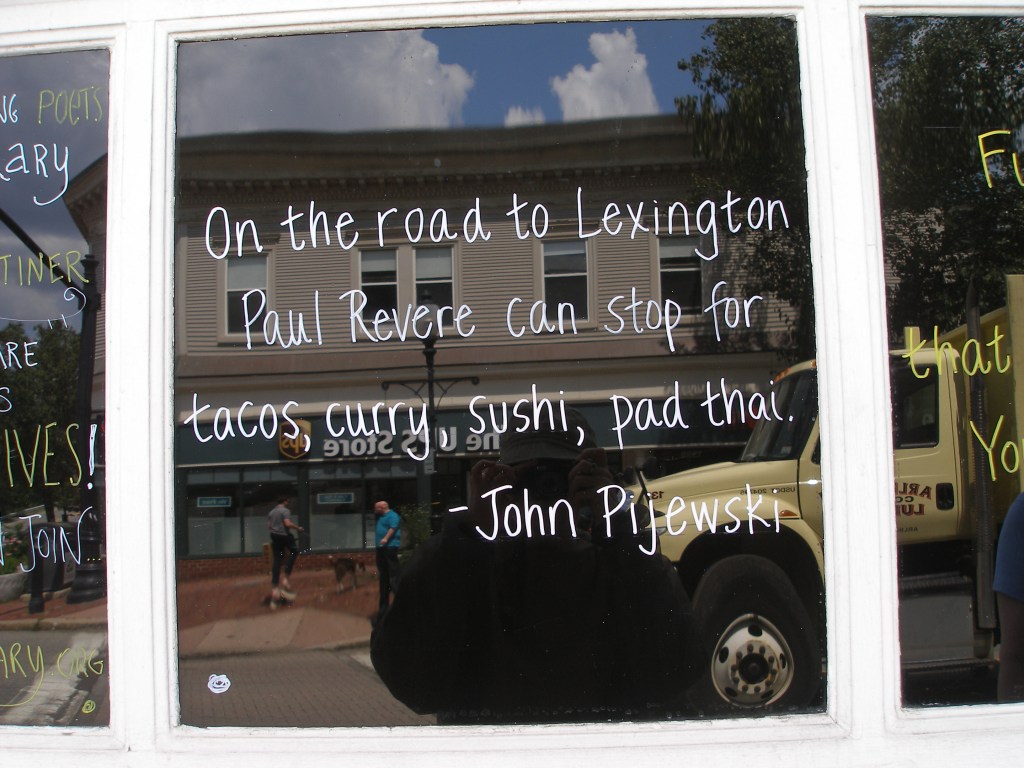
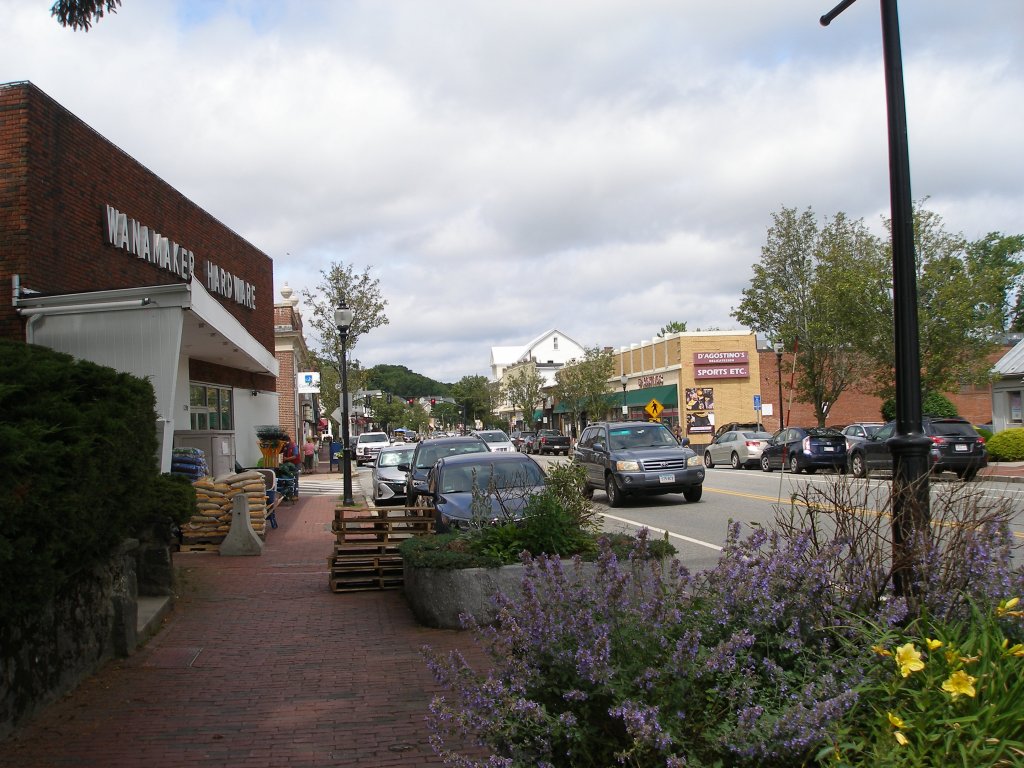
As I walked along Massachusetts Avenue near its intersection with Park Avenue looking for haiku from the contest, I came across several in the process of being painted. I said to one of the painters, “Maybe this has started something. Maybe there will be more poetry displayed in Arlington Heights.” The woman doing the painting agreed that should happen.
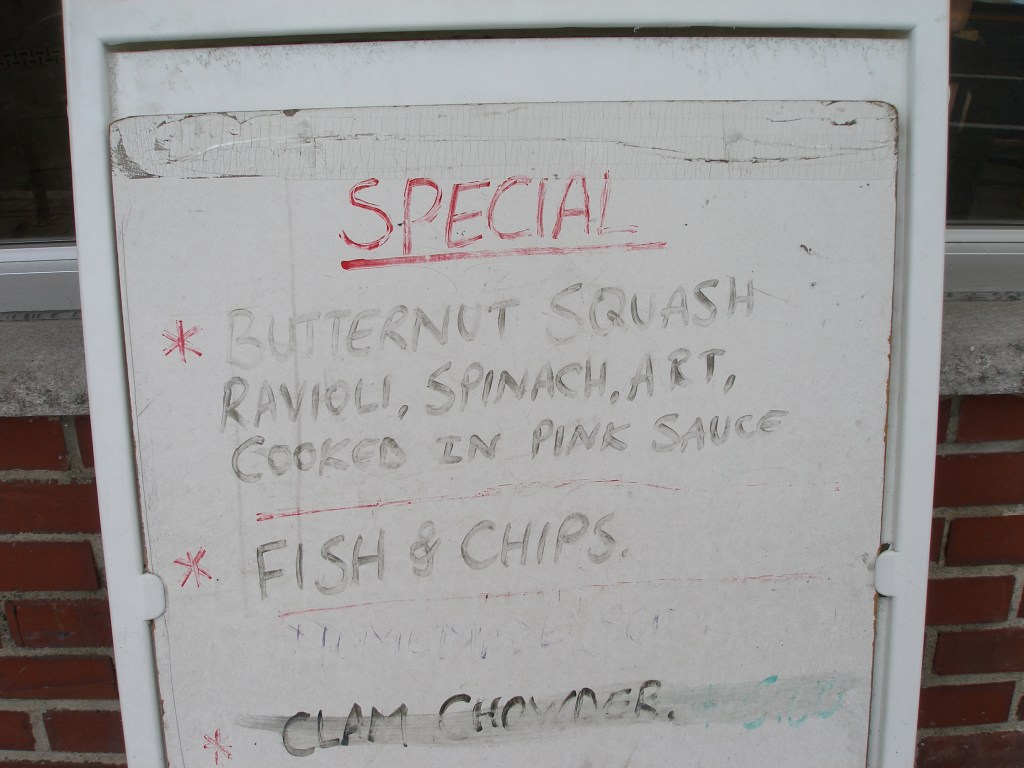
I noticed that some of the signs shop owners had put up in their windows felt a bit like poems. Looking back along the street, I knew it had happened again. I felt a new appreciation for this particular corner of the world.
With its warmth and depth, wood can speak to us in ways that few other materials can. We make so many things from it, we can take wood’s existence for granted. Some cultures particularly value the beauty of wood. The Japanese (who also value “forest bathing ”) have developed tools to shave incredibly thin strips from wood leaving a satin-smooth surface.
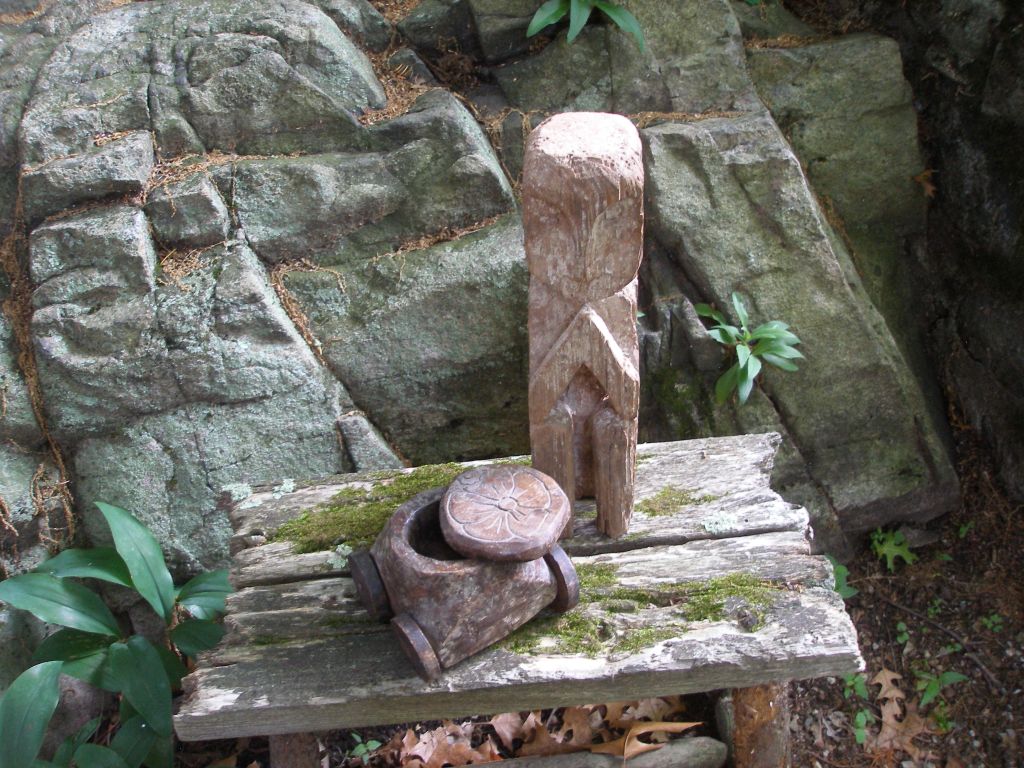
This post focuses on two old wooden objects from Nepal – see the first photo below. The wonderful five inch box with wheels has a cherry blossom carved in its swivel lid. Some kinds of cherry trees are native to Nepal but this chunky box seems quite a contrast to the delicacy of those blossoms.
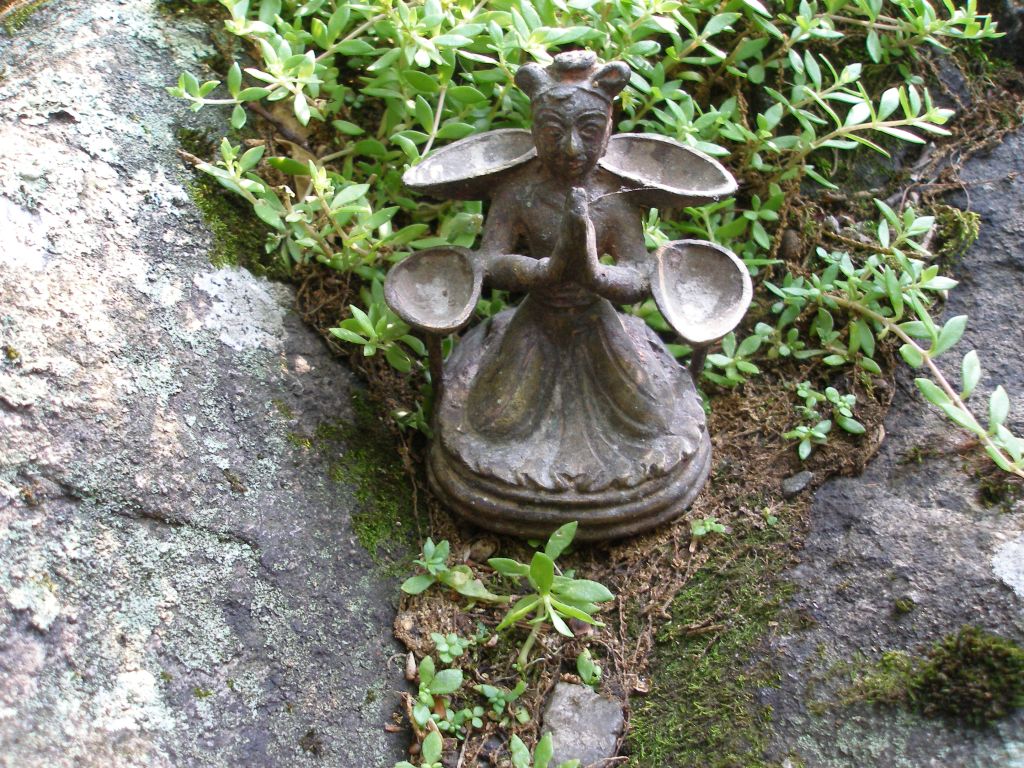
Anthropomorphic figures like the one to the right are found outside temples, near springs, guarding bridge entrances and on rooftops in western Nepal. In Wood Sculpture in Nepal, Jokers and Talismans, Bertrand Goy and Max Itzikovitz write, “very few serious and thorough scientific works (are) available to help us make sense of the scattered, fragmented and often conflicting information on these sculptures” (p 49). Scholarly works tend to discuss religious objects from the Kathmandu valley like the idealized donor lamp in the second photo.
Knowing almost nothing about them only increases the appeal of these two wooden objects – I am free to imagine all kinds of meanings and uses. Whatever the original intention, the makers deep feeling for the spirit of wood is clear in a vivid aliveness that transcends cultures and time.
These two old wooden objects from Nepal captured my heartAn idealized donor oil lamp that would have been given to a temple
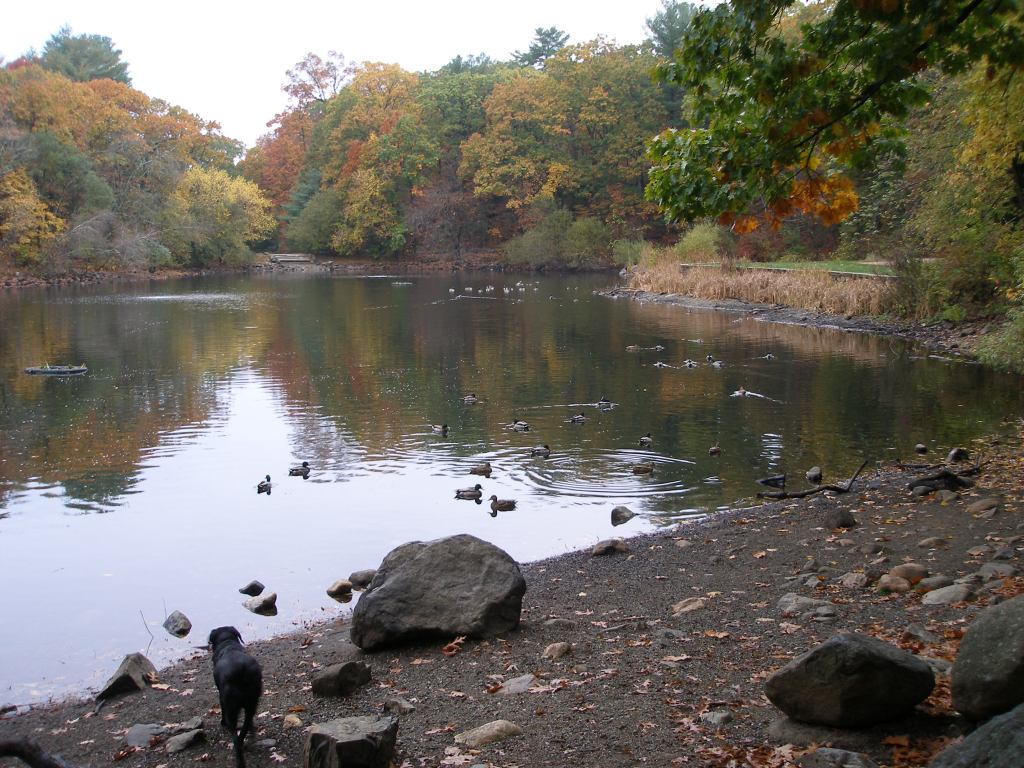
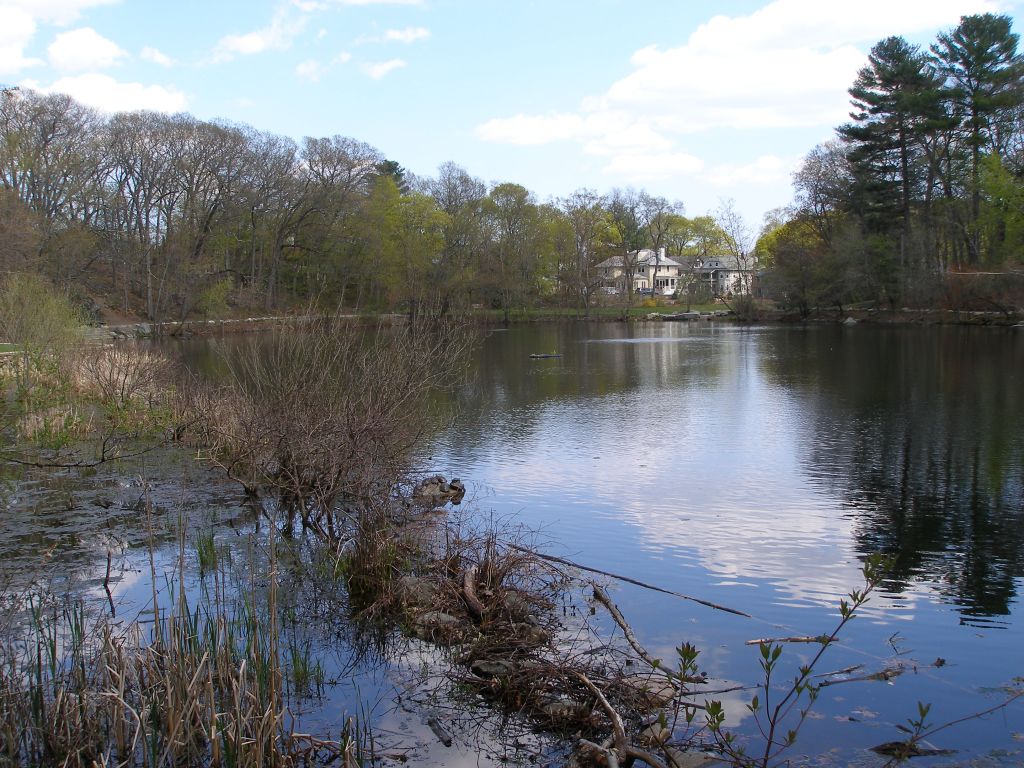
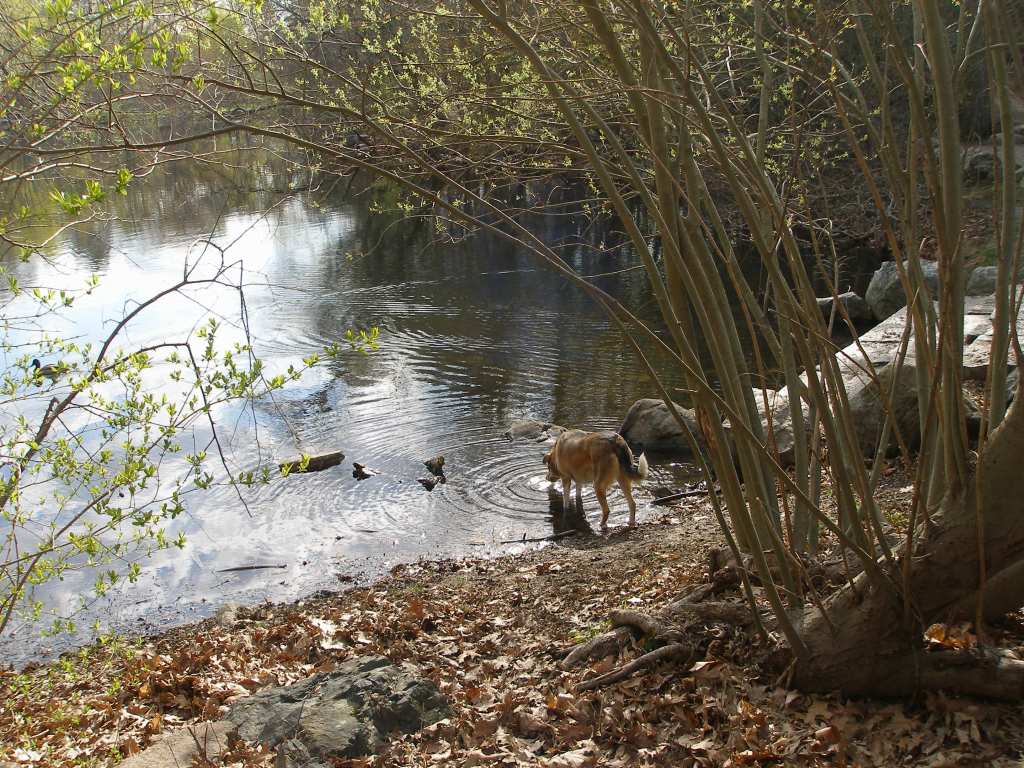
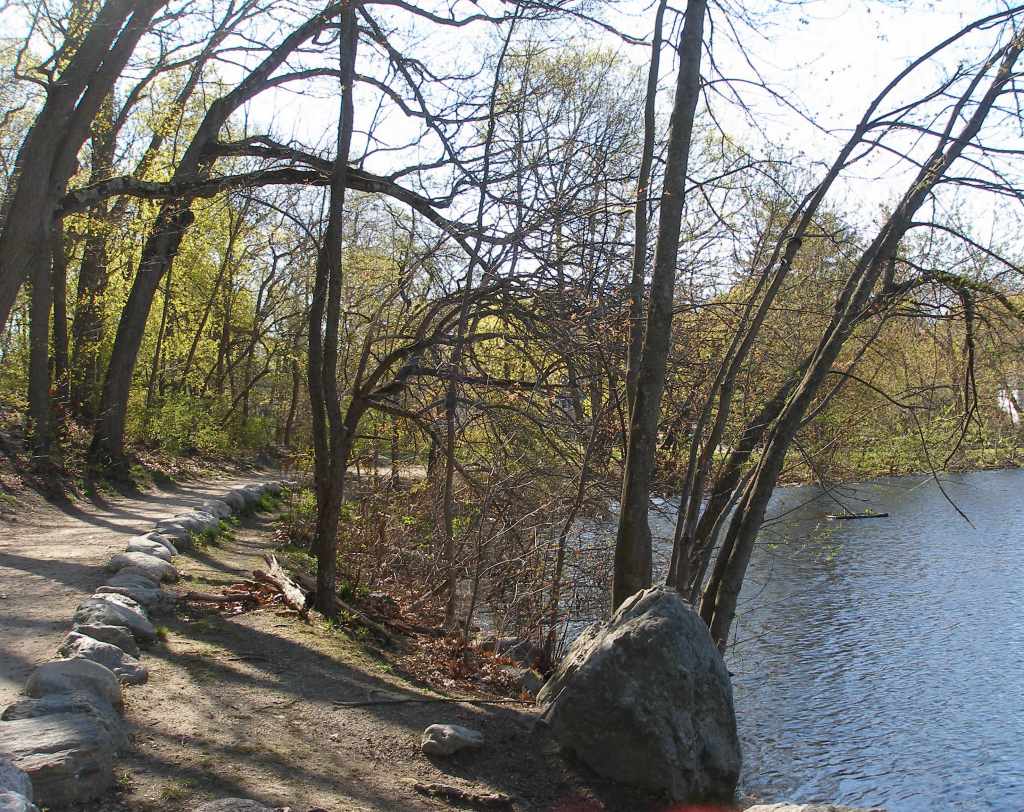
According to Don Mattheisen’s Menotomy Rocks Park; A Centennial History, this woodland park in the midst of a dense grid of small yards in Arlington, Massachusetts, USA was once called “Devils Den.” Transforming its tangled woods with looming granite outcrops and a swamp into a usable park took considerable will, expense and effort. When muck and leaves began to fill the pond, the town once again secured funds to dredge it out and installed aeration devices.
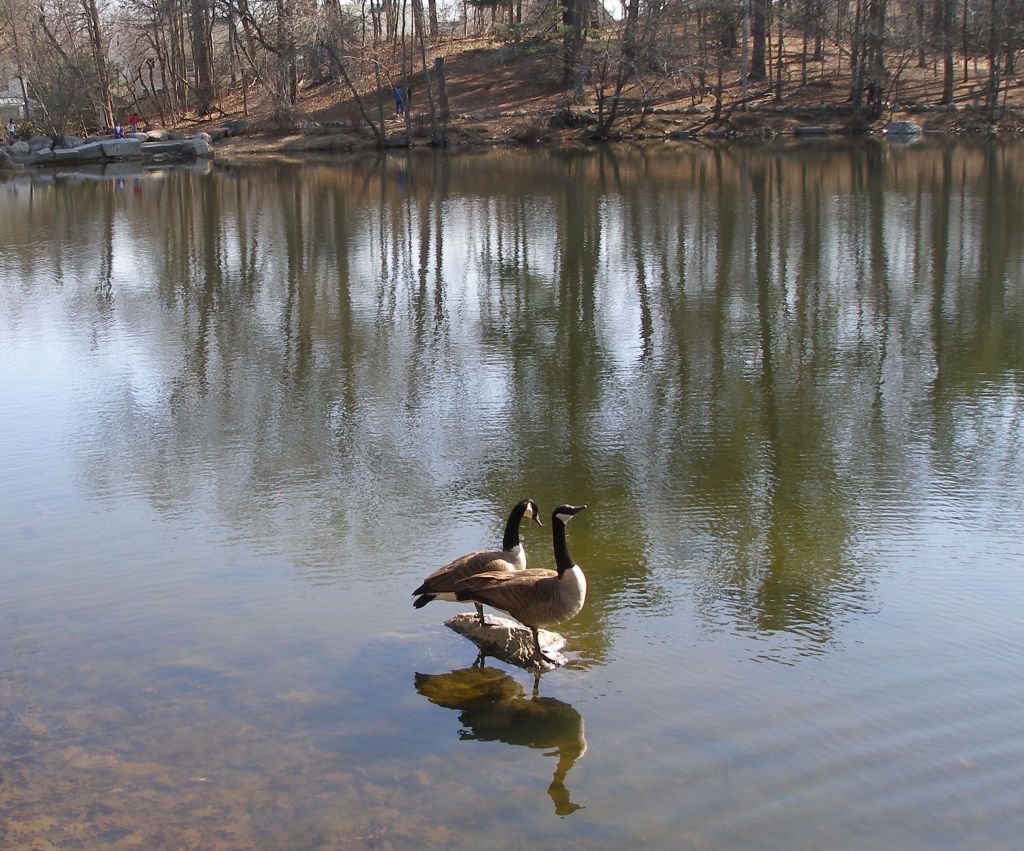
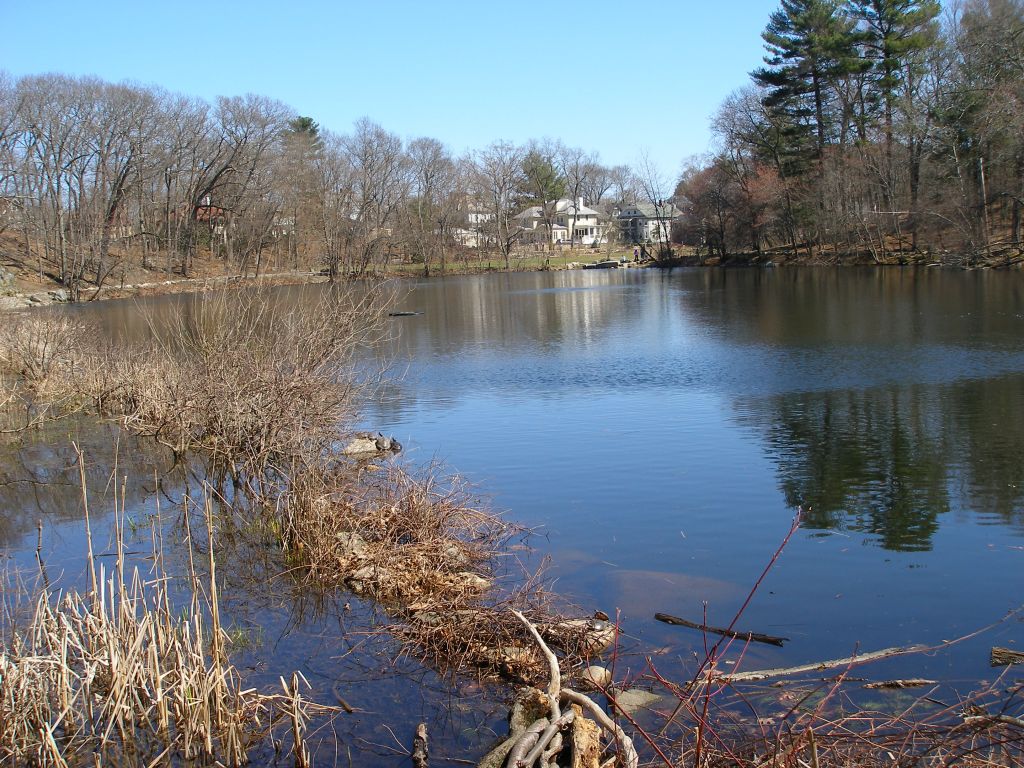
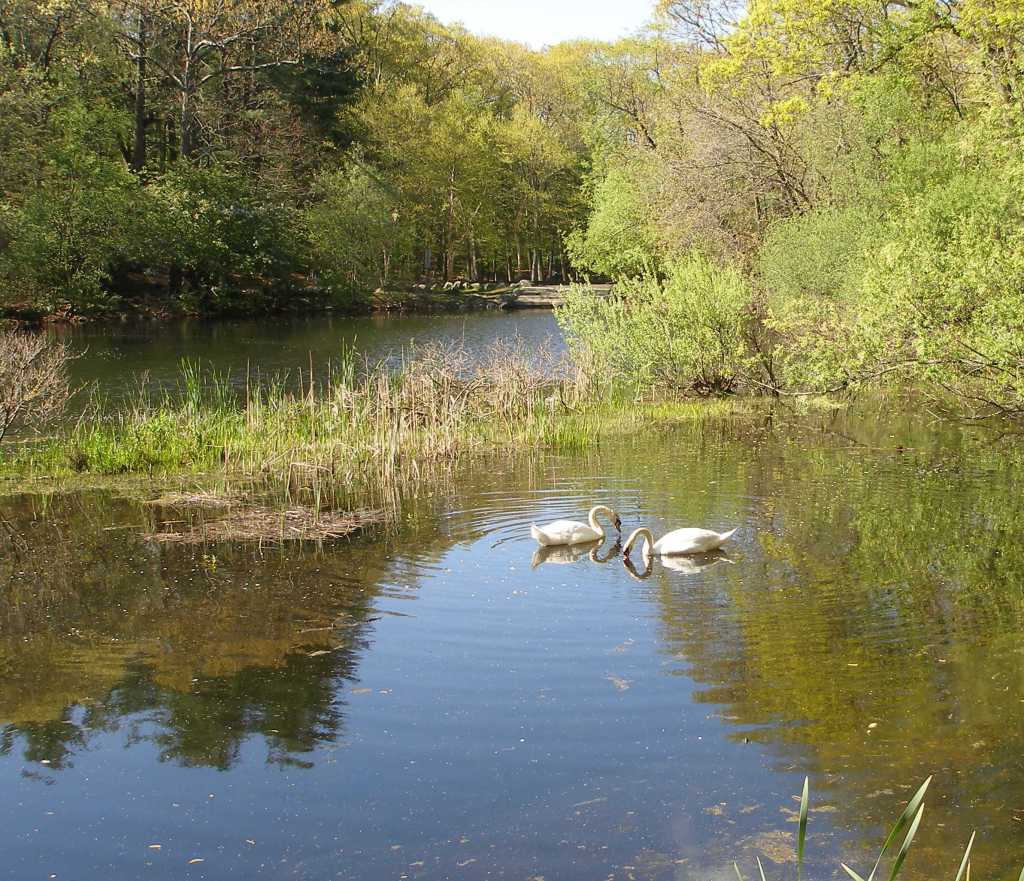
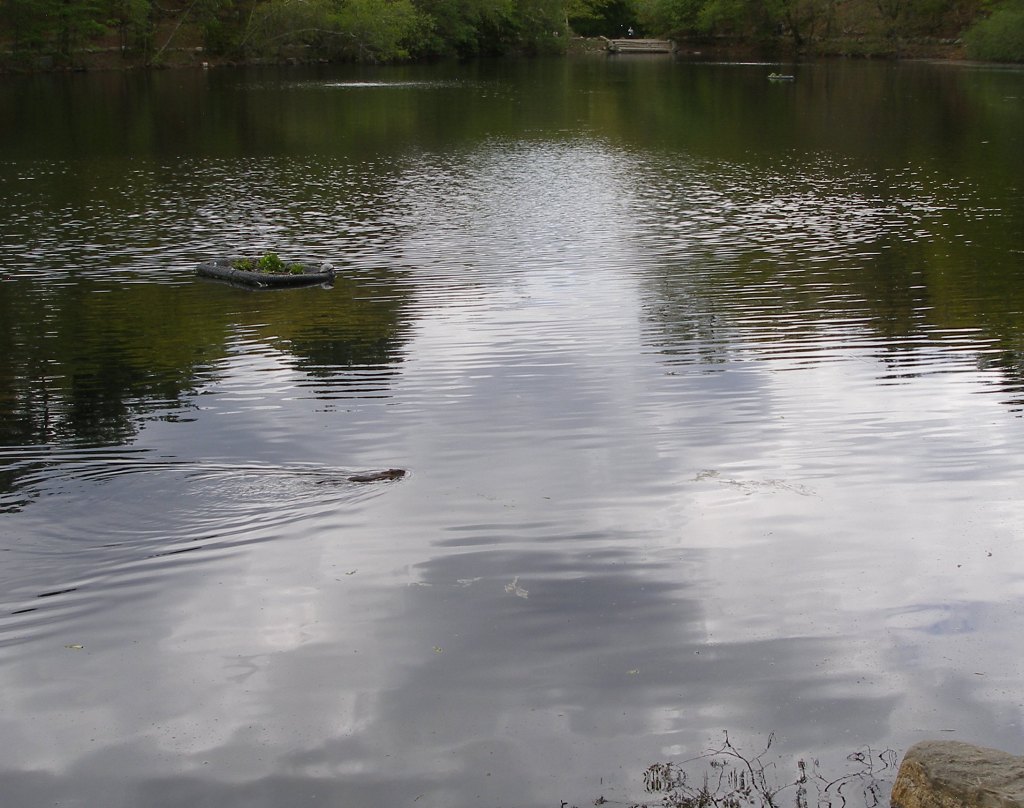
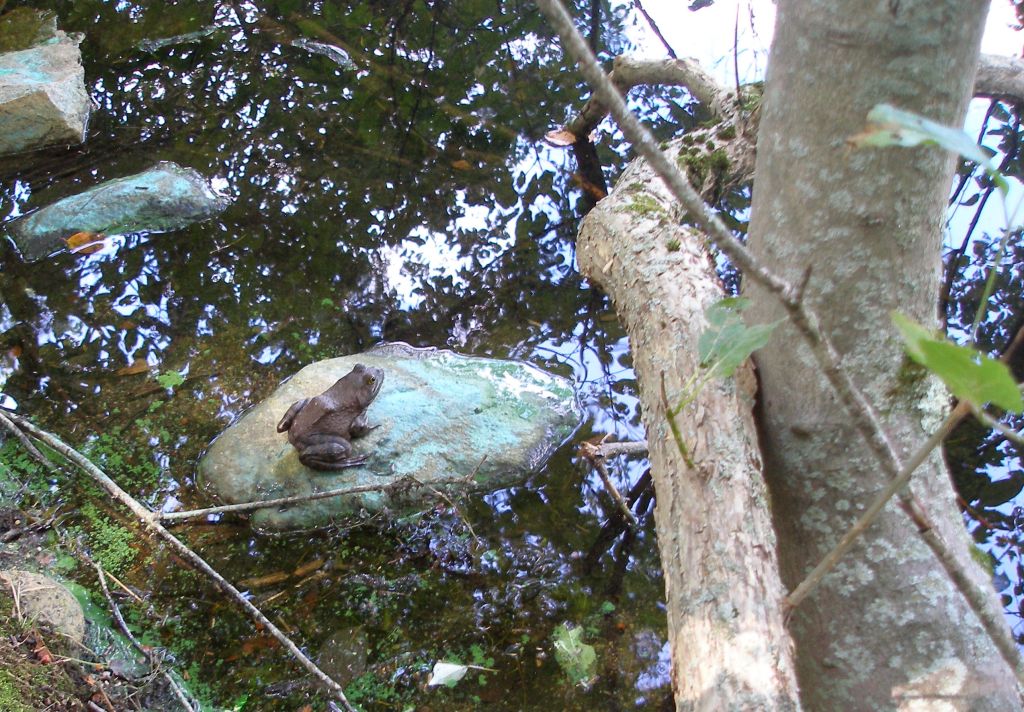
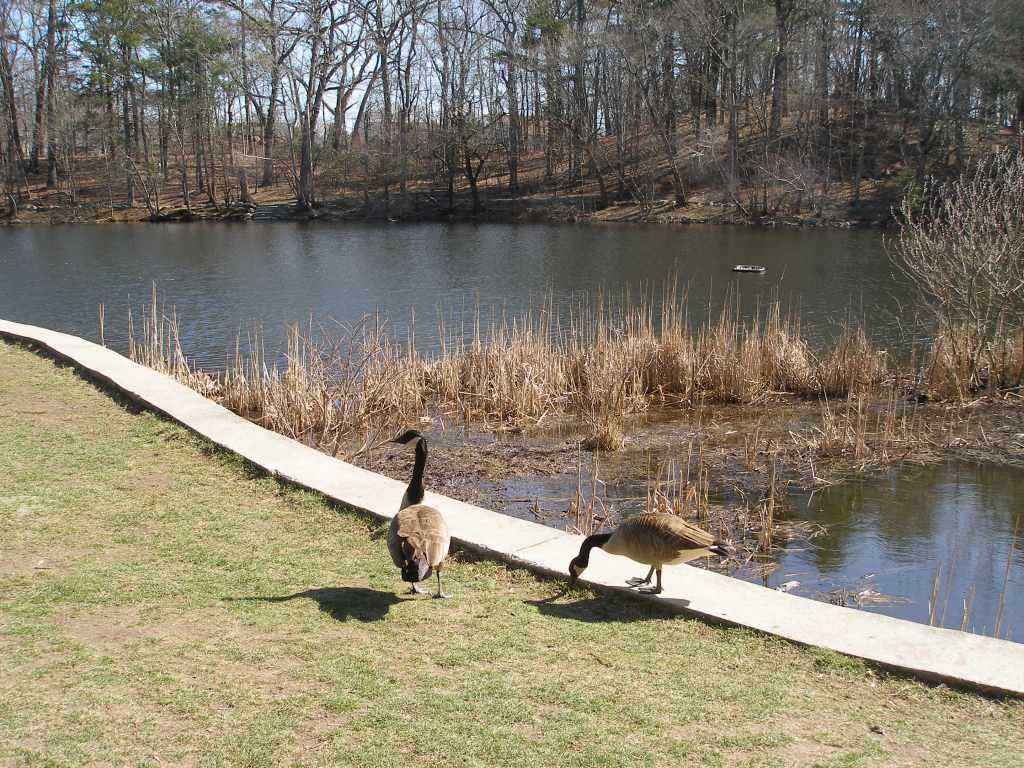
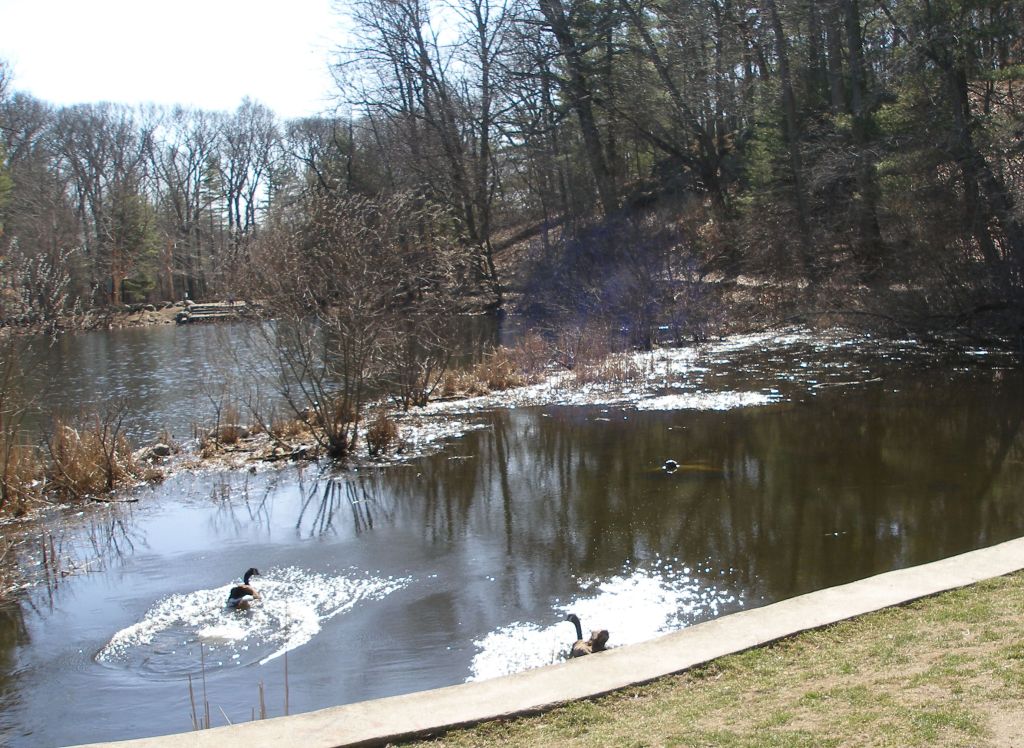
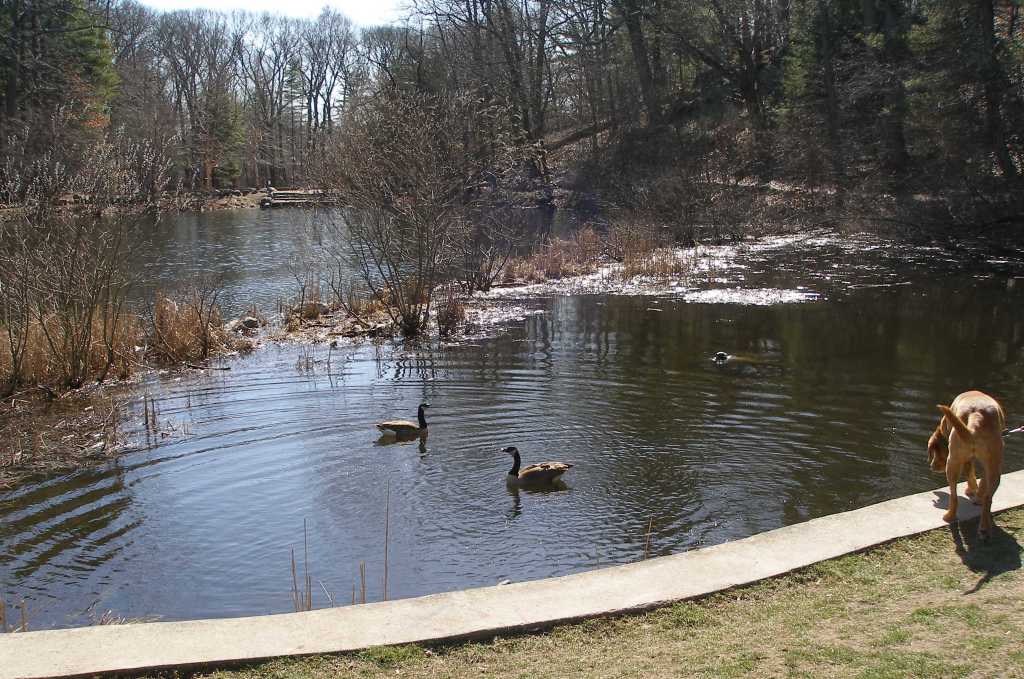
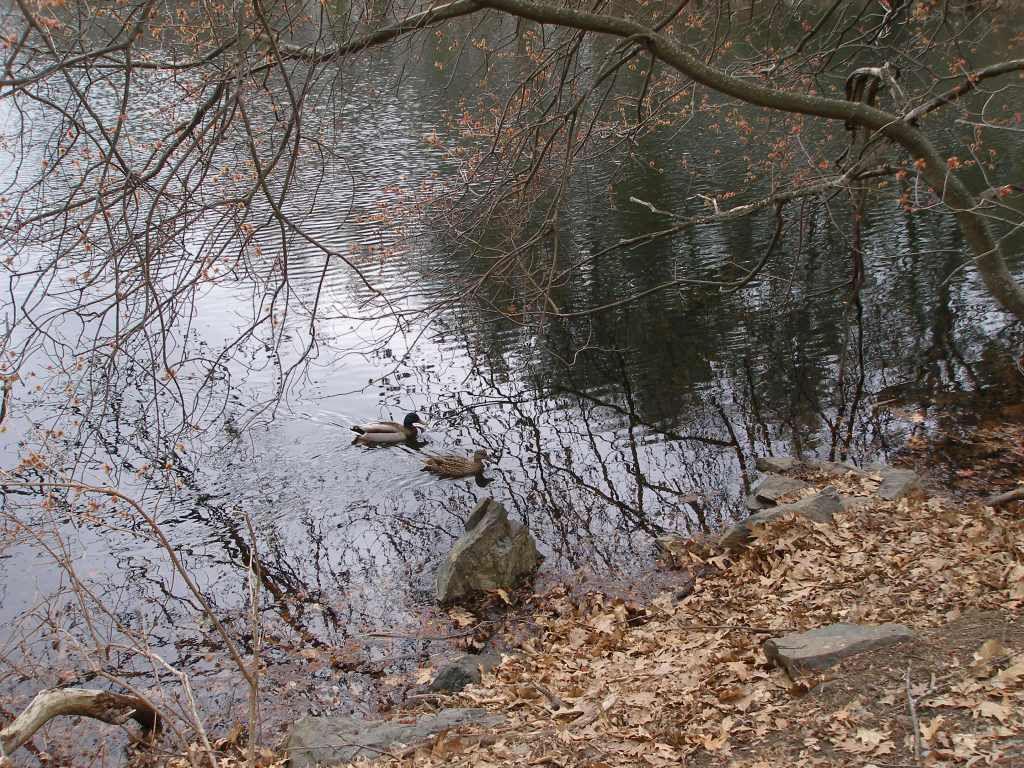
It was particularly colorful there last October when I started capturing what I noticed there as the seasons changed. It seemed like the ducks had begun to follow me as I walked around the pond. But as the winter’s snow compacted to ice on the paths, only a few ducks remained. In early spring, turtles clustered on a rock jutting out from a wetland area by the side of the pond. Two swans probed for tender new shoots and a pair of Canada geese acted as if this pond was their personal resort. A muskrat swam over to hide in plain view under foliage by the water’s edge and a bull frog’s loud call startled a dog walking by with its owner.
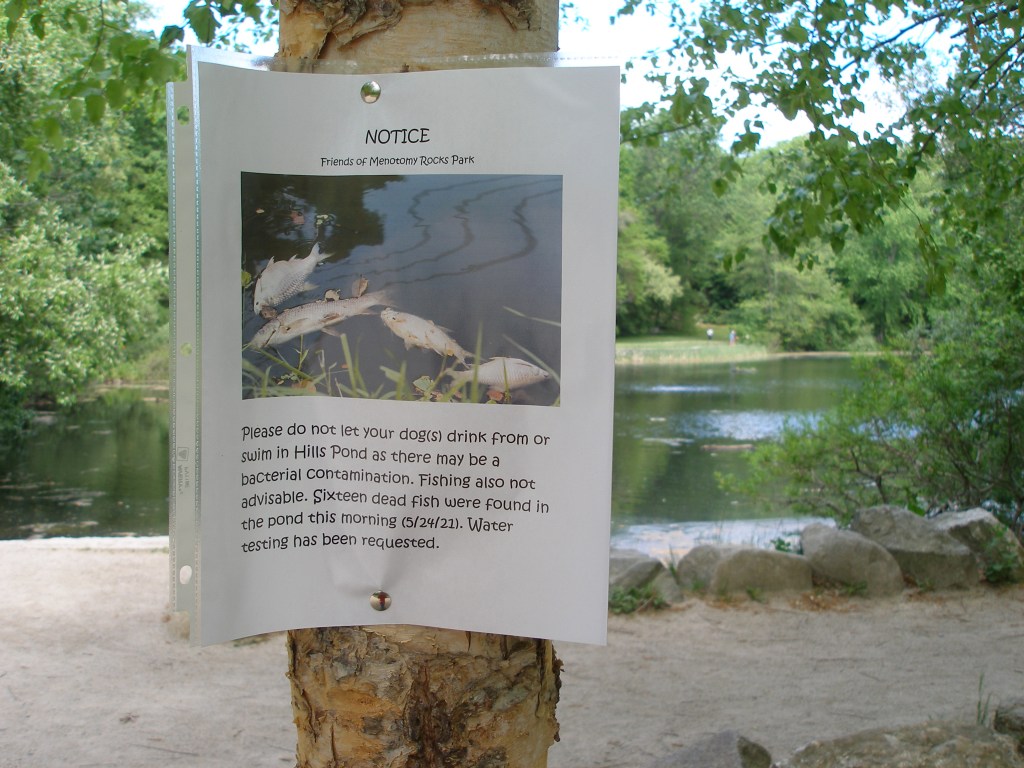
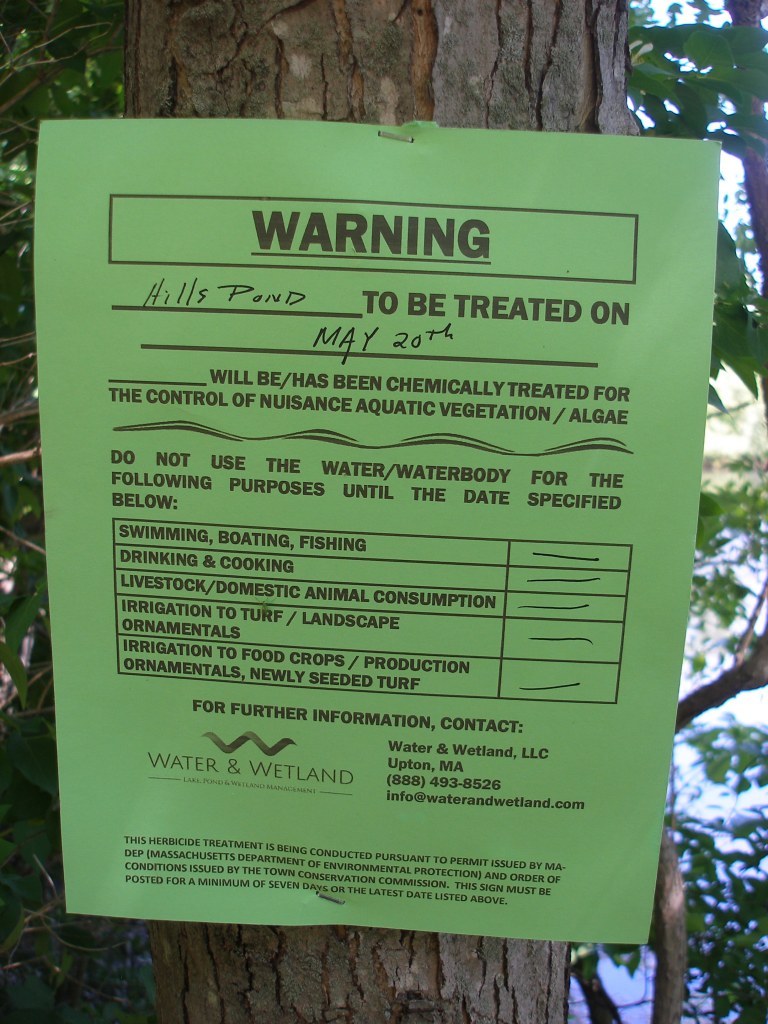
By late May, the robins and red wing blackbirds were as plentiful as ever, but there was only a single duck to be seen, sleeping atop a boulder. Perhaps the others had left to raise their young in a safer place away from dogs and snapping turtles. Then I saw a notice – fish had died and water testing had been requested. As if to ensure I had gotten the message, I saw a squirrel lying by the side of the road next to a rock as I left the park. It was still breathing. I spoke to it in gentle tones wishing it (and all of us) well.
Threats to the natural environment are ever more apparent, and I will continue adding updates to this post if I notice other signs of trouble in Menotomy Rocks Park that are worth sharing.
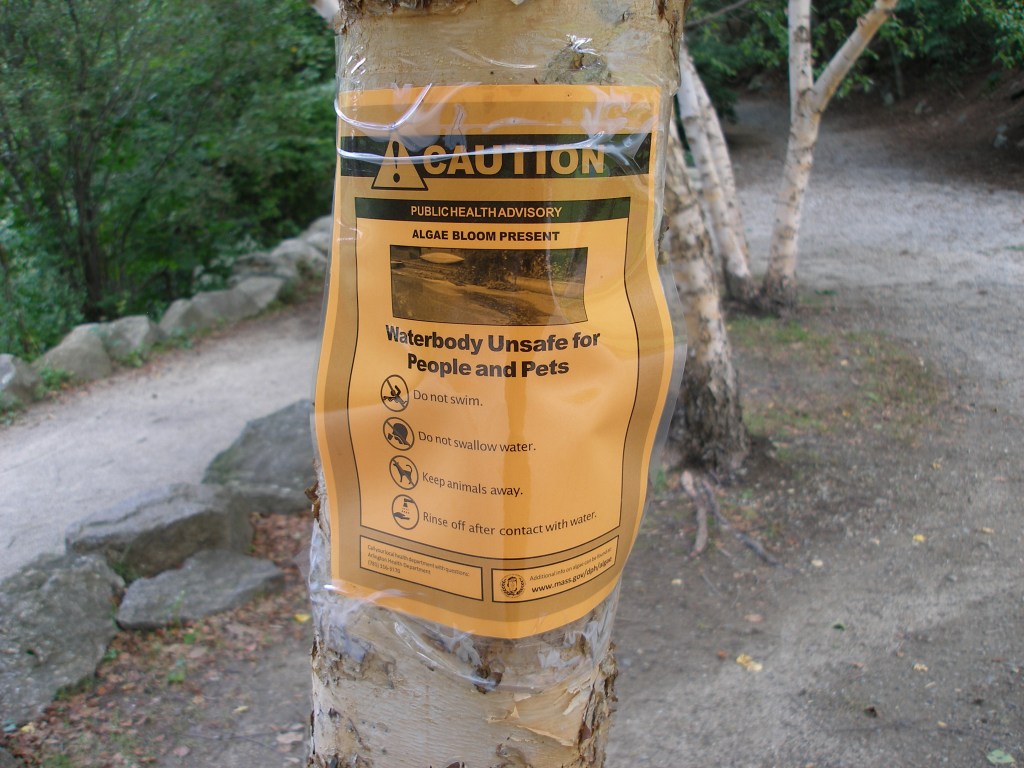
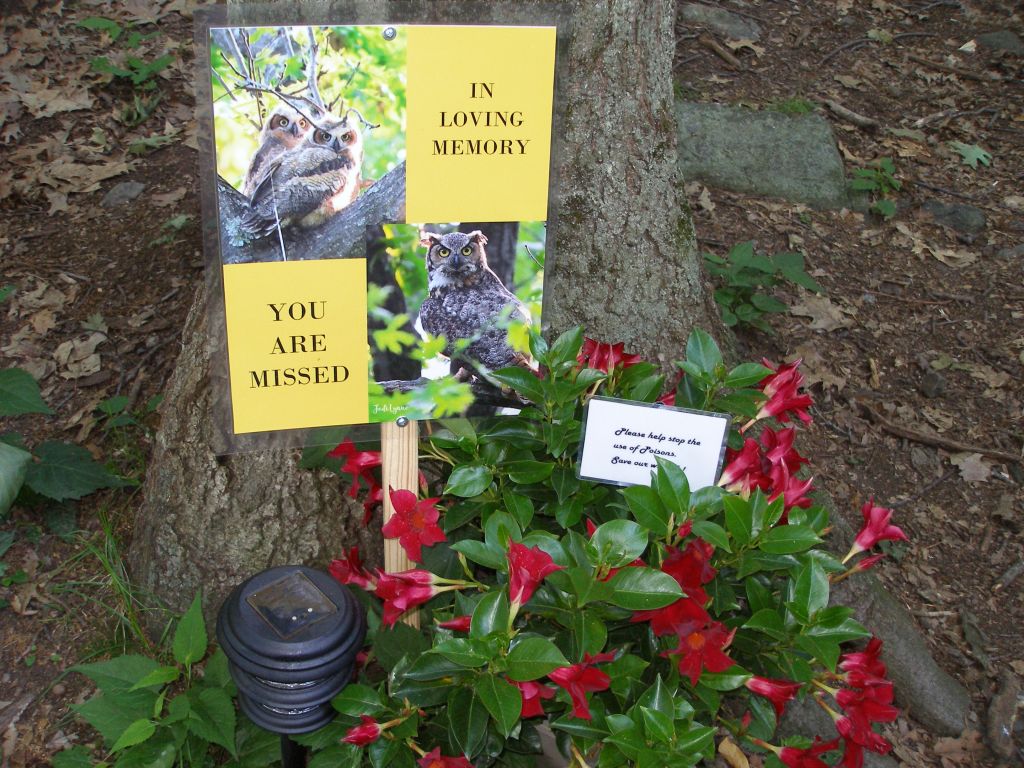
Only a single duck slept high on a boulder in late MayMany ducks of various species frequented the pond last OctoberA pair of Canada geese came in early March and stayed for several weeksTurtles sunning themselves on a rock jutting into the pond on one of the first warm daysSwans probing for tender young shoots in the wetland at the side of the pondLooking a bit like a small beaver, this muskrat has a narrow tailThe muskrat with its head poking up looks like a rock or log by the edge of the pondA bullfrog making a rare appearance out in the open on a rock where it can be seen.A raccoon to left of the tree trunk stared at me while I took its portraitThis park is lucky – people care and have the resources to work at preserving its health. May testing found the water was safe, however later testing in September found toxic algal bloom: Warning sign postedHills pond was treated one year laterAnother kind of trouble – rat poison killing owls as well – spring 2022
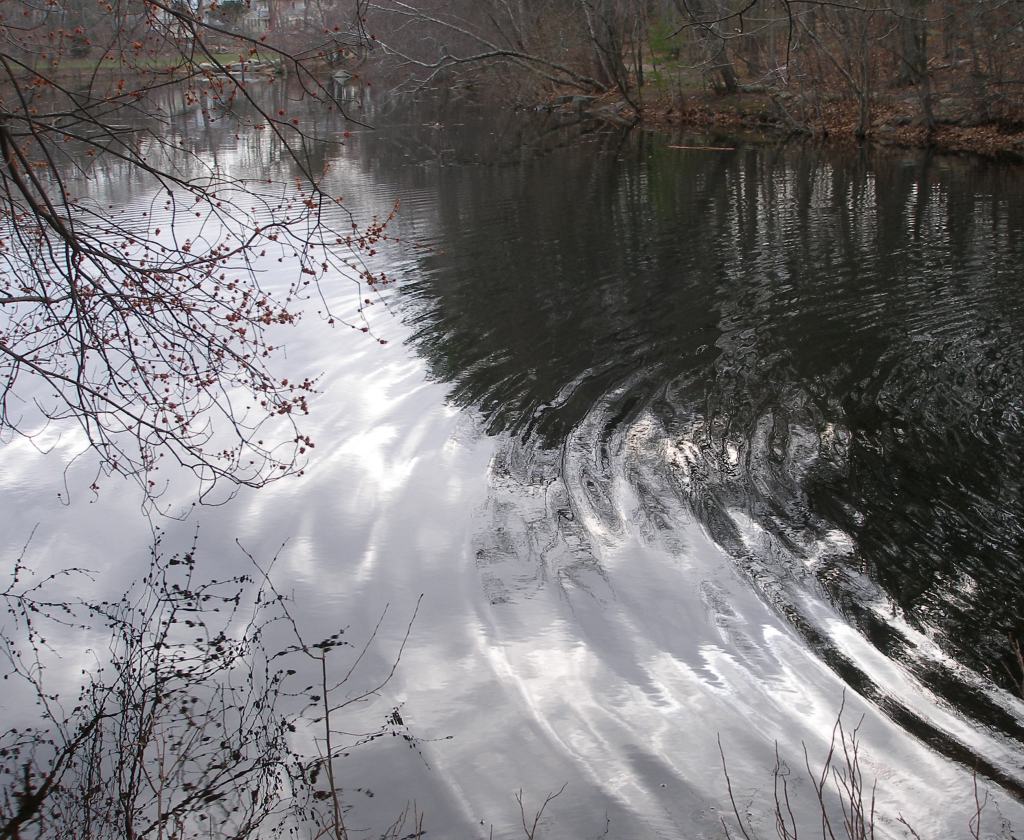
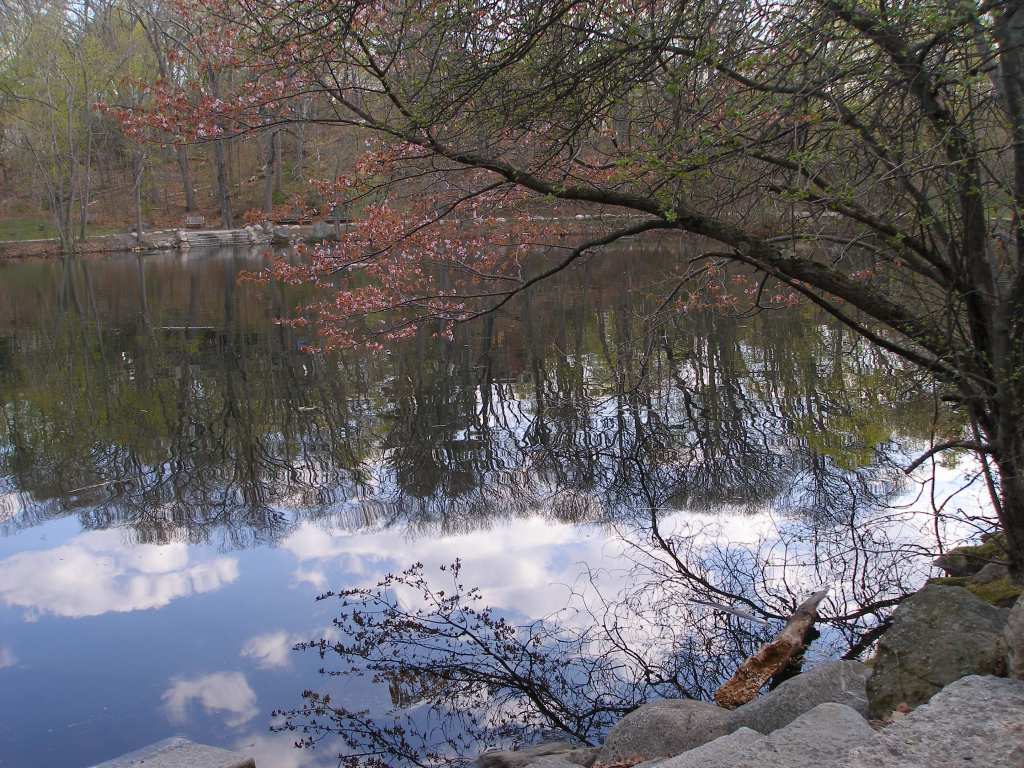
Puffy white clouds made lovely images in the pond this time of year. Now on warm days in late April, turtles gather on a rock that juts into the pond beyond a marshy area (see below).
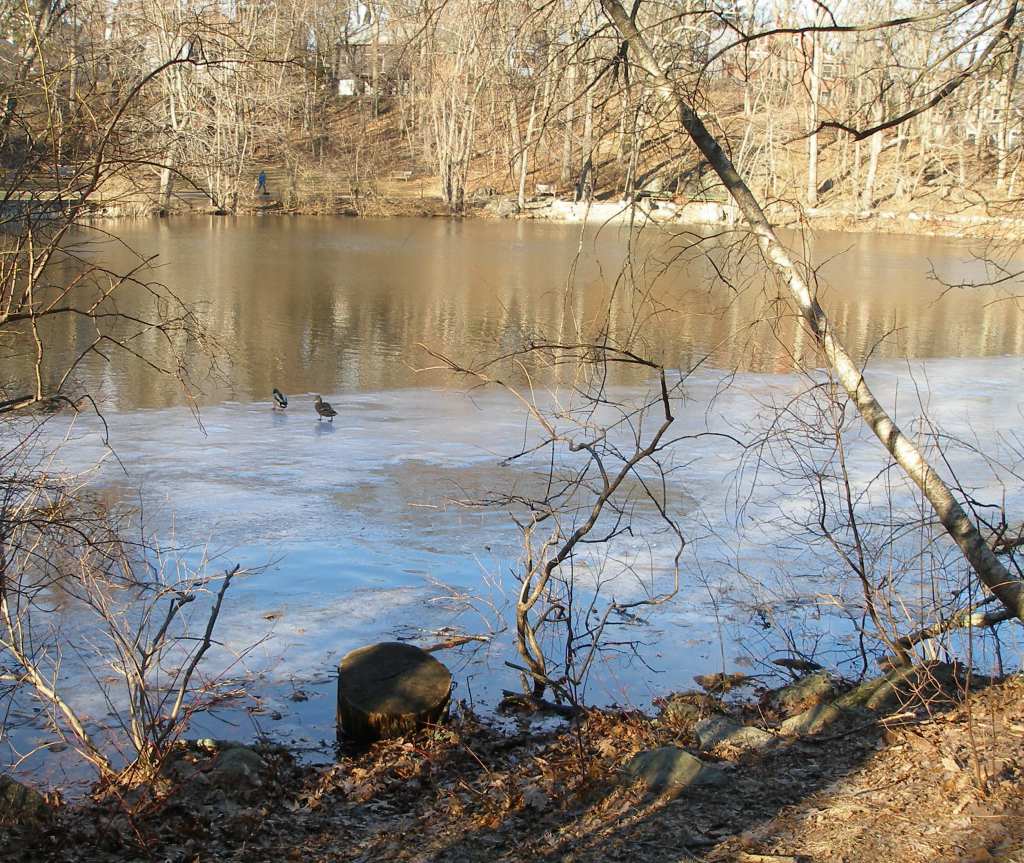
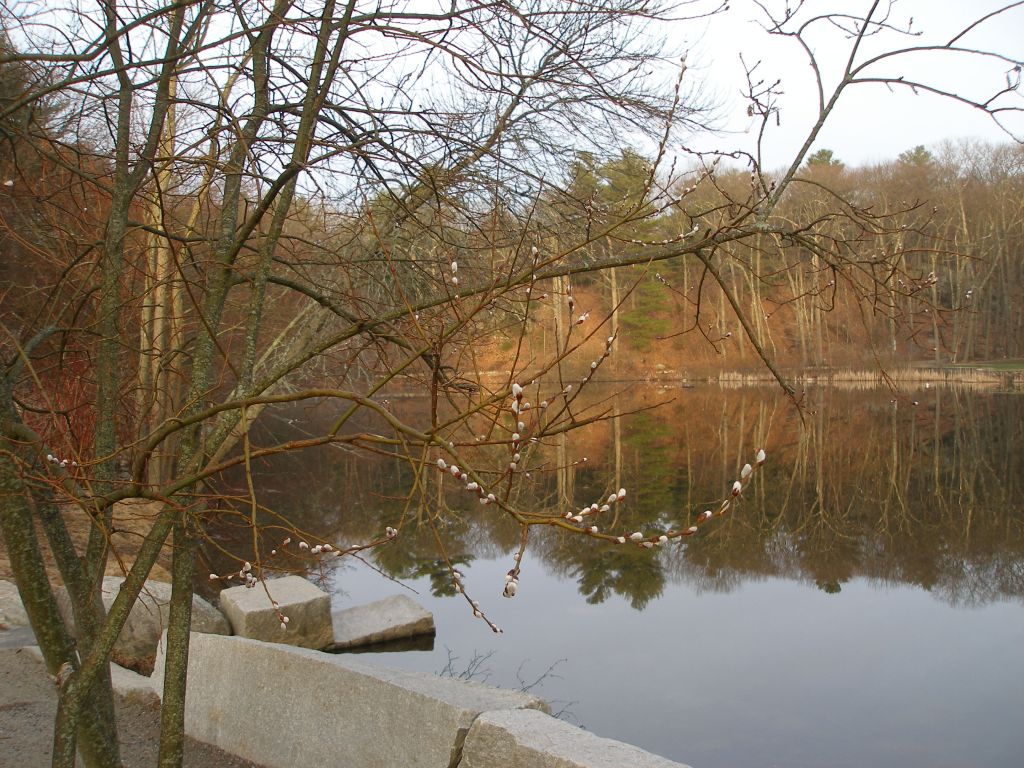
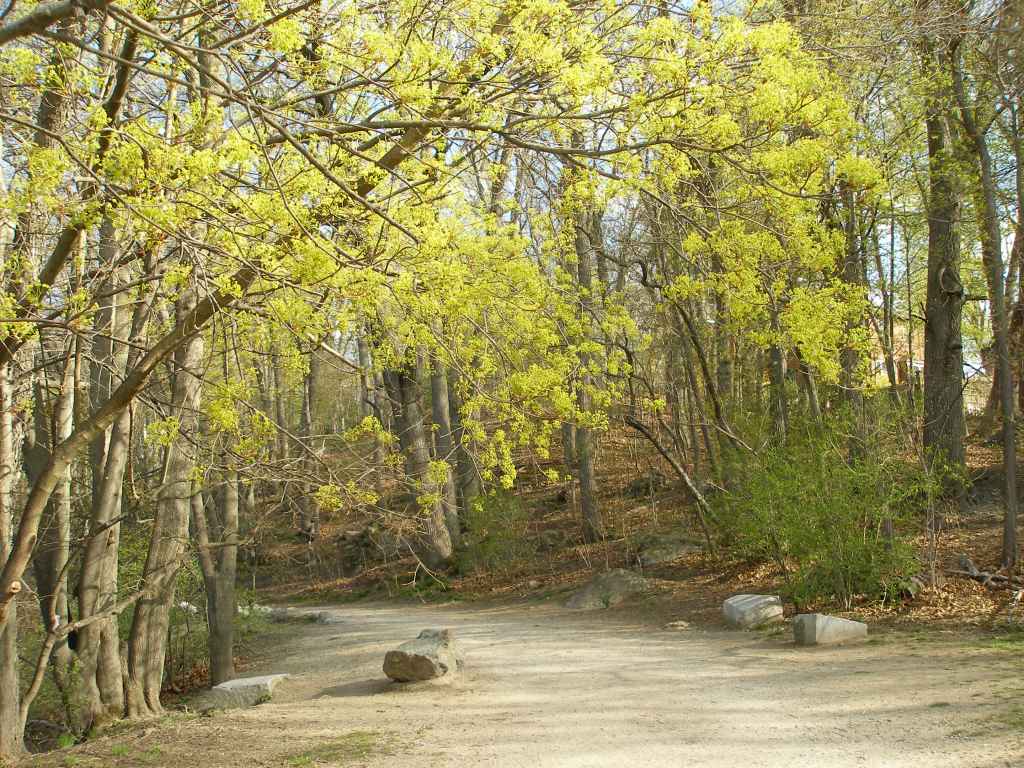
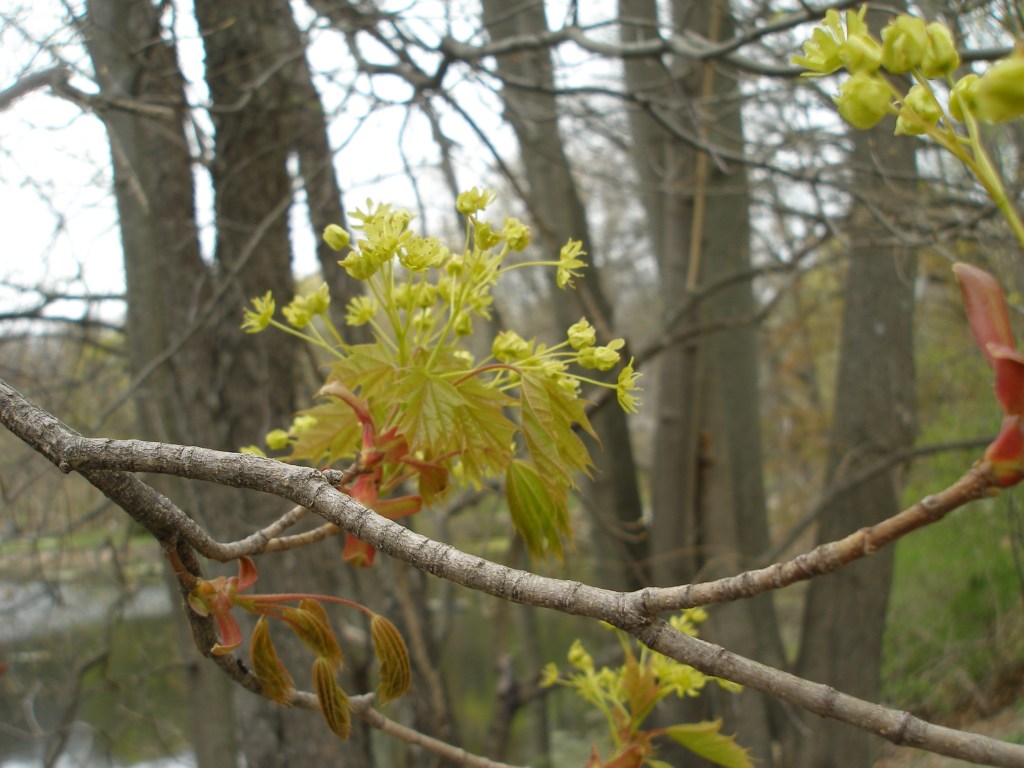
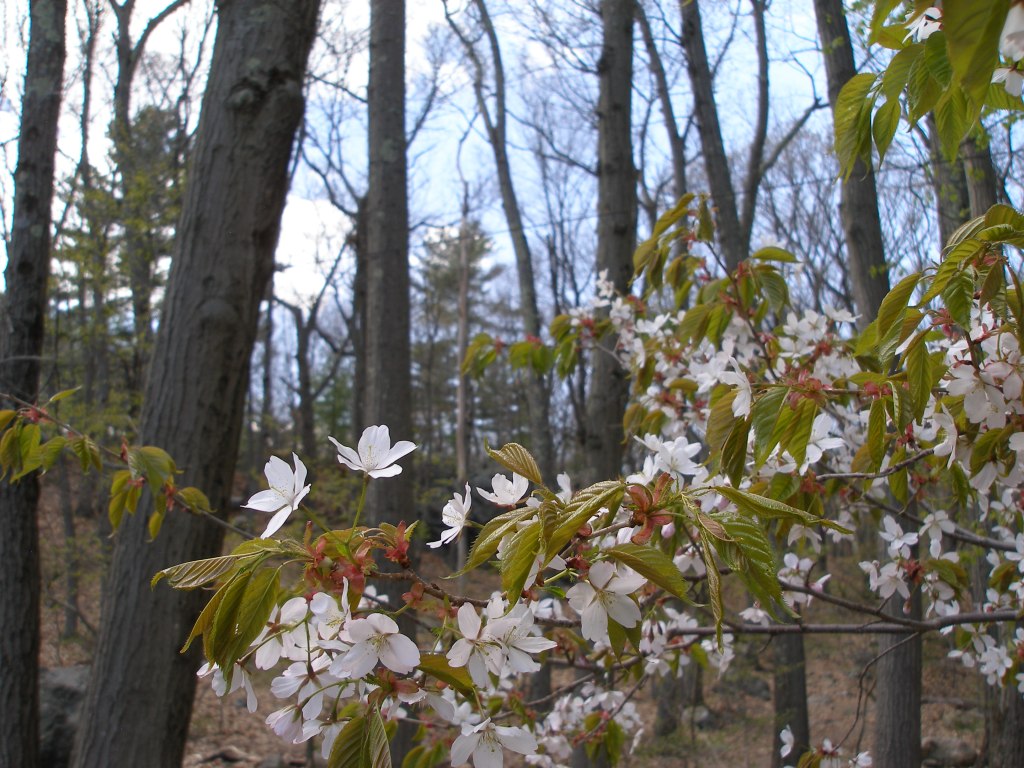
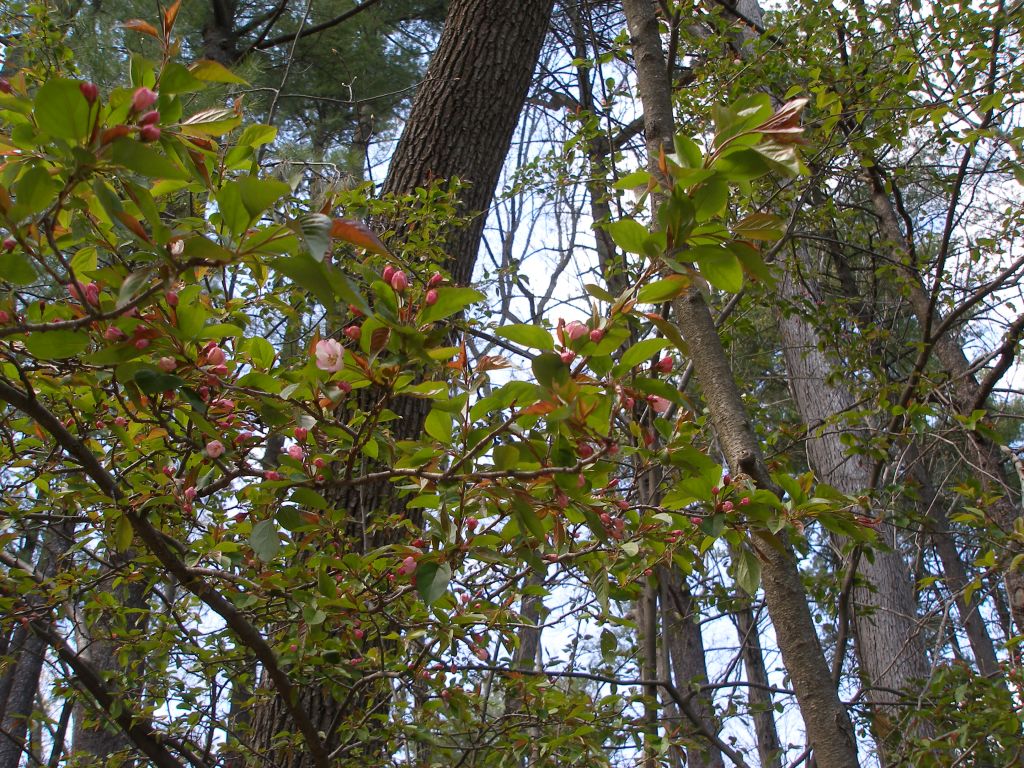
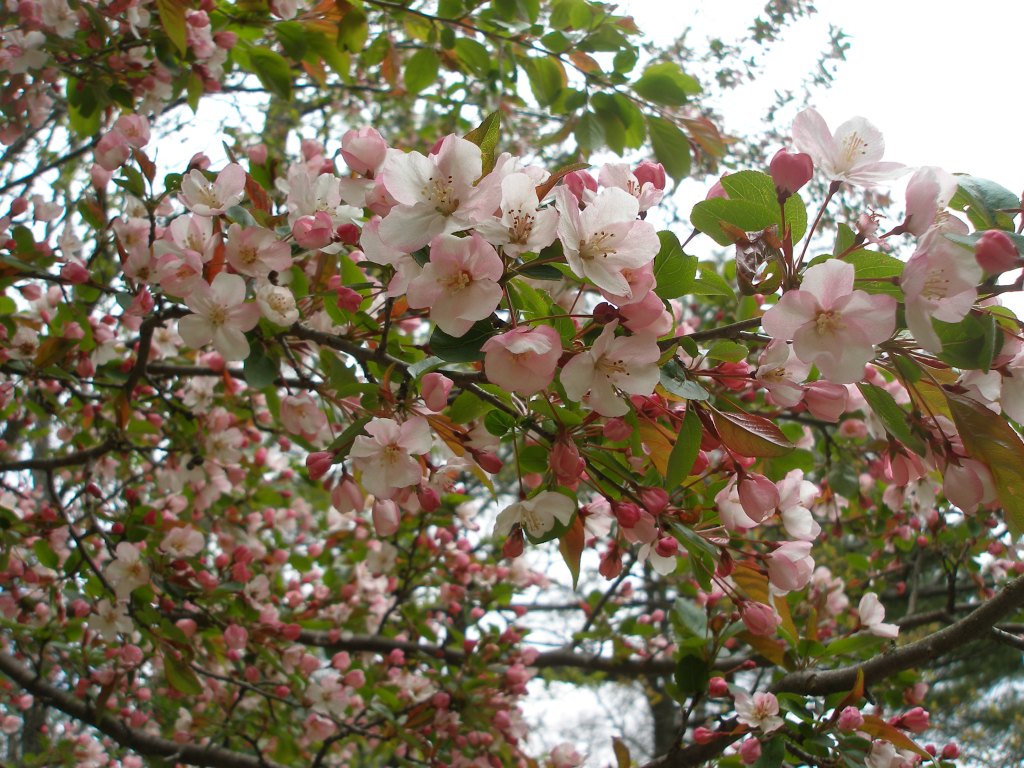
In early March, when the branches were bare, ducks walked out on the ice heading toward open water. A bit later, tiny buds spangled branches by the pond before the pastel haze moved up the bank and blooms began to appear along the woodland trails.
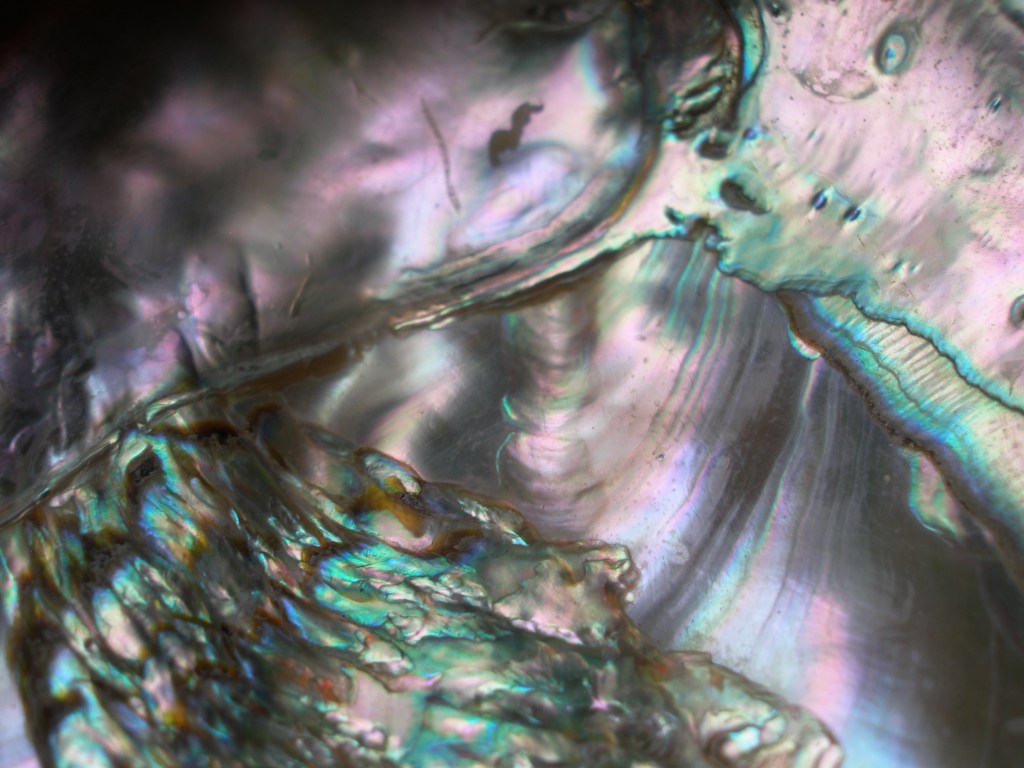
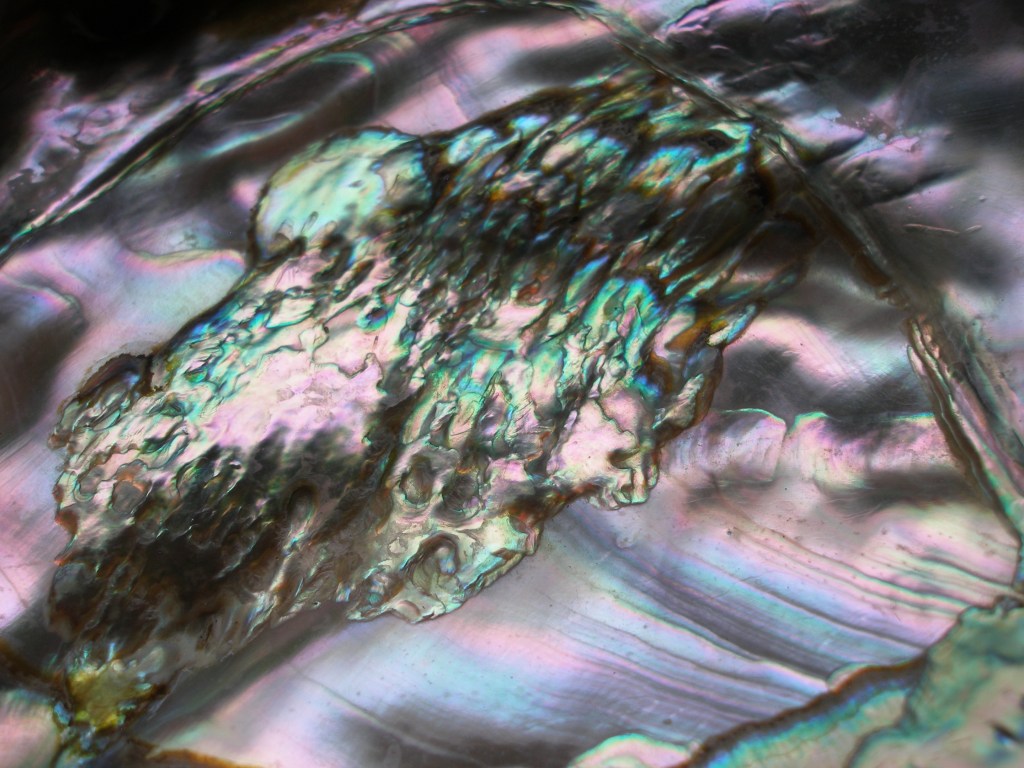
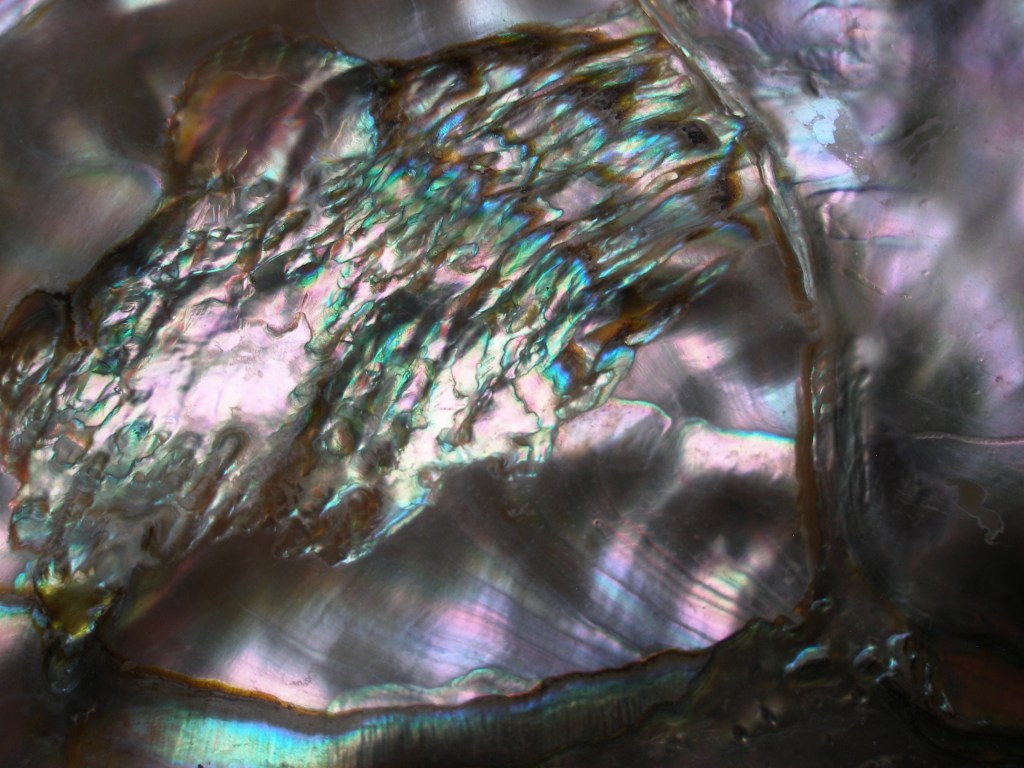
Recently, I came across an abalone shell that called out to me. At first I looked for abstract patterns in its colorful interior. Then, a wind-blown tree came into view. There was no mistaking the tree that both stood strong and bent with the wind. It feels a bit like that now, I thought. We began to see patterns with COVID 19 that we did not understand. Now we find we are in a storm with no place to hide from the global wind. Is this tree in a storm a warning, hope for resilience in the face of threat, or perhaps both?
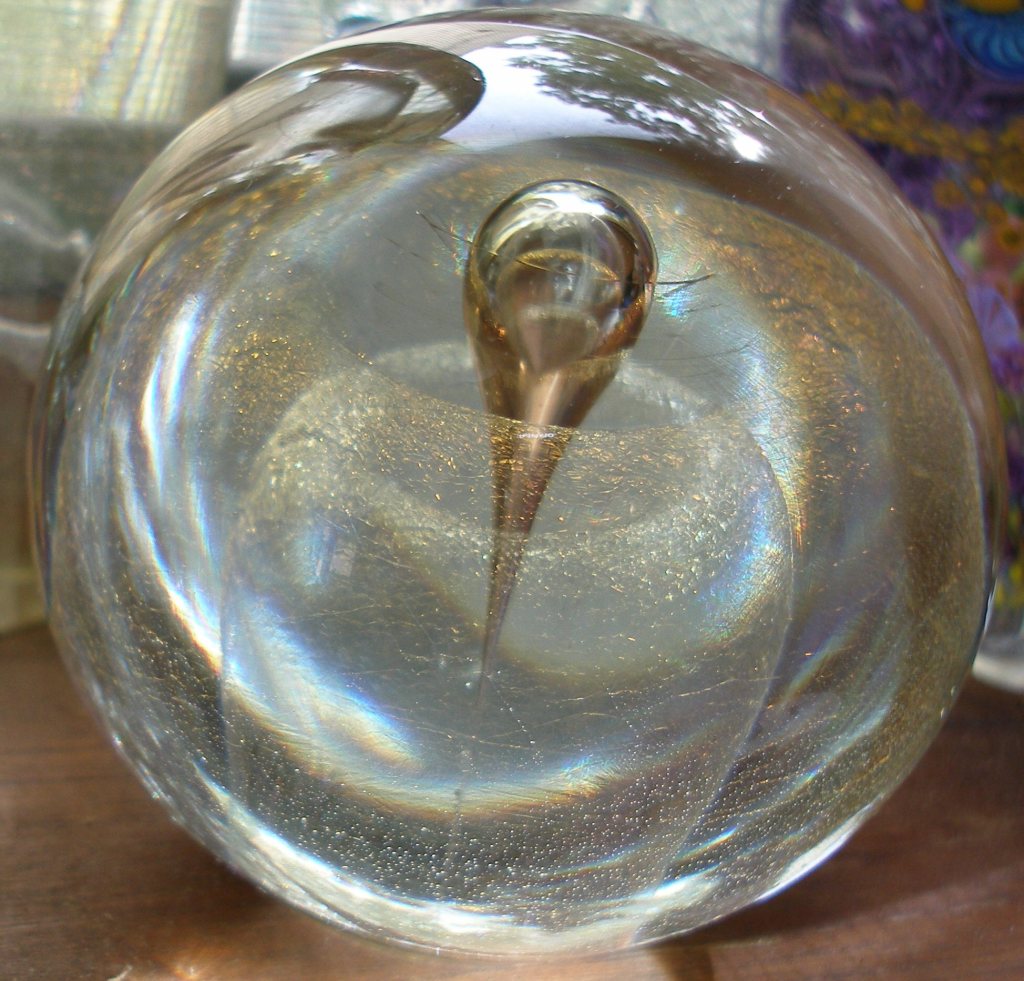
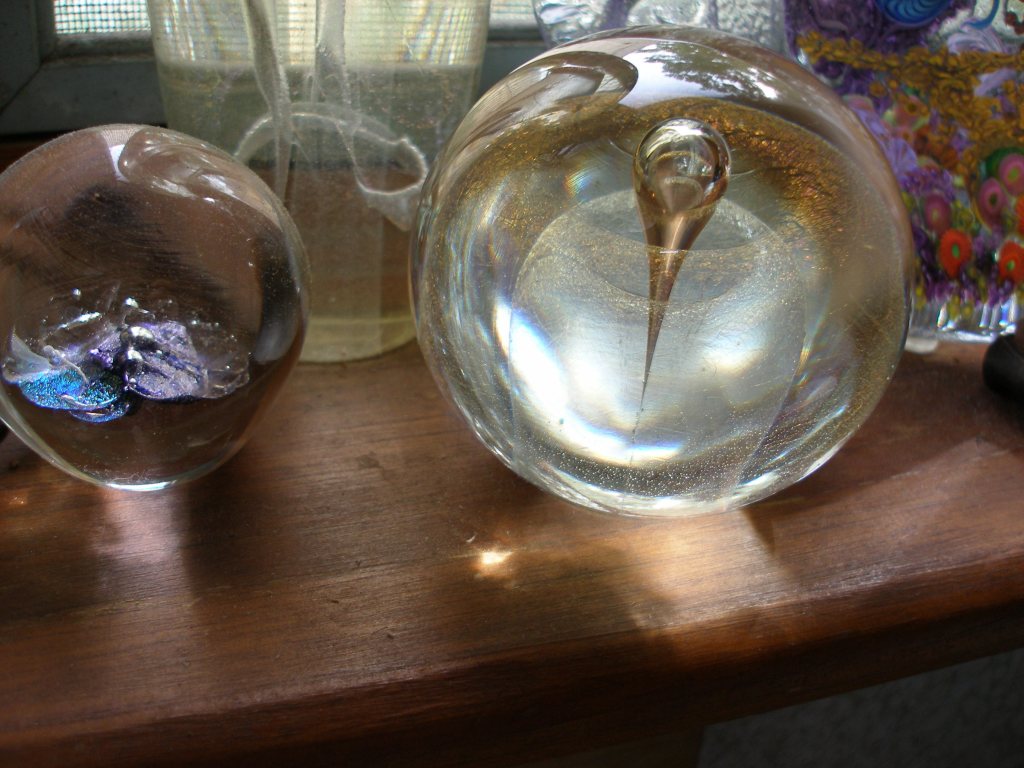
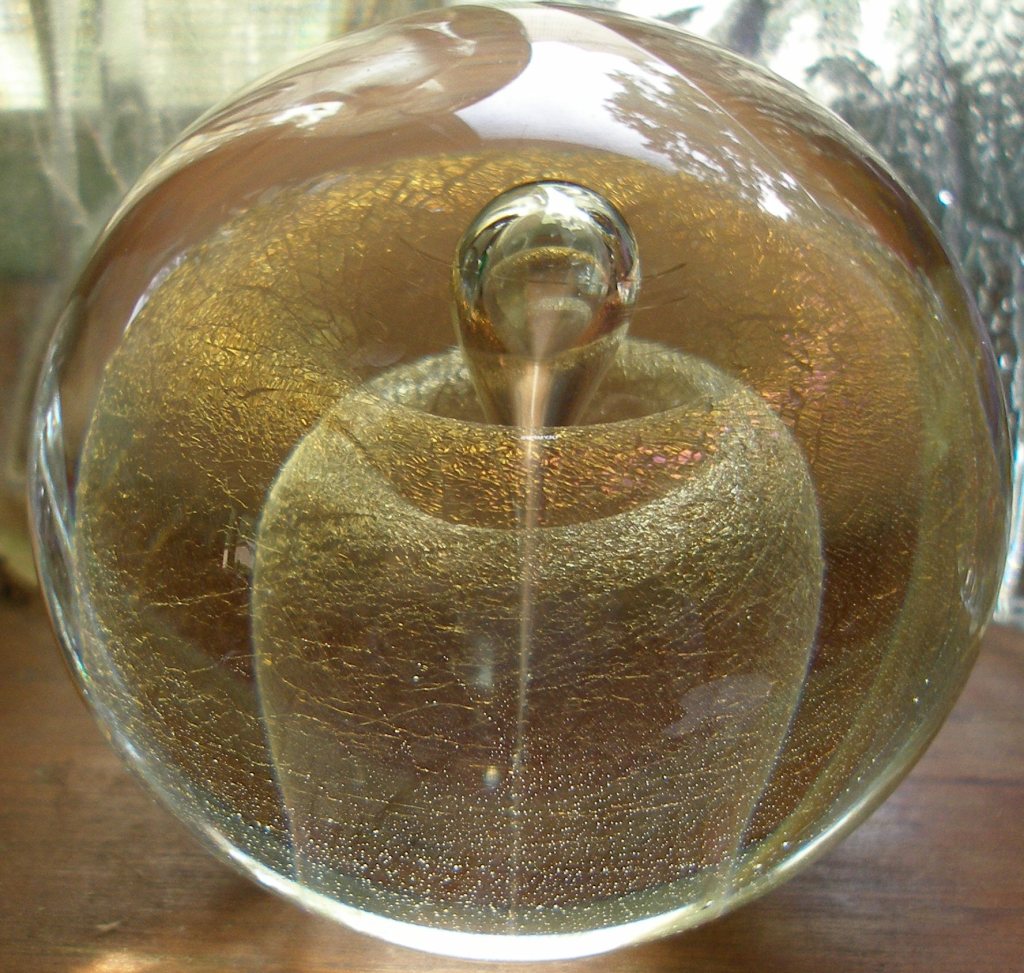
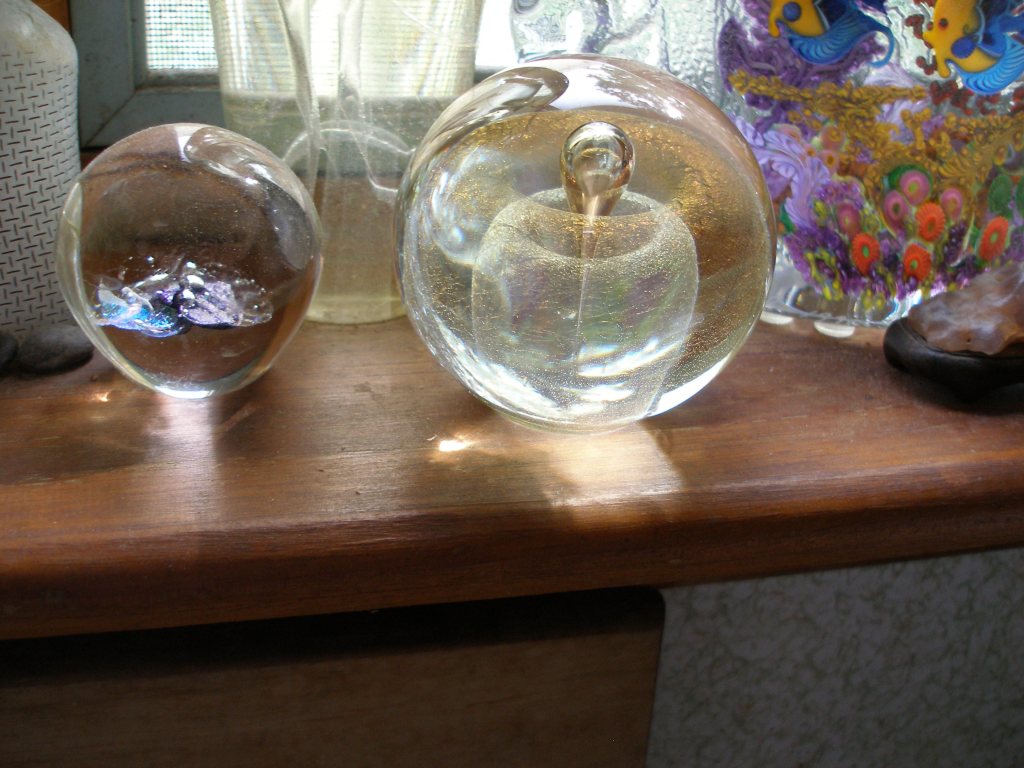
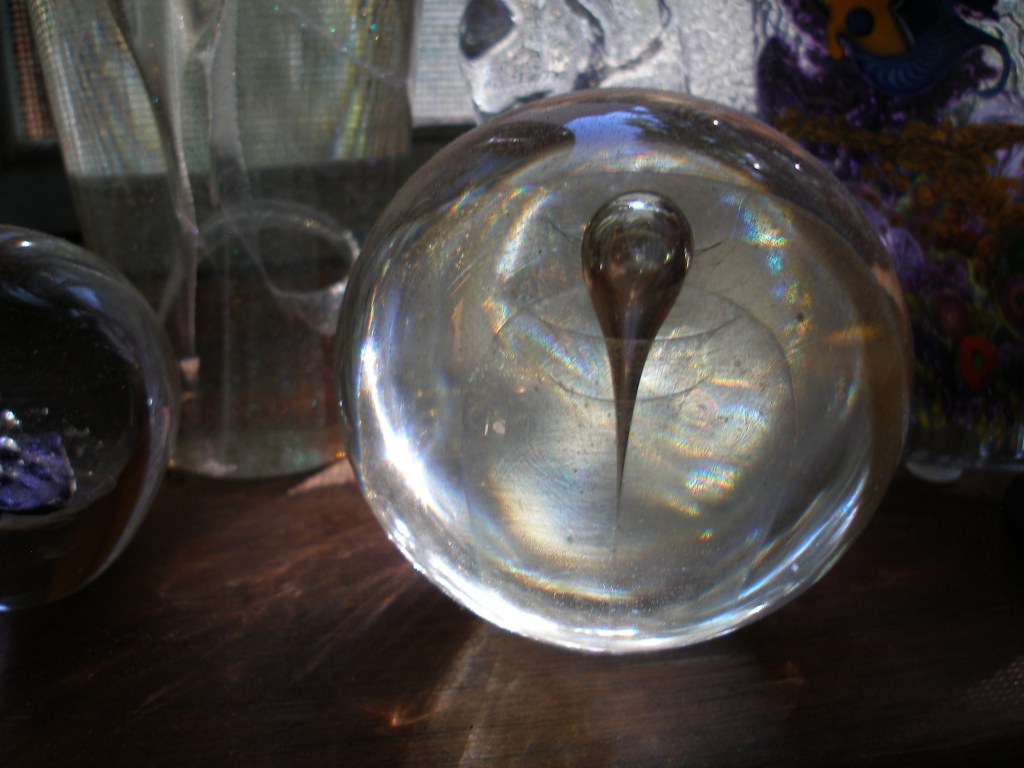
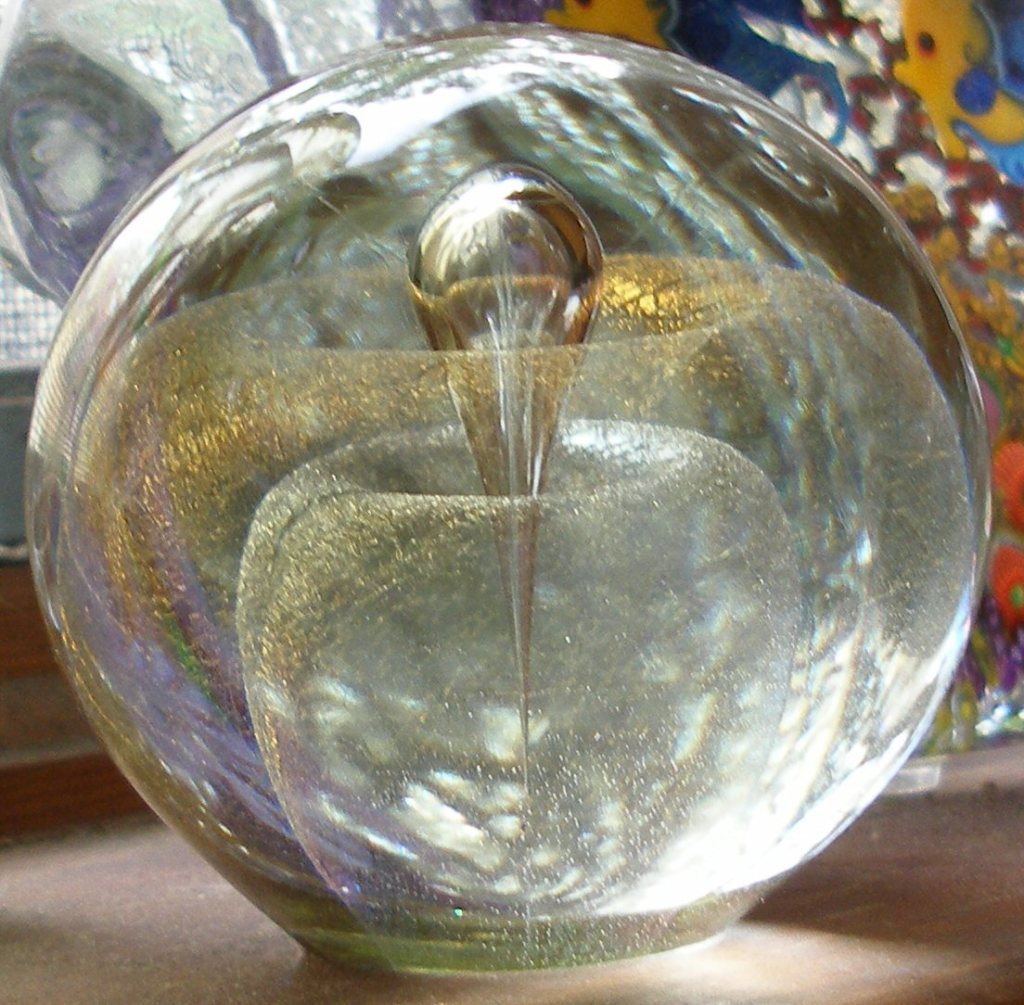
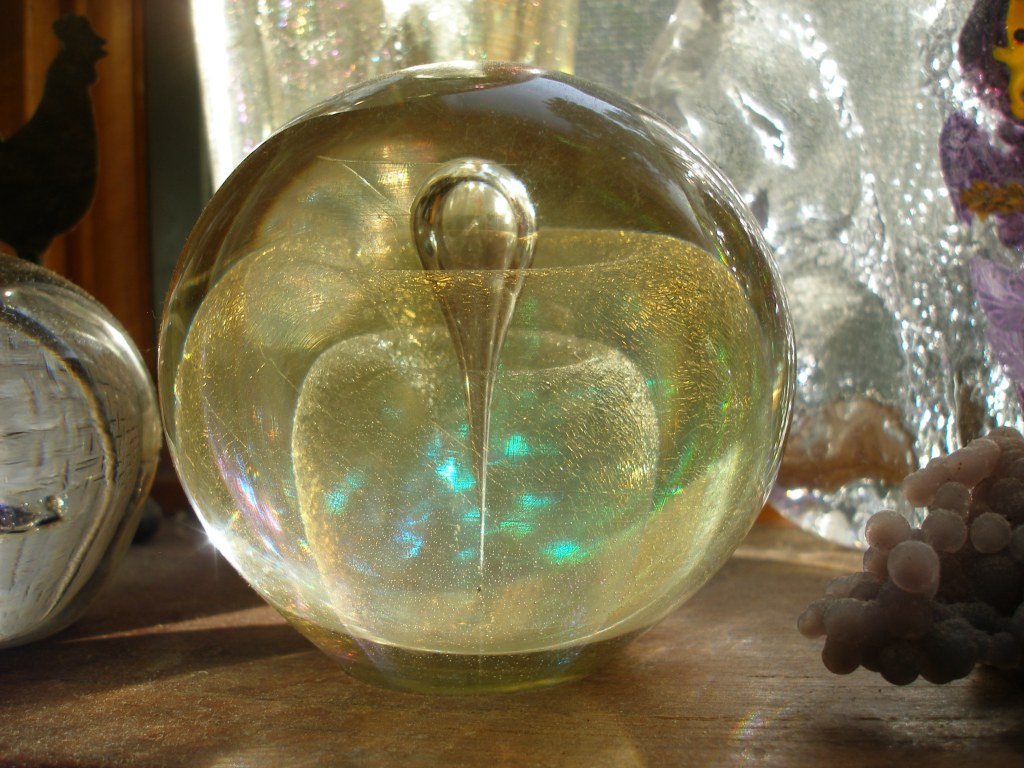
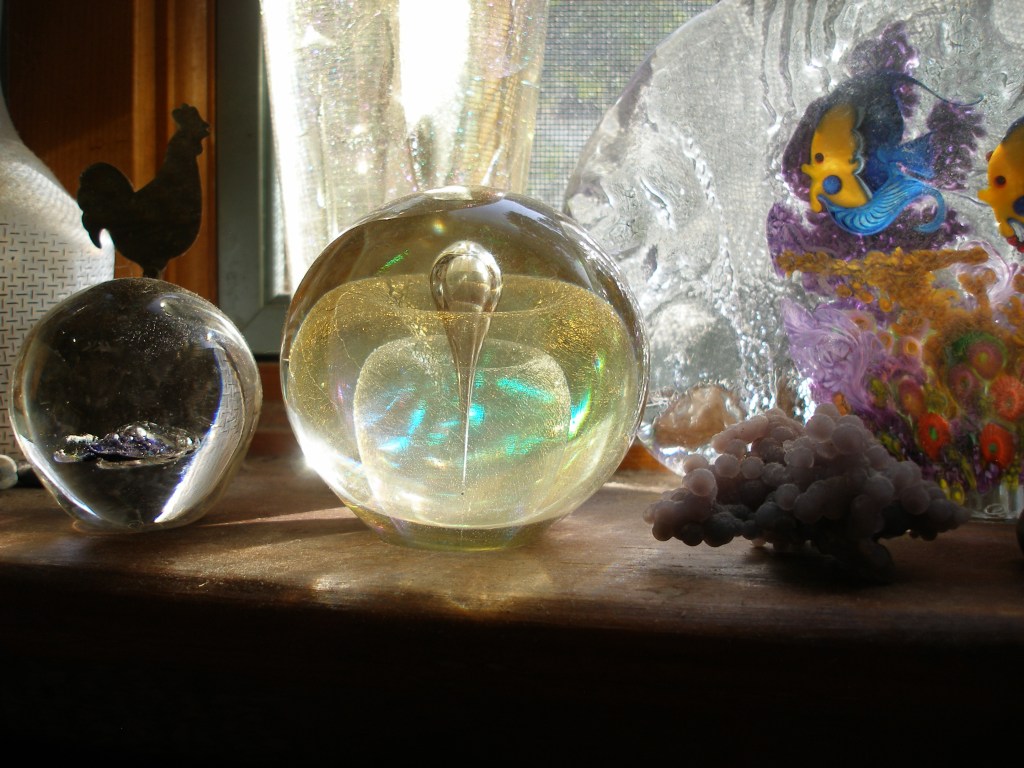
This paperweight was on the window sill for a while before I noticed its changeable personality. Two curved layers with outer films of dichroic glass reflected and transmitted light. Now that I looked more closely, depending on the light and the angle, everything changed.
I got out my camera to see what the super macro setting would capture. How could one small object do all of that?
A tea hut in my backyard was my dream. I had become familiar with variations in layout, window style, and alcove placement from reading about the tea ceremony. One book that was particularly useful was Cha-no-yu: The Japanese Tea Ceremony by A. L. Sadler.
I wanted quality in materials and workmanship although I could not afford authentic Japanese tea hut construction, and I did not have the skills to build one myself. Customizing a high-quality garden shed seemed to be a workable solution. Walpole Woodworkers advertised a salt box shed. I liked the idea of this shape with its ties to New England as well as to Japanese tea huts.
A window on the long side next to the door came with the shed. I decided to retain this minus the window box. I also requested two rectangular windows with three panes side by side; one low down behind the tea preparation area and one centered on the opposite wall. Natural lighting is very important in tea huts both for aesthetic and practical reasons.
On a summer morning, leaf shadows fall on the main window due to the angle of the light. During the course of a tea practice, the shadows change continually and the leaves move in the breeze creating a most peaceful effect. The window appears very different depending upon the time and season. It is well worth planning for such effects in a tea hut’s placement and design.
I chose a site for the hut that would allow it to be viewed on edge from my large kitchen window but would provide privacy for the garden. It would also allow the patio under my kitchen window to be used as a waiting area. The small area in front of the shed was well shaded and already had a tendency toward moss.
The hut was small enough to be constructed without a poured foundation. The workmen carefully prepared the sloped site. They had stained the walls and door as requested and raised the door threshold to accommodate tatami mats. It took very little time for them to assemble the flooring, walls and ceiling. The roof was finished with cedar shingles. The unfinished pine interior of the hut, while not authentic, had a nice rustic quality.
A bamboo sleeve fence was added to visually connect the hut to the garden and provide privacy for the area behind. Smaller vertical poles through the larger ones made for a very sturdy fence. I added dried hydrangea twigs to the lower section. There are many possible charming designs for sleeve fences or you can design your own as I did. See The Bamboo Fences of Japan by Osamu Suzuki and Isao Yoshikawa for ideas.
Inside at the narrow end away from the door, I added an oiled maple board to take the place of the more usual tokonoma alcove. It fits perfectly with the three tatami mats at the same height. I found a three panel unfinished pine grid screen to hold the scroll and had a cabinet with many shelves made for storing utensils. Two low benches along the back wall provide seating for those with bad knees. Pegs behind the door hold coats. For a while, an extension cord snaked out the low window behind the tea kettle. Now, the hut has been electrified so I can use it with a small heater in winter.
Since my hut does not have a hearth, I use a kettle set on a furo heater at all times of the year. I often place wood chip incense in the furo (think of the smell of cedar). The “wind in the pines” sound produced when water is heating is central to cha–no–yu. Delicate steam curls up contrasting with the solid iron.
Normally tea utensils would be brought in from another room by the host, but since my small hut has only one room, I designed a corner staging area. A “clam shell” shelf holds the tea bowl and tea container. A square basket on the floor holds the lidded water jar, waste water container with a lid rest, and bamboo scoop as well as a container of tea sweets. The hot water kettle is left in place where it will be used on the host’s mat.
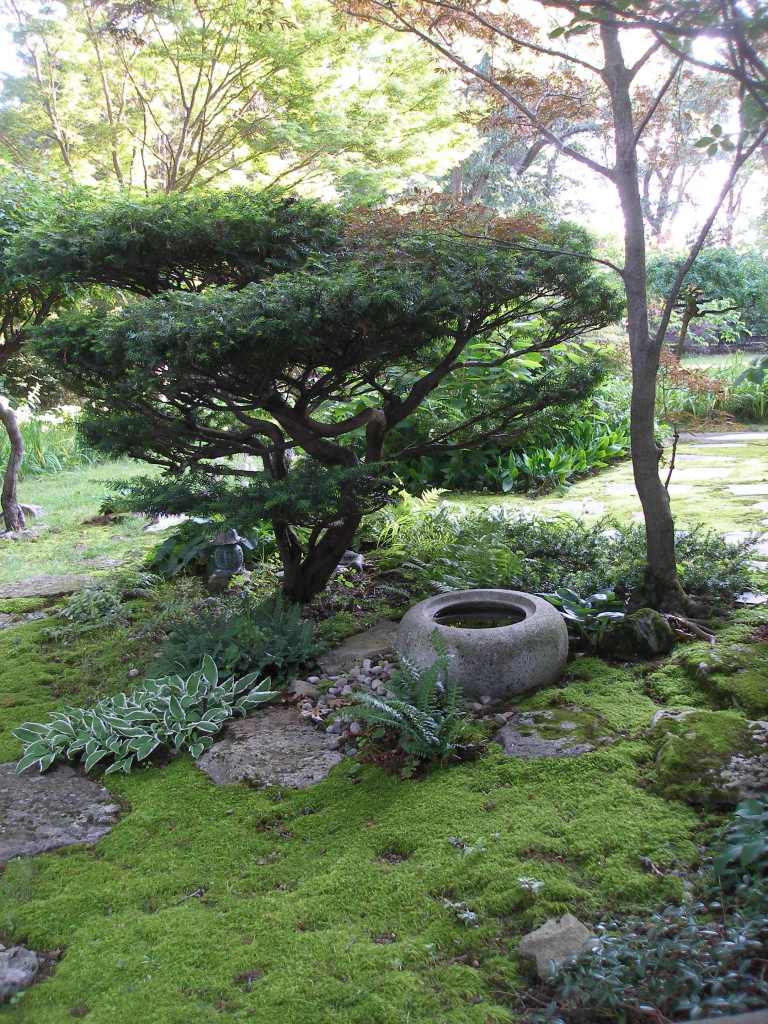
In the garden, I added stepping stones and a low basin. Guests gather on the patio. They follow the stepping stones to the basin before proceeding to the hut door where they leave their shoes on the large stone before entering.
The hut has been in use for thirty years. The roof has been replaced, and the interior and exterior protected from the elements and insect damage. The garden grew and changed around it.
I named my tea hut, Ajisai-an which means Hydrangea Hut in Japanese. The humble building has gathered many wonderful memories. During its naming ceremony, the crickets began their song as we started at dusk. After tea, we brought in metal lanterns from the garden and wrote haiku by flickering candle light. A “flower arranging” tea started with various flowers and containers as options and each guest’s arrangement was displayed in turn during the practice.
Another unusual tea had a small American quilt instead of a scroll, pottery made at Sturbridge Village, and a Native American basket to hold maple sugar tea sweets.
The hut has also seen many gatherings with old and new friends that were simple, quiet, and restoring. These, together with the excitement of bringing the hut and garden into existence, are perhaps the best memories of all.
This article first appeared in the May/June 2004 issue of the Journal of Japanese Gardening which has since been renamed, Sukiya Living; The Journal of Japanese Gardening.
The pond was covered with snow during my last few walks. It was popular now that the ice was thick enough to be safe. But the path around the pond had been compacted to ice which made for slippery walking.
It was the fallen branches that caused me to pause. There was something about the contrast with the textured white snow that made these complex objects stand out so I could notice them and see that their beauty deserved my attention.