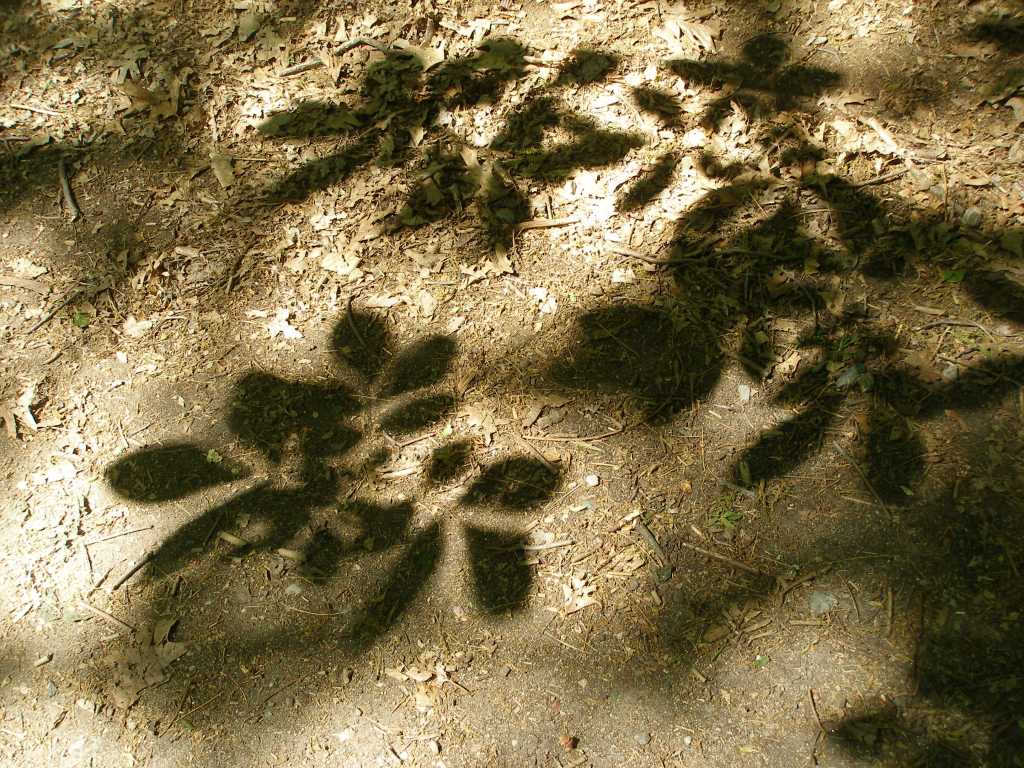
Gratitude Practice – Then & Now

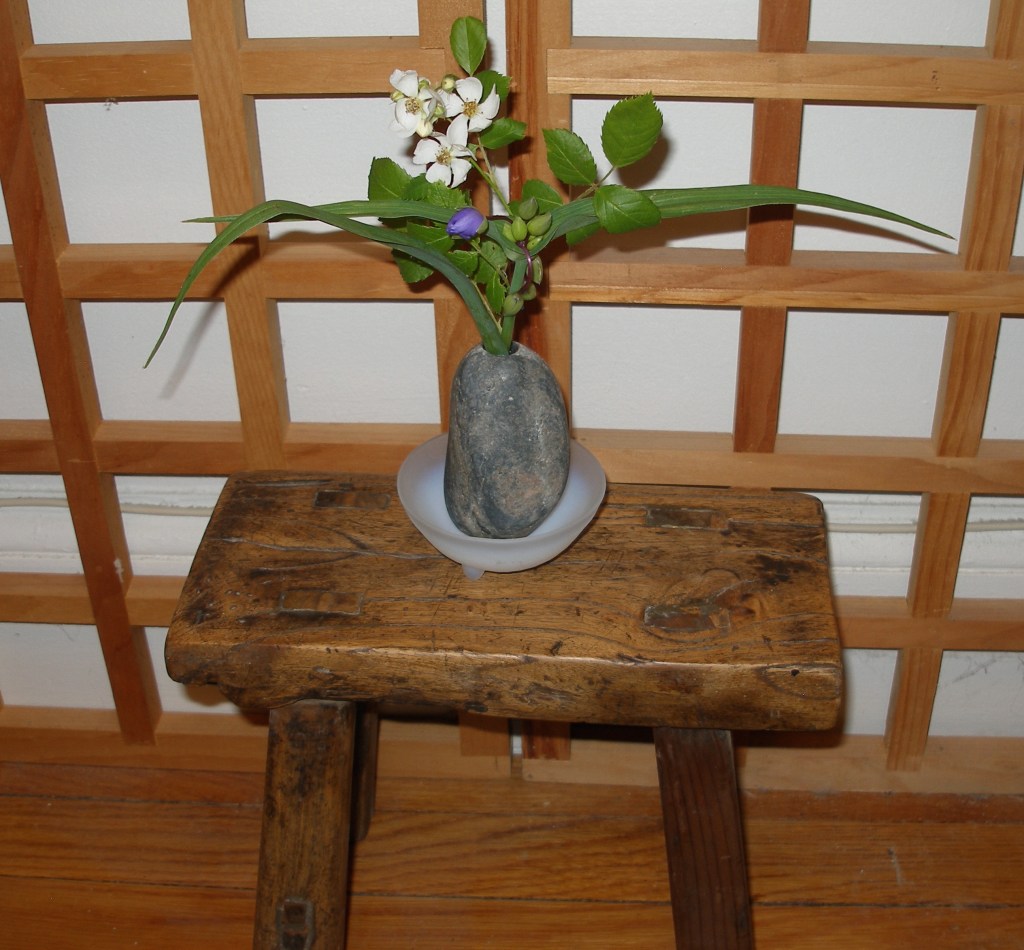
A number of years ago before COVID changed our world forever, I set up a tiny room as a place for meditation and for sharing tea. Each morning, I would go to that room, sit on a stool facing the window at one end and say “Thank you for what is needed when it is needed.” Then I would sit on the other matching stool, face the interior wall and say, “Thank you for the peace and strength that is always available.” I did this every morning for several months.

I realized there was an aspirational quality to all of this.

Joseph Goldberg says In Mindfulness; A practical Guide to Awakening, on page 384, “the consequences or results of an action are conditioned by the moral qualities of both the actor and the recipient of the act.” In this case, I was both actor and recipient and the practice seemed to both drew upon and reinforce my wish to live in ways that encouraged openness and compassion in myself and others.

There was a shift. I began to sense I was in a dialogue with the universe. I took the various forms of support that found me as signs I was on the right track with a project. It was easier to see when I needed to do some hard internal work on what might be getting in the way of my dreams. Just saying “peace and strength” connected me to something much more powerful and larger than myself, and I began to see things from a less narrowly selfish point of view.

Now that the world seems so full of suffering and fear, personal mindfulness practices, like this one, might be even more relevant. And first of all we need to stream ourselves and others all the compassion we can muster, so we can see that there are still opportunities available to take action that can make a positive difference. This can be quite close to home. In times of increasing crisis, simple things like a hug, a listening ear, or remembering to take some quiet time for ourselves can make a world of difference.


Bringing Openness to the Familiar

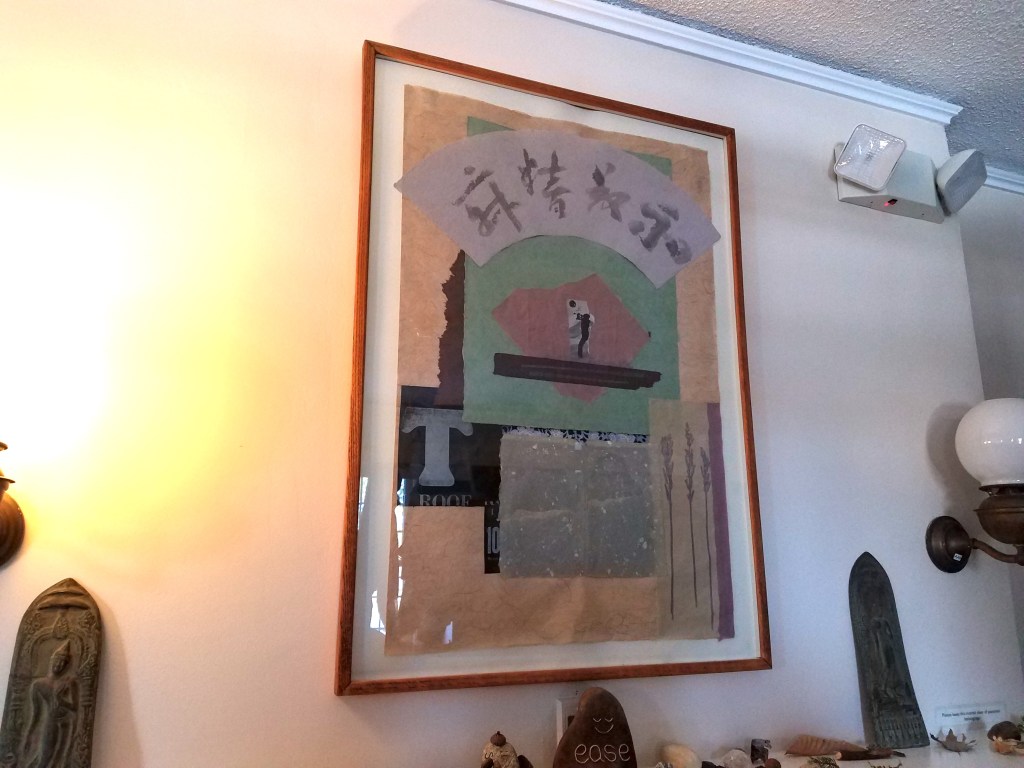
Toward the end of a silent retreat I attended, I saw the picture above hanging in the coatroom of the Insight Meditation Retreat Center in Barre, Massachusetts, USA. My Japanese tea ceremony teacher, Giselle Maya, confirmed my suspicions that she was the artist who had made that collage. She added, “I love that place and all it gave to me, all I learned in many many retreats, dharma talks, and interviews.”

I had just read the wonderful stories about Dipa Ma in Amy Schmidt’s book, Knee Deep in Grace, the Extraordinary Life and Teaching of Dipa Ma. Dipa Ma’s spirit seemed so powerful that it might still be a force actively influencing events long after her death. When I asked if Dipa Ma had been at the Barre Center when Giselle was there, she said, yes and added that “Dipa Ma was a very kind woman.” Perhaps Dipa Ma’s influence was present in the patient and kind way that Giselle taught her students the exacting art of Japanese tea ceremony.

As to my own experience on retreat, I had ample opportunity to explore feelings of familiarity. It became clear to me that while what is familiar may offer comfort, it can also be an illusion. It can be associated with a harmful false story that we take as true. On the other hand, familiarity can be a trailhead to learning something fundamental about what it means to be human. Some forms of familiarity were “just in the air” like the embodied strength of the wise teachers who instructed us, or the spirit of warm connection that was much in evidence as we joined our voices for a morning chant on the last day.

There were also moments of laughter and play during the retreat. Childlike play and silliness can cut though a lot – bringing sympathetic joy right into the middle of the strains of life – transcending familiarity and acting as a source of delight and inspiration. While being on retreat provided ideal conditions to explore my reactions to what I found familiar, I could find no reason to stop exploring this fertile ground in my everyday life.

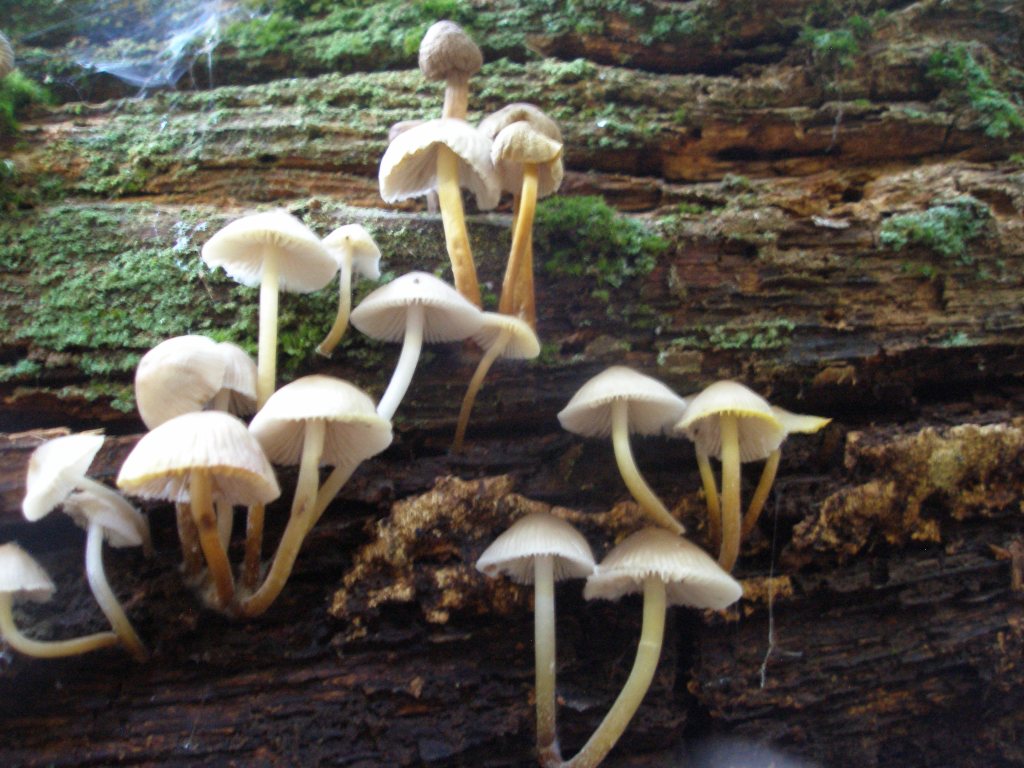
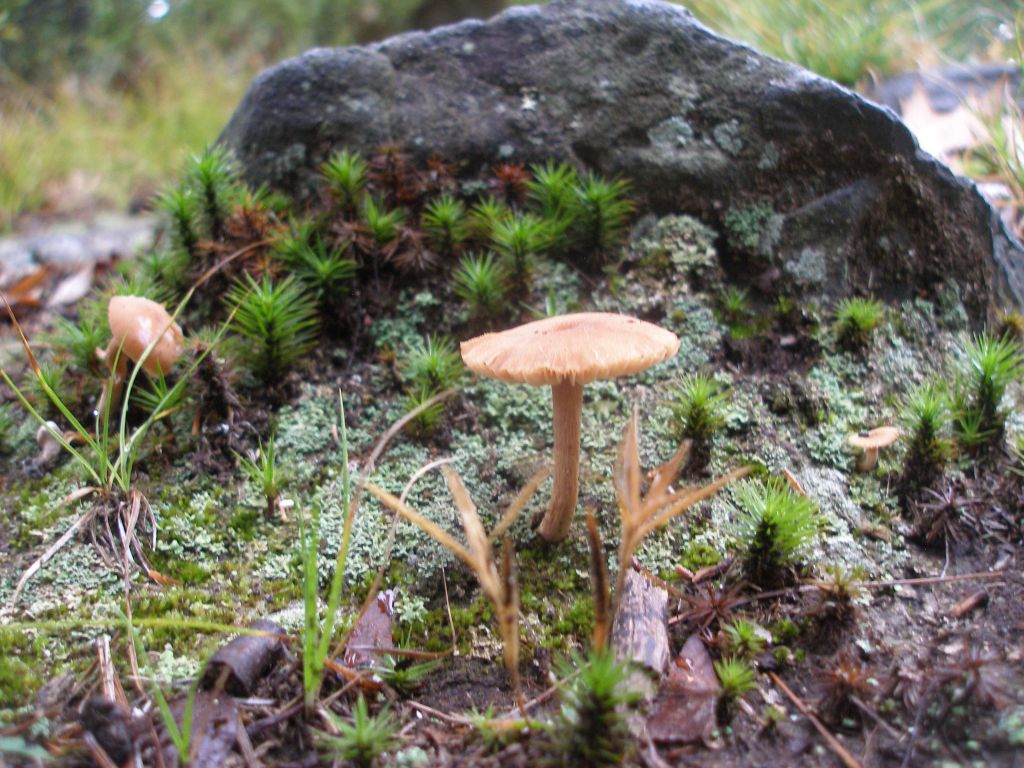
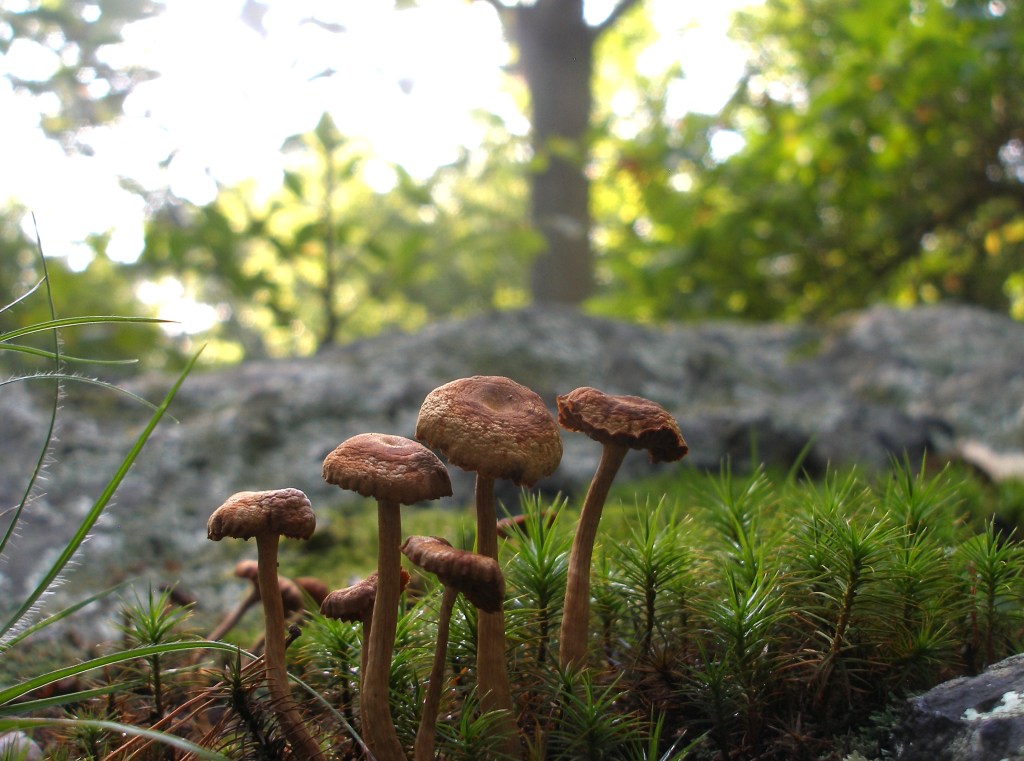
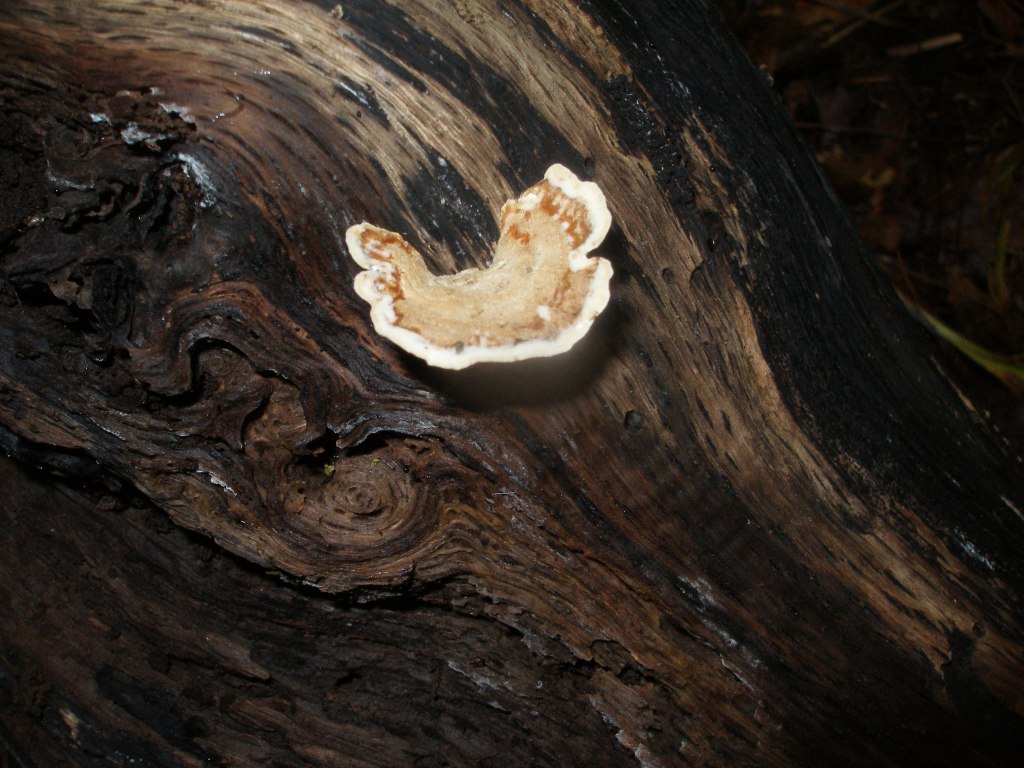
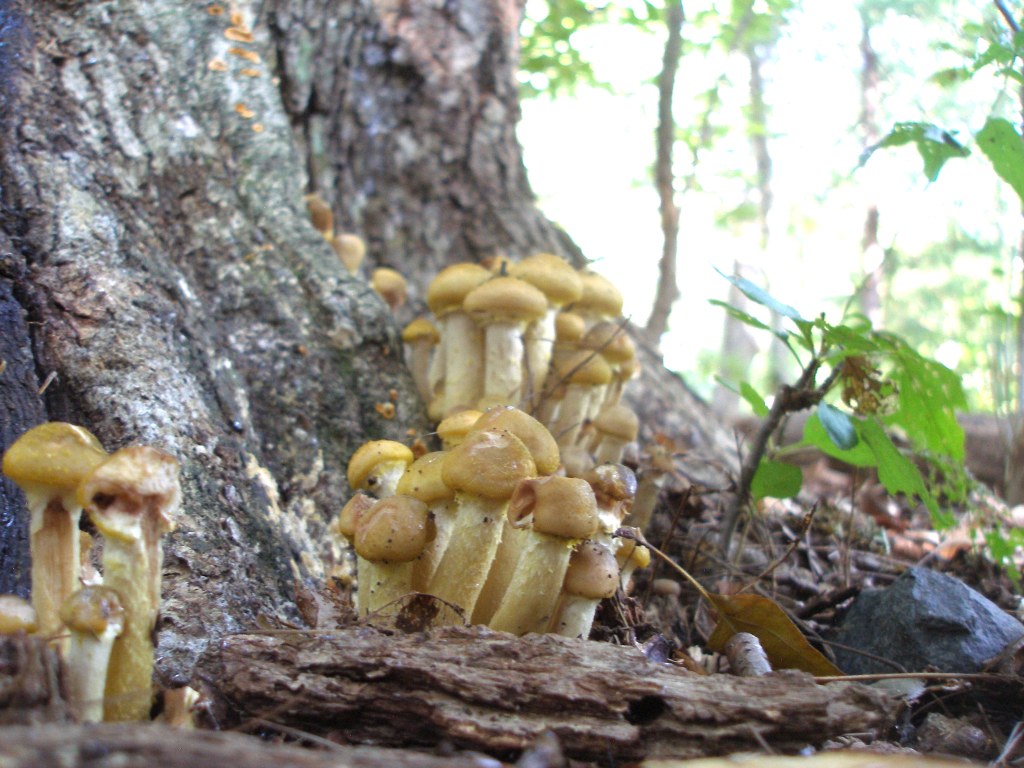
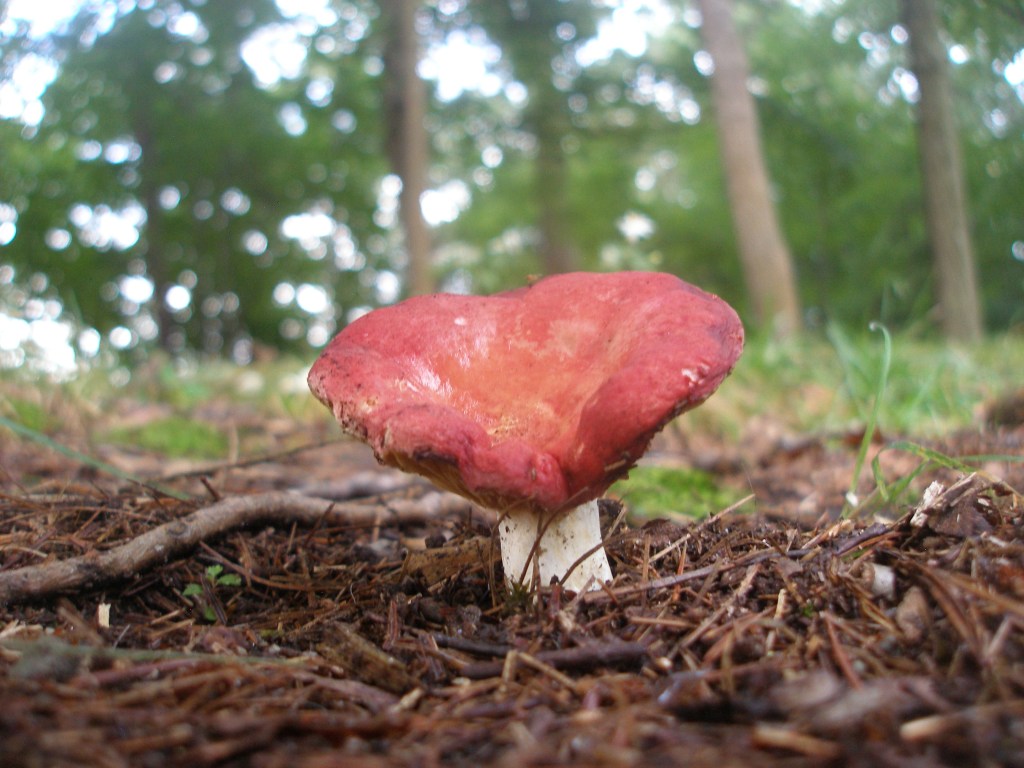
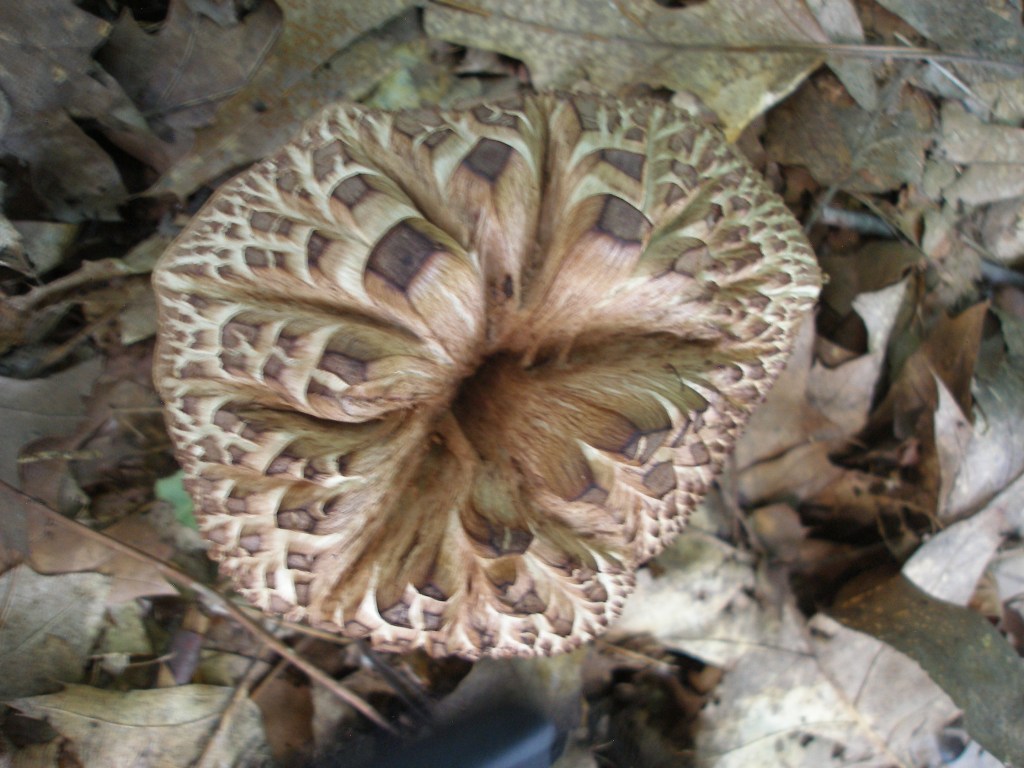
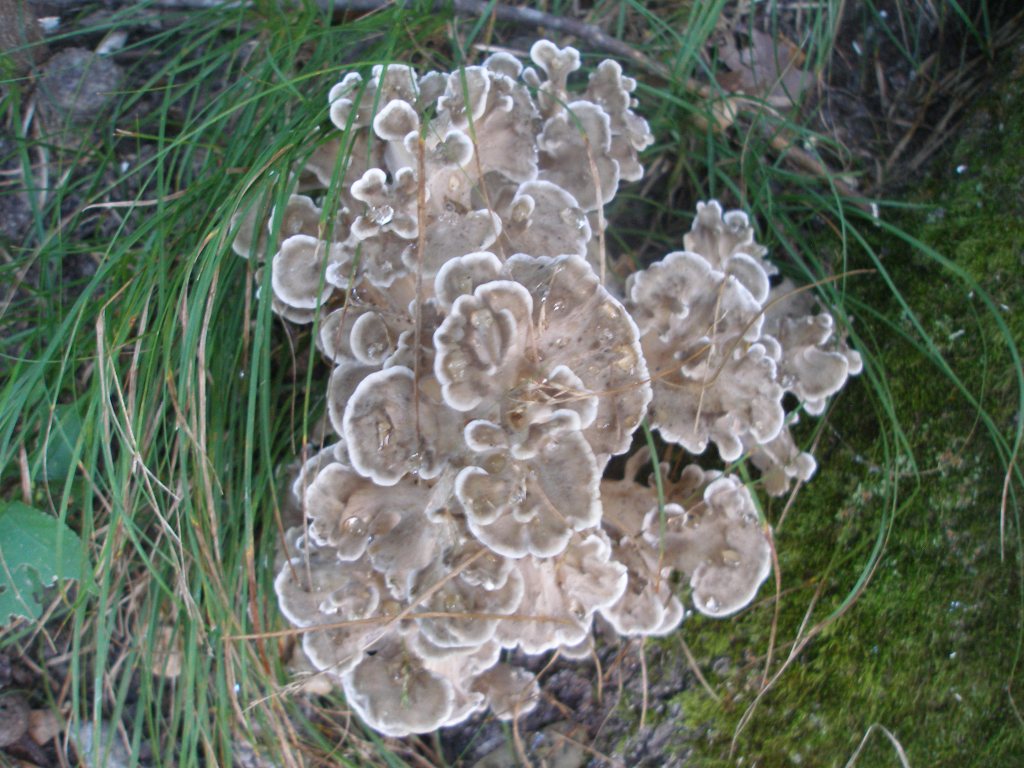
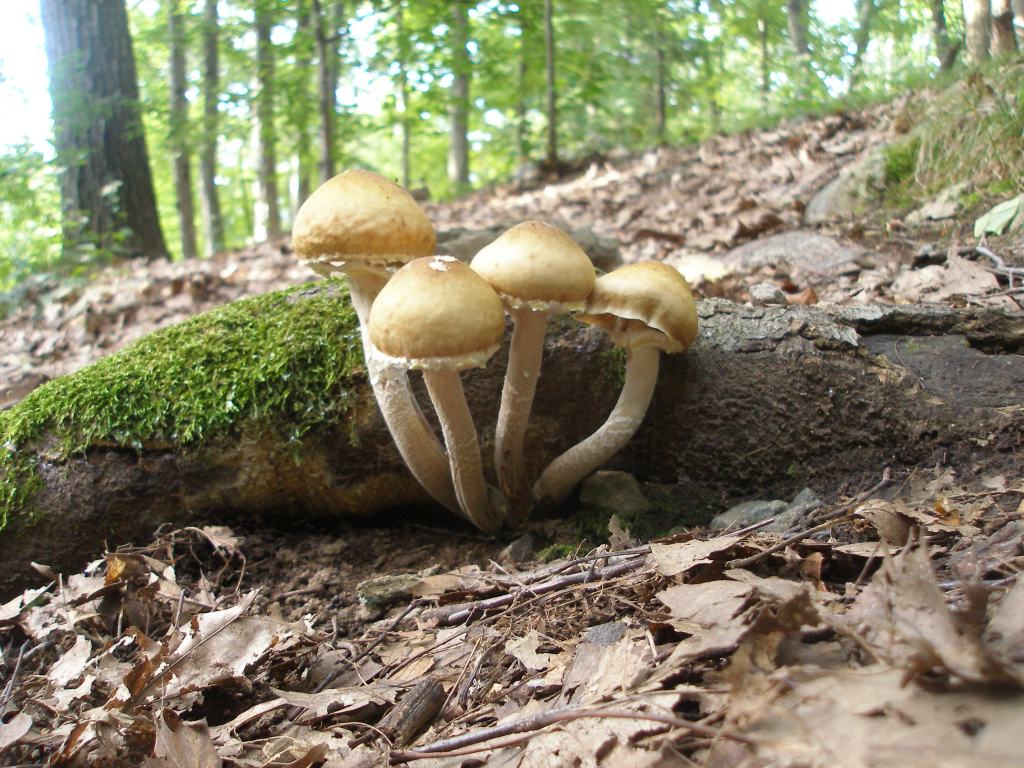
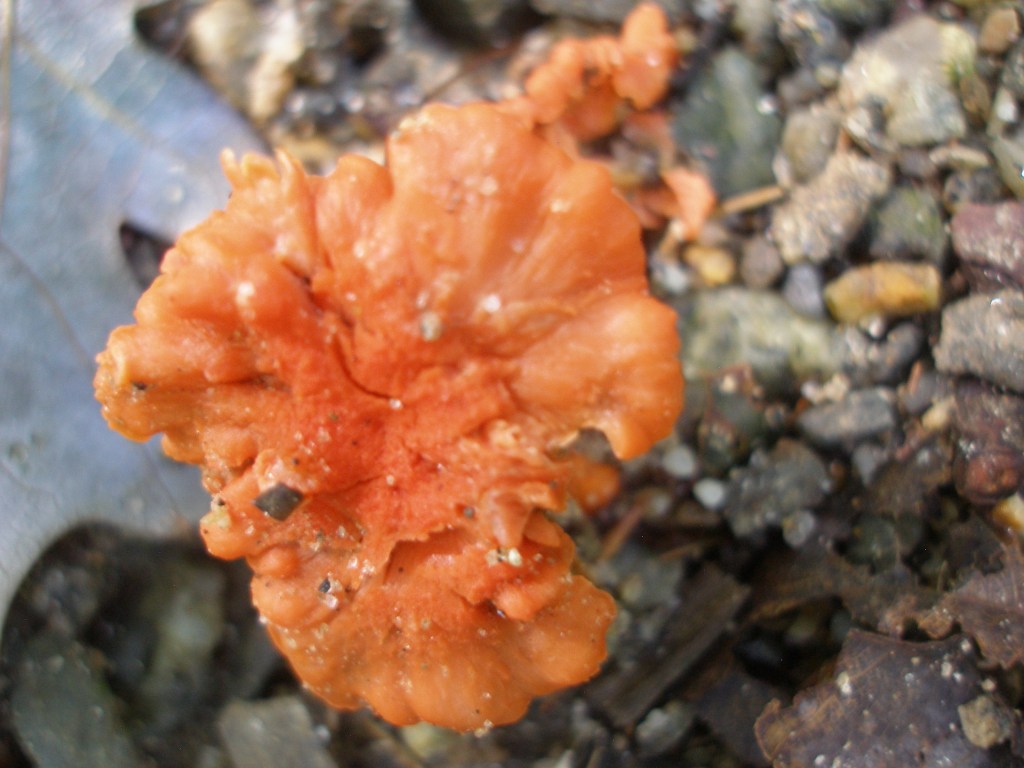
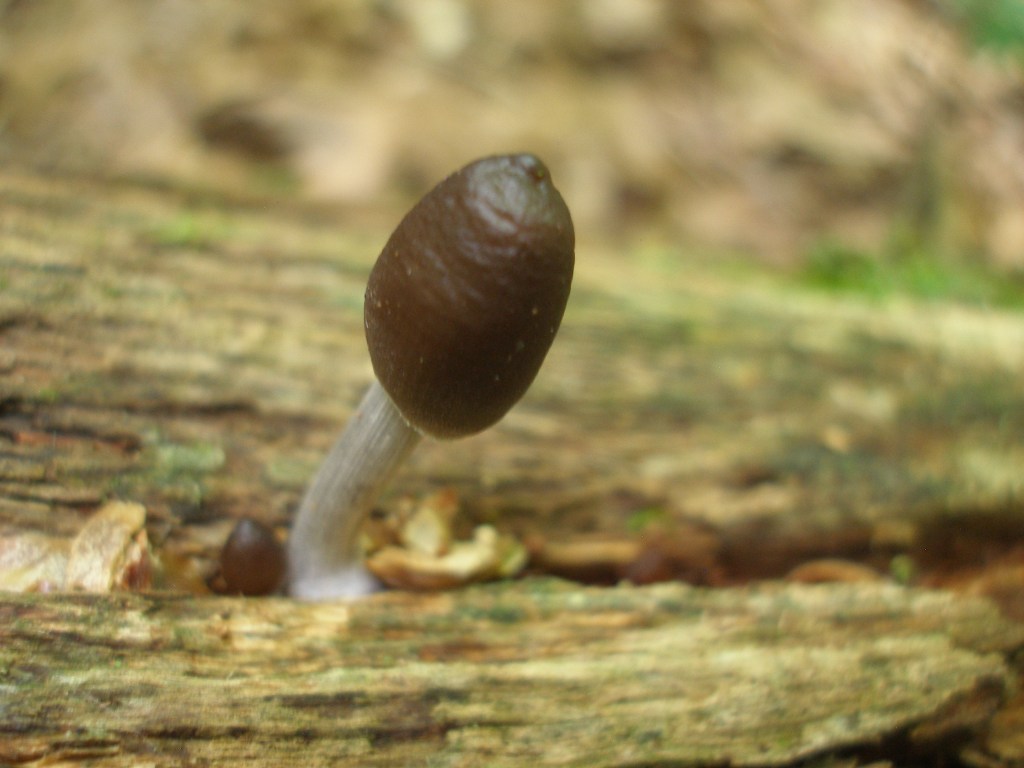
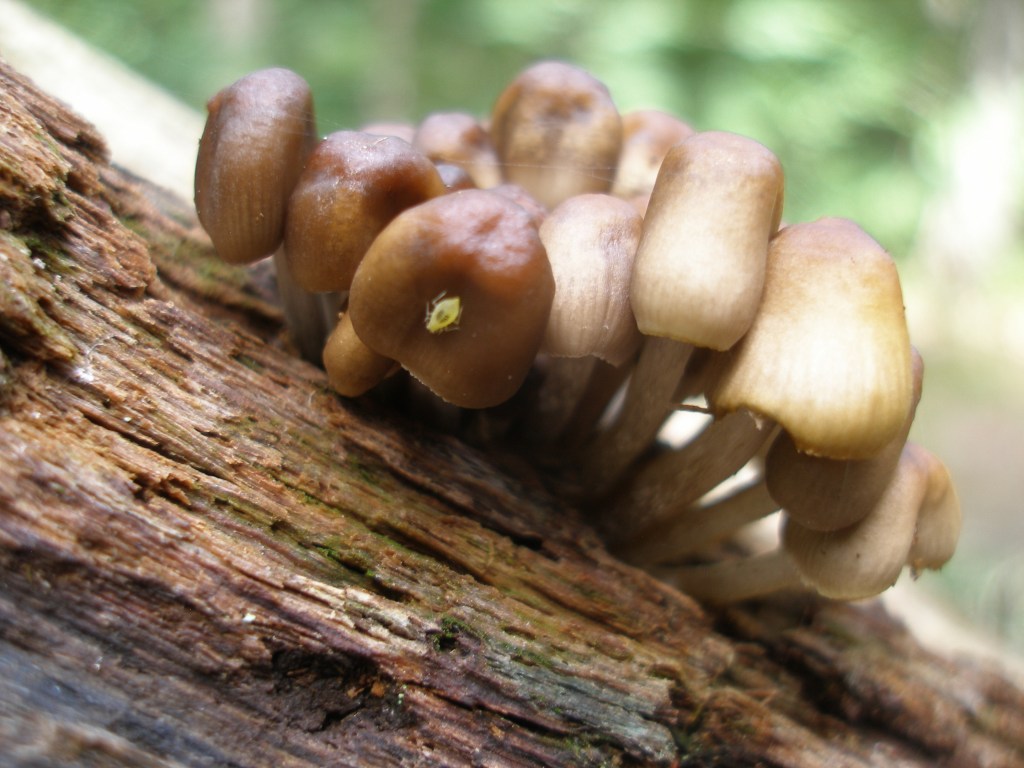
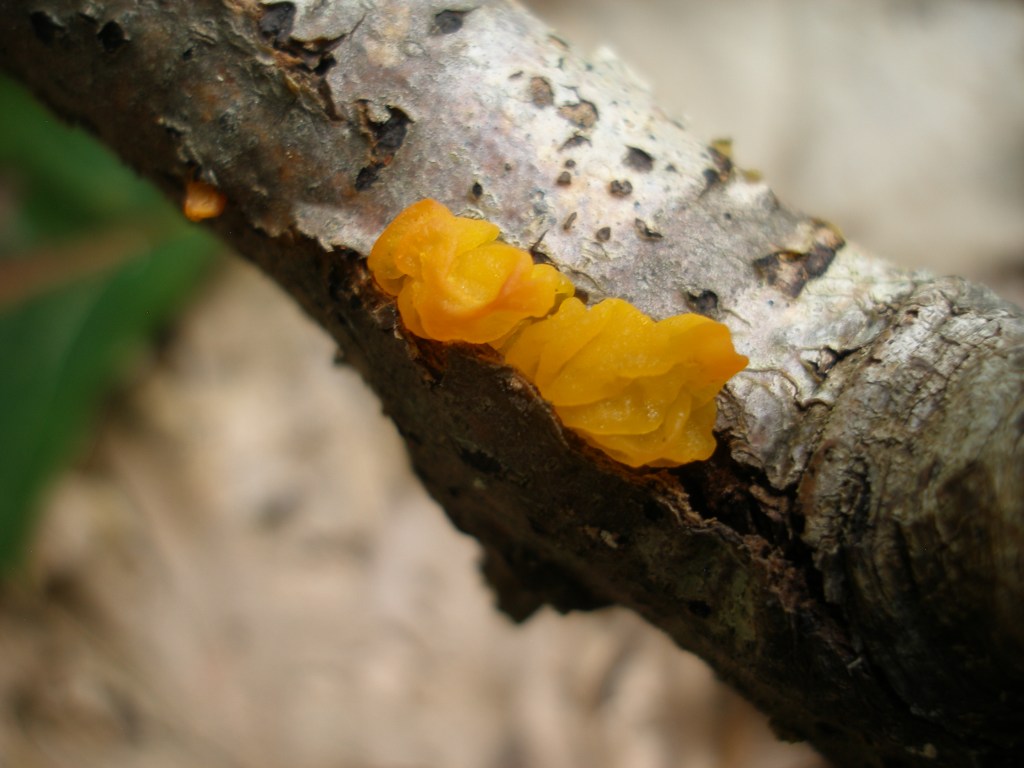
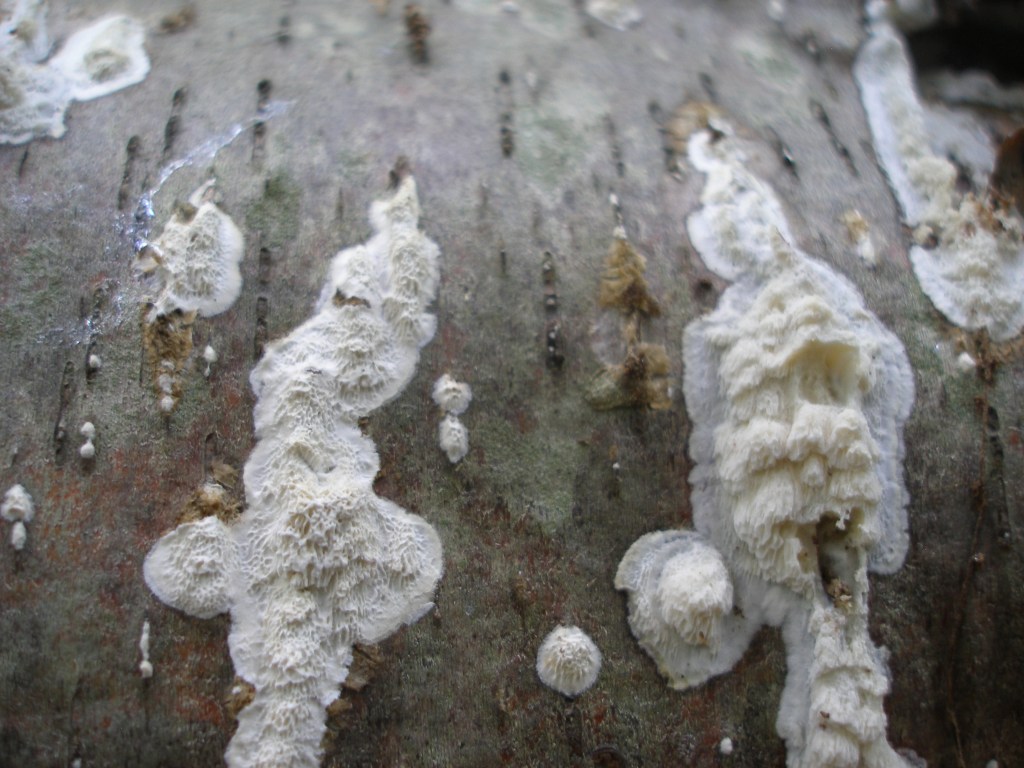
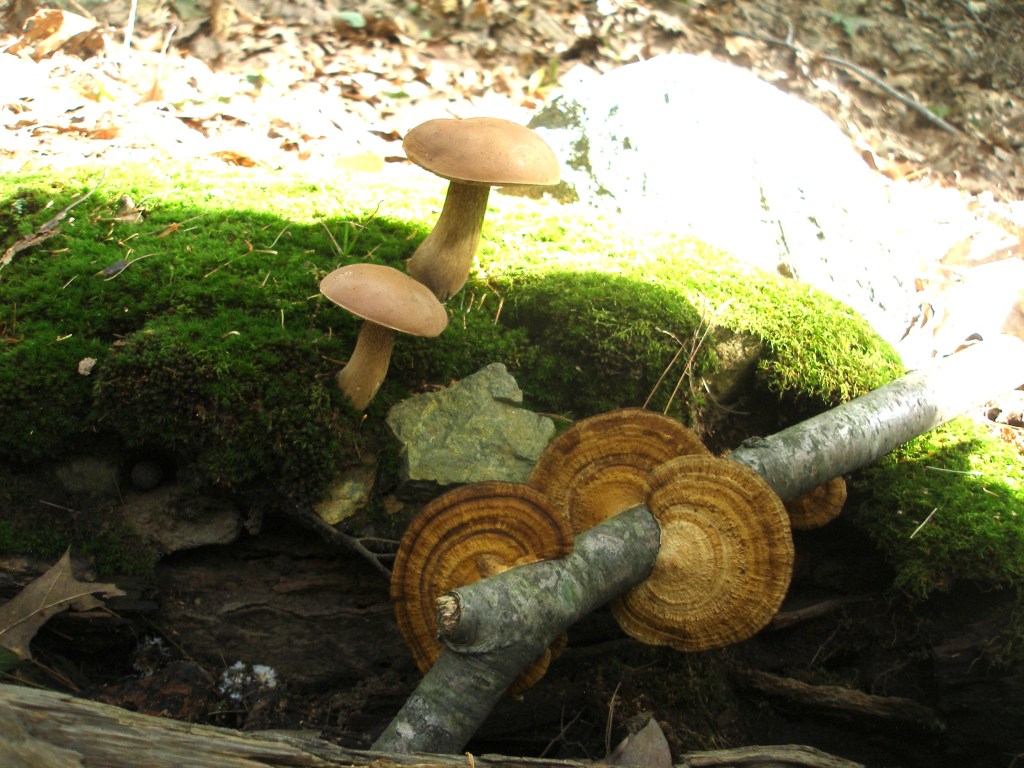
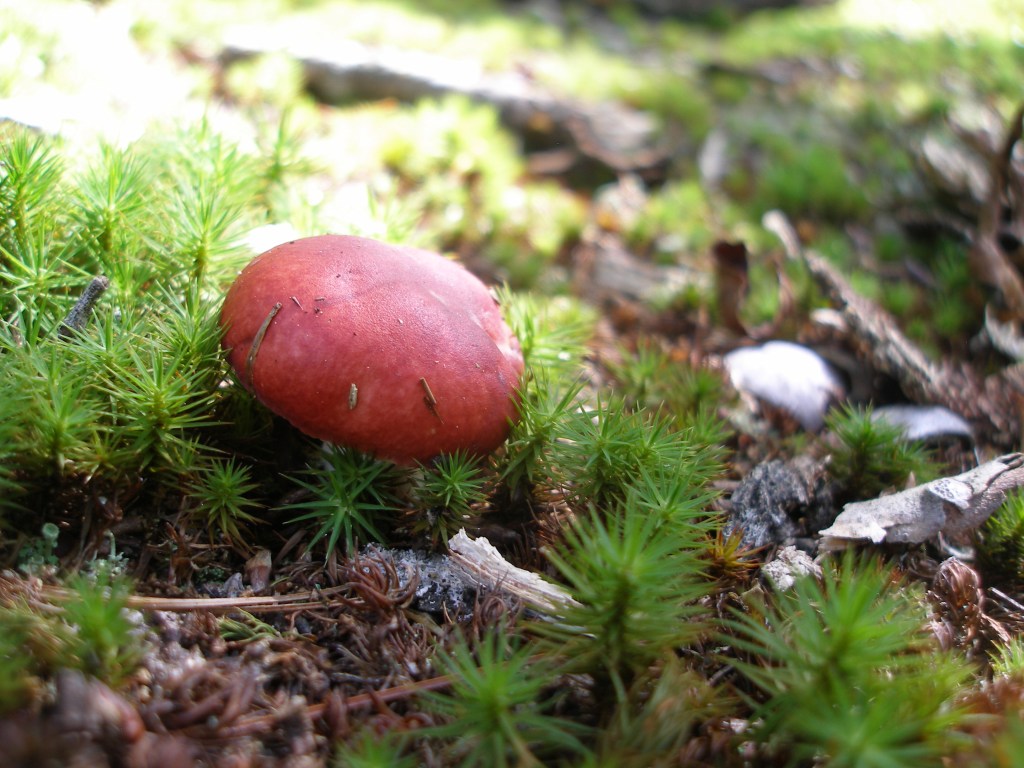
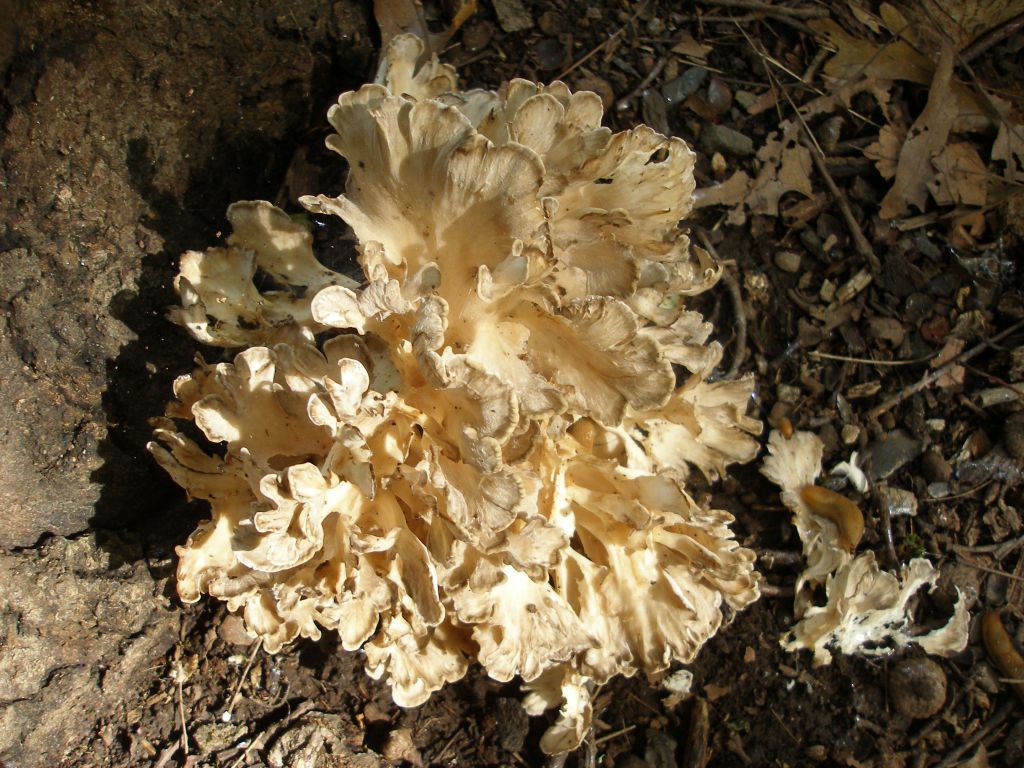
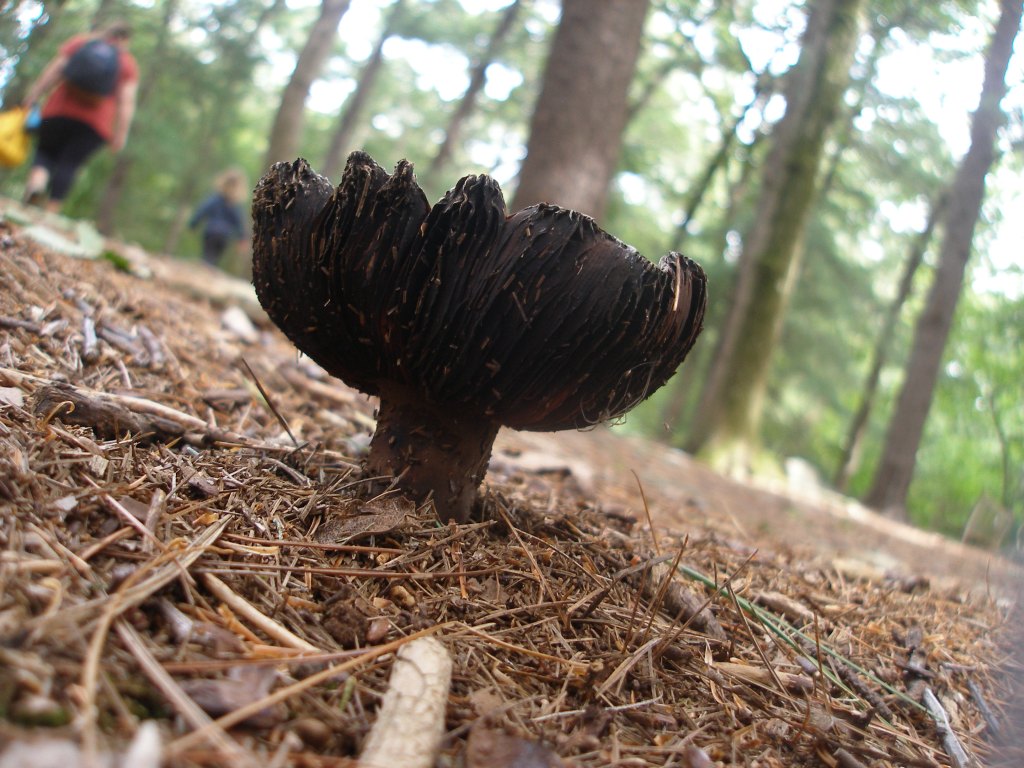
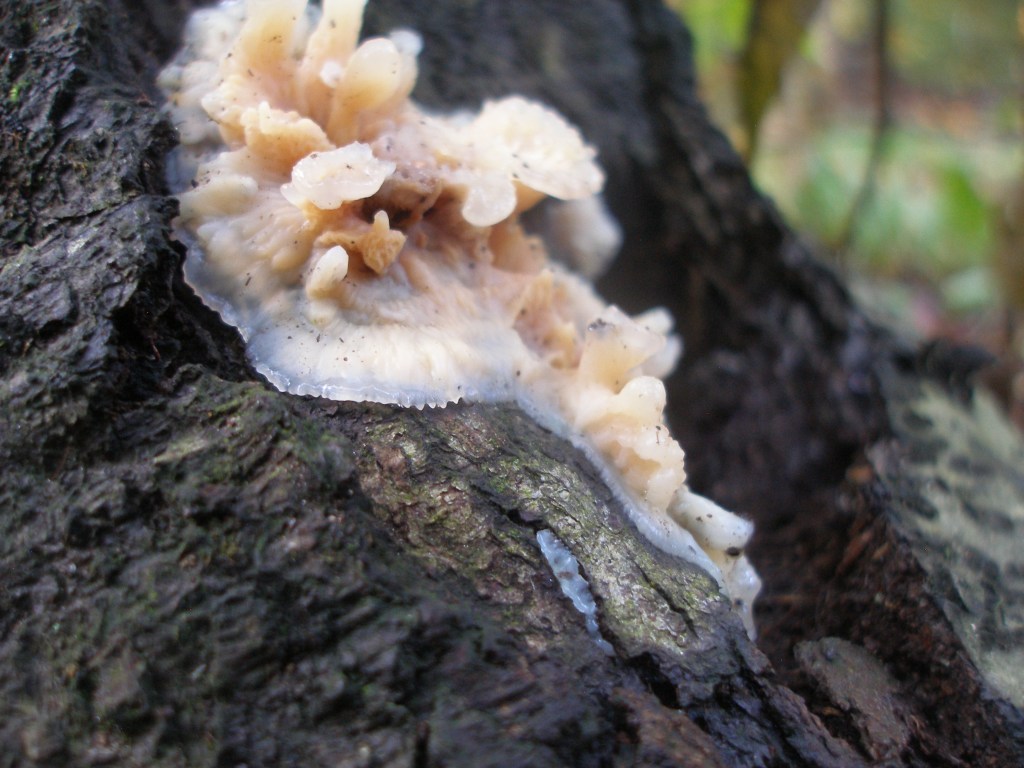
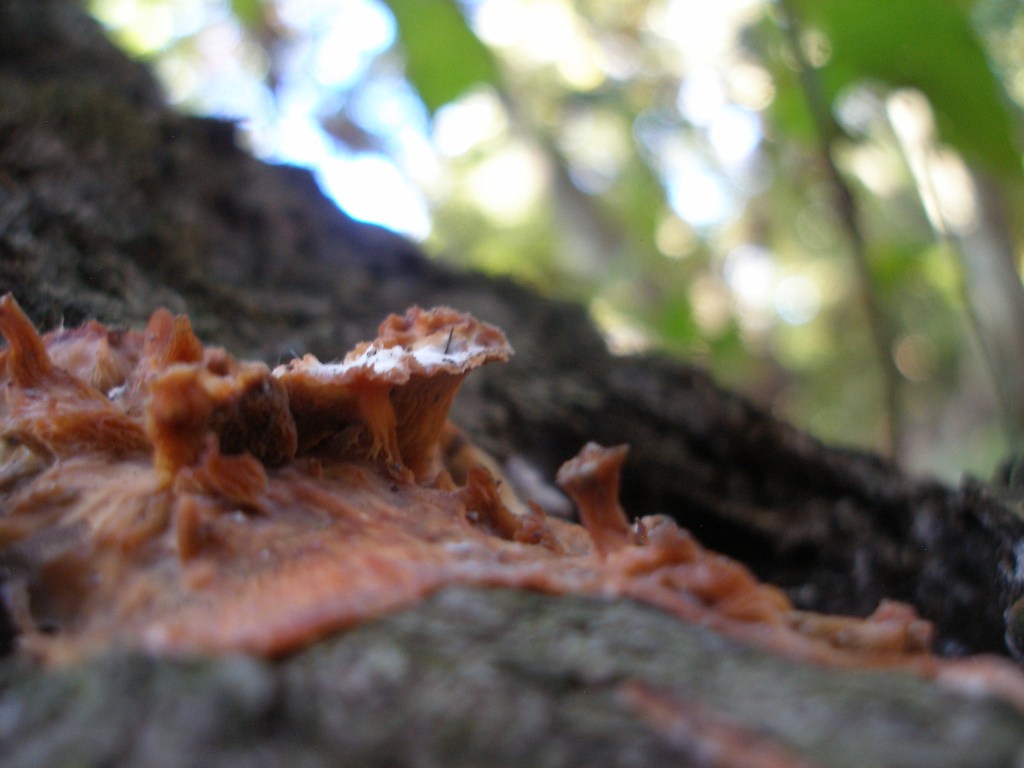
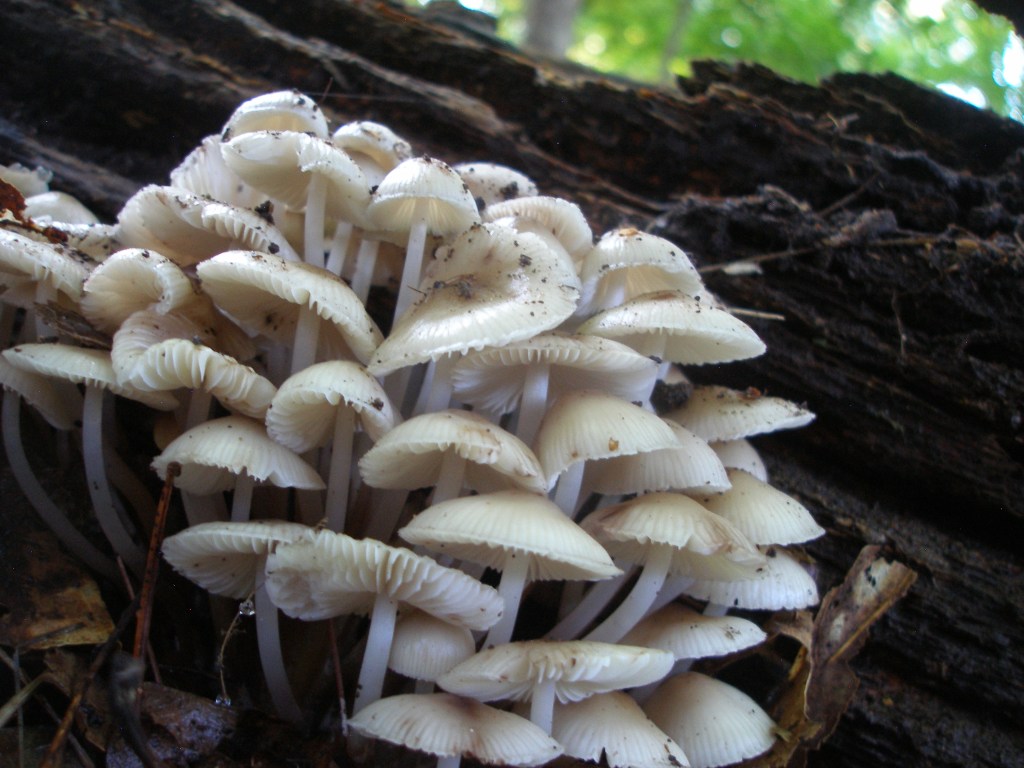
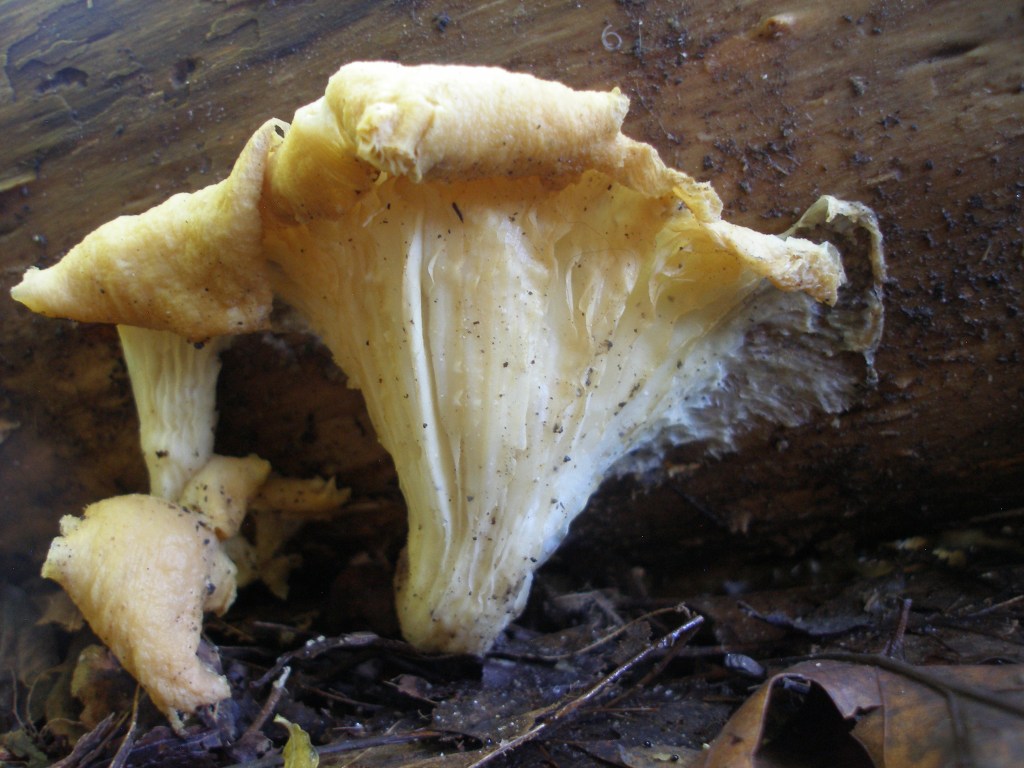
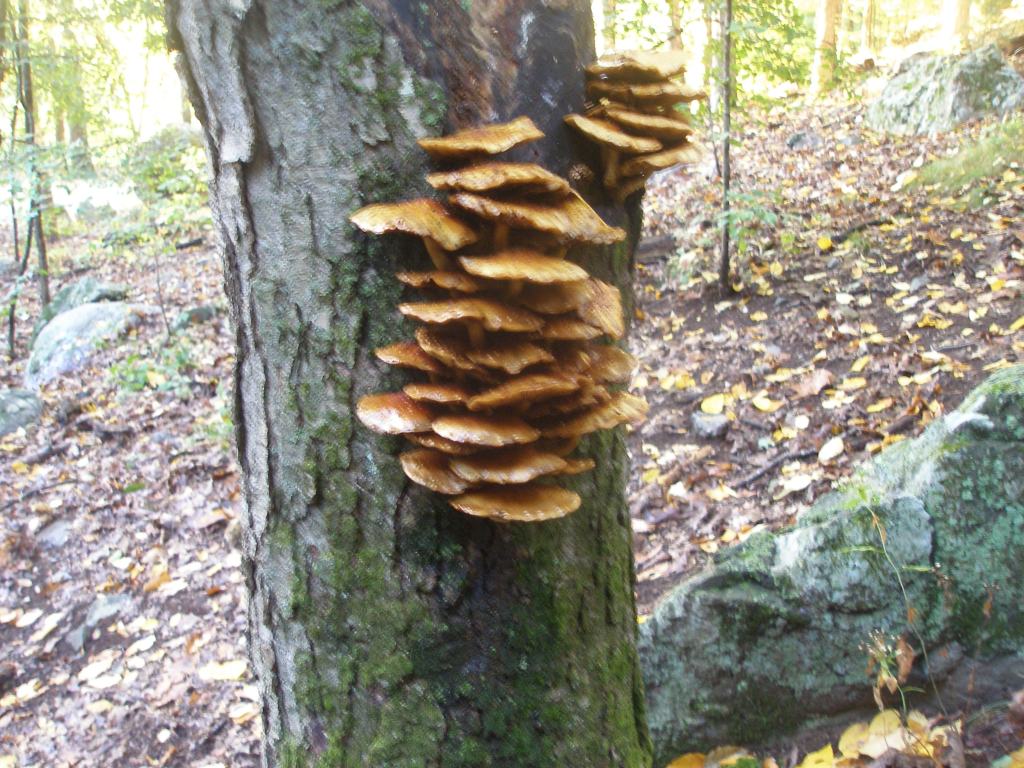
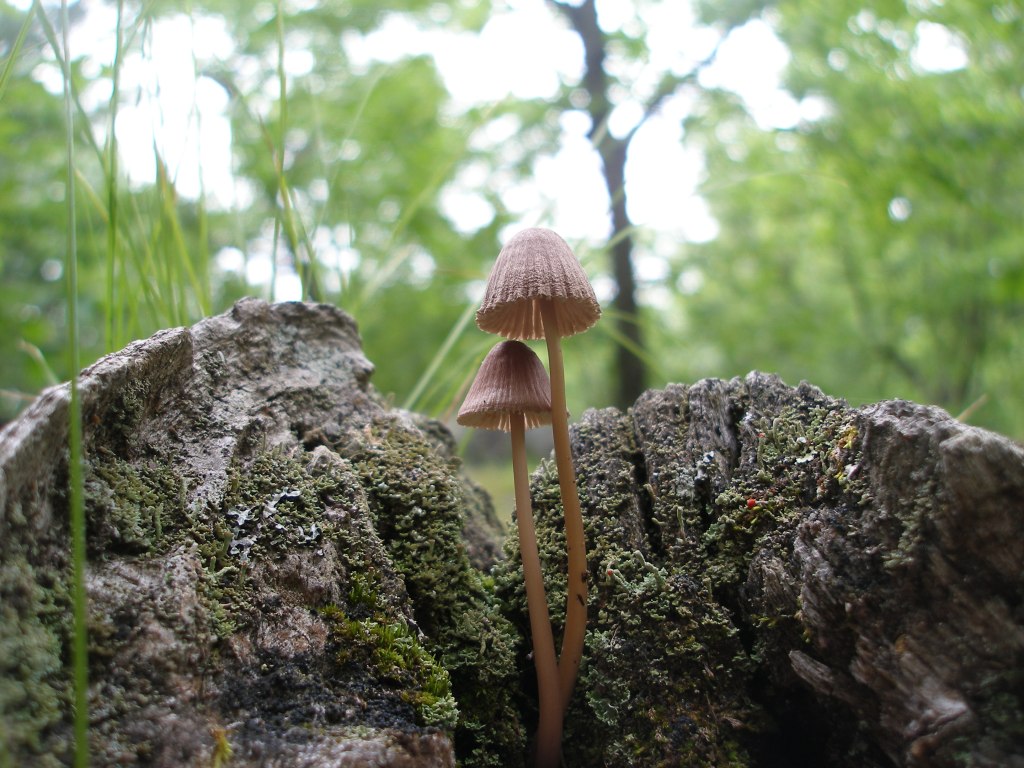
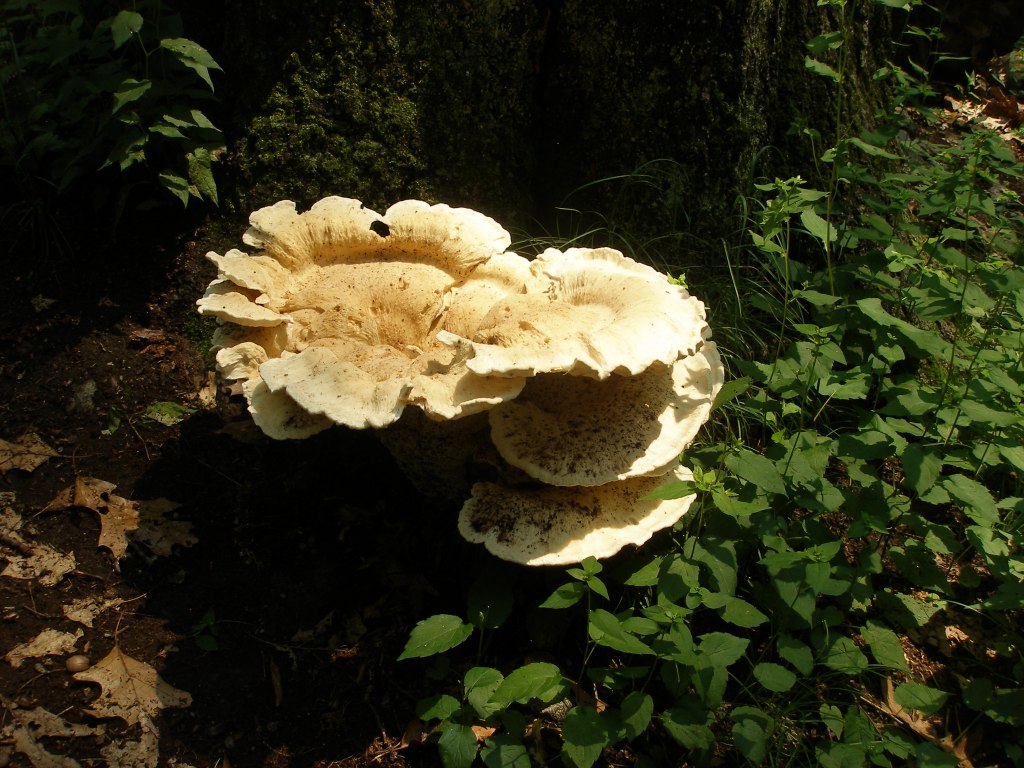
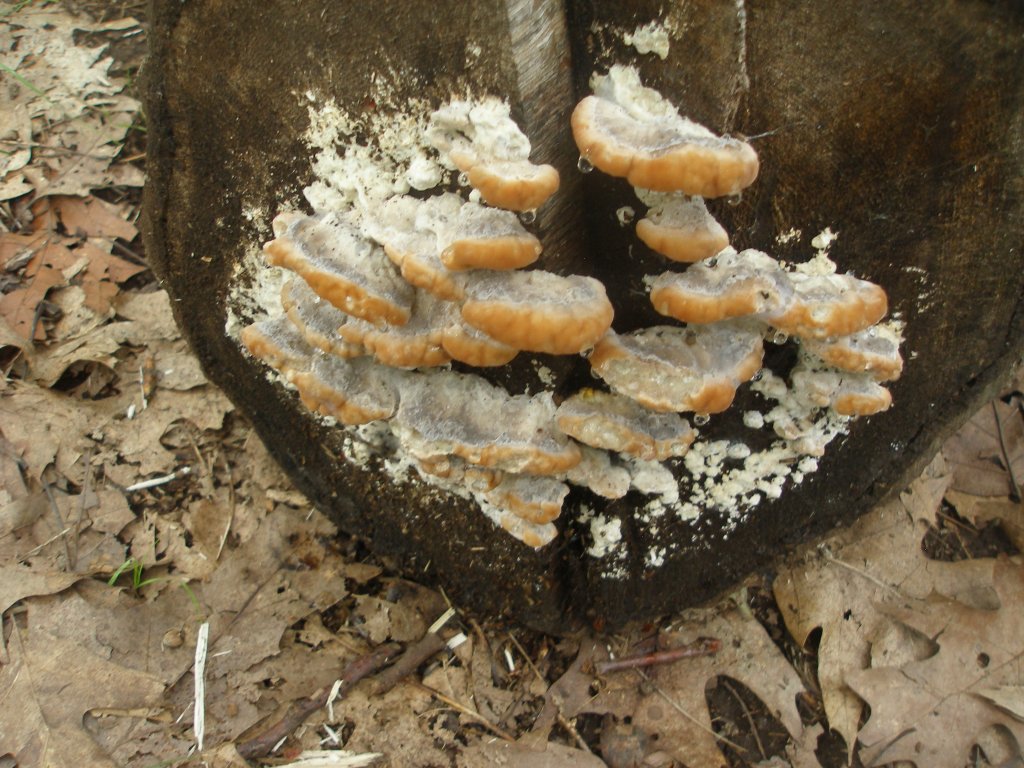
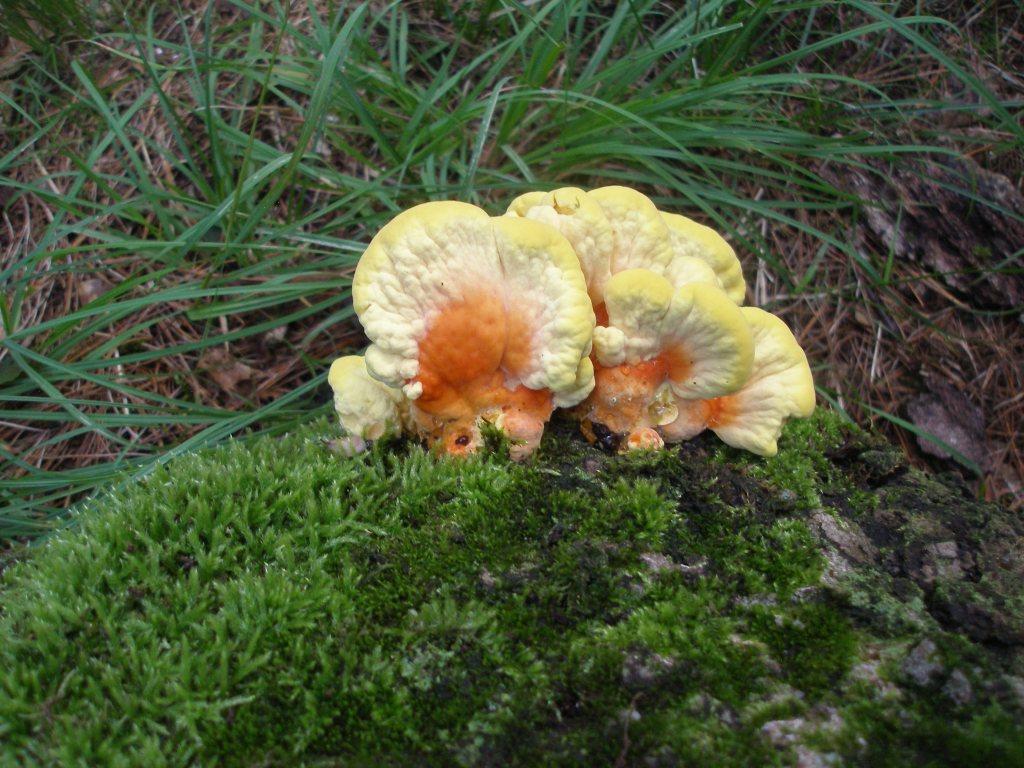
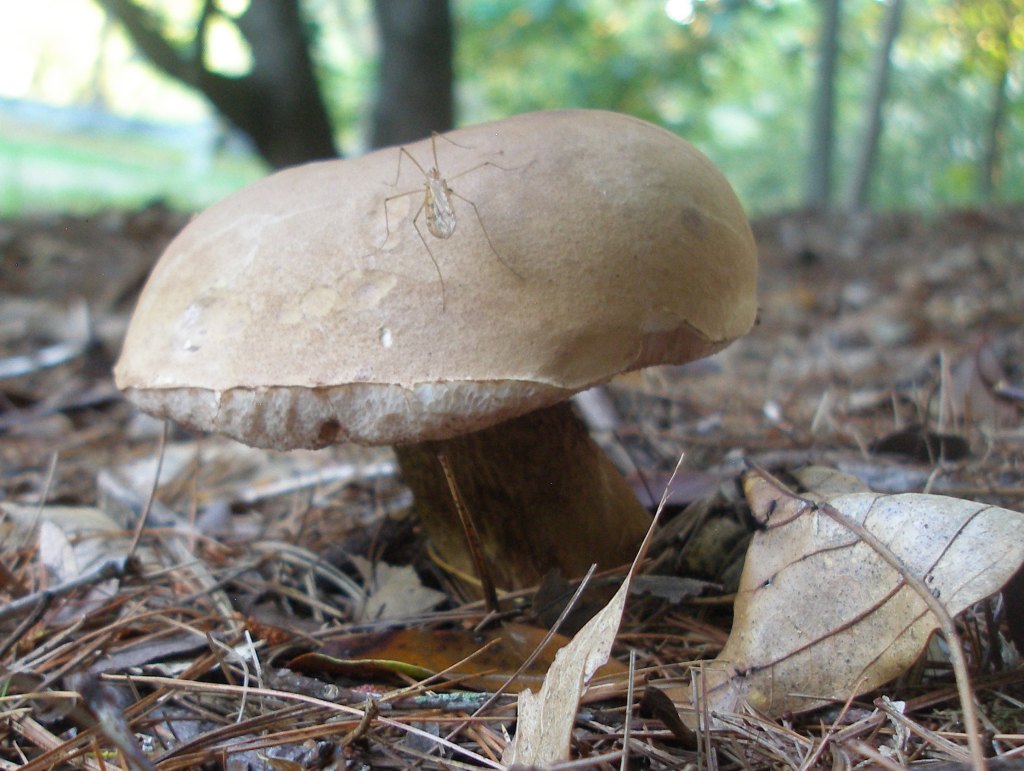
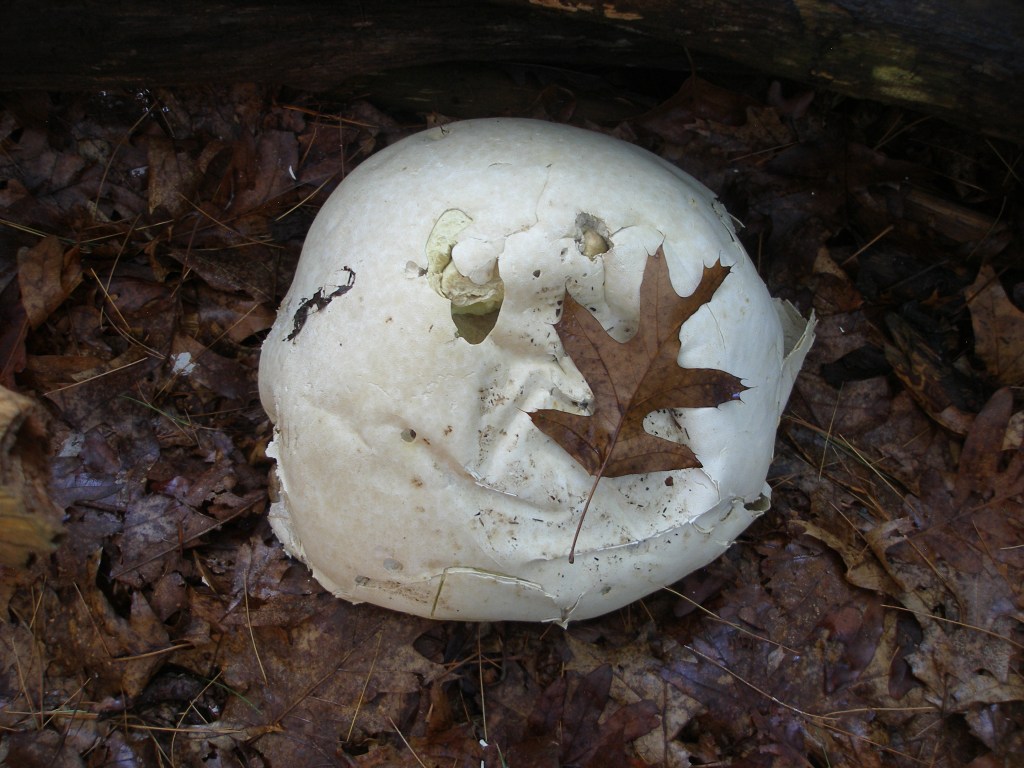
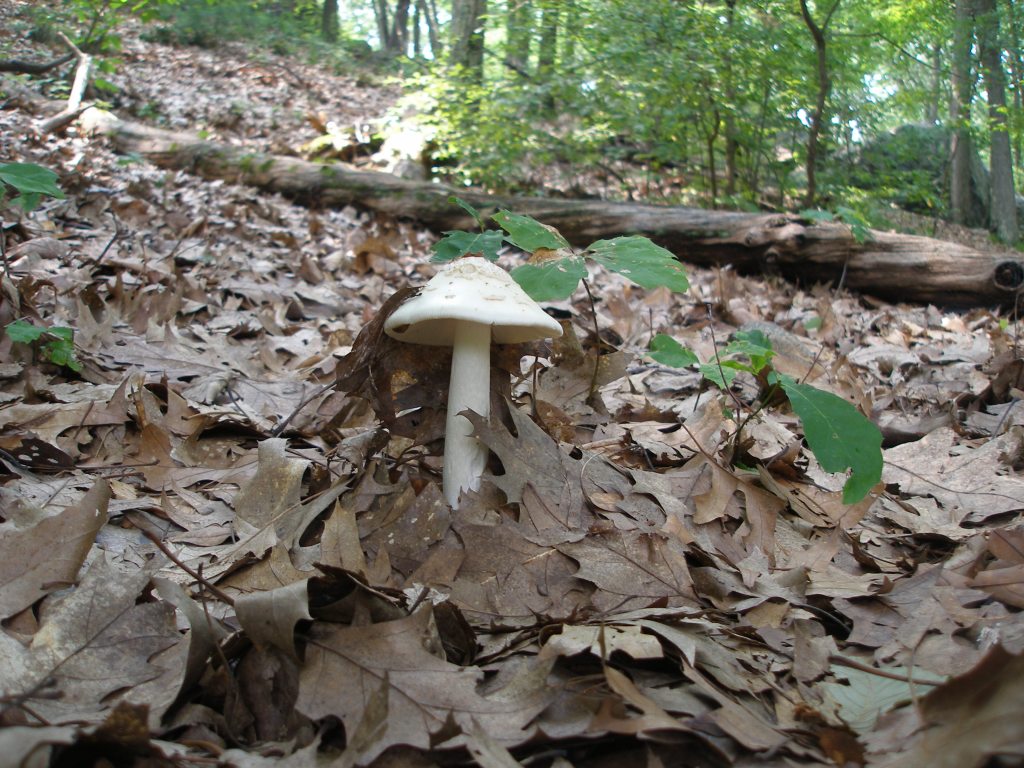
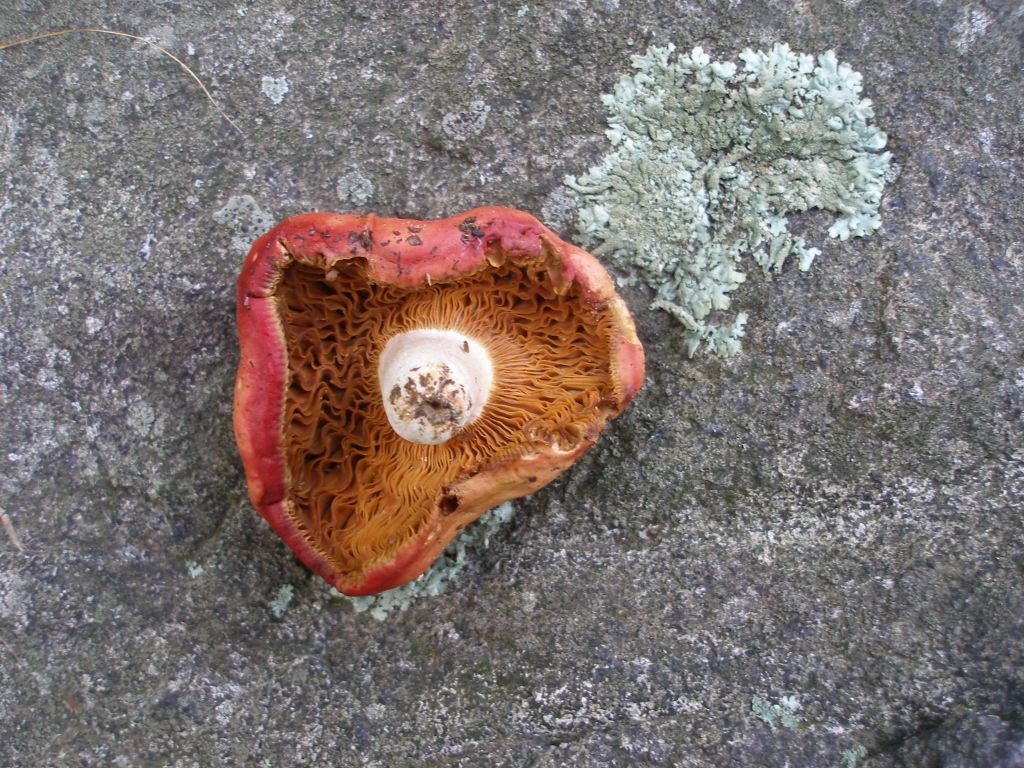
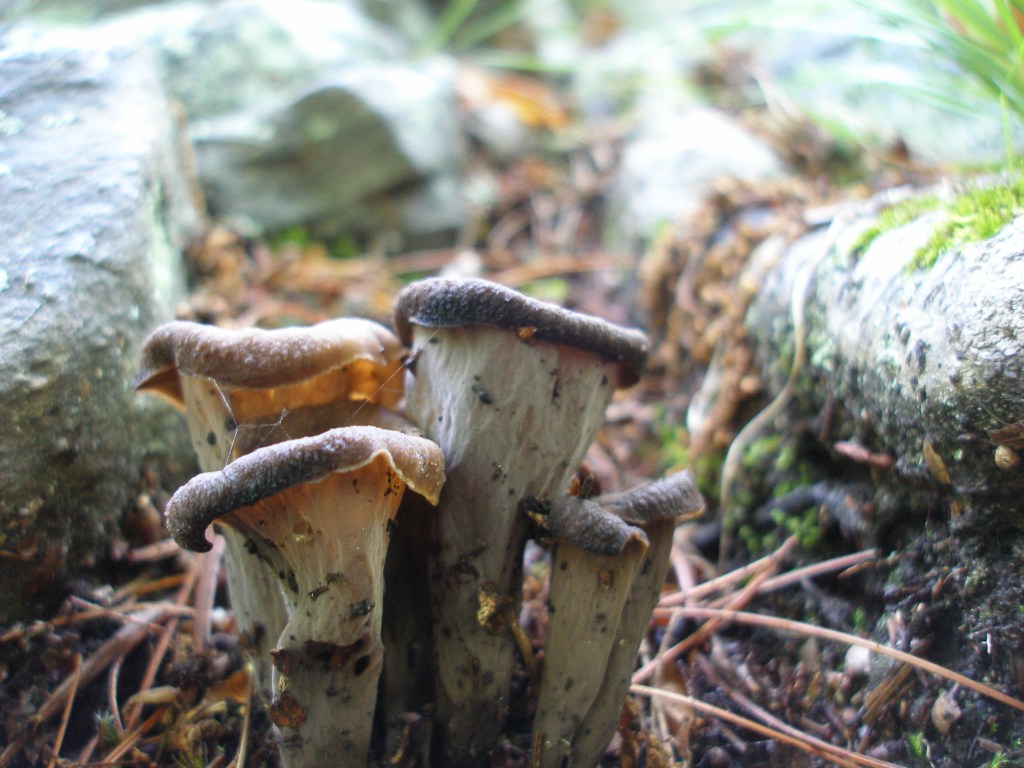
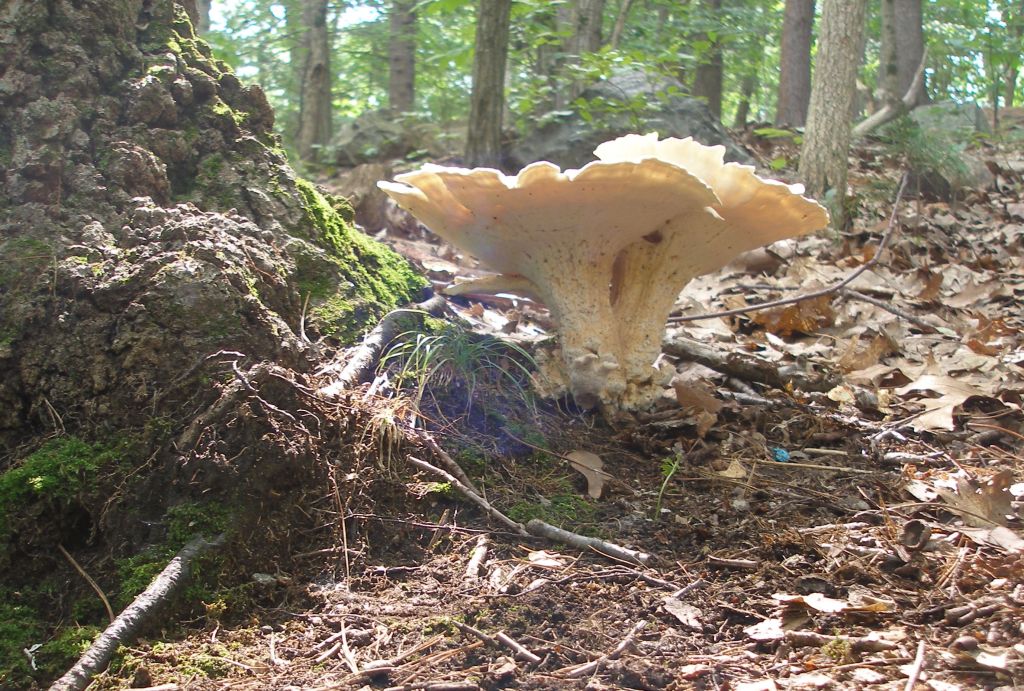
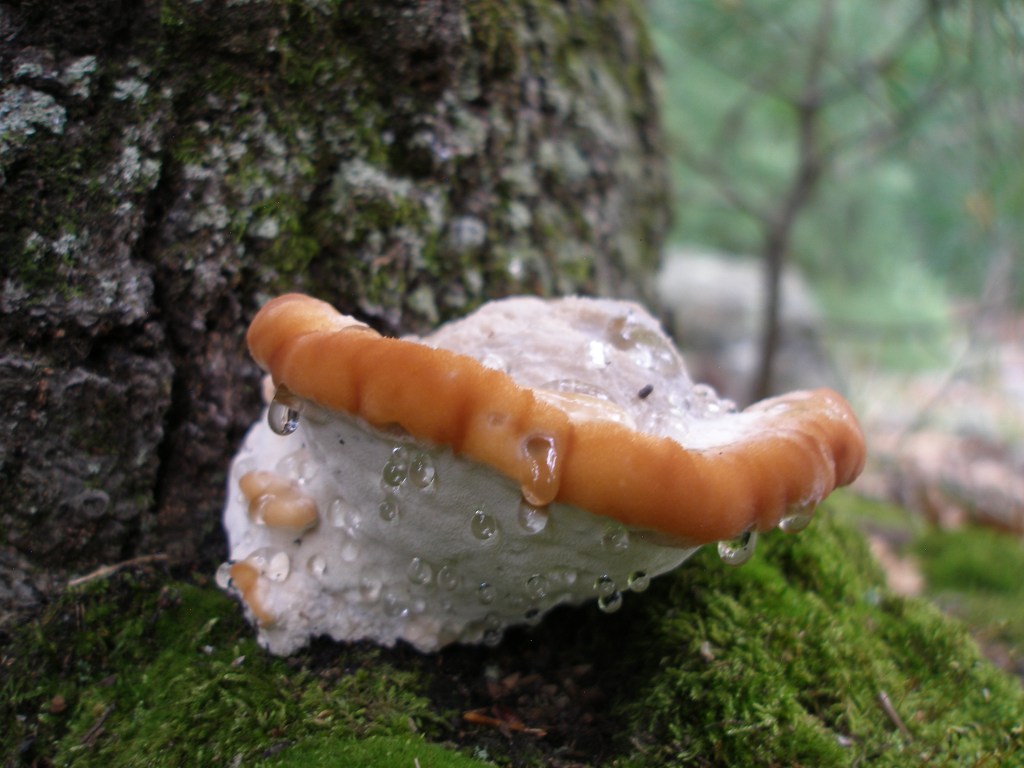
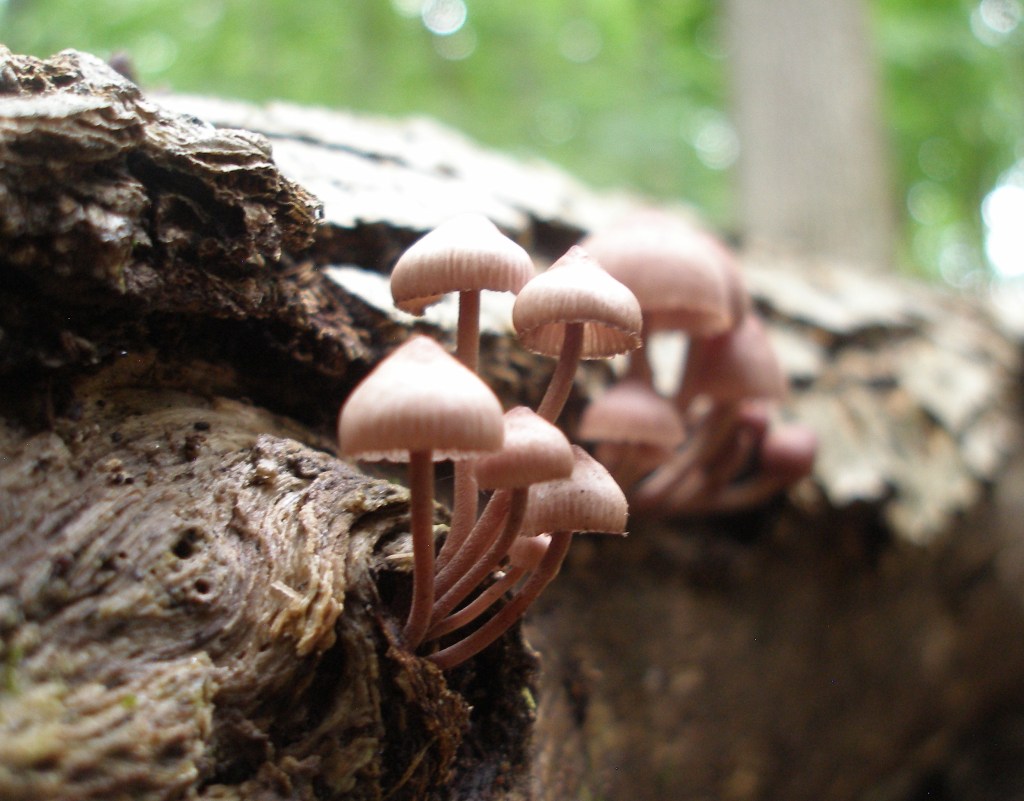
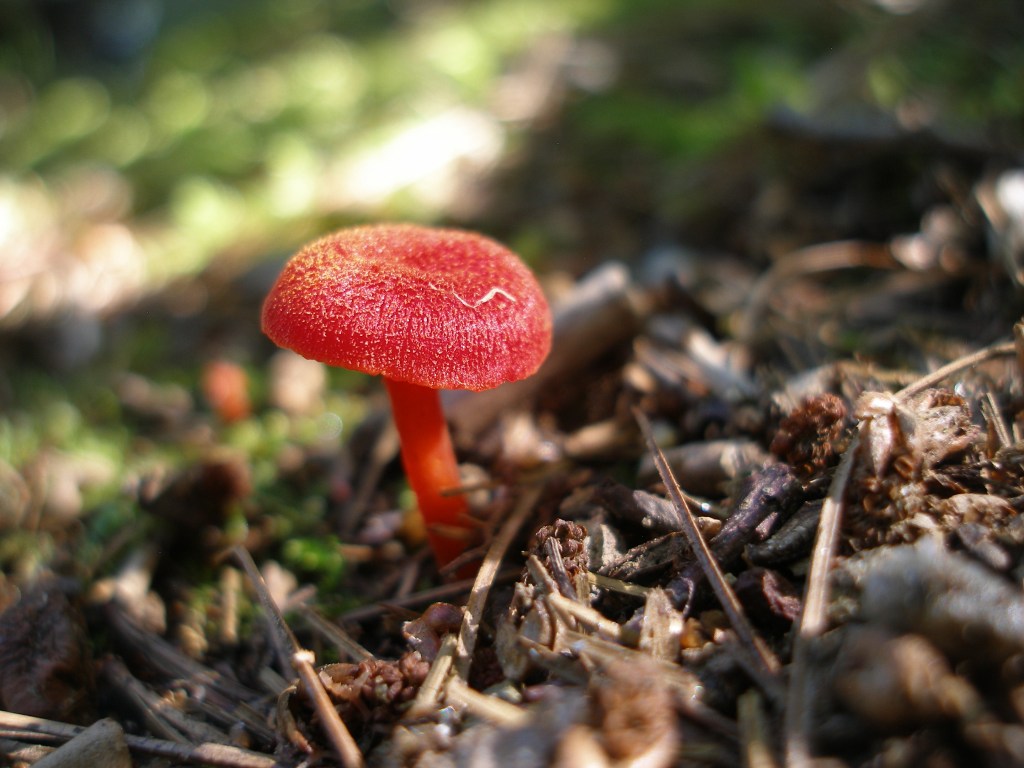
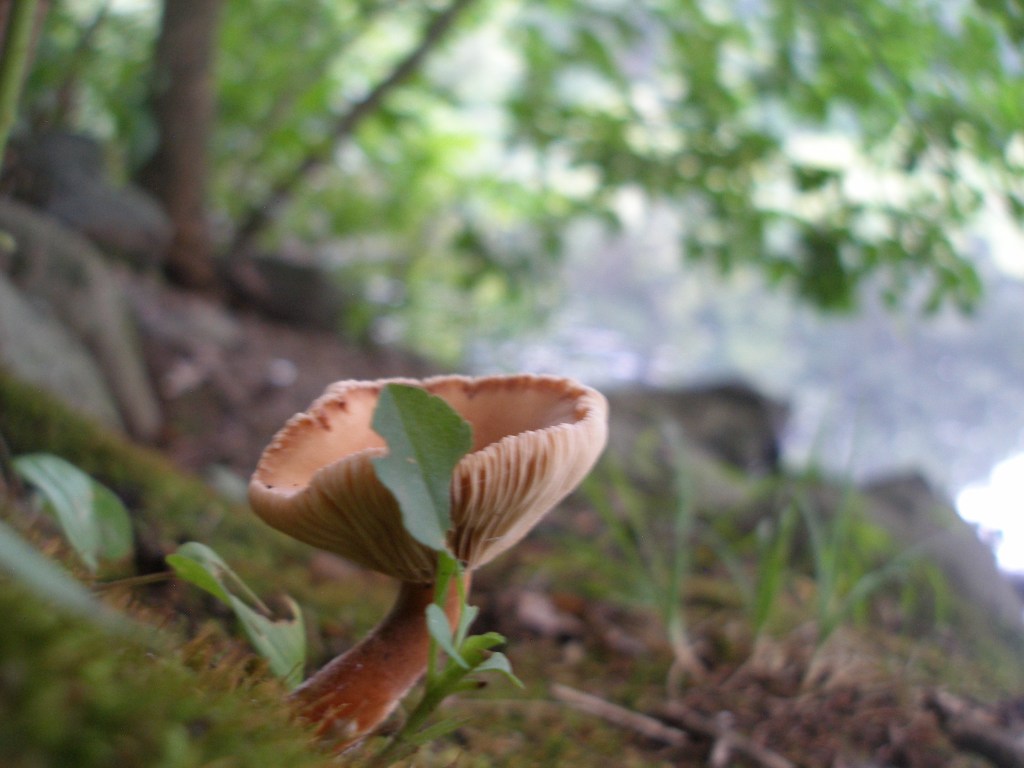
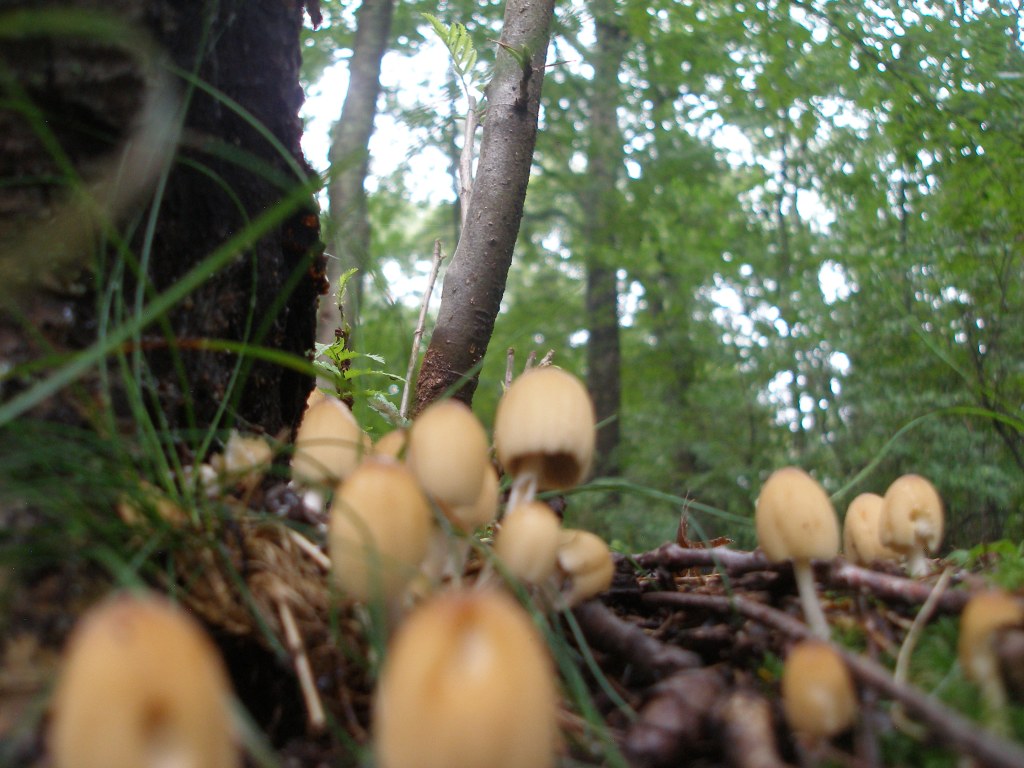
Mushrooms: Fall 2023

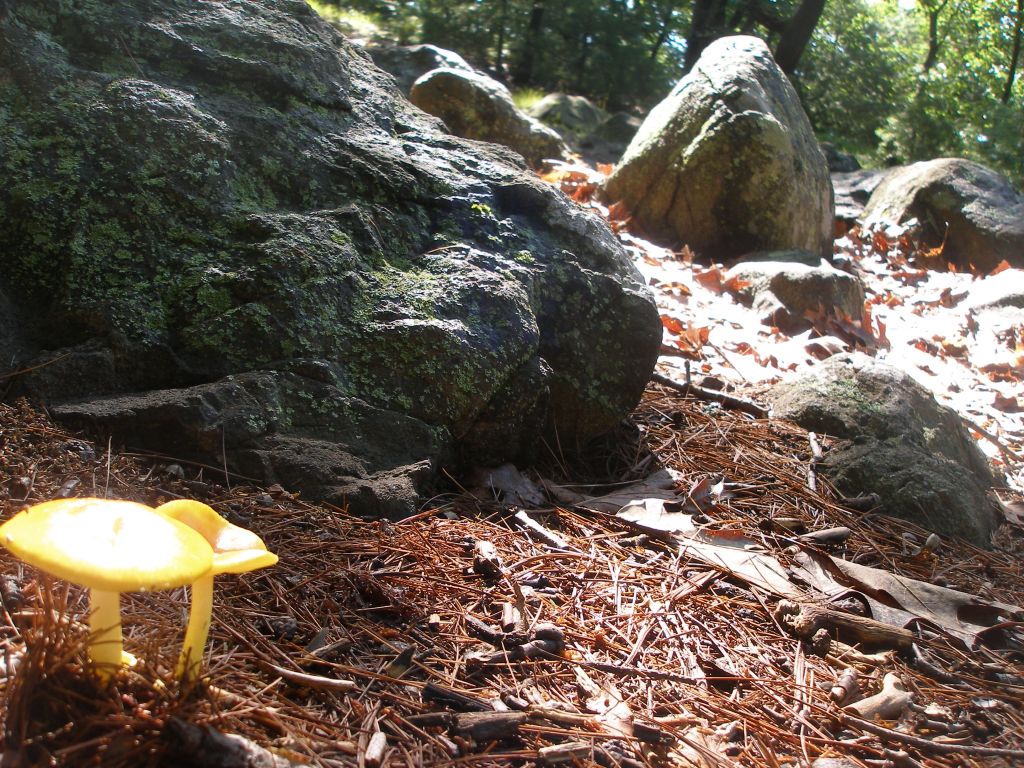
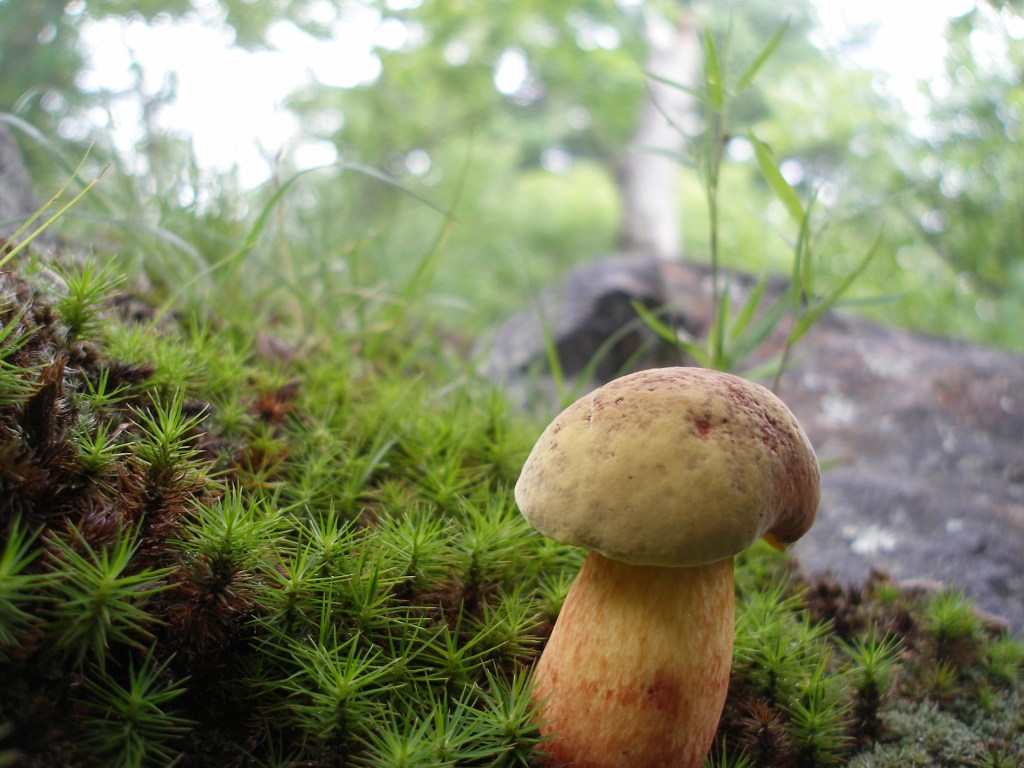
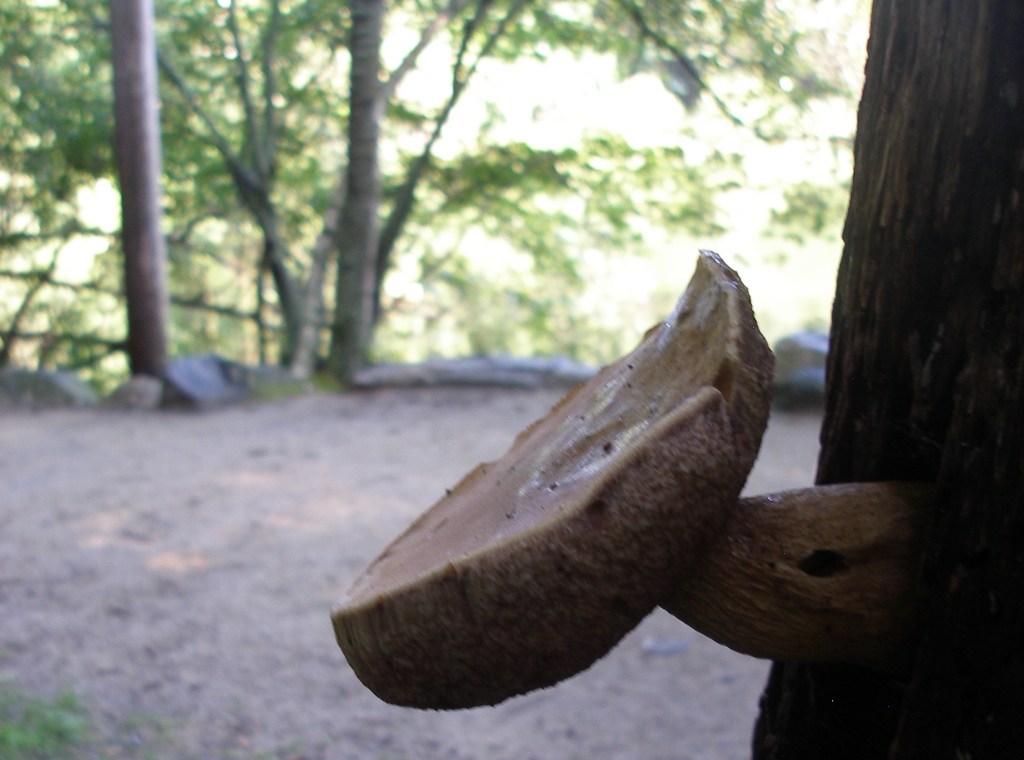
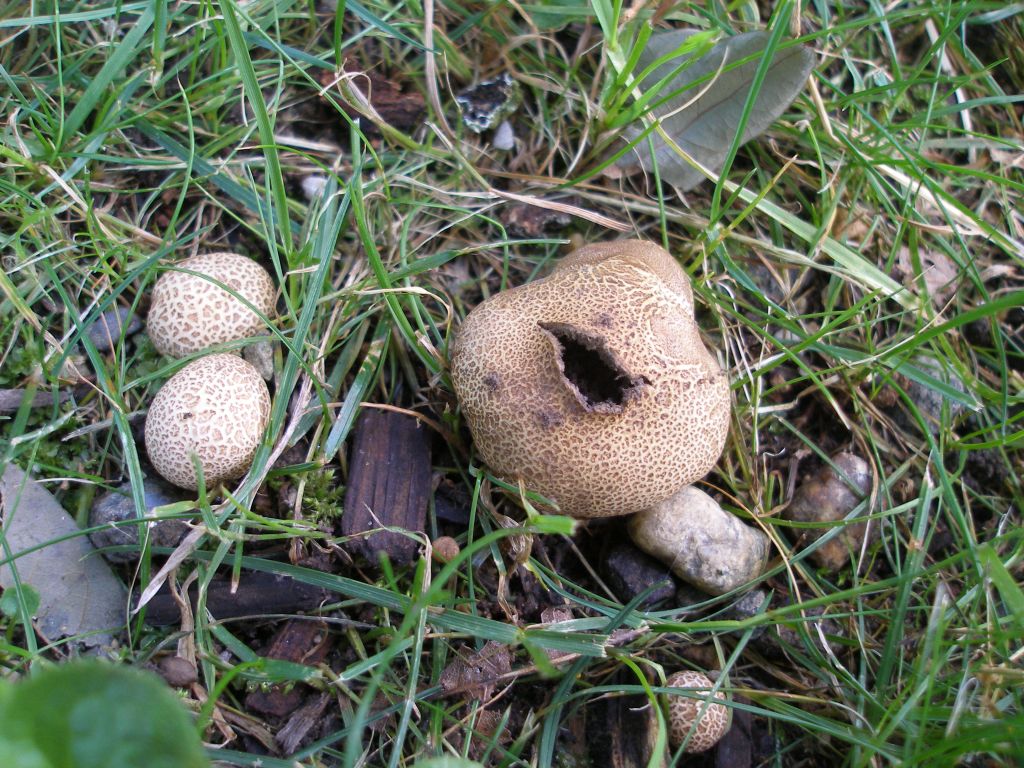
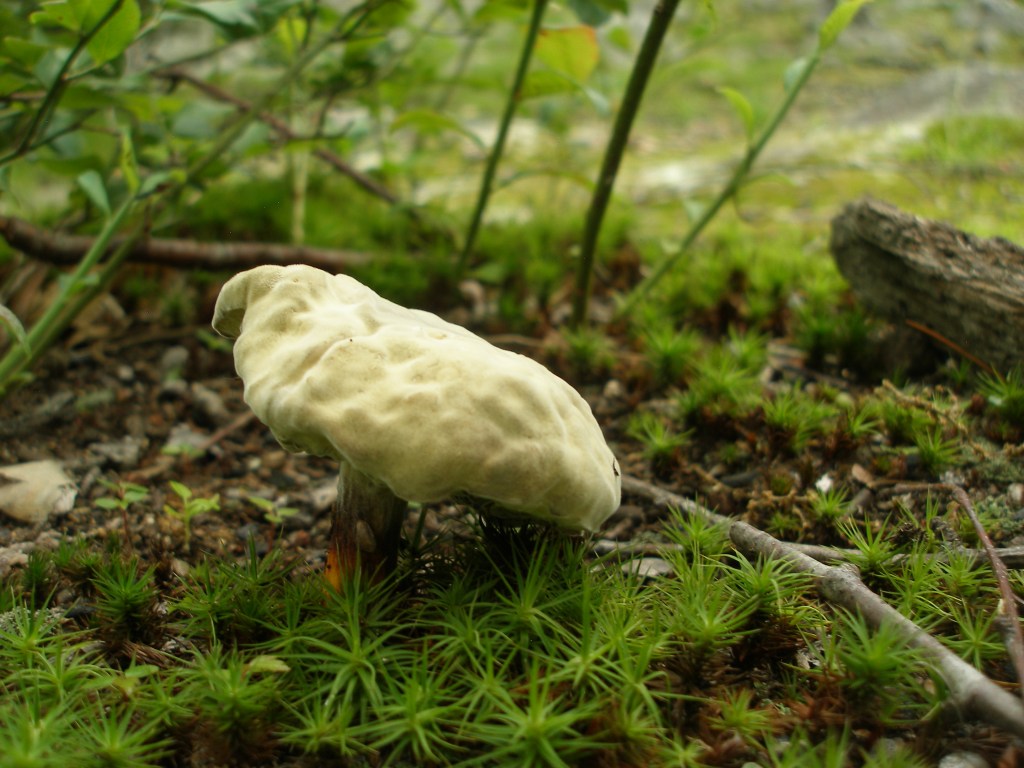
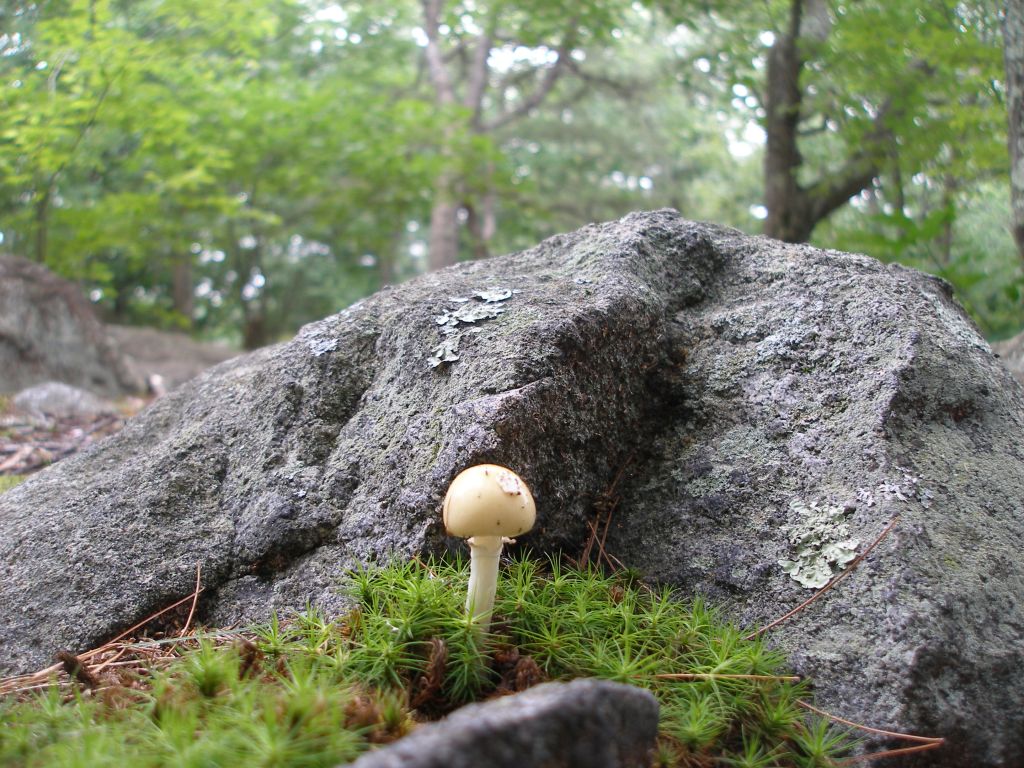
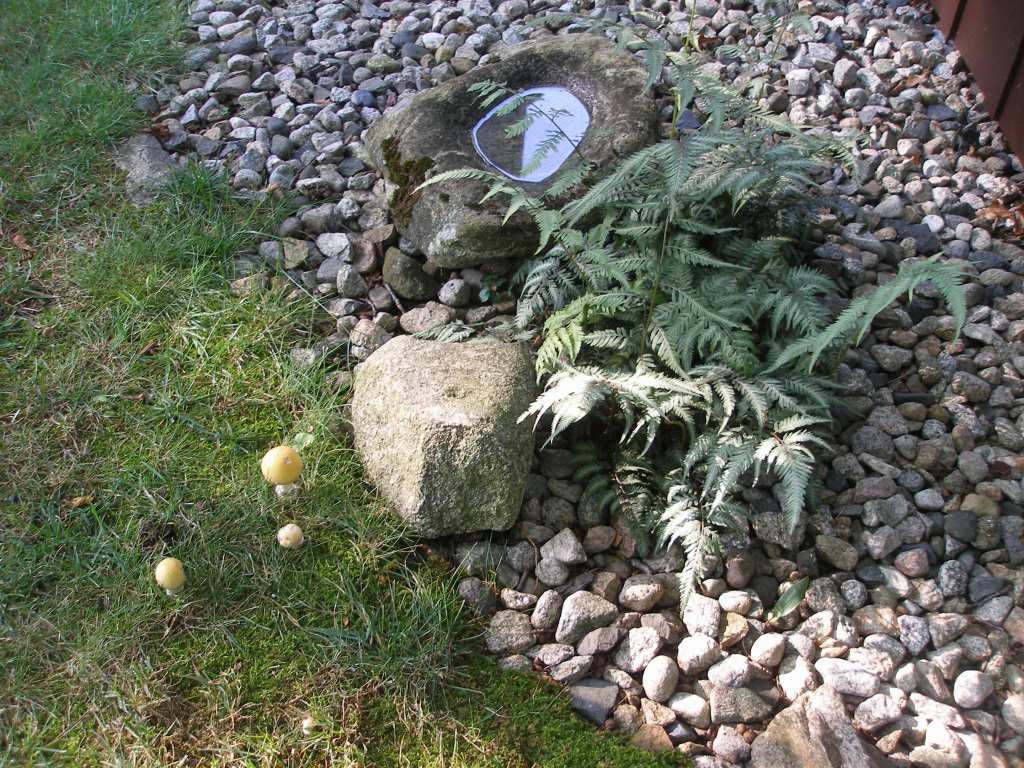
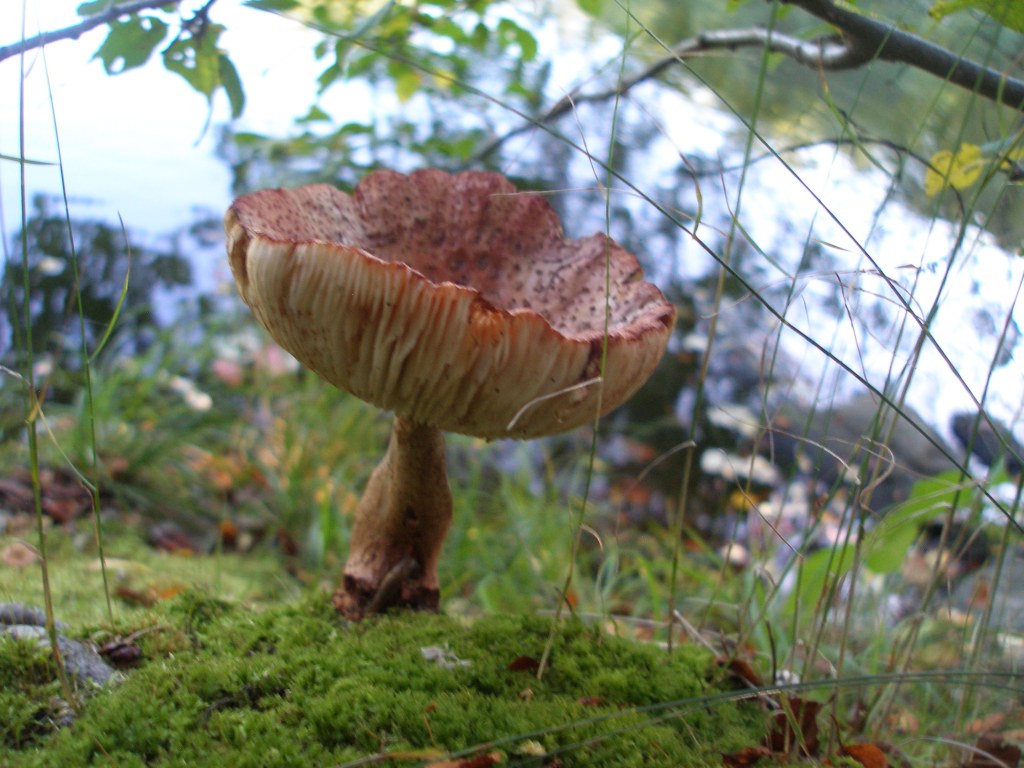
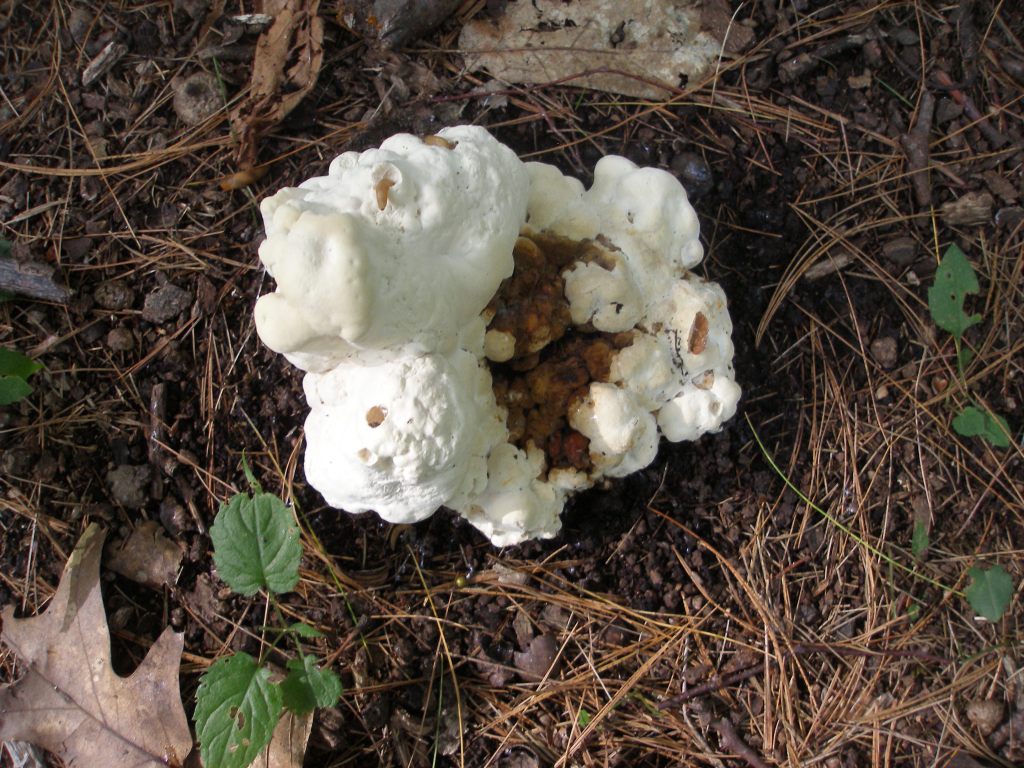
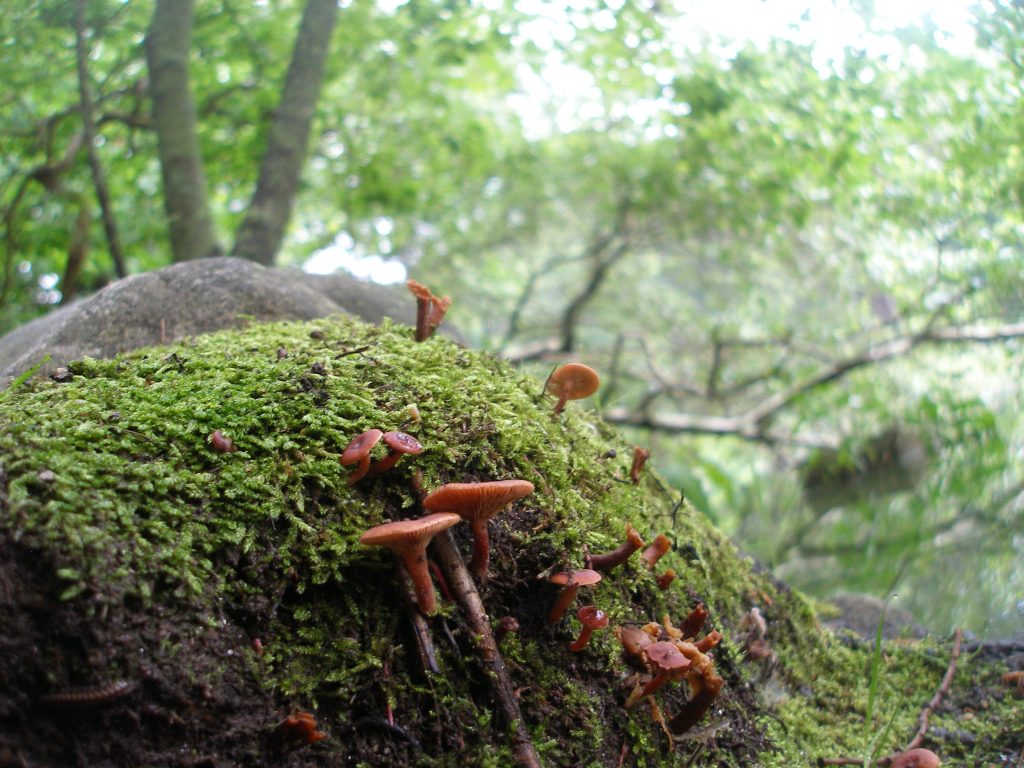
I expected this fall’s crop of mushrooms would be different from last season’s given our highly changeable conditions these days.

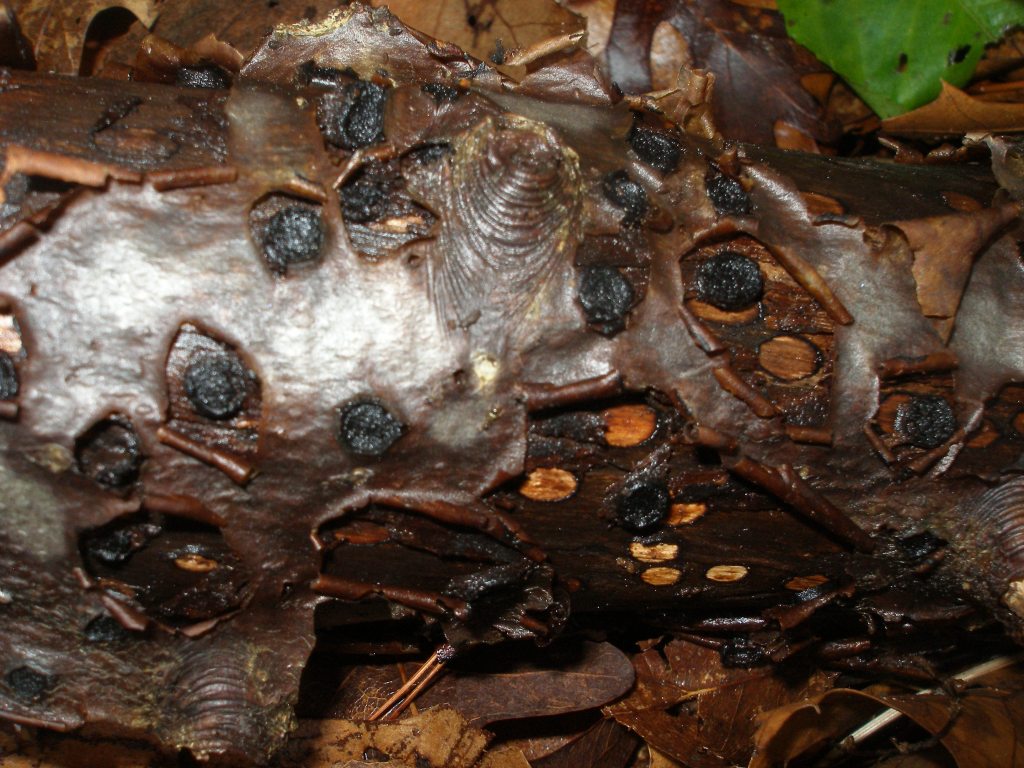
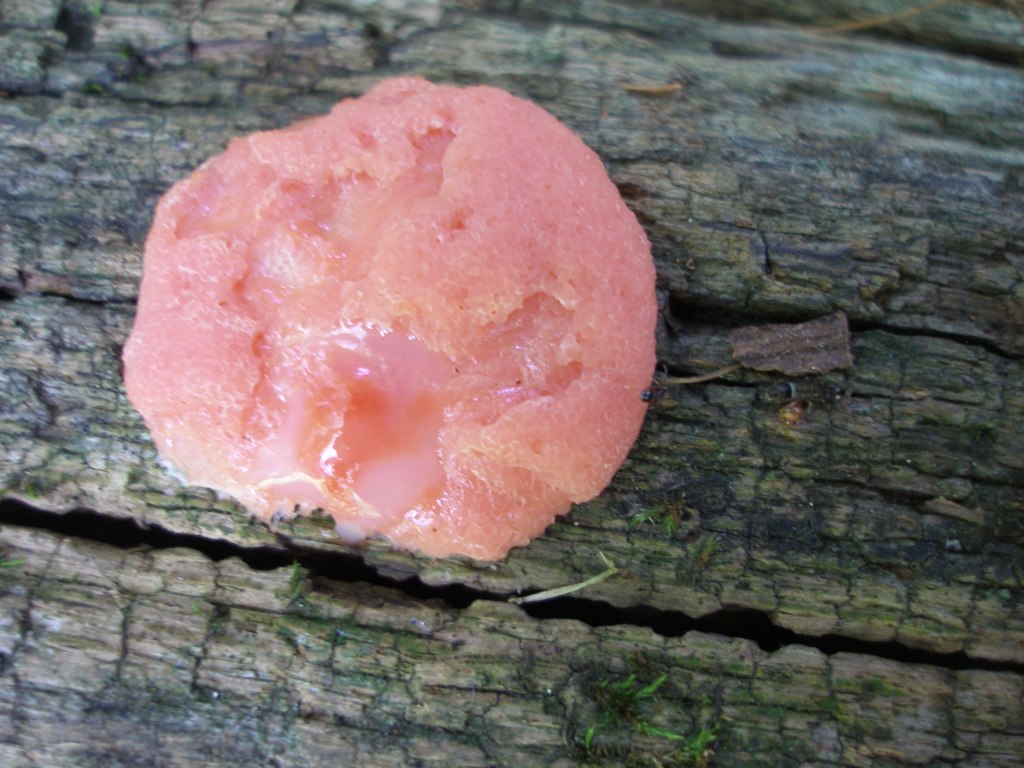
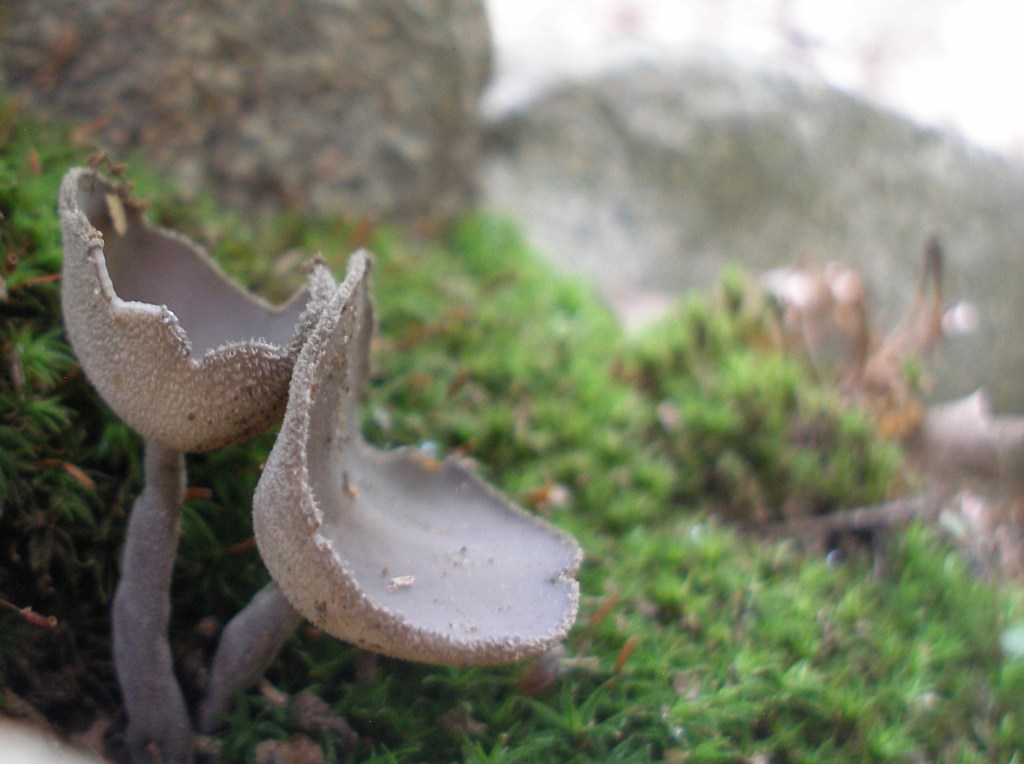
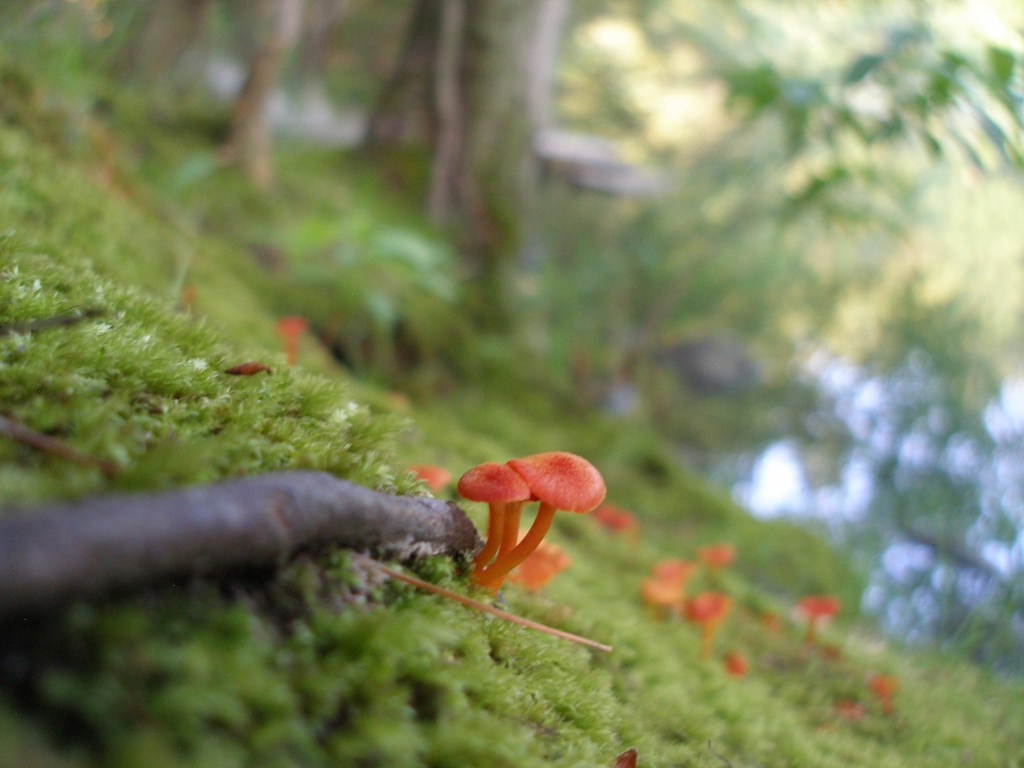
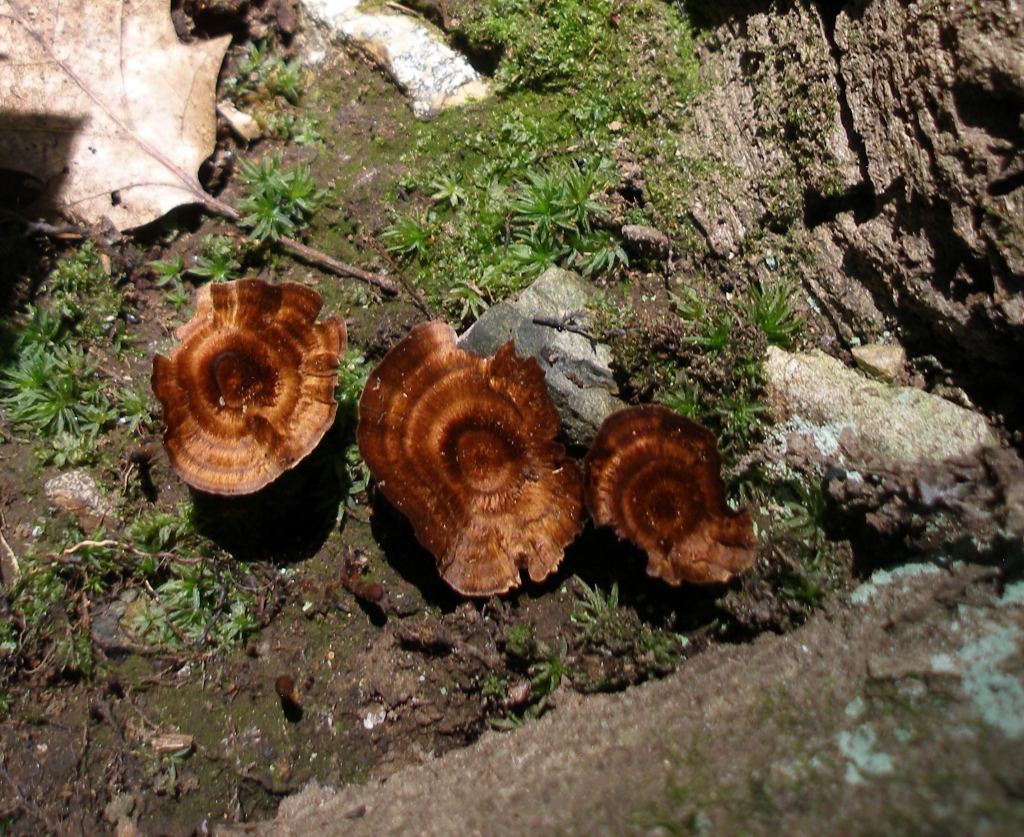
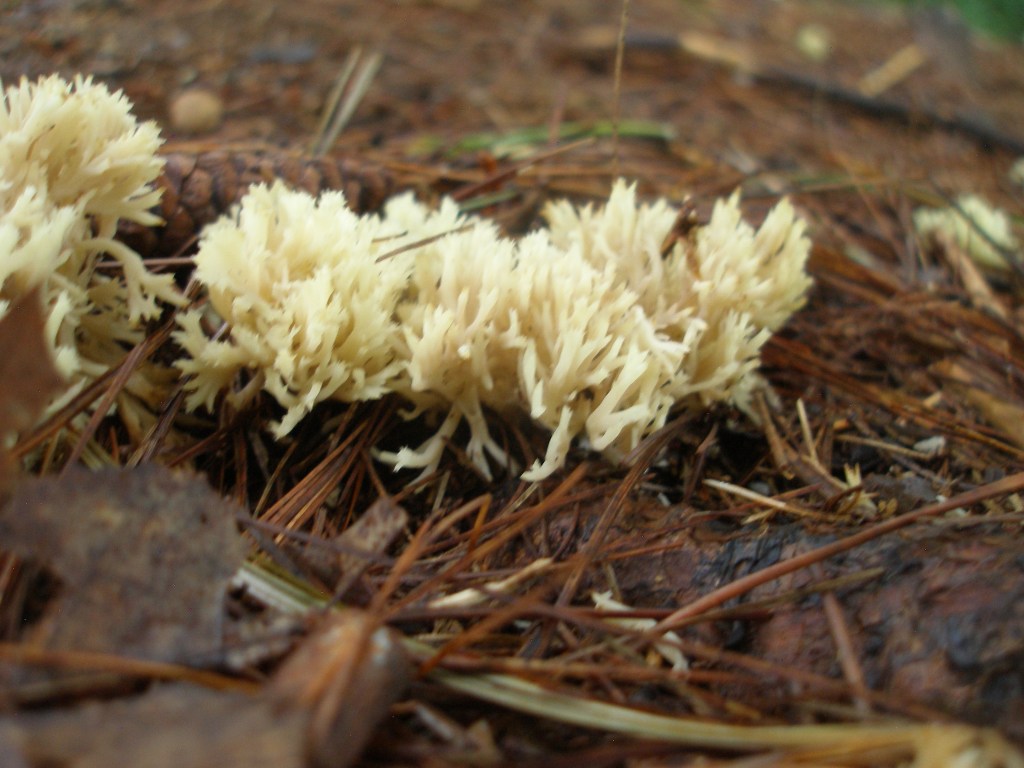
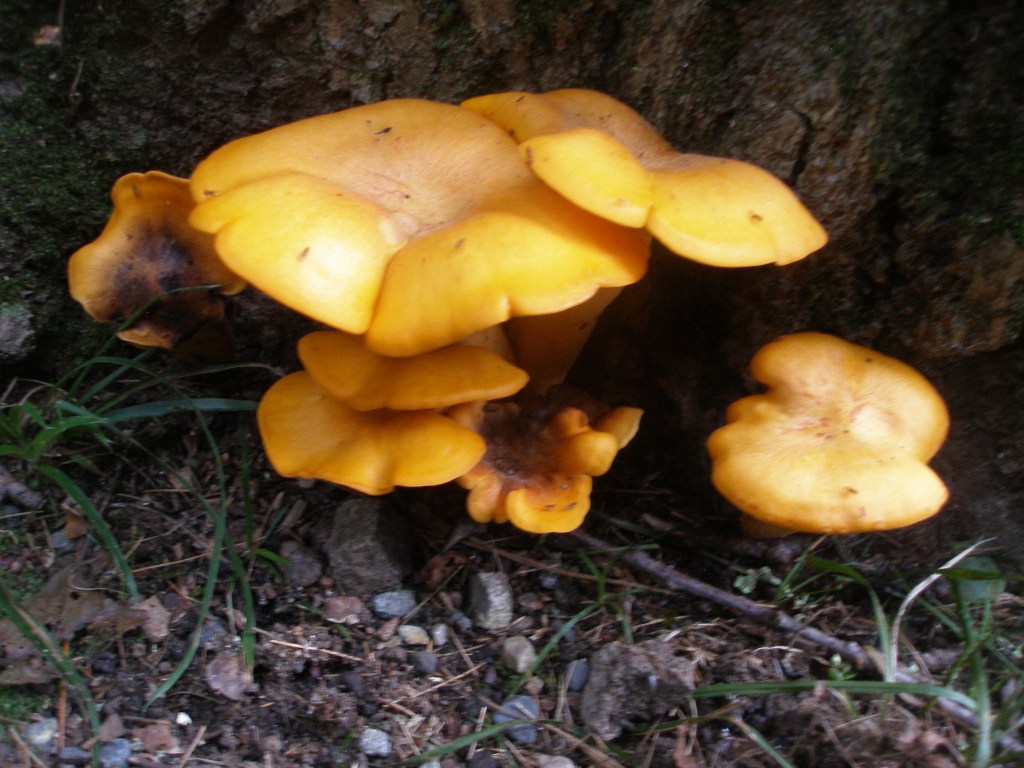
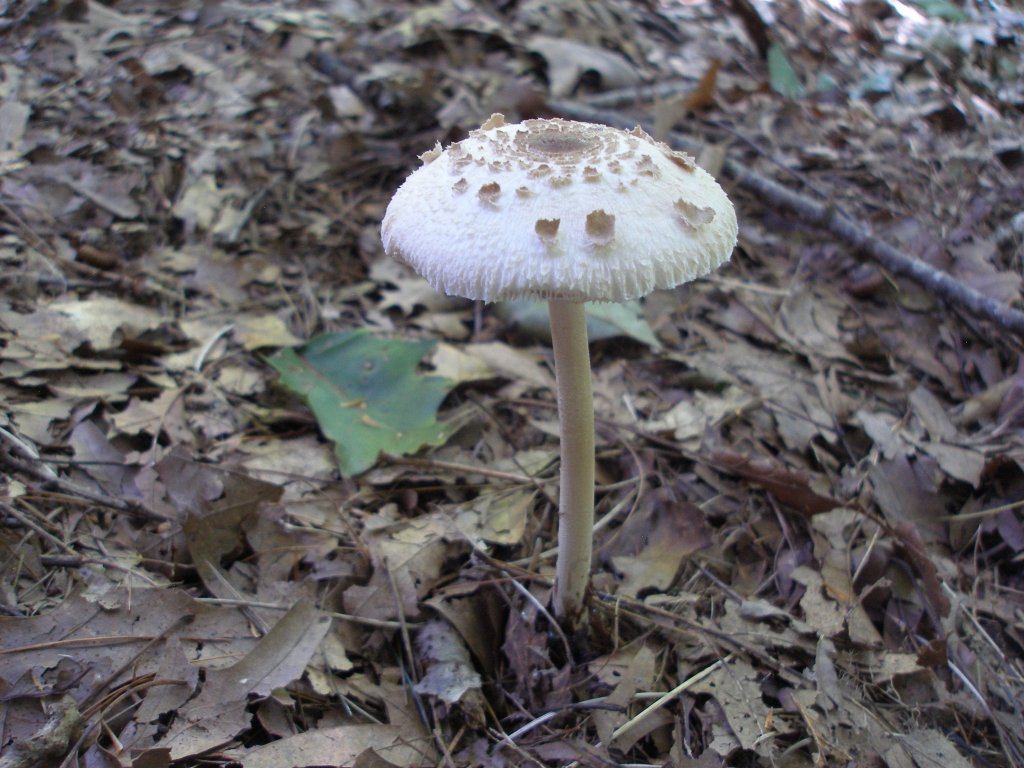
Fungi, slime molds and lichens can tell when conditions are right to produce fruiting bodies and disperse spores. That window of opportunity appeared to come quite early in spring and summer this year. But interesting examples are still popping up. If I manage to capture worthy portraits of their splendid forms, I will add them below.


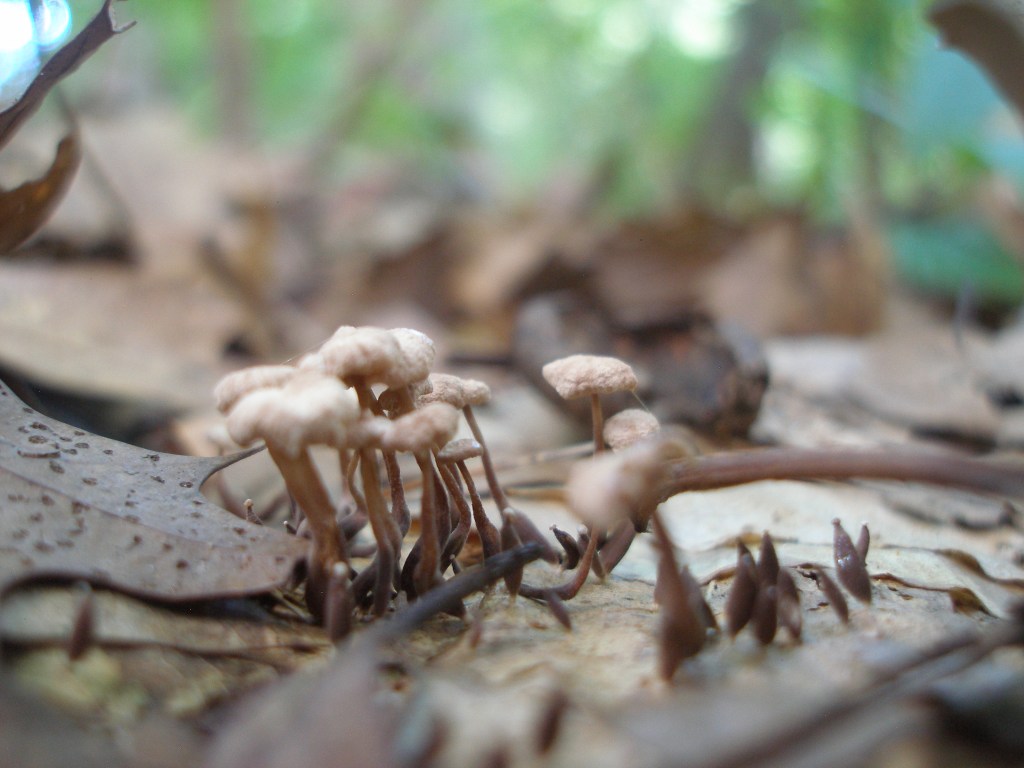
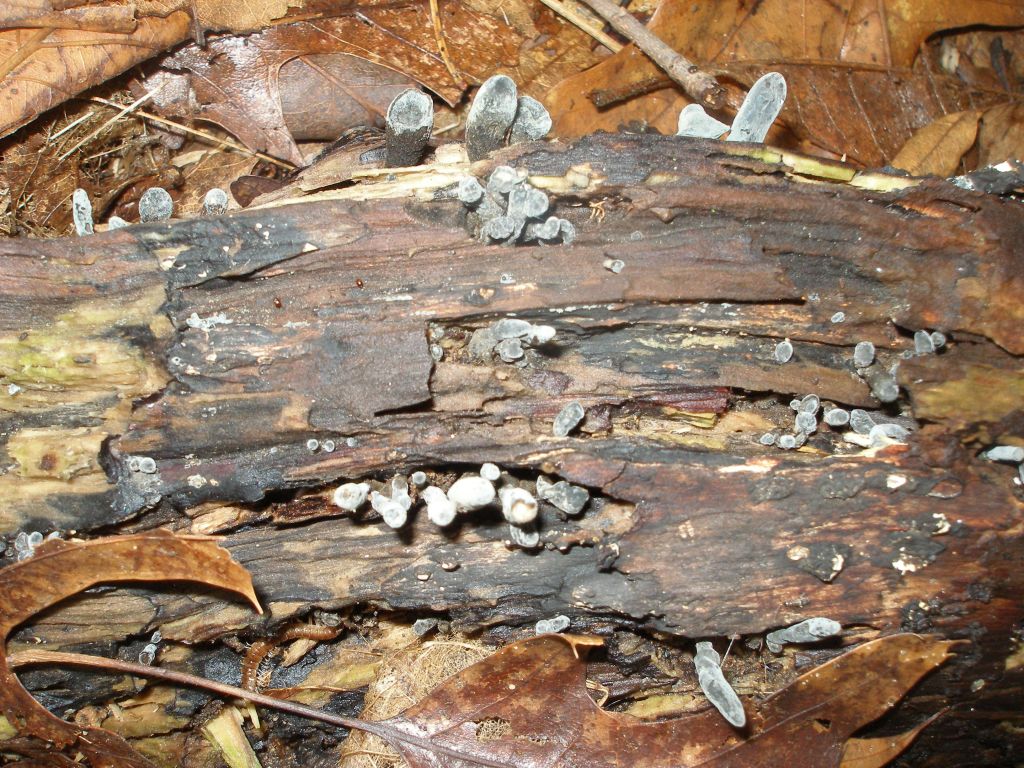
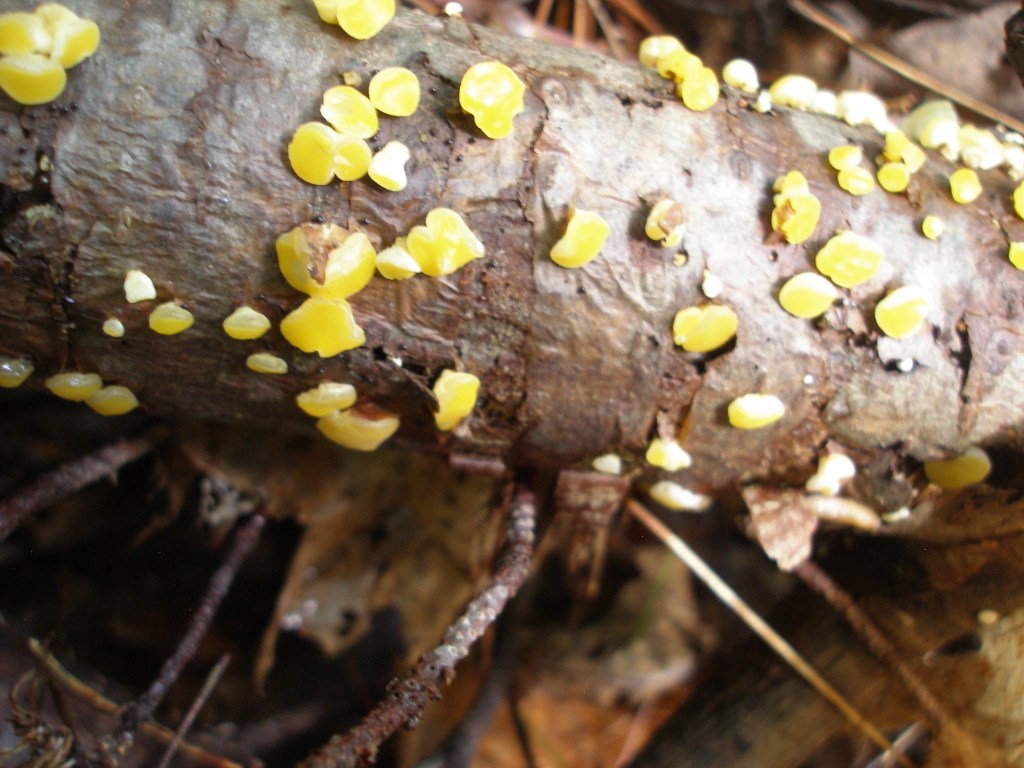
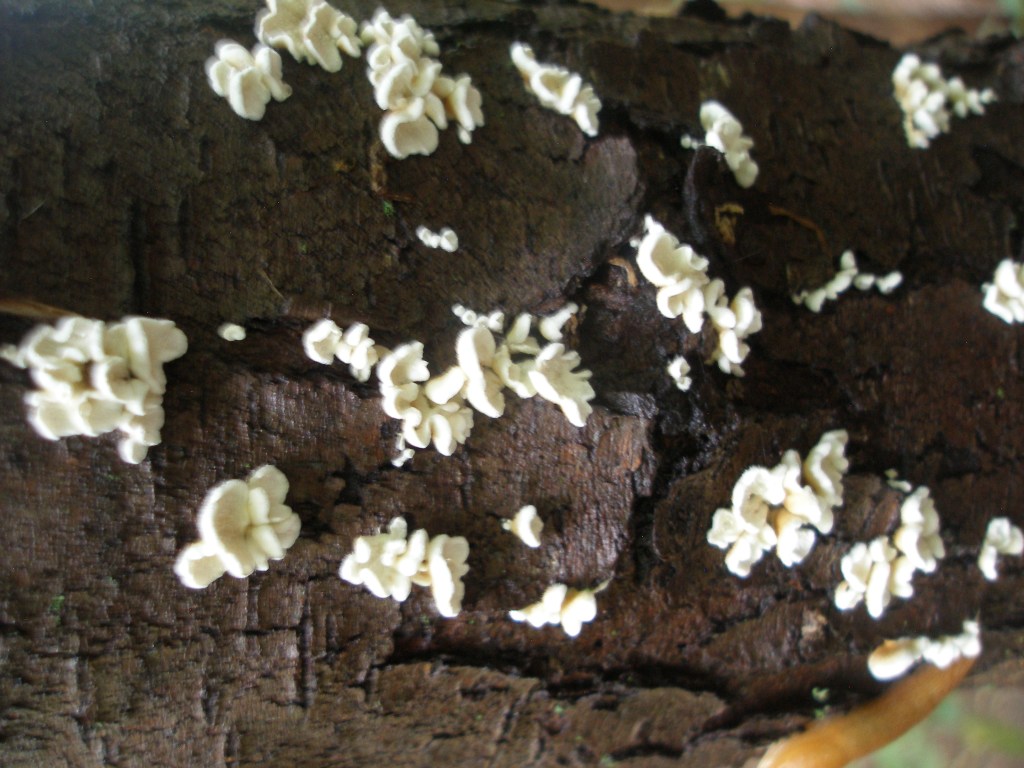
The tiny fruiting bodies above are those of lichen – not mushrooms


A Sunrise Gathering

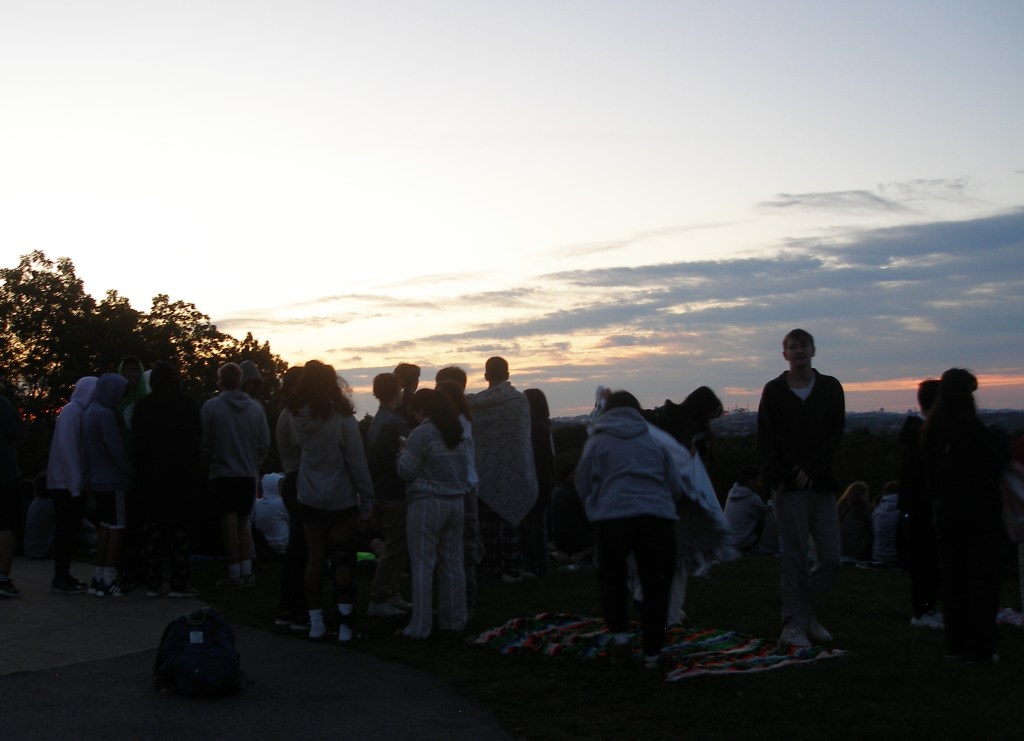
When I went for my walk this morning, there was quite a gathering on the crest of the hill in Robbins Farm Park. The sun had not quite risen and a pink dawn mixed with gray clouds. There could easily be over a hundred of them – one of the largest gatherings I had ever seen in this park.

I asked a young man why they were here, he told me that it was “Senior Sunrise.” Evidently, my town’s high school takes advantage of the opportunity that the park presents for seniors to witness the dawn of a new day over Boston.

I had come out hoping to catch sight of the “super blue moon.” This second full moon of the month is referred to as a “blue moon” because they are relatively rare. In this case, it was also a “supermoon” which occurs when the moon is closest to us in its orbit around earth making the full moon appear a bit larger than usual.

I was lucky to catch it – just visible in a gap between trees to my right:

As the crowd began to disperse, I overheard a young lady say, “The bad classes only got worse, while the good classes got better but I find it hard to concentrate after 45 minutes no matter what class it is. I’m glad that’s over.”

Although I refuse to consider myself superstitious, I was surprised to realize that getting older has only made me hope all the more that the conjunction of a lovely sunrise and a super blue moon might prove particularly auspicious for these young people who were moving on with their lives in particularly challenging times.

Walking Down the Road

The 1971 hit, Woyaya with music by Sol Amarfio and words by Annie Masembe of Uganda which speaks of not knowing where we are going but trusting that we will get there even though the road will be muddy and rough, had me looking for quotes on similar themes. I found quite a variety:

“If you don’t like the road you’re walking, start paving another one.” Dolly Parton.

“The road to enlightenment is long and difficult and you should try not to forget snacks and magazines.” Ann Lamott

“The church is near, but the road is icy. The tavern is far, but I will walk carefully.” Russian Proverb

“No matter how far you go down the wrong road, you can turn back.” Turkish proverb

And, in the logical world of Alice in Wonderland: “‘Would you tell me, please, which way I ought to go from here?’ ‘That depends a good deal on where you want to get to,’ said the Cat. ‘I don’t much care where -‘ said Alice. ‘Then it doesn’t matter which way you go,’ said the Cat. ‘-so long as I get SOMEWHERE,’ Alice added as an explanation. ‘Oh, you’re sure to do that,’ said the Cat ‘if you only walk long enough.'” Lewis Caroll

And this one of unknown attribution: “If you want to go fast, go alone. If you want to go far, go together.” In these days when things are changing so fast that it seems possible to travel far by just standing still, my personal vote would be to not go it alone.
Hellstrip Lilies

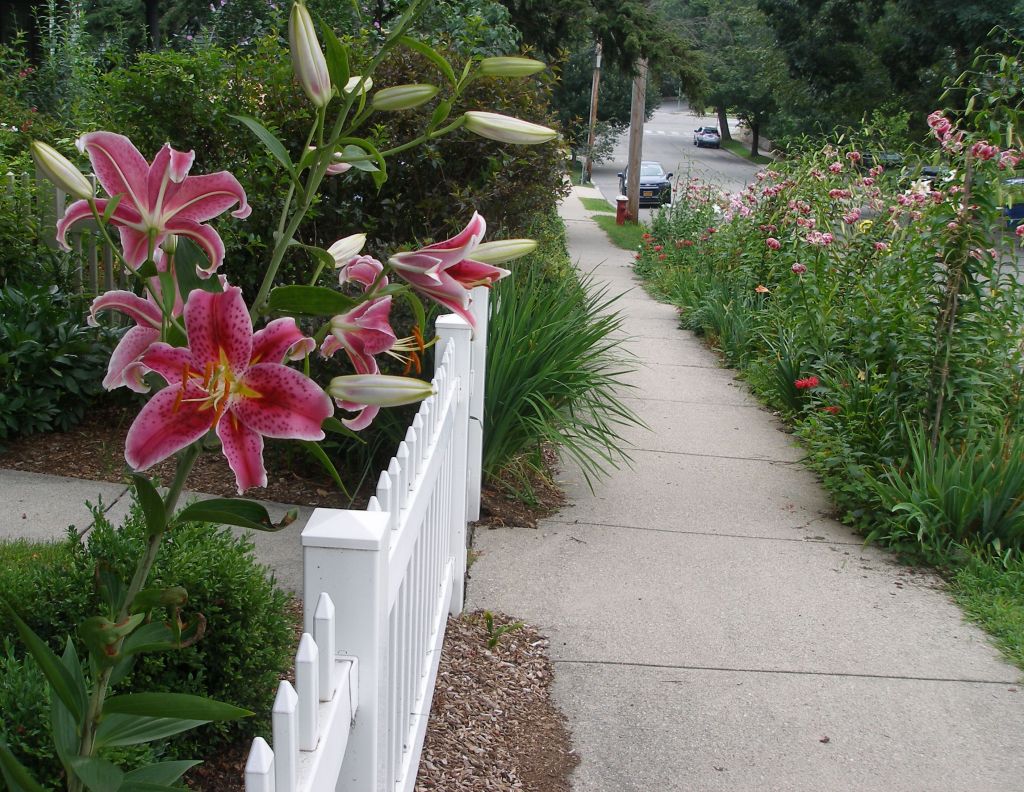
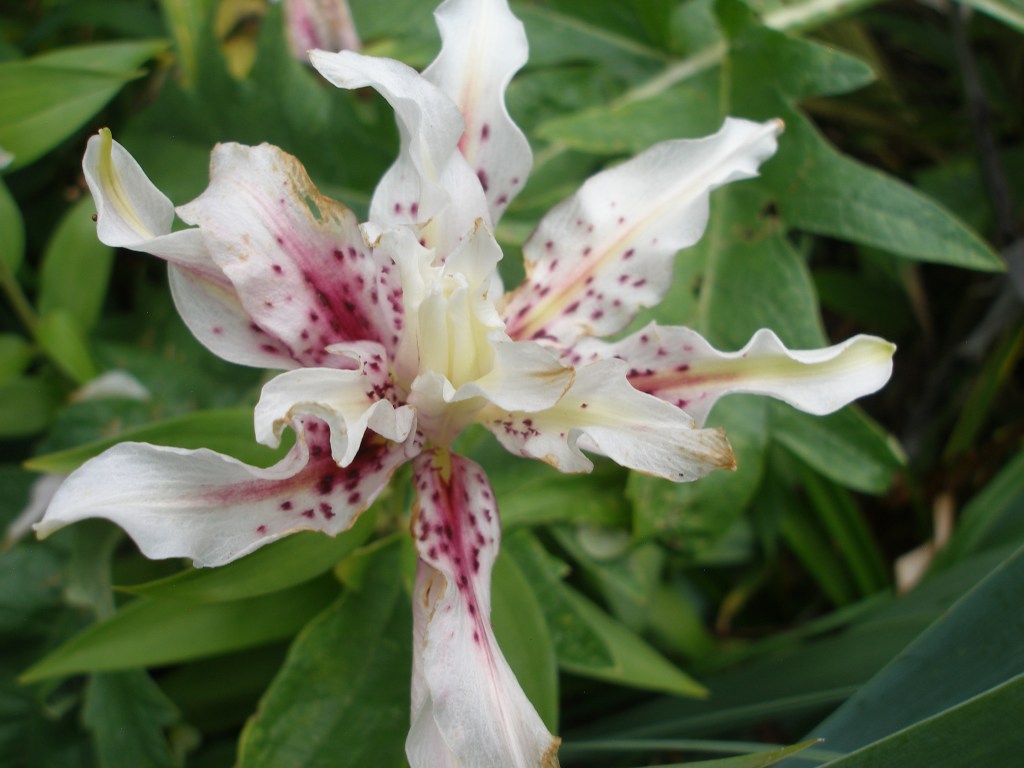
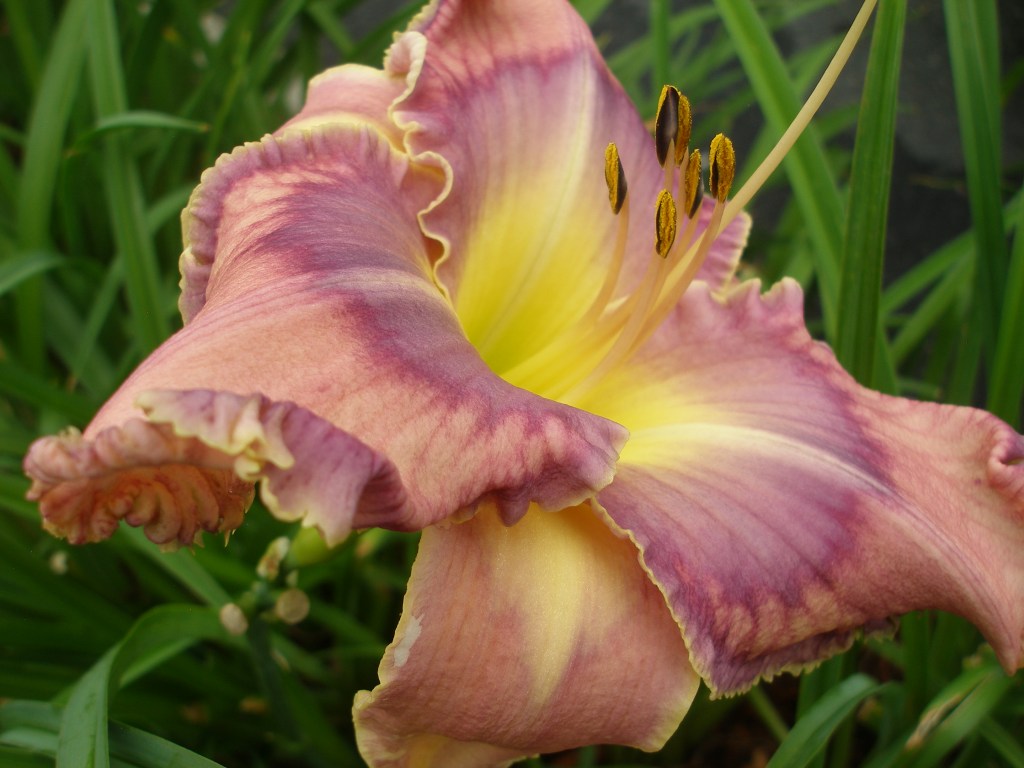
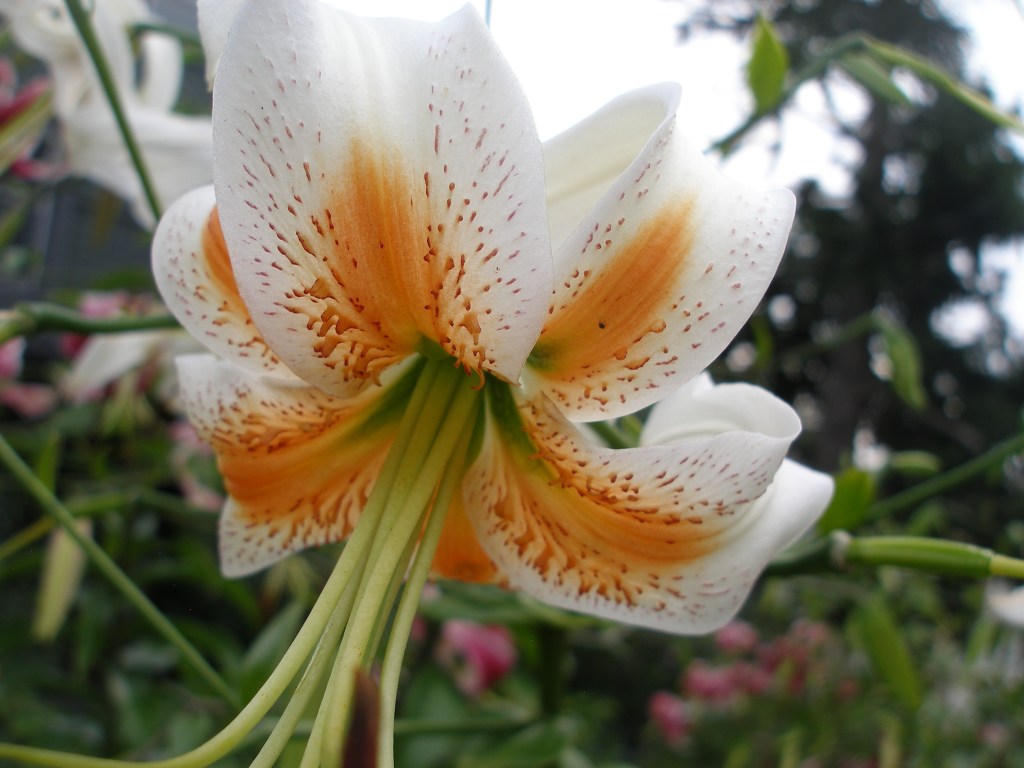
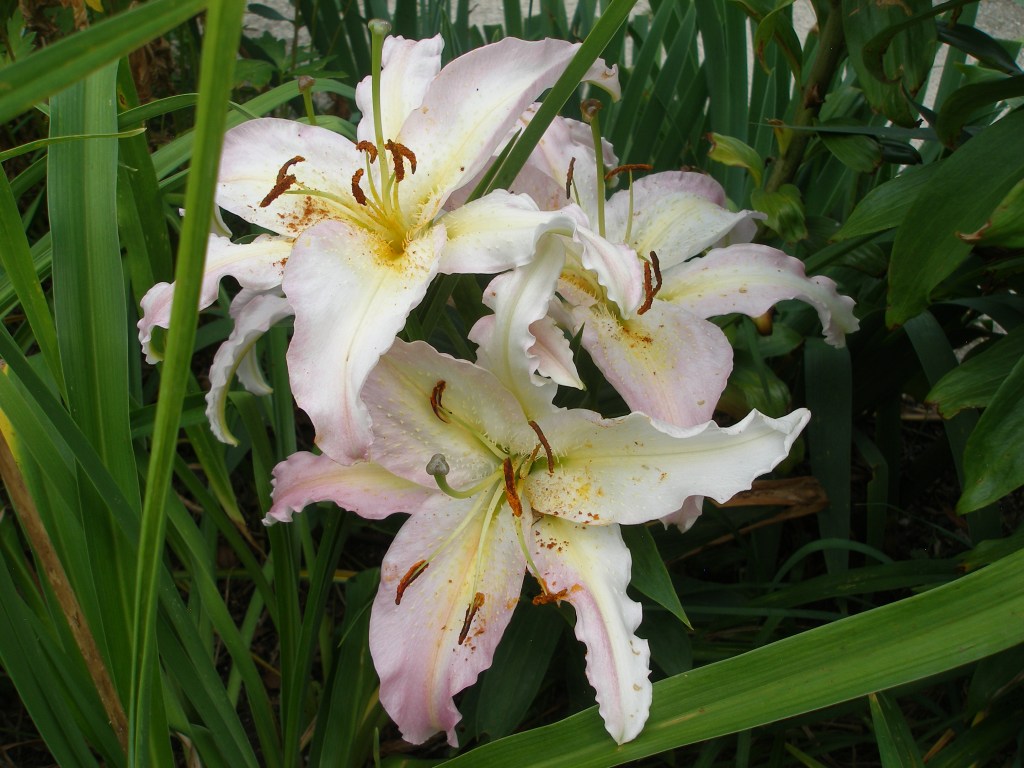
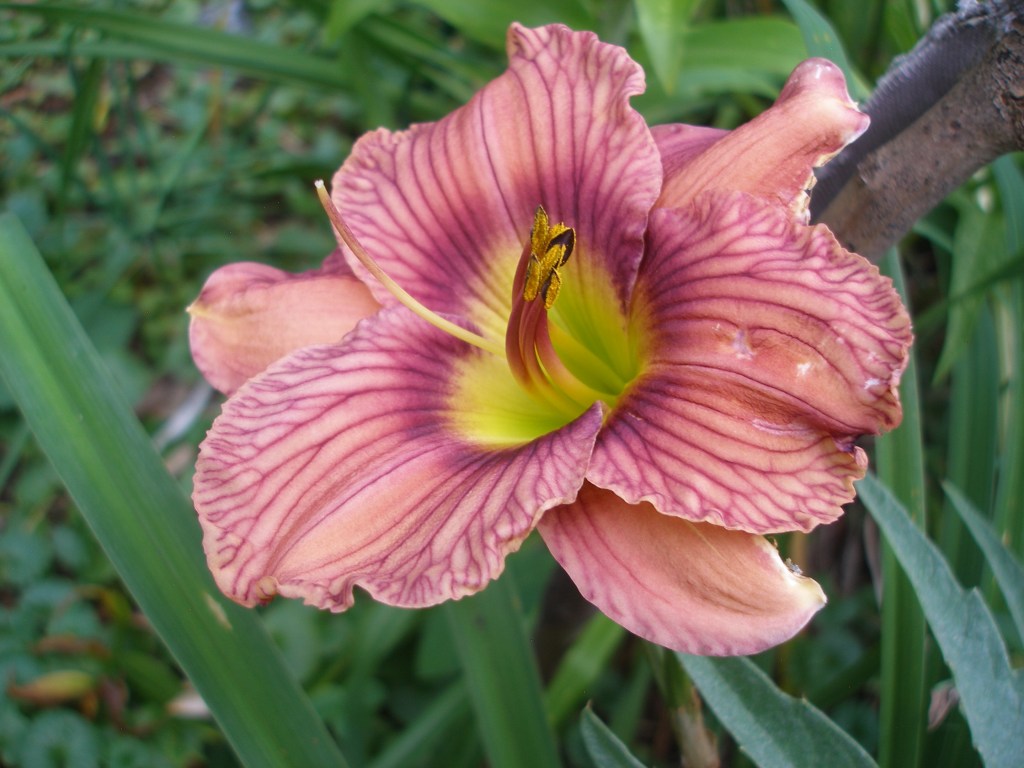
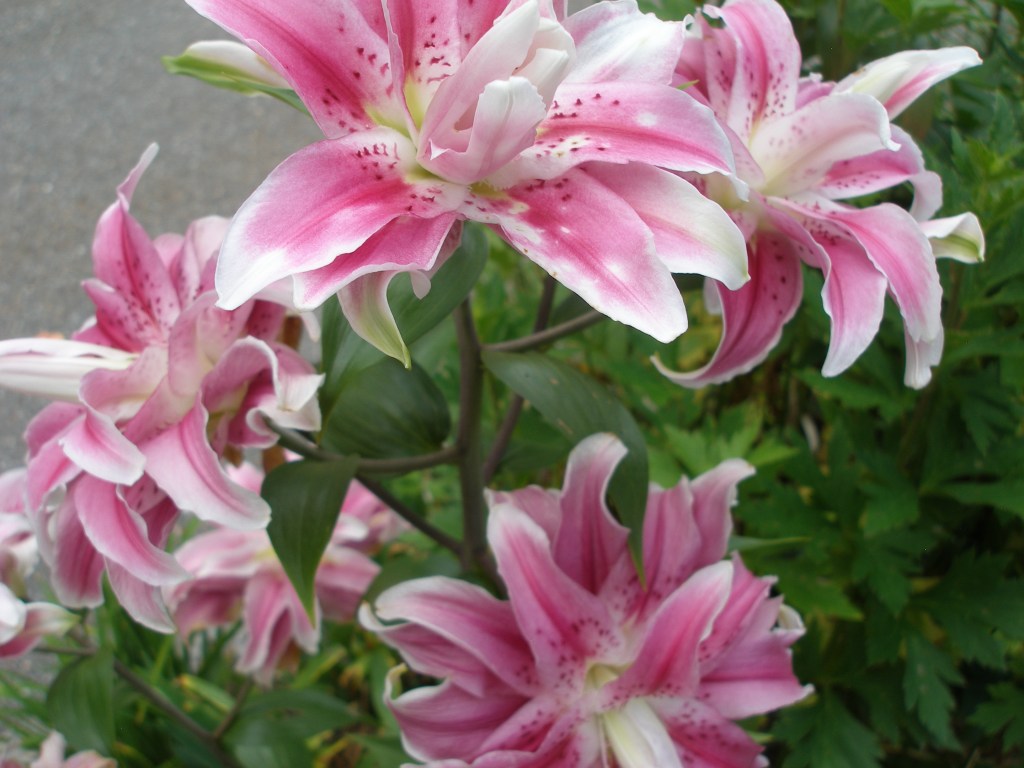
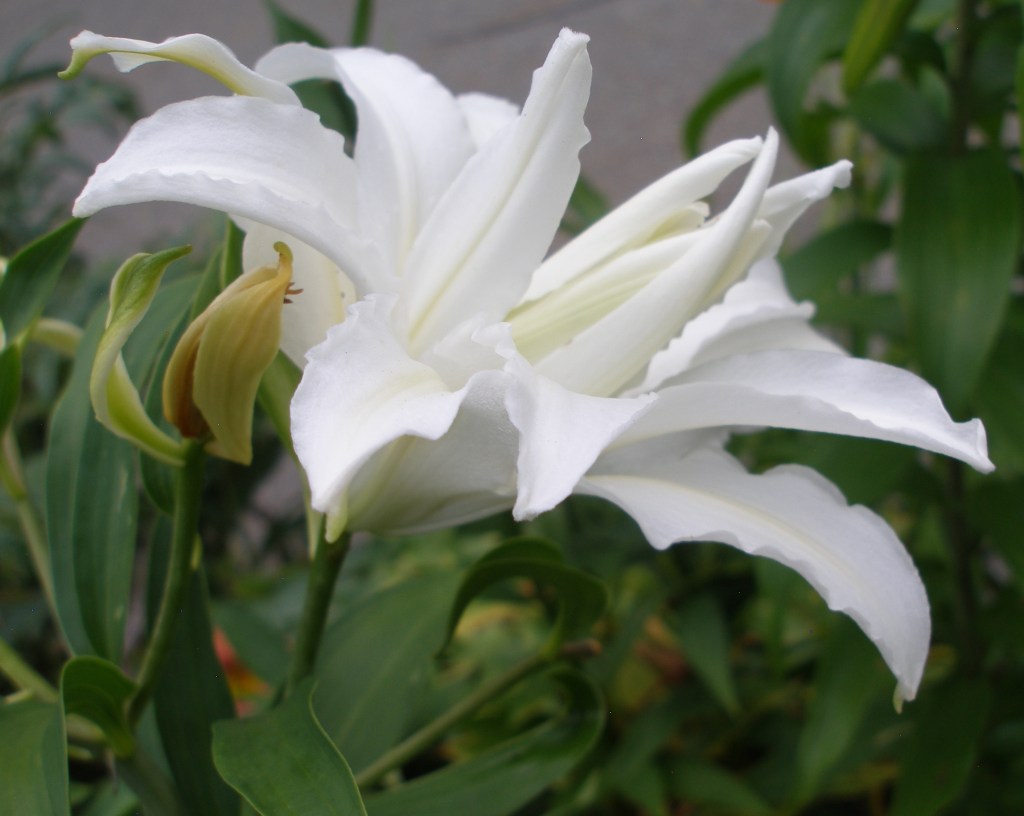
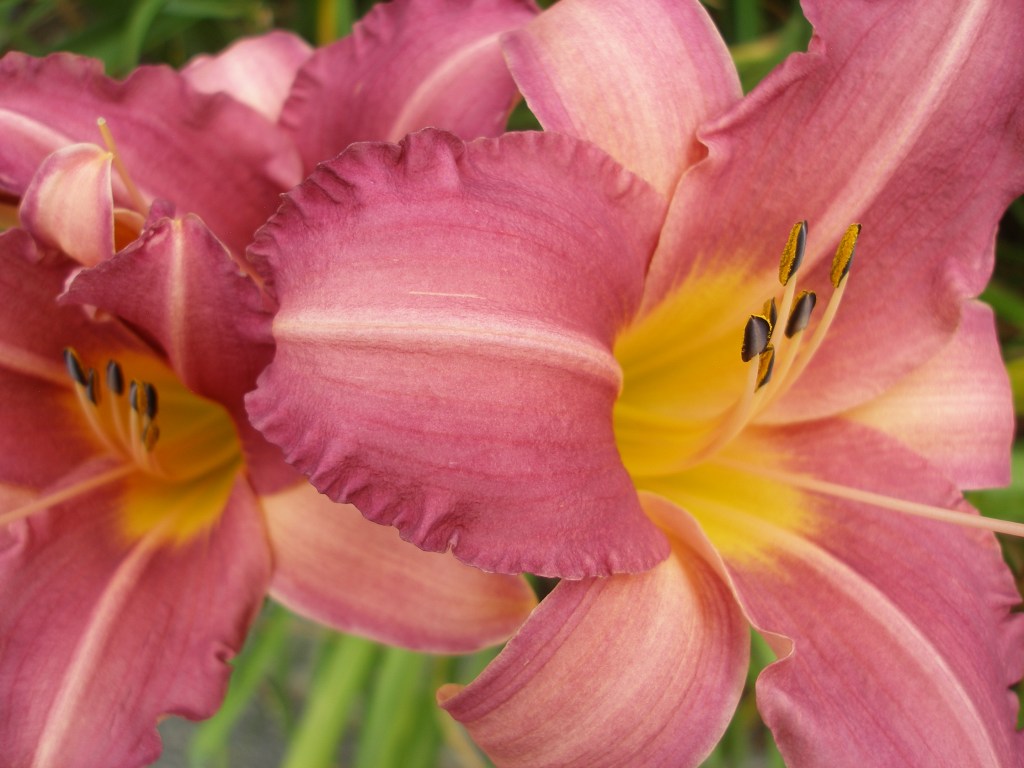
At first, I thought it might be the unusually warm days and all the rain, but lilies, especially the common orange day lilies (not true lilies) that were brought by early European settlers, had long graced my town. Perhaps it was just that specific gardeners had planted lilies where I could not help but notice their joyful spirit.

A woman told me that she was the gardener who had planted all the different lilies in the “hellstrip” by the sidewalk. She told me that she did not own the land where they were planted. I said I was sure the town would not mind, especially as she had carefully added stakes to keep the riot of color and form from flopping out into the street.


Spring & Summer Finds in 2023

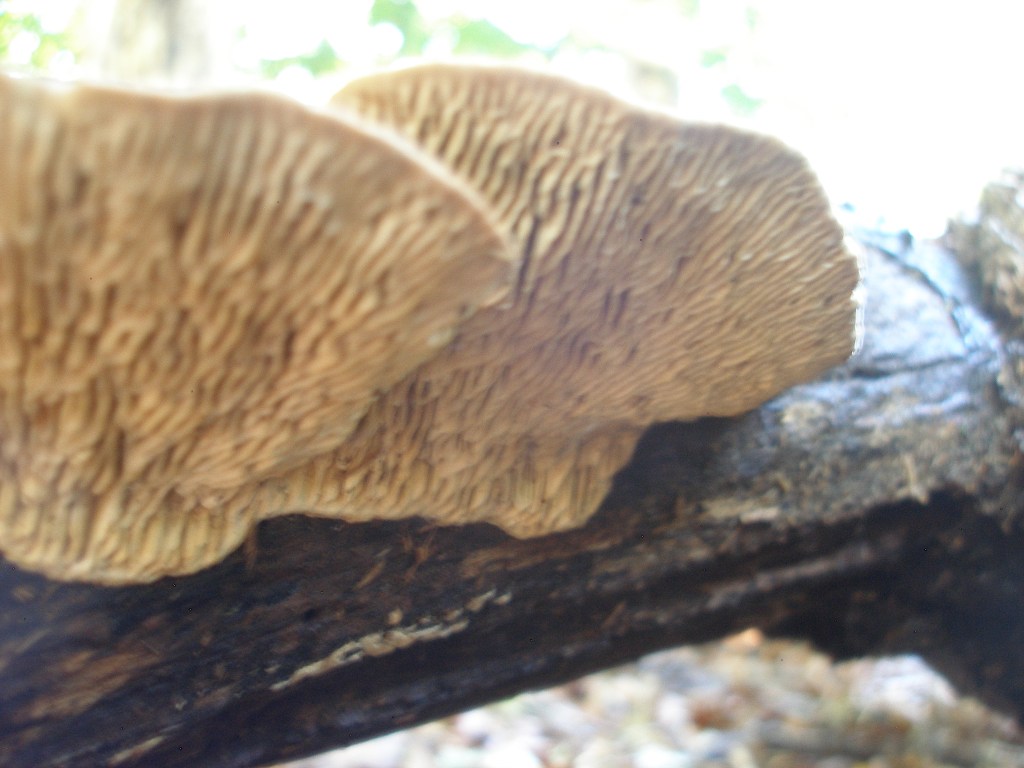
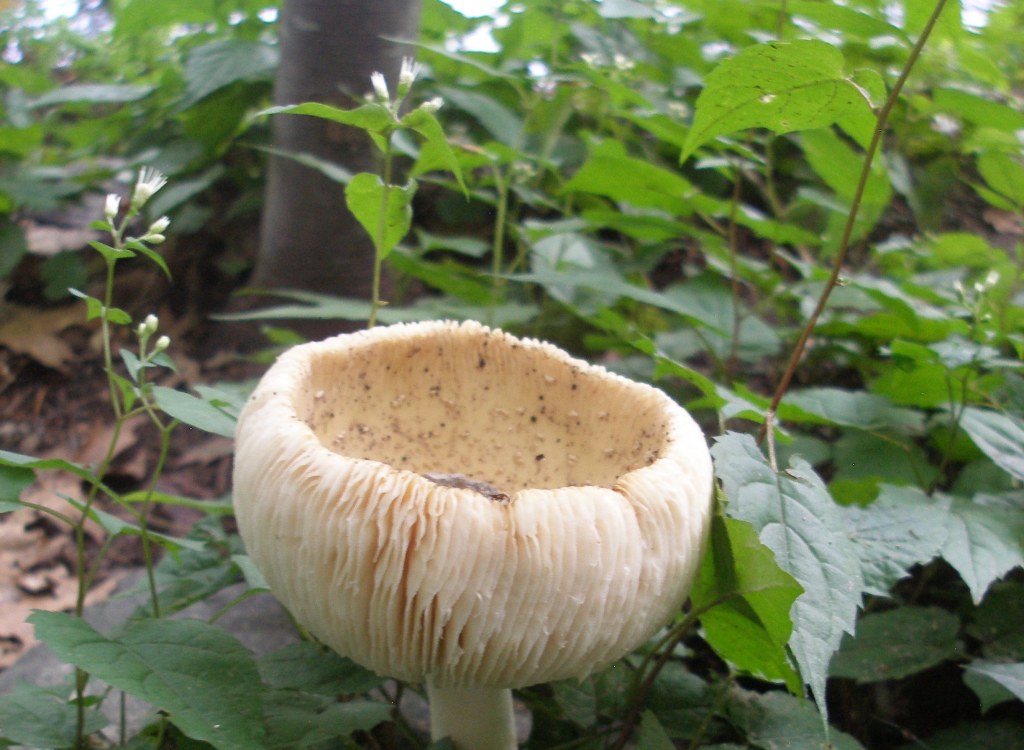
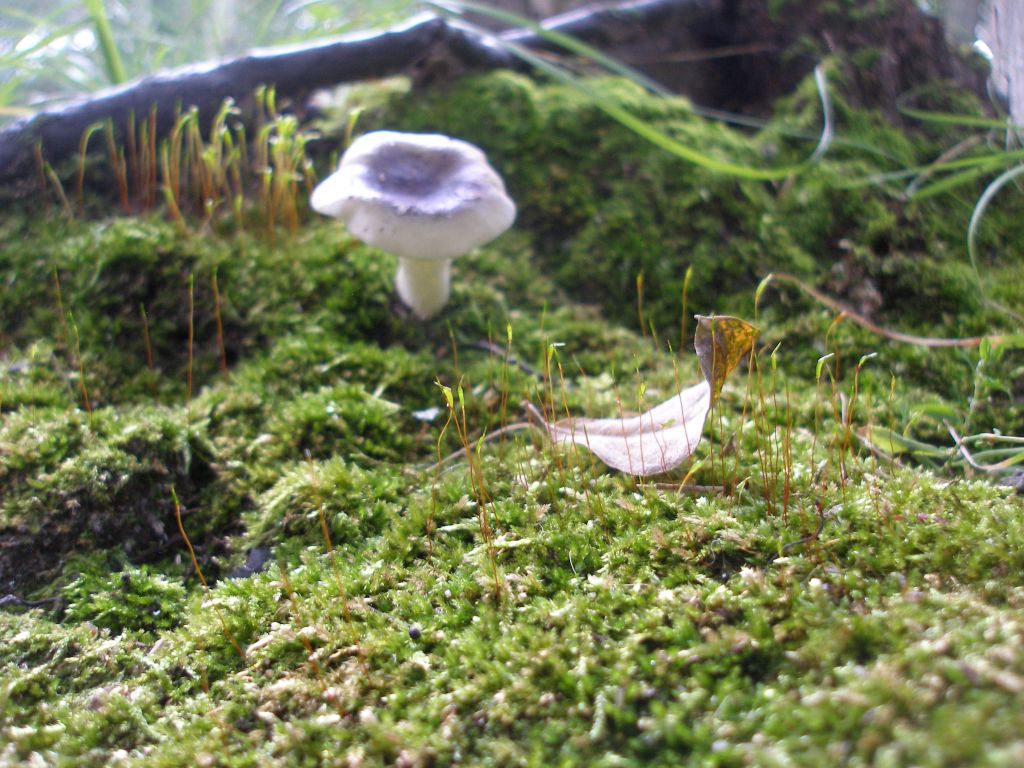
Once again it has been an unusually rainy spring and summer with mushrooms in mossy spots in the woods as well as in our yards and even cracks in sidewalks.

Now that I have been paying more careful attention for a couple of years, I am finding examples that you might not normally think of as mushrooms, as well as slime molds with their fruiting bodies deposited where the wind can help with propagation.


Joyful Attunement

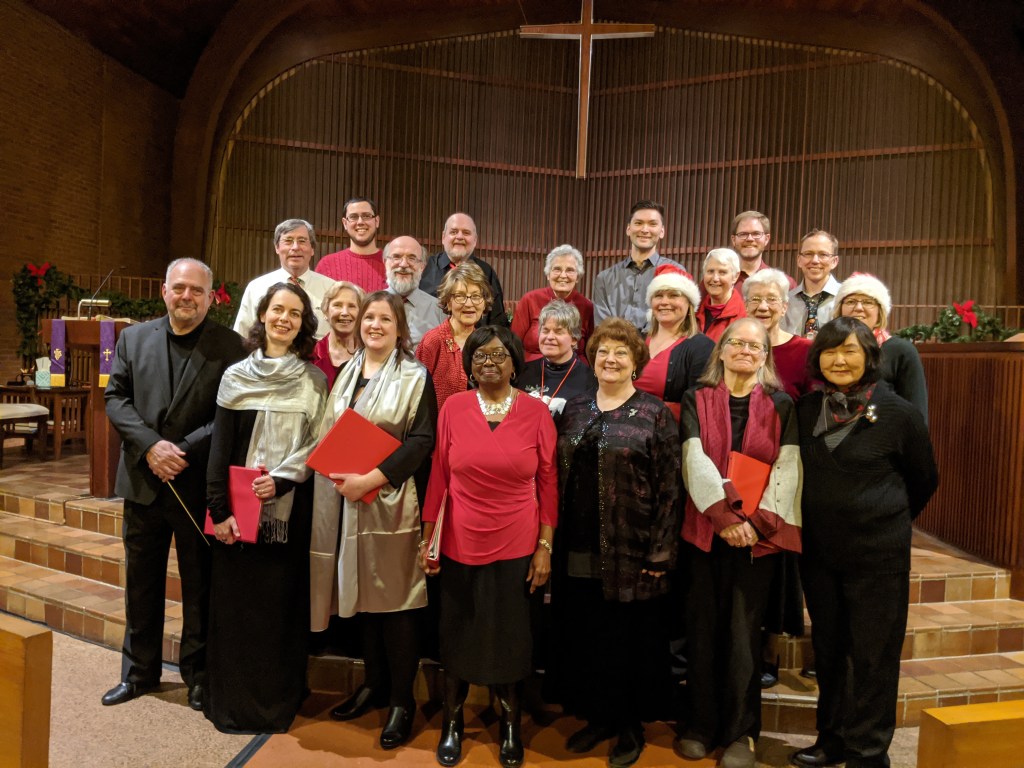
Smiles after a 2019 Christmas Concert Where Everything Came Together (Photo by Betty Poleet)

Joyful attunement is to be expected when choir friends sing music together that they know and love. But, as I learned, it is also possible for strangers who have just spent several days intentionally not speaking with each other.
Toward the end of a 7-day silent retreat I attended, the hundred or so of us in the hall were taught a lovely evening chant. That something out of the ordinary was going on was evident in the sound. The teacher asked us to repeat the chant and it happened again.

As Linn Nagata found in her research on somatic mindfulness, “The ability to resonate or attune to another person somatically can provide a type of communication even when language differences preclude verbal communication (p. 97, Kossak, M. , Attunement in Expressive Arts Therapy).

Perhaps we had been subtly attuning via body language without knowing it, even as we avoided eye contact. Or our kind and wise retreat teachers’ influence and support was enough to get us all on the same wavelength. I could also see how a few talented individuals with unusual musical sensitivity might have acted as catalysts for the effortless attunement that had a great deal of freedom to it – like a flock of birds wheeling out patterns in the evening sky.

That this kind of group-level intuitive heartfelt intelligence is still possible provides me with hope for our troubled world.

Changeable Woodland Treasure

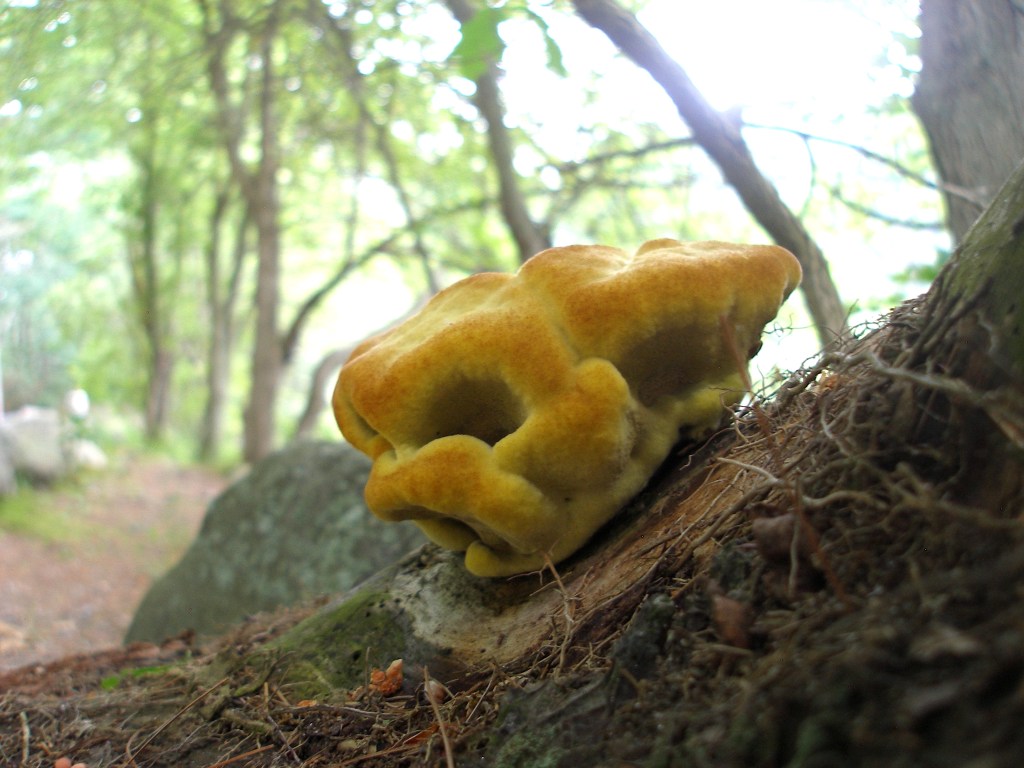
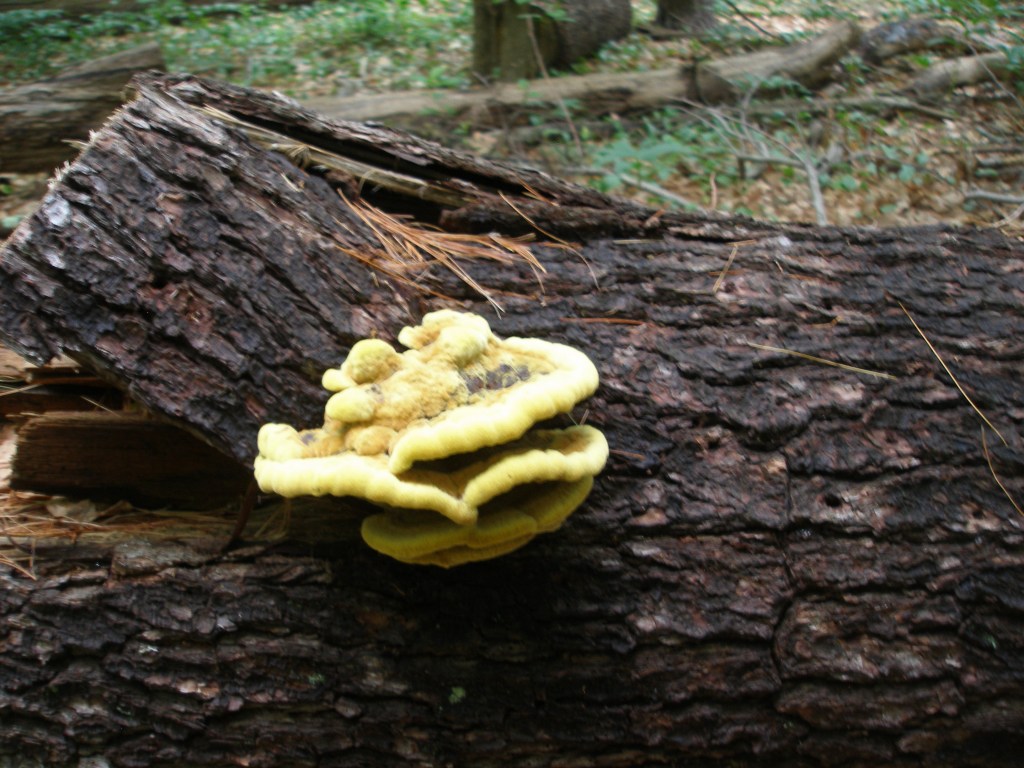
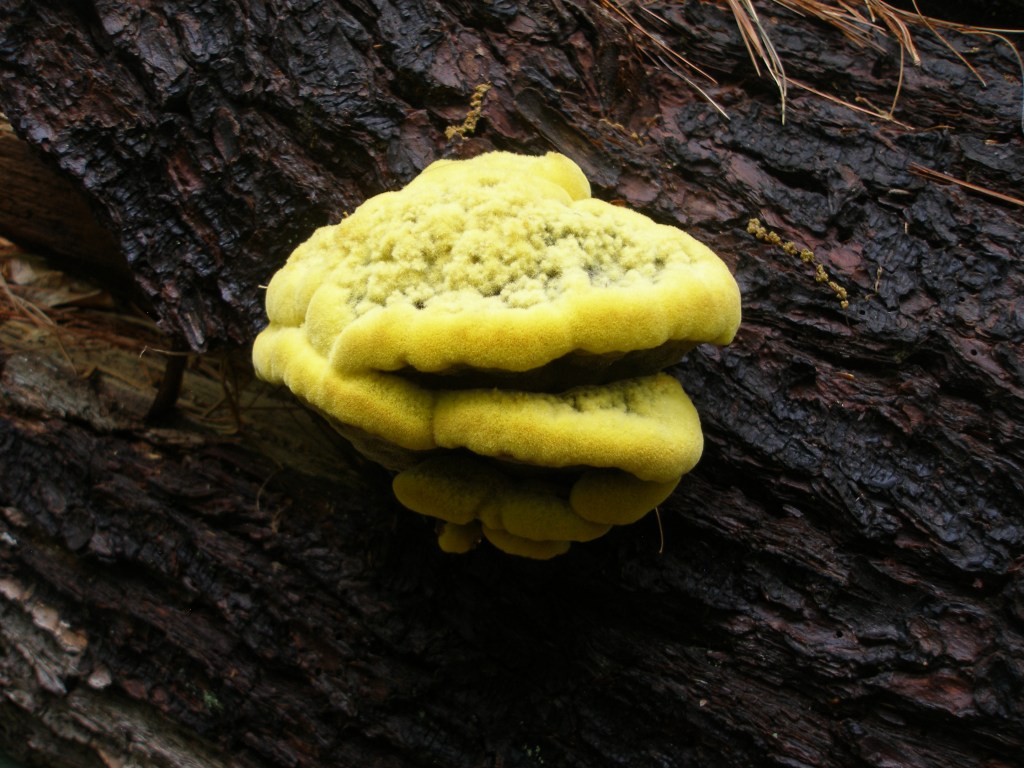
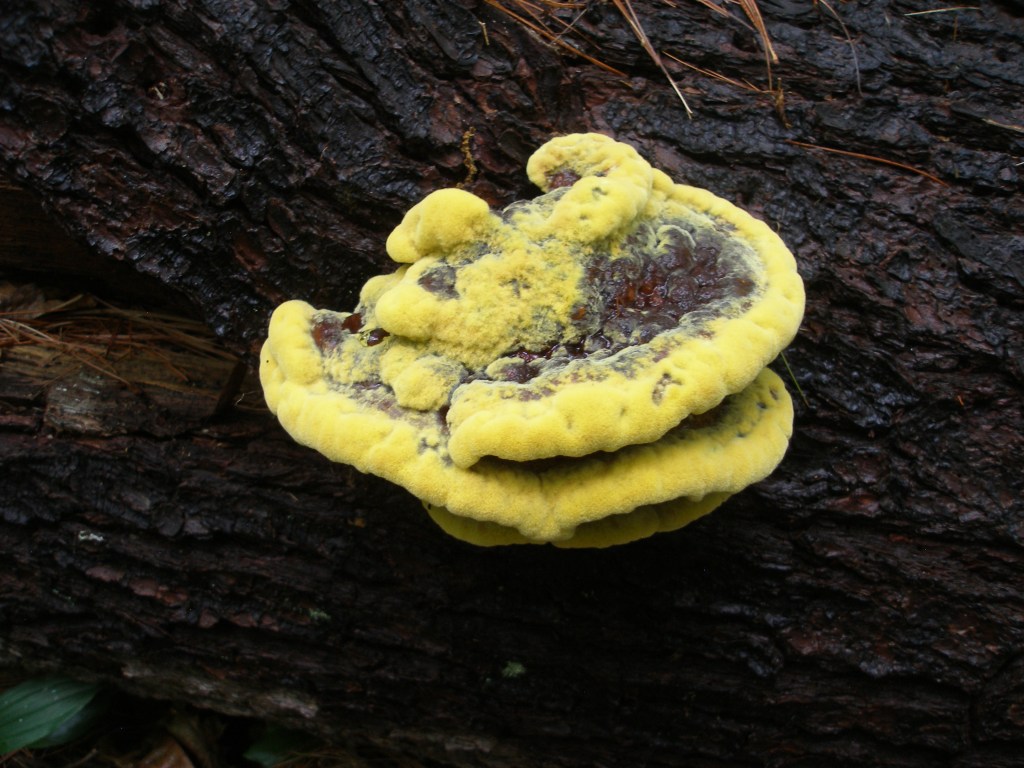
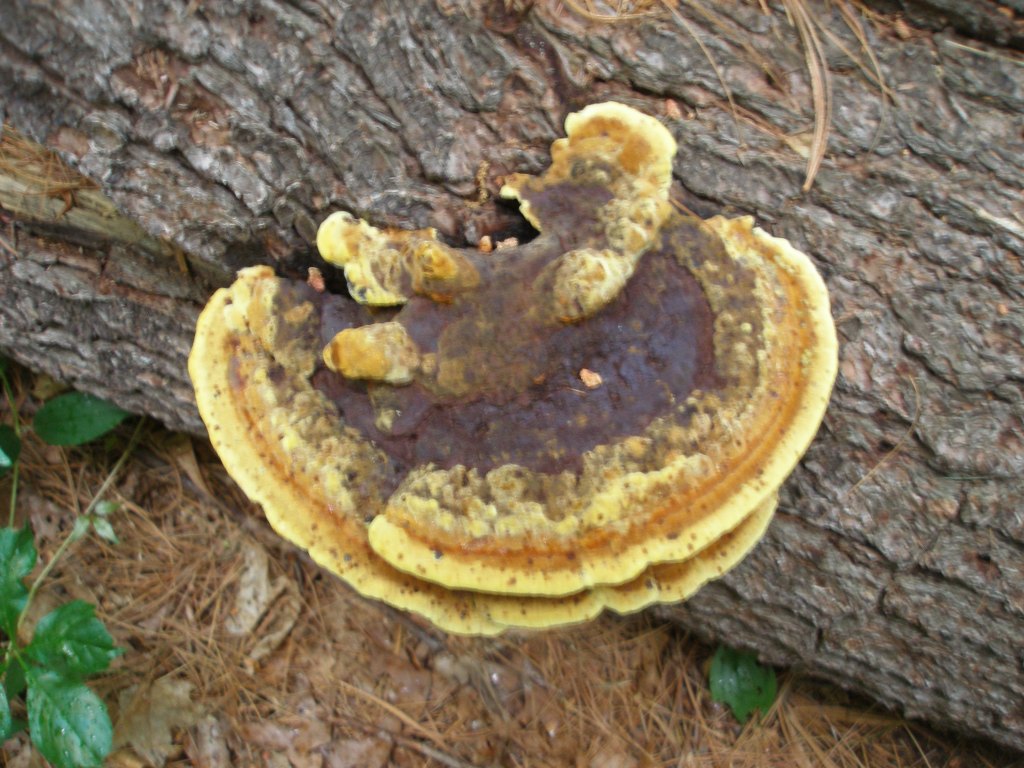
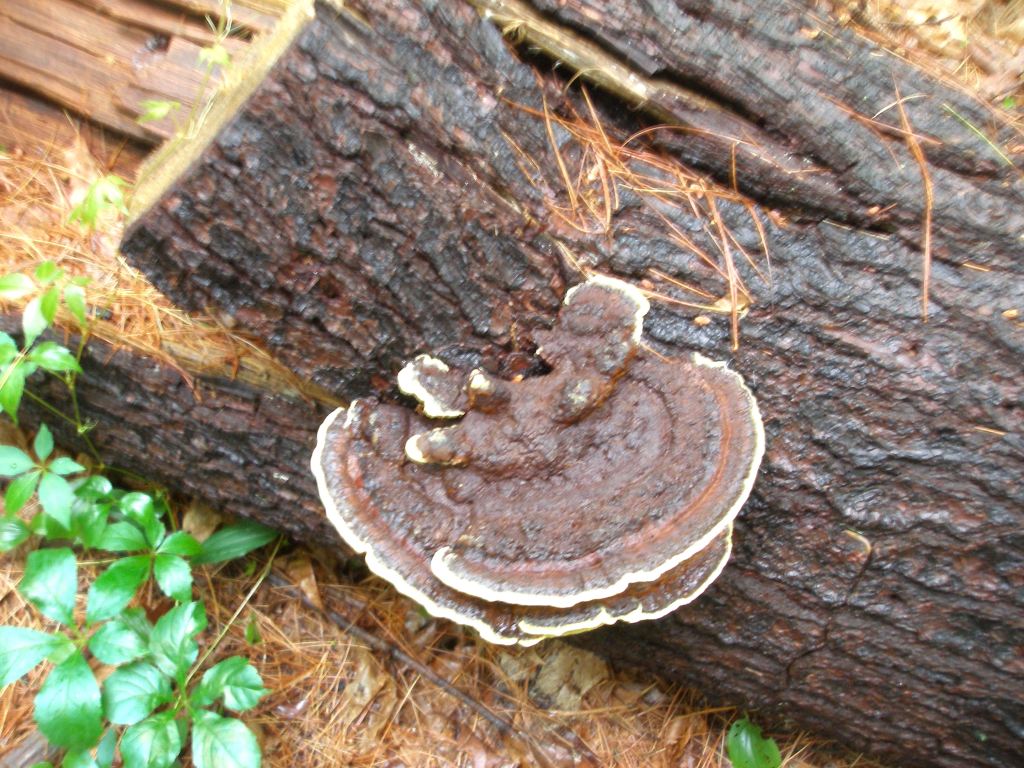
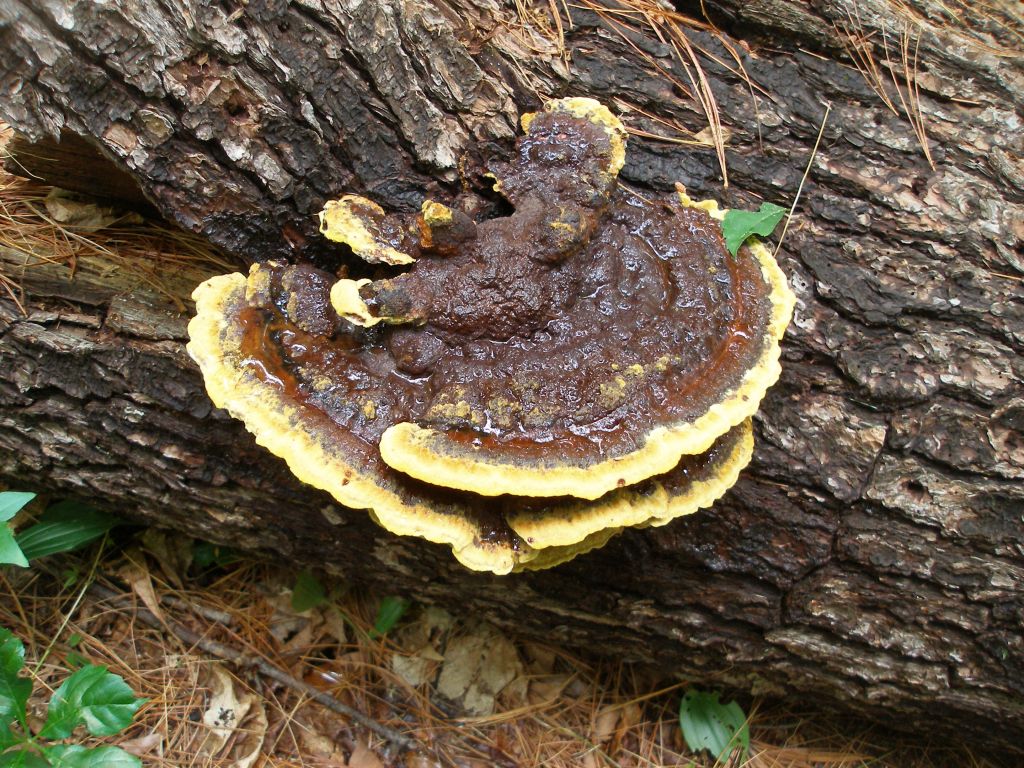
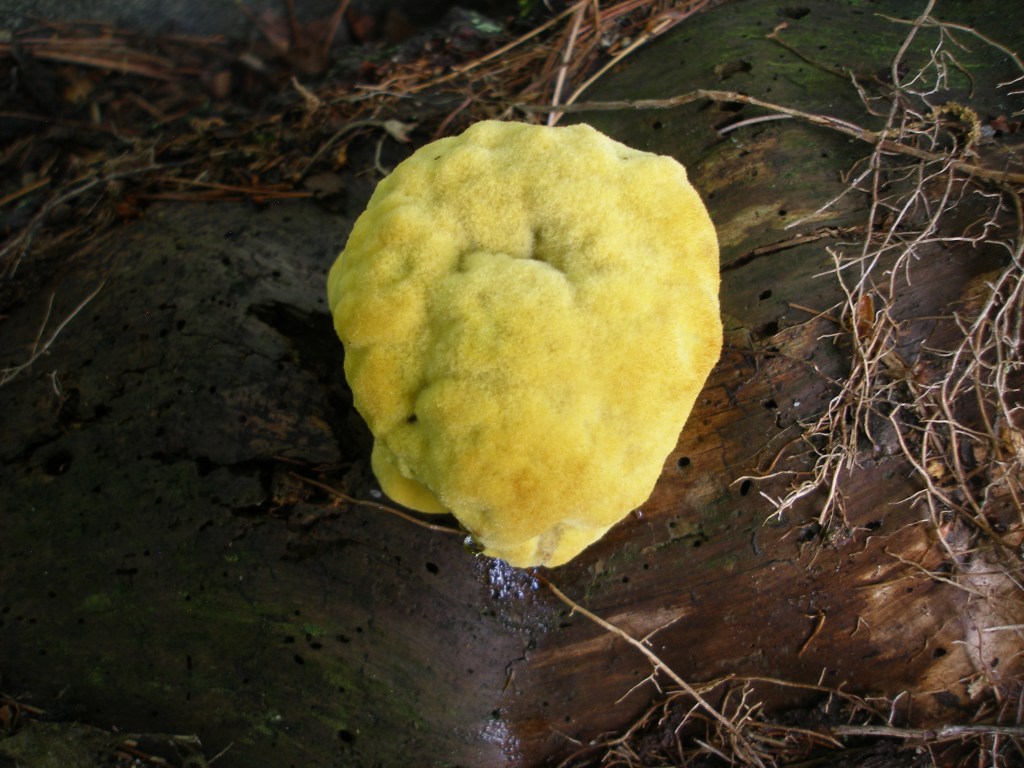
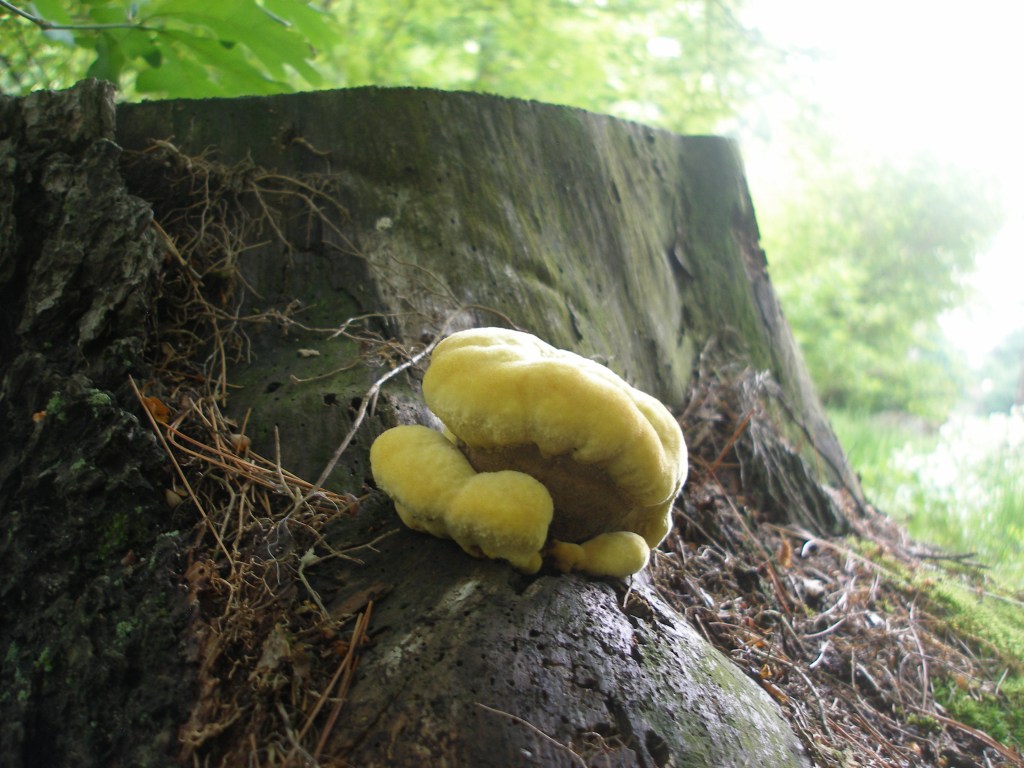
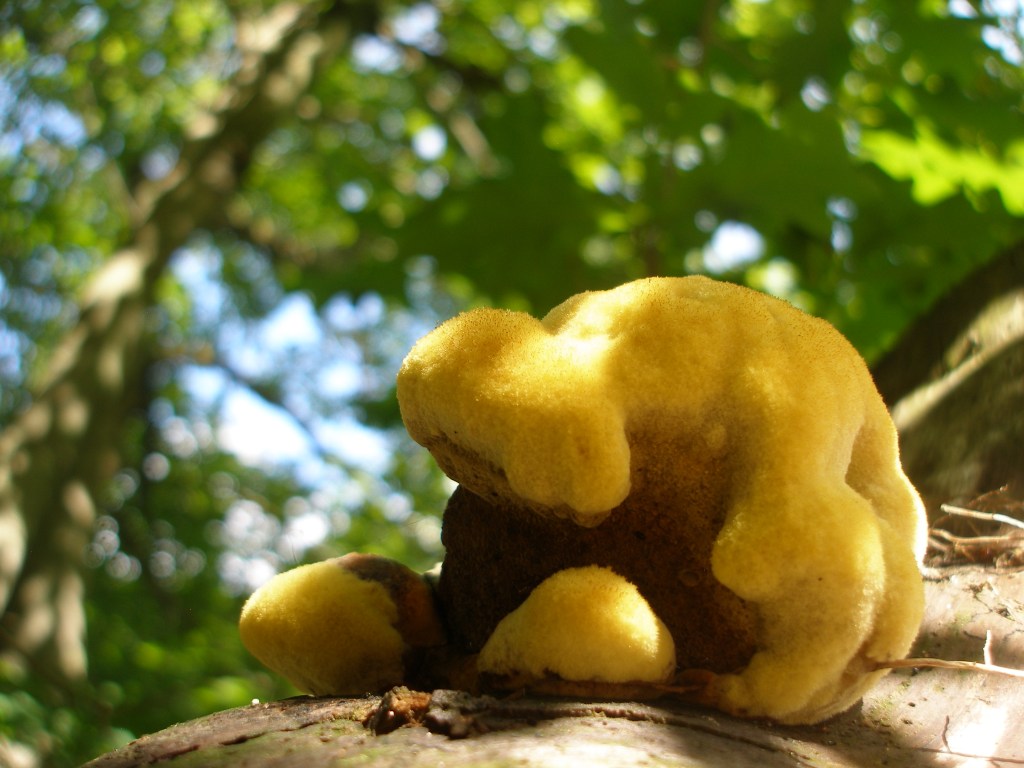
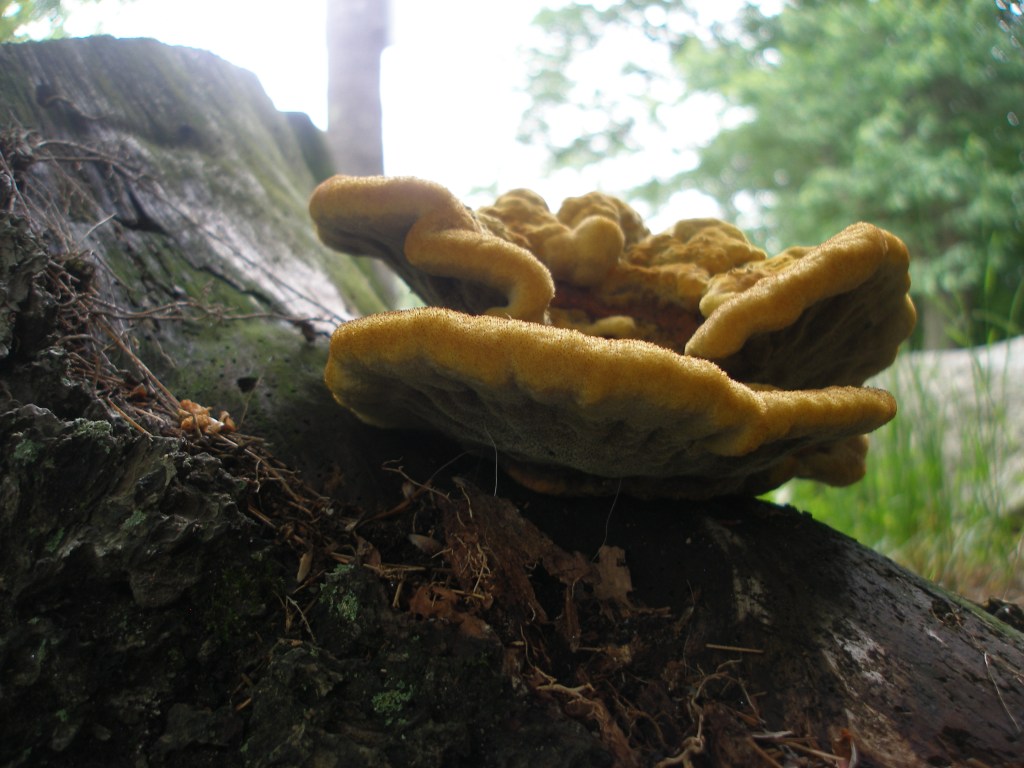
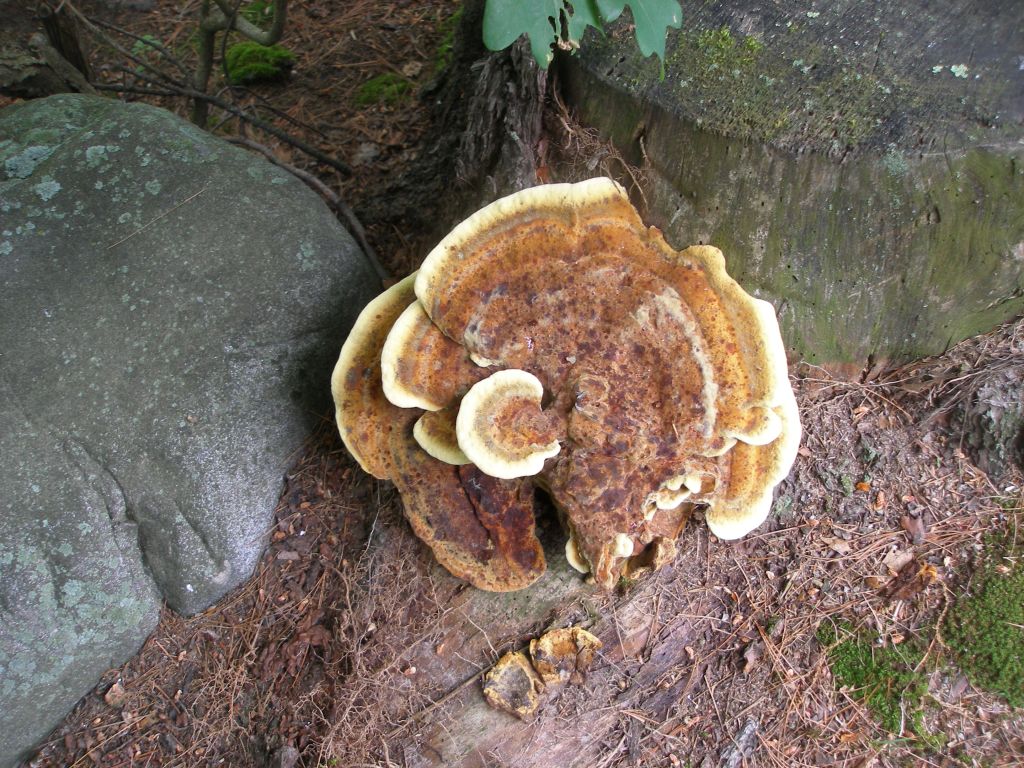
Wasn’t it a bit early for mushrooms? I had never seen such a fuzzy yellow growth. Perhaps it was something else. When I posted a photo online, I learned it might be a young dyer’s polypore. Evidently, the timing of all kinds of things is more variable these days.

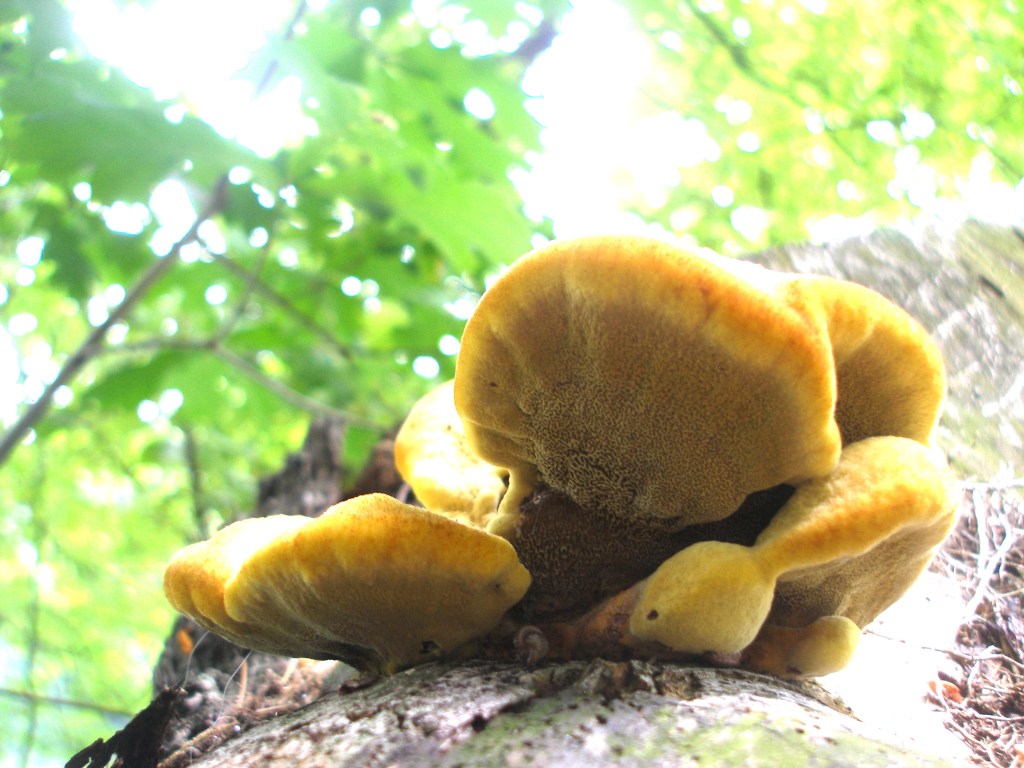
I found two. They both started out as fuzzy yellow lumps and kept changing. Dyer’s polypore seemed correct as there were certainly pores rather than the usual gills on the undersides.

I learned dyer’s polypores can be used to stain fibers a number of different colors – yellows, various shades of browns and even greens – depending on the type of fiber and how it is pretreated. This video shows it being used to dye wool lovely shades of yellow.

The first two photos below show the two I found mid-way through their cycle and the remaining photos show the changes that each went through closer in.


Young one – quite yellow and quite fuzzy

Beginning to turn brown

Expanding and flattening out

Changing colors around the edge

Getting harder with light edge

After rain

Another young one

Seen from the side

A few days older

Turning colors and flattening out

Seen from underneath

After rain

Several days later

Getting harder and drying out

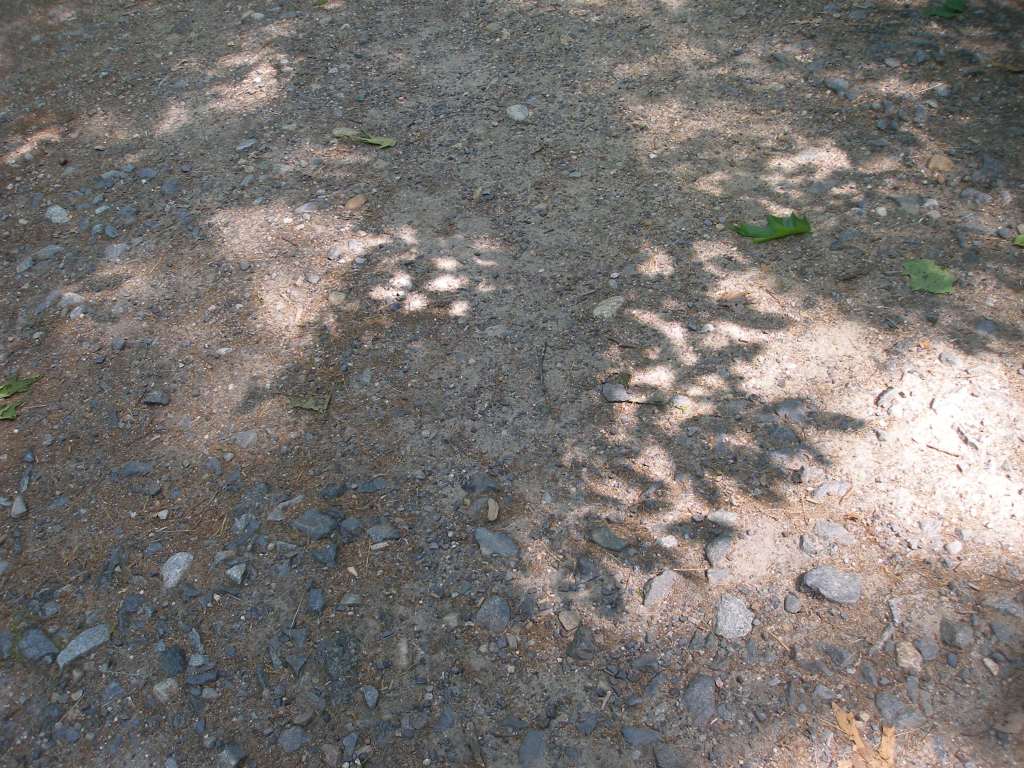
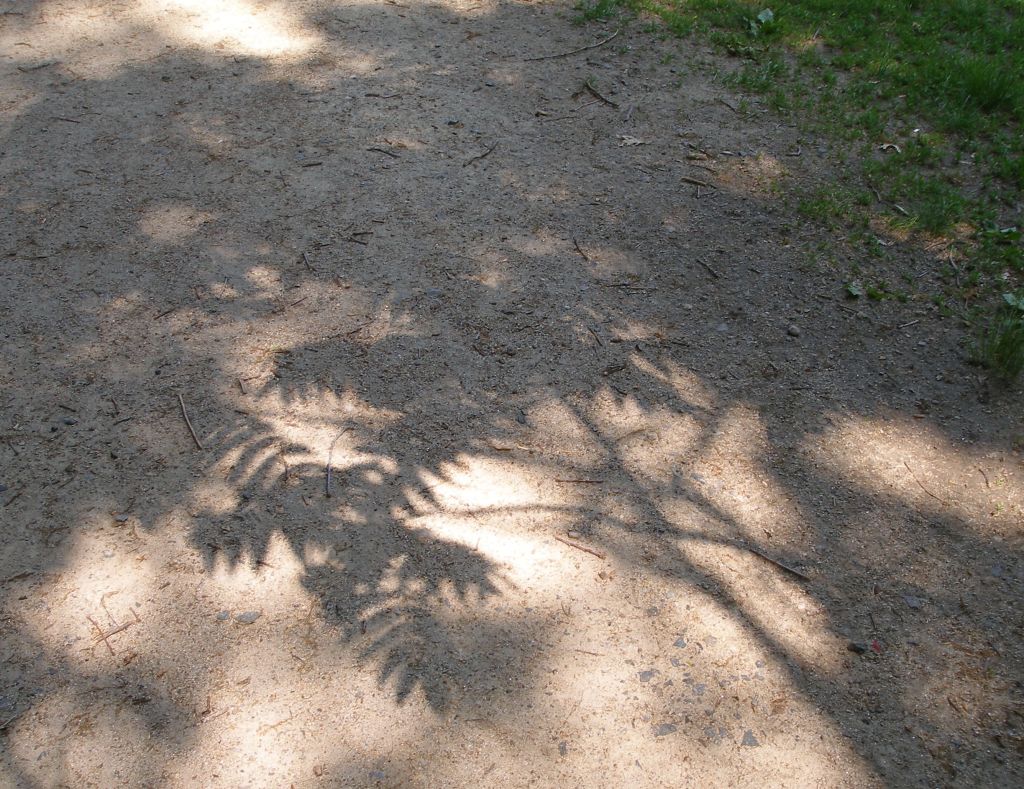
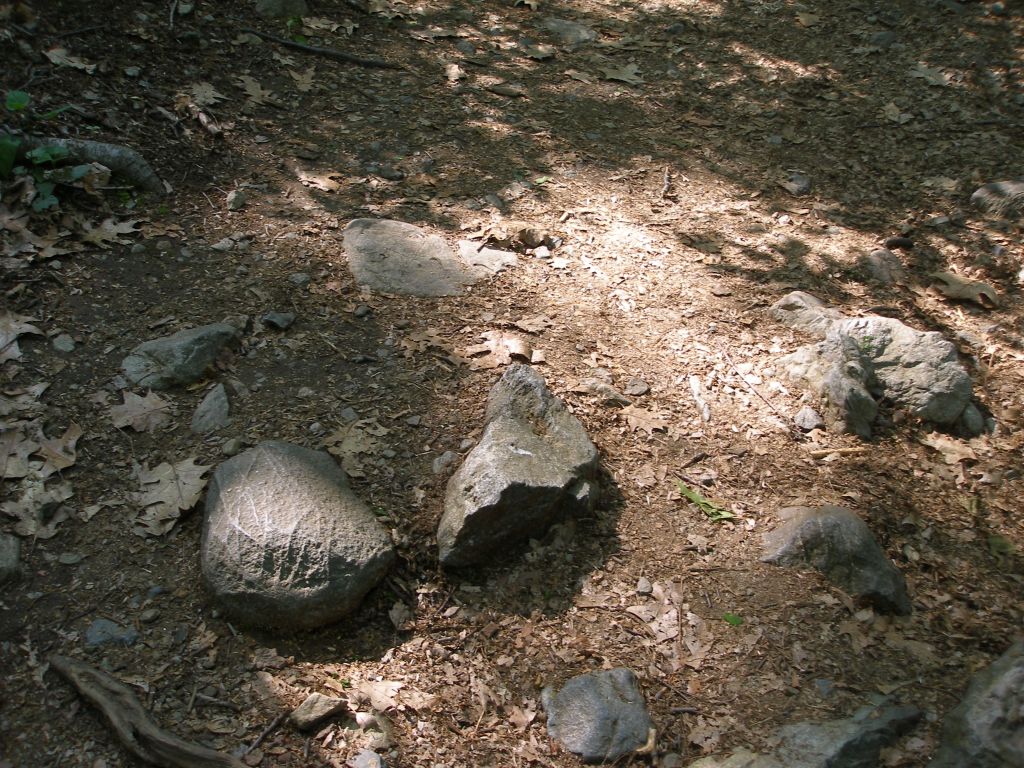
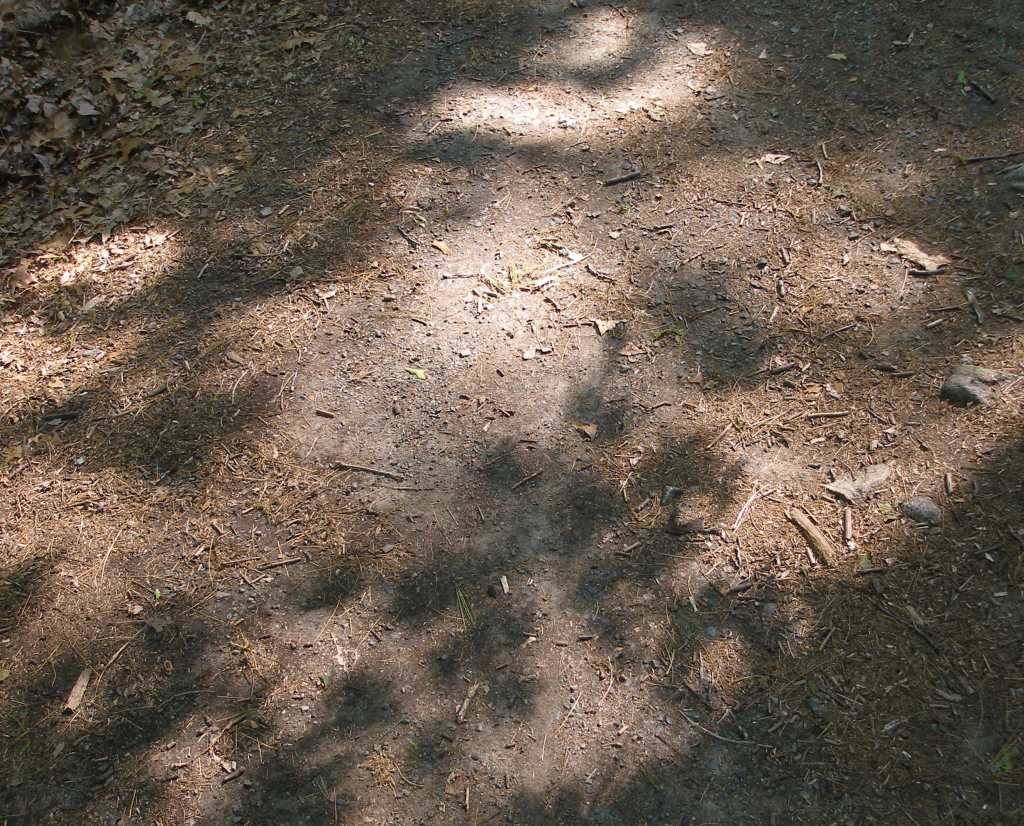
Path Shadows

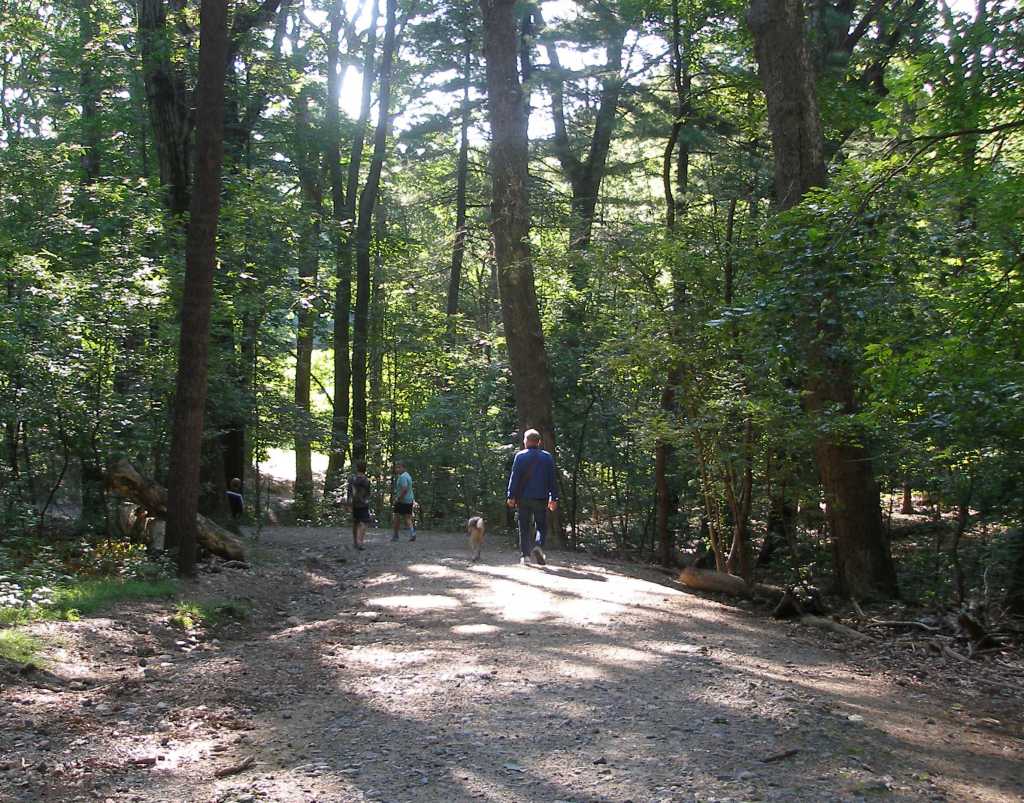
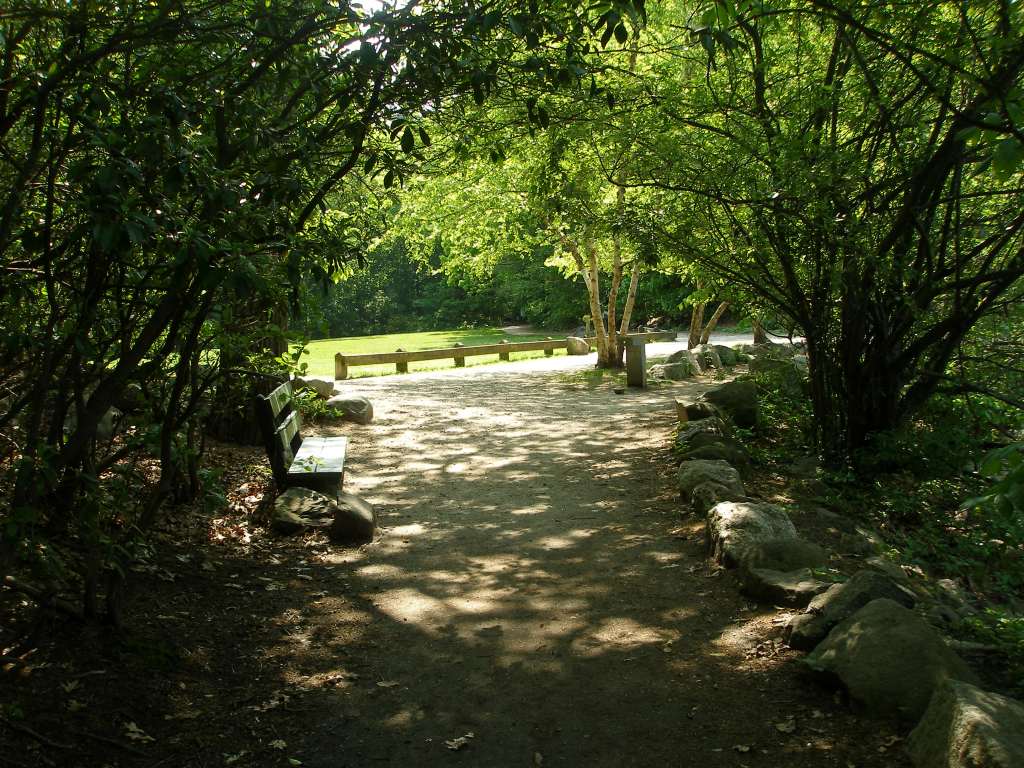
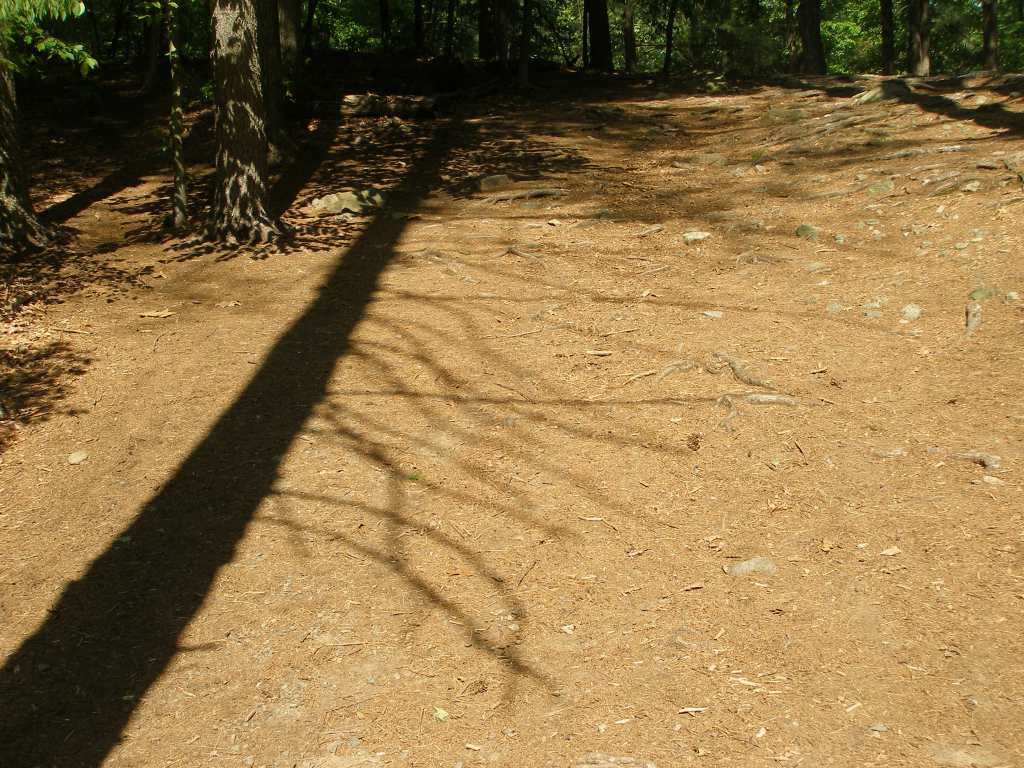
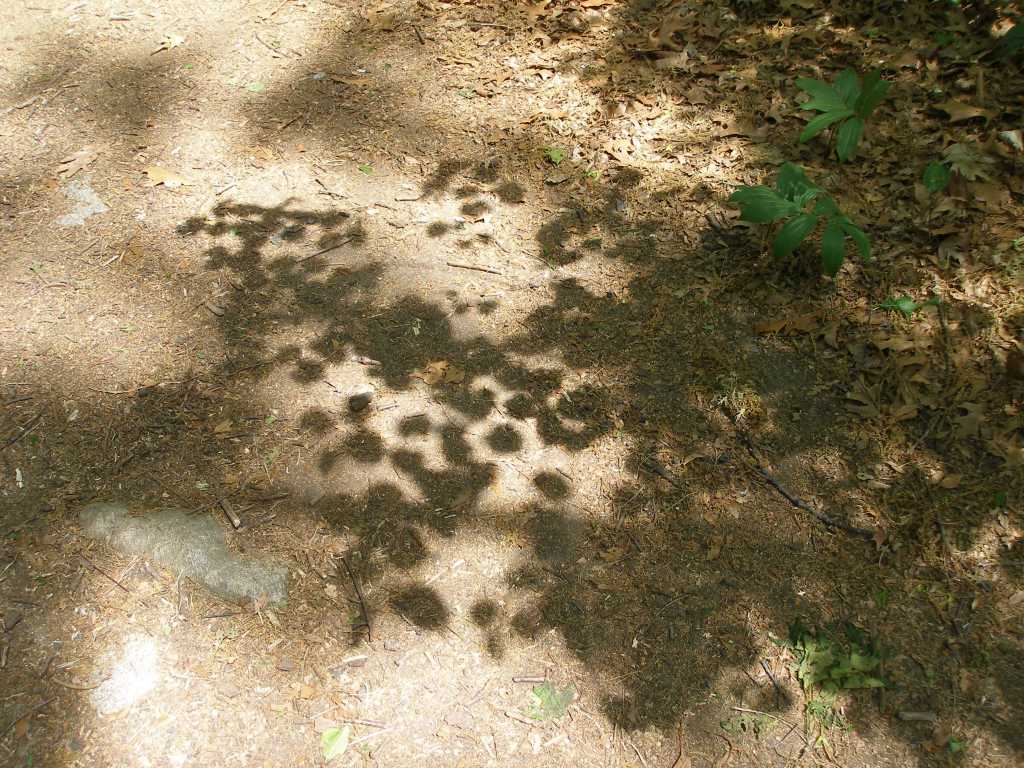
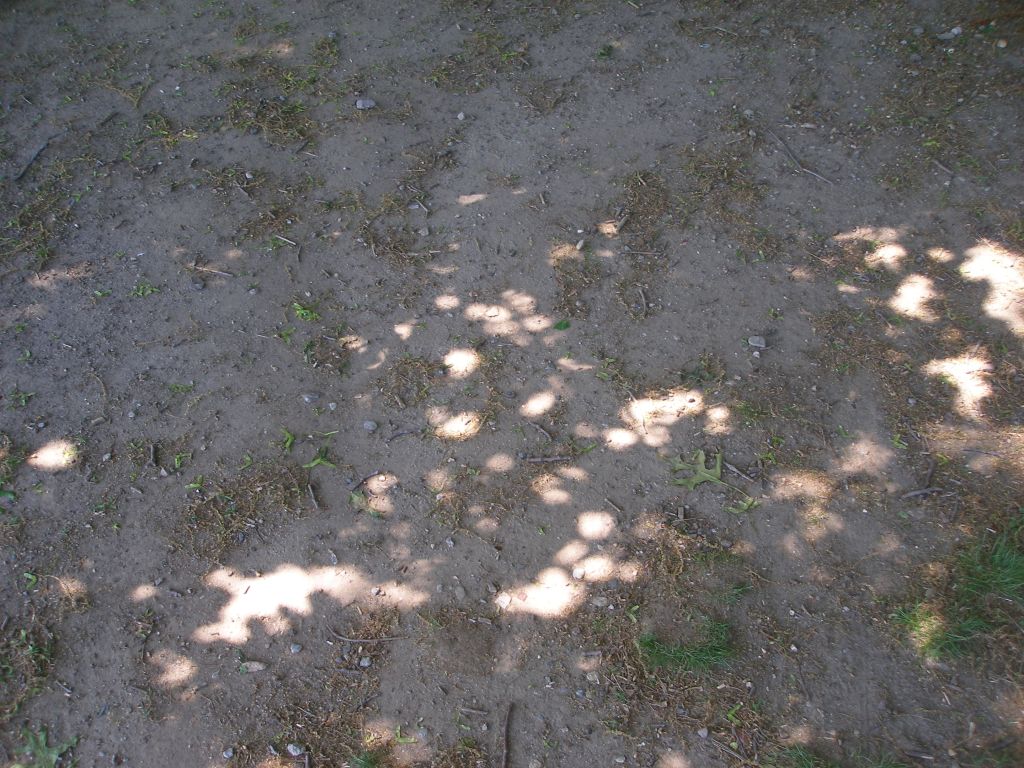
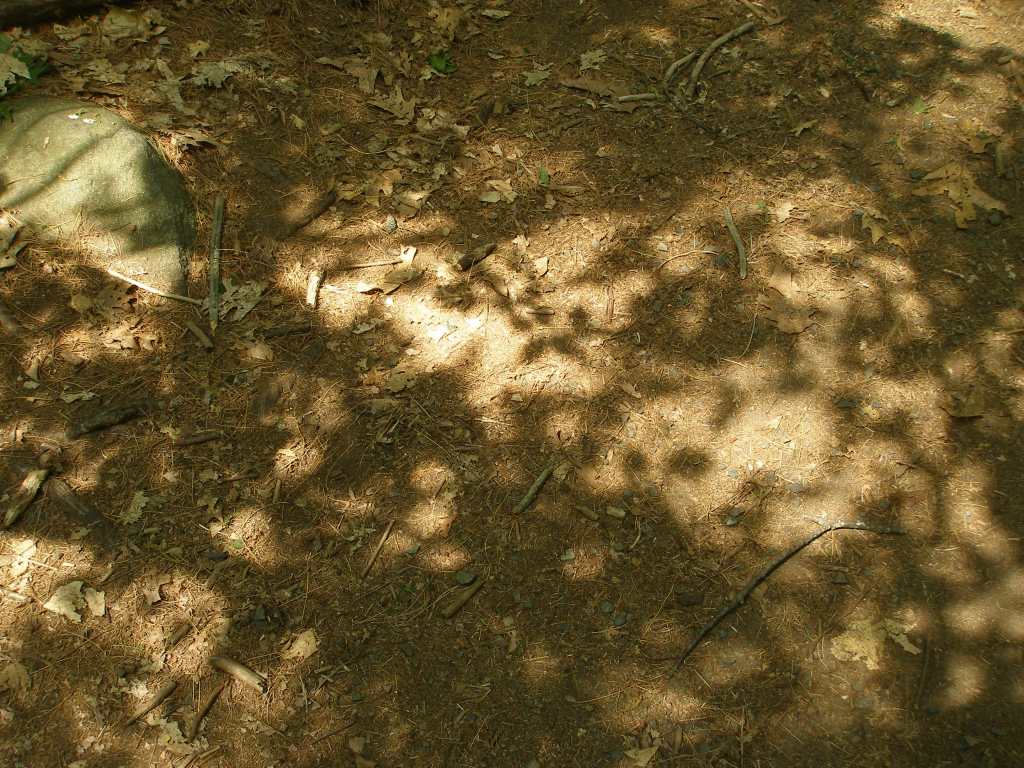
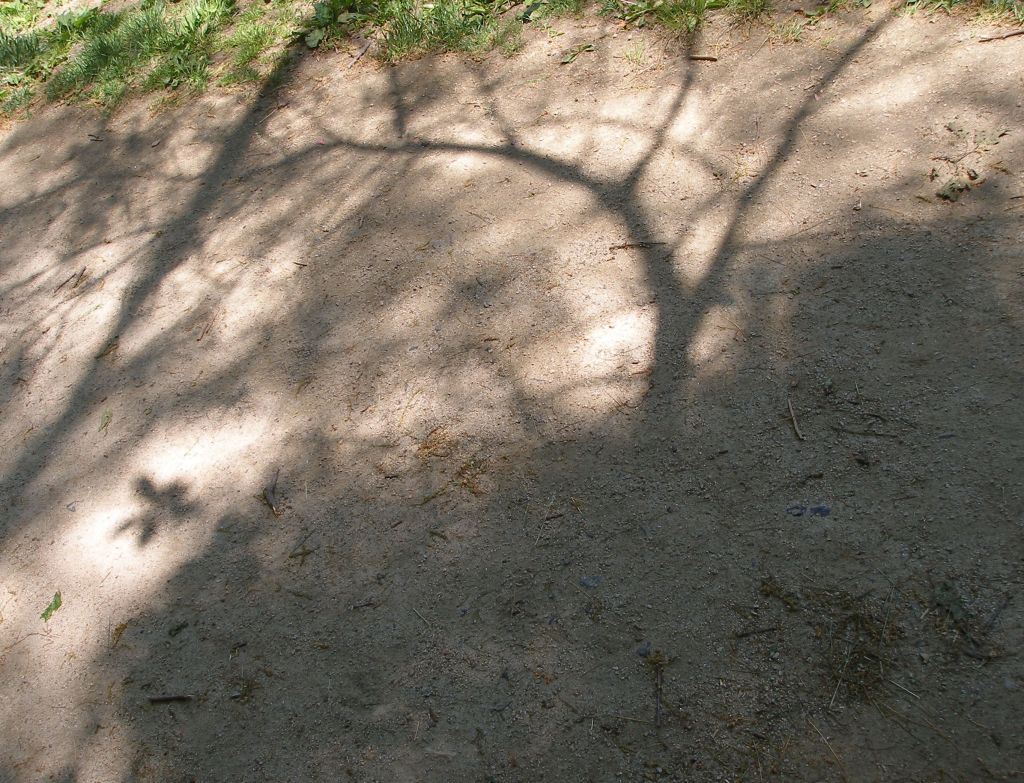
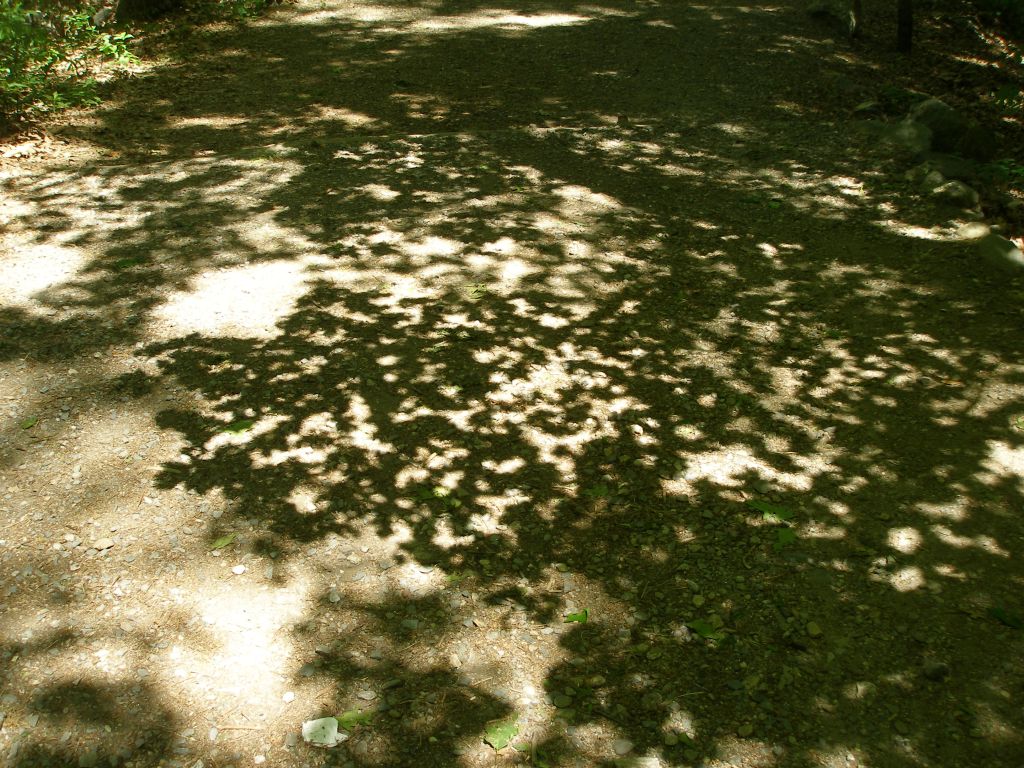
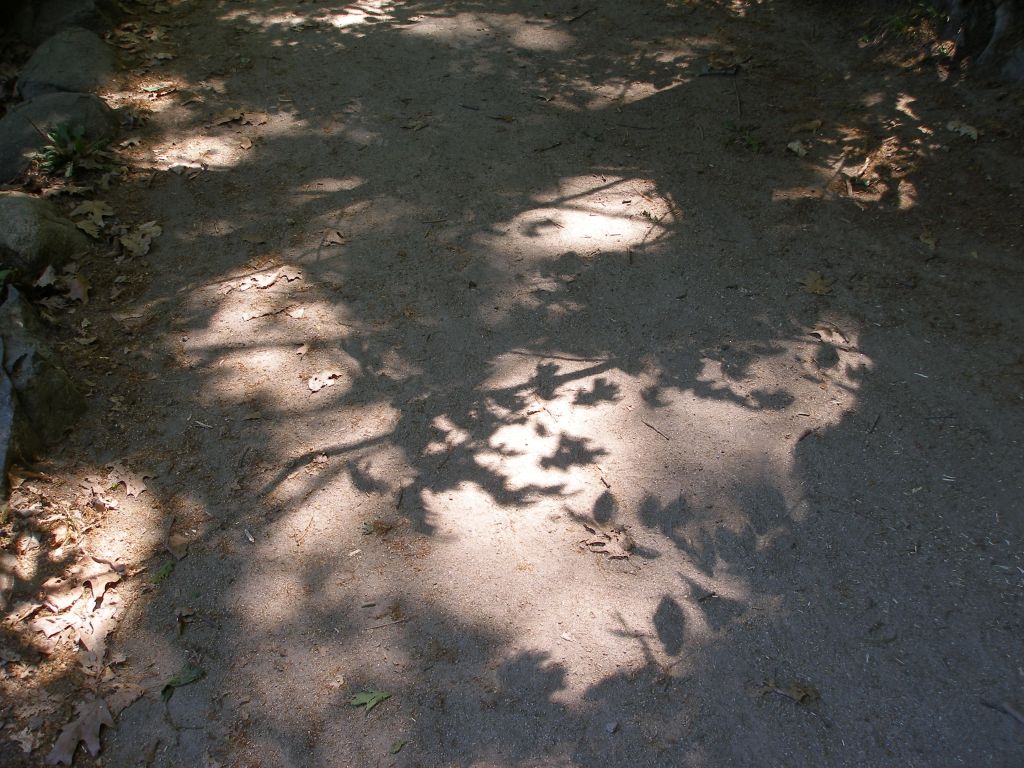
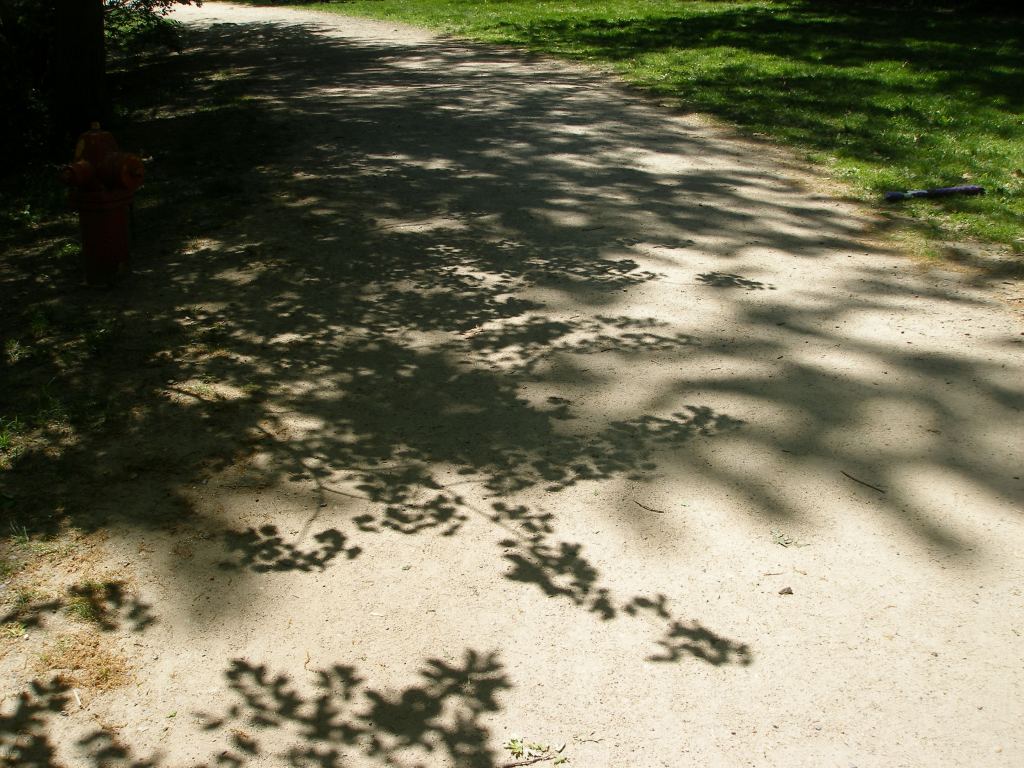
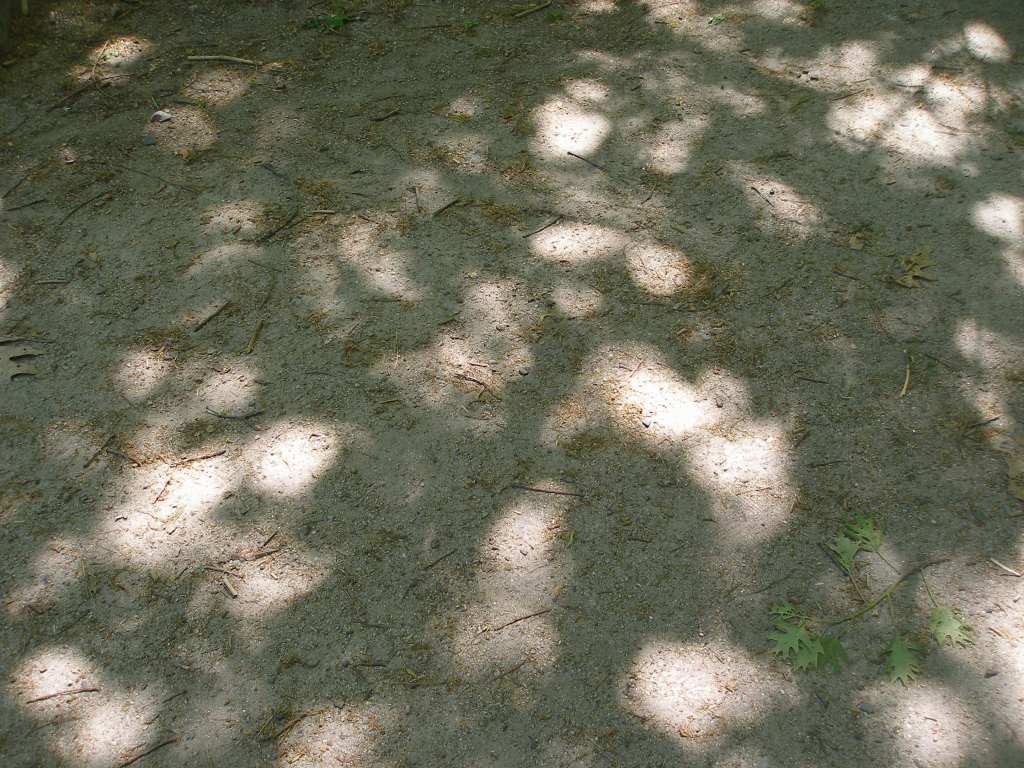
After noticing the effects of light at the highest elevation of Menotomy Rocks park, I began to notice the many interesting compositions that would fade and reappear lower down along its dirt paths.

Leaves seemed to be acting like lenses producing patterns with soft rounded shapes while crisp leaf and branch shapes danced over the paths. I had found another worthy subject to capture in photos. No matter how often I come here, this nearby park can surprise me with new delights.