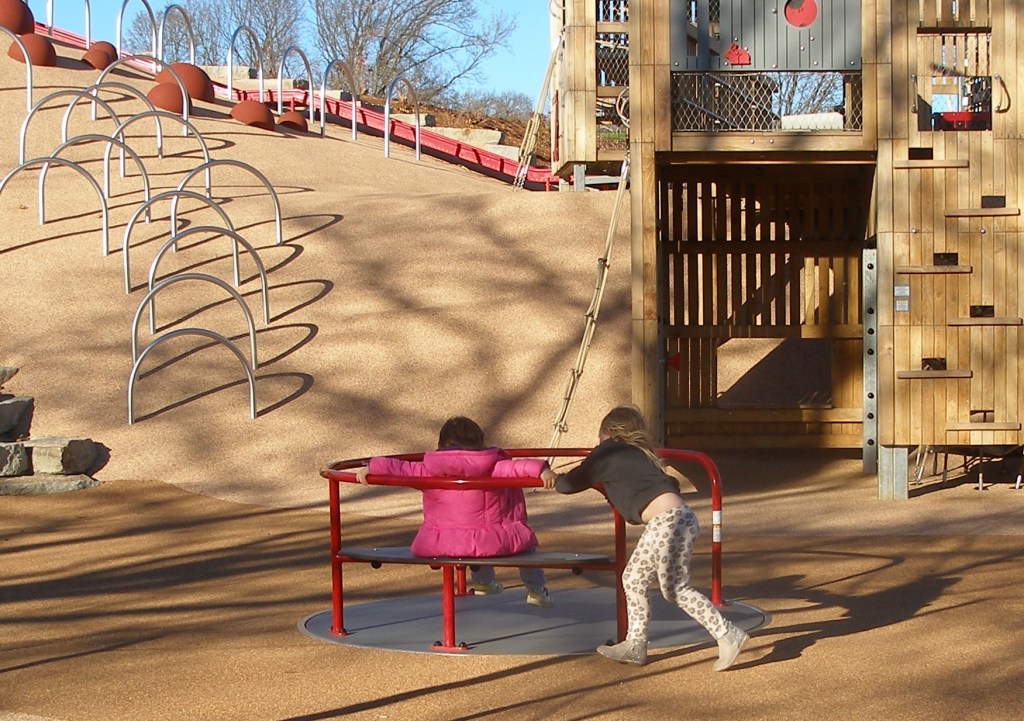
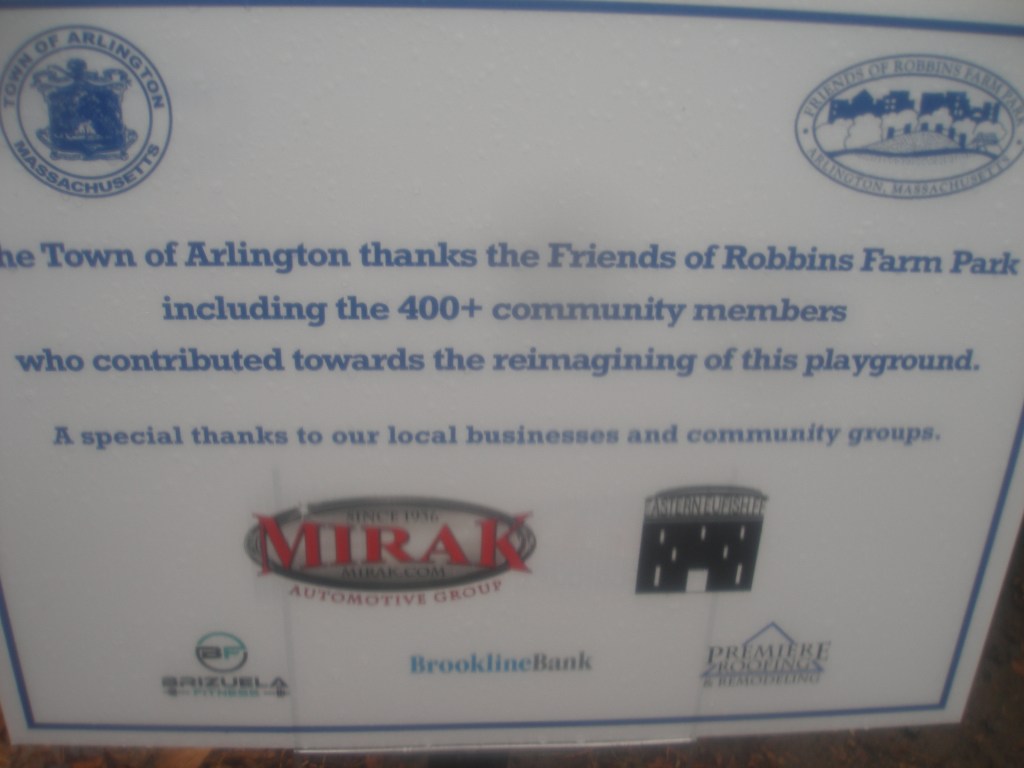
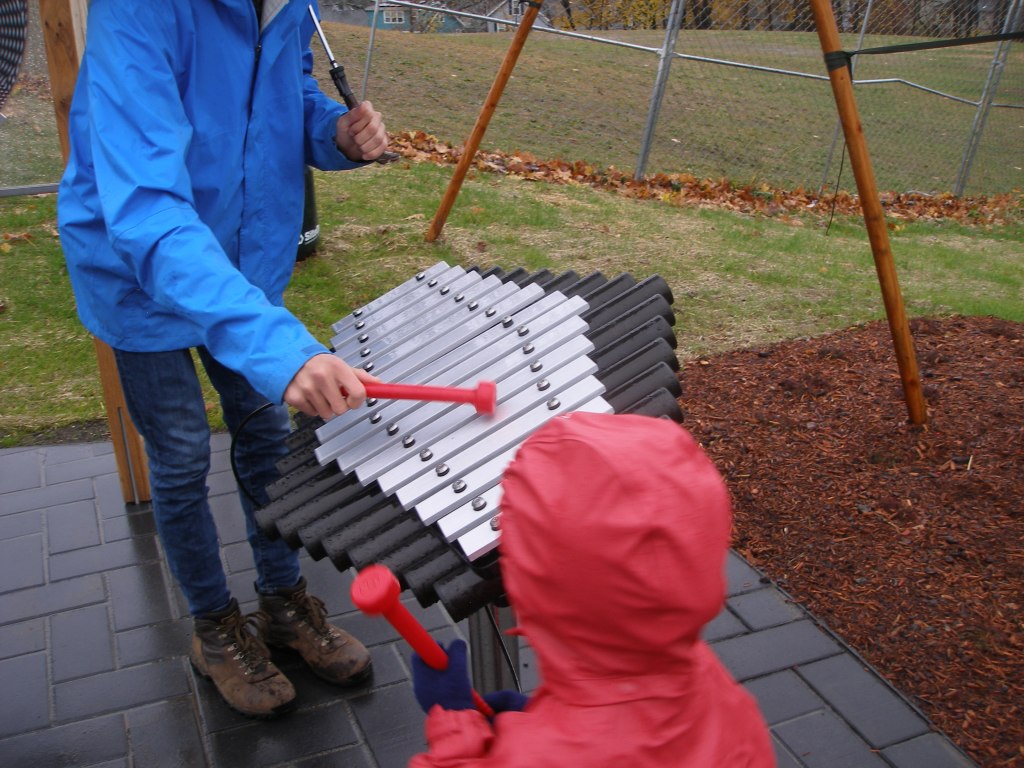
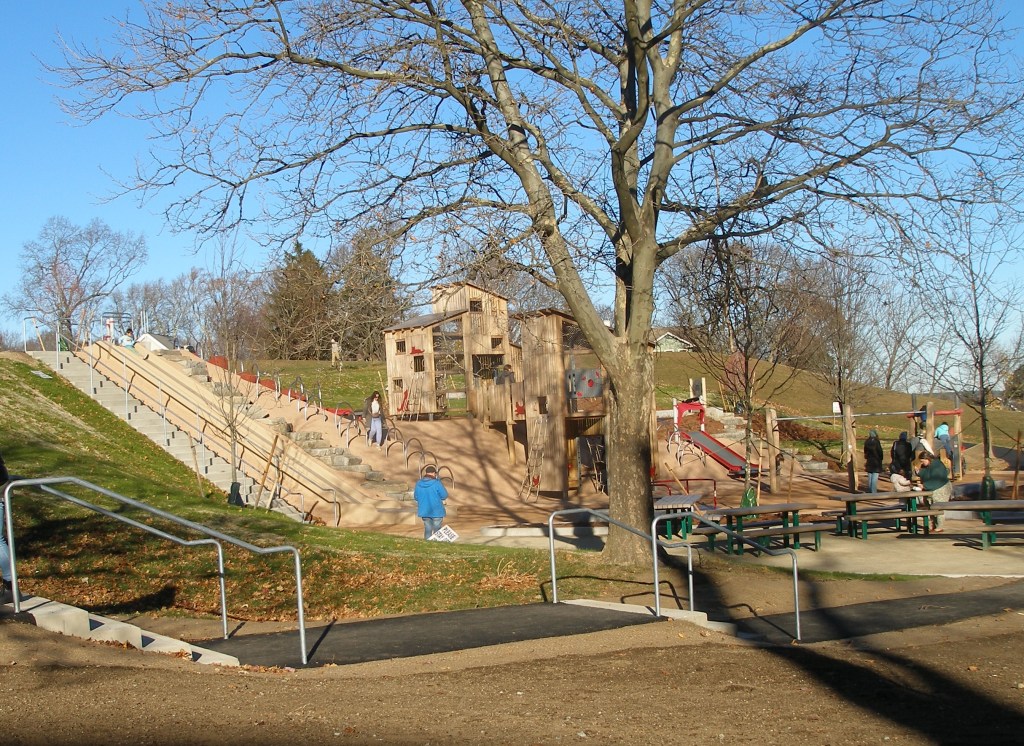
Playgrounds, even lovely ones, can become unsafe with age. When that happened in Arlington, Massachusetts, funding was secured, and a design team met to plan a new playground at Robbins Farm Park that would work even for kids who might not be able to use ordinary playgrounds. In the end, many residents of Arlington contributed. That along with funding from the state, and a number of organizations made it possible for several musical instruments and other fun features to be included.
At the ribbon cutting ceremony, a mother explained that her child had a rare neurological disorder. He could play and communicate in nonverbal ways and clearly has a sense of humor, but there was only one “accessible” playground nearby that would work for him. One day, the mother heard her older boy explaining to the other kids that his younger brother could not walk or talk, but he could play.
When she checked a bit later, she saw the two of them happily playing with the other kids. This was good for her two boys, but it was also good for the other kids, helping them to see that disabilities need not be barriers to play, and hopefully, other forms of interaction as they got older.
In her role as consultant to the project, this mother made use of her intimate understanding of what works for her son to help make the playground truly accessible.
If you are in the area, please come and check our this new Robbins Farm playground on Eastern Avenue, opposite the Brattle elementary school in Arlington Heights, Massachusetts, USA with its multiple tactile and sensory delights.
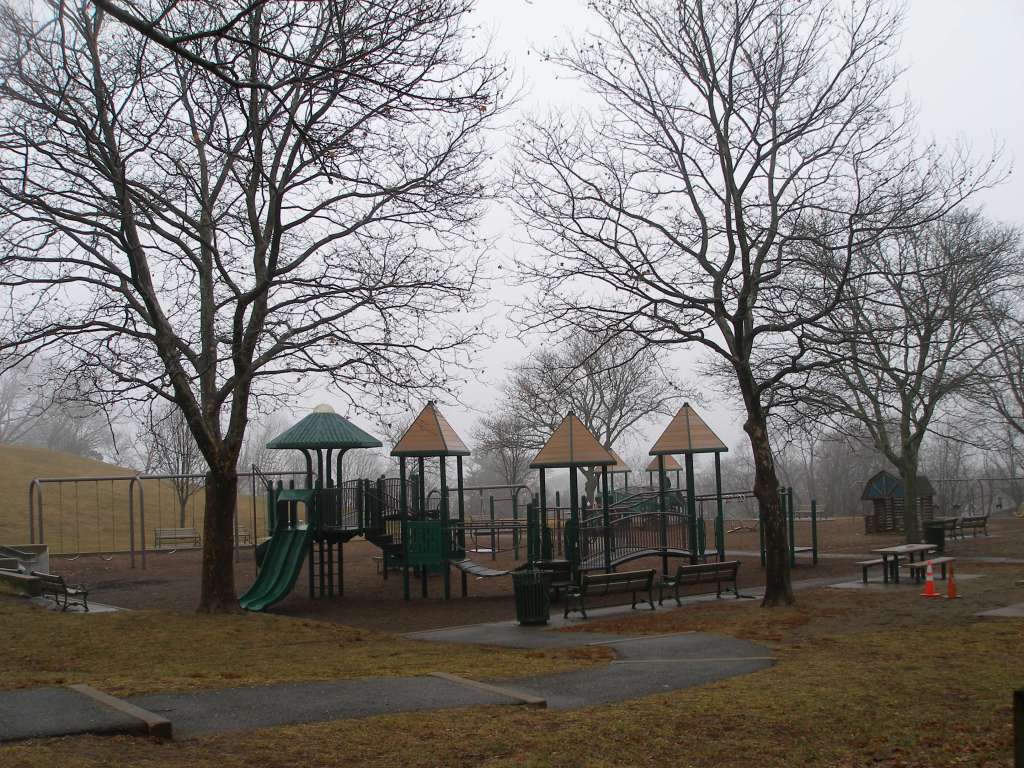
Although lovely to view in the various seasons, the old playground had the swings taken out as they had become unsafe.

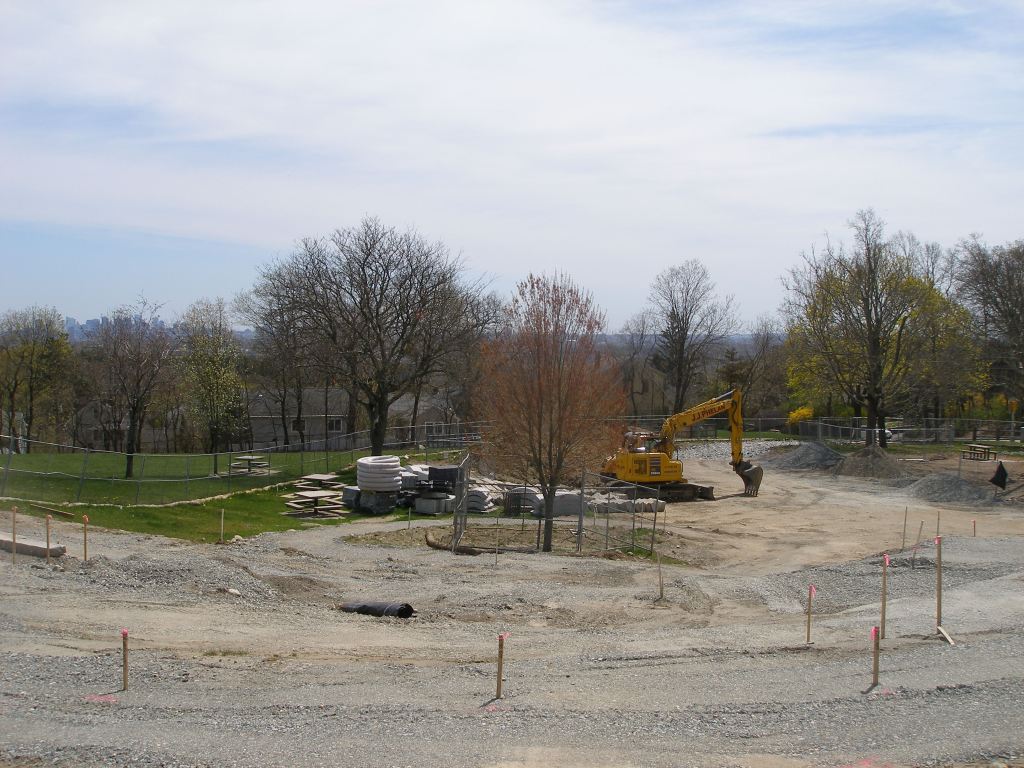
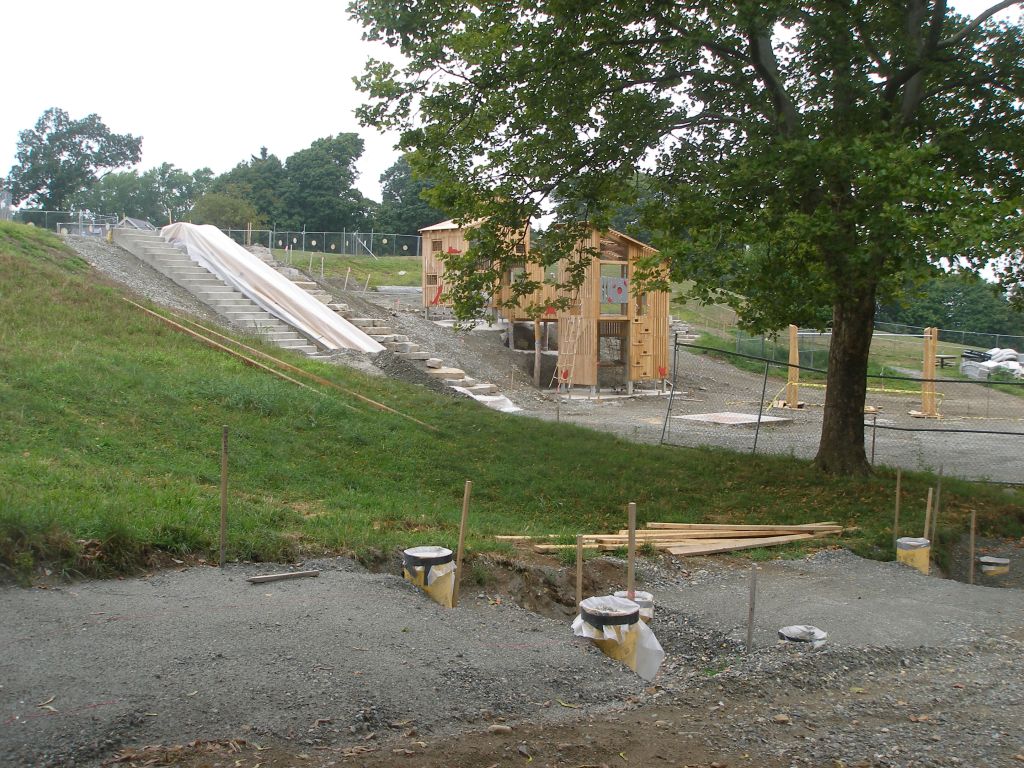
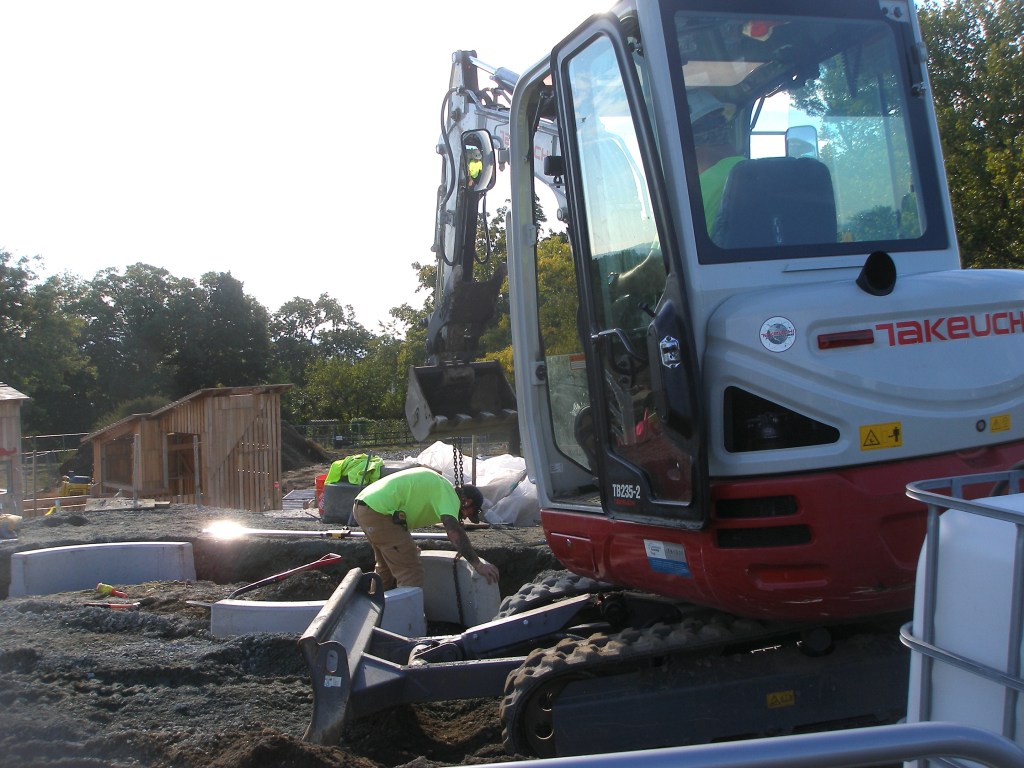
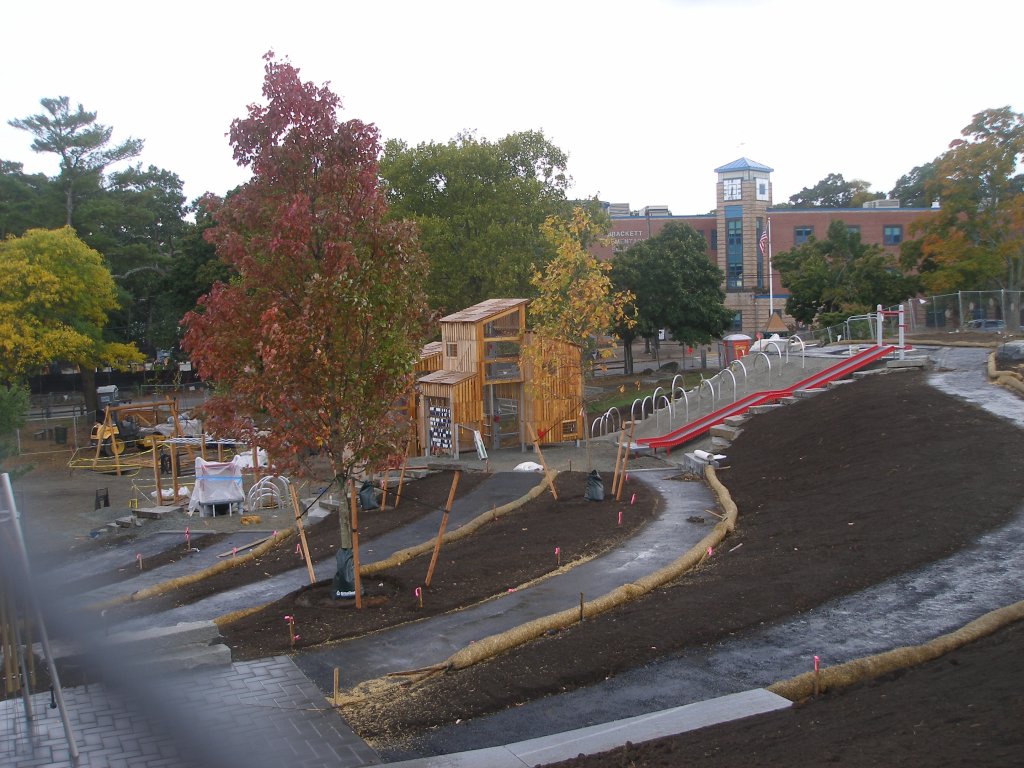
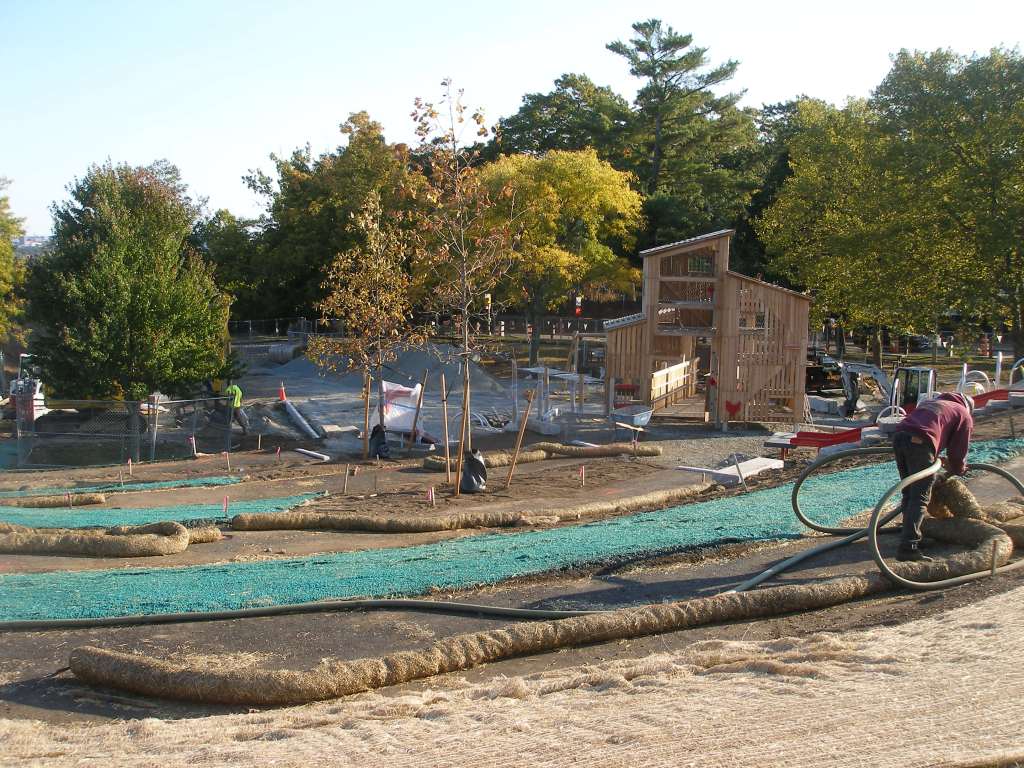
The start of the new playground project involved reshaping the slope where a long slide had been. I was glad they would replace that slide as it was well loved by the kids who used it.
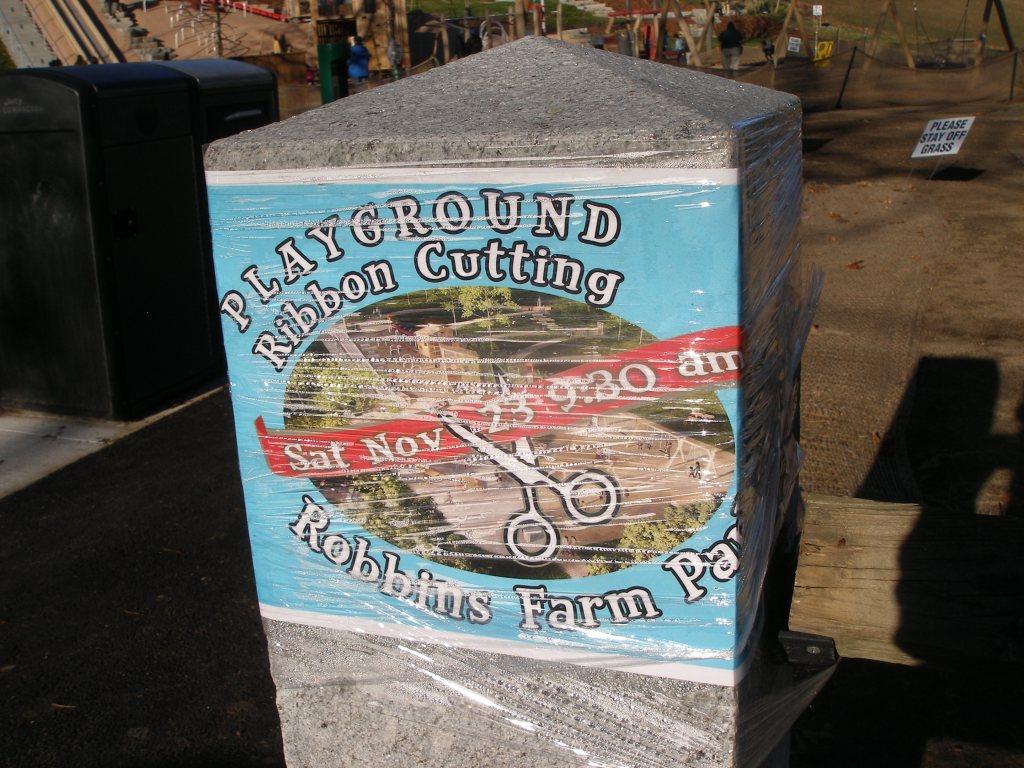
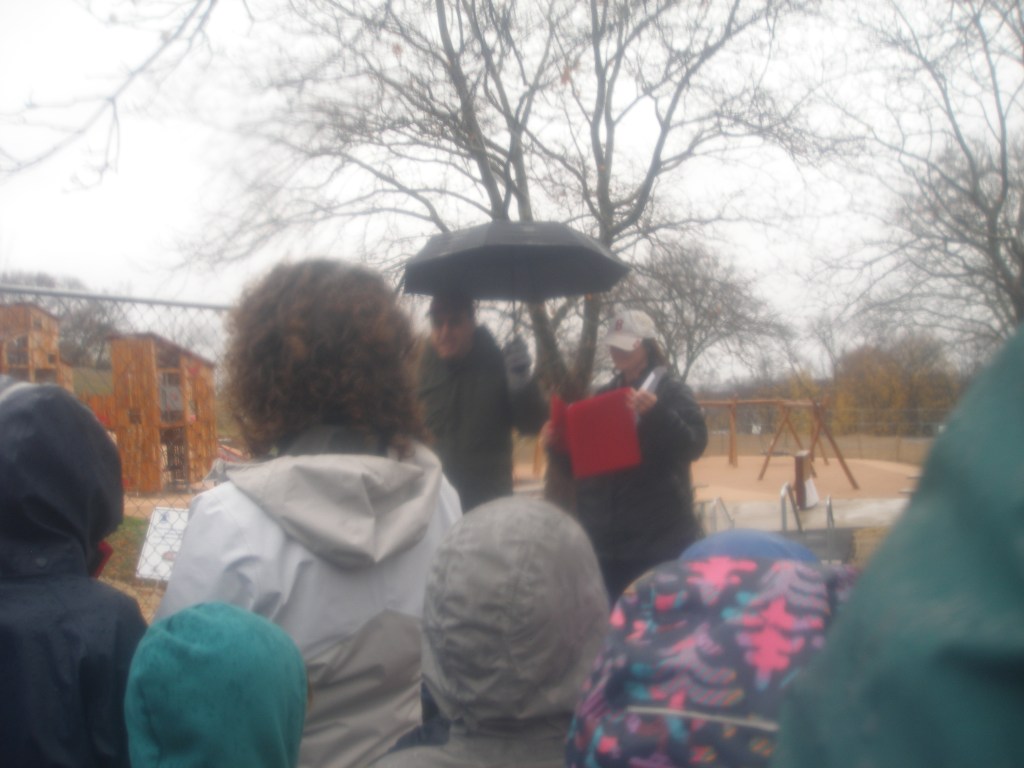
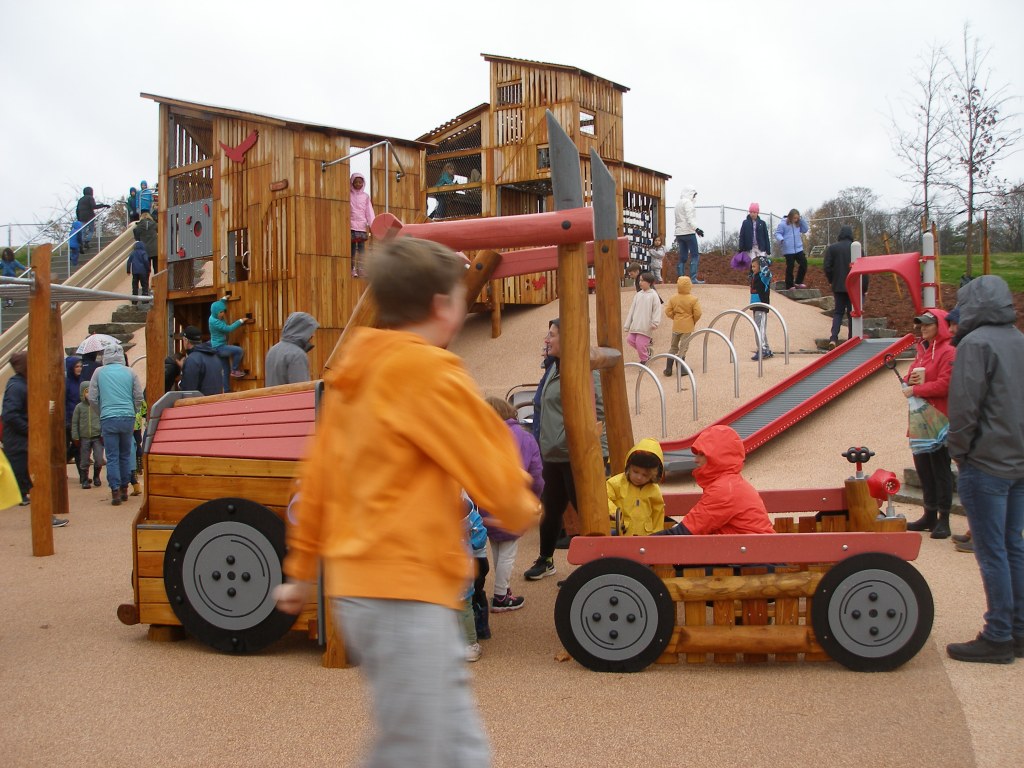
The Ribbon Cutting Ceremony brought out quite a large crowd even though it was raining. The kids chanted “Cut the ribbon. Cut the ribbon,” and there was considerable noise and glee as they scrambled in to explore their new playground.
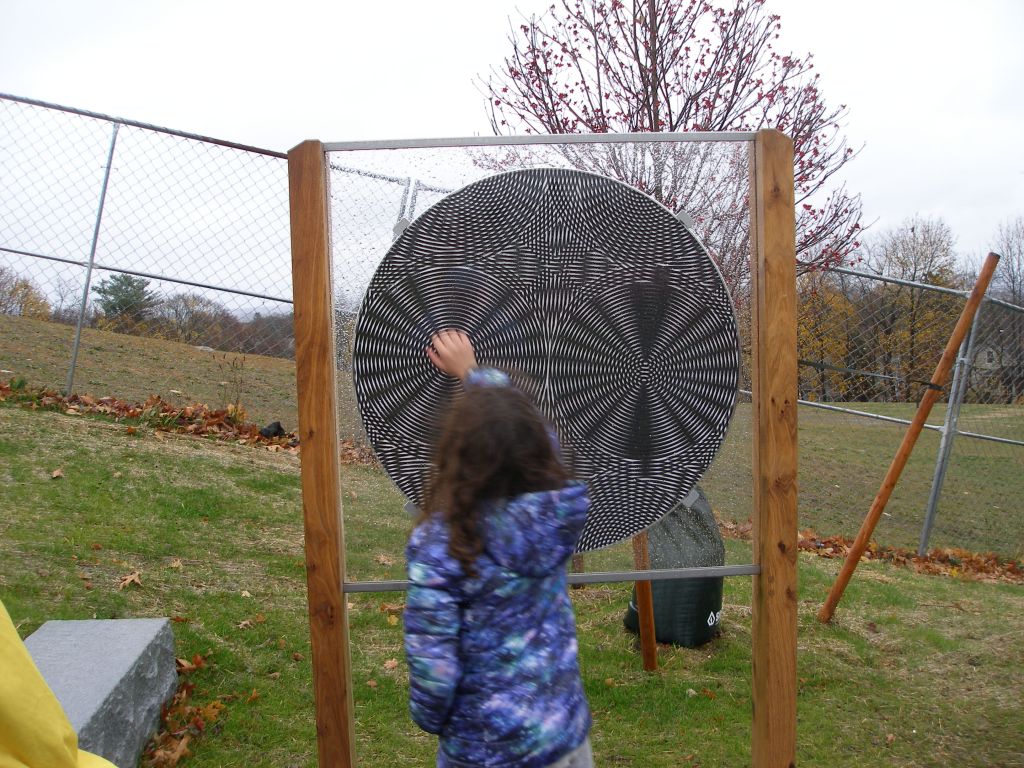
And a few days later, there were fewer people. It will be interesting to see how it settles in, how the kids use the playground’s various features, and how the new plantings look in the spring.





 Radiant Refuge