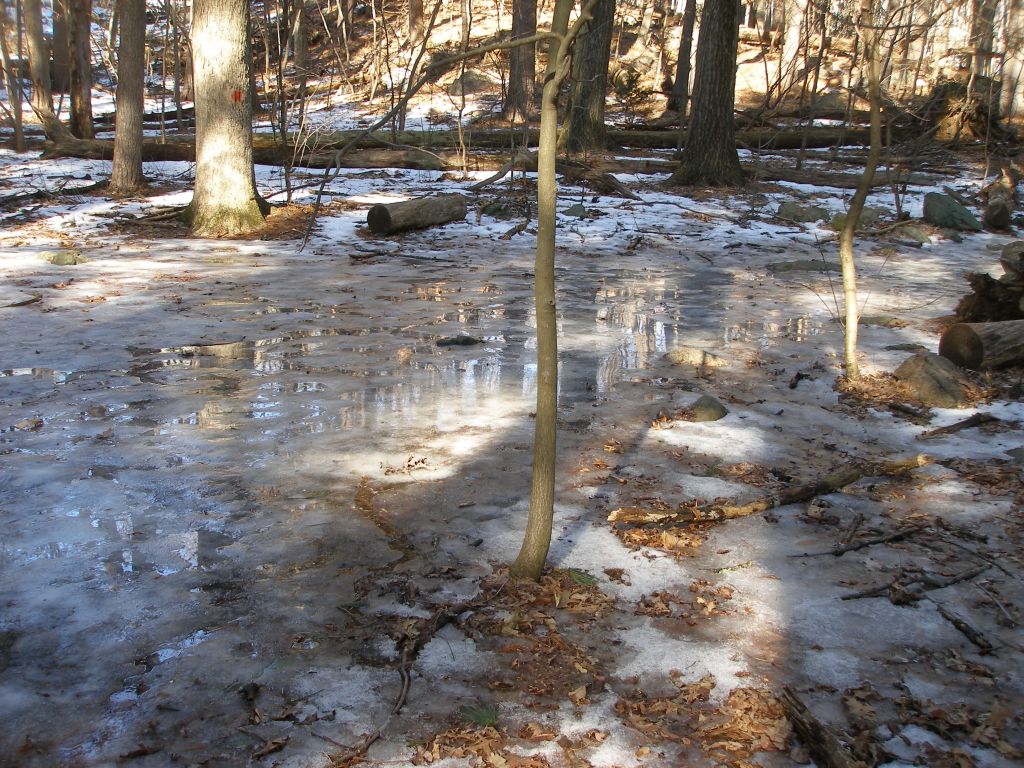
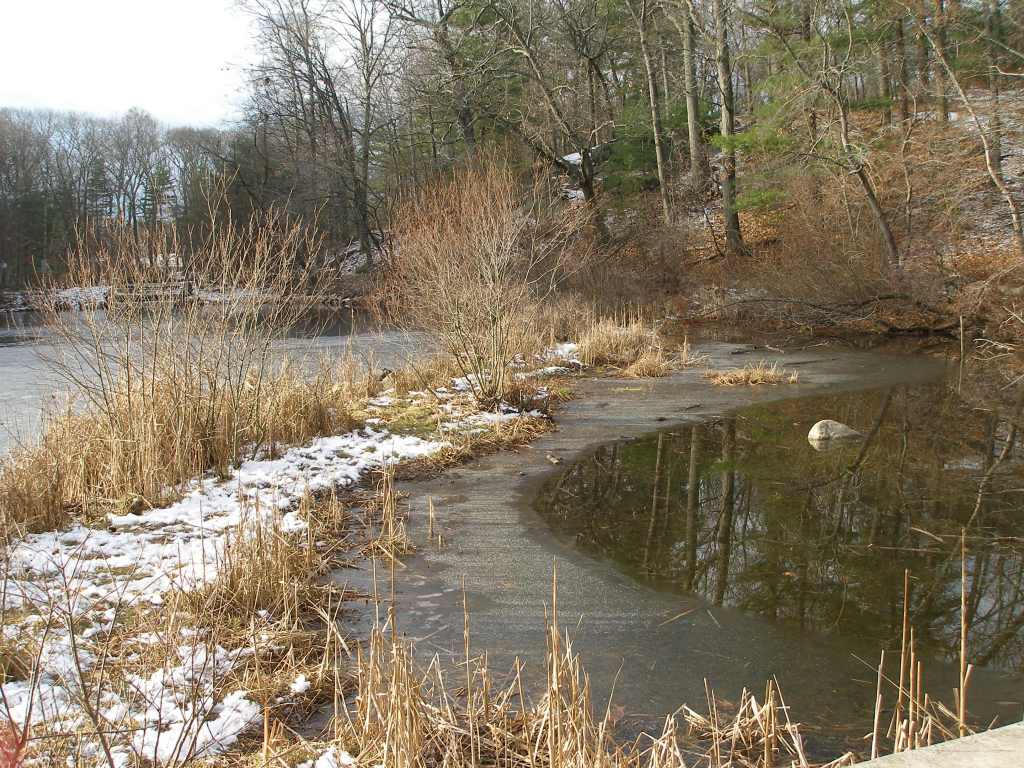
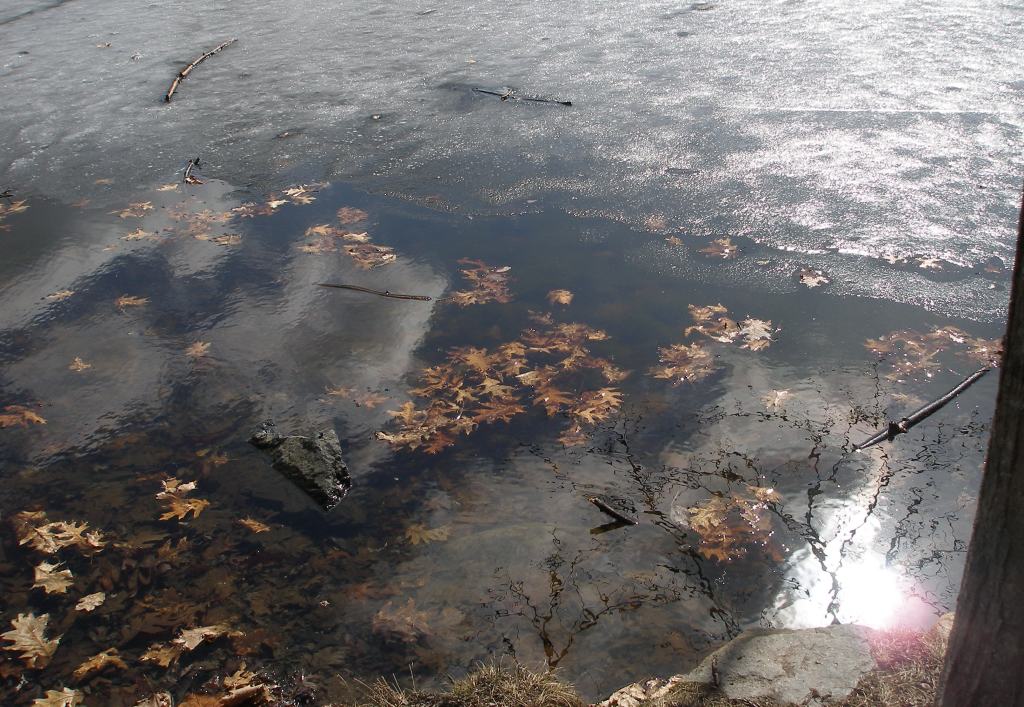
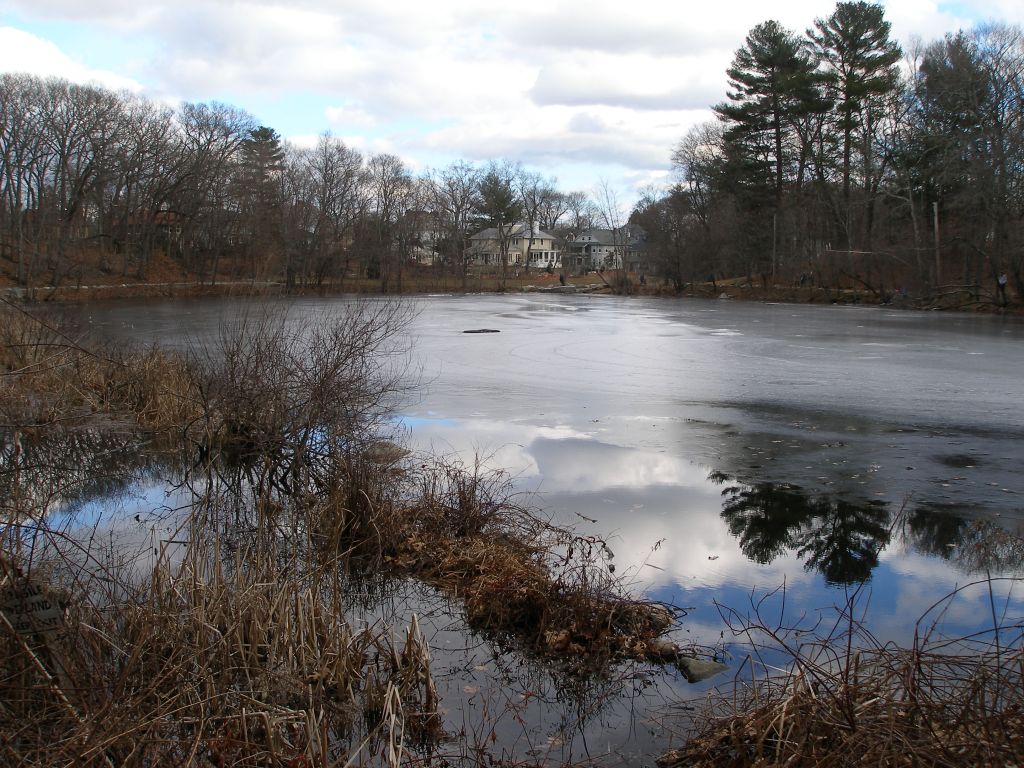
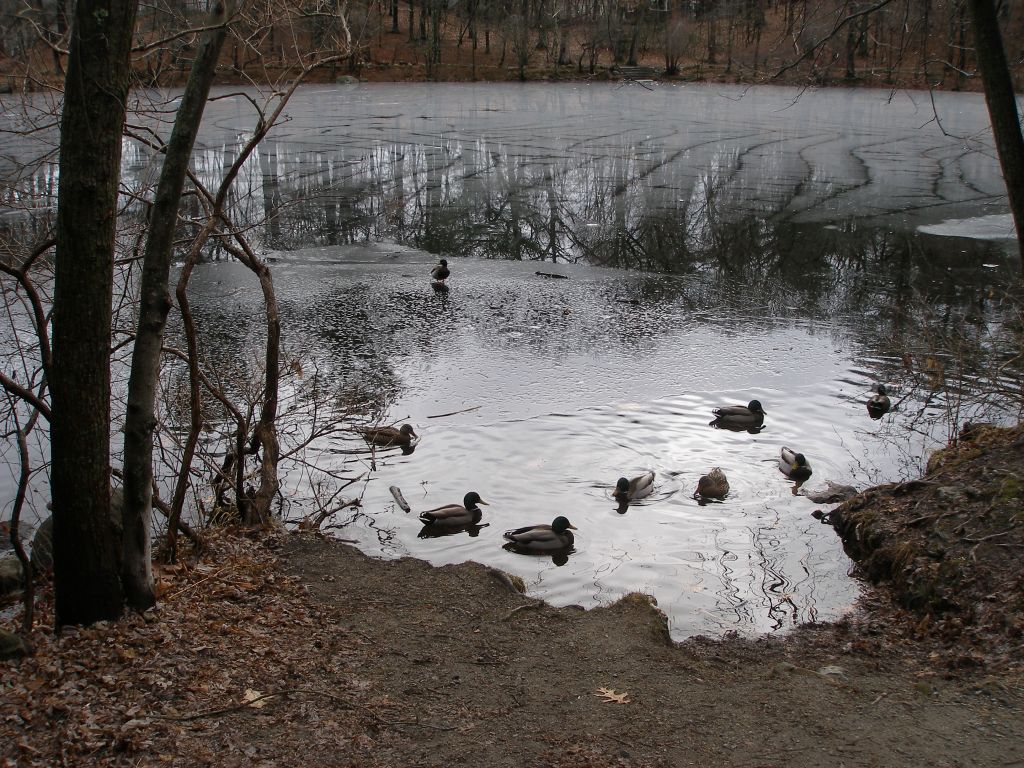
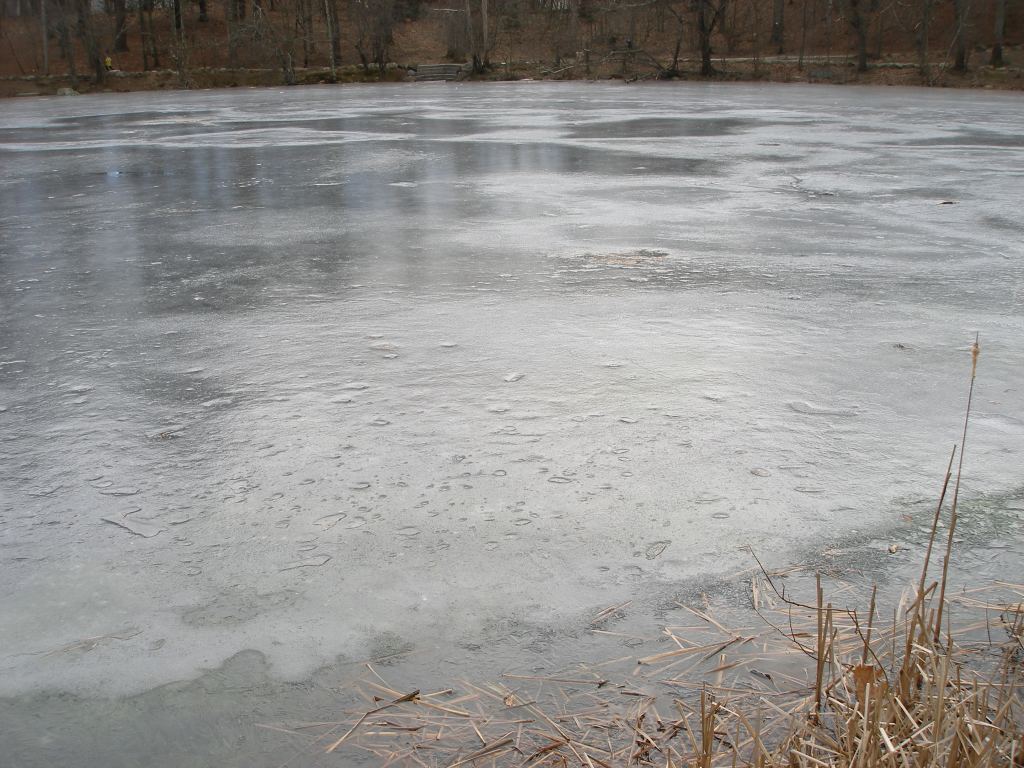
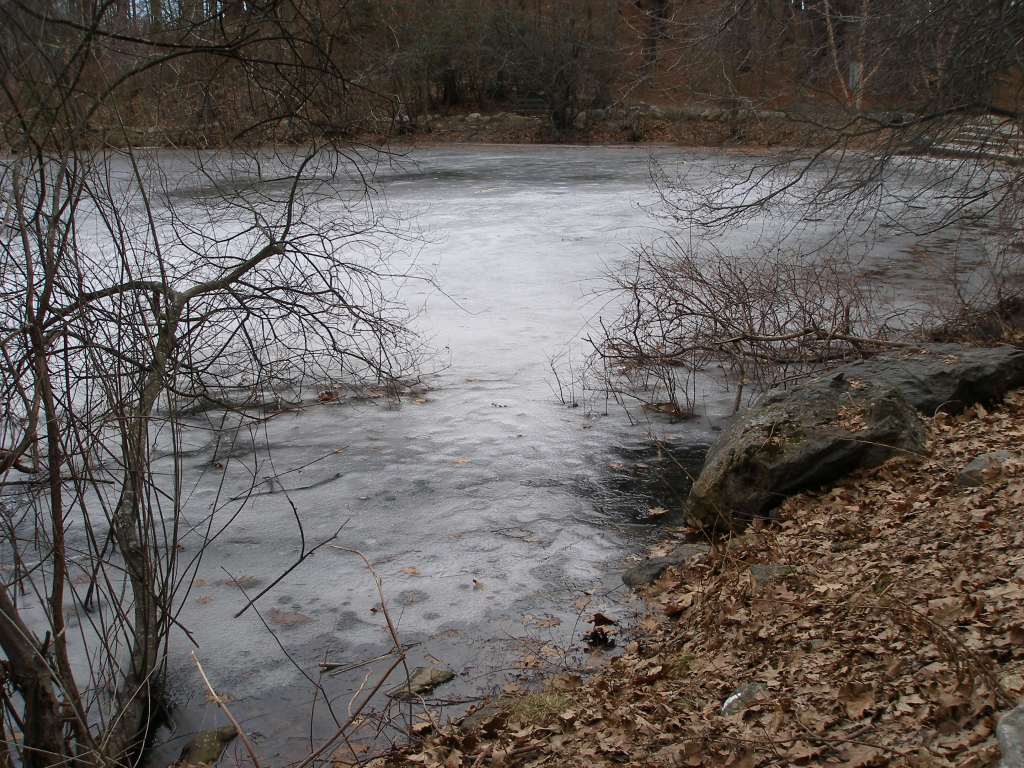
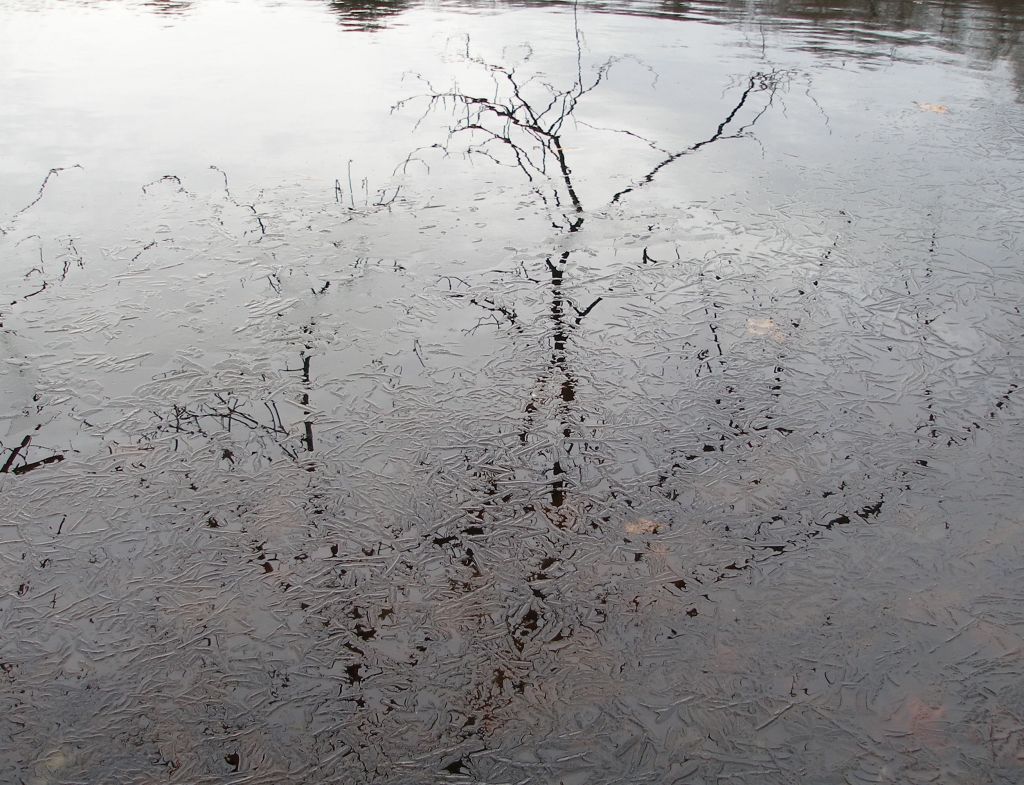
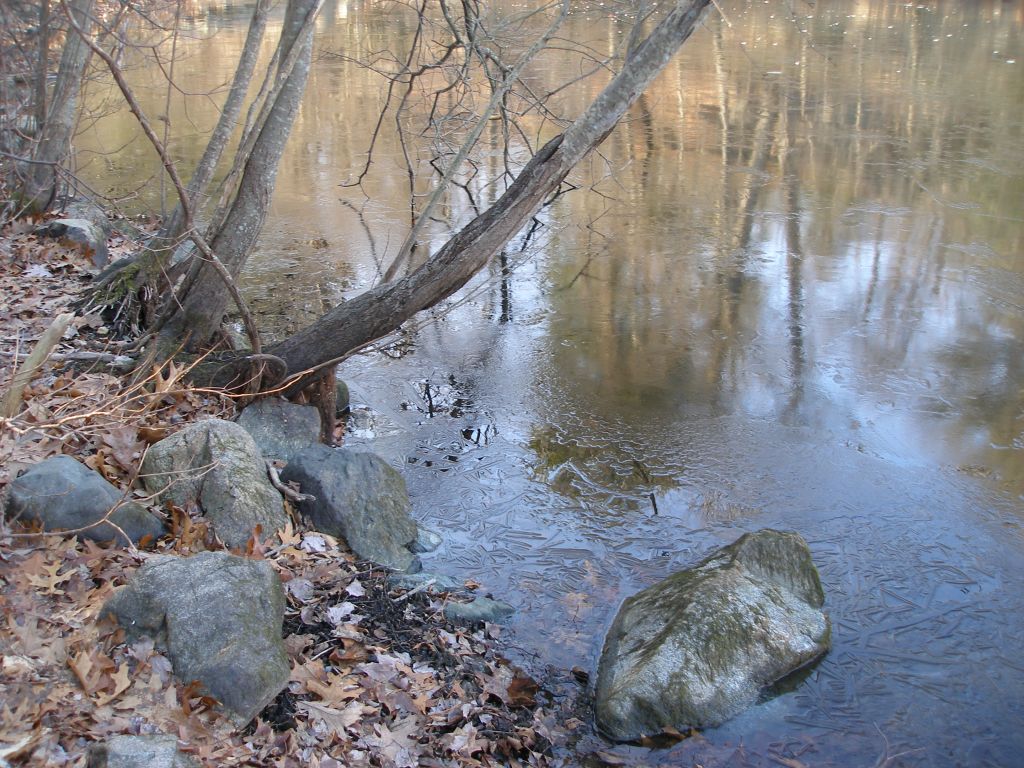
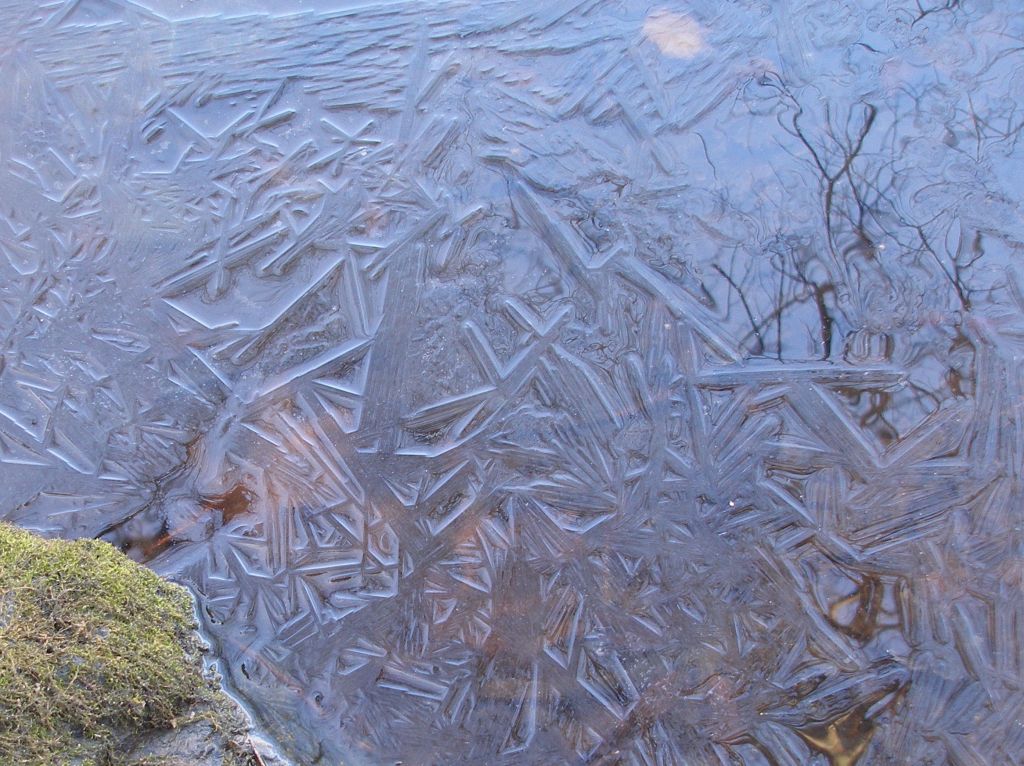
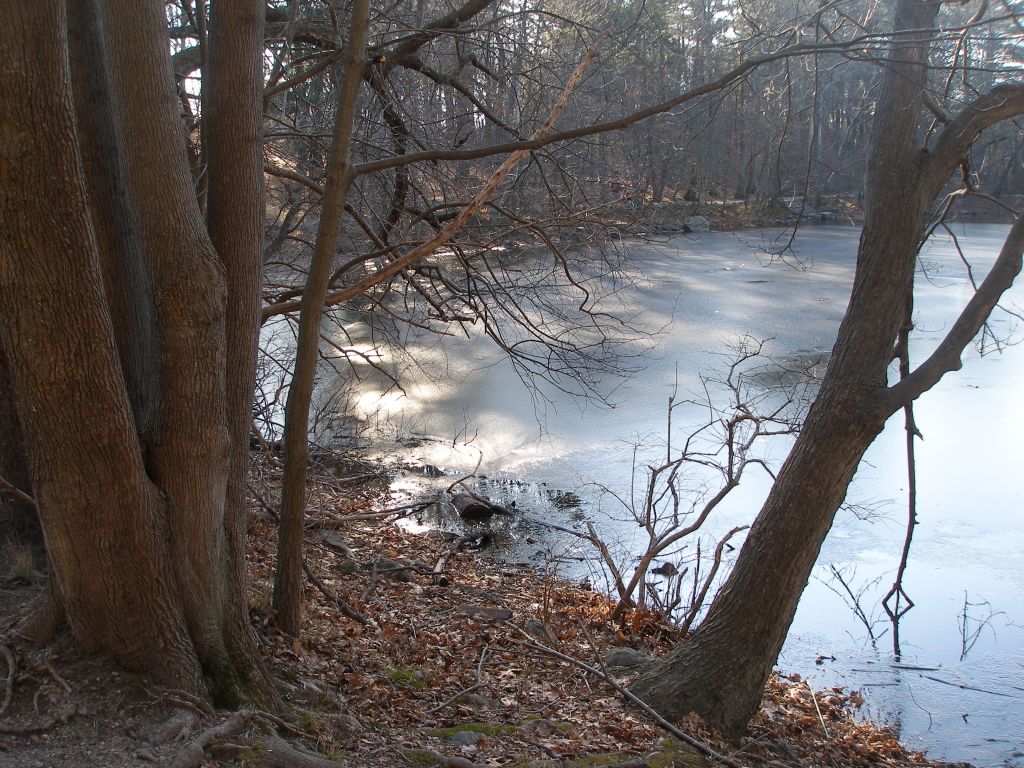
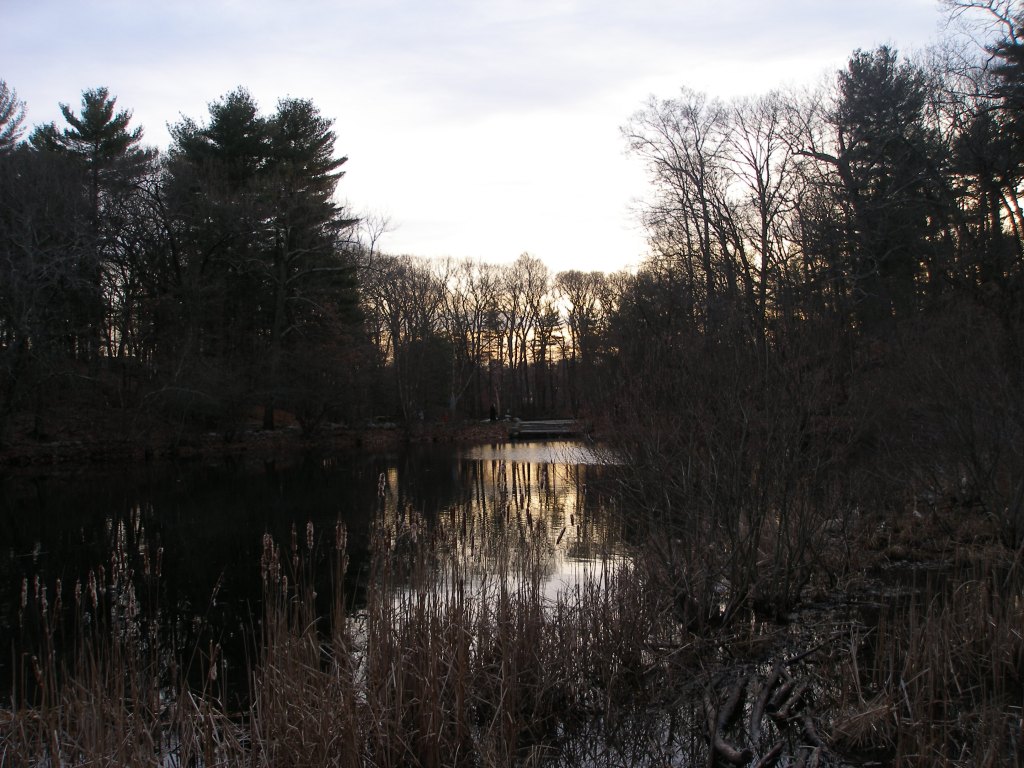
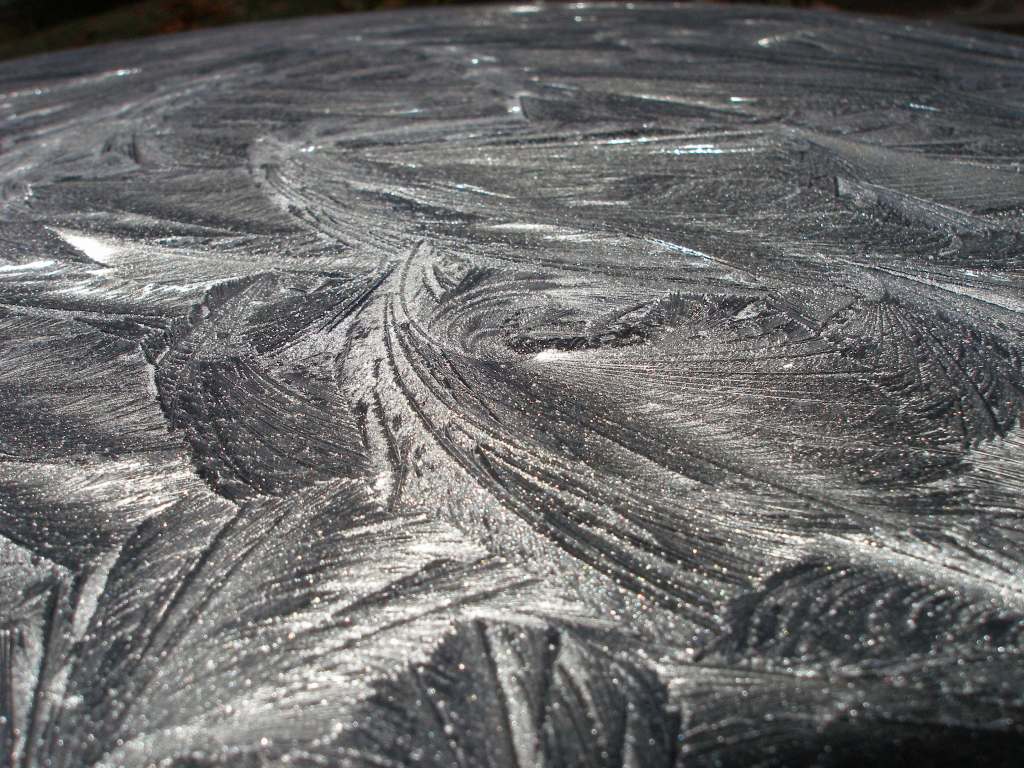
Once I came across a child beating icy Hills Pond with a stick. It made a most appealing bonging sound. Later I heard haunting chirps and zinging at the same pond. Since I was the only one there, I had to assume the ice was making those sounds all by itself. Searching online, I came across Jonna Jinton’s videos with the other worldly, yet peaceful sounds and the beauty of the crack patterns that ice can make as it freezes. Fascinated, I decided to review Jonna’s numbered vlogs in the order they were posted.
Vivid aliveness and a deep appreciation for the changing seasons in unspoiled northern Sweden where Jonna lives informed all that she shared. Living in her very tiny community also required a great deal of hard work just to stay alive and keep warm, along with a willingness to accept dark times – quite literally unavoidable in winter that far north. As she had hoped, Jonna’s online business selling lovely silver jewelry, prints of her photos and large paintings provided a means to support several family members and friends in a place where jobs were hard to find.
Besides her various creative endeavors, the videos show Jonna interacting with beloved pets, renovating buildings, making paints from local materials, and singing to cows. She shares her world in breath-taking drone footage as well as from more intimate camera angles. While she makes clear that she hopes her videos can bring the inspiration of nature to those who lack access, she does not invite envy. Rather she asks each of us to consider what we would like to have in our own precious lives.
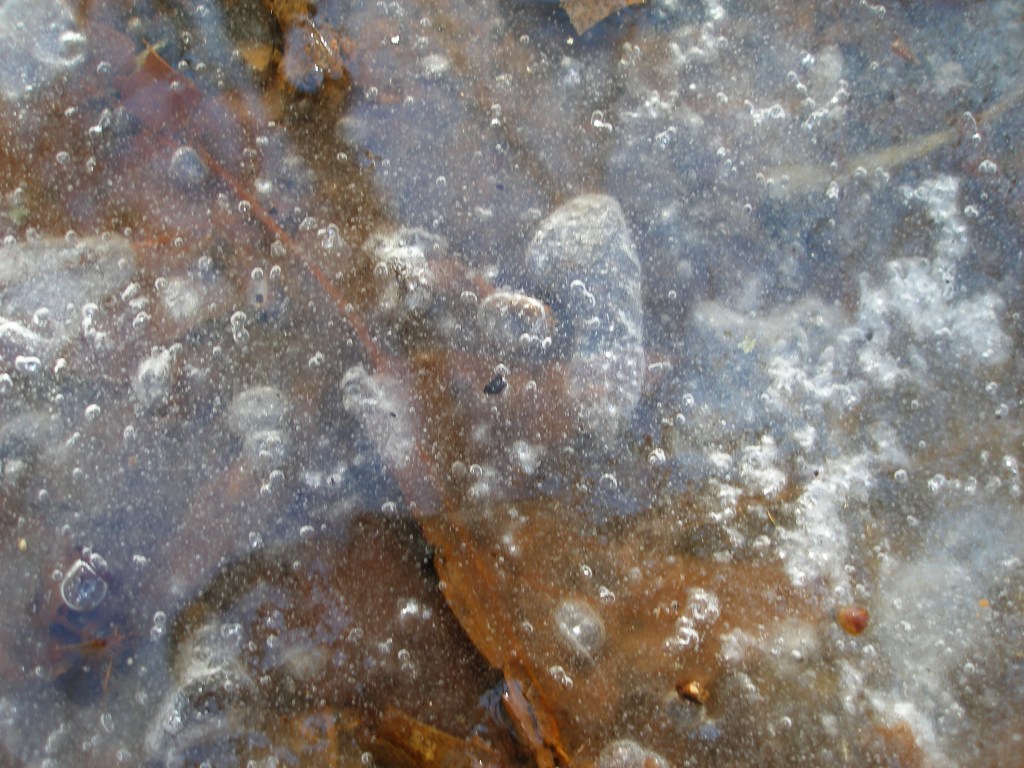
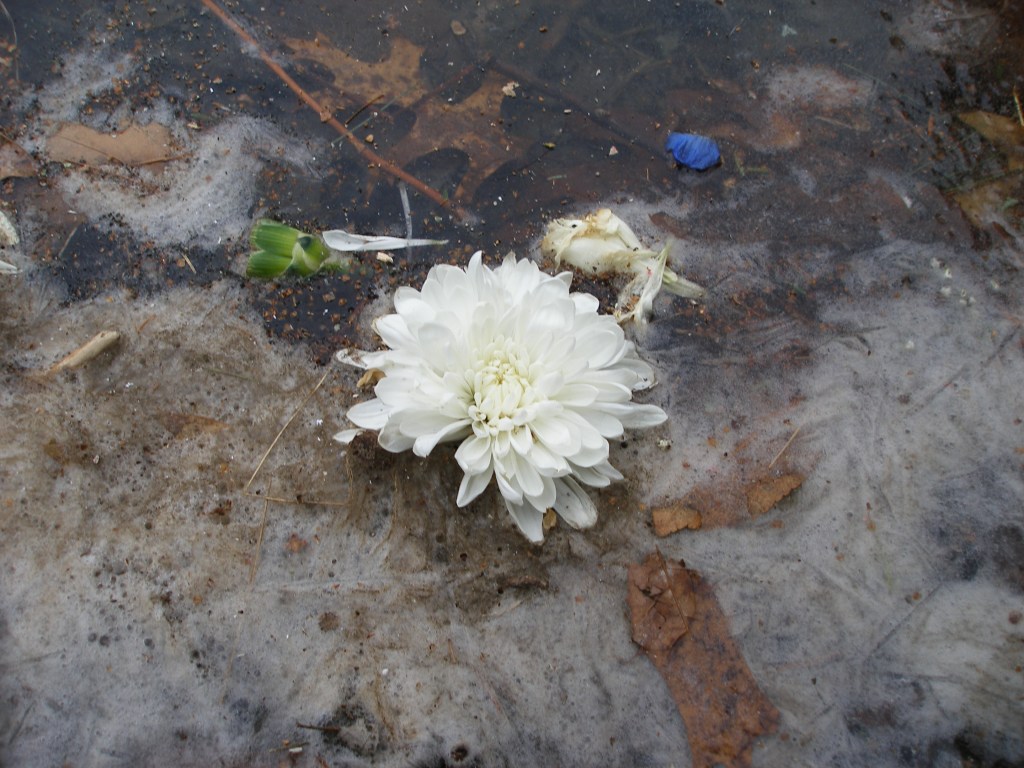
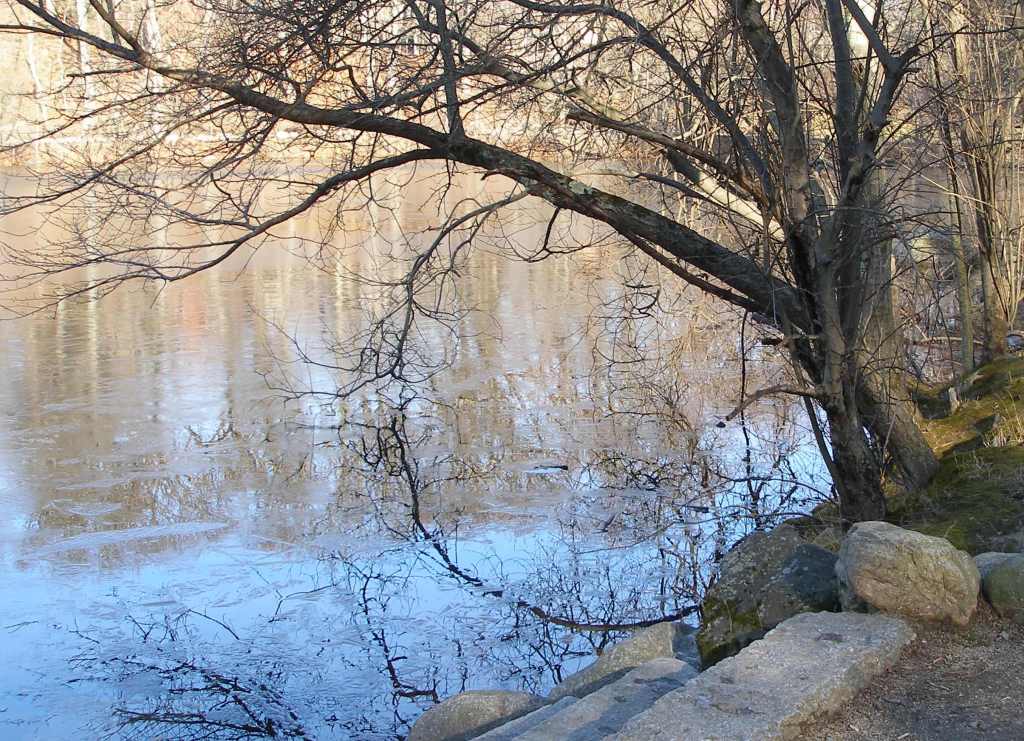
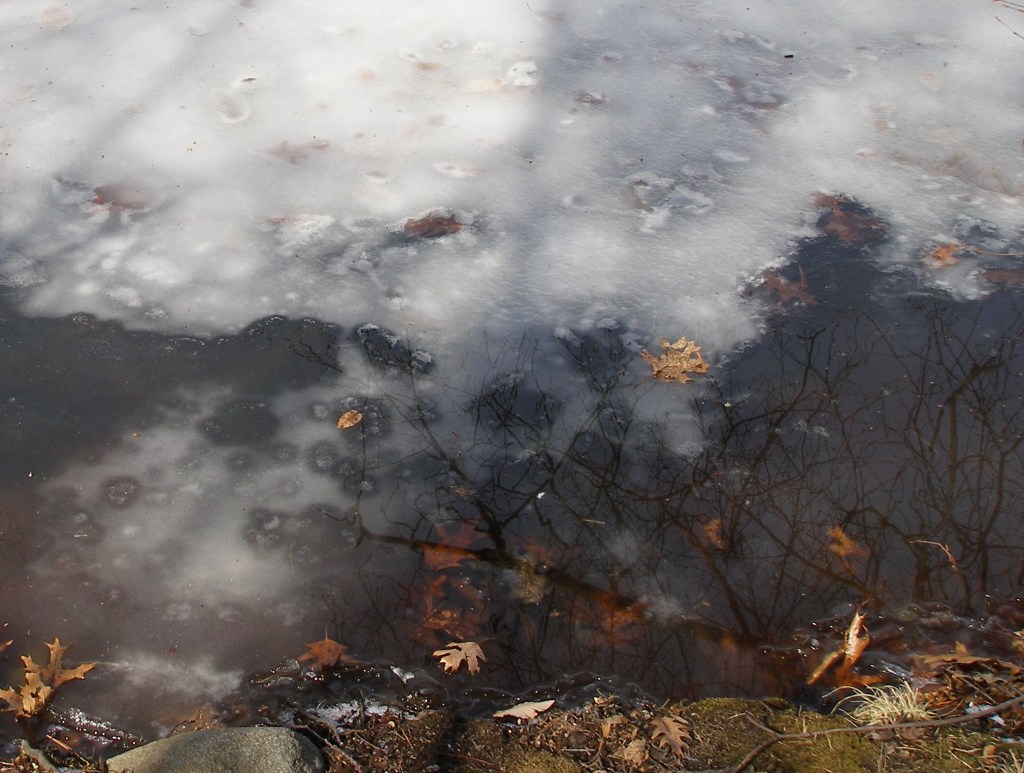
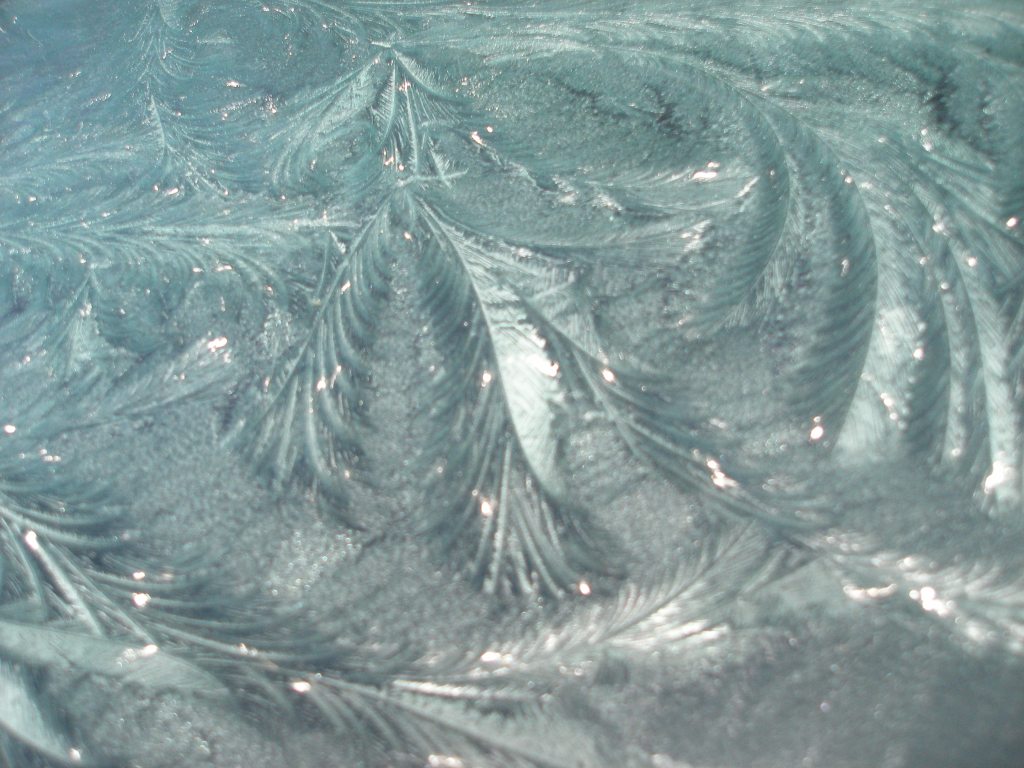
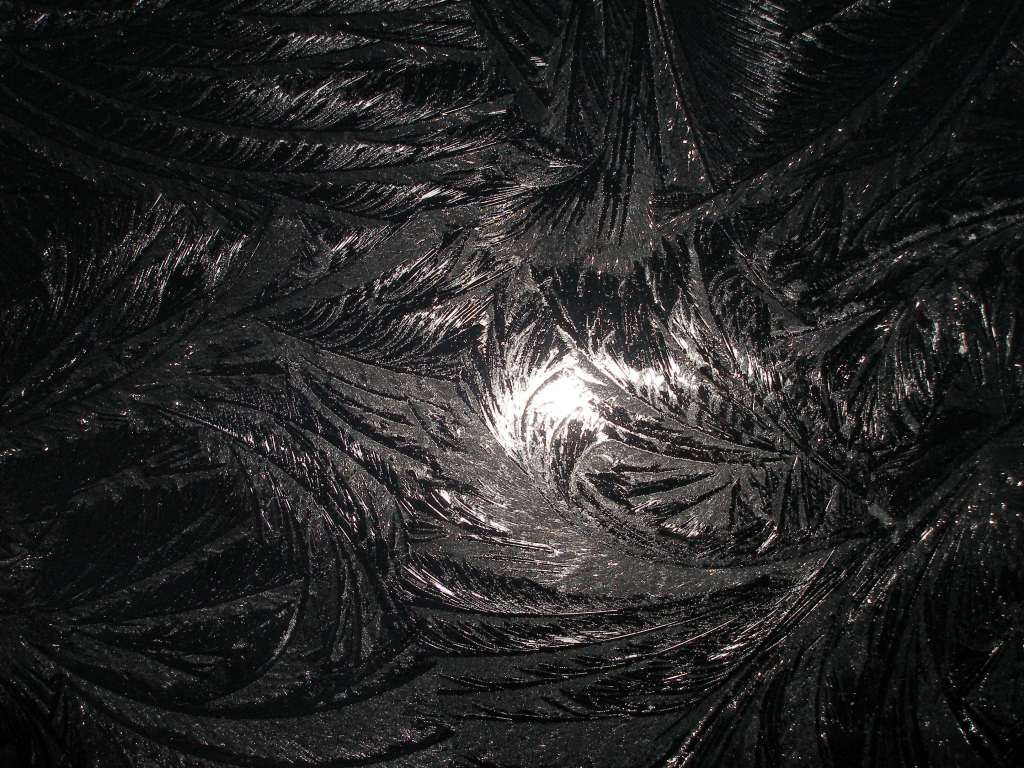
As for me, I am grateful to have a pond nearby where children make bonging sounds. Hills Pond was singing by itself again when I went looking for ice photos this morning inspired by Jonna’s passion for “what ice can do. “ice art.”
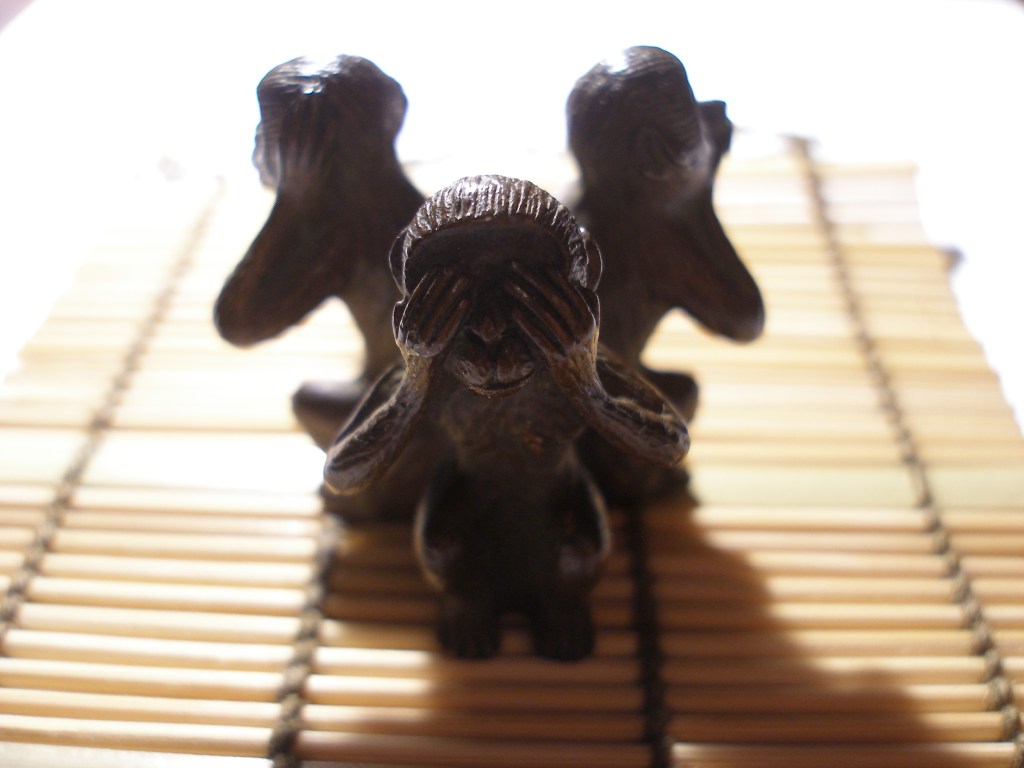
I recently acquired a tiny (4 cm tall) copper “Three Wise Monkeys” statue. Finding a ceramic version confirmed my suspicions that the three monkeys statue was a futaoki (lid rest in Japanese) used to support the kettle lid when hot water is poured into tea bowls. But associations with manmade objects can be complex and change over time. I wanted to learn more.
An article about the symbolism of the three monkeys noted, “During the Warring States period of China, around 475 to 221 BCE, the Analects of Confucius included the proverb of looking not at what’s contrary to being right; listening not to what’s contrary to being right; making no movement which is contrary to being right.”
I was glad to learn from this article that the monkeys were present in Japan at the time tea ceremony was gaining popularity; “By the time of the Tokugawa period, also known as the Edo period, which lasted from 1603 to 1867, the three monkeys were portrayed in Buddhist sculptures. At the Toshogu Shrine in Nikko, Japan, an eight panel sculpture represents the Code of Conduct developed by Confucius. One of the panels is the Three Wise Monkeys, symbolizing the principle of not seeing, not hearing and not saying anything evil…The message is that we should protect ourselves by not letting evil enter our sight, not allowing evil words to enter our hearing, and finally to not speak and engage in evil words and thoughts.”
The meaning ascribed to the three monkeys changed as they spread to new lands; later in Europe, the monkeys provided a reminder of the need to be blind, deaf and dumb in order to live in peace. Now with technology making it possible for fake news to travel faster than real news and the increasingly subtle ways evil doers are finding to manipulate our harmful human mind tendencies, the monkeys’ warning is taking on new poignancy.
They are also used as emojis – the hear no evil monkey to suggest hearing something one did not wish to “hear,” and speak no evil, when a comment seemed inappropriate for the topic under discussion.
I wonder what new associations these three enigmatic little monkeys will acquire in the future? I will smile as I place the little monkeys next to the hot water kettle before guests arrive to share tea in my hut.
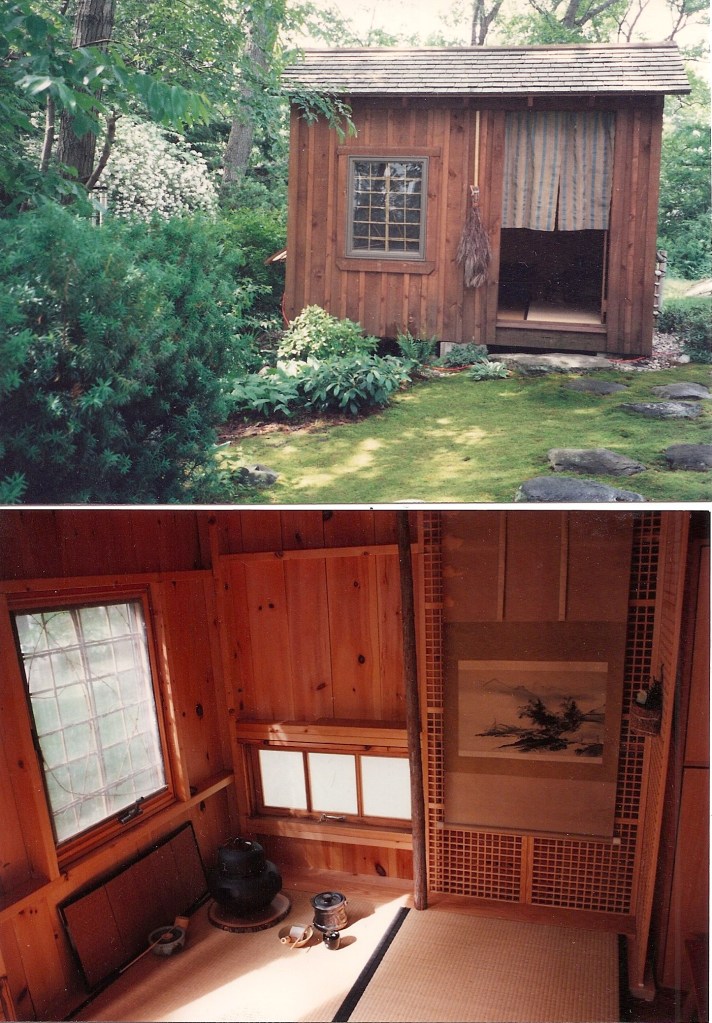
In discussing Japanese tea ceremony’a Zen flavor, it is appropriate to first consider its special setting that creates a space apart. Tea room and garden maintenance are ongoing. For each tea gathering, the host selects and arranges the scroll, flowers, and utensils keeping the season, particular occasion, and guests in mind. Thus, meditation in action begins well before guests arrive.
The tea room and garden bring a mountain cottage retreat atmosphere into a town or city setting. For all the care that goes into a tea hut’s construction, they are lightly built and are all the more intimate for that acceptance of impermanence. Soft natural lighting creates a tranquil mood. There is little to distract beyond naturally arranged flowers and a scroll.
Tea gardens are designed to evoke the essence of purified nature, and often resemble a mossy path in an idealized wood. This path-garden is called roji (literally dewy ground or path in Japanese). A Buddhist interpretation relates to ‘awara‘ or disclosure, not just disclosing the garden to the eye, but disclosure of everything within and without to the heart/mind/body. Before guests approach the tea hut along the path, the host will clean it and water the stepping stones as a sign of welcome. To do that properly, it is necessary to first cleanse oneself of what disturbs and sullies the mind and heart.
Tea garden design begins with opening to what is here. It is a process of emptying the mind and listening to the site and the context in order to allow the design and its aesthetic qualities to grow from the place rather than being applied to it. The garden and the person who tends it are always getting to know each other through a process of action and response that goes both ways. As the relationship deepens, maintenance is not so much imposed from outside but takes place from within that relationship by attuning to what needs doing.
Students of the way of tea learn by observing and copying their teacher, and by being patiently (although sometimes strictly) coached in what is essentially a form of direct transmission. When I first started taking tea lessons, I learned how to walk on tatami mats. I had to master the many sub-procedures of a relatively simple way of preparing tea. A great many steps must all flow together in a natural and unobtrusive way before a student can claim competence. There are many different ways of preparing tea or temae to learn, and all the utensils require special handling. Tea stories make clear that patient practice and goodwill are more important than achieving perfection.
Thus, tea ceremony provides many opportunities to experience beginner’s mind while learning how to retain a sharp embodied focus on what is going on here and now. The way of tea might appear gentle as compared with working on unsolvable riddles under the stern guidance of a Zen master. But because there is so much to learn with body, mind and spirit, serious students of Japanese tea ceremony may find themselves facing the strong doubt, strong faith and strong determination that are said to be requisites for dedicated Zen practice.
In time, applying firm resolution in a context of openness and mutual support can lead to consummate freedom and ease. That a selfless commitment to discipline is required to achieve that flow is one of the many paradoxes of this art (and of life). Learning the formal procedures with total-hearted commitment provides access to deeper levels of perception and being that in turn influence how one performs the art so one returns to where one started very much alive, in touch, and in the moment simply enjoying sharing a bowl of tea with a few others.
Just seeing a demonstration does not reveal the relational quality of this art. Students are taught to always keep the guests’ tranquility top of mind when preparing a bowl of tea. The flowing generosity and gratitude becomes one and communal awareness arises as guests’ actively support the host’s intent for sharing the beauty of the particular occasion and of each unique moment.
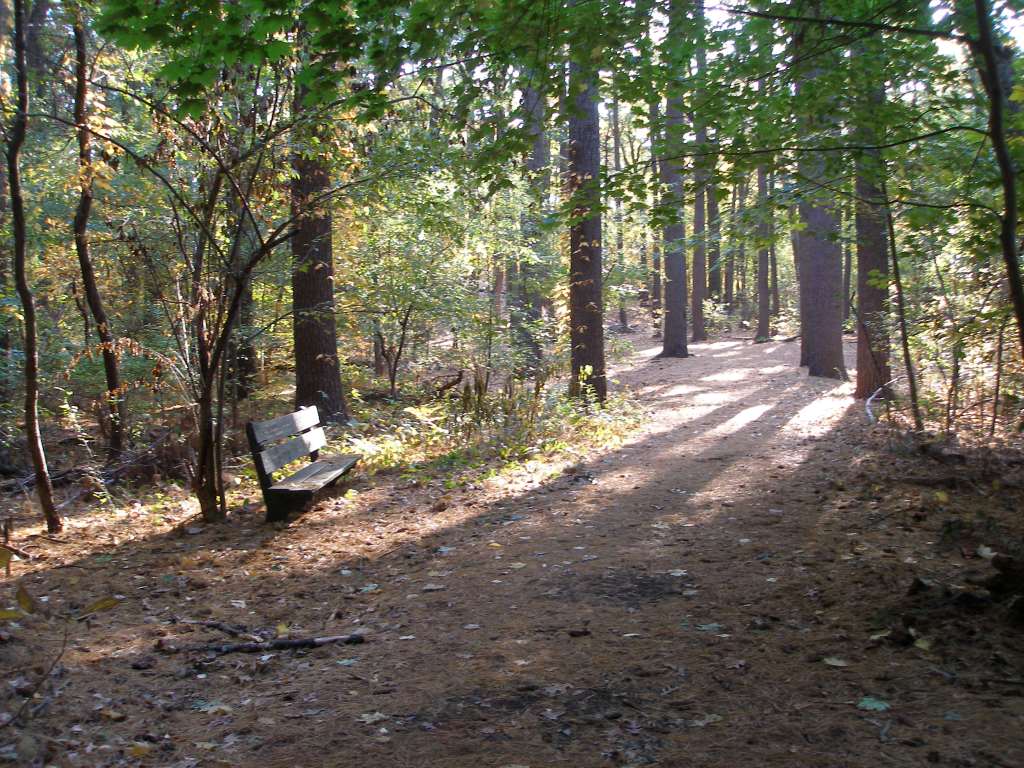
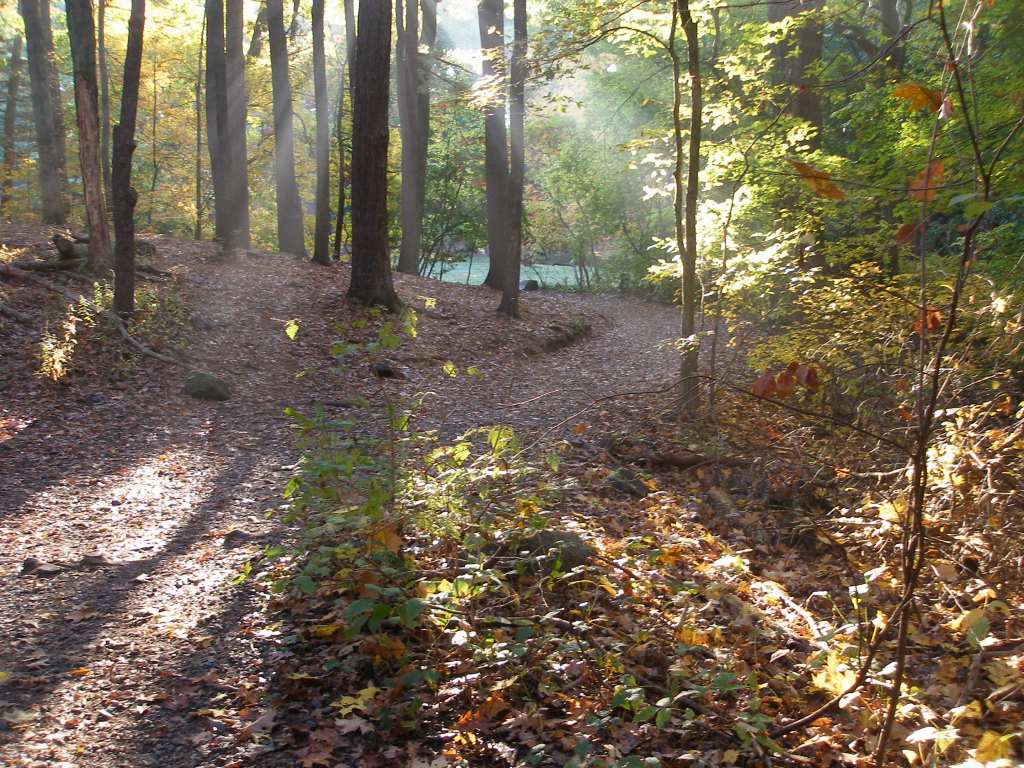
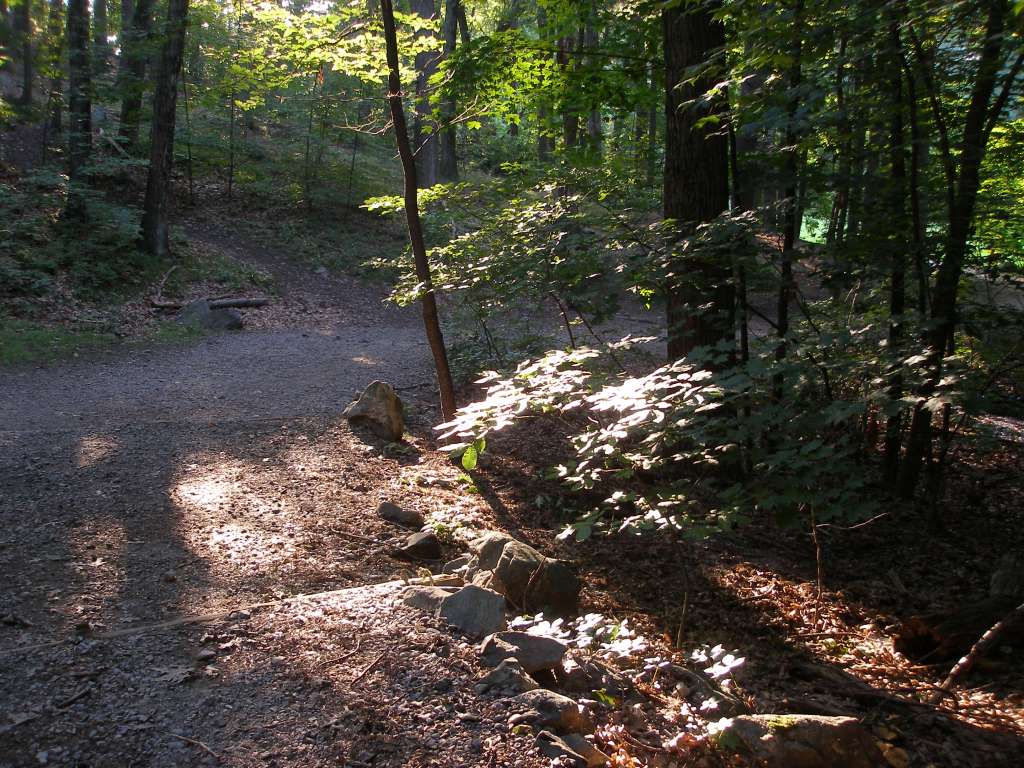
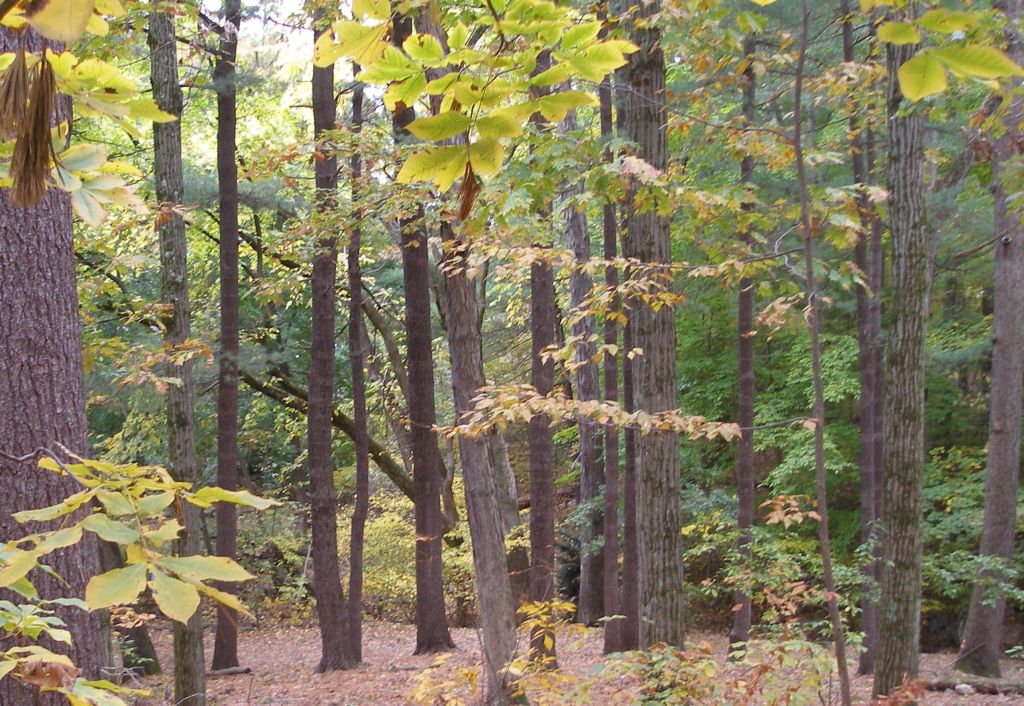
It is natural to notice a muskrat chasing quacking ducks, but the woods can have a quieter energy – There is a lot going on, but it is easier to miss.
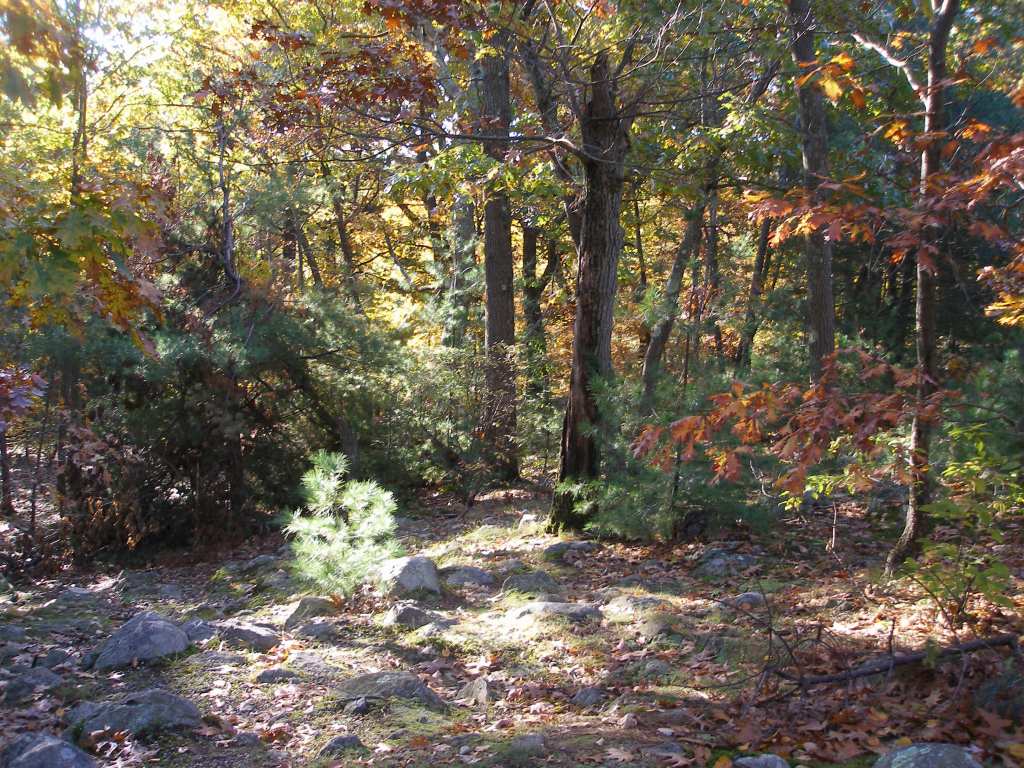
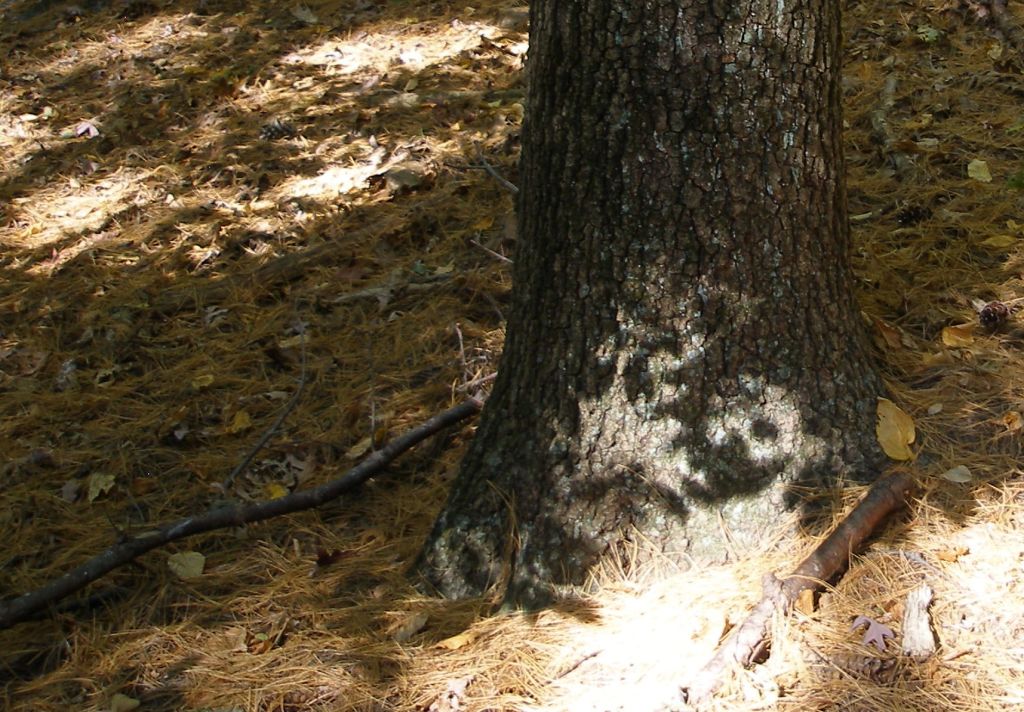
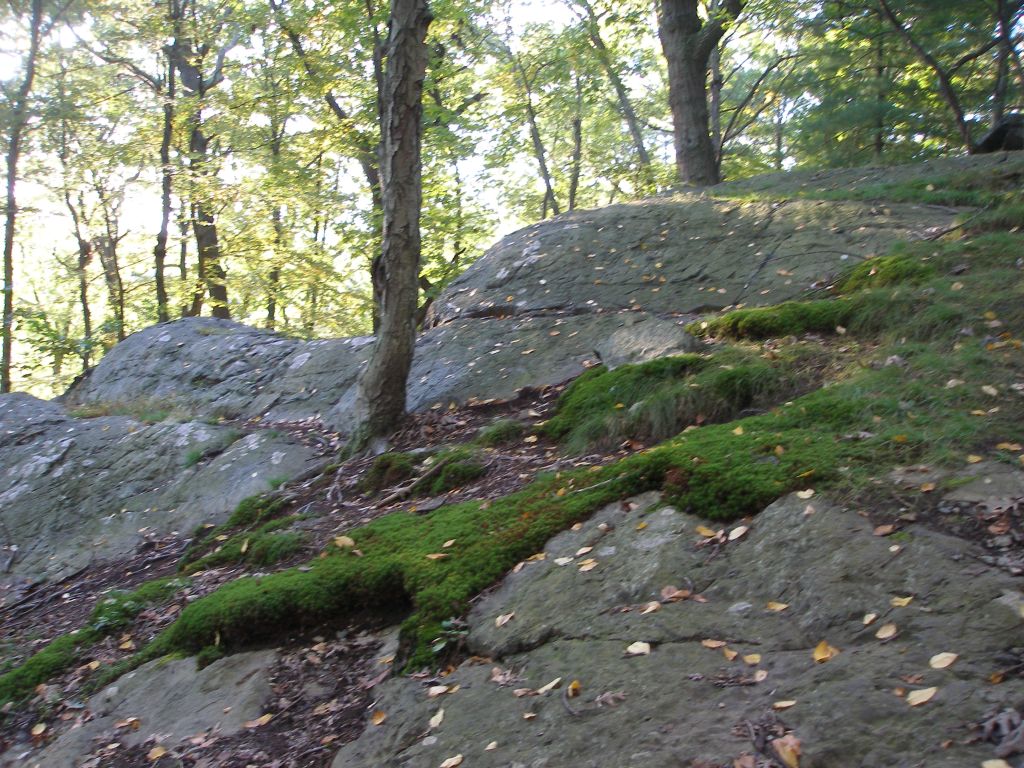
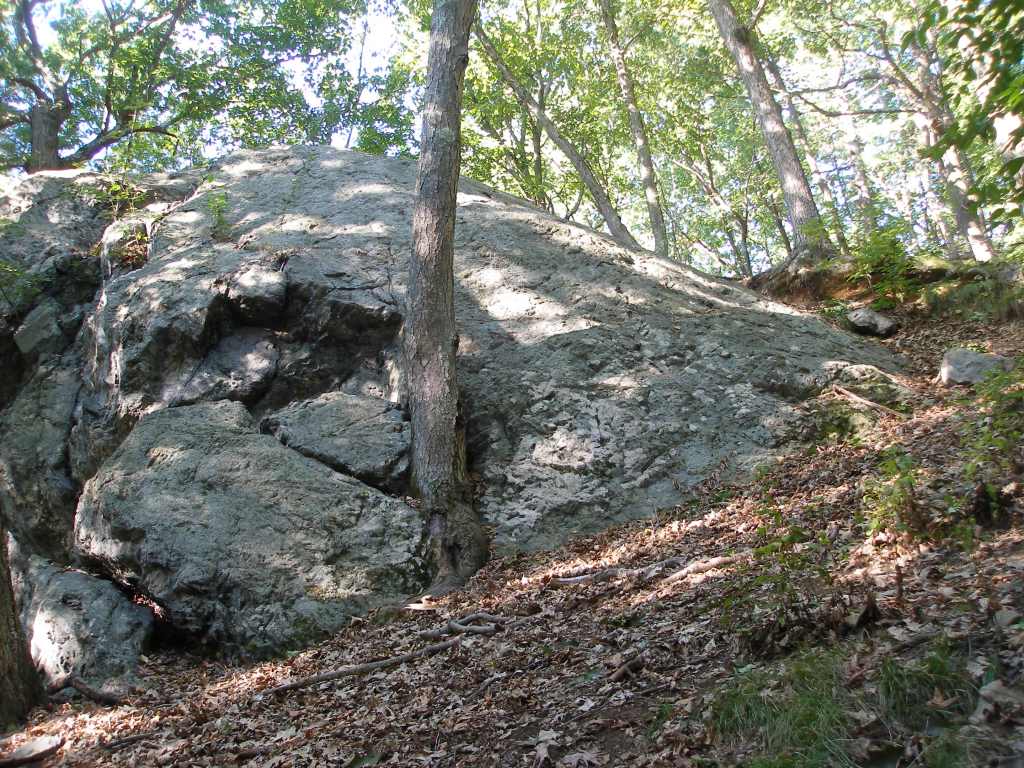
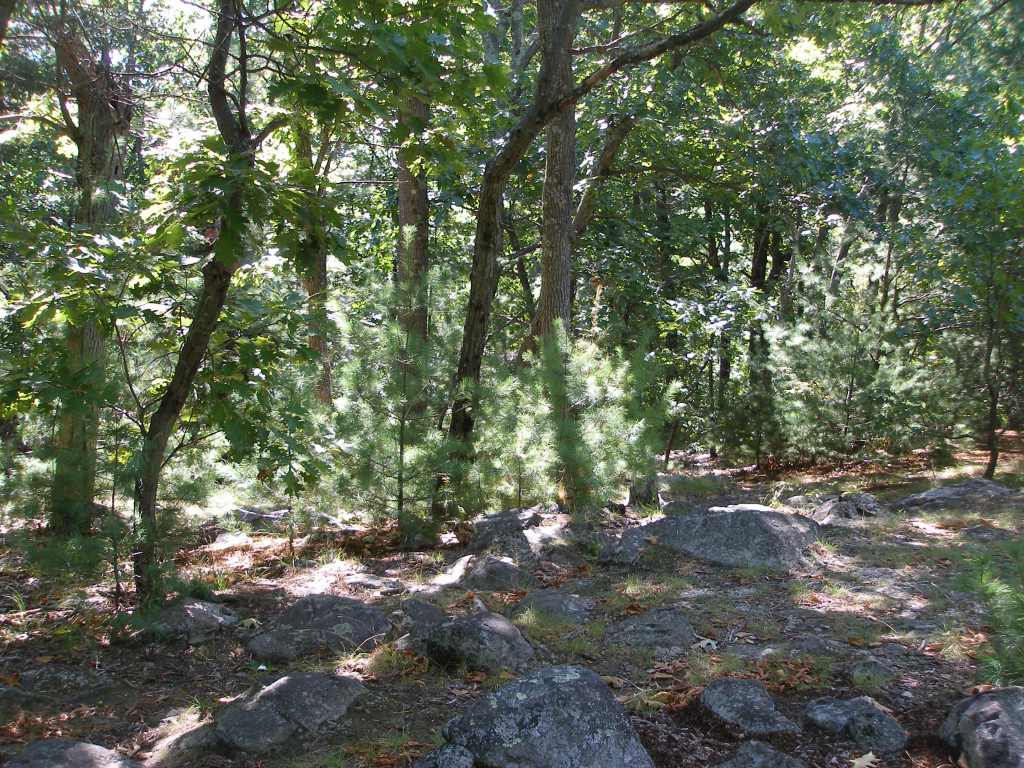
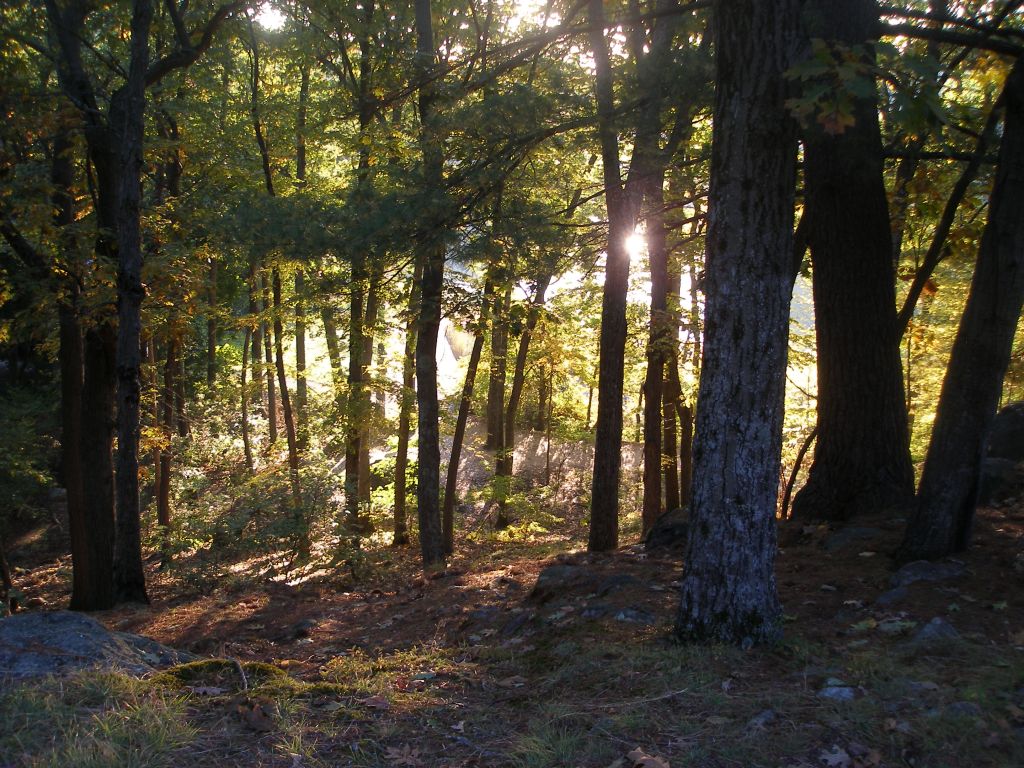
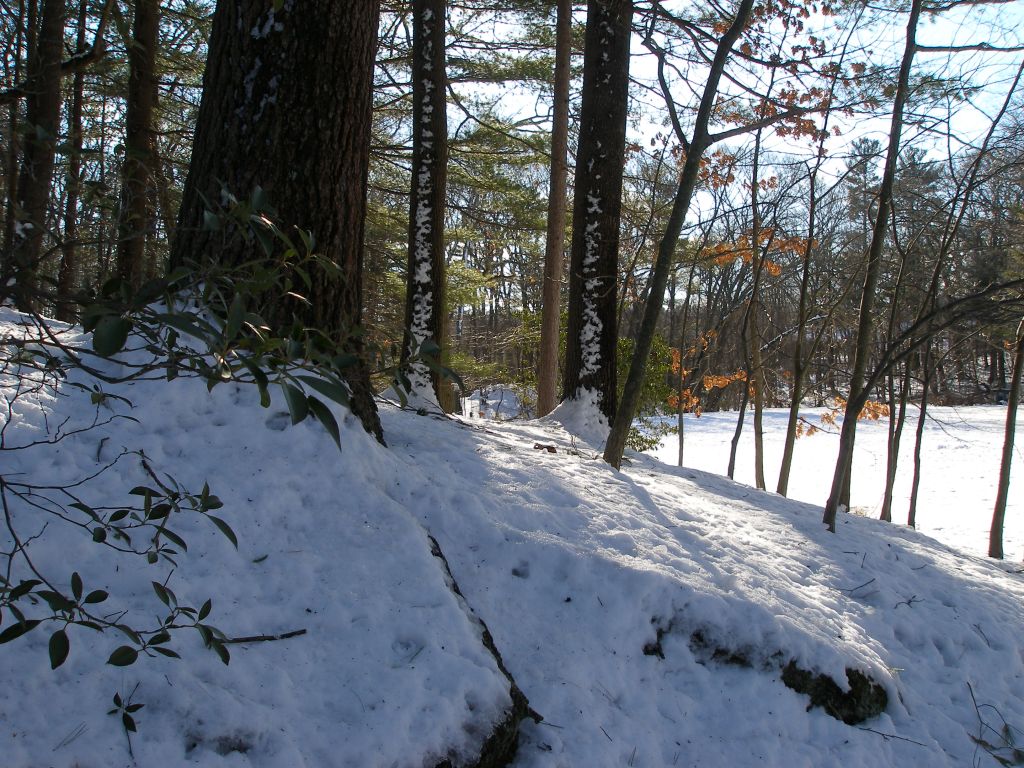
Trees with their roots wrapped around granite outcrops or buried beneath fallen leaves and mounding needles are the backbone here. Warm beams of sunlight suddenly illuminate the all-embracing living wonder while the woods in winter has its own kind of resting beauty.
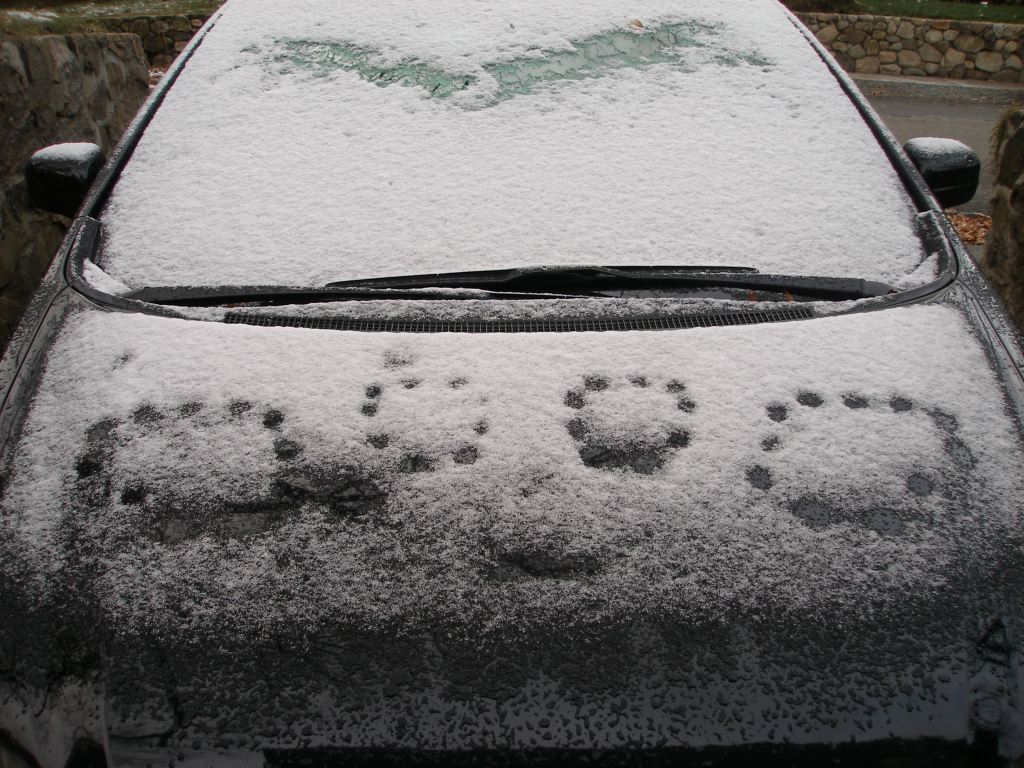
In late November 2019, I noticed wonderful large ice crystal formations all over a car. This November, most interesting symmetrical patterns formed on car hoods after a light snow began to melt. The patterns varied quite a bit, probably reflecting the different engine and hood support designs within.
I had to wonder what other wonderful designs I might discover by getting out early after the first freeze of the year.
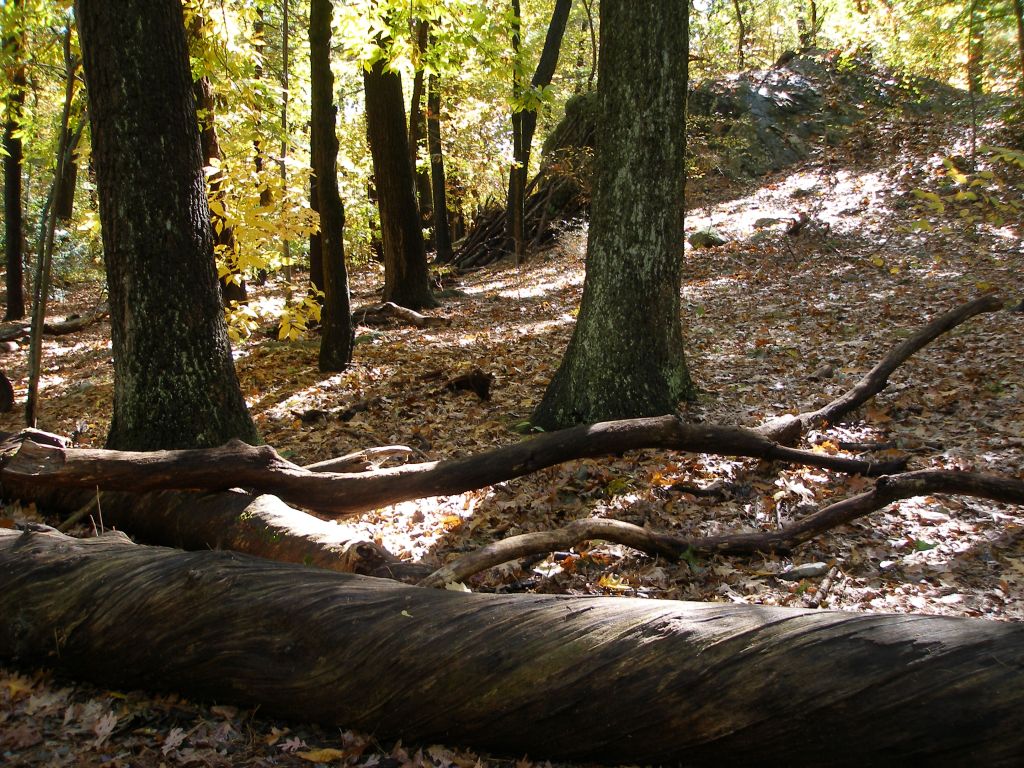
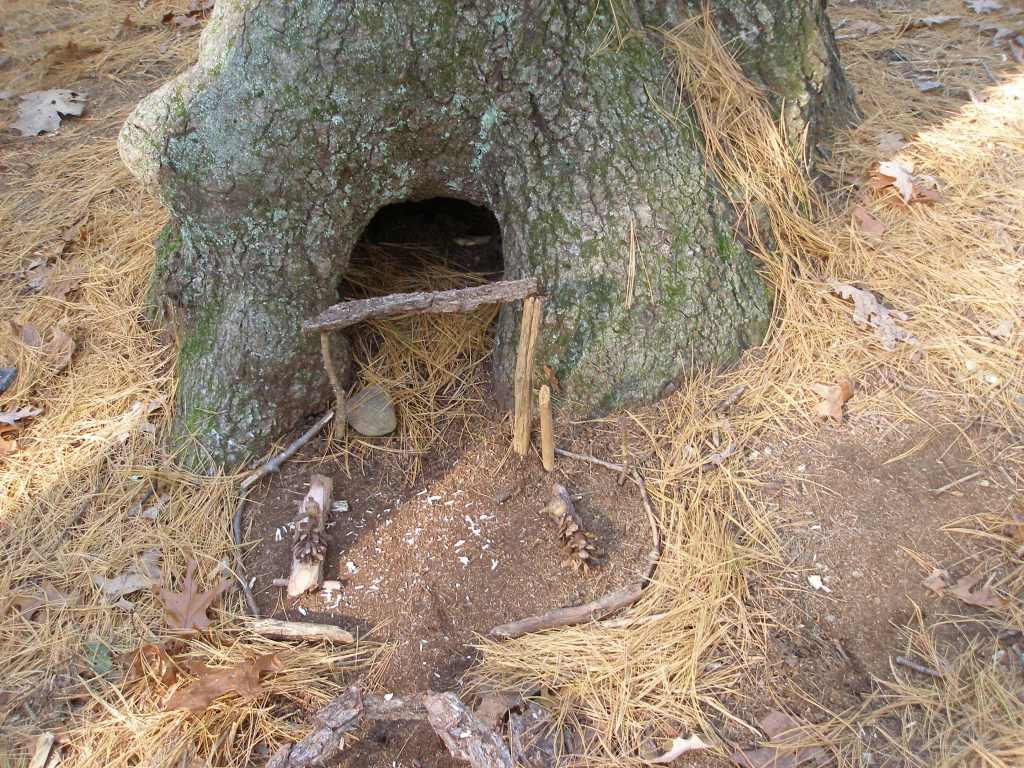
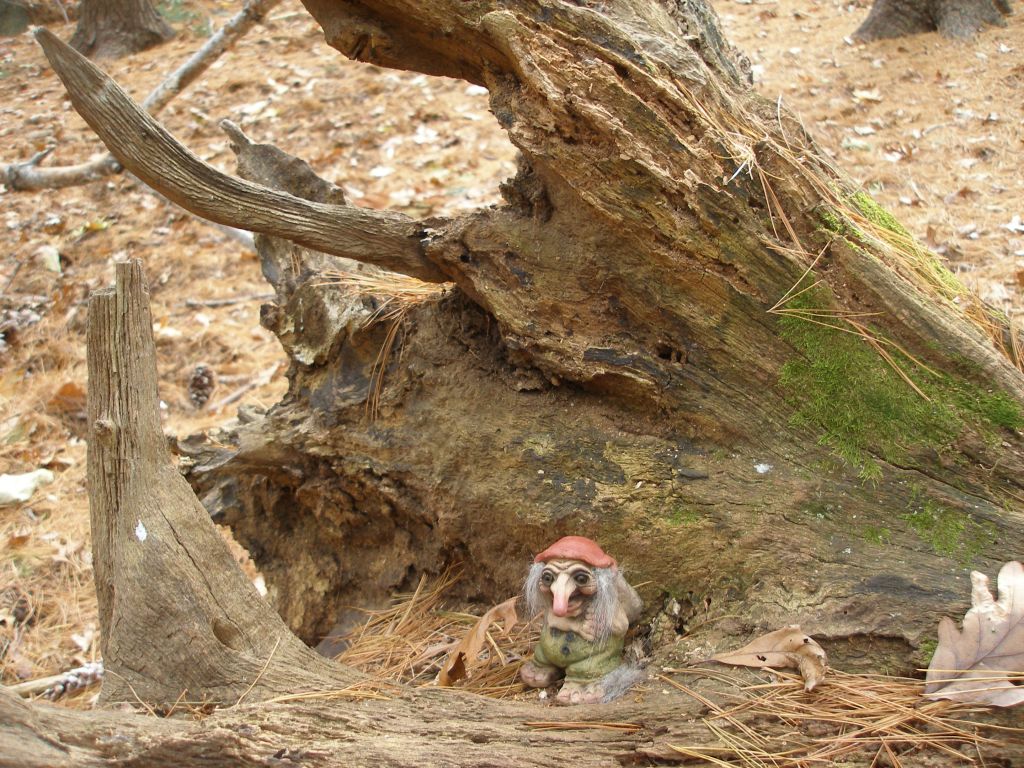
As we walked along the trail, a friend told me that her grandchild loved pine needles. He also liked looking for hollow logs that would make good houses. My friend seemed to share her grandson’s delight in the magical quality that can be sensed just below the surface in many forest settings.
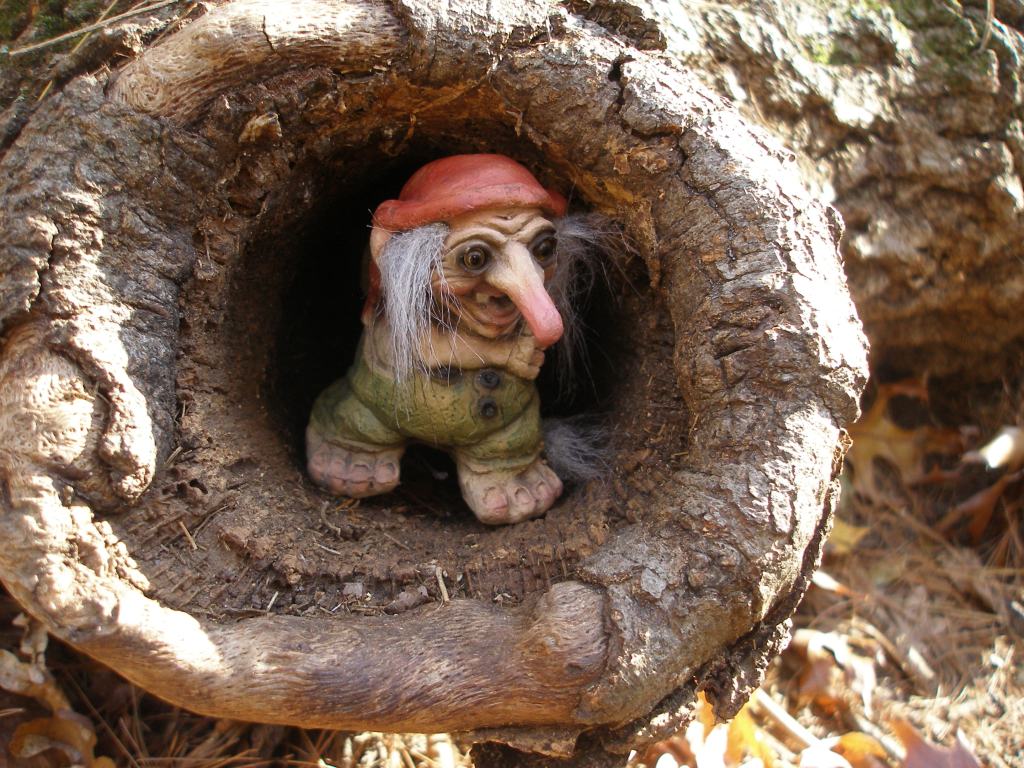
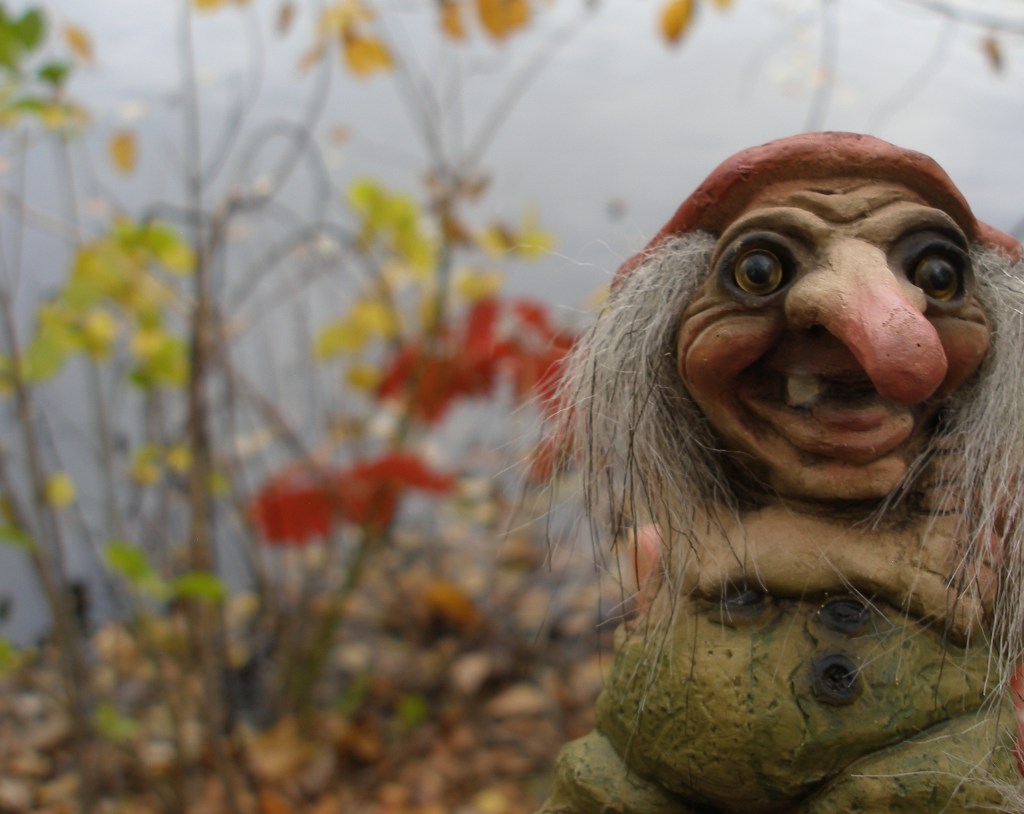
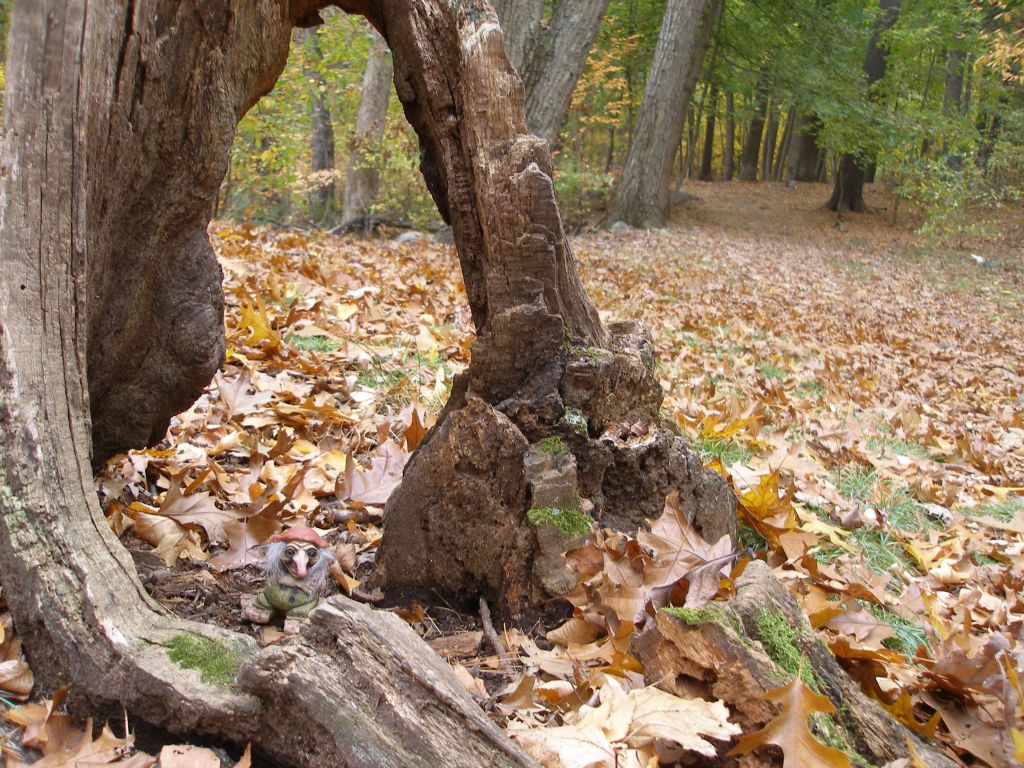
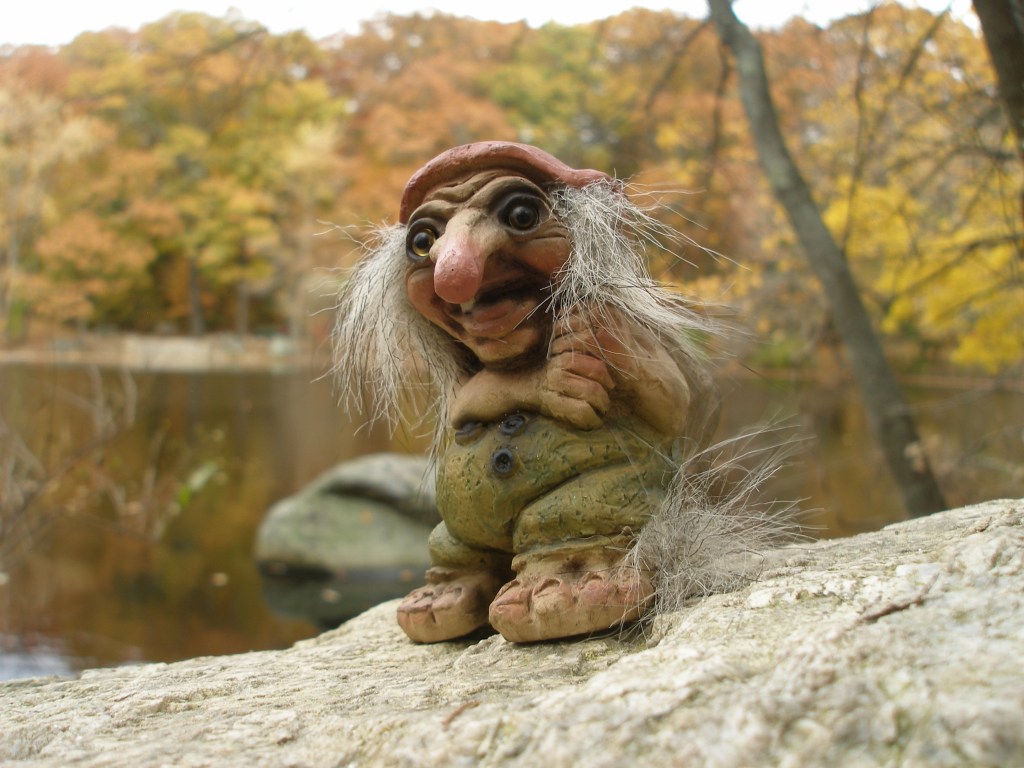
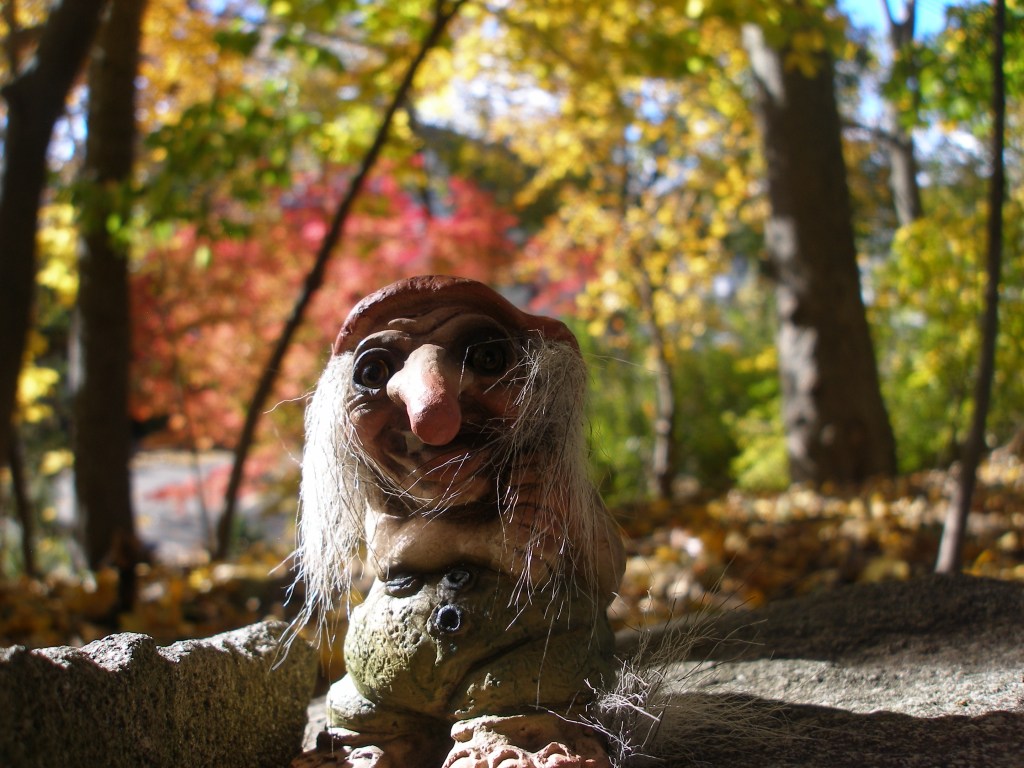
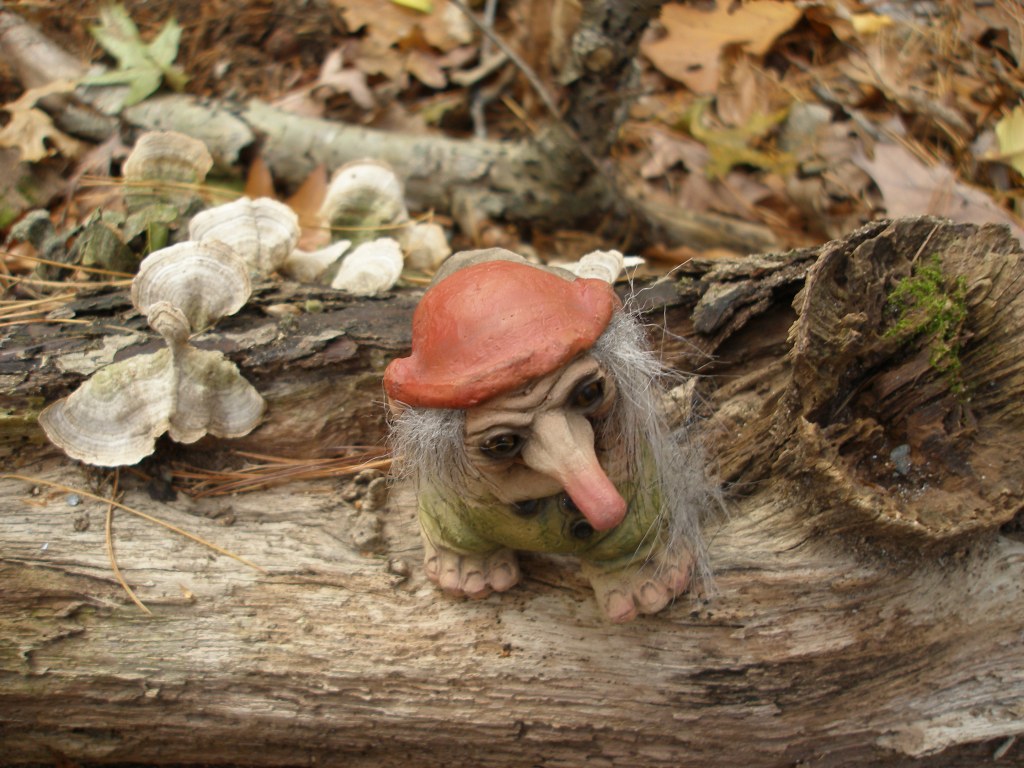
Perhaps because children can be particularly sensitive to the intelligence of other species, or because of their vivid imaginations, looking for or constructing “fairy houses” seems a perfectly natural thing to do. I thought of the troll that my Aunt brought back from Norway at my request. I promised my friend that I would take photos of him in the park.
Indeed, this eager little fellow seemed to be quite at home in these woods far from his native land.
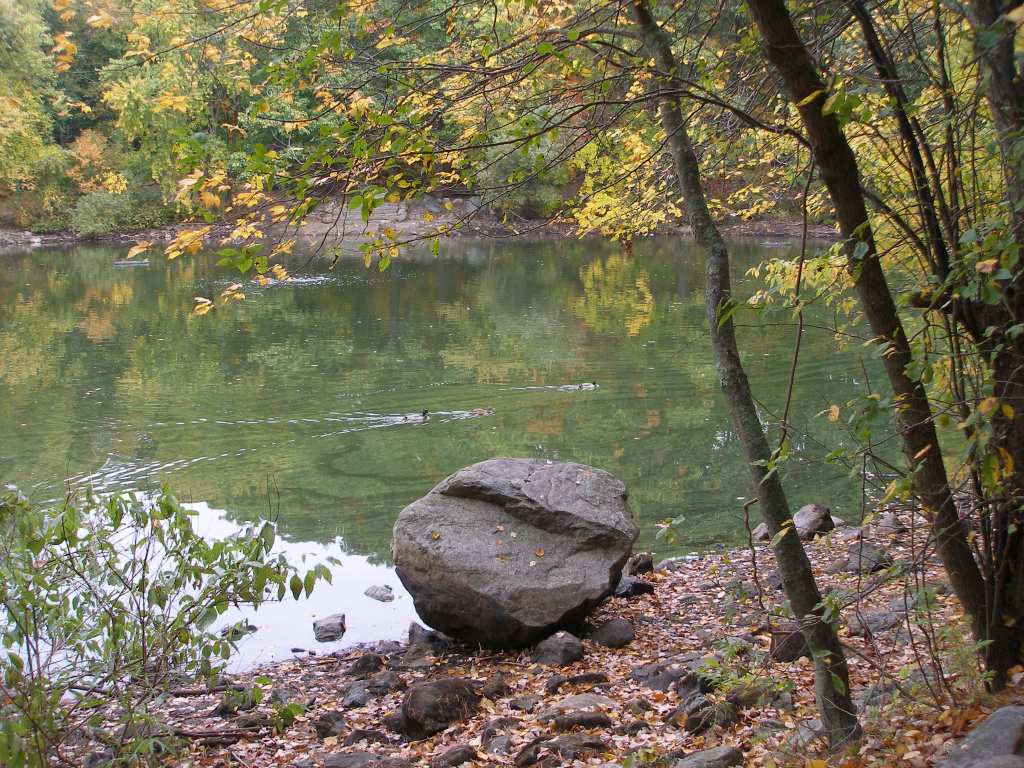
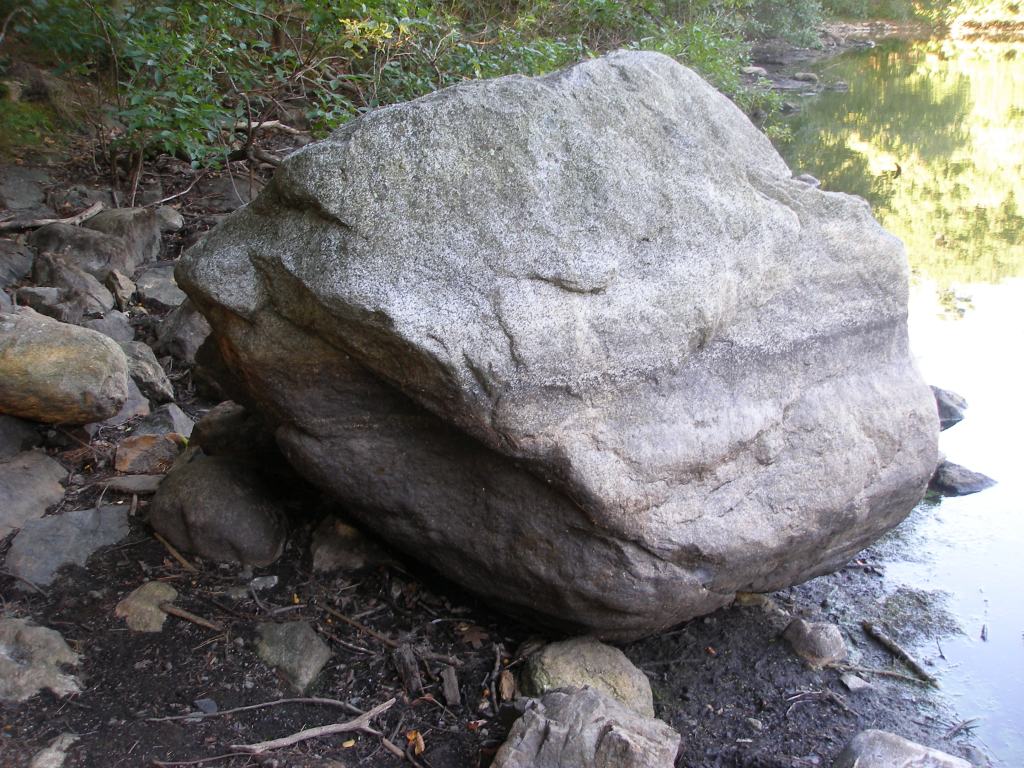
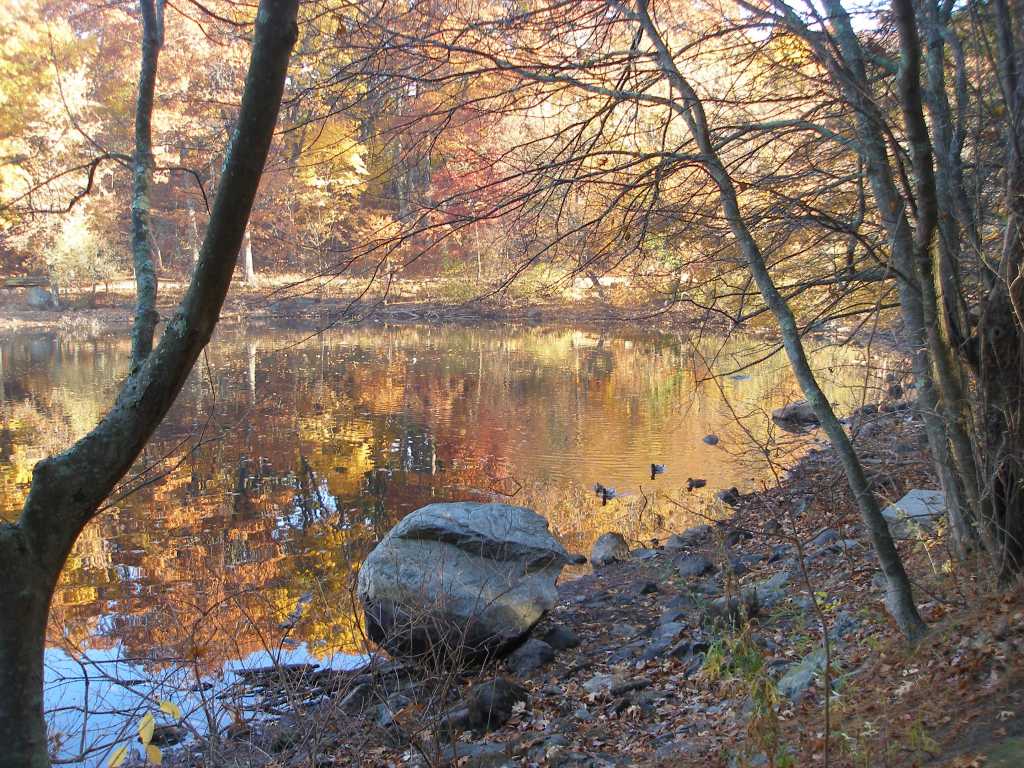
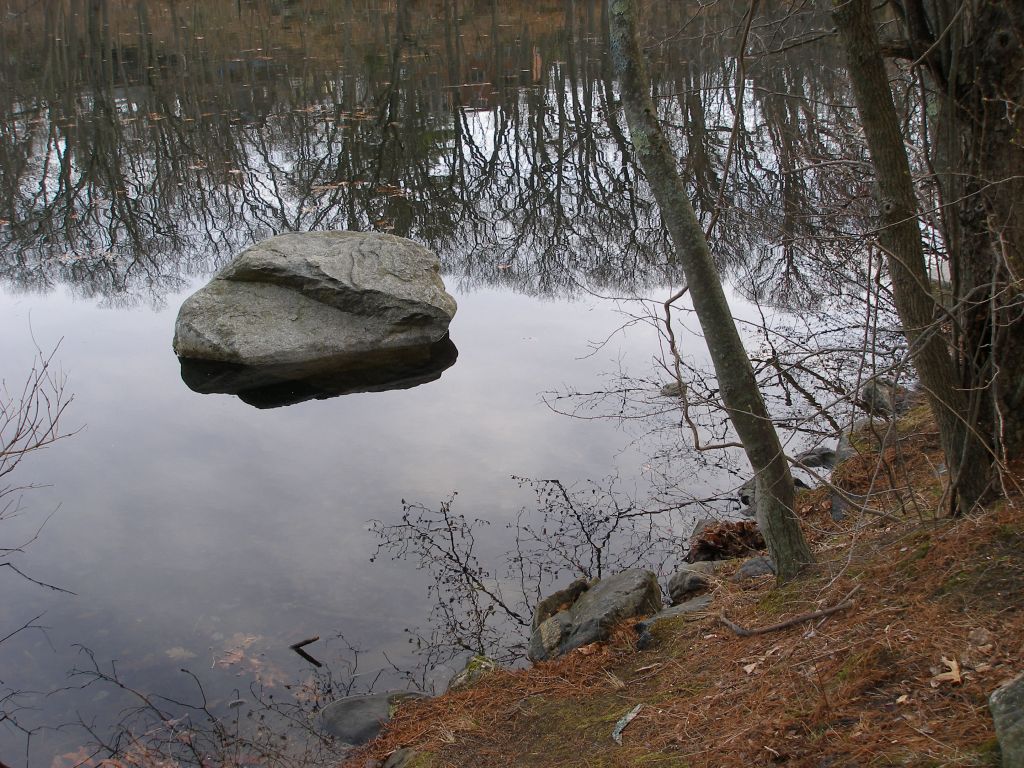
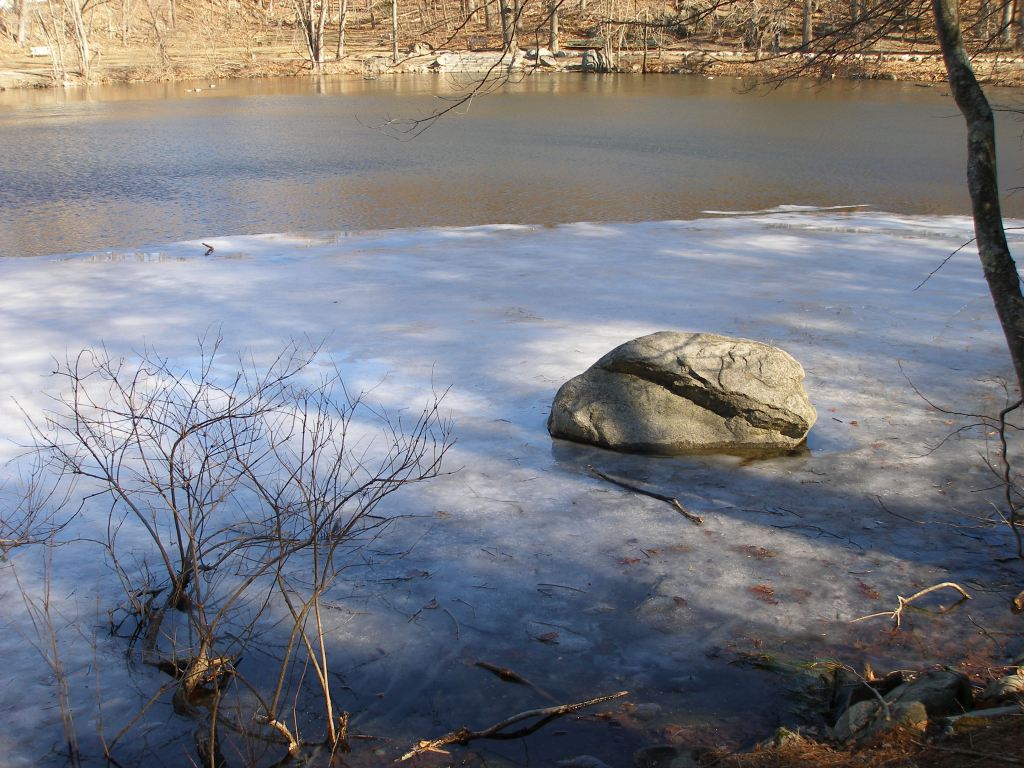
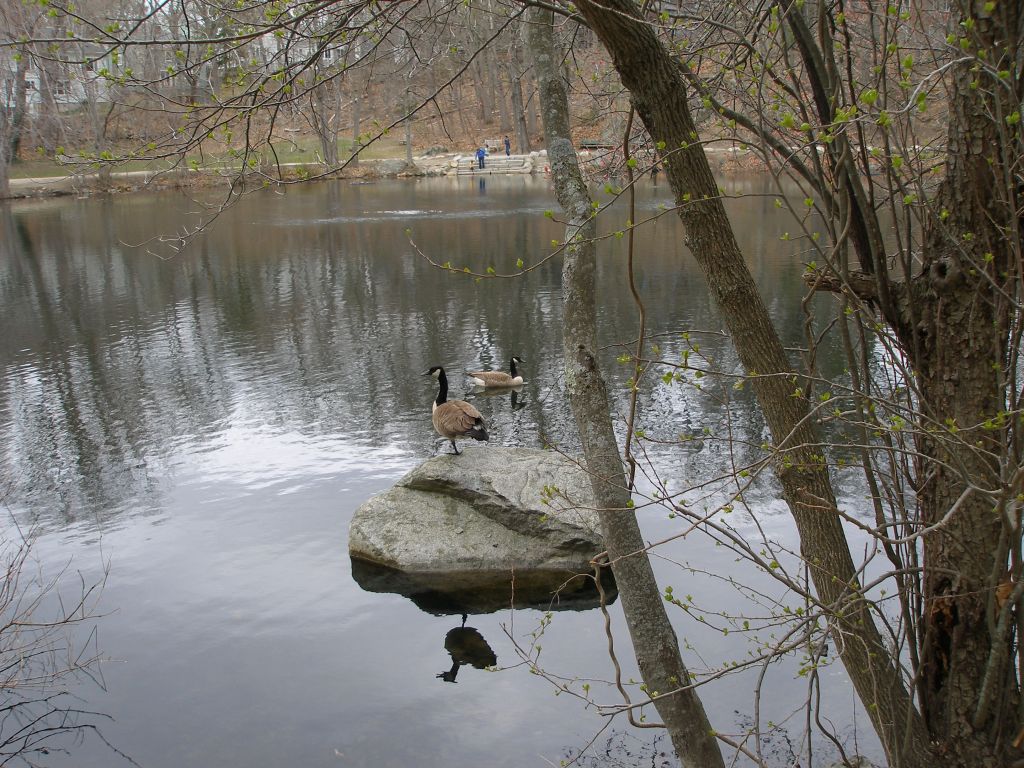
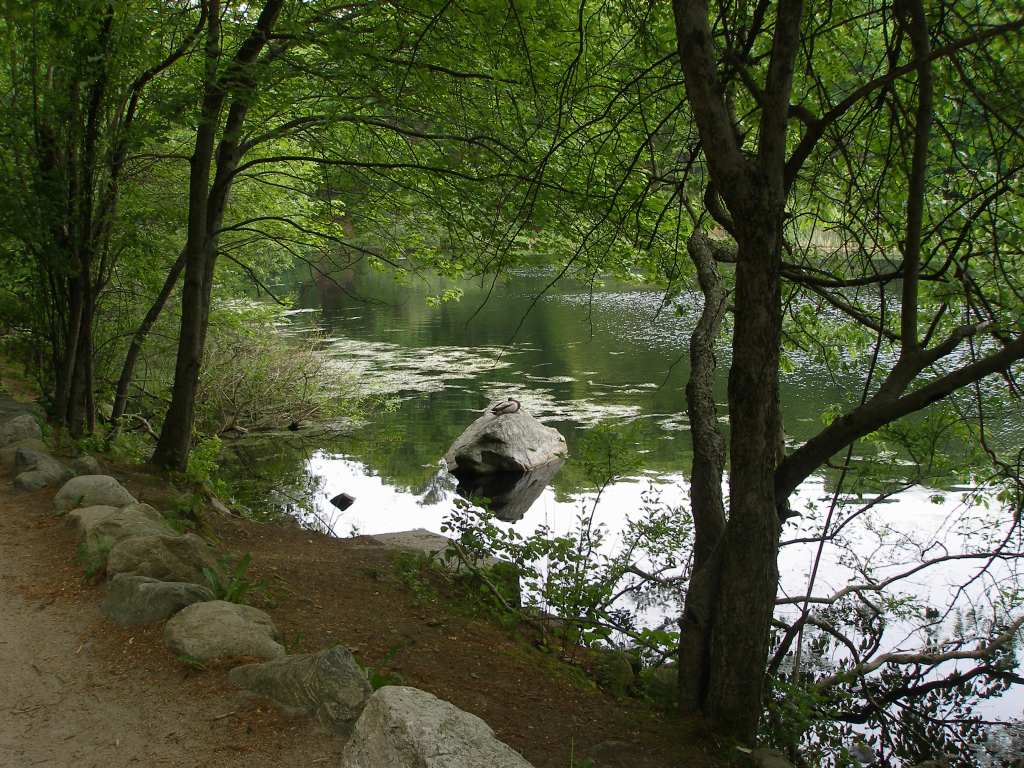
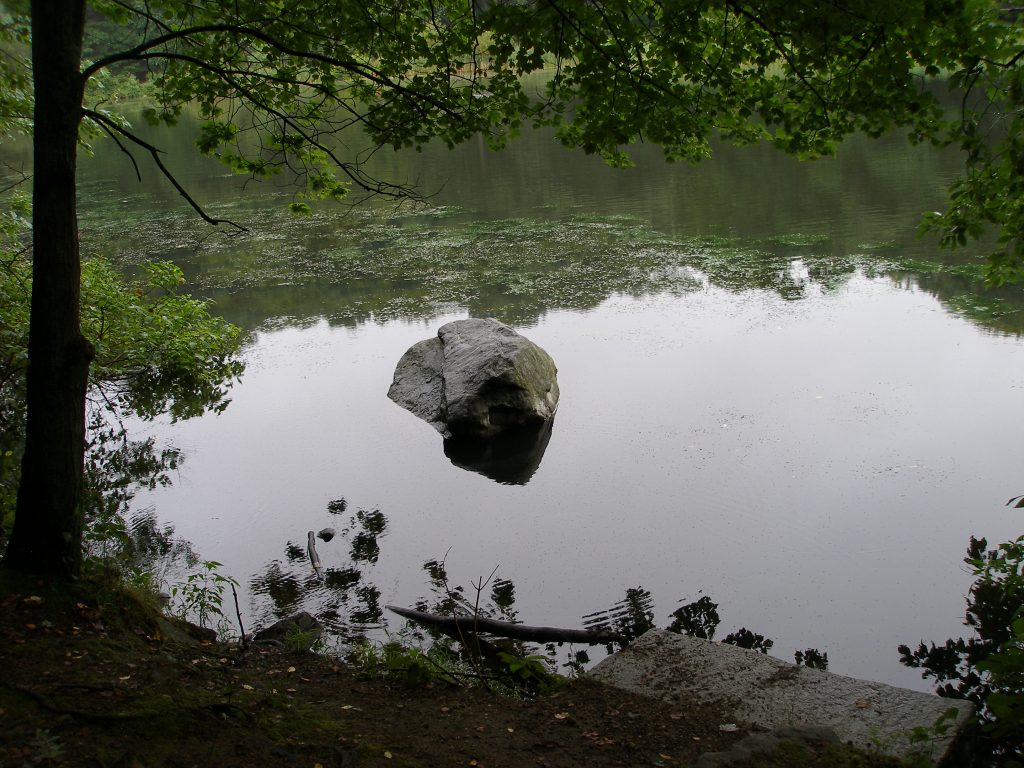
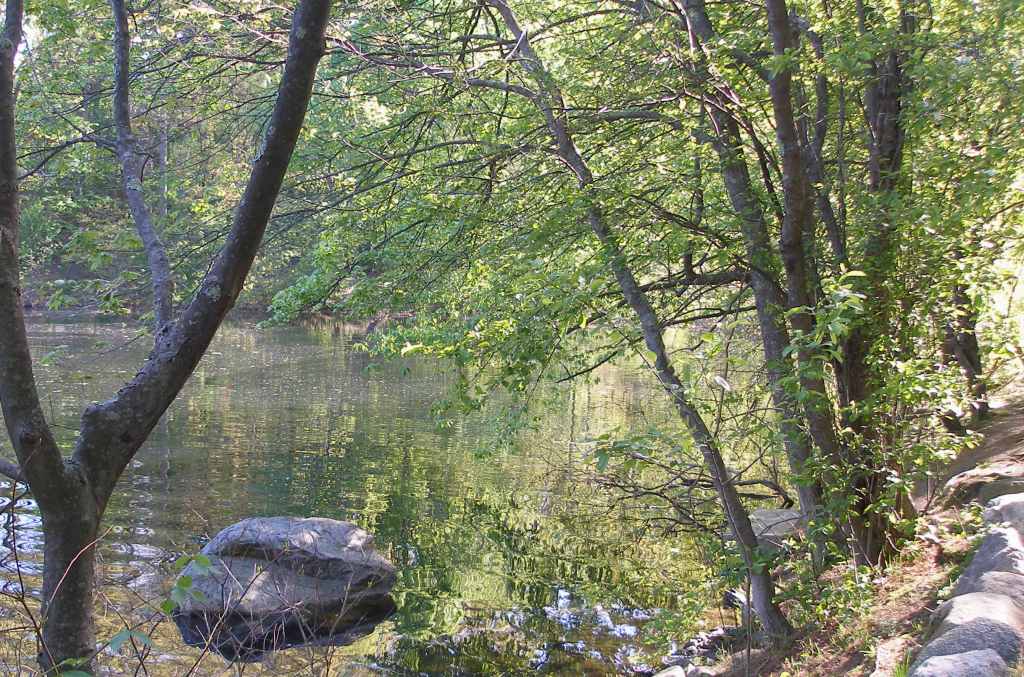
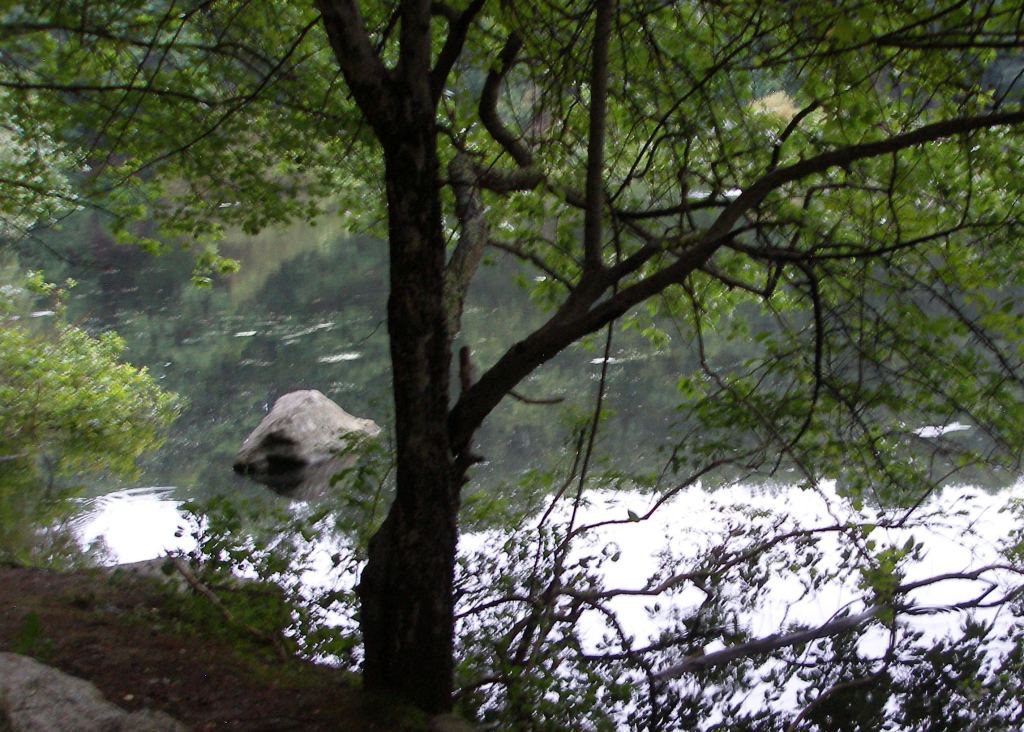
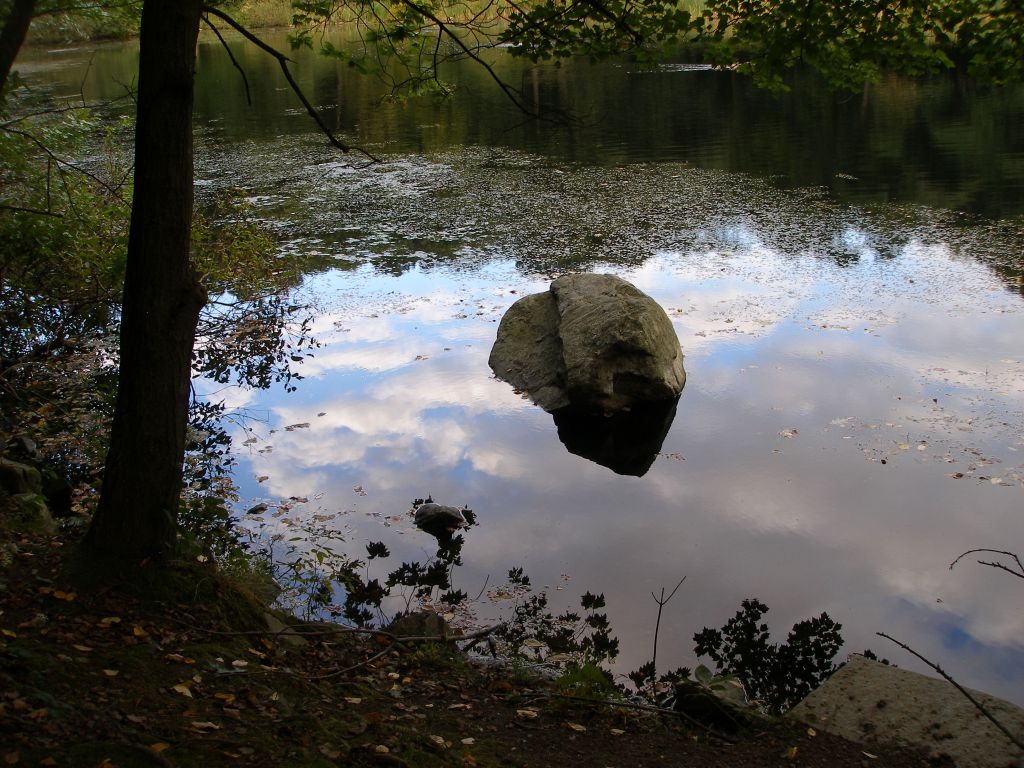
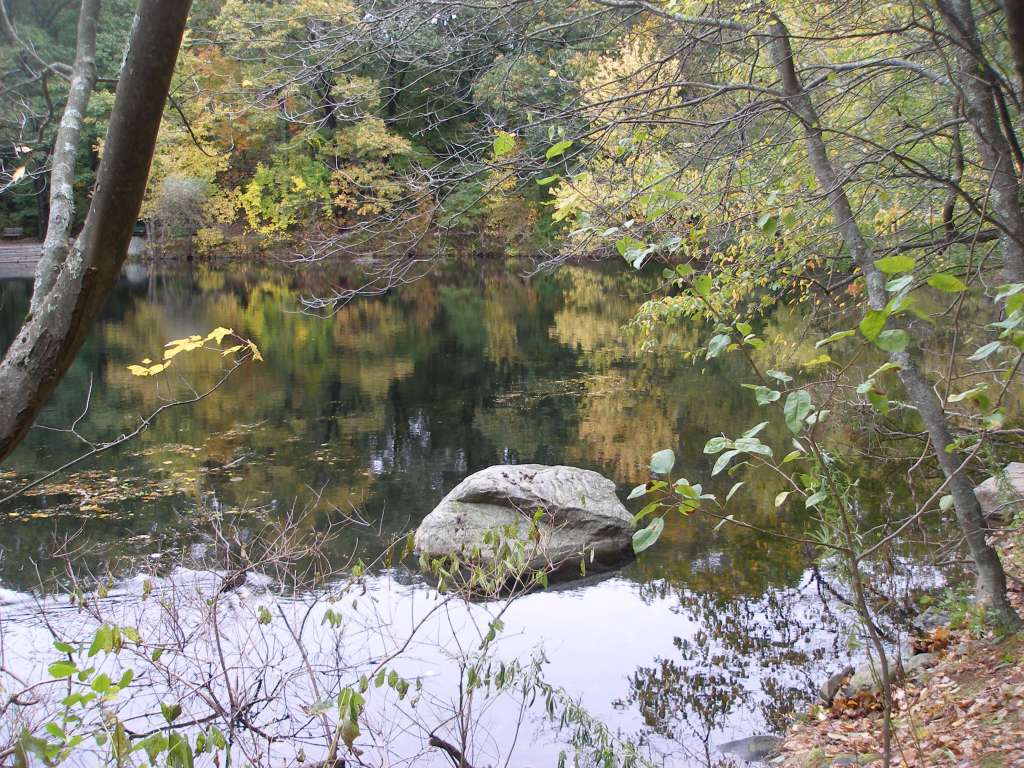
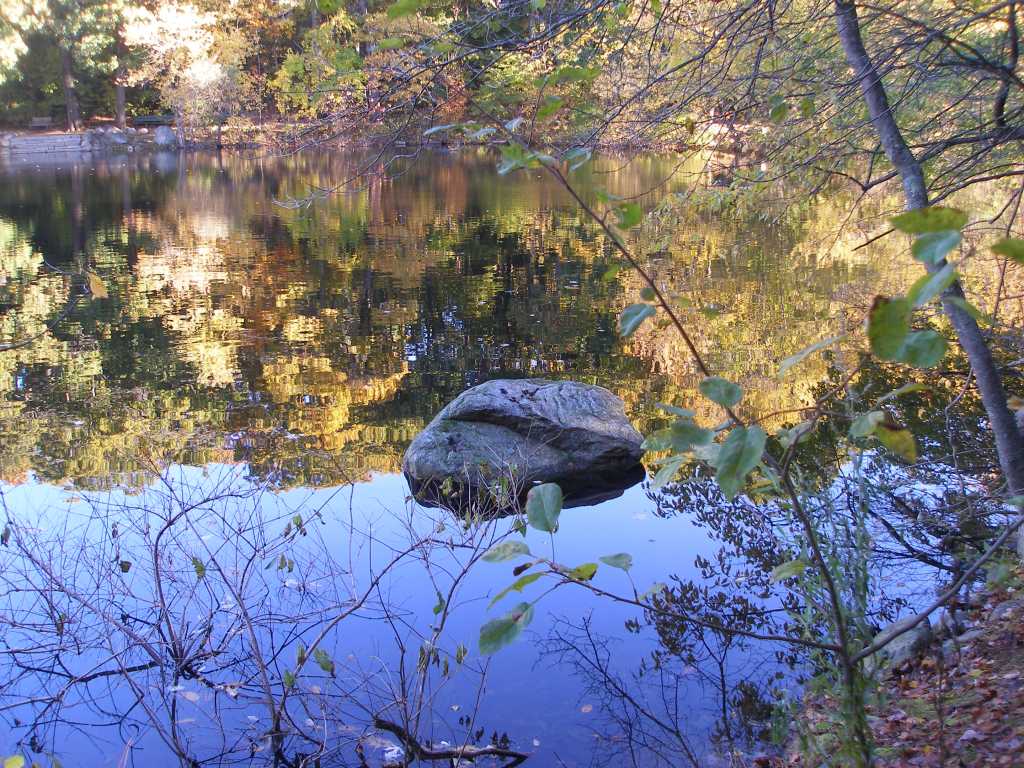
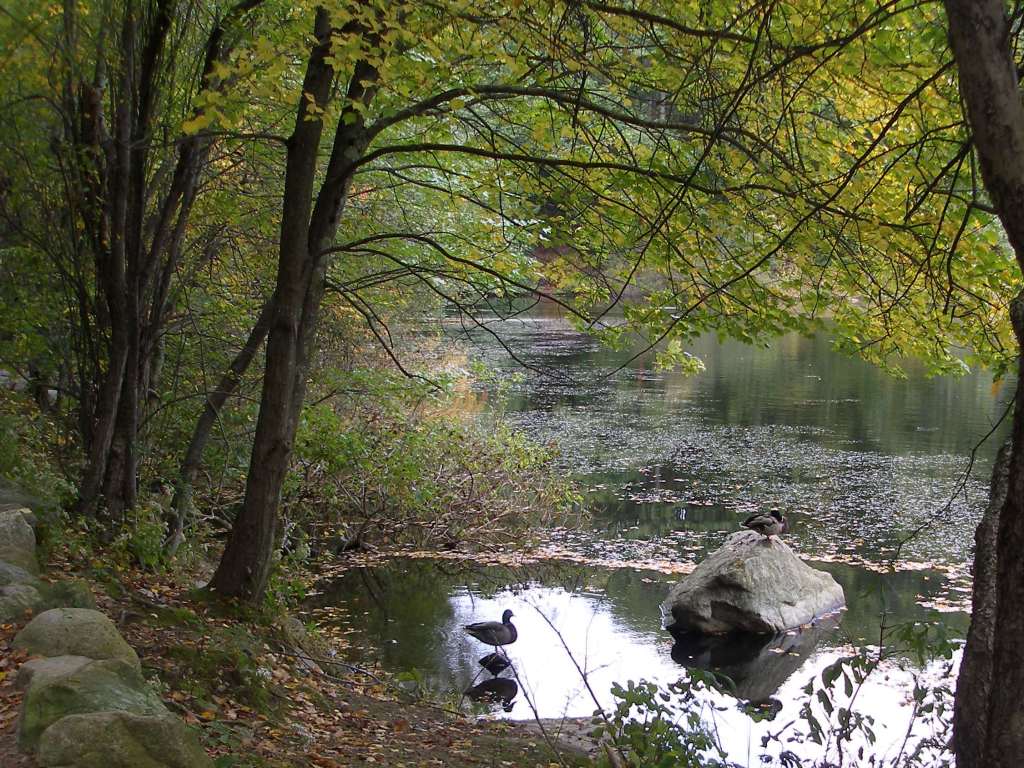
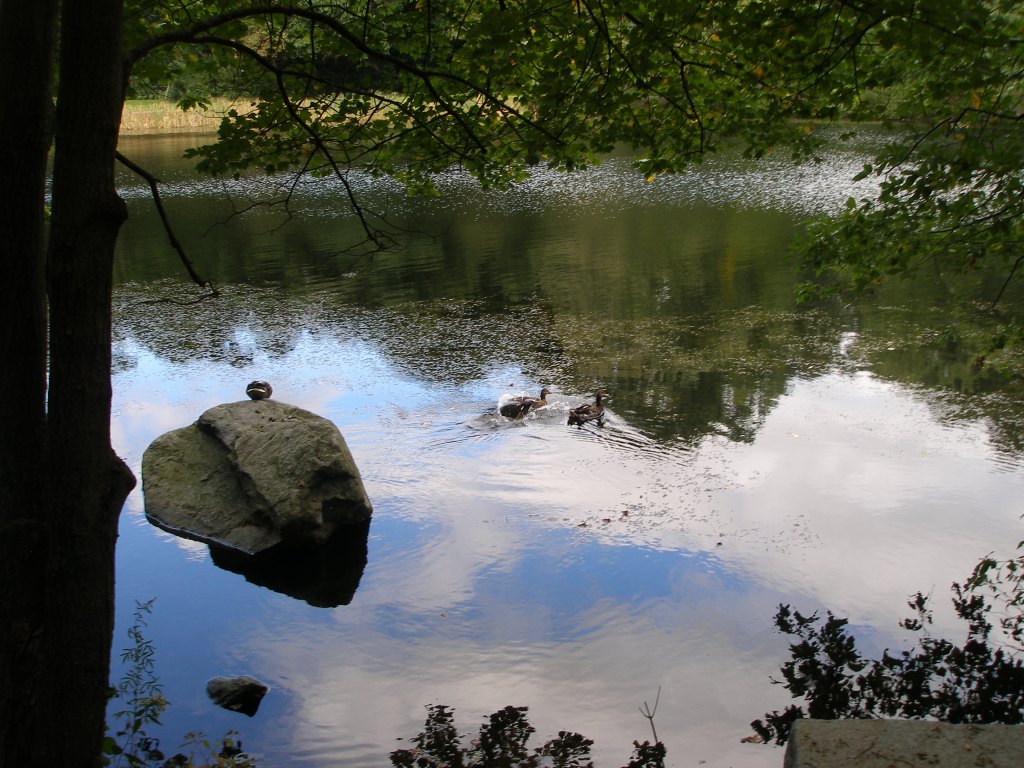
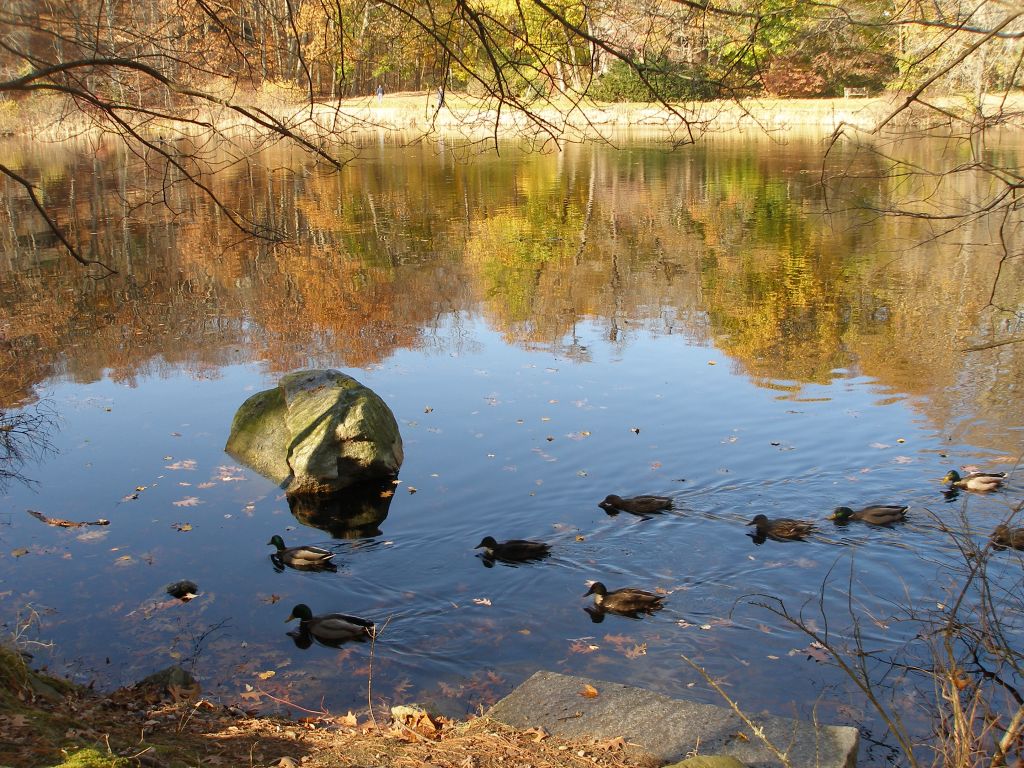
A boulder perched at the edge of Hills Pond when I started the photo series. It became an island as the waters rose. Then ice linked it to land again. In spring, geese and ducks perched on its strong back. There were signs of trouble as algal bloom sullied the water and all the birds left.
Waiting unperturbed, the boulder bore silent witness to ducks returning as brilliant colors in shades of yellow, orange and red mixed with the greens. Though all of this, the boulder sat with perfect equanimity. It had me wondering whether I could be more like that. Probably not, but that I could appreciate (and hopefully remember) its still presence seemed to count for something.
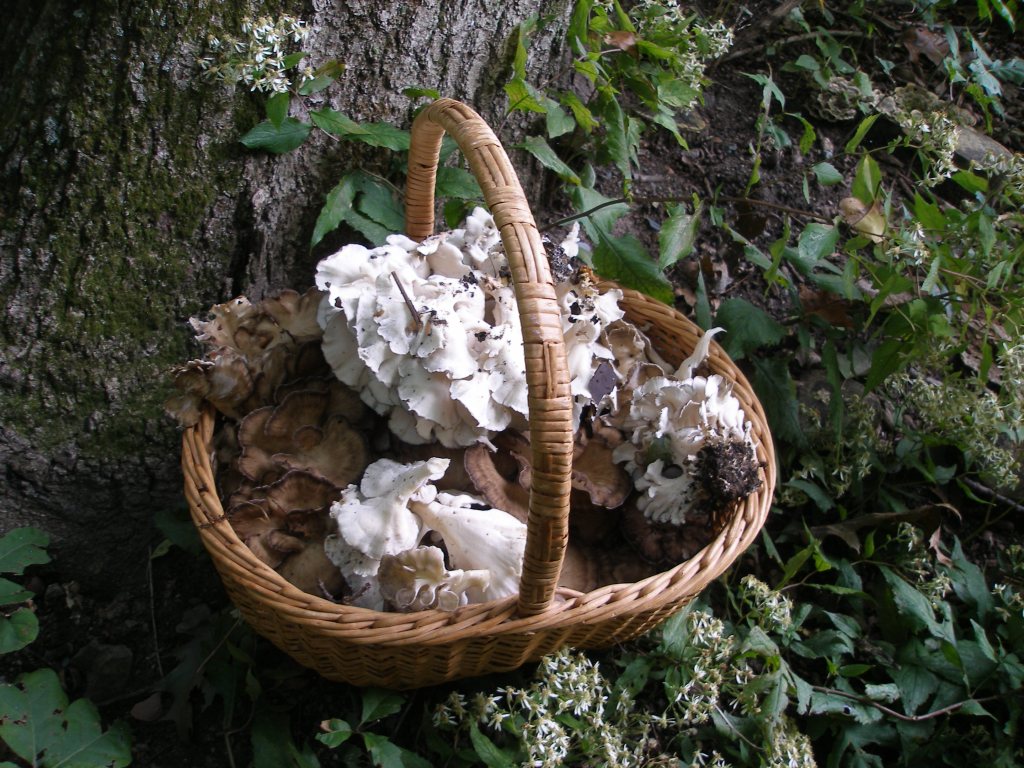
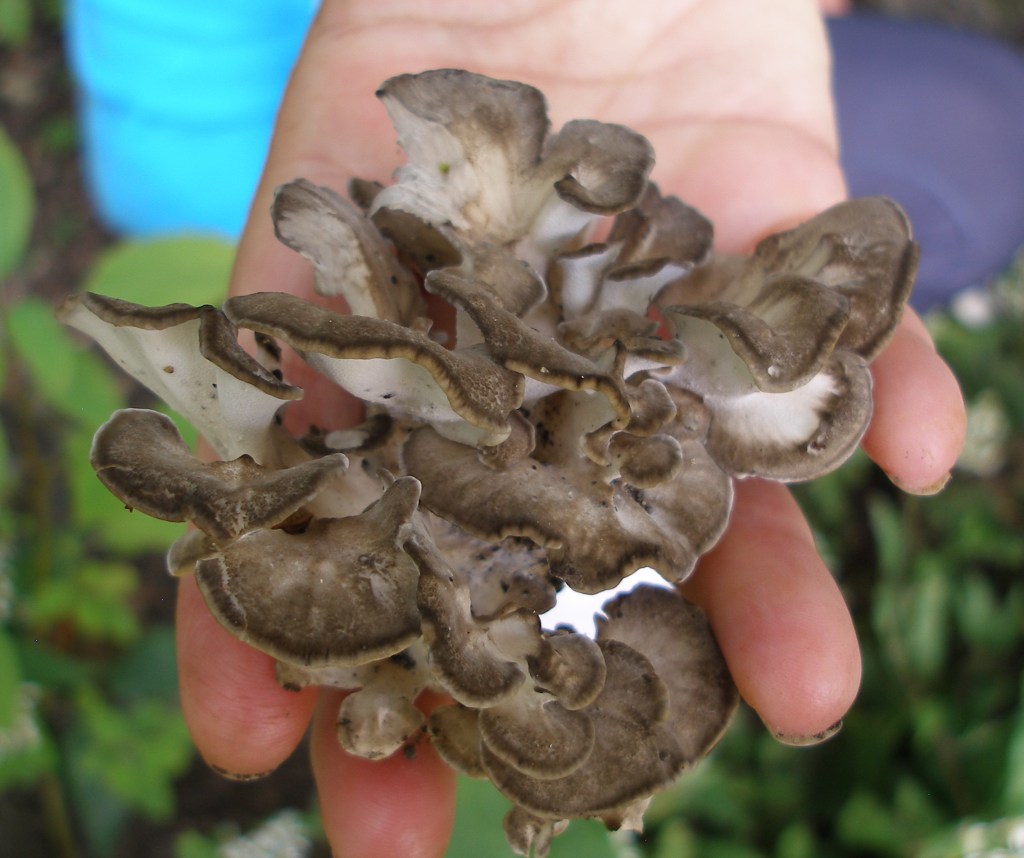
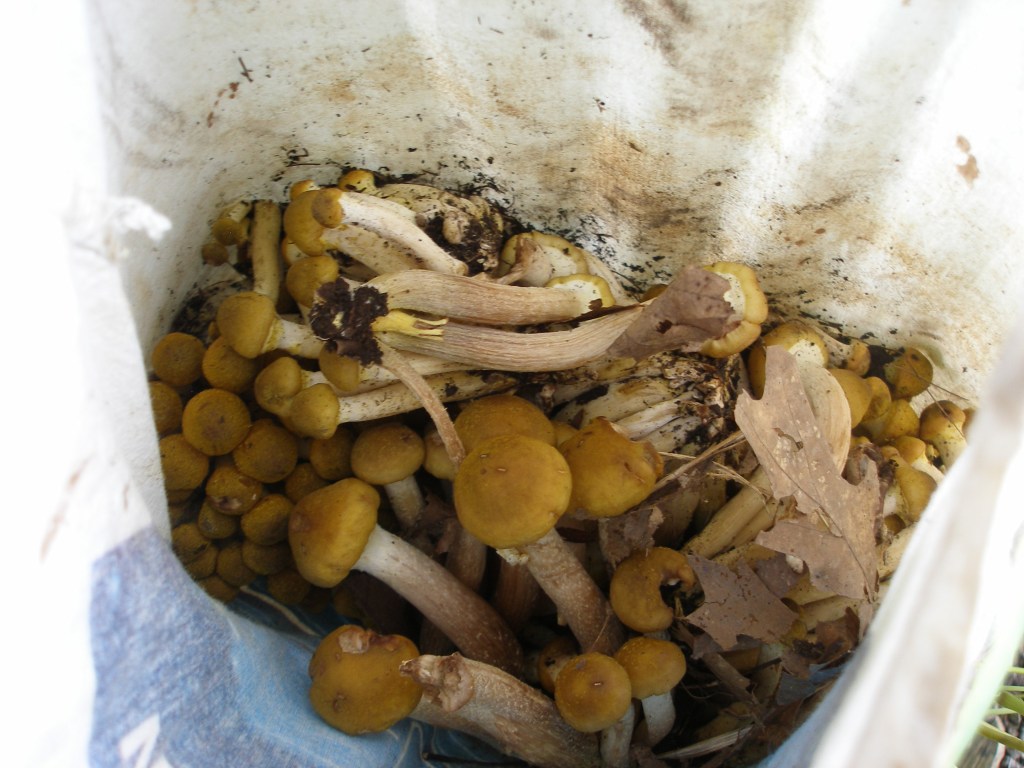
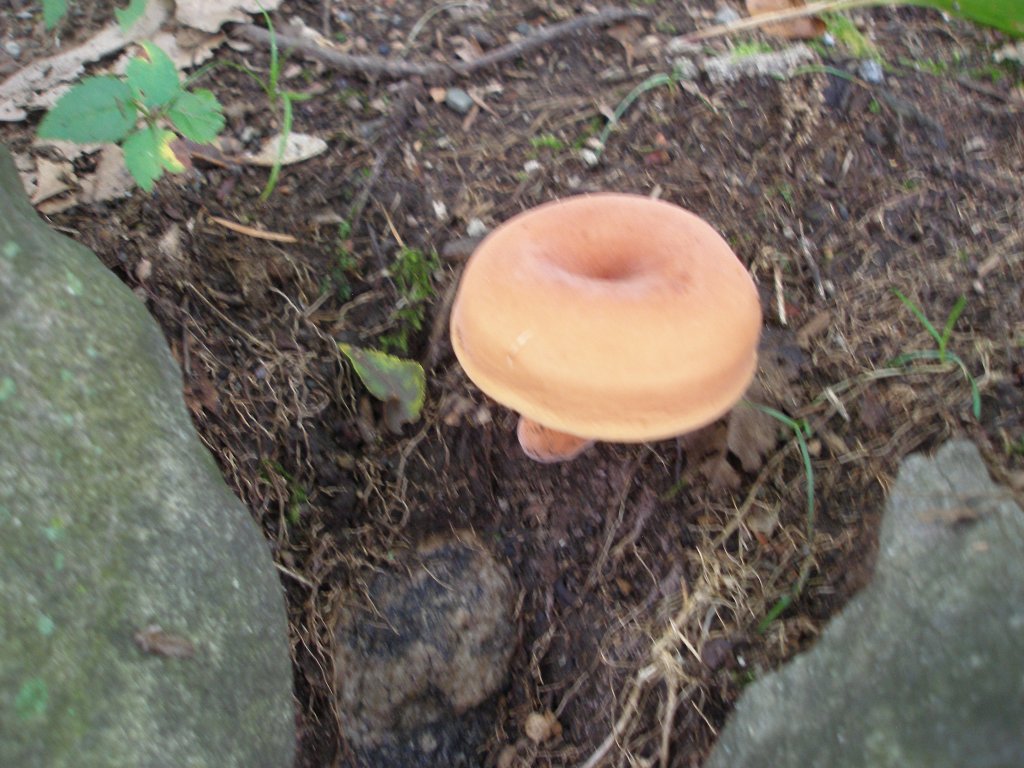
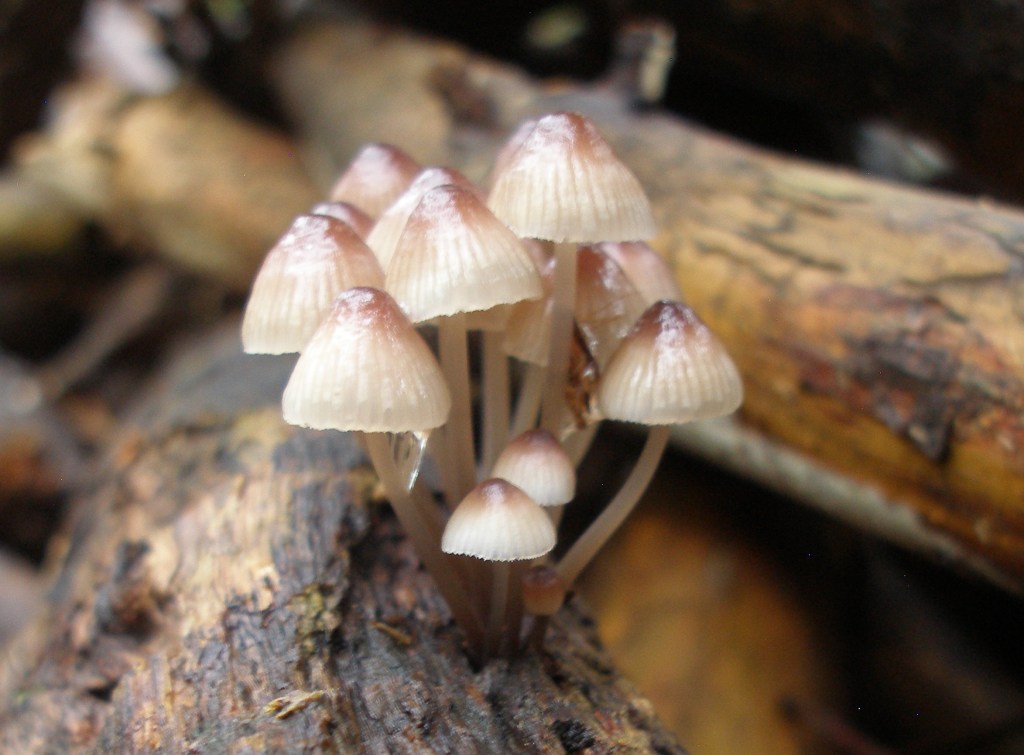
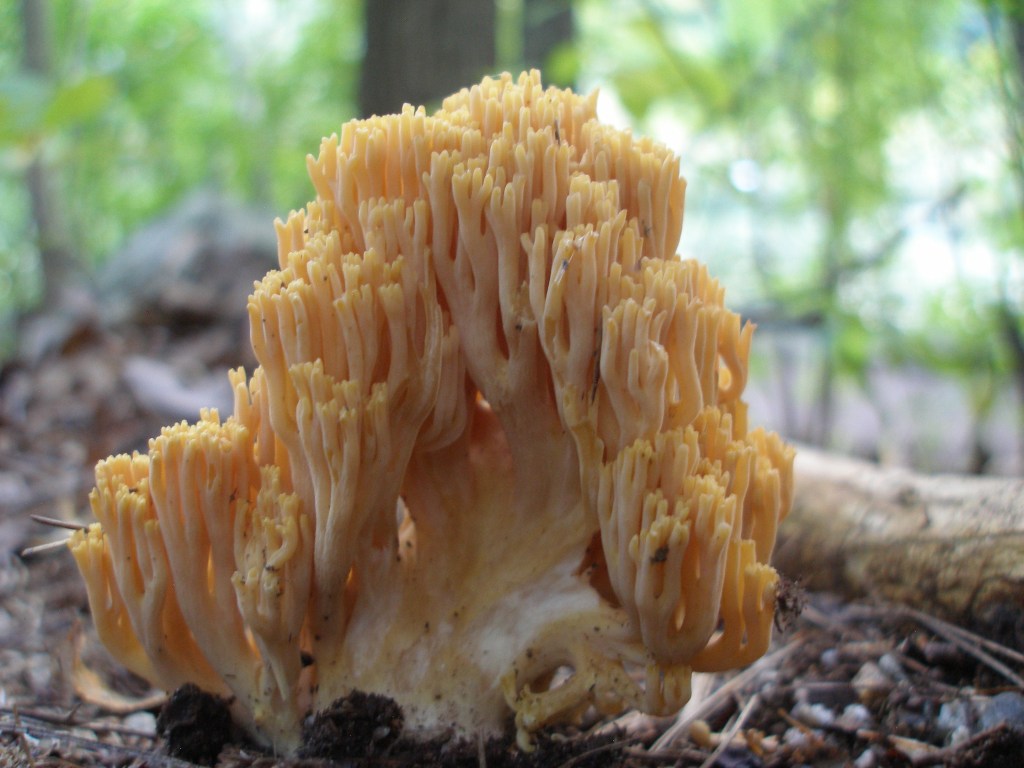
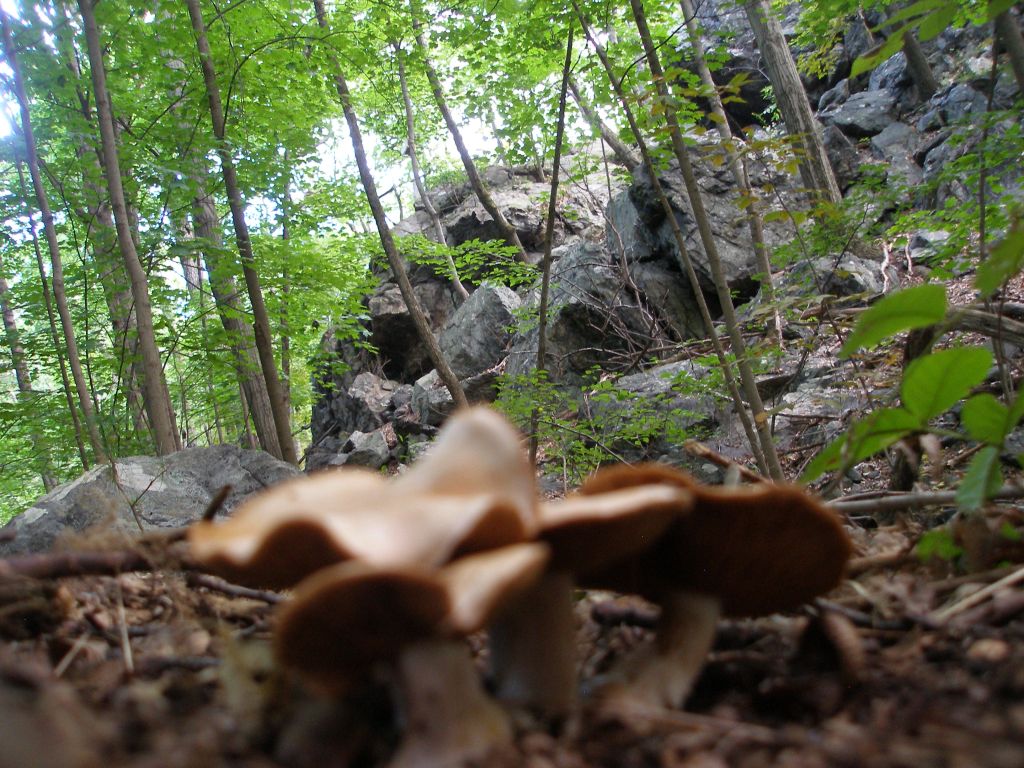
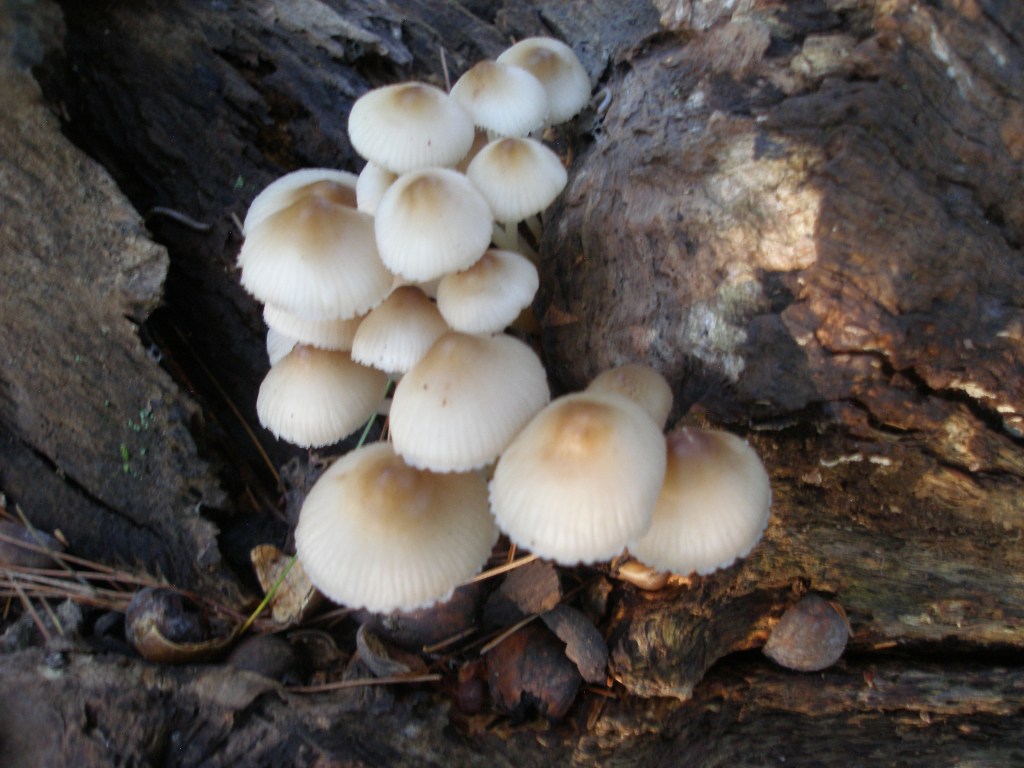
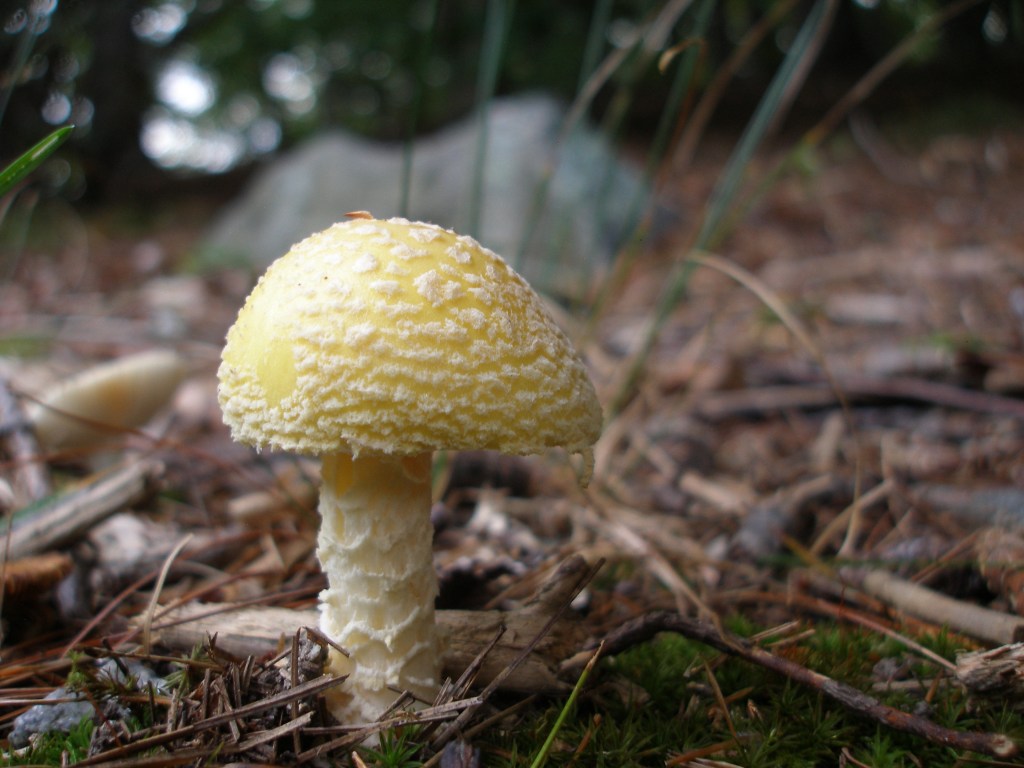
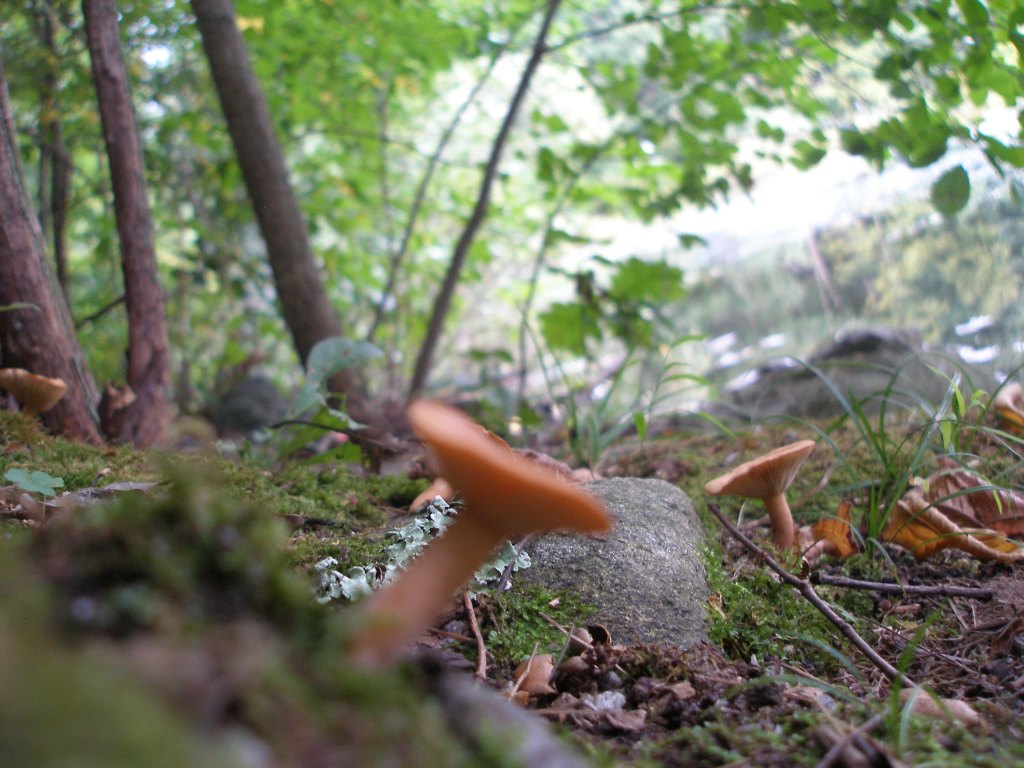
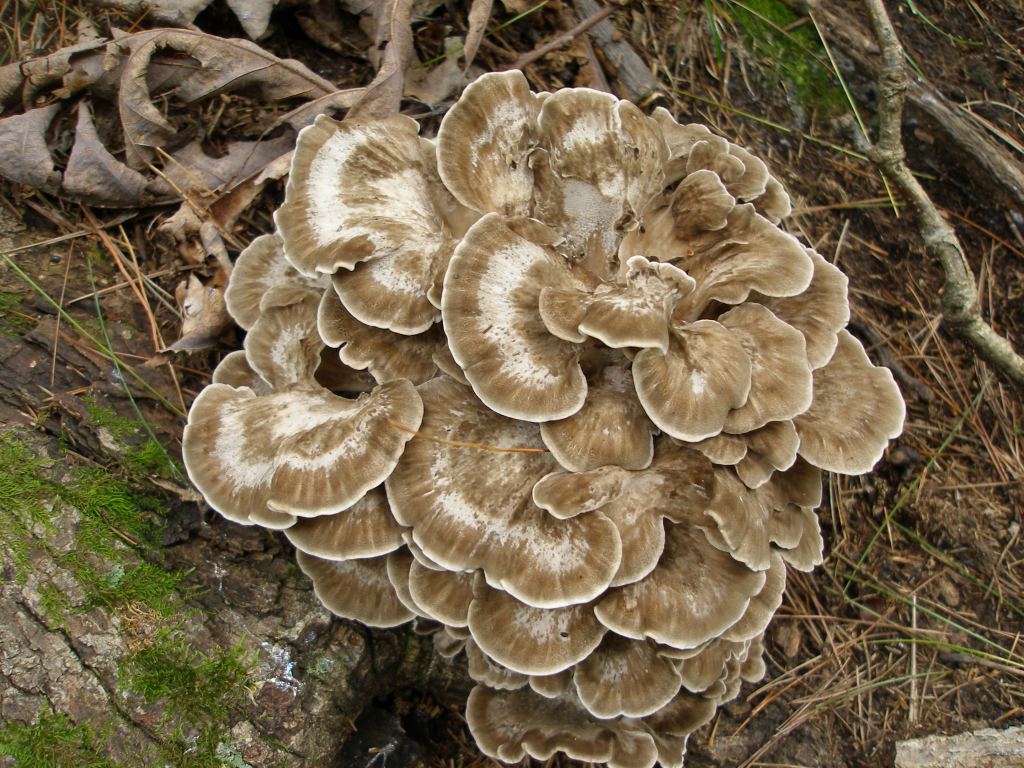
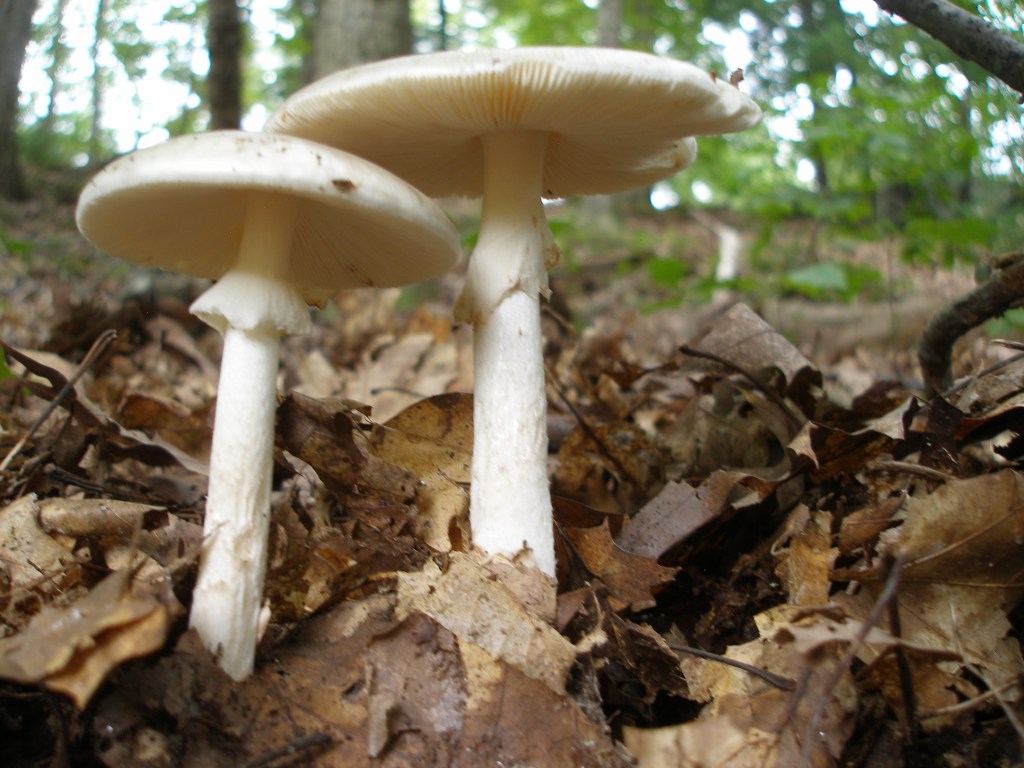
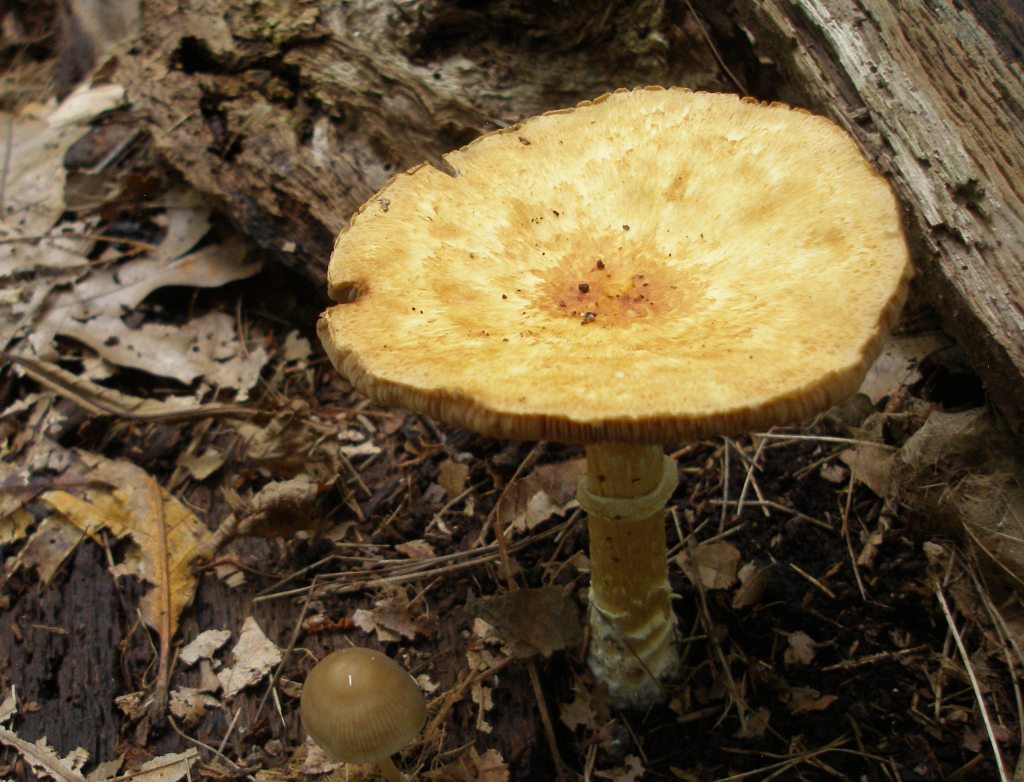
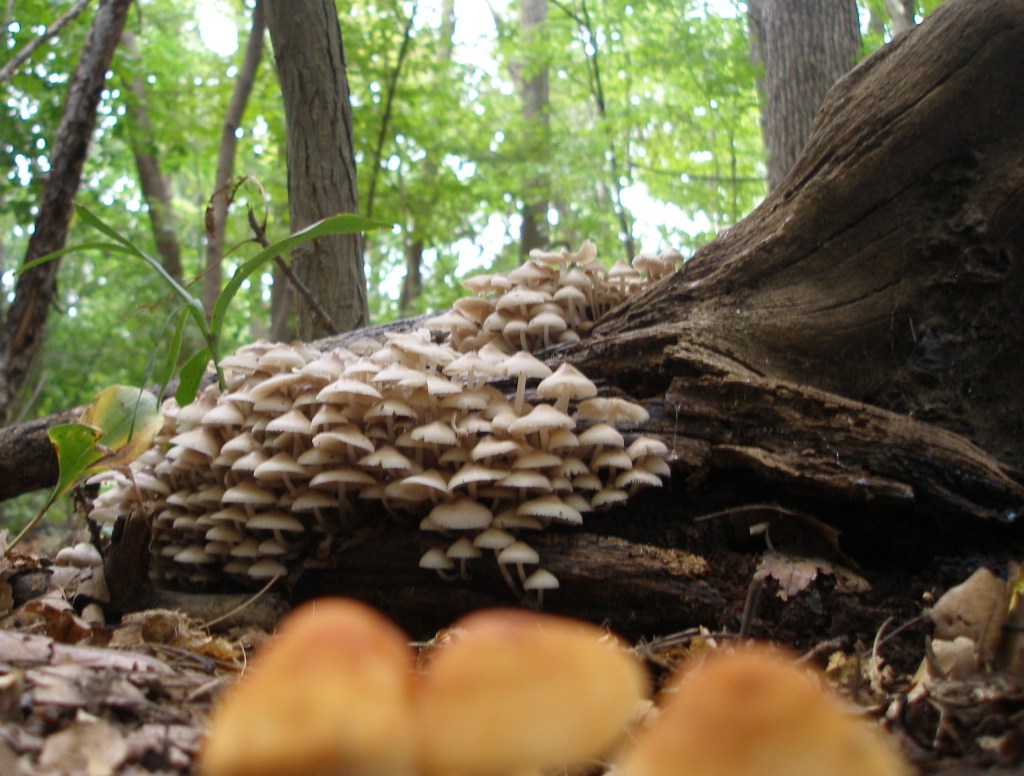
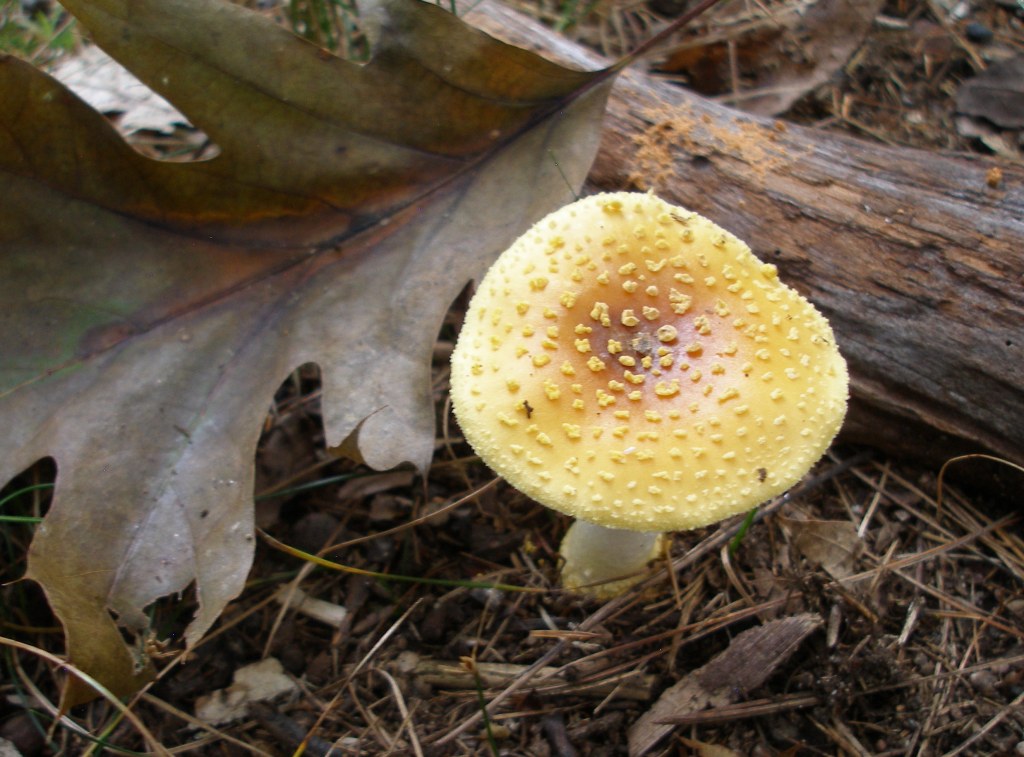
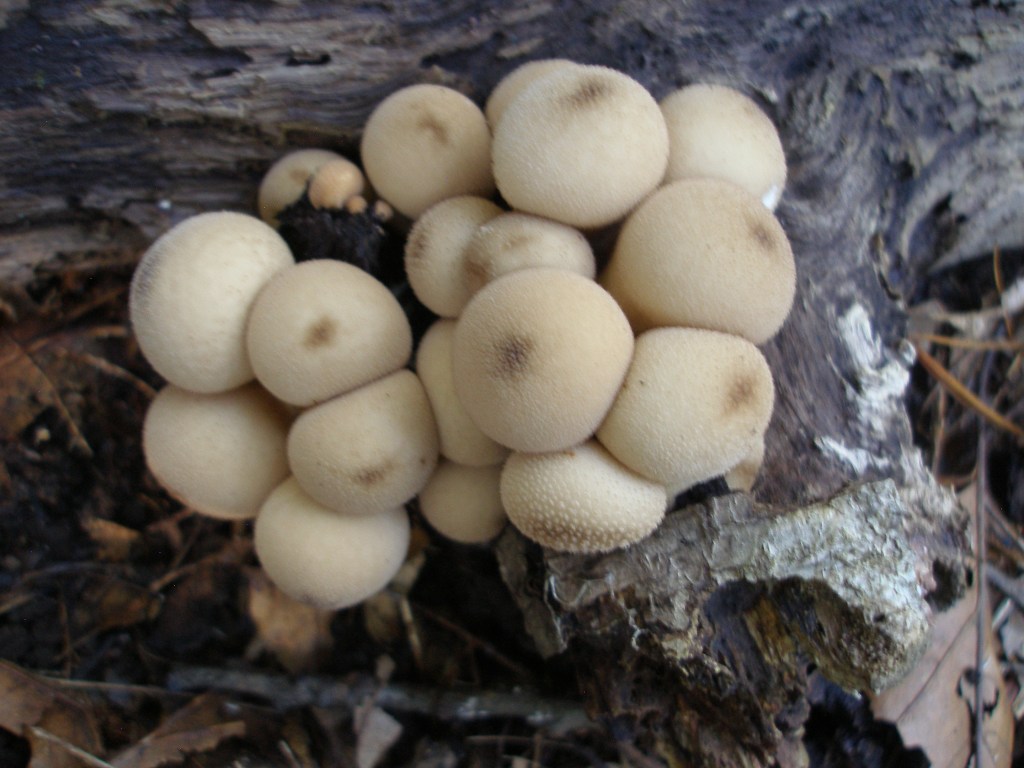
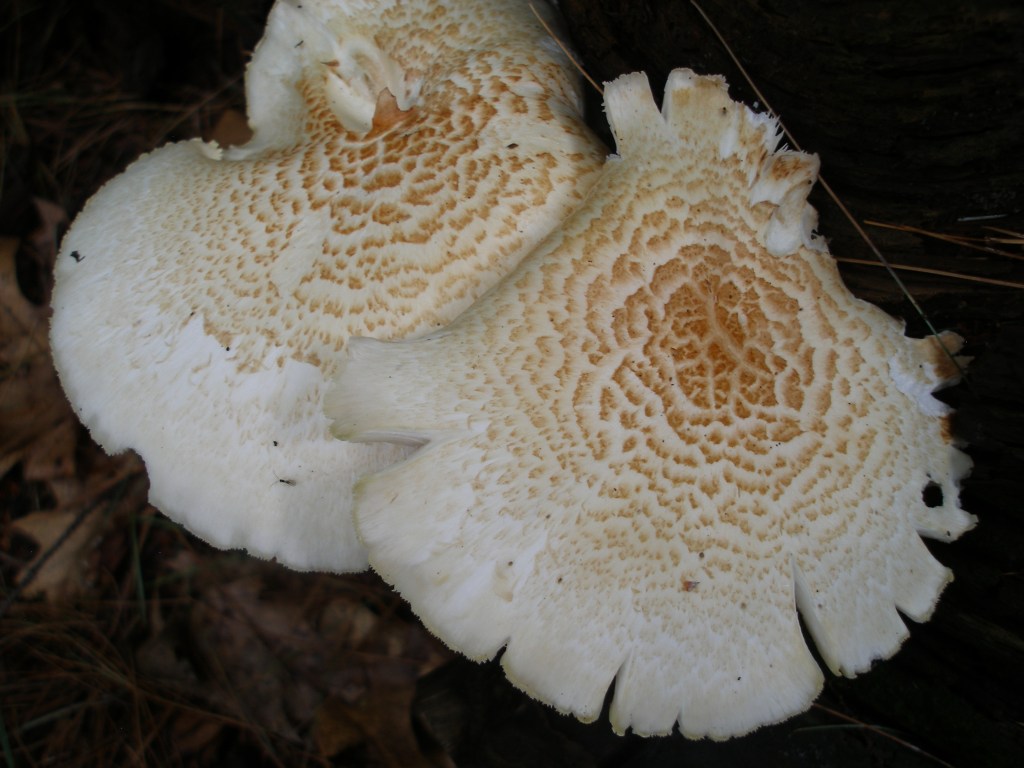
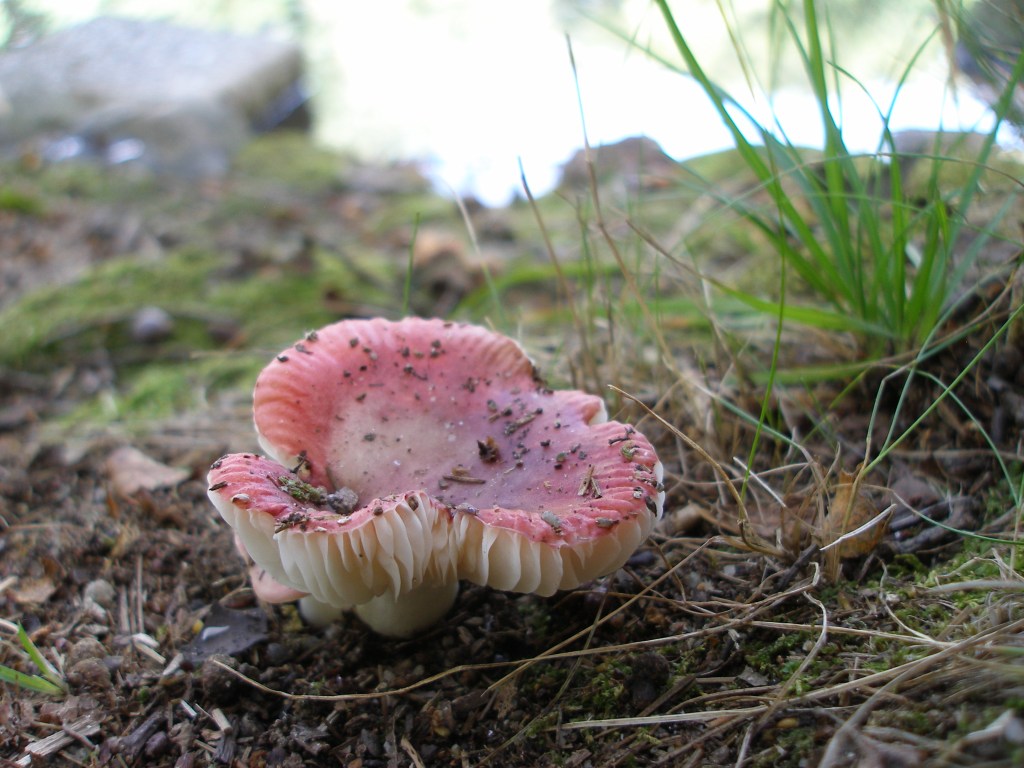
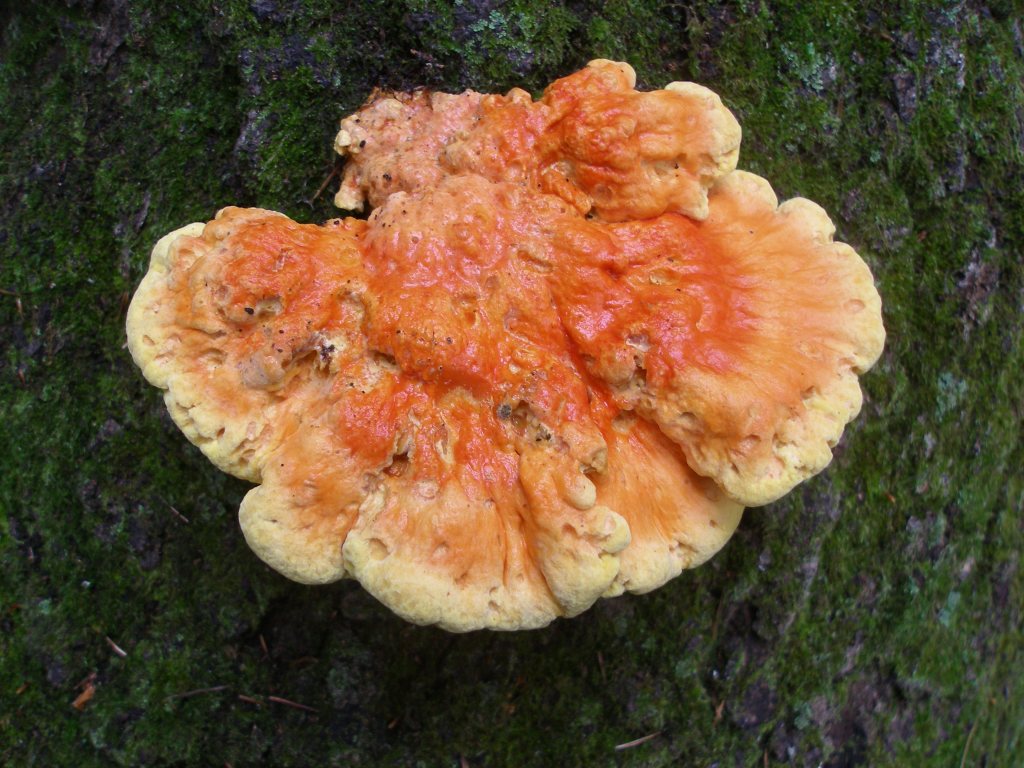
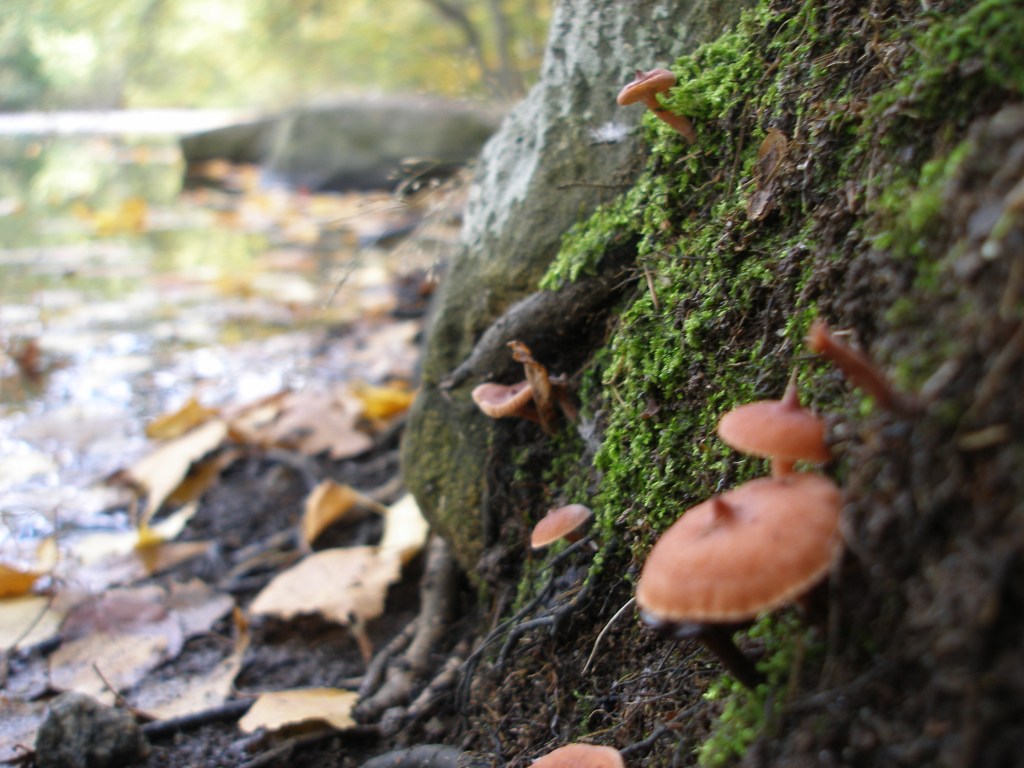
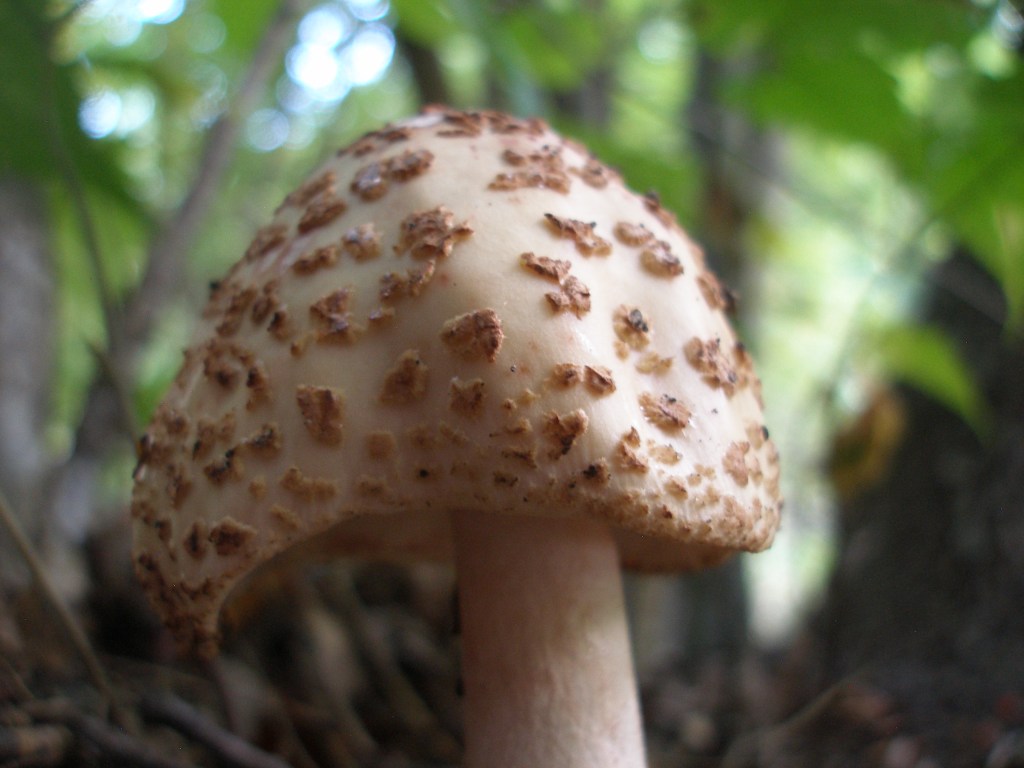
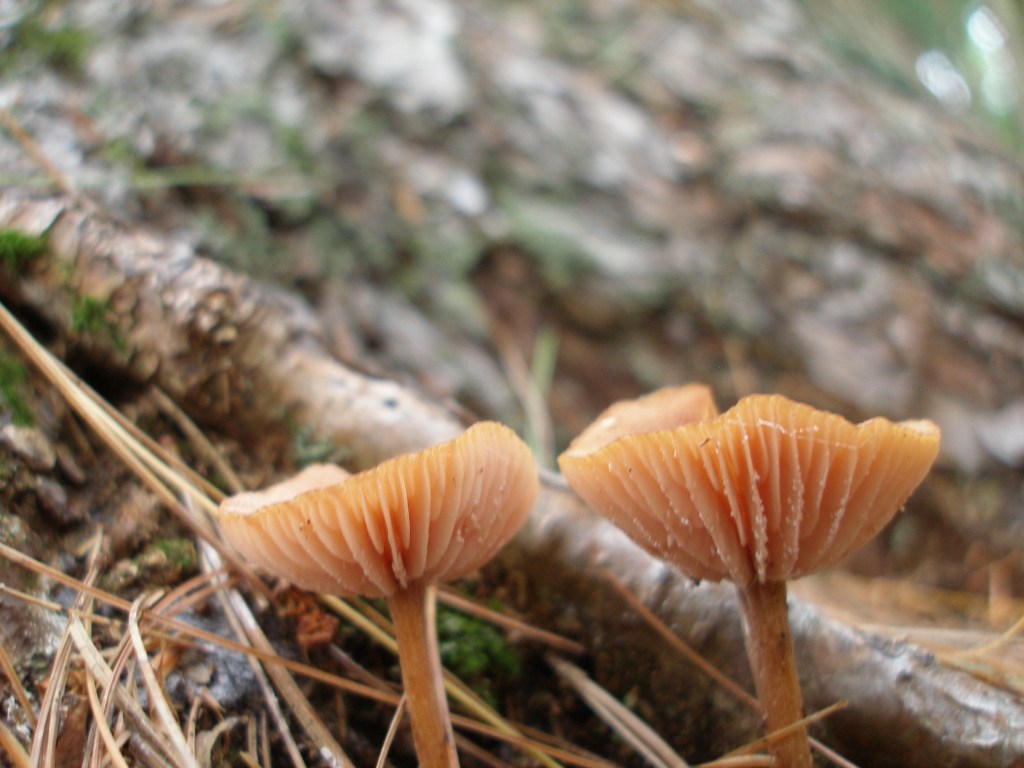
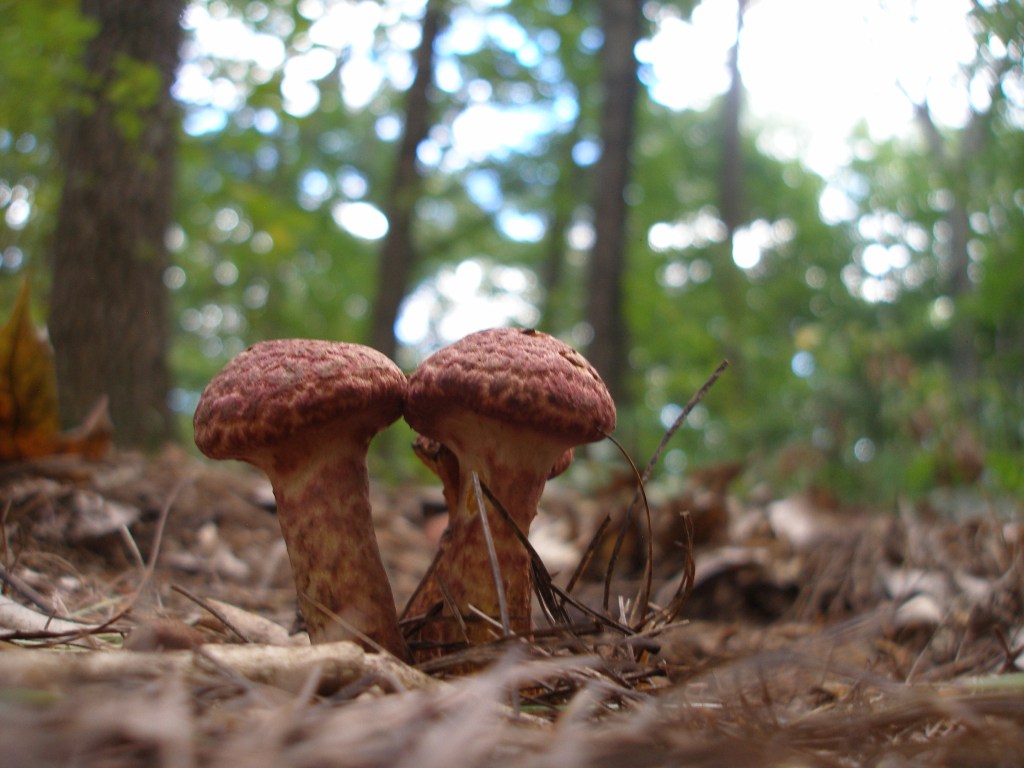
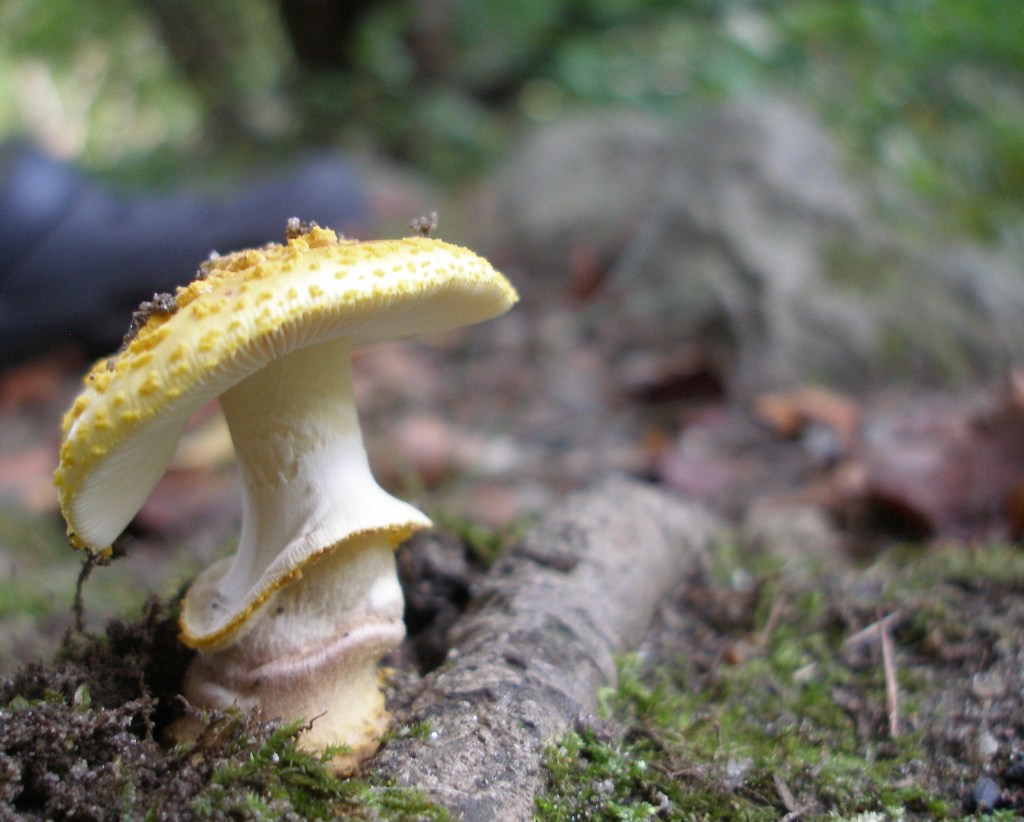
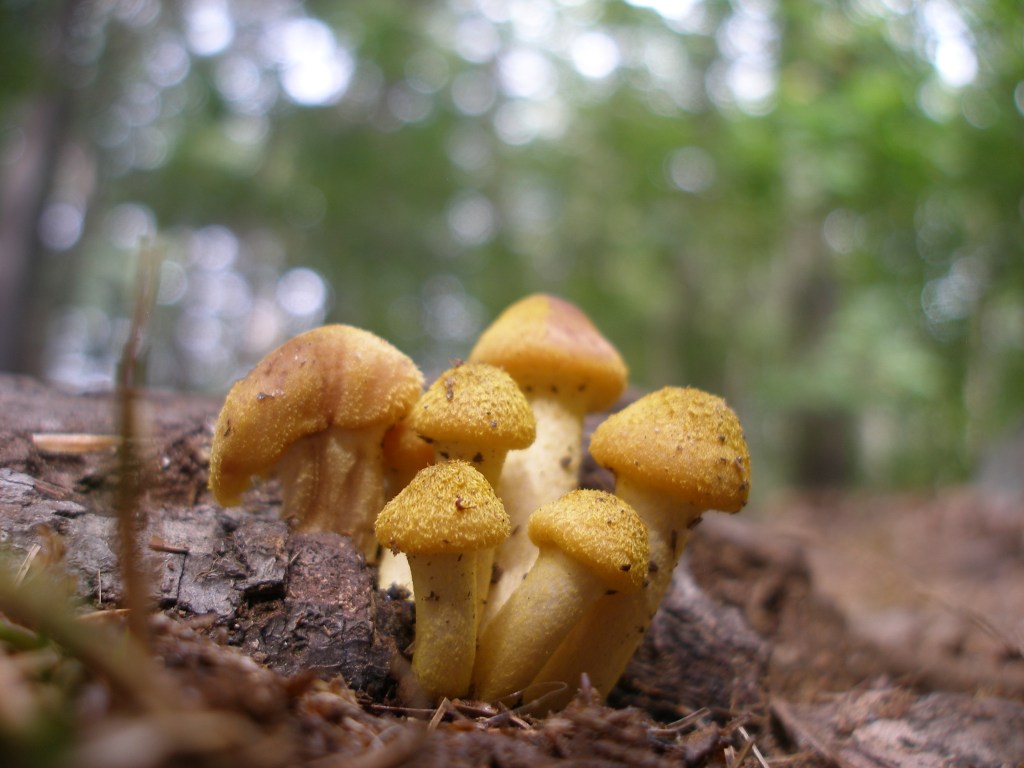
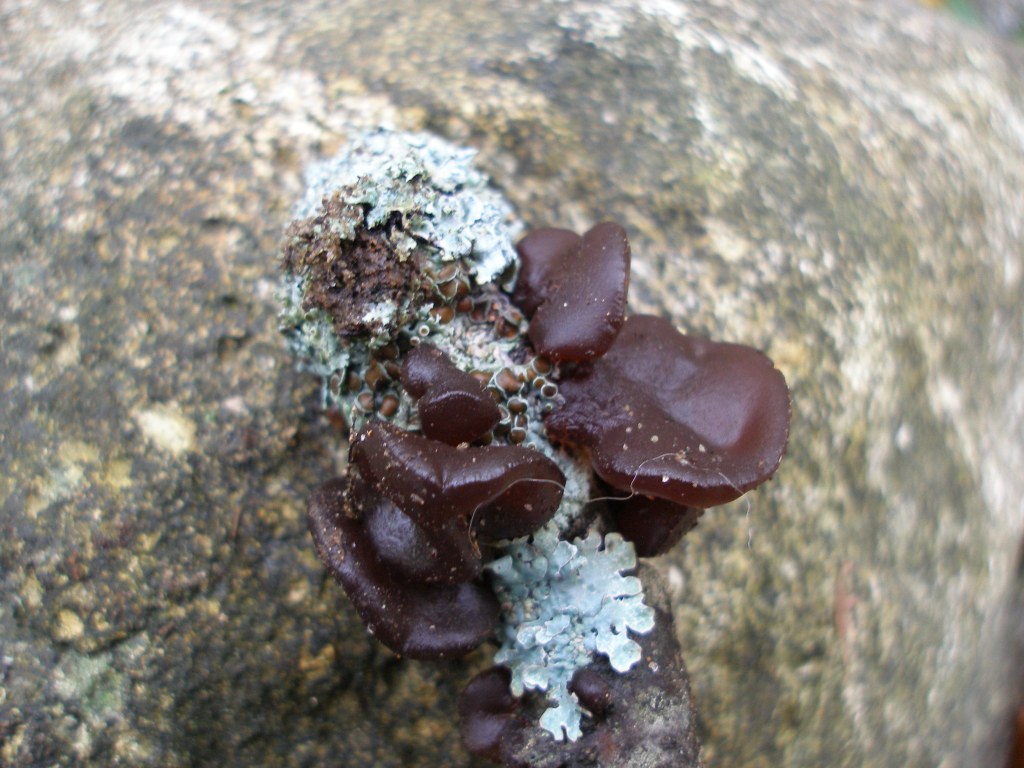
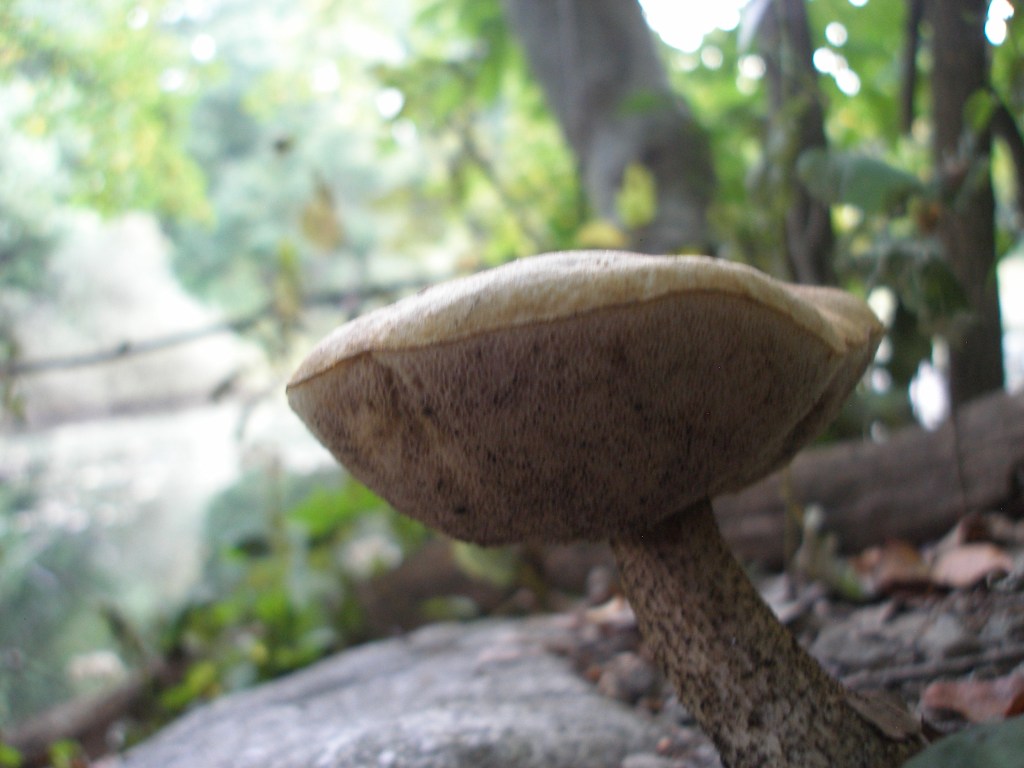
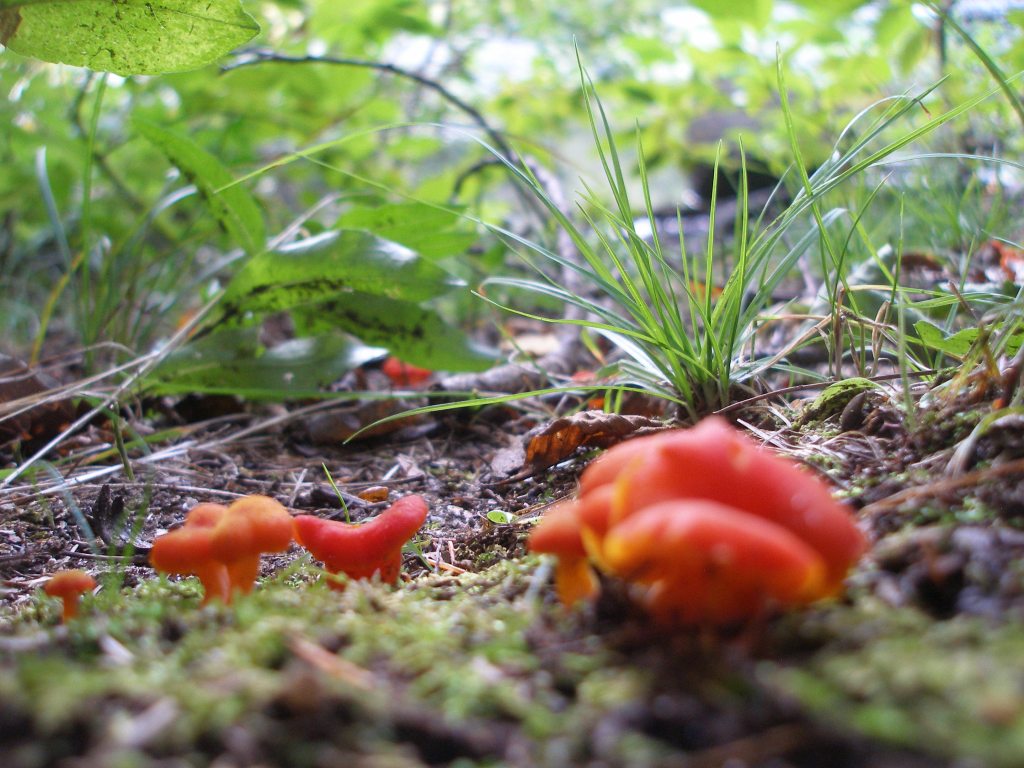
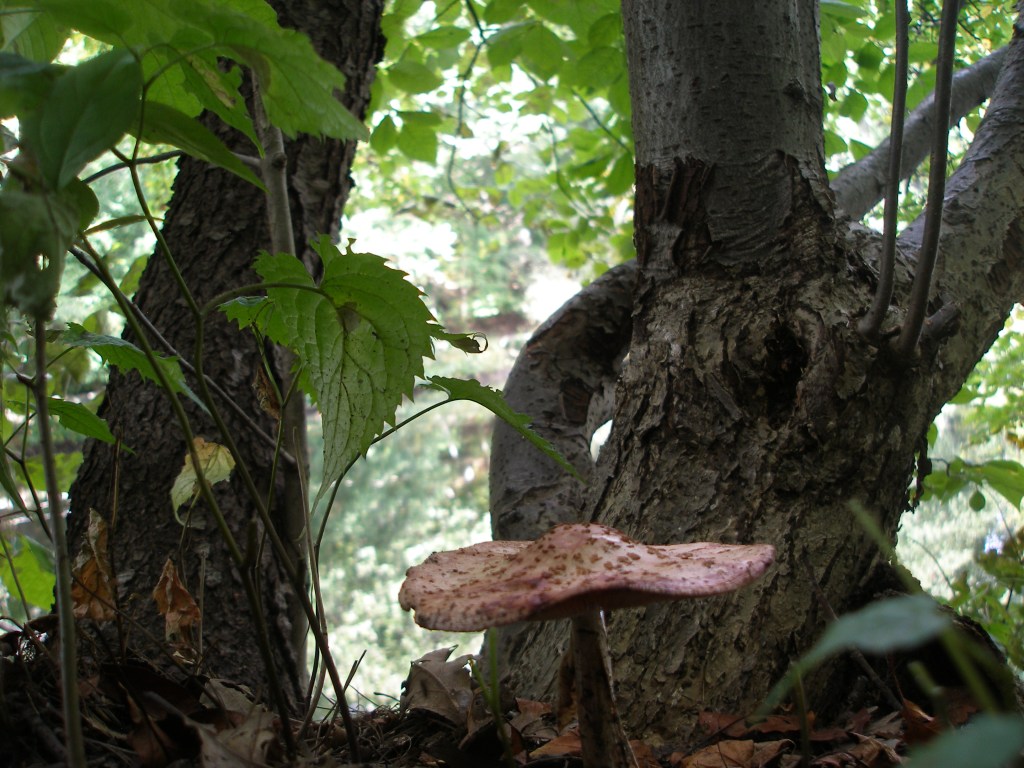
Recently, I came across two people carrying a basket of hen of the woods and a bag full of honey mushrooms. While the number of edible mushrooms each person can gather is limited in Europe, no such limit applies In the United States and these two had gathered so many, they told me they would need to give some away. While books and online resources like this one can be useful, the best way to learn which fungi are safe to eat is to go out with a local expert.
Their value has long been recognized including in works of art. The jade pendant shown in the last photo below bears witness to the reverence accorded to fungi by the Chinese, who use them in their traditional medicine. The Maya carved fascinating mushroom stones, and fungi with psychotropic properties have important cultural significance for certain tribes.
Scientists have verified that fungi can support the health of forests and survive fire. They have been used to control insect pests and to clean up plastic and organic waste. No doubt we will discover more about their many benefits and possible uses for fungi as we learn more about them.
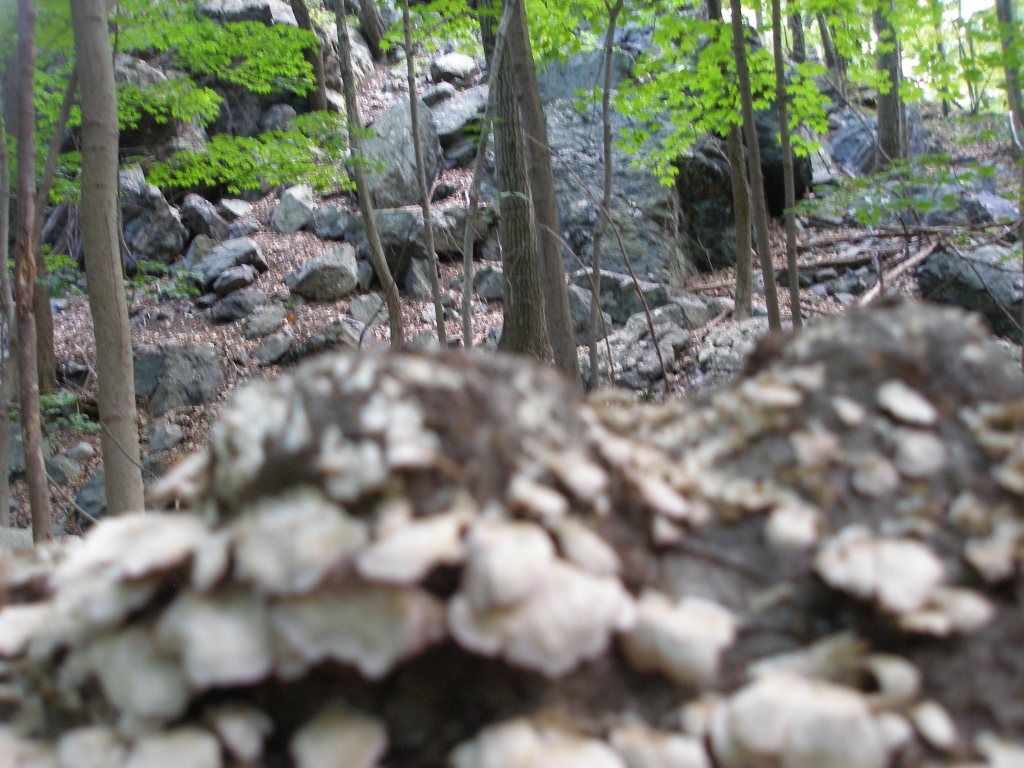
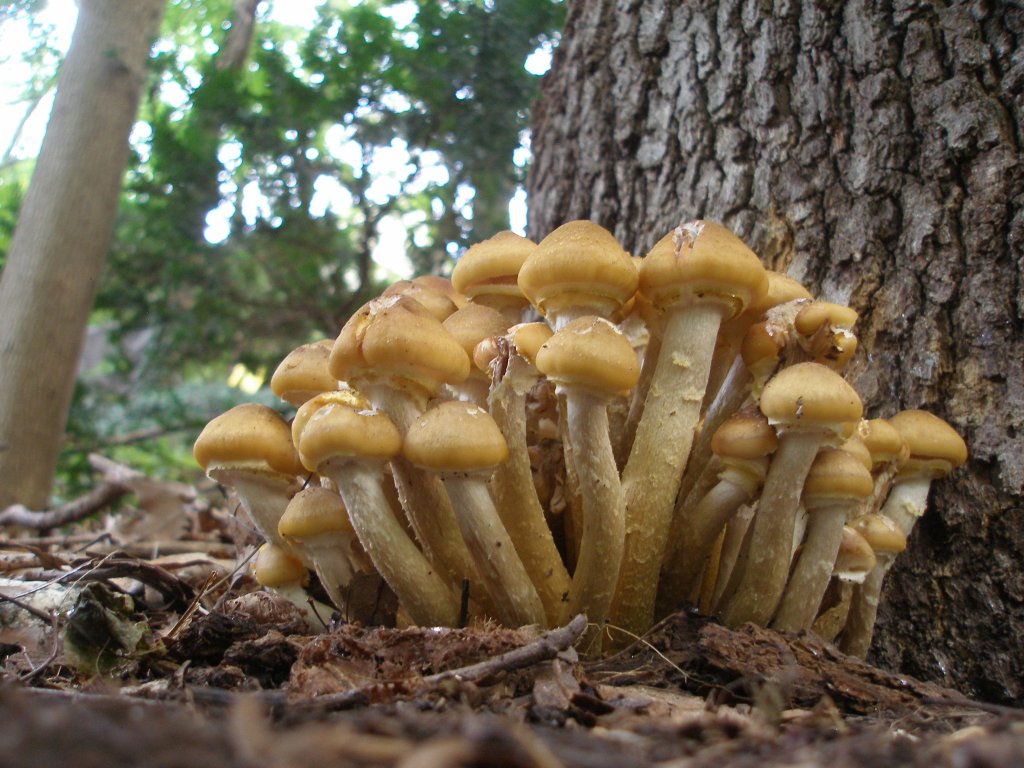
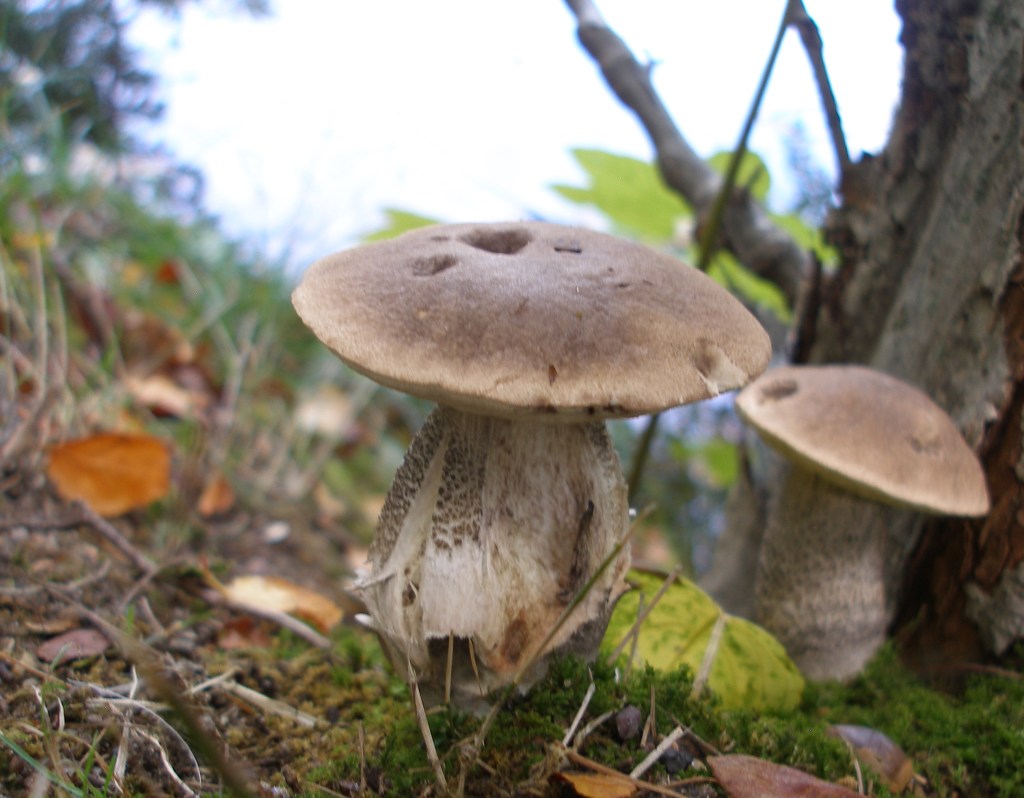
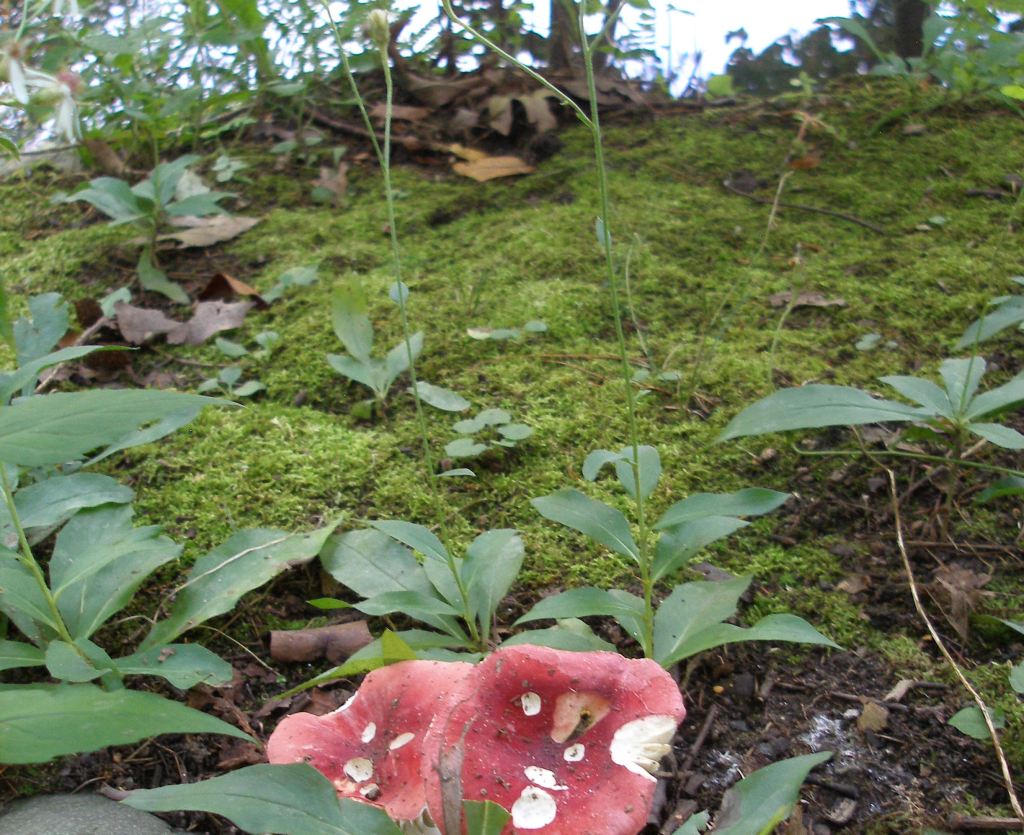
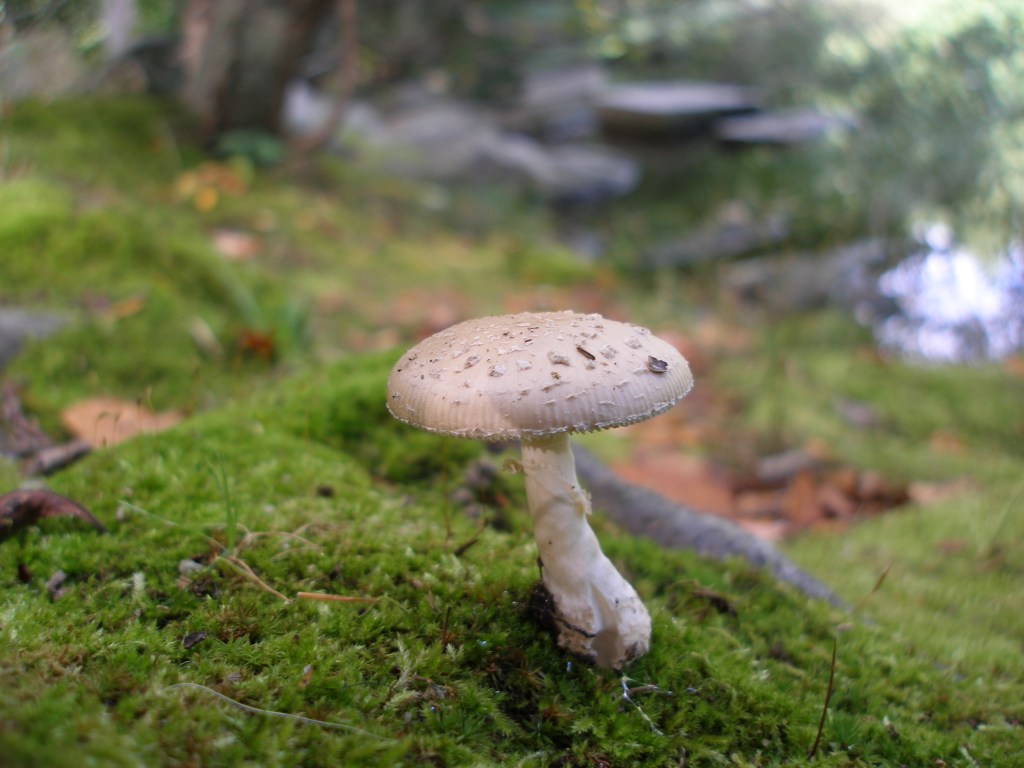
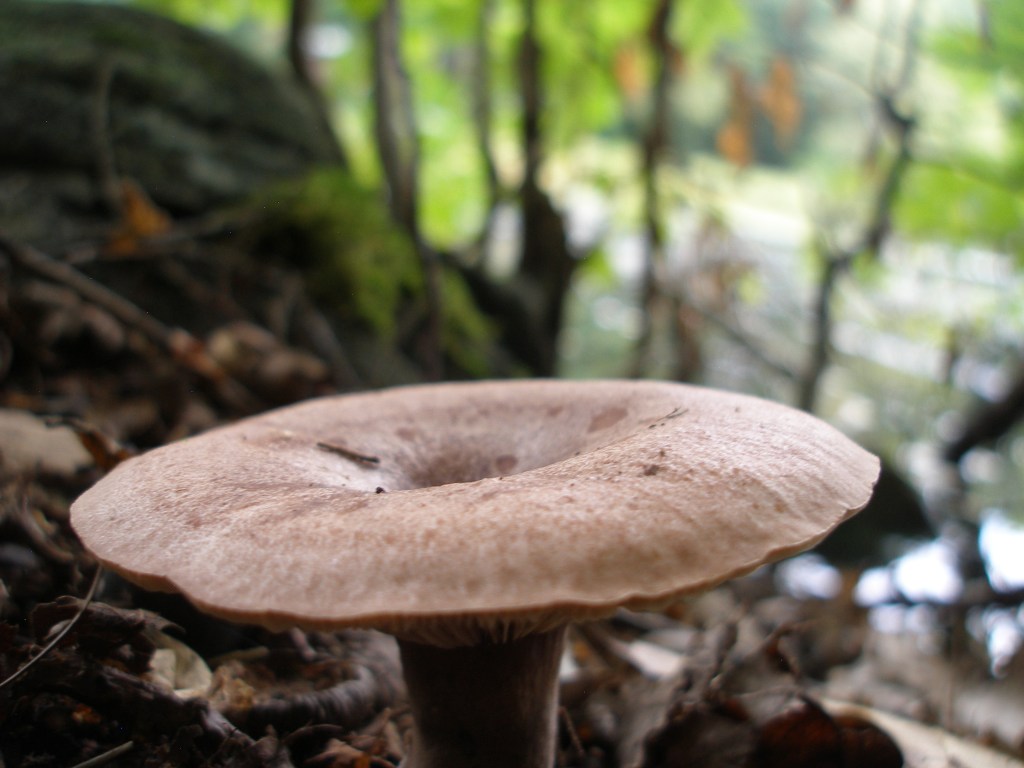
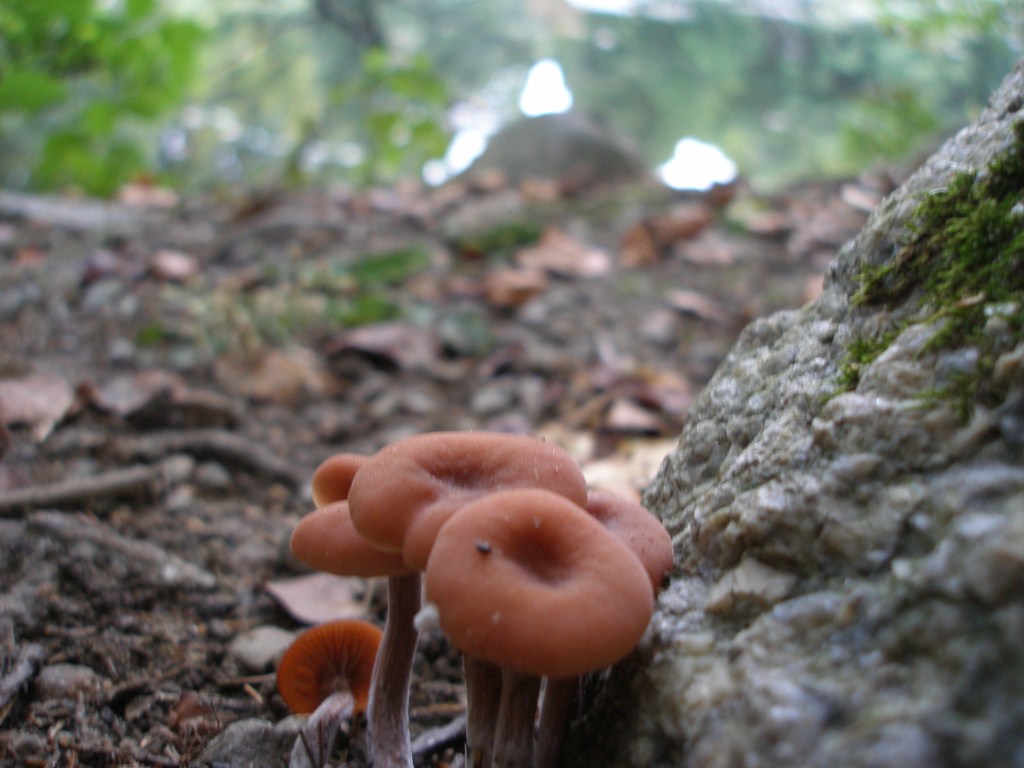
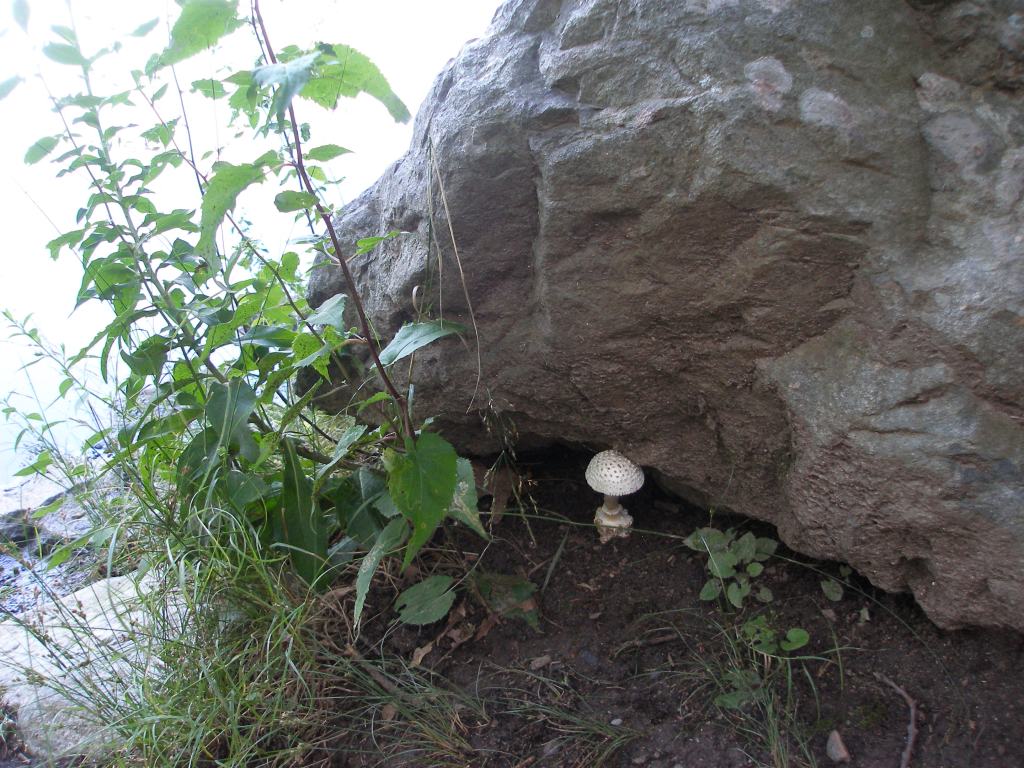
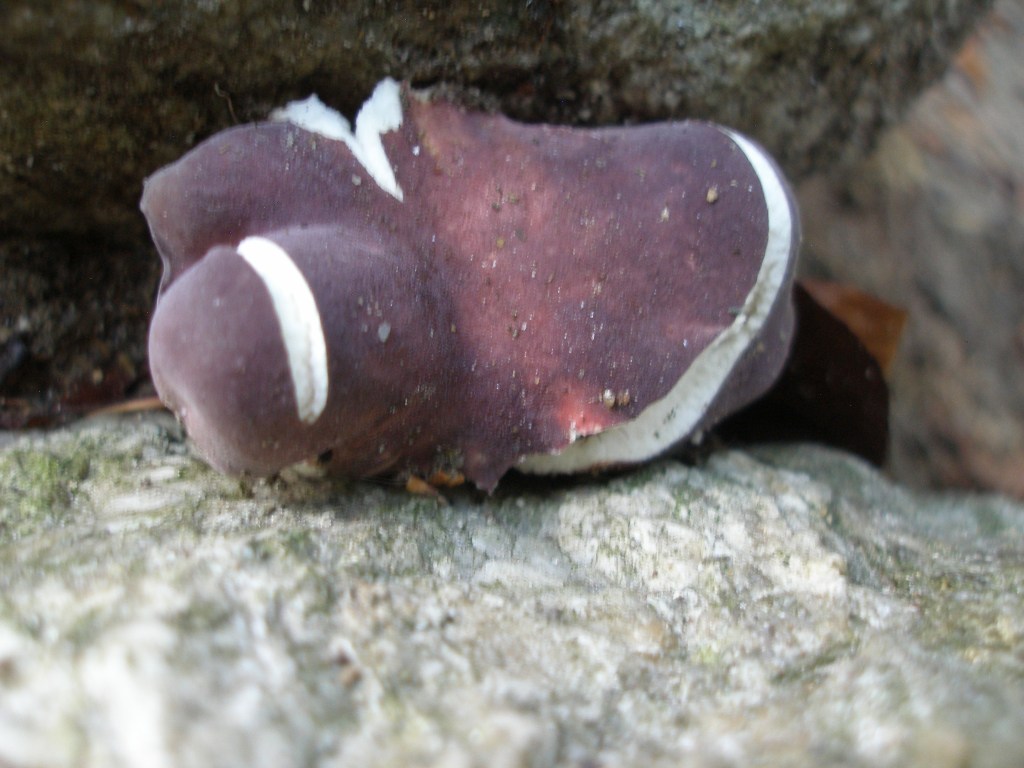
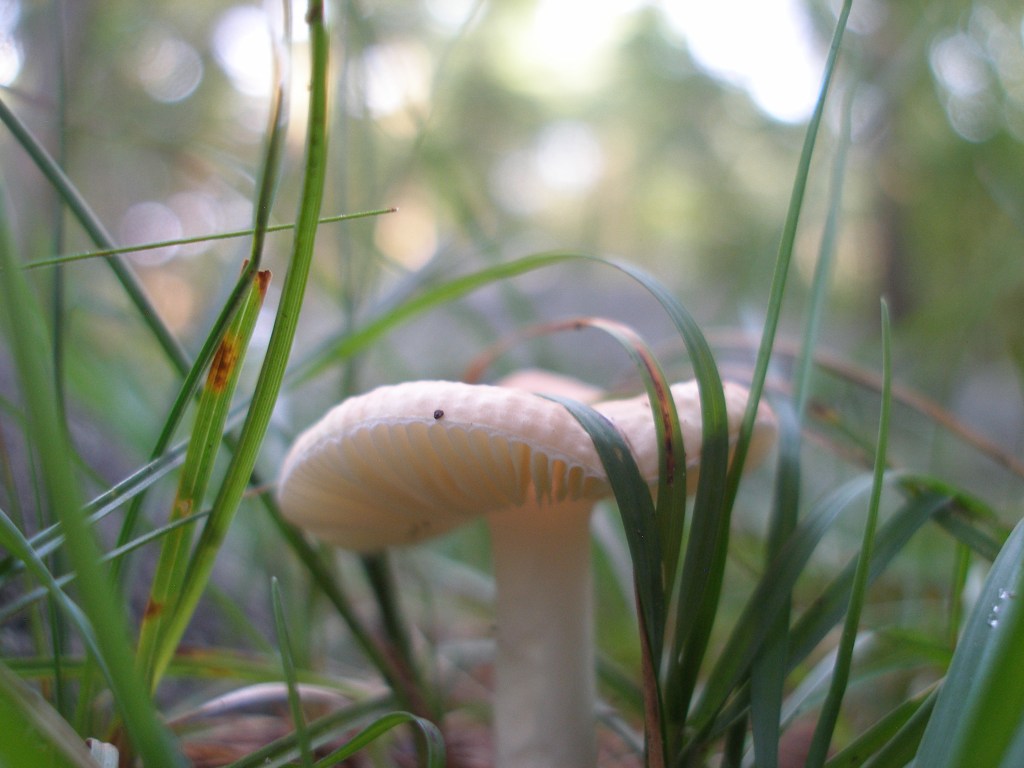
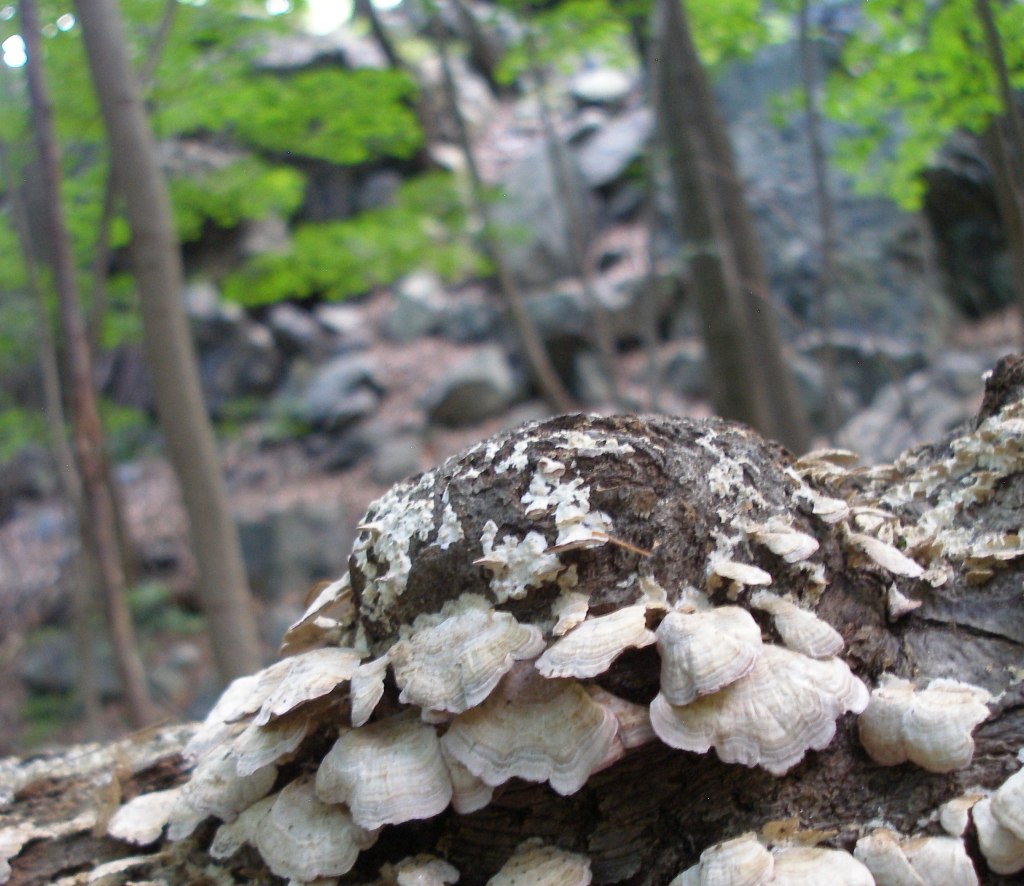
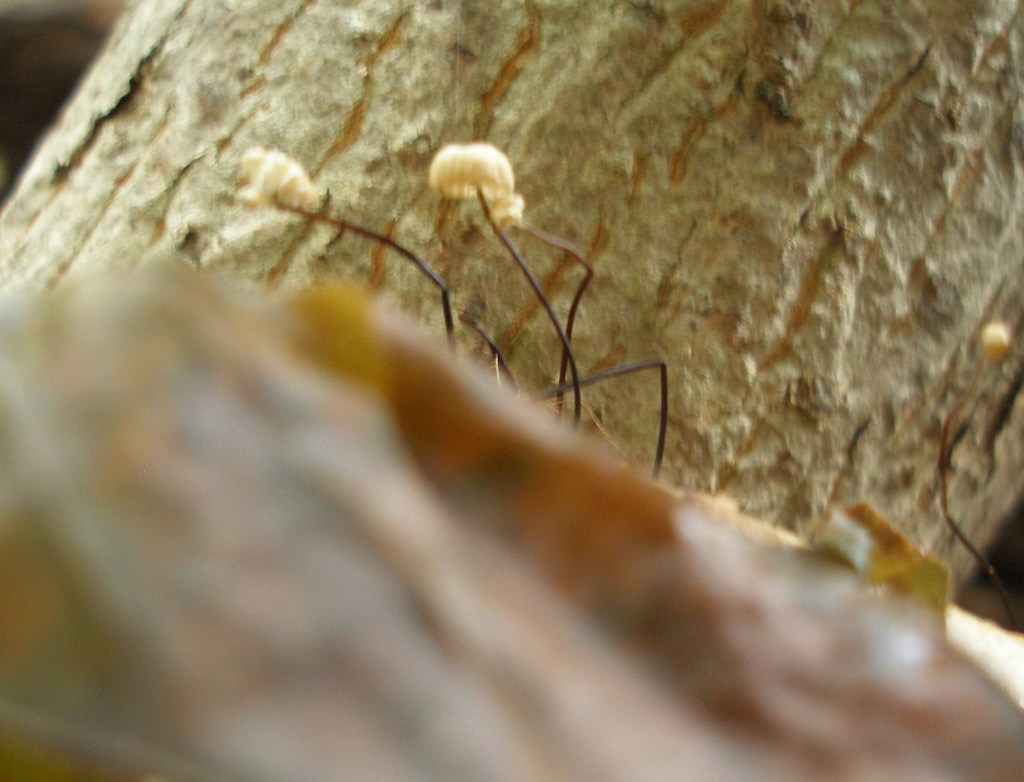
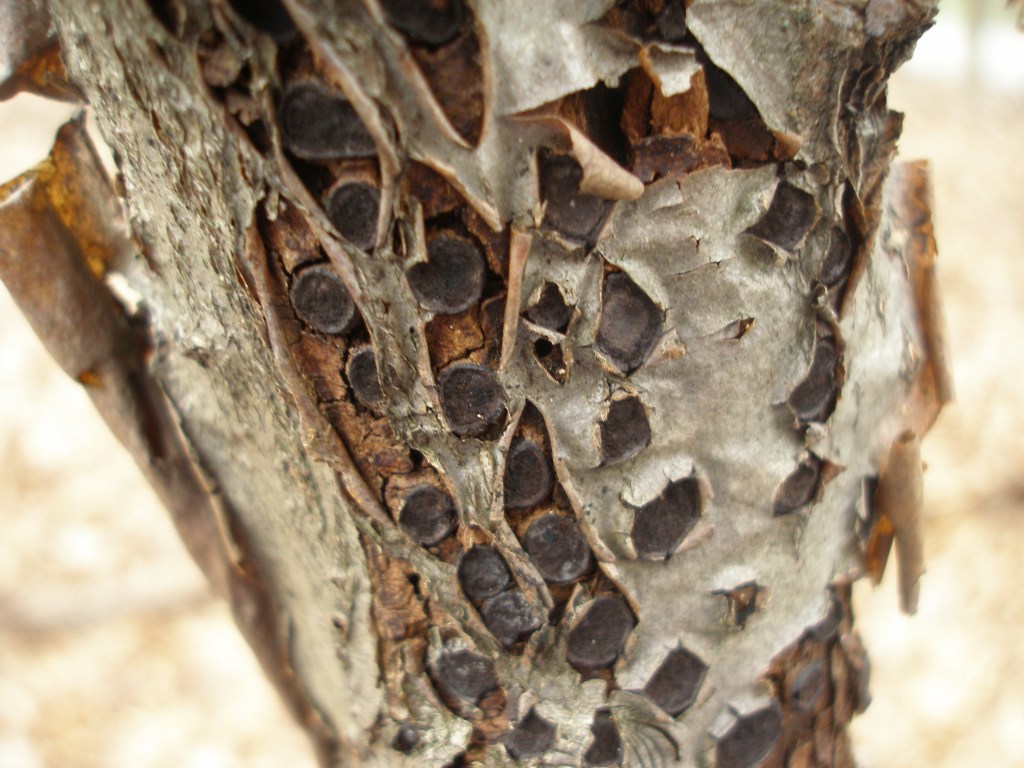
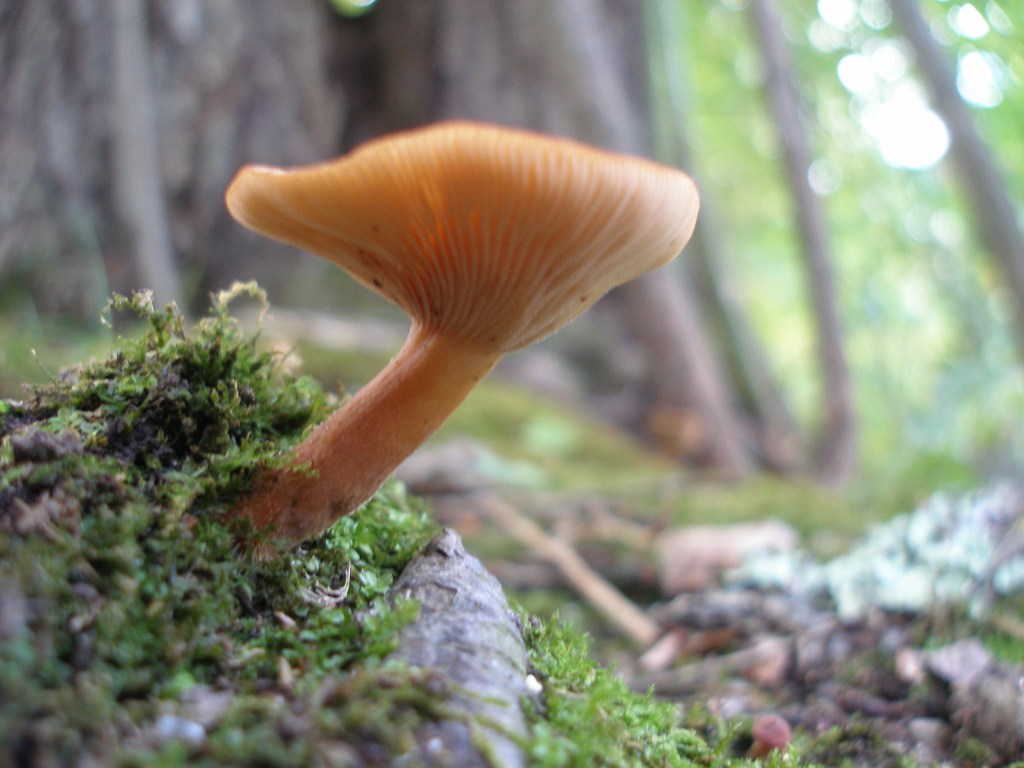
Nature is constantly shifting and not just with the normal seasonal changes these days. This early fall, I would certainly welcome some quiet green time on my morning walks in Menotomy Rocks Park (Arlington, Massachusetts, USA), but nature had its own ideas. After abundant rain all summer, amazing fungi were popping up everywhere and calling out to have their portraits taken. In the last photo below, the lighting was perfect to capture falling spores.
For those interested in learning more, Merlin Sheldrake’s, Entangled Life; How Fungi Make Our Worlds, Change Our Minds & Shape Our Futures seems destined to become a modern classic with its vivid descriptions and wonderful stories. His ability to convey his appreciation of the finely tuned relationships in the network of life seems highly relevant in our times when that understanding is so badly needed.
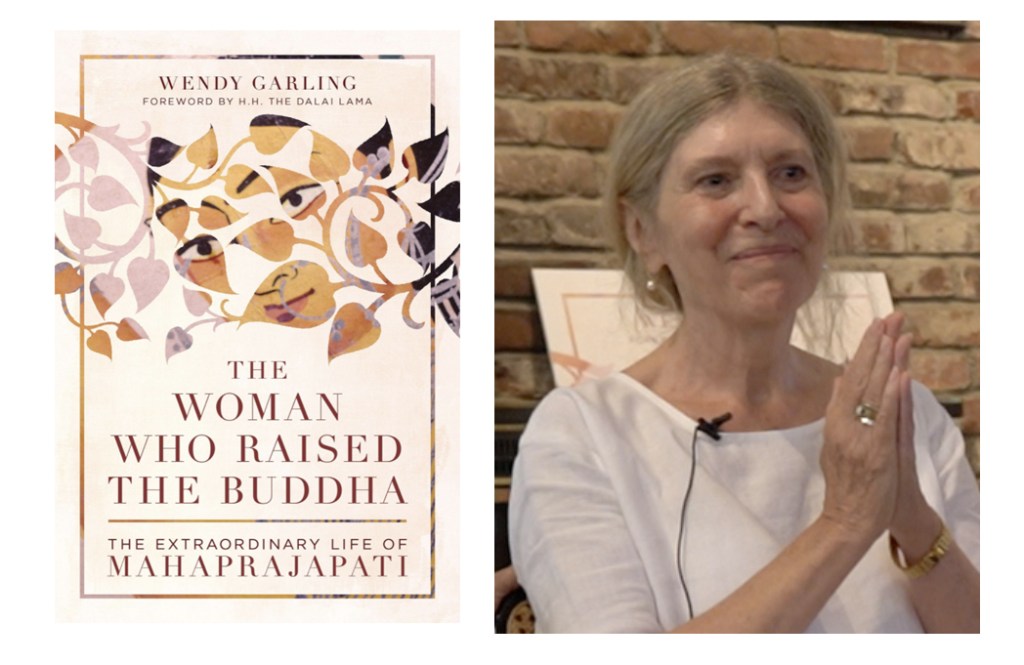
Seven days after his birth, when the Buddha’s mother knew she was dying, she entrusted her precious son to her sister, Mahaprajapati. You might think that raising the Buddha from an infant would be enough to make Mahaprajapati a figure of interest. But, in fact, very little information about her was available until Shambhala published The Woman Who Raised the Buddha; The Extraordinary Life of Mahaprajapati by Wendy Garling (photo by Jeff Klein).
In this short video from a June 27, 2021 celebration of her latest book, Wendy describes some highlights of Mahaprajapati’s influence. An audio recordingof her entire talk describes both the process and the contents of the amazing material that Wendy brings alive for us. Thanks to videographer,Jeff Klein, for both recordings.
Drawing on literature of multiple Buddhist traditions as well as recorded oral stories, Wendy introduces us to a woman who was of considerable importance in the early days of Buddhism. Even though she was the respected Buddha’s “mother,” and Queen of the Sakyas, it took Mahaprajapati’s own nurturing wisdom to overcame barriers so that the Buddha’s teachings reached both women and men (as he intended) right from the beginning.
Mahaprajapati’s effectiveness, despite the cultural values of her day, should be of particular interest to us now, at a time when we must work together to make progress in solving so many critical issues. Perhaps the publication of this book at a time when we are so in need of the transformative power of nurturing wisdom is not a coincidence.
At the party, Buddhist scholar, Charles Hallissey noted that not only does this book make a major contribution with its subject matter, but Wendy also shows us how to approach sacred literature in general. We all must necessarily start from where we are. Wendy models the process of using imagination to explore what might have been true in another culture and time where unanswered questions remain. At the same time, it is appropriate to be very clear about the assumptions one is making. By bringing imagination as well as all of one’s heart and experience to such literature, it can come alive in a meaningful way while making it possible for new insights to evolve over time.
WENDY GARLINGis a writer, mother, gardener, independent scholar, and authorized dharma teacher with a BA from Wellesley College and MA in Sanskrit language and literature from the University of California, Berkeley. She is the author of Stars at Dawn: Forgotten Stories of Women in the Buddha’s Life(2016, Shambhala Publications), and more recently, The Woman Who Raised the Buddha; The Extraordinary Life of Mahaprajapati (2021 Shambhala Publications). For many years Wendy has taught women’s spirituality focusing on Buddhist traditions, while also pursuing original research into women’s stories from ancient Sanskrit and Pali literature.
A Tibetan Buddhist practitioner, Wendy has studied with teachers of different schools and lineages, foremost her refuge lama His Holiness the 16th Karmapa (who gave her the name Karma Dhonden Lhamo), her kind root lama, the late Sera Je Geshe Acharya Thubten Loden, and His Holiness the Dalai Lama whom she first met in India in 1979. Pilgrimage has played an important role in Wendy’s life: in 2007 she journeyed to the sites of women saints in Tibet, and in 2012 and 2018 to sacred sites of the Buddha in India. Her dream is to bring back the stories of Buddhism’s first women, reawaken their voices, and ensure that they are not just remembered, but valorized as integral to the roots of Buddhism. Wendy lives in Concord, Massachusetts and can be reached at wendy.garling@yahoo.com.























 Radiant Refuge