A Cat Kindred Spirit

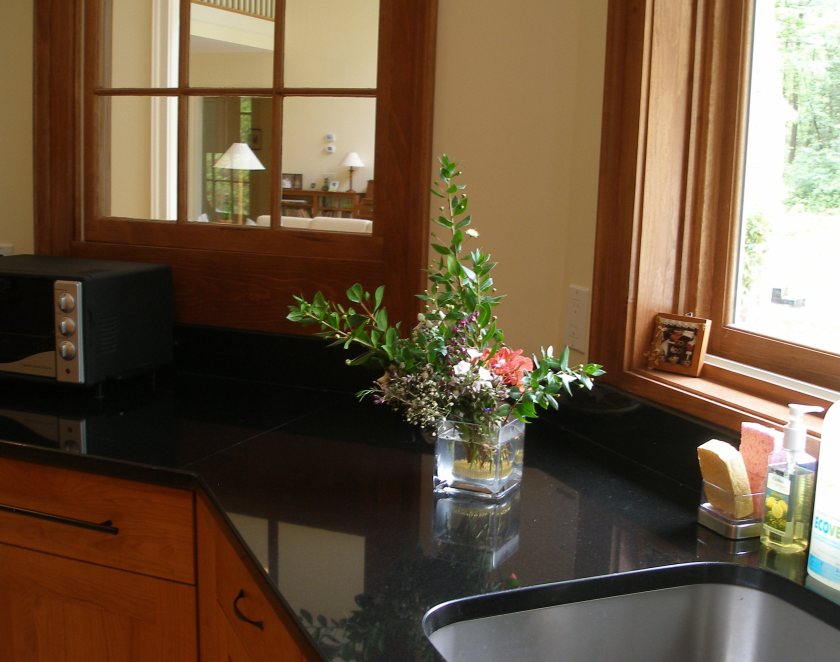
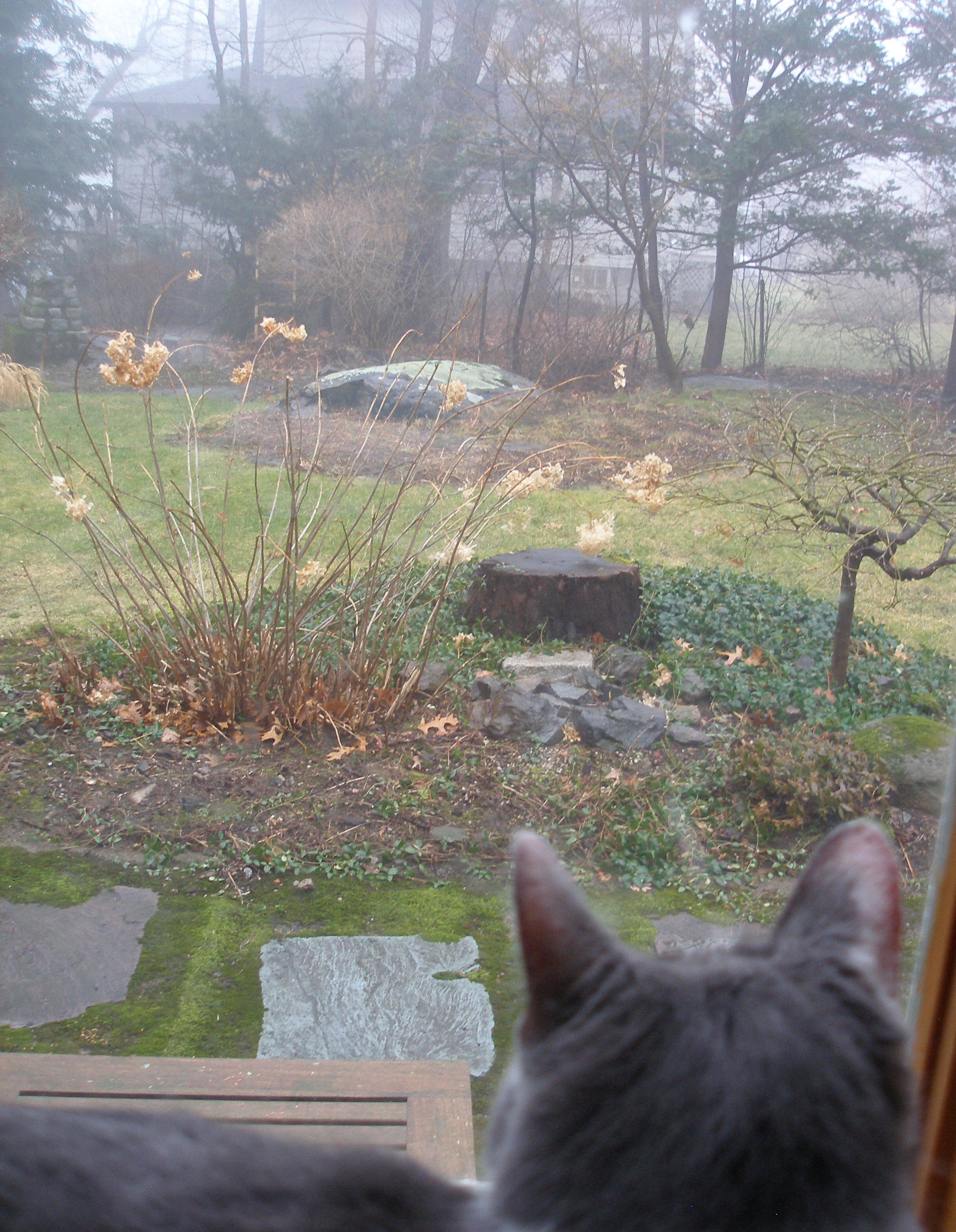
Jude needed a new home. When Shah Hadjebi told me she was a special cat, I knew I could believe him. As it turned out, that cat and I were kindred spirits. When I was home she was always with me. Unlike most cats, she liked to be carried. Since she loved looking out the large kitchen window, I began to carry her for daily walks in my garden. She could be playful and active at times, loved catnip, and when she wanted to go somewhere she let you know it.

I cuddled her under a blanket “cave” when I knew her days were numbered. I told her, “All we have is the present moment.” Cats understand that. They live their whole lives that way. A year after she died, I asked Shah to paint her portrait. He used the photo of her looking up at a blue jay through the kitchen window, a most fitting way to celebrate the life of a cat we both loved.

OLYMPUS DIGITAL CAMERA

OLYMPUS DIGITAL CAMERA

OLYMPUS DIGITAL CAMERA

OLYMPUS DIGITAL CAMERA

OLYMPUS DIGITAL CAMERA

OLYMPUS DIGITAL CAMERA

Jude

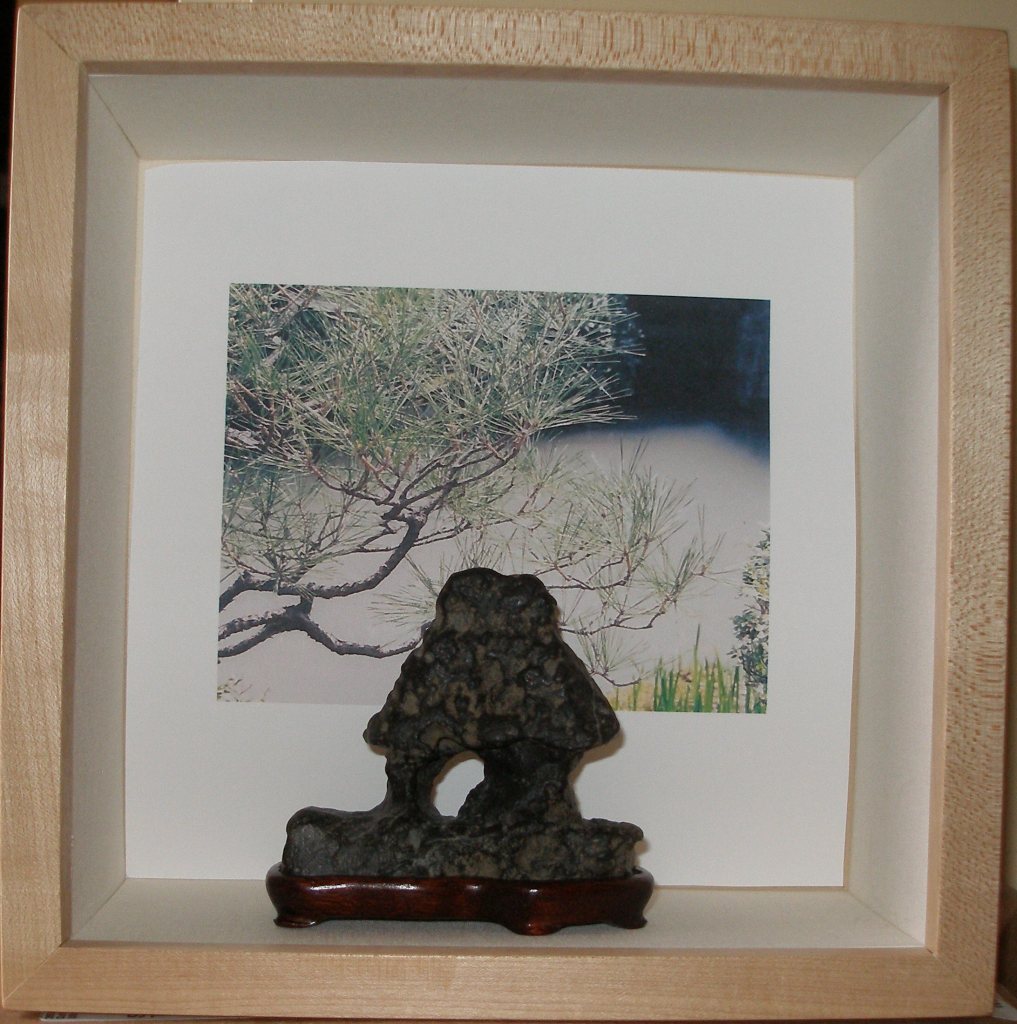
Resonant Stone Arrangements

As children, my brother and sister and I loved to catch fire flies and release them down by a falling-apart stone structure behind our camp site in New Hampshire. Dolly Copp, an early settler to this location in the White Mountains had constructed a well-like structure to capture the water of a stream and then pipe it to her homestead downhill. Over the years as we returned to the camp site, we watched as the structure became less recognizable as it tumbled apart.

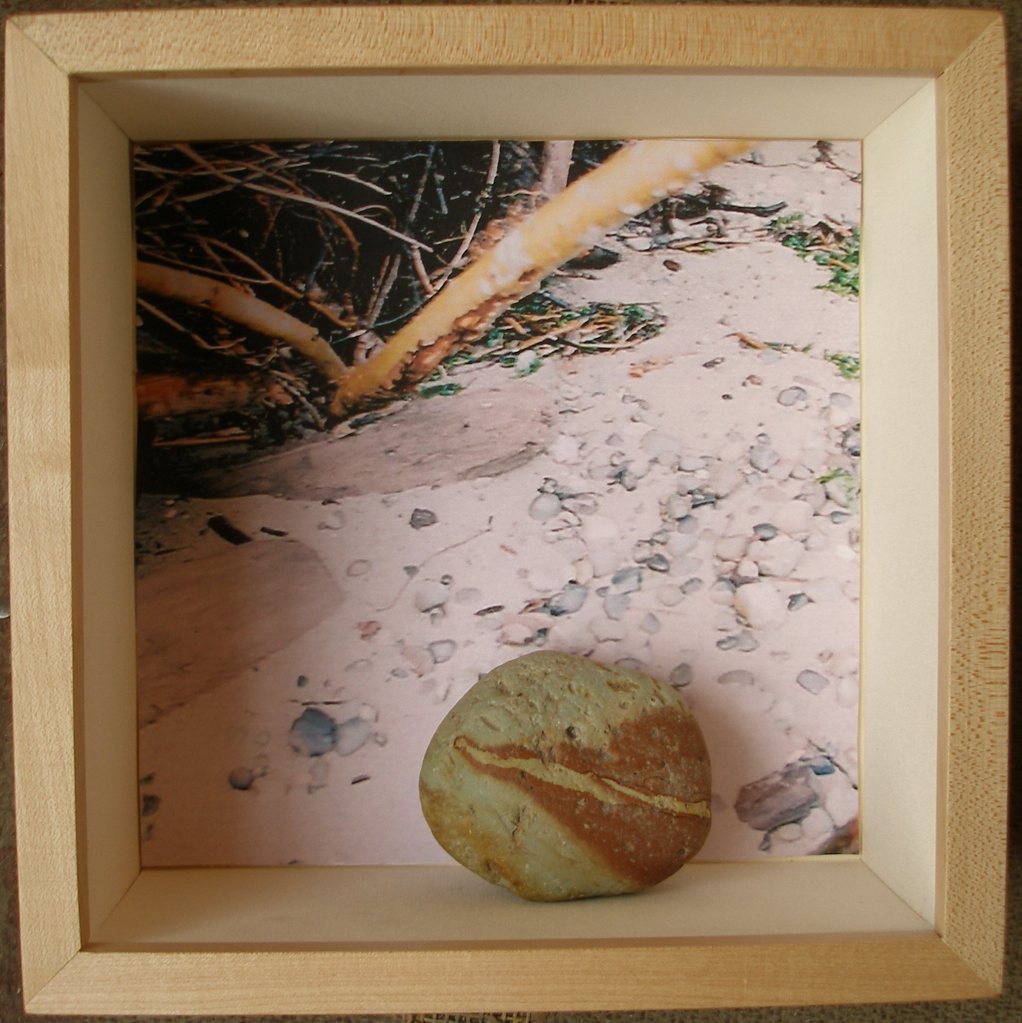
I tried to capture that structure at one stage of its existence in my own garden. I stopped moving the stones about when they seemed to “disappear” – When they had blended into the universe comfortably with no need to speak individually for themselves.

rock arngmt - version 2

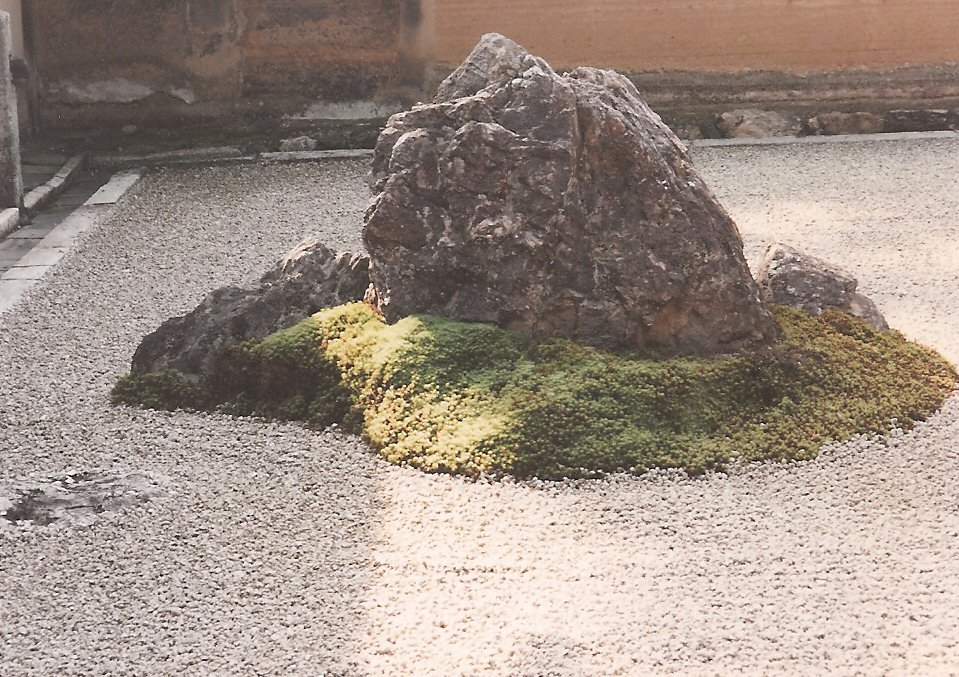
Before I travelled to Japan to see its remarkable gardens, I had read about the famous Japanese garden Ryoanji with its stone groups set in raked sand that you can see in this video. I doubted that this garden would live up to all the hype, perhaps to save myself from disappointment.

We avoided the crowds by arriving at opening time, but there was no way to avoid a blaring broadcast in English. I tuned this out as best I could, until it ended with, “each person must find his or her own meaning.”

Although it was overcast, I noticed shadows on the sand cast by the surrounding wall and trees. One of my first impressions was the importance of the wall. I then became impressed by the large amount of open space; clearly, the point of this garden was not just the individual stones, although each was beautiful:

ryoan-ji

Gradually, I became aware of a low singing current passing from group to group and stone to stone. This grew in strength, zinging about. The key to this phenomenon seemed to be the specific arrangement. The intensity grew to unbelievable levels, and the stones ‘disappeared.’ It seemed like the configuration before me was a model of a vast, singing version out in space. It was full of immense power and it was beyond beautiful.
Although precious to me, my garden stone arrangement does not evoke the vast energy I experienced at Ryoanji. I sometimes think about Ryoanji’s designer and what price was paid to be able to get that particular arrangement just right.

Listening to a Special Place

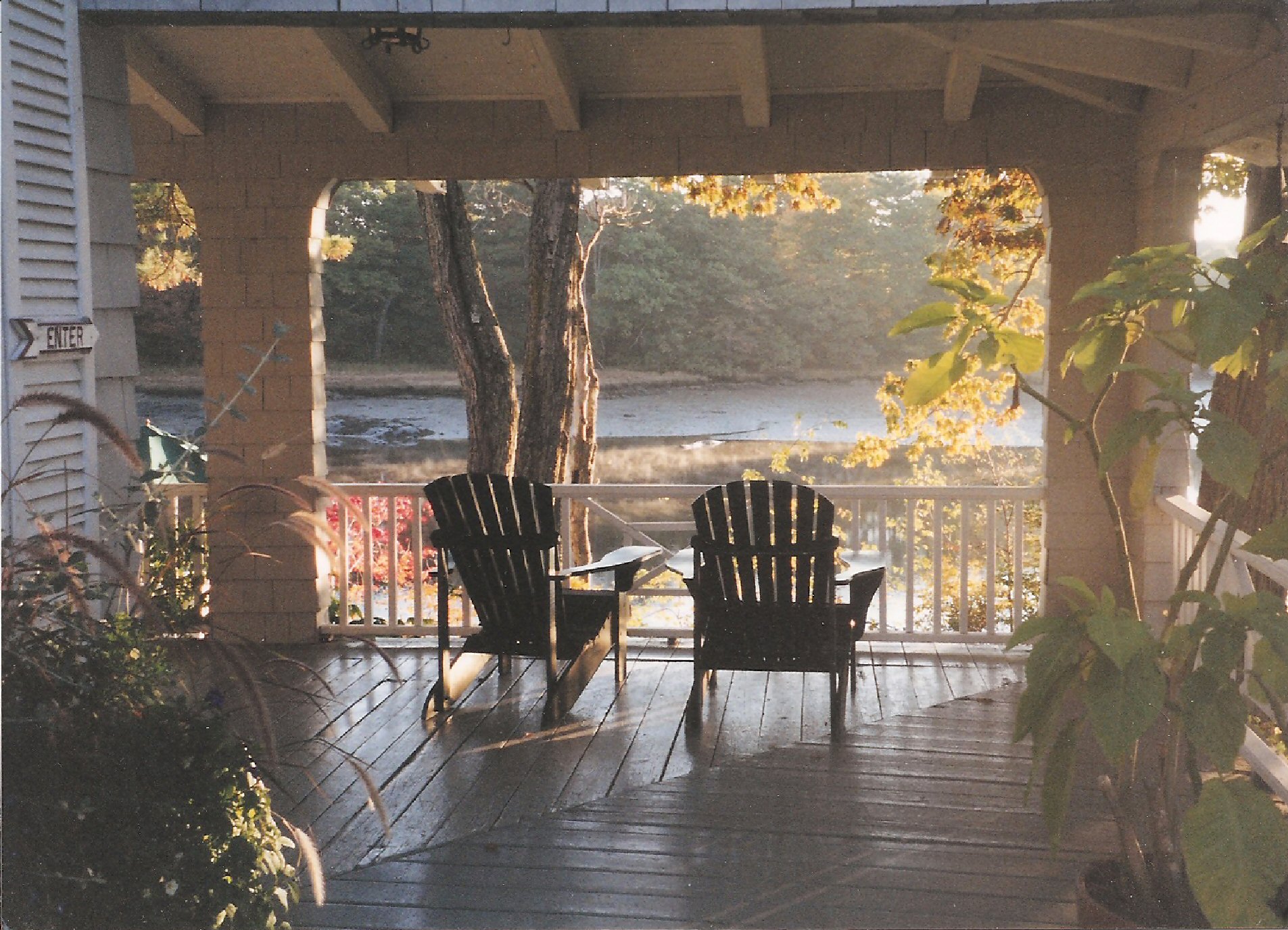
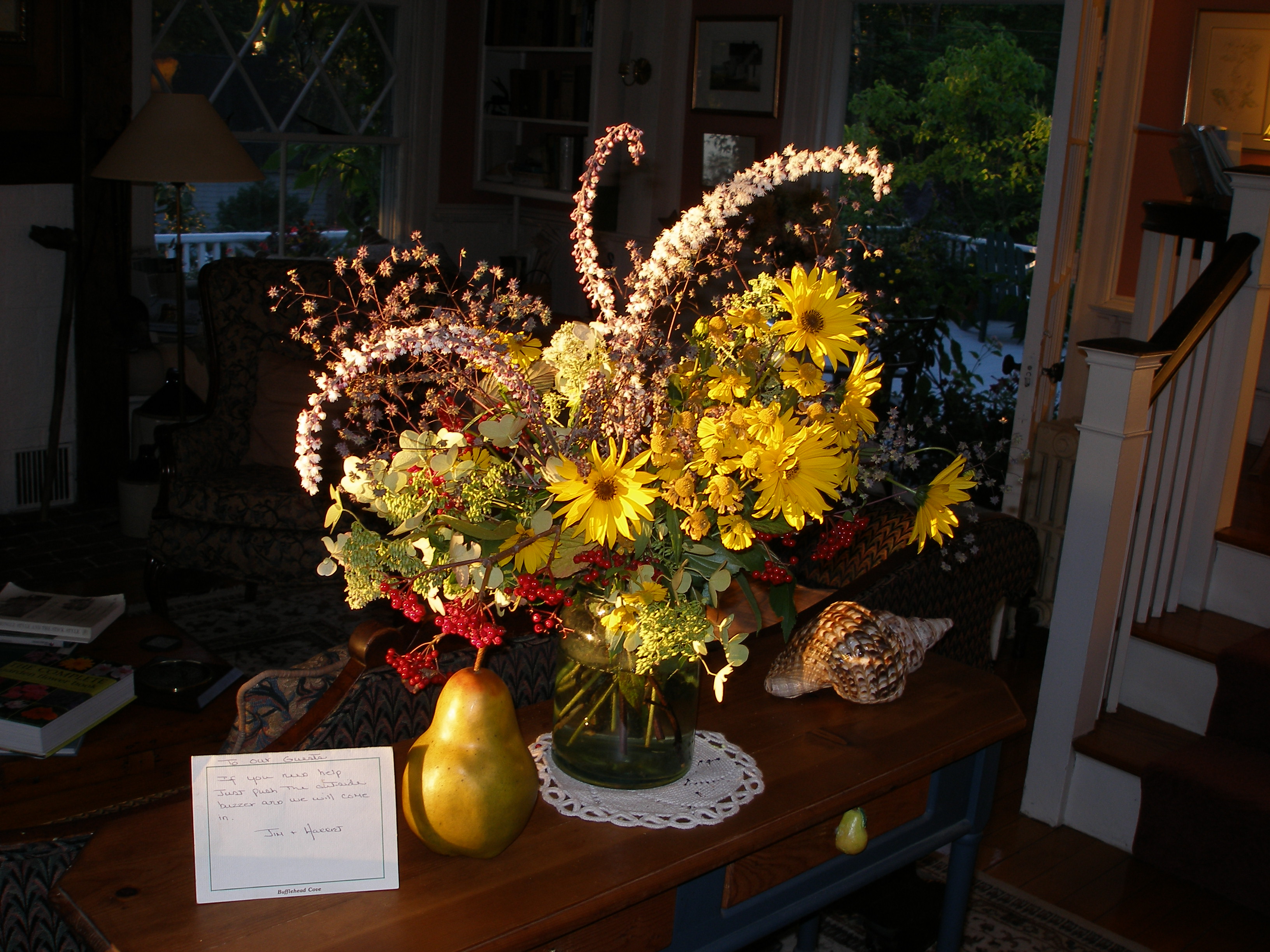
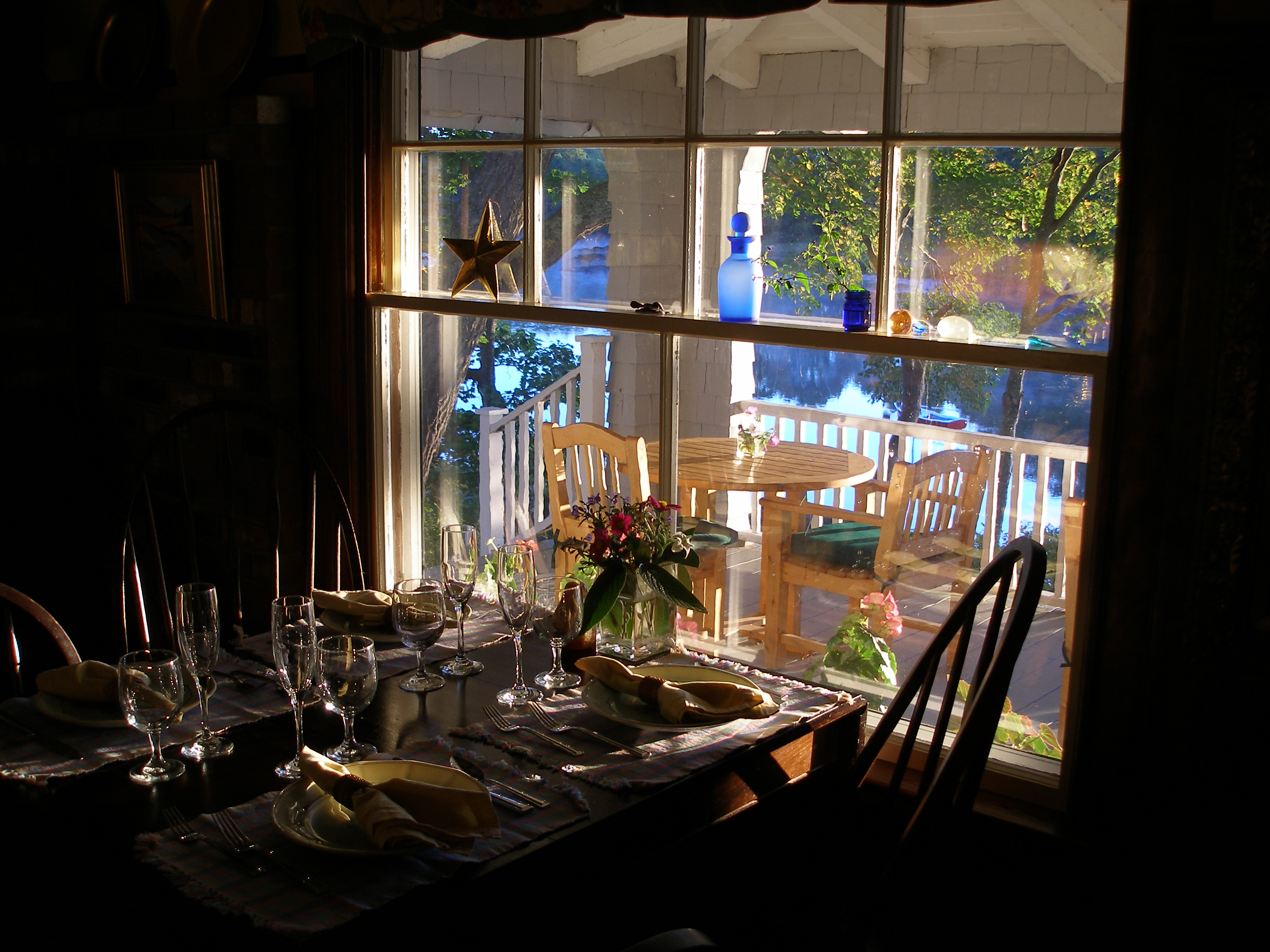
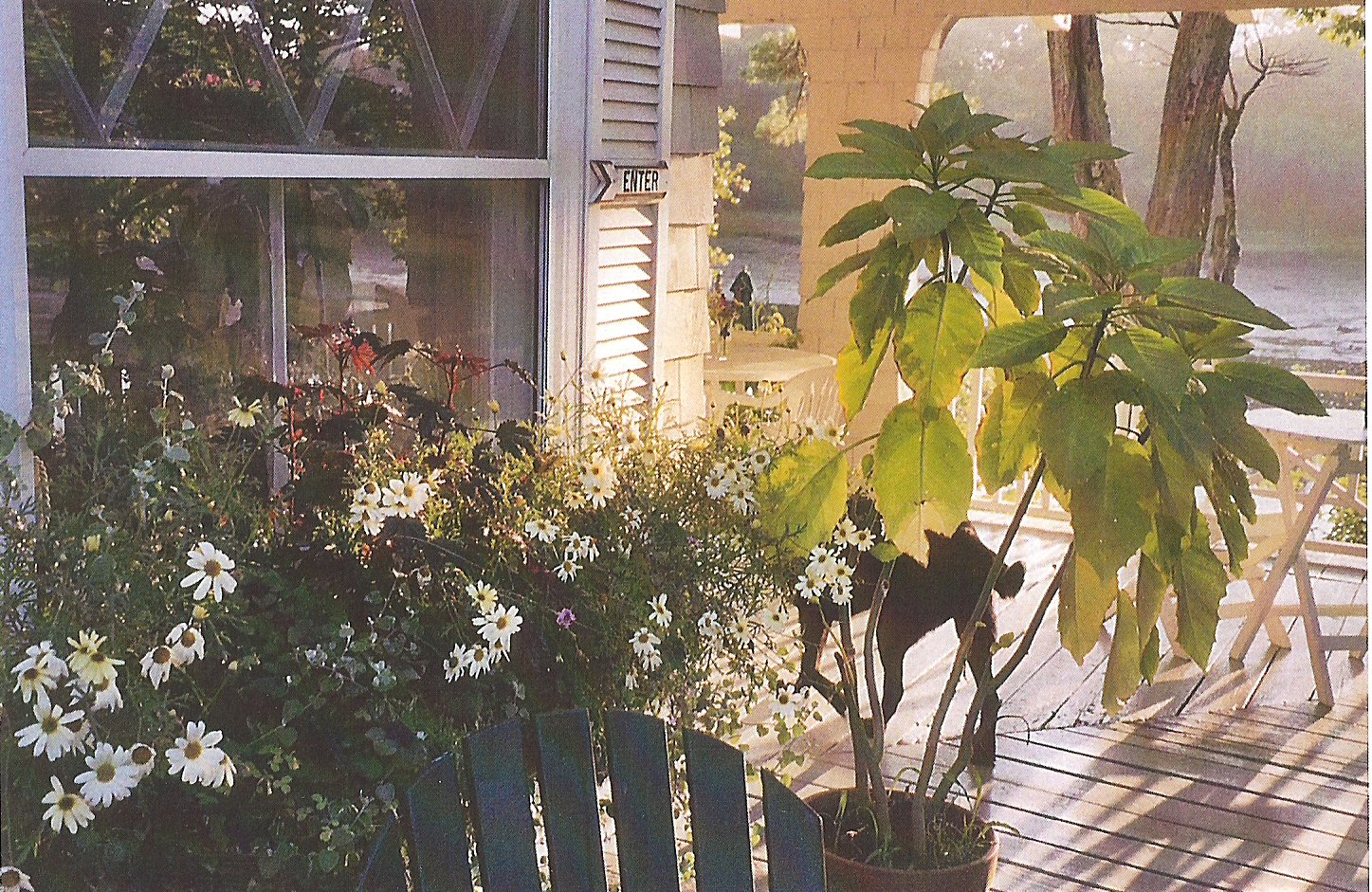
Turning places into radiant refuges requires understanding what creates welcome and peace. The owners who ran the Bufflehead Cove Inn supplied both in abundance with a sensitivity to the spirit of that particular place. In converting their family home on the tidal Kennebunk River into an inn, they made full use of generations of experience and memories. It was alive with what it means to be home in a way that was at once now and timeless.
The inside and the outside were not a division but a collaboration. You could see the ducks gathering at dawn from the porch. There was the smell of wood burning in the fireplace in the evening. You would hear the slight creak of the old steps as you climbed up to your room to see reflections from the river dancing on the ceiling. Even the easy walk along the rustic road into town by ponds in the woods seemed just right.

OLYMPUS DIGITAL CAMERA

porch chairs

OLYMPUS DIGITAL CAMERA

OLYMPUS DIGITAL CAMERA

OLYMPUS DIGITAL CAMERA

OLYMPUS DIGITAL CAMERA

OLYMPUS DIGITAL CAMERA

OLYMPUS DIGITAL CAMERA

OLYMPUS DIGITAL CAMERA

OLYMPUS DIGITAL CAMERA

8 lily on the porch copy

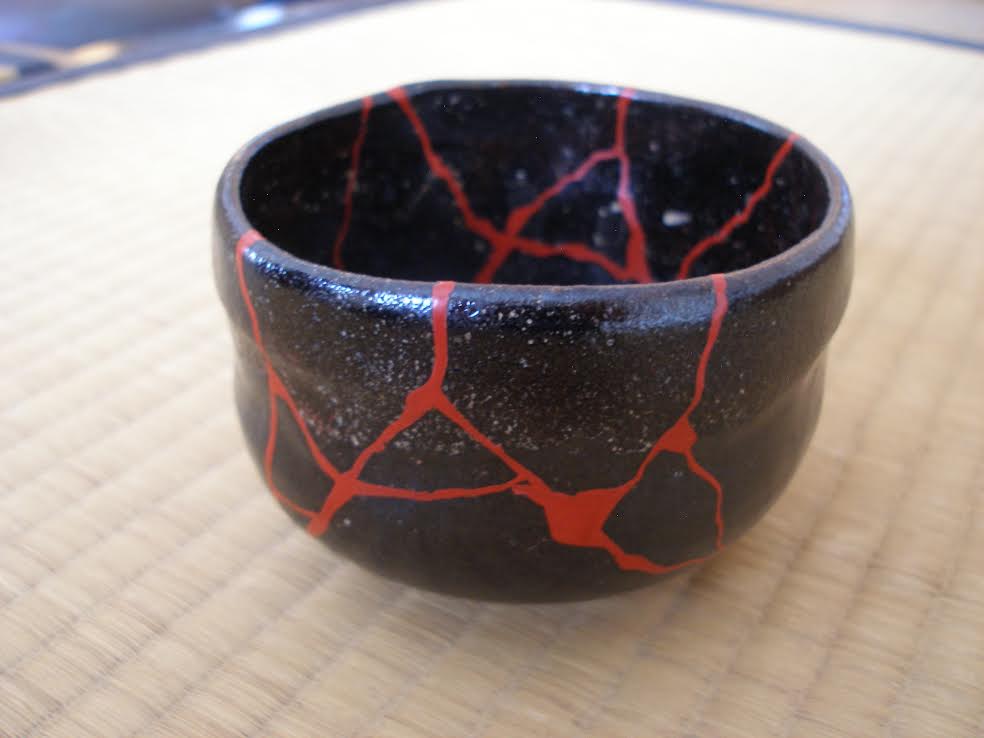
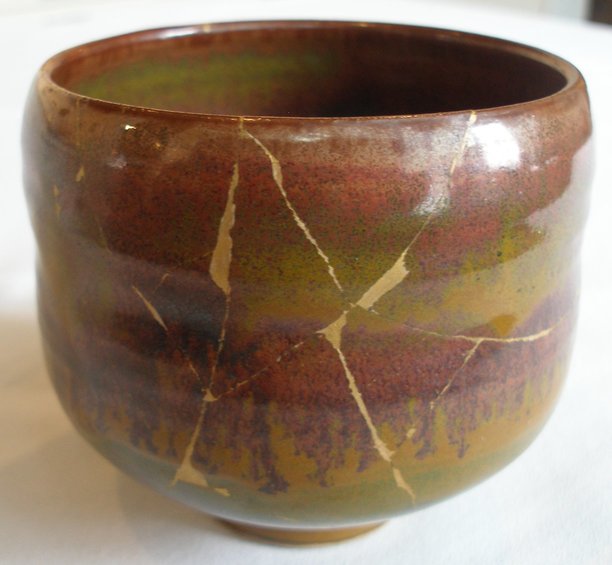
Kintsugi: Two Tea Bowls Mended with Loving Care

There are very few practicing the traditional craft of kintsugi (literally gold mended) in Japan, although you can purchase materials online and try it yourself.

You can also find examples with related concepts such as the illusive wabi sabi, mottainai (regret about waste), and mushin (openness to transience).  This post presents two examples that had great meaning for their owners.

OLYMPUS DIGITAL CAMERA

The first example (above) was a favorite “travel” tea bowl of a Japanese tea ceremony enthusiast. When it broke in transit during a trip, he had it mended using a nontraditional color. Kintsugi normally uses gold, silver, or platinum.  The owner treasures all of his memories of that special bowl, including those associated with its latest vibrant transformation.

When I first encountered kintsugi, I realized the process involved collaboration. The person who made the bowl, the forces that broke it, and the person who mended it all contributed something important as the object moved through time.

Of course, there are many good reasons to mend a bowl. But this art goes beyond the practical or sentimental. From tending my tea garden through growth and change and at times dealing with storm damage, I learned the wisdom of honoring the potential of what is here now.

Like everything else, we are subject to constant change. We are by no means immune from shattering.  But we are also gifted with the ability to work with the potential which informs the very heart of beauty right in the midst of transience.

OLYMPUS DIGITAL CAMERA

When this bowl by Brother Thomas broke, its owner considered having it repaired so the mend would be invisible.  In the end, he decided on gold leaf.  When shown the elegant results, Brother Thomas said he liked the bowl better that way. It remains a treasured object in the gallery owner’s personal collection.

Although Audrey Harris was not so pleased with her first attempts at kintsugi, the many important lessons she learned from the process with the help of her teacher were certainly treasures. Kintsugi can also be a most powerful metaphor for human healing as this  moving video makes clear.

Addendum: This post was updated on 3/11/19 to include the video on the meaning of kintsugi for a survivor.

Cleaning My Tea Garden

OLYMPUS DIGITAL CAMERA

Tea garden cleaning is not too serious an enterprise. It is said that young boys and old men are perfect cleaners of tea gardens because they are not too careful. In fact there is a story that Sen no Rikyu, who was a great tea ceremony master and setter of standards, shook a tree to scatter a few leaves into a too-perfectly-cleaned tea garden.

When I am cleaning my tea garden, I often get lost in what I am doing and before I know it, an hour or more has passed. I allow myself the luxury of taking my time. I stop to check if the few remaining weeds in the moss are distracting rather than enhancing and natural looking.

As I work, I notice the pattern of shadows and whether there is a breeze or a light covering of snow on the evergreens. I notice the color of a single fallen leaf. Sometimes I sweep the moss with a broom. I may replace a fallen twig I have removed. I “listen” to the garden and what it tells me should be done.

I water everything carefully, and the moss fills out and deepens in color before my eyes. I scour the rough granite water basin and fill it with pure water. Then I place the delicate bamboo dipper diagonally across the round opening. If it is evening, I light the lanterns not to provide light, but to enhance the growing darkness and to mark the path.

In winter, I carefully clear the stepping stones trying not to disturb the snow around them. This is a beautiful time of year in the garden as the snow mounds on the evergreens and lanterns, and the bare branches of the trees enhance the solitude.

Normally cleaning the garden has the effect of taking me far from the mundane frustrations of life and bringing me to a state of peace, openness and gratitude. There is also the joy of anticipating the remaining tasks yet to be done inside the teahouse. These tasks include selecting the scroll for the tearoom, arranging the flowers, and preparing the tea utensils for the particular occasion.

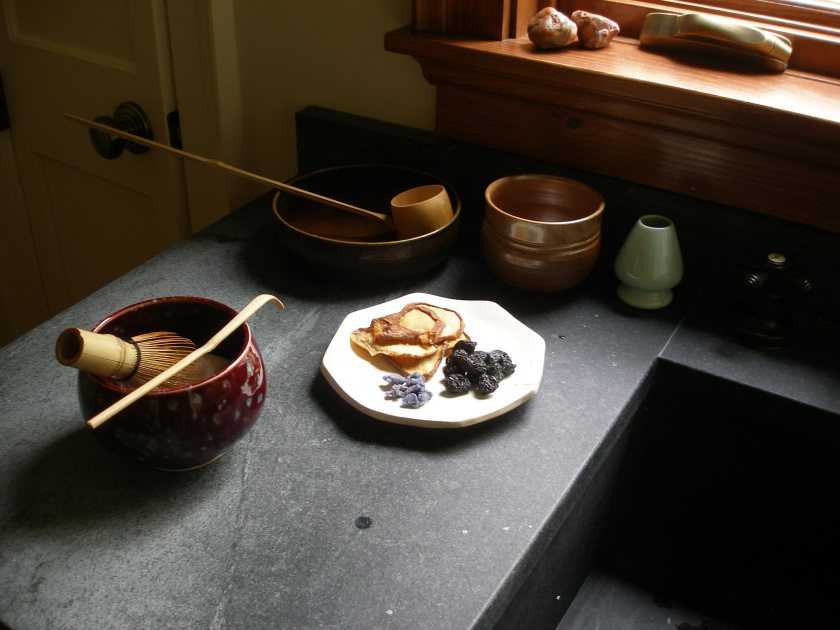
I usually select a scroll that suggests the coming season. One or two simple flowers from my yard are arranged in a basket or mud-colored vase. I place odd numbers of molded sweets or dried fruits in an abalone shell. Sometimes I place them on a wooden plate with a leaf.

Tea bowls, jars and containers, bamboo scoops, pieces of cloth used in cleansing, and a special tea whisk are all selected. My appreciation of the beauty, simplicity and functional rightness of the tea utensils continues to grow over time.

This is just one example of how tea grows deeper in meaning the longer one practices. Many aspects of tea are both simple and profound. Its values, which are only implied indirectly in this article, are particularly true and precious to me.

One of the very last steps in preparing for a tea ceremony is to wet the stepping stones just before guests arrive to create a feeling of freshness and as a sign of respect and greeting.

This article was originally published in the March, April 1999 issue of the Journal of Japanese Gardening.

The Colors of Jade

While it is known for its shades of green, jade can be found in many remarkable colors, some softer and some more brilliant. It is also carved in a wide variety of styles and forms. The pendants and bangles in the photos below show just some of its possibilities. They were carved in the United States, New Zealand, China, and Guatemala, some a while ago and some only recently. Each has a story to tell, and since jade is such a tough stone, it is a refuge that will last.

smalls
two rabbits
bangle
three NZ
tree
haitiki
bird head
bangle2
Schiling's pendants
dragon

Tiny Refuges

One way to explore refuges is to create tiny ones. These can be made from shadow boxes, in a bookcase, by furnishing a doll house or even by tucking “fairy houses” made of natural materials into secret spots in the woods. The tiny rooms I made include an antique shop, a fall kitchen (I could not resist adding hoarded toilet paper), a room at an inn, a Chinese restaurant scene, a Japanese tea ceremony in progress, and a weaver’s workshop. For the last one, I experimented with placing various objects in an acrylic display cube and taking photos of the arrangement in my garden.

Antique Shop

OLYMPUS DIGITAL CAMERA

Room at an inn

Chinese restaurant

Japanese tea ceremony

Weavers workshop

Capturing light

Abalone Portraits

When the abalone shell arrived, it had a crack in it. I decided to take a photo anyway. What I saw in the image was much more than I expected. We are like this, I thought. We forget the extraordinary beauty that comes right up to our cracks.

I could not stop taking close-ups as abalone arrived at my door from all over the world. The slightest shift brought dramatic color changes. In this conversation with light and mystery I sensed a deeper connection. There were so many lessons here, a spiraling out to a universe of being. Joy and grief blended with so much at risk for the abalone and for us.

OLYMPUS DIGITAL CAMERA

OLYMPUS DIGITAL CAMERA

OLYMPUS DIGITAL CAMERA

OLYMPUS DIGITAL CAMERA

OLYMPUS DIGITAL CAMERA

OLYMPUS DIGITAL CAMERA

OLYMPUS DIGITAL CAMERA

OLYMPUS DIGITAL CAMERA

The Abalone Are Dwindling

OLYMPUS DIGITAL CAMERA

The abalone are dwindling
In their rocky abodes
Along our coasts

It matters not that the
Maori and others
Understood their sacredness

With only dim sight
They sense their limitless world
Of kelp and water

Once they thrived
Breathing and mating through
Holes in their shells

Clamped down and
Holding tight was enough
As the tides found them

Now I grieve for the
Extraordinary beauty
They created never seeing it

The Goose Feather Sequence

OLYMPUS DIGITAL CAMERA

Spiraling down from
This fall sunset sky of geese
A lone tail feather

Dreaming here in my garden,
I sit watching a feather spin.
Warm light bathes the soft sweet moss
in welcome to this winsome sprite.
Bounding fast lest it escape her,
the clumsy cat misses it!

Held in her mouth like
A dagger, or a rose,
The goose feather trophy
Must smell strongly
Of potential prey
To my hungry cat –
She wants her dinner.

No need for any plucking
With feathers flying about,
Her poultry comes in cans
Extracted by turning
A gear and applying
A blade to cut the
Lid round ‘till it snaps.

I’ve been told, geese are the
Perfect prey for humans, when
That dire time comes with all
The secret factories abandoned
And we must revert to honesty
About the brutal sacrifice
Of those we prefer as food.