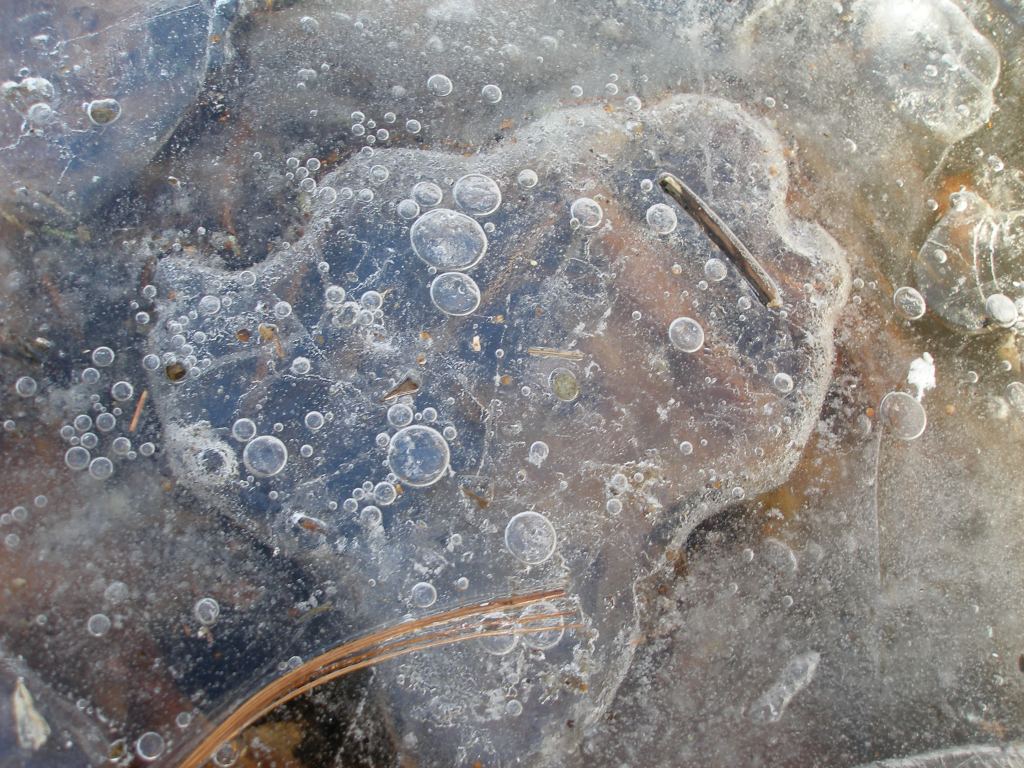
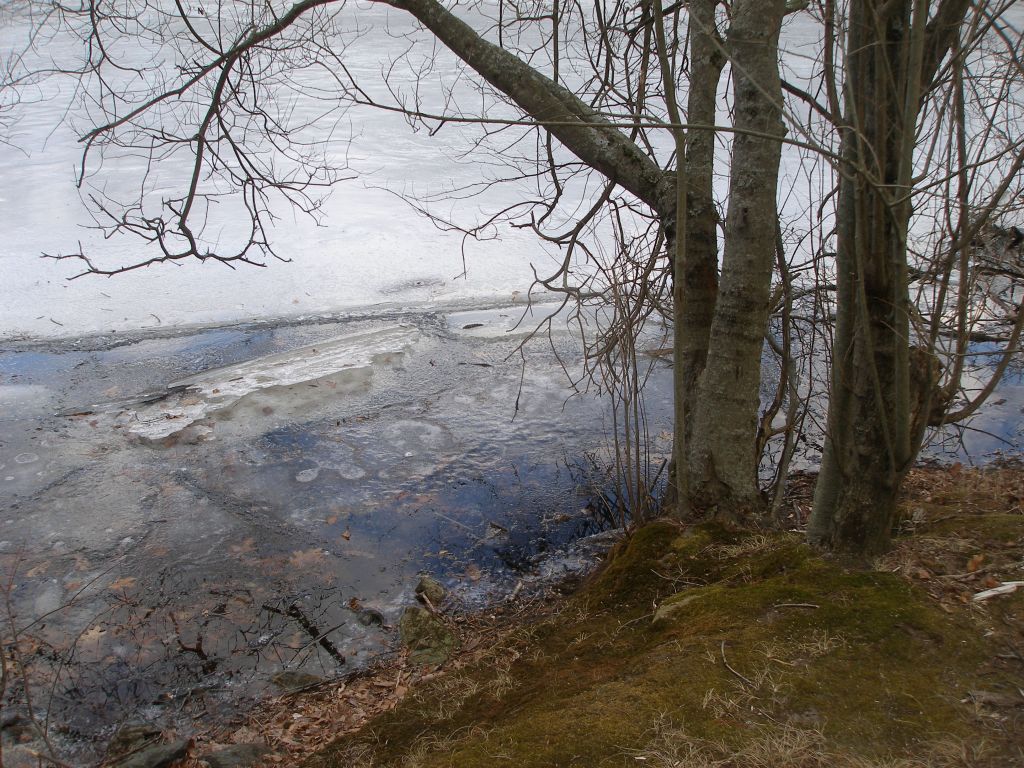
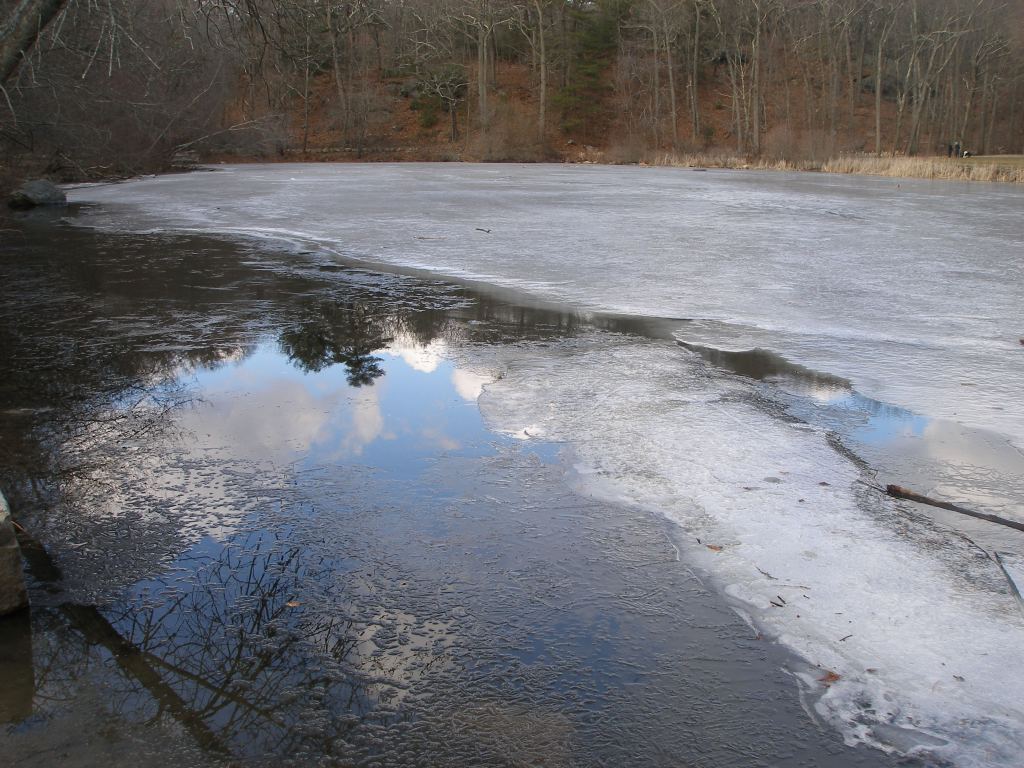
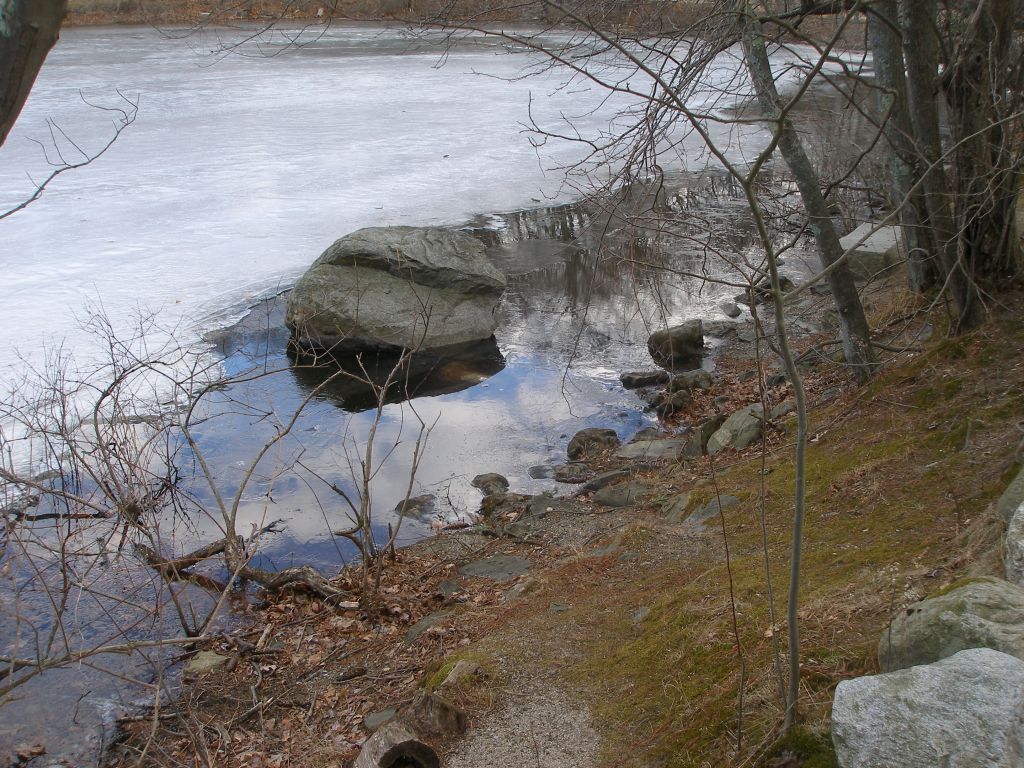
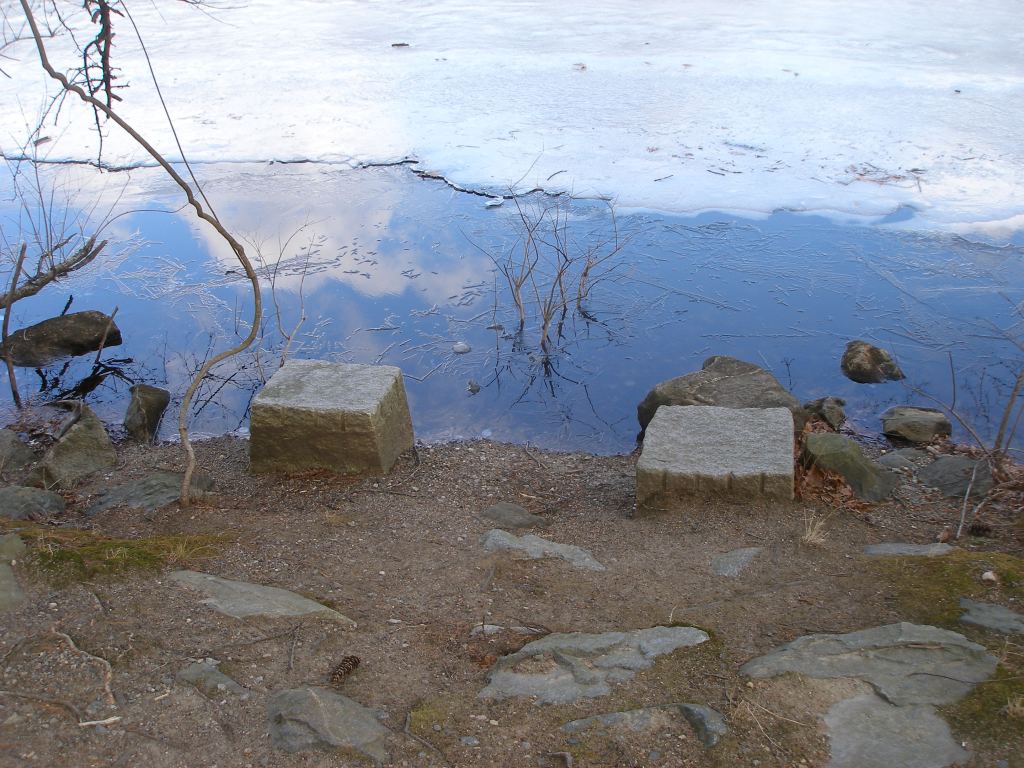
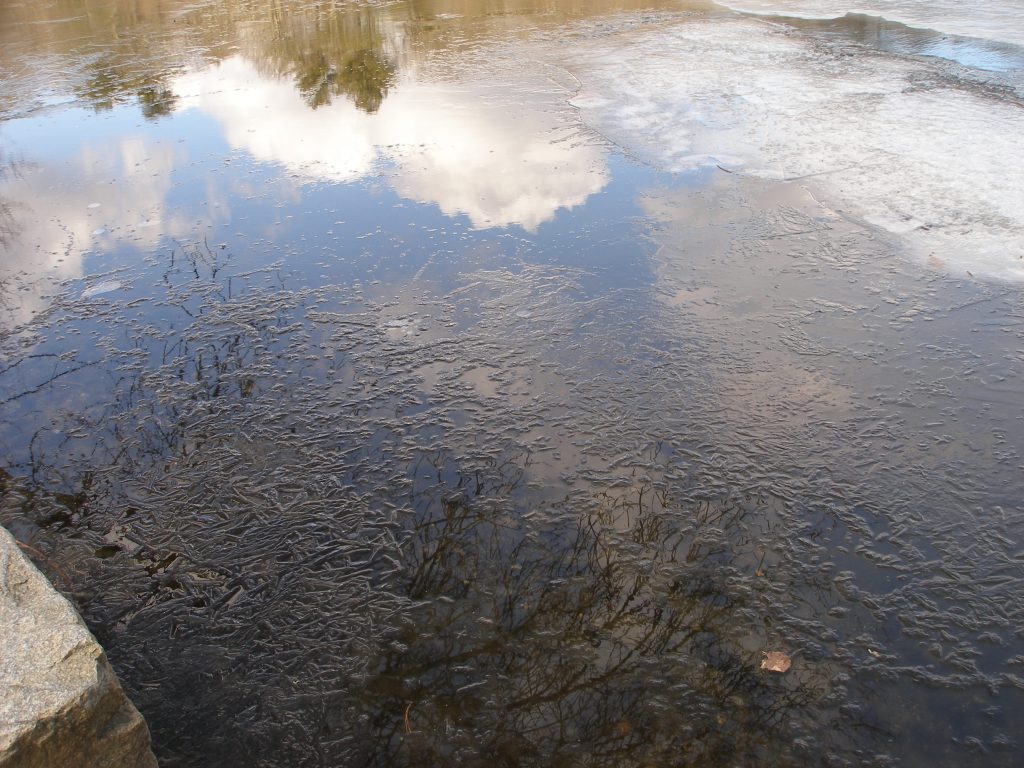
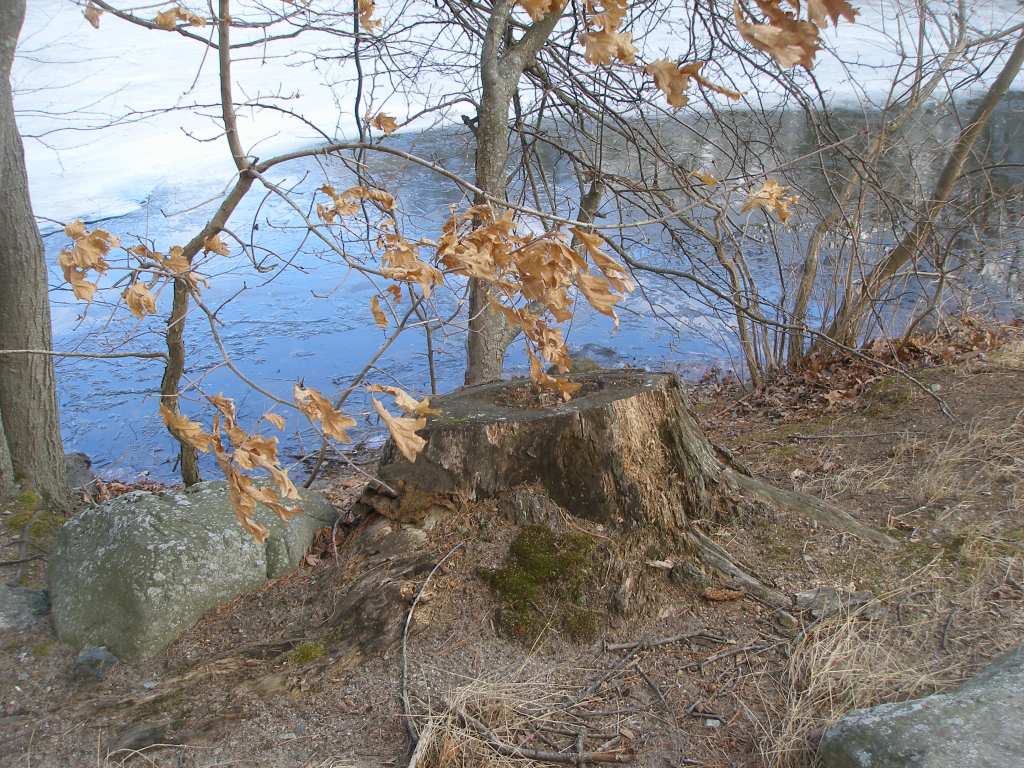
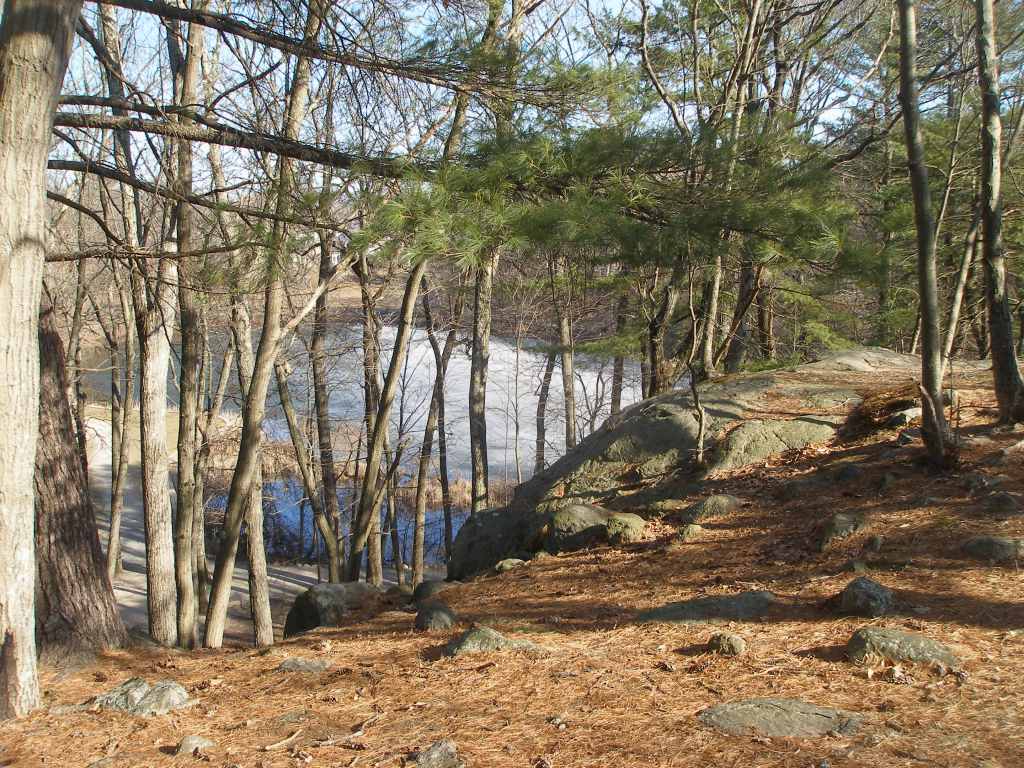
I like to look around the edges of Hills Pond when the ice is just forming or better yet, when it melts with warmer days and freezes again during the night.
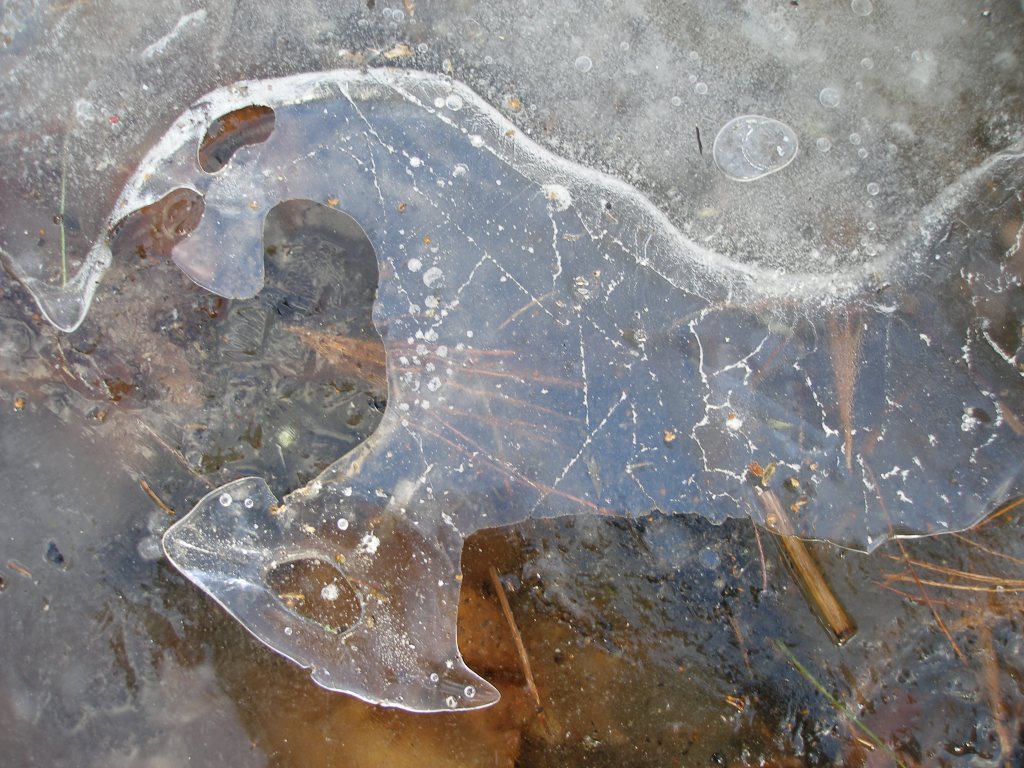
Sure enough, there were crystal clusters and bubbles in the ice yesterday as well as a wonderful curving sculpture.
When I returned the next day, the mushy paths were lit by reflecting patches of ponding water. Snow on the pond had slumped into quilted softness, with all trace of the icy precision gone. I took solace in my knowledge that there is a regular rhythm to it, how the melting feeds the slow unfolding of green on our tilted panet.
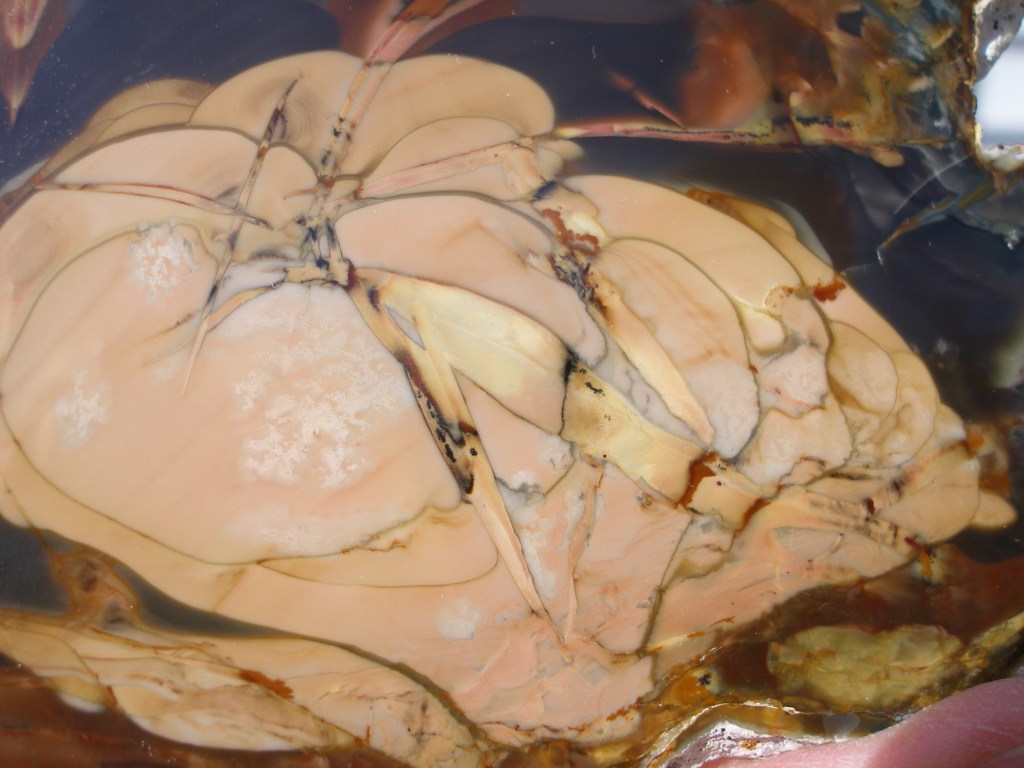
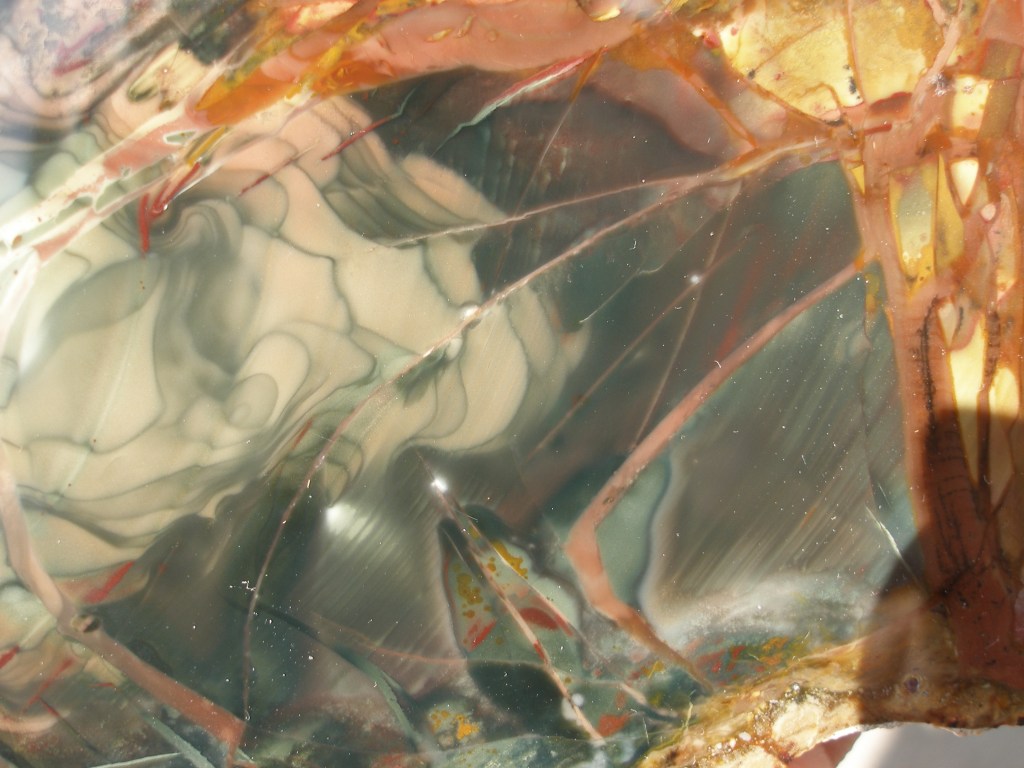
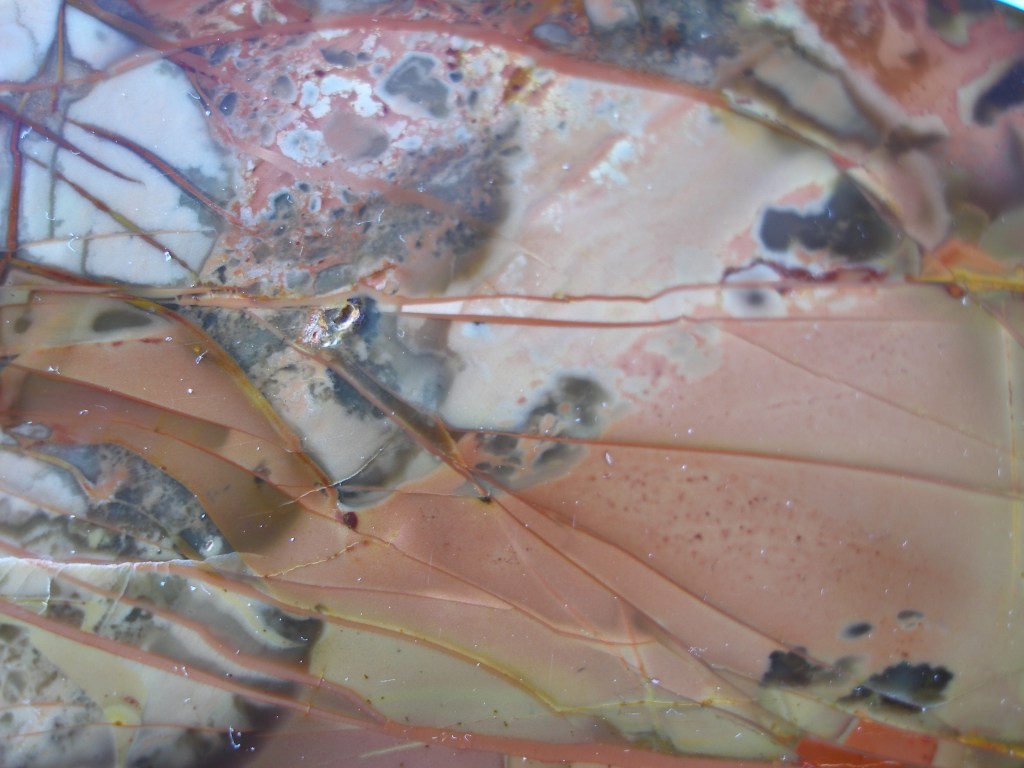
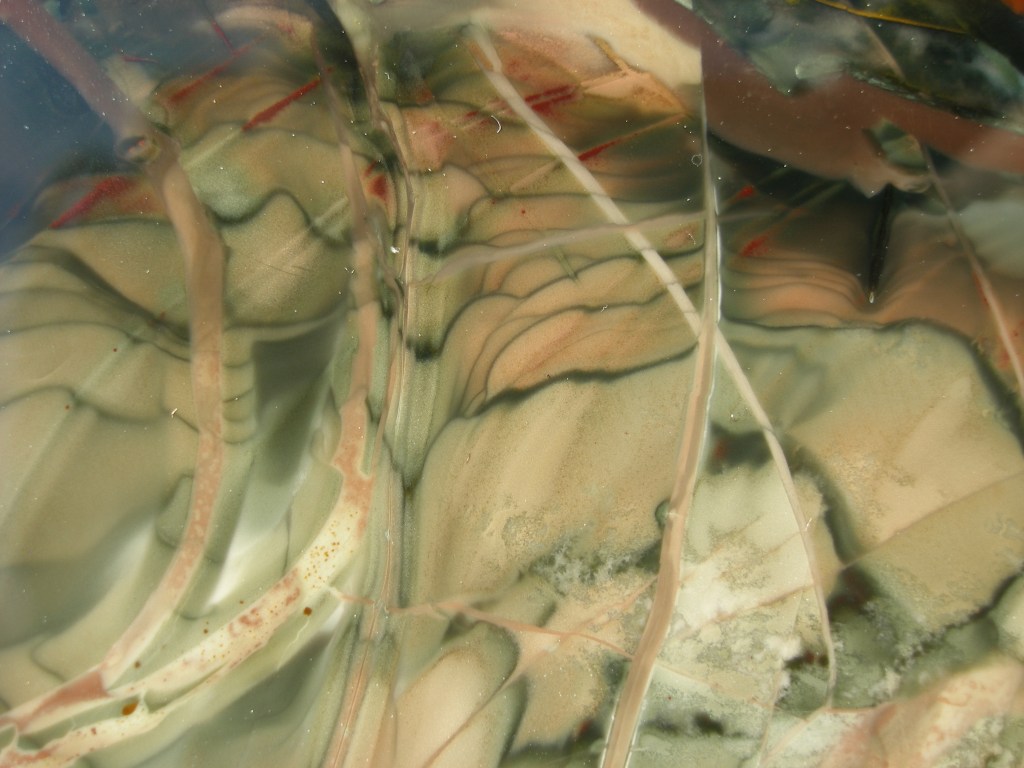
Rocks have a way of being relatively imperturbable. I like that. Especially in times when it seems impossible to keep up with too much information overload. They just sit there.
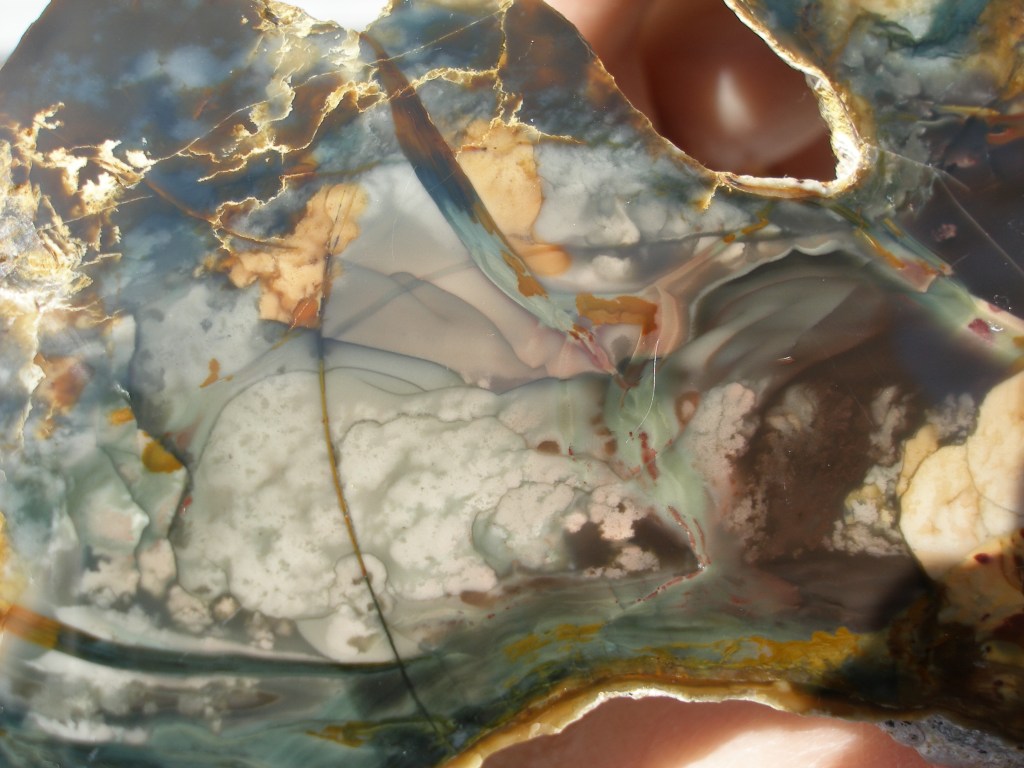
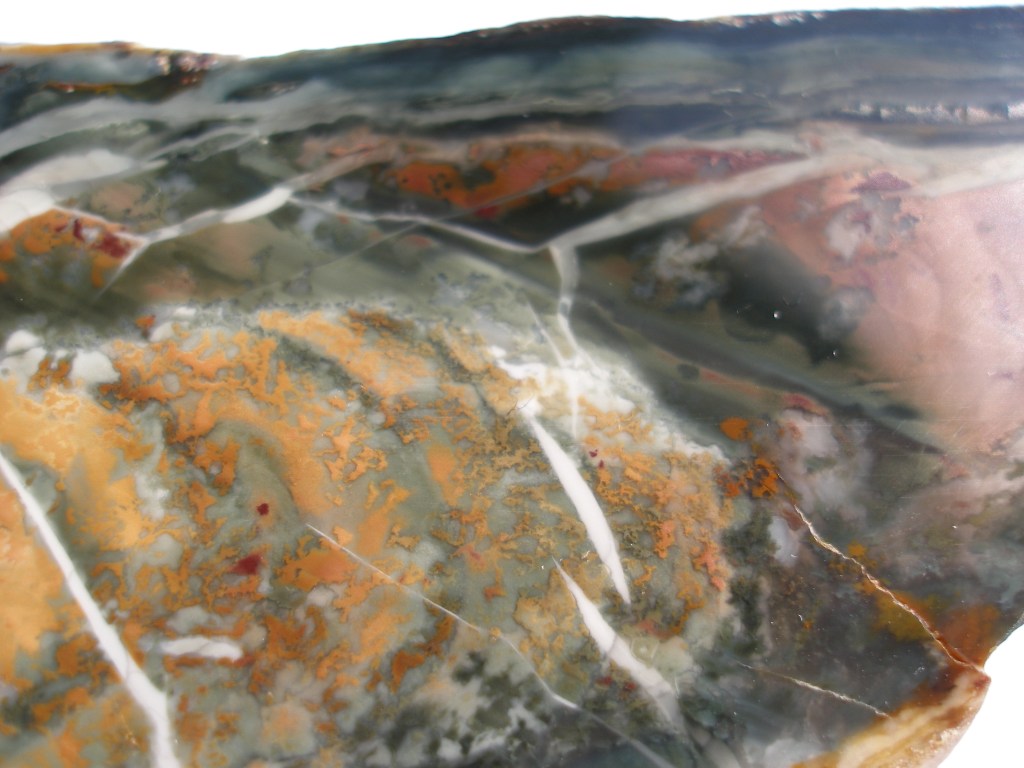
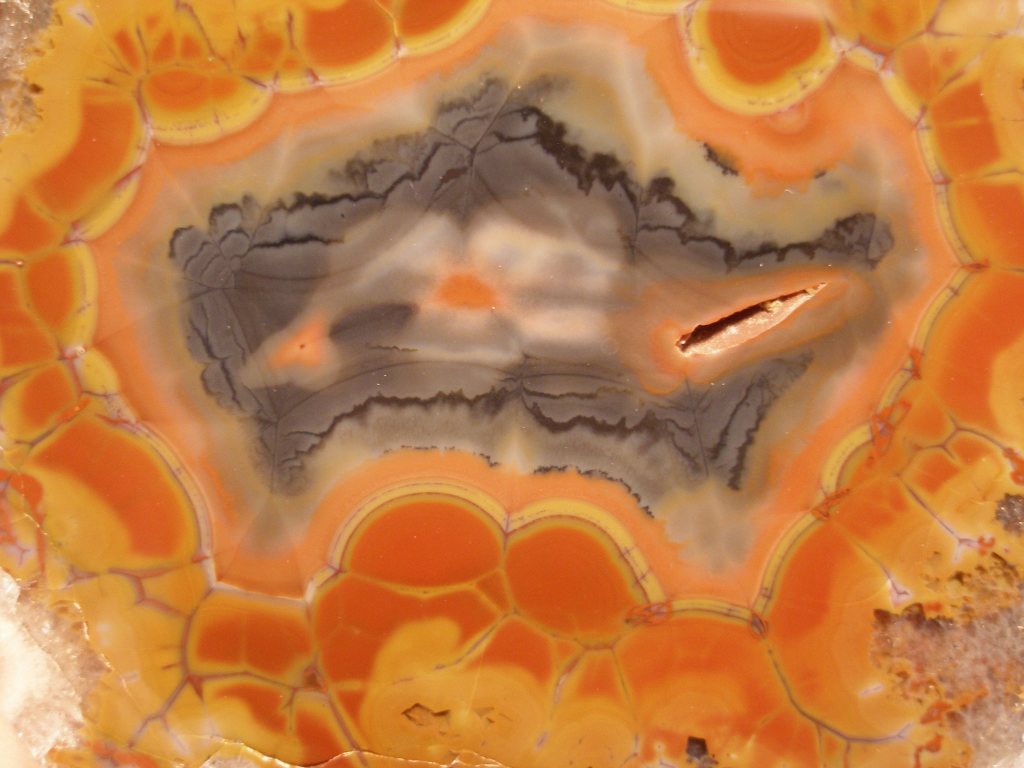
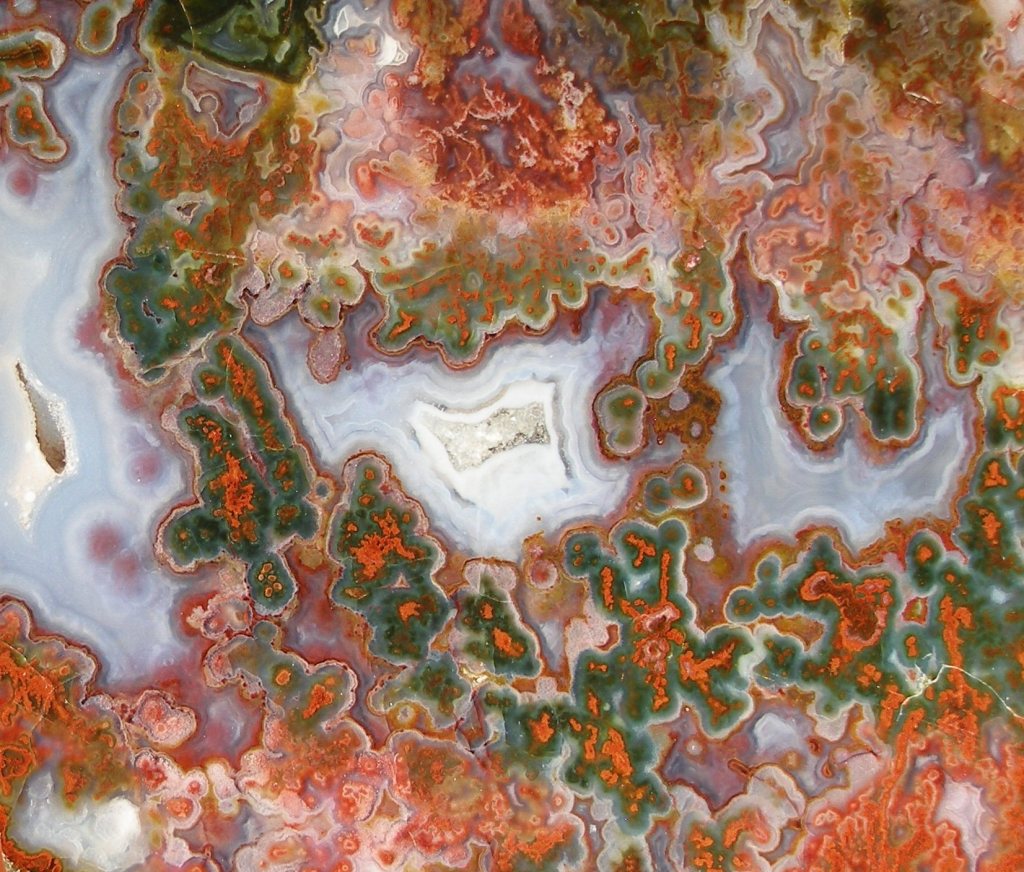
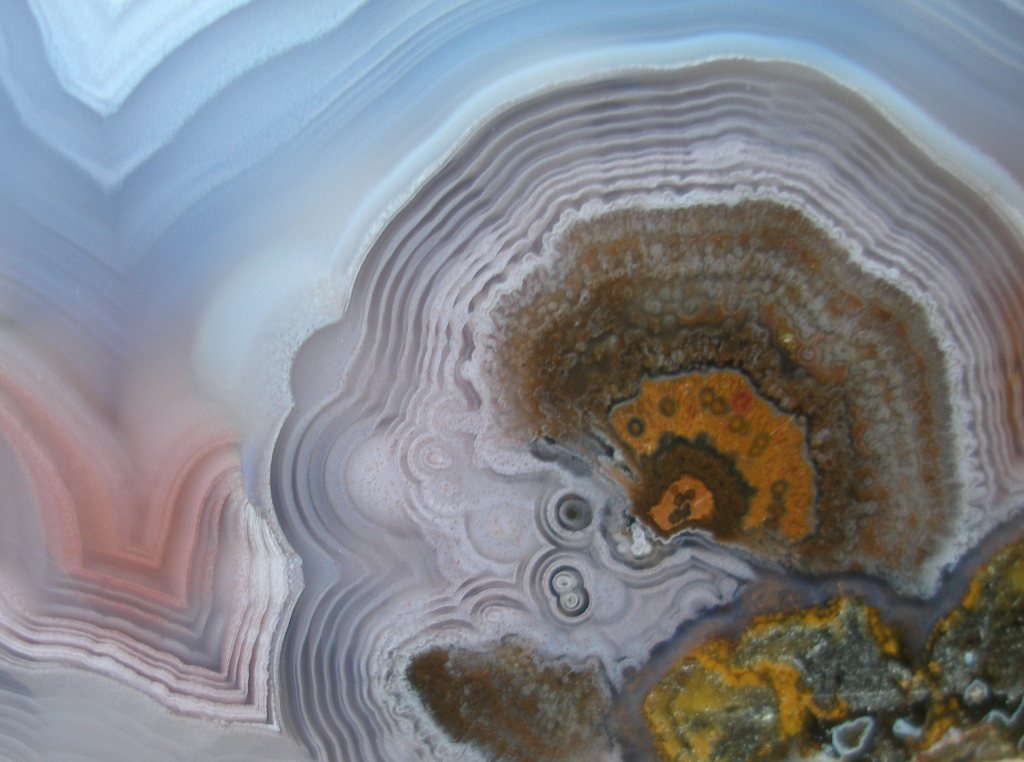
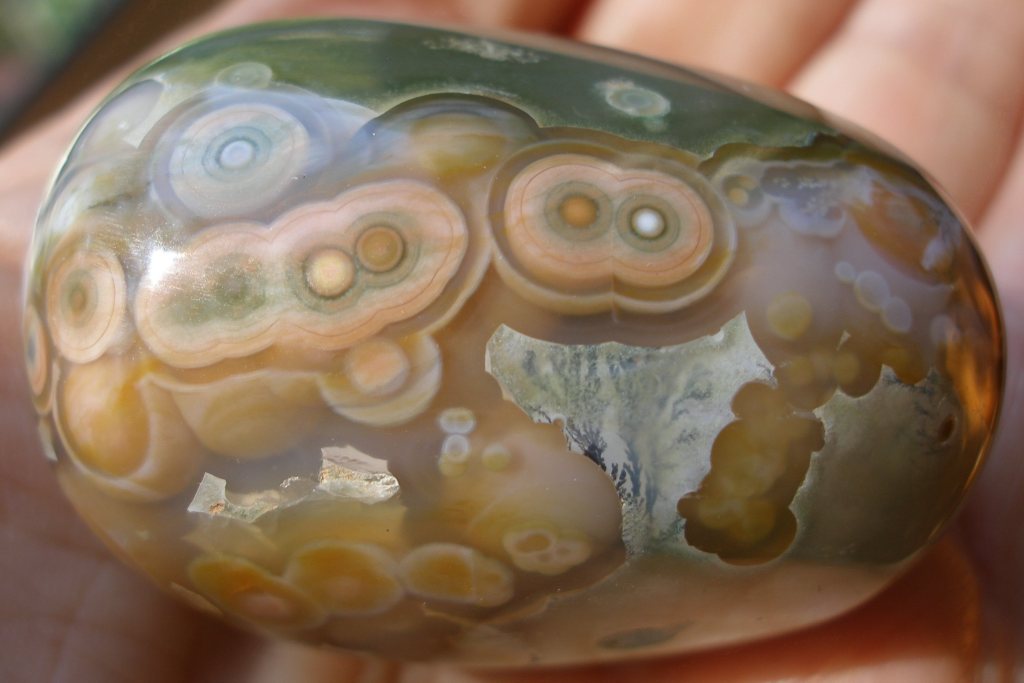
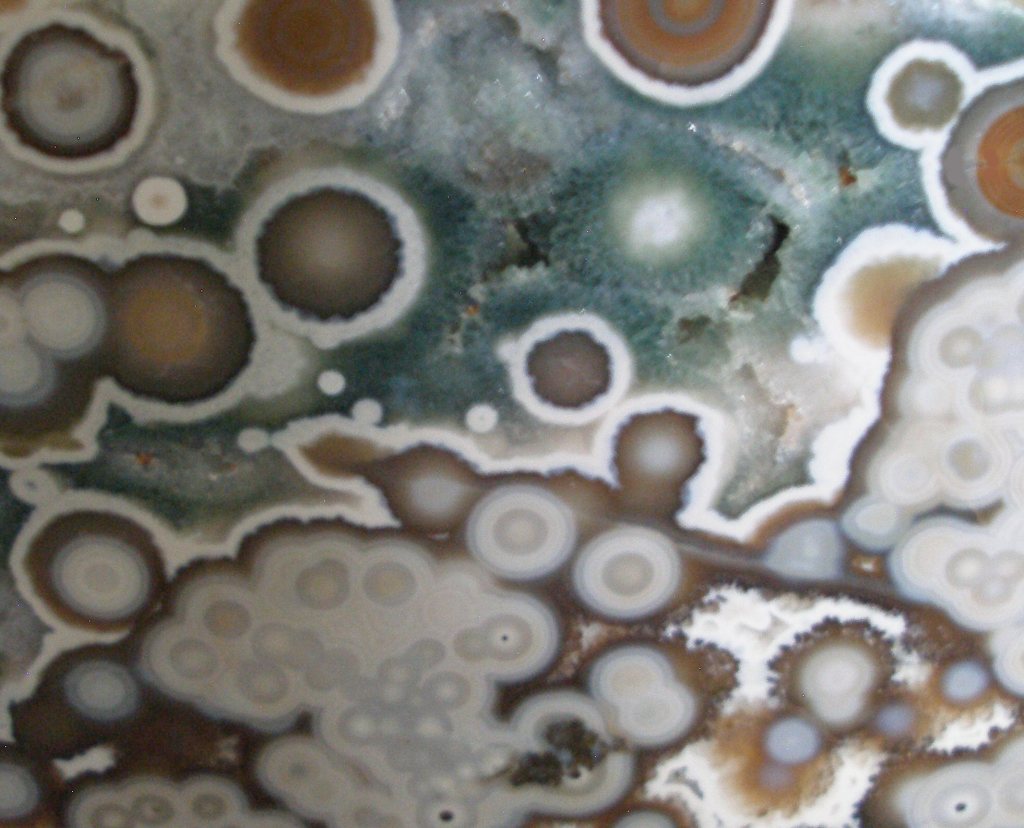
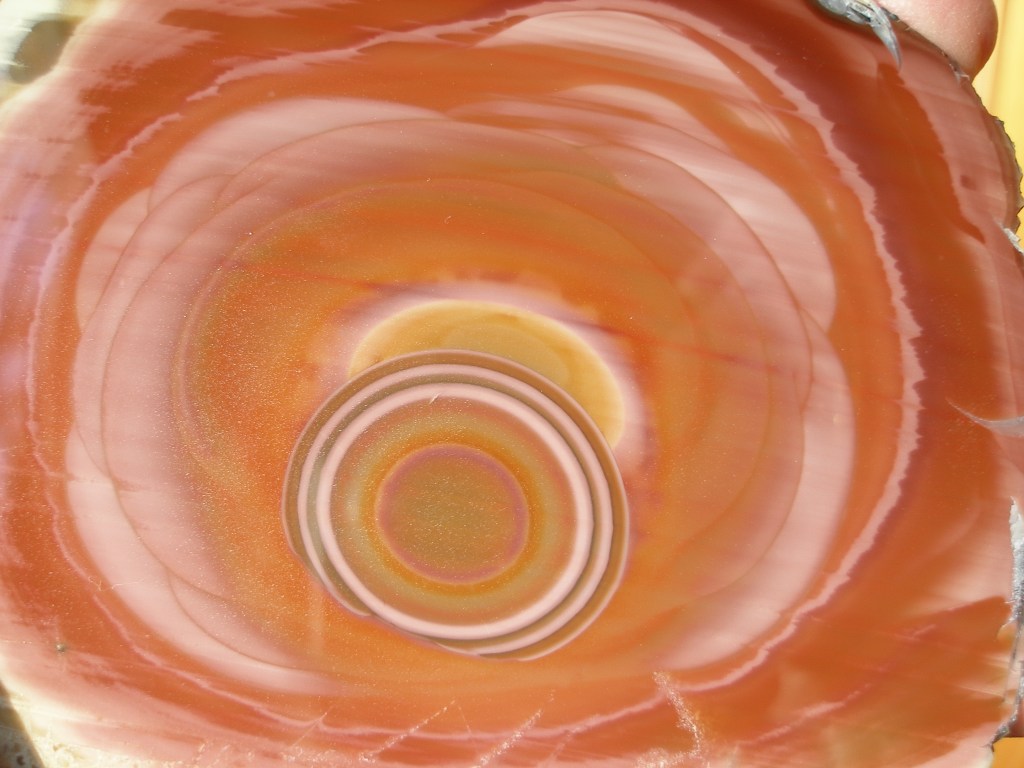
For some reason, they do not seem quite dead though. They strike me as too evocative, too mysterious and too miraculous for that – especially Morrisonite jasper. It contains worlds within worlds; swirling colors, and so many different things happening.
Perhaps it is just me. But why would this jasper show us all this if it were truly dead? Makes no sense.
With all the turmoil and craziness these days, I am grateful for physical activities like shoveling snow that can put worrying in the back seat for a while. If it were a bit warmer and less slippery out, I would no doubt be walking in Menotomy Rocks Park with my camera handy.
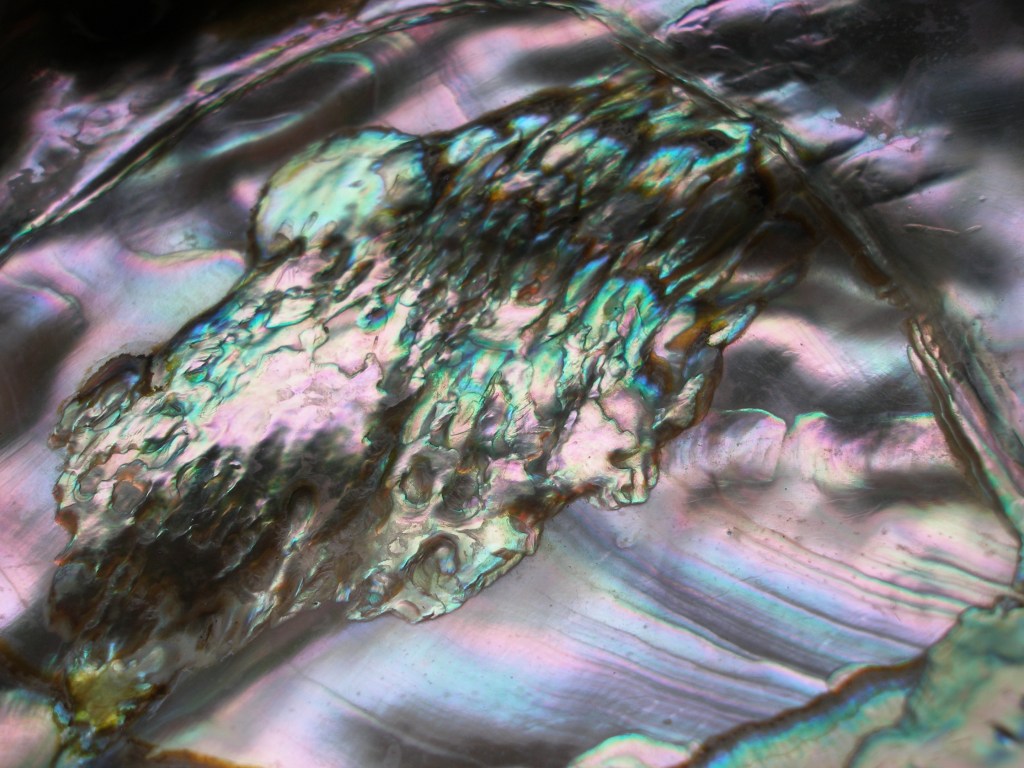
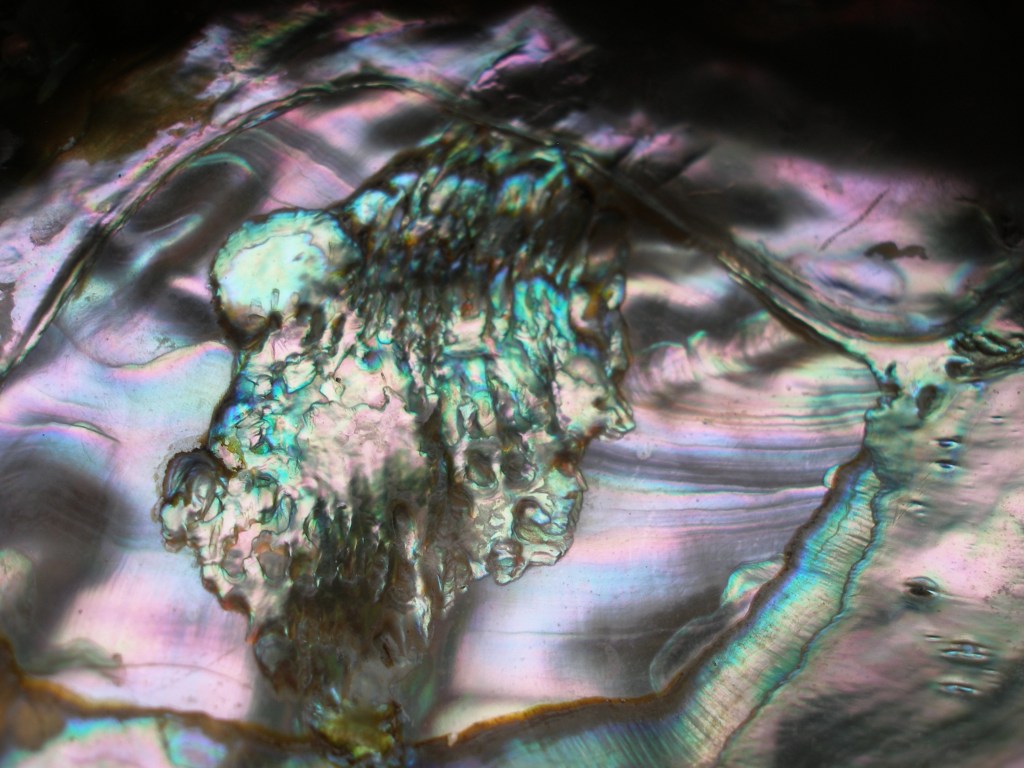
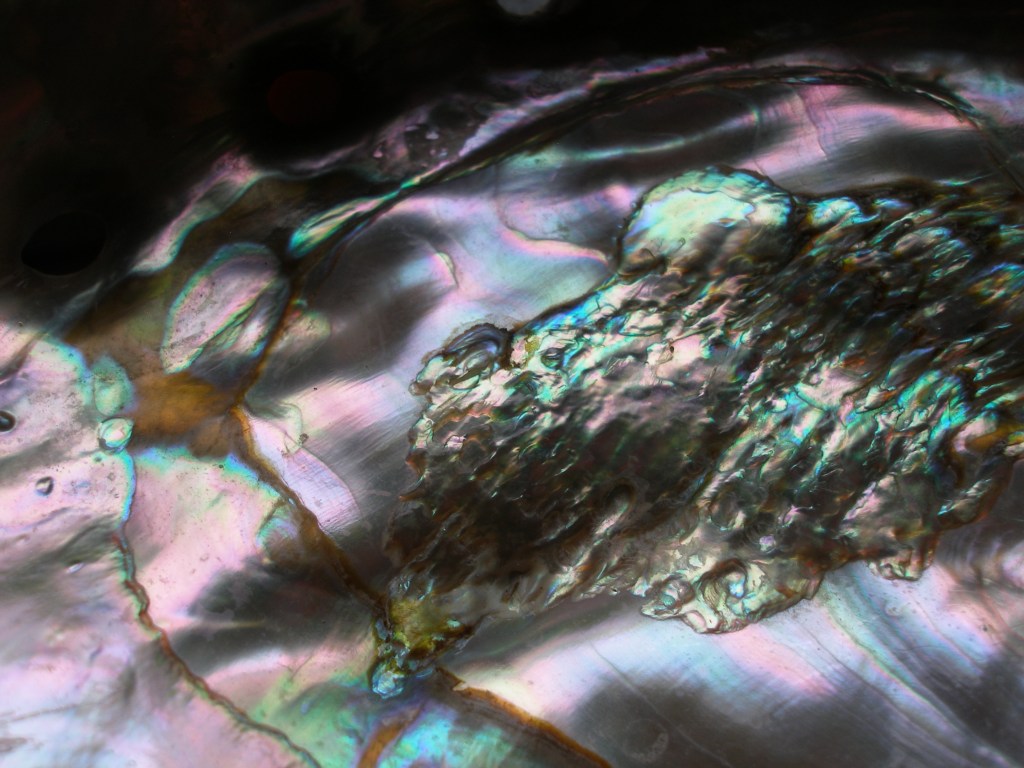
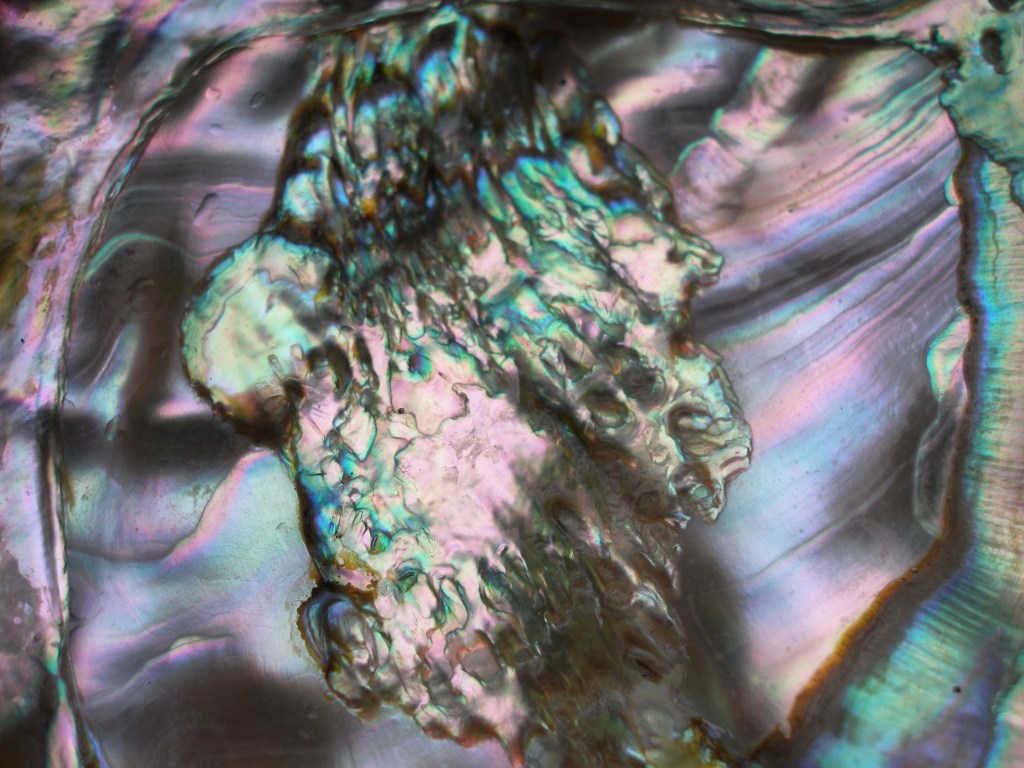
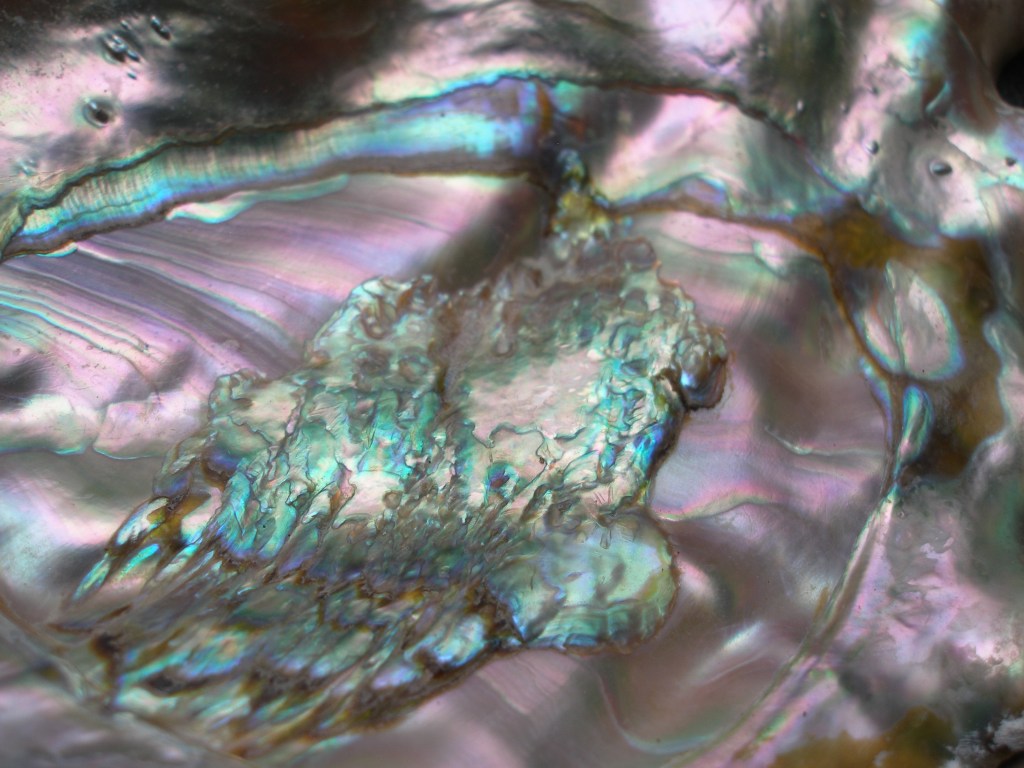
As it is, “playing around” taking photos of a colorful abalone shell puts me at the intersection of nature and creativity – two of my favorite refuges.
Why not try it? Pictures of any natural object taken from different angles in different lights can be quite a rewarding revelation. Taking a break to ground oneself in what is real and concrete in the here and now can really help when your mind starts spinning out with what could be.
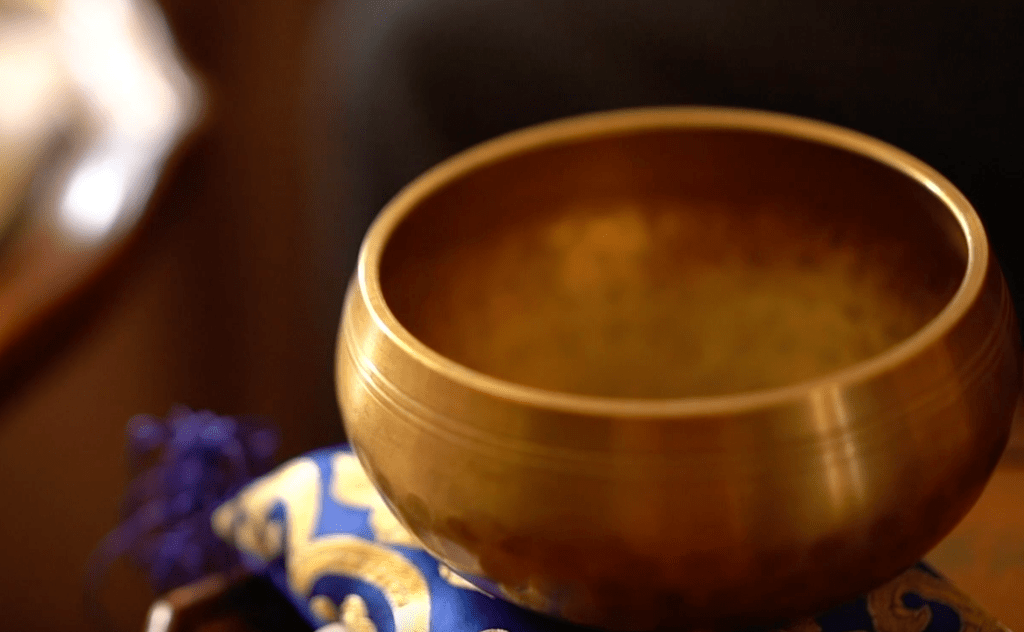
I was asked to start a brief period of silent online meditation by ringing the singing bowl that I keep by my monitor. As I toggled “Original Sound for Musicians” to on, I said I would “invite the bell.”
It turns out, there is a wonderful short video where Thich Nhat Hanh explains this phrase and offers this poem to would be “bell masters”:
“Body speech and mind in perfect oneness
I send my heart along with the sound of the bell
May the hearers awaken from their forgetfulness
And transcend the path of anxiety and sorrow.”
The ringing of a singing bowl can remind us to pay attention in the moment – so we actually come awake to what is happening now – the only time we can really do that.
Before I found that video which puts “invite the bell” in context, I had decided to contemplate that phrase to see where it might take me – In what ways are we like bells? Can bells be thought of as being “alive”? Human actions can certainly “ring out” impacts in all directions. Our screens show us this in almost real time these days. It can seem like too much with so much going on at once – a veritable cacophony.
I was taught to use the word “invite” rather than “direct your attention to” when offering guidance for meditation practice. A non-demanding humble approach provides a gentle welcome that leaves the participants with a sense of choice and agency. But to invite a bell to ring. Does it really have a choice? Perhaps not, but we can bring an attitude of respect and appreciation to the bell for what it provides for us. Modeling that kind general attitude of gratitude and care to others could certainly matter. It can make life meaningful.
It is possible to have an intimate personal relationship with a singing bowl? They can begin to feel something like reliable pets or wise companions that live with you, always waiting and ready to be rung as needed, or for no reason at all. And singing bowls are certainly individuals. They have distinct “personalities.” They come in a wide variety of sizes and shapes. Their voices can be light and clear, or deep and boomy often with wonderful expressive overtones. You can check out some most interesting “characters” here.
A bell does have a way of drawing us in when it sounds – we tend to take notice. I imagined my breathing self merging with the bell’s vibrating substance so we became one shining resonance with no separation. When that began to feel weird, I returned to my embodied memory of the grounded simplicity of listening to a bell at the start of meditation practice. And with that I realized that somehow the idea of “inviting the bell” had begun to make perfect sense.
In early January, an interesting conversation started up in an online forum on holiday decorations in my town, and I noticed that my partner had decided to join in. Based on the reactions, I was not the only one impressed by what he had to say:
“Very recently this discussion of decorative lighting seems to have started turning ugly, and I am not referring to holiday-sweater ugly. I am referring to a hostile tone including some intolerant references to other people’s religious observances.
Let us be very clear: when someone says ‘This town isn’t what it used to be’ he probably doesn’t mean we should give it back to the people who called it Menotomy and were here before Columbus. He probably doesn’t mean we should tear down all the buildings and bring back the farms. And I’m pretty sure he doesn’t mean that, like the Puritans who were here 400 years ago, we should ban Christmas observances as being too ‘pagan’.
So this isn’t about history; it’s about a false nostalgia for something that never happened in the way it is being ‘remembered’.
There were Jews on Columbus’s boats. There were Jews and Muslims here in the Colonies. Jews and Muslims fought in the American Revolution. Jewish worship was supported by Adams, Washington, and Jefferson. Jews and Muslims are full citizens of this country and have been since the founding. The original colonies were populated mostly by Protestant Christians, but they were sects of Protestants who were themselves victims of oppression, and who did not want anyone who held different beliefs telling them how to practice or observe. The compromise enshrined in the US Constitution is that no religion should be legally subordinated to another. In the course of two and a half centuries we have interpreted that to mean also that no person should be forced to pay for another’s religious observance.
By all means, decorate your homes and businesses — if that is what your conscience and your aesthetic taste encourages. White lights, colored lights, ultraviolet lights and DayGlo posters, all good. If you think Town property should be decorated, and you are willing to pay for it, great. I’m all in favor of pushing back the darkness — light bonfires, bang on pots and pans, scare away the dragon eating up the sun. Within the bounds of the noise laws and somewhat good taste, of course — I’m not too big on 8-foot Dancing Santas in front of Town Hall.
But we have a tradition of protecting minorities in this country. Unfettered democracy is two wolves and a sheep voting on what’s for dinner. We do not, and should not, do that.
So don’t ask others to pay for your decorations. Really, that’s all. By all means, volunteer. Donate. Organize. Just do not put it in the Town budget and require others to pay for your holiday. Yesterday was Orthodox Christmas, and I apologize for missing it. I hope it was happy, for everyone.
As that song by the Russian Jewish immigrant says, ‘May your days be merry and bright.’ As that itinerant rabbi from Nazareth taught so many centuries ago, love your neighbor as yourself.
All best wishes”
See what I mean?
Someone added. “So, Arlington, we should honor our freedom and privately pay for our displays of lights, white or any other colors for July 4th, All Hallow’s Day Eve (Halloween), St. Lucia’s Day, Christmas, Hanukkah, Diwali, Lantern Festival, St. Valentine’s Day, St. Patrick’s Day, and more. All good. Shine on. And switch to LED lights, if possible! Save energy!”
Among the brief comments were: “Well said!”, “I love this message”, “Thank you. Beautiful and spot-on to all points.”
One person listed 16 “Christmas” songs and the names of their Jewish composers. Another noted “a government ensuring religious freedom and the separation of ‘church and state’ was a truly novel and incredibly important development in the world’s history.”
And when it comes to what might be considered to be in good taste, I cannot resist adding a comment about a young fan of inflatable holiday decorations that appeared a bit later: “Holiday Inflatables – My 4 year old is obsessed and so sad that they are all going away. I promised him one more neighborhood drive-through this Saturday night, around 5, to look at whatever is left.”
Appreciation is growing for the power of safe natural spaces to help support rapid healing even in cases of severe mental trauma and PTSD. Healing garden spaces are not new. They have a long history with varied, and sometimes elaborate designs. But this pilot program’s three designs each had a most appealing simplicity and clarity while accommodating varying numbers of people as might be appropriate for different stages in the healing process.
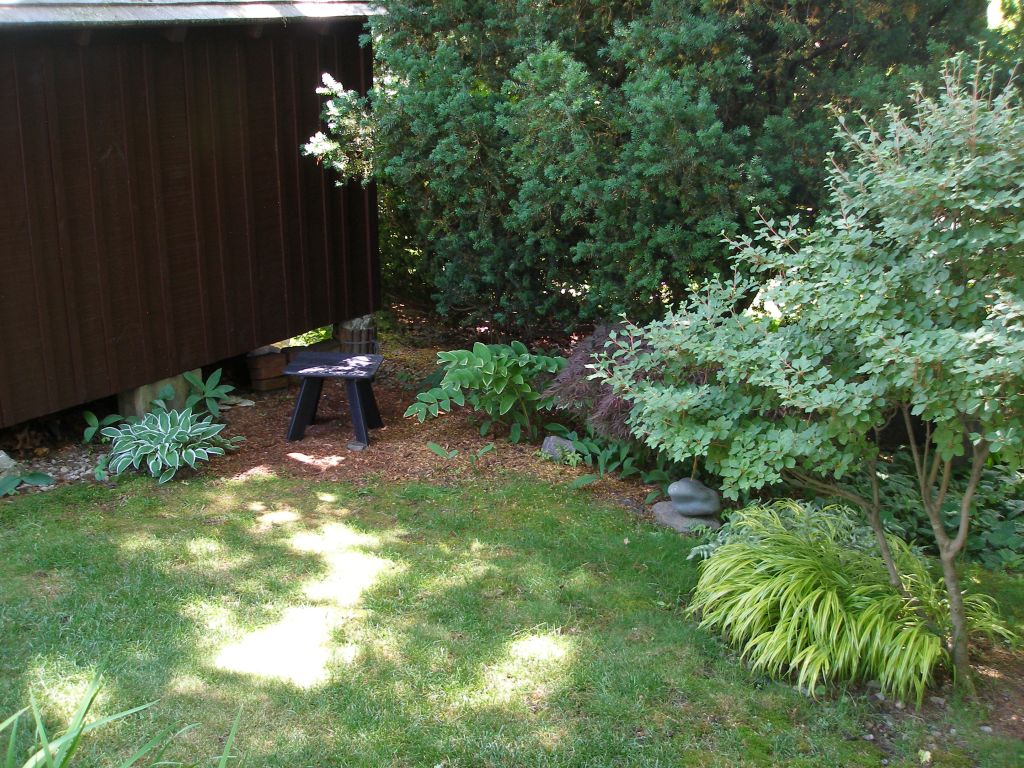
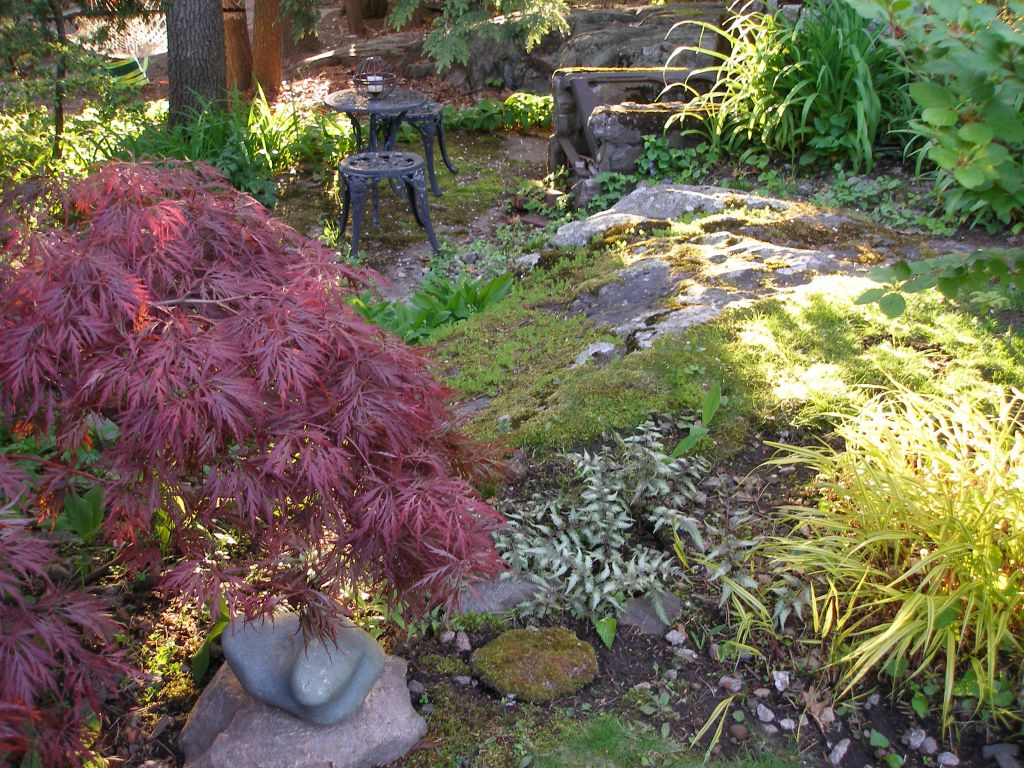
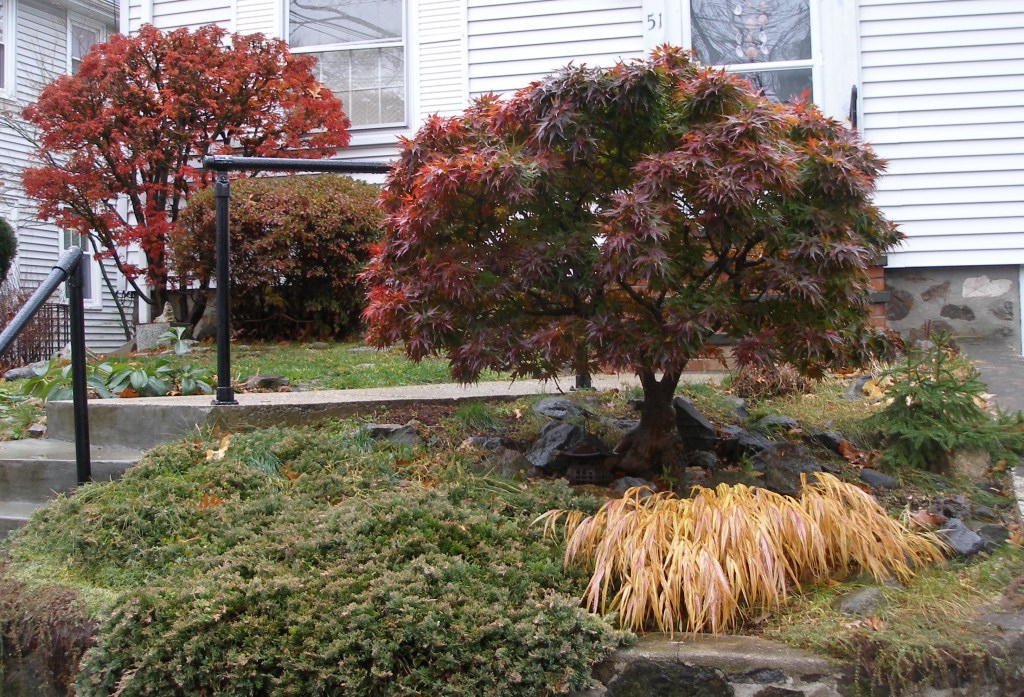
We are so bombarded with vivid news of trauma these days, that creating a variety of options to experience nature alone or with others makes perfect sense to me. In fact, I realized that I had done just that in my own garden:
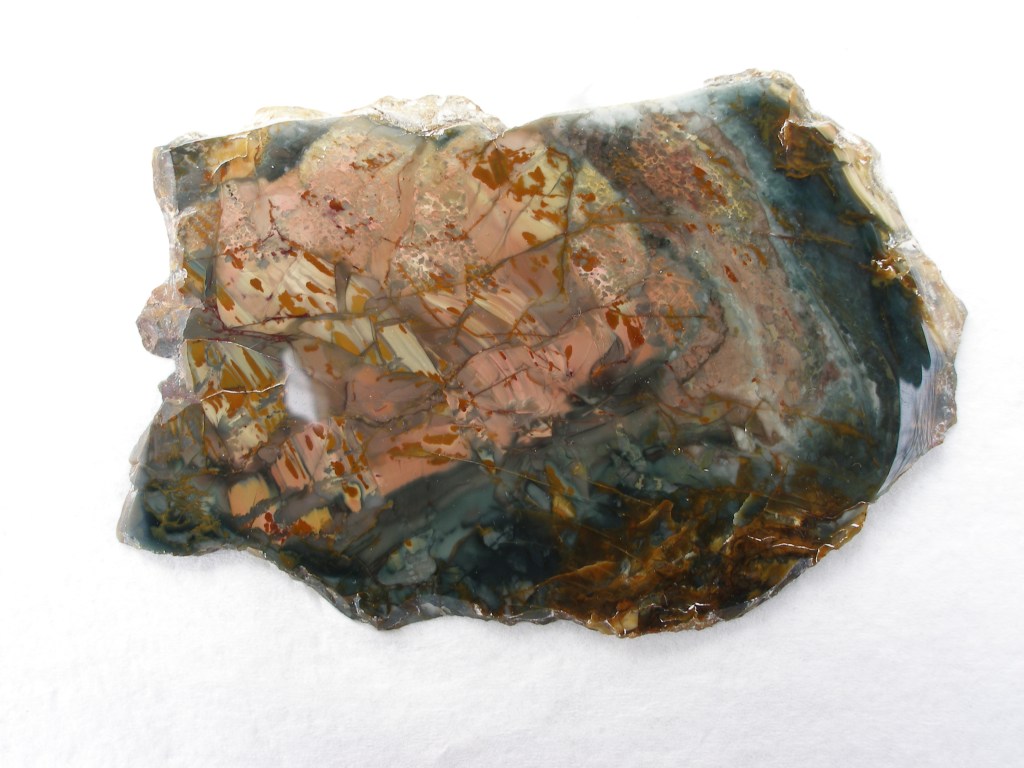
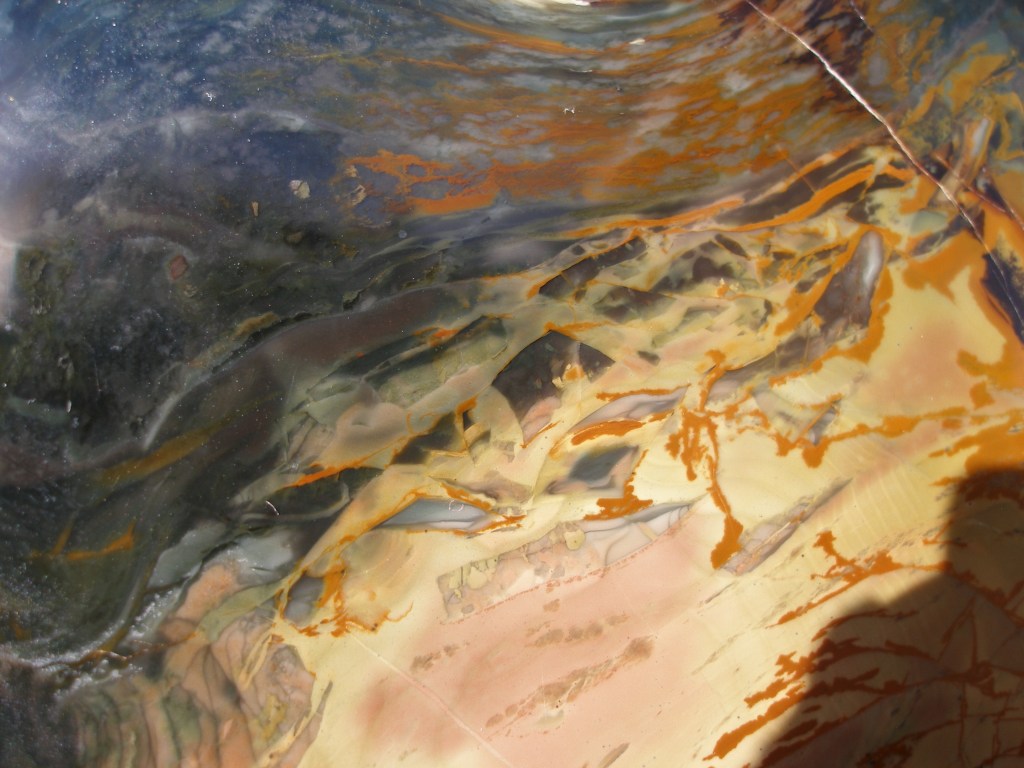
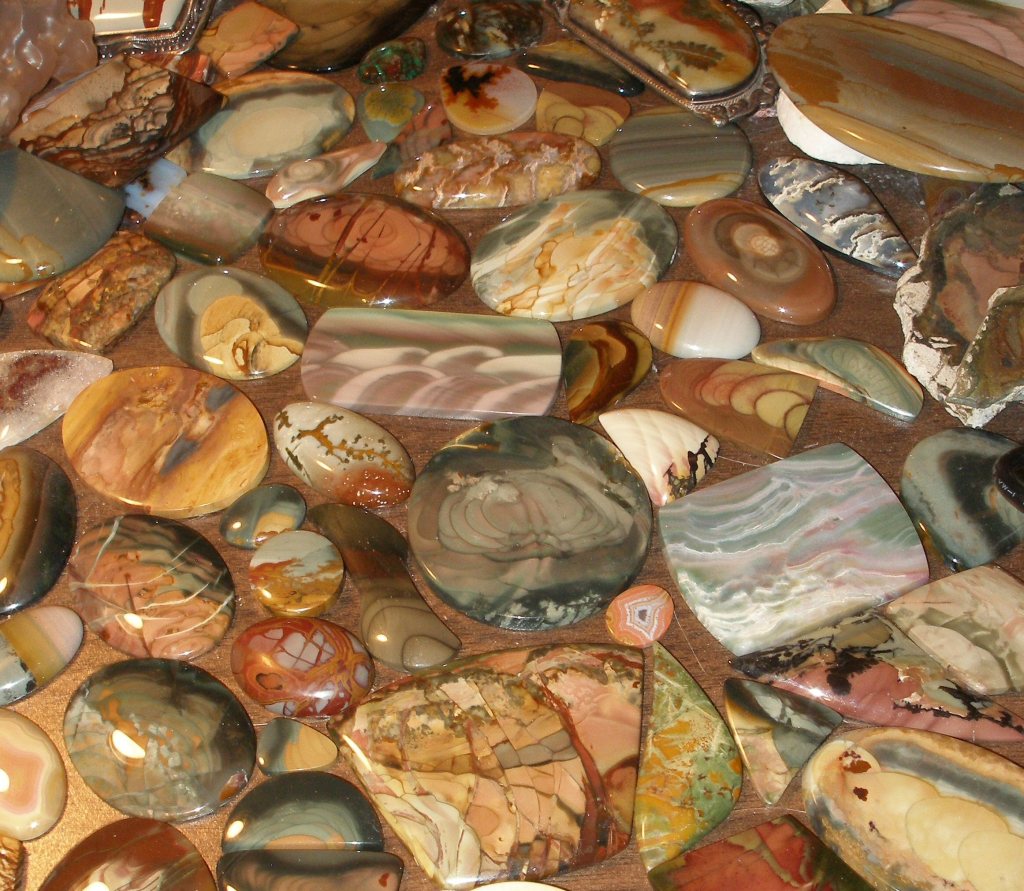
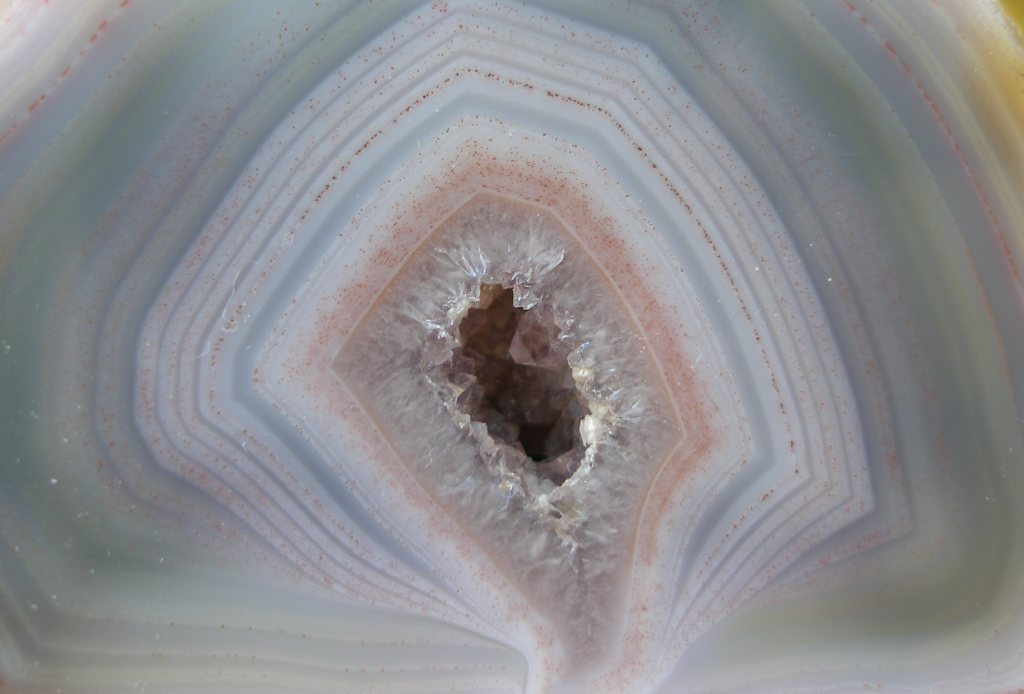
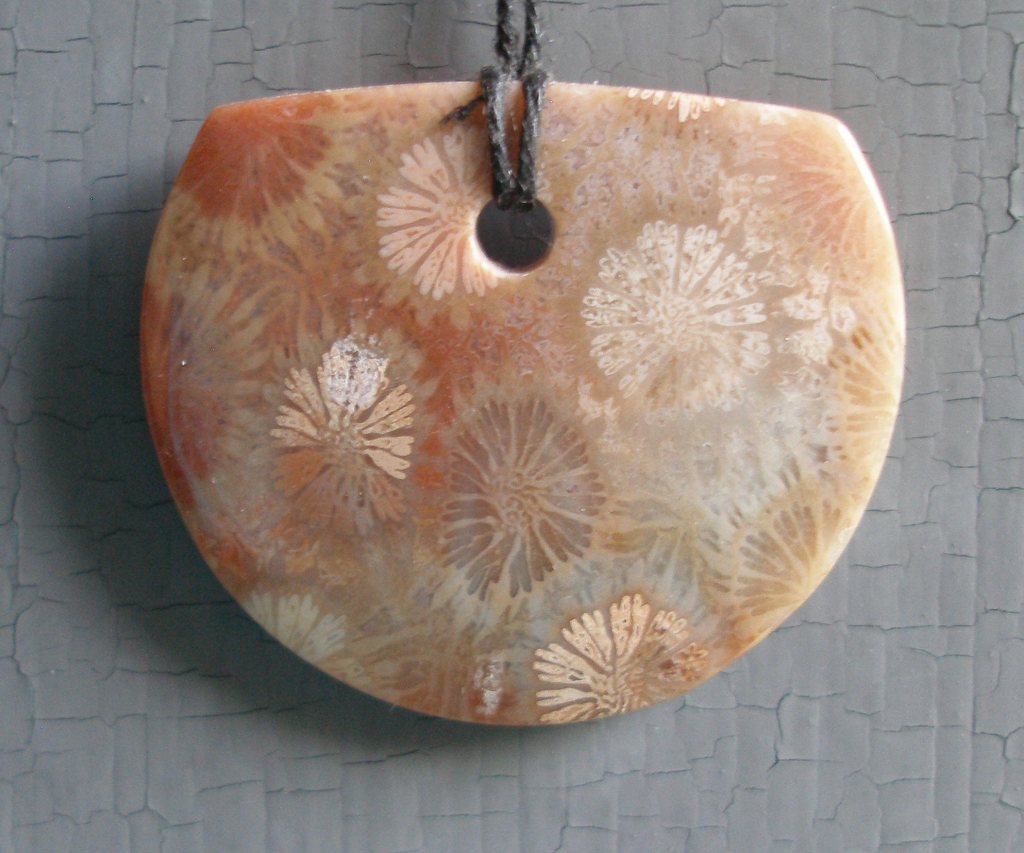
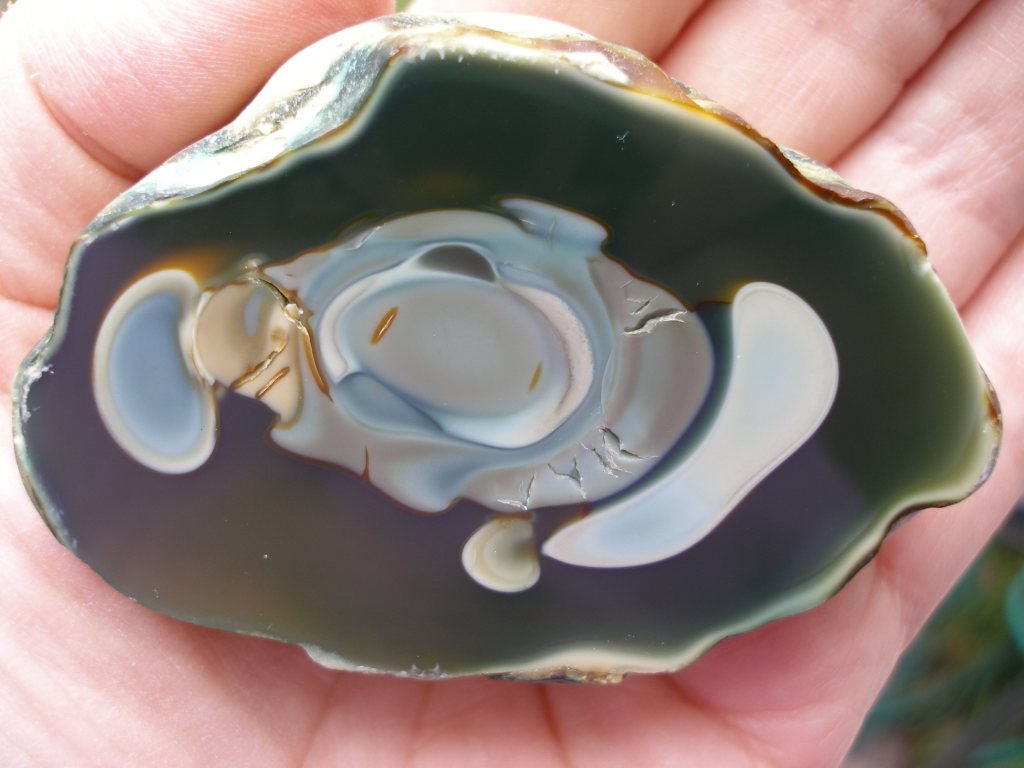
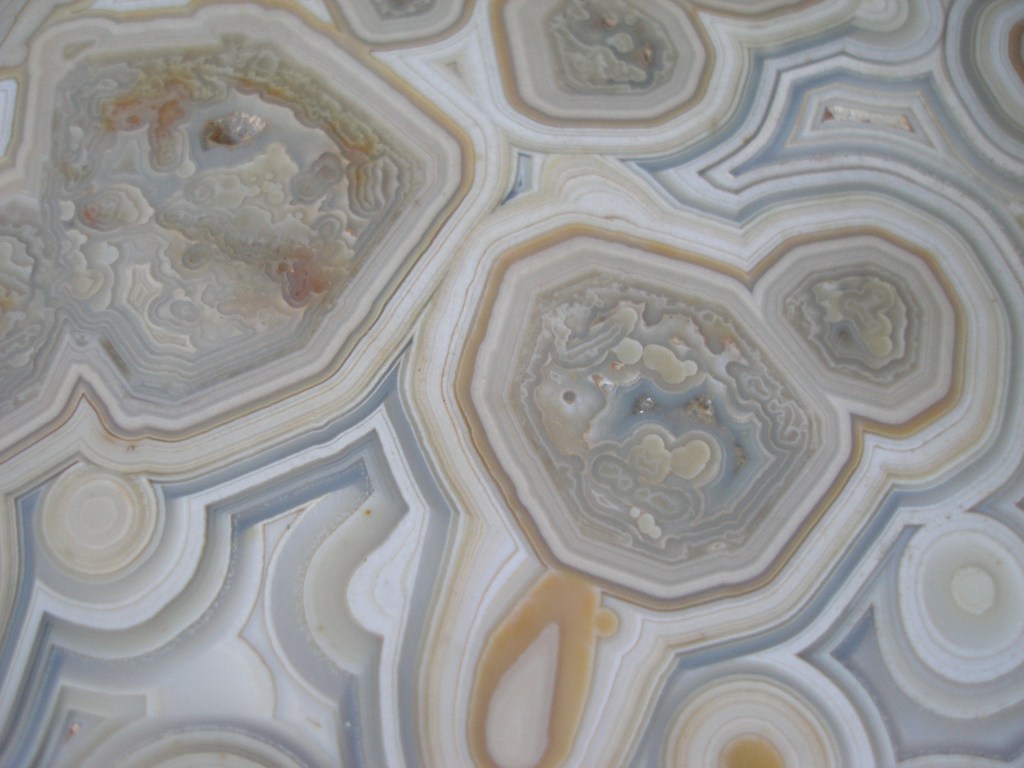
I have always liked all kinds including the ordinary gray rocks that find a home in my garden, but I was not aware of the amazing array of patterns and colors in agates and jaspers until I happened upon photos of them online.
The natural arrangement of colors in individual examples can be quite astounding. Lapidaries make full use of their art’s ability to capture and highlight particularly appealing sections of specimens.
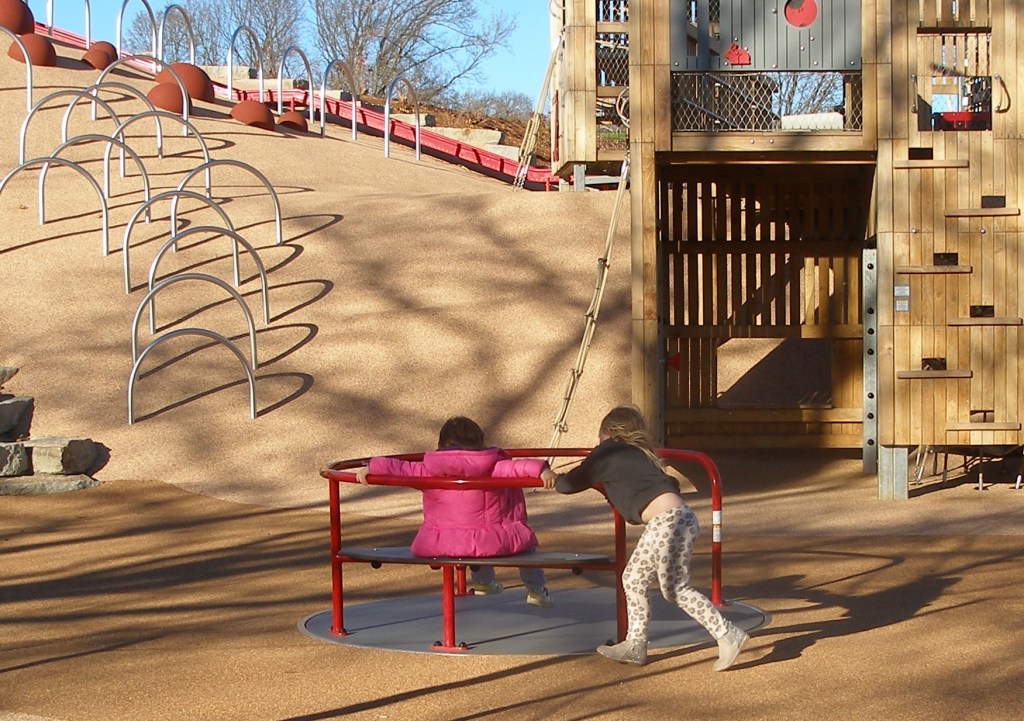
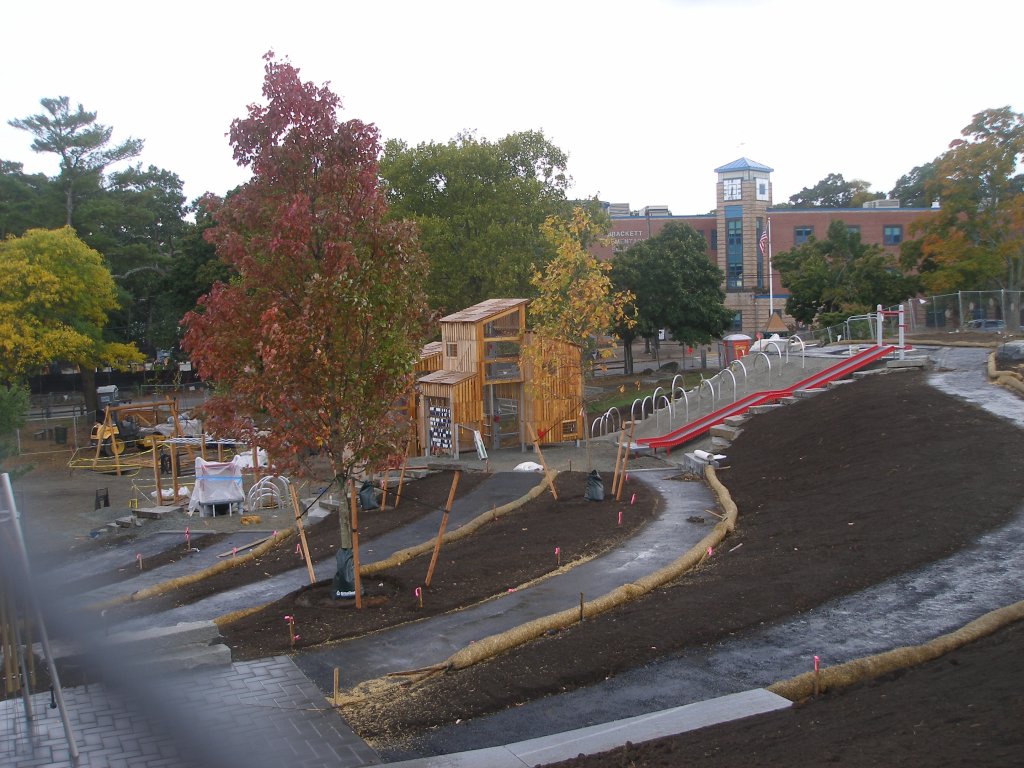
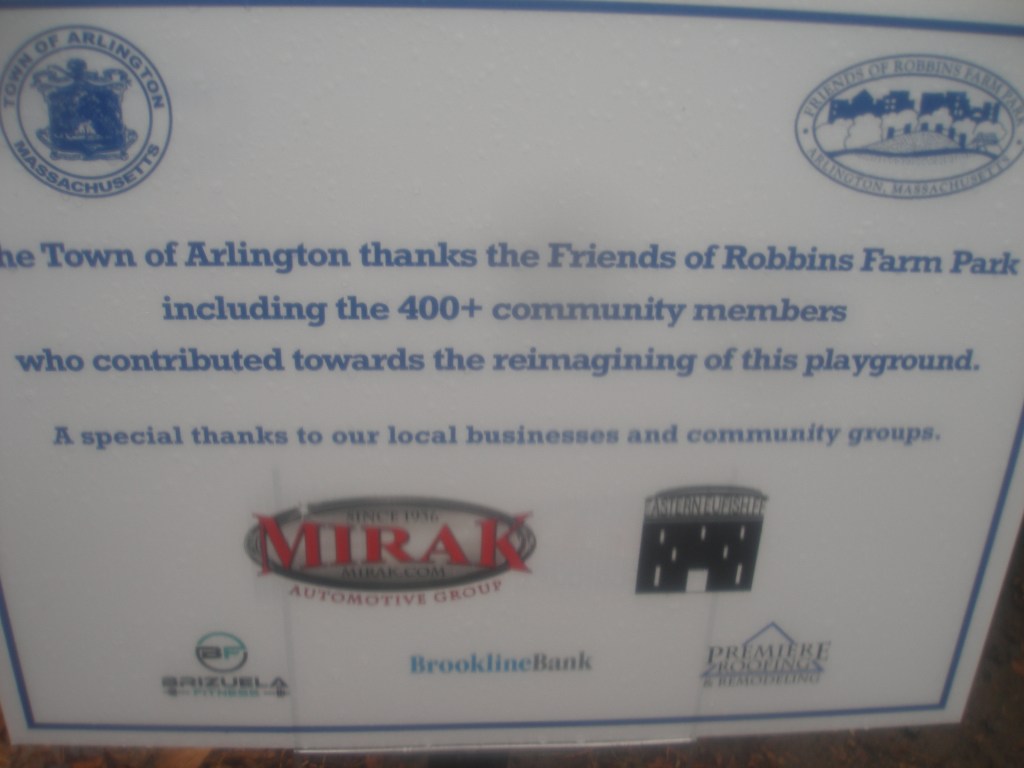
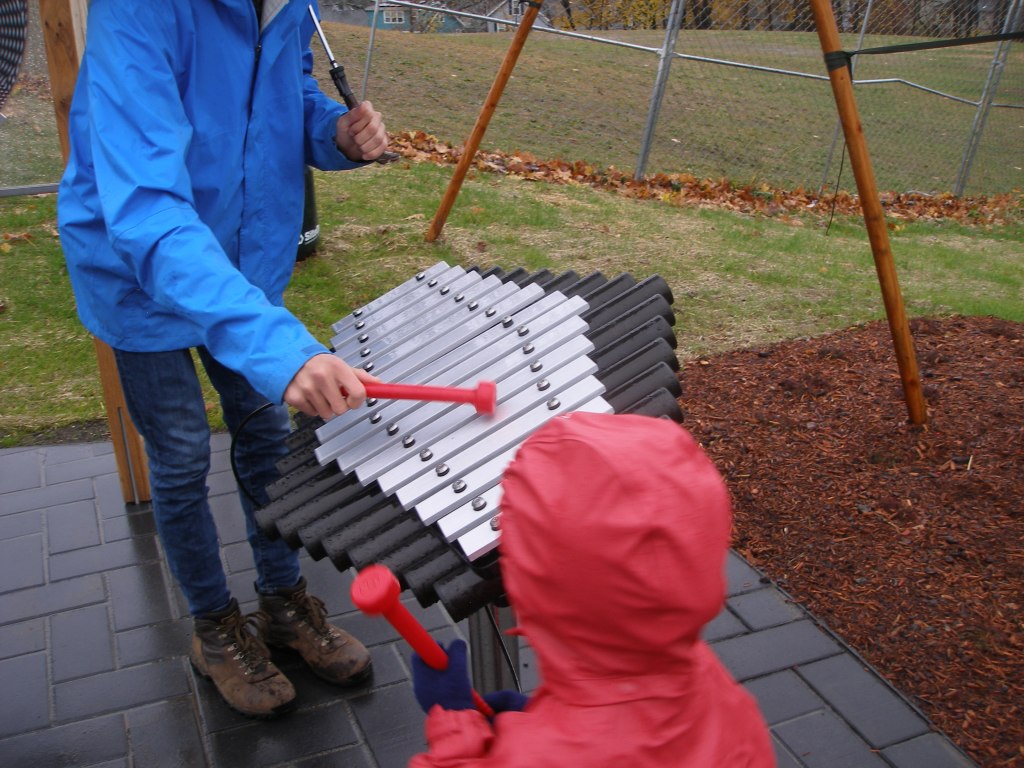
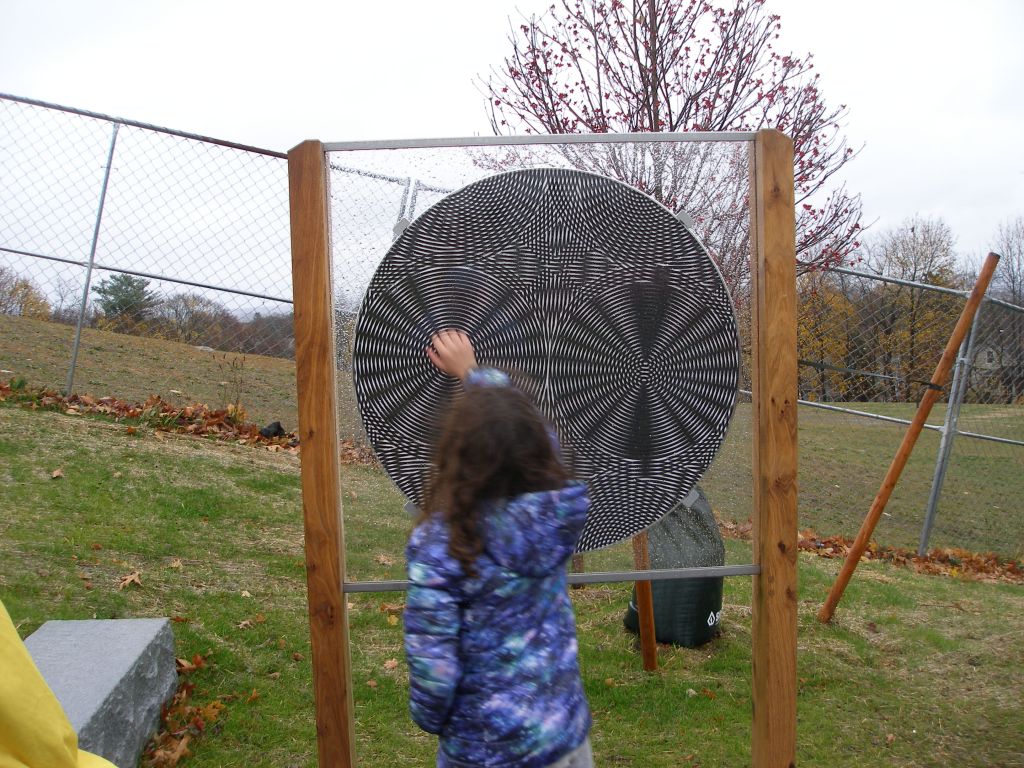
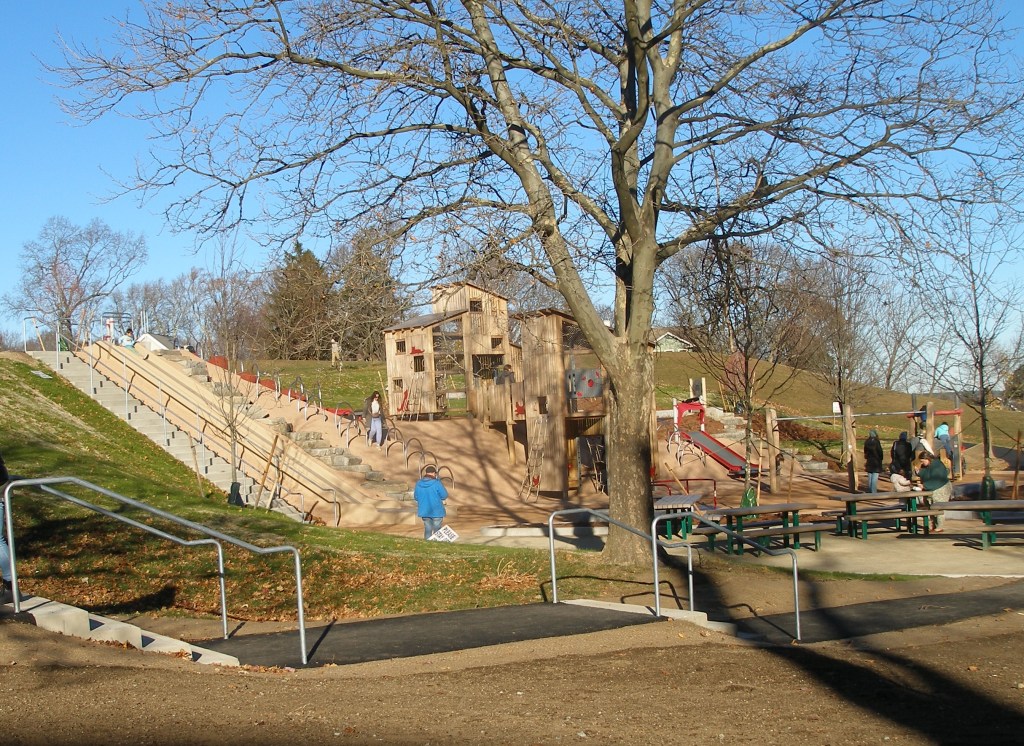
Playgrounds, even lovely ones, can become unsafe with age. When that happened in Arlington, Massachusetts, funding was secured, and a design team met to plan a new playground at Robbins Farm Park that would work even for kids who might not be able to use ordinary playgrounds. In the end, many residents of Arlington contributed. That along with funding from the state, and a number of organizations made it possible for several musical instruments and other fun features to be included.
At the ribbon cutting ceremony, a mother explained that her child had a rare neurological disorder. He could play and communicate in nonverbal ways and clearly has a sense of humor, but there was only one “accessible” playground nearby that would work for him. One day, the mother heard her older boy explaining to the other kids that his younger brother could not walk or talk, but he could play.
When she checked a bit later, she saw the two of them happily playing with the other kids. This was good for her two boys, but it was also good for the other kids, helping them to see that disabilities need not be barriers to play, and hopefully, other forms of interaction as they got older.
In her role as consultant to the project, this mother made use of her intimate understanding of what works for her son to help make the playground truly accessible.
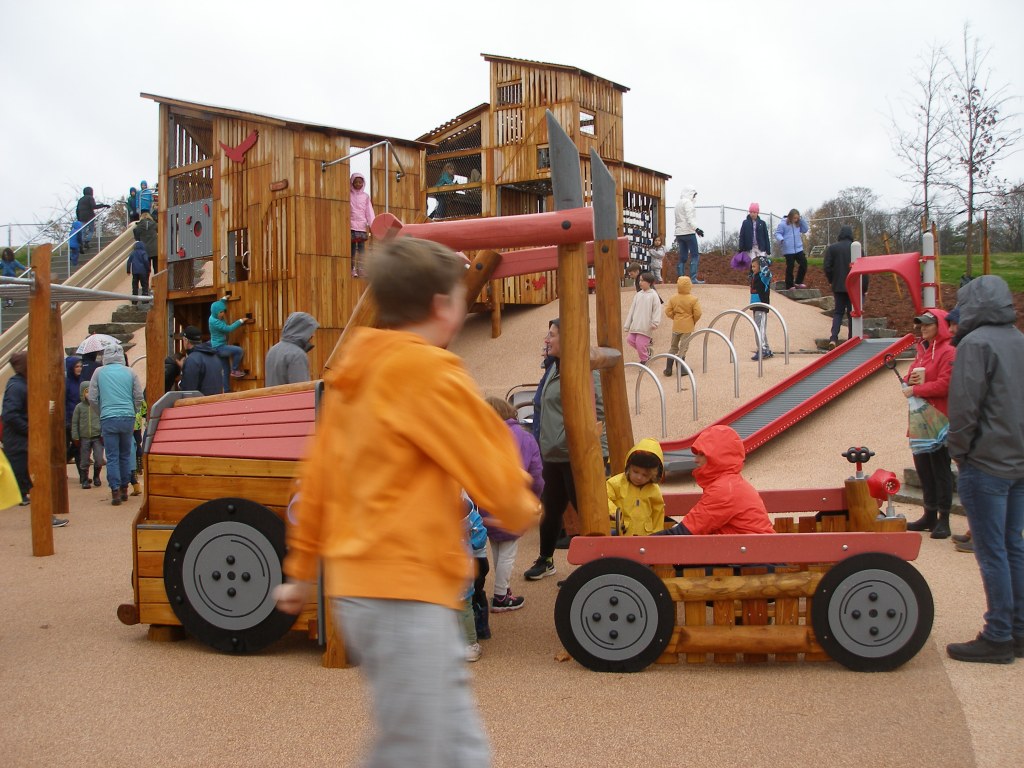
If you are in the area, please come and check our this new Robbins Farm playground on Eastern Avenue, opposite the Brattle elementary school in Arlington Heights, Massachusetts, USA with its multiple tactile and sensory delights.
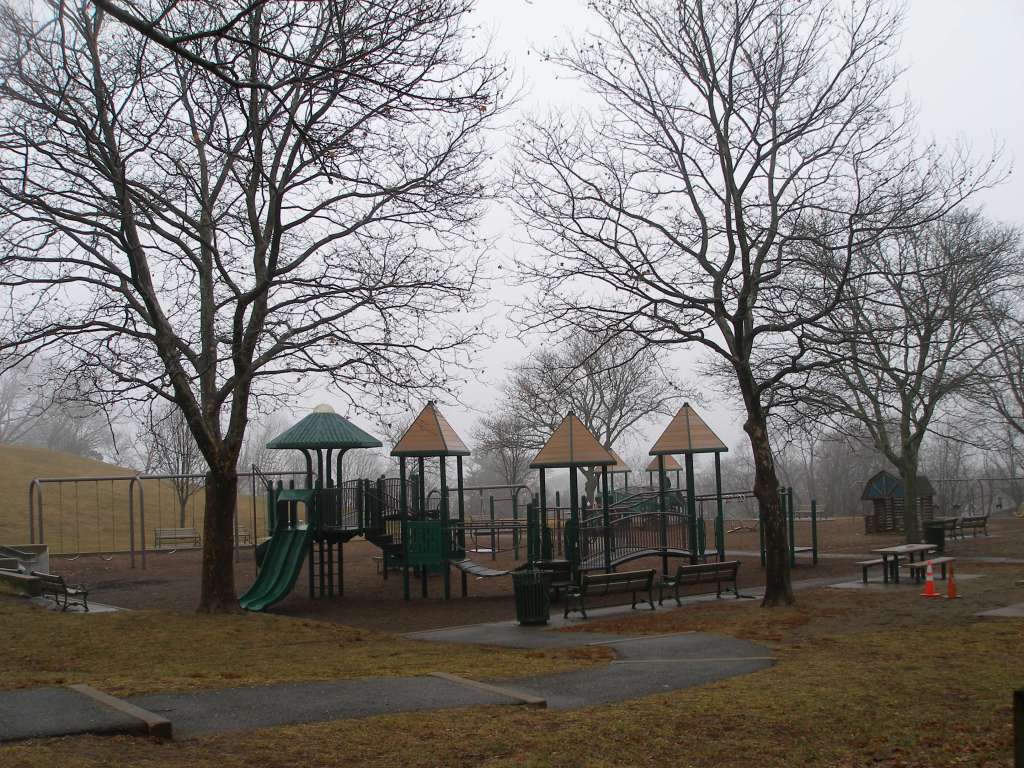
Although lovely to view in the various seasons, the old playground had the swings taken out as they had become unsafe.
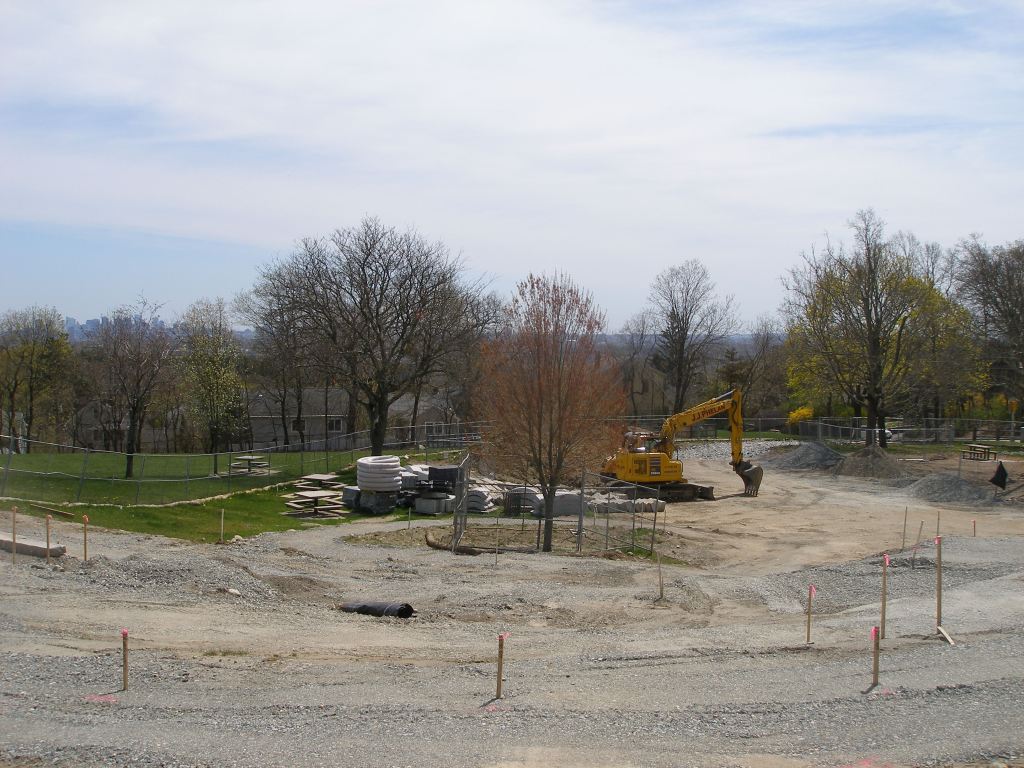
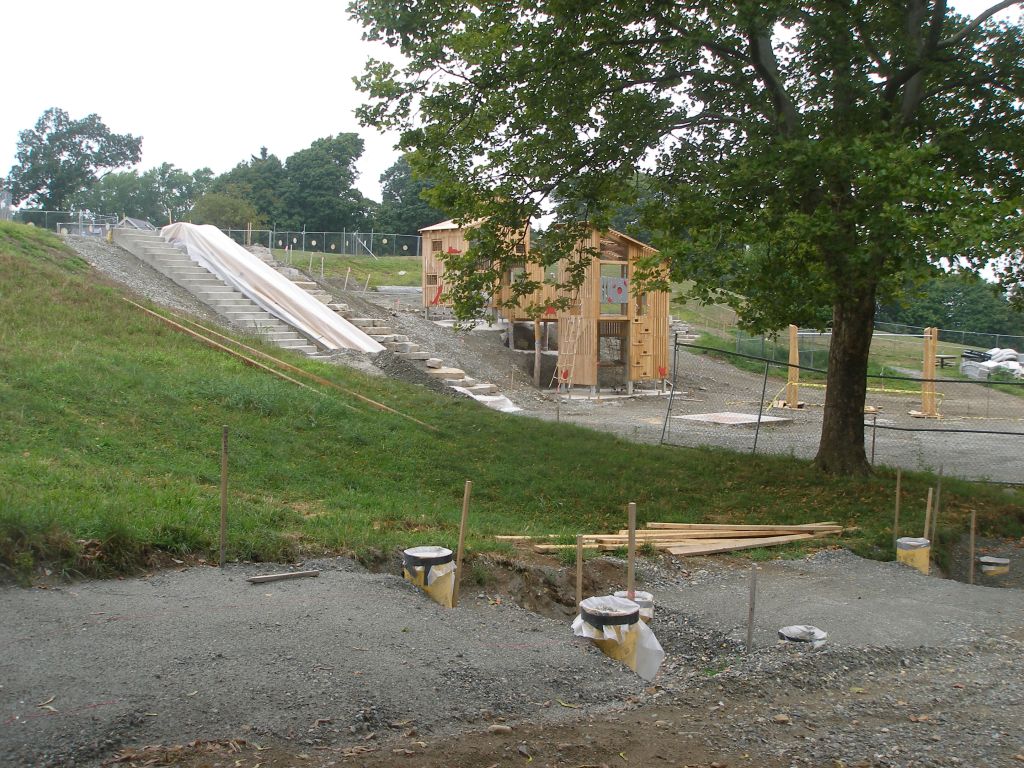
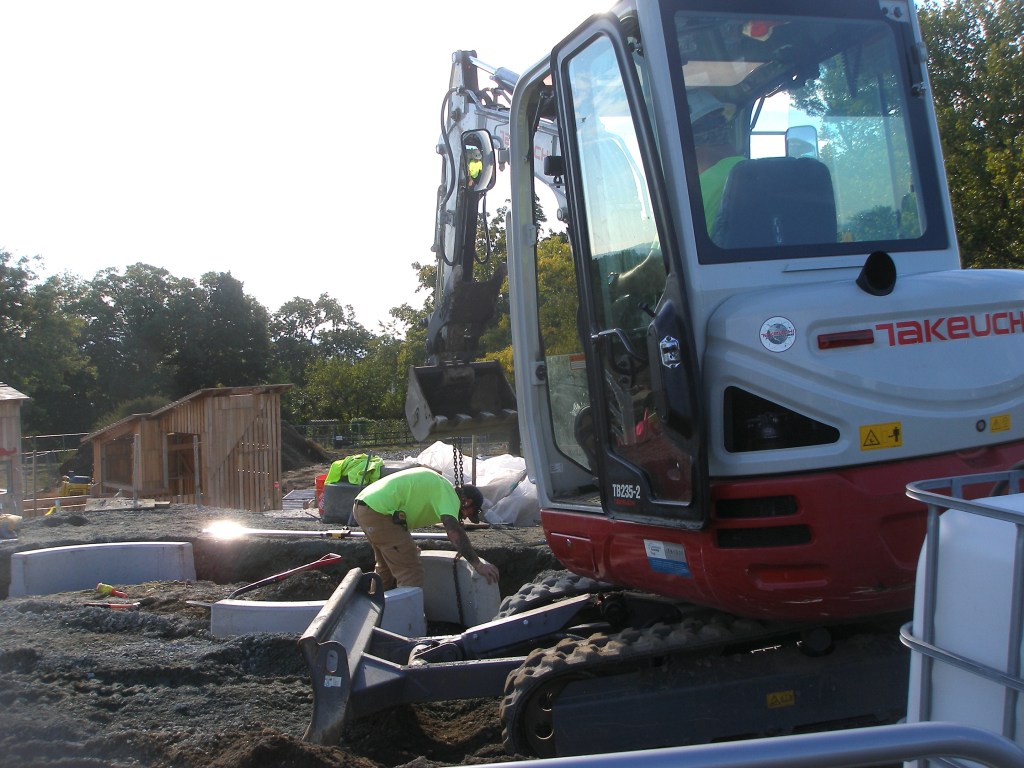
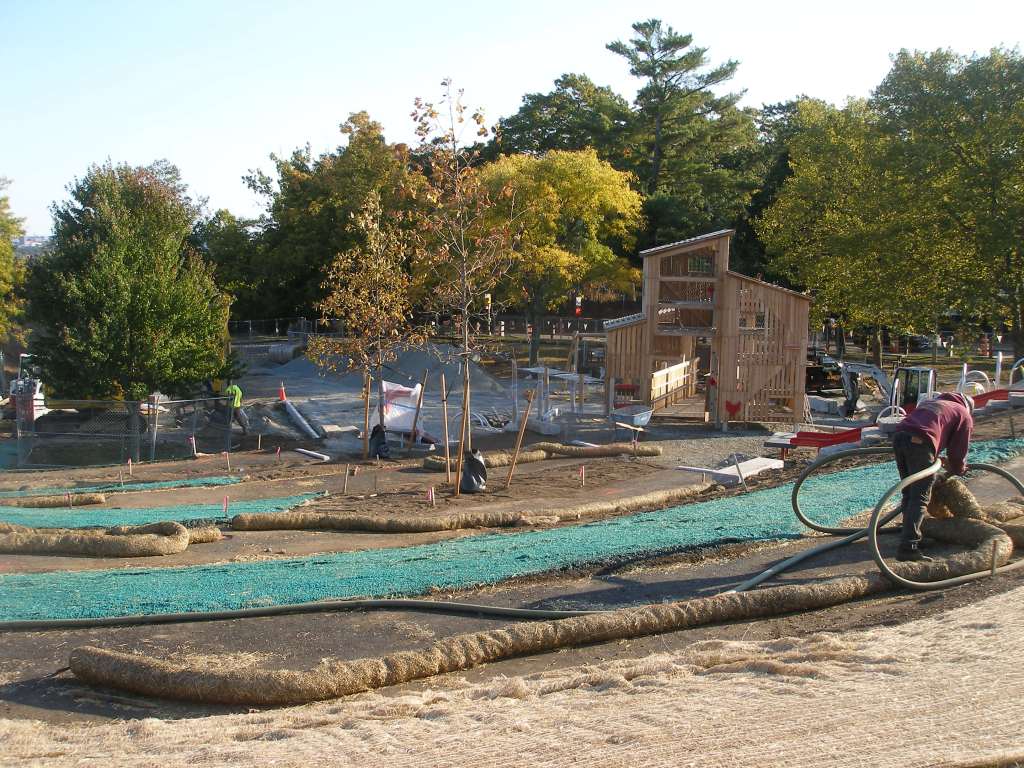
The start of the new playground project involved reshaping the slope where a long slide had been. I was glad they would replace that slide as it was well loved by the kids who used it.
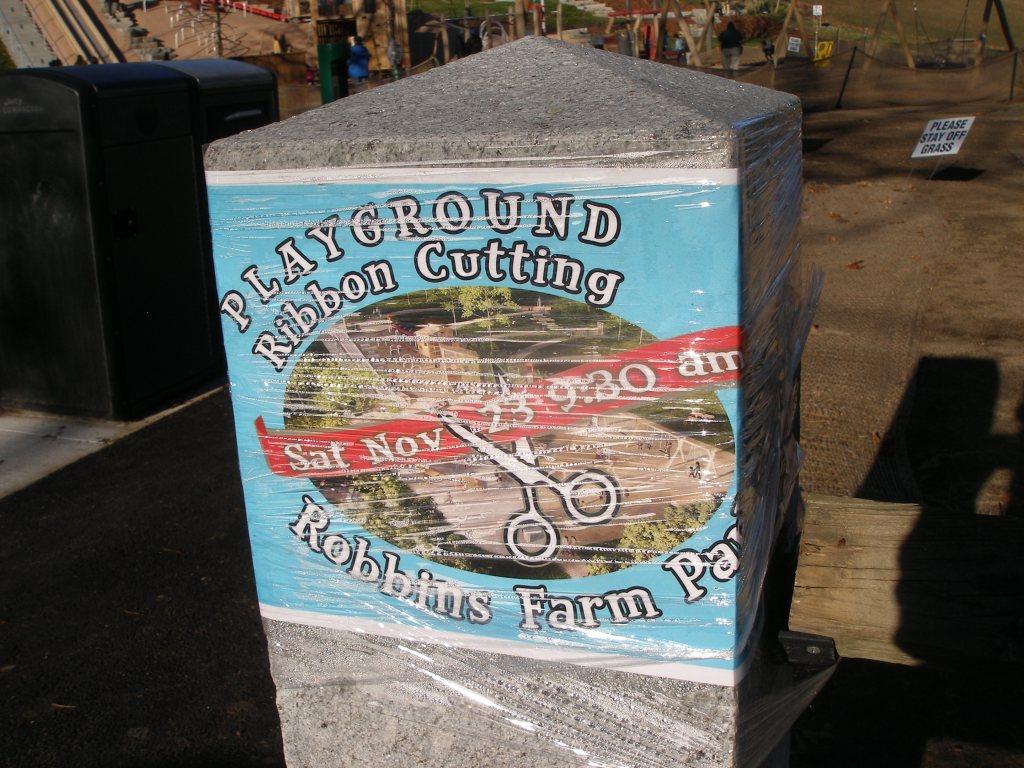
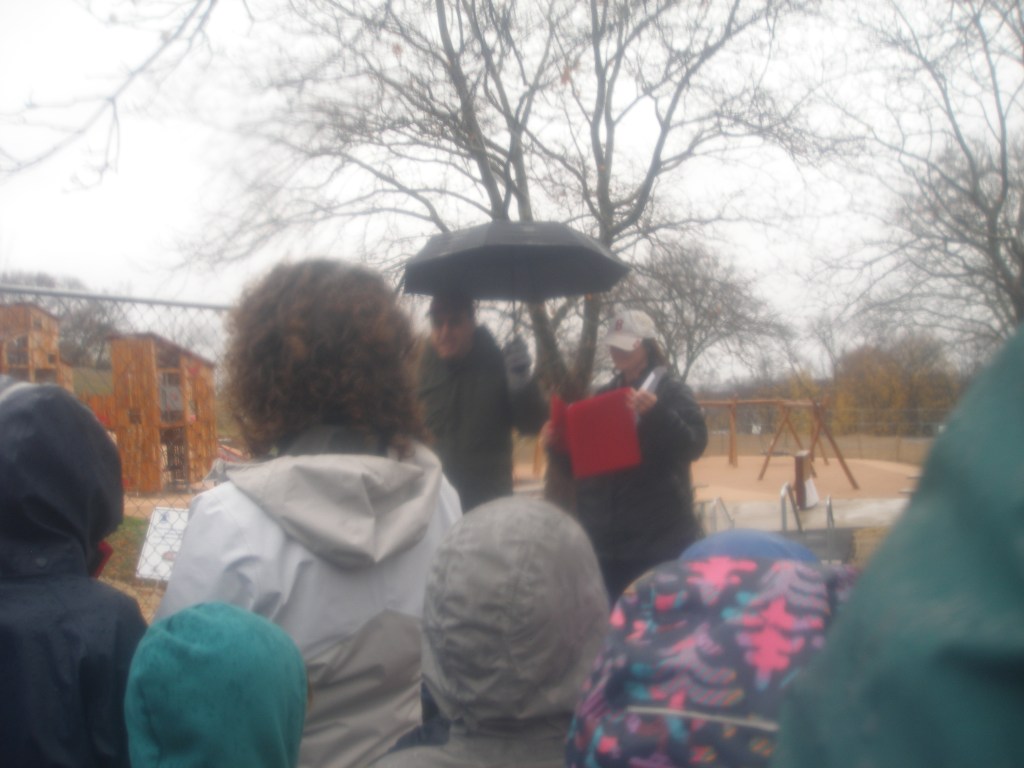
The Ribbon Cutting Ceremony brought out quite a large crowd even though it was raining. The kids chanted “Cut the ribbon. Cut the ribbon,” and there was considerable noise and glee as they scrambled in to explore their new playground.
And a few days later, there were fewer people. It will be interesting to see how it settles in, how the kids use the playground’s various features, and how the new plantings look in the spring.
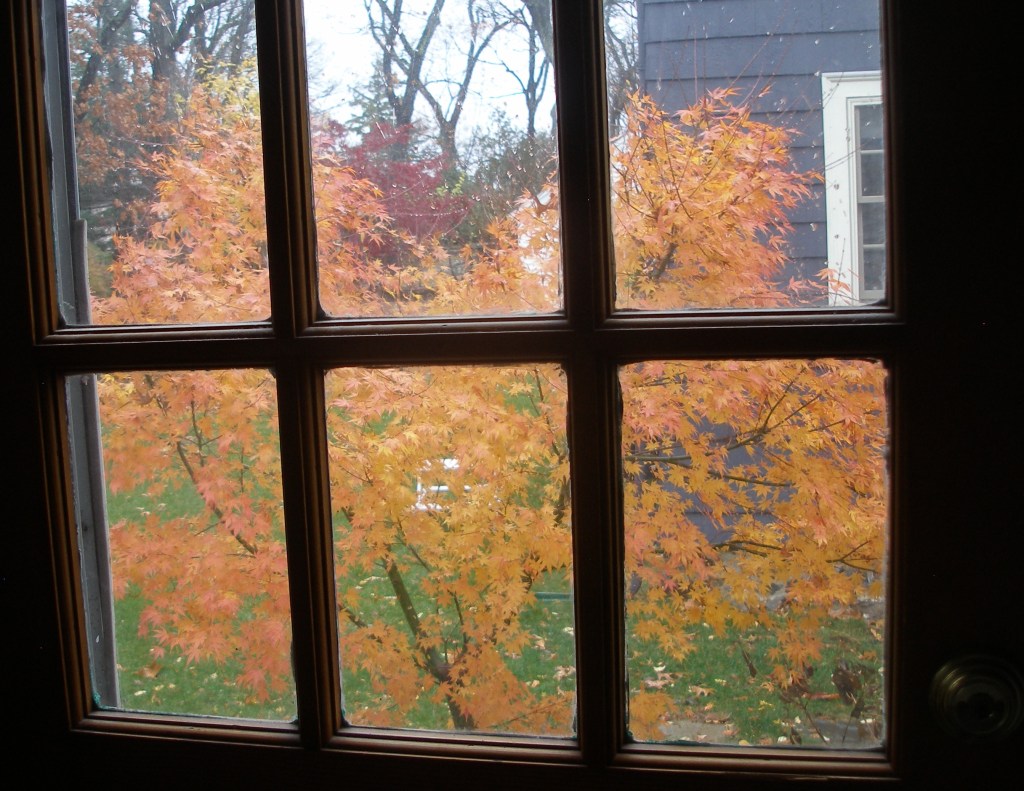
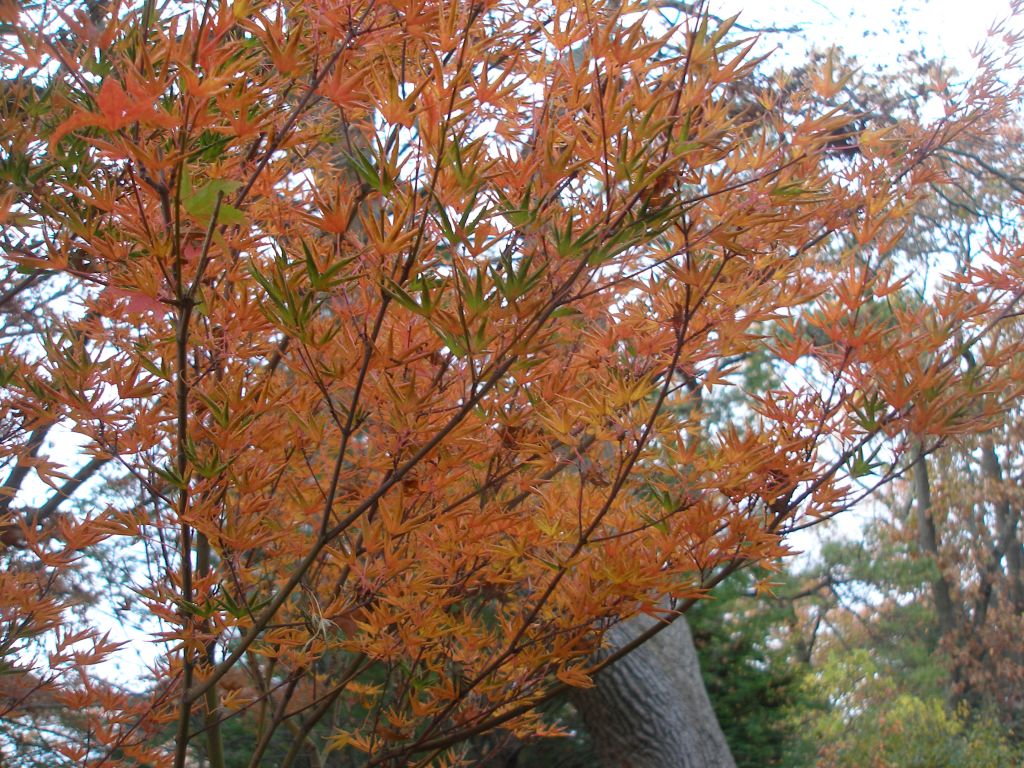
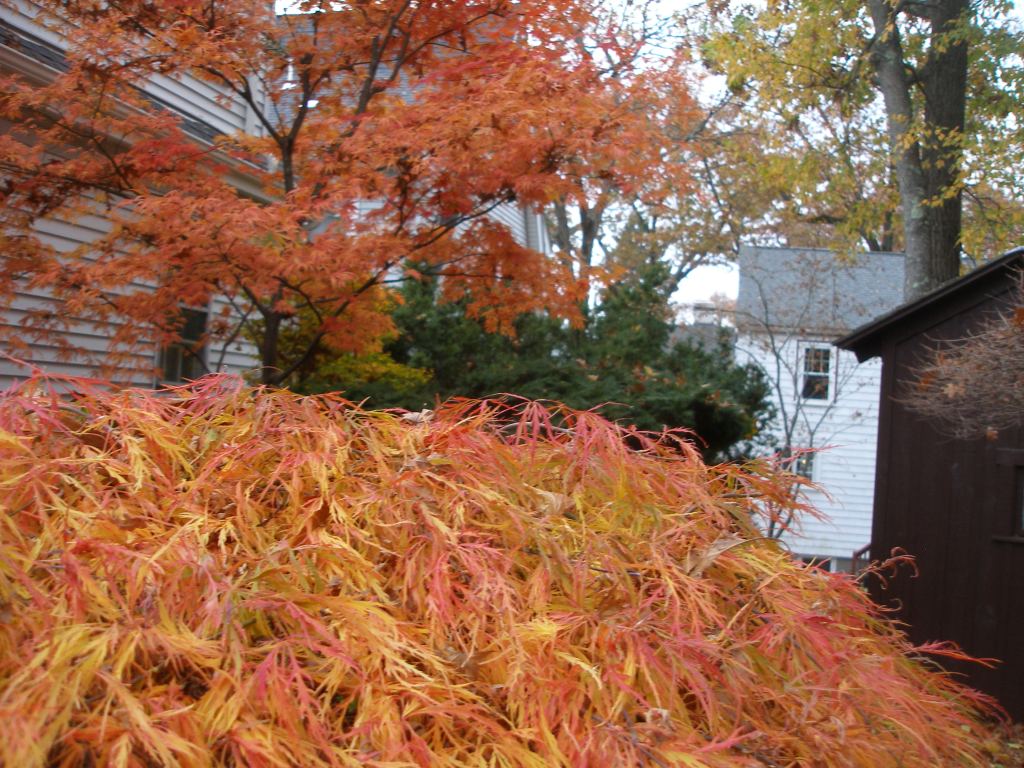
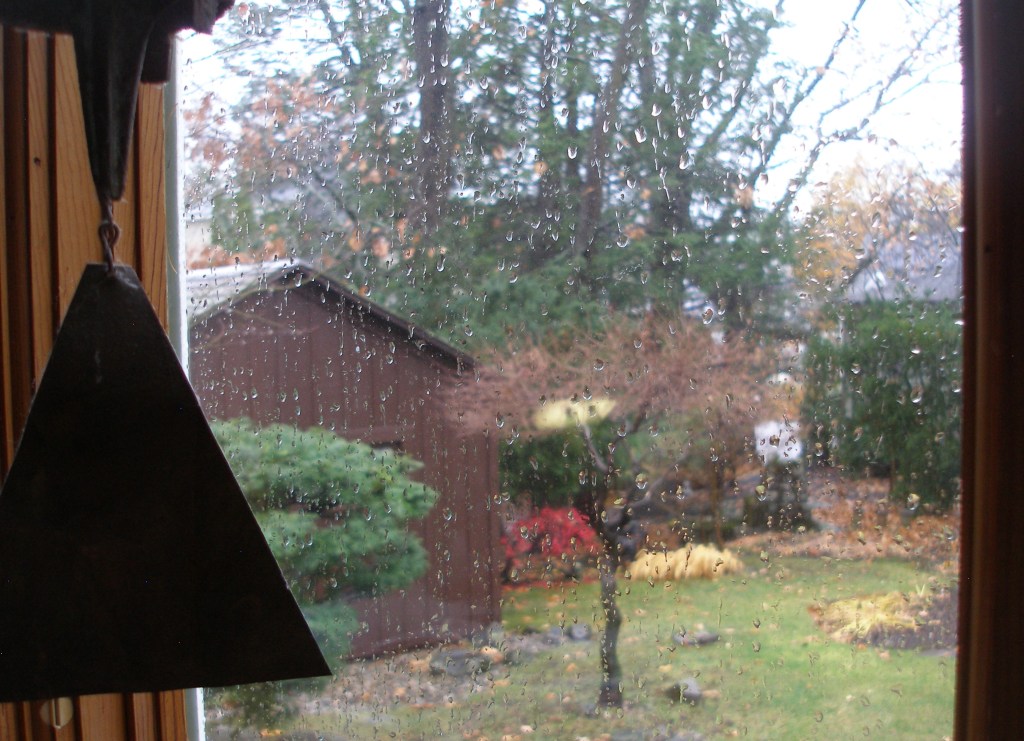
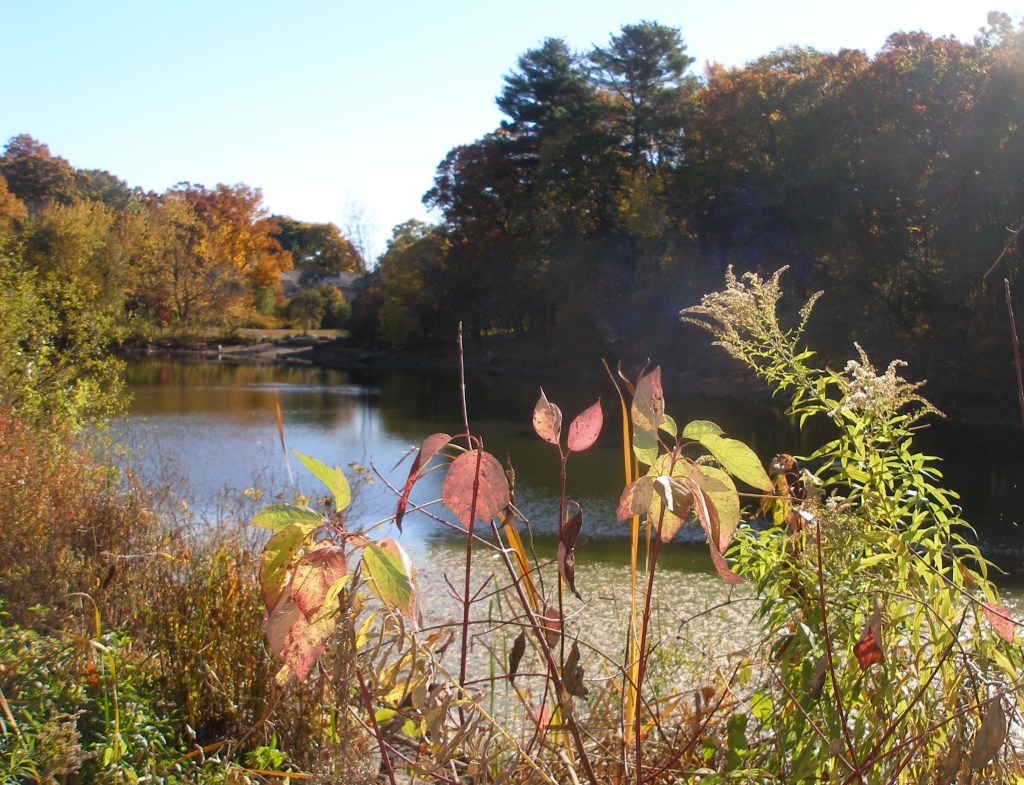
I was beginning to believe I might have to cut back on even the carefully-calibrated small amount of water I was providing my garden. But it rained all day today and the prolonged dry weather pattern seems to be shifting. The days have been unusually warm, and the nights cool, but not freezing.
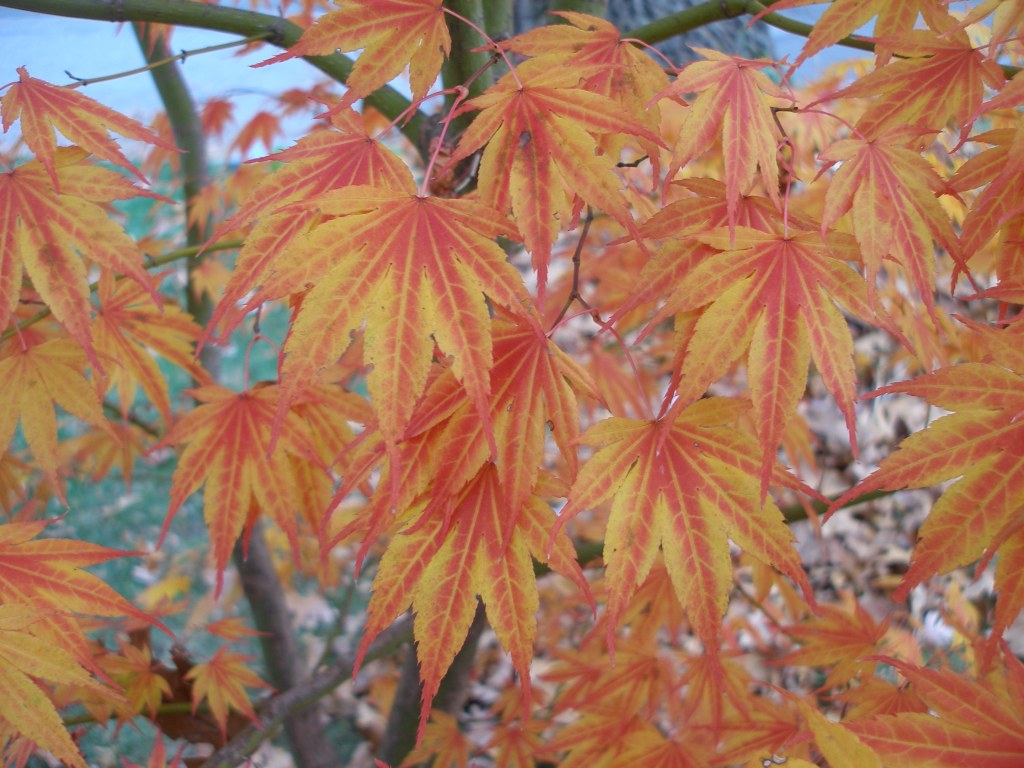
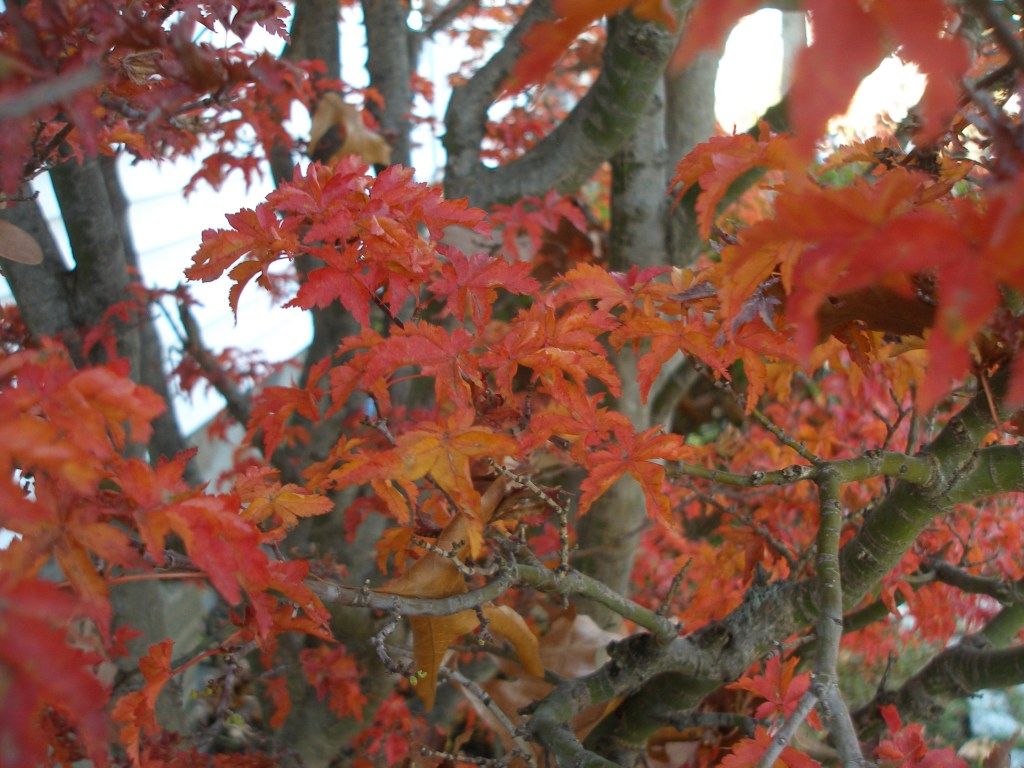
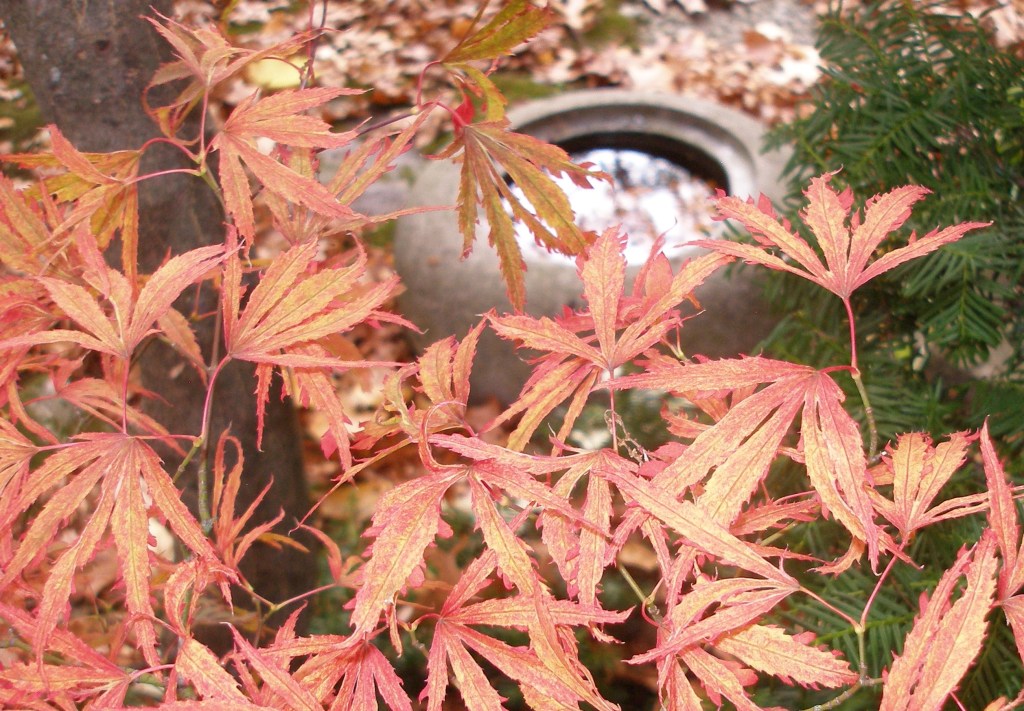
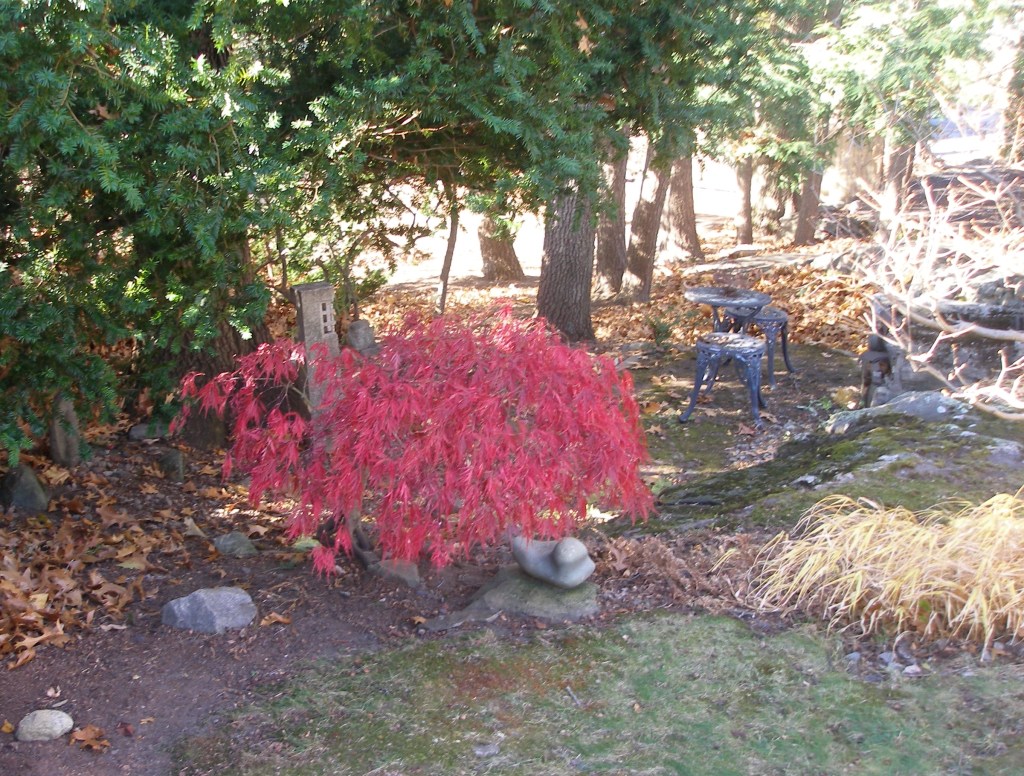
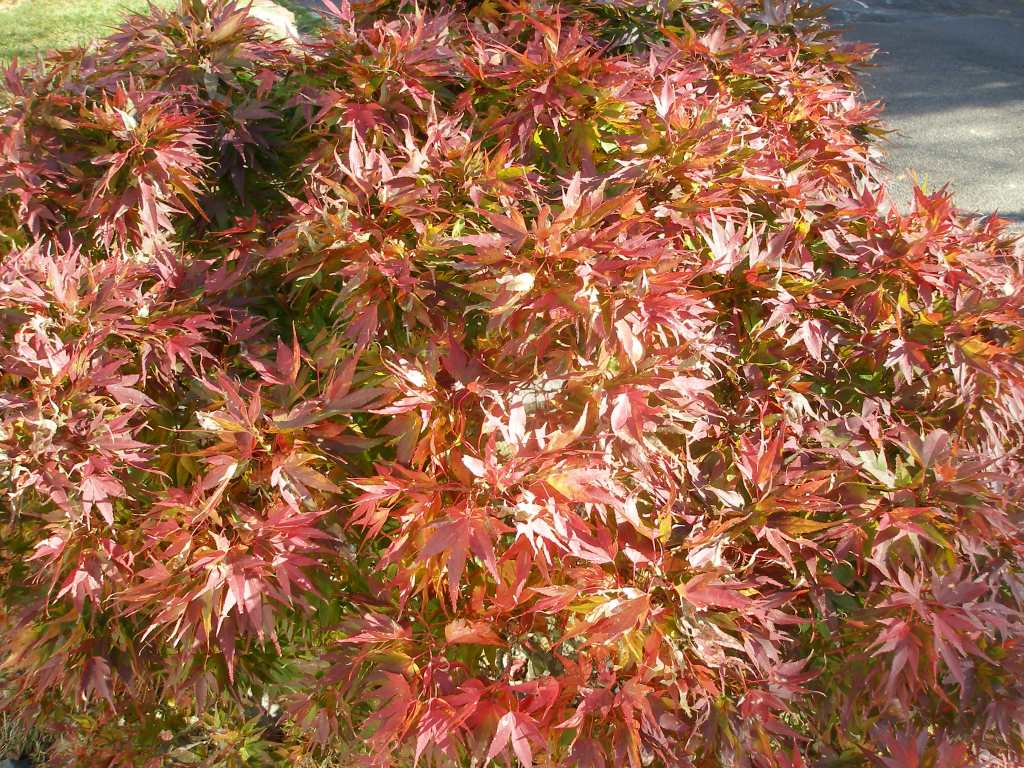
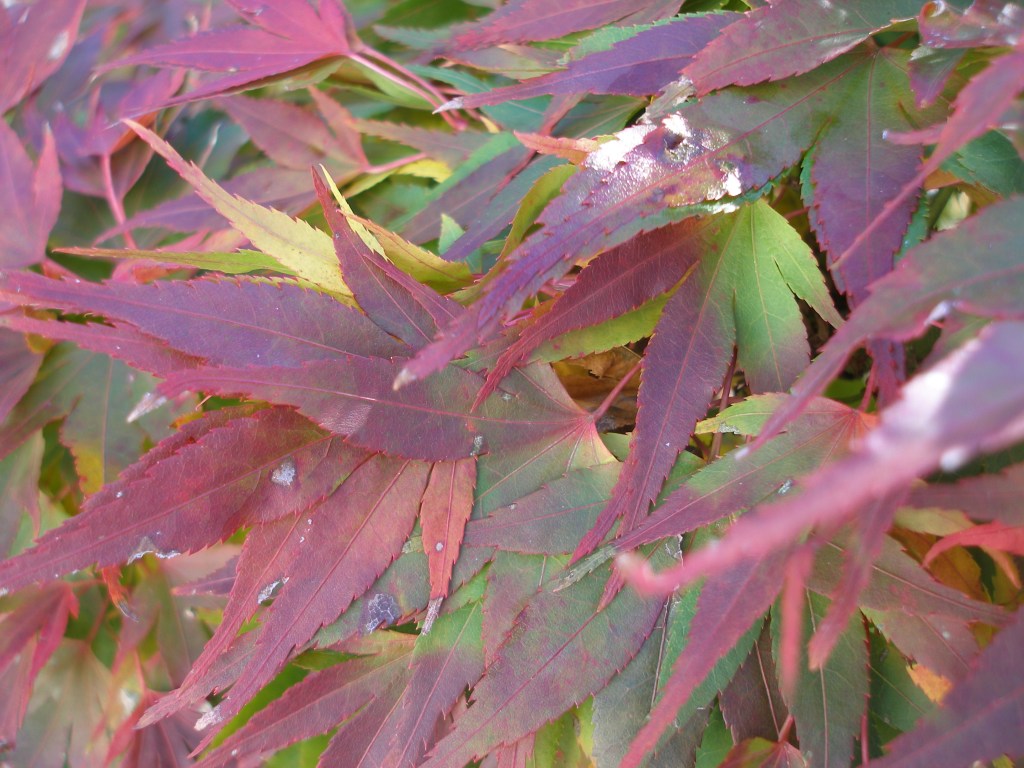
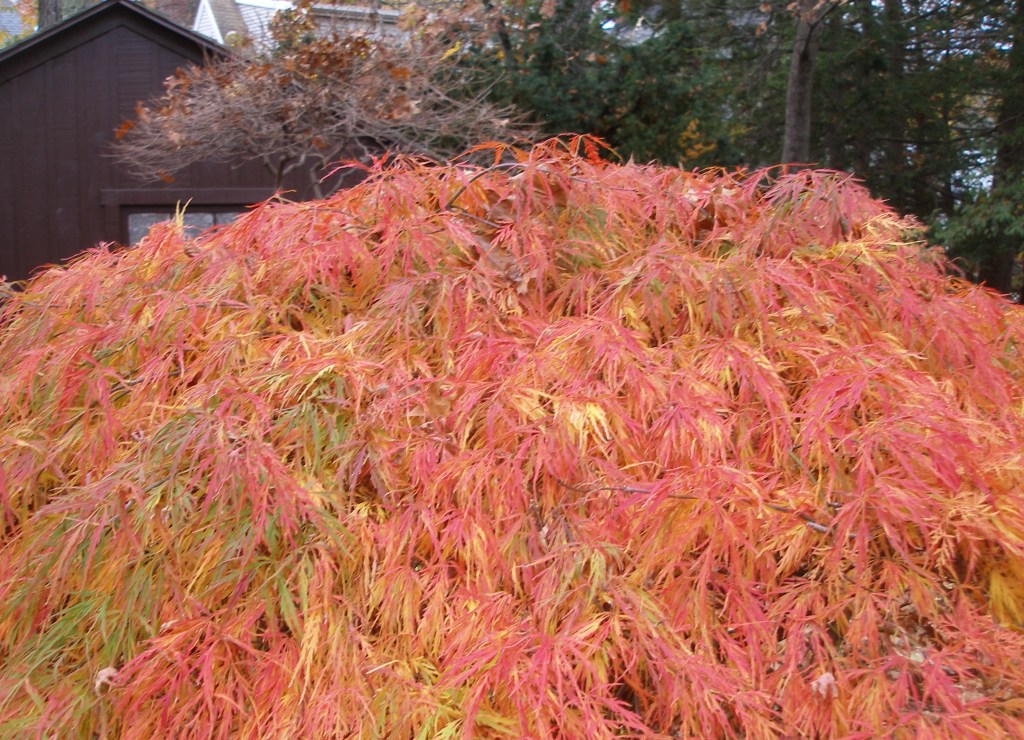
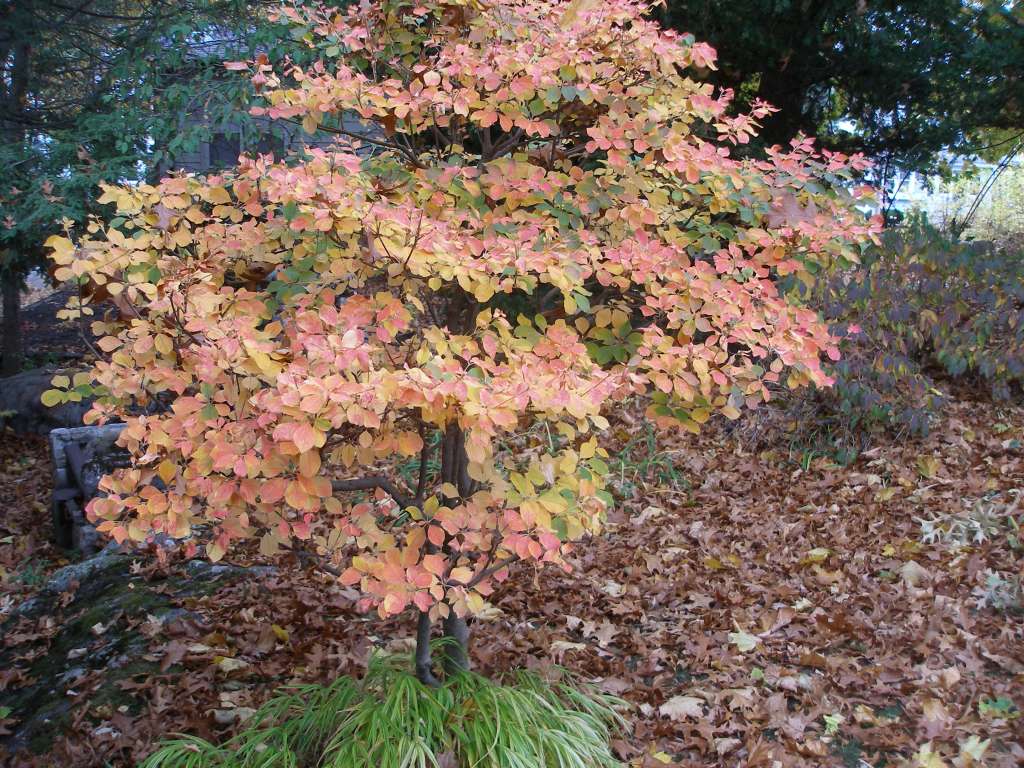
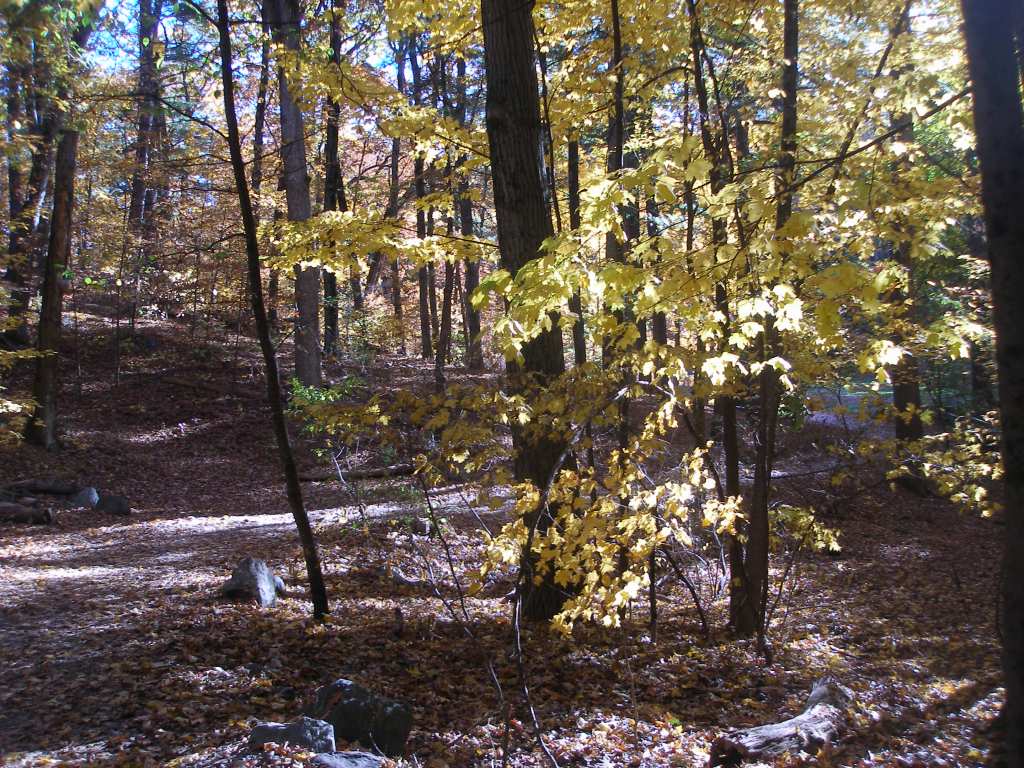
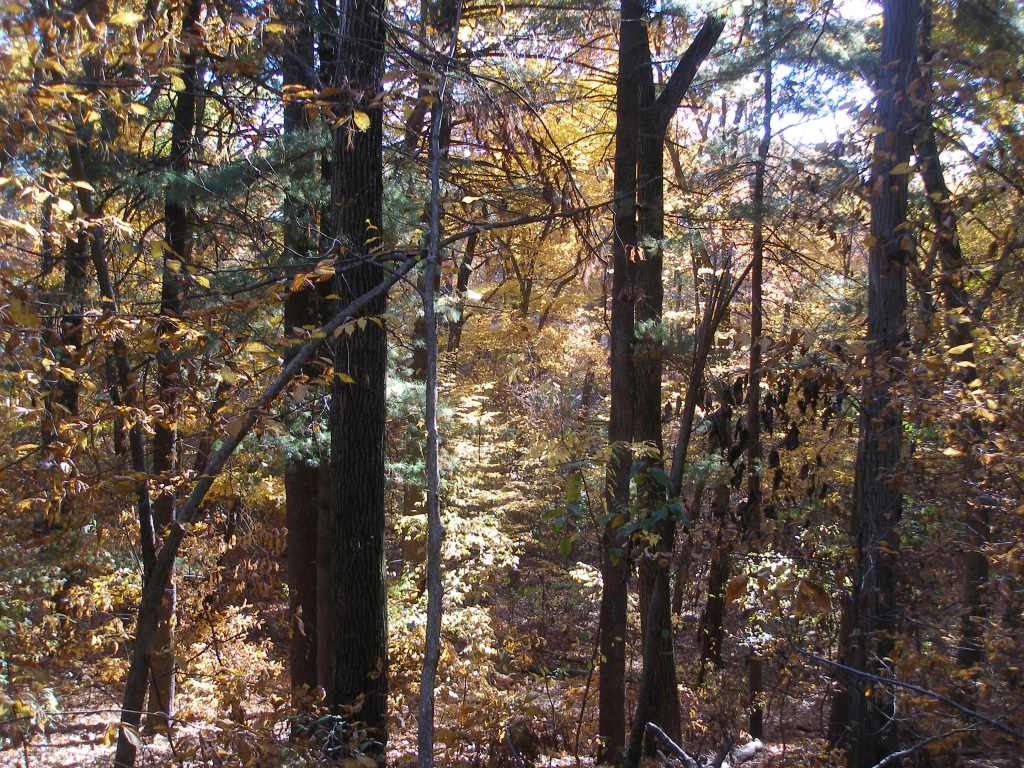
According to this USDA Forestry Service article, that is precisely what can bring out the brightest fall colors:
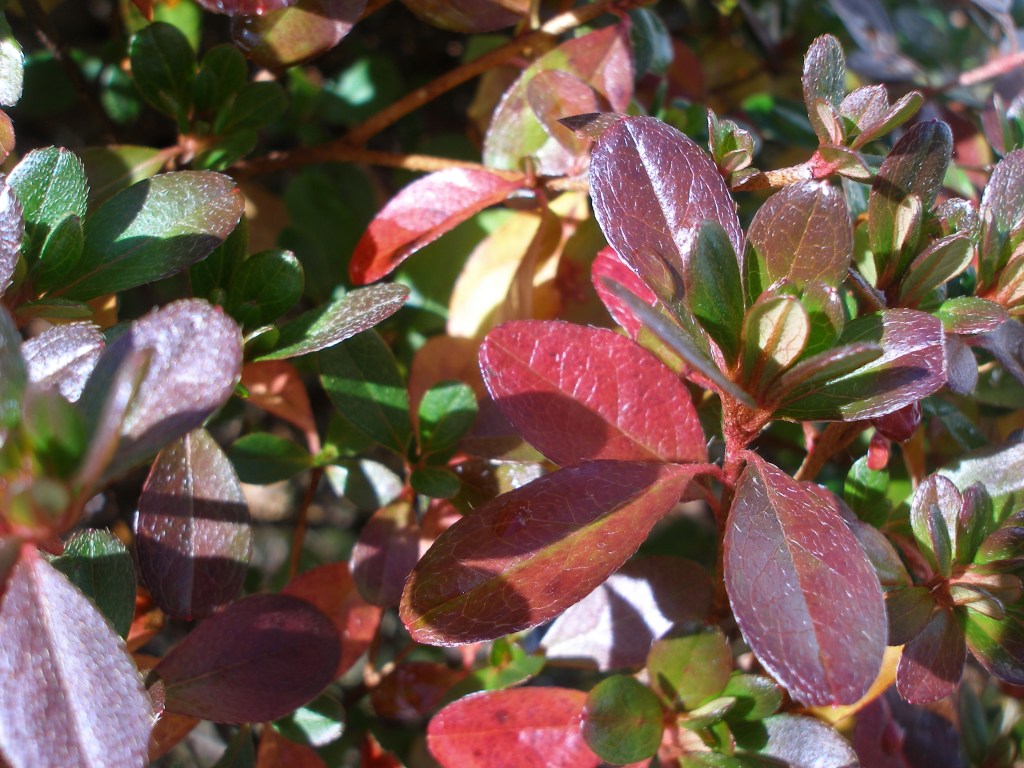
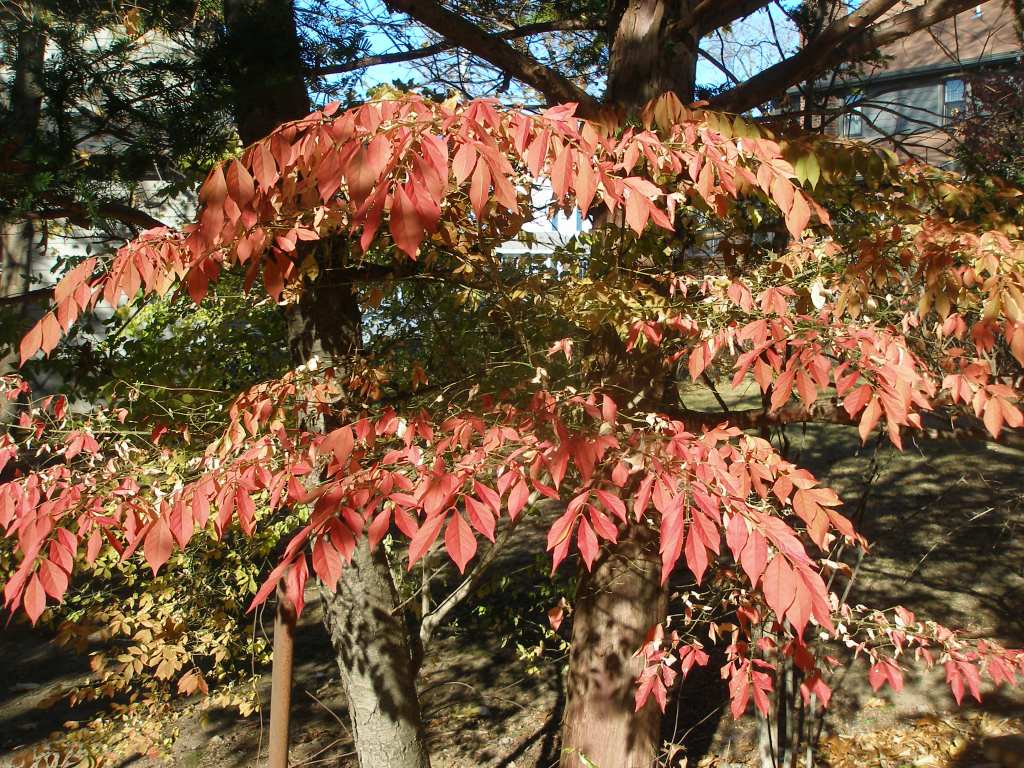
“A succession of warm, sunny days and cool, crisp but not freezing nights seems to bring about the most spectacular color displays. During these days, lots of sugars are produced in the leaf but the cool nights and the gradual closing of veins going into the leaf prevent these sugars from moving out. These conditions – lots of sugar and light – spur production of the brilliant anthocyanin pigments, which tint reds, purples, and crimson. Because carotenoids are always present in leaves, the yellow and gold colors remain fairly constant from year to year.
The amount of moisture in the soil also affects autumn colors. Like the weather, soil moisture varies greatly from year to year. The countless combinations of these two highly variable factors assure that no two autumns can be exactly alike. A late spring, or a severe summer drought, can delay the onset of fall color by a few weeks. A warm period during fall will also lower the intensity of autumn colors. A warm wet spring, favorable summer weather, and warm sunny fall days with cool nights should produce the most brilliant autumn colors.”
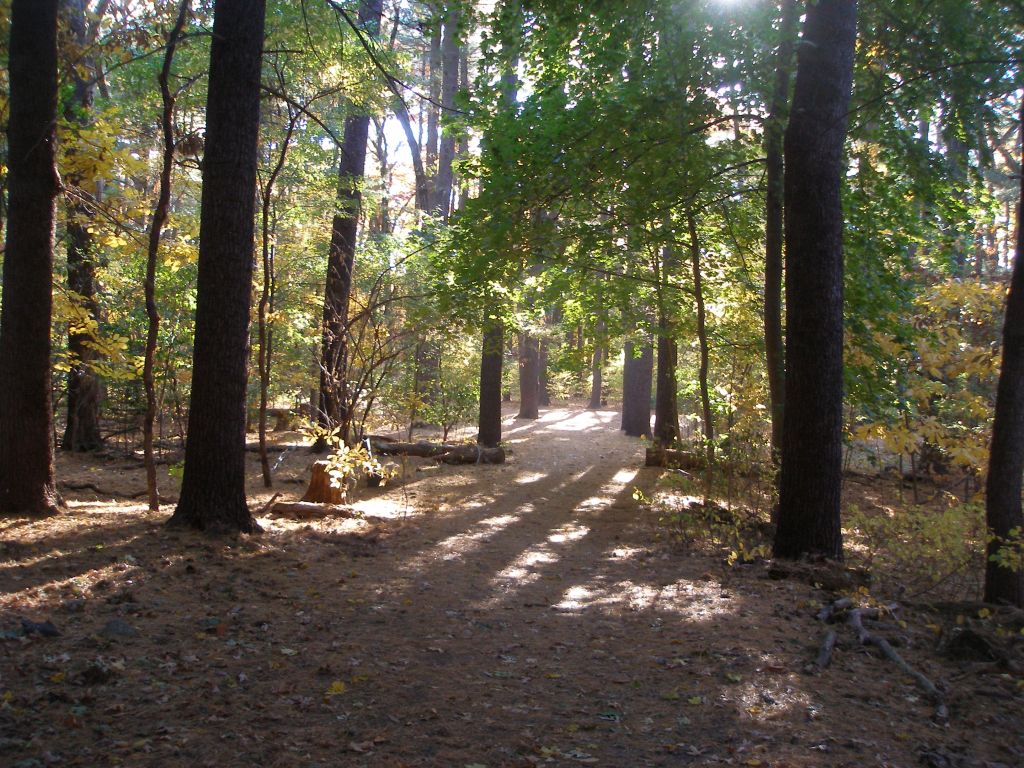
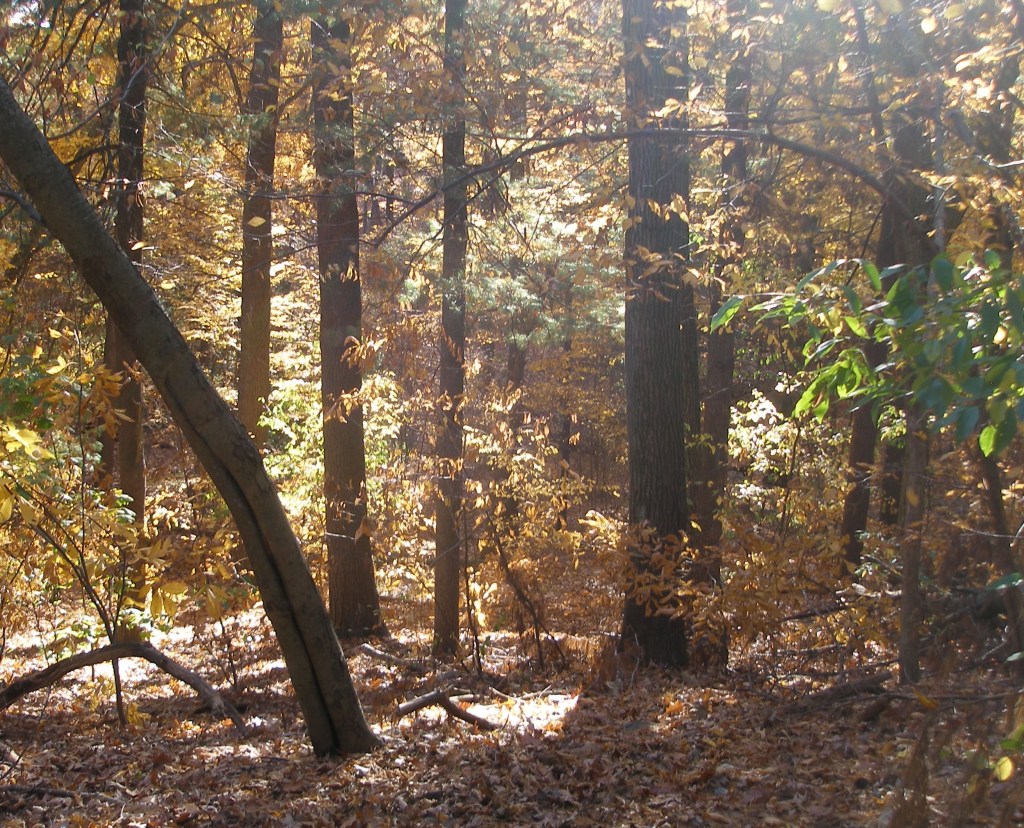
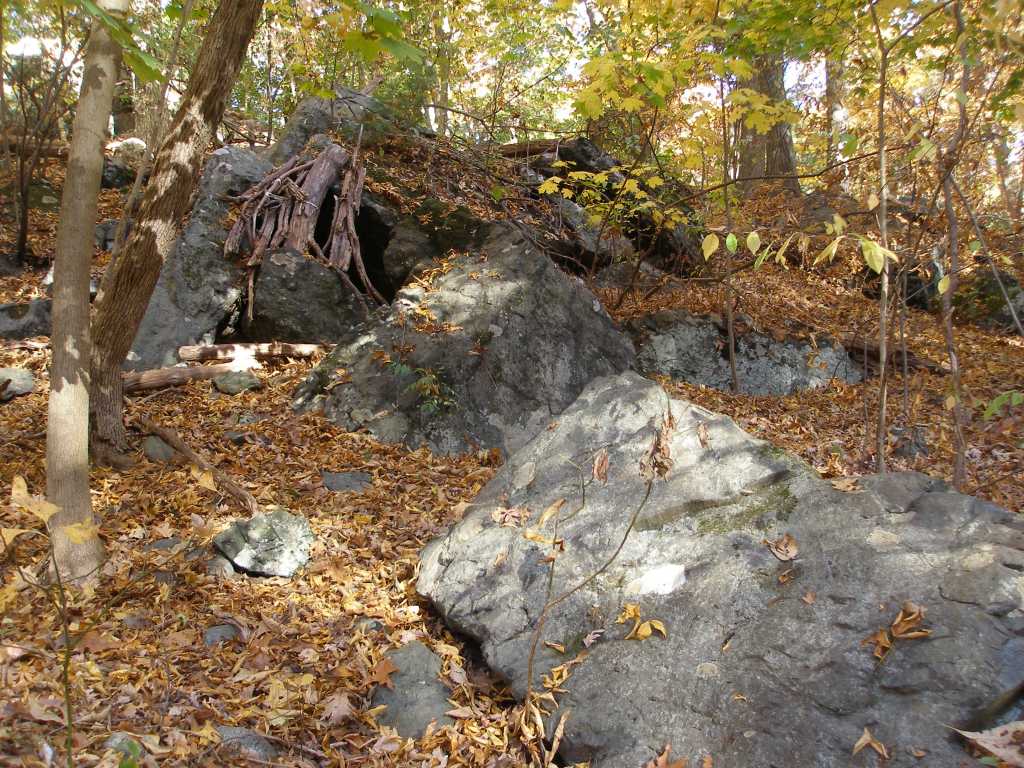
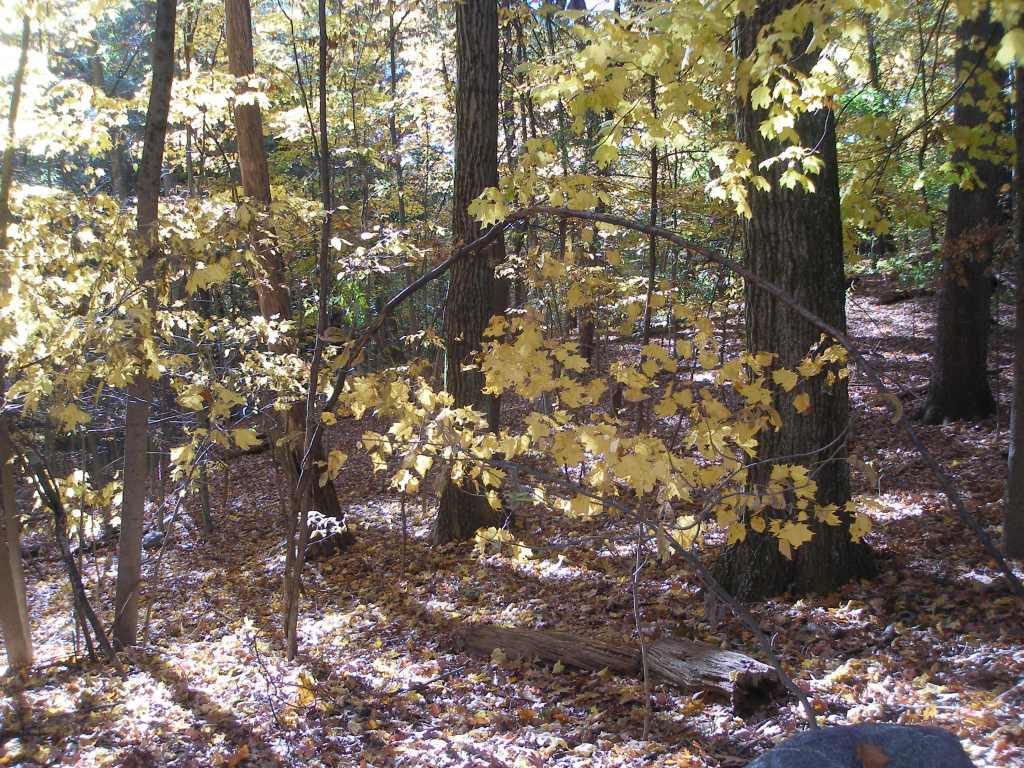
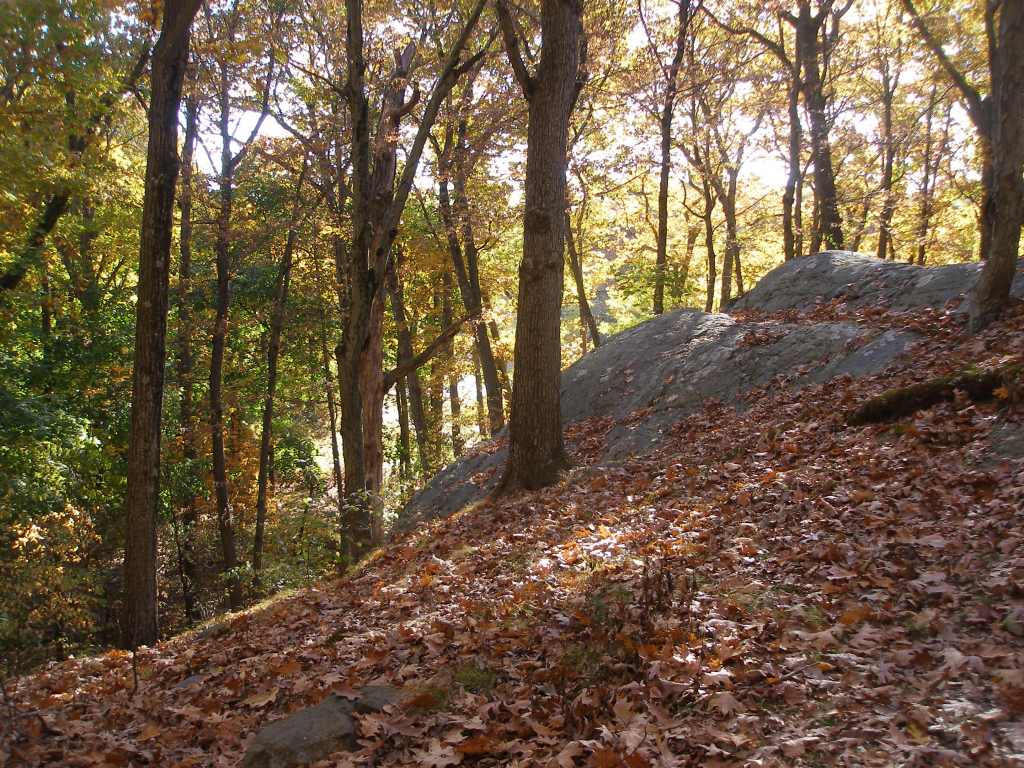
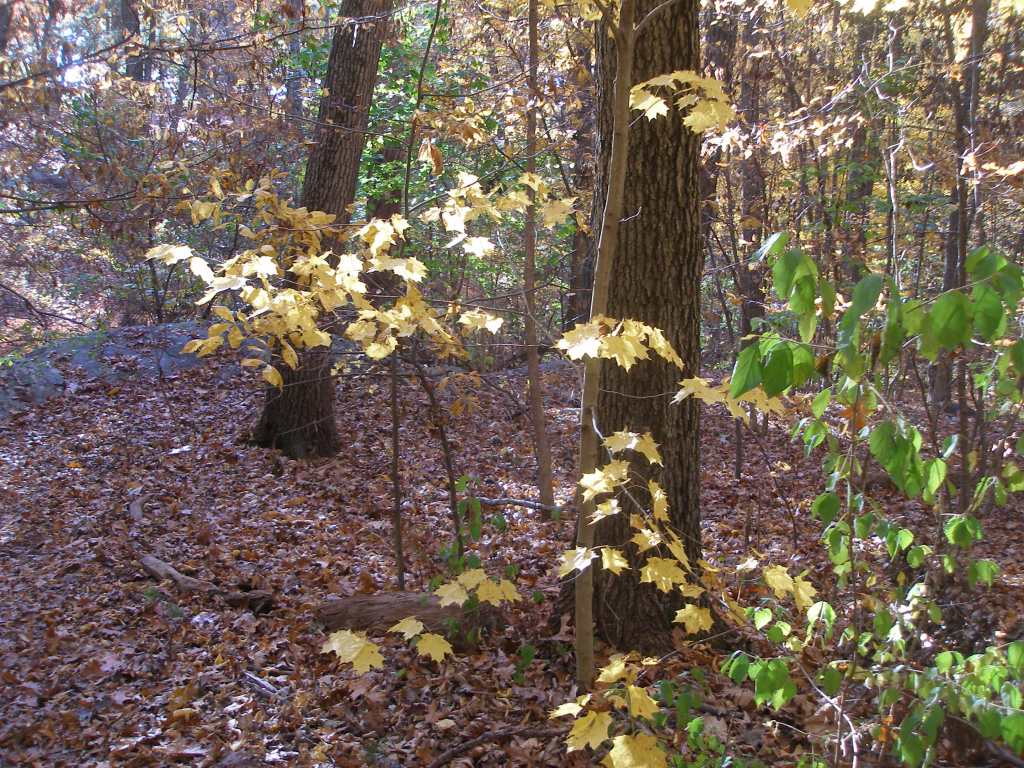
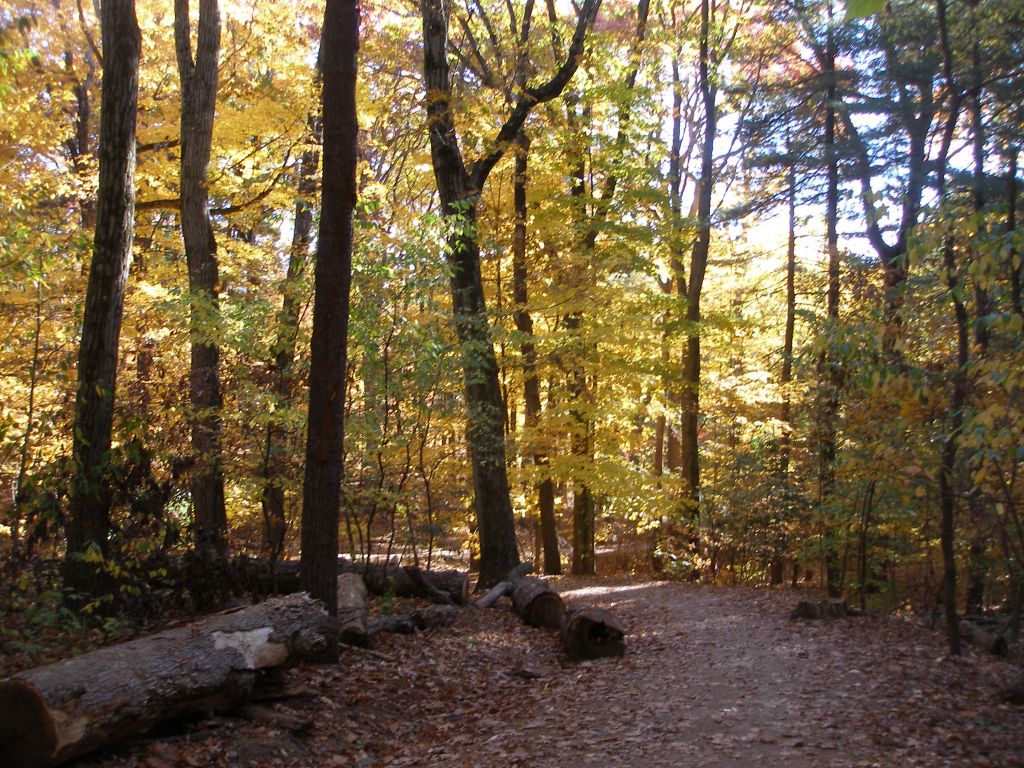
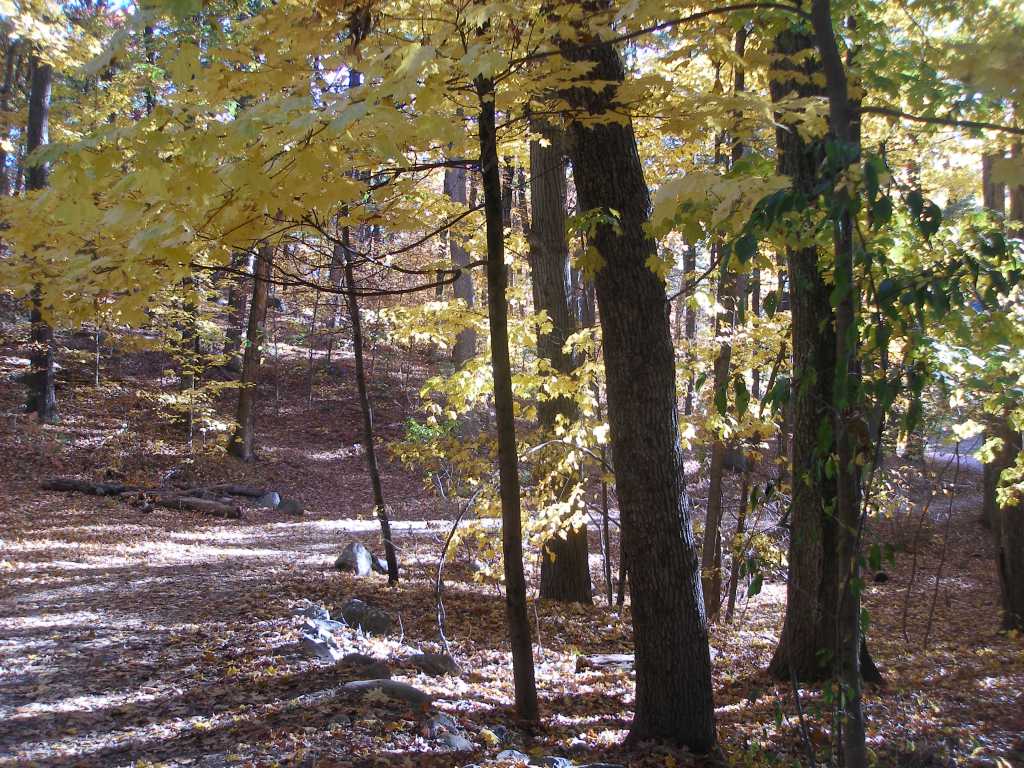
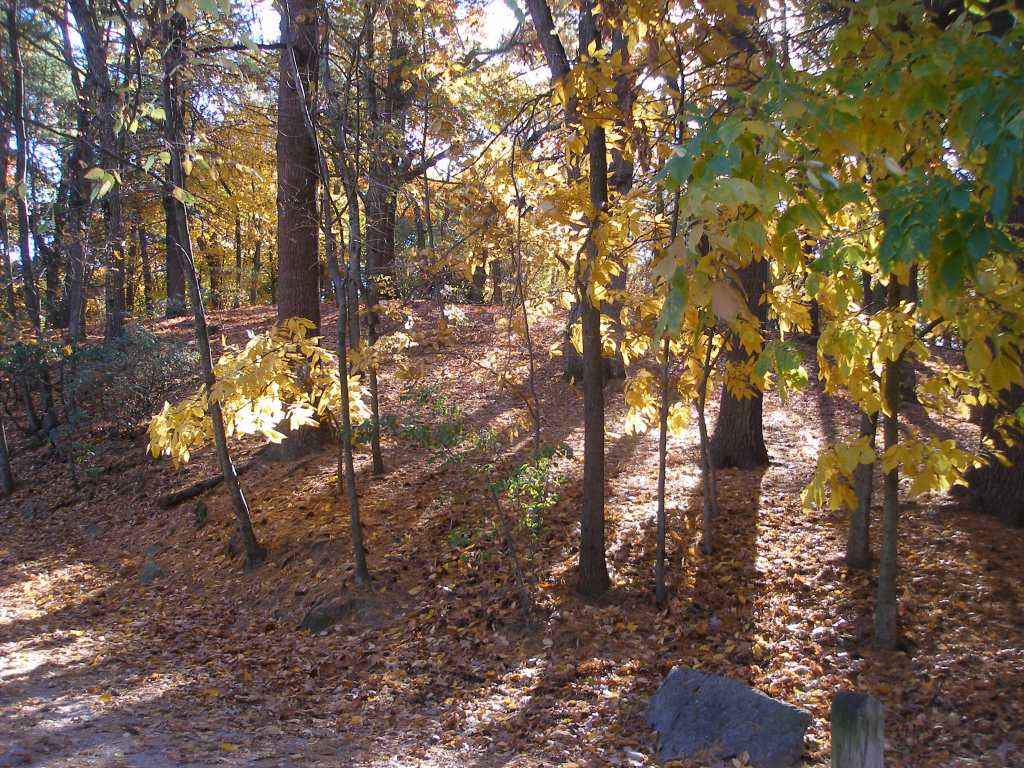
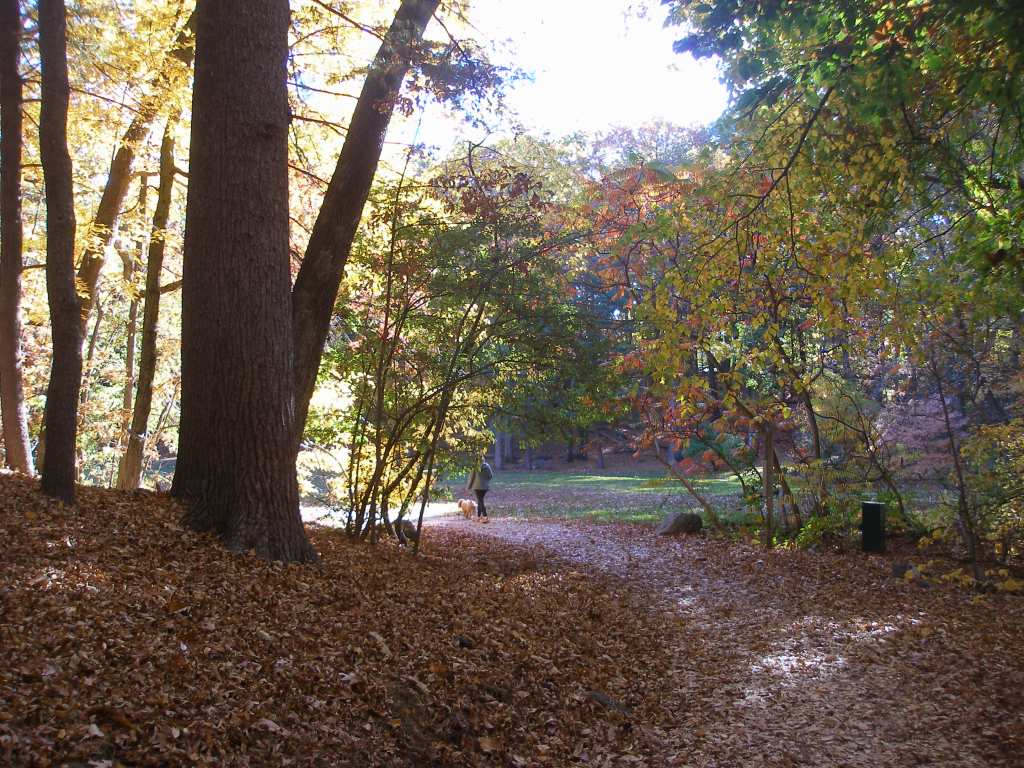
The crisp fall air, crunching pine needles, and subtly pervasive fragrance all sparked a powerful wellbeing. Lingering concerns about the latest round of bad morning news did not stand a chance.
And I noticed that this particular glorious day did not hold even a hint of the sadness that autumn can bring. Yes nothing lasts, but that day there was no choice but to join in the dance and to forget all that.
The being alive, just that, and never alone, but held by it all.














 Radiant Refuge