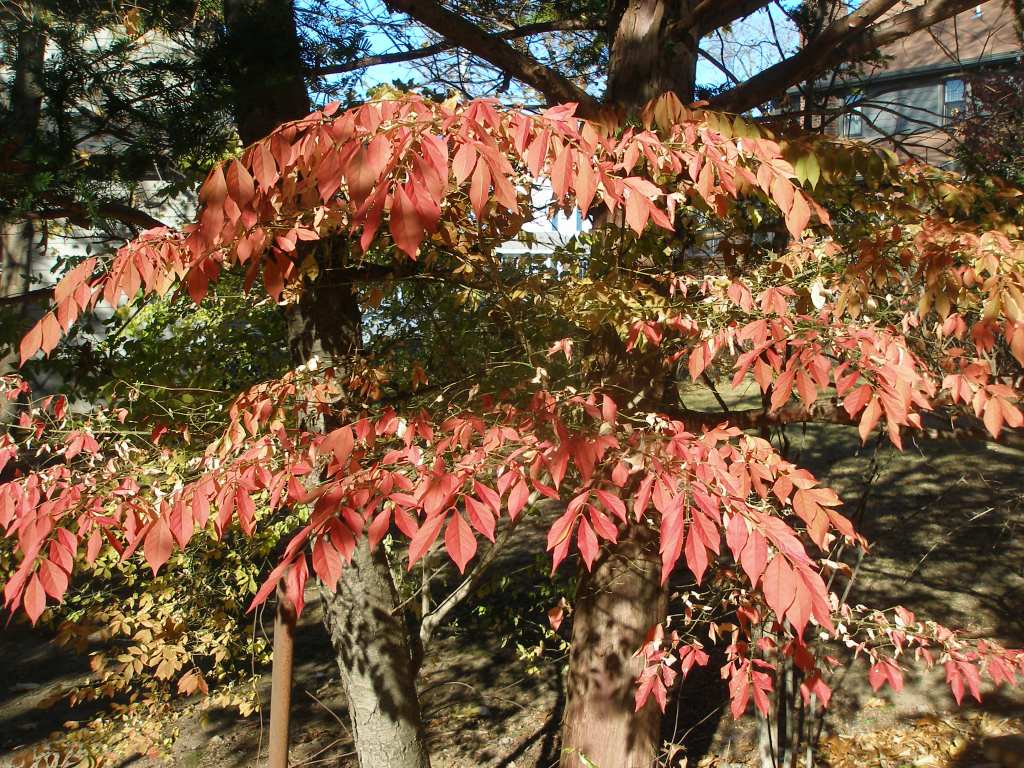
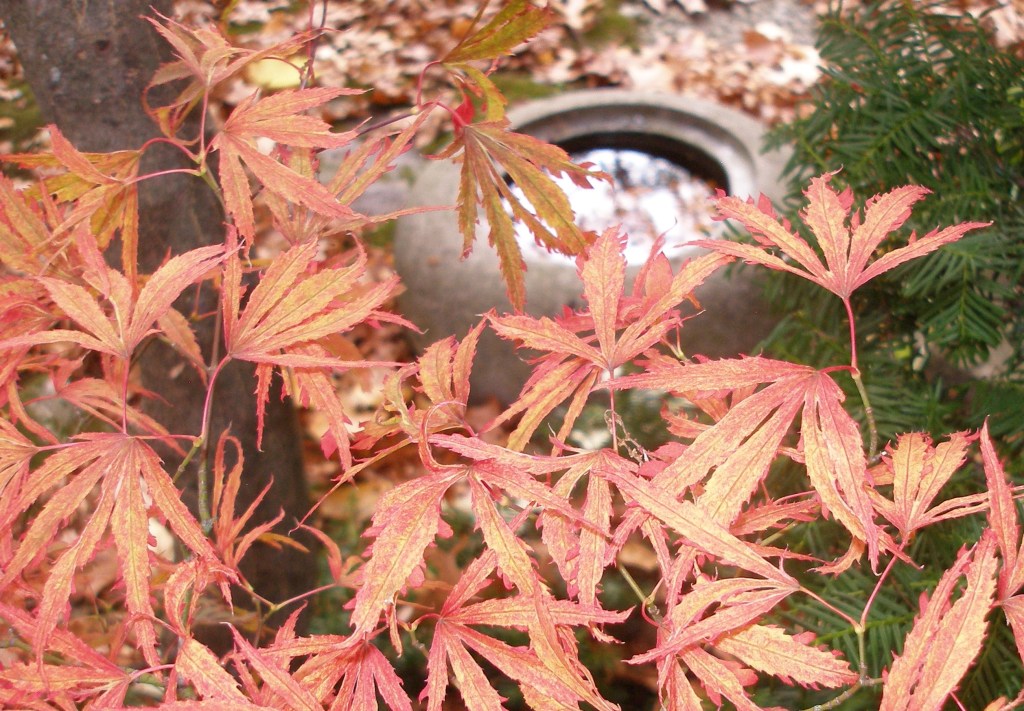
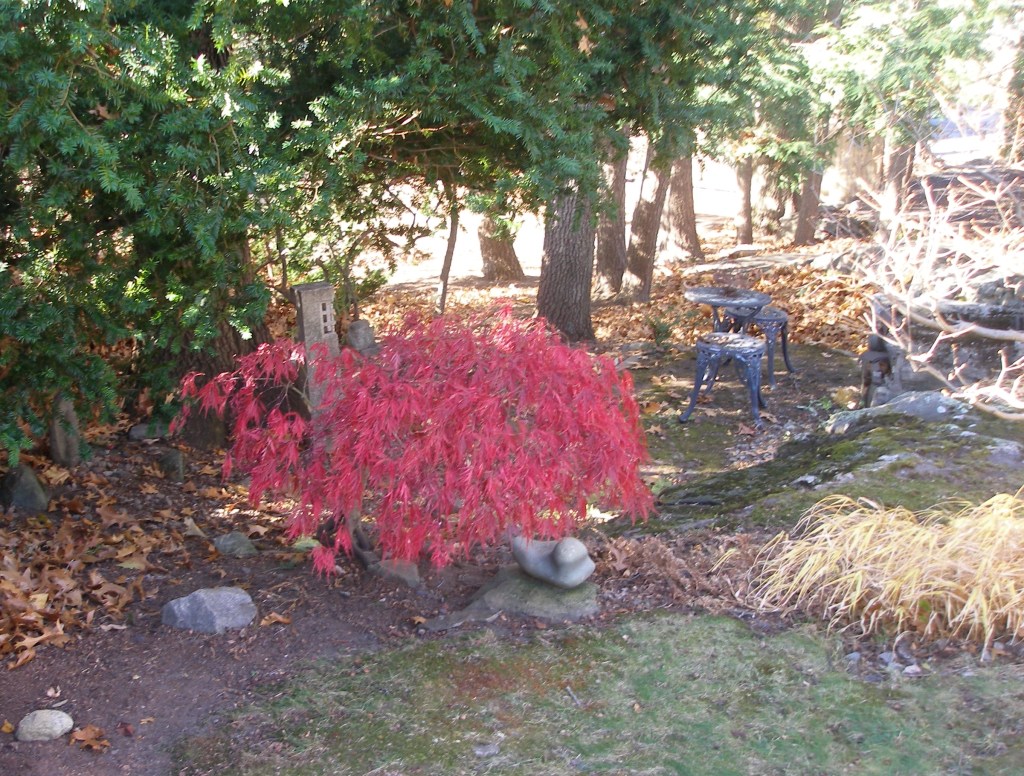
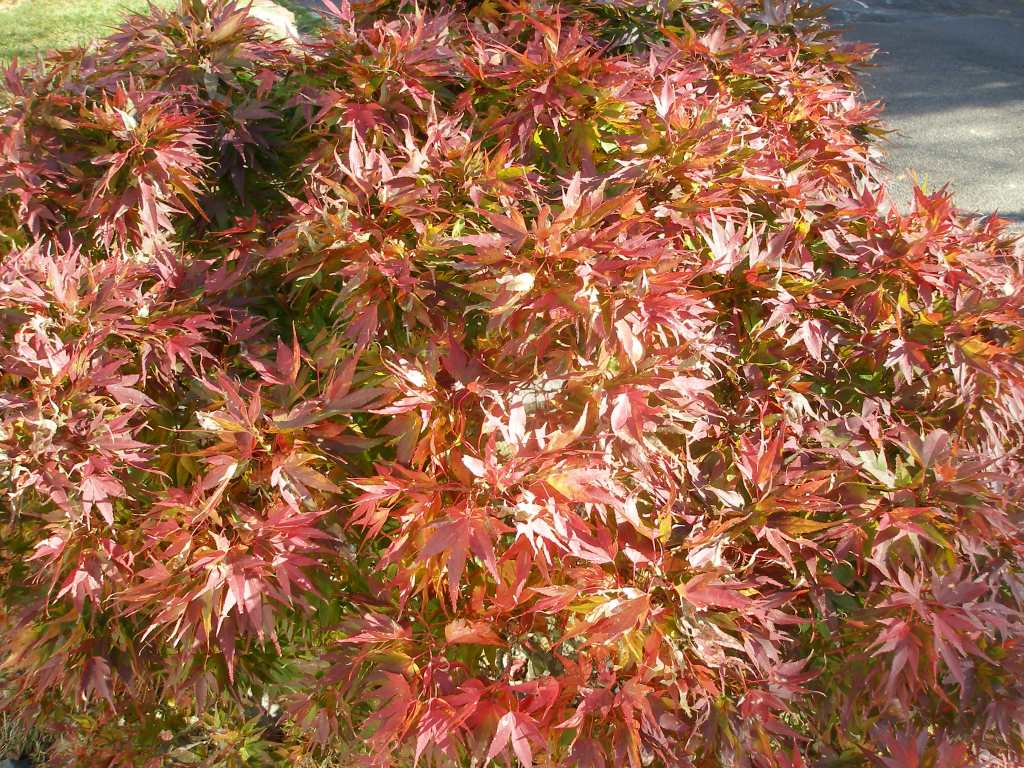
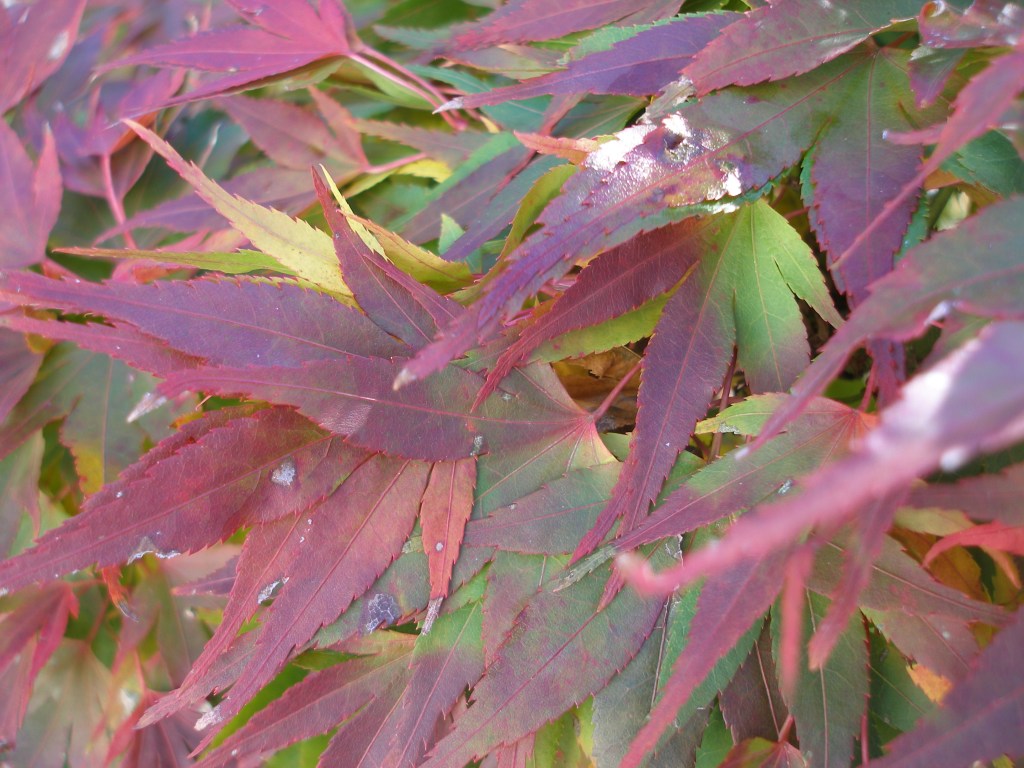
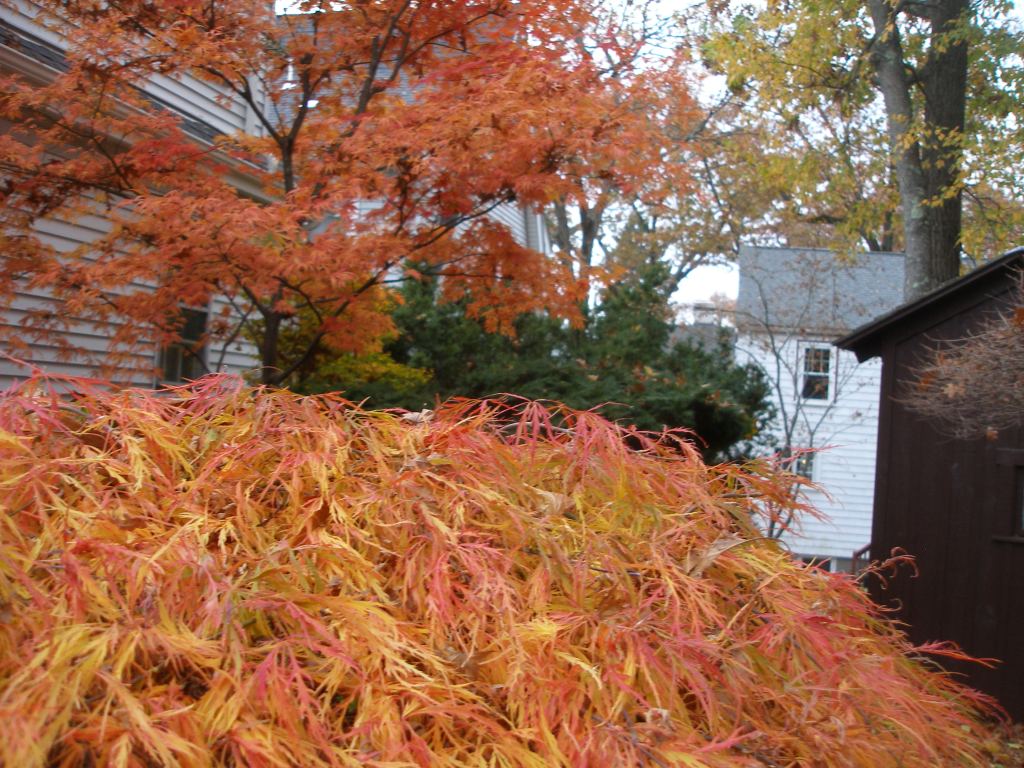
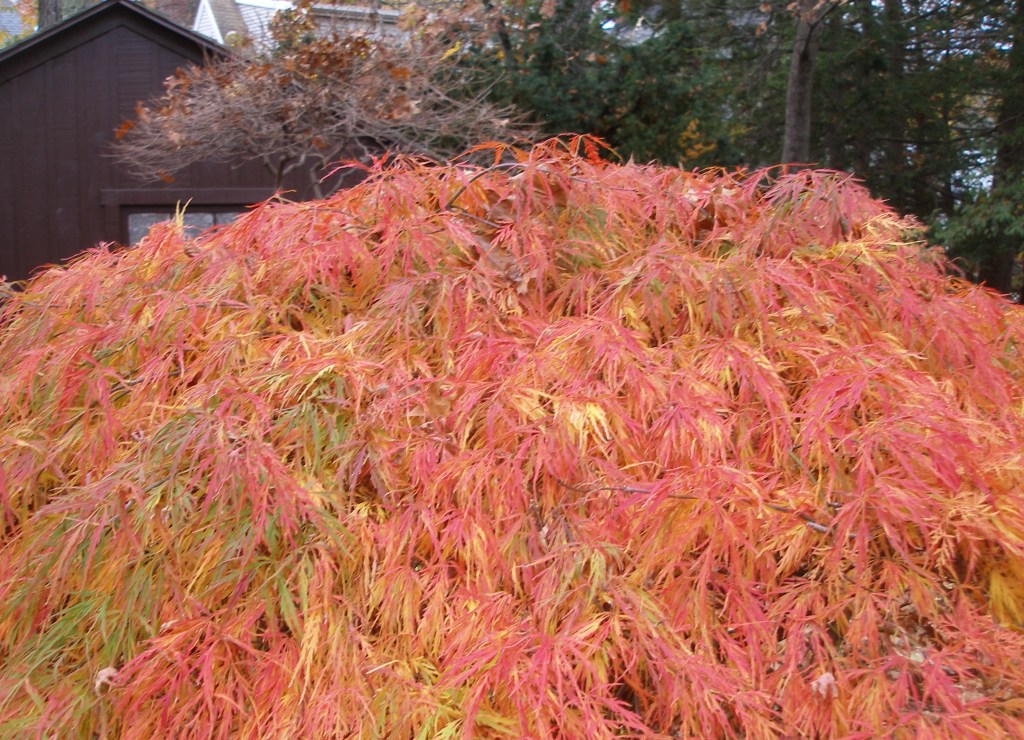
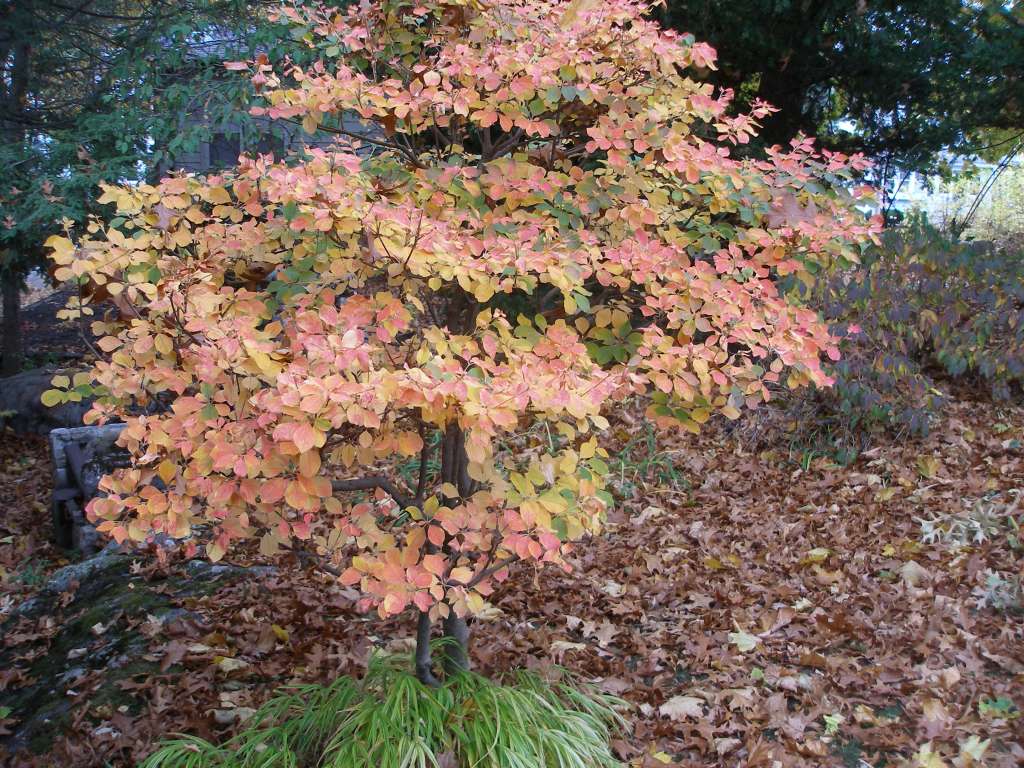
Fall Garden Colors to Remember

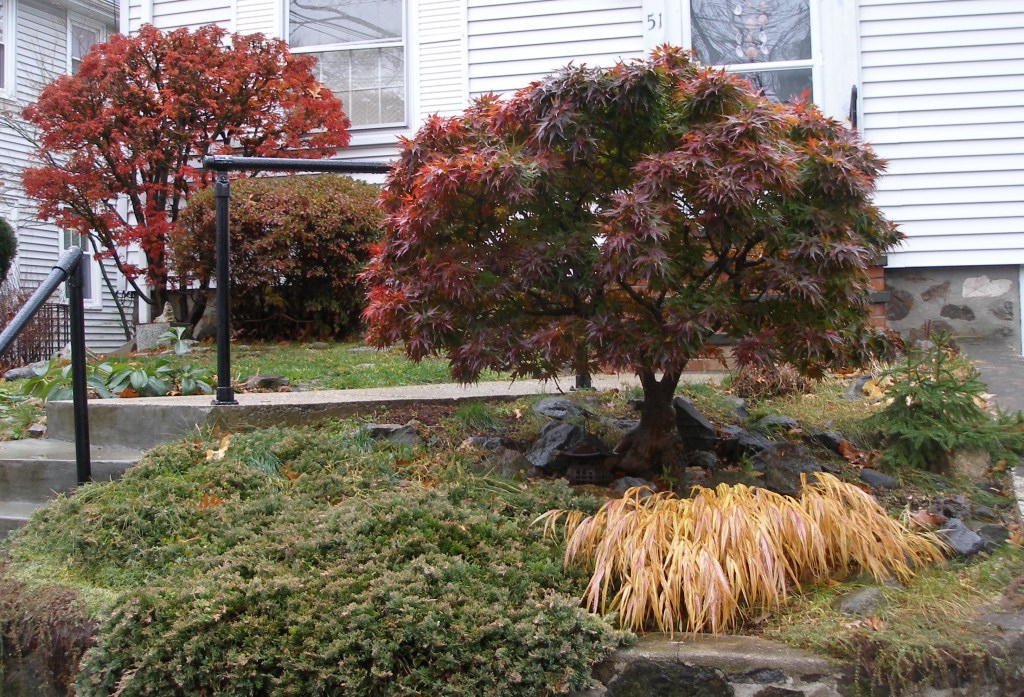
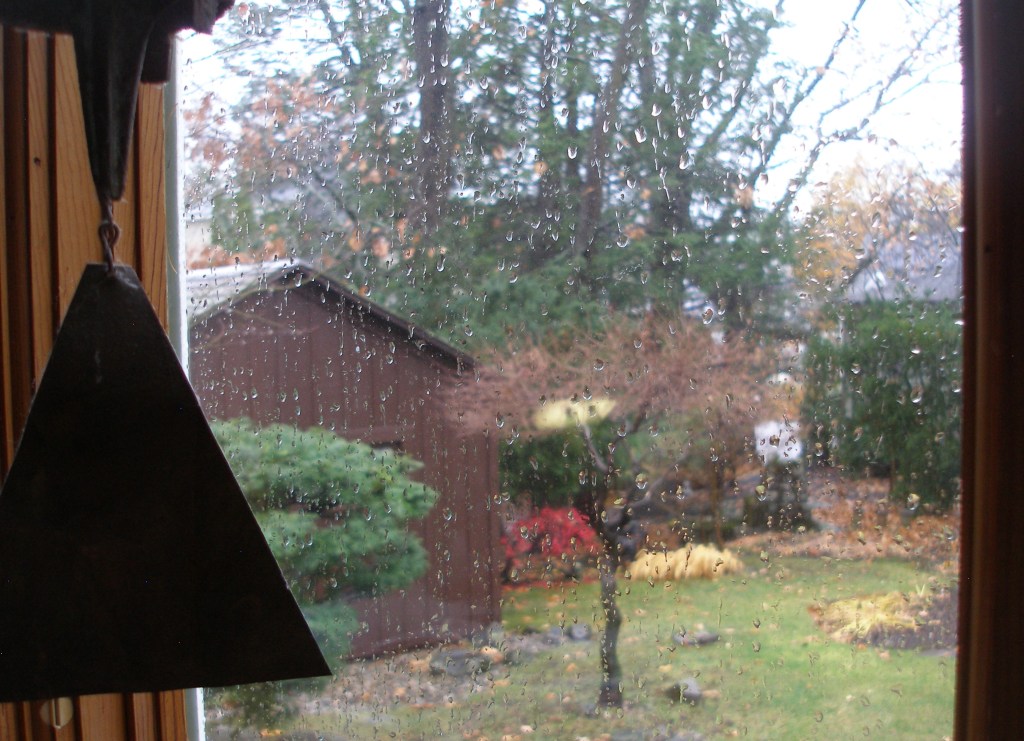
I was beginning to believe I might have to cut back on even the carefully-calibrated small amount of water I was providing my garden. But it rained all day today and the prolonged dry weather pattern seems to be shifting. The days have been unusually warm, and the nights cool, but not freezing.

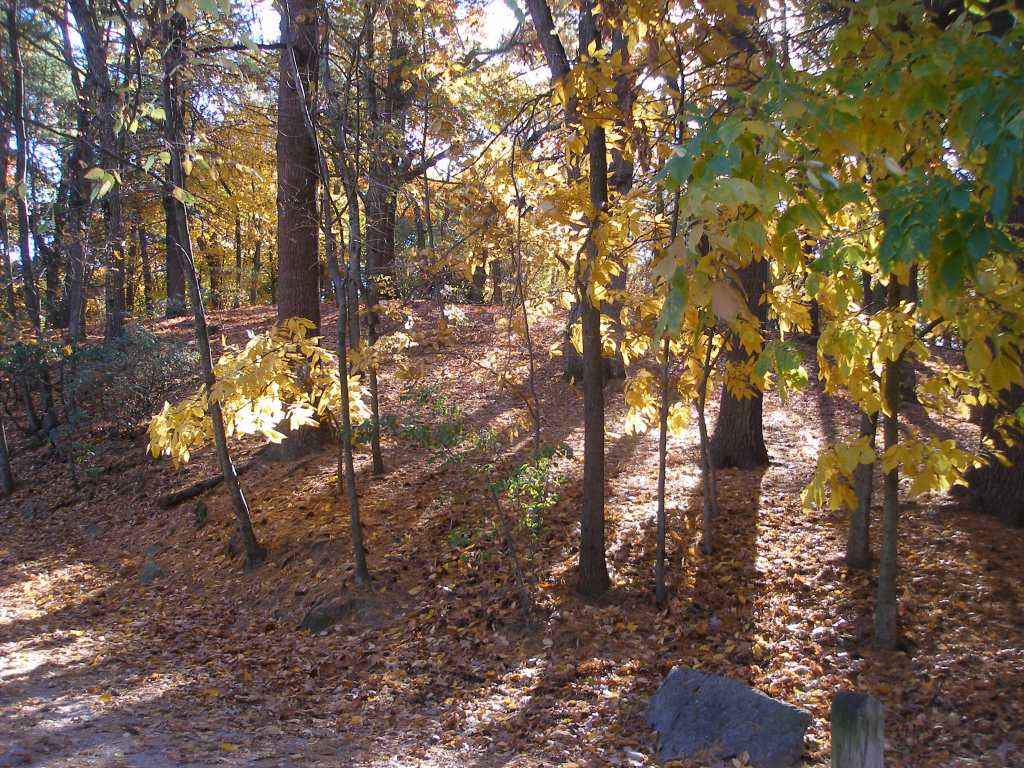
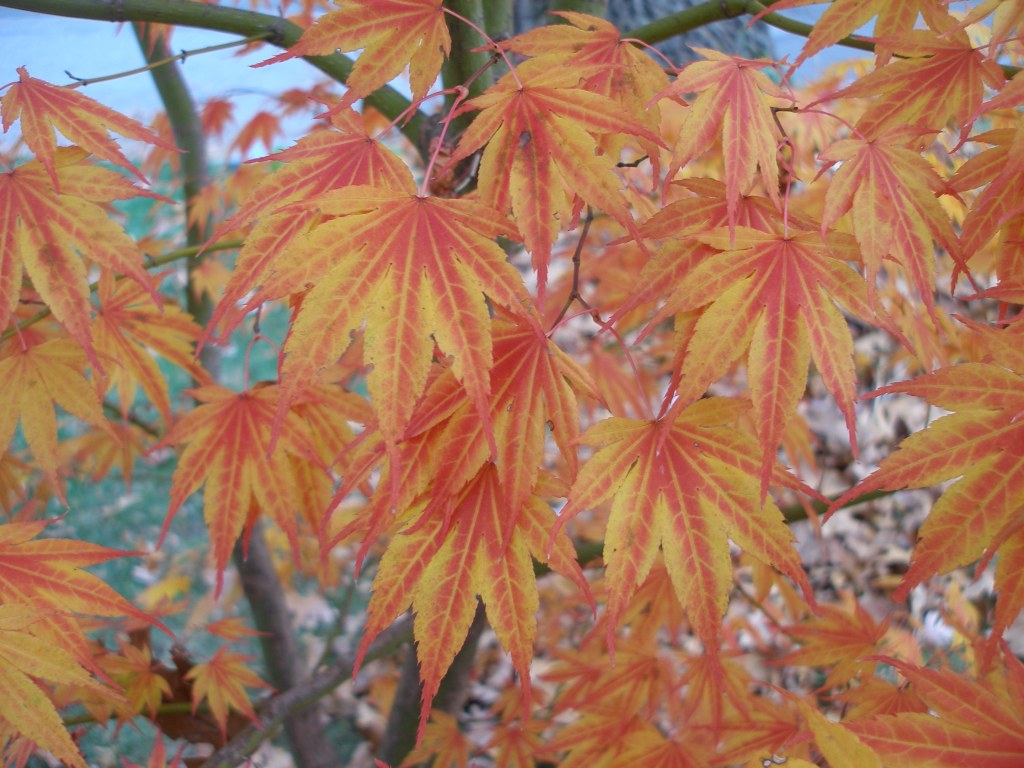
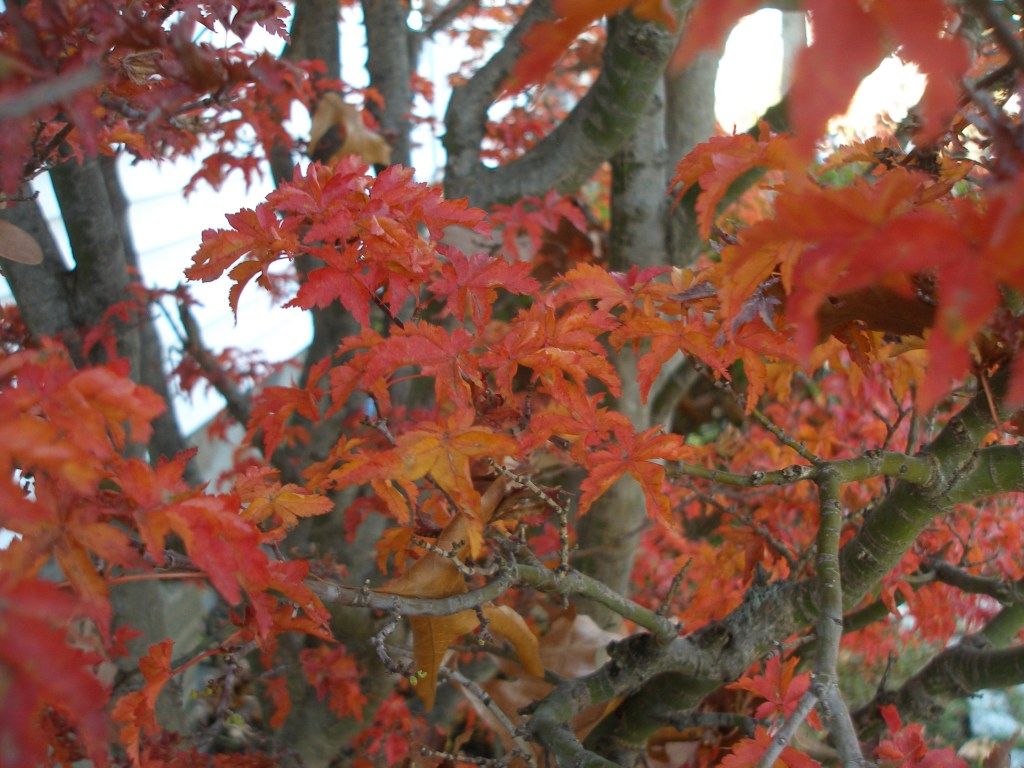
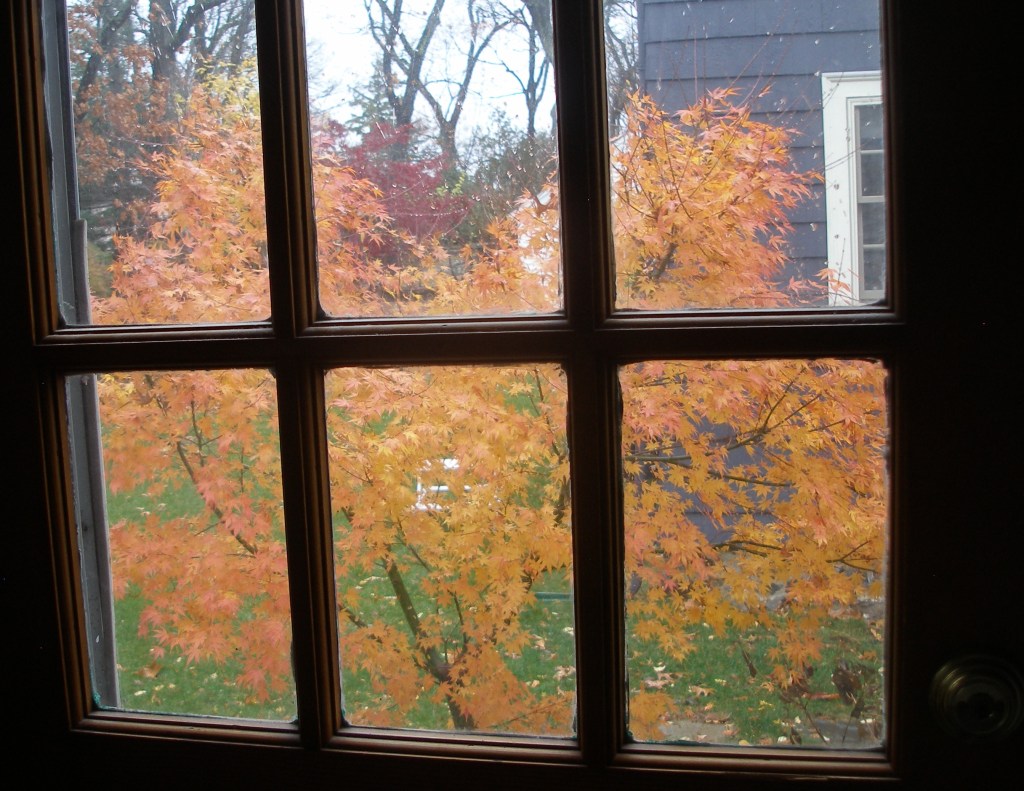
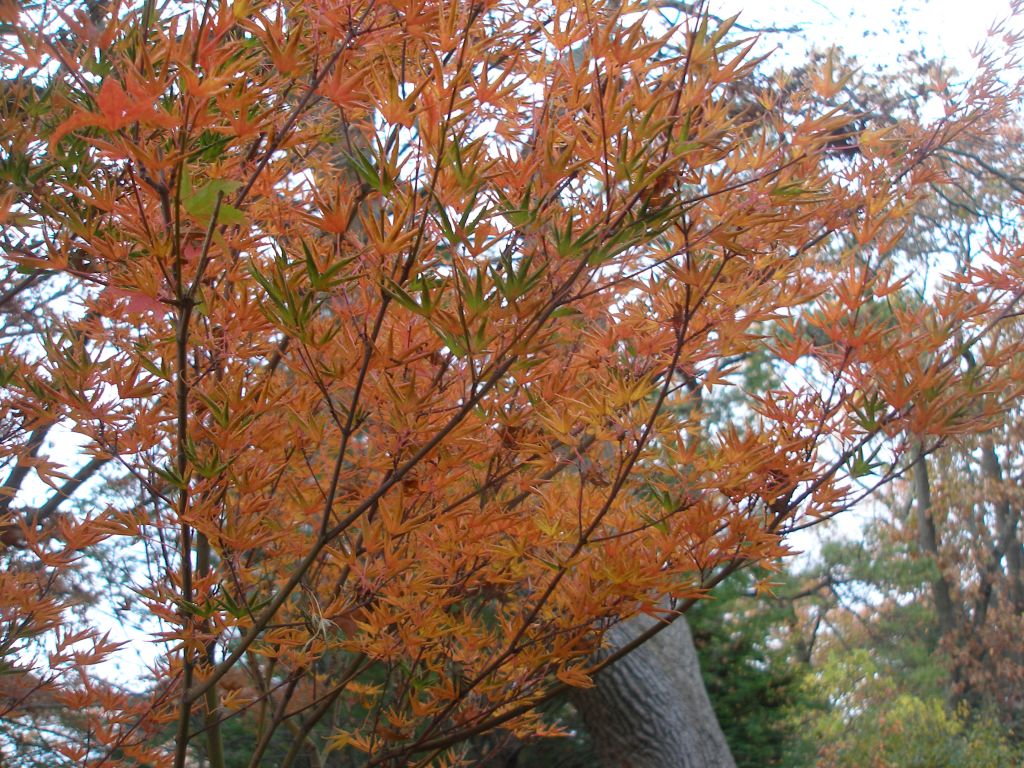
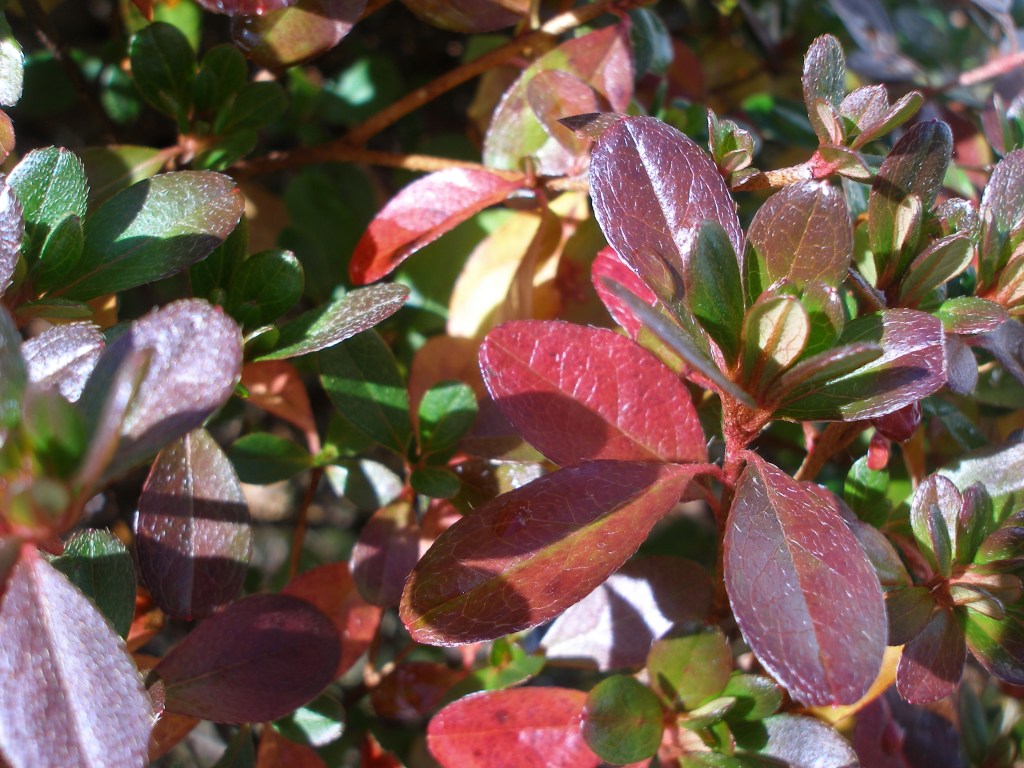
According to this USDA Forestry Service article, that is precisely what can bring out the brightest fall colors:

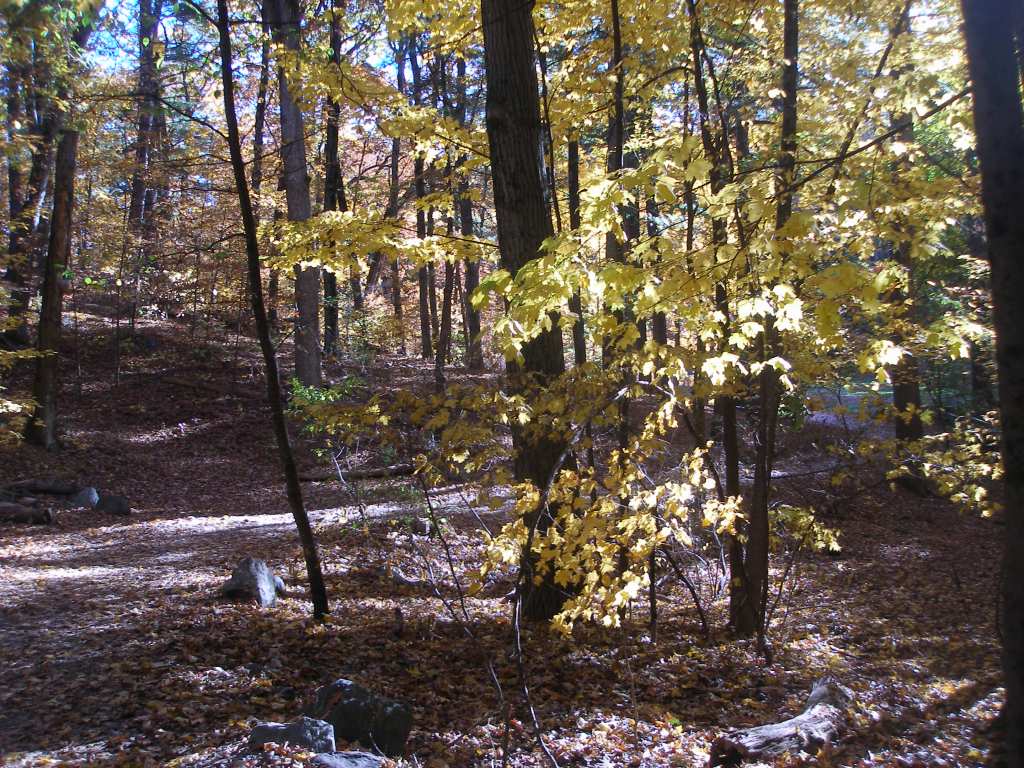
“A succession of warm, sunny days and cool, crisp but not freezing nights seems to bring about the most spectacular color displays. During these days, lots of sugars are produced in the leaf but the cool nights and the gradual closing of veins going into the leaf prevent these sugars from moving out. These conditions – lots of sugar and light – spur production of the brilliant anthocyanin pigments, which tint reds, purples, and crimson. Because carotenoids are always present in leaves, the yellow and gold colors remain fairly constant from year to year.

The amount of moisture in the soil also affects autumn colors. Like the weather, soil moisture varies greatly from year to year. The countless combinations of these two highly variable factors assure that no two autumns can be exactly alike. A late spring, or a severe summer drought, can delay the onset of fall color by a few weeks. A warm period during fall will also lower the intensity of autumn colors. A warm wet spring, favorable summer weather, and warm sunny fall days with cool nights should produce the most brilliant autumn colors.”
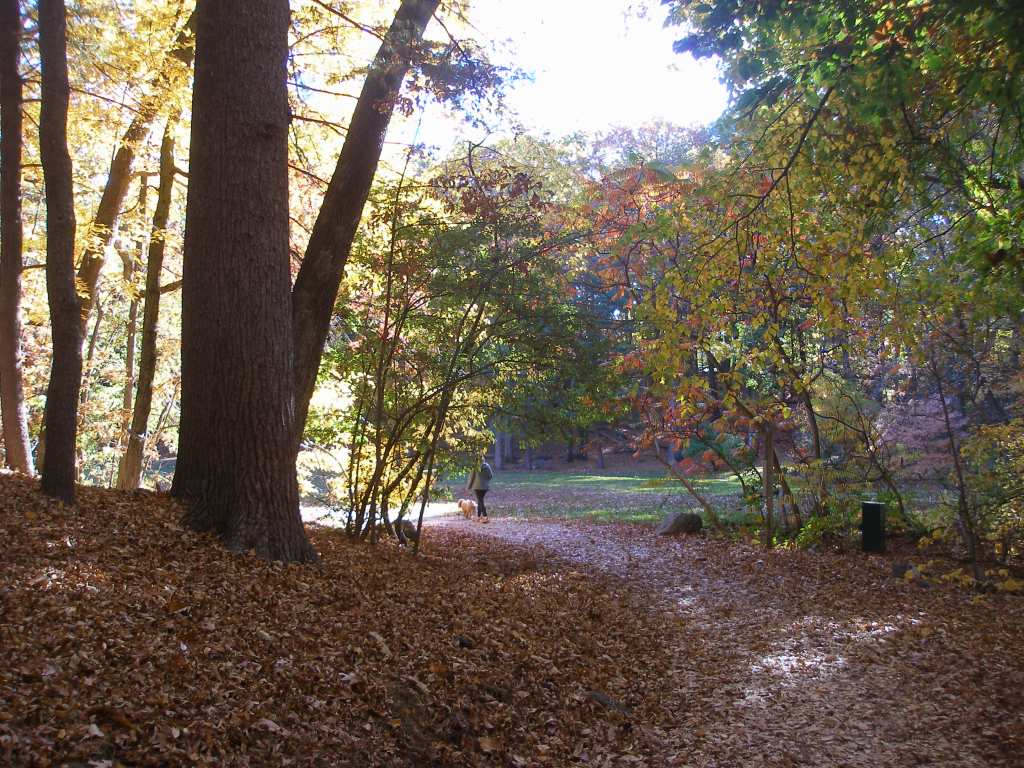
A Walk in the Woods

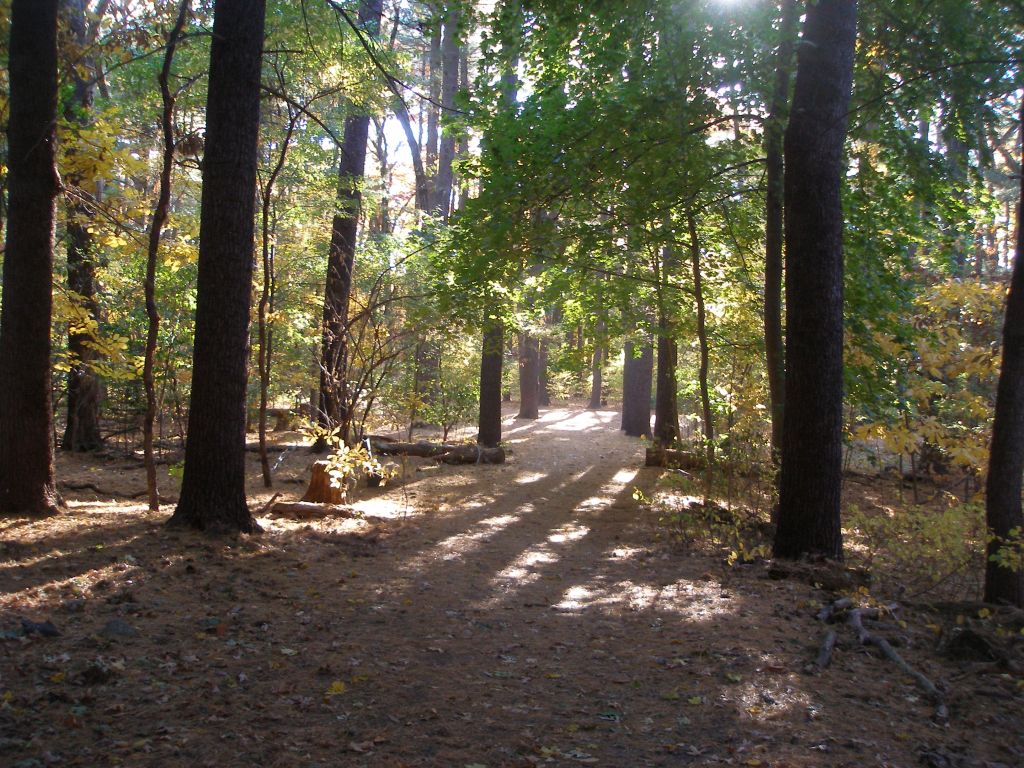
The crisp fall air, crunching pine needles, and subtly pervasive fragrance all sparked a powerful wellbeing. Lingering concerns about the latest round of bad morning news did not stand a chance.

And I noticed that this particular glorious day did not hold even a hint of the sadness that autumn can bring. Yes nothing lasts, but that day there was no choice but to join in the dance and to forget all that.

The being alive, just that, and never alone, but held by it all.


Late Season Mushroom Bonanza

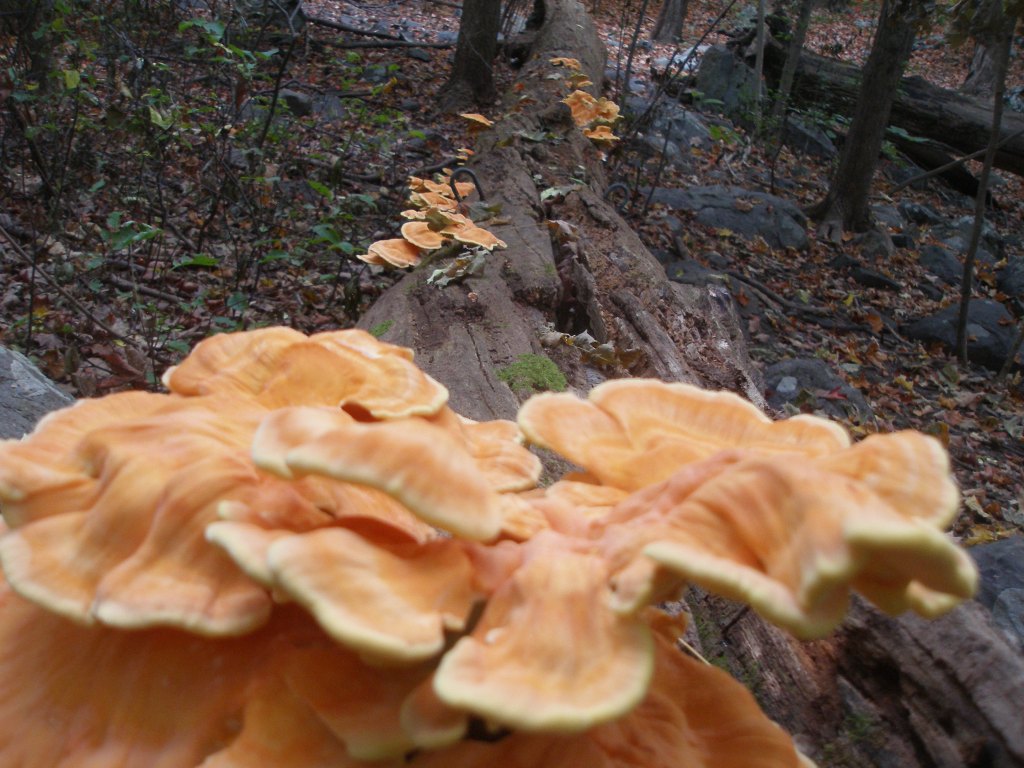
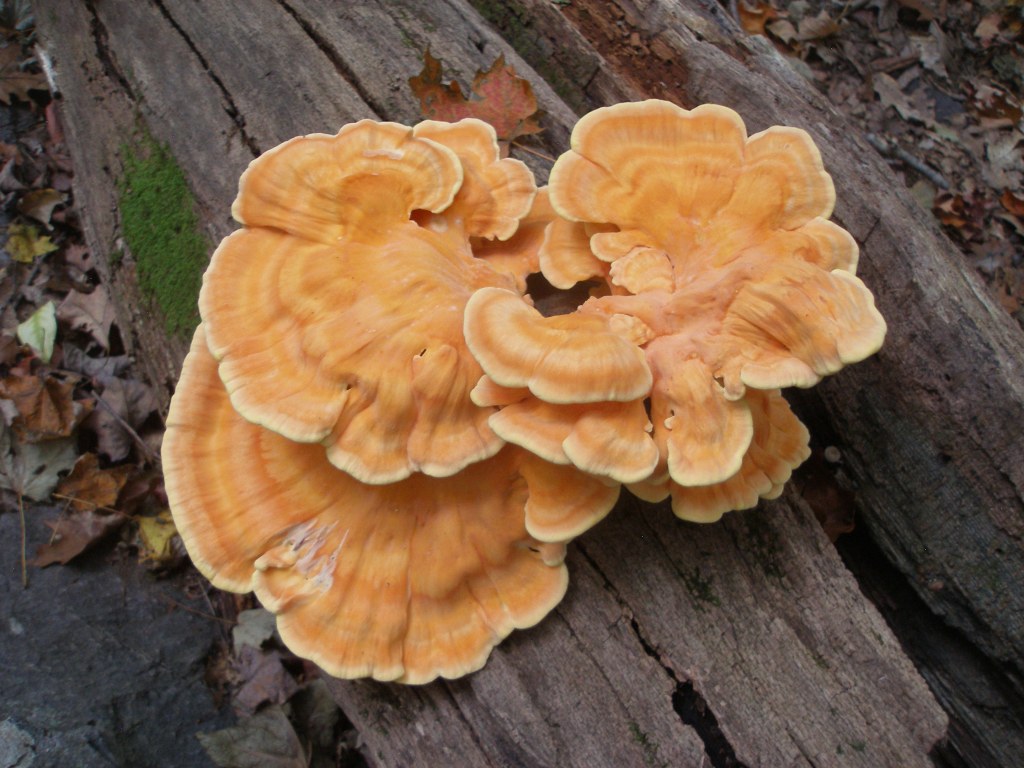
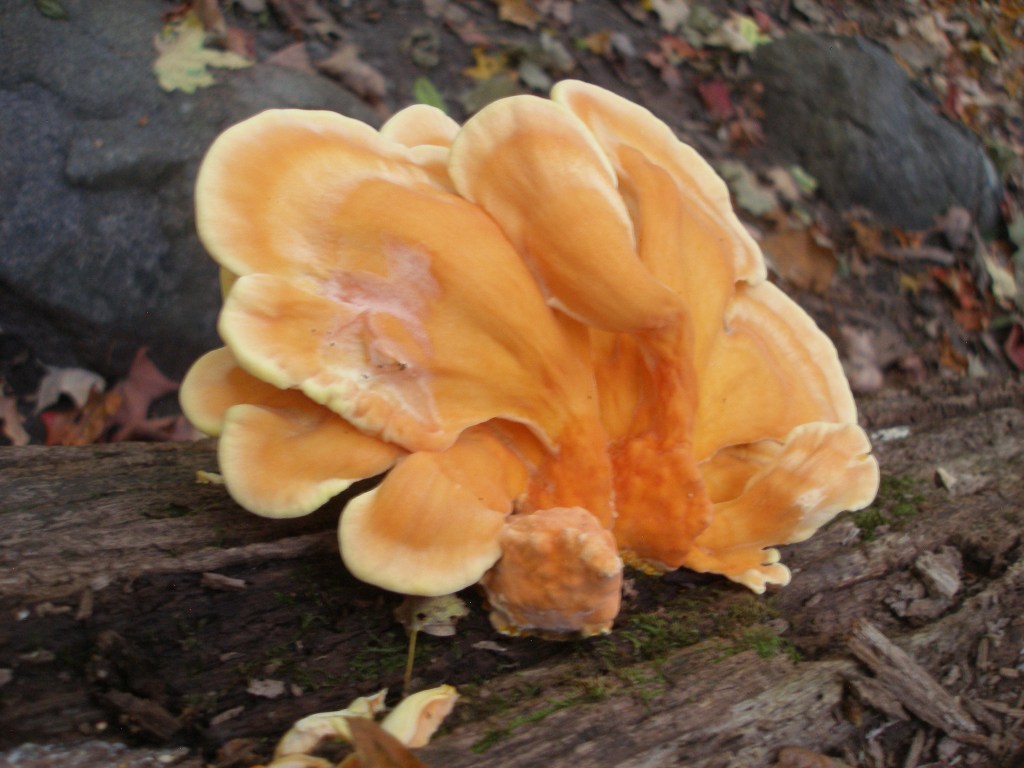
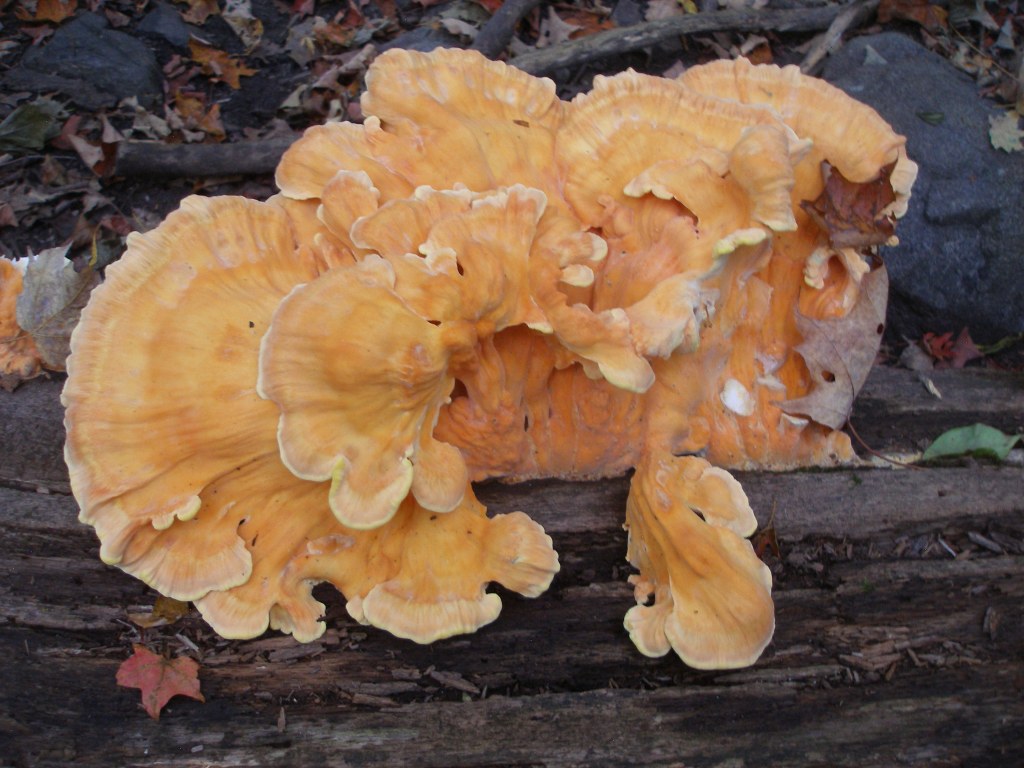
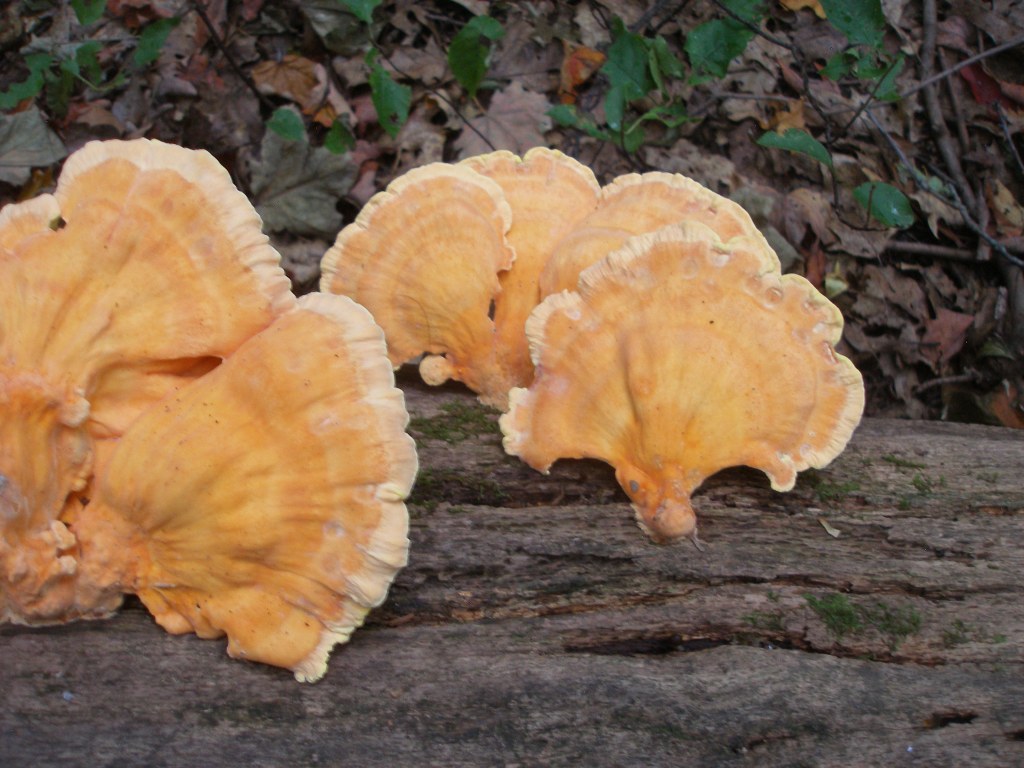
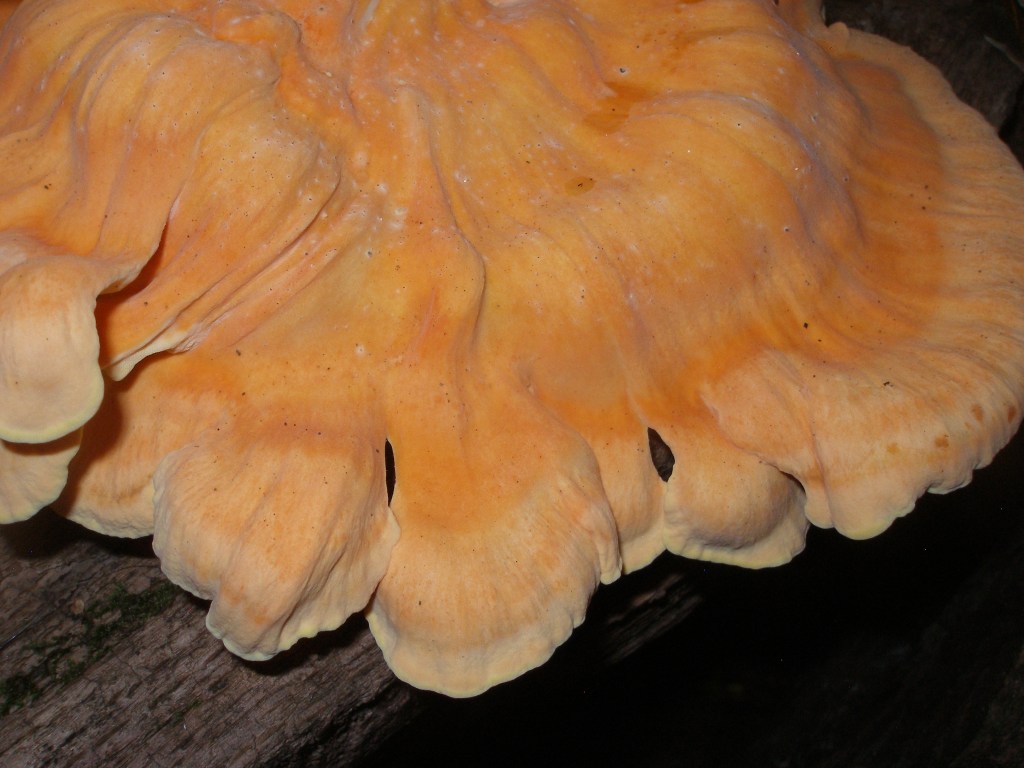
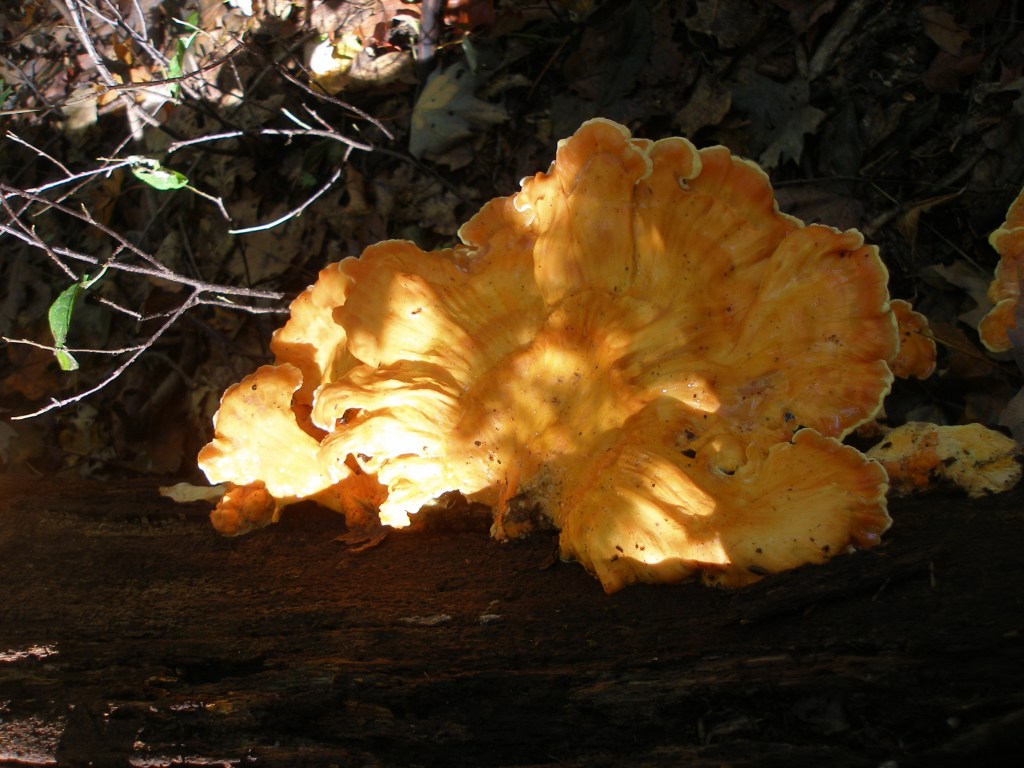
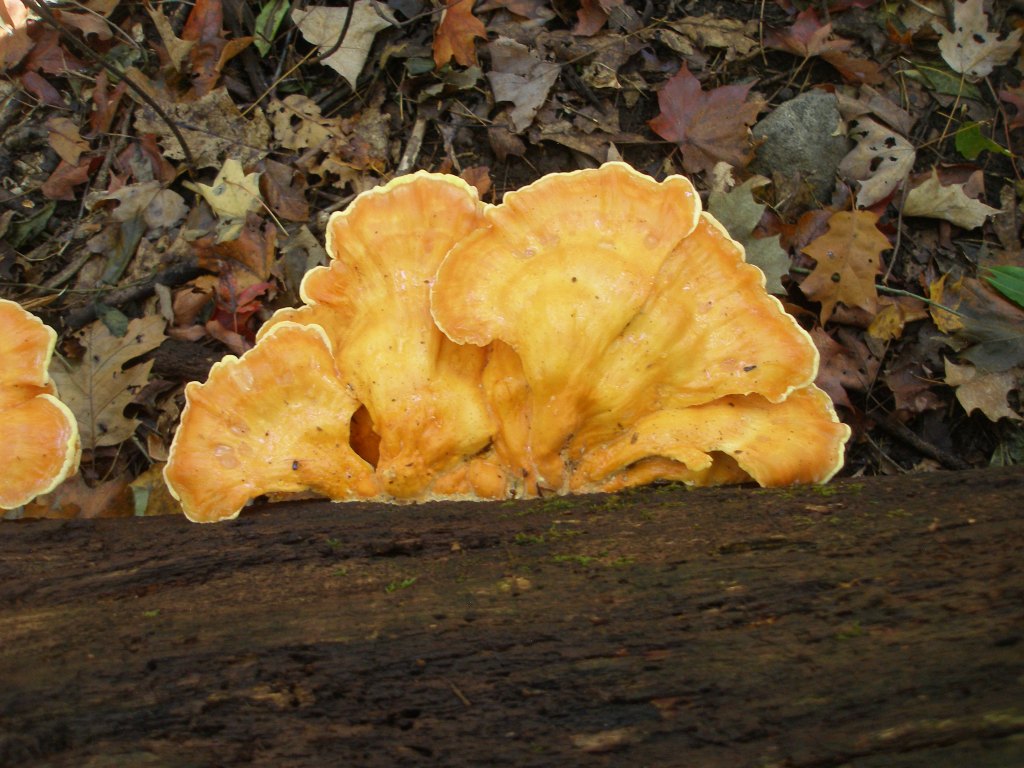
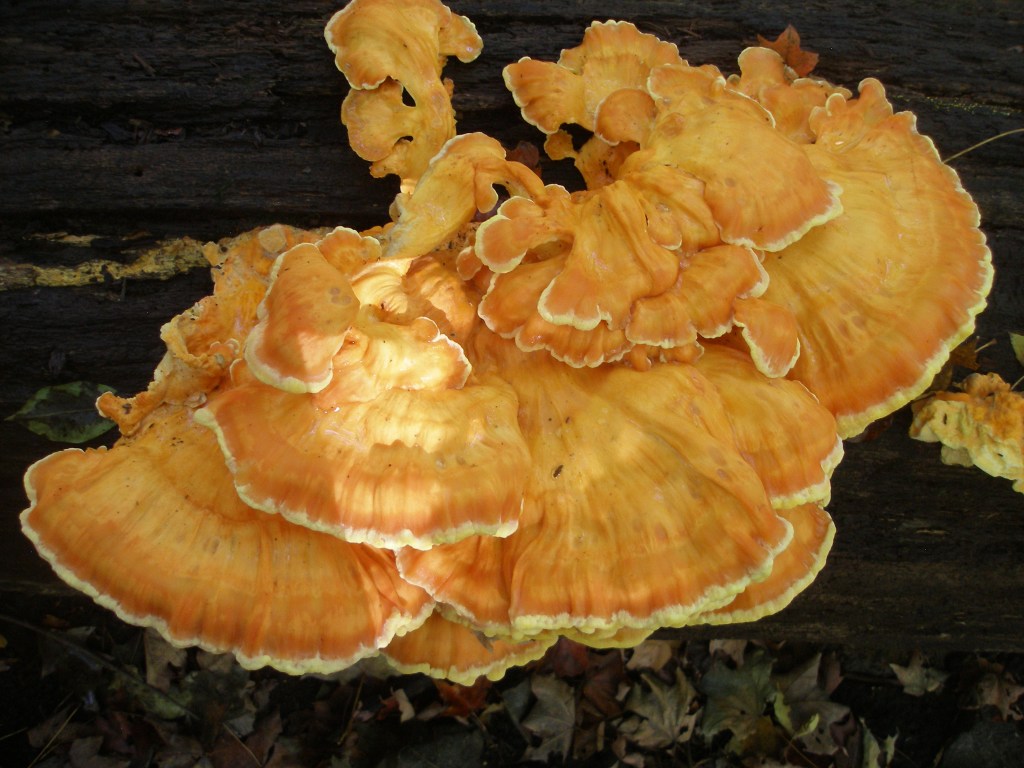
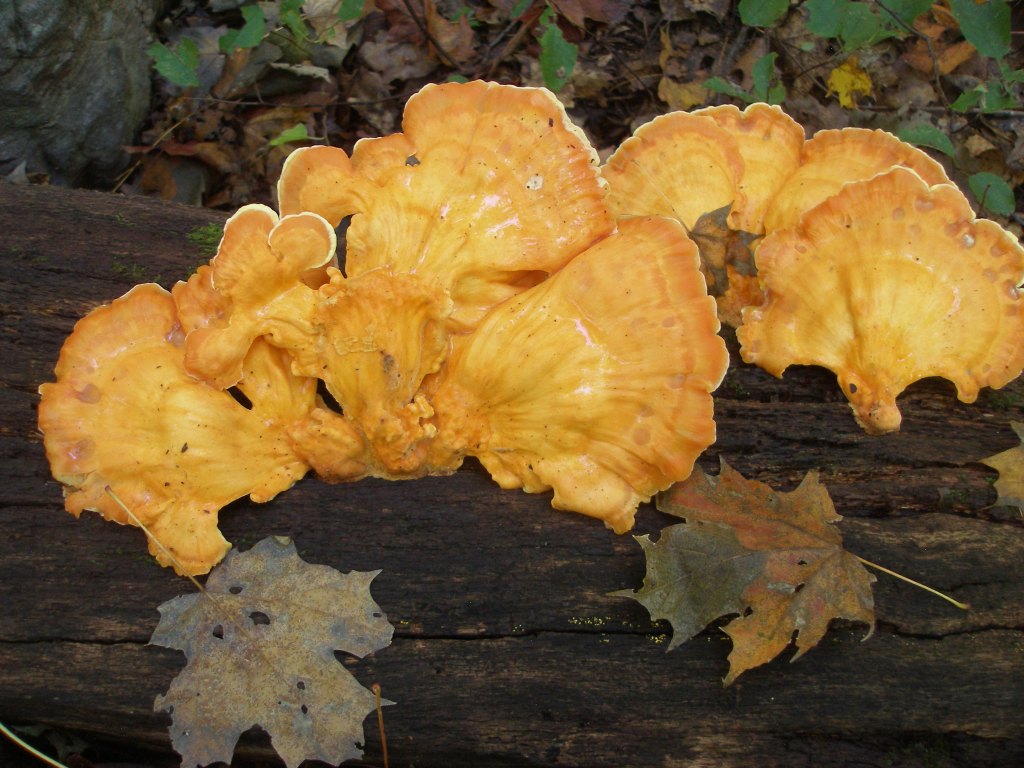
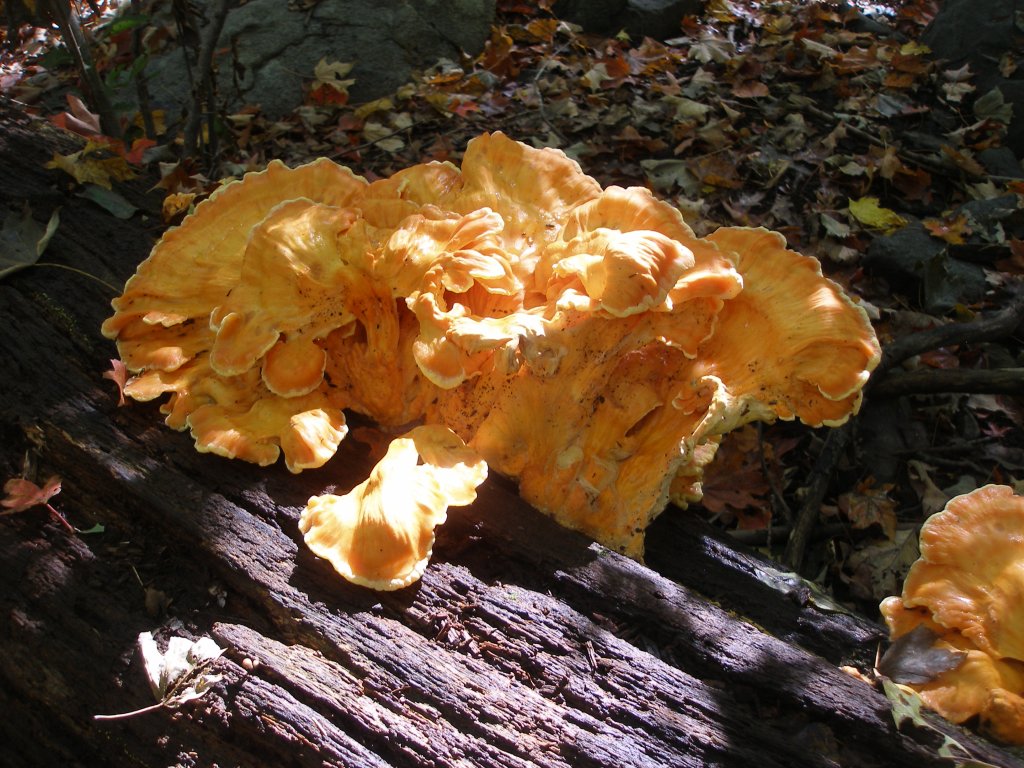
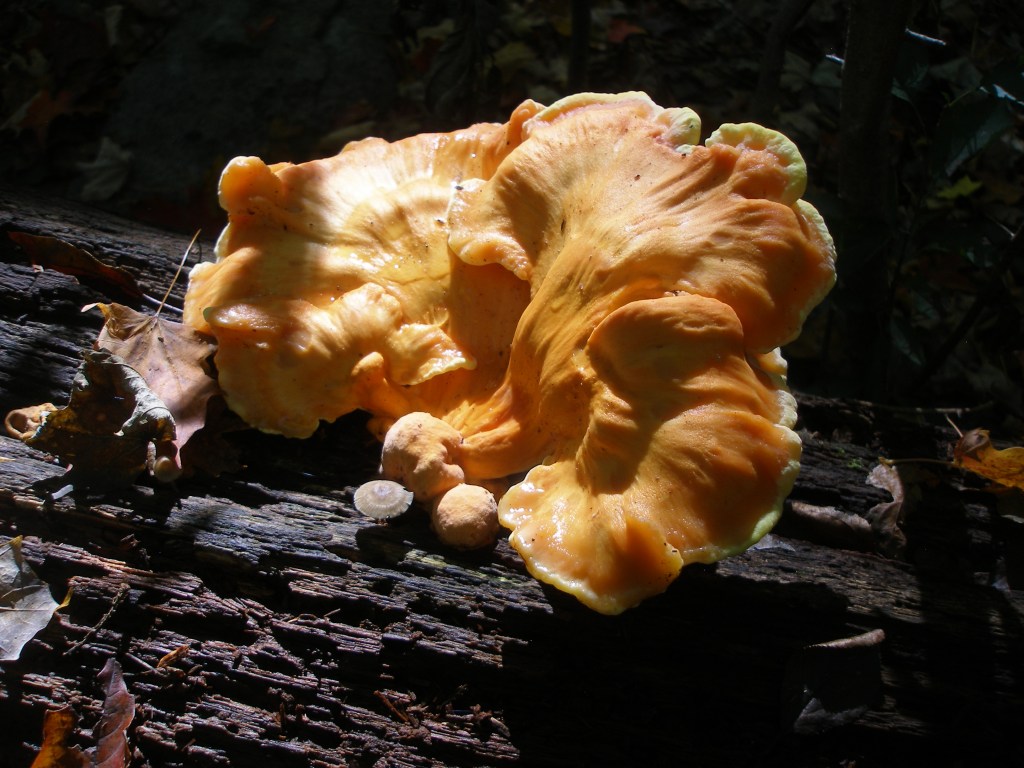
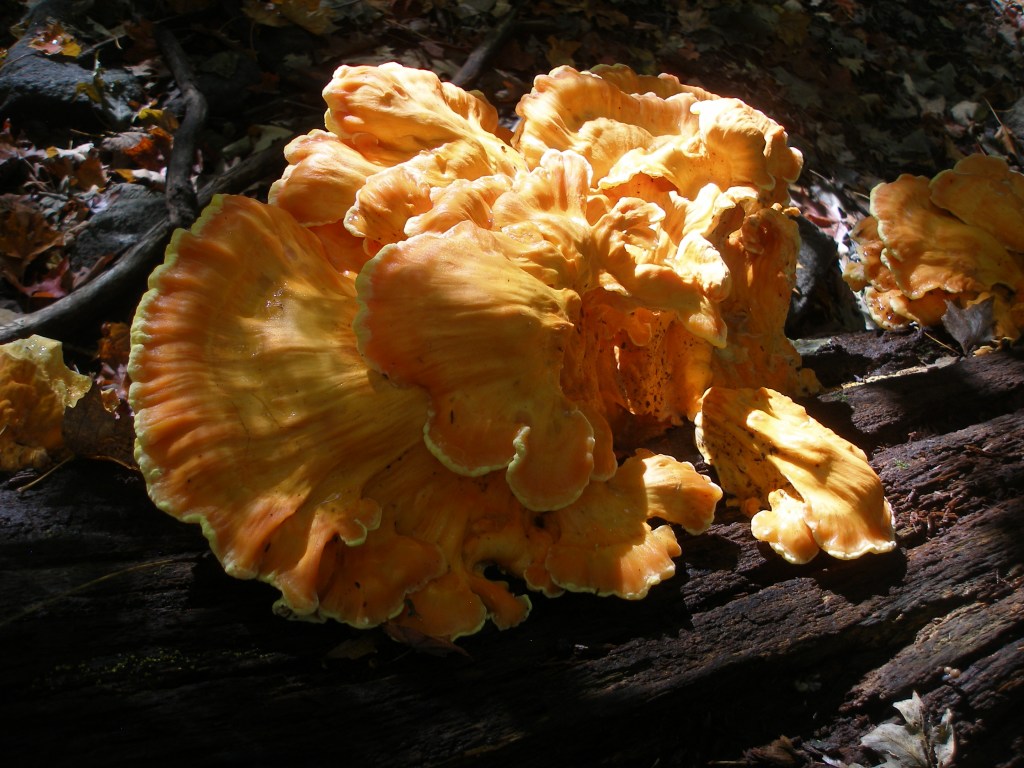
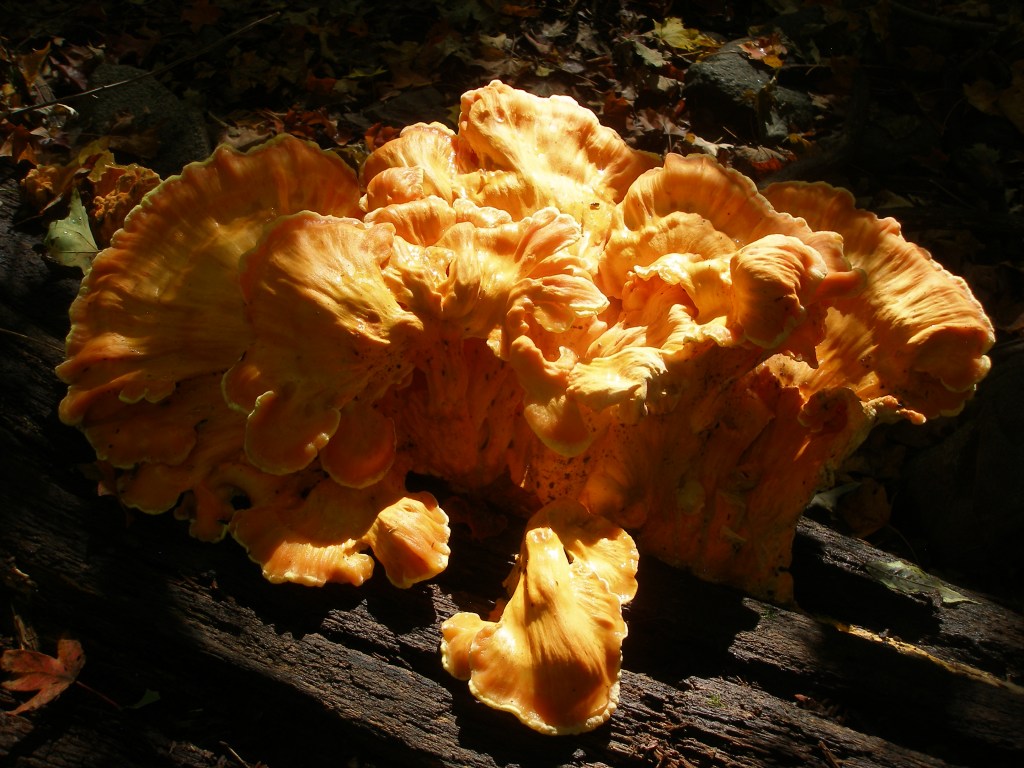
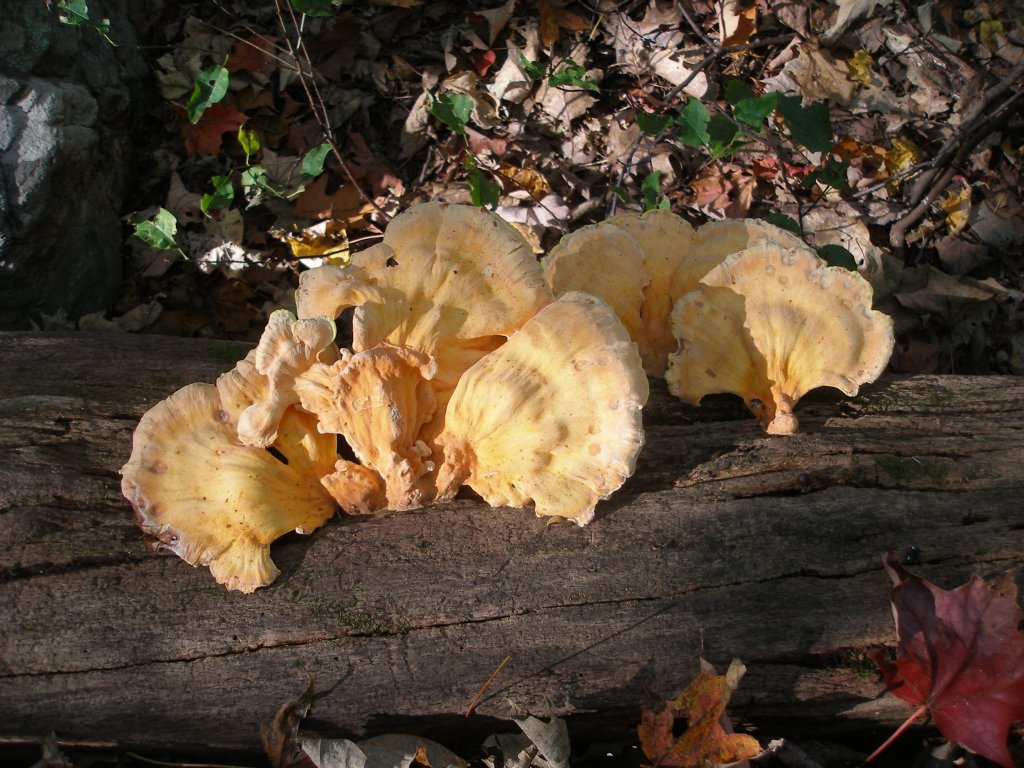
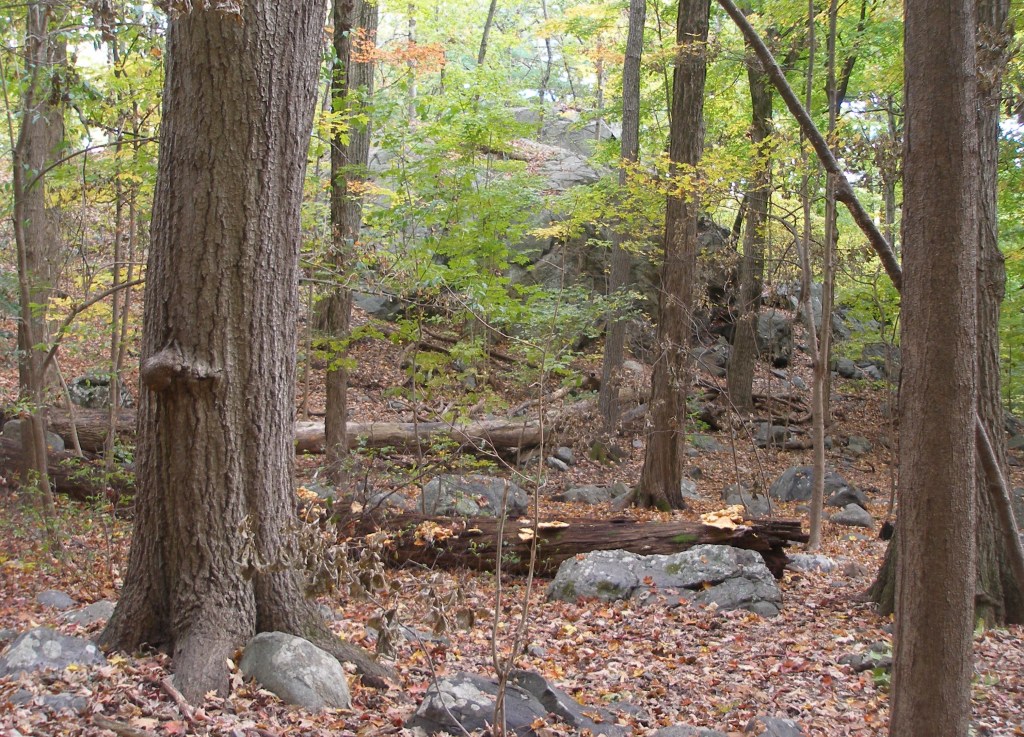
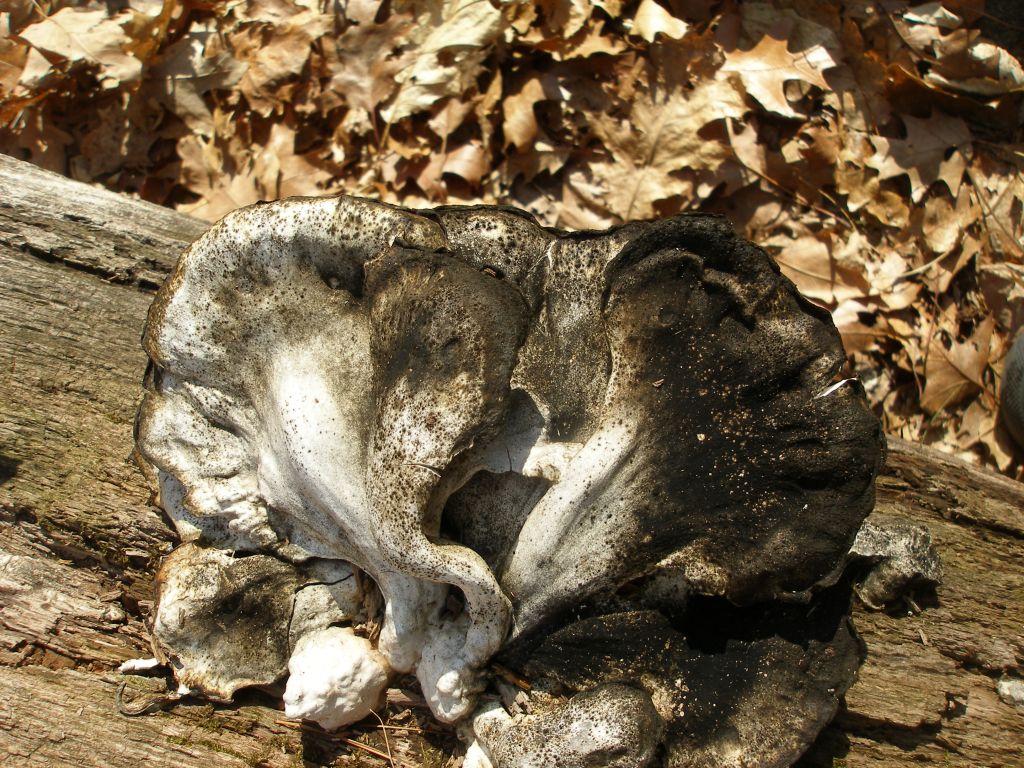
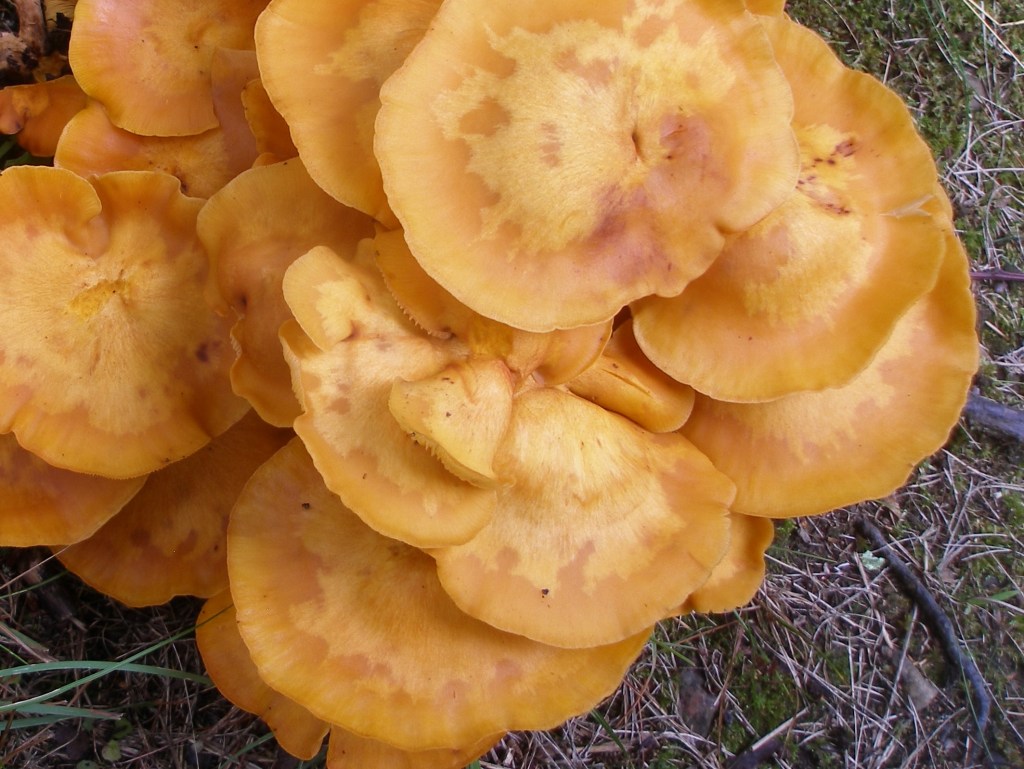
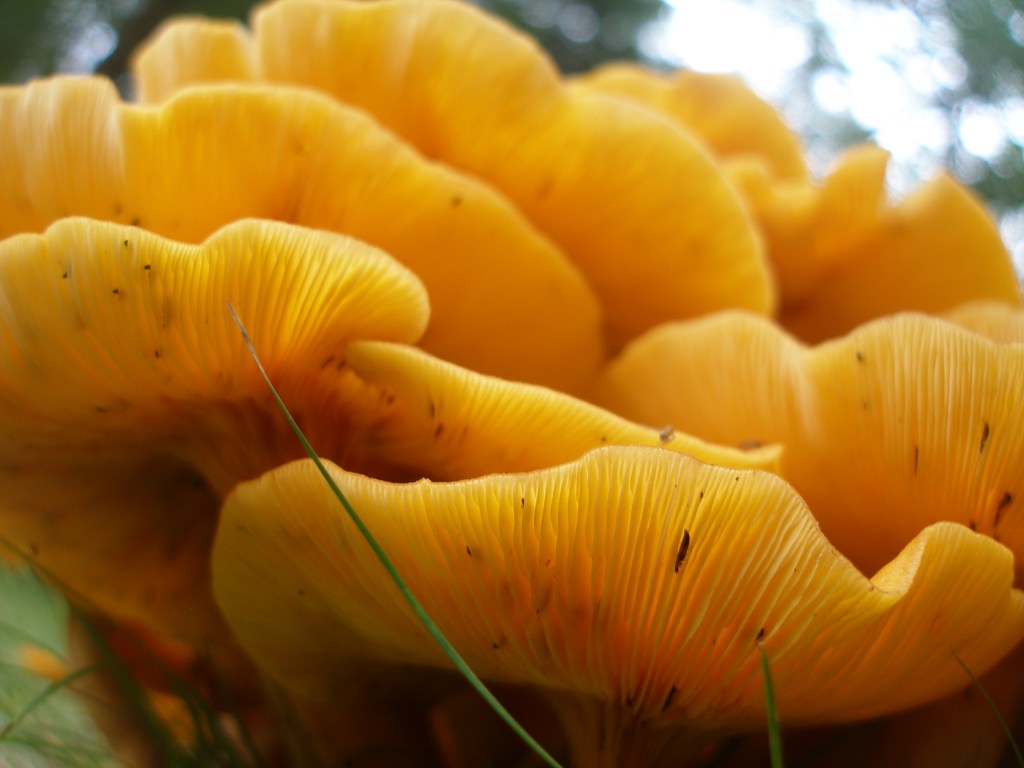
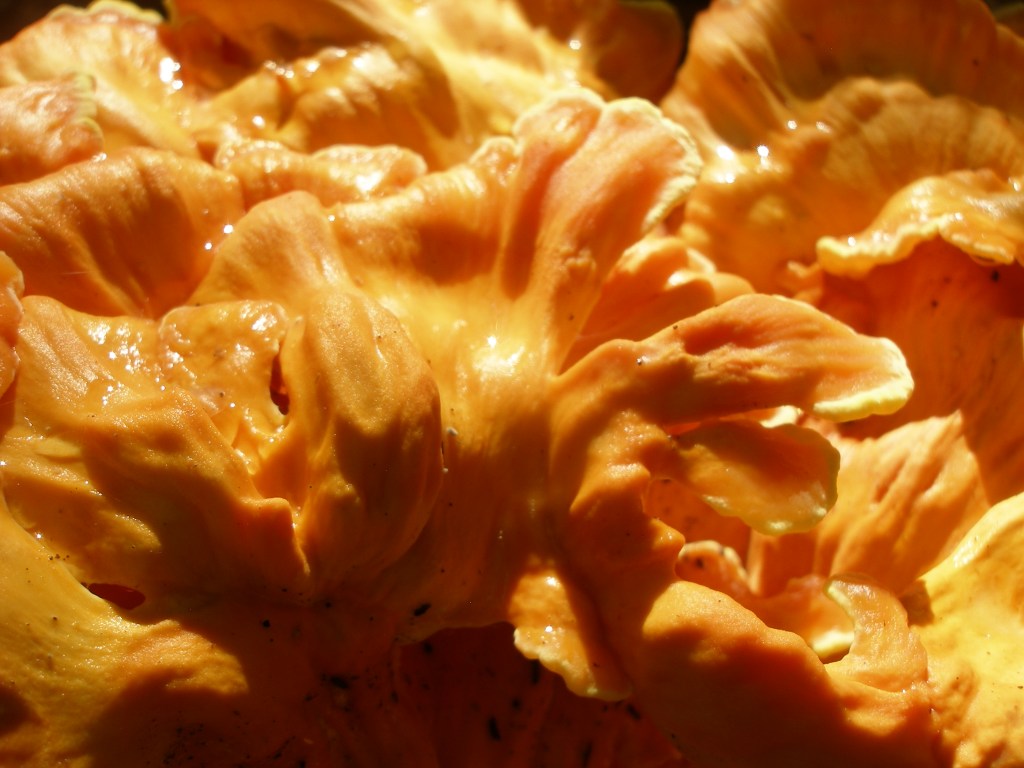
Walking along the path toward the pond in Menotomy Rocks Park, ArIington, Massachusetts, USA. I caught a glimpse of orange patches. Coming closer I saw Chicken of the woods mushrooms trooping down a fallen trunk.

There were maple leaves on the ground in that area, with none of the expected oak. Perhaps the nutritious sap of a sugar maple was supporting such an abundant display.

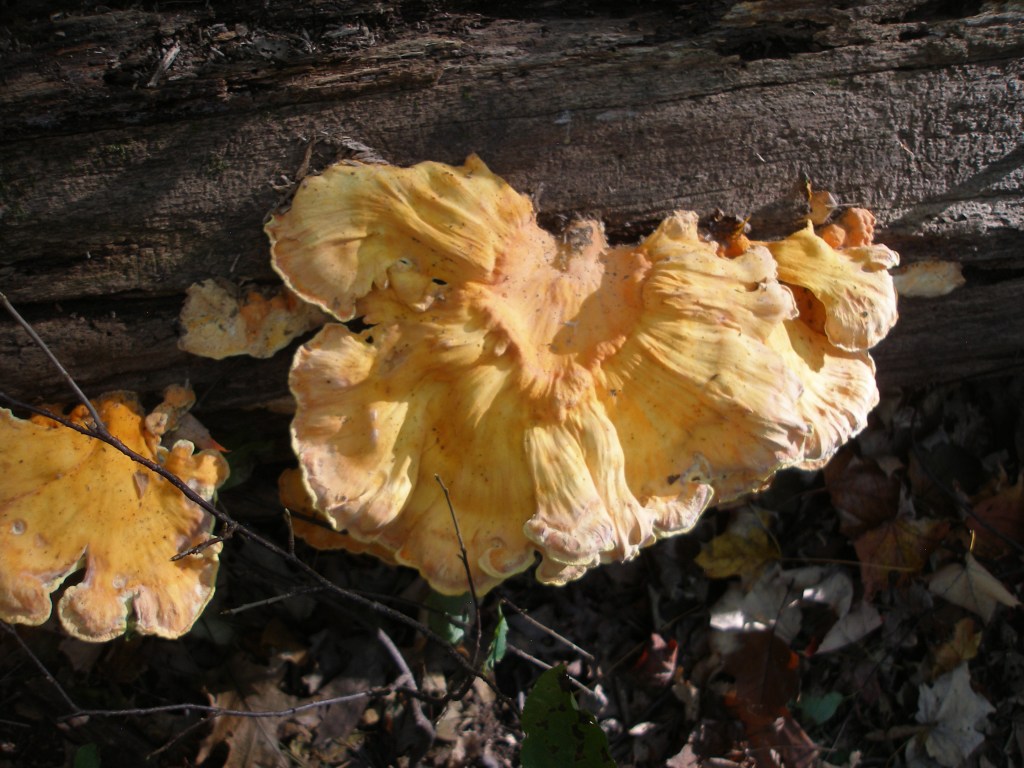
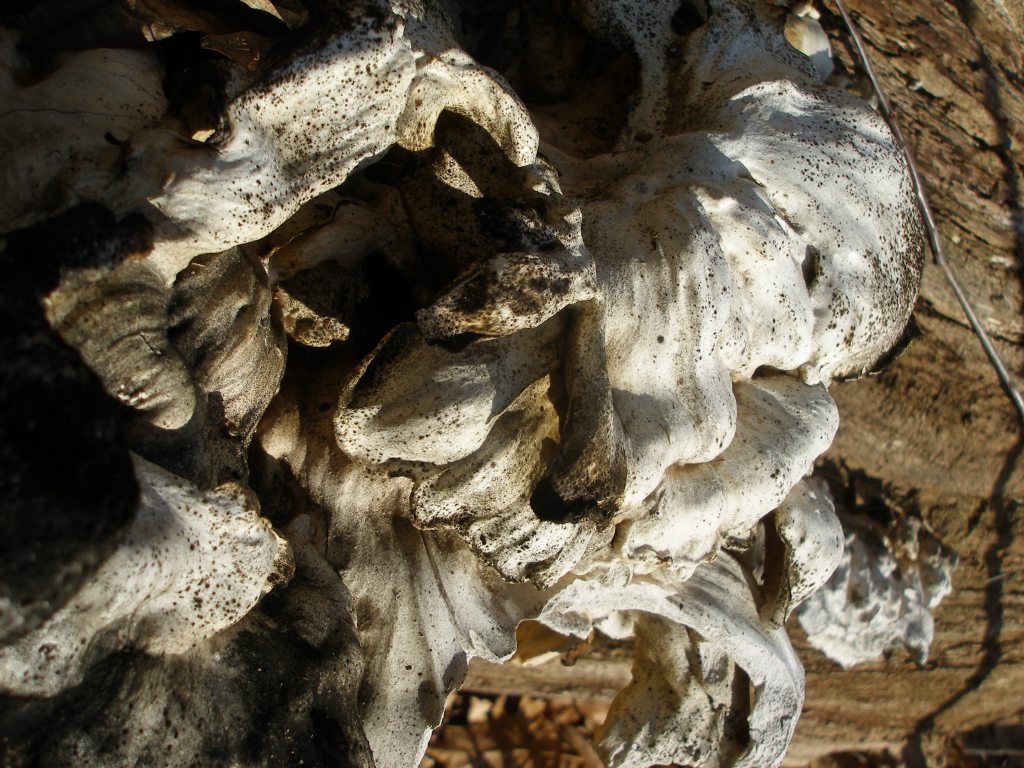
Over several days, I returned to view this spectacle in different lights as the shapes changed and the colors began to fade.


And here is how some of them looked after a dry winter:

A Special Stone Companion

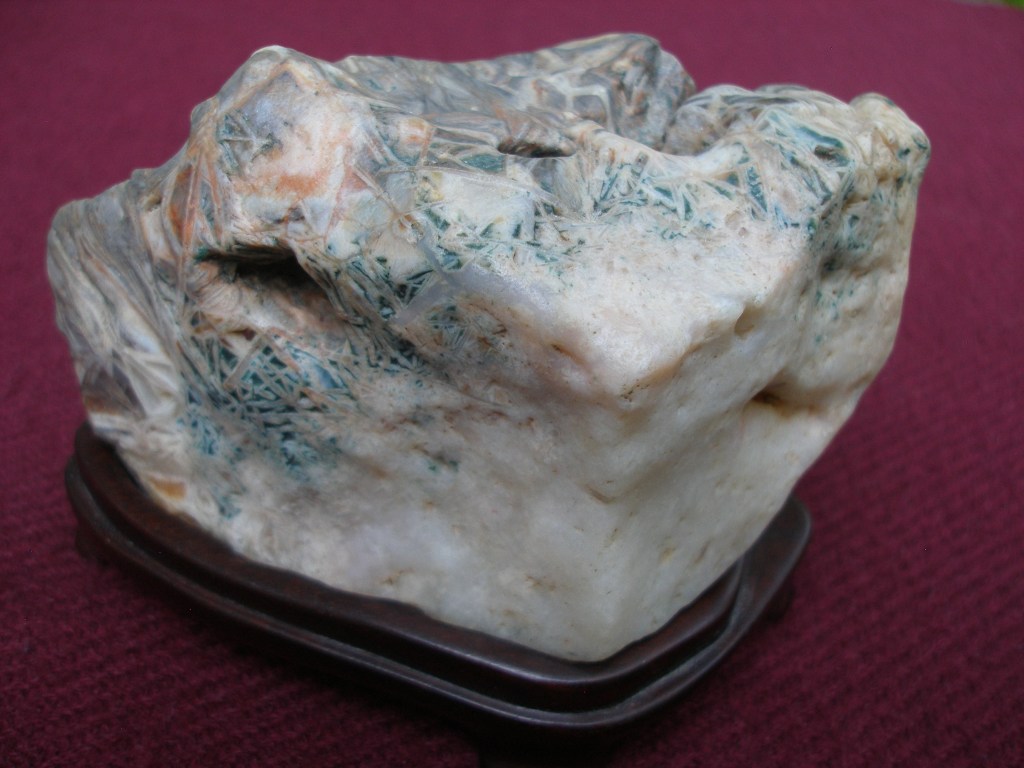
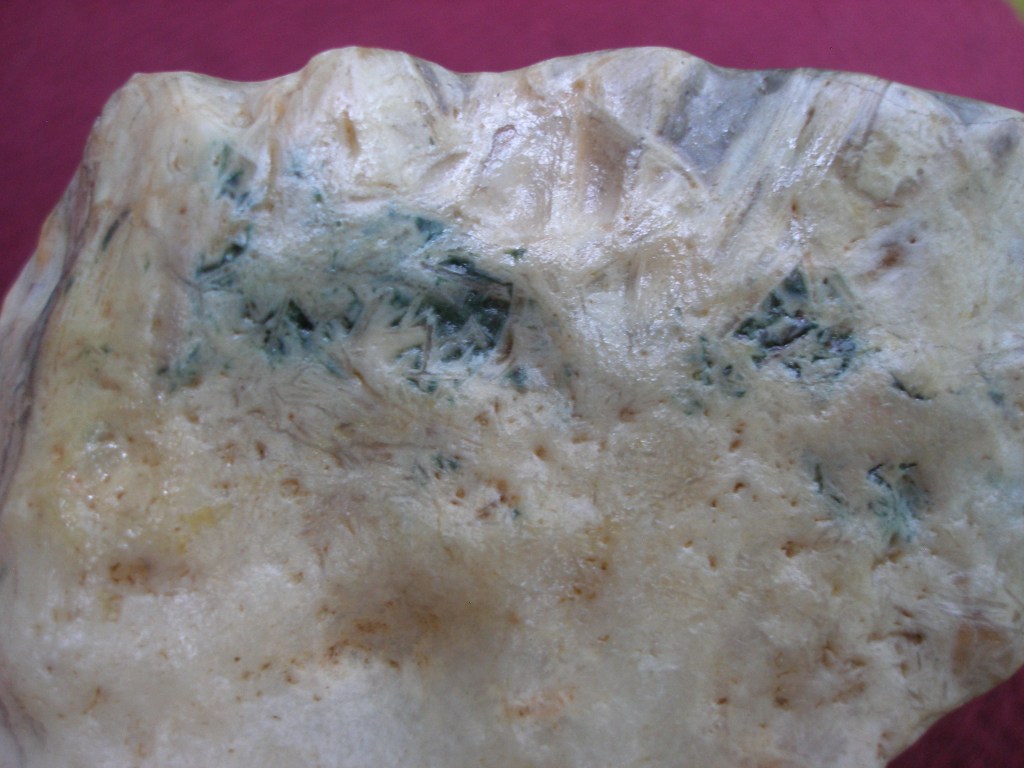
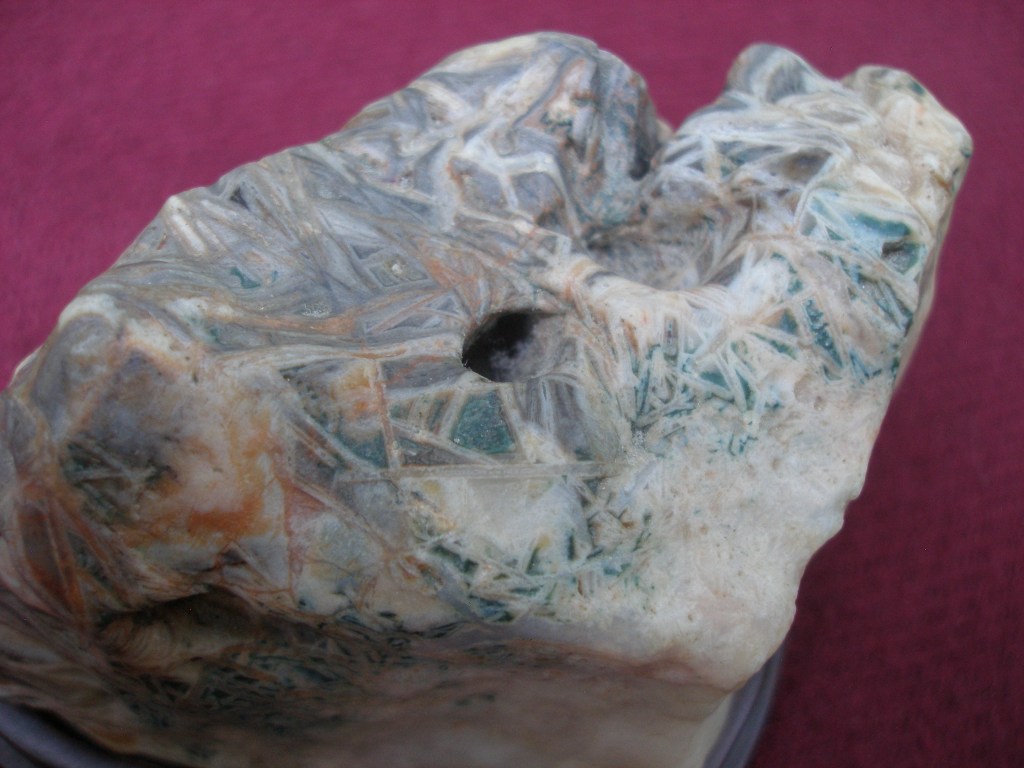
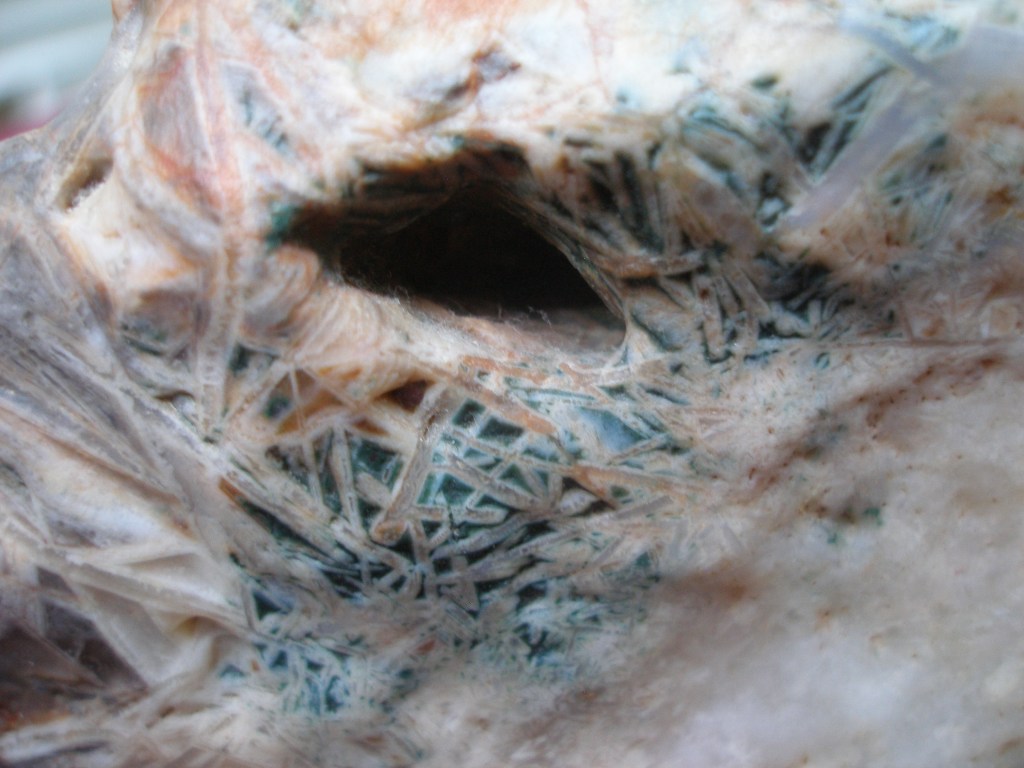
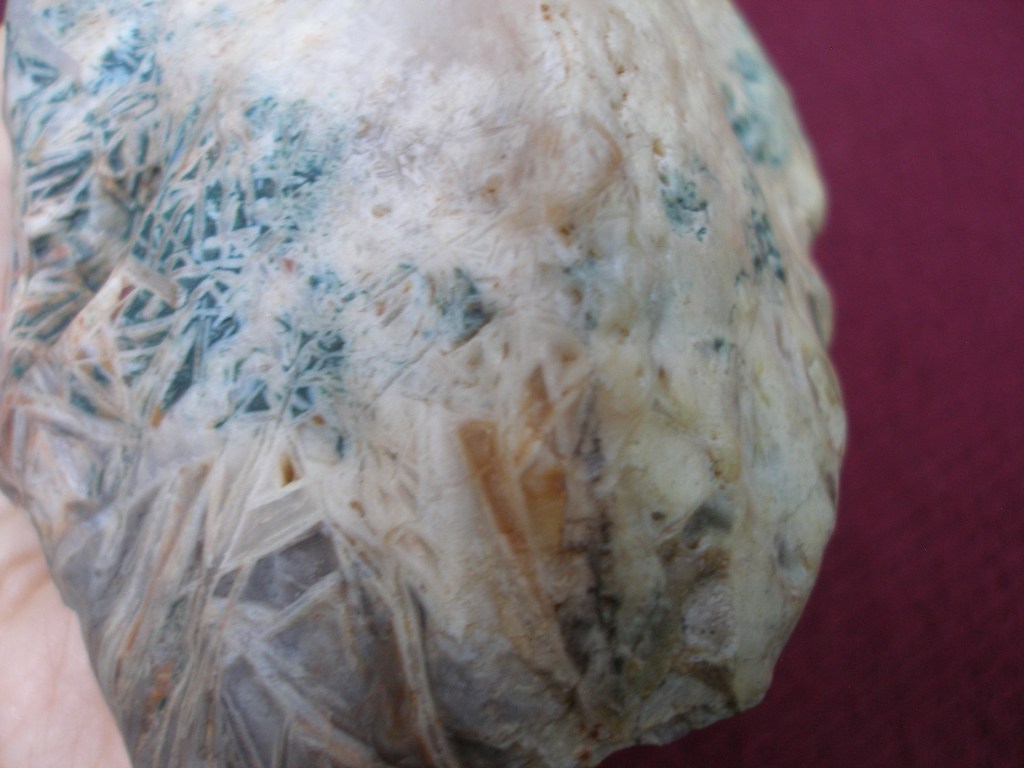
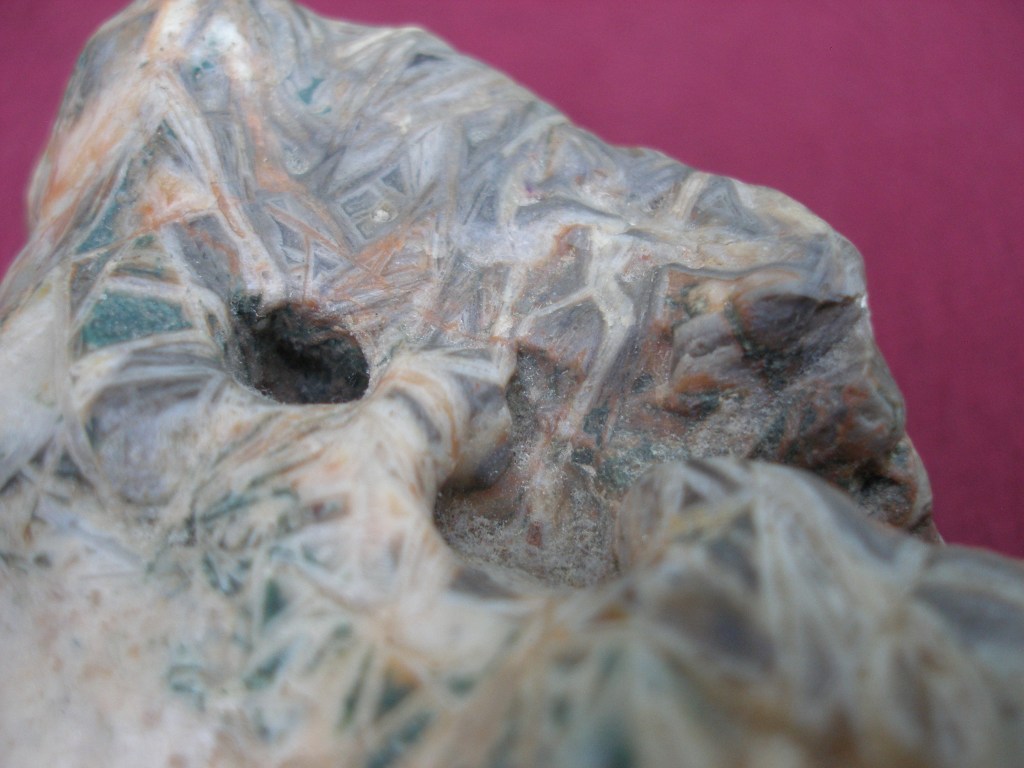
This Gobi Dessert scholar’s rock that always keeps me company as I work at my desktop computer is rather small, just 5″ by 2 1/2″ (13 x 6 mm). In overall shape it resembles a cliff. But it is the colorful pattern of intertwined crystals “growing” out of a white base that really makes it special. This type of microcrystalline quartz is sometimes referred to as “Chopstick lattice agate.” But to me this one looks more like densely tangled grass.
Long-gone crystals must have penetrated the hole where this nodular agate formed. I imagine its softly-shining surface was the result of a long period of weathering in the cold, dry and windy desert conditions.

Jack O Lantern Mushrooms

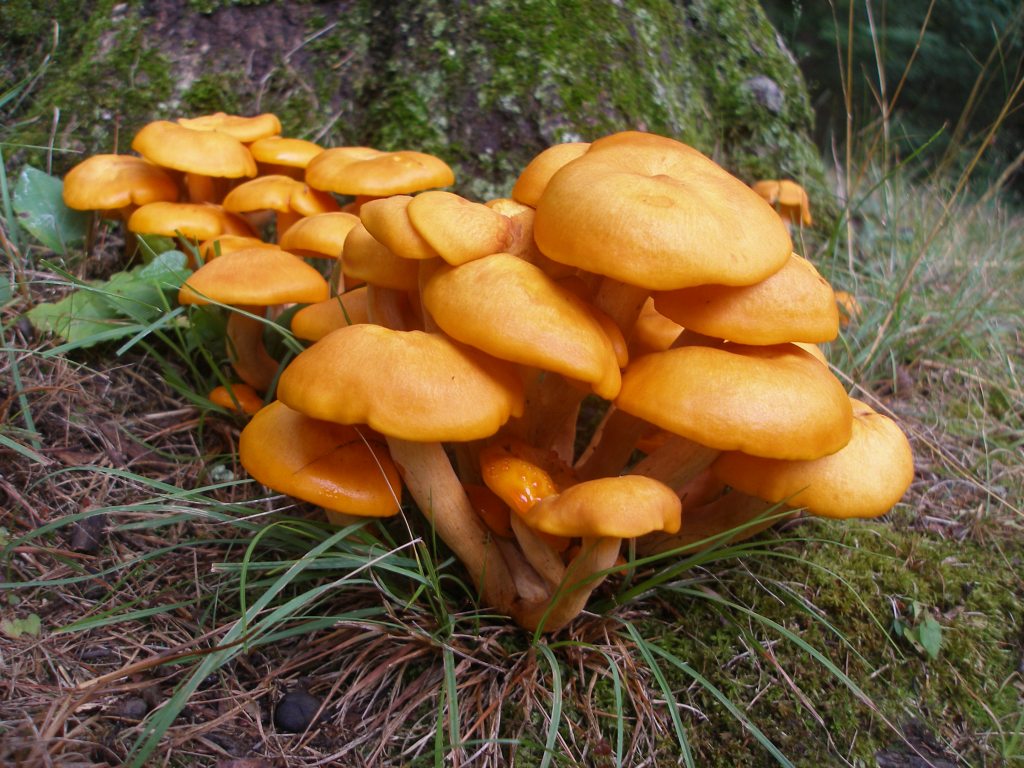
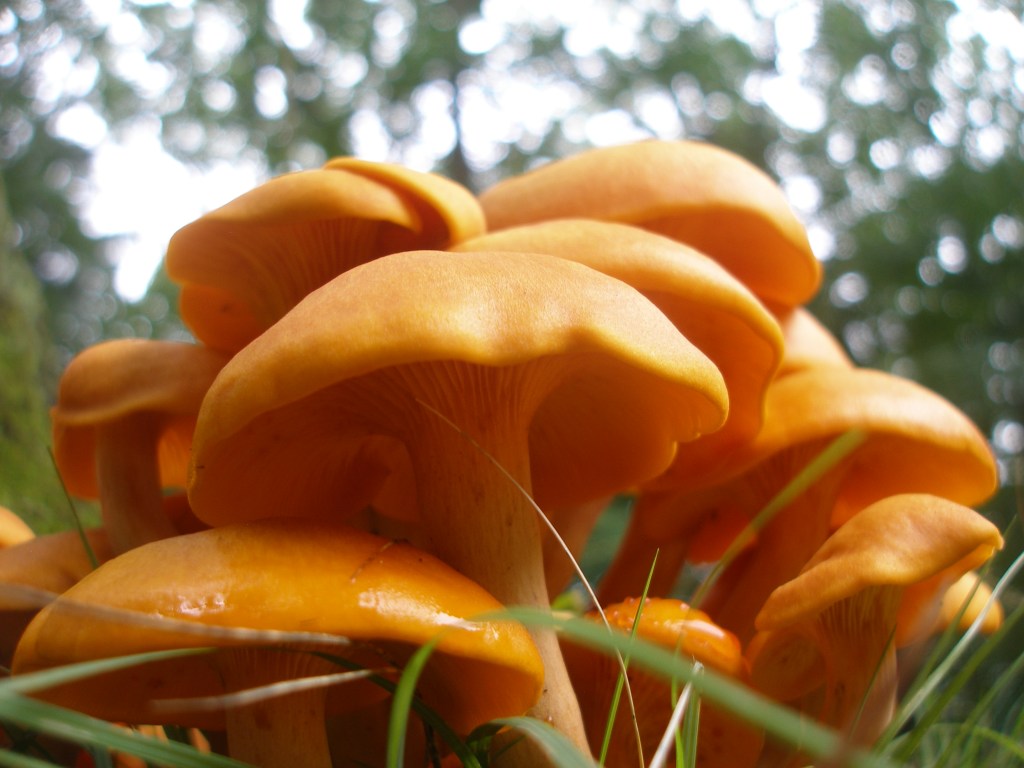
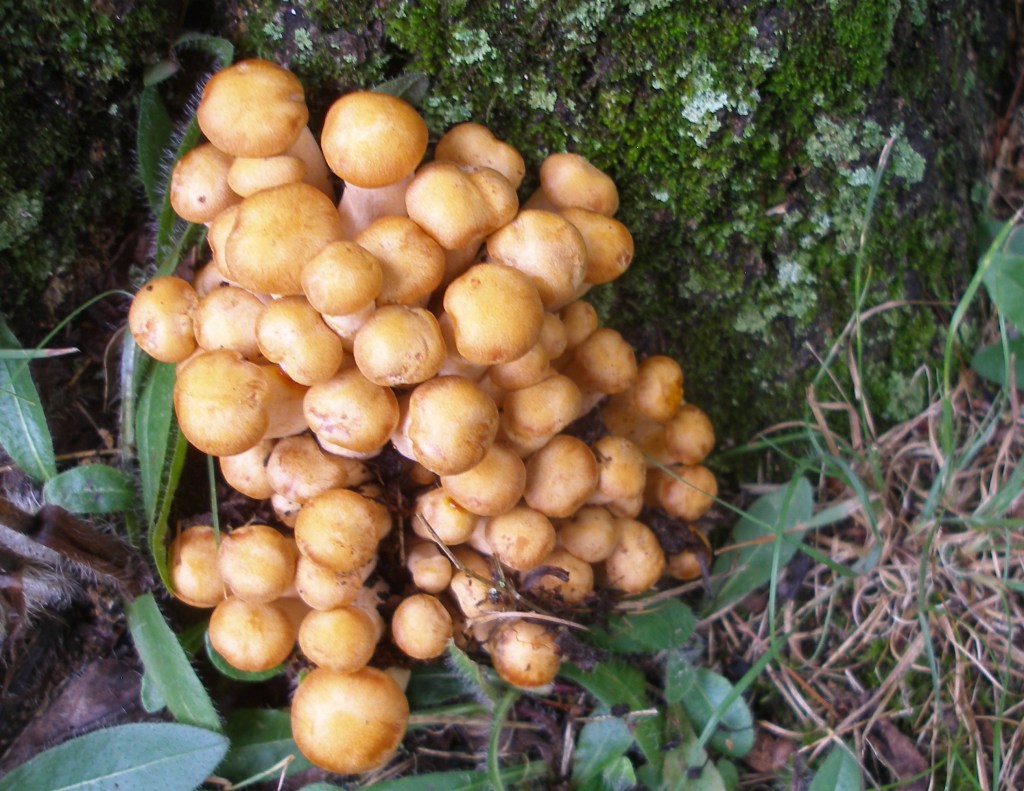
I wasn’t looking for them – too early in the season, but these mushrooms could not be missed. They were orange and not just a quiet subtle orange either.

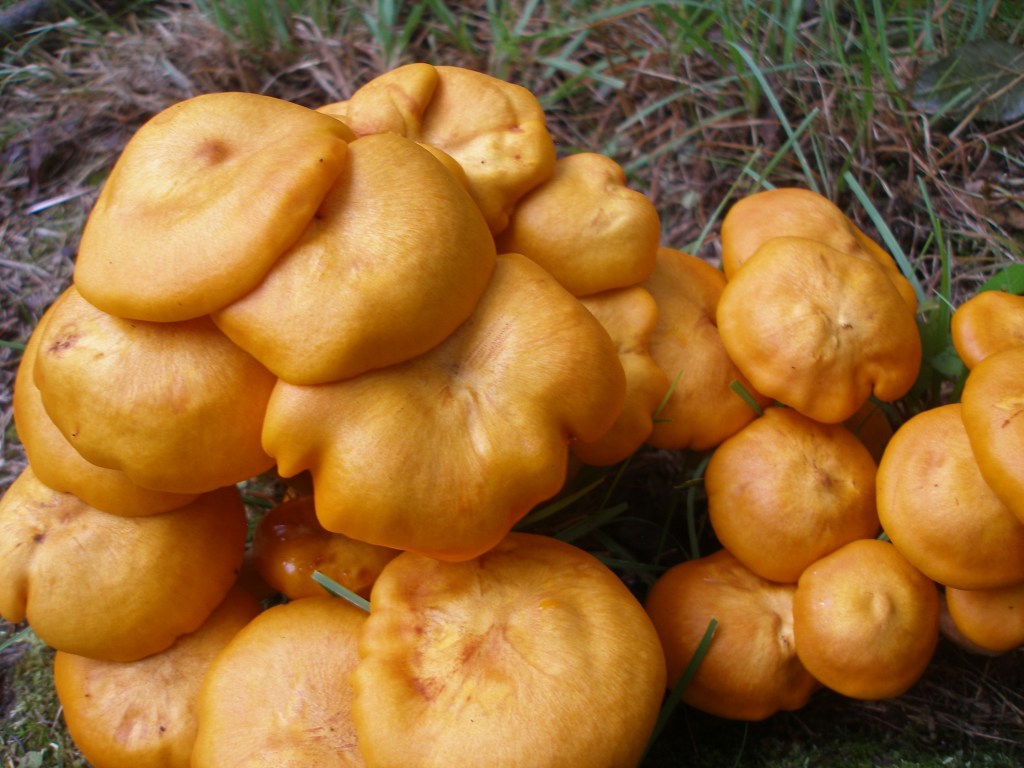
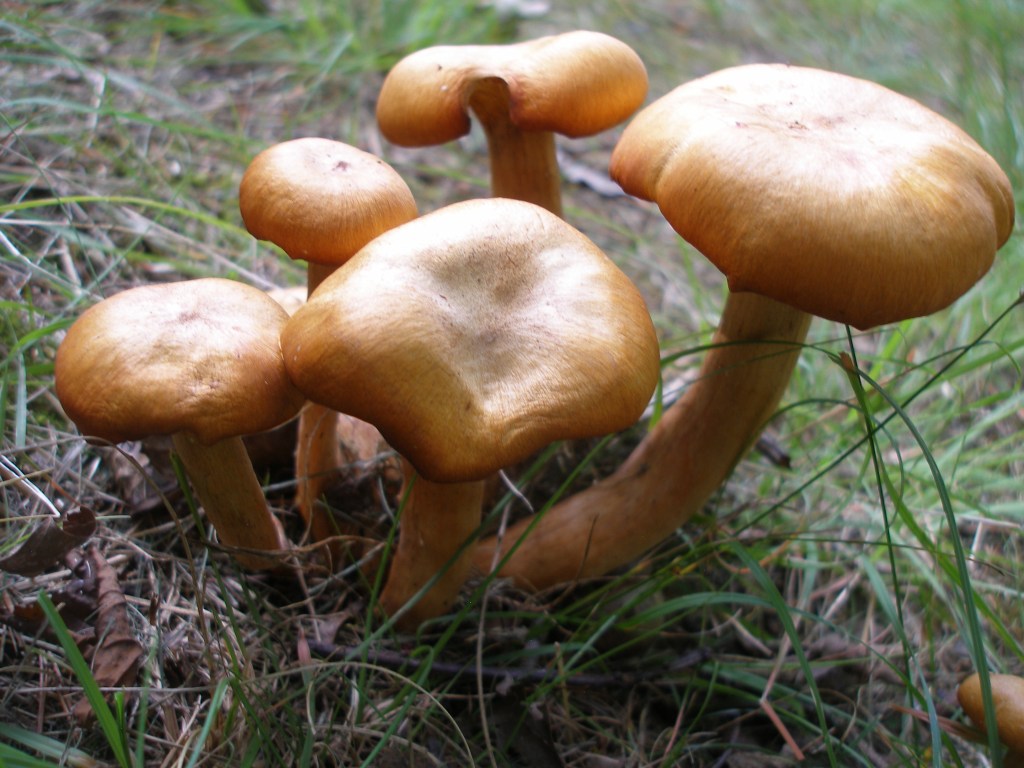
They looked a bit melted in places like what happens with some kinds of soft cookies when they are baking. Note: Don’t eat these Jack O Lantern mushrooms, they are poisonous.

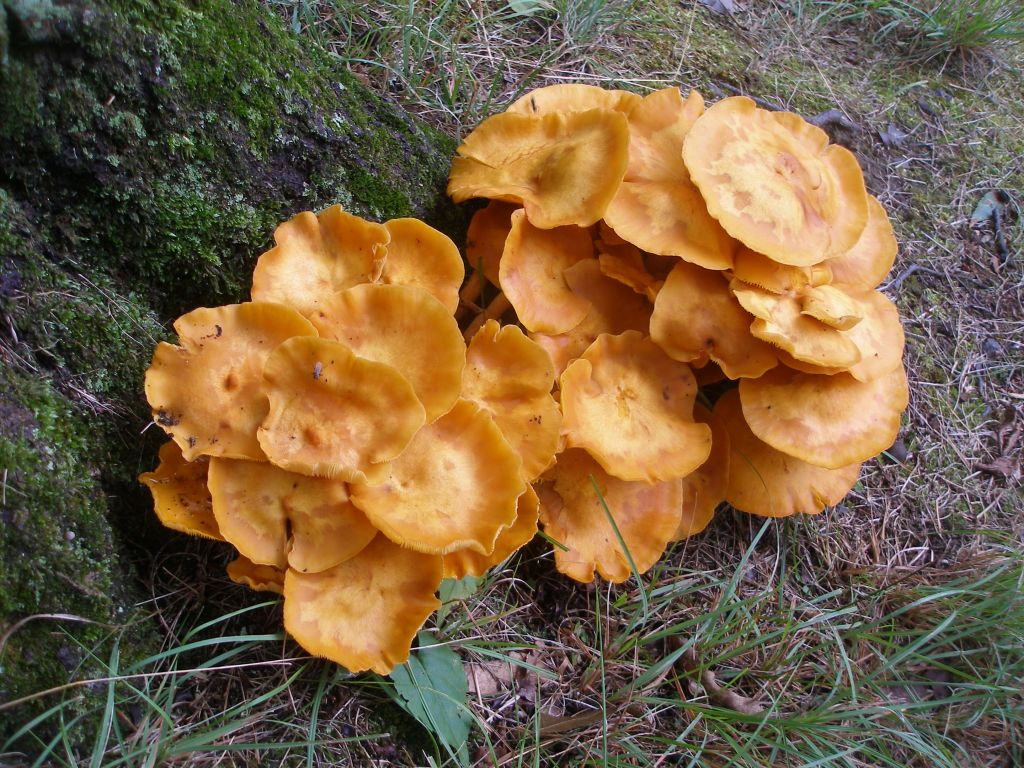
A few days later, the caps had flattened out, and gotten larger with their edges turned up. And additional clumps were growing at the base of the oak.

Evidently these mushrooms are a bit bioluminescent. I went out around 5 am to see if I could capture their pale green glow with my small camera, but perhaps there was too much light as the sky was already beginning to brighten.


A Particularly Colorful Spring

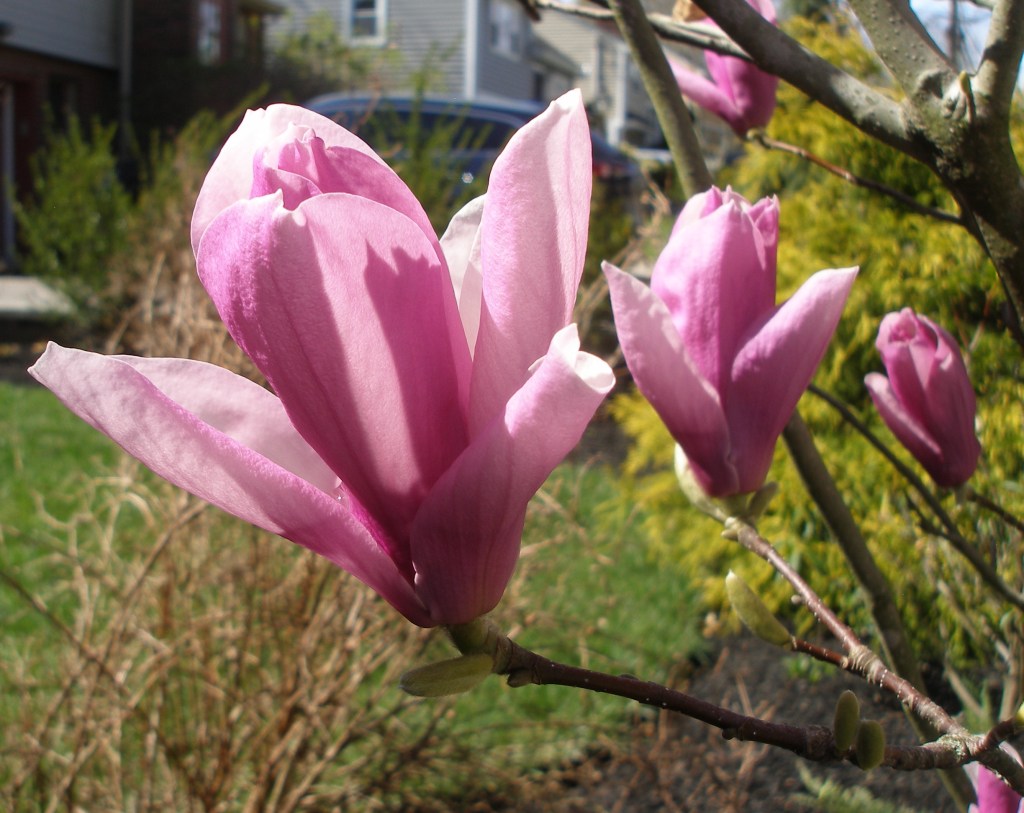
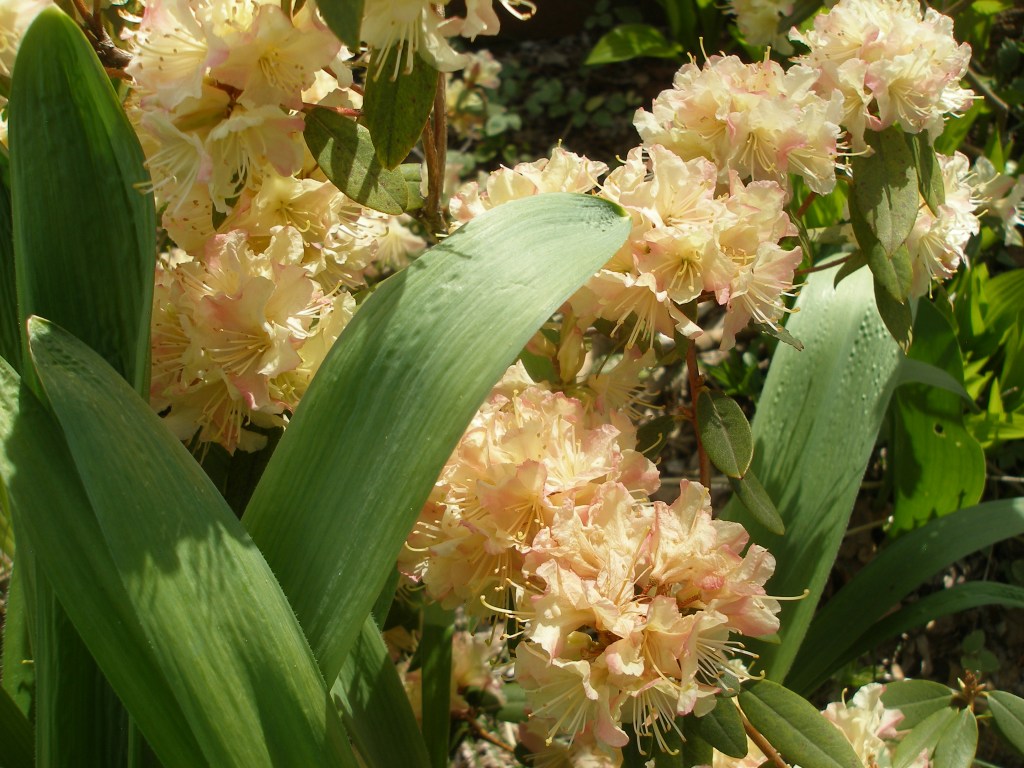
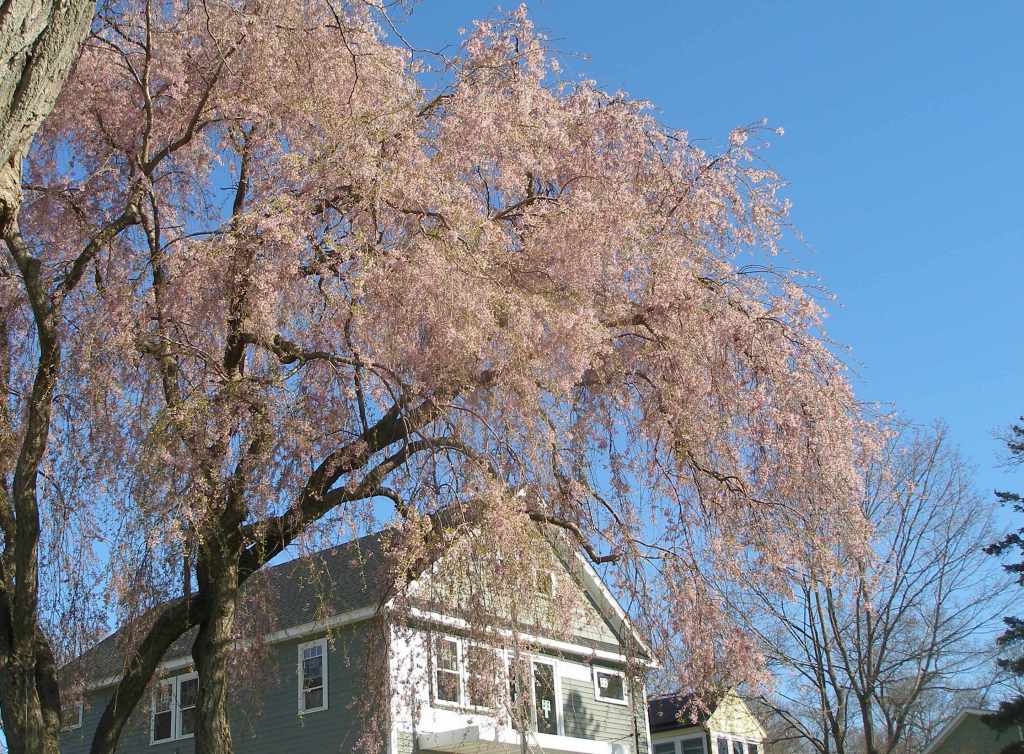
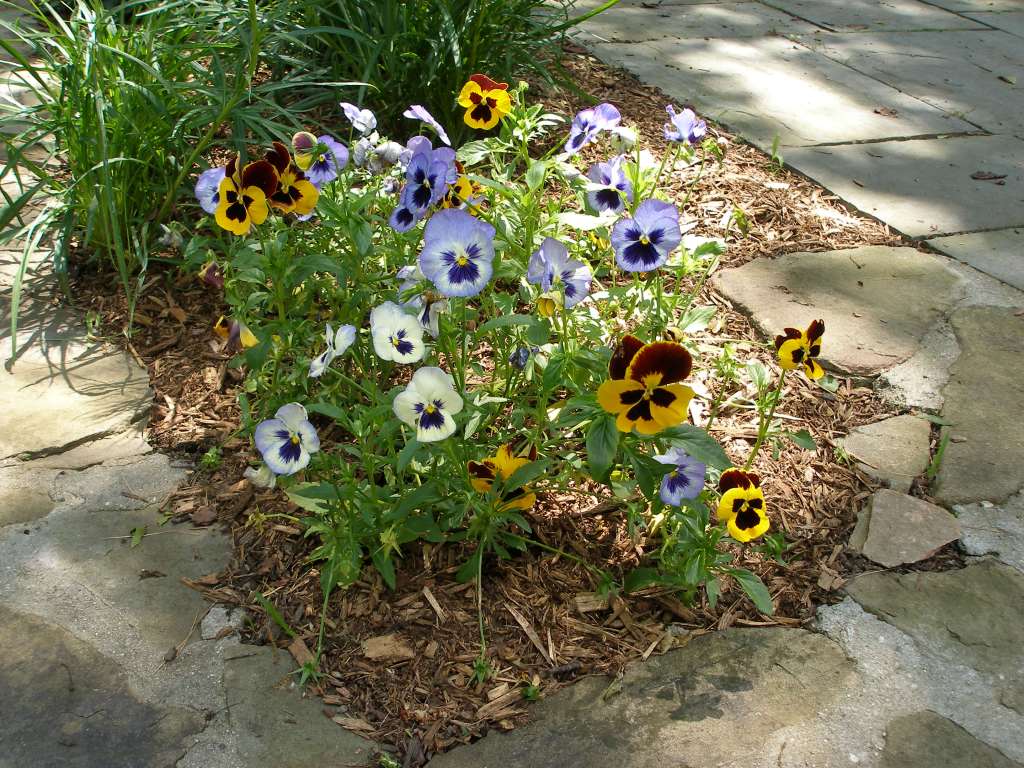
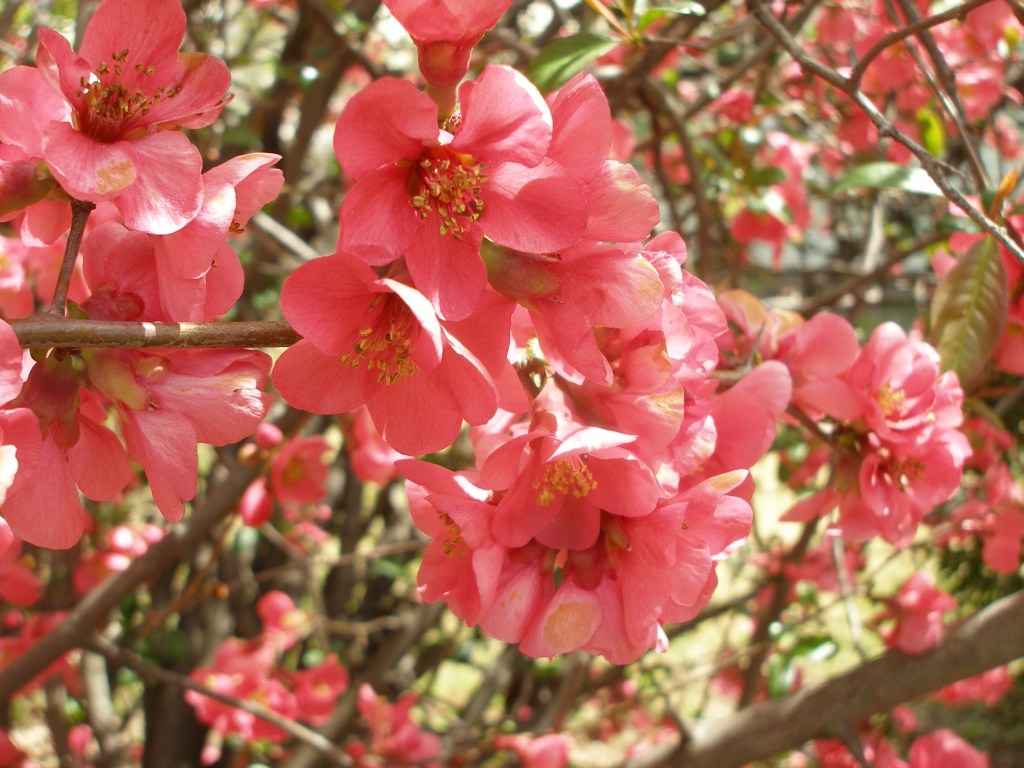
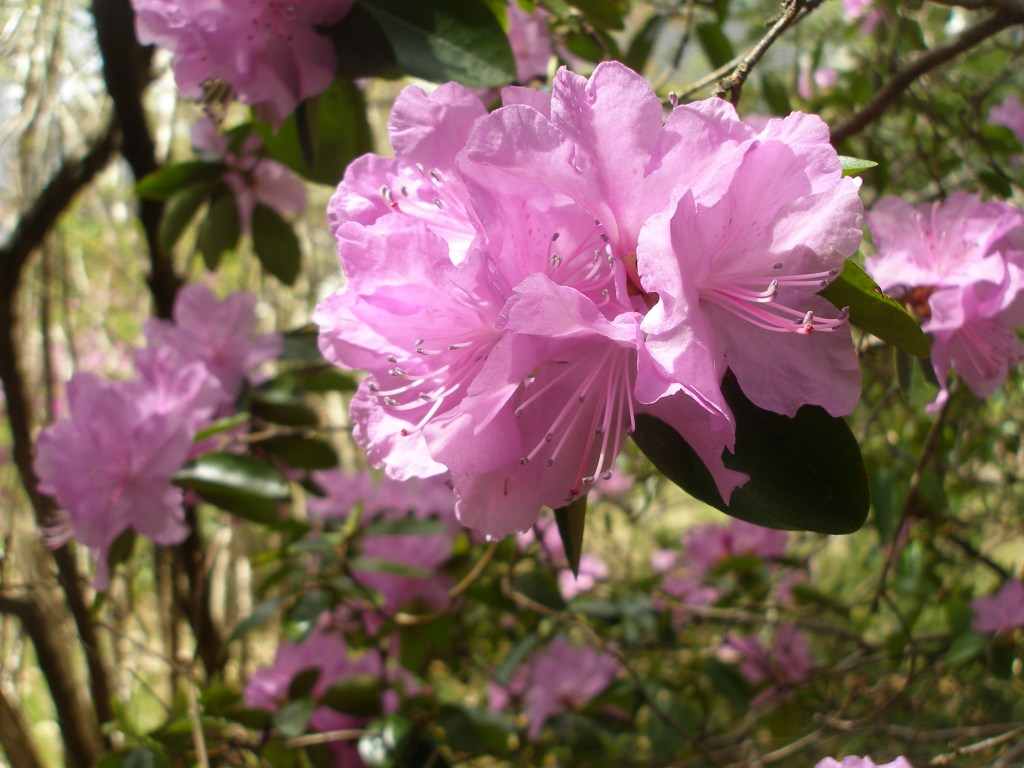
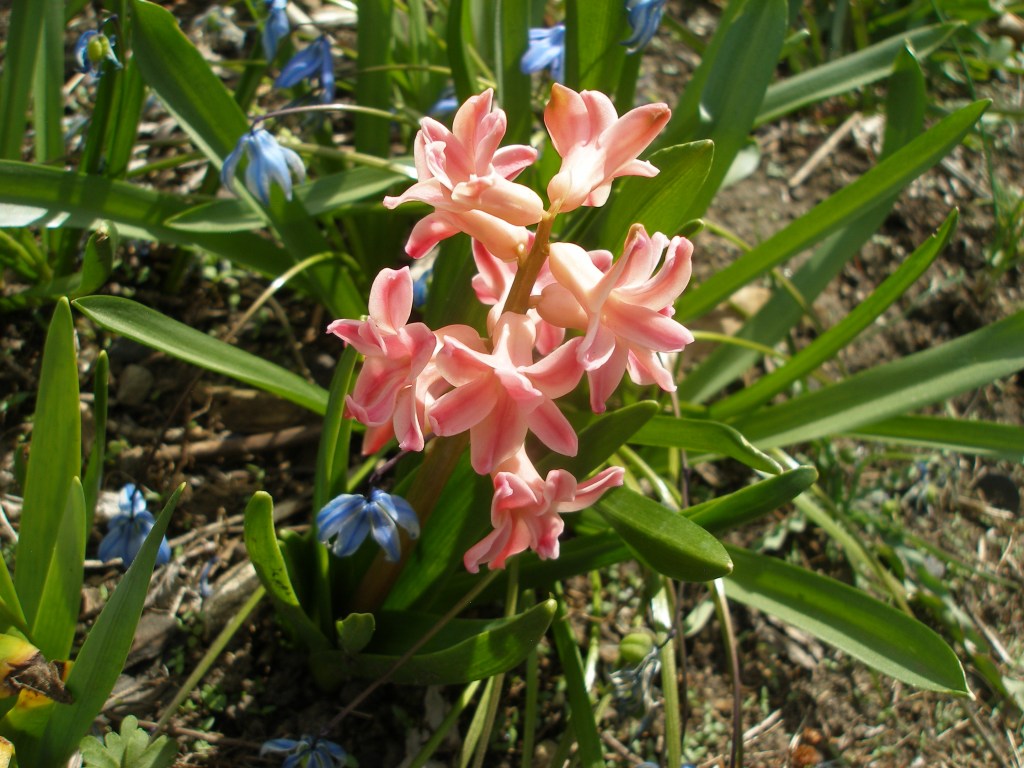
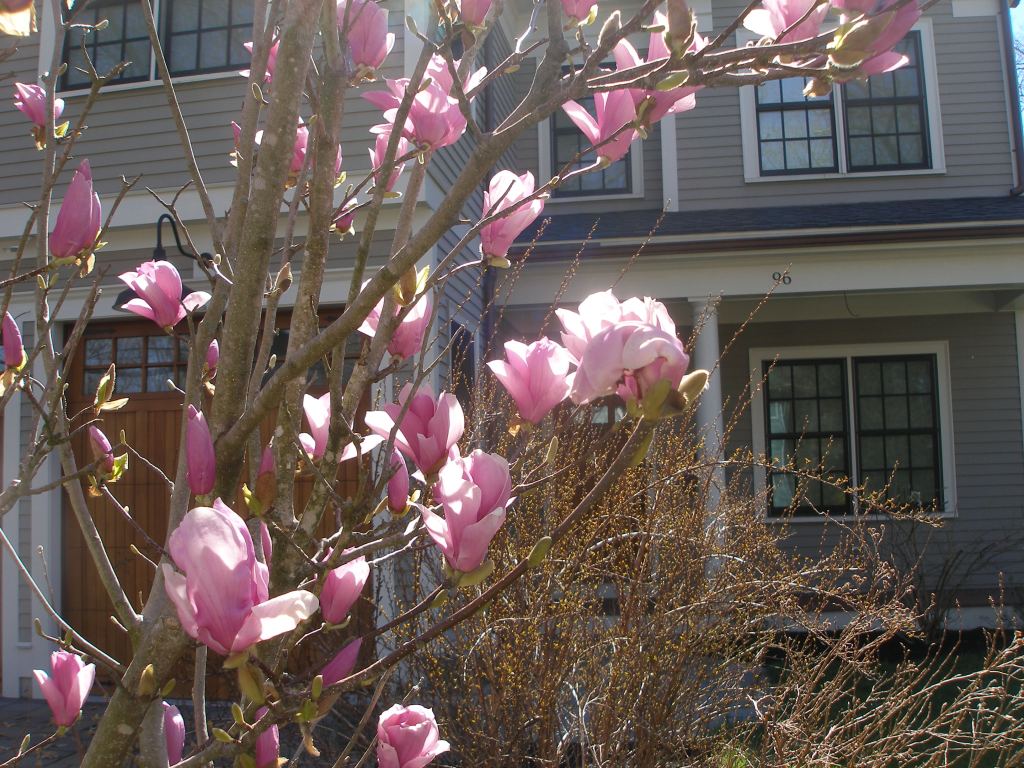
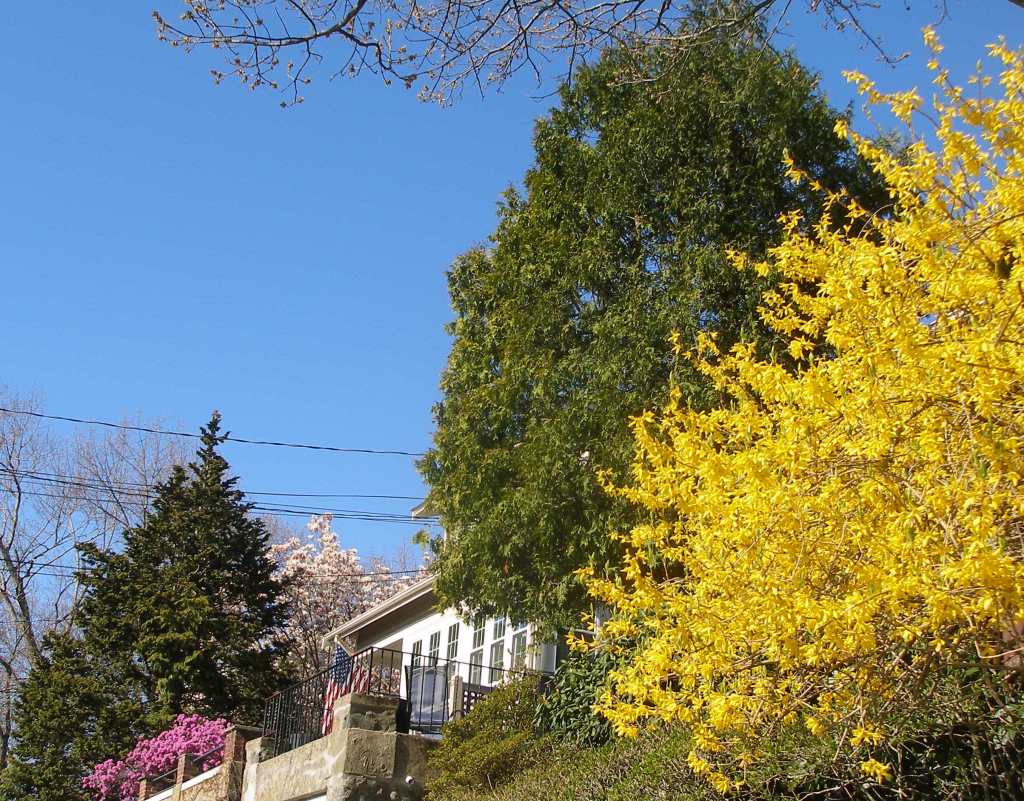
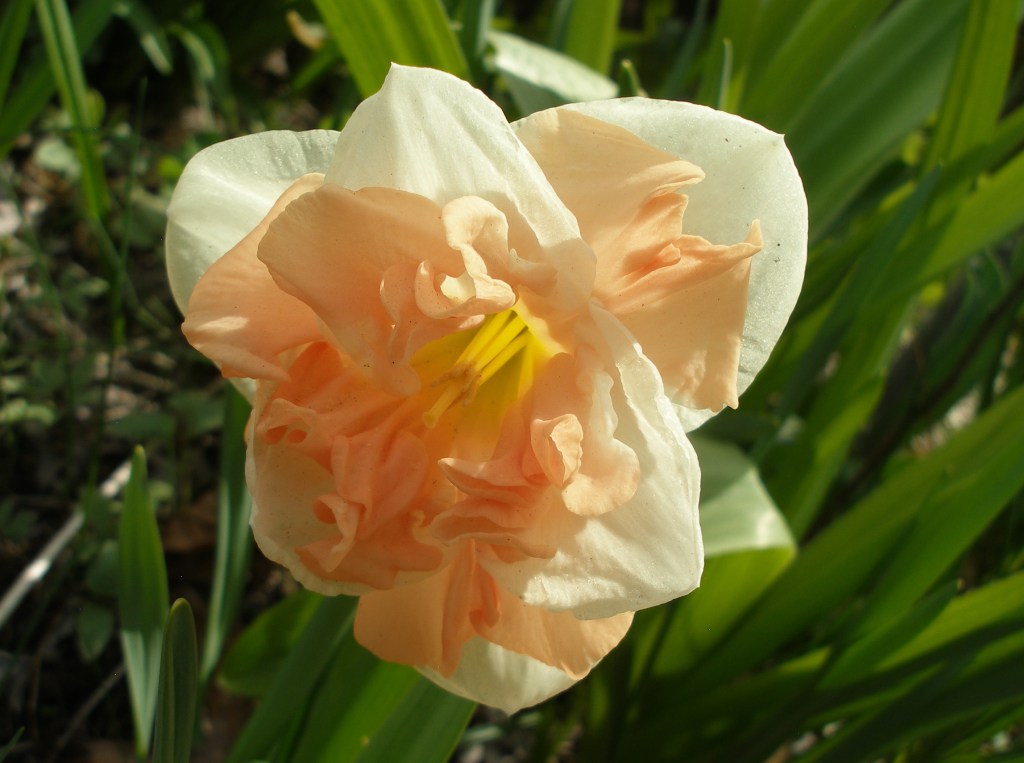
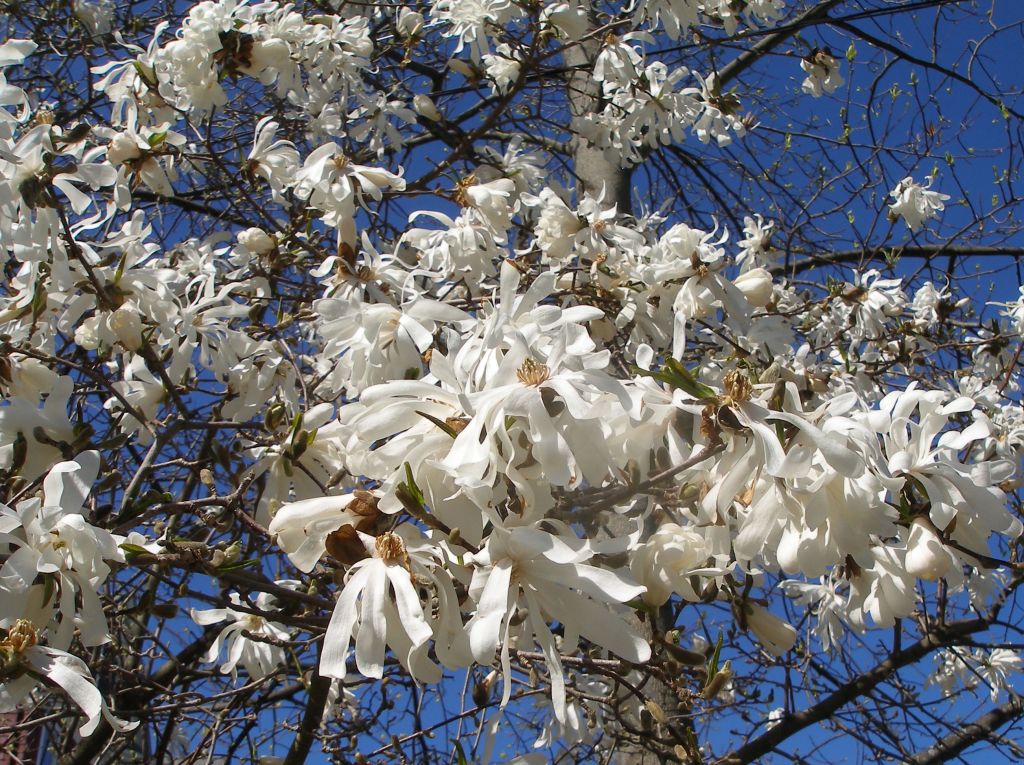
After a cold rainy March followed by warm sunny days in April, everything seems to be bursting into bloom all at once.

When I was growing up in Pennsylvania, spring was more leisurely with dancing daffodils holding their own beneath pink dogwoods on the slope by our house. But near Boston, the progression usually starts more slowly with just the neon yellow of Forsythias. Not this year. Let’s hope all this glory lasts for a while.


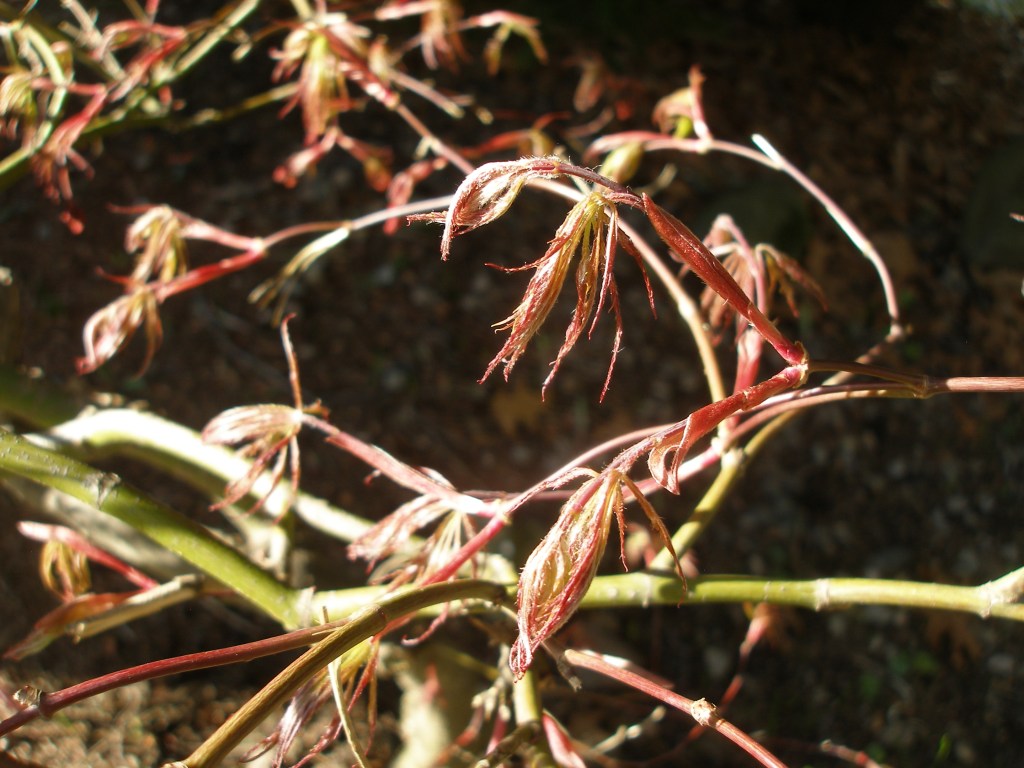
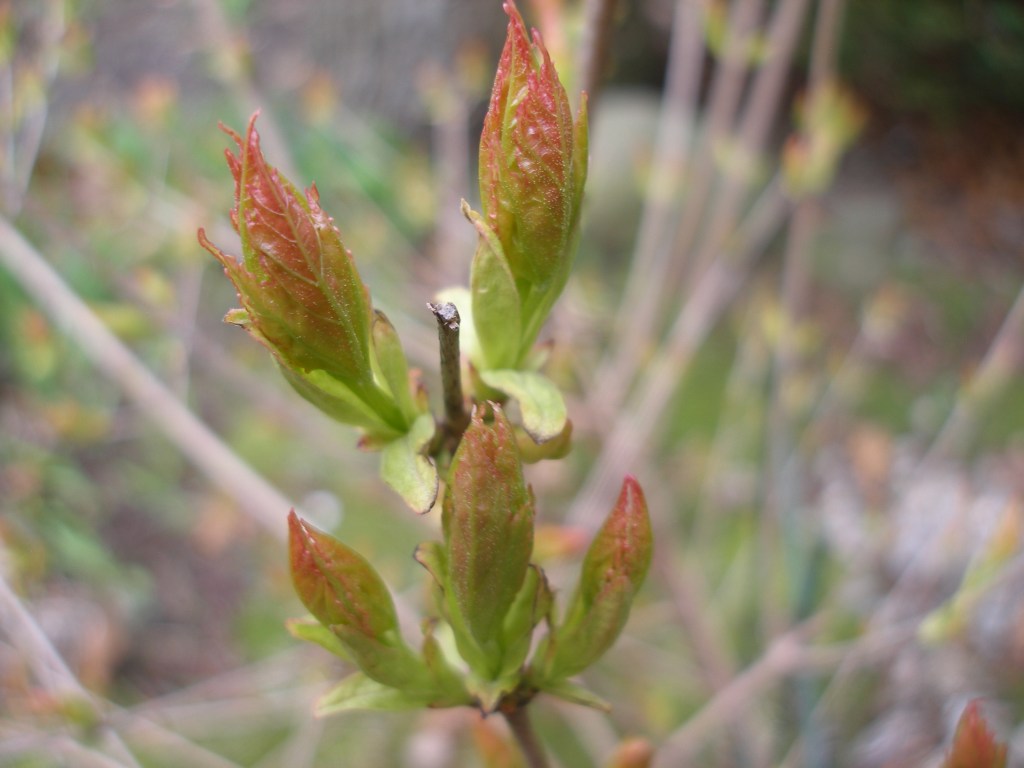
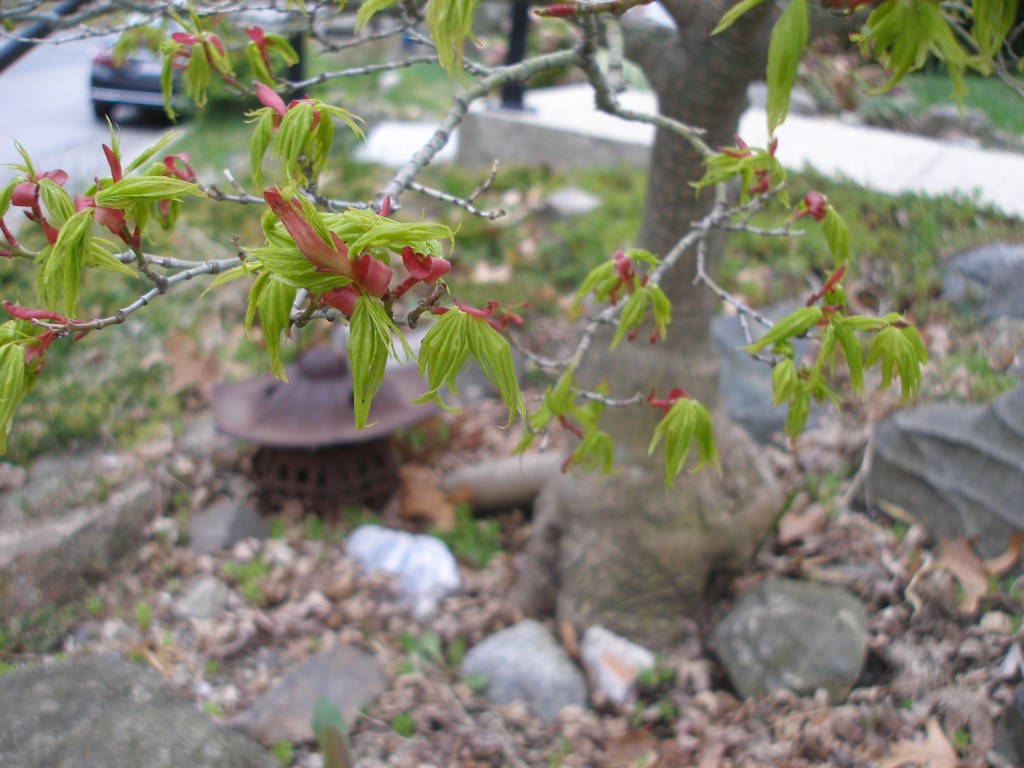
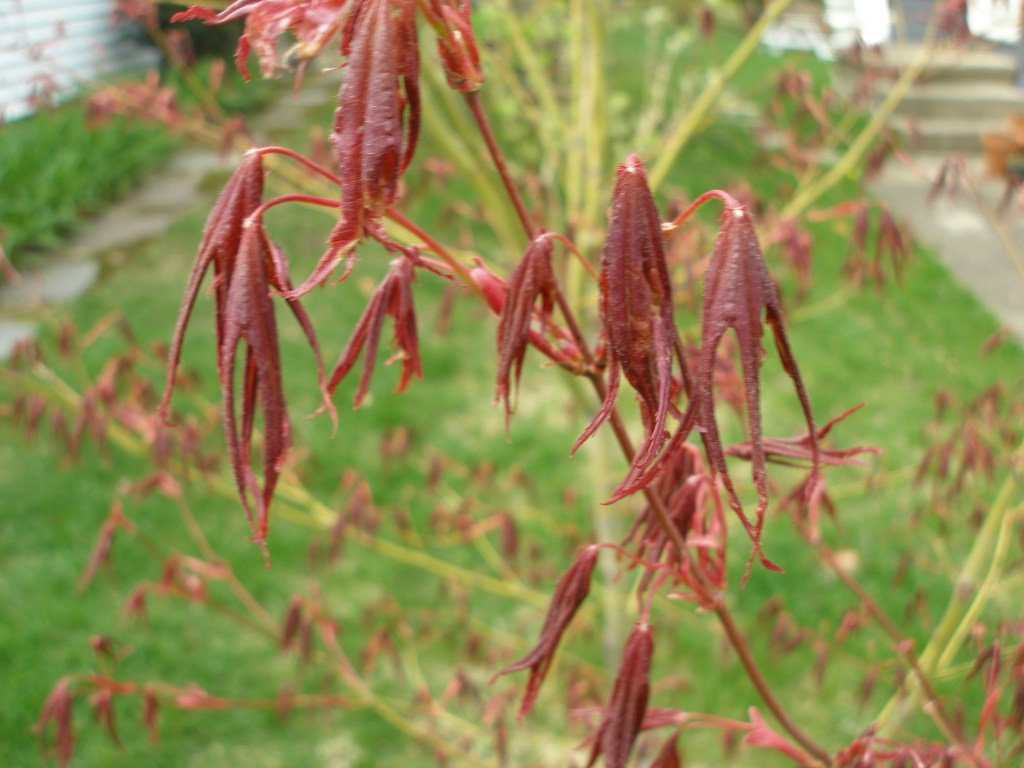
Colorful Maple Leaf Buds

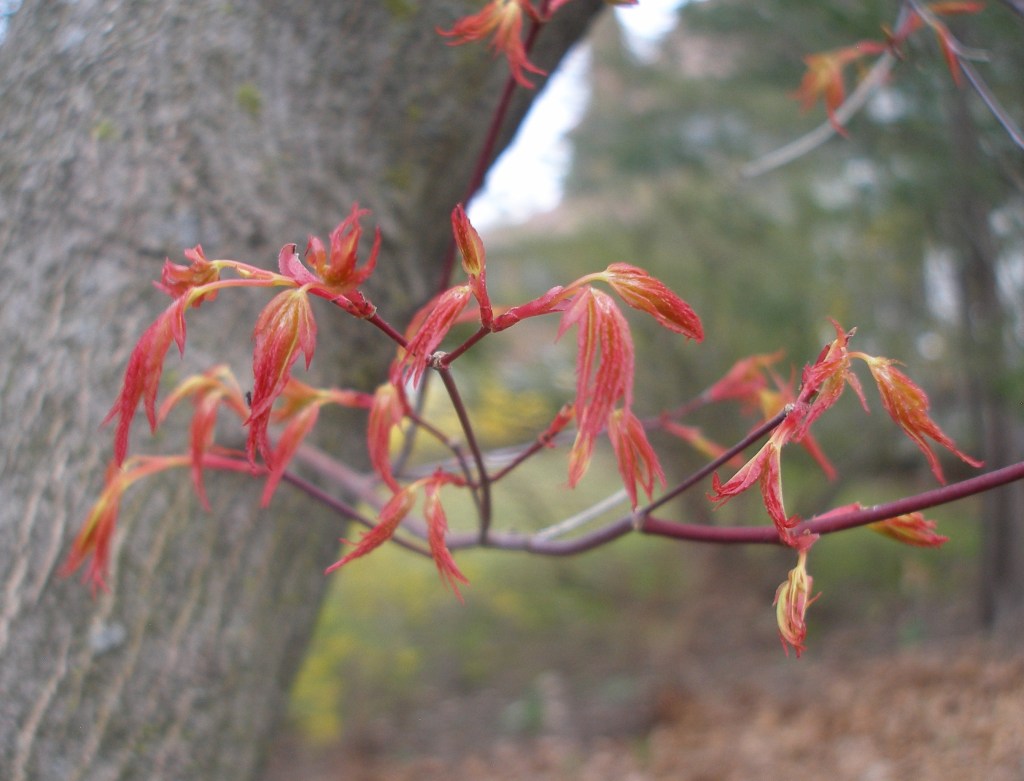
It was mid-April when we joined via Zoom for virtual forest-bathing. It would begin to get dark by the end of the session, so I decided to stay close to home and wander in my Japanese-style garden. After paying attention to all of our senses outdoors we went off to walk on our own with a suggestion that we pay attention to color.

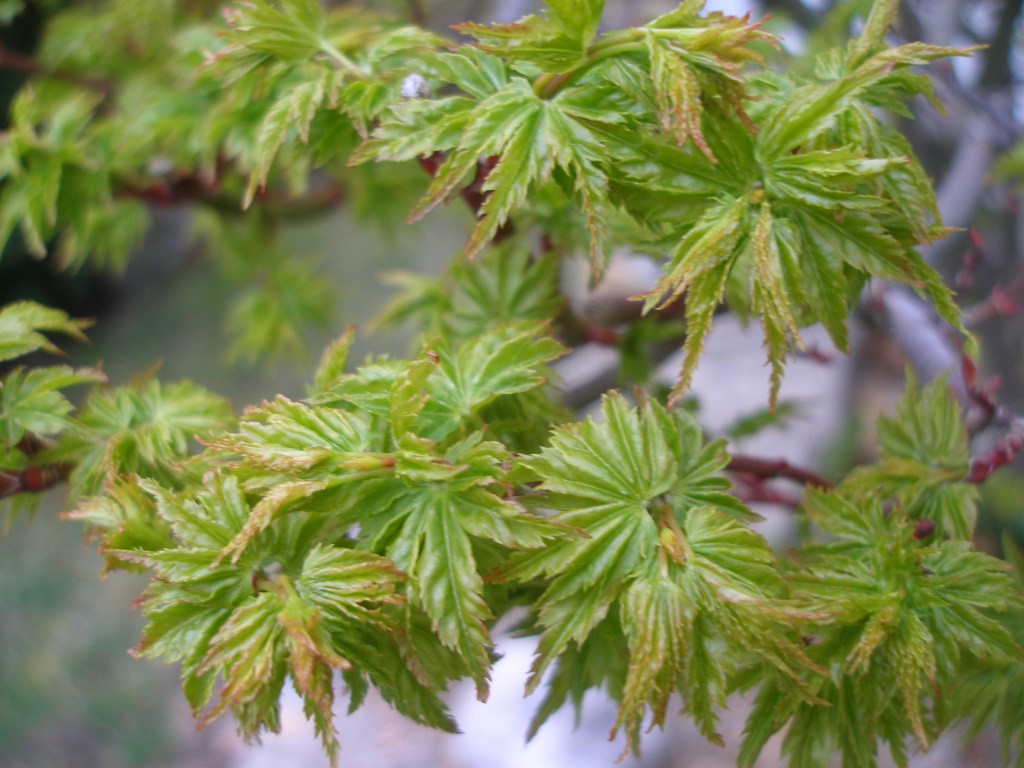
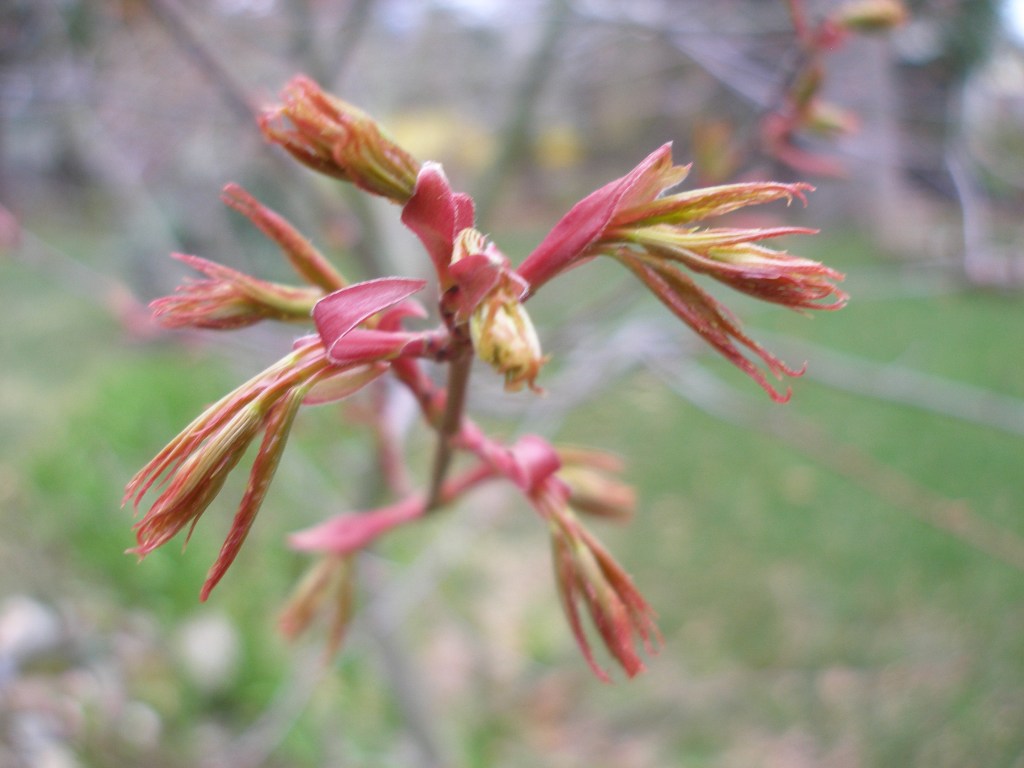
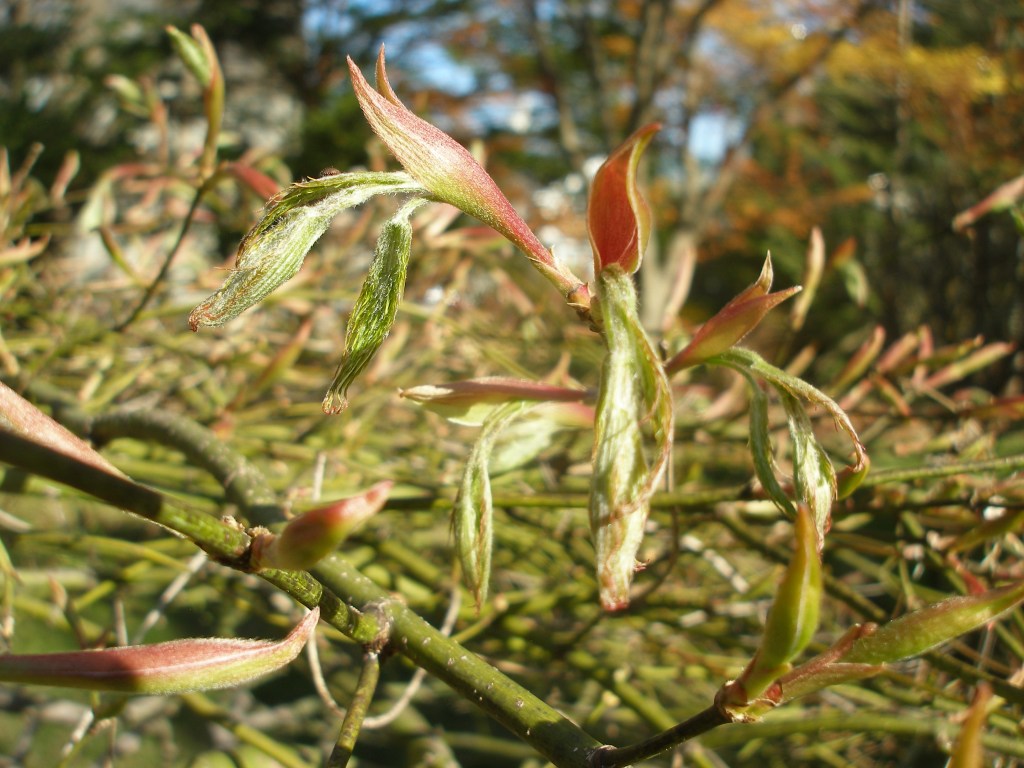
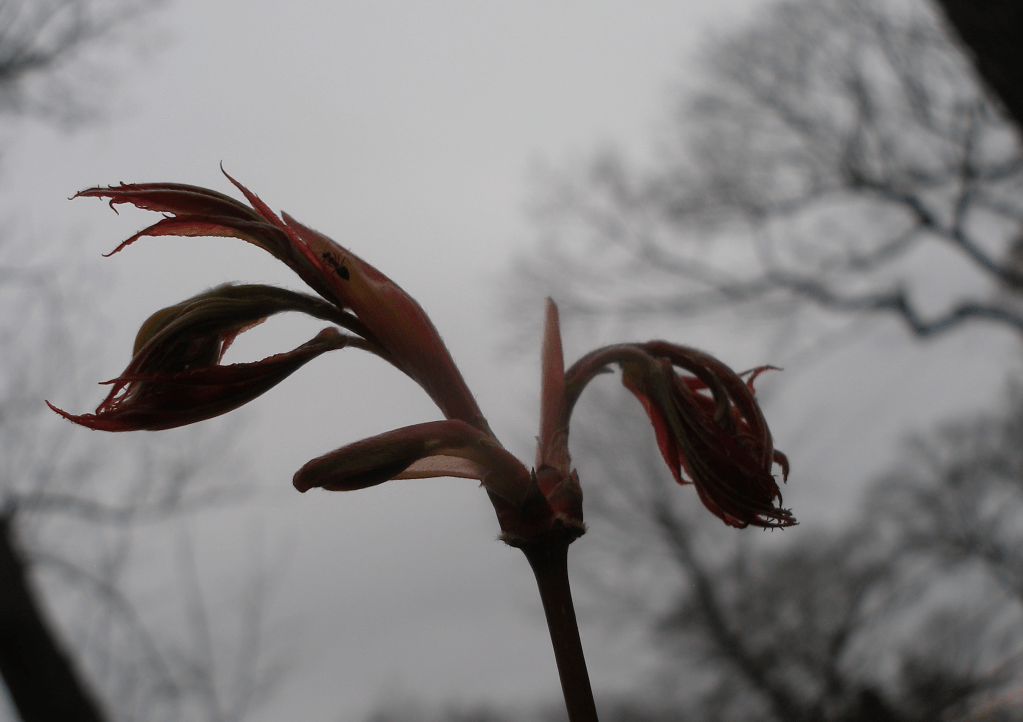
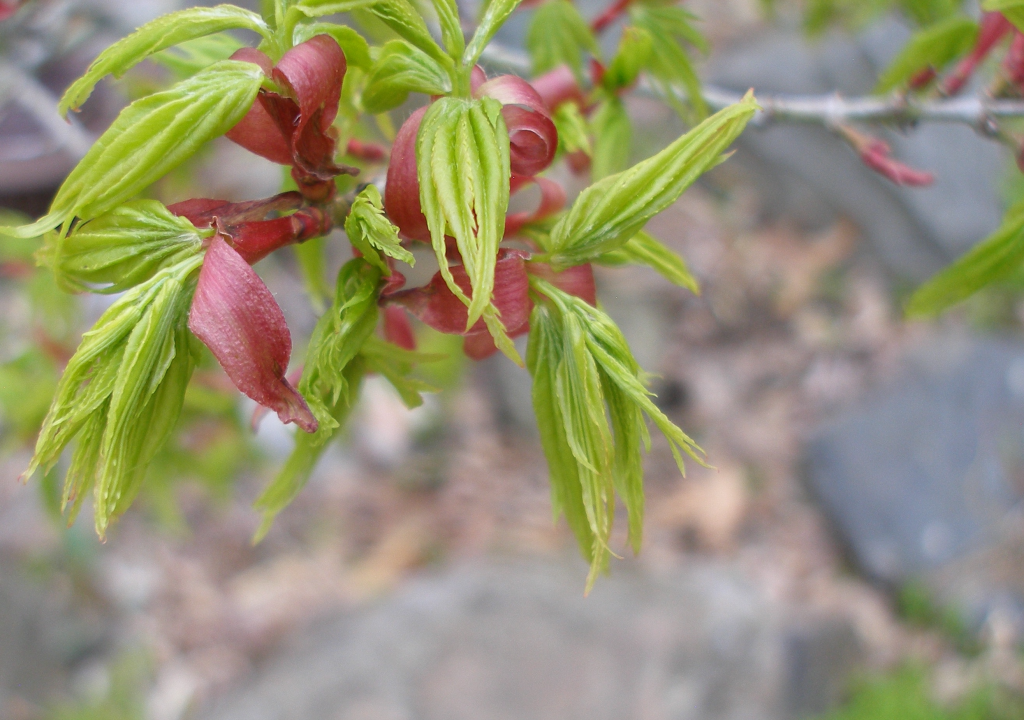
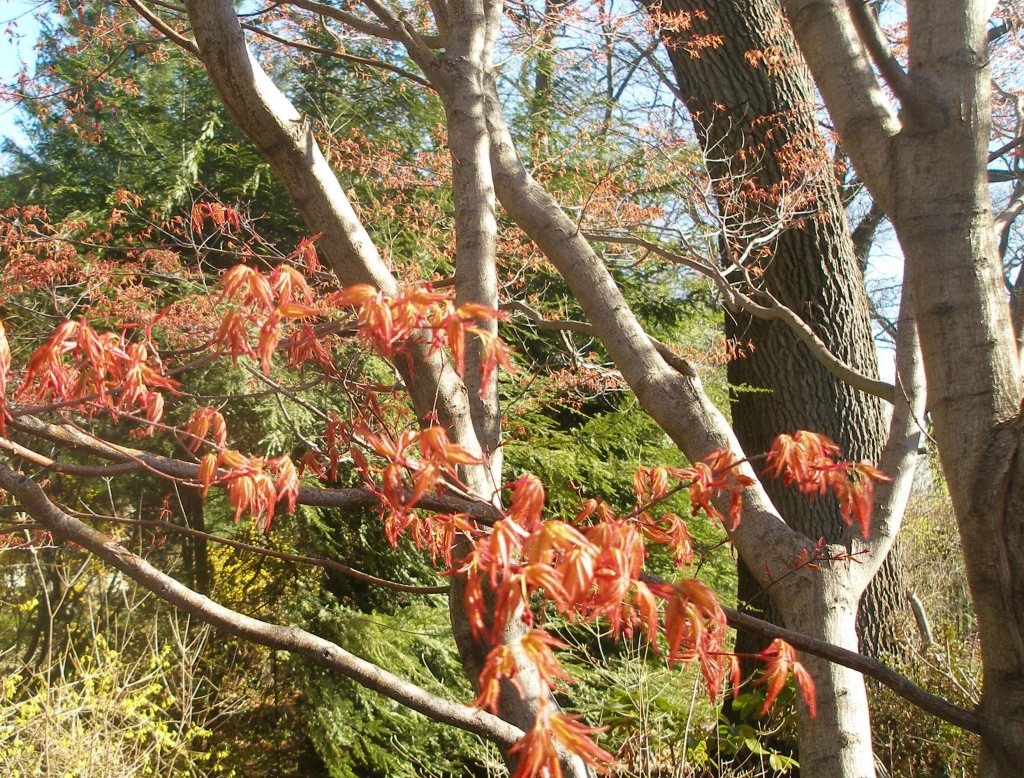
I decided to look for the new Japanese maple leaves. I noticed even tiny buds could be both pink and green. Not only were the new leaves quite colorful, but the way they unfolded, swelled and stretched out or hung limply was most worthy of closeup inspection. I added a few photos taken in prior years to include a wider range of these tiny new leaves’ fragile-tough grace.


Tourmaline in Matrix

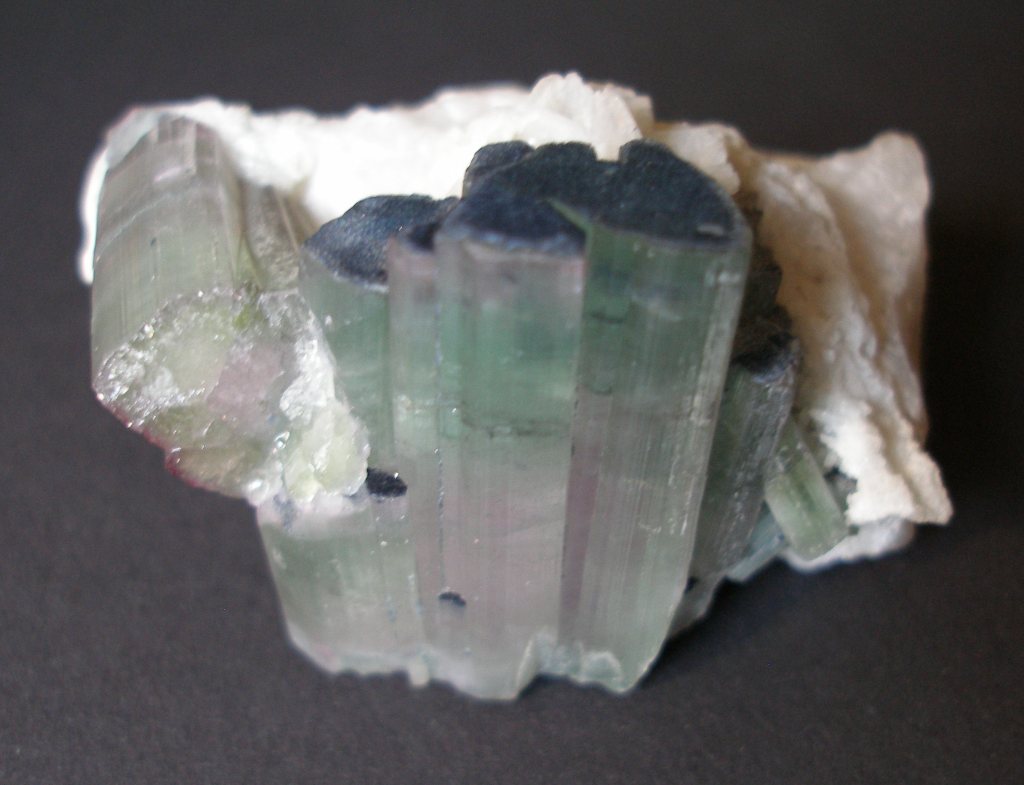
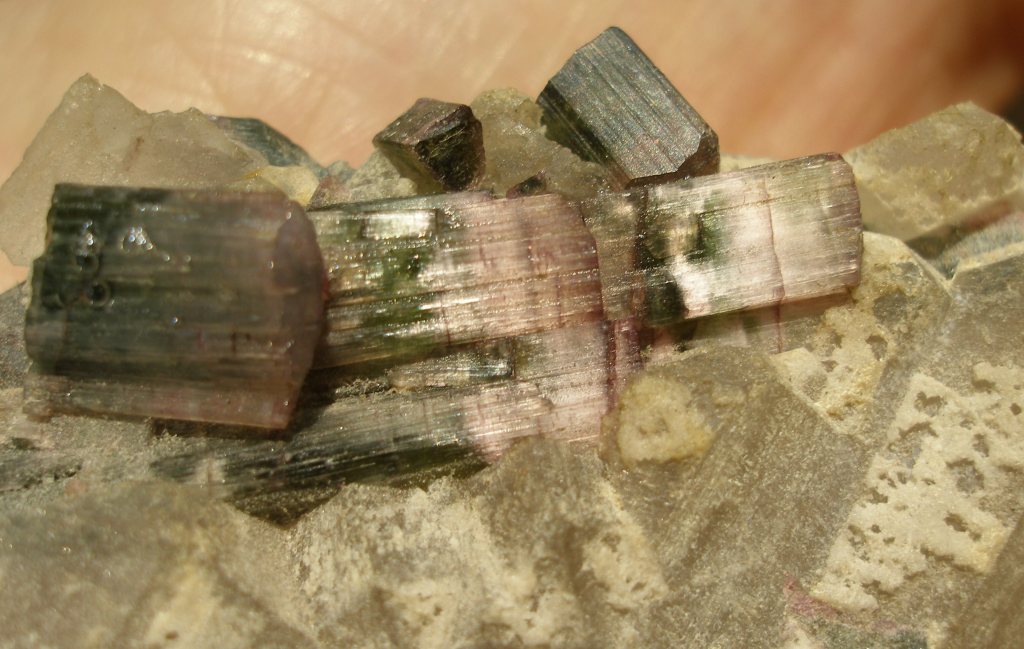
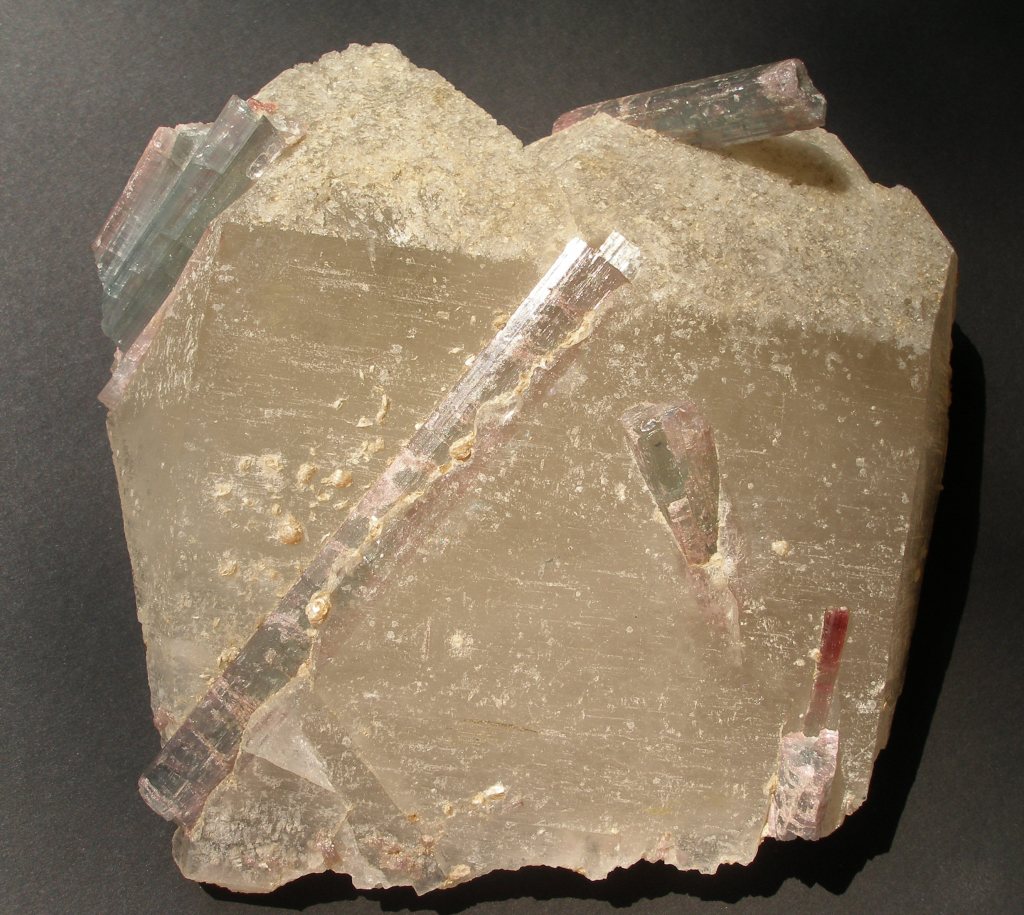
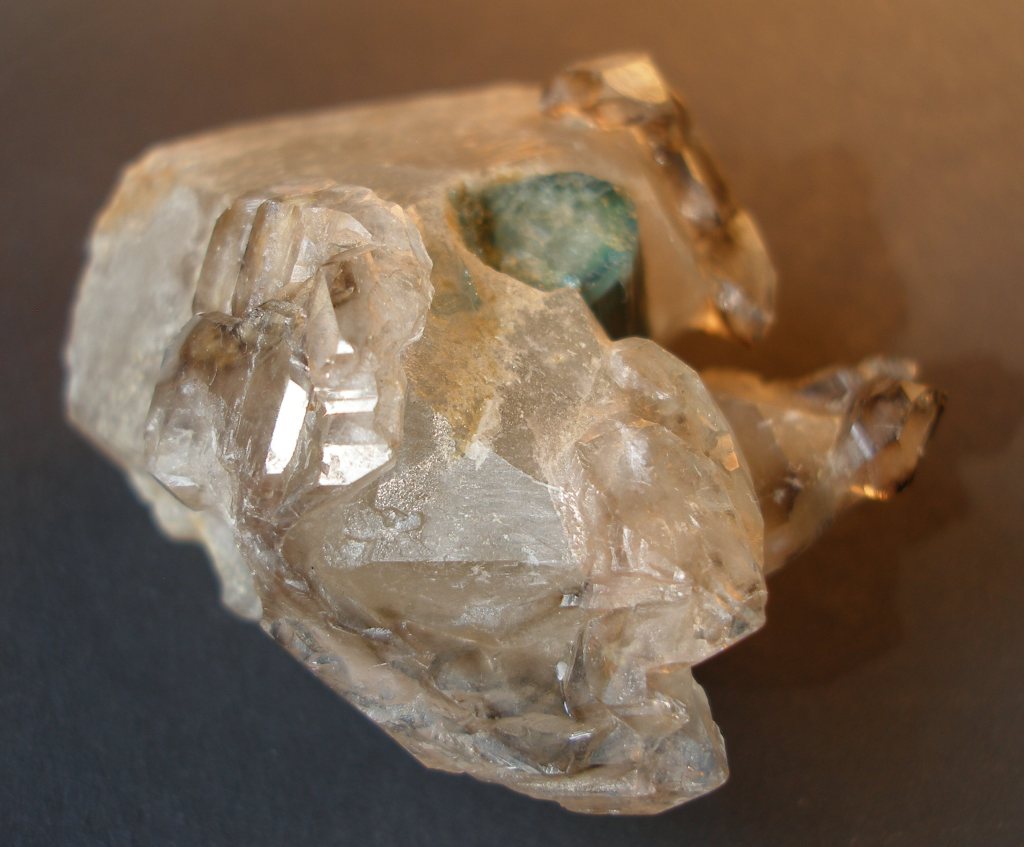
Although many think of tourmaline as individual crystals in pink, green or in the famous water melon tourmaline – a combination of those two, it can often be found embedded in quartz, or in a matrix with other minerals.

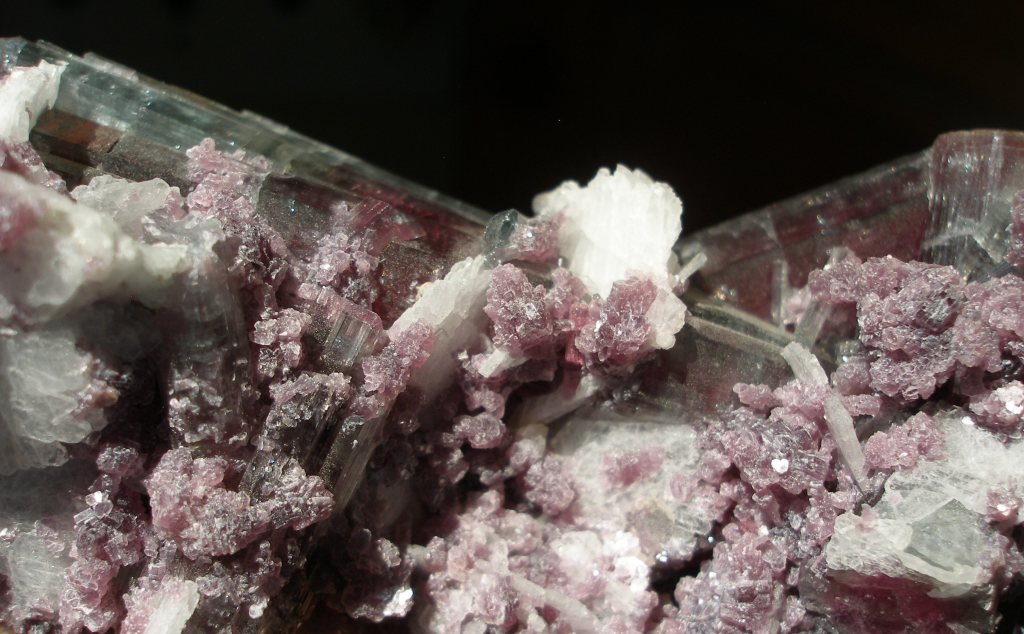
The photos below show a variety of examples including a striking cluster with pinkish-lavender lapidolite (and a closer in view of this one), as well as a number with tourmaline crystals embedded in quartz.

Examples may be found from sources around the world, and some of them, especially those with larger crystals, can make remarkably beautiful display specimens. Most of those shown in the photos below are on the smaller side. A prior blog post discussed tourmaline’s remarkable color range.


Softer Colors This Fall

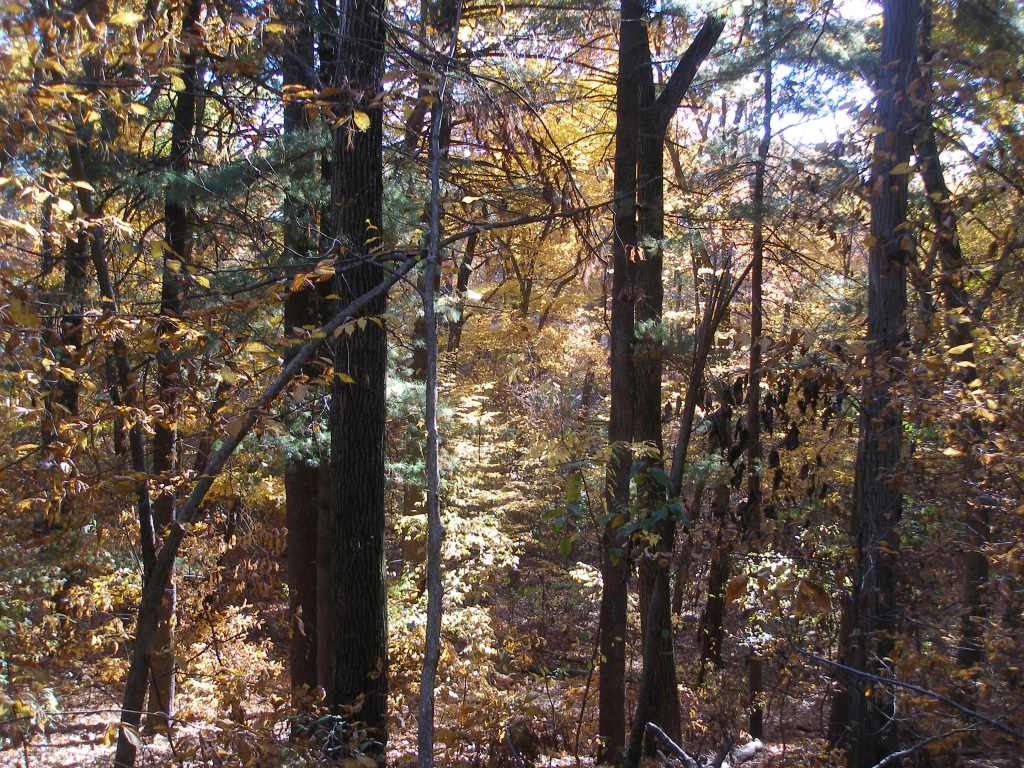
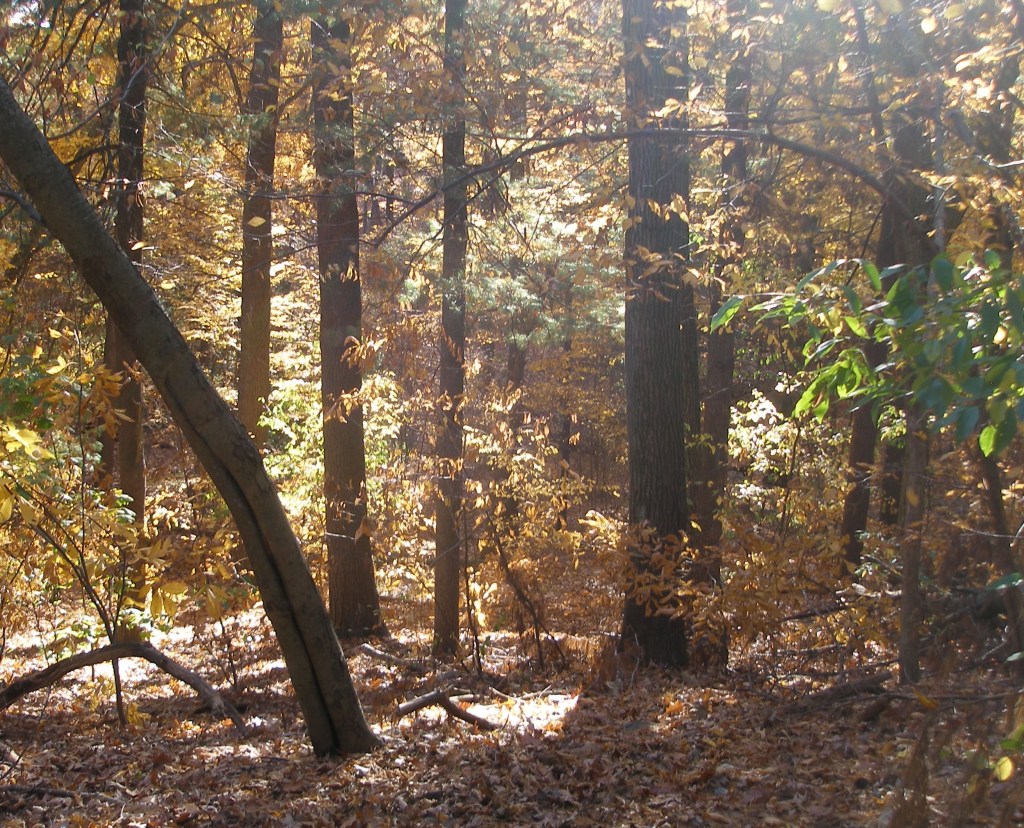
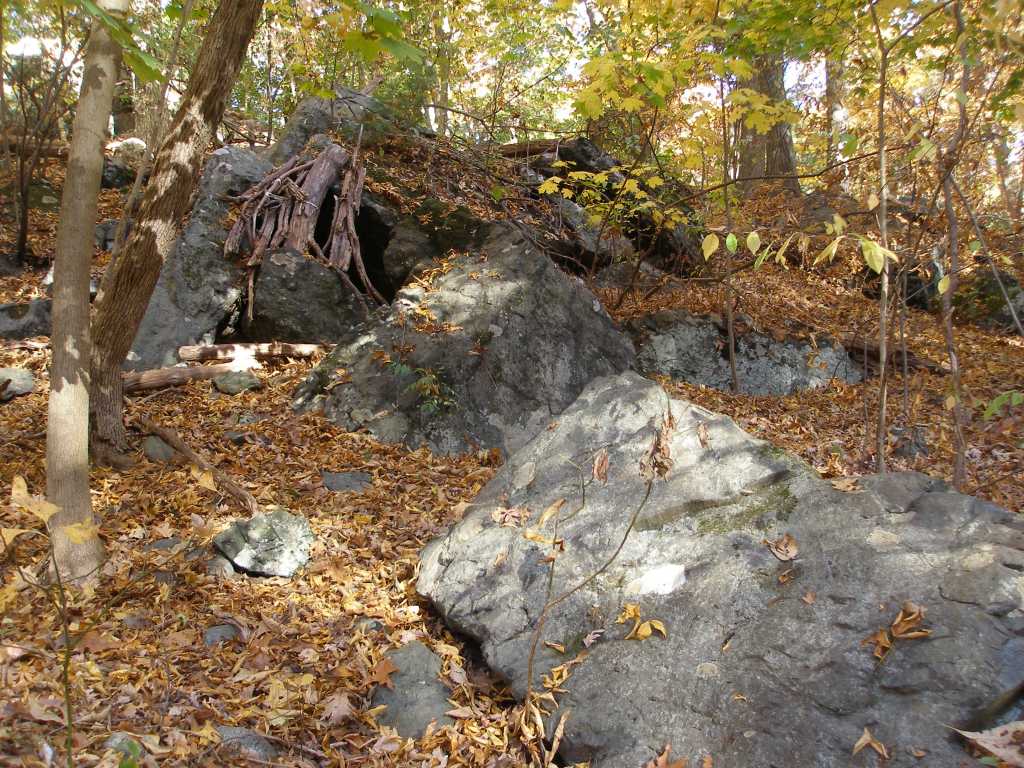
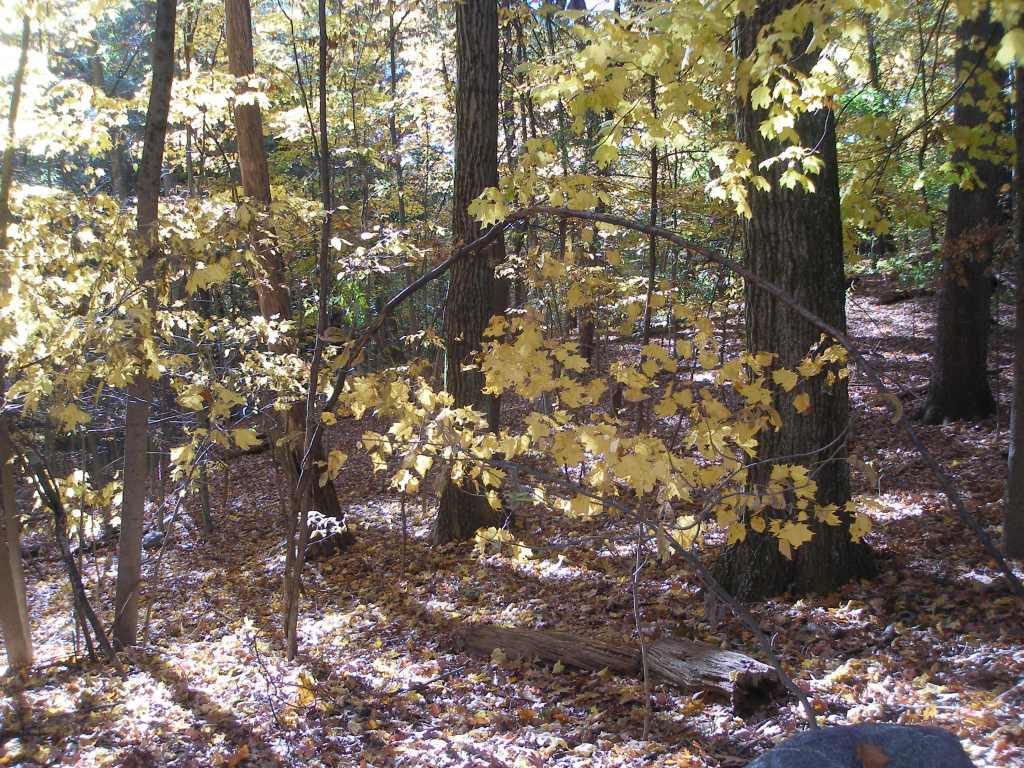
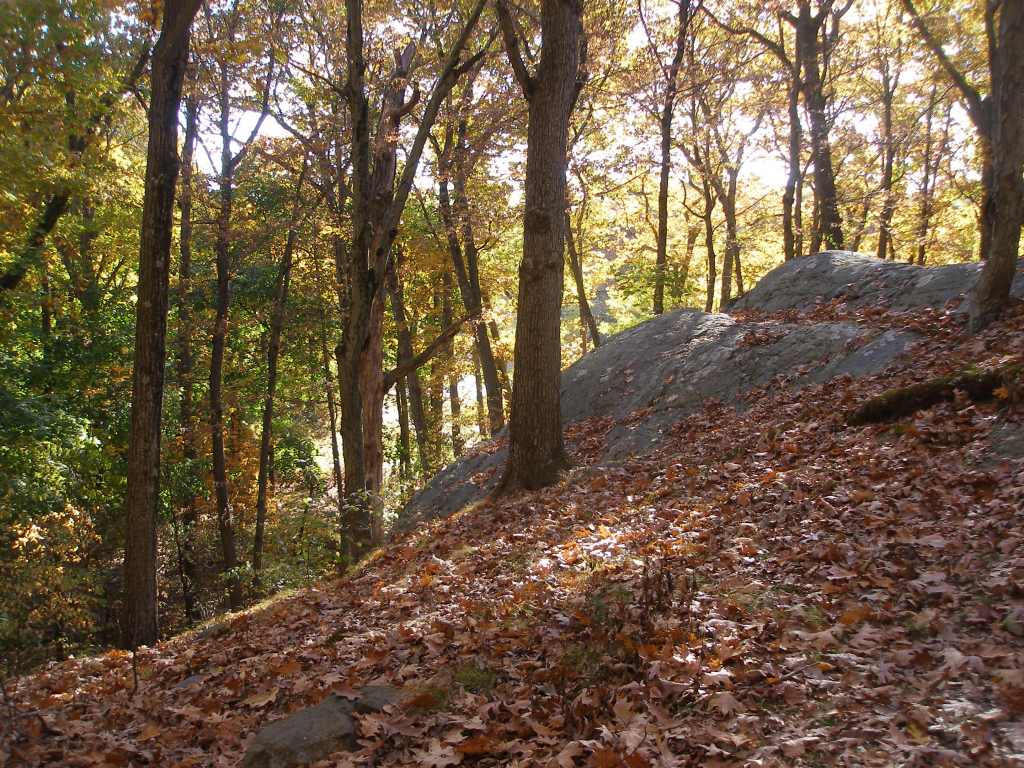
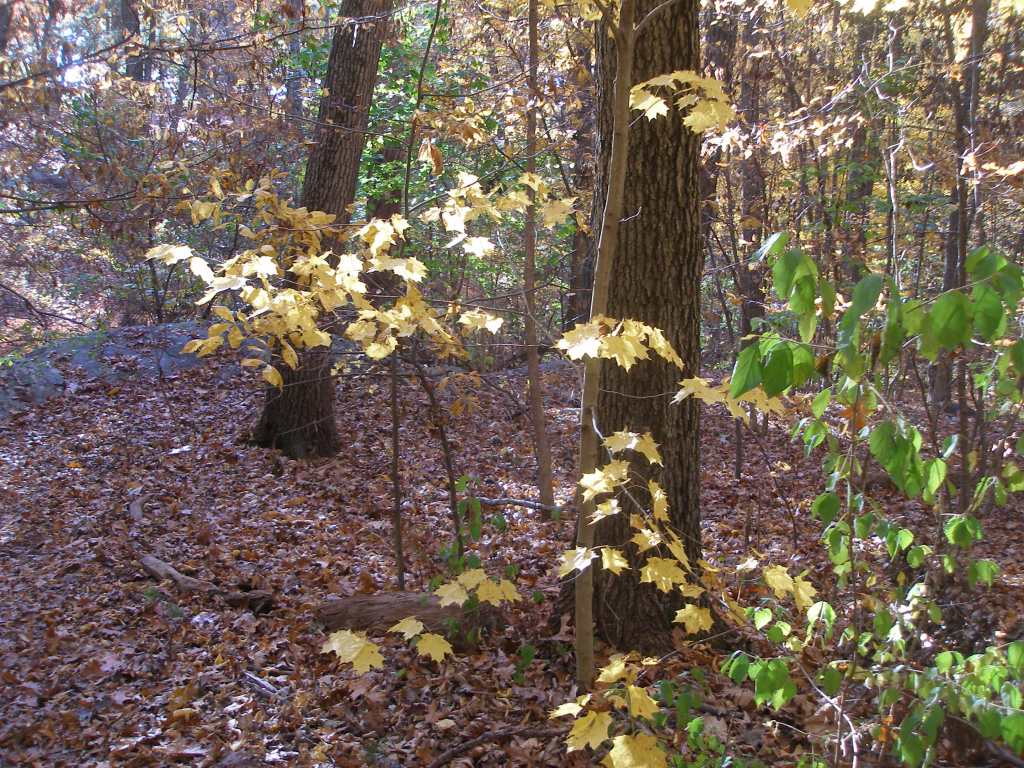
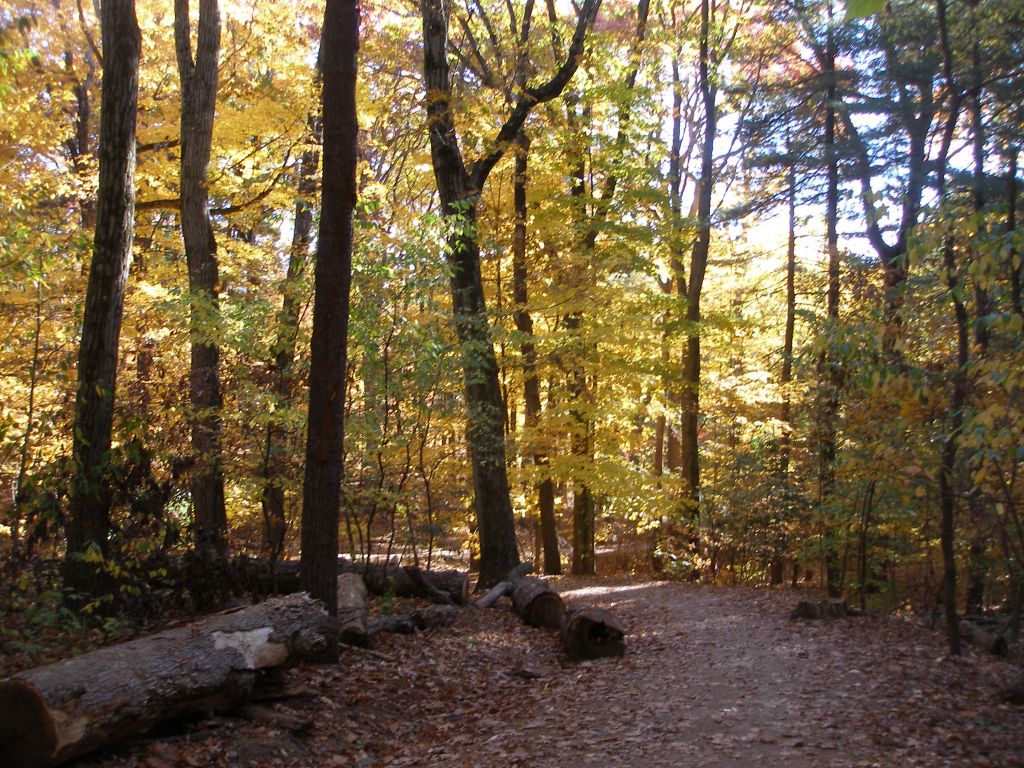
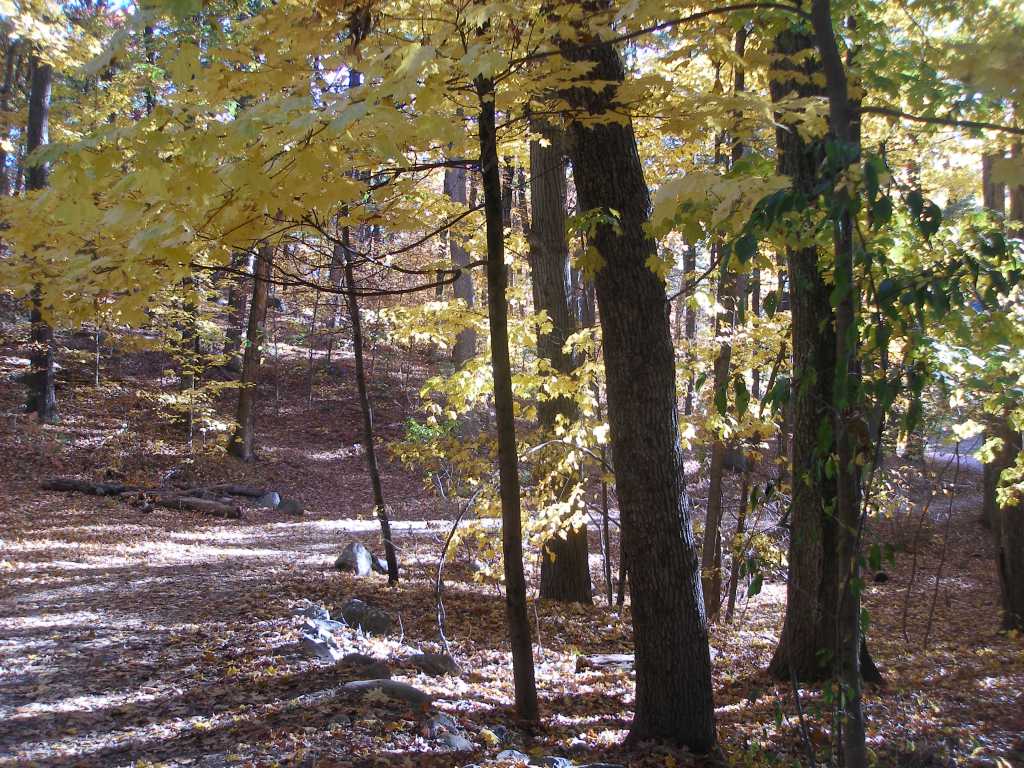
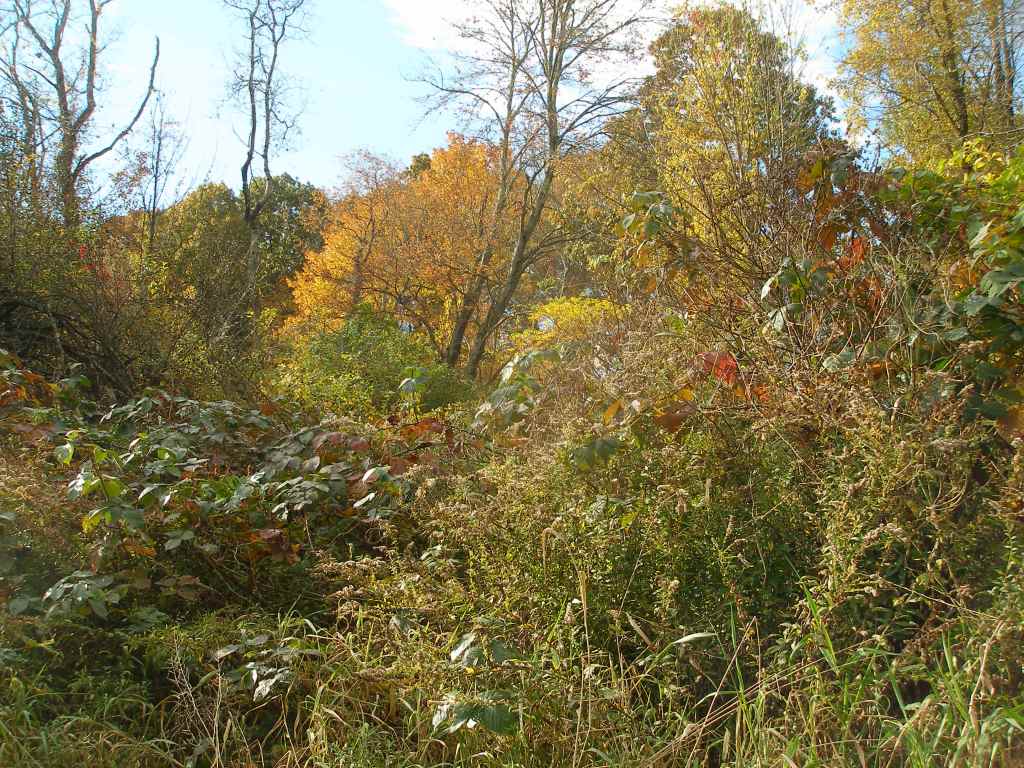
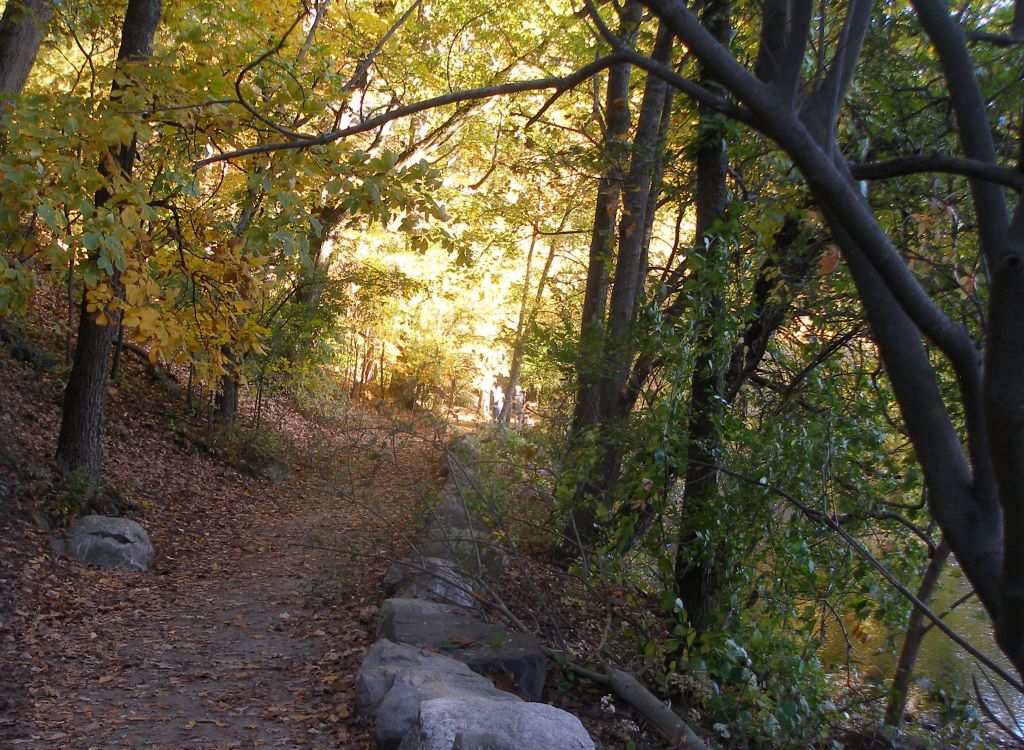
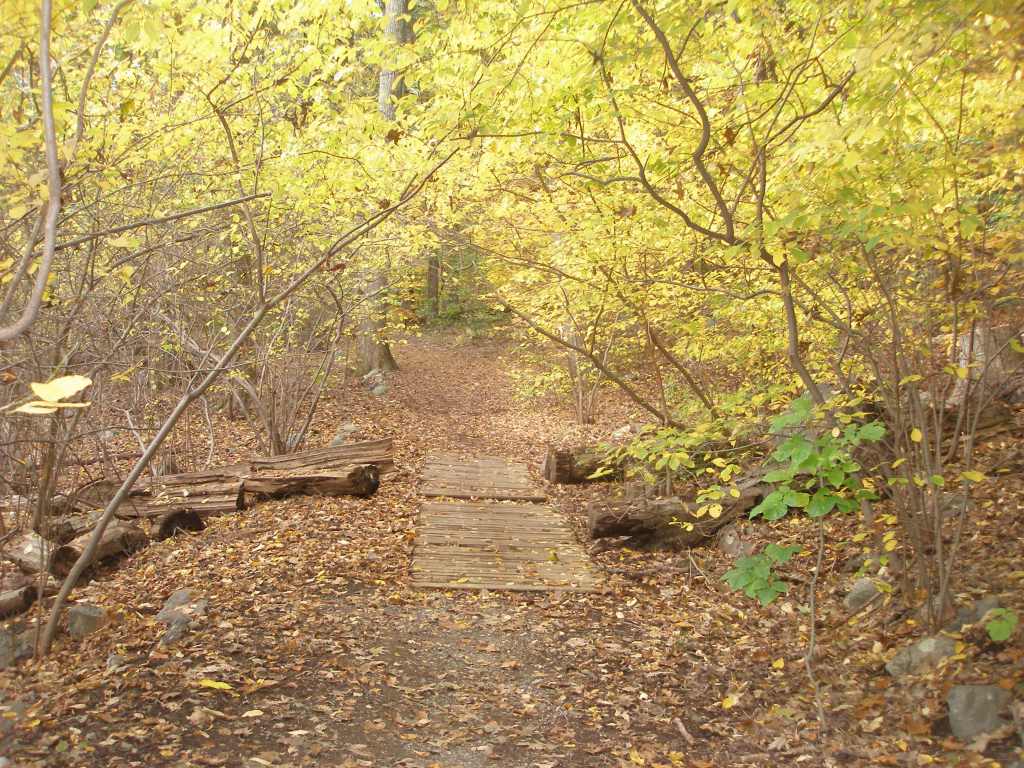
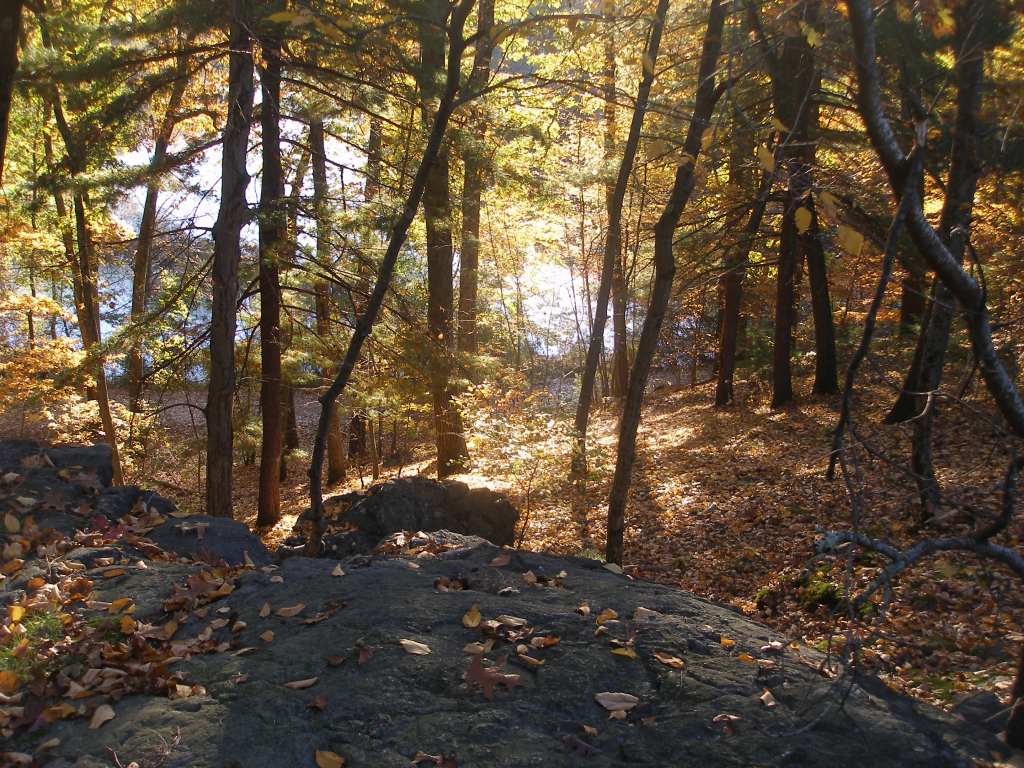
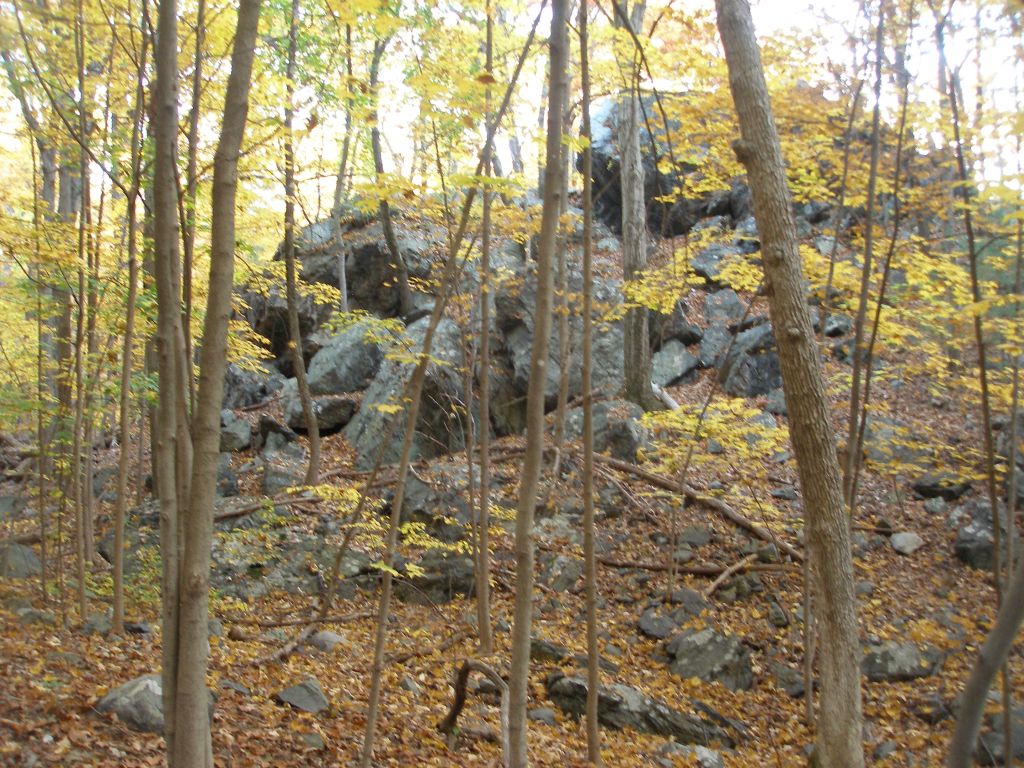
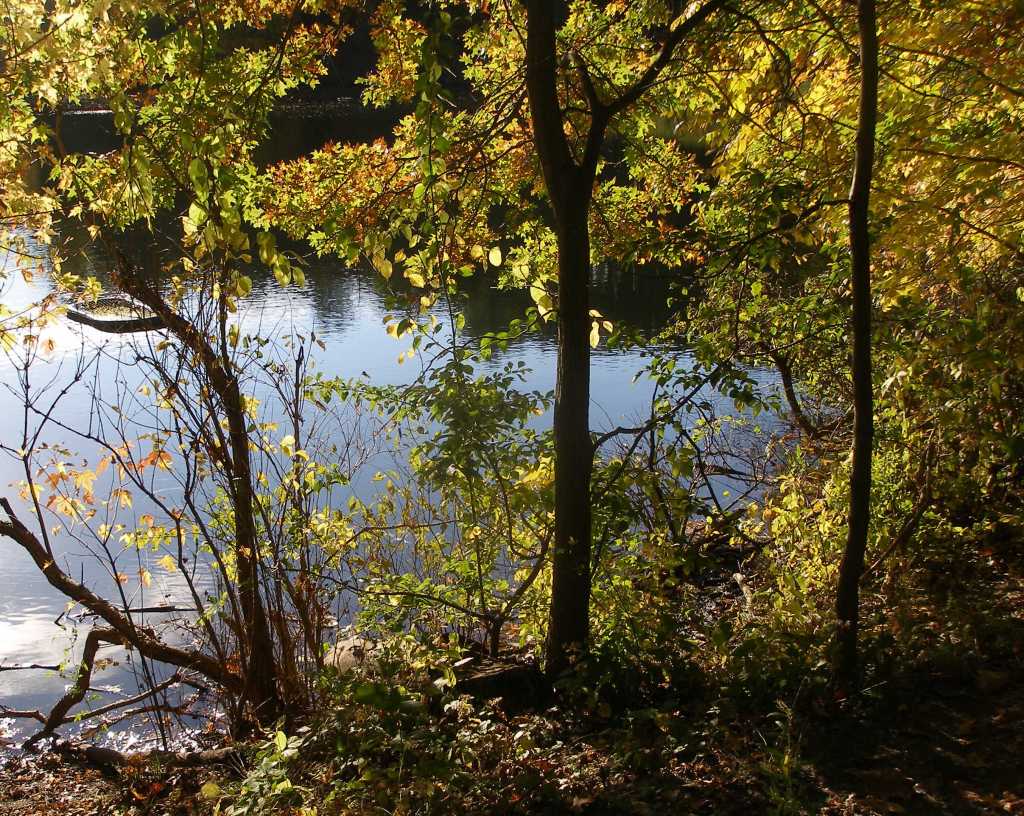
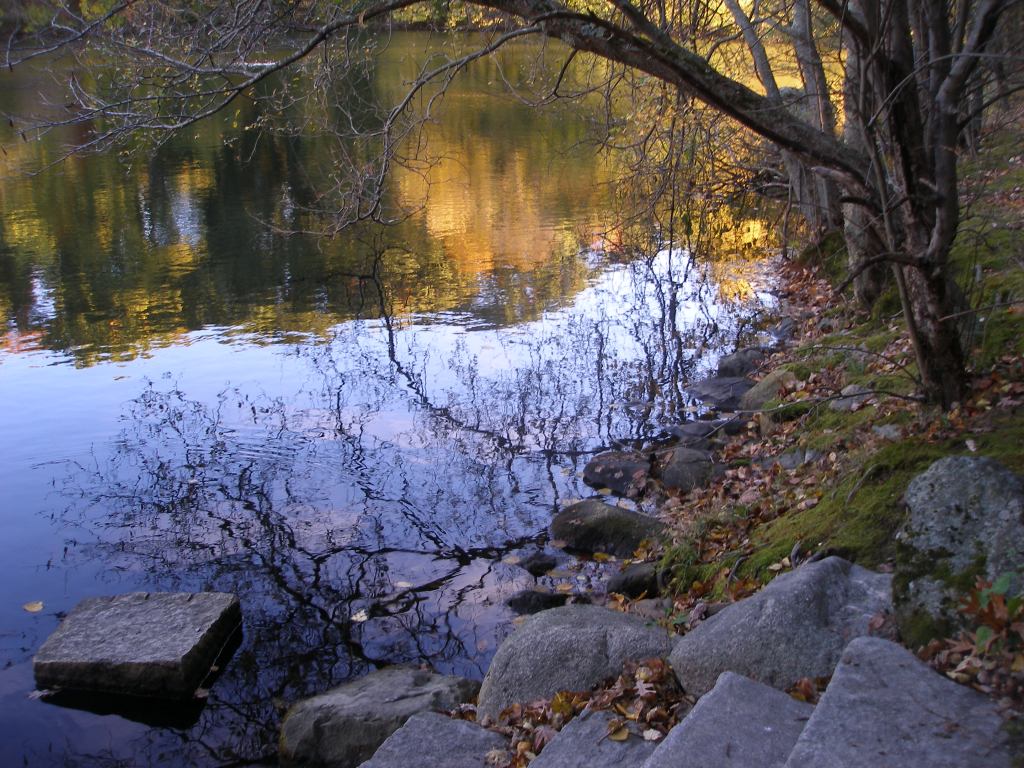
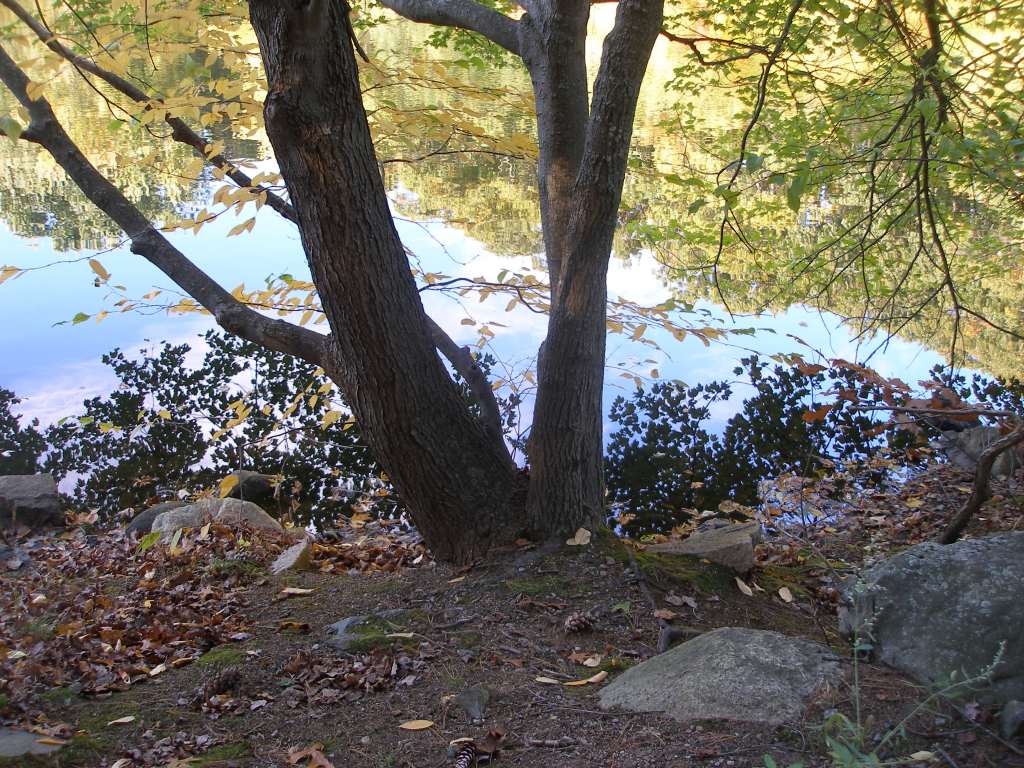
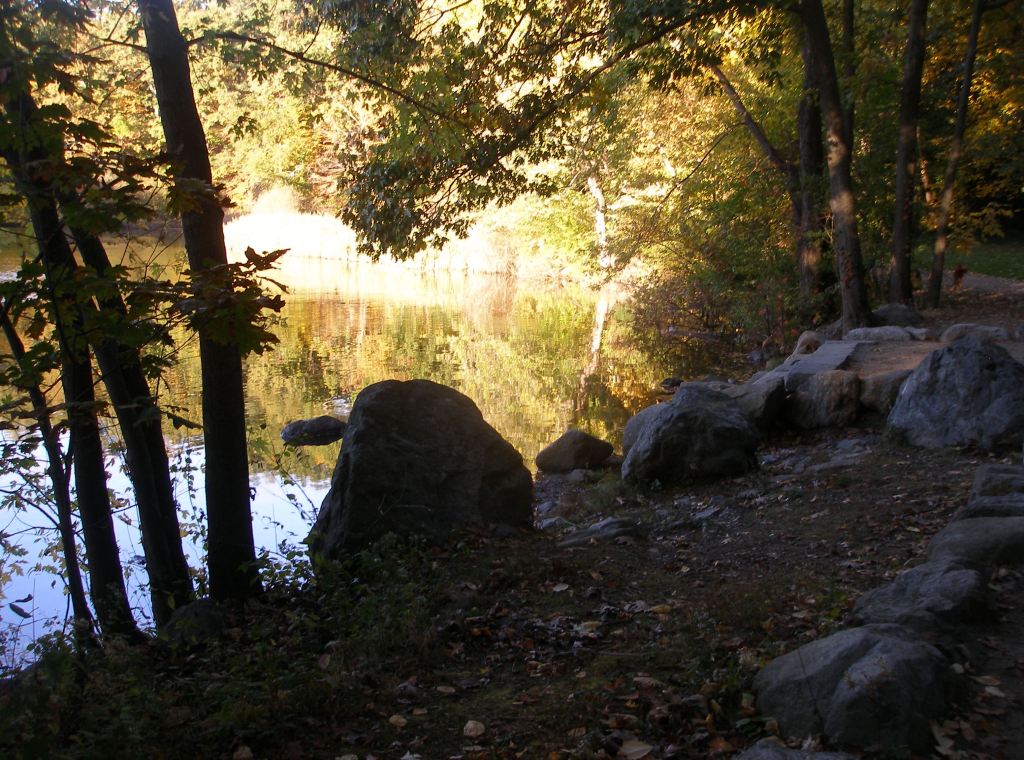
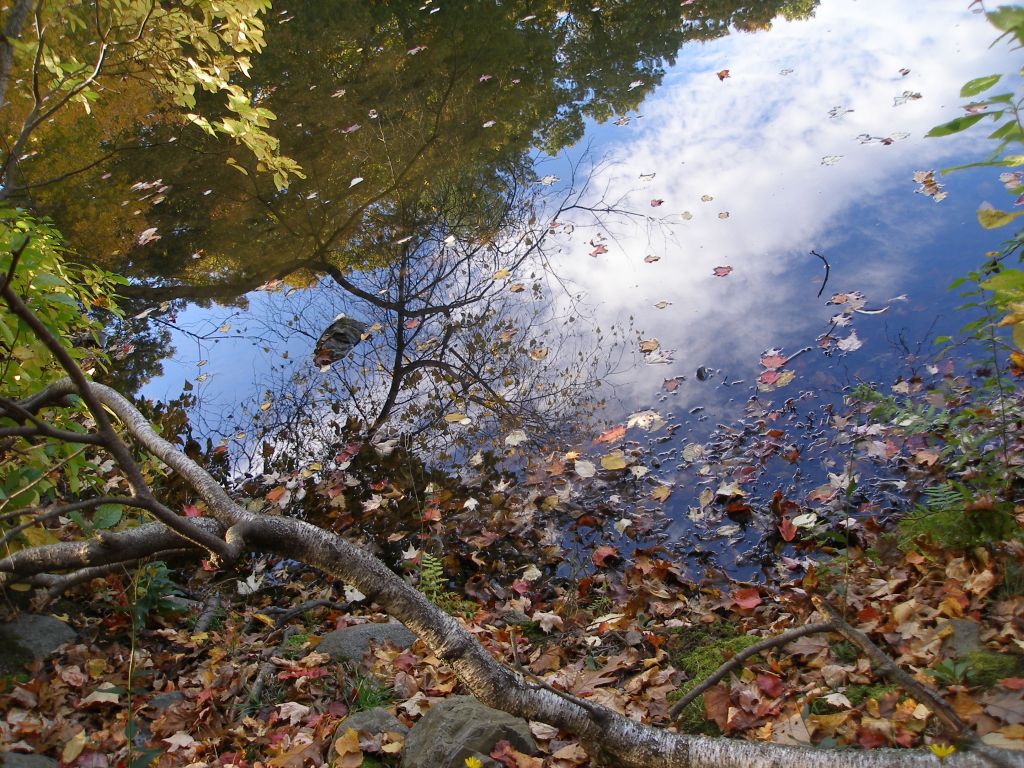
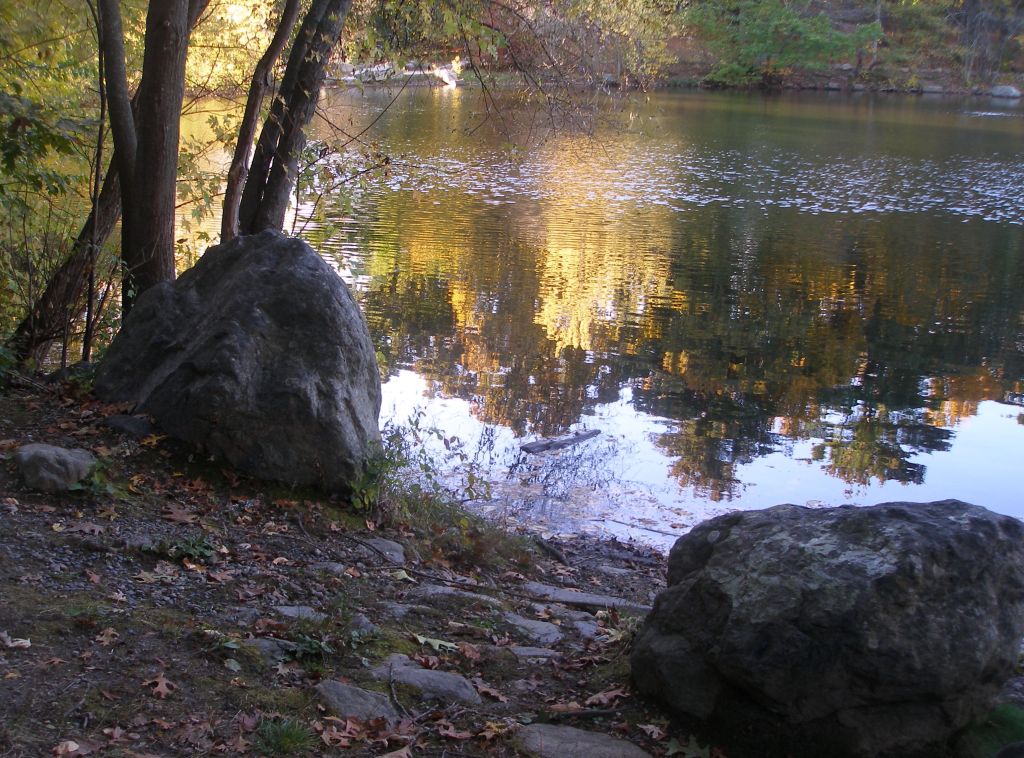
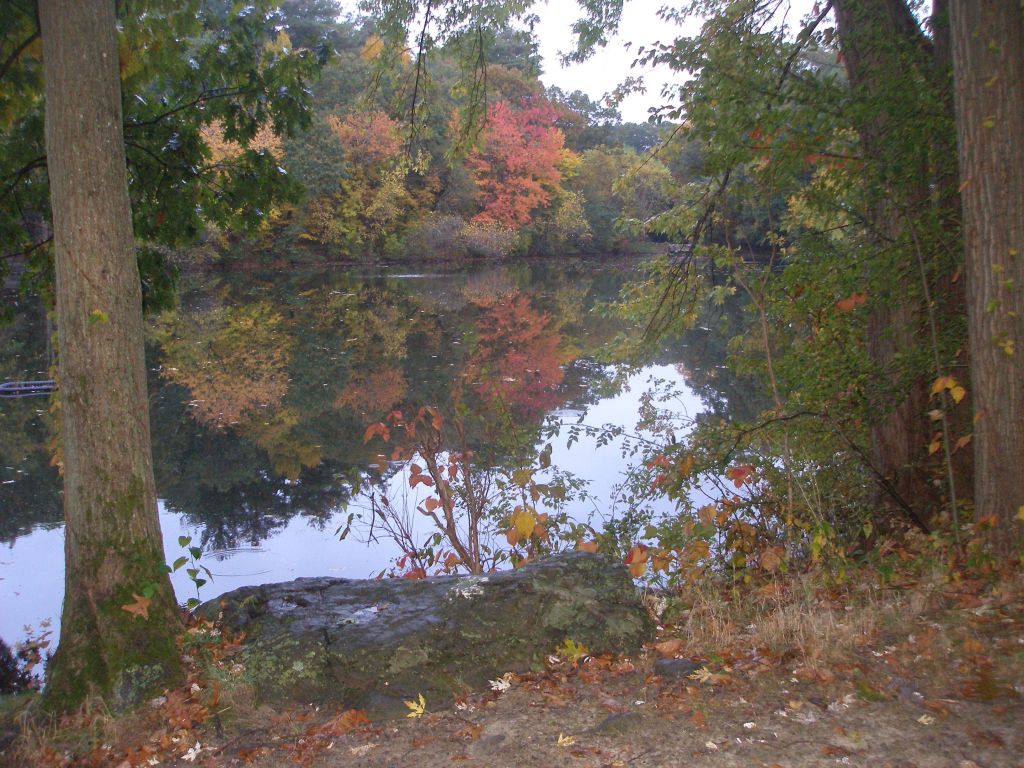
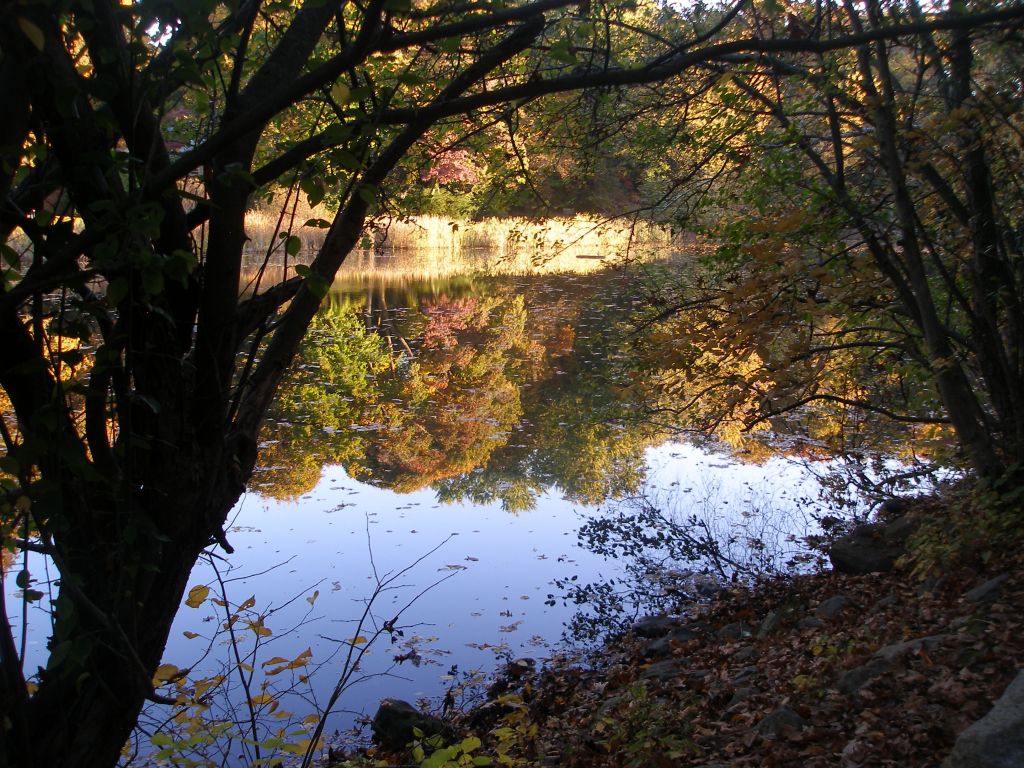
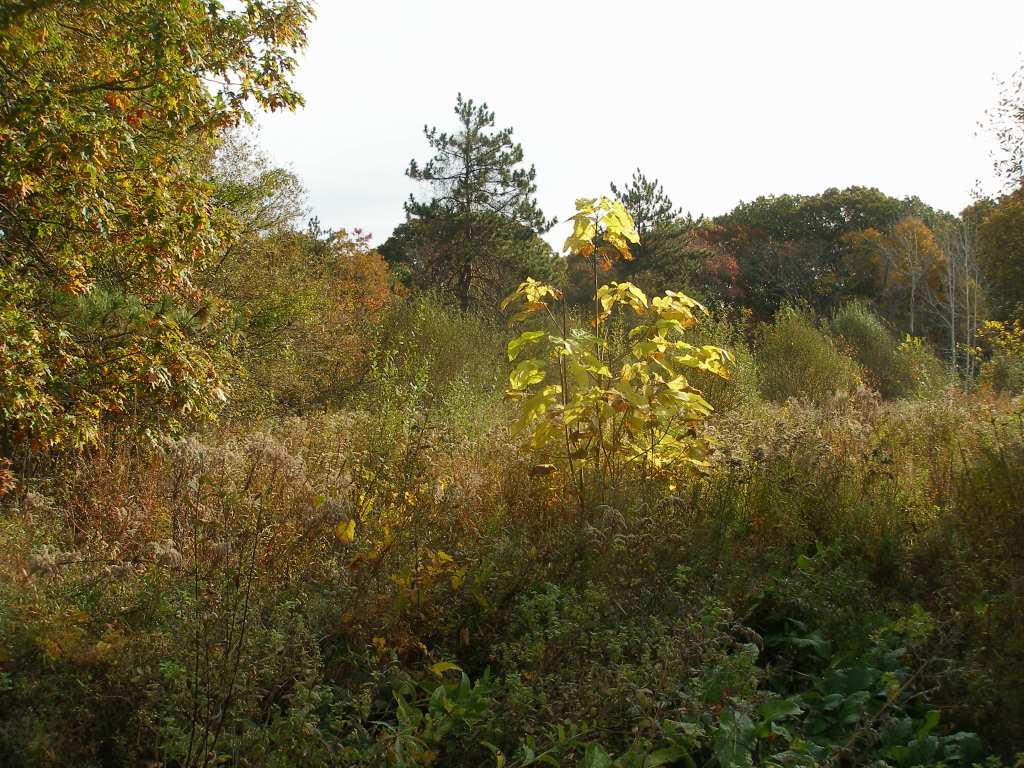
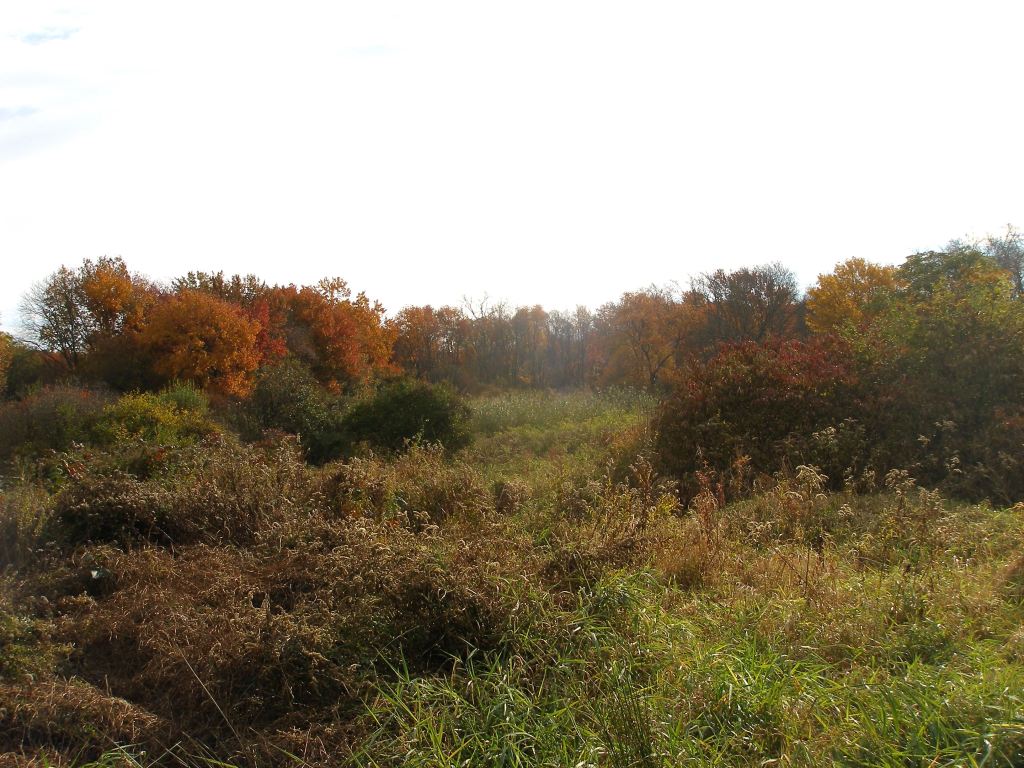
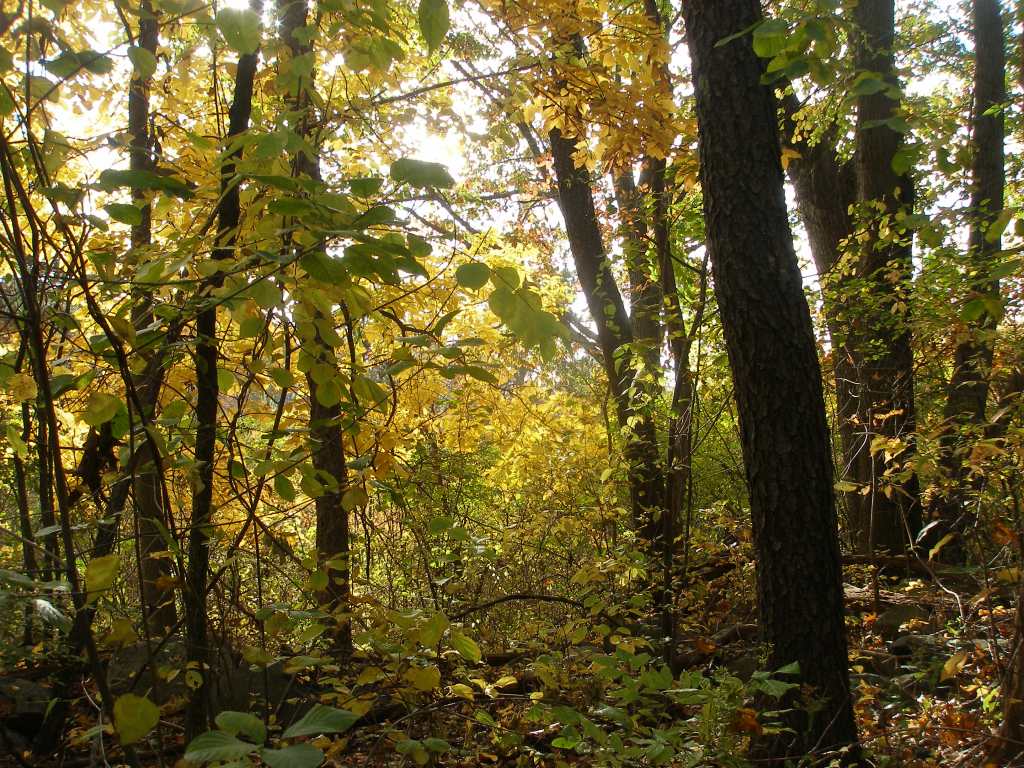
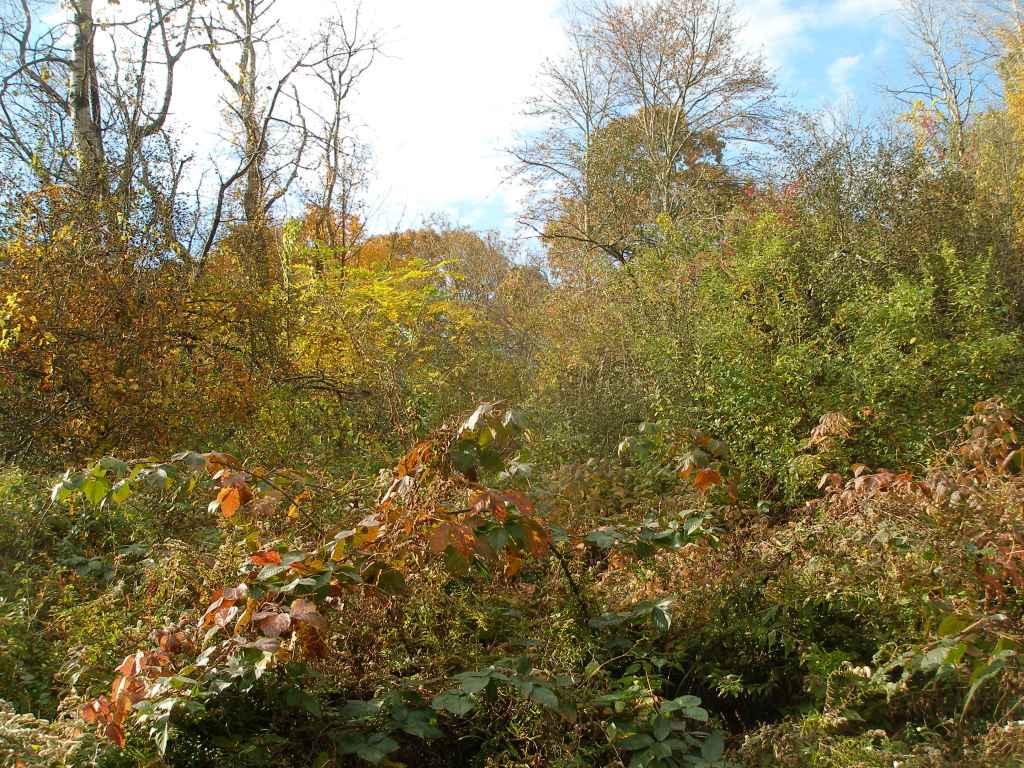
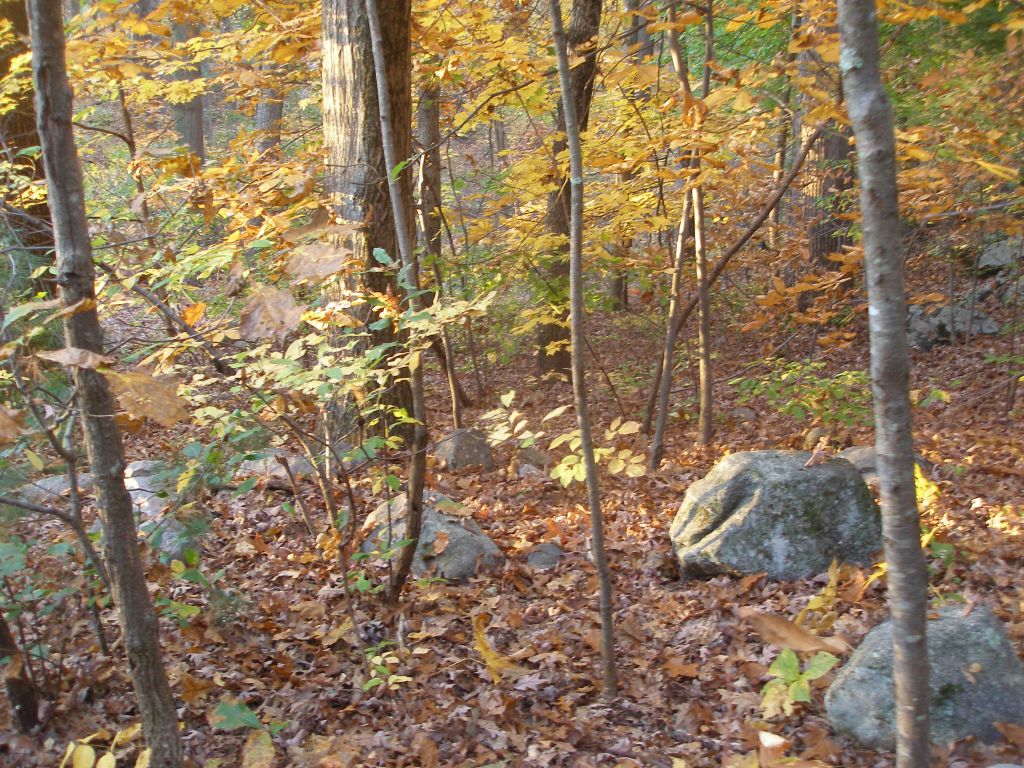
I have noticed that the colors this fall have been a bit different. While there are fewer trees or plants with deep purples and bright reds, there is a richness. It does not feel like something is missing. More like under the surface a dreamy depth has been added. And it is all so welcoming – like you could curl up and take a nap in the soft colors’ warm embrace.

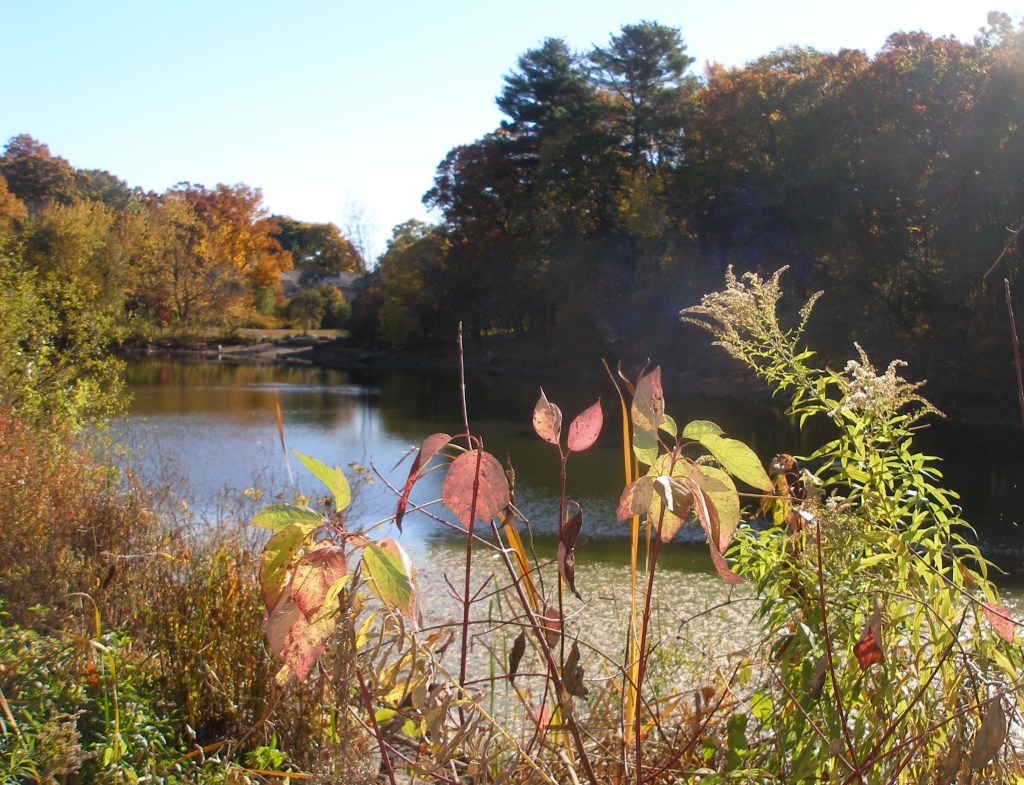
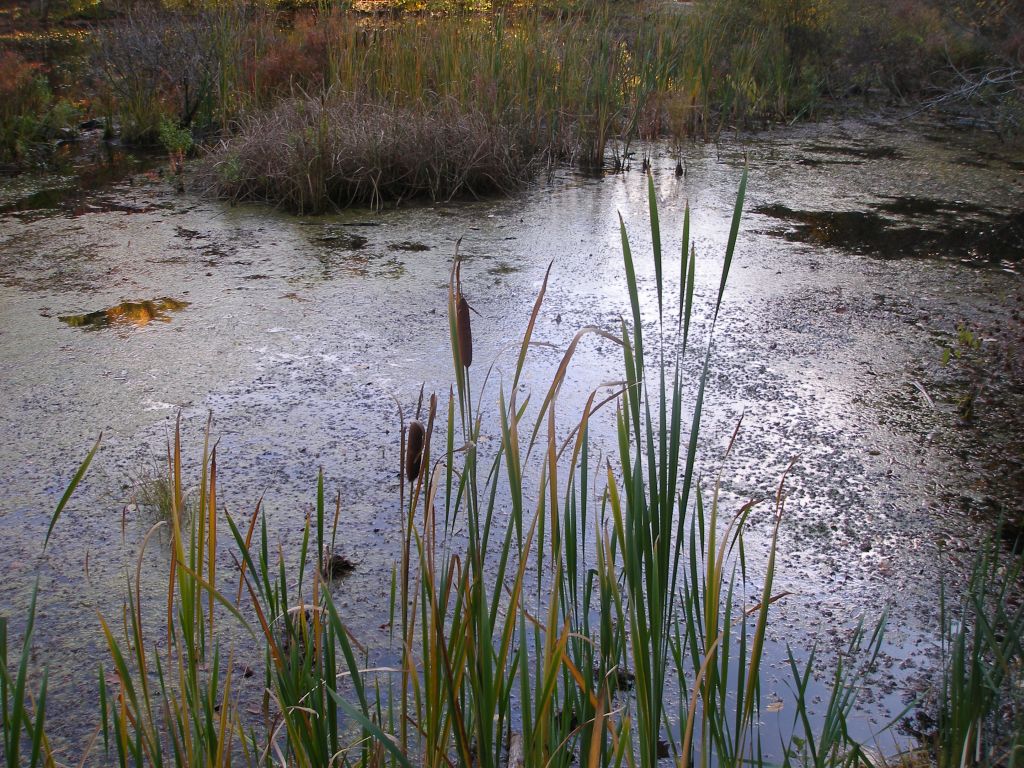
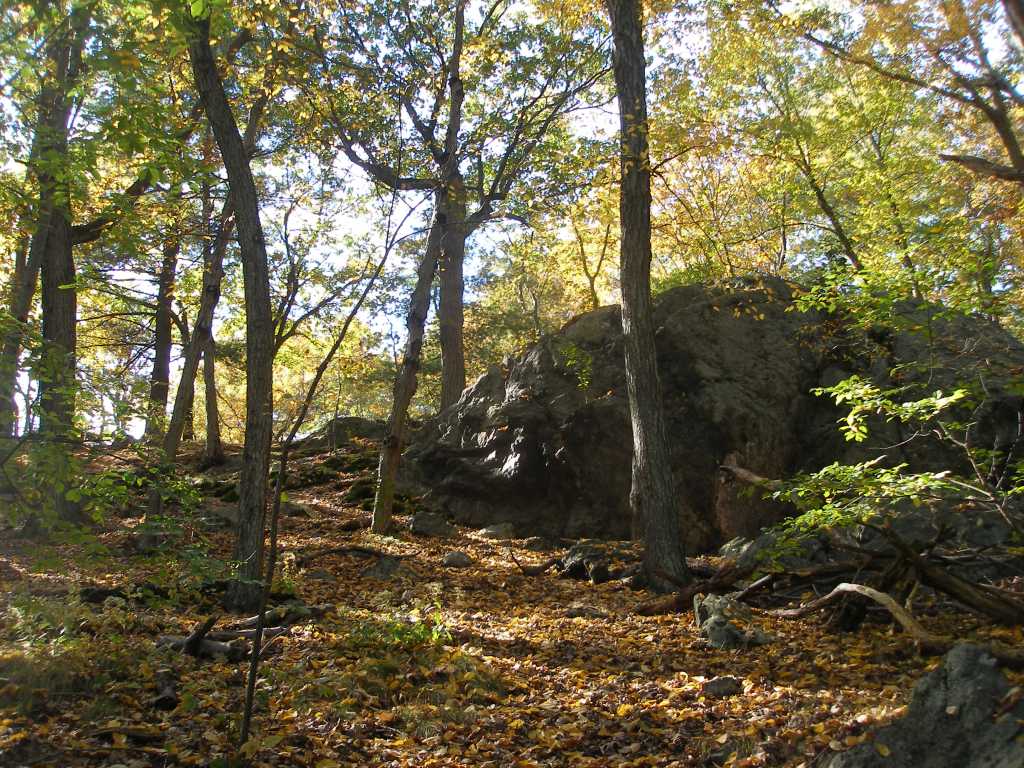
These images were taken in the last few days at Menotomy Rocks Park in Arlington, Massachusetts USA with its paths, woods, pond and outcrops, as well as in nearby Lexington. Besides woods, Lexington’s Dunbar Meadow conservation area has truly spectacular wetlands and meadows.


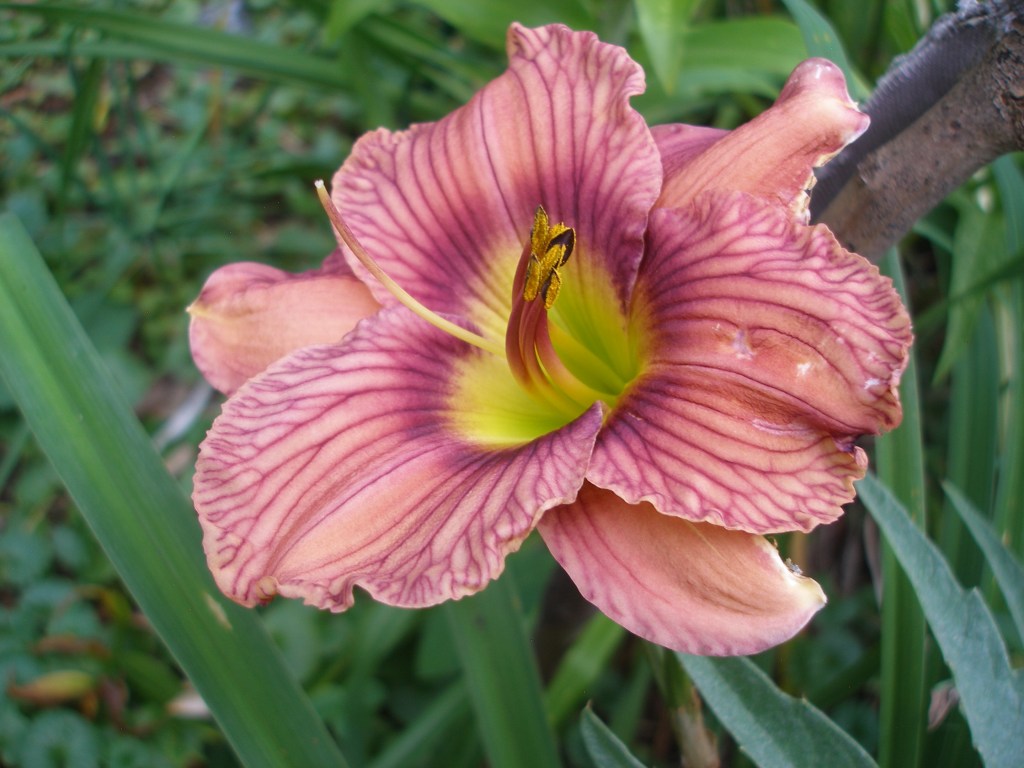
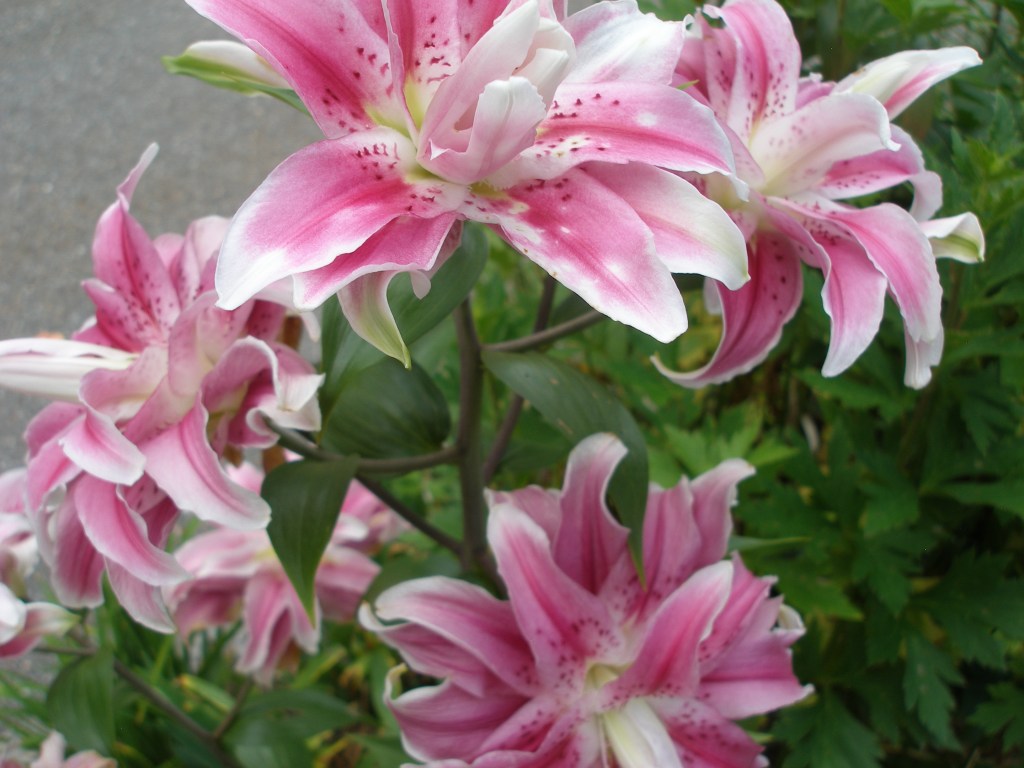
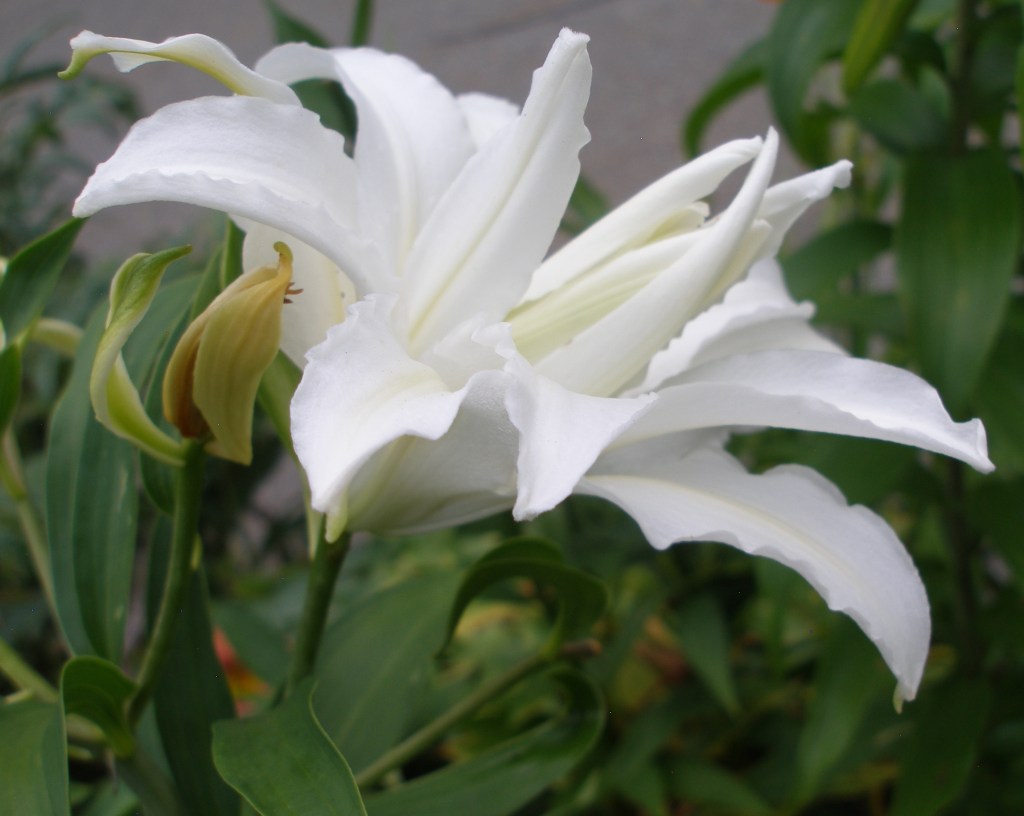
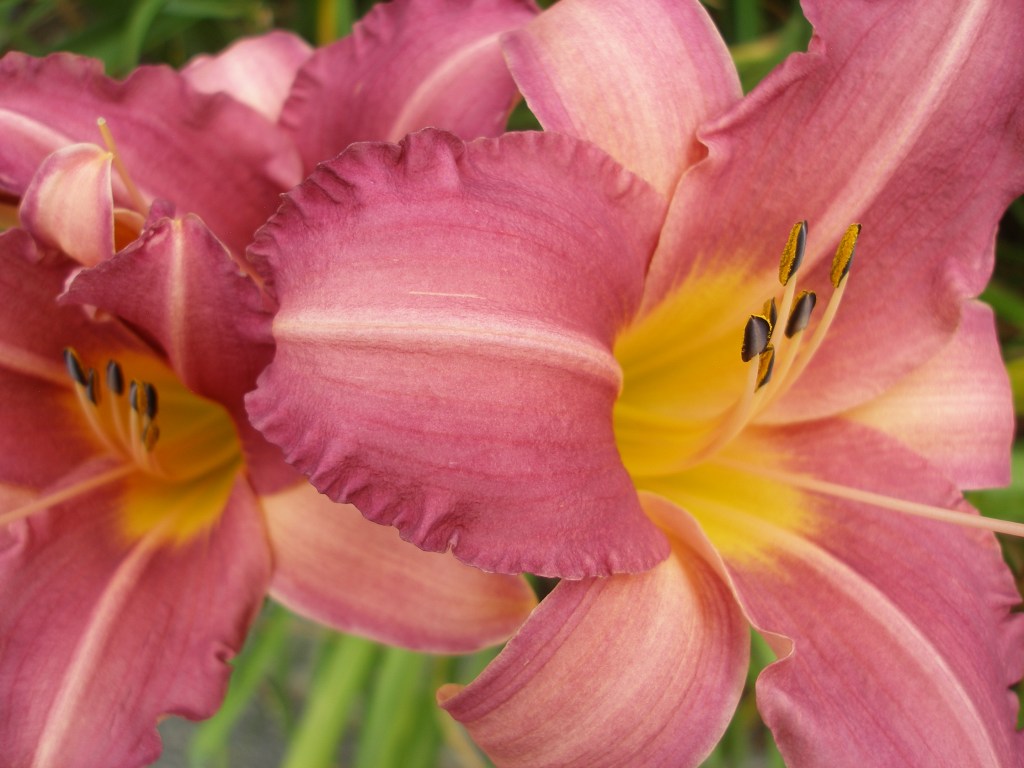
Hellstrip Lilies

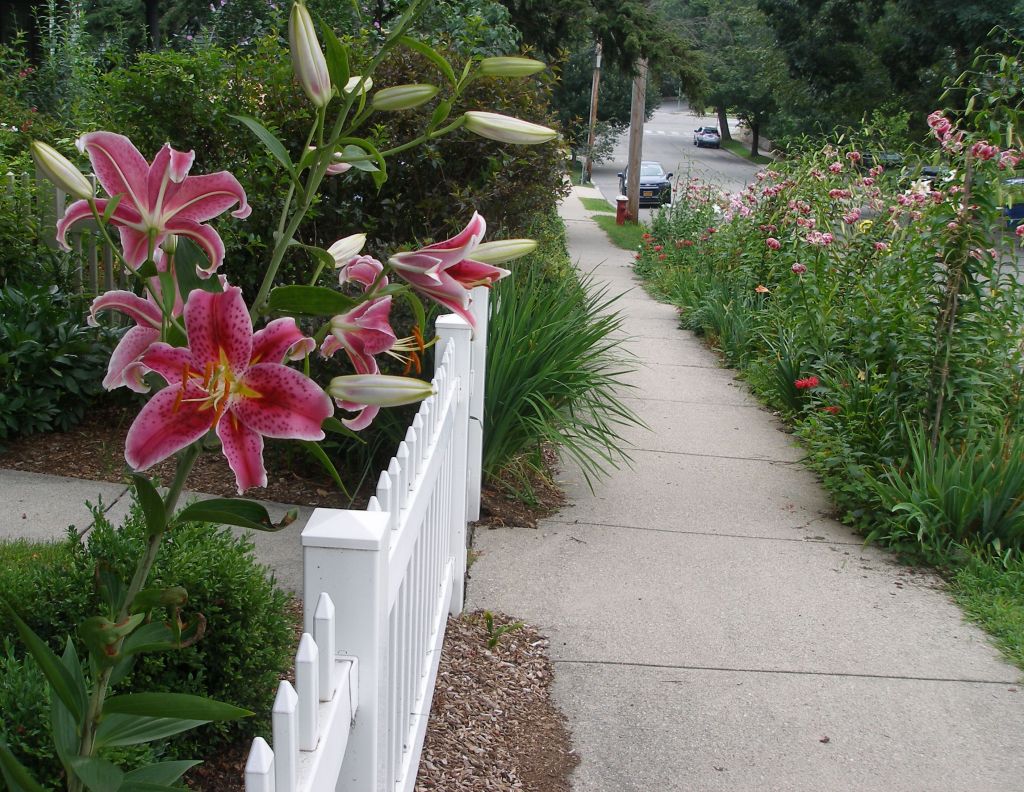
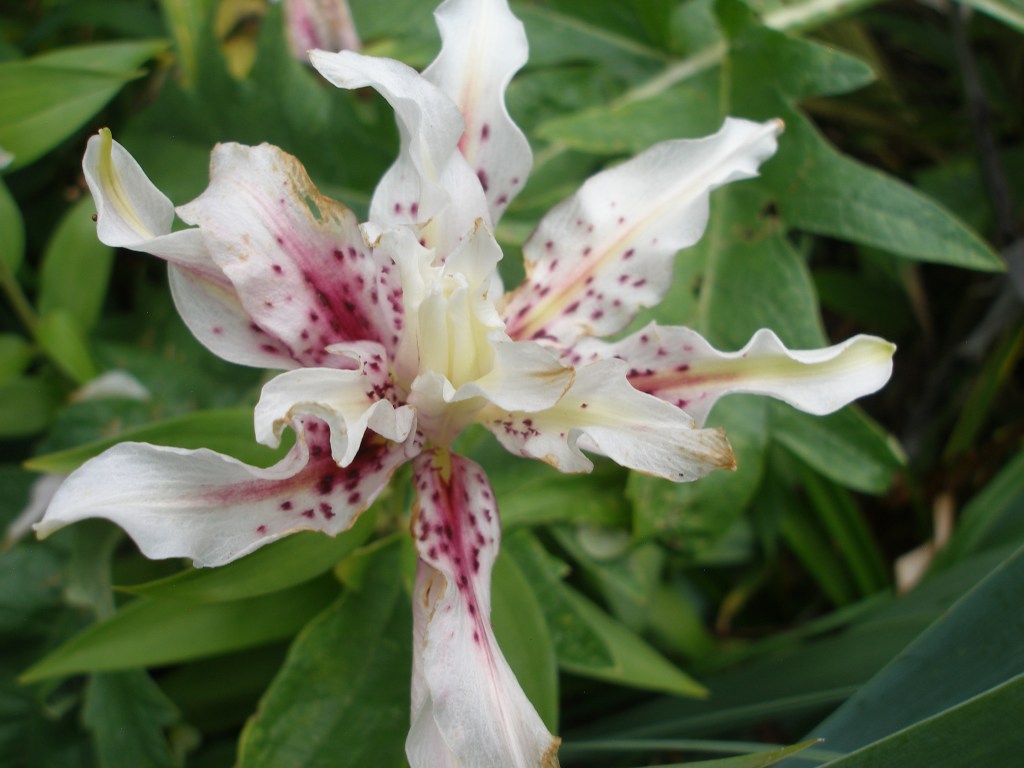
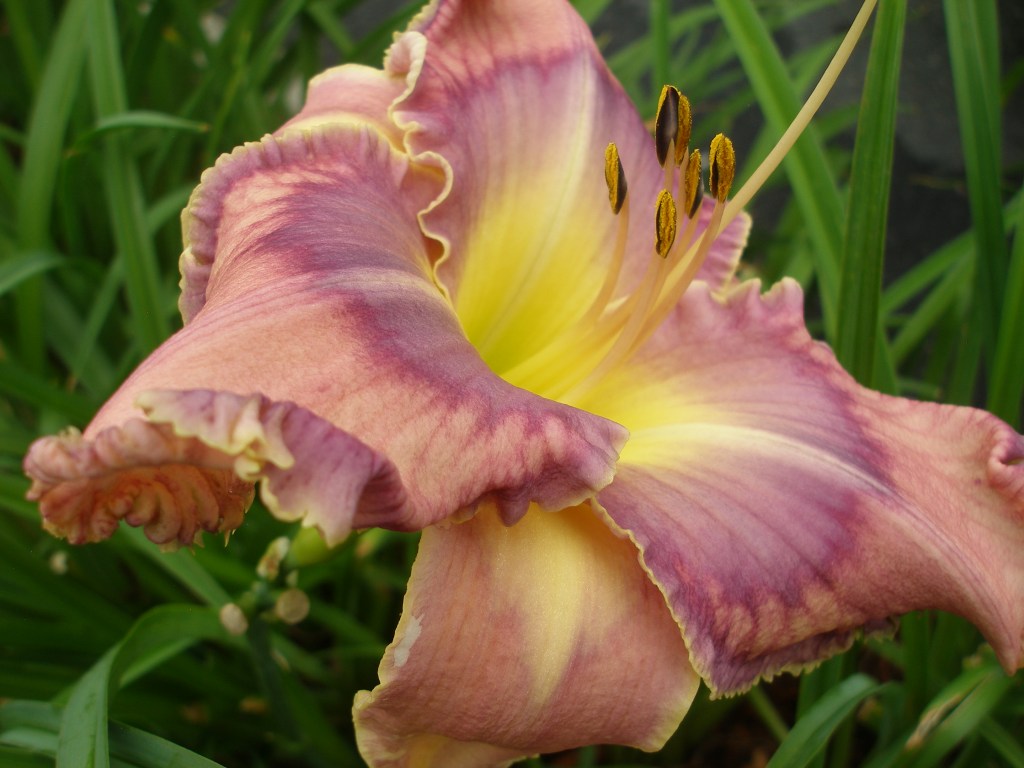
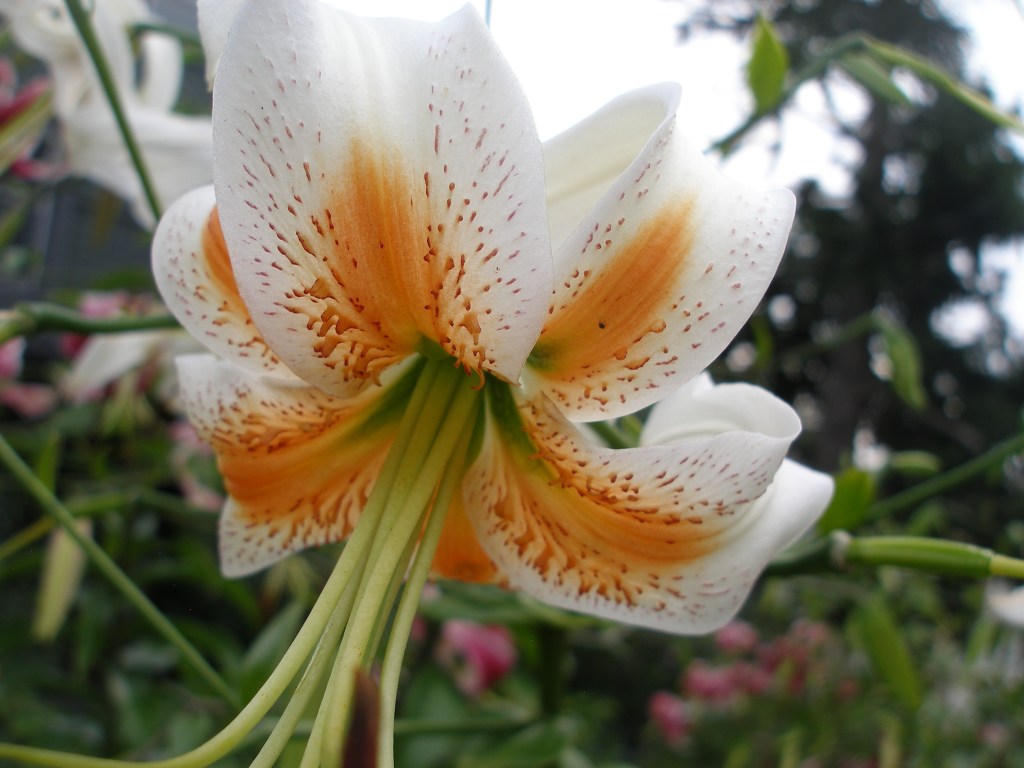
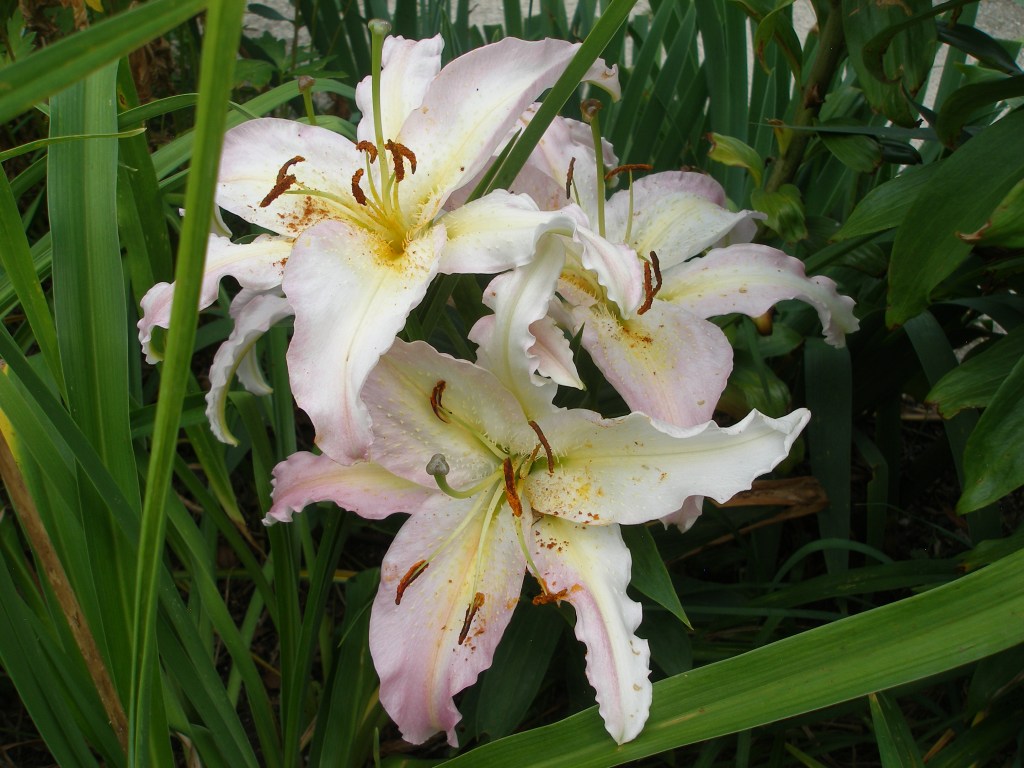
At first, I thought it might be the unusually warm days and all the rain, but lilies, especially the common orange day lilies (not true lilies) that were brought by early European settlers, had long graced my town. Perhaps it was just that specific gardeners had planted lilies where I could not help but notice their joyful spirit.

A woman told me that she was the gardener who had planted all the different lilies in the “hellstrip” by the sidewalk. She told me that she did not own the land where they were planted. I said I was sure the town would not mind, especially as she had carefully added stakes to keep the riot of color and form from flopping out into the street.