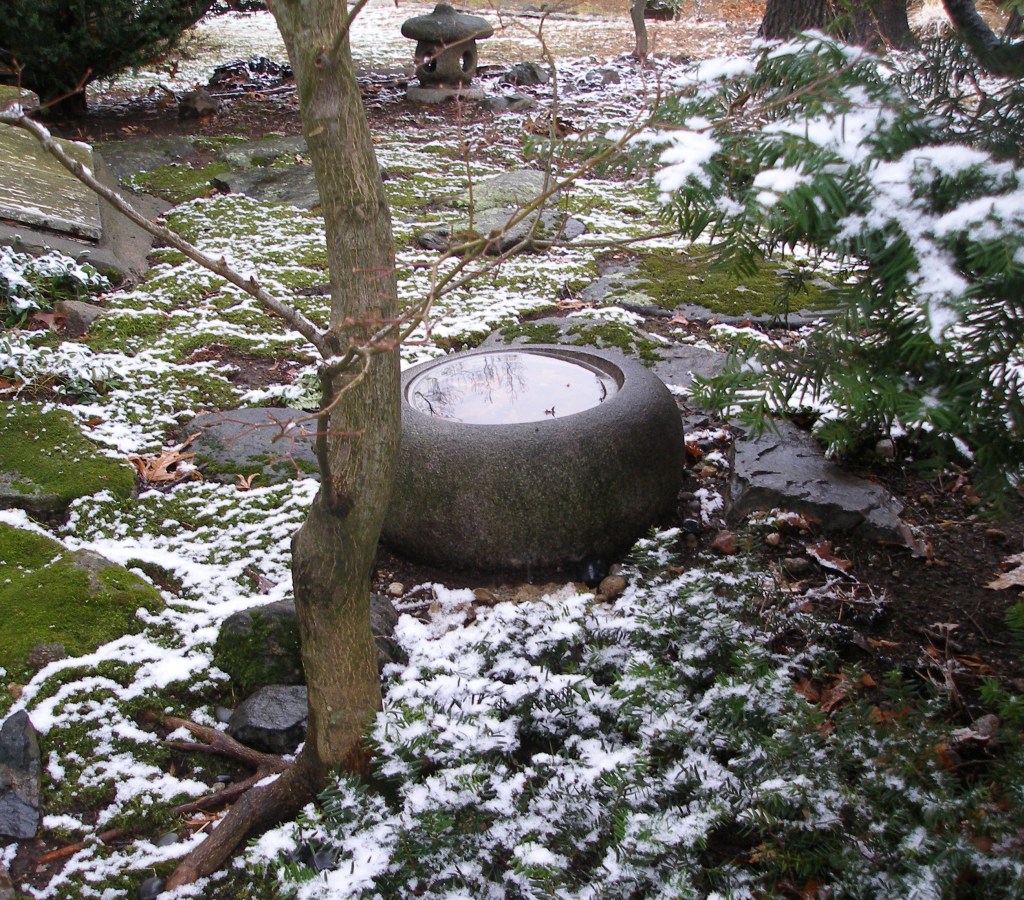
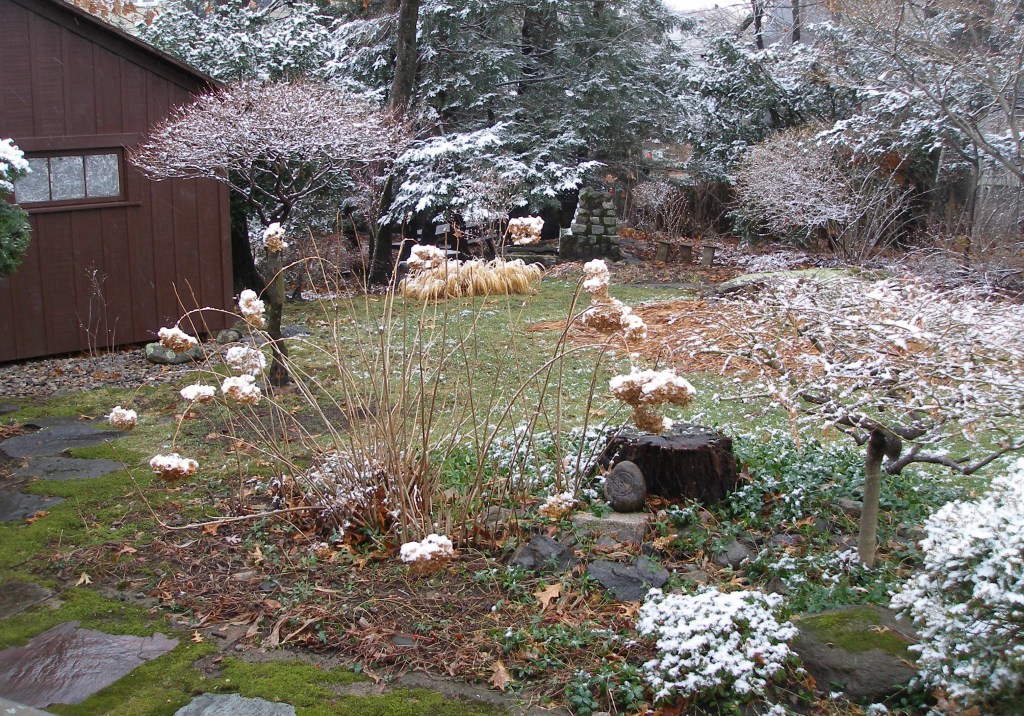
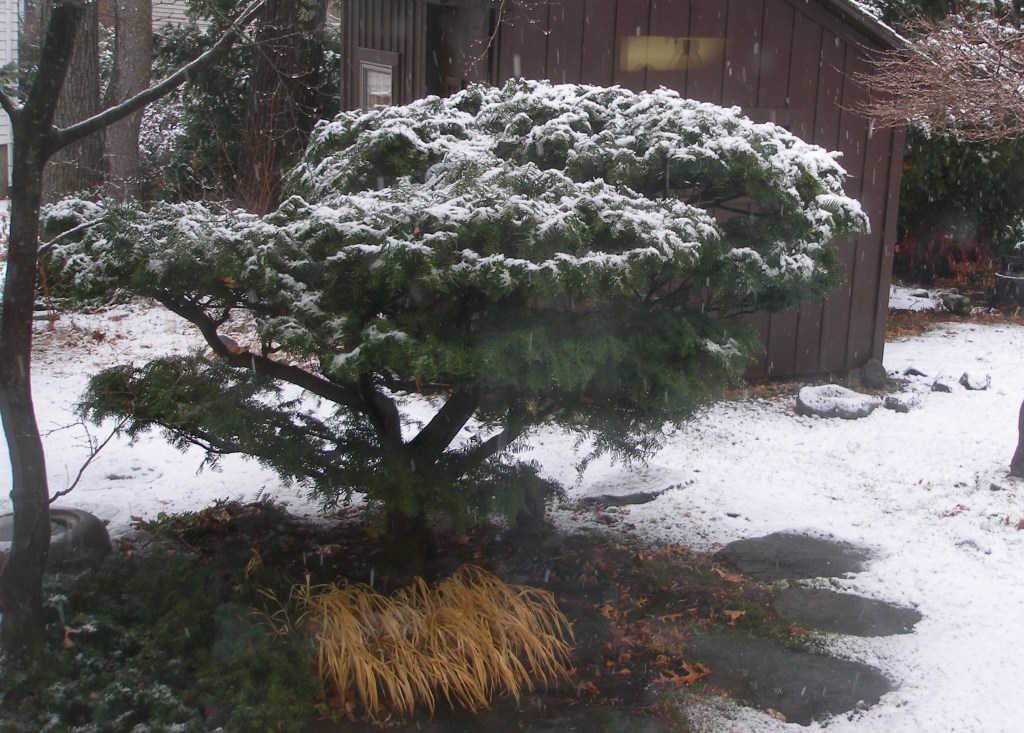
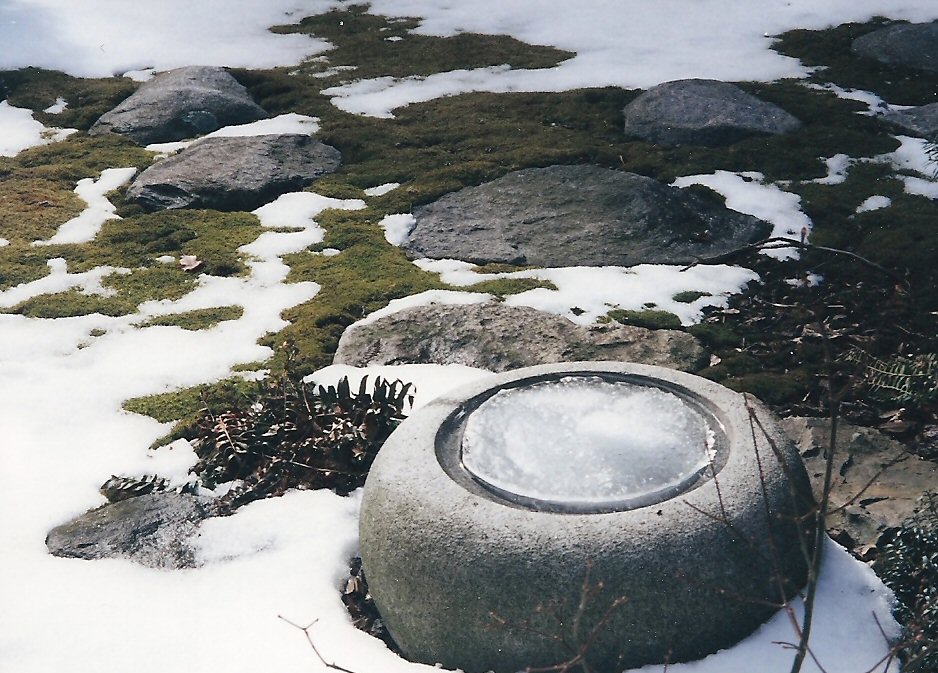
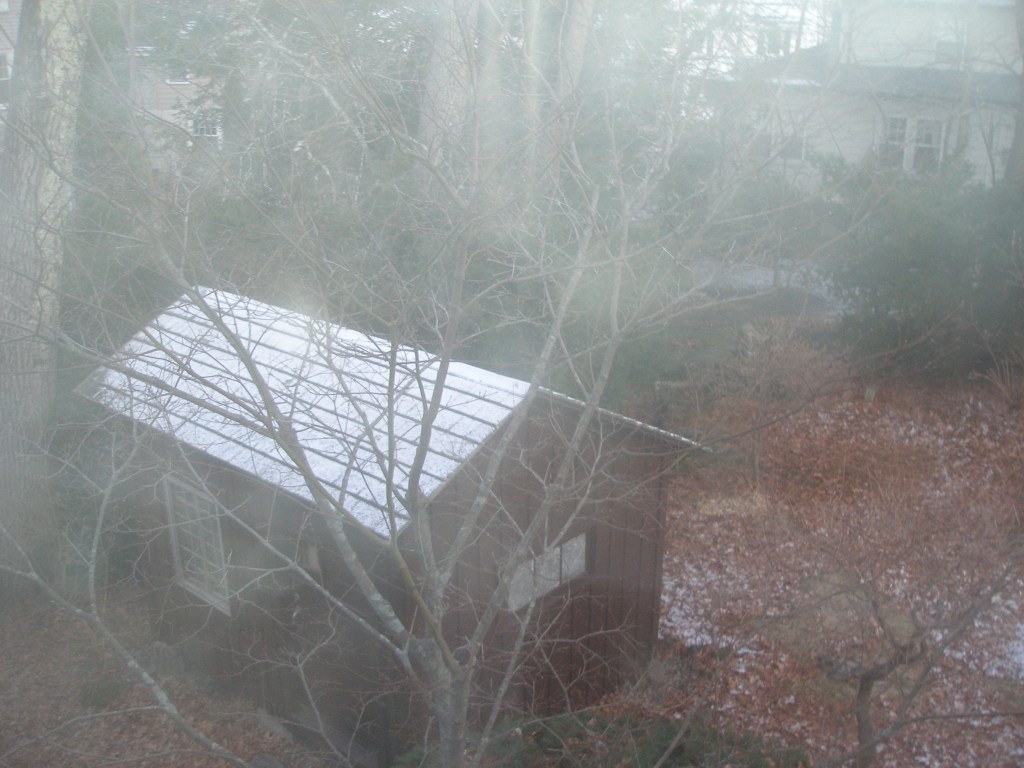
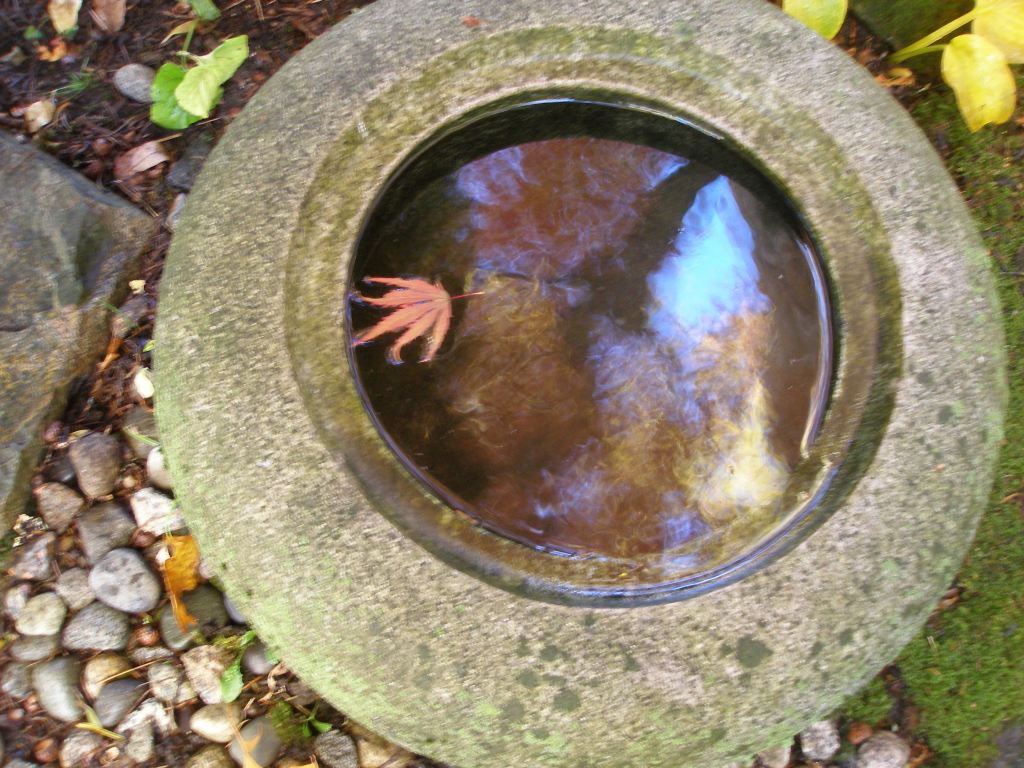
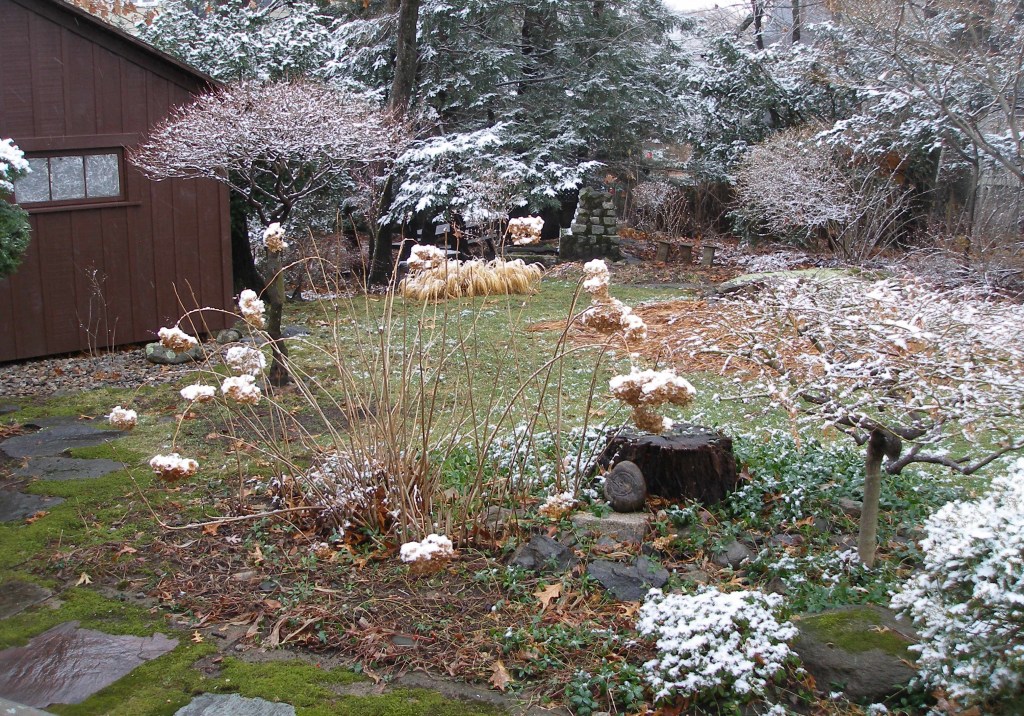
In a recent talk I gave about Japanese gardens, I did not include many snow images – just the wonderful results of a very light light dusting, and moss peaking out from snow as it melted around a water basin.
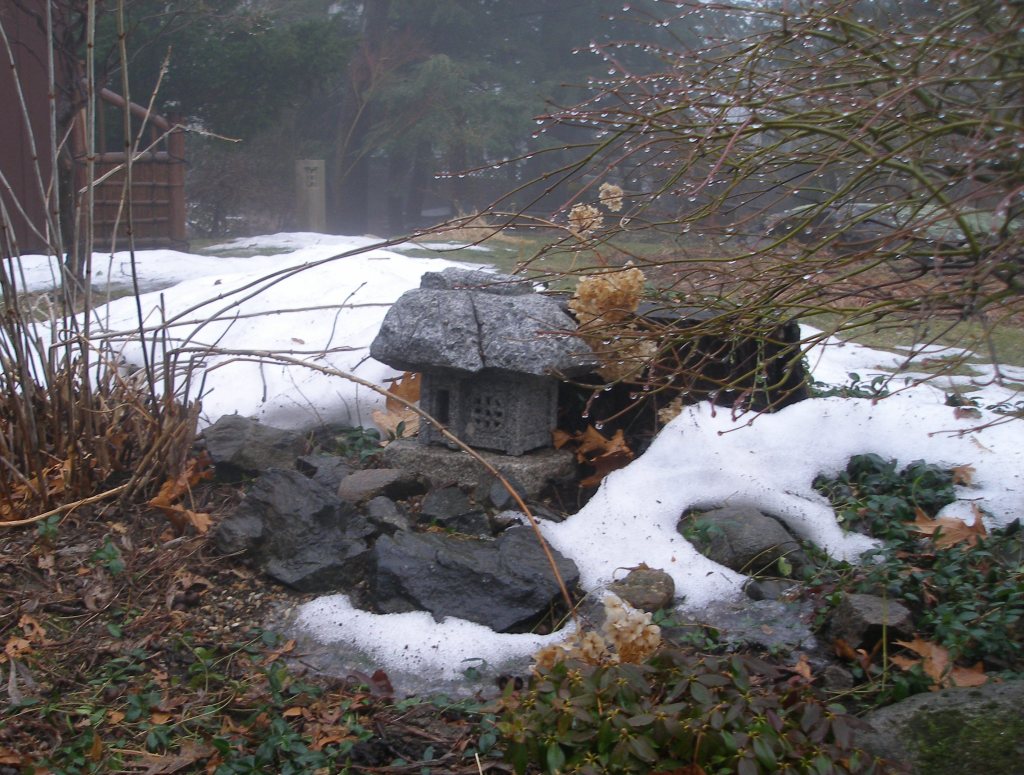
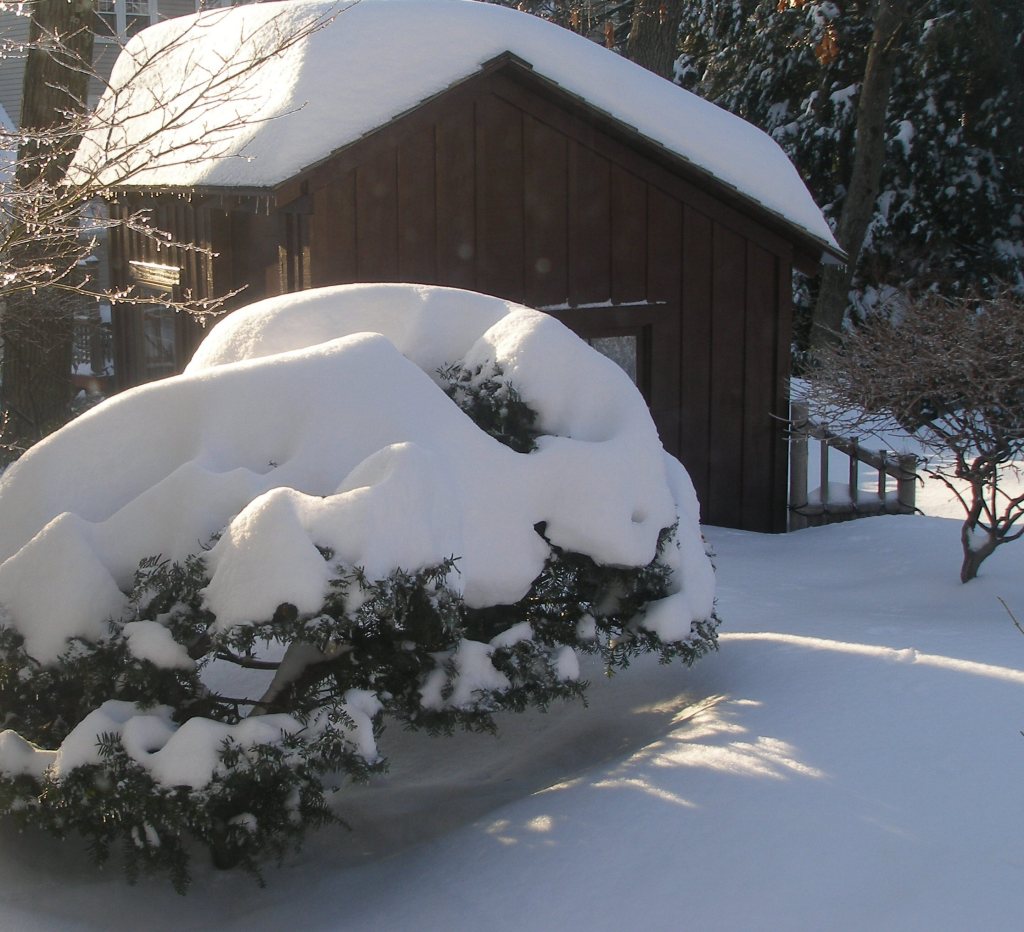
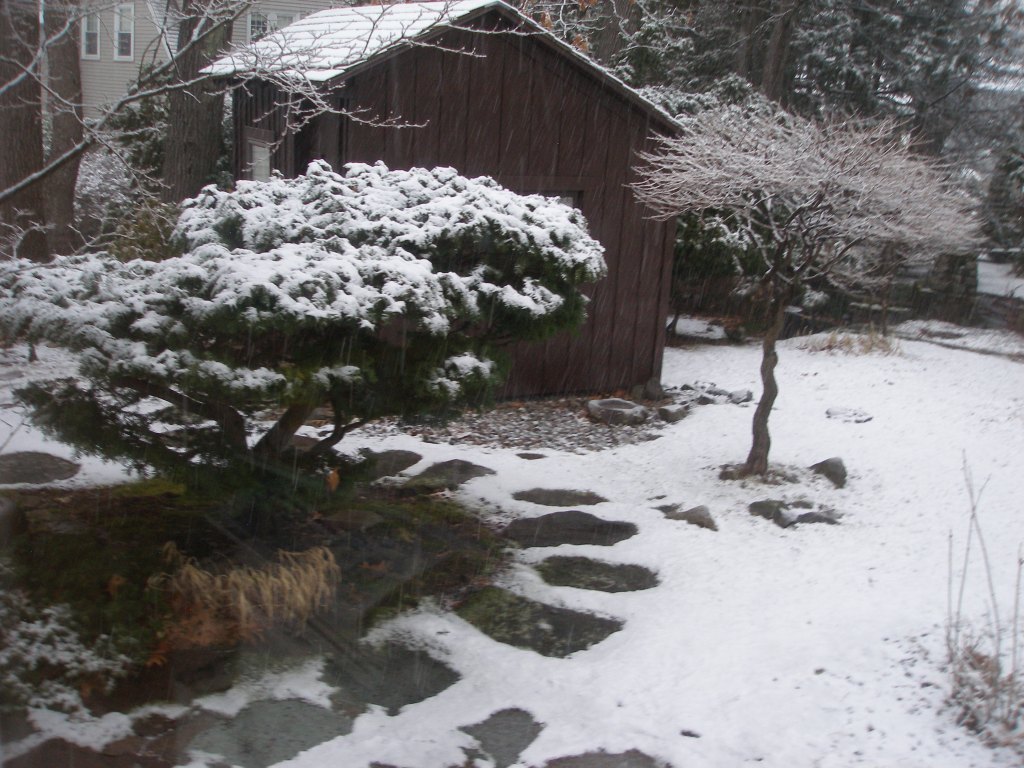
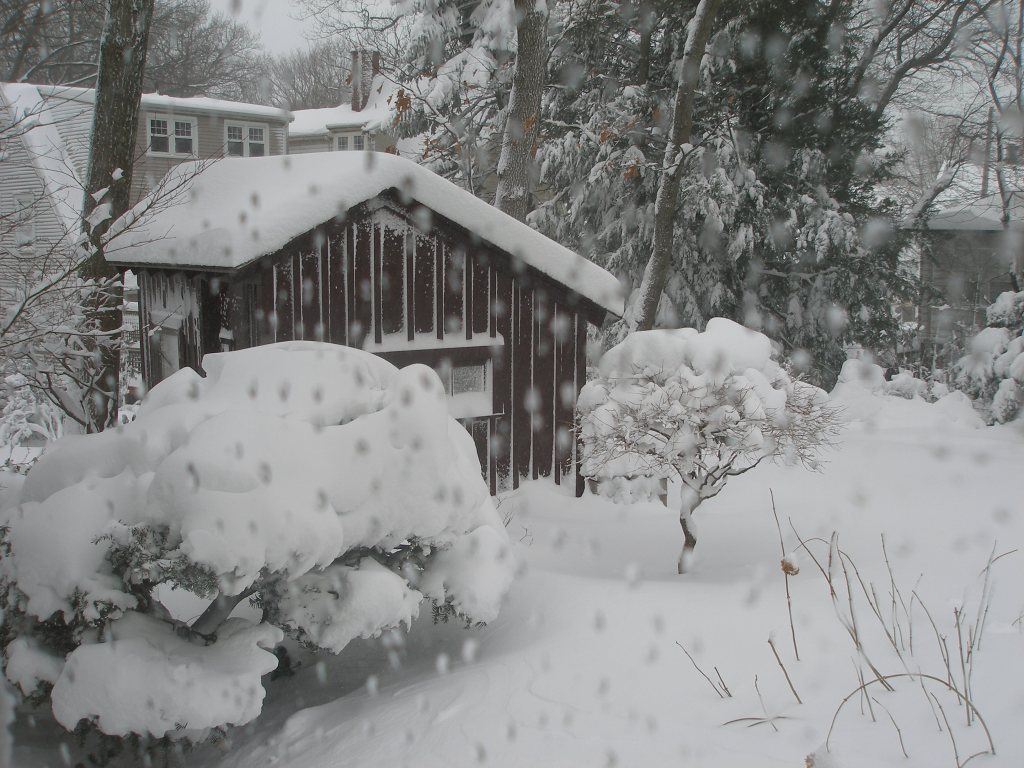
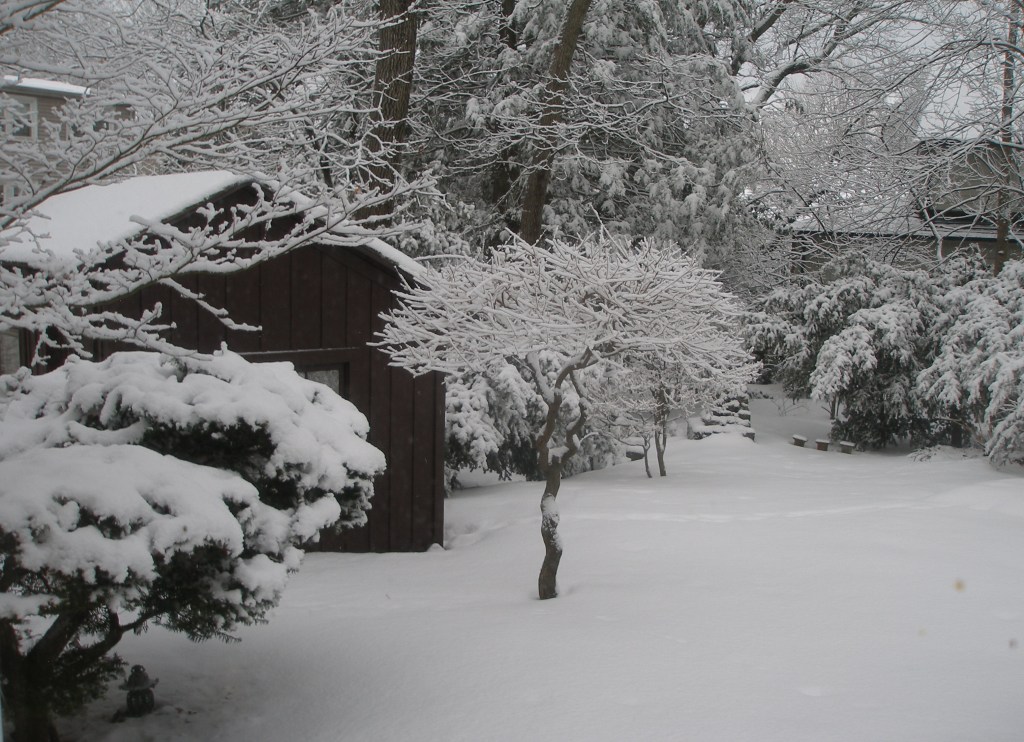
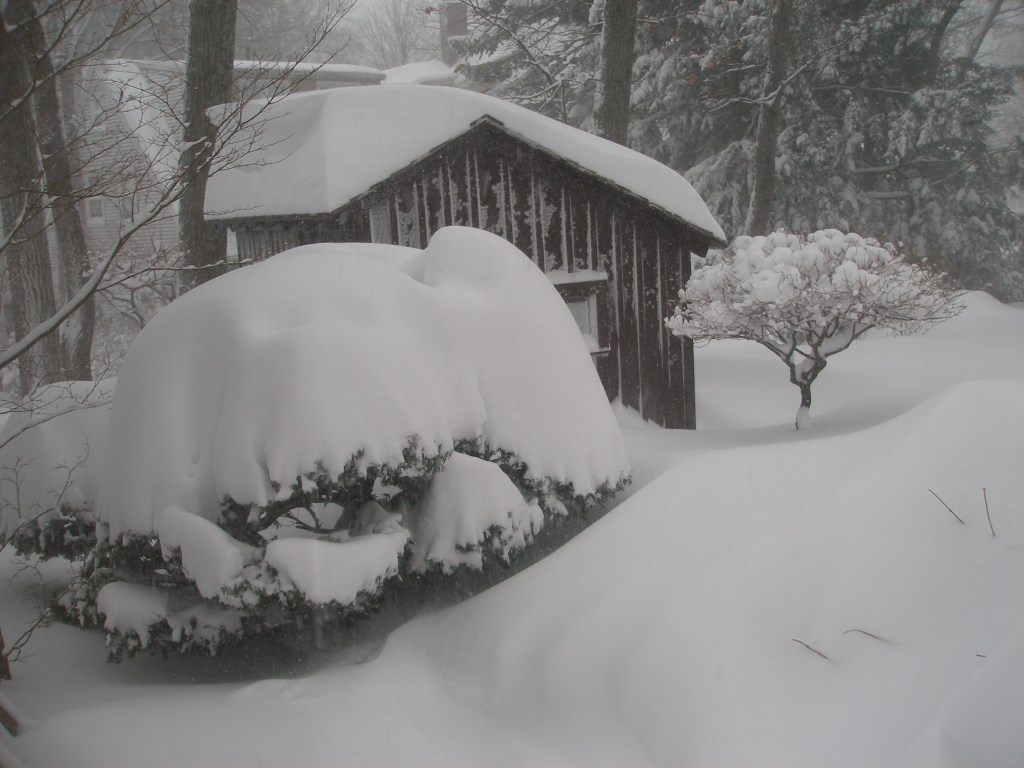
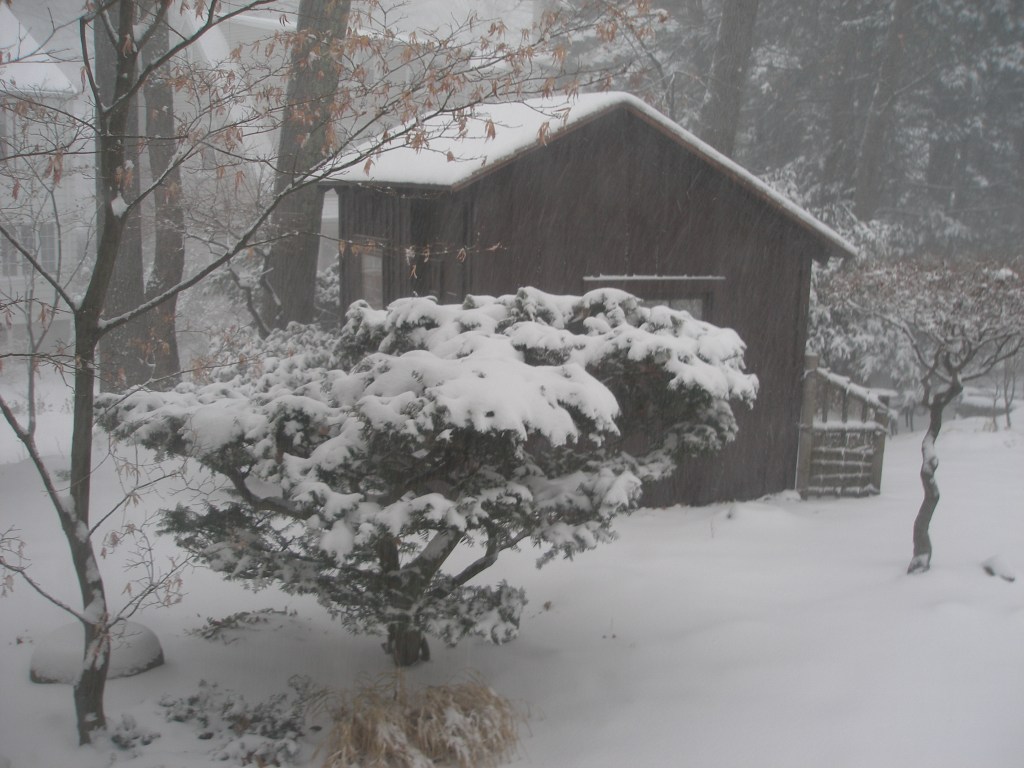
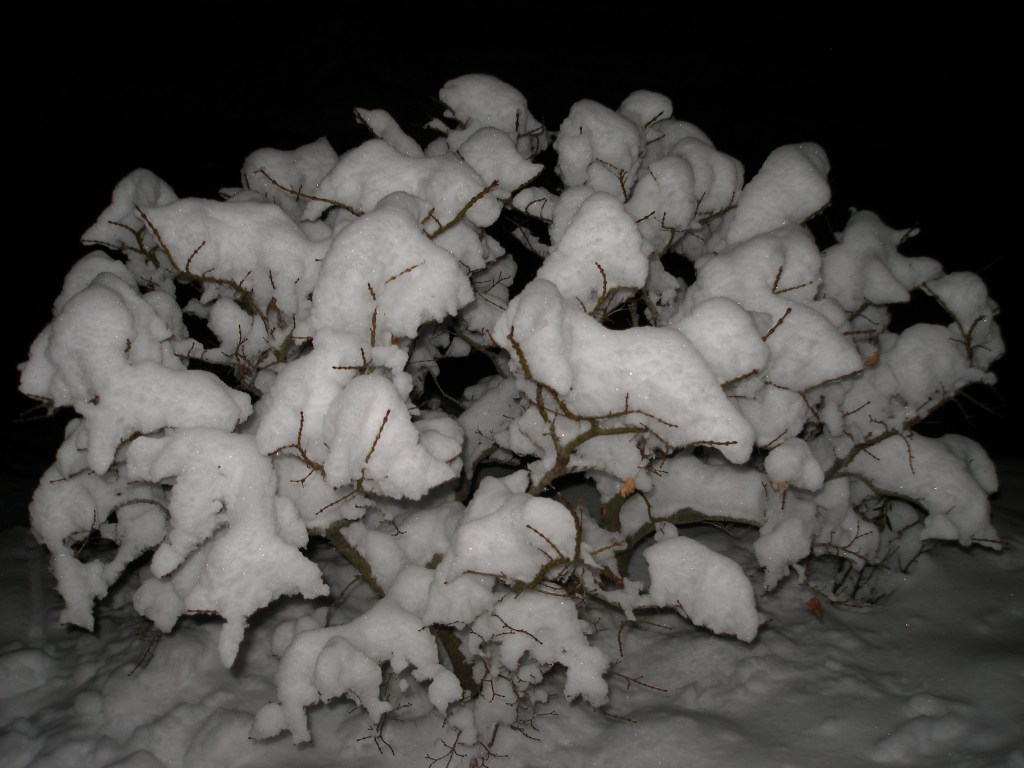
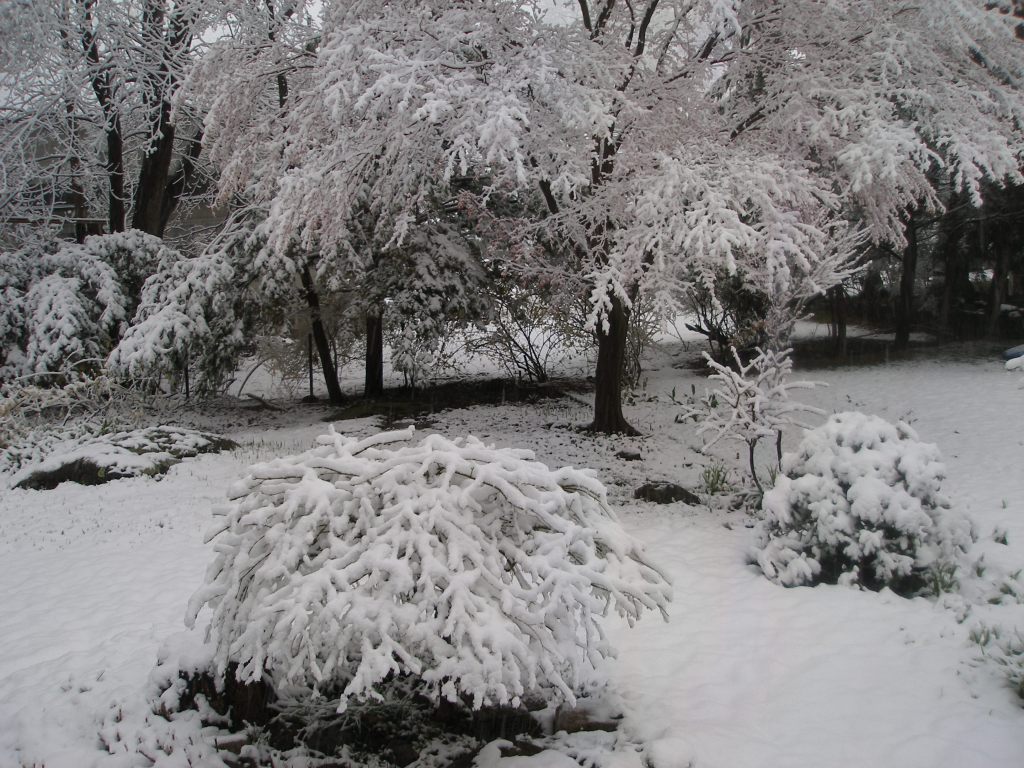
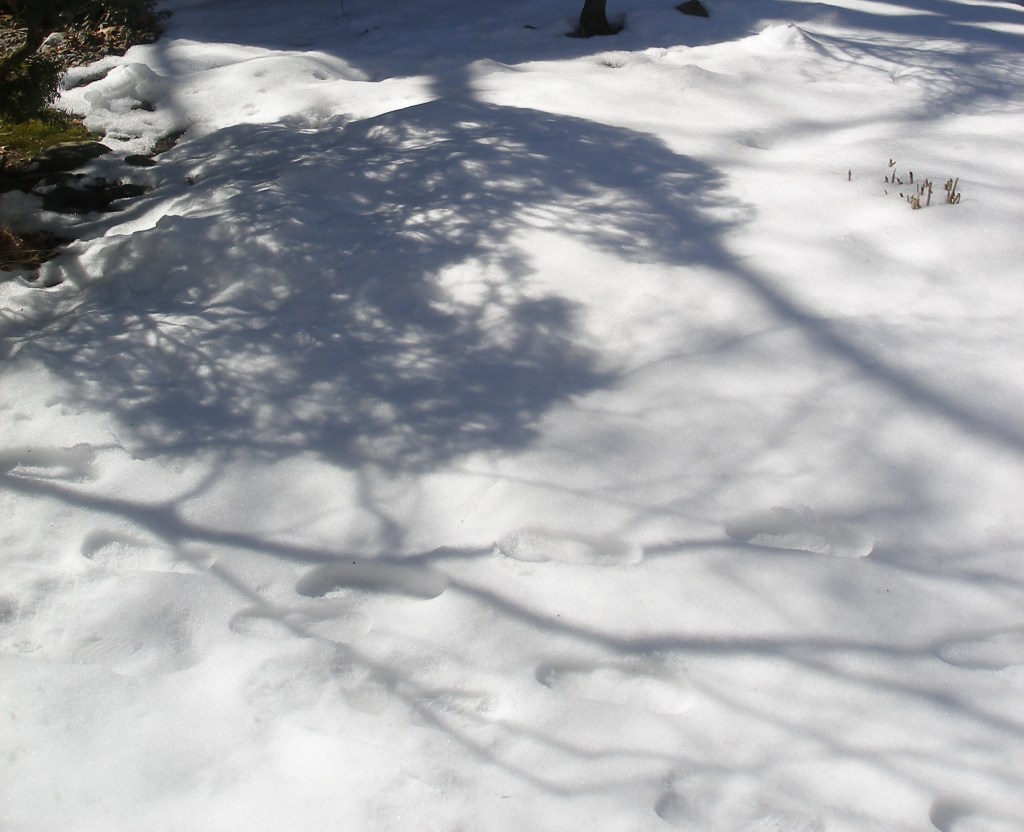
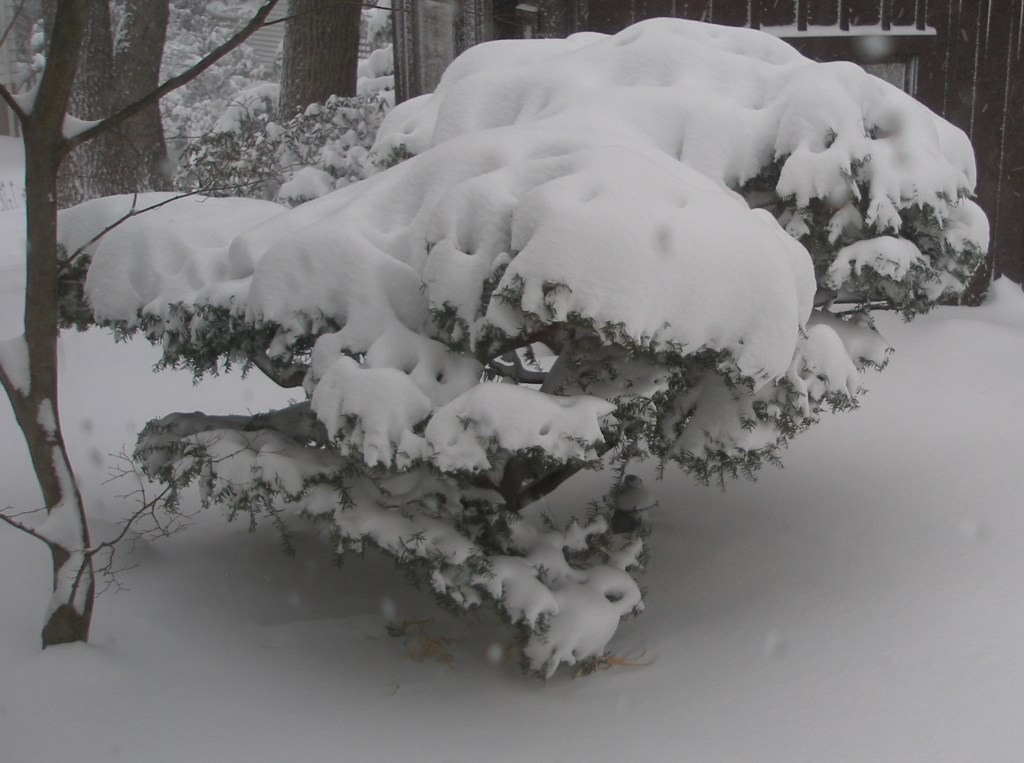
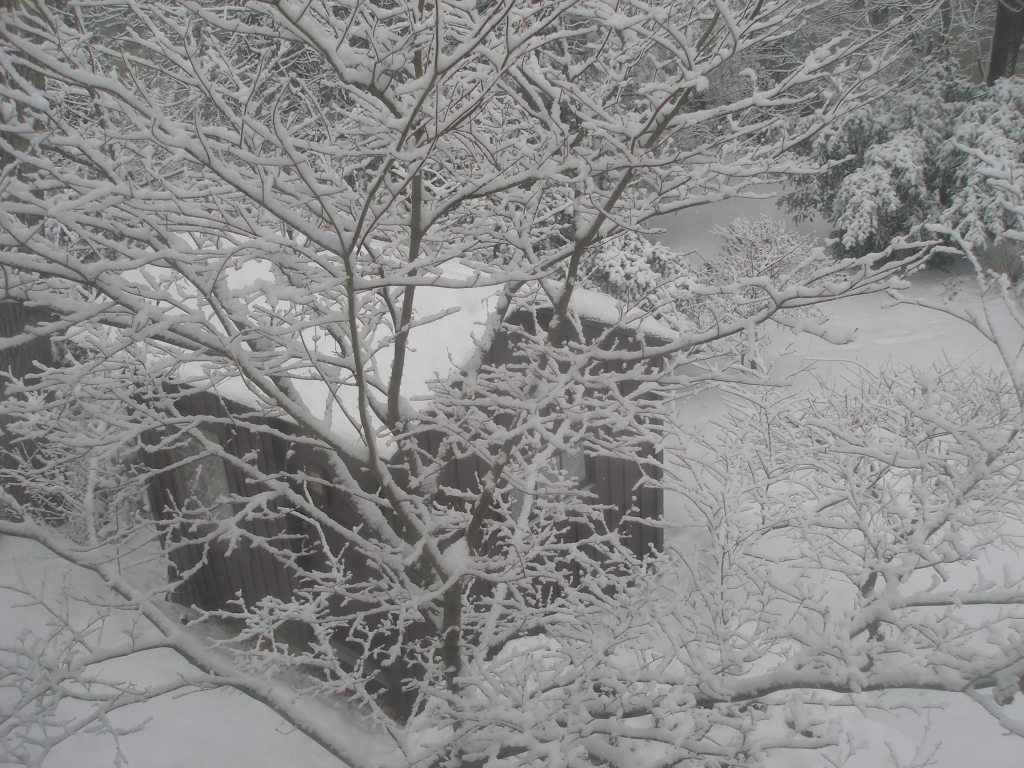
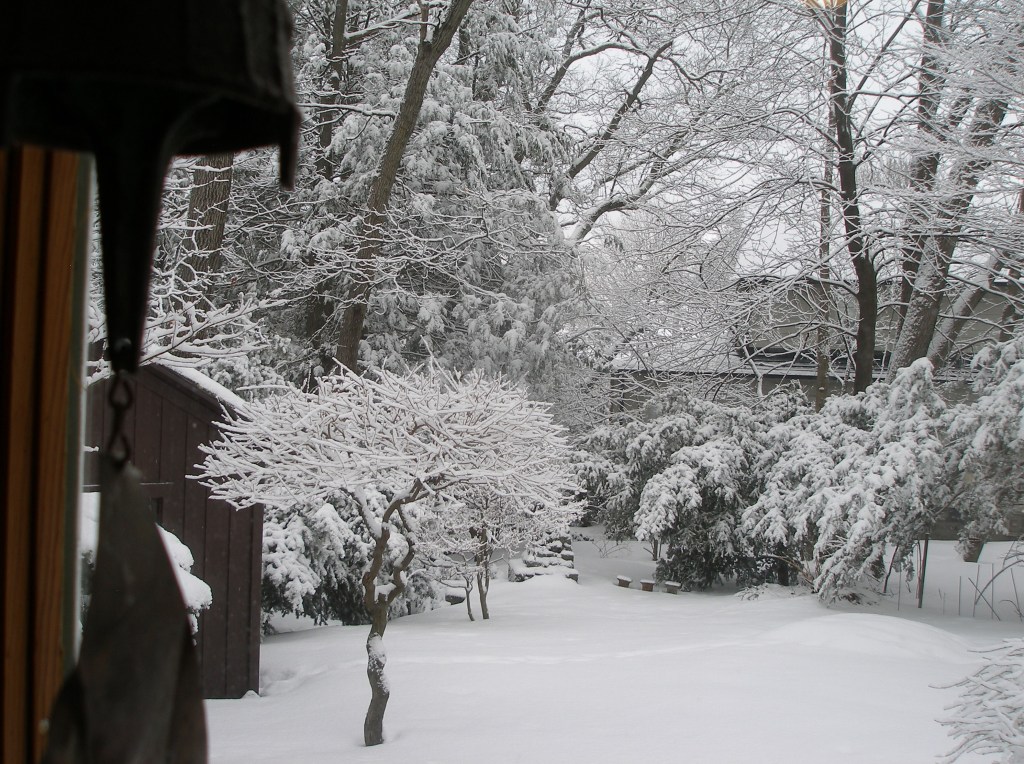
Reviewing photos of my Japanese inspired tea garden, I found a variety of different effects from delicate “snow blossoms” to deep mounds of snow left by blizzards.
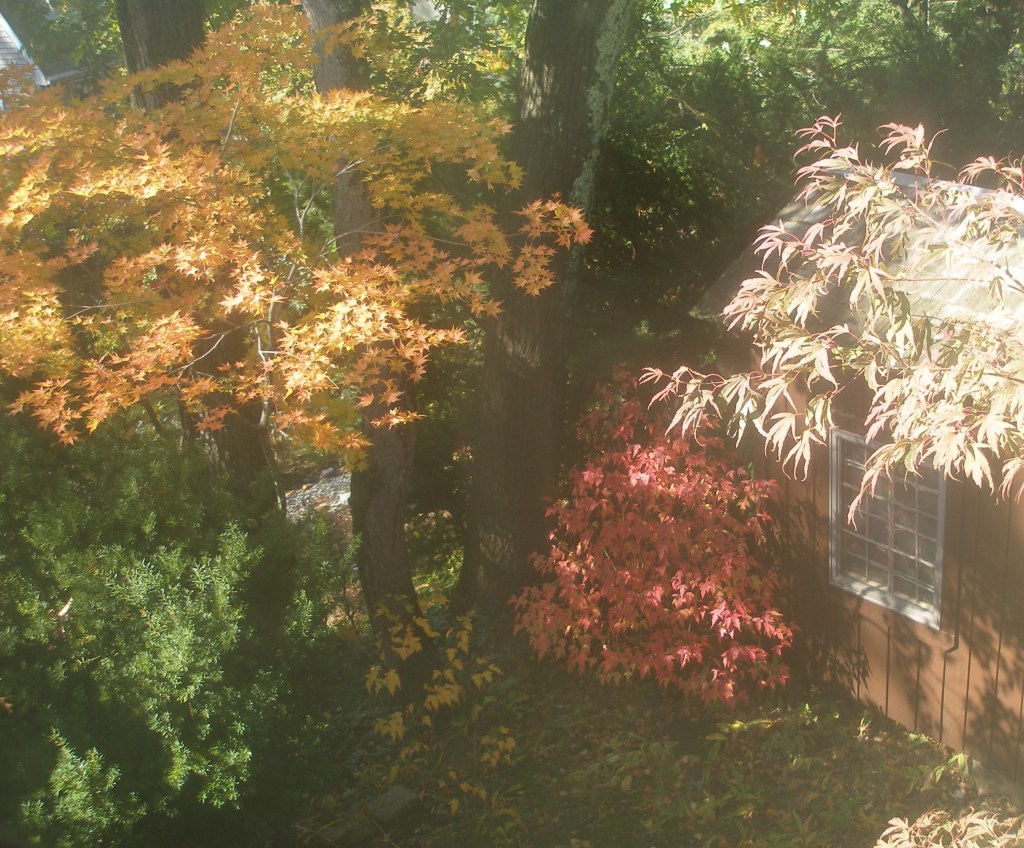
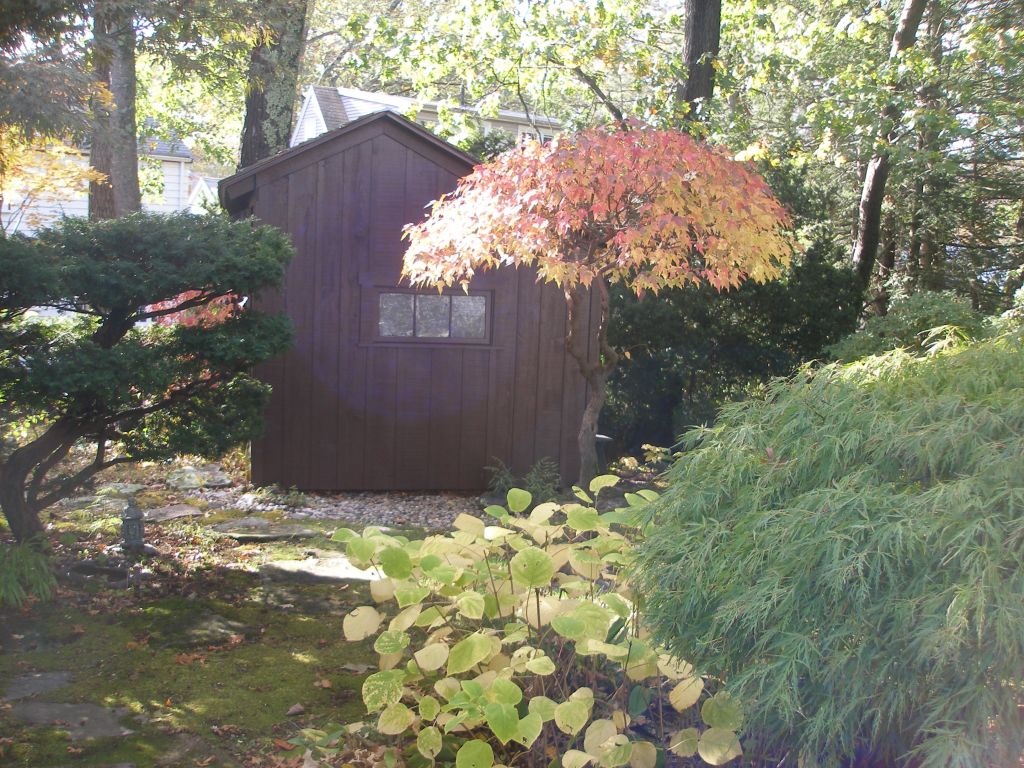
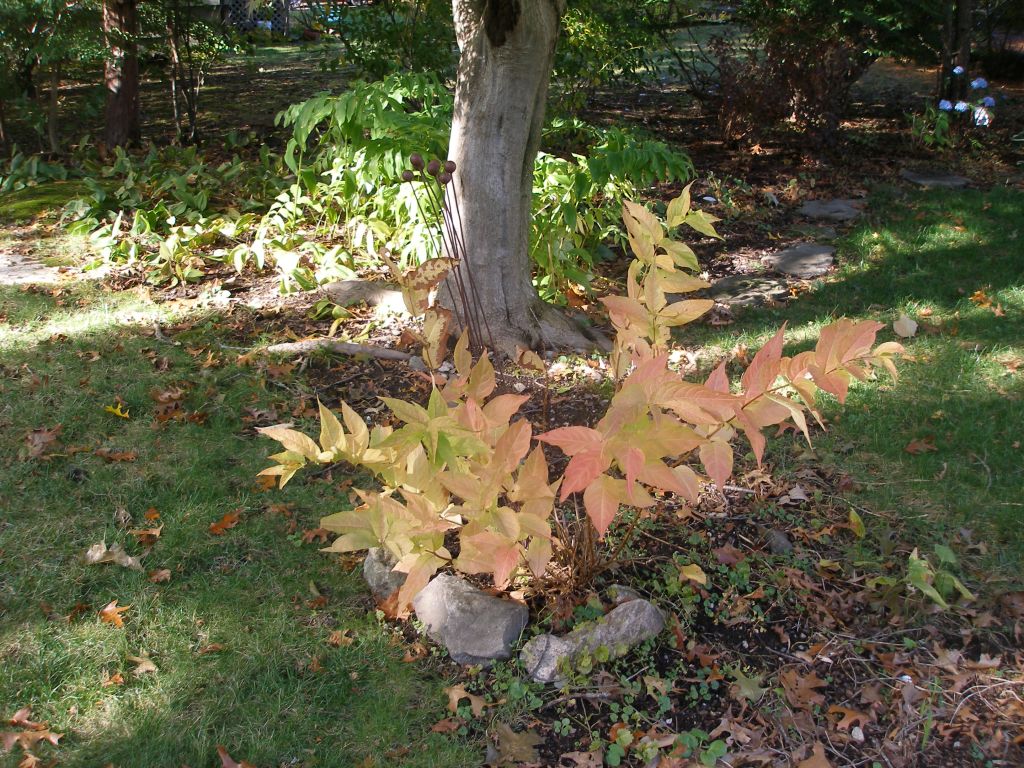
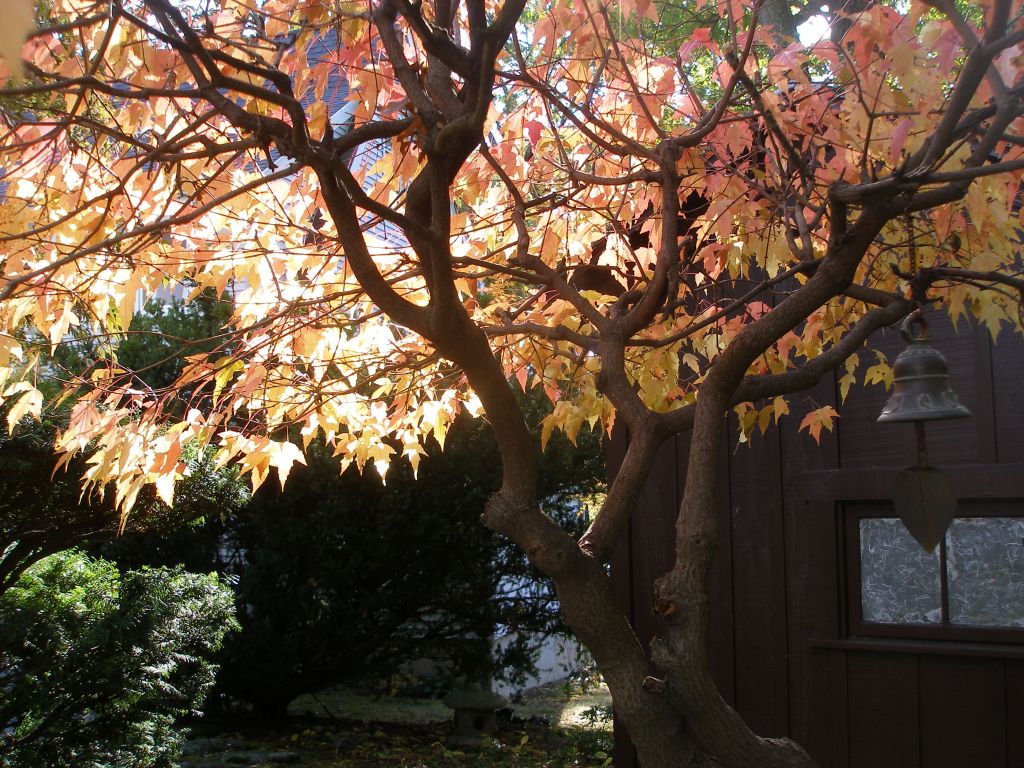
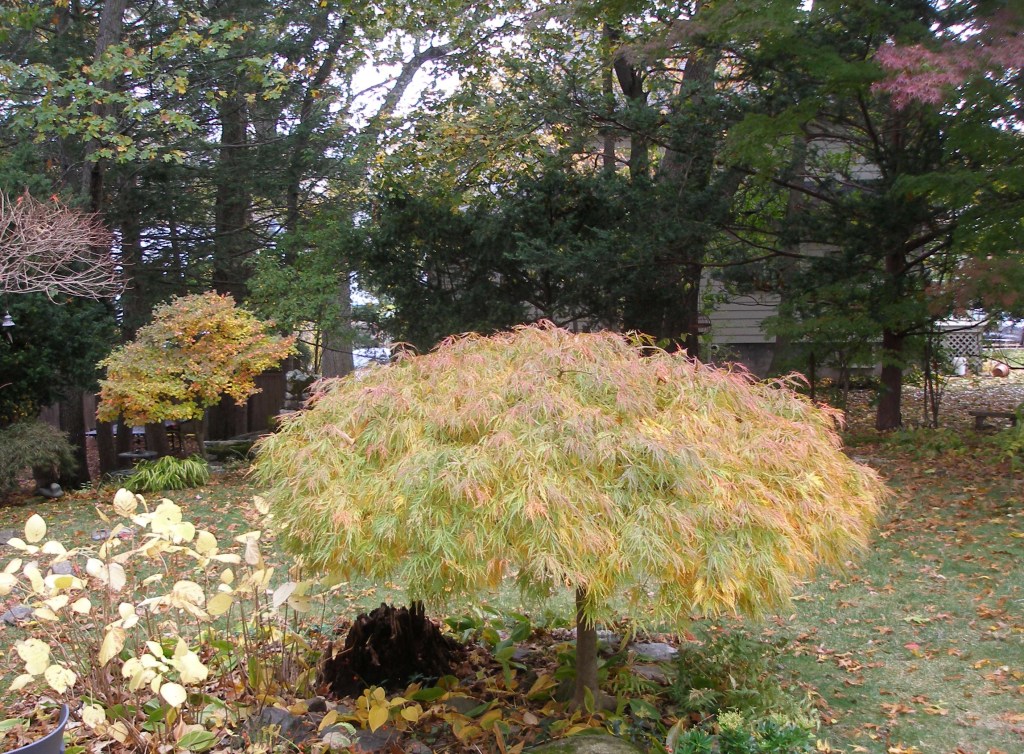
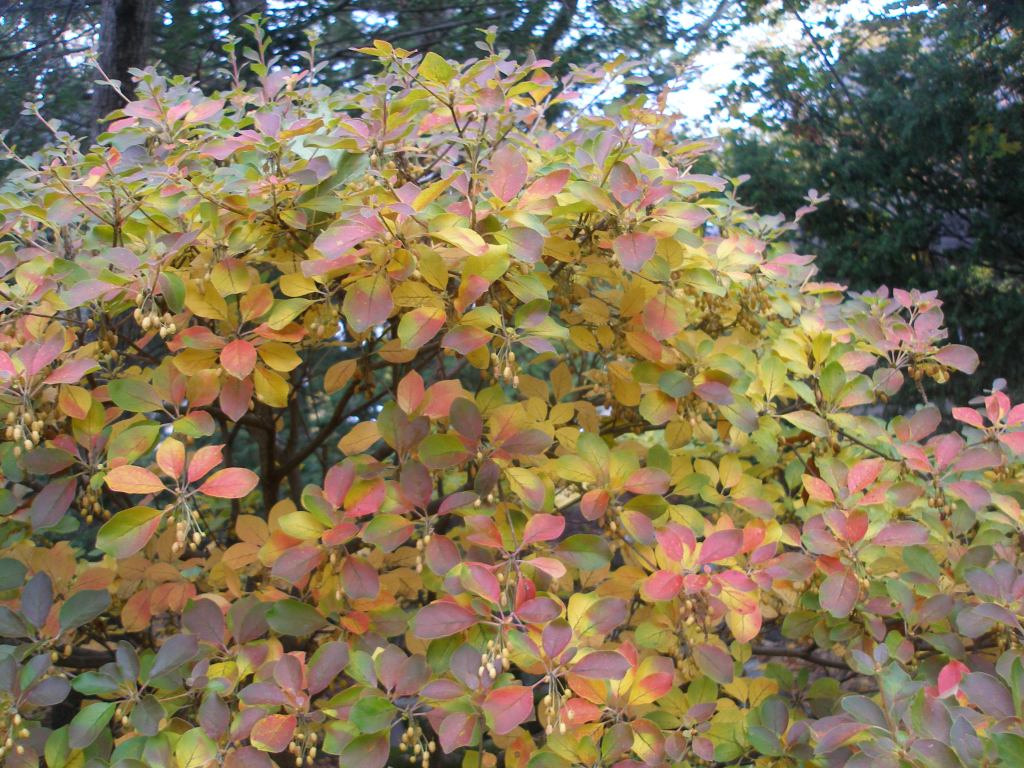
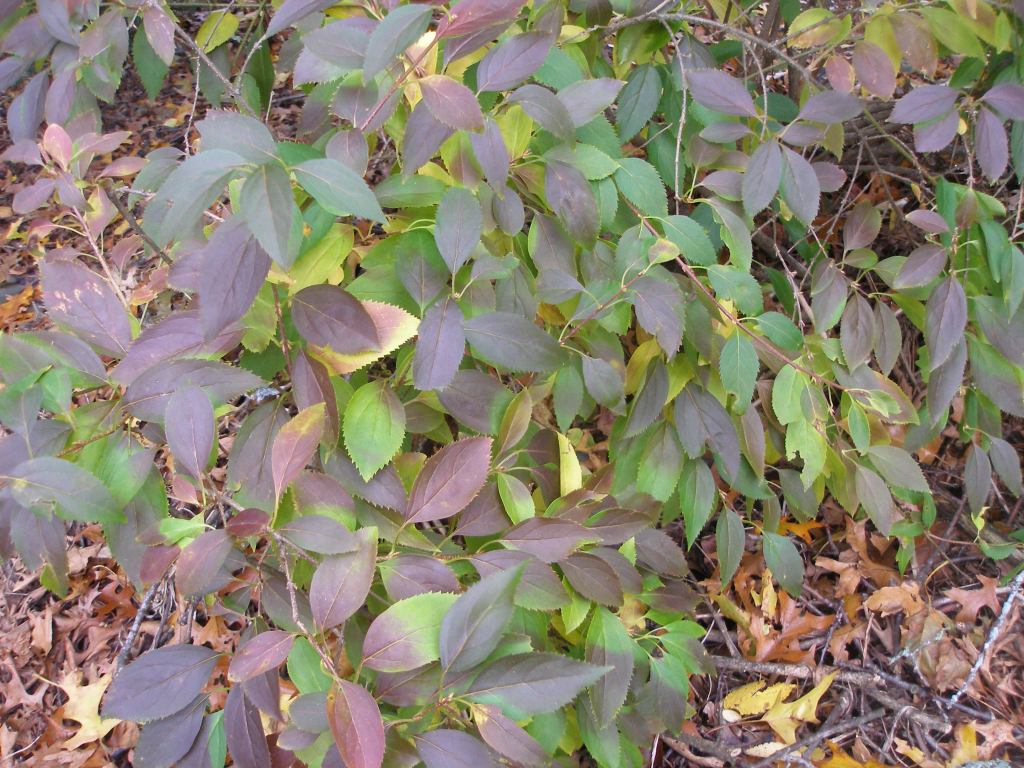
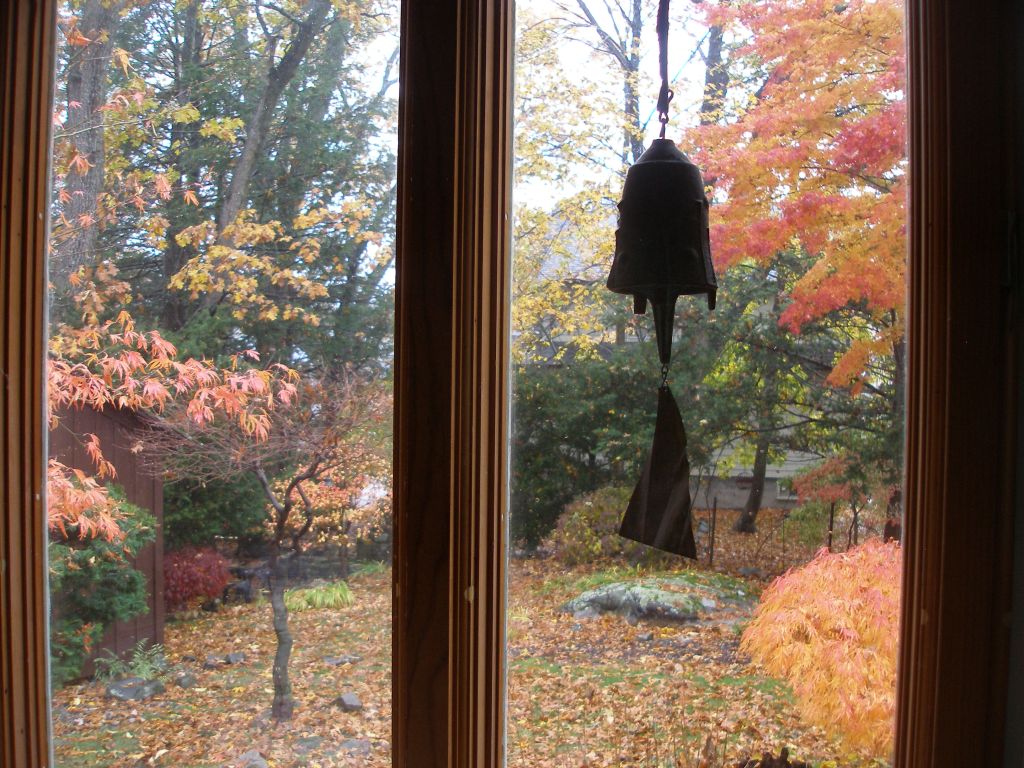
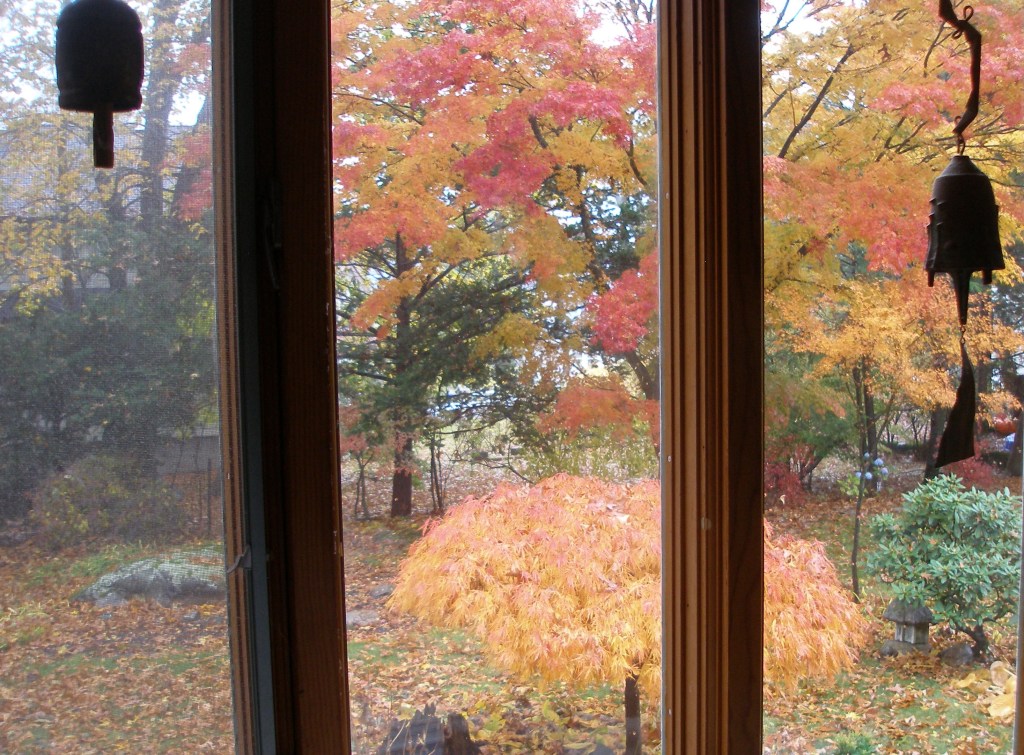
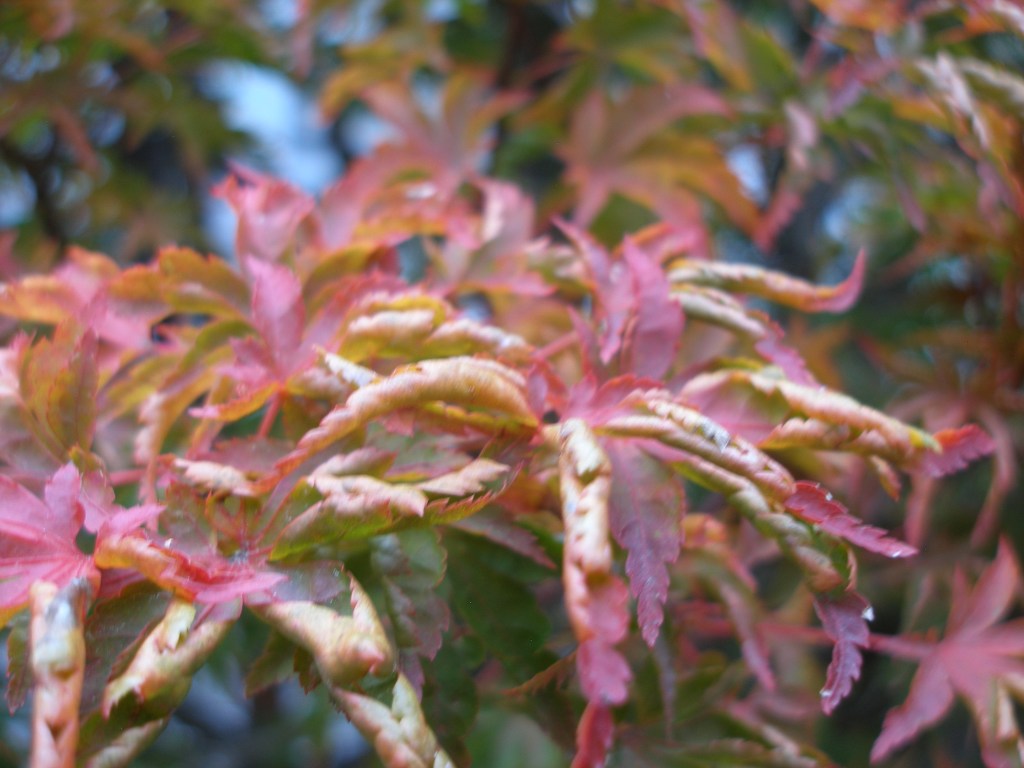
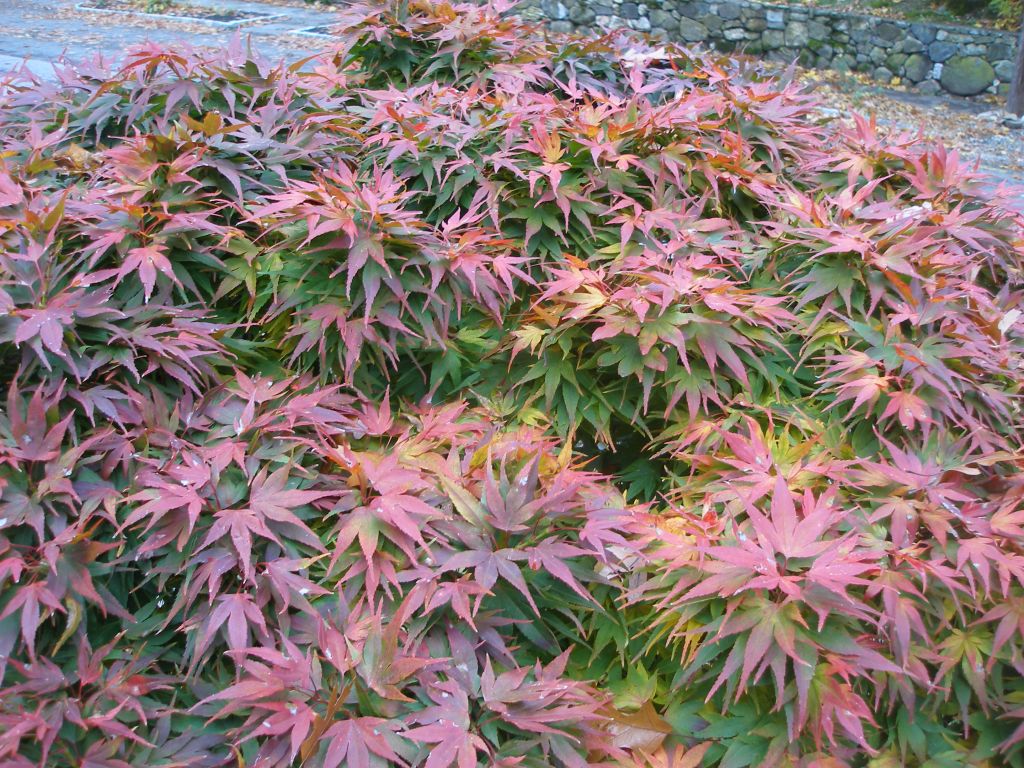
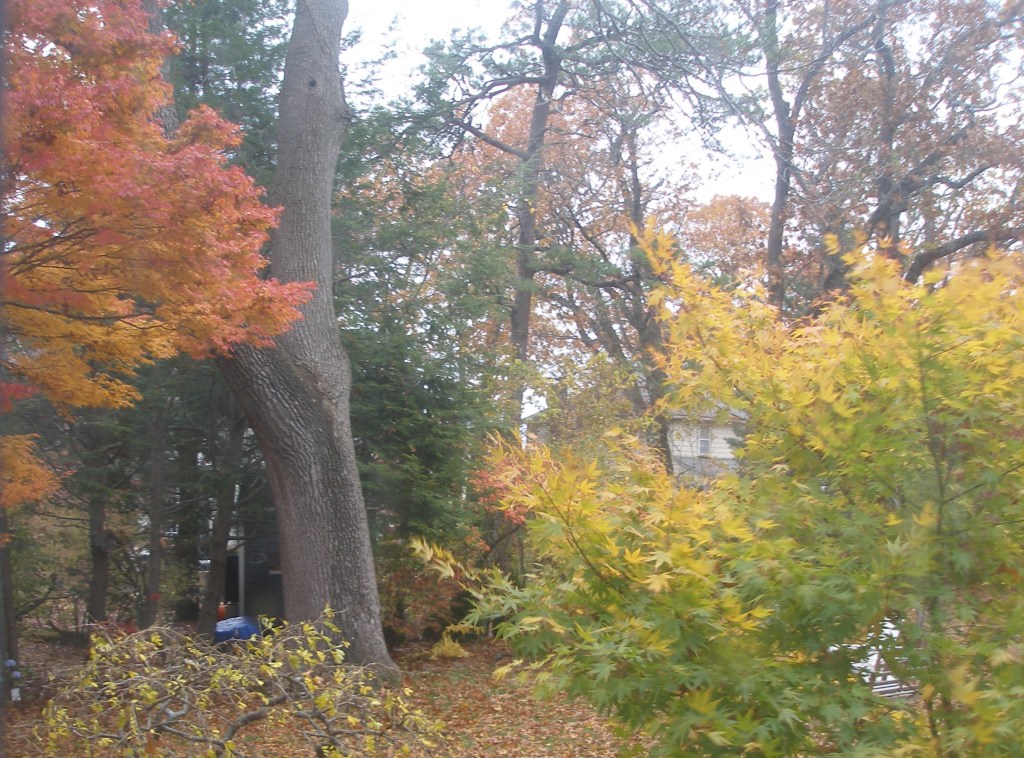
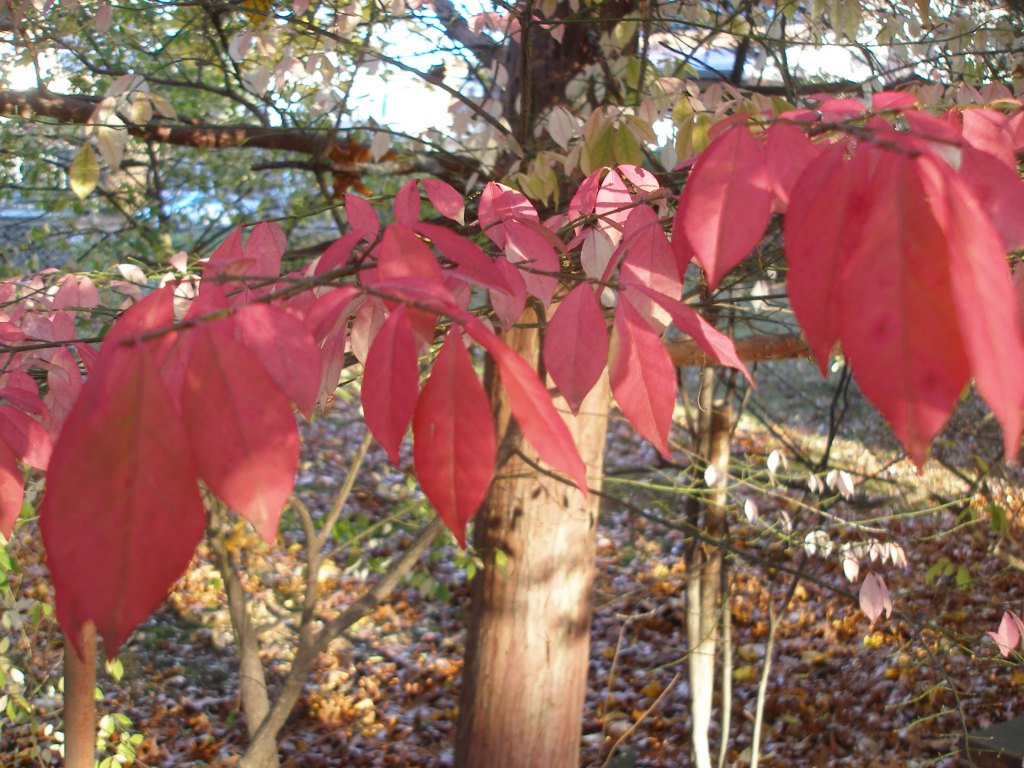
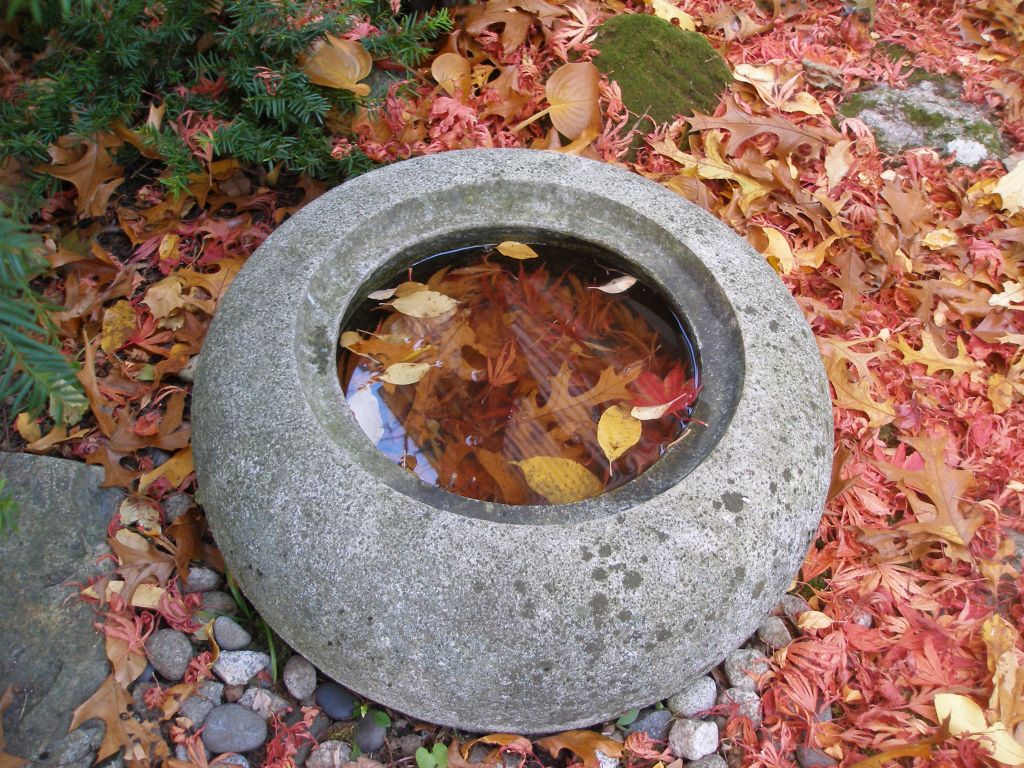
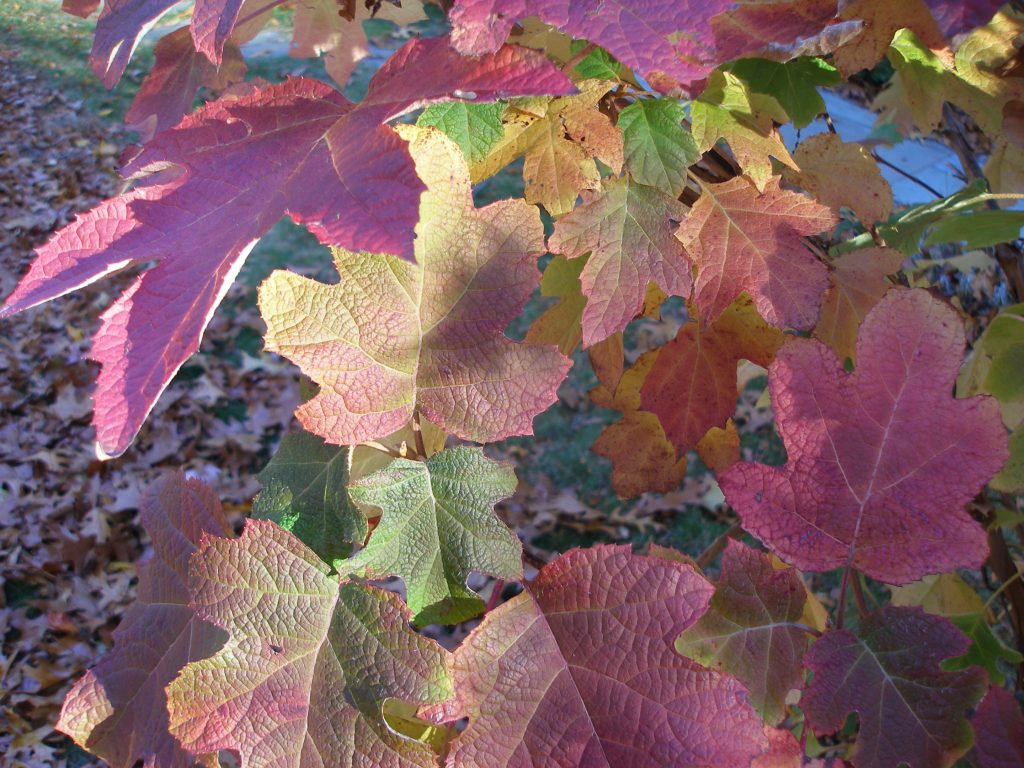
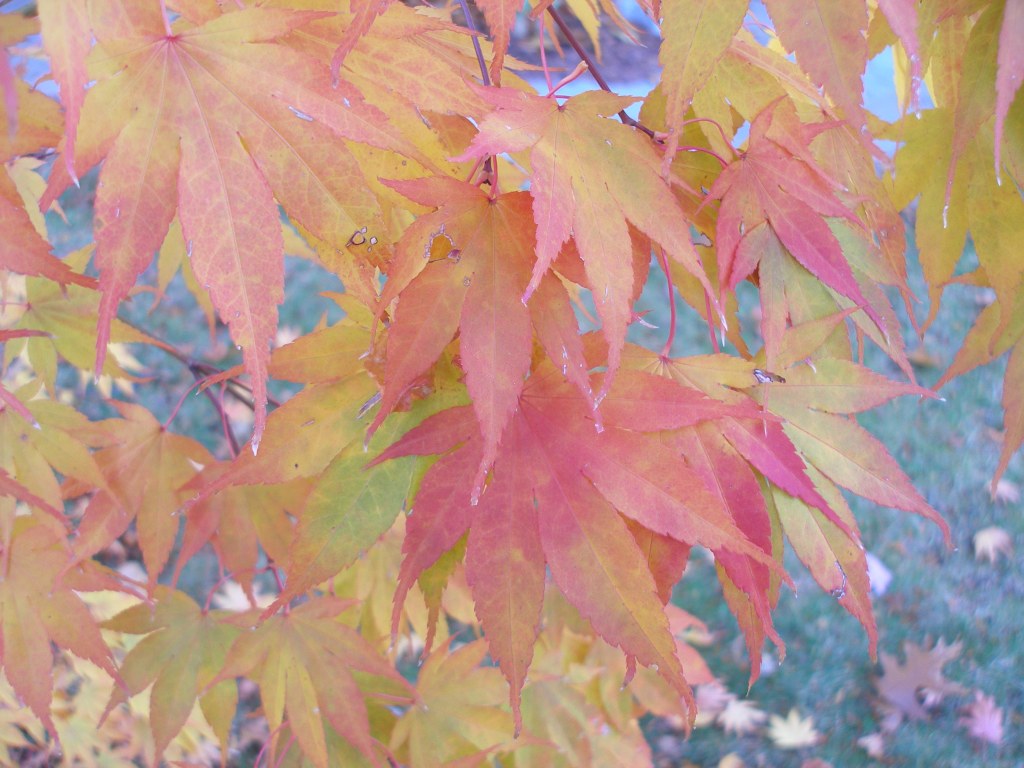
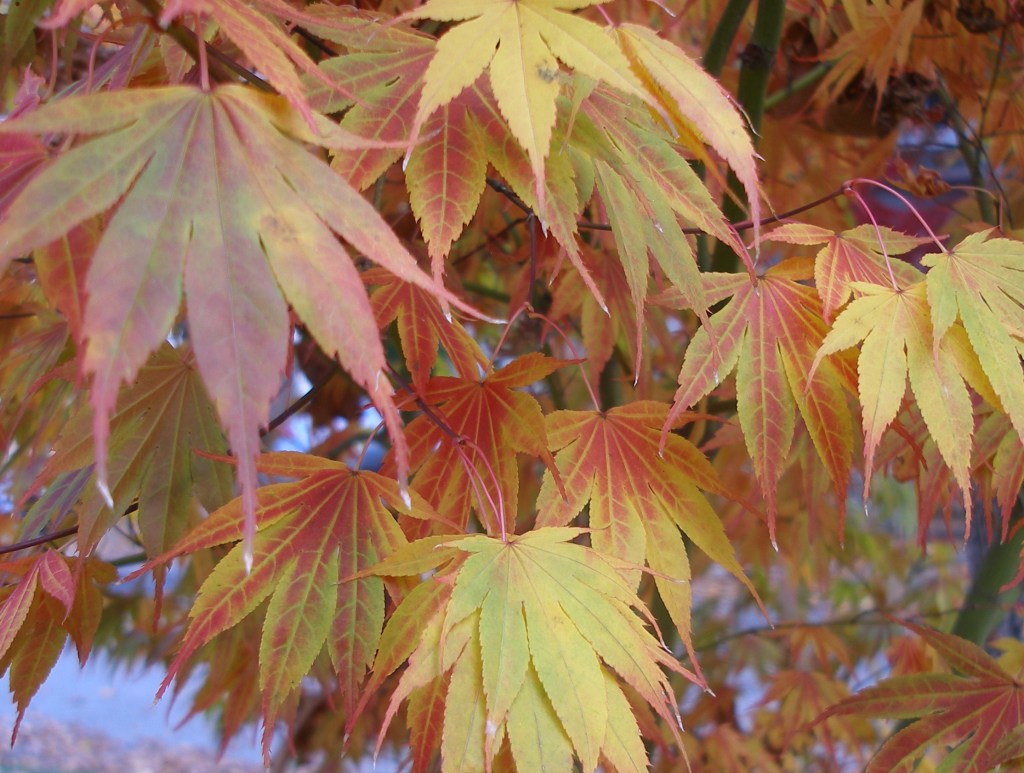
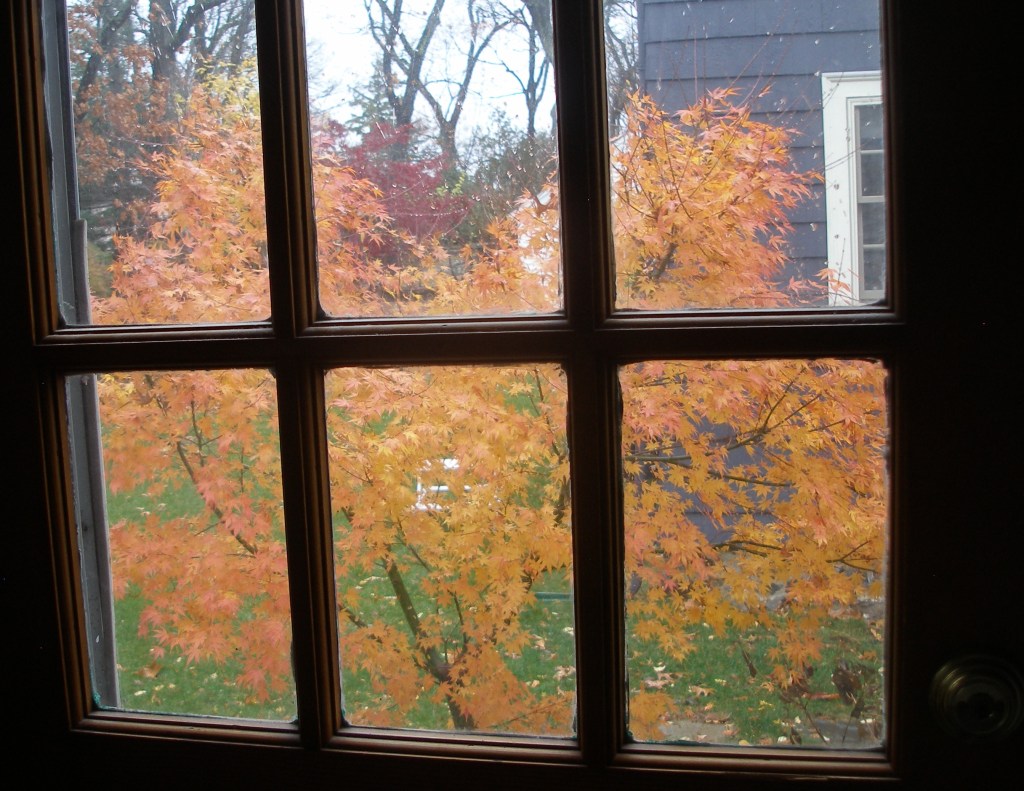
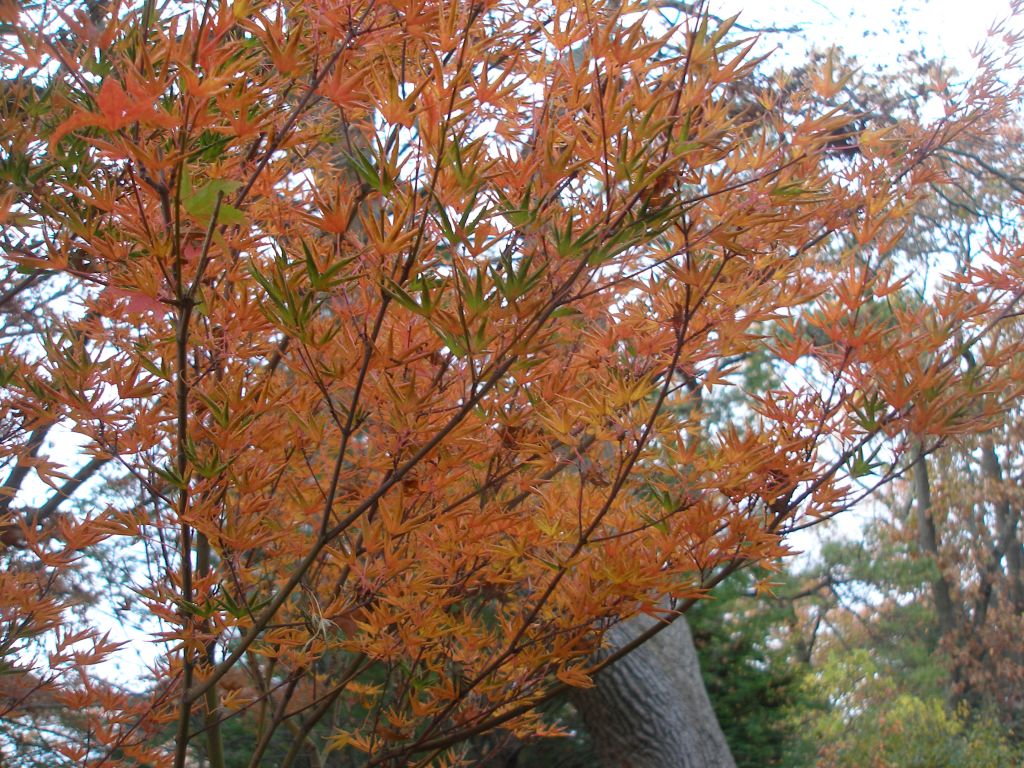
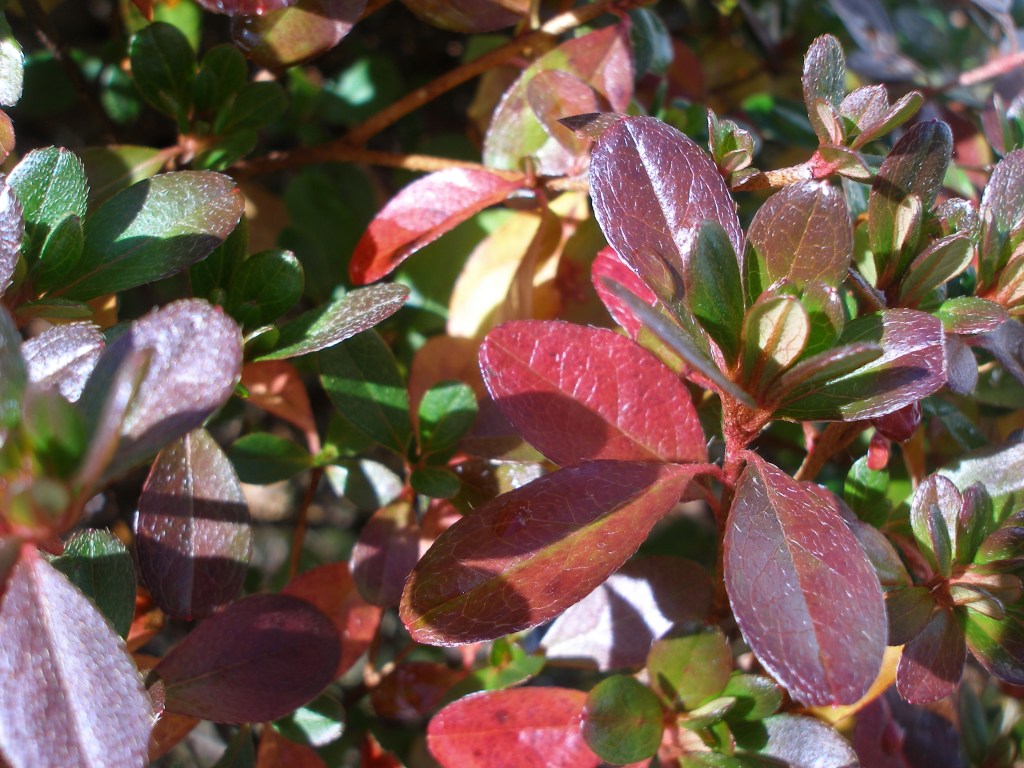
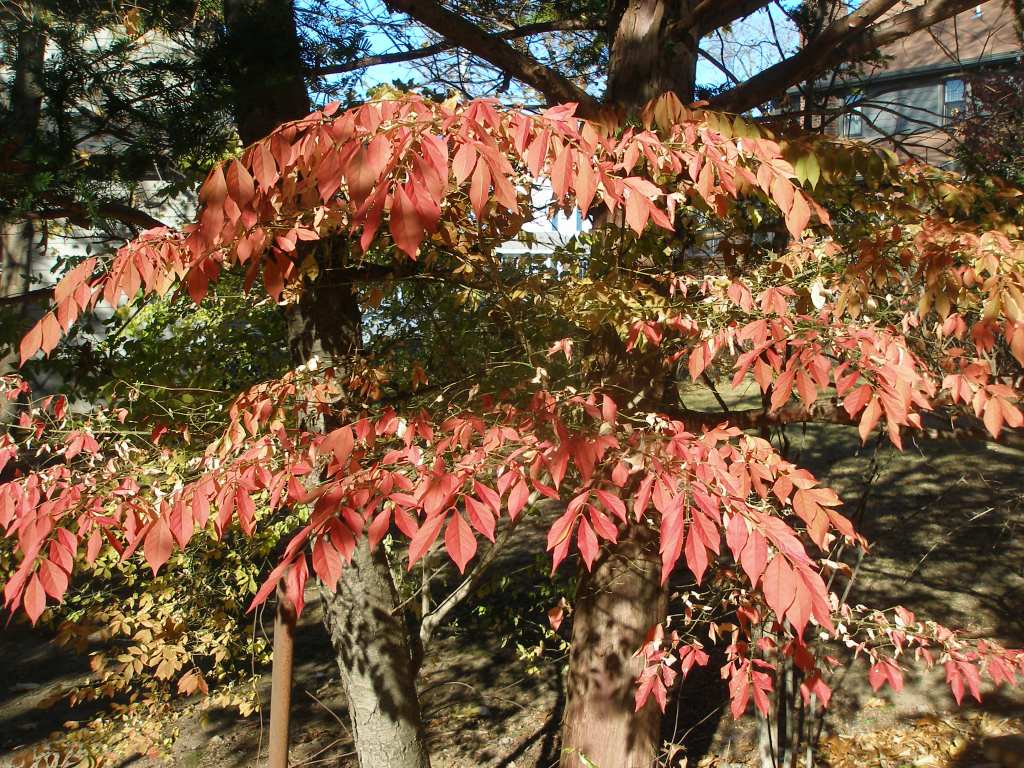
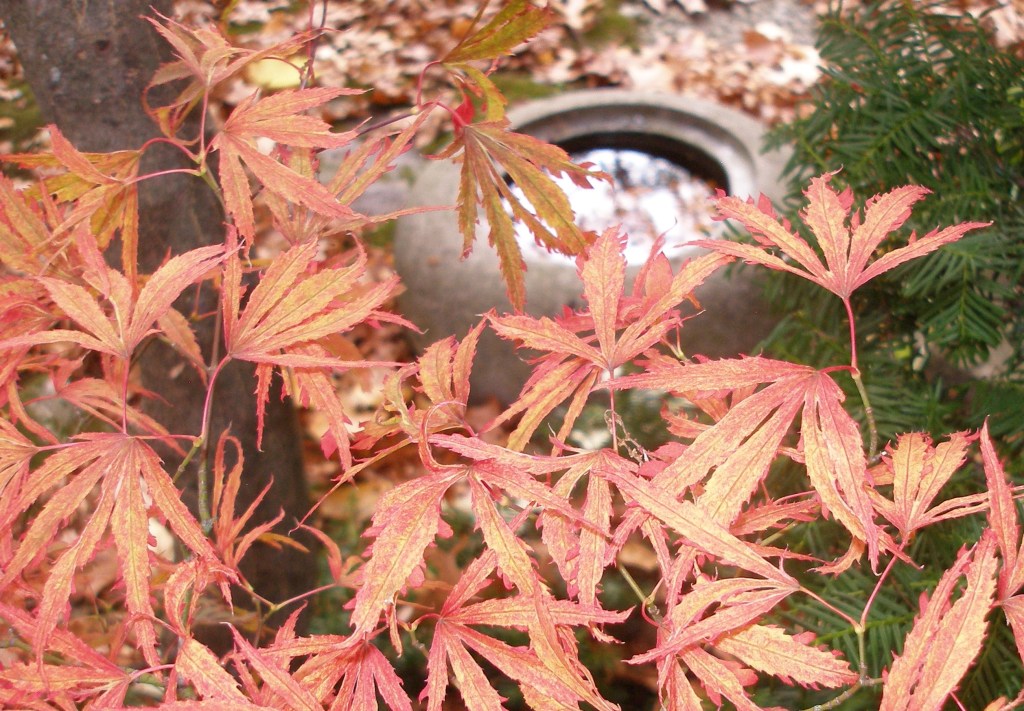
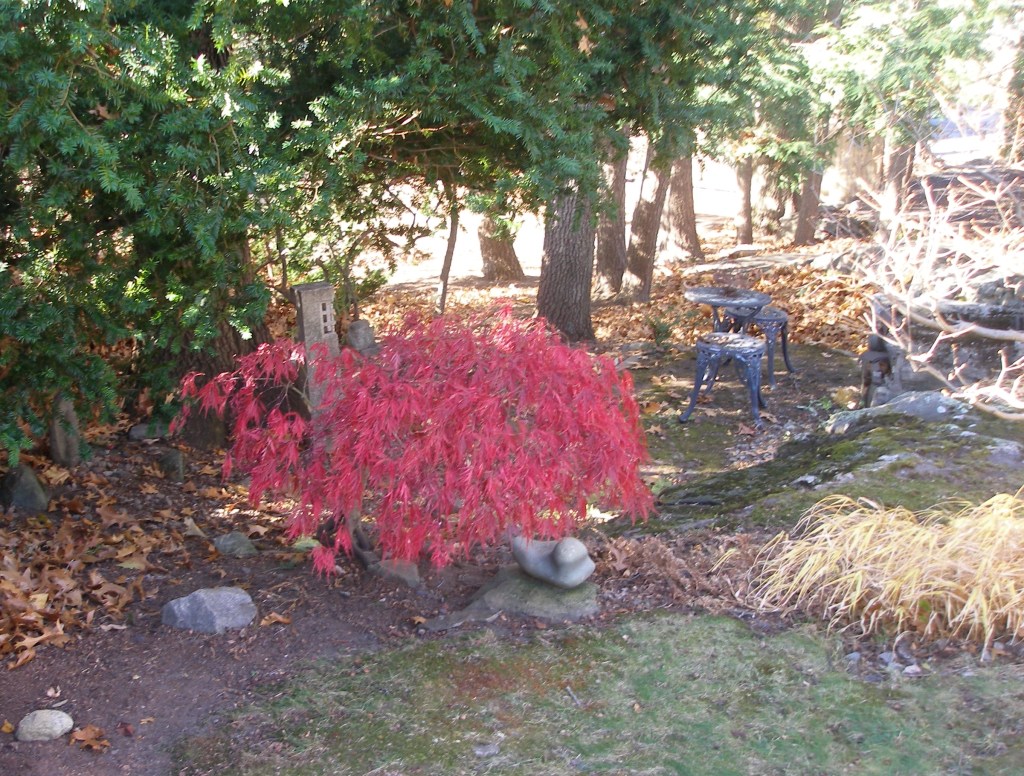
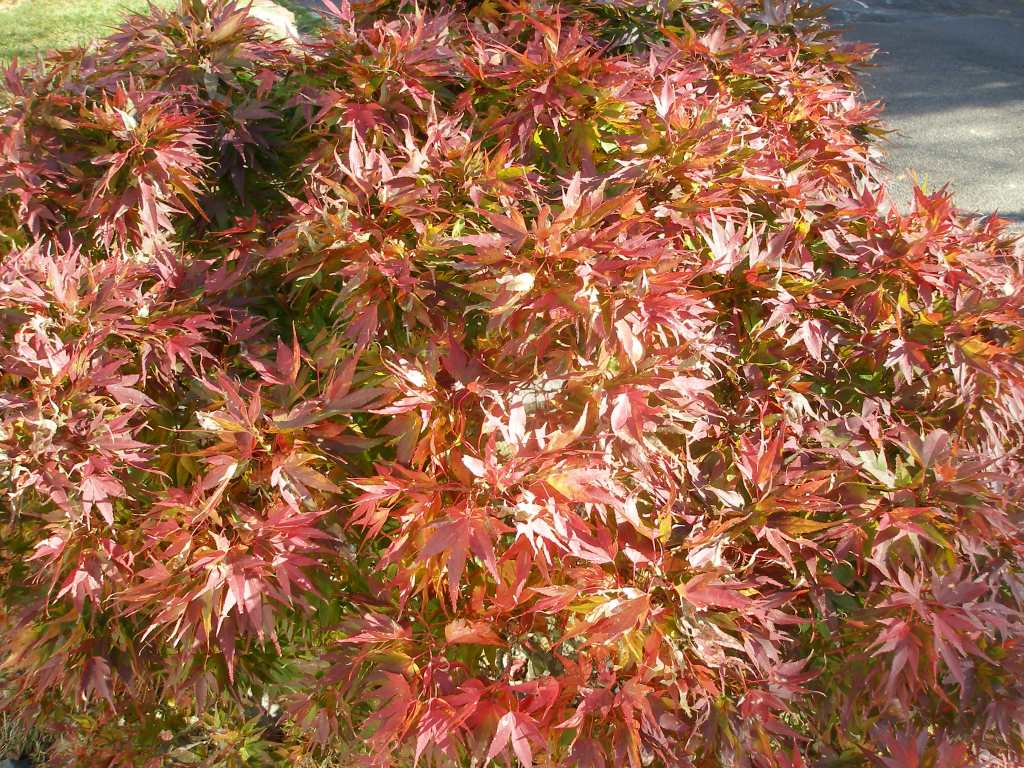
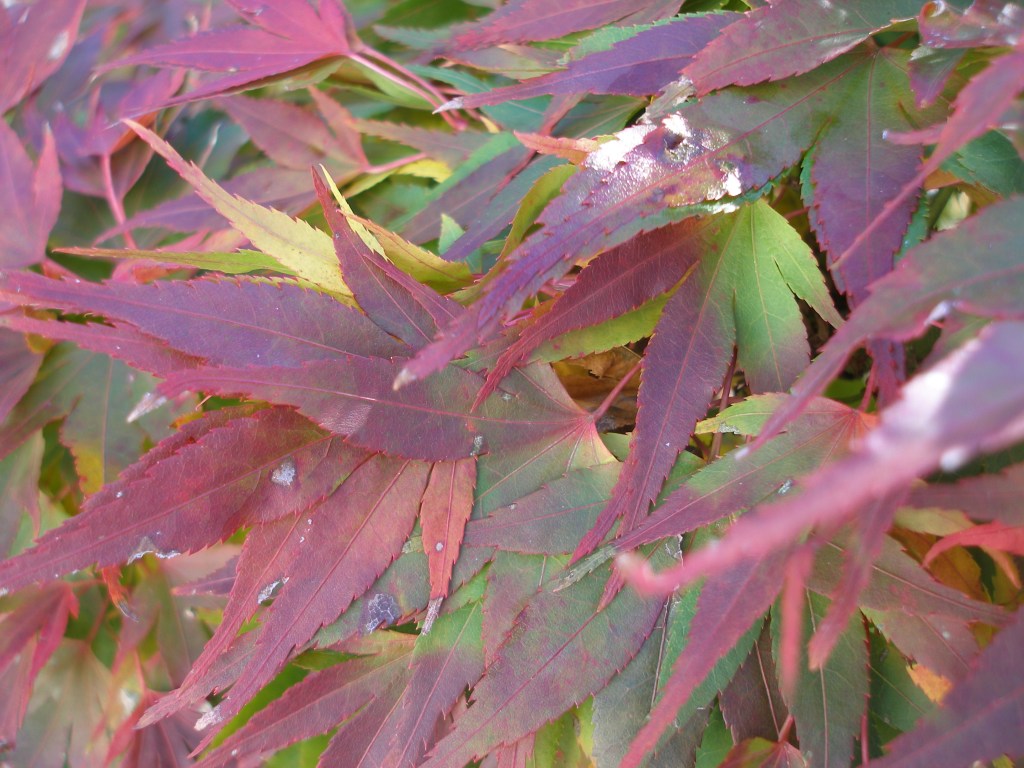
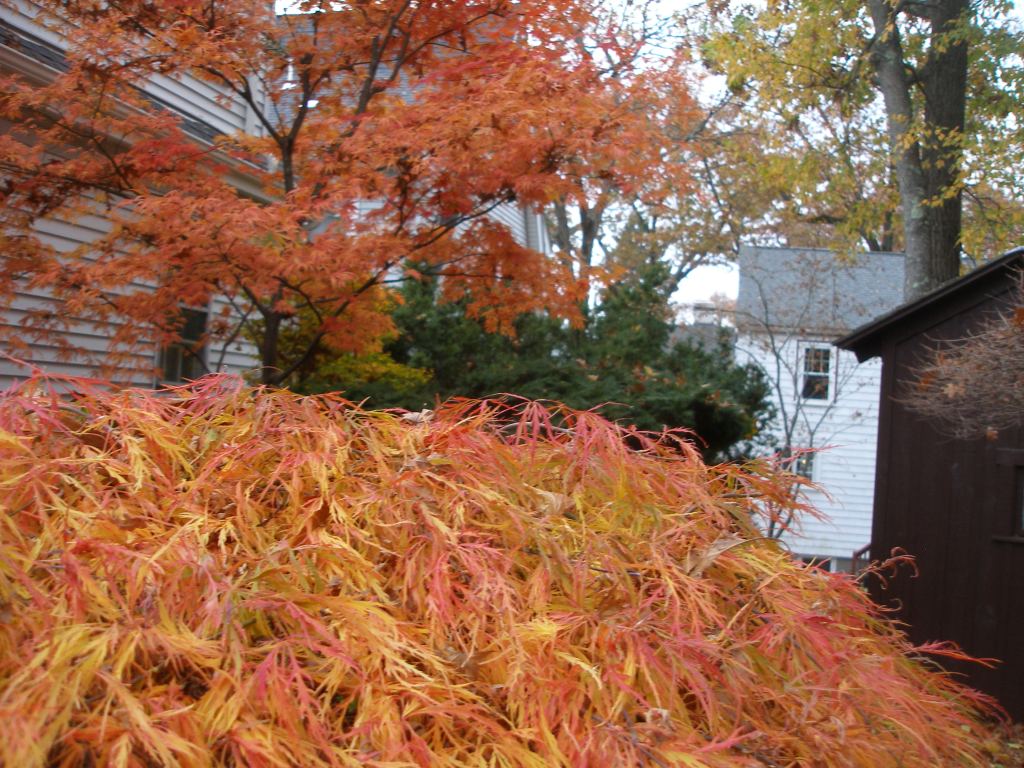
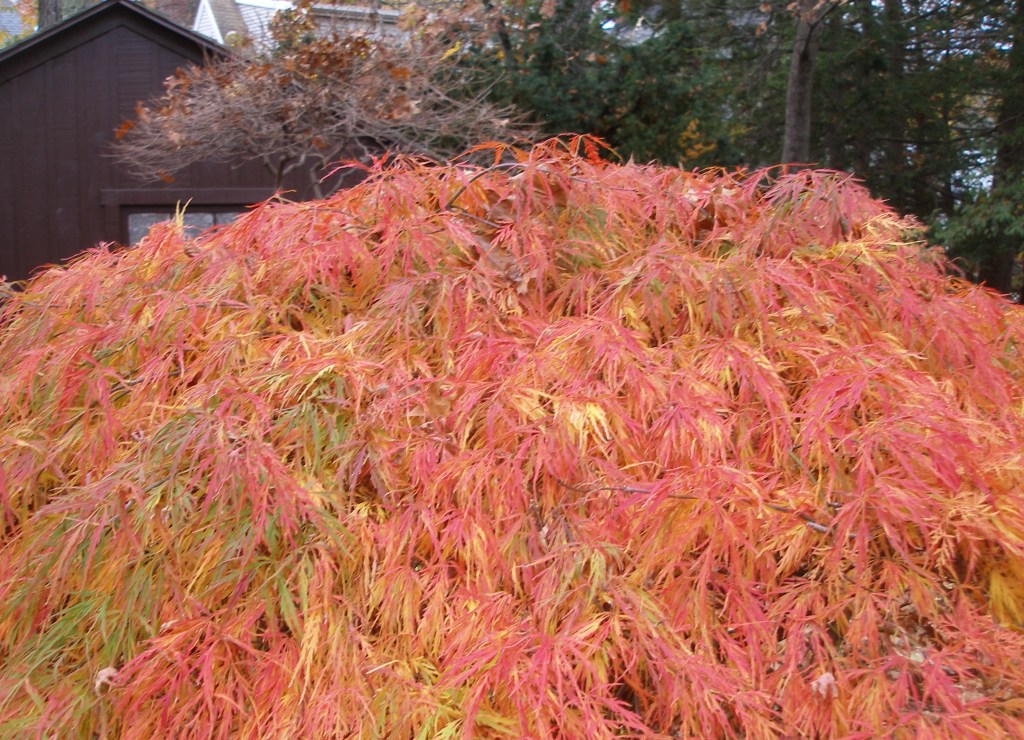
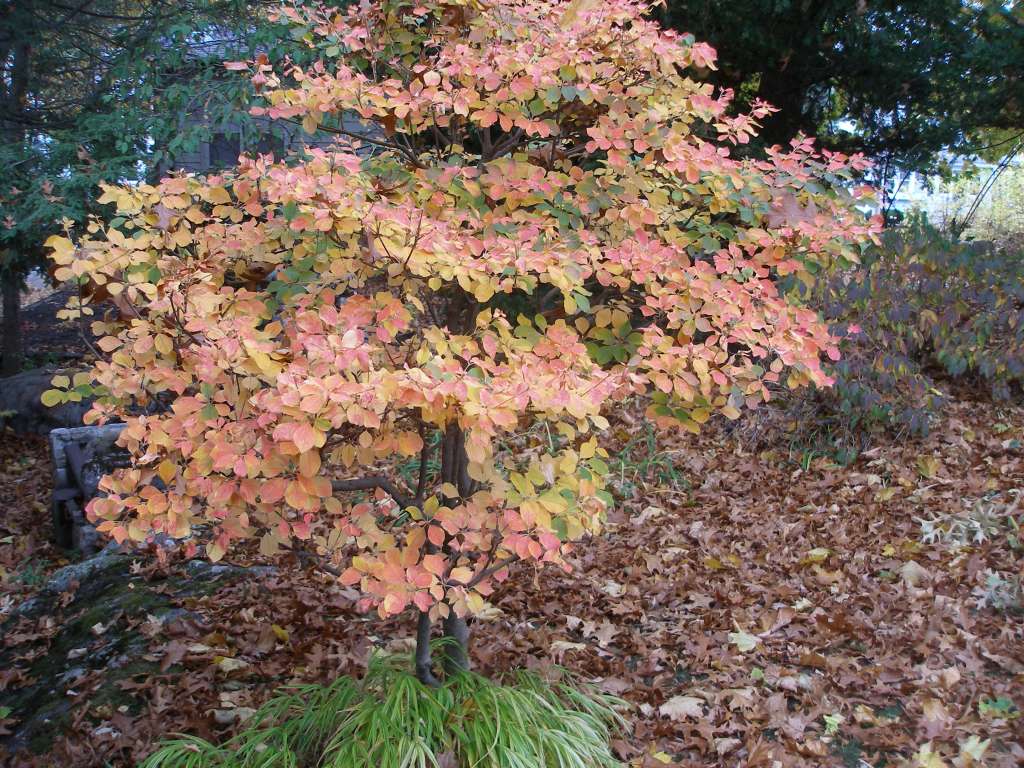
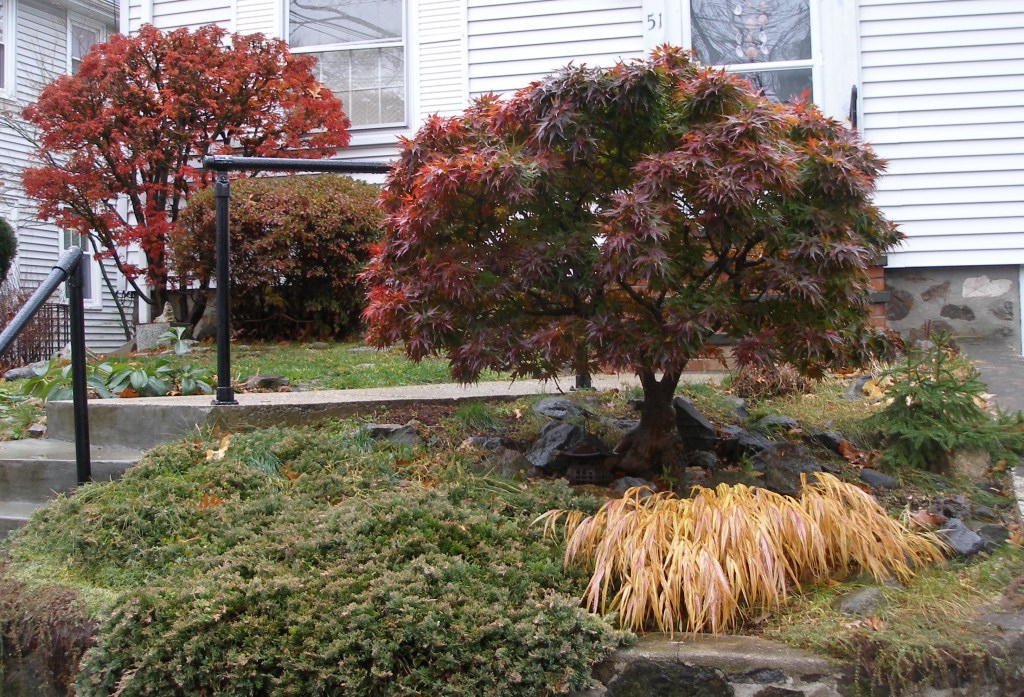
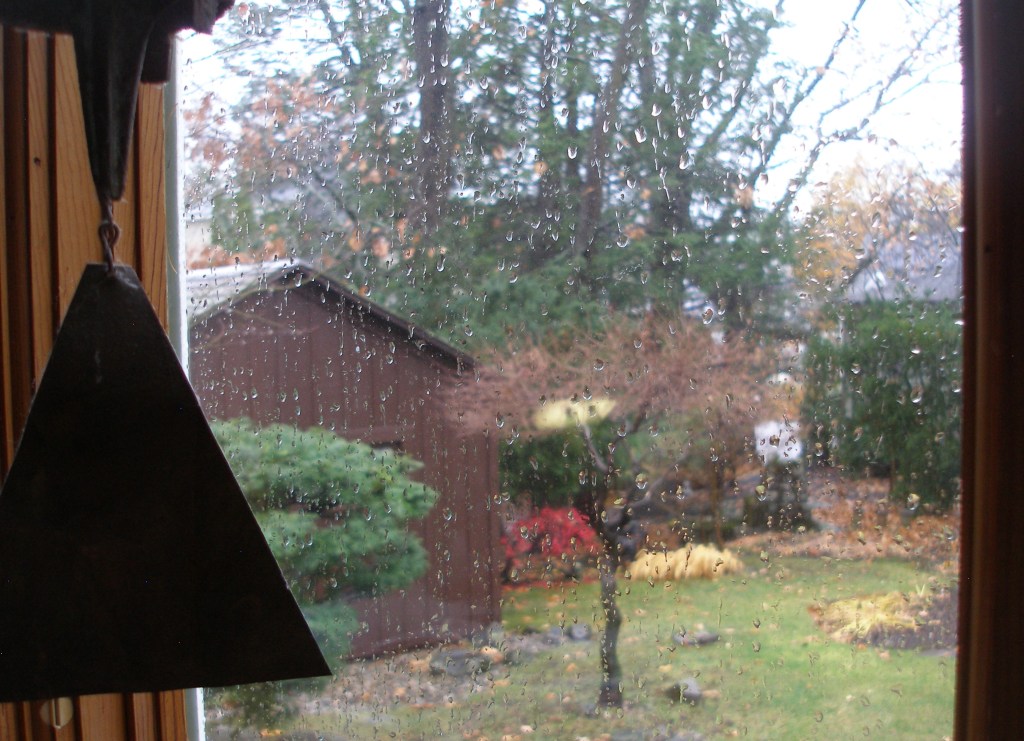
I cannot help staring out my kitchen window at this time of year. The kaleidoscopic patterns of leaf colors keep shifting on the trees and bushes, then fall into delightful patterns on the ground.
The gemlike colors on cloudy days can appear quite different when sunlight sets them glowing.
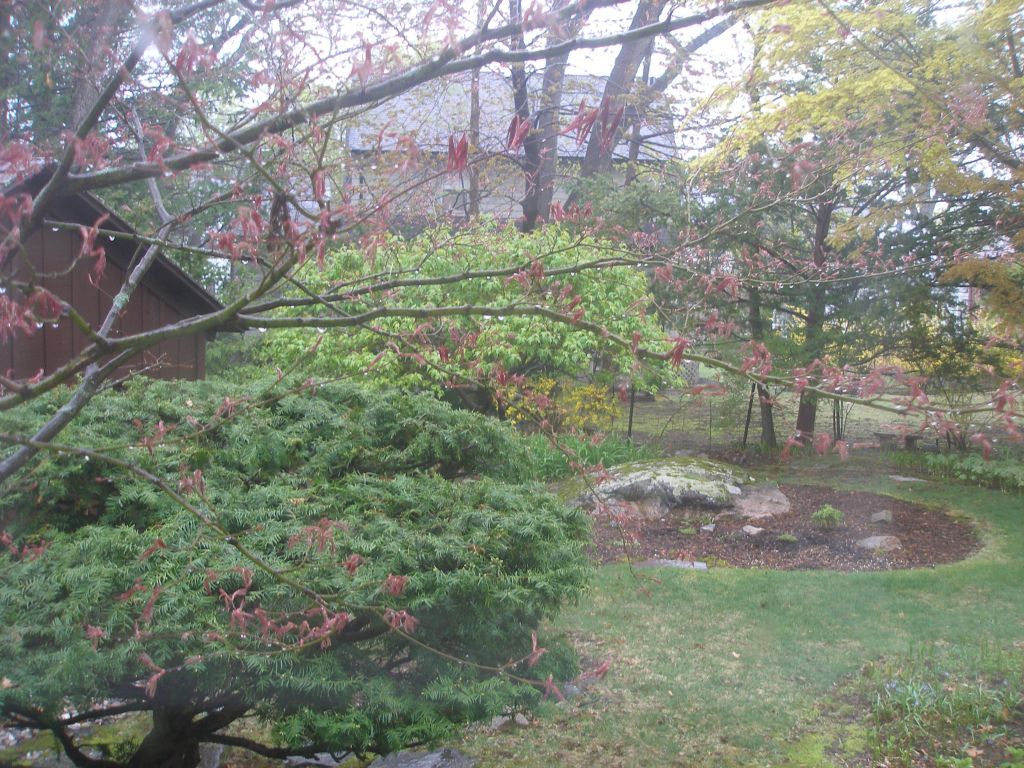
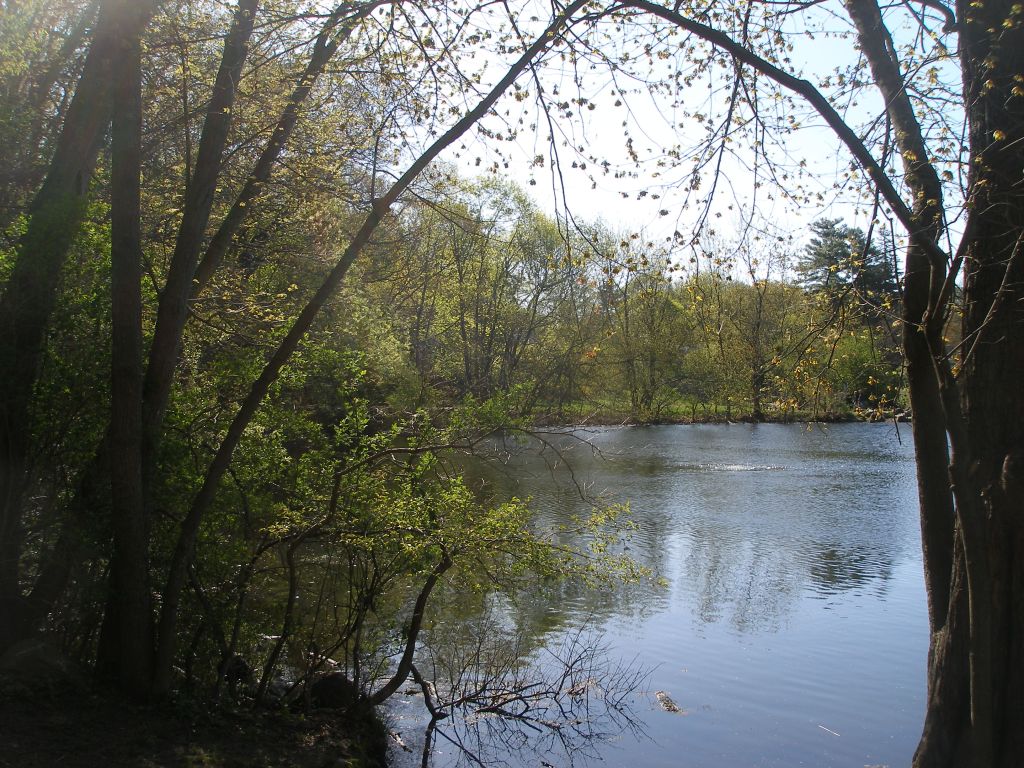
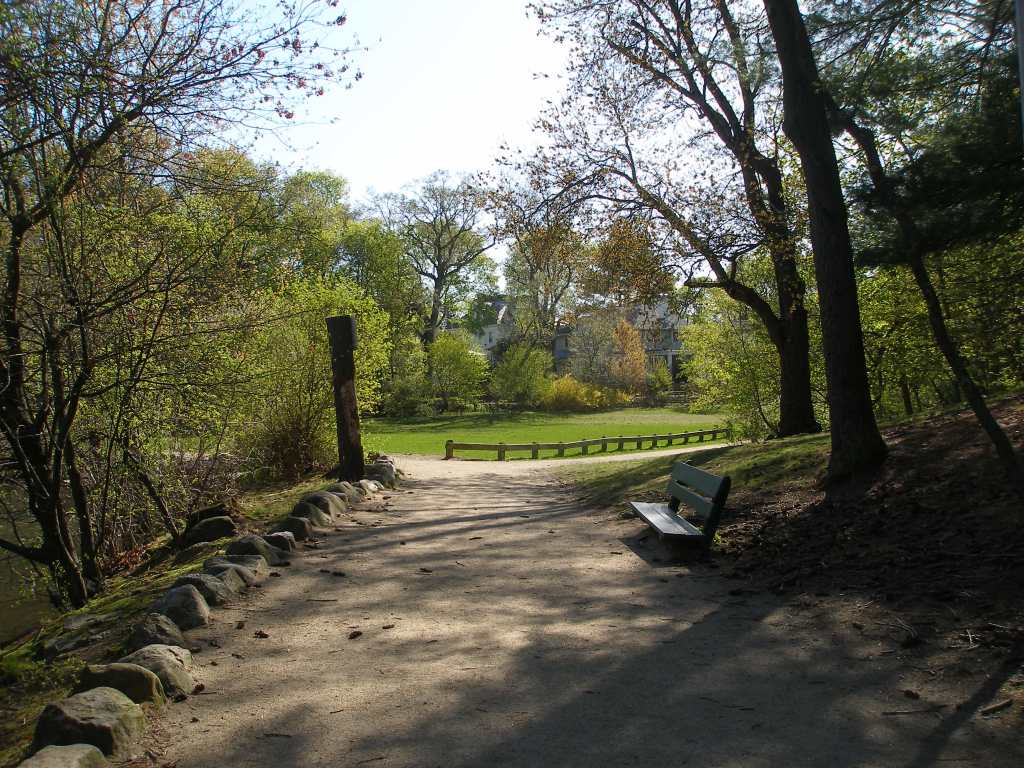
It had started raining on a more regular basis near Boston, so after a few days of warmer than usual weather, spring began to unfold step by step instead of all at once like last year.
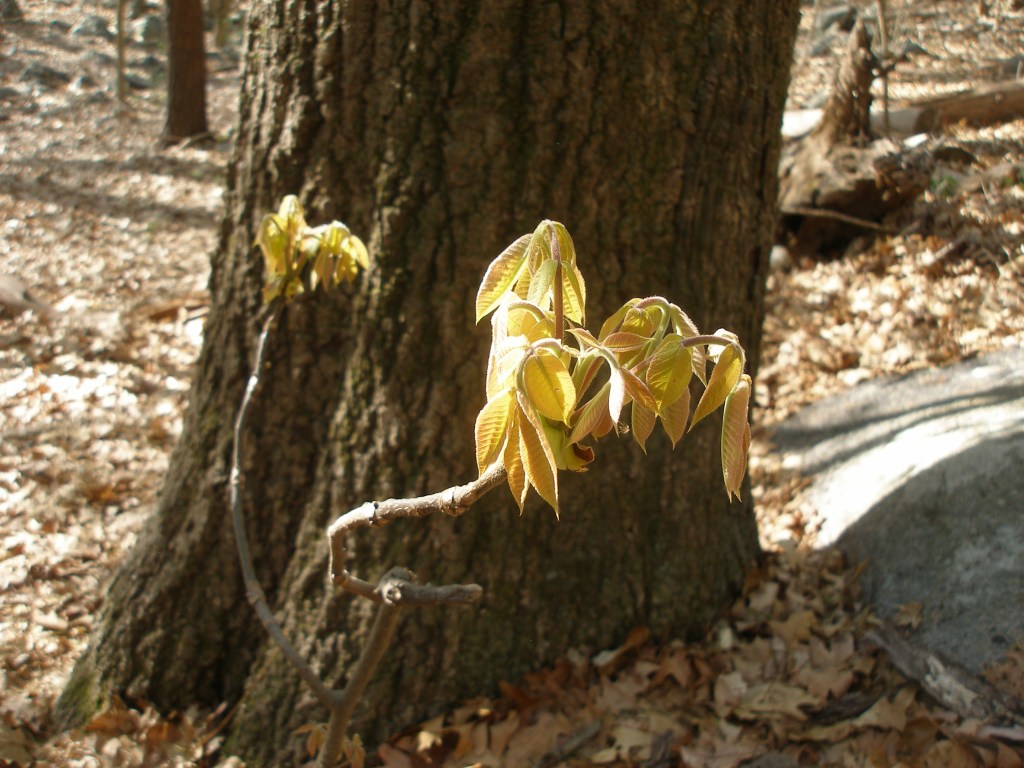
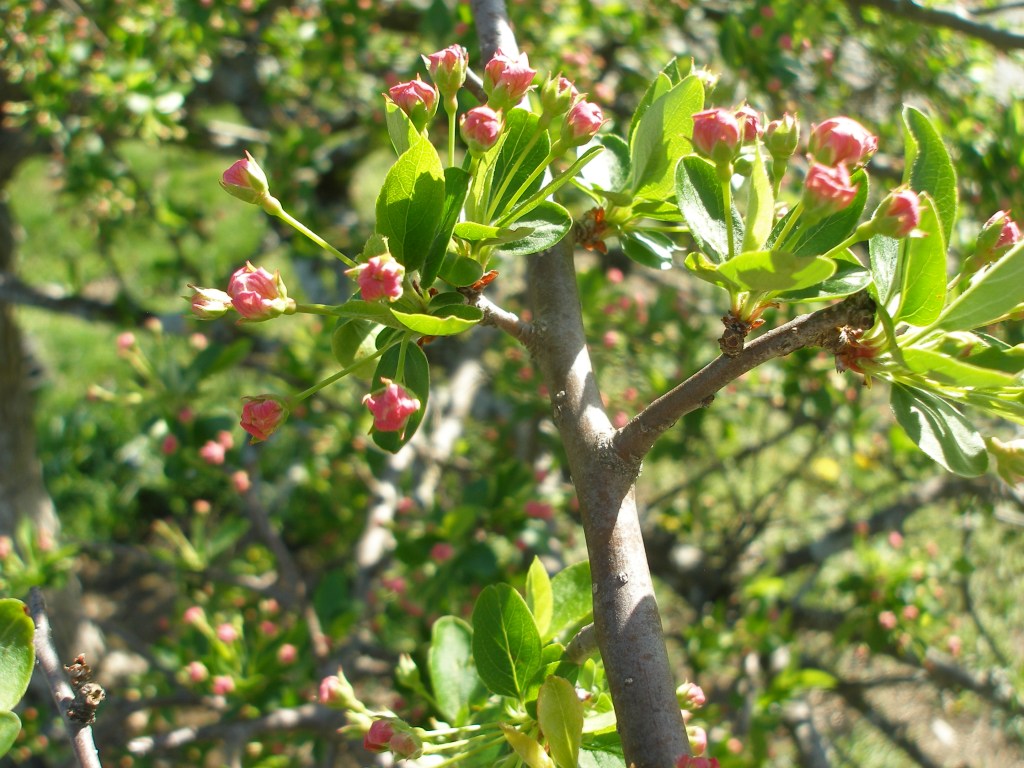
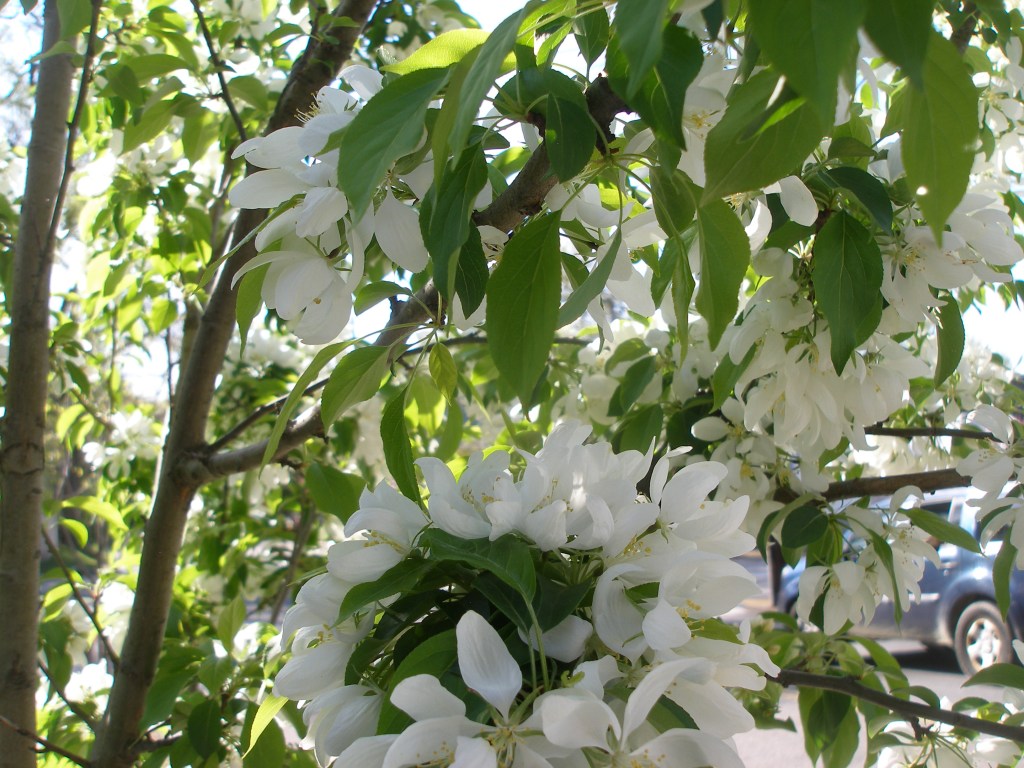
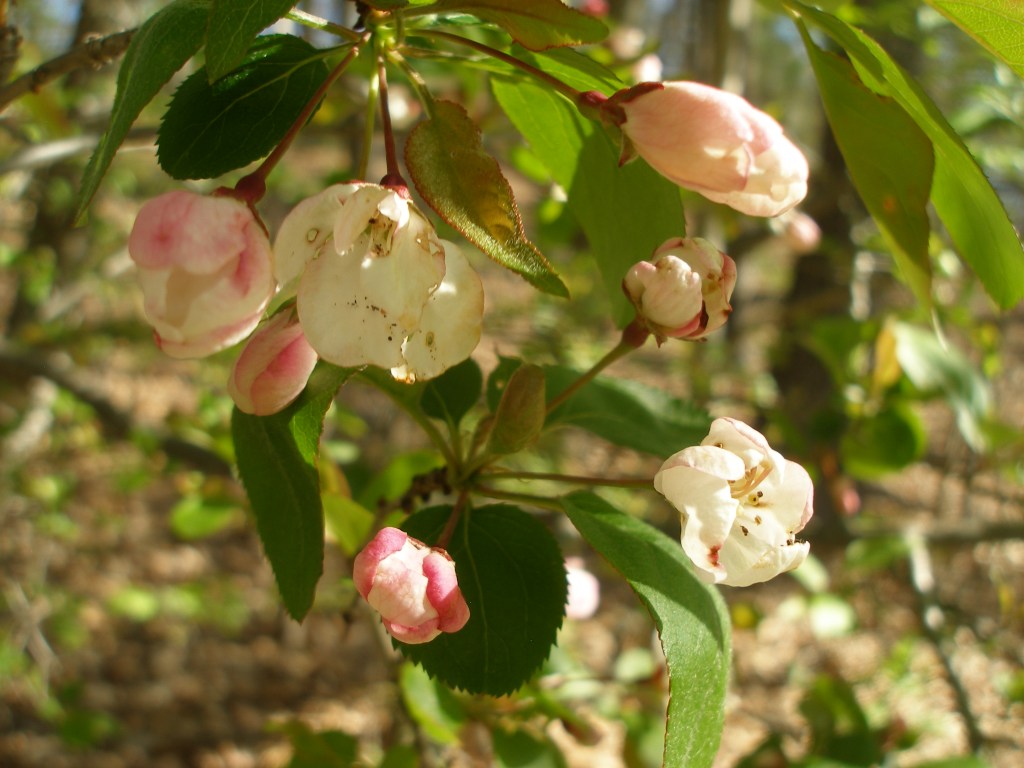
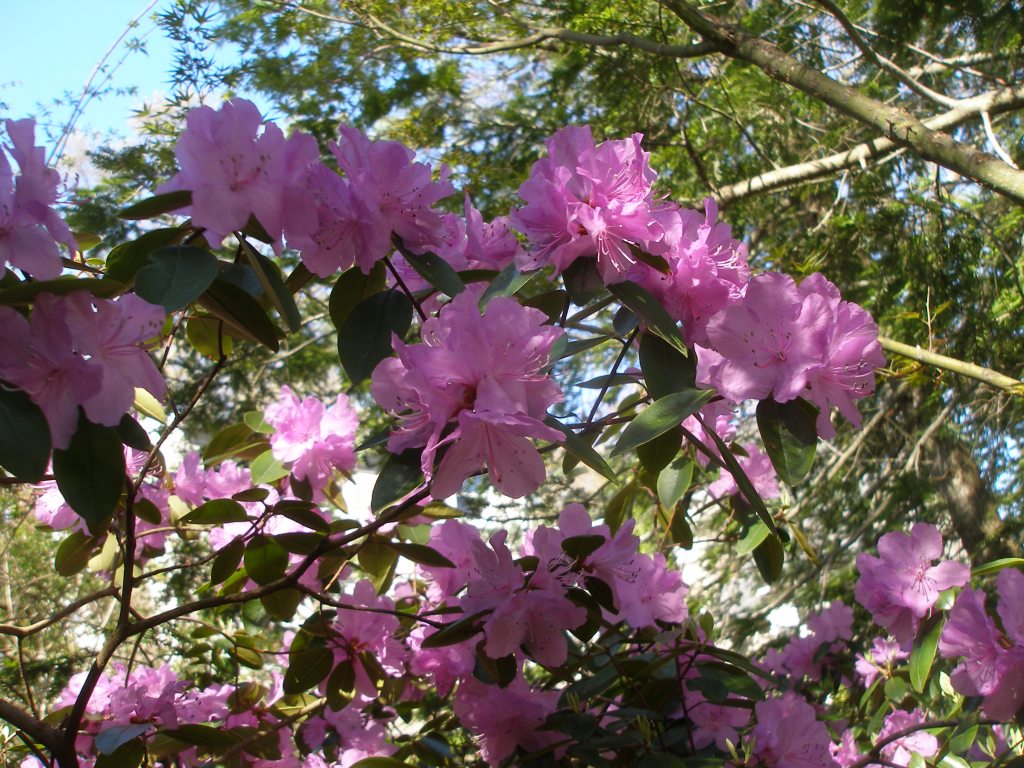
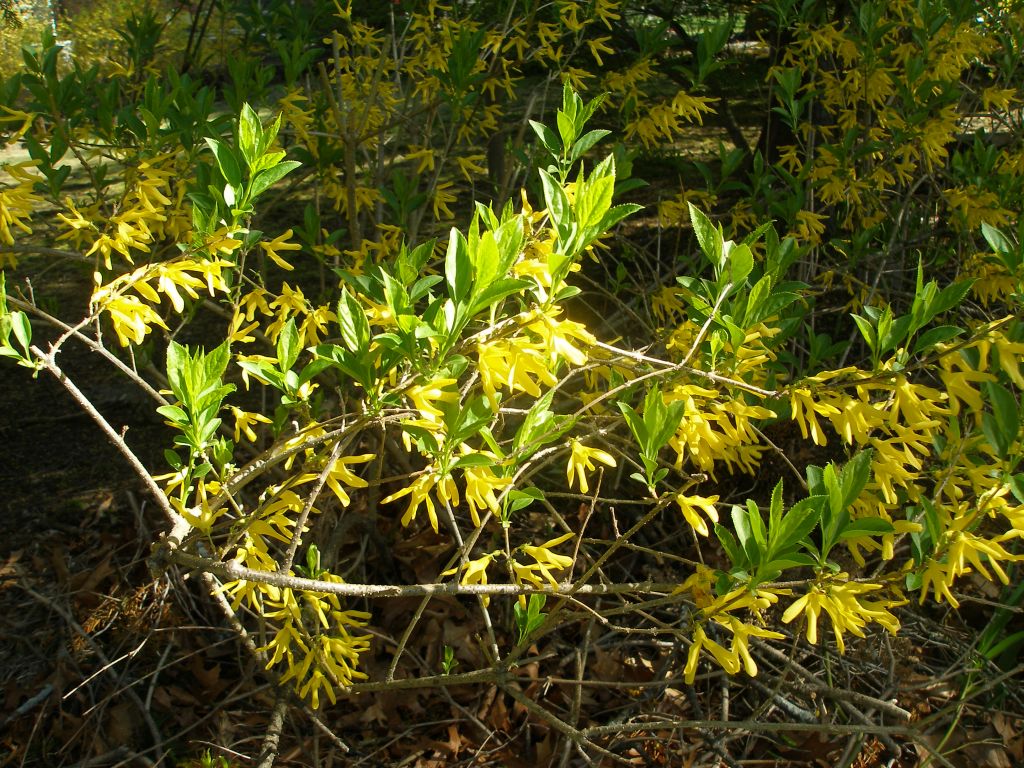
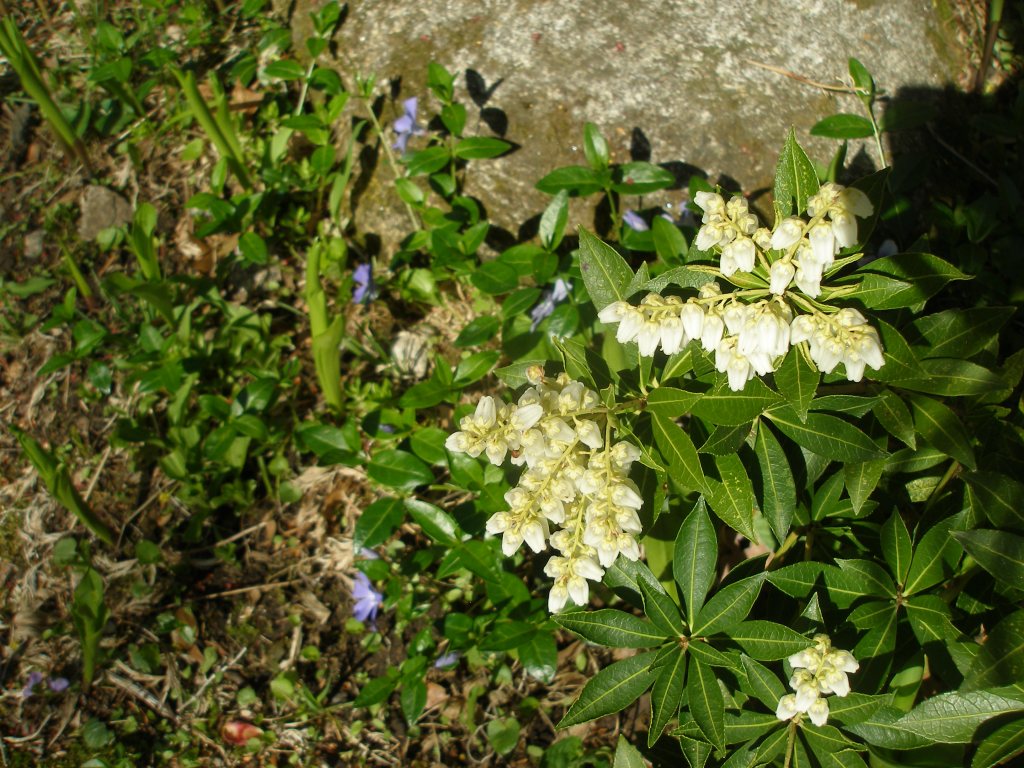
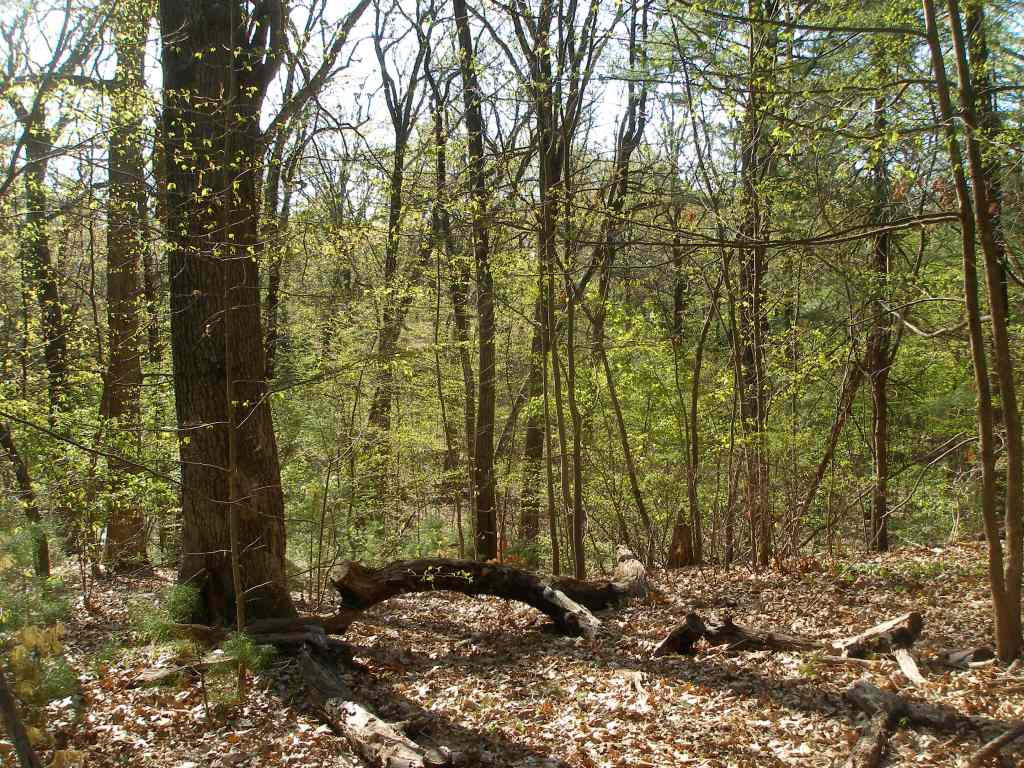
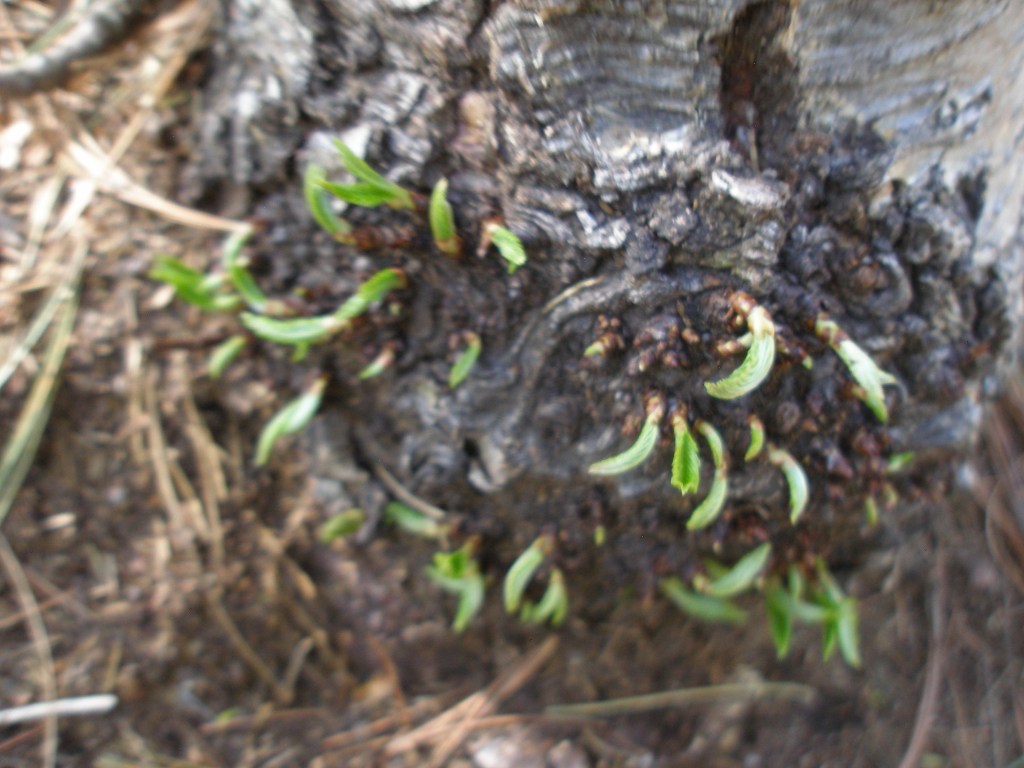
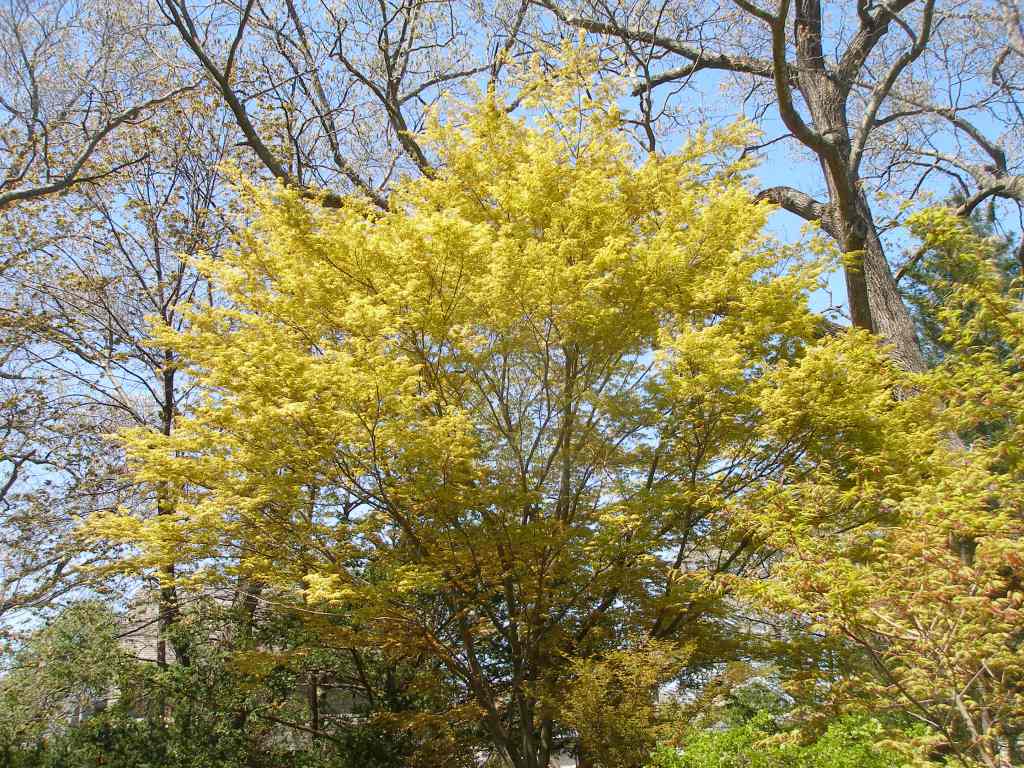
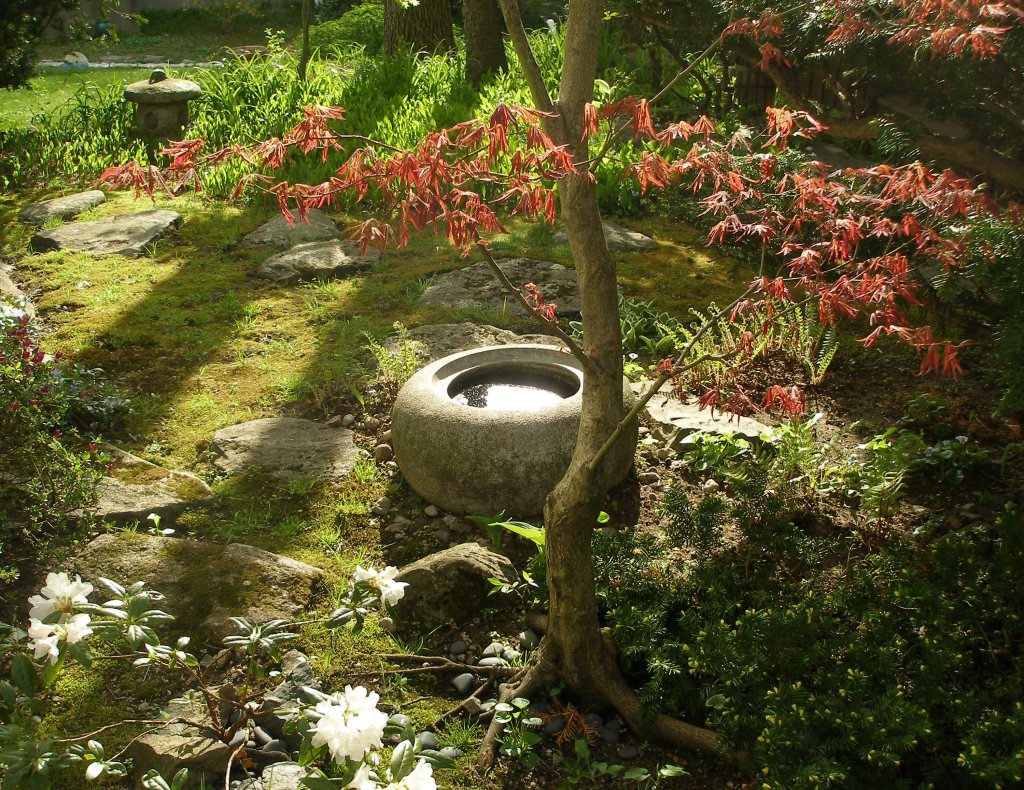
The photos below will give you a sense for what I noticed in the last few days of April; new leaves, blossoms, greening undergrowth, and my Katsura maple larger than ever as it goes through its color changes at this time of year.
Appreciation is growing for the power of safe natural spaces to help support rapid healing even in cases of severe mental trauma and PTSD. Healing garden spaces are not new. They have a long history with varied, and sometimes elaborate designs. But this pilot program’s three designs each had a most appealing simplicity and clarity while accommodating varying numbers of people as might be appropriate for different stages in the healing process.
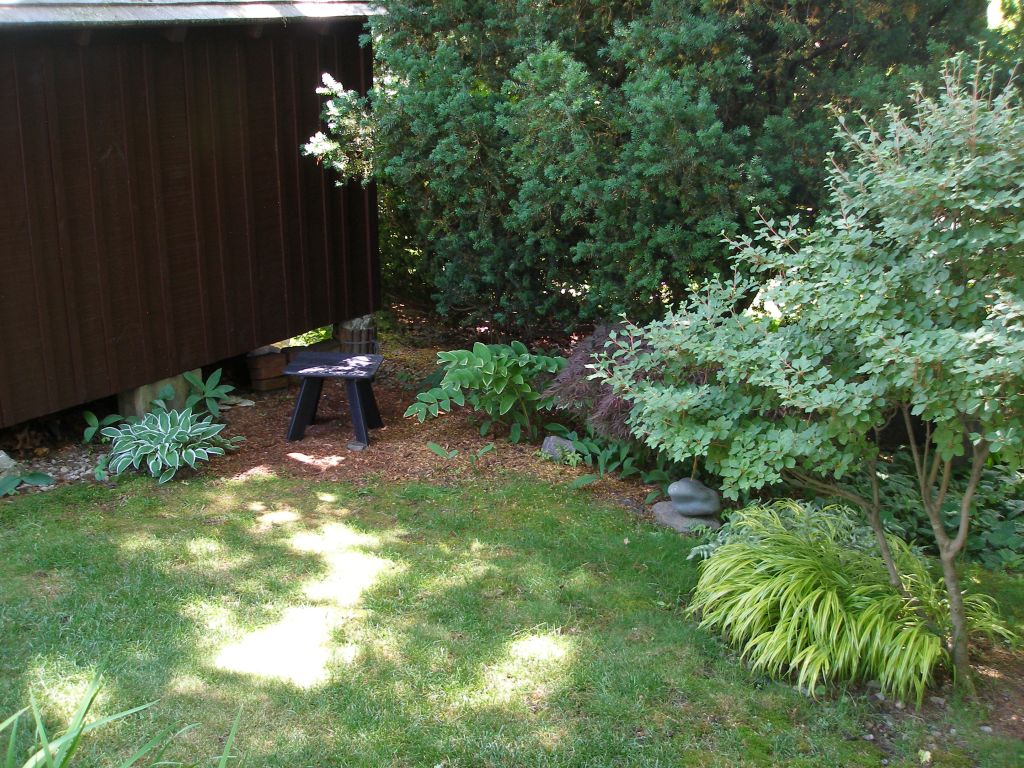
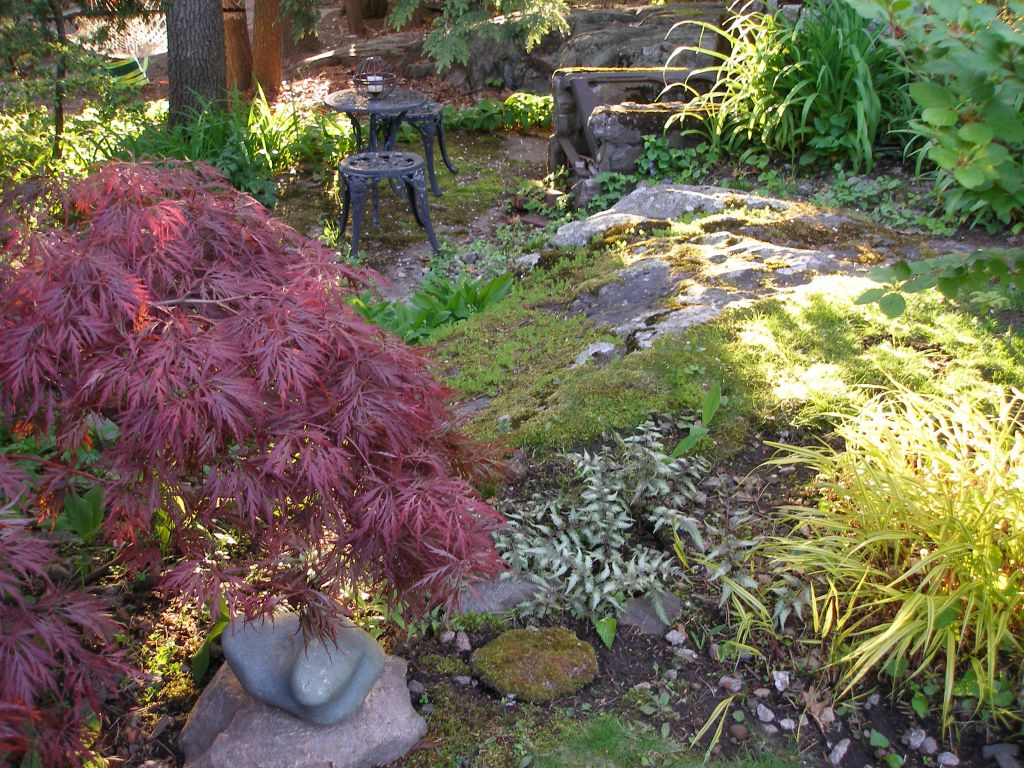
We are so bombarded with vivid news of trauma these days, that creating a variety of options to experience nature alone or with others makes perfect sense to me. In fact, I realized that I had done just that in my own garden:
I was beginning to believe I might have to cut back on even the carefully-calibrated small amount of water I was providing my garden. But it rained all day today and the prolonged dry weather pattern seems to be shifting. The days have been unusually warm, and the nights cool, but not freezing.
According to this USDA Forestry Service article, that is precisely what can bring out the brightest fall colors:
“A succession of warm, sunny days and cool, crisp but not freezing nights seems to bring about the most spectacular color displays. During these days, lots of sugars are produced in the leaf but the cool nights and the gradual closing of veins going into the leaf prevent these sugars from moving out. These conditions – lots of sugar and light – spur production of the brilliant anthocyanin pigments, which tint reds, purples, and crimson. Because carotenoids are always present in leaves, the yellow and gold colors remain fairly constant from year to year.
The amount of moisture in the soil also affects autumn colors. Like the weather, soil moisture varies greatly from year to year. The countless combinations of these two highly variable factors assure that no two autumns can be exactly alike. A late spring, or a severe summer drought, can delay the onset of fall color by a few weeks. A warm period during fall will also lower the intensity of autumn colors. A warm wet spring, favorable summer weather, and warm sunny fall days with cool nights should produce the most brilliant autumn colors.”
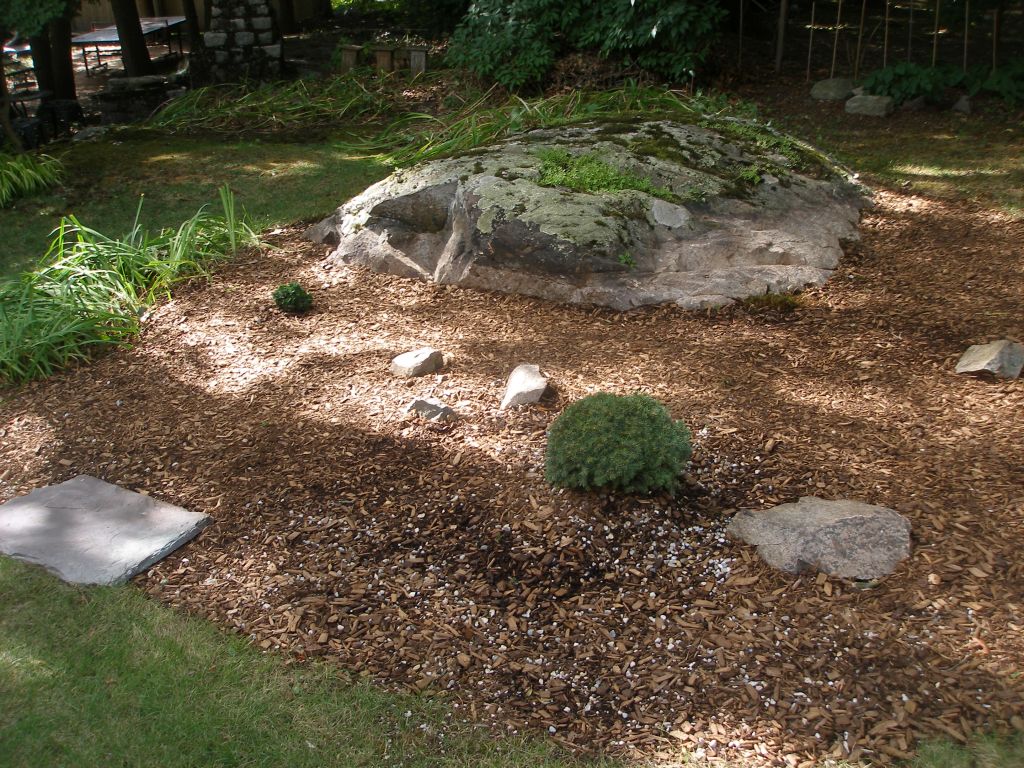
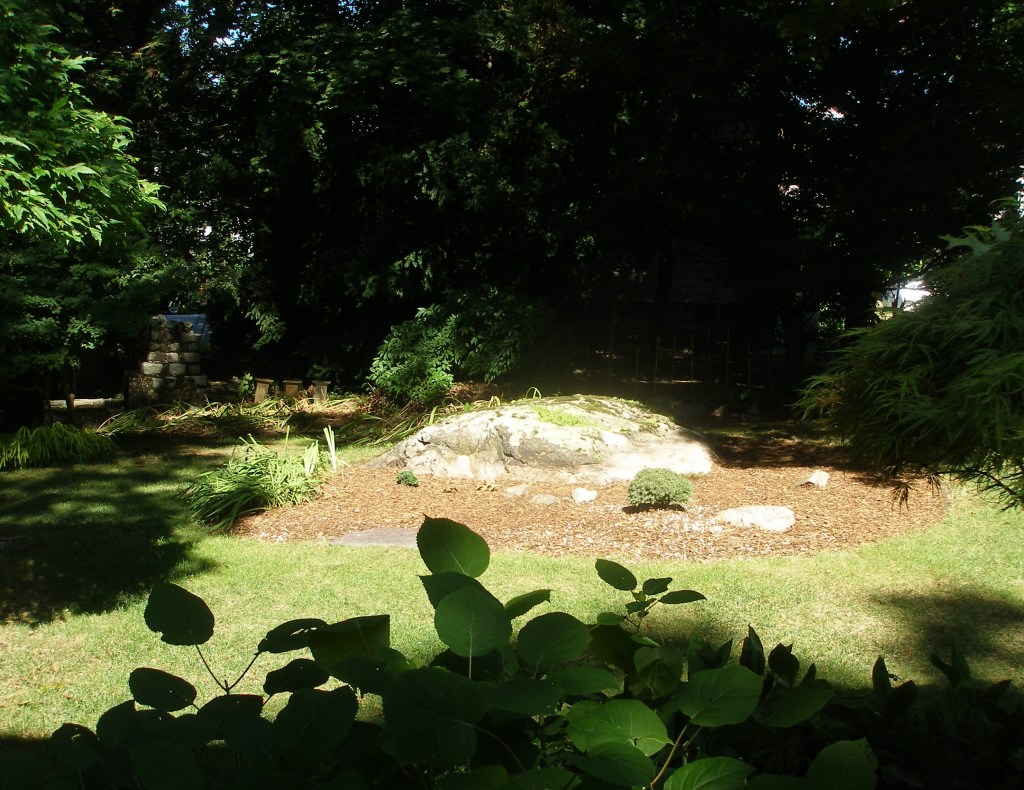
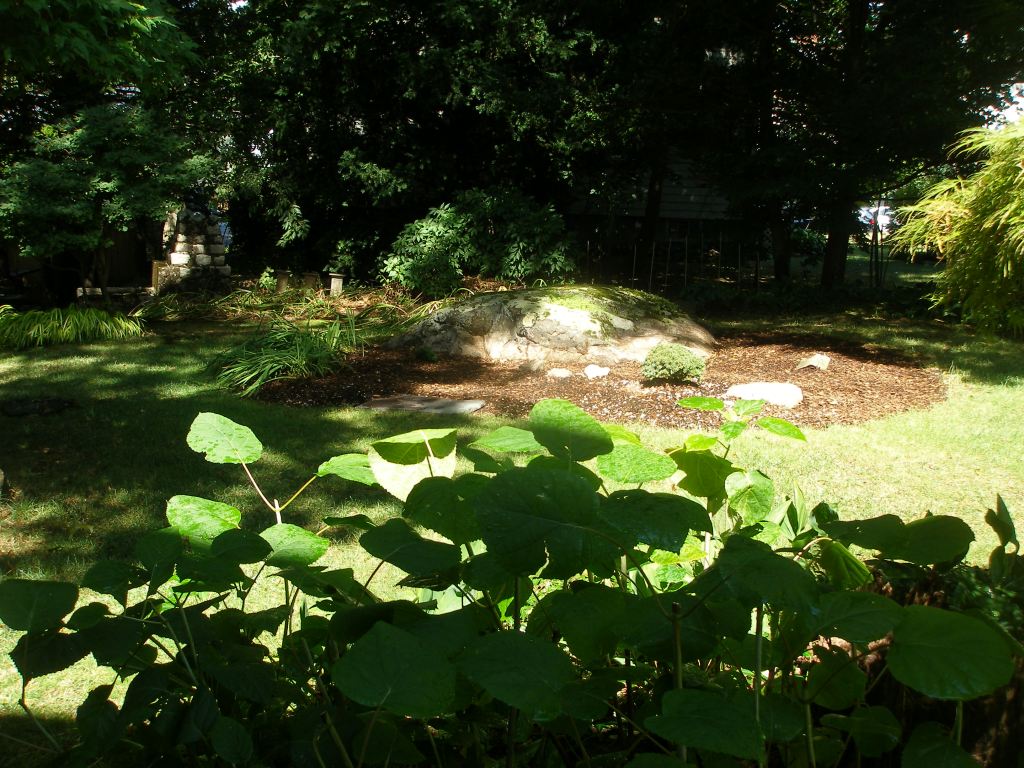
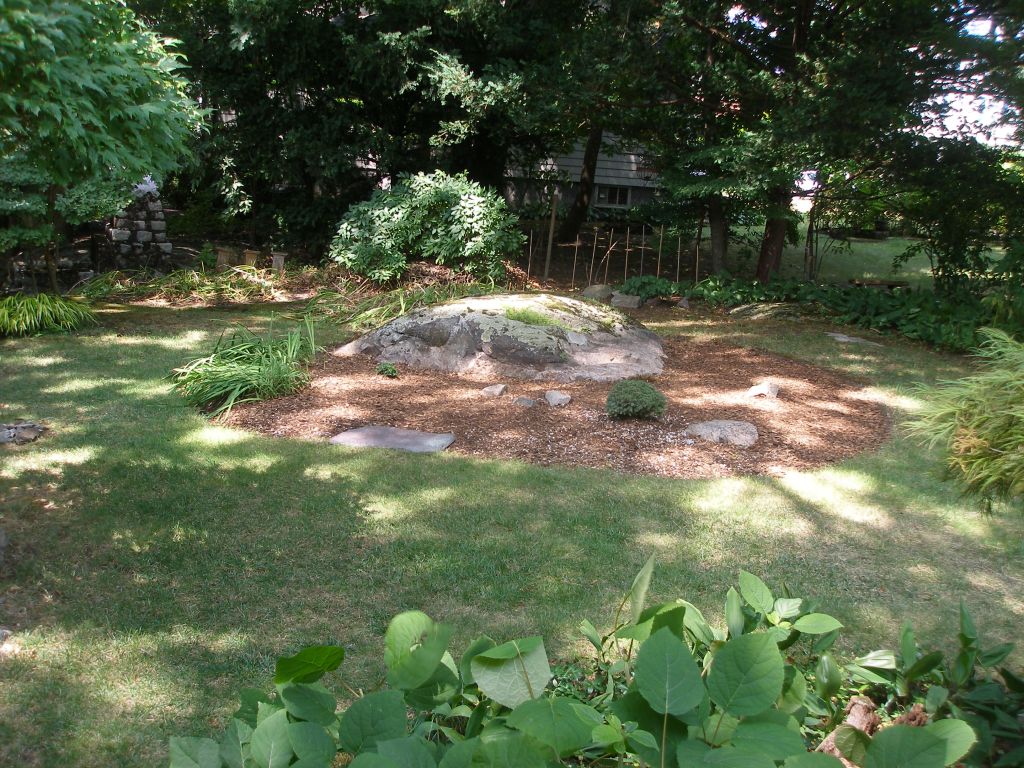
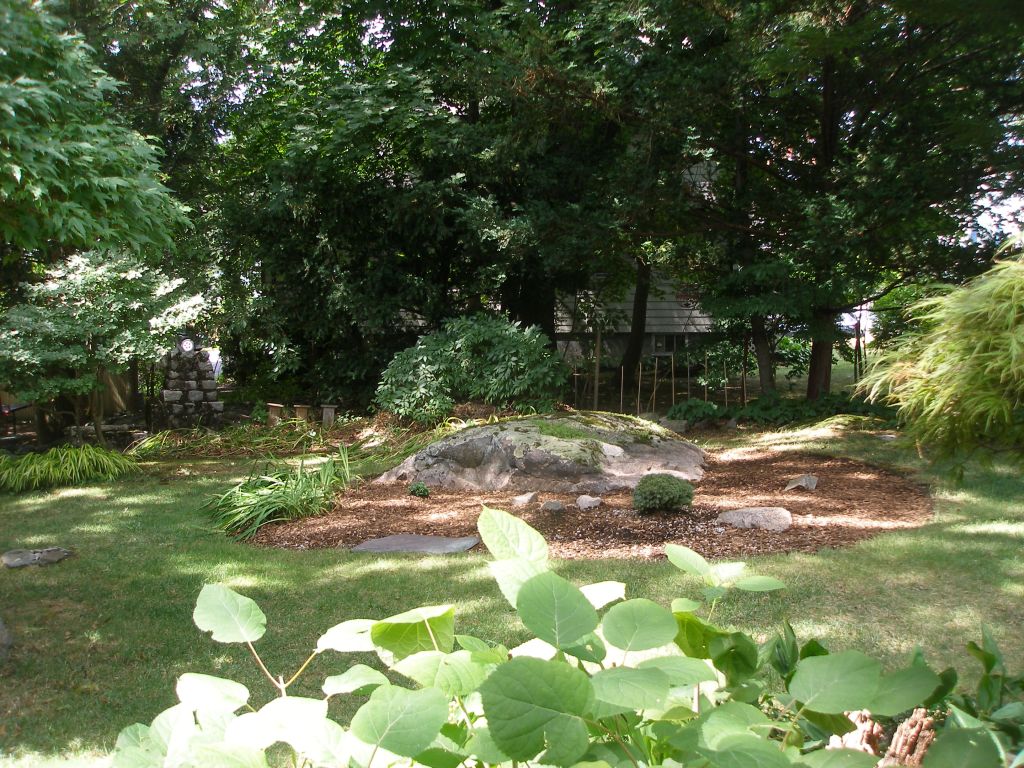
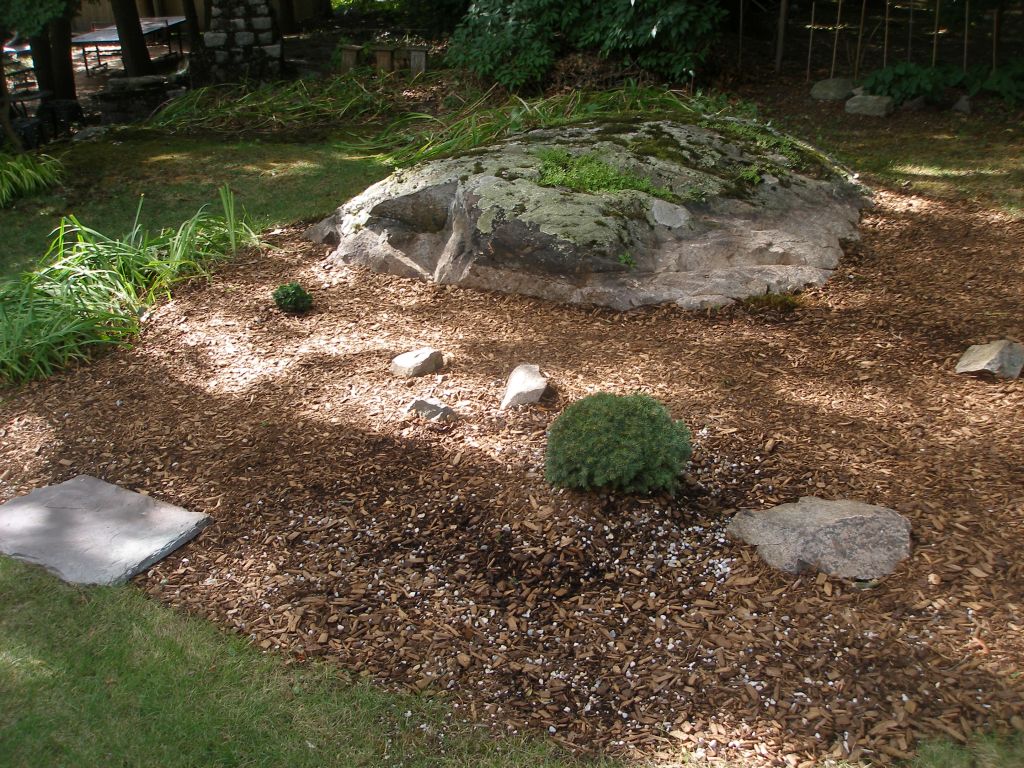
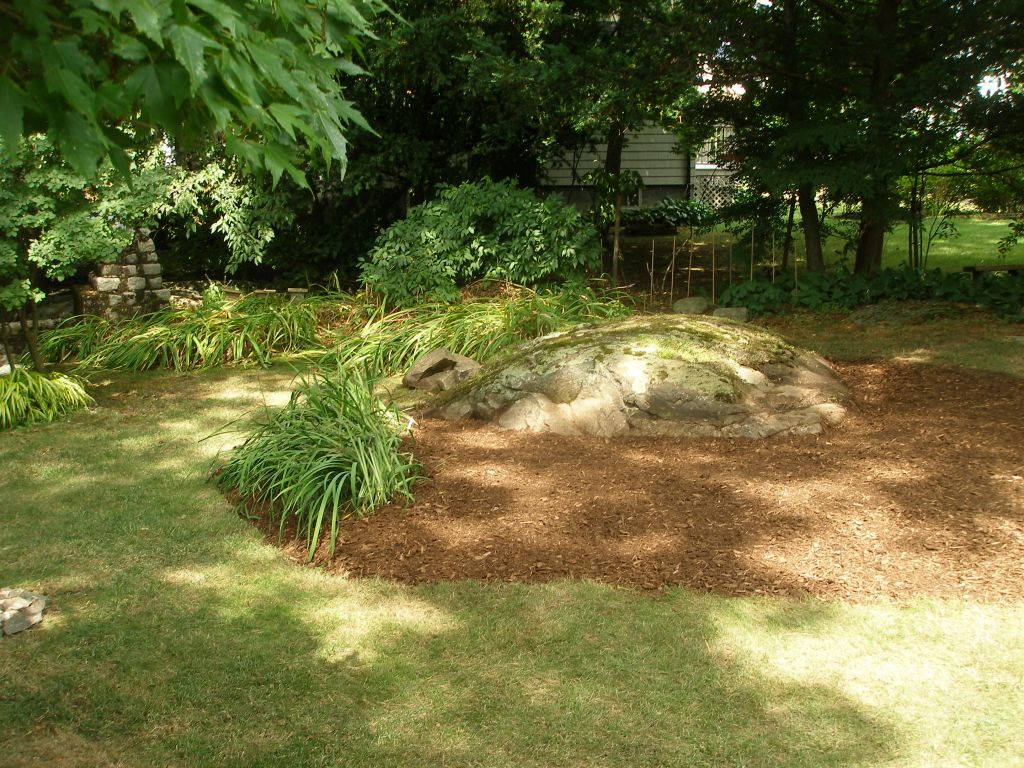
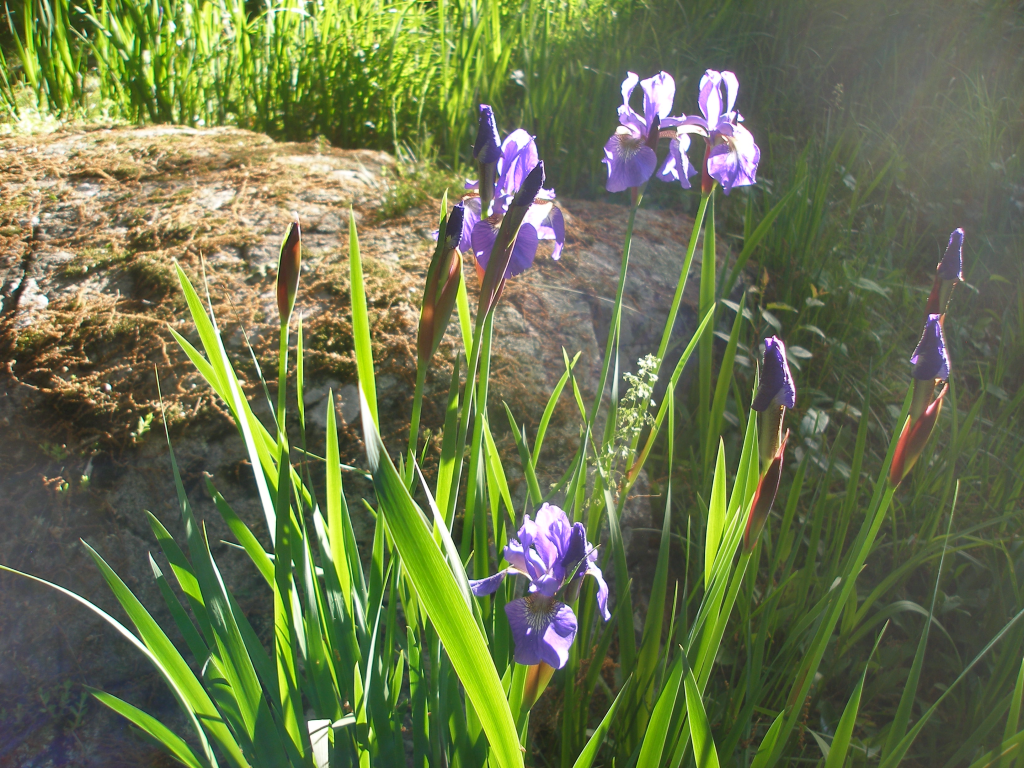
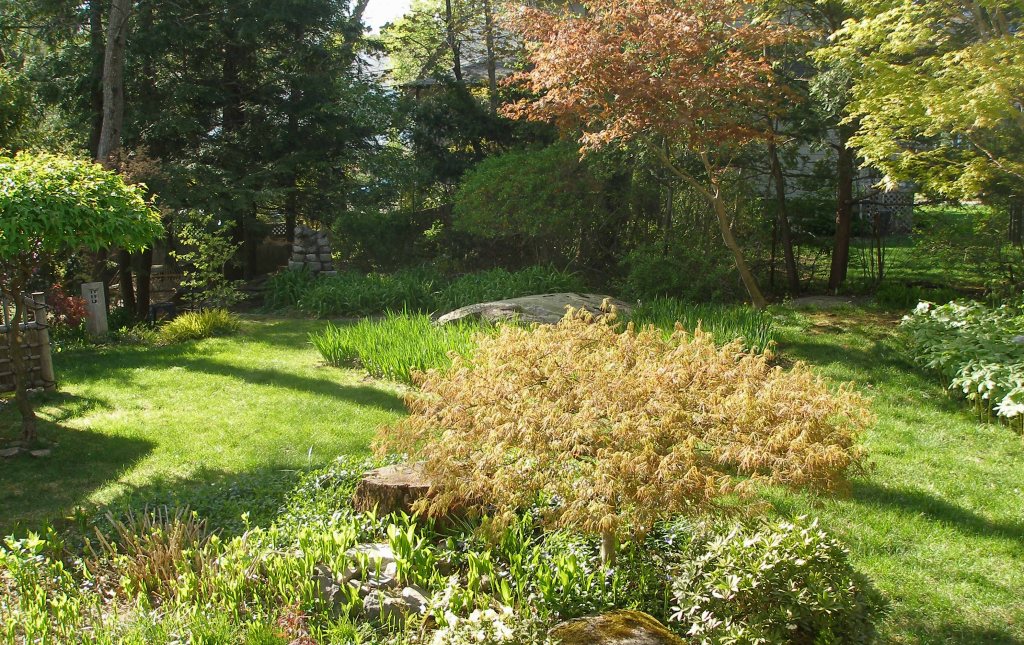
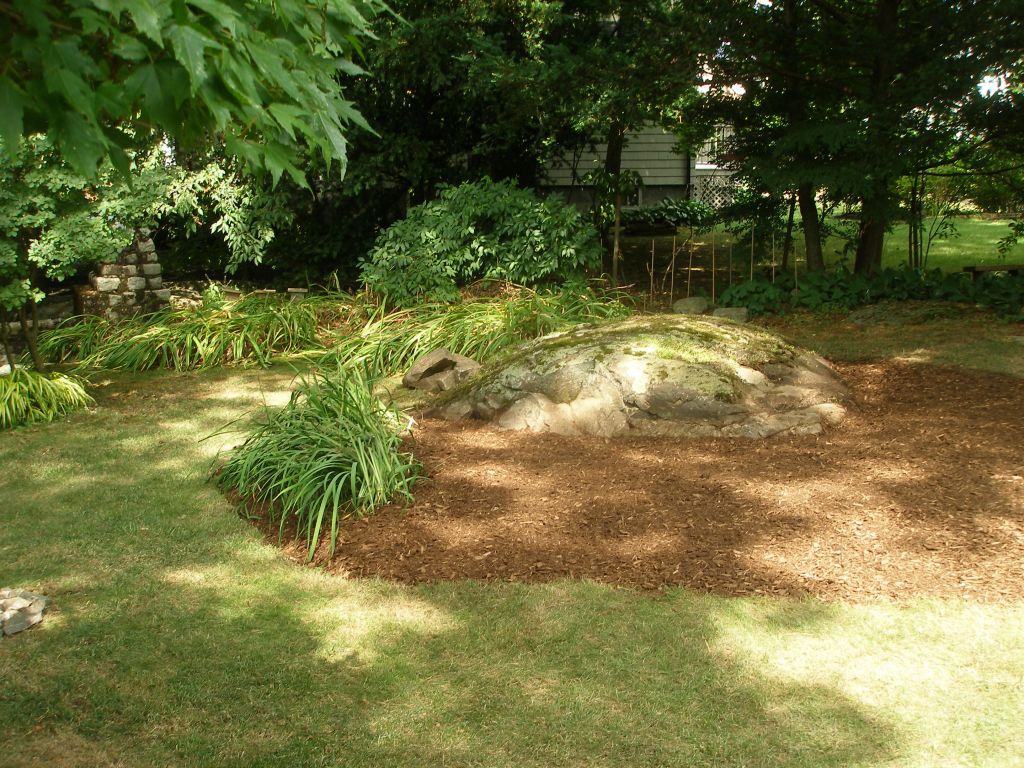
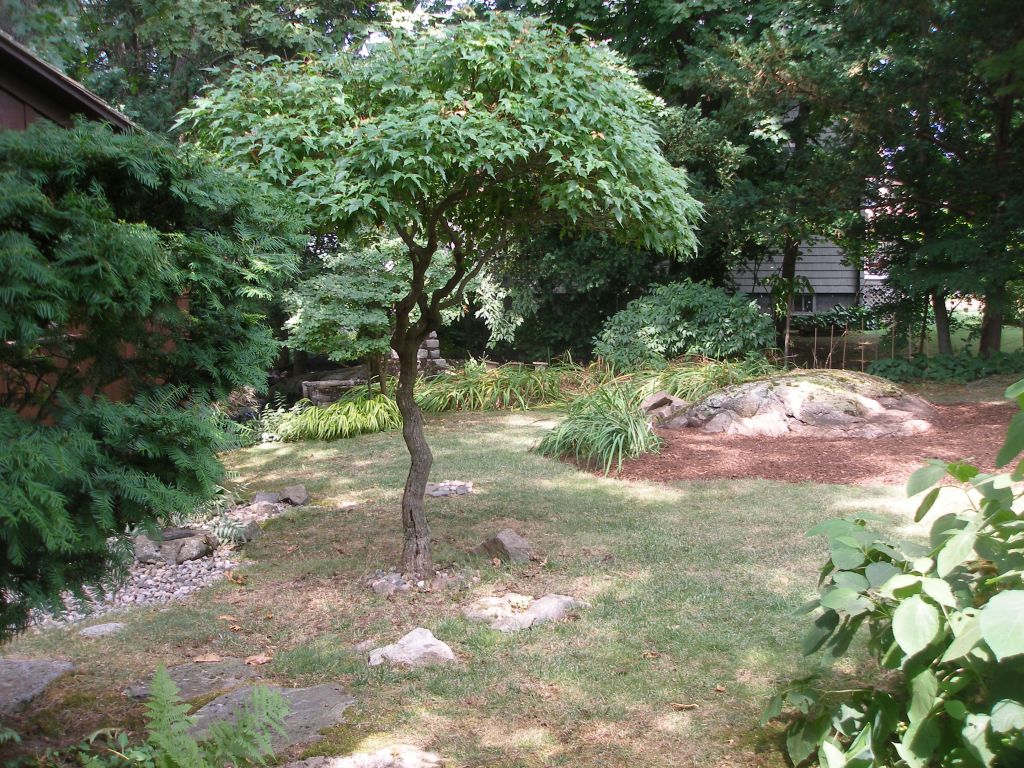
Shadows move across the large granite outcrop in my backyard creating quite interesting effects now that I can see them more clearly. I decided to plant two tiny evergreens where irises once grew. There are some initial signs that they like the spots that I chose for them, but only time will tell.
The first photo below was taken around 4 pm. The other photos were taken at intervals starting at 11 in the morning. Unfortunately, still photos cannot show how shadows dance across this scene when a breeze stirs the leaves.
The large granite outcrop in my backyard had seen a lot in its time. Glaciers left grooves in its surface. It had acquired quite a community of moss, lichen and other small plants. Animals and birds had stood on its sturdy back. That a large kitchen bay window overlooked that outcrop had sold me on that house even though it was only the second one we looked at.
My videographer friend, Jeff Klein, asked me “Would I like to have his friend, Japanese garden designer, Kokubun, come see my garden?” I answered, “Of course, I would be honored.” As the three of us shared tea on my patio, Kokubun mentioned the atmosphere and how plants blocked the view of neighbors’ houses, “so you would not know they were there.” It was obvious he shared my love for rocks. He told me that installing a rock the size of the granite outcrop would cost thousands of dollars.
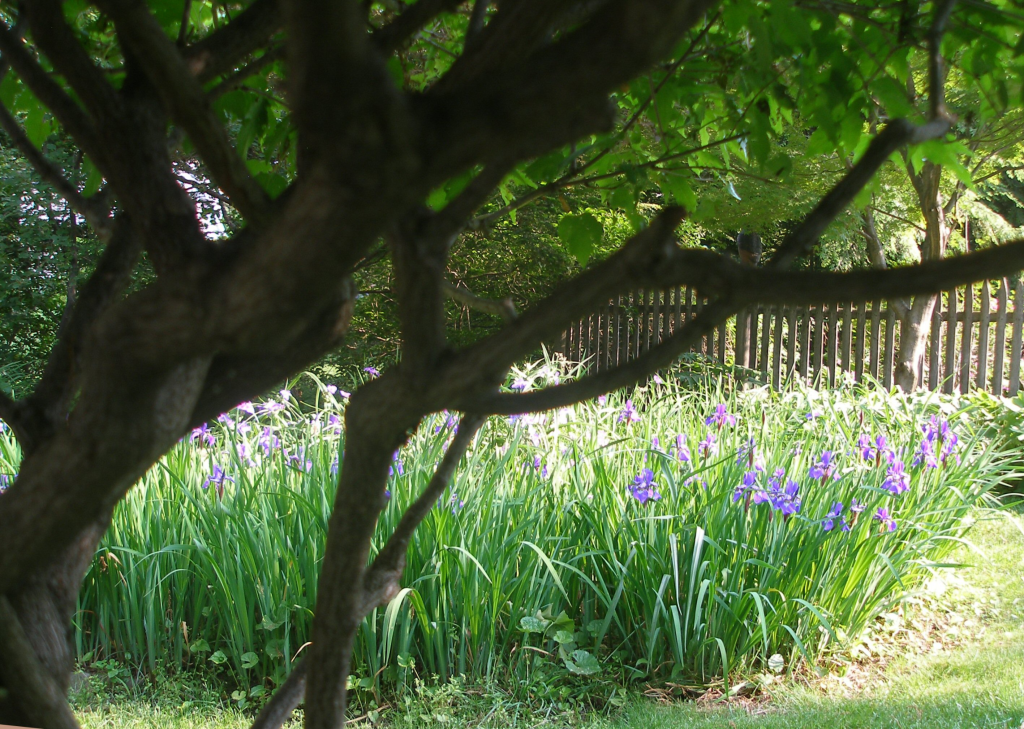
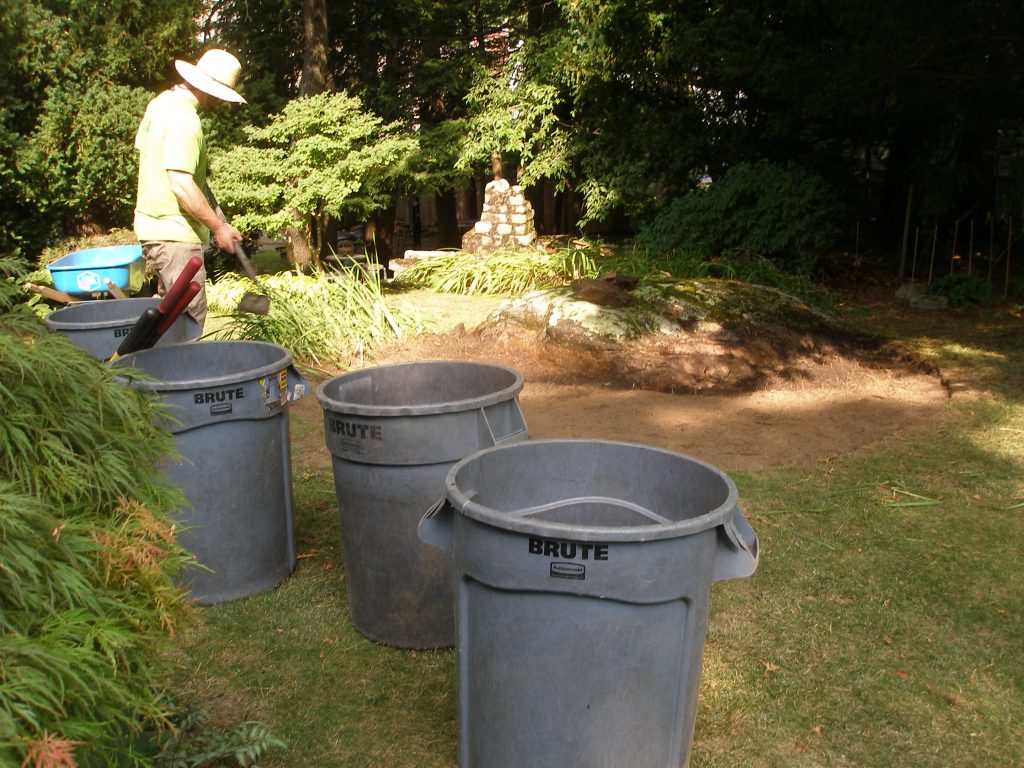
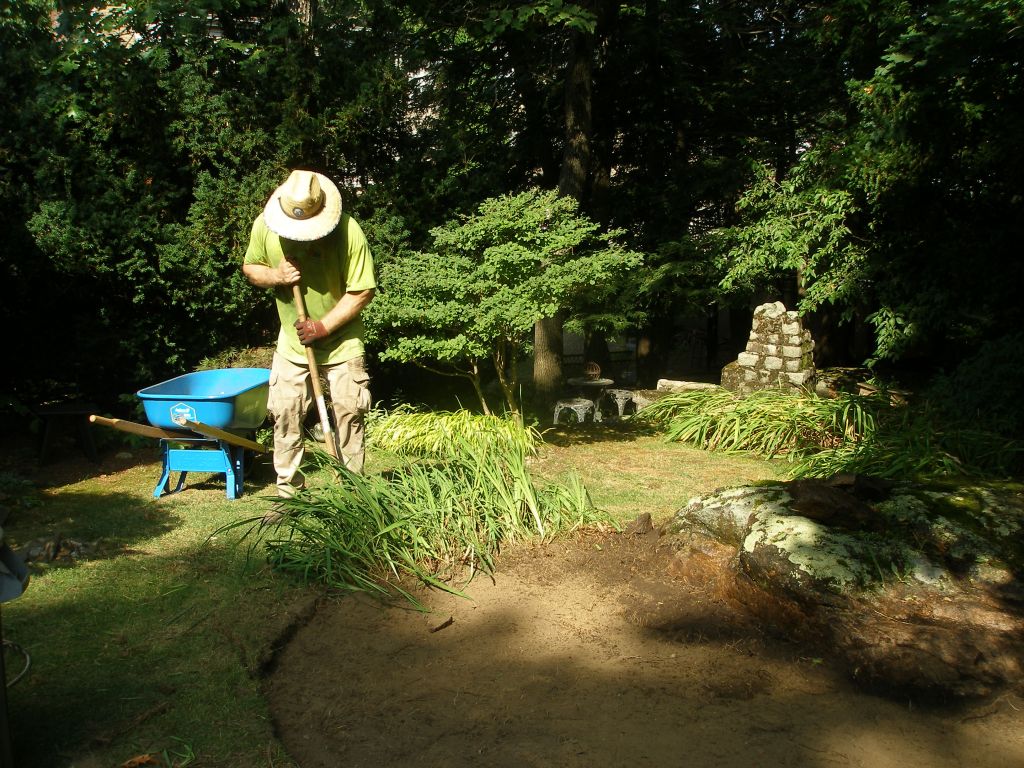
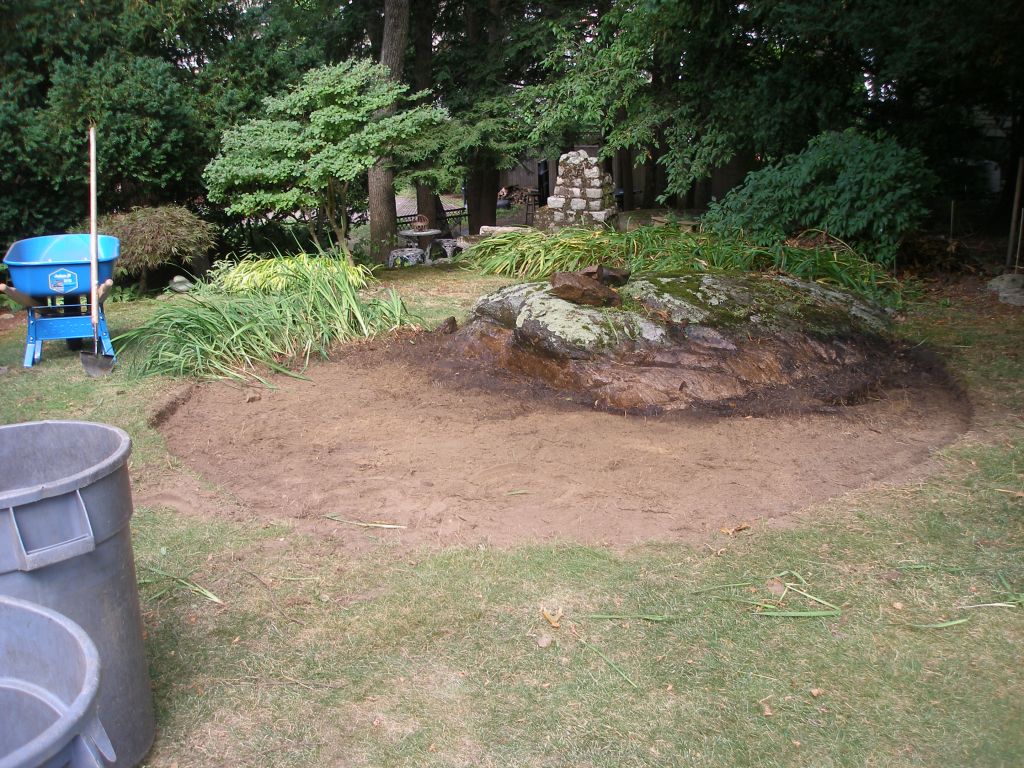
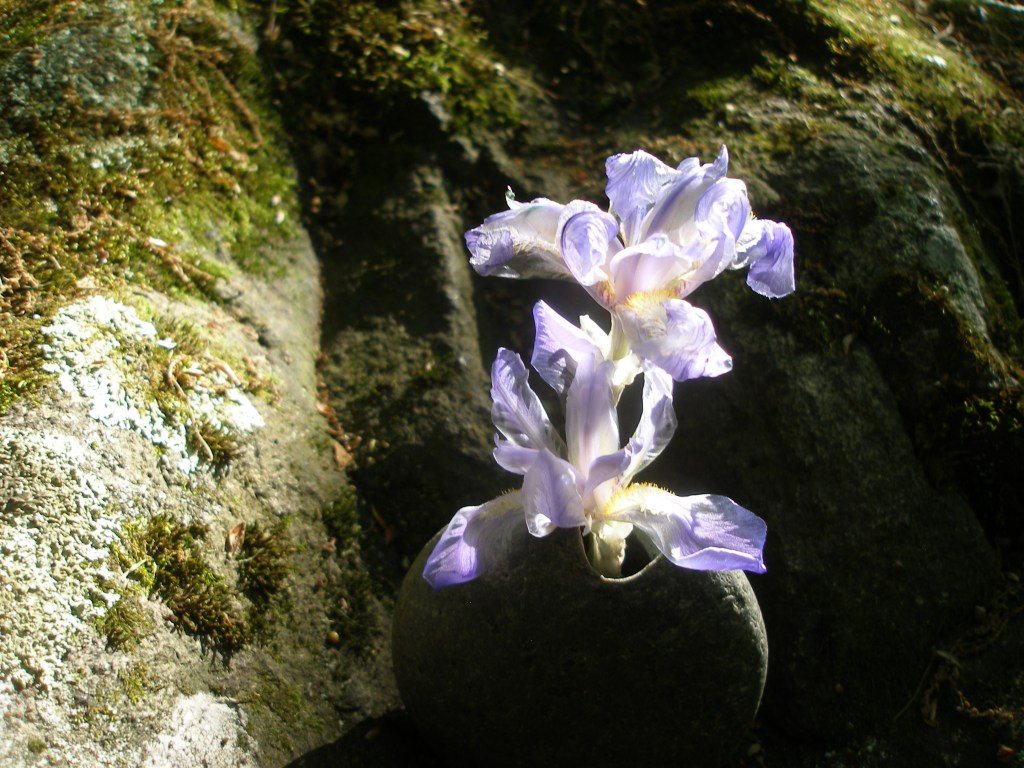
As he was leaving, Kokubun suggested removing the iris so as to make the outcrop more visible. I said, “Perhaps leaving a small patch of iris on the left.” He nodded in agreement. As luck would have it, a recommended local landscaper told me he could came out the following week. Nick Rose and his crew dug down to reveal more of the outcrop for a job that was pure labor with a lot of hand digging. Nick mentioned that the biggest reason to seek out professional help for that job was the need to haul away the rather large quantity of dirt and plant matter that they had removed.
My garden had been stable for quite some time but making the outcrop more visible was such an obvious idea, I am surprised I did not think of it on my own. Removing things has become easier now that I am older. Here was an example of just how much of an improvement that can make.
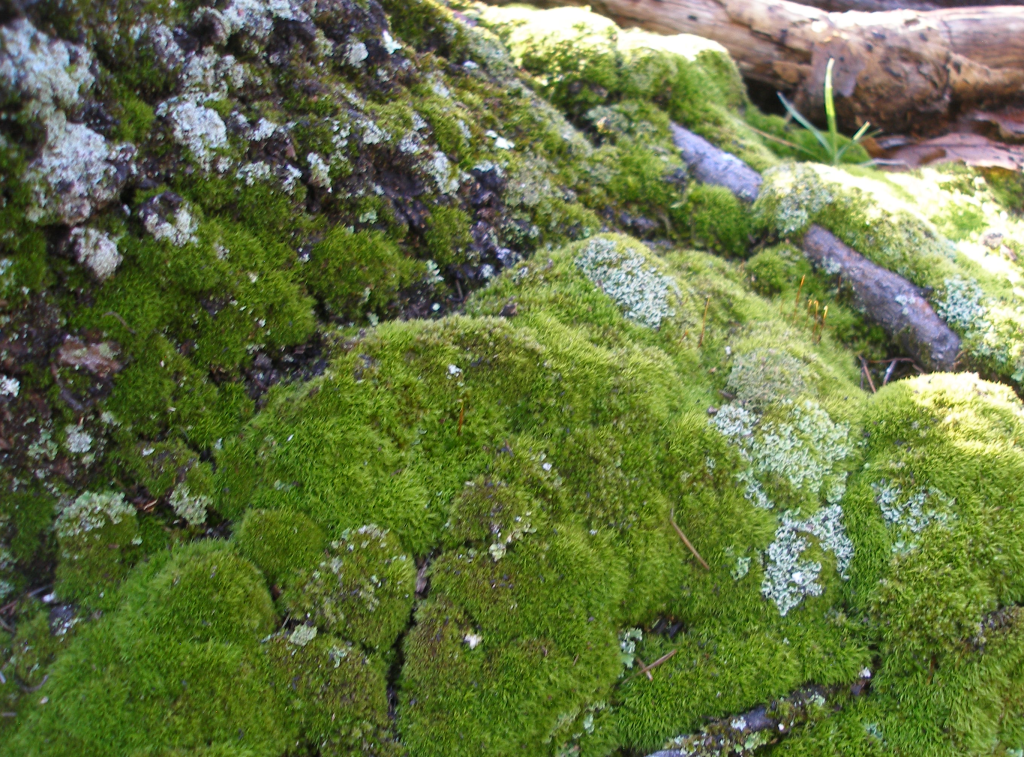
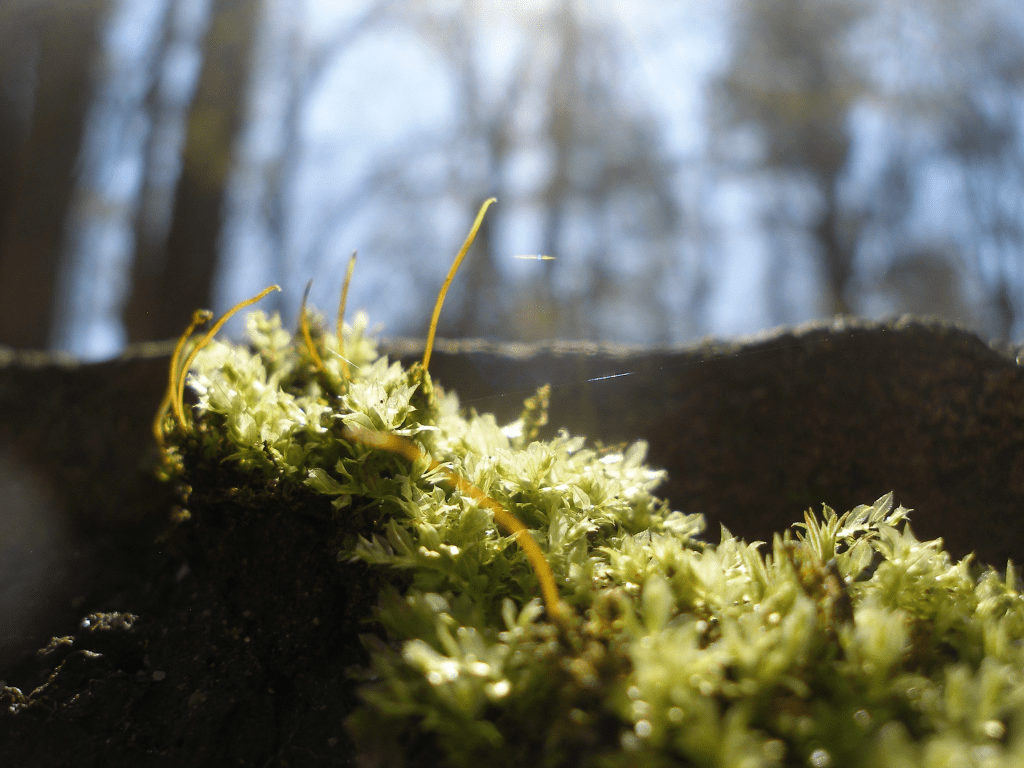
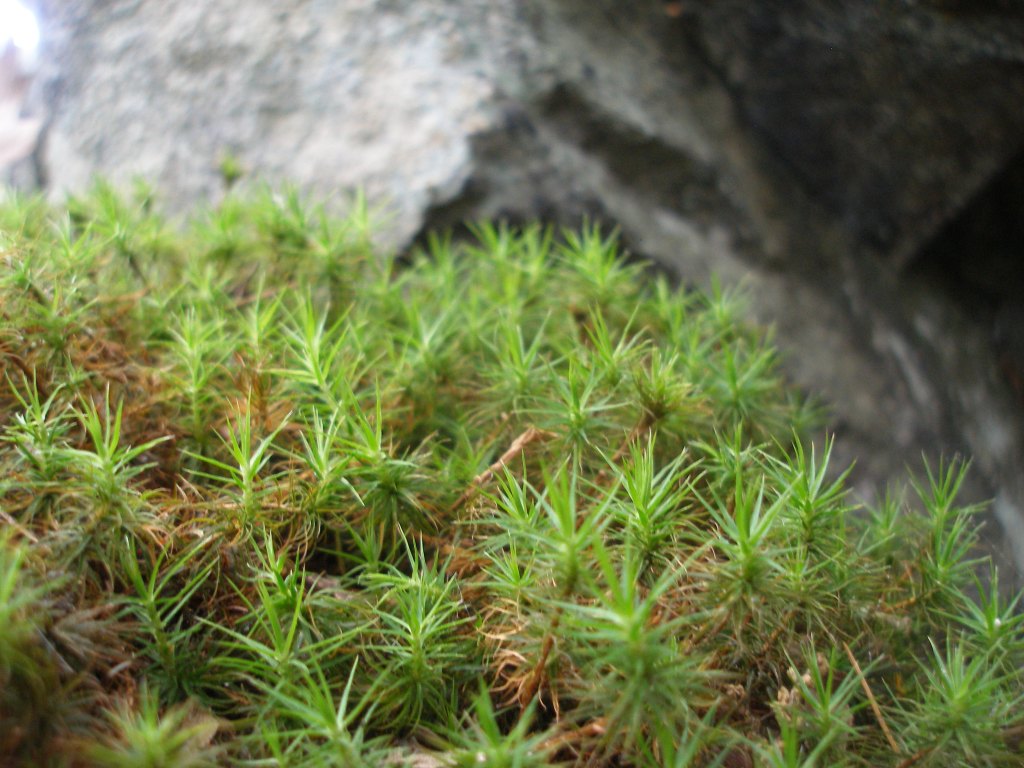
I love how these tiny plants create a soft carpet in shady places, but sometimes in sun as well. It seems natural to want to reach down and pet them. They also can help us achieve relaxed moods as in this dreamy video created by Jeffrey Klein. The Andante section of a recording of J. S. Bach’s Sonata #5 played by Jeffrey Brody on piano and Andrea Hart on flute (and used with their permission) is a perfect complement to the moss images.
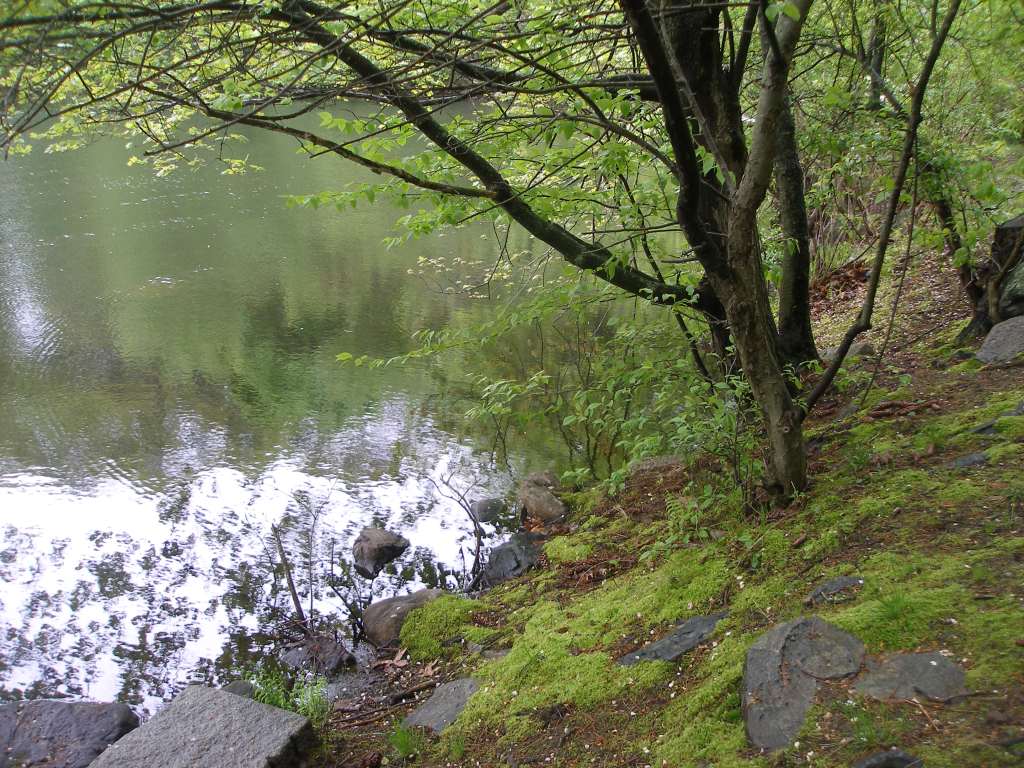
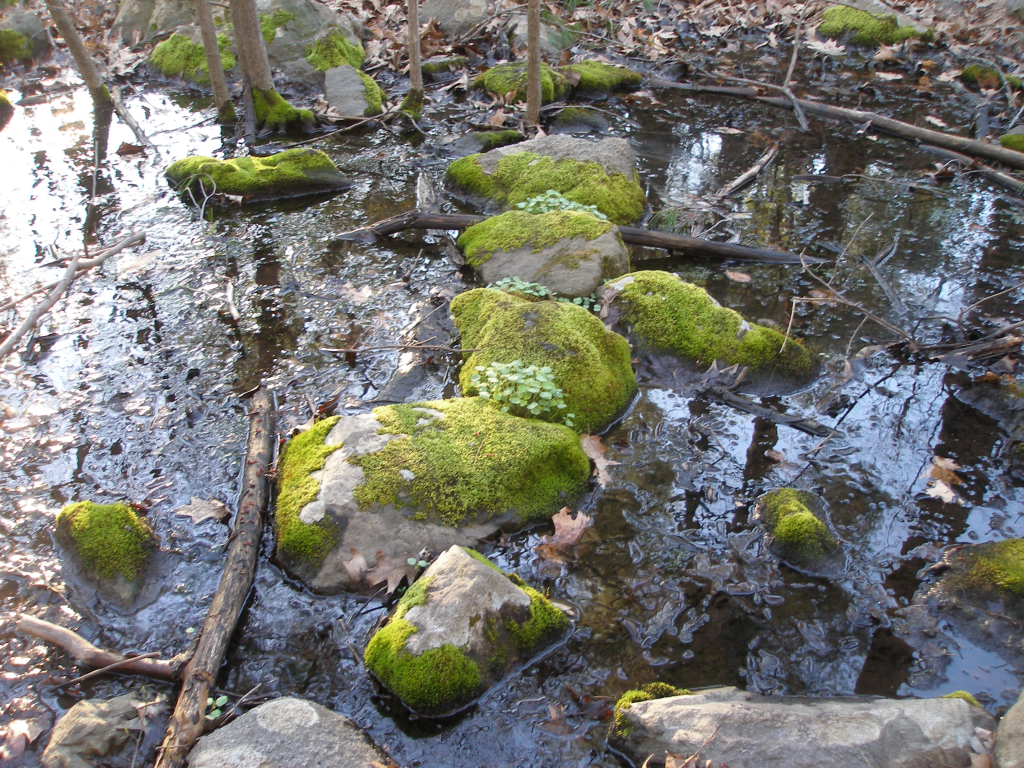
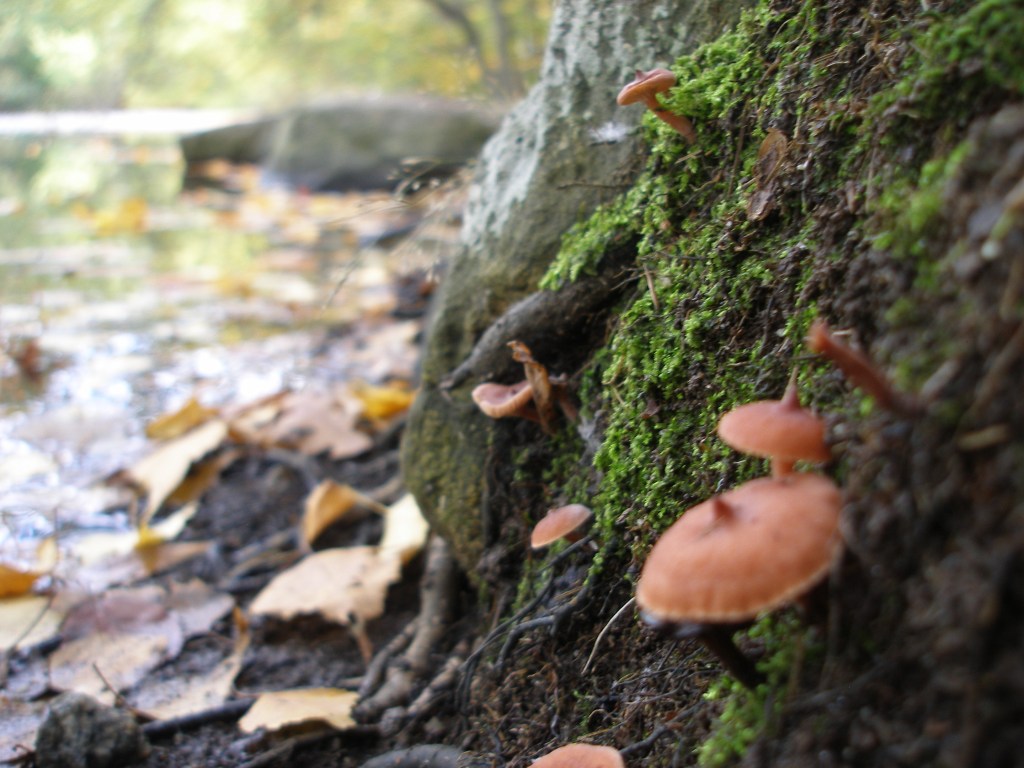
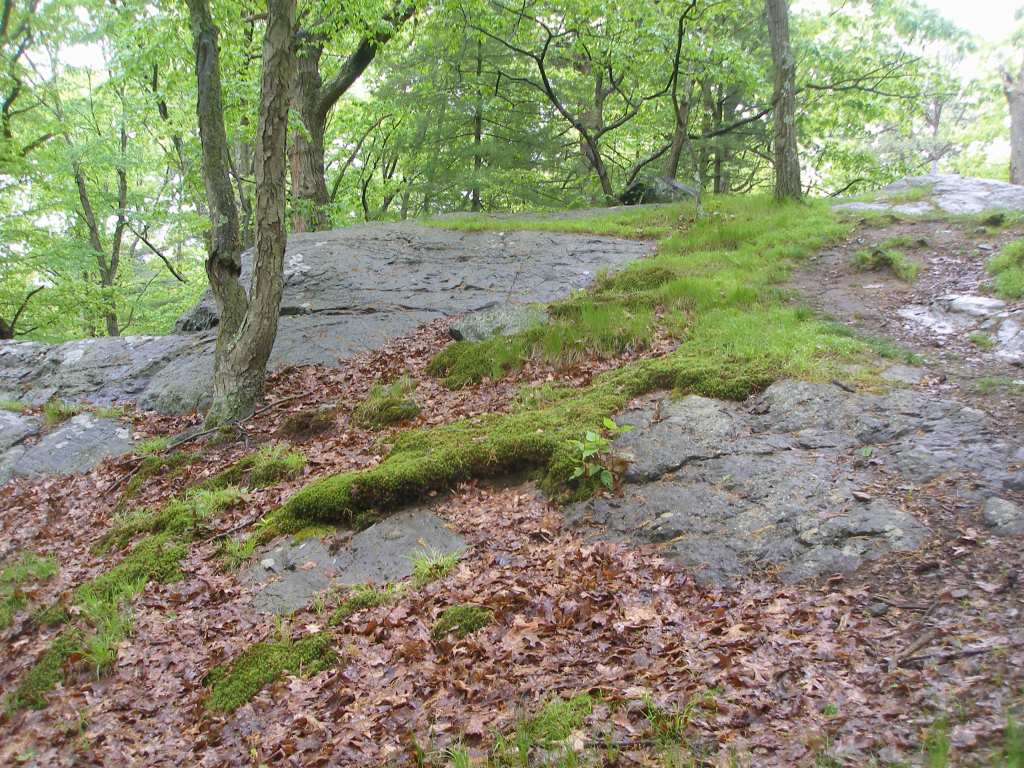
Mosses are often used in Japanese gardens for good reason, and it is a delight to come across them growing wild in a natural setting.
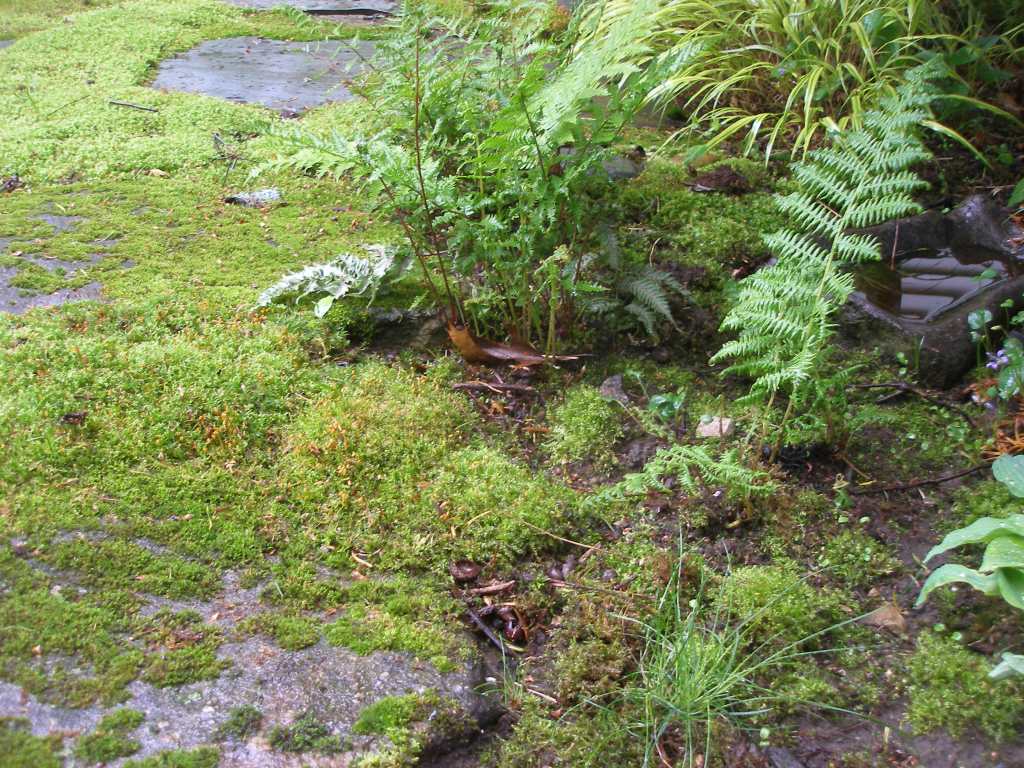
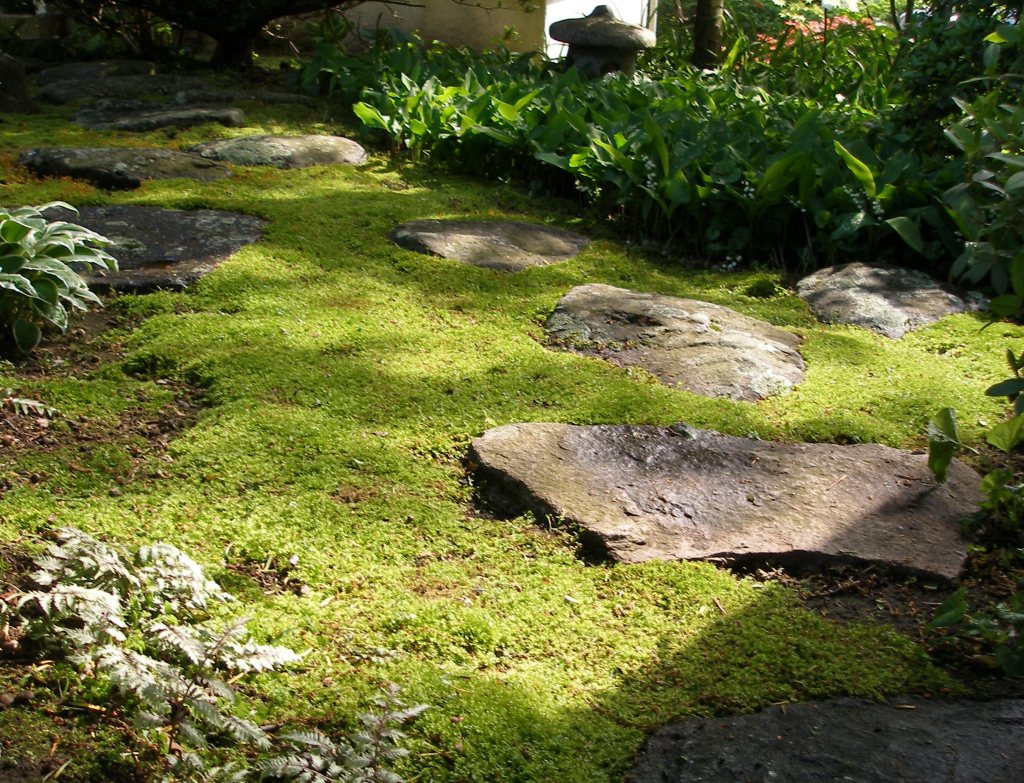
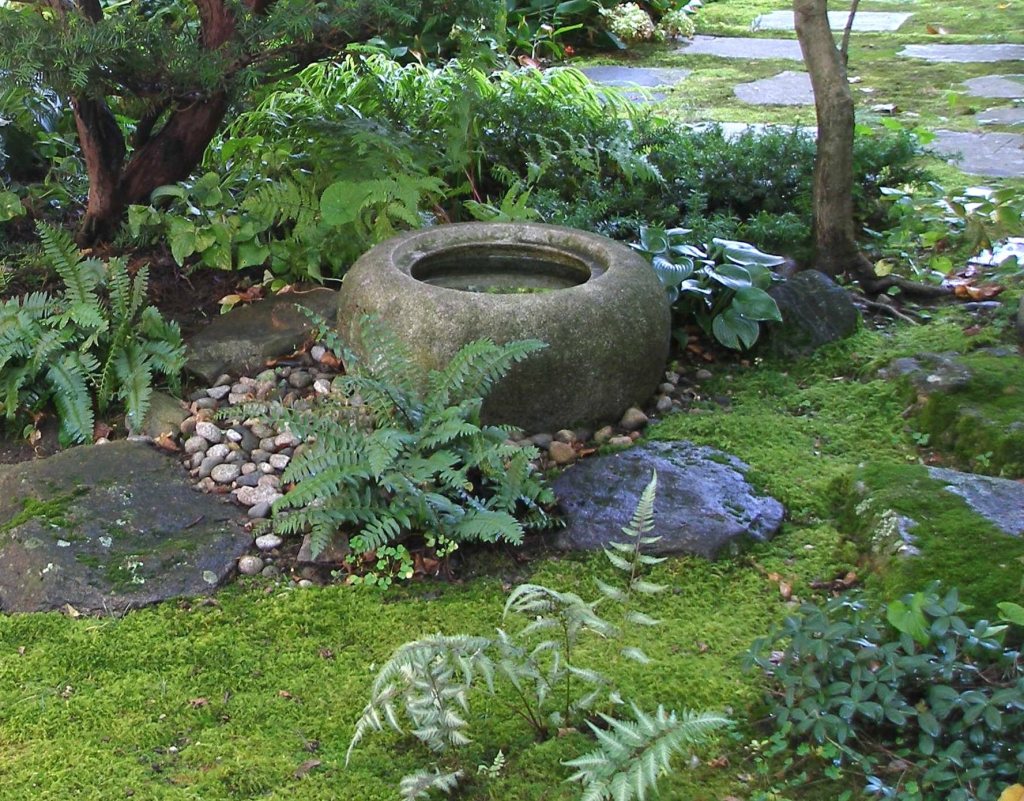
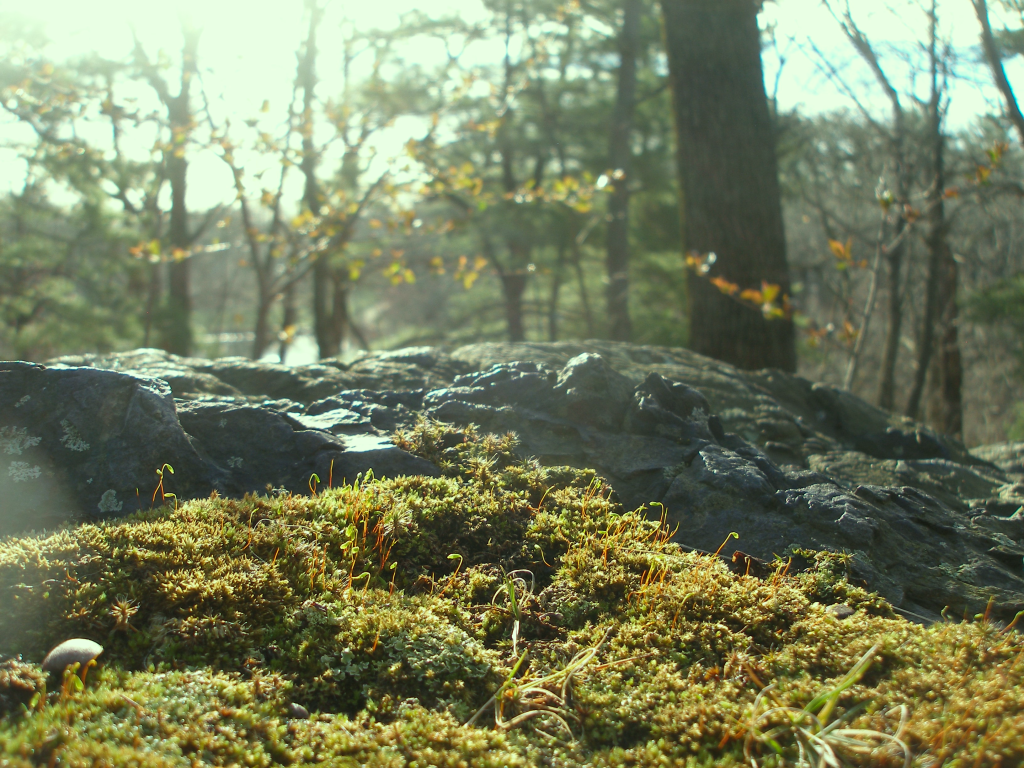
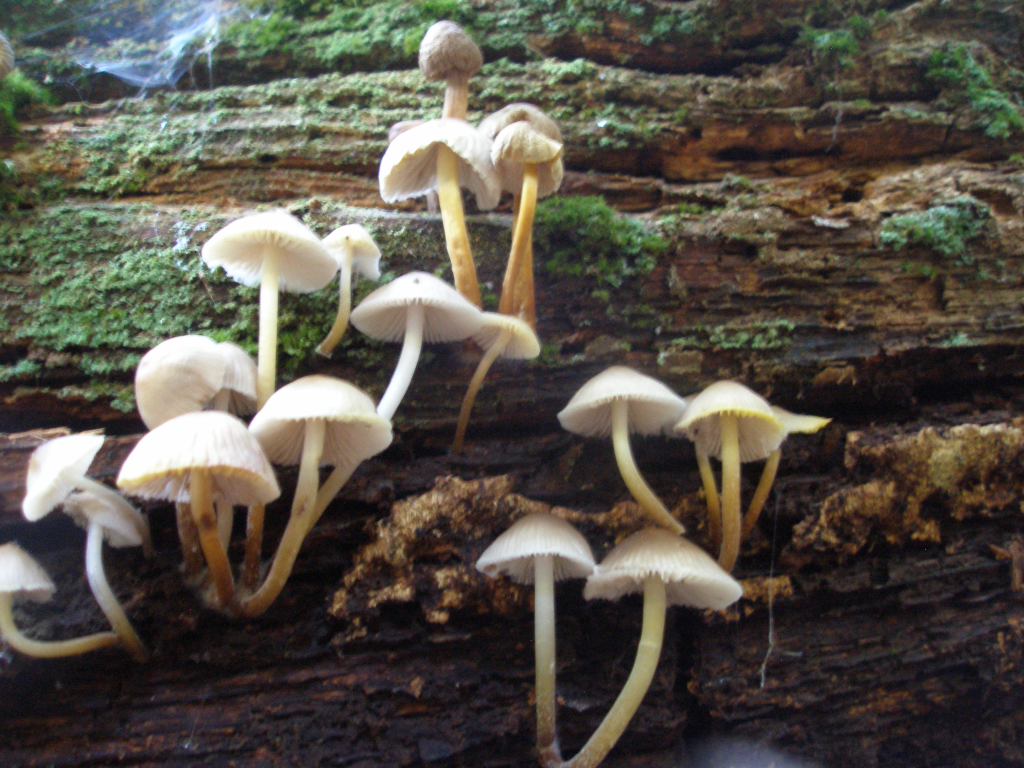
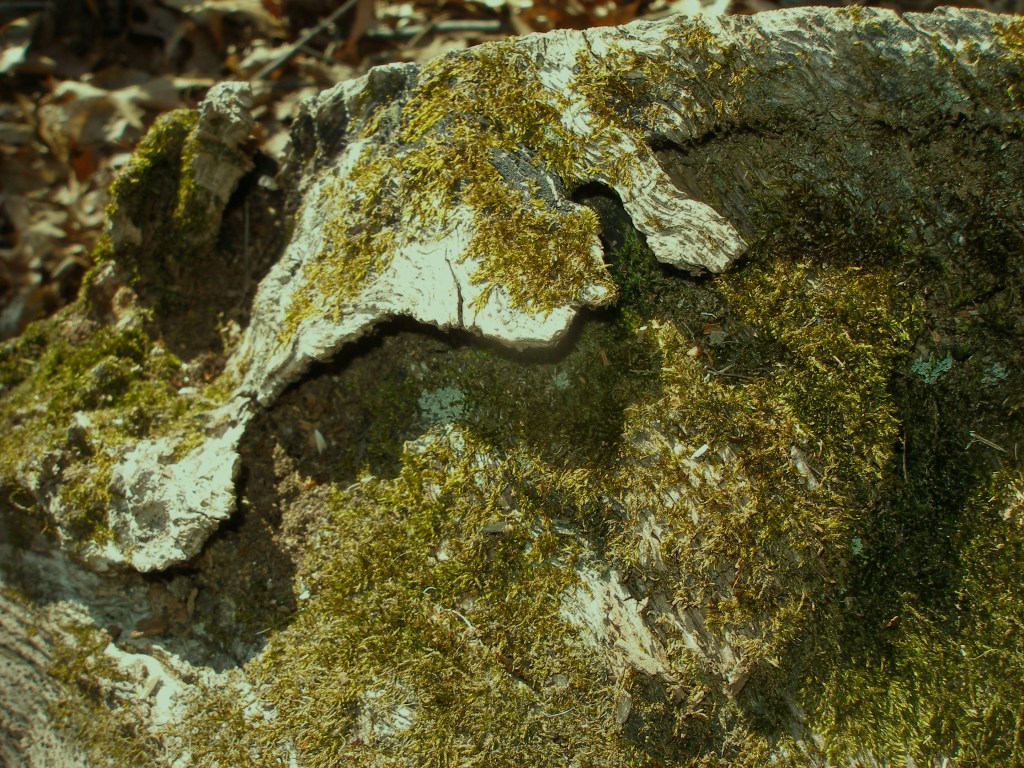
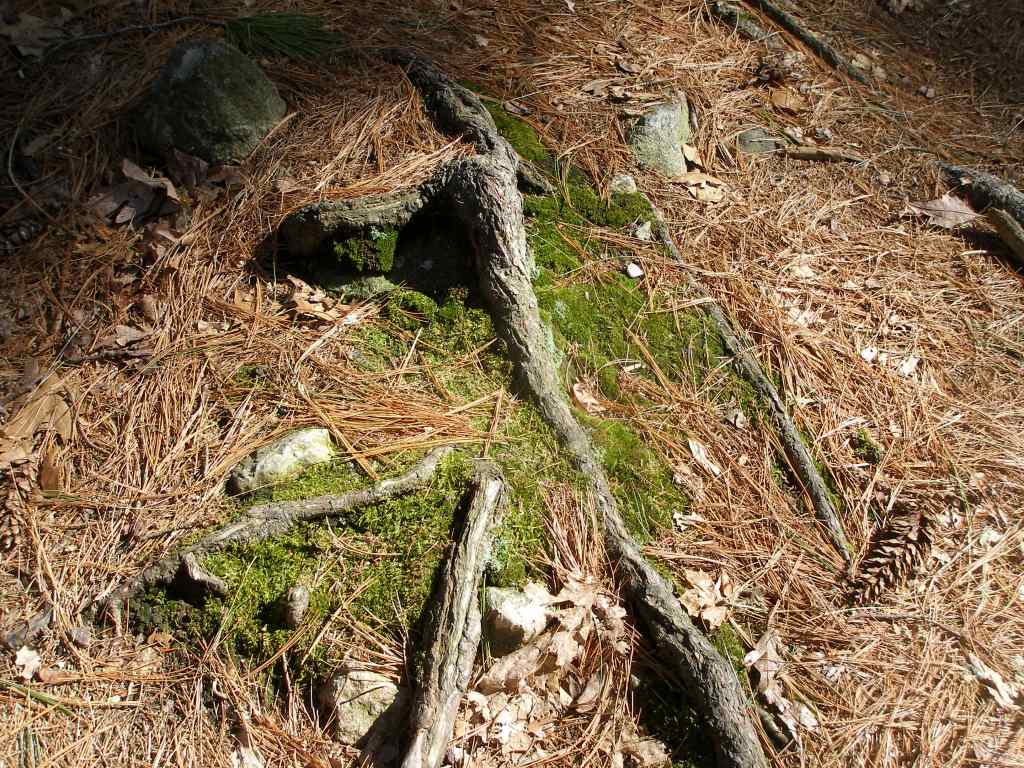
With all the rain lately, moss has been happily spreading in my garden. I was delighted when the tiny plants decided to form a soft green carpet where guests gather on my patio before sharing tea. In Menotomy Rocks Park, moss adorns the forest floor, the bases of living trees, fallen logs and even high up on rocky outcrops. Photos of moss in both settings are included below.
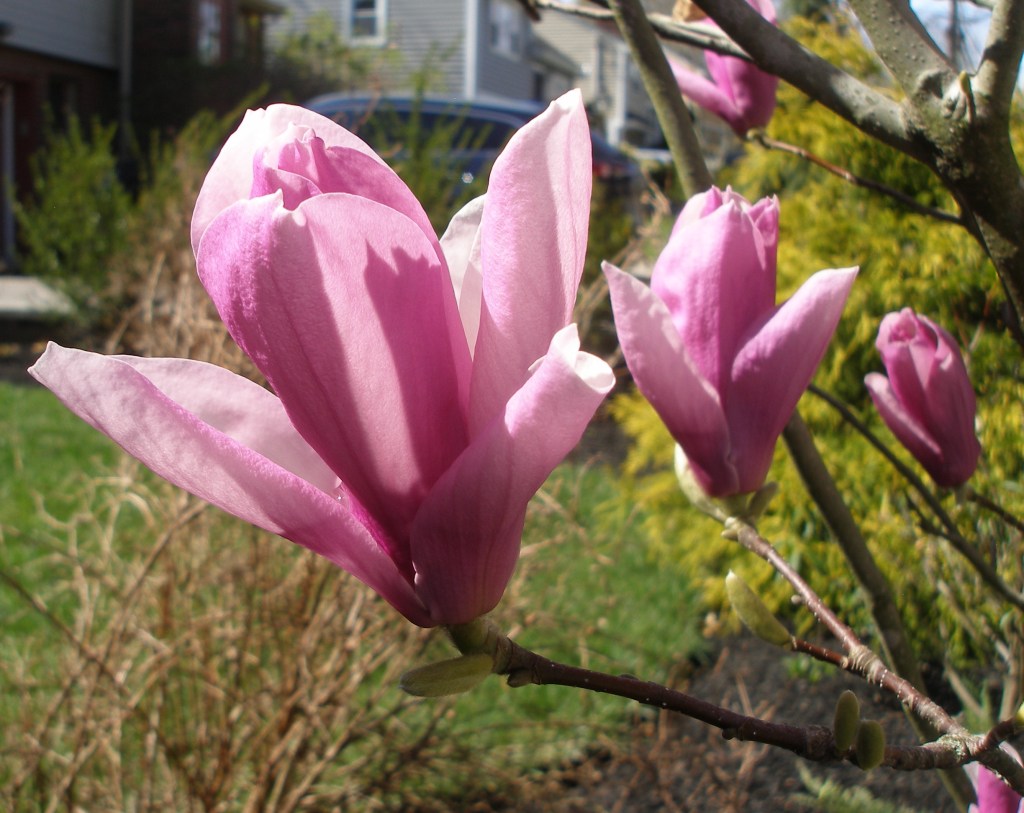
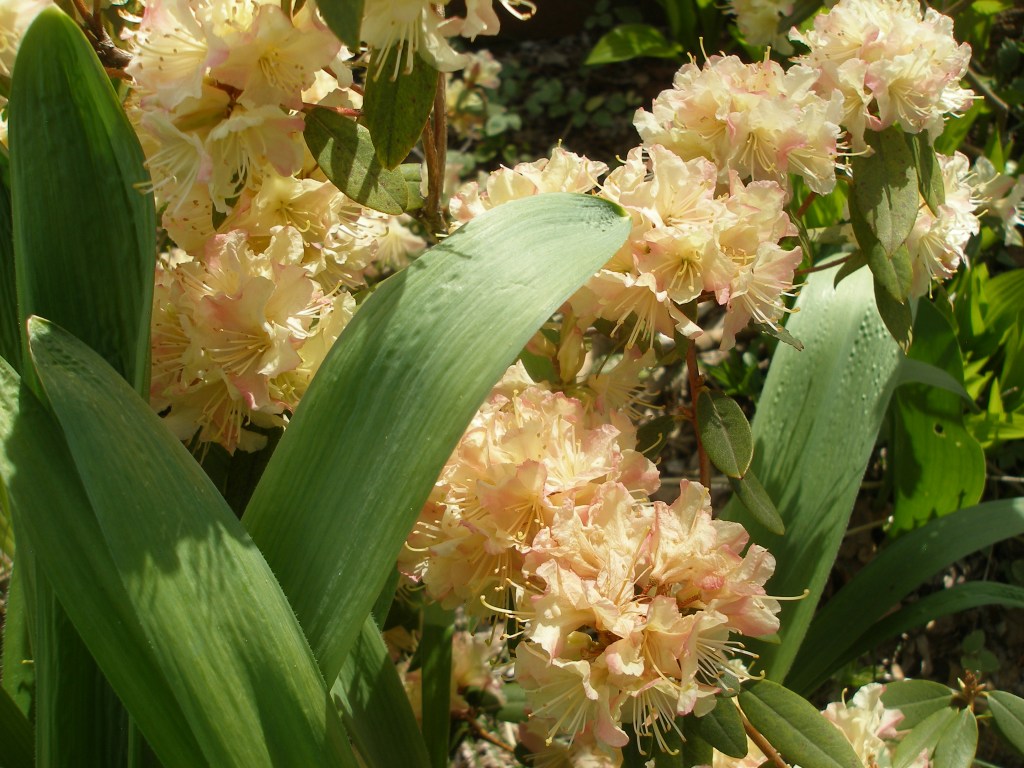
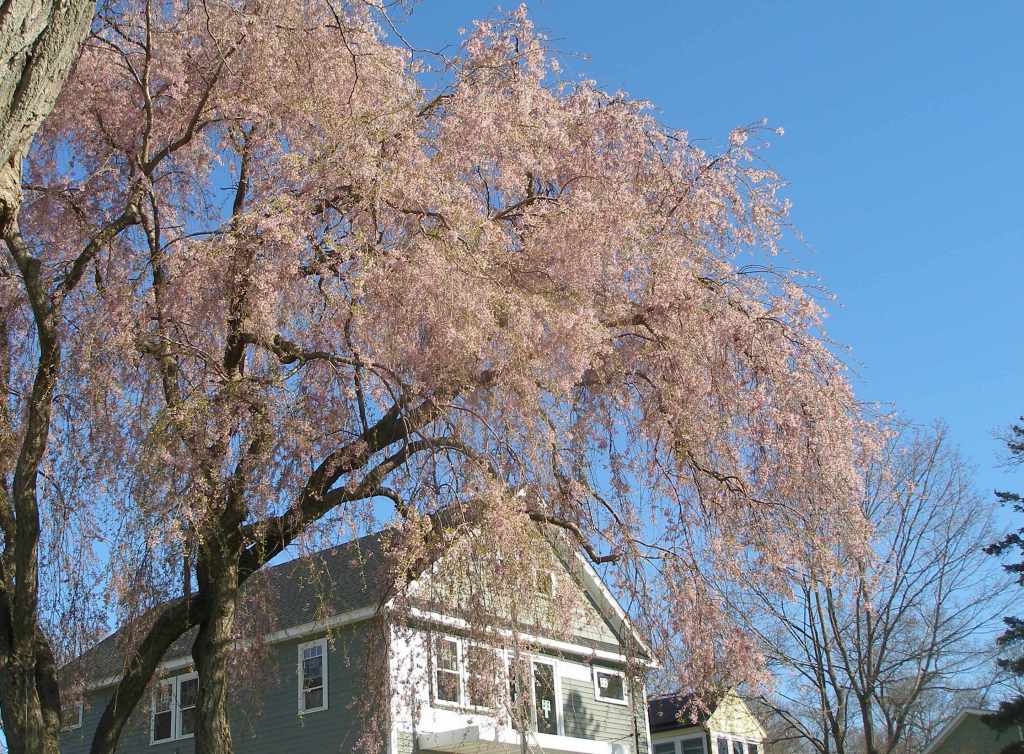
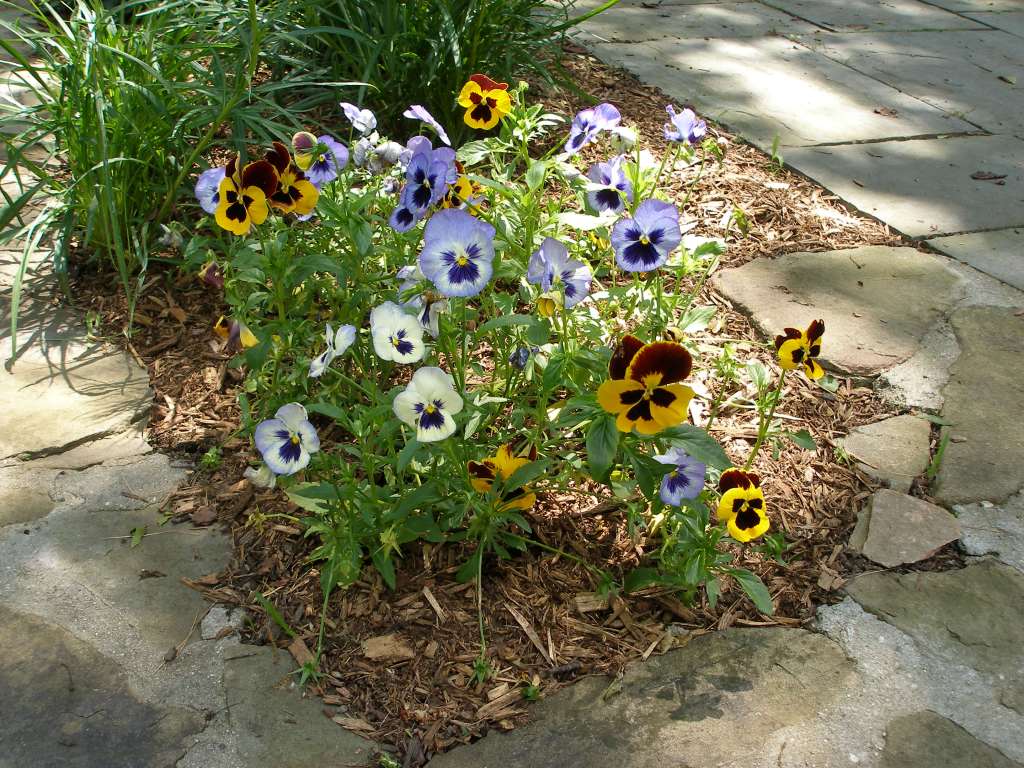
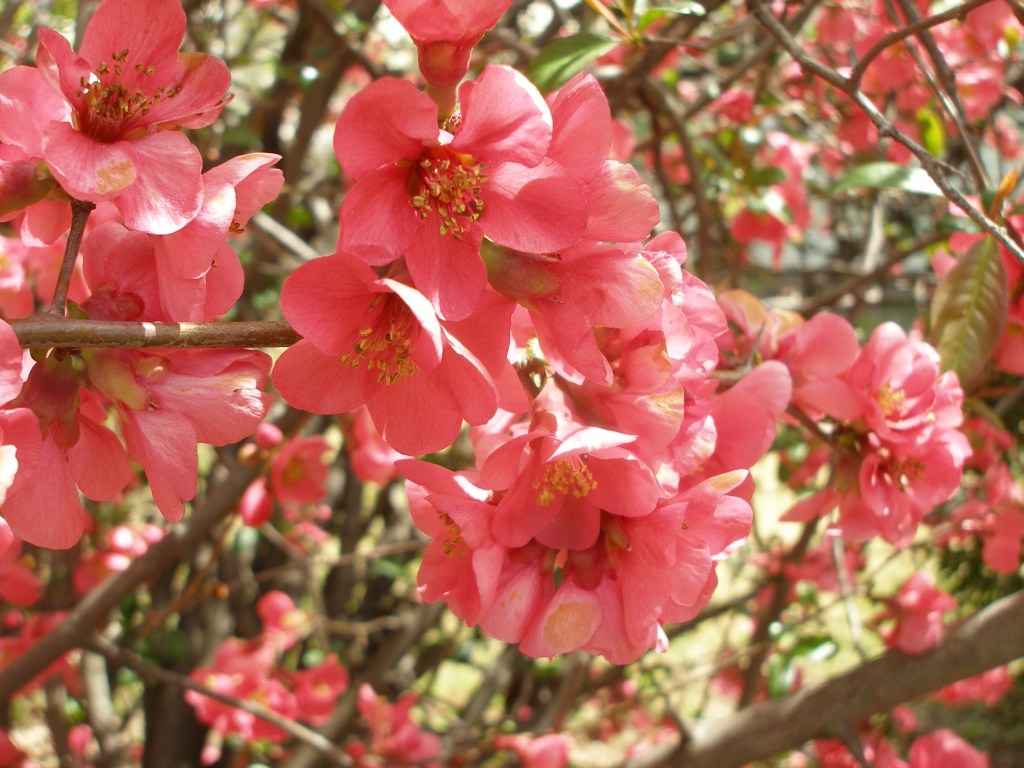
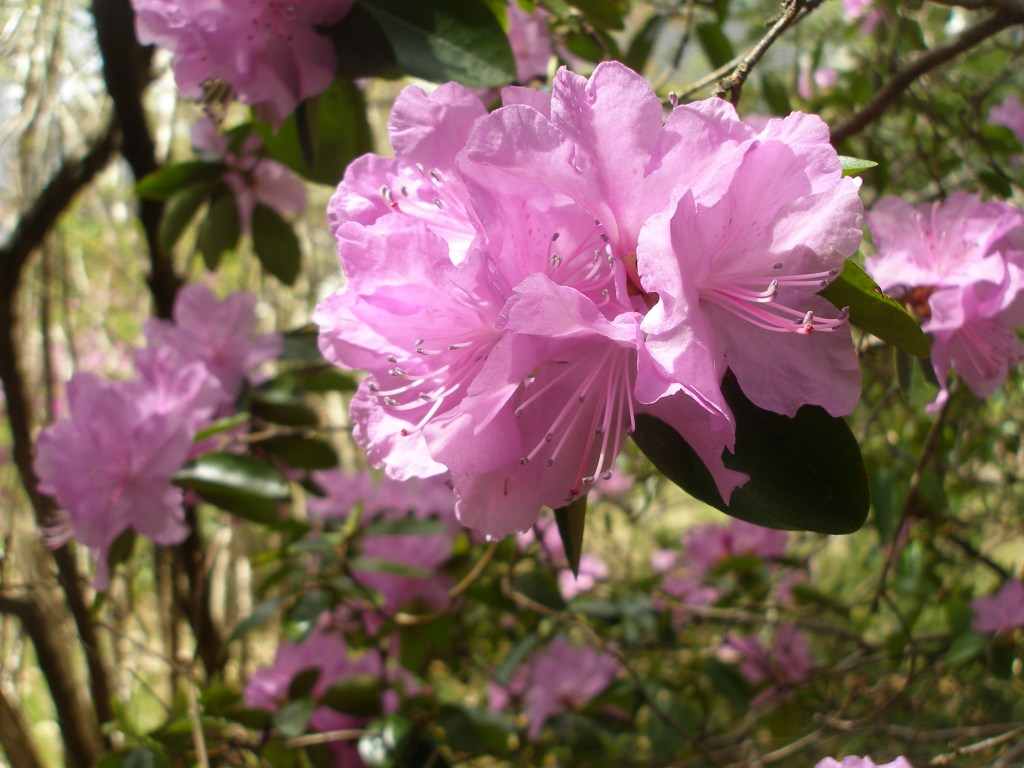
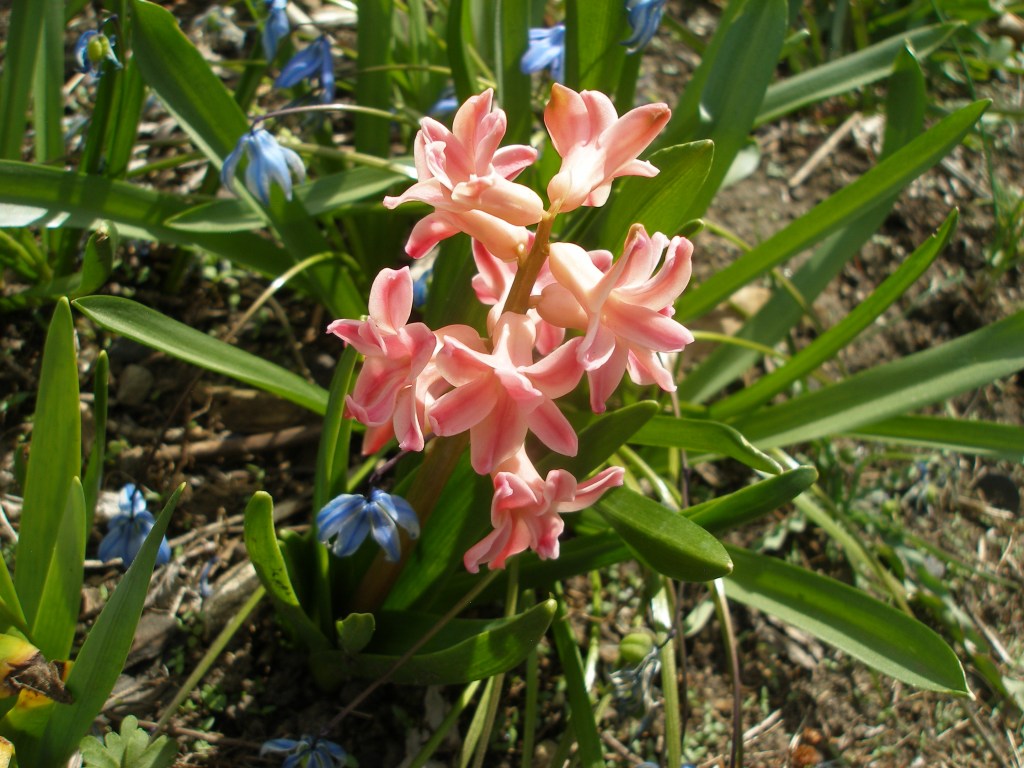
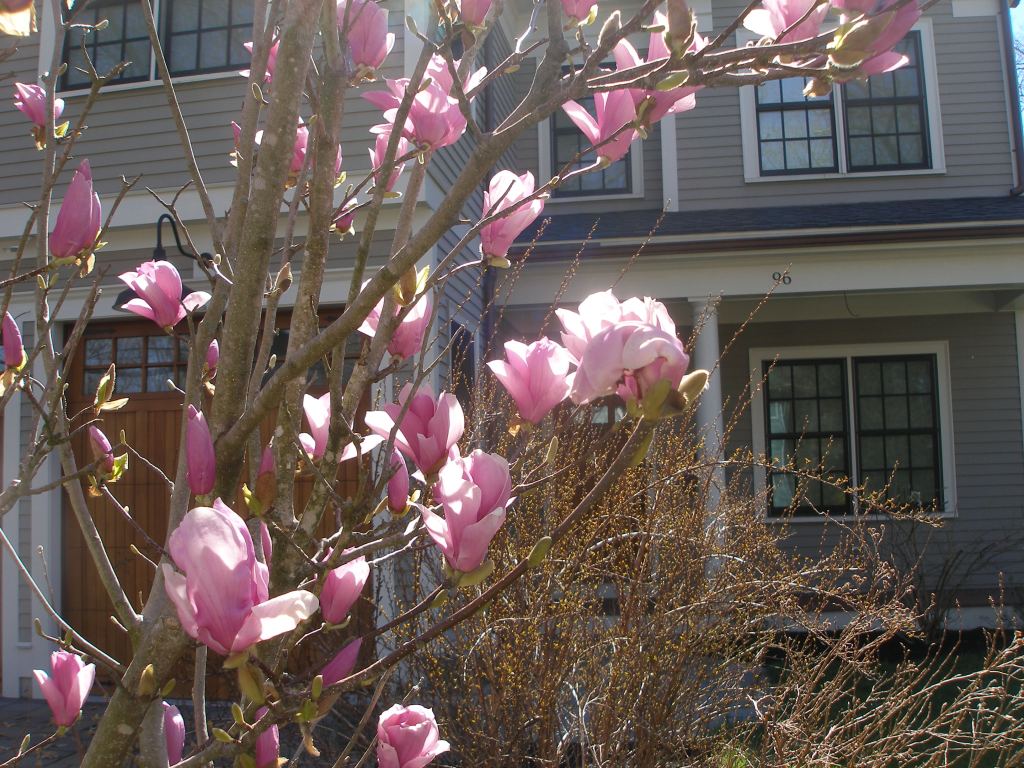
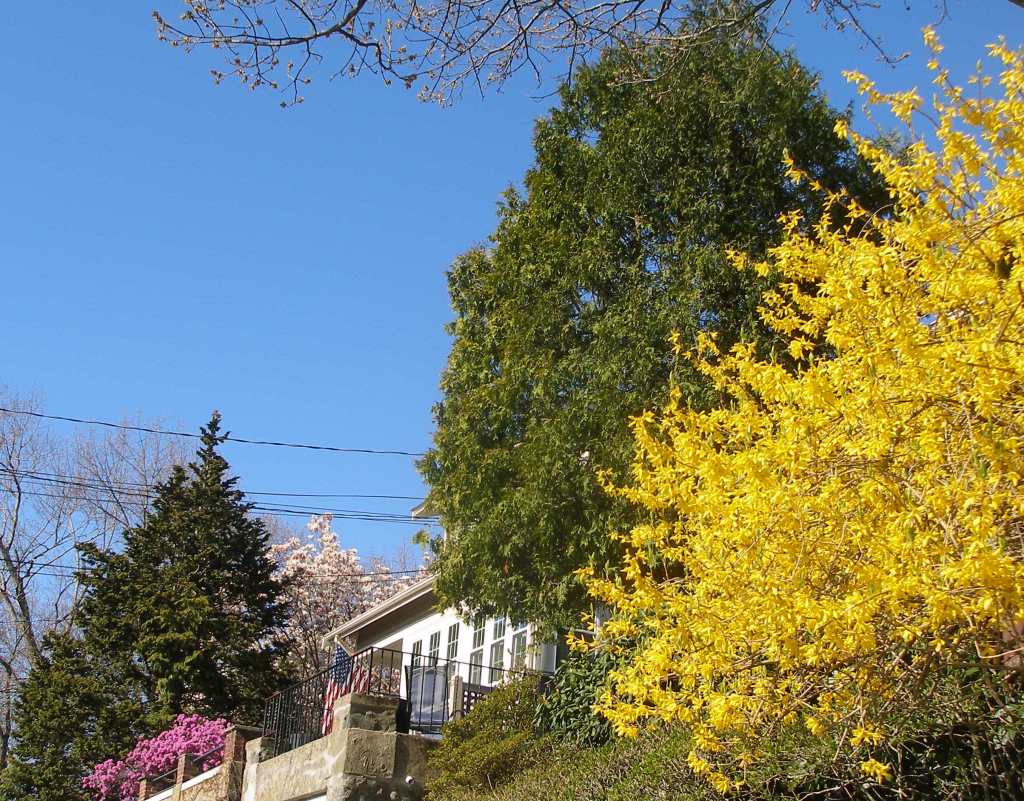
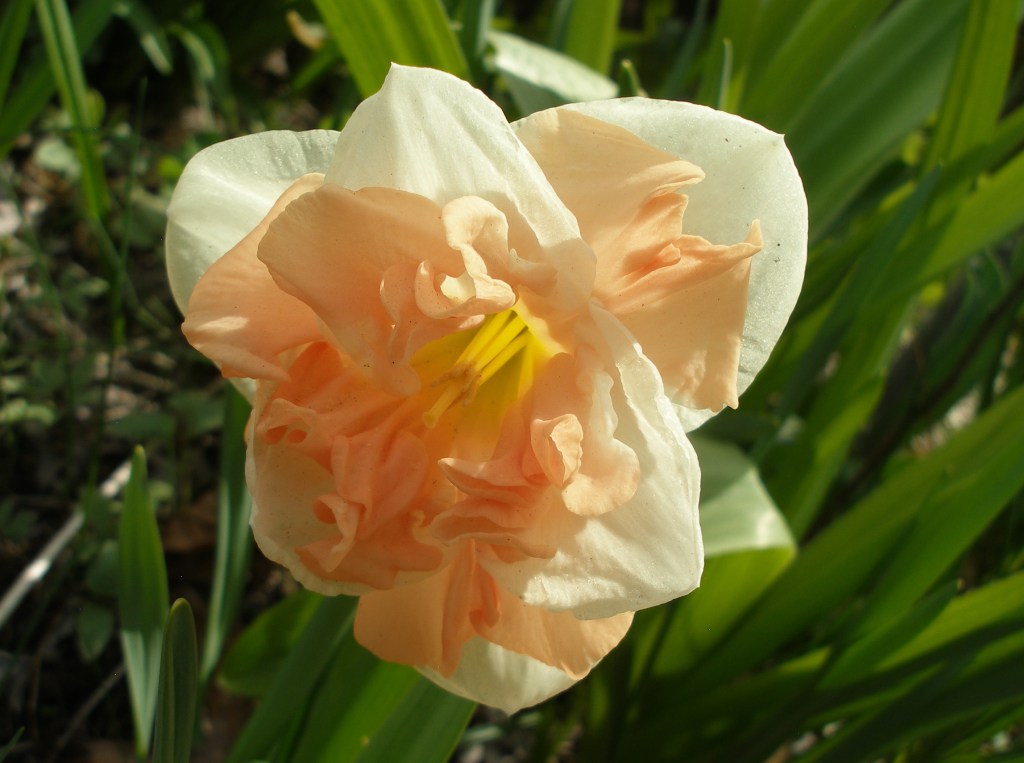
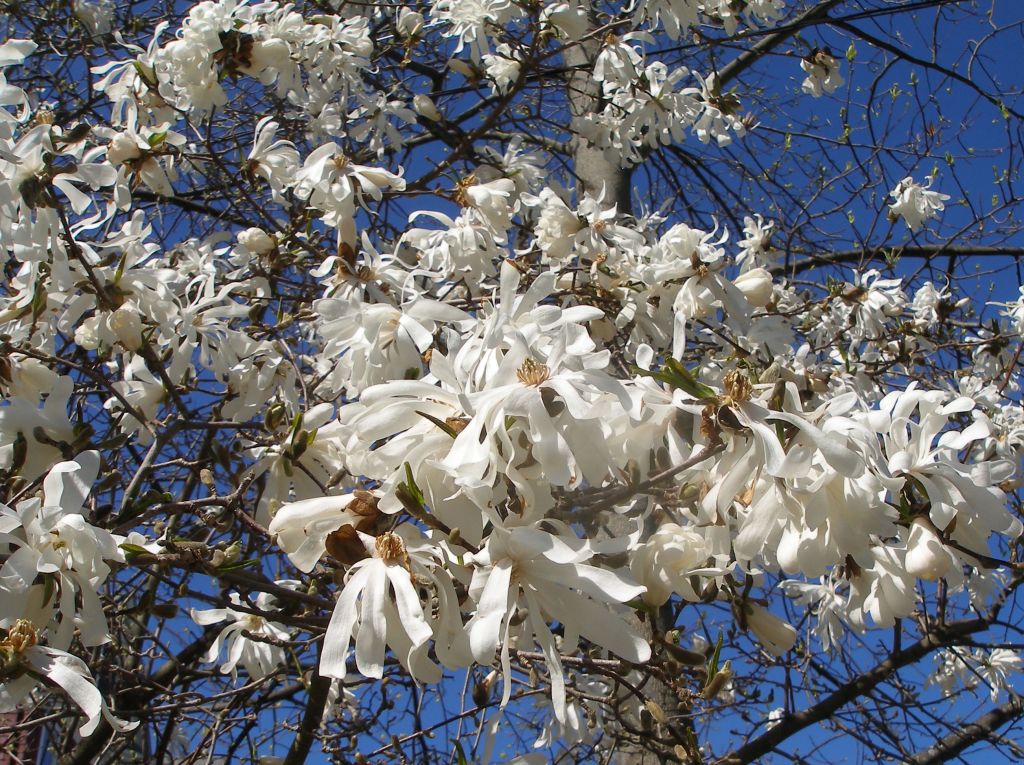
After a cold rainy March followed by warm sunny days in April, everything seems to be bursting into bloom all at once.
When I was growing up in Pennsylvania, spring was more leisurely with dancing daffodils holding their own beneath pink dogwoods on the slope by our house. But near Boston, the progression usually starts more slowly with just the neon yellow of Forsythias. Not this year. Let’s hope all this glory lasts for a while.
It was mid-April when we joined via Zoom for virtual forest-bathing. It would begin to get dark by the end of the session, so I decided to stay close to home and wander in my Japanese-style garden. After paying attention to all of our senses outdoors we went off to walk on our own with a suggestion that we pay attention to color.
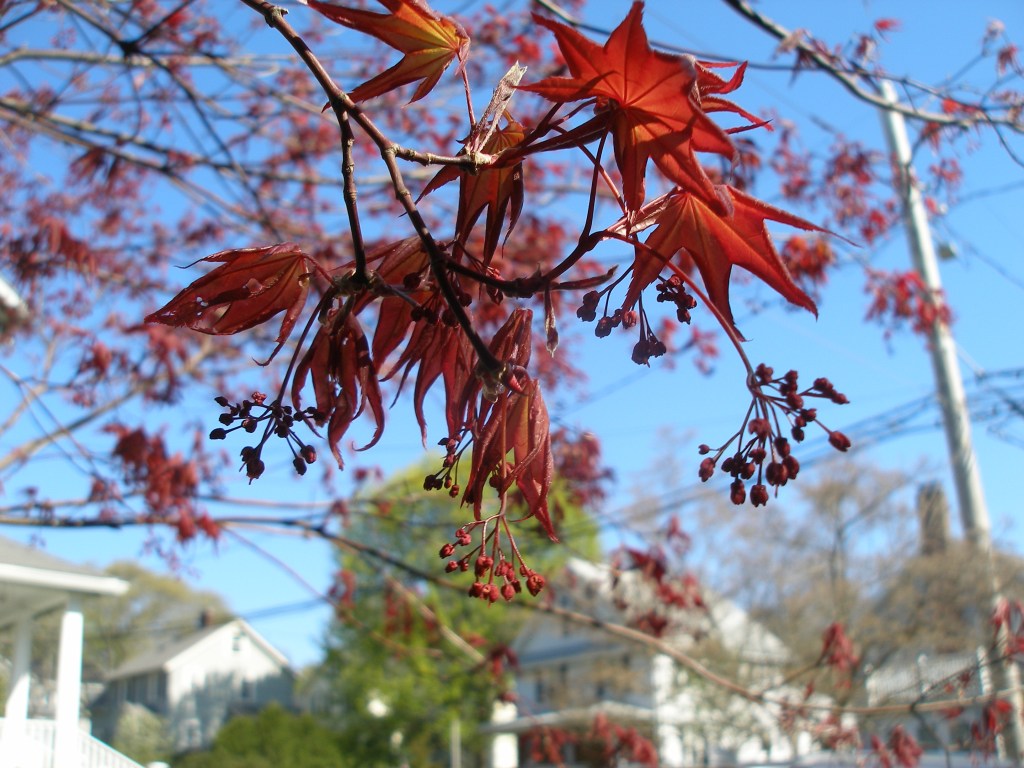
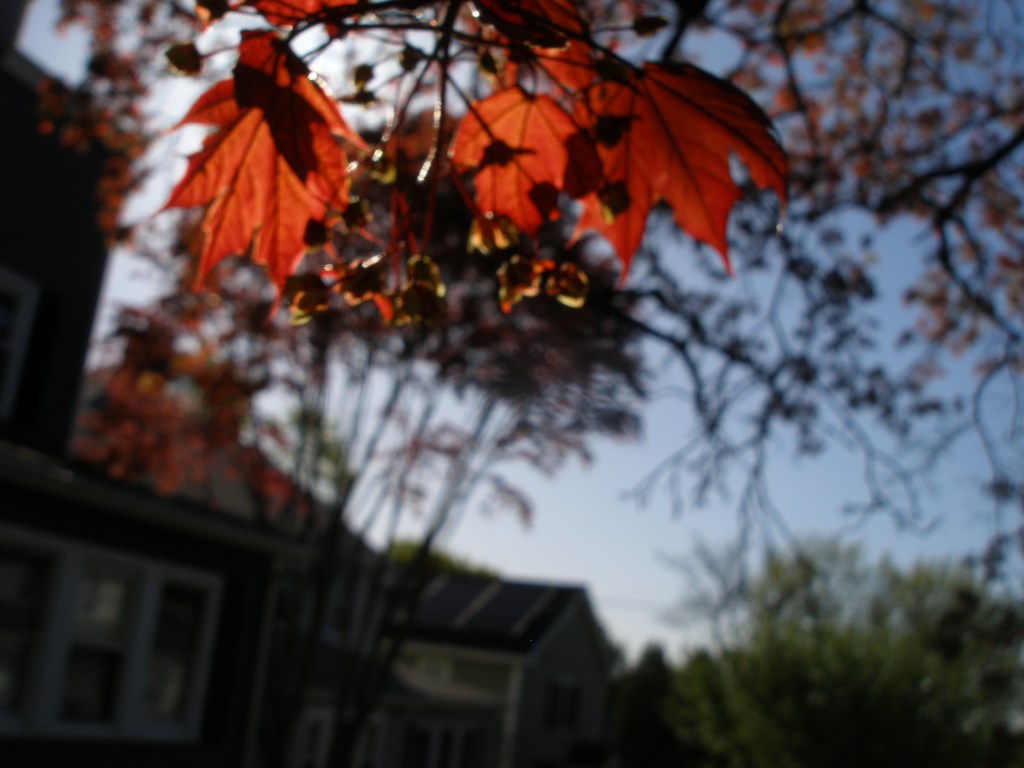
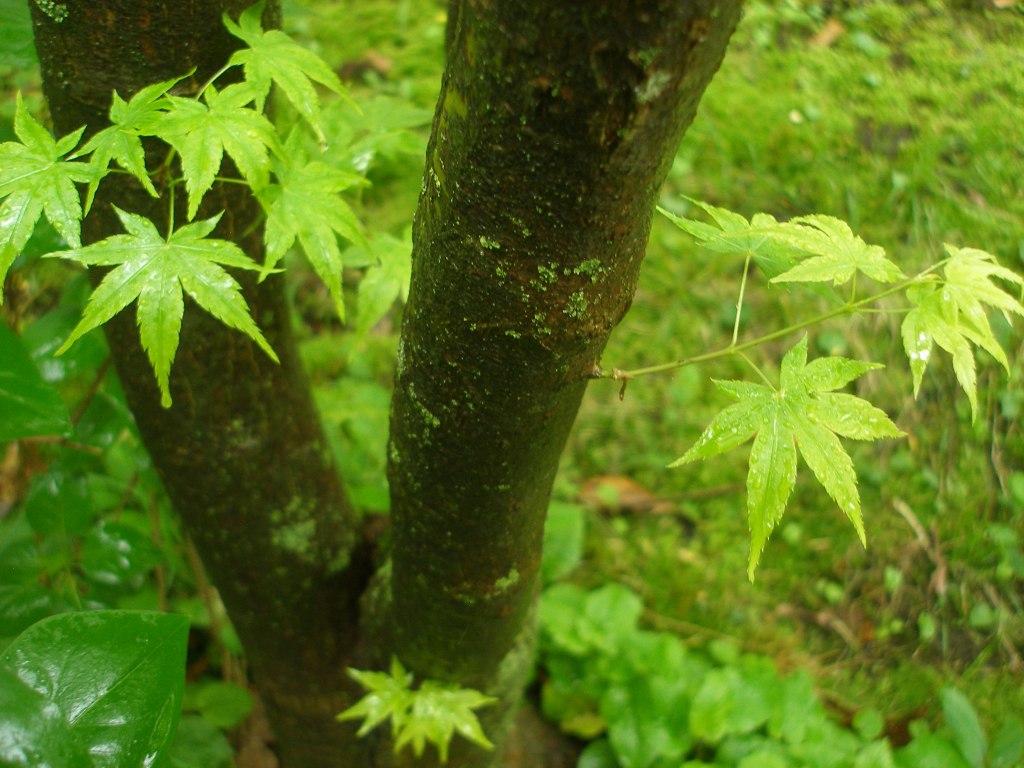
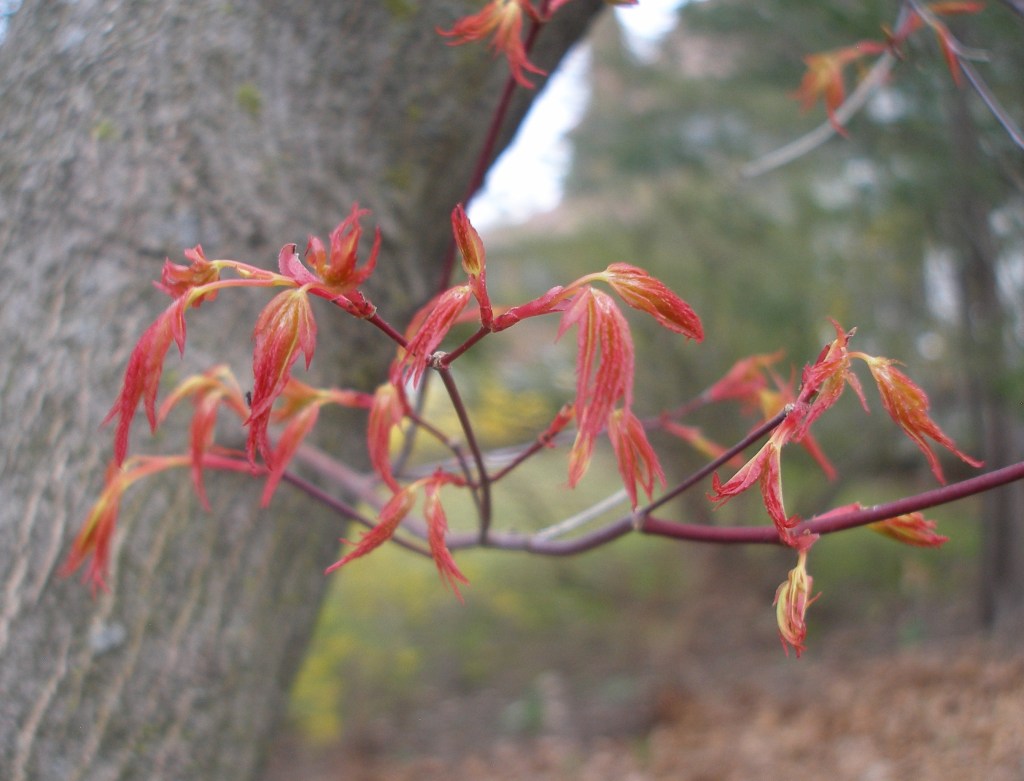
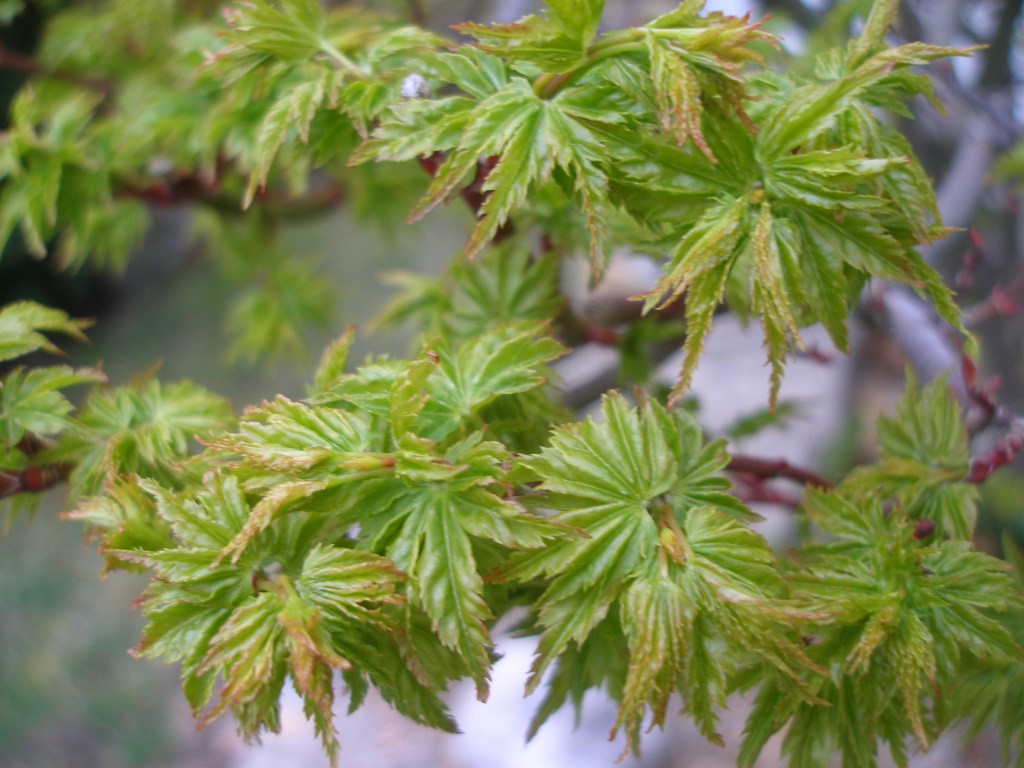
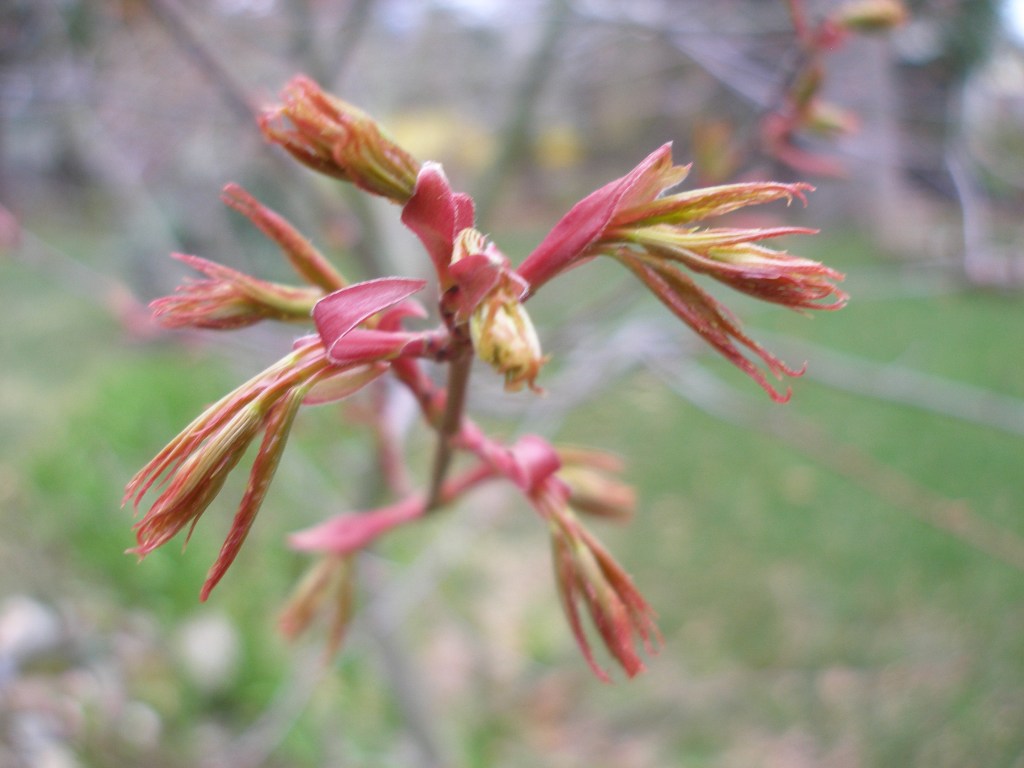
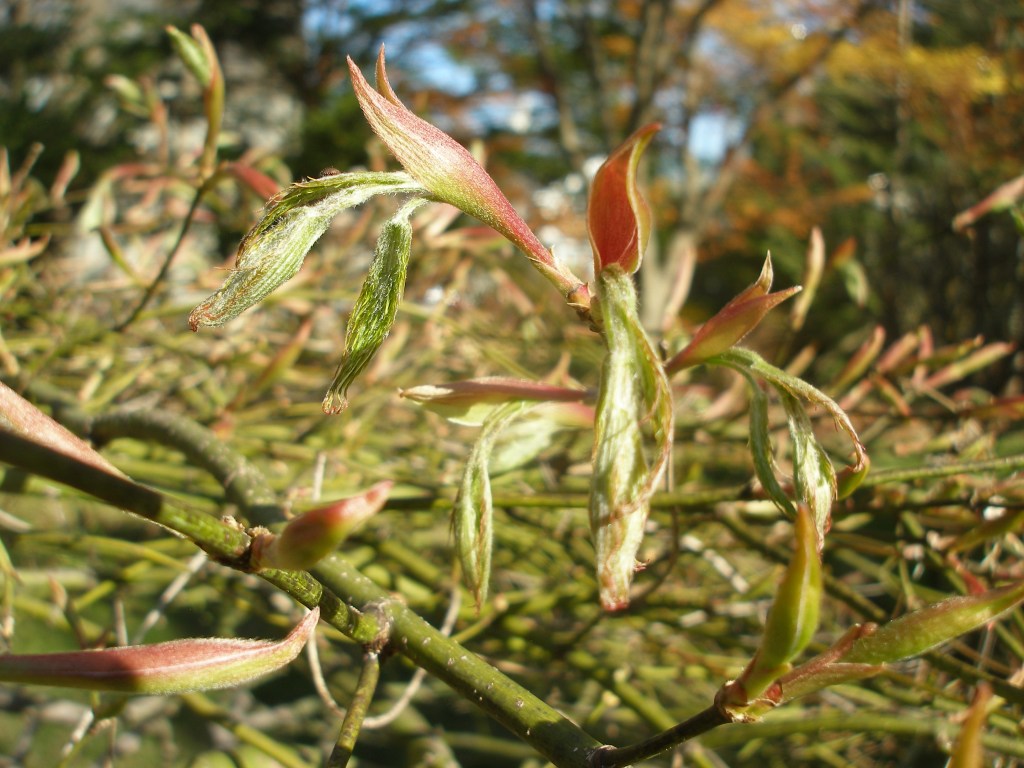
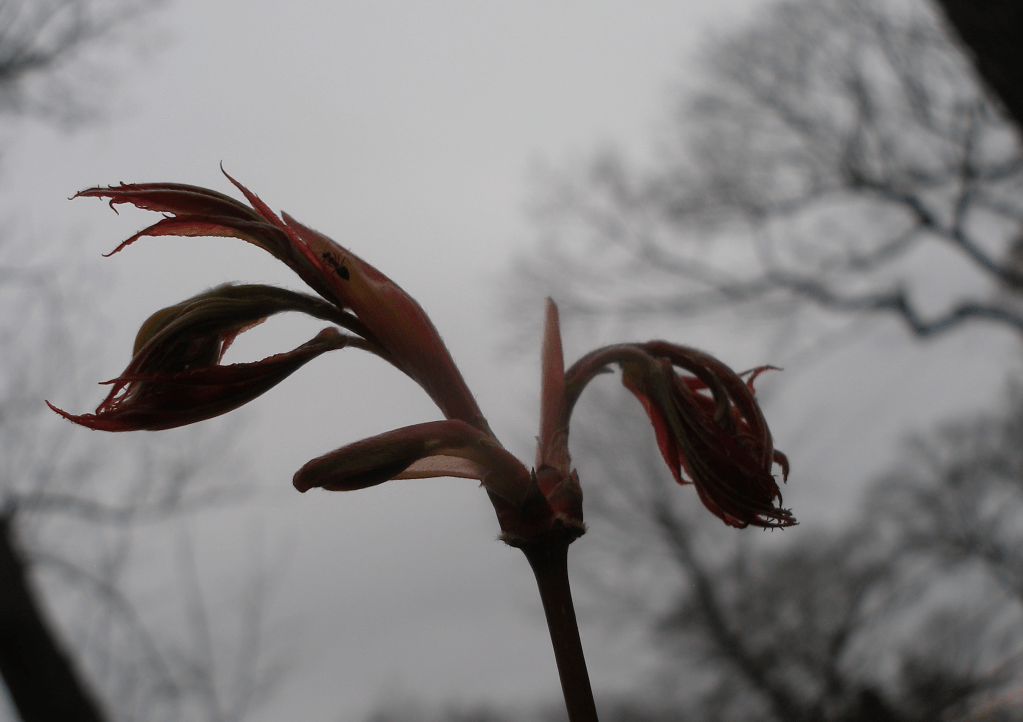
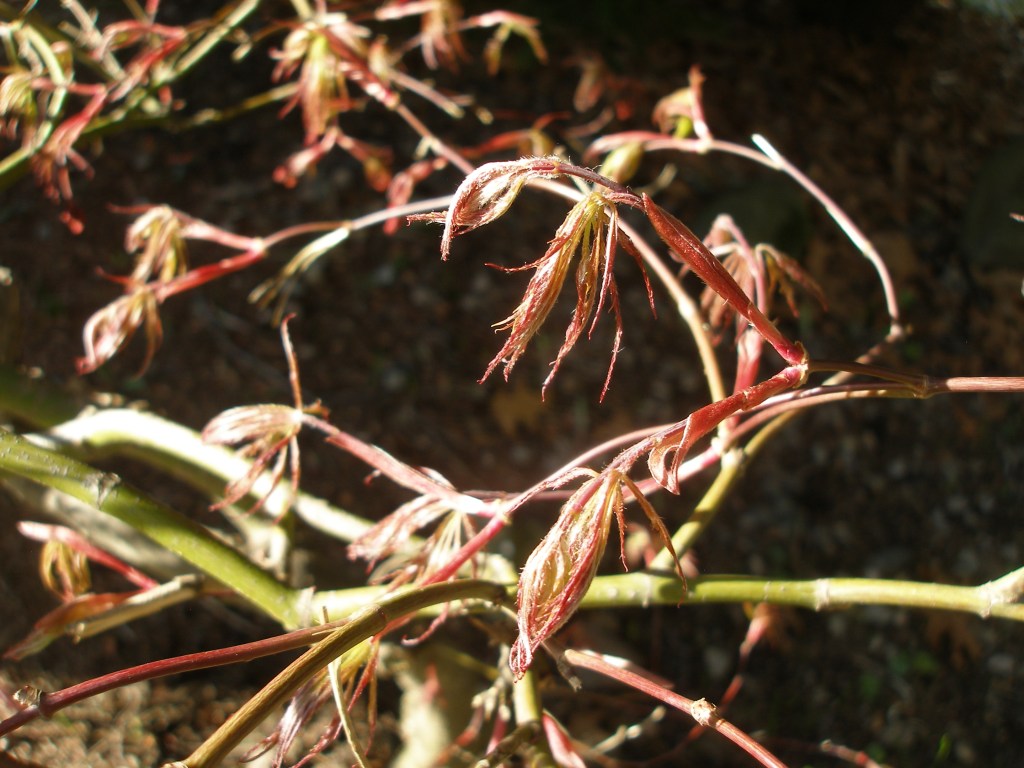
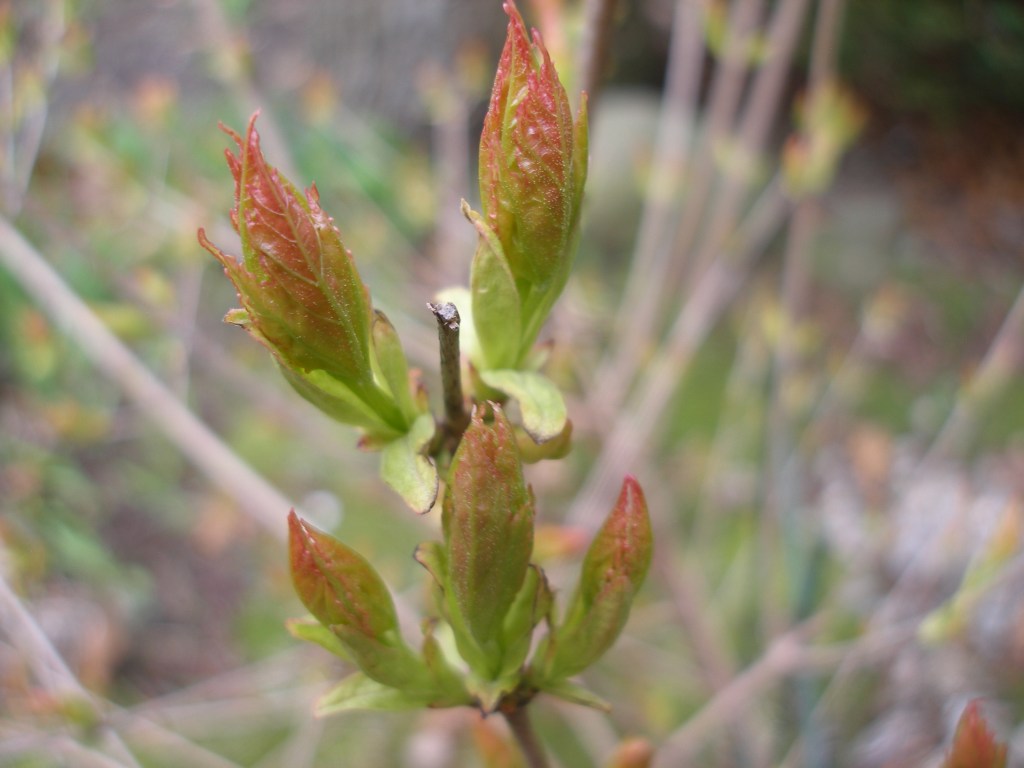
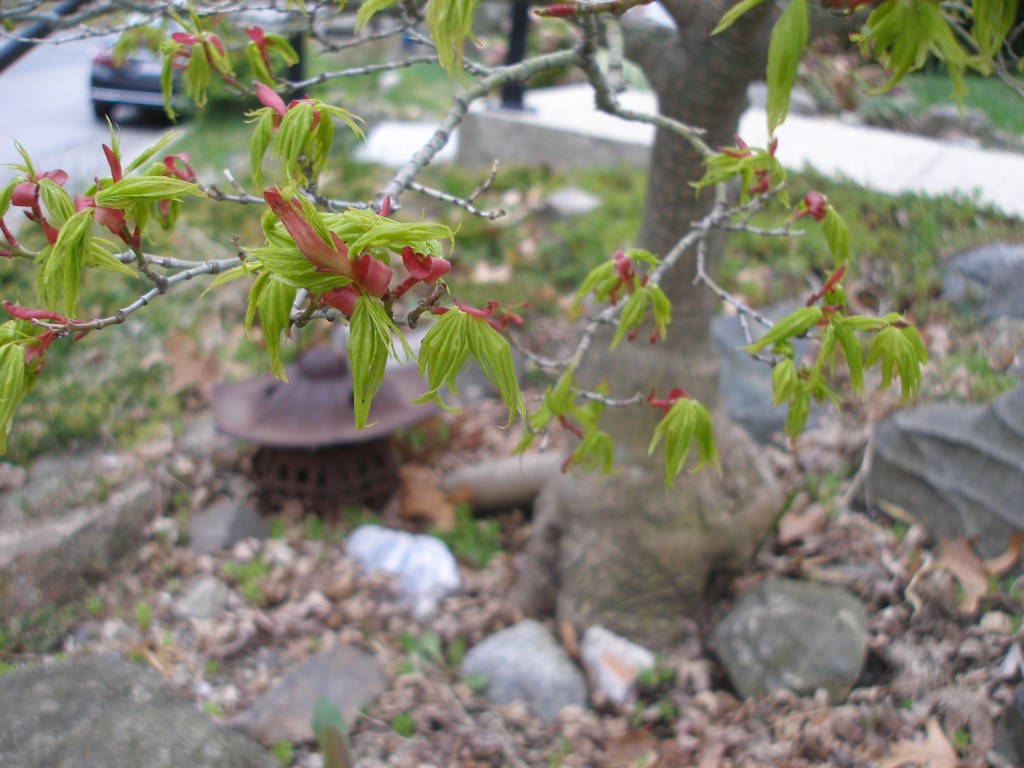
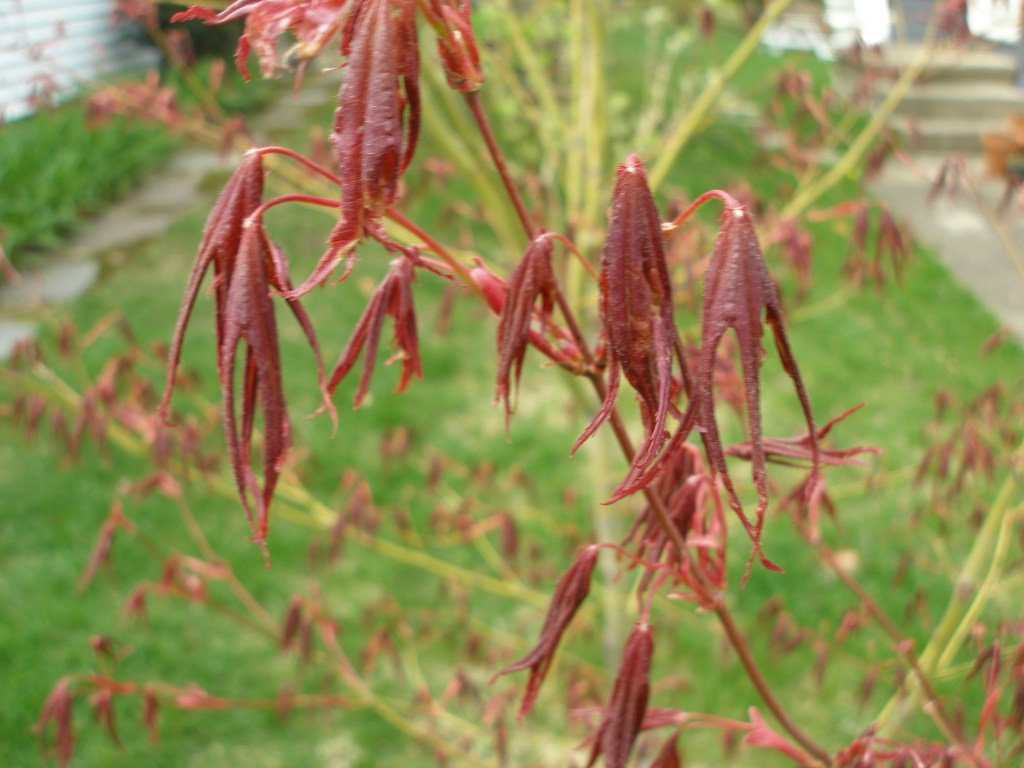
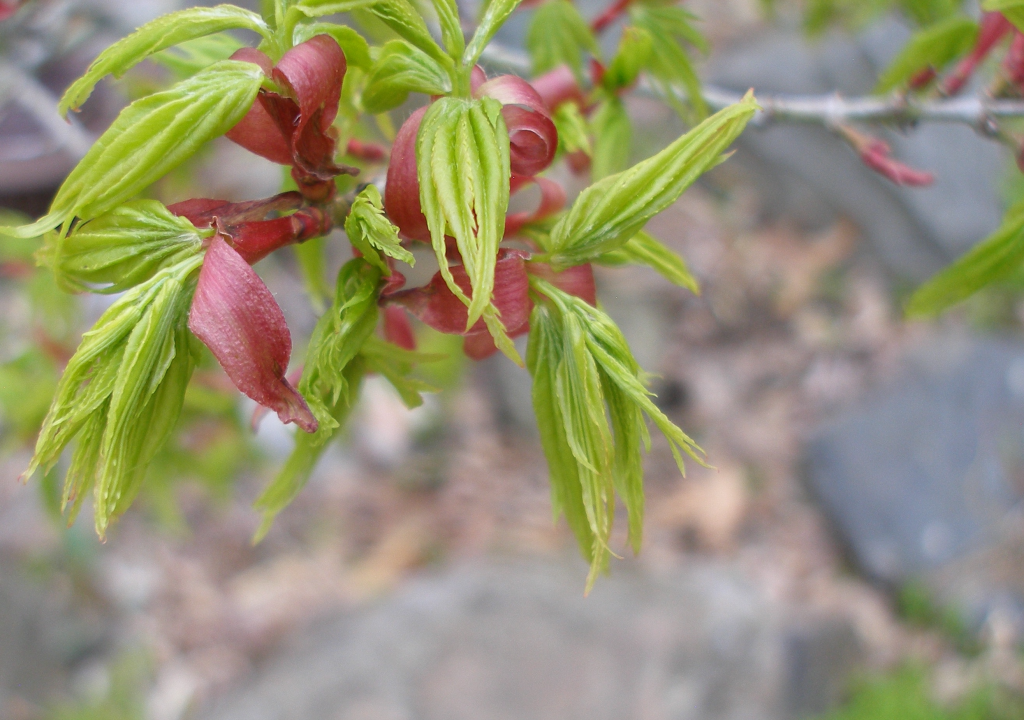
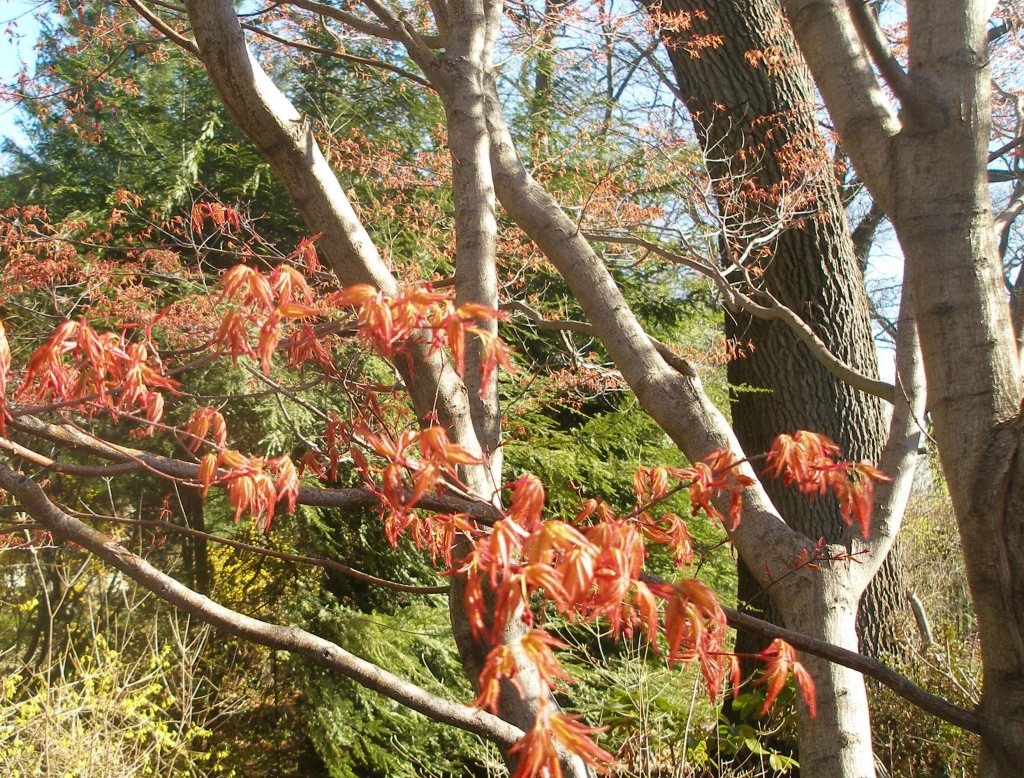
I decided to look for the new Japanese maple leaves. I noticed even tiny buds could be both pink and green. Not only were the new leaves quite colorful, but the way they unfolded, swelled and stretched out or hung limply was most worthy of closeup inspection. I added a few photos taken in prior years to include a wider range of these tiny new leaves’ fragile-tough grace.














 Radiant Refuge