The crisp fall air, crunching pine needles, and subtly pervasive fragrance all sparked a powerful wellbeing. Lingering concerns about the latest round of bad morning news did not stand a chance.
And I noticed that this particular glorious day did not hold even a hint of the sadness that autumn can bring. Yes nothing lasts, but that day there was no choice but to join in the dance and to forget all that.
The being alive, just that, and never alone, but held by it all.
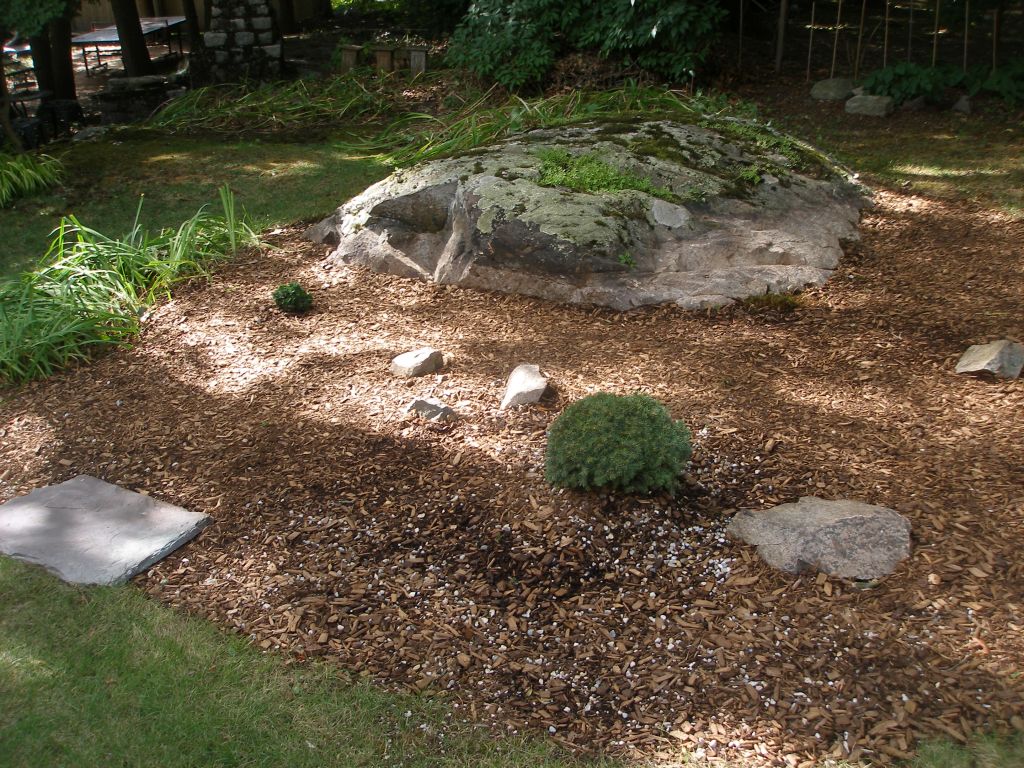
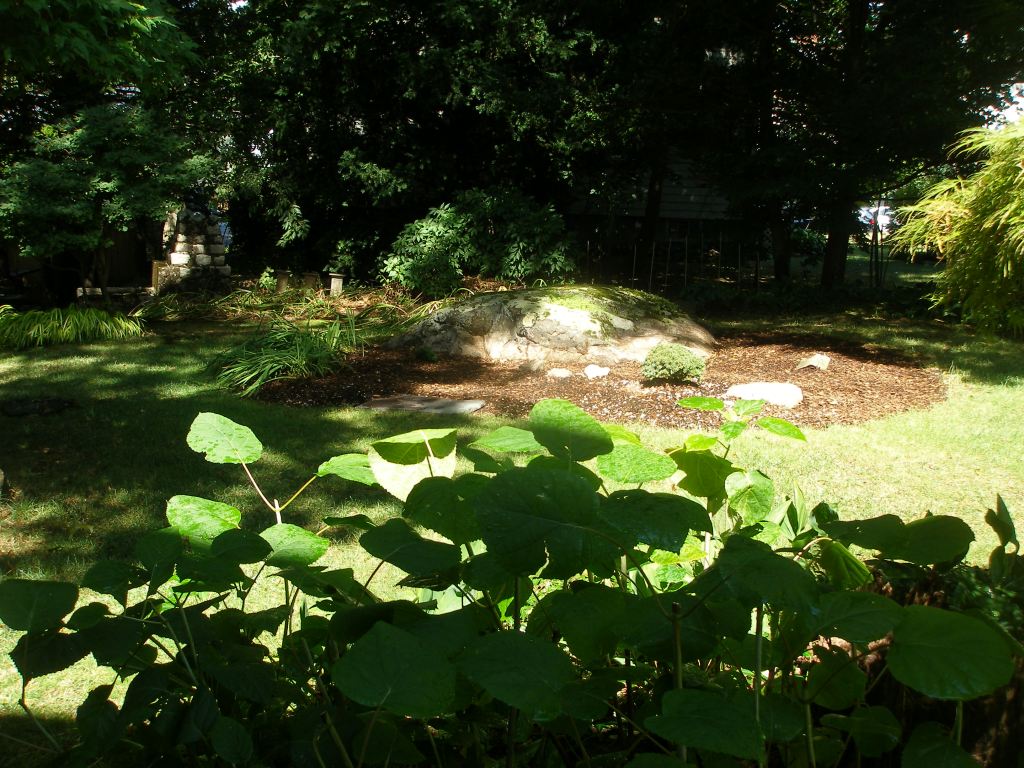
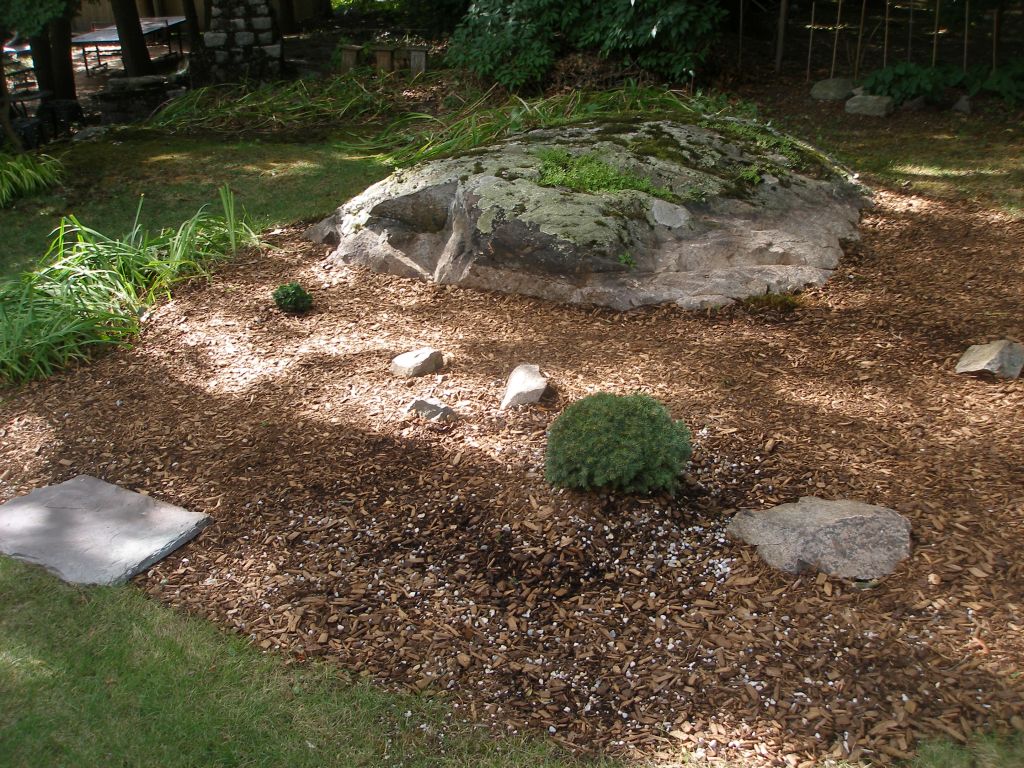
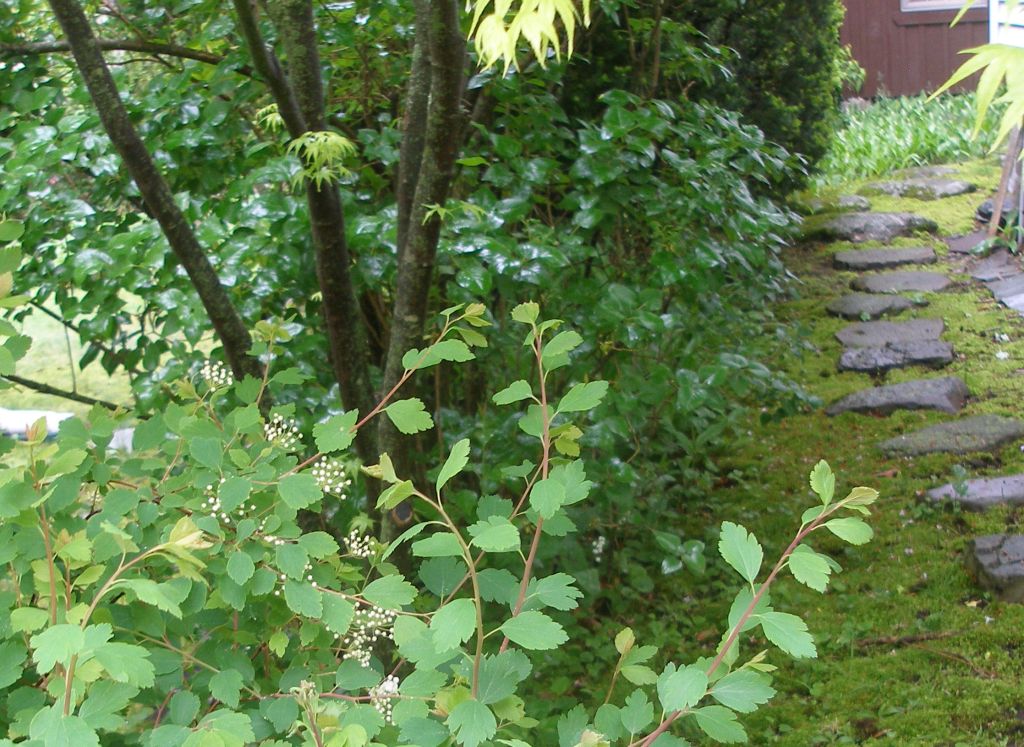
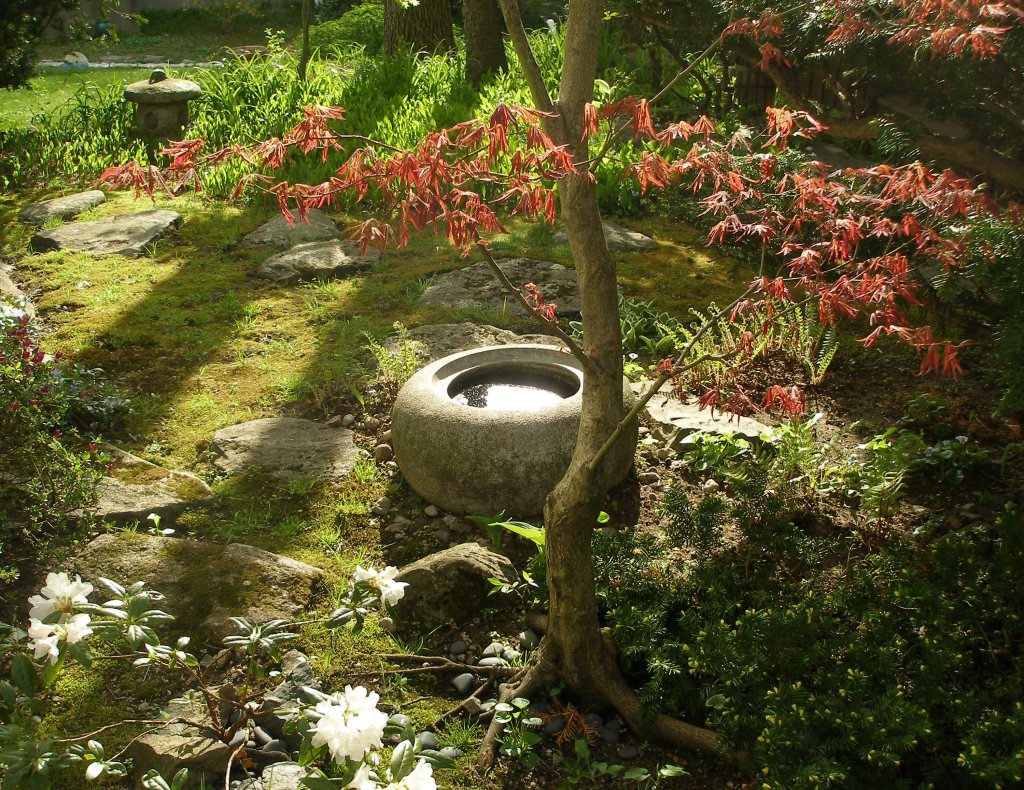
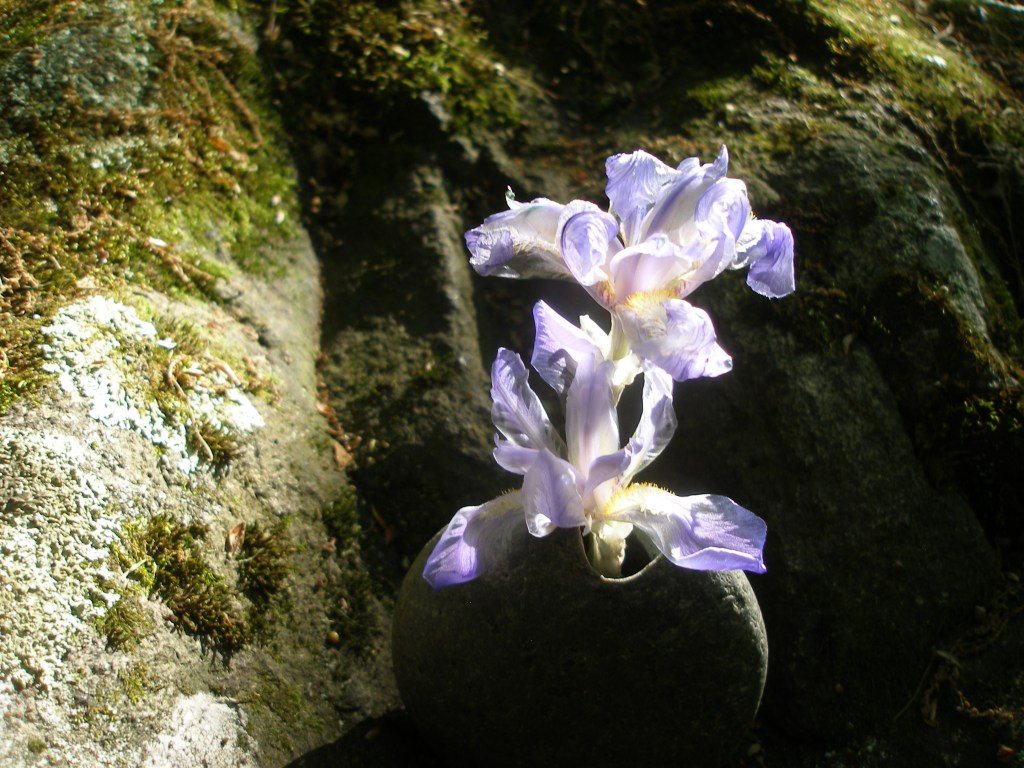
Shadows move across the large granite outcrop in my backyard creating quite interesting effects now that I can see them more clearly. I decided to plant two tiny evergreens where irises once grew. There are some initial signs that they like the spots that I chose for them, but only time will tell.
The first photo below was taken around 4 pm. The other photos were taken at intervals starting at 11 in the morning. Unfortunately, still photos cannot show how shadows dance across this scene when a breeze stirs the leaves.
Drinking tea creates a pause that invites paying attention with all of our senses. Thich Nhat Hanh (2013) notes drinking tea can “bring you back to your true home. Don’t think. Be here, body and mind united.” (p. 150). By relaxing into it, drinking tea can help us become more open and grounded for whatever follows.
Sharing tea provides an excuse for invoking caring intention and experiencing gratitude, both of which support wellbeing. The fifteenth Grand Master of the Urasenke Japanese tea ceremony school, Sen Genshitsu, states that the host should feel, “’I am so glad I was able to make tea for this person. Now I can die in peace,’ and the guest should also feel, ‘I am so glad I received this tea, now I can die in peace’” (Sen, 2006, p. 14).
Sharing tea is associated with warm conviviality in many countries where it is grown (Heiss & Heiss, 2010). There is often a fresh aliveness as tea supports considerable calm awareness all by itself. Sharing tea can be a form of adult play – something that is engaged in for the pure pleasure of the activity itself. Researcher, Stuart Brown (2009) found play “energizes us and enlivens us. It eases our burdens. It renews our natural sense of optimism and opens us up to new possibilities” (p. 4). Among play’s multiple benefits are development of social judgment through providing a “penalty free rehearsal of the normal give-and-take necessary in social groups” (p. 32). And bringing full awareness to the simple act of sharing tea makes clear just how much meaning and comfort small acts of generosity can add to our lives.
A number of writers stress the benefits of engaging embodied awareness. Rothberg (2006) notes “this kind of practice is particularly valuable in helping mind-oriented cultures such as ours…to cut through the ‘mental cloud’ of repetitive thoughts in which many of us live most of the time” (p. 38). Nancy Mangano Rowe (2003), a faculty mentor at the Institute of Transpersonal Psychology contends, “Our bodies are such vital sources of information and truth. The wisdom that lies within each of us is so vast and helpful to our…spiritual growth.” (p. 165). Researchers Brendel & Bennett (2016), reviewed studies on bodily-engaged mindfulness, and found many benefits including creating the authentic presence necessary for compassion.
Our story-creating minds can deceive us and separate us, while our bodies can help us feel how much we are like others in both our vulnerability and our worth; our basic human dignity, and in our dependence upon each other.
Sharing tea first, can help us come home and ground ourselves in the here and now, before moving on with our day in these increasingly challenging times.
References:
Brendel, W. & Bennet, C. (2016). Learning to Embody Leadership Through Mindfulness and Somatics Practice. Advances in Developing Human Resources 18 (3). pp. 409-425.
Brown, S. (2009). Play, How it Shapes the Brain, Opens the Imagination and Invigorates theSoul. New York, NY: Penguin.
Hicks, D. (2018). Leading withDignity: How to Create a Culture that Brings out the Best inPeople. Yale University Press.
Hanh, T. (2013). The Art of Communicating. New York, NY: HarperCollins.
Heiss, M. & Heiss, R. (2010). The Tea Enthusiast’s Handbook. New York, NY: Random House.
Rothberg, D. (2006). The Engaged Spiritual Life; A Buddhist Approach to TransformingOurselves and the World. Boston, MA: Beacon Press.
Rowe, N. (2003). Listening Through the body. In Brady, M. (ed.) The Wisdom of Listening (pp. 156-166). Boston, MA: Wisdom Publications.
Sen, S. (1979). Tea Life, Tea Mind. New York, NY: John Weatherhill, Inc.
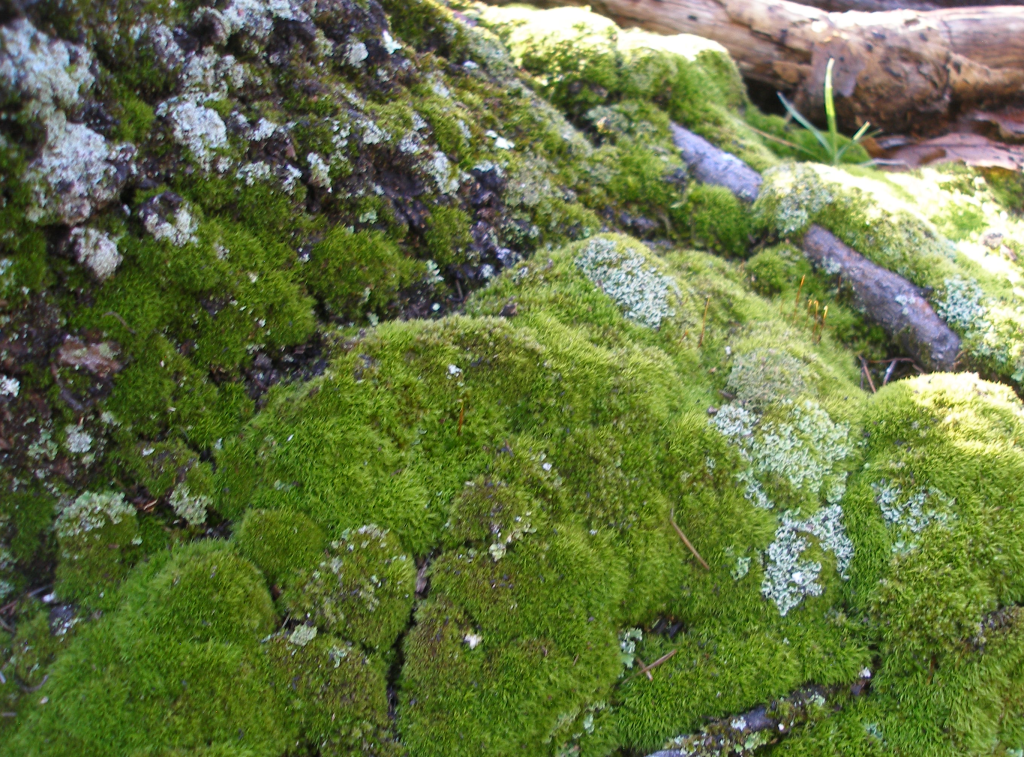
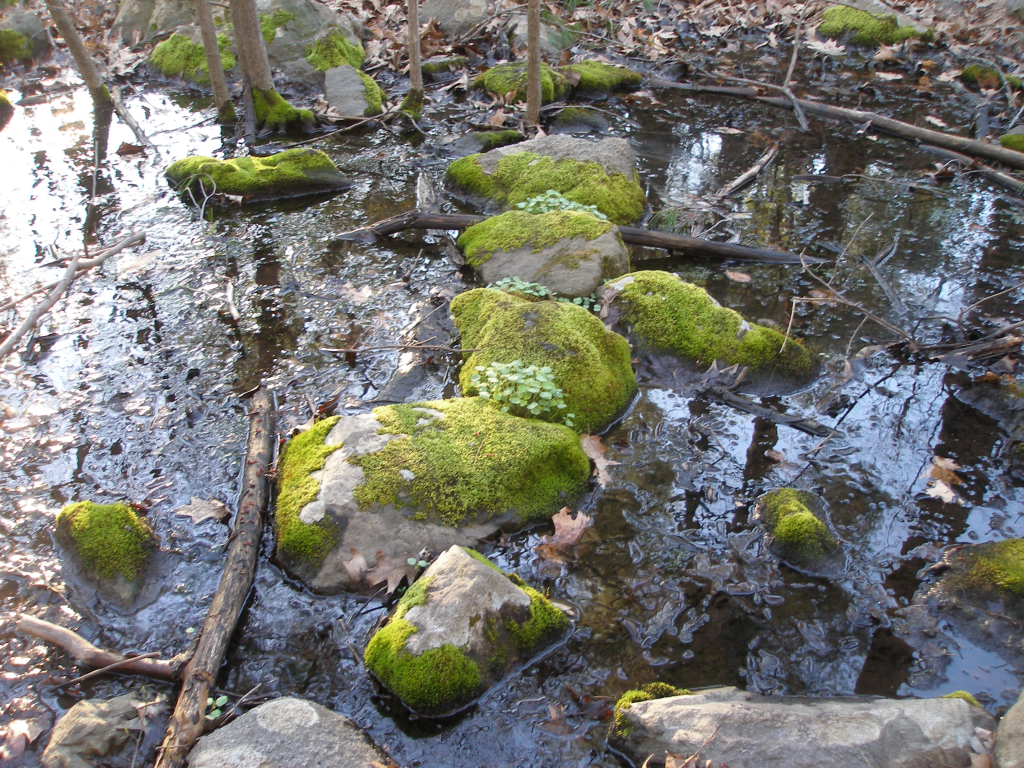
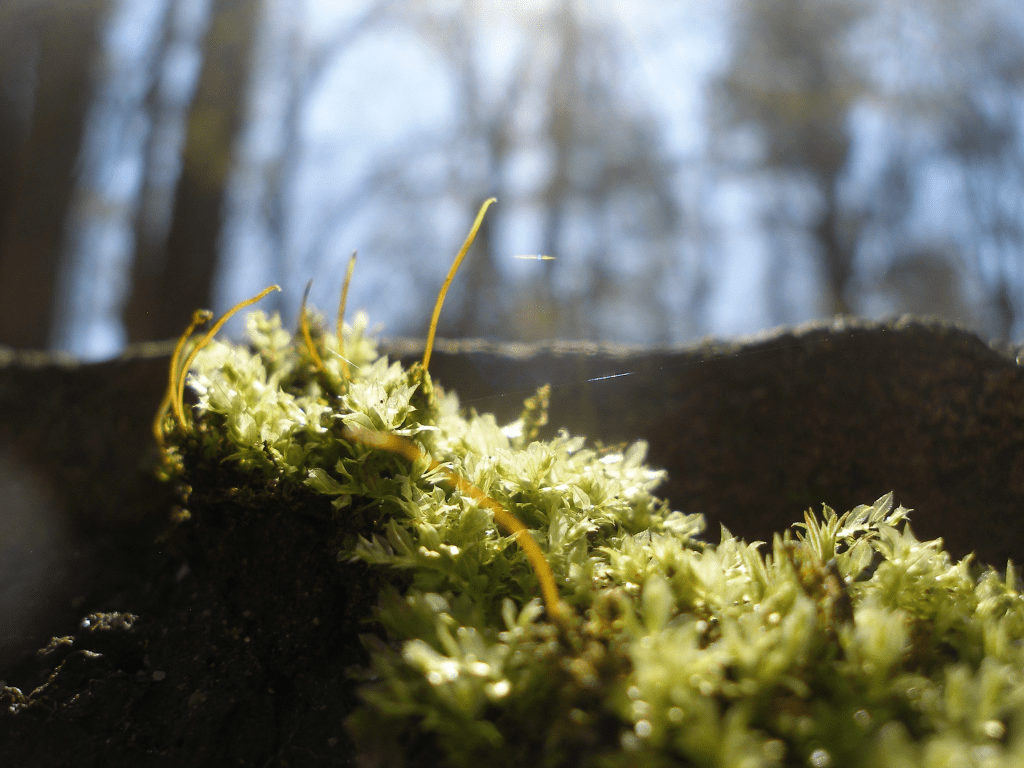
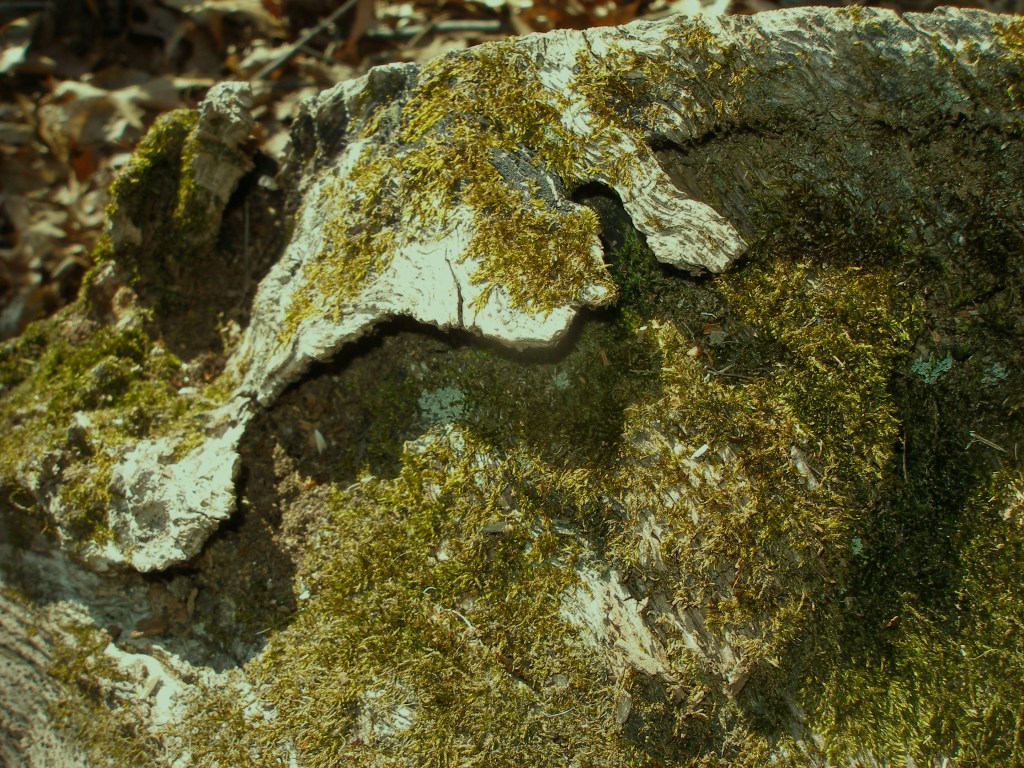
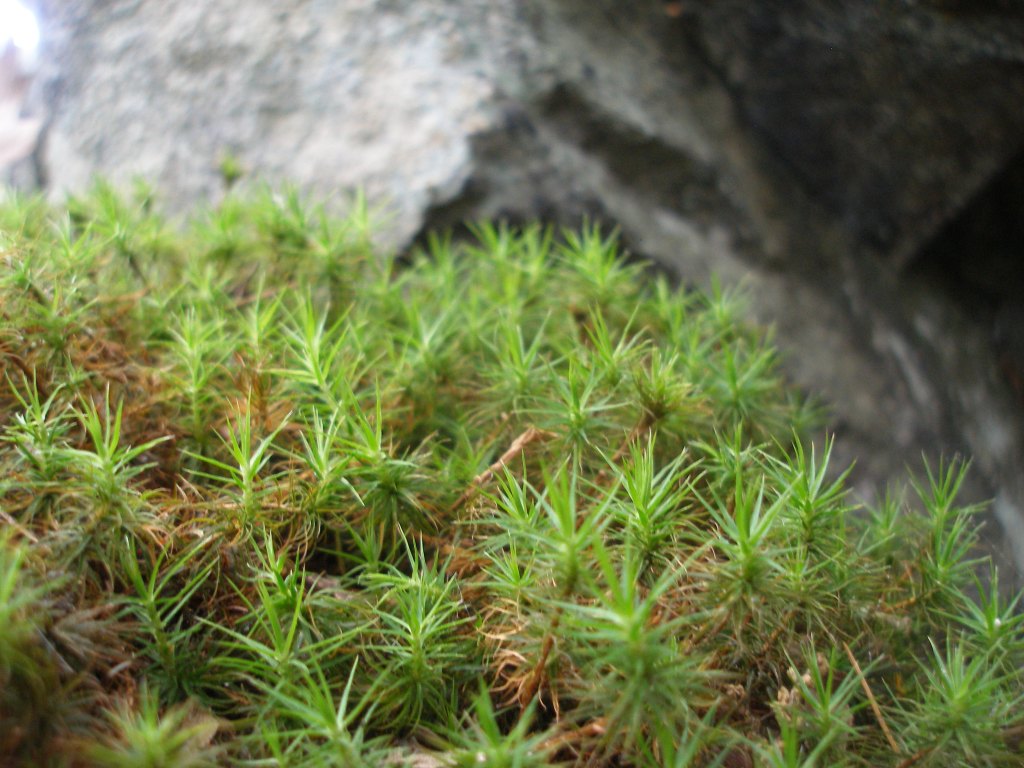
I love how these tiny plants create a soft carpet in shady places, but sometimes in sun as well. It seems natural to want to reach down and pet them. They also can help us achieve relaxed moods as in this dreamy video created by Jeffrey Klein. The Andante section of a recording of J. S. Bach’s Sonata #5 played by Jeffrey Brody on piano and Andrea Hart on flute (and used with their permission) is a perfect complement to the moss images.
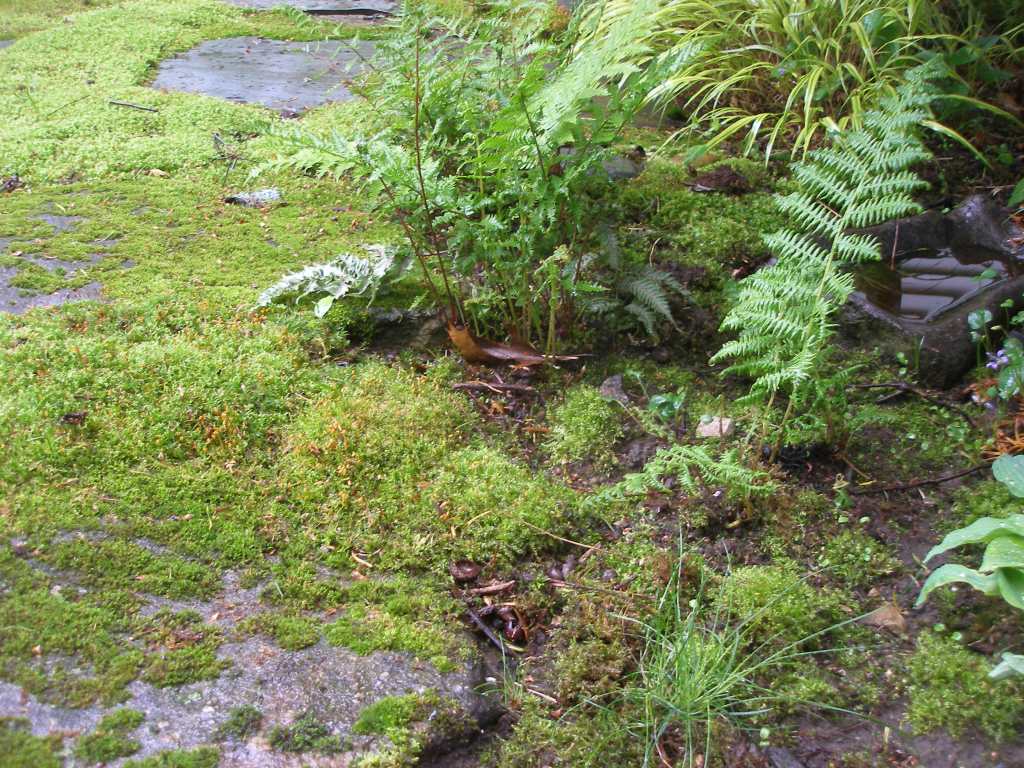
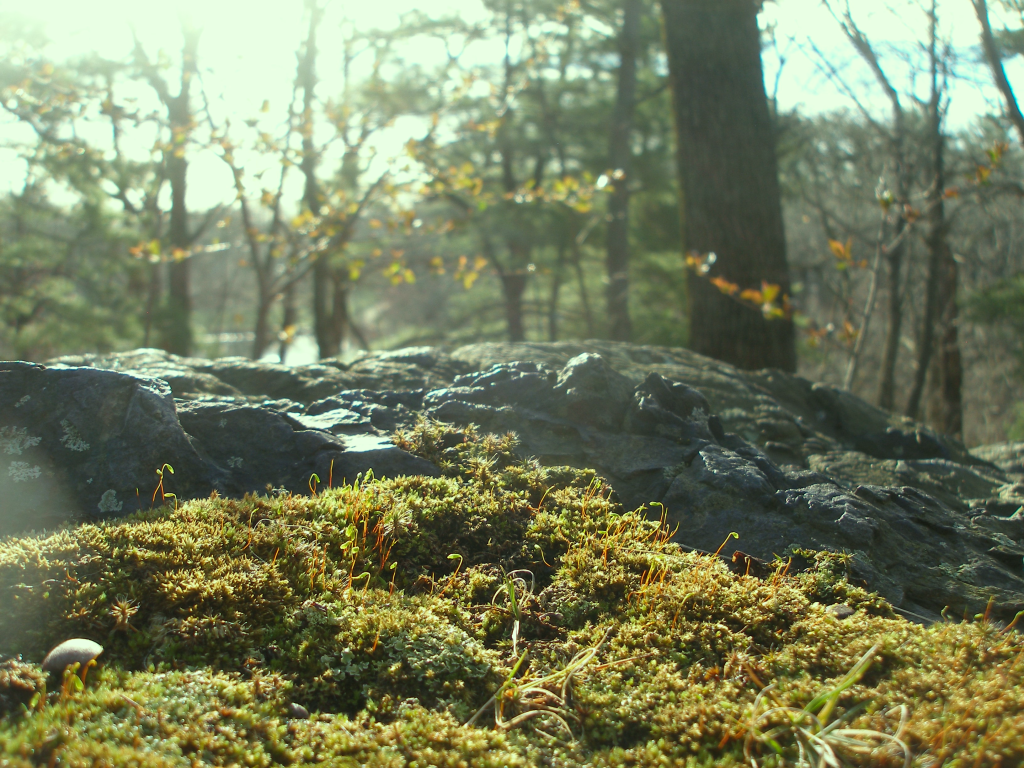
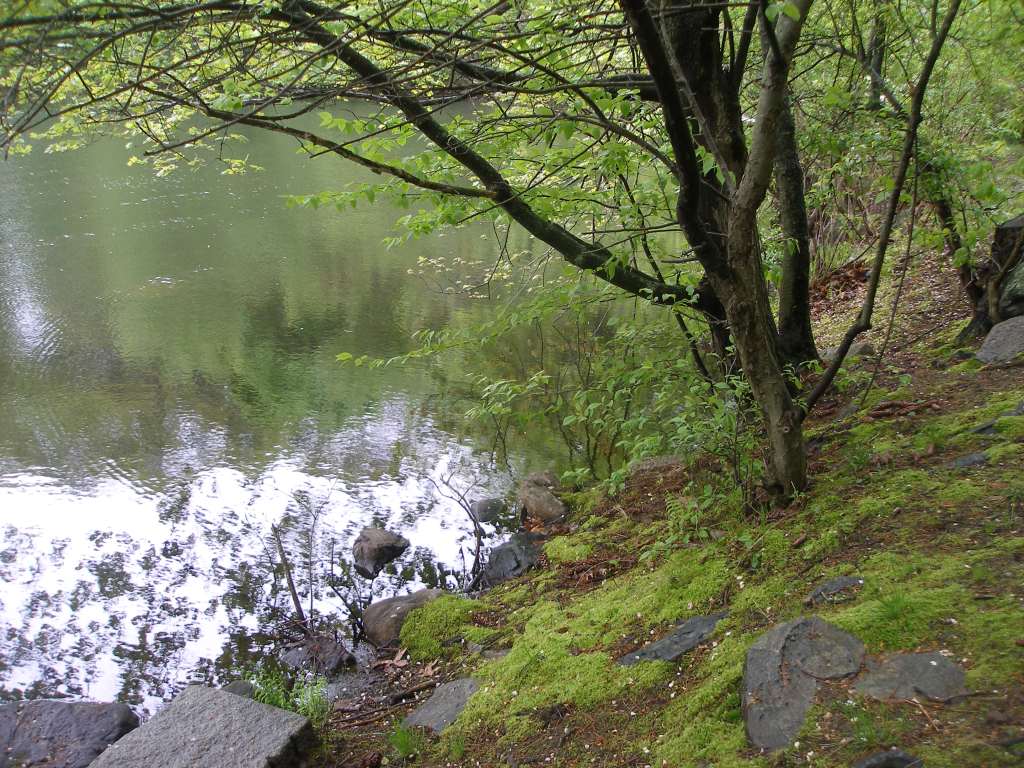
Mosses are often used in Japanese gardens for good reason, and it is a delight to come across them growing wild in a natural setting.
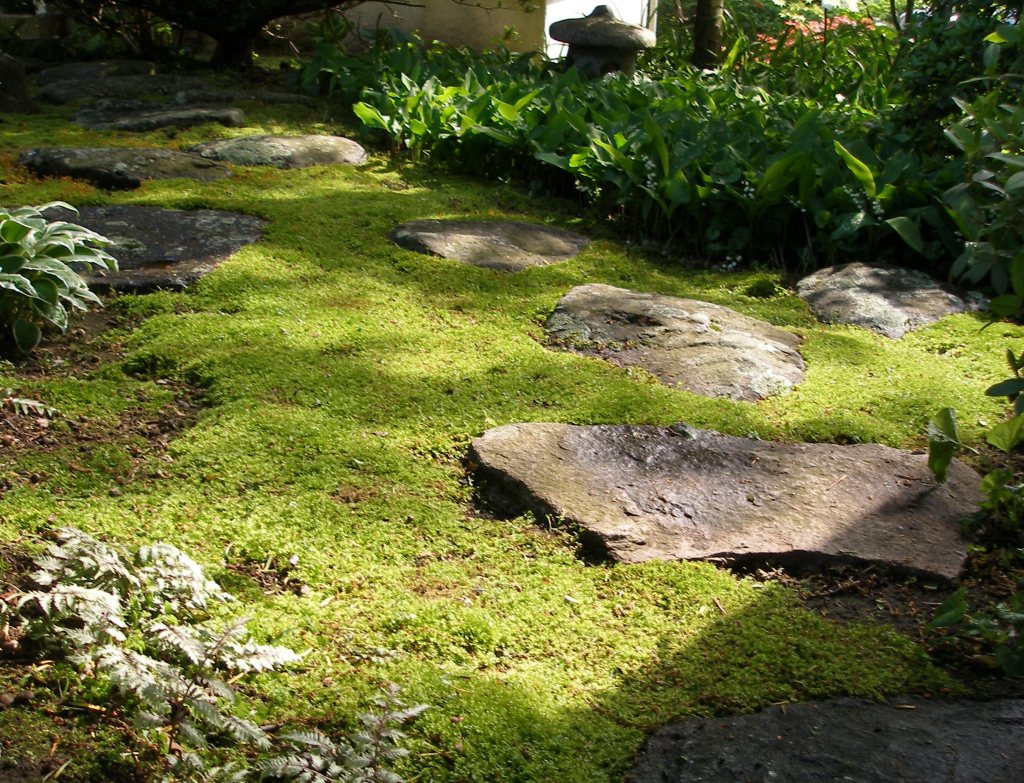
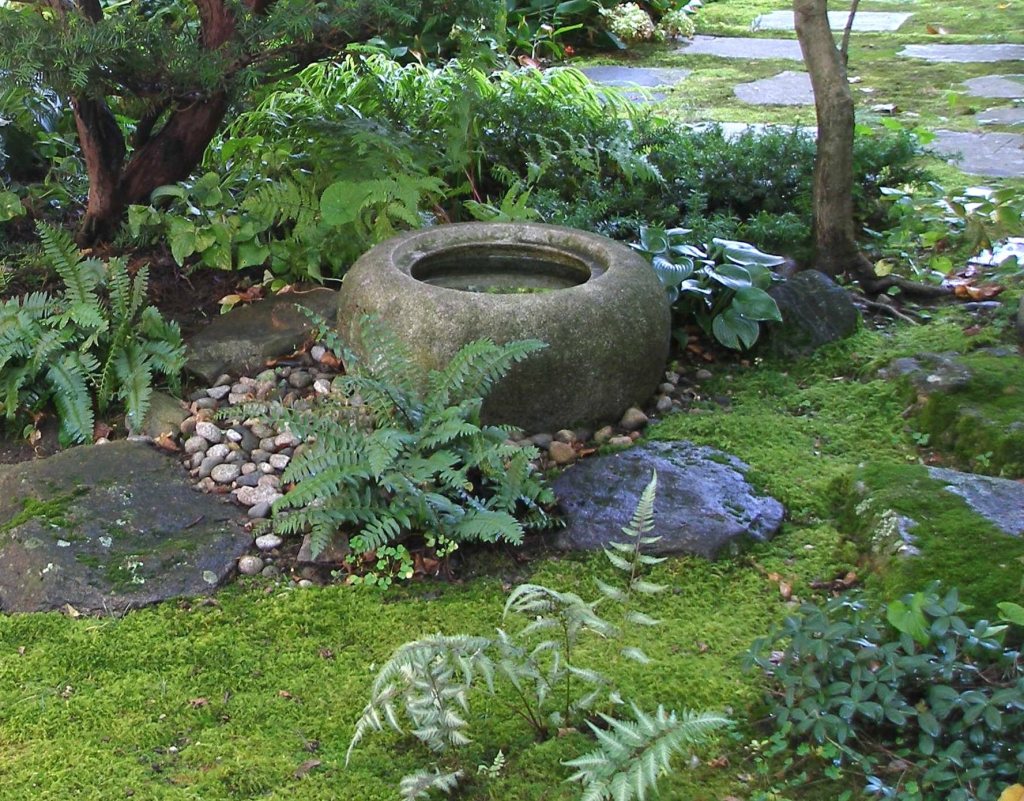
With all the rain lately, moss has been happily spreading in my garden. I was delighted when the tiny plants decided to form a soft green carpet where guests gather on my patio before sharing tea. In Menotomy Rocks Park, moss adorns the forest floor, the bases of living trees, fallen logs and even high up on rocky outcrops. Photos of moss in both settings are included below.
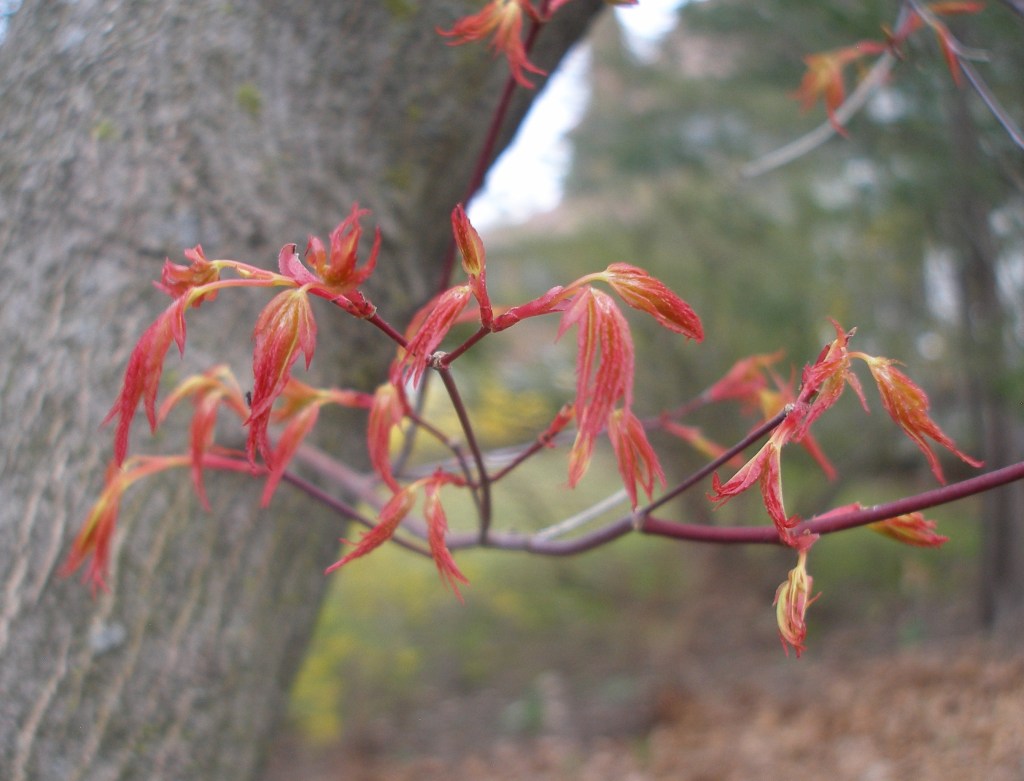
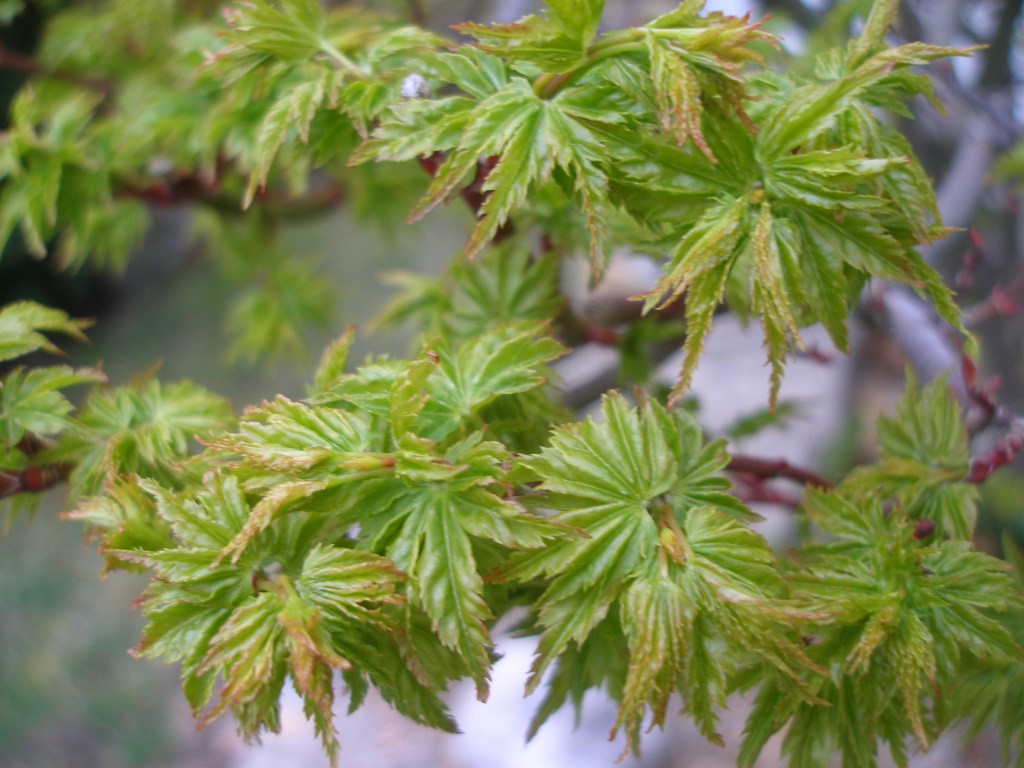
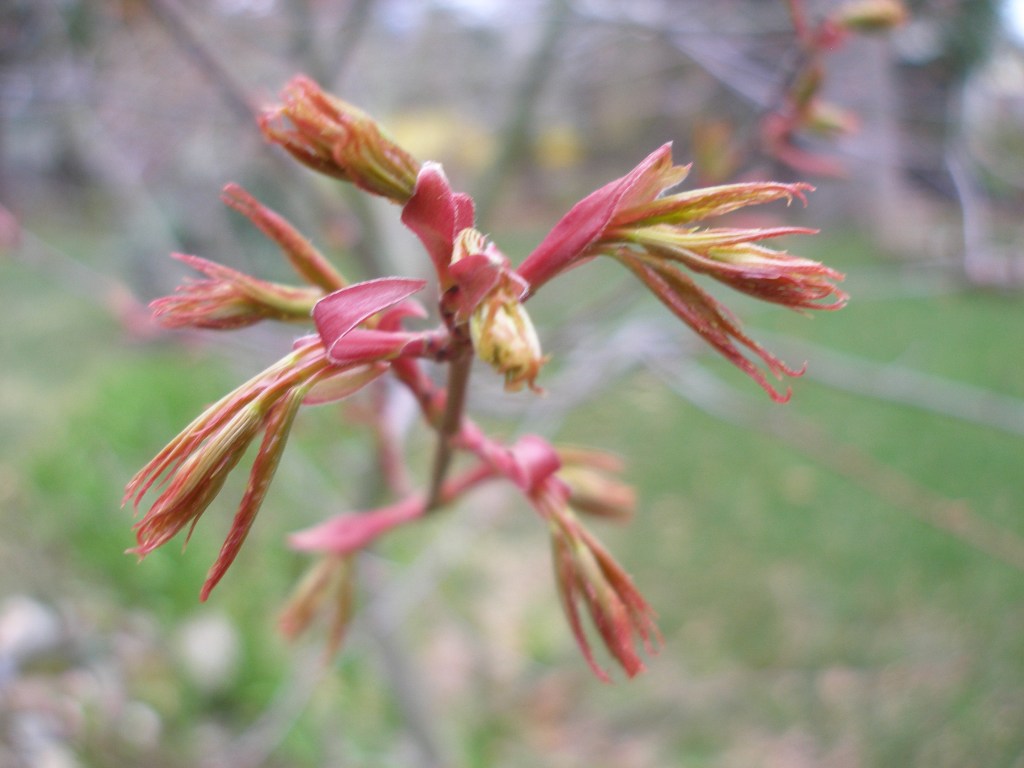
It was mid-April when we joined via Zoom for virtual forest-bathing. It would begin to get dark by the end of the session, so I decided to stay close to home and wander in my Japanese-style garden. After paying attention to all of our senses outdoors we went off to walk on our own with a suggestion that we pay attention to color.
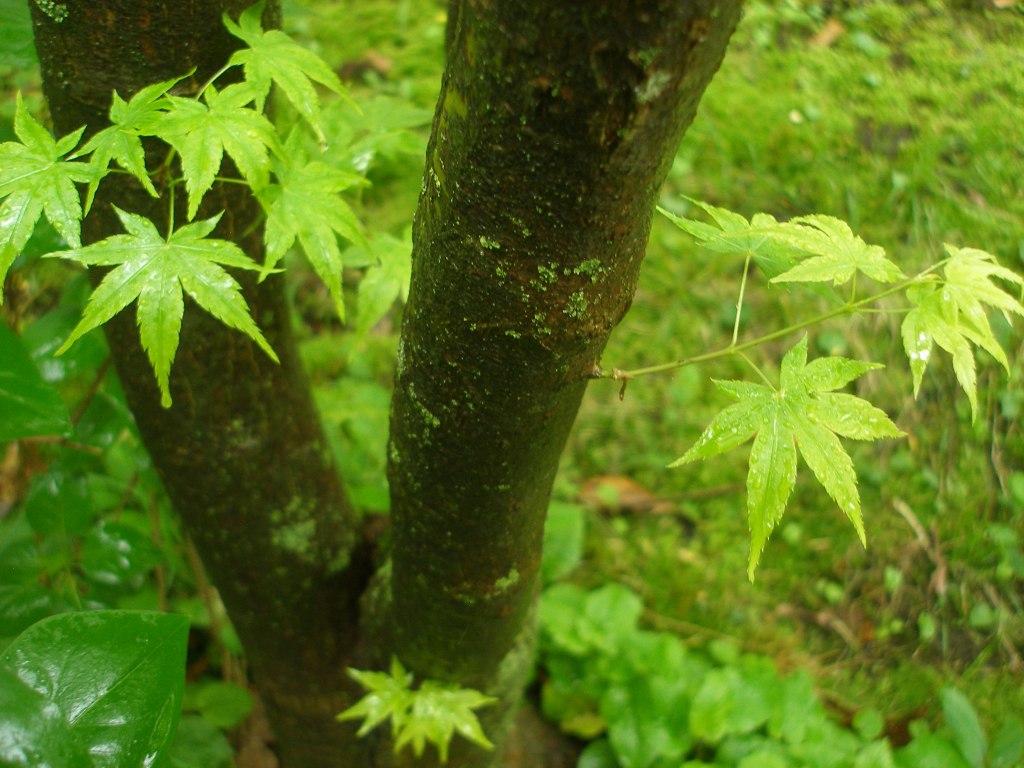
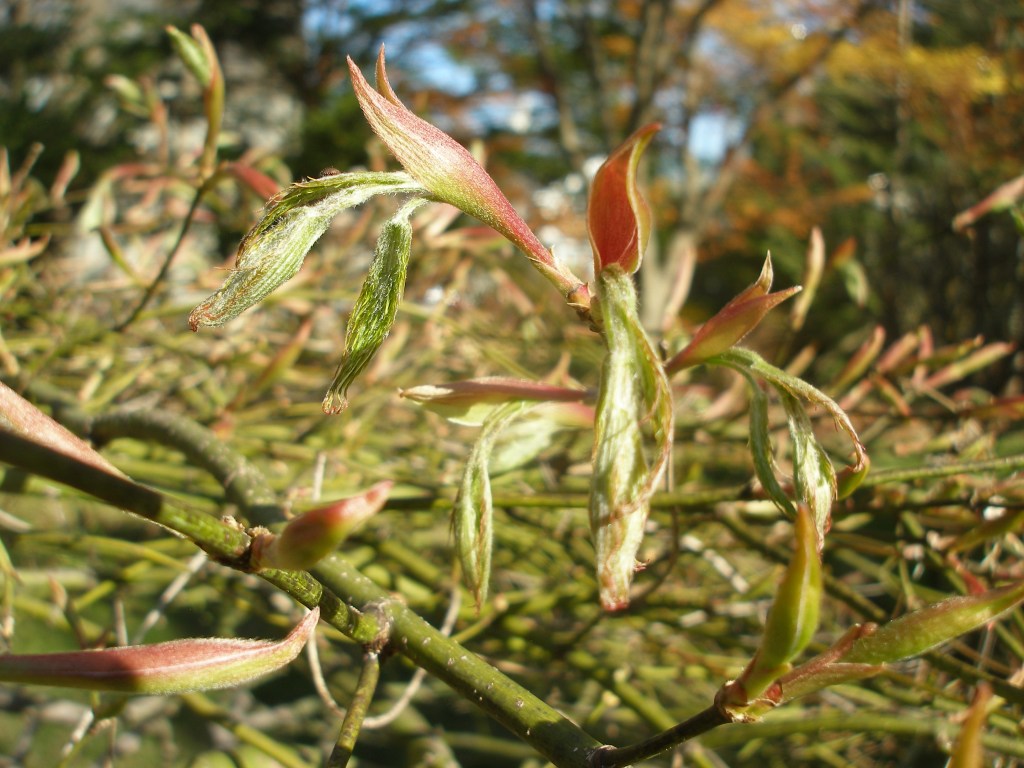
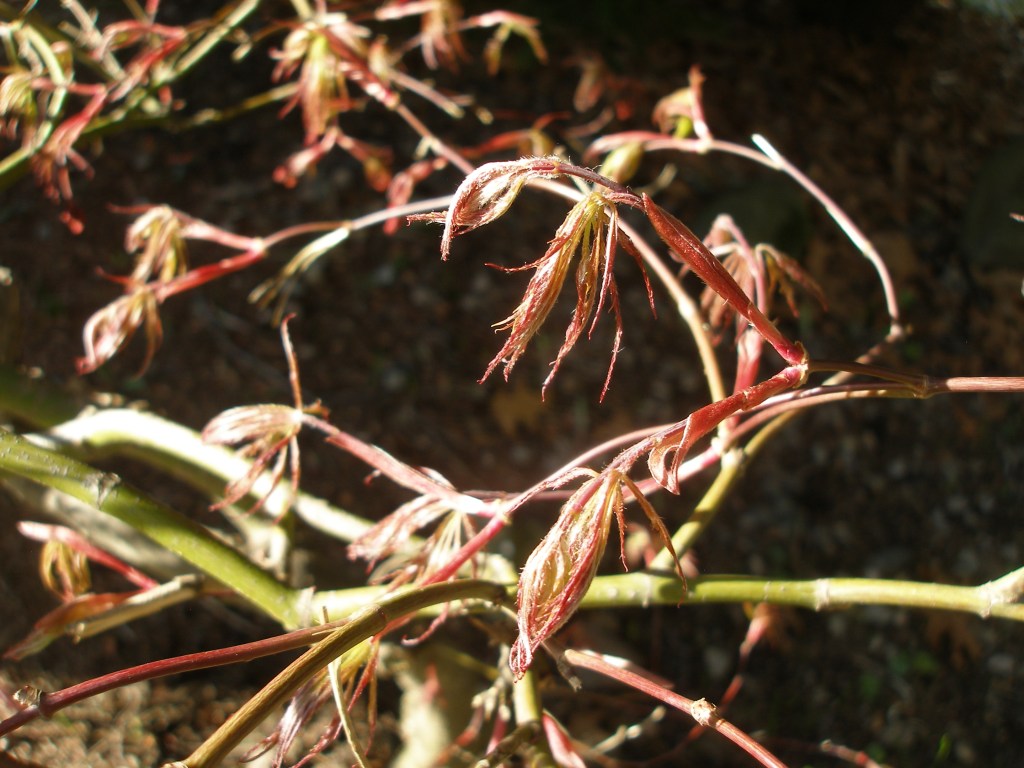
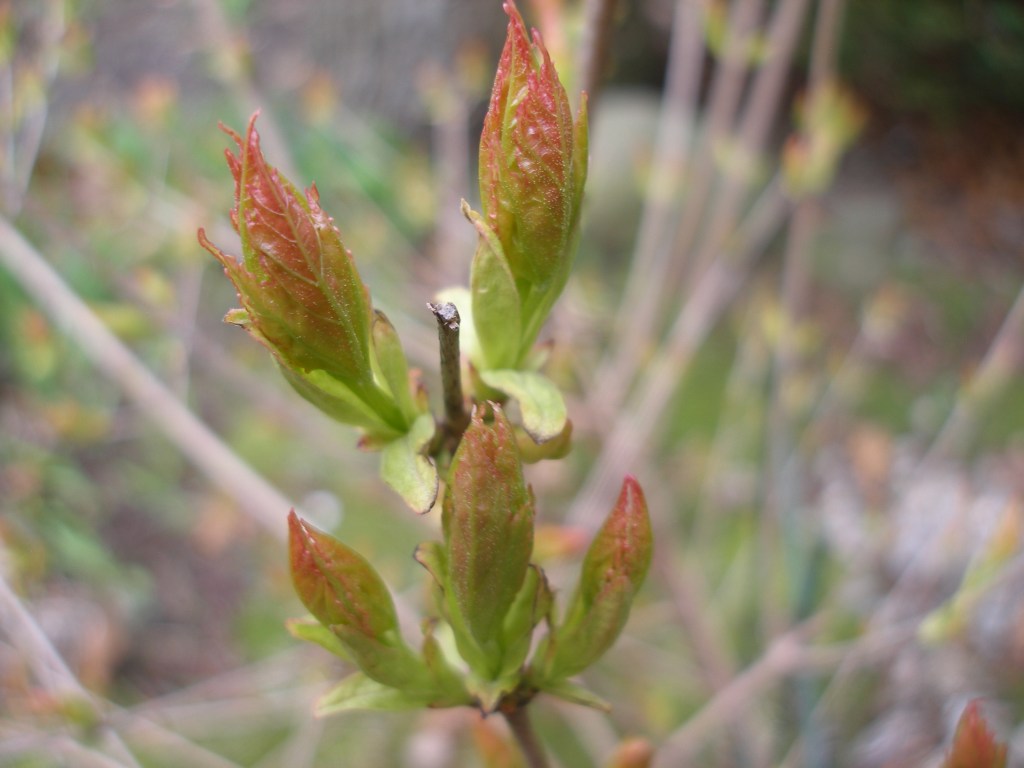
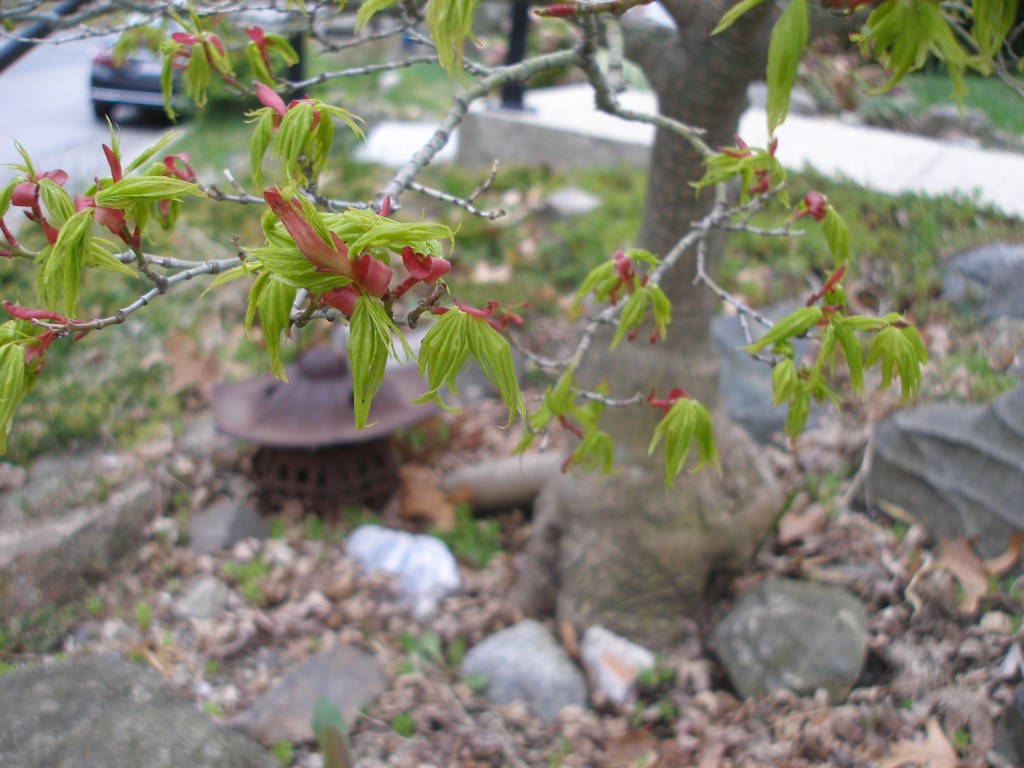
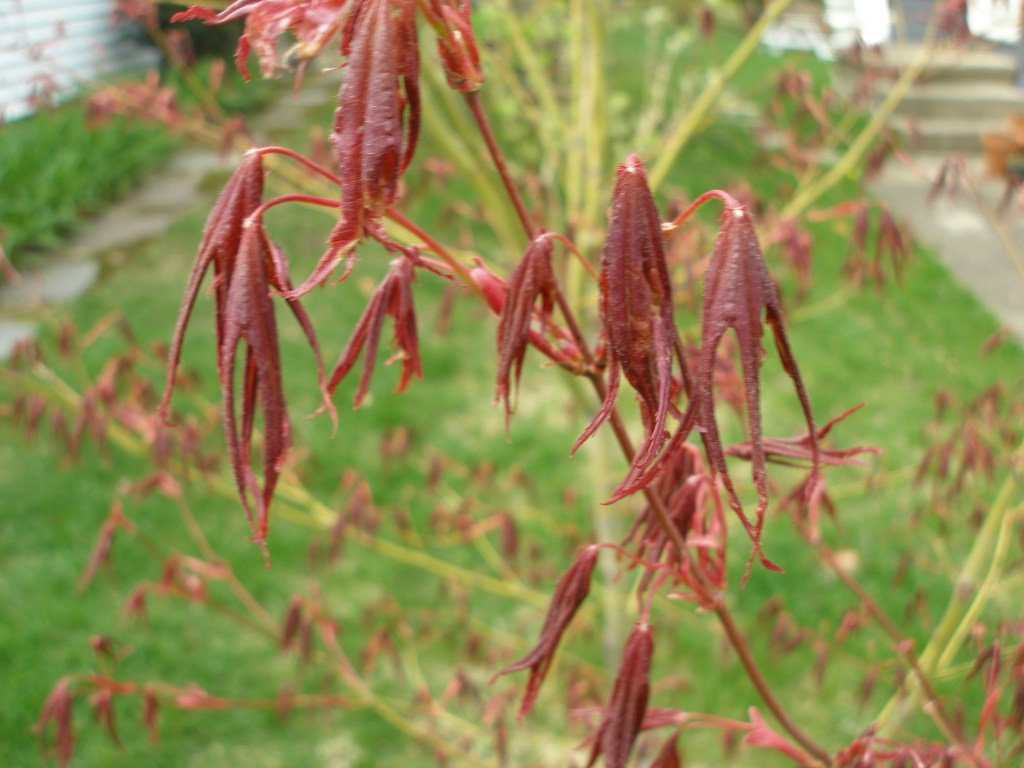
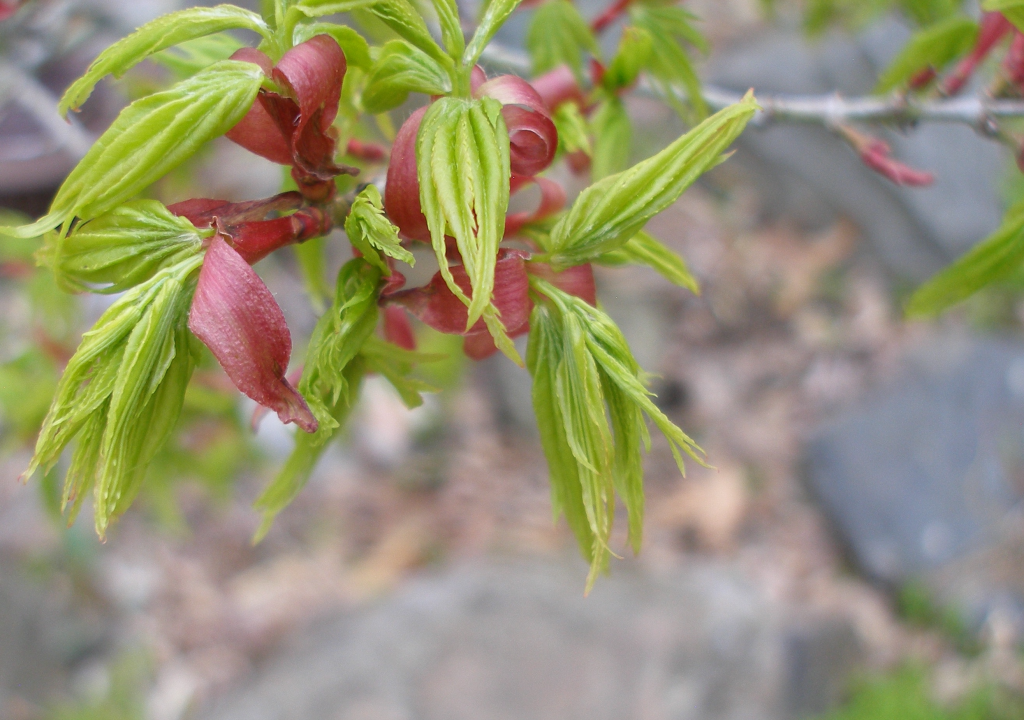
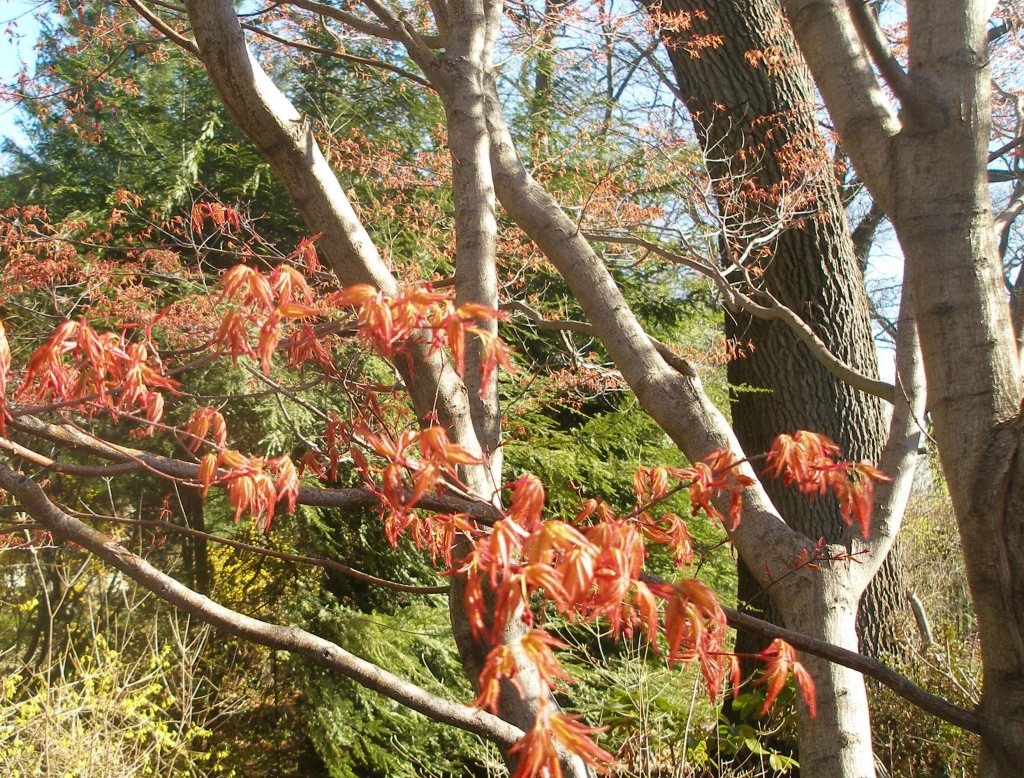
I decided to look for the new Japanese maple leaves. I noticed even tiny buds could be both pink and green. Not only were the new leaves quite colorful, but the way they unfolded, swelled and stretched out or hung limply was most worthy of closeup inspection. I added a few photos taken in prior years to include a wider range of these tiny new leaves’ fragile-tough grace.
I once facilitated a tea and dialogue session for members of a caregivers’ support group that met monthly in my local senior center. Most of them were caring for ailing spouses. It was hard for them to take much time out for themselves, let alone take actual vacations. The social worker facilitating the group agreed that “mini-vacation” would be a good dialogue topic.
From the warm, open way they welcomed me, I suspected they already followed the dialogue guidelines – Pause, Relax, Open, Attune to Emergence, Listen Deeply and Speak the Truth. The facilitator agreed, adding that she encouraged them to speak truthfully about their suffering.
The mini-vacations they shared took place in campgrounds, on the beach and other places they remembered from actual vacations. They spoke about peace and joy and freedom to play. What they described seemed more about being and sharing than doing. It was the very simplicity that made their descriptions so moving – the basic warm human connection.
Dan Siegel, an innovator in the integration of brain science and psychotherapy notes, “Self-compassion and self-acceptance emerge quite seemlessly…from consistent, continuous and caring connections with our caregivers early in life. But they can also emerge from ‘earned secure attachment'” (page 188, Mindsight; The new science of personal transformation). He continues on page 188 explaining that with the opportunity “to feel that we are ‘inside the heart’ of another, the candlelight of love glows within and illuminates our lives.”
These caregivers were taking full advantage of the opportunity to be truly seen and held in that candlelight’s glow. It seemed to me that what they were describing could be appreciated by anyone – the warm sense of belonging with no agenda in a lovely natural spot. There was a peace to what they described but, given their circumstances, it was also quite poignant.
I got the feeling that secure attachment regardless of how it is achieved – whether through early life experience, or though courageous work – might benefit from regular tuneups. And sharing memories or visions of ideal “mini-vacations” seemed not such a bad way to do that kind of maintenance.
We crave the approval of attentive listening and what others have to say when they are revealing their true hearts tends to be inherently interesting. That kind of conversation can have both freshness and depth.
Ideally, we consider before speaking, and then we speak the truth in a way that benefits both speaker and listener. In today’s world of increasing divisiveness, we can easily underestimate how much we have in common and how much we have to gain from listening.
Heartfelt speech is always an exchange of gifts even when the conversation is strictly internal. Pausing for self-compassion when one is triggered by something that is said (including by oneself) allows time to process and release emotions and then return to listening.
When we know we are valued and respected despite our flaws, honest discussion can help us begin to work on what might be getting in our way. While seeing the impact of past conditioning can be painful and take time, changing our perspective and actions is much easier with trusted support.
With enough supportive honest sharing in our lives, we might discover that we ourselves, are the answer to the hole we are seeking to fill. Clark, Fleche, Layard, Powdthavee & Ward, in The Origins of happiness: Evidence and policy implications, VOX DEPR’s Policy Portal, share the results of large surveys they conducted in a number of countries which found that the biggest factors in life satisfaction were not economic but related to “people’s social relationships and their mental and physical health.”
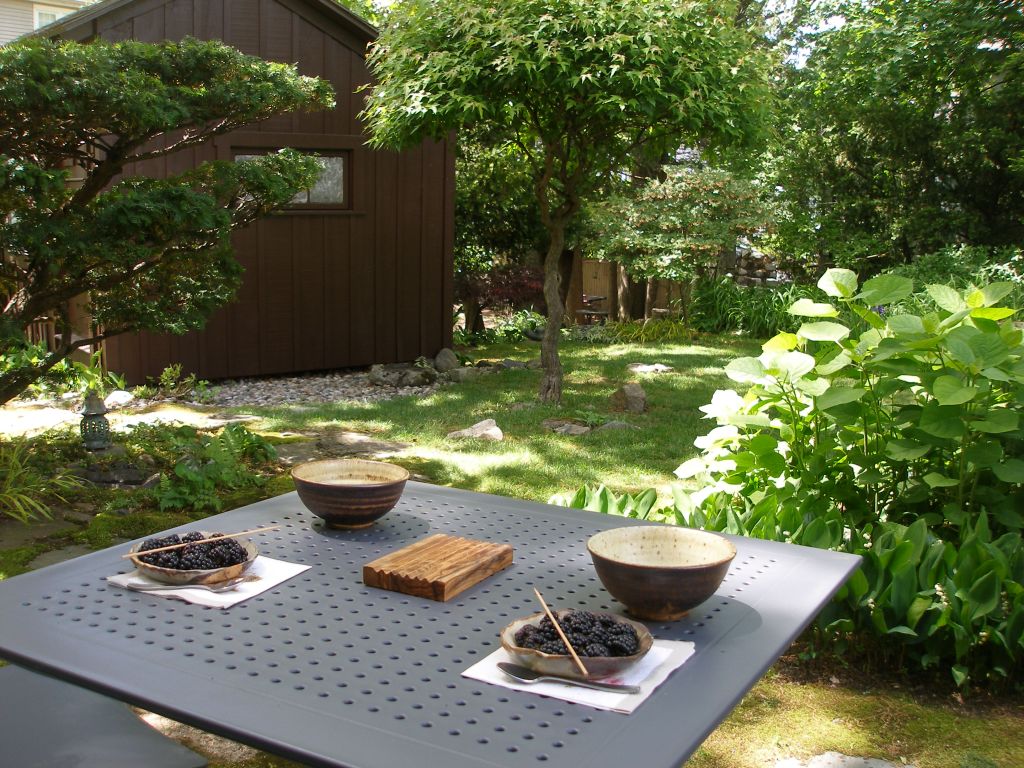
Tea bowls and blackberries awaiting the arrival of a friend.
Although it might seem frivolous, I would argue that slowing down to share tea with no particular agenda is a very good idea. For one thing, as Olendzky notes, “security comes from aligning our attitudes and policies with the behaviors that will bring out the best in others, rather than doing the very things that are sure to provoke or entrench them” (Unlimiting Mind: The Radical Experiential Psychology of Buddhism, page 45).
Human lives have always been full of challenges. And these days there are good reasons to be afraid. With so much coming at us, it is all too easy to pull back into our shells and feel helpless.
Sharing tea provides a good excuse to slow down and simply be present with each other. Thich Nhat Hanh includes drinking tea among his practices for compassionate communication to “Bring you back to your true home. Don’t think. Be here, body and mind united.” (The Art of Communicating, 2013, page 150).
As you feel the warm cup, the steam rising, attune to the color and the fragrance of the tea, you are returning to sensing what is here now in real time. With senses more fully engaged, it may be easier to directly sense the not-being-alone-with-this support of simply enjoying tea together.
Humans can certainly cause big trouble. But it is also natural for us to help each other out in times of crisis. While emotional support and practical forms of help are both wonderful, there is also a place for small acts of kindness, like sharing tea. They can add so much grace and meaning to human lives.
There is something about rivers and their many moods. Perhaps it has to do how the weather affects everything or how they flow. Some, as in this case, seem to breathe with the tides inviting me to slow down and pay attention.
The photos below were taken over a number of years when I visited an Inn that was right on the Kennebunk River, In Maine, USA. Once I saw a seal stick its head out. Ducks often gathered in the early morning. Mostly I just let go into all that was before me, allowing all that radiance to seep in.
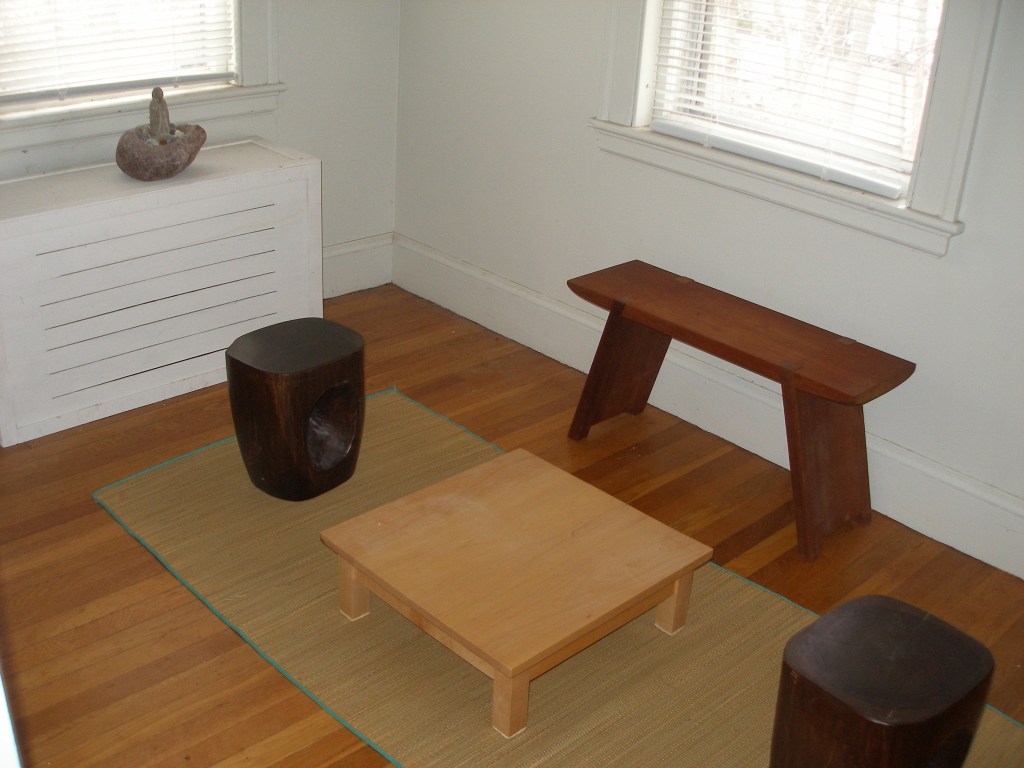
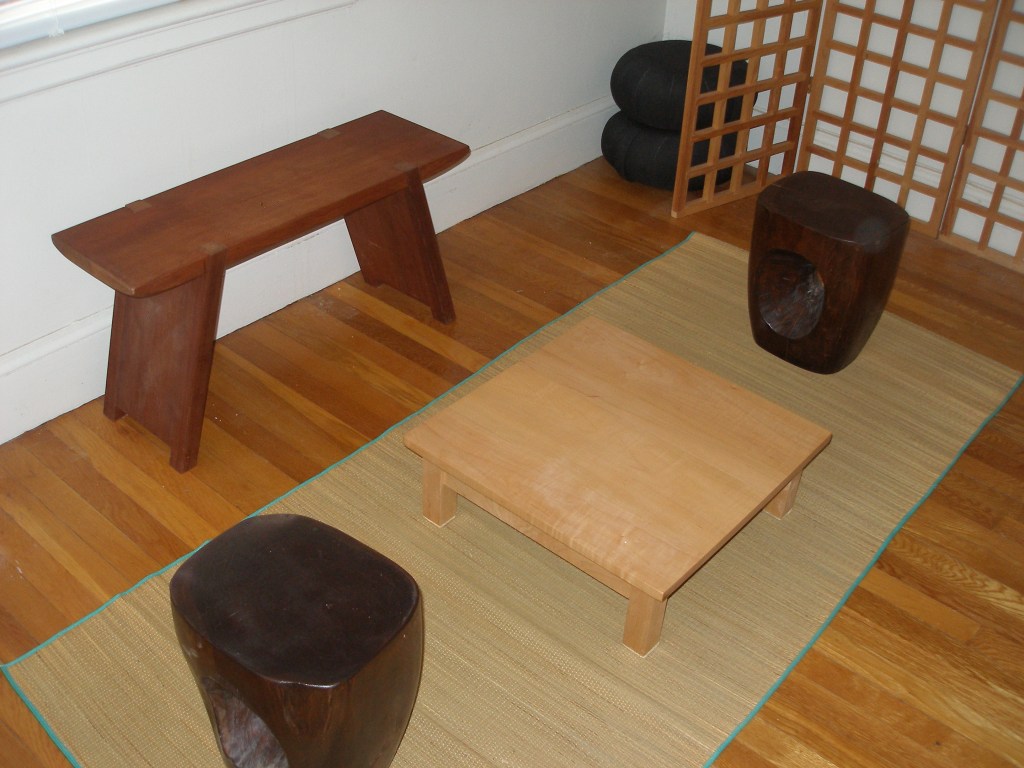
A number of years ago before COVID changed our world forever, I set up a tiny room as a place for meditation and for sharing tea. Each morning, I would go to that room, sit on a stool facing the window at one end and say “Thank you for what is needed when it is needed.” Then I would sit on the other matching stool, face the interior wall and say, “Thank you for the peace and strength that is always available.” I did this every morning for several months.
I realized there was an aspirational quality to all of this.
Joseph Goldberg says In Mindfulness; A practical Guide to Awakening, on page 384, “the consequences or results of an action are conditioned by the moral qualities of both the actor and the recipient of the act.” In this case, I was both actor and recipient and the practice seemed to both drew upon and reinforce my wish to live in ways that encouraged openness and compassion in myself and others.
There was a shift. I began to sense I was in a dialogue with the universe. I took the various forms of support that found me as signs I was on the right track with a project. It was easier to see when I needed to do some hard internal work on what might be getting in the way of my dreams. Just saying “peace and strength” connected me to something much more powerful and larger than myself, and I began to see things from a less narrowly selfish point of view.
Now that the world seems so full of suffering and fear, personal mindfulness practices, like this one, might be even more relevant. And first of all we need to stream ourselves and others all the compassion we can muster, so we can see that there are still opportunities available to take action that can make a positive difference. This can be quite close to home. In times of increasing crisis, simple things like a hug, a listening ear, or remembering to take some quiet time for ourselves can make a world of difference.














































 Radiant Refuge