Joyful Attunement

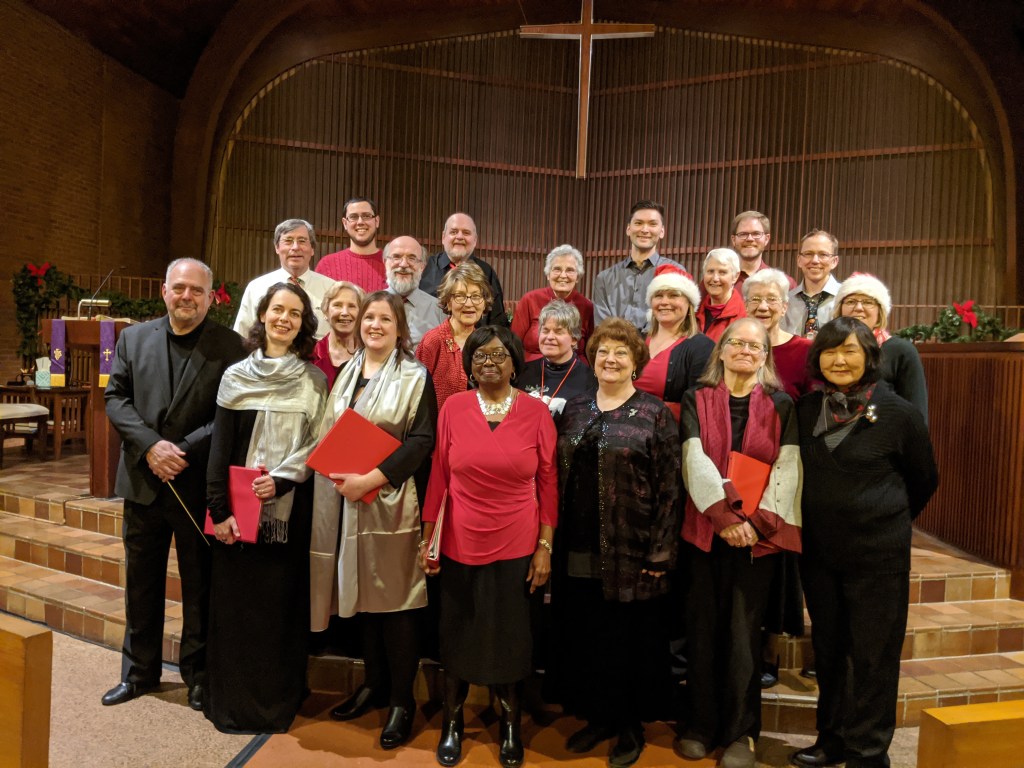
Smiles after a 2019 Christmas Concert Where Everything Came Together (Photo by Betty Poleet)

Joyful attunement is to be expected when choir friends sing music together that they know and love. But, as I learned, it is also possible for strangers who have just spent several days intentionally not speaking with each other.

Toward the end of a 7-day silent retreat I attended, the hundred or so of us in the hall were taught a lovely evening chant. That something out of the ordinary was going on was evident in the sound. The teacher asked us to repeat the chant and it happened again.

As Linn Nagata found in her research on somatic mindfulness, “The ability to resonate or attune to another person somatically can provide a type of communication even when language differences preclude verbal communication (p. 97, Kossak, M. , Attunement in Expressive Arts Therapy).

Perhaps we had been subtly attuning via body language without knowing it, even as we avoided eye contact. Or our kind and wise retreat teachers’ influence and support was enough to get us all on the same wavelength. I could also see how a few talented individuals with unusual musical sensitivity might have acted as catalysts for the effortless attunement that had a great deal of freedom to it – like a flock of birds wheeling out patterns in the evening sky.

That this kind of group-level intuitive heartfelt intelligence is still possible provides me with hope for our troubled world.

Changeable Woodland Treasure

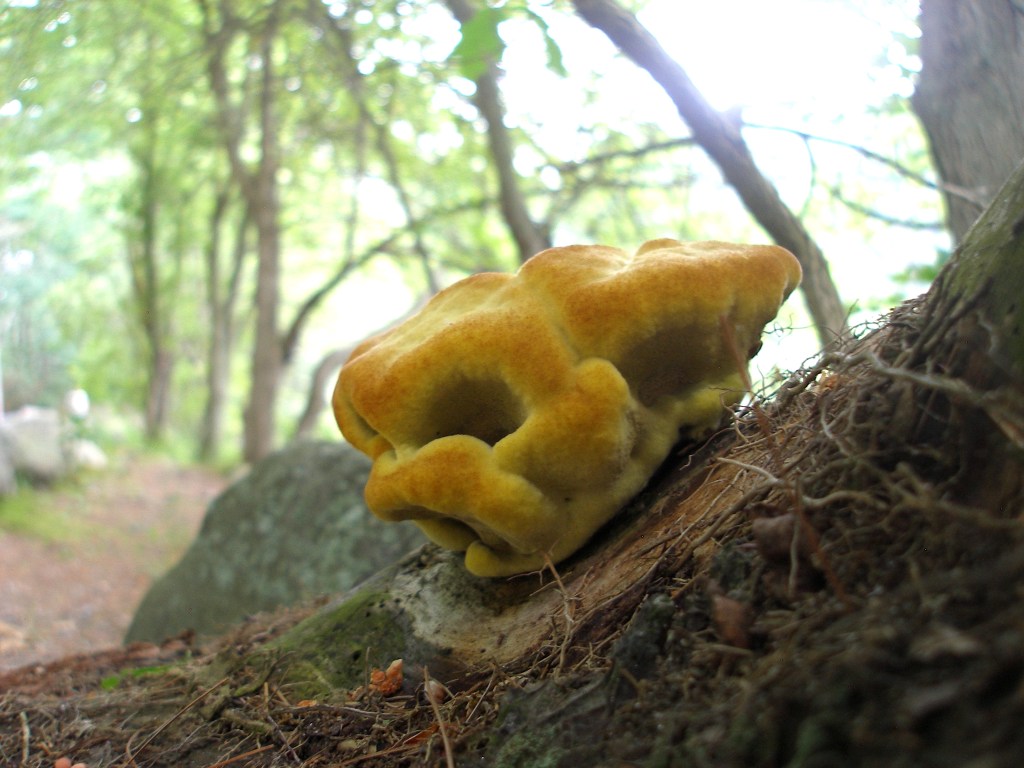
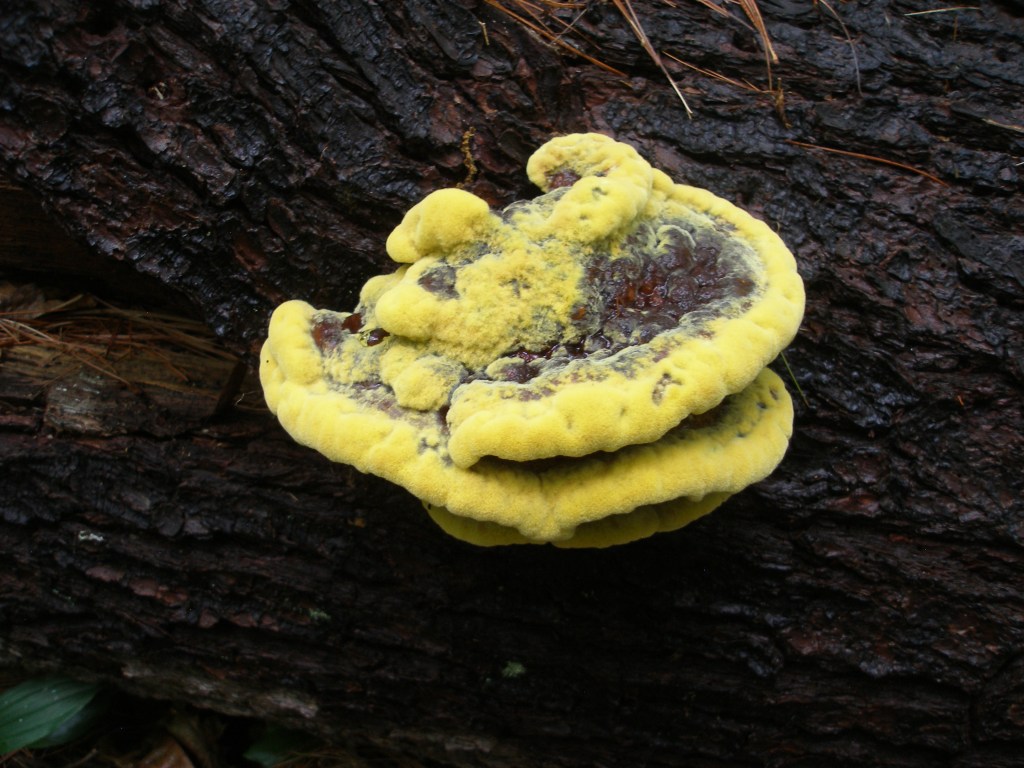
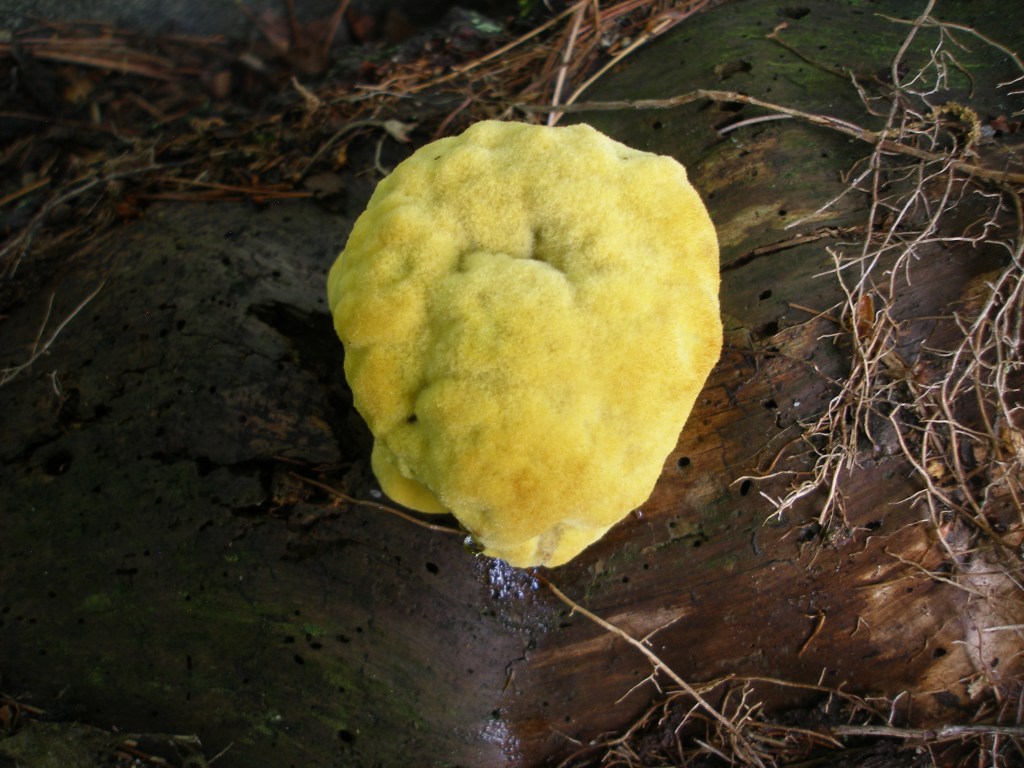
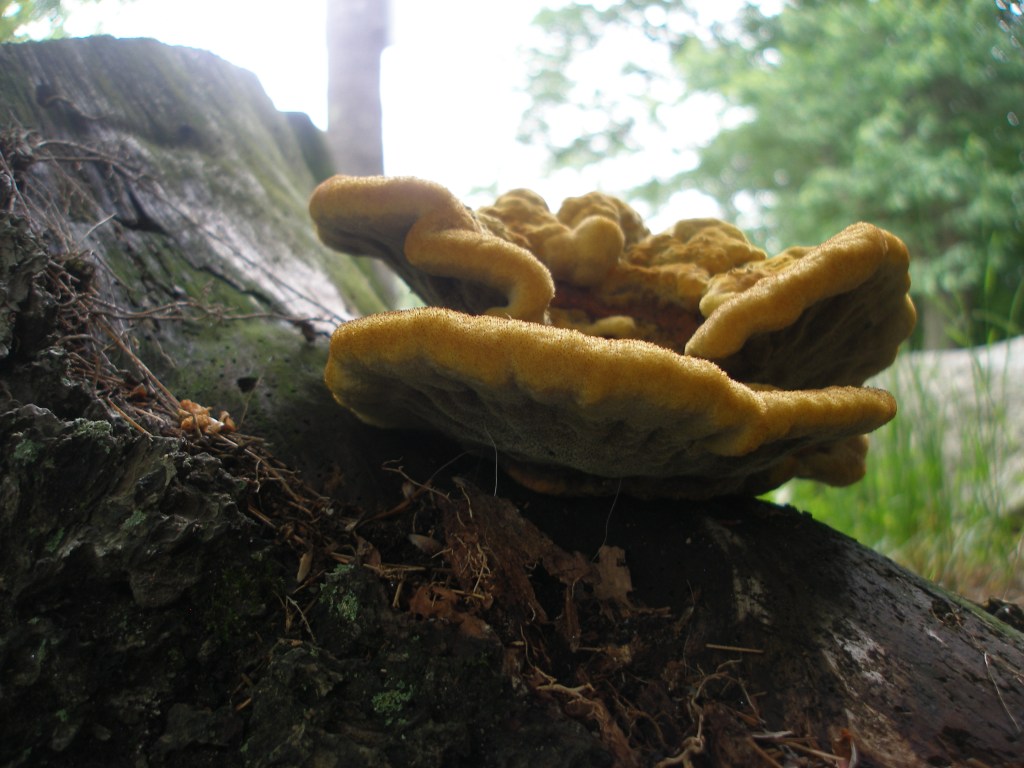
Wasn’t it a bit early for mushrooms? I had never seen such a fuzzy yellow growth. Perhaps it was something else. When I posted a photo online, I learned it might be a young dyer’s polypore. Evidently, the timing of all kinds of things is more variable these days.

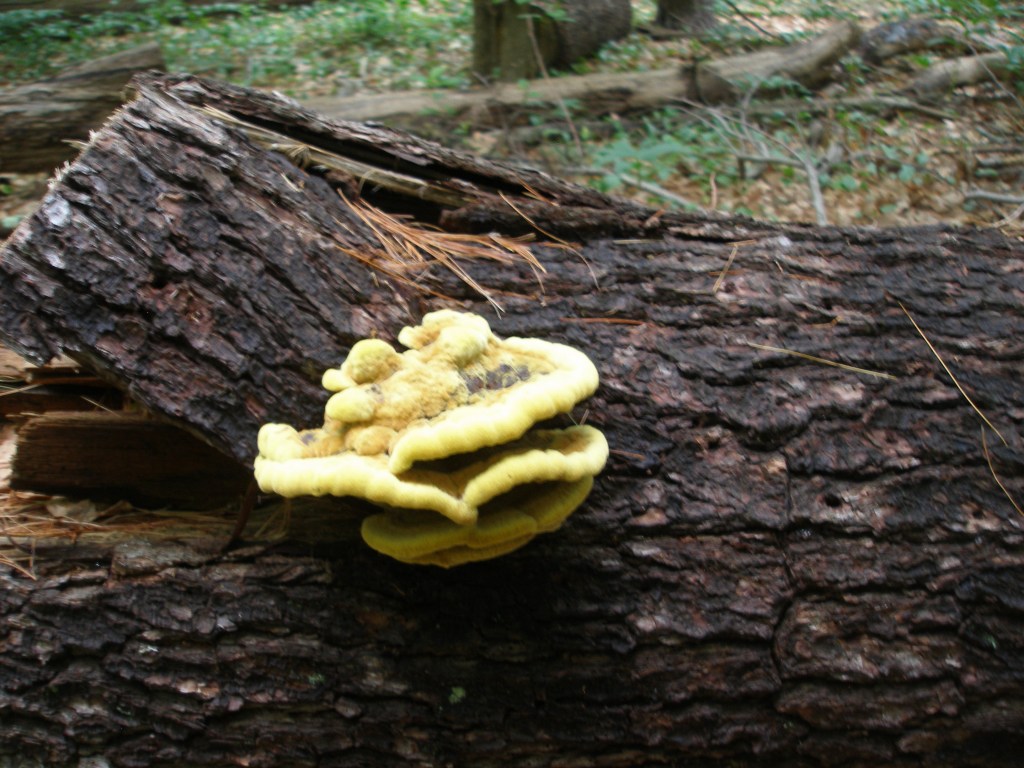
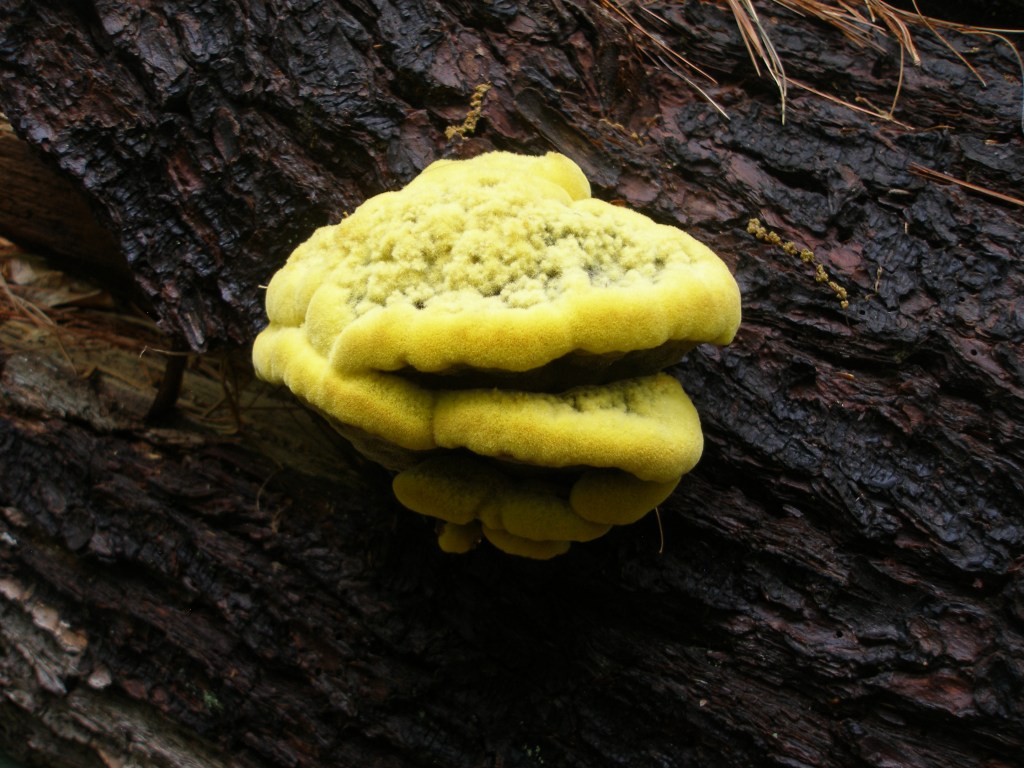
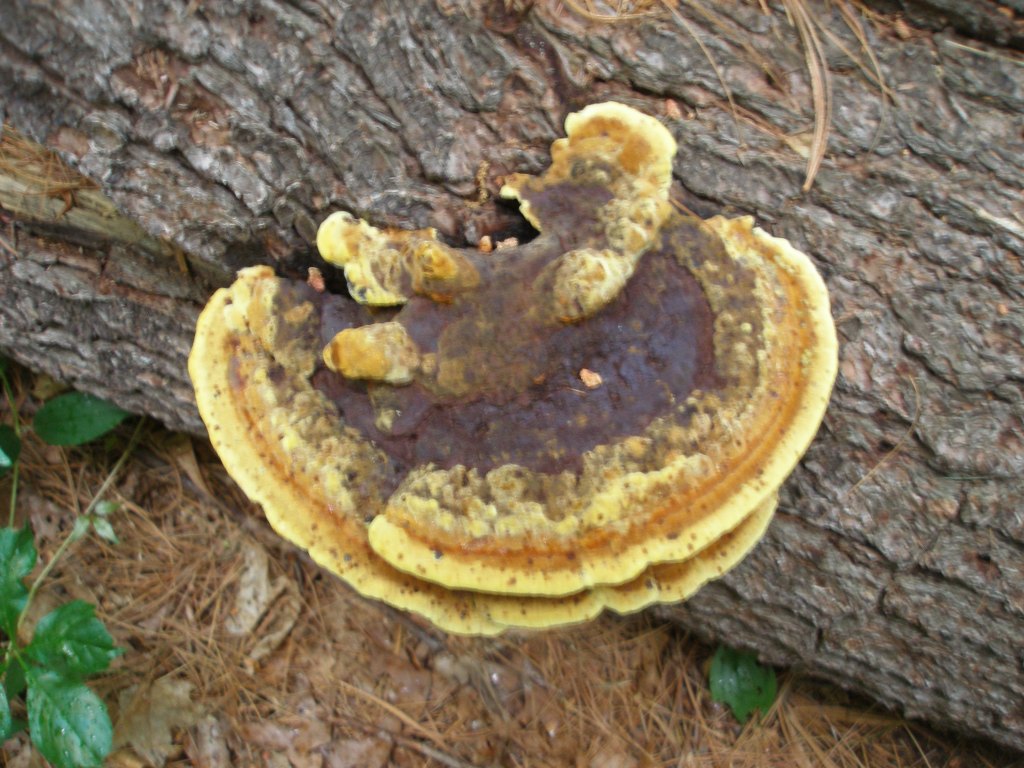
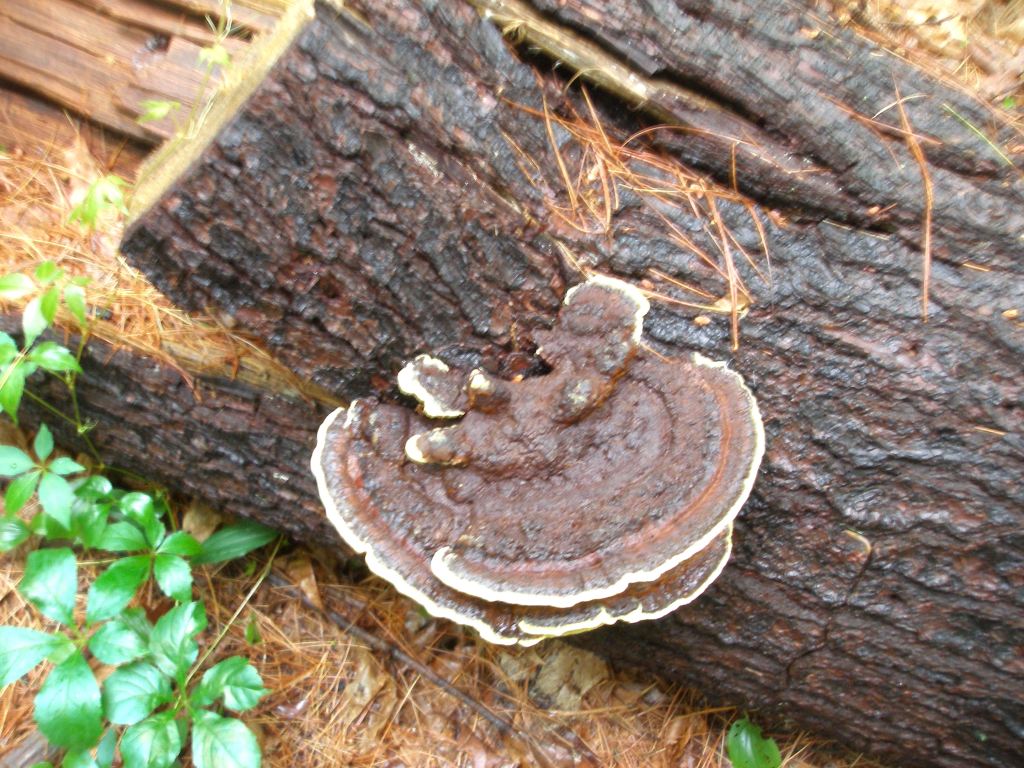
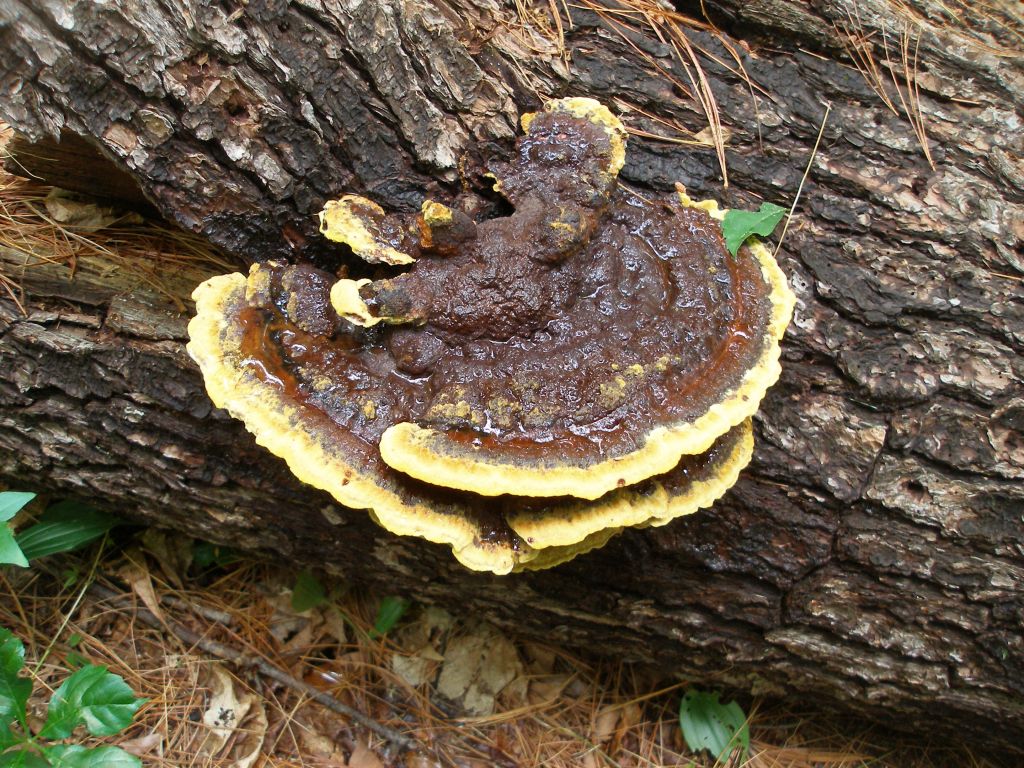
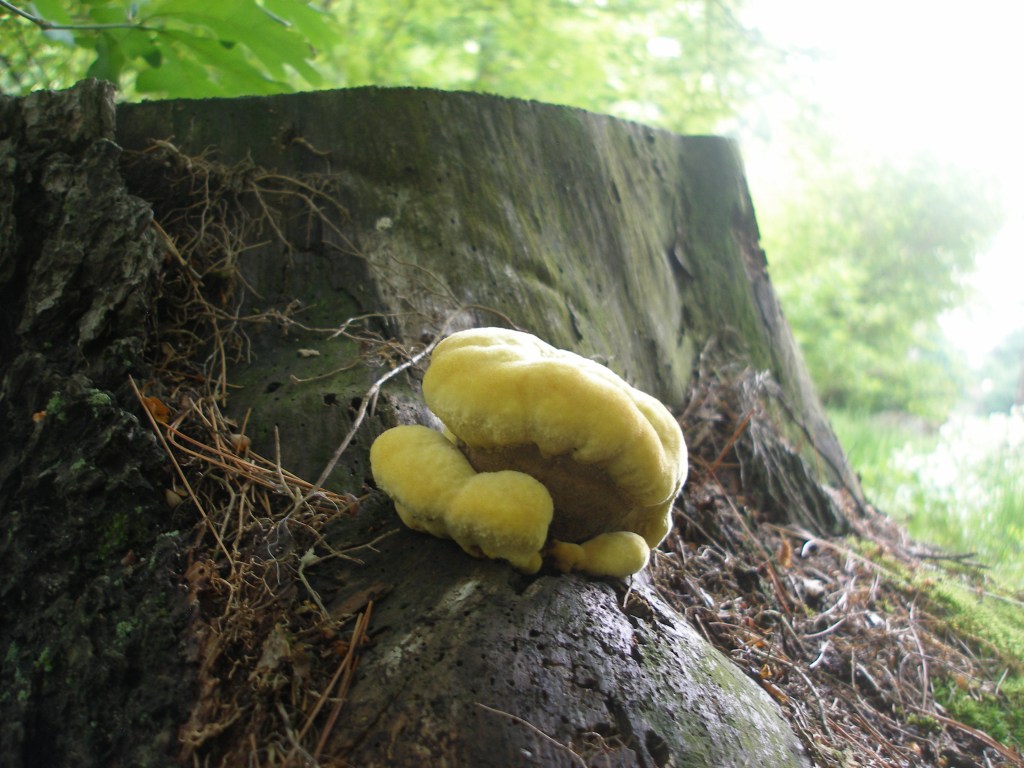
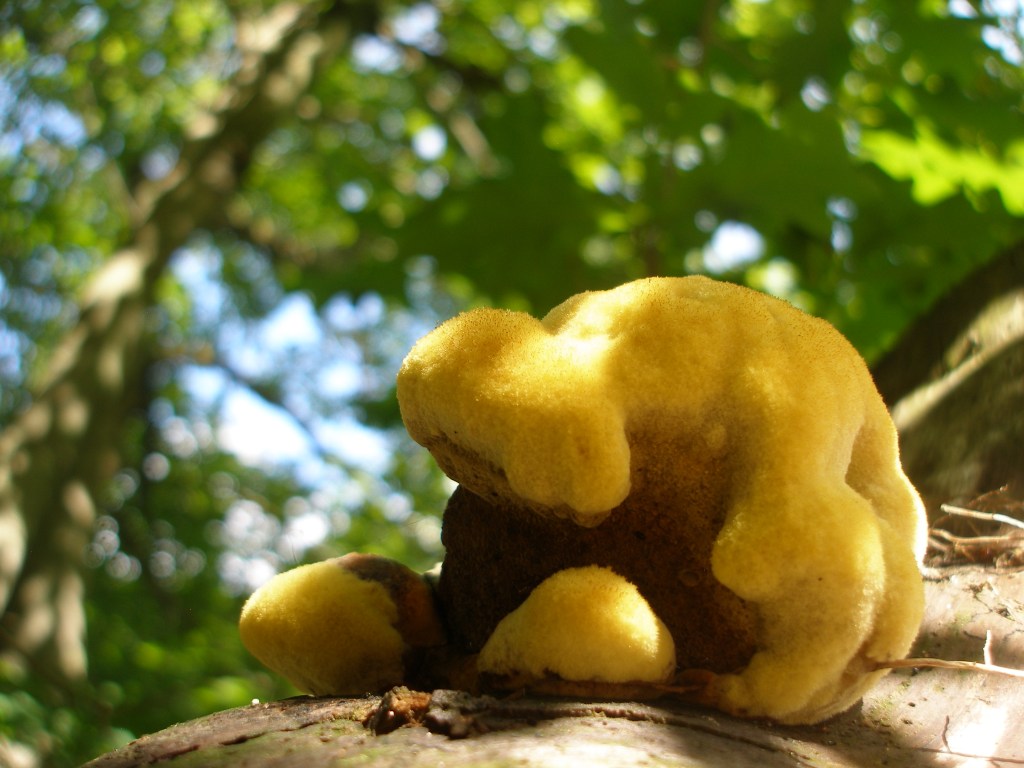
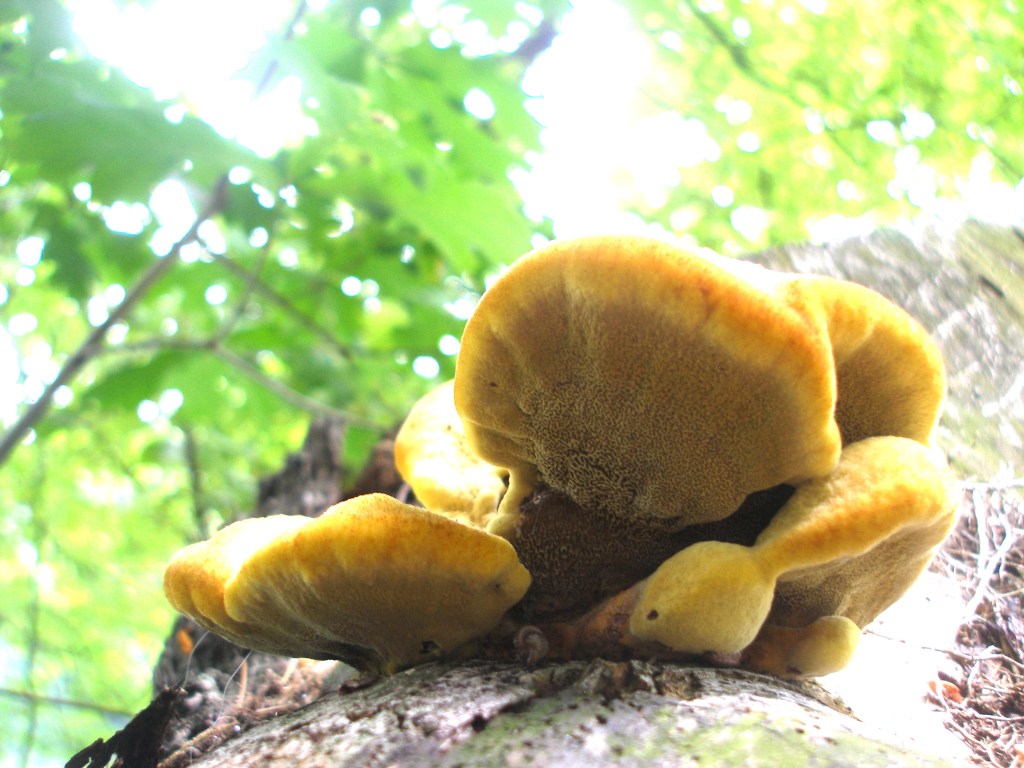
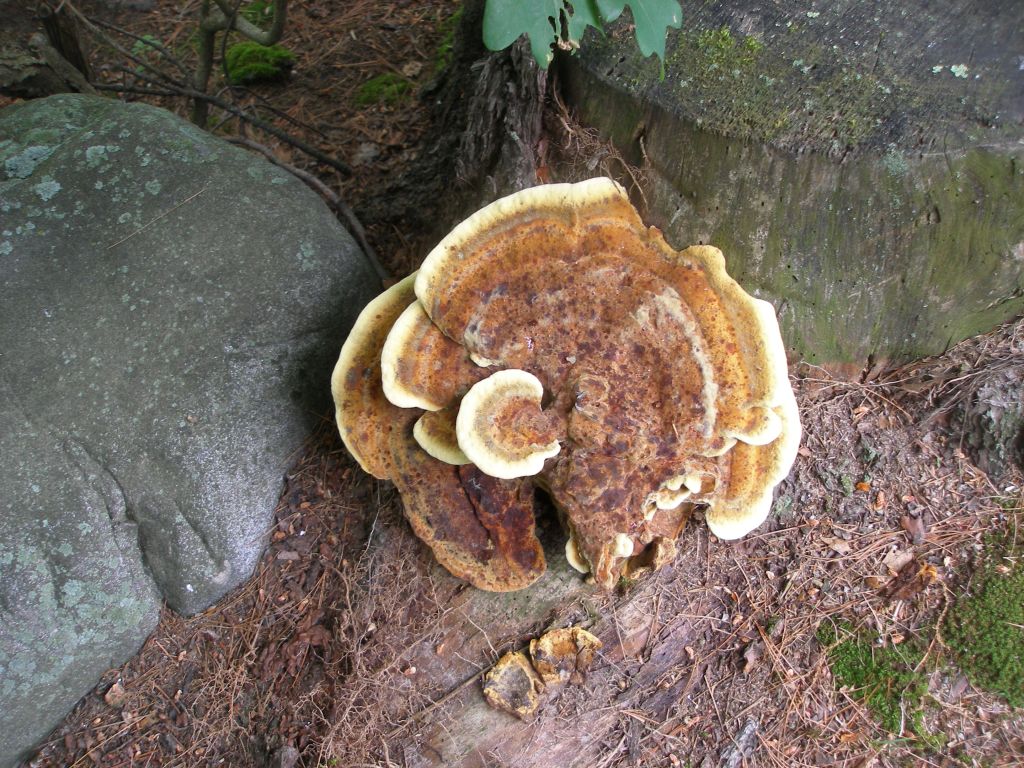
I found two. They both started out as fuzzy yellow lumps and kept changing. Dyer’s polypore seemed correct as there were certainly pores rather than the usual gills on the undersides.

I learned dyer’s polypores can be used to stain fibers a number of different colors – yellows, various shades of browns and even greens – depending on the type of fiber and how it is pretreated. This video shows it being used to dye wool lovely shades of yellow.

The first two photos below show the two I found mid-way through their cycle and the remaining photos show the changes that each went through closer in.


Young one – quite yellow and quite fuzzy

Beginning to turn brown

Expanding and flattening out

Changing colors around the edge

Getting harder with light edge

After rain

Another young one

Seen from the side

A few days older

Turning colors and flattening out

Seen from underneath

After rain

Several days later

Getting harder and drying out

Dappled Light and Shadow

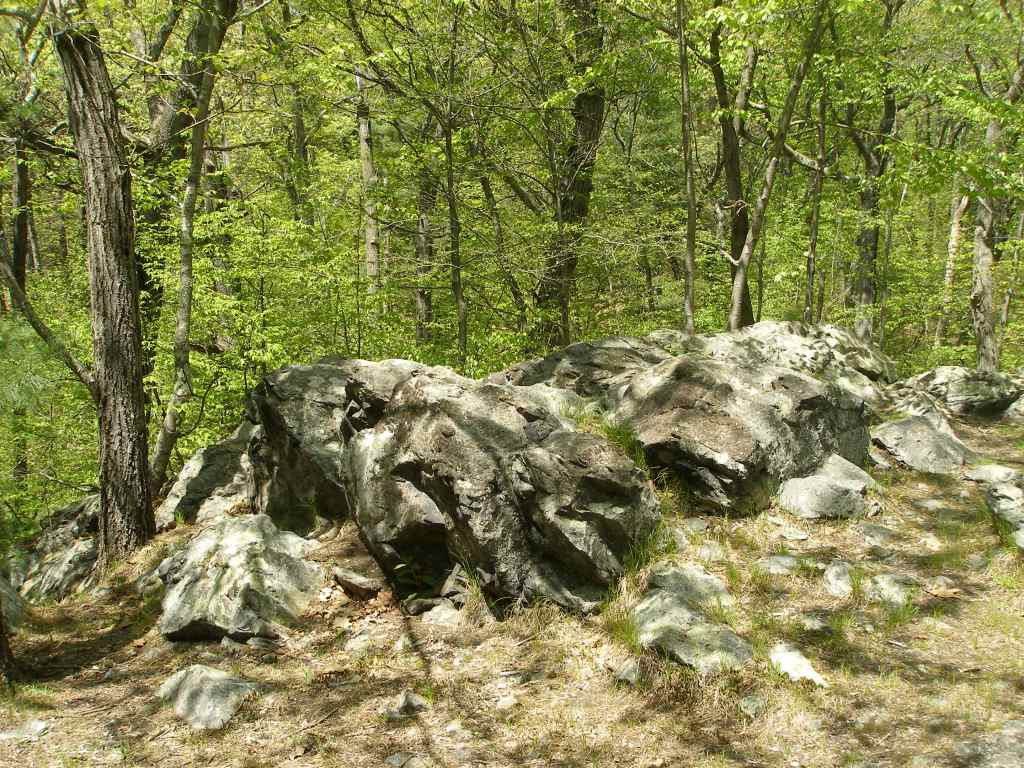
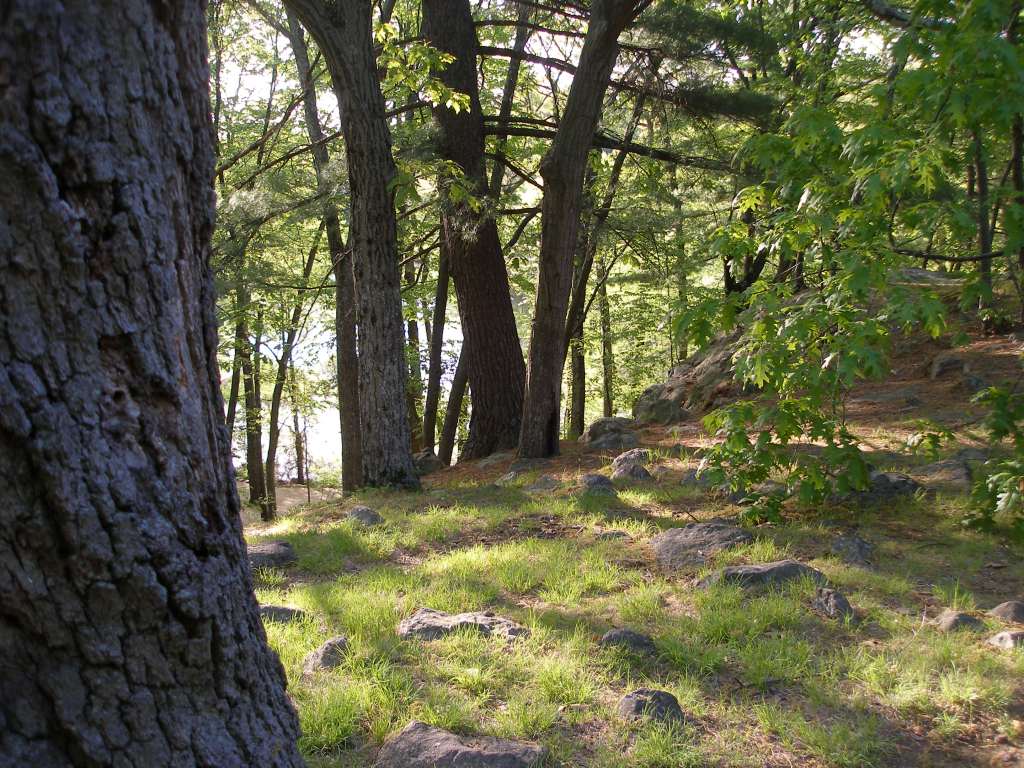
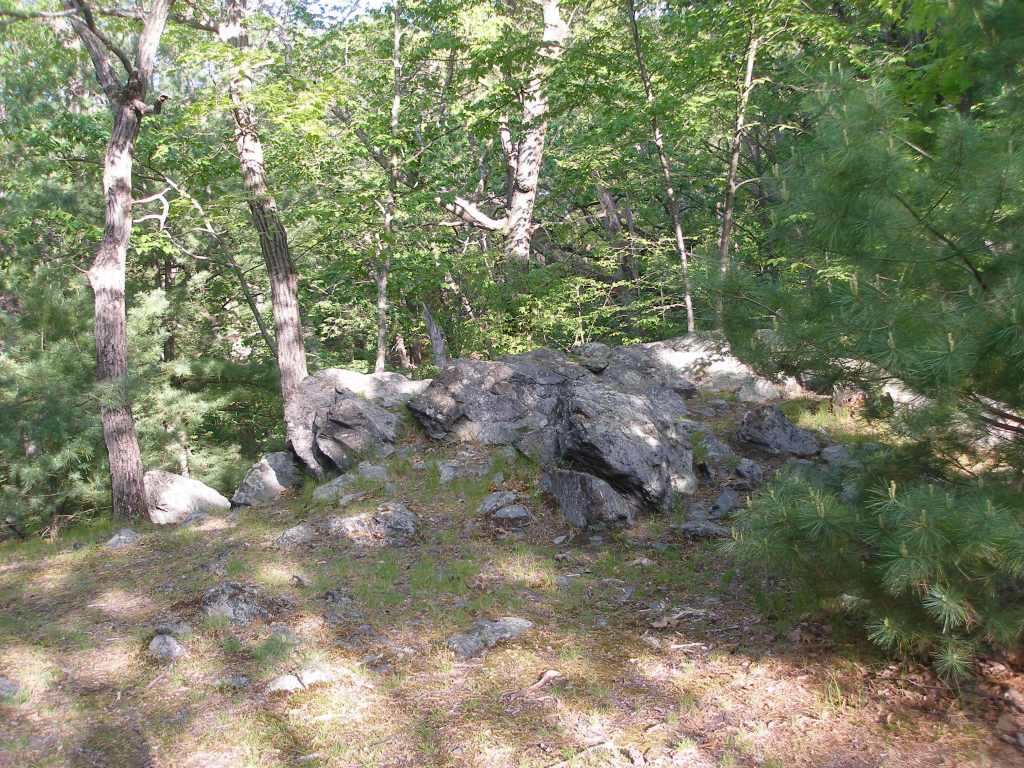
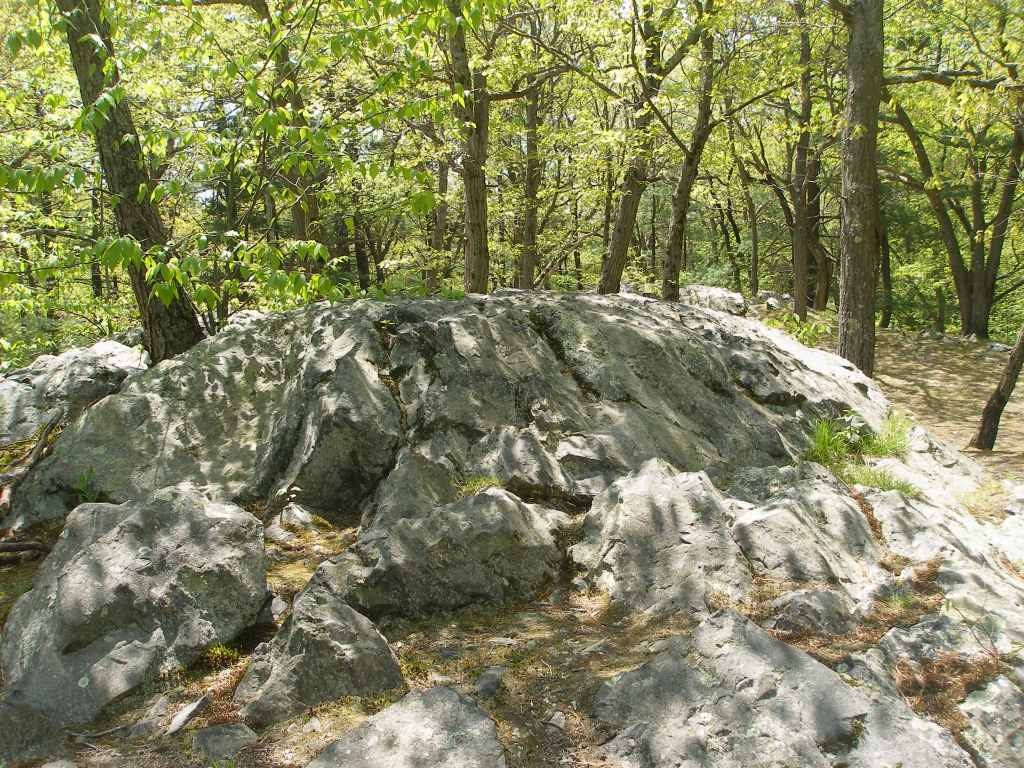
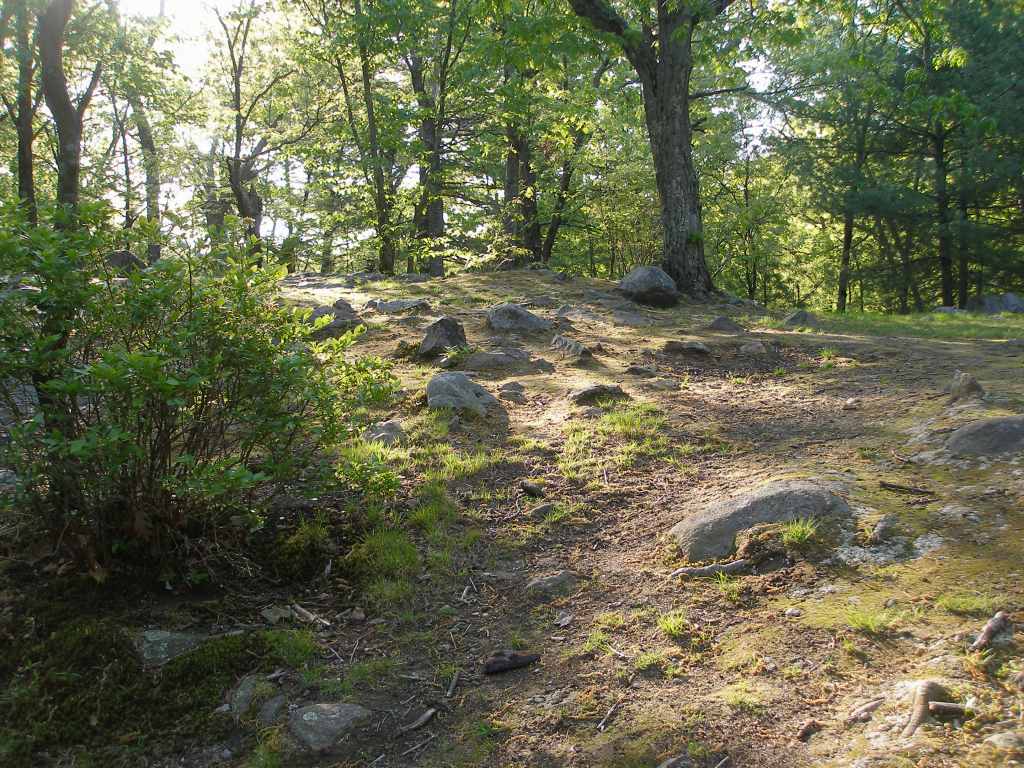
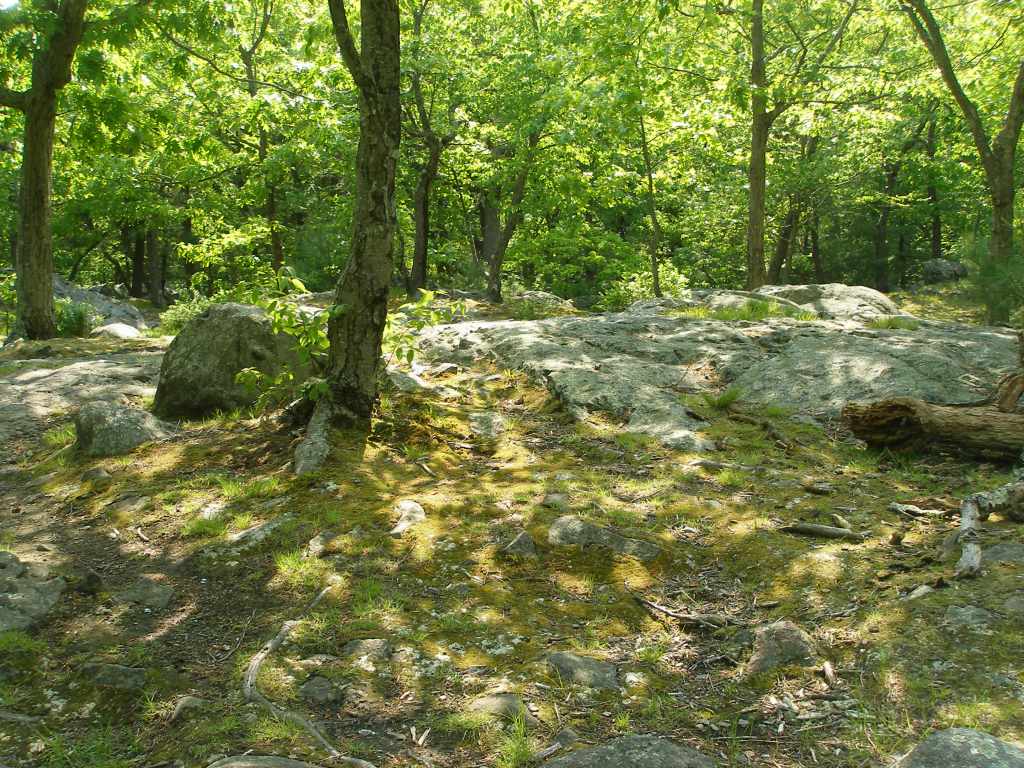
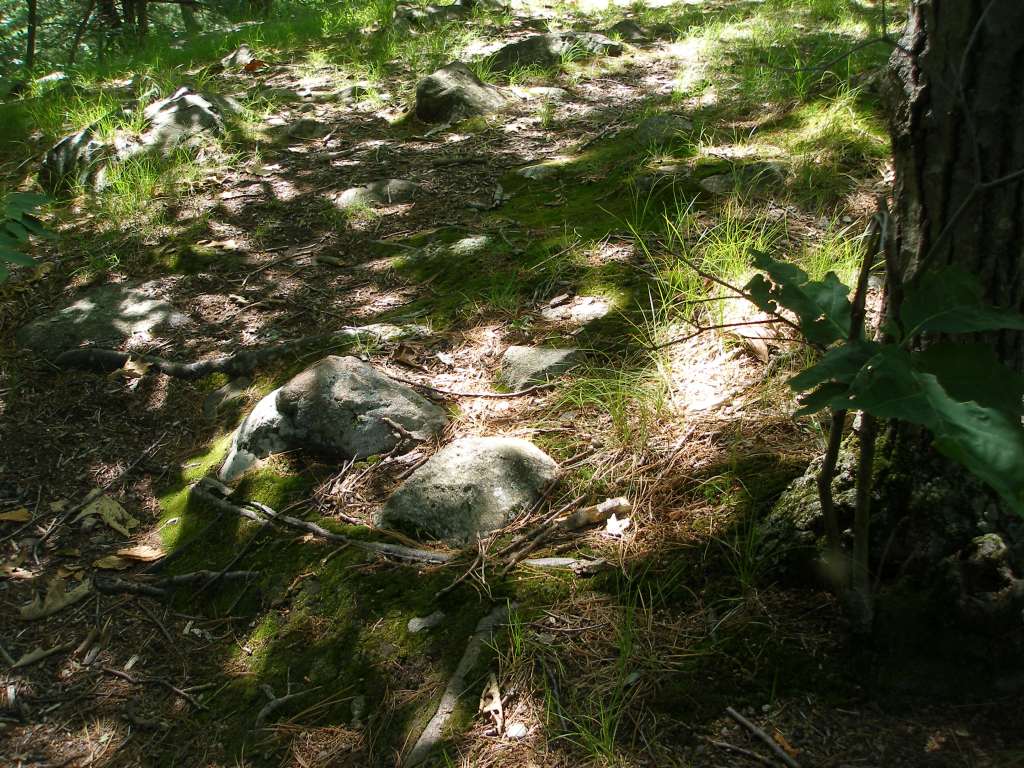
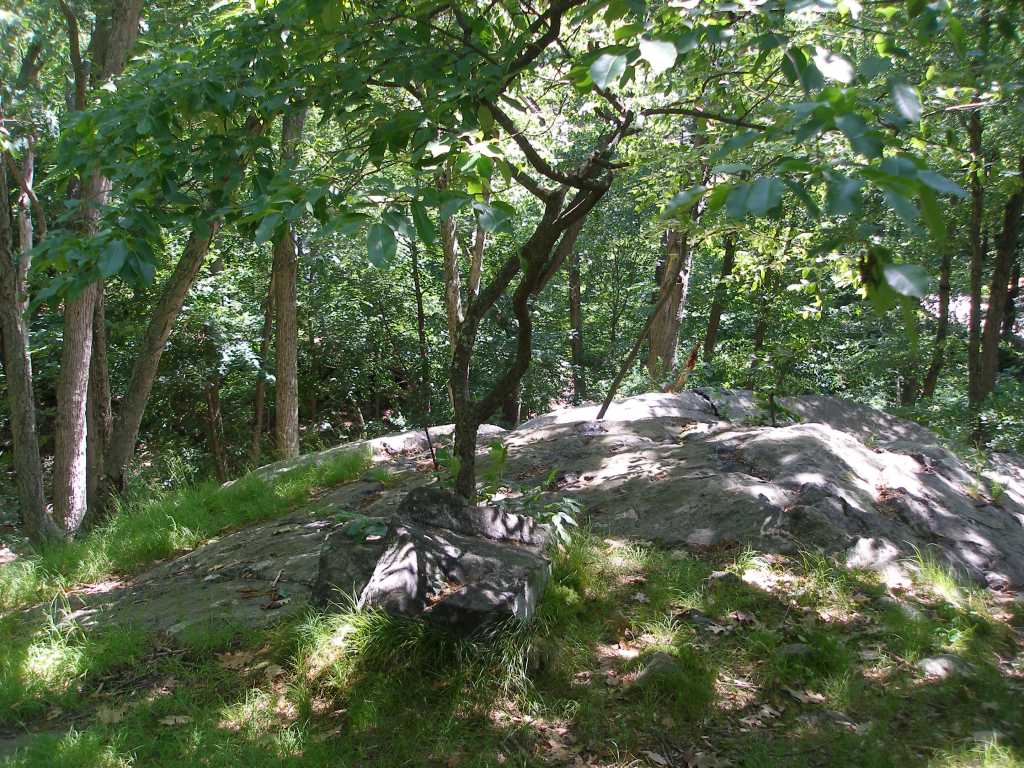
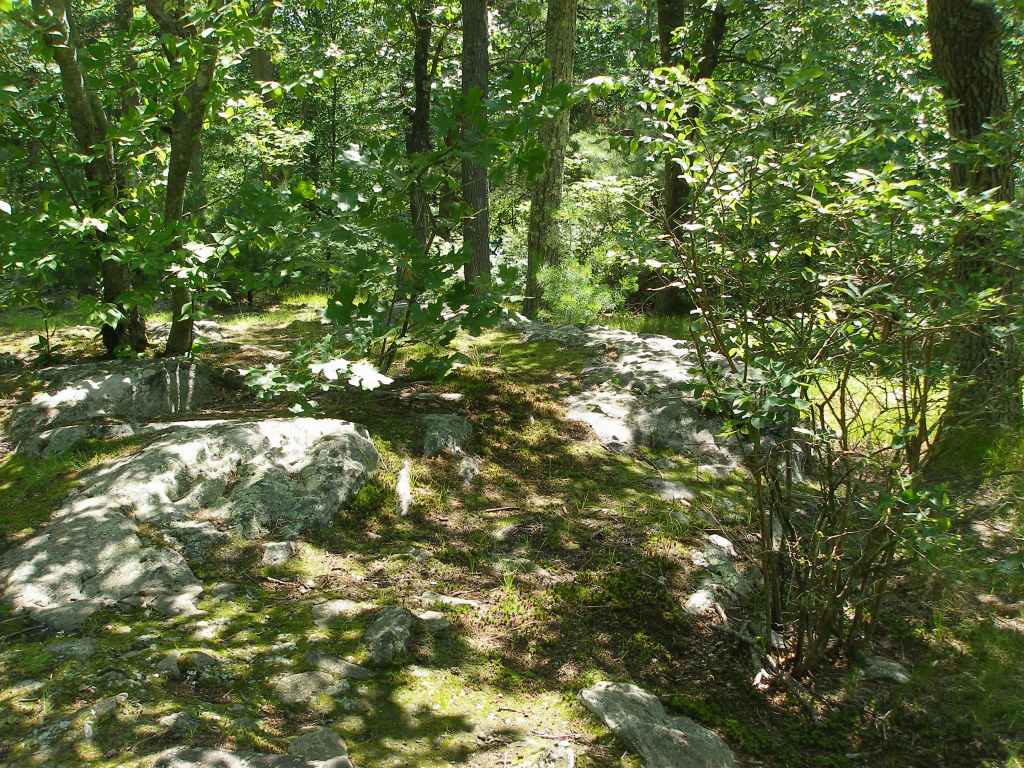
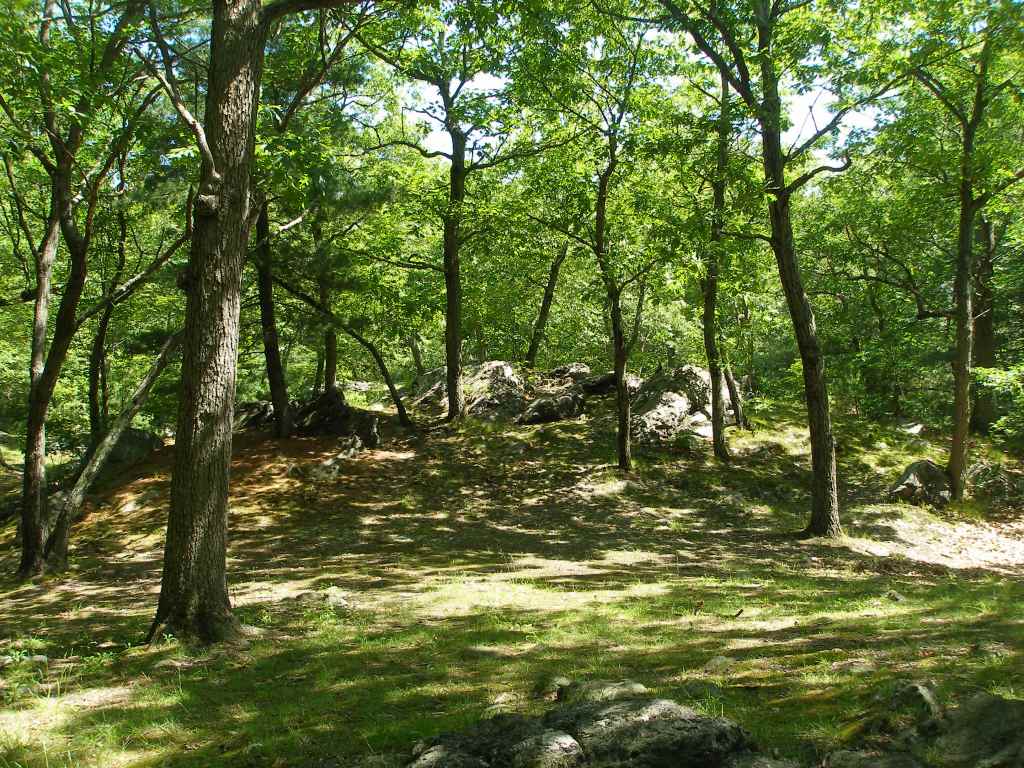
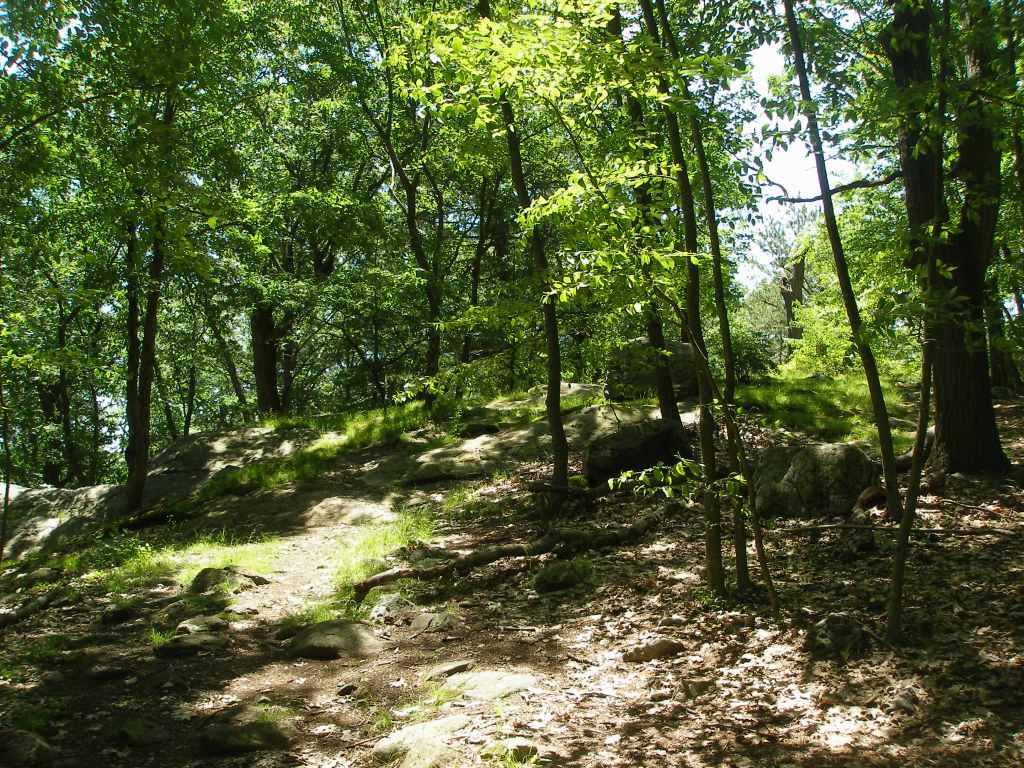
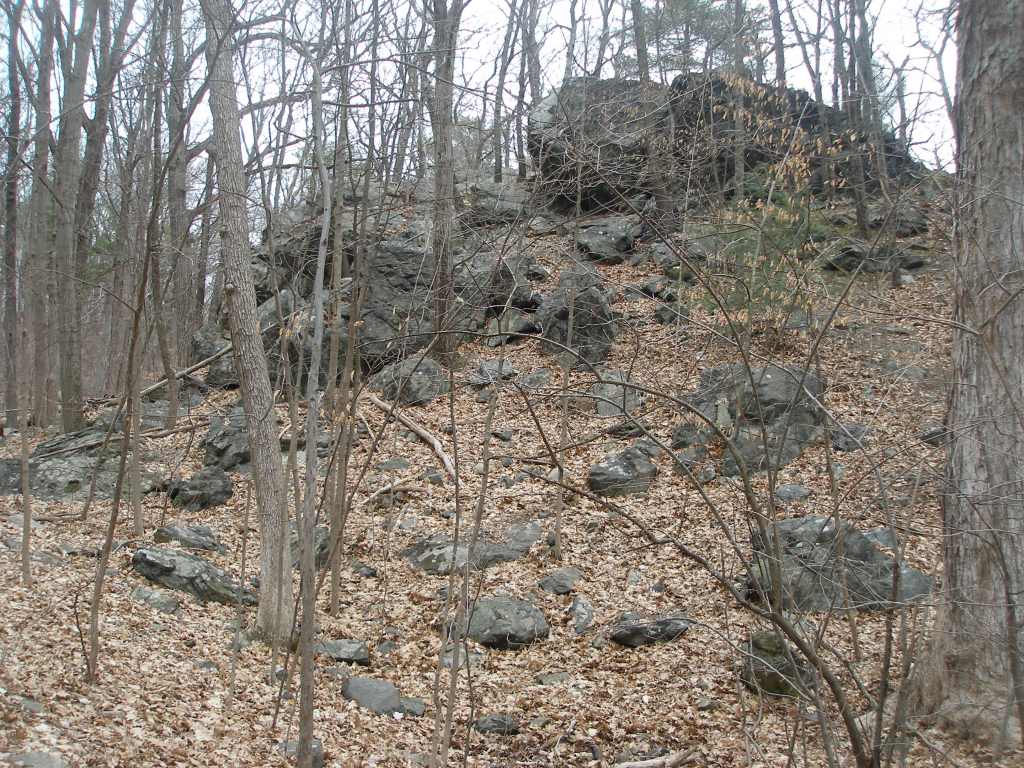
Trees have taken root among the moss and lichen-covered granite outcrops in a secluded high spot in Menotomy Rocks Park. There are wide open spaces between patches of vegetation where the soil is deep enough to support larger roots.

Morning or evening are generally considered good times to capture light and shadows, but up here, the noon sun creates interesting shadows as well. This high spot with its scattered blueberry bushes and mixture of trees always seems so much more alive on a bright sunny day.


Unexpected Acts of Kindness


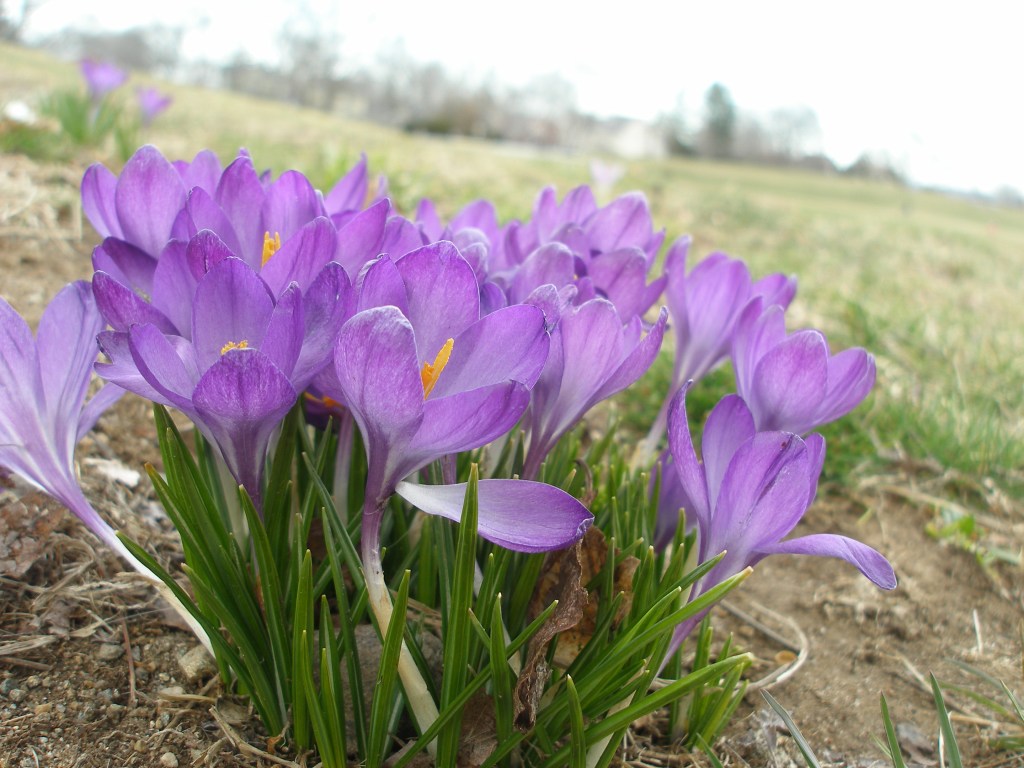
These crocuses planted by volunteers in a nearby park certainly brightened my day.

For a number of decades, we have lived in a world where food and other resources have became increasingly available, but when things in general are going relatively well, we may not realize that we are lacking a critical psychological nutrient for human wellbeing.

Chapter 4 of the World Happiness Report 2023 describes how acts of kindness, particularly when they are unexpected, create warm feelings of happiness in actors, receivers and even in observing bystanders. It goes on to note that happy people are more likely to do acts of kindness, thus spreading happiness even further.

Perhaps some form of the “golden rule” is so universal precisely because we need to be reminded about how much benefit acts of kindness provide. Acts of kindness, especially when unexpected, tend to have a bigger positive impact than we may realize according to “Kindness Goes Farther Than You Think” by Amit Kumar (Scientific American, April, 2023).

Ironically, our human tendency to respond to crises with acts of kindness is contributing to greater happiness in our troubled world according to the World Happiness Report.

Treasure Hidden in Plain Sight

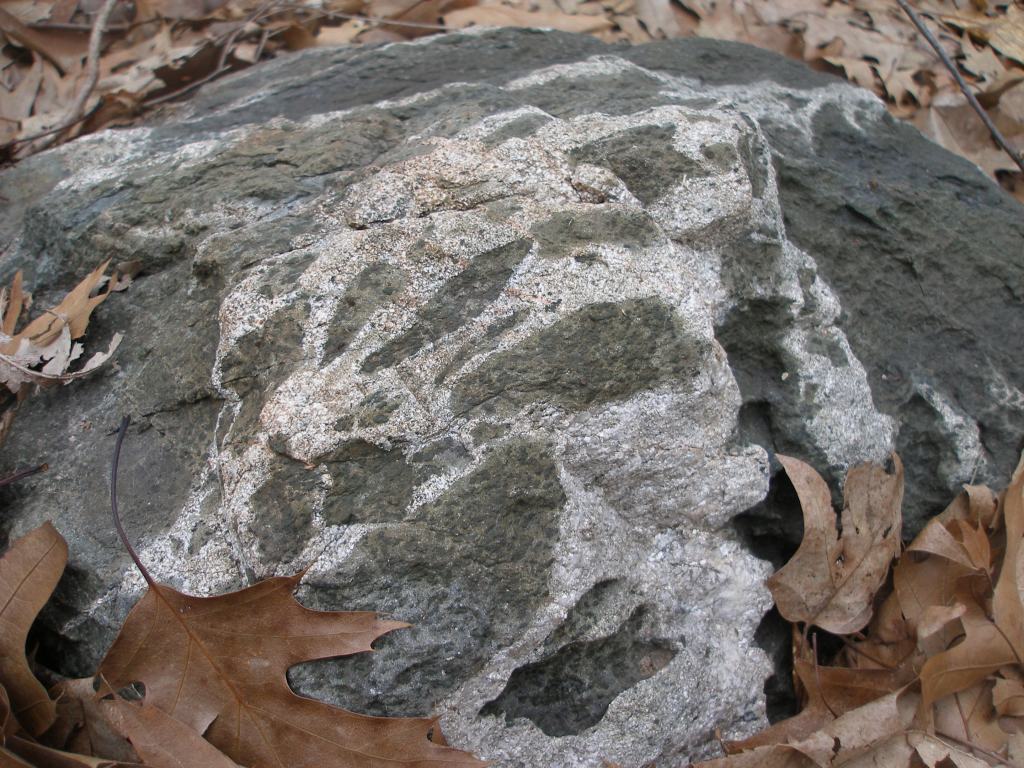
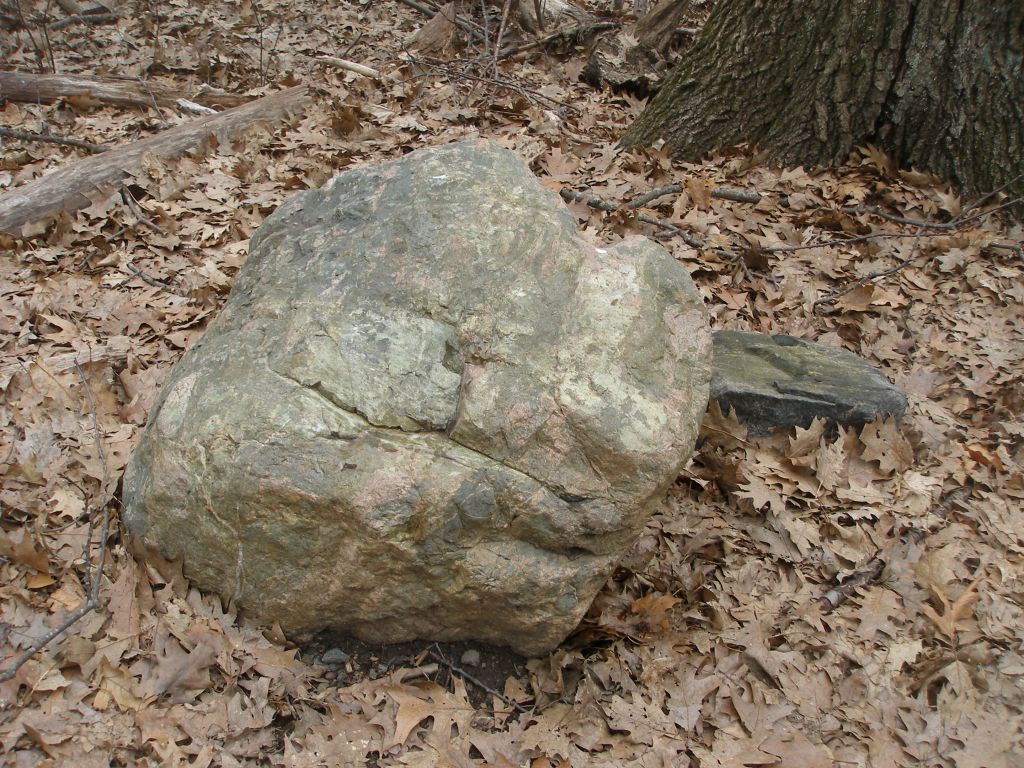
The odds of finding that particular rock again seemed slim. When I first noticed it in the leaf litter, it looked organic, perhaps a late season fungus, so I took a quick photo and continued on without noting the location.

But in reviewing the photos I took on that walk, I realized that this was no fungus. The interesting bubbly texture was glassy, not soft, and clearly part of an agate; I saw suggestions of macro quartz crystals within fortification bands. It was quite unlike the common gray, white veined, or sometimes salmon and green rocks that lie scattered everywhere in Menotomy Rocks Park.

Agates are not normally found in eastern Massachusetts. Perhaps a glacier picked this one up, carrying it some distance from its point of origin.

I would welcome the opportunity to examine the agate from all angles, if I ever come across it again, but it somehow seems fitting for this rare treasure to remain hidden in plain sight among the many rocks of its new woodland home.


OLYMPUS DIGITAL CAMERA


Responsive Gardening

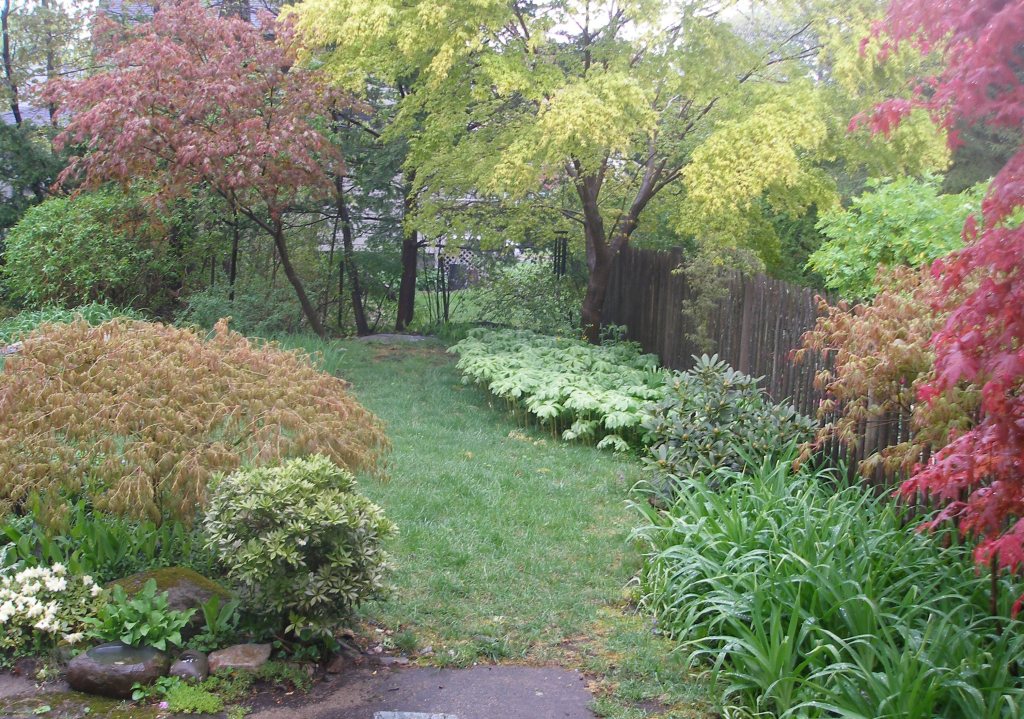
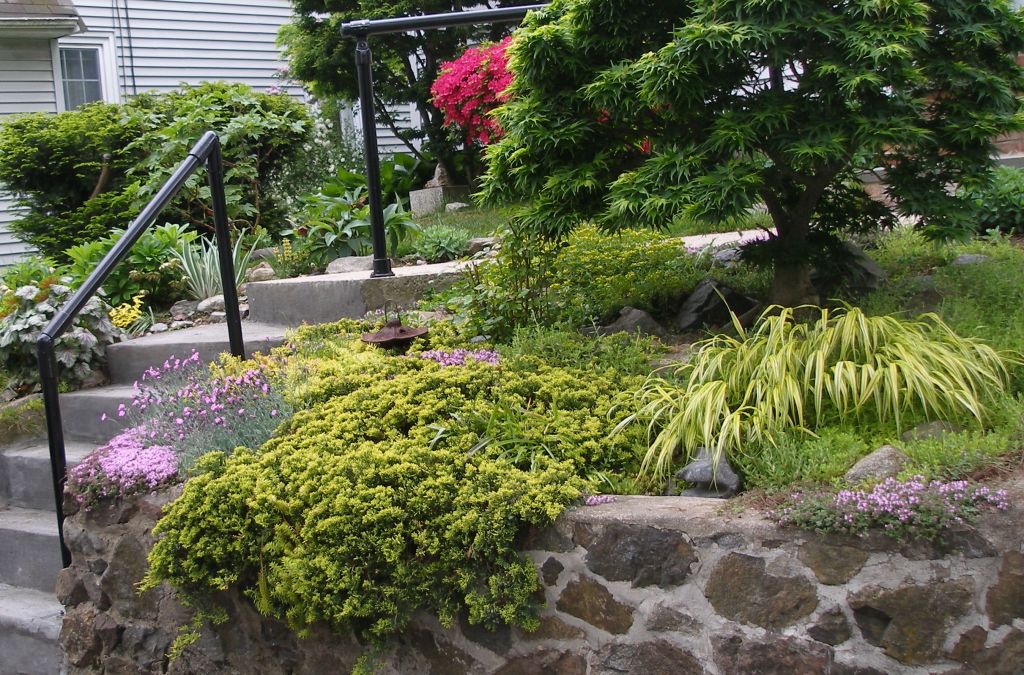
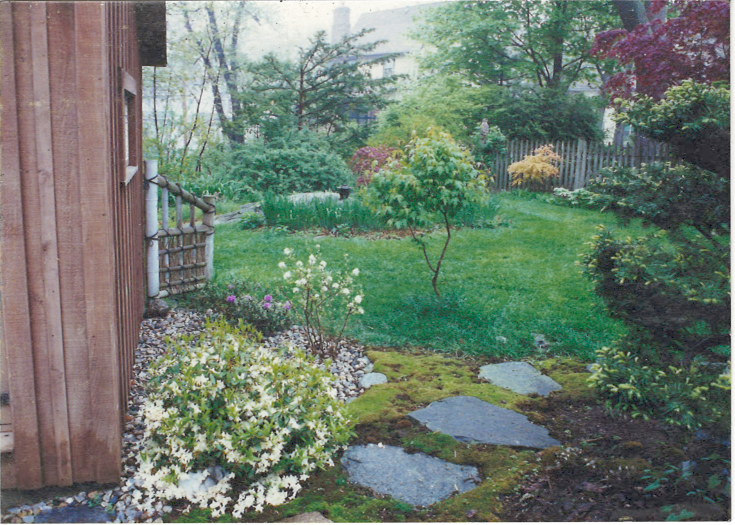
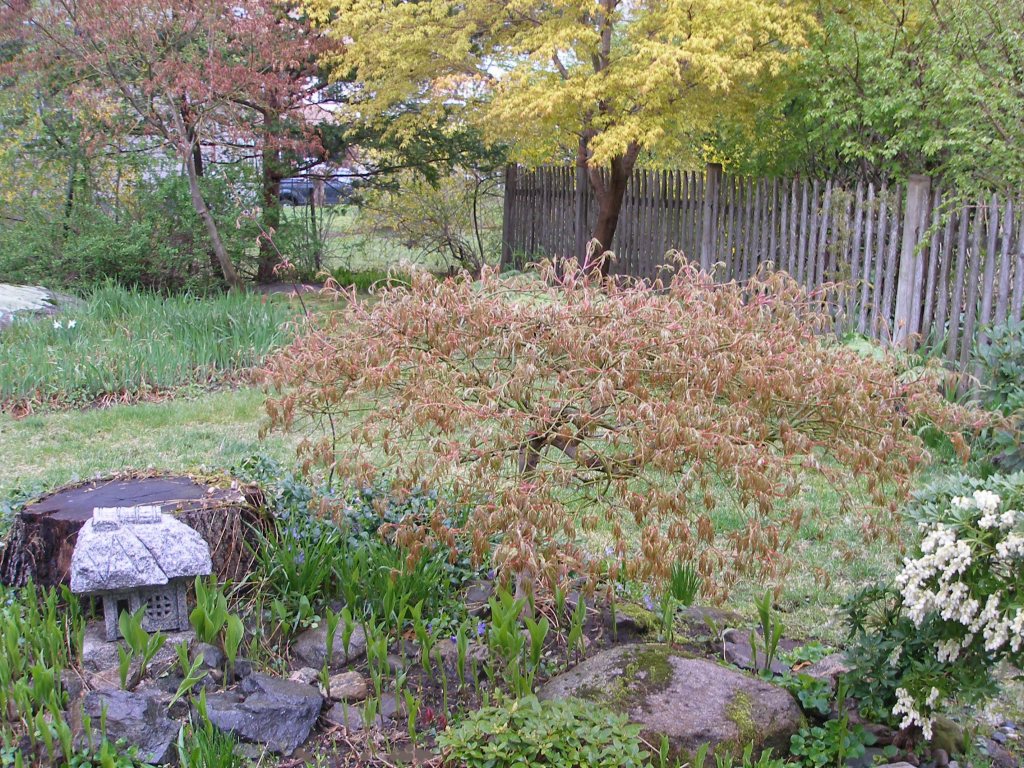
In a photo of my spring garden taken many years ago, the young Katsura maple glows yellow by the fence.

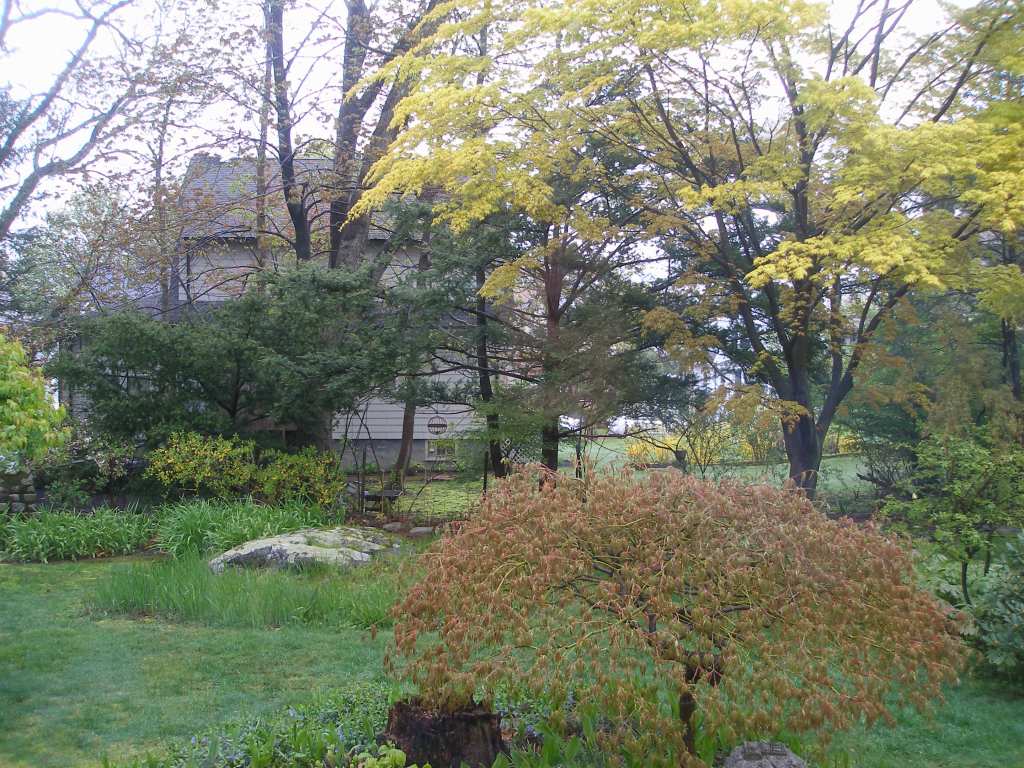
That maple would grow large to anchor the corner opposite the tea hut.

One learns with one’s hands and heart through the daily tending. A change might be required to retain balance and flow in a garden’s design. Some things should be left well enough alone.

Even as weather patterns shift, becoming more extreme and unpredictable, and nature makes changes, the basics should remain pretty much the same. As always, there should be joy in attending and responding not from outside, but from within – as part of the continuing dance of life.


Up Before Sunrise

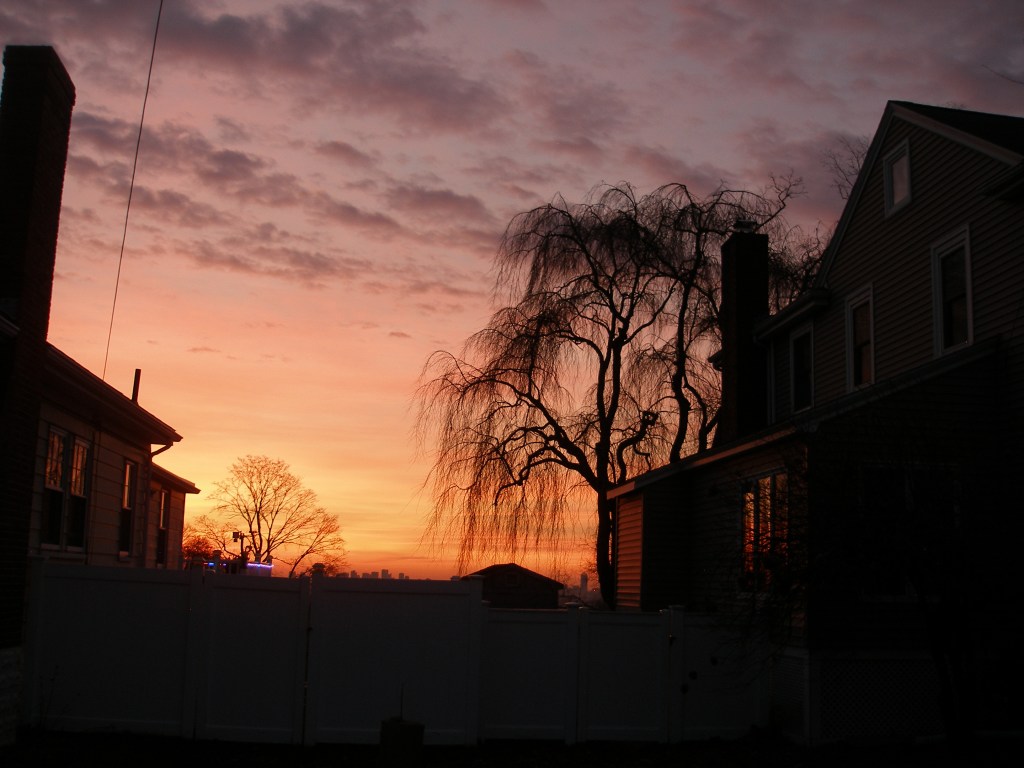
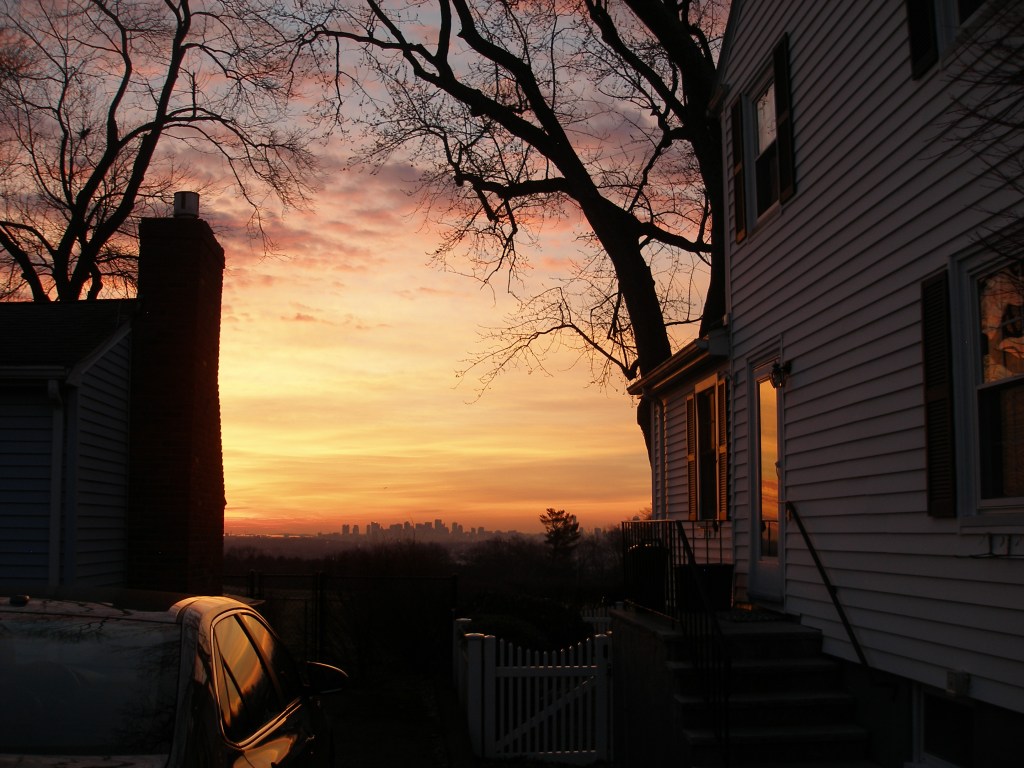
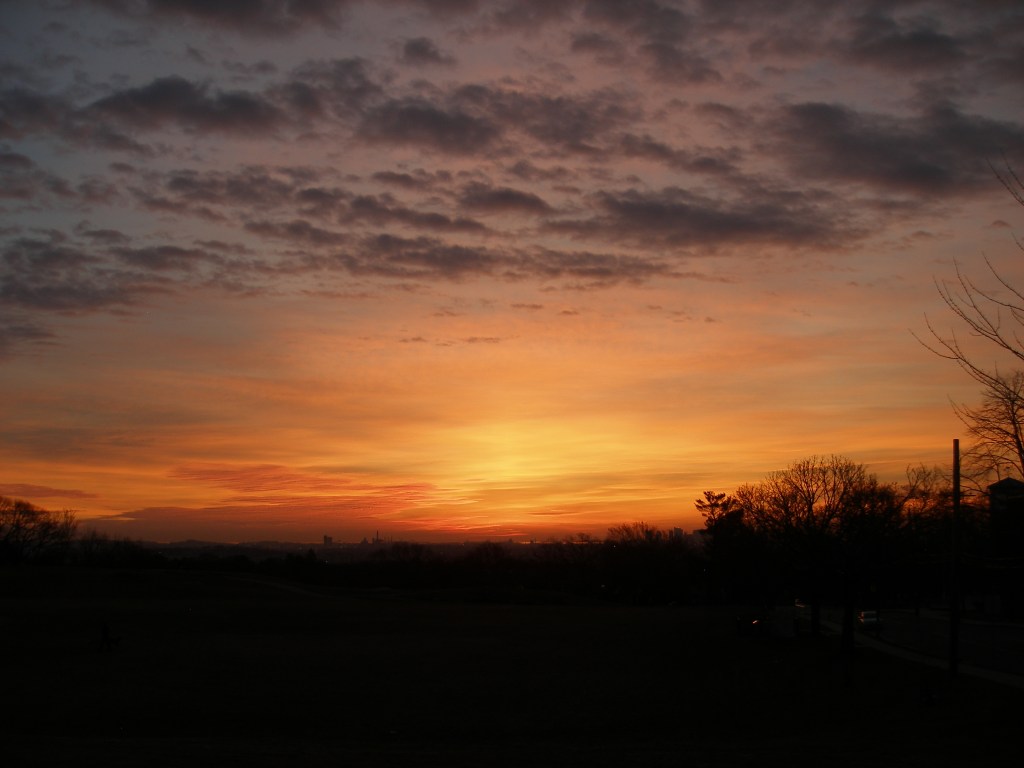
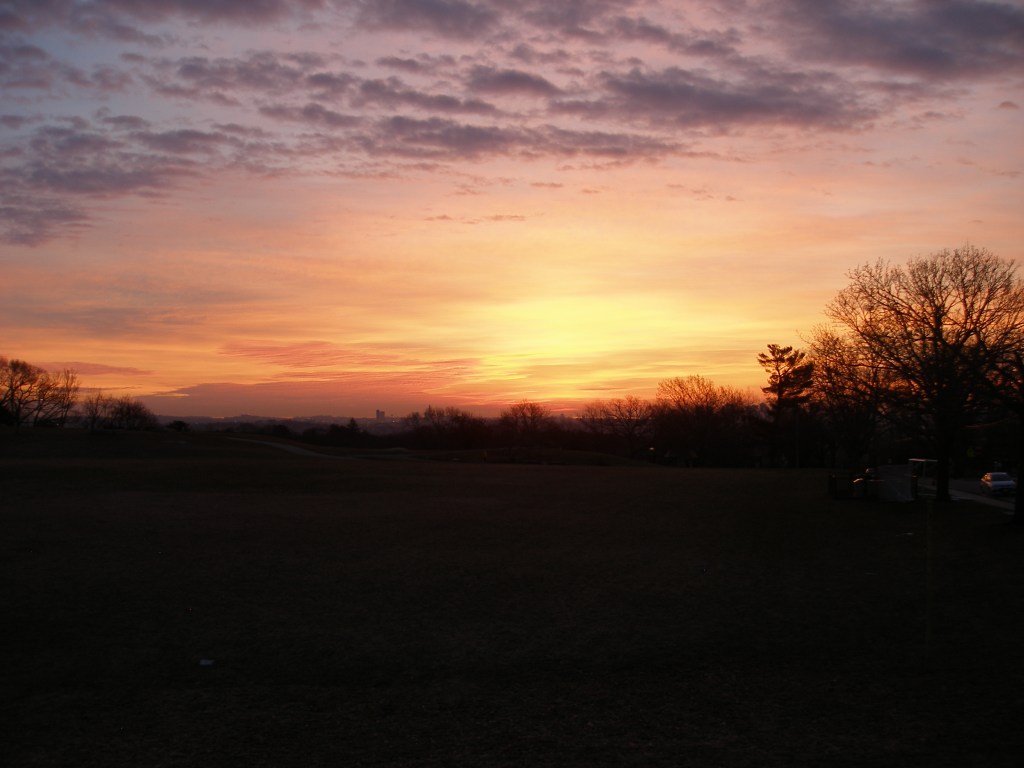
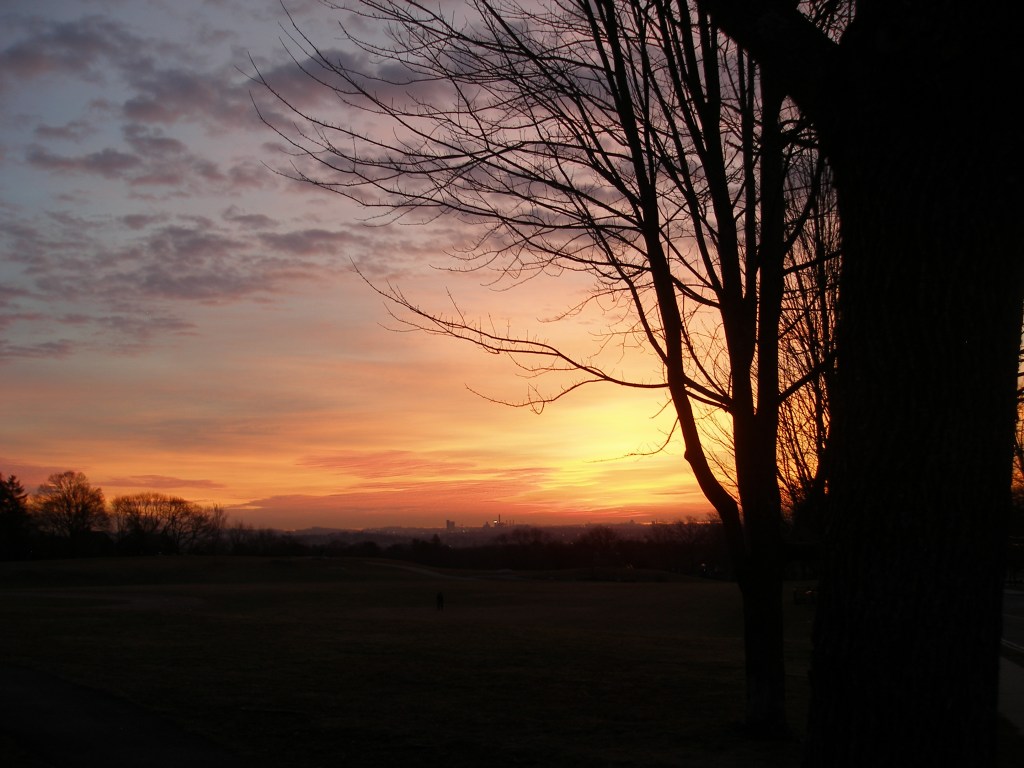
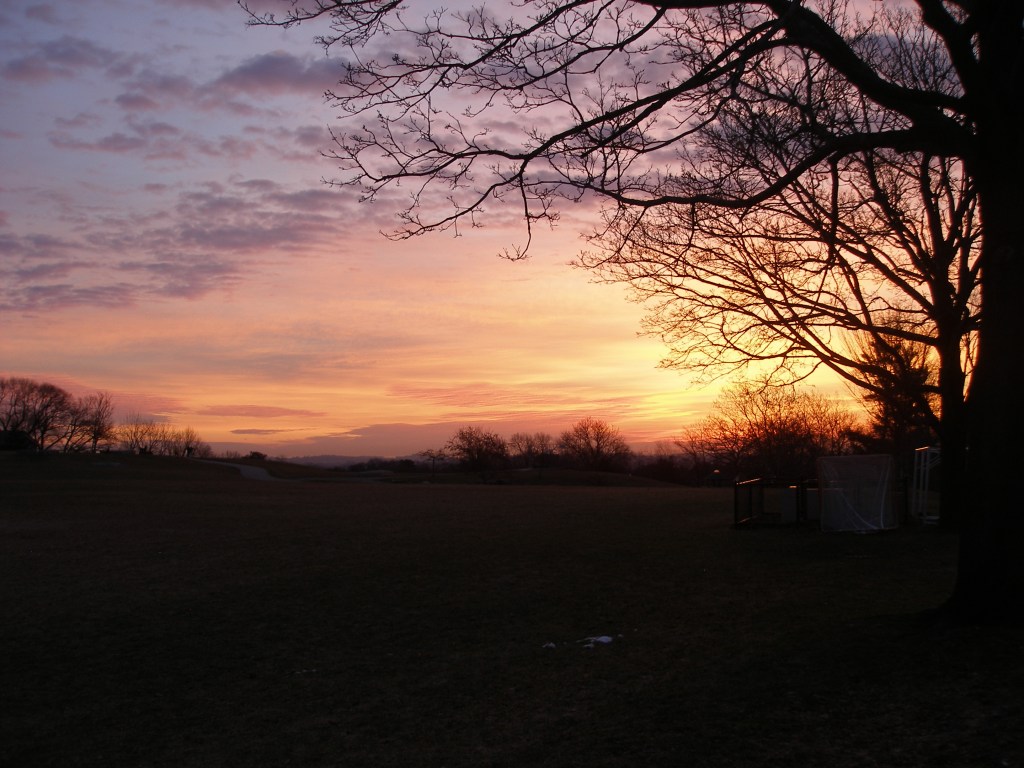
There was color shining between the houses with clouds higher up, always a promising sign. I grabbed my camera, as there was no time to waste.
I had to wonder, do those living by Robbins Farm Park ever get up before dawn to take in the wonders that can appear through their windows at this time of year? That would certainly seem a luxury with coffee in hand.
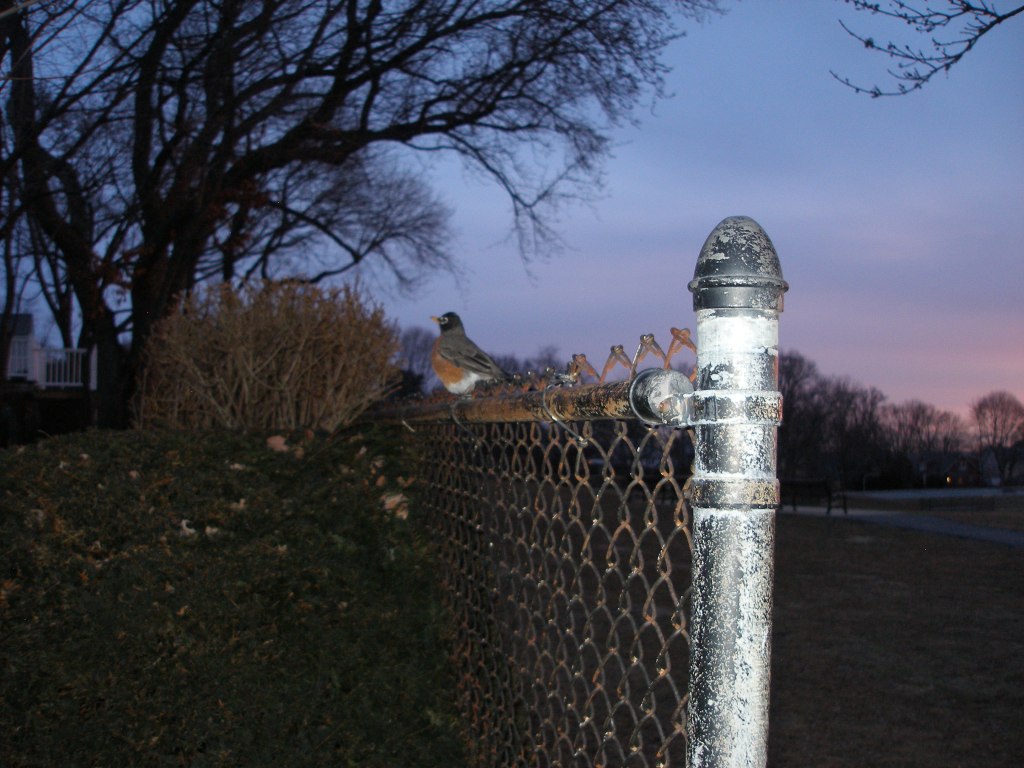
Still, I think I prefer being right there, out with the squirrels and robins as the dark recedes and the day begins.


Living from Belonging

It was the beautiful design that first caught my interest. Online research revealed that this “taka” was made by the Ngadha tribe, who live on the island of Flores, in Indonesia. And although I read various theories, I would not be surprised if only the Ngadha know the taka’s true meaning and uses.

I was also intrigued by the fact that members of the Ngadha think of themselves first as “we” (not “I”) – a bit like how the taka includes two equal parts joined in intimate connection. Placing primacy on a first person plural identity is evidently quite rare among human cultures. That’s a bit surprising given how much we humans have always been dependent on each other for our very survival.

Jayne Curnow explains the Ngadha view using these words:

“individual independence is not a coveted state of being; rather being singular plural is the principal mode of existence. In this context, the nua is the central heartland for the spatial and material expression of clan unity, although the emotions of being singular plural transcend time and space….Ngadha practices of interdependence are reflected in the community economy, which privileges Ancestor worship, community cohesion and group distribution of resources above the needs and desires of the individual….Interdependence is a dominant feature of everyday Ngadha life and organization. Ngadha people’s view of their own society involves a sense of self that questions the conceptual separation of self from others. Frequently, people alerted me to the ways in which everyone and everything is connected.”

Now, most of us do not live in tribes. We live with members of our immediate family, or with a roommate. Many live alone. We pay a price for that. Jeffrey Simons and Lane Beckes argued that pro-social behavior that was required by tribal living provided evolutionary advantages. And a sense of belonging, of being deeply known, appreciated and cared about by a larger group has some significant psychological benefits.

Intentionally working to form groups that provide a sense of belonging and adopt a “we” perspective (as is true of many religious communities, for example) seems particularly wise in perilous times like our own. At a minimum, that could provide access to a broader range of perspectives as well as to useful instrumental support. I tend to agree with those who argue that social capital can be very valuable even when other resources are not available.

“It really boils down to this: that all life is interrelated. We are all caught in an inescapable network of mutuality, tied together into a single garment of destiny. Whatever affects one directly, affects all indirectly. We are made to live together because of the interrelated structure of reality . . . Before you finish eating breakfast in the morning, you’ve depended on more than half the world. This is the way our universe is structured, this is its interrelated quality. We aren’t going to have peace on Earth until we recognize the basic fact of the interrelated structure of all reality. “

-Dr. Martin Luther King, Jr.1967 Christmas Sermon on Peace

Walking Meditation

Periods of walking meditation alternated with silent seated practice during a silent 7-day women’s retreat. Christina Feldman suggested that we might find it easier to sustain concentration during walking meditation as that was closer to our experience in the West. But, for some reason, I did not expect that to apply to me.

At first I walked all over the place to familiarize myself with the layout of the corridors and buildings of the retreat center. When I came across some stairs leading down to the laundry facilities, I decided I might as well get some exercise. Then I remembered – walking meditation is not supposed to be goal-oriented.

I noticed women walking back and forth in a lovely light-filled “walking meditation room” with many windows and lovely polished wood floors. I joined them walking in my lane by a large potted plant.

Suddenly, it was as if somebody turned up a dial; the newly felt intimacy with moment to moment experience had a quality like floating through space and time. Perhaps this was what Goldstein meant in describing an awareness that was “inwardly steadied, composed and unified. This is … concentration that is calm and refined, achieving increasing levels of mental purification” (page 276, Mindfulness; A practical guide to awakening).

As I walked to the meditation hall for the next period of silent sitting, it occurred to me that it might be possible to simply let go. Later I shared my dawning awareness that, “All we need to do is let go into the present moment” with one of the retreat teachers. Pointing a finger at me, she said “That’s it! It is simple but not so easy, as we all know.” Goldstein notes, “liberation is not about becoming or getting, not about holding on or craving or clinging, but about letting go and letting be” (p. 306).

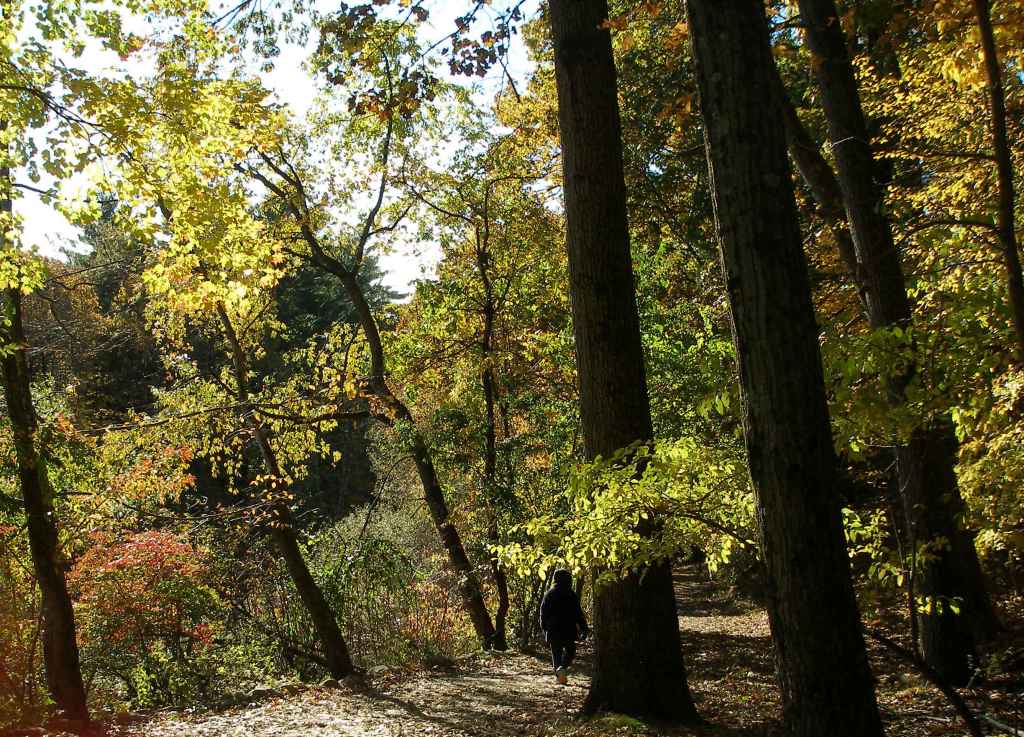
Although I often get lost in planning and dreaming during my nightly sitting meditation, it is clear that this way to weed my “garden” has benefits that show up in daily life – greater openness, softness, and acceptance as well as appreciation and gratitude. I find it easier to sustain attention during more active relational mindfulness practices such as Insight Dialogue. And there is something special about bringing all the “let go” awareness I can muster to my daily walks in a nearby woodsy park where I find wonder in how much we can relate to other life forms and for that matter, to whole ecosystems, which have their own valuable lessons to teach us.

Fall Colors in the Rain

Many appreciate how sunlight can light up the colorful leaves in New England at this time of year. But wise photographers know that wonderful things can happen in all kinds of weather conditions.

A cloudy sky can make the colors pop. Rain can highlight the patterns in a single leaf, or add jeweled beads. Dreamy scenes enveloped by fog can provide a moment of respite in this troubled world. Mystery can catch us by surprise.