Hidden Gifts of Aging

OLYMPUS DIGITAL CAMERA

Buddhist teachings tell a story that the Buddha encountered “divine messengers” that changed his destiny. At 29, he left protected life in the palace and encountered old age, illness and death for the first time. Like young Prince Siddhartha, we may be out of touch with these realities, preferring to imagine we will live forever. But these messengers can shock us into seeing a path beyond the superficial and beyond our heedless reactivity to the 10,000 sorrows and 10,000 joys of life.

We face many of the same challenges that humans have always faced although history and culture have shaped how we think about aging in modern times.

In these times of existential threats, we can define anyone different from us as dangerous. Those who remind us of our own death can certainly pose a threat. For that reason, older adults may define themselves as “not old,” and take extreme measures to act and appear young. And many of them complain of feeling invisible – not seeing older adults is another way to deny old age, illness and death.

I recently heard a moving story about a dying woman who said that she gets to choose love over fear in every moment. That statement resounds with importance. We are all aging, if not actively dying, and if this dying woman found she had a choice, perhaps we can too.

I invite you to consider that there are hidden gifts that can come with aging. Although elders have reason to anticipate more limitations and suffering, and see their older friends and family suffering, in wealthier countries they tend to report experiencing greater happiness than when they were younger. What is going on here?

I began to sense that aging can bring real gifts during six-week tea and dialogue workshops I offered older adults during my internship in Lesley University’s Mindfulness Studies program. These elders were so open and direct, so supportive, so eager to really listen, and quite creative. They were also so appreciative of each other and what they had to offer each other that it turned out to be one of the most rewarding experiences of my life.

Farmer and Farmer note that conversational skills may actually improve with age – older adults tell narratives that others judge to be more interesting than those told by younger people. Pipher found that older adults tend to value honesty. In his TED talk on “The Neuroscience of Social Intelligence” Bill von Hippel mentions that older adults may not censor themselves about what might be considered socially inappropriate topics. While this might be considered a liability in some situations, speaking the vulnerable truth provides access to our fundamental interconnection. According to the Committee on Future Directions for Cognitive Research on Aging, elders appear to be particularly sensitive to emotional aspects of situations, including interpersonal ramifications of problems (Stern & Cartensen, 2000, p. 31).

In Older and Wiser: Classical Buddhist Teachings on Aging, Sickness and Death, Soeng, Ambrosia, & Olendzki provide commentary on several Buddhist teachings related to equanimity noting that older adults may live more in the moment and may have learned the futility of wasting time and energy in overreacting. Aronson cites evidence that contrary to what younger adults might believe and fear, elders can actually experience reduced anxiety and increased life satisfaction. She notes older adults may no longer care what others think about them, bringing a new and most welcome sense of freedom.

With age can come enhanced wisdom and compassion – less judgment, less denial of reality, more appreciation for every precious moment and more choosing love over fear. Sharing tea with a sensitive, caring and wise elder (who may very well be an excellent story teller) even online  seems like a very good idea in these challenging times.
Gathering for Tea

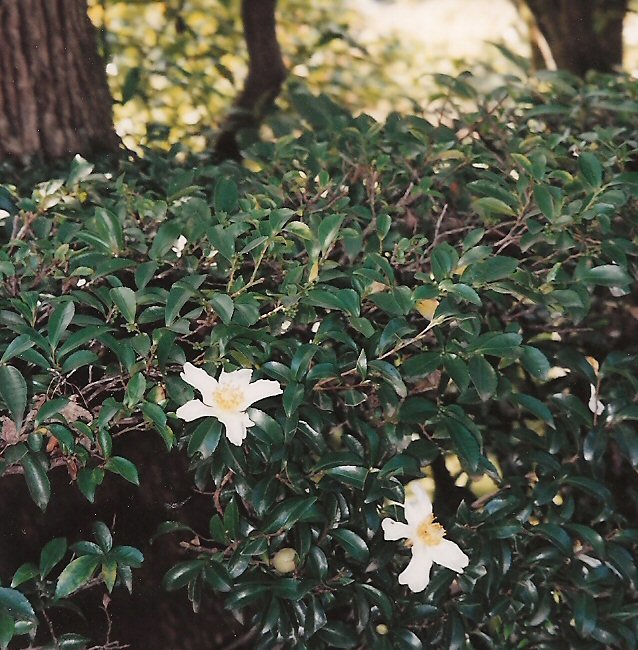
Tea plant

The Camellia sinensis plant is used to make tea all around the world. Perhaps that is not surprising given tea’s many significant health benefits. Research has also found that drinking tea can elevate mood, support focus.

We do not simply drink tea, we create art and rituals around it. And they can be quite stunning. Watch this short slow motion video of portions of a Japanese tea ceremony by videographer Jeffrey Klein.

An elevated mood and greater ability to sustain focus would likely amplify the benefits that connecting provides for our social species. With both tea and social connection supporting wellbeing along with the enhanced creativity that tea makes possible, it is no wonder that sharing tea became a focus for special equipment and gatherings all around the world…

United Kingdom,
Japan,
China,
Taiwan,
Korea,
Senegal,
Vietnam,
Colonial America

And drinking tea quite informally is always an option. But while some of tea’s benefits can be had by drinking it alone at your computer, why not enhance those benefits even further by offering to get tea for others or by inviting others to take a break to share tea with you? It is always tea time somewhere.

Beware False Refuges

OLYMPUS DIGITAL CAMERA

While we can find and create true refuges for ourselves, we need to be very careful about clinging to what is NOT ACTUALLY TRUE. Our minds not only are subject to negativity bias that has us paying attention to what stands out as potentially threatening (whether it is or not), but we also seek out those who confirm our biases, in a phenomenon known as confirmation bias. When times are difficult, the desire for the truth to be other than it is can have us preferring our wishful thinking and finding in it a false refuge.

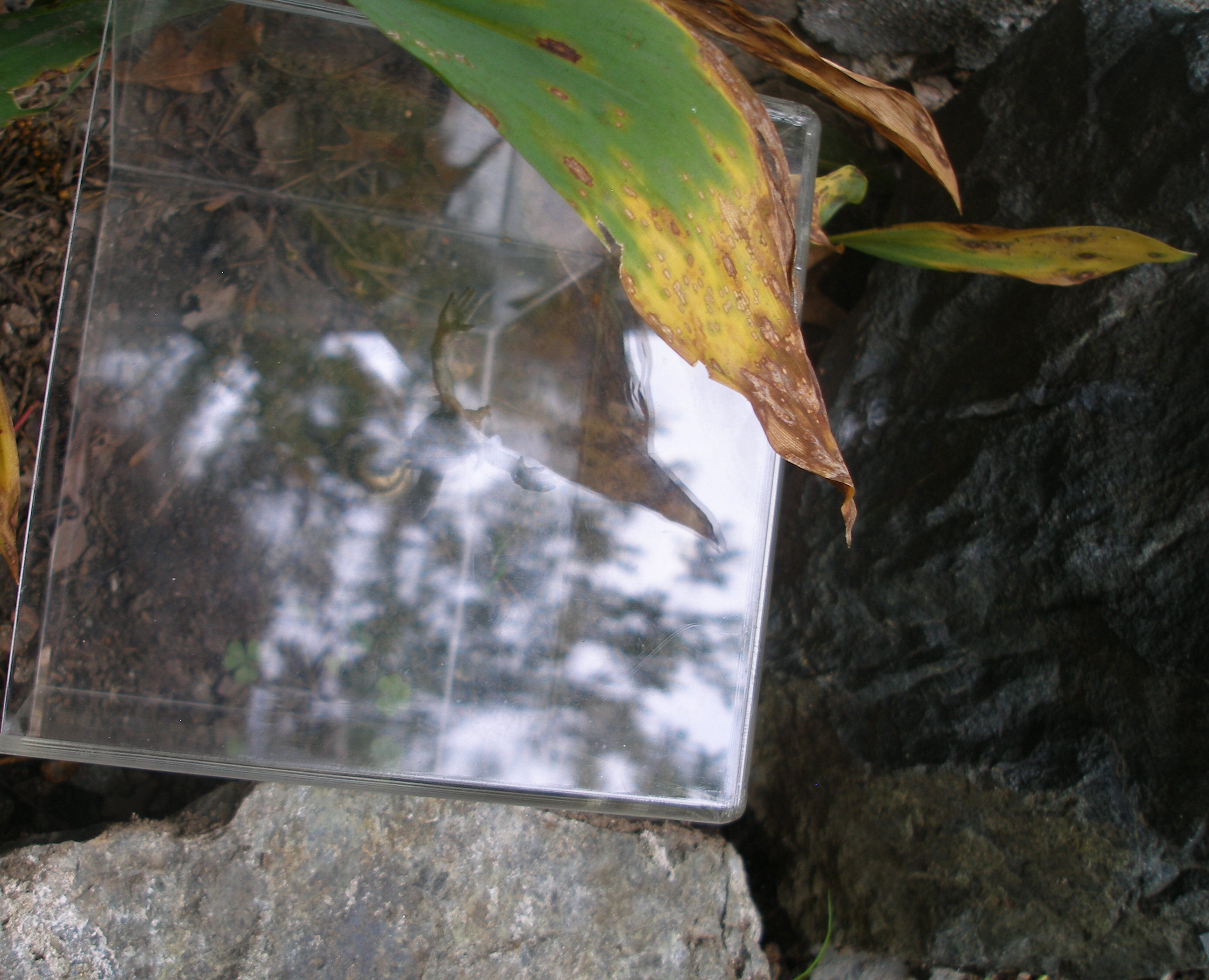
This can have us out of touch with reality in distorting cubes that reflect back our false assumptions. These may feel like refuges. But being in such a false refuge is dangerous as reality has a way of finding us anyway, and we may spread false assumptions causing further harm. Not only that, but clinging to false refuges can keep us from true refuges that can provide badly needed support. Compassion requires we be careful for the sake of others’ wellbeing as well as our own.

Mindful bloggers can speak up for the truth and work at questioning and checking out what they think is true. Curiosity matters. Testing assumptions matters. Science matters. We need to keep questioning whether what we are being fed is the truth. The worst case is no longer caring and that way lies manipulation by evil doers and chaos. Mindfulness matters. Even if we can never know the absolute truth, we can take steps to avoid getting lost and trapped in fantasy that is actually a form of hopelessness.

This radio episode, talks about how mindless bloggers can contribute to a very dangerous trend to spread misinformation:

“The misinformation virus

Discovery
In this online age, the internet is a global megaphone, billions of messages amplified and shared, even when they’re false. Fake science spreads faster than the truth ever could, unhindered by national boundaries. Mainstream scientists are struggling to respond. The science journalist and writer, Angela Saini, is fascinated by how bad ideas spread and in this programme she investigates the very real impact of online scientific misinformation. From the dangerous anti-vaccination campaigns to those who deny the reality of climate change, she assesses the scale and extent of the threat we face. And she discovers the sinister world of deliberate disinformation where an army of bots and trolls work to sow dissent and confusion in the online space.
Producer: Fiona Hill”

Beauty & Imperfection

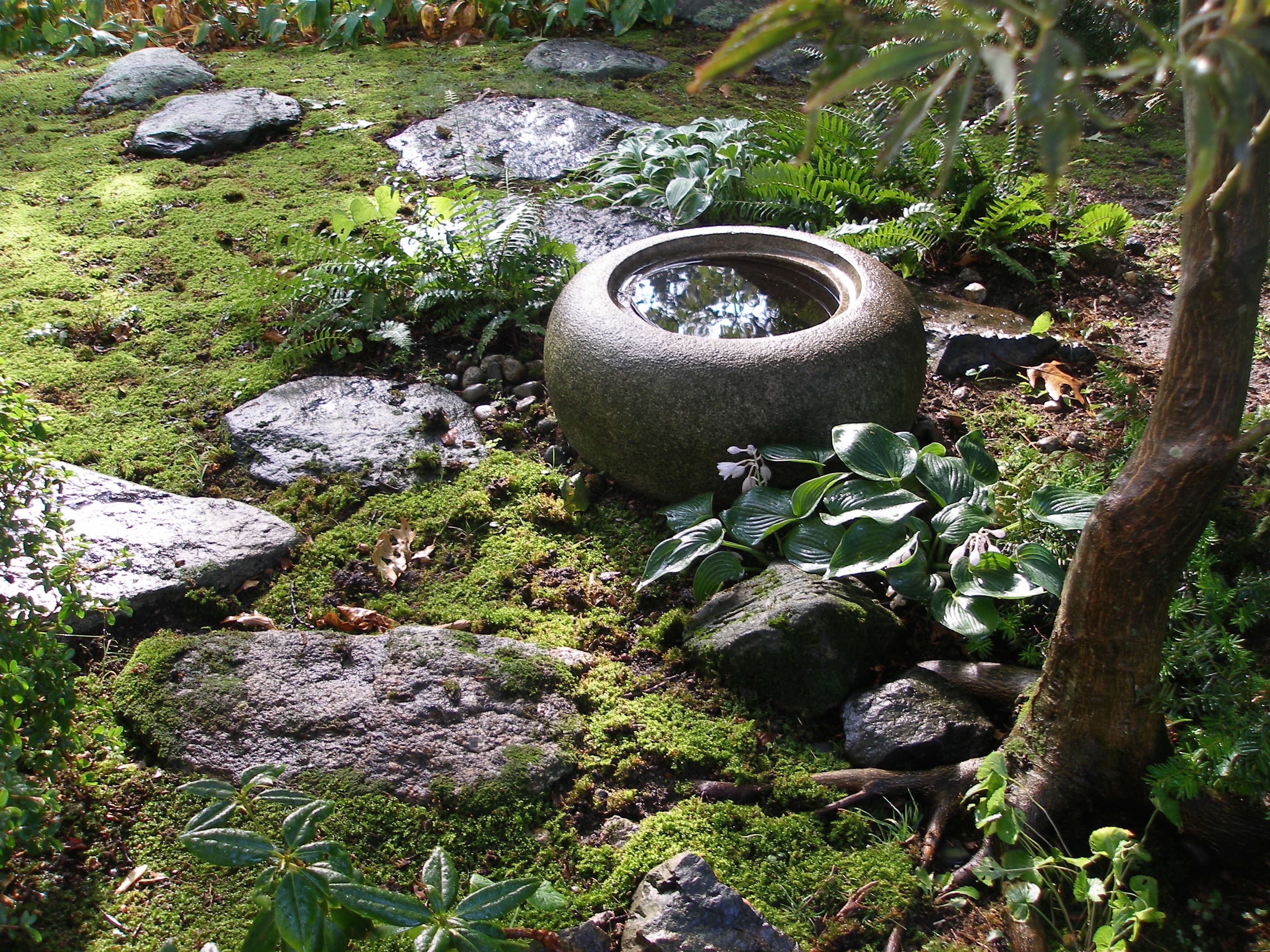
With its seeming love for the one-of-a-kind and constant change, the natural world can be quite worthy of our detailed inspection. Even an oddly unique, or broken and incomplete natural object can be so beautiful it can take our breath away. So can an ordinary vista or an object that has been eroded by time. There is a story about Sen no Rikyu, a famous Japanese tea ceremony master – he approved the shaking of a few leaves onto the moss after a tea garden was cleaned a bit too perfectly. Leaving a few fallen leaves on the moss points to the wonder and mystery of reality as it really is.

OLYMPUS DIGITAL CAMERA

We care about others’ approval because we need others in order to survive, and that can have us wanting to be perfect. But perfection in the abstract is a rather odd concept when you think about it. Toward what end? According to what standards does it operate, anyway? What matters to one person may not matter at all to another and different cultures value different things.

I have found that people actually love it when we can accept ourselves, imperfections and all, and when we are open about feeling vulnerable at times. Those who can accept their own imperfections tend to have an easier time accepting them in others which can be a great relief given how much we tend to fear being negatively judged.

Japanese tea ceremony teaches many lessons through the actions involved in sharing tea while engaging with various objects. Take, for example, the beautiful tactile tea bowl below that was made by my Japanese tea ceremony teacher, Giselle Maya.  While it is misshapen and has imperfections in its glaze that resulted from a collaboration with the kiln fire, irregularities and burnishing from age add depth to its beauty, something that we can learn to appreciate in each other as well as in tea bowls, even mended ones.

OLYMPUS DIGITAL CAMERA

The subtle and hard to define Japanese concept of “wabi sabi” embraces imperfection. It recognizes that since everything is constantly changing, perfection is impossible, except, perhaps, in perfect moments as Beth Kempton notes along with examples in her Wabi Sabi: Japanese Wisdom for a Perfectly Imperfect Life.

I find that looking for a beauty that embraces imperfection can provide great solace. At times we can even catch others and ourselves in the act of being beautiful. And seeing the light shining through that deeper beauty can connect us to all that is.

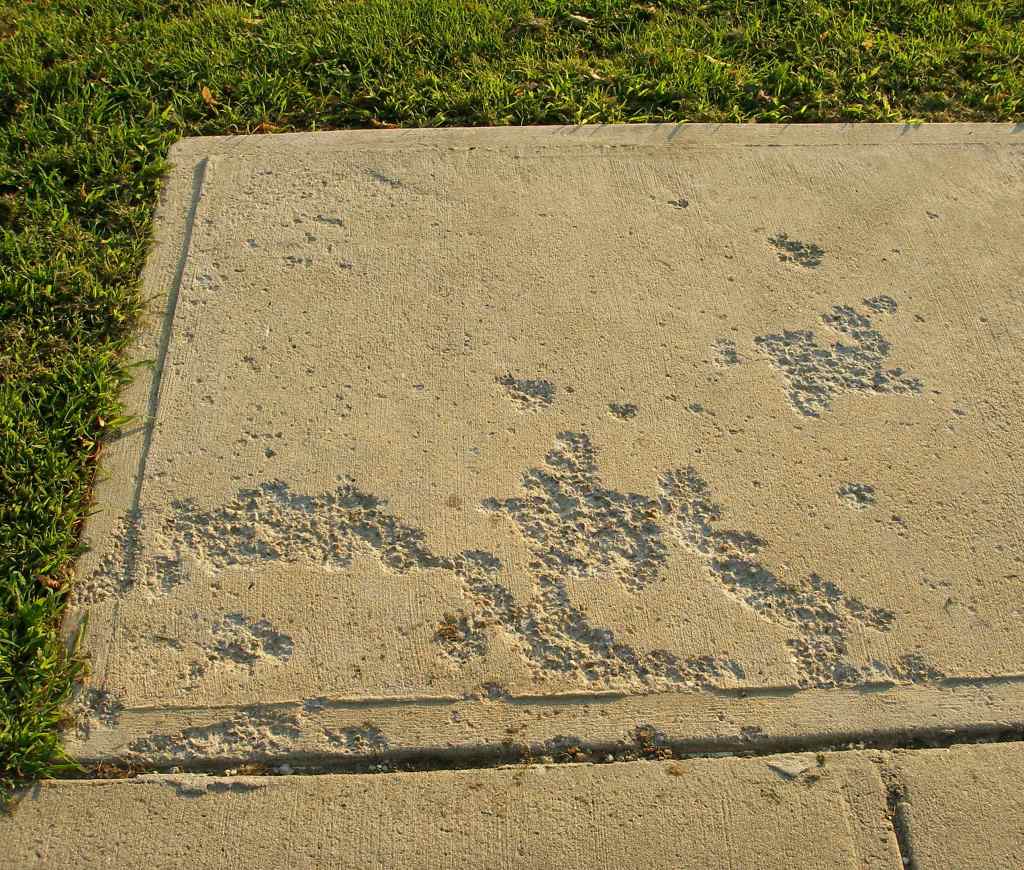
Below are examples of what might be considered imperfect beauty that called out to me. I recommend the wonderful adventure of finding your own examples.

OLYMPUS DIGITAL CAMERA

OLYMPUS DIGITAL CAMERA

OLYMPUS DIGITAL CAMERA

Insight Dialogue

09 Sept ME

Most of us have experienced relaxed conversations that just seem to flow, perhaps in a setting where nature is on view like the one in the photo or around the kitchen table. Peace descends and we feel whole and seen.

Often, we are distracted or caught up in immediate concerns.  We lose track of that potential to warmly connect and relate. Avoiding cycling on issues that concern us can be difficult enough when we are on our own. Maintaining calm awareness while interacting with others can be particularly challenging.

Insight Dialogue practice provides support to bring tranquil awareness to the interpersonal domain. First one person speaks what is arising in the moment on a designated topic while the other listens silently without commenting and then the roles are reversed. There may be an additional timed period with no separate speaker and no separate listener. Pausing allows time to discern what would be beneficial to say as well as time to deeply take that in and gain new understanding from what is shared.

Insight Dialogue’s guidelines create the safety needed for evolving trust and authentic sharing from the heart: Pause, Relax, Open, Attune to Emergence, Listen Deeply and Speak the Truth. It becomes clear we are all vulnerable and that we also have great power to support each other just by how we listen.

This video of Phyllis Hicks facilitating an Insight Dialogue practice shows this supportive energy. You can see the openness, authenticity and caring connection in the responsive body language of the participants. More of Jeff Klein’s sensitive videography can be seen at his website.

Gregory Kramer developed Insight Dialogue. His website, InsightDialogue.org, includes information on each of the Insight Dialogue guidelines as well as opportunities to experience it for yourself.

The Insight Dialogue guidelines honor dignity; attentive listening meets disclosure for all participants. That makes it easier to truly show up and pay attention to what is said including by oneself. Participants are better able to perceive the preciousness of our sensitivity to each other and learn how to bring greater compassion and creativity to all interaction.

Because of the vulnerable investigation of experience, difficult emotions may arise at times. David Treleaven provides guidance for recognizing and addressing adverse reactions that can arise with any form of mindfulness practice.
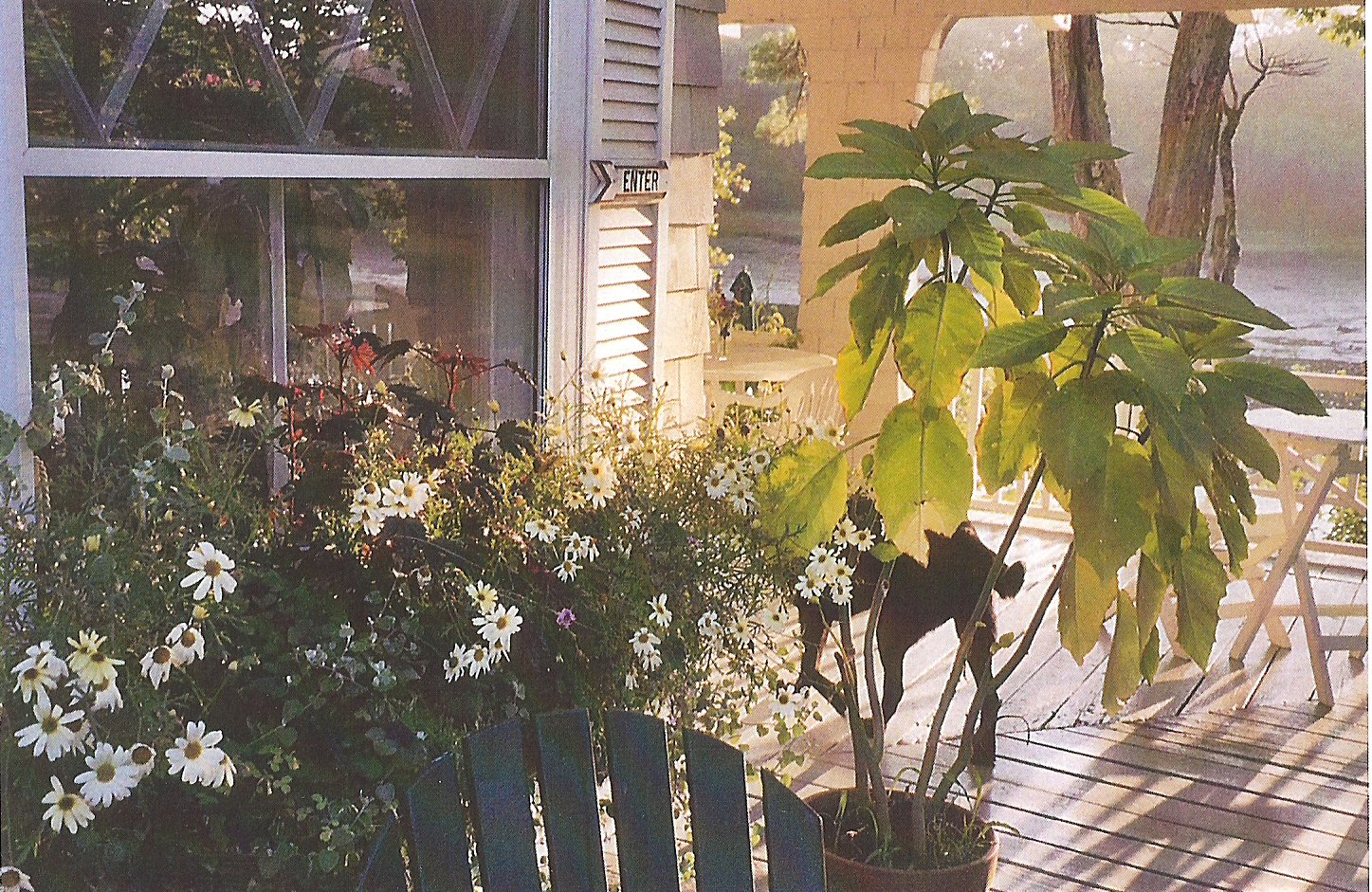
In my experience, most of those who try Insight Dialogue appreciate the careful attending that goes well beyond the rushed and distracted quality of much everyday interaction. With practice, I found I could bring that same supportive energy to any conversation, and that brought a whole new ease and joy to my life.

Creating Welcome

Bringing in peace as you prepare for a gathering will affect you in ways that cannot help but benefit your guests – Pause, Relax, and Open, Attune to Emergence and Listen Deeply. Then Speak the Truth in creating an environment that conveys warmth and welcome. The Insight Dialogue guidelines work well in so many applications including this one.

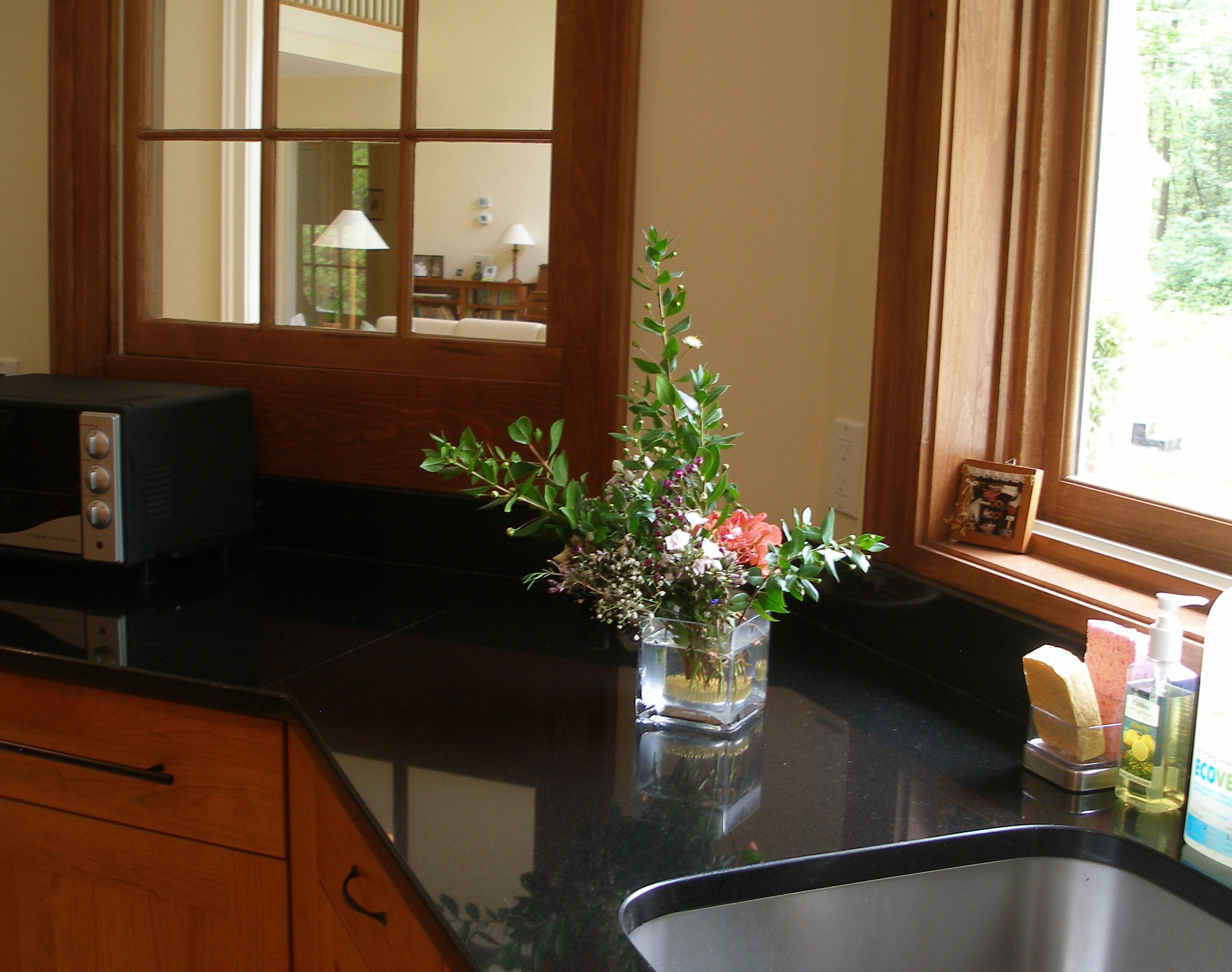
Perhaps you will include a reminder of nature displayed in a place of honor with space around it. Using a light touch, see what happens. Relying on a heart connection without words can open us to wonderful small surprises and an understanding that with a little care, life can be lived more like a work of art.

OLYMPUS DIGITAL CAMERA

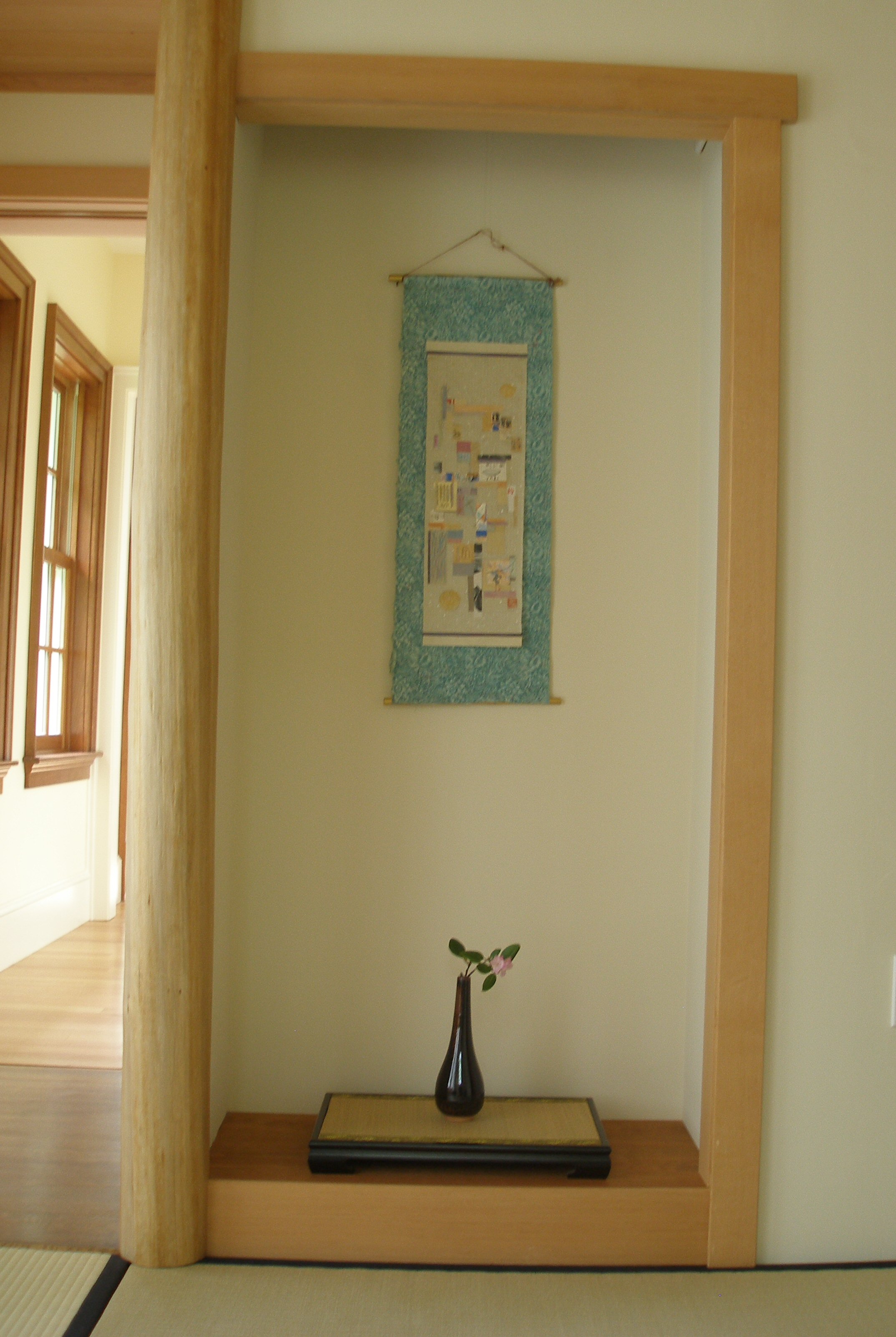
You can bring to it all the sensitivity and freshness used to create a tokonoma alcove arrangement for a tea ceremony. This one includes a collage by my tea ceremony teacher, Giselle Maya:

OLYMPUS DIGITAL CAMERA

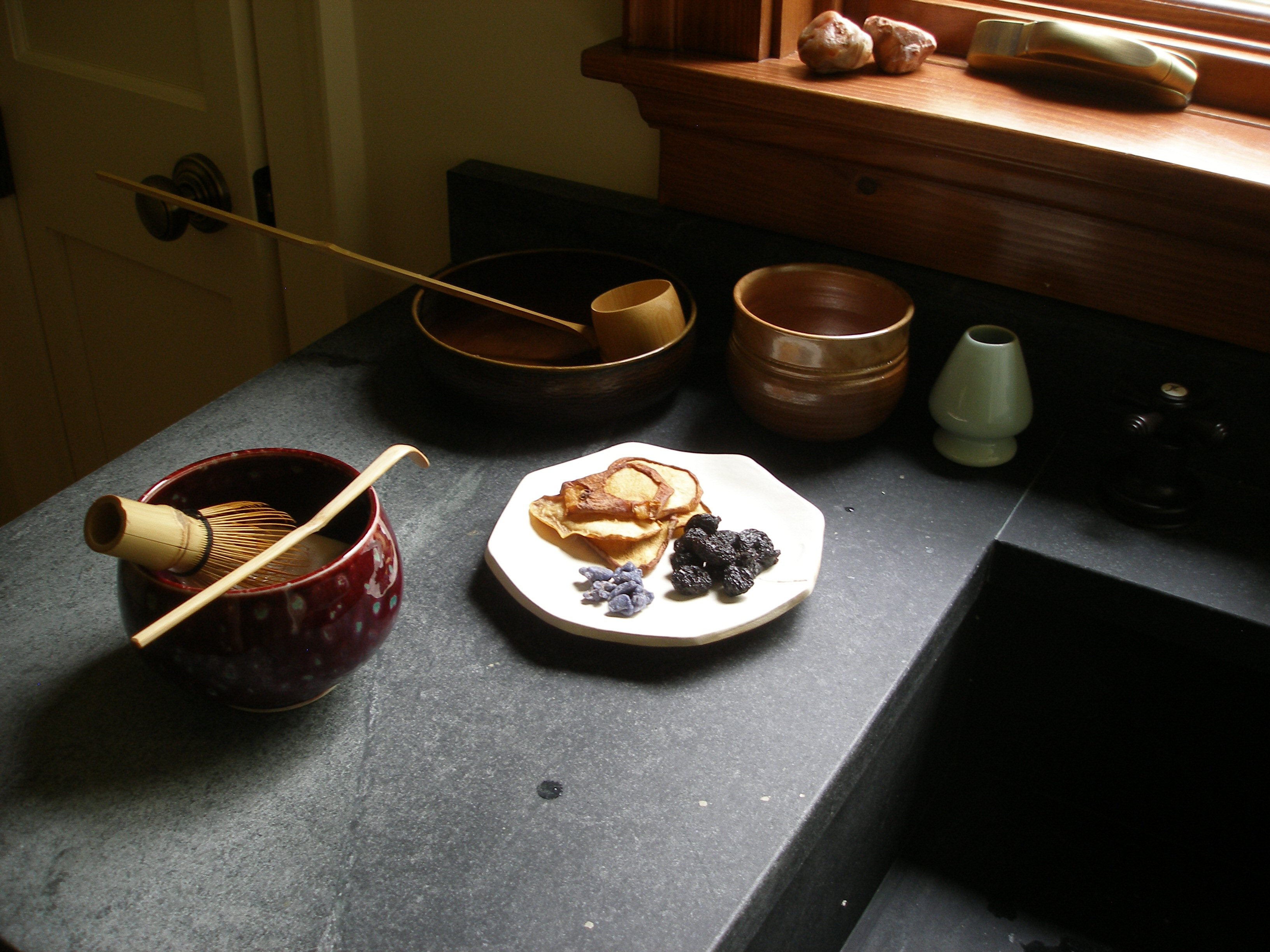
You may also wish to keep in mind the Japanese tea ceremony values of harmony, purity, respect and tranquility. While it is important to ensure that what touches food or drink is scrupulously clean and that edibles are pure and safe, purity also dictates that anything not needed be eliminated. Care taken with objects and supplies implies respect for your guests.

Ideally, the result will be supportive of a sense of peace and wellbeing as well as openness. It takes a bit of effort, but this approach to preparing for guests is an important mindfulness practice in its own right.

OLYMPUS DIGITAL CAMERA

The Unending Sea of Blessings

OLYMPUS DIGITAL CAMERA

The below contemplation was used for several tea and dialogue sessions with an explanation that “The unending sea of blessings,” a phrase used on scrolls hung in Zen temples and during tea ceremonies is not a closed concept. It tells us what we can sense when we remove the obstacles we put in our own way. Wilson discusses it in The One Taste of Truth, Zen and the Art of Drinking Tea on page 135.

The ability to experience pain is necessary for biological beings. We need to recognize and avoid what is dangerous in order to survive. But humans can easily get stuck cycling in stressful worry and doubt. We can forget that compassion also comes naturally to us.

Compassion is. It matters as much to us as sensing pain. That understanding is common to spiritual traditions the world over. We are born with an instinct for compassion. Even babies too young to speak will pick up something that is dropped and hand it back to you.

Bringing in self-compassion when it is needed makes it easier to see the caring generosity from others and nature all around us. It shows us the unending sea of blessings. Research provides evidence that when we offer support to others, we benefit our own wellbeing, health and resilience.

We can open to the preciousness, the beauty of the transient tides we swim in. We dance the unending sea of blessings as much as it dances us. We have the capacity to do small acts of kindness as simple and important as a smile. We can recognize the light in each other that shines through our uniqueness.

We belong to the source of all waves
Colors never seen before
Floating and becoming and blinking out of existence
Only to well up again with
All the moldy, composted, and fertile mysteries
That make up our days
And the recognition when we see
Our own water light colors in others’ eyes
Facing waterfalls and the ocean, we recognize
The call in our sea salt blood ever coursing
We answer our cries for compassion
From no-thought belonging

Solitary Peace or Loneliness?

Nantucket

It is amazing to me how different the states of solitary peace and loneliness are. The gift of mindfulness is the ability to bring compassionate awareness to them both.

While moments of transcendent peace can show us our belonging with all that is, a study found that mindful wisdom can combat the common human experience of loneliness with all its devastating effects.

We face a global epidemic of loneliness. In a 2017 article in The Atlantic, loneliness expert John Cacioppo was reported to say, “When you look across studies, you get levels anywhere from 25 to 48%.” Loneliness is gaining attention in the media as research demonstrates its serious adverse health effects which have been found to be as bad as smoking.

But just as we do not intuitively grasp the health threat from loneliness, we tend to have no idea how much we have to give and receive by tapping into and drawing upon our fundamental interconnection.

Traditional farmers needed close social coordination to raise animals and grow crops. Large families meant more helping hands. Elders taught grandchildren important skills and wisdom while their parents were engaged in the demanding physical labor necessary for survival.

Now the majority of humans live in urban settings. Packages magically arrive at door steps. Many of us spend long hours working at computers. Family members can, and often do live far apart from each other.

The incredible popularity of social media demonstrates how much we long for connection. But a recent study found that negative comments on social media can lead to felt social isolation. But even with no negative comments, social media did not increase participants’ sense of being connected with others.

Fortunately, we are not powerless in the face of the rising tide of loneliness. Caring interaction provides our species with vitality, resilience, joy, creativity and hope. Our brains provide neural rewards for generosity. Supporting others provides significant health benefits not only for the person receiving the support but the person giving it.

A Cat Kindred Spirit

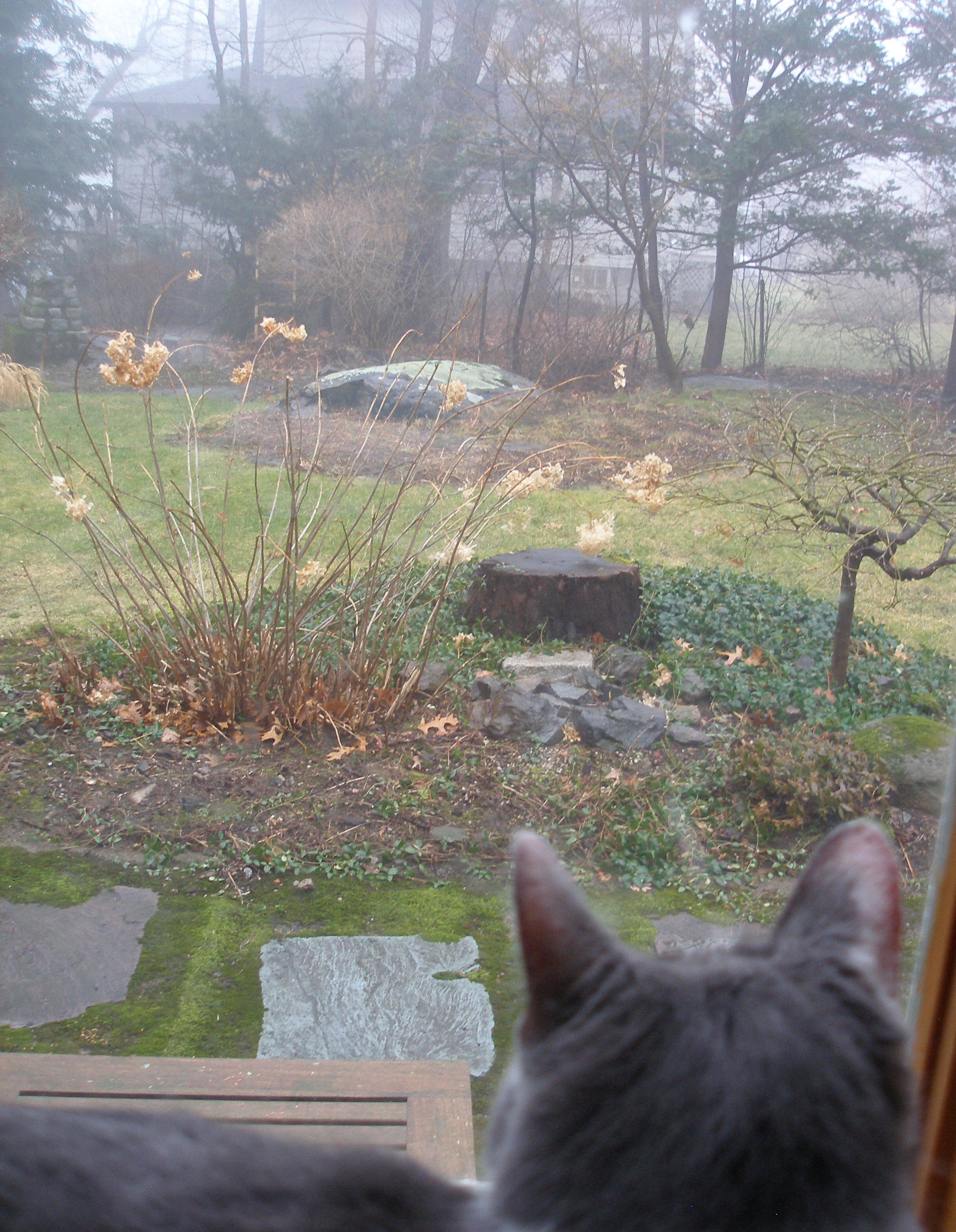
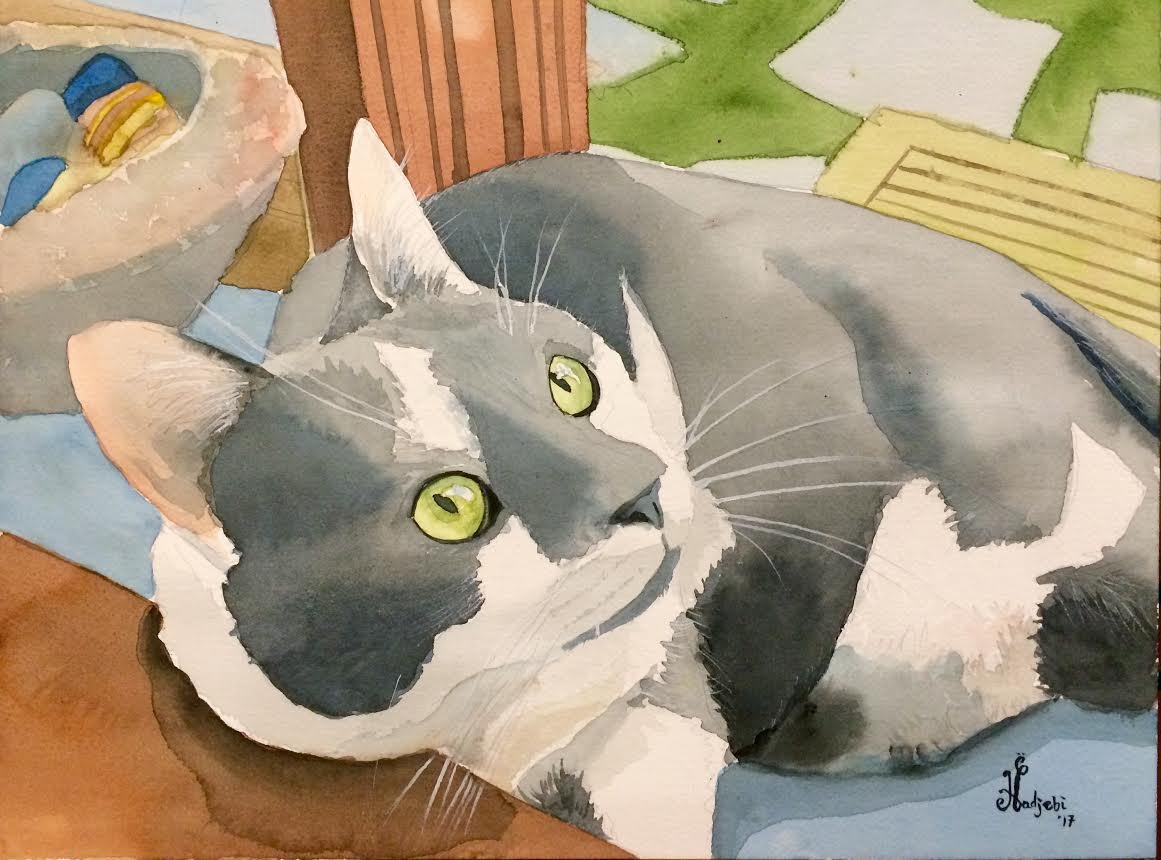
Jude needed a new home. When Shah Hadjebi told me she was a special cat, I knew I could believe him. As it turned out, that cat and I were kindred spirits. When I was home she was always with me. Unlike most cats, she liked to be carried. Since she loved looking out the large kitchen window, I began to carry her for daily walks in my garden. She could be playful and active at times, loved catnip, and when she wanted to go somewhere she let you know it.

I cuddled her under a blanket “cave” when I knew her days were numbered. I told her, “All we have is the present moment.” Cats understand that. They live their whole lives that way. A year after she died, I asked Shah to paint her portrait. He used the photo of her looking up at a blue jay through the kitchen window, a most fitting way to celebrate the life of a cat we both loved.

OLYMPUS DIGITAL CAMERA

OLYMPUS DIGITAL CAMERA

OLYMPUS DIGITAL CAMERA

OLYMPUS DIGITAL CAMERA

OLYMPUS DIGITAL CAMERA

OLYMPUS DIGITAL CAMERA

Jude

Listening to a Special Place

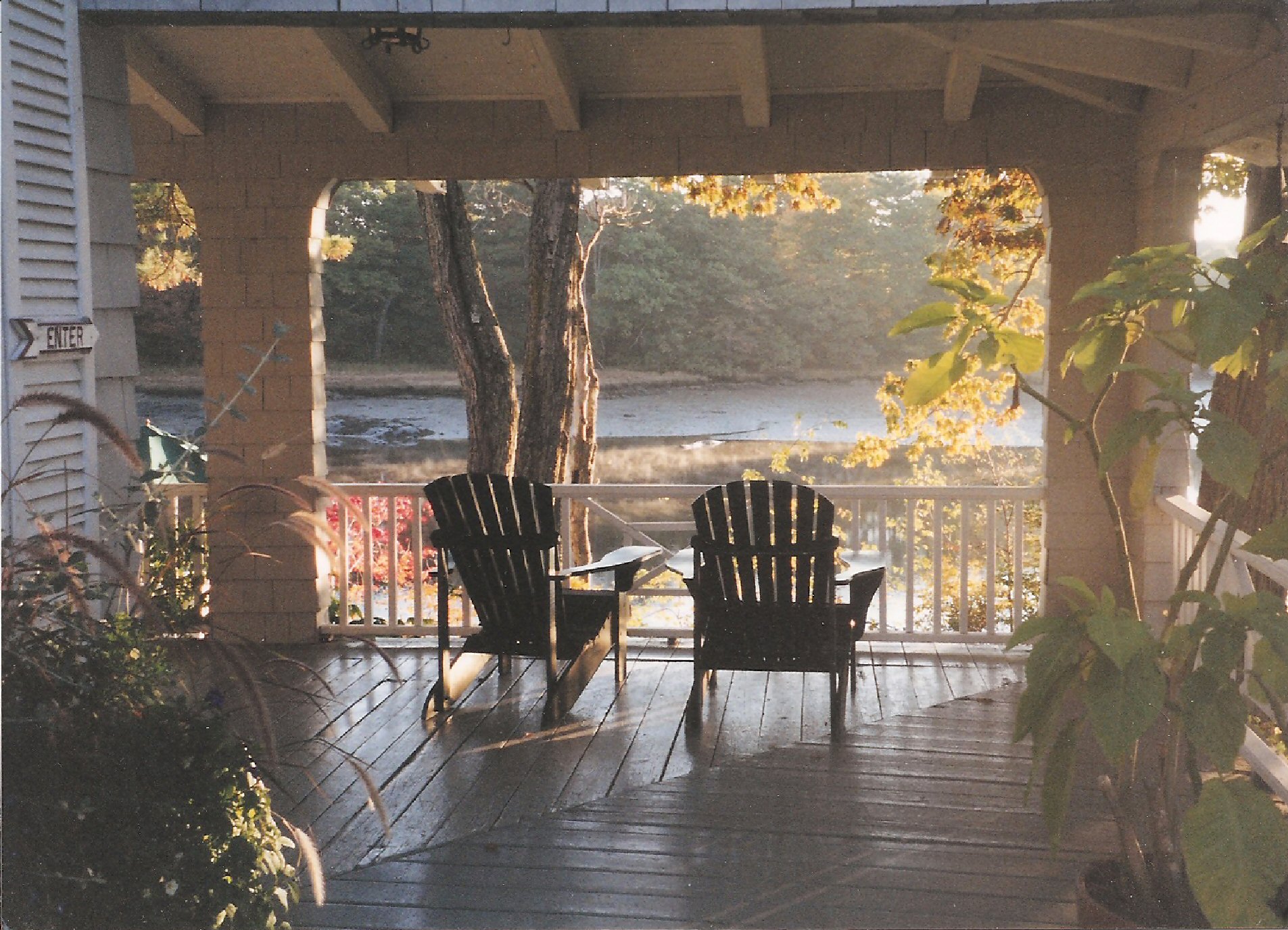
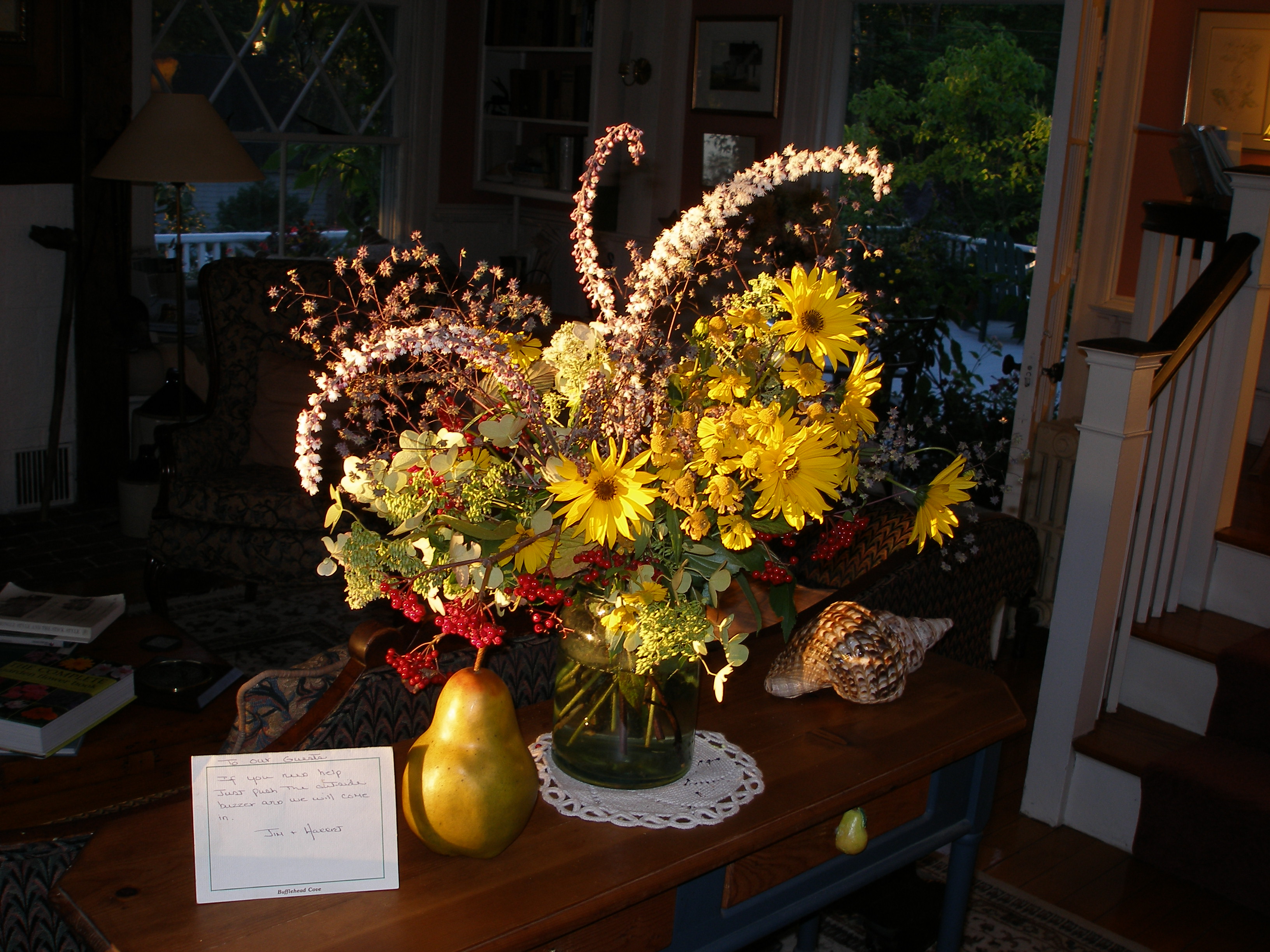
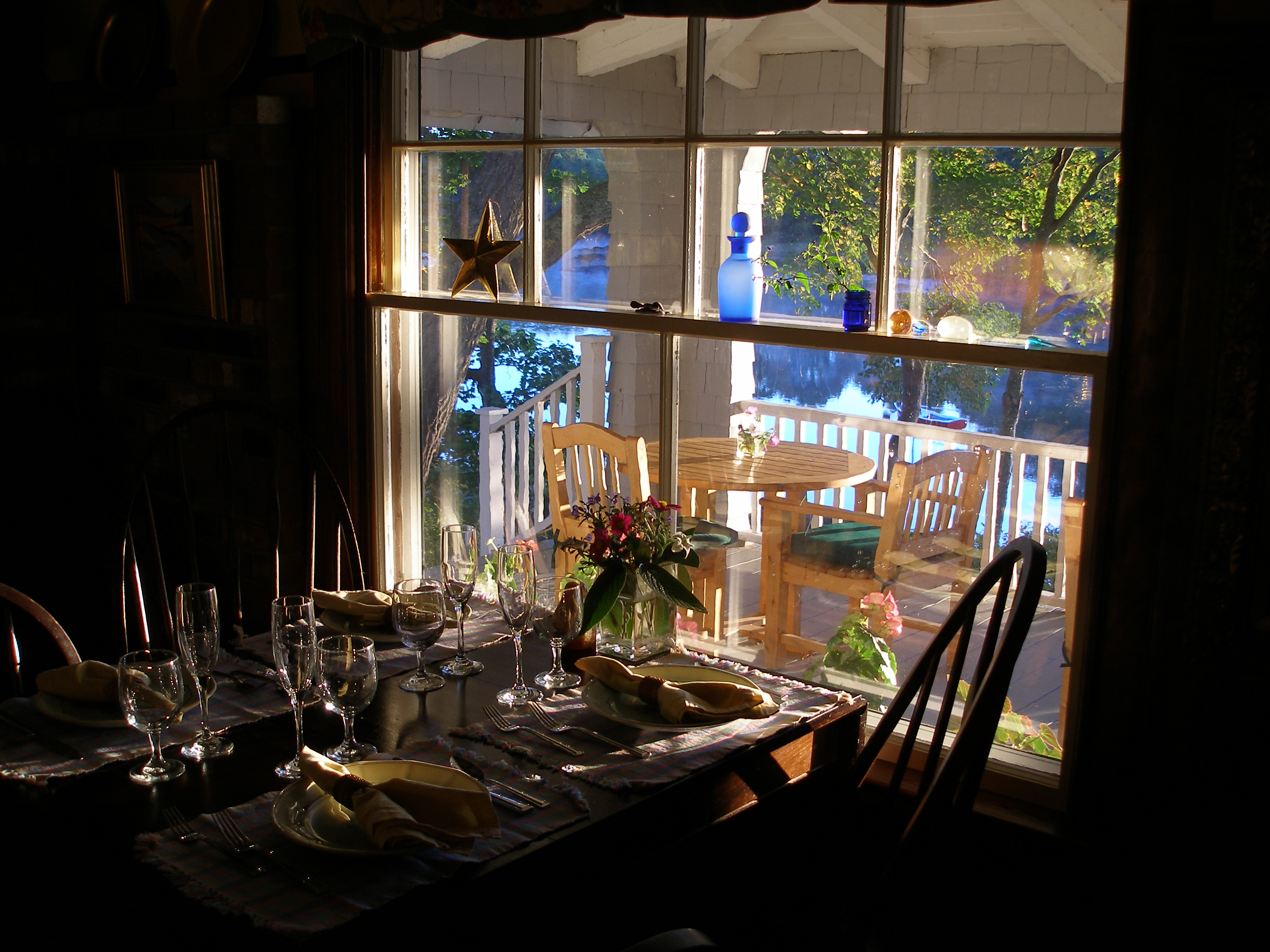
Turning places into radiant refuges requires understanding what creates welcome and peace. The owners who ran the Bufflehead Cove Inn supplied both in abundance with a sensitivity to the spirit of that particular place. In converting their family home on the tidal Kennebunk River into an inn, they made full use of generations of experience and memories. It was alive with what it means to be home in a way that was at once now and timeless.

The inside and the outside were not a division but a collaboration. You could see the ducks gathering at dawn from the porch. There was the smell of wood burning in the fireplace in the evening. You would hear the slight creak of the old steps as you climbed up to your room to see reflections from the river dancing on the ceiling. Even the easy walk along the rustic road into town by ponds in the woods seemed just right.

OLYMPUS DIGITAL CAMERA

porch chairs

OLYMPUS DIGITAL CAMERA

OLYMPUS DIGITAL CAMERA

OLYMPUS DIGITAL CAMERA

OLYMPUS DIGITAL CAMERA

OLYMPUS DIGITAL CAMERA

OLYMPUS DIGITAL CAMERA

OLYMPUS DIGITAL CAMERA

OLYMPUS DIGITAL CAMERA

8 lily on the porch copy