The Spirit of Wood

With its warmth and depth, wood can speak to us in ways that few other materials can. We make so many things from it, we can take wood’s existence for granted. Some cultures particularly value the beauty of wood. The Japanese (who also value “forest bathing ”) have developed tools to shave incredibly thin strips from wood leaving a satin-smooth surface.
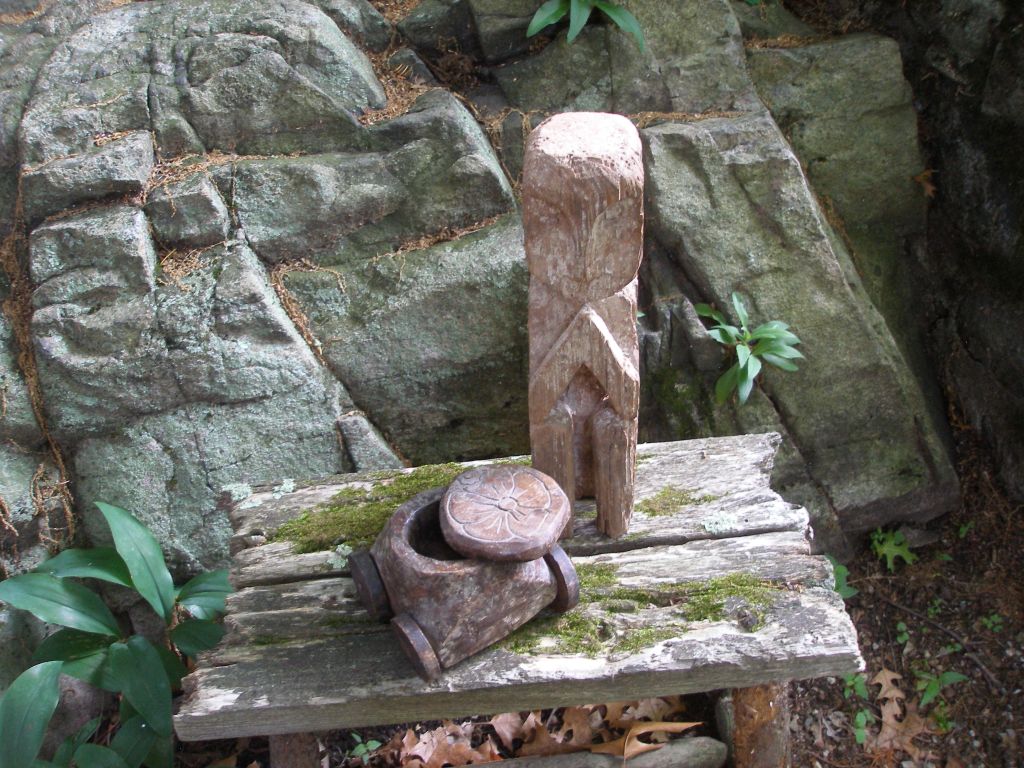
This post focuses on two old wooden objects from Nepal – see the first photo below. The wonderful five inch box with wheels has a cherry blossom carved in its swivel lid. Some kinds of cherry trees are native to Nepal but this chunky box seems quite a contrast to the delicacy of those blossoms.

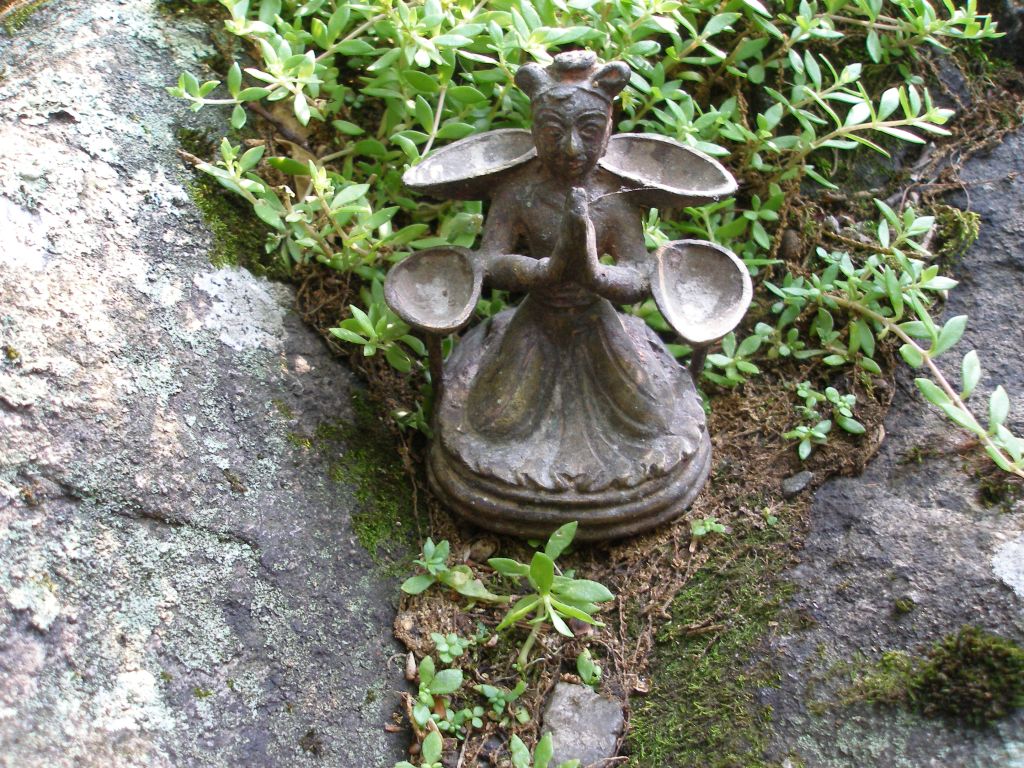
Anthropomorphic figures like the one to the right are found outside temples, near springs, guarding bridge entrances and on rooftops in western Nepal. In Wood Sculpture in Nepal, Jokers and Talismans, Bertrand Goy and Max Itzikovitz write, “very few serious and thorough scientific works (are) available to help us make sense of the scattered, fragmented and often conflicting information on these sculptures” (p 49). Scholarly works tend to discuss religious objects from the Kathmandu valley like the idealized donor lamp in the second photo.

Knowing almost nothing about them only increases the appeal of these two wooden objects – I am free to imagine all kinds of meanings and uses. Whatever the original intention, the makers deep feeling for the spirit of wood is clear in a vivid aliveness that transcends cultures and time.

These two old wooden objects from Nepal captured my heart

An idealized donor oil lamp that would have been given to a temple

Trouble at Menotomy Rocks Park

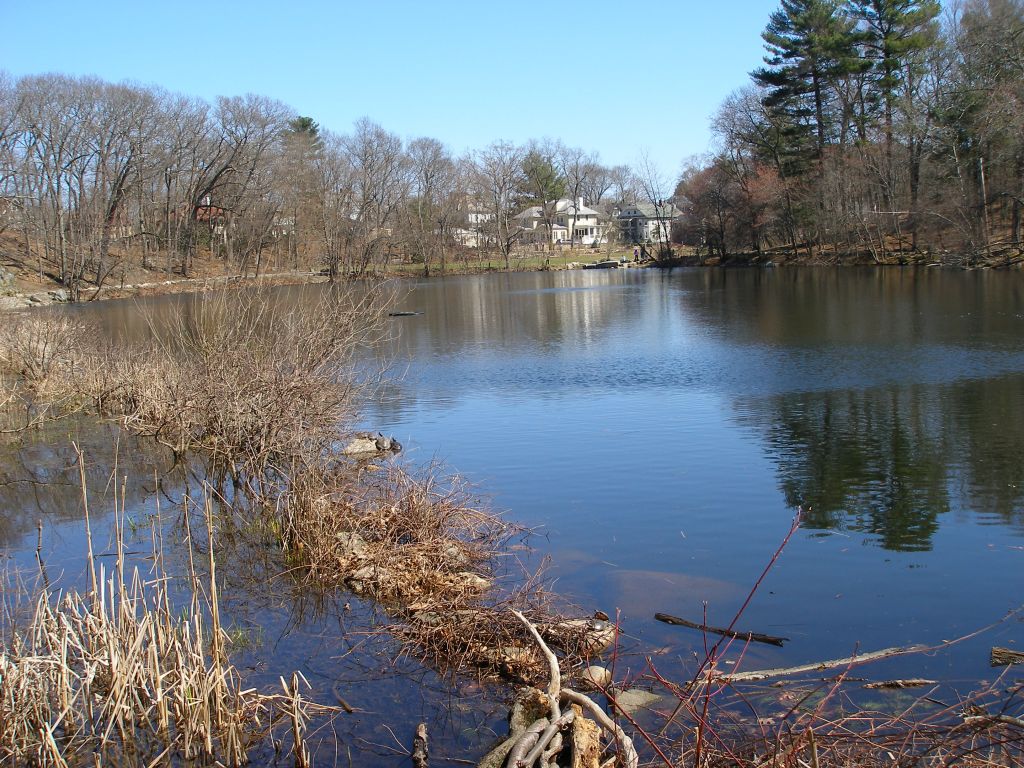
According to Don Mattheisen’s Menotomy Rocks Park; A Centennial History, this woodland park in the midst of a dense grid of small yards in Arlington, Massachusetts, USA was once called “Devils Den.” Transforming its tangled woods with looming granite outcrops and a swamp into a usable park took considerable will, expense and effort. When muck and leaves began to fill the pond, the town once again secured funds to dredge it out and installed aeration devices.

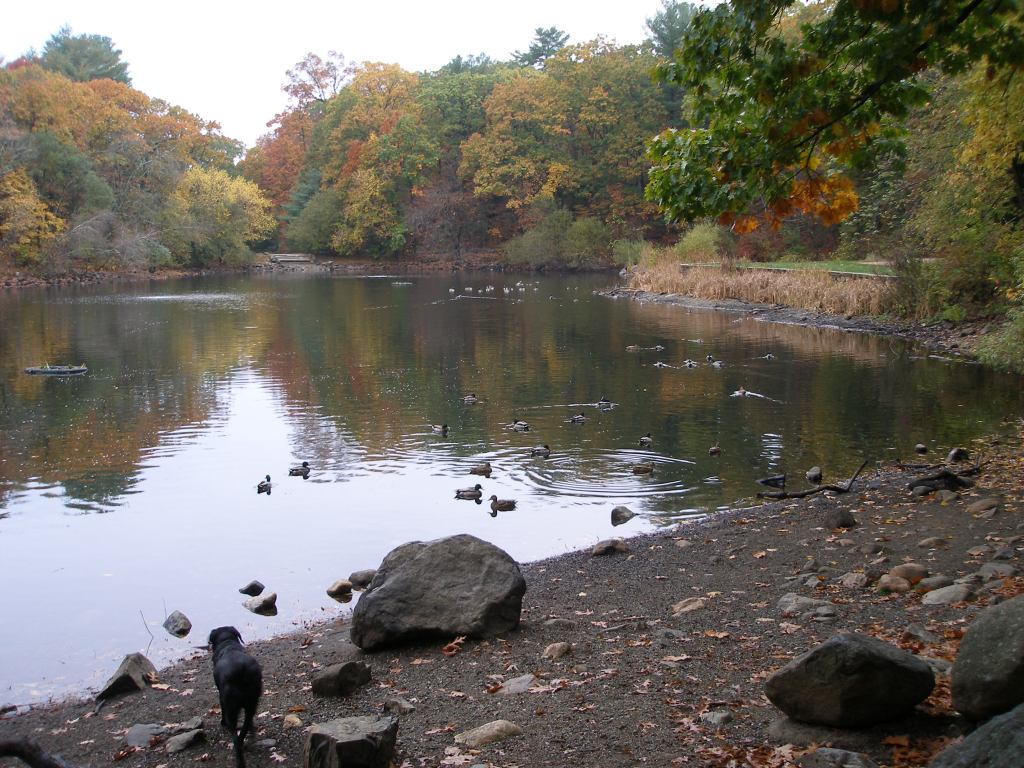
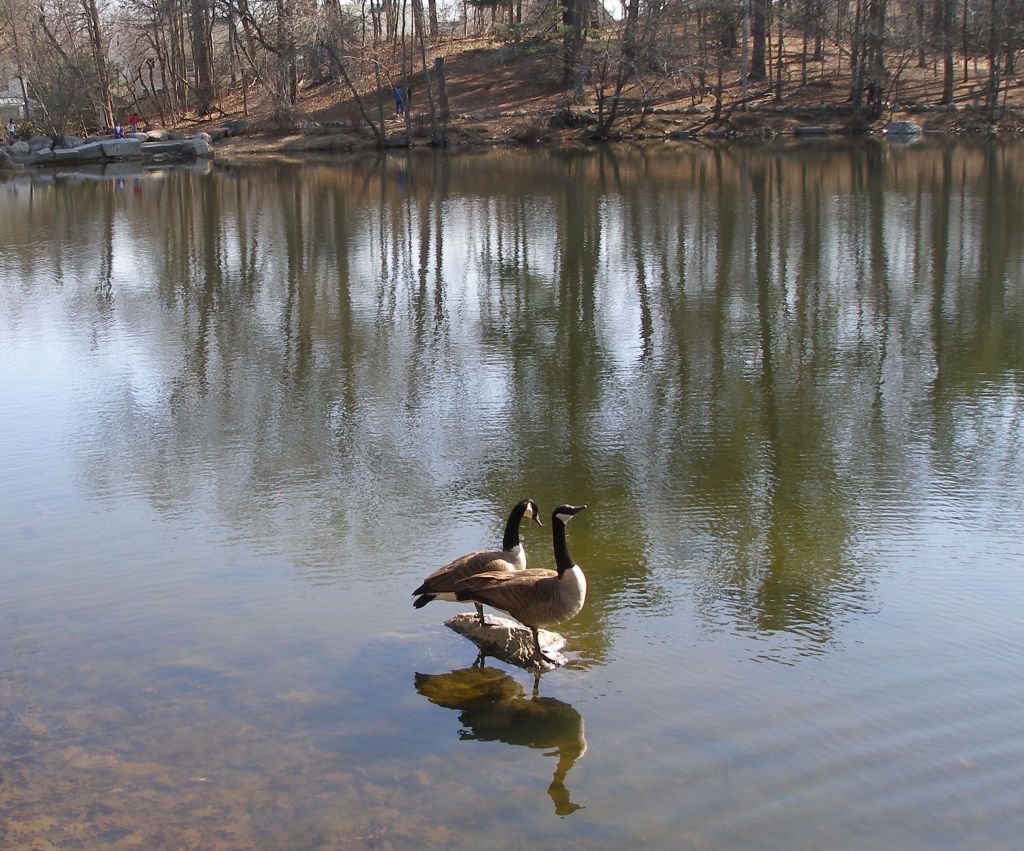
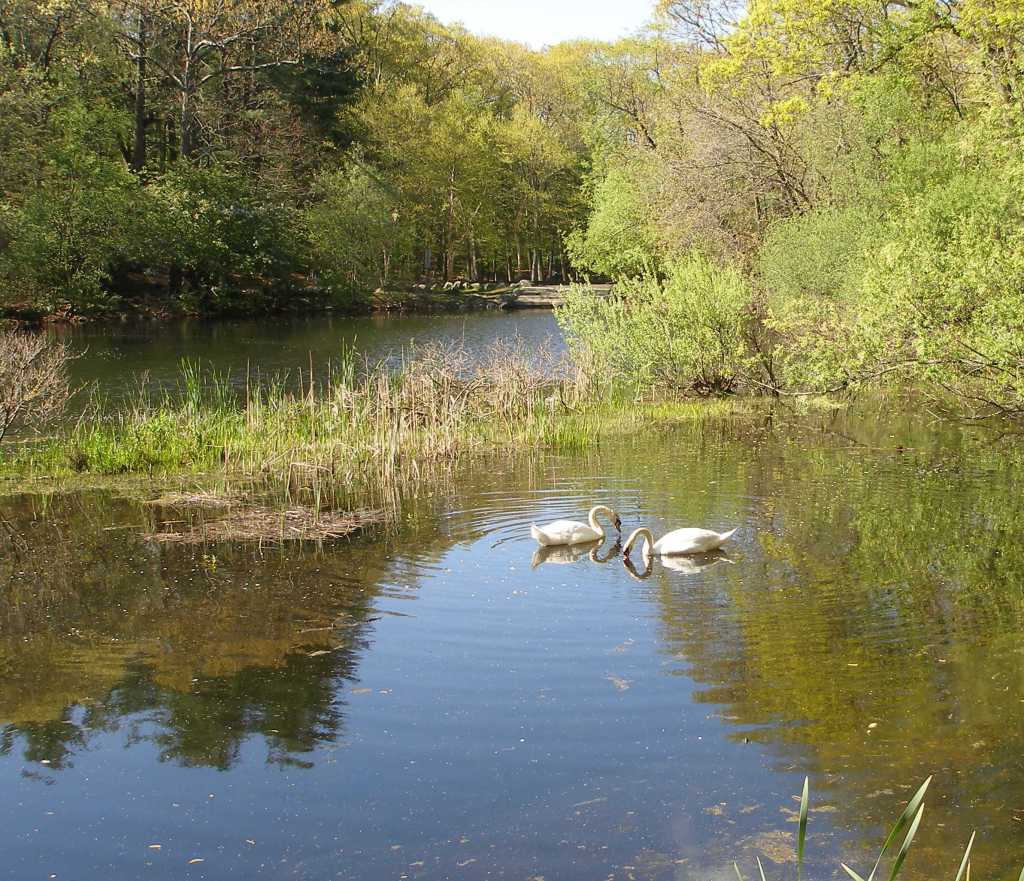
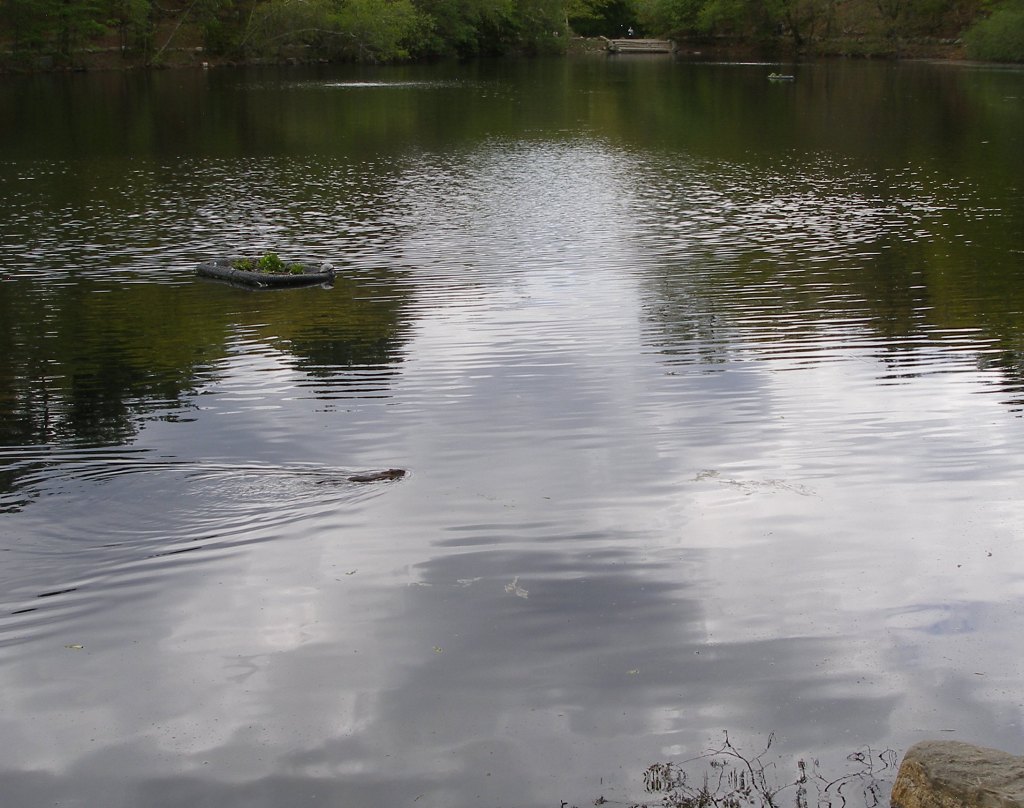
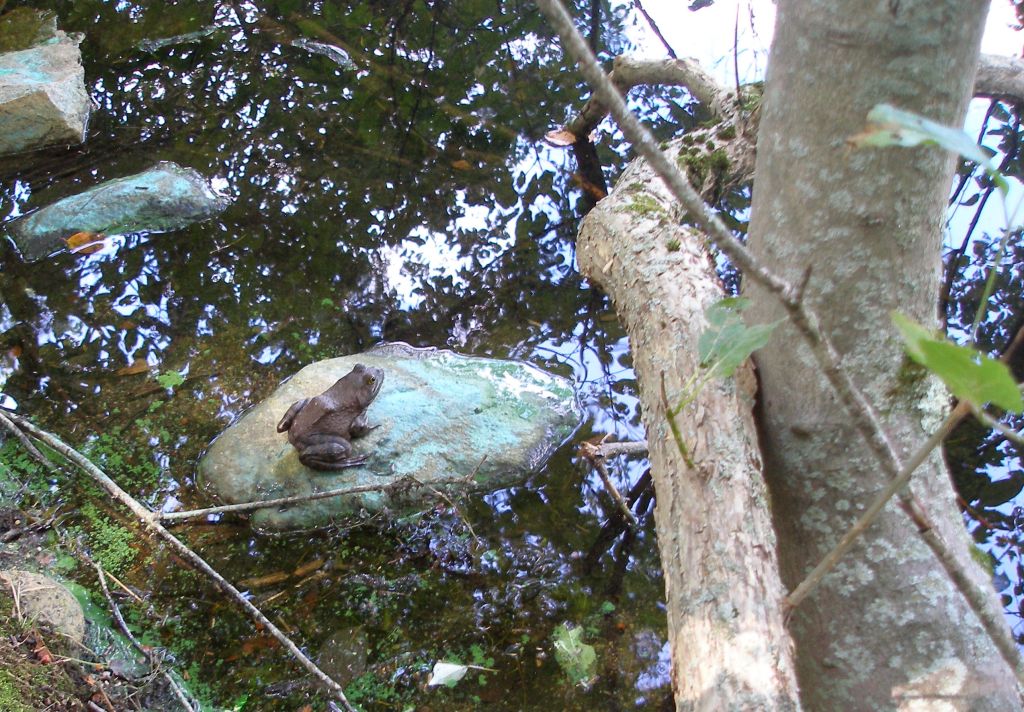
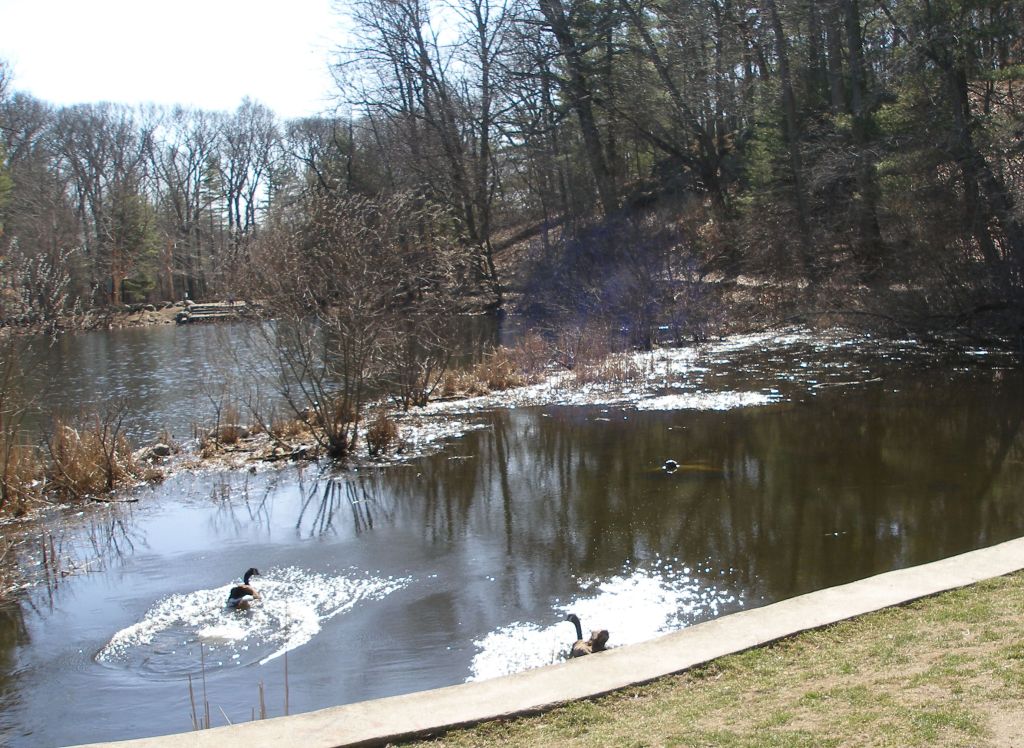
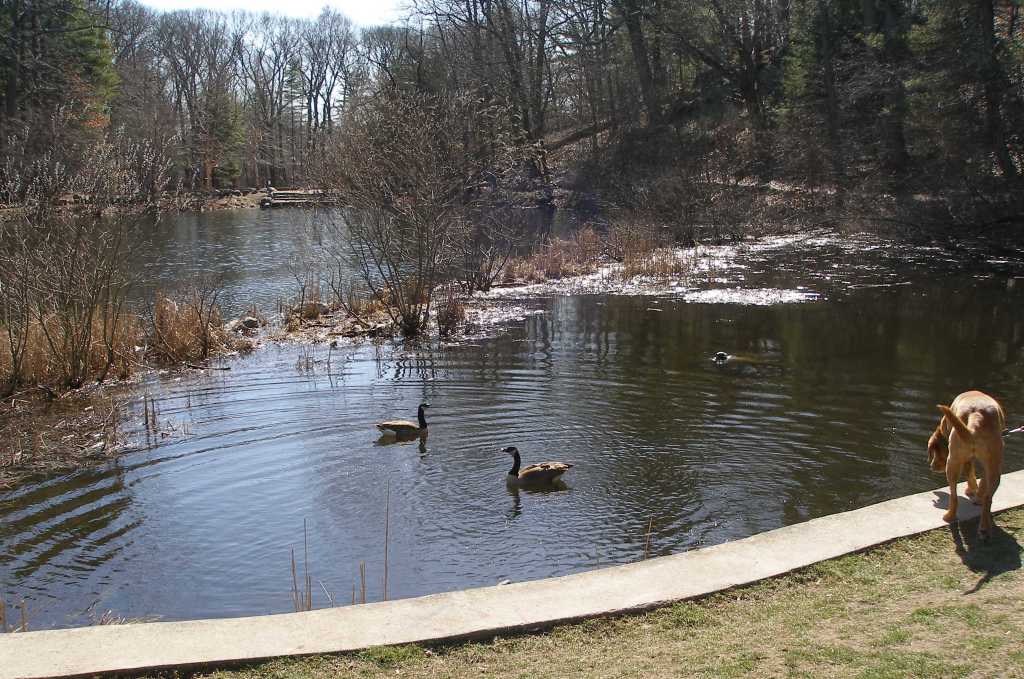
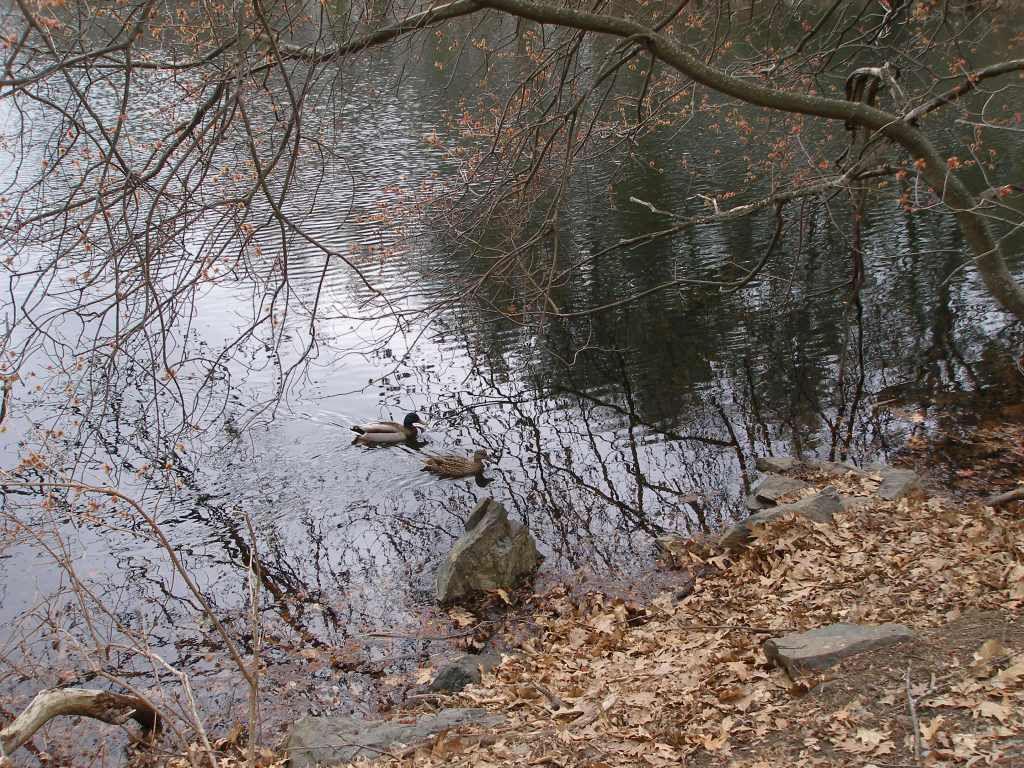
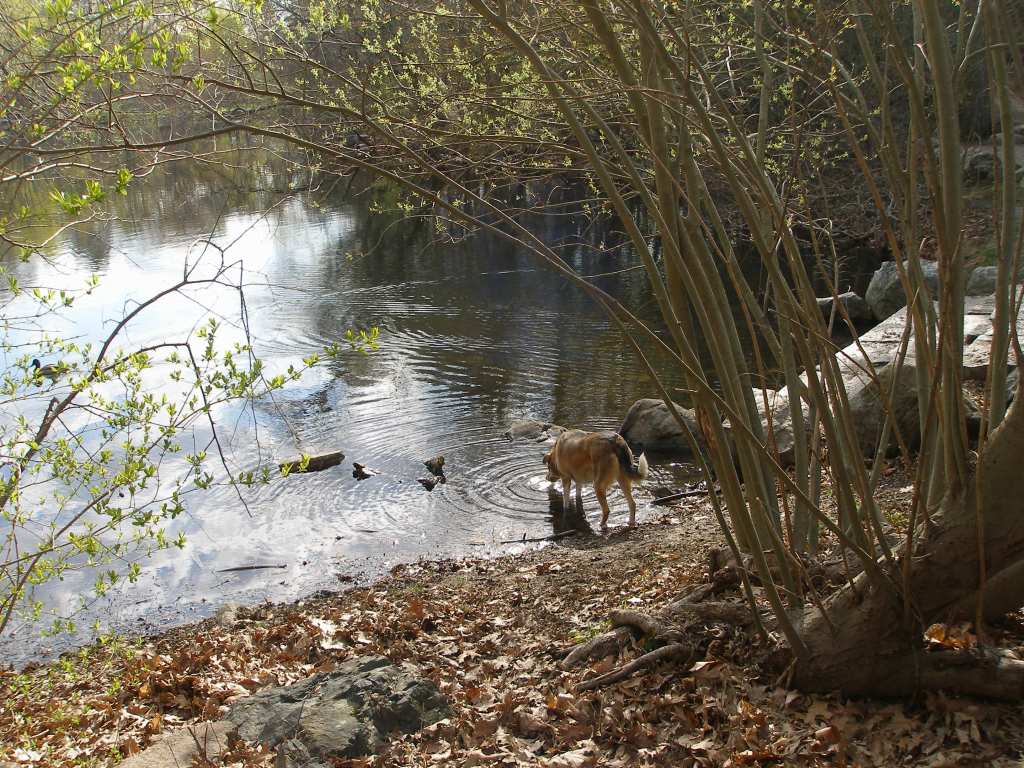
It was particularly colorful there last October when I started capturing what I noticed there as the seasons changed. It seemed like the ducks had begun to follow me as I walked around the pond. But as the winter’s snow compacted to ice on the paths, only a few ducks remained. In early spring, turtles clustered on a rock jutting out from a wetland area by the side of the pond. Two swans probed for tender new shoots and a pair of Canada geese acted as if this pond was their personal resort. A muskrat swam over to hide in plain view under foliage by the water’s edge and a bull frog’s loud call startled a dog walking by with its owner.

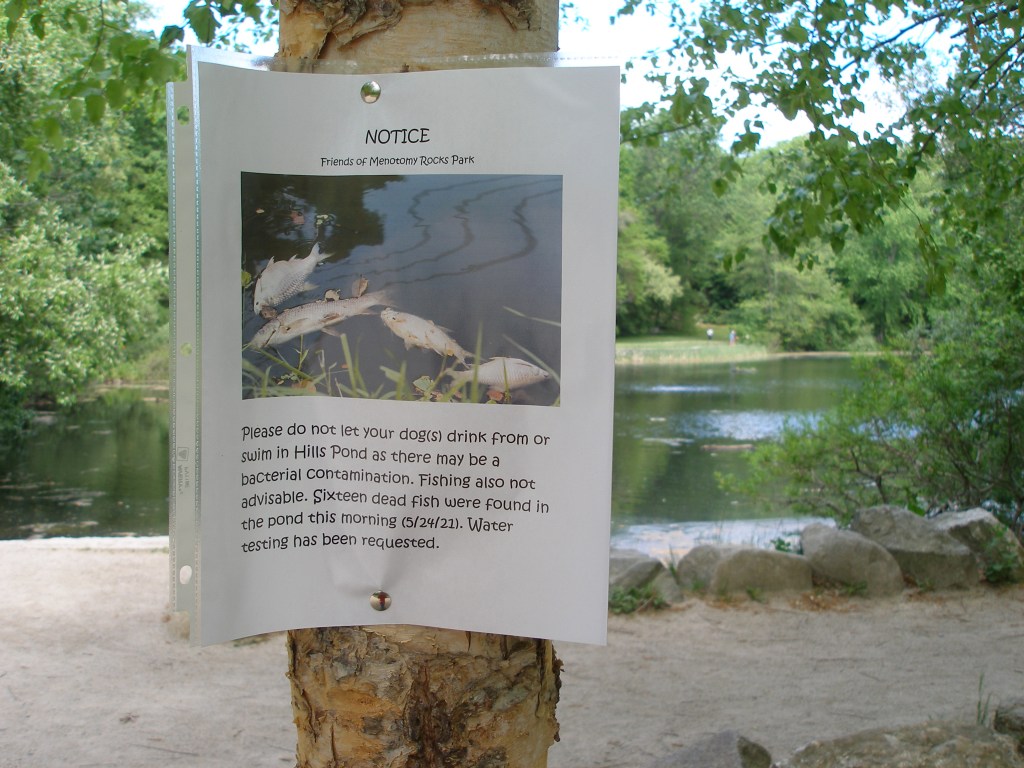
By late May, the robins and red wing blackbirds were as plentiful as ever, but there was only a single duck to be seen, sleeping atop a boulder. Perhaps the others had left to raise their young in a safer place away from dogs and snapping turtles. Then I saw a notice – fish had died and water testing had been requested. As if to ensure I had gotten the message, I saw a squirrel lying by the side of the road next to a rock as I left the park. It was still breathing. I spoke to it in gentle tones wishing it (and all of us) well.

Threats to the natural environment are ever more apparent, and I will continue adding updates to this post if I notice other signs of trouble in Menotomy Rocks Park that are worth sharing.

Only a single duck slept high on a boulder in late May

Many ducks of various species frequented the pond last October

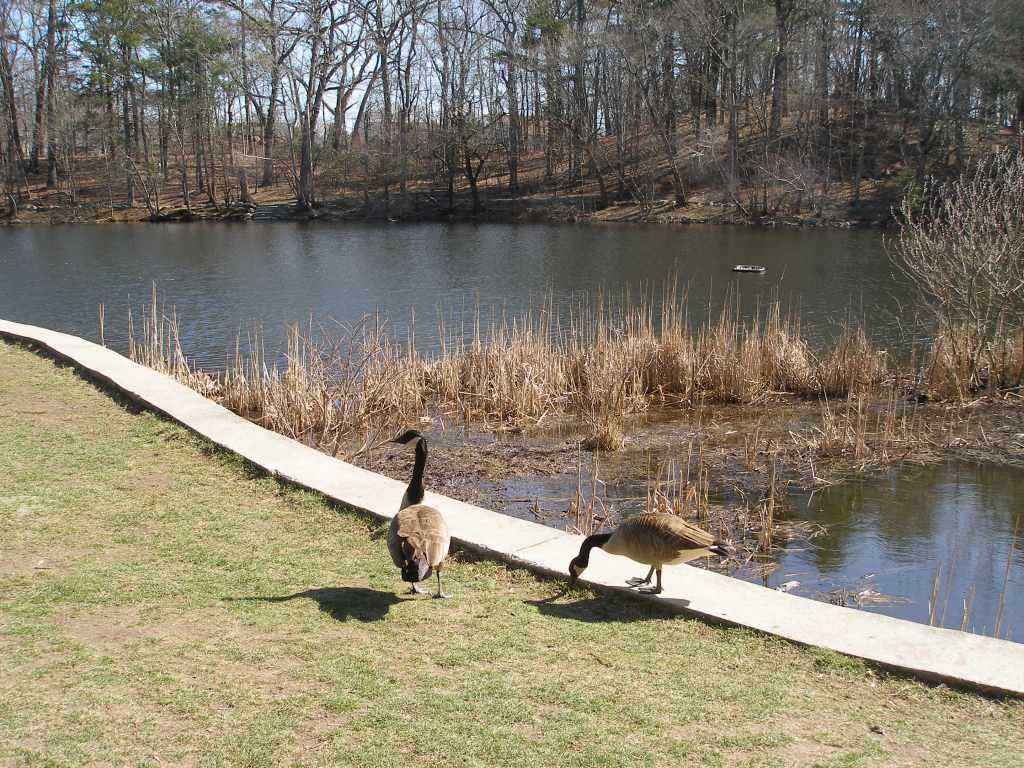
A pair of Canada geese came in early March and stayed for several weeks

Turtles sunning themselves on a rock jutting into the pond on one of the first warm days

Swans probing for tender young shoots in the wetland at the side of the pond

Looking a bit like a small beaver, this muskrat has a narrow tail

The muskrat with its head poking up looks like a rock or log by the edge of the pond
A bullfrog making a rare appearance out in the open on a rock where it can be seen.
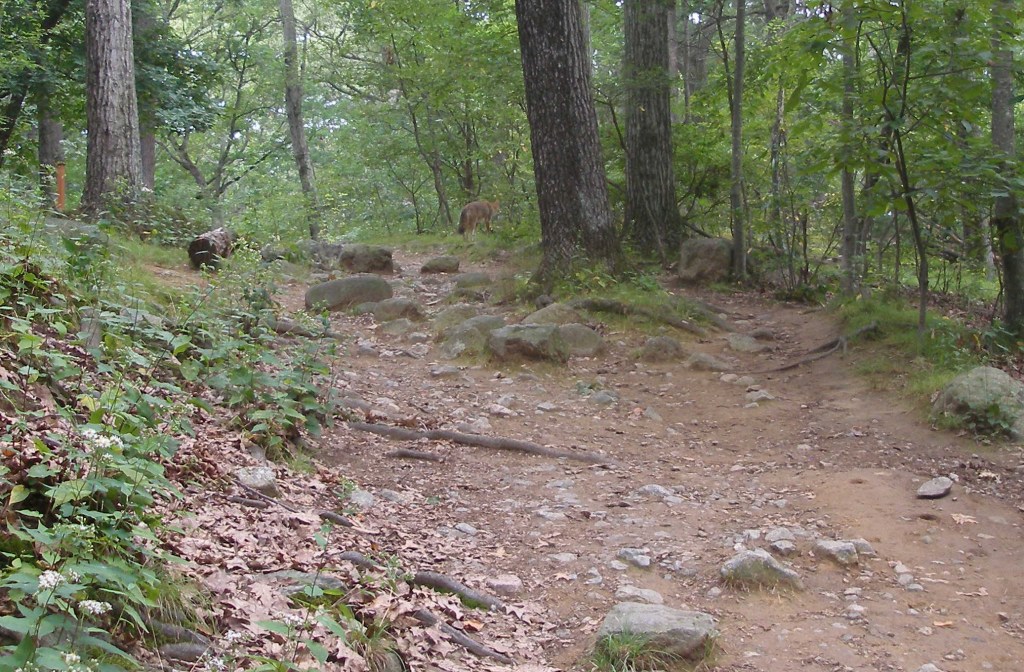
A raccoon to left of the tree trunk stared at me while I took its portrait
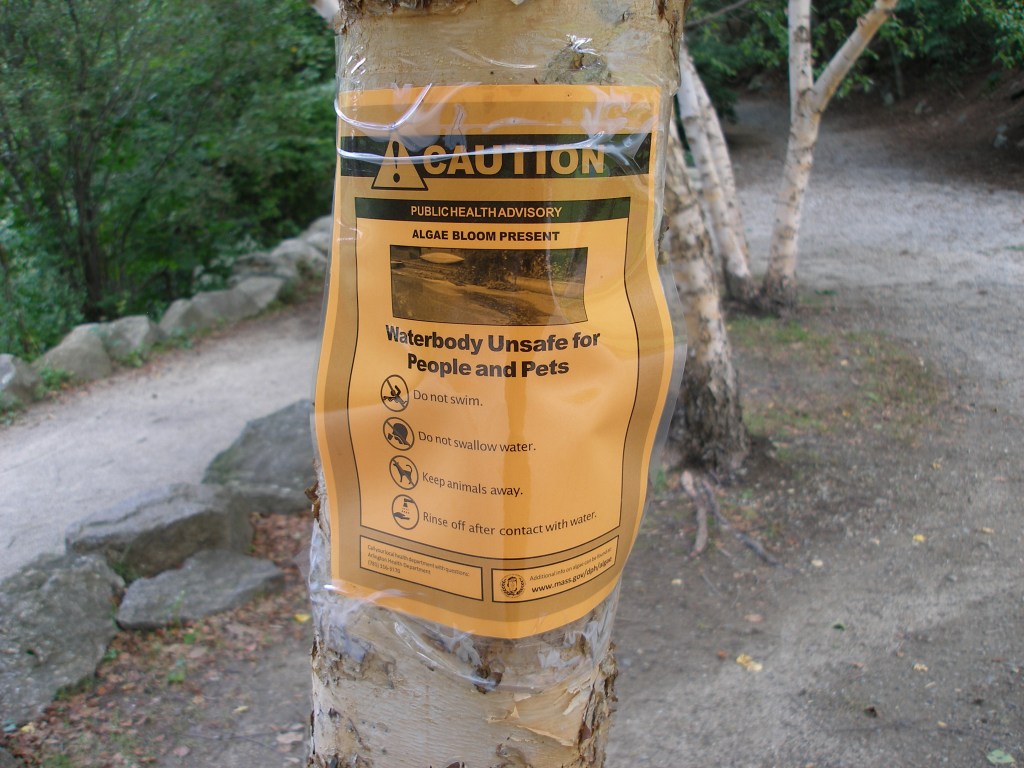
This park is lucky – people care and have the resources to work at preserving its health. May testing found the water was safe, however later testing in September found toxic algal bloom:
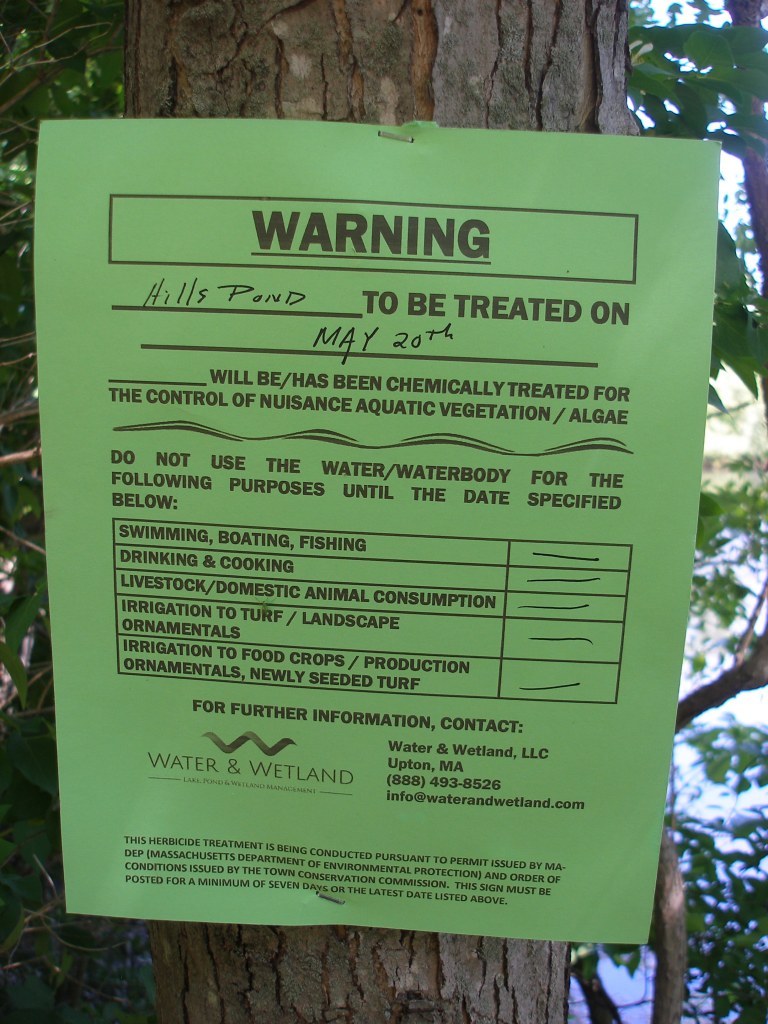
Warning sign posted
Hills pond was treated one year later
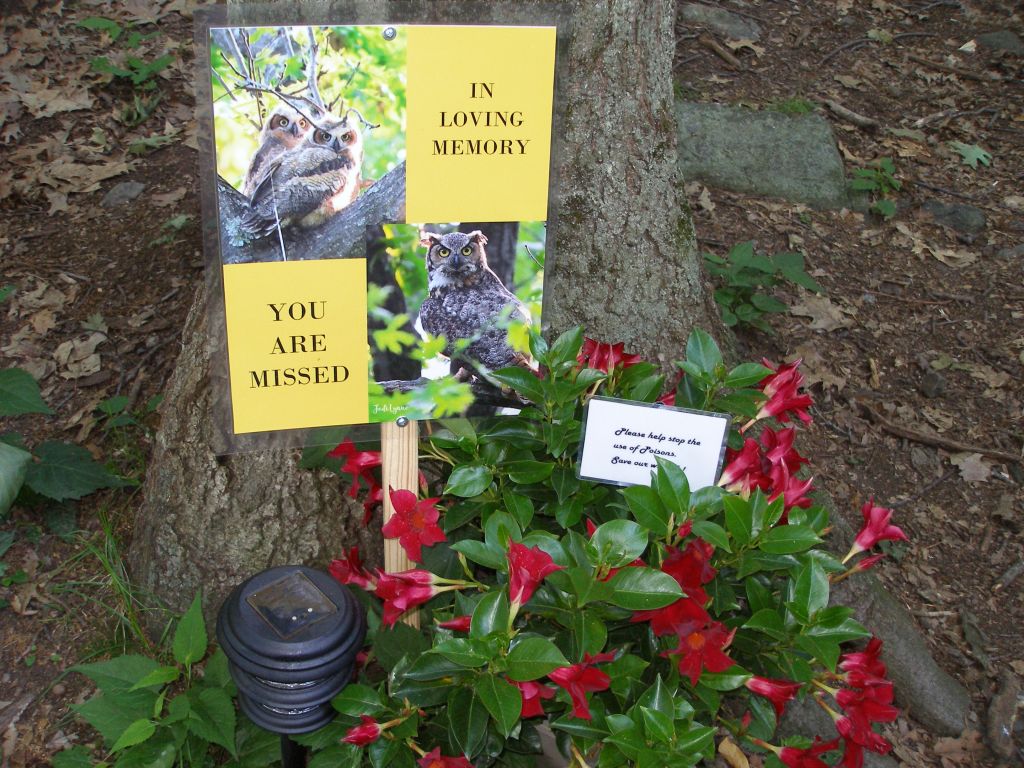
Another kind of trouble – rat poison killing owls as well – spring 2022

Moments in words and images

Sometimes I encounter moments that feel like poems. There is a clarity to them that has me stopping to notice.

They can be small and quiet, easily missed. Nonetheless, every once in a while, such a moment can leave me breathless.

The first two spoke volumes without words but others inspired me to write haiku.

Heads up, dog coming

Grazing geese splashdown

Safe on Hills Pond

Taped to the arm of

A Menotomy Rock’s bench,

Mother’s Day balloon

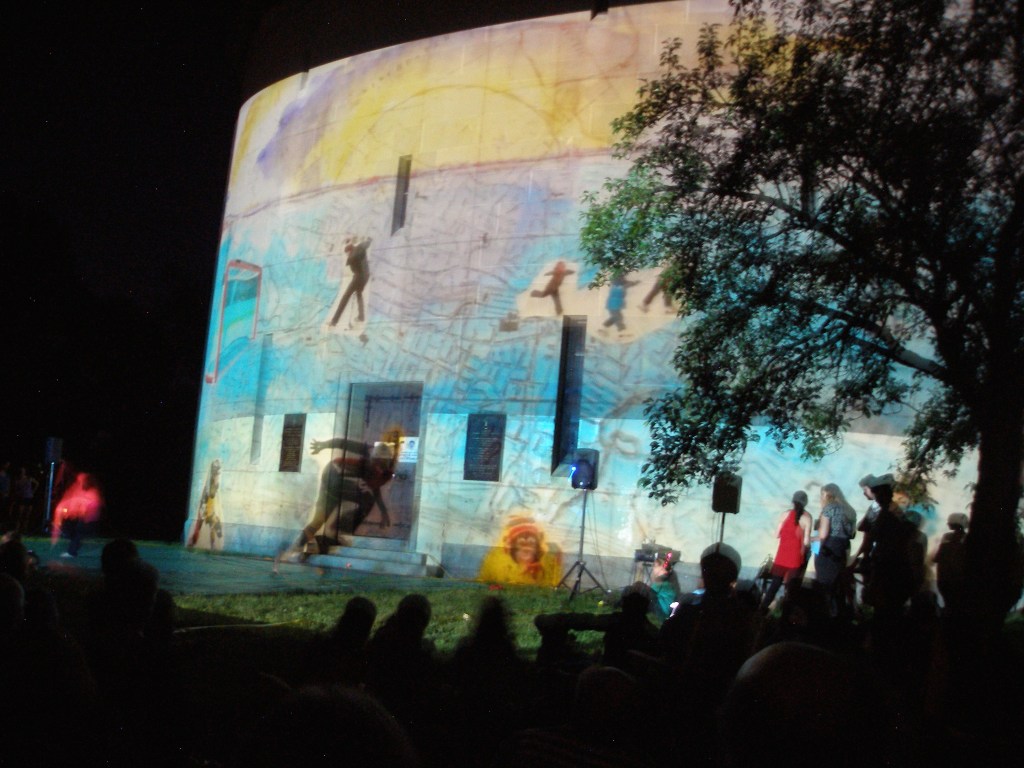
Warm fall evening

Water tower lantern lit

People drawn like flies

More images of this water tower event, and information about it may be found here.

Spring Transformation

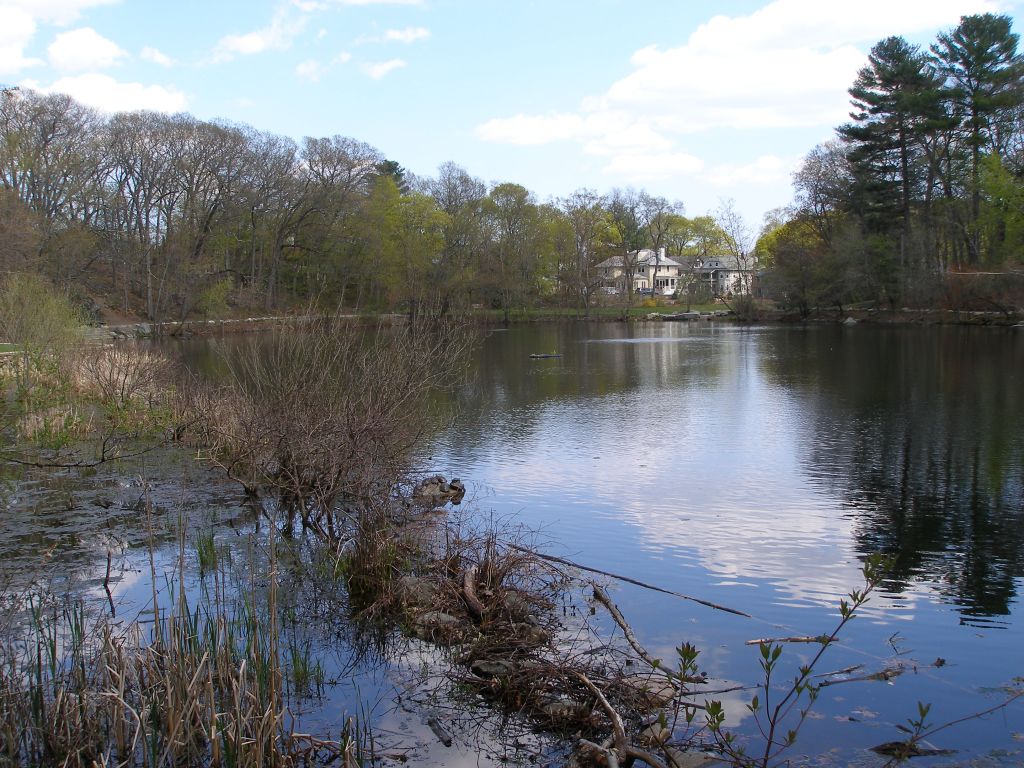
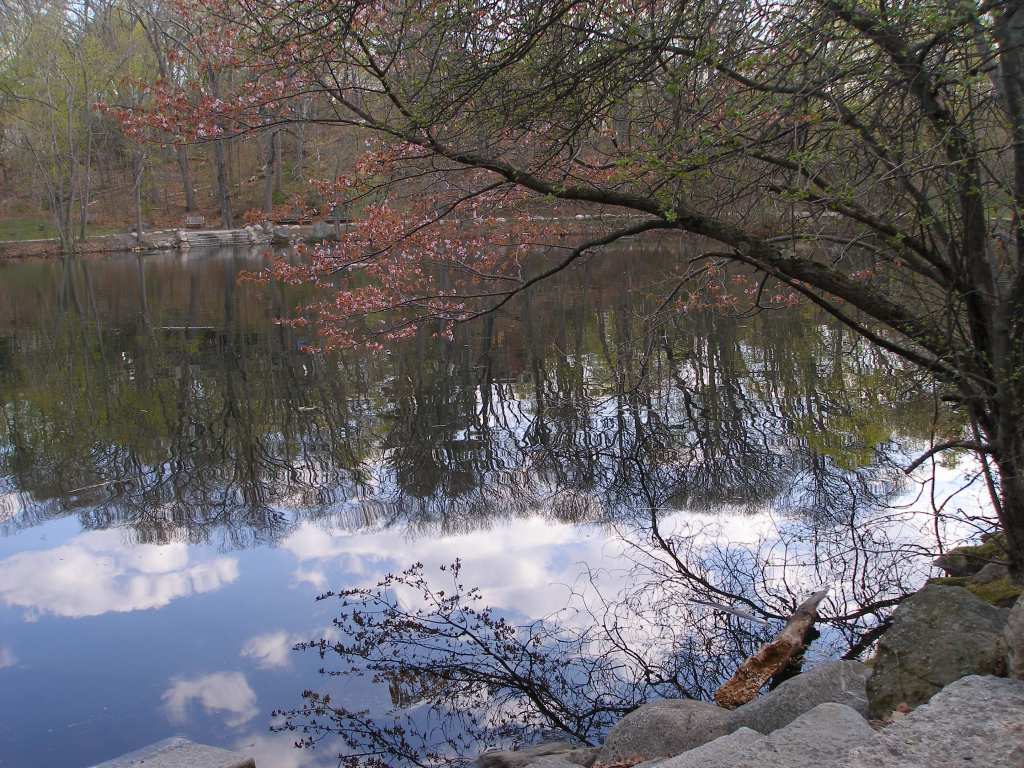
Puffy white clouds made lovely images in the pond this time of year. Now on warm days in late April, turtles gather on a rock that juts into the pond beyond a marshy area (see below).

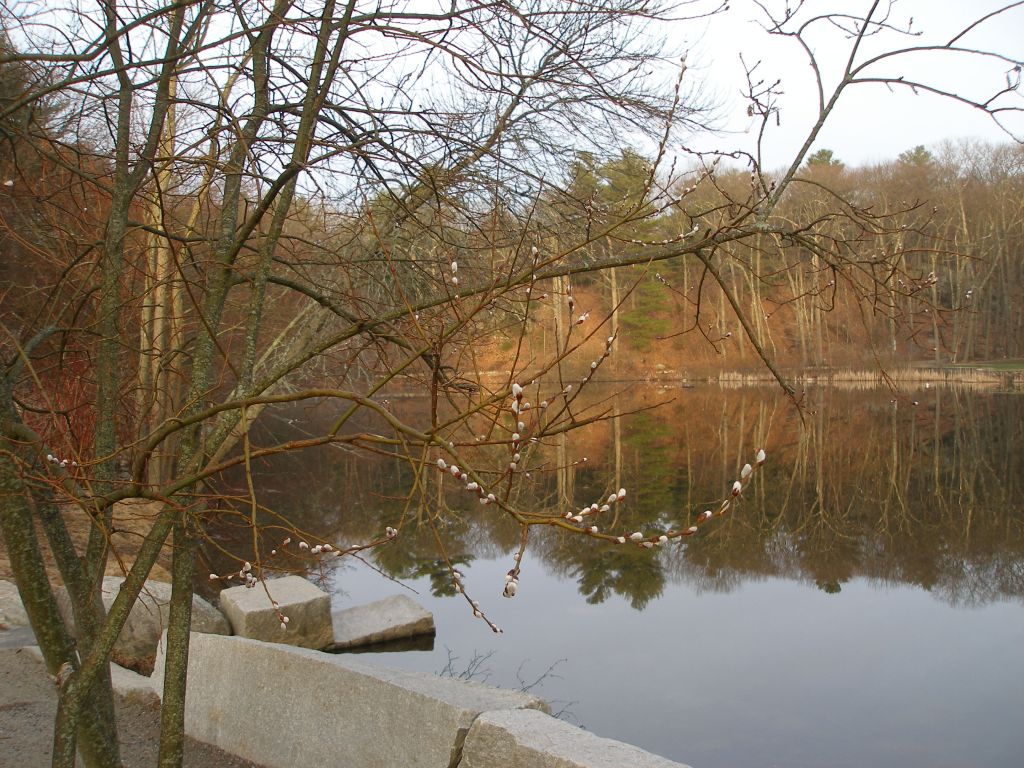
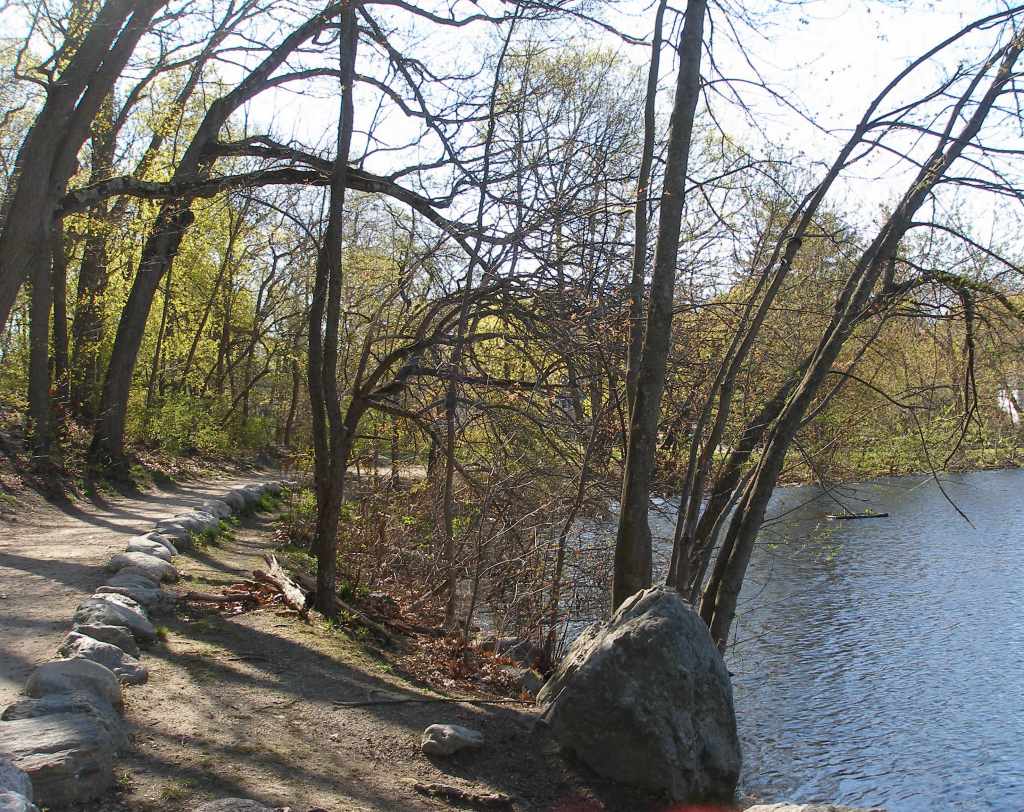
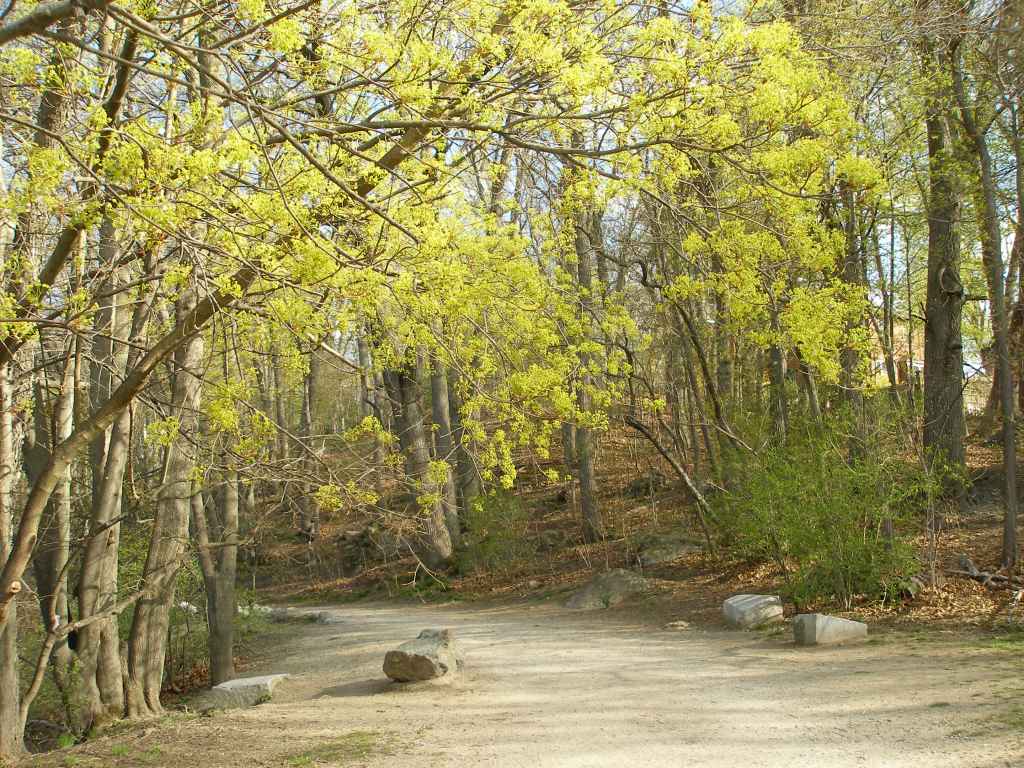
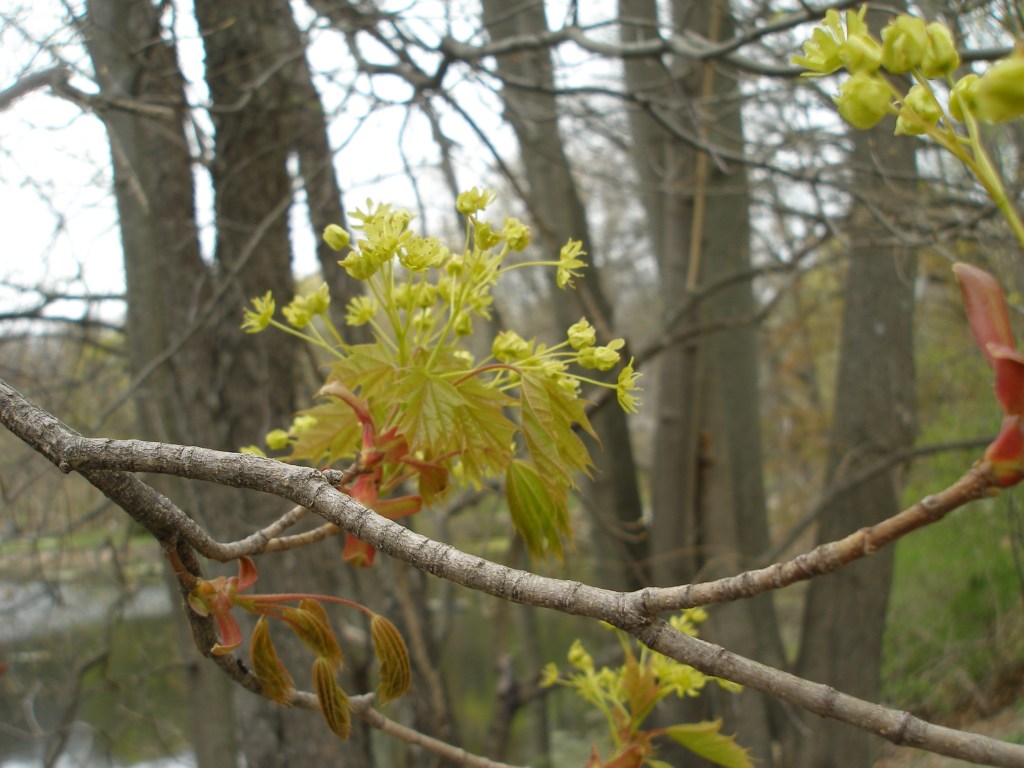
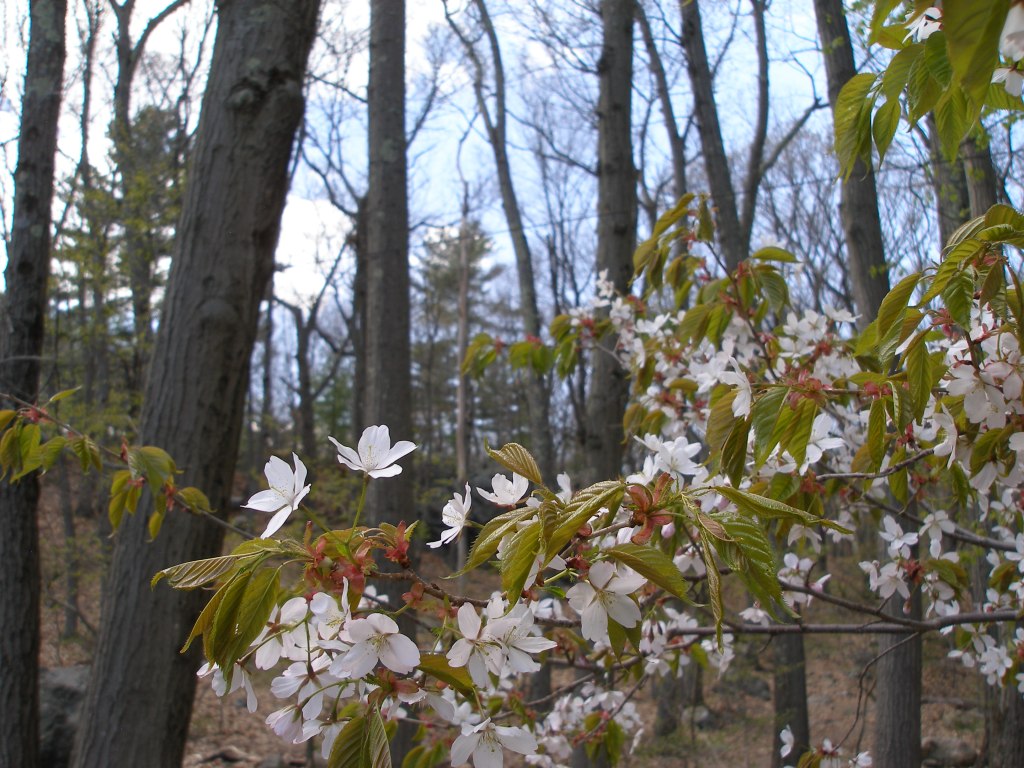
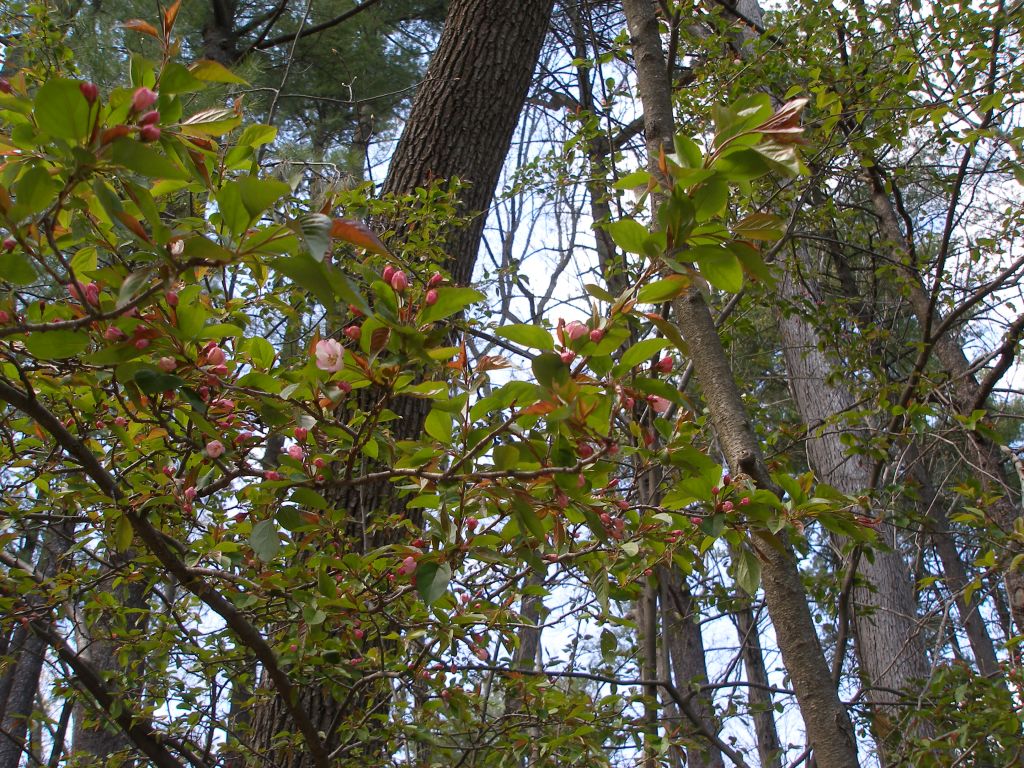
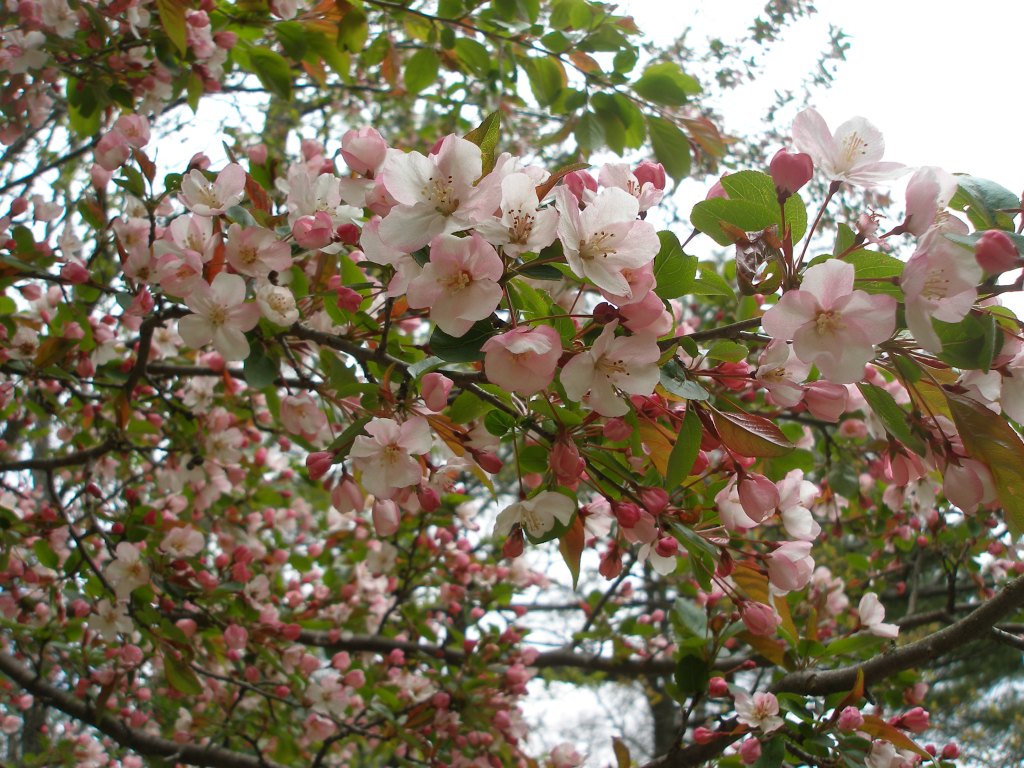
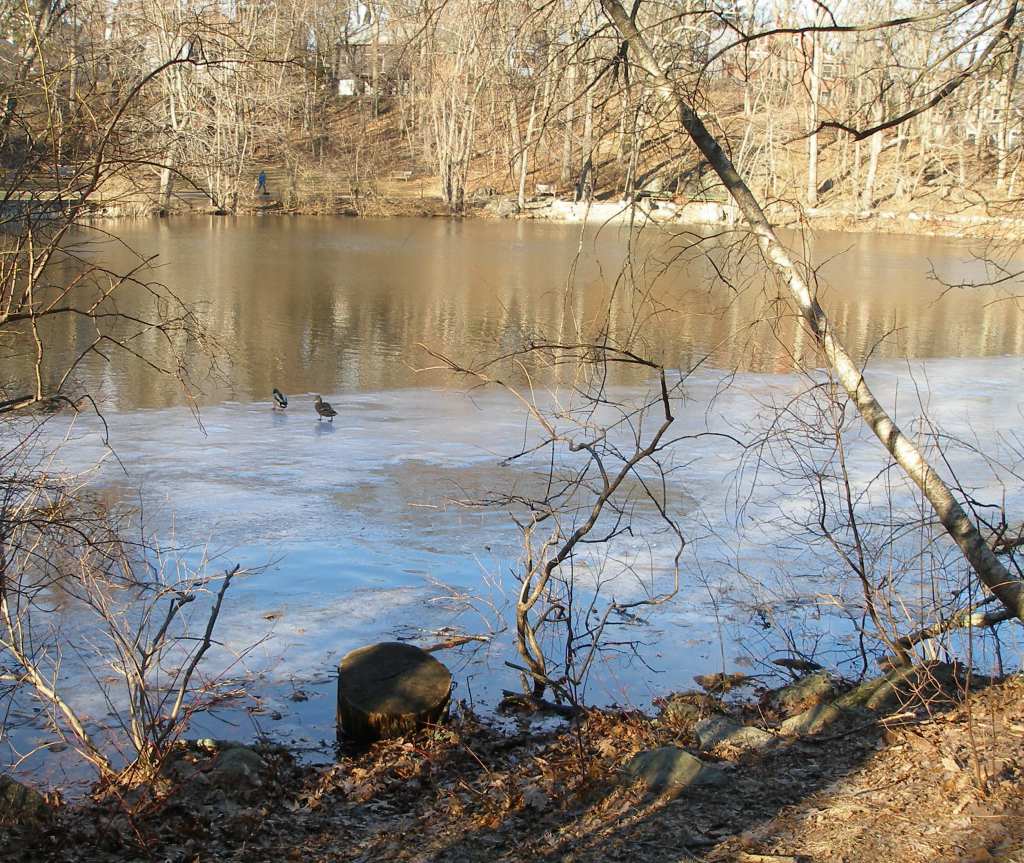
In early March, when the branches were bare, ducks walked out on the ice heading toward open water. A bit later, tiny buds spangled branches by the pond before the pastel haze moved up the bank and blooms began to appear along the woodland trails.

Weathering the Storm

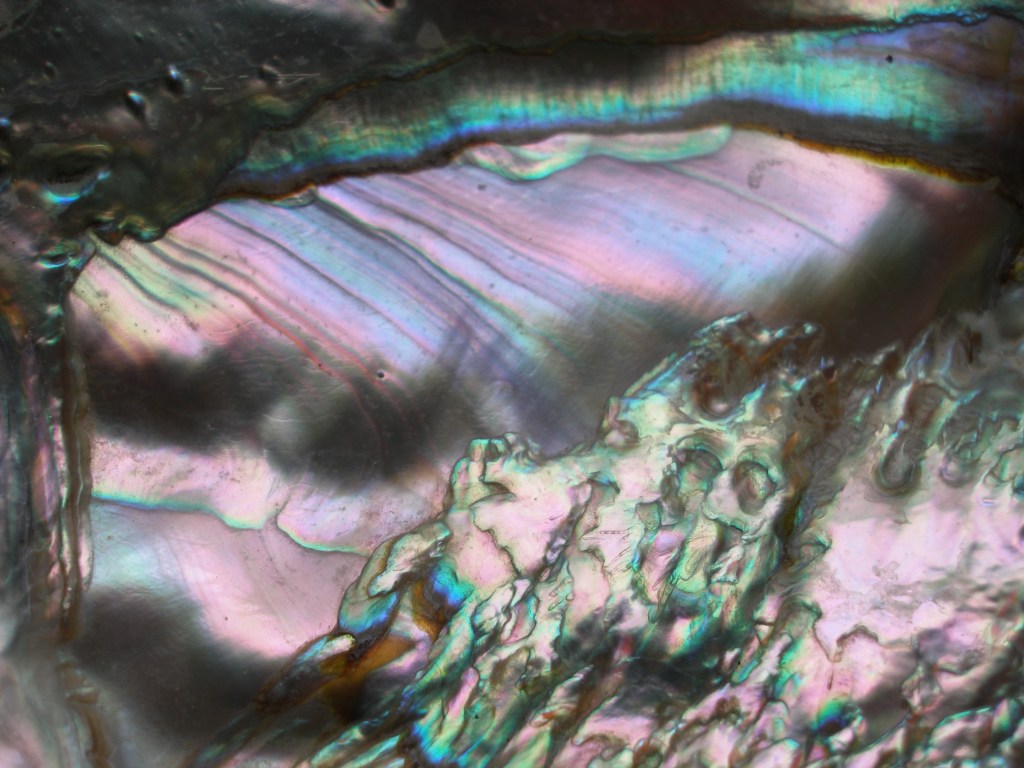
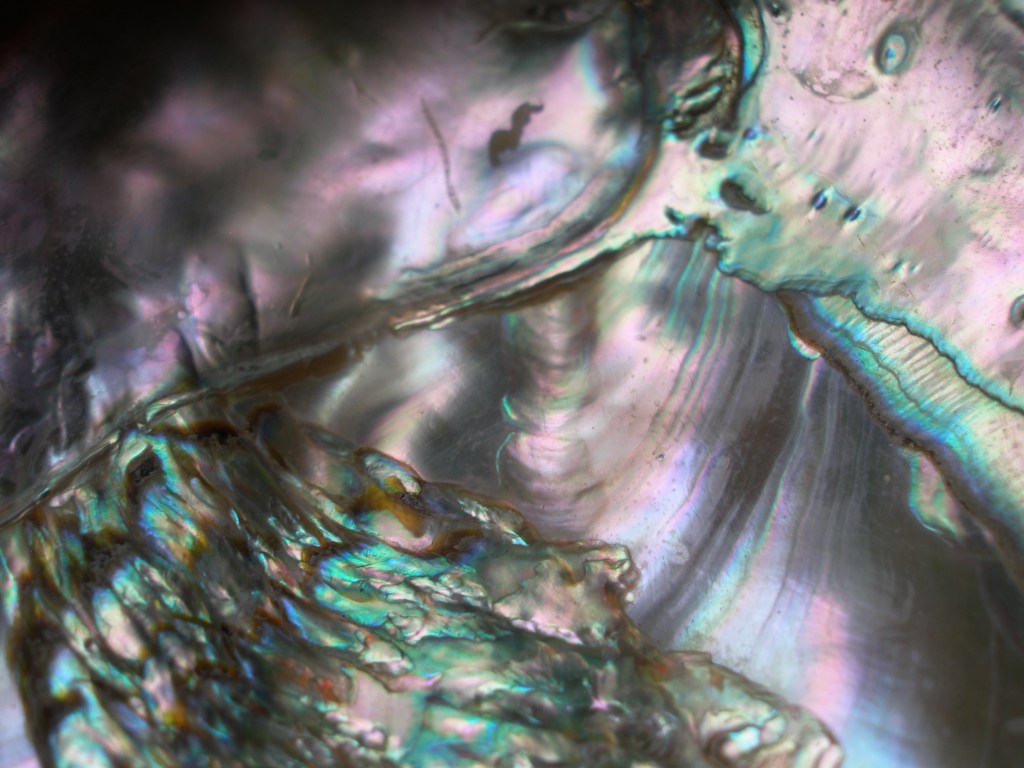
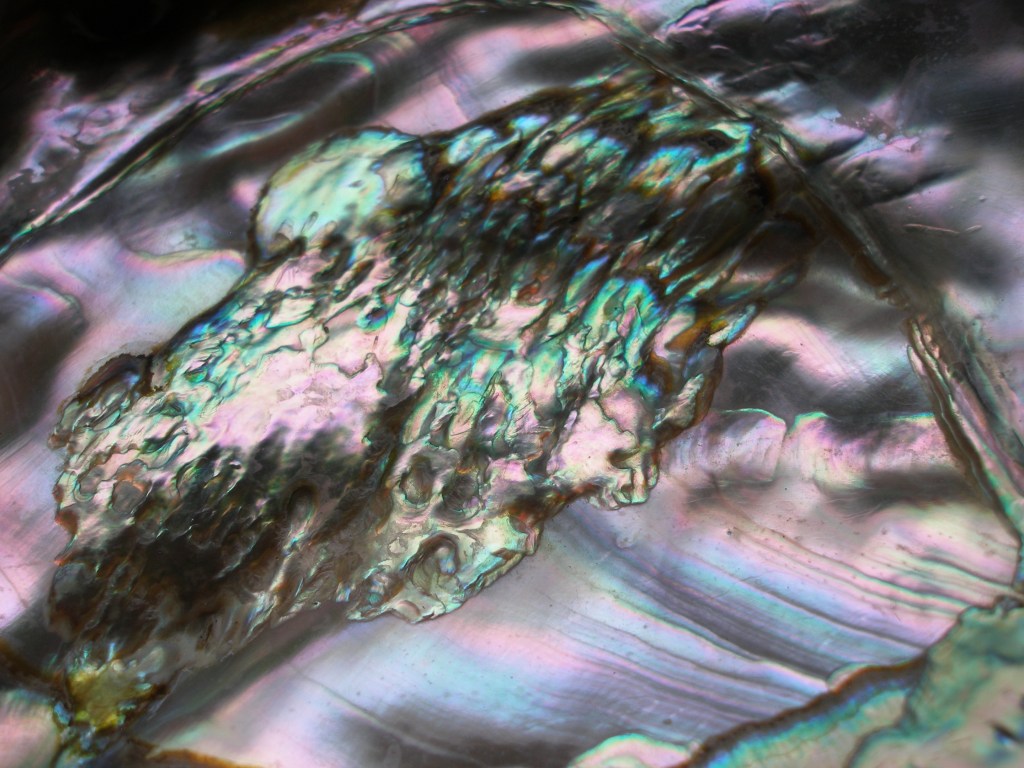
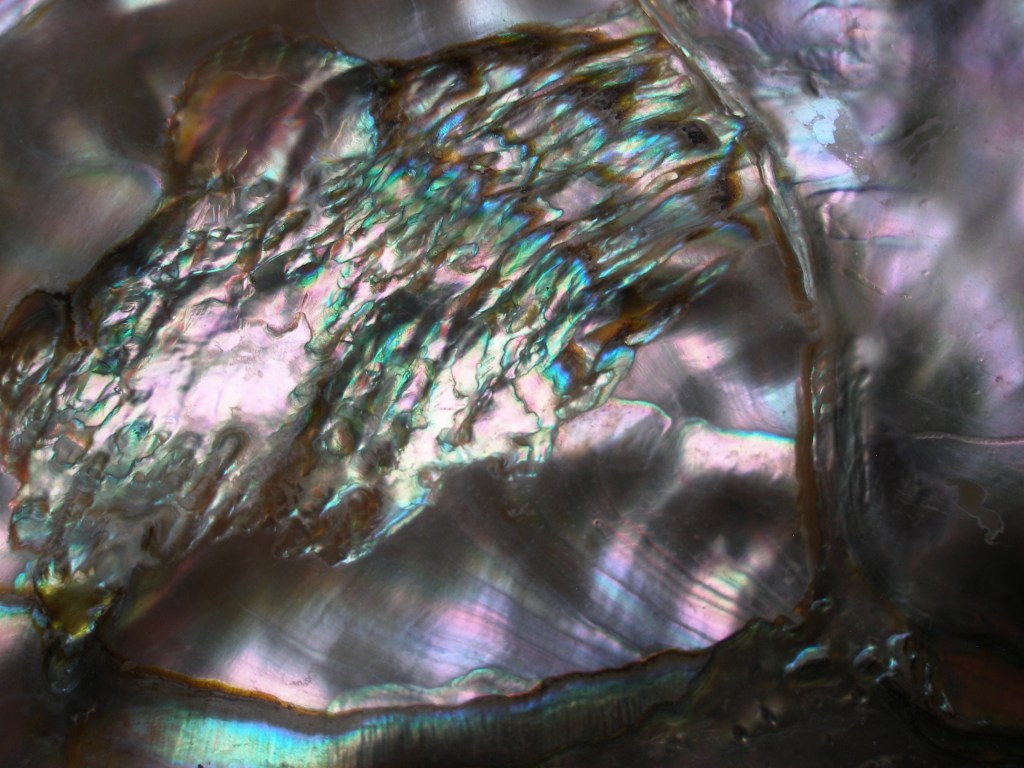
Recently, I came across an abalone shell that called out to me. At first I looked for abstract patterns in its colorful interior. Then, a wind-blown tree came into view. There was no mistaking the tree that both stood strong and bent with the wind. It feels a bit like that now, I thought. We began to see patterns with COVID 19 that we did not understand. Now we find we are in a storm with no place to hide from the global wind. Is this tree in a storm a warning, hope for resilience in the face of threat, or perhaps both?

Fallen Branches in Snow

The pond was covered with snow during my last few walks. It was popular now that the ice was thick enough to be safe. But the path around the pond had been compacted to ice which made for slippery walking.

It was the fallen branches that caused me to pause. There was something about the contrast with the textured white snow that made these complex objects stand out so I could notice them and see that their beauty deserved my attention.

Beauty on Both Sides

I have always been attracted to abalone’s iridescent interiors, but I had no idea about the range of patterns and colors that nature creates on their outsides until I started collecting these shells. Although there are commonalities among the suborders of the Haliotidae family, each individual shell is unique. And the outsides of the shells can change color based on the types of algae the abalone has been eating.

There is often a beauty to both sides of natural objects. In these days of deep divisions, I find that to be a most refreshing idea to keep in mind.

When More Is More

Arranging rocks so shapes, colors and patterns complement can be an interesting and absorbing challenge. In times of dramatic change, that can take me beyond our limited human perspective on time.

All of the rocks in the arrangements below are agates. The first photo shows a bowl with small cut and polished agates from around the world. The next three show specific types of agate – bubblegum, Fairburn, and Lake Superior agates, respectively. For the most part, these agates were left as they were found with colorful patterns natural on the surface or revealed by abrasion. I find the matte finishes and rounded shapes of the natural stones to be particularly appealing.

Take your time with what can be a visual adventure. You can learn something about agates, of course, but also about your particular tastes. Perhaps you will catch a hint of the slower “life” in these stones that might provide a bit of calm in these turbulent times.

Mixed cut and polished agates

Bubblegum agates – you can see how they got that name

Fairburn agates

Lake Superior agates

Place as Winter Guide

I wondered what the beginnings of winter would look like on this crisp morning in early December. After several inches of snow followed by thawing and freezing, I expected snow on the pond banks.

As I entered the park, I noticed certain rocks were beginning to become familiar friends. But I fought against all such expectations, all such stories. Walking for my health here in these times of pandemic provides opportunities too precious to waste. Most of all now, I long to be open; to not even know where I am going.

I noticed the pond had a skim of ice, but only in certain places. Scattered ice fragments captured light. The few dog walkers I encountered understood the preciousness of solitude. Offering quick greetings in soft voices, they did not disturb the infinite sweetness of the melancholic luxuriance.

As the place, itself, took over as my guide, shifts in light and mood signaled when to stop and look deeper. I aimed my camera with awe and humility knowing I was a participant observer, not separate from such generous grace.

Pond Reflections

Now that the peak leaf colors and our election in the United States have passed, there is a softer, not so urgent feeling. The burnished colors have their own appeal as does not knowing yet what will happen. Come with me on my walk. Everything can change with just one small step.

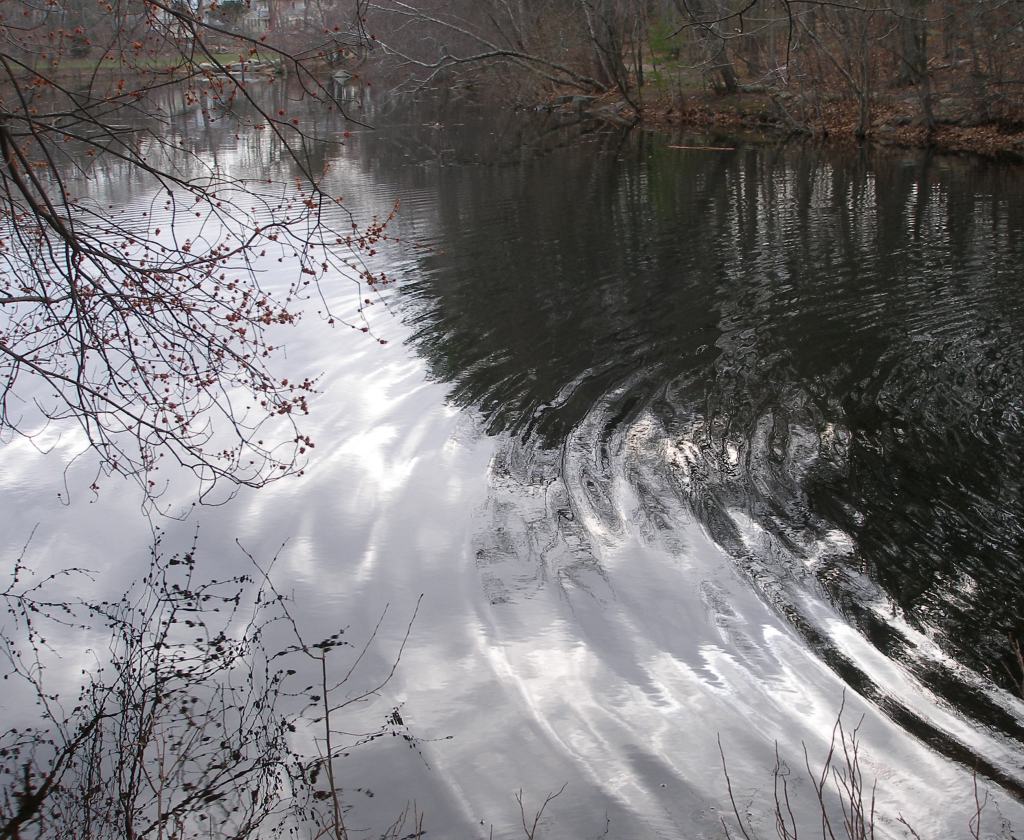
It is quiet and hushed by Hill’s Pond at this early hour of the morning. You can hear the ducks’ small sounds. And perhaps notice that reflecting on reflections is nothing new.