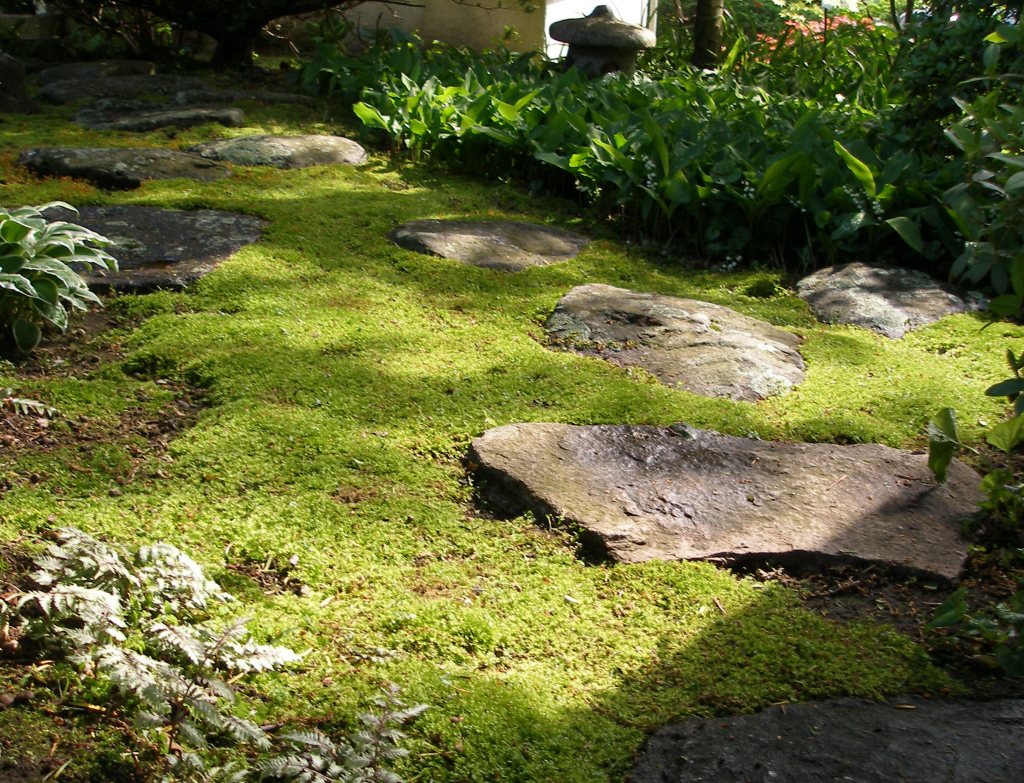
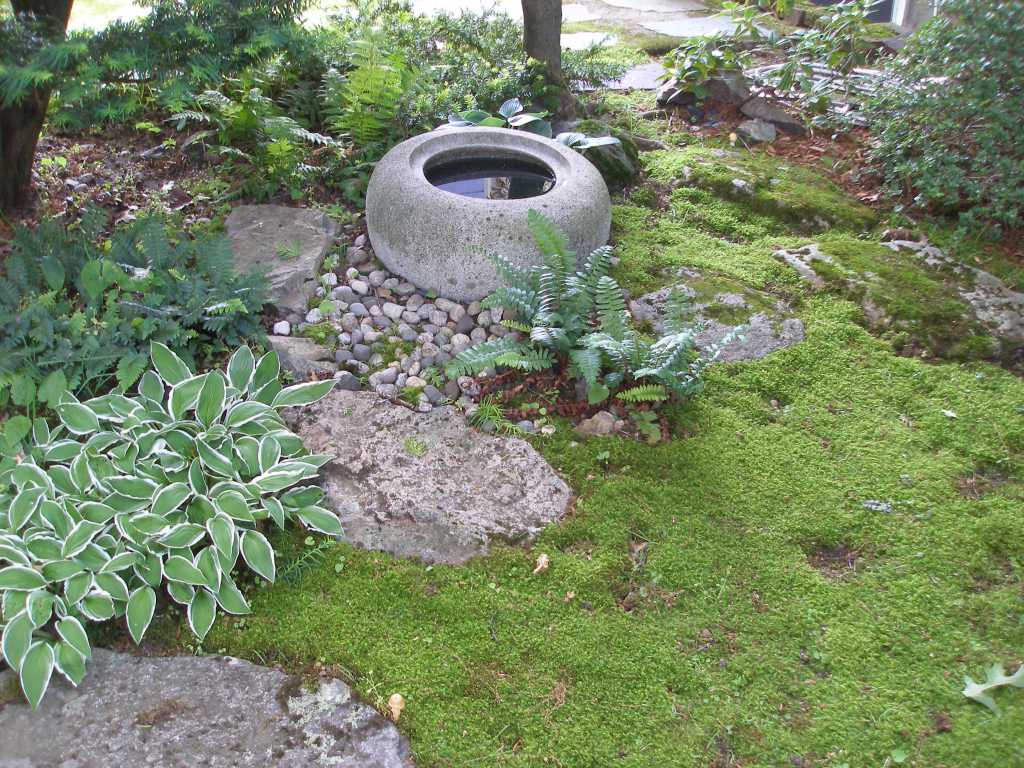
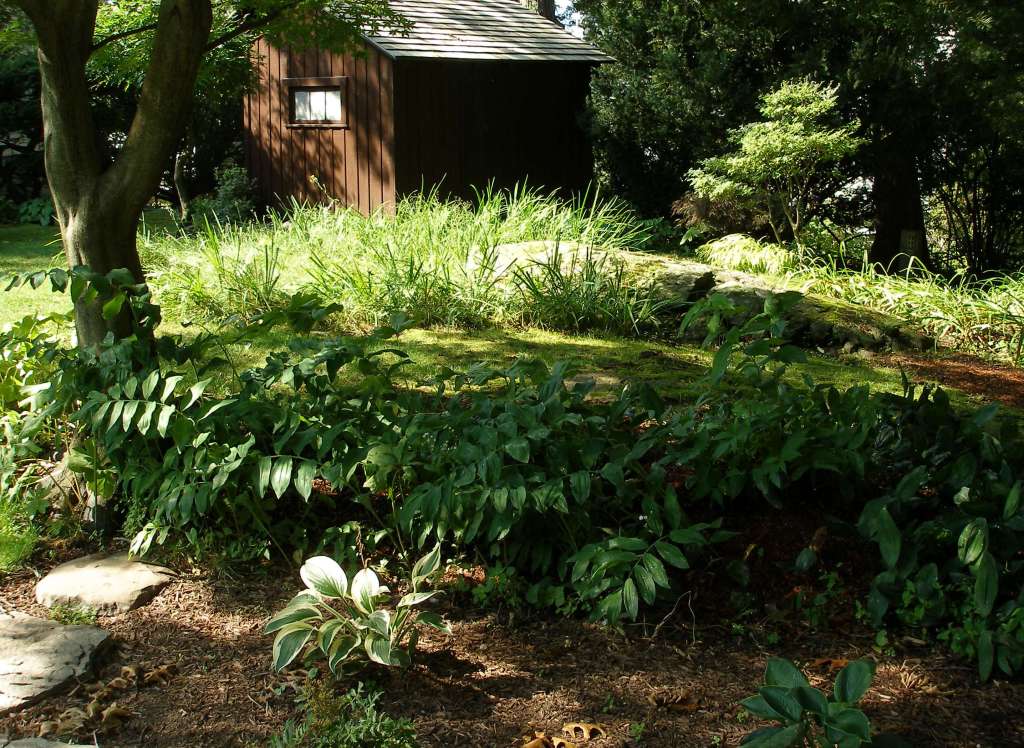
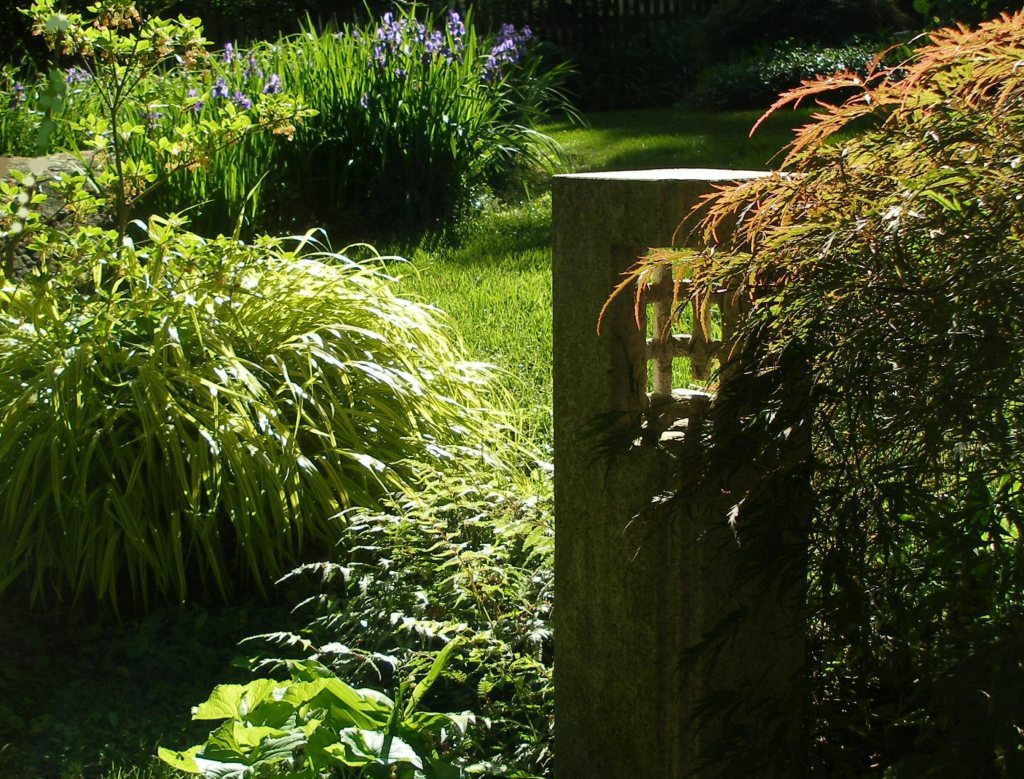
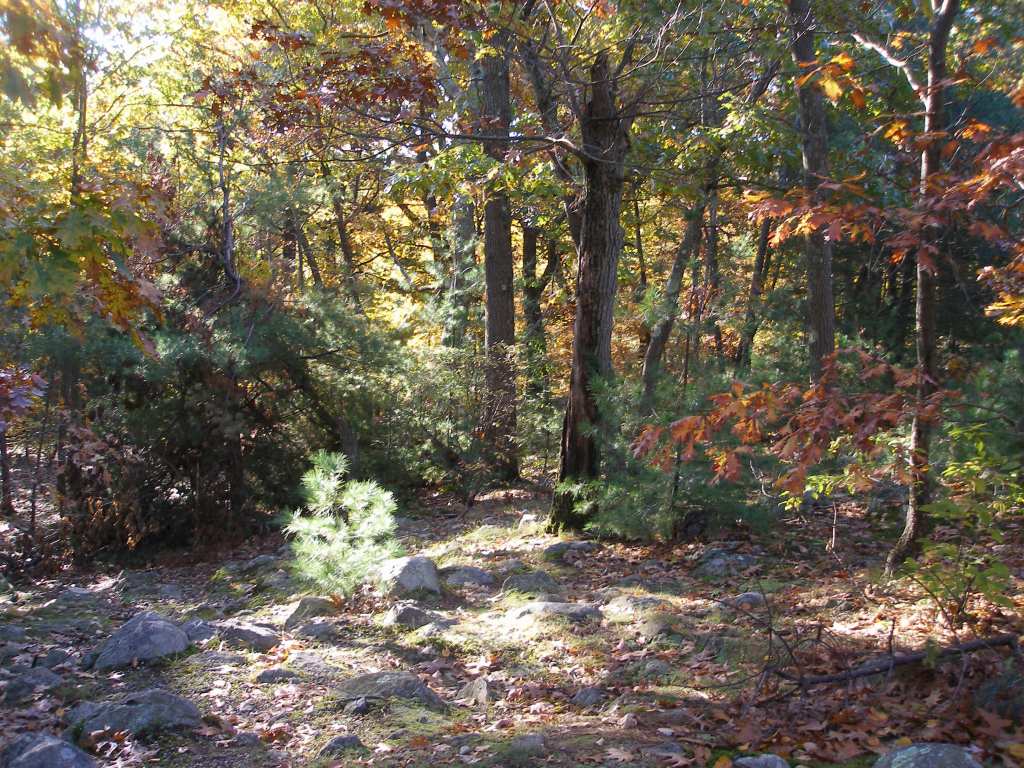
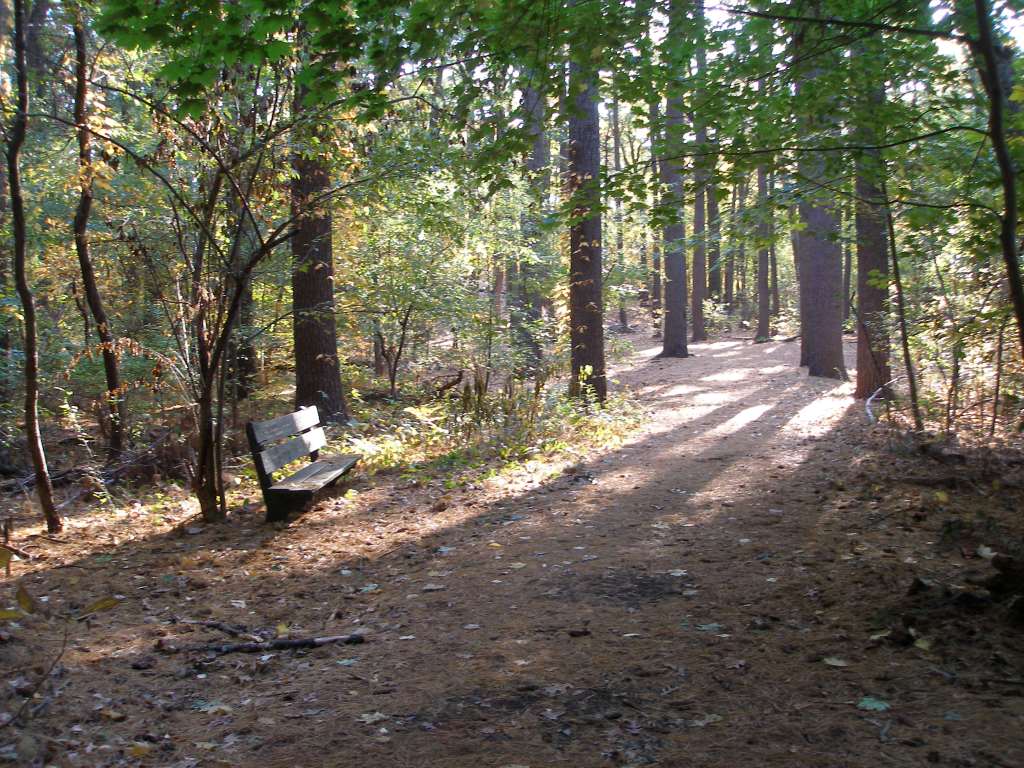
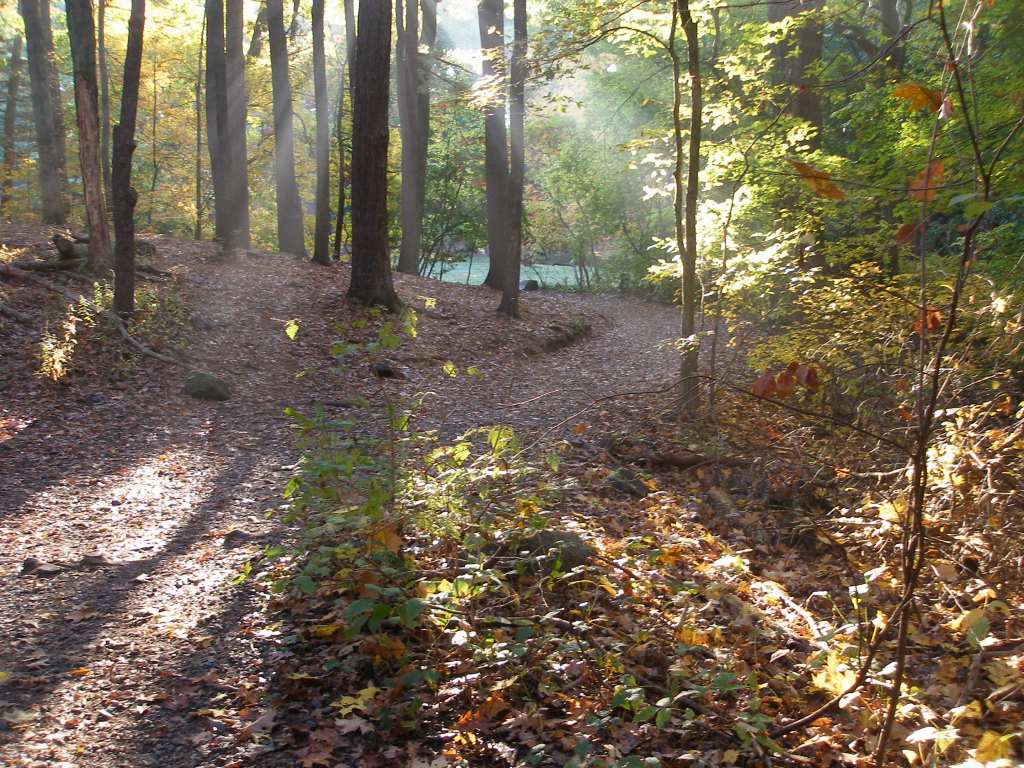
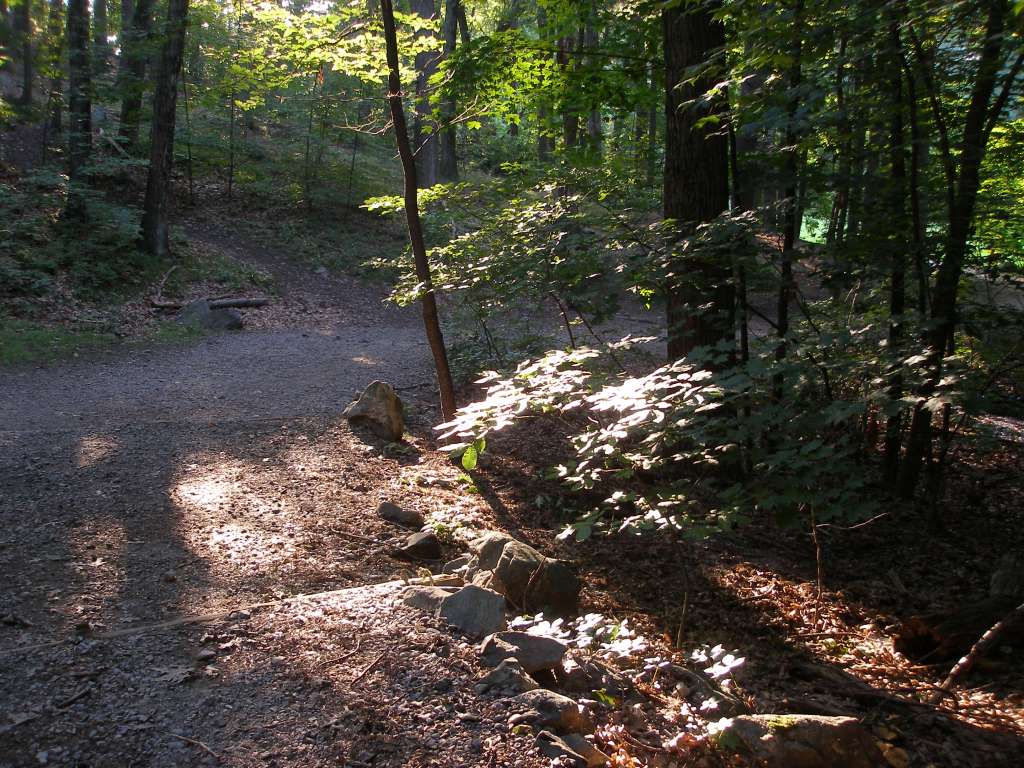
The Japanese tea garden or roji may appear to be a natural woodland path, but it is actually a designed transition to the tranquil world of Japanese tea ceremony. Tea gardens induce a spirit of openness with the tea ceremony values of harmony, respect, purity and tranquility expressed in nature’s asymmetrical design.
To tend even a very small tea garden is to place oneself into nature’s rhythms. As I water the moss, it puffs up and turns a deeper green.
Once, after I cleaned and filled the water basin and sprinkled water on the stepping stones as a sign of welcome, the cicadas began their evening song, as if they too, wanted to welcome my guests.
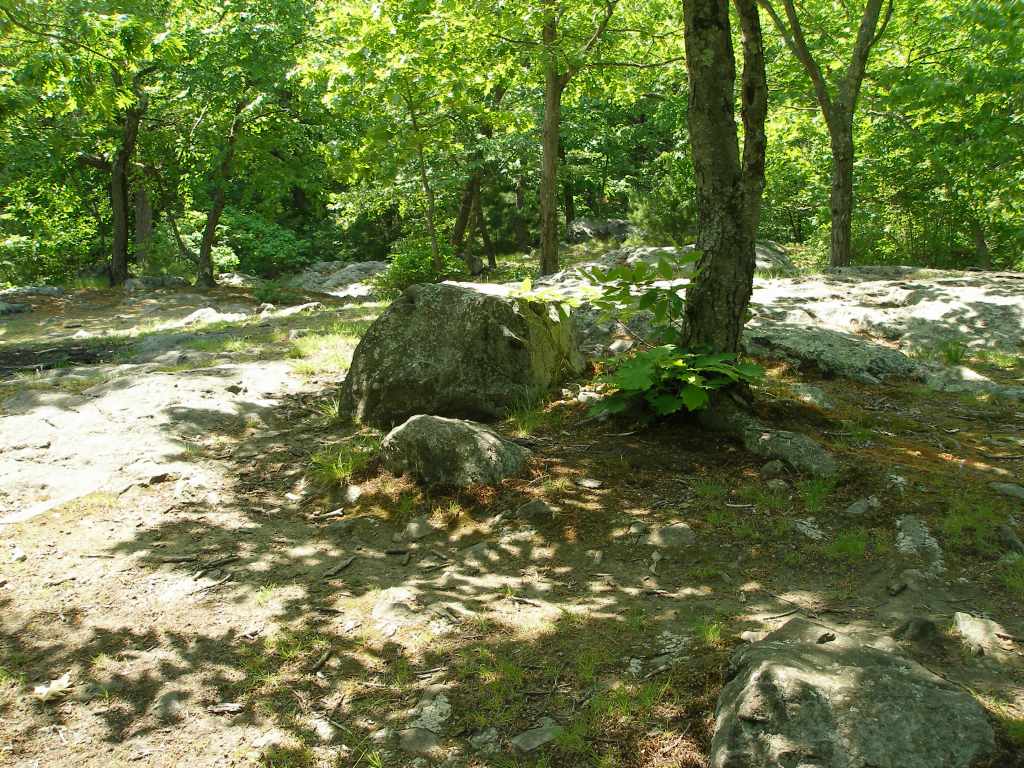
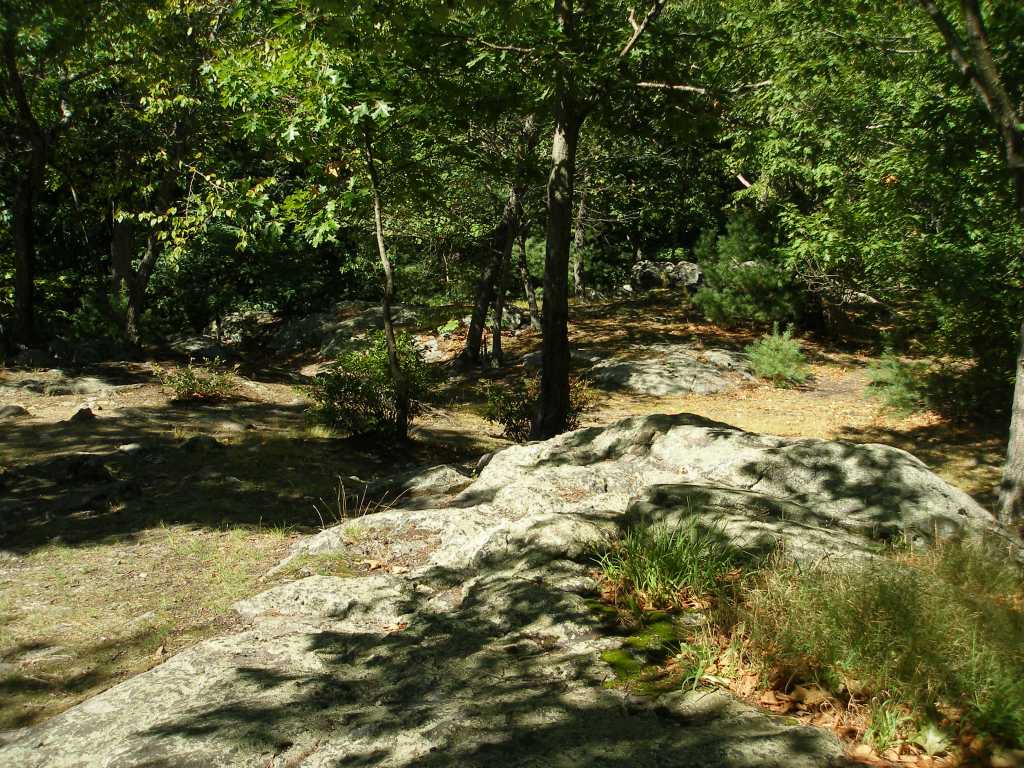
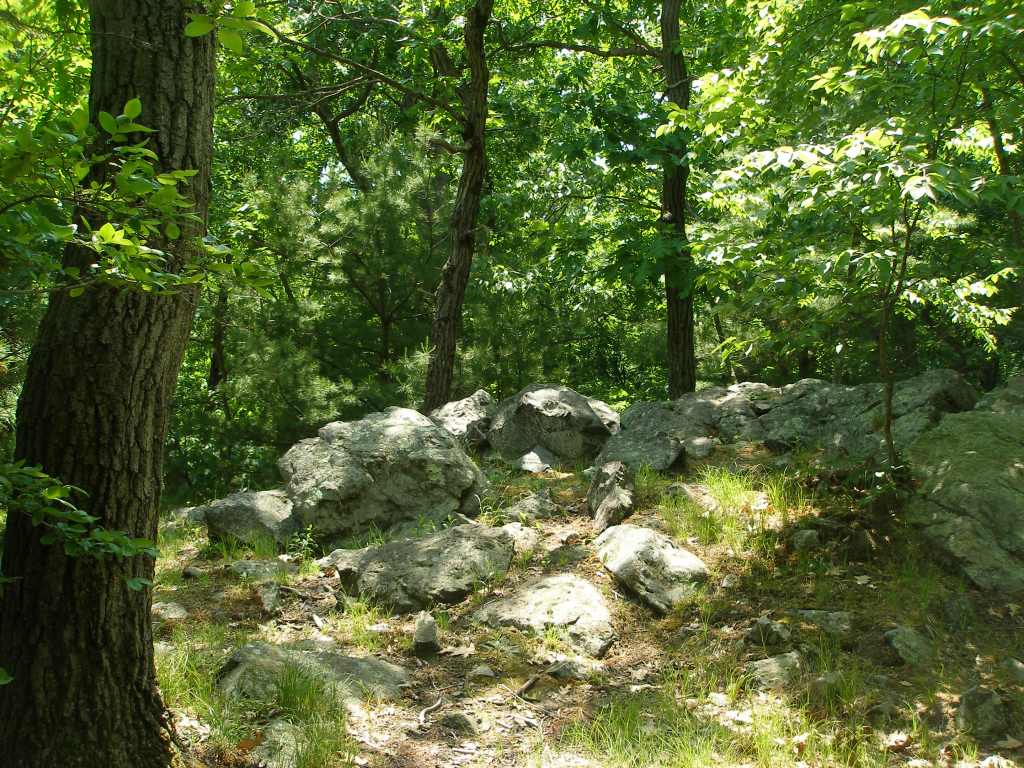
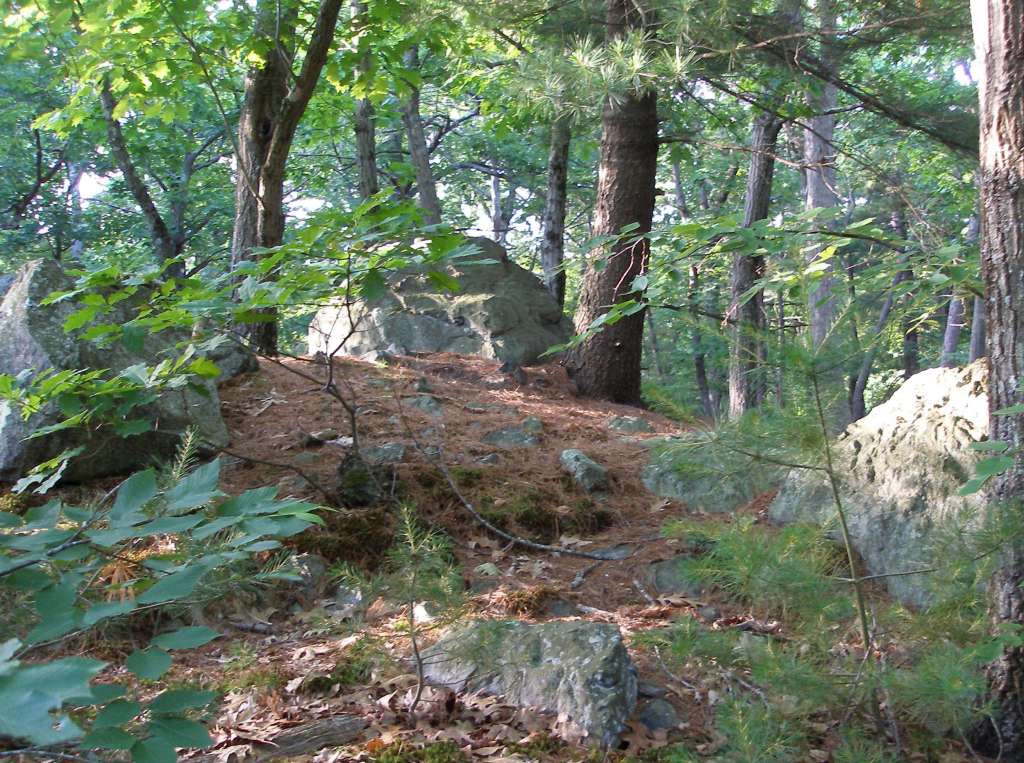
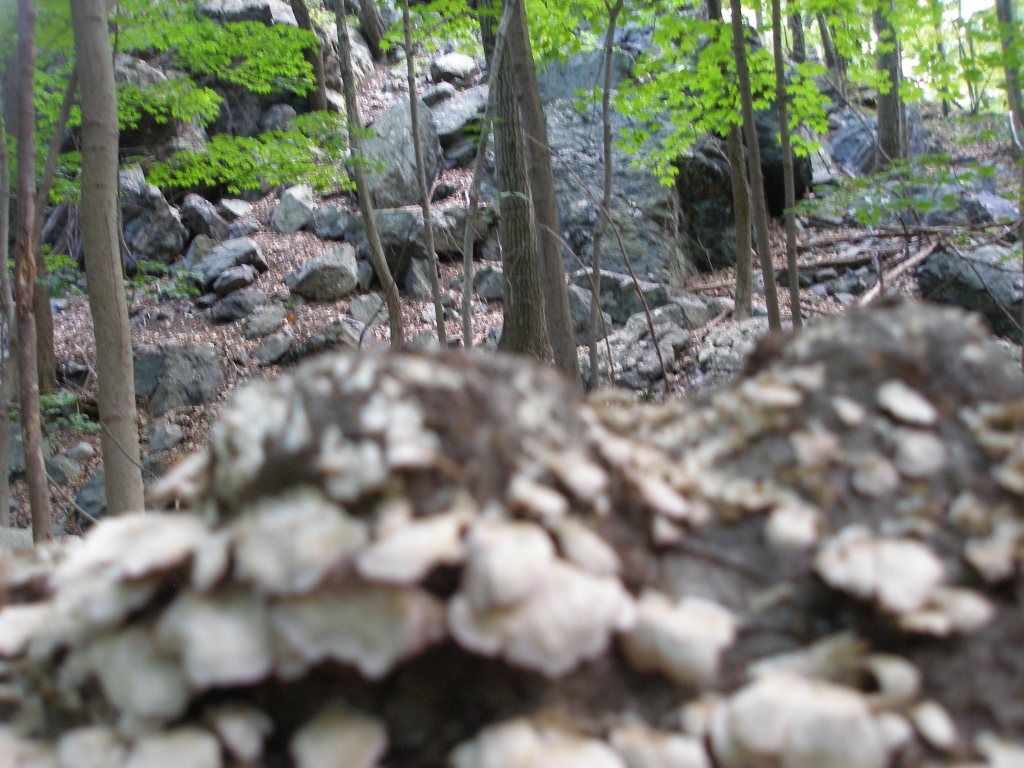
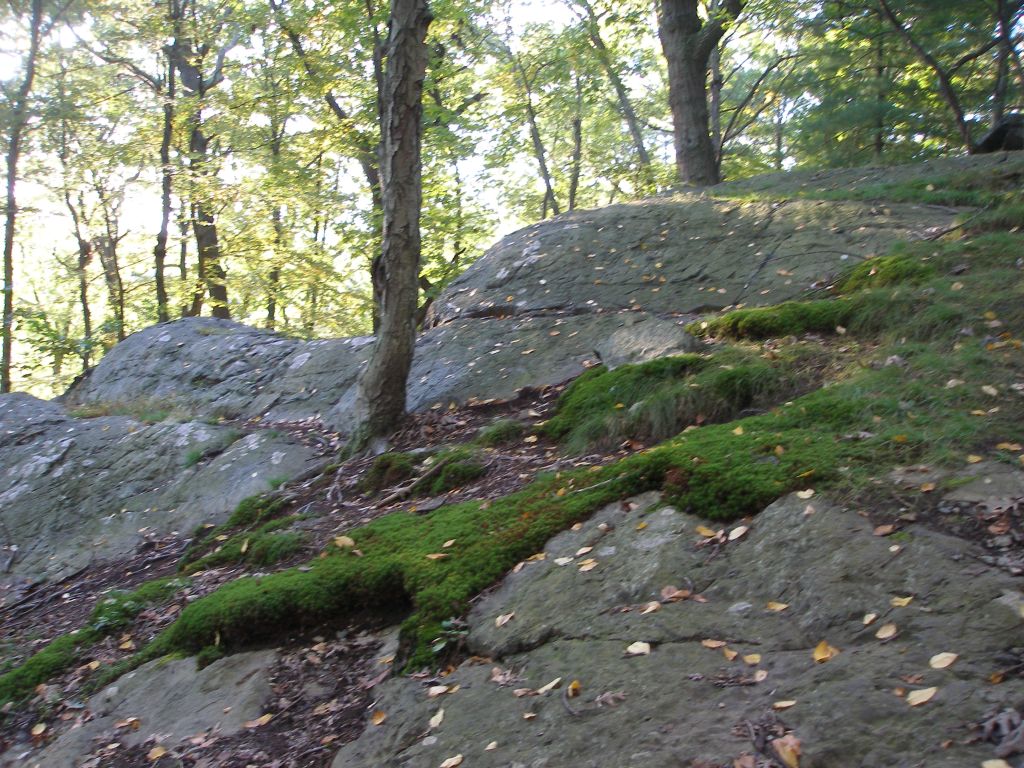
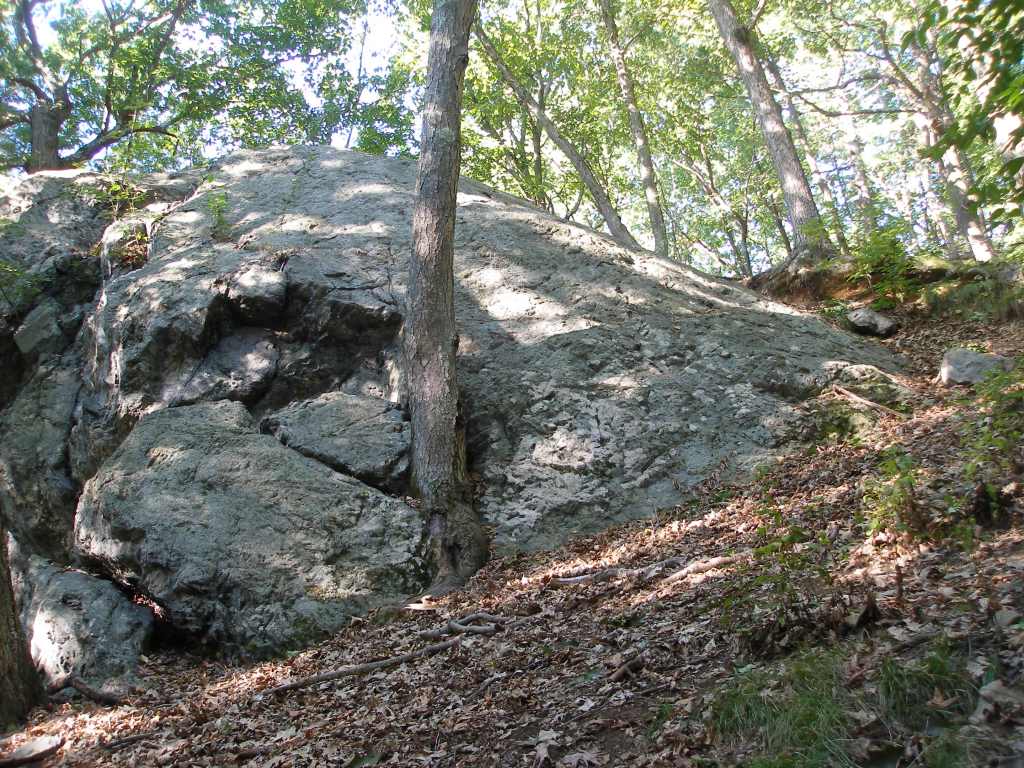
Arlington Heights, Massachusetts, USA where I live, like Boulder Colorado, and a number of other places, has rocks in all sizes. In fact, a major reason I bought the house where I live is because the turtle-shaped top of a large glacier-scraped granite outcrop was visible through the kitchen window.
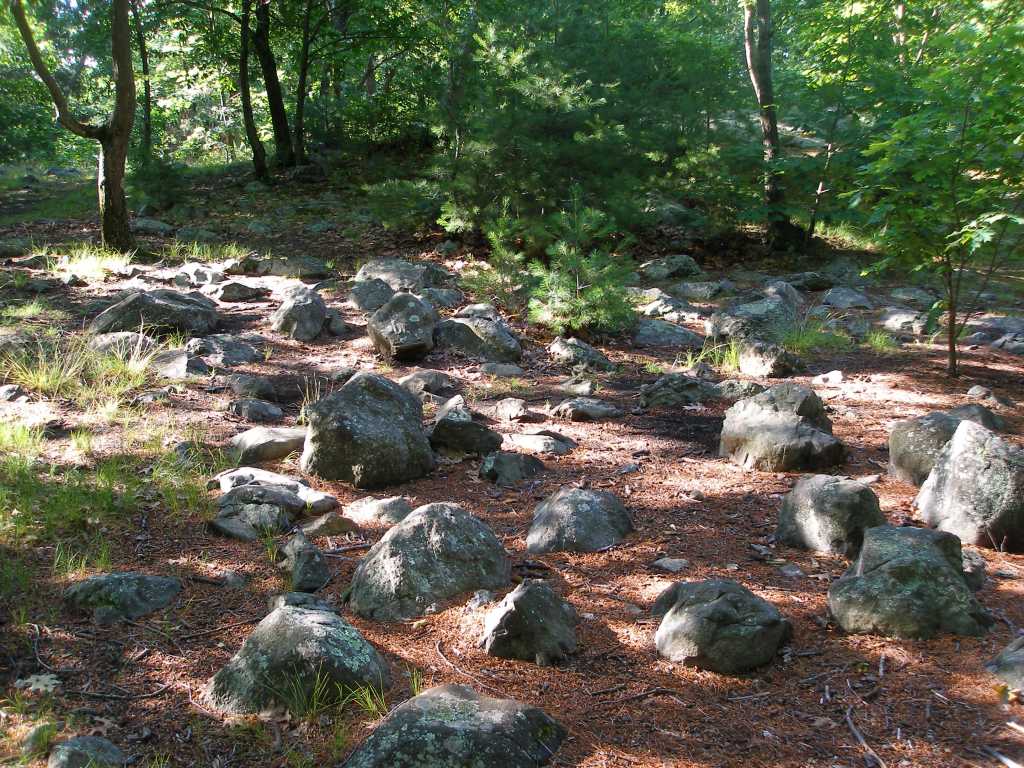
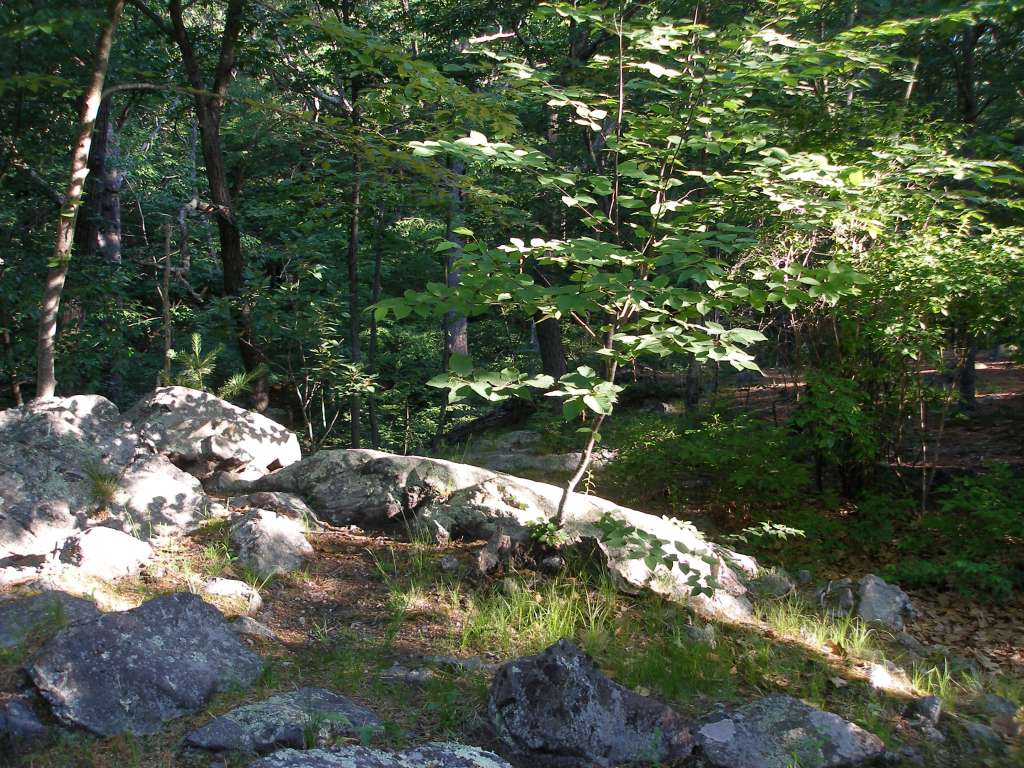
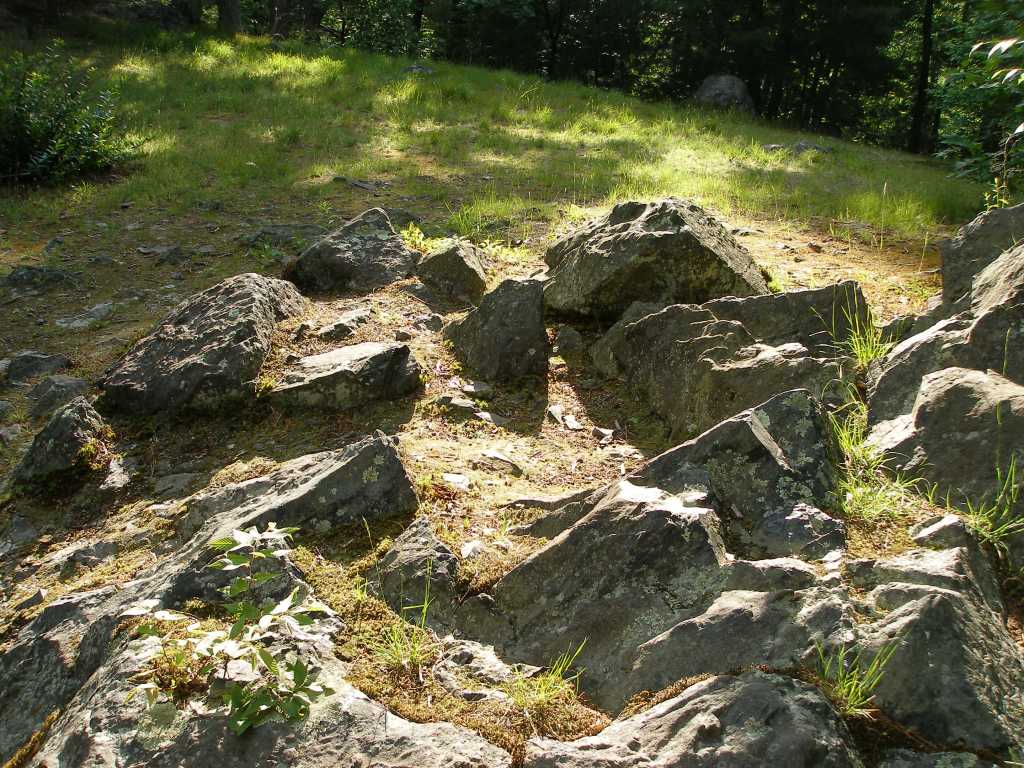
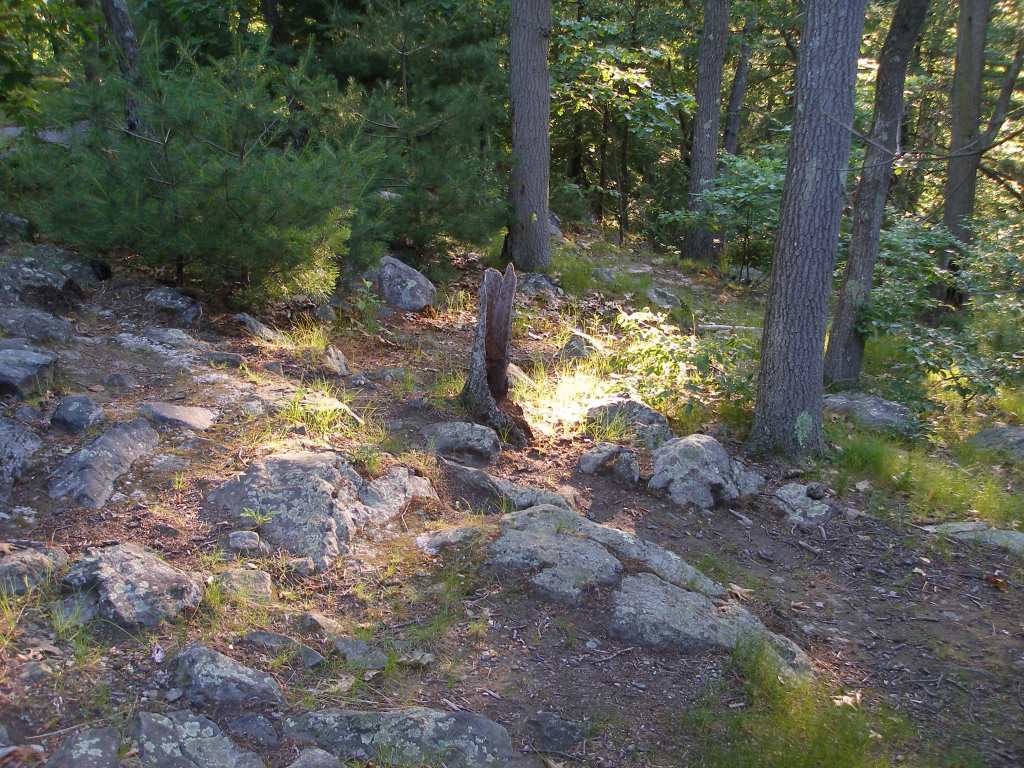
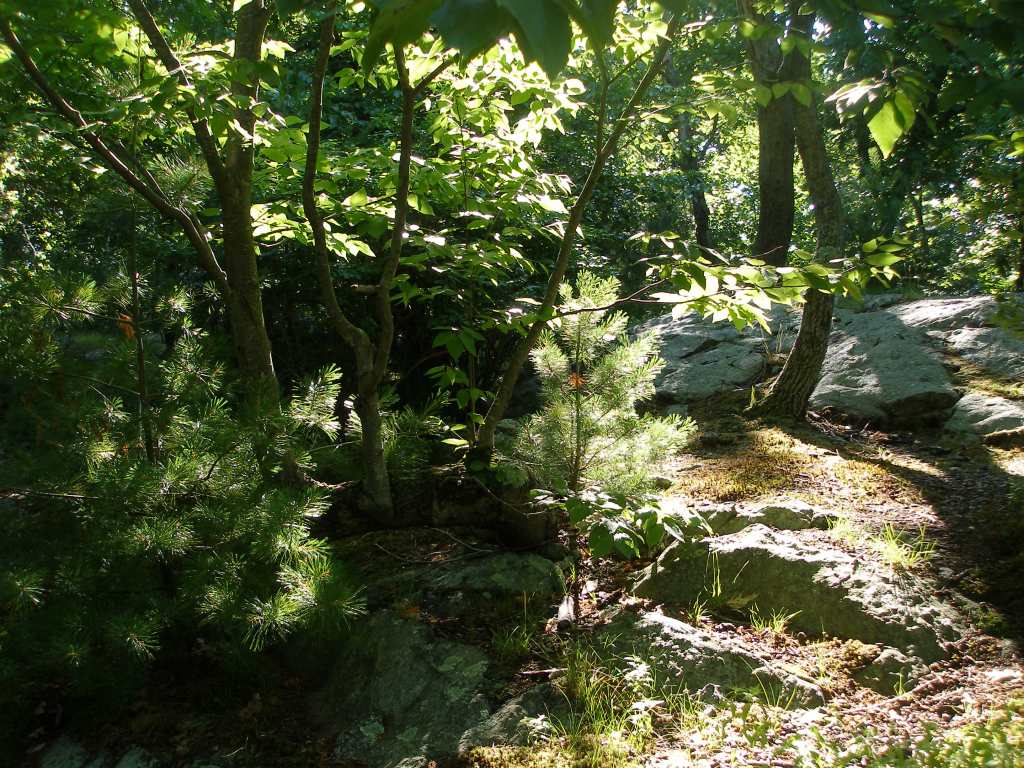
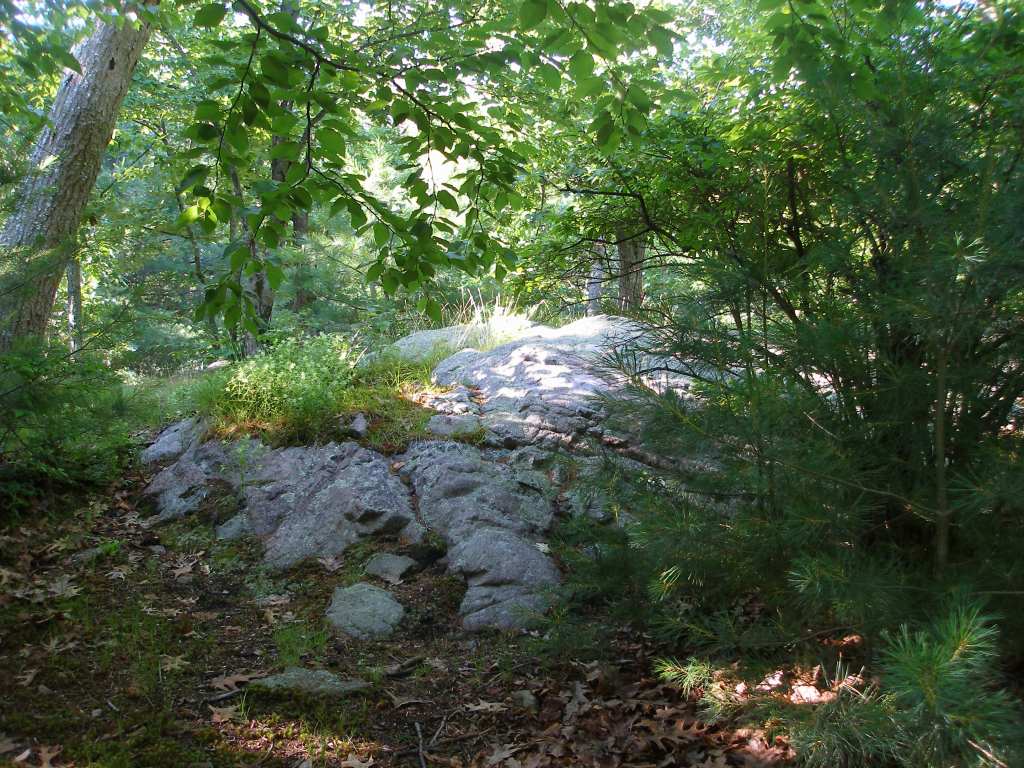
Once I found the courage to climb to the top of an outcrop in Menotomy Rocks Park, looking down I could see Hill’s pond through the trees. The contours of this secluded high up spot, with blueberry bushes and natural rock arrangements scattered here and there made it feel quite magical.
Any number of these rock arrangements could be the highlight of a Japanese garden, or for that matter, arranged in a bowl of sand for indoor viewing.
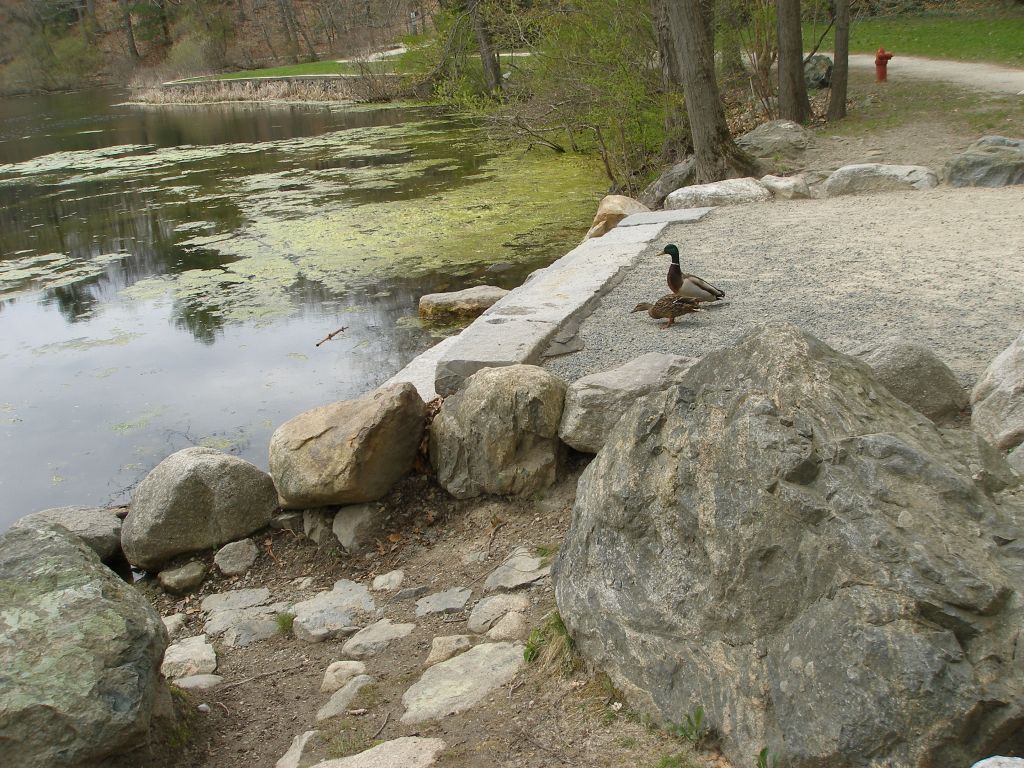
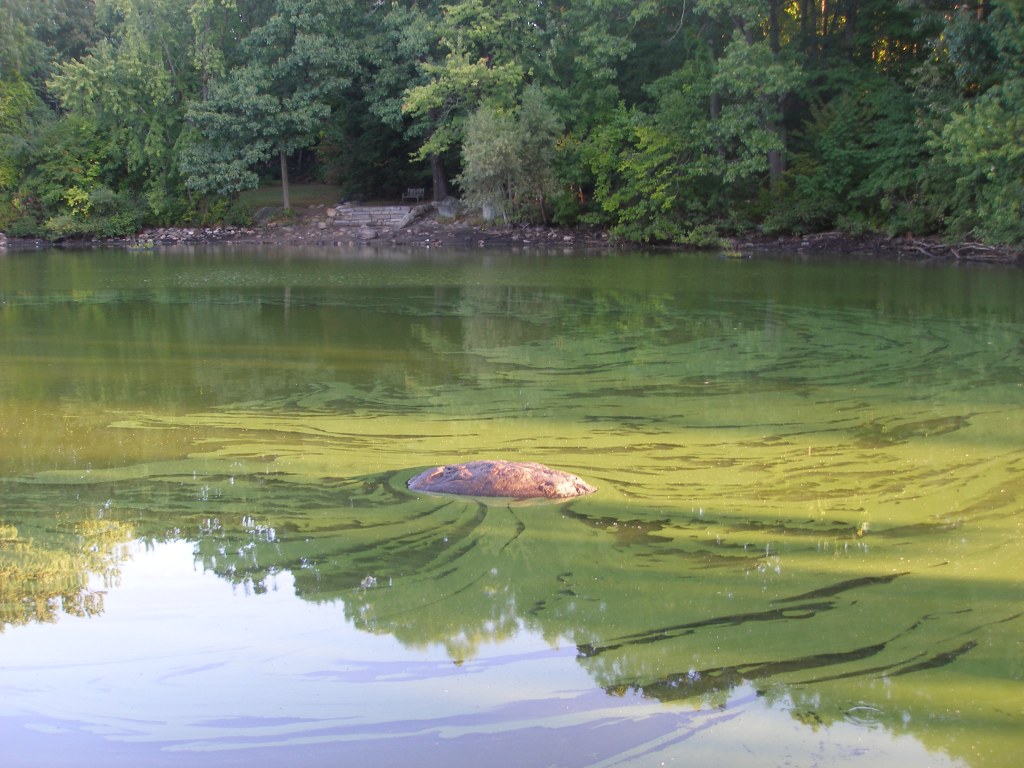
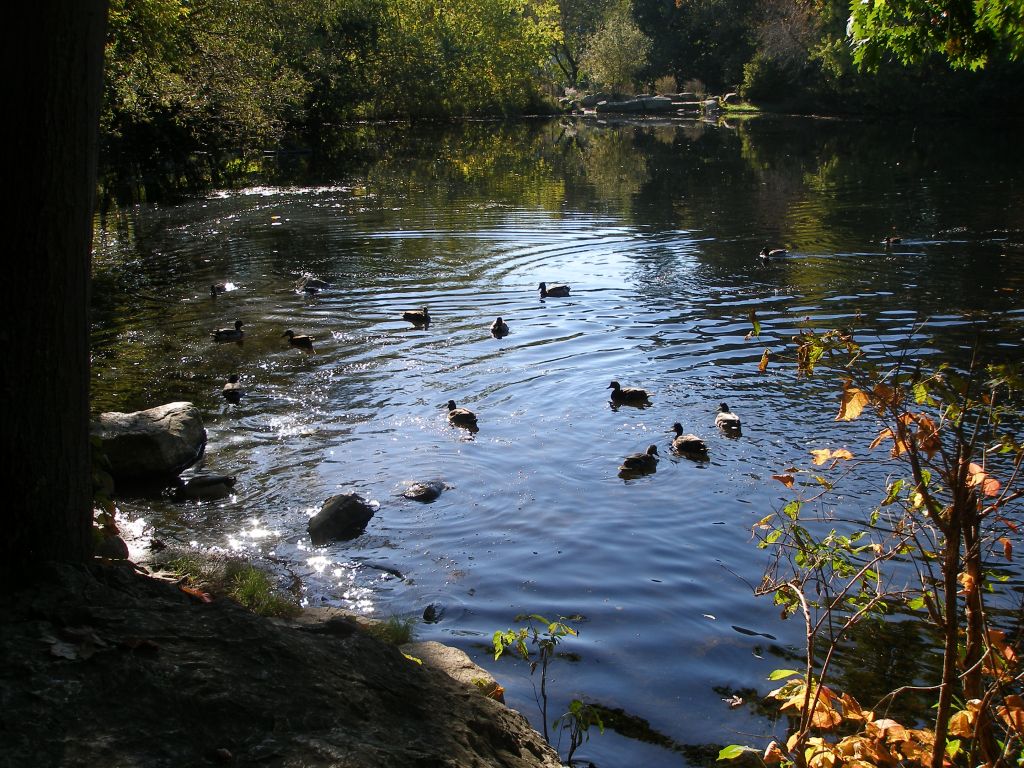
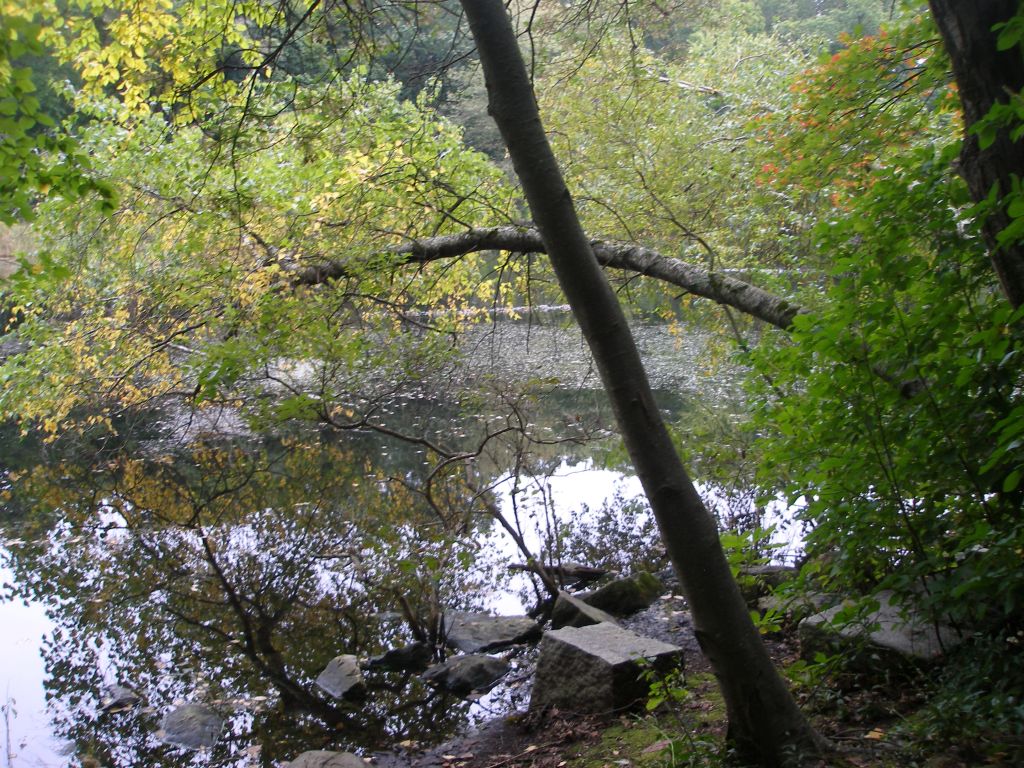
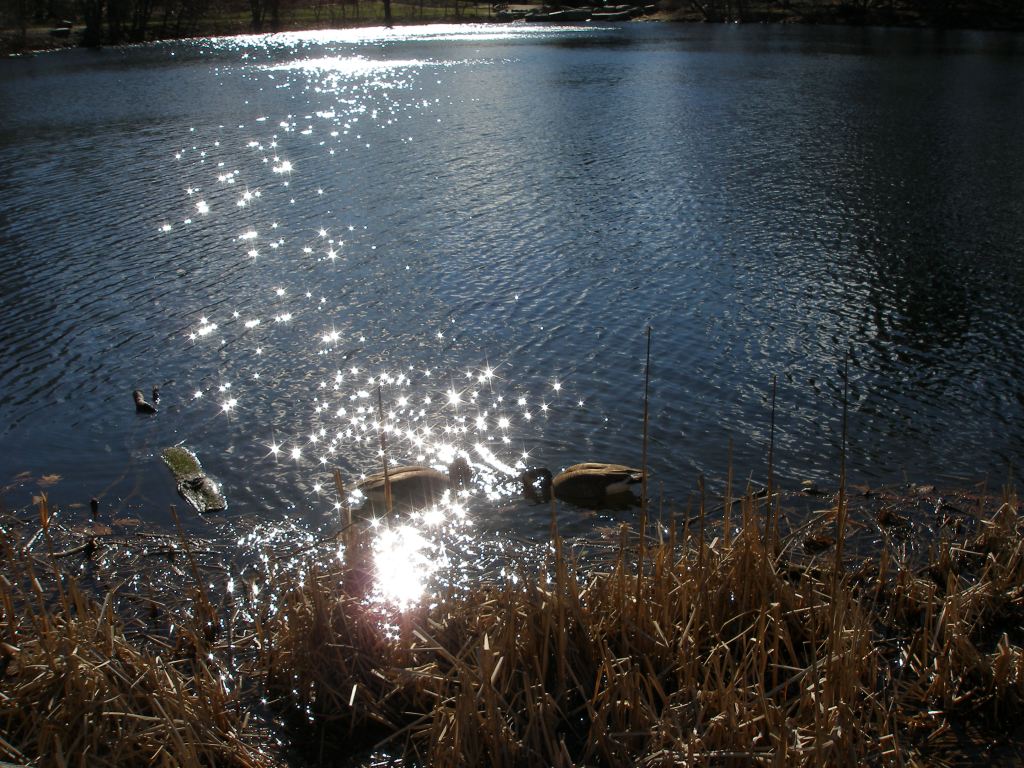
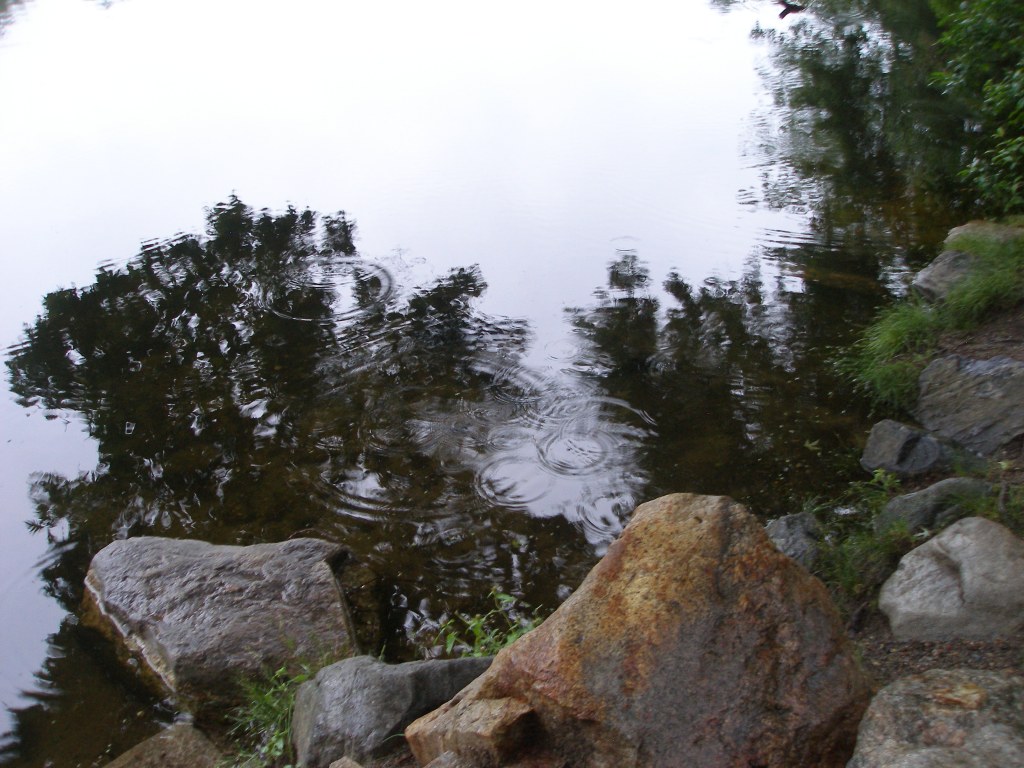
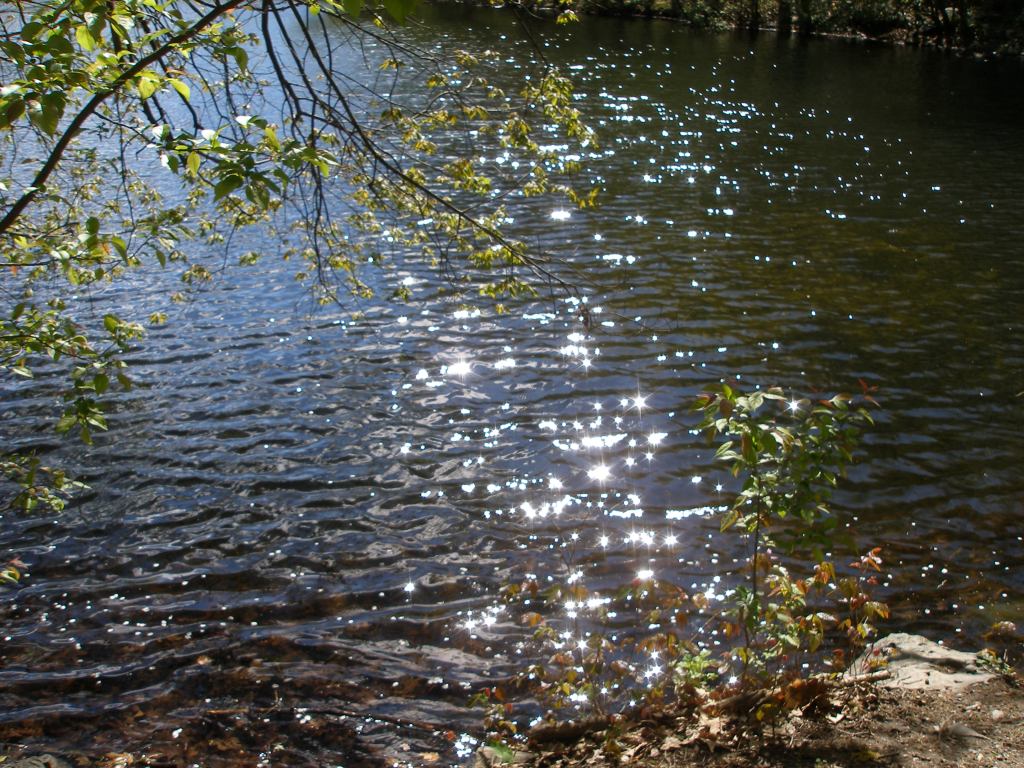
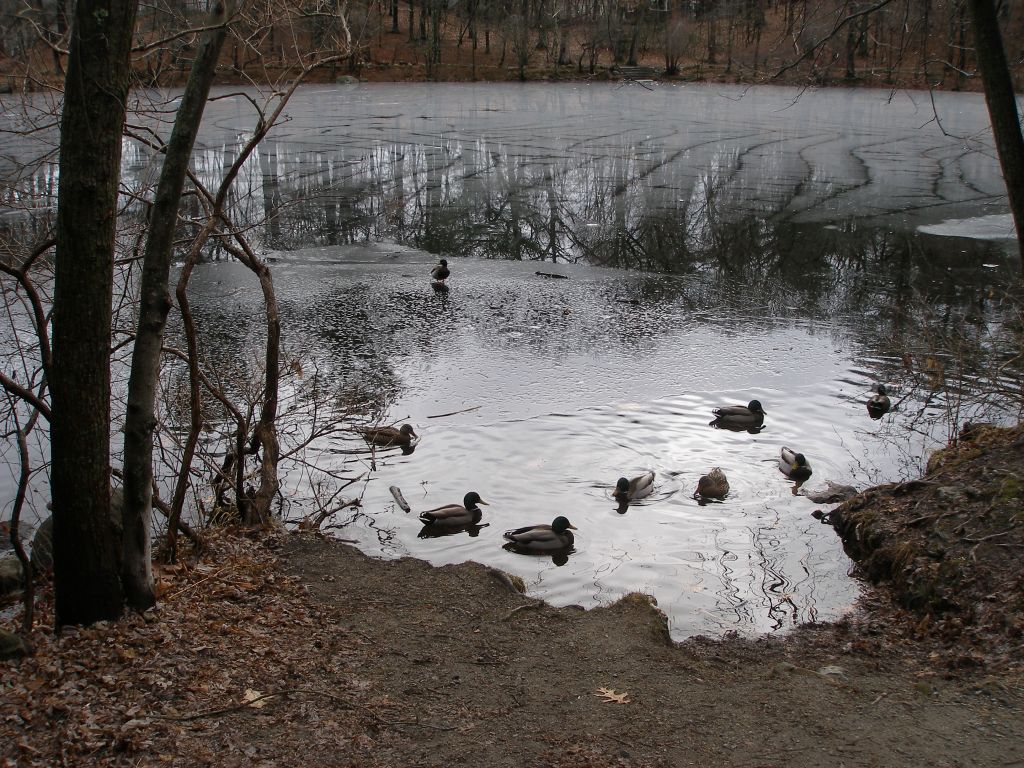
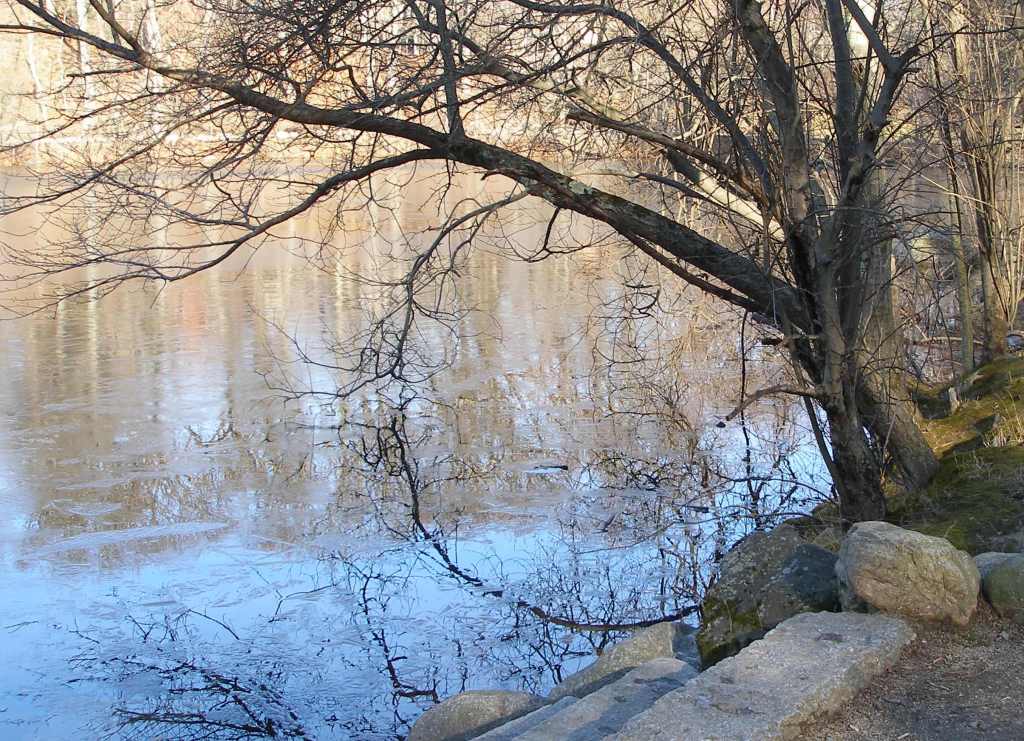
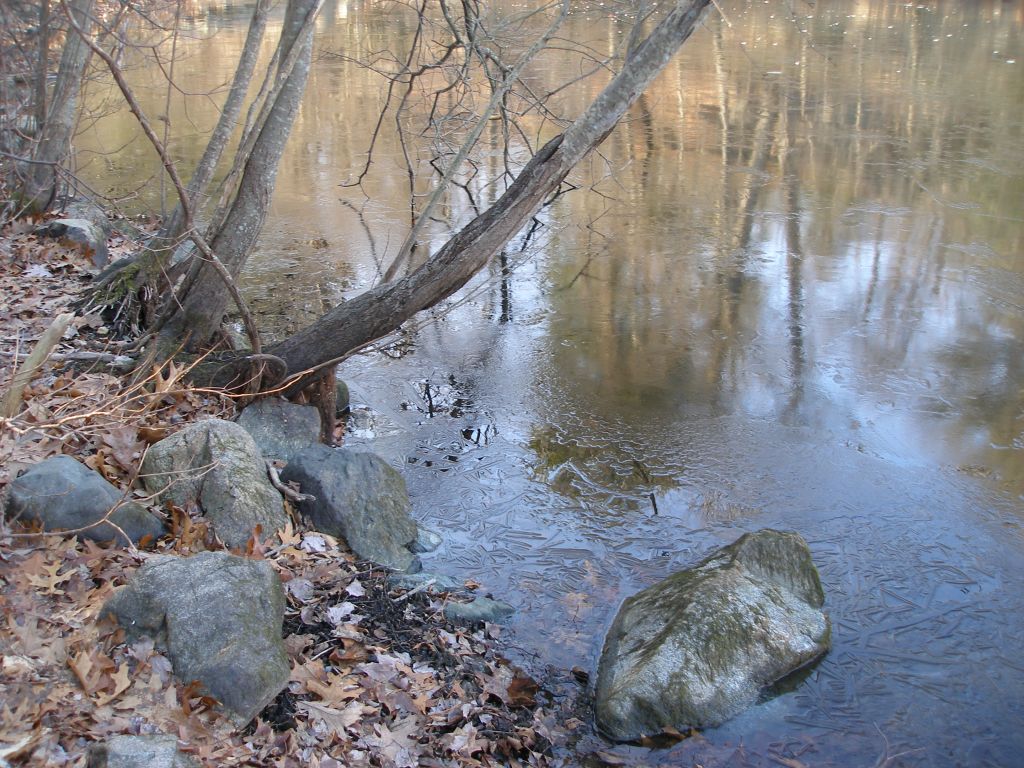
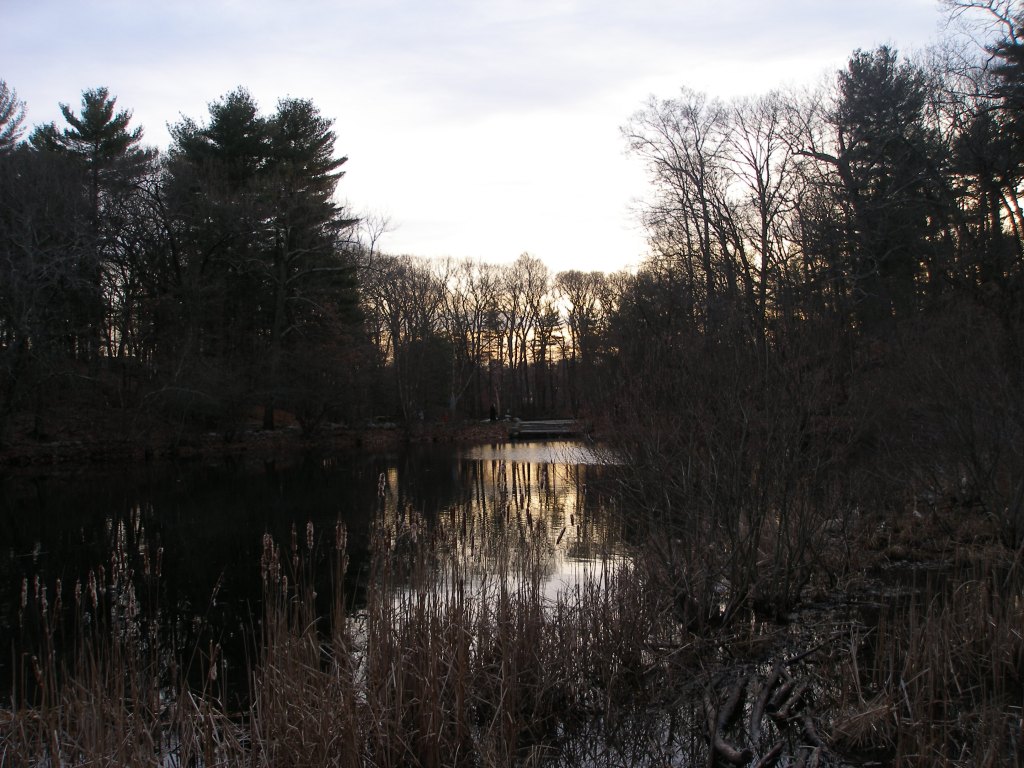
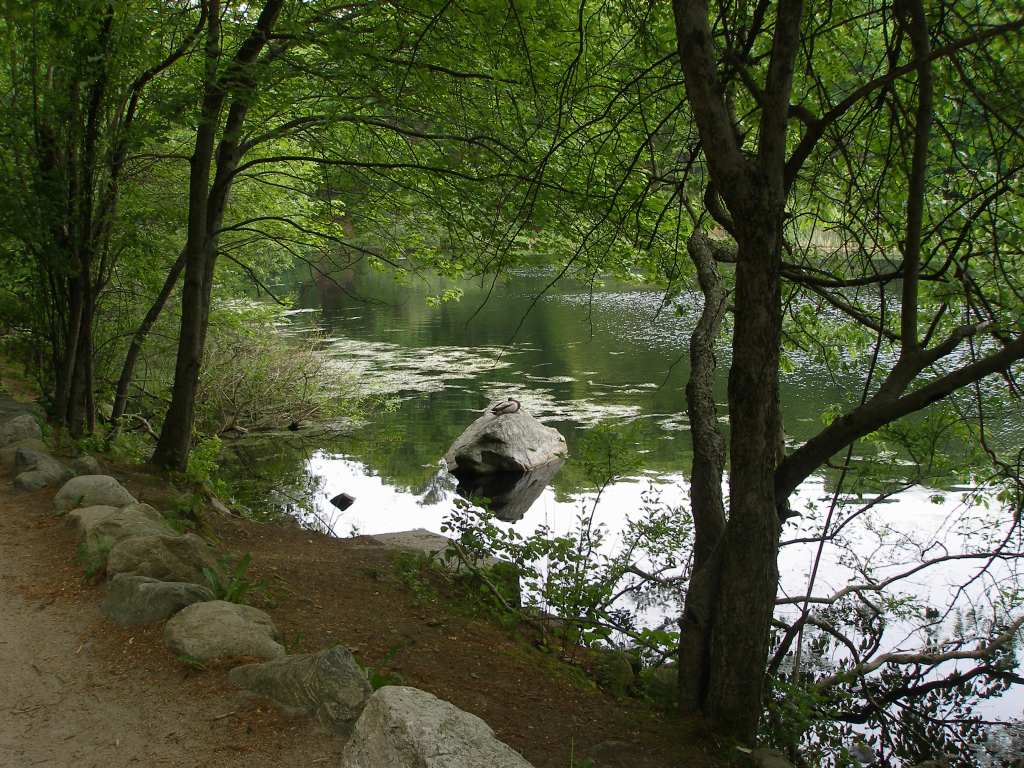
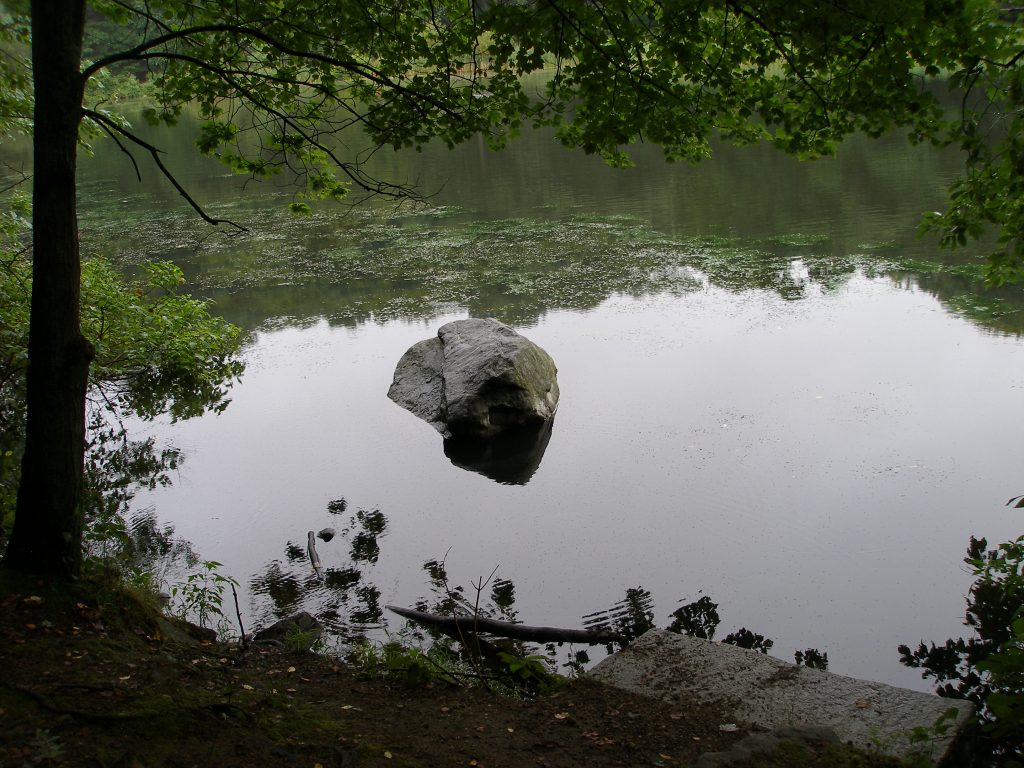
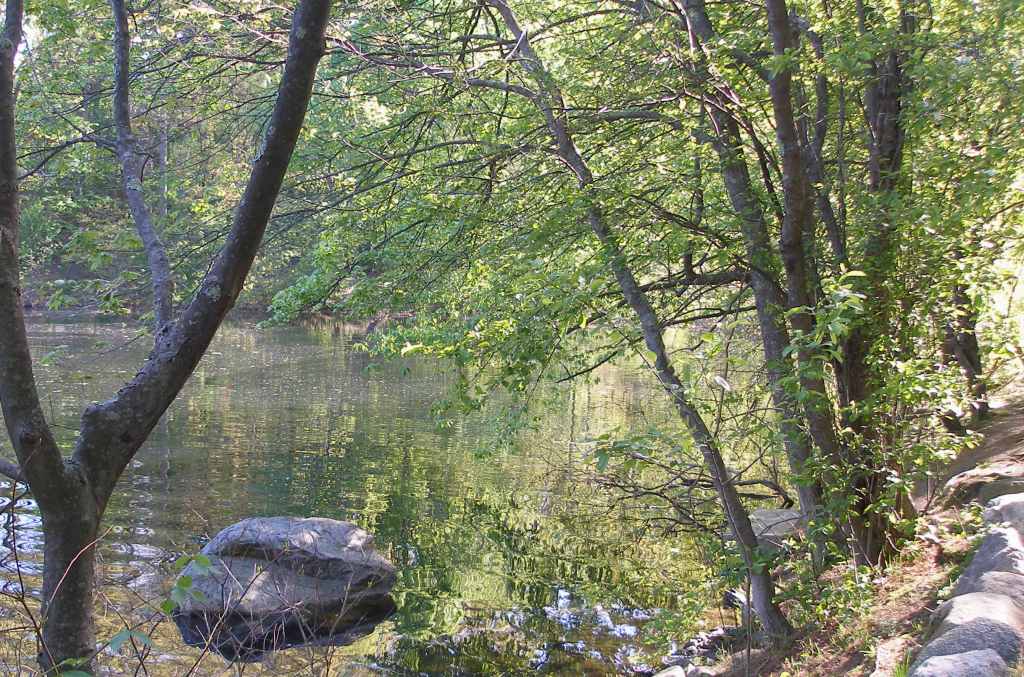
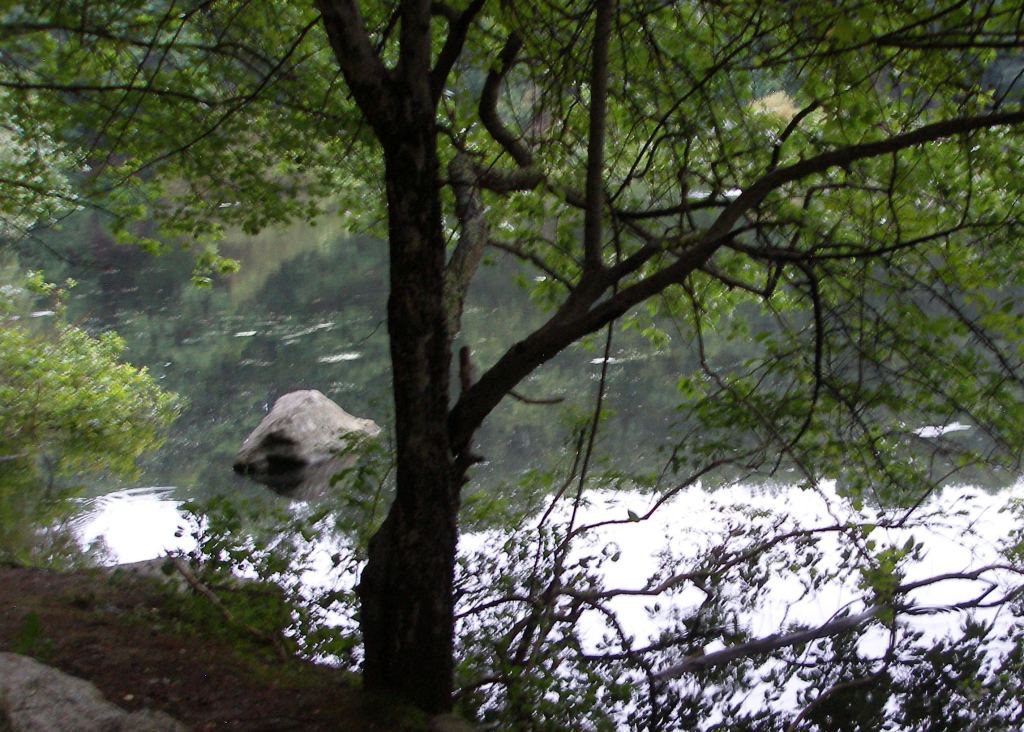
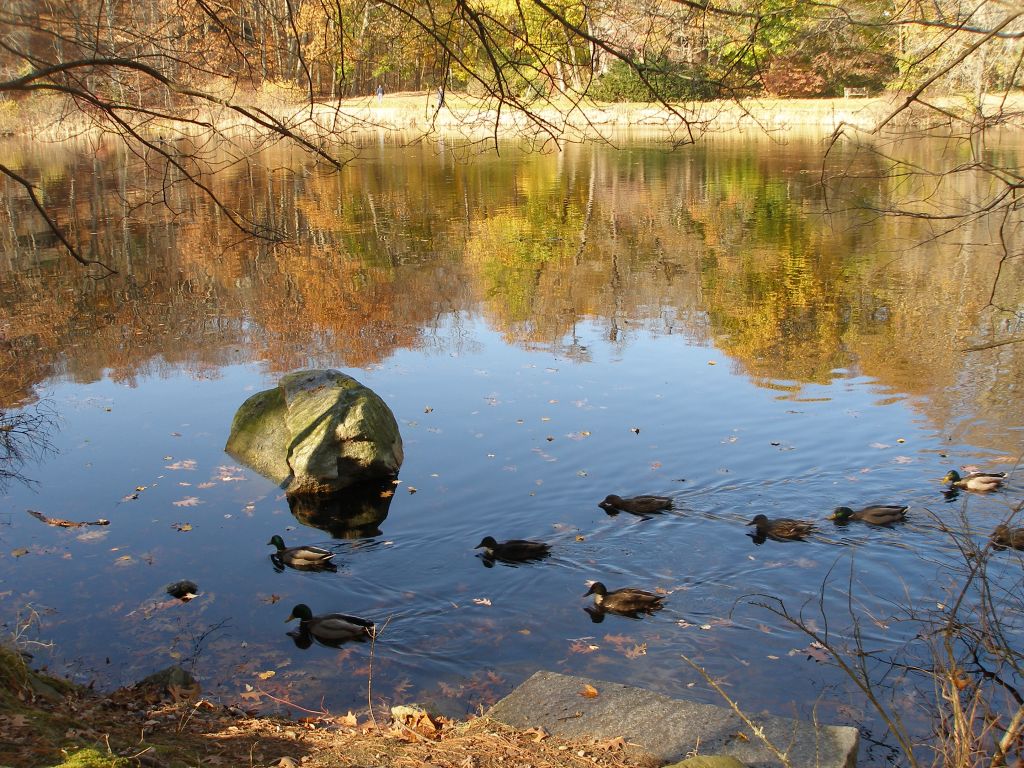
The ducks and turtles did not seem to mind the algae, but I missed what the light could do playing on the pond’s once clear waters (lower photos). When I wrote about trouble at Menotomy Rocks Park a year ago, I felt sure my town would invest in maintaining the health of Hills pond. But the green scum kept spreading, and I began to worry.
This morning as I walked around the pond, I noticed a sign stating the pond had been treated. When I looked to see if the waters were indeed clearing, a bullfrog croaked as if in confirmation.
When I first met Giselle, she suggested I come by for a free Japanese tea ceremony lesson to see if I liked it. I took her up on that offer. After many years of lessons at her house, I added a tea hut (below) to my yard. We kept in touch after she moved to France.
In addition to teaching the traditional Japanese art of tea ceremony, Giselle makes beautiful tea bowls and is a published poet. I was honored when she suggested we work together on a sequence sharing haiku impressions on the subject of MADO (‘window’ in Japanese), as winter turned to spring this Tiger year. MADO is the poetic word given by Japan’s Emperor for 2022.
M A D O Kathleen Fink, Arlington, Massachusetts, US & Giselle Maya, St. Martin de Castillon, France
gazing out the window all is stillness in the garden what does my cat see
way up there a flock of birds migrate across my open window
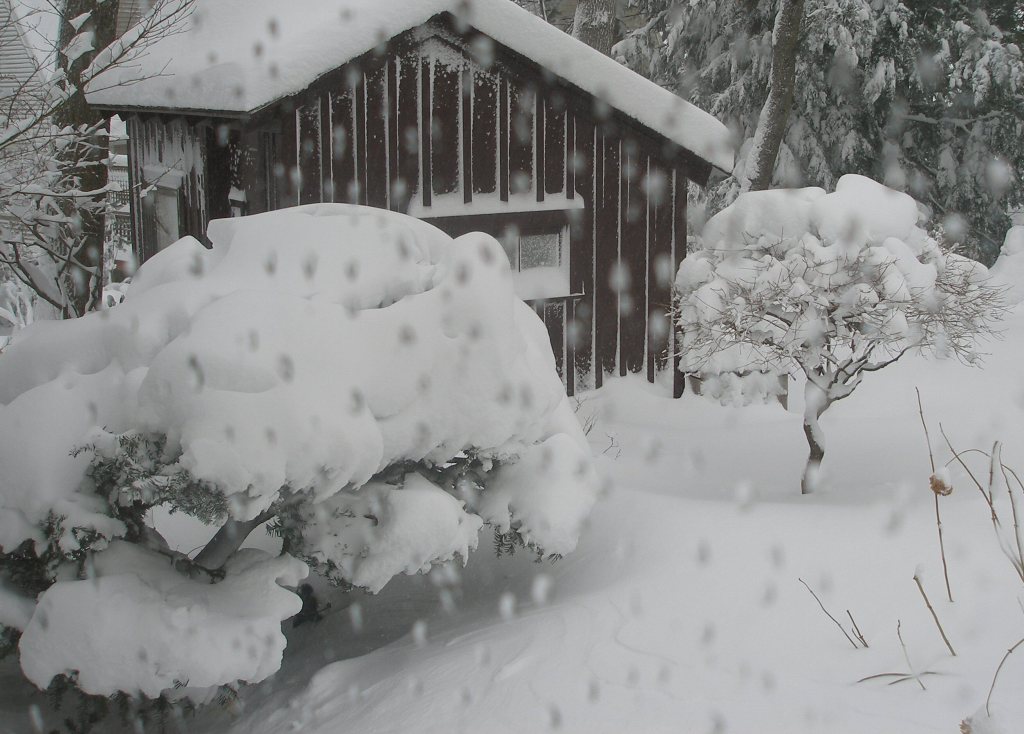
no one looking in snow on the tea hut window no one looking out
fox on his way to a morning tea gathering Sen Sotan invited*
reading by the window pattering snow whispers all morning long
sun-warmed nap Shiki-cat watching goldfinches mountain’s spring melt
brand new leaves capturing raindrops one by one
beginning of May swallows have returned time to choose a summer tea bowl
walking this dewy path a window flashes gold as dusk descends
perched in the olive tree Tora-cat moon gazing
* Sen Sotan is the grandson of Sen no Rikyu, the great tea master. Sen Sotan was deeply interested in the Chado tradition and many tea people welcomed him to attend their chakai – sometimes he appeared in the form of a fox.
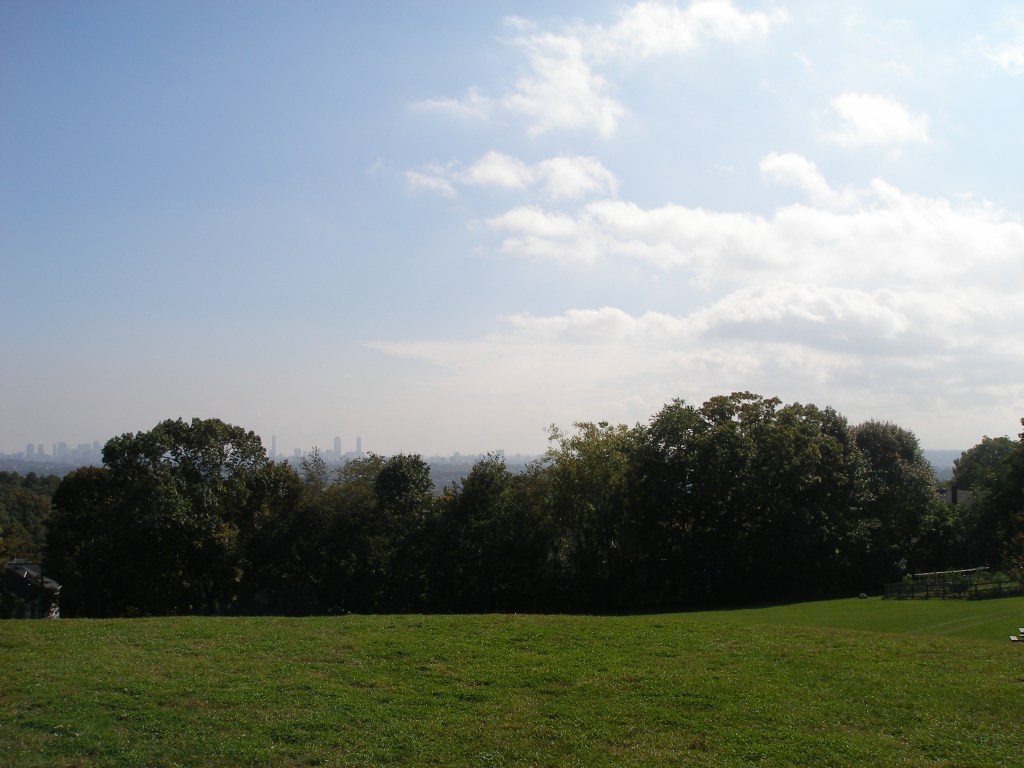
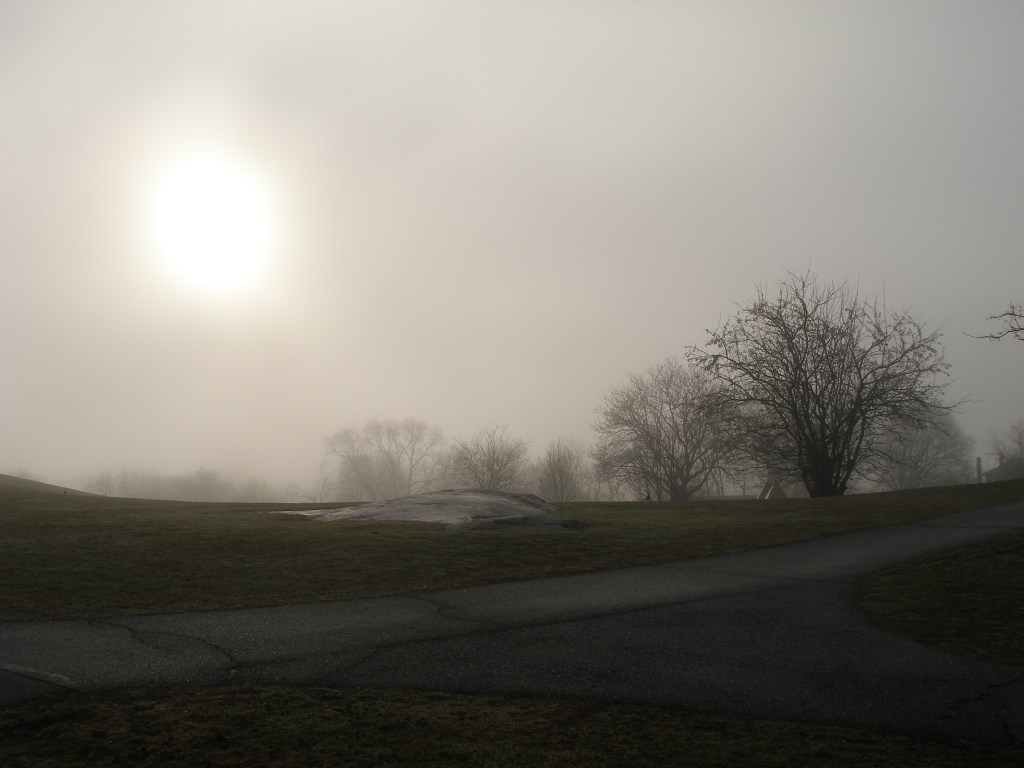
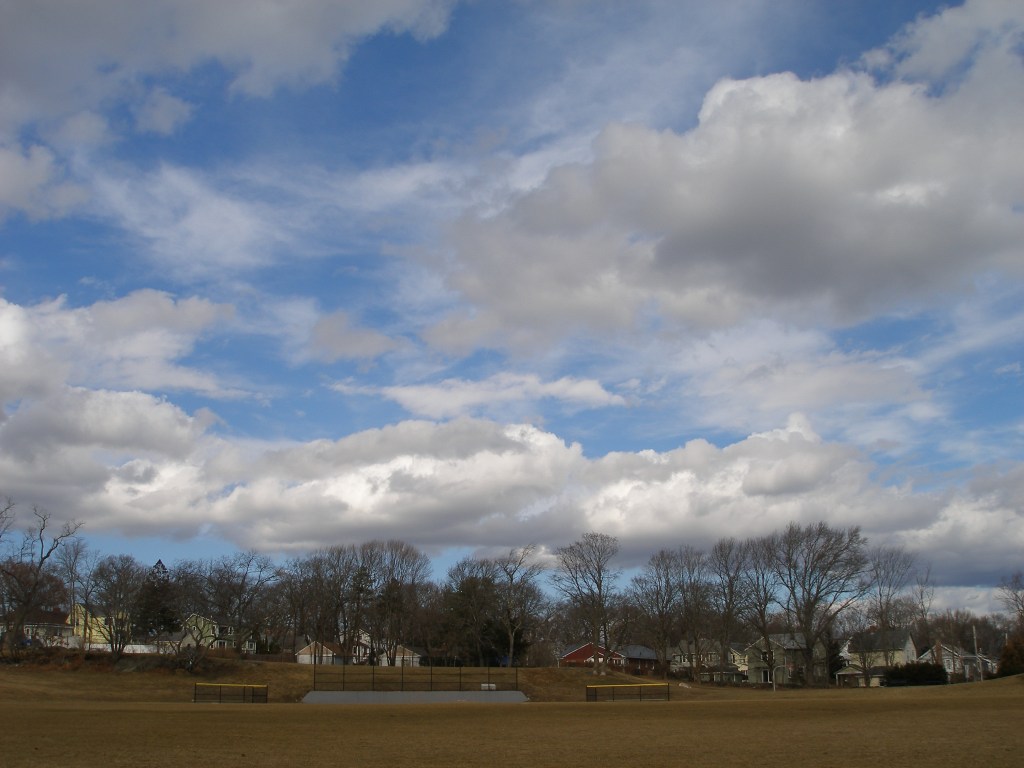
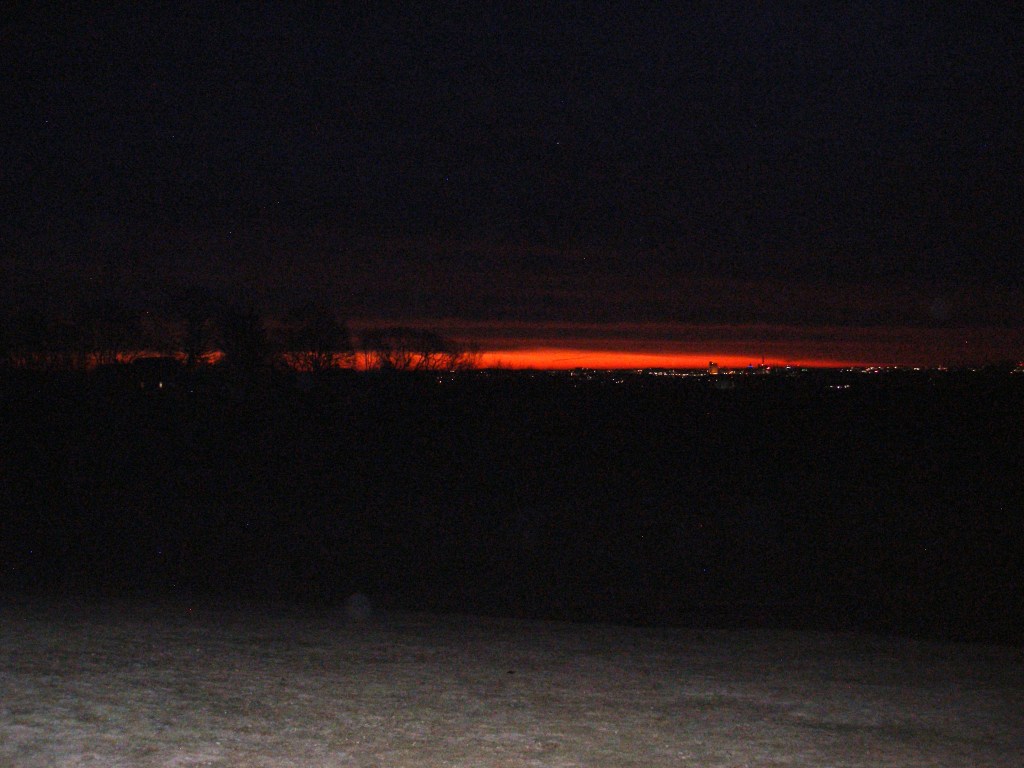
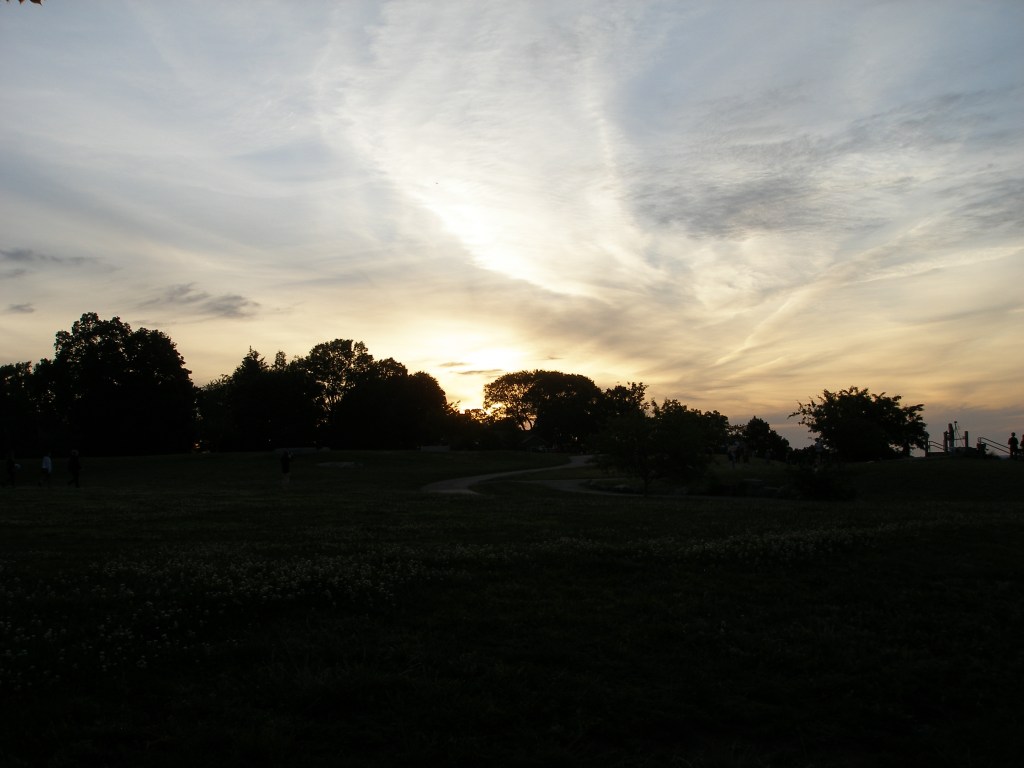
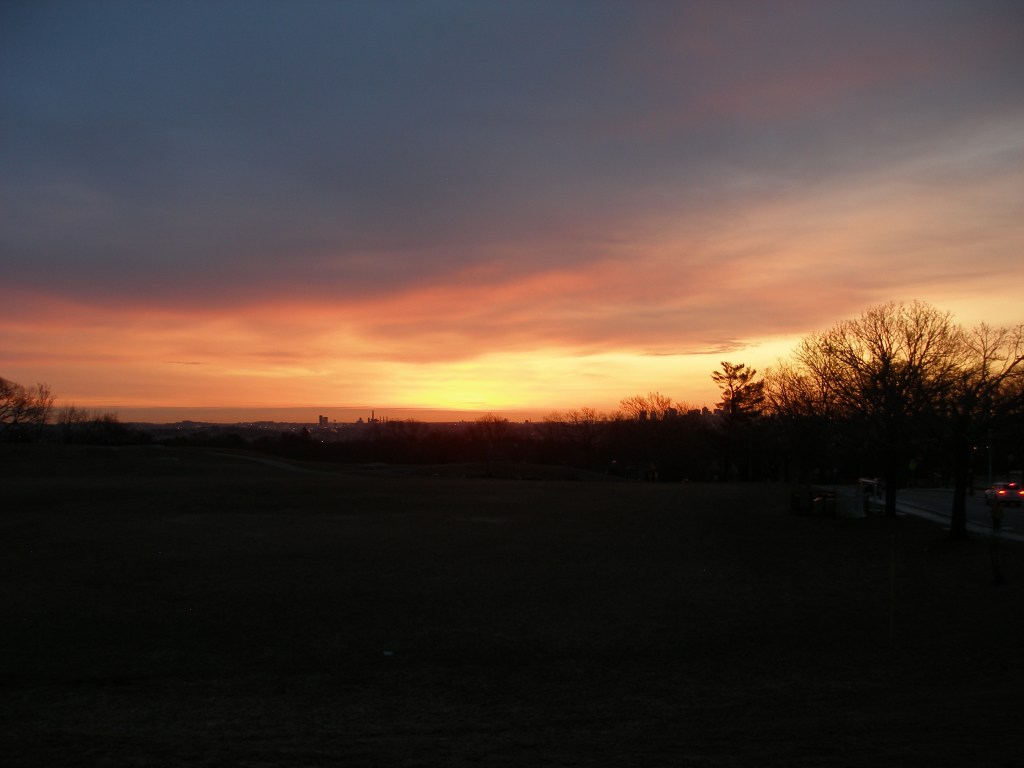
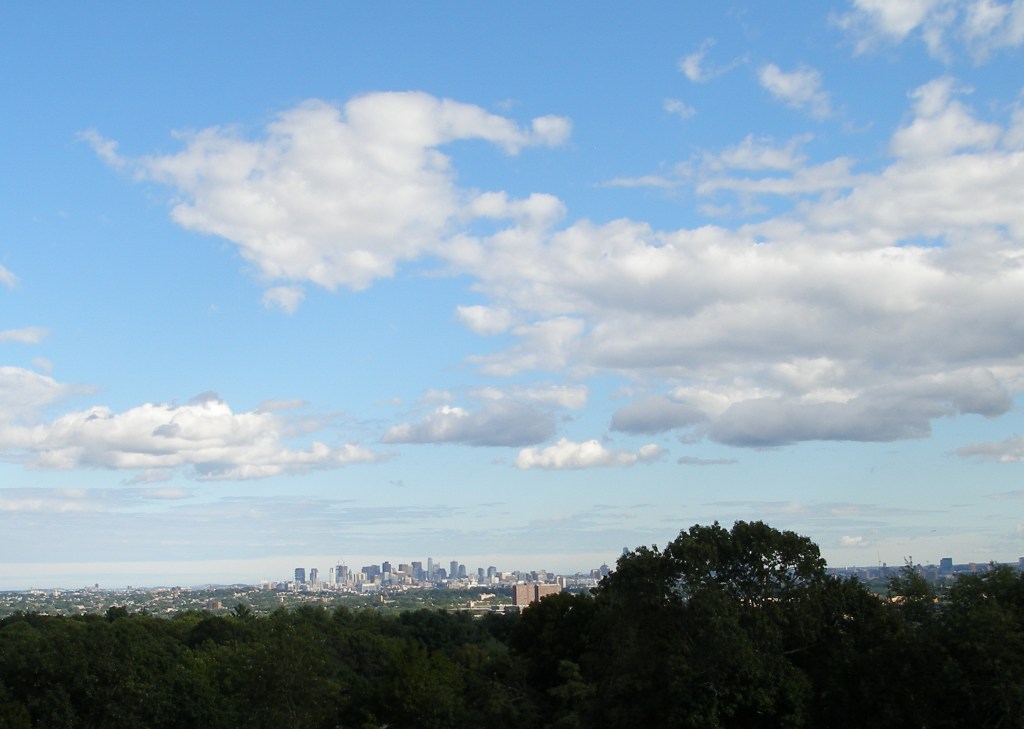
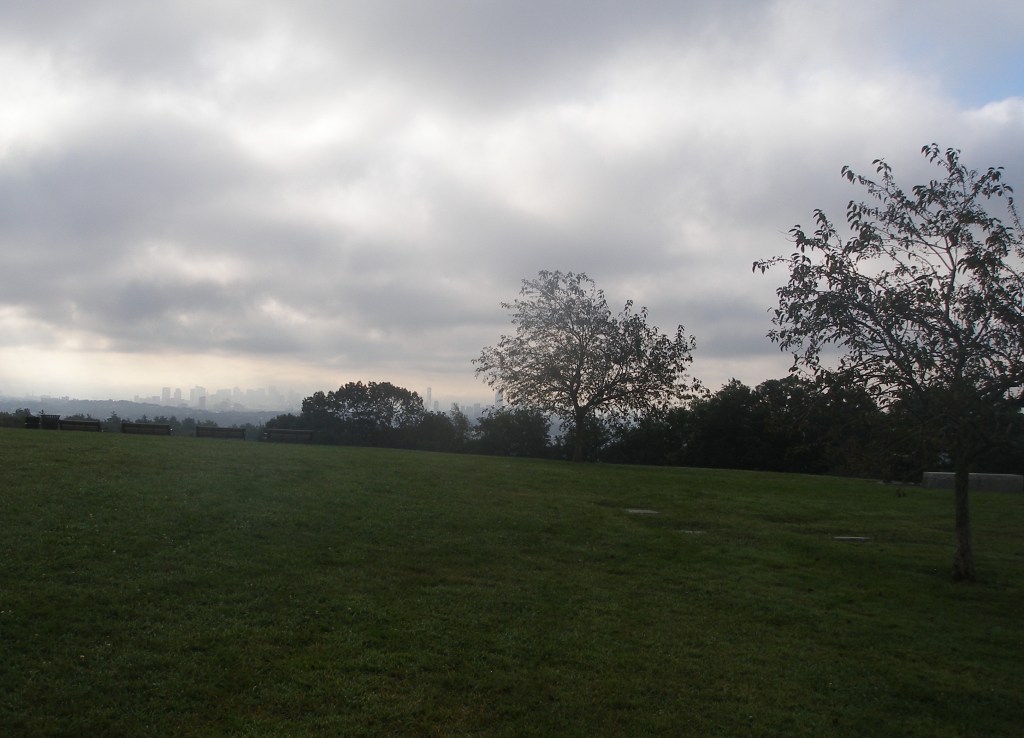
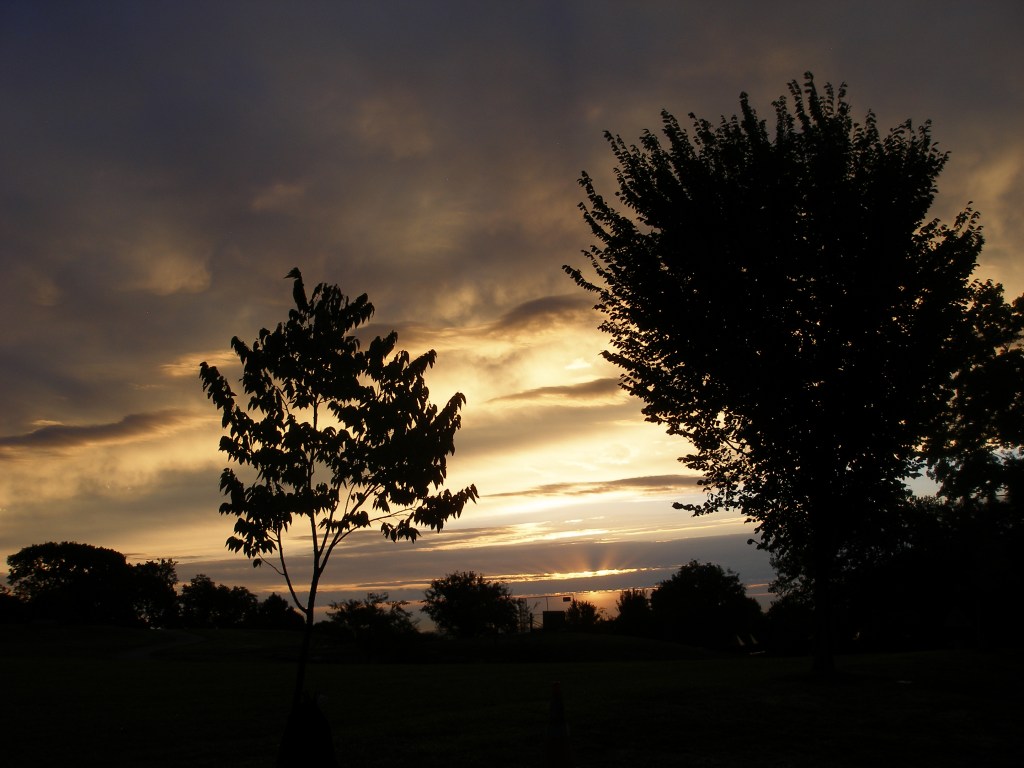
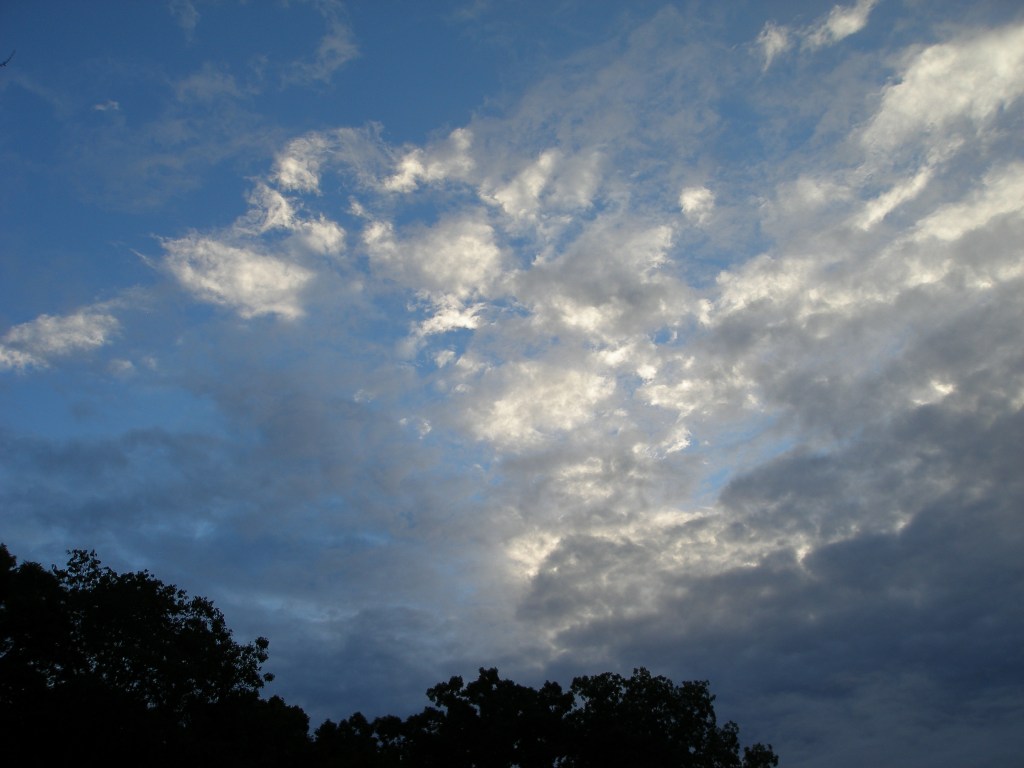
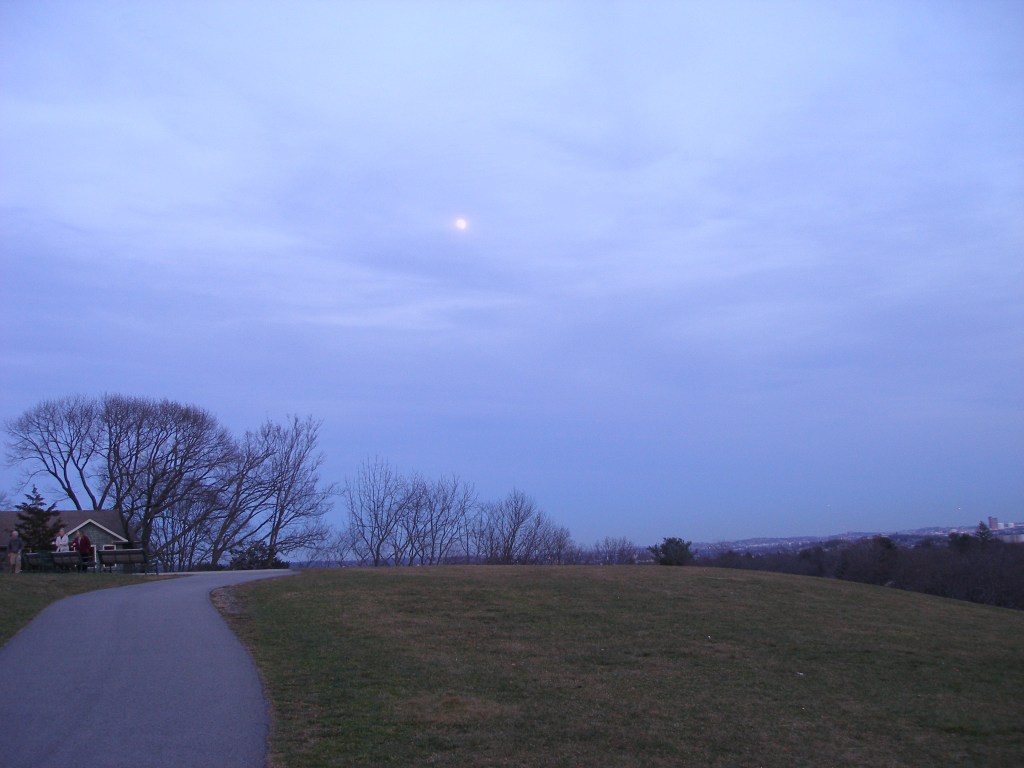
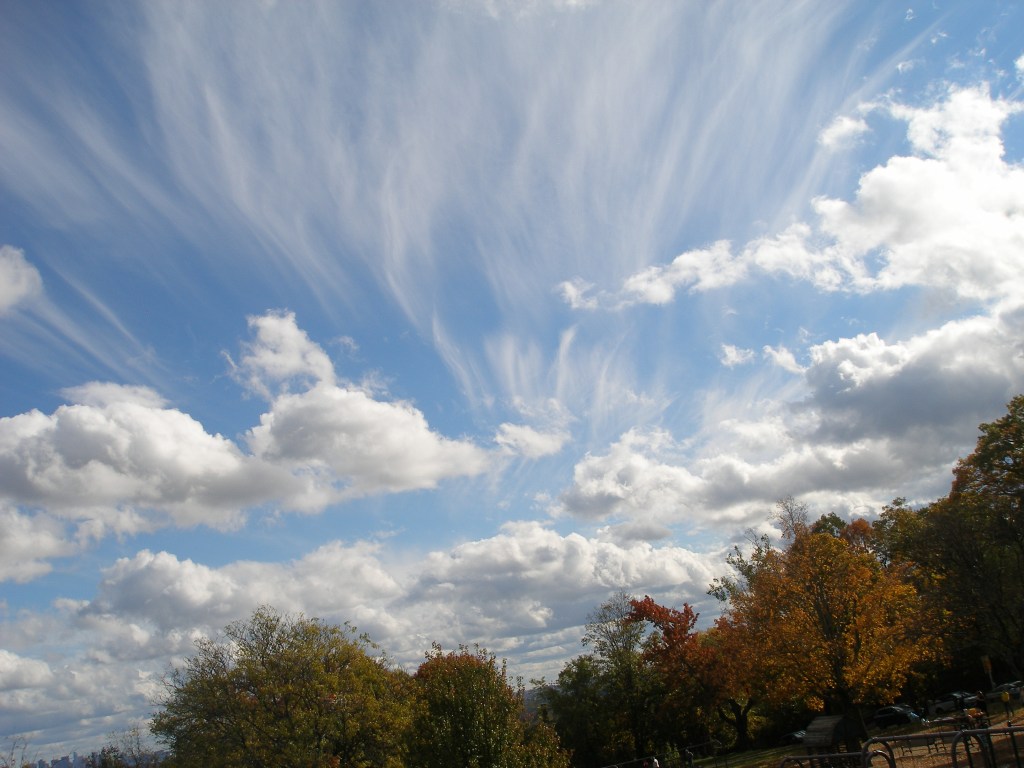
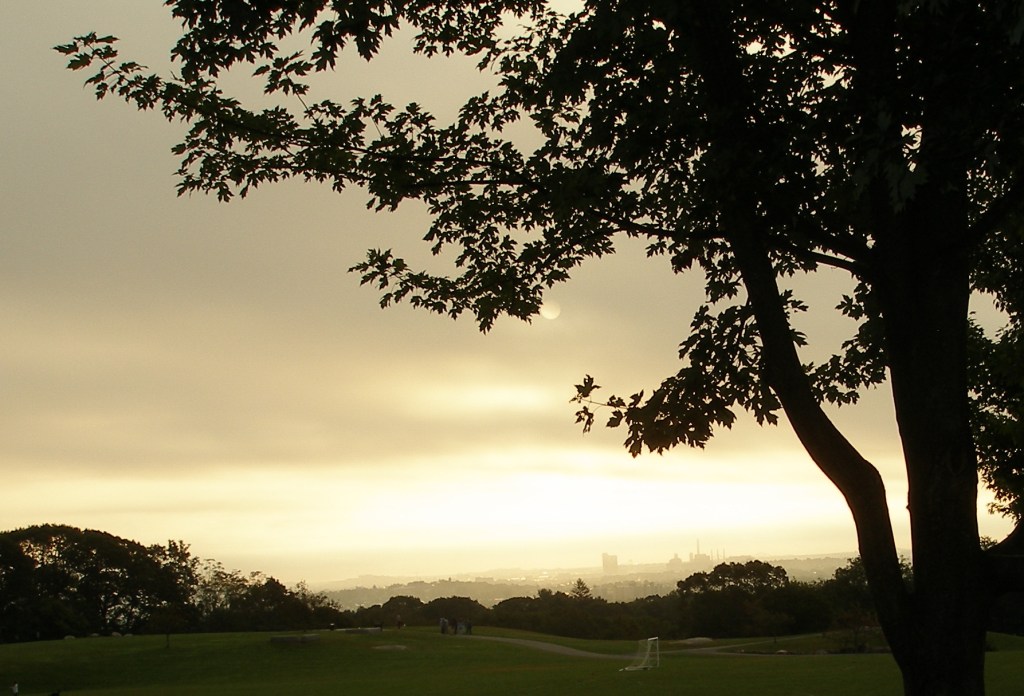
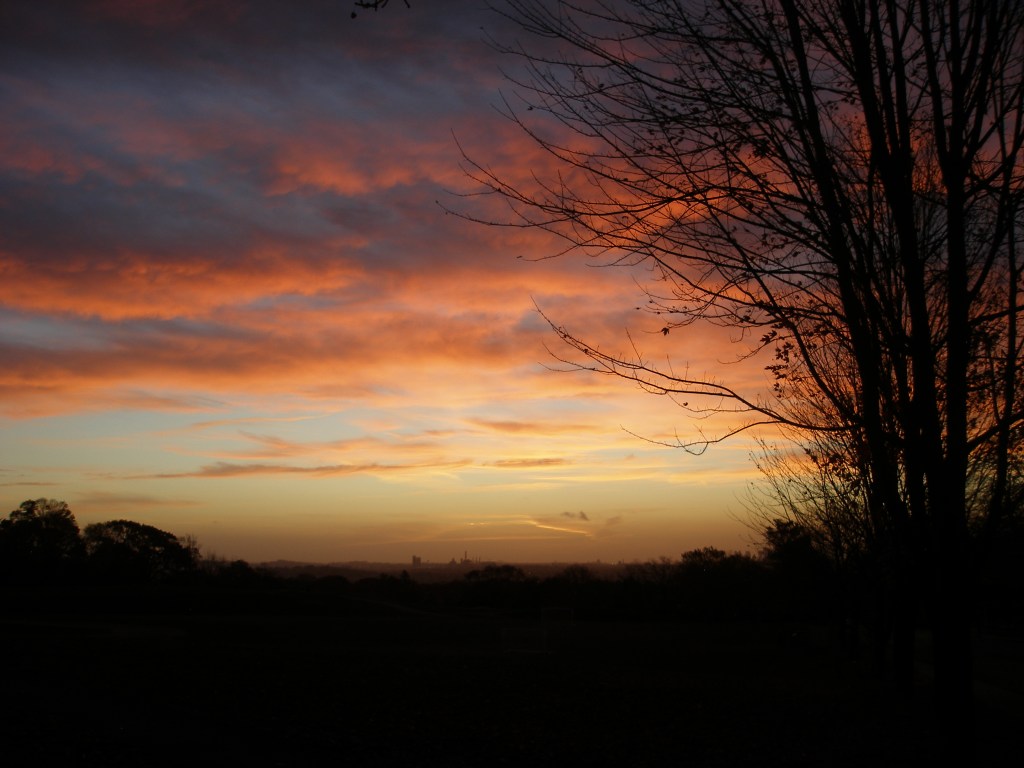
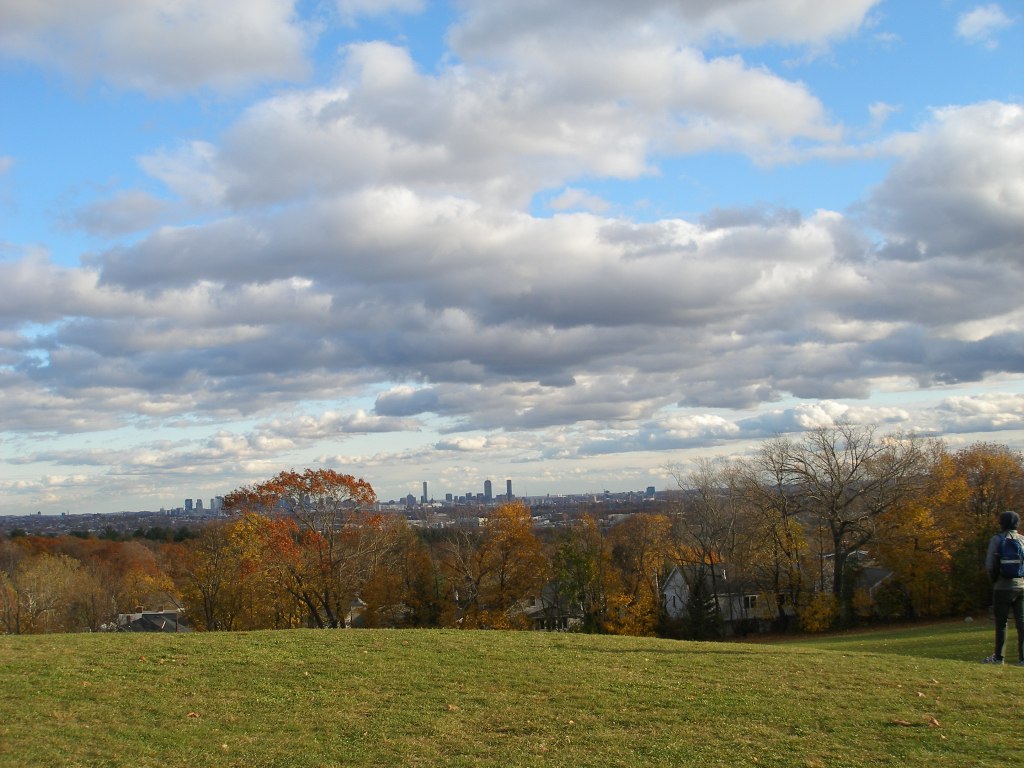
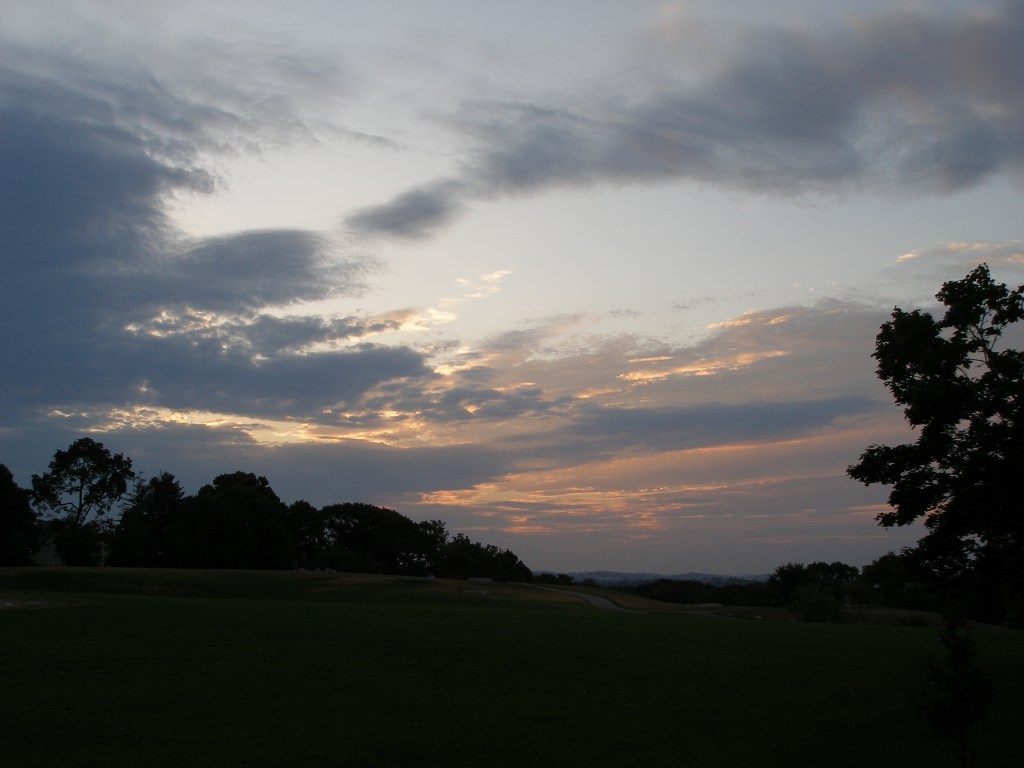
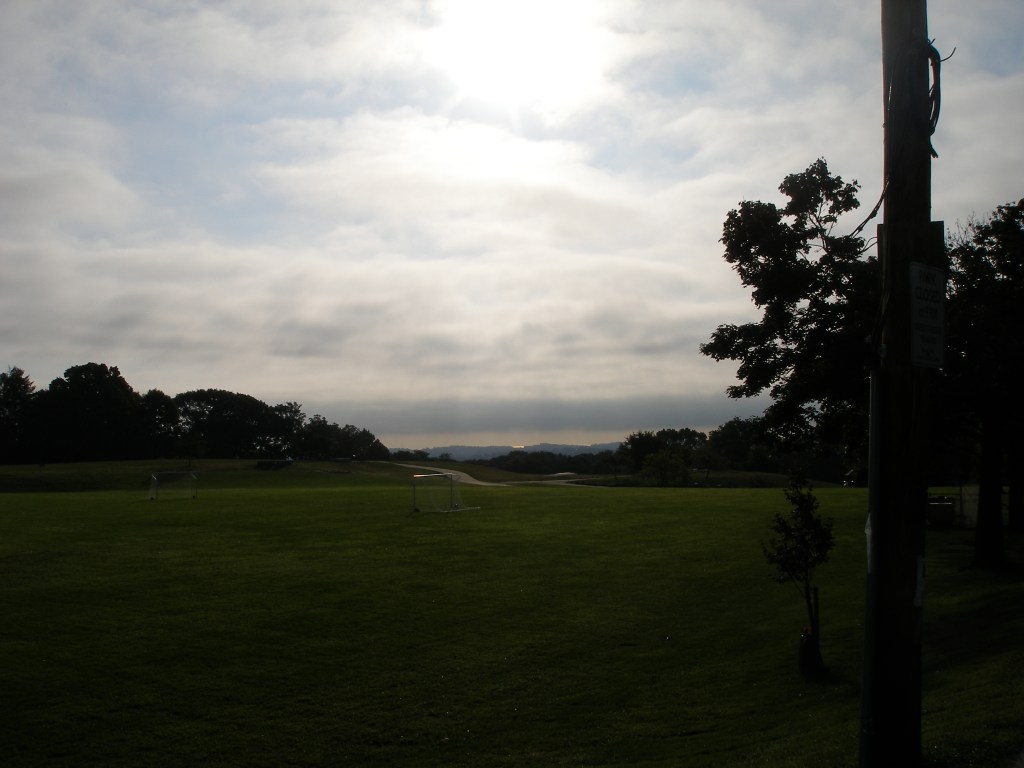
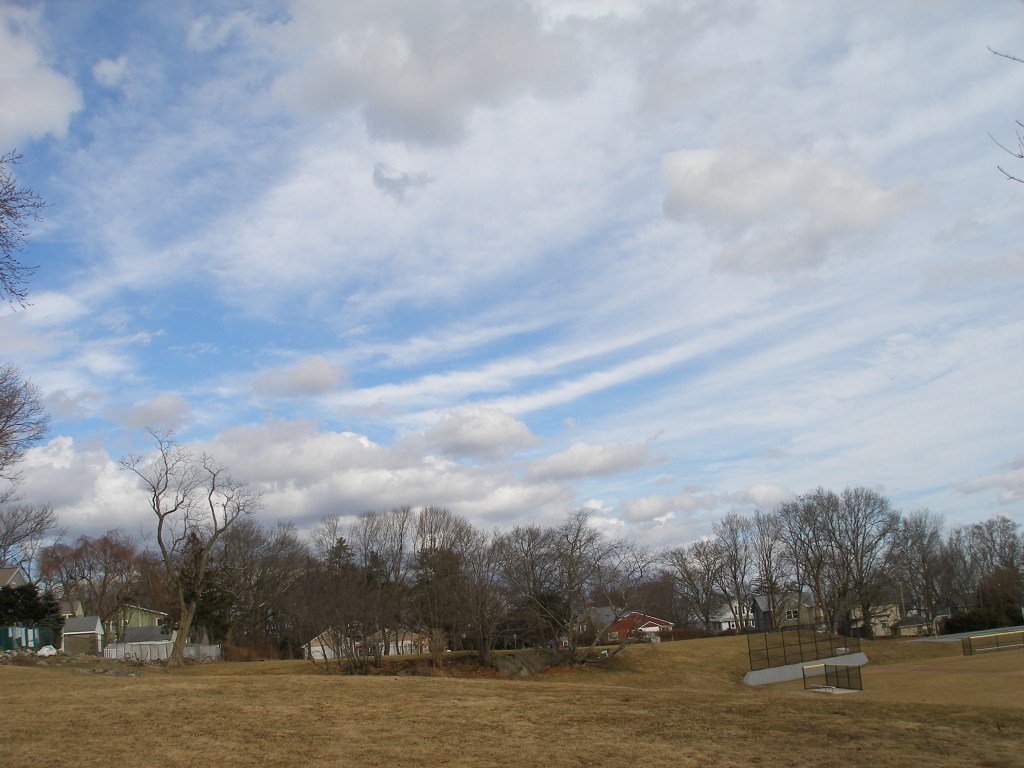
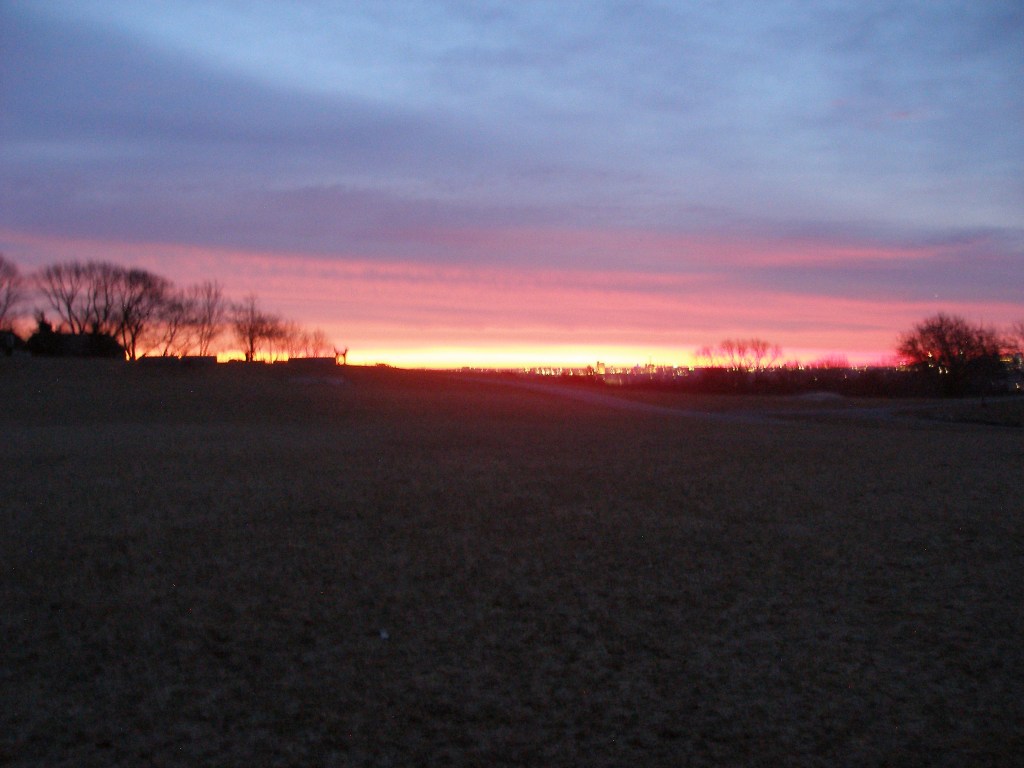
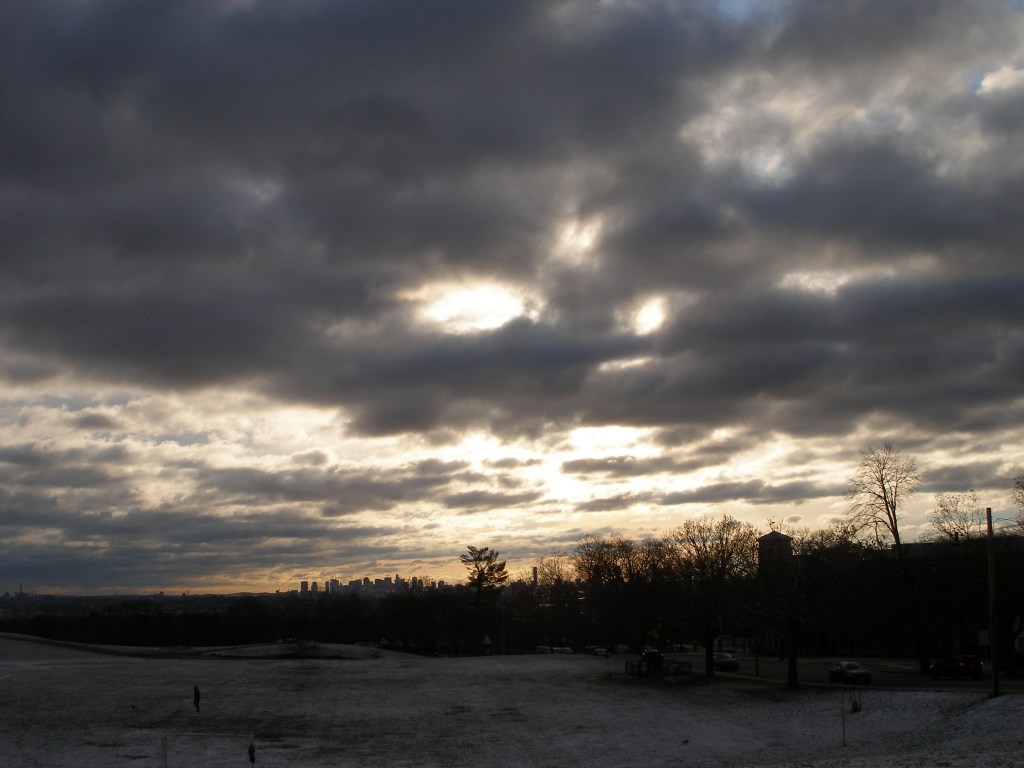
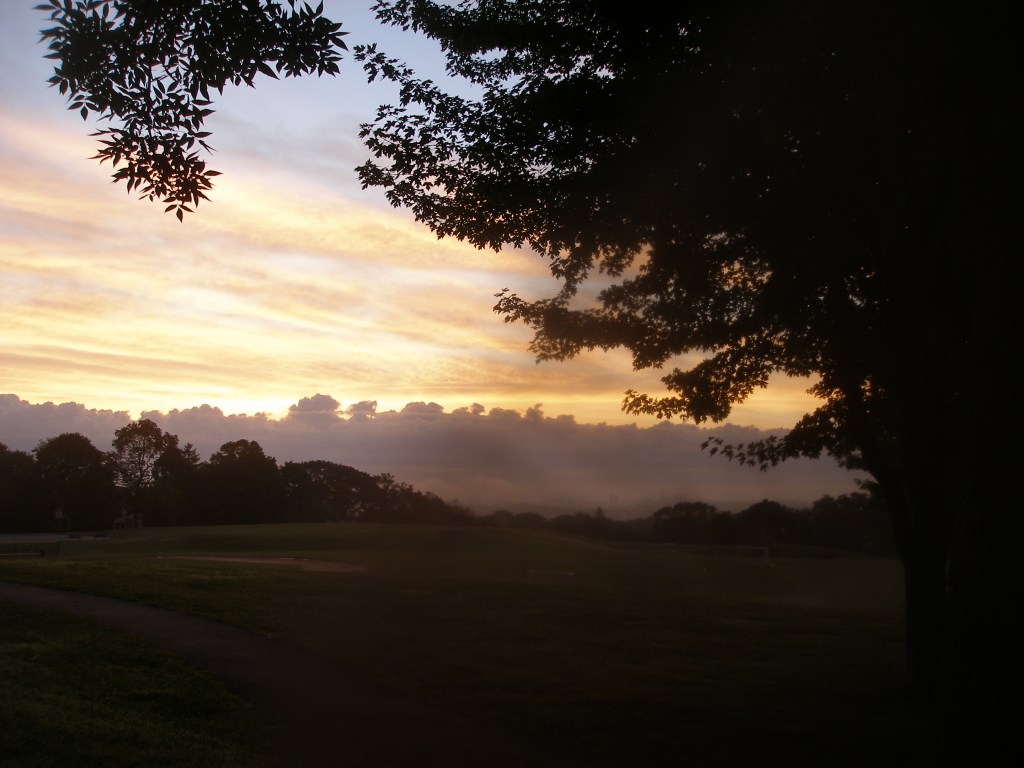
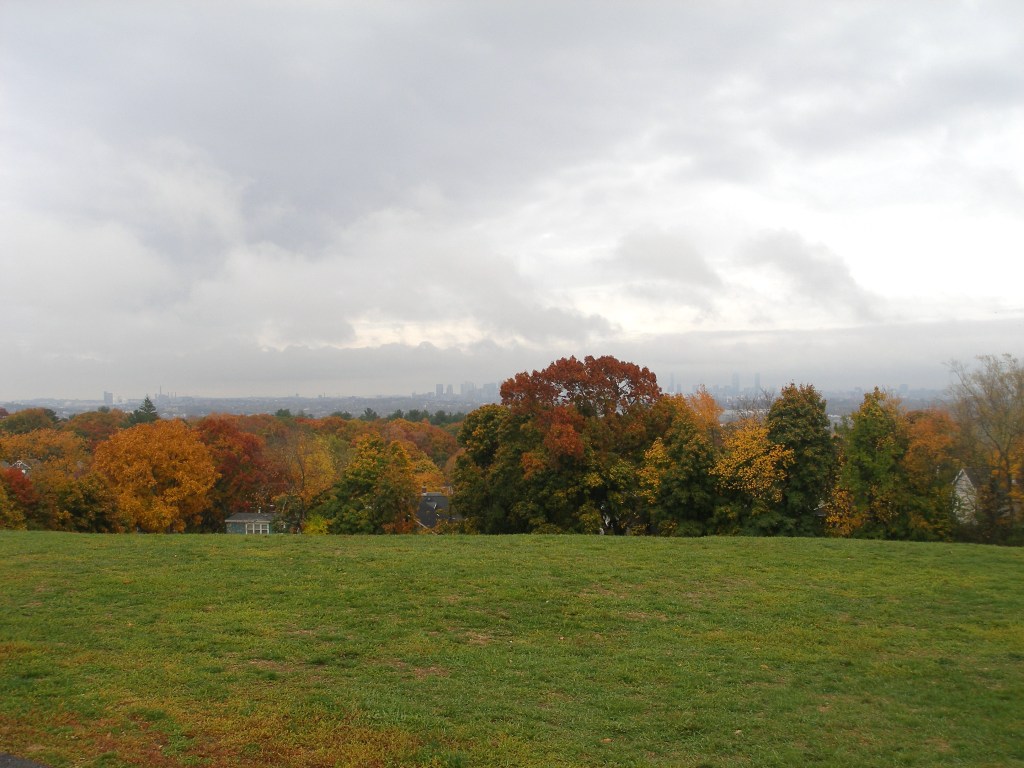
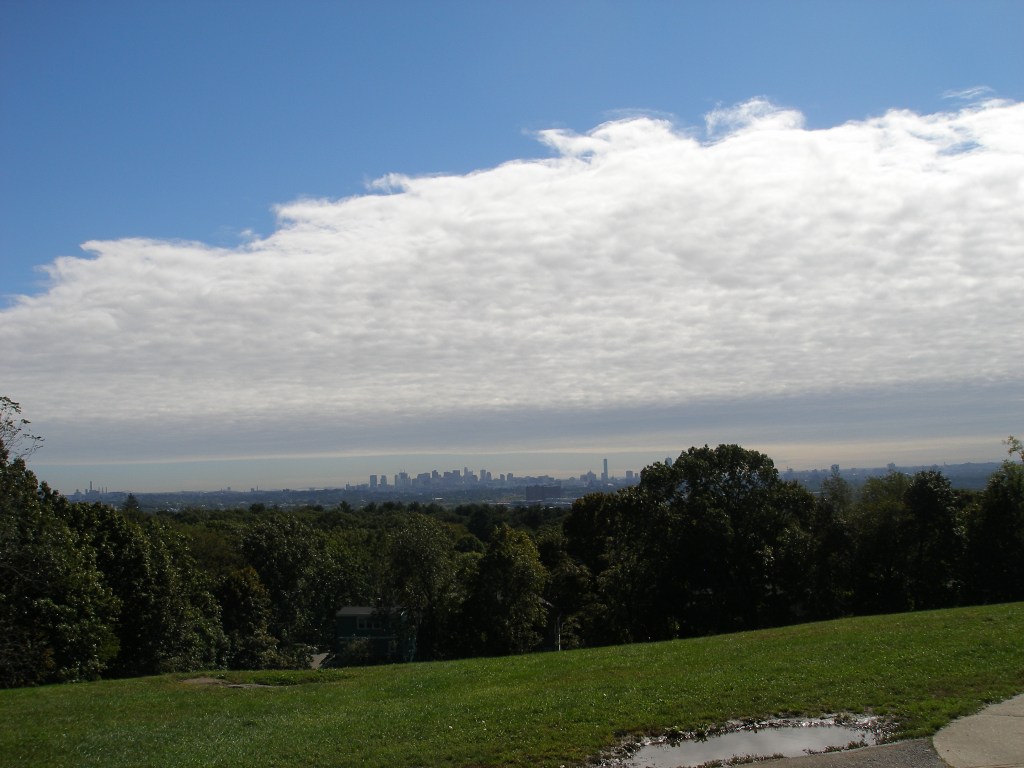
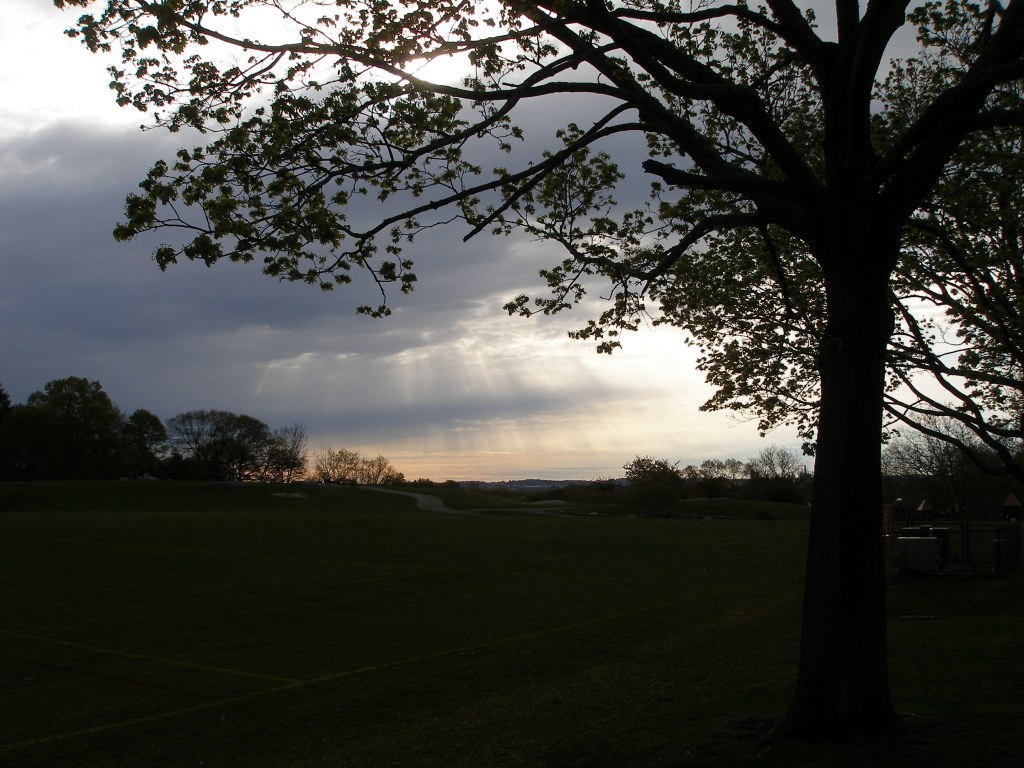
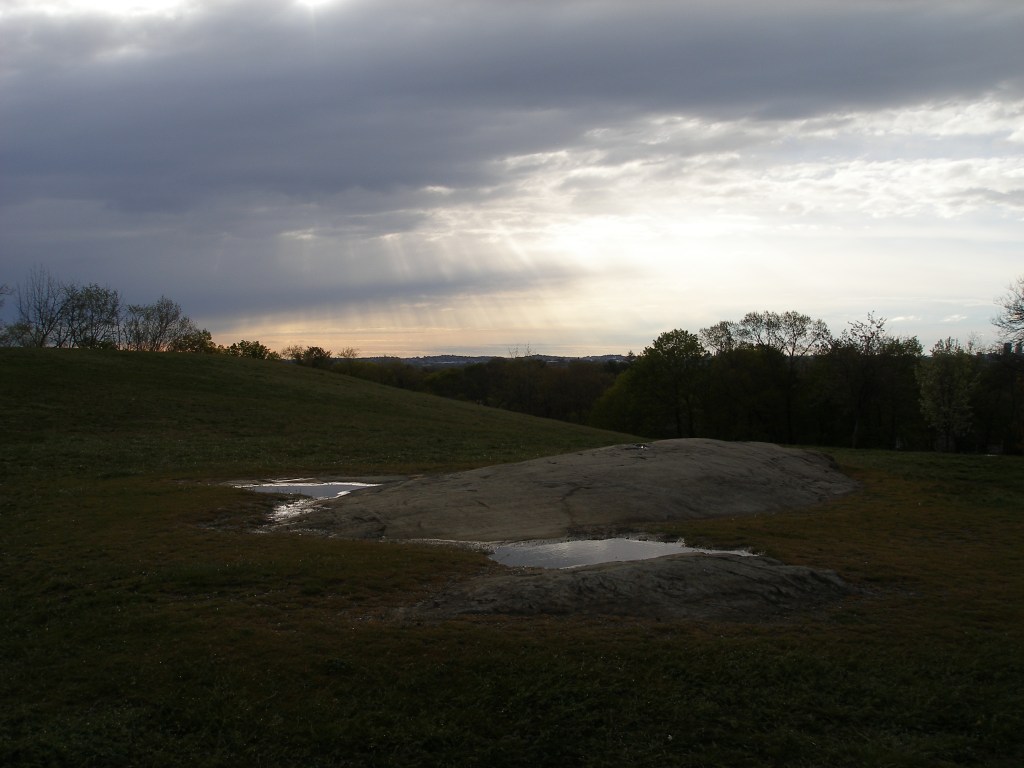
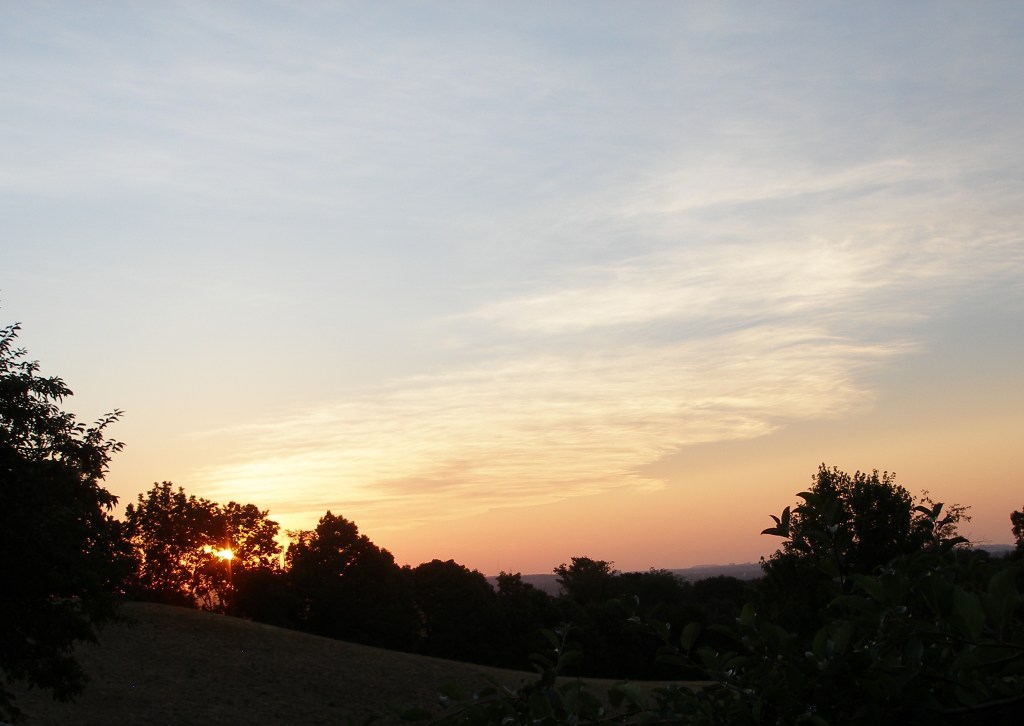
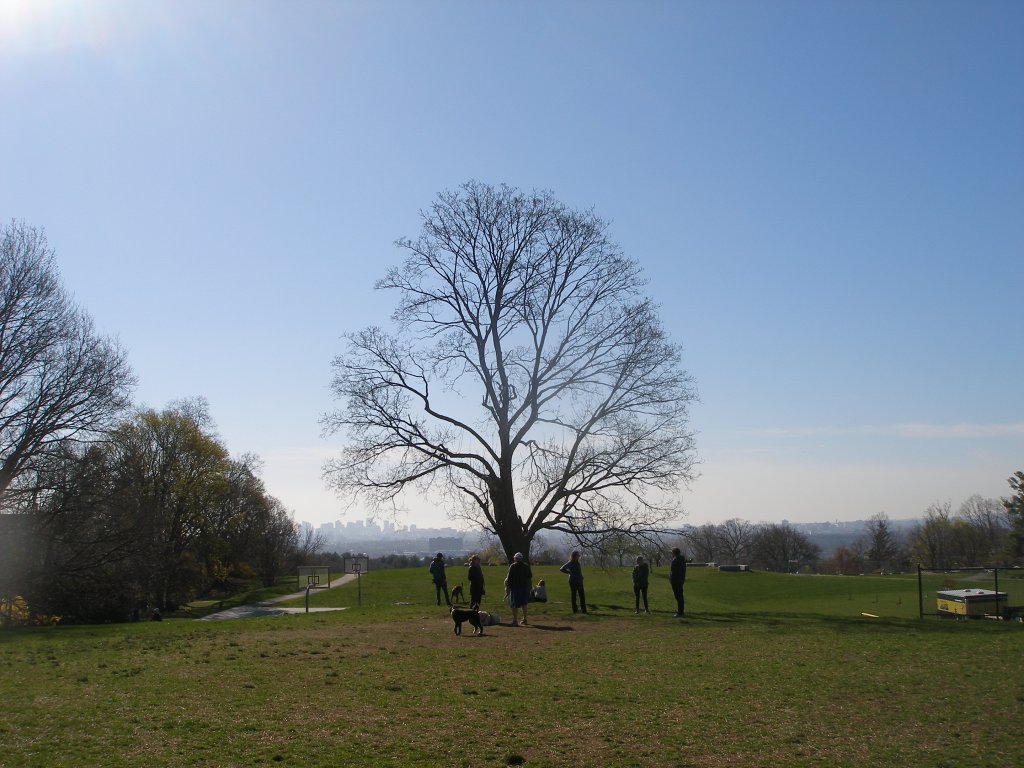
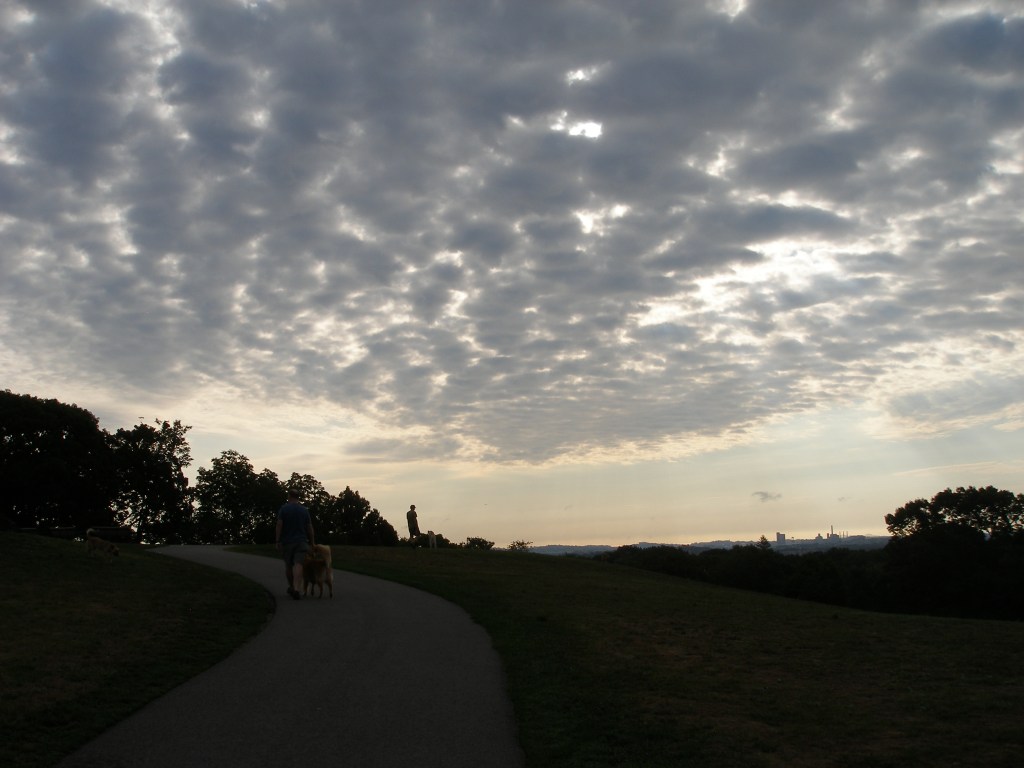
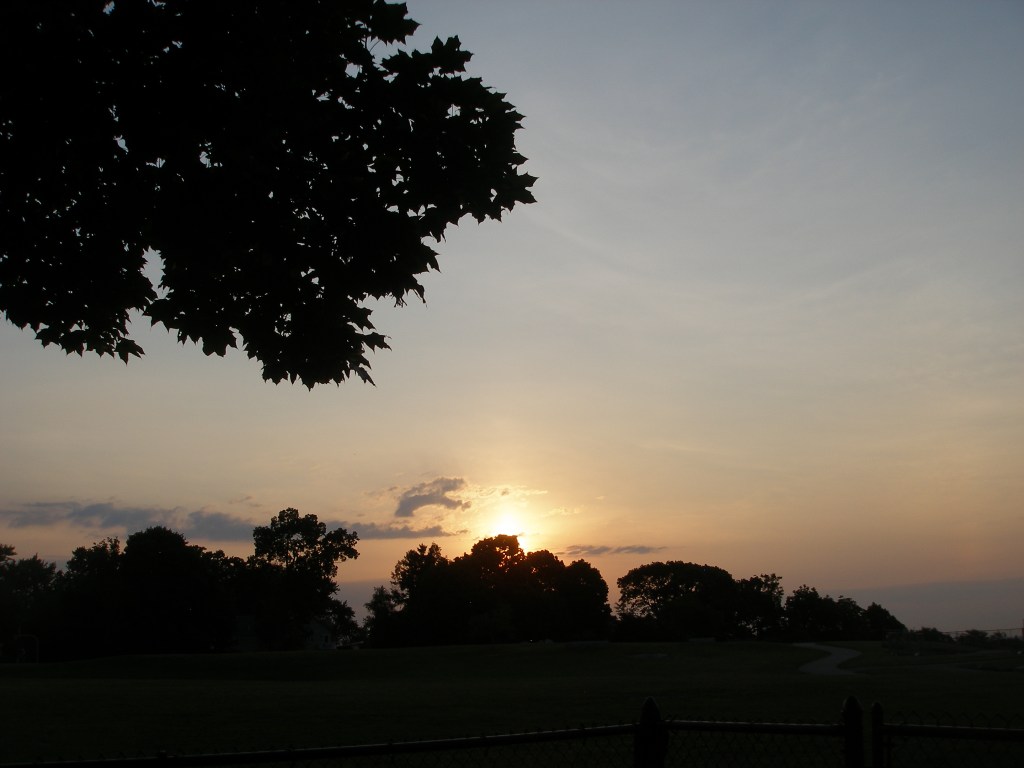
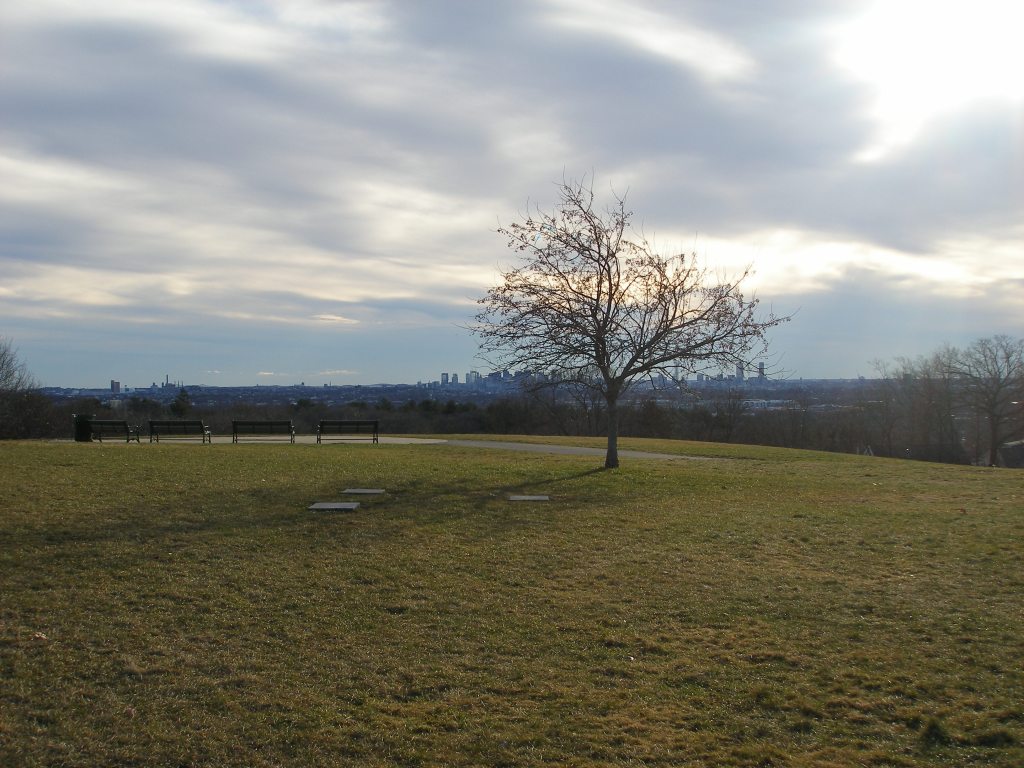
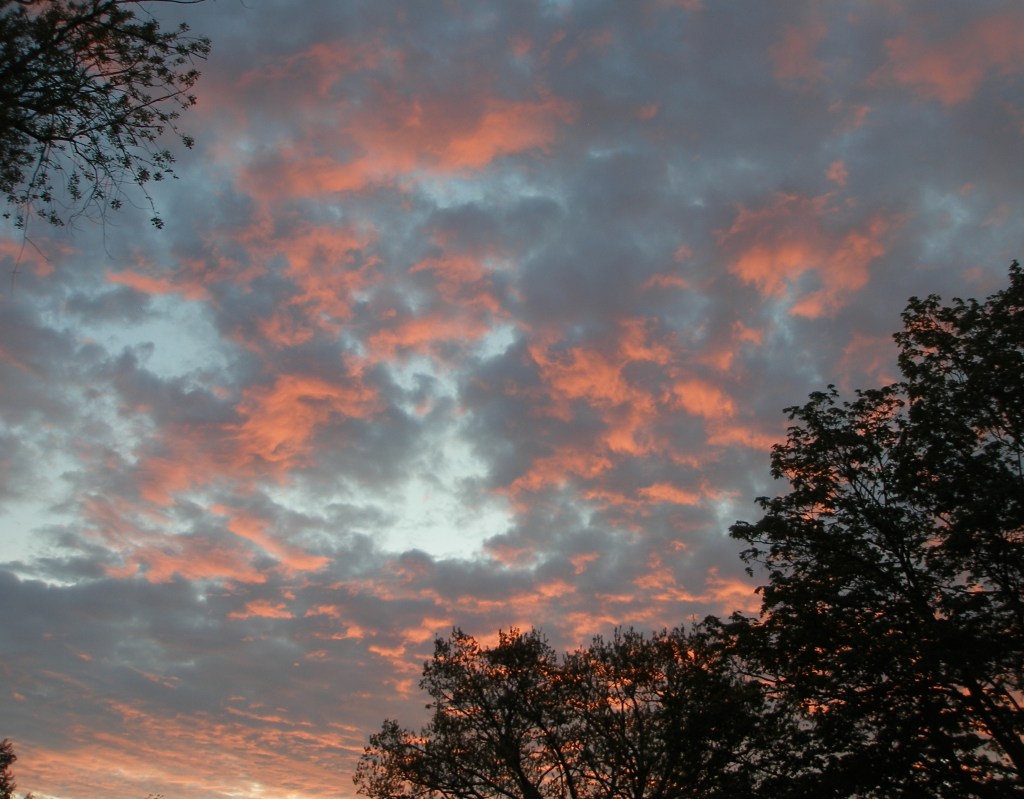
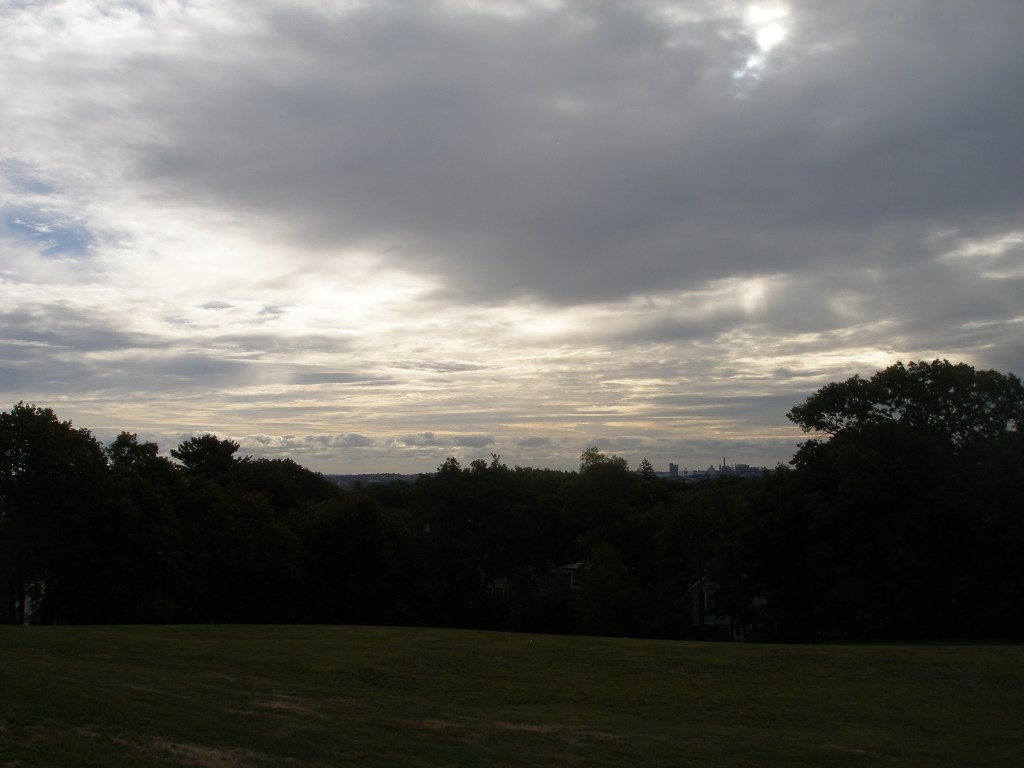
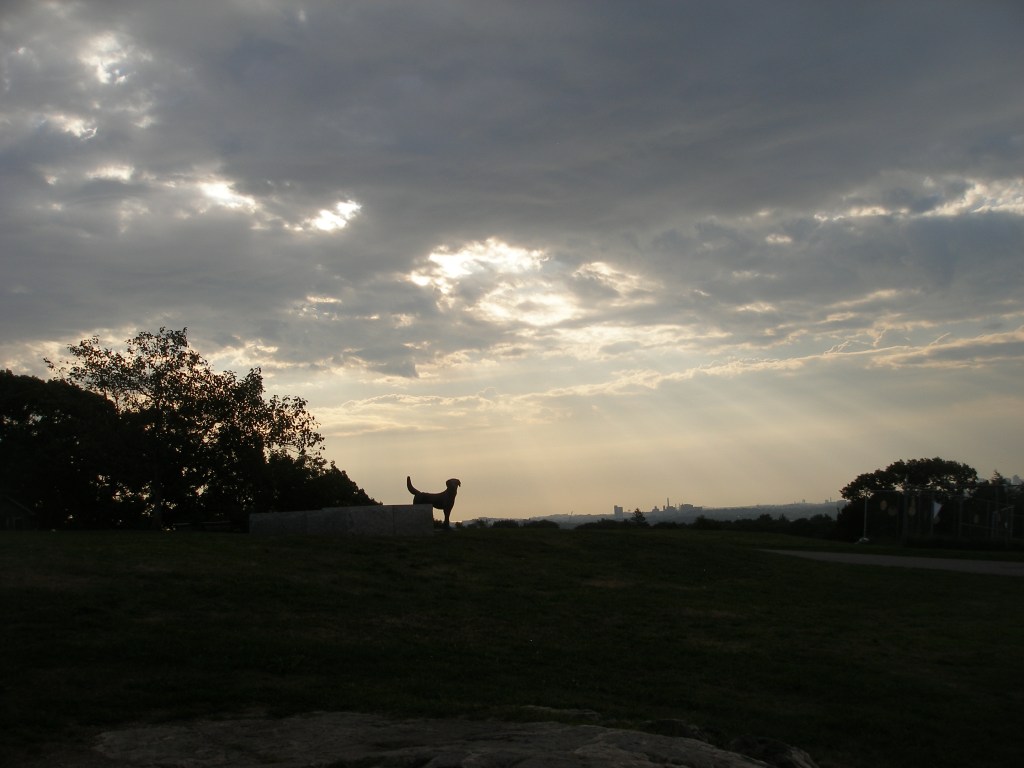
One of the more accessible mindfulness practices is “horizon gazing.” You simply sit comfortably in a place where you can see the horizon. Then you bring a soft, wide mindfulness and a gentle gaze to what is in front of you.
Nearby Robbins Farm Park, with its grassy slope seemed ideal. But where you do this practice is far less important than just taking it in. At any time of day, and in all weather conditions, the sky is there for us. While these photos do not provide the full sensory experience, they do hint, I think, at the wonder, peace and even awe that horizon gazing can provide.
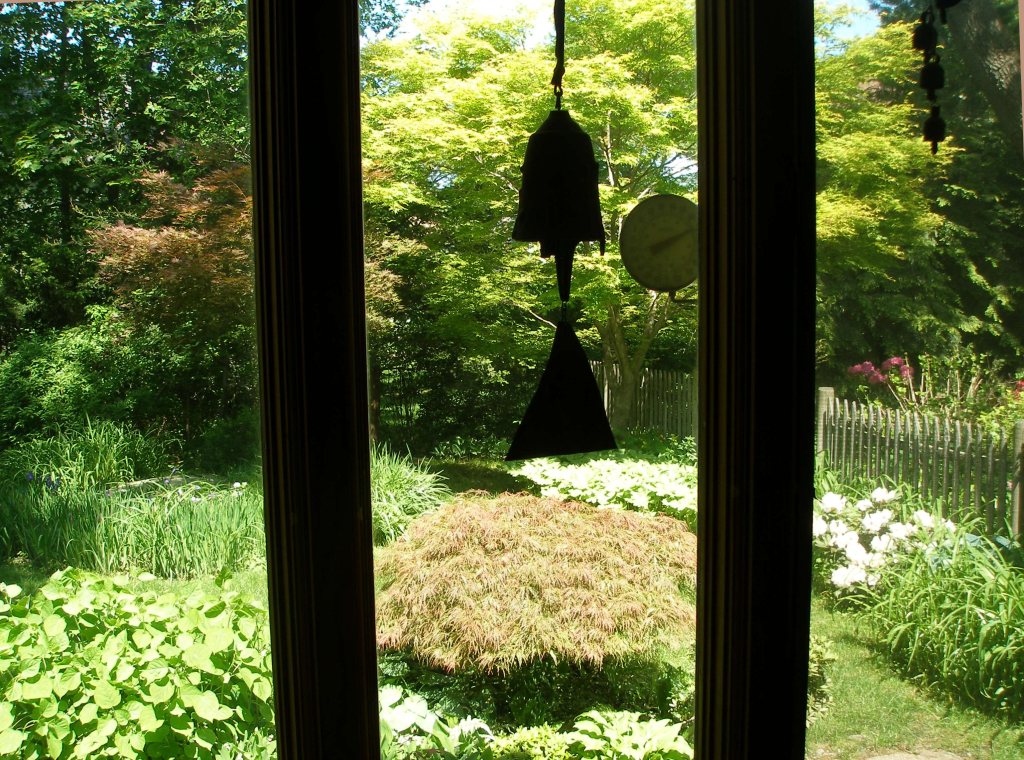
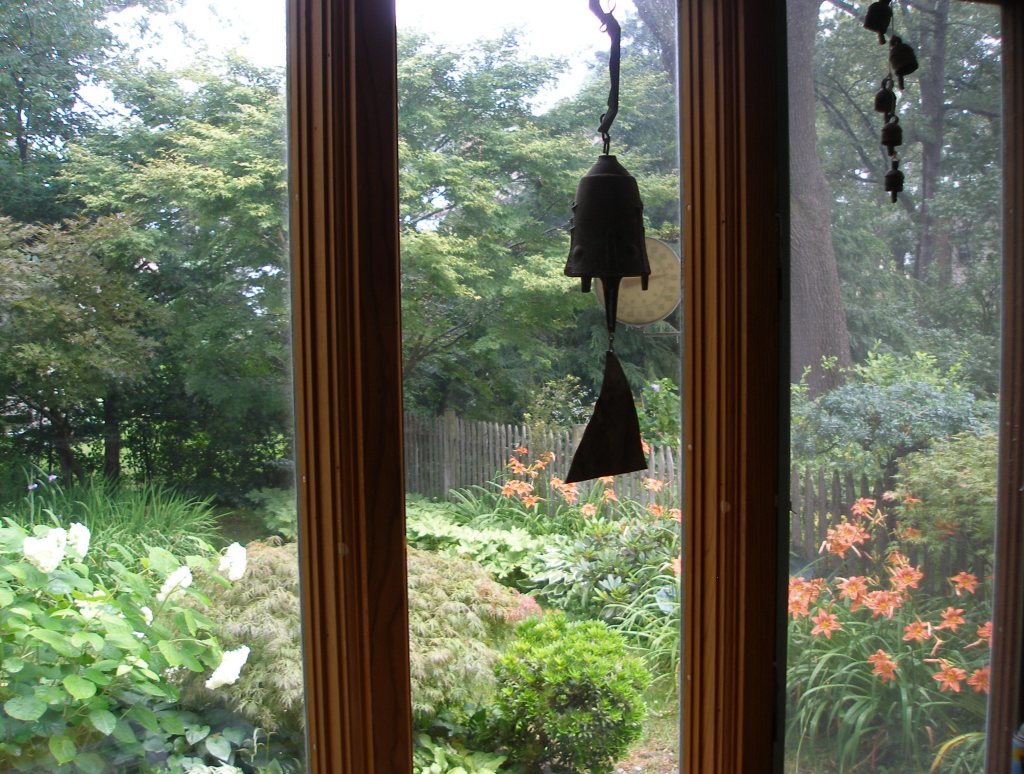
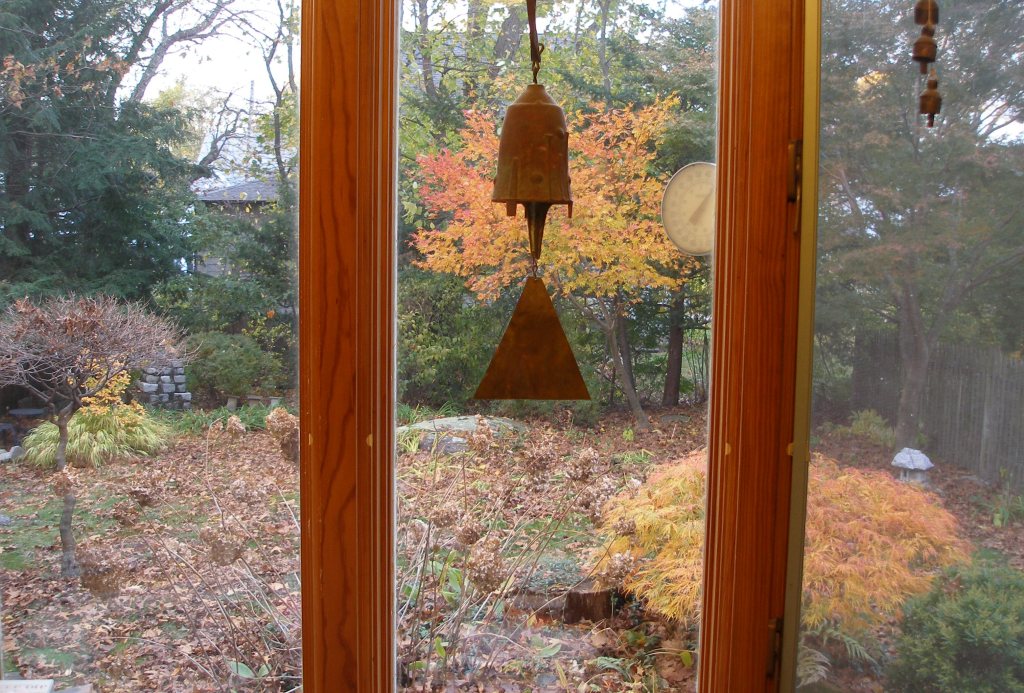
When my Japanese tea ceremony teacher, Giselle Maya, told me that the poetic word for 2022 is “window,” I thought it might be time to revisit “Dream Window” by Peter Grilli. He had metaphorical reasons to choose that title for his poetic film about Japanese gardens. But it is also true that gardens are often viewed through actual windows – Such sight lines are an important consideration in garden design. What do you see through the windows where you live?
Whether another building, a field, undisturbed nature, an empty lot, busy sidewalk or a garden, looking through windows can bring out the poetry of this world. A limited view somehow makes the ever-changing wholeness “out there” easier to relate to.
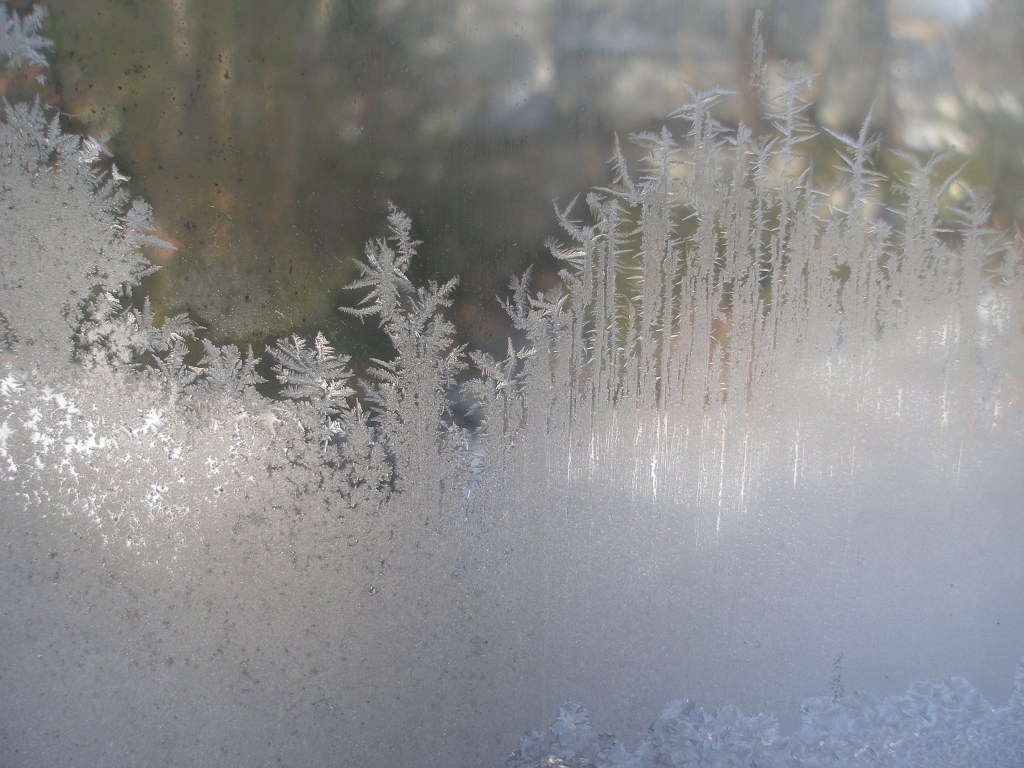
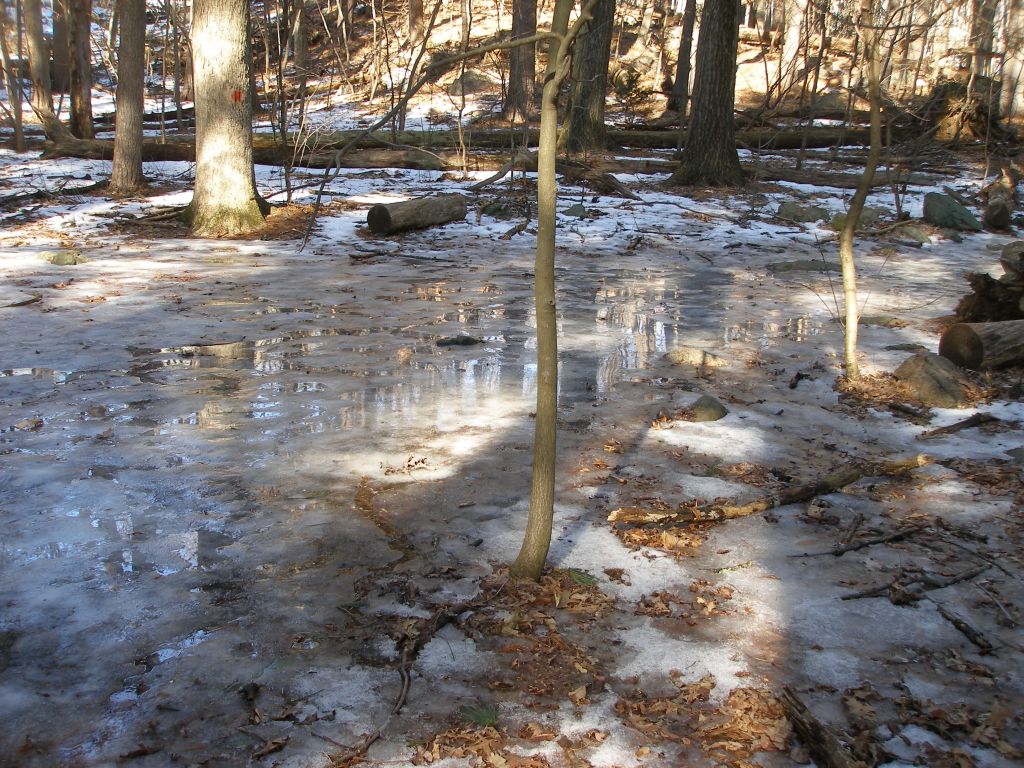
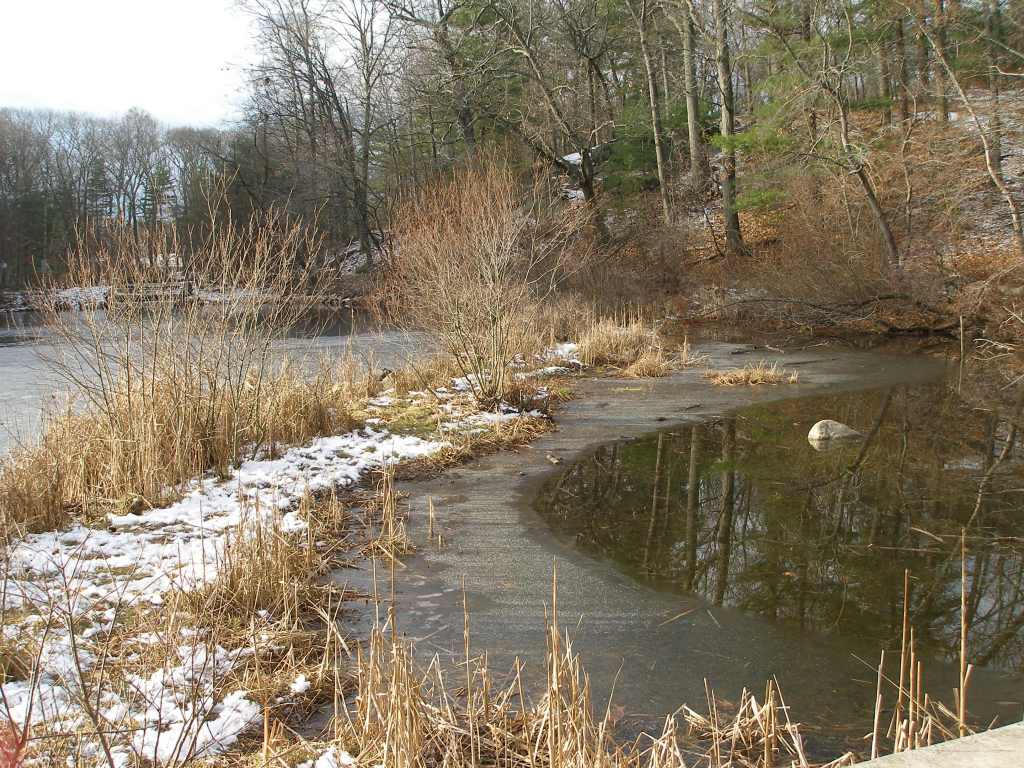
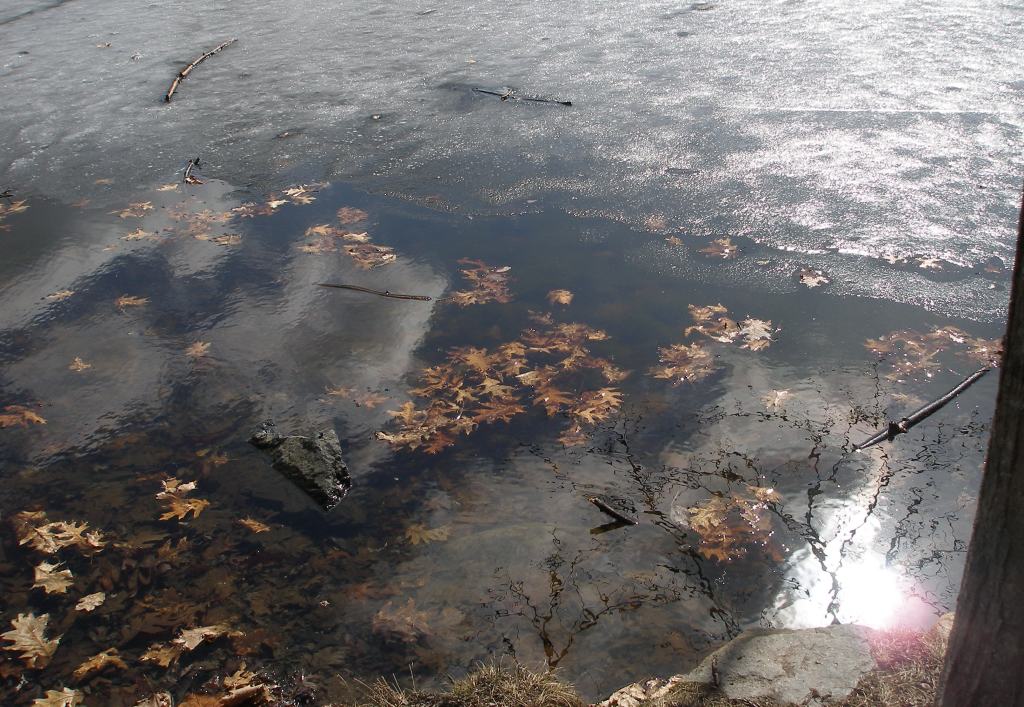
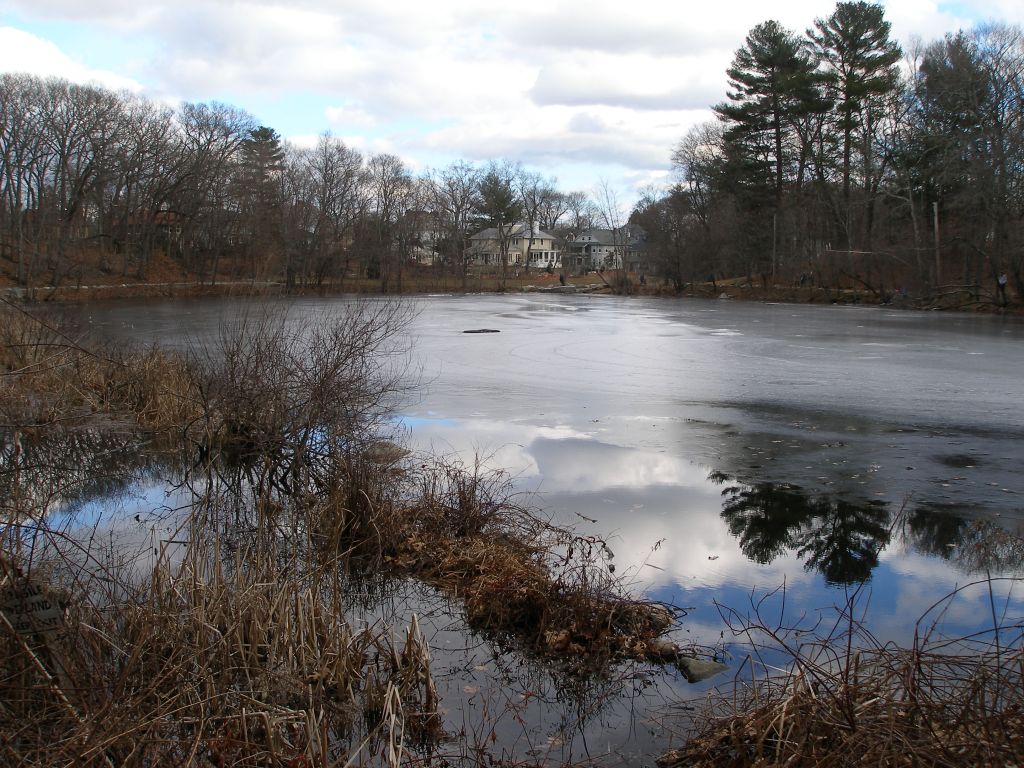
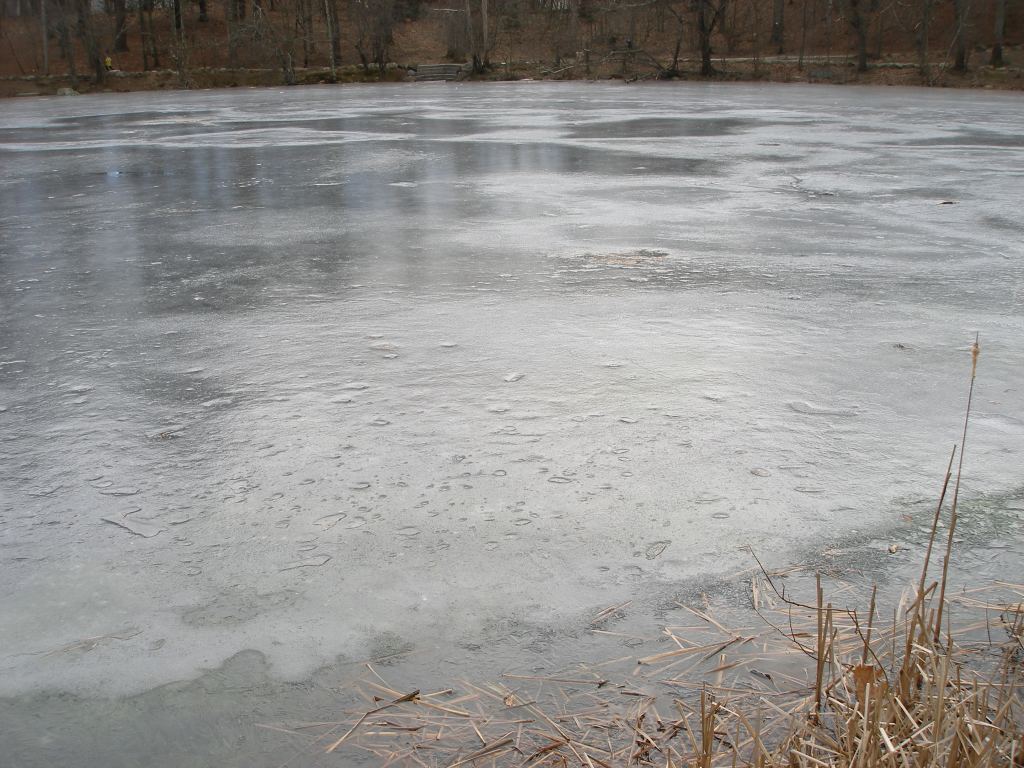
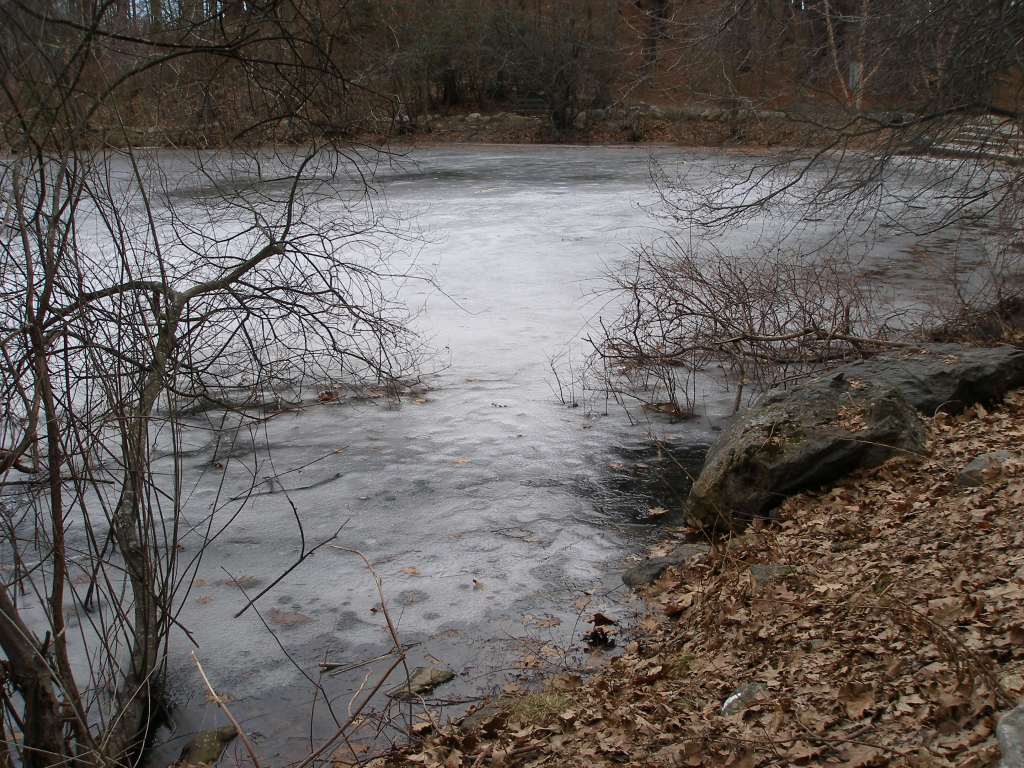
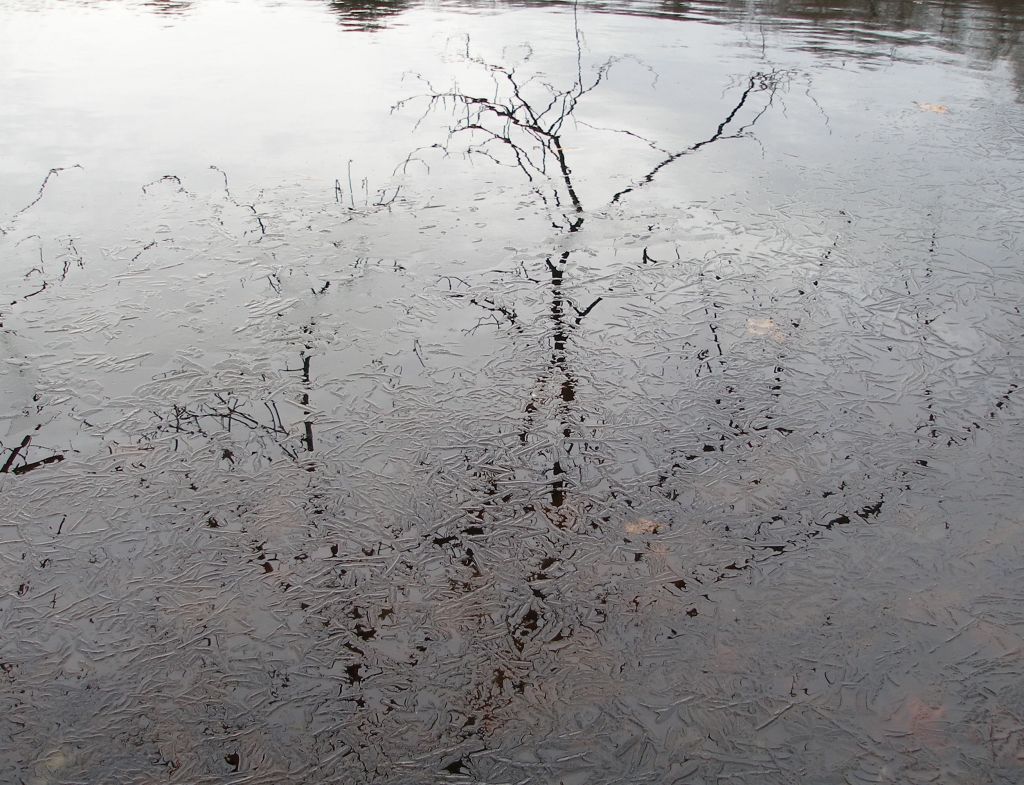
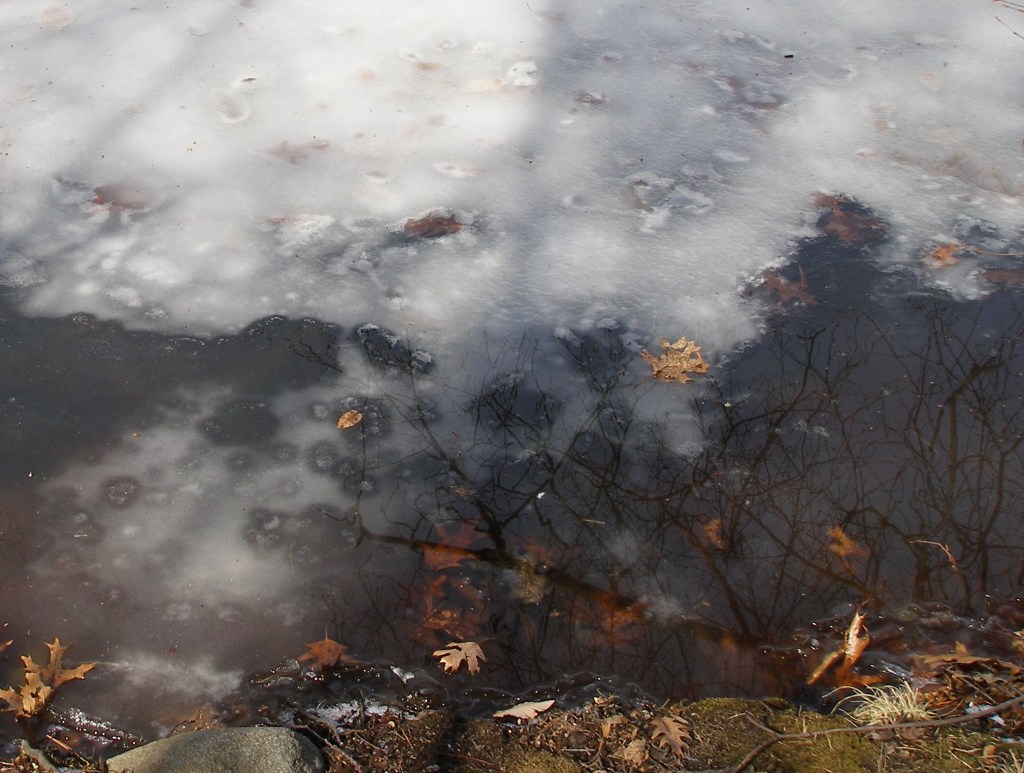
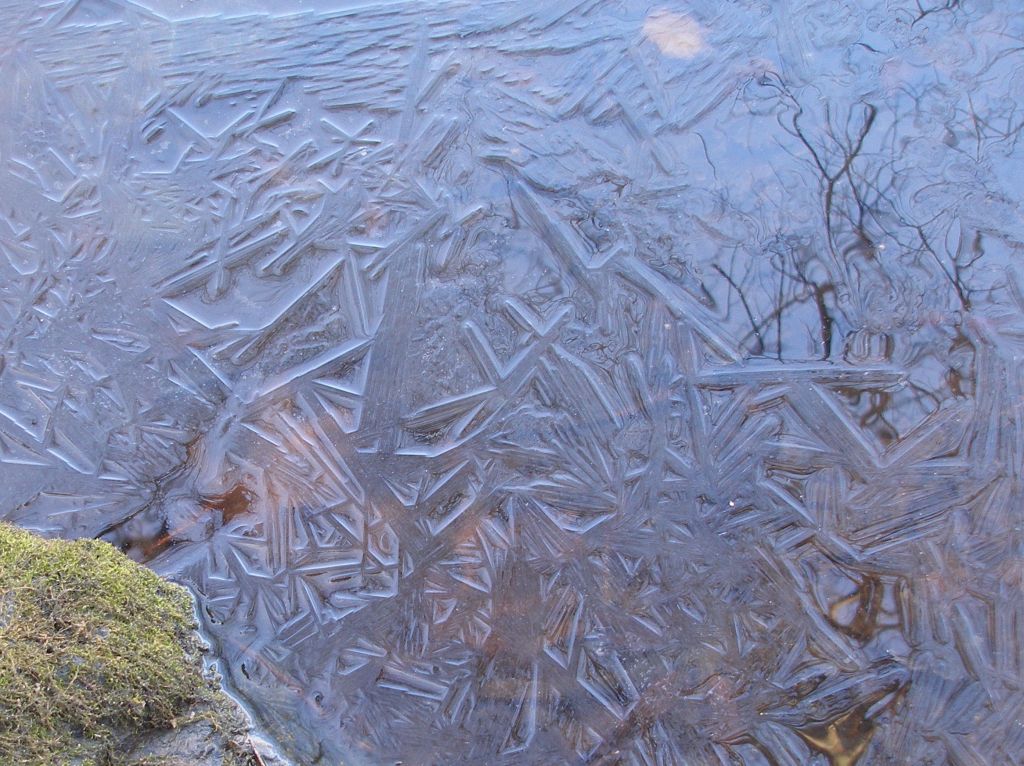
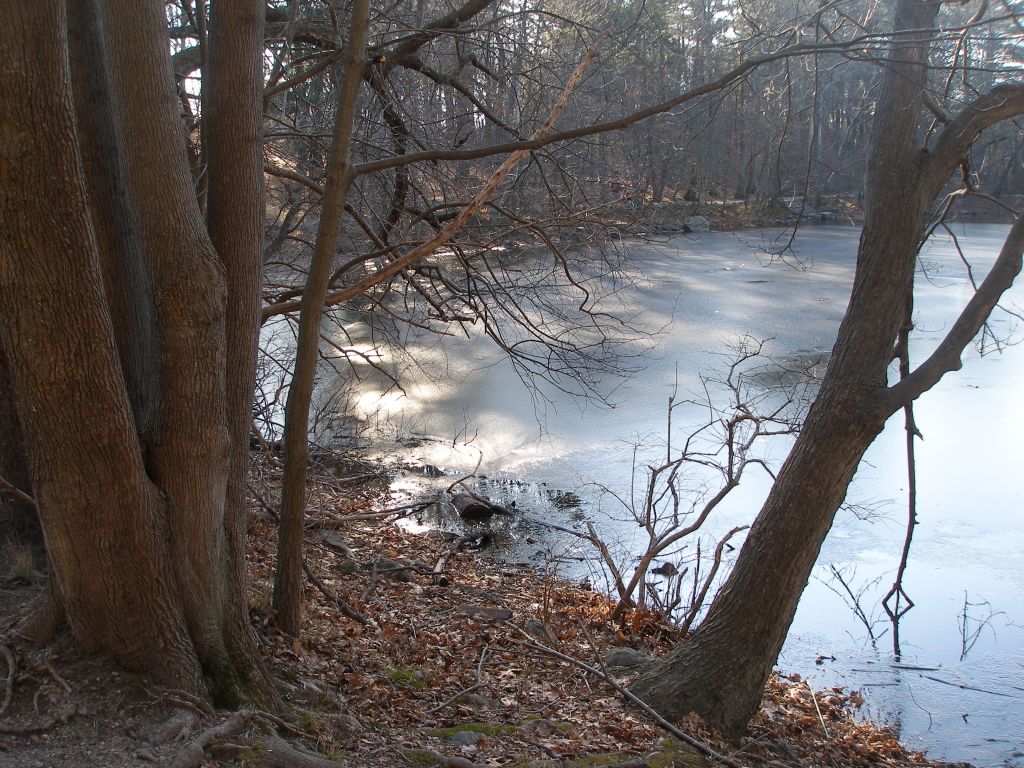
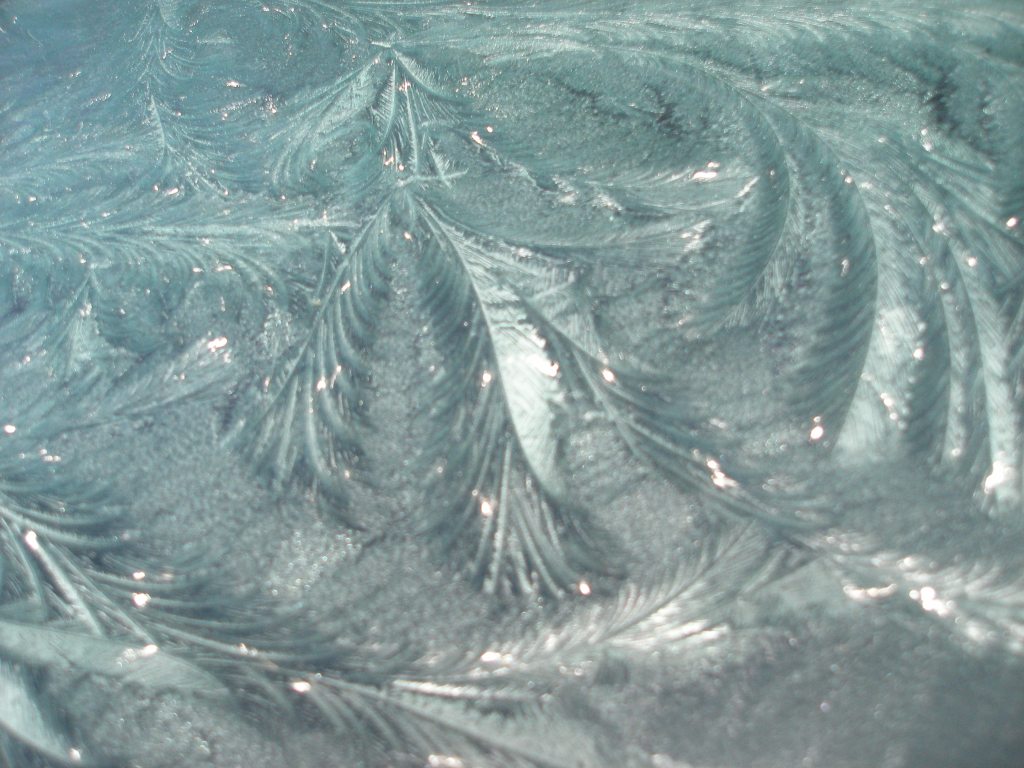
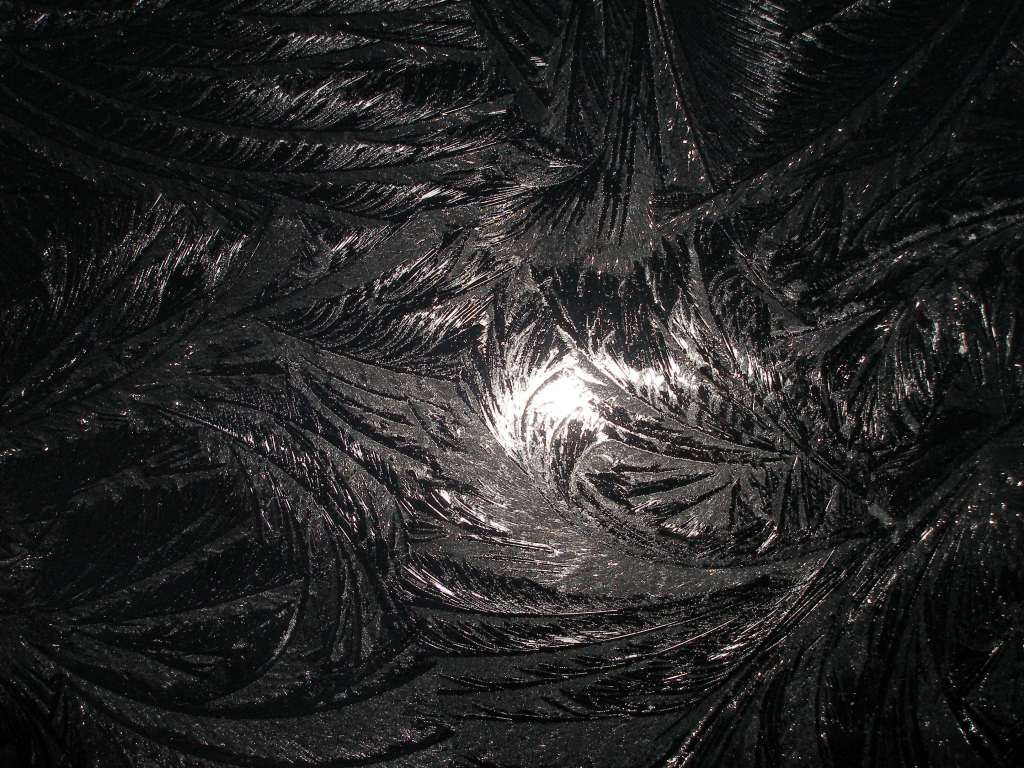
Once I came across a child beating icy Hills Pond with a stick. It made a most appealing bonging sound. Later I heard haunting chirps and zinging at the same pond. Since I was the only one there, I had to assume the ice was making those sounds all by itself. Searching online, I came across Jonna Jinton’s videos with the other worldly, yet peaceful sounds and the beauty of the crack patterns that ice can make as it freezes. Fascinated, I decided to review Jonna’s numbered vlogs in the order they were posted.
Vivid aliveness and a deep appreciation for the changing seasons in unspoiled northern Sweden where Jonna lives informed all that she shared. Living in her very tiny community also required a great deal of hard work just to stay alive and keep warm, along with a willingness to accept dark times – quite literally unavoidable in winter that far north. As she had hoped, Jonna’s online business selling lovely silver jewelry, prints of her photos and large paintings provided a means to support several family members and friends in a place where jobs were hard to find.
Besides her various creative endeavors, the videos show Jonna interacting with beloved pets, renovating buildings, making paints from local materials, and singing to cows. She shares her world in breath-taking drone footage as well as from more intimate camera angles. While she makes clear that she hopes her videos can bring the inspiration of nature to those who lack access, she does not invite envy. Rather she asks each of us to consider what we would like to have in our own precious lives.
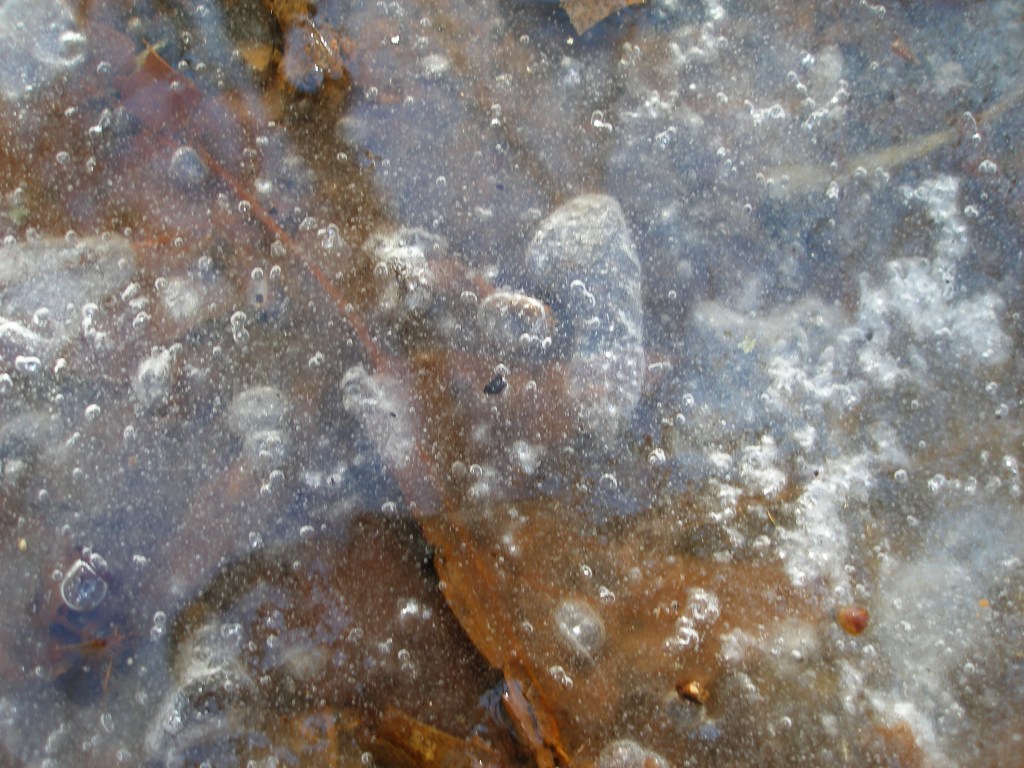
As for me, I am grateful to have a pond nearby where children make bonging sounds. Hills Pond was singing by itself again when I went looking for ice photos this morning inspired by Jonna’s passion for “what ice can do. “ice art.”
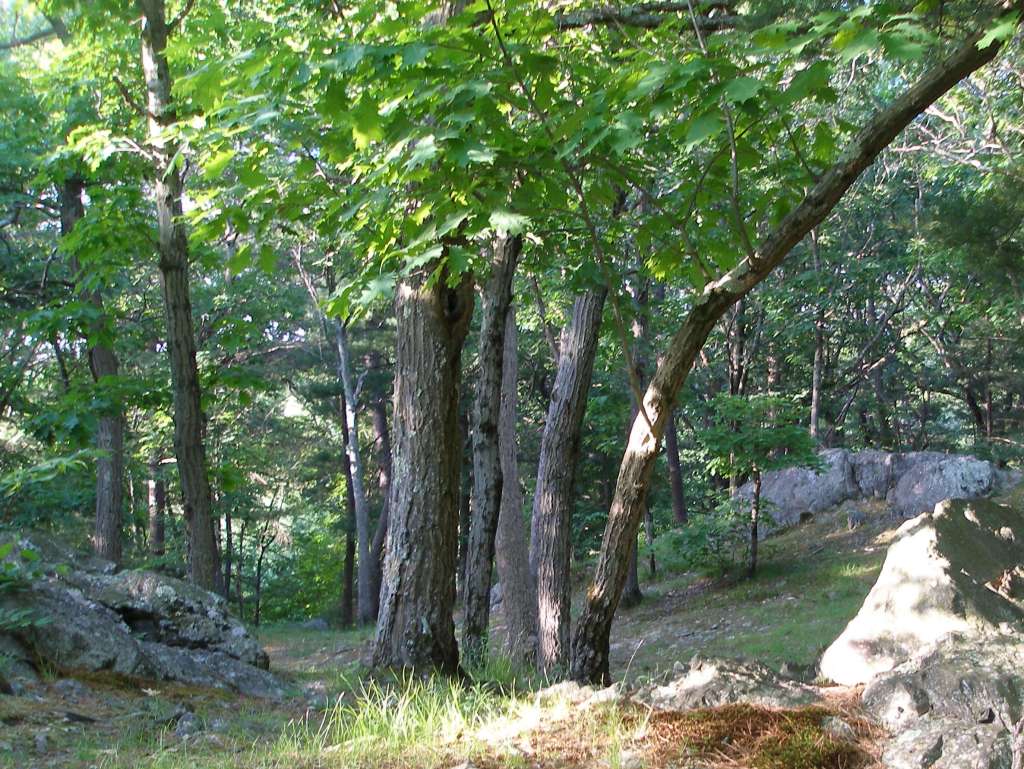
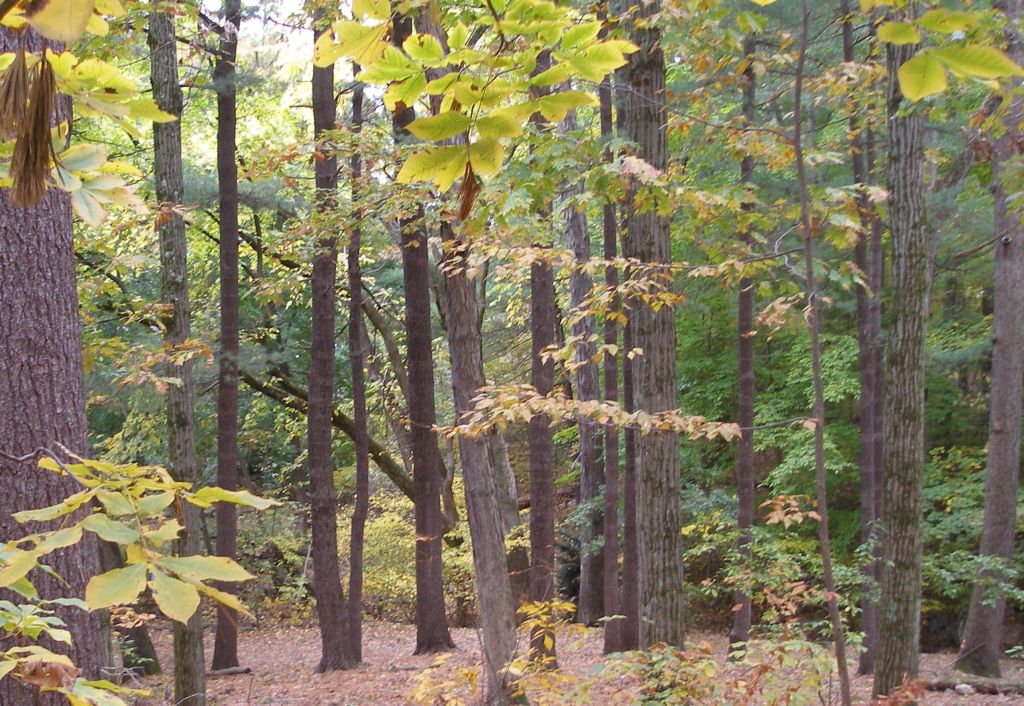
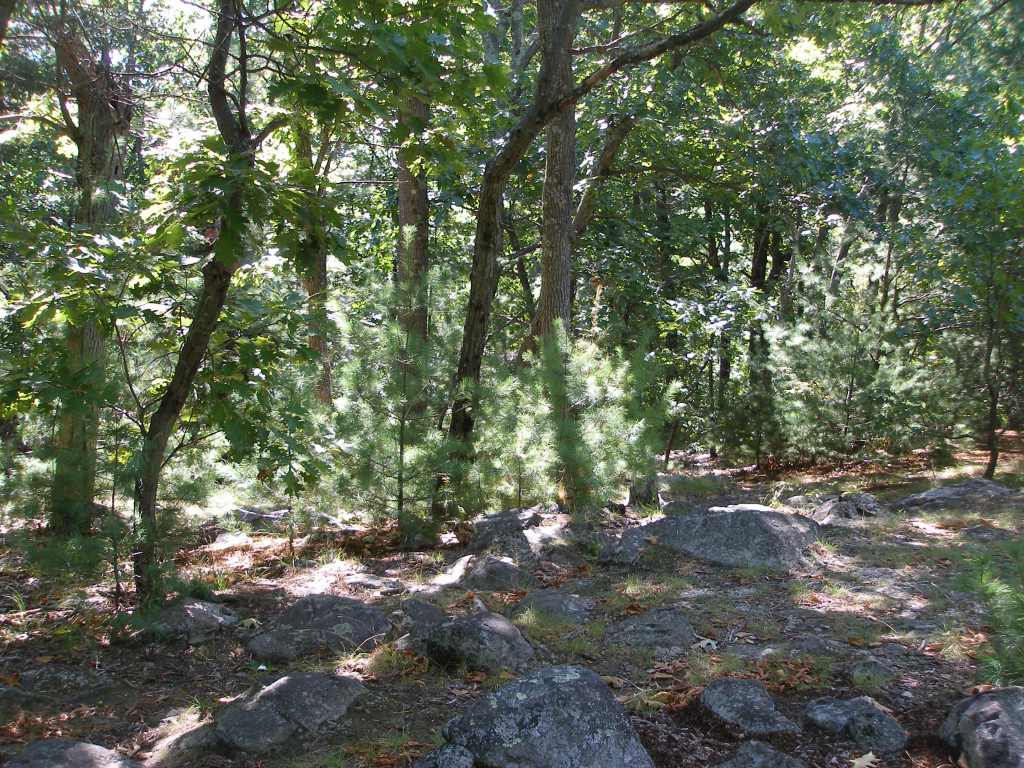
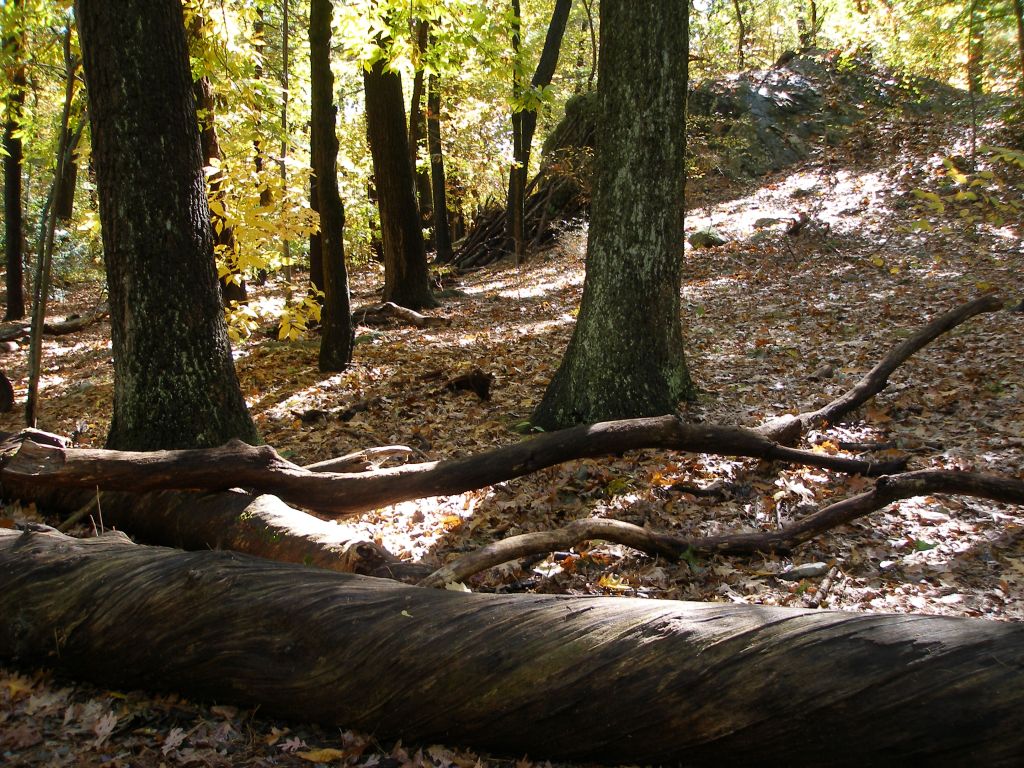
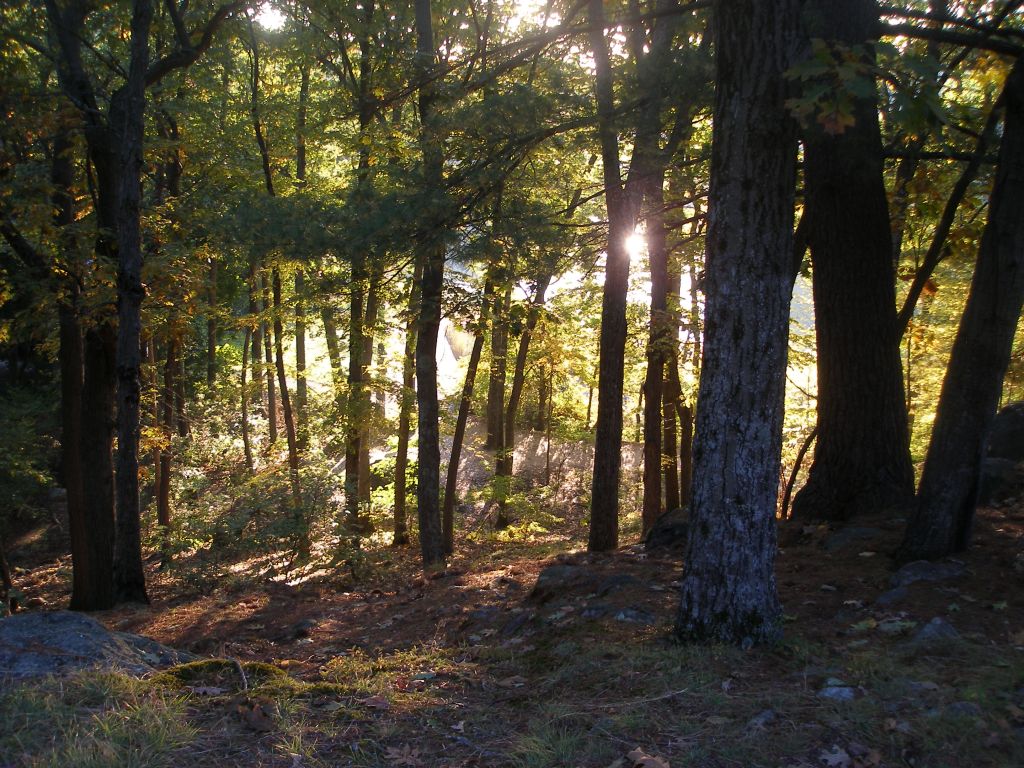
It is natural to notice a muskrat chasing quacking ducks, but the woods can have a quieter energy – There is a lot going on, but it is easier to miss.
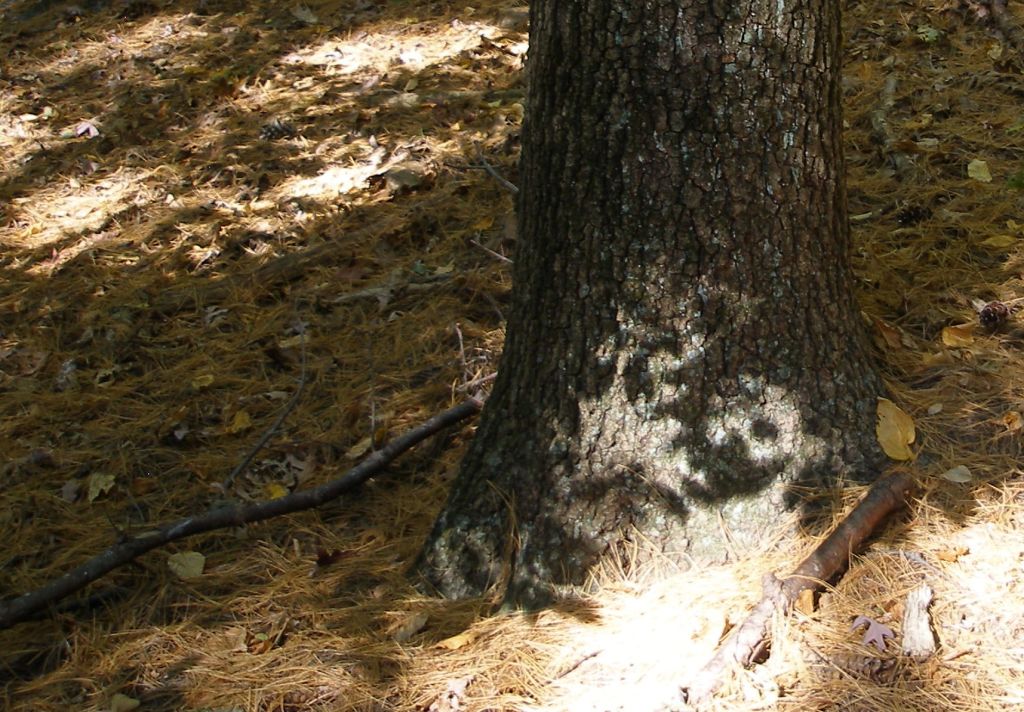
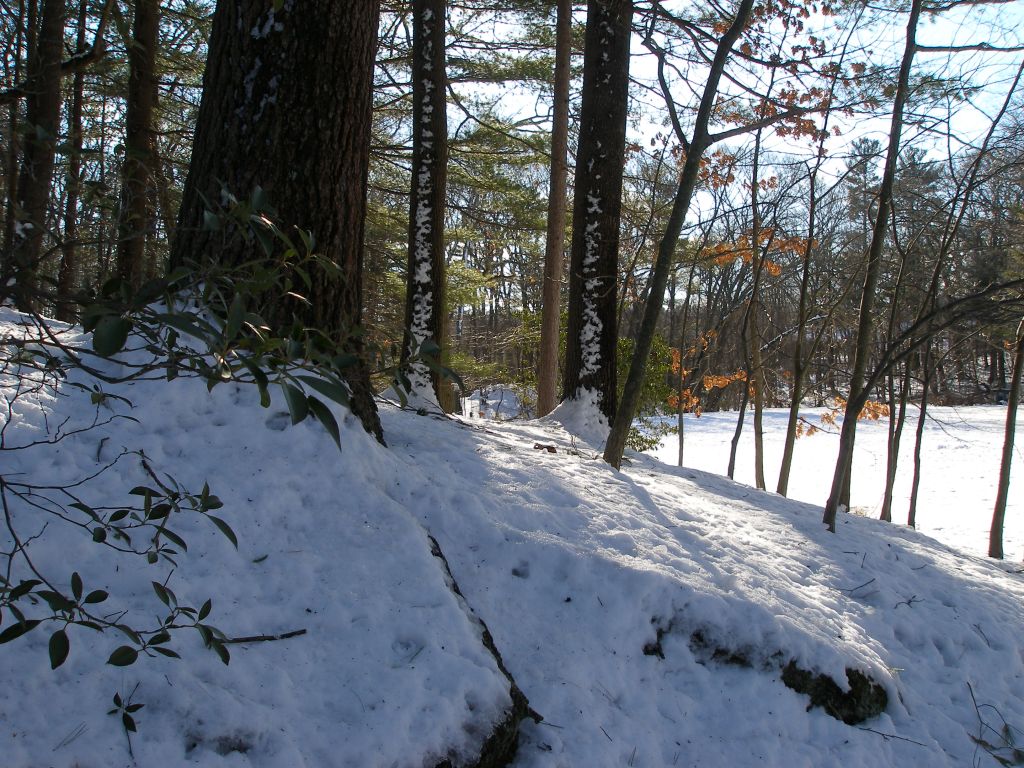
Trees with their roots wrapped around granite outcrops or buried beneath fallen leaves and mounding needles are the backbone here. Warm beams of sunlight suddenly illuminate the all-embracing living wonder while the woods in winter has its own kind of resting beauty.
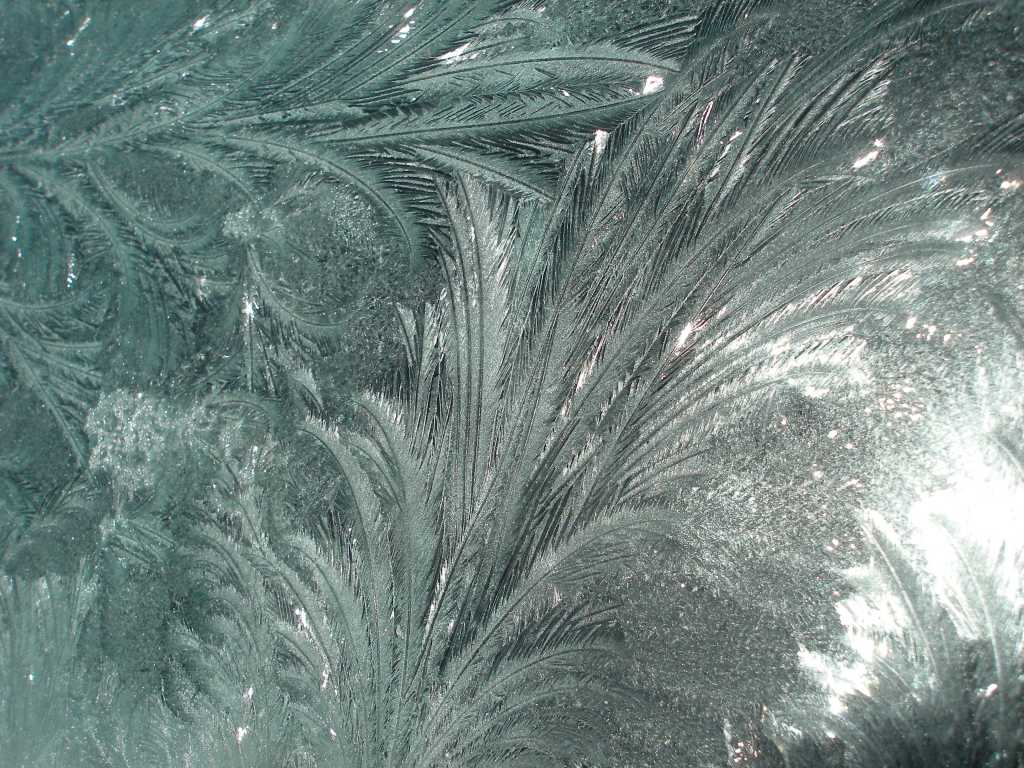
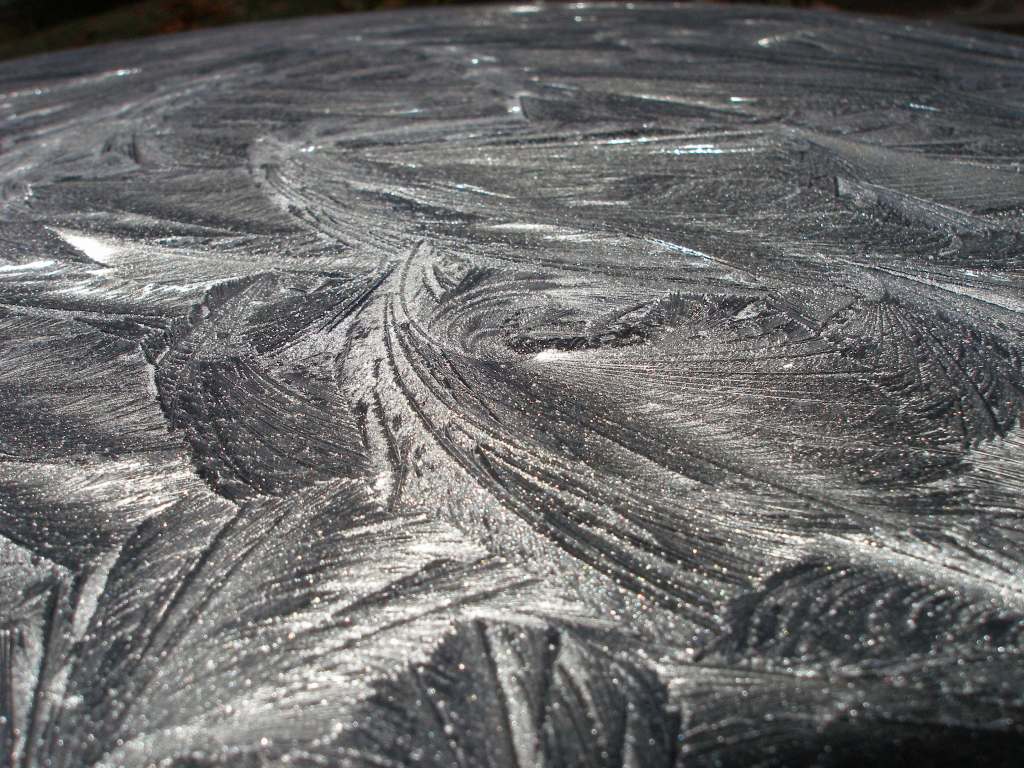
In late November 2019, I noticed wonderful large ice crystal formations all over a car. This November, most interesting symmetrical patterns formed on car hoods after a light snow began to melt. The patterns varied quite a bit, probably reflecting the different engine and hood support designs within.
I had to wonder what other wonderful designs I might discover by getting out early after the first freeze of the year.
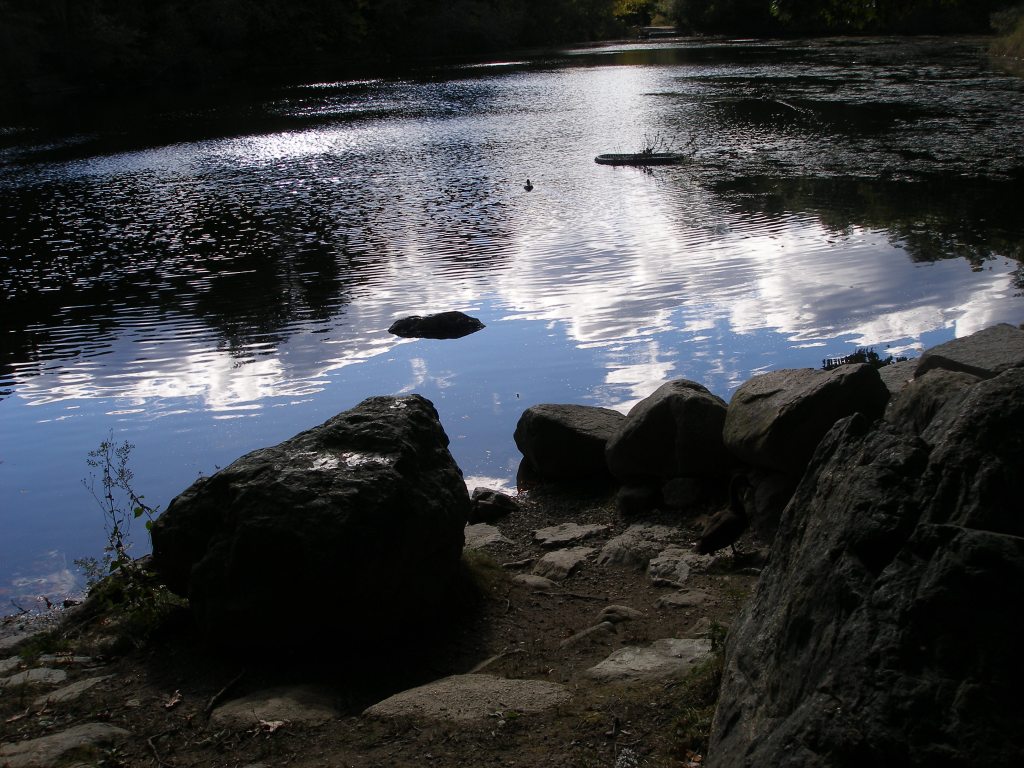
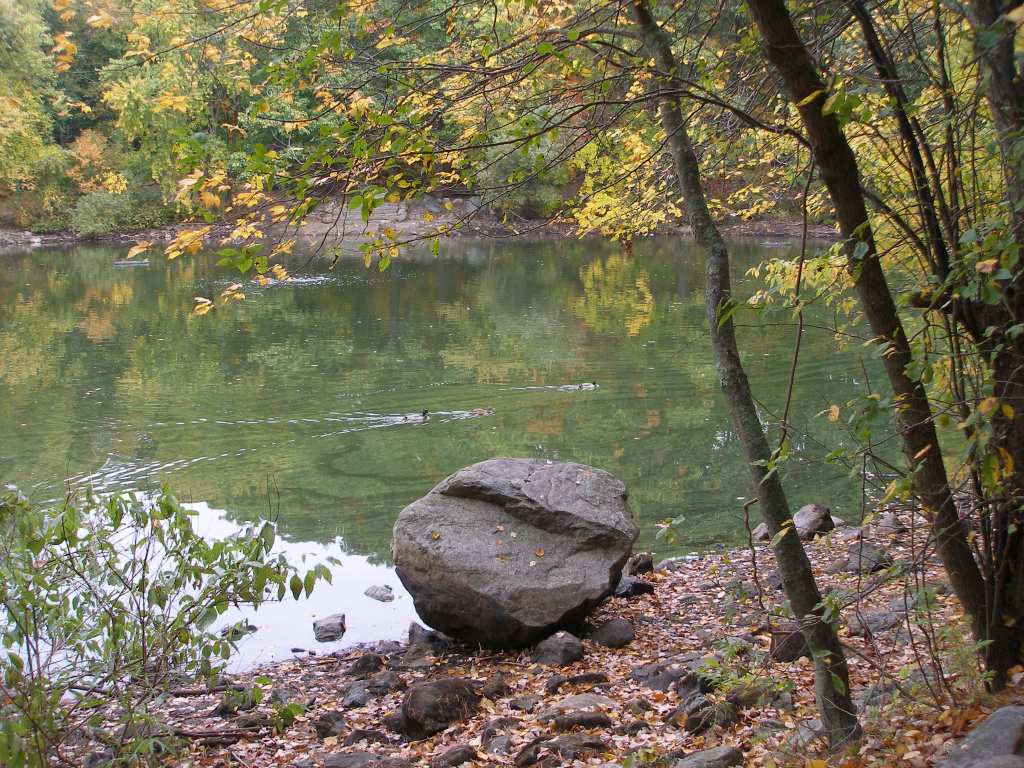
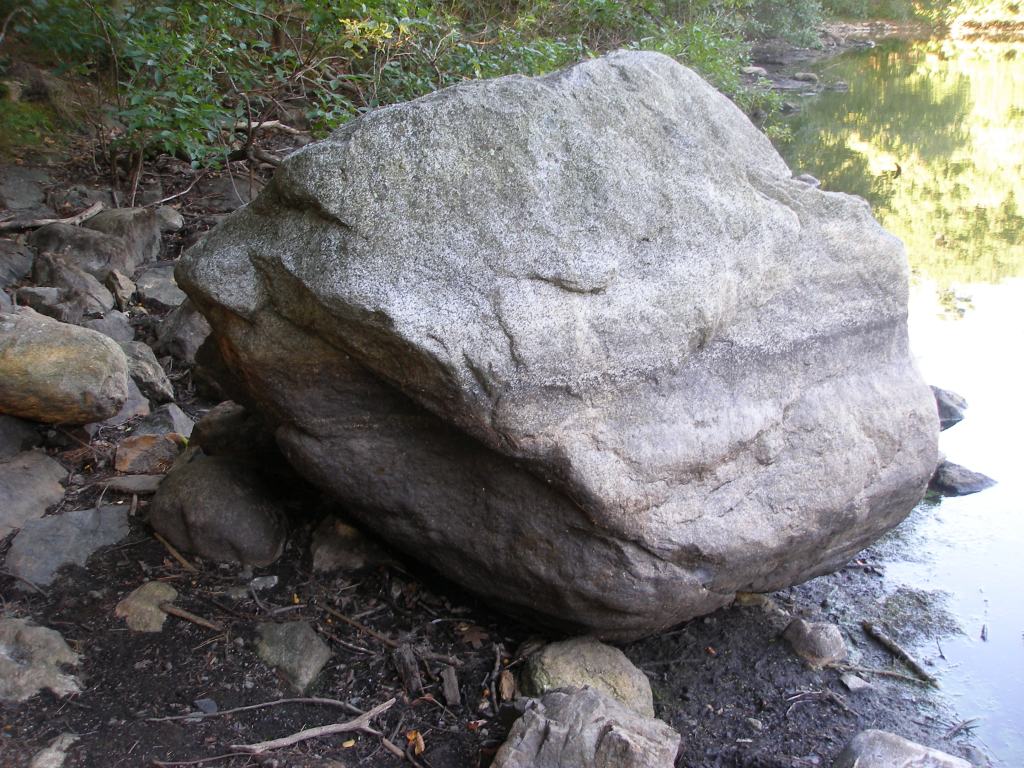
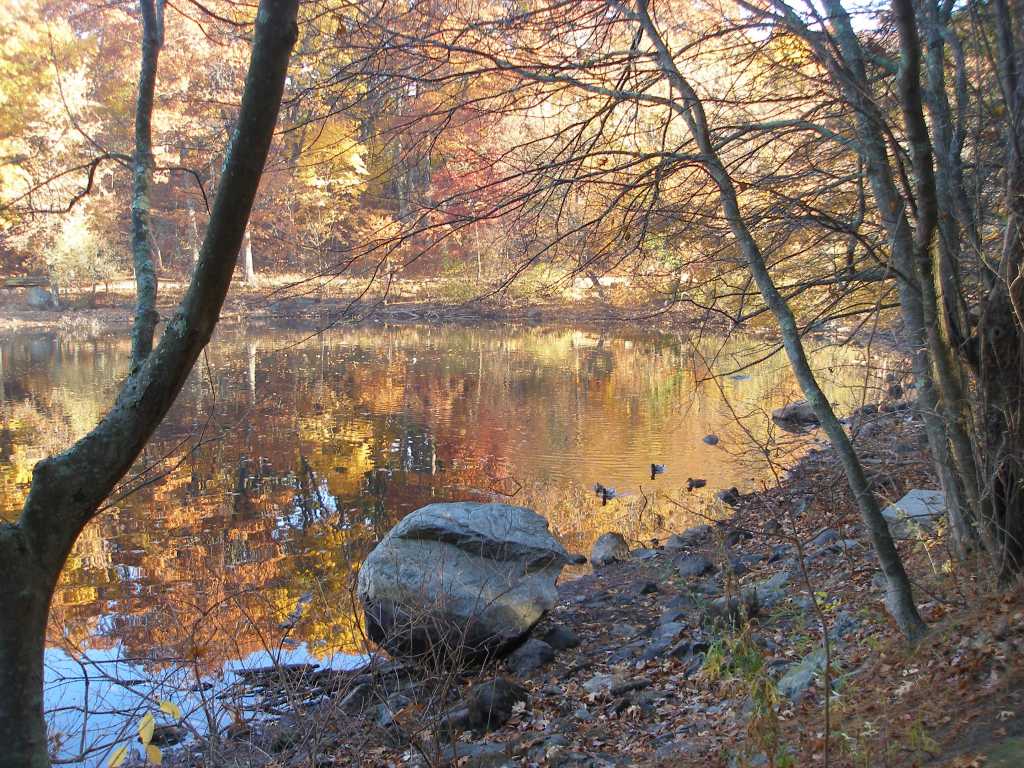
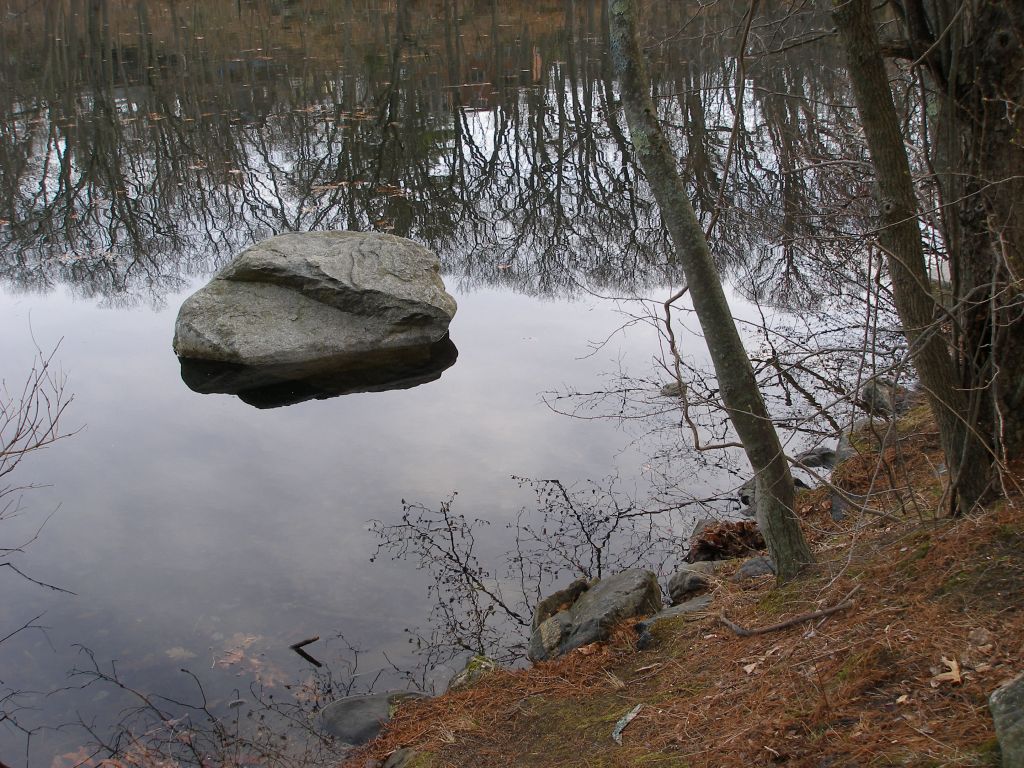
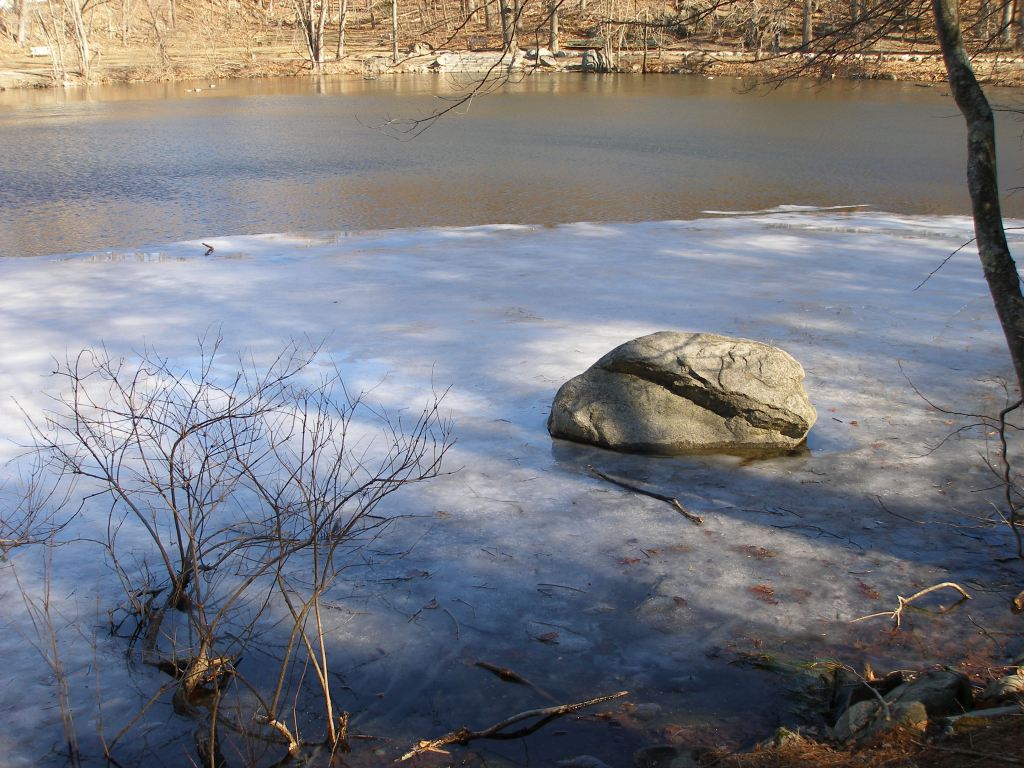
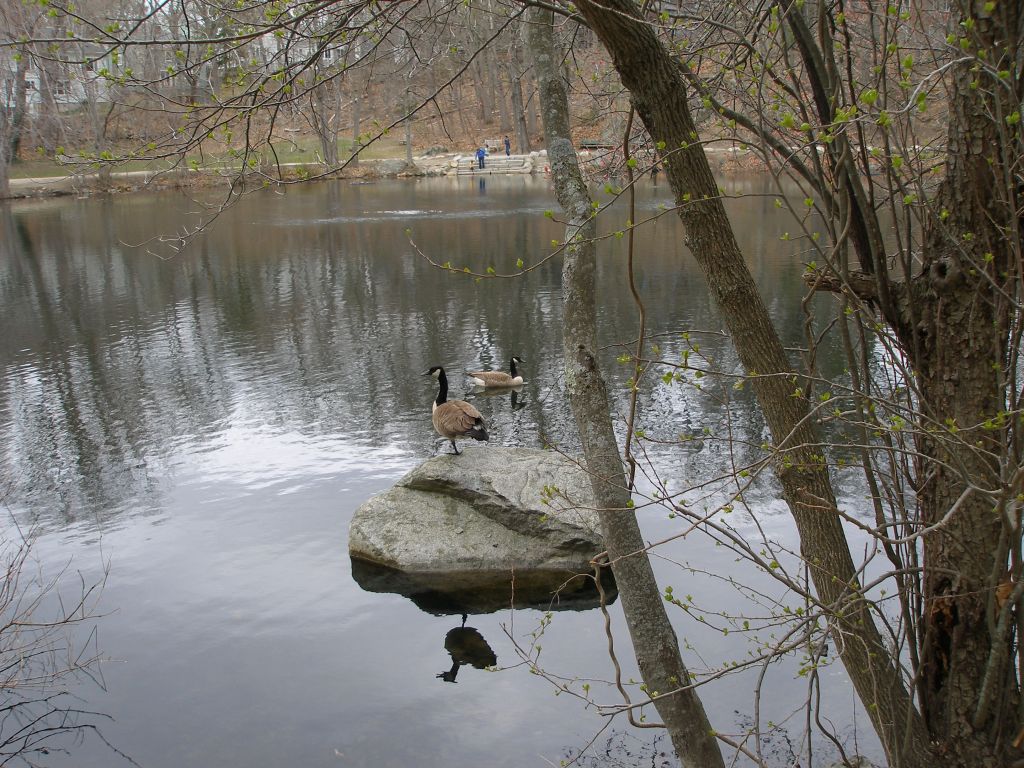
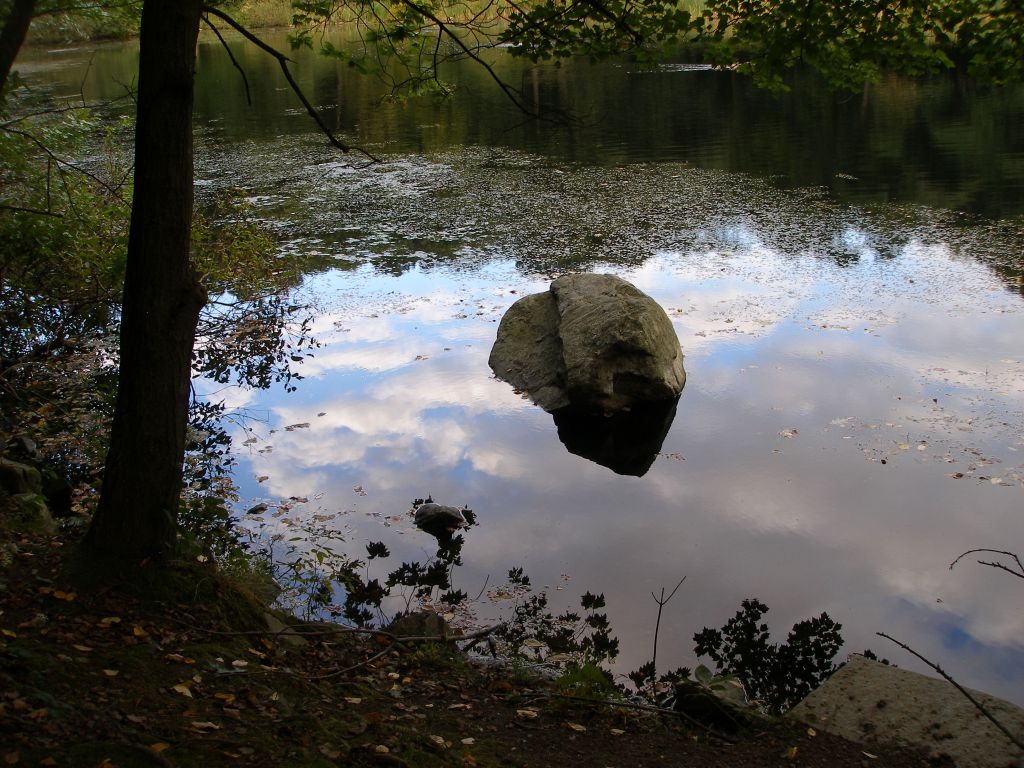
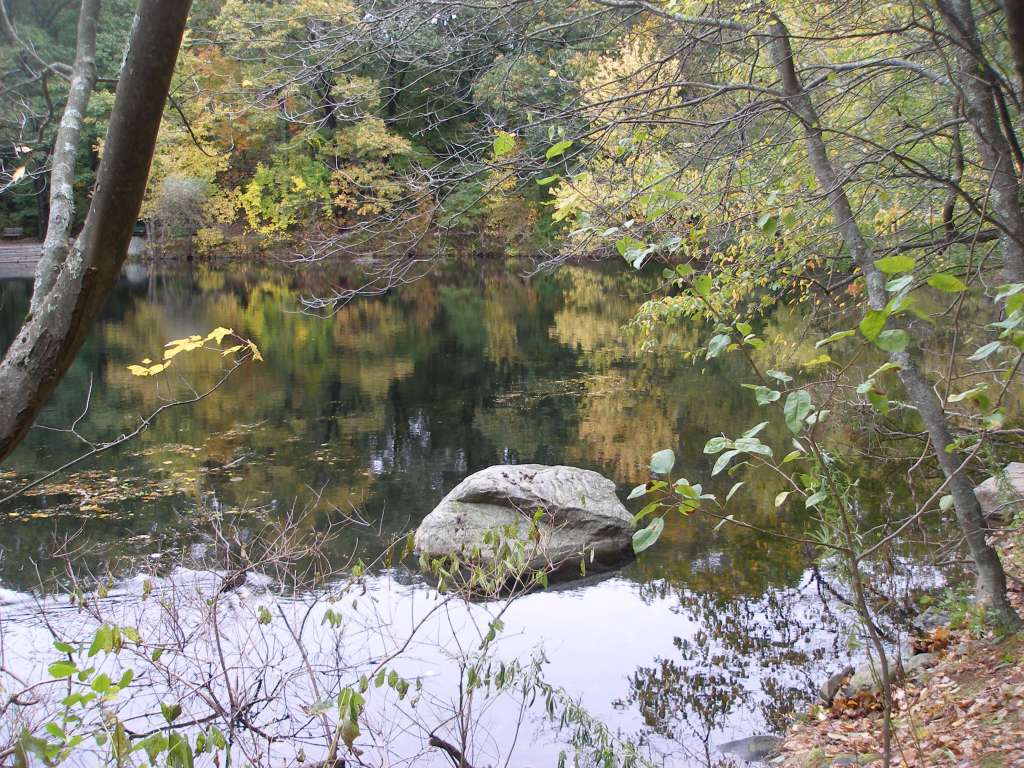
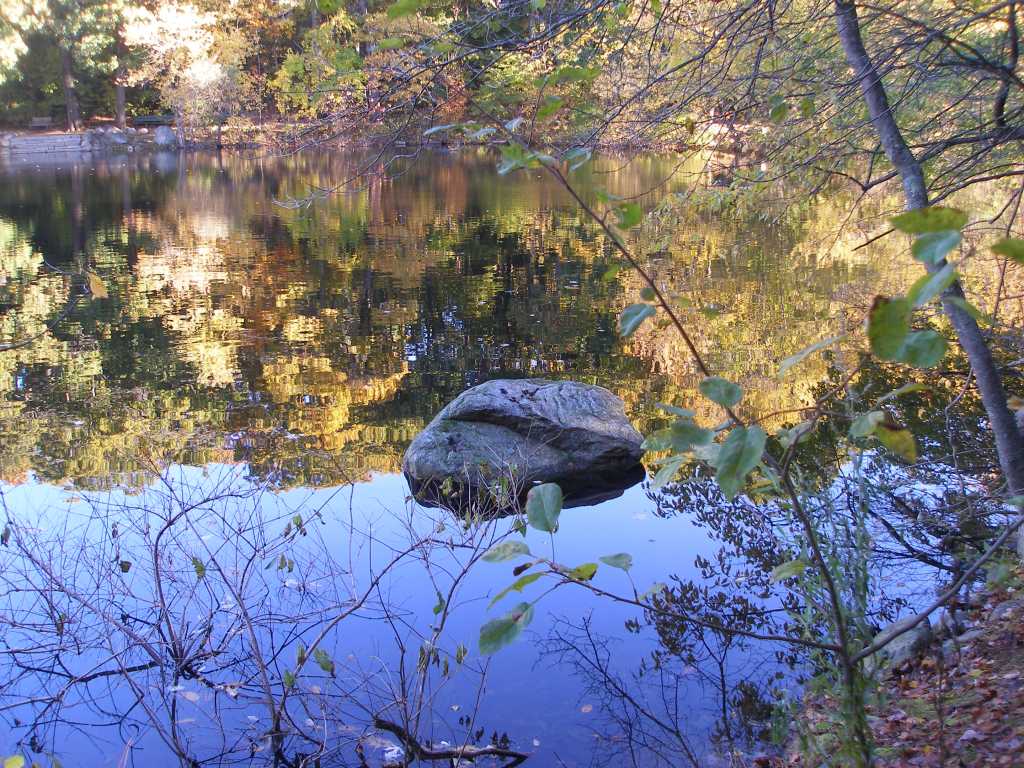
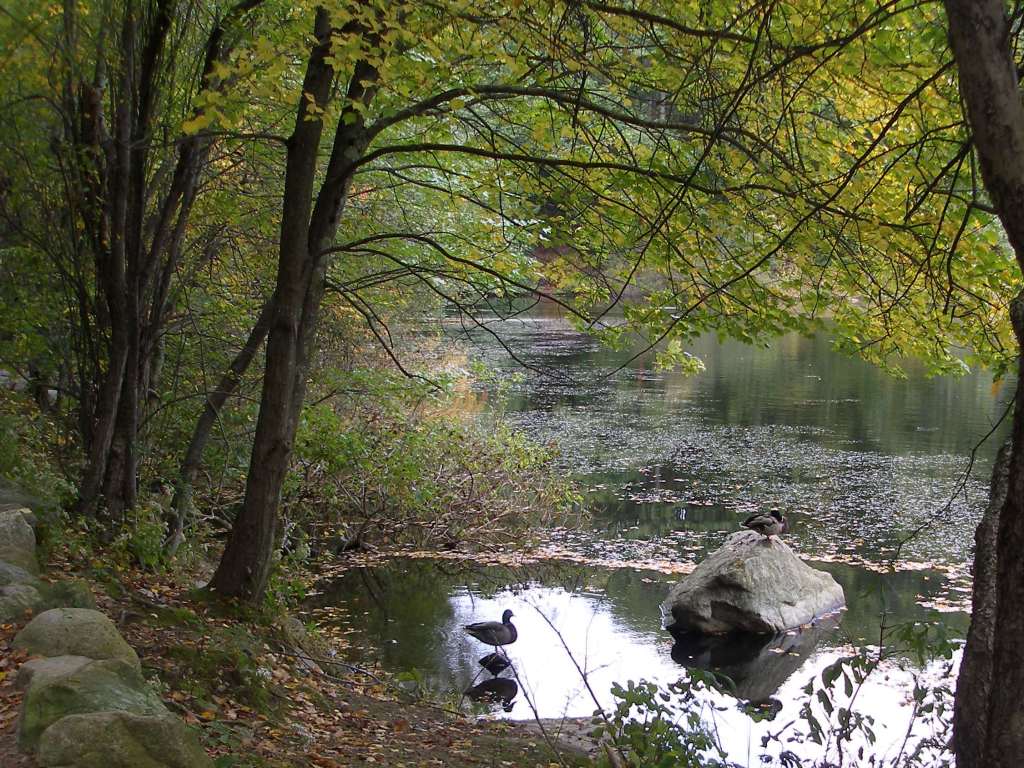
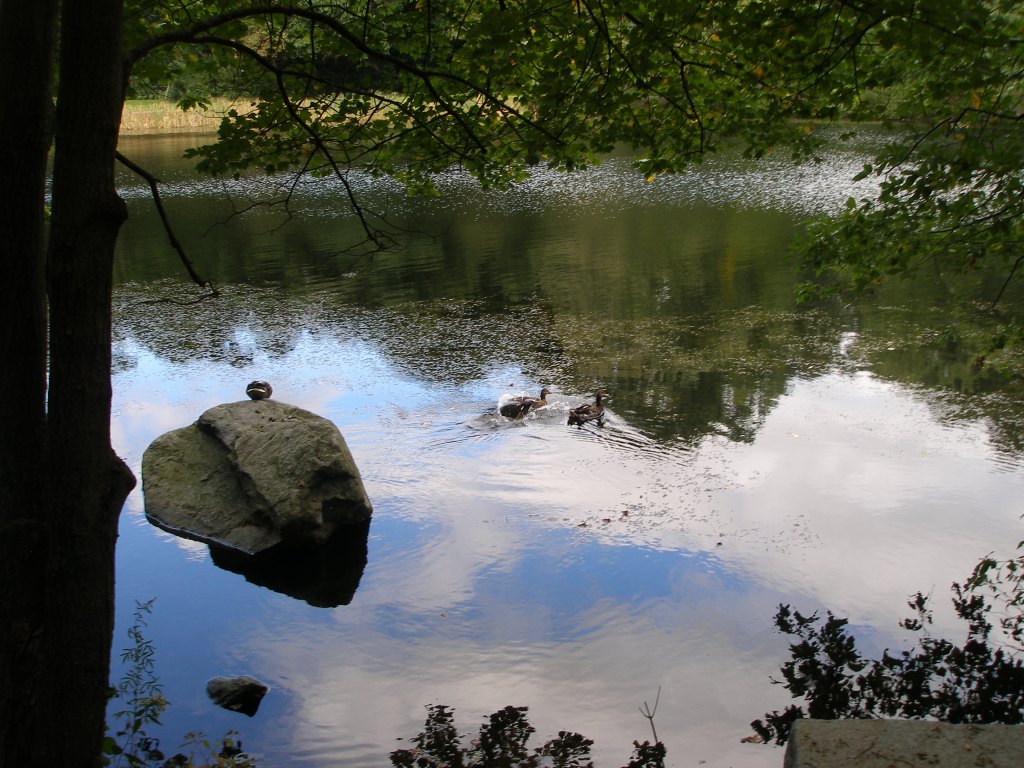
A boulder perched at the edge of Hills Pond when I started the photo series. It became an island as the waters rose. Then ice linked it to land again. In spring, geese and ducks perched on its strong back. There were signs of trouble as algal bloom sullied the water and all the birds left.
Waiting unperturbed, the boulder bore silent witness to ducks returning as brilliant colors in shades of yellow, orange and red mixed with the greens. Though all of this, the boulder sat with perfect equanimity. It had me wondering whether I could be more like that. Probably not, but that I could appreciate (and hopefully remember) its still presence seemed to count for something.