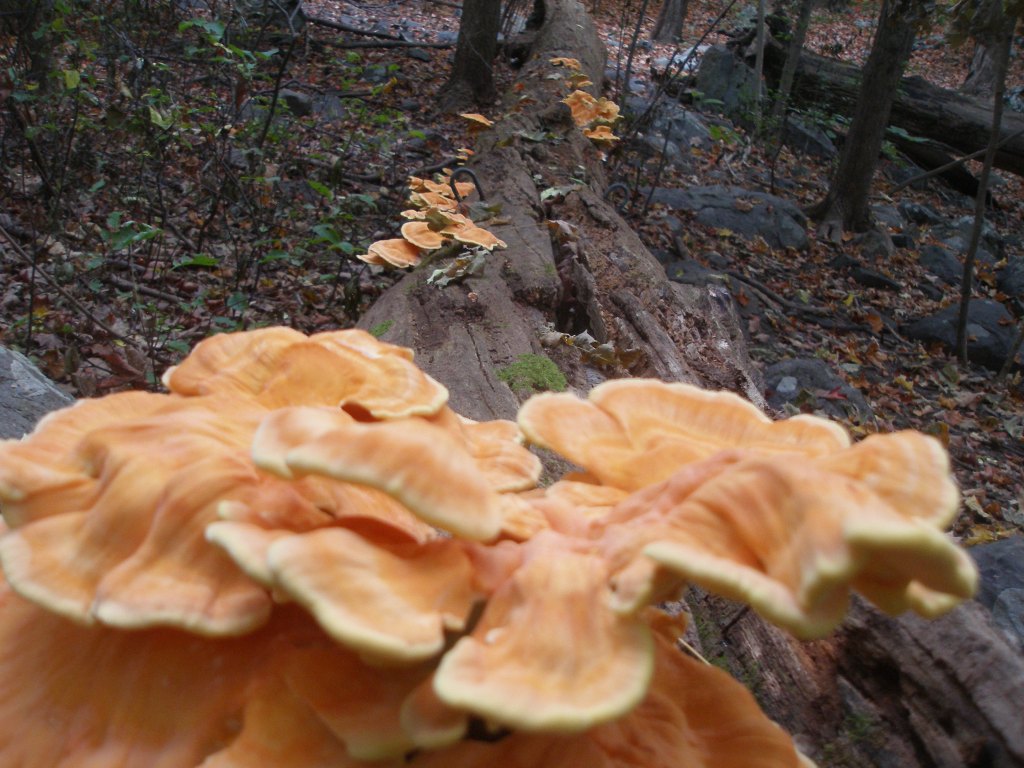
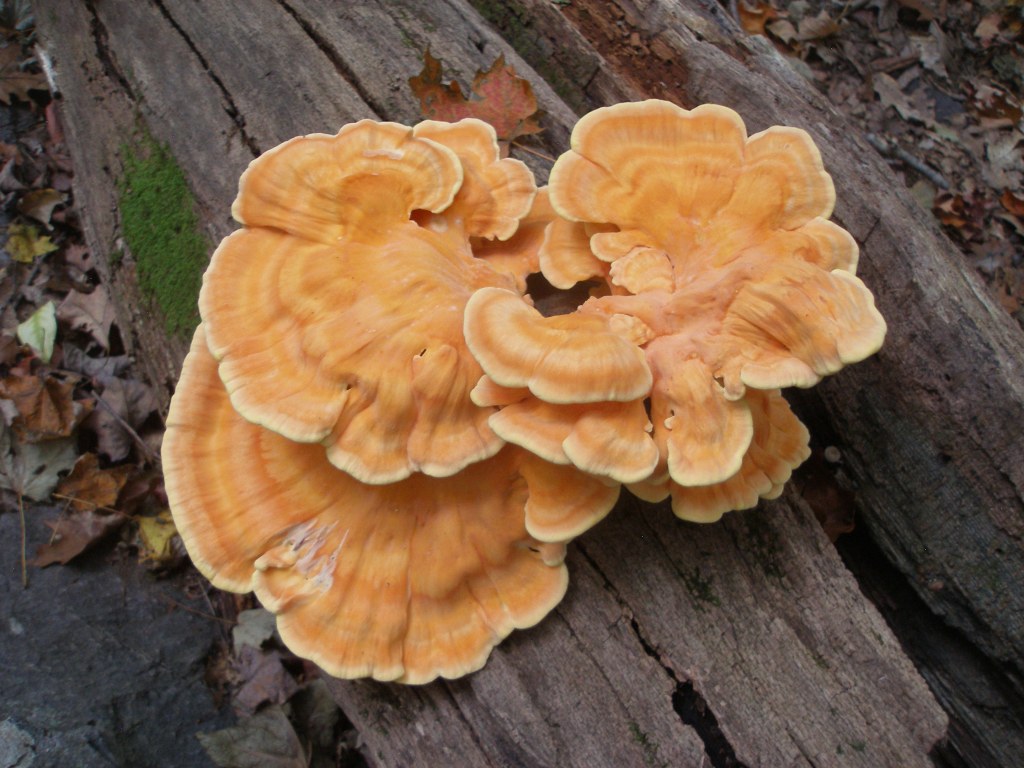
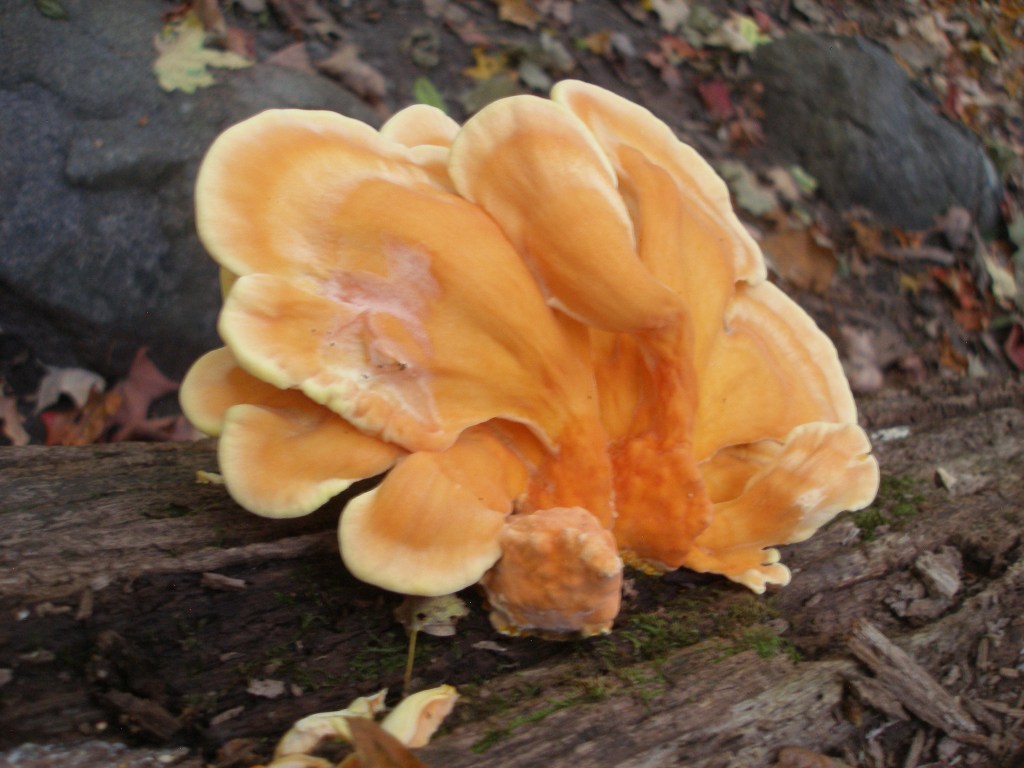
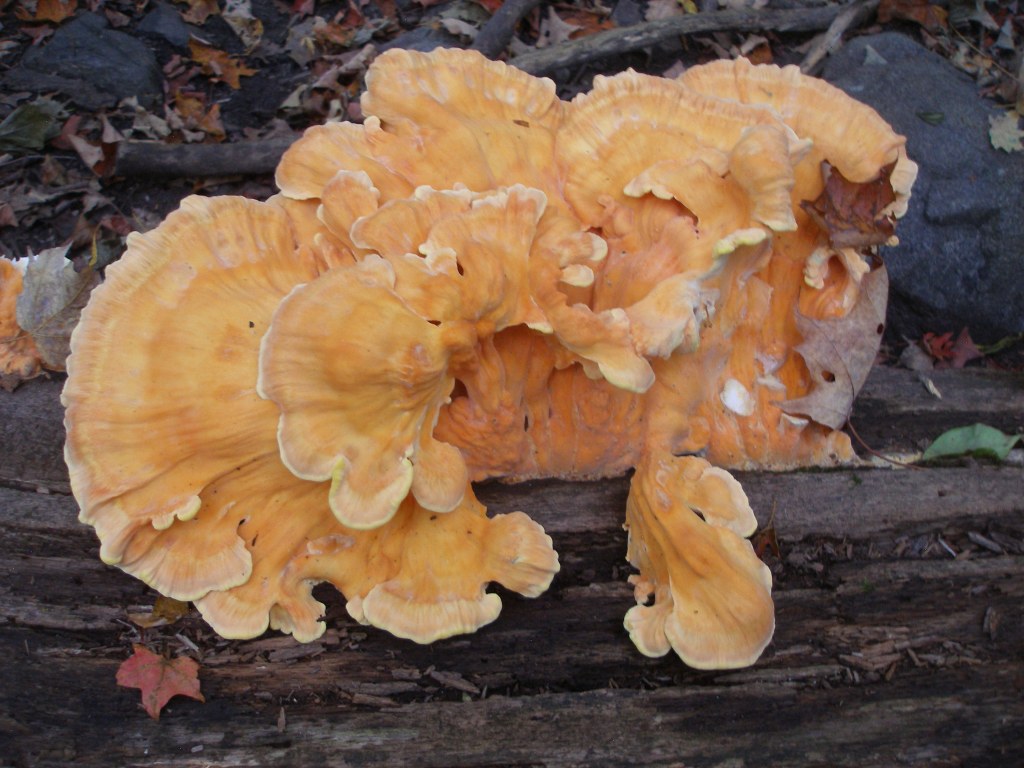
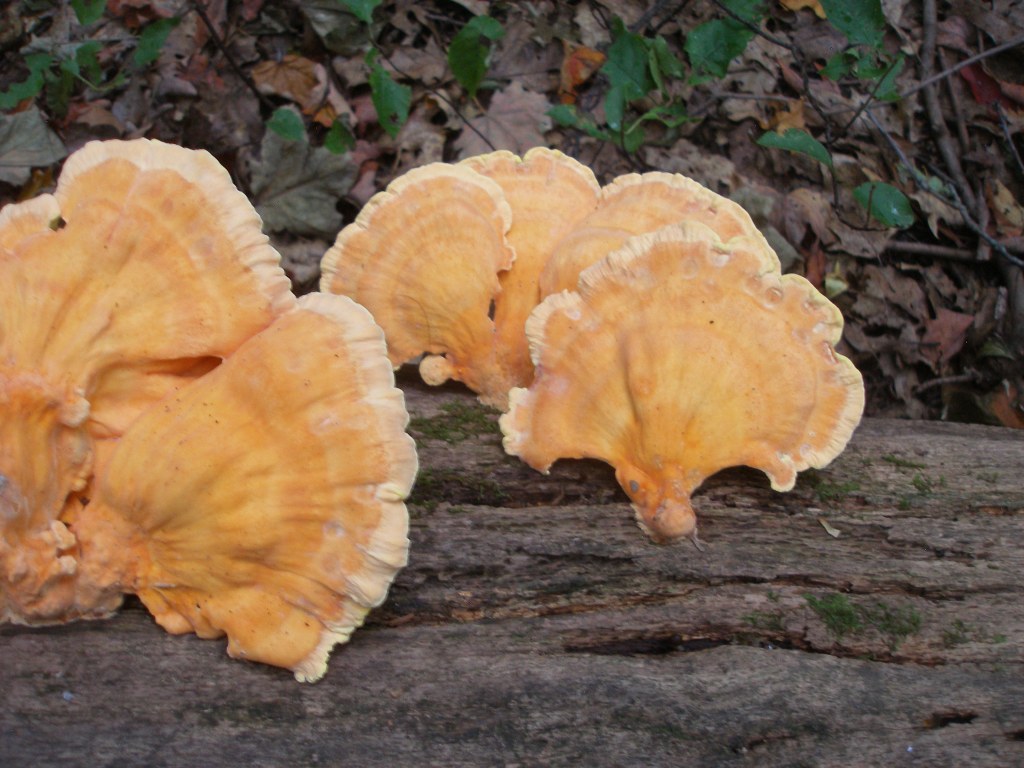
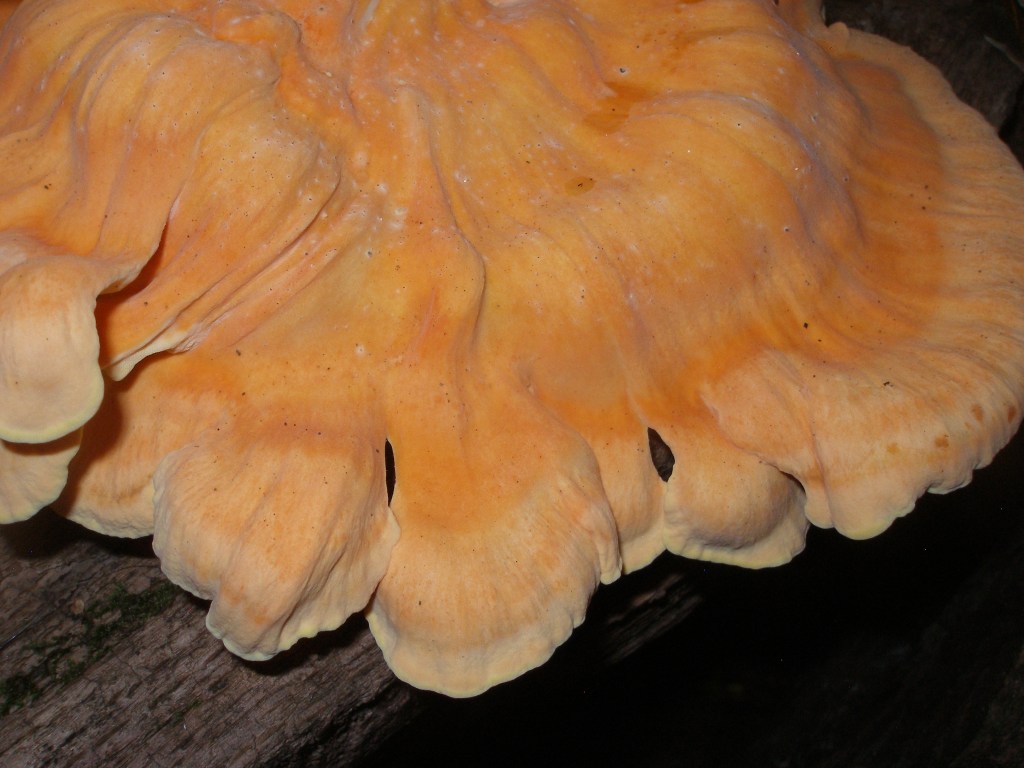
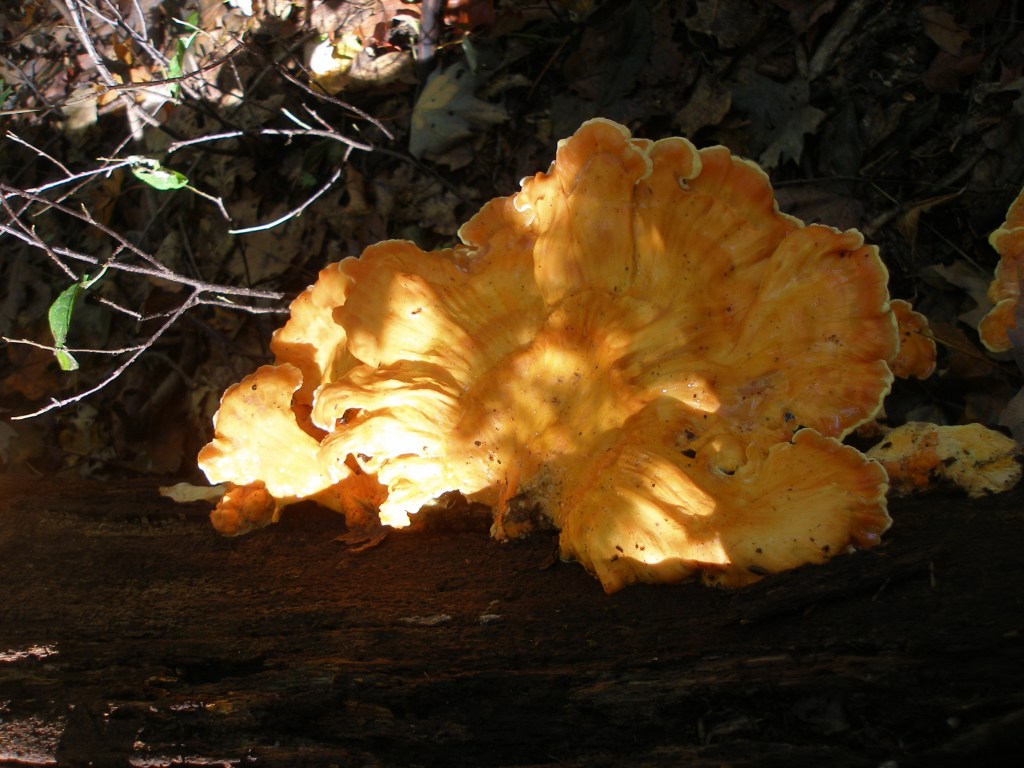
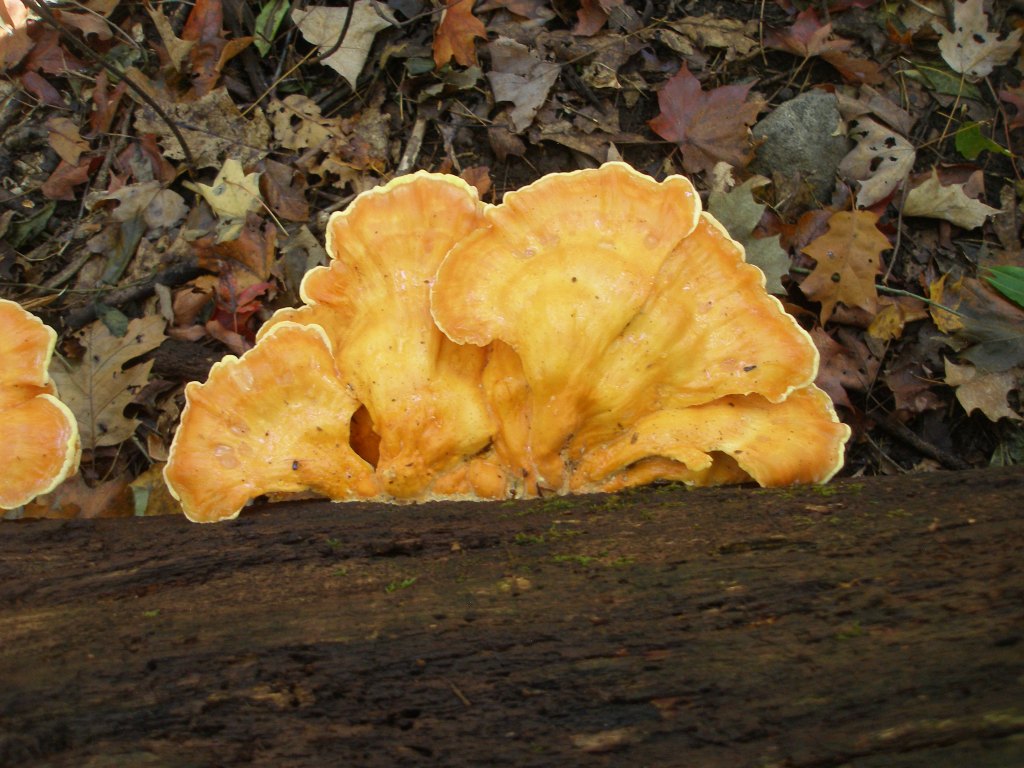
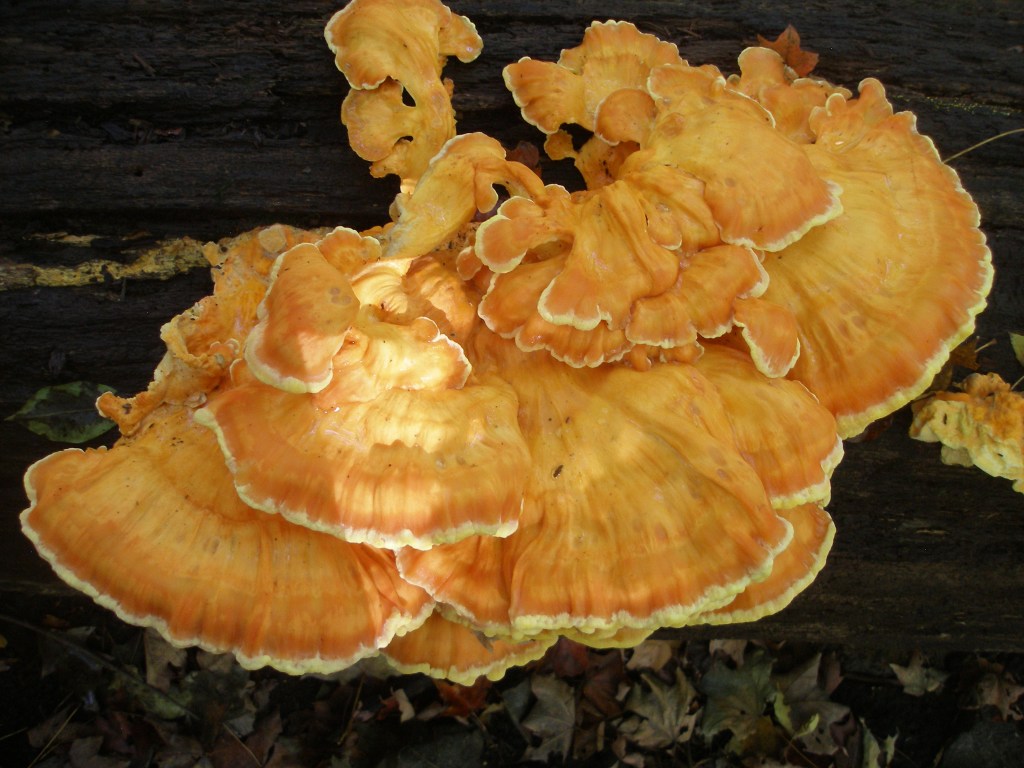
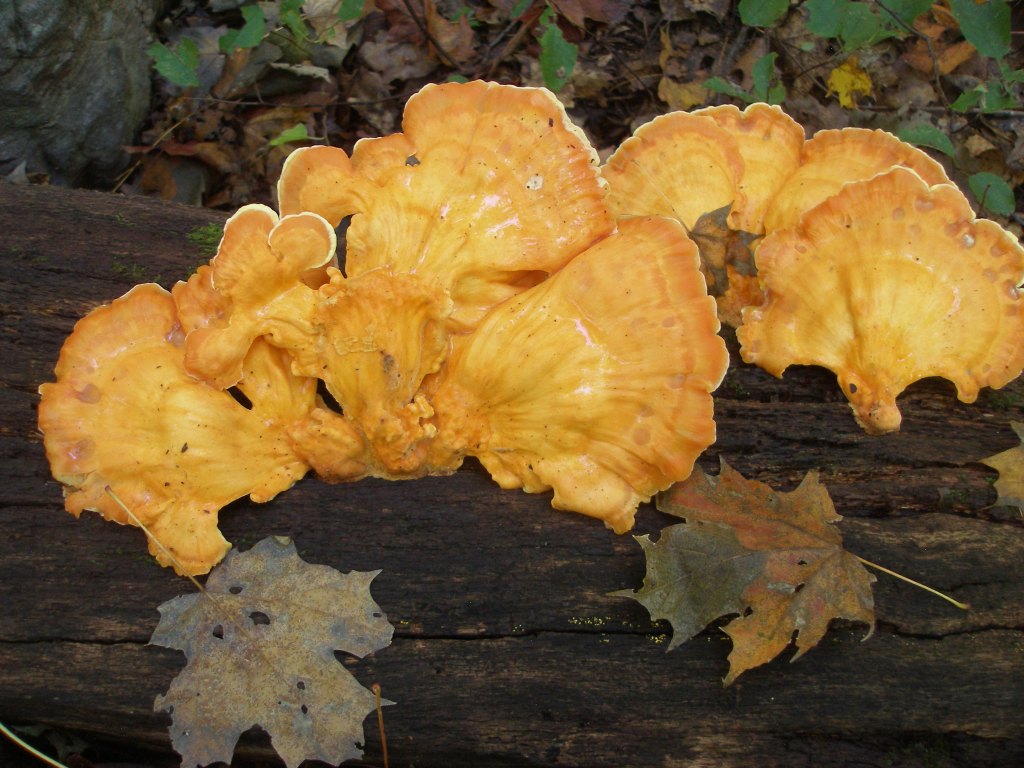
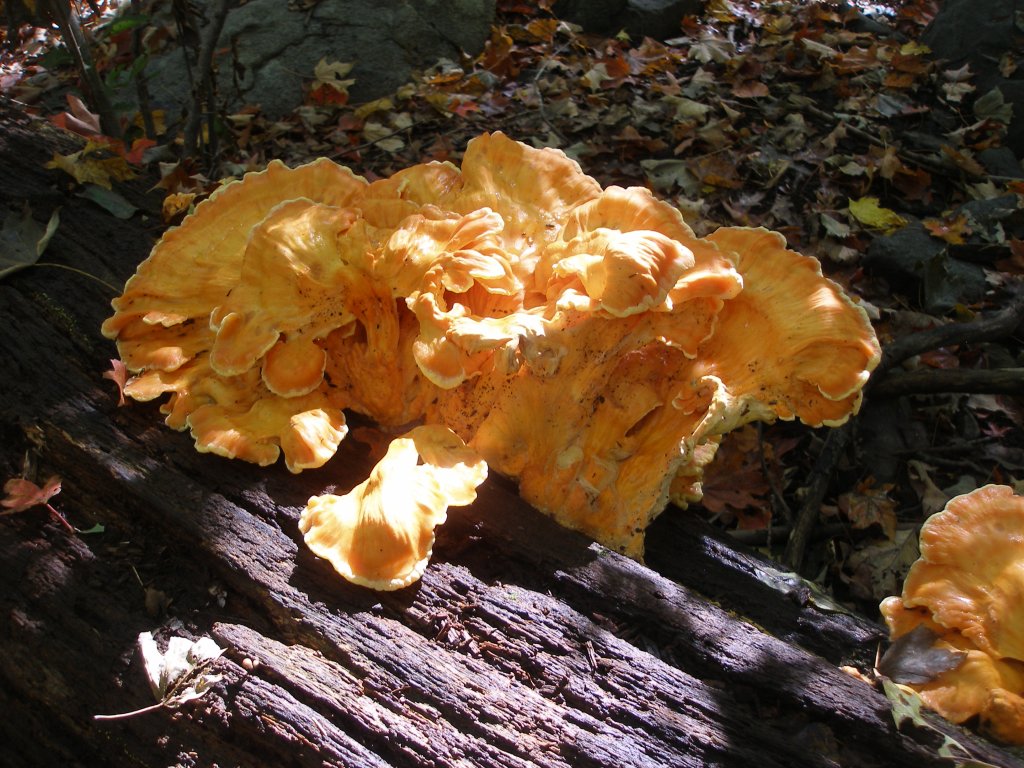
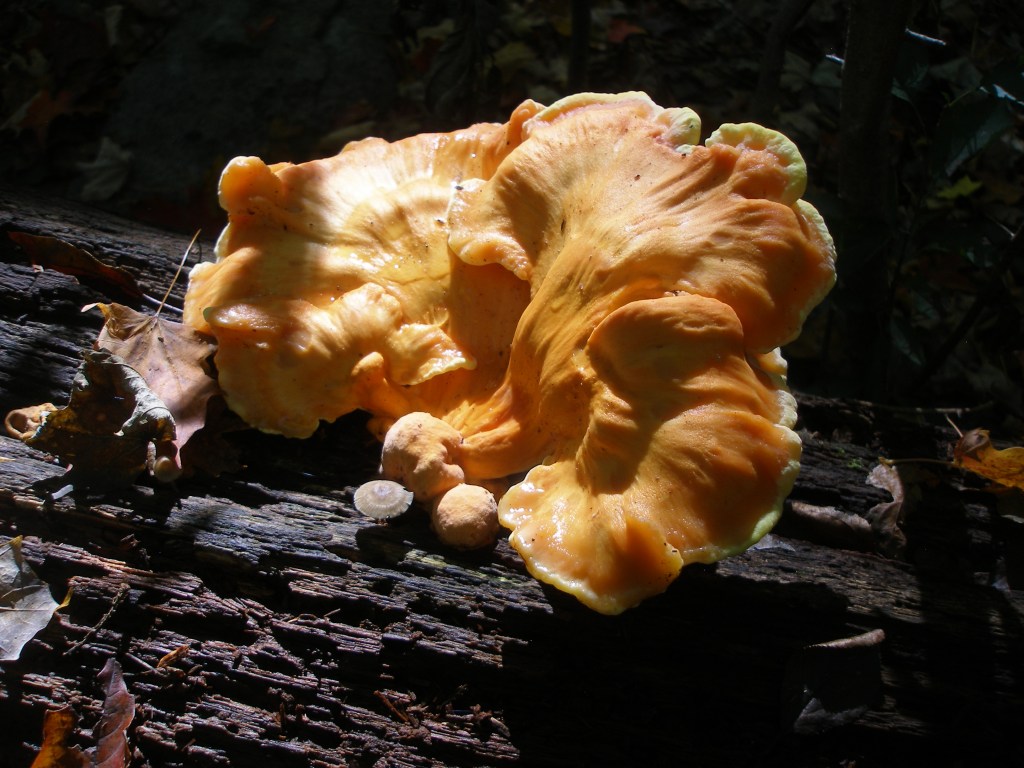
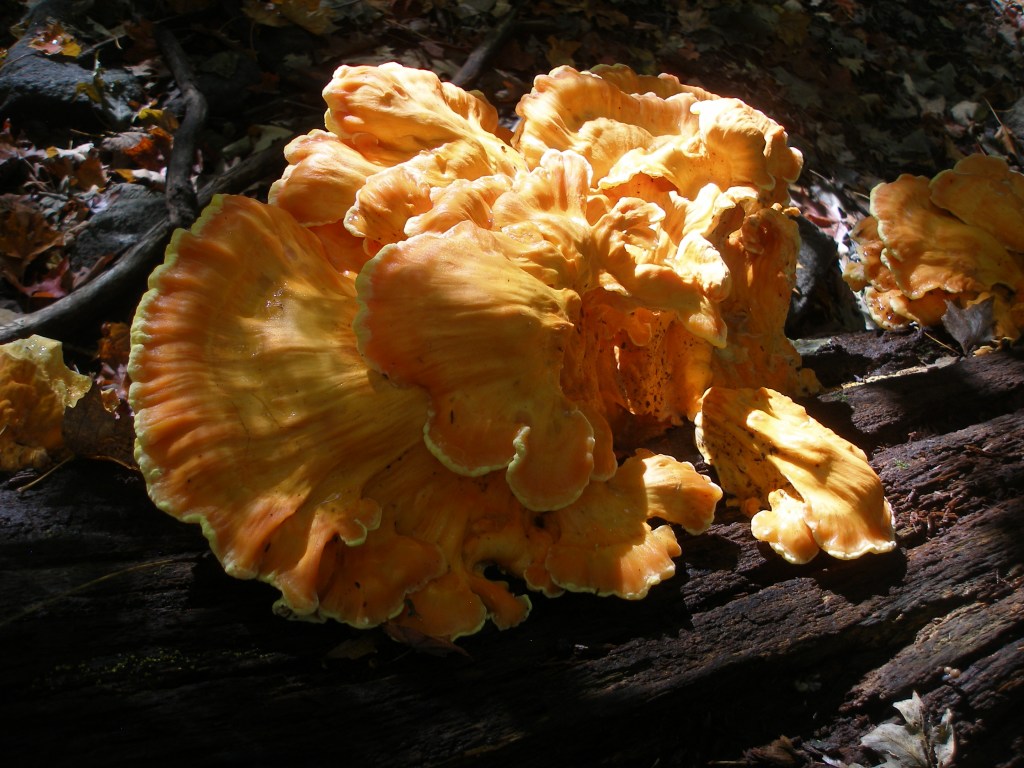
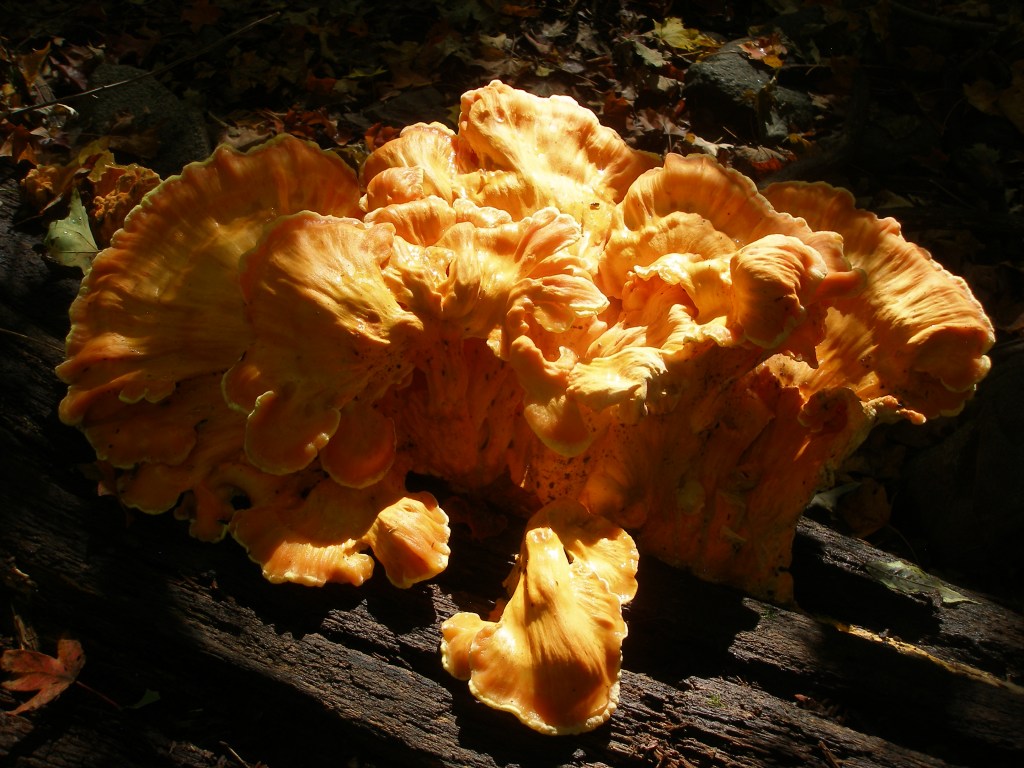
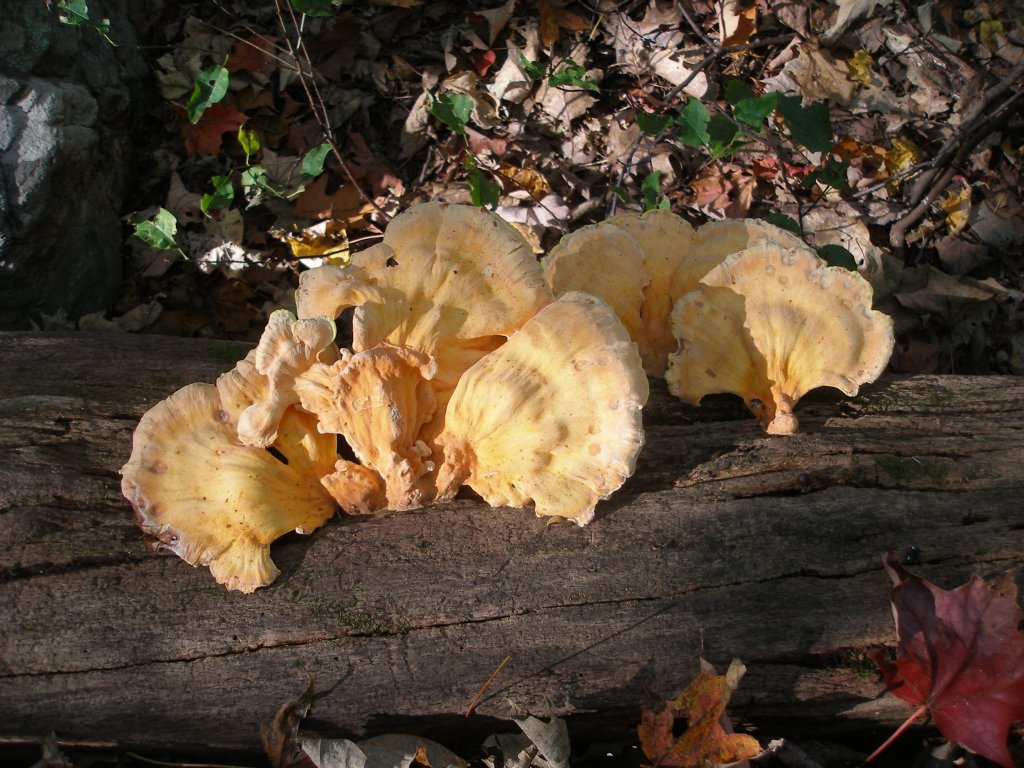
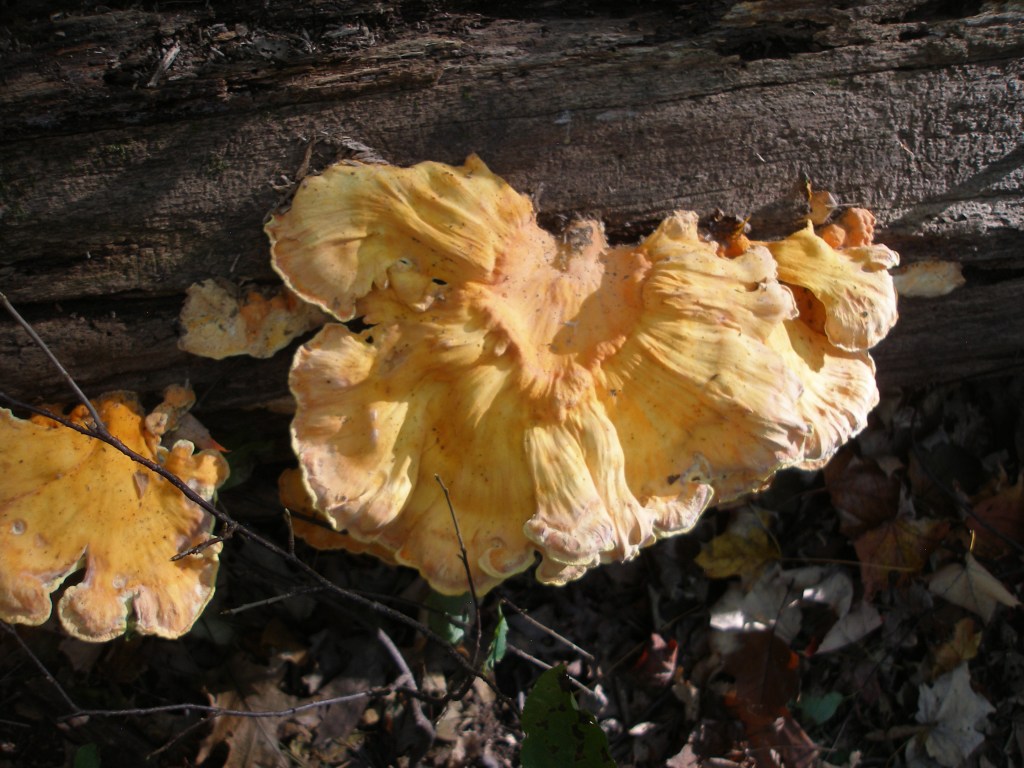
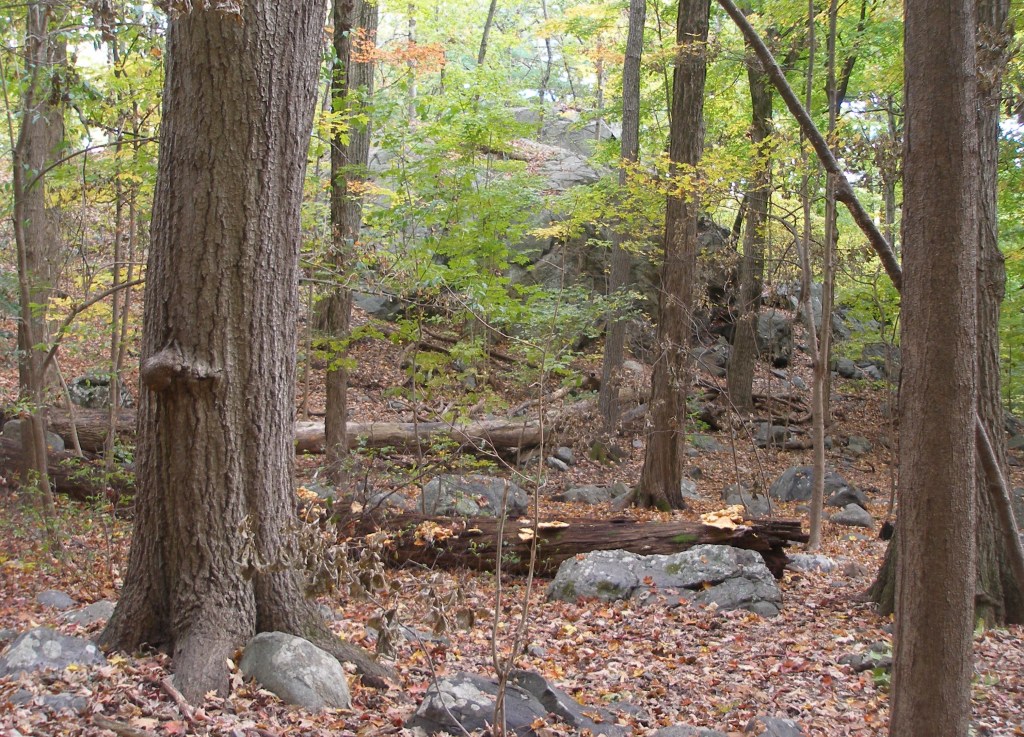
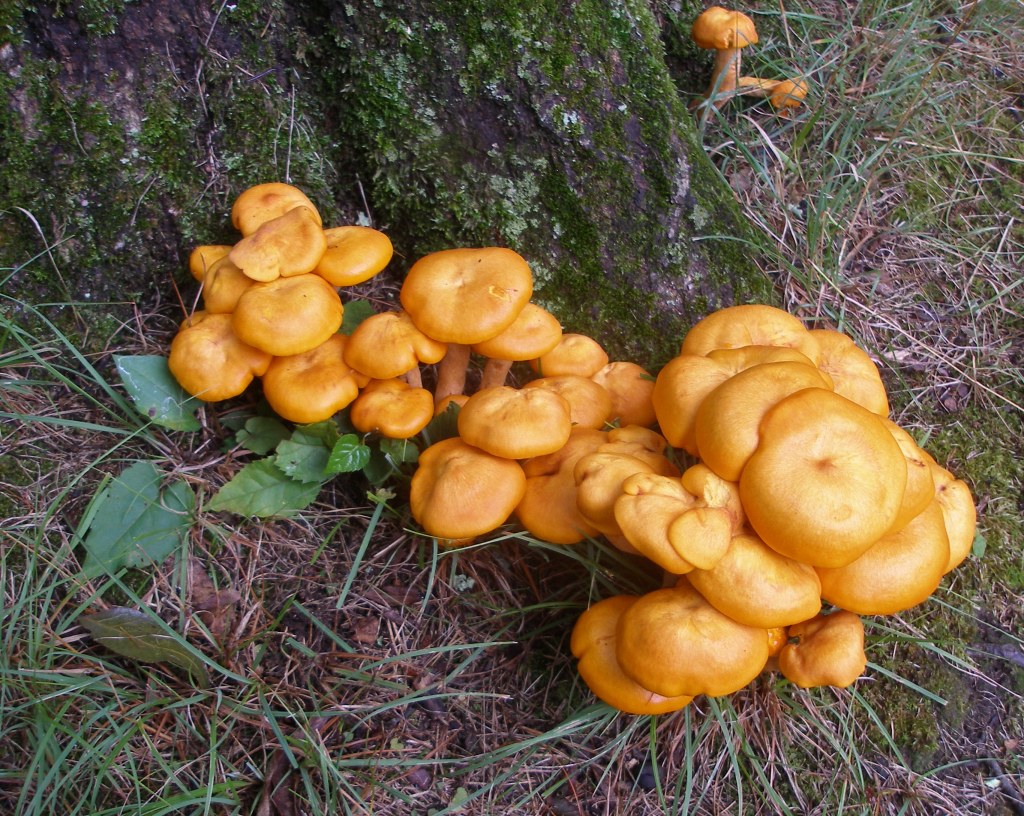
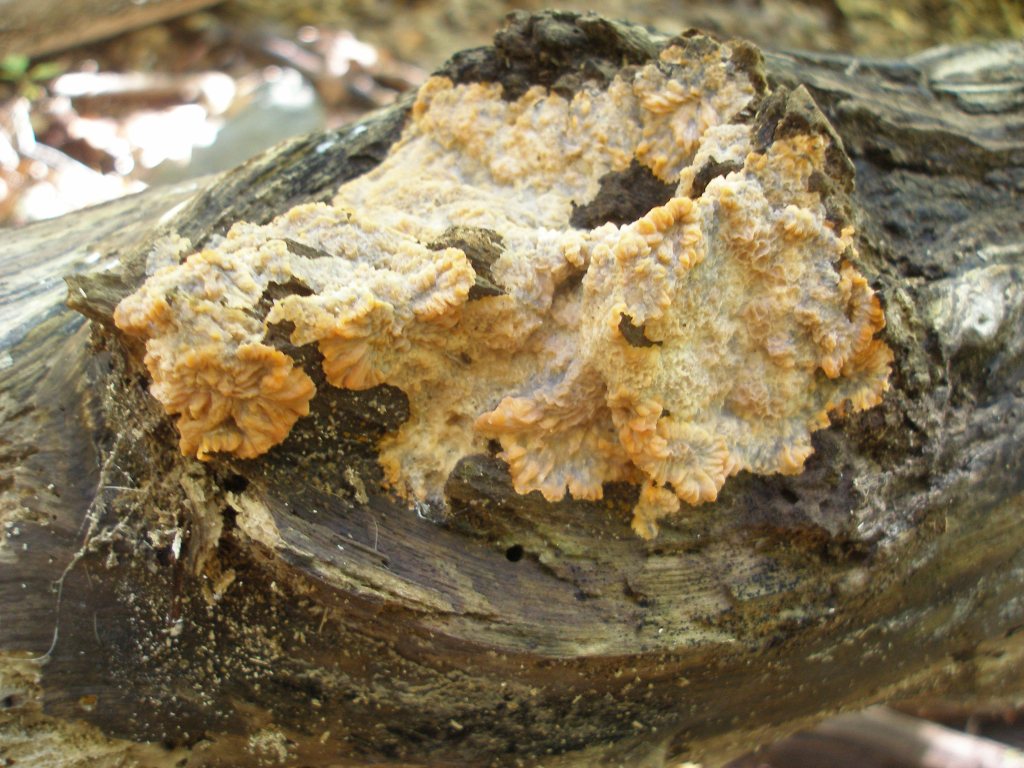
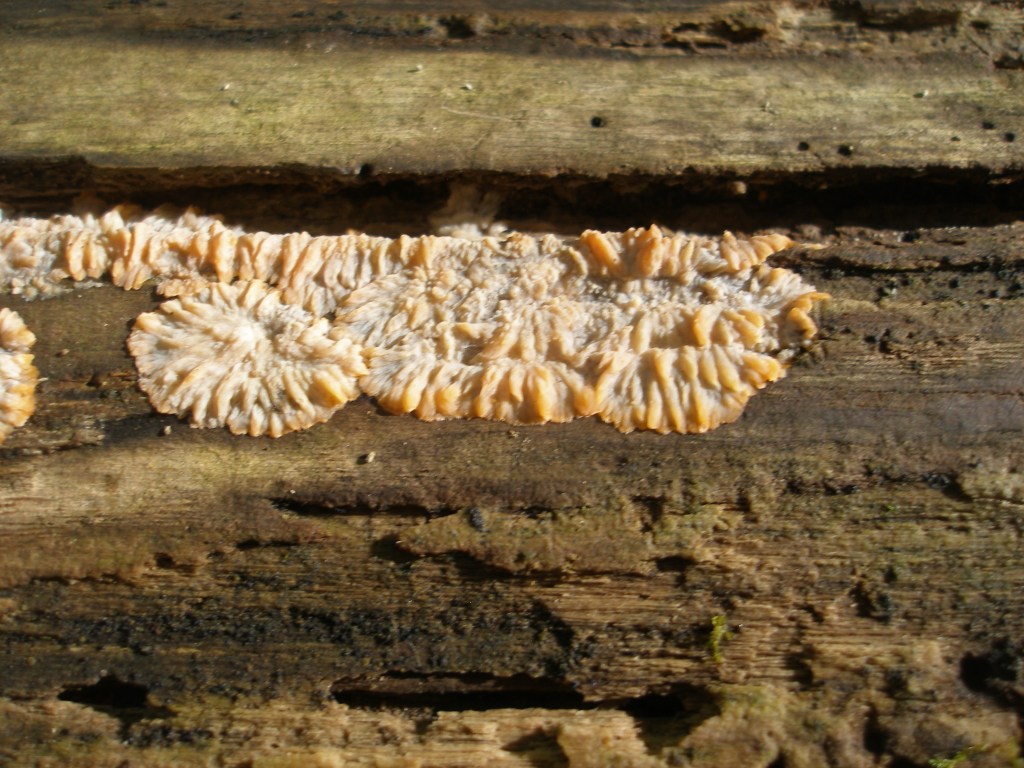
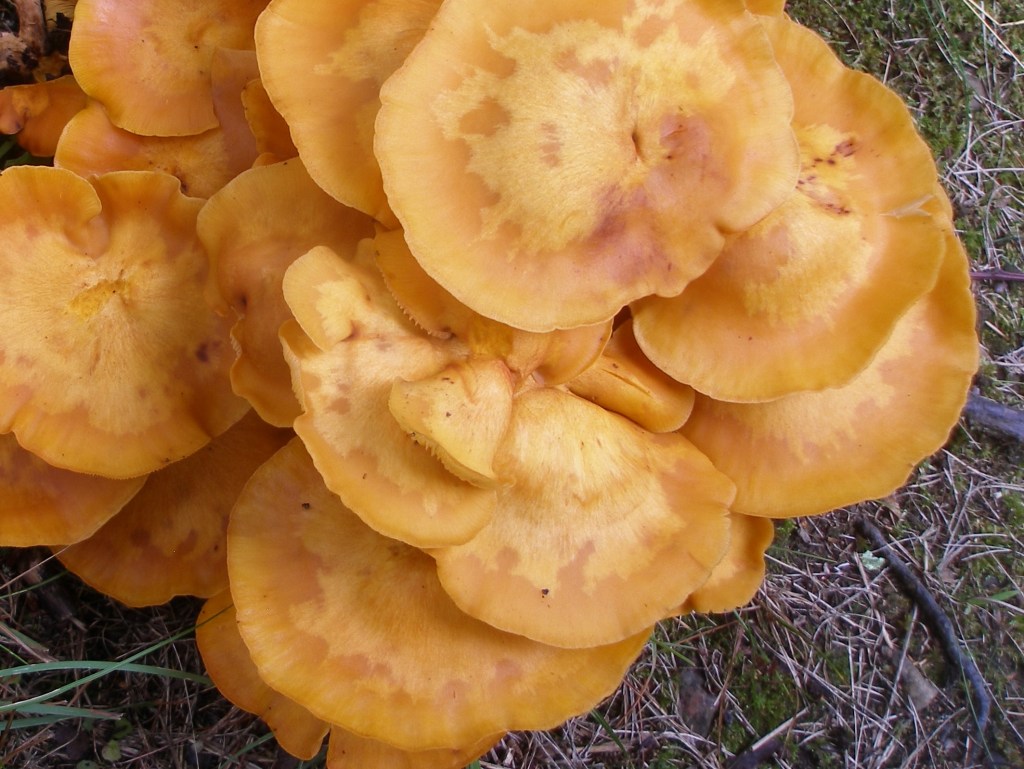
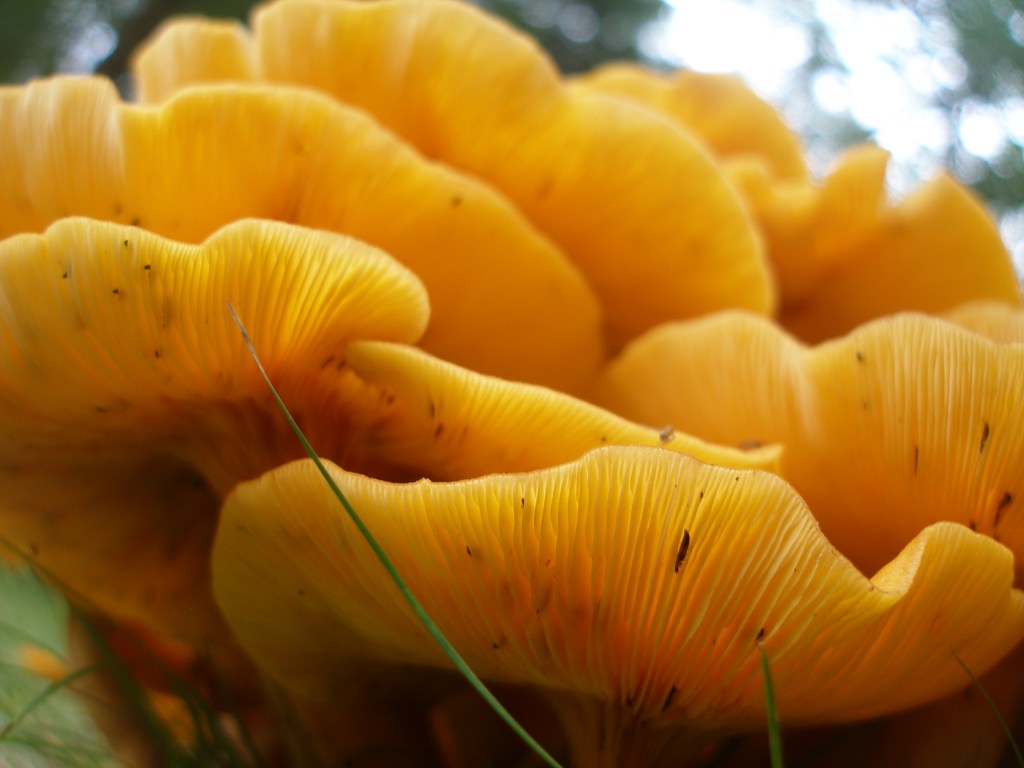
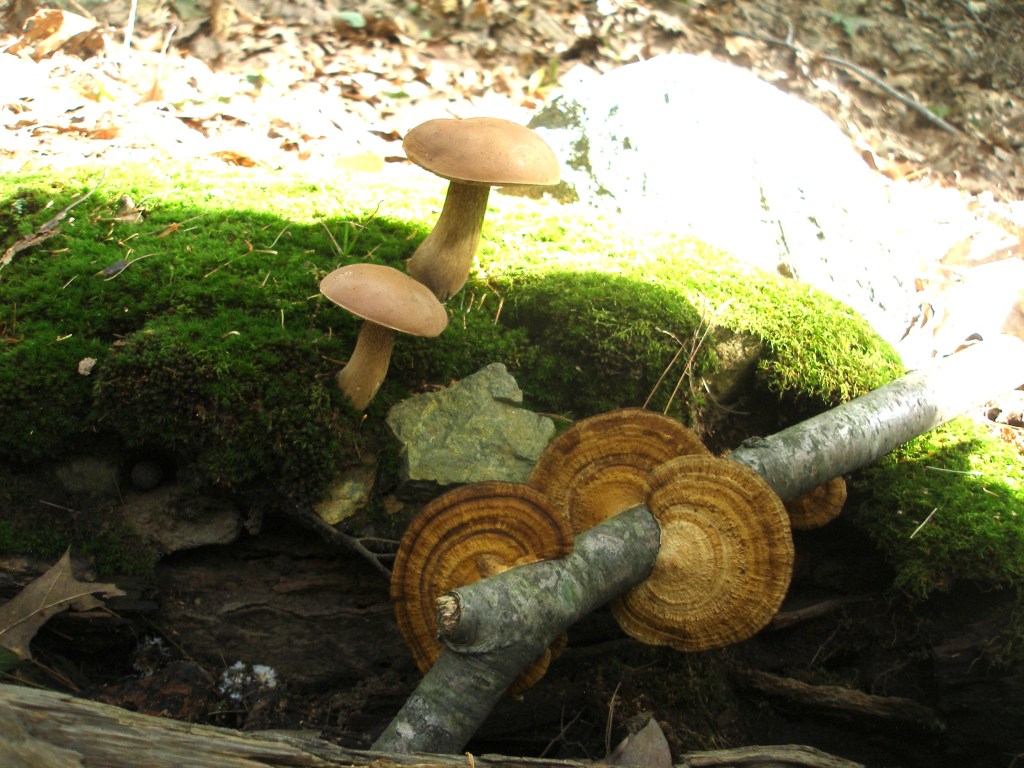
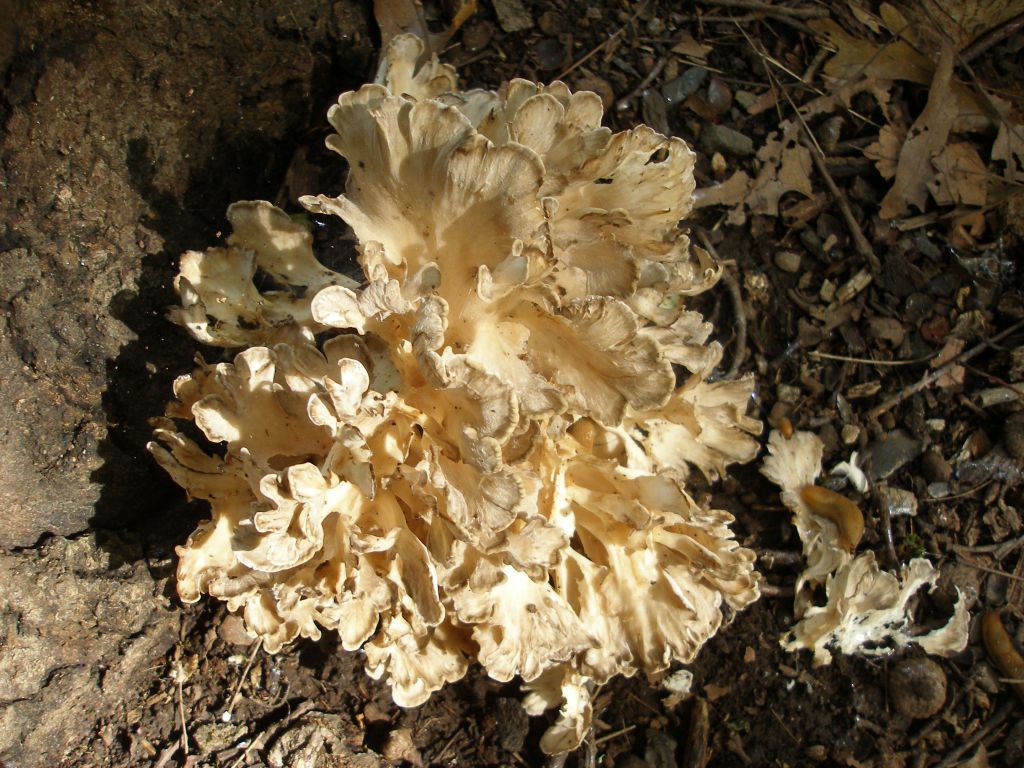
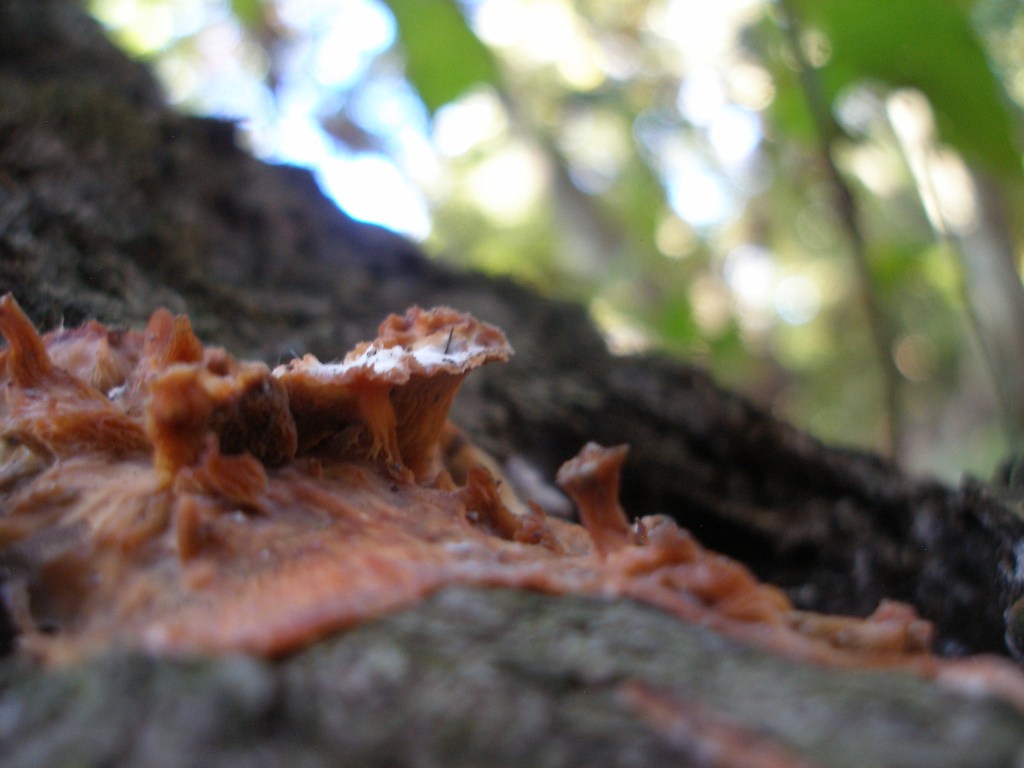
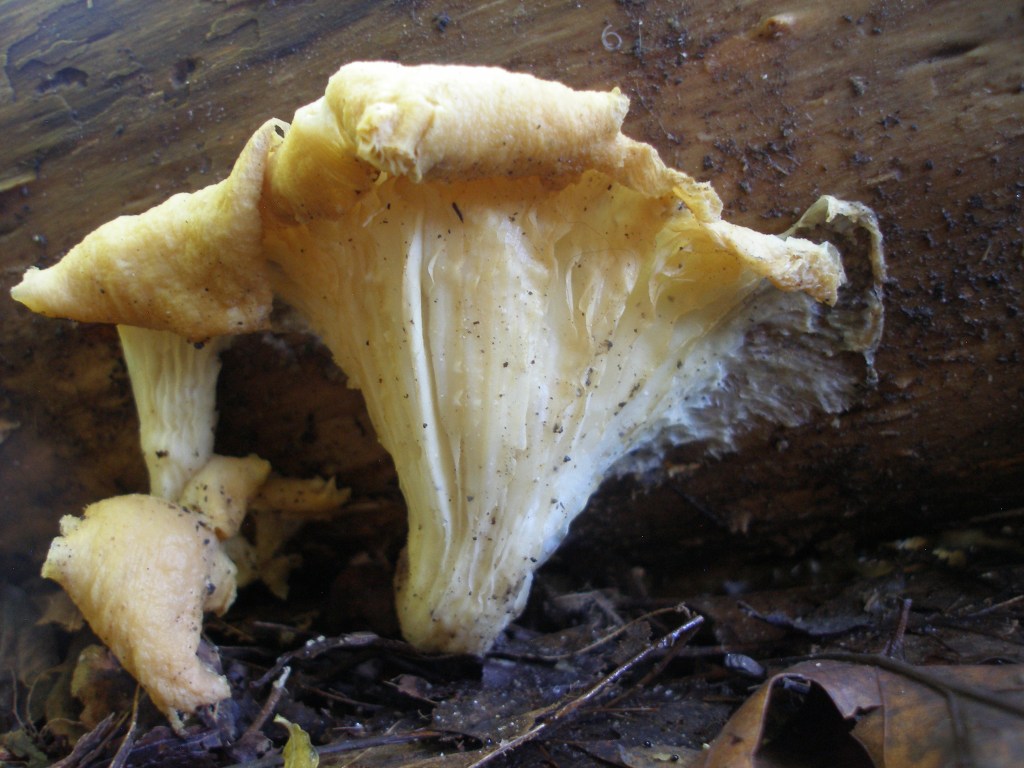
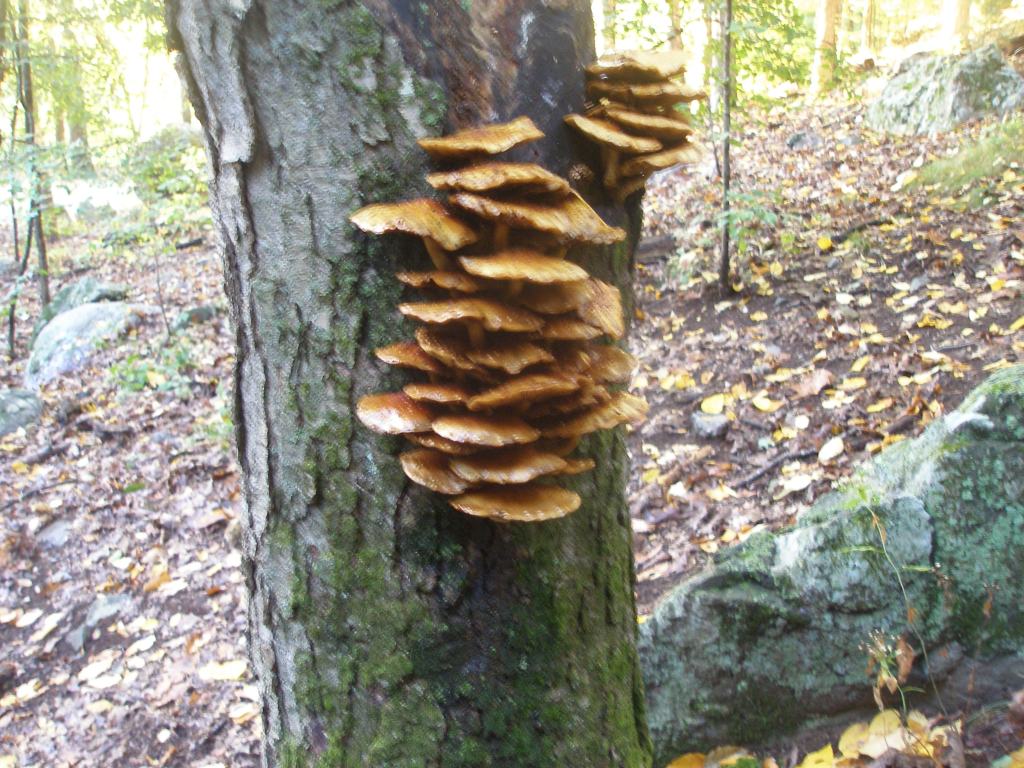
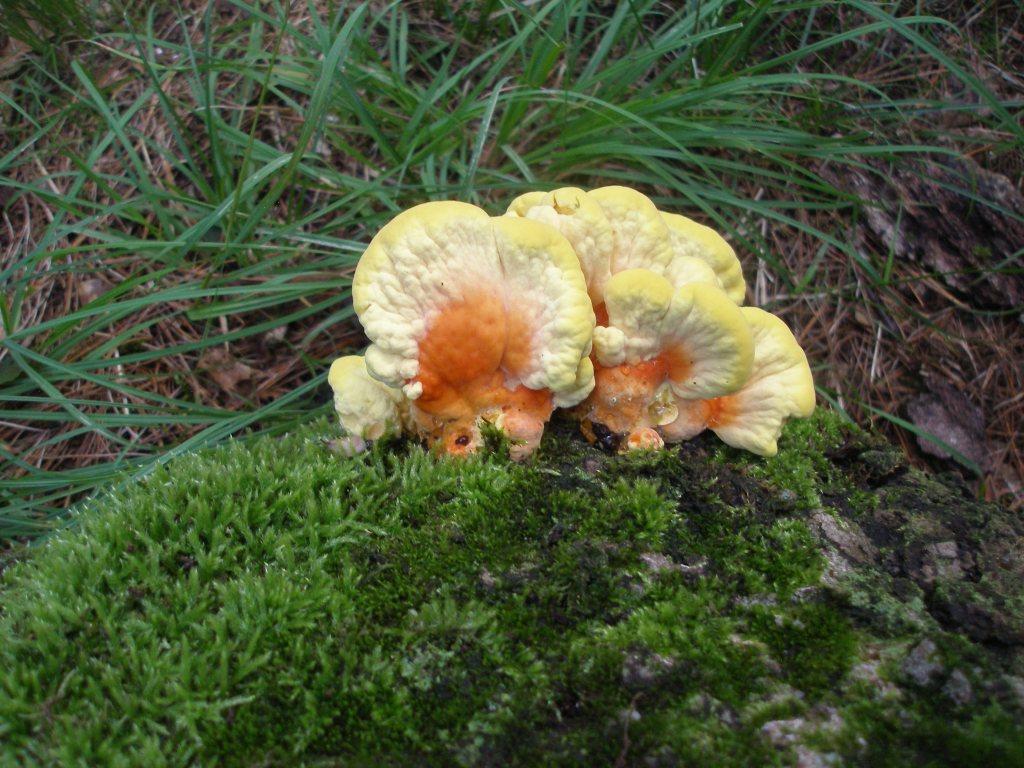
Walking along the path toward the pond in Menotomy Rocks Park, ArIington, Massachusetts, USA. I caught a glimpse of orange patches. Coming closer I saw Chicken of the woods mushrooms trooping down a fallen trunk.
There were maple leaves on the ground in that area, with none of the expected oak. Perhaps the nutritious sap of a sugar maple was supporting such an abundant display.
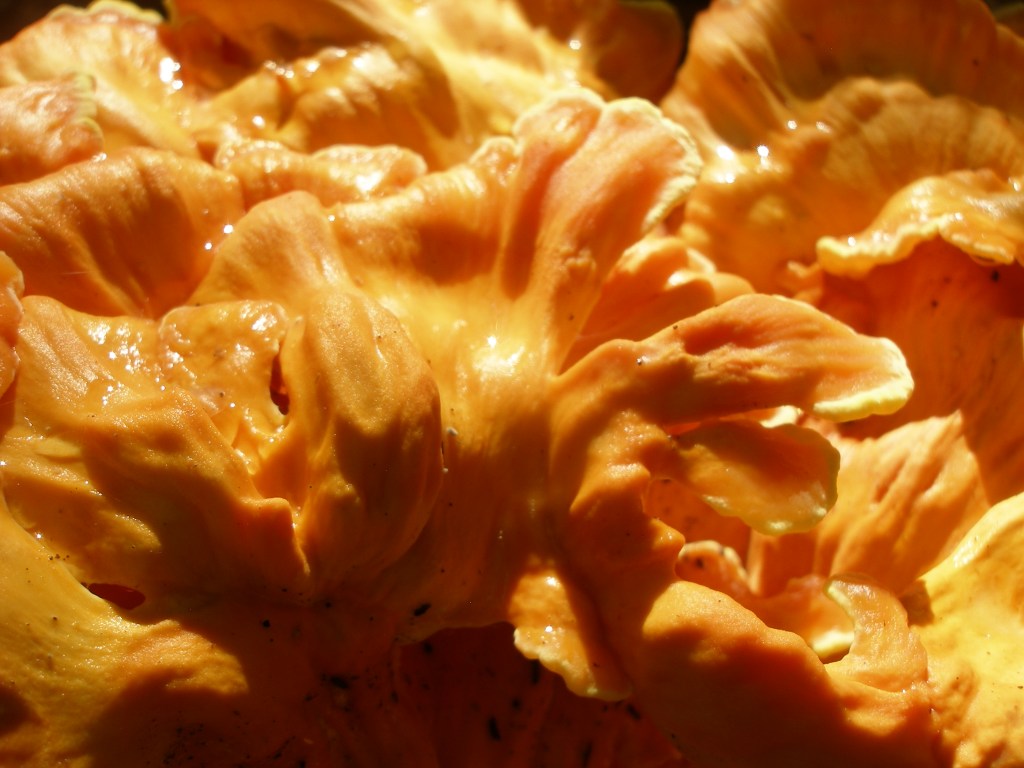
Over several days, I returned to view this spectacle in different lights as the shapes changed and the colors began to fade.
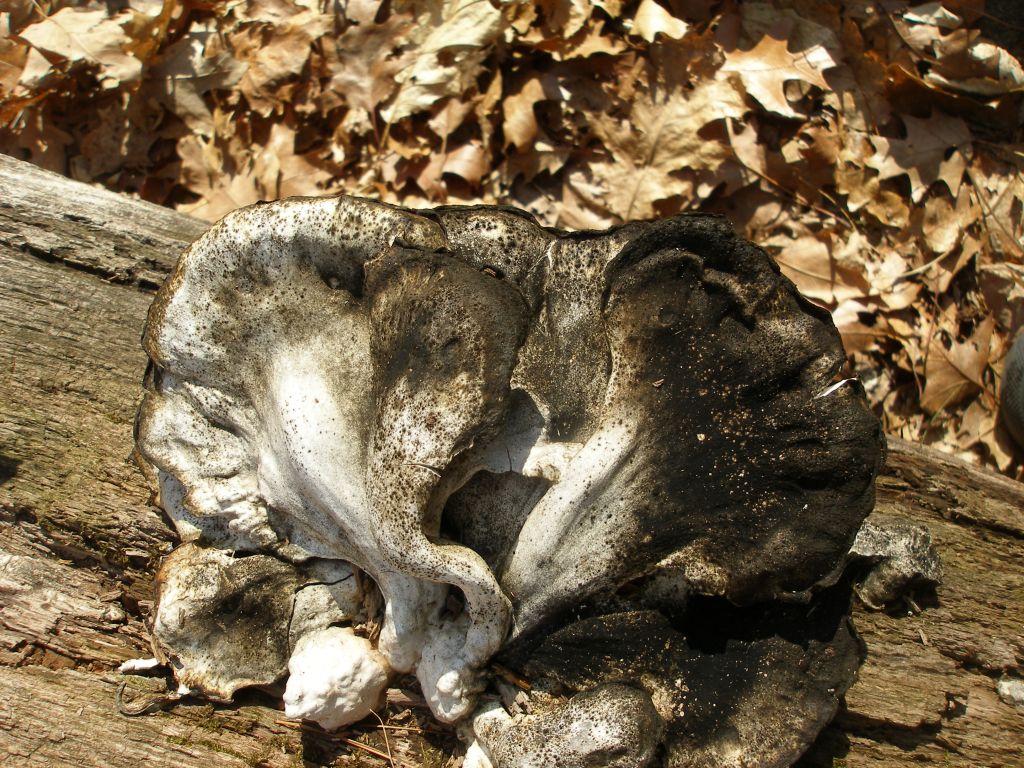
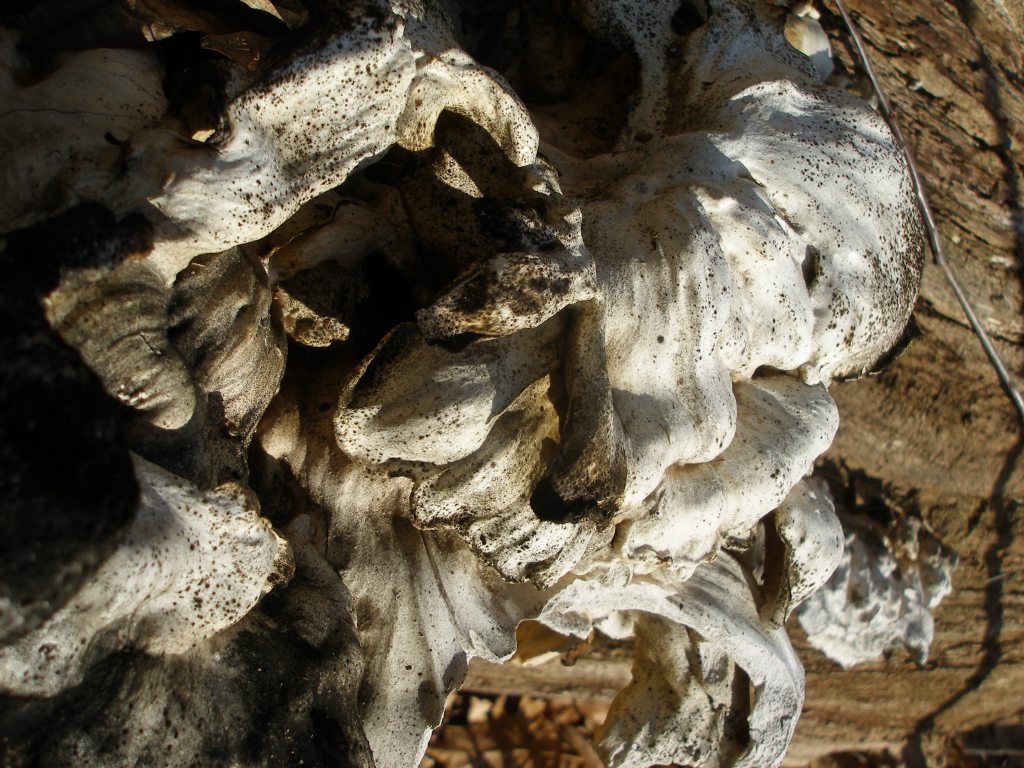
And here is how some of them looked after a dry winter:
Although areas nearby have gotton considerable rain, where I live in Arlington, Massachusetts, USA, we had a whole month of unrelenting dryness. This year there is nothing like the diverse abundance I saw around this time in 2021. Still there were some notable mushrooms popping up here and there. Evidently Chicken of the Woods and Jack O Lanterns produce fruiting bodies even when it is dry.
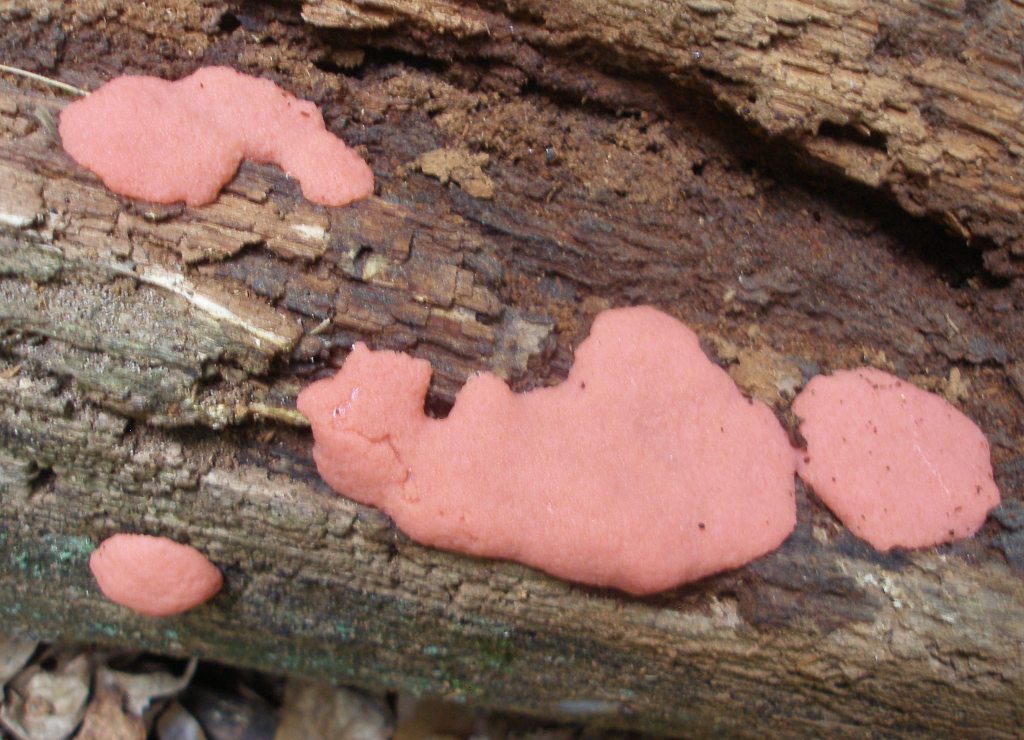
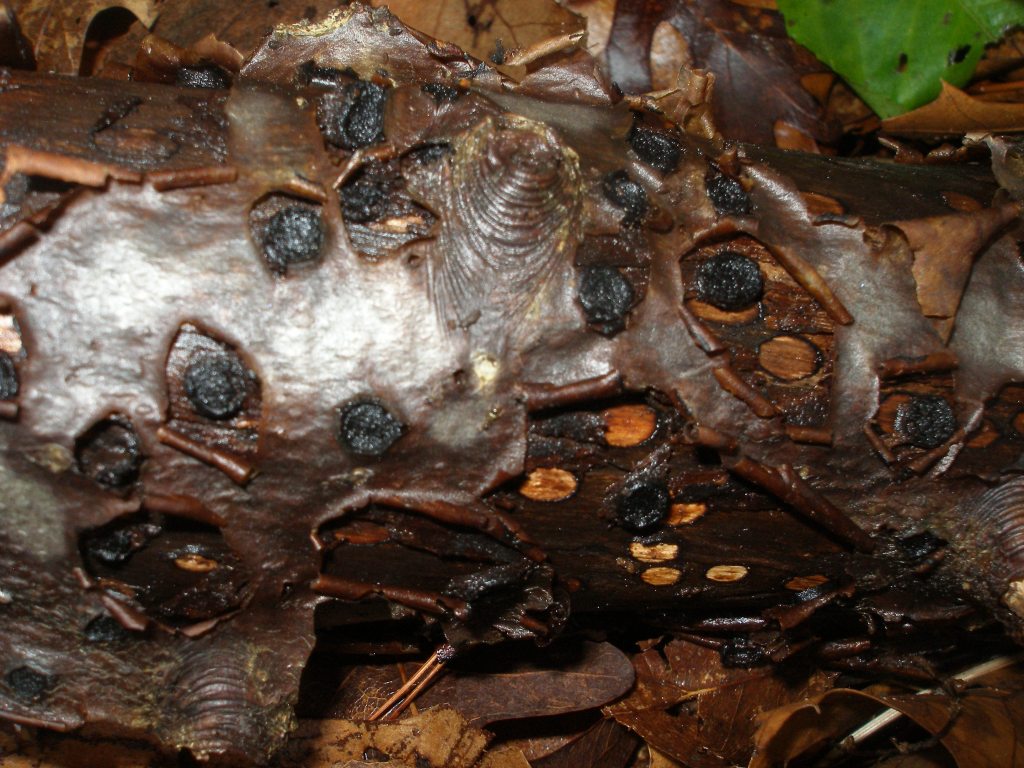
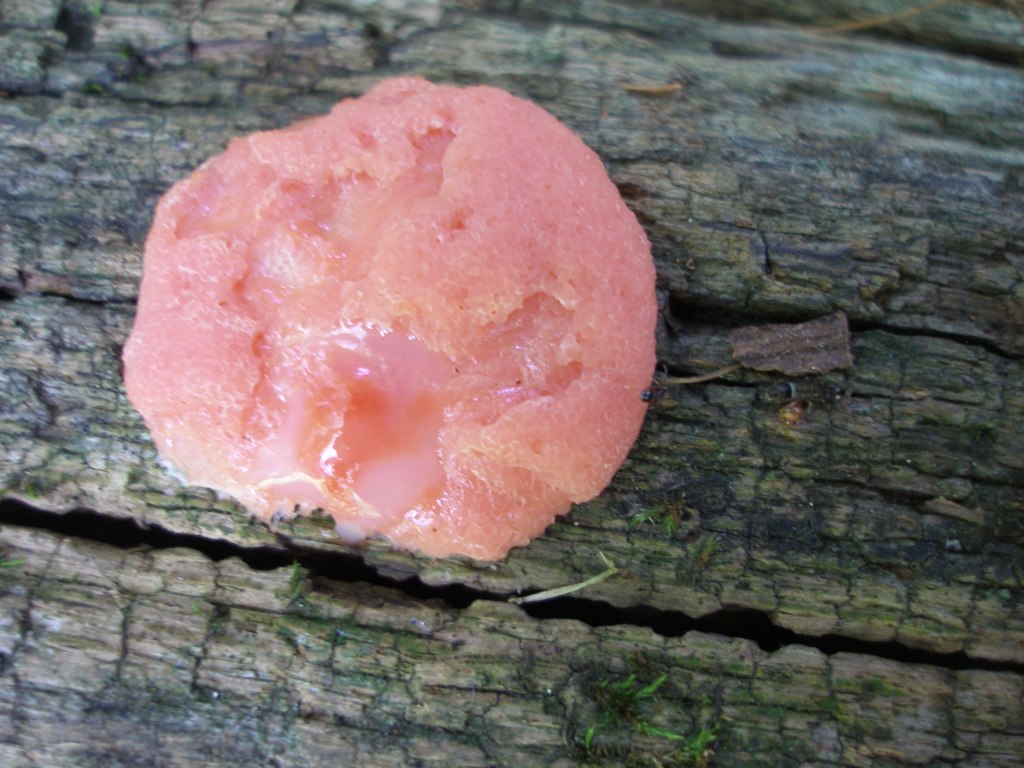
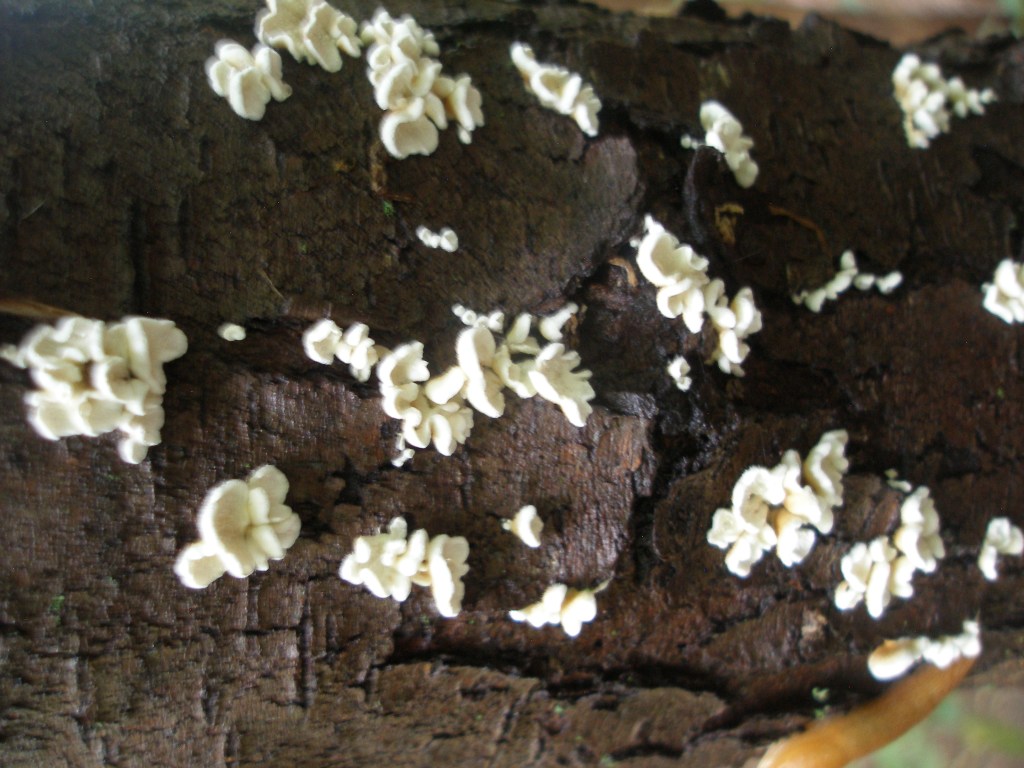
I did come across some interesting slime molds. Those are included as the last photos below.
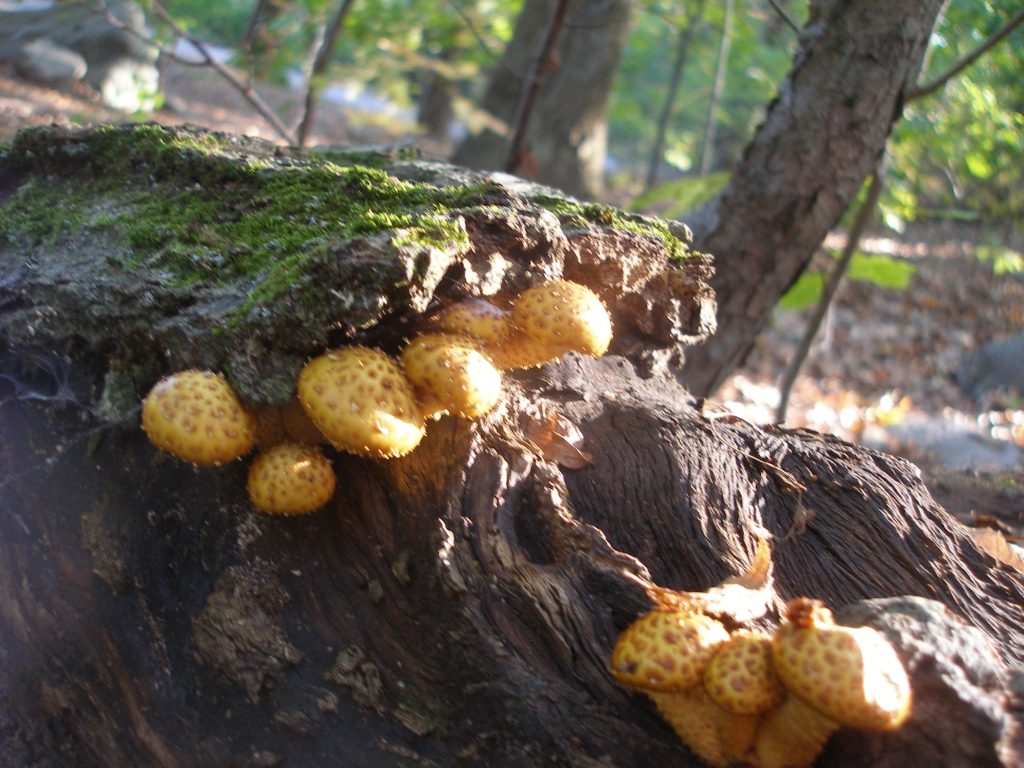
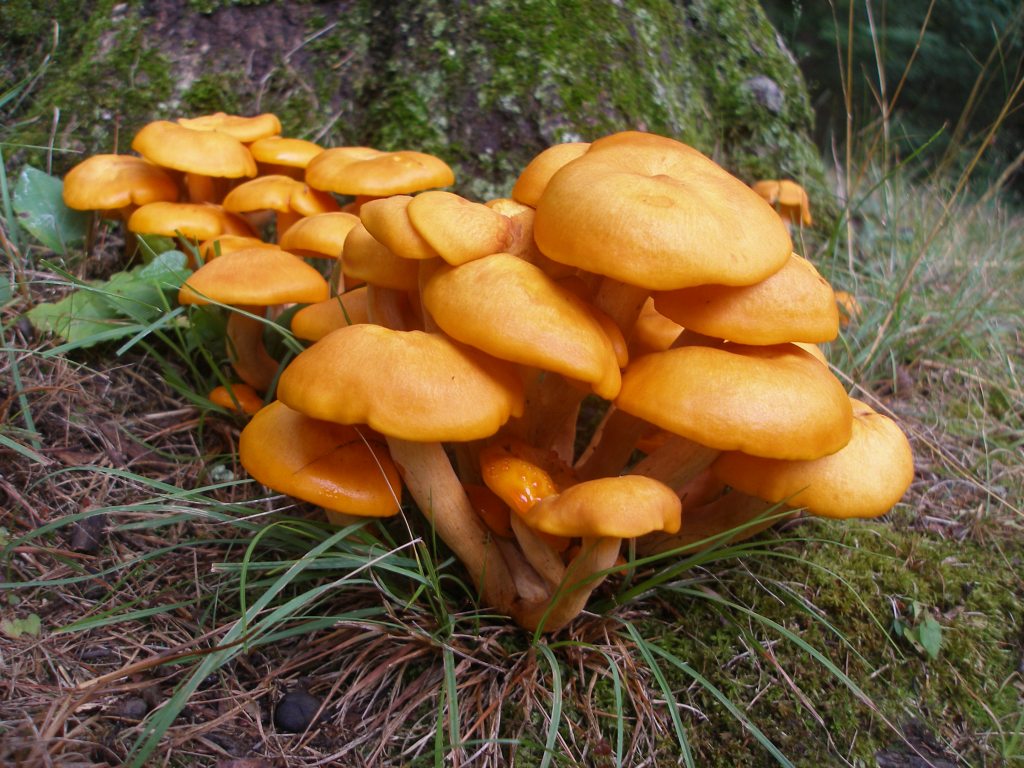
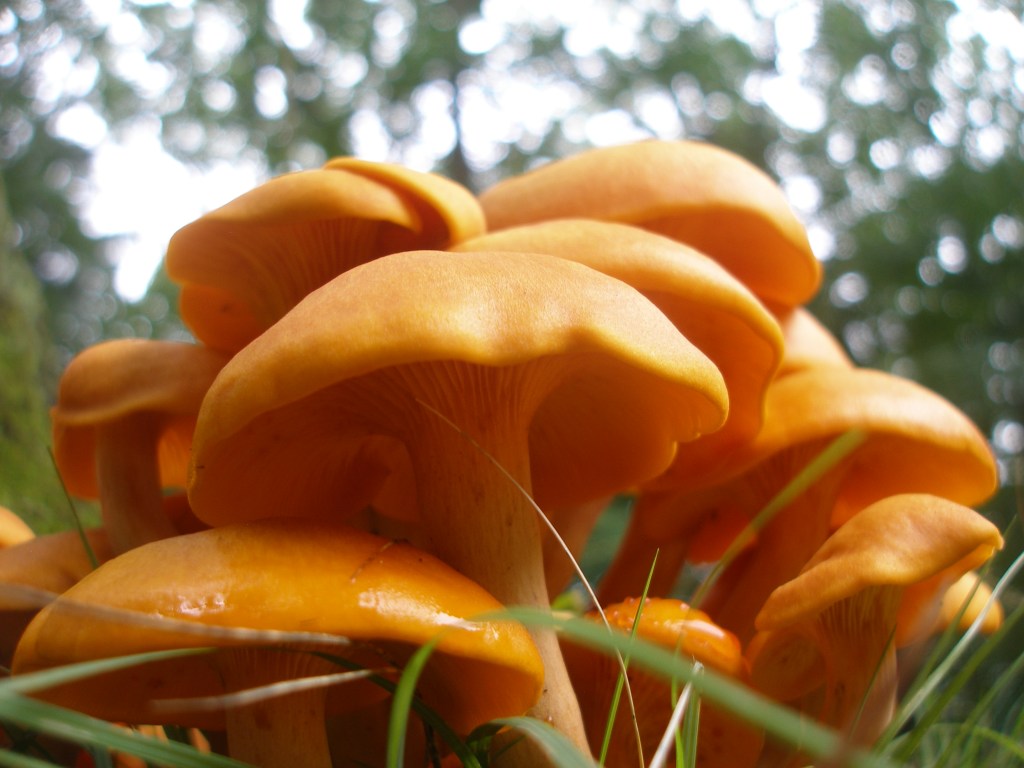
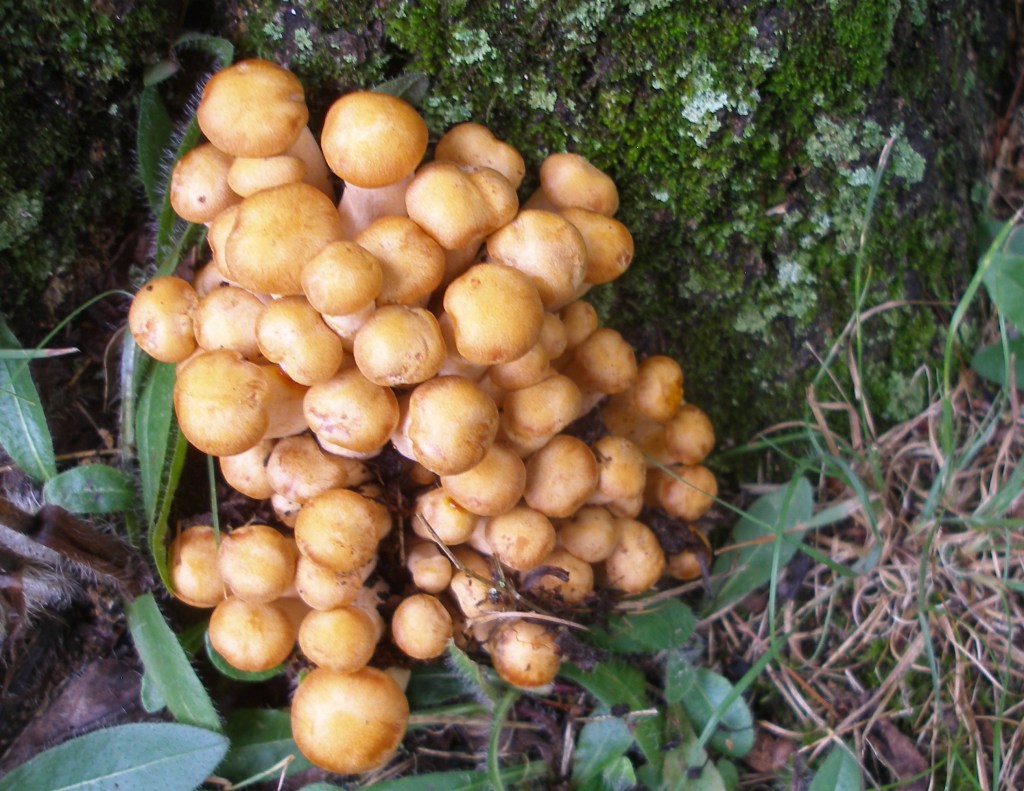
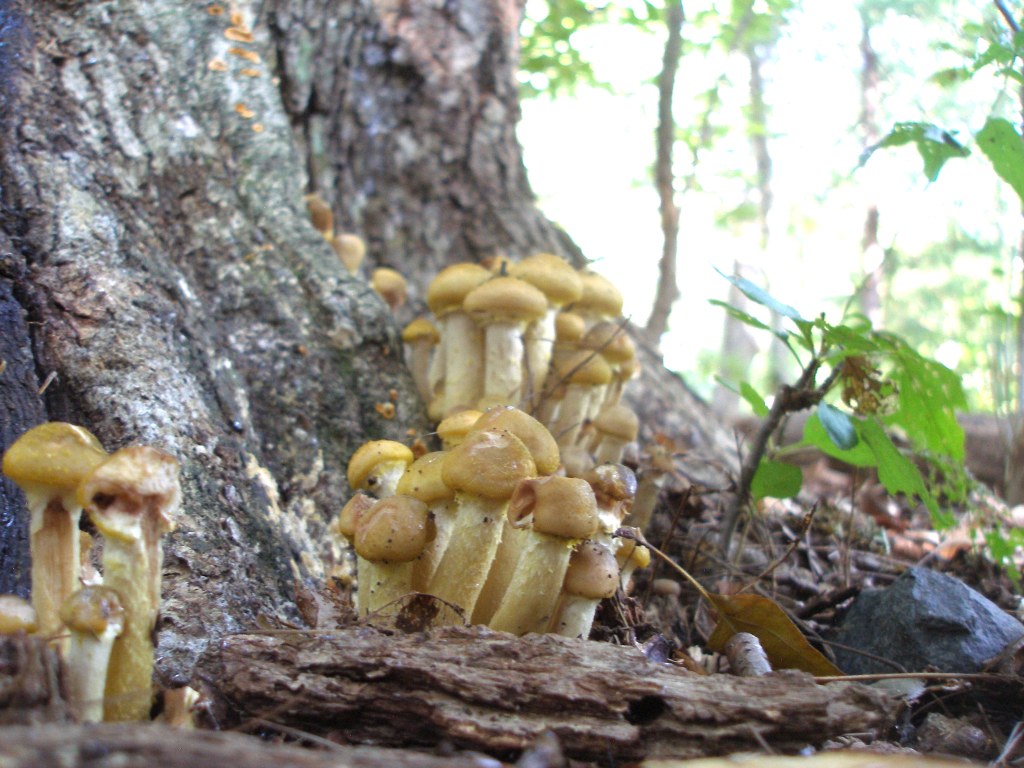
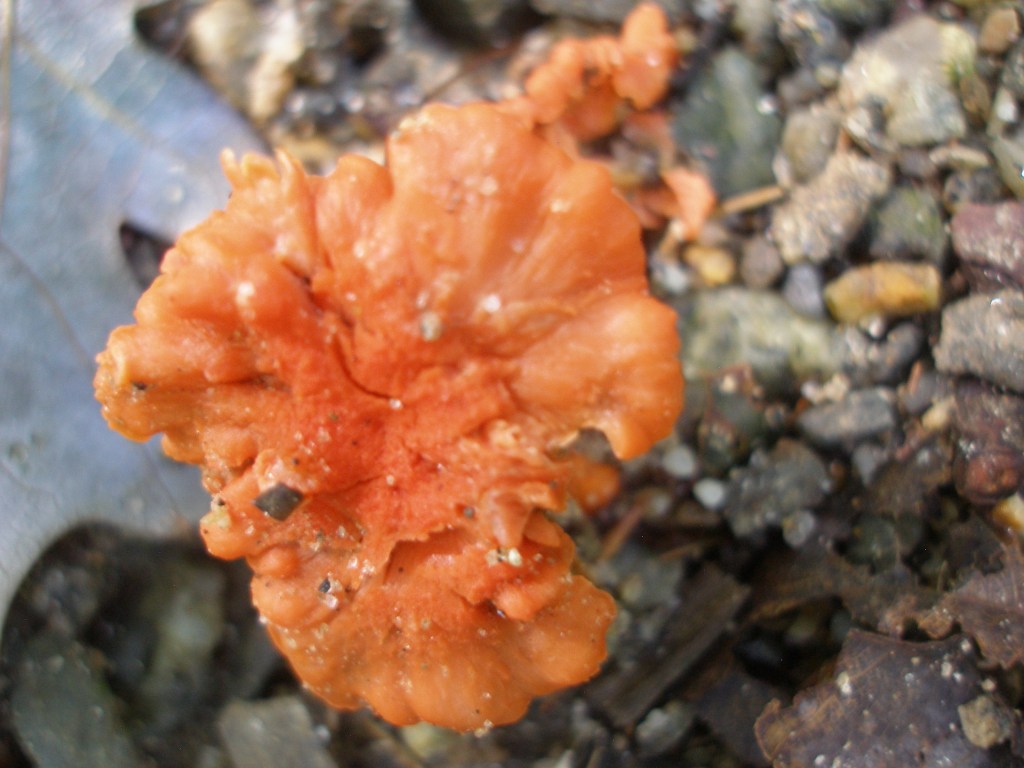
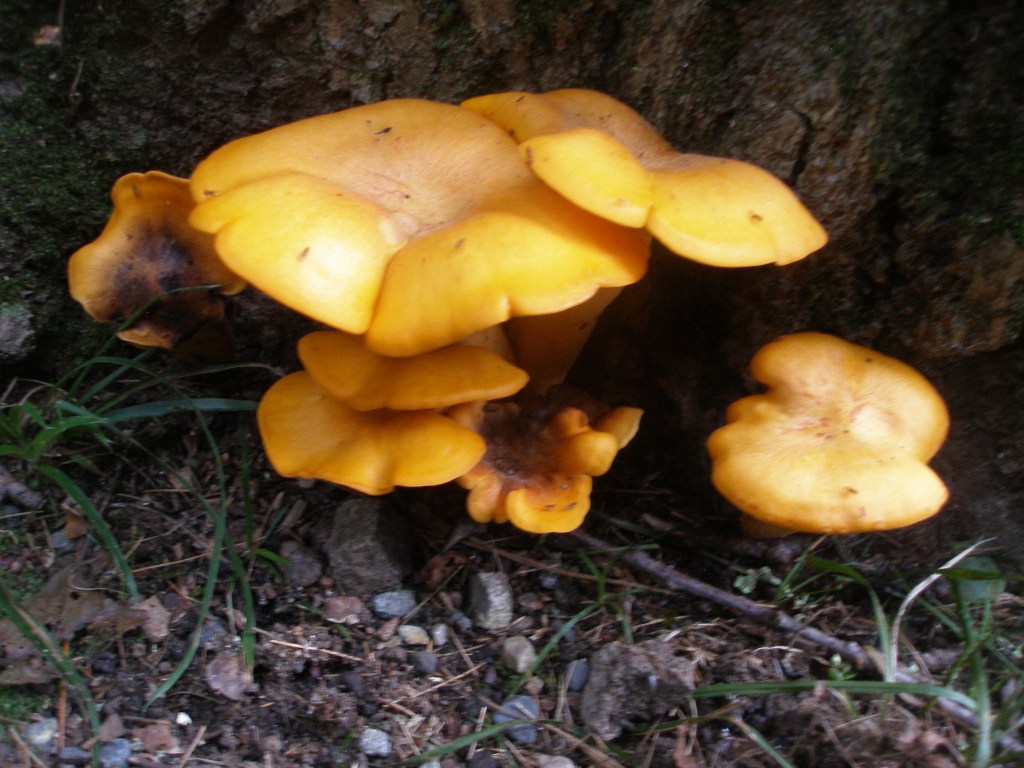
I wasn’t looking for them – too early in the season, but these mushrooms could not be missed. They were orange and not just a quiet subtle orange either.
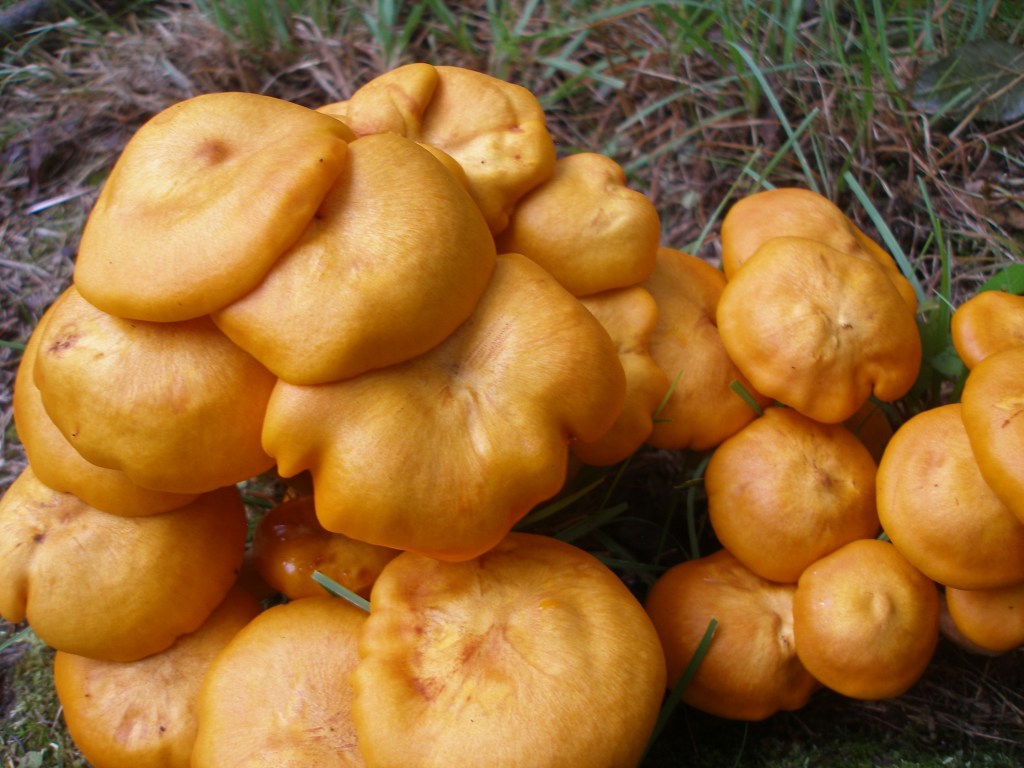
They looked a bit melted in places like what happens with some kinds of soft cookies when they are baking. Note: Don’t eat these Jack O Lantern mushrooms, they are poisonous.
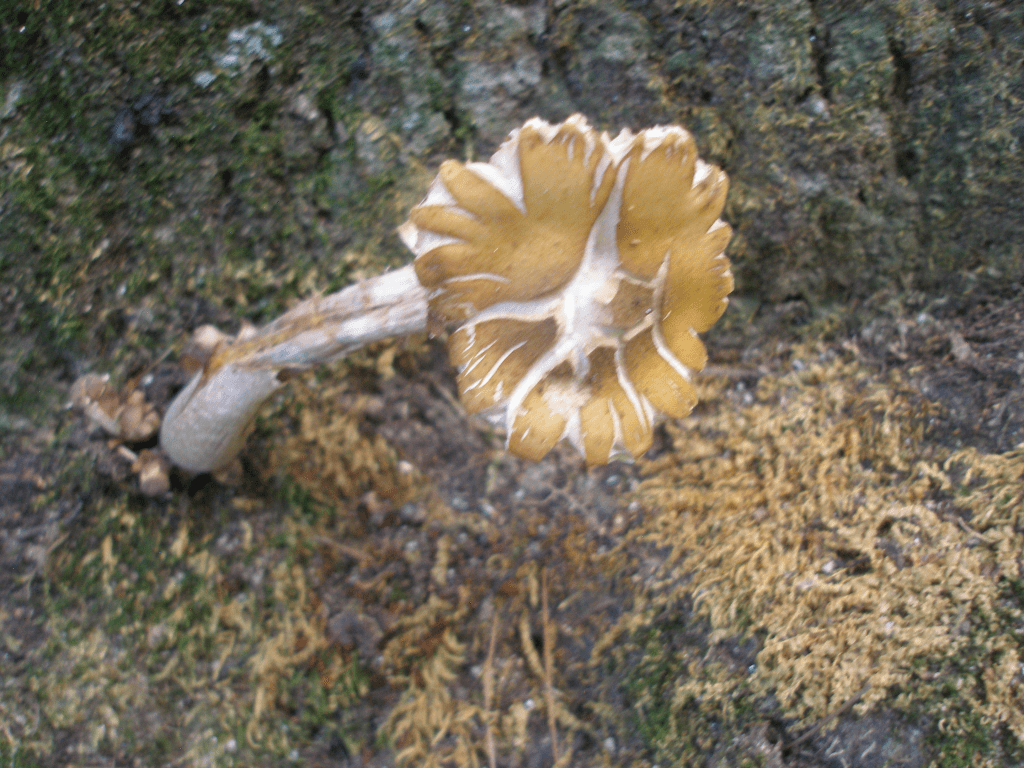
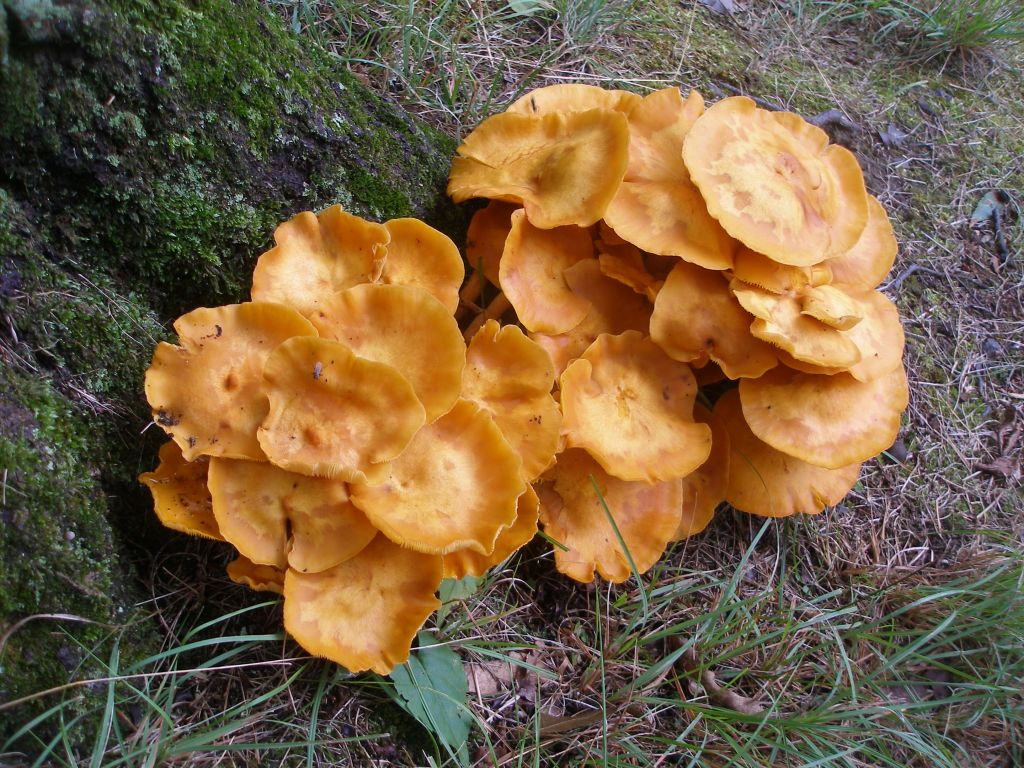
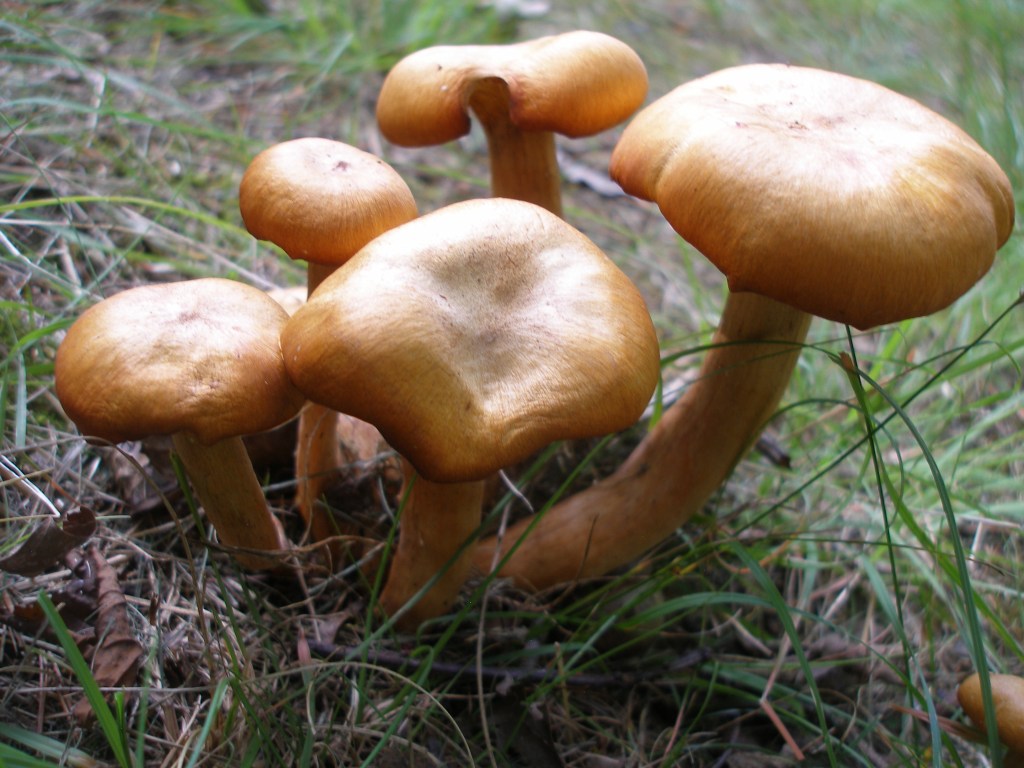
A few days later, the caps had flattened out, and gotten larger with their edges turned up. And additional clumps were growing at the base of the oak.
Evidently these mushrooms are a bit bioluminescent. I went out around 5 am to see if I could capture their pale green glow with my small camera, but perhaps there was too much light as the sky was already beginning to brighten.
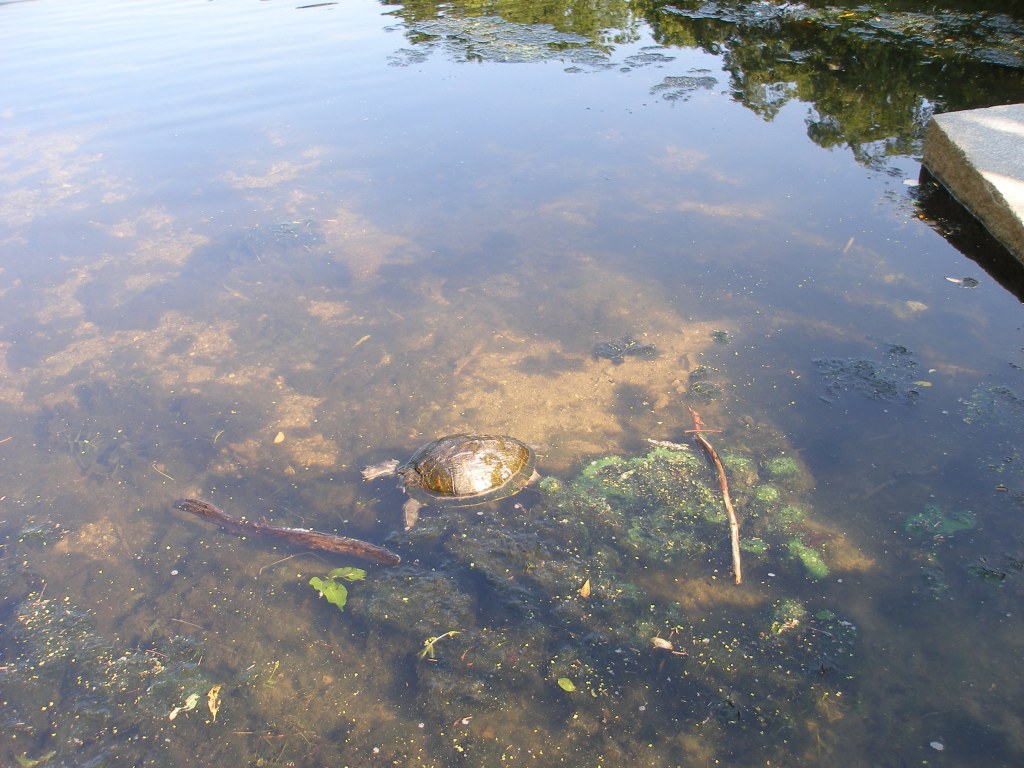
A recent encounter with a turtle had me thinking about the fact that many humans walk around with our own invisible protective armor. It is not uncommon for us to pull back rather than risk revealing feelings that might be unacceptable to others or ourselves. And we sometimes carry around quite burdensome assumptions and identities in our efforts to stay safe. My actual encounters with turtles were quite a different story.
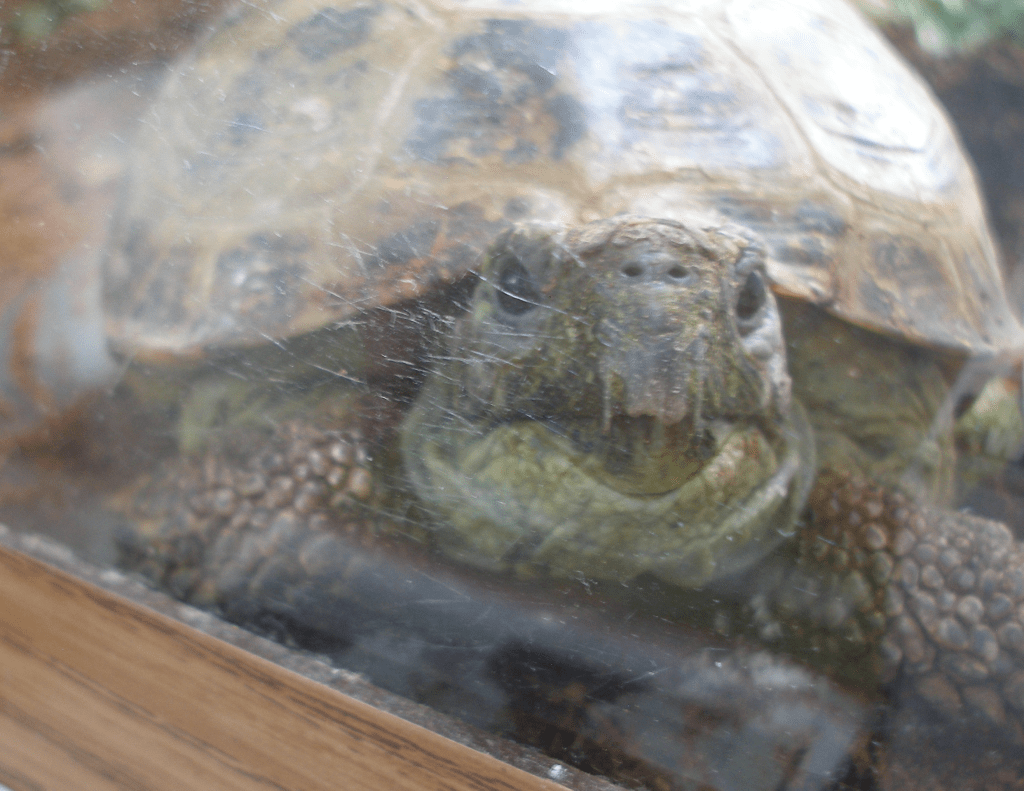
The first photo below shows a Russian Tortoise I met at a friend’s house. This venerable fellow seemed as curious about me as I was about him. He would surely have great stories to tell, and he seemed very happy in his luxurious and large terrarium home.
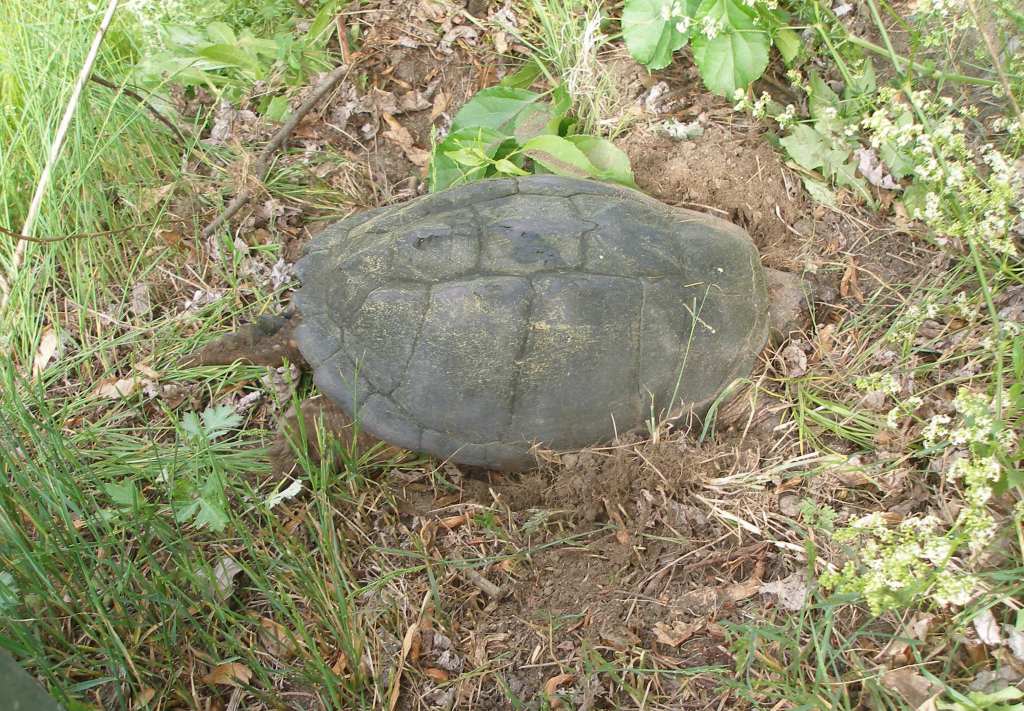
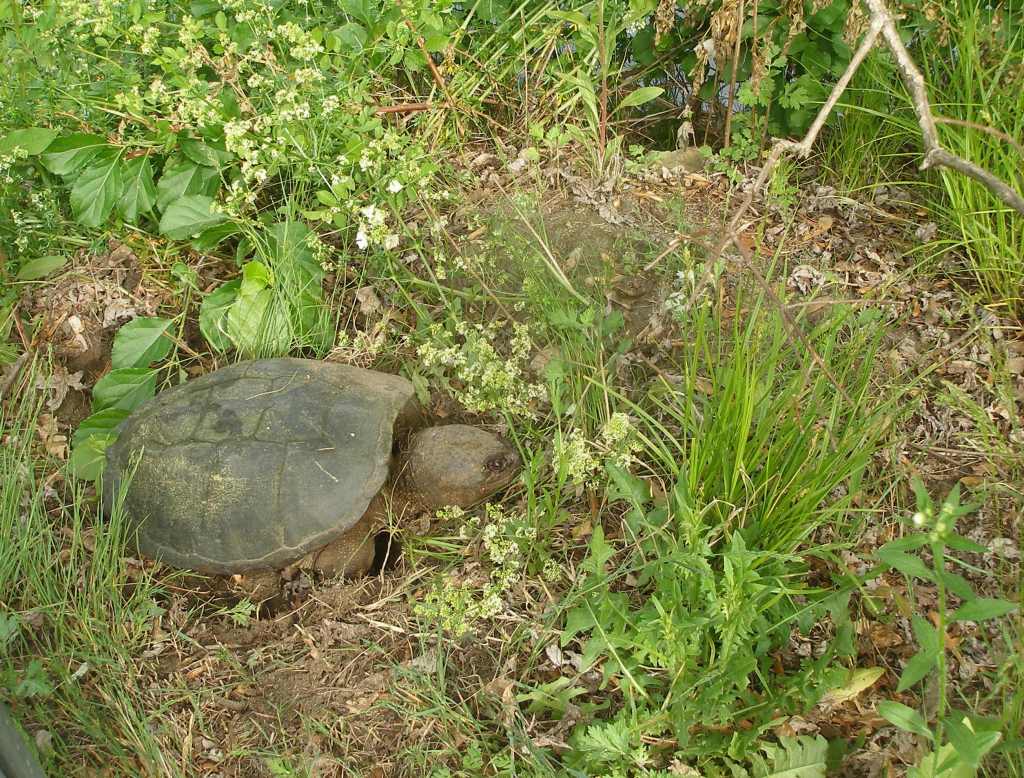
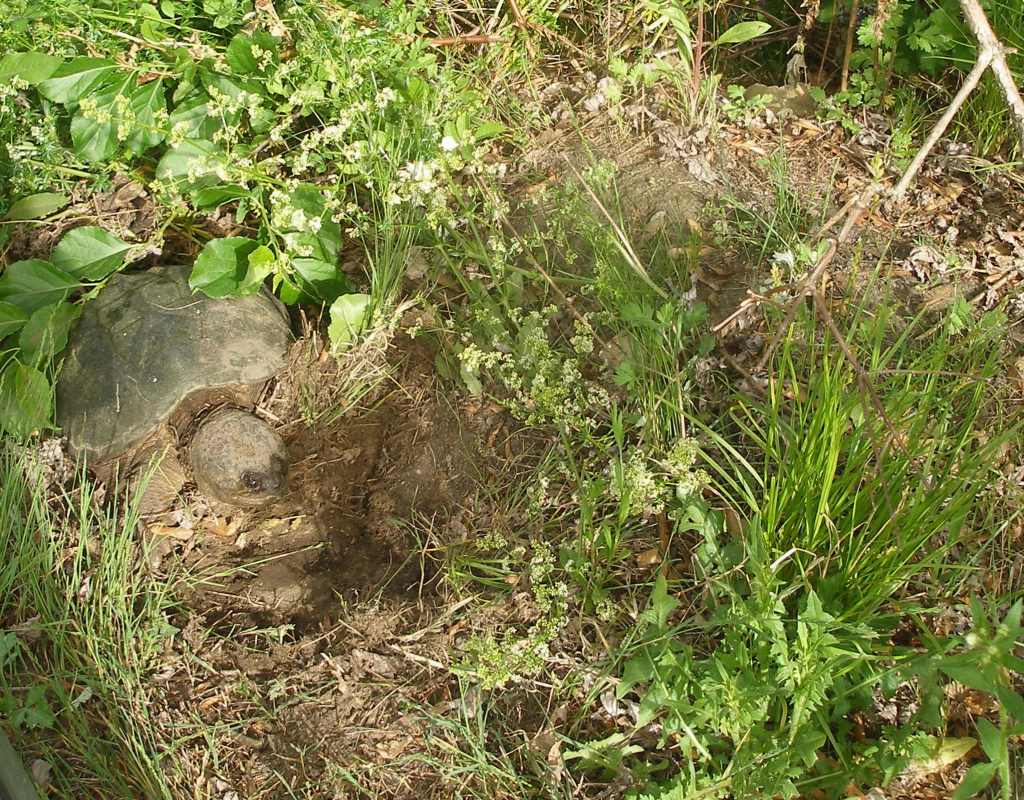
More recently, I came across a snapping turtle who seemed to be digging a nest for her eggs by the pond in Menotomy Rocks Park, Arlington, Massachusetts, USA. There were a number of people circling with their eager dog charges. I felt protective. I spoke to the turtle telling her that I was a friend and wished her well. She paused her insistent digging and looked up at me. It felt like a moment of genuine connection.
A few years ago, someone pointed out a dead turtle floating in the pond. I shared the photo of that turle with some experts and one suggested that it was a rare northern red bellied cooter. As requested, I sent in a report with the date, location and photo to those tracking rare species sitings in my state, and they told me it was actually a red-eared slider which is considered invasive and is not native to Massachusetts.
It is clear to me that I am not the only one who feels increasing awe and wonder at how much we can relate to, feel with and even communicate with other species but it is also quite sad that this growing awareness is happening at a time when so many species, including our own, are at risk.
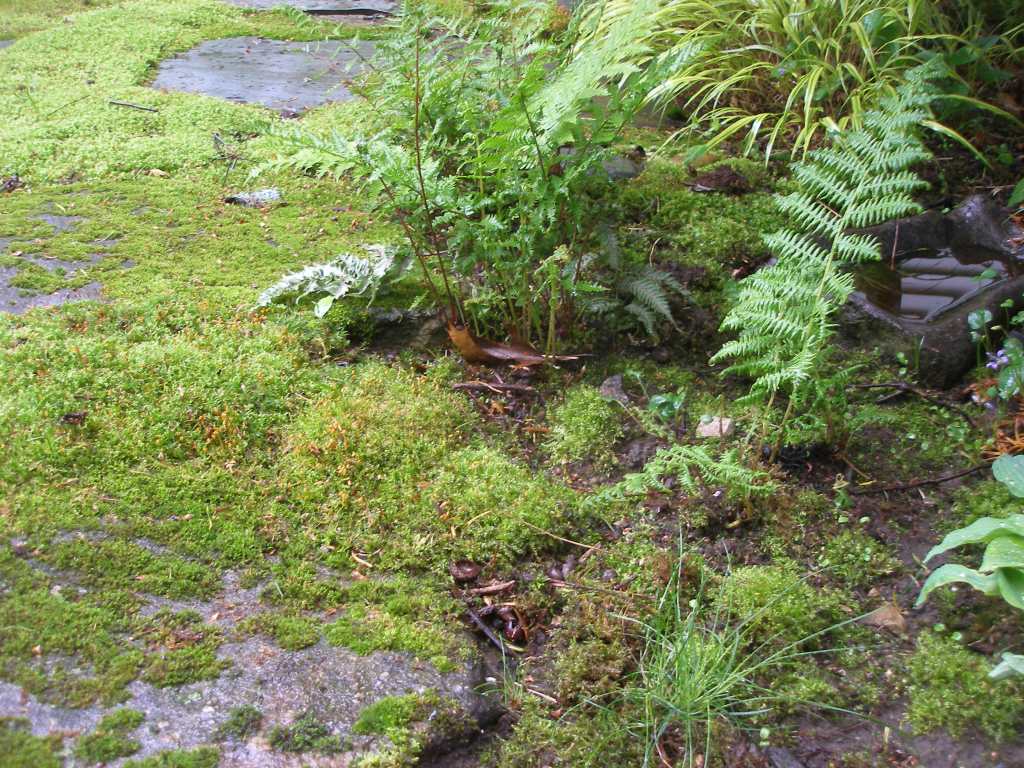
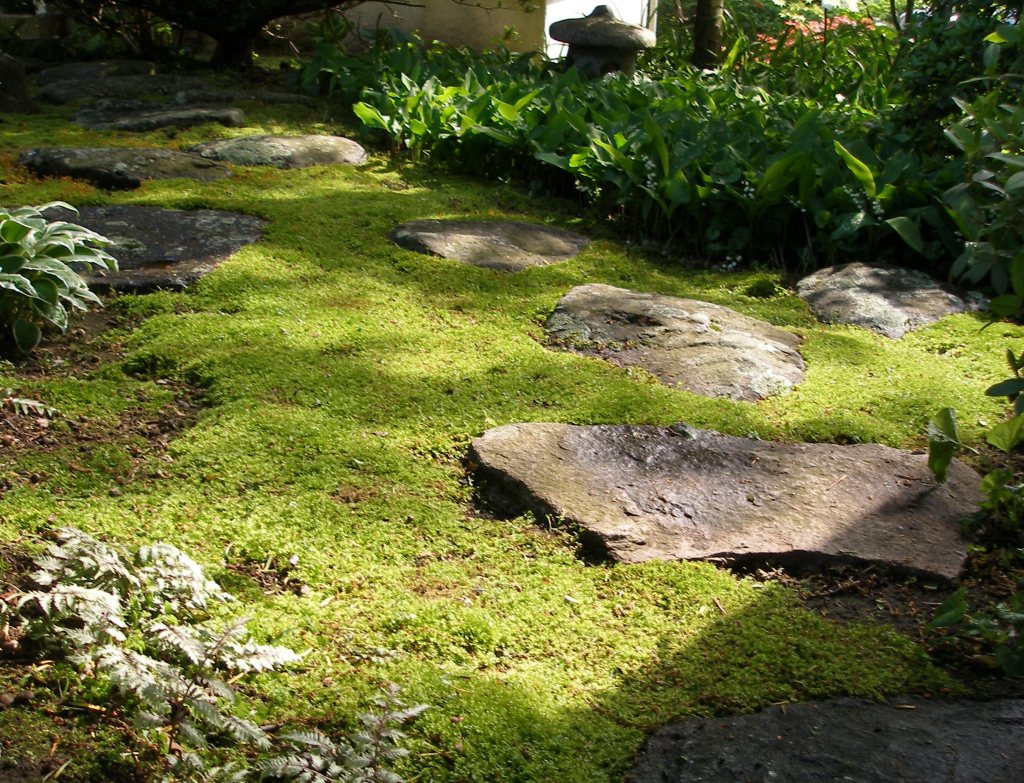
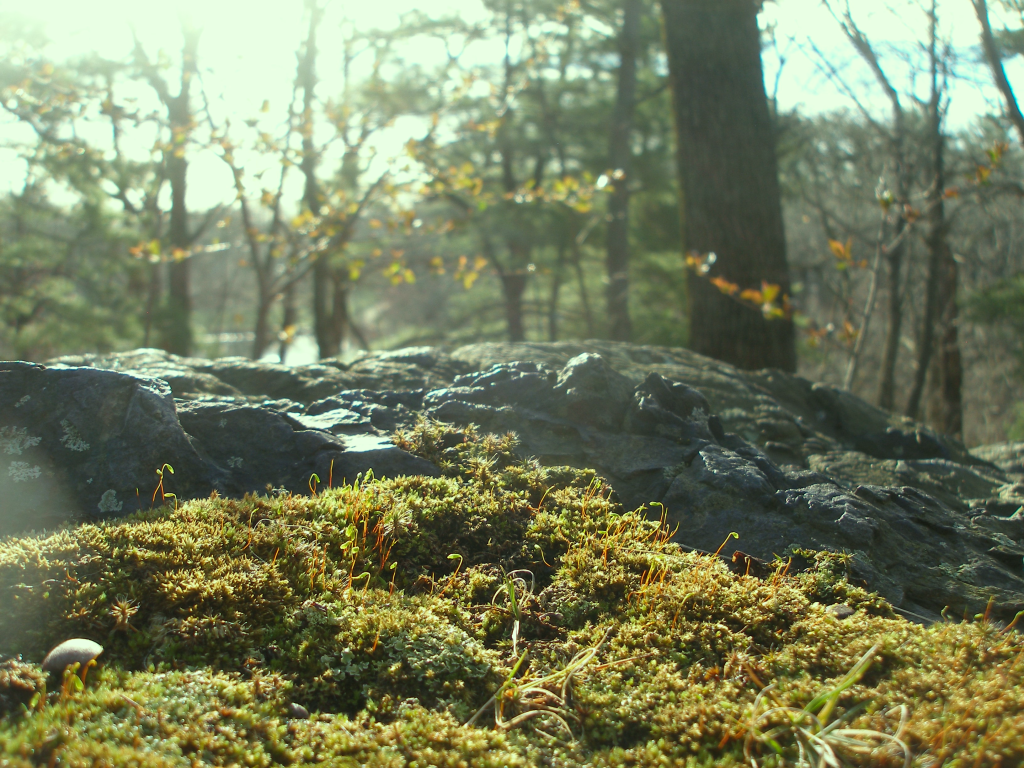
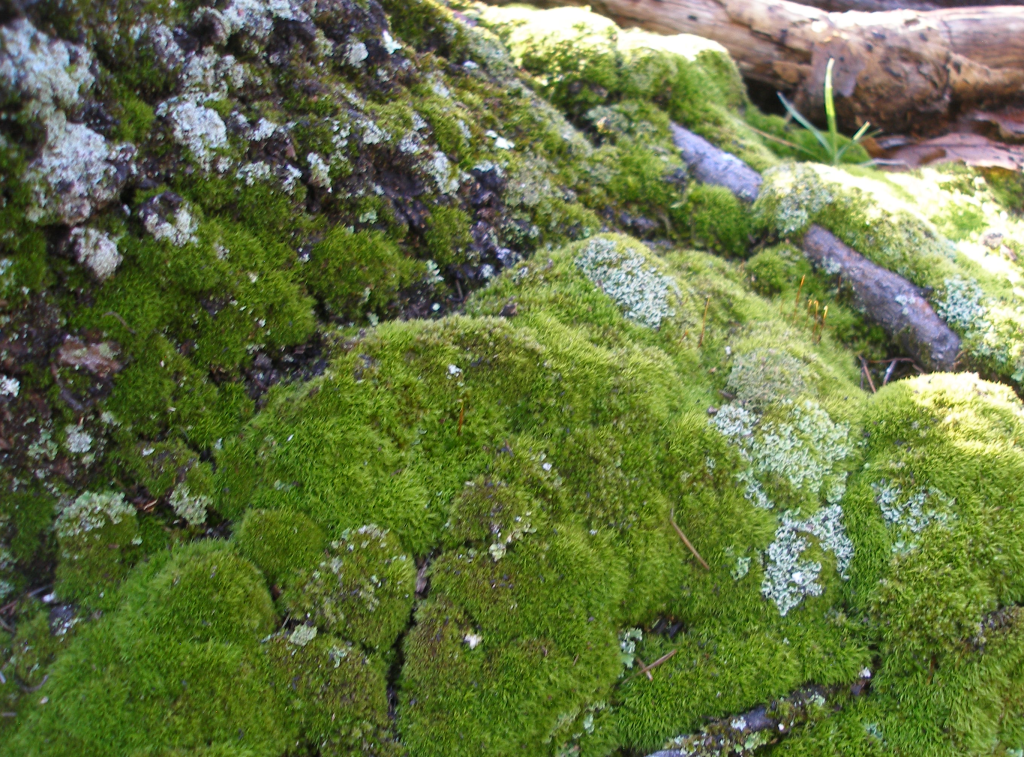
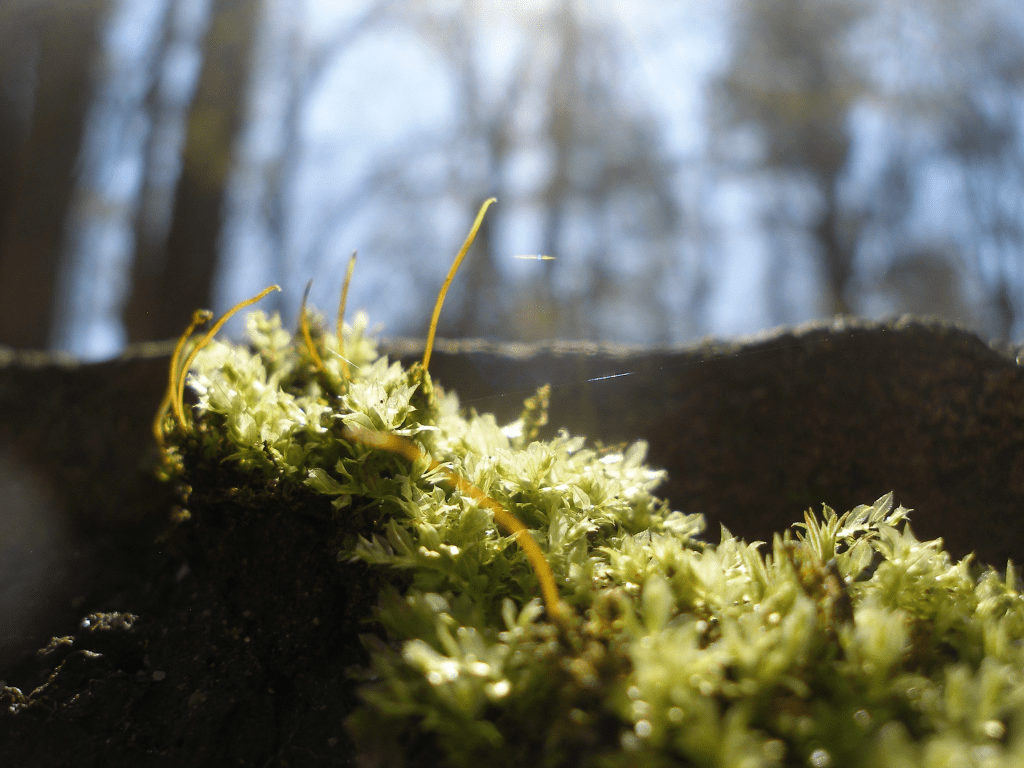
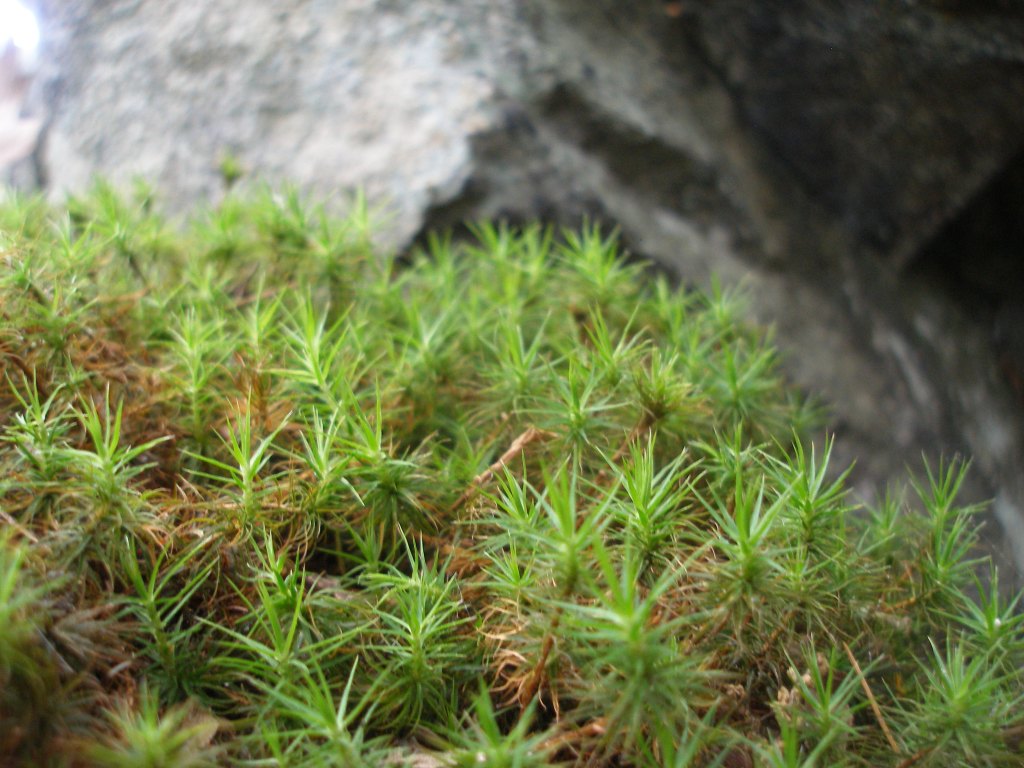
I love how these tiny plants create a soft carpet in shady places, but sometimes in sun as well. It seems natural to want to reach down and pet them. They also can help us achieve relaxed moods as in this dreamy video created by Jeffrey Klein. The Andante section of a recording of J. S. Bach’s Sonata #5 played by Jeffrey Brody on piano and Andrea Hart on flute (and used with their permission) is a perfect complement to the moss images.
Mosses are often used in Japanese gardens for good reason, and it is a delight to come across them growing wild in a natural setting.
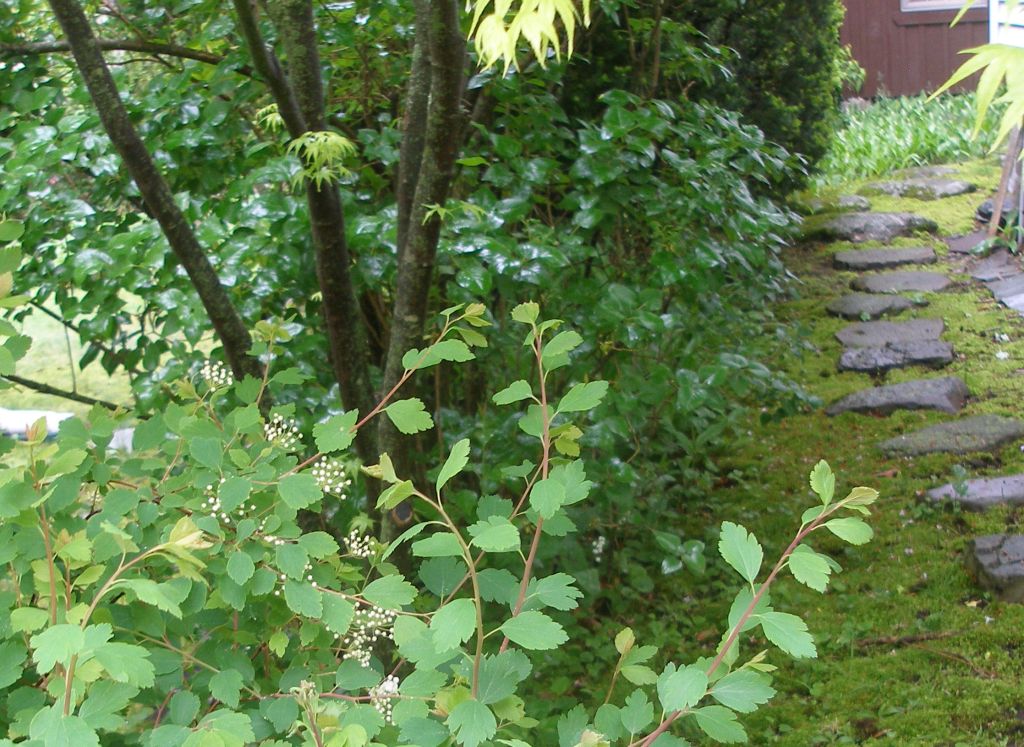
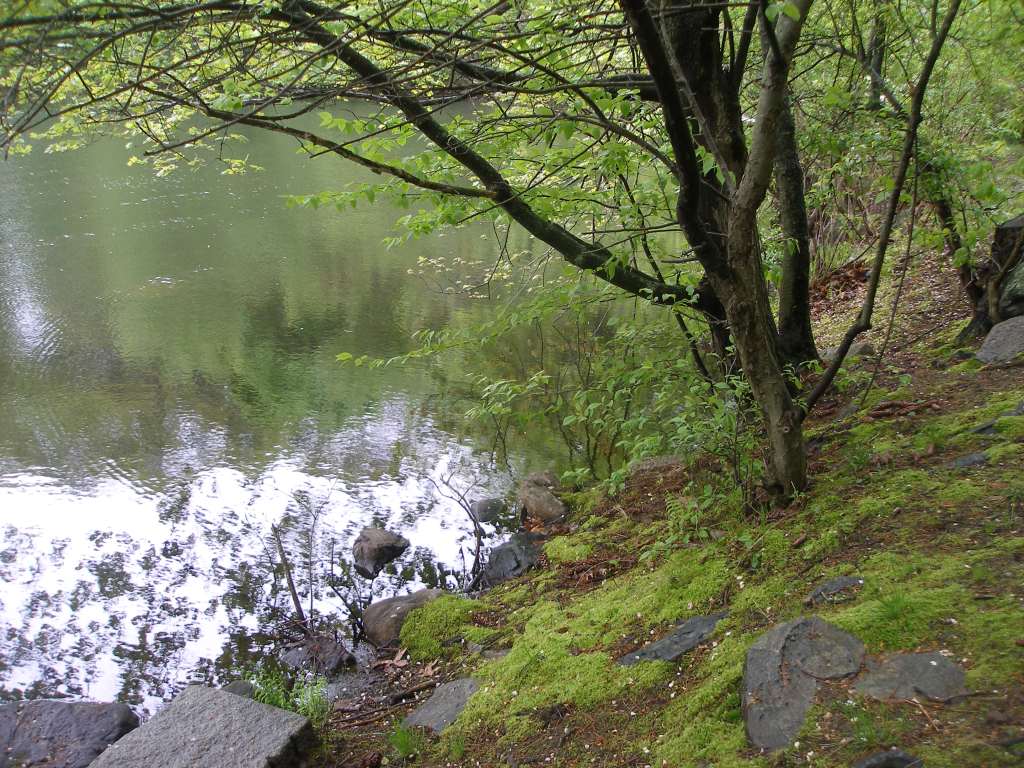
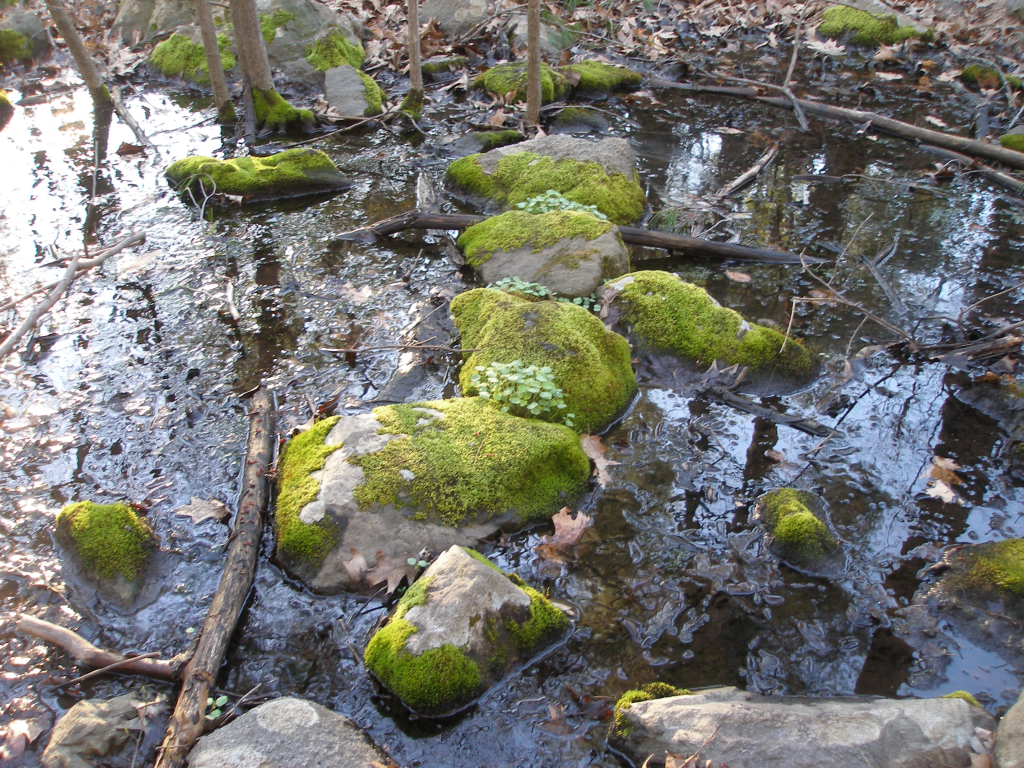
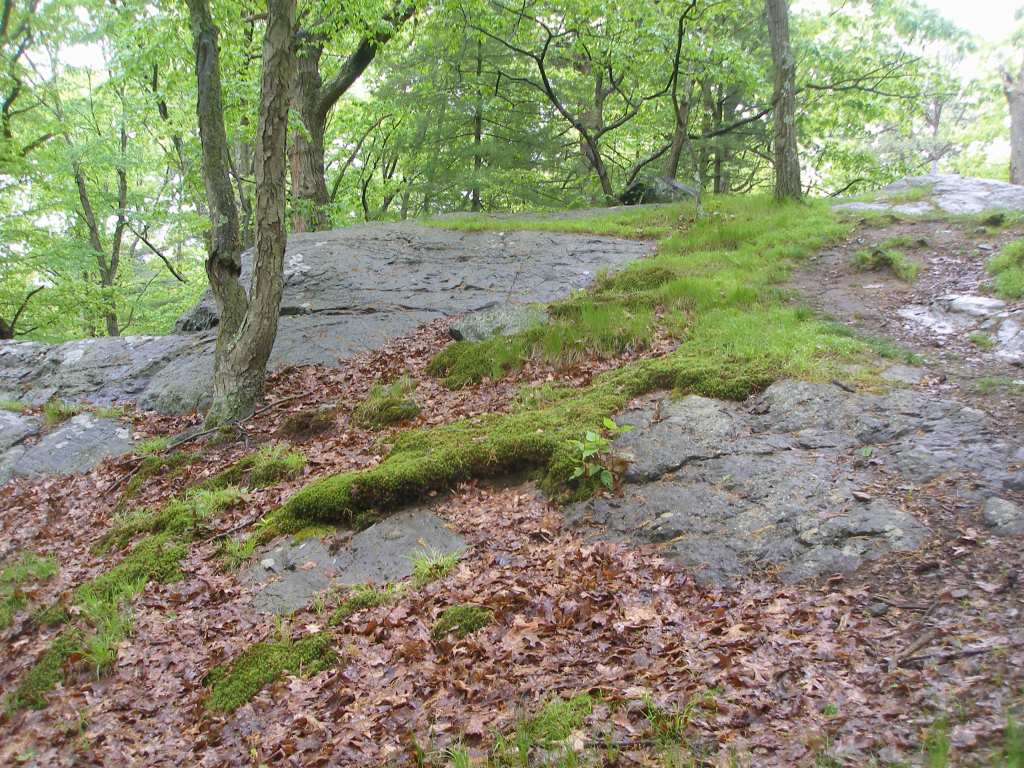
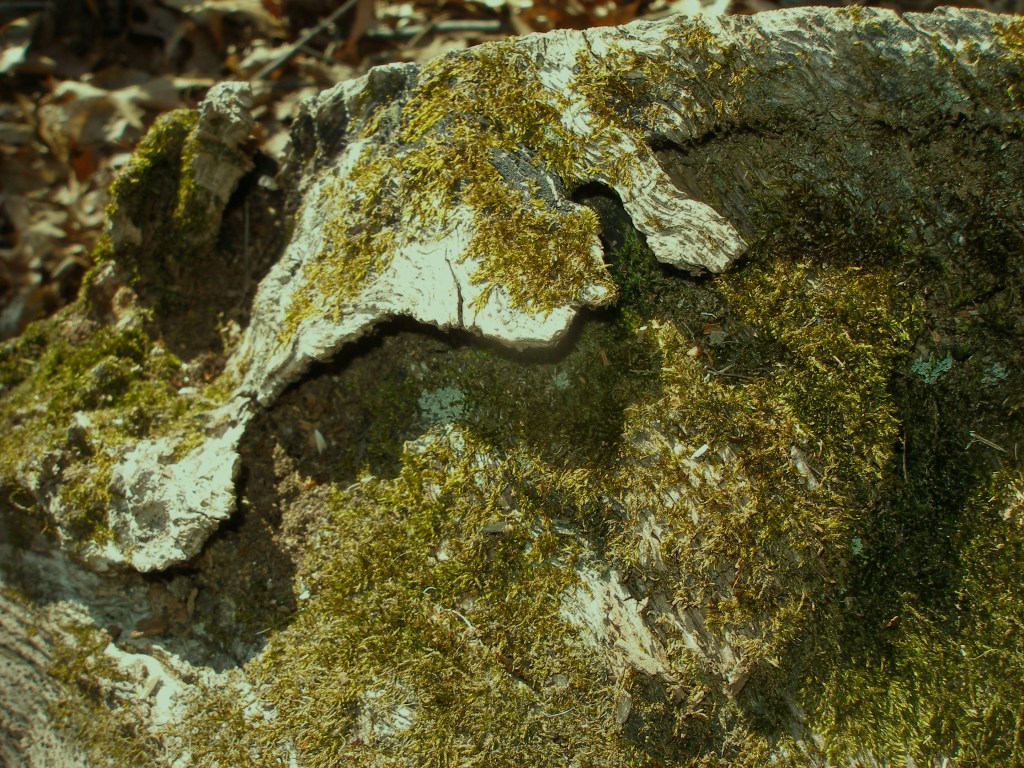
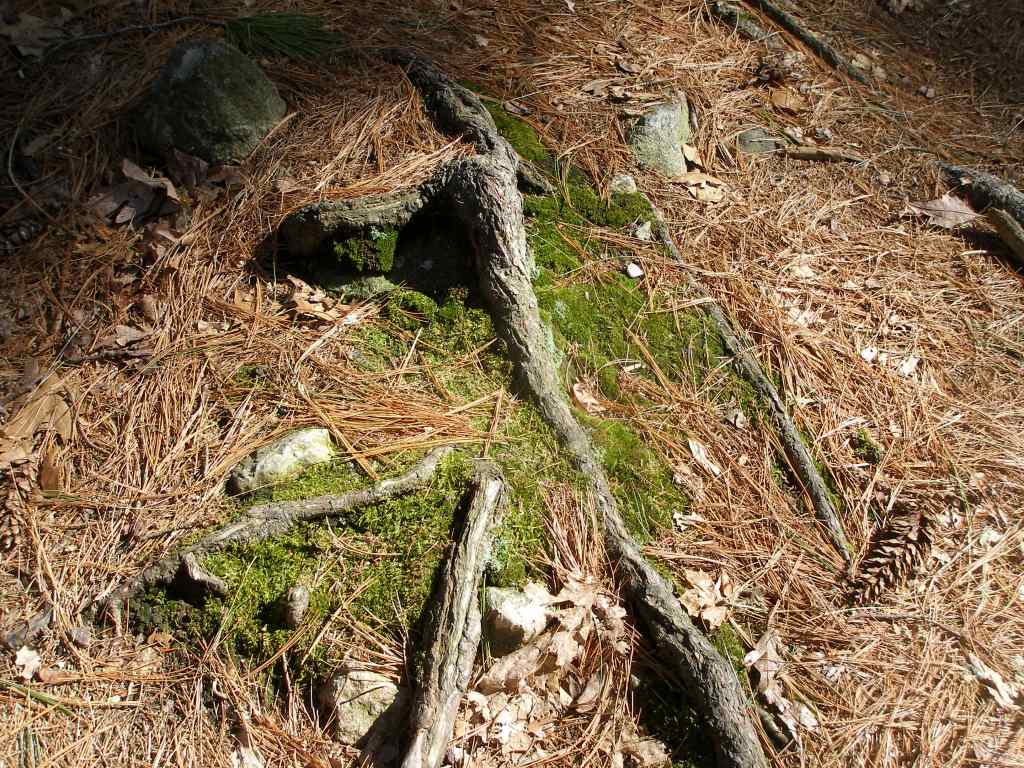
With all the rain lately, moss has been happily spreading in my garden. I was delighted when the tiny plants decided to form a soft green carpet where guests gather on my patio before sharing tea. In Menotomy Rocks Park, moss adorns the forest floor, the bases of living trees, fallen logs and even high up on rocky outcrops. Photos of moss in both settings are included below.
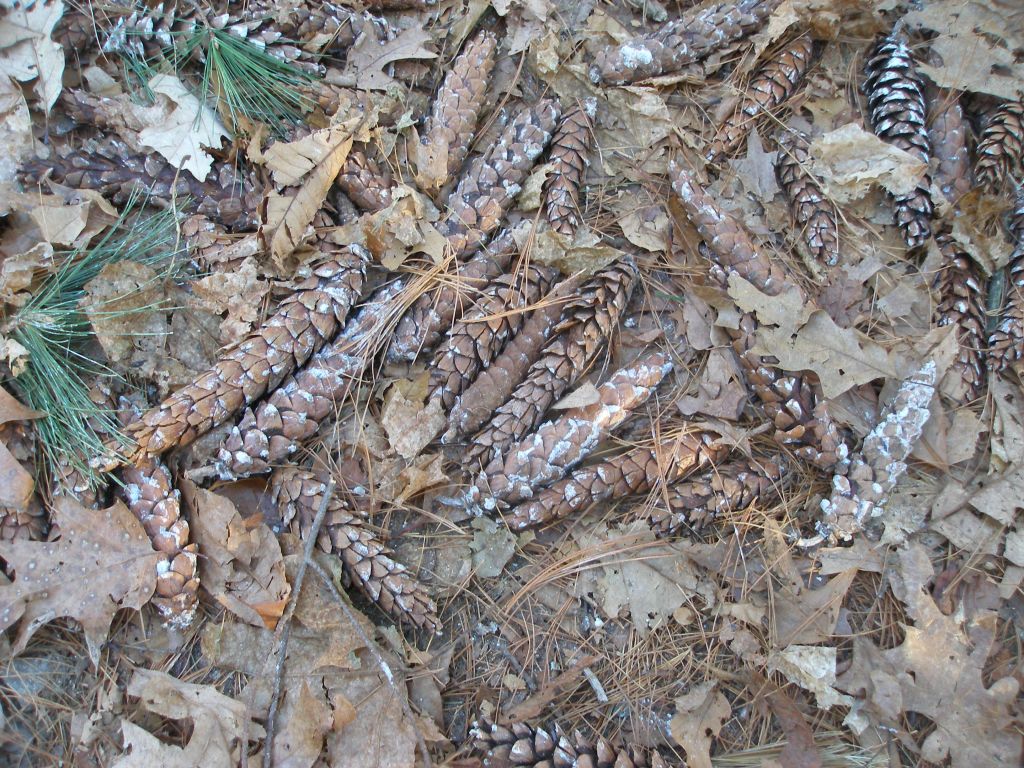
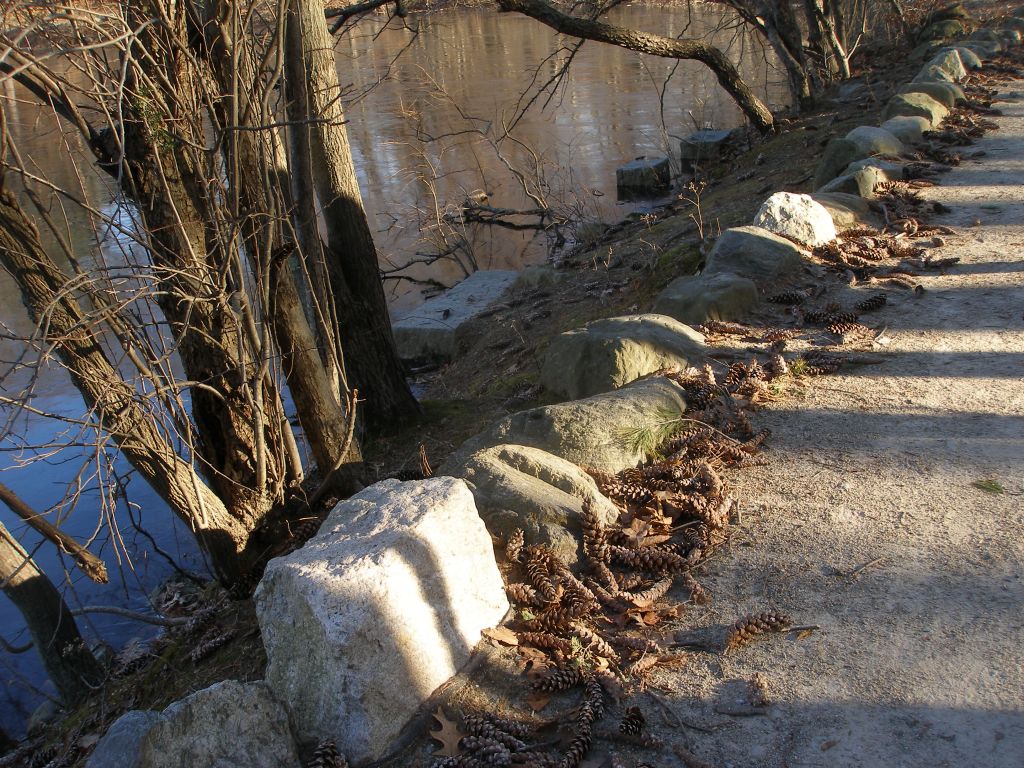
According to Menotomy Rocks Park, A Centennial History by Don Mattheisen, White Pines were planted after a devastating gypsy and brown moth invasion in 1902. It was hoped that the needles would not interest these hungry pests. In any case, no such massive invasion of destructive moths recurred then or now.
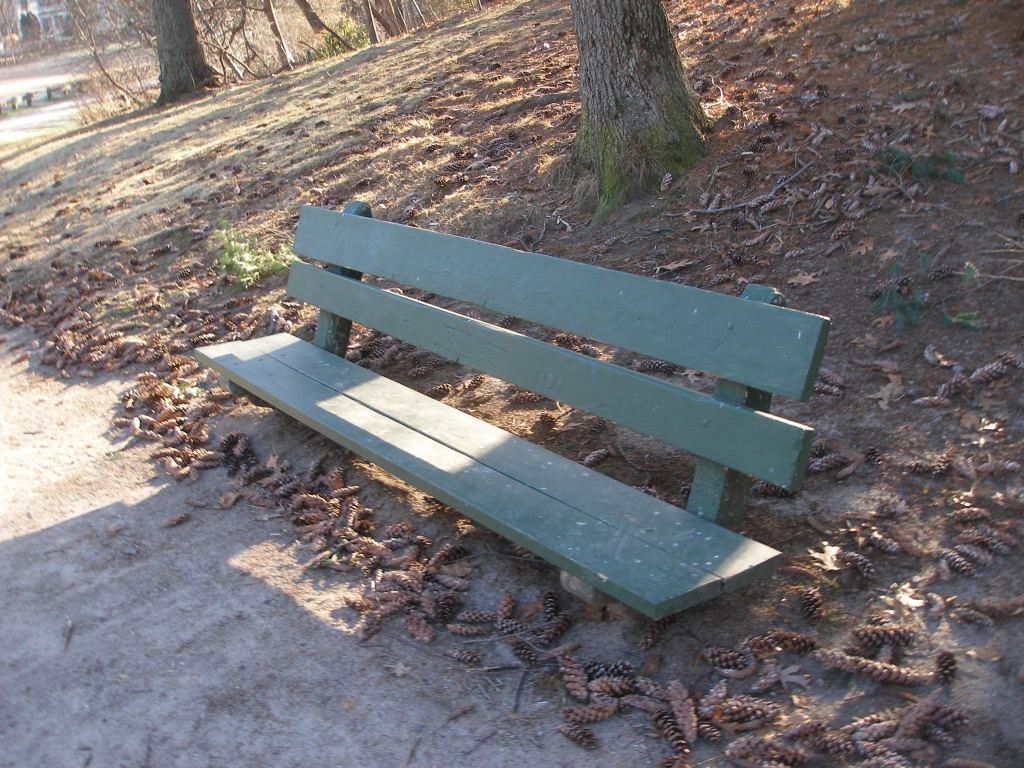
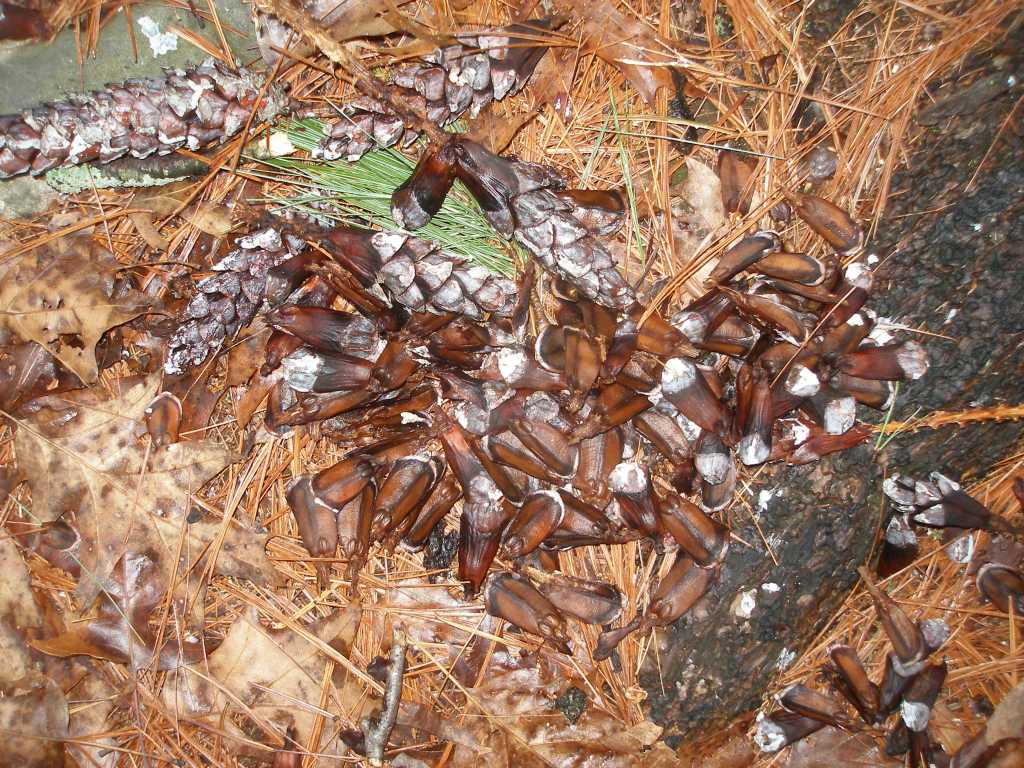
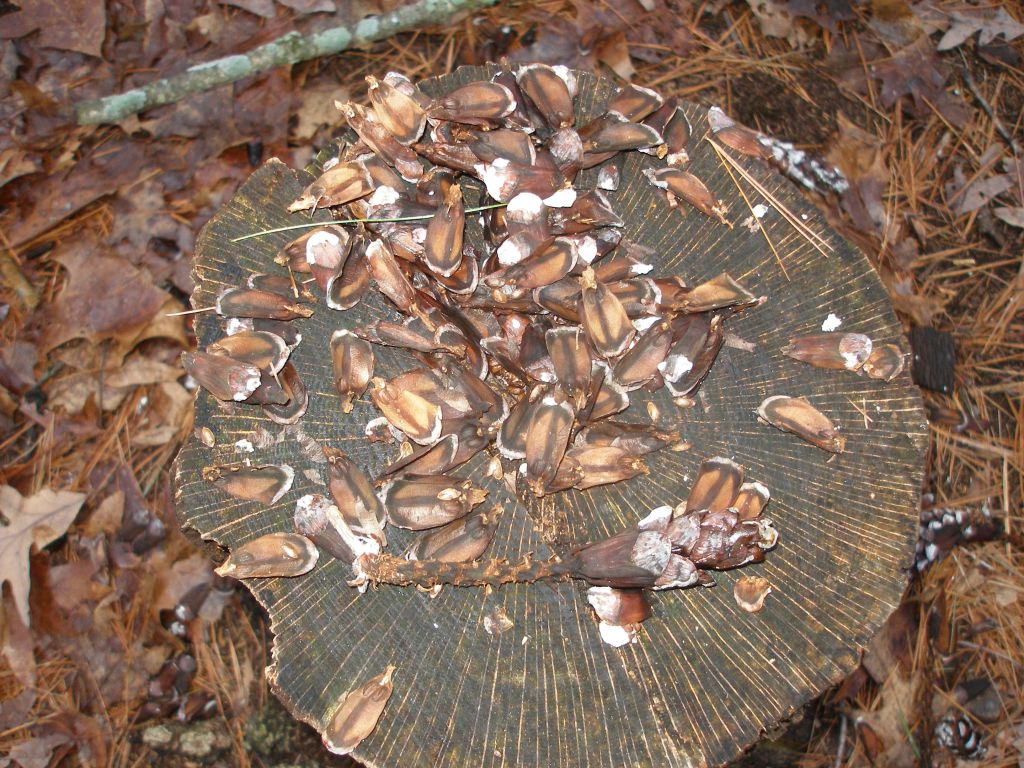
As to the unusual abundance of pinecones, recent high winds might have played a role in bringing them down, but could not explain why there were so many on the trees in the first place. Perhaps the White Pines planted in the 1900’s were approaching the end of their natural lives and providing for the perpetuation of their species. Or newly abundant rains the last few years had created favorable conditions for baby trees. Squirrels seem to be going after the seeds already.
There are places in the Park where many young evergreens all seem to be about the same height. I will keep an eye out for more patches of young trees springing up, especially where sunlight reaches the forest floor.
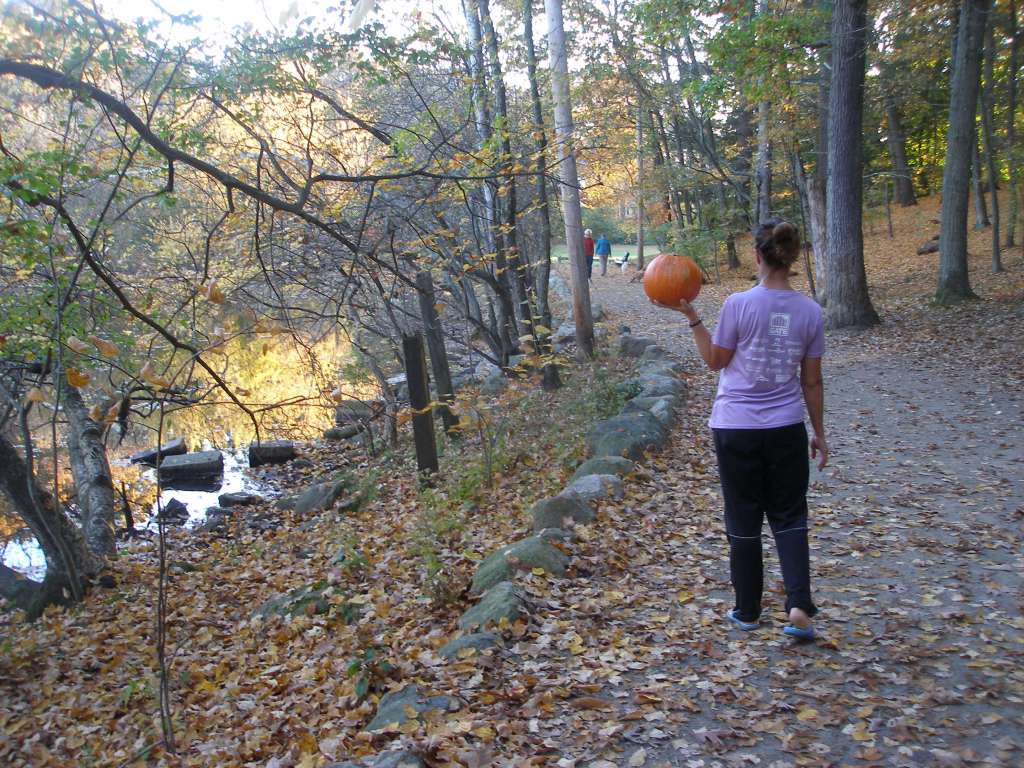
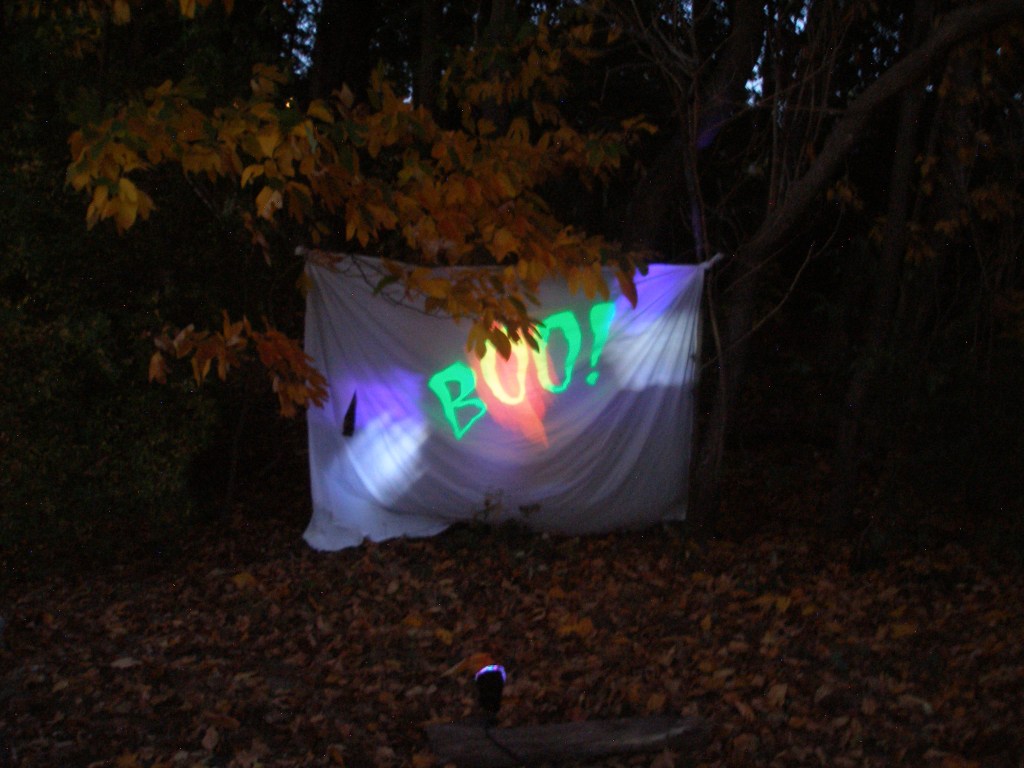
I was walking around Hills Pond yesterday and came across a woman holding a small pumpkin up in one hand. I asked her if she would mind stopping so I could get a photo of the lovely image. She told me she was bringing that pumpkin to mark the spot where Scouts would be leaving 75 other pumpkins for the “Spooky Walk” that evening.
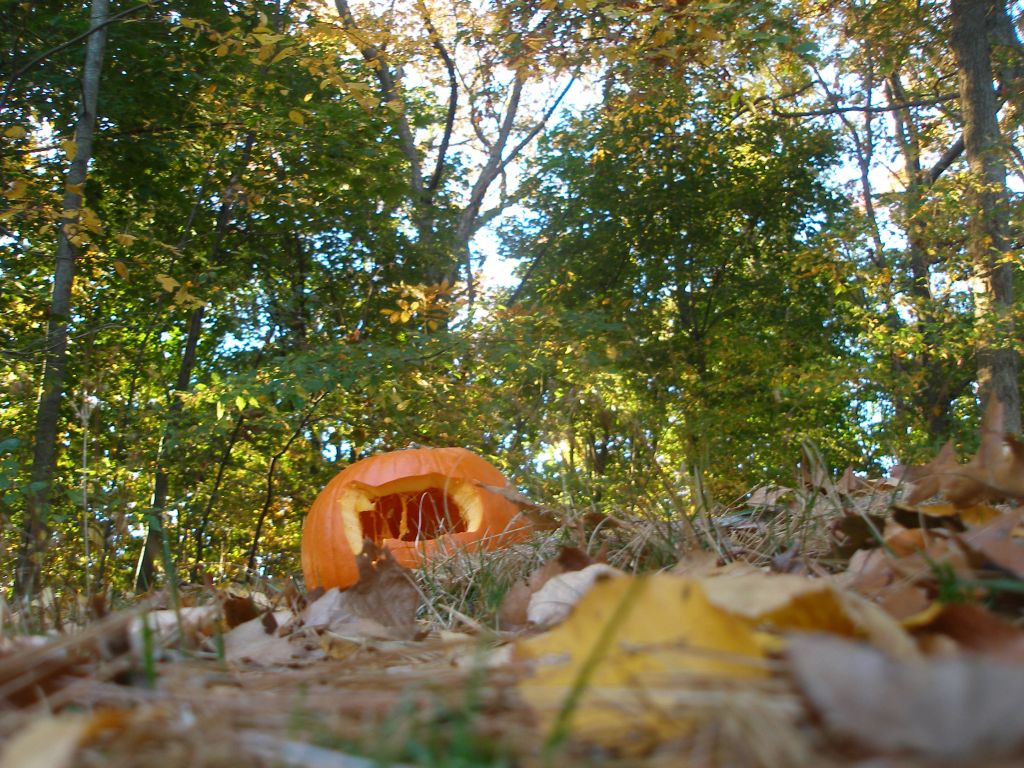
Sure enough, I noticed her pumpkin sitting on a hill as I continued around the pond and decided to return in the hopes of getting a few good photos. A full moon should help even though it would be getting quite dark by the time of the event. I had seen people setting up for the Spooky Walk in a previous year and it looked like it could be quite interesting.
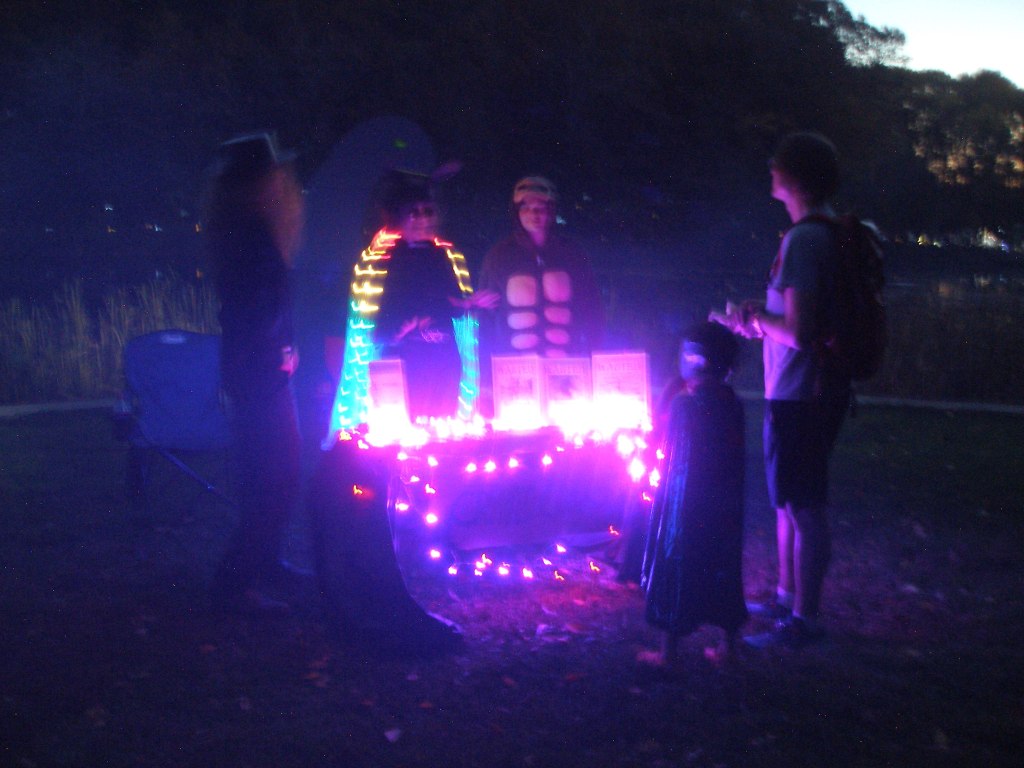
As she had told me would be the case, that “starter” pumpkin had been joined by many others – a back row spelled out “S P O O K Y.” Hopefully, the photos below will give you some idea of the highly creative nature of this home spun event.
As I walked back along the path through the deep woods I was glad that I had remembered to bring a flashlight. By that time, quite a few other points of light were coming toward me along the path. I could hear parents reassuring their children that the pond where the event takes place was quite nearby.
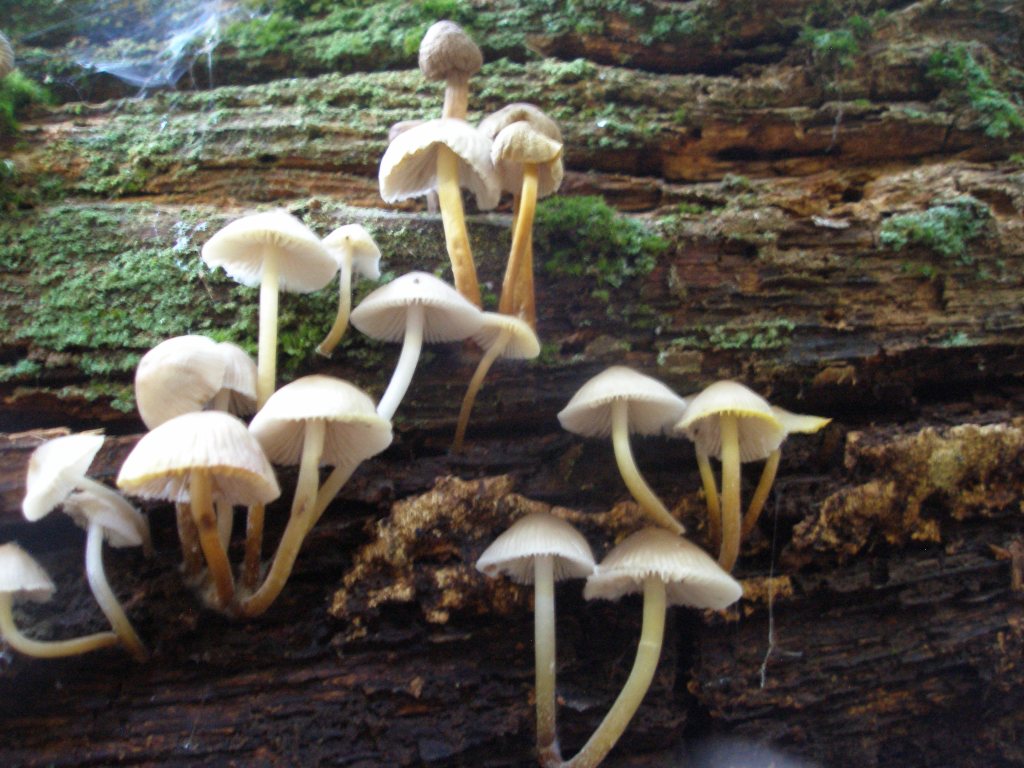
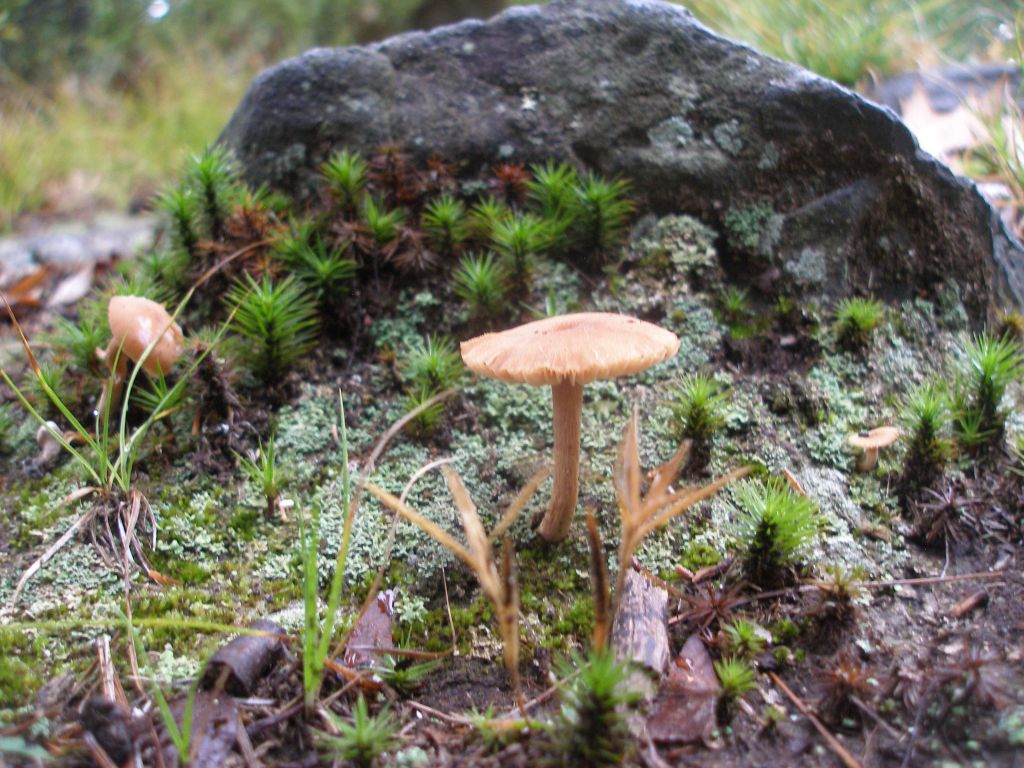
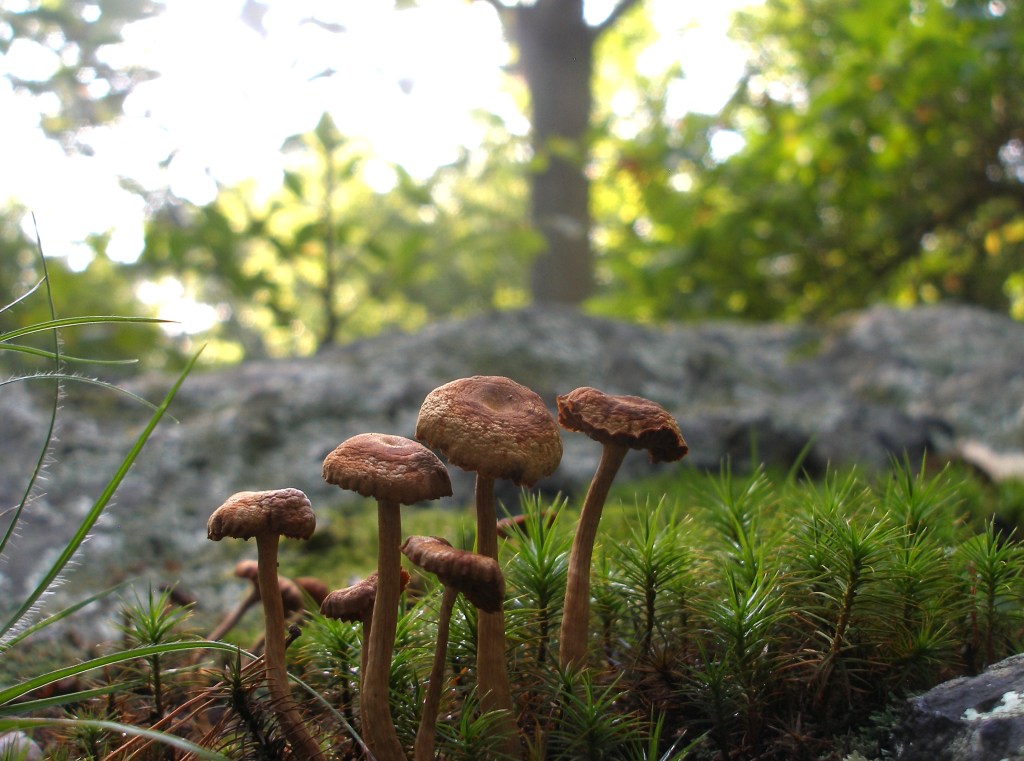
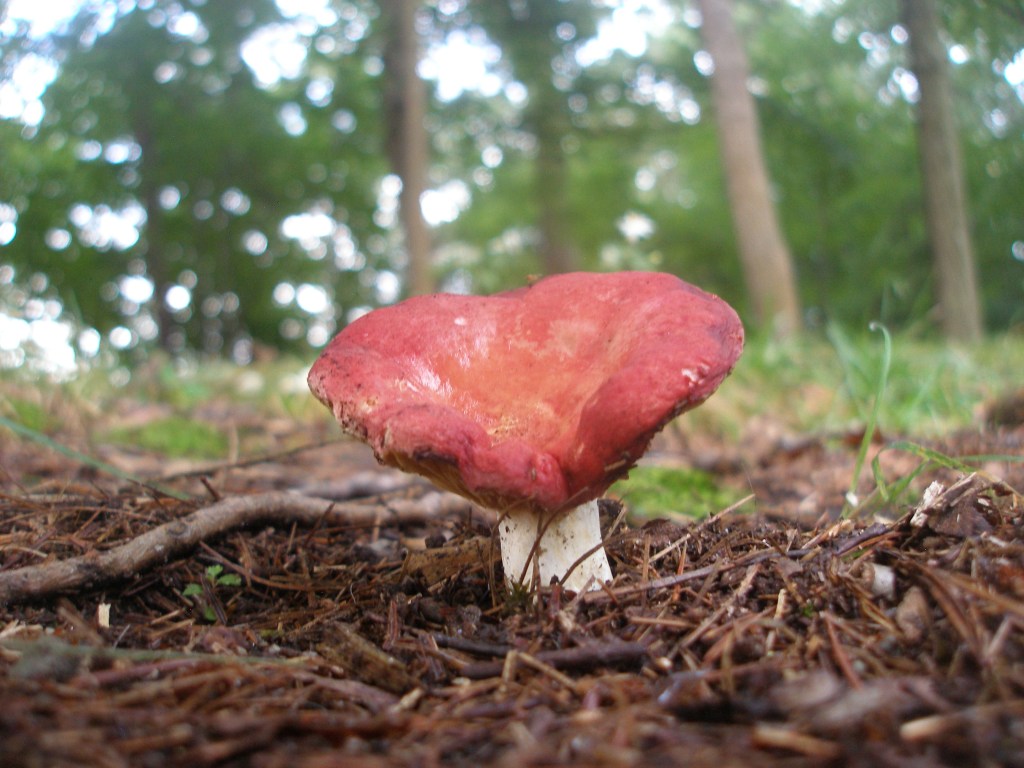
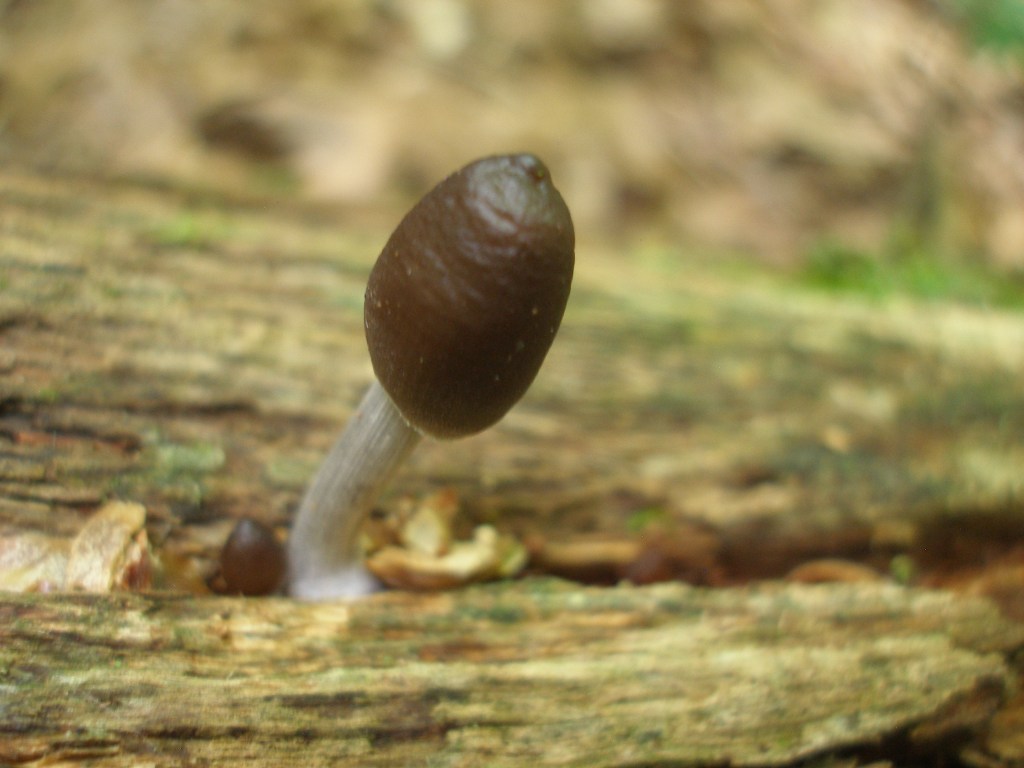
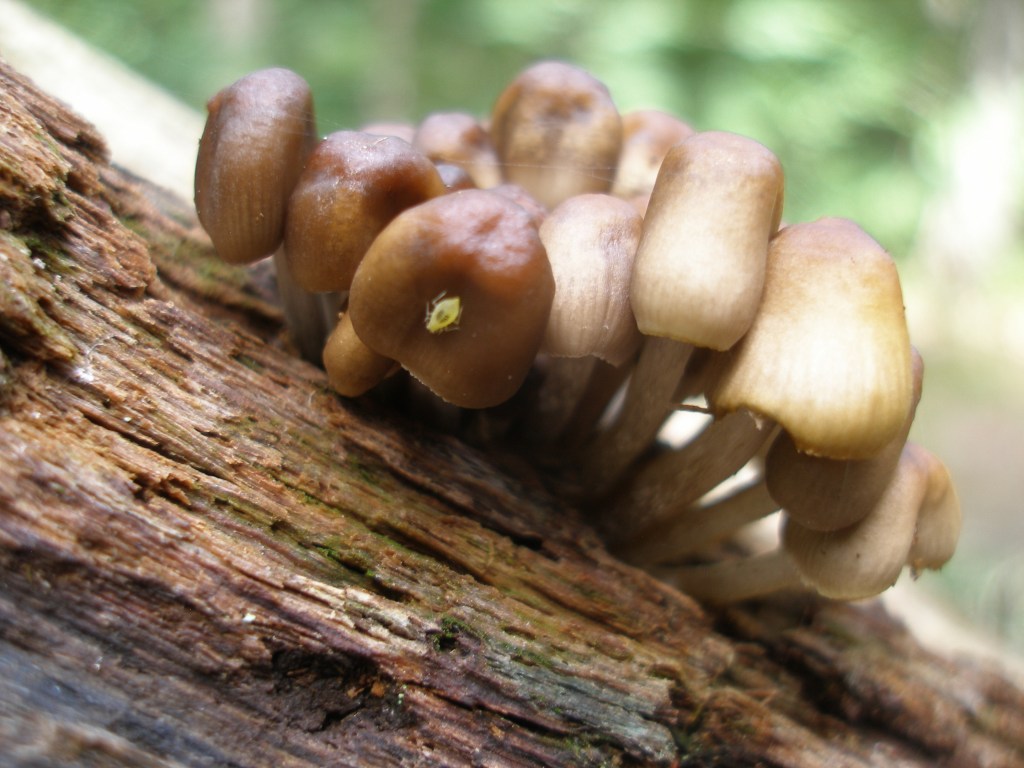
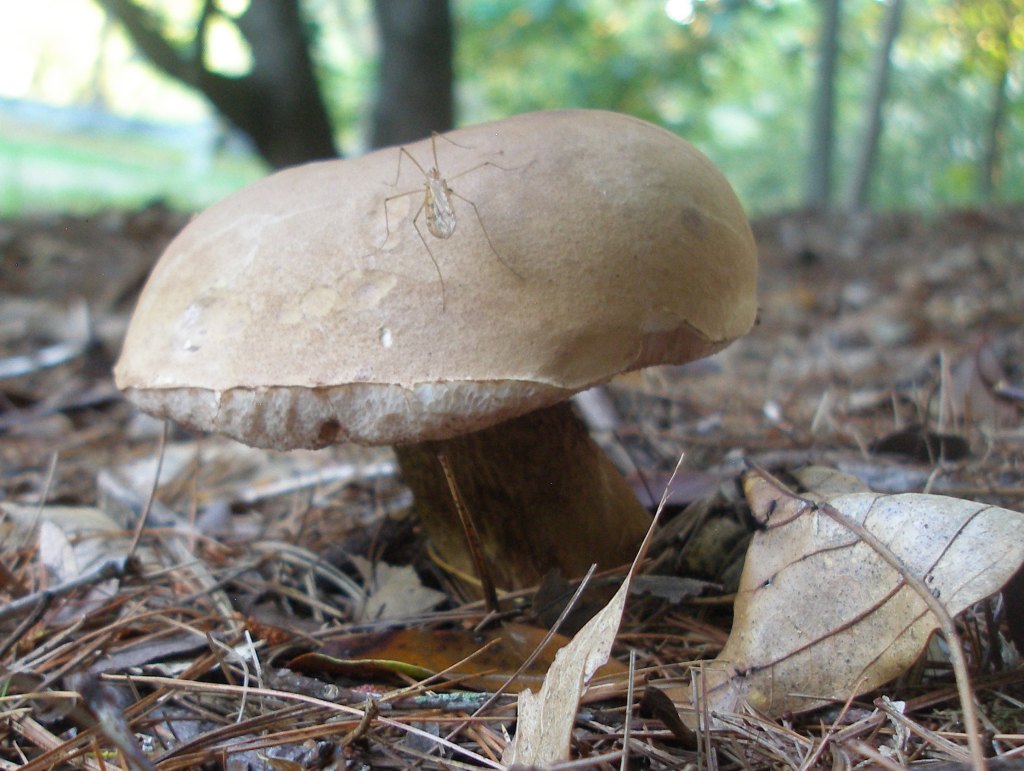
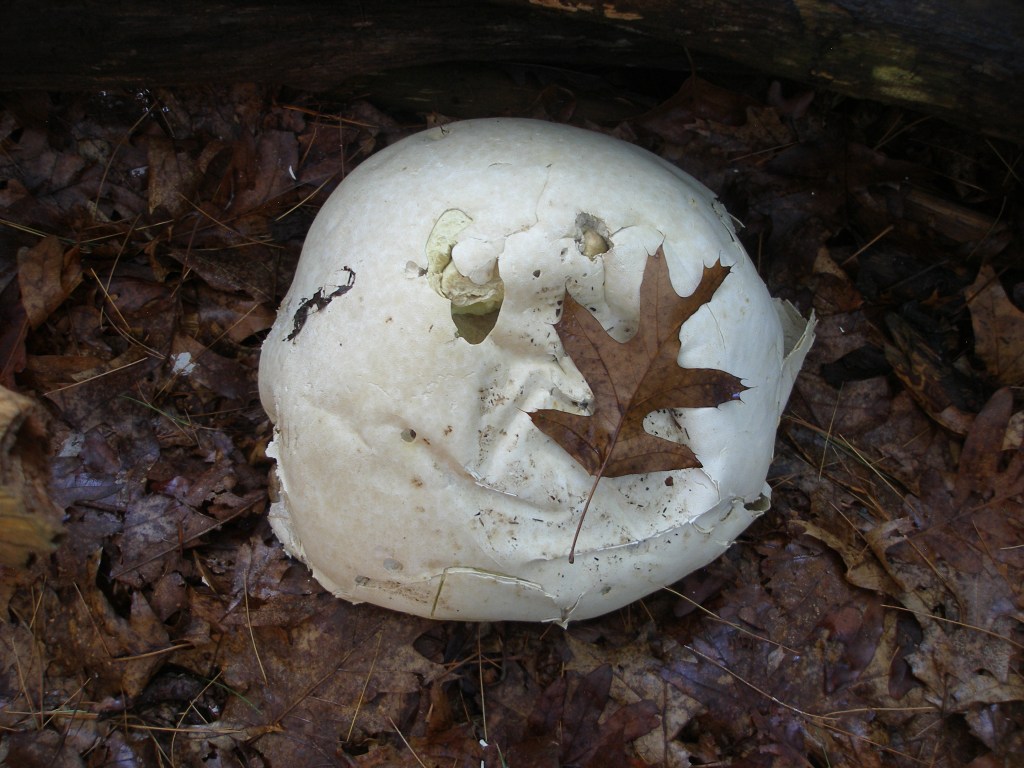
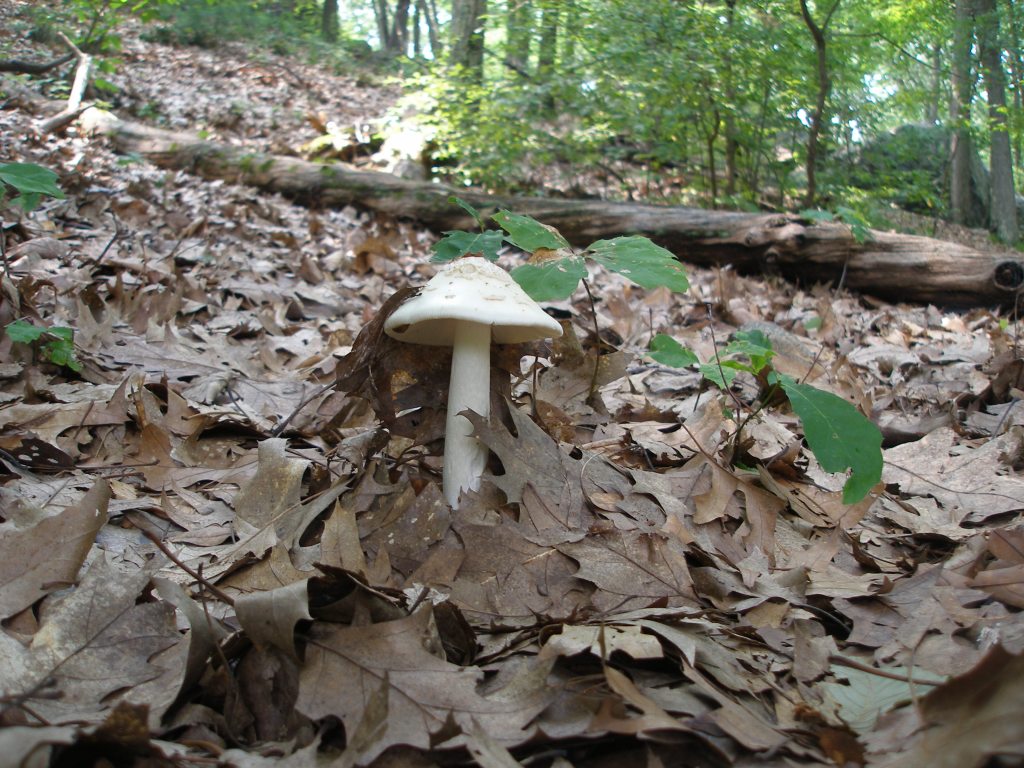
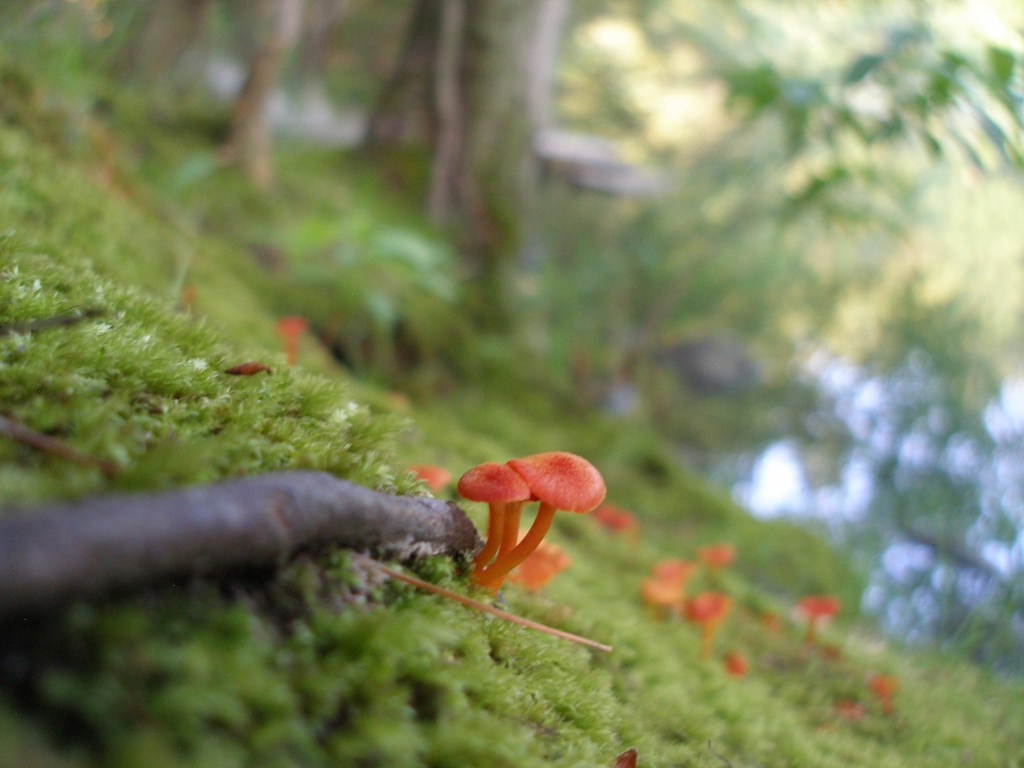
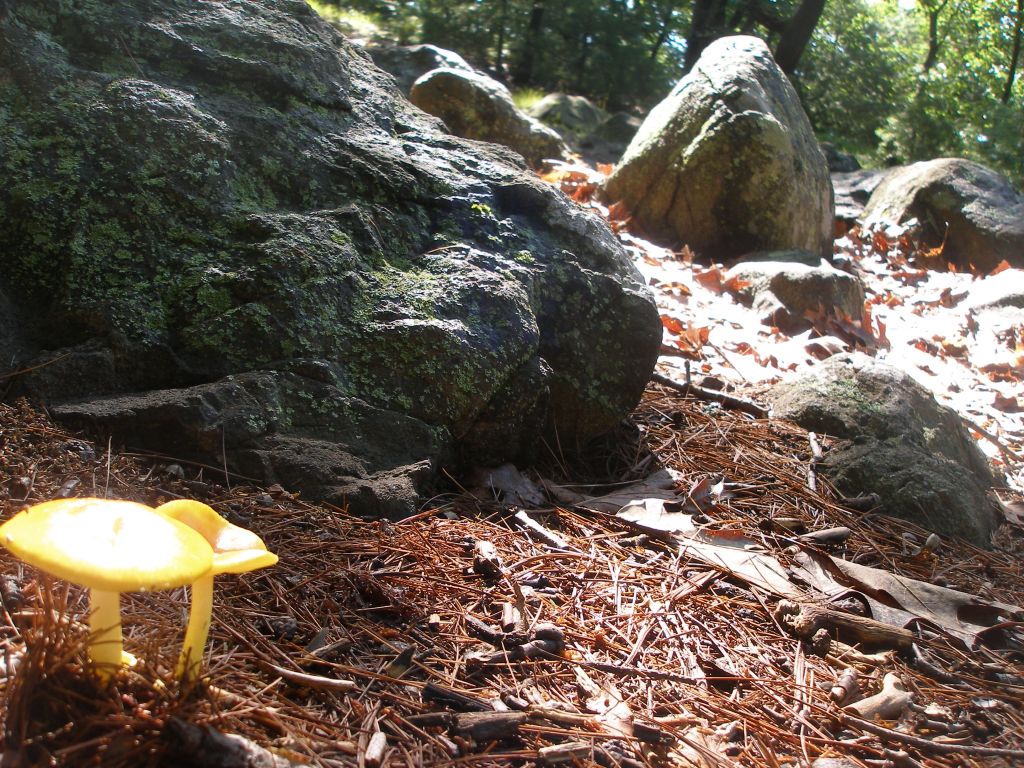
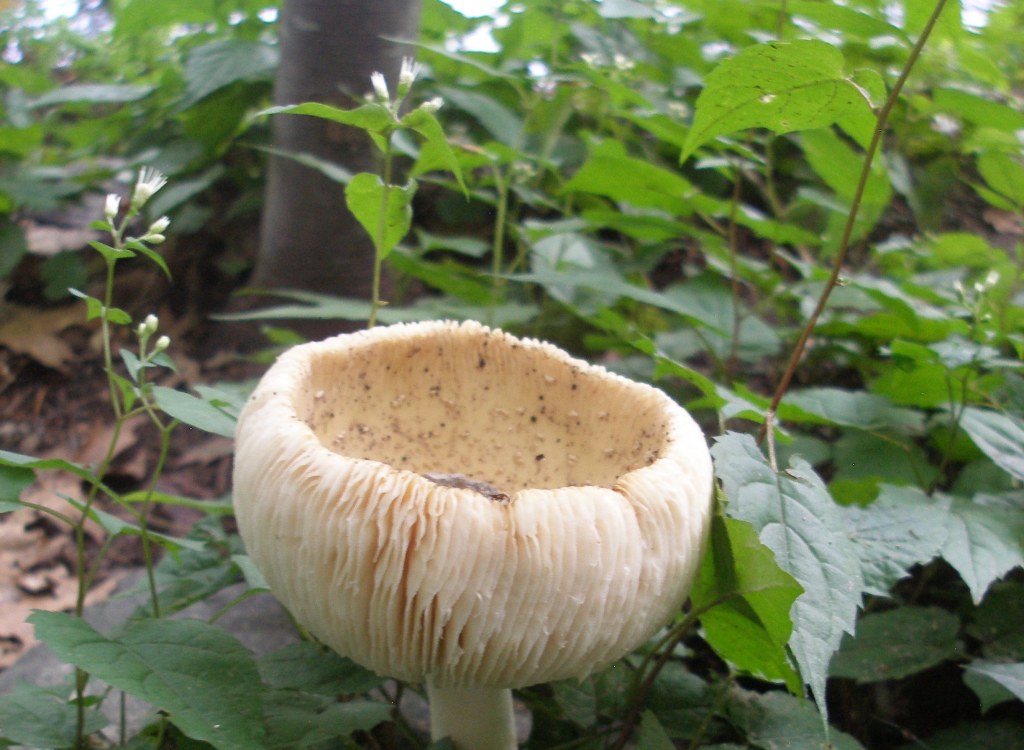
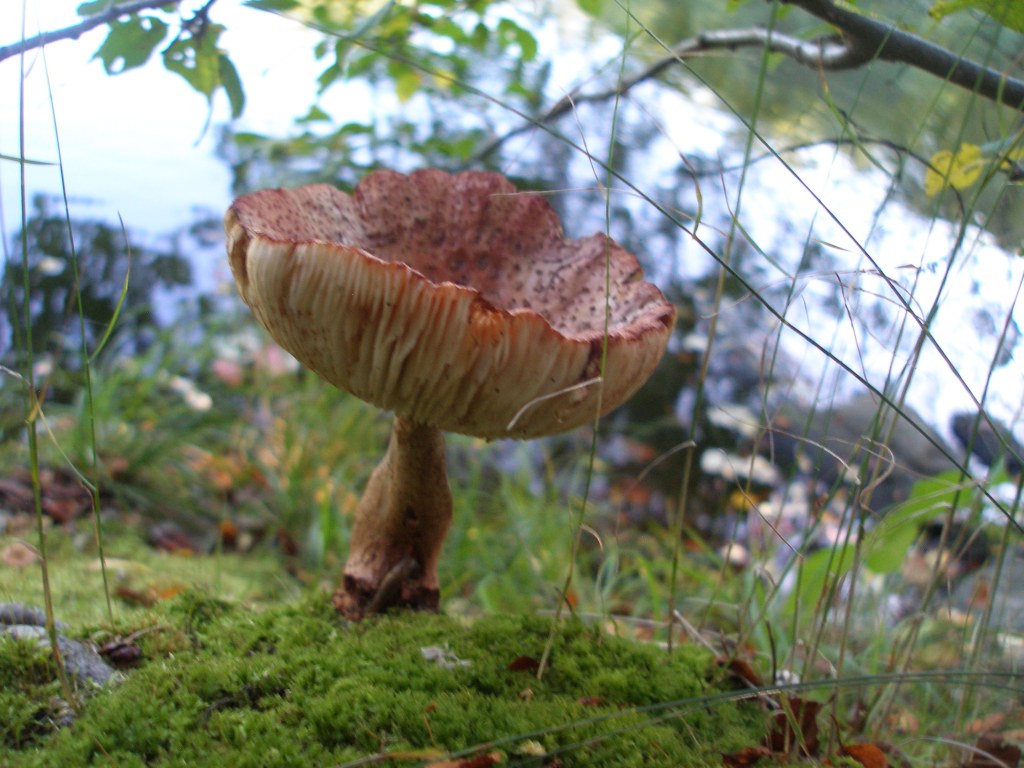
I expected this fall’s crop of mushrooms would be different from last season’s given our highly changeable conditions these days.
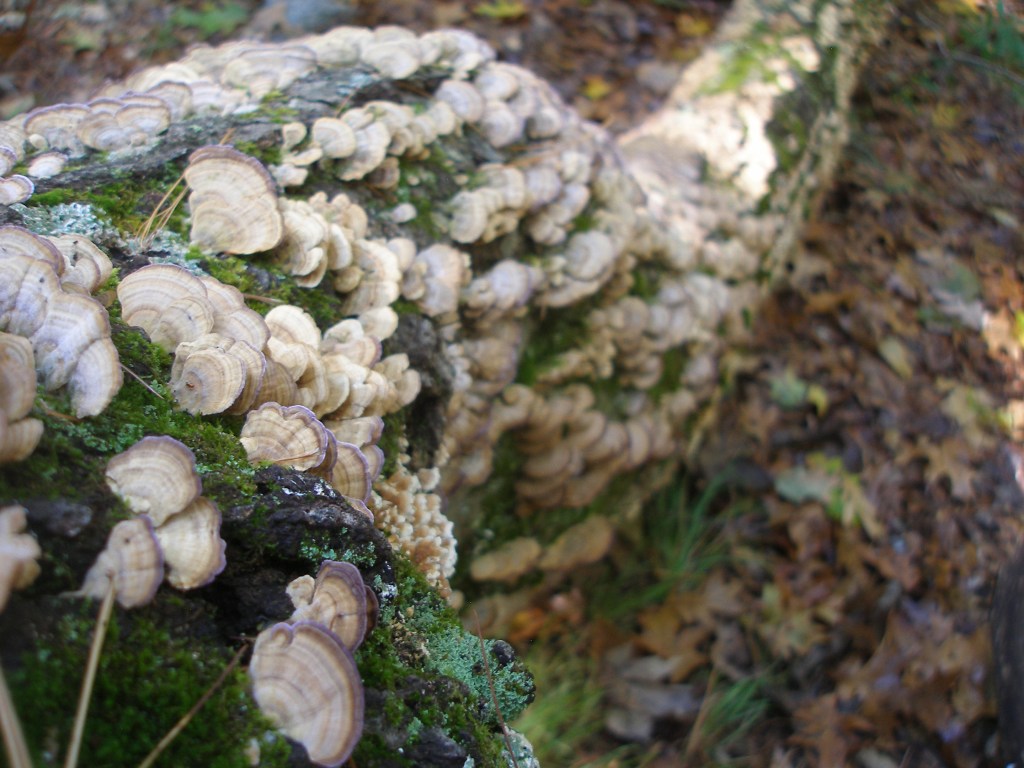
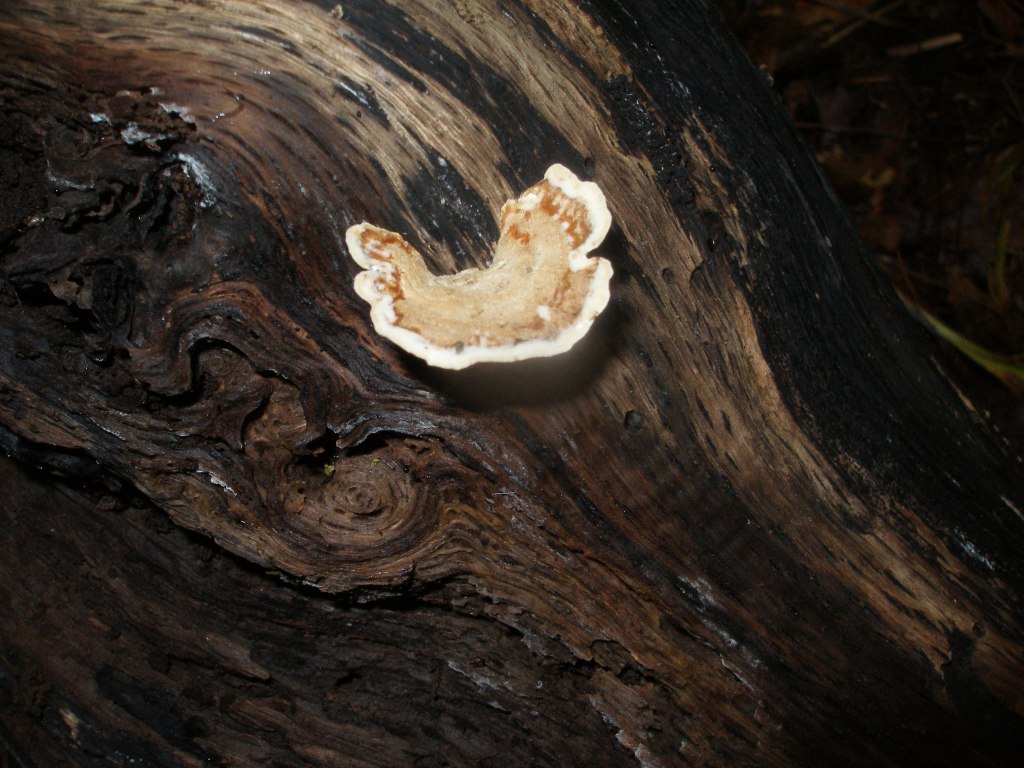
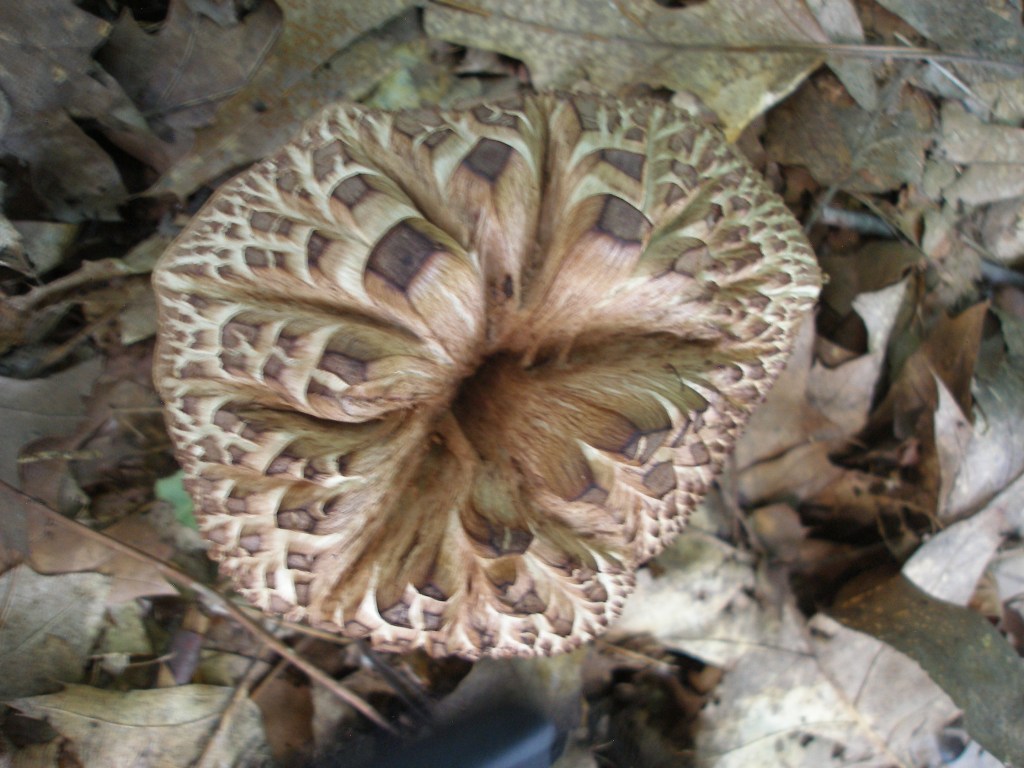
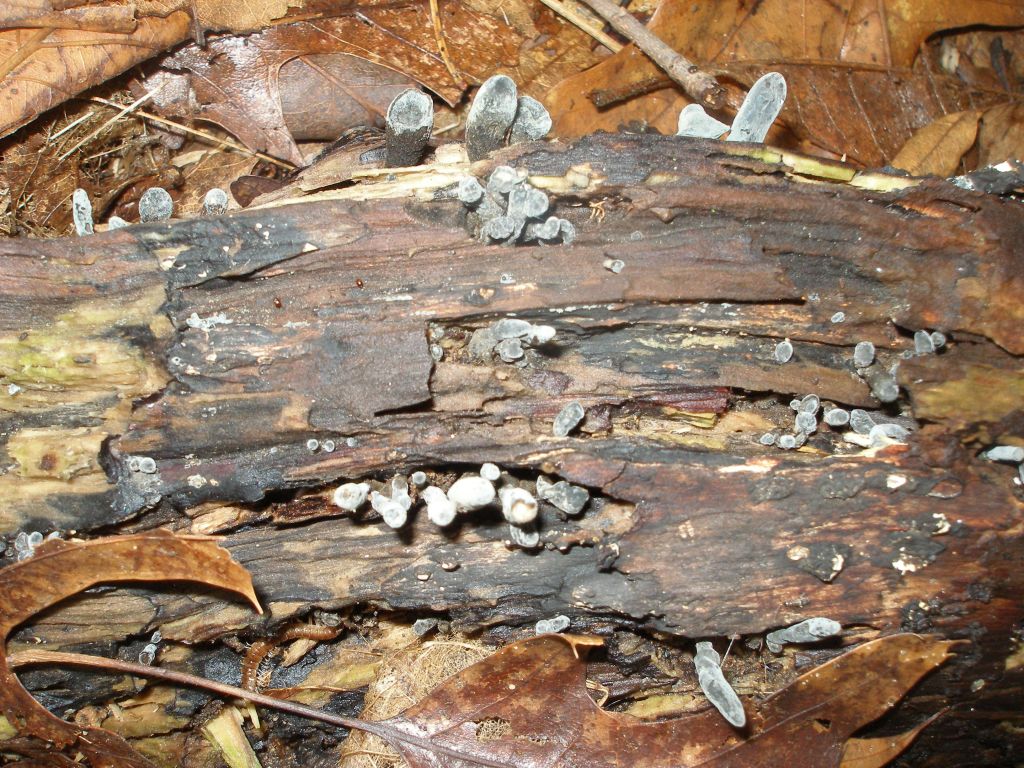
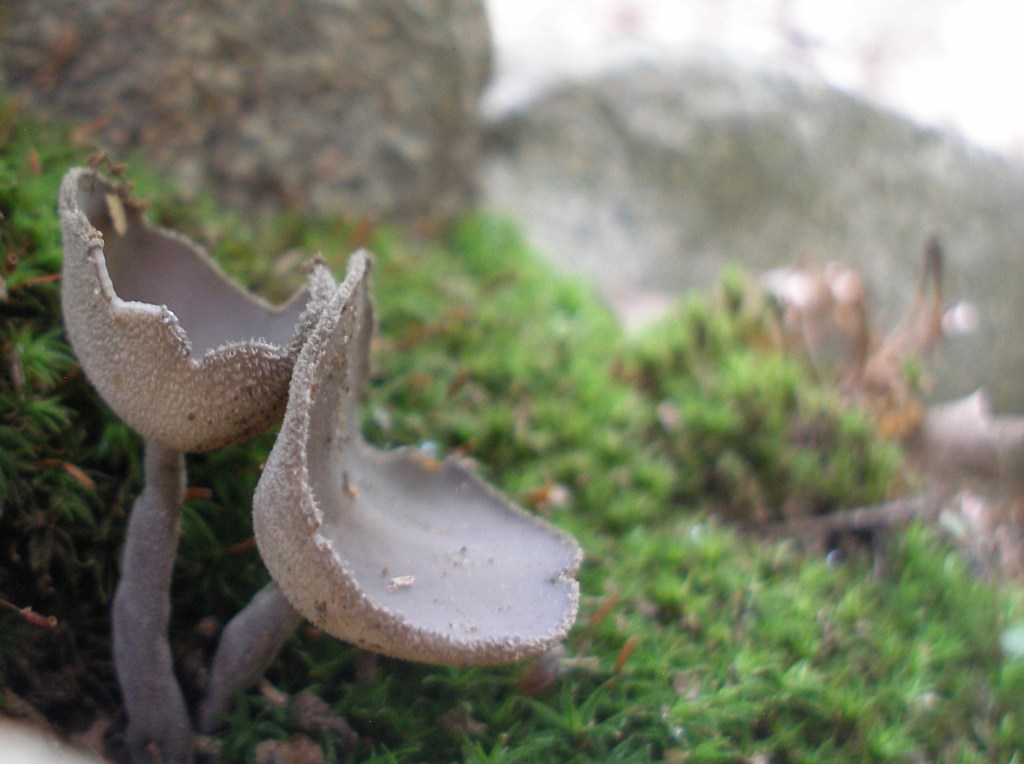
Fungi, slime molds and lichens can tell when conditions are right to produce fruiting bodies and disperse spores. That window of opportunity appeared to come quite early in spring and summer this year. But interesting examples are still popping up. If I manage to capture worthy portraits of their splendid forms, I will add them below.
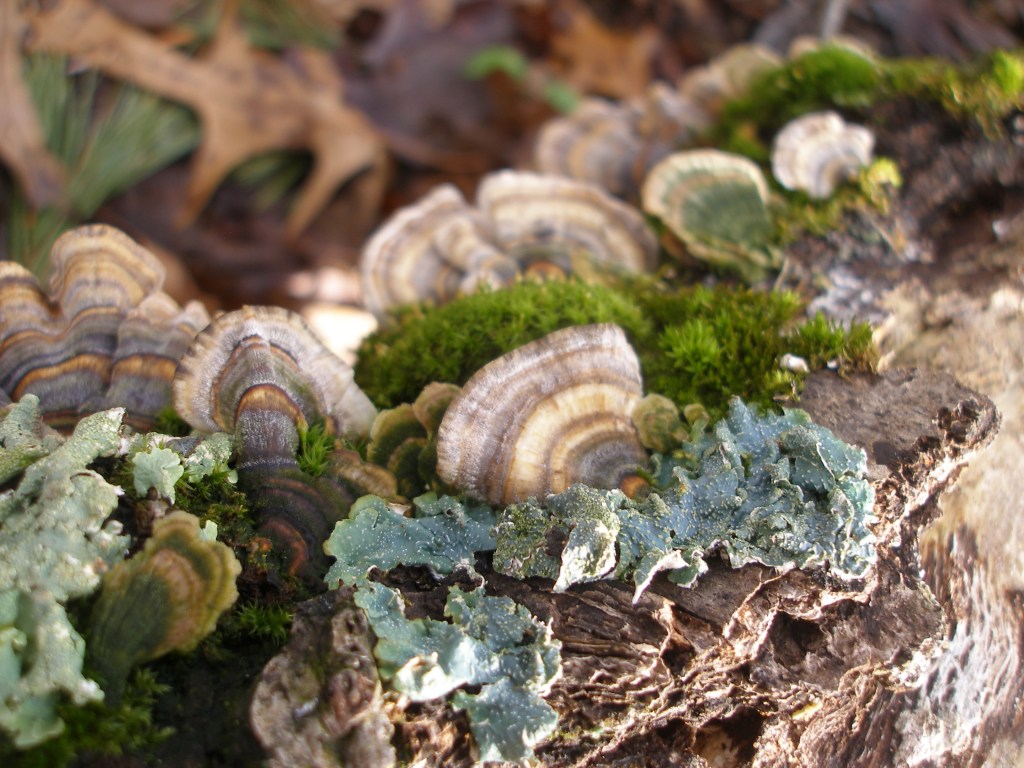
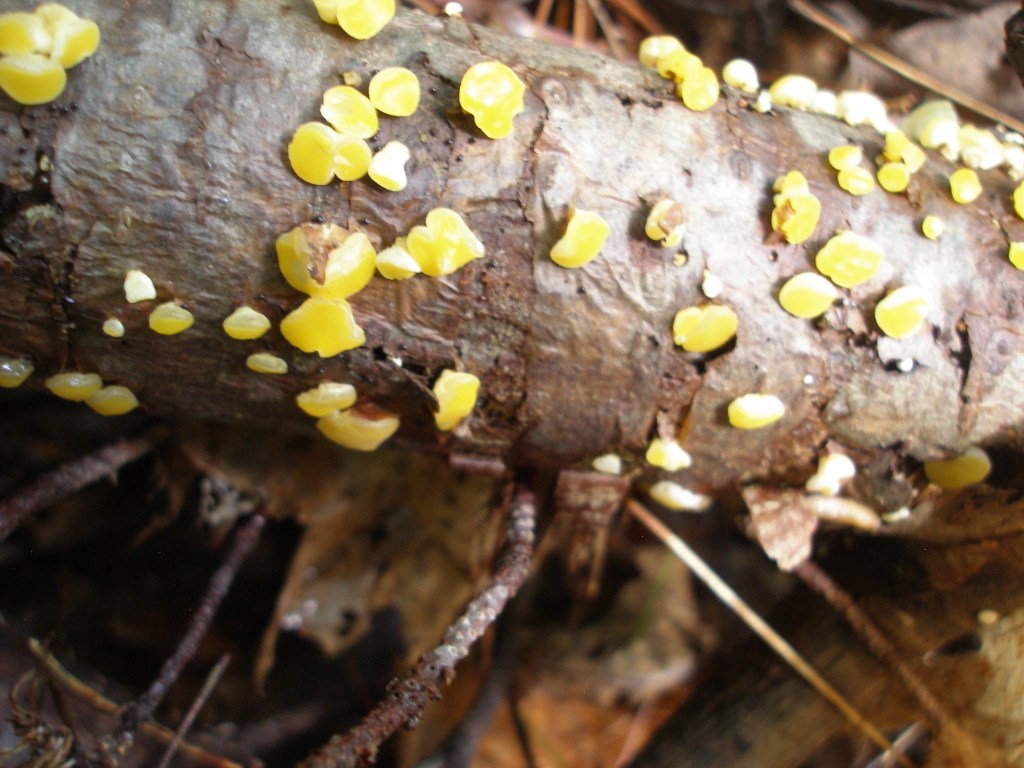
The tiny fruiting bodies above are those of lichen – not mushrooms
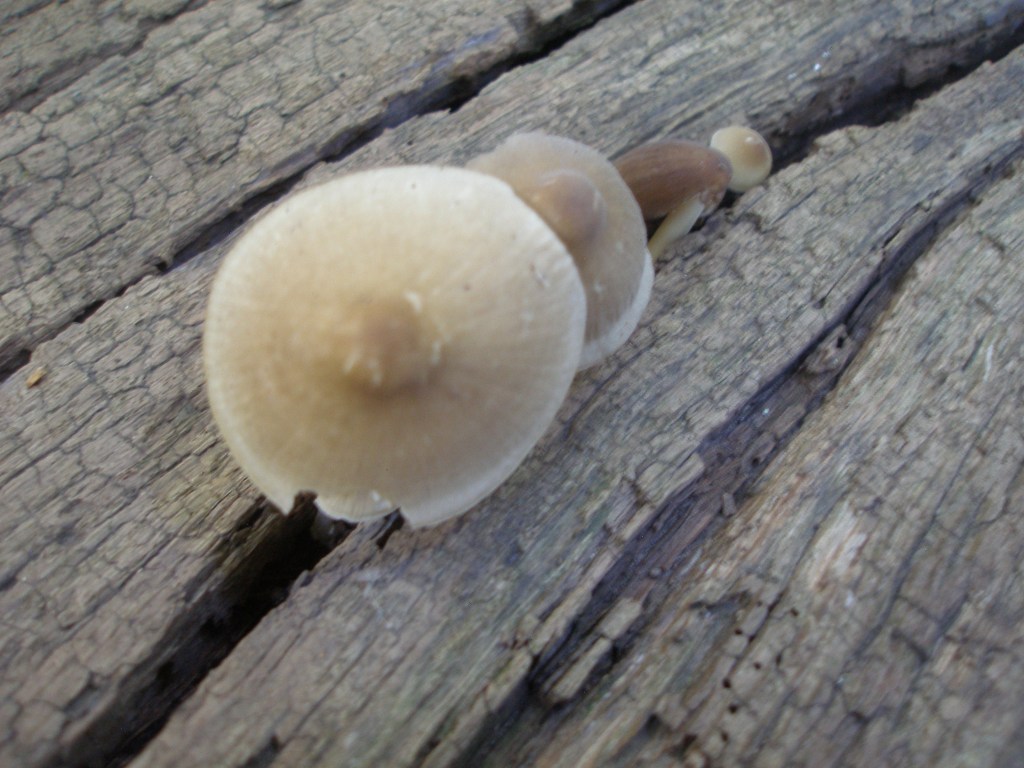
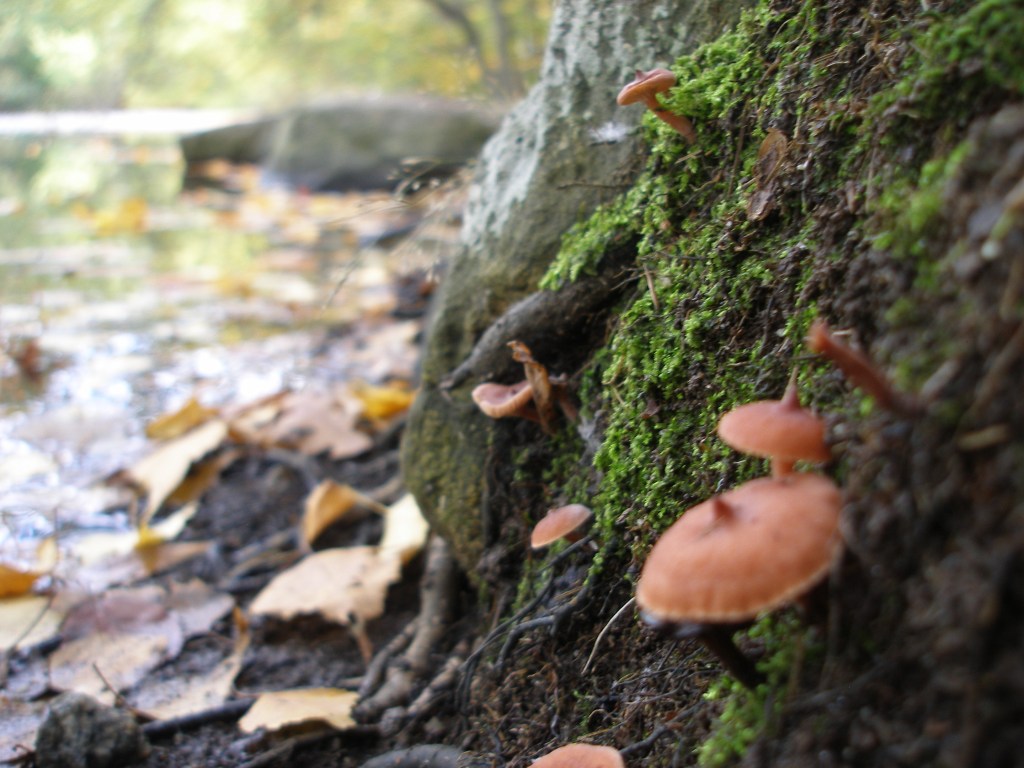
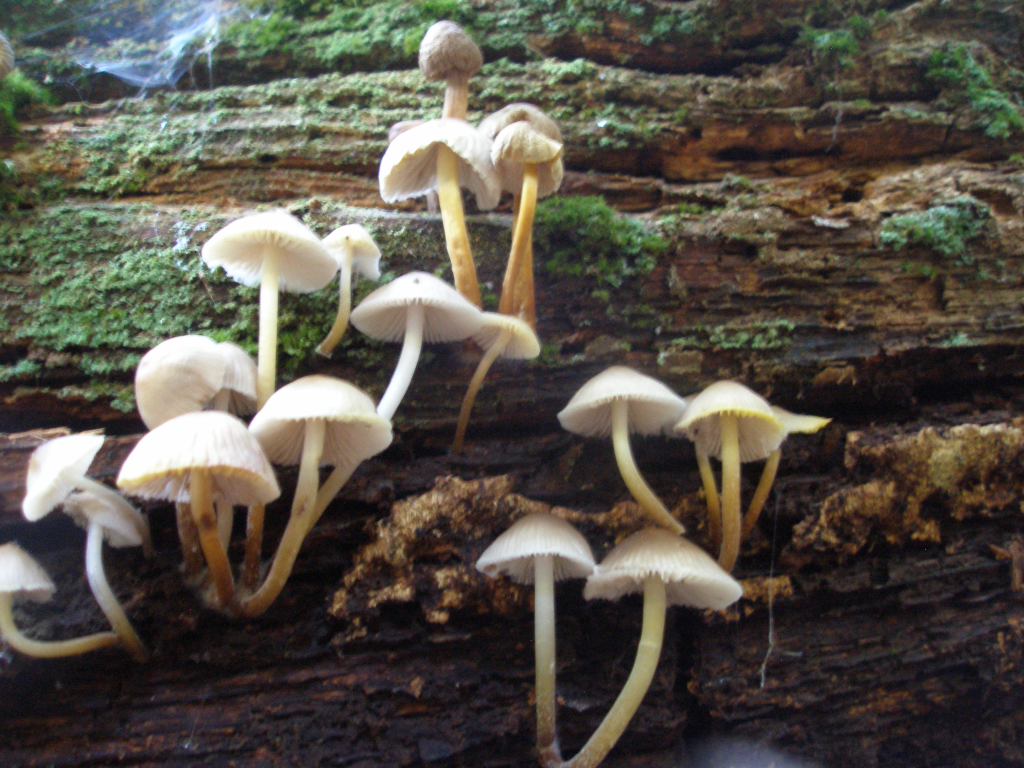
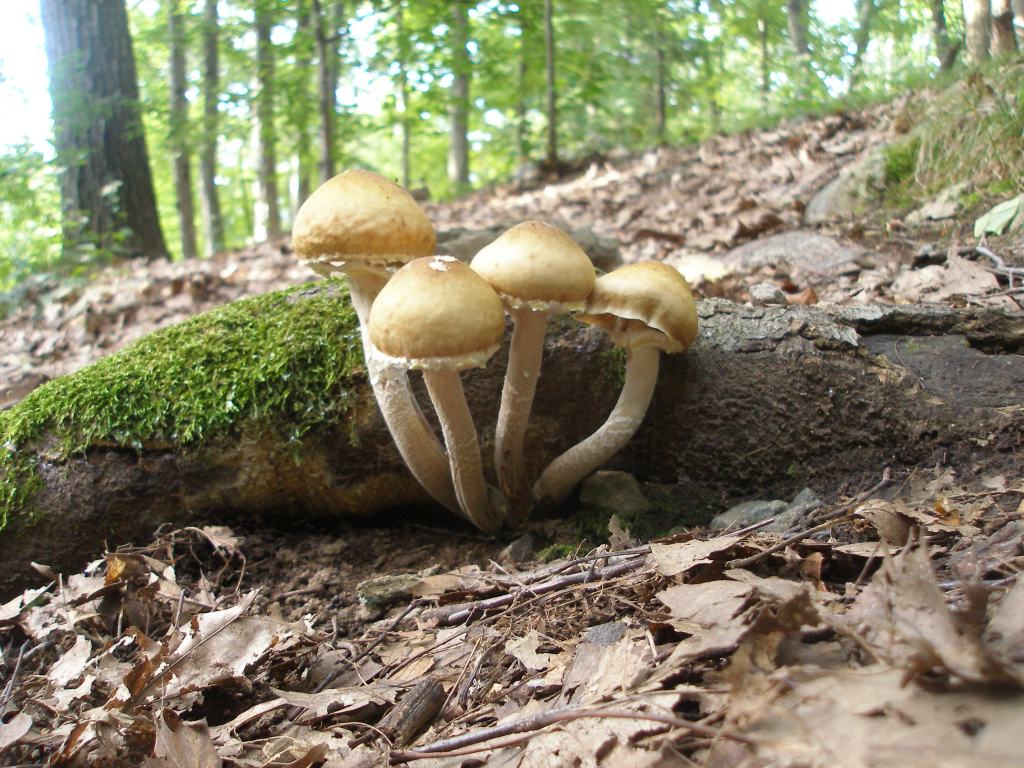
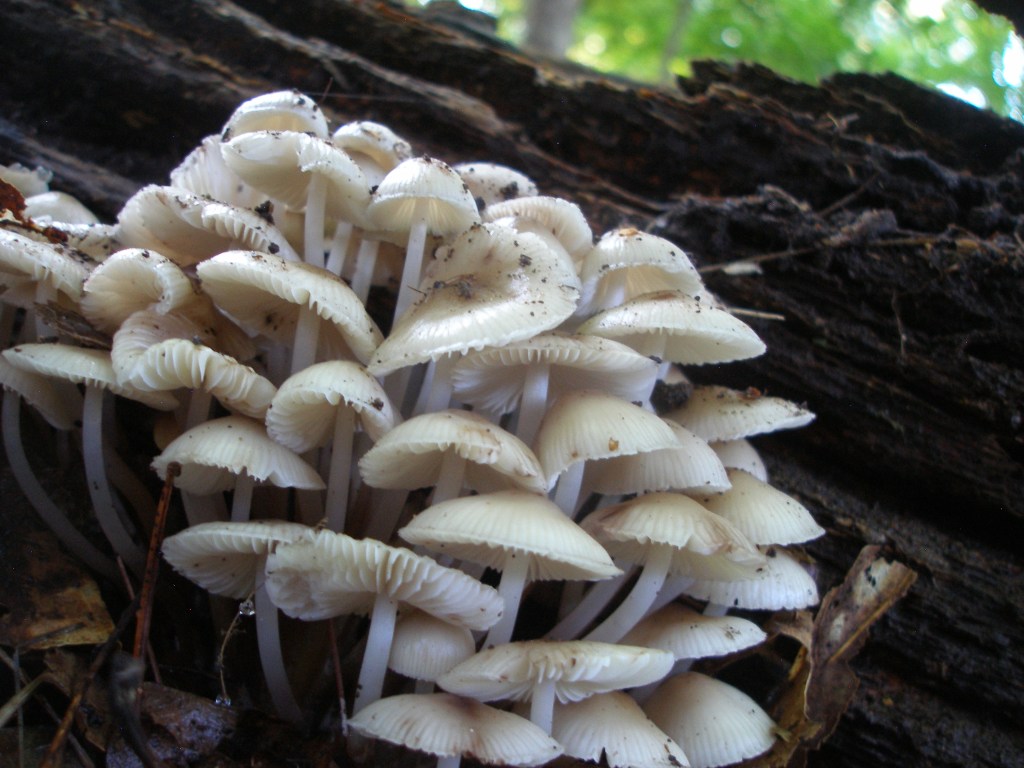
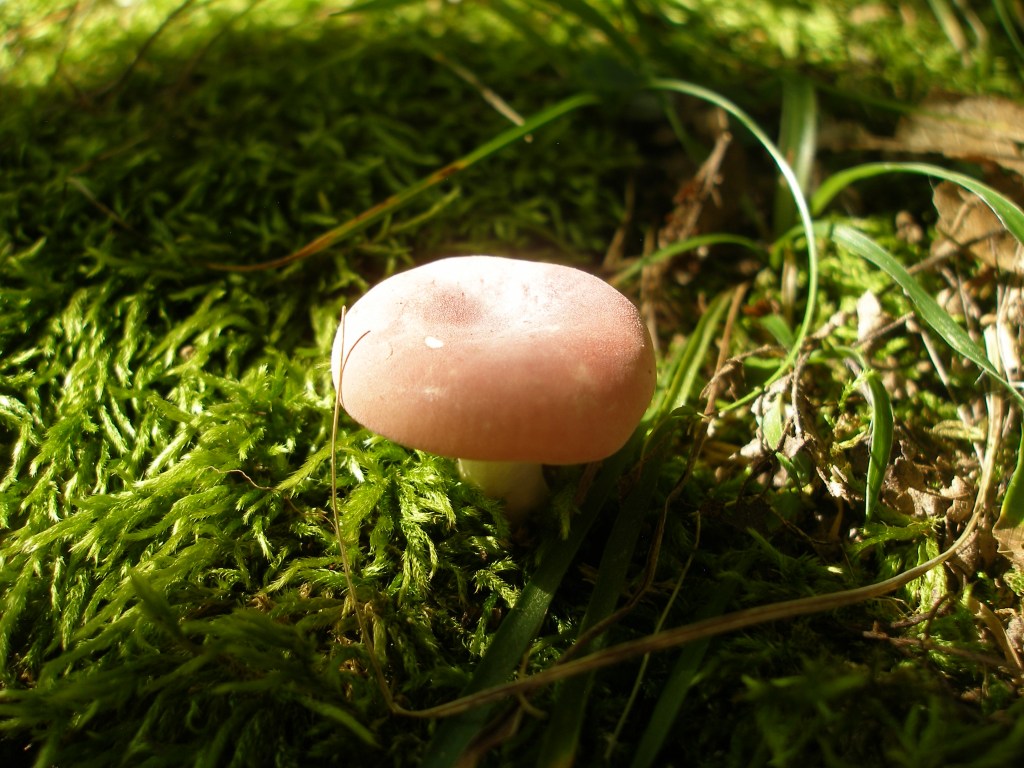
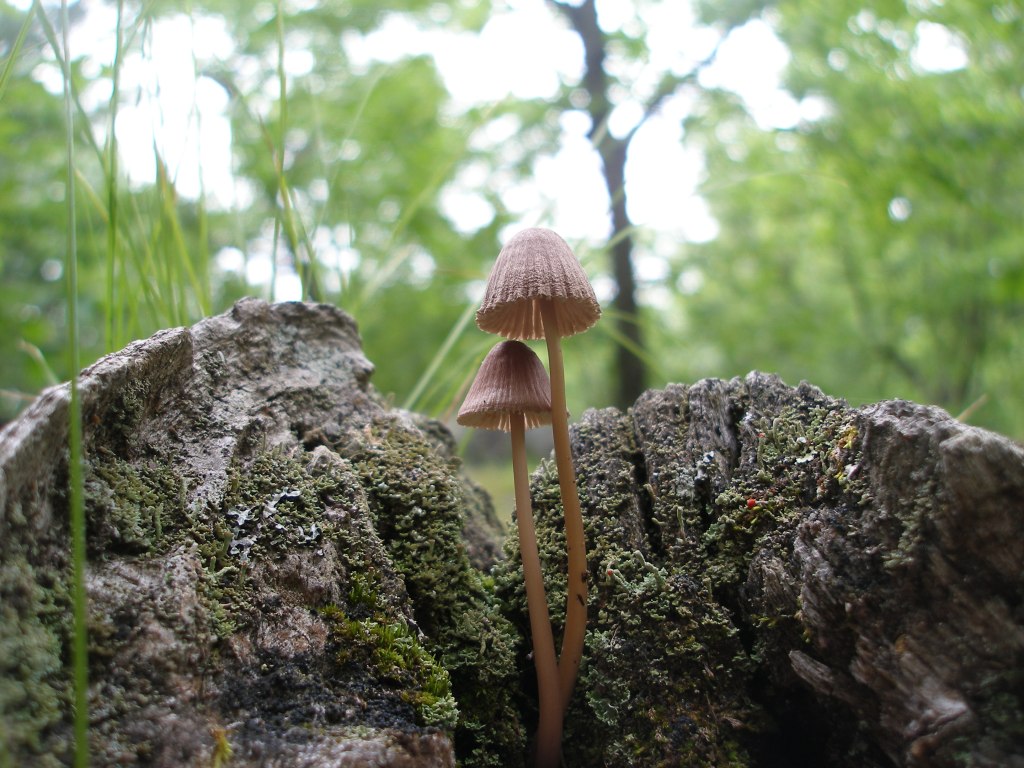
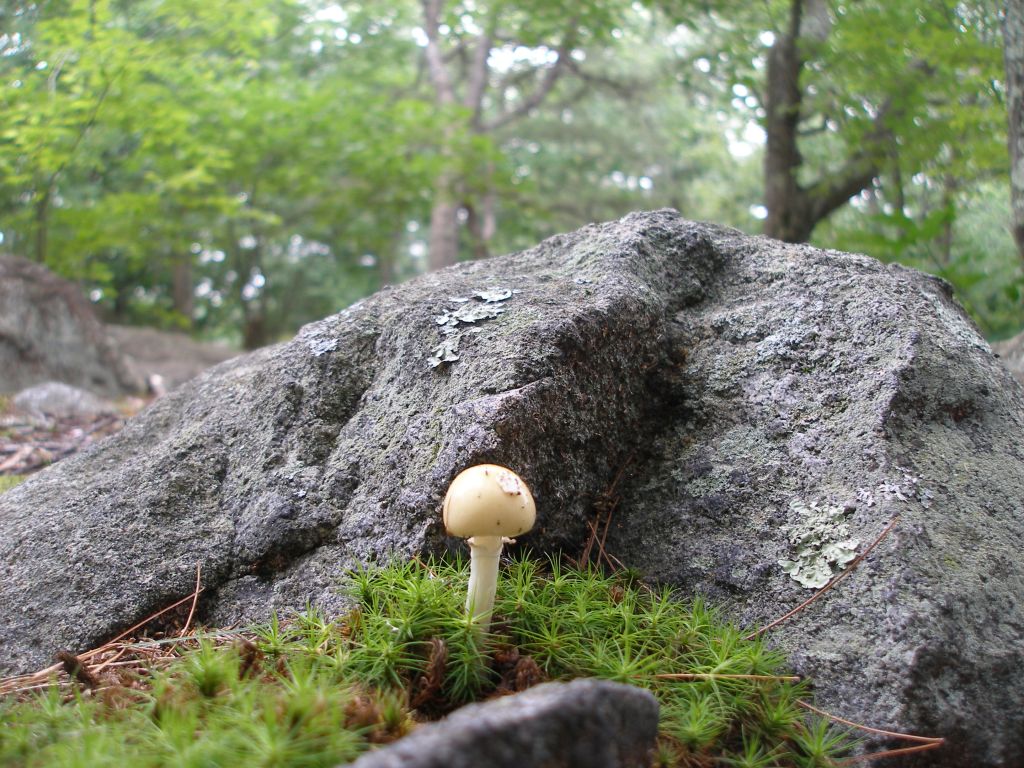
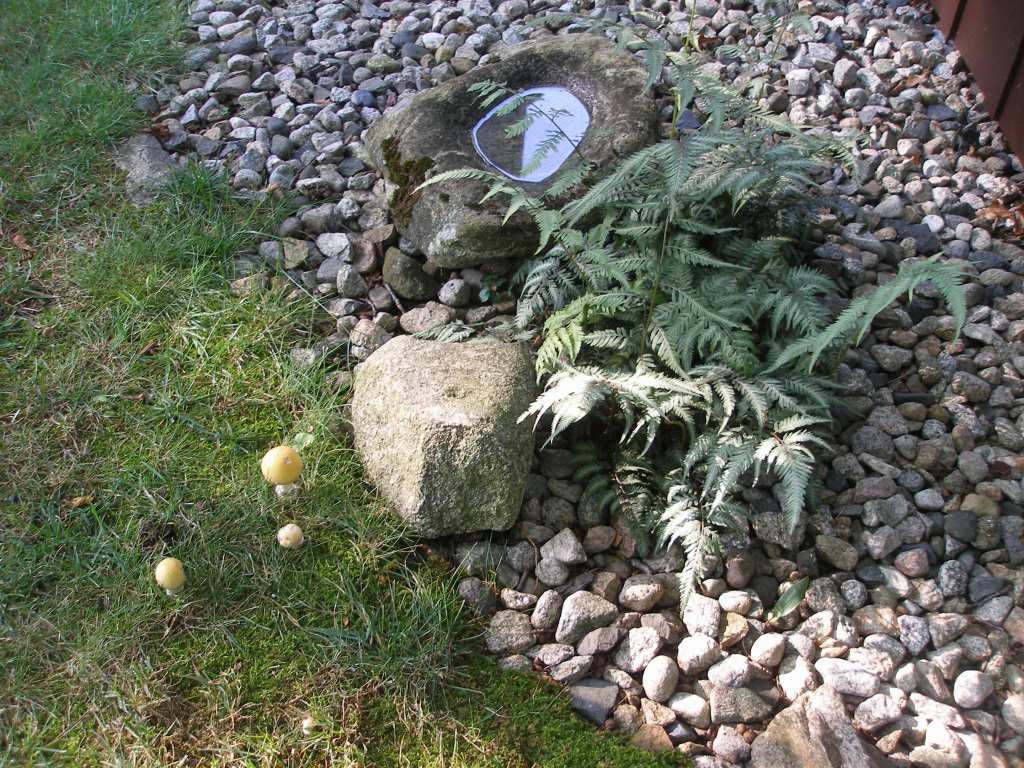
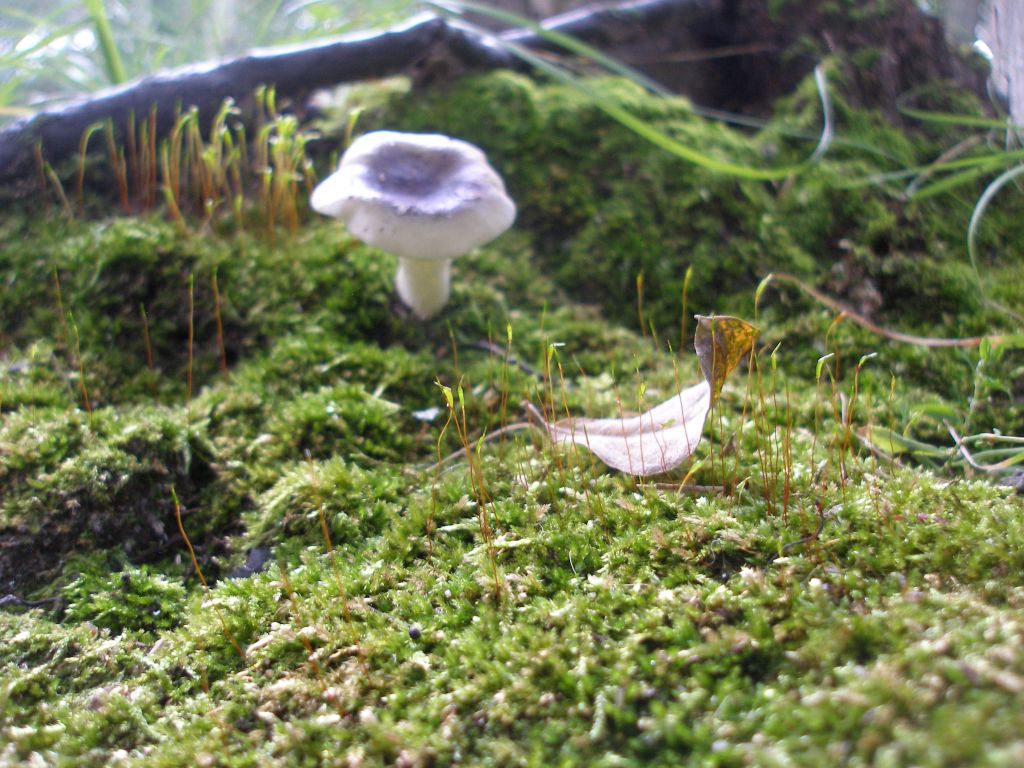
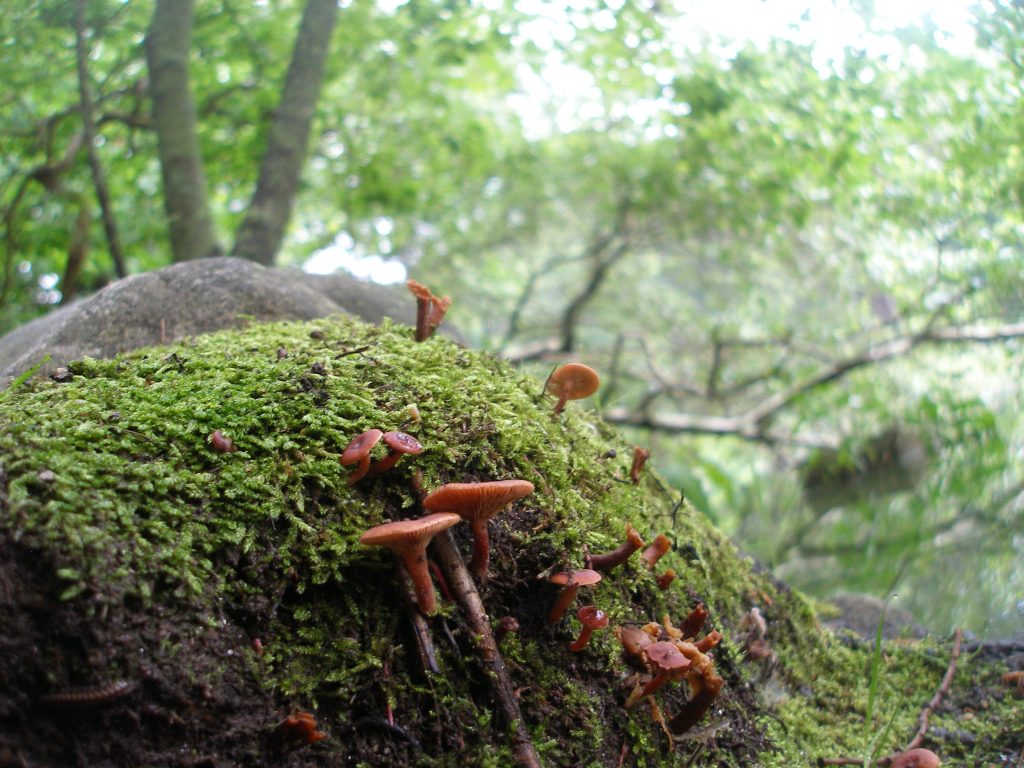
Once again it has been an unusually rainy spring and summer with mushrooms in mossy spots in the woods as well as in our yards and even cracks in sidewalks.
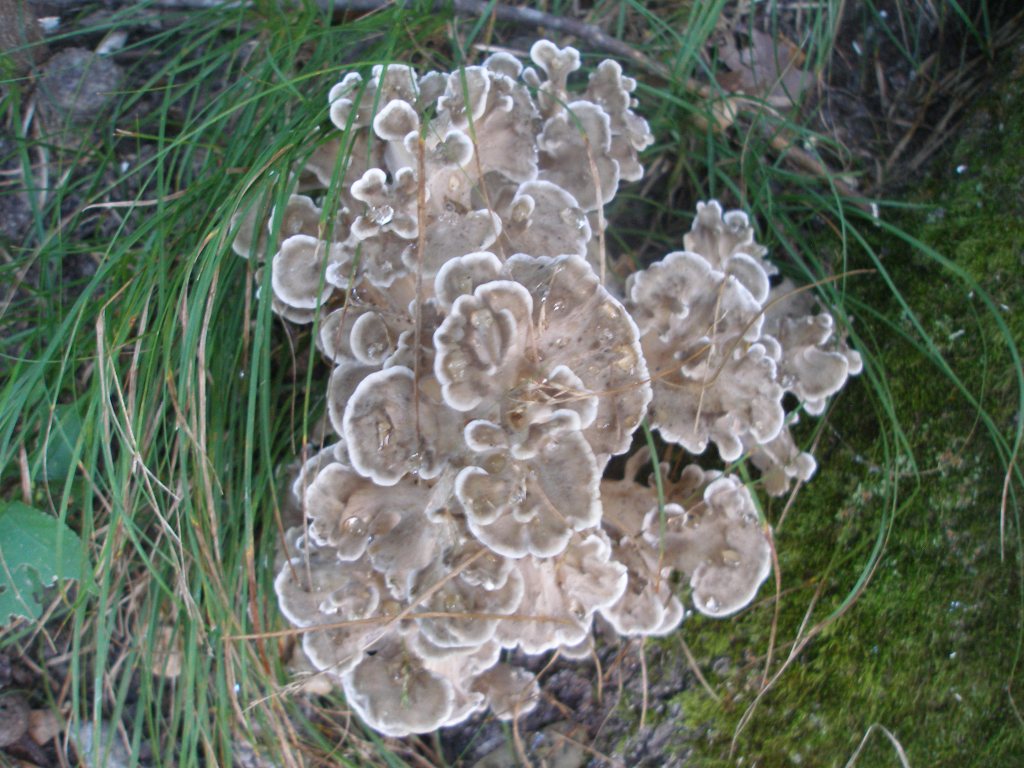
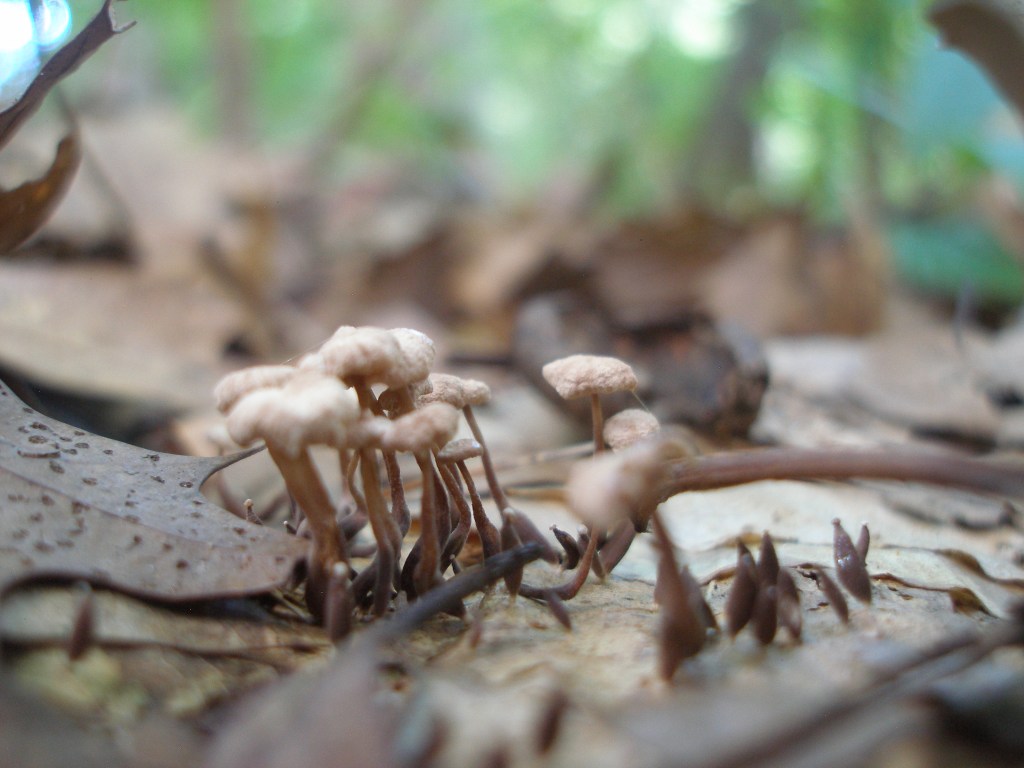
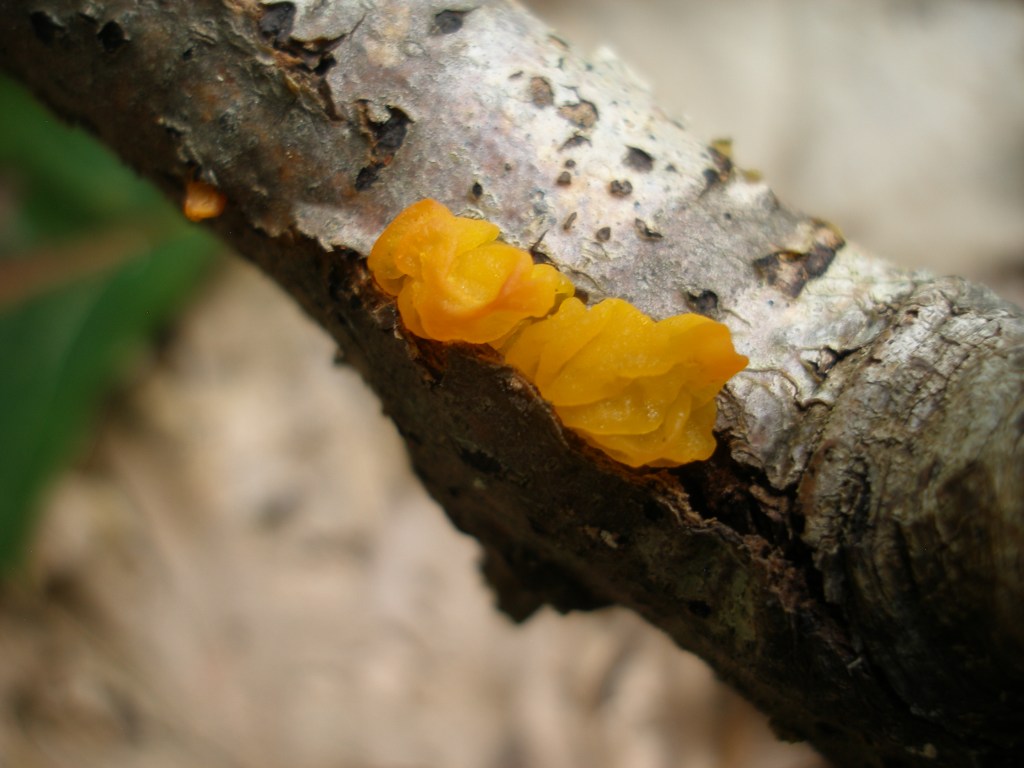
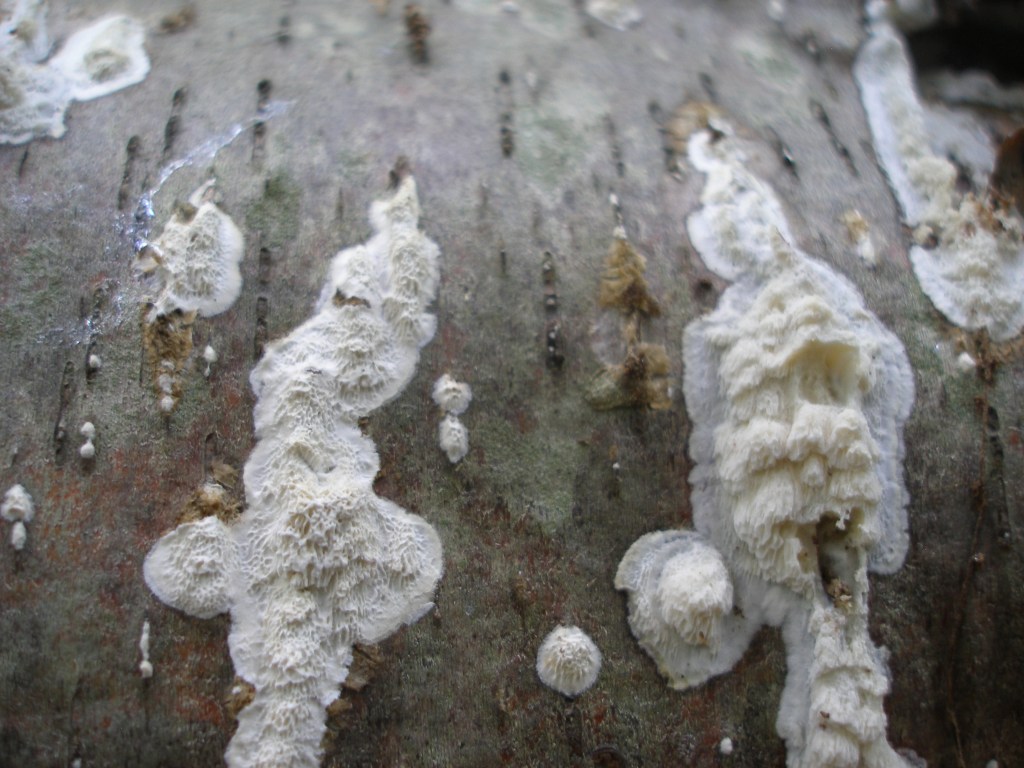
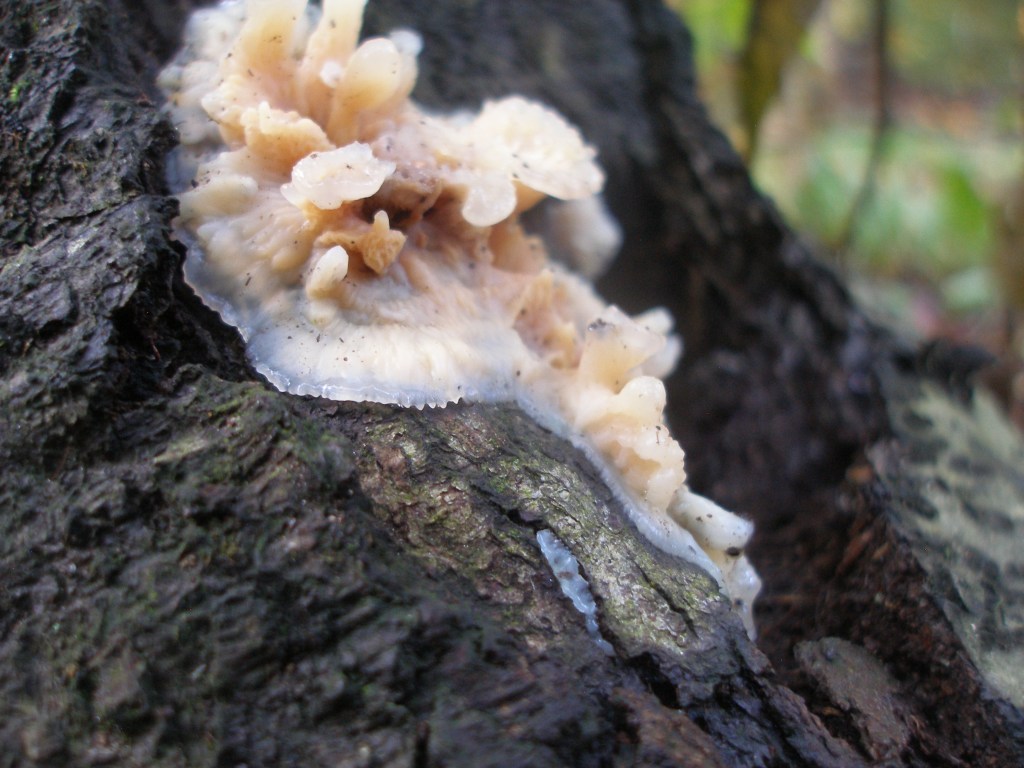
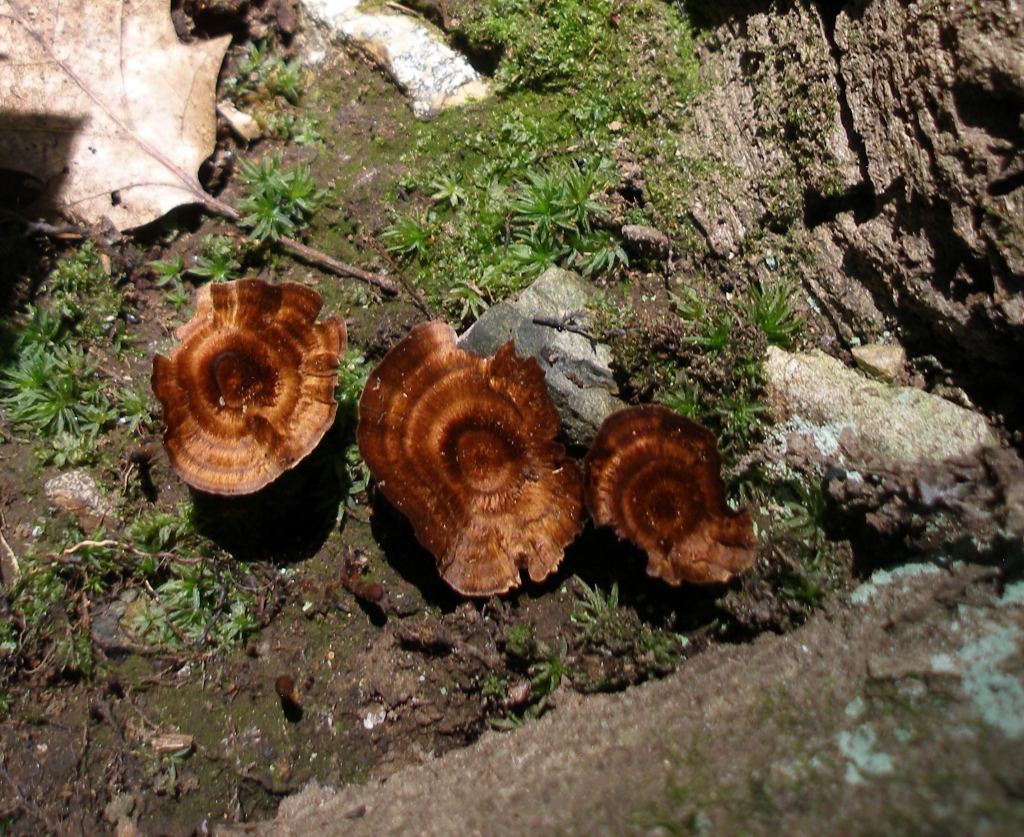
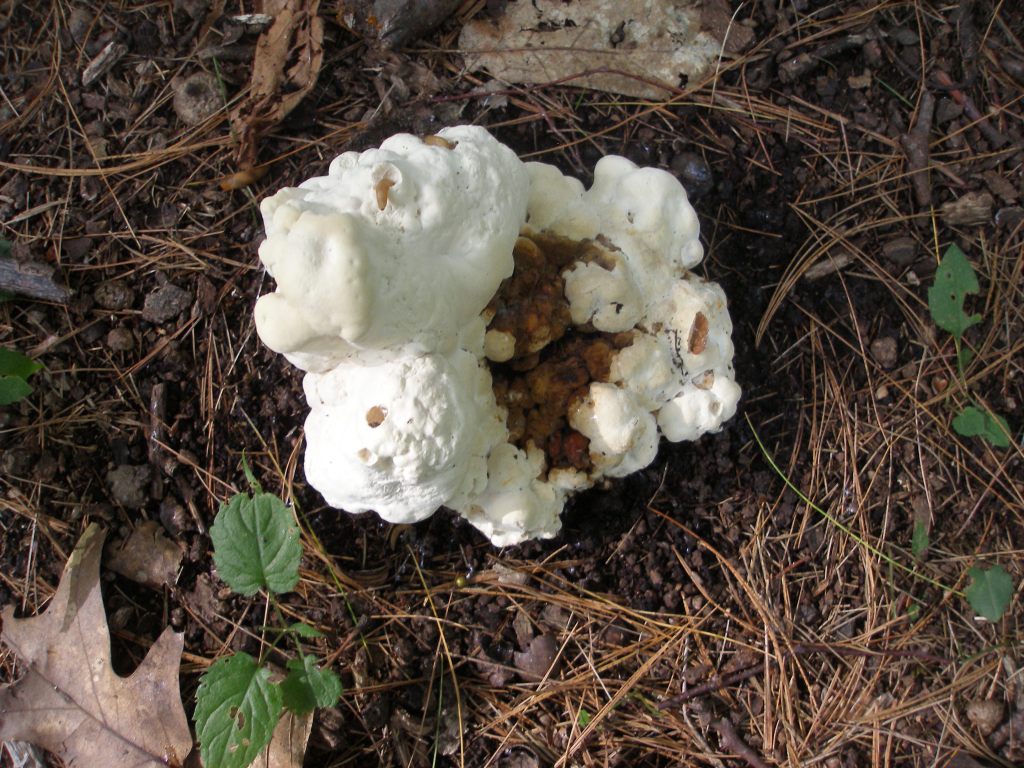
Now that I have been paying more careful attention for a couple of years, I am finding examples that you might not normally think of as mushrooms, as well as slime molds with their fruiting bodies deposited where the wind can help with propagation.
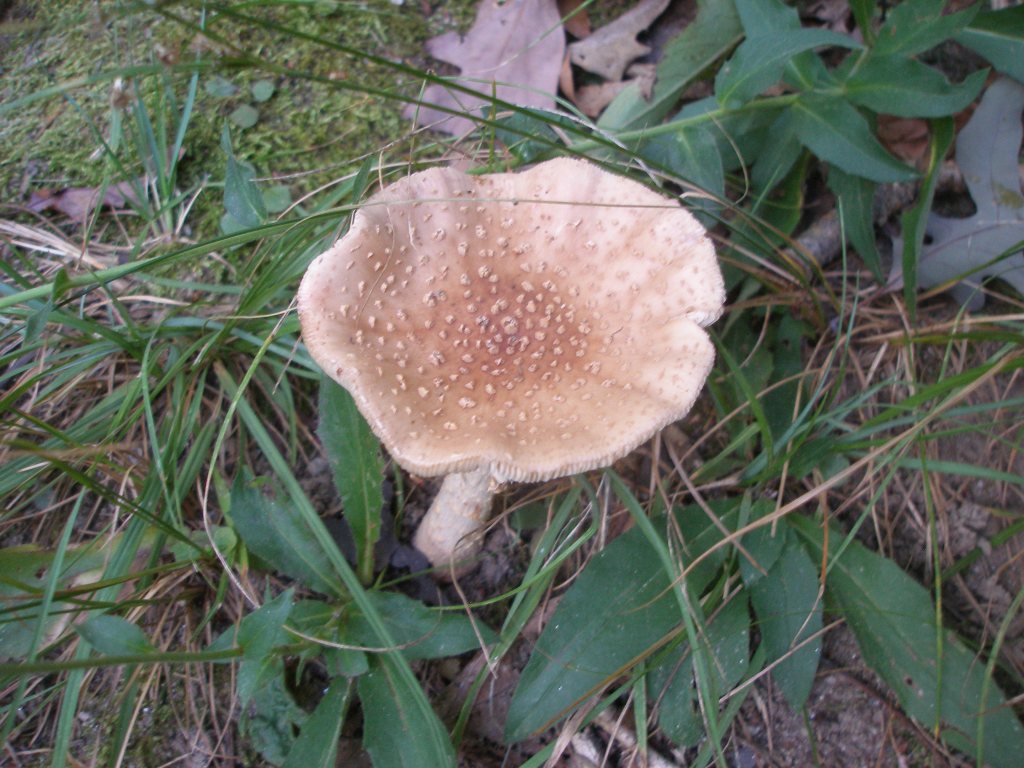
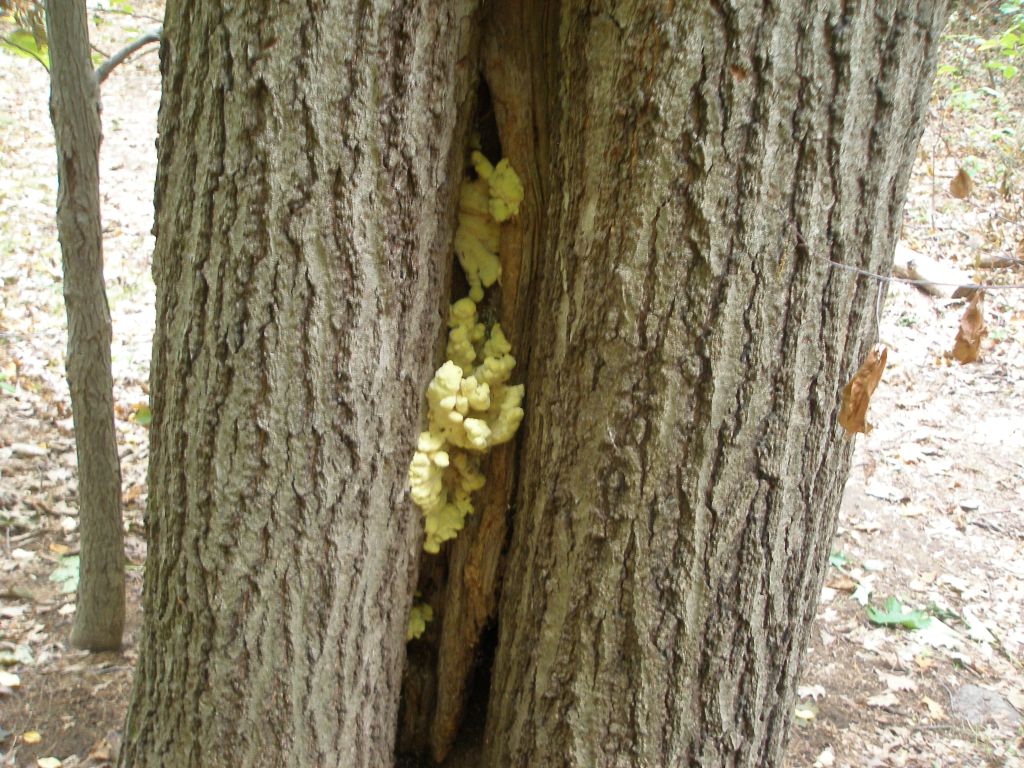
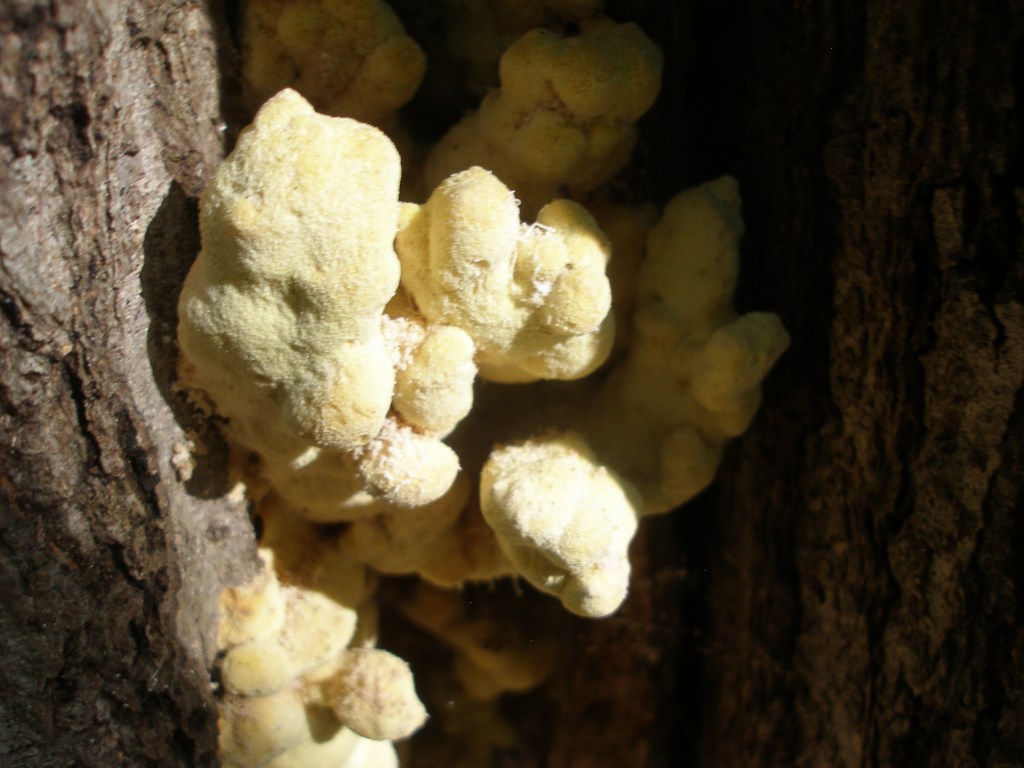
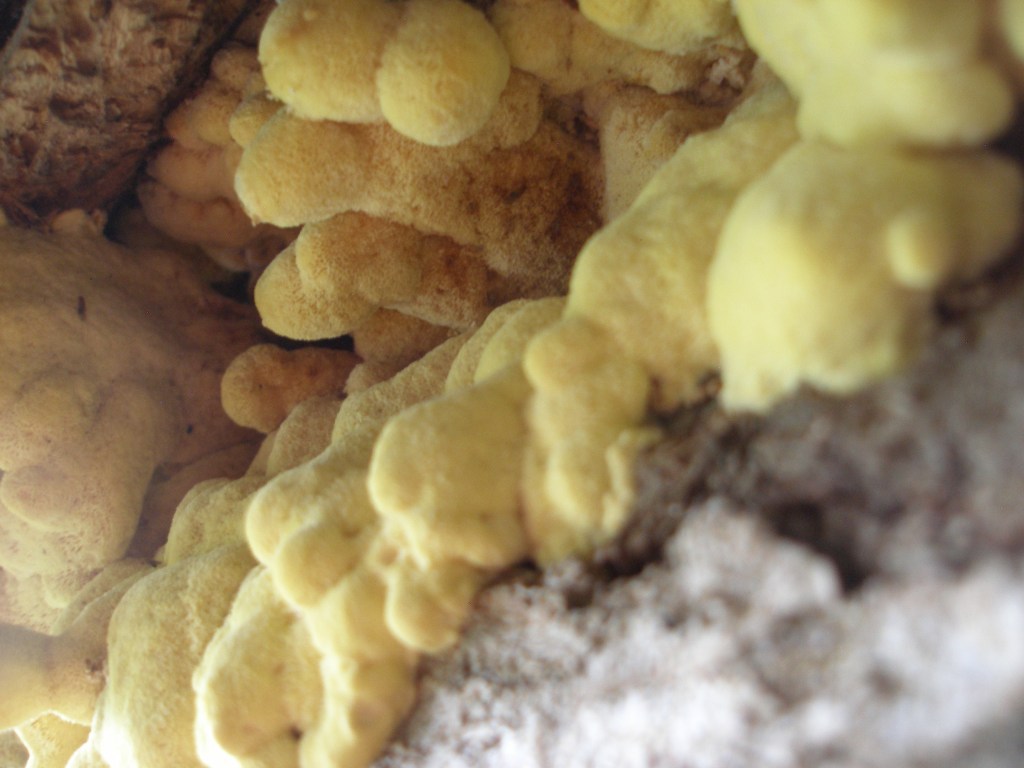
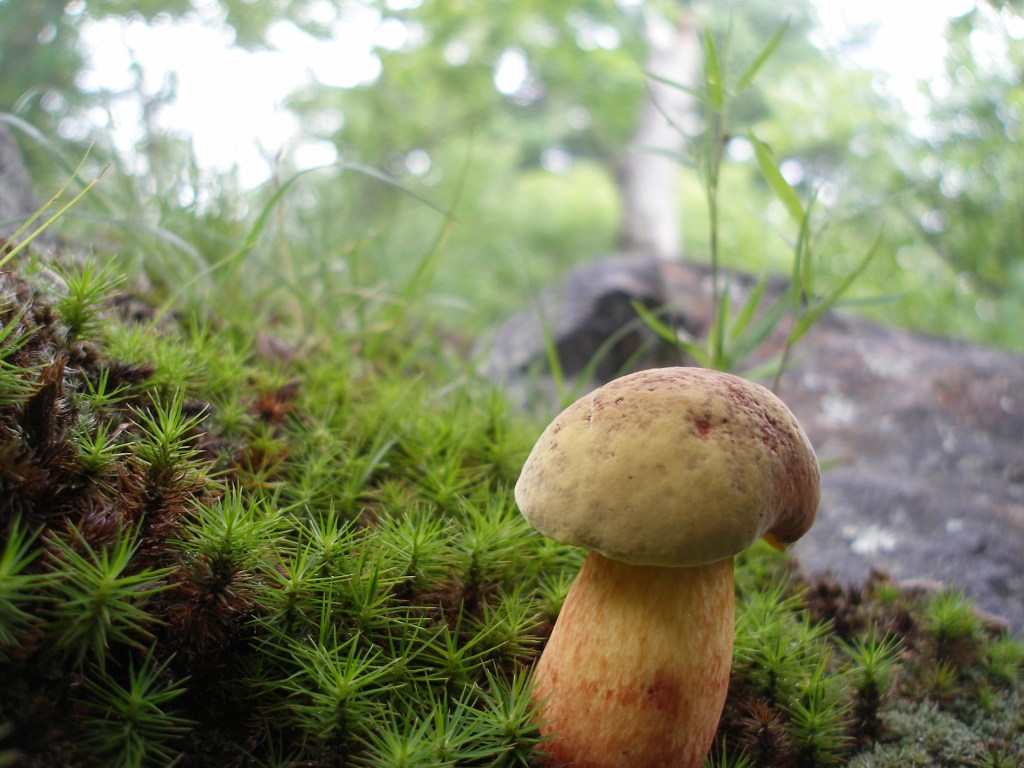
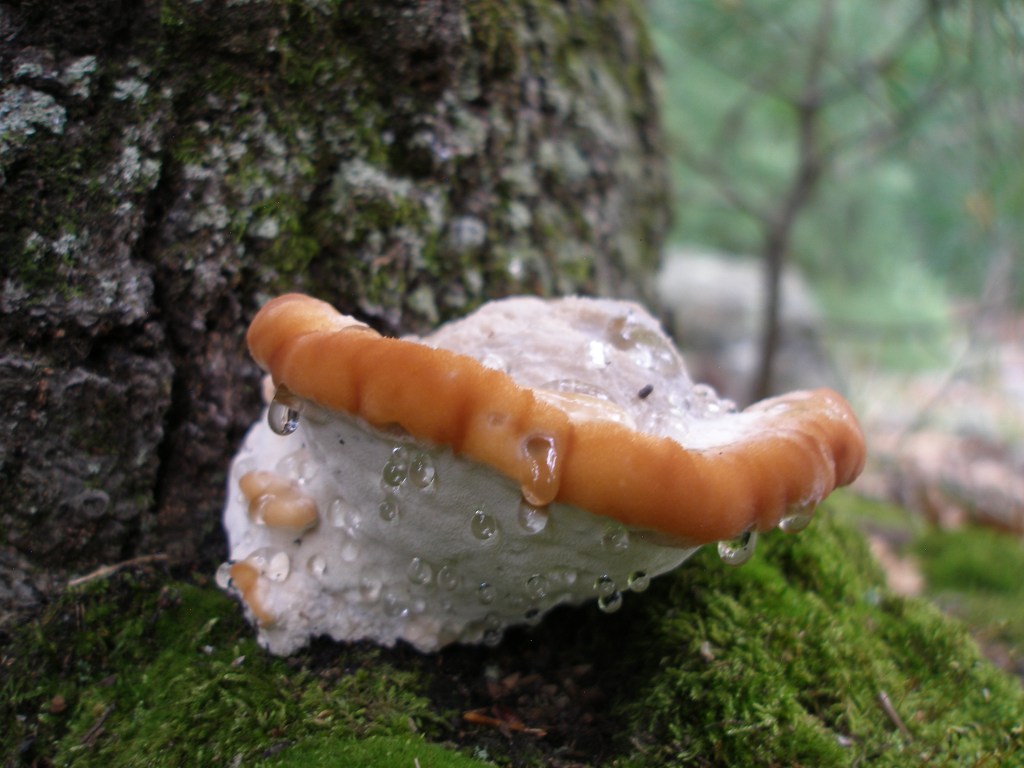
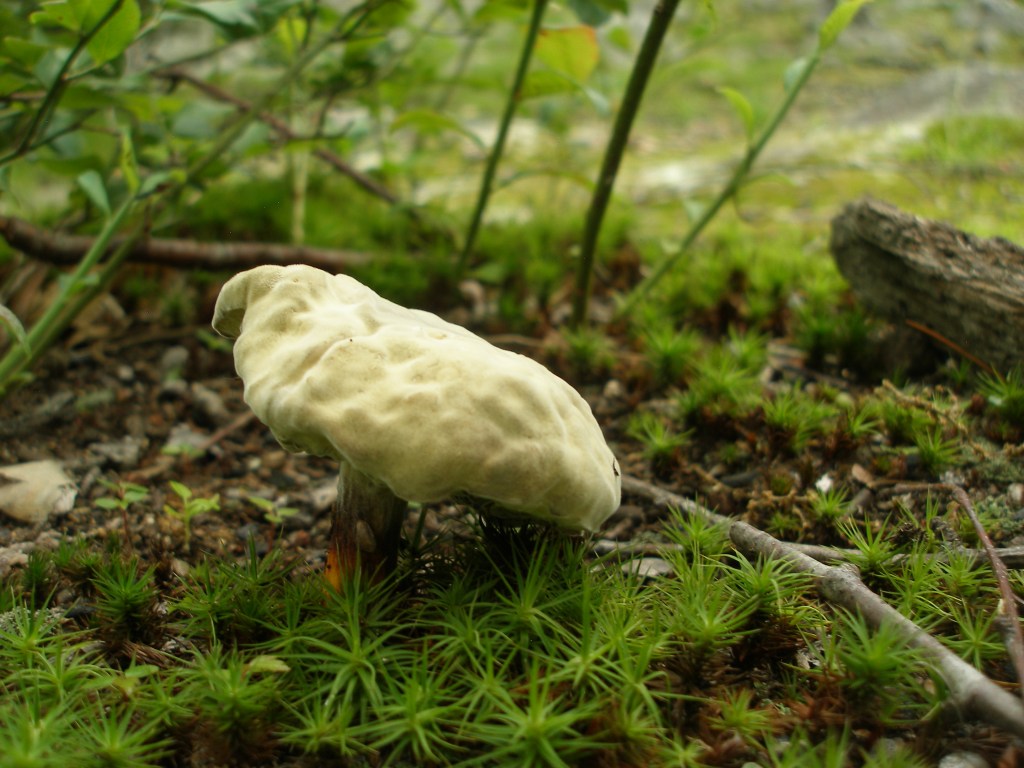
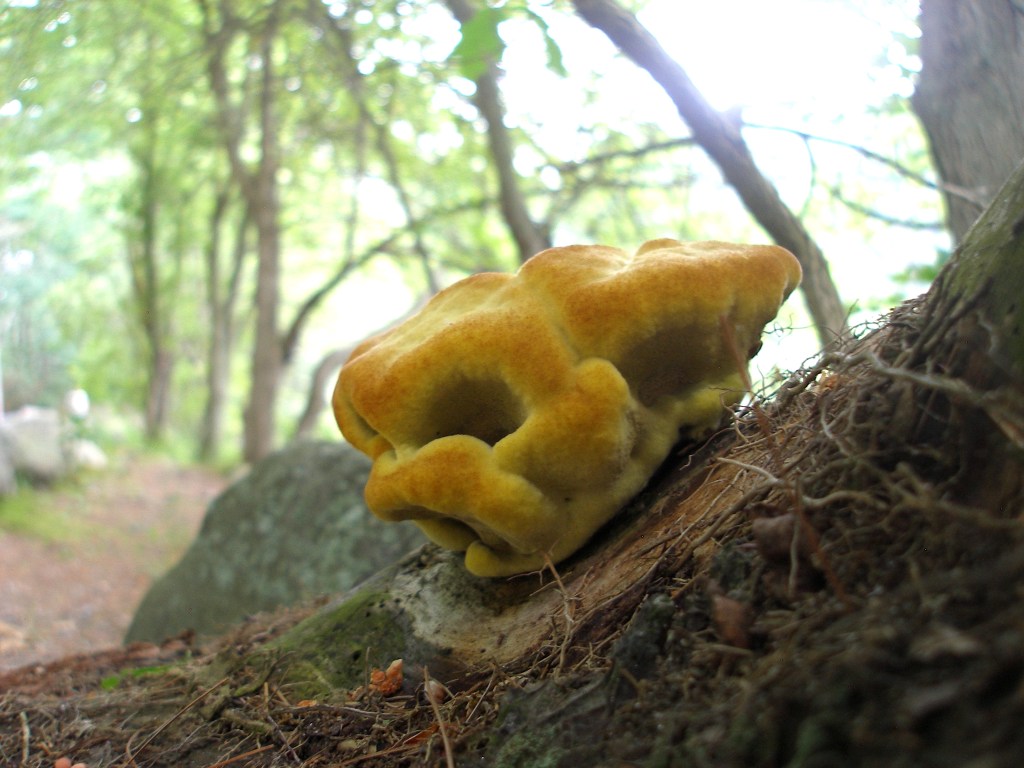
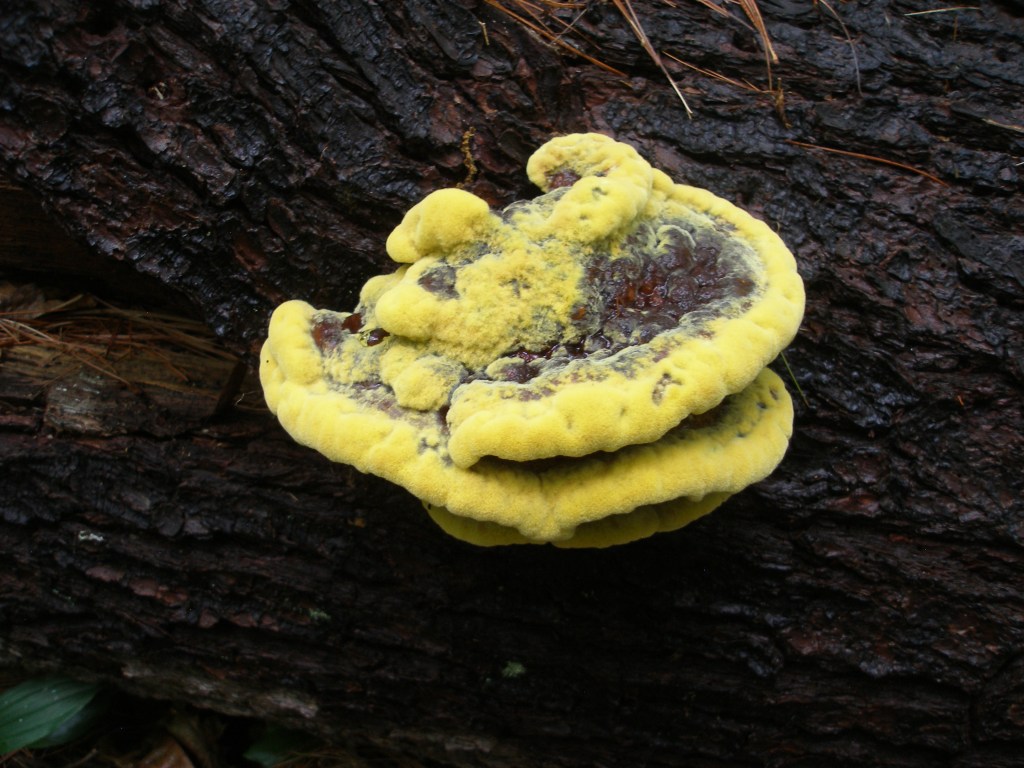
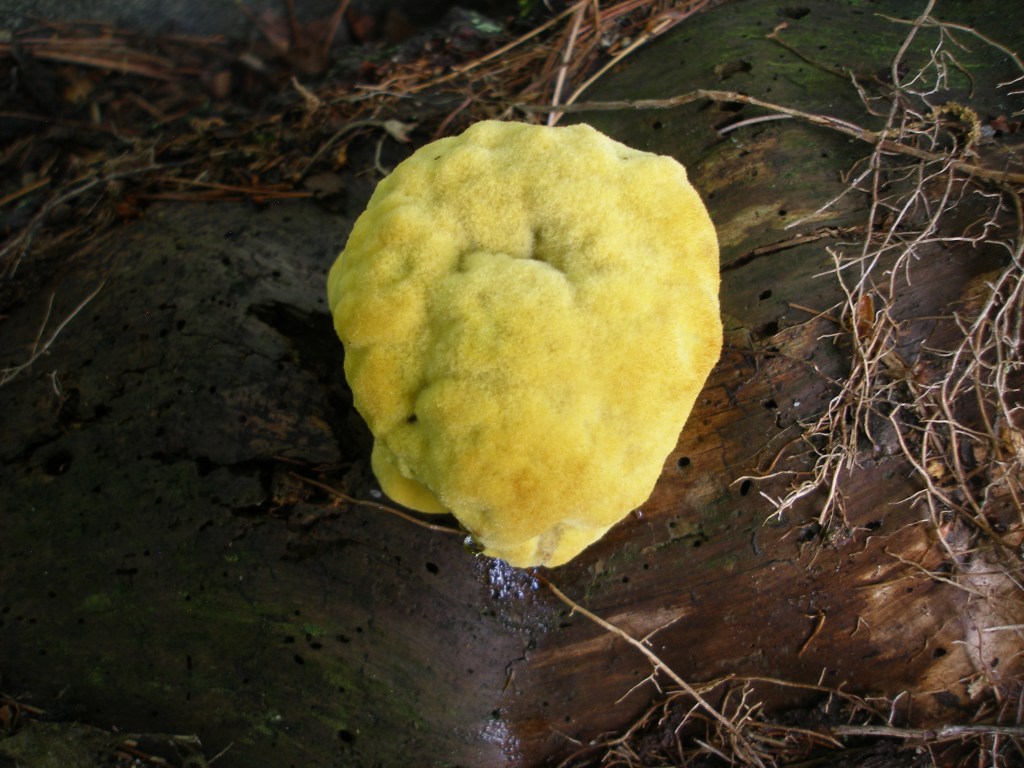
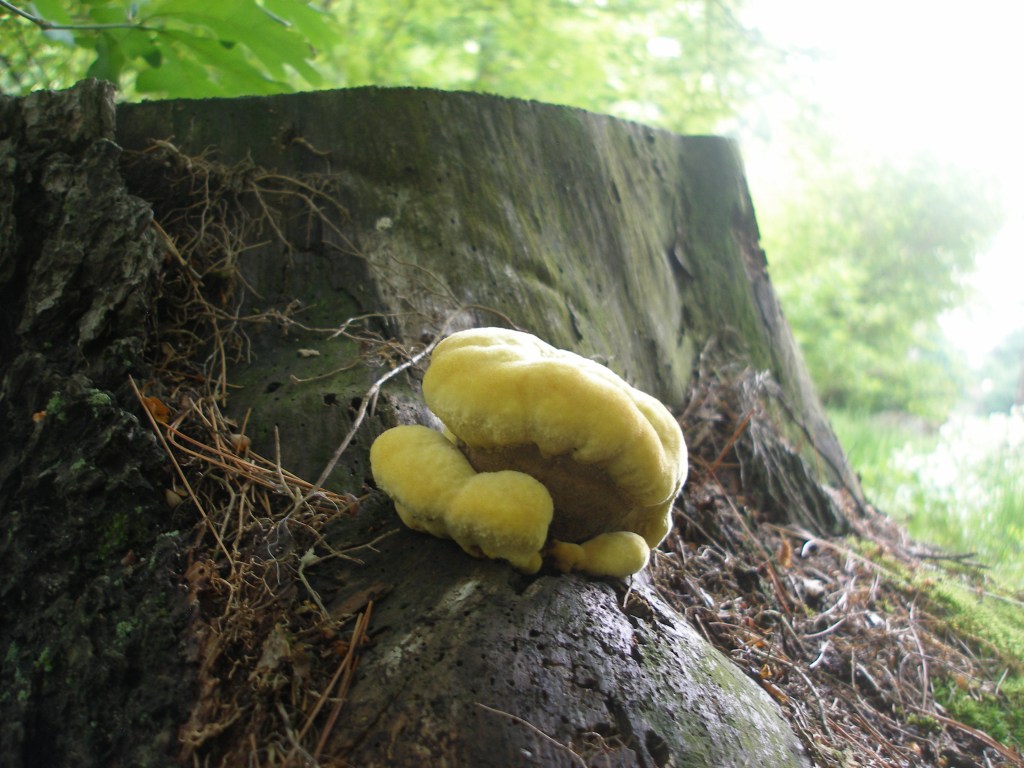
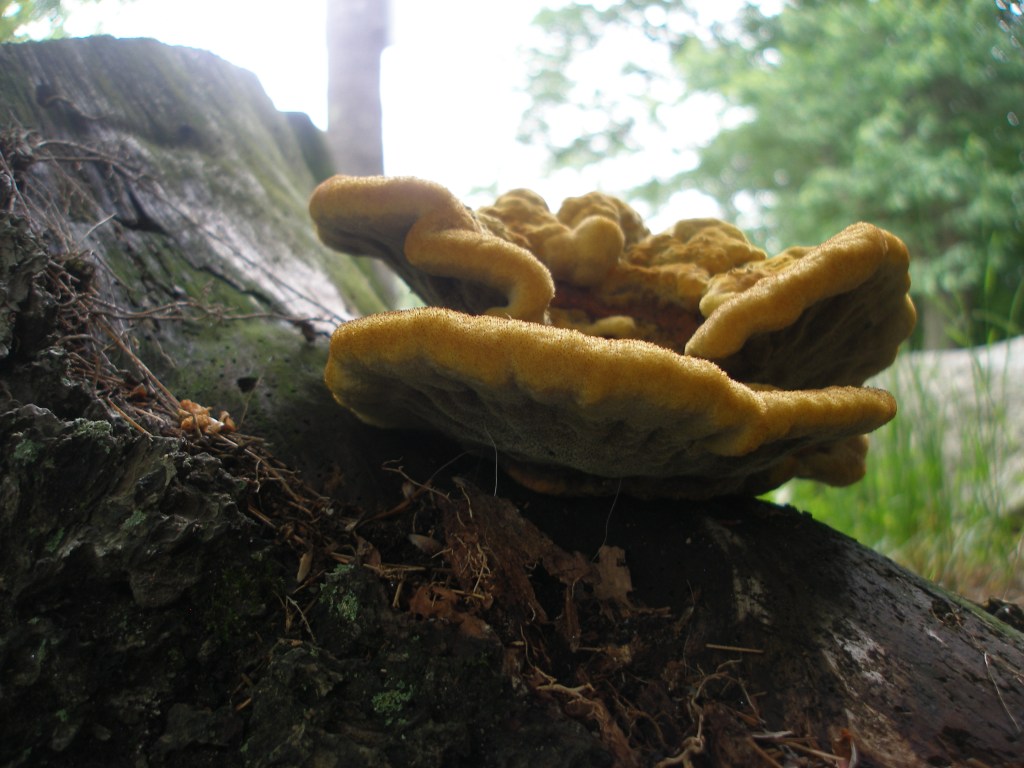
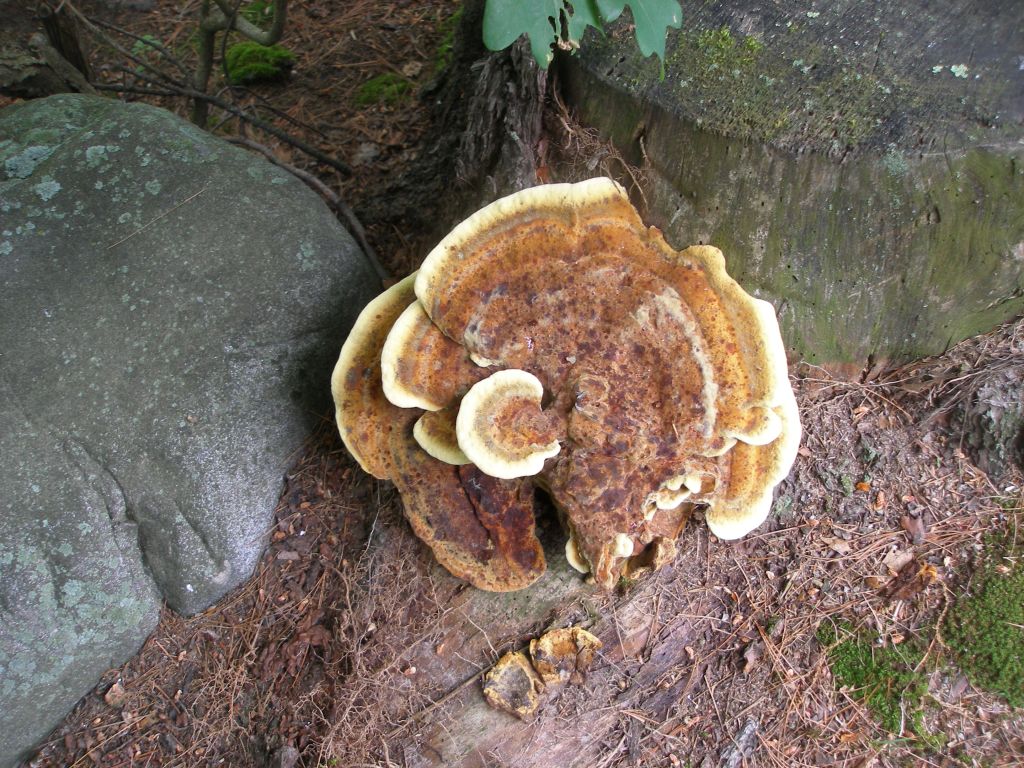
Wasn’t it a bit early for mushrooms? I had never seen such a fuzzy yellow growth. Perhaps it was something else. When I posted a photo online, I learned it might be a young dyer’s polypore. Evidently, the timing of all kinds of things is more variable these days.
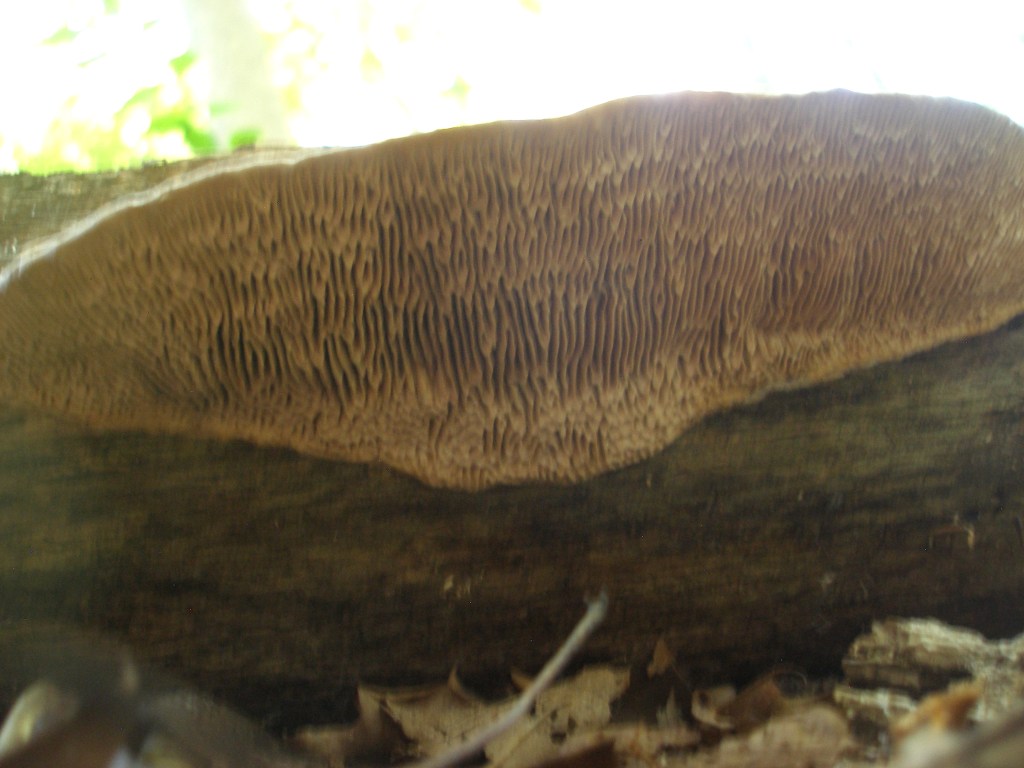
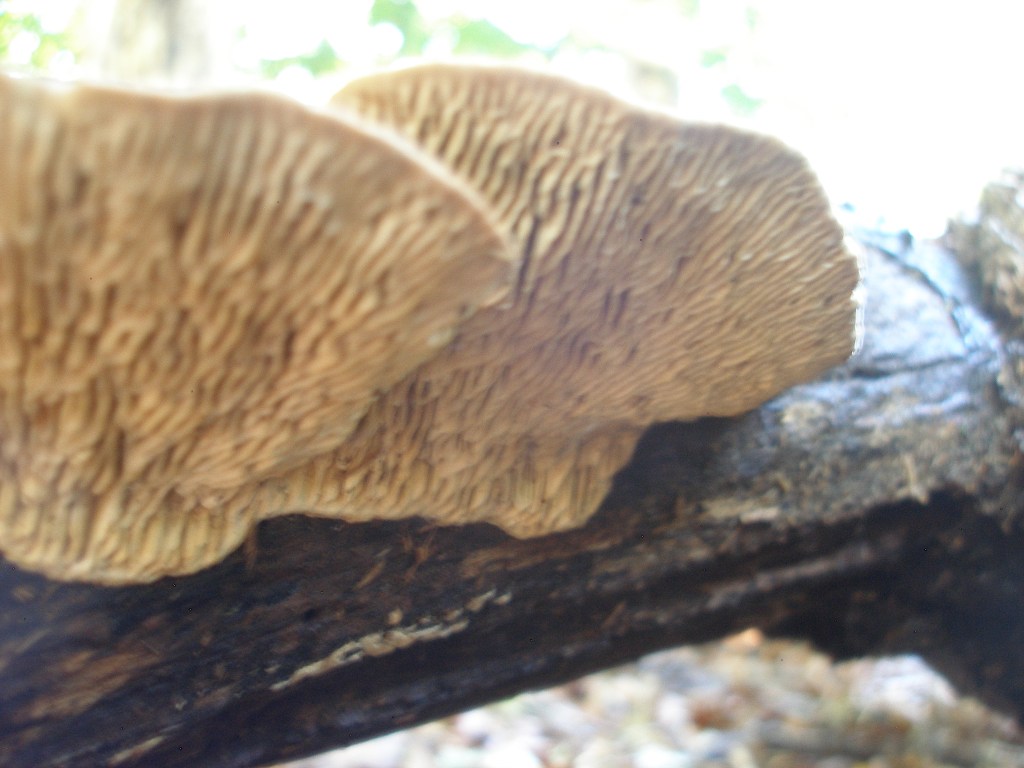
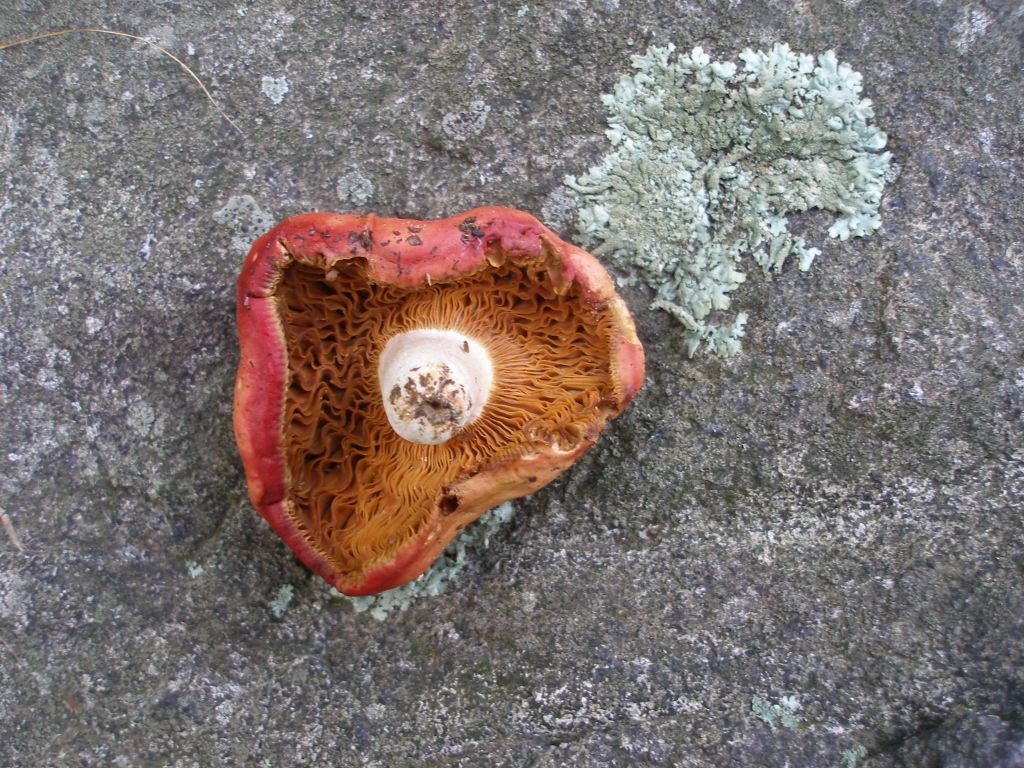
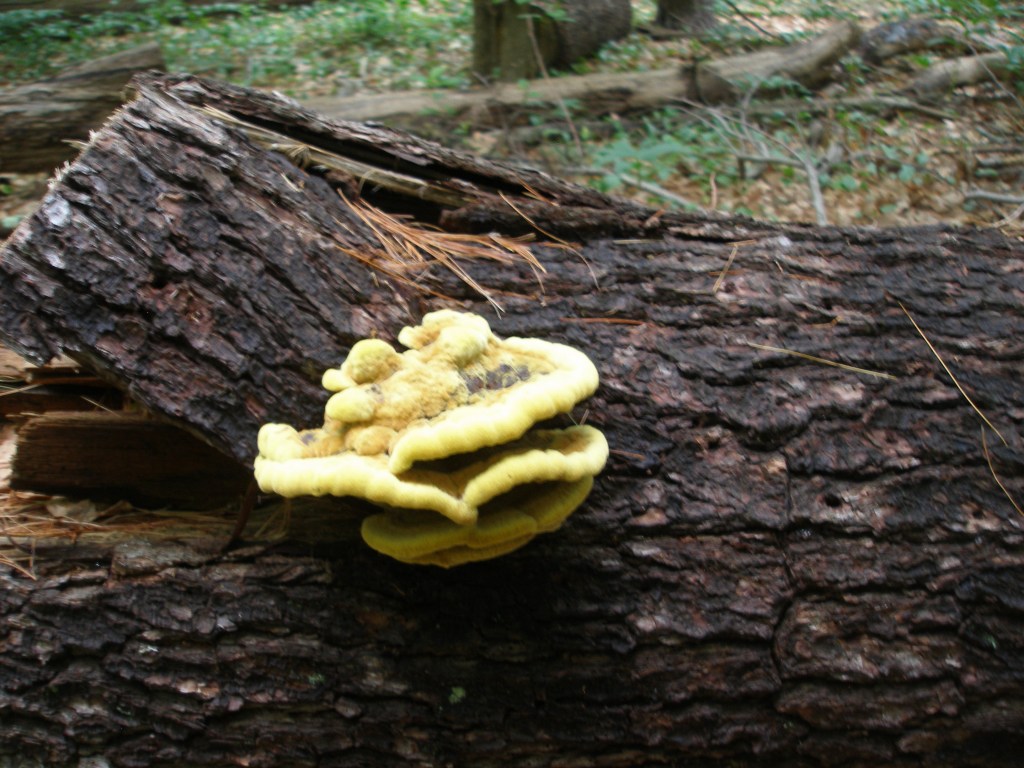
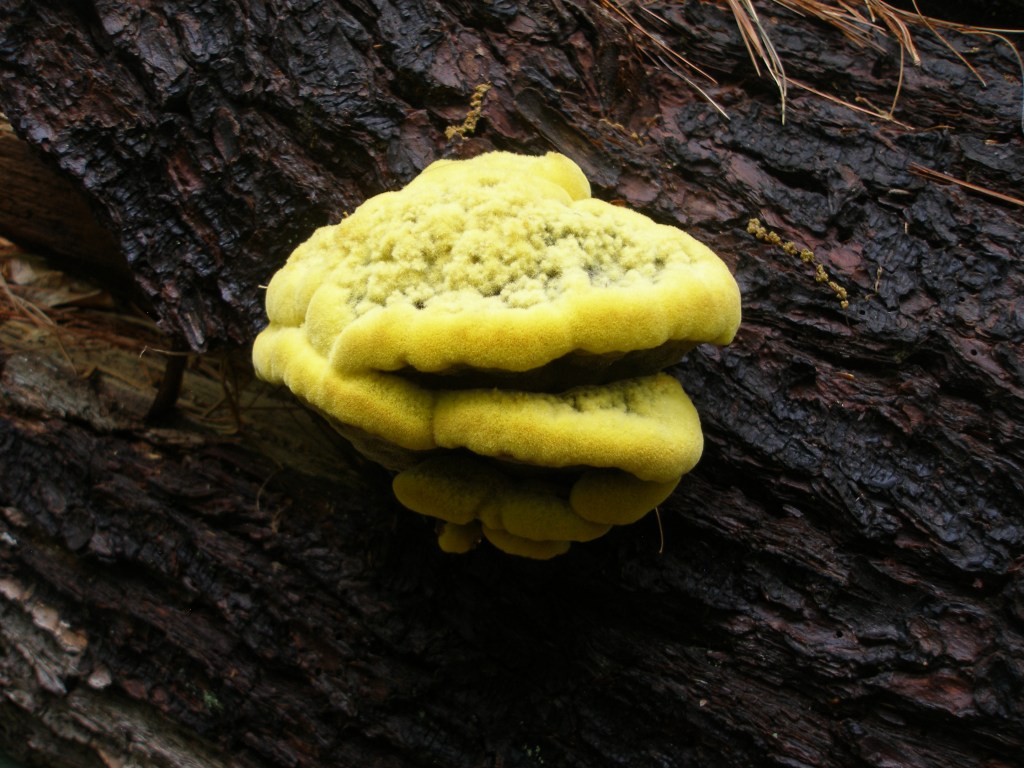
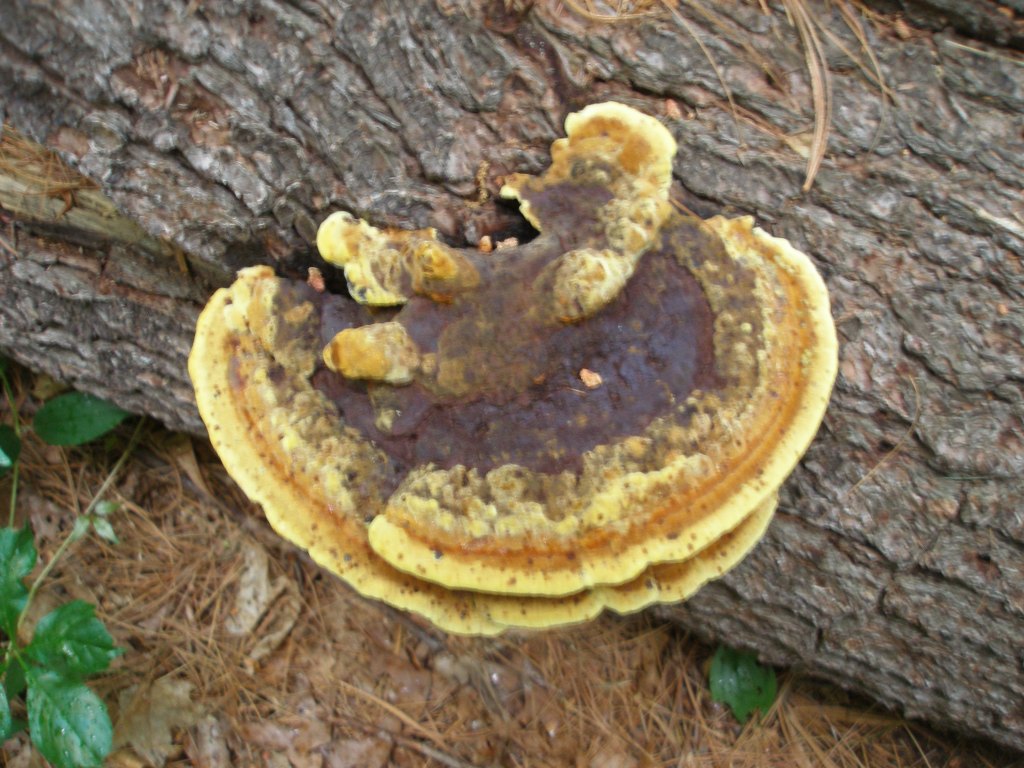
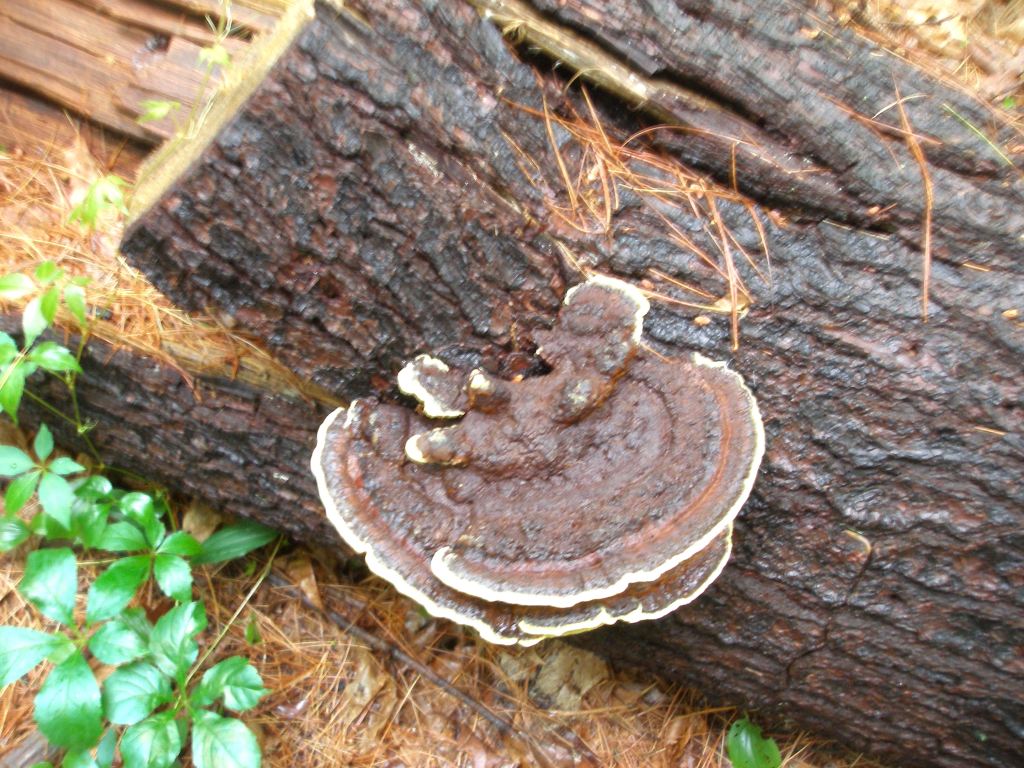
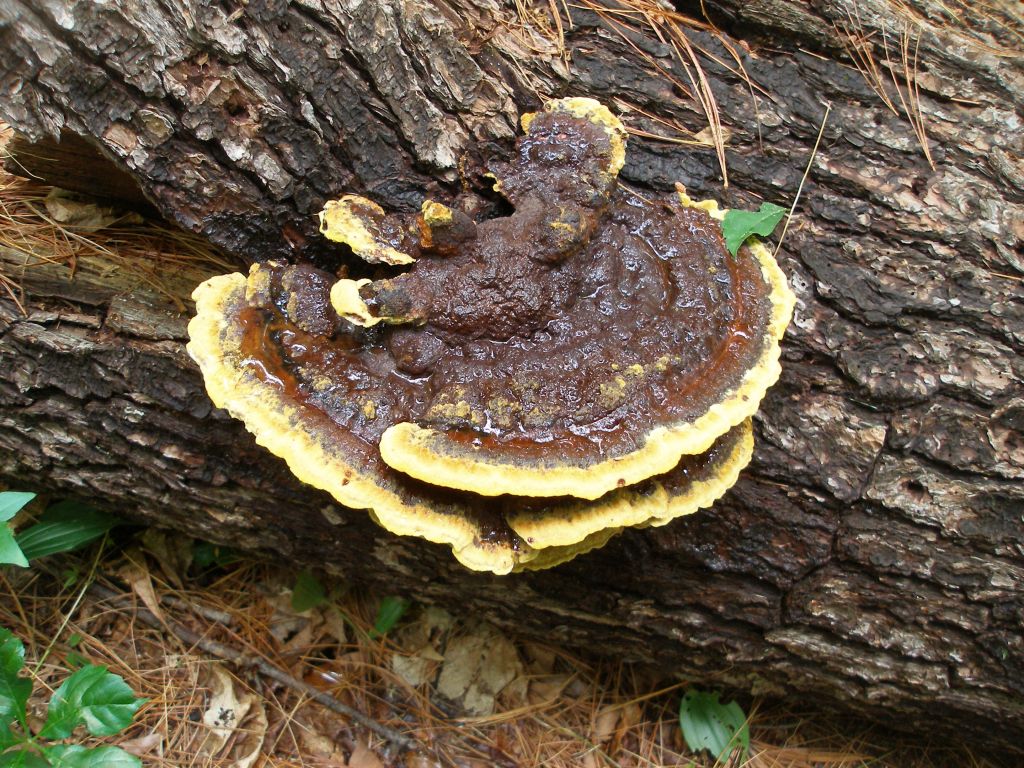
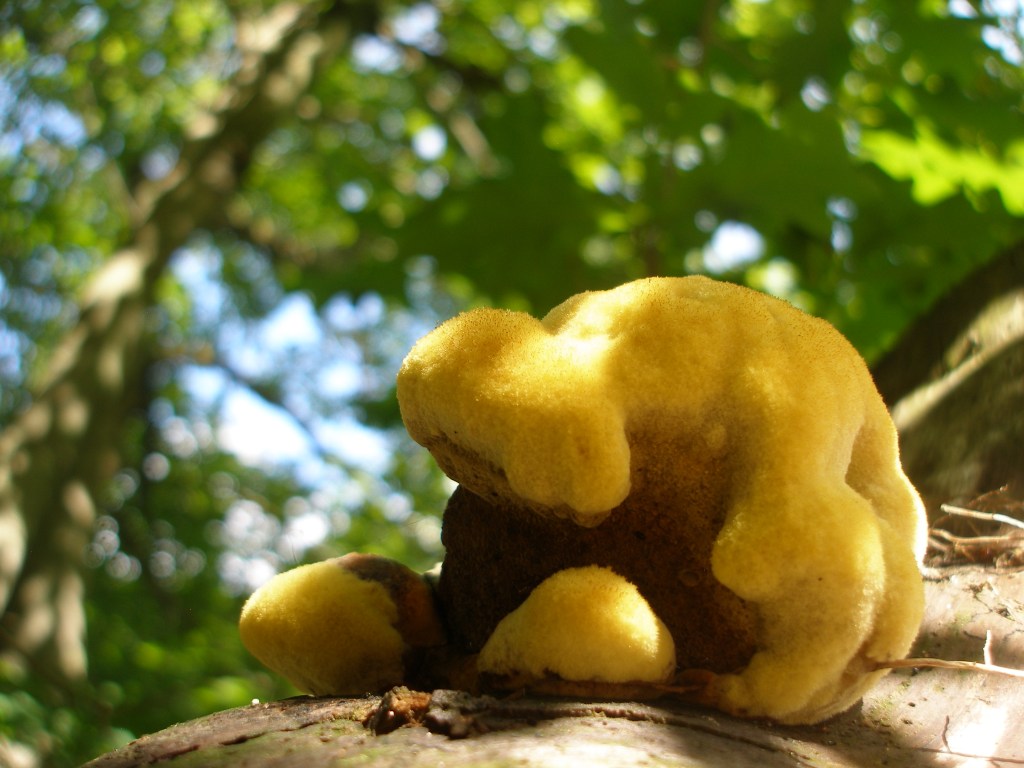
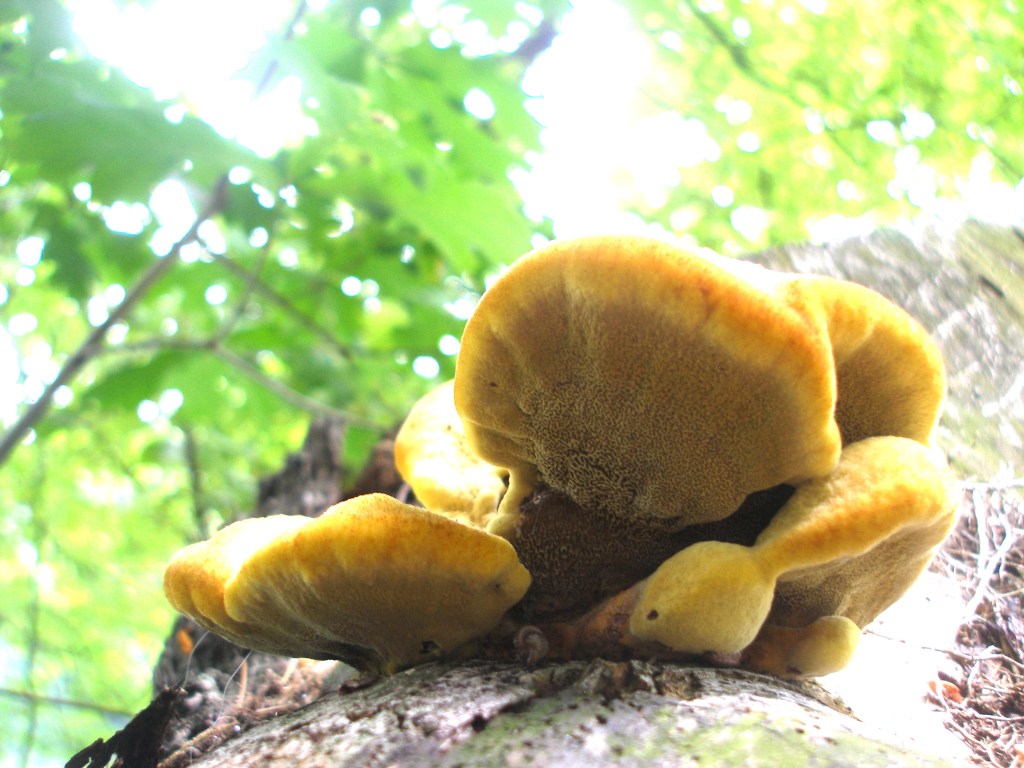
I found two. They both started out as fuzzy yellow lumps and kept changing. Dyer’s polypore seemed correct as there were certainly pores rather than the usual gills on the undersides.
I learned dyer’s polypores can be used to stain fibers a number of different colors – yellows, various shades of browns and even greens – depending on the type of fiber and how it is pretreated. This video shows it being used to dye wool lovely shades of yellow.
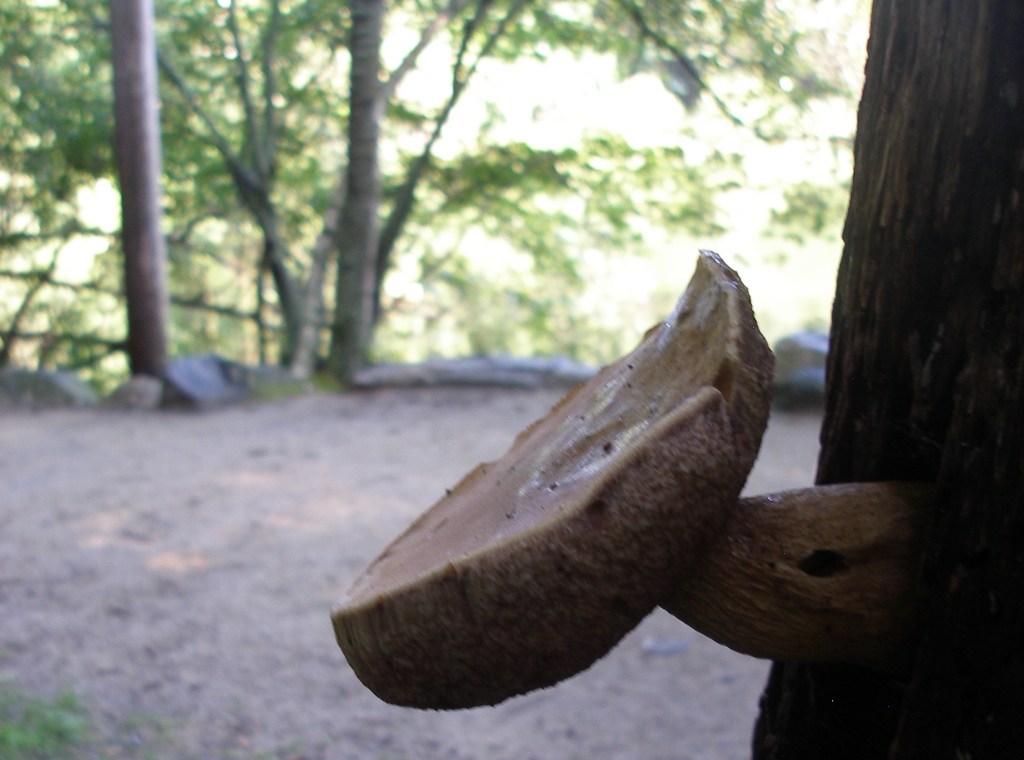
The first two photos below show the two I found mid-way through their cycle and the remaining photos show the changes that each went through closer in.
Young one – quite yellow and quite fuzzyBeginning to turn brownExpanding and flattening outChanging colors around the edgeGetting harder with light edgeAfter rainAnother young oneSeen from the sideA few days olderTurning colors and flattening outSeen from underneathAfter rainSeveral days laterGetting harder and drying out










































 Radiant Refuge