The Colors of Tourmaline

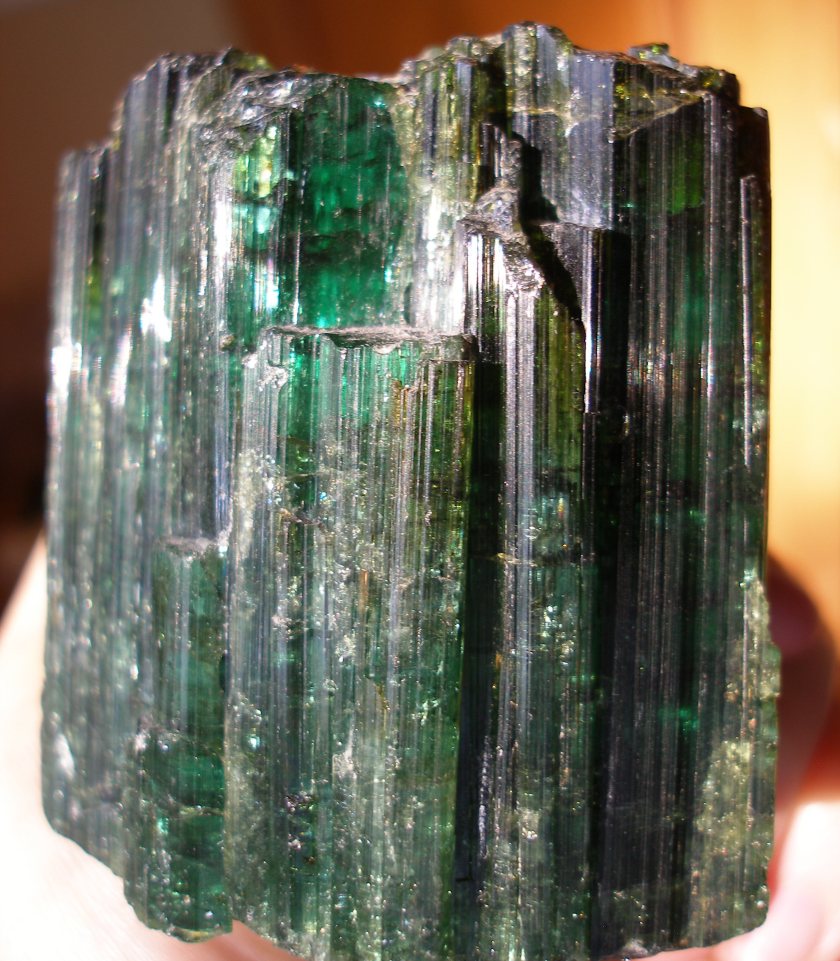
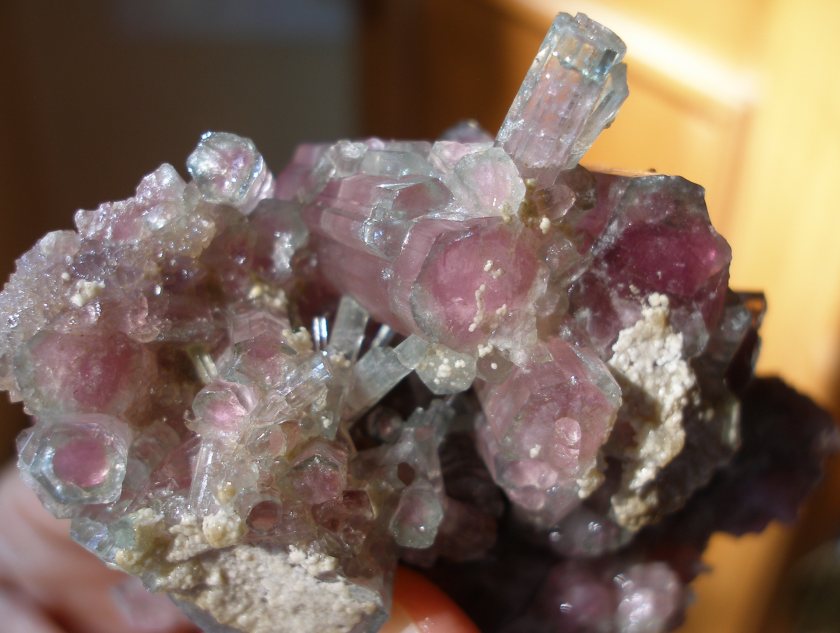
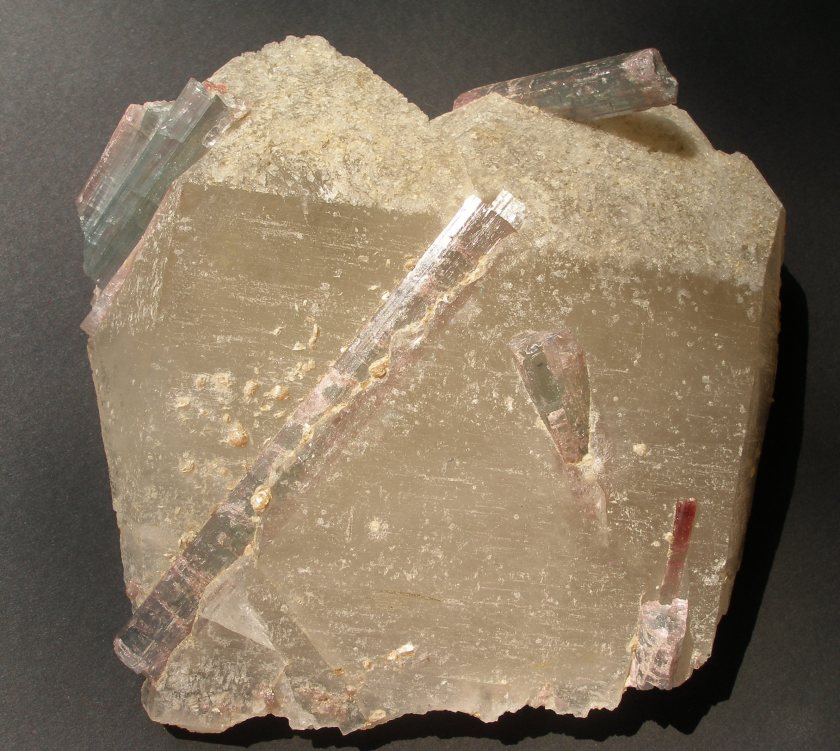
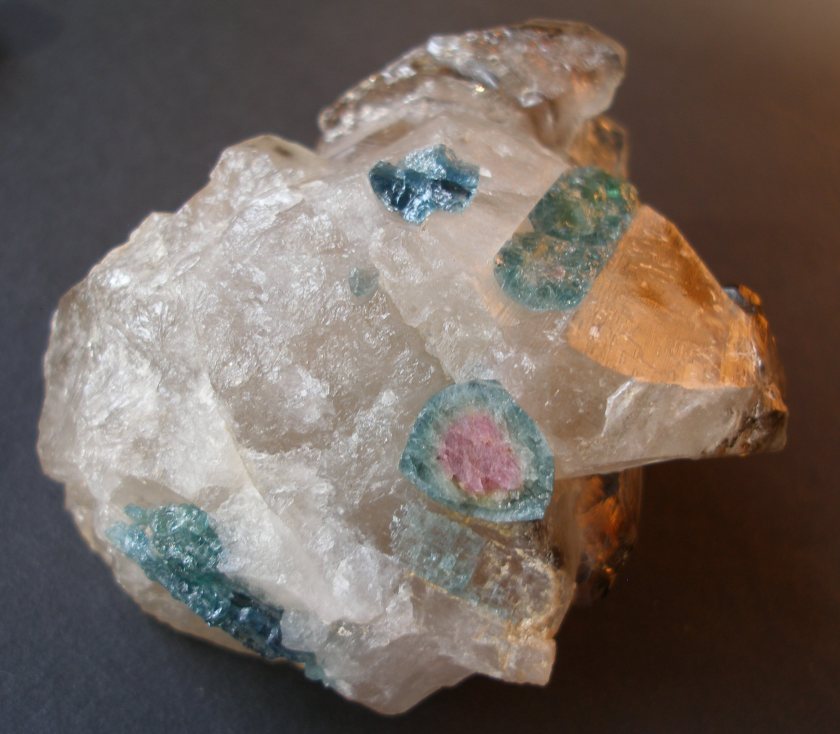
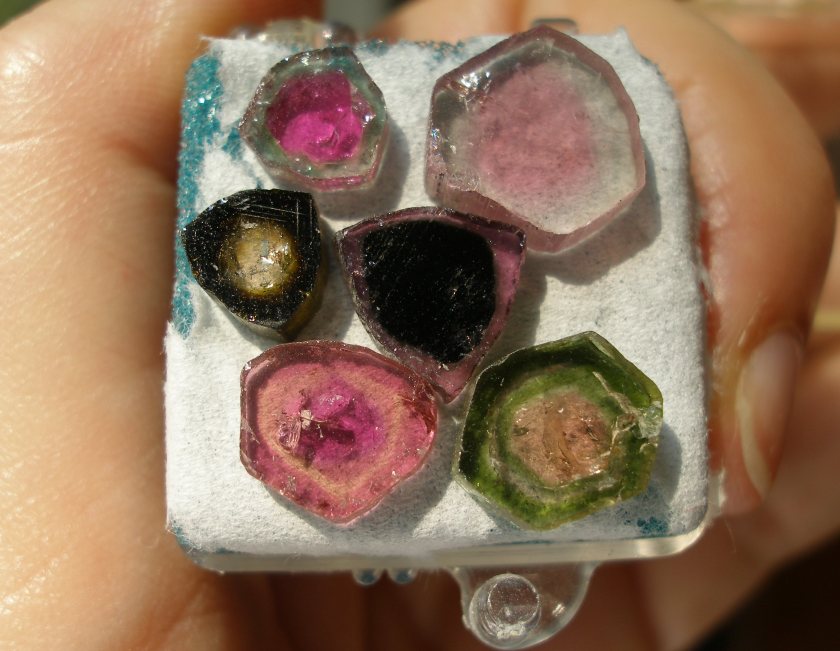
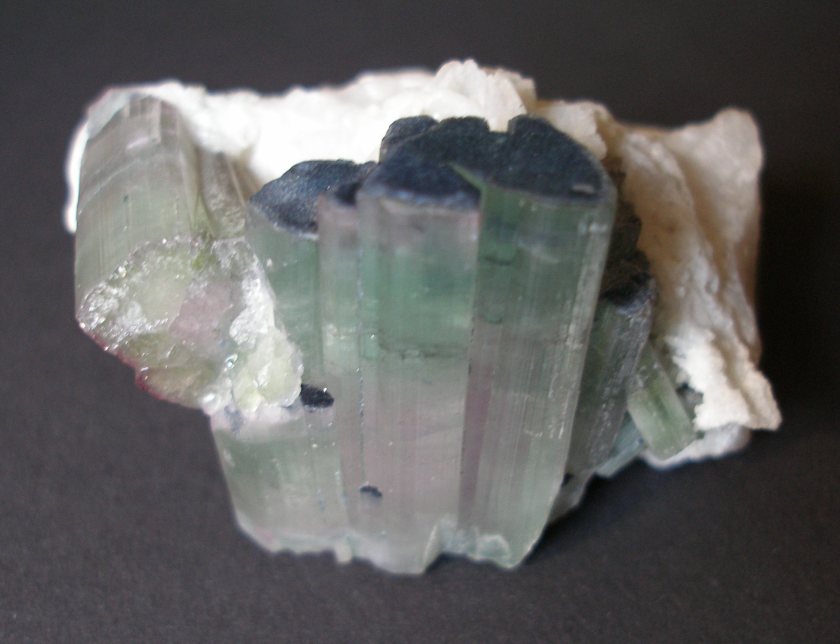
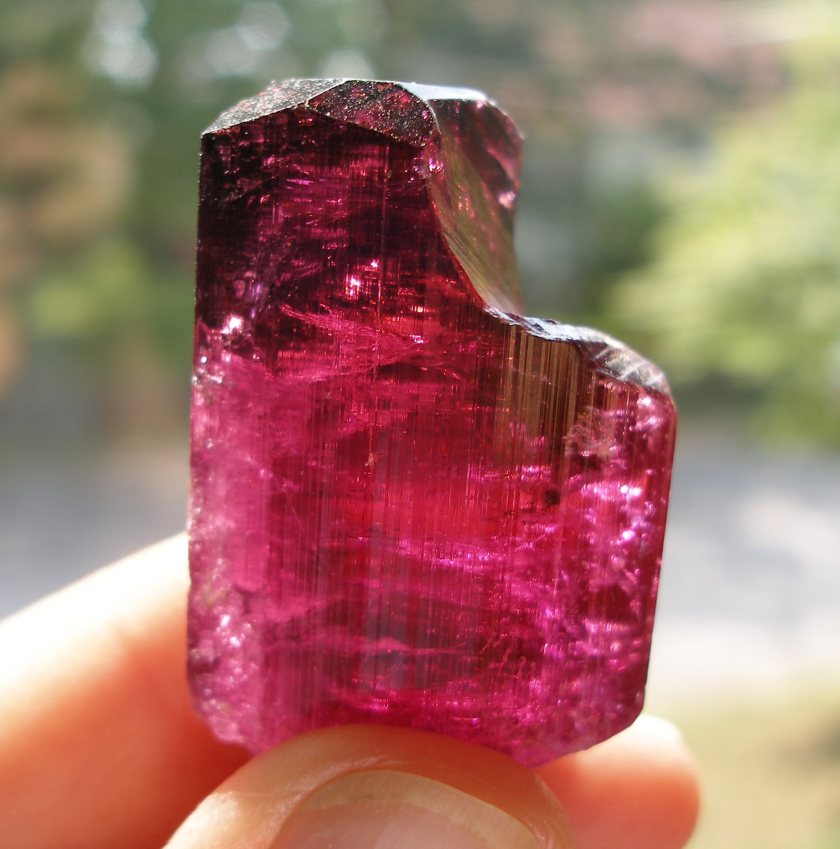
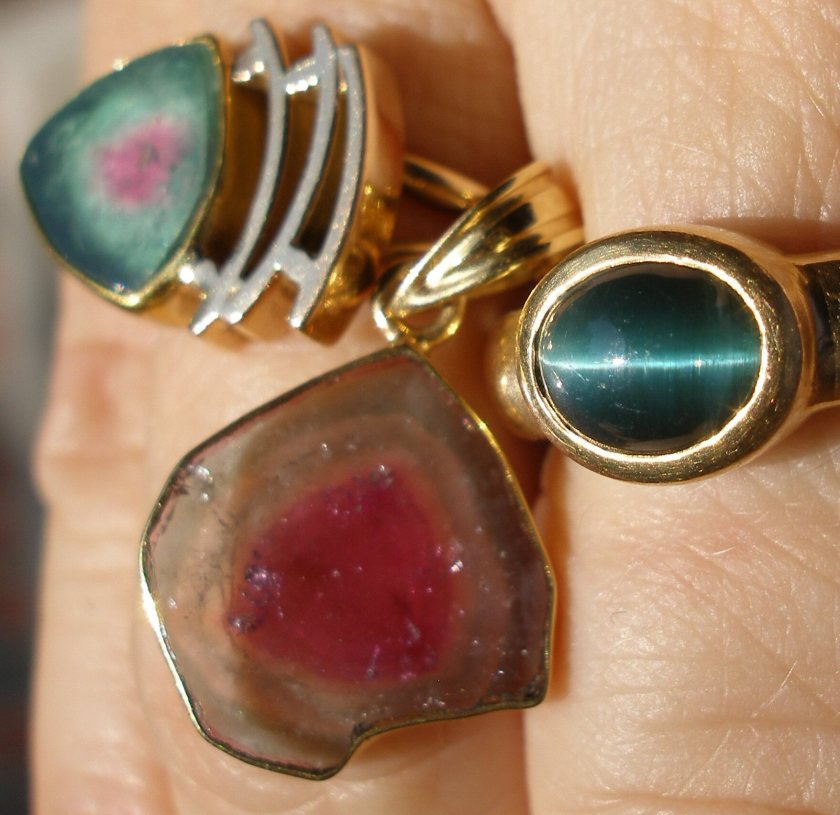
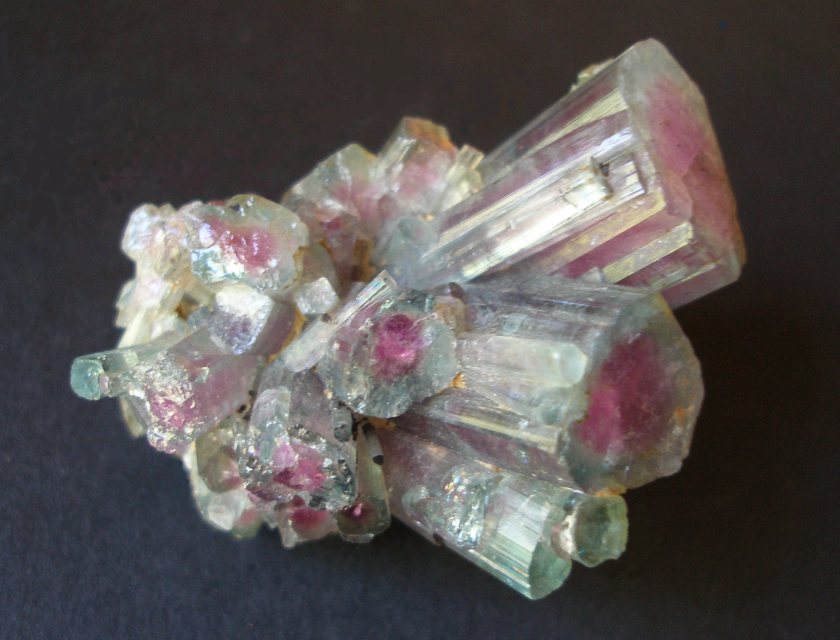
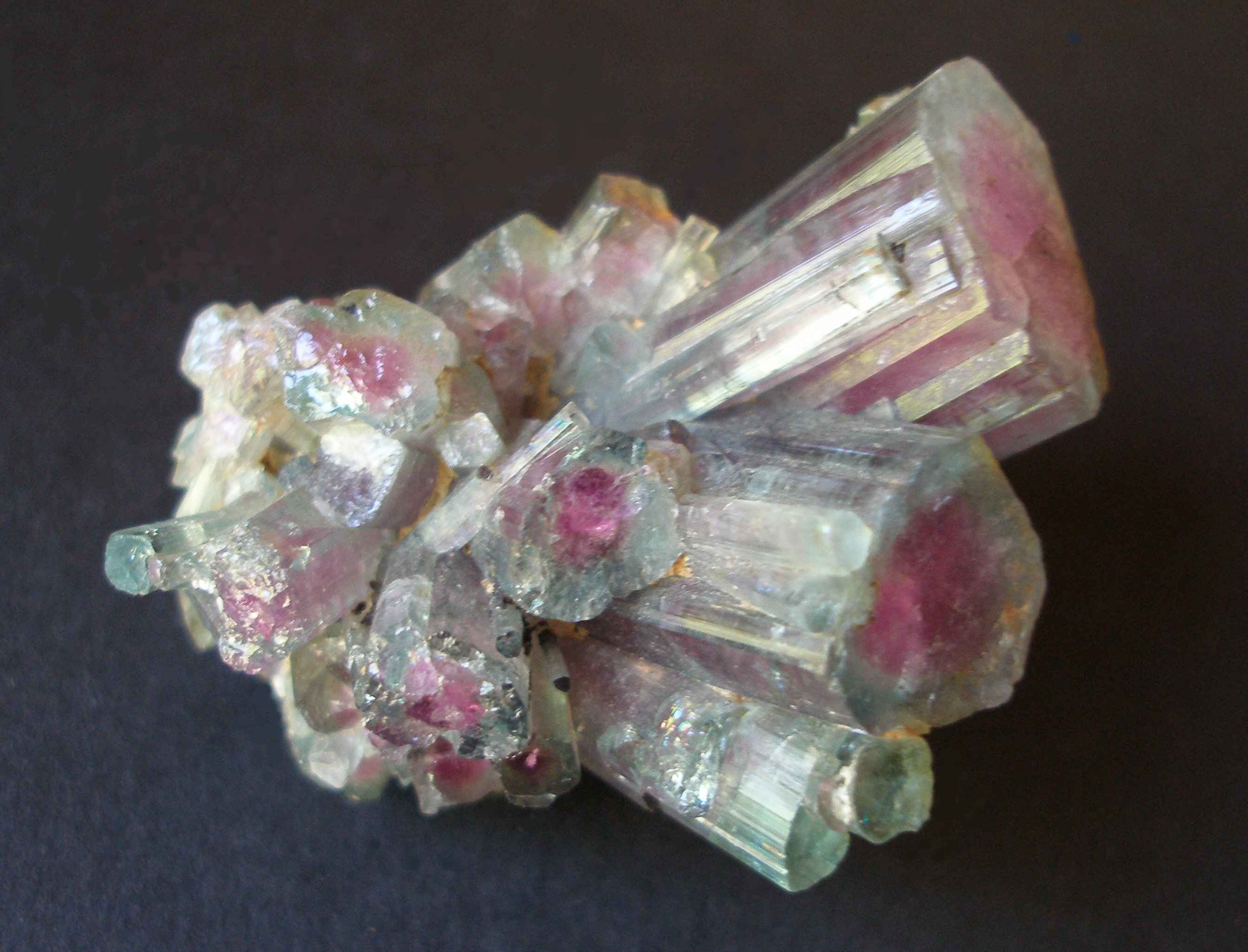
Like jade, tourmaline comes in many colors. Individual crystals can grow quite large at times – a two-inch green example is shown below. They are also found in handsome clusters and penetrating quartz. When many narrow crystals (or hollow ones) are aligned, a cat’s eye effect may be achieved with a bright band that intensifies, fades and moves with the light. Gems are cut in a rainbow of single colors and multi-colored slabs are also used in rings and pendants. “Watermelon” tourmaline is famous. Blue is relatively rare with the intense blue-green Paraiba highly prized.

OLYMPUS DIGITAL CAMERA

OLYMPUS DIGITAL CAMERA

OLYMPUS DIGITAL CAMERA

OLYMPUS DIGITAL CAMERA

OLYMPUS DIGITAL CAMERA

OLYMPUS DIGITAL CAMERA

OLYMPUS DIGITAL CAMERA

OLYMPUS DIGITAL CAMERA

OLYMPUS DIGITAL CAMERA

More Than Just Stones

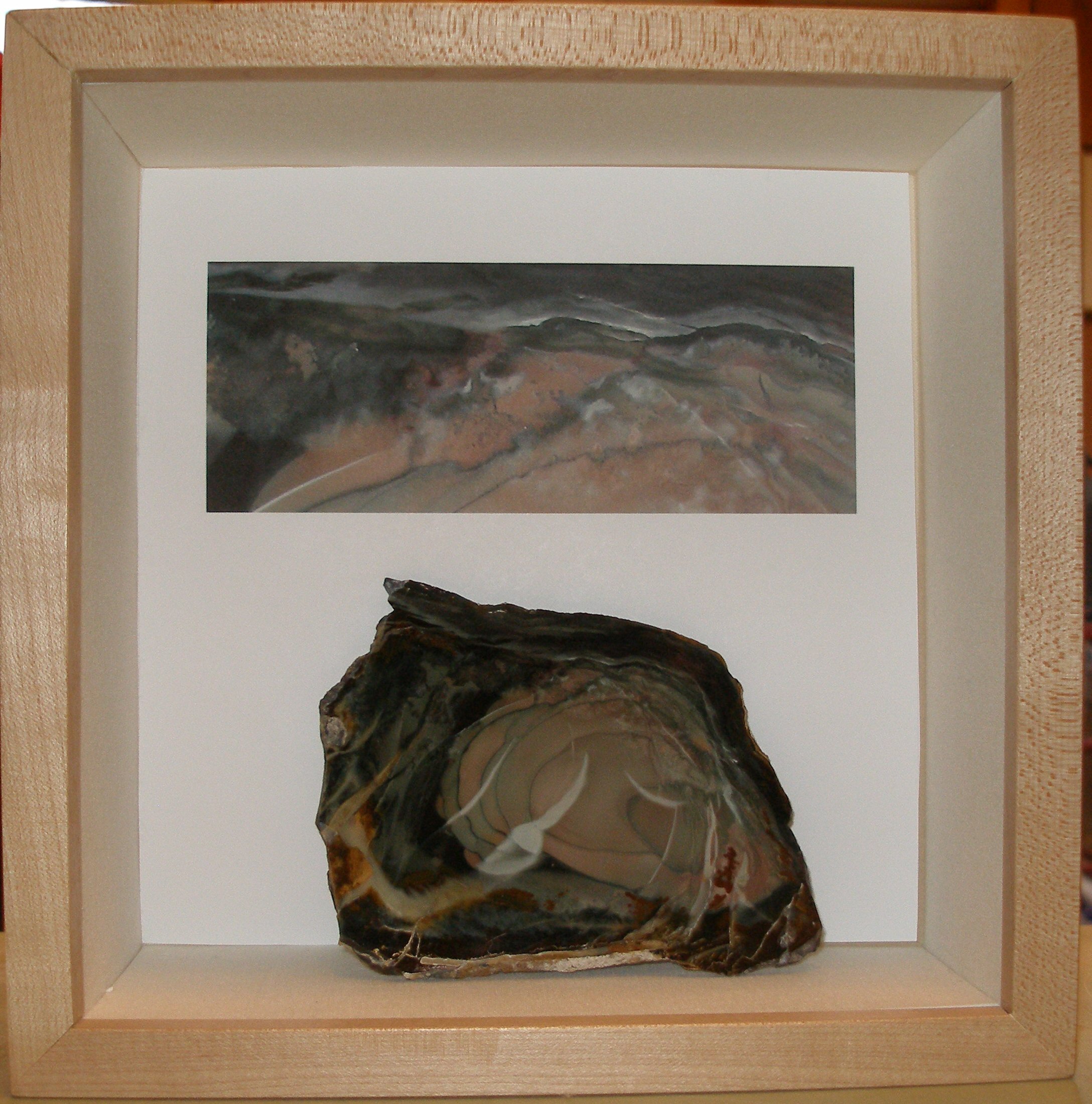
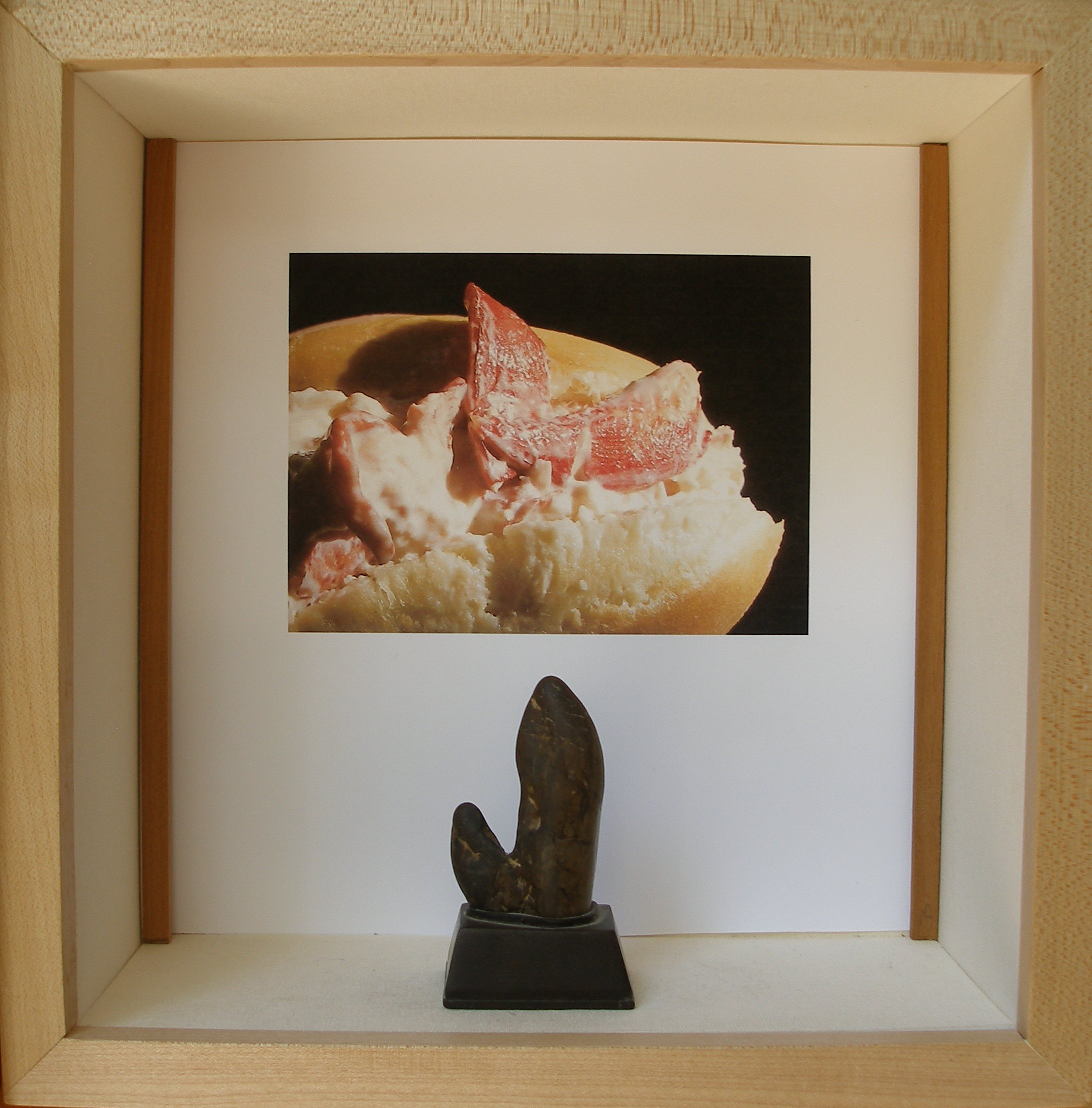
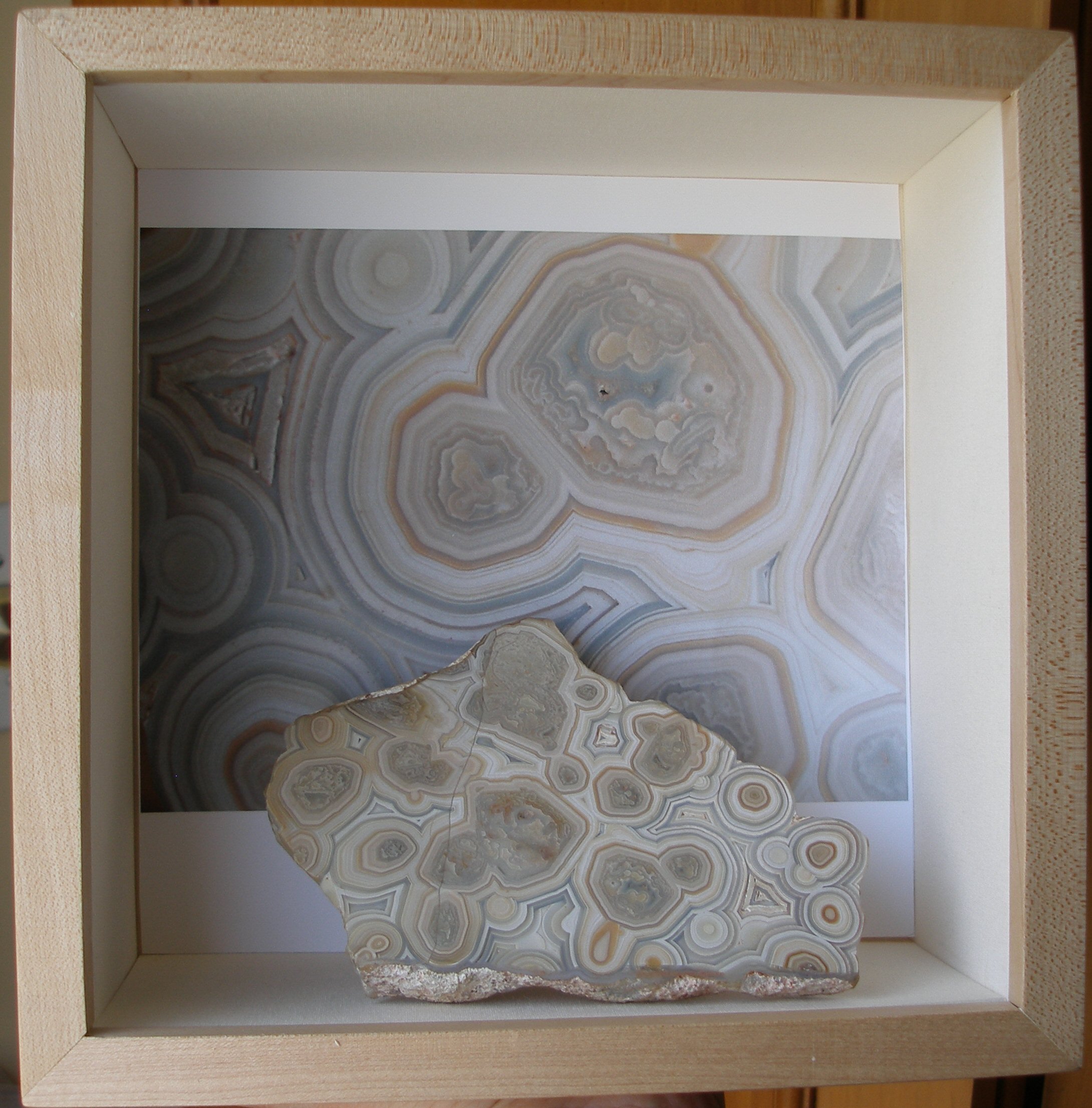
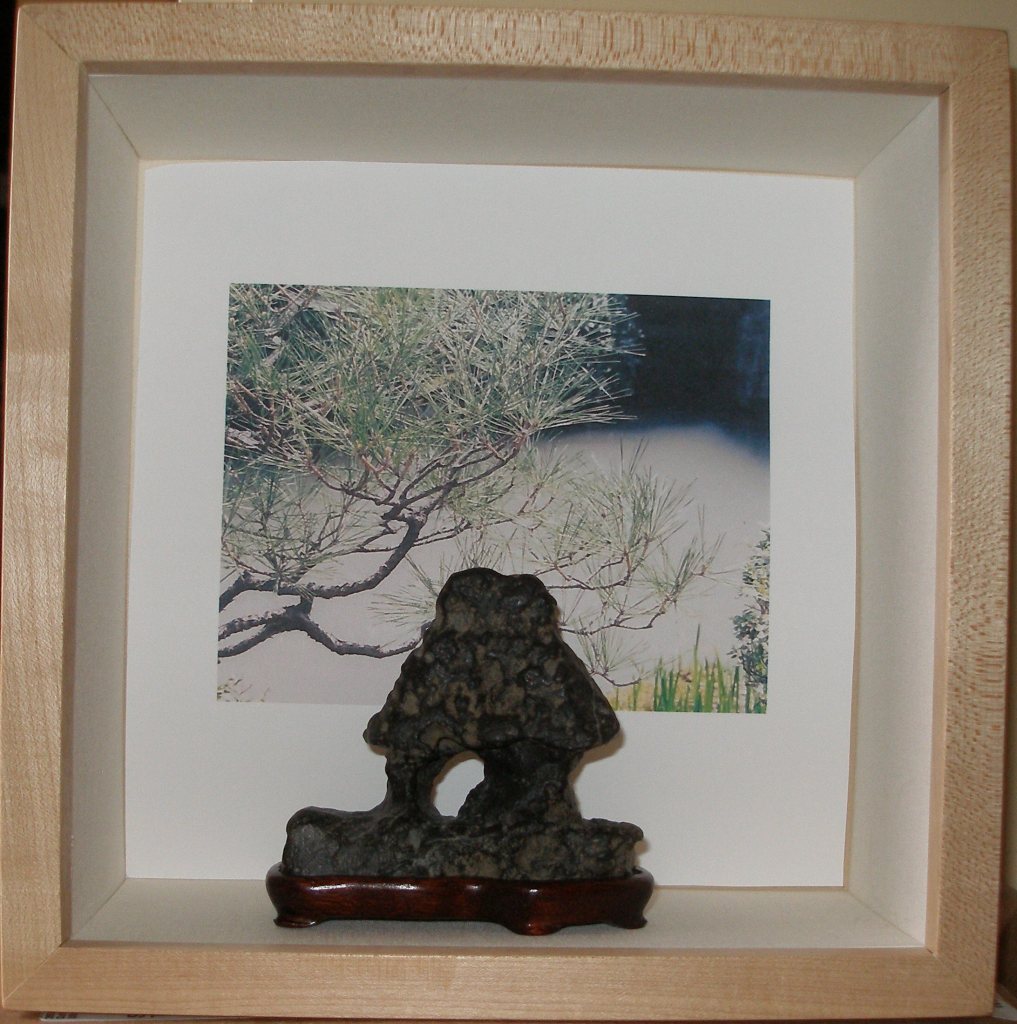
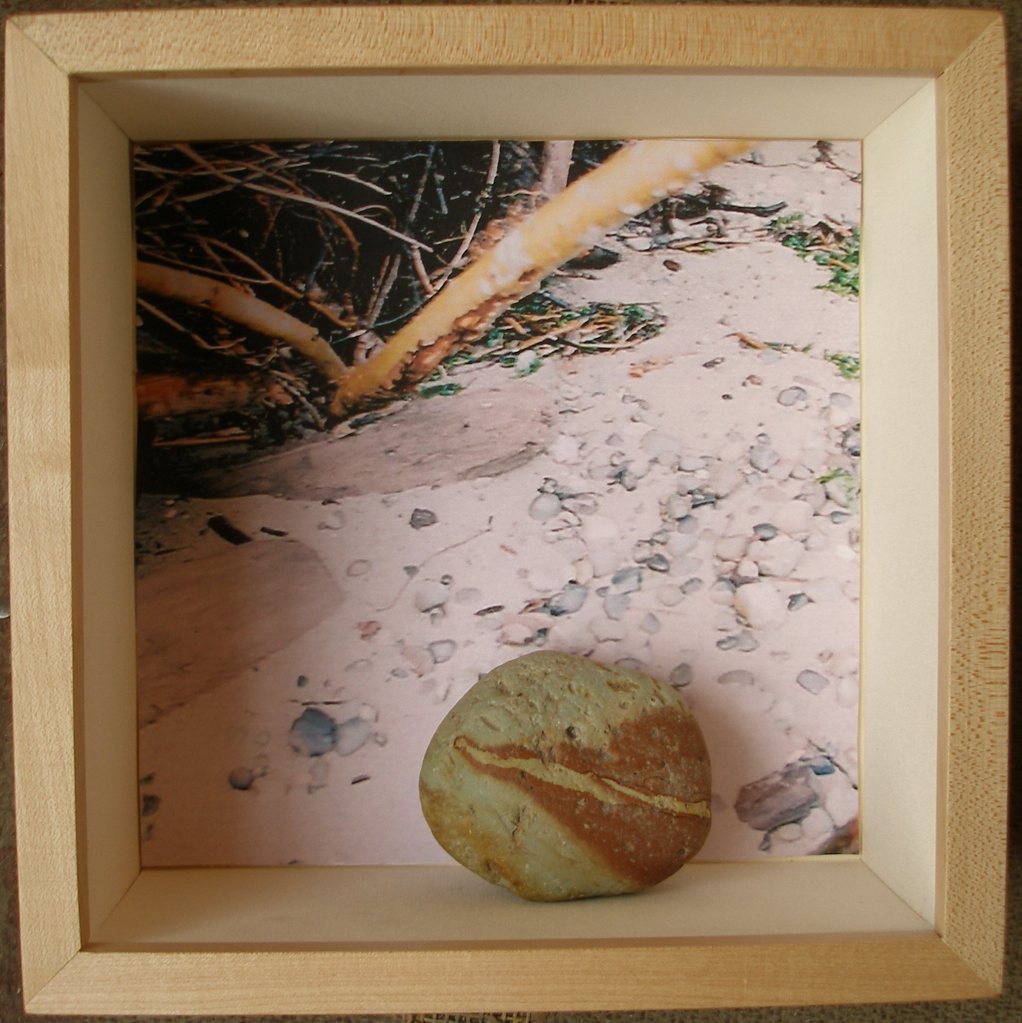
I had the shadow box for some time before I discovered what I wanted to do with it. It was a multi-step process: 1) Pick a stone, 2) Find or take a photo that told a story about the stone, 3) Arrange the stone and photo in the shadow box, and finally, 4) take a photo of the completed arrangement like those below. I could not predict what would happen. The ones I struggled with most could come together in perfect balance in the end. I kept thinking of new possibilities. This could be endless. Stones just have resonance.

OLYMPUS DIGITAL CAMERA

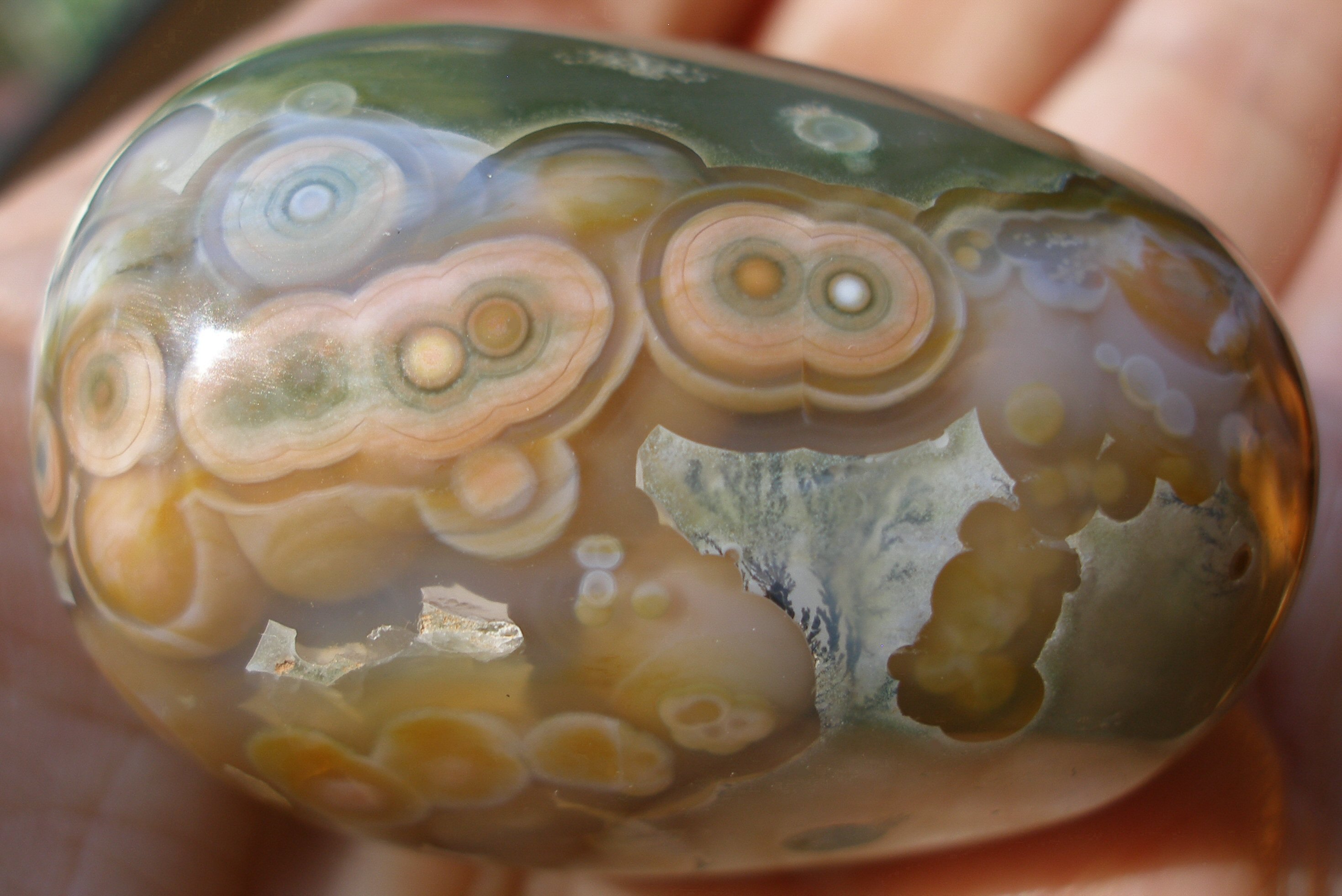
Morrisonite jasper with a landscape-like closeup 

OLYMPUS DIGITAL CAMERA

Lobster claw scholar’s rock with a lobster roll

OLYMPUS DIGITAL CAMERA

Bubble lace agate with closeup


Hut stone with photo of Japanese garden

Jasper pebble and the Whidbey Island beach where it was found

Resonant Stone Arrangements

As children, my brother and sister and I loved to catch fire flies and release them down by a falling-apart stone structure behind our camp site in New Hampshire. Dolly Copp, an early settler to this location in the White Mountains had constructed a well-like structure to capture the water of a stream and then pipe it to her homestead downhill. Over the years as we returned to the camp site, we watched as the structure became less recognizable as it tumbled apart.

I tried to capture that structure at one stage of its existence in my own garden. I stopped moving the stones about when they seemed to “disappear” – When they had blended into the universe comfortably with no need to speak individually for themselves.

rock arngmt - version 2

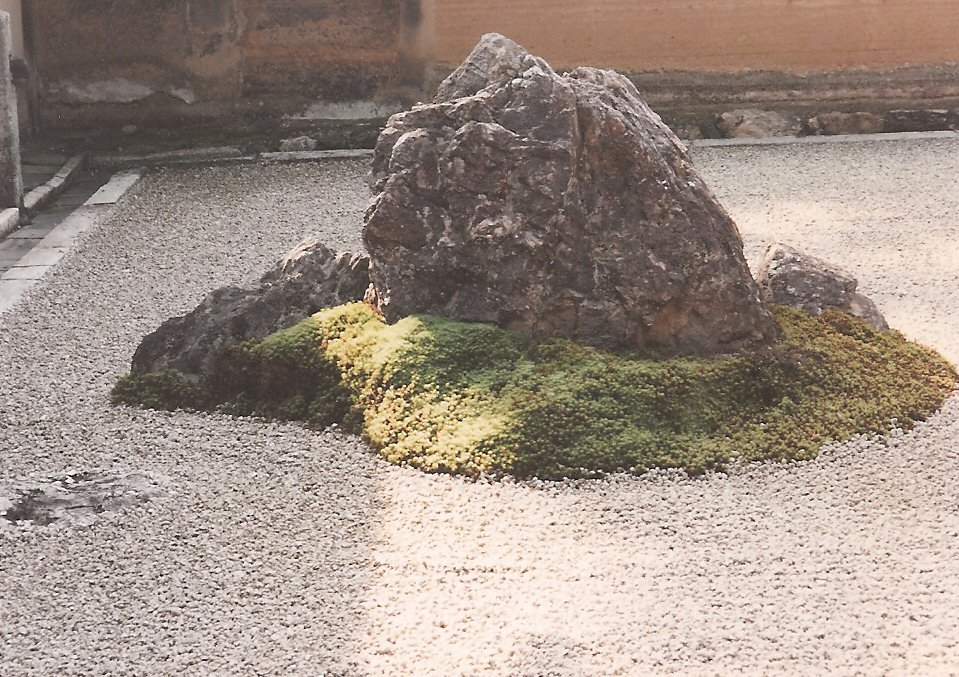
Before I travelled to Japan to see its remarkable gardens, I had read about the famous Japanese garden Ryoanji with its stone groups set in raked sand that you can see in this video. I doubted that this garden would live up to all the hype, perhaps to save myself from disappointment.

We avoided the crowds by arriving at opening time, but there was no way to avoid a blaring broadcast in English. I tuned this out as best I could, until it ended with, “each person must find his or her own meaning.”

Although it was overcast, I noticed shadows on the sand cast by the surrounding wall and trees. One of my first impressions was the importance of the wall. I then became impressed by the large amount of open space; clearly, the point of this garden was not just the individual stones, although each was beautiful:

ryoan-ji

Gradually, I became aware of a low singing current passing from group to group and stone to stone. This grew in strength, zinging about. The key to this phenomenon seemed to be the specific arrangement. The intensity grew to unbelievable levels, and the stones ‘disappeared.’ It seemed like the configuration before me was a model of a vast, singing version out in space. It was full of immense power and it was beyond beautiful.

Although precious to me, my garden stone arrangement does not evoke the vast energy I experienced at Ryoanji. I sometimes think about Ryoanji’s designer and what price was paid to be able to get that particular arrangement just right.

The Colors of Jade

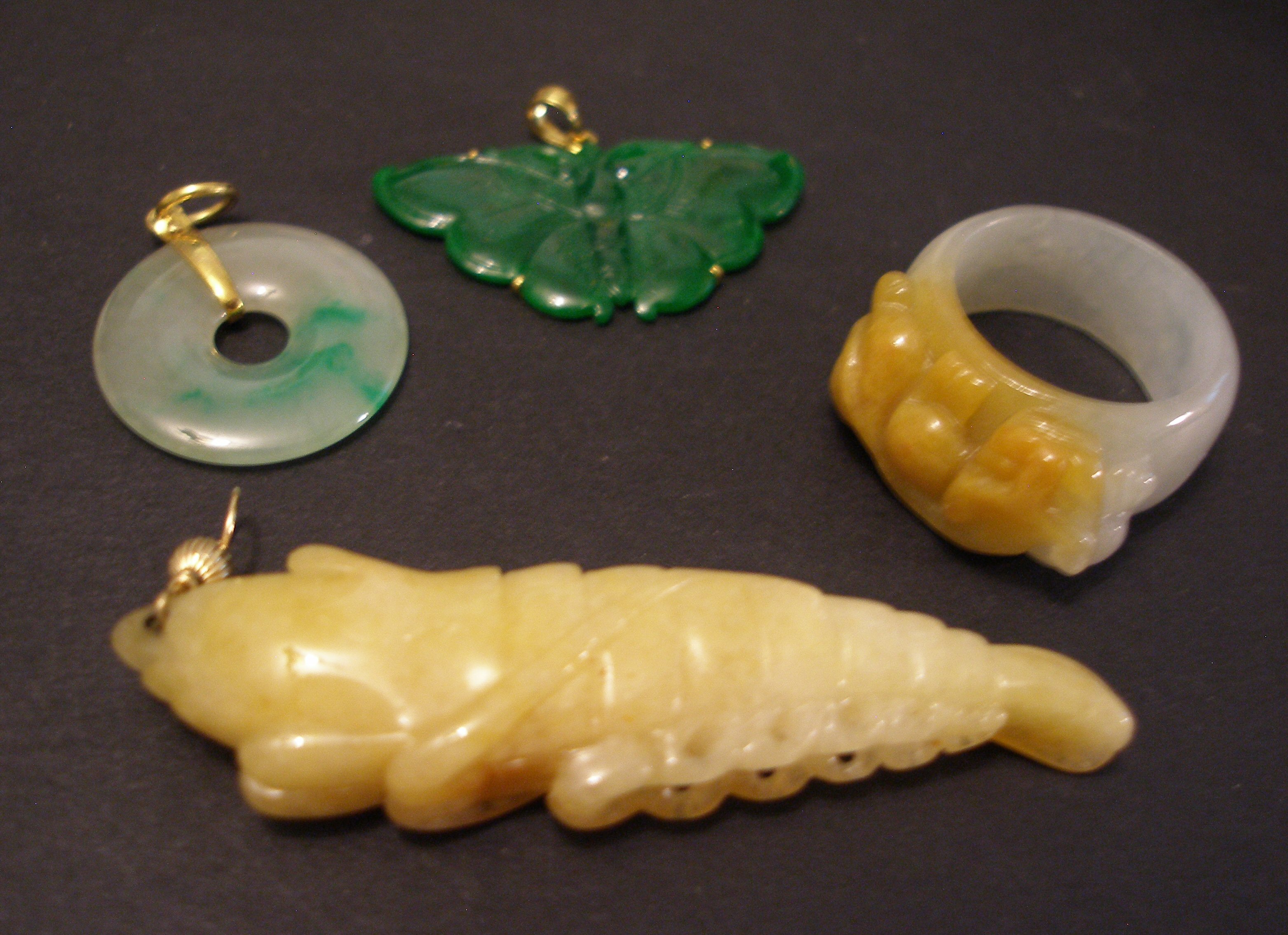
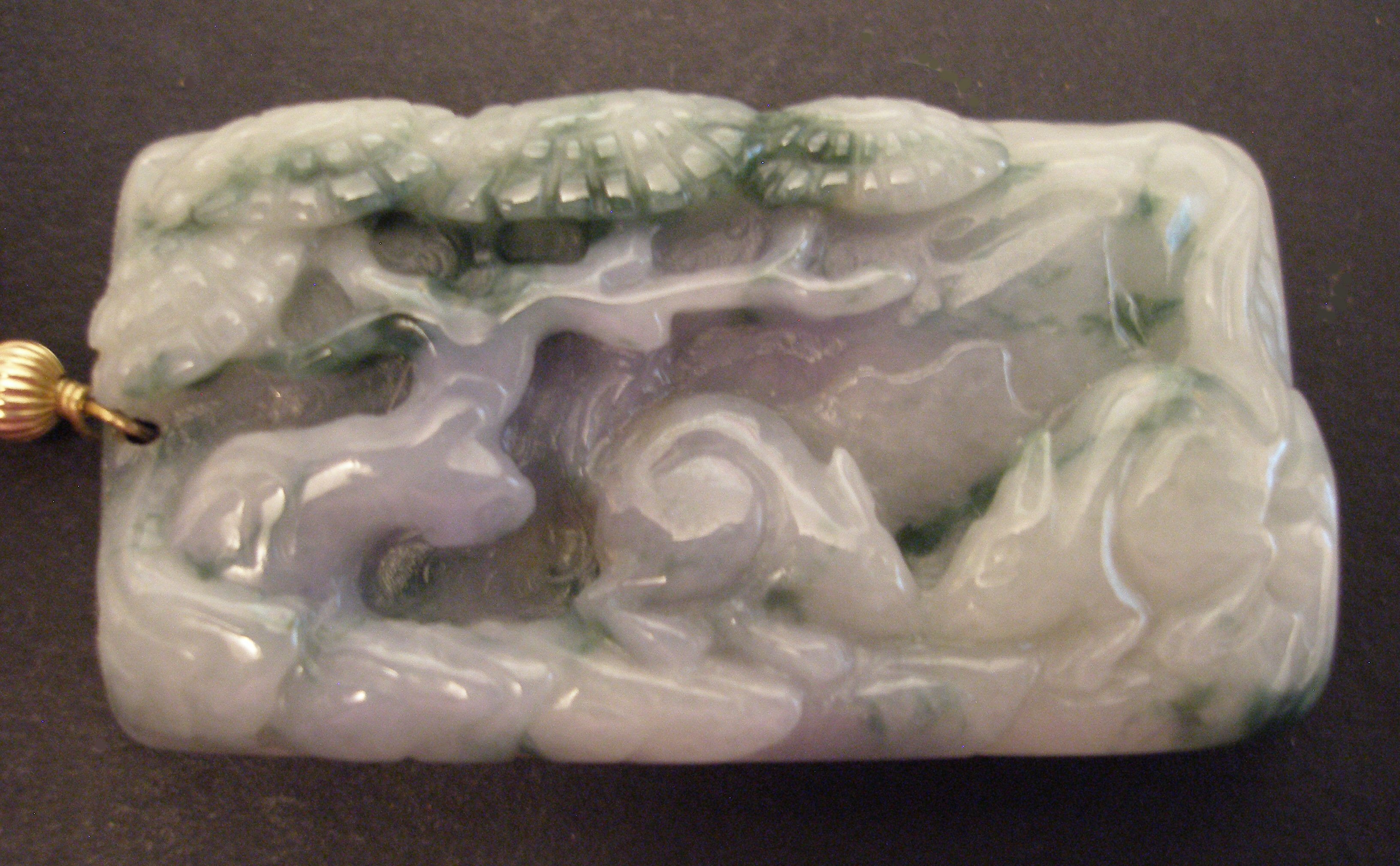
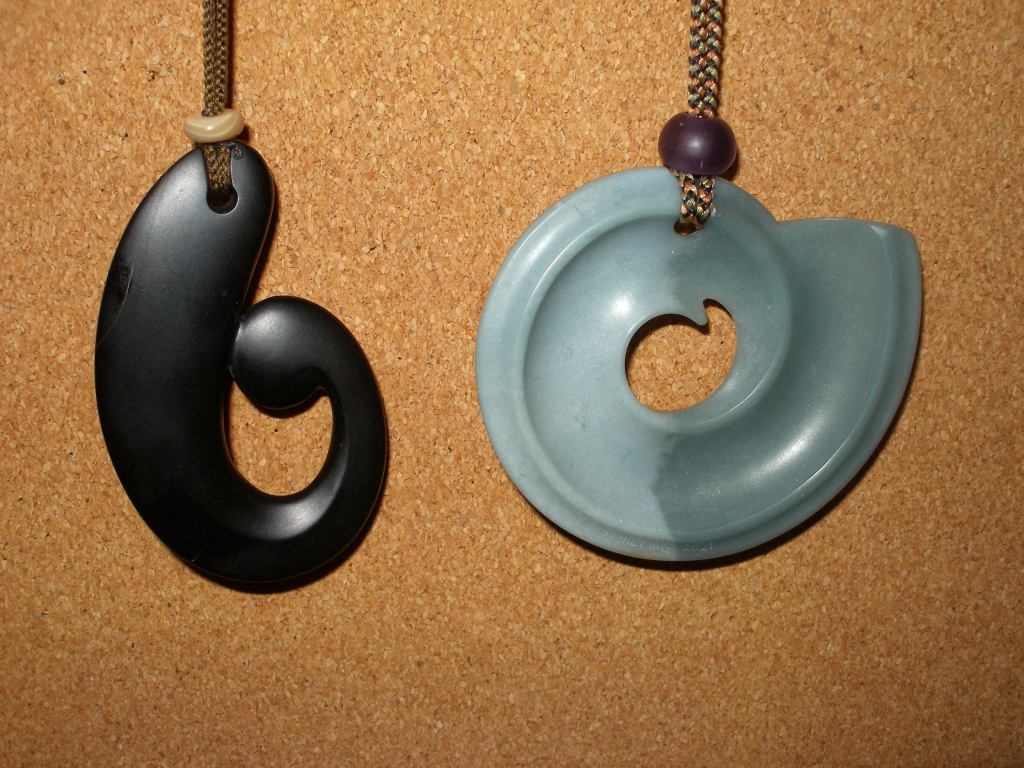
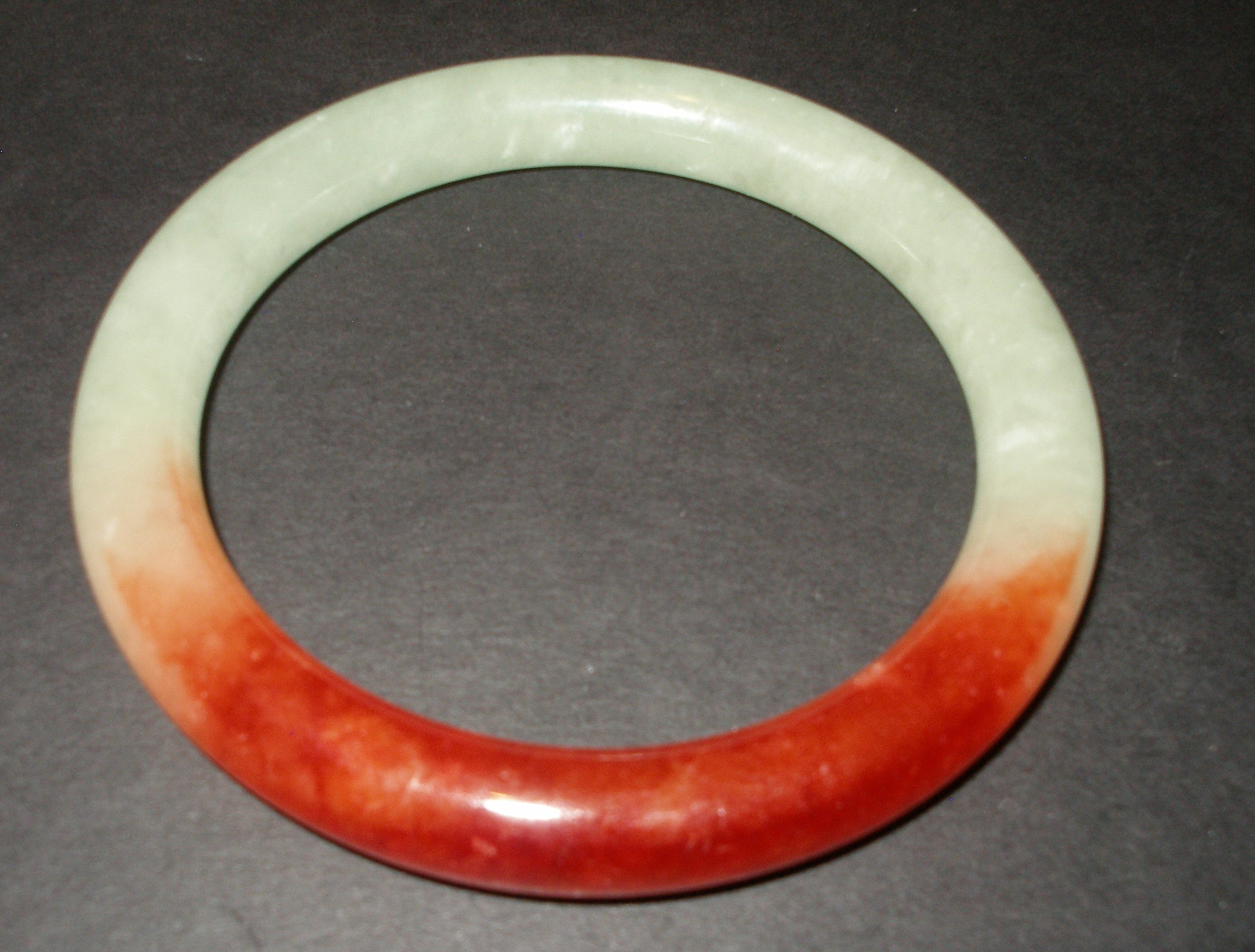
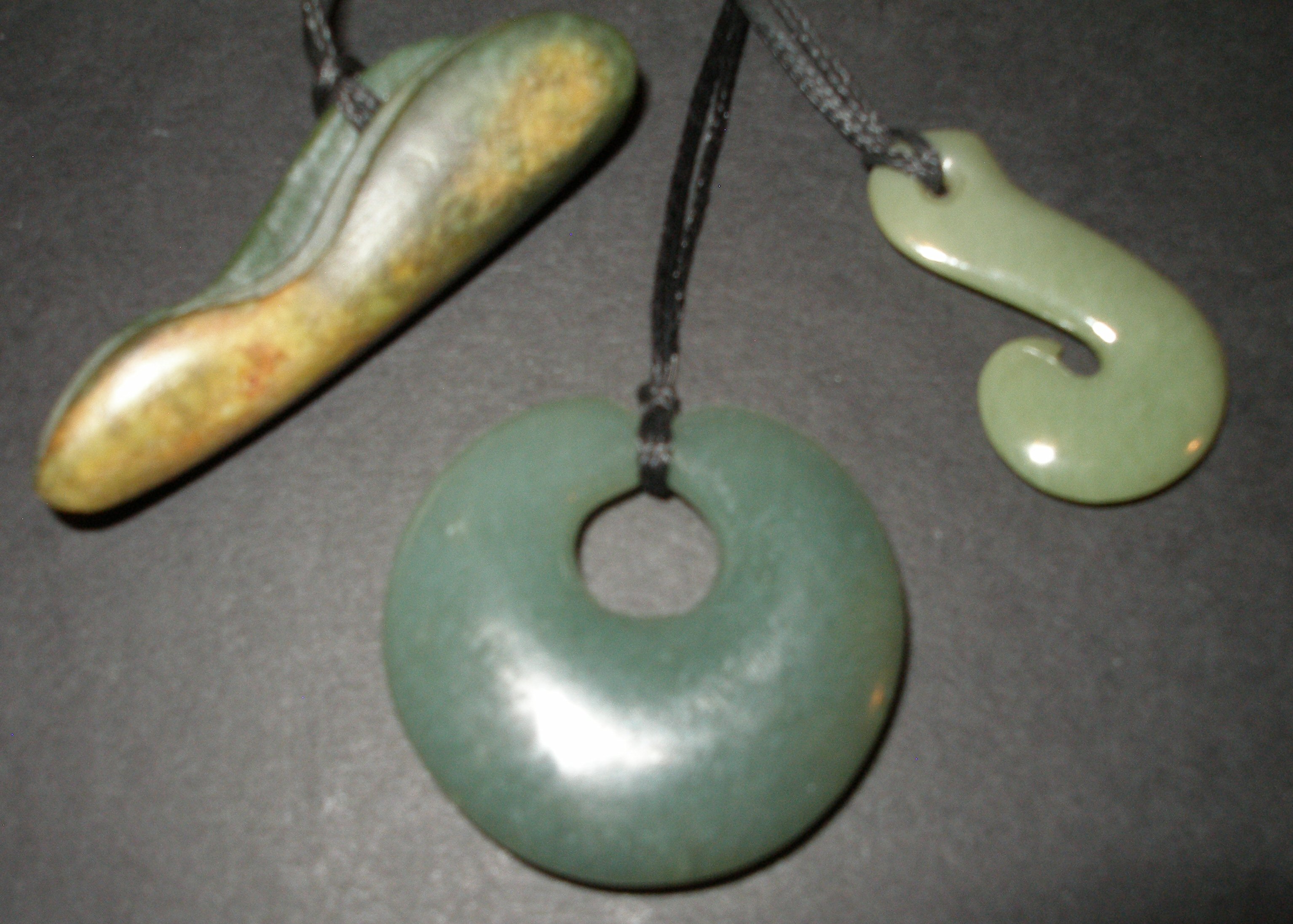
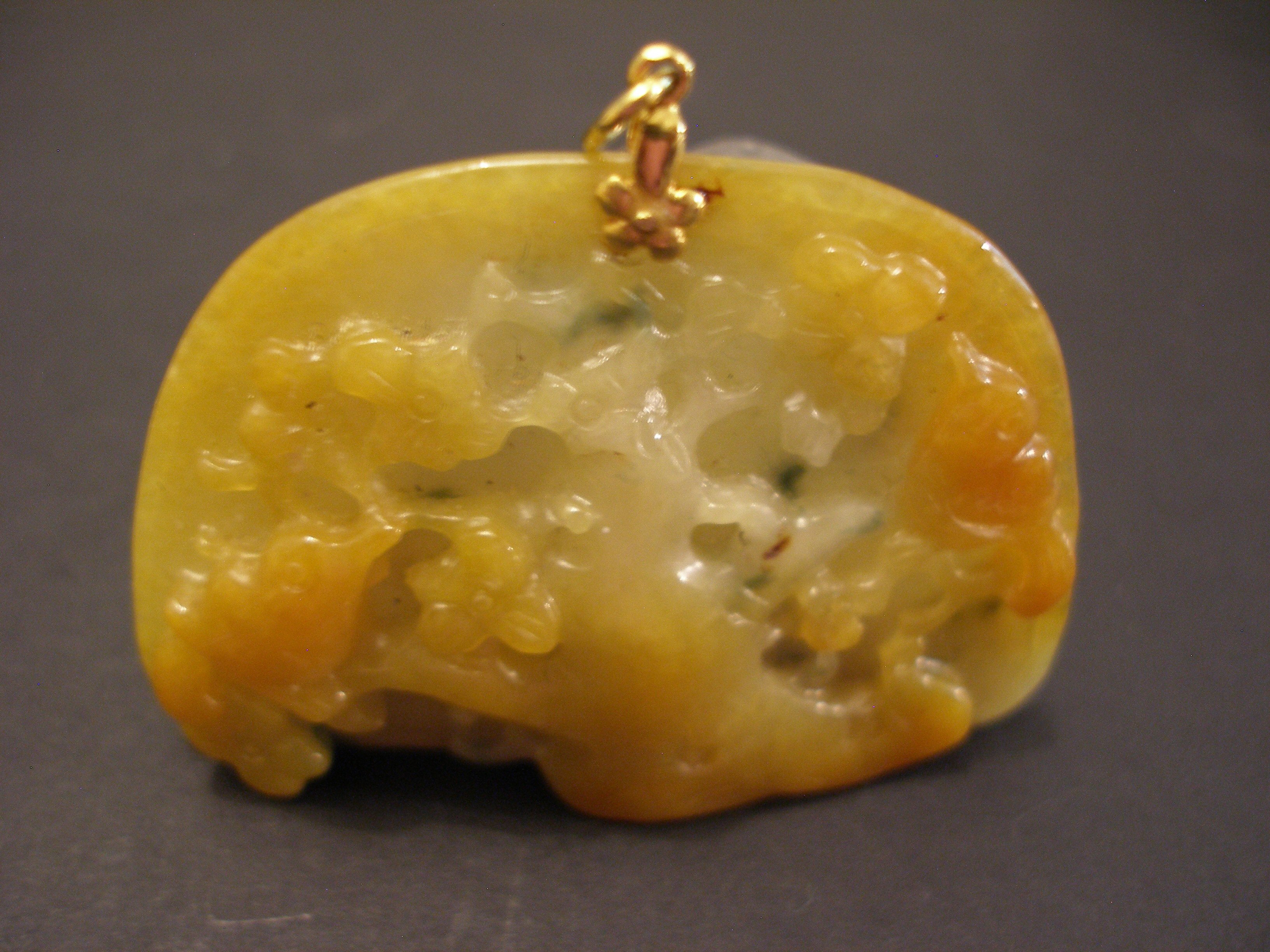
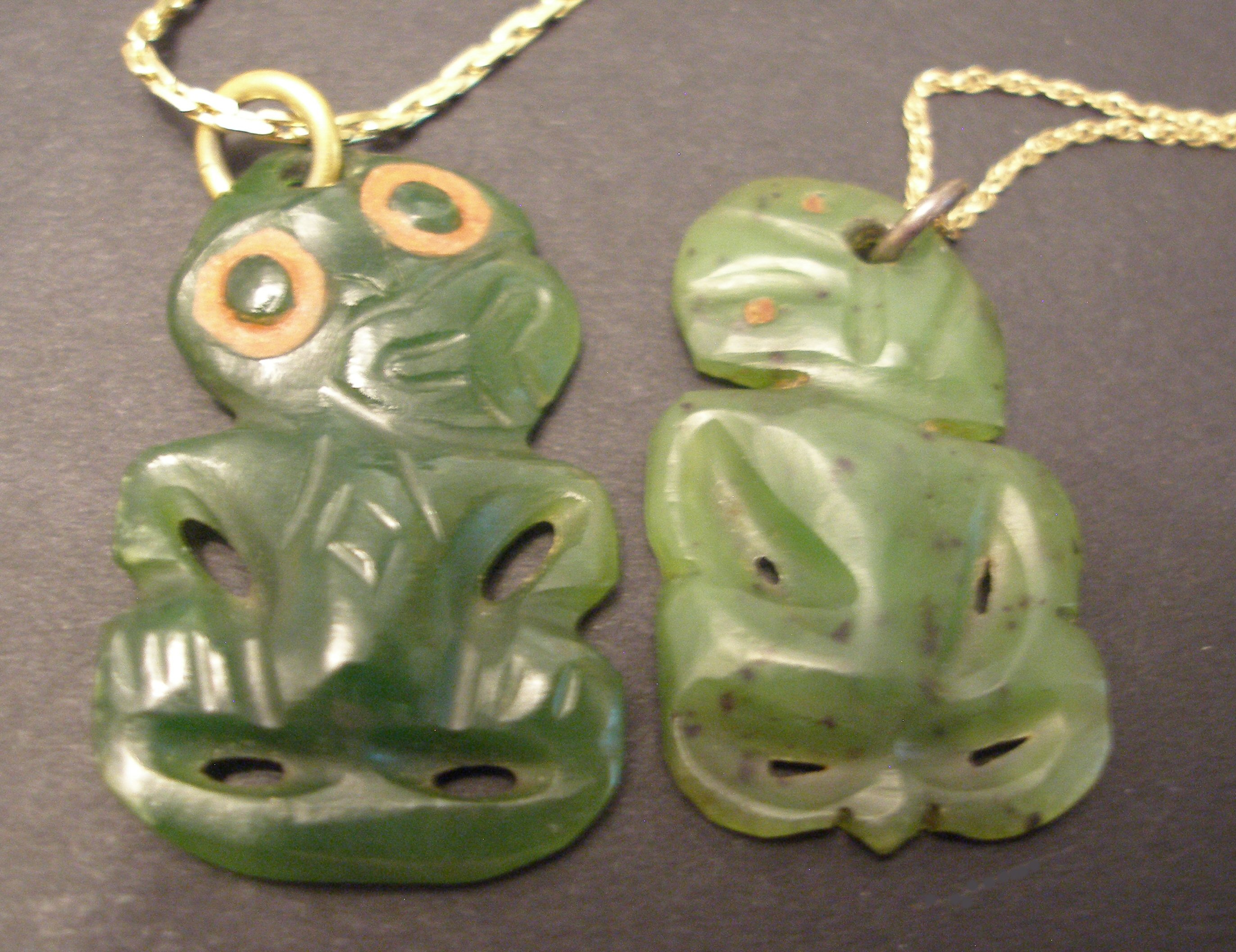
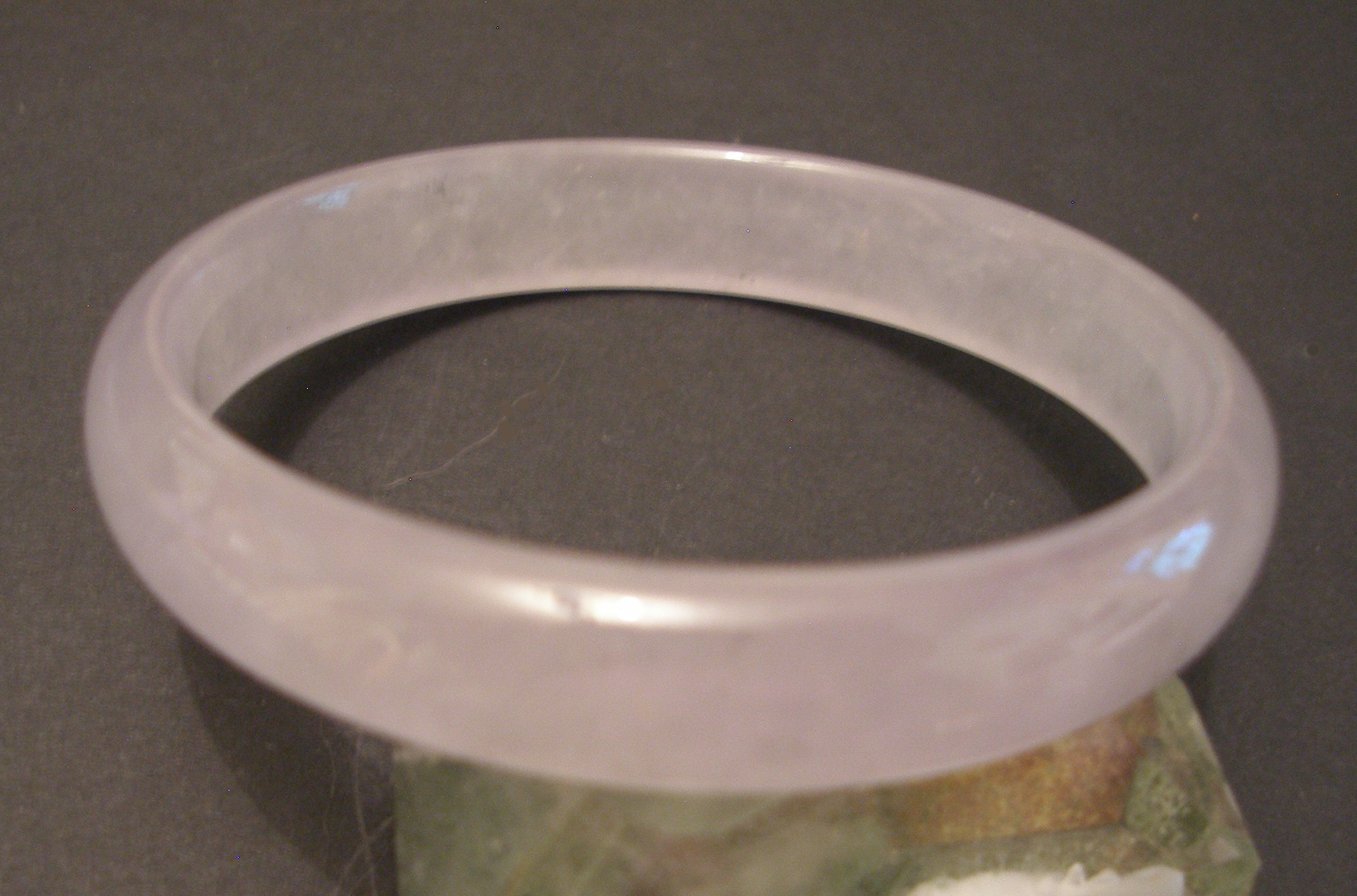
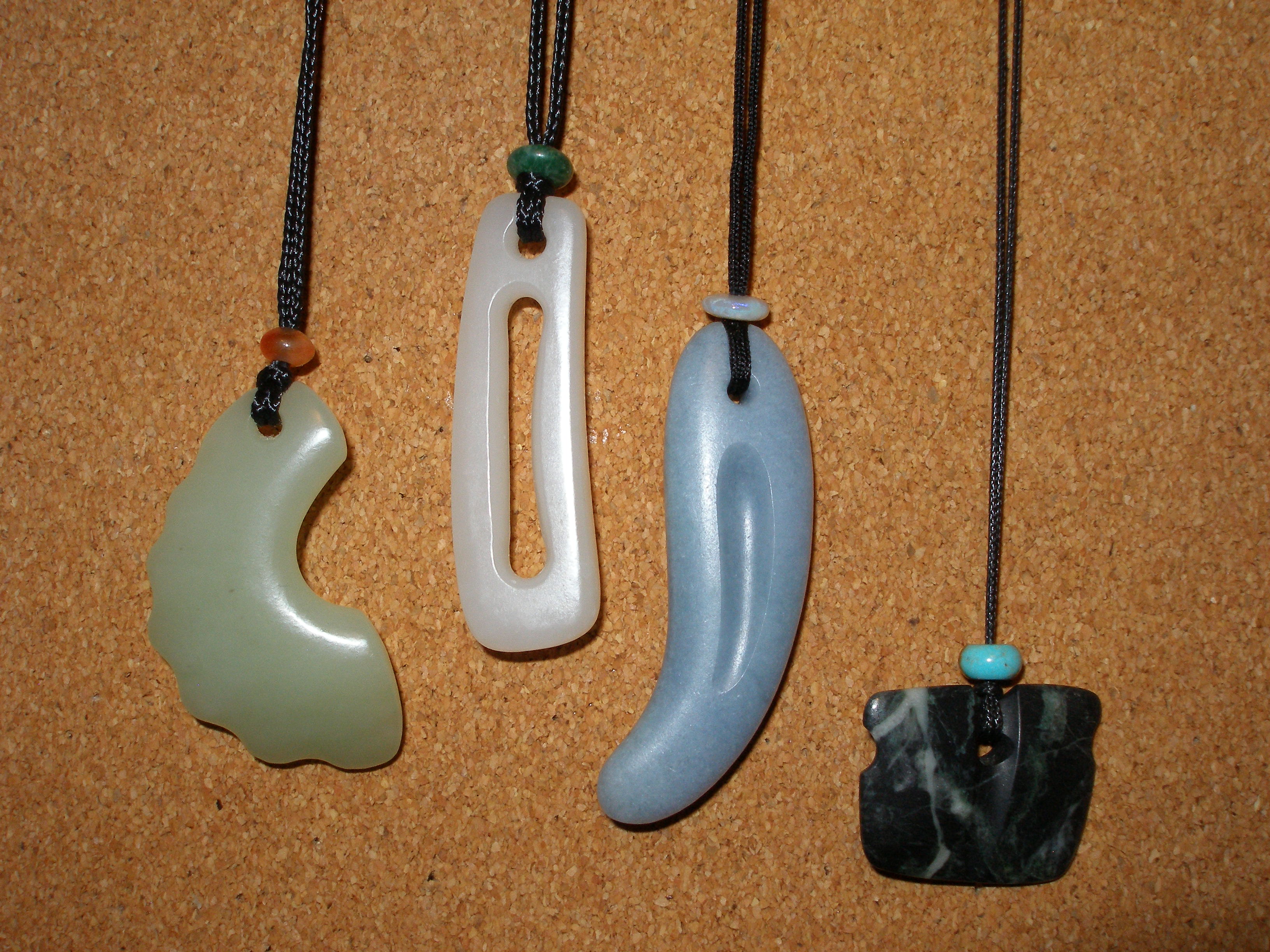
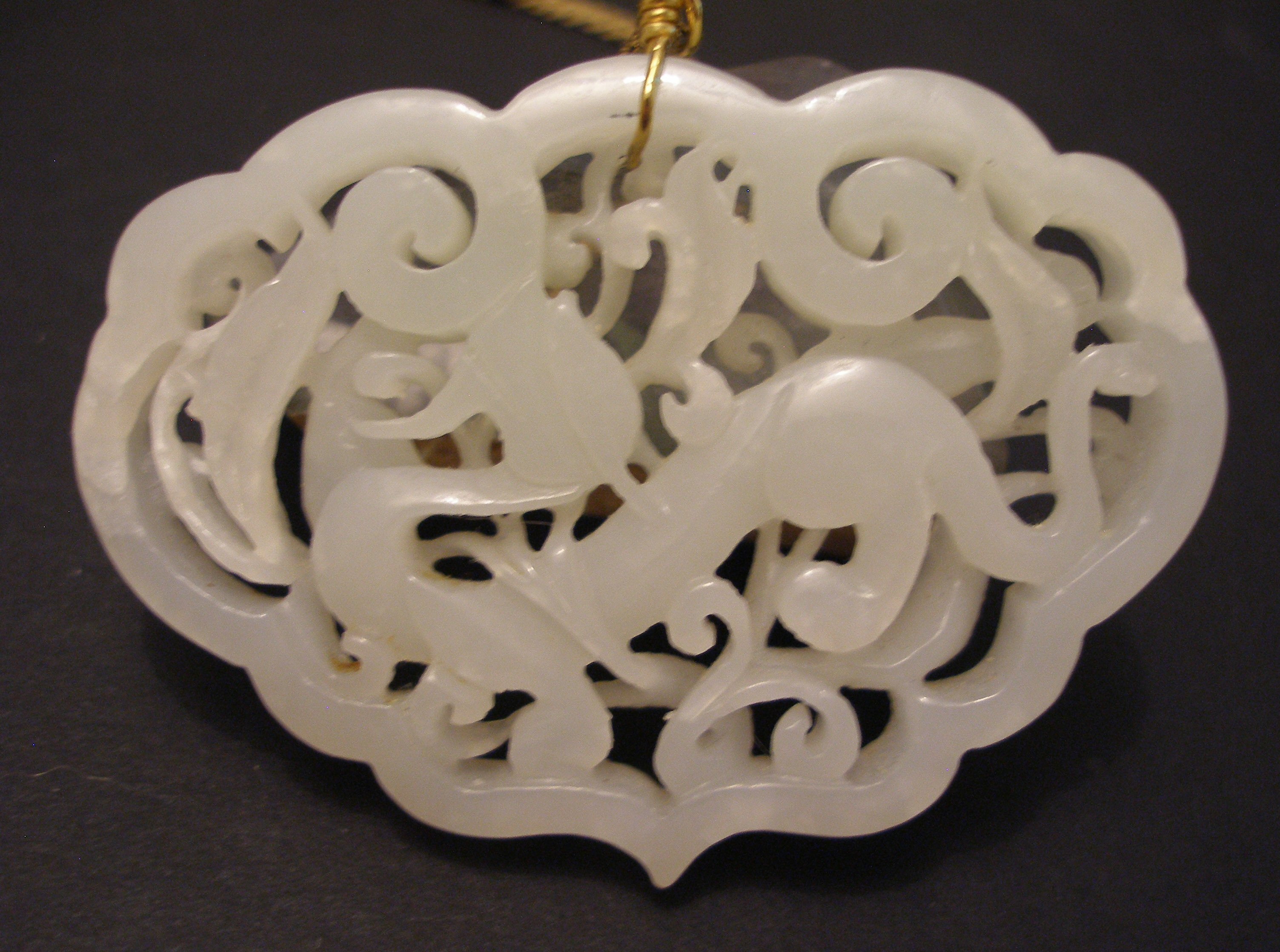
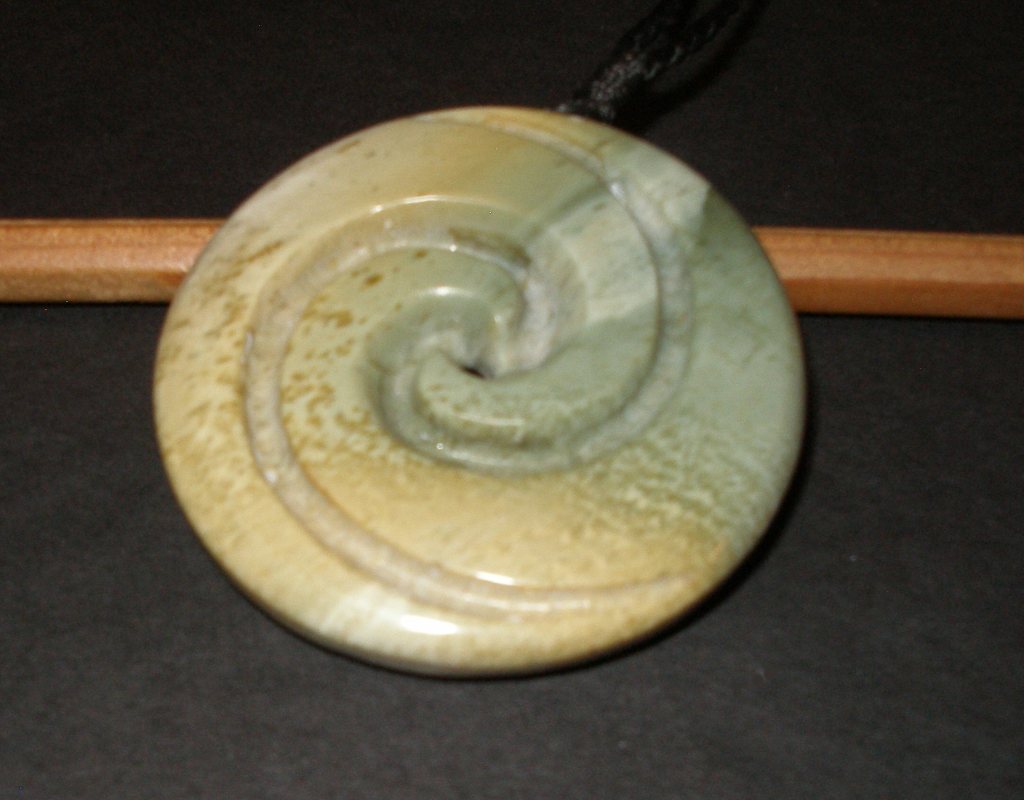
While it is known for its shades of green, jade can be found in many remarkable colors, some softer and some more brilliant. It is also carved in a wide variety of styles and forms. The pendants and bangles in the photos below show just some of its possibilities. They were carved in the United States, New Zealand, China, and Guatemala, some a while ago and some only recently. Each has a story to tell, and since jade is such a tough stone, it is a refuge that will last.

smalls
two rabbits
bangle
three NZ
tree
haitiki
bird head
bangle2
Schiling's pendants
dragon

Noticing Stones

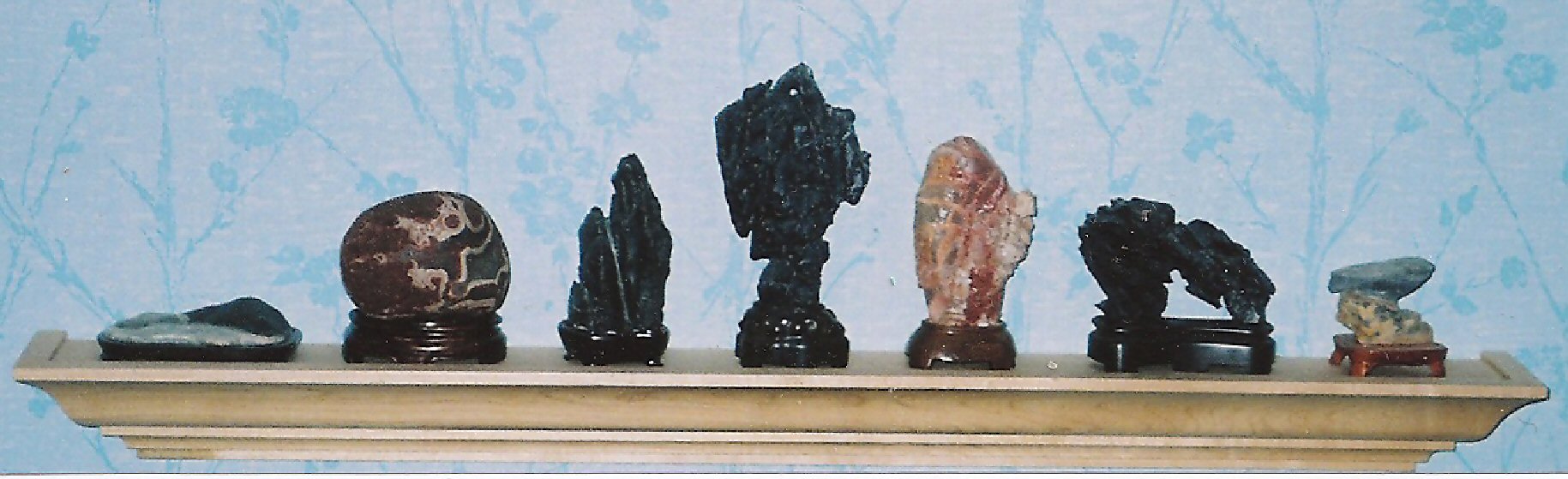
It is the rare child who does not like stones. Some of us never stop picking them up. It is not just the stones but the process – the adventures involved in finding them and the friendships.

These evocative examples lined up above my monitor speak of the larger natural world, a quality that is much appreciated by the Asian scholar.

Viewing stones on shelf

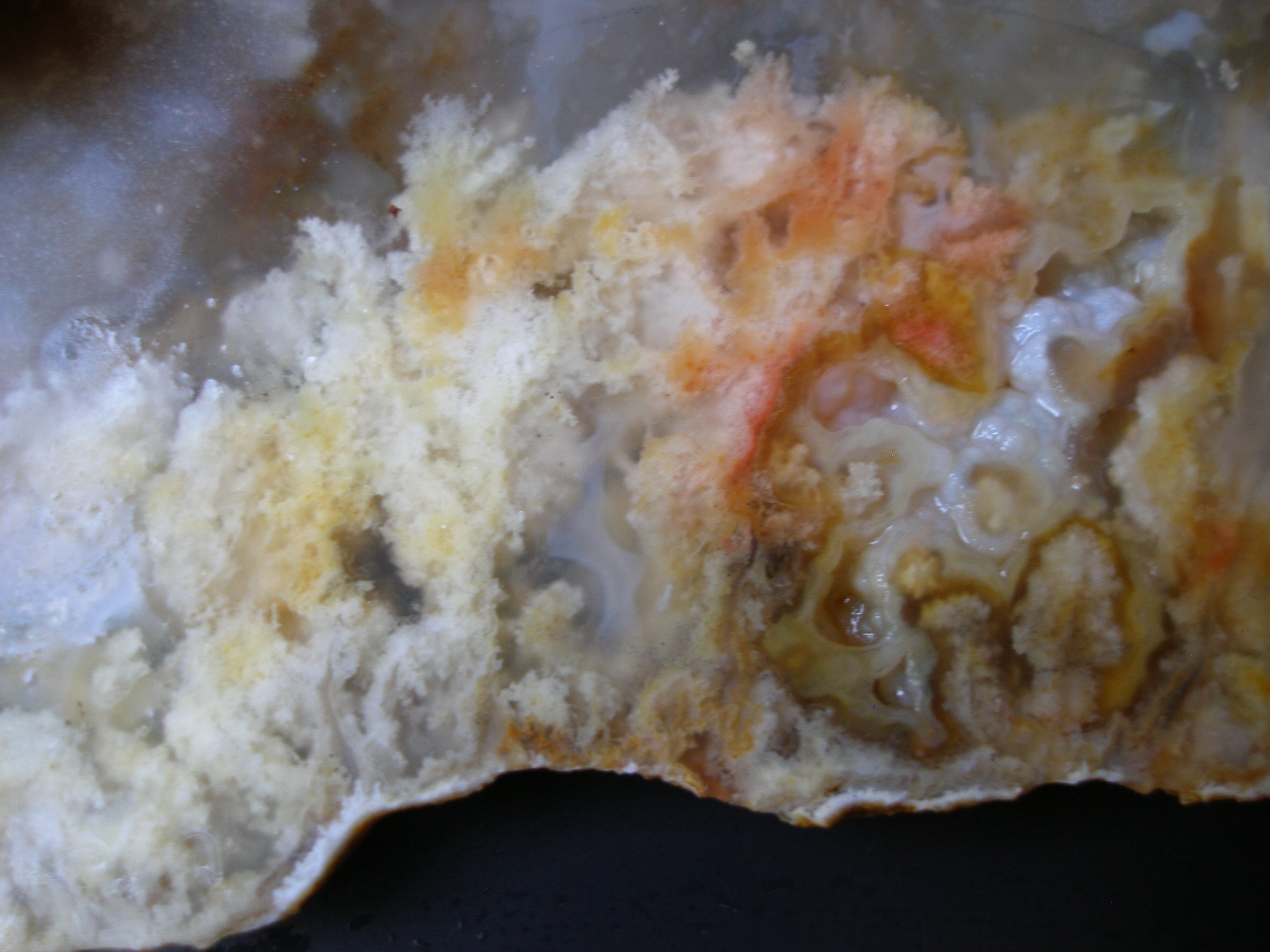
A close looks provides access to amazing colors, details and dreams:

OLYMPUS DIGITAL CAMERA

OLYMPUS DIGITAL CAMERA

OLYMPUS DIGITAL CAMERA

OLYMPUS DIGITAL CAMERA

OLYMPUS DIGITAL CAMERA

When Once Is Enough

When I first came across a Morrisonite pendant, I could find very little written about the rare jasper, so I decided to write an article myself. Now photos and articles about the jasper and the site where it was mined are available online.

I bought a digital camera with super-macro capability and sought out opportunities to take photos of its incredibly diverse patterns and colors. Making friends with miners, lapidary artists and rock shop owners in the course of writing that article led to an invitation to visit the mine site, itself.

Of the seven of us on that adventure, two had mined the jasper, three had websites selling it, and one was the grandson of a rock shop owner who had known the discoverer of this spectacular stone. We took two four-wheel drive vehicles so as to have a back-up just in case. It would not do to get stuck in the desert highlands in the middle of nowhere in eastern Oregon.
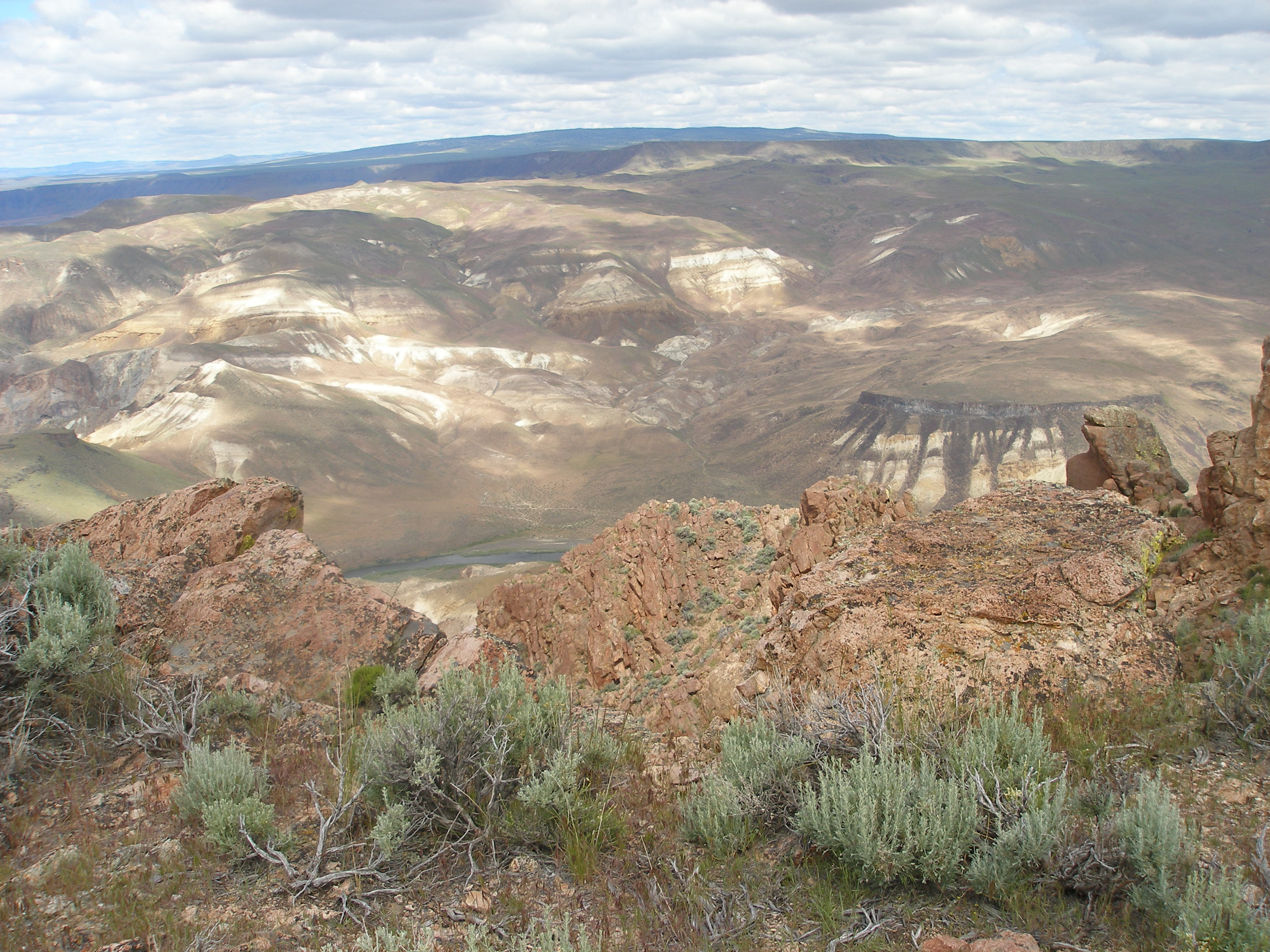
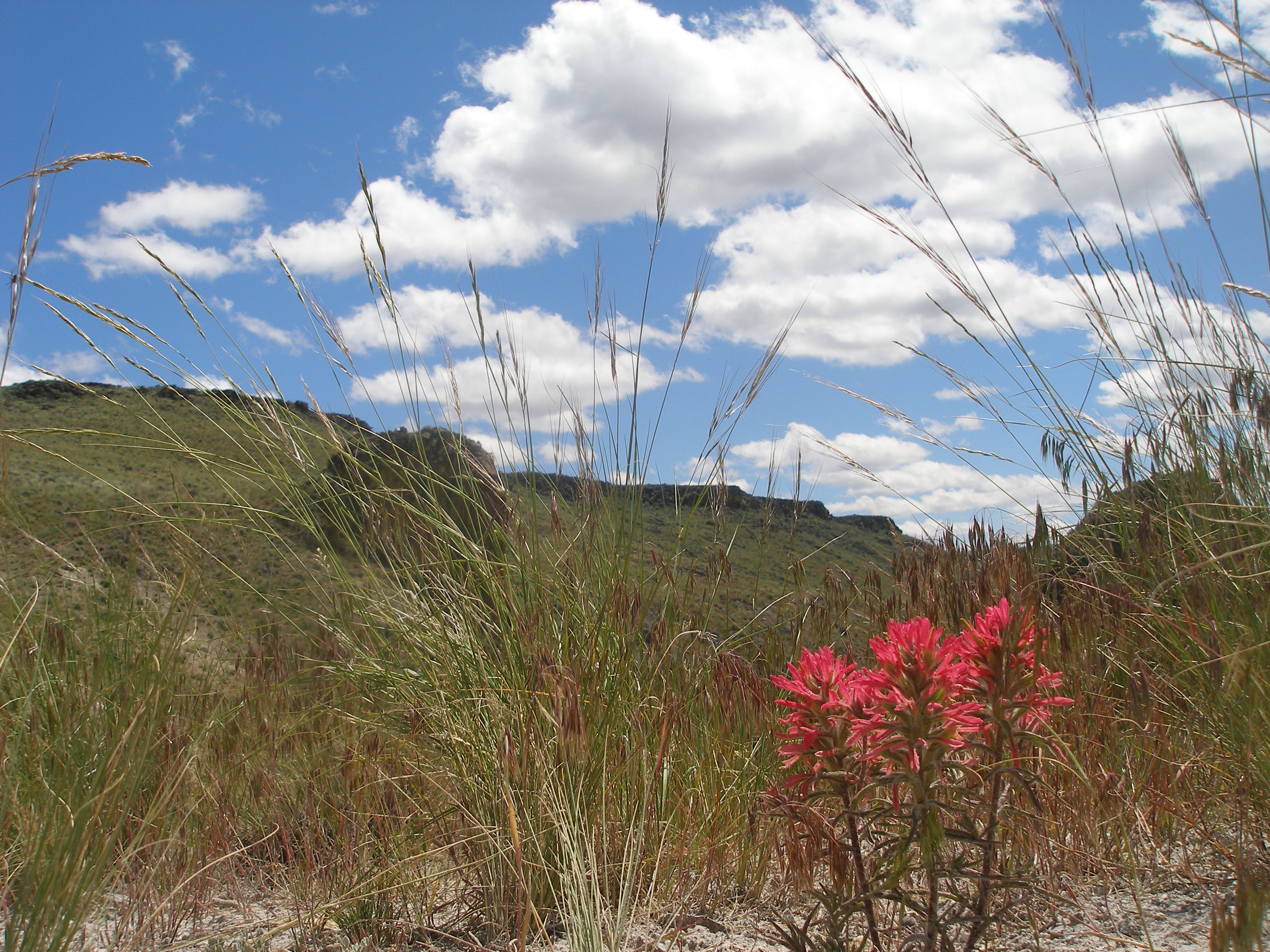
On the way to the steep canyon side, we passed farms, fruit orchards, wild flowers in clumps, sage brush (nice fragrance), cattle, horses, antelope, a coyote, a hawk flying with a snake in its claws, jack rabbits, and grouse. Despite the relative dryness, the area is very fertile because of ample volcanic ash.
OLYMPUS DIGITAL CAMERA

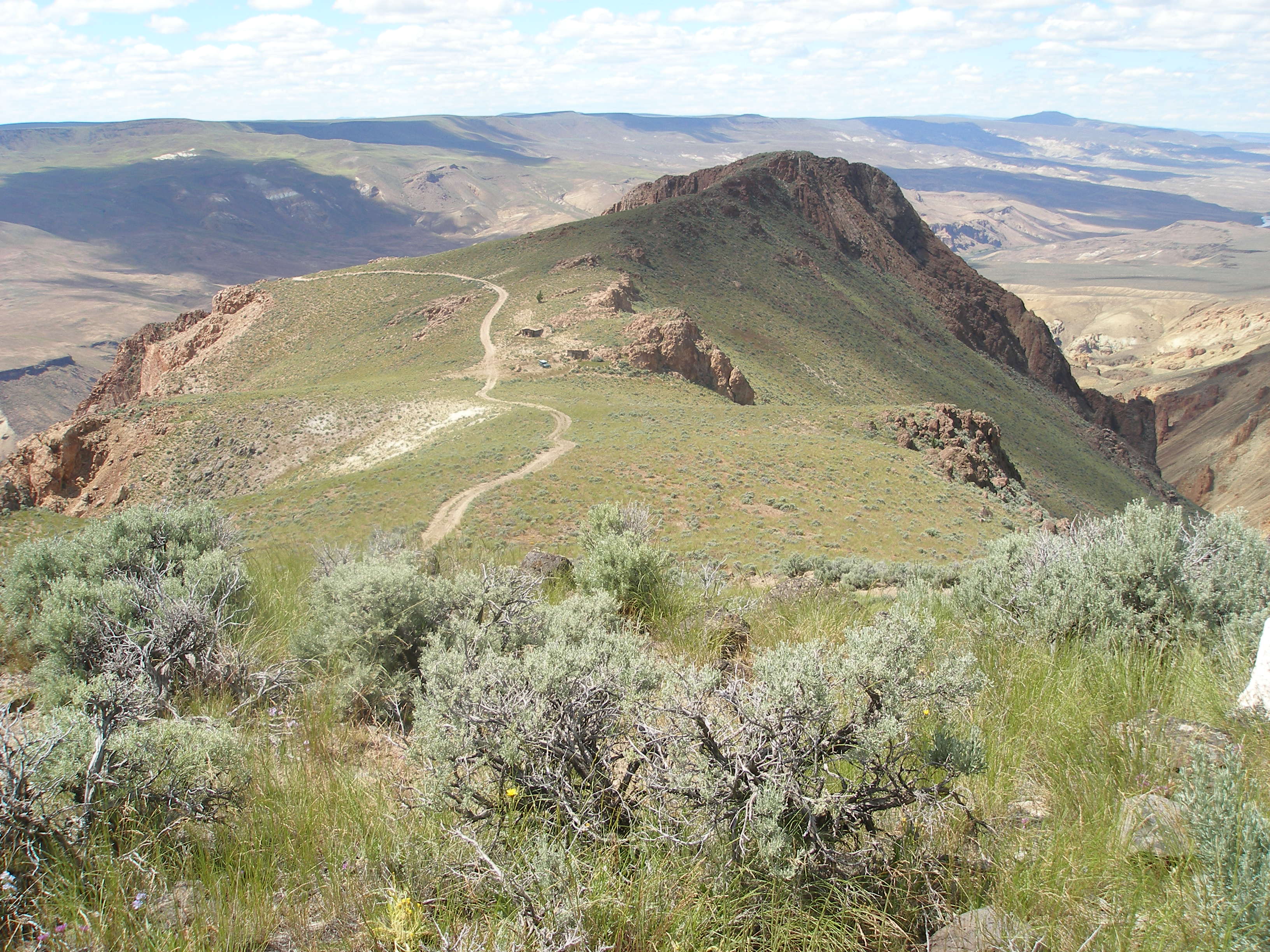
The final dirt track was intentionally left rough to encourage folks to stay out. We drove very slowly jouncing over large rocks and ruts. Beyond the second switch back on the final approach, it was no longer possible to drive, so we got out and made our way down the steep track contending with loose pebbles and sand.
OLYMPUS DIGITAL CAMERA

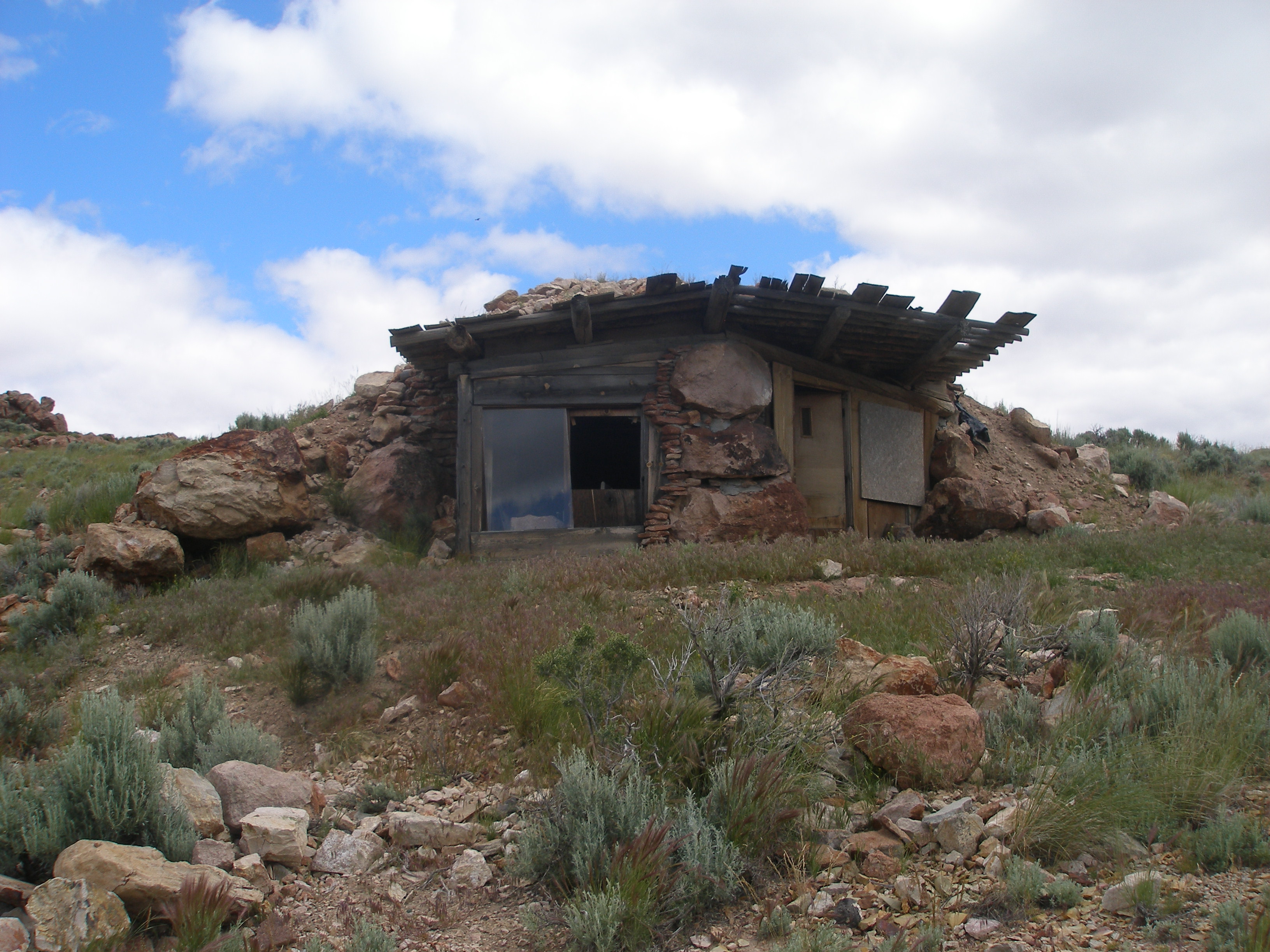
While the others hiked down the steep canyon wall to the mine site, I stayed in the top area with a friend who had a bad shoulder. The weather was perfect. It was a very dreamy location to spend an afternoon largely in silence, exploring two abandoned miners’ cabins, watching the light shift on the canyon formations and looking to see if there might still be some Morrisonite left in situ that I could photograph (there was).
OLYMPUS DIGITAL CAMERA

OLYMPUS DIGITAL CAMERA

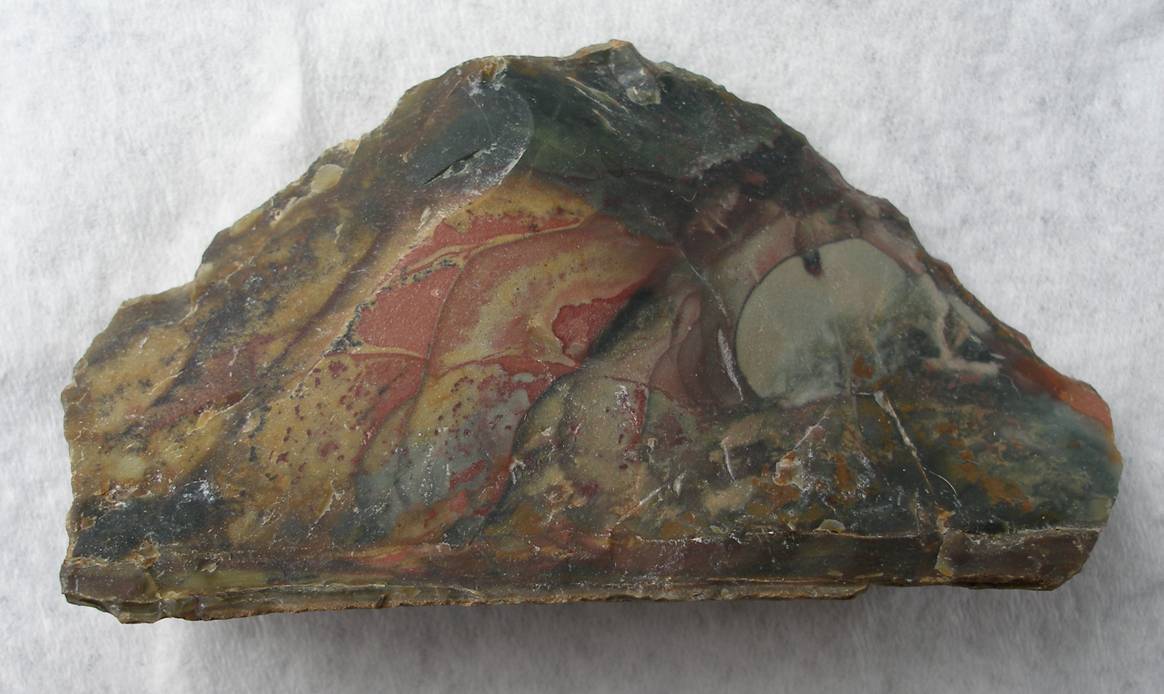
I only visited the mine site that one time. However, looking at the jasper (raw unpolished specimen below), and my special relationships with those who share my passion for Morrisonite became treasured refuges.
Cropped science fiction rough

As for the mine site itself, sometimes being just once in a magical place can provide nurturance for an entire lifetime.
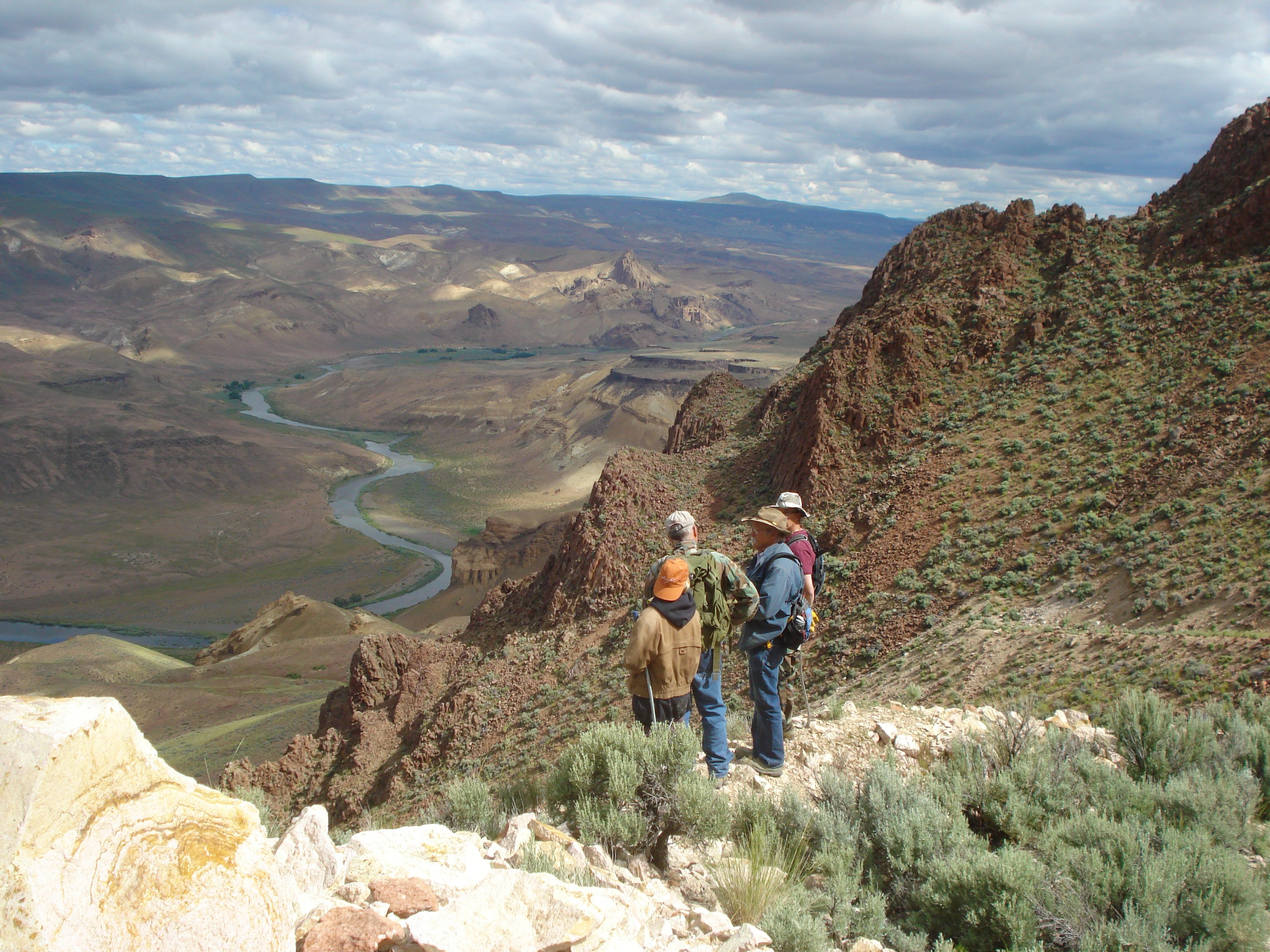
On the trail at M Mine 62010 This last photo by Linda Stephenson is a favorite of mine.