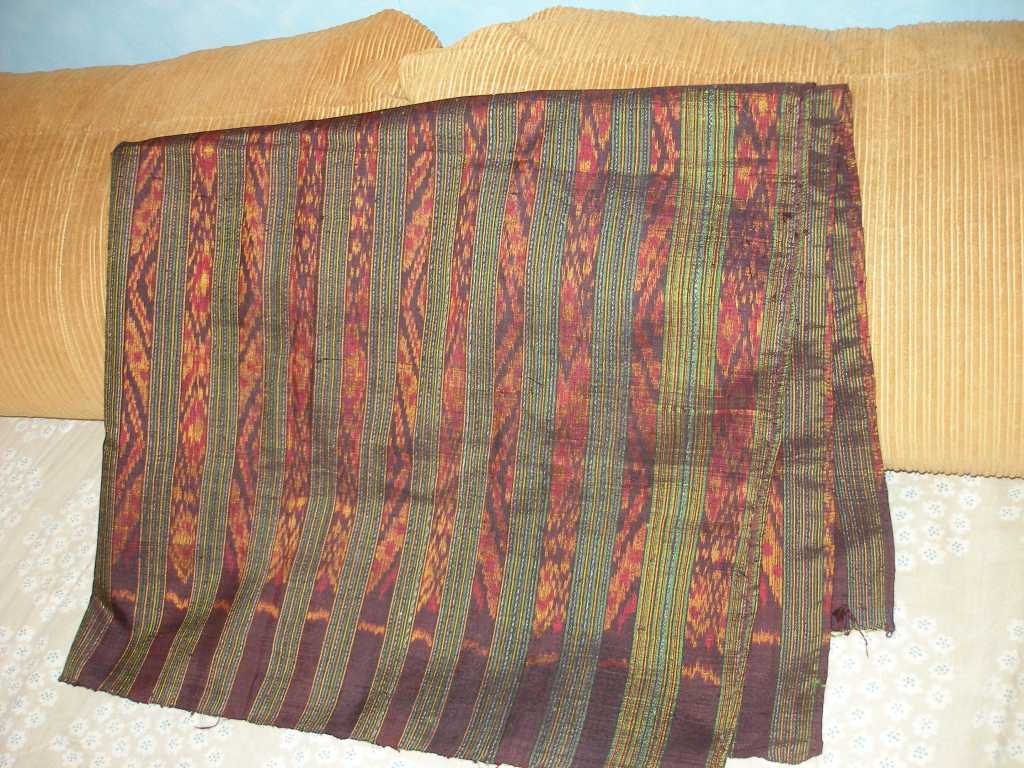
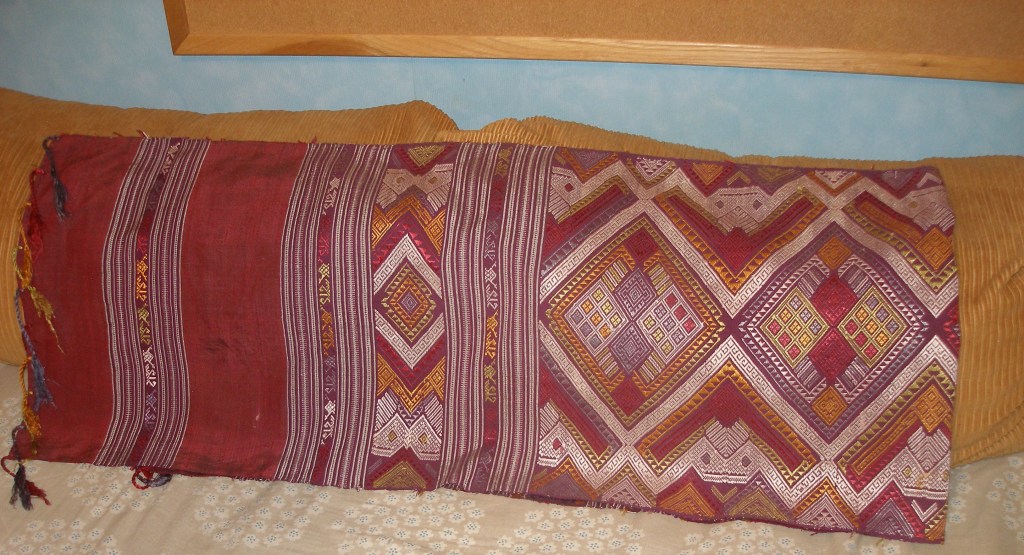
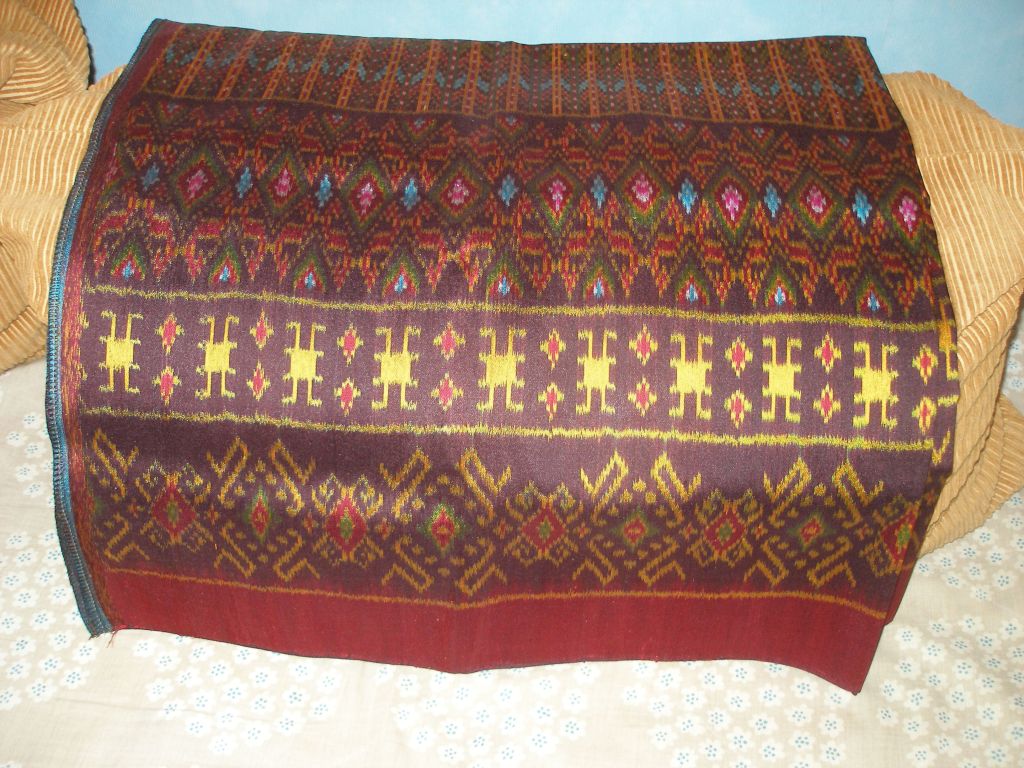
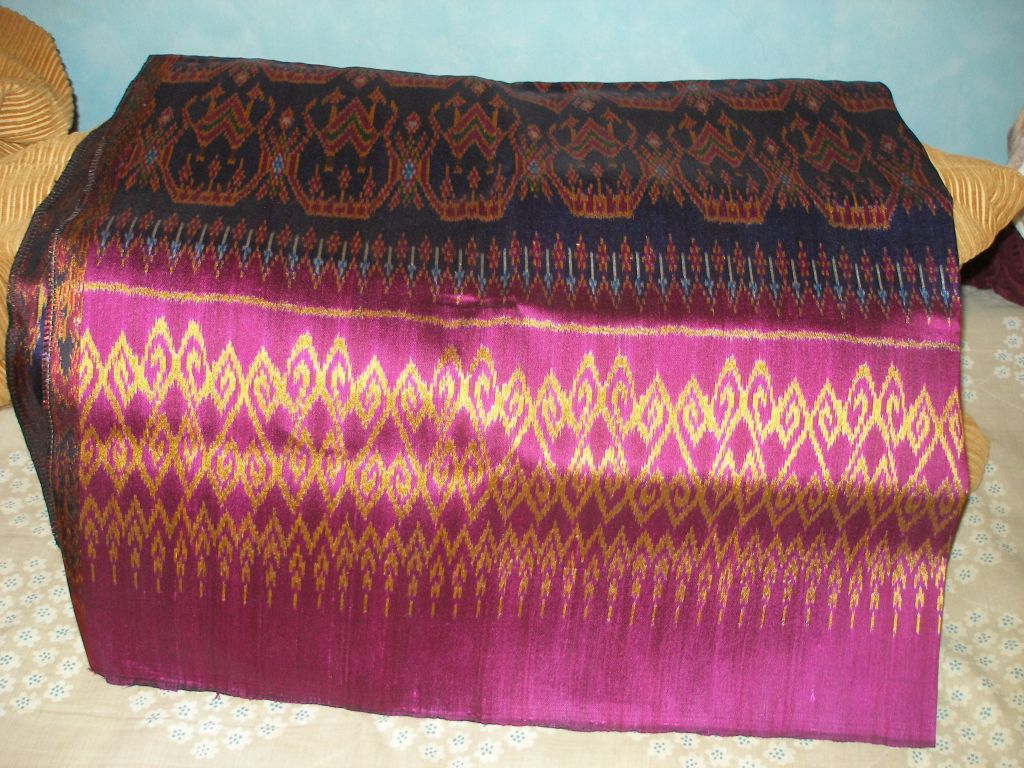
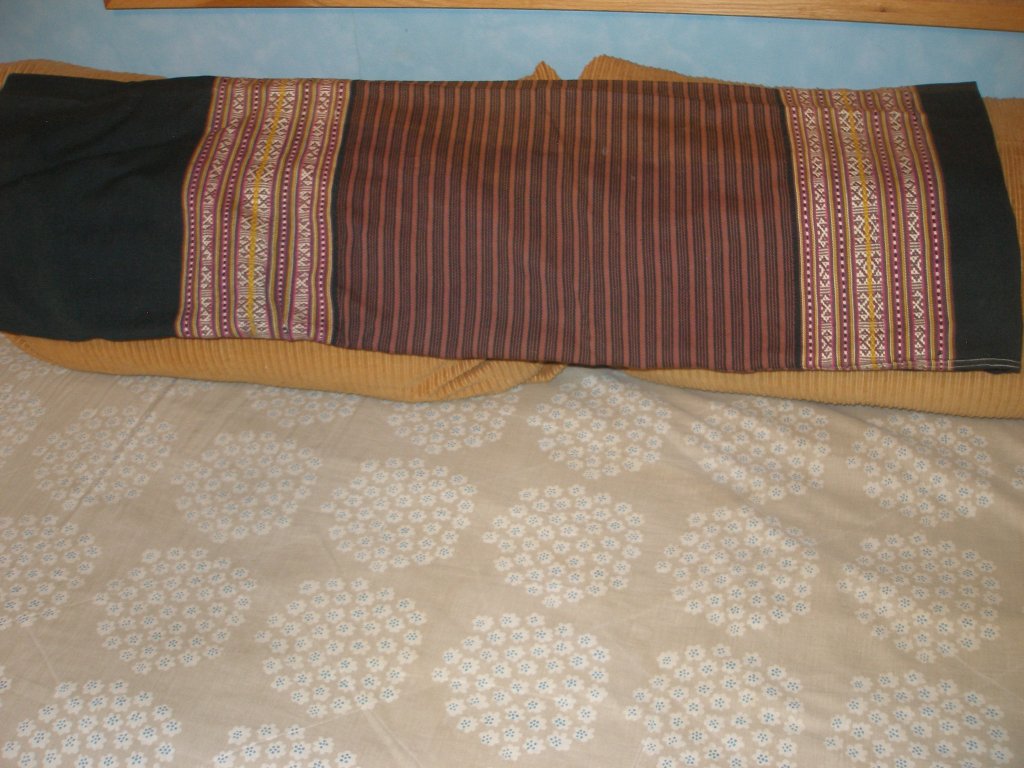
In contract to Indonesian ikat, Mudmee cloth from Thailand makes use of resist-dyed weft (horizontal) yarns. Originally, special designs were reserved for nobility with simple patterns for everyday use. While Indonesian ikats tend to use fewer colors, modern mudmee can have quite a range of vibrant bright colors, especially for cloth that is intended for use by young women.
Traditional patterns often had strong horizontal or vertical bands, like the silk weaving shown below. Vibrant and complex-patterns are now created with the help of large modern looms, as was the case with the last two examples below.
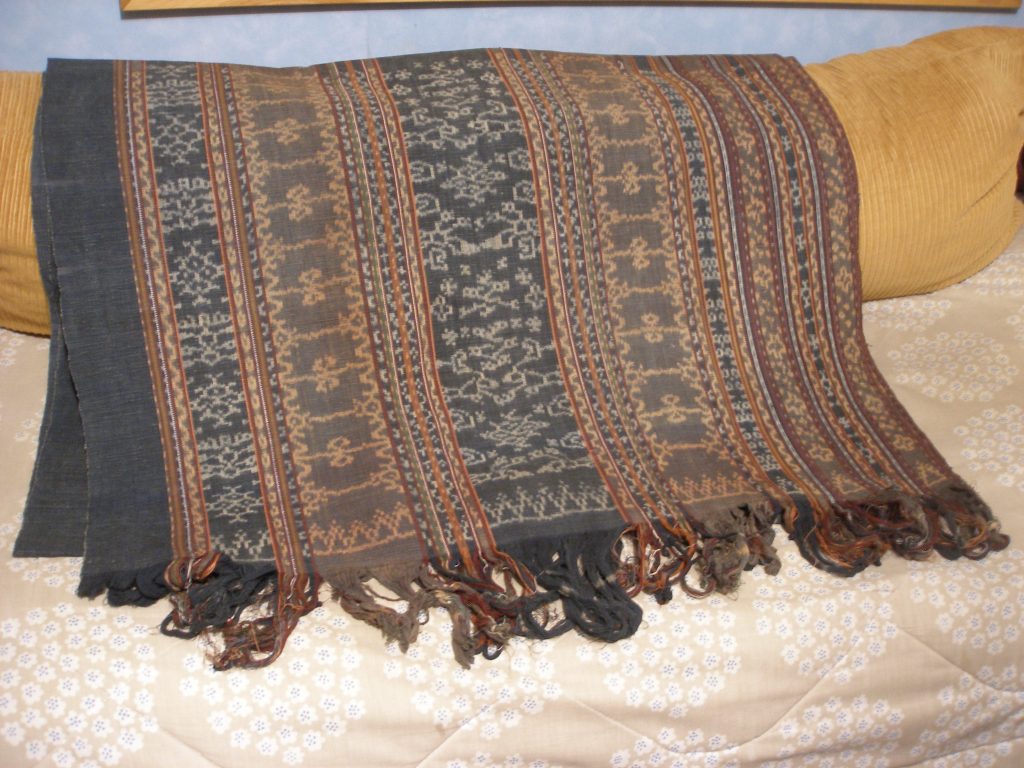
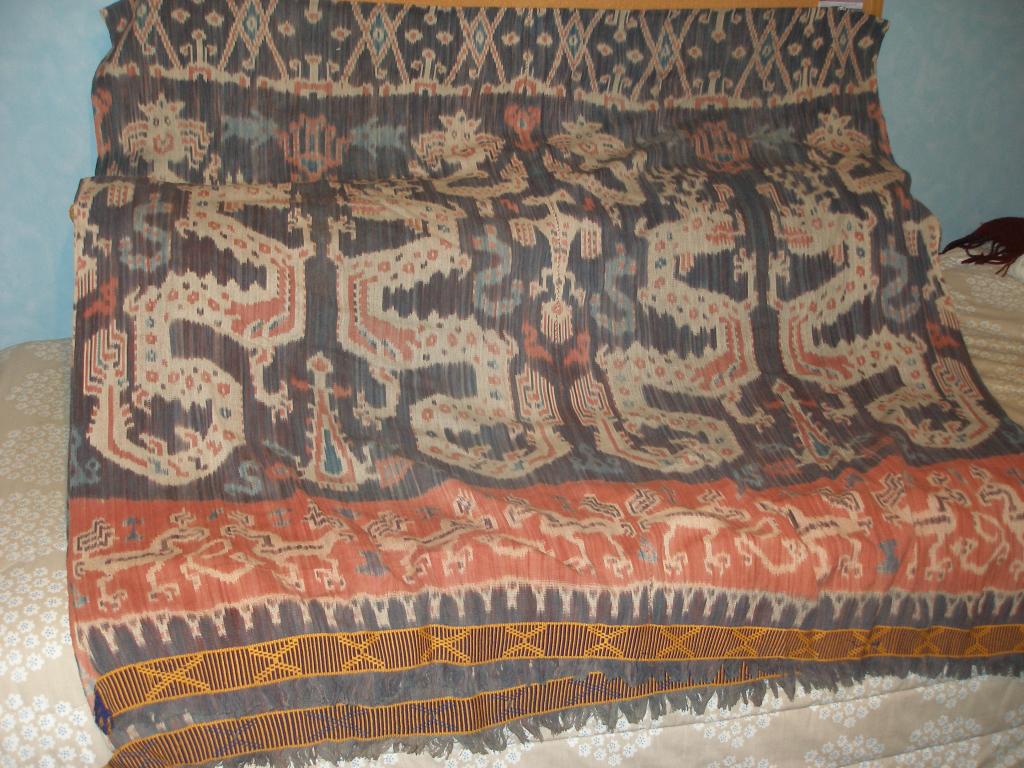
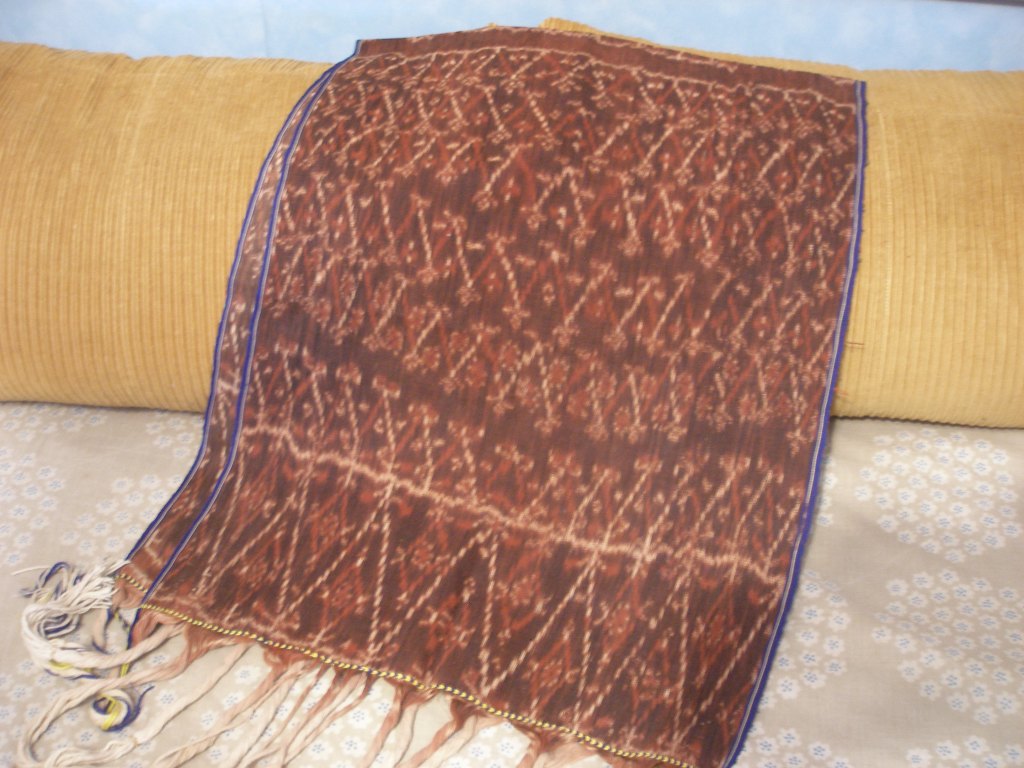
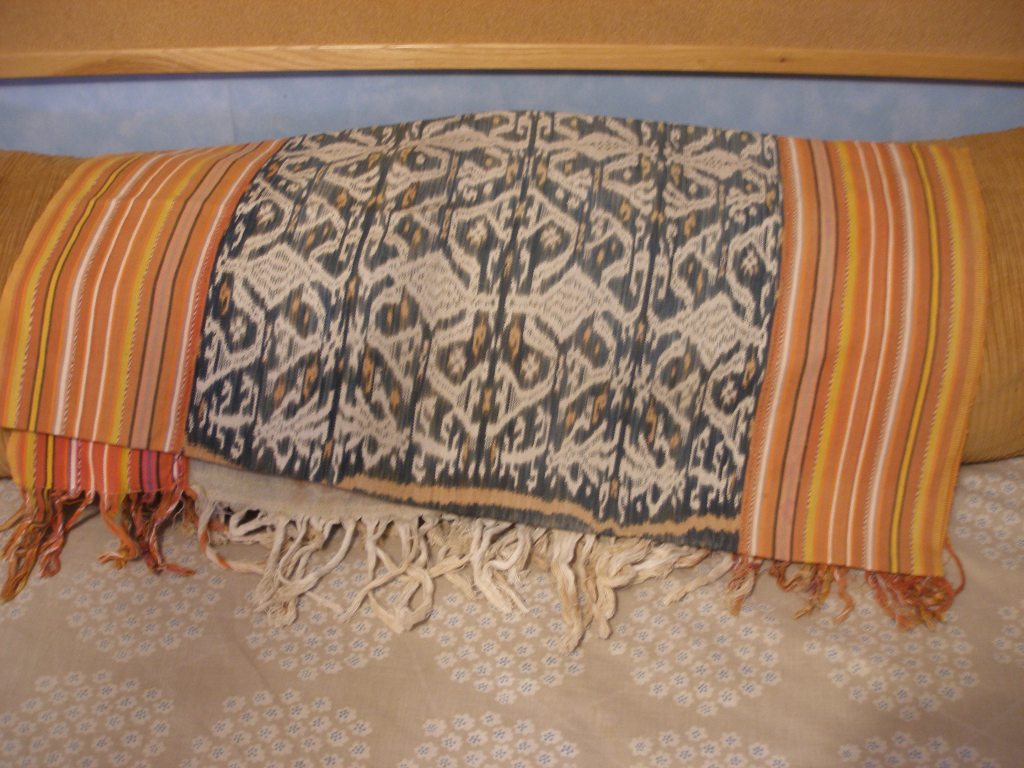
Betsy White told me that the Indonesian ikat she had listed for sale had been purchased when her family was living on Sulawesi between 1976 and 1978. That island did not seem to be the type of place that the average American tourist would visit, and there was something about Betsy’s few words that hinted there was a great deal more going on.
As luck would have it, Betsy had recently published Balancing Act: Mountains, Family, Career. That proved a perfect way to learn more about what showed every sign of being a fascinating life. It occurred to me that lessons she learned during her many mountaineering adventures must have helped Betsy live her (multiple) dreams. Besides mountain climbing, her husband, Gene, loved textiles including rugs, and he collected them wherever they went during their extensive travels. Betsy also has ikats from India, and central Asia.
When they lived in Indonesia, Gene would travel from island to island working on projects to improve access to fresh water during the long dry season. He would make it a point to visit remote villages and ask if they had any ikats for sale. I could tell that Gene and I appreciated many of the same qualities to be found in these lovely weavings.
The influence from specific island cultures is clear, but each piece also bears the stamp of the individual artist-weaver who put so much time and effort into their painstaking work. In addition to describing the textiles’ varied designs and fascinating cultural contexts, the books below include wonderful stories about individual weavers:
Between the Folds; Stories of Cloth, Lives and Travels from Sumba by Jill Forshee
Textiles of Timor; Island in the Woven Sea edited by Roy W. Hamilton and Joanna Barrkman
Gift of the Cotton Maiden; Textiles of Flores and the Solor Islands edited by Roy W. Hamilton
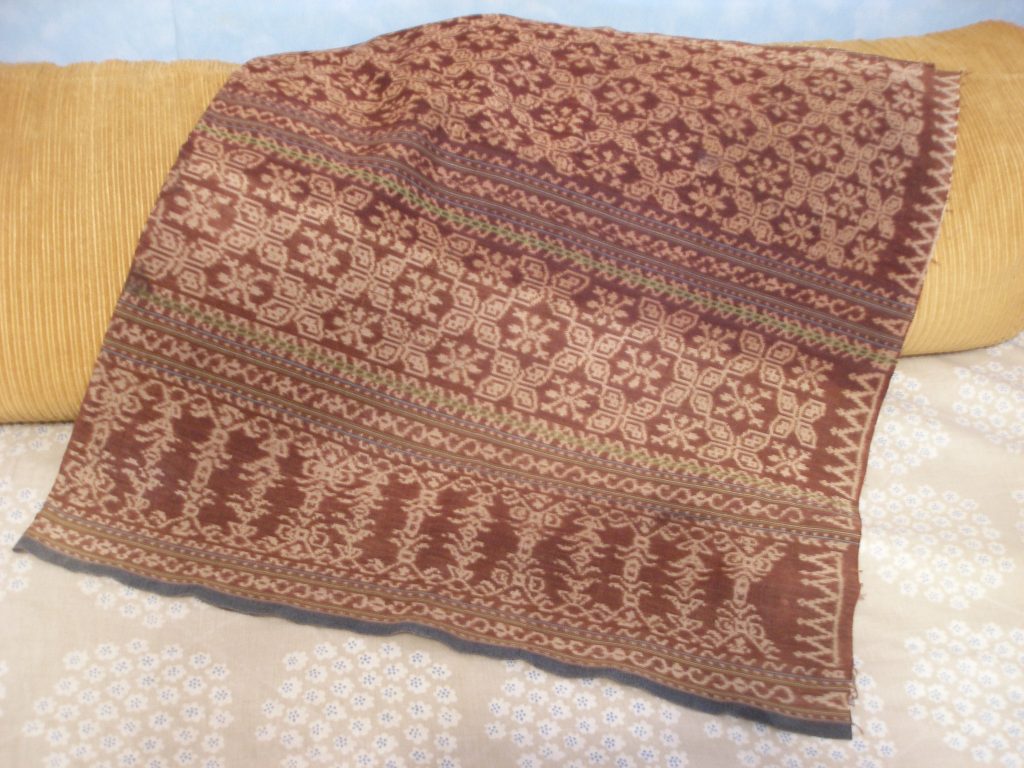
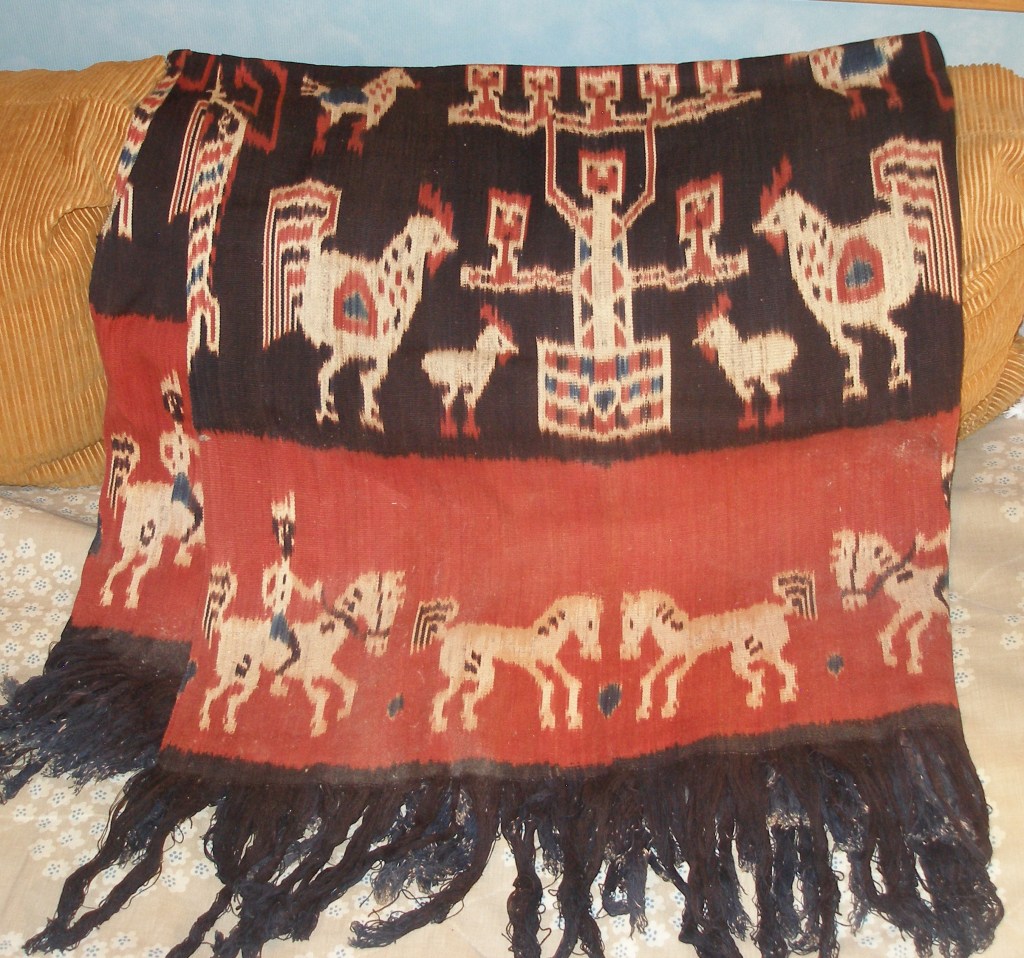
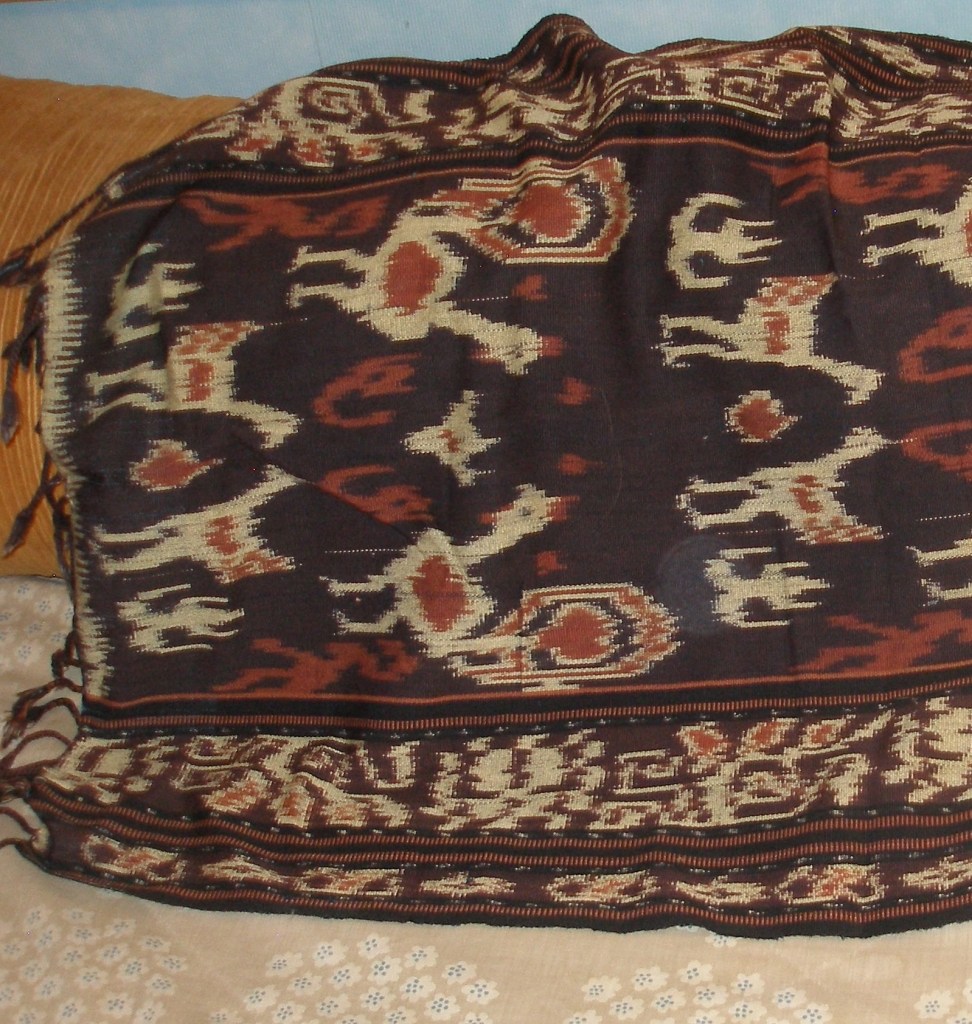
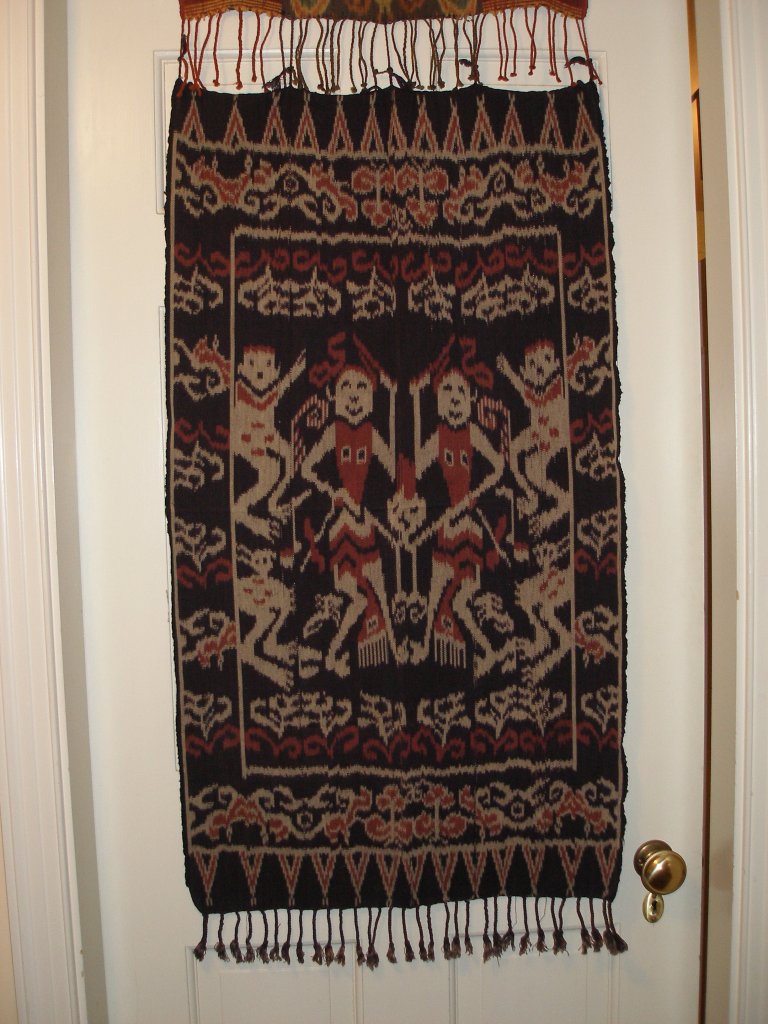
Ikats I purchased from Betsy are from (top to bottom): West Timor, Sumba, Flores, Sumba, an antique fragment that is likely from Flores, and lastly, an “everyday” sarong from West Timor.
Indonesian ikat weavings have always had multiple uses. They are worn as sarongs and wraps as part of everyday clothing. They express and preserve cultural identity with outstanding examples playing an important role in various rites of passage such as marriage and funerals. In hard times, these valued and appreciated weavings can mean survival as they can be sold or traded for food and other critical supplies.
The patterns are produced by wrapping sections of (usually cotton) threads so that they resist a particular dye that is applied to the rest of the (usually warp) thread. With traditional dyes, the multiple dippings and dryings needed to achieve the desired shade can be quite time consuming. Modern dyes can make that process considerably faster while extending the range of possible colors.
Once all of the desired colors are dyed into the thread, ensuring precision in the complex designs calls for a great deal of attention to detail and sometimes subtle adjustments during the weaving process. In fact, quality hand-made ikat calls for a great deal of care during all stages of the sometimes years it takes to complete one. For that reason, I was not surprised to learn that in Indonesia, Ikat is generally considered the domain of women.
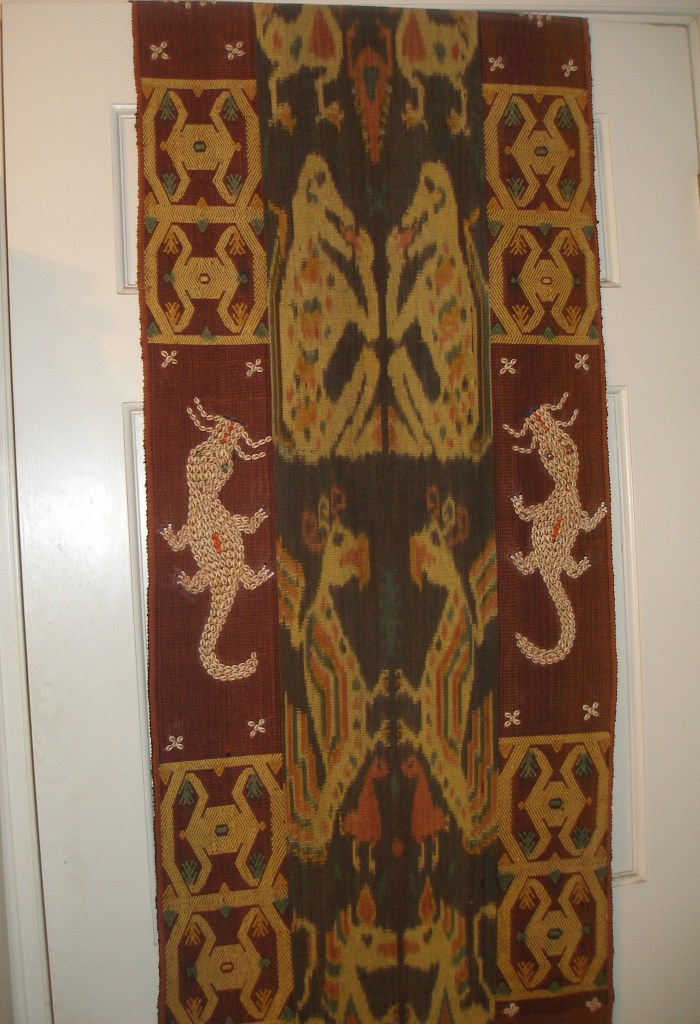
I decided to hang a particularly colorful modern example over the door to my office. This one combines a dark central ikat section with many different fanciful animals and two red outer sections with sewn-on cowry shell designs.
The last image shows an indigo-dyed Ikat hanging up in my tea hut in place of a scroll. Its Christian symbols are not a problem for its use during Japanese tea ceremony practice. In fact, Christian foreigners were among early adopters of Japanese tea ceremony and there are examples of a variety of early tea ceremony utensils including tea bowls that incorporate Christian symbols.
A while ago I tried changing to a river image on my computer screen. It did not feel right that nothing was moving and I went back to what is there now (first photo below). I used to change the wallpaper on a fairly regular basis.
I am not saying I will never change that image. But for some reason this one is proving remarkably sticky – it seems to want to stay put right where it is, thank you.
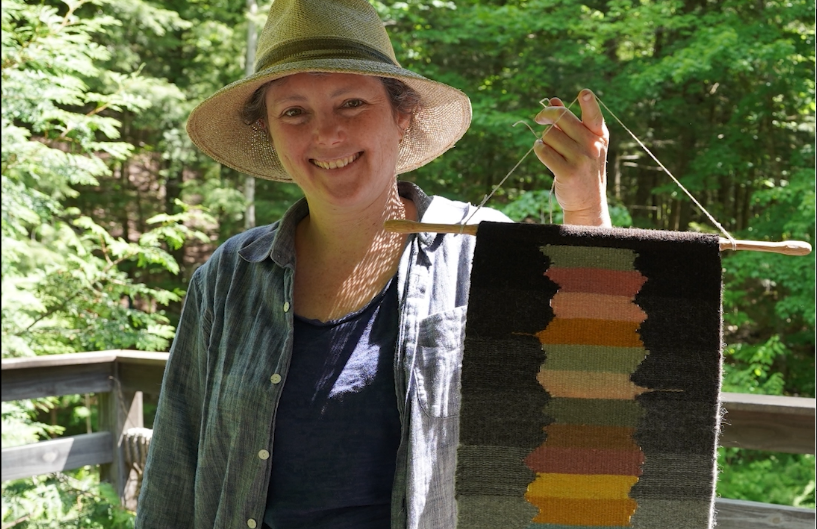
Hannah Regier with her “Color Harvest Moon” weaving. Photo by Jeff Klein.
This short documentary shares the world of Hannah Regier, who struck me as someone who truly lives by Japanese Tea ceremony’s core principles – Harmony, Respect, Purity and Tranquility.
I felt them in where and how Hannah lives, in the care she takes with her fabric art made using natural dyes gathered from the nearby fields and woods, as well as in her efforts to work with others to protect and share the lessons of natural places. There were other aspects of the the Way of Tea as well including creativity, generosity, and a deep appreciation for subtle aspects of the passing seasons.
Japanese tea ceremony was brought to its peak in times of war and great uncertainty. My trust in the worth of the art’s timeless values of harmony, respect, purity and tranquility provided a much appreciated anchor when things started to fall apart in my own life. But experiencing Hannah’s world made clear to me just how much those values can help to foster joy, connection and meaning, all of which are powerful antidotes to the helplessness and hopelessness it is all too easy to feel in these particularly challenging times.
Hannah Regier (her website), and videographer Jeff Klein (his website) both contributed their considerable artistic skills to this project. I am also most grateful for how Jeff Klein wove the sound of the stream behind Hannah’s studio throughout, an appropriate reminder of the importance of nature in the Way of Tea, in Hannah’s world, and, in fact, in all of our lives.
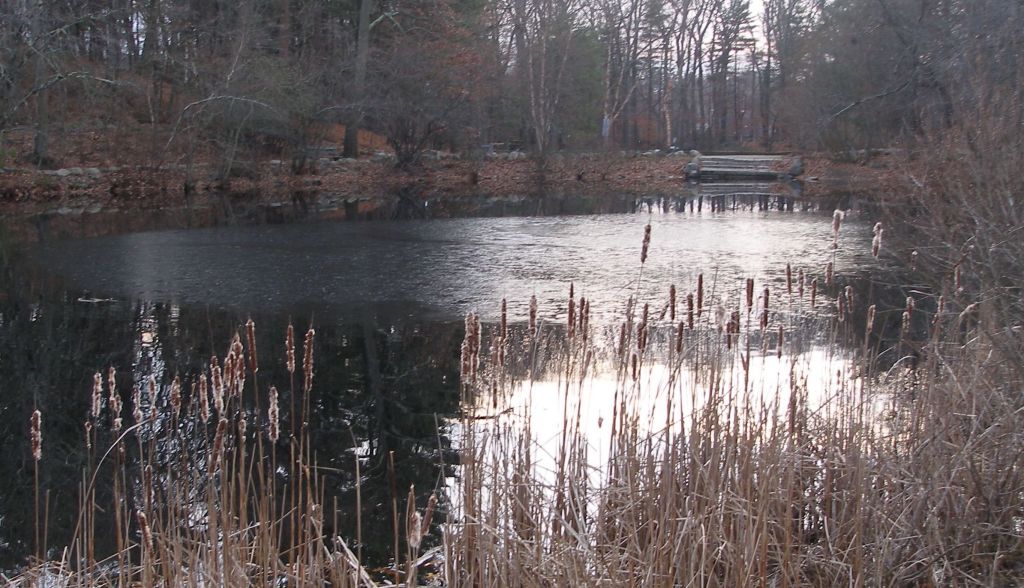
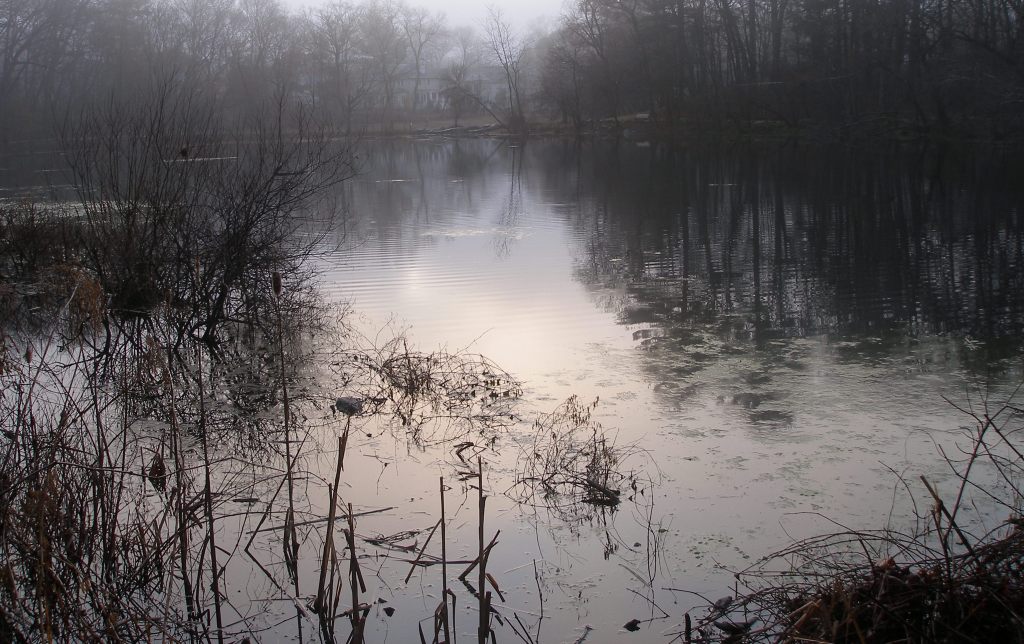
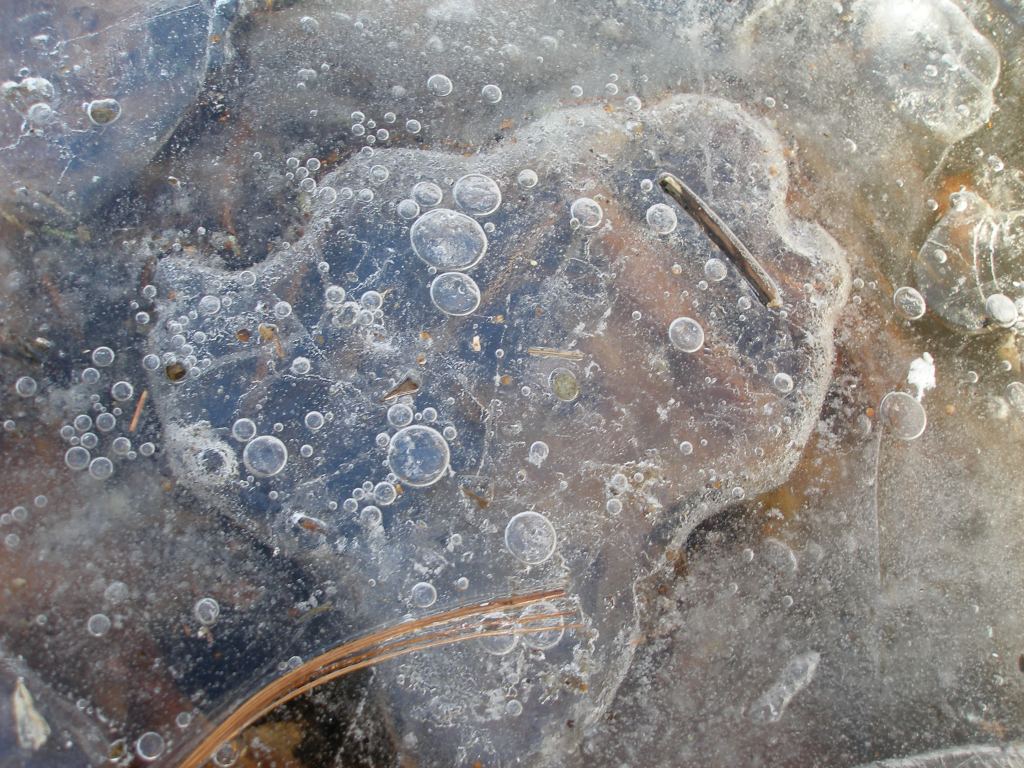
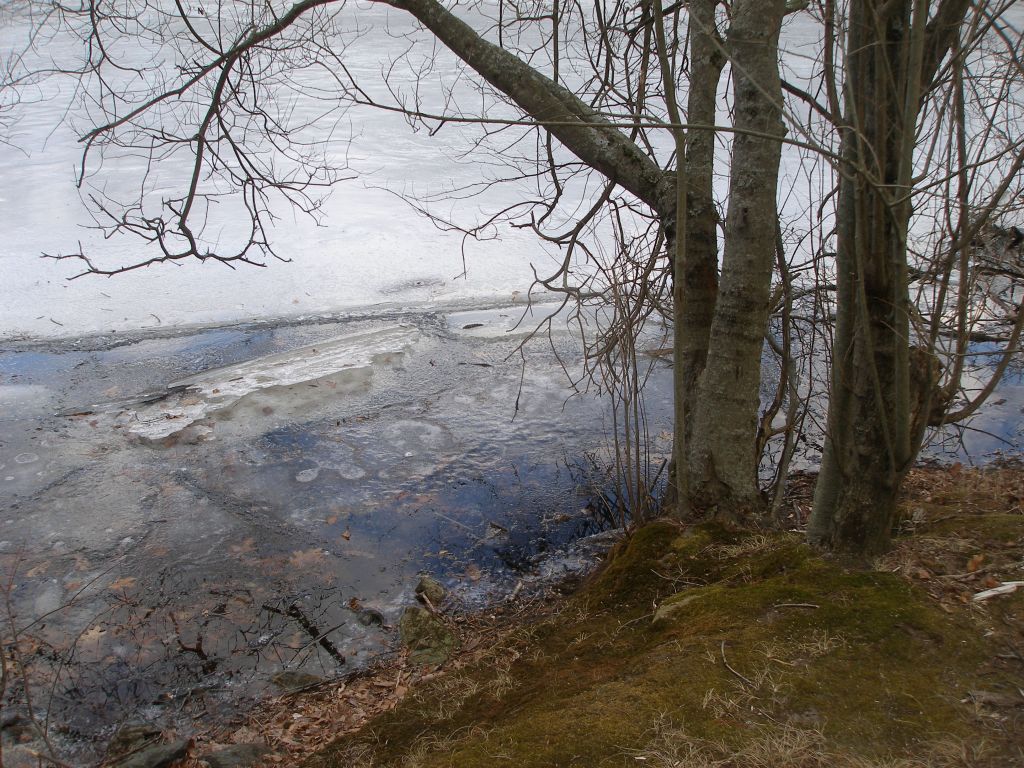
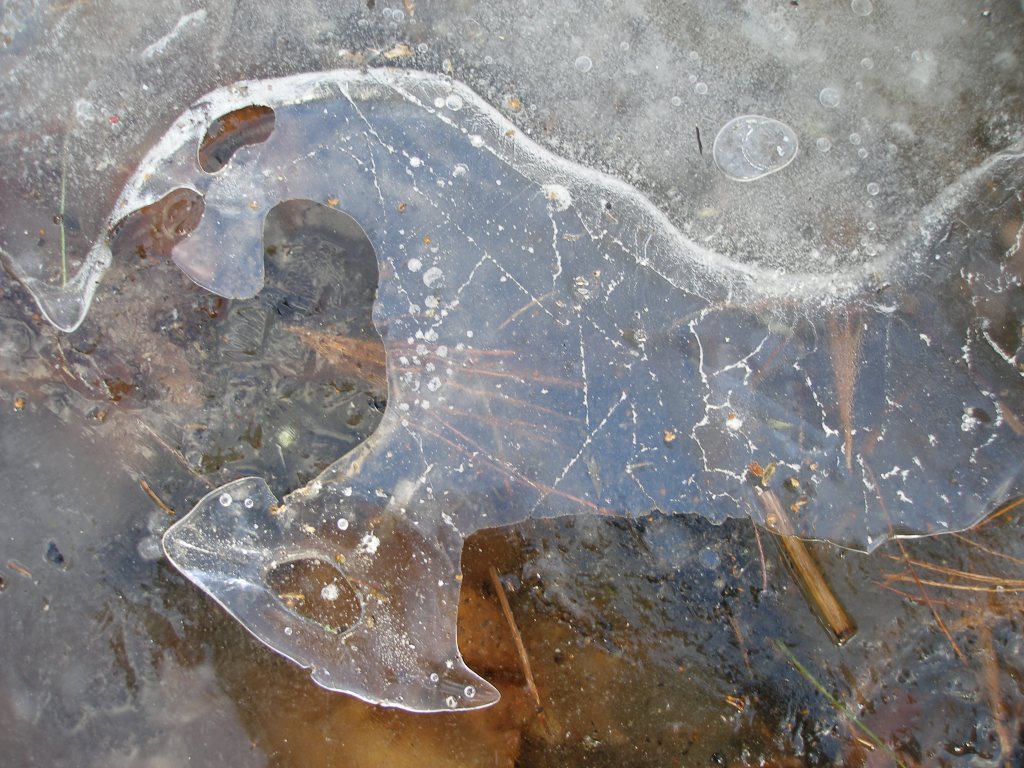
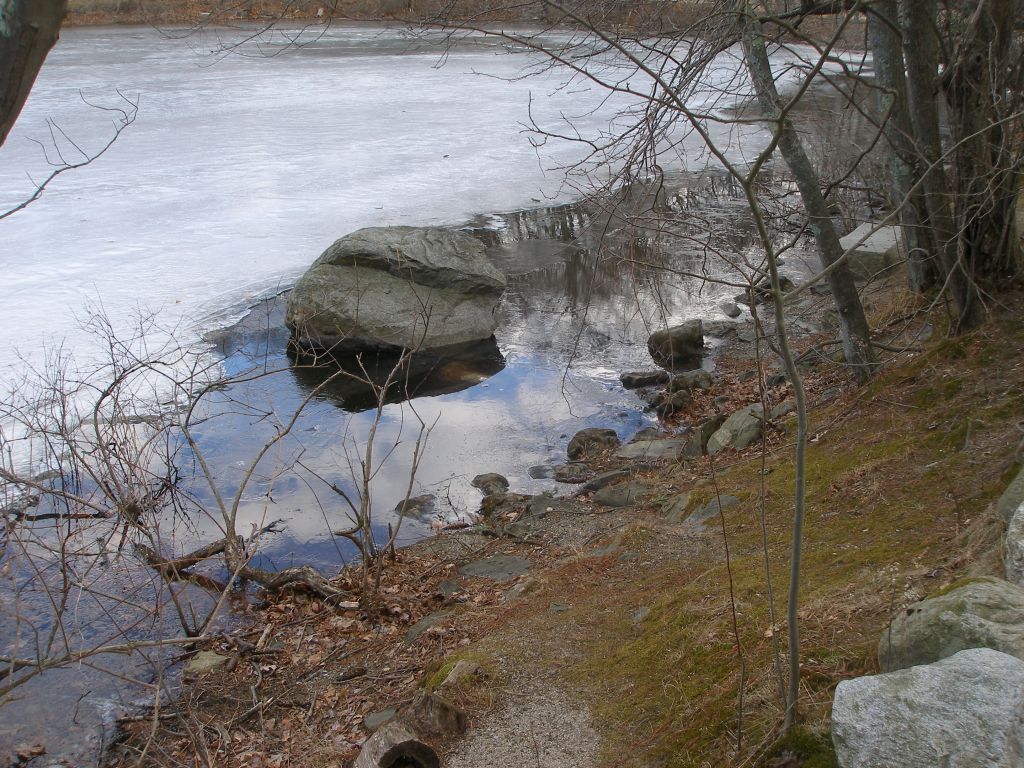
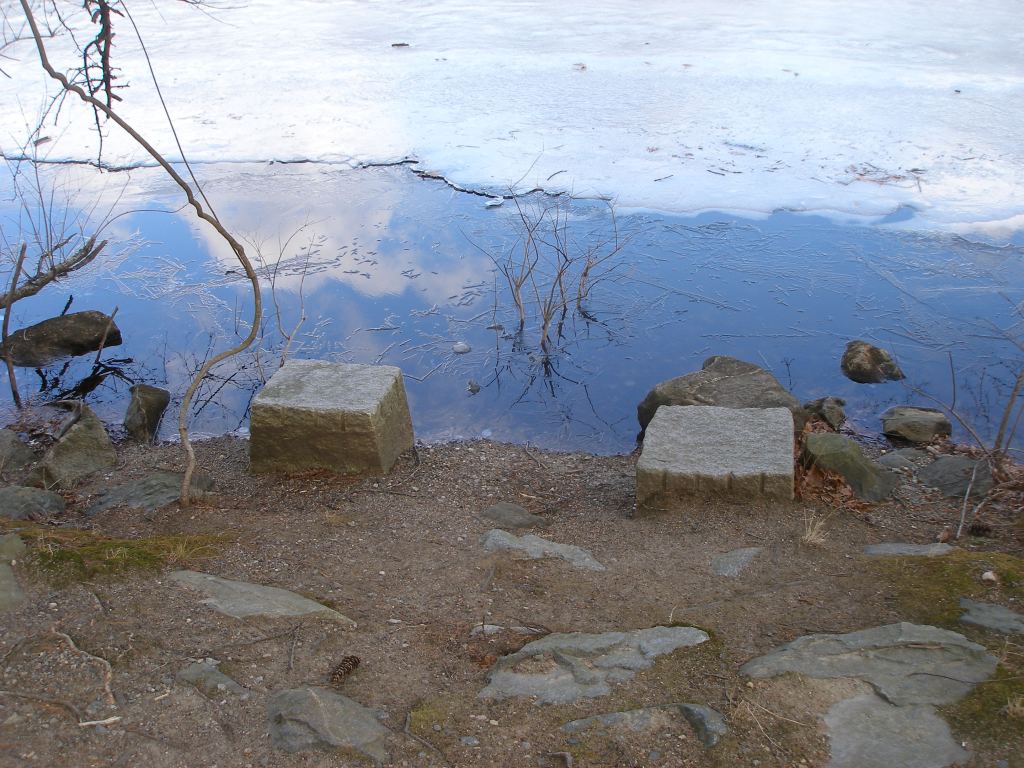
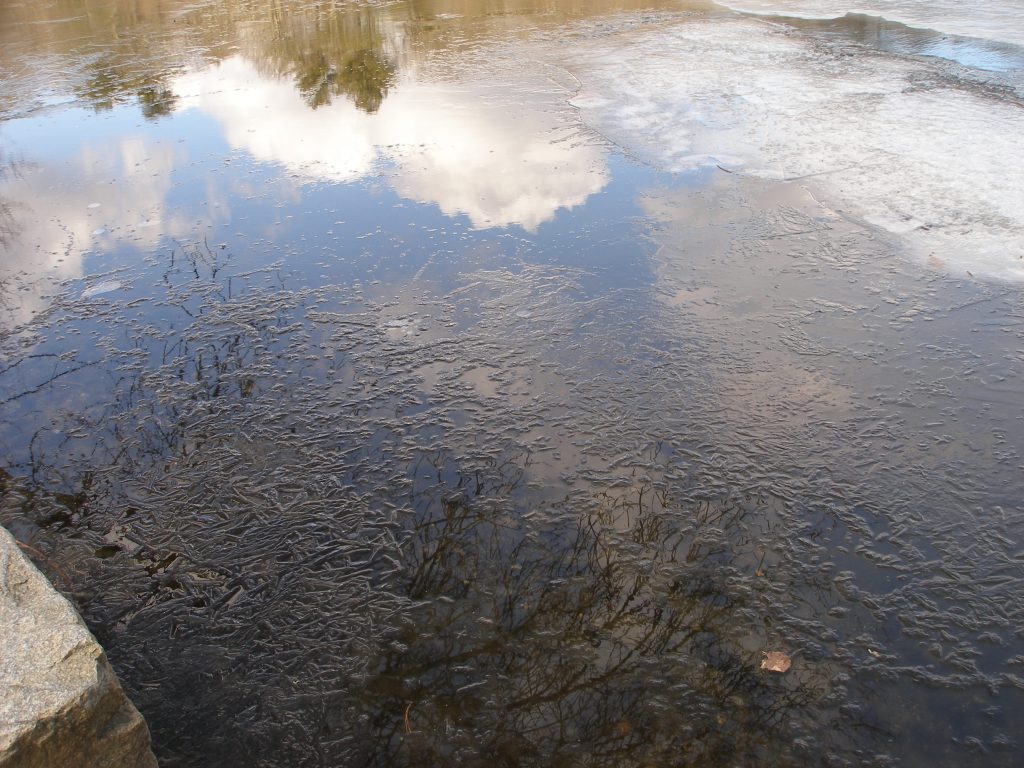
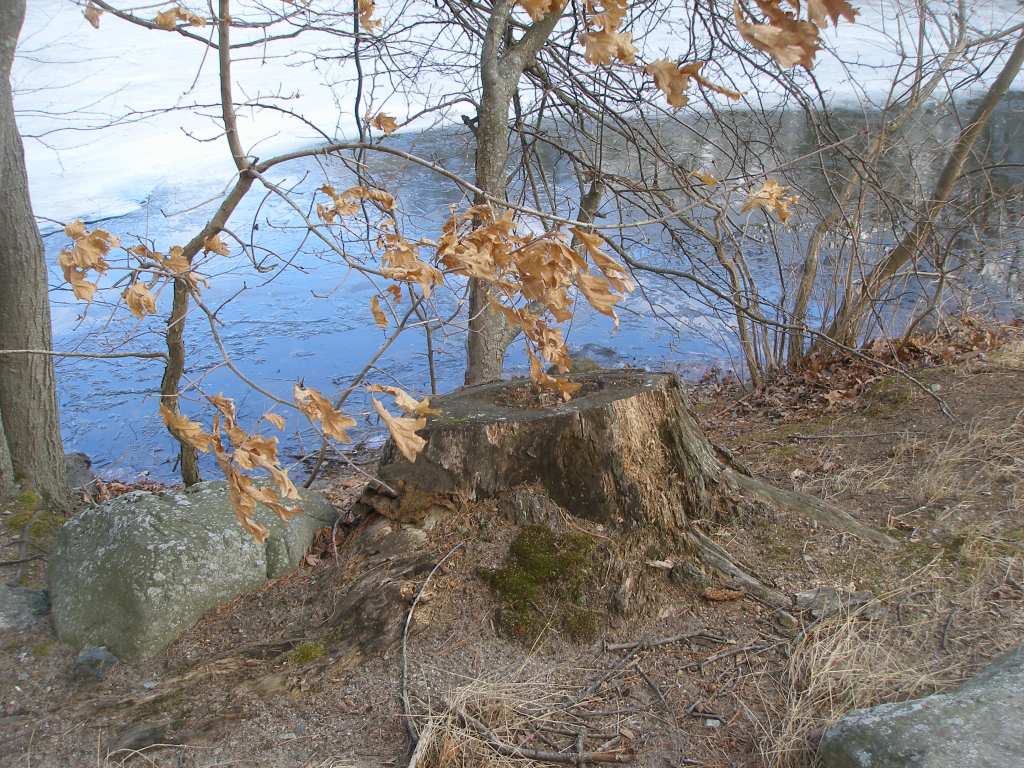
I like to look around the edges of Hills Pond when the ice is just forming or better yet, when it melts with warmer days and freezes again during the night.
Sure enough, there were crystal clusters and bubbles in the ice yesterday as well as a wonderful curving sculpture.
When I returned the next day, the mushy paths were lit by reflecting patches of ponding water. Snow on the pond had slumped into quilted softness, with all trace of the icy precision gone. I took solace in my knowledge that there is a regular rhythm to it, how the melting feeds the slow unfolding of green on our tilted panet.
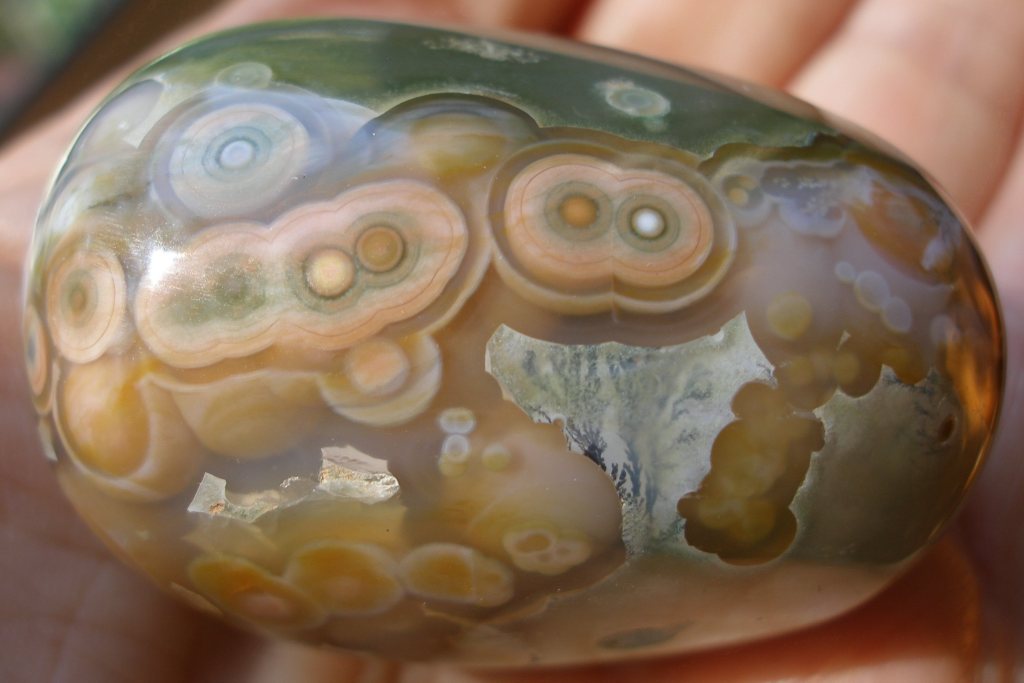
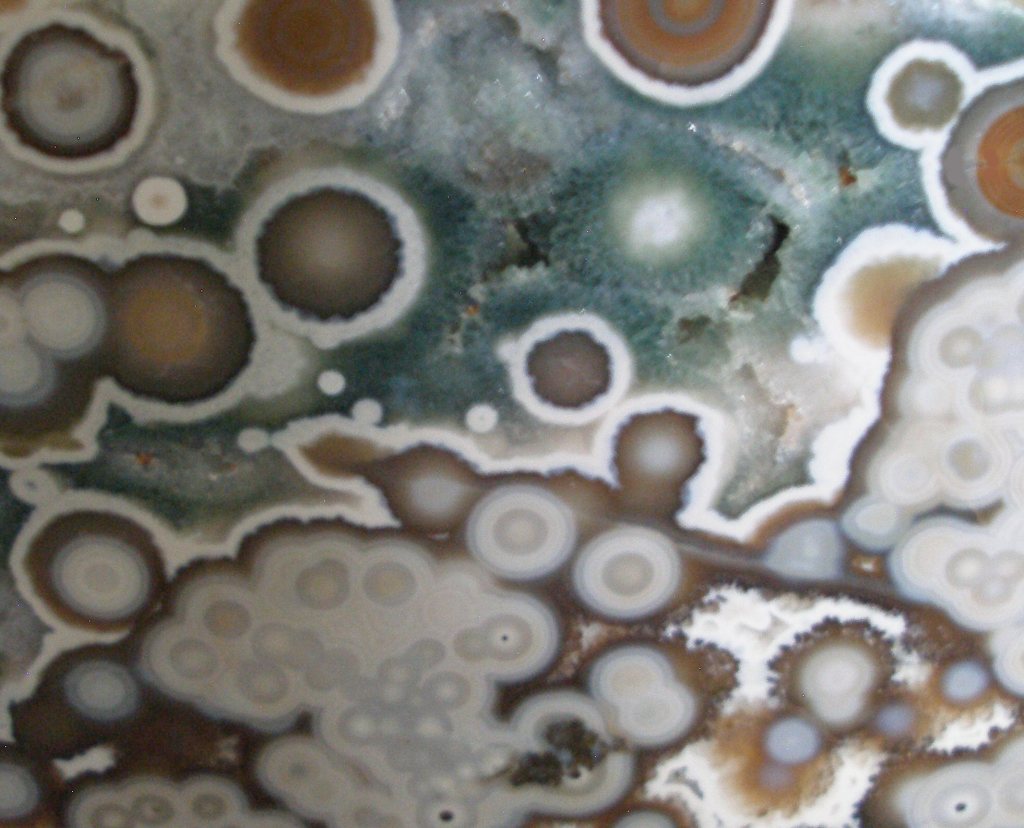
Rocks have a way of being relatively imperturbable. I like that. Especially in times when it seems impossible to keep up with too much information overload. They just sit there.
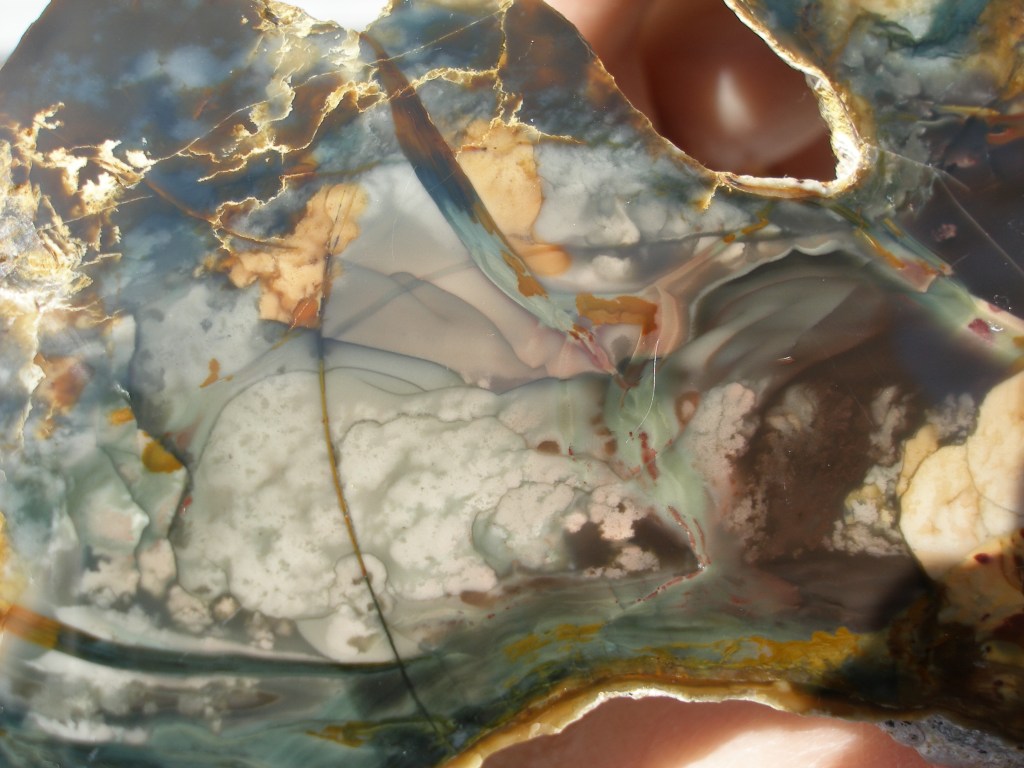
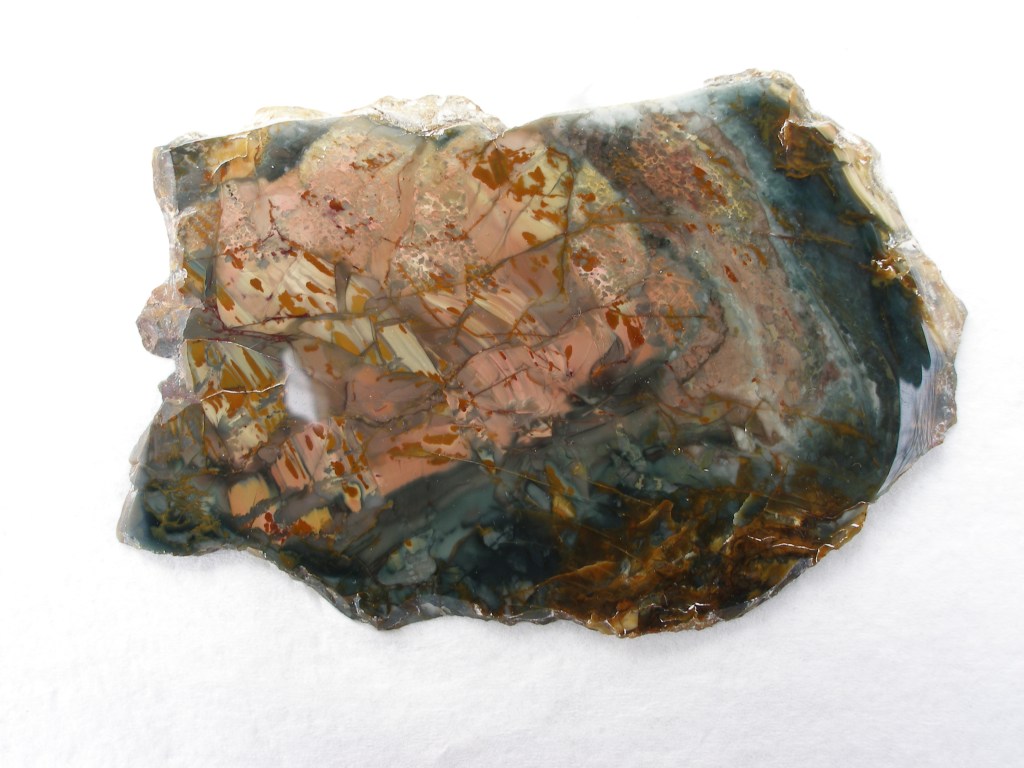
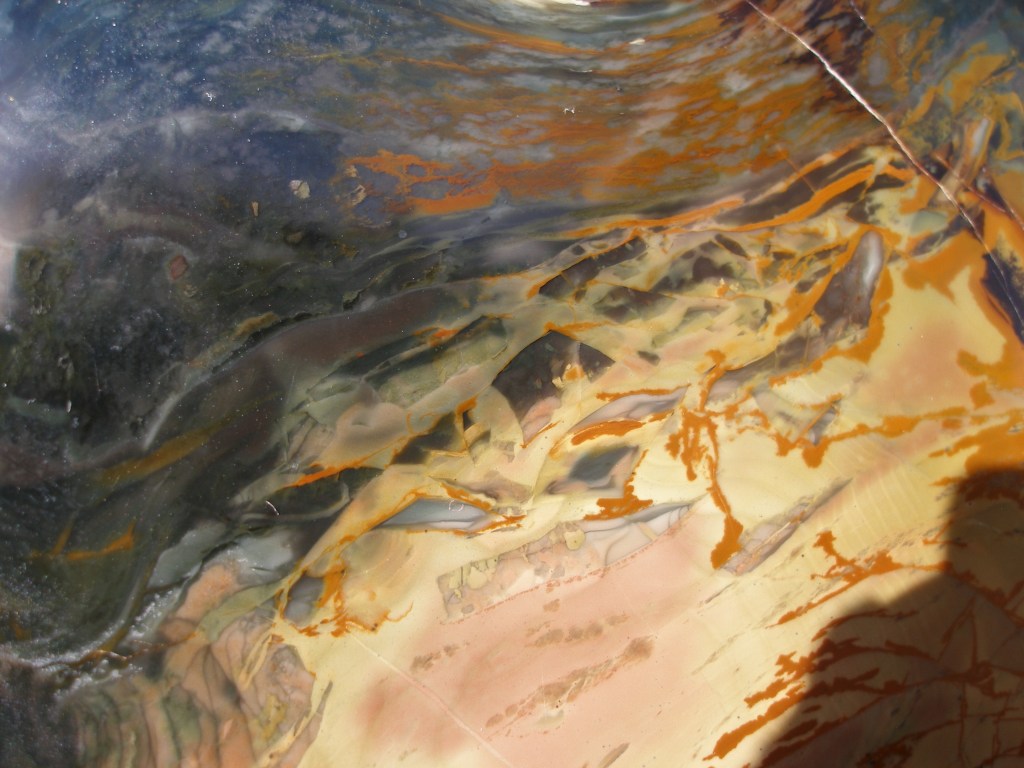
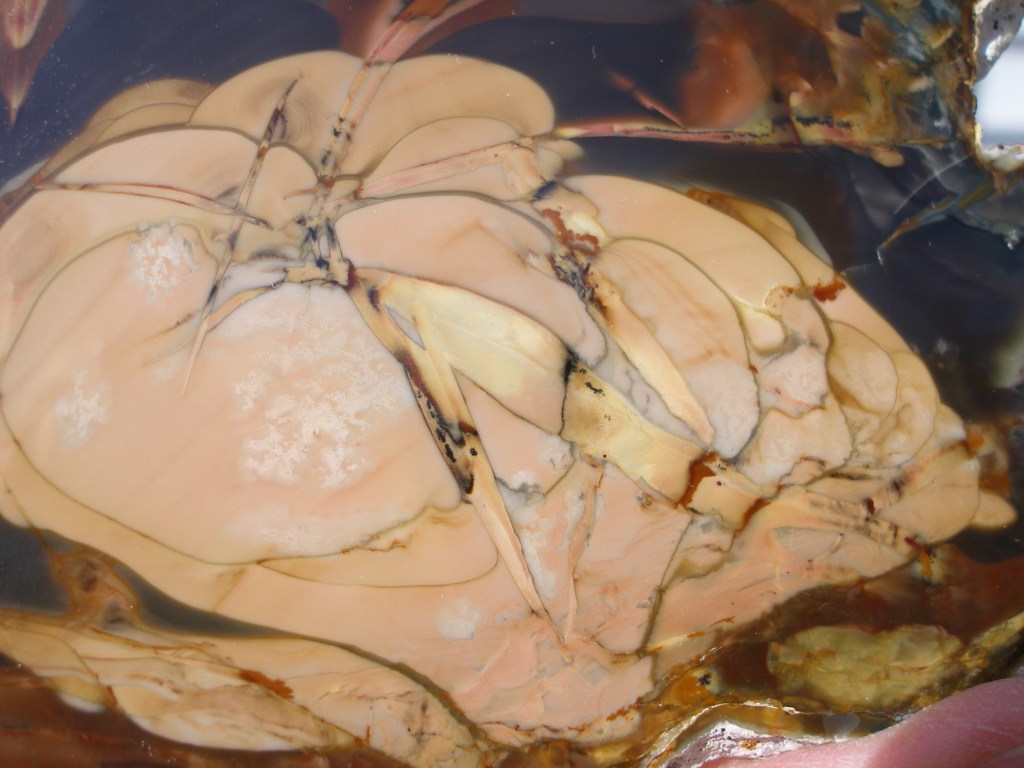
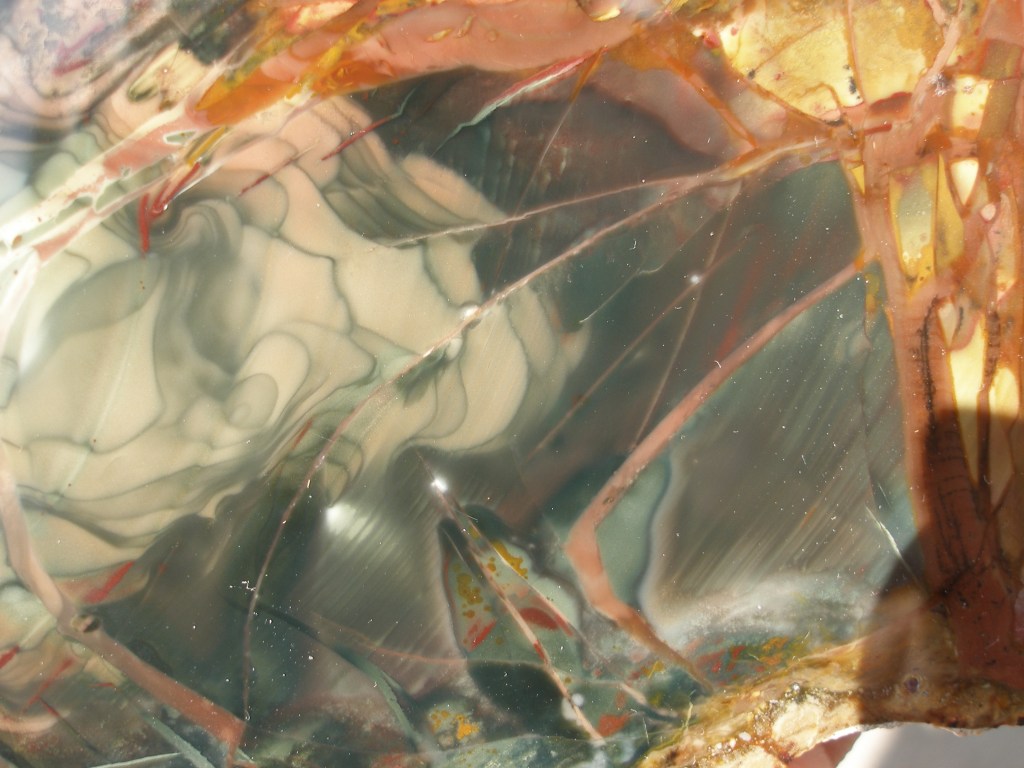
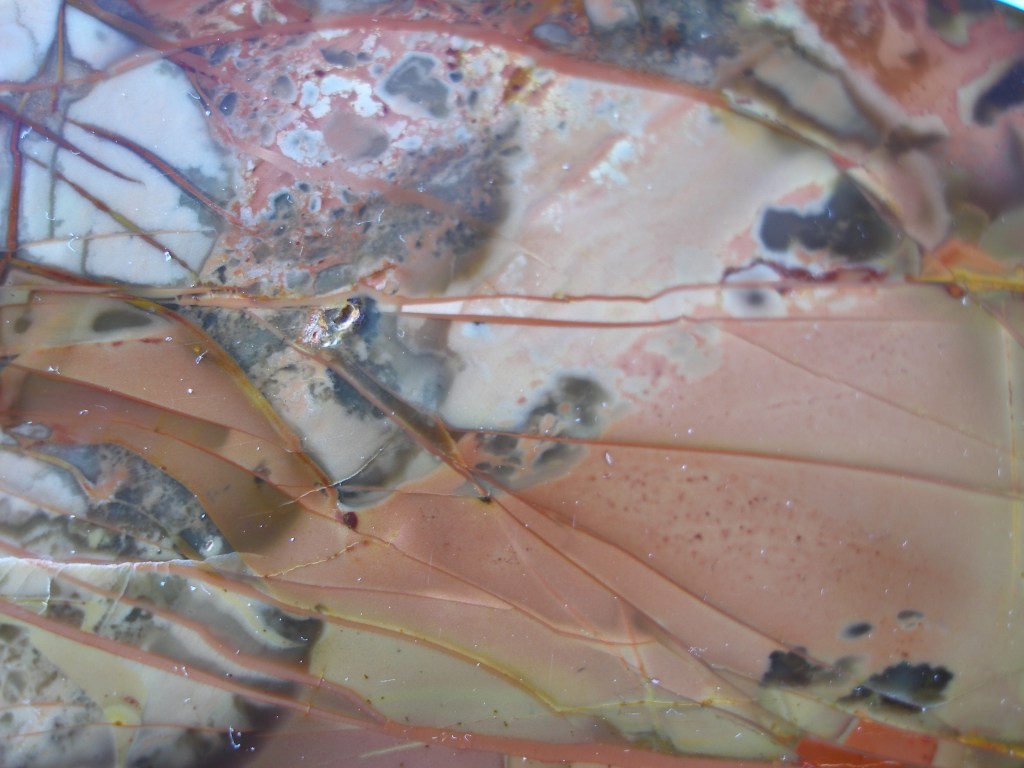
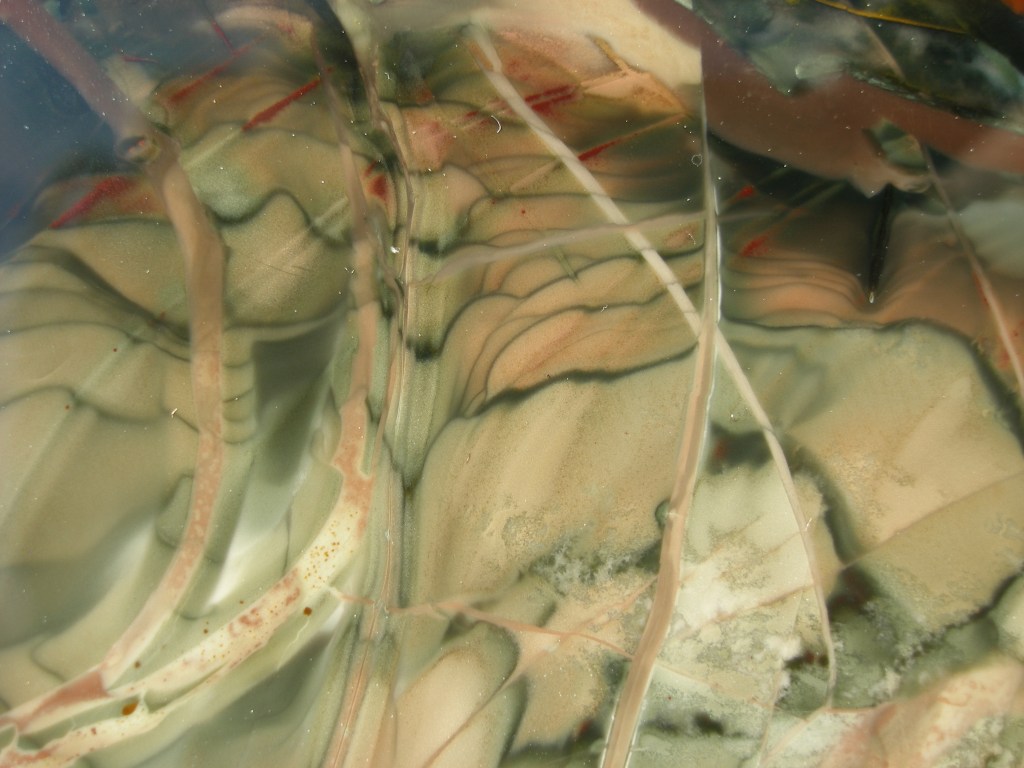
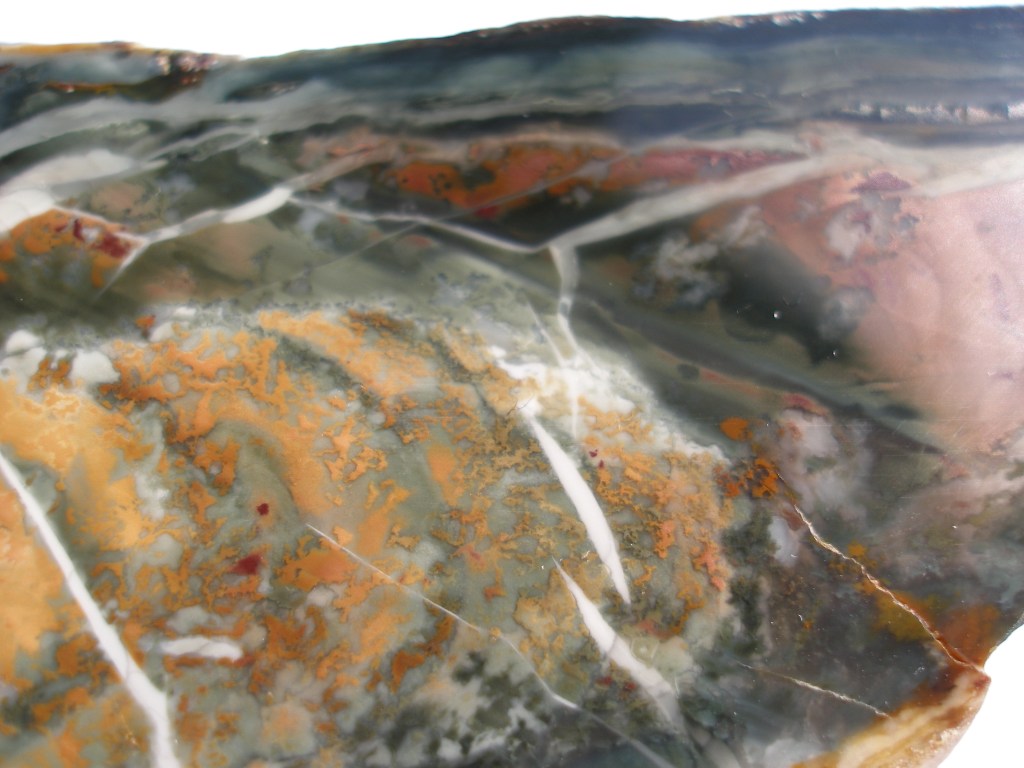
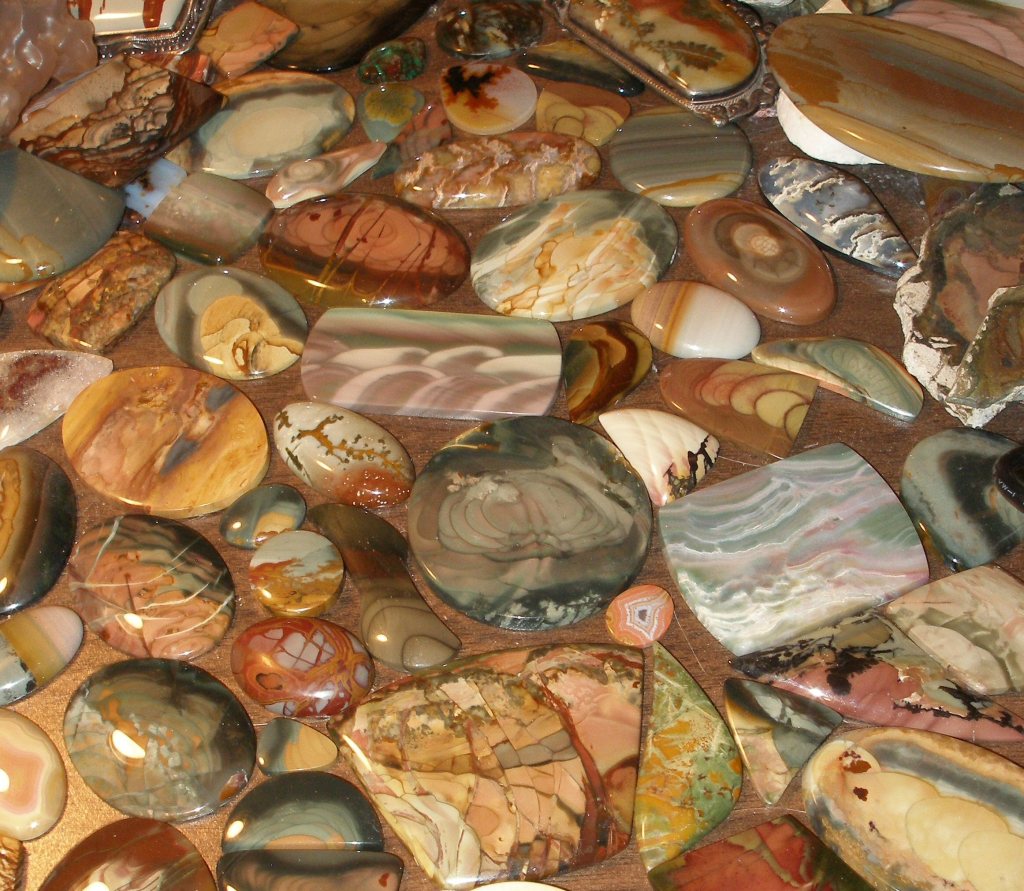
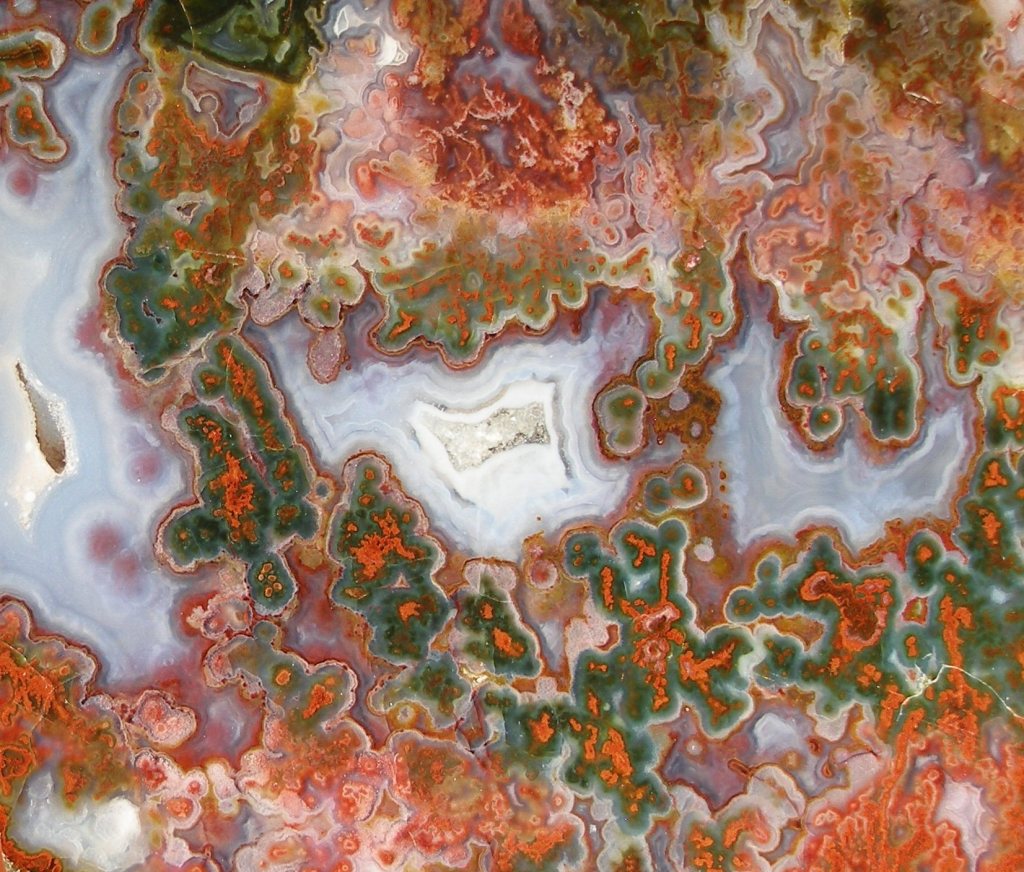
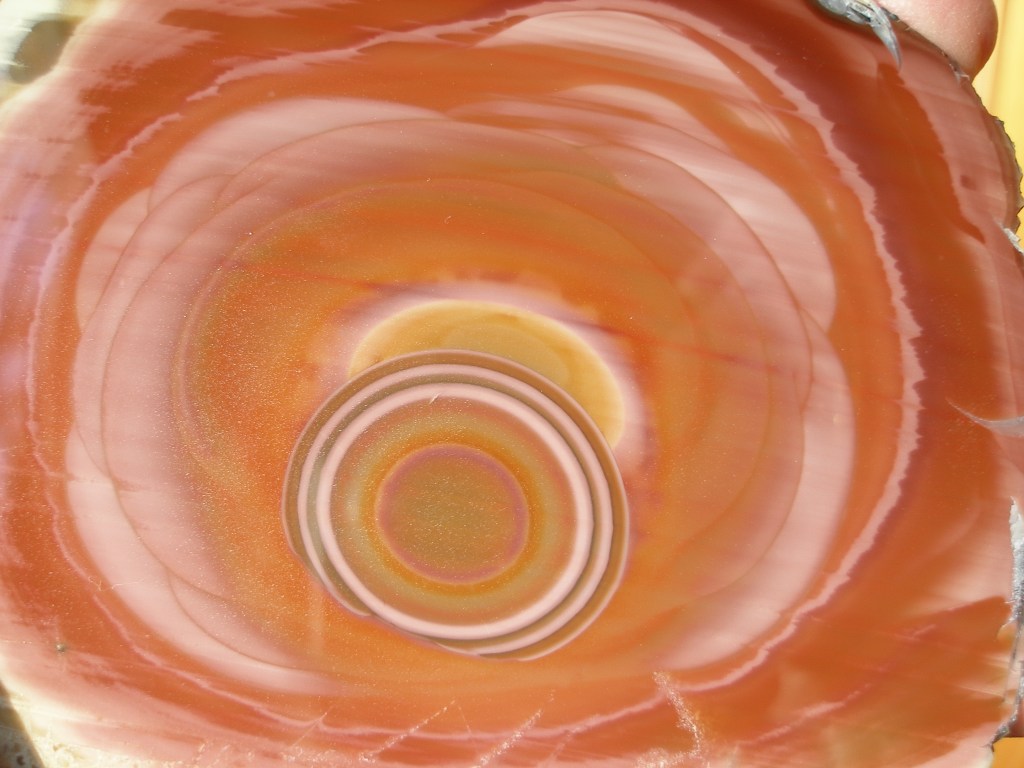
For some reason, they do not seem quite dead though. They strike me as too evocative, too mysterious and too miraculous for that – especially Morrisonite jasper. It contains worlds within worlds; swirling colors, and so many different things happening.
Perhaps it is just me. But why would this jasper show us all this if it were truly dead? Makes no sense.
With all the turmoil and craziness these days, I am grateful for physical activities like shoveling snow that can put worrying in the back seat for a while. If it were a bit warmer and less slippery out, I would no doubt be walking in Menotomy Rocks Park with my camera handy.
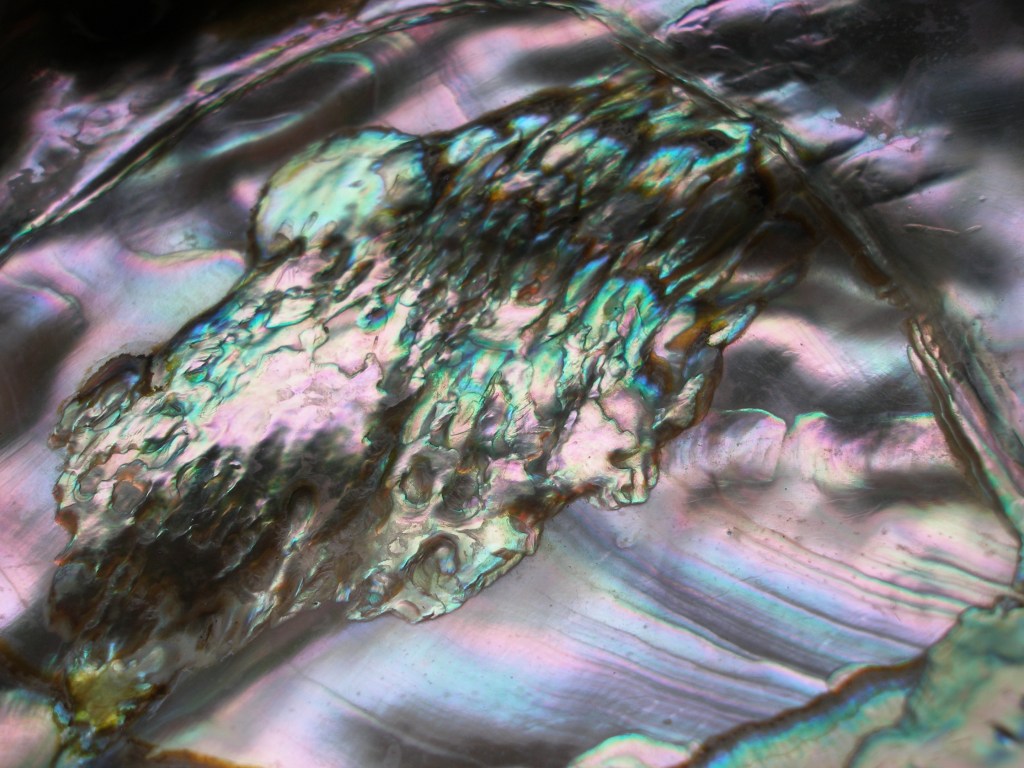
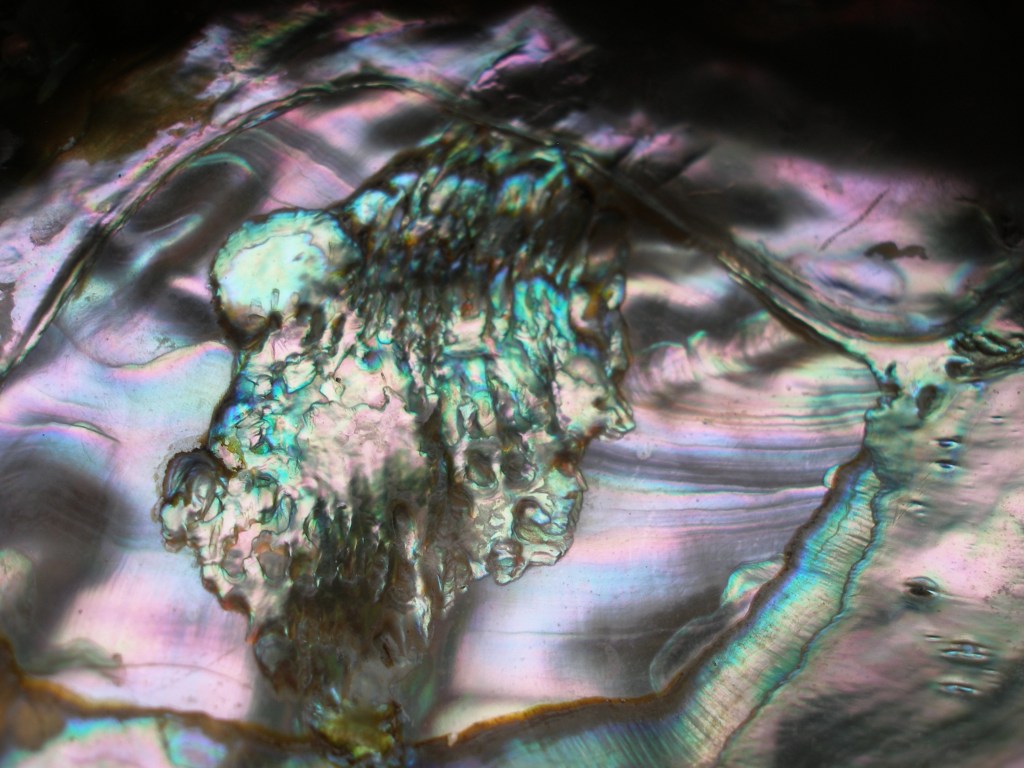
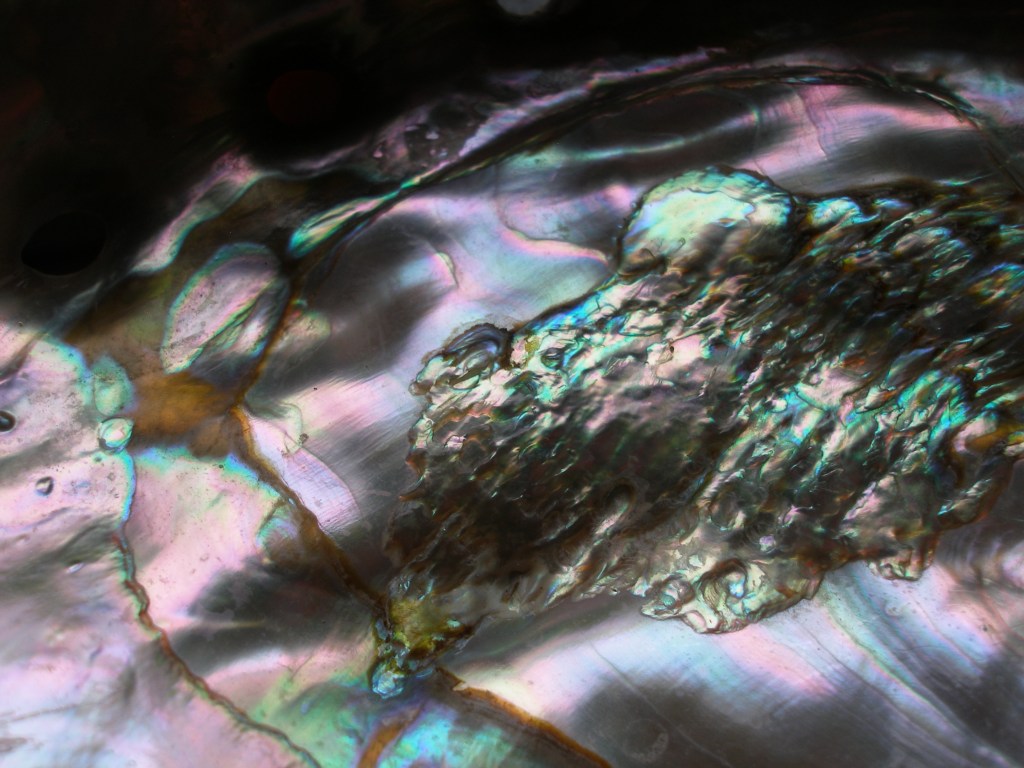
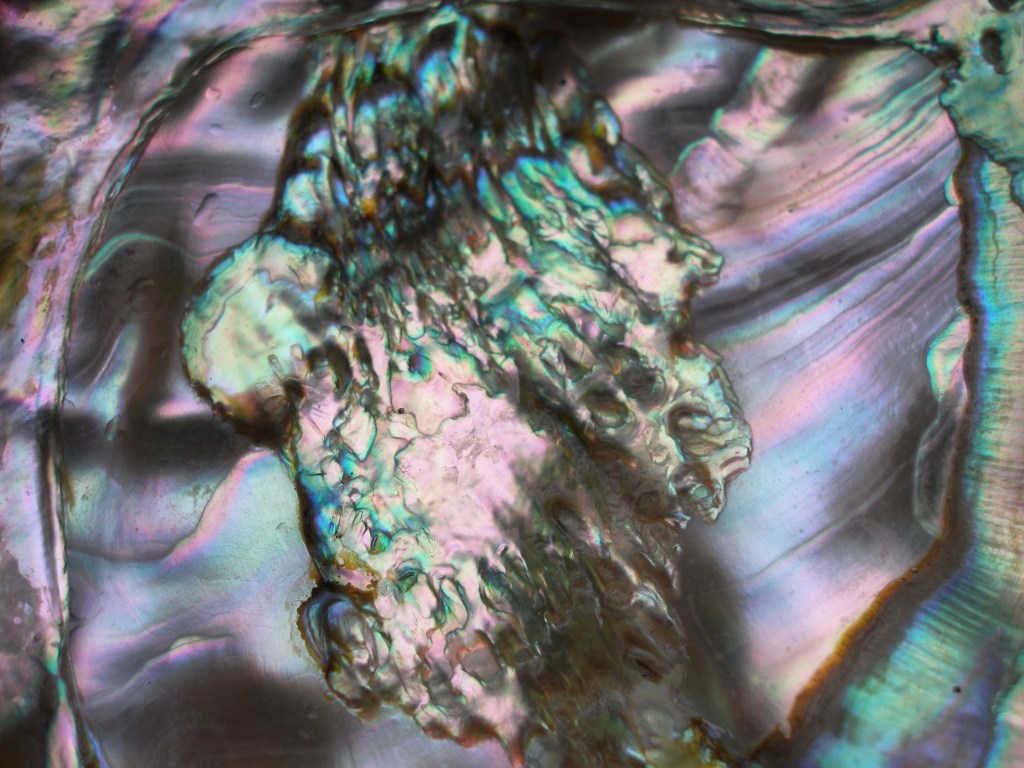
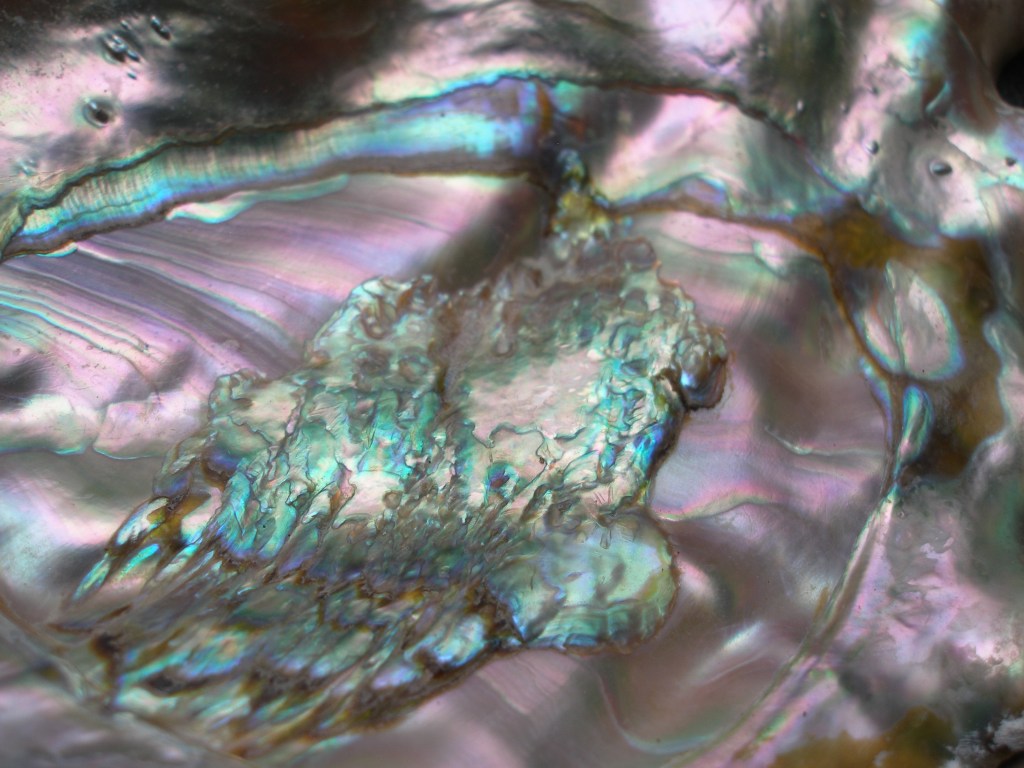
As it is, “playing around” taking photos of a colorful abalone shell puts me at the intersection of nature and creativity – two of my favorite refuges.
Why not try it? Pictures of any natural object taken from different angles in different lights can be quite a rewarding revelation. Taking a break to ground oneself in what is real and concrete in the here and now can really help when your mind starts spinning out with what could be.
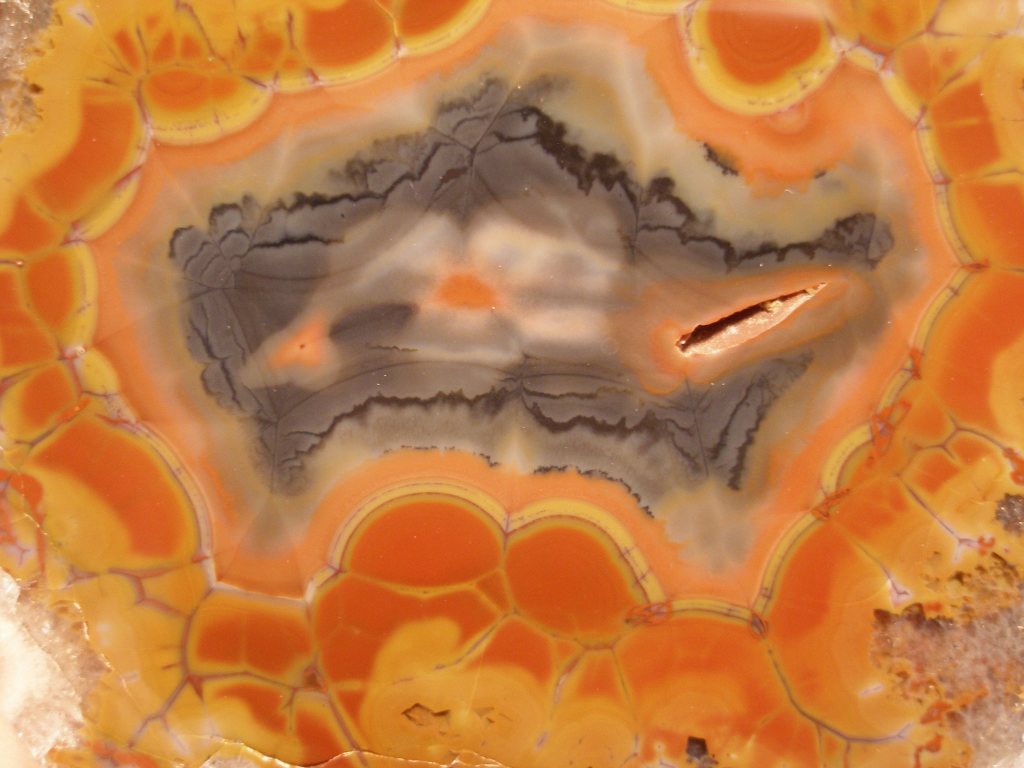
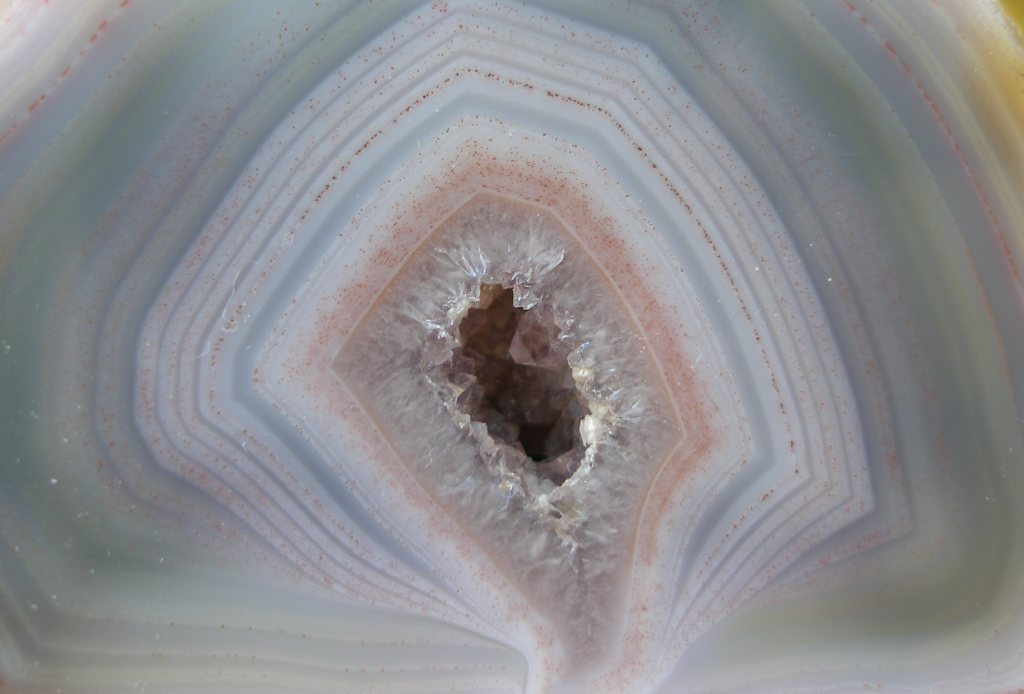
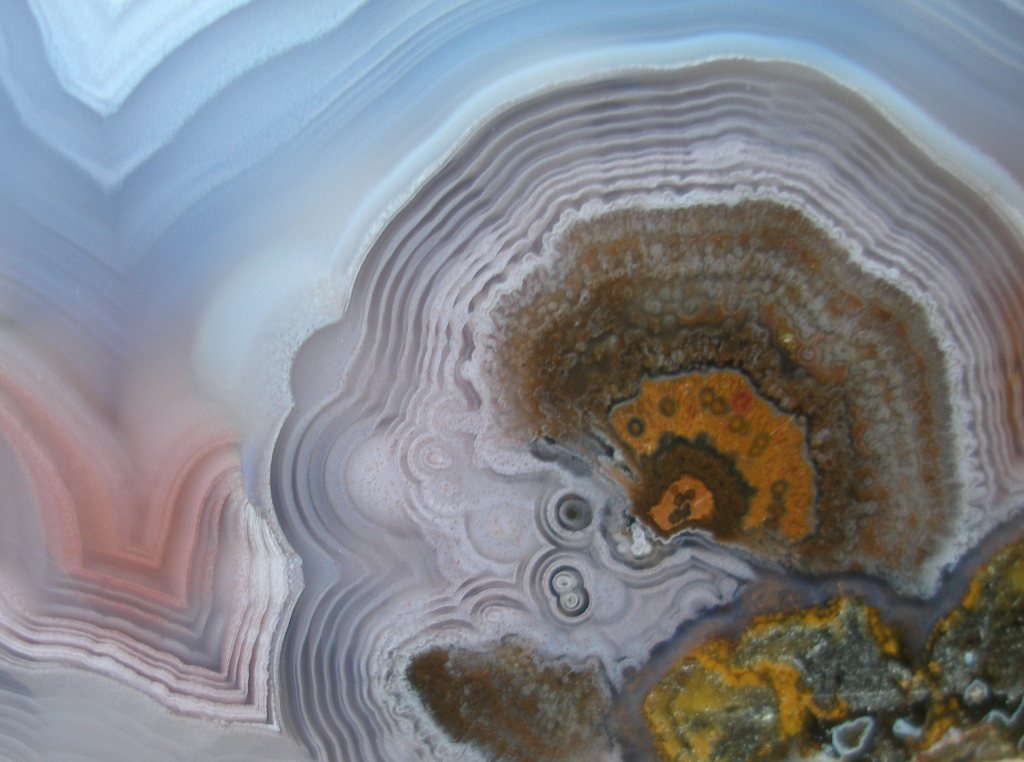
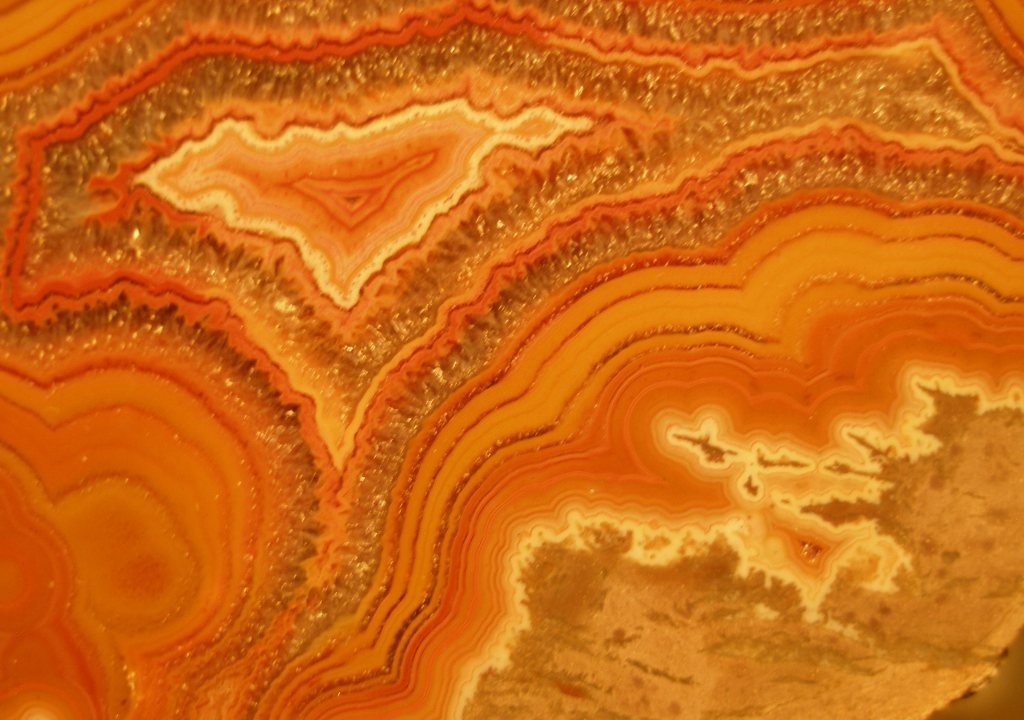
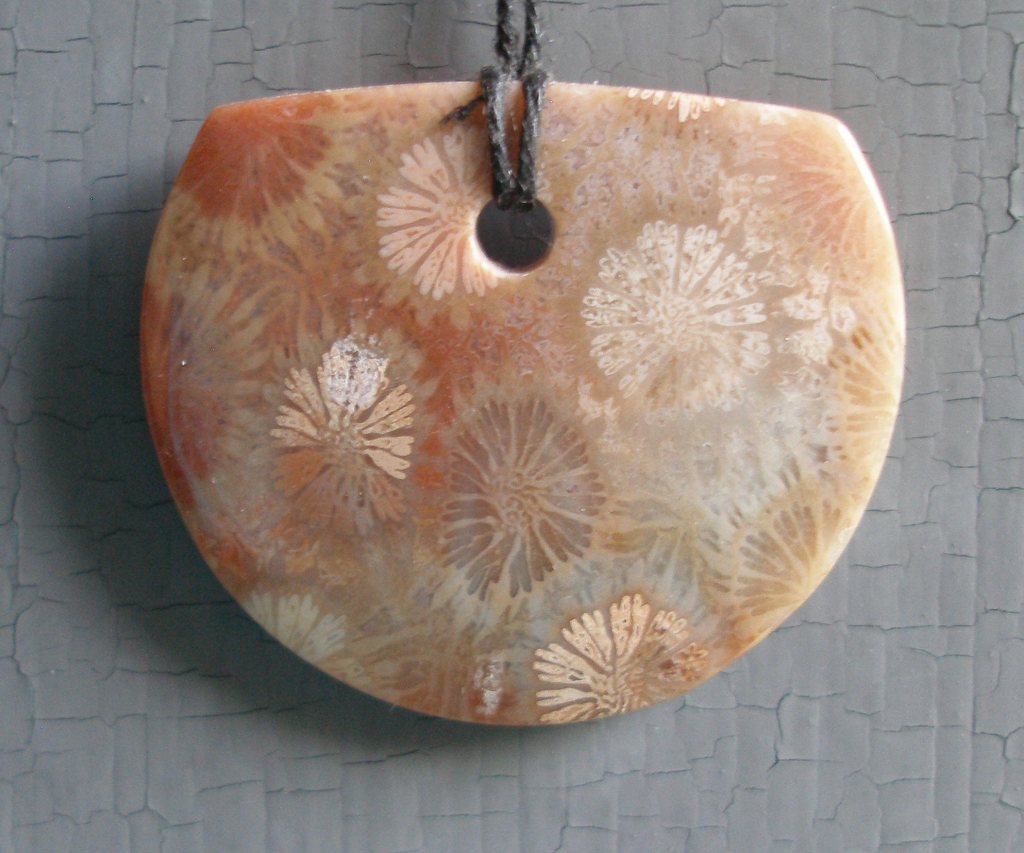
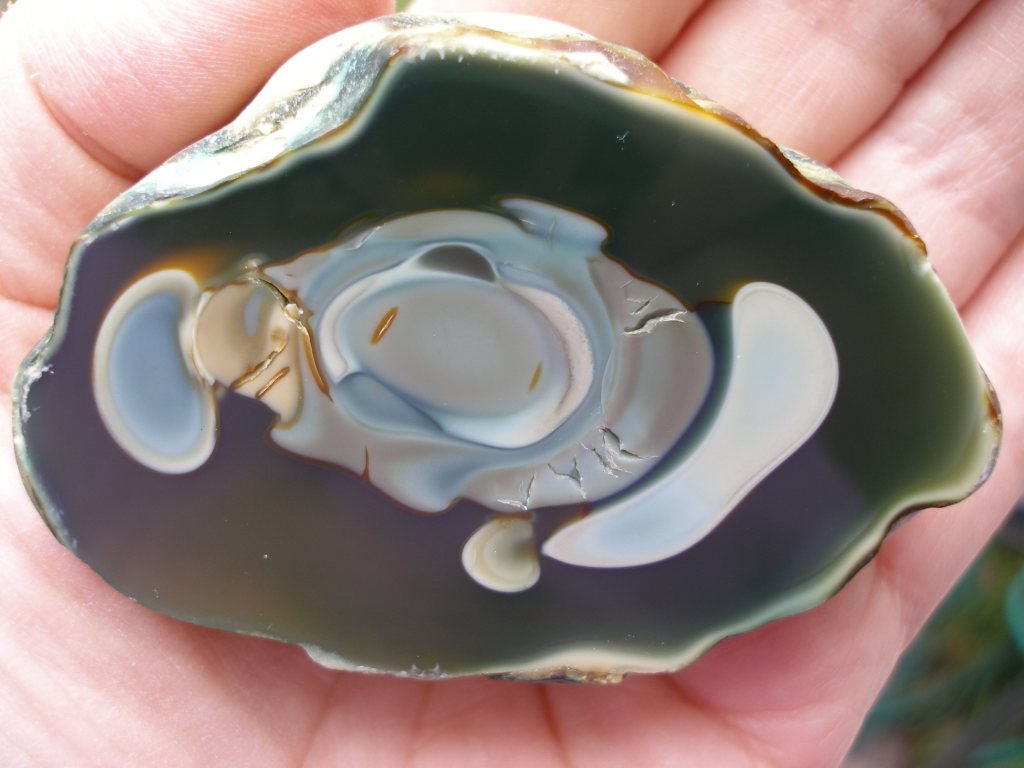
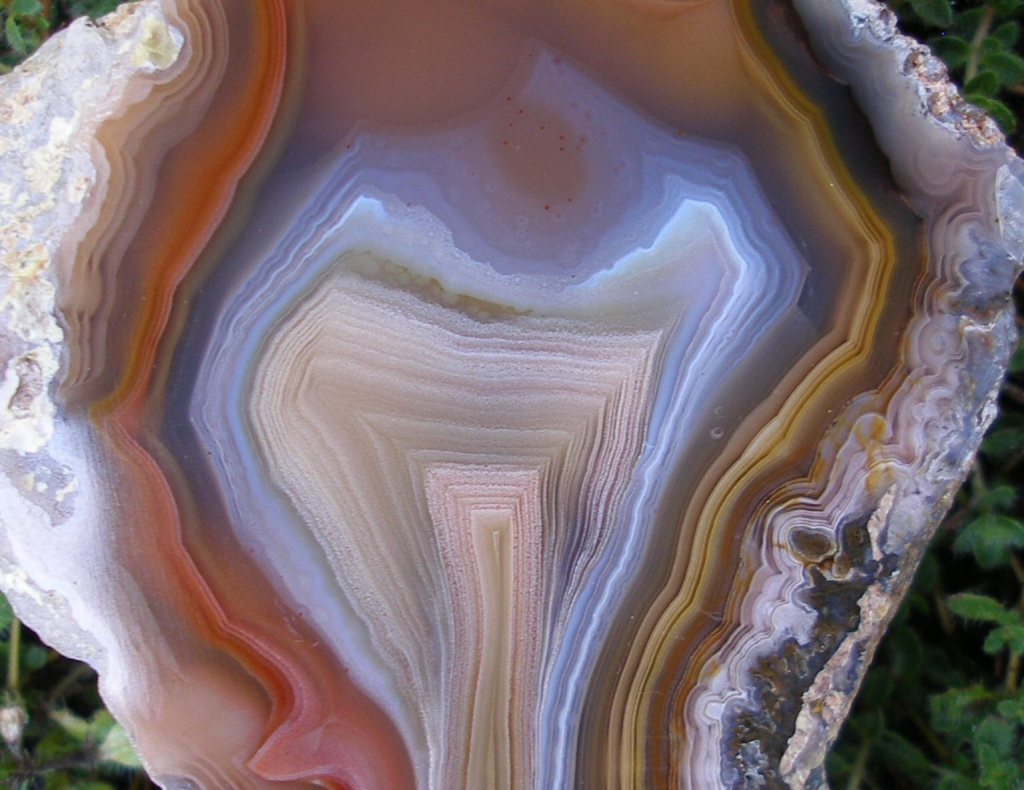
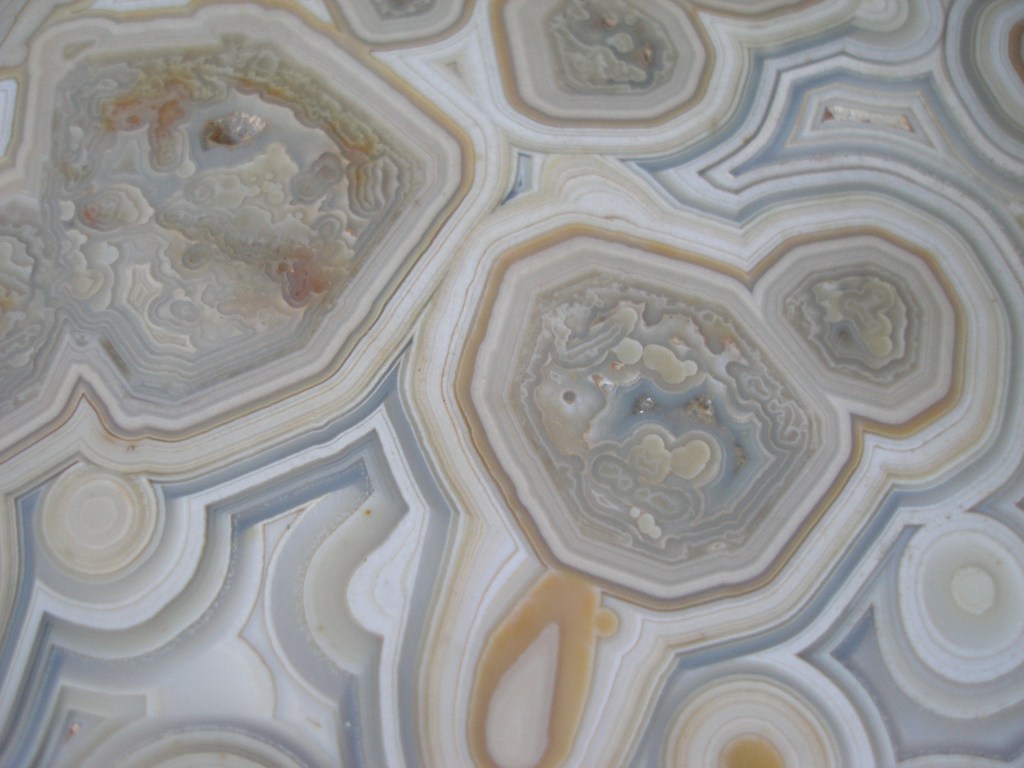
I have always liked all kinds including the ordinary gray rocks that find a home in my garden, but I was not aware of the amazing array of patterns and colors in agates and jaspers until I happened upon photos of them online.
The natural arrangement of colors in individual examples can be quite astounding. Lapidaries make full use of their art’s ability to capture and highlight particularly appealing sections of specimens.
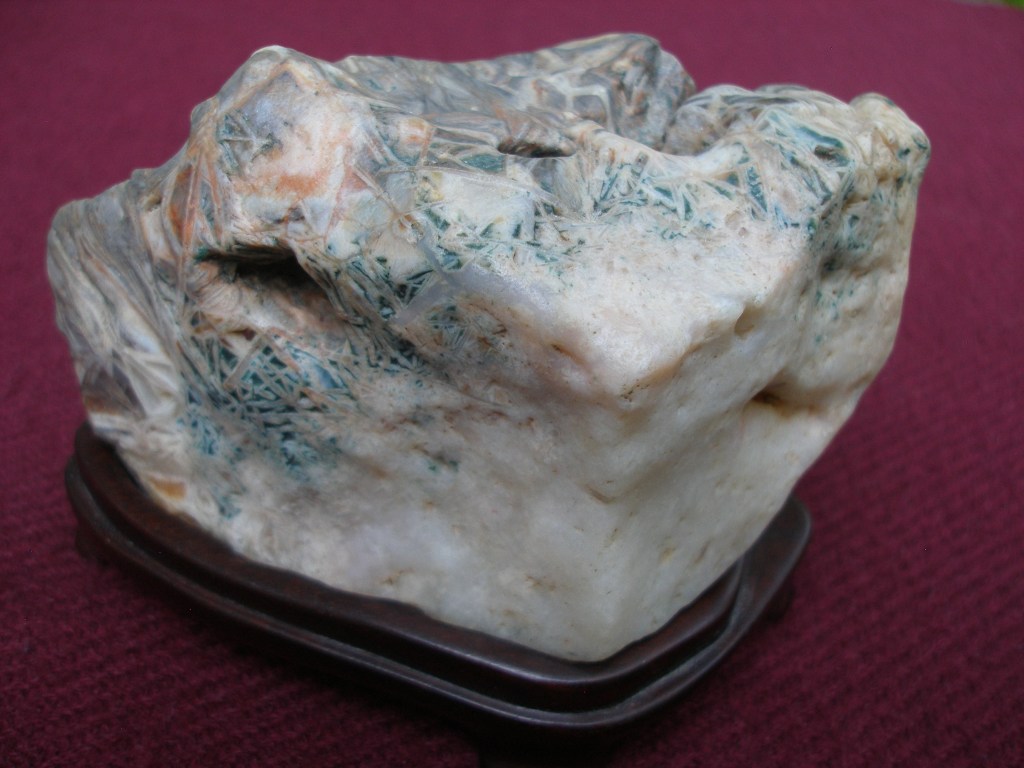
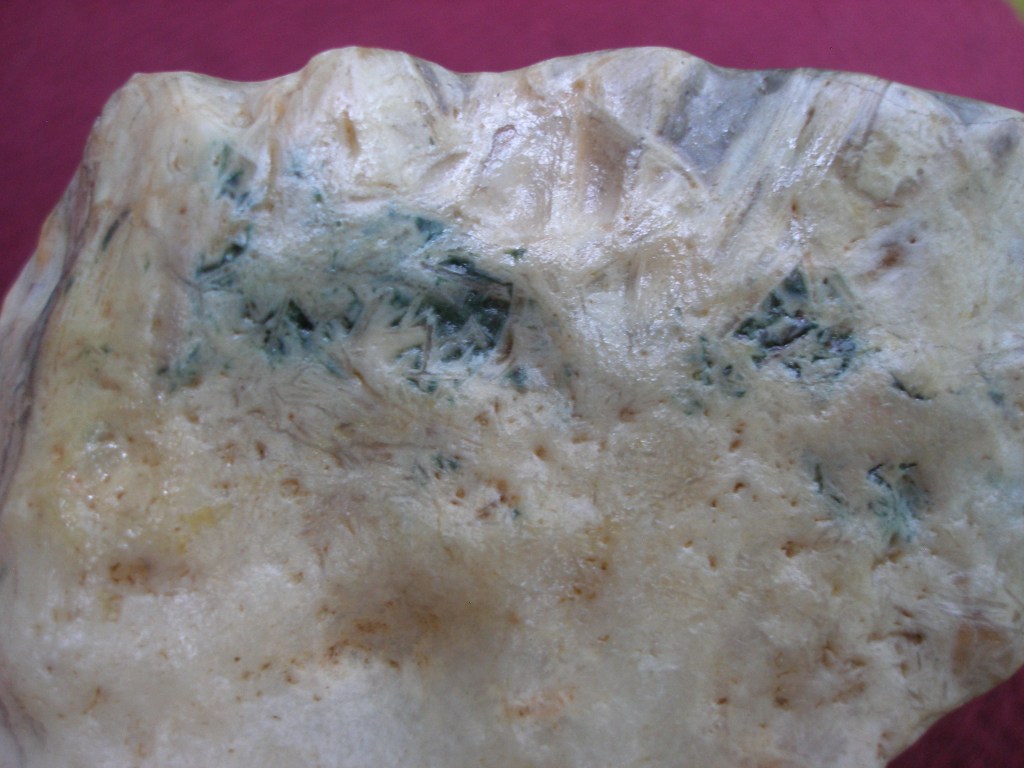
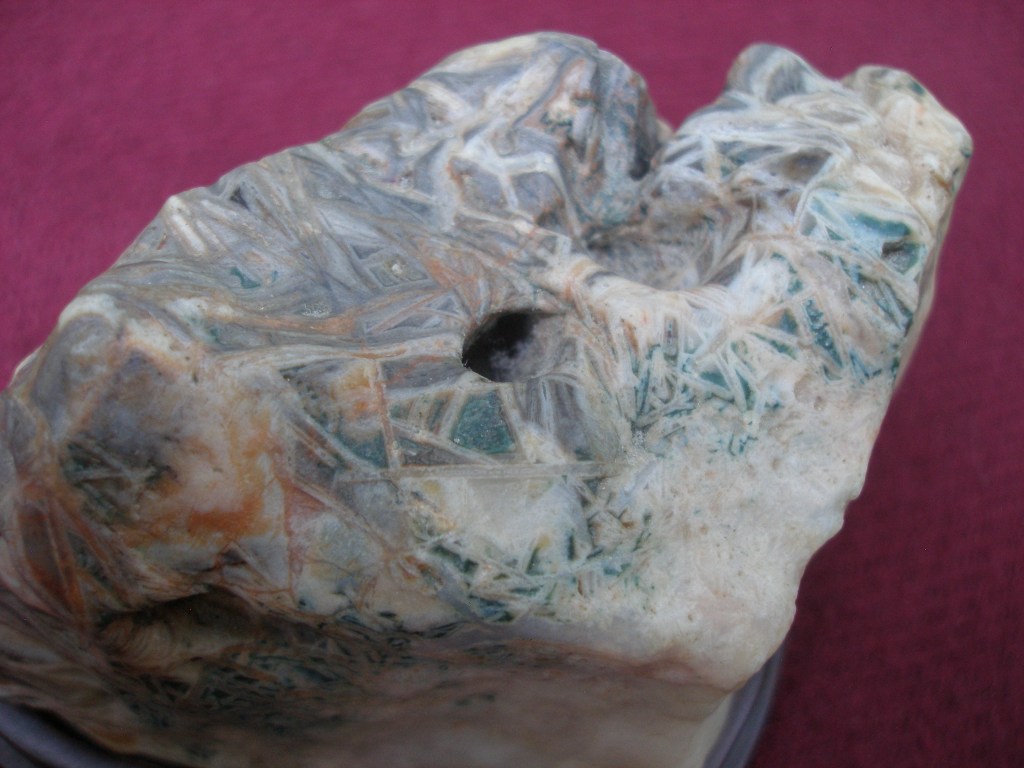
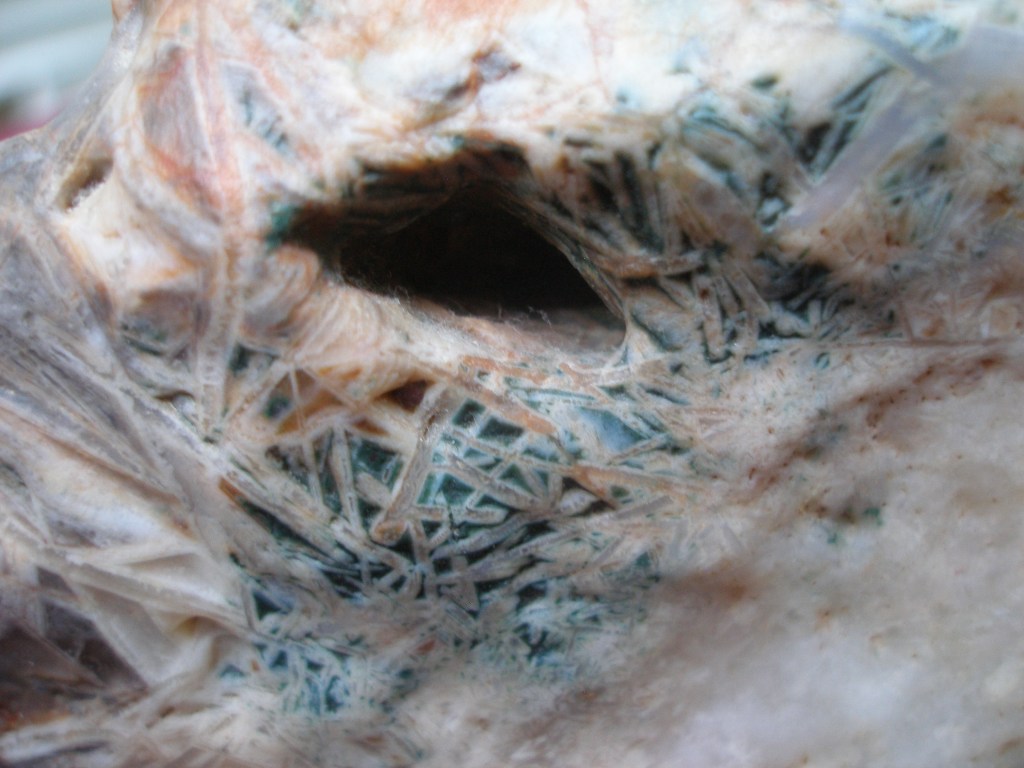
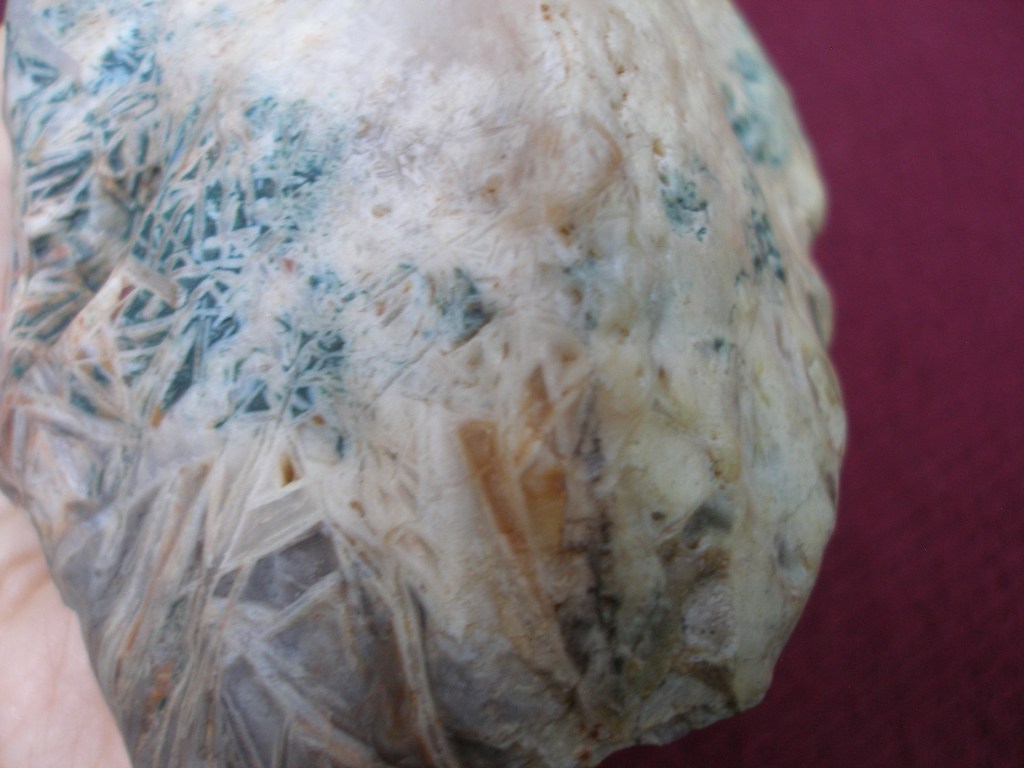
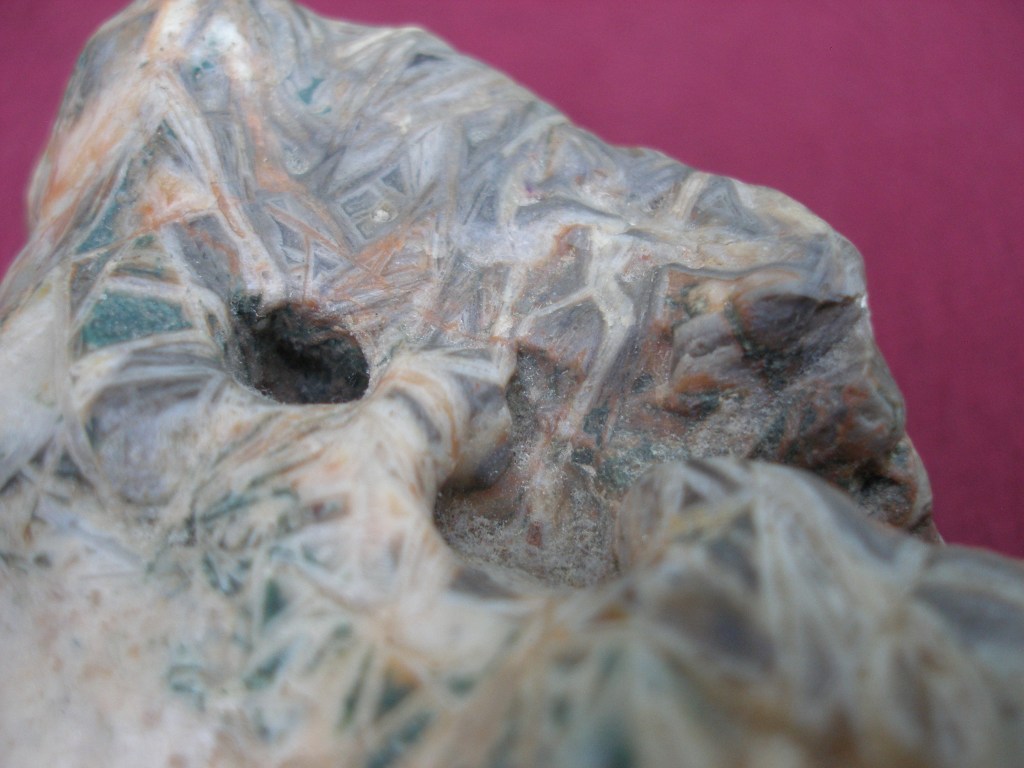
This Gobi Dessert scholar’s rock that always keeps me company as I work at my desktop computer is rather small, just 5″ by 2 1/2″ (13 x 6 mm). In overall shape it resembles a cliff. But it is the colorful pattern of intertwined crystals “growing” out of a white base that really makes it special. This type of microcrystalline quartz is sometimes referred to as “Chopstick lattice agate.” But to me this one looks more like densely tangled grass.
Long-gone crystals must have penetrated the hole where this nodular agate formed. I imagine its softly-shining surface was the result of a long period of weathering in the cold, dry and windy desert conditions.

















 Radiant Refuge