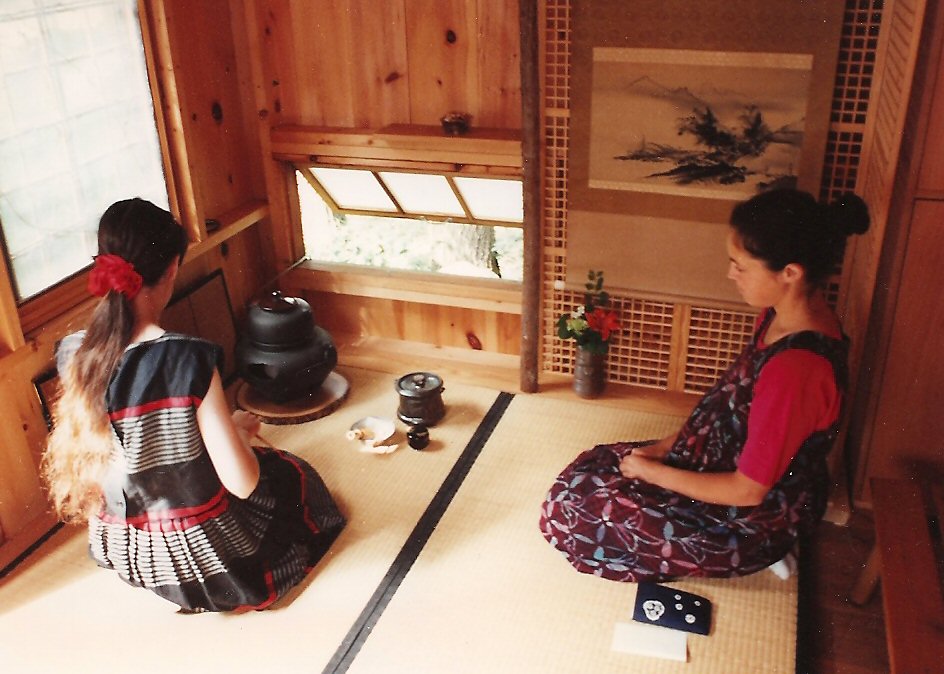
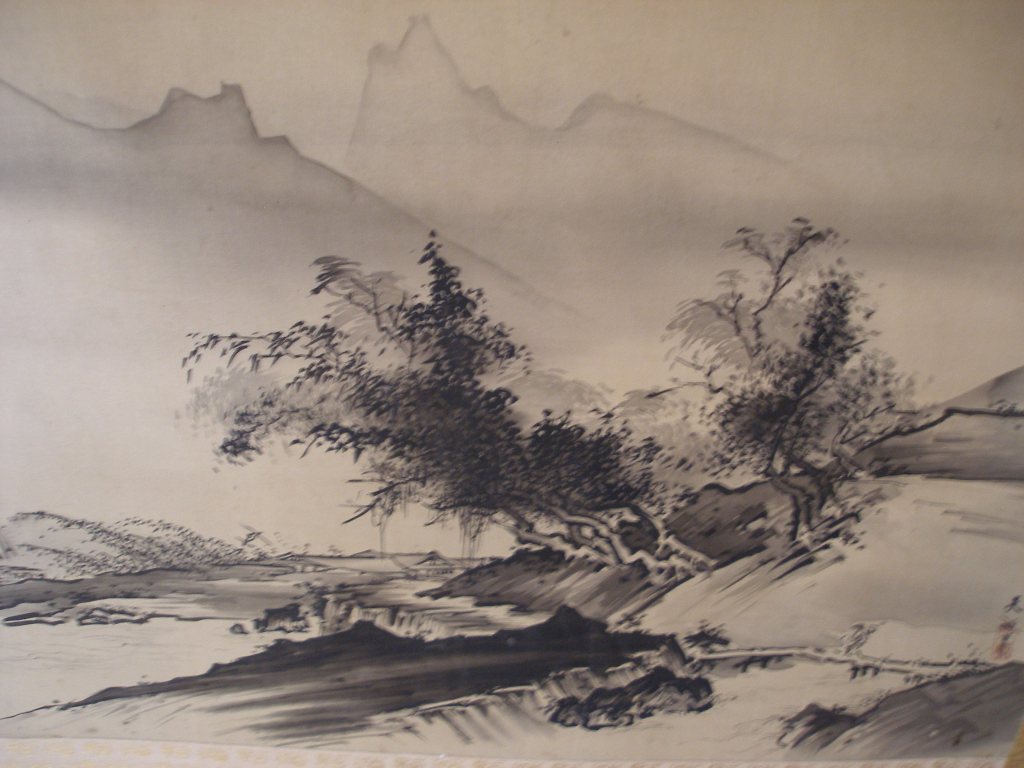
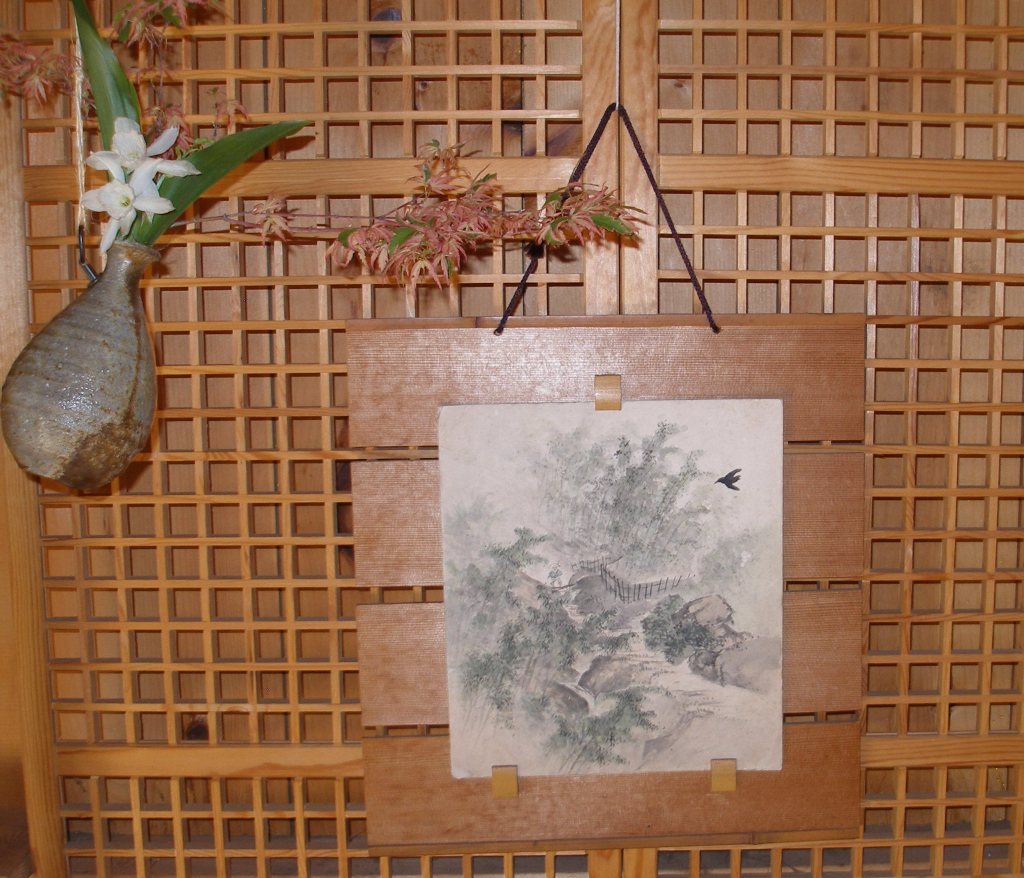
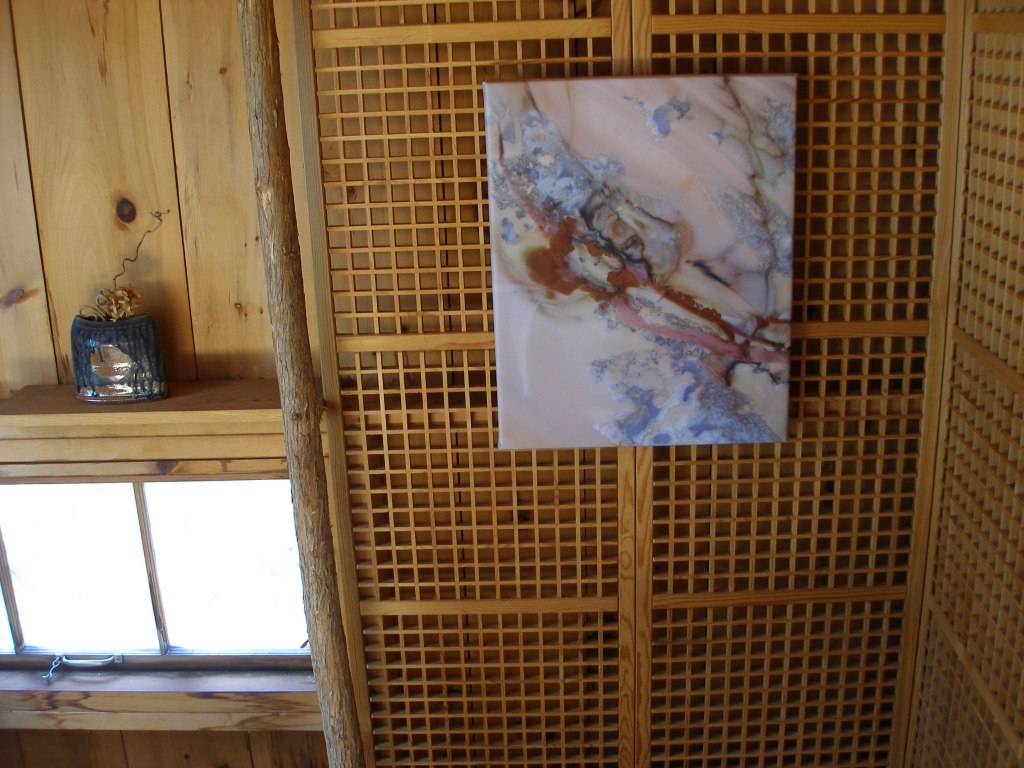
I was lucky to locate a lovely unfinished pine screen that seemed perfect for displaying art and flowers in my garden shed tea hut as a screen is an acceptable alternative to the more typical tokonoma alcove found in larger tea huts. The board under the screen was a special gift from my sister.
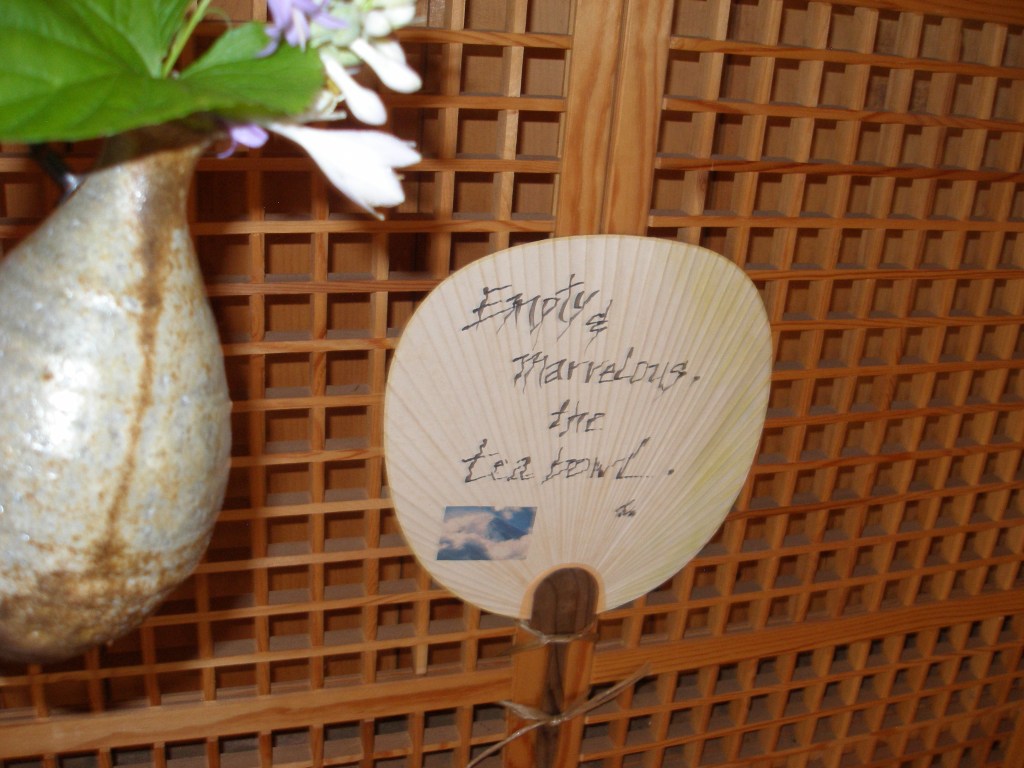
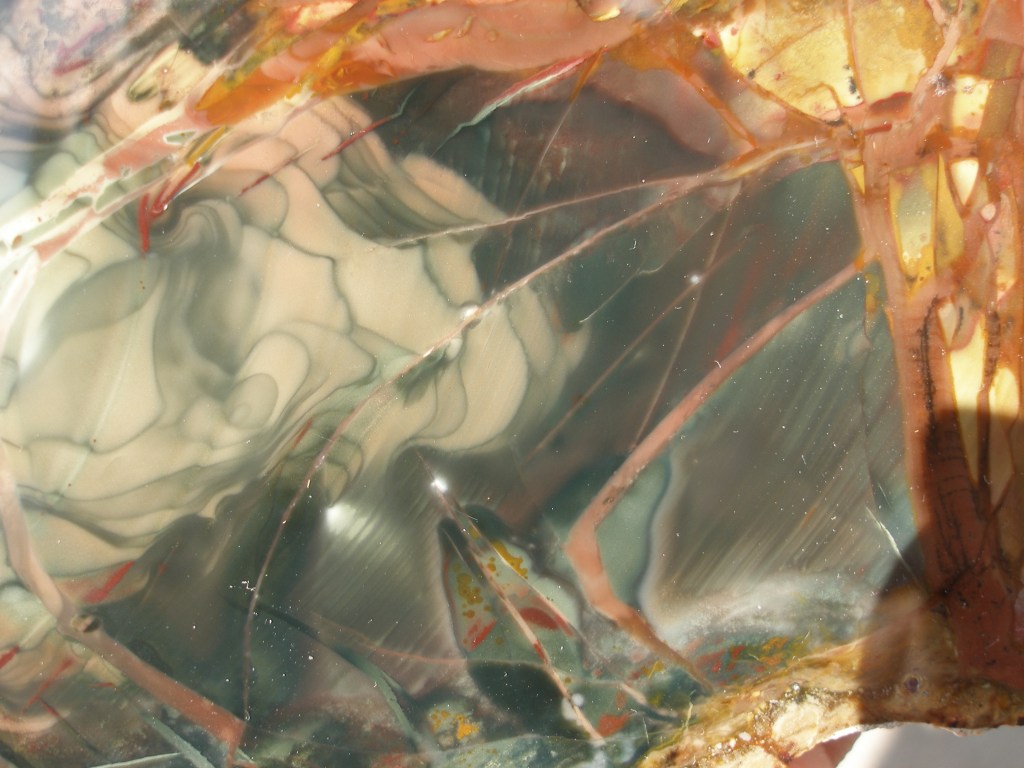
Among the more unusual art displays in the photos below are a paper fan with words added by a fellow tea ceremony student, an enlargement of a small section of morrisonite jasper, and a photo of my recreation of a falling apart well in New Hampshire that I put in a tucked away part of my tea garden.
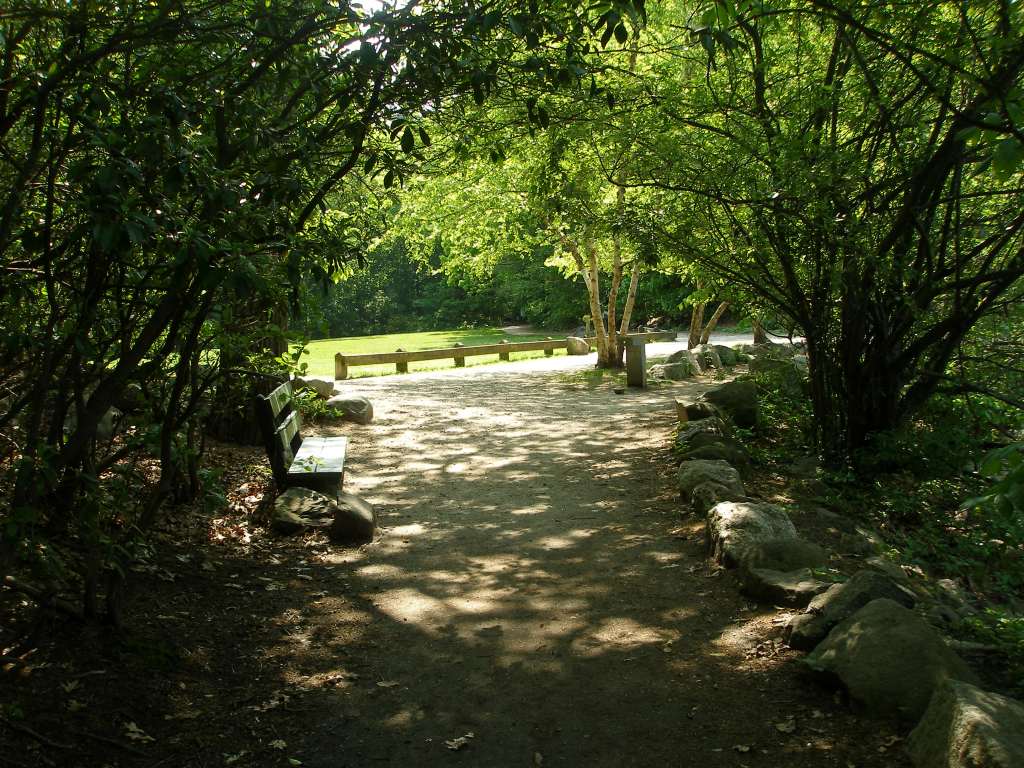
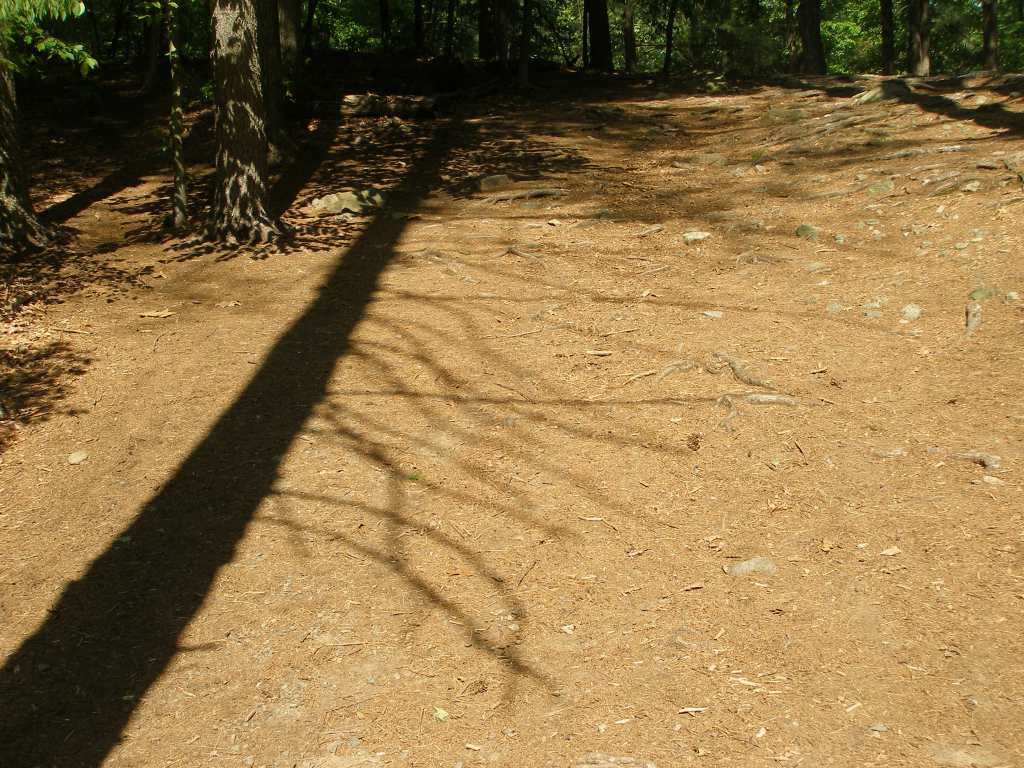
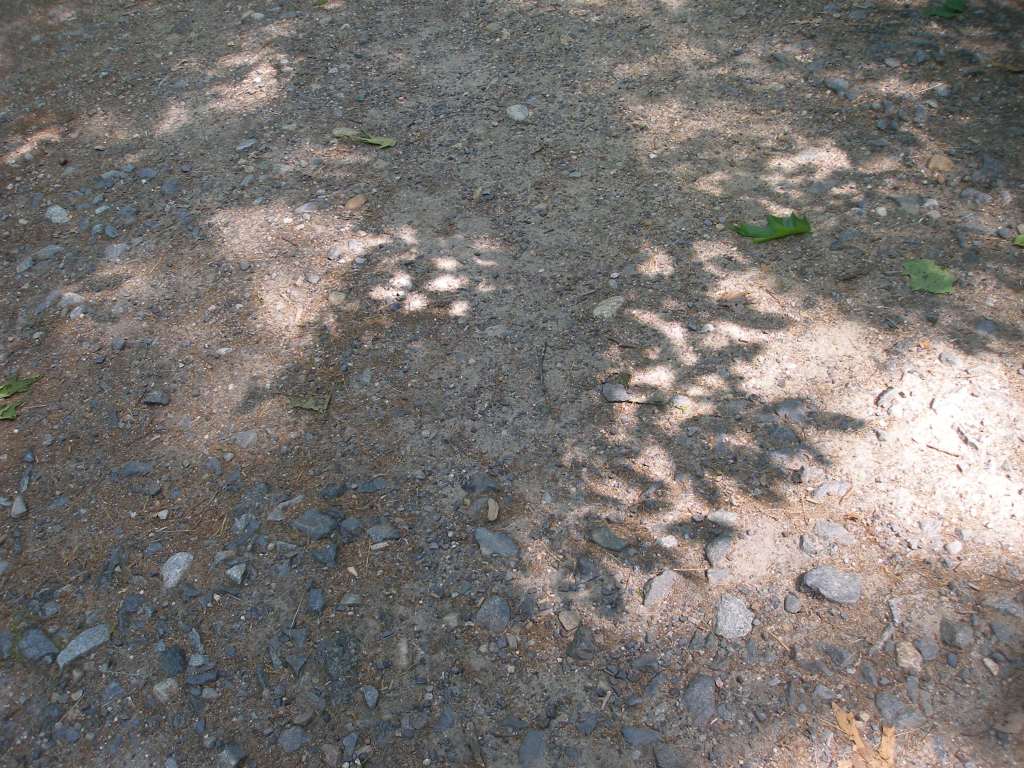
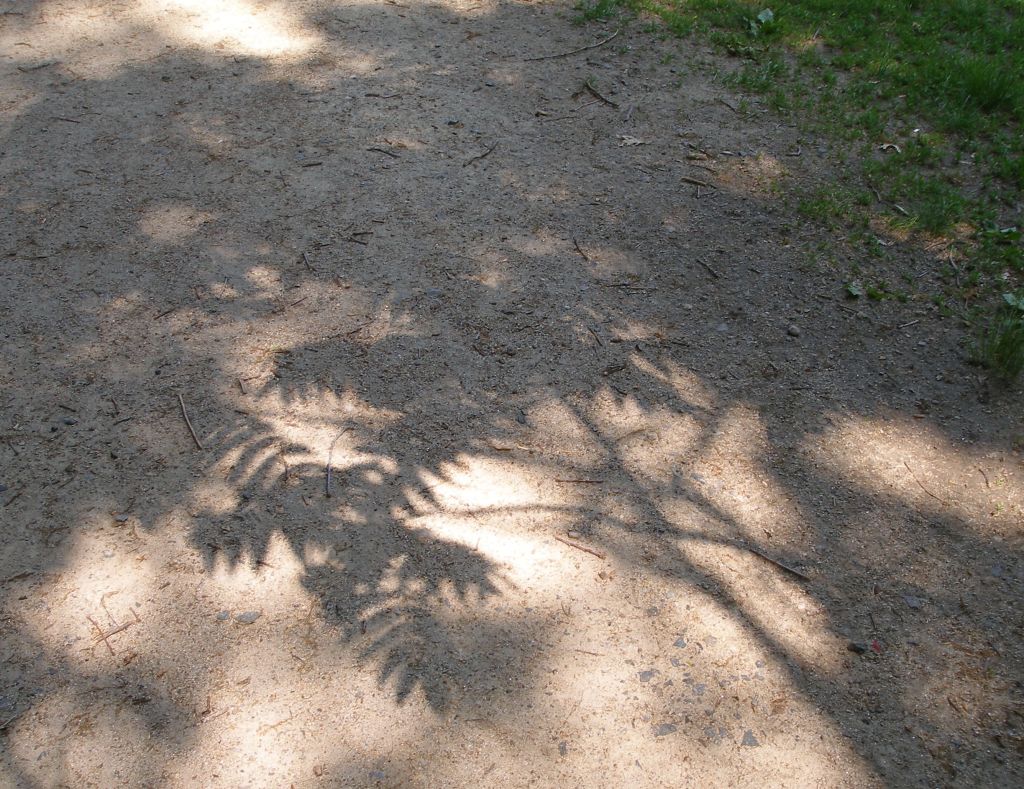
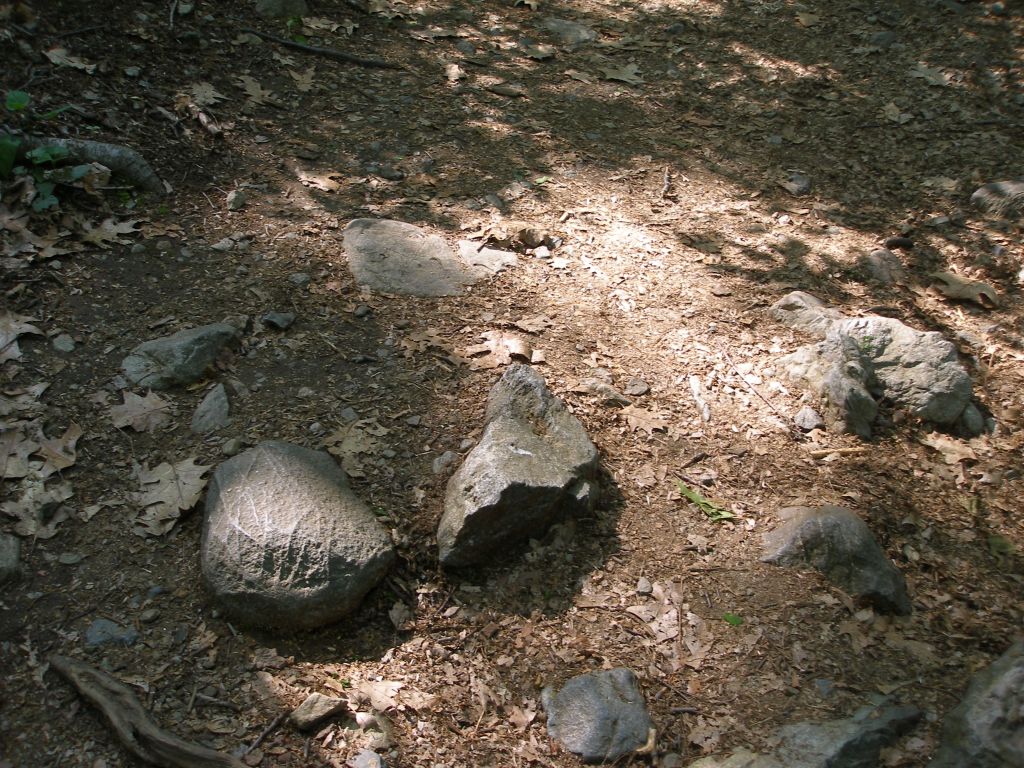
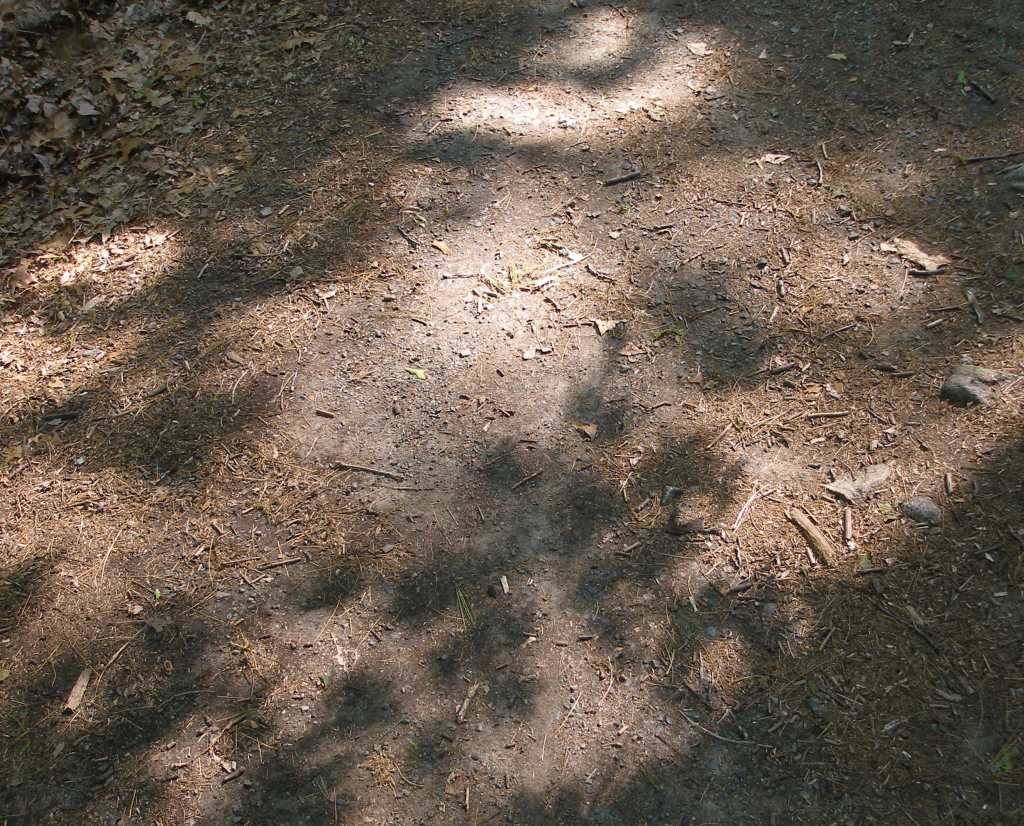
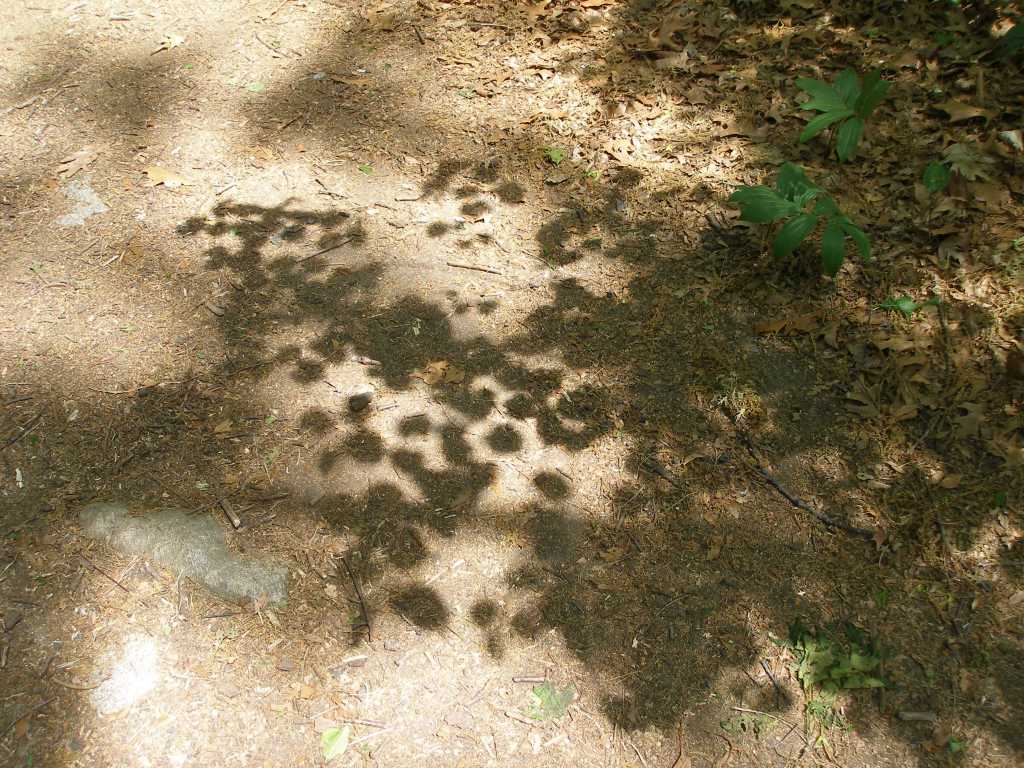
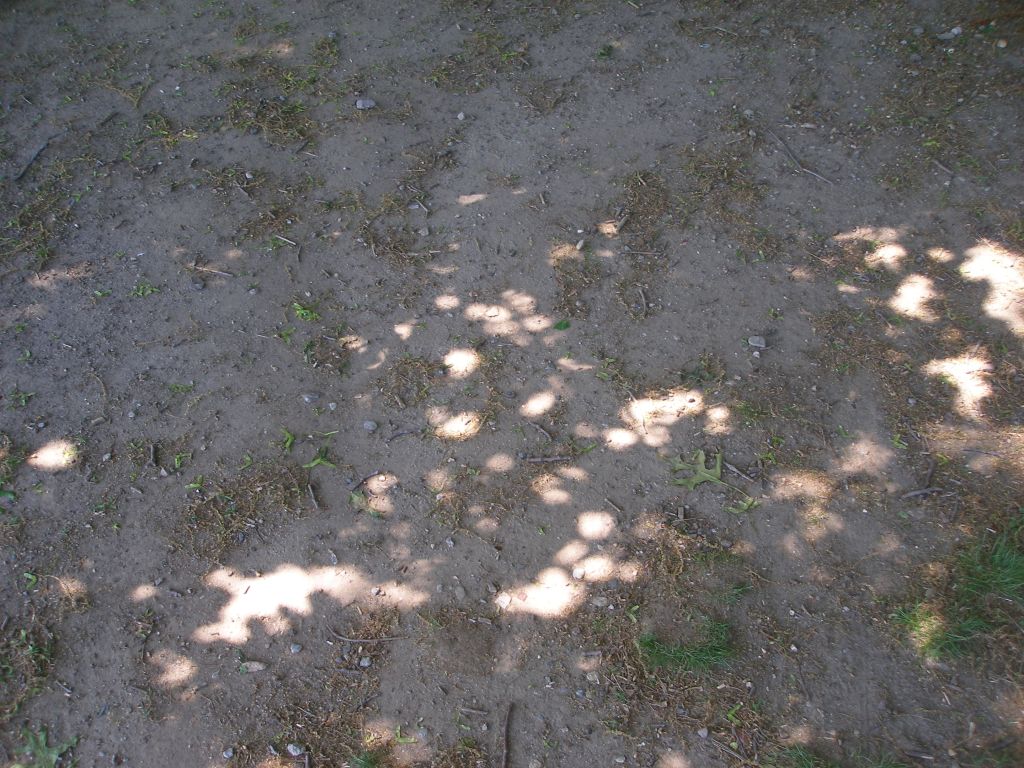
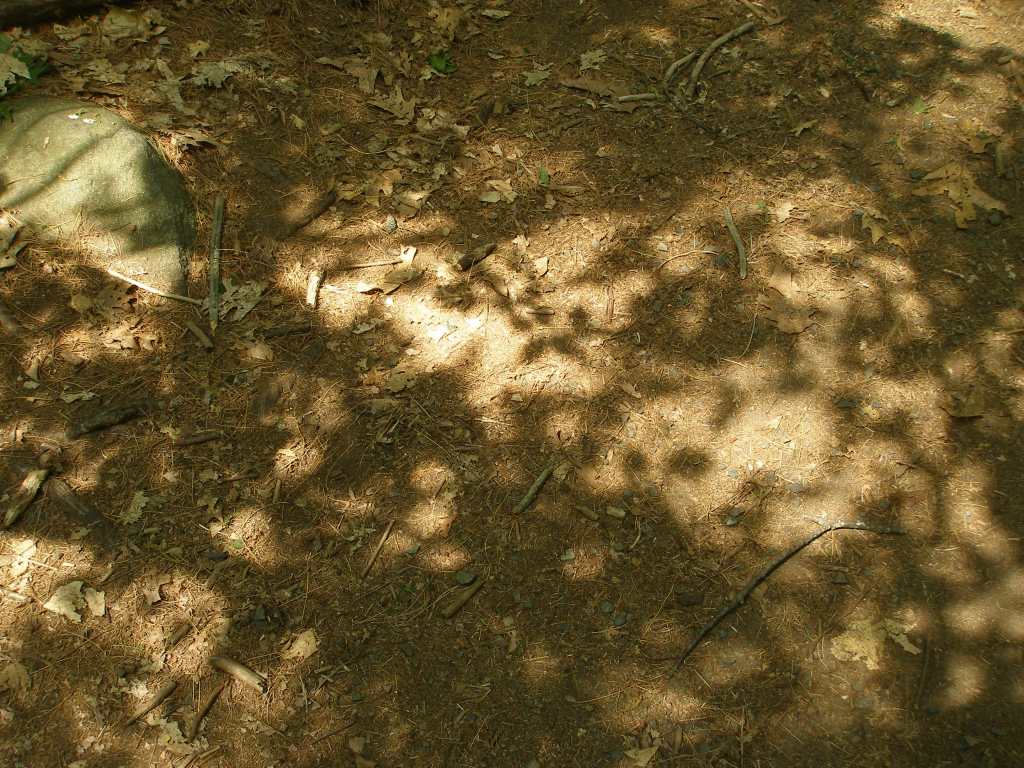
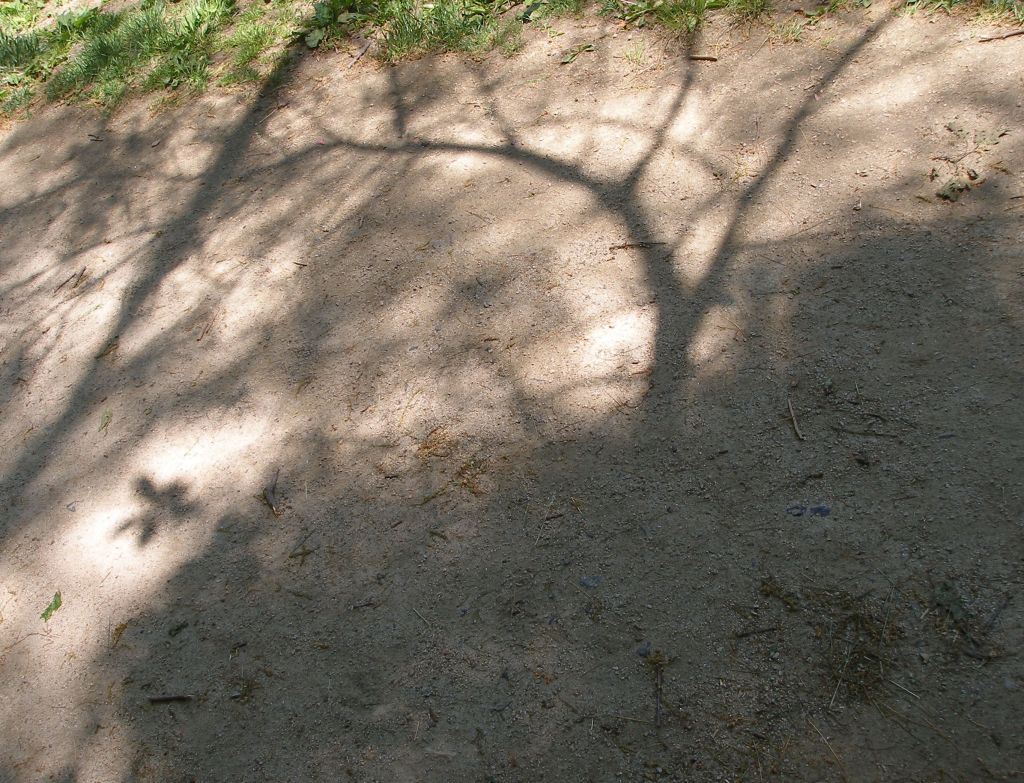
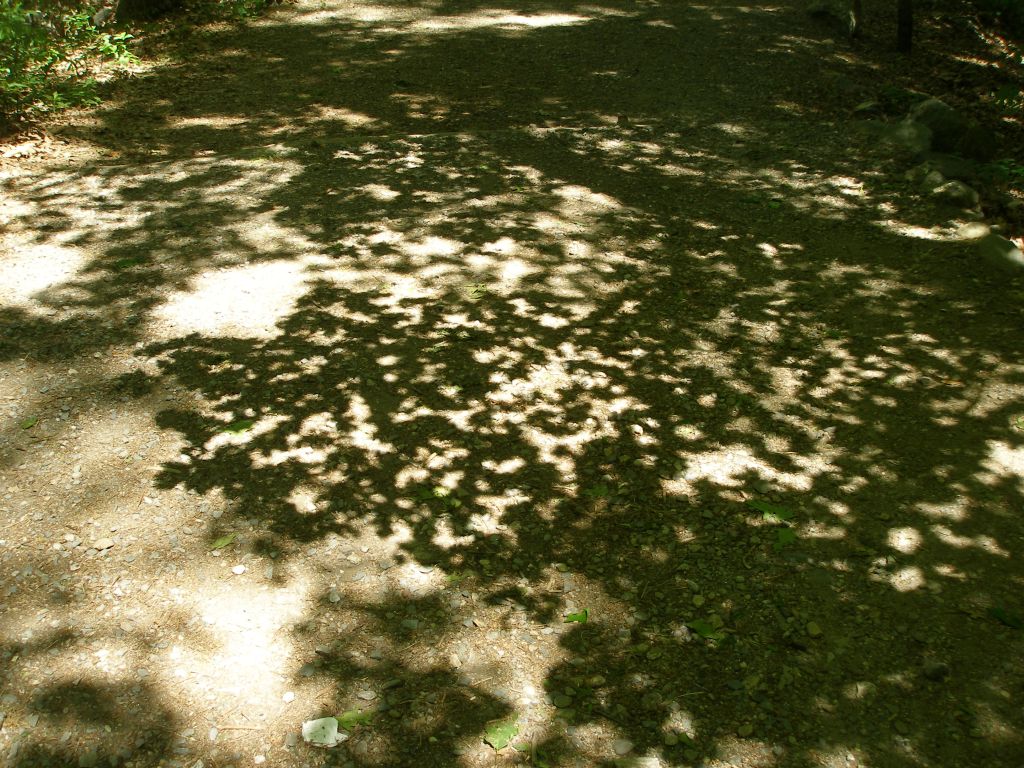
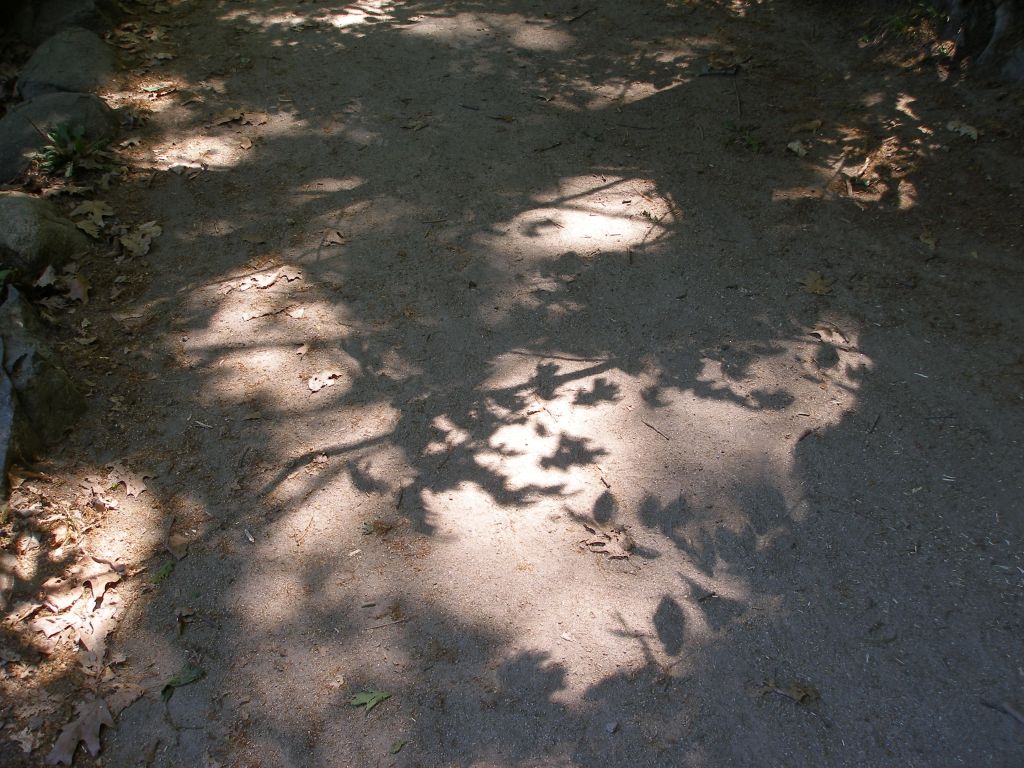
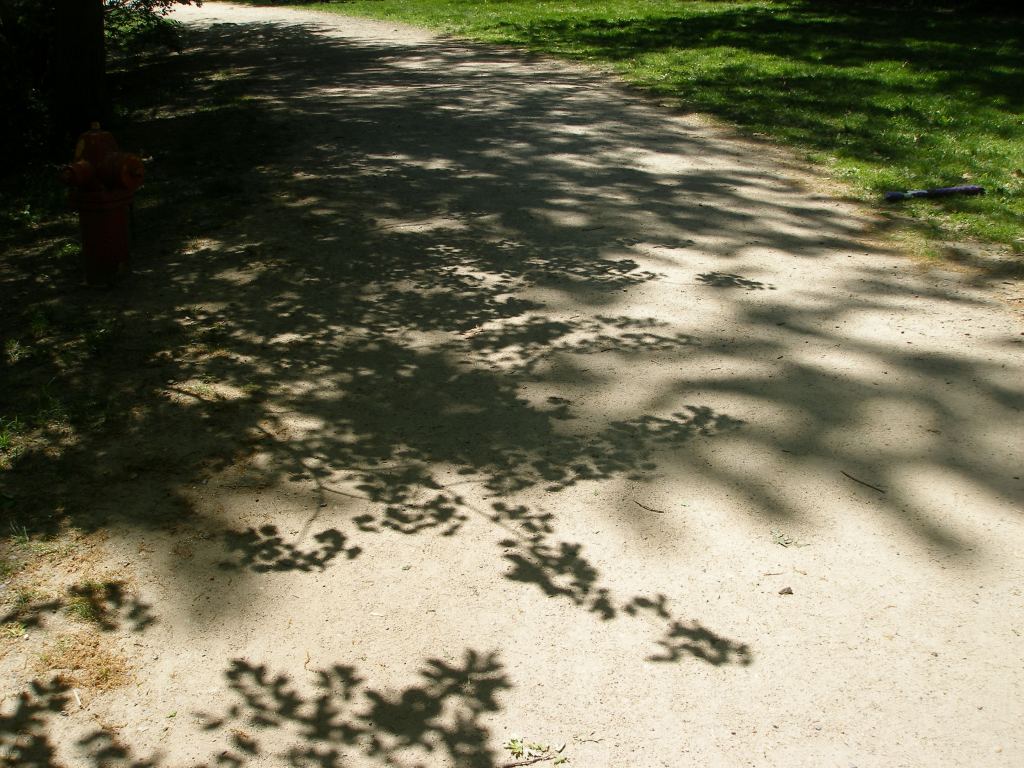
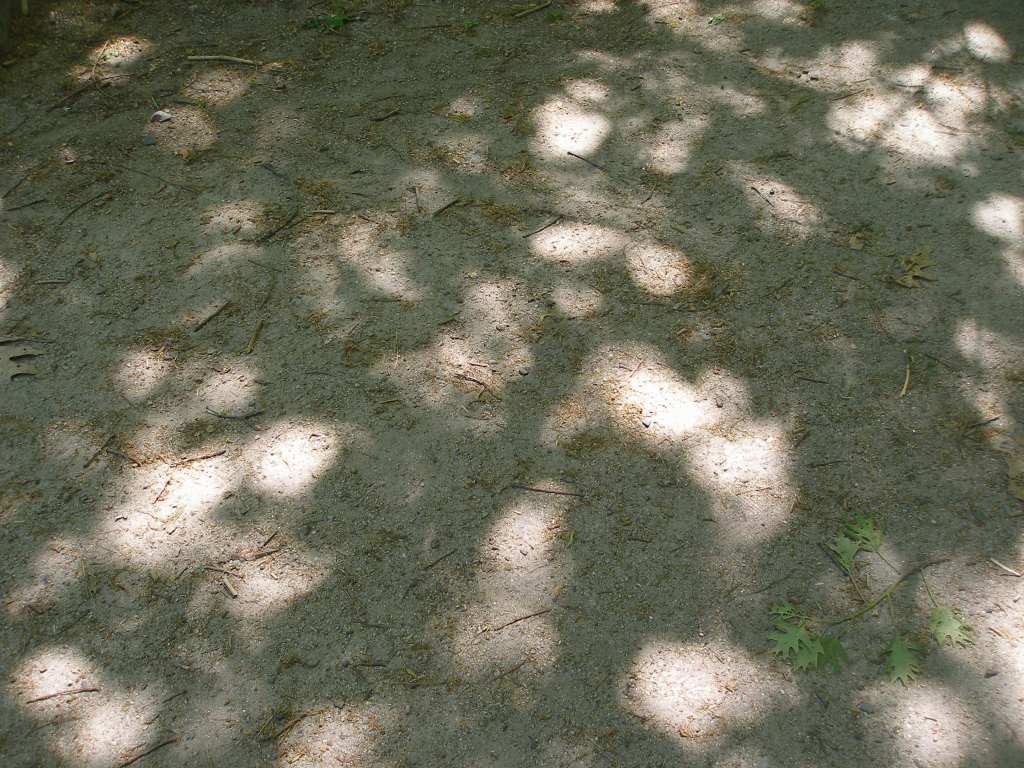
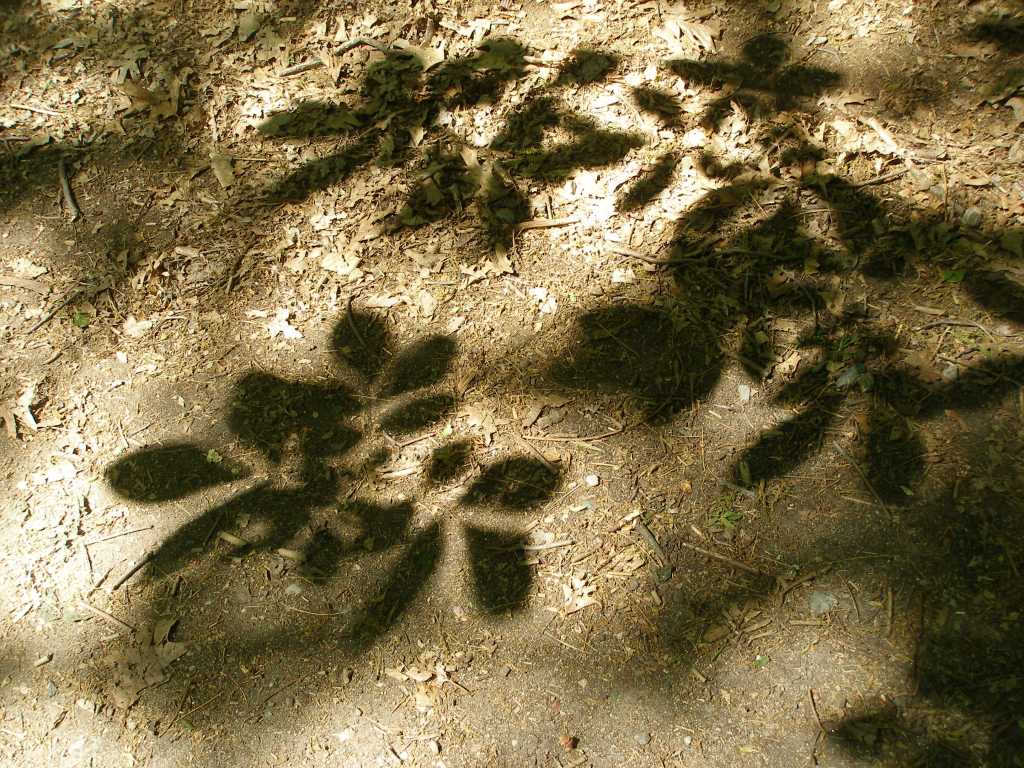
After noticing the effects of light at the highest elevation of Menotomy Rocks park, I began to notice the many interesting compositions that would fade and reappear lower down along its dirt paths.
Leaves seemed to be acting like lenses producing patterns with soft rounded shapes while crisp leaf and branch shapes danced over the paths. I had found another worthy subject to capture in photos. No matter how often I come here, this nearby park can surprise me with new delights.
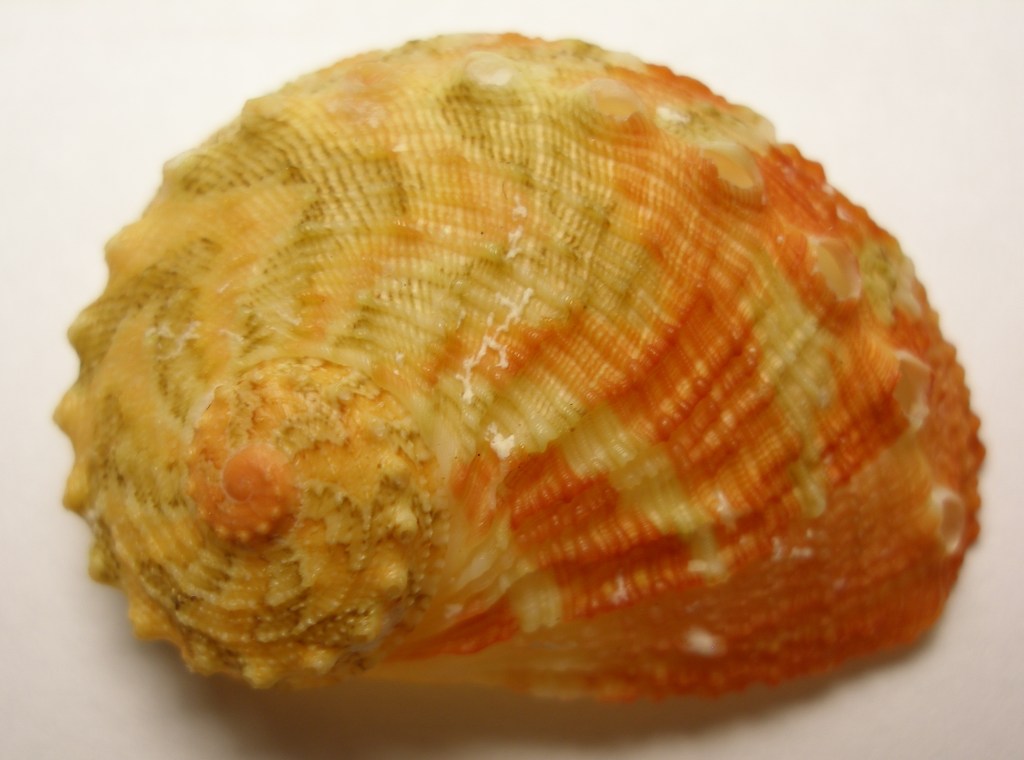
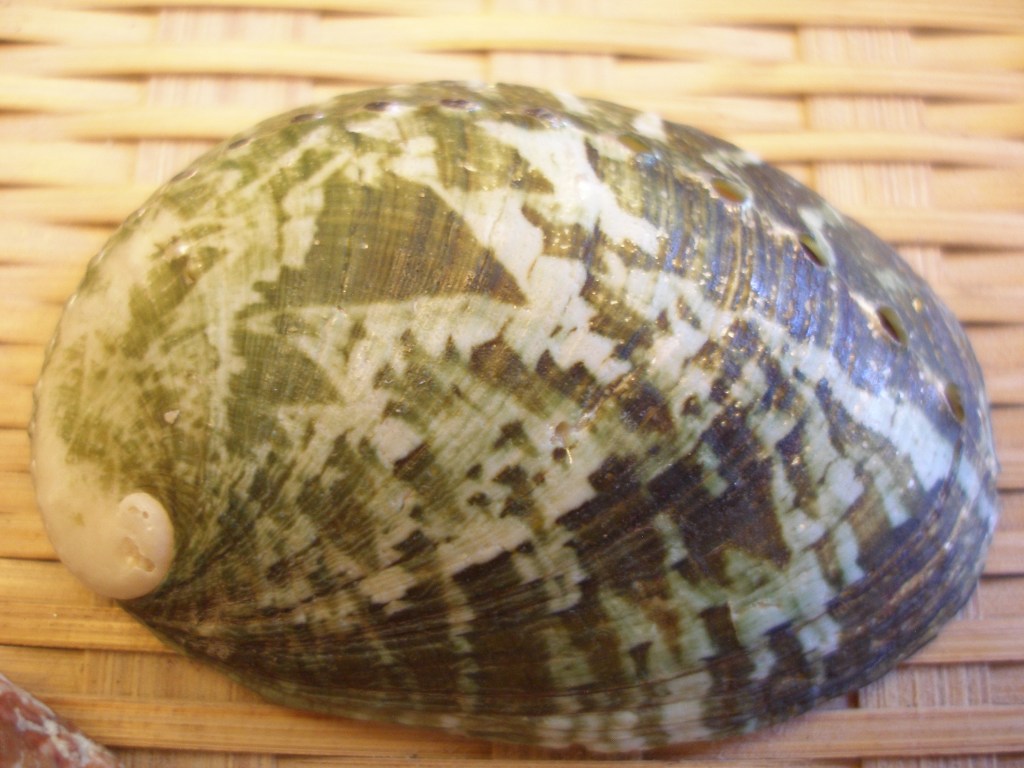
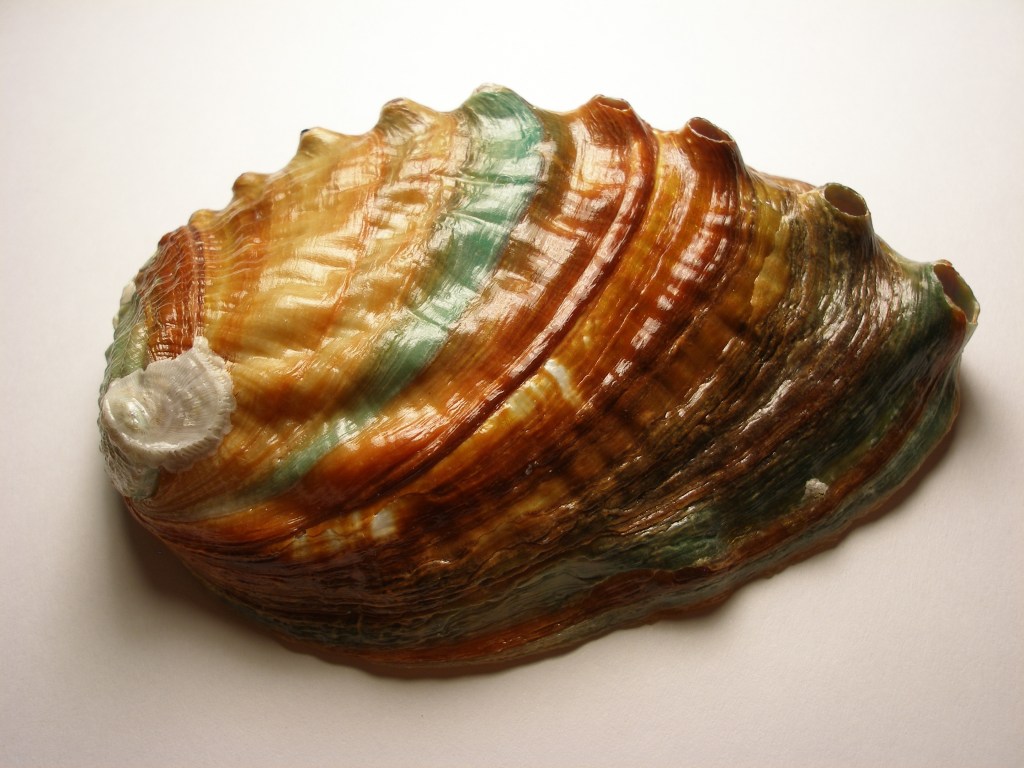
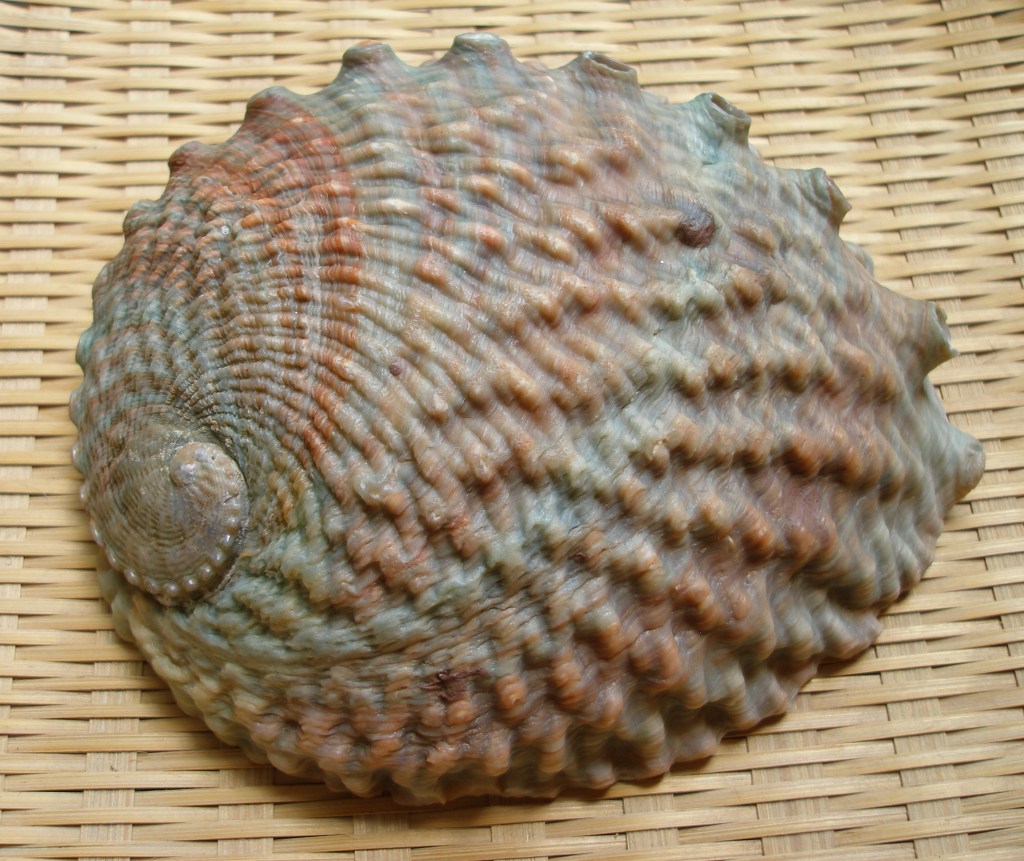
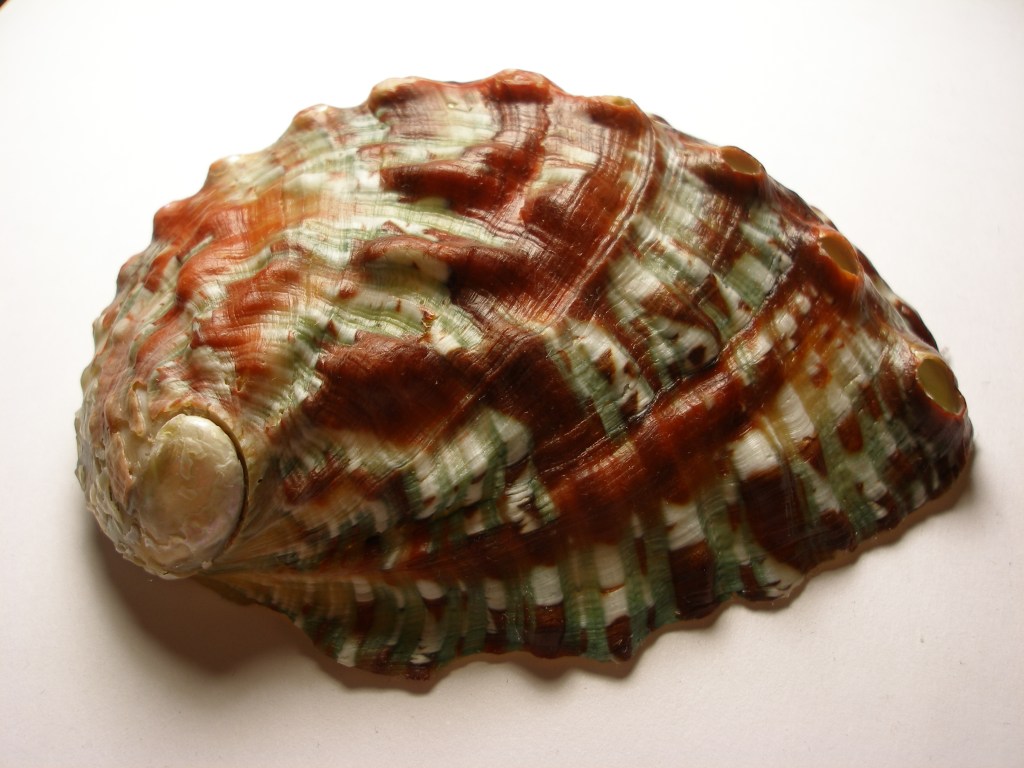
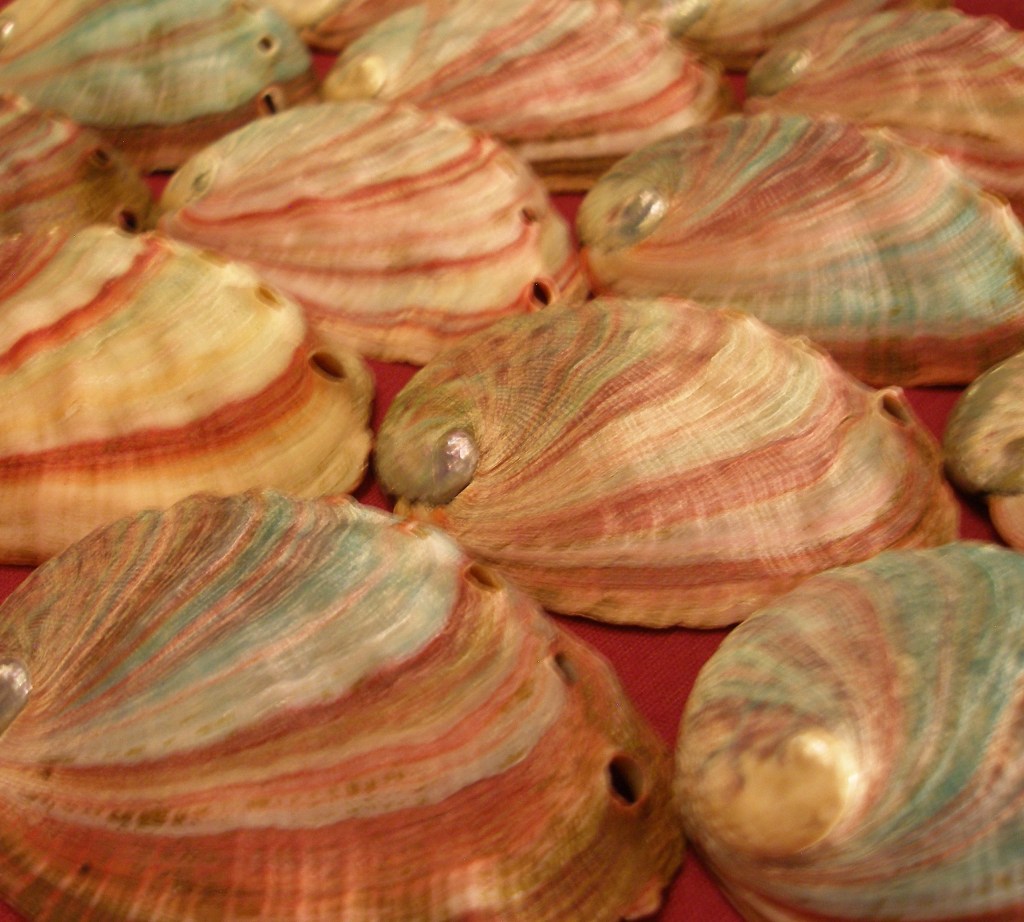
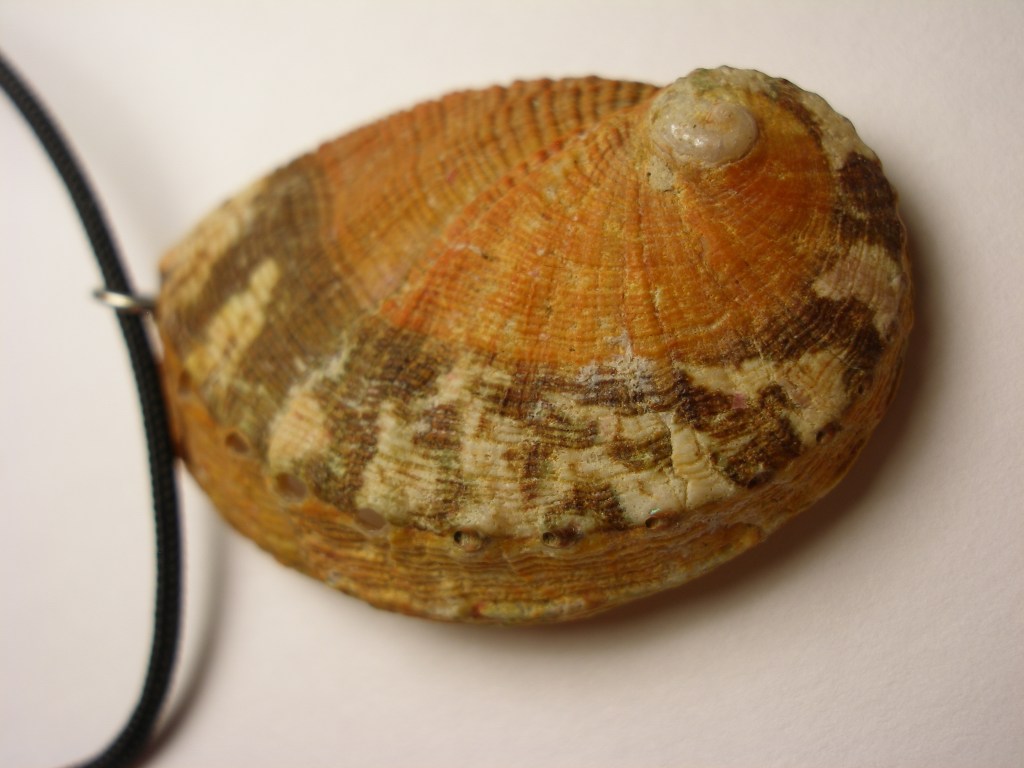
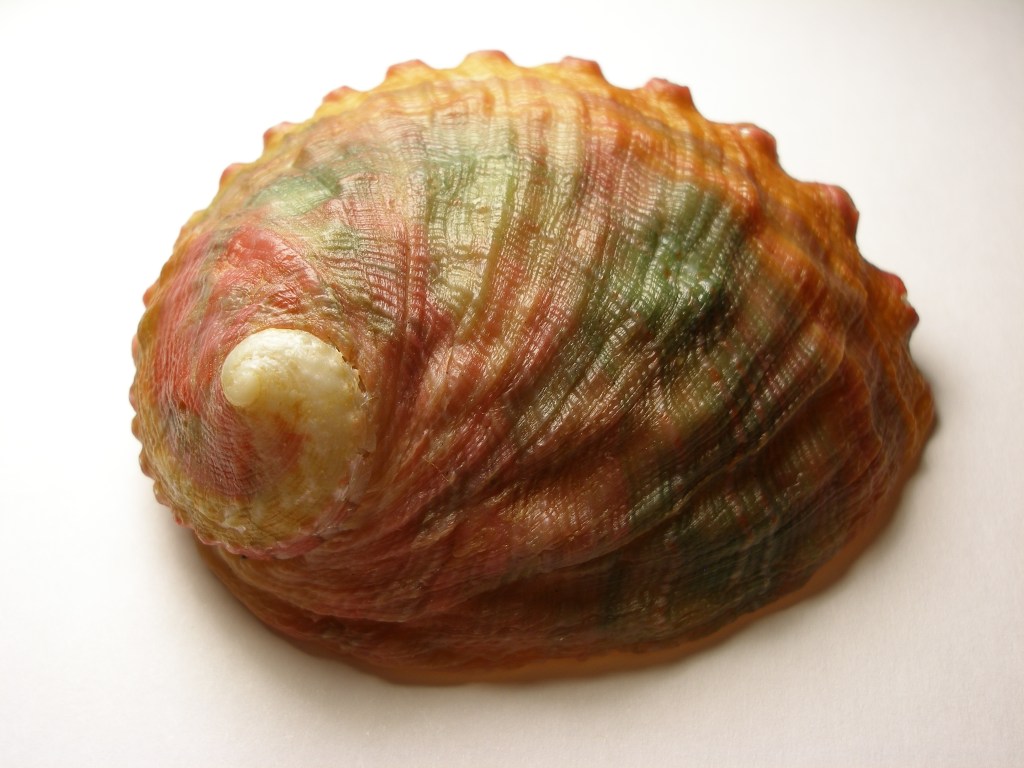
Since many abalone are rapidly disappearing from their rocky coastal homes, I was lucky that lovely shells from all over the world were still available online. Originally, I wanted to take closeups of the iridescent interiors. I did not anticipate that the other side would also be worthy of careful study.
For a particular species, the shape seemed fairly consistent but the colors and patterns could vary all over the place. While the interiors could be mysterious and speak of the tides and the sea, the spiraling exteriors could seem like expressions of pure joy.
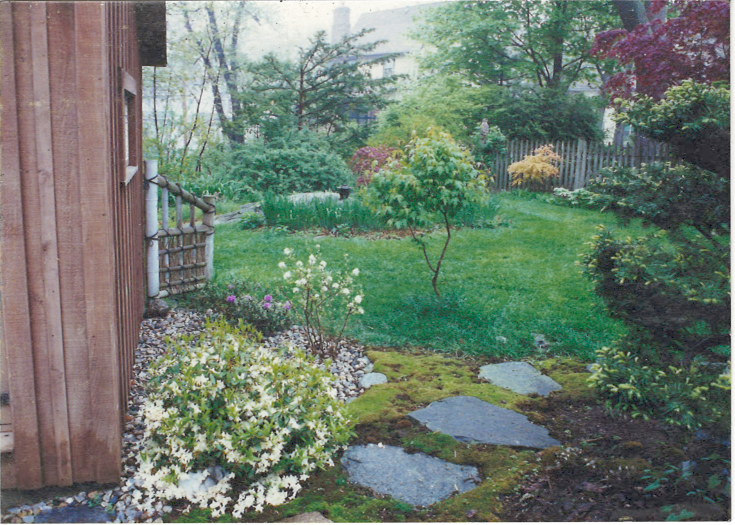
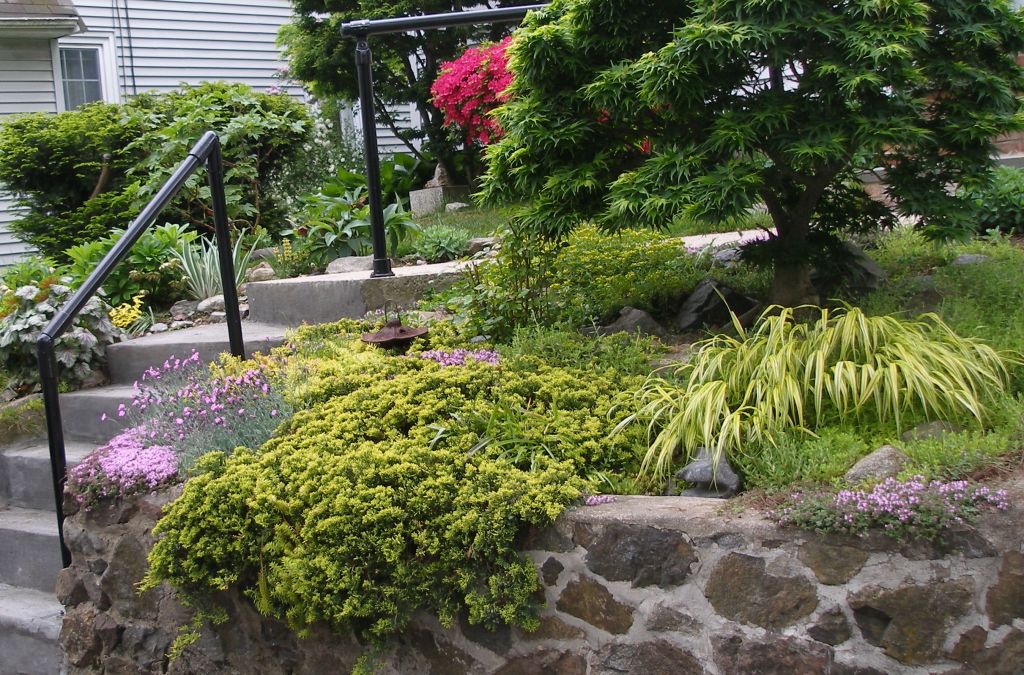
In a photo of my spring garden taken many years ago, the young Katsura maple glows yellow by the fence.
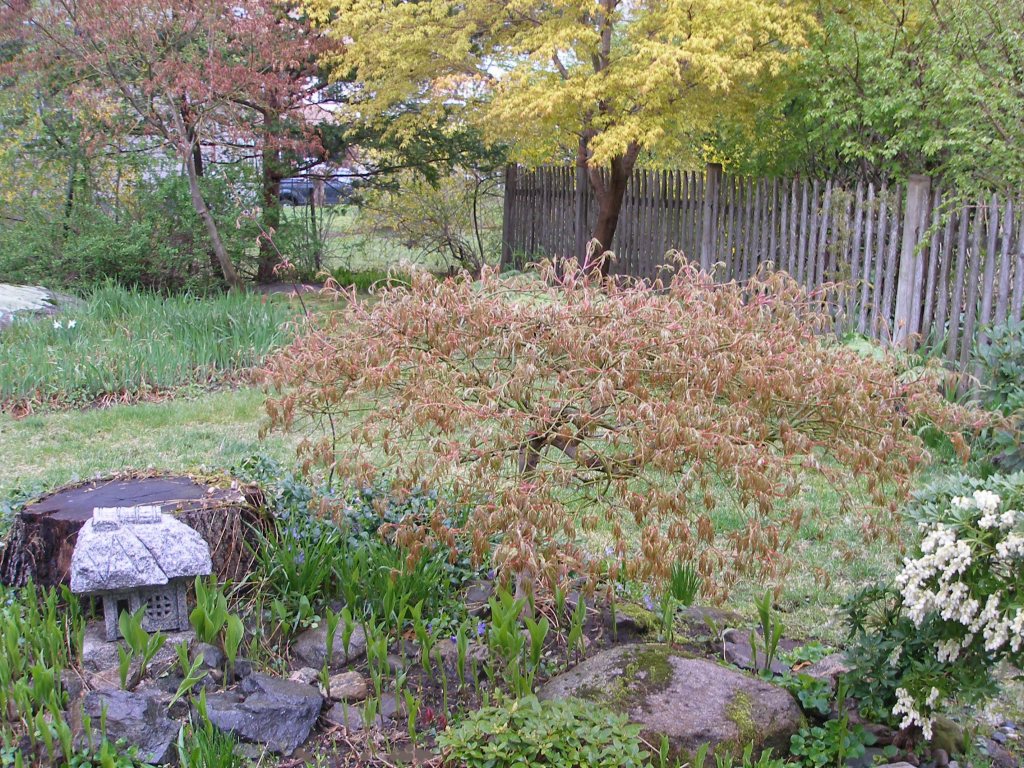
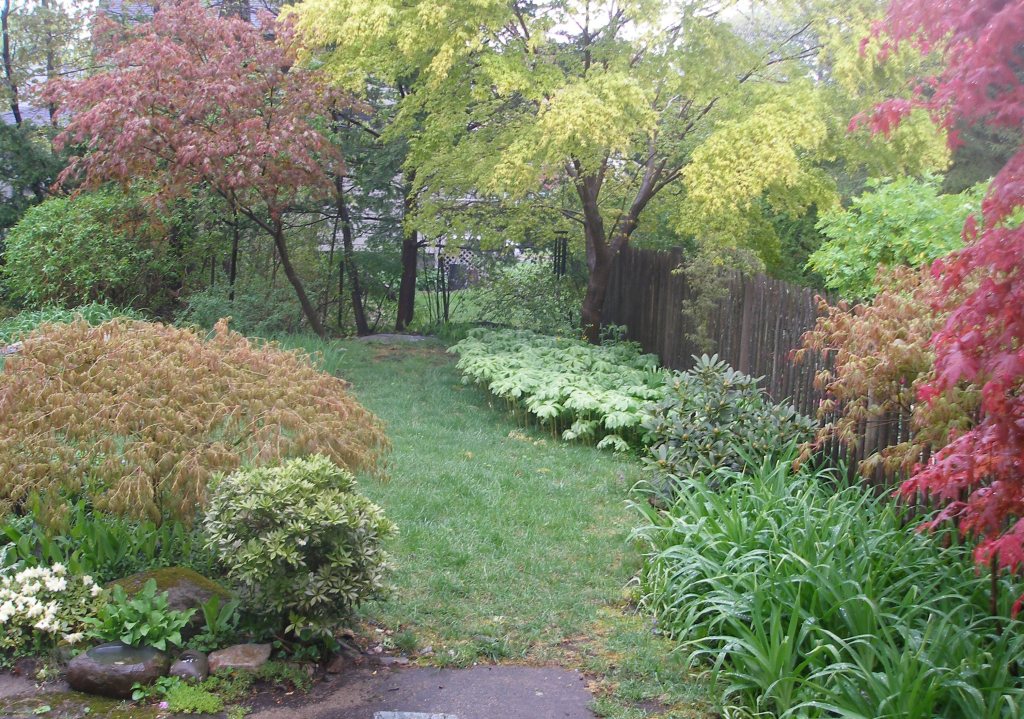
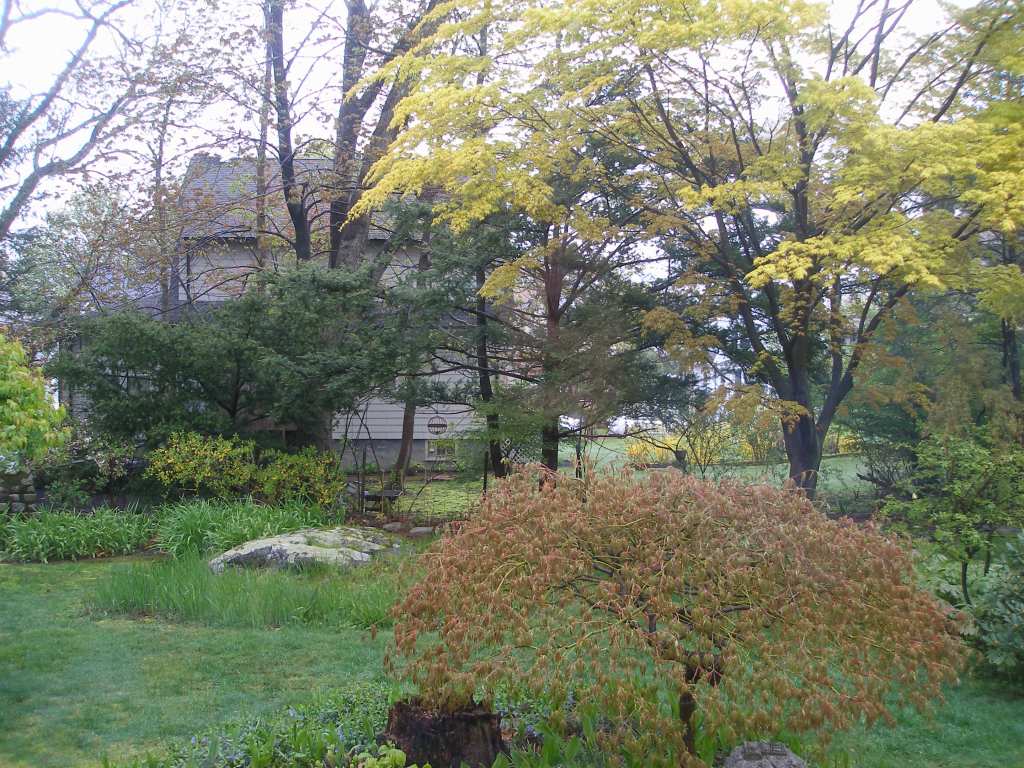
That maple would grow large to anchor the corner opposite the tea hut.
One learns with one’s hands and heart through the daily tending. A change might be required to retain balance and flow in a garden’s design. Some things should be left well enough alone.
Even as weather patterns shift, becoming more extreme and unpredictable, and nature makes changes, the basics should remain pretty much the same. As always, there should be joy in attending and responding not from outside, but from within – as part of the continuing dance of life.
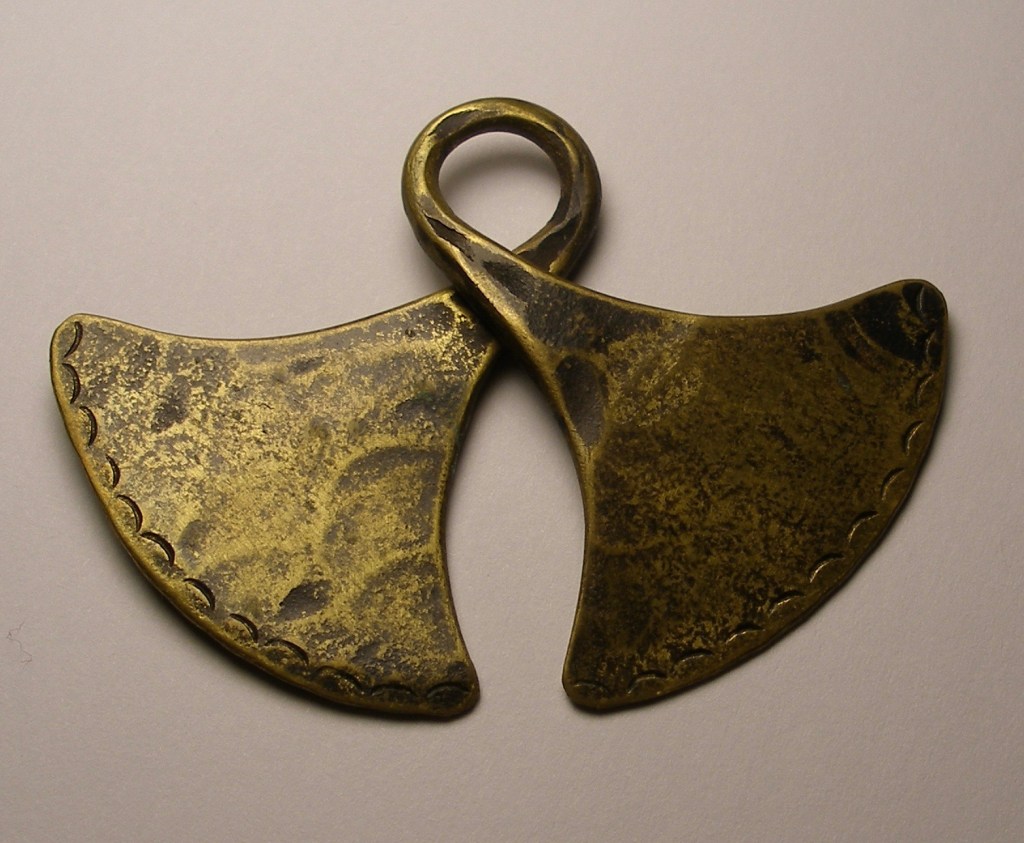
It was the beautiful design that first caught my interest. Online research revealed that this “taka” was made by the Ngadha tribe, who live on the island of Flores, in Indonesia. And although I read various theories, I would not be surprised if only the Ngadha know the taka’s true meaning and uses.
I was also intrigued by the fact that members of the Ngadha think of themselves first as “we” (not “I”) – a bit like how the taka includes two equal parts joined in intimate connection. Placing primacy on a first person plural identity is evidently quite rare among human cultures. That’s a bit surprising given how much we humans have always been dependent on each other for our very survival.
“individual independence is not a coveted state of being; rather being singular plural is the principal mode of existence. In this context, the nua is the central heartland for the spatial and material expression of clan unity, although the emotions of being singular plural transcend time and space….Ngadha practices of interdependence are reflected in the community economy, which privileges Ancestor worship, community cohesion and group distribution of resources above the needs and desires of the individual….Interdependence is a dominant feature of everyday Ngadha life and organization. Ngadha people’s view of their own society involves a sense of self that questions the conceptual separation of self from others. Frequently, people alerted me to the ways in which everyone and everything is connected.”
Intentionally working to form groups that provide a sense of belonging and adopt a “we” perspective (as is true of many religious communities, for example) seems particularly wise in perilous times like our own. At a minimum, that could provide access to a broader range of perspectives as well as to useful instrumental support. I tend to agree with those who argue that social capital can be very valuable even when other resources are not available.
“It really boils down to this: that all life is interrelated. We are all caught in an inescapable network of mutuality, tied together into a single garment of destiny. Whatever affects one directly, affects all indirectly. We are made to live together because of the interrelated structure of reality . . . Before you finish eating breakfast in the morning, you’ve depended on more than half the world. This is the way our universe is structured, this is its interrelated quality. We aren’t going to have peace on Earth until we recognize the basic fact of the interrelated structure of all reality. “
-Dr. Martin Luther King, Jr.1967 Christmas Sermon on Peace
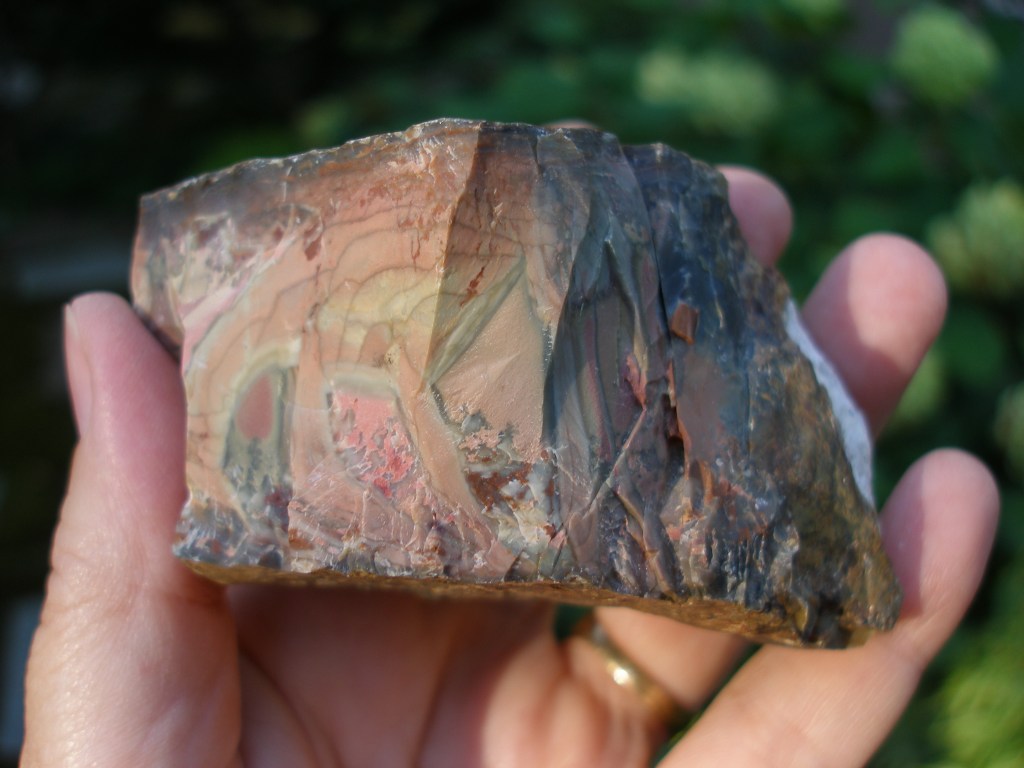
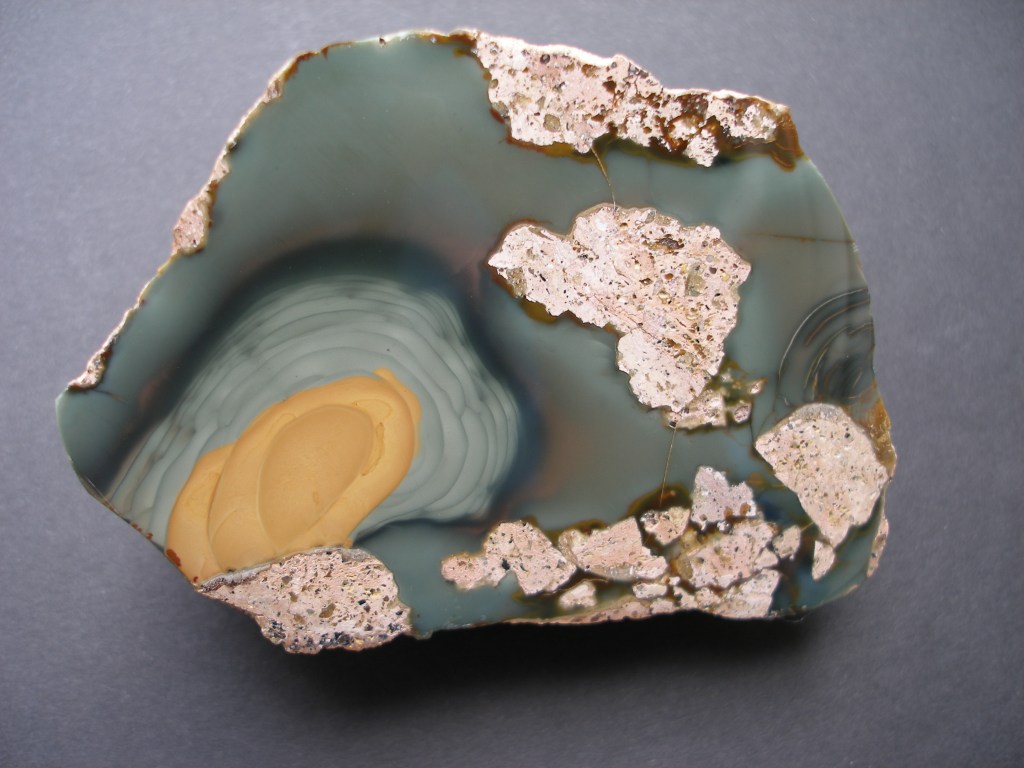
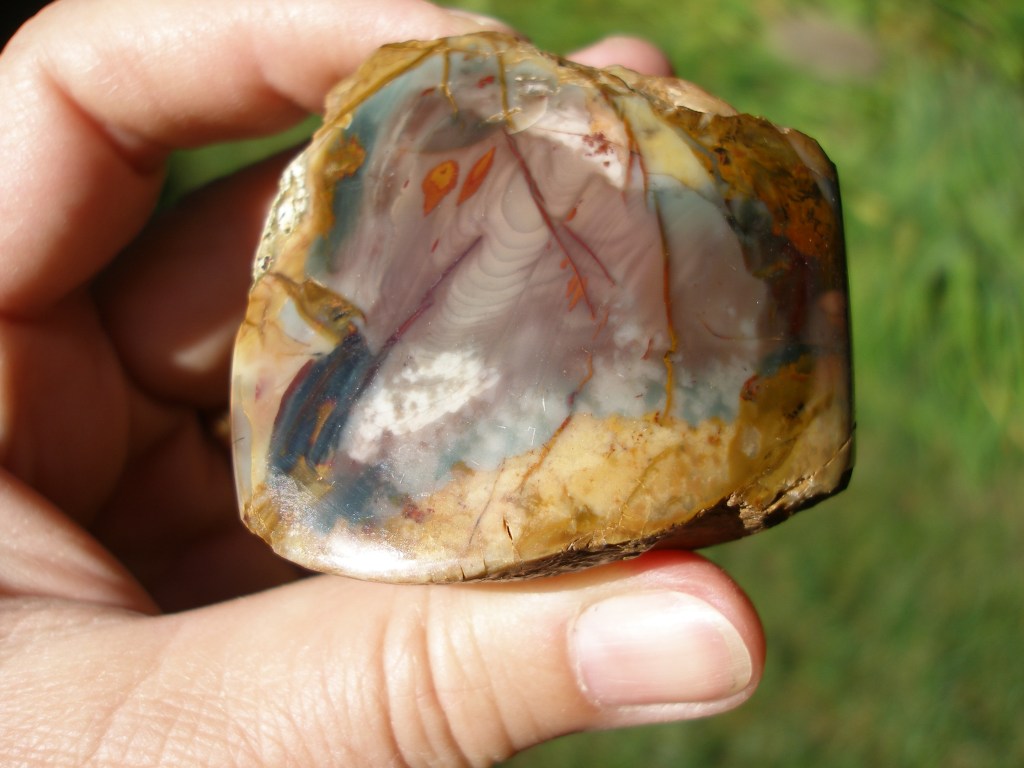
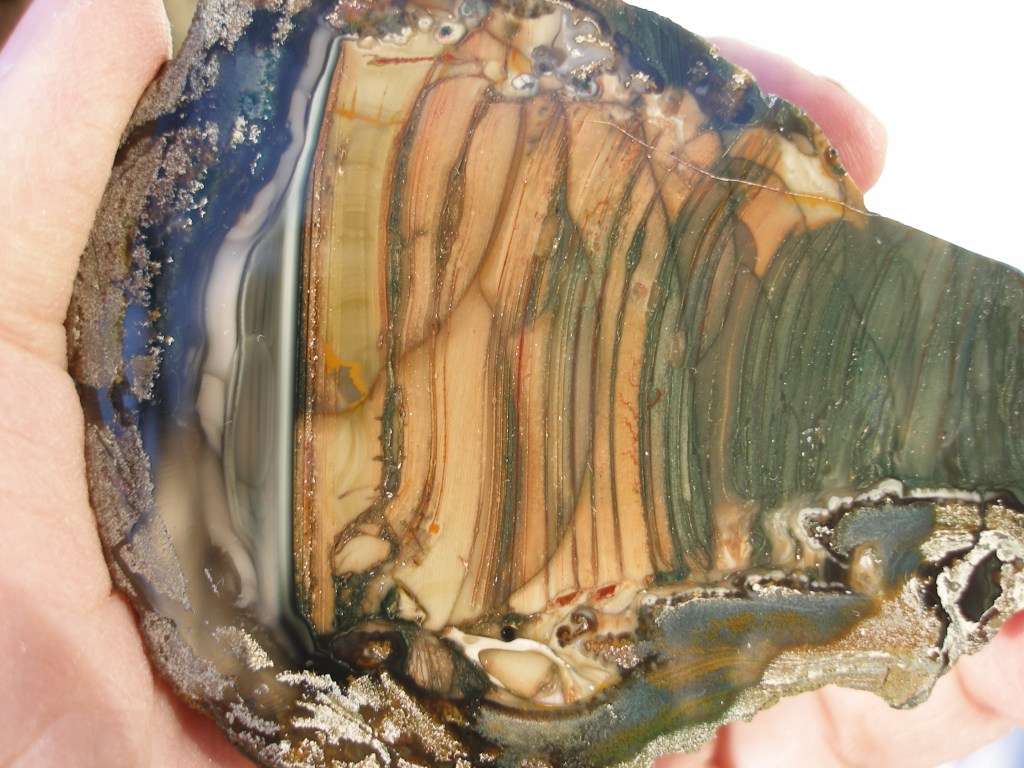
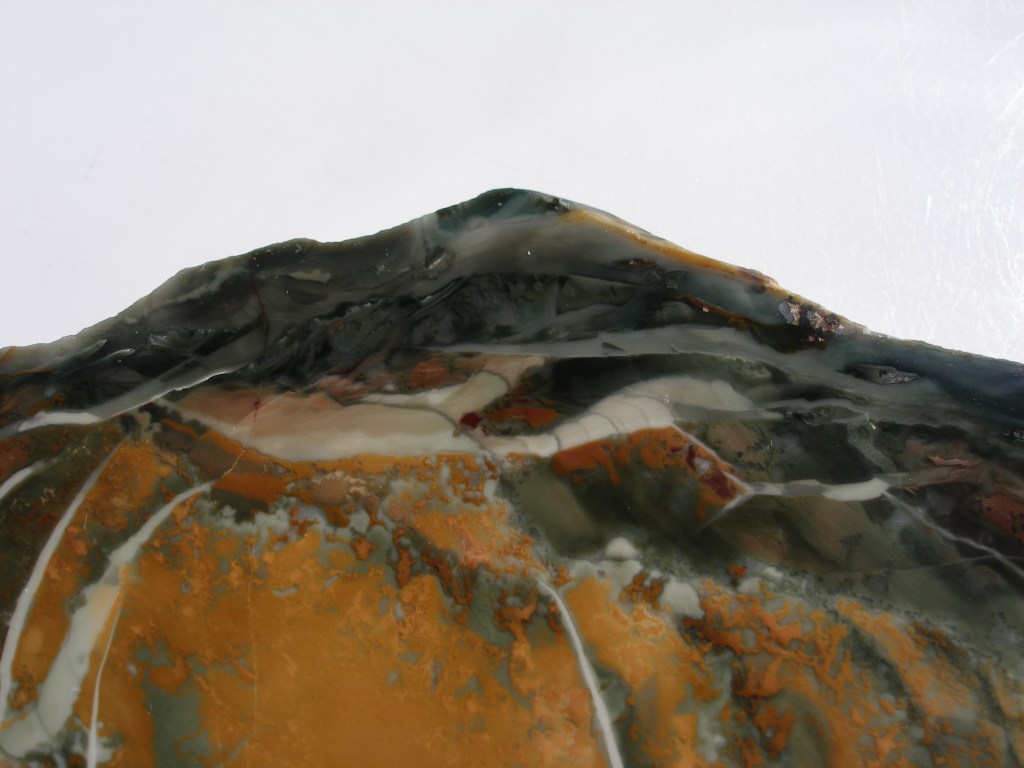
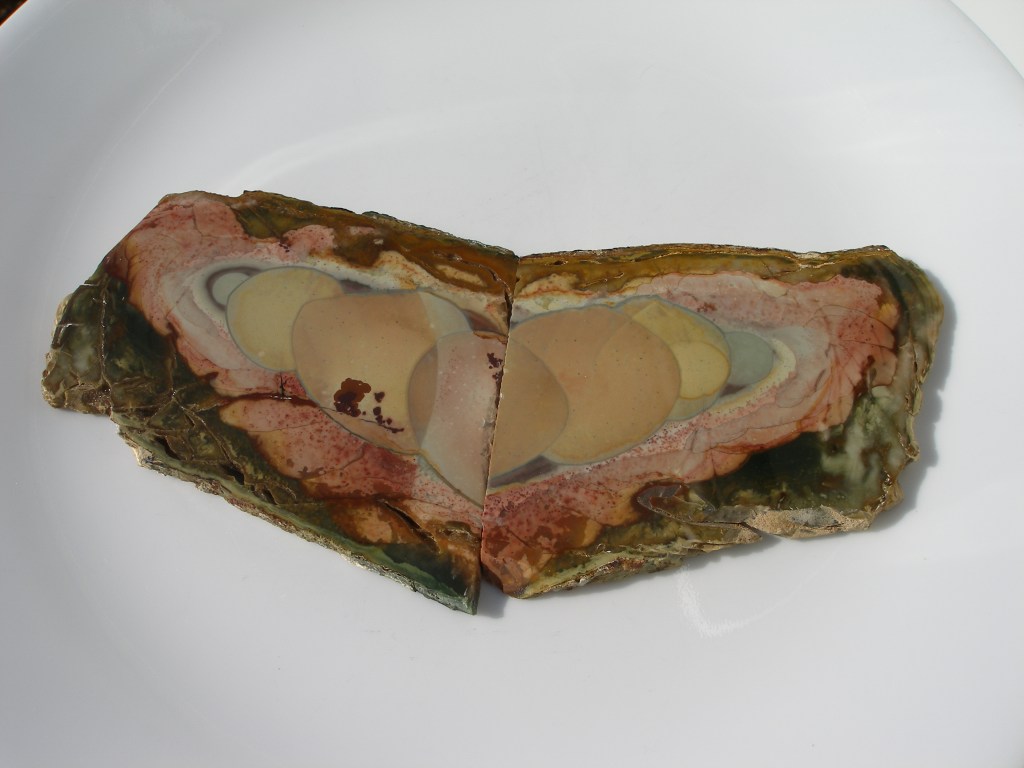
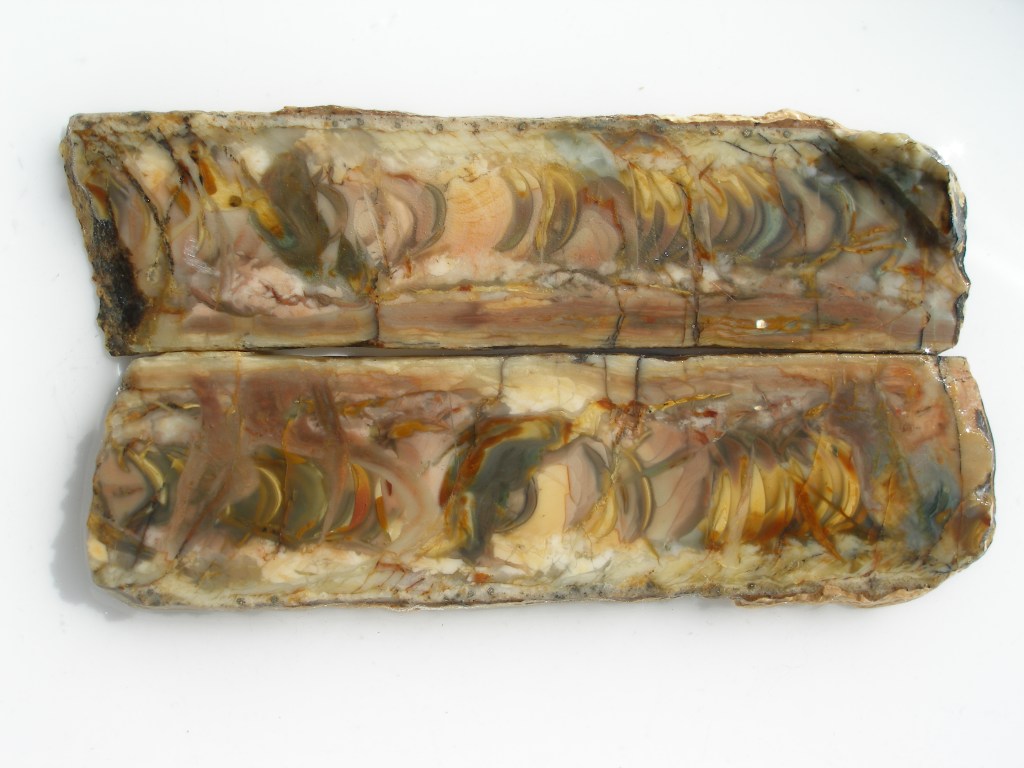
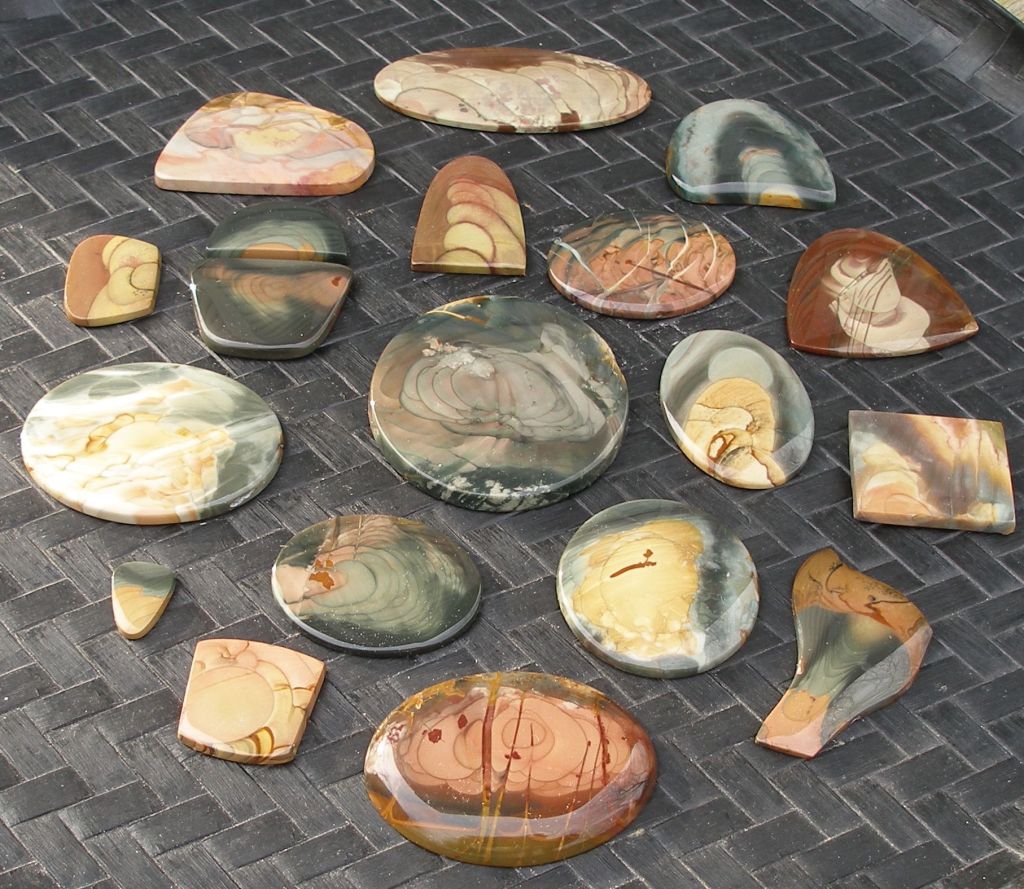
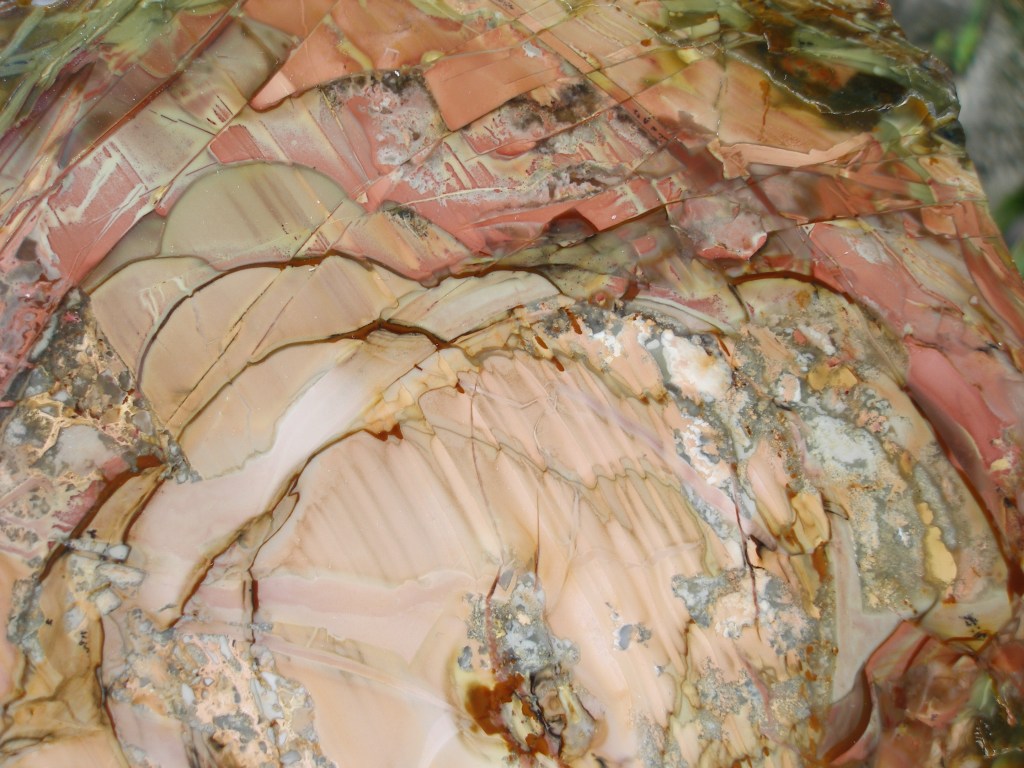
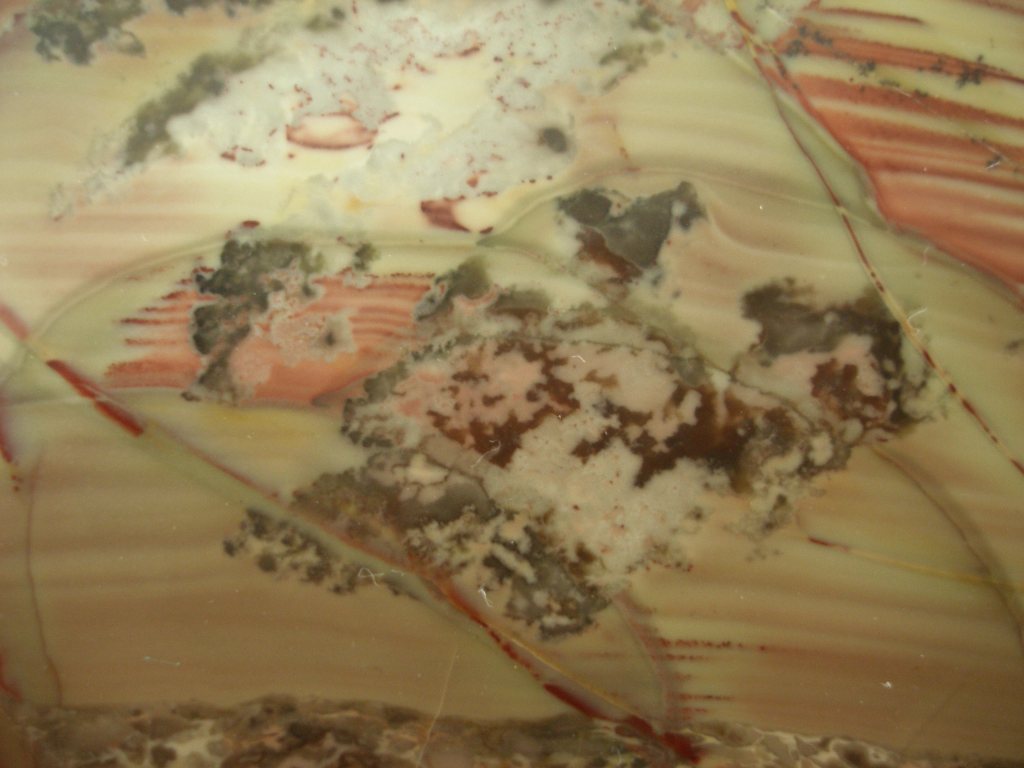
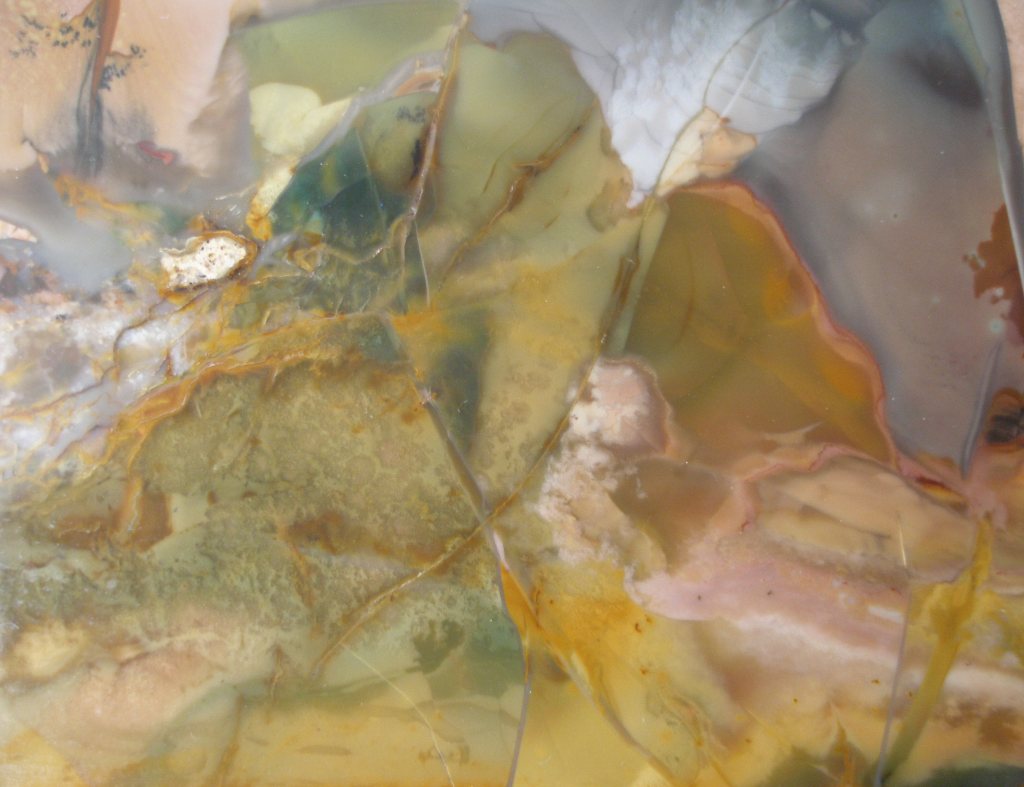
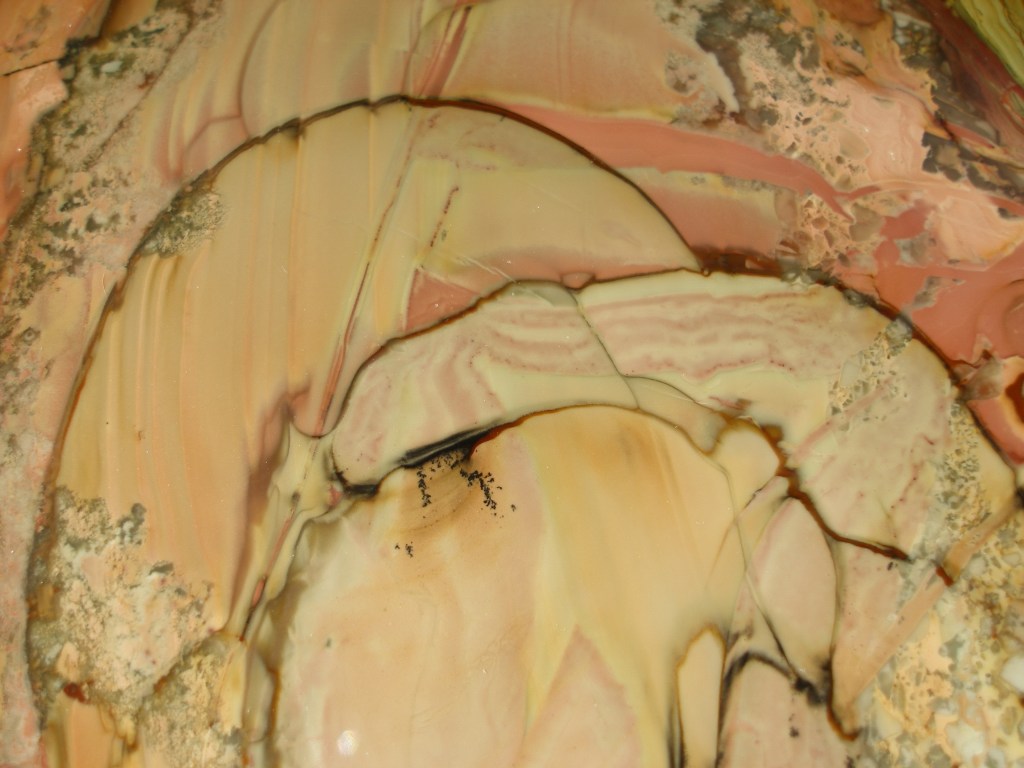
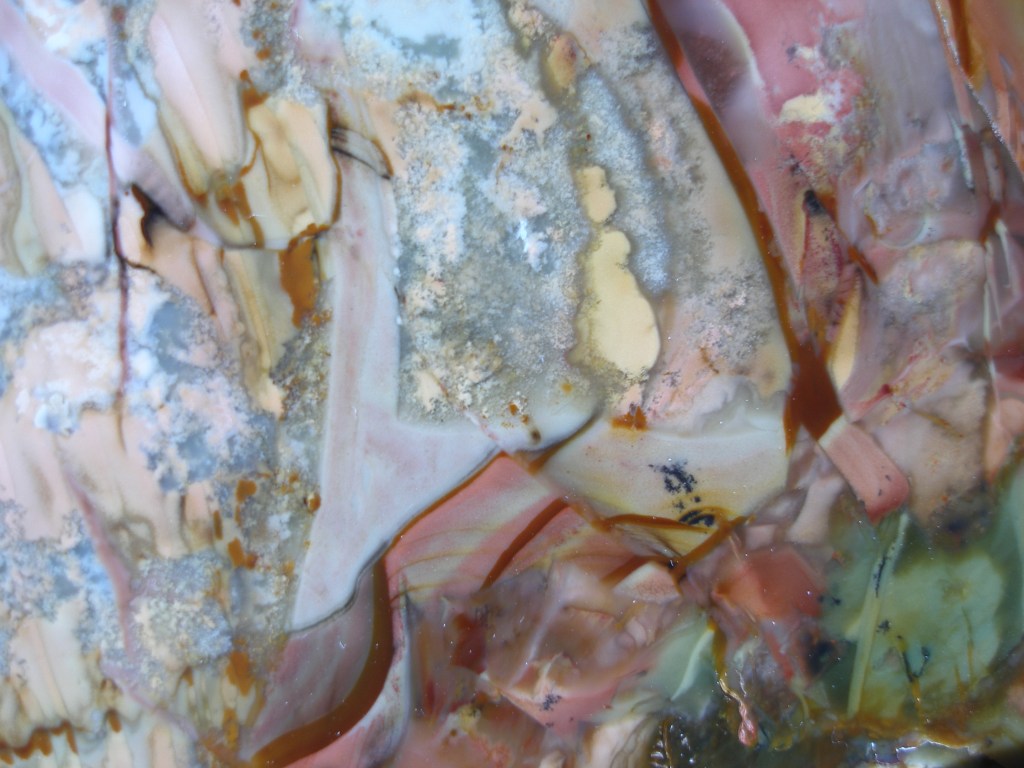
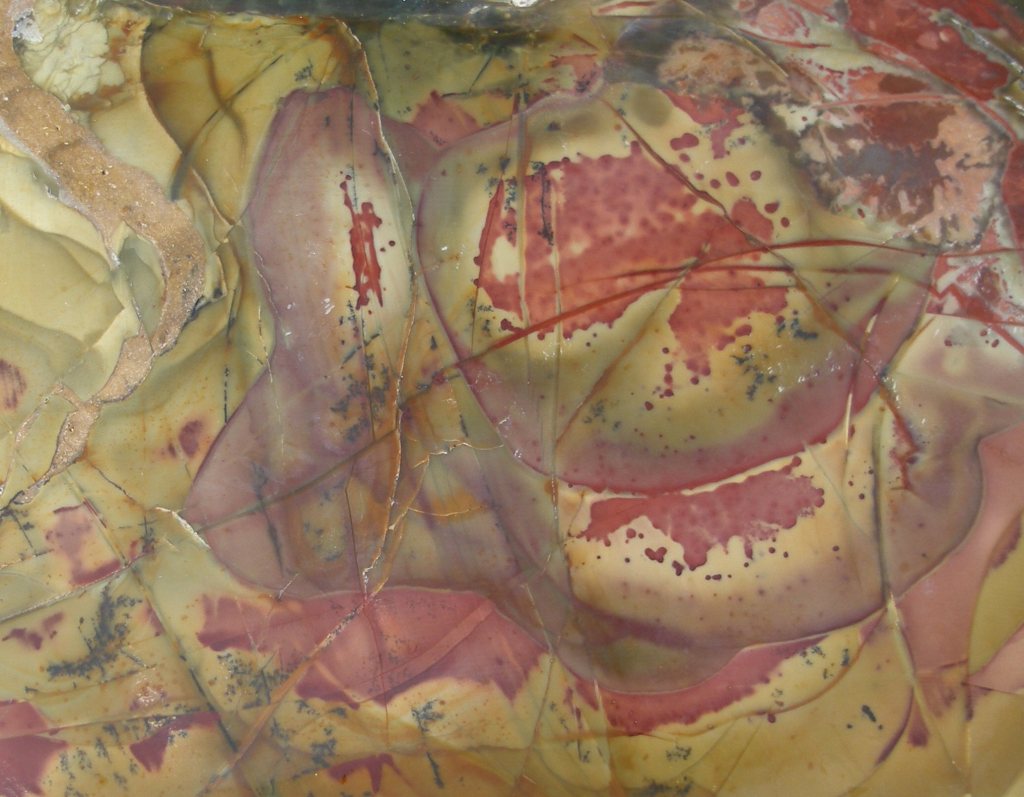
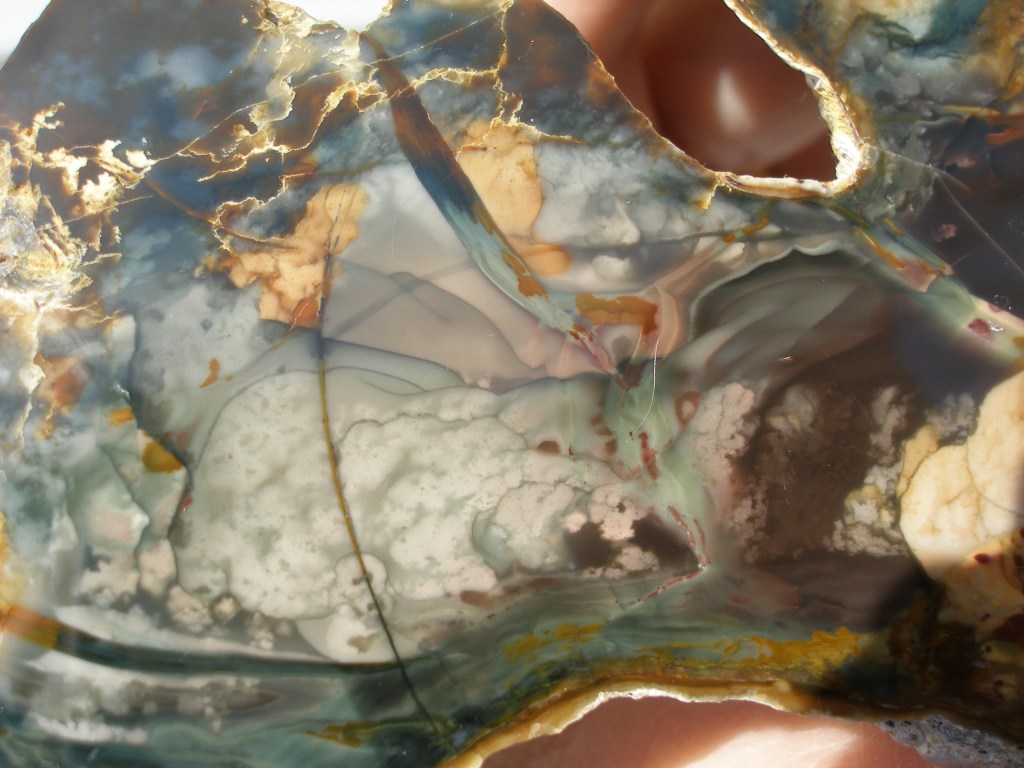
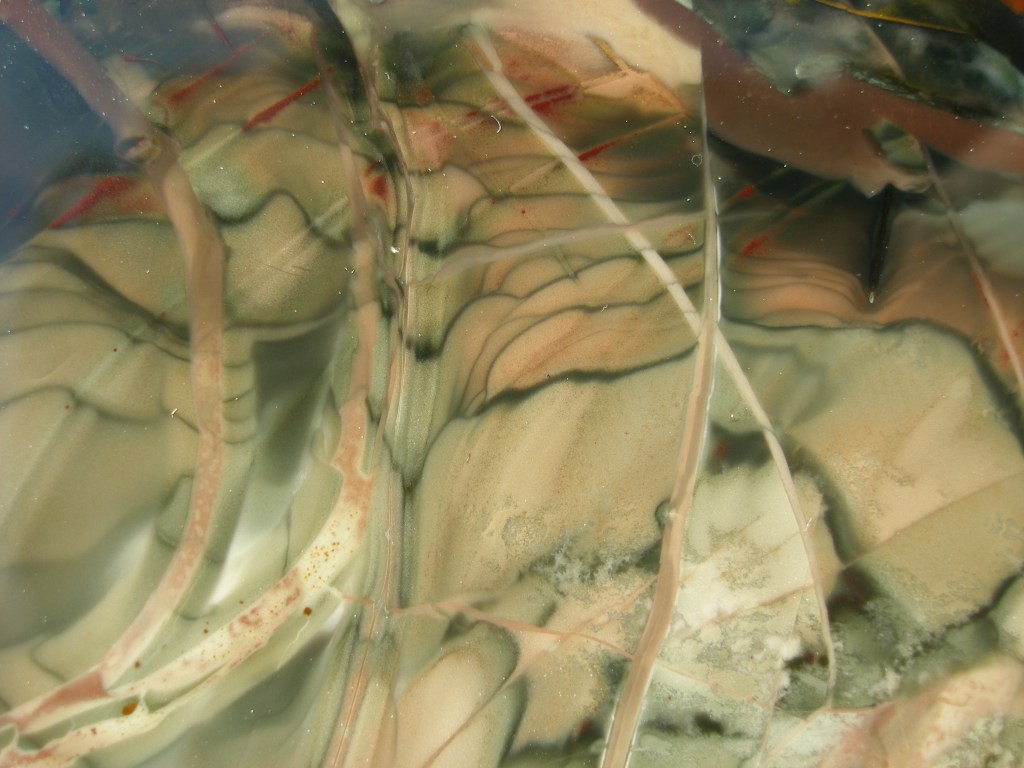
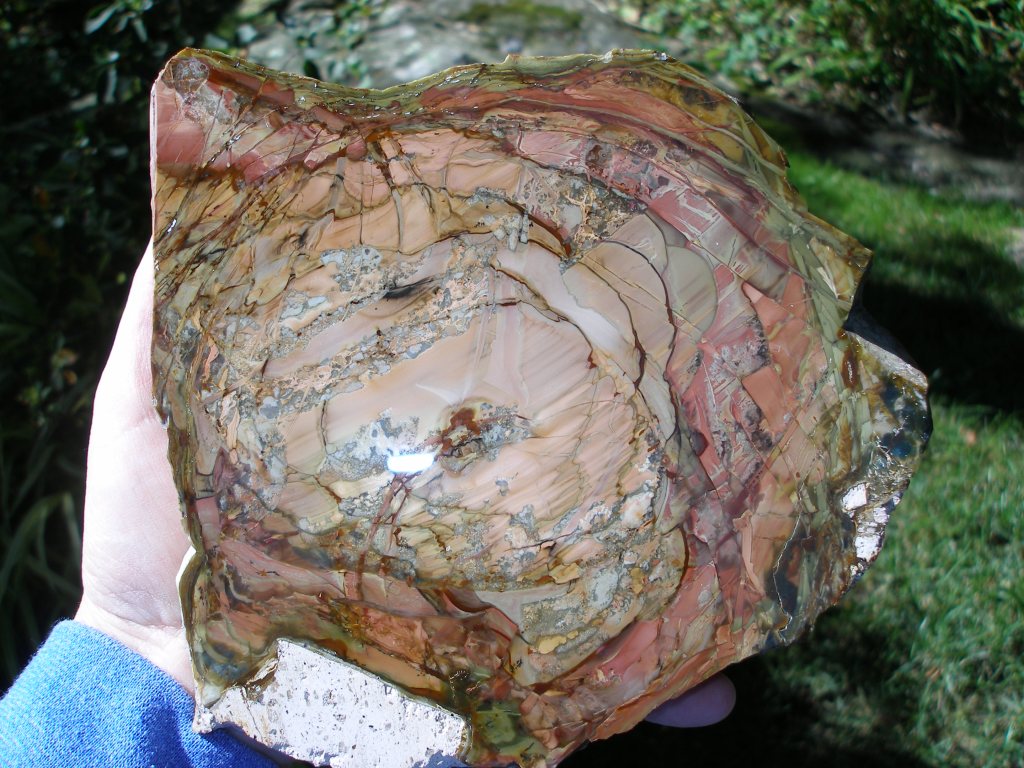
Morrisonite’s patterns flow in three dimensions, creating an interesting challenge for lapidaries. Depending upon how the rough jasper is cut, egg shapes may appear piled or lined up in a row. The eggs may be plain in pink, blue, yellow or tan or filled with pattern. Sometimes lines cross the eggs. Those without eggs can also be quite spectacular. The possible variations seem endless.
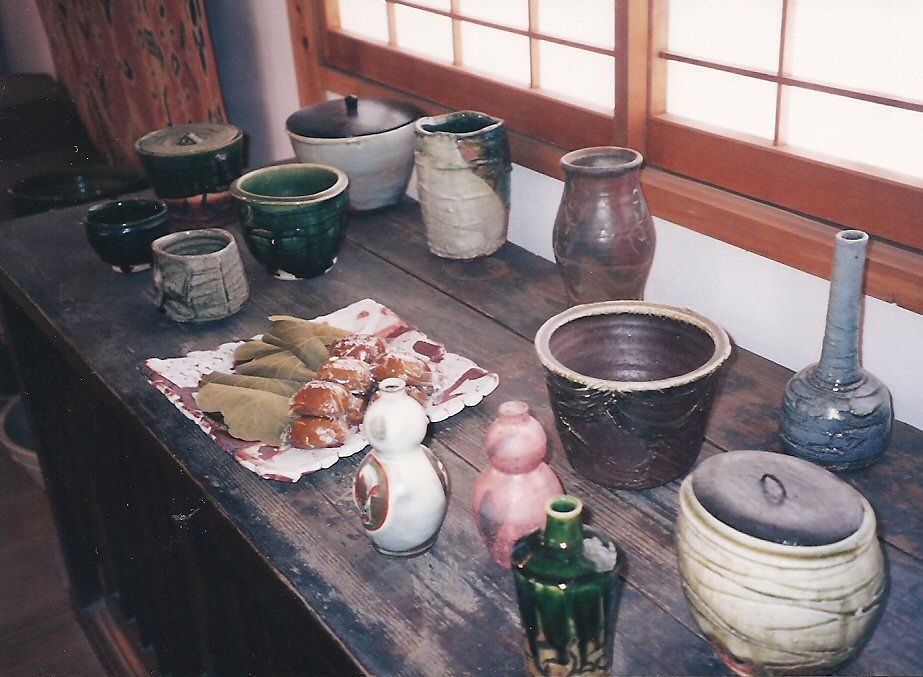
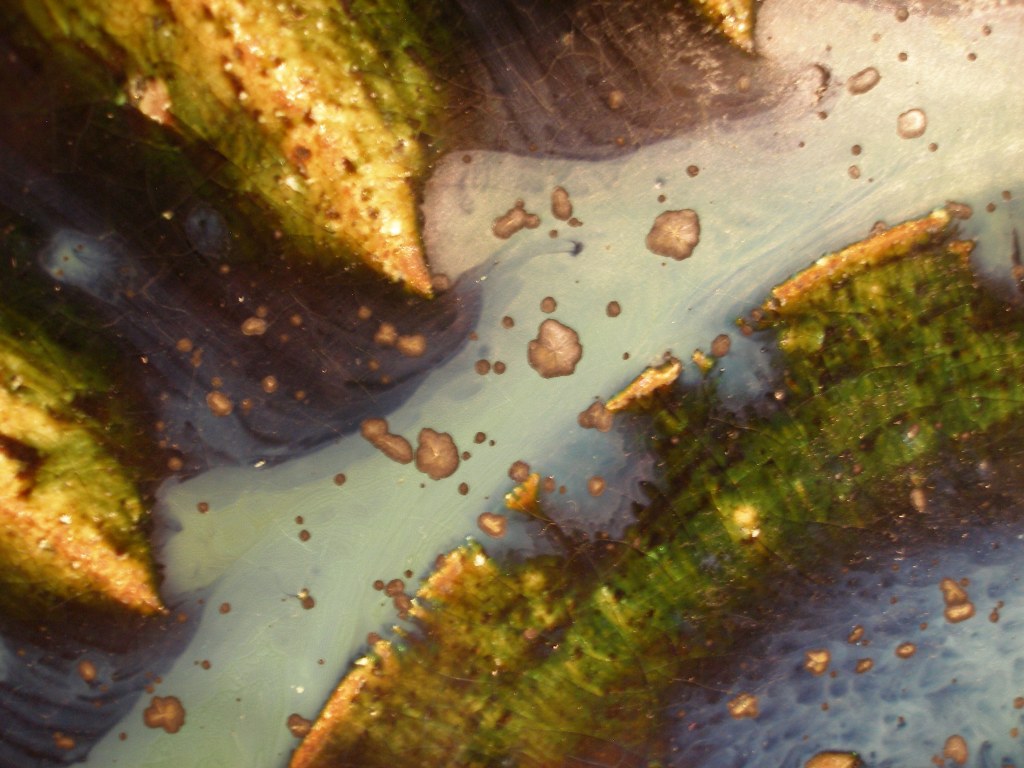
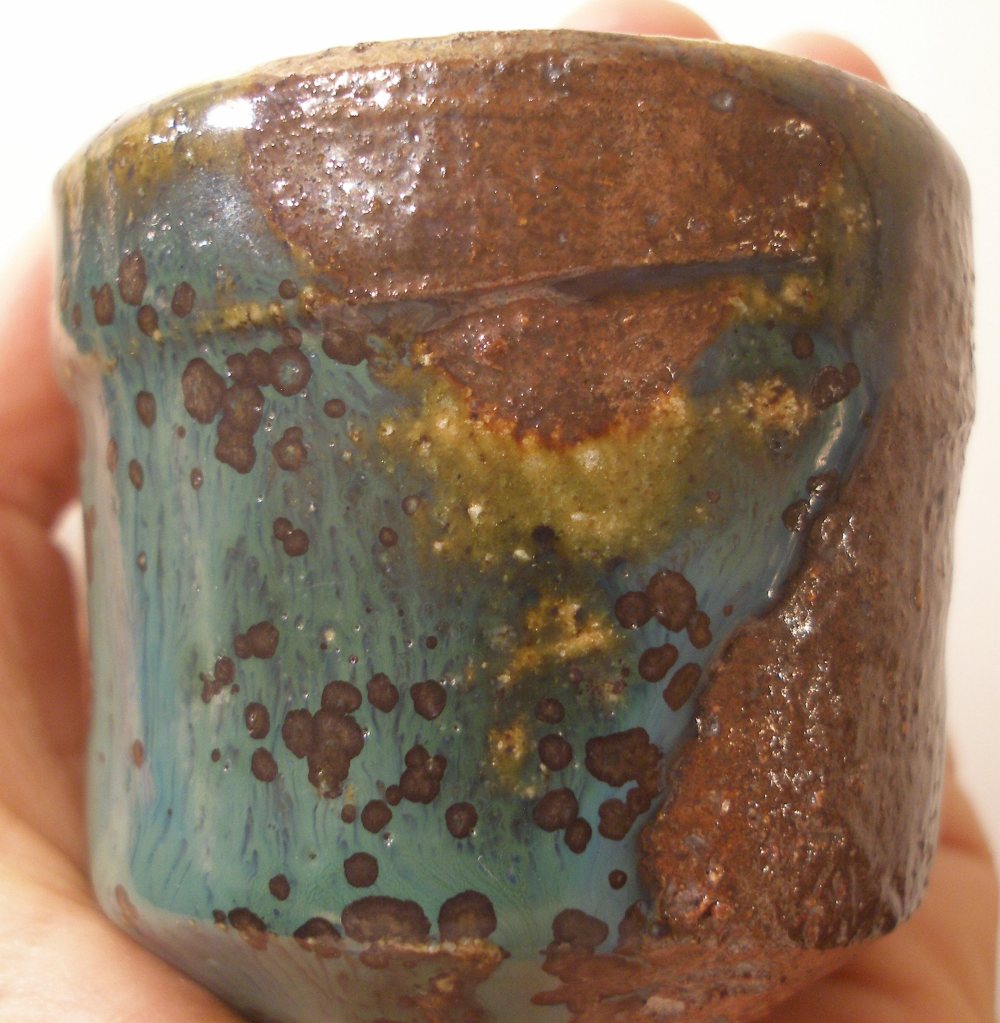
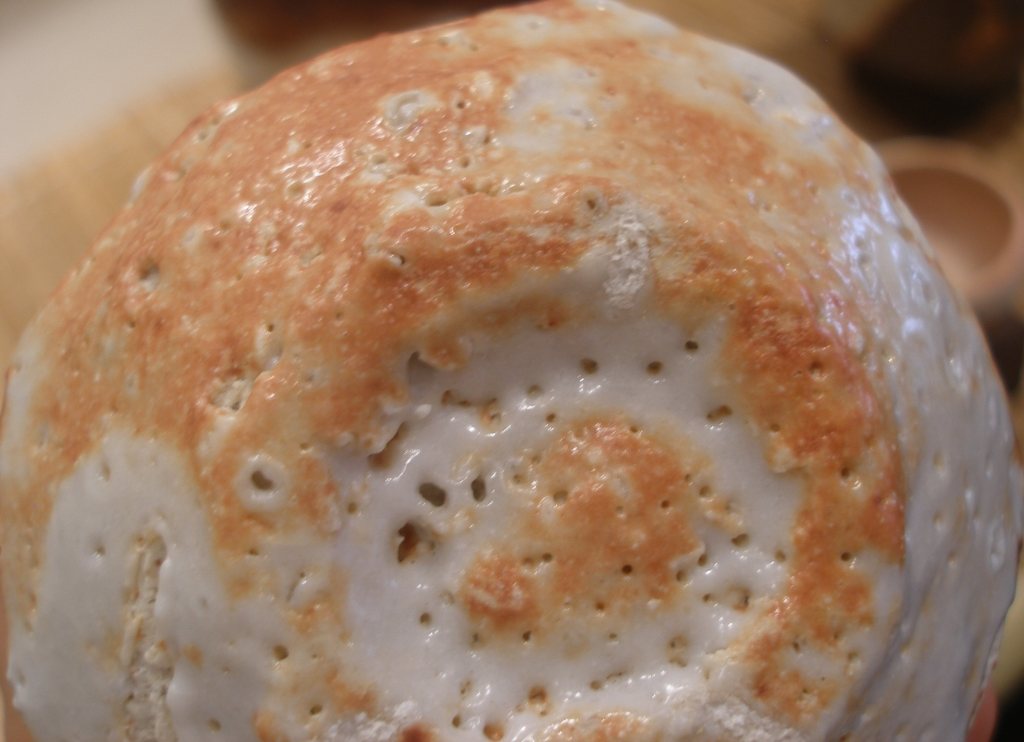
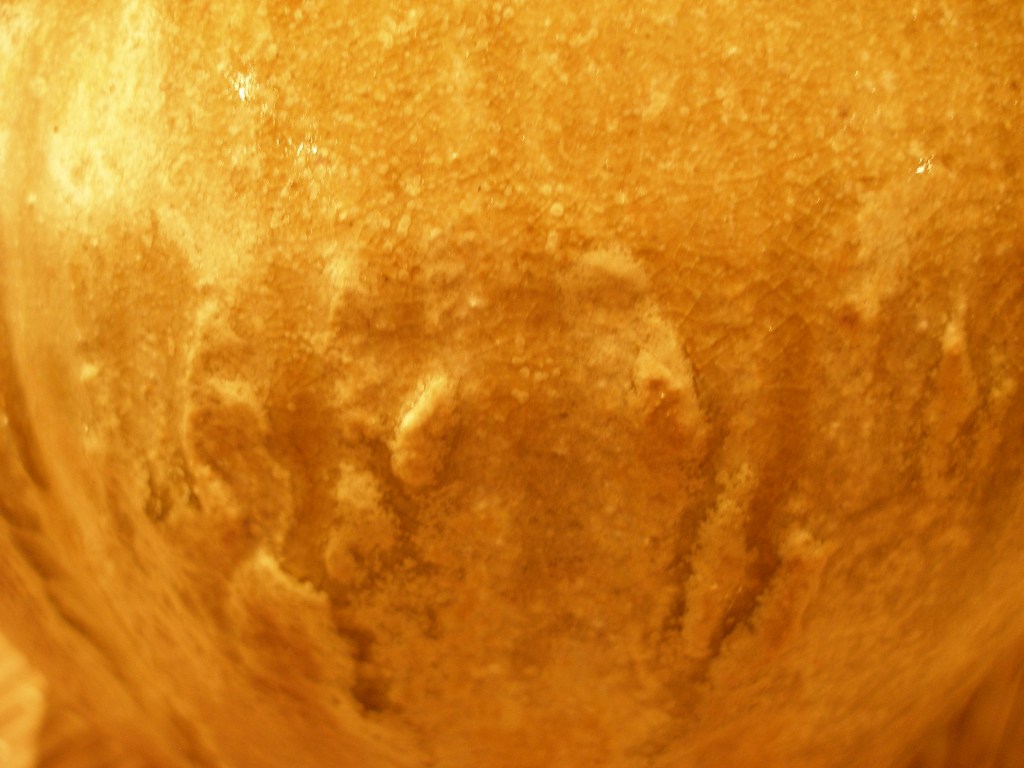
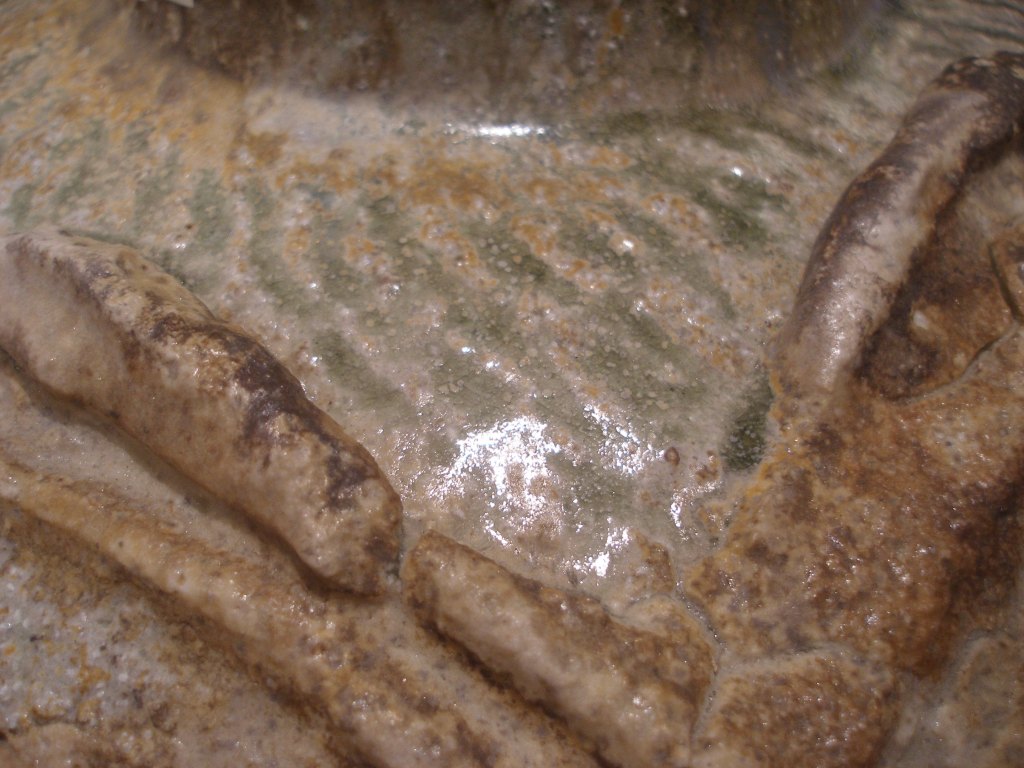
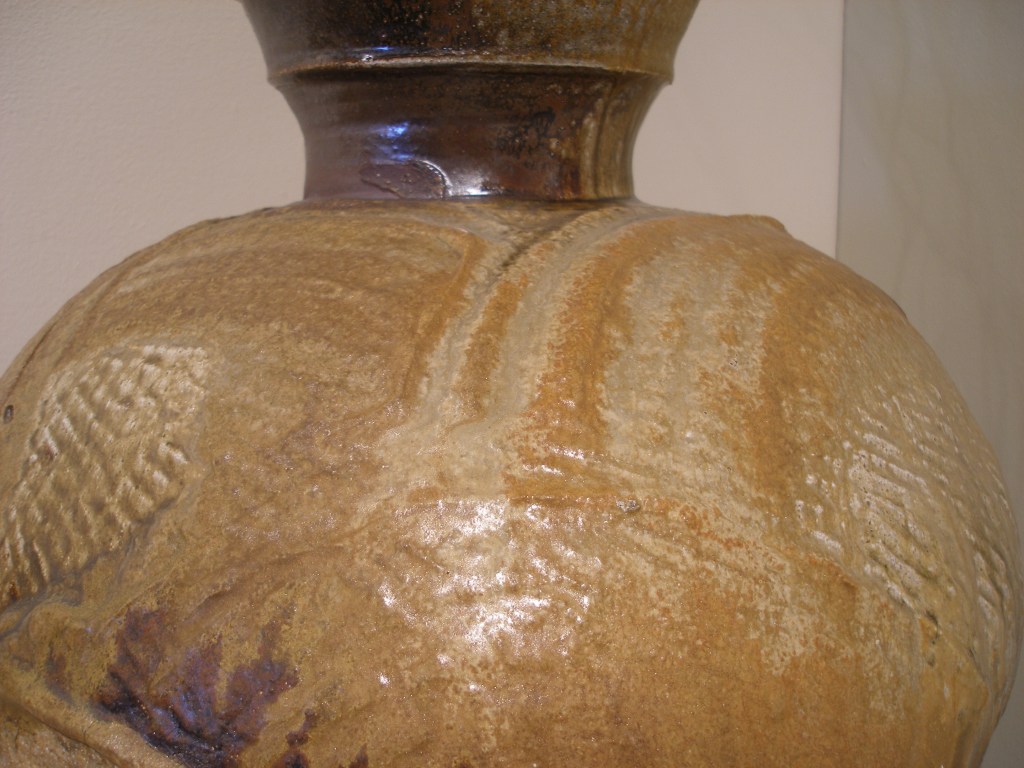
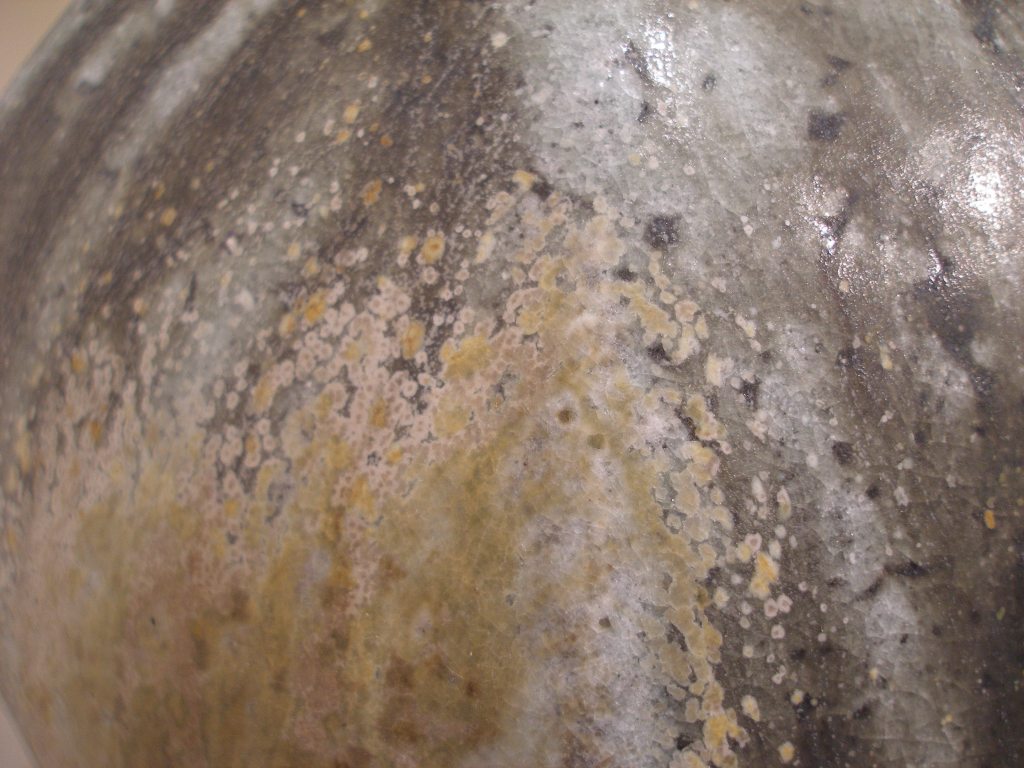
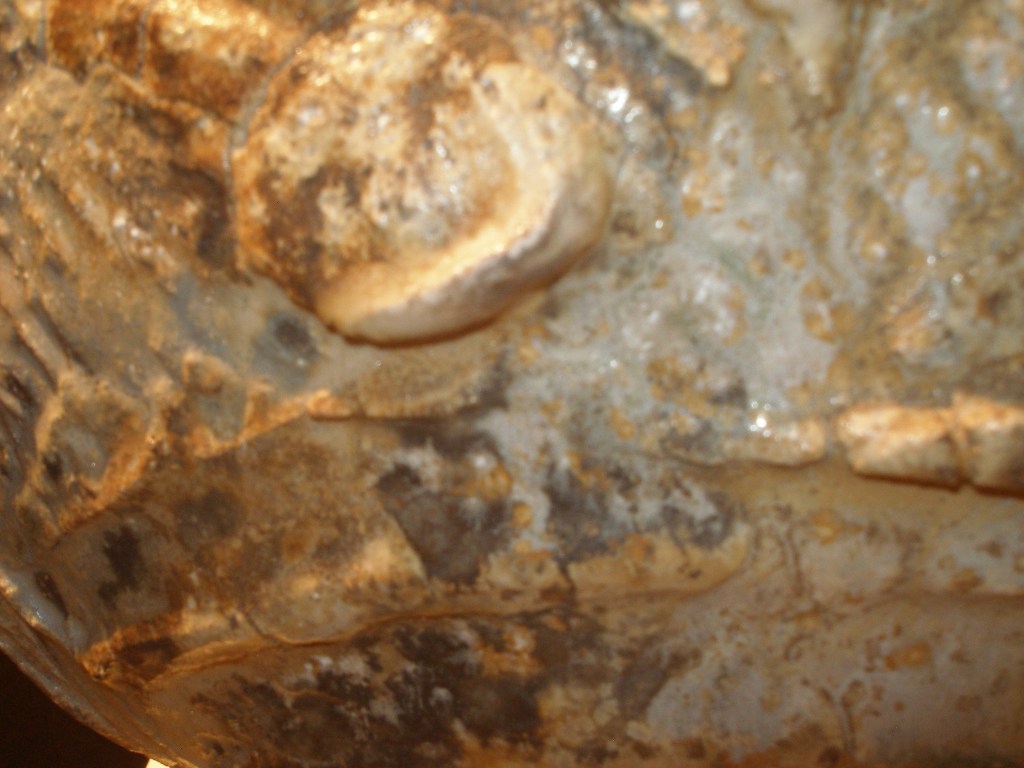
I first met Ken Matsuzaki on a trip to Japan. The first photo is of his pottery on display when I visited in 1997. After I returned, I was delighted to see Ken again, as well as examples of his latest work in Boston at the Pucker Gallery, which continues their long-term relationship with the master potter.
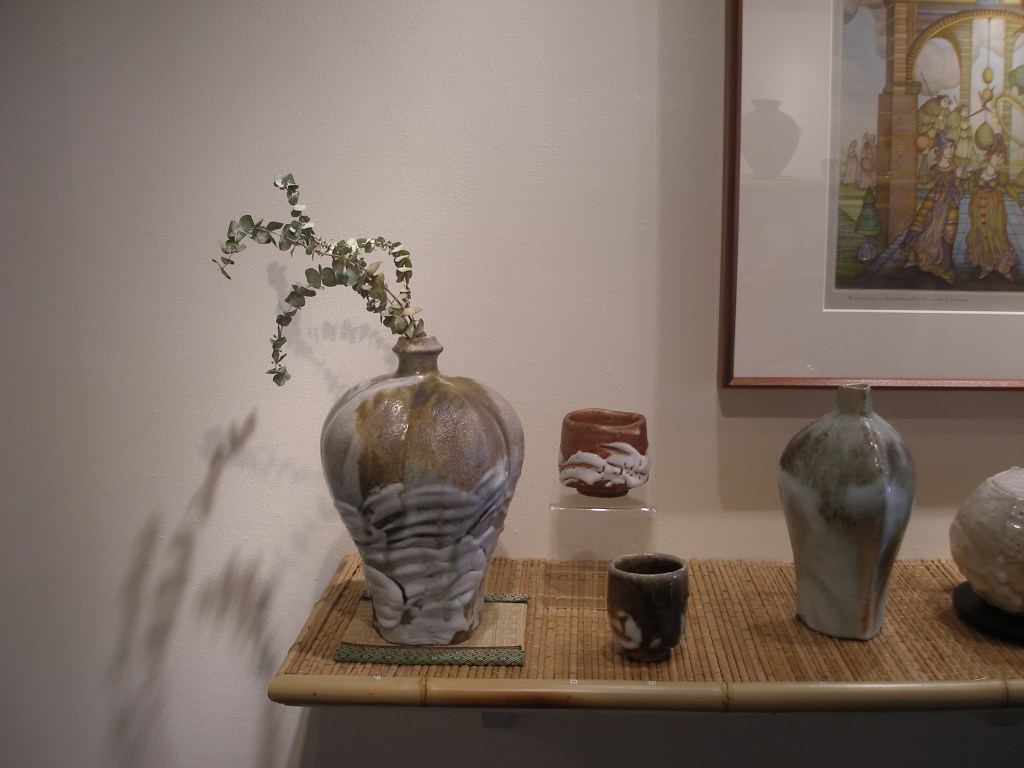
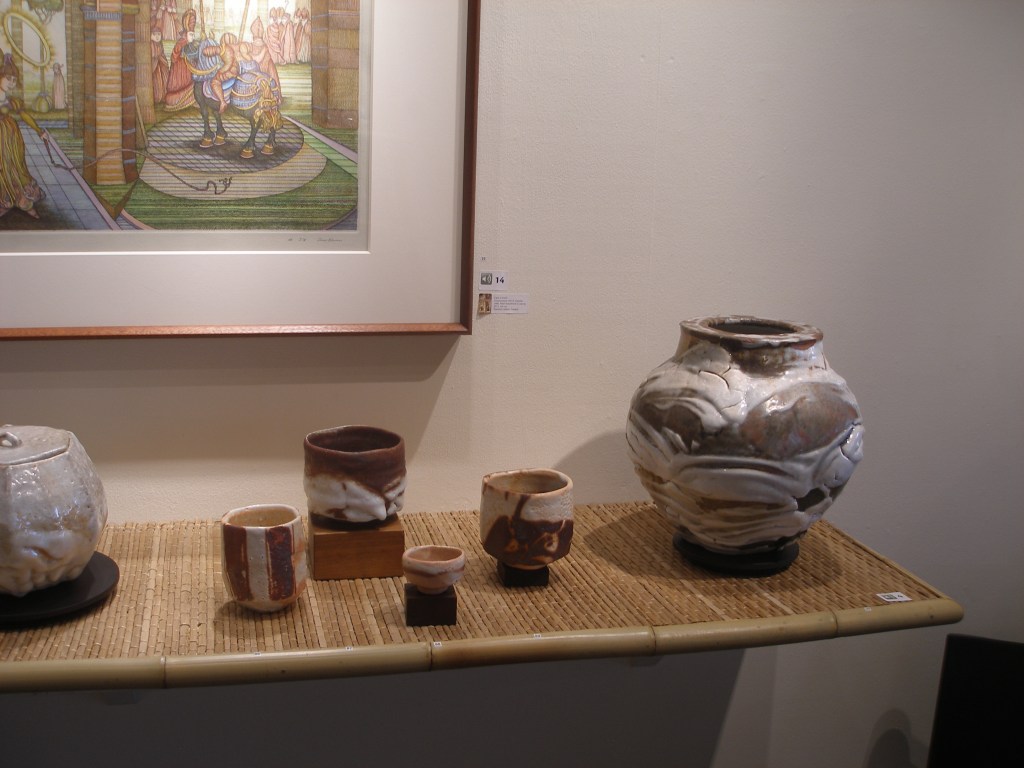
Entranced by the exuberant surfaces of the works on display in 2010, I asked and was granted permission to take closeups. I hope the photos below convey some sense for the joyful adventure of looking closely at their remarkable diversity.
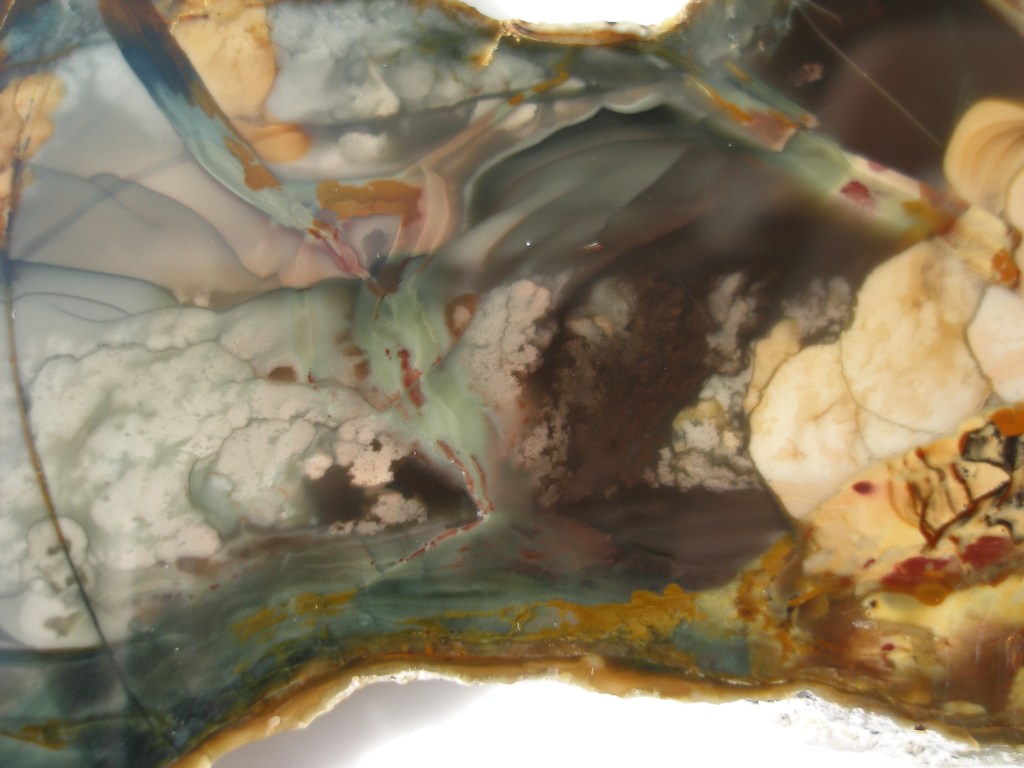
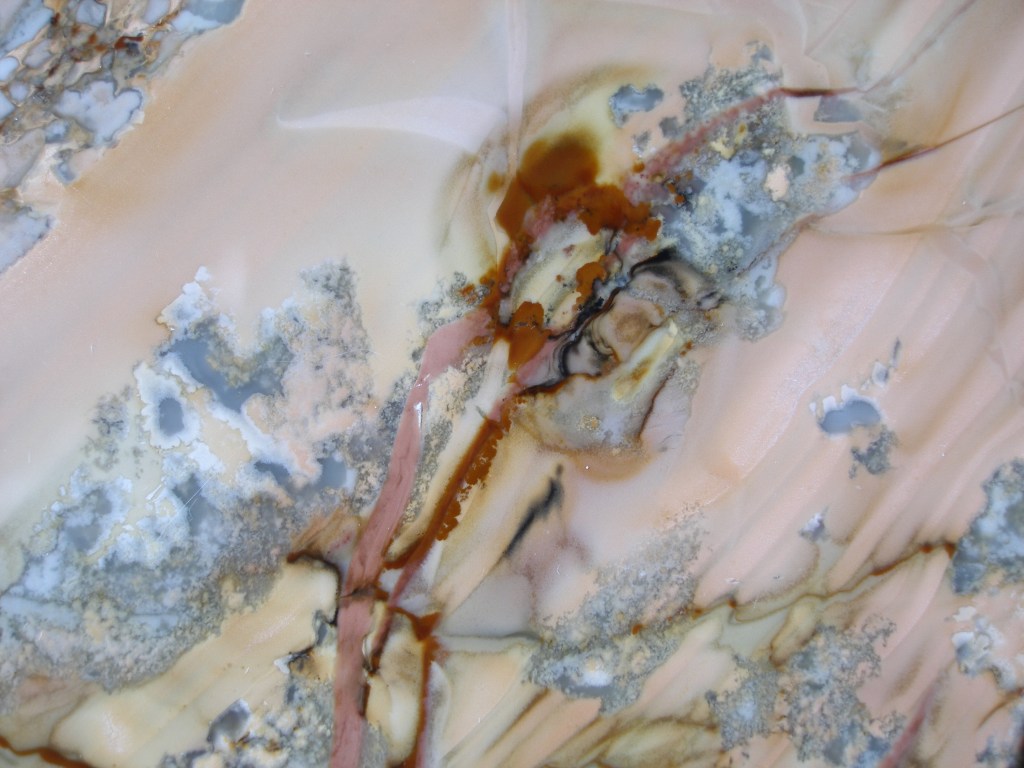
As you look in closer and closer at a slab of Morrisonite jasper, the dream images are still detailed and fascinating. The closeups below provide an idea of the wide range of patterns in this colorful jasper from a single location in Eastern Oregon – an area that is spectacularly beautiful in its own right.
I can get lost looking for good sections to enlarge. Three of these photos show the source, an image taken from its center and how that section looks enlarged and hung on a wall. Morrisonite provides endless options for that kind of treatment as well as for framing beautiful small sections as cabochon art.
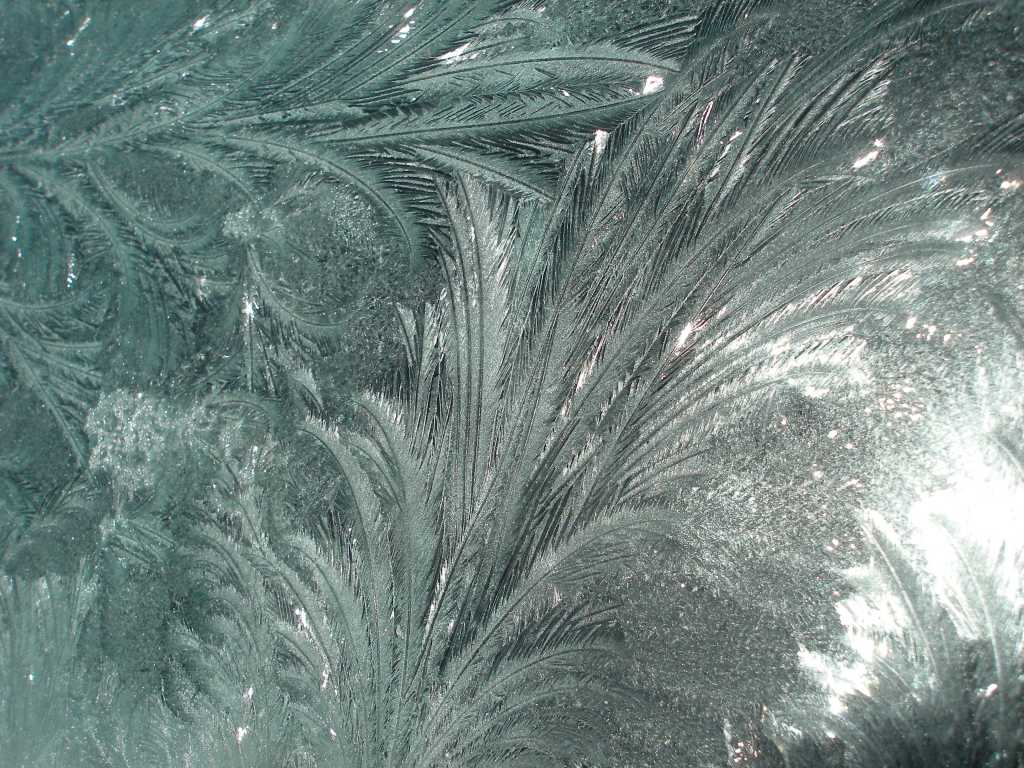
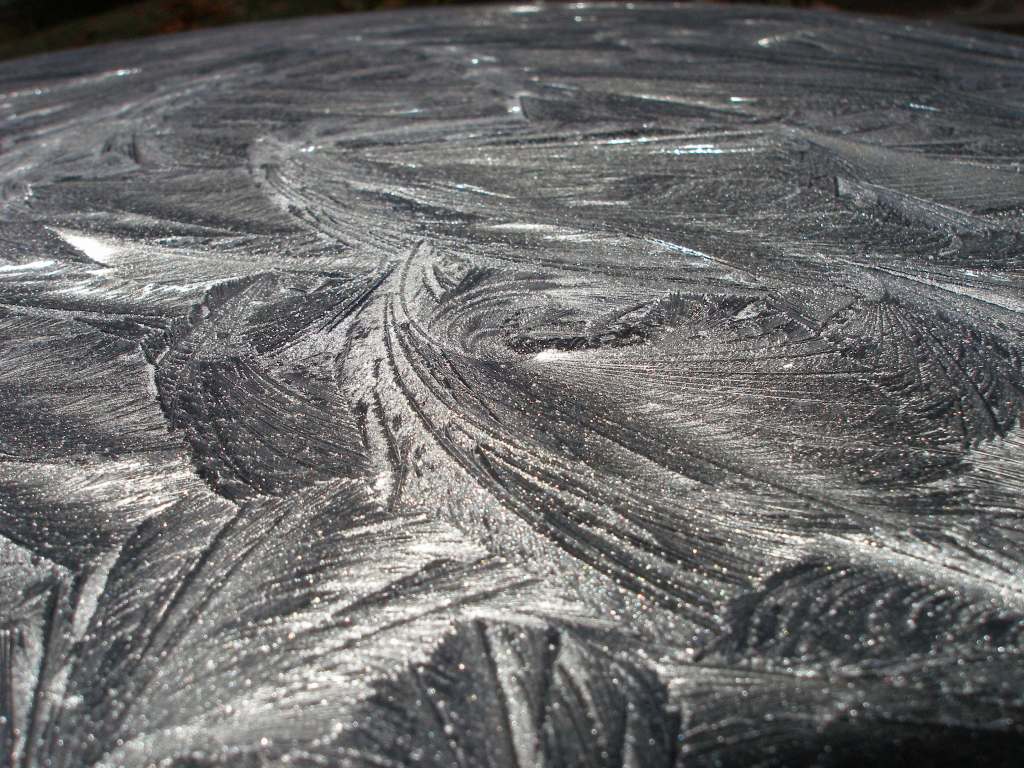
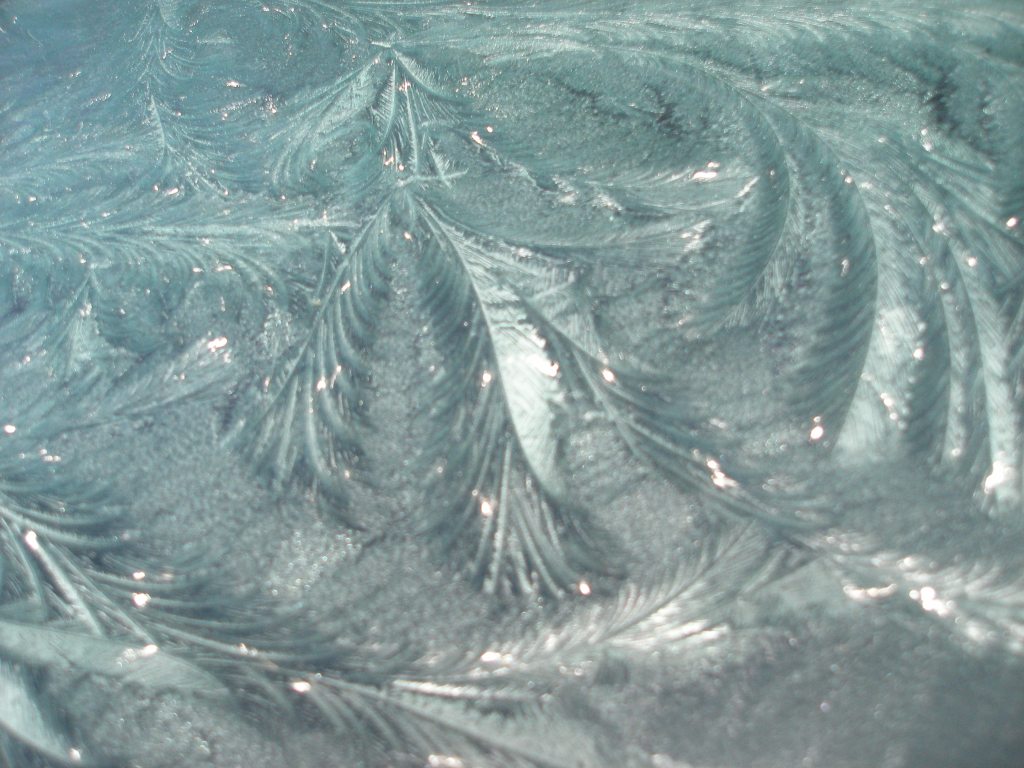
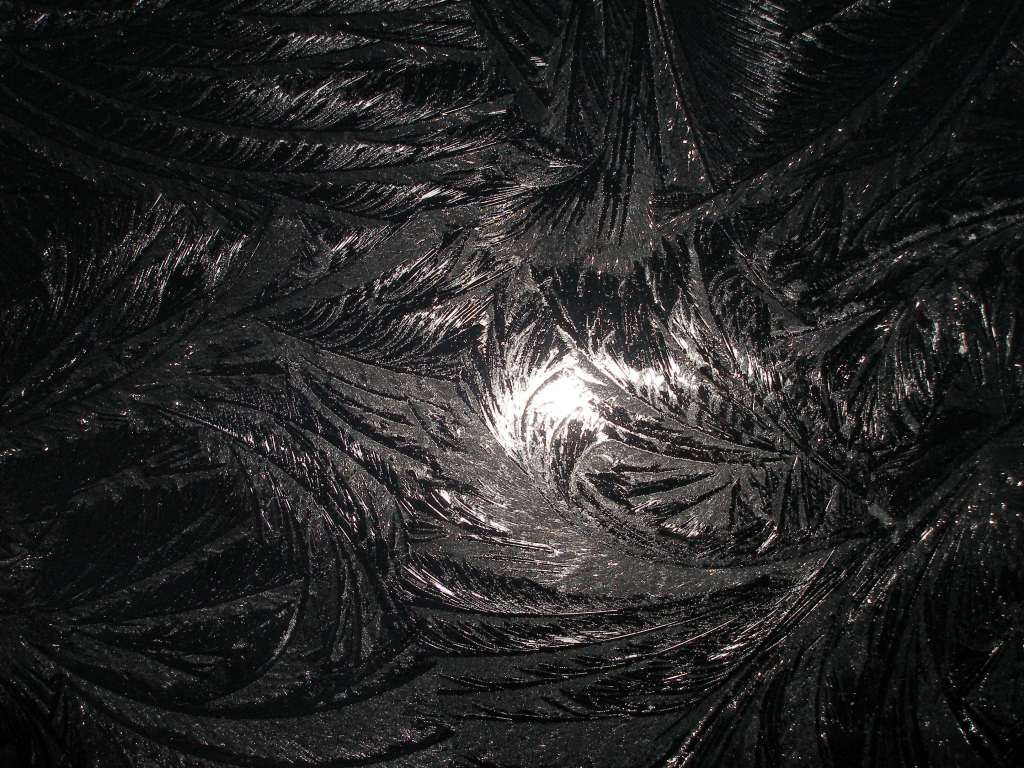
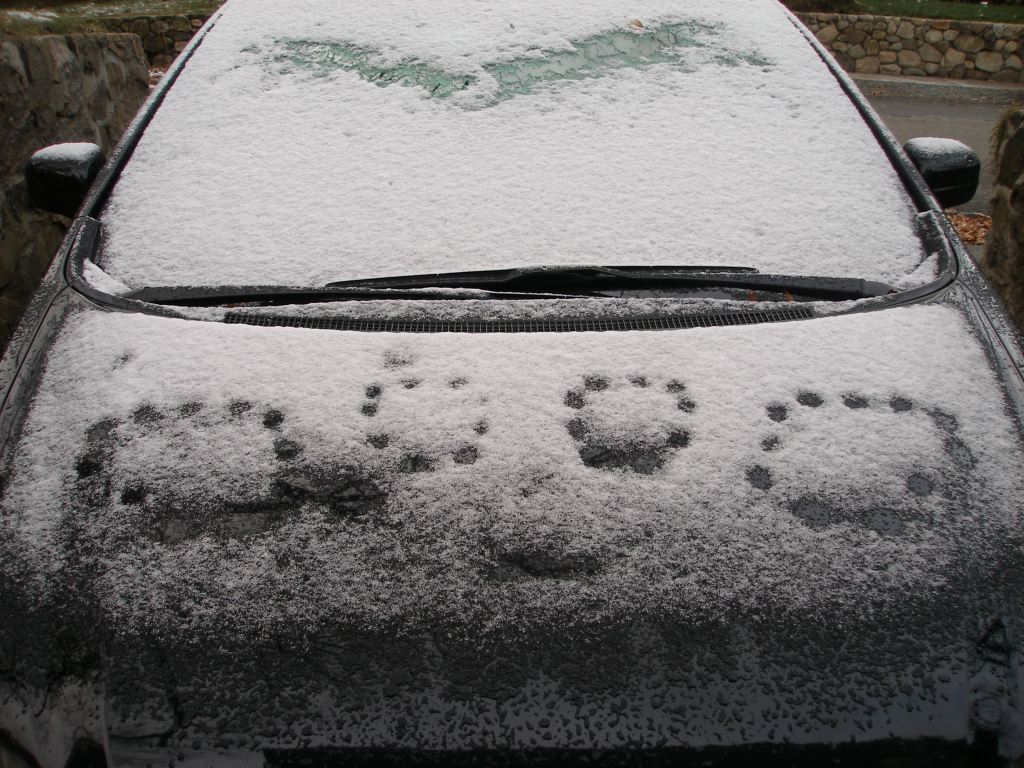
In late November 2019, I noticed wonderful large ice crystal formations all over a car. This November, most interesting symmetrical patterns formed on car hoods after a light snow began to melt. The patterns varied quite a bit, probably reflecting the different engine and hood support designs within.
I had to wonder what other wonderful designs I might discover by getting out early after the first freeze of the year.
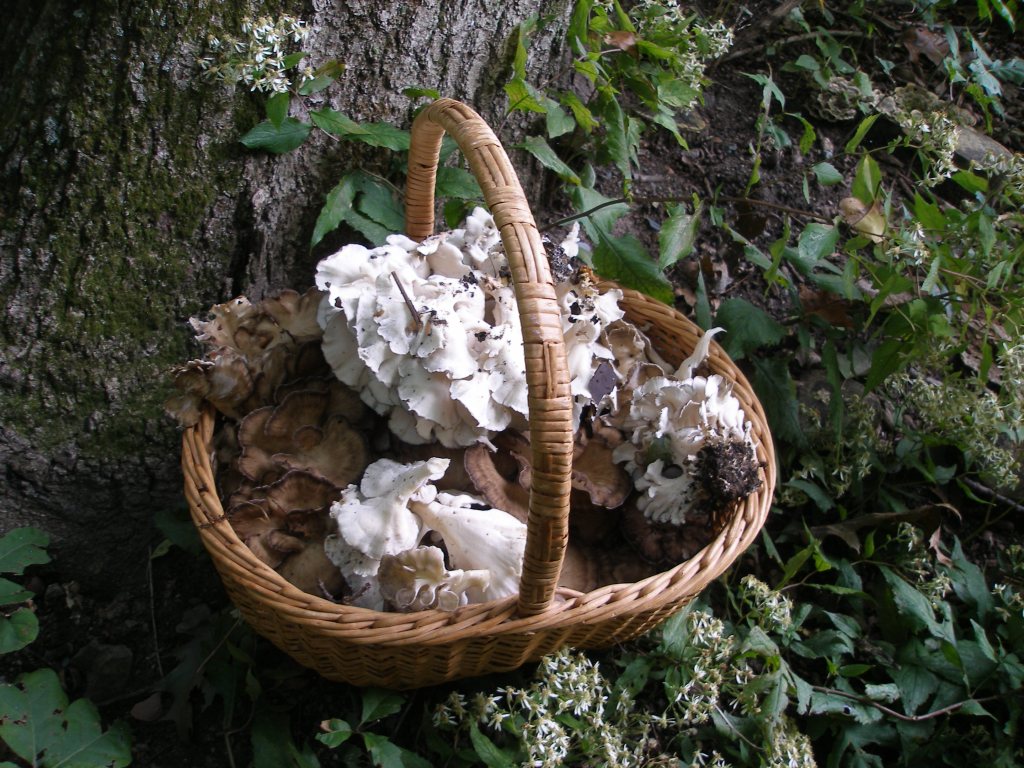
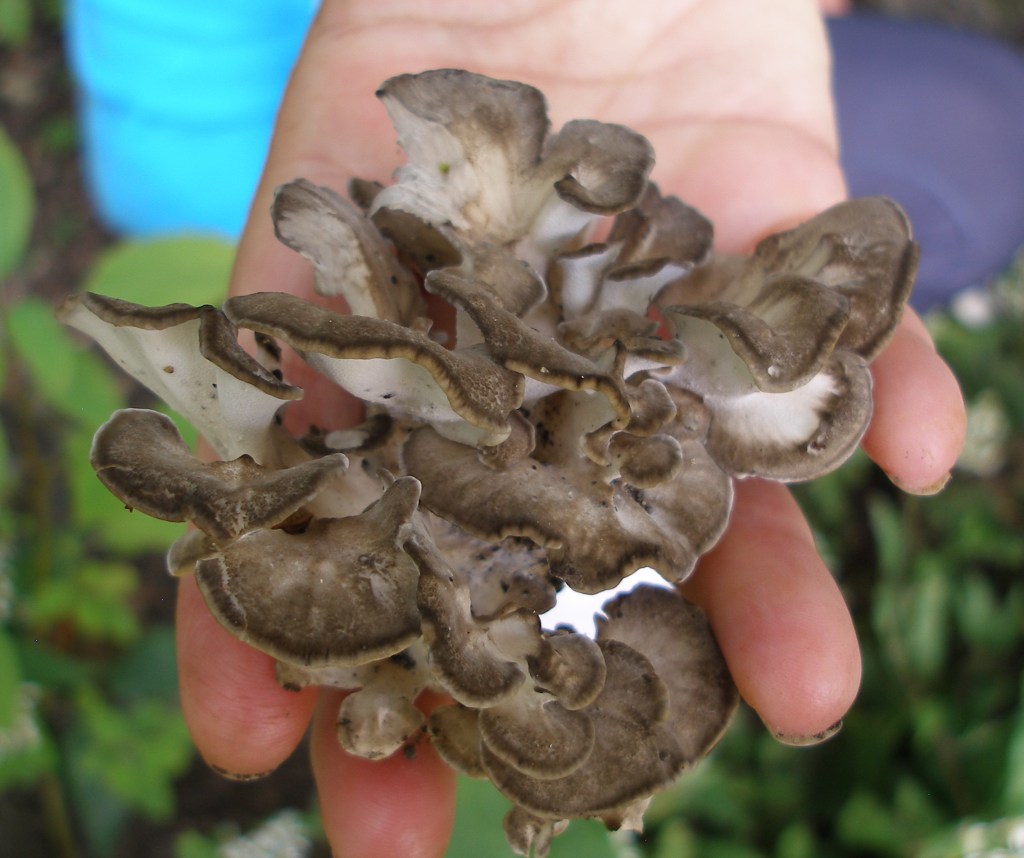
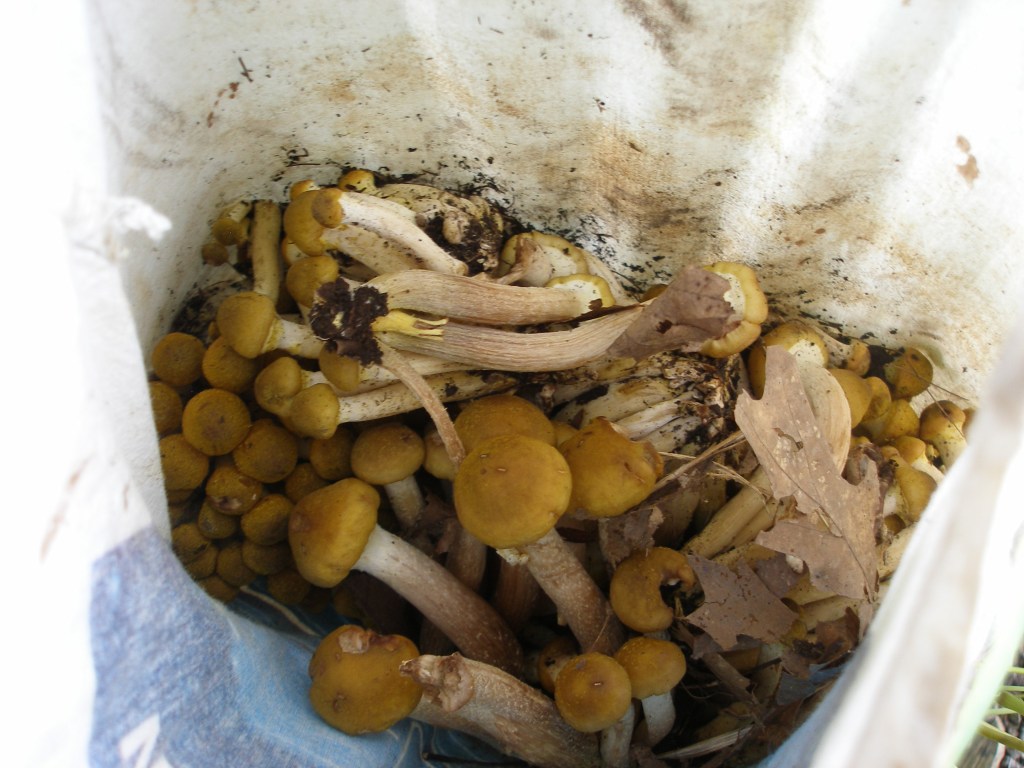
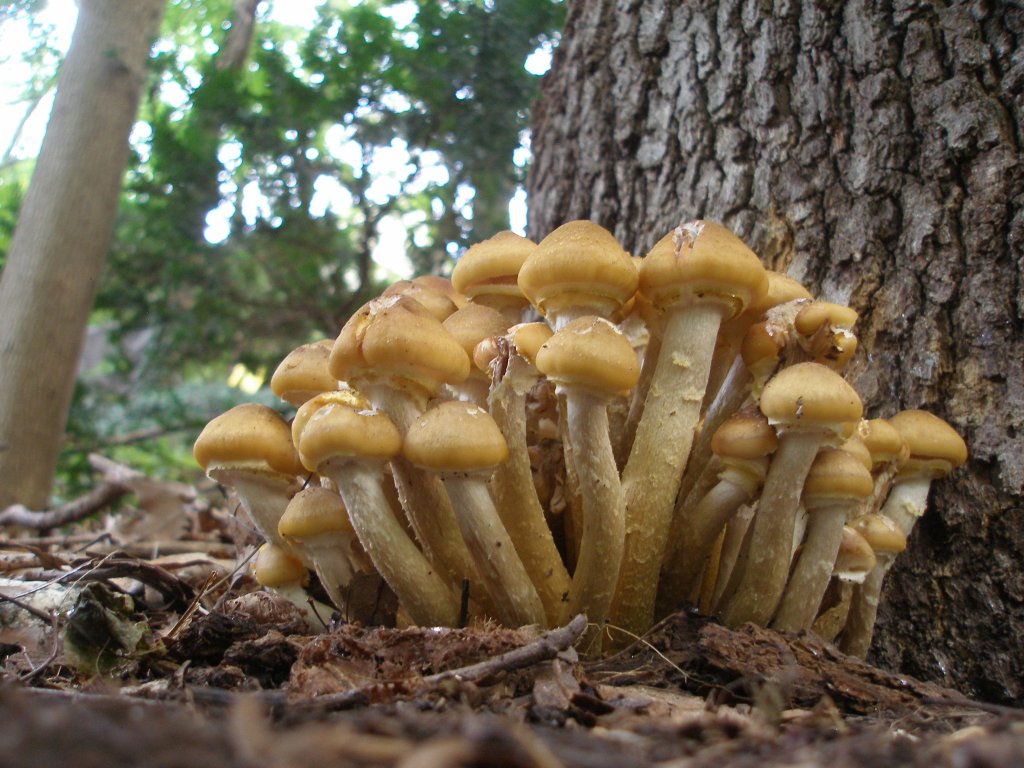
Recently, I came across two people carrying a basket of hen of the woods and a bag full of honey mushrooms. While the number of edible mushrooms each person can gather is limited in Europe, no such limit applies In the United States and these two had gathered so many, they told me they would need to give some away. While books and online resources like this one can be useful, the best way to learn which fungi are safe to eat is to go out with a local expert.
Their value has long been recognized including in works of art. The jade pendant shown in the last photo below bears witness to the reverence accorded to fungi by the Chinese, who use them in their traditional medicine. The Maya carved fascinating mushroom stones, and fungi with psychotropic properties have important cultural significance for certain tribes.
Scientists have verified that fungi can support the health of forests and survive fire. They have been used to control insect pests and to clean up plastic and organic waste. No doubt we will discover more about their many benefits and possible uses for fungi as we learn more about them.






















 Radiant Refuge