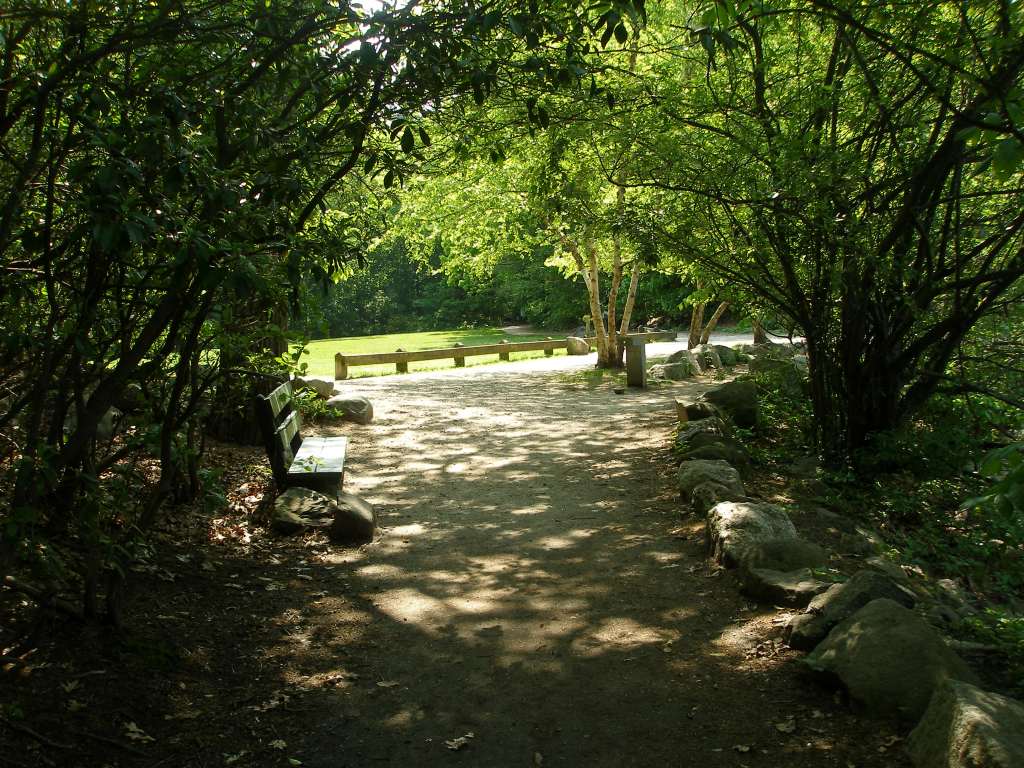
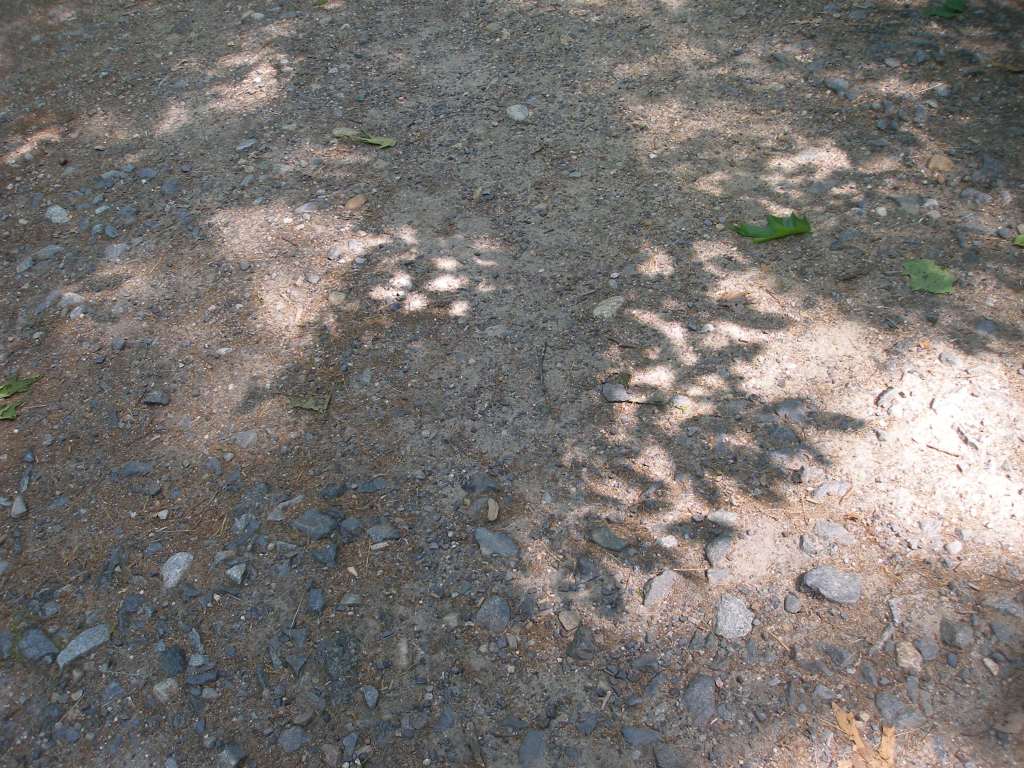
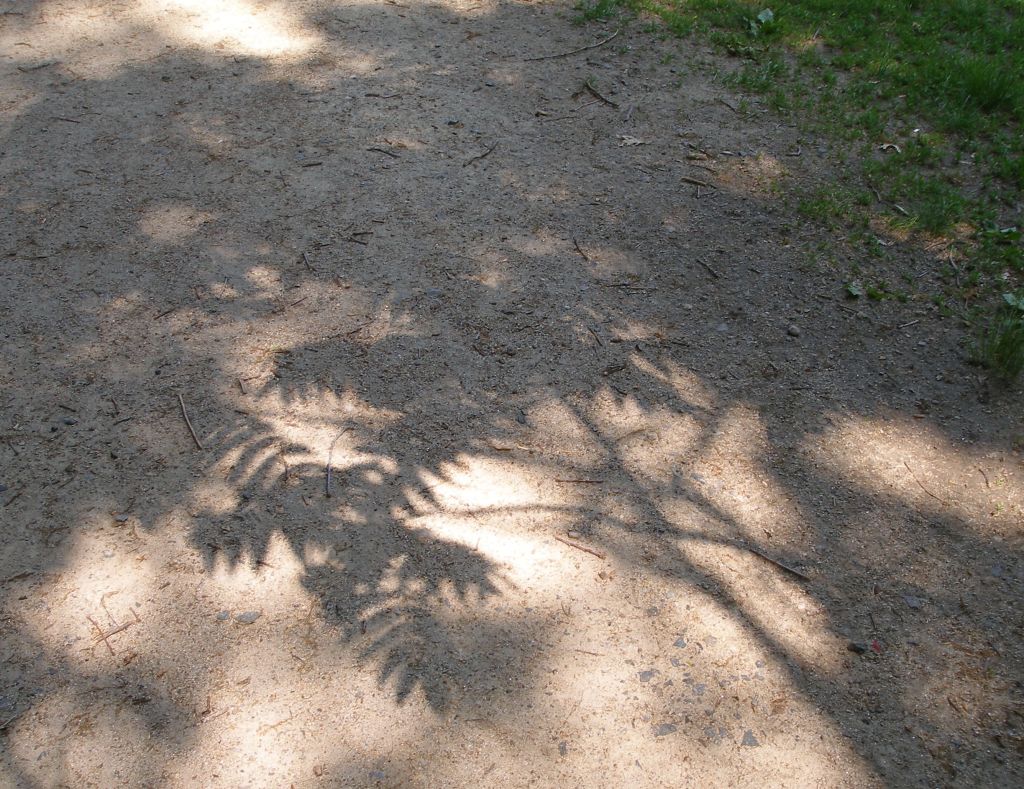
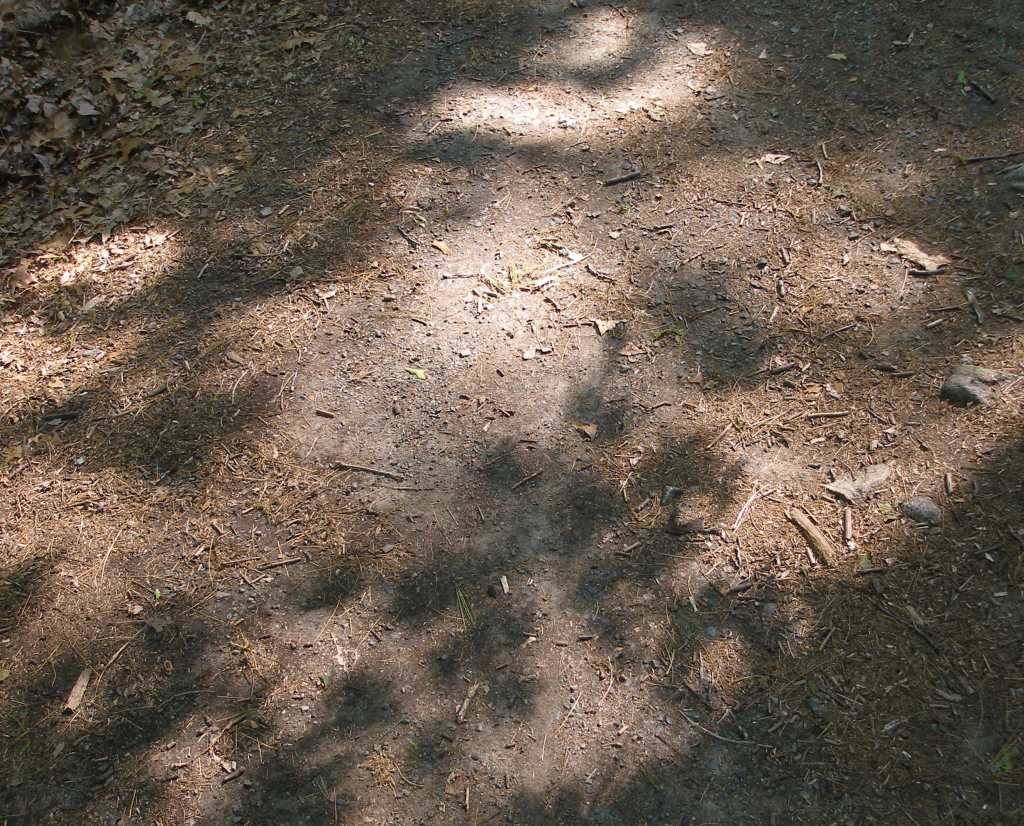
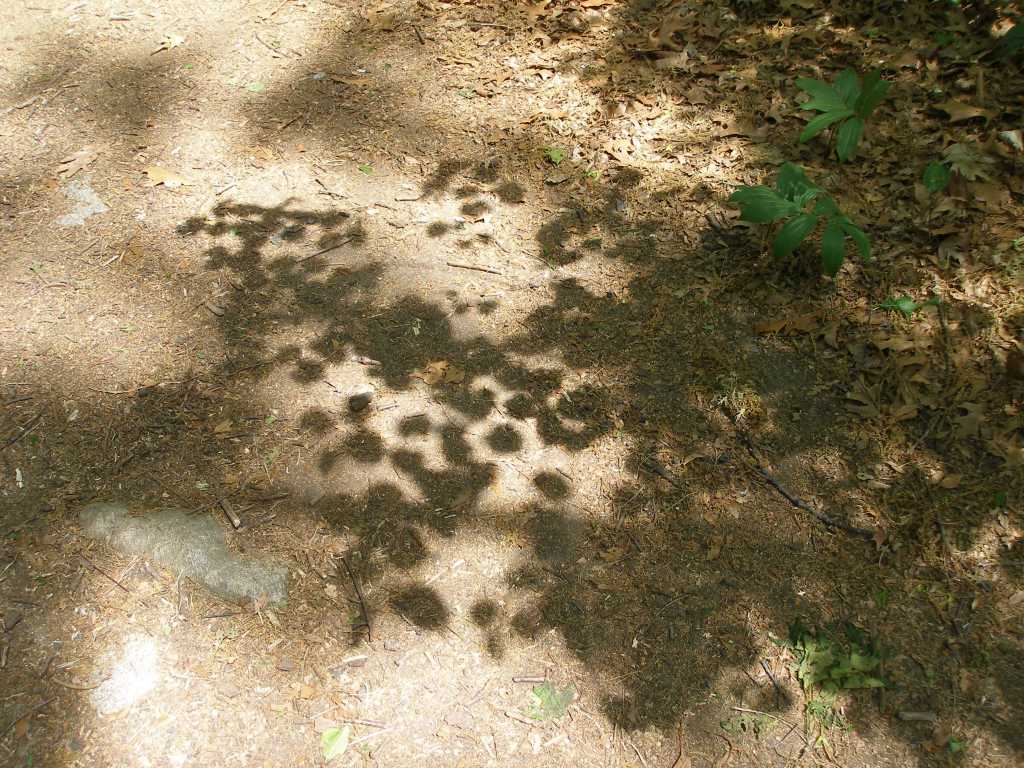
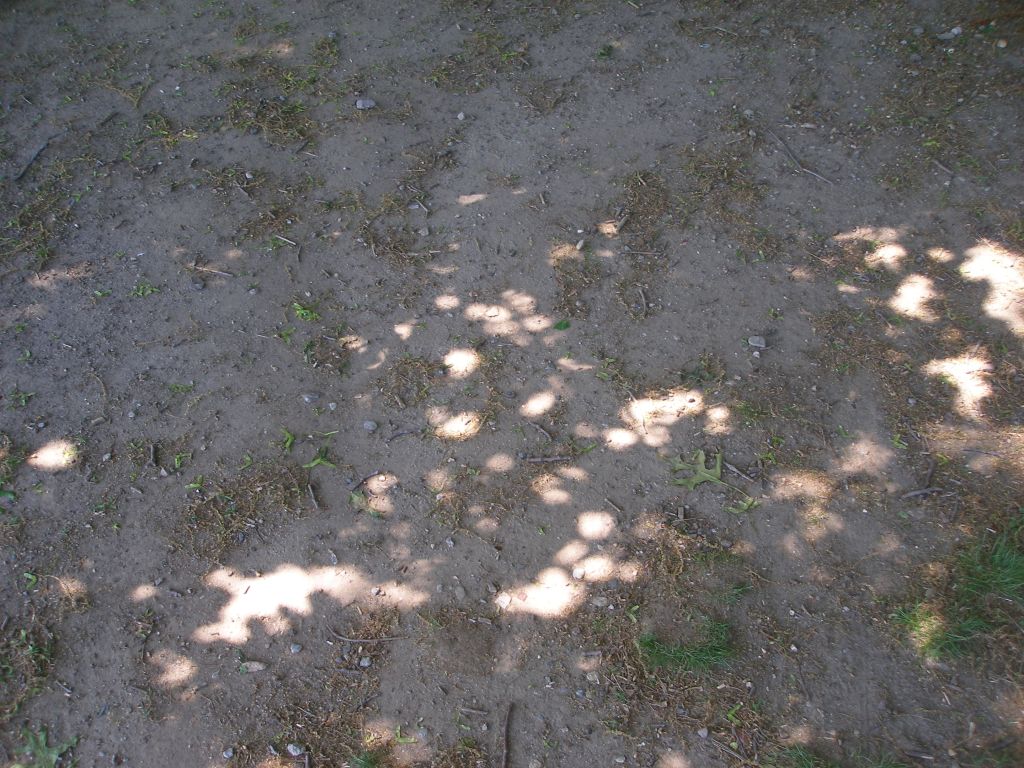
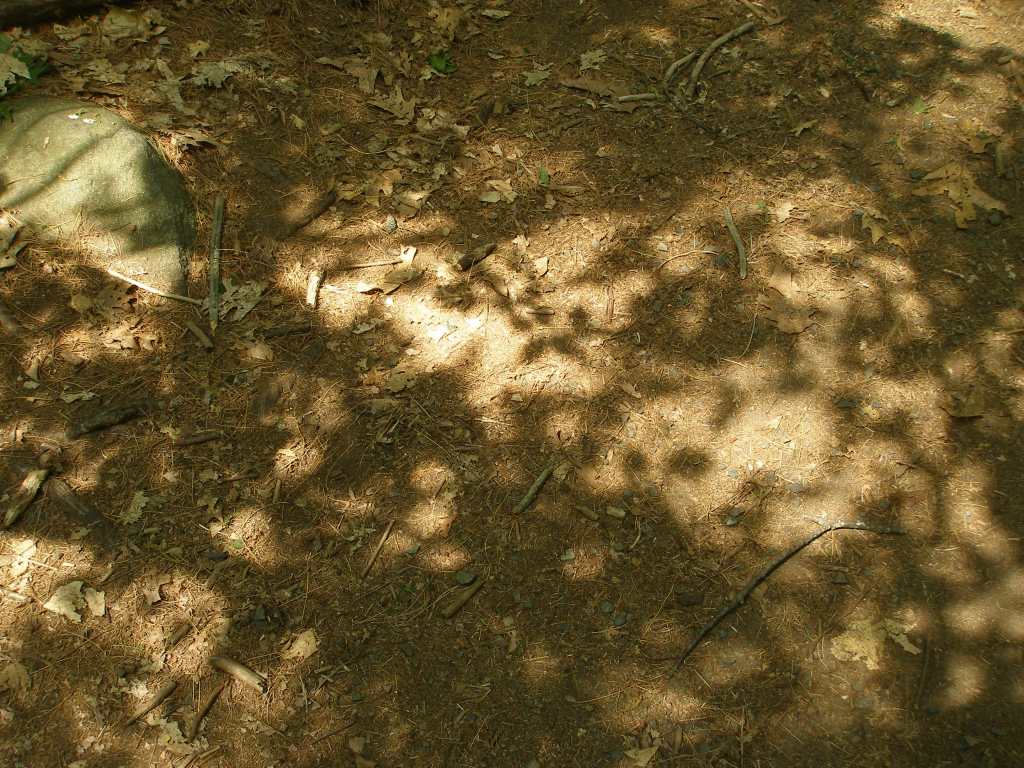
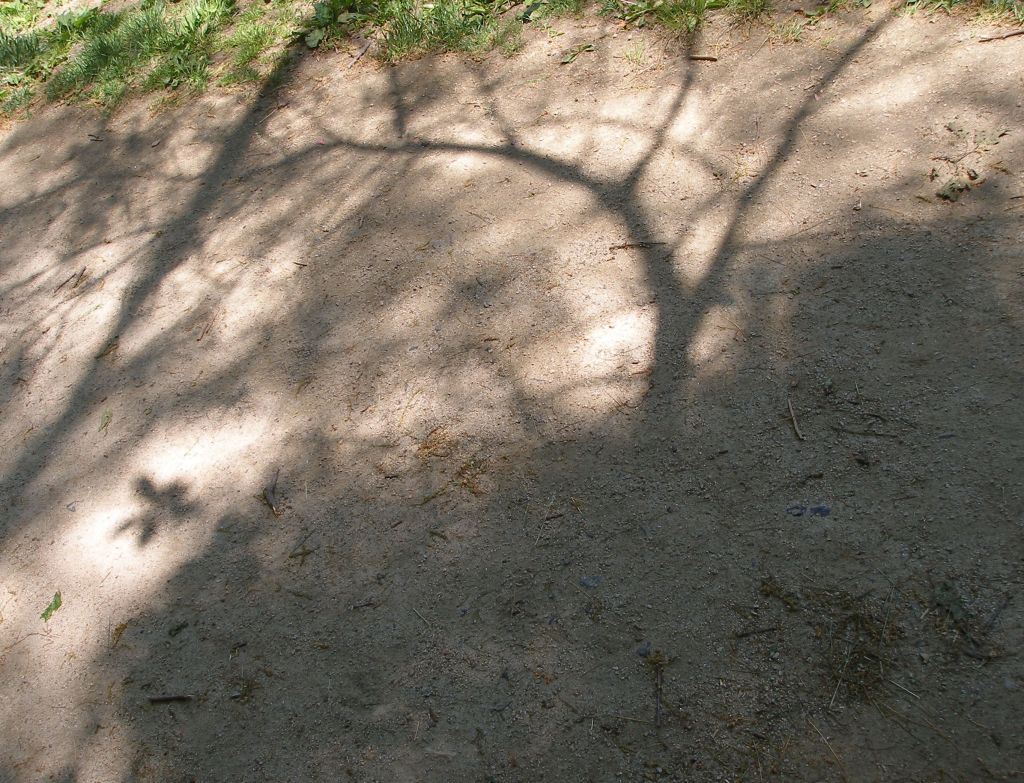
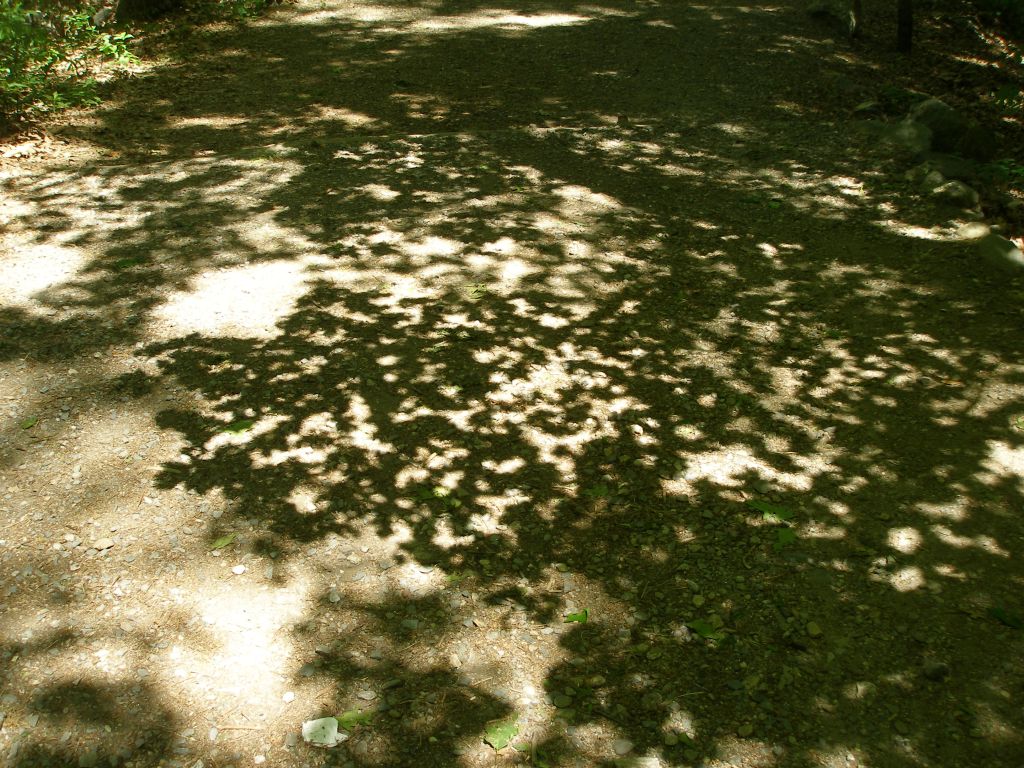
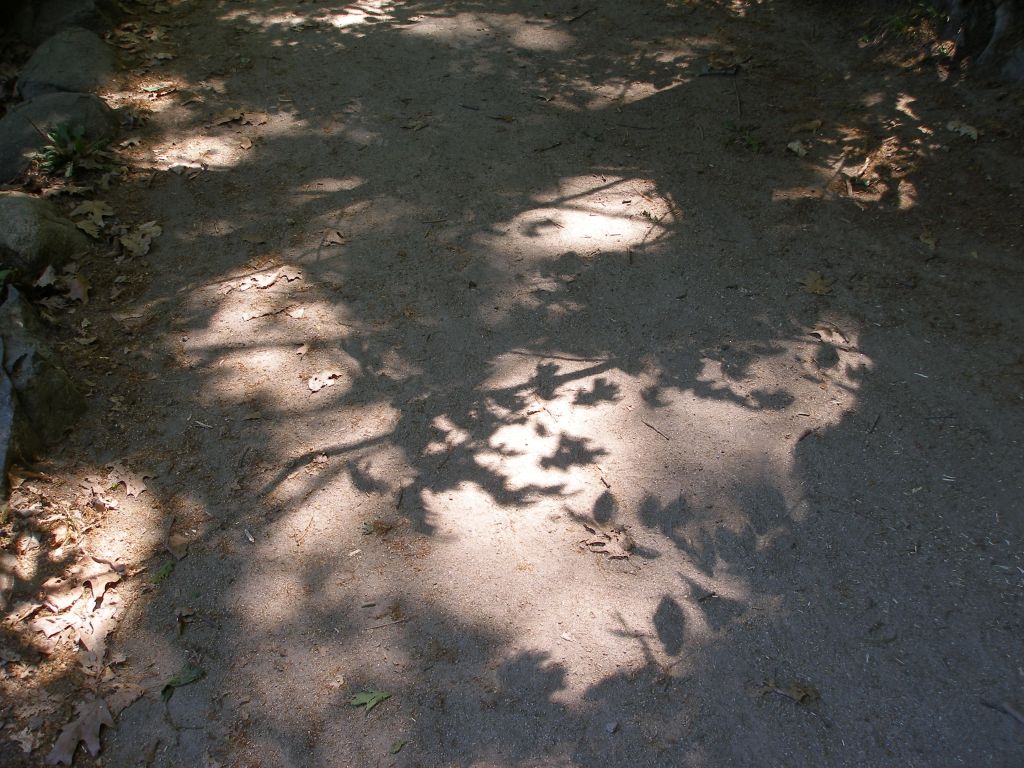
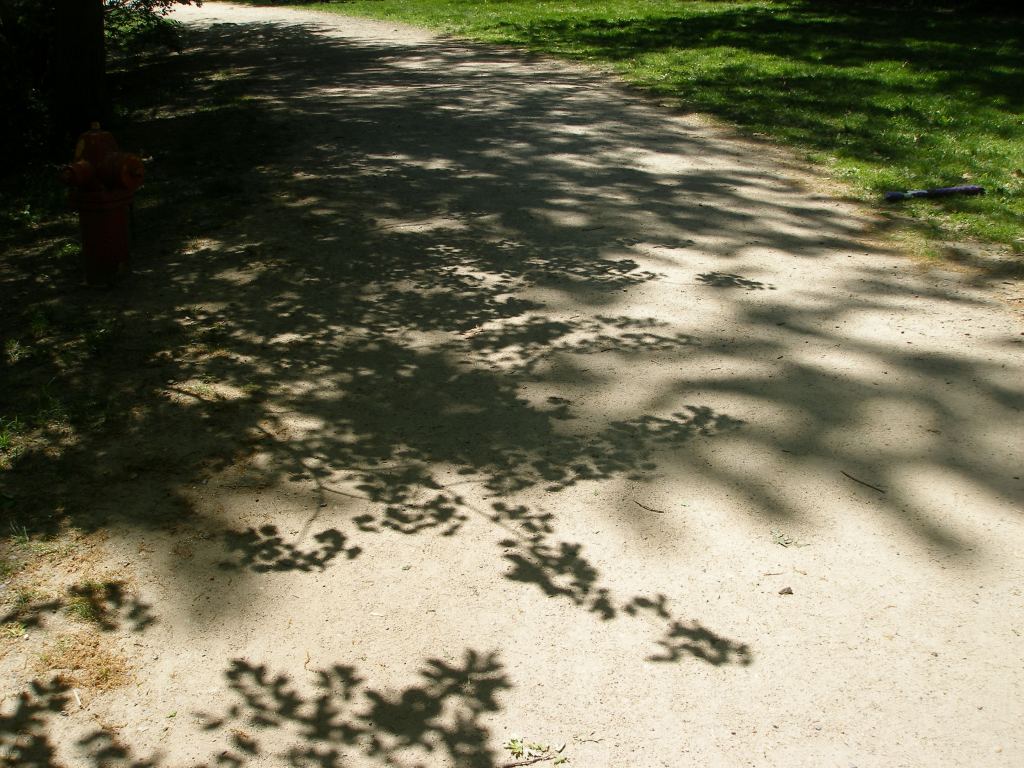
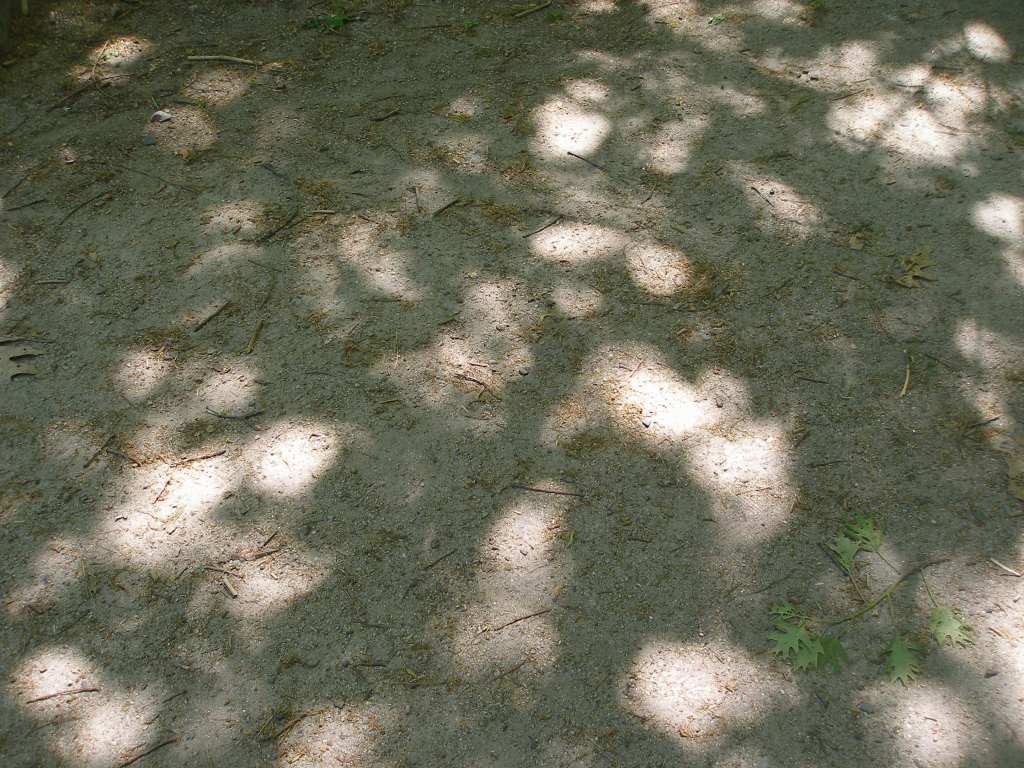
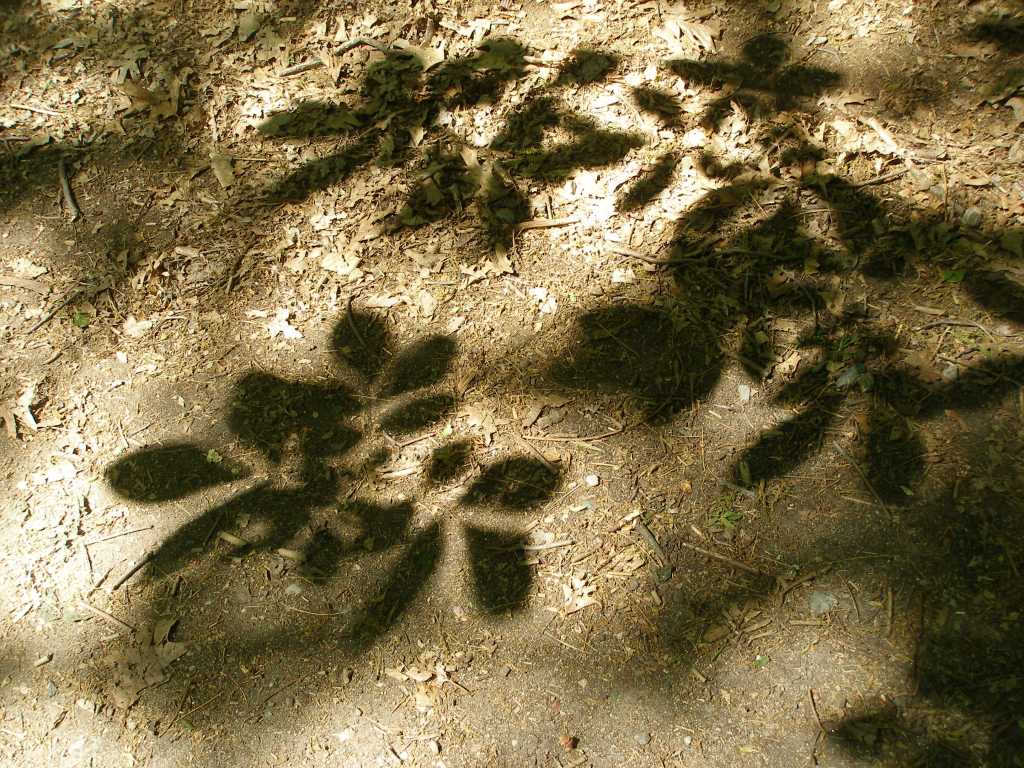
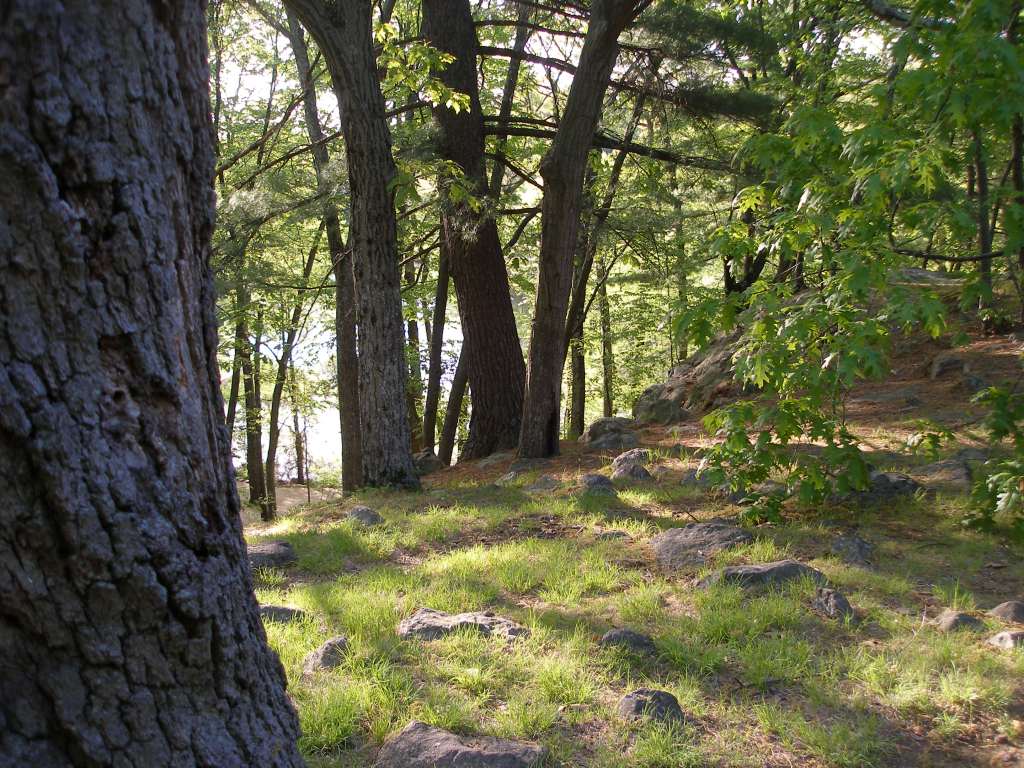
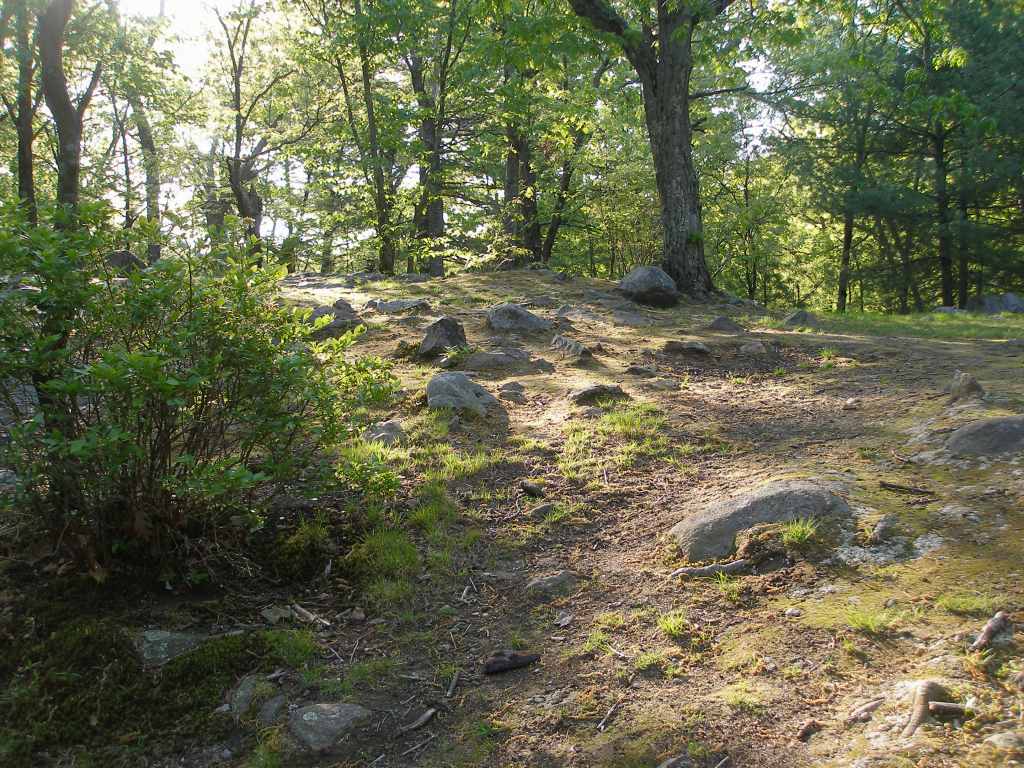
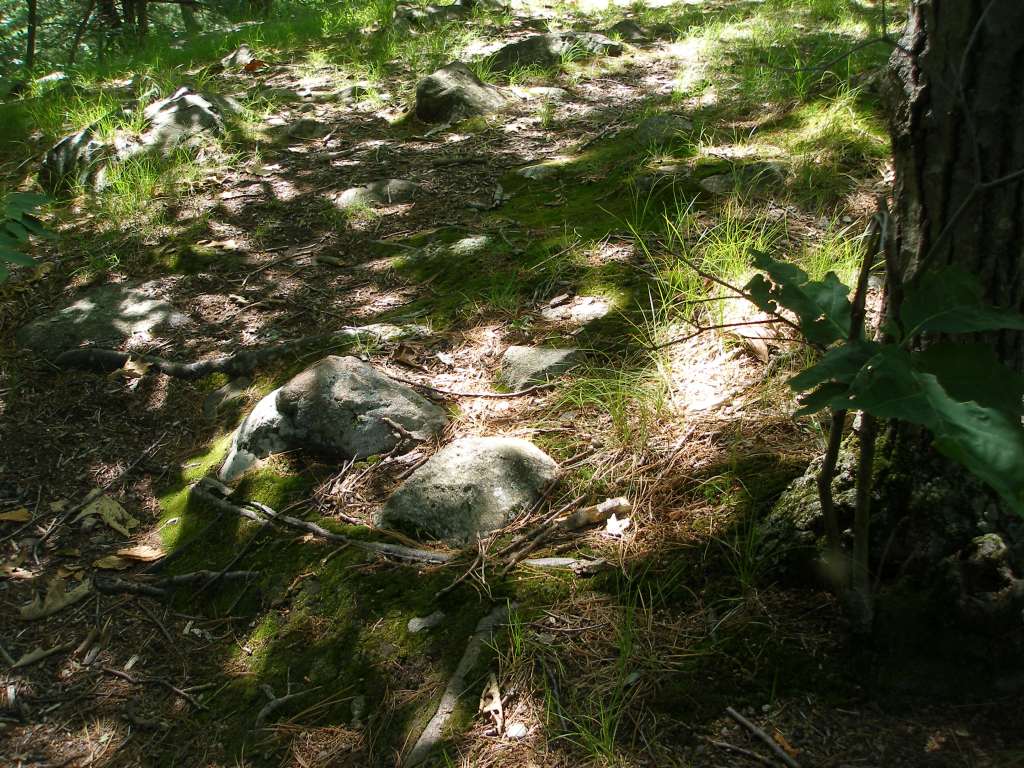
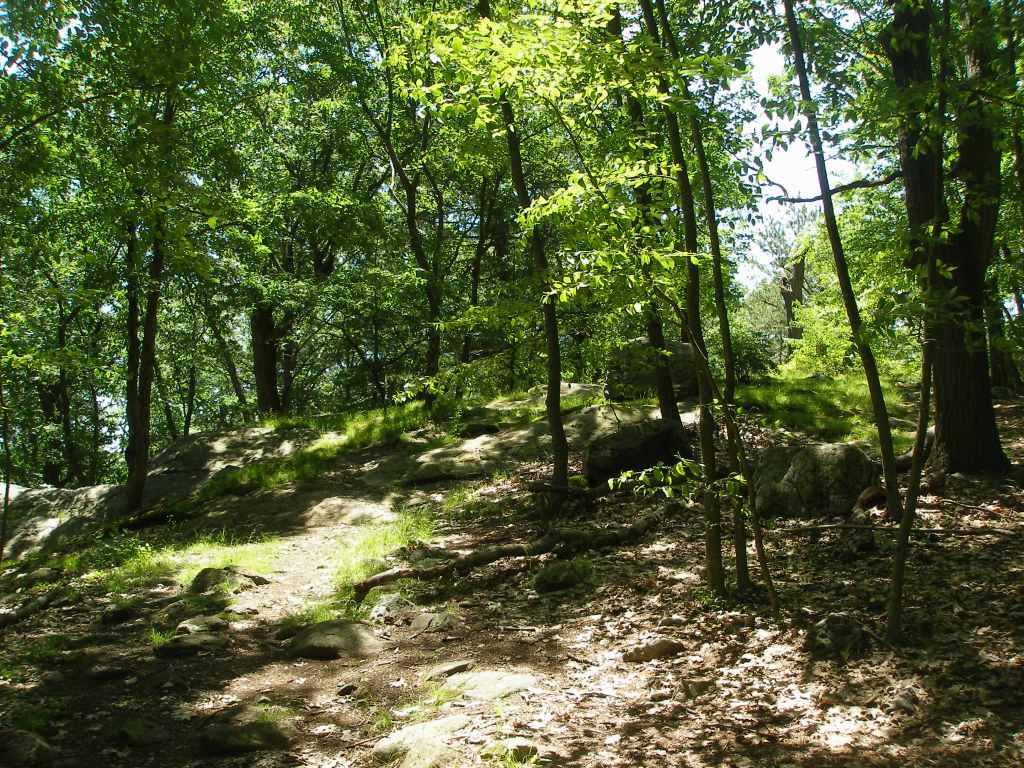
After noticing the effects of light at the highest elevation of Menotomy Rocks park, I began to notice the many interesting compositions that would fade and reappear lower down along its dirt paths.
Leaves seemed to be acting like lenses producing patterns with soft rounded shapes while crisp leaf and branch shapes danced over the paths. I had found another worthy subject to capture in photos. No matter how often I come here, this nearby park can surprise me with new delights.
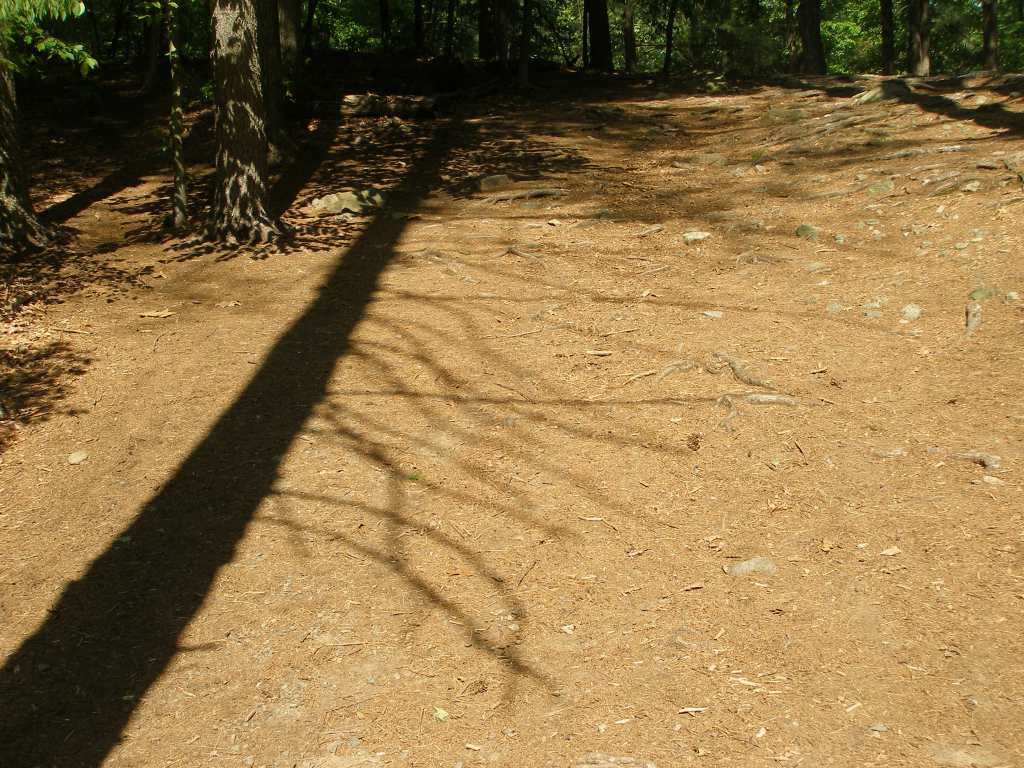
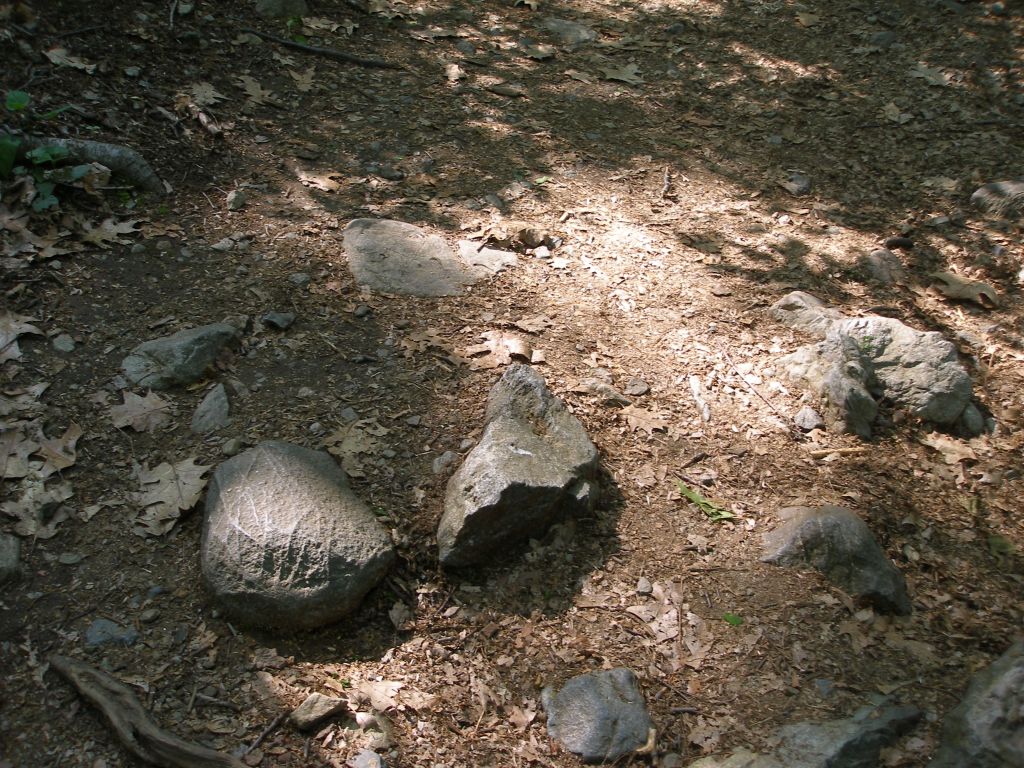
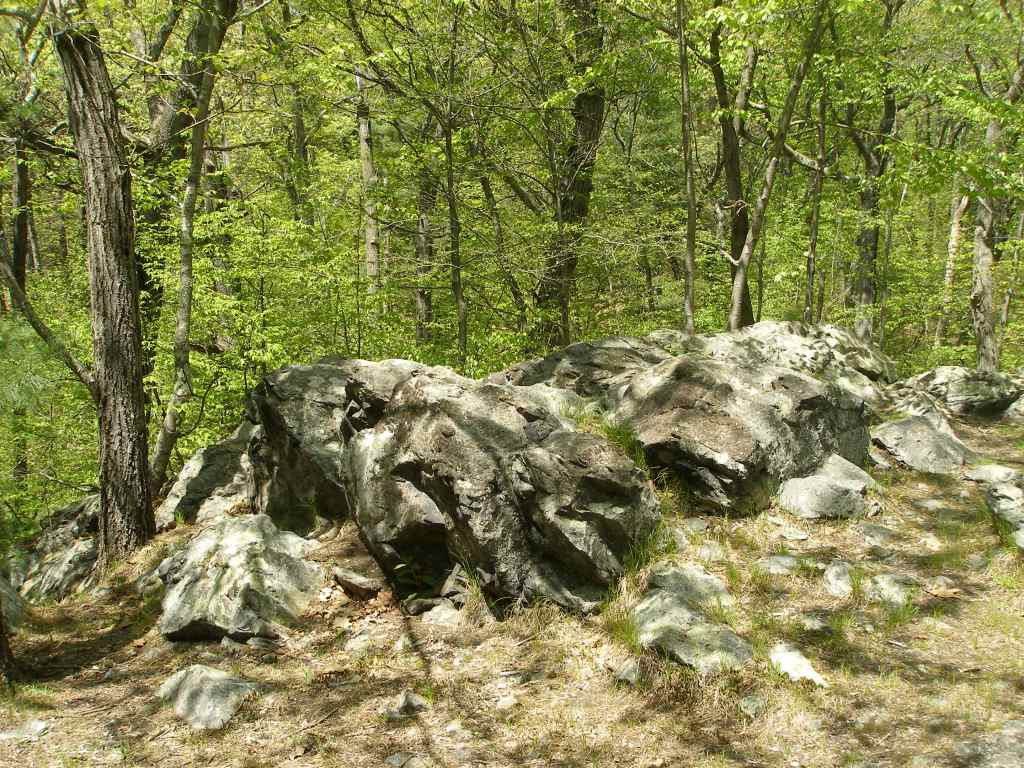
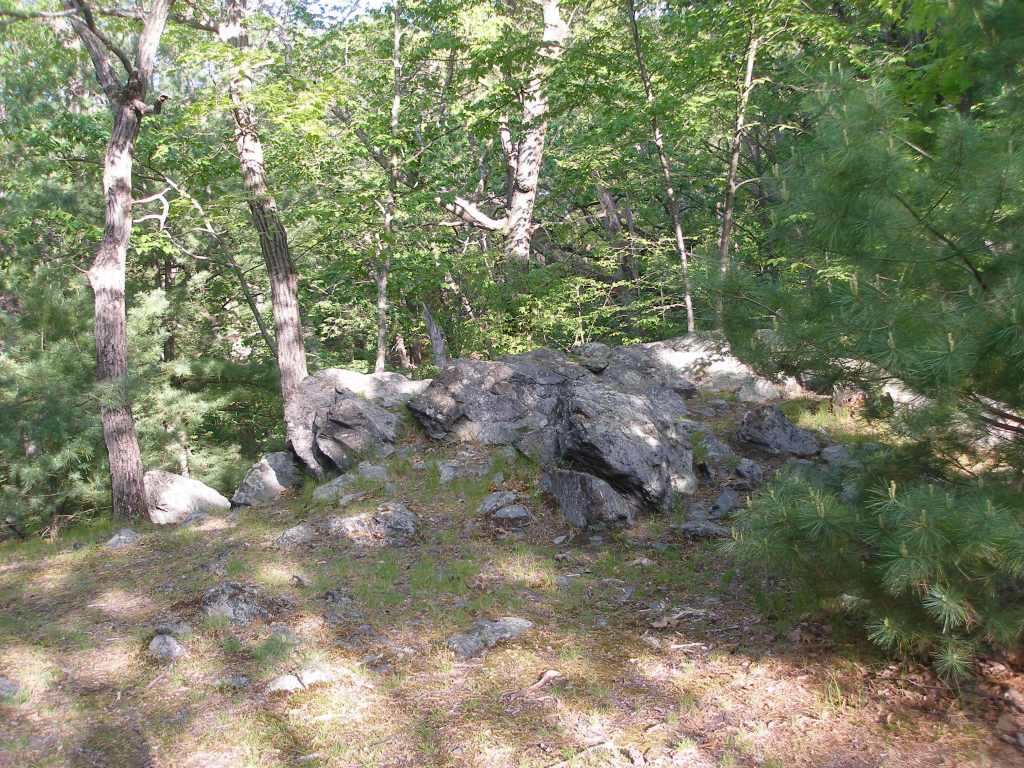
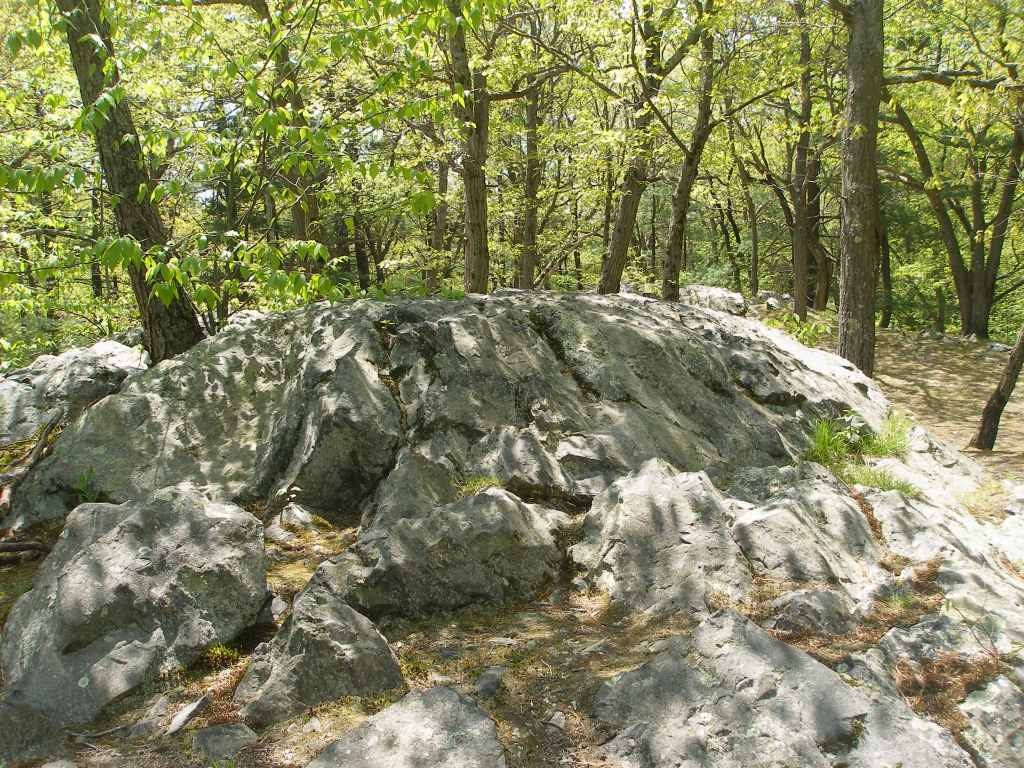
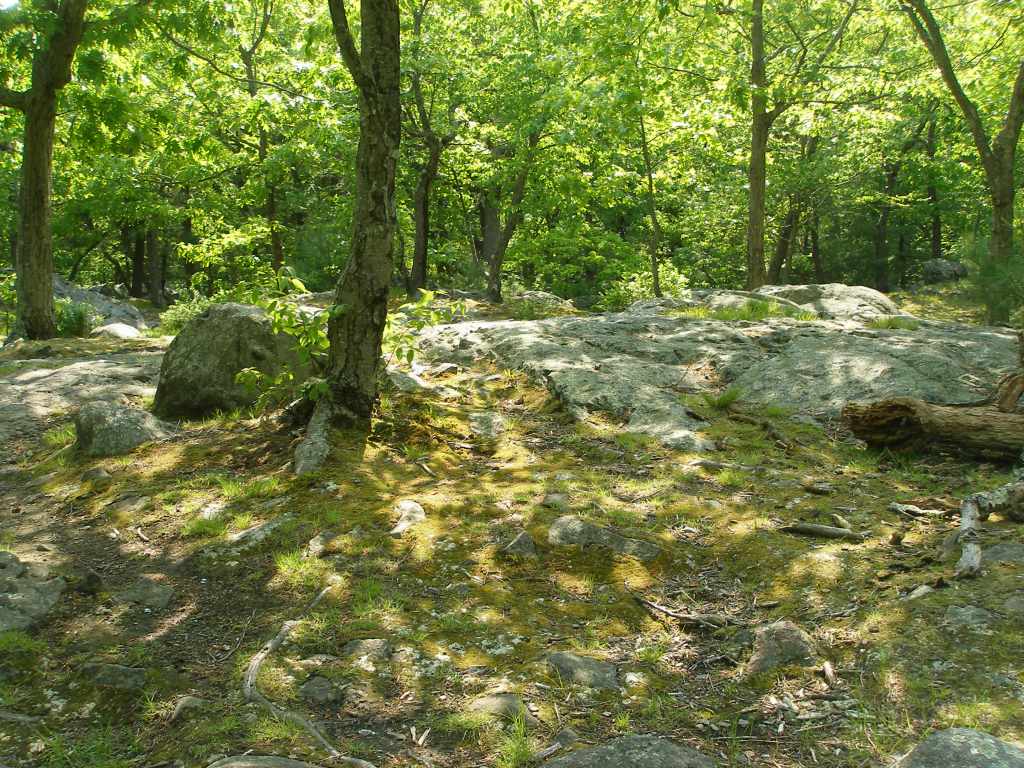
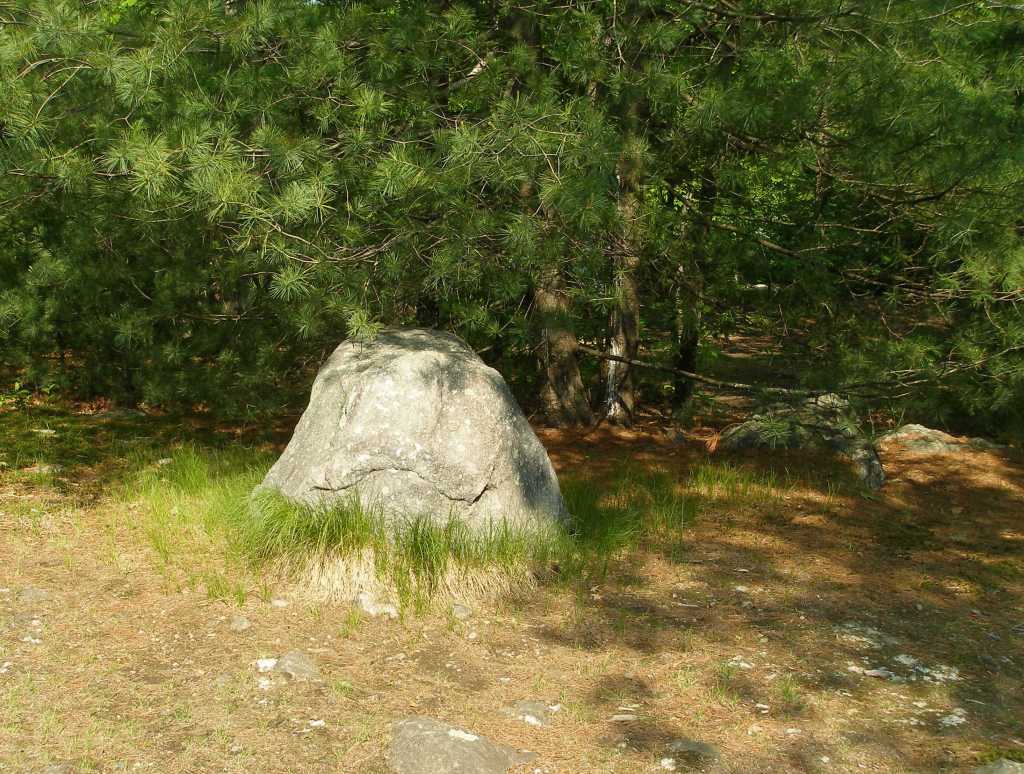
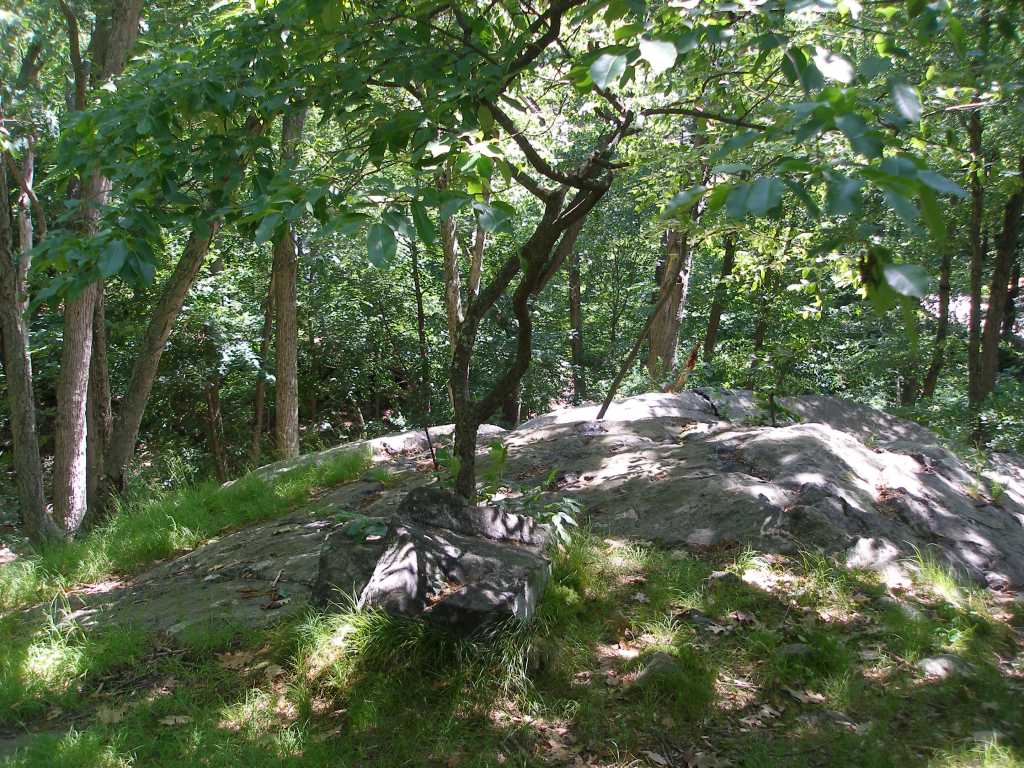
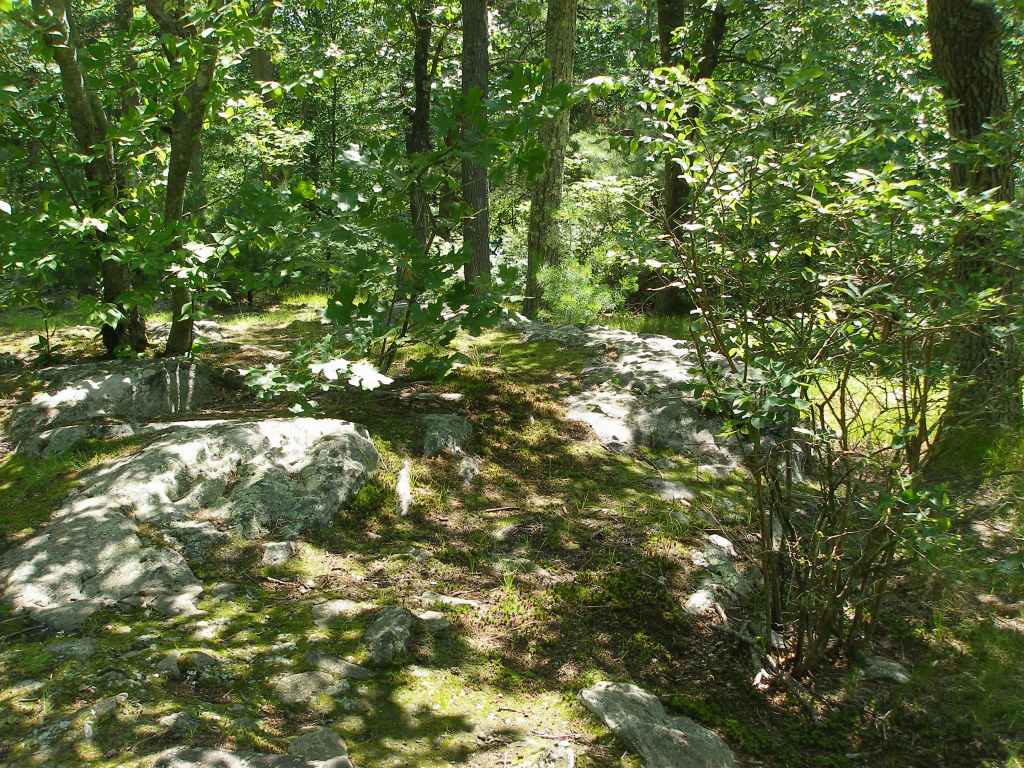
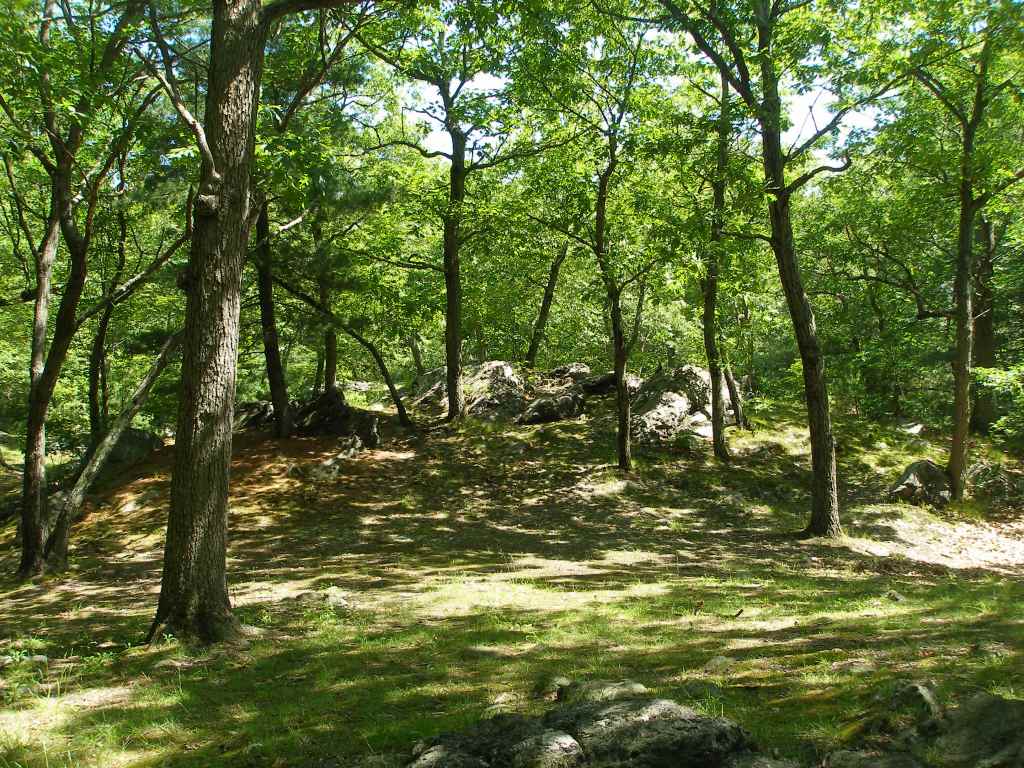
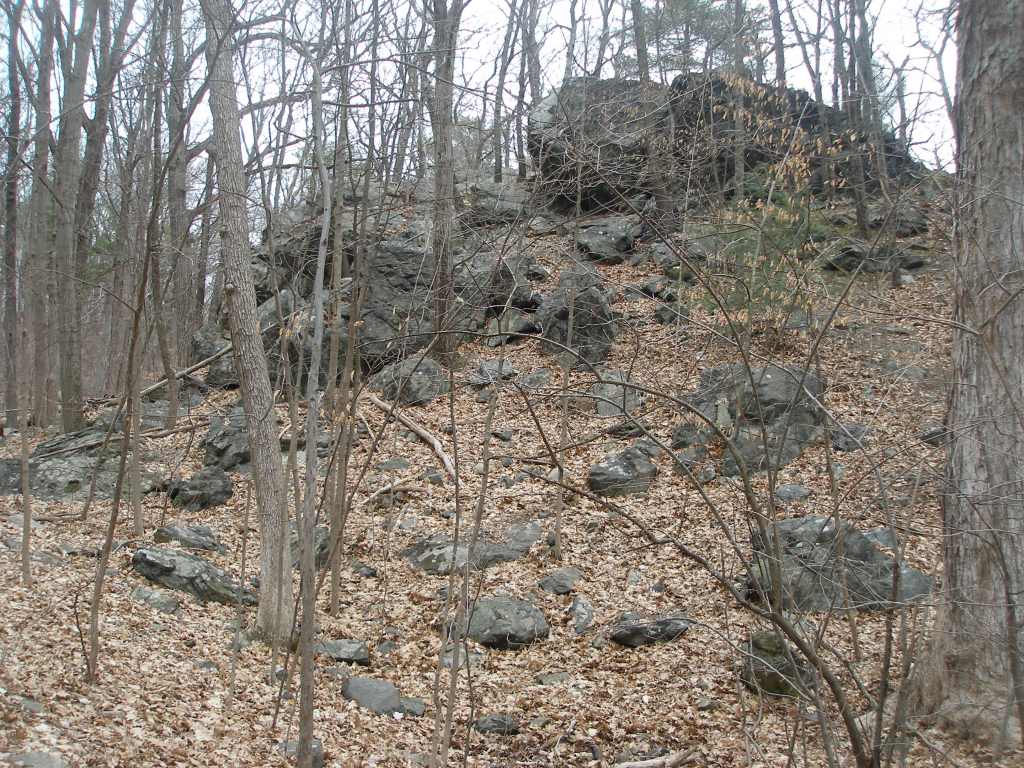
Trees have taken root among the moss and lichen-covered granite outcrops in a secluded high spot in Menotomy Rocks Park. There are wide open spaces between patches of vegetation where the soil is deep enough to support larger roots.
Morning or evening are generally considered good times to capture light and shadows, but up here, the noon sun creates interesting shadows as well. This high spot with its scattered blueberry bushes and mixture of trees always seems so much more alive on a bright sunny day.
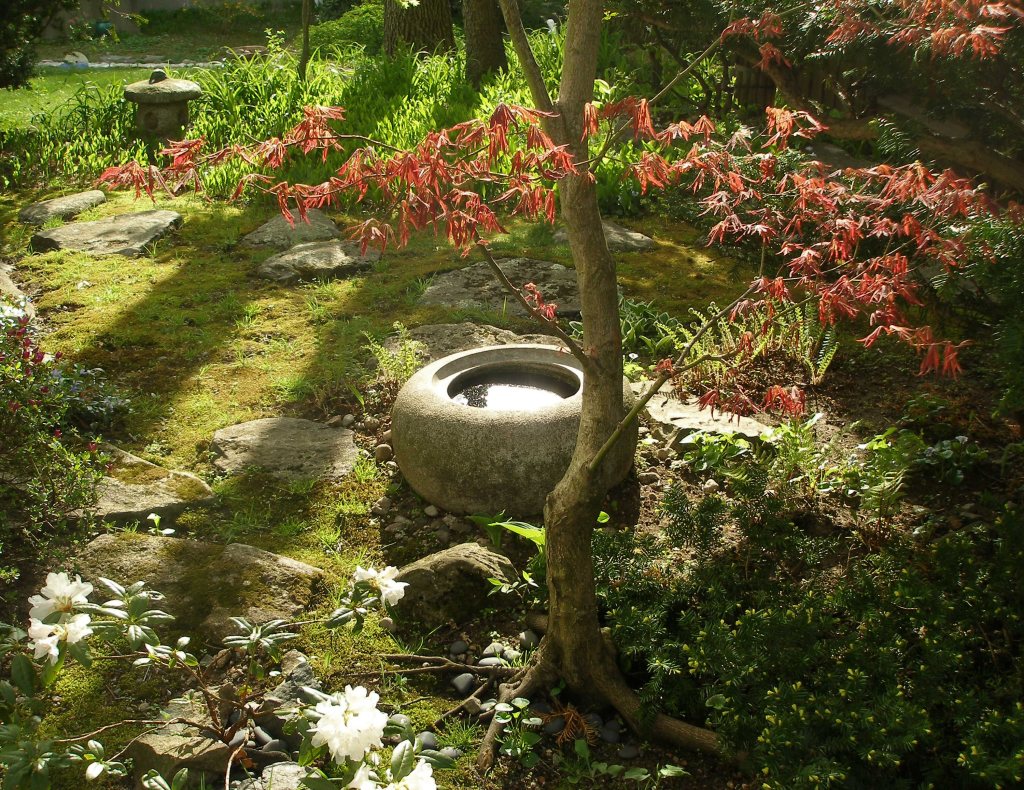
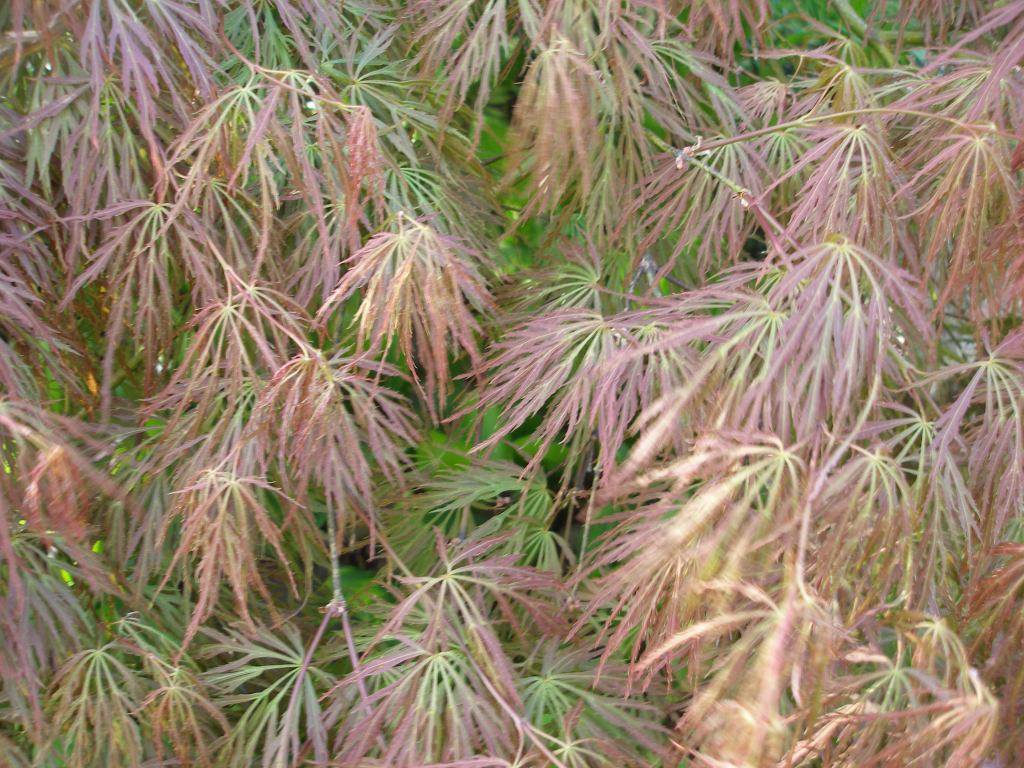
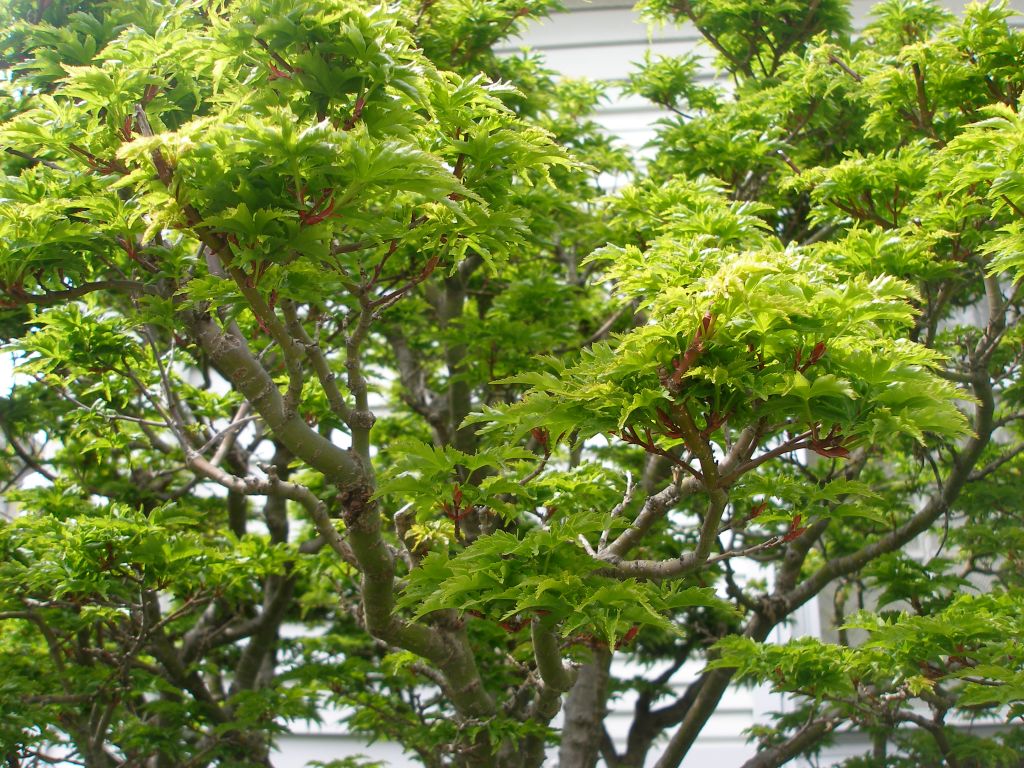
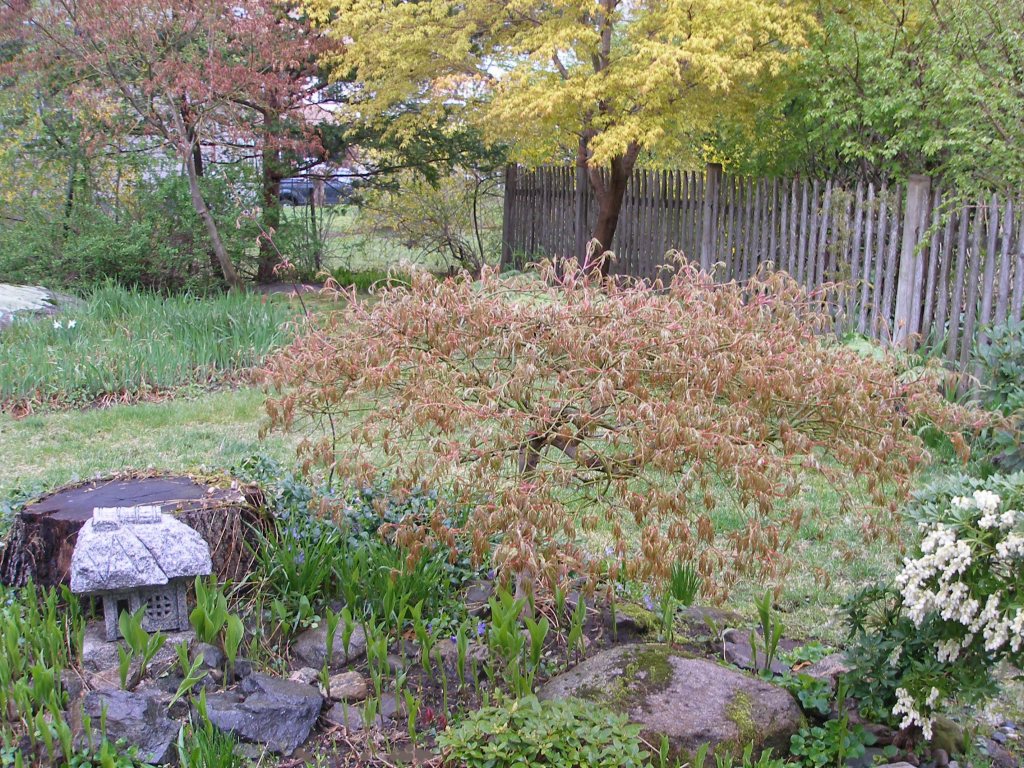
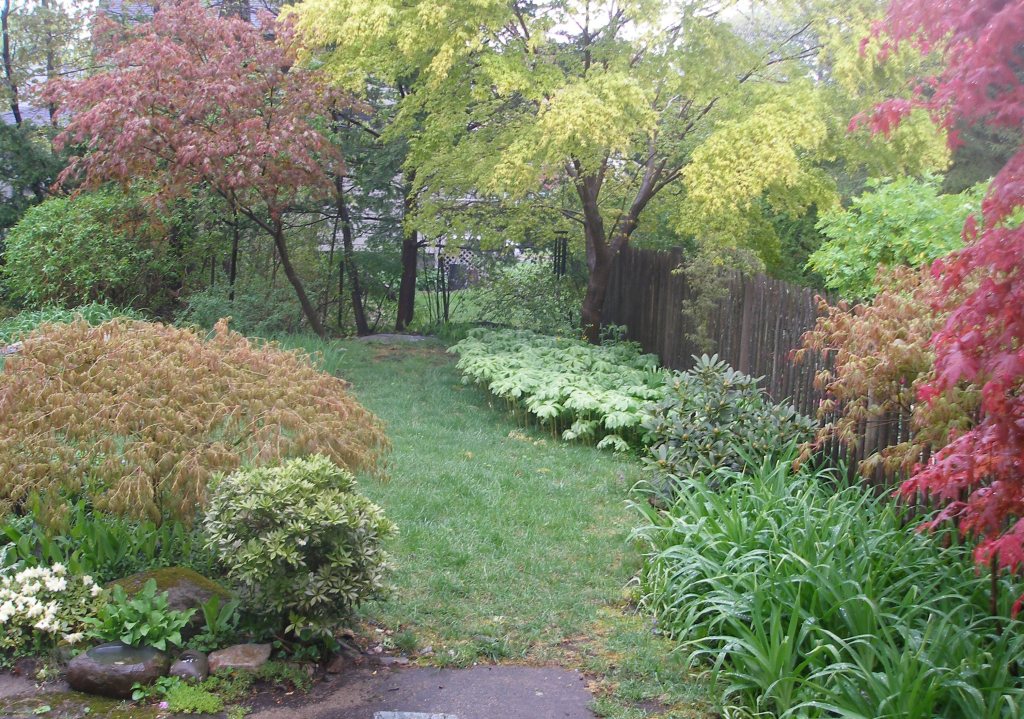
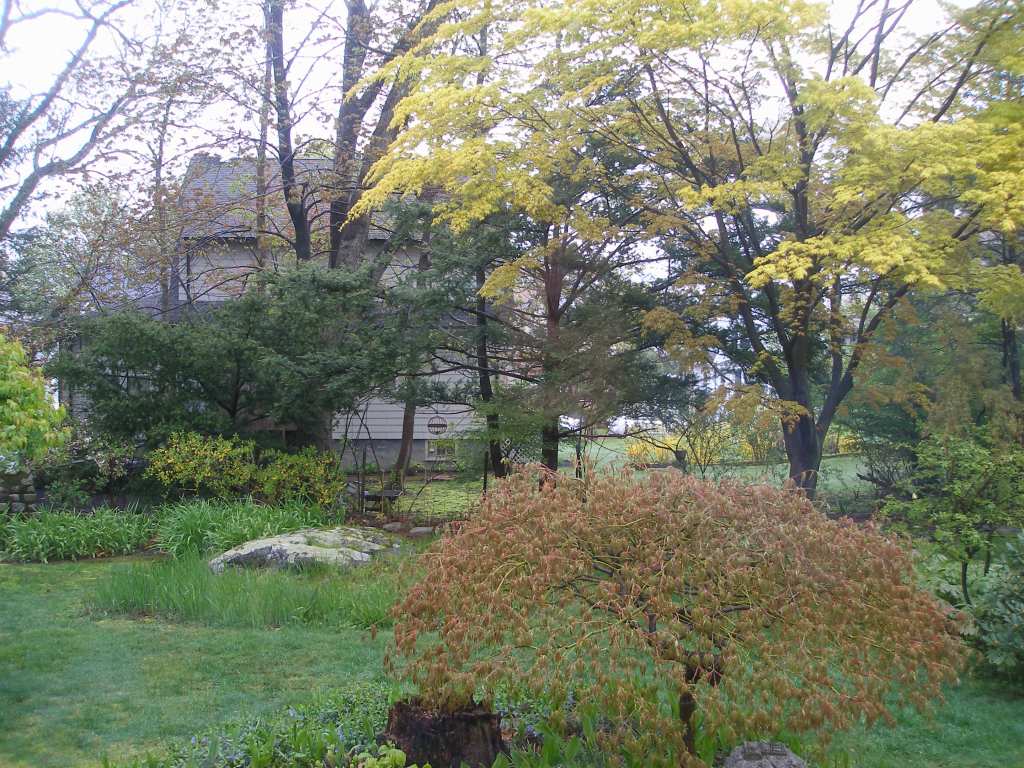
Japanese maple trees can have brighter colors in spring than in the fall with interesting transformations as tender new leaves unfurl or flatten their accordion pleats.
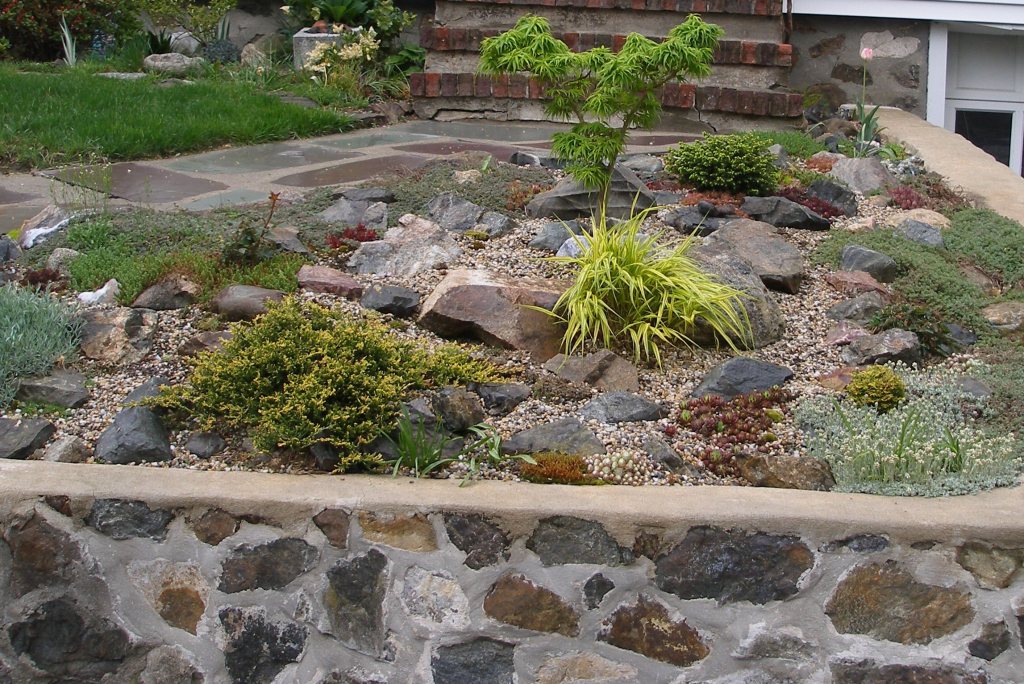
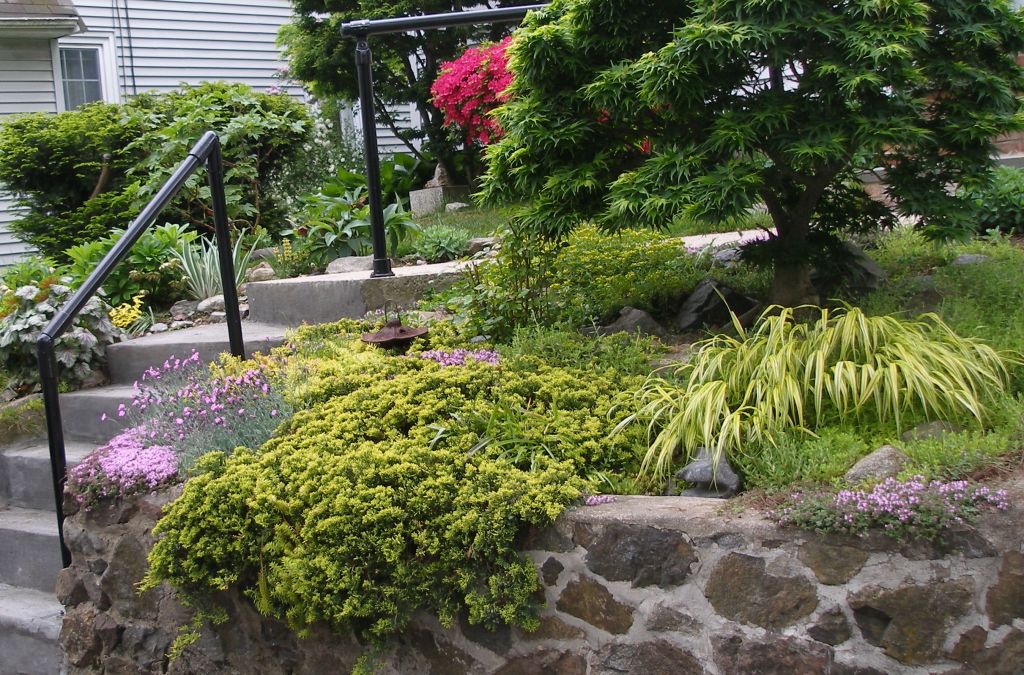
Like many Japanese gardens, my garden’s design keeps flowery distractions to a minimum so as to better appreciate the radiant moss, and in this season, the new maple leaves that bring me such joy.
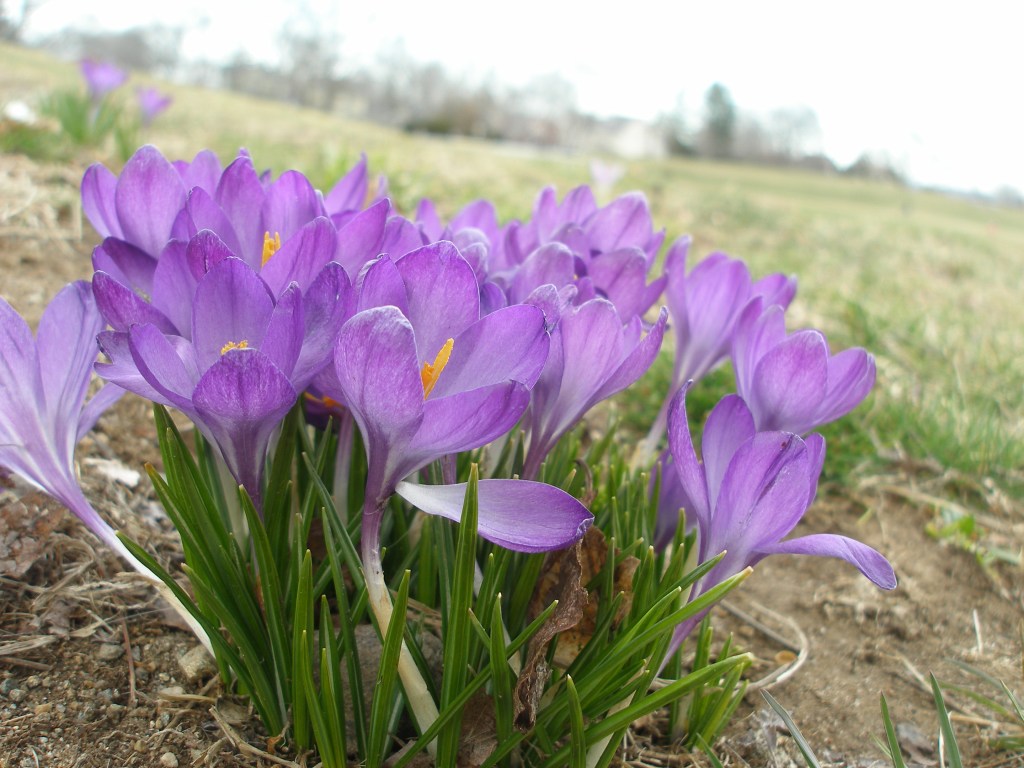
These crocuses planted by volunteers in a nearby park certainly brightened my day.
For a number of decades, we have lived in a world where food and other resources have became increasingly available, but when things in general are going relatively well, we may not realize that we are lacking a critical psychological nutrient for human wellbeing.
Chapter 4 of the World Happiness Report 2023 describes how acts of kindness, particularly when they are unexpected, create warm feelings of happiness in actors, receivers and even in observing bystanders. It goes on to note that happy people are more likely to do acts of kindness, thus spreading happiness even further.
Perhaps some form of the “golden rule” is so universal precisely because we need to be reminded about how much benefit acts of kindness provide. Acts of kindness, especially when unexpected, tend to have a bigger positive impact than we may realize according to “Kindness Goes Farther Than You Think” by Amit Kumar (Scientific American, April, 2023).
Ironically, our human tendency to respond to crises with acts of kindness is contributing to greaterhappiness in our troubled world according to the World Happiness Report.
The odds of finding that particular rock again seemed slim. When I first noticed it in the leaf litter, it looked organic, perhaps a late season fungus, so I took a quick photo and continued on without noting the location.
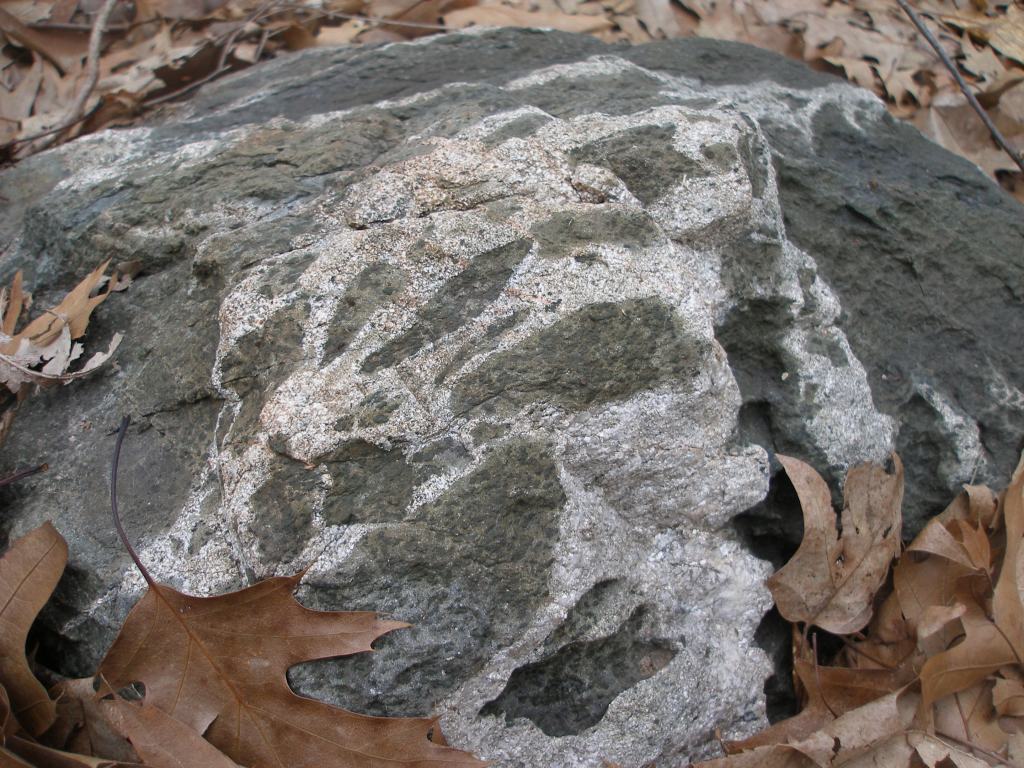
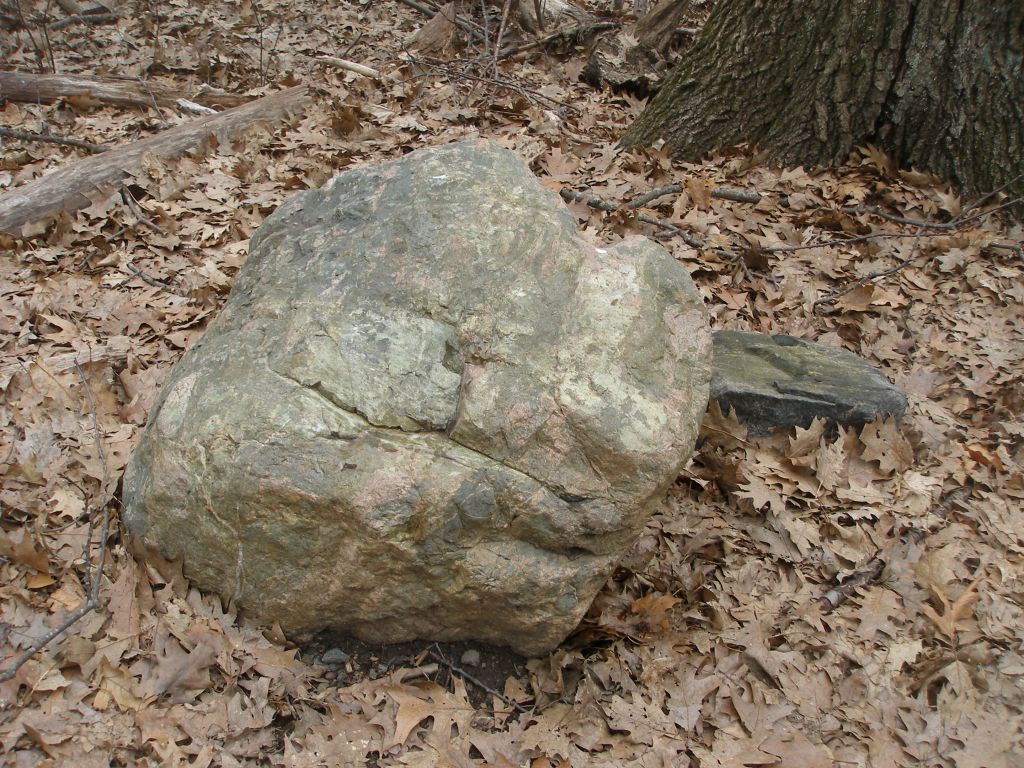
But in reviewing the photos I took on that walk, I realized that this was no fungus. The interesting bubbly texture was glassy, not soft, and clearly part of an agate; I saw suggestions of macro quartz crystals within fortification bands. It was quite unlike the common gray, white veined, or sometimes salmon and green rocks that lie scattered everywhere in Menotomy Rocks Park.
Agates are not normally found in eastern Massachusetts. Perhaps a glacier picked this one up, carrying it some distance from its point of origin.
I would welcome the opportunity to examine the agate from all angles, if I ever come across it again, but it somehow seems fitting for this rare treasure to remain hidden in plain sight among the many rocks of its new woodland home.
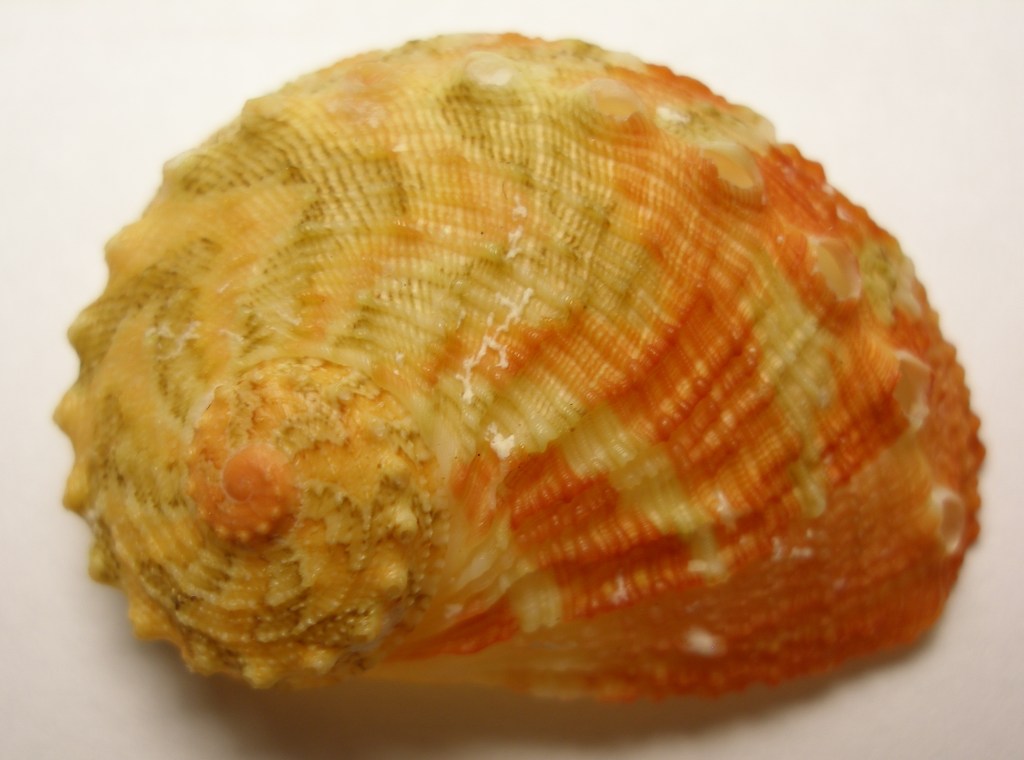
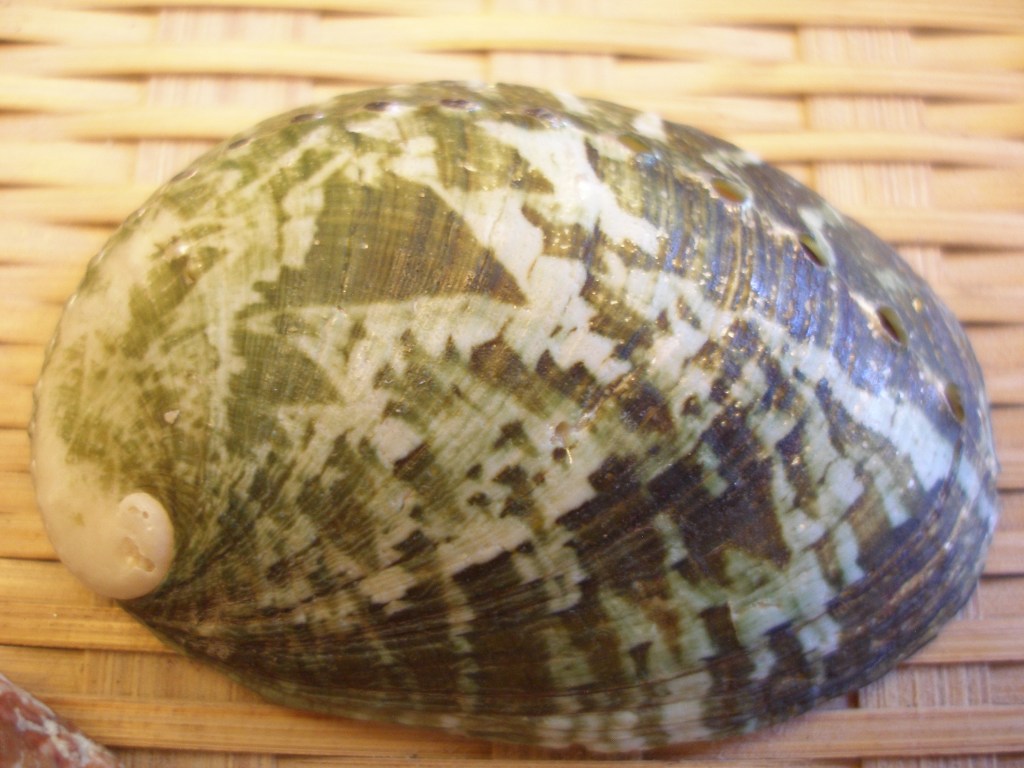
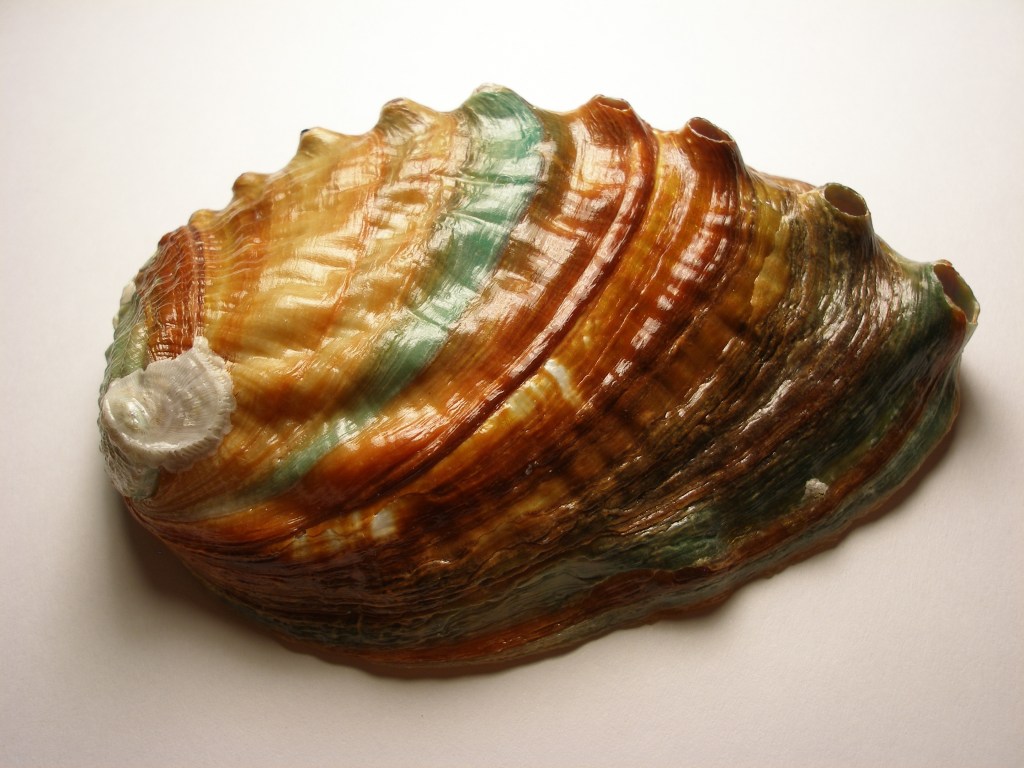
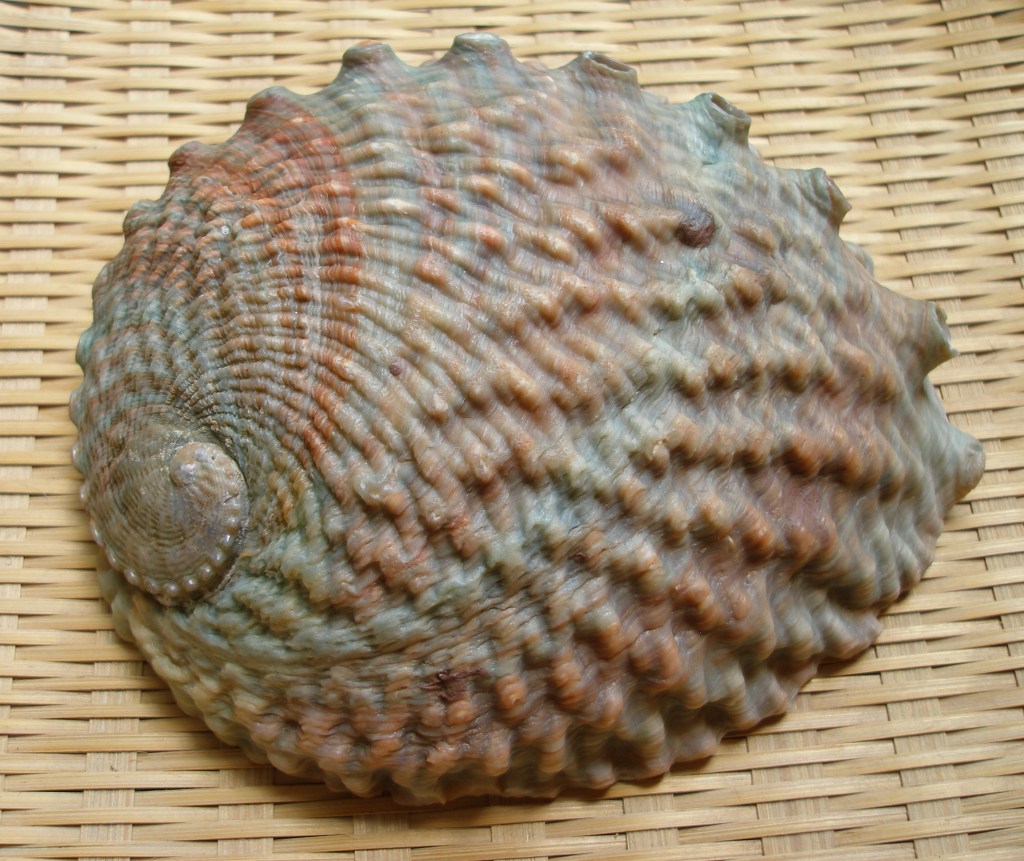
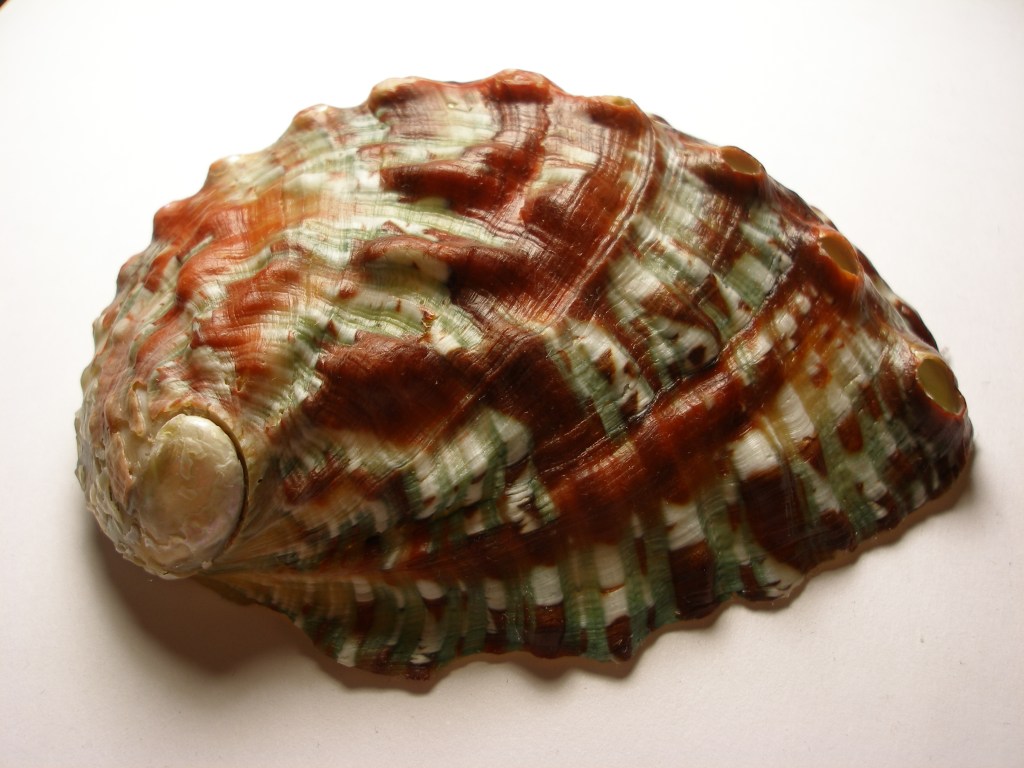
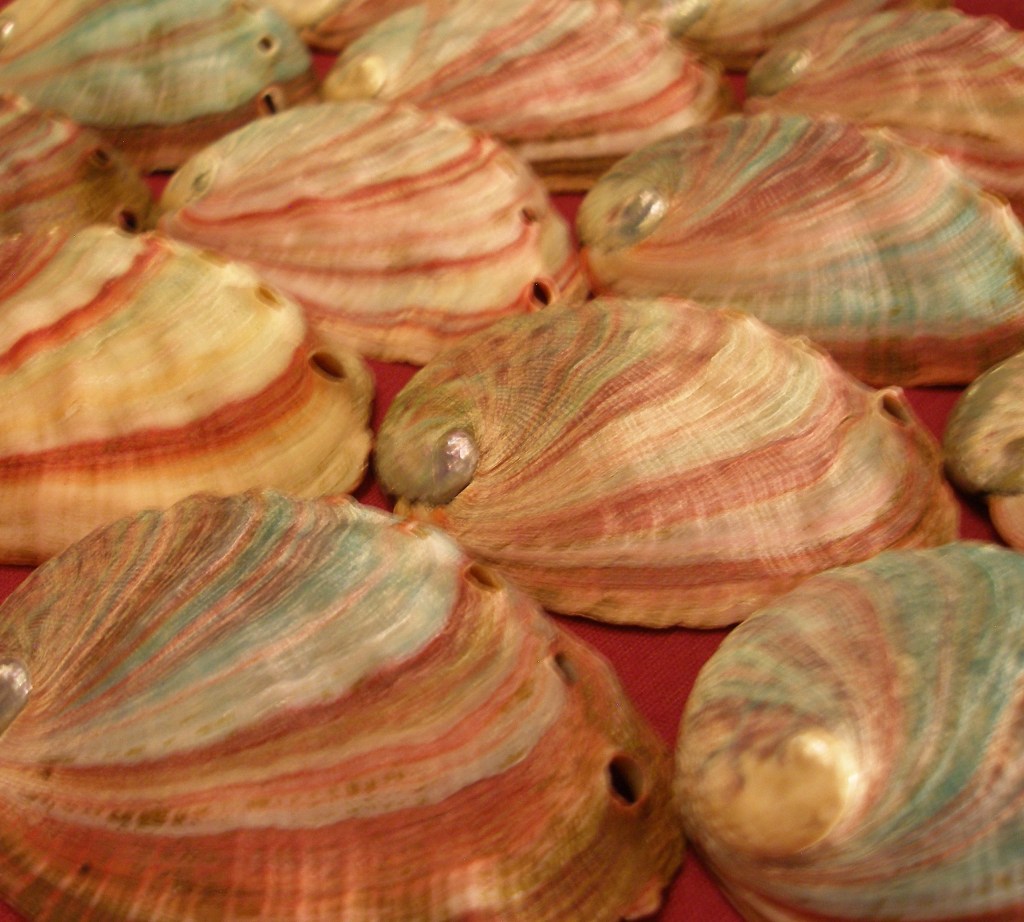
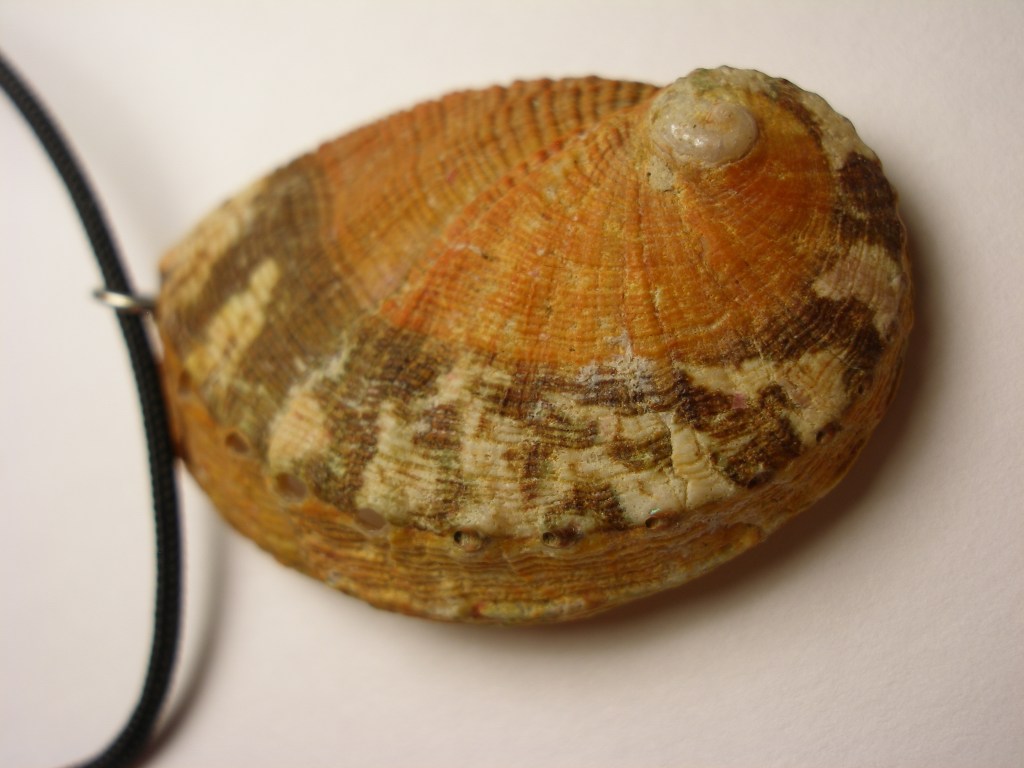
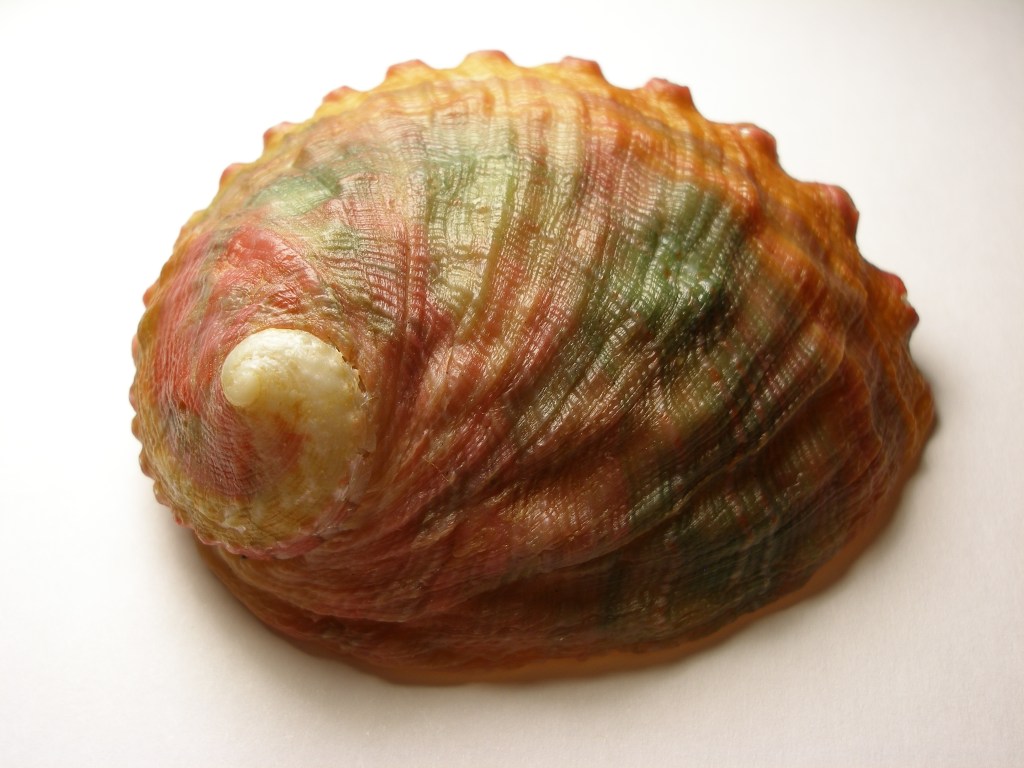
Since many abalone are rapidly disappearing from their rocky coastal homes, I was lucky that lovely shells from all over the world were still available online. Originally, I wanted to take closeups of the iridescent interiors. I did not anticipate that the other side would also be worthy of careful study.
For a particular species, the shape seemed fairly consistent but the colors and patterns could vary all over the place. While the interiors could be mysterious and speak of the tides and the sea, the spiraling exteriors could seem like expressions of pure joy.
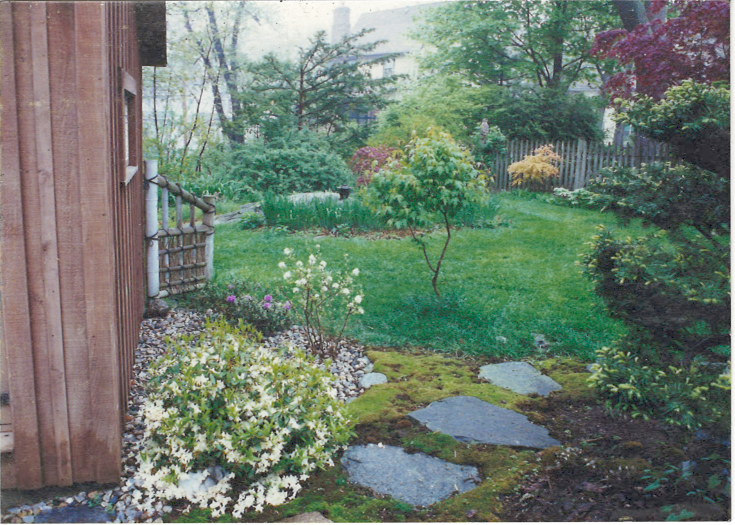
In a photo of my spring garden taken many years ago, the young Katsura maple glows yellow by the fence.
That maple would grow large to anchor the corner opposite the tea hut.
One learns with one’s hands and heart through the daily tending. A change might be required to retain balance and flow in a garden’s design. Some things should be left well enough alone.
Even as weather patterns shift, becoming more extreme and unpredictable, and nature makes changes, the basics should remain pretty much the same. As always, there should be joy in attending and responding not from outside, but from within – as part of the continuing dance of life.
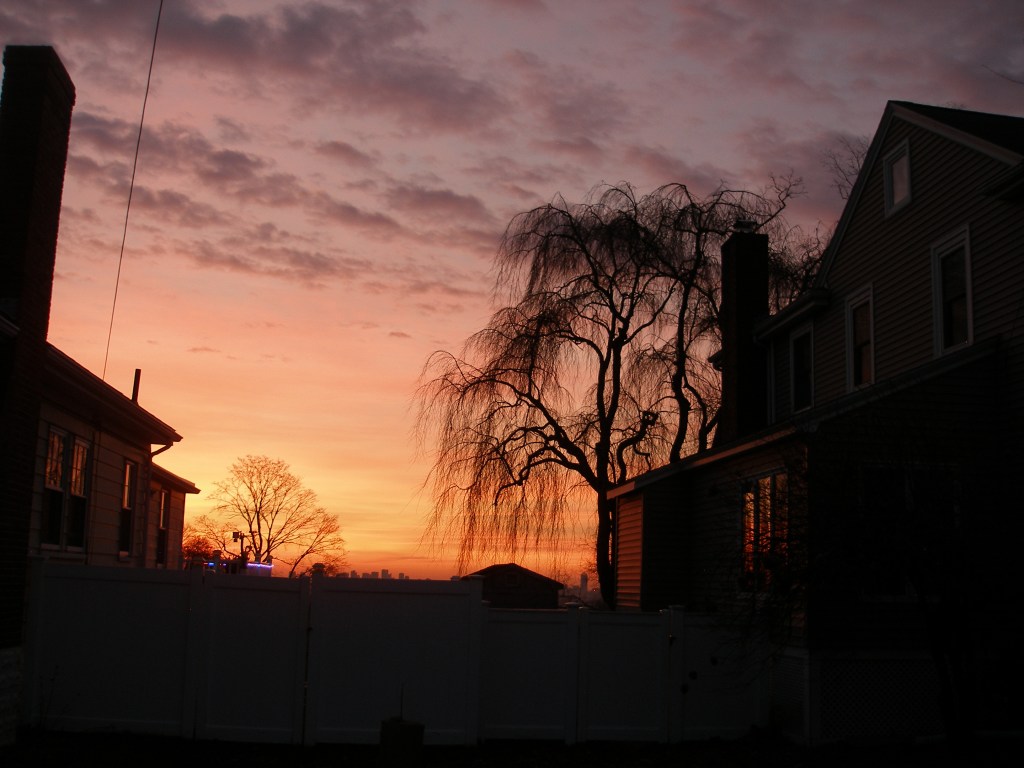
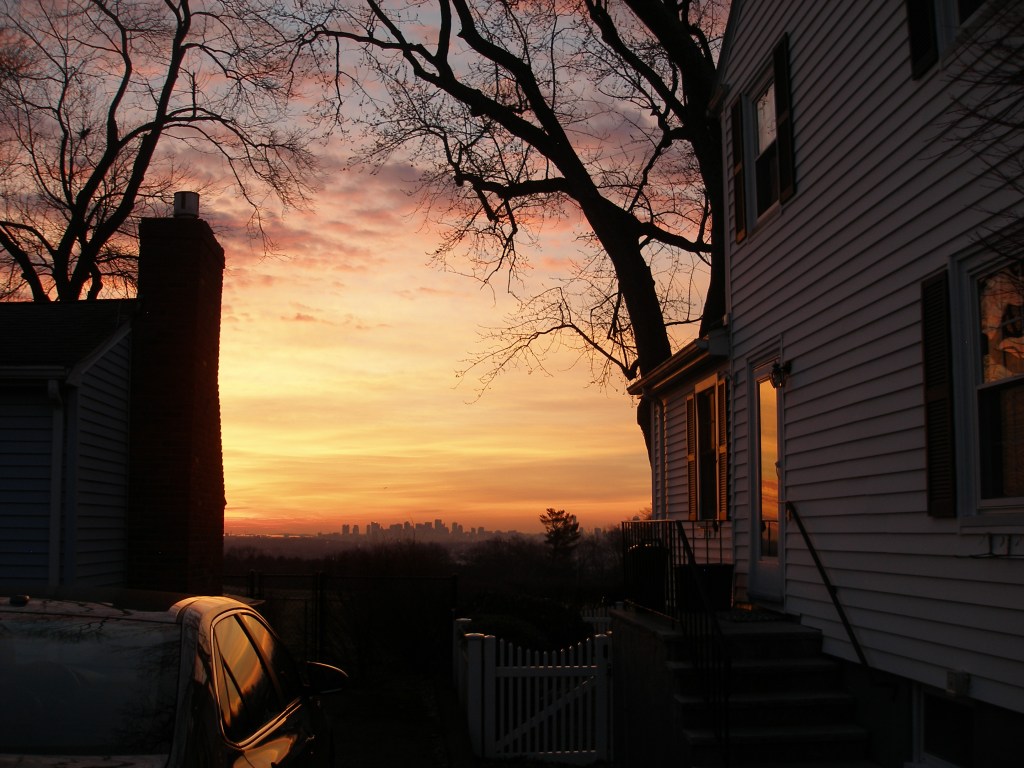
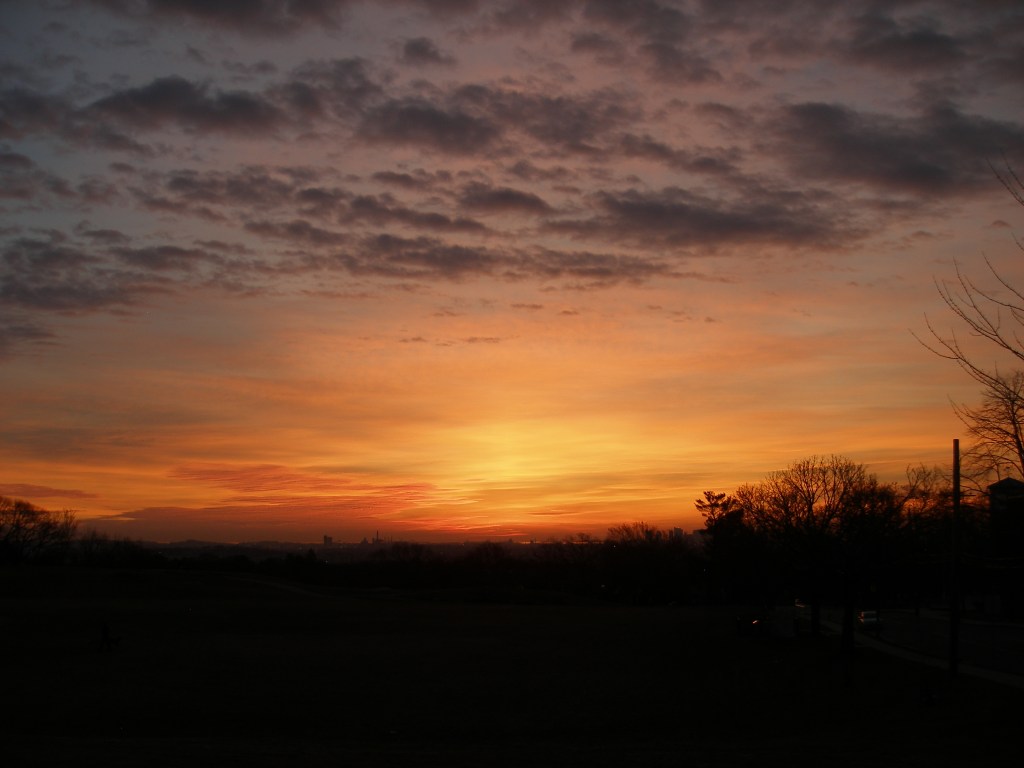
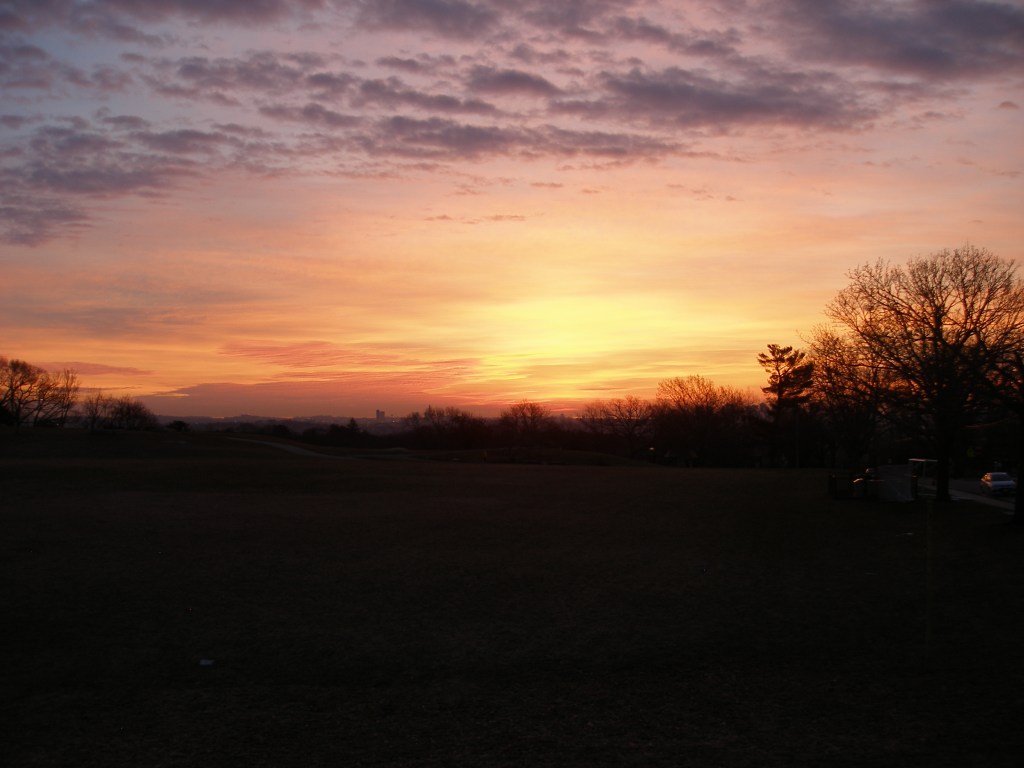
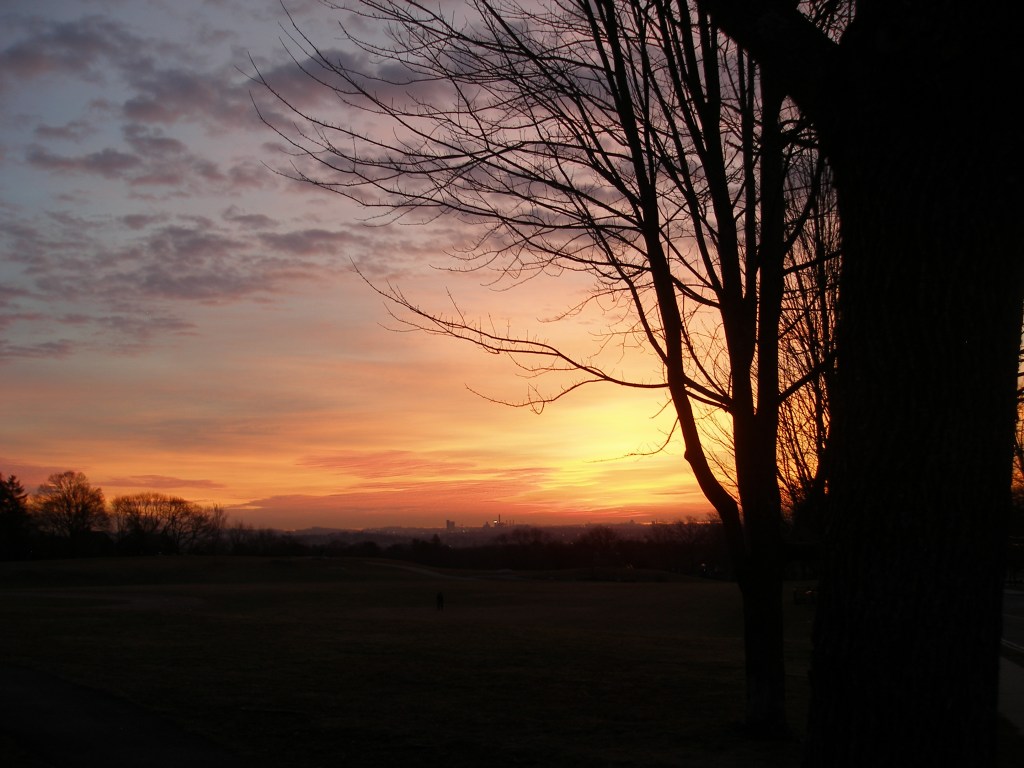
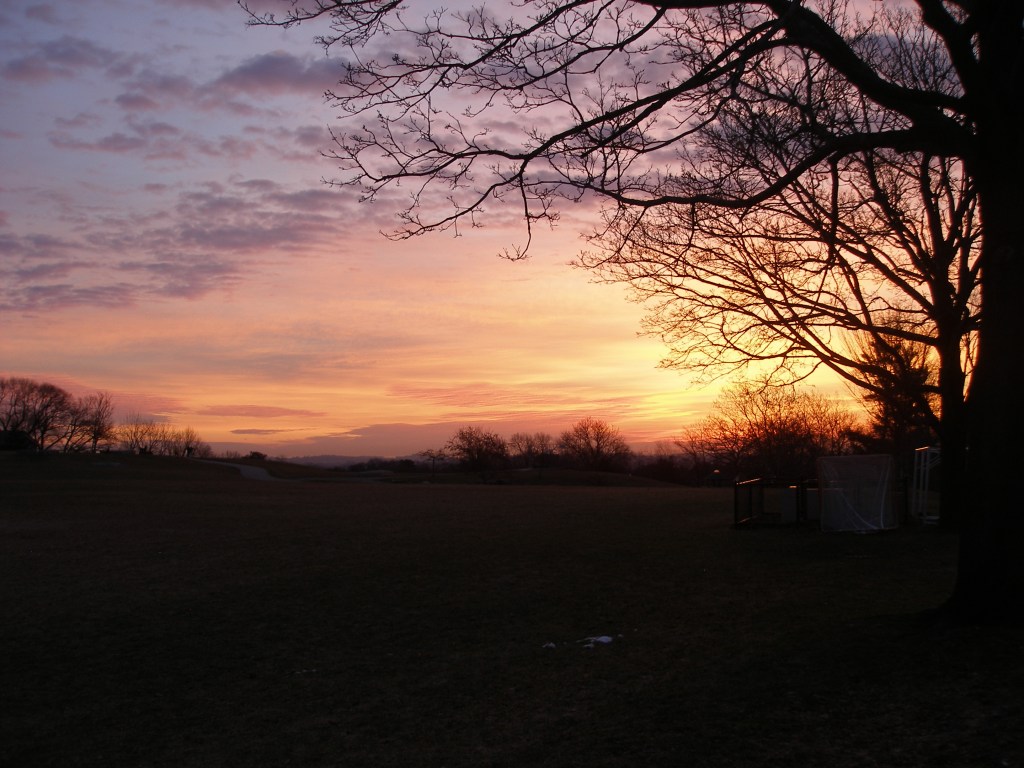
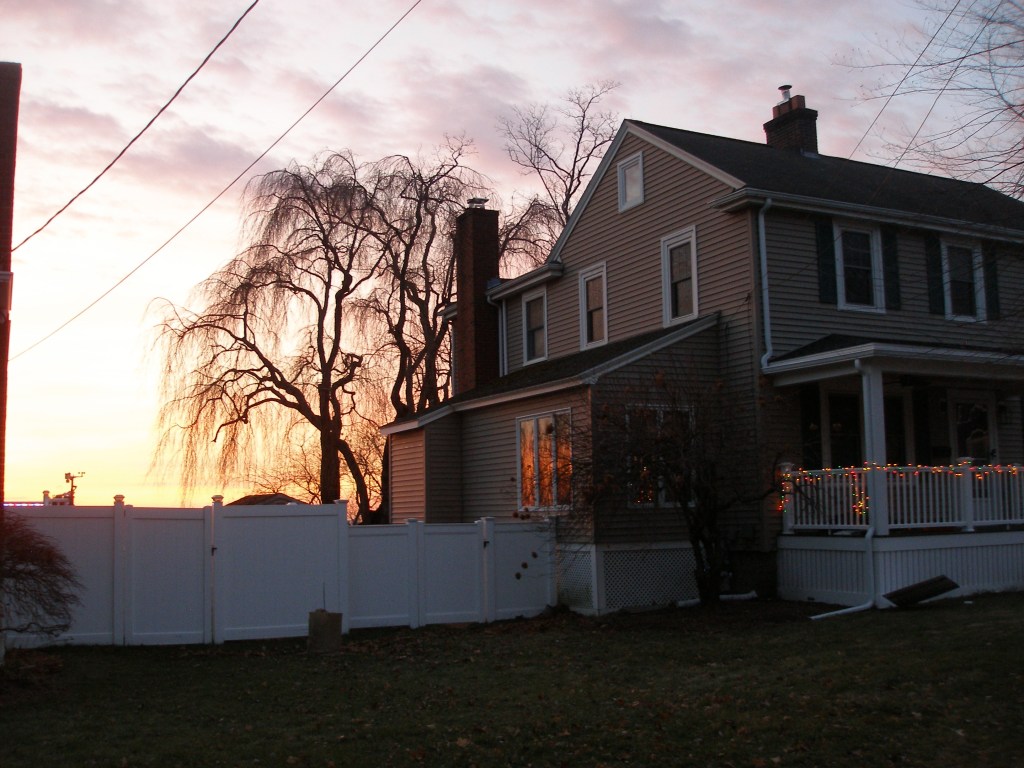
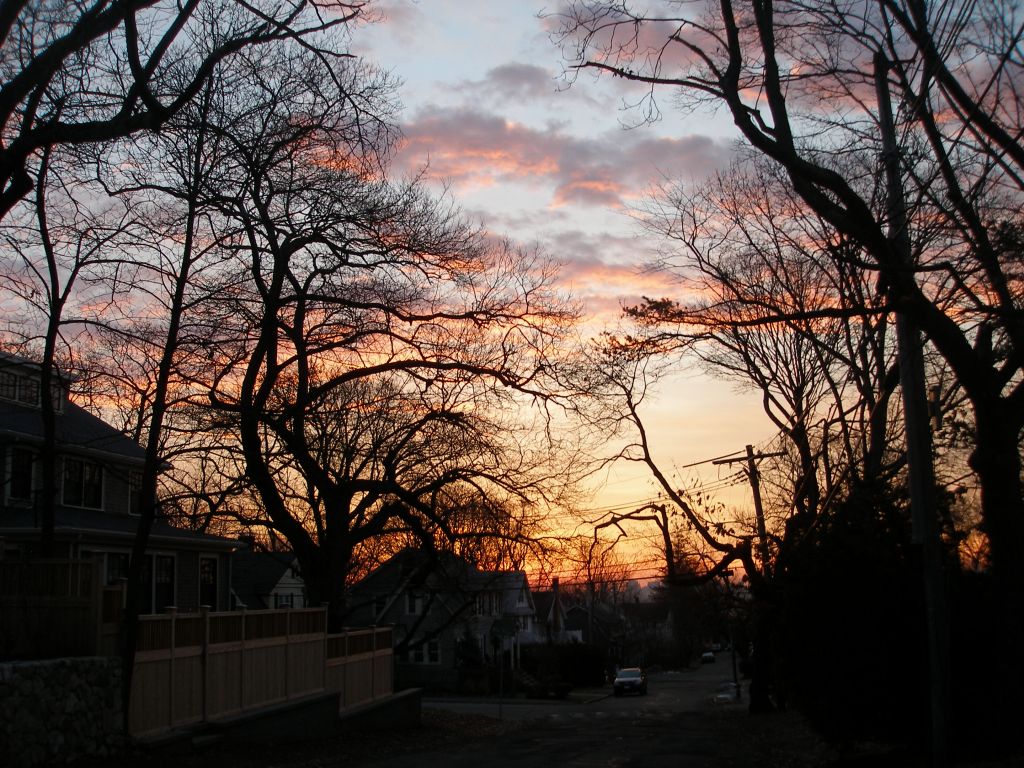
There was color shining between the houses with clouds higher up, always a promising sign. I grabbed my camera, as there was no time to waste.
I had to wonder, do those living by Robbins Farm Park ever get up before dawn to take in the wonders that can appear through their windows at this time of year? That would certainly seem a luxury with coffee in hand.
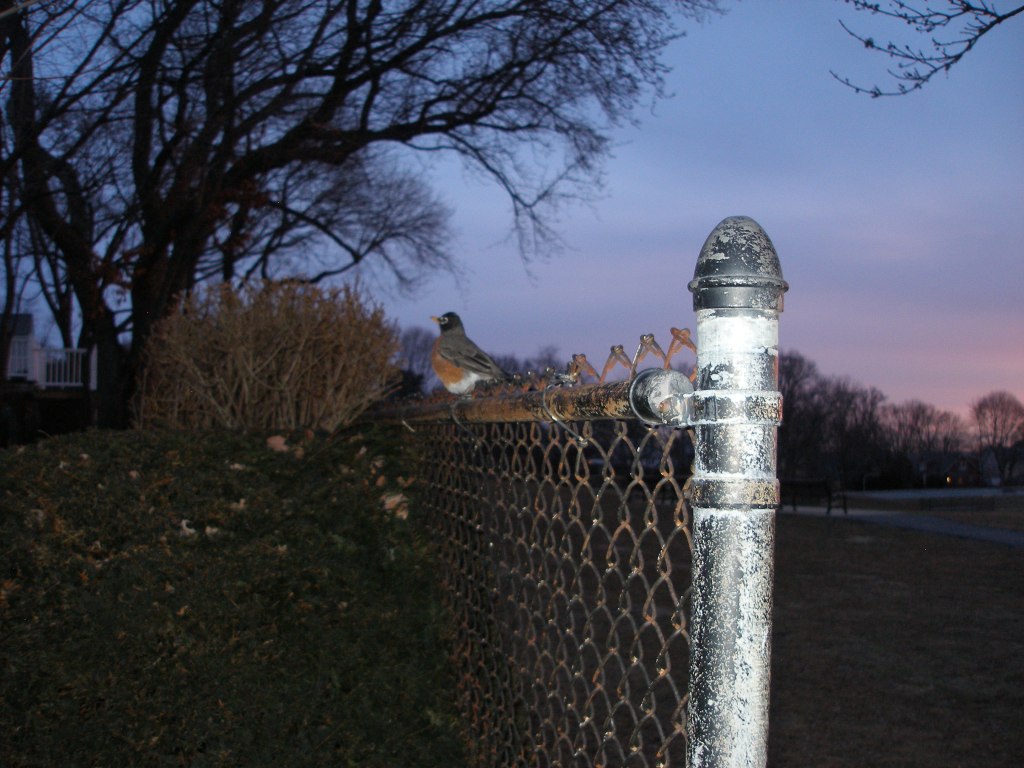
Still, I think I prefer being right there, out with the squirrels and robins as the dark recedes and the day begins.
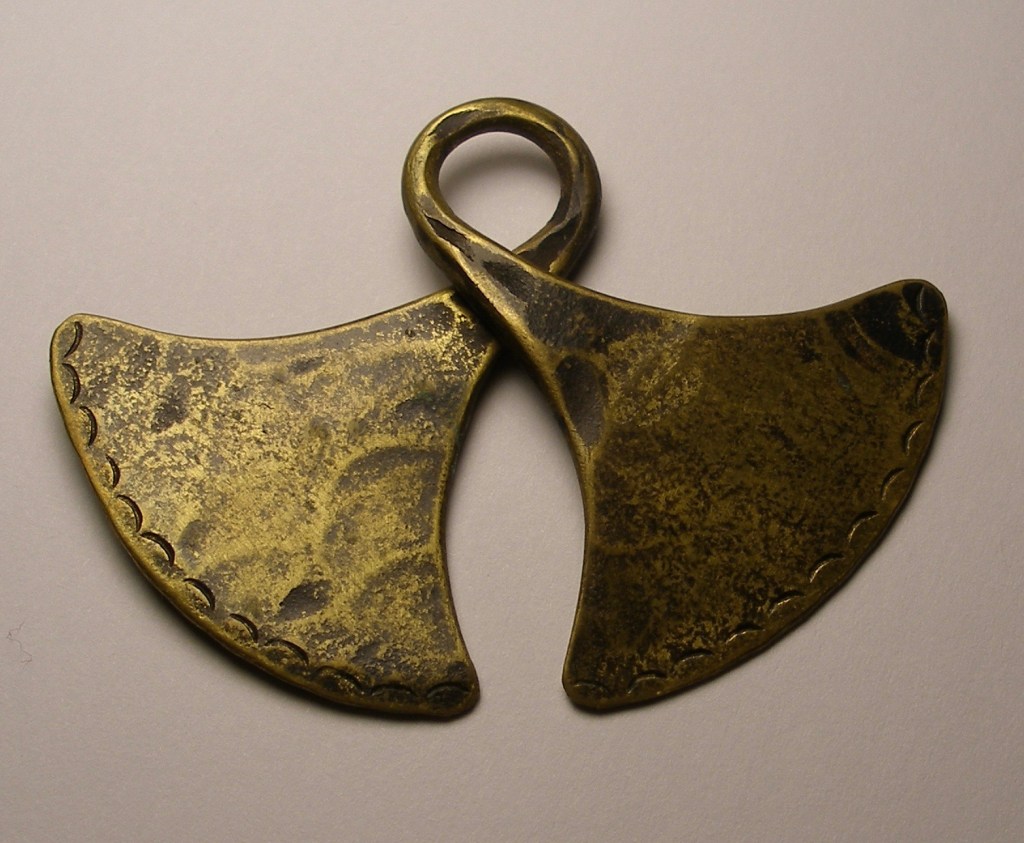
It was the beautiful design that first caught my interest. Online research revealed that this “taka” was made by the Ngadha tribe, who live on the island of Flores, in Indonesia. And although I read various theories, I would not be surprised if only the Ngadha know the taka’s true meaning and uses.
I was also intrigued by the fact that members of the Ngadha think of themselves first as “we” (not “I”) – a bit like how the taka includes two equal parts joined in intimate connection. Placing primacy on a first person plural identity is evidently quite rare among human cultures. That’s a bit surprising given how much we humans have always been dependent on each other for our very survival.
“individual independence is not a coveted state of being; rather being singular plural is the principal mode of existence. In this context, the nua is the central heartland for the spatial and material expression of clan unity, although the emotions of being singular plural transcend time and space….Ngadha practices of interdependence are reflected in the community economy, which privileges Ancestor worship, community cohesion and group distribution of resources above the needs and desires of the individual….Interdependence is a dominant feature of everyday Ngadha life and organization. Ngadha people’s view of their own society involves a sense of self that questions the conceptual separation of self from others. Frequently, people alerted me to the ways in which everyone and everything is connected.”
Intentionally working to form groups that provide a sense of belonging and adopt a “we” perspective (as is true of many religious communities, for example) seems particularly wise in perilous times like our own. At a minimum, that could provide access to a broader range of perspectives as well as to useful instrumental support. I tend to agree with those who argue that social capital can be very valuable even when other resources are not available.
“It really boils down to this: that all life is interrelated. We are all caught in an inescapable network of mutuality, tied together into a single garment of destiny. Whatever affects one directly, affects all indirectly. We are made to live together because of the interrelated structure of reality . . . Before you finish eating breakfast in the morning, you’ve depended on more than half the world. This is the way our universe is structured, this is its interrelated quality. We aren’t going to have peace on Earth until we recognize the basic fact of the interrelated structure of all reality. “
-Dr. Martin Luther King, Jr.1967 Christmas Sermon on Peace
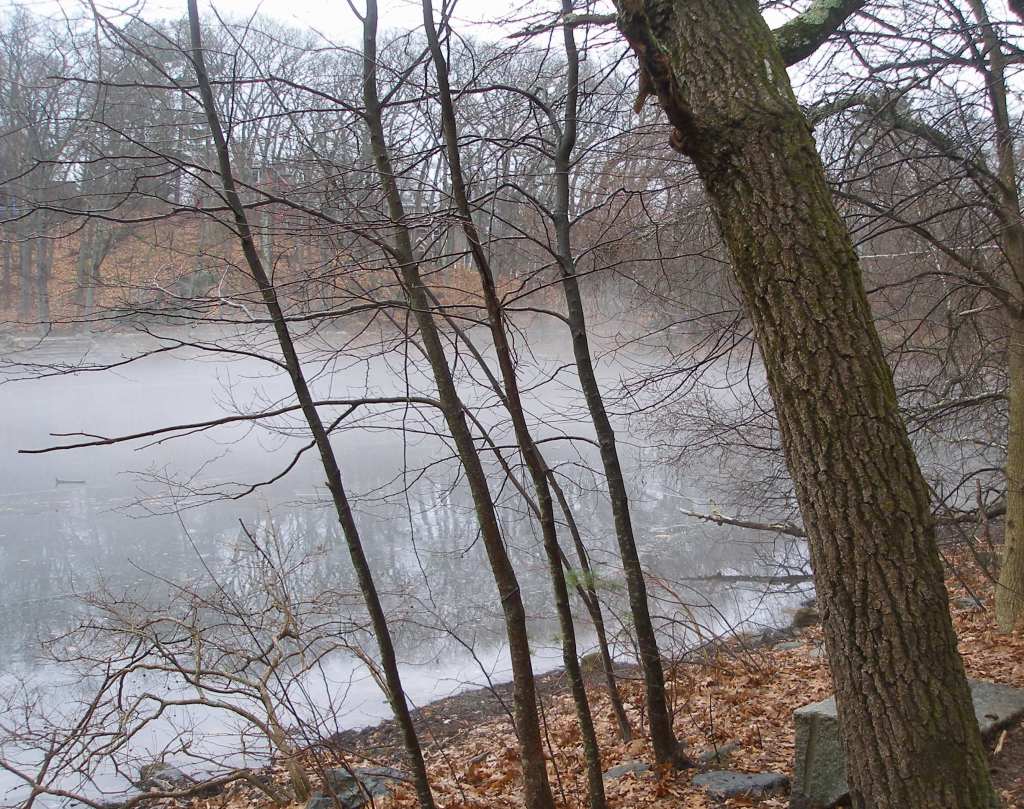
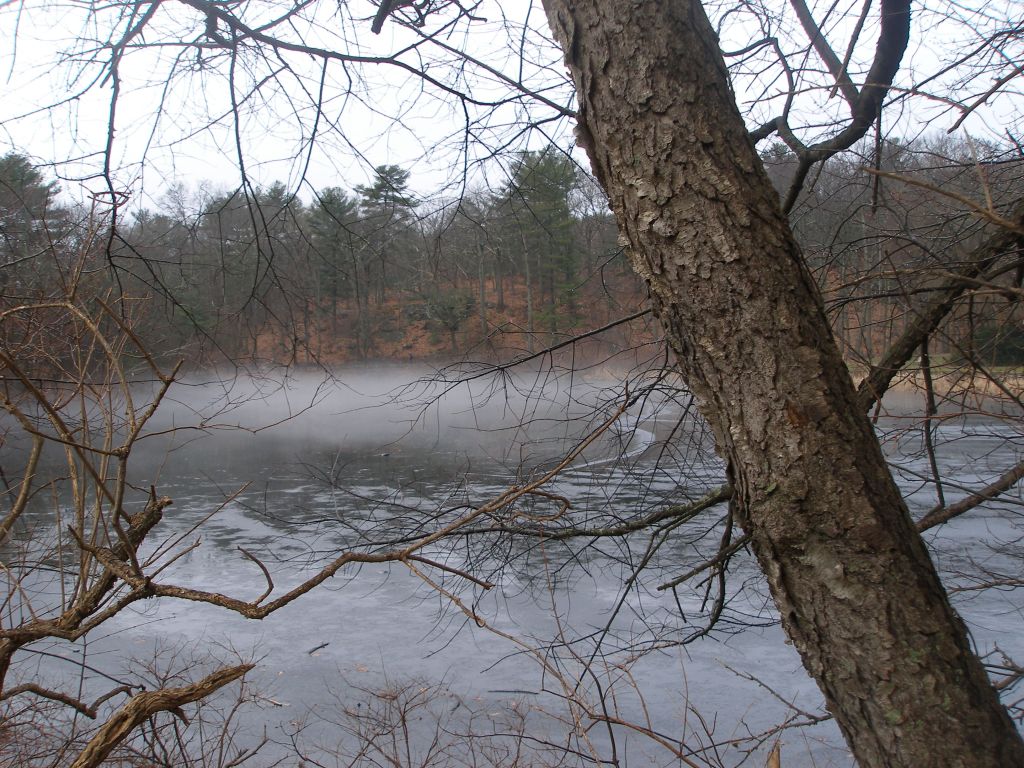
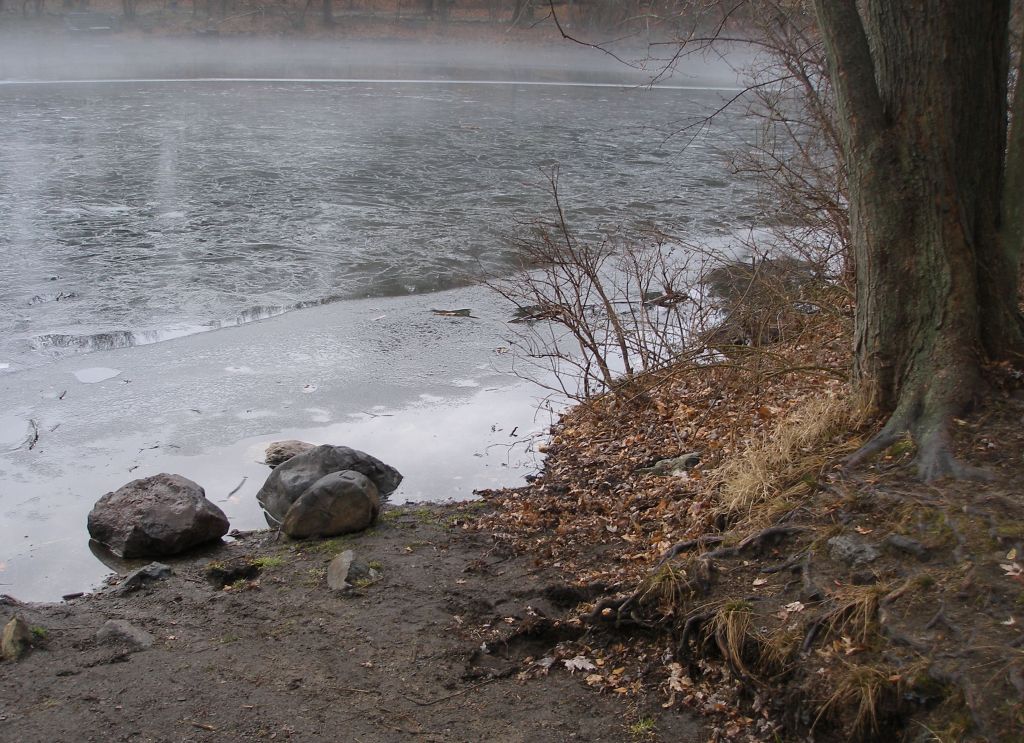
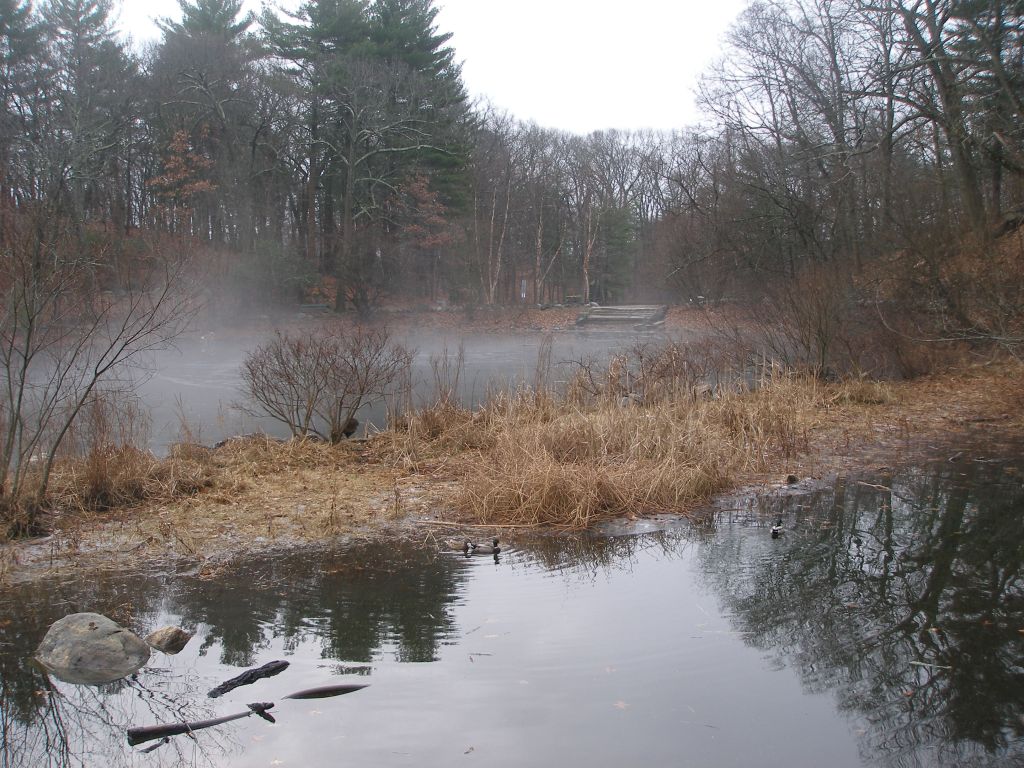
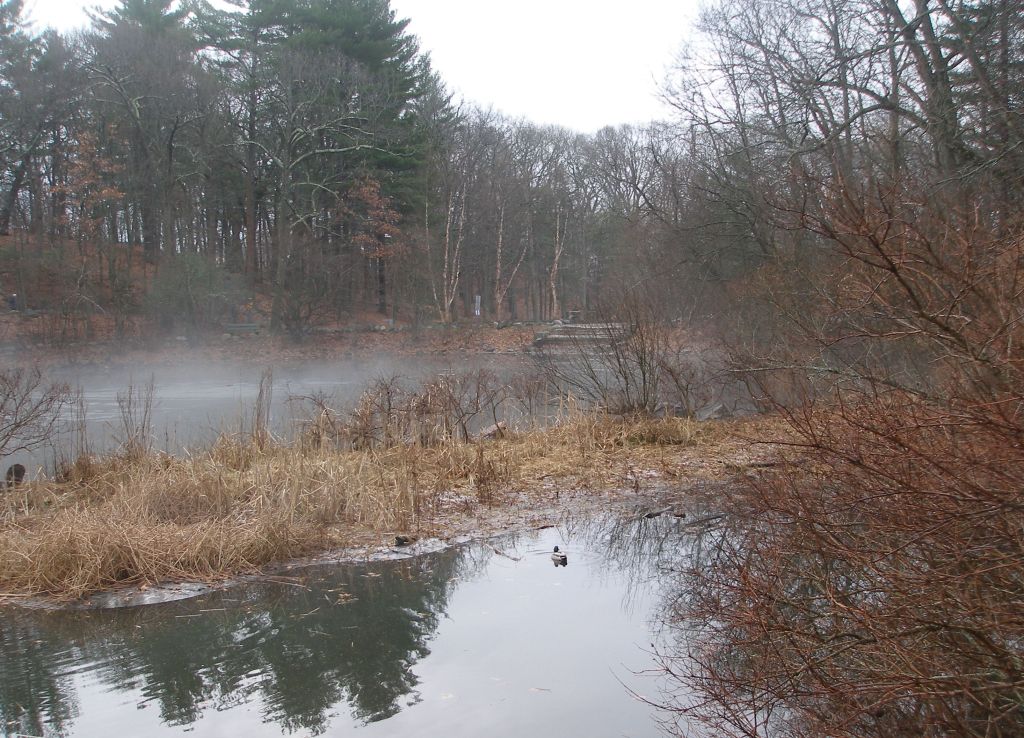
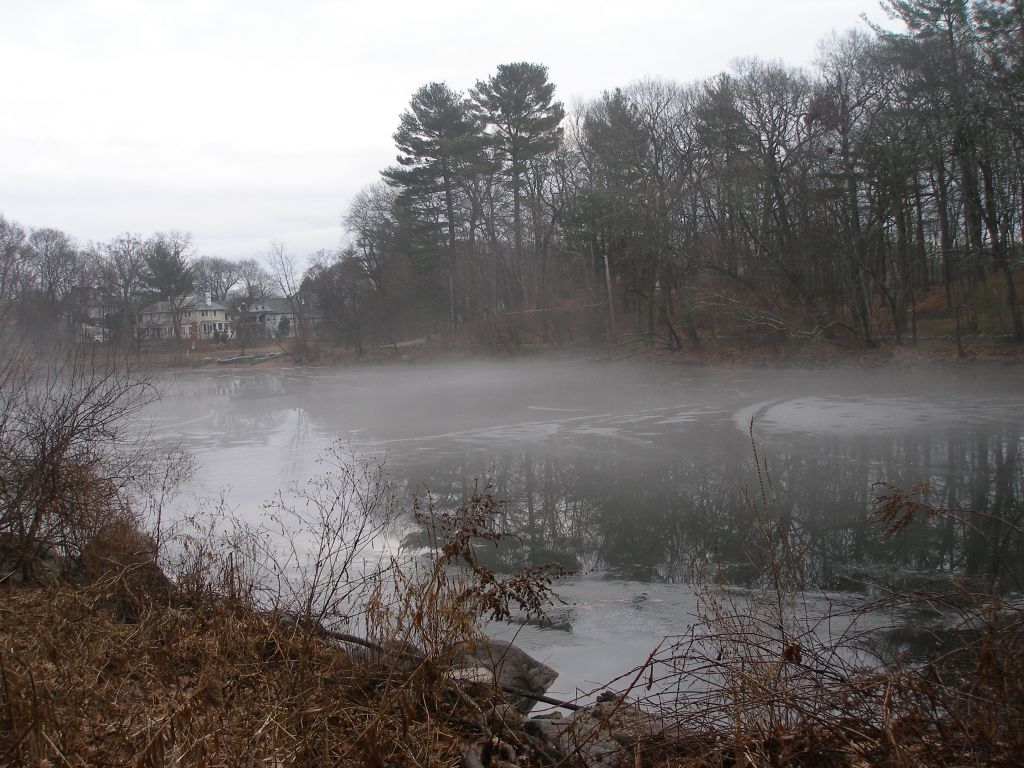
I was glad of the unusual weather conditions on this gray day. Mist rising from Hills Pond never seemed to last very long. It had begun to disperse by the time I made my way around the small body of water.
The enveloping hush seemed just right for this pause between holiday celebrations and the start of a new year, a year that will no doubt bring its own share of challenges.














 Radiant Refuge