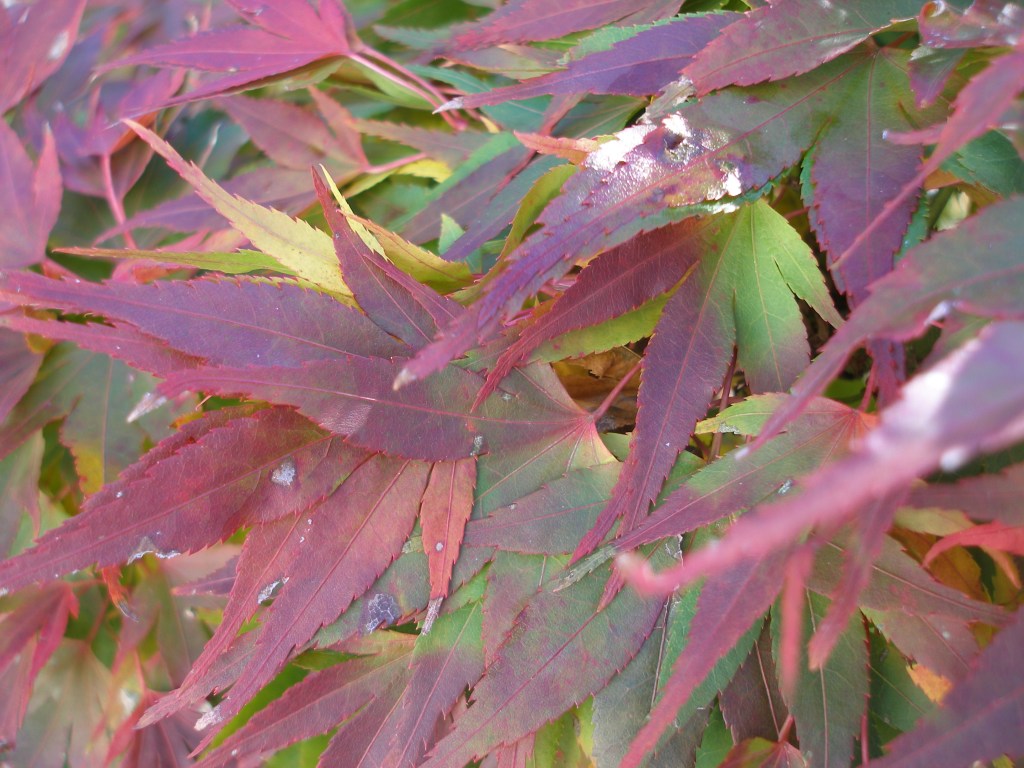
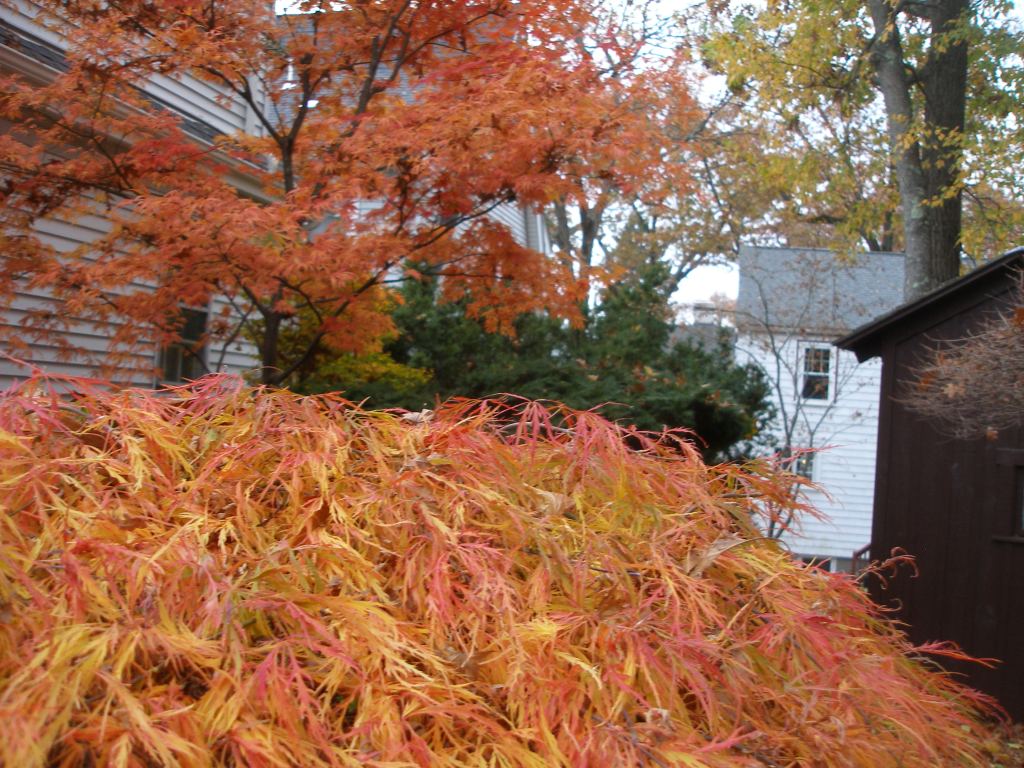
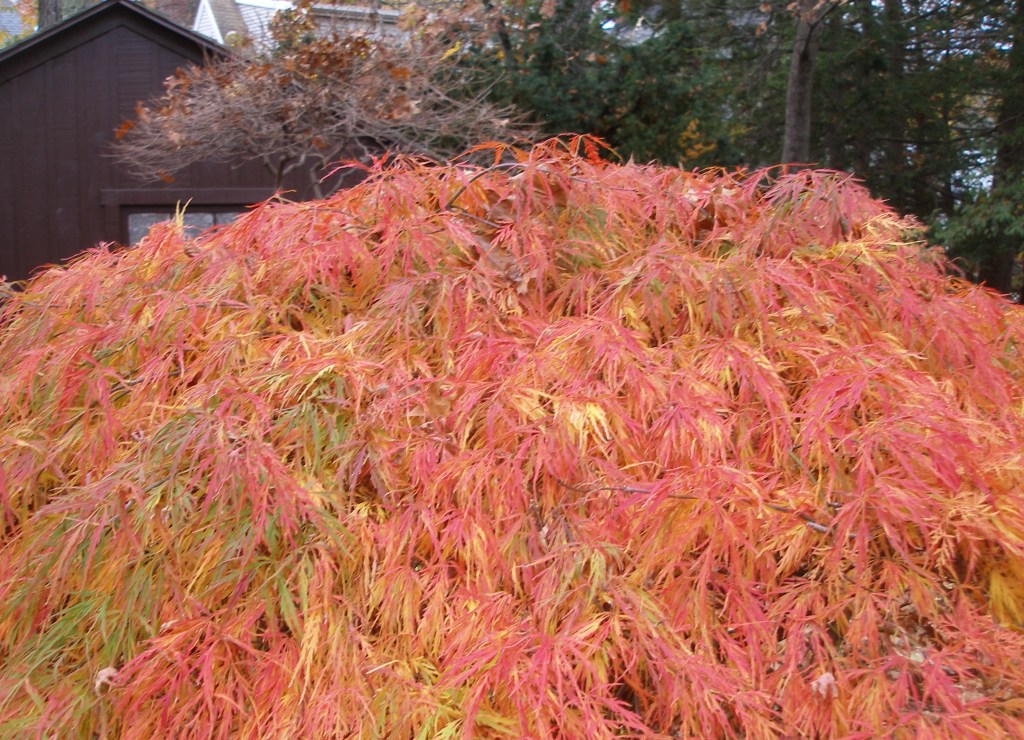
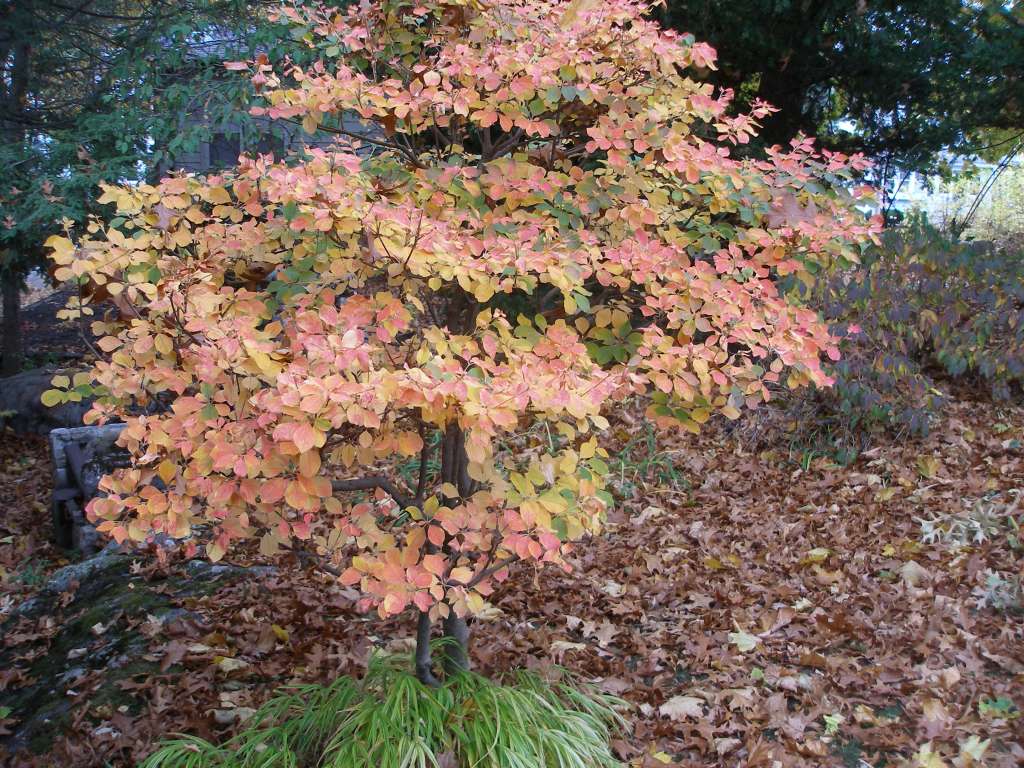
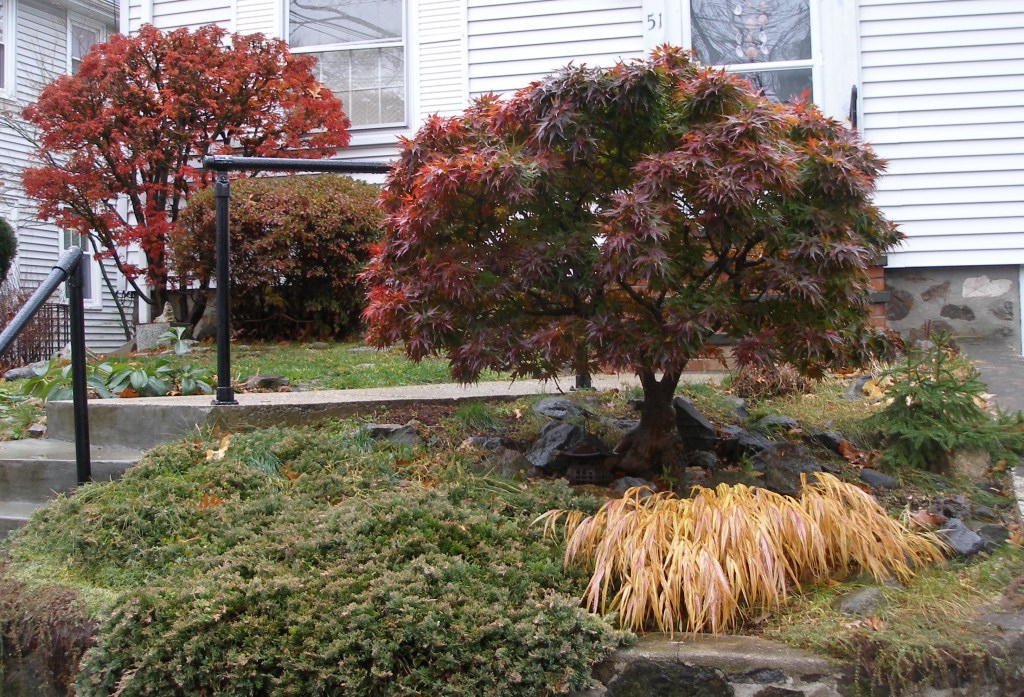
Fall Garden Colors to Remember

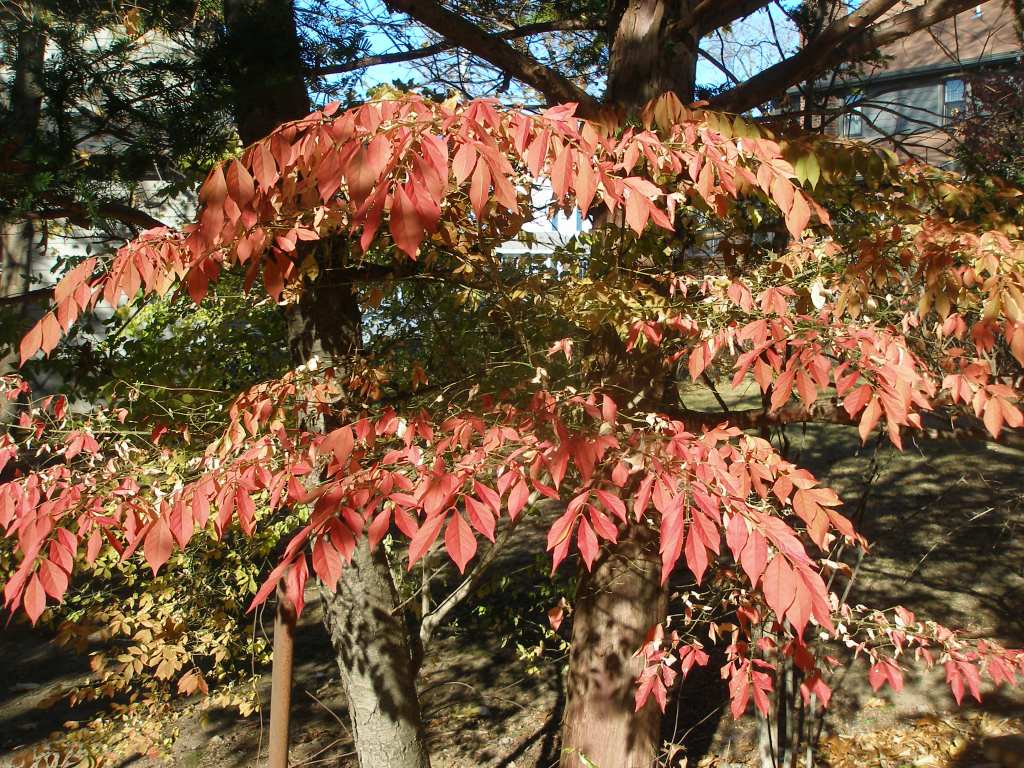
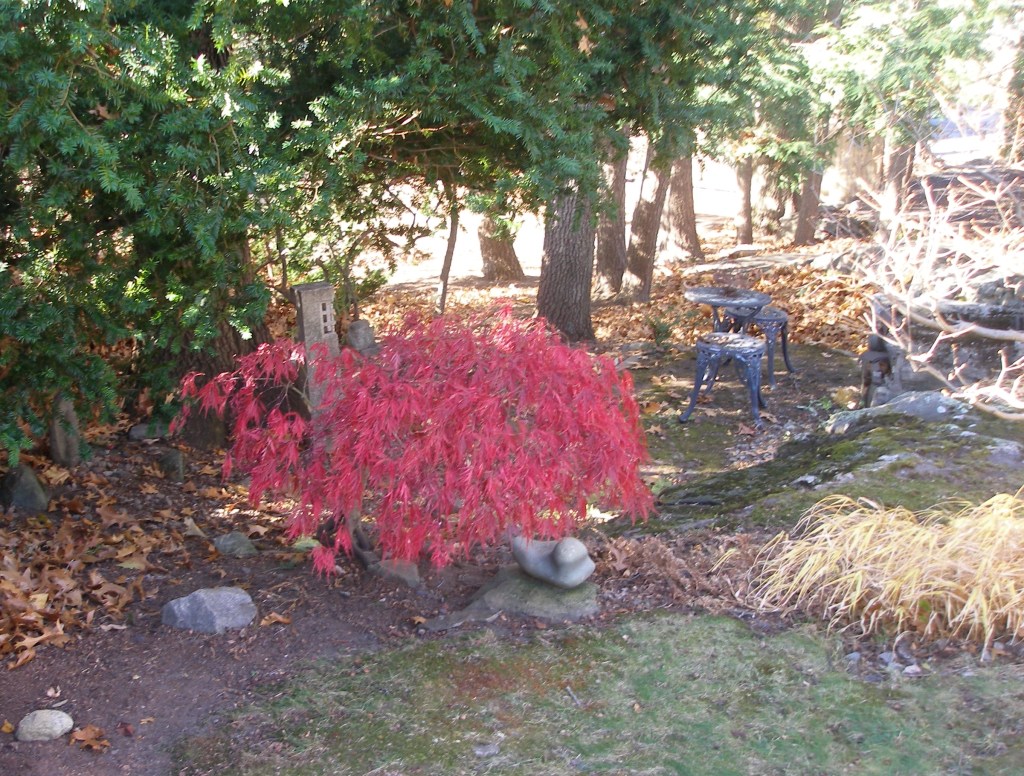
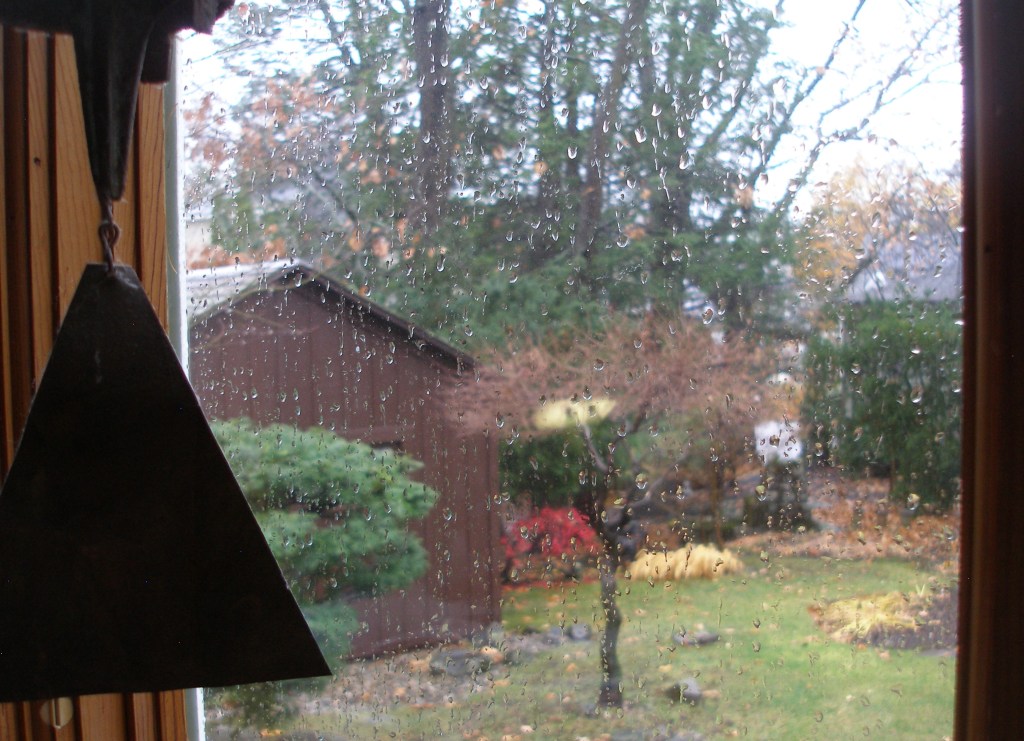
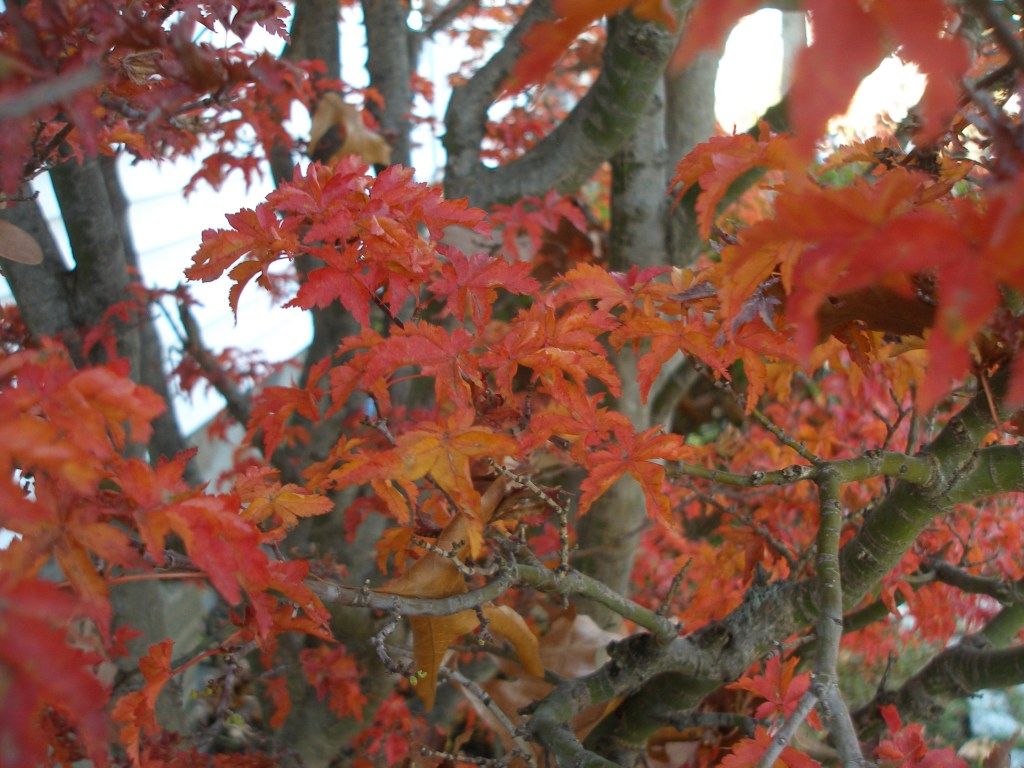
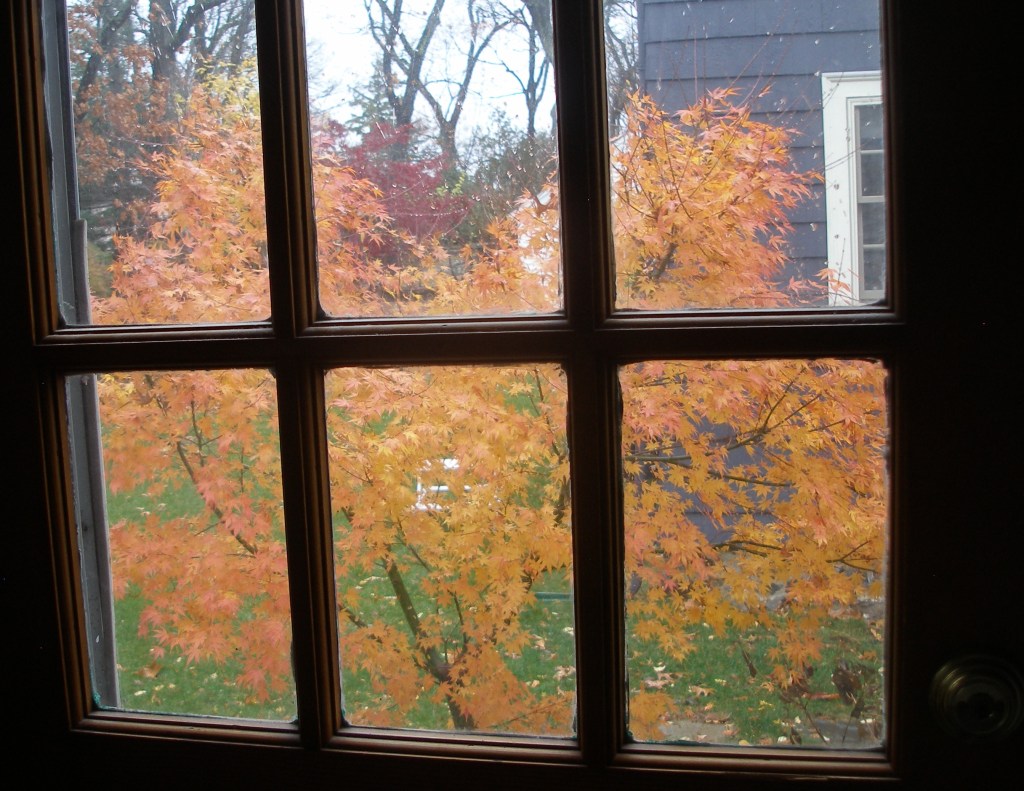
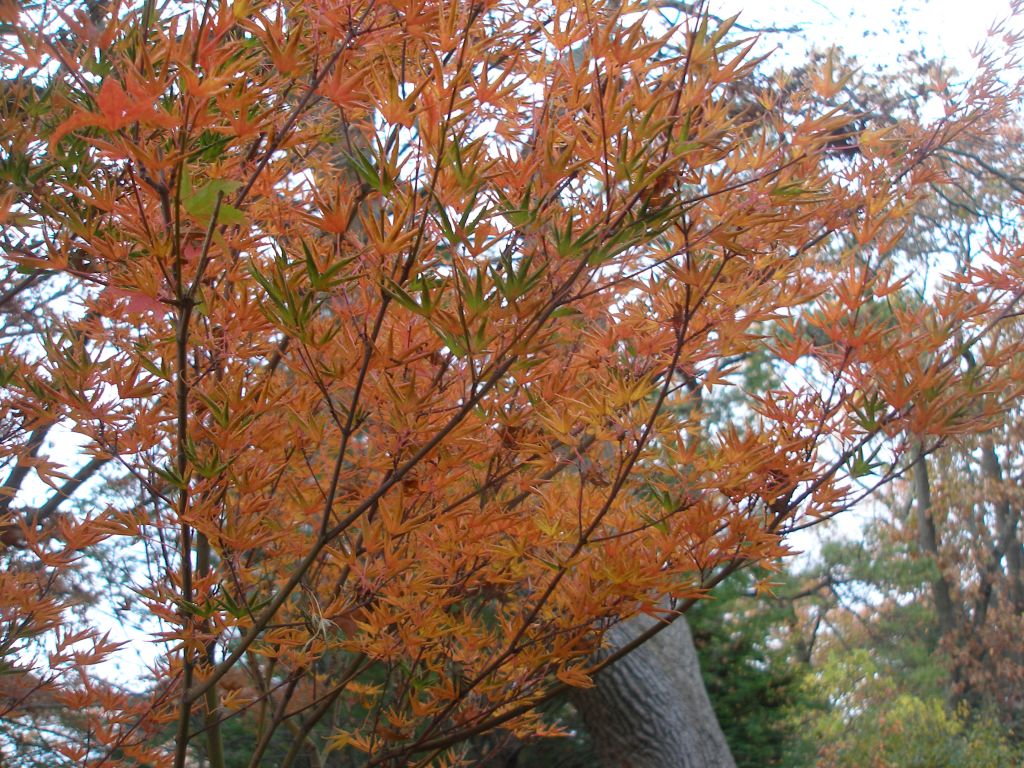
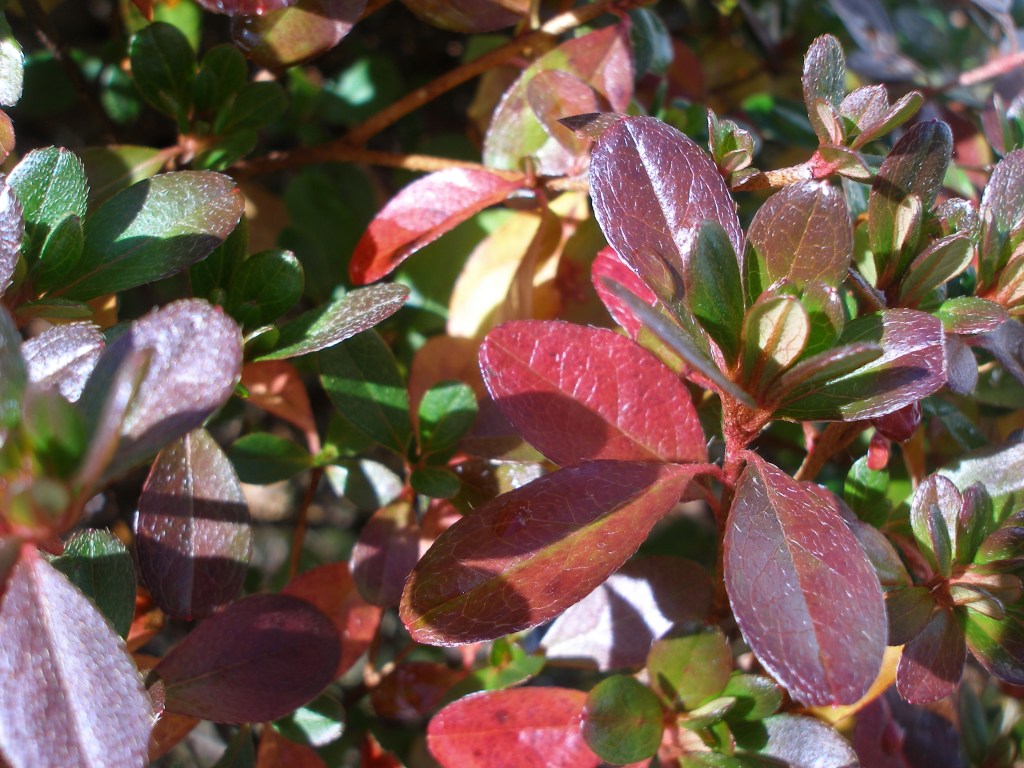
I was beginning to believe I might have to cut back on even the carefully-calibrated small amount of water I was providing my garden. But it rained all day today and the prolonged dry weather pattern seems to be shifting. The days have been unusually warm, and the nights cool, but not freezing.

According to this USDA Forestry Service article, that is precisely what can bring out the brightest fall colors:

“A succession of warm, sunny days and cool, crisp but not freezing nights seems to bring about the most spectacular color displays. During these days, lots of sugars are produced in the leaf but the cool nights and the gradual closing of veins going into the leaf prevent these sugars from moving out. These conditions – lots of sugar and light – spur production of the brilliant anthocyanin pigments, which tint reds, purples, and crimson. Because carotenoids are always present in leaves, the yellow and gold colors remain fairly constant from year to year.

The amount of moisture in the soil also affects autumn colors. Like the weather, soil moisture varies greatly from year to year. The countless combinations of these two highly variable factors assure that no two autumns can be exactly alike. A late spring, or a severe summer drought, can delay the onset of fall color by a few weeks. A warm period during fall will also lower the intensity of autumn colors. A warm wet spring, favorable summer weather, and warm sunny fall days with cool nights should produce the most brilliant autumn colors.”
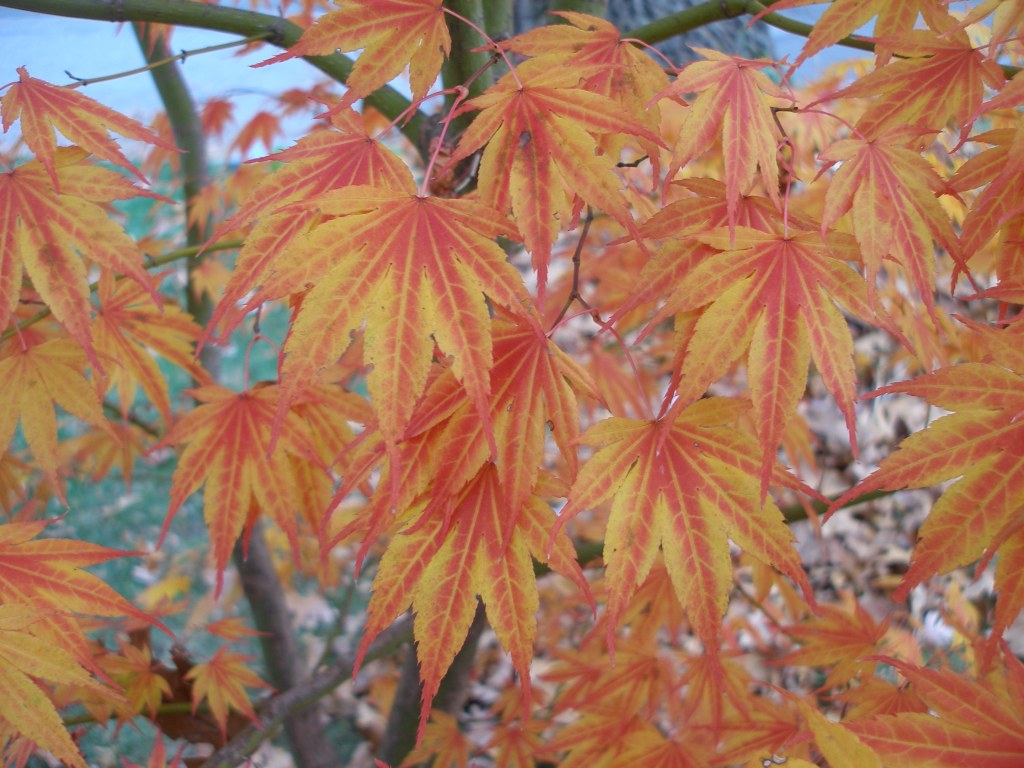
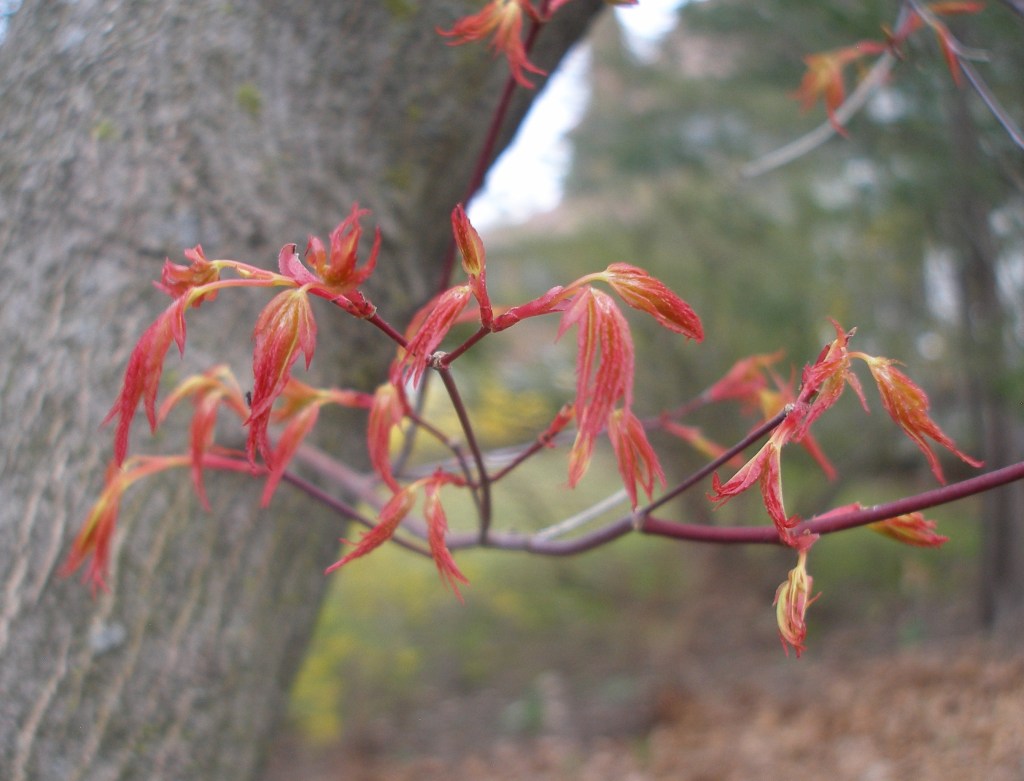
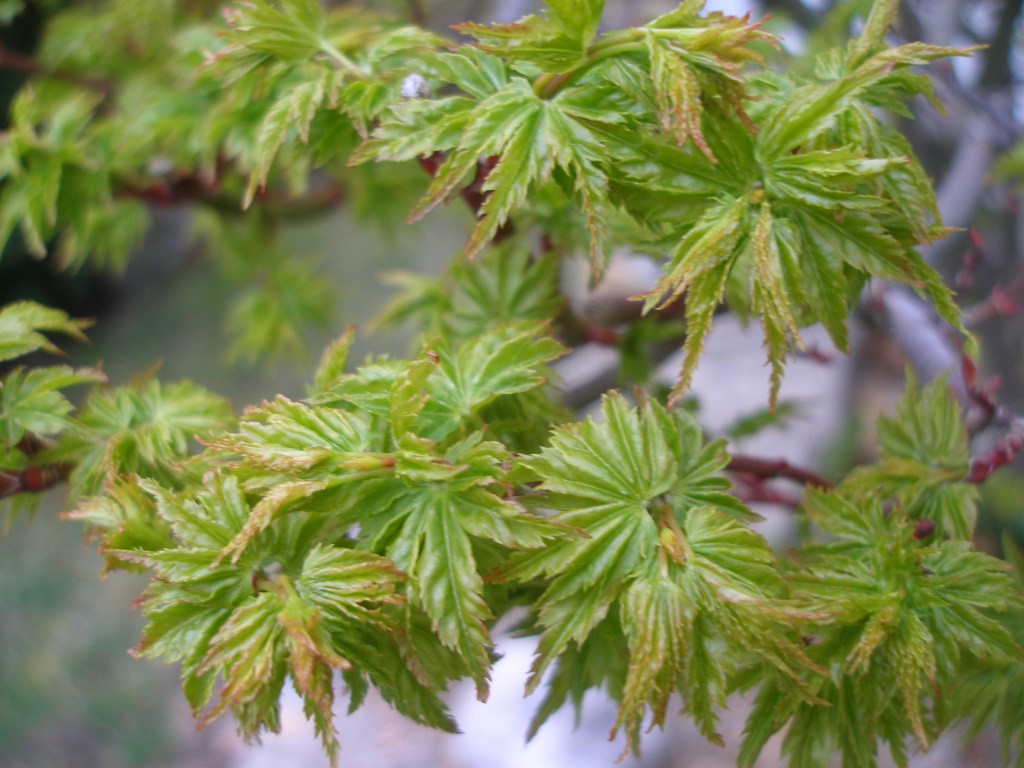
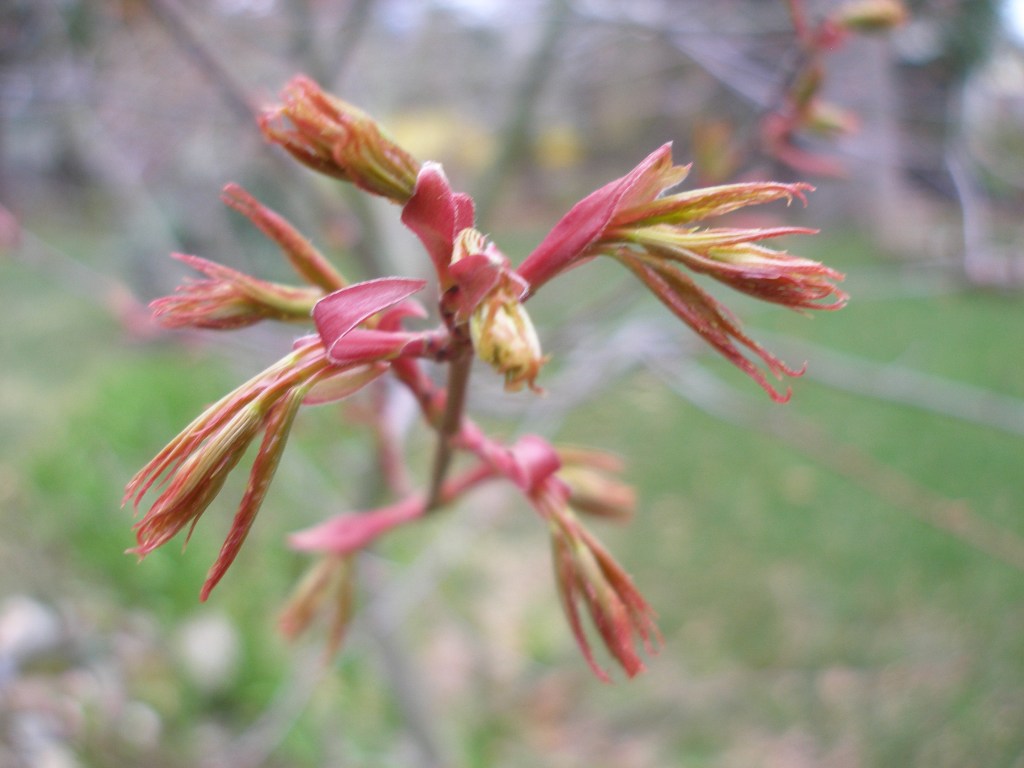
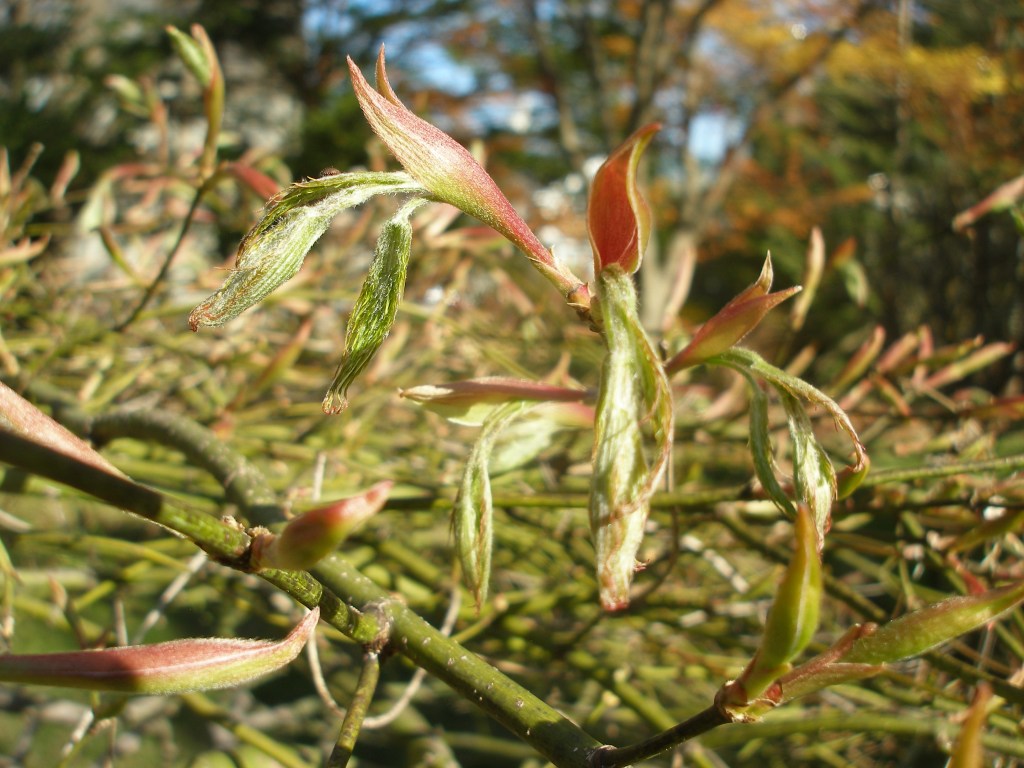
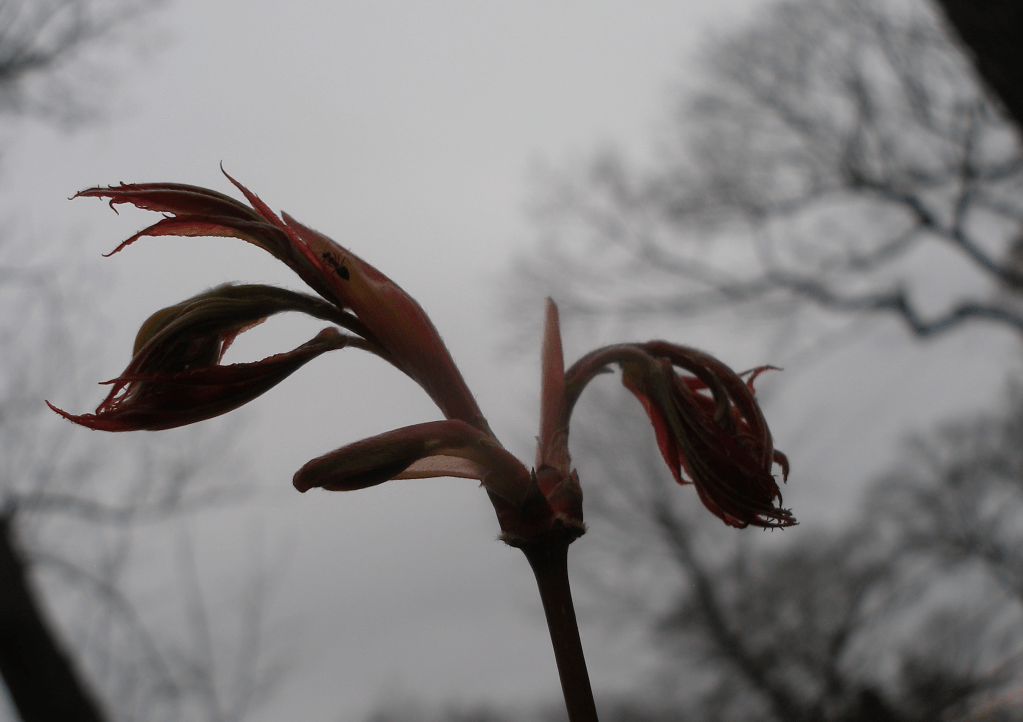
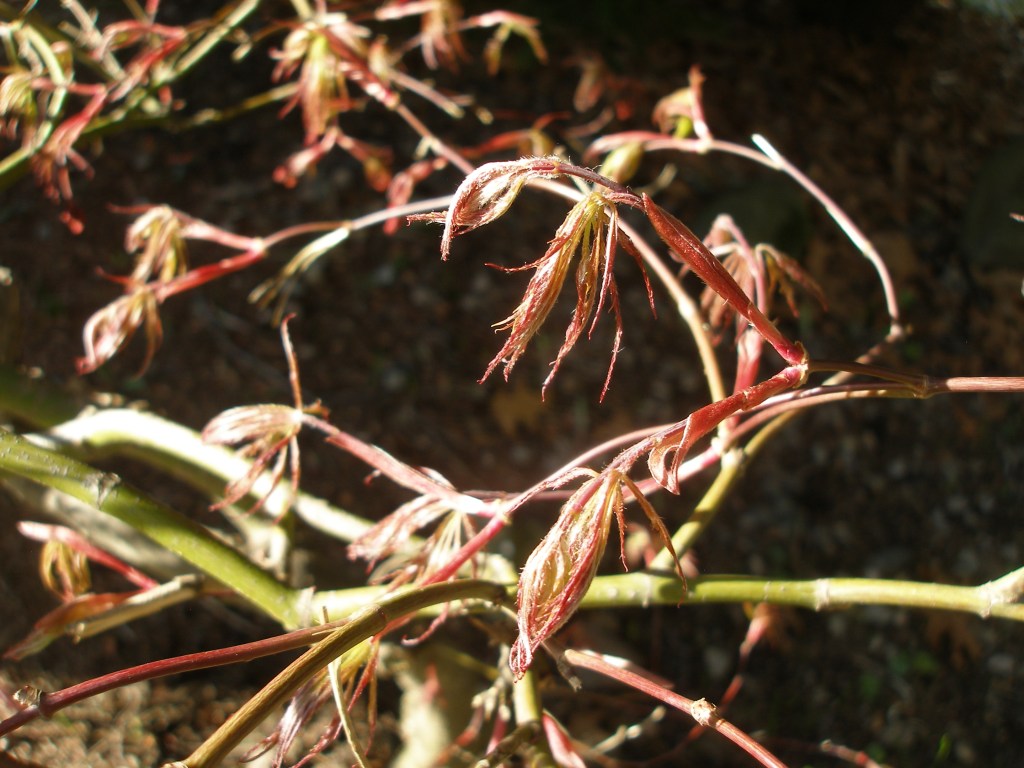
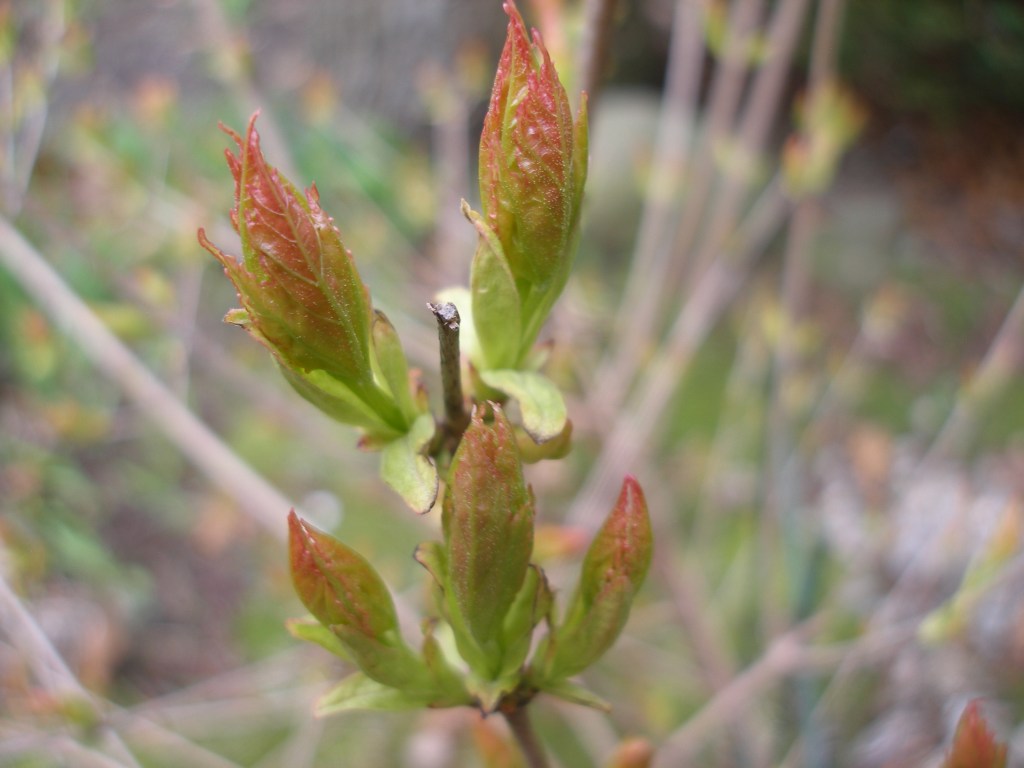
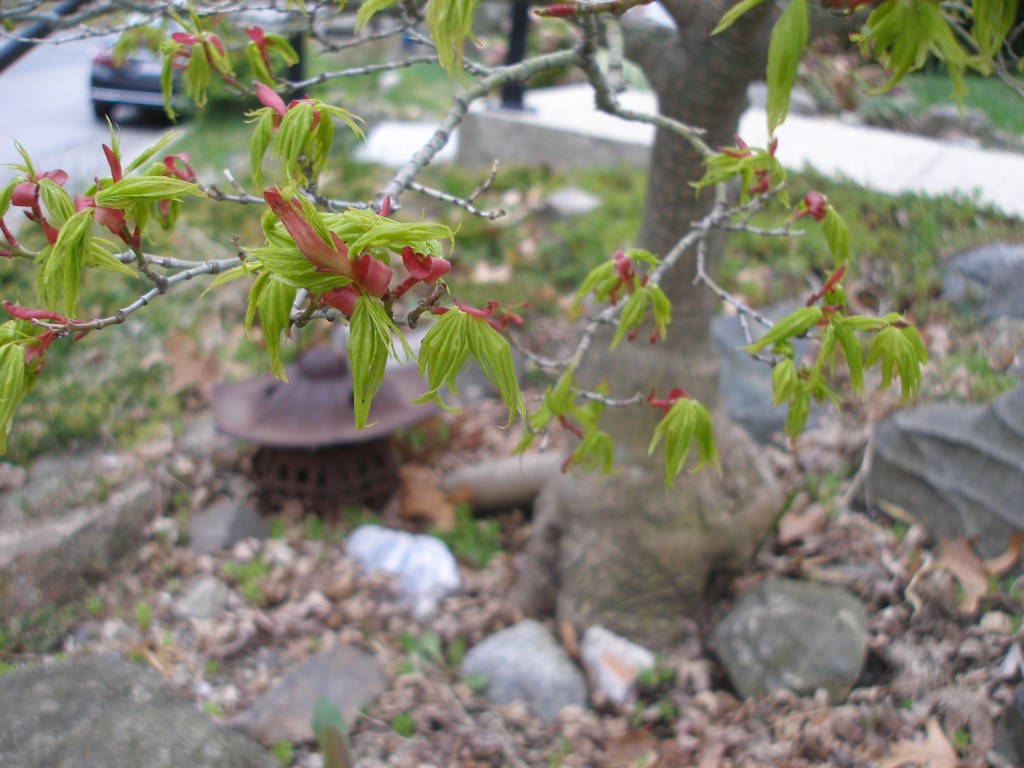
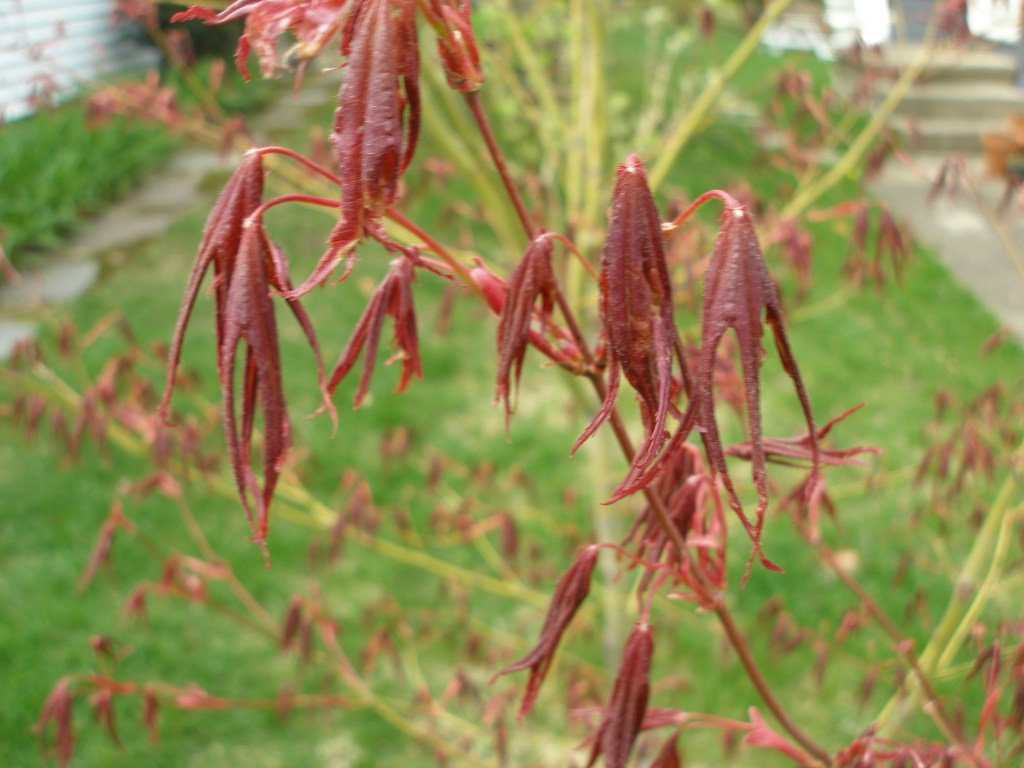
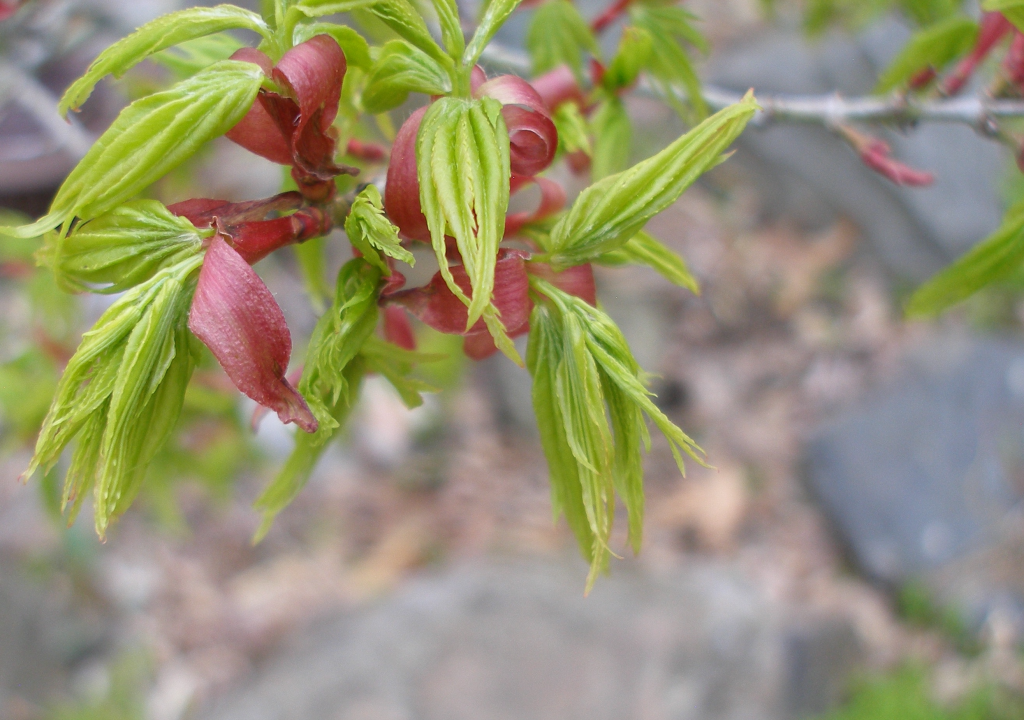
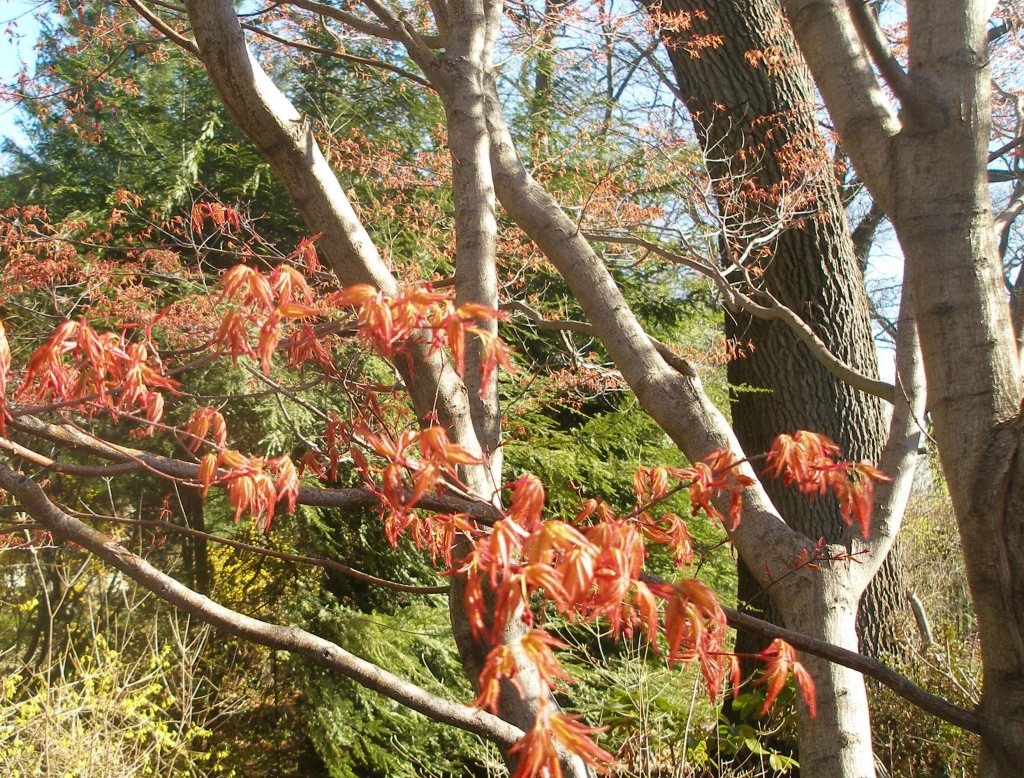
Colorful Maple Leaf Buds

It was mid-April when we joined via Zoom for virtual forest-bathing. It would begin to get dark by the end of the session, so I decided to stay close to home and wander in my Japanese-style garden. After paying attention to all of our senses outdoors we went off to walk on our own with a suggestion that we pay attention to color.

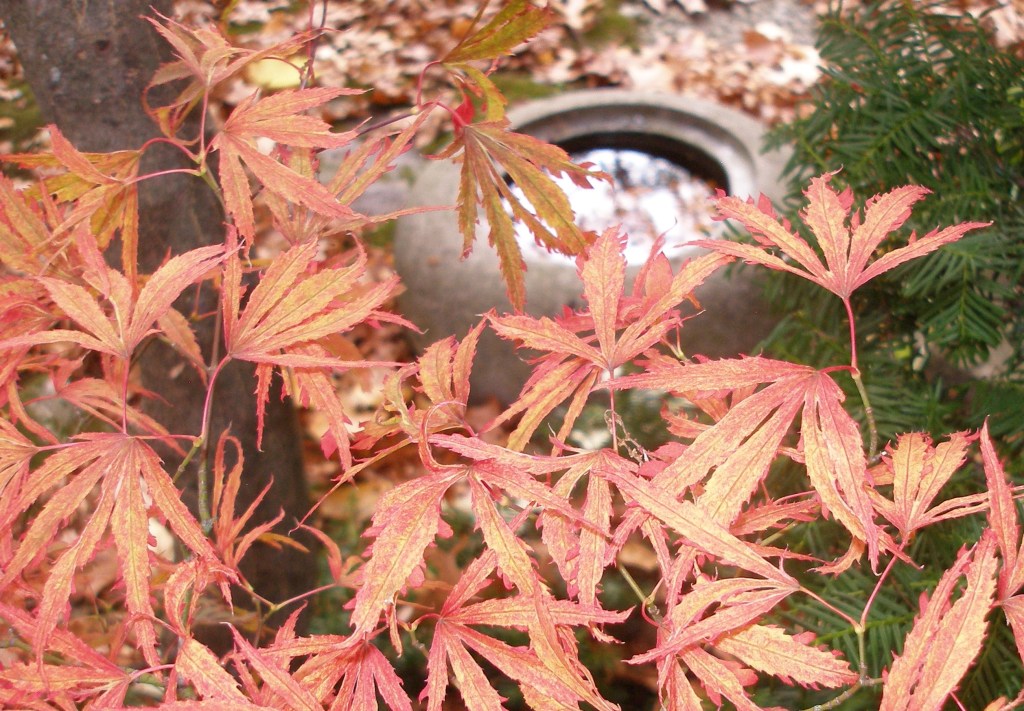
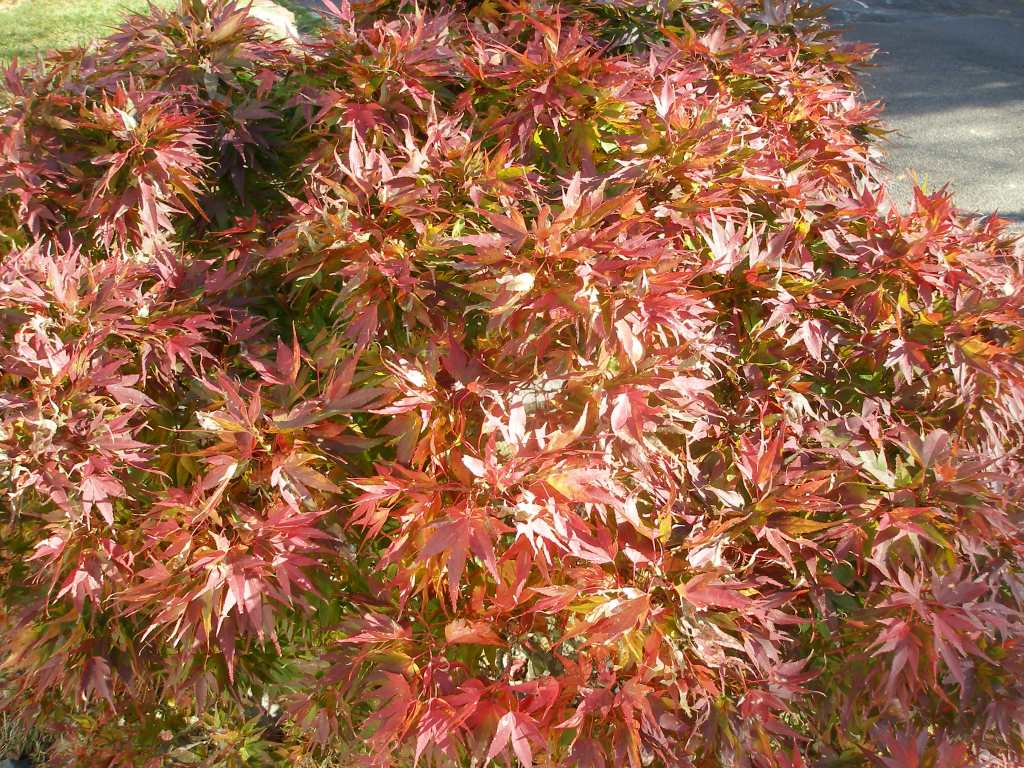
I decided to look for the new Japanese maple leaves. I noticed even tiny buds could be both pink and green. Not only were the new leaves quite colorful, but the way they unfolded, swelled and stretched out or hung limply was most worthy of closeup inspection. I added a few photos taken in prior years to include a wider range of these tiny new leaves’ fragile-tough grace.


A Question of Pinecones

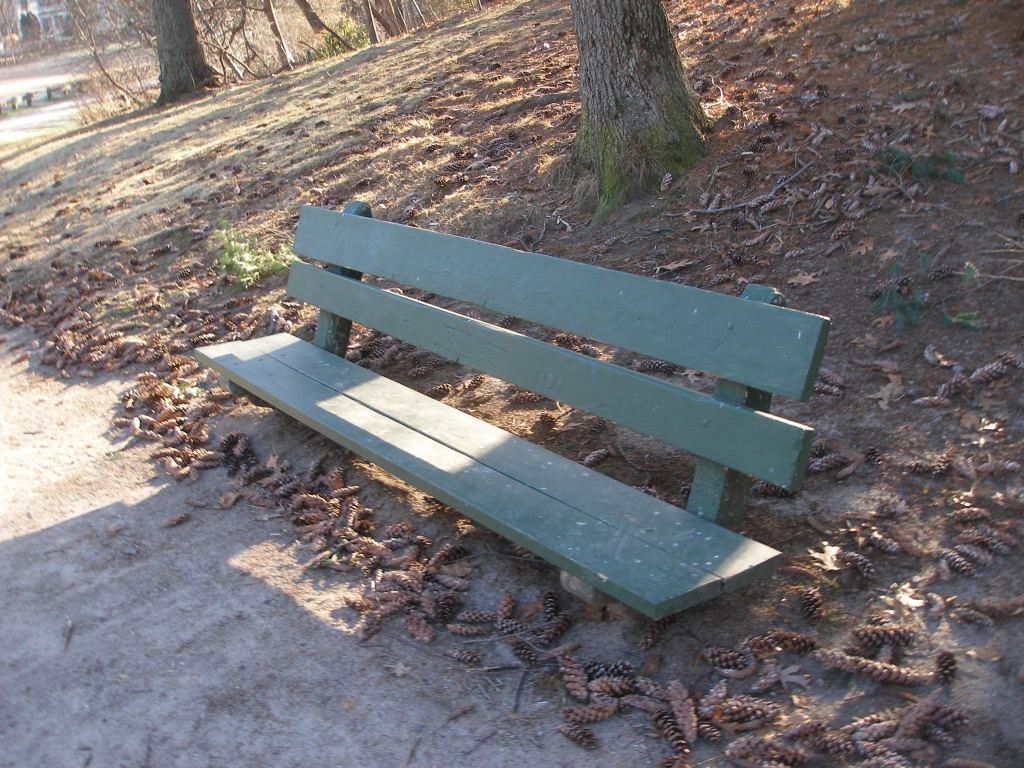
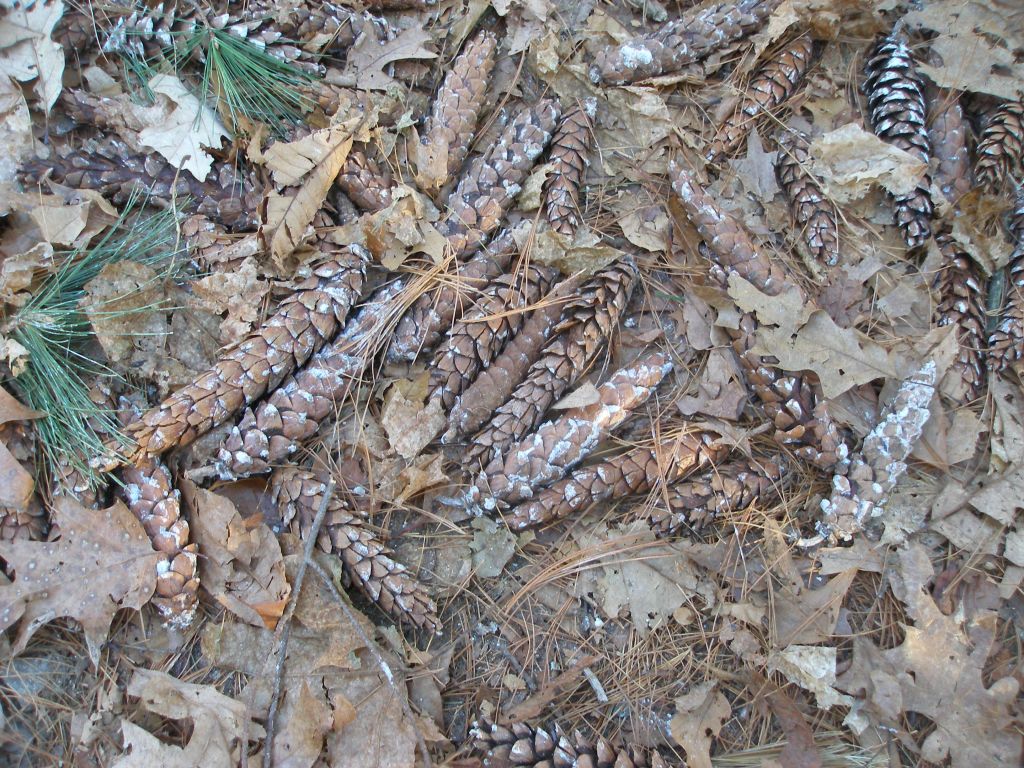
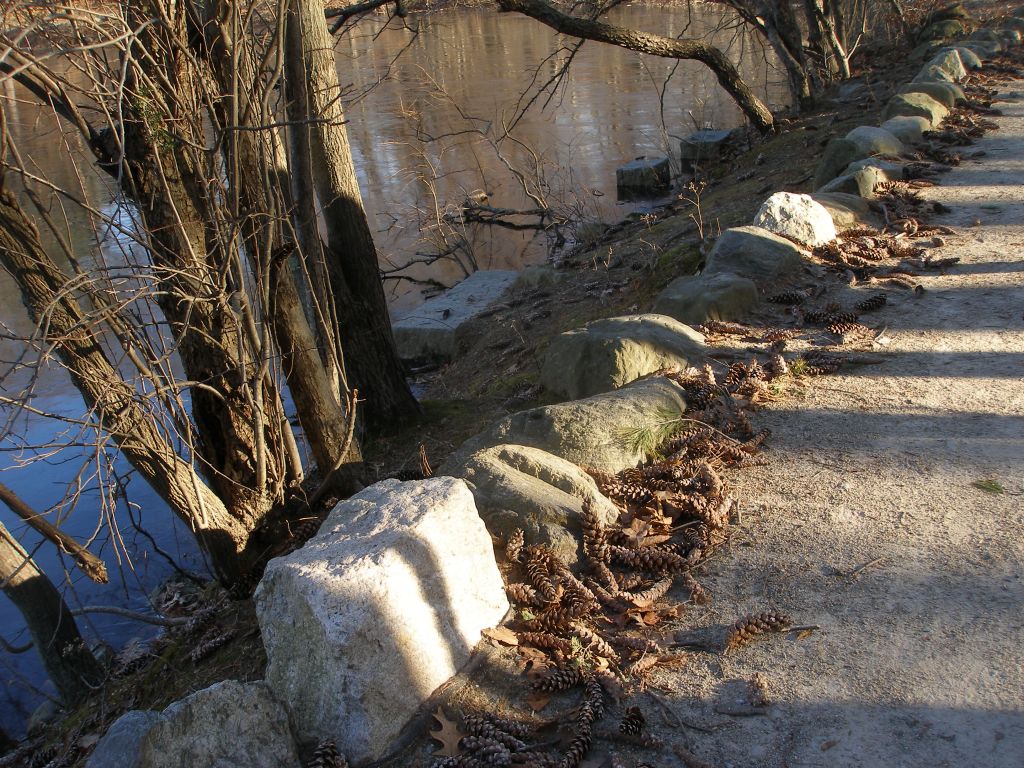
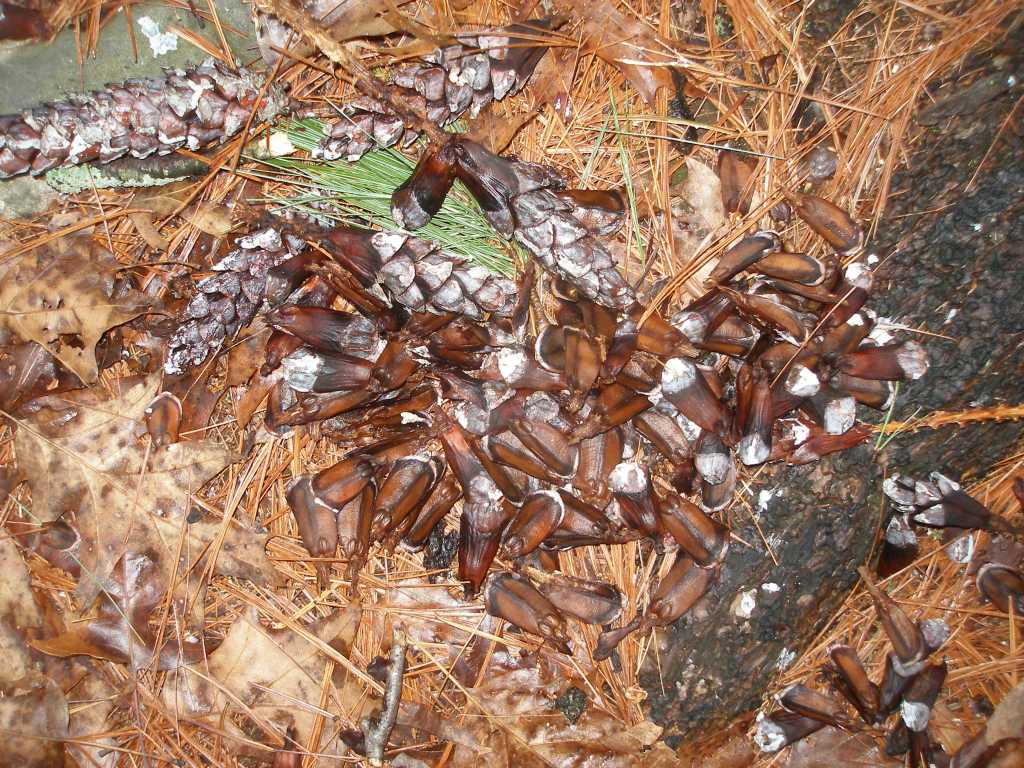
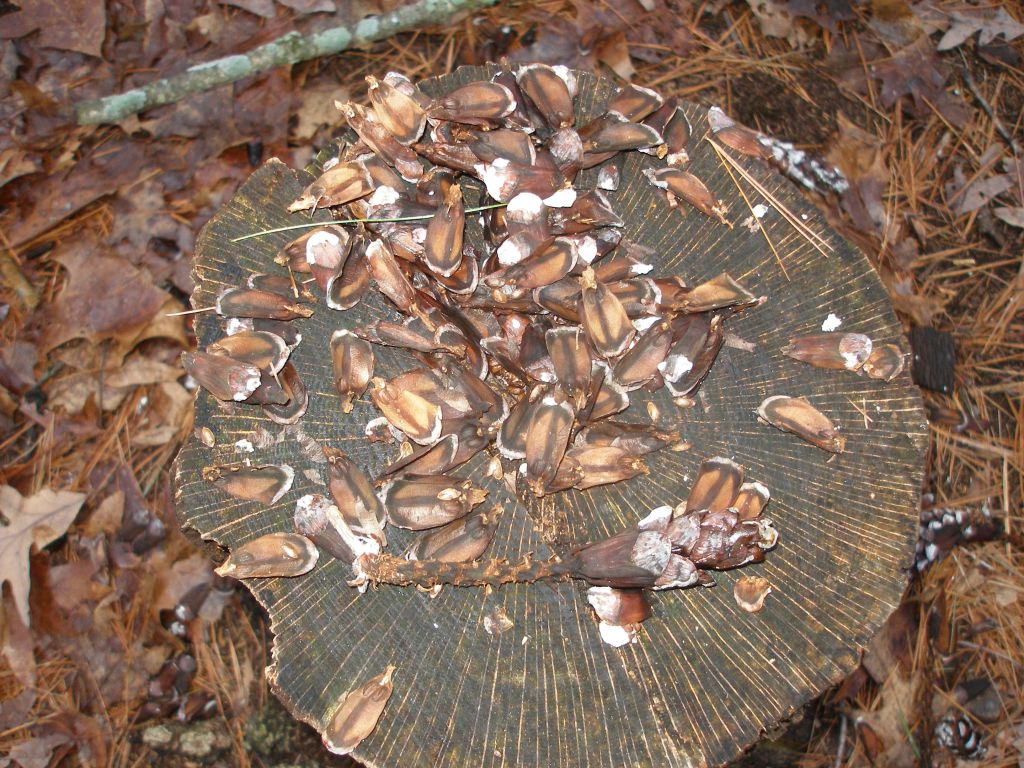
Pinecones were everywhere.

According to Menotomy Rocks Park, A Centennial History by Don Mattheisen, White Pines were planted after a devastating gypsy and brown moth invasion in 1902. It was hoped that the needles would not interest these hungry pests. In any case, no such massive invasion of destructive moths recurred then or now.

As to the unusual abundance of pinecones, recent high winds might have played a role in bringing them down, but could not explain why there were so many on the trees in the first place. Perhaps the White Pines planted in the 1900’s were approaching the end of their natural lives and providing for the perpetuation of their species. Or newly abundant rains the last few years had created favorable conditions for baby trees. Squirrels seem to be going after the seeds already. 

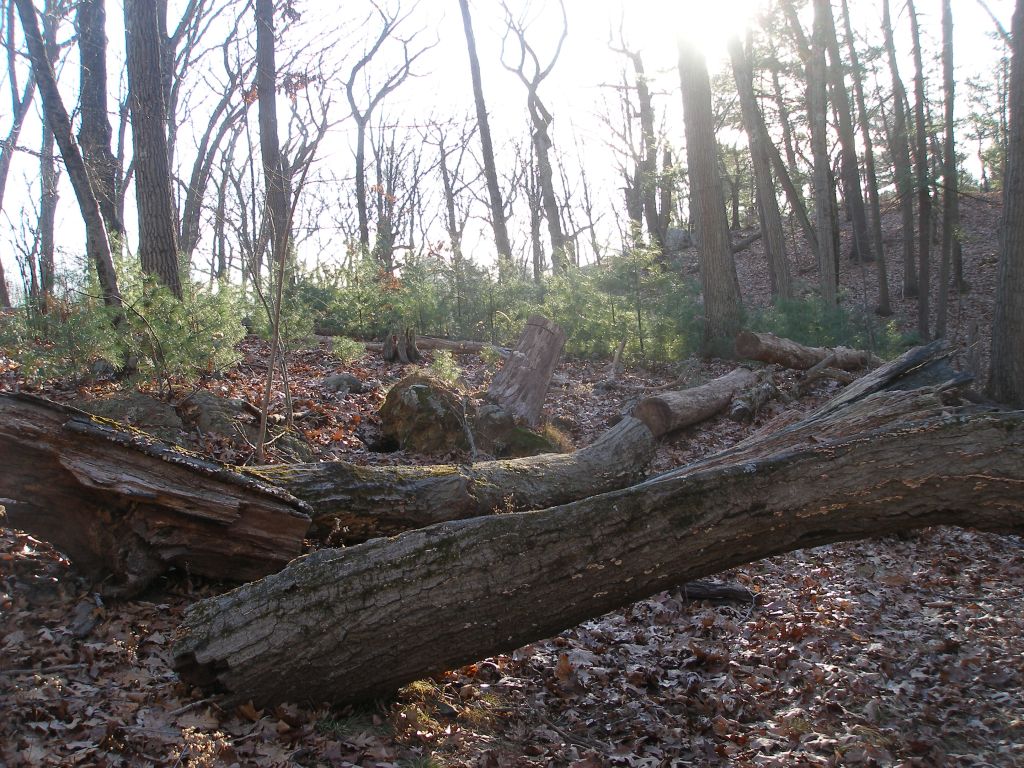
There are places in the Park where many young evergreens all seem to be about the same height. I will keep an eye out for more patches of young trees springing up, especially where sunlight reaches the forest floor.