Tiny Rainbows

OLYMPUS DIGITAL CAMERA

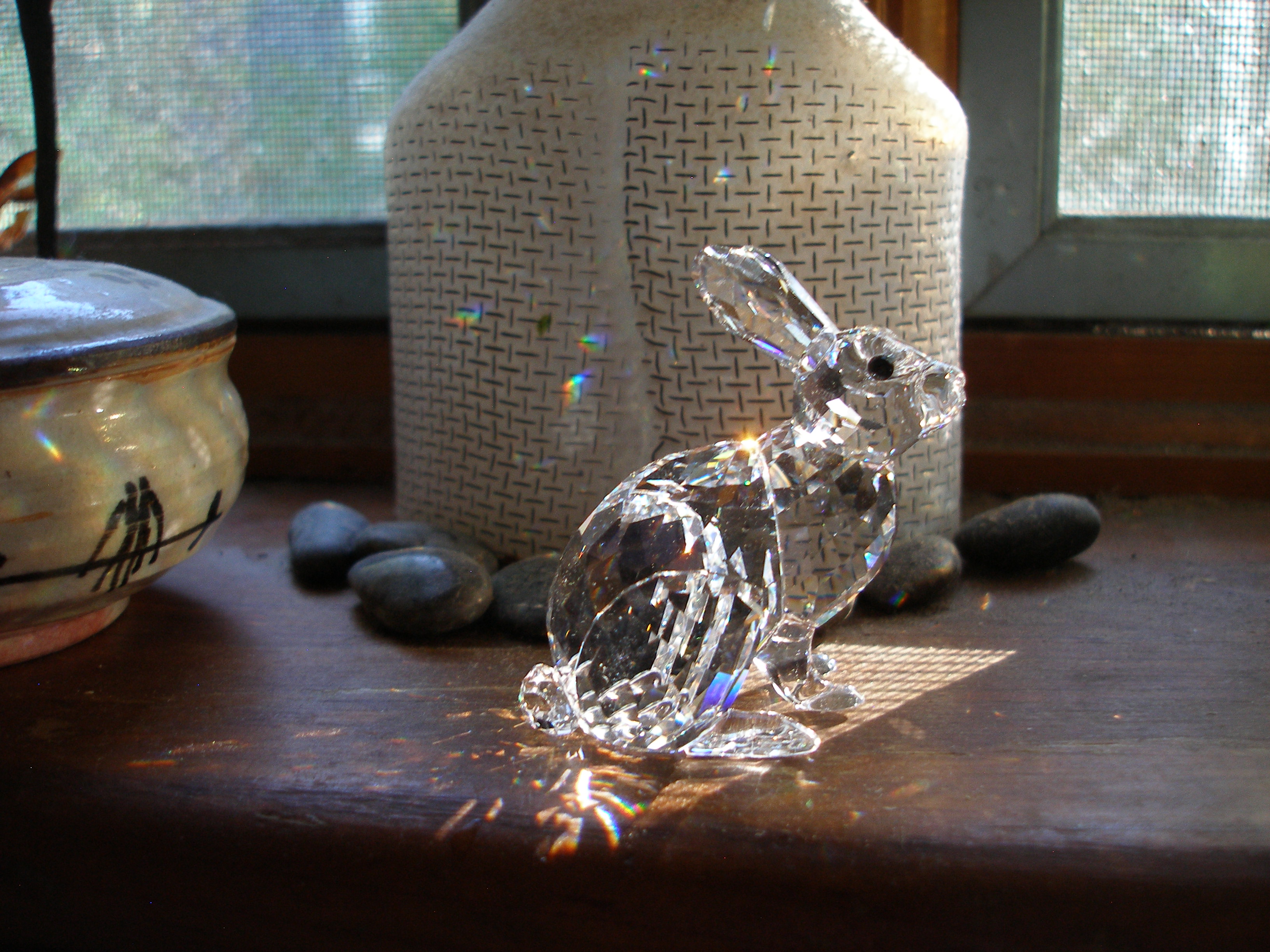
My brother, who gave me this facetted rabbit asked me to take a photo of it creating rainbows. Though tiny, you can see them there on the bottle behind it.

I was surprised by the interest in this photo. Perhaps I should not have been. Rainbows capture our attention. Whether arching out in nature or resulting from light dispersing through objects, we are delighted by their ephemeral beauty.

Our ability to perceive rainbows can also be thought provoking. Color vision is a mysterious part of our highly sensitive but limited apparatus to sense what is out there. Other animals’ vision can be quite different.
At a fundamental level the colors we can see are a function of how our human eyes and brains work. In most humans, three types of cone cells are triggered by different wave lengths of light and the results are combined by our brains so we can distinguish at least a million colors.

Color blindness results from having two normal and one mutant cone cell. The daughters of color-blind men may be born with a fourth type of cone cell and in theory, these tetrachromat daughters can perceive many millions of additional colors. However, it may take practice for them to activate this ability, and the natural world may not provide many opportunities for such practice.

The study of color vision involves many disciplines and the elusive nature of personal subjective experience adds to the challenge. Associations matter, and color preferences can differ by culture. That, however, takes nothing away from the wonder we feel when seeing a spectrum array of colors, however we perceive them, laid before us in a rainbow.

Sharing Visual Creativity

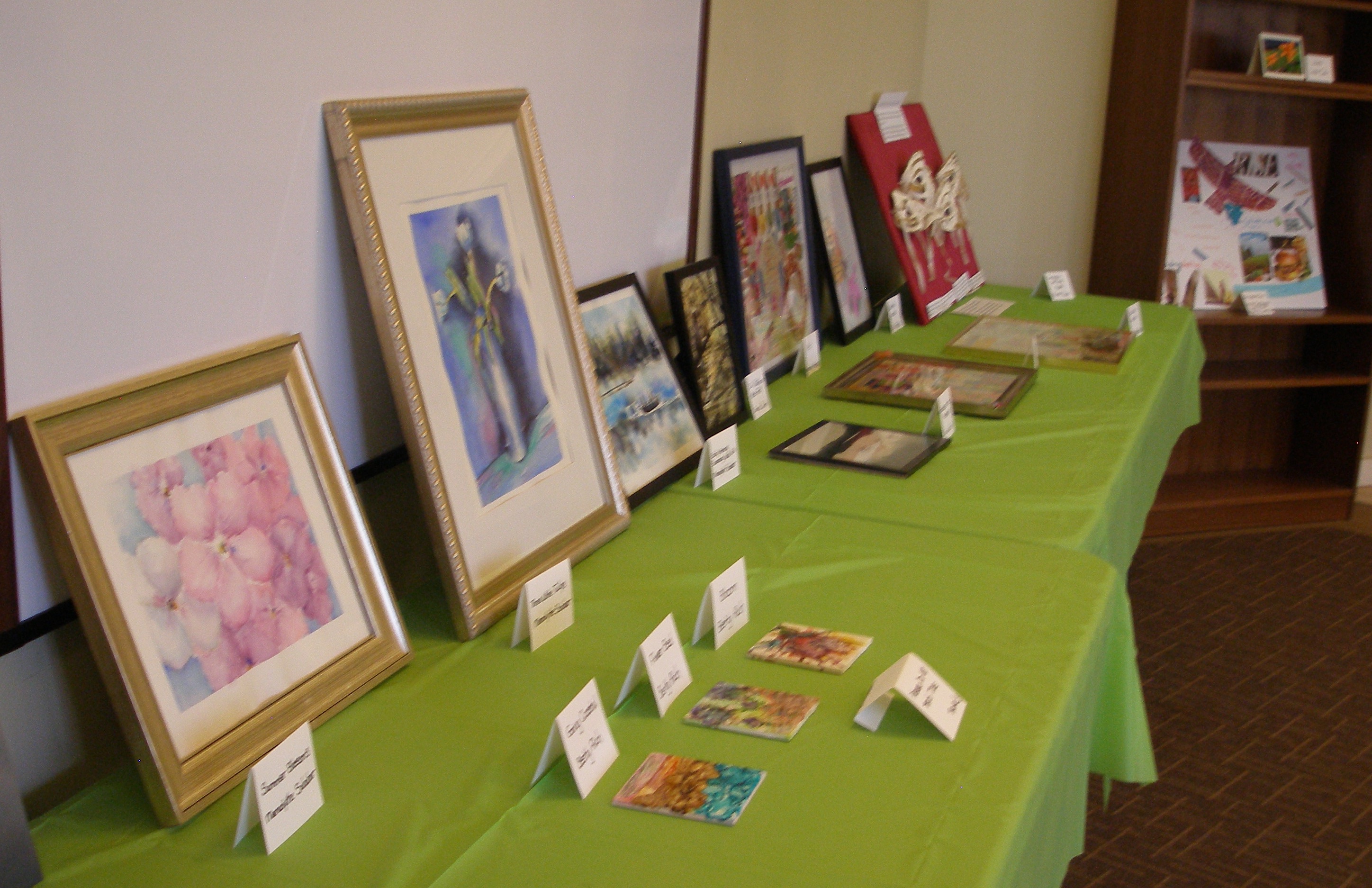
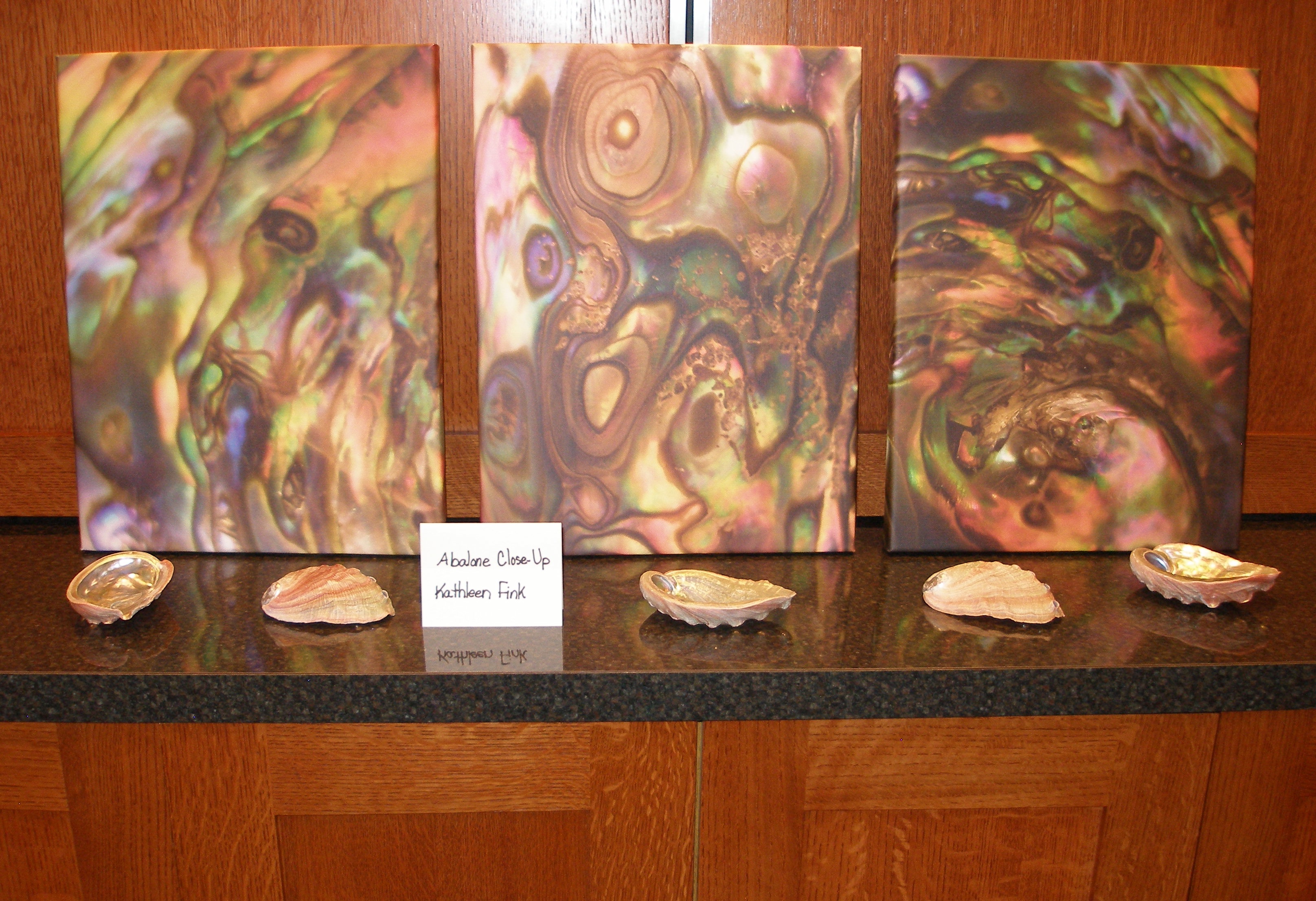
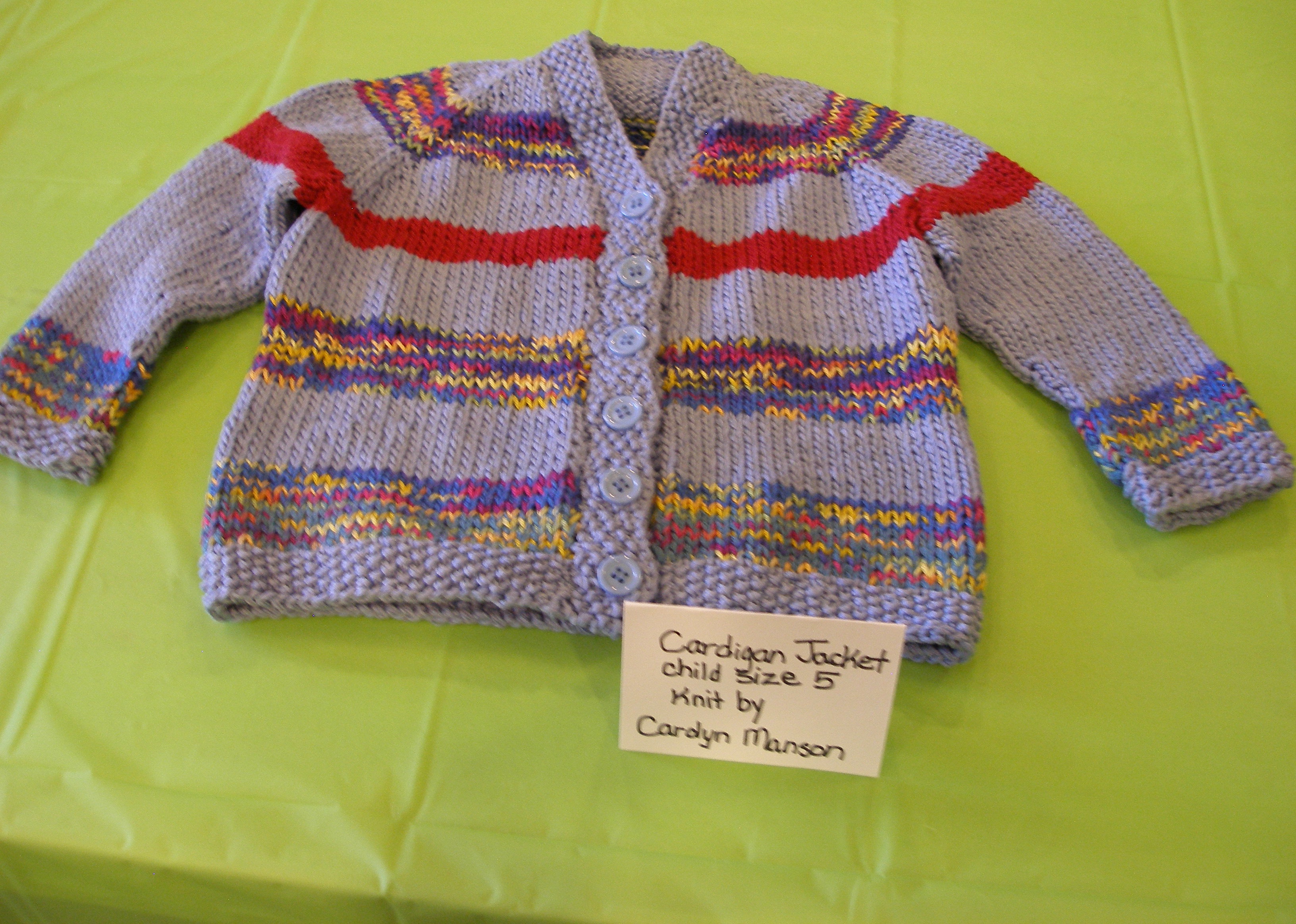
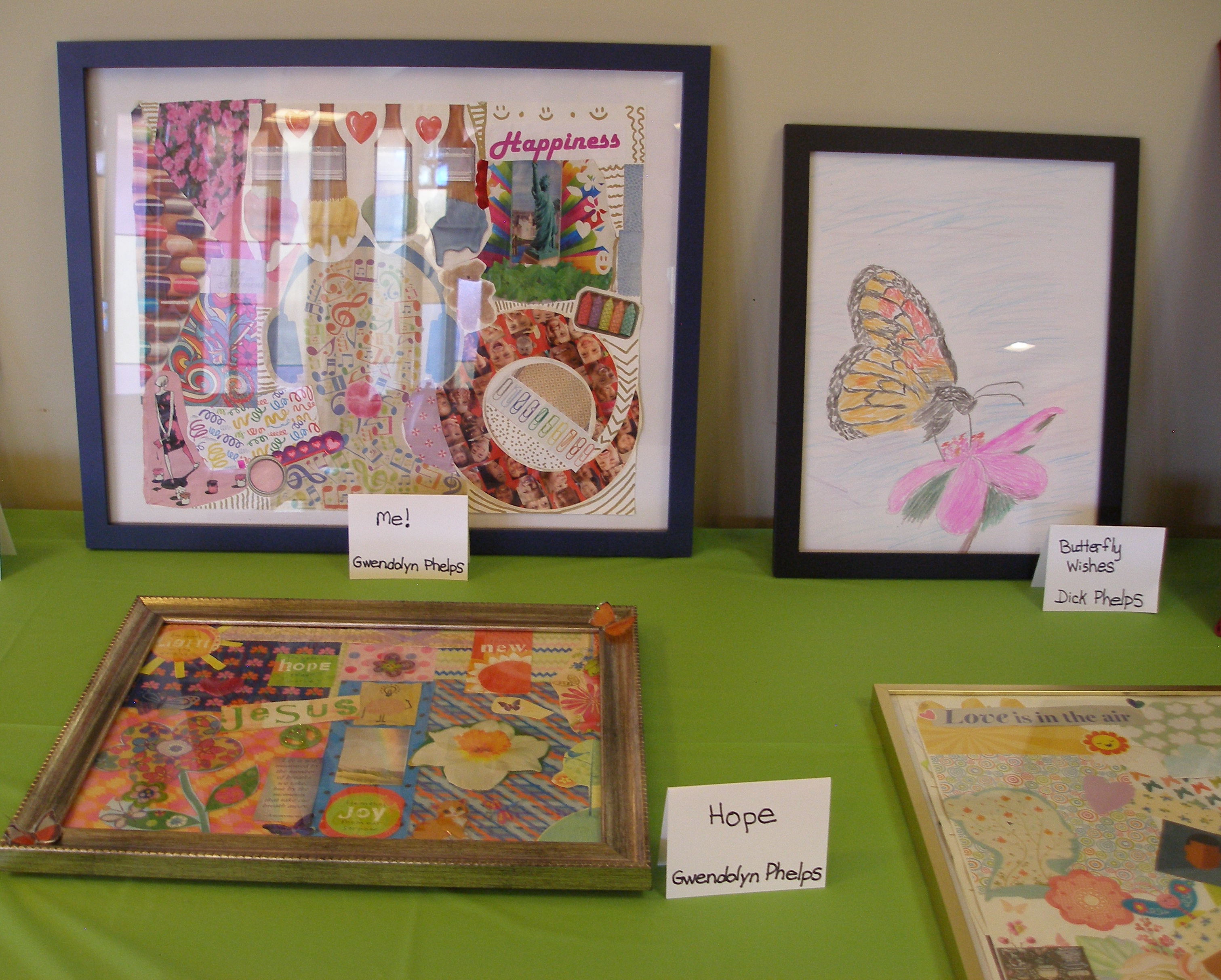
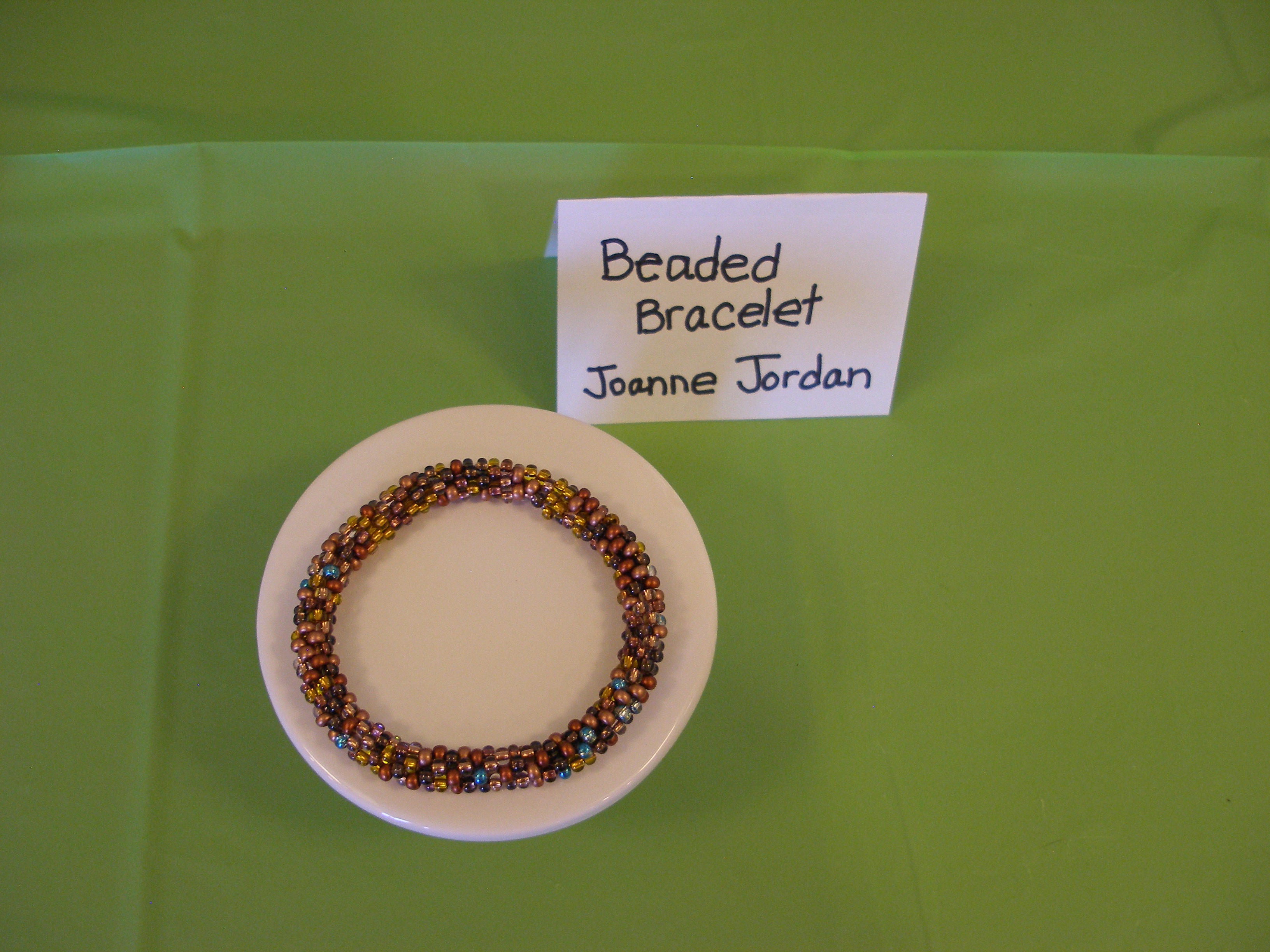
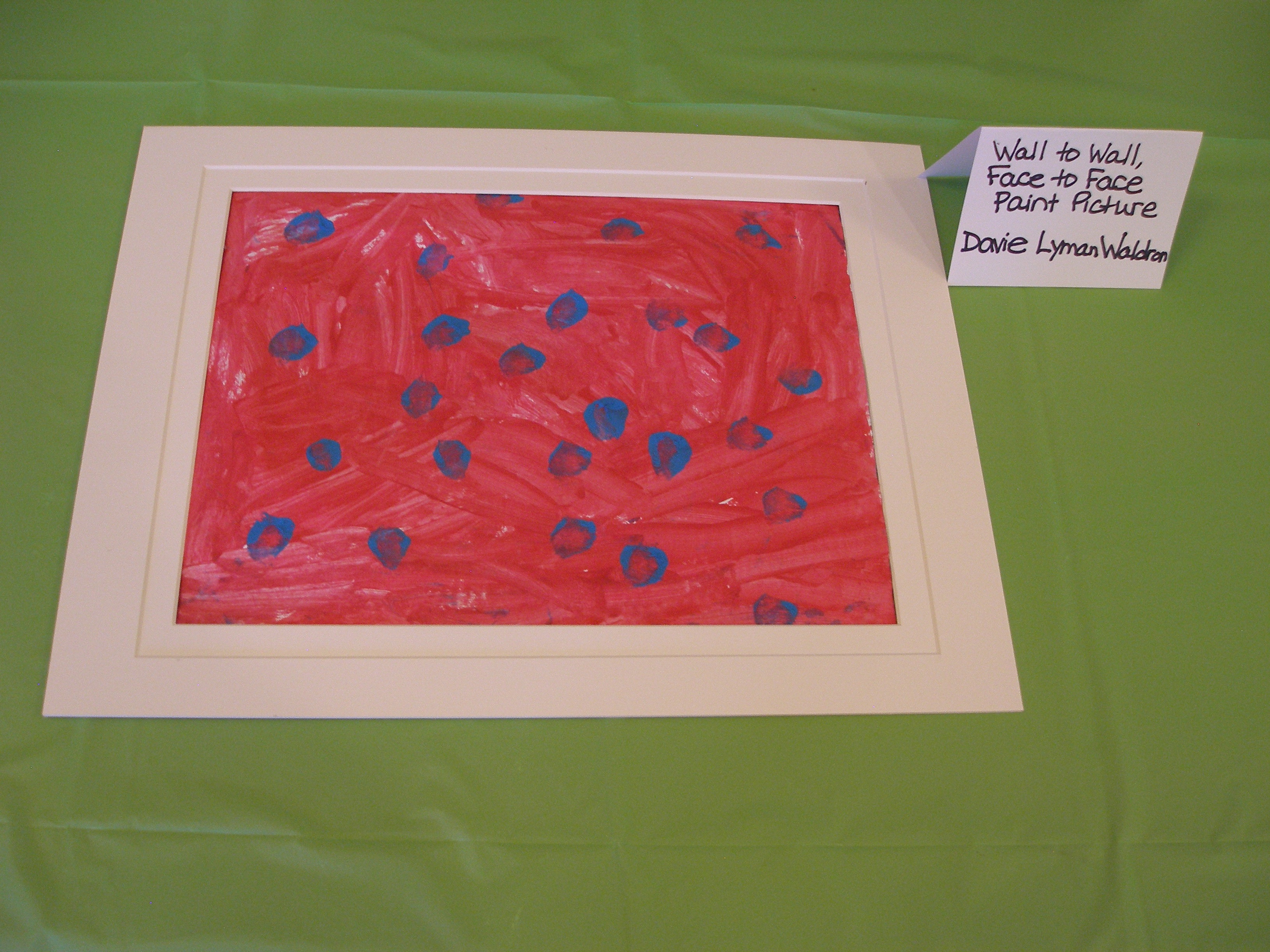
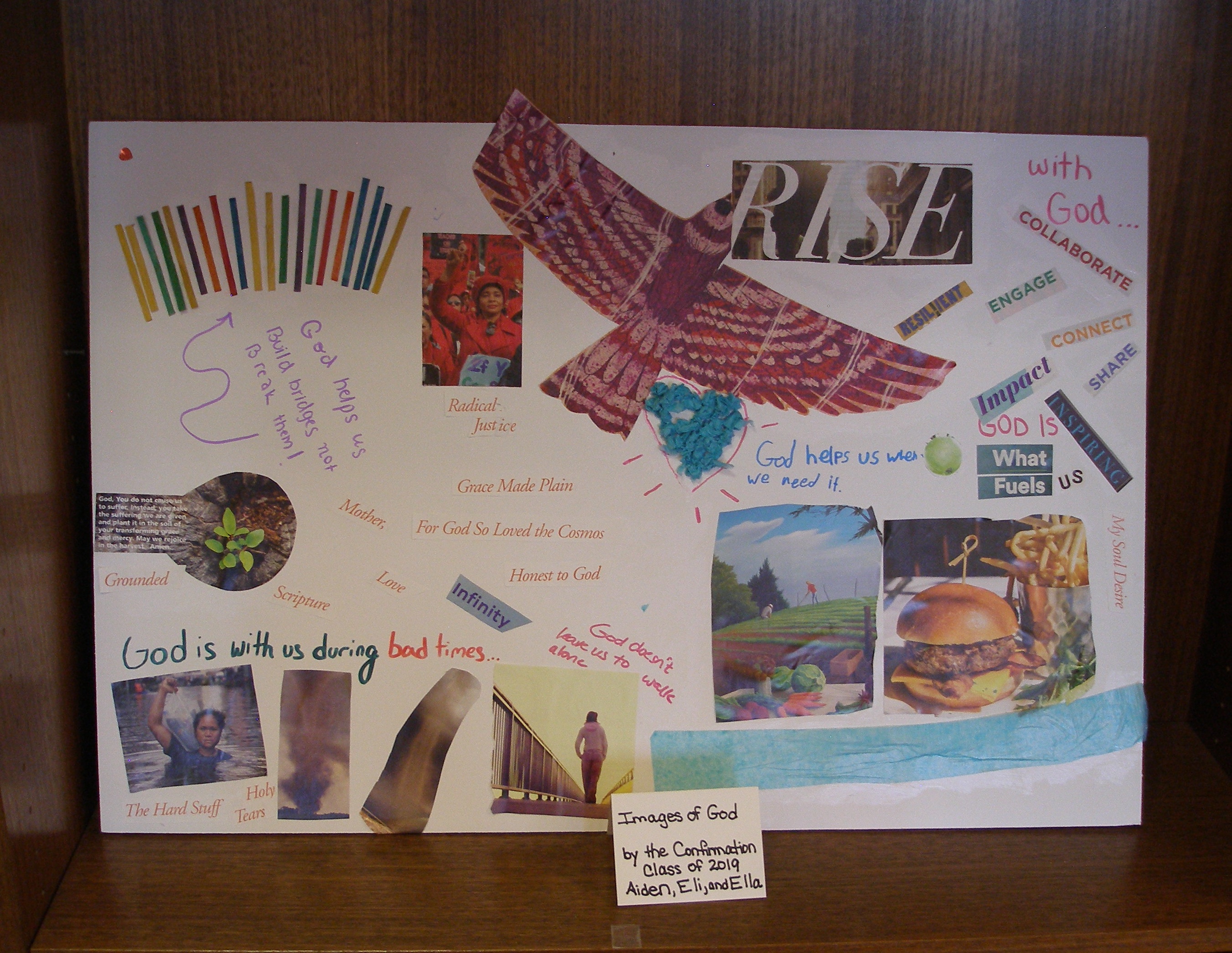
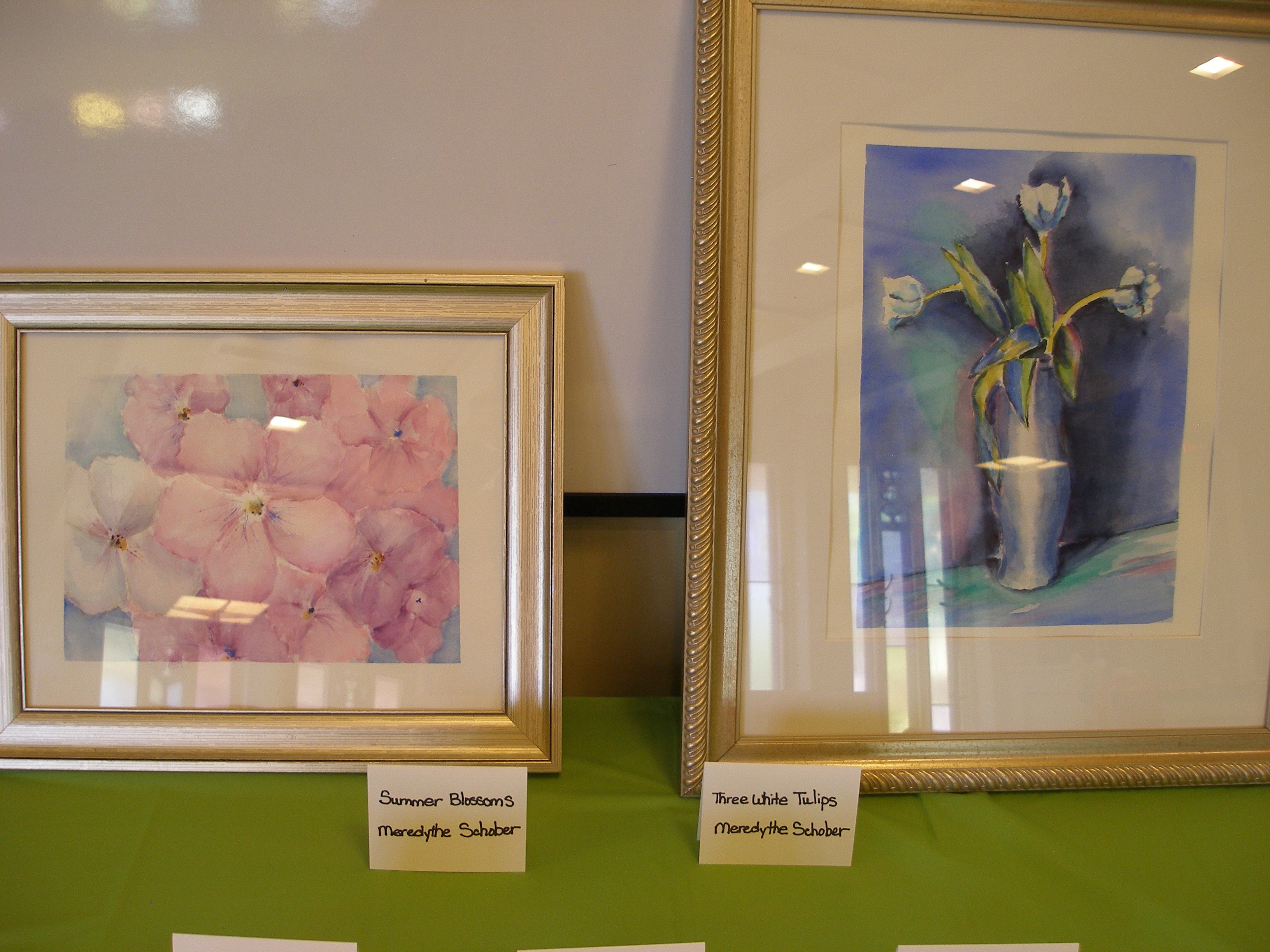
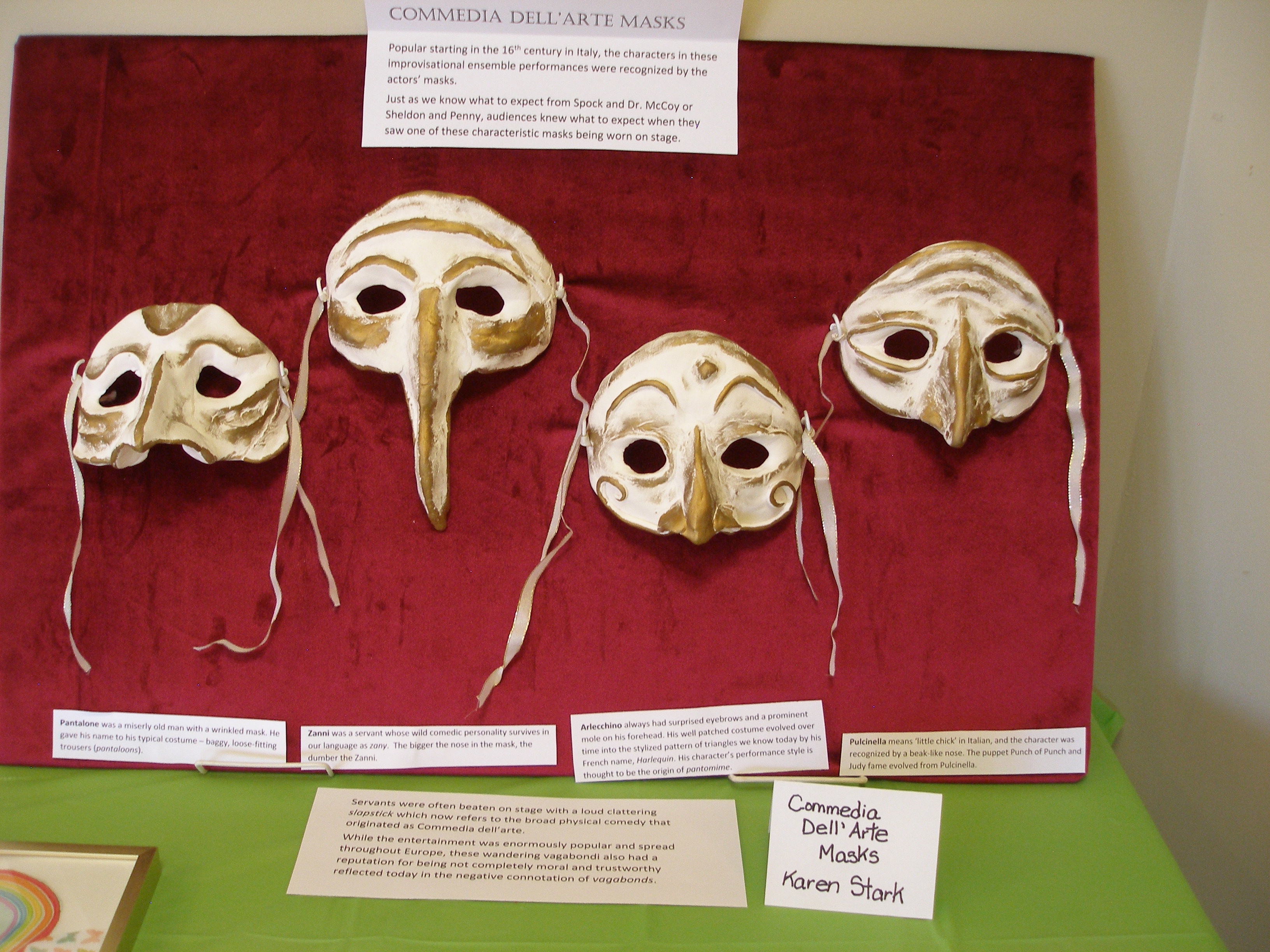
In June, 2019, a bunch of us shared art and crafts in a wide variety of media at Park Avenue Congregational Church. When someone (or in this case someones Karen Stark and Gwendolyn Phelps) takes the lead in organizing one of these shows, the results can be quite interesting. With luck, that will encourage those who think what they create is not good enough to submit their work anyway. We can all communicate things that matter this way. It need not reach the level of high art to express the joy of being alive. Children understand this. We should all learn from them.

OLYMPUS DIGITAL CAMERA

OLYMPUS DIGITAL CAMERA

OLYMPUS DIGITAL CAMERA

OLYMPUS DIGITAL CAMERA

OLYMPUS DIGITAL CAMERA

OLYMPUS DIGITAL CAMERA

OLYMPUS DIGITAL CAMERA

OLYMPUS DIGITAL CAMERA

OLYMPUS DIGITAL CAMERA

OLYMPUS DIGITAL CAMERA

OLYMPUS DIGITAL CAMERA

Water Tower Magic

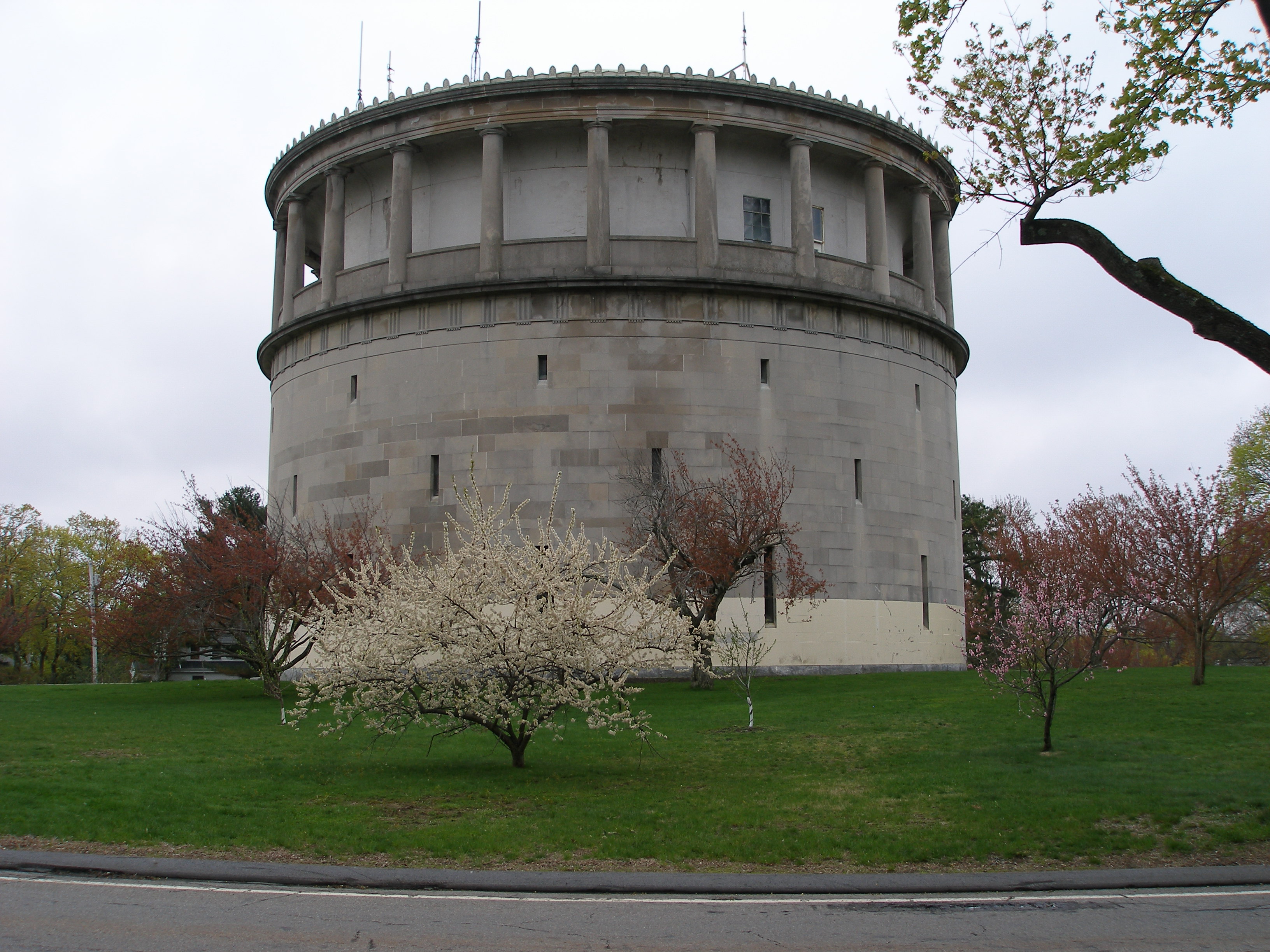
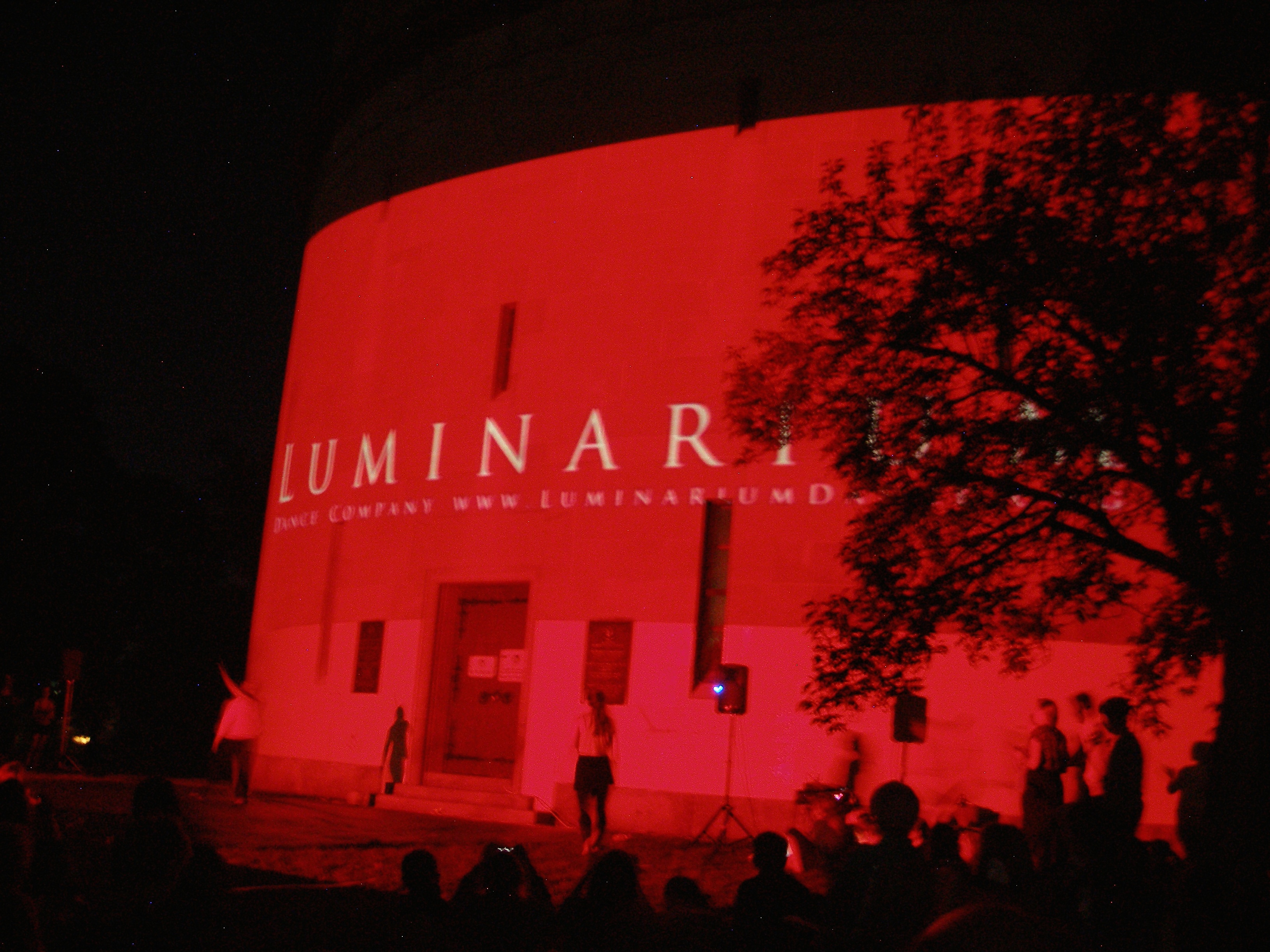
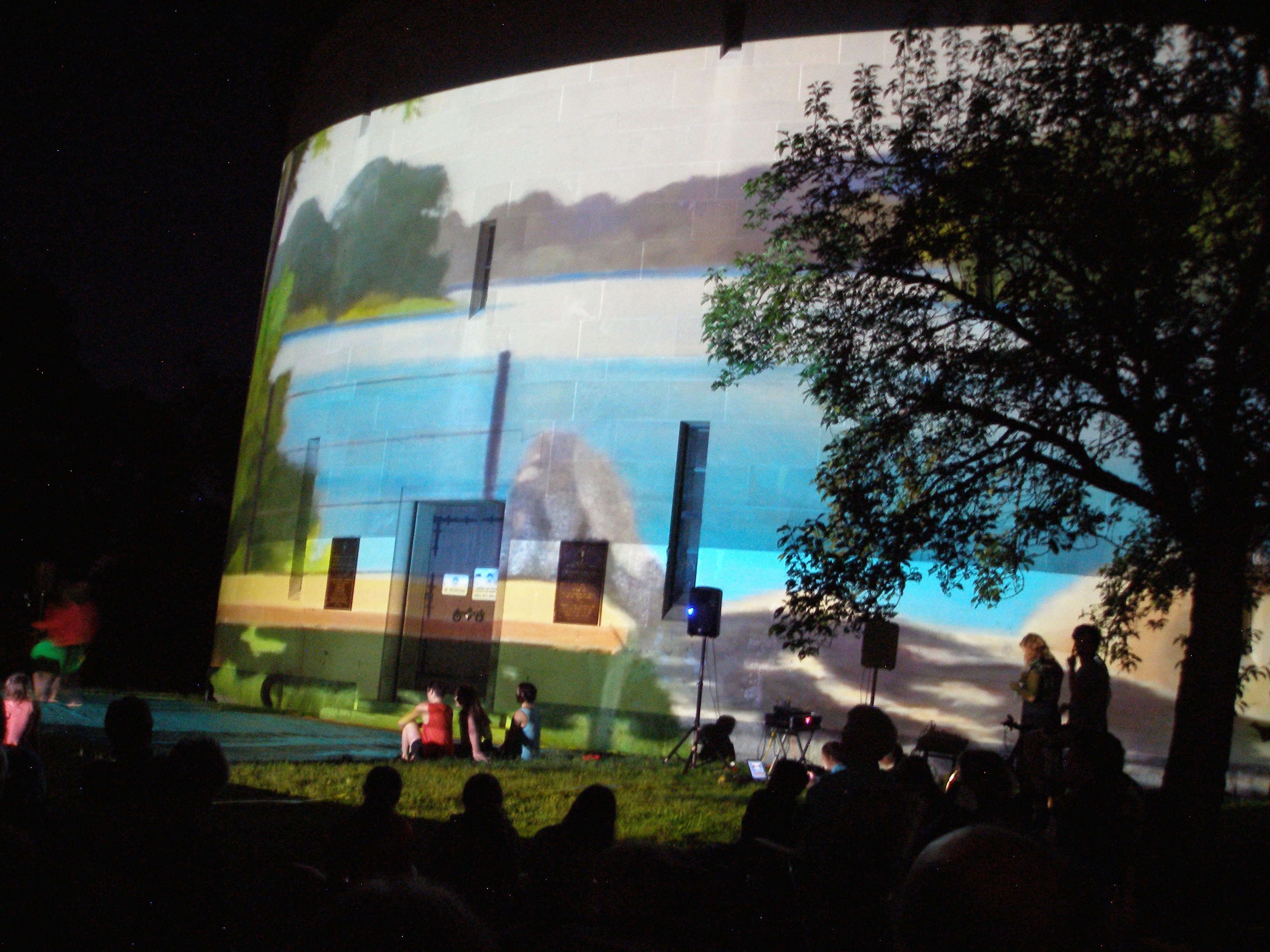
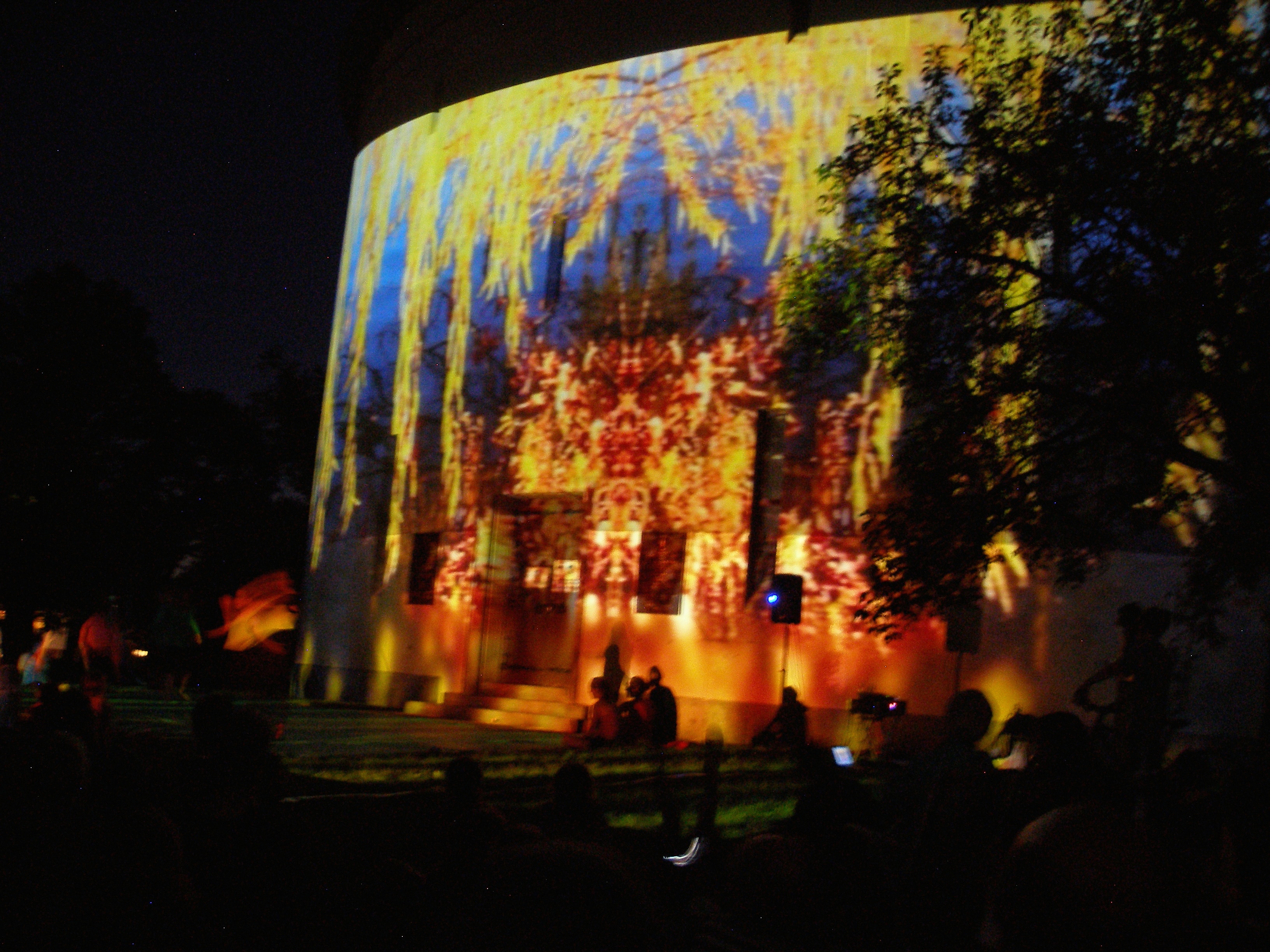
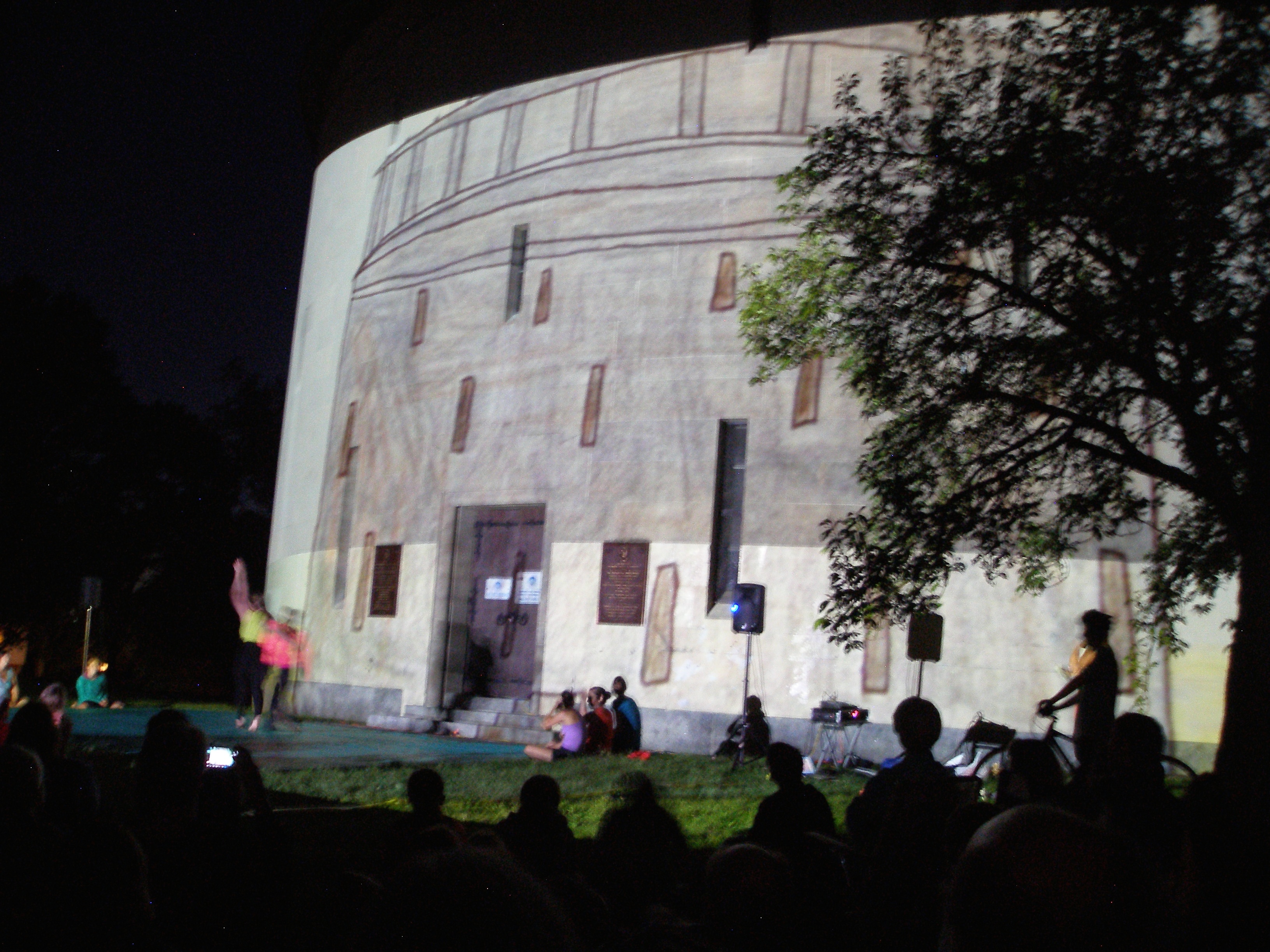
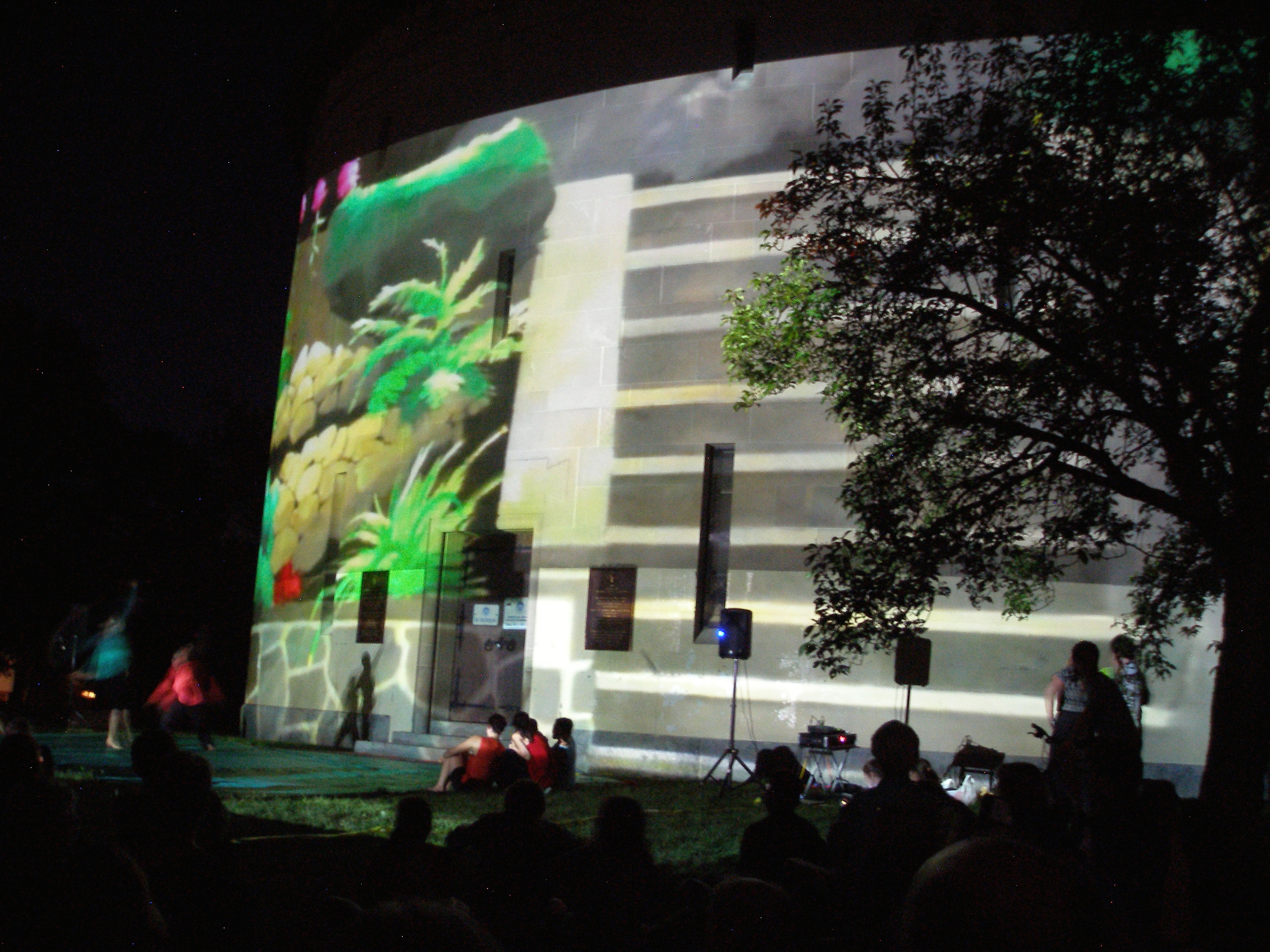
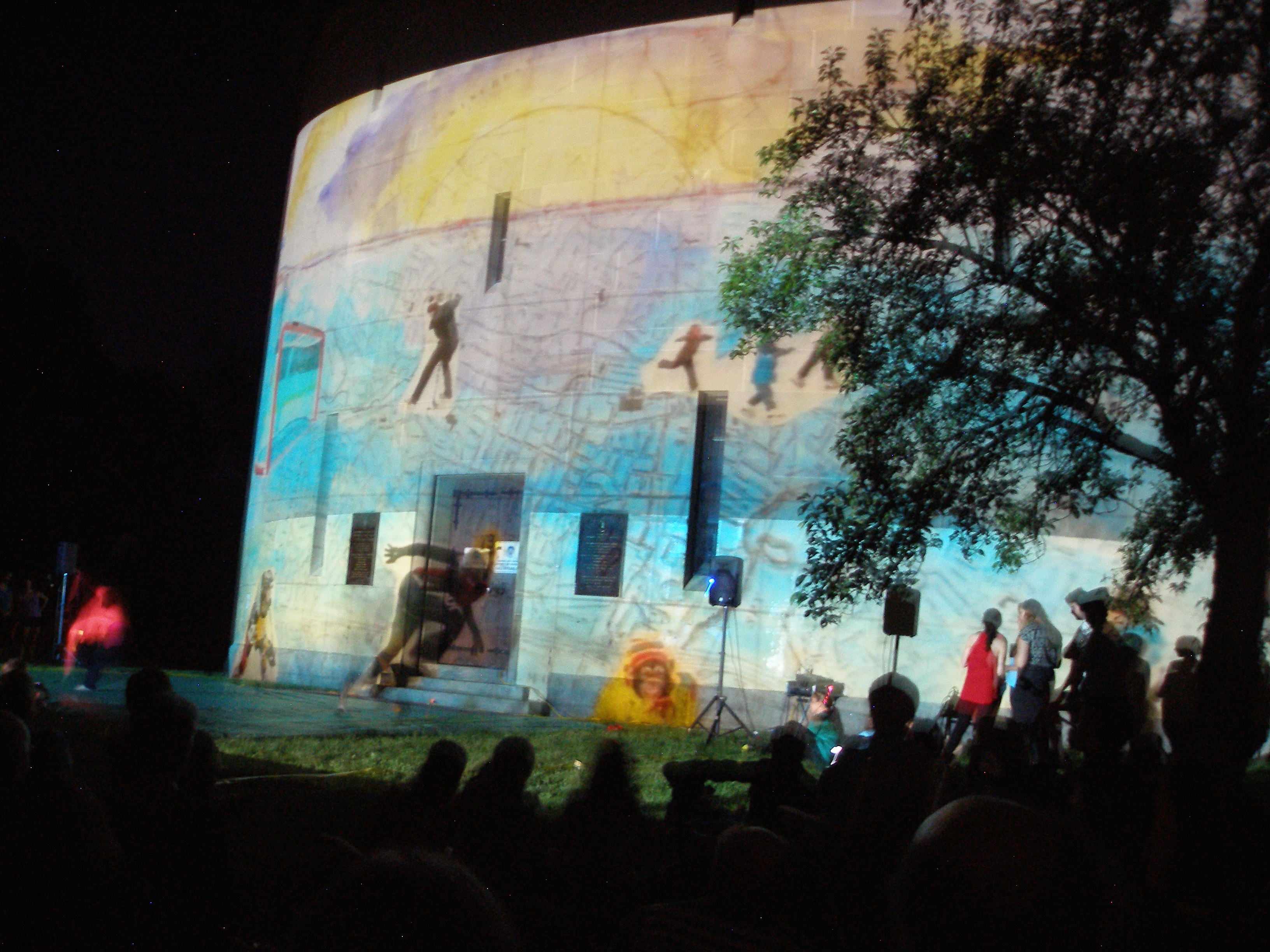
On September 7, 2014, a unique event took place to celebrate a local landmark (below) that was turning 90 years old. The notice I saw spoke of images of local places by both youth and adults. Each art work would be briefly projected on the substantial Arlington, MA Reservoir structure before another took its place. Curious, I took my camera and portable canvas sling bench to the classical revival water tower.

The images can only hint at what it was like to walk up the road to the top of the hill as the glowing tower came into view. I joined the crowd that had gathered there as darkness descended and the Luminarium Dance Company interpreted the images to music issuing from two large loudspeakers.

OLYMPUS DIGITAL CAMERA

OLYMPUS DIGITAL CAMERA

OLYMPUS DIGITAL CAMERA

OLYMPUS DIGITAL CAMERA

OLYMPUS DIGITAL CAMERA

OLYMPUS DIGITAL CAMERA

OLYMPUS DIGITAL CAMERA

Creating Welcome

Bringing in peace as you prepare for a gathering will affect you in ways that cannot help but benefit your guests – Pause, Relax, and Open, Attune to Emergence and Listen Deeply. Then Speak the Truth in creating an environment that conveys warmth and welcome. The Insight Dialogue guidelines work well in so many applications including this one.

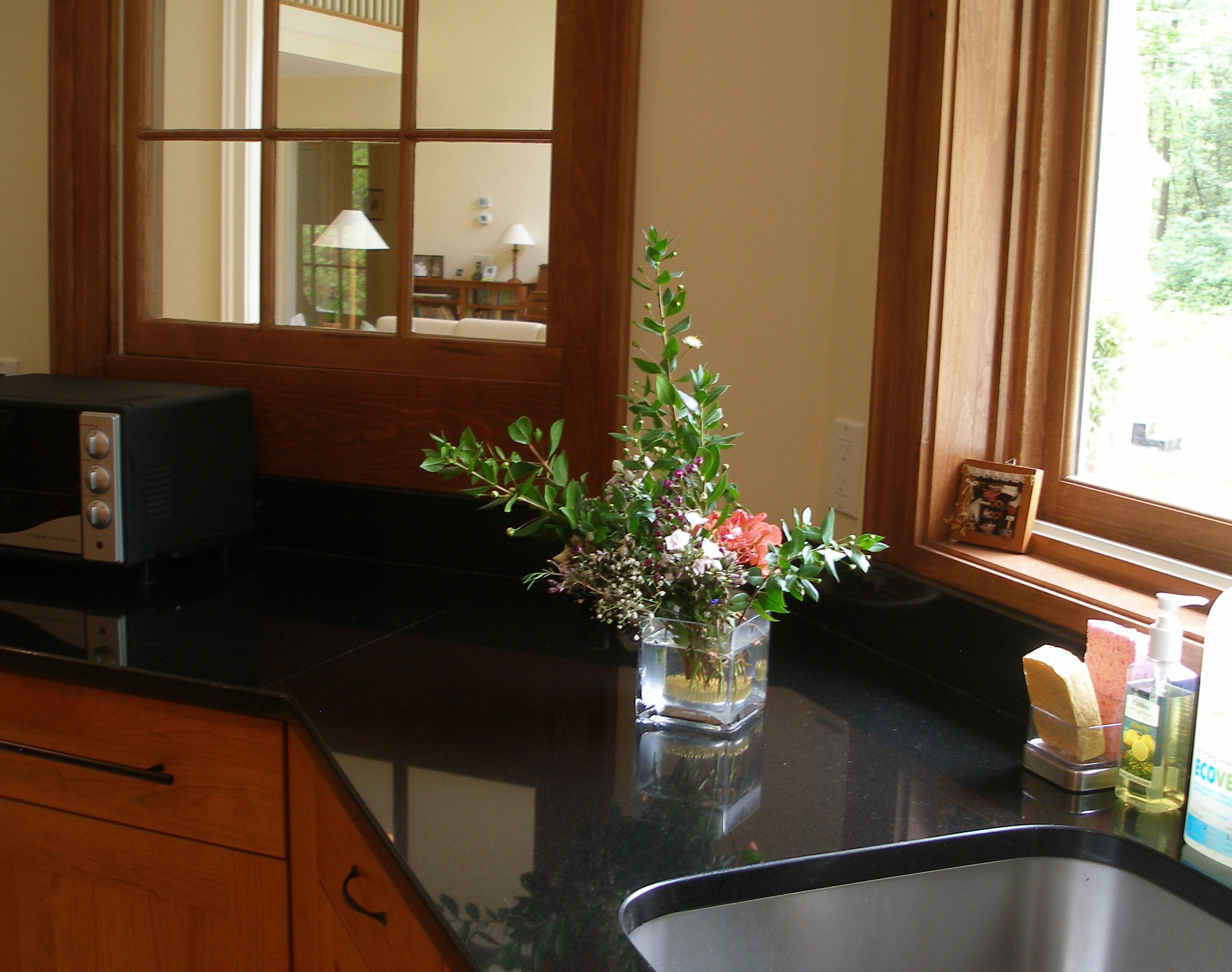
Perhaps you will include a reminder of nature displayed in a place of honor with space around it. Using a light touch, see what happens. Relying on a heart connection without words can open us to wonderful small surprises and an understanding that with a little care, life can be lived more like a work of art.

OLYMPUS DIGITAL CAMERA

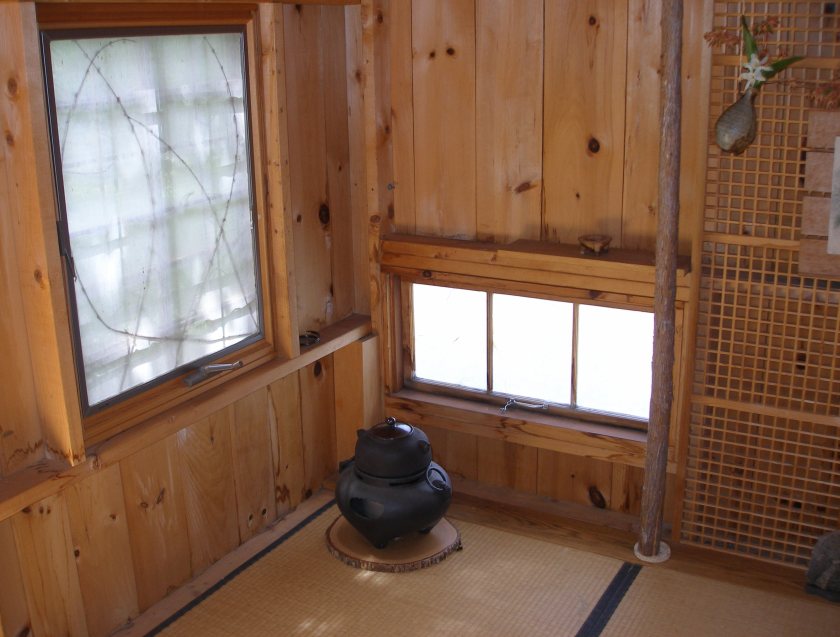
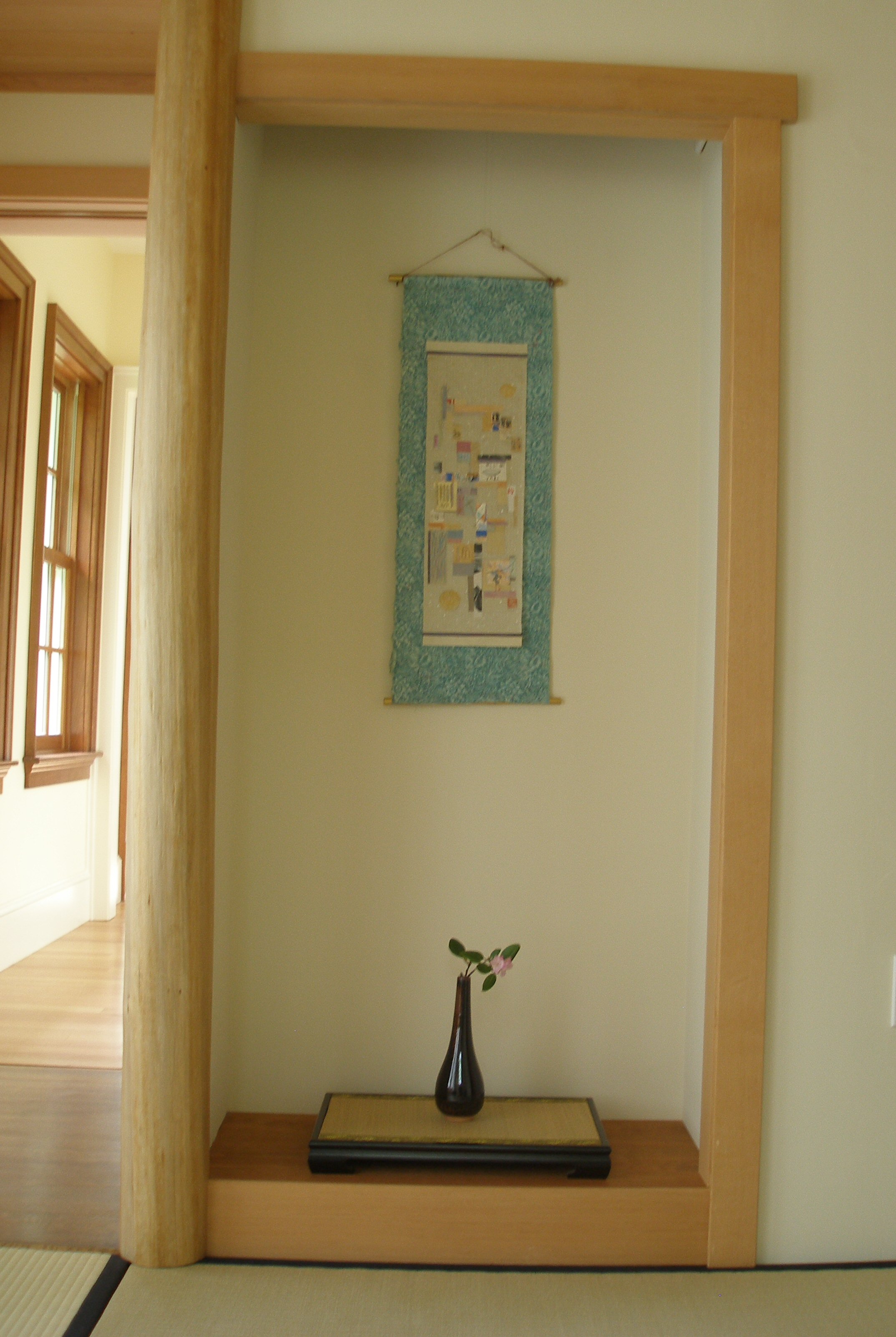
You can bring to it all the sensitivity and freshness used to create a tokonoma alcove arrangement for a tea ceremony. This one includes a collage by my tea ceremony teacher, Giselle Maya:

OLYMPUS DIGITAL CAMERA

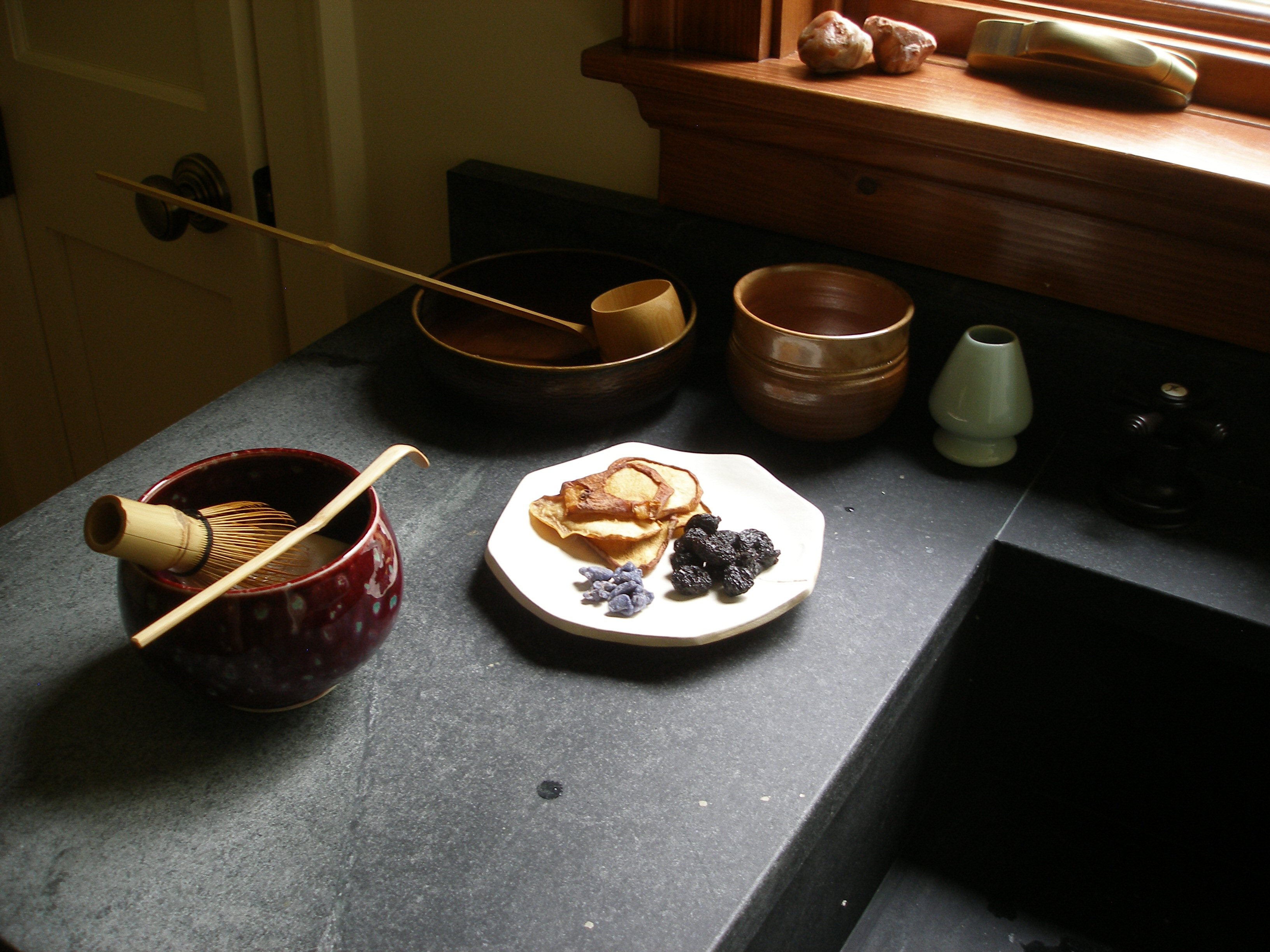
You may also wish to keep in mind the Japanese tea ceremony values of harmony, purity, respect and tranquility. While it is important to ensure that what touches food or drink is scrupulously clean and that edibles are pure and safe, purity also dictates that anything not needed be eliminated. Care taken with objects and supplies implies respect for your guests.

Ideally, the result will be supportive of a sense of peace and wellbeing as well as openness. It takes a bit of effort, but this approach to preparing for guests is an important mindfulness practice in its own right.

OLYMPUS DIGITAL CAMERA

More Than Just Stones

I had the shadow box for some time before I discovered what I wanted to do with it. It was a multi-step process: 1) Pick a stone, 2) Find or take a photo that told a story about the stone, 3) Arrange the stone and photo in the shadow box, and finally, 4) take a photo of the completed arrangement like those below. I could not predict what would happen. The ones I struggled with most could come together in perfect balance in the end. I kept thinking of new possibilities. This could be endless. Stones just have resonance.

OLYMPUS DIGITAL CAMERA

Morrisonite jasper with a landscape-like closeup 

OLYMPUS DIGITAL CAMERA

Lobster claw scholar’s rock with a lobster roll

OLYMPUS DIGITAL CAMERA

Bubble lace agate with closeup


Hut stone with photo of Japanese garden

Jasper pebble and the Whidbey Island beach where it was found

The Unending Sea of Blessings

OLYMPUS DIGITAL CAMERA

The below contemplation was used for several tea and dialogue sessions with an explanation that “The unending sea of blessings,” a phrase used on scrolls hung in Zen temples and during tea ceremonies is not a closed concept. It tells us what we can sense when we remove the obstacles we put in our own way. Wilson discusses it in The One Taste of Truth, Zen and the Art of Drinking Tea on page 135.

The ability to experience pain is necessary for biological beings. We need to recognize and avoid what is dangerous in order to survive. But humans can easily get stuck cycling in stressful worry and doubt. We can forget that compassion also comes naturally to us.

Compassion is. It matters as much to us as sensing pain. That understanding is common to spiritual traditions the world over. We are born with an instinct for compassion. Even babies too young to speak will pick up something that is dropped and hand it back to you.

Bringing in self-compassion when it is needed makes it easier to see the caring generosity from others and nature all around us. It shows us the unending sea of blessings. Research provides evidence that when we offer support to others, we benefit our own wellbeing, health and resilience.

We can open to the preciousness, the beauty of the transient tides we swim in. We dance the unending sea of blessings as much as it dances us. We have the capacity to do small acts of kindness as simple and important as a smile. We can recognize the light in each other that shines through our uniqueness.

We belong to the source of all waves
Colors never seen before
Floating and becoming and blinking out of existence
Only to well up again with
All the moldy, composted, and fertile mysteries
That make up our days
And the recognition when we see
Our own water light colors in others’ eyes
Facing waterfalls and the ocean, we recognize
The call in our sea salt blood ever coursing
We answer our cries for compassion
From no-thought belonging

Solitary Peace or Loneliness?

Nantucket

It is amazing to me how different the states of solitary peace and loneliness are. The gift of mindfulness is the ability to bring compassionate awareness to them both.

While moments of transcendent peace can show us our belonging with all that is, a study found that mindful wisdom can combat the common human experience of loneliness with all its devastating effects.

We face a global epidemic of loneliness. In a 2017 article in The Atlantic, loneliness expert John Cacioppo was reported to say, “When you look across studies, you get levels anywhere from 25 to 48%.” Loneliness is gaining attention in the media as research demonstrates its serious adverse health effects which have been found to be as bad as smoking.

But just as we do not intuitively grasp the health threat from loneliness, we tend to have no idea how much we have to give and receive by tapping into and drawing upon our fundamental interconnection.

Traditional farmers needed close social coordination to raise animals and grow crops. Large families meant more helping hands. Elders taught grandchildren important skills and wisdom while their parents were engaged in the demanding physical labor necessary for survival.

Now the majority of humans live in urban settings. Packages magically arrive at door steps. Many of us spend long hours working at computers. Family members can, and often do live far apart from each other.

The incredible popularity of social media demonstrates how much we long for connection. But a recent study found that negative comments on social media can lead to felt social isolation. But even with no negative comments, social media did not increase participants’ sense of being connected with others.

Fortunately, we are not powerless in the face of the rising tide of loneliness. Caring interaction provides our species with vitality, resilience, joy, creativity and hope. Our brains provide neural rewards for generosity. Supporting others provides significant health benefits not only for the person receiving the support but the person giving it.

An Experiment with Magical Musical Fishpond Storytelling

It was 9:30 AM on Friday, February 16th, 2019 as I arranged items on the conference room table at the Arlington MA Senior Center. I thought with excitement that I was finally getting a chance to try “magical musical fishpond storytelling.” Although children are naturals at making up stories together, many adults enjoy that as well with elders being the keepers of wisdom stories in many cultures.

In the center of the table was a tiny incense-holder box (kogo in Japanese). This rather grumpy looking badger box represented the central character of the story we were to create. Although our Mr. Badger was gruff on the outside, all of us who would play his animal friends knew that he was actually quite caring.

OLYMPUS DIGITAL CAMERA

As we did for all our sessions, we used the Insight Dialogue guidelines – pause into awareness, relax and accept what cannot be relaxed bringing compassion to any remaining tension, open to mutual awareness and really seeing each other, attune to emergence to present thoughts and feelings as they arise and fade, listen deeply releasing thoughts about what to say next, and speak the truth about what is arising in the moment. I have found that pausing to access a place of deep stillness is very useful when accessing creative fictional truth.

OLYMPUS DIGITAL CAMERA

After drinking the tea while acknowledging all that went into it, we pushed the tea things to the center of the table so we could pass the tongue drum for our story telling. Each of us would offer our contribution and then tap the drum for emphasis before passing the drum on to the next person.

While Mr. Badger was away, a flood had swept everything from his cozy abode. Each of us as his animal friends would bring an object to create a nice place for Mr. Badger to return to as an act of compassion.

First, we introduced our animals and what they each brought:

-Kathy the Kangaroo brought two Persian carpets.
-Daun the Deer brought two comfortable pillows.
-Alan the Dachshund brought a flag sign on a pole.
-Maggie the Robin sang and constructed a nest.
-Aurora the Golden Snake brought a quilt.
-Barbara the Bunny brought carrots, brown rice and a rice cooker.
-Meg the Monkey brought a platform bed.
-Maya the Panda brought leaves and bamboo.
-Tracy the Love Bird brought smudge sticks.

Then we went around the table again explaining how Mr. Badger had used our gifts in unexpected ways:

-The carpets were used to sop up mud at Mr. Badger’s entrance.
-The pillows were emptied of feathers so Mr. Badger could play with them.
-The flag pole was stuck in the ground to be used as a coatrack.
-The nest had a blue egg which Mr. Badger gently sat on until it hatched.
-The lovely quilt went on the table but it might become a sail for his boat.
-The rice cooker was used to heat water to clean up his place.
-The platform bed was used for sleeping (not where badgers normally sleep).
-The bamboo and leaves were used to make a covering over his entrance.
-The smudge sticks were used to purify his new home and bring in positive energy.

As we continued the story, Mr. Badger opened his home to other animals affected by the storm. A workshop participant mentioned that Dachshund means badger hound in German; the Dachshund’s act of compassion toward Mr. Badger was particularly notable as they were normally enemies. Since Snakes love eggs, it was a good thing that the Robin egg hatched without the Snake noticing it. With time, Mr. Badger made his home larger and started taking in animals as guests and he used his lovely carpets to make a safe cozy bed for the Dachshund’s new puppies.

This experiment gave me a greater appreciation of the vision of the National Storytelling Network to bring about conditions where “all people value the power of storytelling and its ability to connect, inspire and instill respect within our hearts and communities.”

Later, workshop participants helped with another version of this practice. This time we went to a park with a dog statue so the dog could be the hero of the story. A short  video of this practice in the park was created with the help of videographer, Jeff Klein. Visit his website for more examples of his work.

Addendum: This post was updated to include the video of the later practice.

A Cat Kindred Spirit

Jude needed a new home. When Shah Hadjebi told me she was a special cat, I knew I could believe him. As it turned out, that cat and I were kindred spirits. When I was home she was always with me. Unlike most cats, she liked to be carried. Since she loved looking out the large kitchen window, I began to carry her for daily walks in my garden. She could be playful and active at times, loved catnip, and when she wanted to go somewhere she let you know it.

I cuddled her under a blanket “cave” when I knew her days were numbered. I told her, “All we have is the present moment.” Cats understand that. They live their whole lives that way. A year after she died, I asked Shah to paint her portrait. He used the photo of her looking up at a blue jay through the kitchen window, a most fitting way to celebrate the life of a cat we both loved.

OLYMPUS DIGITAL CAMERA

OLYMPUS DIGITAL CAMERA

OLYMPUS DIGITAL CAMERA

OLYMPUS DIGITAL CAMERA

OLYMPUS DIGITAL CAMERA

OLYMPUS DIGITAL CAMERA

Jude

Resonant Stone Arrangements

As children, my brother and sister and I loved to catch fire flies and release them down by a falling-apart stone structure behind our camp site in New Hampshire. Dolly Copp, an early settler to this location in the White Mountains had constructed a well-like structure to capture the water of a stream and then pipe it to her homestead downhill. Over the years as we returned to the camp site, we watched as the structure became less recognizable as it tumbled apart.

I tried to capture that structure at one stage of its existence in my own garden. I stopped moving the stones about when they seemed to “disappear” – When they had blended into the universe comfortably with no need to speak individually for themselves.

rock arngmt - version 2

Before I travelled to Japan to see its remarkable gardens, I had read about the famous Japanese garden Ryoanji with its stone groups set in raked sand that you can see in this video. I doubted that this garden would live up to all the hype, perhaps to save myself from disappointment.

We avoided the crowds by arriving at opening time, but there was no way to avoid a blaring broadcast in English. I tuned this out as best I could, until it ended with, “each person must find his or her own meaning.”

Although it was overcast, I noticed shadows on the sand cast by the surrounding wall and trees. One of my first impressions was the importance of the wall. I then became impressed by the large amount of open space; clearly, the point of this garden was not just the individual stones, although each was beautiful:

ryoan-ji

Gradually, I became aware of a low singing current passing from group to group and stone to stone. This grew in strength, zinging about. The key to this phenomenon seemed to be the specific arrangement. The intensity grew to unbelievable levels, and the stones ‘disappeared.’ It seemed like the configuration before me was a model of a vast, singing version out in space. It was full of immense power and it was beyond beautiful.

Although precious to me, my garden stone arrangement does not evoke the vast energy I experienced at Ryoanji. I sometimes think about Ryoanji’s designer and what price was paid to be able to get that particular arrangement just right.