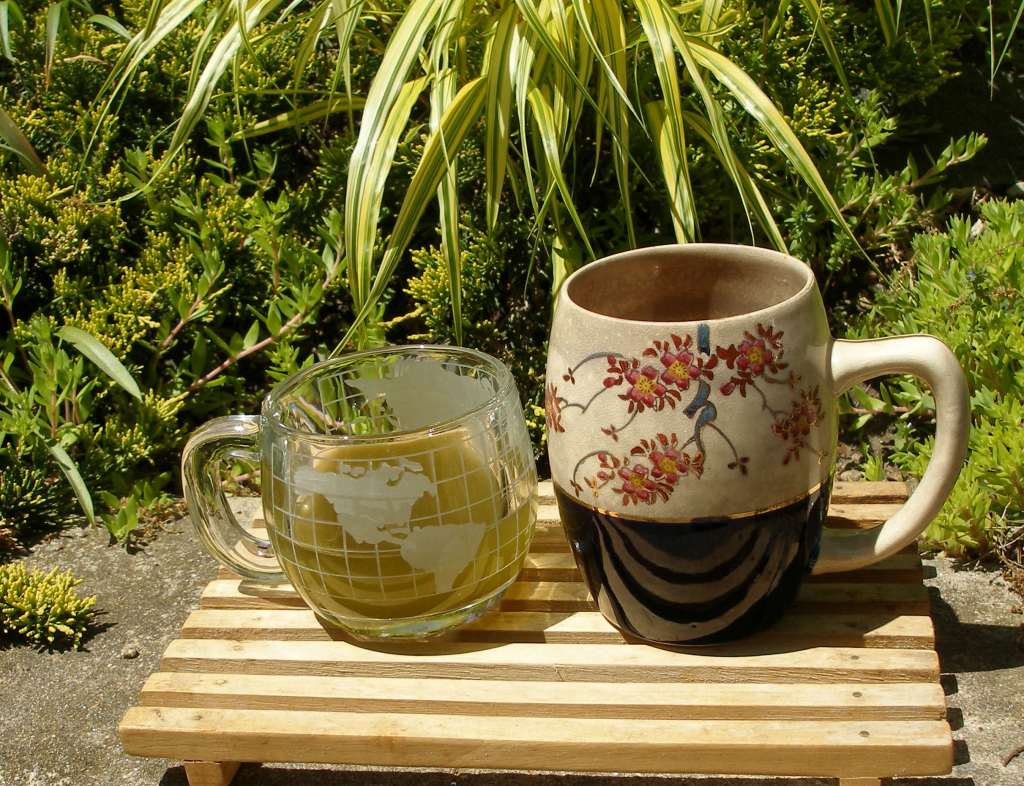
The first practice during a weekend online retreat for a cohort of individuals interested in offering Insight Dialogue was a variation that includes sharing tea first. My introduction focused on these basics:
- Guidelines: While all of the Insight Dialogue guidelines apply – Pause, Relax, Open, Attune to Emergence, Listen Deeply, and Speak the Truth, I decided to emphasize “Open” in keeping with my desire to have this tea and dialogue practice serve as a form of welcome to our online retreat.
- Generosity: With sharing tea it is obvious, but listening deeply and speaking the truth are also generous gifts. In this case, given the practice was being offered online, each of us must necessity make our own tea. Remembering to offer ourselves both respect and appreciation for such intentional acts of self care seems important in these particularly challenging times.
- Ichigo Ichi ‘e (One Time / One Meeting in English) – Each meeting is unique and will never recur. That is a basic principle of Japanese tea ceremony which applies to every meeting. It makes sense to pay whole-hearted attention to those precious moments in which we can be genuinely alive to all that is here.
- Other elements taken from Japanese Tea ceremony include support to attend to all of the senses and to think with appreciation of all that went into being able to share tea together. Bowing after speaking brings in a bit of the respect of formal tea etiquette, while a natural object or an image provides a reminder of our fundamental relationship with the natural world.
- Mindful dialogue: For this part of the practice, the participants take turns listening and speaking, in this case contemplating, “What is arising from the experience of mindfully preparing and drinking tea, as well as bowing after speaking?” Participants mentioned appreciating the opportunity to slow down and open to themselves; the simplicity, comfort and warmth, and how this practice had served as “a soft start” to the retreat, as I had hoped it would.
- Adaptability: Even without a hot beverage in hand, I like to think we can bring more of this open spirit to when we interact informally around the kitchen table, with strangers, and with those in need of comfort. And perhaps it might even help with bringing fewer judgments to our own internal dialogue.


