Music of the Spheres and Your Brain

Because I am taking a course on meditation and the brain, I have been thinking about how miraculous our continually changing human brains really are. I try to remind myself that even though we have names for parts of the complex brain, that does not mean we understand all that is going on. Could it … Continue reading “Music of the Spheres and Your Brain”

OLYMPUS DIGITAL CAMERA

Because I am taking a course on meditation and the brain, I have been thinking about how miraculous our continually changing human brains really are. I try to remind myself that even though we have names for parts of the complex brain, that does not mean we understand all that is going on.

Could it be that our brains are singing meaning along with the universe?

For example, articles make broad claims about the benefits of singing, and my experience would agree. But studies also make clear that a better understanding of specific aspects might lead to useful practical applications. I began to wonder about whether the rhythms and compositions I intuitively frame in my close-up photos make use of skills enhanced by neuronal connections formed during many years of singing. My ability to detect and relate to subtle nuances in tone of voice certainly grew over that time.
Recently while meditating, I had the feeling that the fact that everything is constantly changing is not just an annoyance. It seemed a fundamental building block of reality and, in fact, worthy of awe. I had the odd thought that when our sun consumes our planet, that transience will still be vitally “alive.” I found that oddly reassuring.

Toward the end of this talk on the brain, Keith Kendrick mentions that the time series of activity in the brain carries meaning, not just the structure or individual signals. This resonated with the musical quality that physicists seem to find at all scales including the probability waves at the heart of quantum theory.

Of all the problematic human undertakings, we can be proud of the music we make using our miraculous brains and bodies. As this article on modern physics and music describes: “Music resonates, it pulses, it leaps into our psyches. It offers a safe space for scientists and musicians alike to work through the paradoxes of modern physics.”

A Personal Garden Refuge

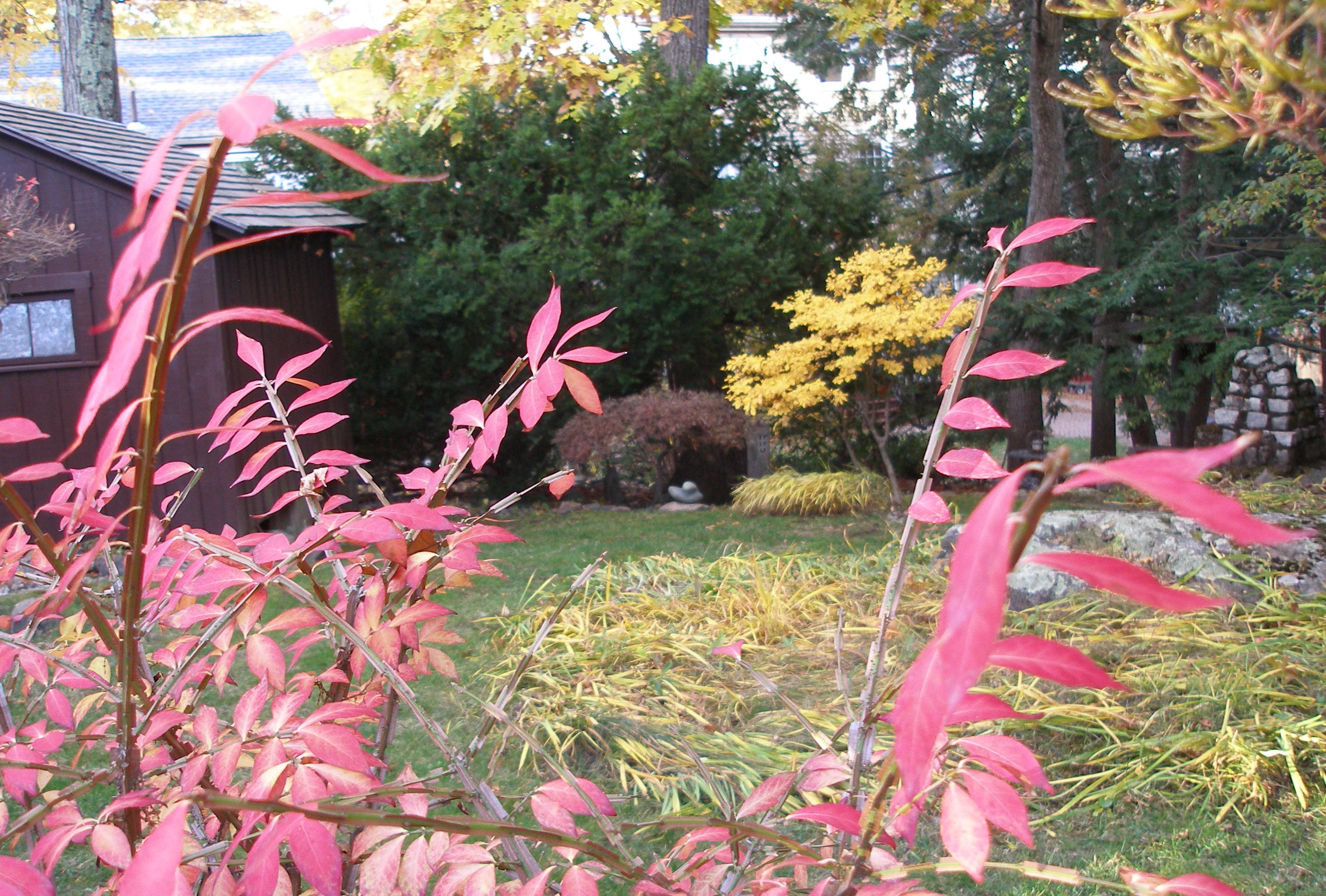
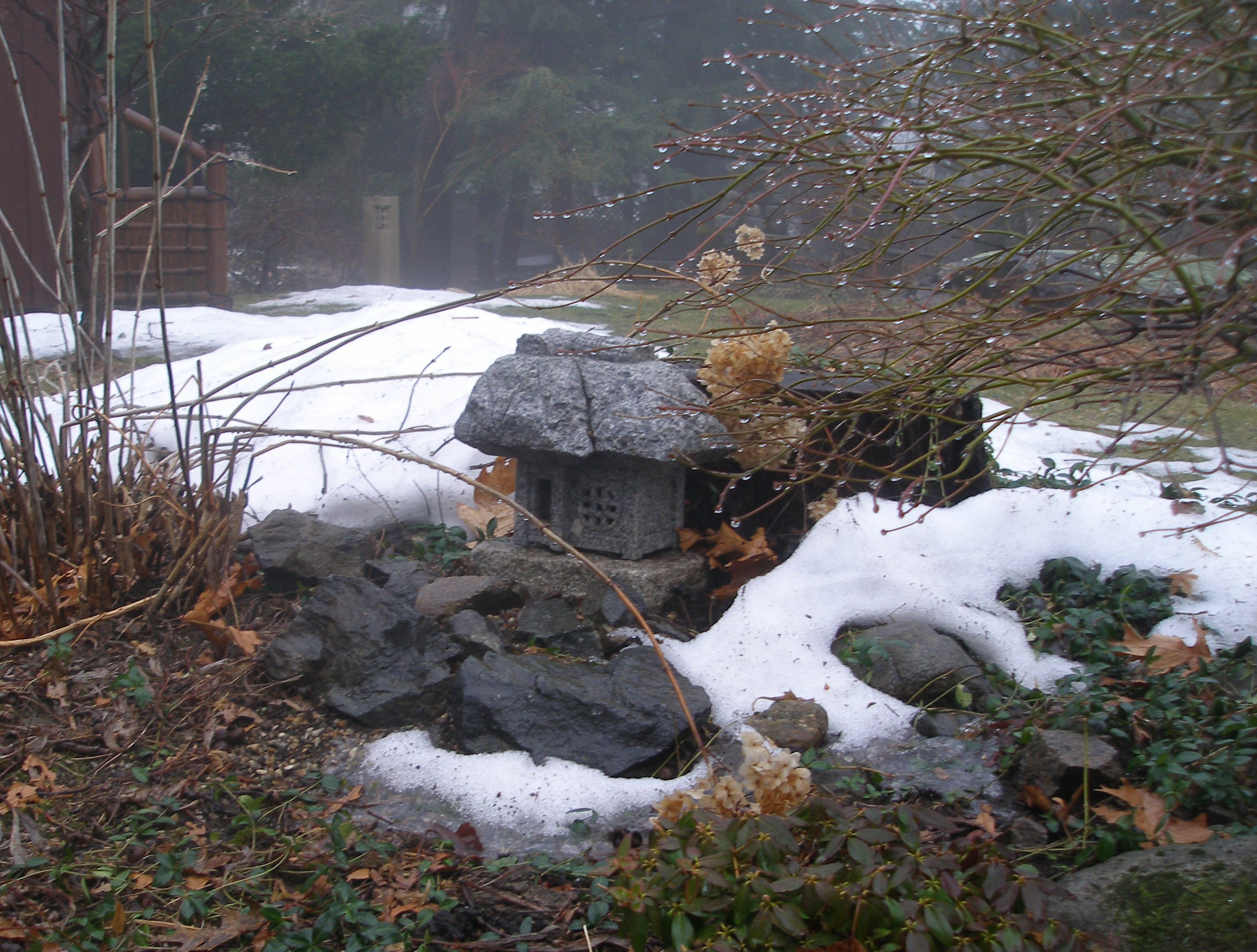
It takes many years to really get to know a garden so that you are in each other’s bones. I encouraged the moss that already liked to grow here. I added stepping stones and a tea hut. I watched for the new maple leaves, and took their portraits in the fall. Children jumped on the stepping stones. Raccoons drank from the water basin. The garden and I bless each other with mutual nurturance even as we continually change. Peace gathered and peace extended.

OLYMPUS DIGITAL CAMERA

OLYMPUS DIGITAL CAMERA

OLYMPUS DIGITAL CAMERA

OLYMPUS DIGITAL CAMERA

Noticing Stones

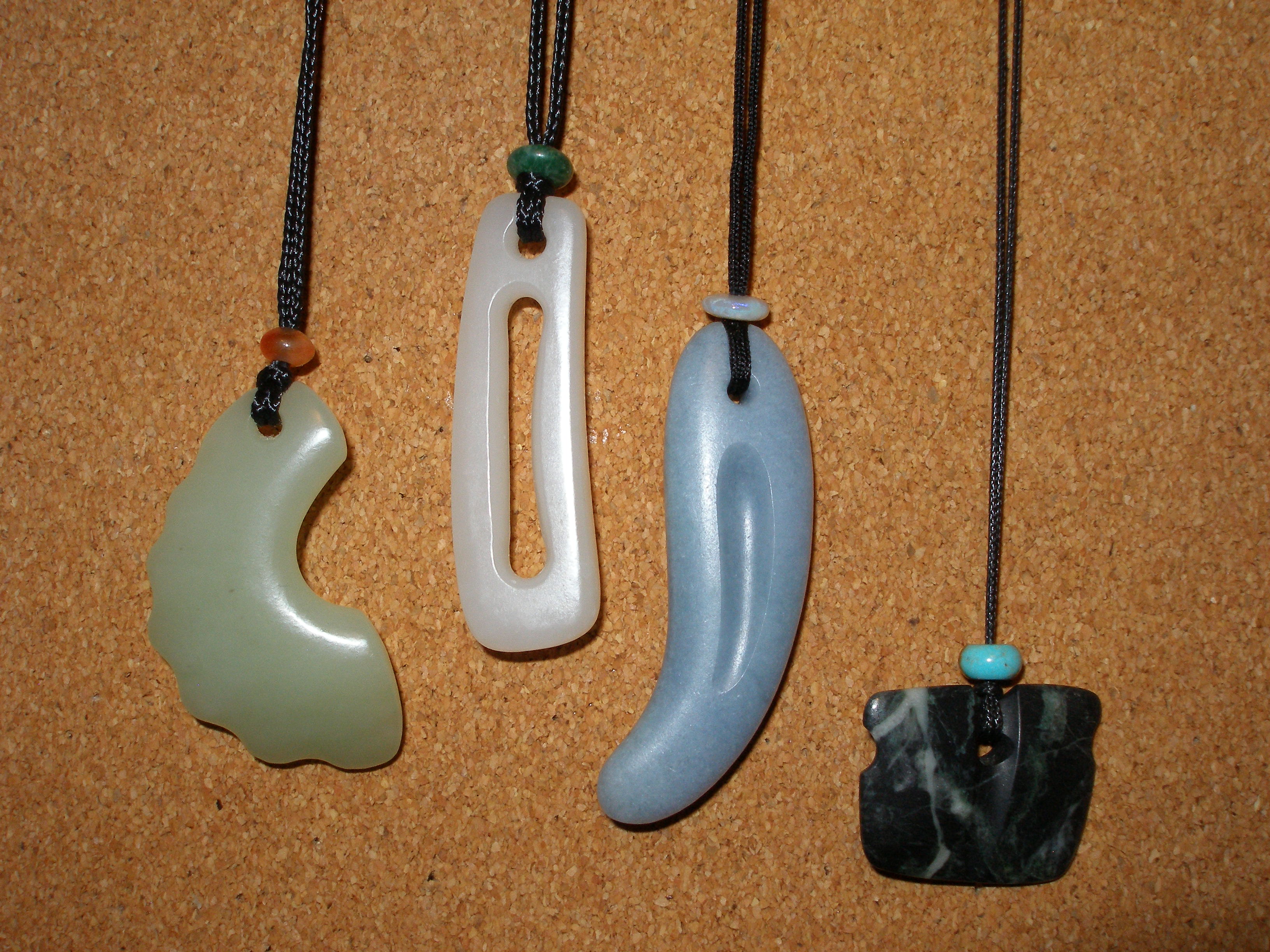
It is the rare child who does not like stones. Some of us never stop picking them up. It is not just the stones but the process – the adventures involved in finding them and the friendships.

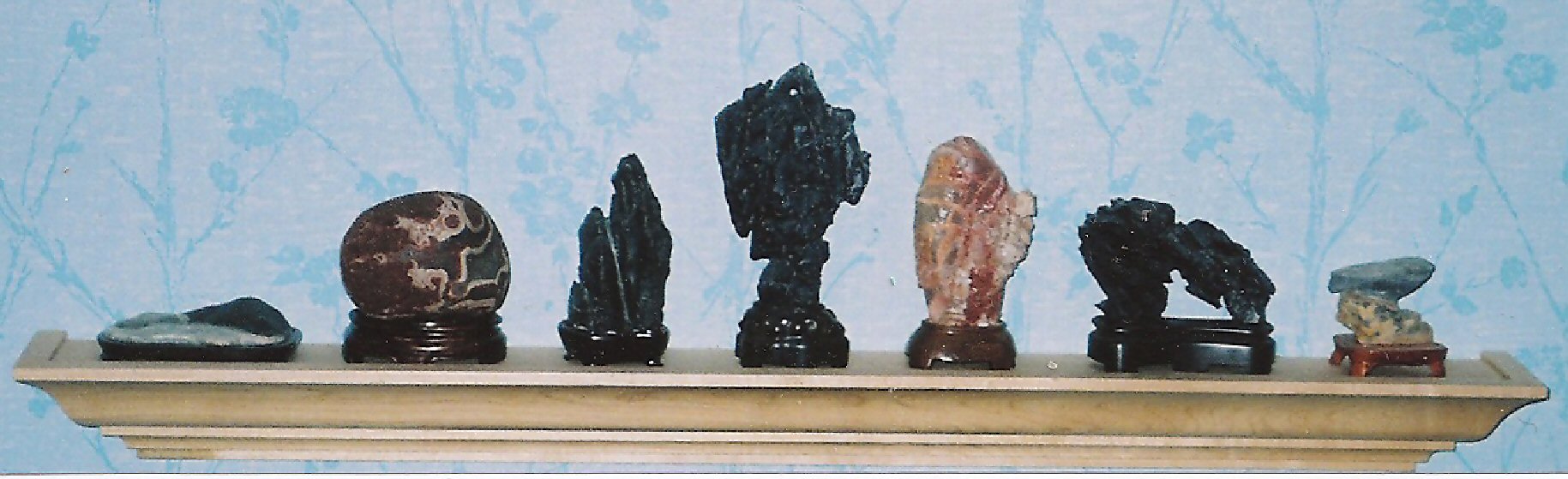
These evocative examples lined up above my monitor speak of the larger natural world, a quality that is much appreciated by the Asian scholar.

Viewing stones on shelf

A close looks provides access to amazing colors, details and dreams:

OLYMPUS DIGITAL CAMERA

OLYMPUS DIGITAL CAMERA

OLYMPUS DIGITAL CAMERA

OLYMPUS DIGITAL CAMERA

OLYMPUS DIGITAL CAMERA

Freedom of Speech in the Age of the Internet

Salt Marsh, ME

Given our love for communicating with each other and our creative and technical talents, the development of the internet may have been inevitable for our species. However, powerful tools can be used for many purposes.

A New York Times article discusses the role social media played in riots in Sri Lanka. Karsten Muller and Carlo Schwarz conducted research on the relationship between social media and hate crime – “To establish causality, we exploit exogenous variation in major internet and Facebook outages, which fully undo the correlation between social media and hate crime.” (p. 1).

Leaders of several high-tech firms have begun to remove online content that is deemed harmful. That has resulted in questions about who should be doing the monitoring and what standards should apply given the sensitive boundary between free speech on the one hand and controlling the harm speech can do on the other.

Humans in general are subject to harmful mind-tendencies that influence our behavior. And there will always be those who are congenitally incapable of caring about what happens to others.

We need to pay attention and learn how to protect ourselves from ourselves even as we collaborate to make use of our many talents in solving the complex problems we face.

The internet may be just the incentive we need to actively work at building in a level of global culture that supports human thriving while protecting us from our worst tendencies. In essence, that amounts to moving to the next evolutionary stage for our species.

On the Same Wavelength

OLYMPUS DIGITAL CAMERA

Shah Hadjebi is now more focusing on his painting, a talent that runs in his family.  The pillow above shows one of his wonderful birds. Earlier, when I helped him promote his music, we would meet at an Indian restaurant with only a few tables. We usually had the place all to ourselves.

I first reached out to Shah Hadjebi for feedback on an article about a concert where he would be performing.  Connecting deeply with clients to help them promote their creative passions is always enlarging as well as a source of great joy.  Every once in a while, magic happens:


I was inspired to write this about Shaw’s music: “This is the type of music you want to share with a close friend while traveling on the open road on a spectacular, star-spangled night.” To my surprise, Shah asked me if I would like to do PR for his group even though we had never met.

He explained that musicians would come and go as his group evolved. But they were all pros who could join in his vision and perform with minimal rehearsal. Their diverse backgrounds including African American, Persian, Malaysian, and Japanese added depth to the sound.

A benefit of taking Shah up on his offer was hanging out with the group at selected rehearsals where I got to talk to them during breaks. I also attended the concerts at places like the Hard Rock Café, and Johnny D’s.

When I did research for the new album’s press kit, I discovered that Persian blue is actually a family of colors associated with lapis lazuli. These colors are found in the glorious tiles used in middle eastern palaces and mosques. The Persian indigo variation is derived from the plant used for dying cloth for centuries in many cultures ranging from wax resist masterpieces in Japan to ubiquitous “blue jeans.” The lighter medium Persian Blue with its greater admixture of green suggests ocean and lake water.

The group’s logo shows hands holding up the famous NASA photo of our planet taken from space. I wrote, “Shah’s music speaks of sunrises, and departures; both the good life and our profound human struggles. Shah loves natural beauty, and the rich cultural diversity to be found in our one world. Both the logo and his music convey his warmth toward every single one of us who hold this precious small planet in our hands.”

Once when I had trouble reaching him, I decided to listen to an advance copy of the album that Shah had given me and these words just seemed to flow:

“The first cut, ‘Departure,’ is a drifting dream with a sense of ocean tides and deep undercurrents. The main theme first presented by the sax is haunting and draws you in before ocean waters wash ashore. Here one also finds the ebb and flow of sensed connection between two lovers who are not touching but read each other very well.

With ‘It’s all good’ you are looking in the door at a party with interesting guests who do not take themselves too seriously. There are conversations, comings and goings, laughter, ice clinking in glasses. A bit later, a talented couple starts dancing with others clapping in time. The couple continues to dance while a loud conversation starts up in another part of the room and things get looser and wilder. If you do not believe all this is happening, just listen to the music and come up with your own version.

When angels cry’ is thoughtful and mellow with vocals and various instruments telling the main story, followed by elaborations and comments. There is regret that is all the more poignant since the pure feeling is becoming diluted with time.

Dude where’s my boat?’ is a curious title. The composer has spent some time simply messing about in boats. In the fashion of jazz titles, you can go anywhere or everywhere. Did he really misplace his boat? Did it depart without him? Or was this one of those frustrating dreams, in which you find yourself lost? There are some rich Persian motifs in this one and a bit of metal rock sound.

Sunrise‘ (Sunrise music video) is richly evocative of a time of day beloved by this morning person composer who often does his best creative work in the early morning hours before others are up and about. The music presents a sky transforming with remarkable colors in real-time. It ends with well-being: a great cup of coffee in hand and anticipating a day rich in promise ahead.

The last three songs are different. For one thing, they reflect Shah’s experience writing and performing rock. For another, they reflect his multi-cultural sensitivity to the darker side of human nature.

Questions are asked about those who misuse power as well as those who fail to struggle against injustice and adapt. Whether taken at a national, village, or family level, as well as within each of us, these are familiar themes. The last song uses understatement to convey the horror of truly knowing and loving peace, and also living with the awful silences of war.

There is certainly a clear plea here. Of all the many meanings of ‘Departure,’ let’s hope that human compassion gradually wins out over our historical fear and insanity. Then we can see the sunsets, sense the sexual tension, enjoy the parties and even, occasionally, miss the boat.”

I sent Shah the draft telling him it was only a start. He told me not to change a thing; that both he and his family liked it just the way it was.

An Invitation to Tea

A heightened awareness of what is going on around the tea hut is part of Japanese tea ceremony.  There may be rain drops falling on the roof, rustling leaves, bird song, falling dusk with the crickets starting up, or a cold, bright winter day.

It was chilly that afternoon in February though record high temperatures had kept the snow away. Sun was streaming in through the naked branches of overhead trees and the evergreens seemed to be drinking it in.

OLYMPUS DIGITAL CAMERA

Modern houses block us off from nature. The tea hut does create an interior meditative world, but it is not cut off in the same way and in that sense brings us back to our roots.

Shadows on tatami 021812

Within the hut, natural light creates a restful mood as do the tatami mats and simple space. The kettle/hibachi waits on the host mat with steam just beginning to rise. I also directed a small space heater toward where guests would sit.

OLYMPUS DIGITAL CAMERA

The light (and therefore the mood), varies by time of day, weather conditions and with the seasons. It also changes constantly during the course of a practice. It was particularly bright and mysterious that afternoon.

Tea provides a place to slow down – to appreciate ordinary things that are not so ordinary. Being awake in the moment also allows for a deep rapport between host and guests.

OLYMPUS DIGITAL CAMERA

I stage the utensils in a corner of my one-room hut. A talented friend cut the clam-shell shelf to my specifications, using a board that once served as a desk. The basket holds a blanket that was useful on this occasion.

Although blueberries are not appropriate for a winter ceremony, I knew that my friend is particularly fond of them, so I made an exception.

OLYMPUS DIGITAL CAMERA

At the beginning of the ceremony, guests come up to look more closely at the scroll and flowers. A guest might look down from above to see this view of the flowers that seem to be bursting with promise of the energy of spring.

OLYMPUS DIGITAL CAMERA

The scroll I selected suggests the coming season as did the crocus that decided to bloom in a protected area of my front yard that day. I was told that this calligraphy is of a type that might have been made for sale by a monk at a Buddhist Temple.

OLYMPUS DIGITAL CAMERA

My friend is holding the delicate water scoop. Later the kettle lid will be placed on the rest. Notice the contrasting weights and textures among the various utensils. I was taught that I should lift bamboo utensils as if they were the heavy ones.

OLYMPUS DIGITAL CAMERA

Dense steam rises as the kettle water gets quite hot. The heat is especially welcome on a chilly winter afternoon. A modern summer ice tea variation uses a glass tea bowl.

OLYMPUS DIGITAL CAMERA

I am using a cloth with a pattern and holding it out before starting to fold it. This is a centering and respectful gesture. The tea container is positioned so it may be easily lifted for purification. The cloth will be refolded before the tea scoop is gently wiped as well.

OLYMPUS DIGITAL CAMERA

After mixing the tea into the water, the whisk, made from a single piece of bamboo, looks like this. Tea scoops come in many variations in size, and shape. There are also scoops made out of other materials such as ceramic.

While the whisk is often admired for its design, the bamboo tea scoop has understated elegance. After using one for a while, it becomes clear just how perfectly this small utensil fulfills its function.

OLYMPUS DIGITAL CAMERA

You can see a lovely demonstration together with an explanation in this brief video.

Magical Musical Fishpond Storytelling

OLYMPUS DIGITAL CAMERA

Imagine you are a member of a troupe of players in the Middle Ages who wander from town to town providing entertainment. It is time to develop some fresh material to present to the hard-working town folk, but the players have wandered far that day and are tired.

Suddenly there are soft tones coming from the woods. Following the music leads to a glade where someone is playing a tongue drum like the one above tapping it with her fingers. She says, “Here all are seen, and all visions are honored. You found me because magical musical fishpond story telling called out to you.”

This muse, for that is her calling, explains that her role is to inspire – she can be serious, silly, or even outlandish at times. You and the others are to weave a story. Playing the fish pond expresses the feelings of your imaginary characters. She warns them the fish can swim away if the players do not respect the ancient tradition of weaving stories with the power to heal.

Children naturally take to this kind of creative play. Adults can forget how powerful a radiant refuge it can be. Imagination is a gift that can bring us into contact with dreams, talents and aspirations. It can enlarge and ease us no matter the circumstances. So often we are lost in the pragmatic details of life, forgetting all of us are fully capable of creating joy and magic.

Floating Flower Petals

OLYMPUS DIGITAL CAMERA

Floating flower petals took on special meaning during our video conference to share tea and dialogue on May 23rd, 2018.

At my suggestion, the other two contributed tea flowers:

Flowers 052318

And I hung a tea scroll with an image of floating flower petals within camera range:

OLYMPUS DIGITAL CAMERA

Given we were actually in separate locations, each of us would need to act as both host and guest in preparing tea for ourselves. That is quite possible. It can be important, especially in cultures where taking time to offer oneself both respectful nurturing and gratitude is not given priority. In the context of our virtual meeting, listening for the sound as we poured hot water would connect us in generosity as much as if we were pouring for each other.

Remembering that humans tend to take things in best in sound bites, I paused frequently as I read aloud from William Scott Wilson’s wonderful book on tea scroll sayings, The One Taste of Truth, Zen and the Art of Drinking Tea:

Ichigo ichi’e ‘Each meeting a once-in-a-lifetime event’…is included among the fundamental concepts…because it is the guiding life not only of Tea but of Zen Buddhism and the martial arts as well. Ichigo refers to a person’s life, from birth to death – something never to be repeated – while ichi’e is a coming together or an assembly of people. The world is transient, and it is natural that whomever you meet, you will part from. Every meeting is special and unique, and will never happen again in the same way. Thus, you should put your entire body and spirit into the encounter, whether it be in the tea room, a chance meeting in the street, in martial conflict, or in your own solitary thought. The message extends to everyday behavior: one should pay attention to things and events as though none will ever be repeated. Let happiness as well as sorrow be complete, and experienced with attention and nonattachment” (p. 19-20).

I suggested we focus on the “Pause” guideline from Gregory Kramer’s powerful Insight Dialogue guidelines as the pause brings one home to present moment awareness.

Once they had their tea in hand, I made my tea using traditional Japanese tea ceremony utensils holding them up so they could see:

OLYMPUS DIGITAL CAMERA

I opened the container and placed two scoops of tea powder into the bowl. After pouring in hot water, I whisked the bright green matcha tea into suspension.

As we drank, I spoke of the warmth, the look, and the smell of the tea as well as how the taste is different with each sip. I gratefully acknowledged the energy of the sun captured by the tea leaves, the sustaining waters flowing through the tea plant and through us, and the effort of all those who planted, tended, plucked, dried, processed, packaged and transported the tea. Then there were also others who supported them, the ones who supported those others and so on…

After drinking our tea, we spoke making use of all of the Insight Dialogue guidelines – Pause, Relax, Open, Trust Emergence (since changed to Attune to Emergence), Listen Deeply and Speak the Truth. One of them commented on how rarely we slow down to really pay attention but when we do, we can notice so many sensory details. Another comment was about all the moments involved in the causes and conditions that led up to our being able to share tea. I mentioned how slowly time seemed to be passing.

As we approached the time limit for a meeting with a free Zoom account, I requested that these two experienced Insight Dialogue facilitators send me their comments via email. But they wanted to provide feedback right away and had the time, so we signed out and signed back in again for another meeting. I expressed my deep appreciation for any comments they cared to share.

One of them said that the “relaxed friendliness” stood out the most for her. To me it had a quality like the direct simplicity and freedom of children playing. They told me I had managed to bring in the meditative, relational and wisdom elements of Insight Dialogue. I was glad to receive confirmation that phrases used for the Zen art of Japanese tea ceremony are appropriate.

When I asked what I could improve, one of them told me she had felt the giving as host and the receiving as guest in her body as I spoke about each of us performing both roles as we served ourselves tea. She would have liked a reminder about that before we drank our tea. The other suggested it would be better to invite participants to continue the practice as we moved into dialogue rather than using the words, “commence dialogue.” I can definitely make use of both those improvements for future virtual tea and dialogue sessions.

I was not surprised when one of them spoke about her impression that Japanese tea ceremony is about perfection. I explained that while there are practical reasons for the order of the procedures, the true spirit of Japanese tea ceremony transcends perfection. Its values of harmony, purity, respect and tranquility ideally make it possible for all participants to be truly present forgetting “the dust of the world.” I thought of how sharing tea is used as a focus for convivial interaction in many cultures.

The short video,“A Tea Gathering at San Francisco’s Urasenke Society” explains there is freedom in Japanese tea ceremony’s structure, and the focus on process serves a number of important purposes including bringing participants very close to each other.

As I watched that film again, I noticed that rapidly-fading flowers were mentioned as appropriate for display during tea ceremony. I thought of the petals on the flowers in their vases, and those floating downstream in the image on the scroll we used (see photos above).

We truly connected for a time even as the three of us, like petals ourselves, floated downstream. Sharing tea and dialogue via video conference seemed to work – opening a whole world of interesting possibilities for sharing that way…

Navigating the Blogging Shoals

Salt Marsh, ME

The joy I experienced with my initial posts could have easily lulled me into a false sense of security. But what I was learning in my investigation of the question, “Is blogging a skillful means for mindful communication?” had me paying careful attention. I experienced internal shifts as I navigated through the calm water, knowing there was a lot going on just below the surface.

Now as I choose to blog with eyes wide open, it seems both a reckless and marvelous thing to do. Given the topics I care about, blogging mindfully and with integrity makes it necessary to learn about myself as well as about how things really work in our world – with our potentially harmful human tendencies interacting with the powerful technology we have created.

Learning about risks and taking necessary precautions on a timely basis is important for anyone who communicates online. That kind of mindfulness is, unfortunately, highly relevant for our times.

There are good aspects as well. To face a global public without knowing who will read my blog is to symbolically invite responses from the universe. I have found the universe always sends useful messages when I make myself open to them (though not necessarily pleasant ones or in the form of blog comments).

Writing about timeless resources for wellbeing as a form of open invitation to the public certainly makes the timely and adapted to the audience requirements for mindful communication easier. By its very nature, writing about resources for wellbeing also requires a thoughtful and considered approach to praise. I also believe that it is beneficial.

Psychologist, Rick Hanson explains we need to cultivate wellbeing for lasting happiness. Engaging with resources for wellbeing tends to result in gratitude, which according to psychotherapist Amy Morin, has many demonstrated benefits from winning friends to better sleep. My hope is that those who find this blog might be inspired to spend time with resources for wellbeing that can add so much to life. They are also a good way to balance the considerable time we spend in front of screens.

Navigating the blogging shoals has made it clear to me that I cannot only write about the positive side of things. I need to continue my research into the downsides and risks of the online world and to write about that as well. Especially since the lovely surface of the water here can be so deceptive. The Facebook scandal confirmed my growing concerns and I fear there are greater risks to come.

Right now, technology seems well designed for exploiting mind tendencies while making us dependent in dangerous ways. The Center for Humane Technology proposes: “Humane Design starts by understanding our most vulnerable human instincts, so we can design compassionately to protect them from being abused.”

I am more committed than before to model mindful communication and to blog about both radiant refuges and the risks of communicating online in the hopes that we will take action to protect ourselves. The online world can be a marvelous place. Looking beneath the surface reveals that we live in exciting times. And being human, we cannot resist simply messing about in boats even where there are shoals.

“Likes,” “Lurkers,” and Imaginary Friends

OLYMPUS DIGITAL CAMERA

The relationship in the photo above contrasts with audience challenges bloggers face. The diverse and attentive group at that concert was interacting in real time with the musicians.

I suspect that bloggers’ audience issues would be different if the advertising-based business model that underlies so much of what goes on in the internet did not apply. As Noah Kulwin explains in an New York Magazine article published on April 4th, 2018, “The Internet Apologizes for Corrupting our Elections, Violating Our Privacy and Hijacking Our Attention;” “To avoid charging for the internet – while becoming fabulously rich at the same time – Silicon Valley turned to advertising. But to sell ads that target individual users, you need to grow a big audience – and use advancing technology to gather reams of personal data that will enable you to reach them efficiently.”(p. 30)

“Likes” used on social media and blogs provide an incentive for doing the work of attracting an audience to see ads. According to the New York Magazine article Likes were intentionally used to modify behavior and it worked – we all like being liked.

But liking some things implies we like other things less. It also validates the idea of making snap judgments. What about structures that reward exploring, gaining a broader perspective or a deeper understanding? As discussed in the BBC broadcast interview on “How Do We Build a Better Internet,” emoticons are actually cultural engineering as they tell us what responses are appropriate.

In Braving the Wilderness, the Quest for True Belonging and the Courage to Stand Alone, Brene Brown discusses what is at stake in fostering “in crowd” / “out crowd” thinking: “Because so many time-worn systems of power have placed certain people outside the realm of what we see as human, much of our work now is more a matter of ‘rehumanizing’. That starts in the same place dehumanizing starts – with words and images. Today we are edging closer and closer to a world where political and ideological discourse has become an exercise in dehumanization. And social media are the primary platforms for our dehumanizing behavior.” (p. 74)

Another major issue is that bloggers may have little or no information about someone who reads their blogs. I find the idea of “lurkers” unsettling, especially given bloggers tend to use a conversational tone to share what is of personal interest to them.

In my writing, photography and workshop consulting work, when I am successful at connecting with a client around our common interest in a resource for wellbeing, it often leads to lasting friendship. Considering lurkers on this blog as potential friends feels like a natural thing to do and imaginary ideal friendships can be quite rewarding. After all, they do not require the sometimes emotionally demanding work involved with real friends. Researchers have found that close friends actually do have many similarities including how they react to videos so sharing personal information might feel safe.

However, while it might serve advertisers interests, sharing openly with strangers can have a huge cost. Andres Lustigman and Jonathan Ezor discuss some of what can happen without mindfulness of the risks, “Blogging A World Audience, And A World of Potential Problems.”

As media studies expert Nancy Baym explains in Personal Connections in the Digital Age, “most of the questions surrounding personal connections people form and maintain through digital media derive from the sparse social clues that are available to provide further information regarding the context, the meanings of messages, and the identities of the people interacting” (p. 9). Fear may make communication limited or superficial. On the other hand, attempting to bridge the intimacy gap or to enhance popularity by over sharing can lead to serious harm that potentially affects many as we learned with the Facebook scandal.

Because of how search engines work, blogs can attract a community that reinforces and amplifies views held in common (including harmful erroneous ones) in an echo chamber without reality checks. On the other hand, if disagreements arise, comment management can be demanding. Nancy Baym notes in her book referenced above, “The lack of social presence and accountability in a reduced-cues medium is seen by some as a platform for launching attacks.” (p. 66)

I find an amazing contrast between the simple joy and freedom of creating a blog post, and what is actually going on behind the scenes. It is not just about psychological tendencies taken advantage of, or economic business models, or technological innovation, or power to control online tools and data concentrated in the hands of a very small number of companies. There can be cultural, political, social, and other factors because this is about how humans behave given the tools to connect with and track each other.

This is the reality we face in our world today. As Jason Lanier who worked at Atari and Microsoft explains in the New York Magazine article cited earlier, “We wanted everything to be free, because we were hippie socialists. But we also love entrepreneurs, because we loved Steve Jobs. So, you want to be both a socialist and a libertarian at the same time, which is absurd…We disrupted absolutely everything: politics, finance, education, media, family relationships, romantic relationships. We won – we just totally won. But having won – we have no sense of balance or modesty or graciousness.” (p. 29)

We face information overload, complexity, stress, and high demands on increasingly limited attention spans. In Mindful Tech, How to Bring Balance to Our Digital Lives, Professor David Levy suggests we need to stop and think about how we are using our online tools and the effects they are having on us. Do we really want to exacerbate this stress and its power to feed our worst tendencies? In a blog post posted to Net Critique on March 27, 2018 –
“Distraction and its Discontents – Ebbs and Flows in Social Media Sensibility,” Geert Lovink contrasts the sick-making drain of our online compulsions with the relaxed open-ended exploratory conversation that is possible when “sitting next to each other in a café.”

If more and more of our social needs are being “met” online in what are ultimately unsatisfying and dangerous ways, we are at risk of ignoring the genuine resources for wellbeing we have available to us, not least of which are truly trusting and caring relationships. Are we undermining our ability to even recognize all the genuine resources for wellbeing that are there or their potential to make our lives much more fulfilling?

There is a positive side to this situation if we can bring wisdom to what we face. Not knowing our audience as full individuals or how what we put out there online might be used may force us to face ourselves, what we understand to be important, and what the universe is asking of us. The amplification effect of the internet can also show us what we are capable of as a species including what we might choose to ignore to our peril. Somewhere in all that is also the opportunity to reflect on aspects of human thriving worth protecting. Blogs and other forms of online sharing, for all their issues, are bearing witness to the great human adventure as we attempt to find our way.