Japanese Tea Ceremony’s Enduring Zen Flavor

In discussing Japanese tea ceremony’a Zen flavor, it is appropriate to first consider its special setting that creates a space apart. Tea room and garden maintenance are ongoing. For each tea gathering, the host selects and arranges the scroll, flowers, and utensils keeping the season, particular occasion, and guests in mind. Thus, meditation in action begins well before guests arrive.

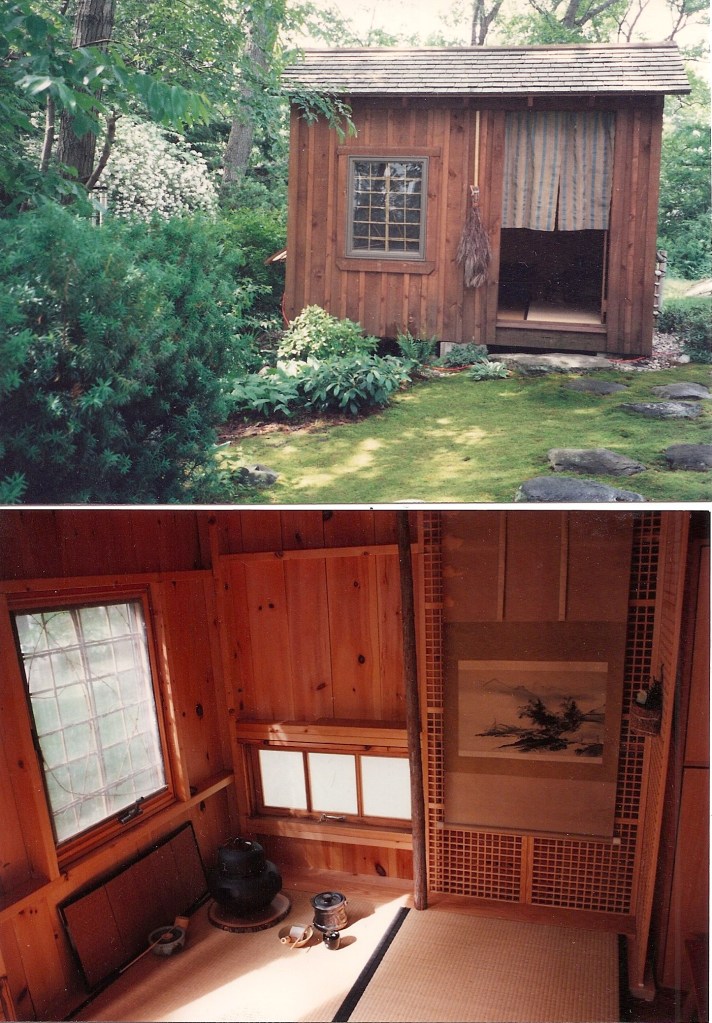
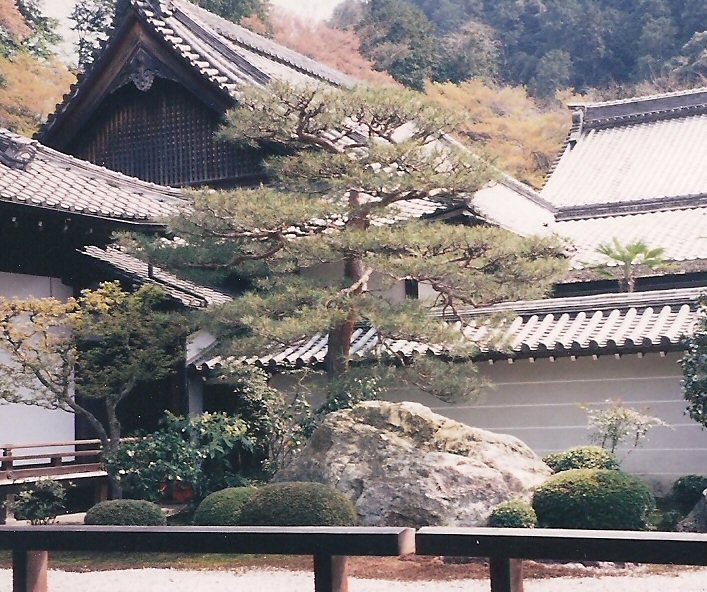
The tea room and garden bring a mountain cottage retreat atmosphere into a town or city setting. For all the care that goes into a tea hut’s construction, they are lightly built and are all the more intimate for that acceptance of impermanence. Soft natural lighting creates a tranquil mood. There is little to distract beyond naturally arranged flowers and a scroll.

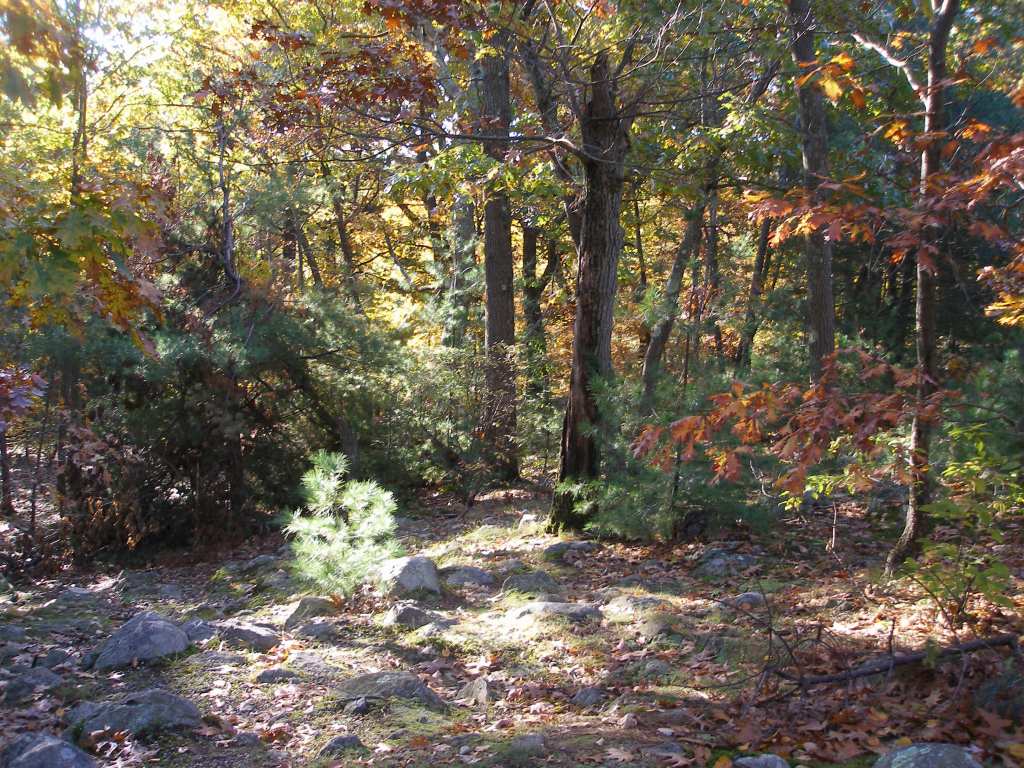
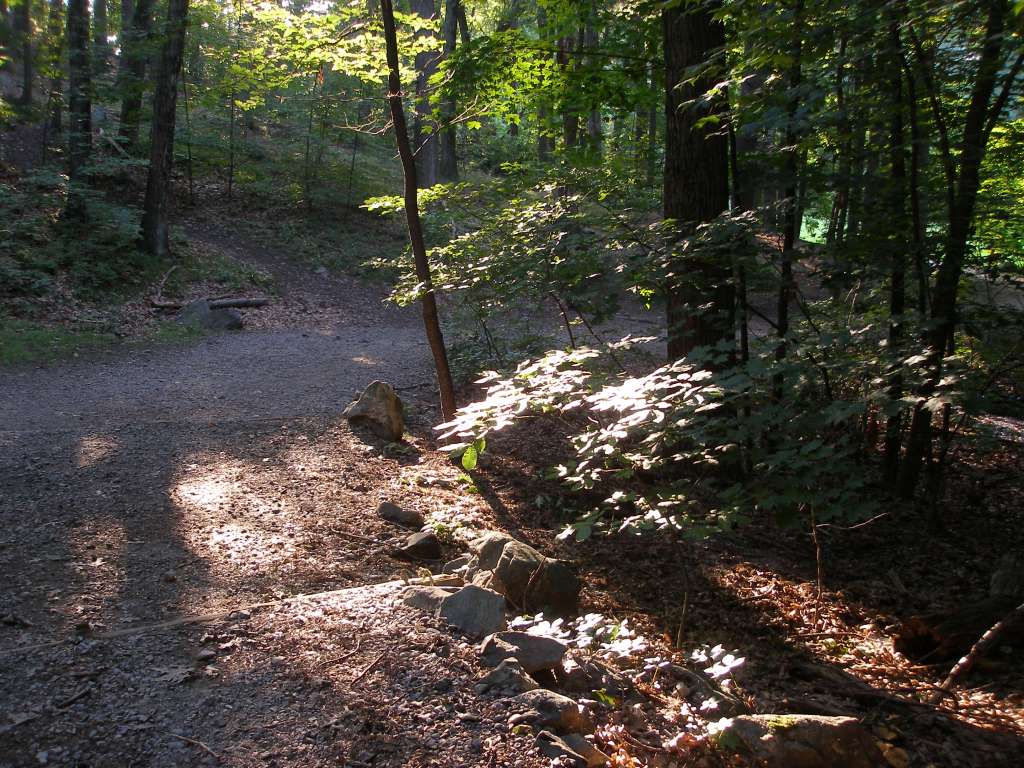
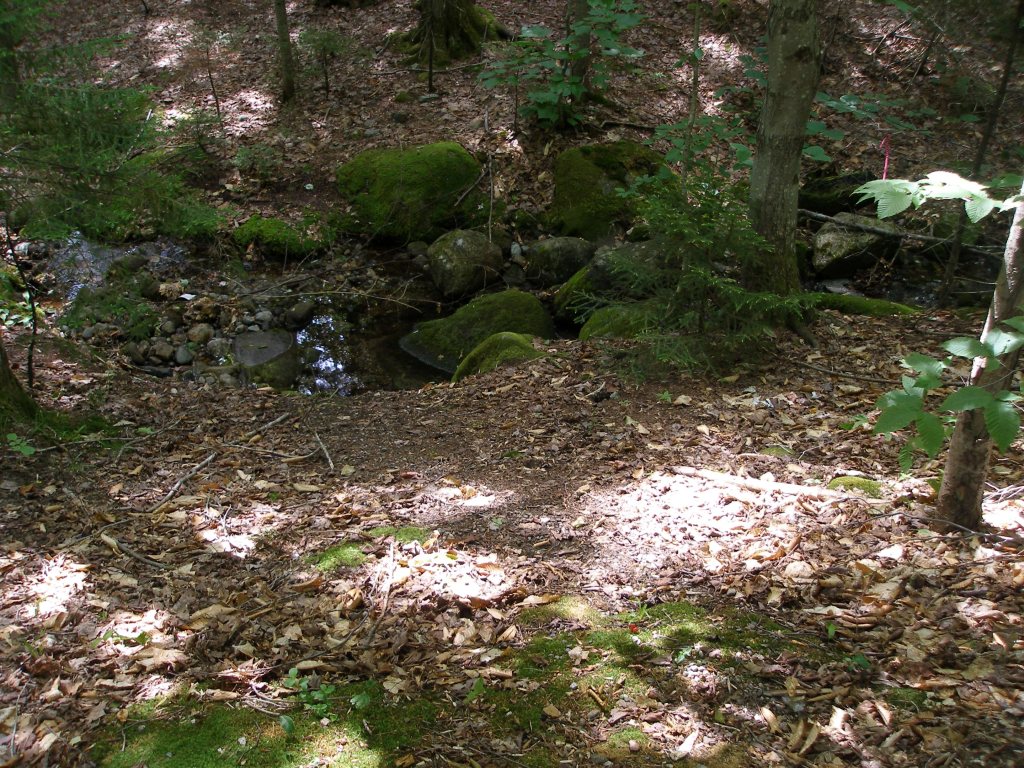
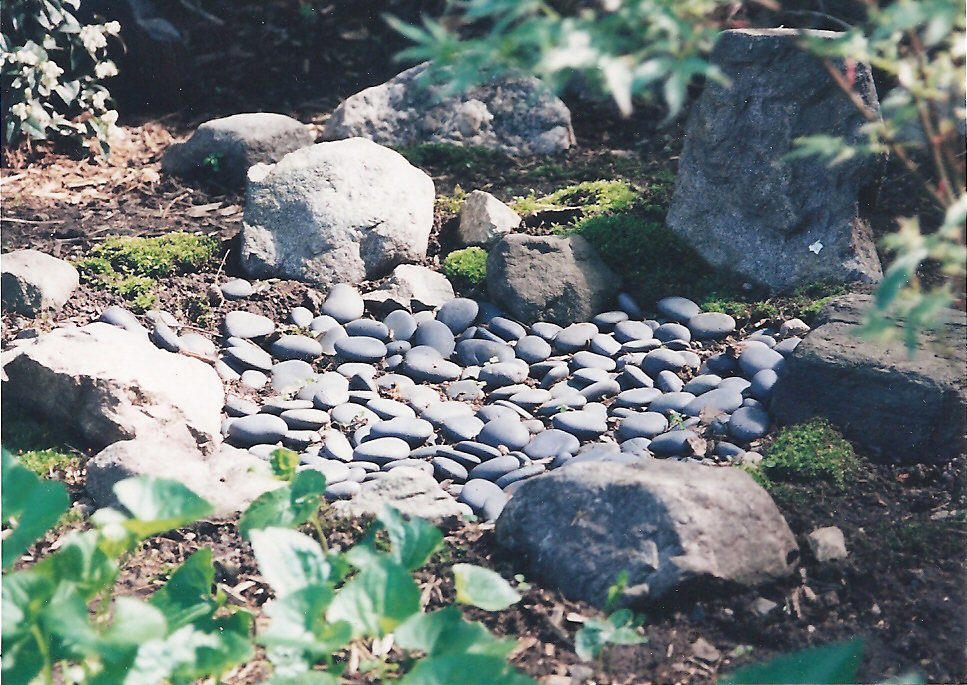
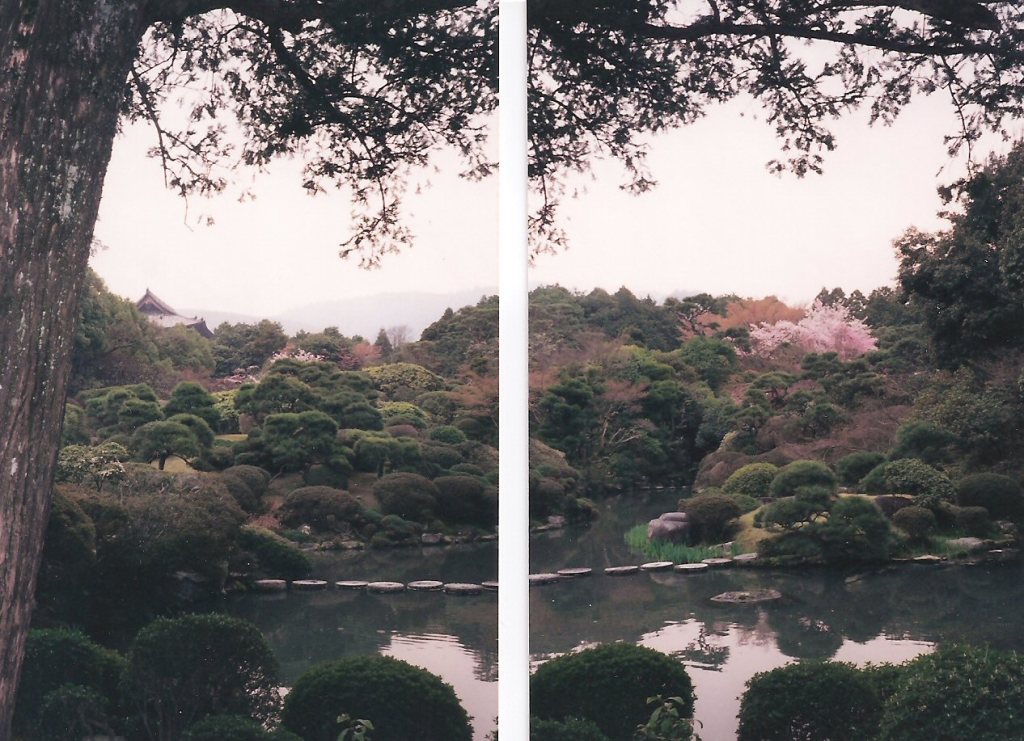
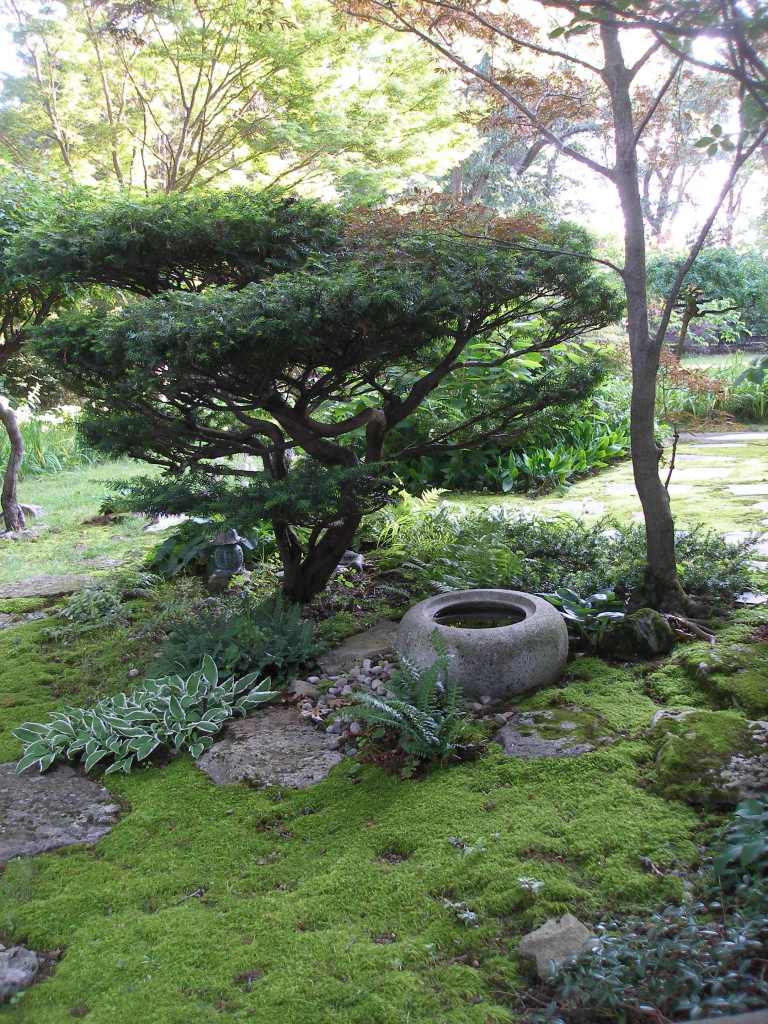
Tea gardens are designed to evoke the essence of purified nature, and often resemble a mossy path in an idealized wood. This path-garden is called roji (literally dewy ground or path in Japanese). A Buddhist interpretation relates to ‘awara‘ or disclosure, not just disclosing the garden to the eye, but disclosure of everything within and without to the heart/mind/body. Before guests approach the tea hut along the path, the host will clean it and water the stepping stones as a sign of welcome. To do that properly, it is necessary to first cleanse oneself of what disturbs and sullies the mind and heart.

Tea garden design begins with opening to what is here. It is a process of emptying the mind and listening to the site and the context in order to allow the design and its aesthetic qualities to grow from the place rather than being applied to it. The garden and the person who tends it are always getting to know each other through a process of action and response that goes both ways. As the relationship deepens, maintenance is not so much imposed from outside but takes place from within that relationship by attuning to what needs doing.

Students of the way of tea learn by observing and copying their teacher, and by being patiently (although sometimes strictly) coached in what is essentially a form of direct transmission. When I first started taking tea lessons, I learned how to walk on tatami mats. I had to master the many sub-procedures of a relatively simple way of preparing tea. A great many steps must all flow together in a natural and unobtrusive way before a student can claim competence. There are many different ways of preparing tea or temae to learn, and all the utensils require special handling. Tea stories make clear that patient practice and goodwill are more important than achieving perfection.
Thus, tea ceremony provides many opportunities to experience beginner’s mind while learning how to retain a sharp embodied focus on what is going on here and now. The way of tea might appear gentle as compared with working on unsolvable riddles under the stern guidance of a Zen master. But because there is so much to learn with body, mind and spirit, serious students of Japanese tea ceremony may find themselves facing the strong doubt, strong faith and strong determination that are said to be requisites for dedicated Zen practice.

In time, applying firm resolution in a context of openness and mutual support can lead to consummate freedom and ease. That a selfless commitment to discipline is required to achieve that flow is one of the many paradoxes of this art (and of life). Learning the formal procedures with total-hearted commitment provides access to deeper levels of perception and being that in turn influence how one performs the art so one returns to where one started very much alive, in touch, and in the moment simply enjoying sharing a bowl of tea with a few others.

Just seeing a demonstration does not reveal the relational quality of this art. Students are taught to always keep the guests’ tranquility top of mind when preparing a bowl of tea. The flowing generosity and gratitude becomes one and communal awareness arises as guests’ actively support the host’s intent for sharing the beauty of the particular occasion and of each unique moment.

Woodland Magic

It is natural to notice a muskrat chasing quacking ducks, but the woods can have a quieter energy – There is a lot going on, but it is easier to miss.

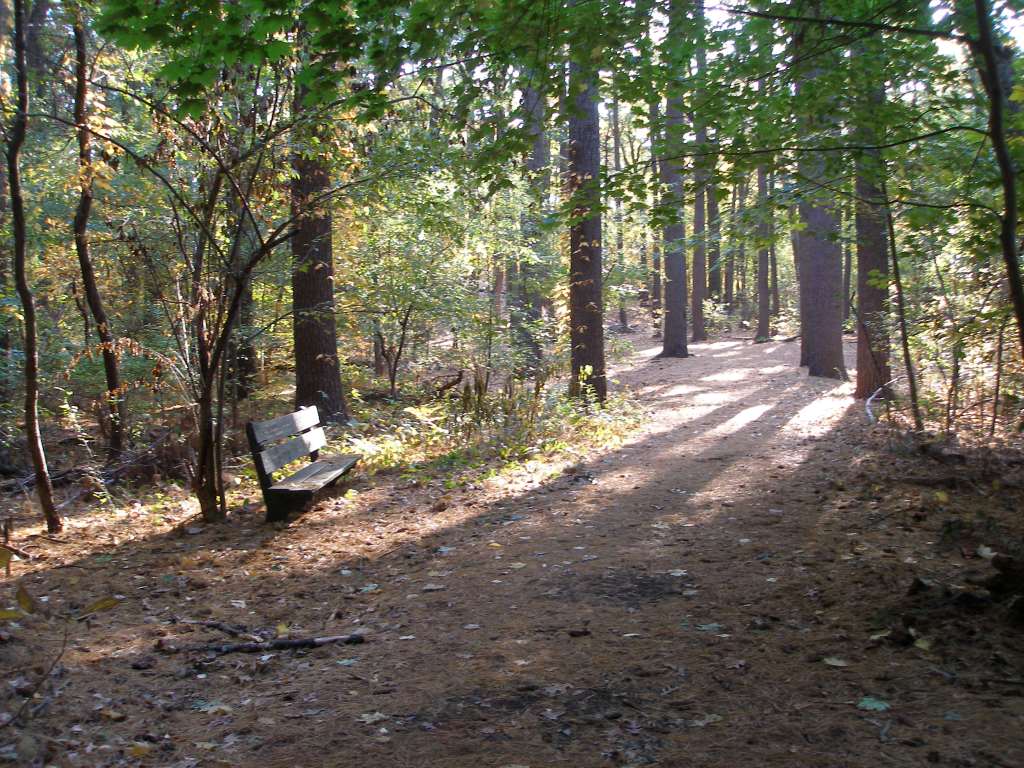
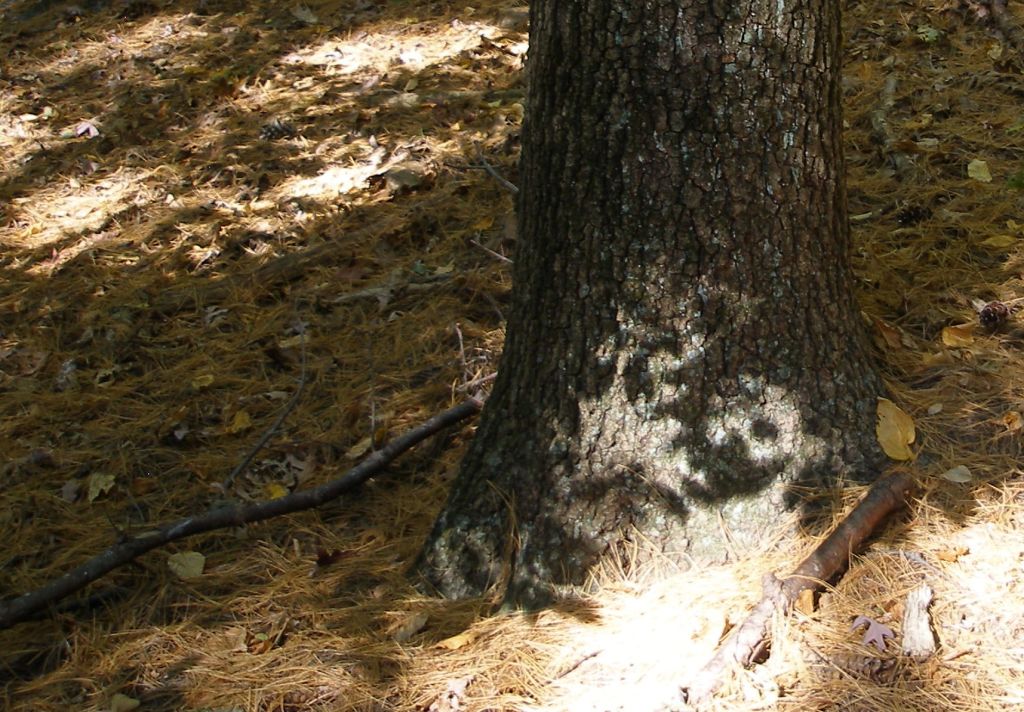
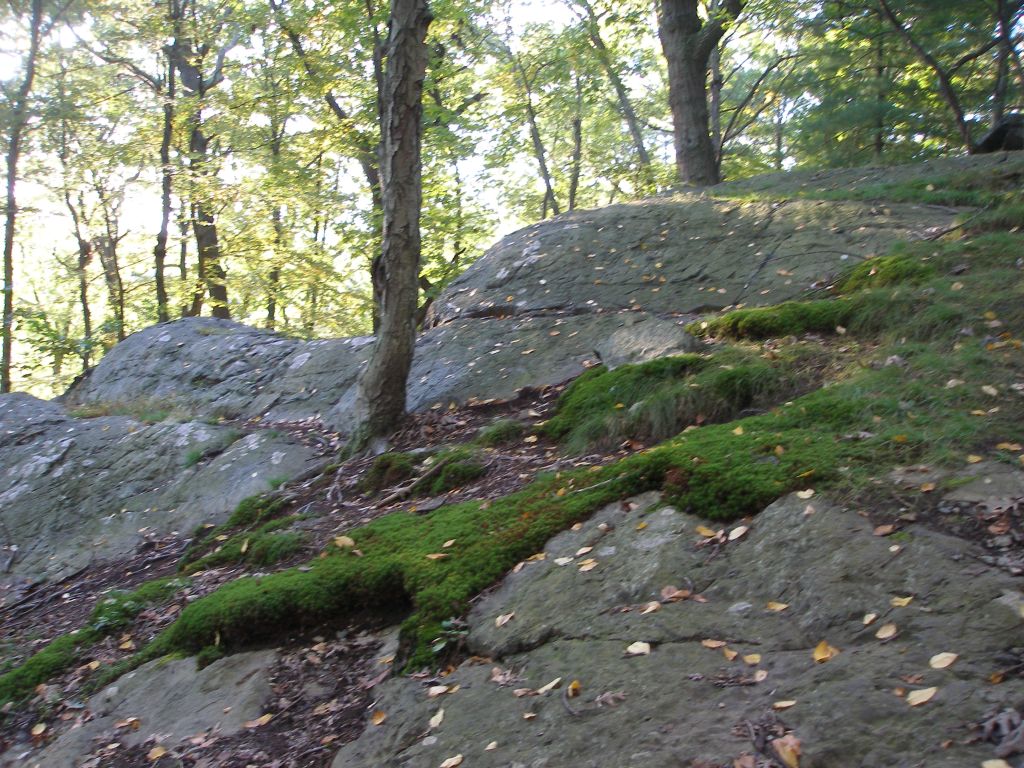
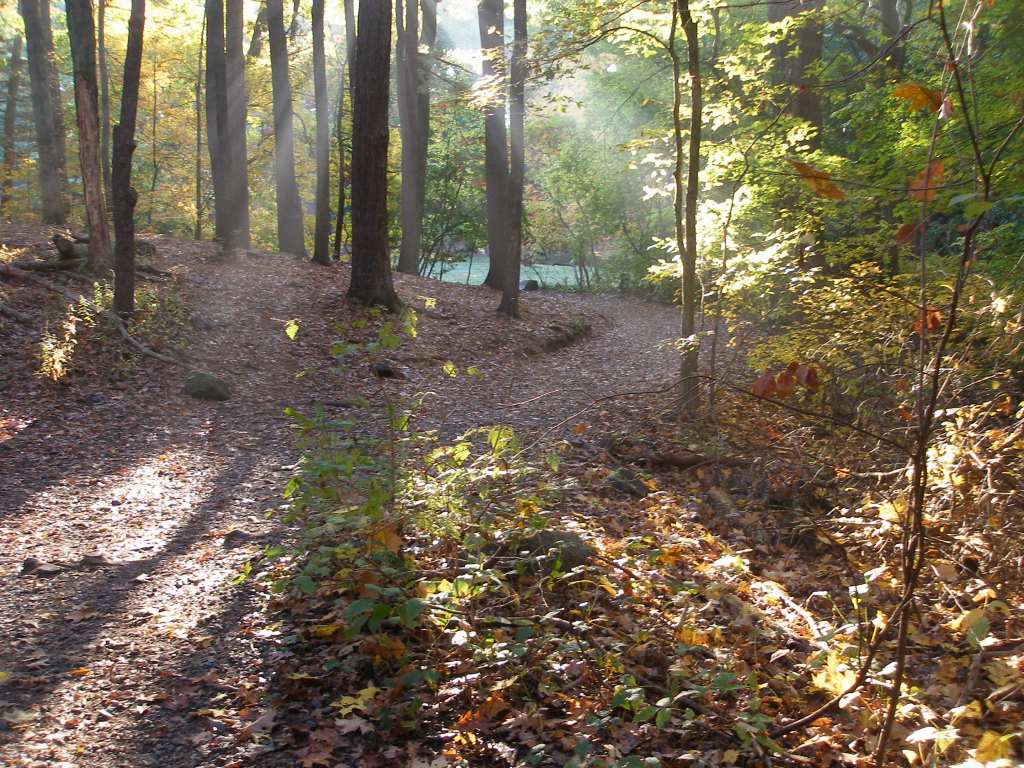
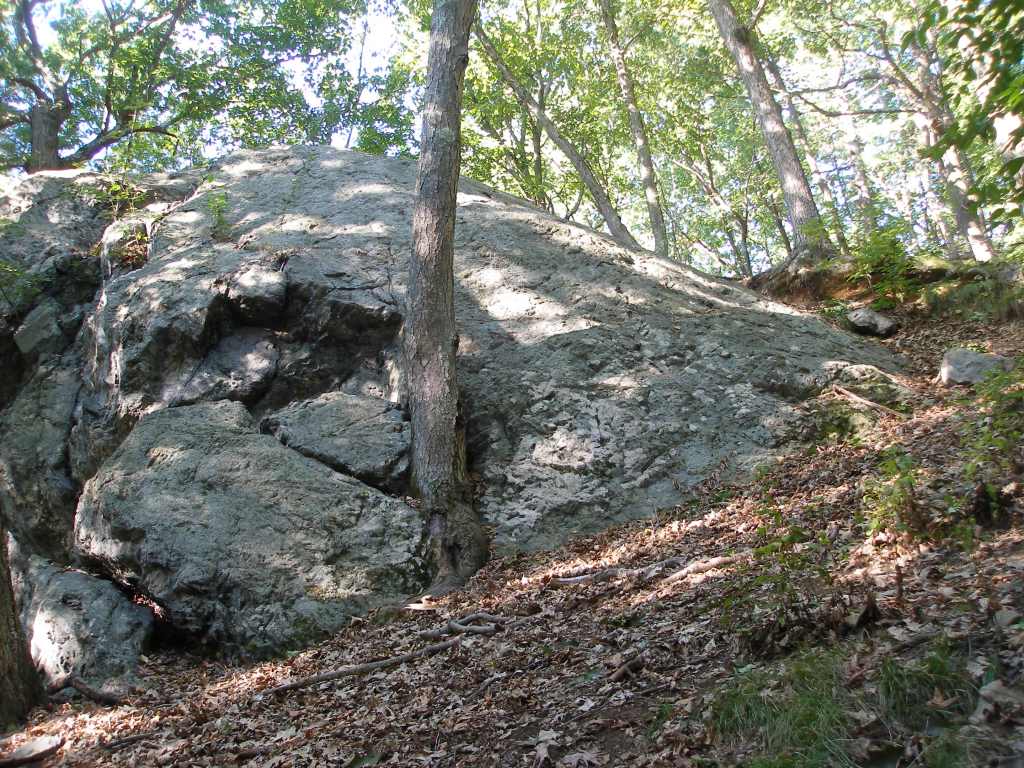
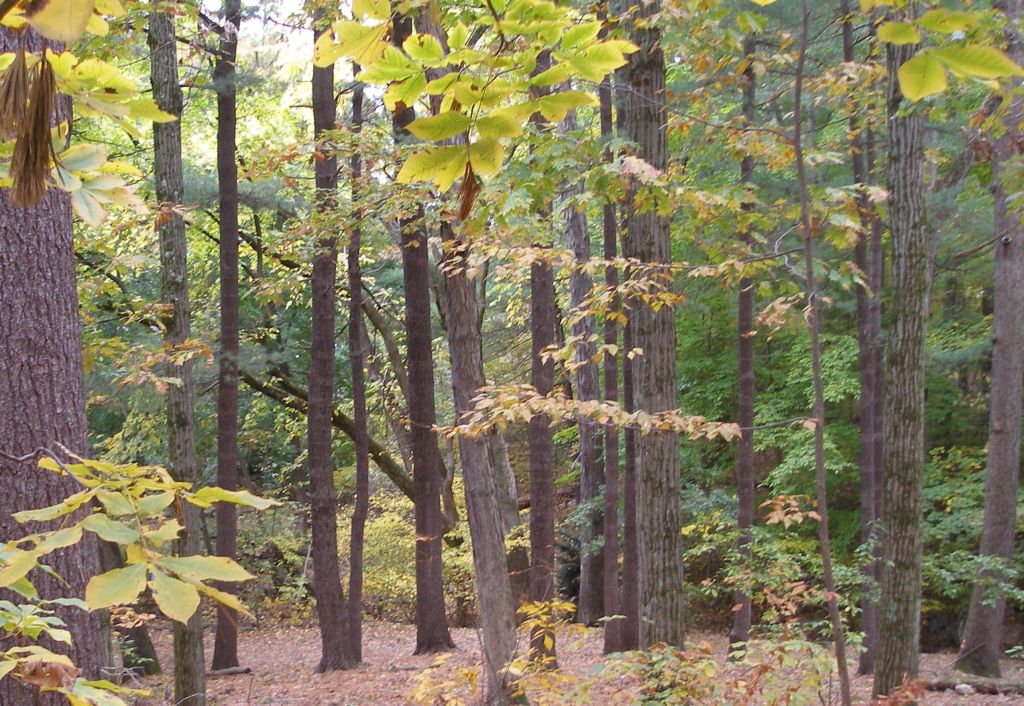
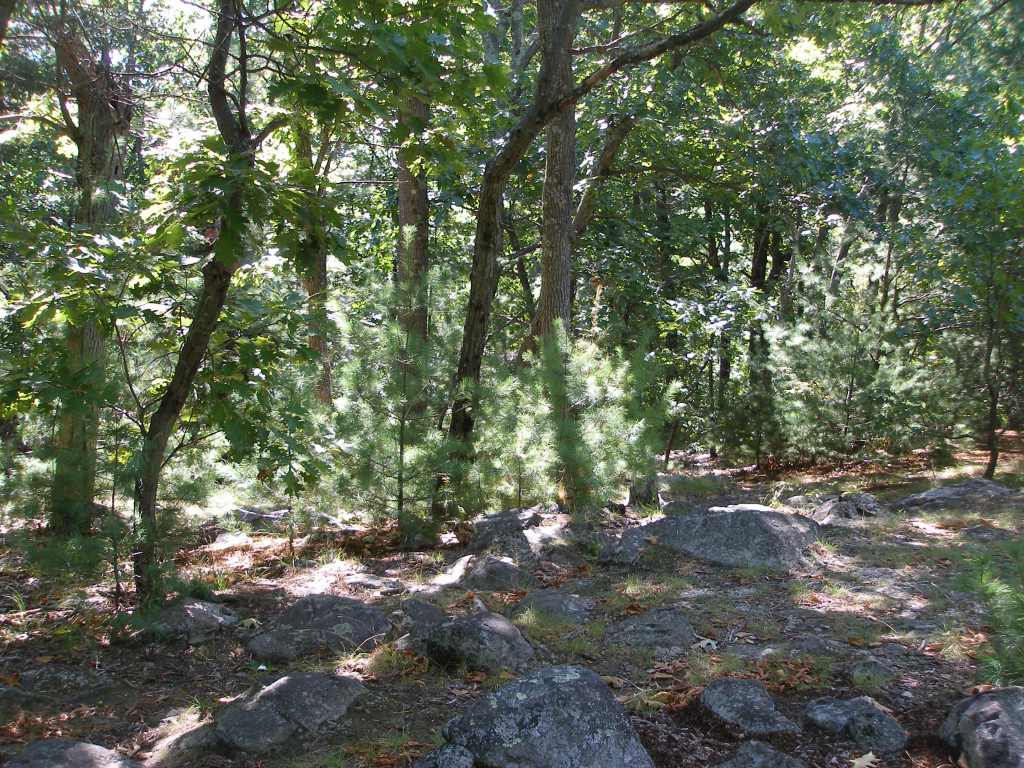
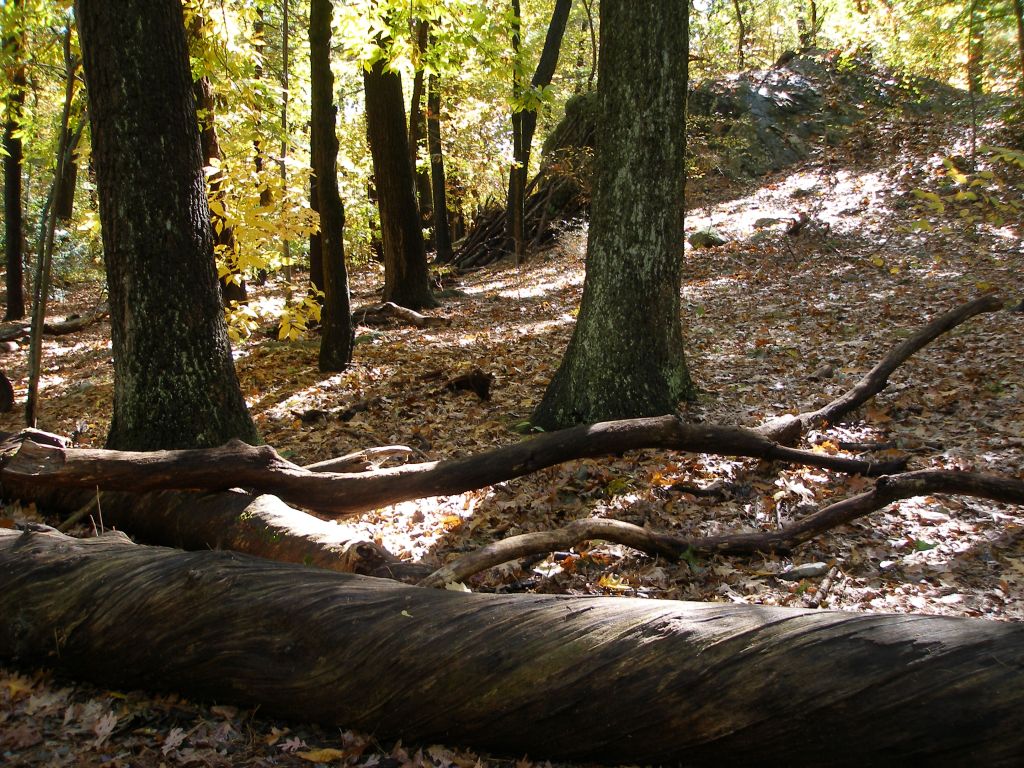
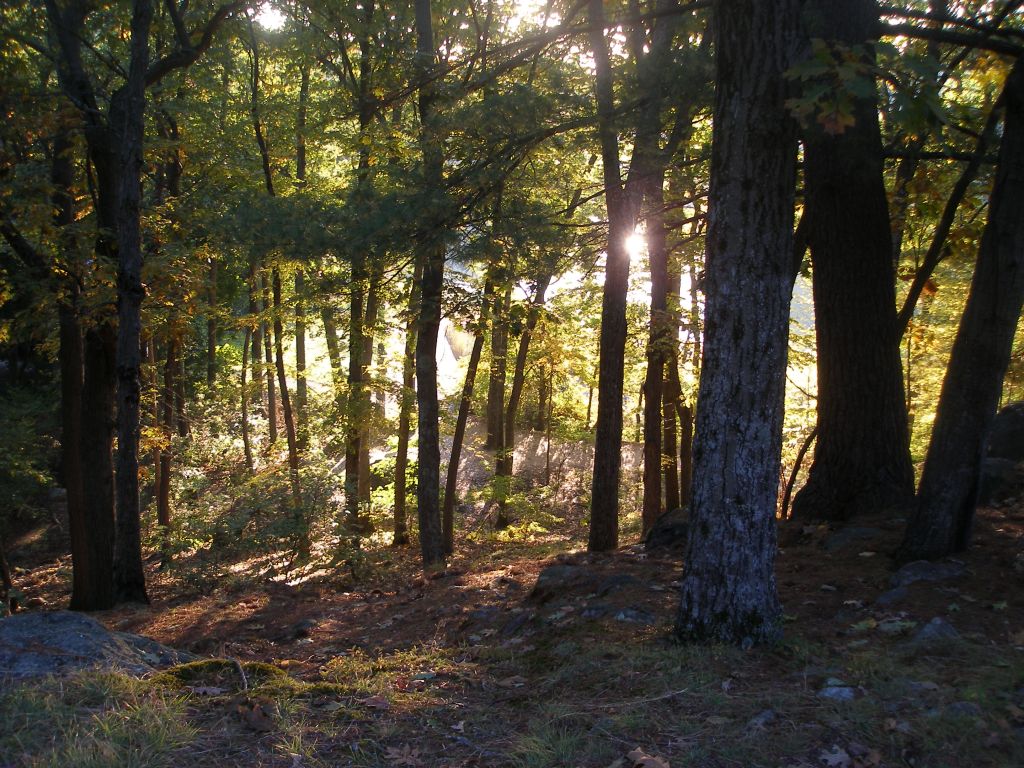
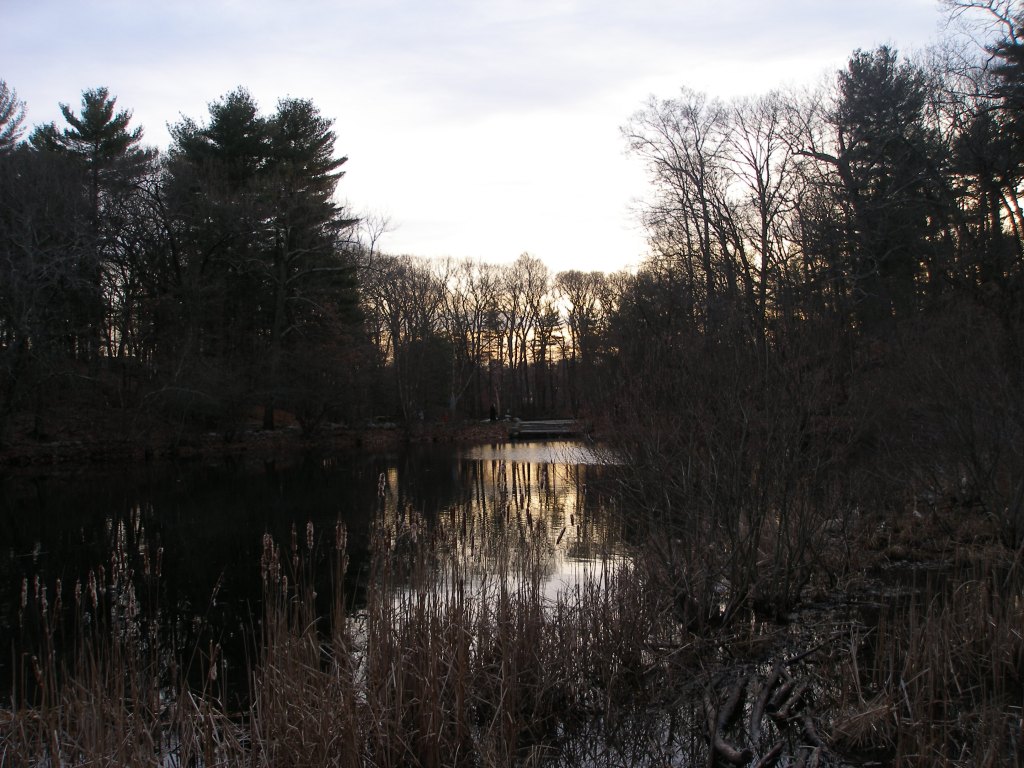
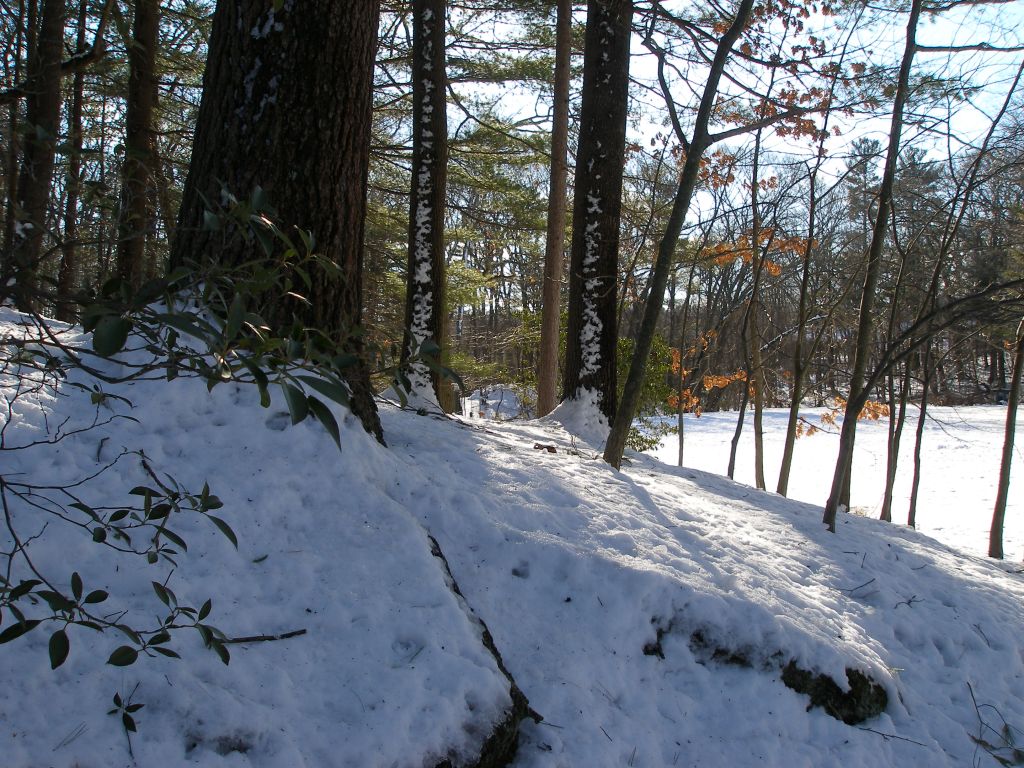
Trees with their roots wrapped around granite outcrops or buried beneath fallen leaves and mounding needles are the backbone here. Warm beams of sunlight suddenly illuminate the all-embracing living wonder while the woods in winter has its own kind of resting beauty.


Melting Art on Cars

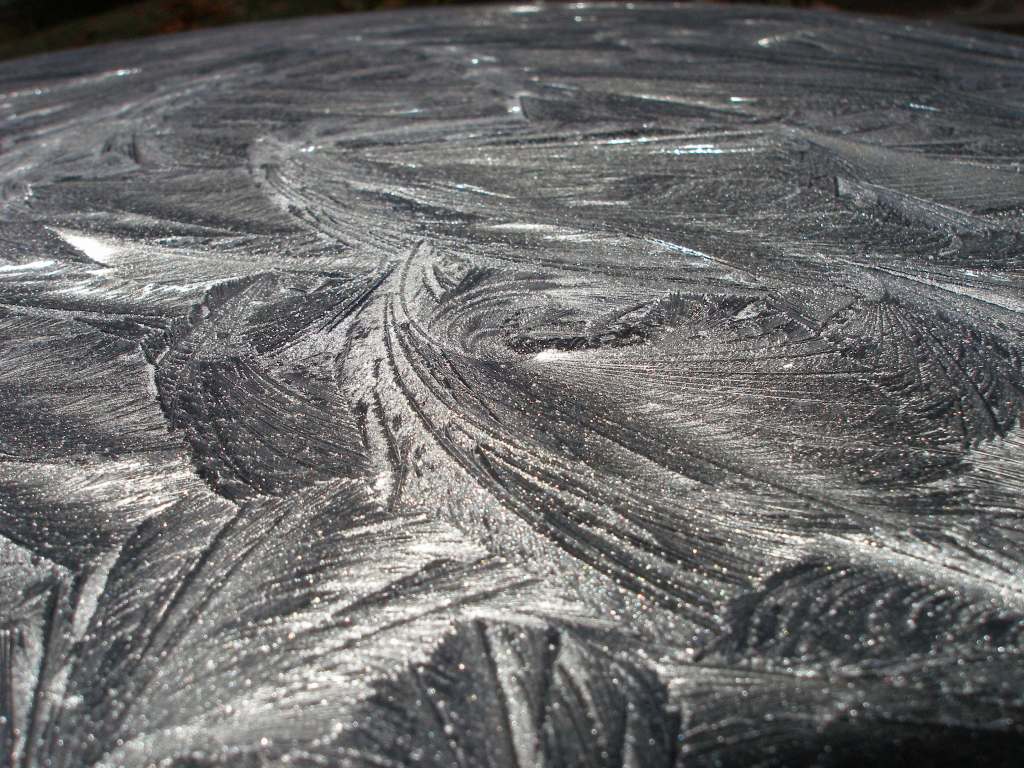
In late November 2019, I noticed wonderful large ice crystal formations all over a car. This November, most interesting symmetrical patterns formed on car hoods after a light snow began to melt. The patterns varied quite a bit, probably reflecting the different engine and hood support designs within.

I had to wonder what other wonderful designs I might discover by getting out early after the first freeze of the year.

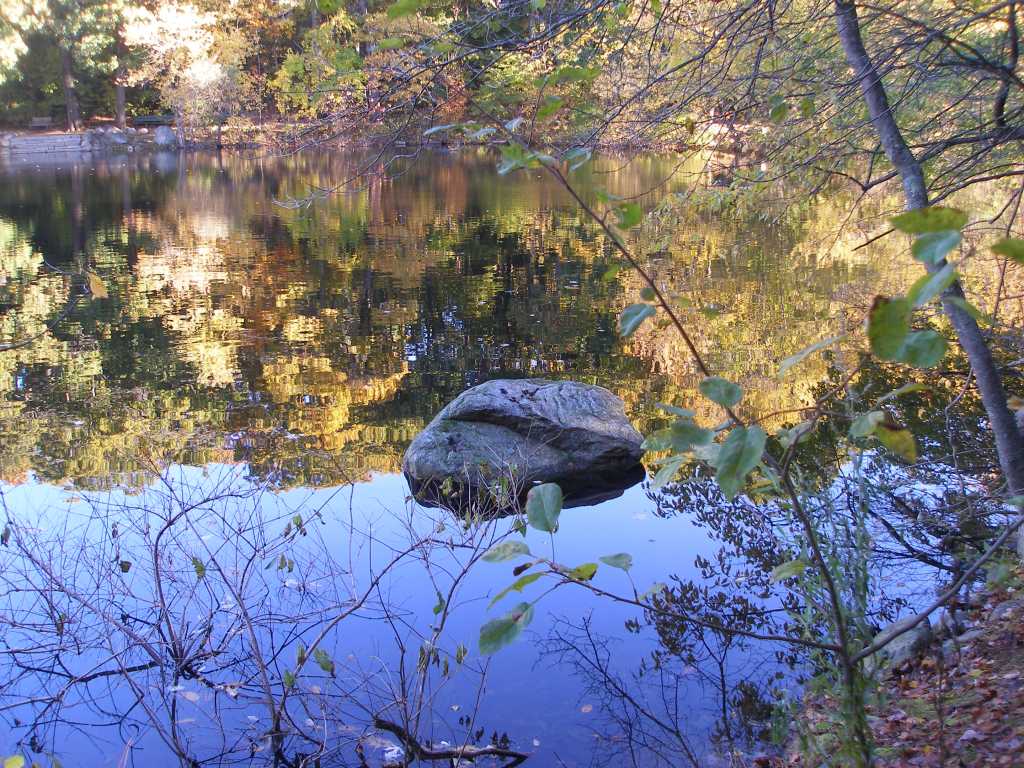
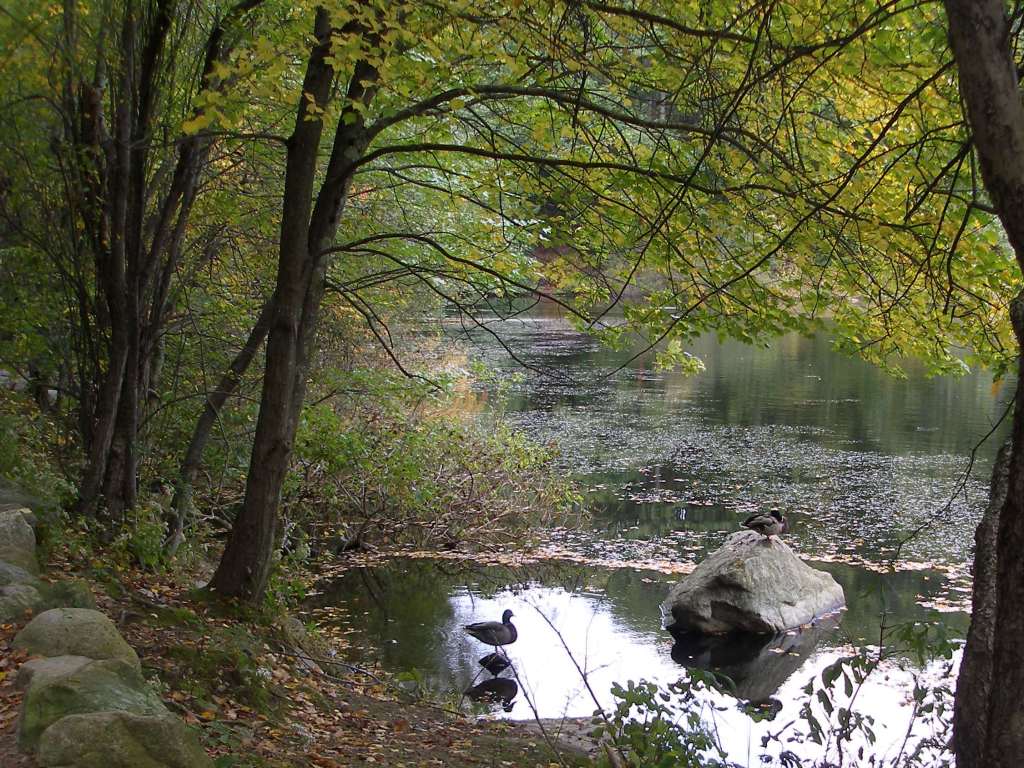
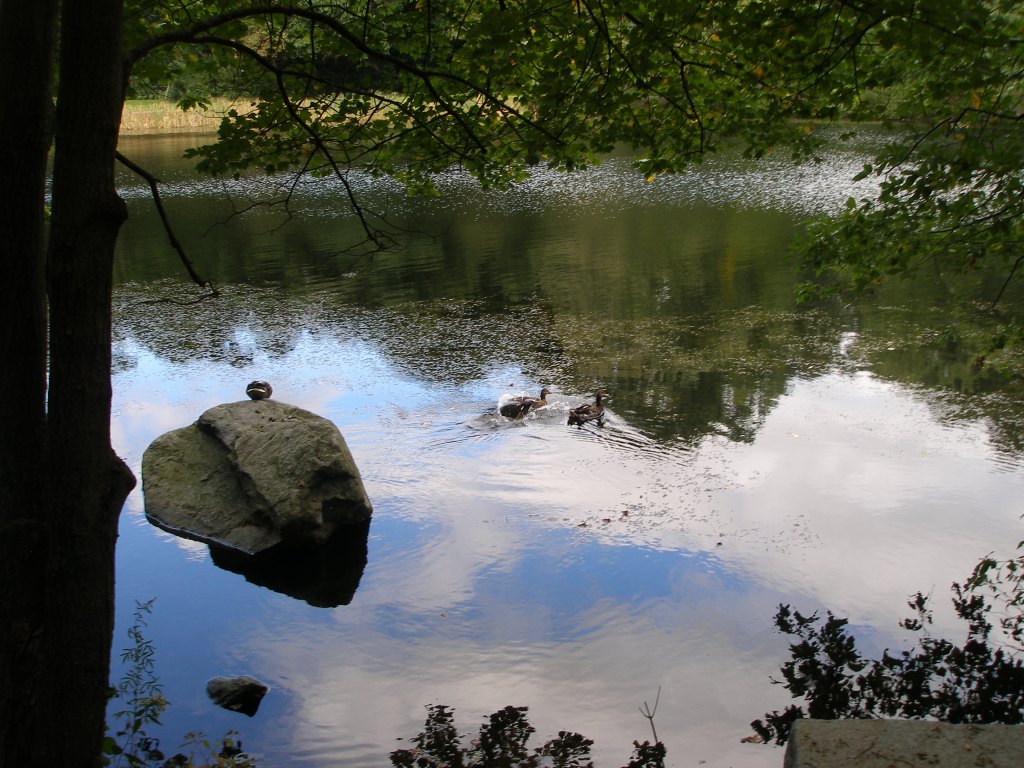
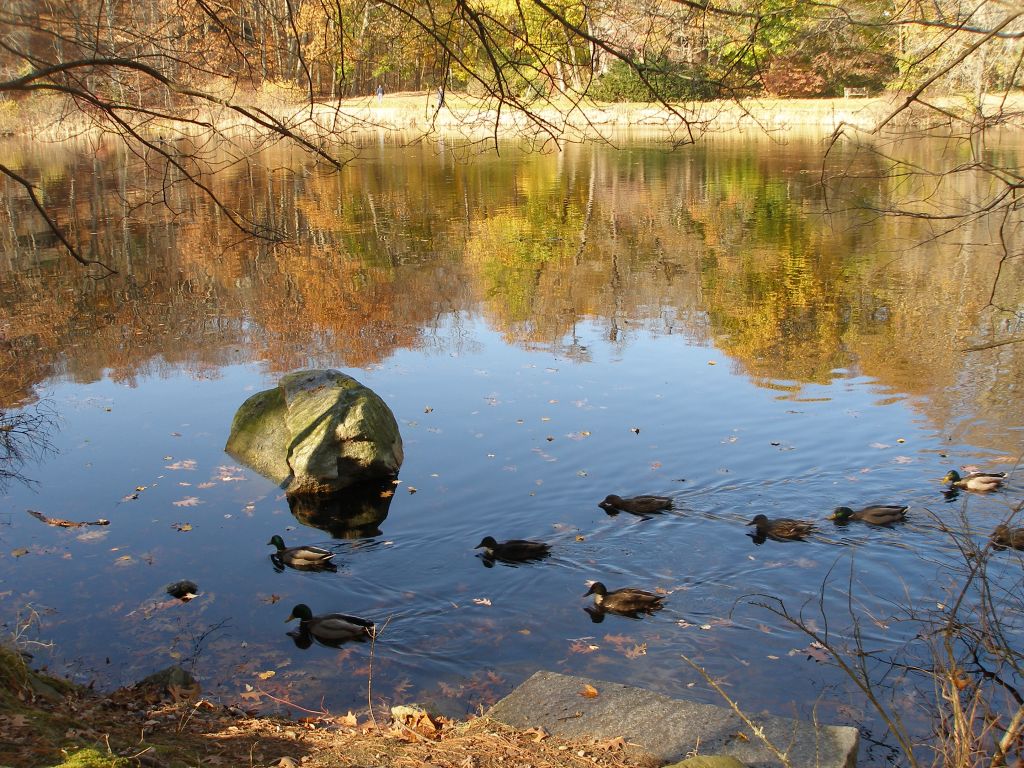
A Boulder Around the Seasons

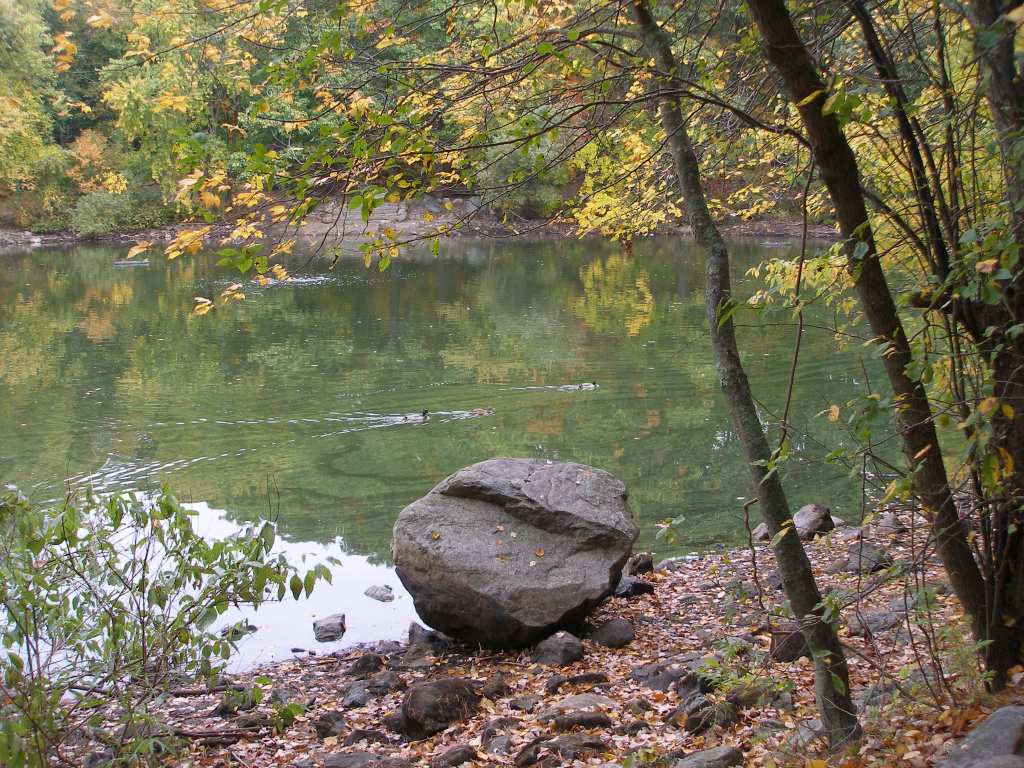
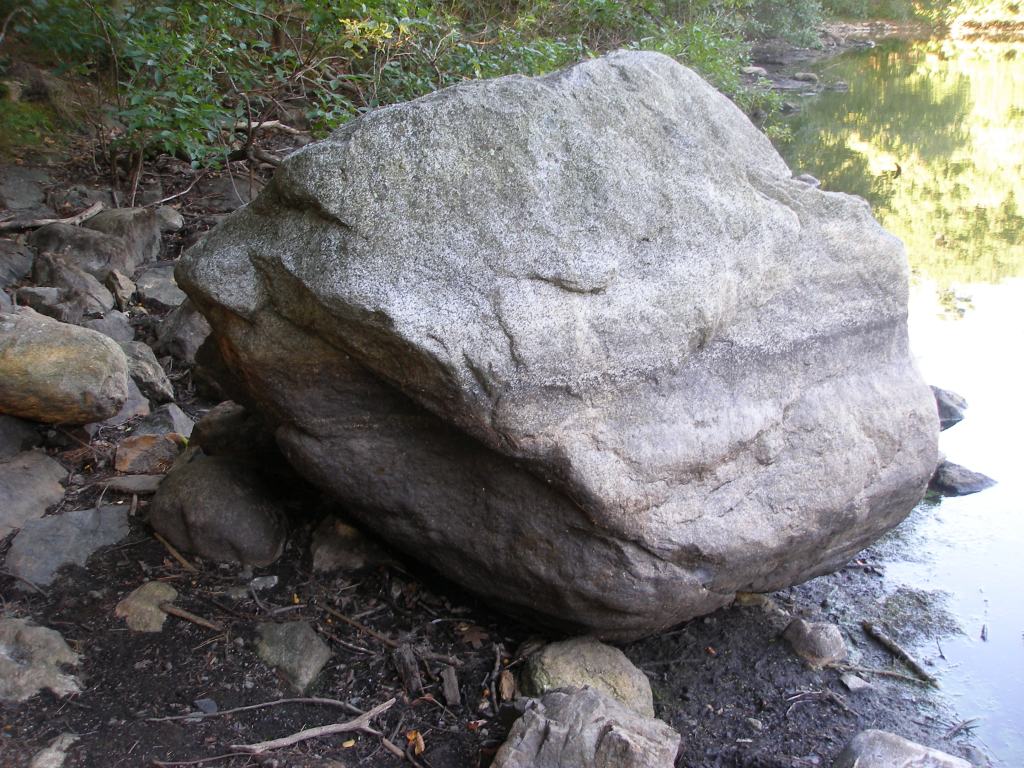
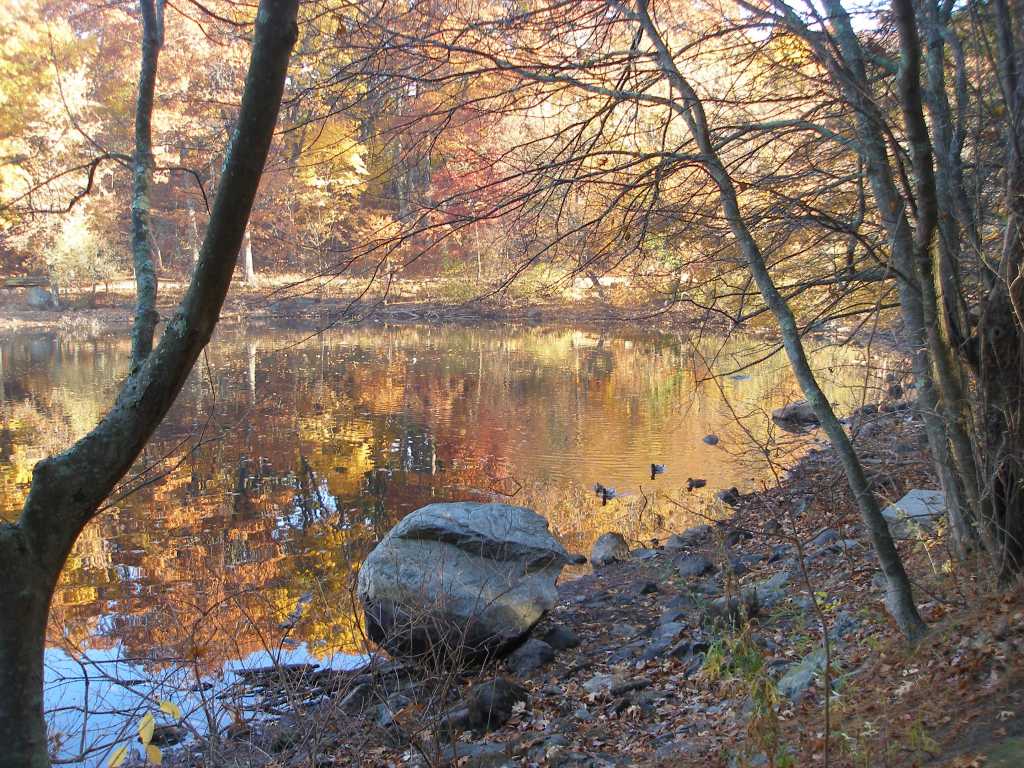
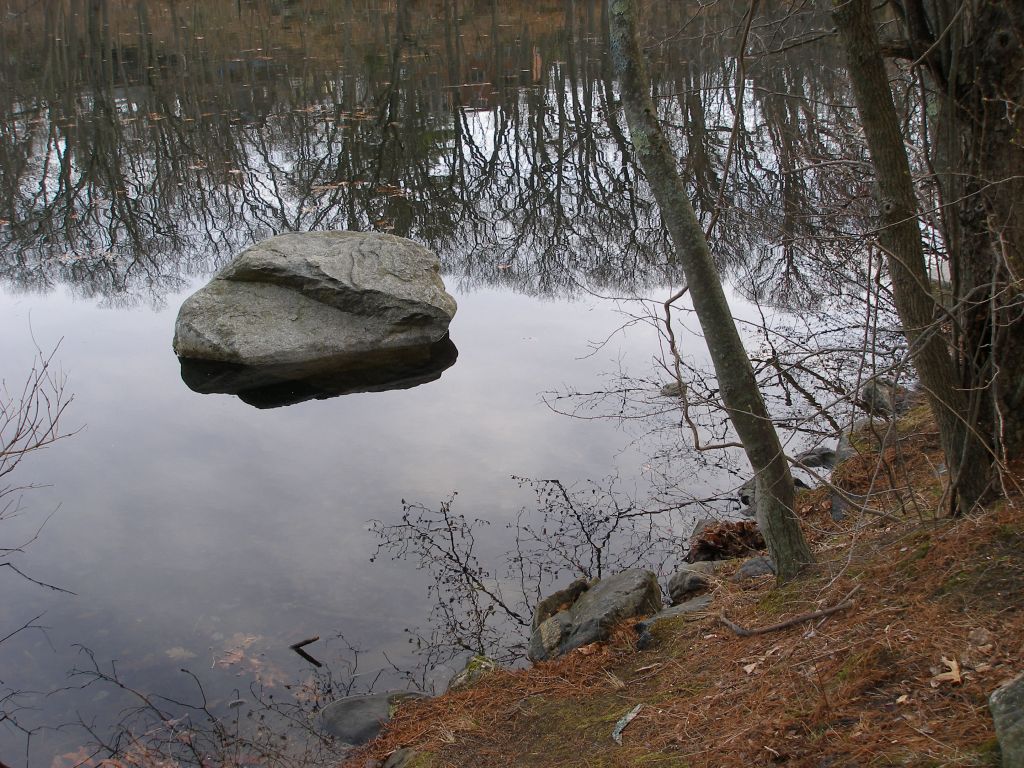
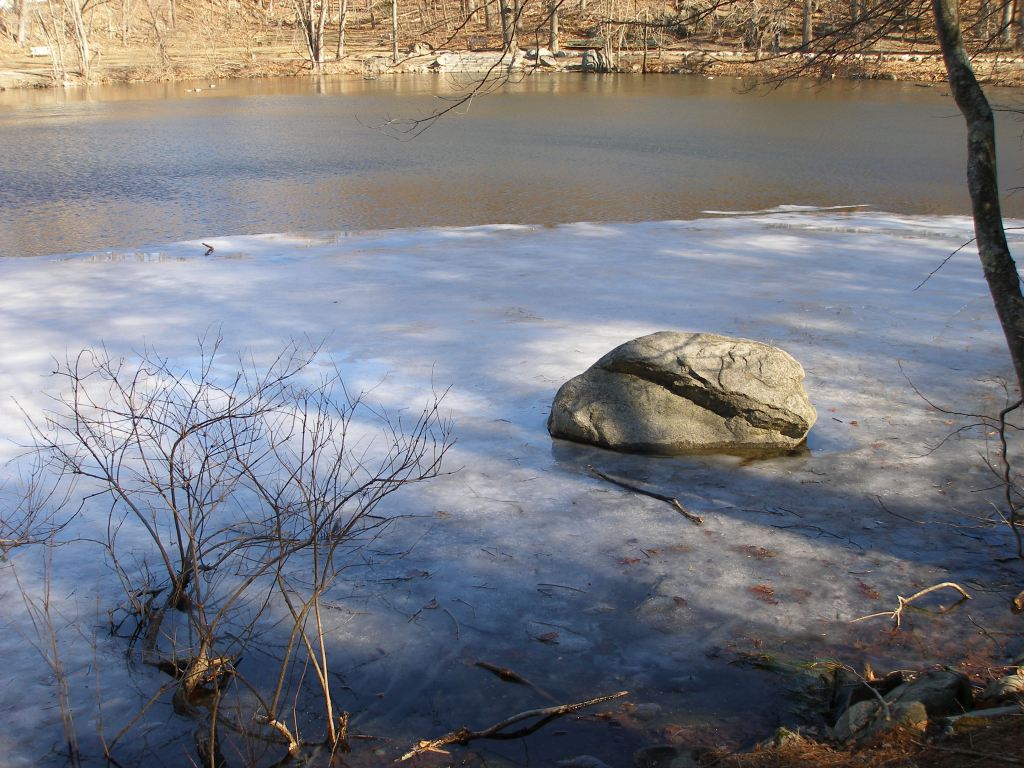
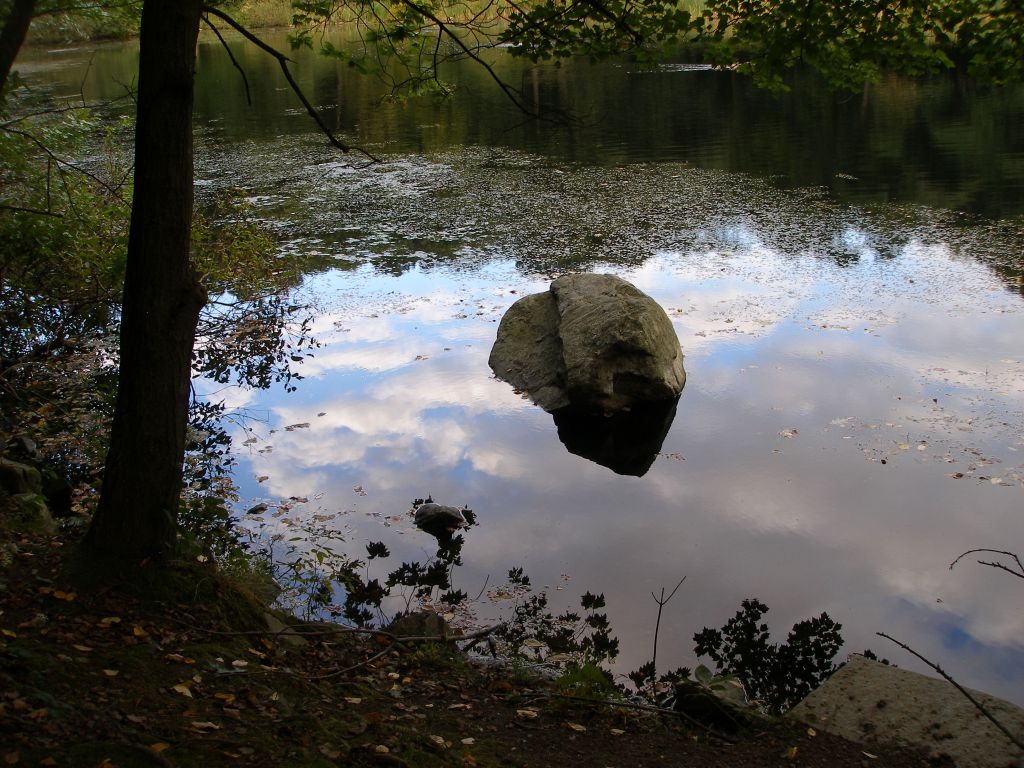
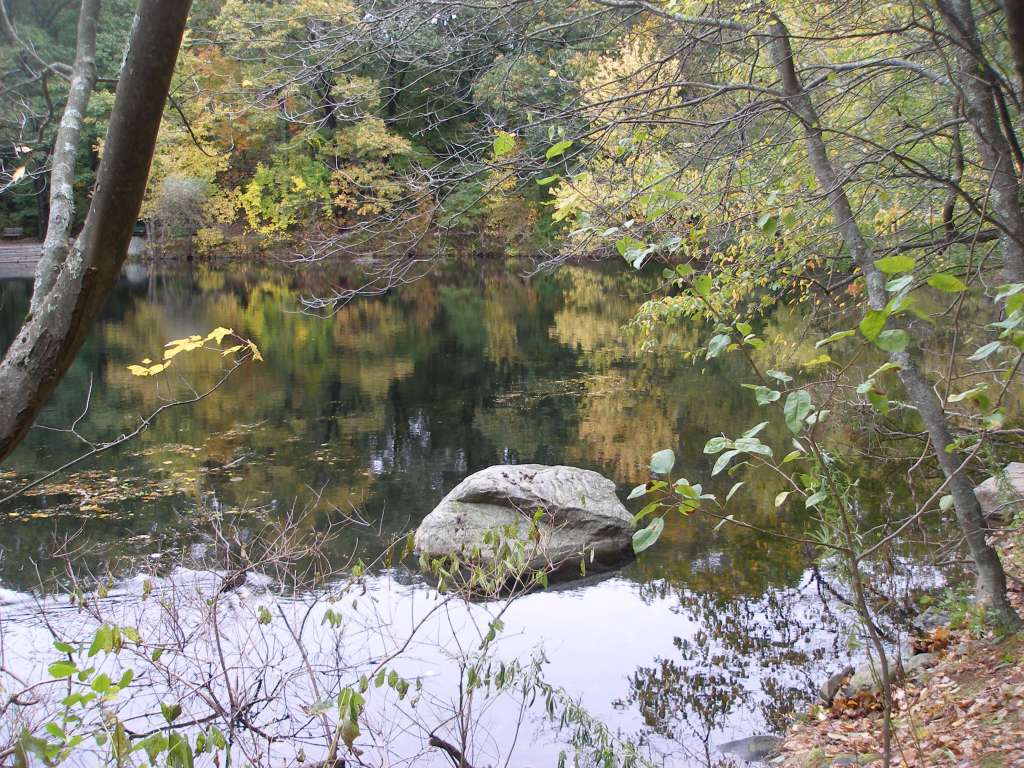
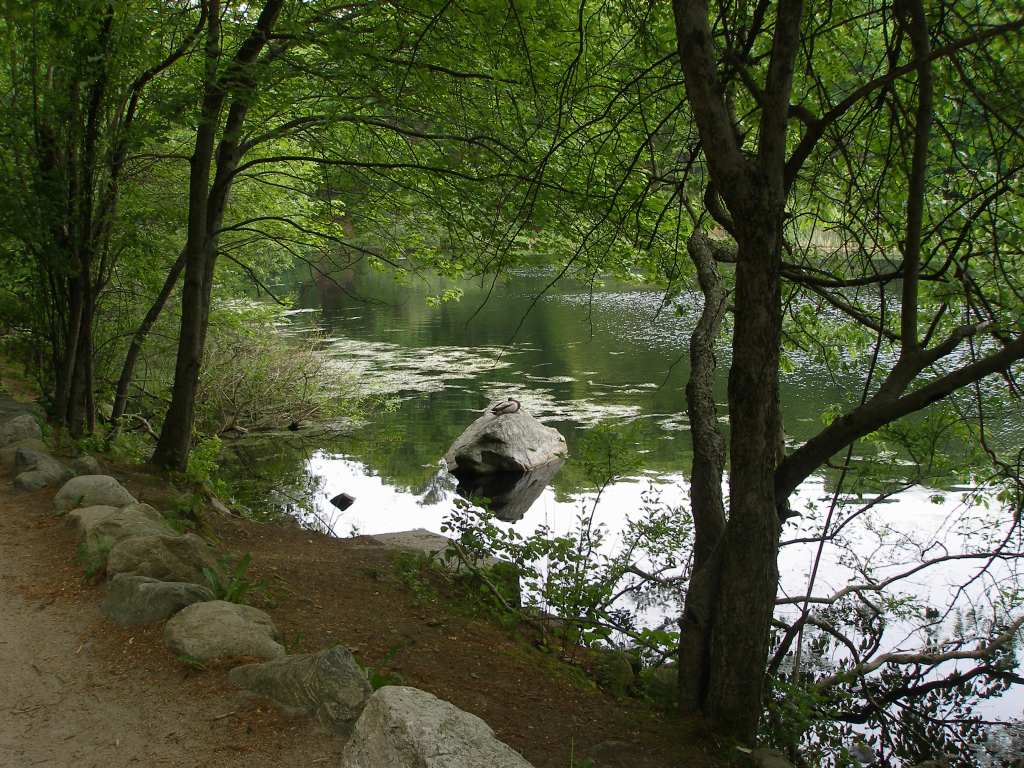
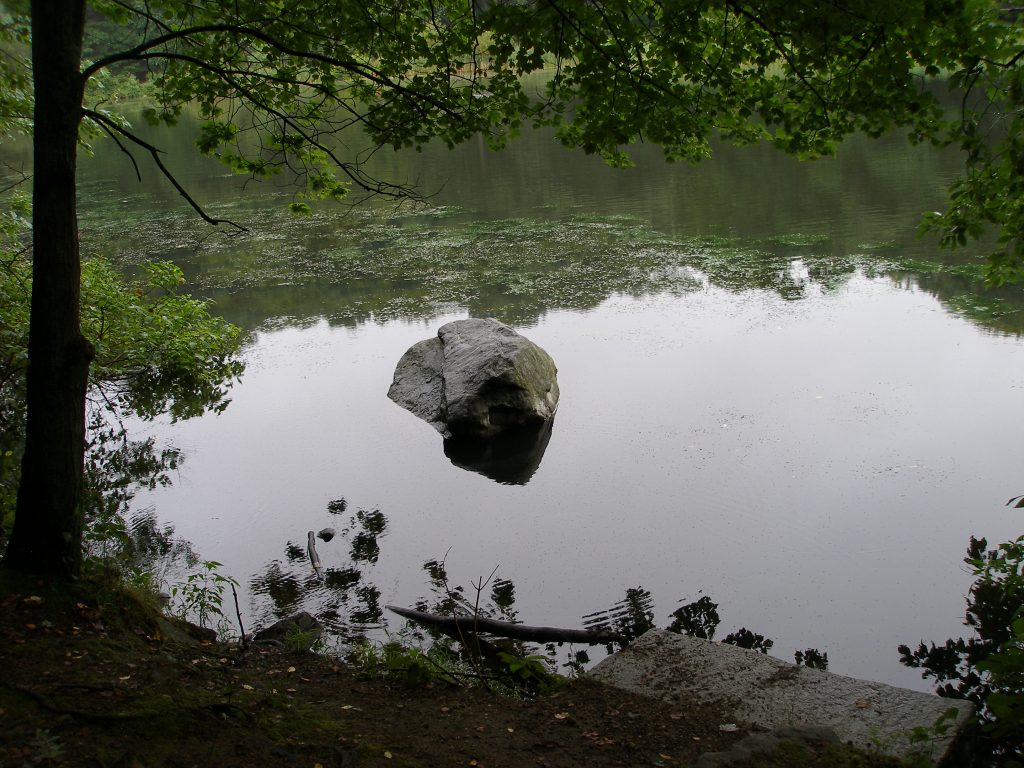
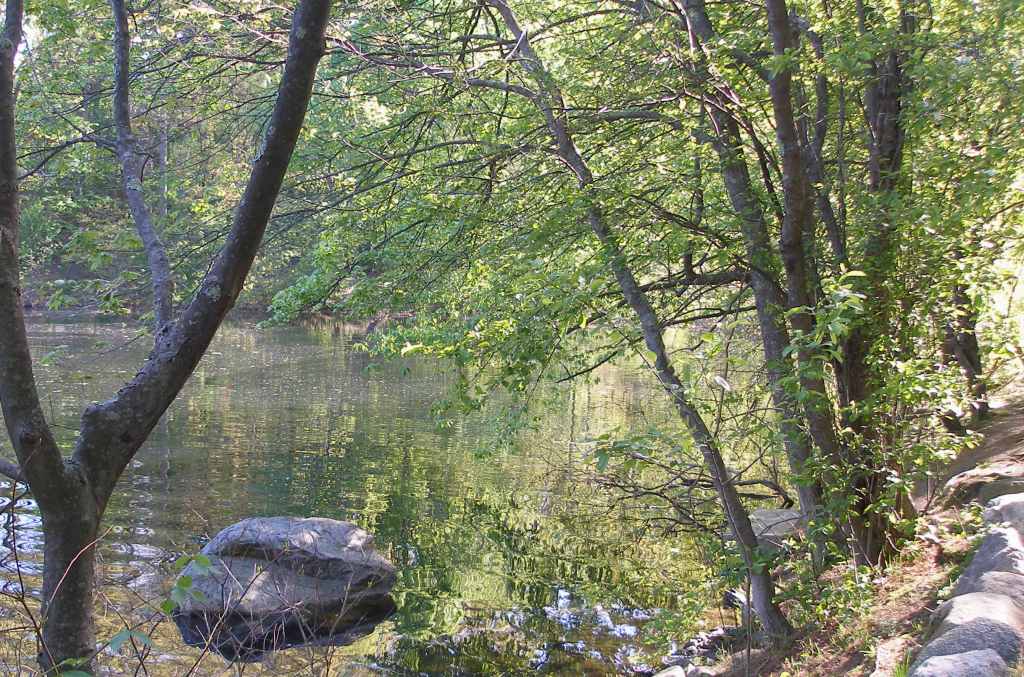
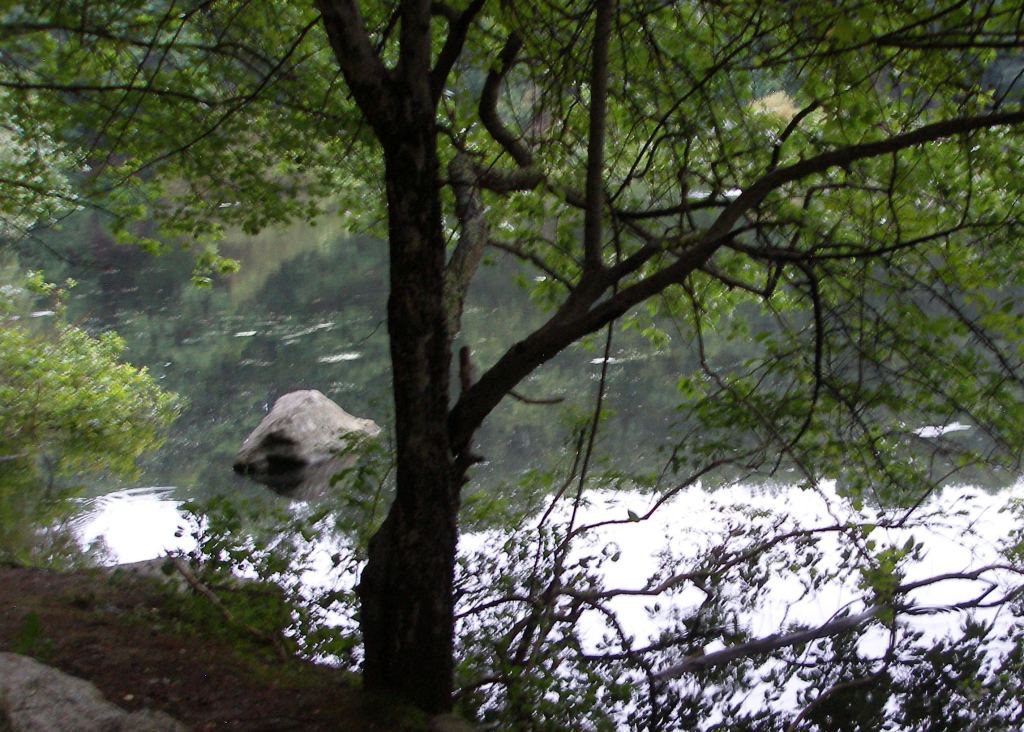
A boulder perched at the edge of Hills Pond when I started the photo series. It became an island as the waters rose. Then ice linked it to land again. In spring, geese and ducks perched on its strong back. There were signs of trouble as algal bloom sullied the water and all the birds left.

Waiting unperturbed, the boulder bore silent witness to ducks returning as brilliant colors in shades of yellow, orange and red mixed with the greens. Though all of this, the boulder sat with perfect equanimity. It had me wondering whether I could be more like that. Probably not, but that I could appreciate (and hopefully remember) its still presence seemed to count for something.


Mushrooms After Rain

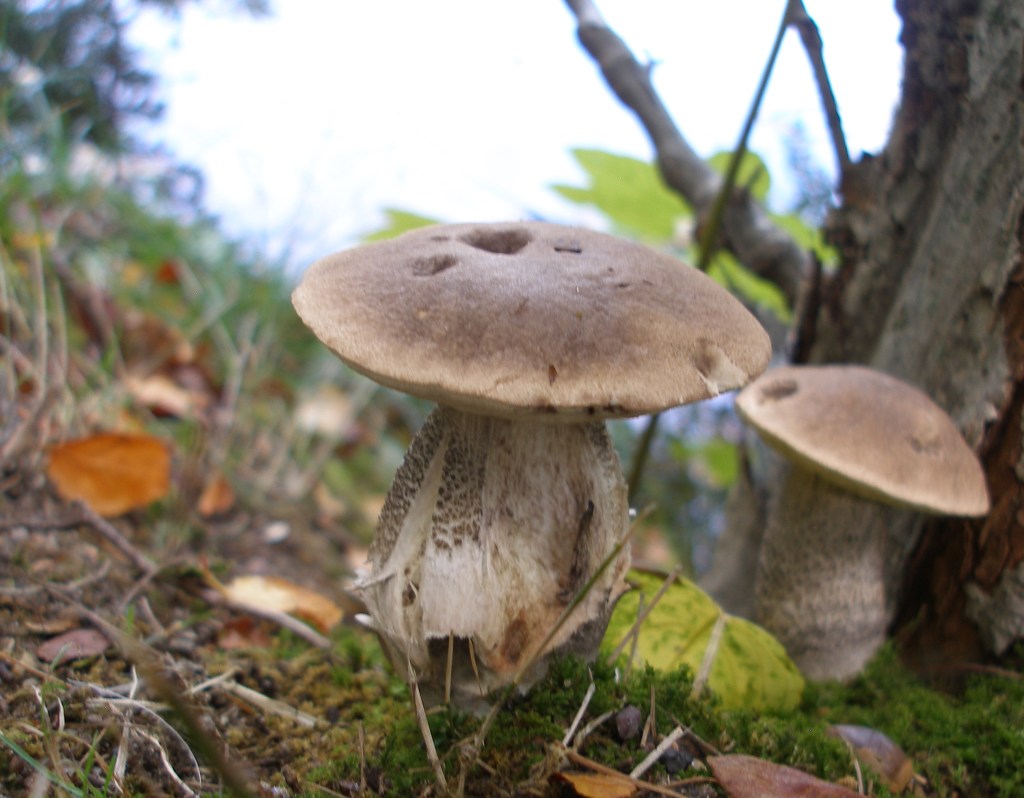
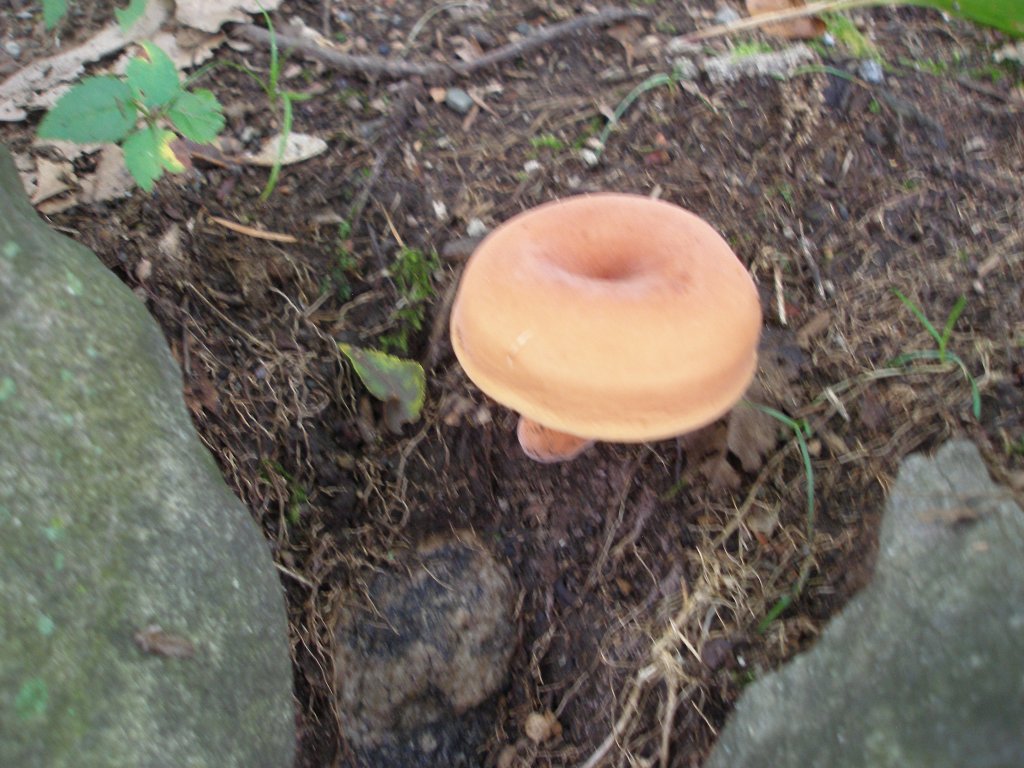
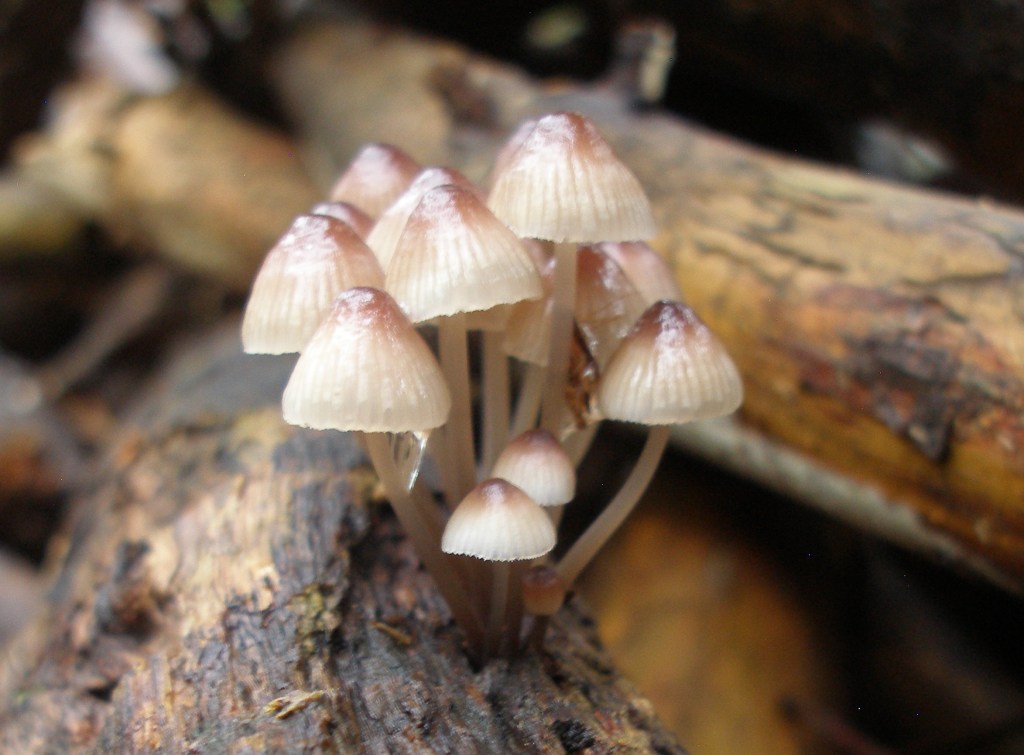
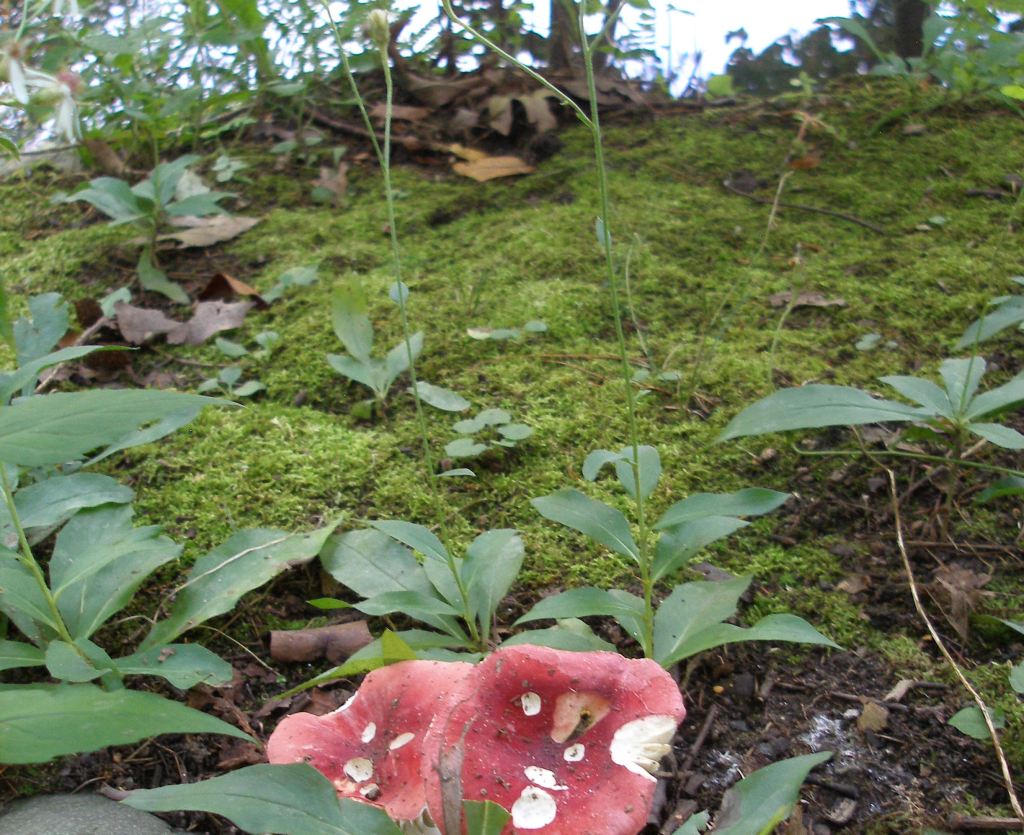
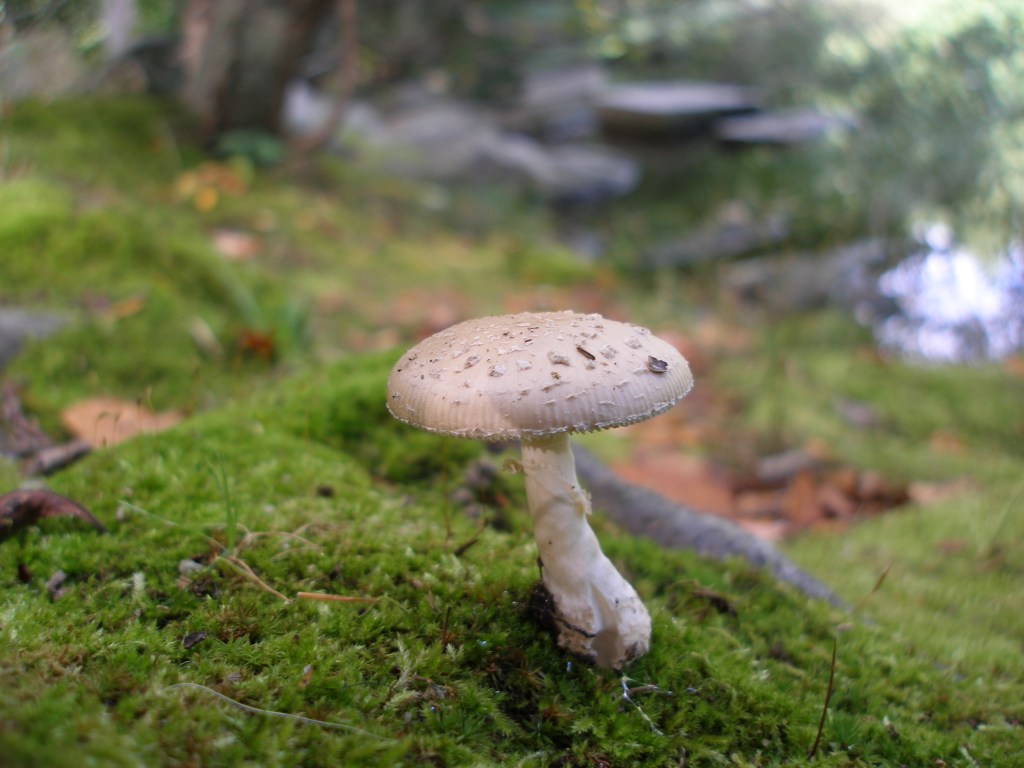
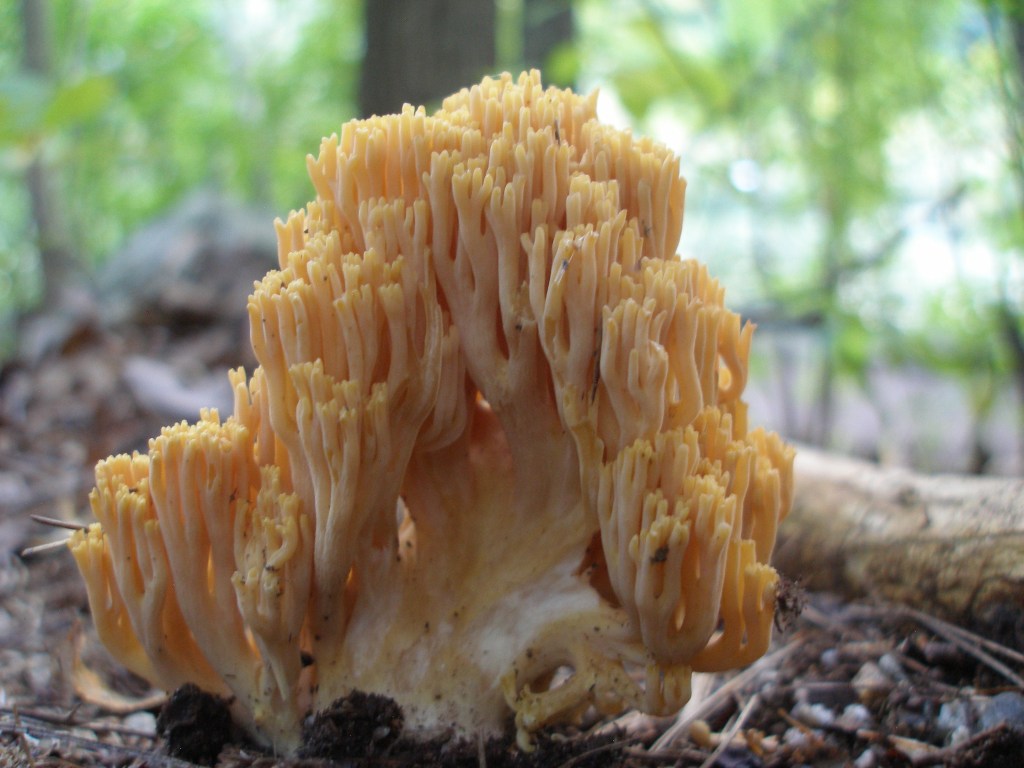
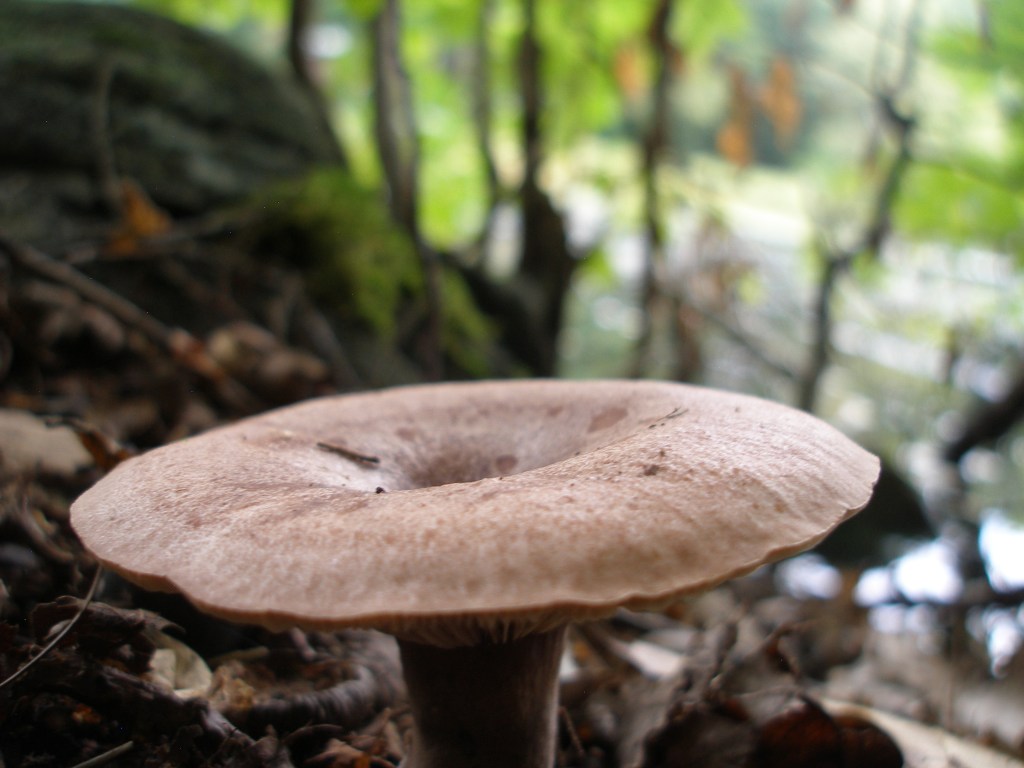
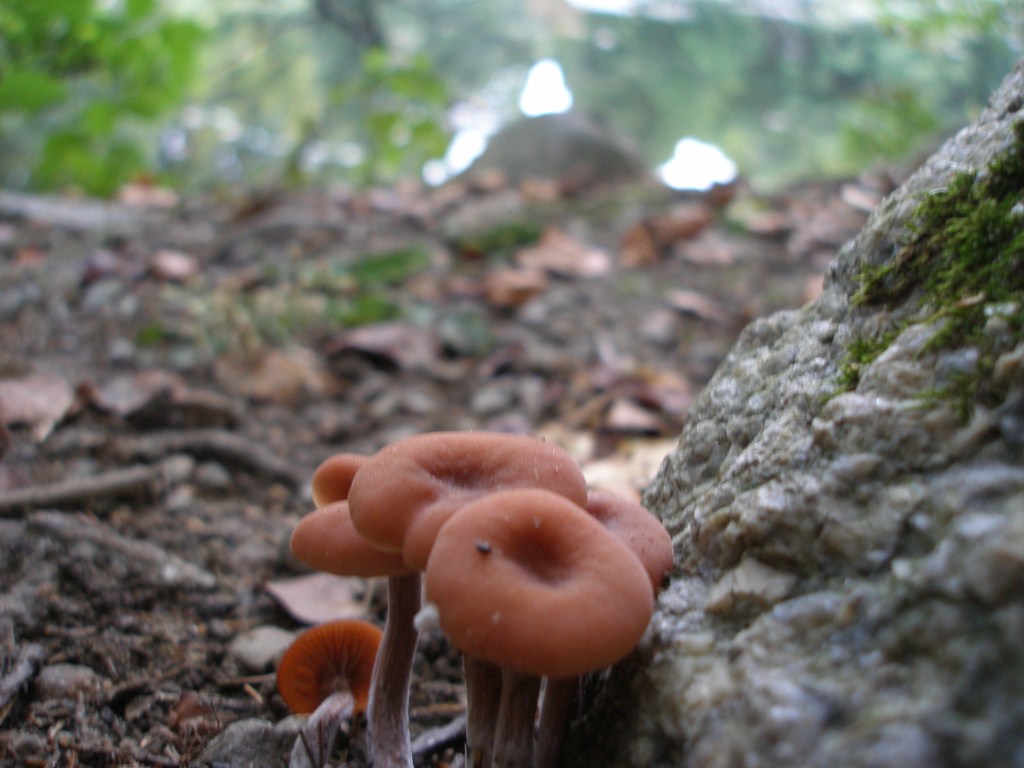
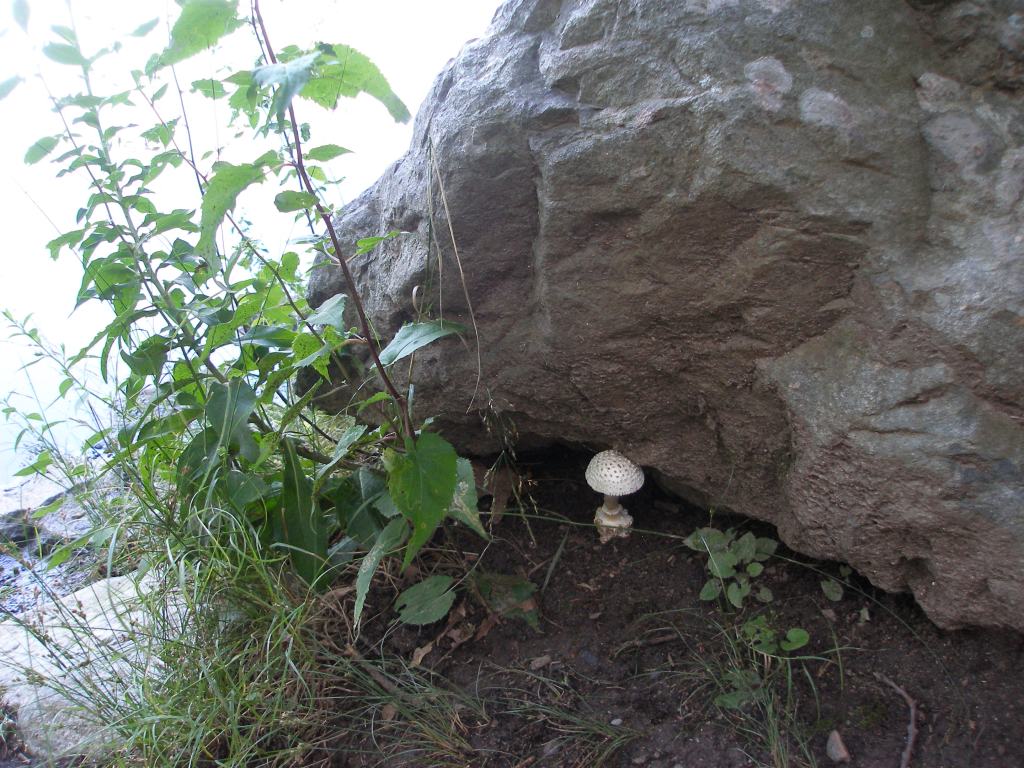
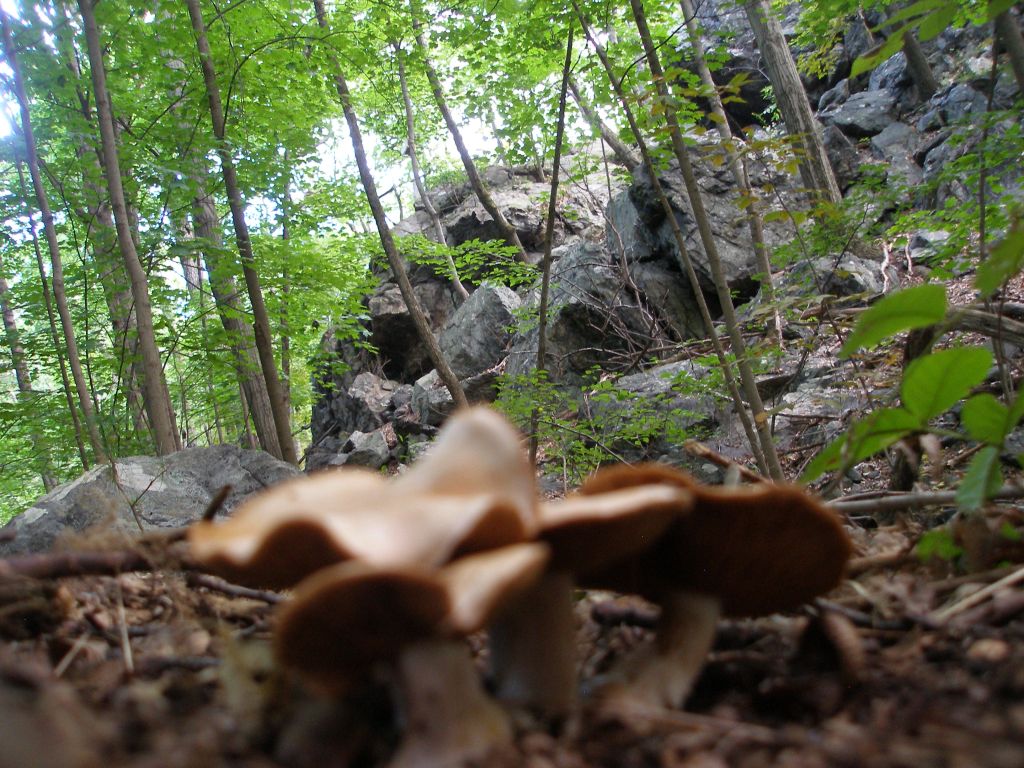
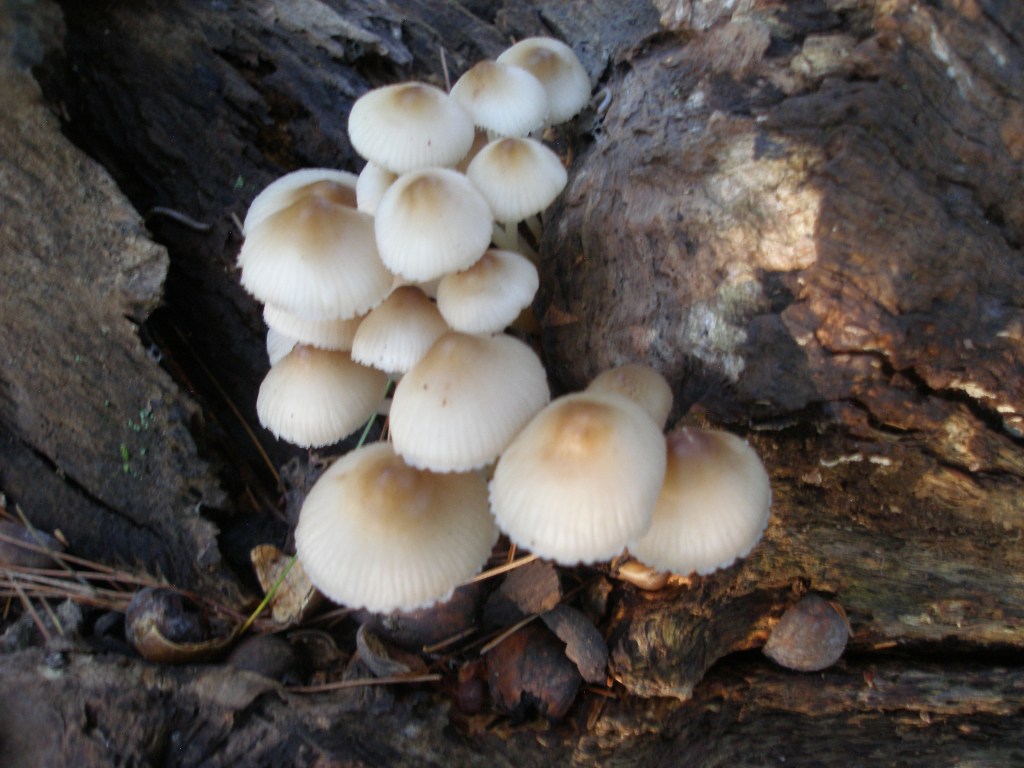
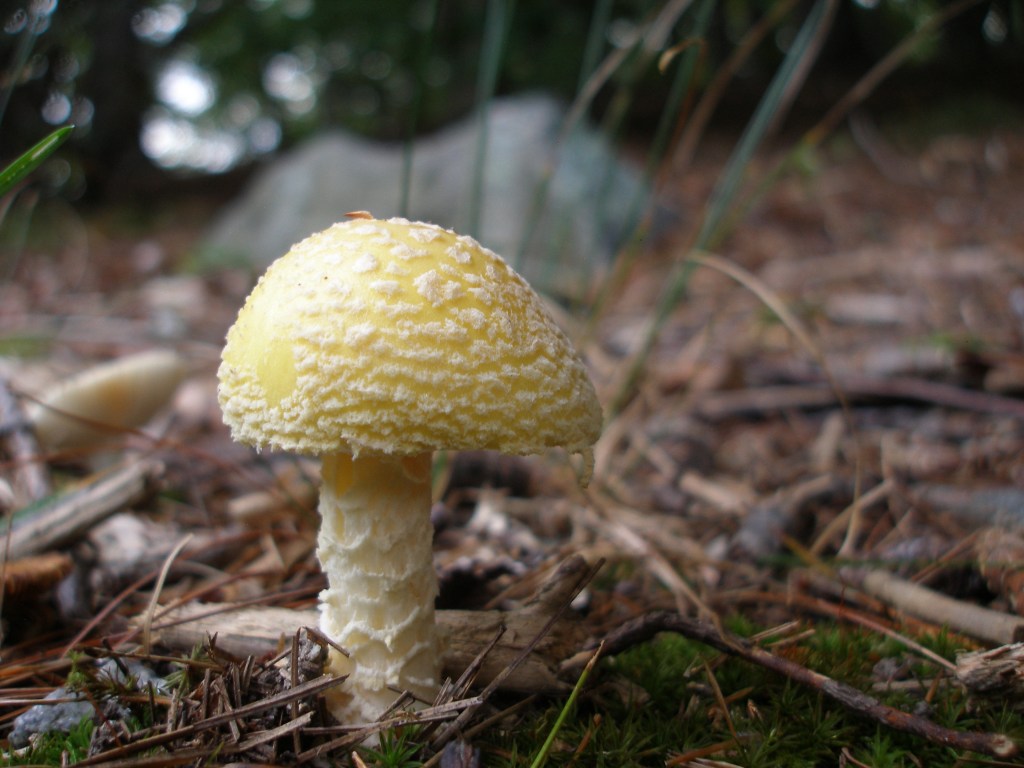
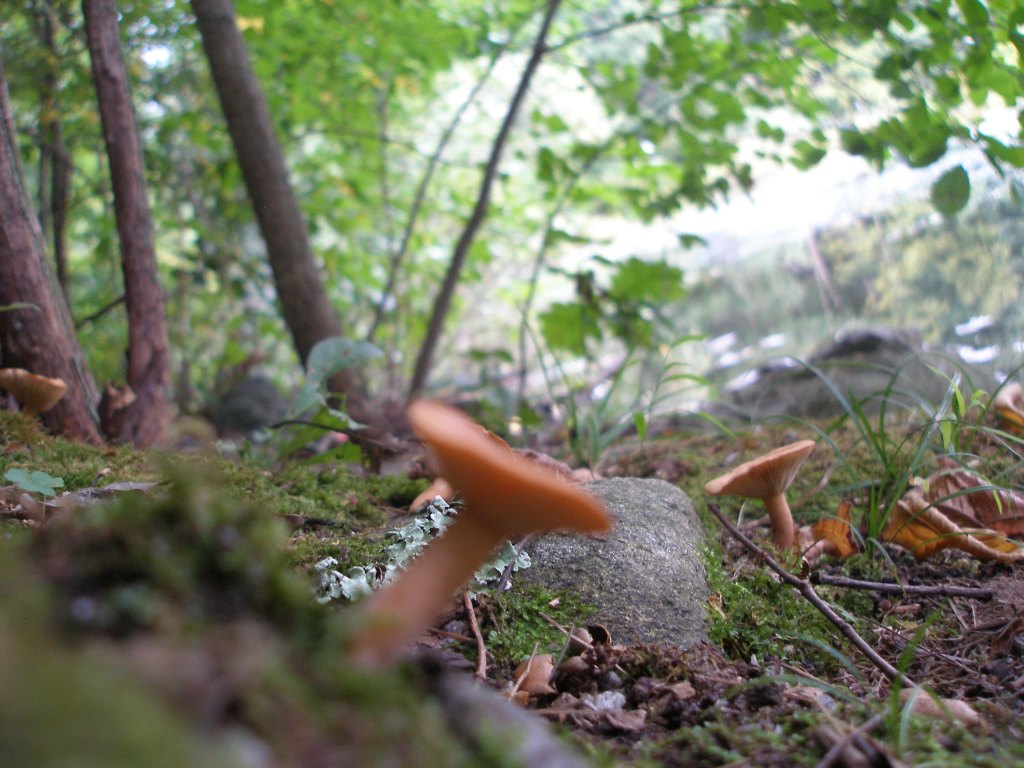
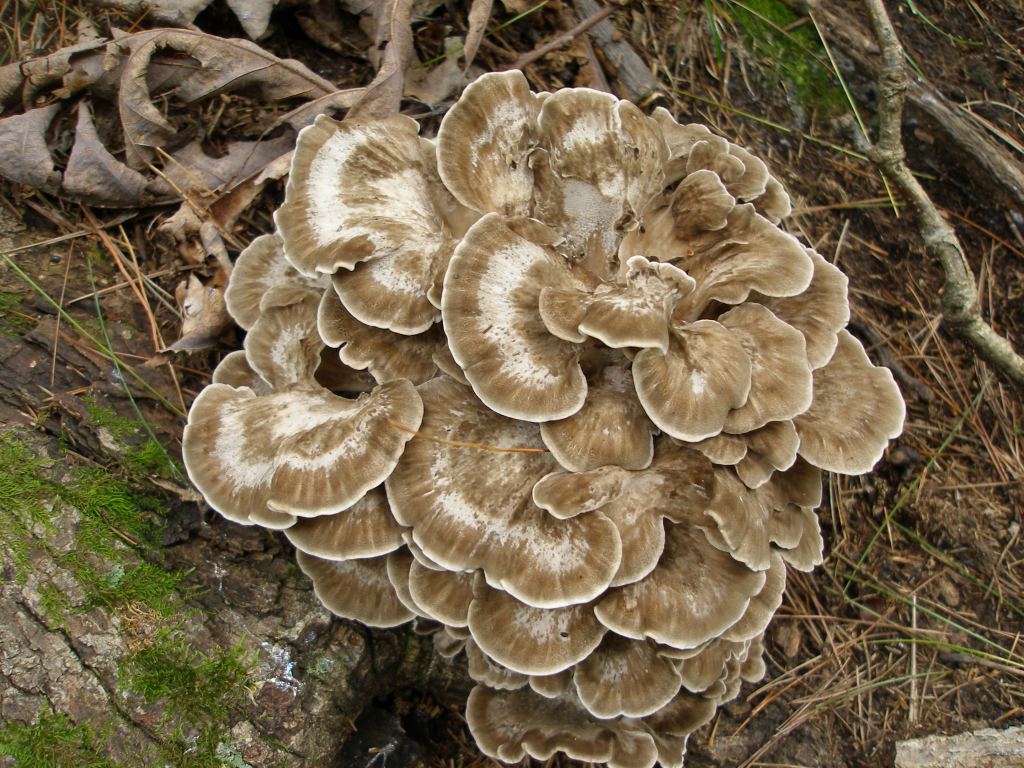
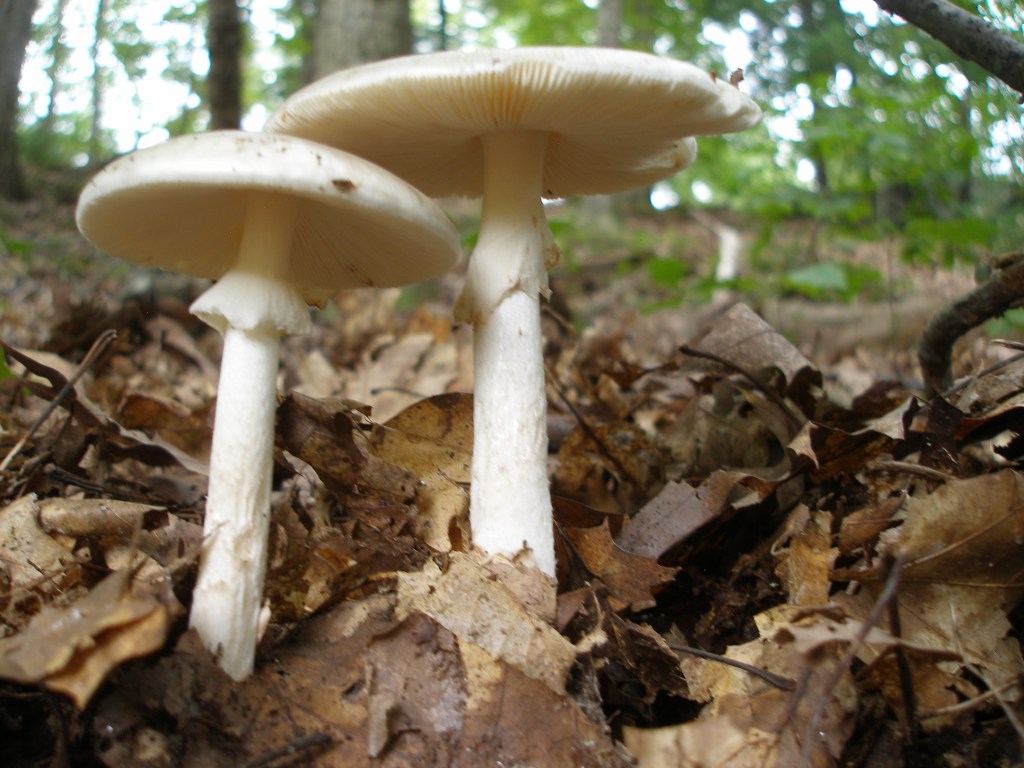
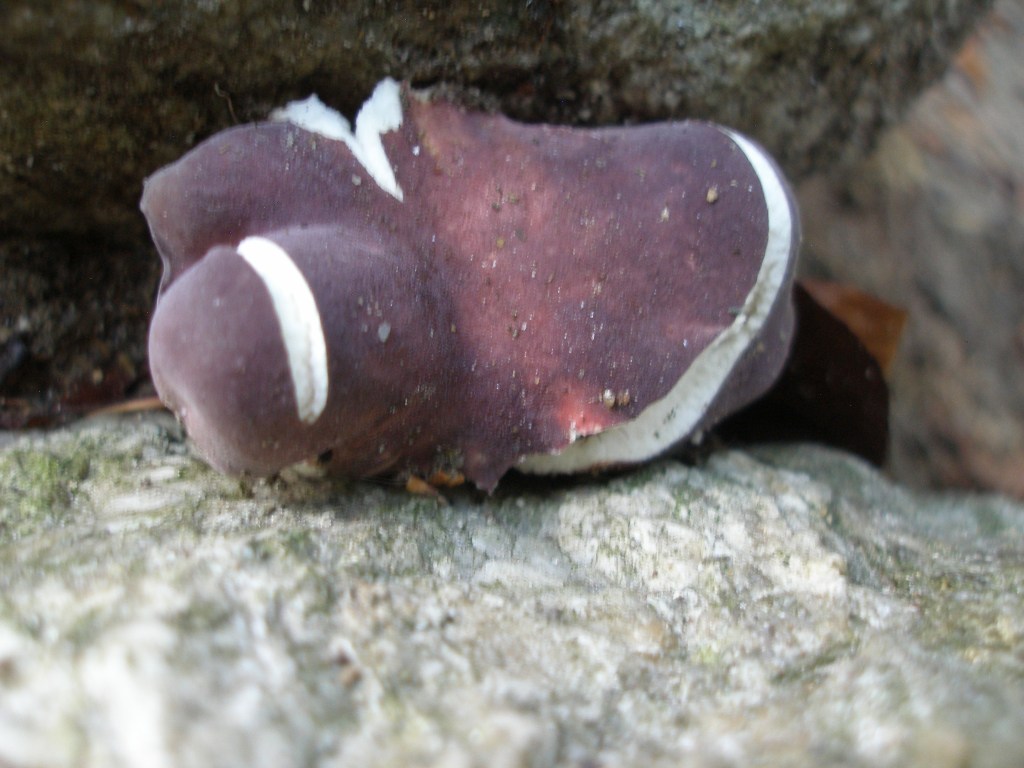
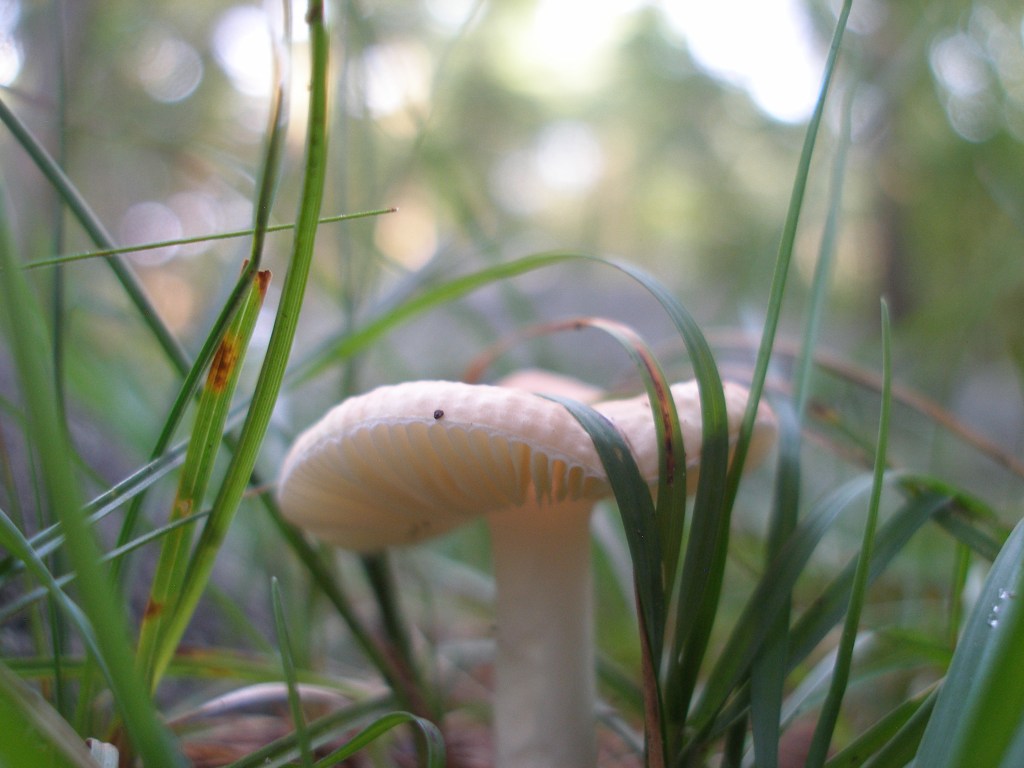
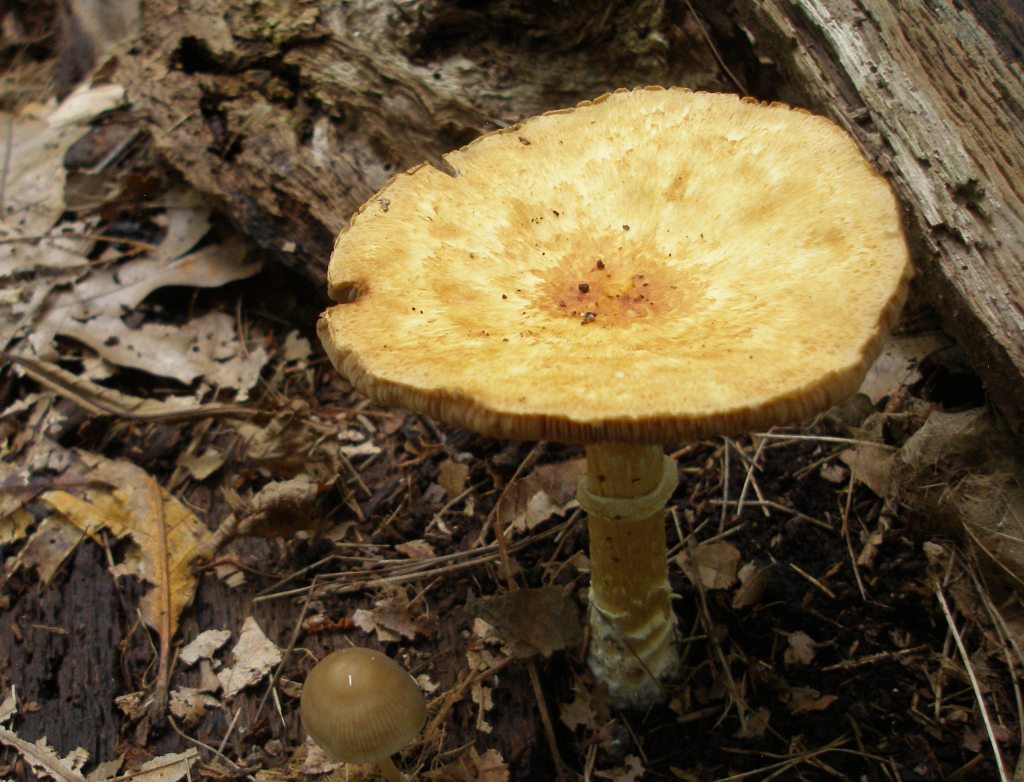
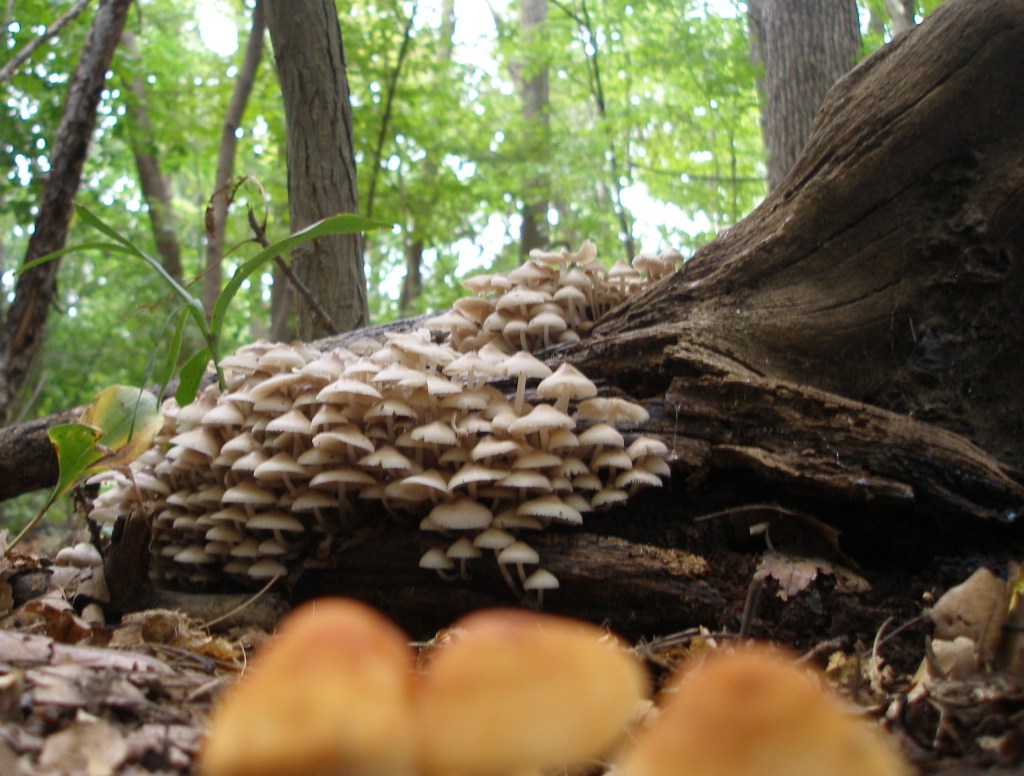
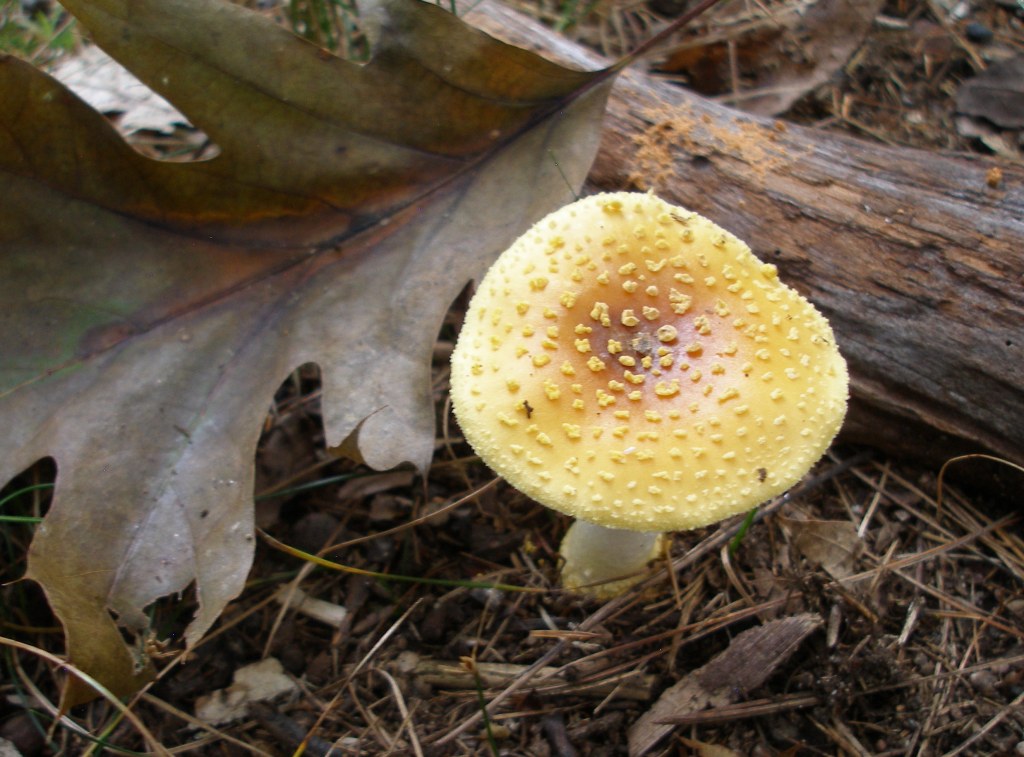
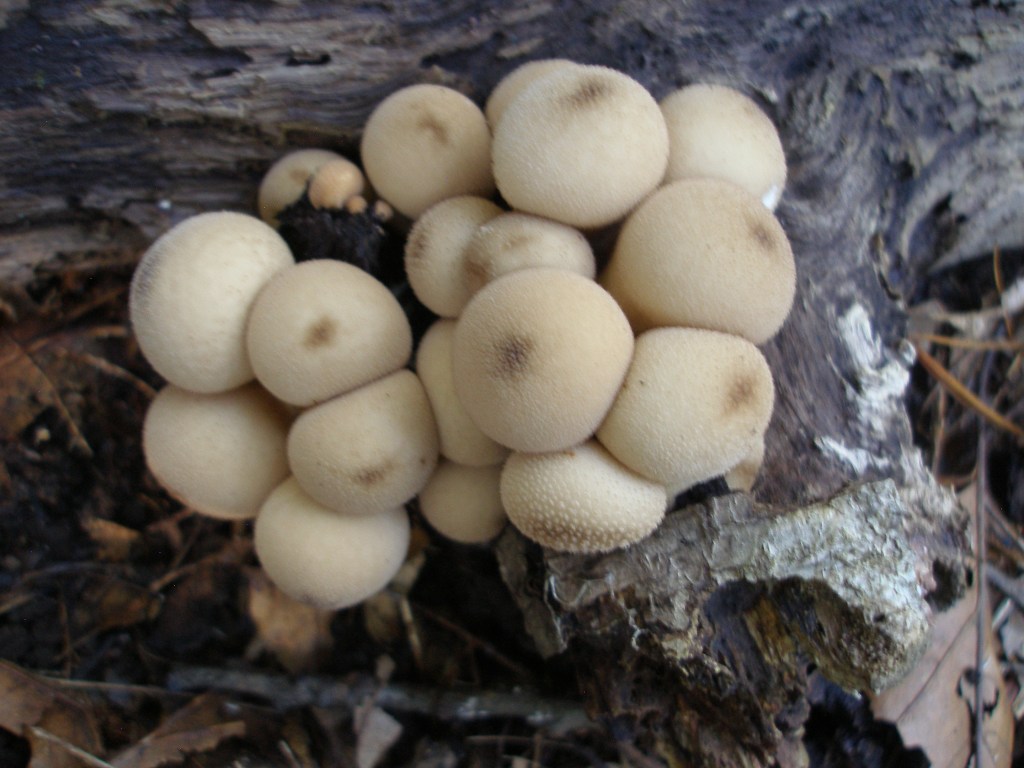
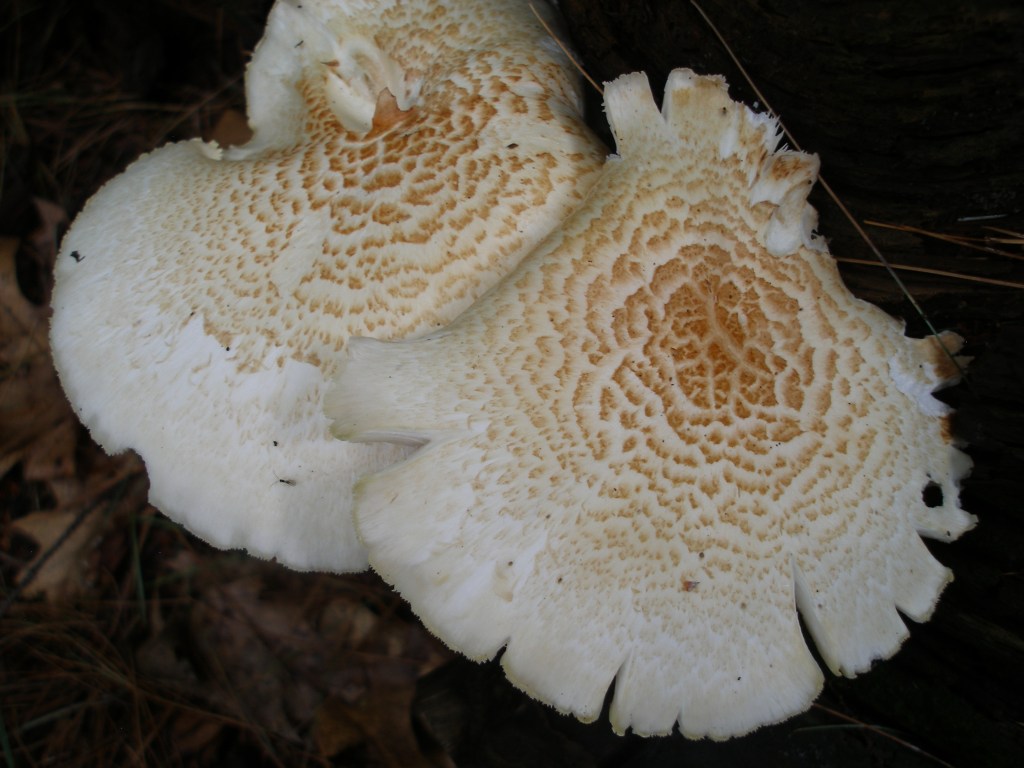
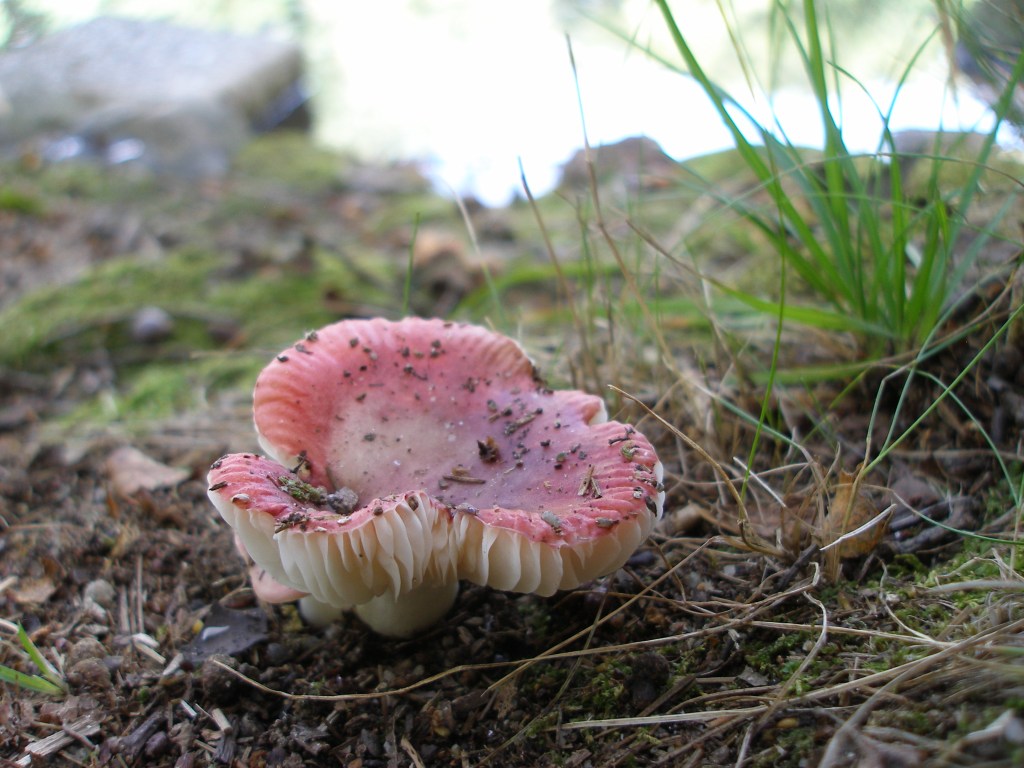
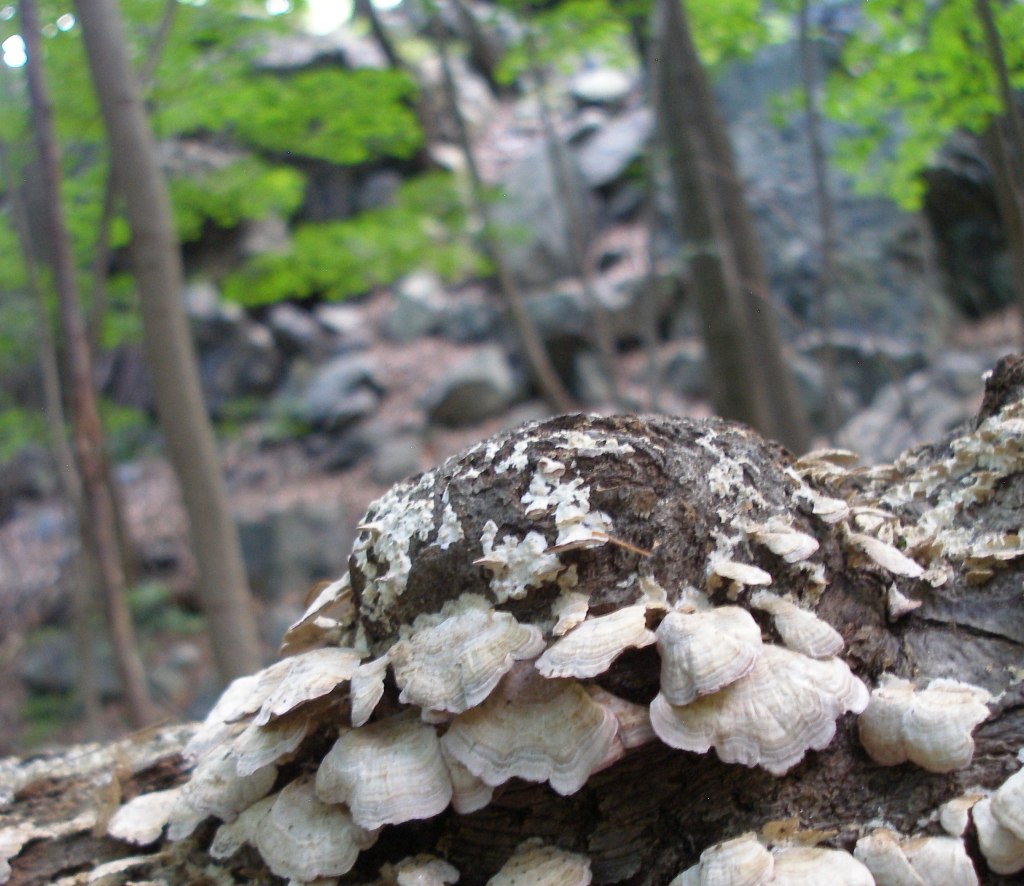
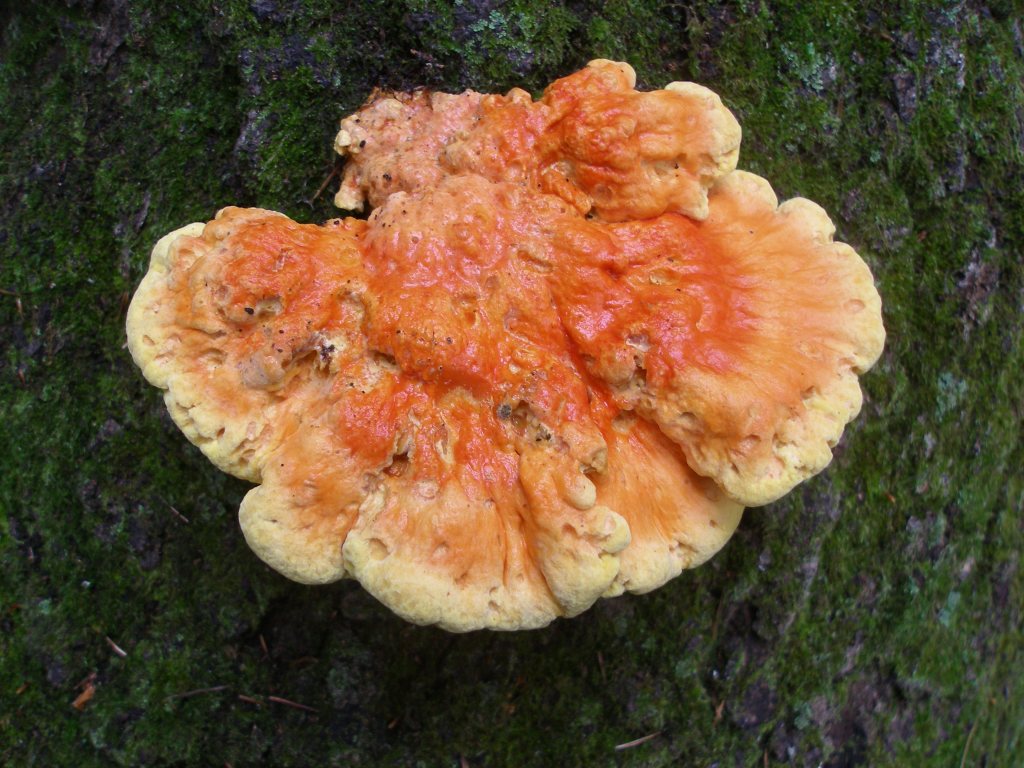
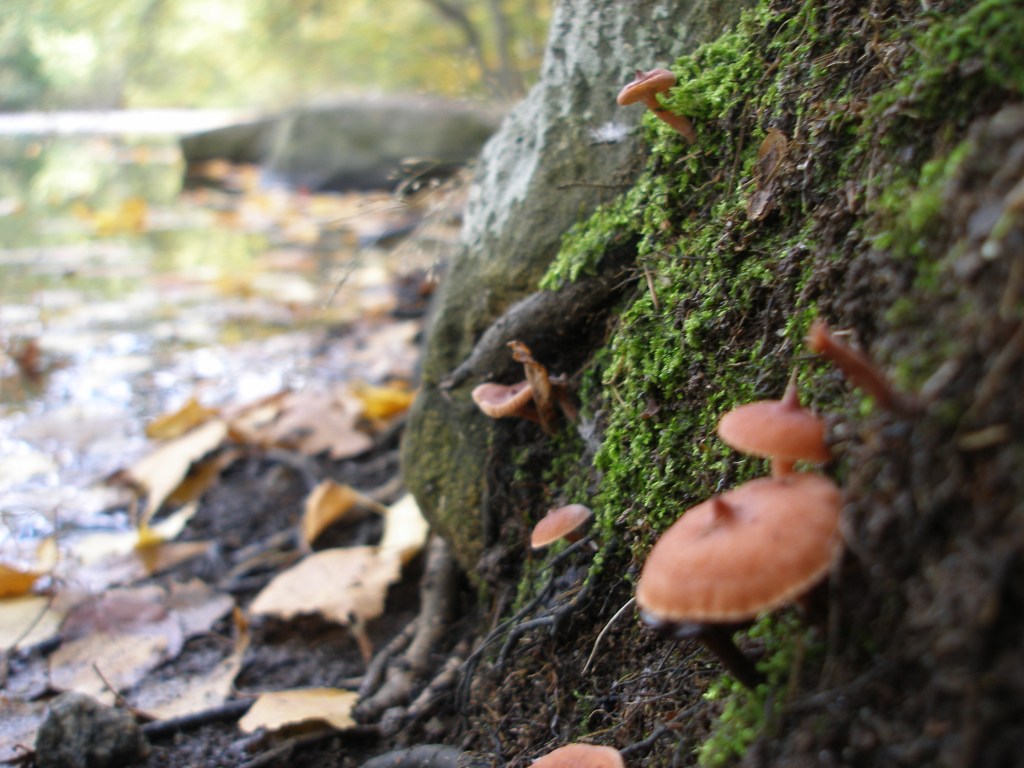
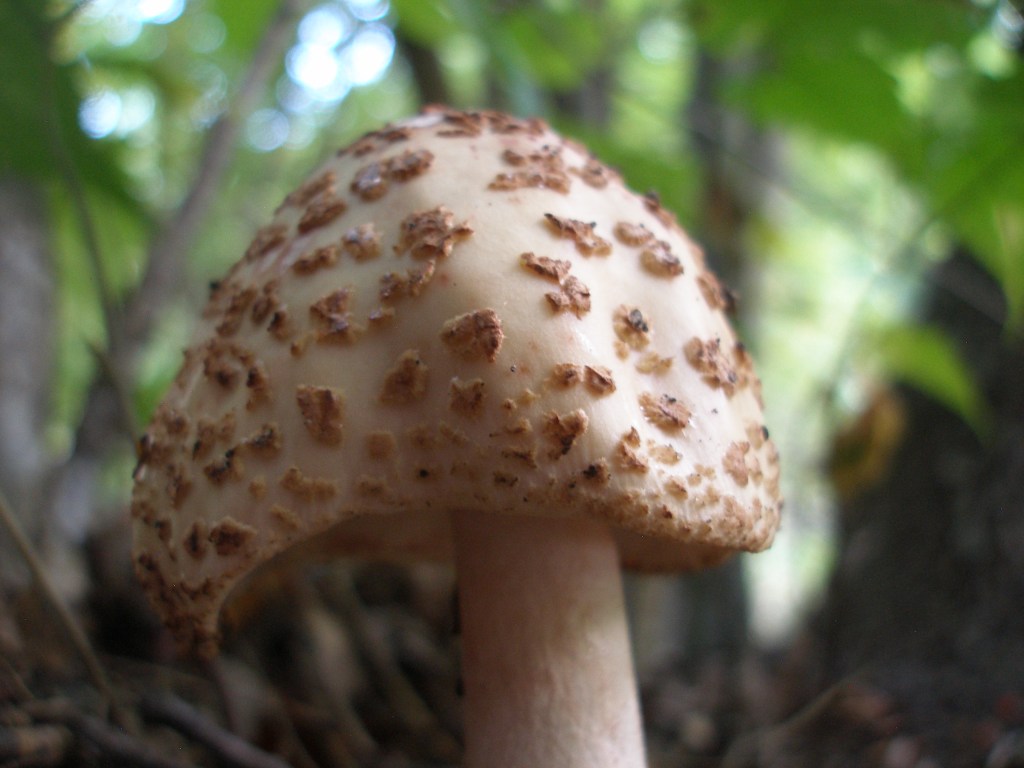
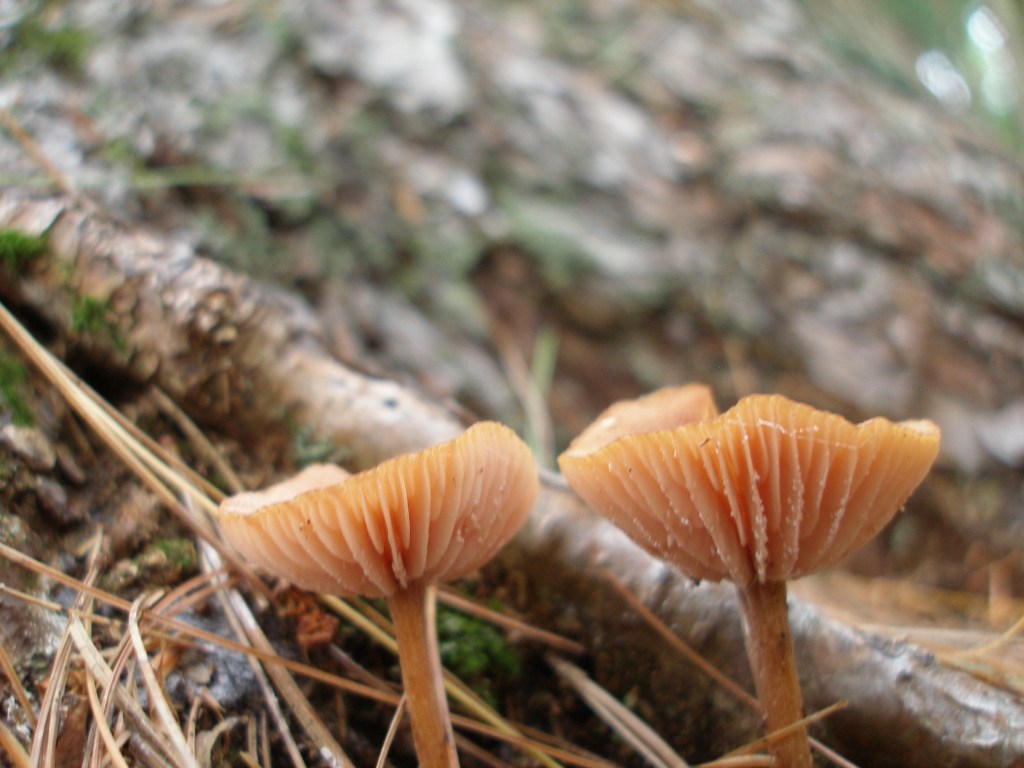
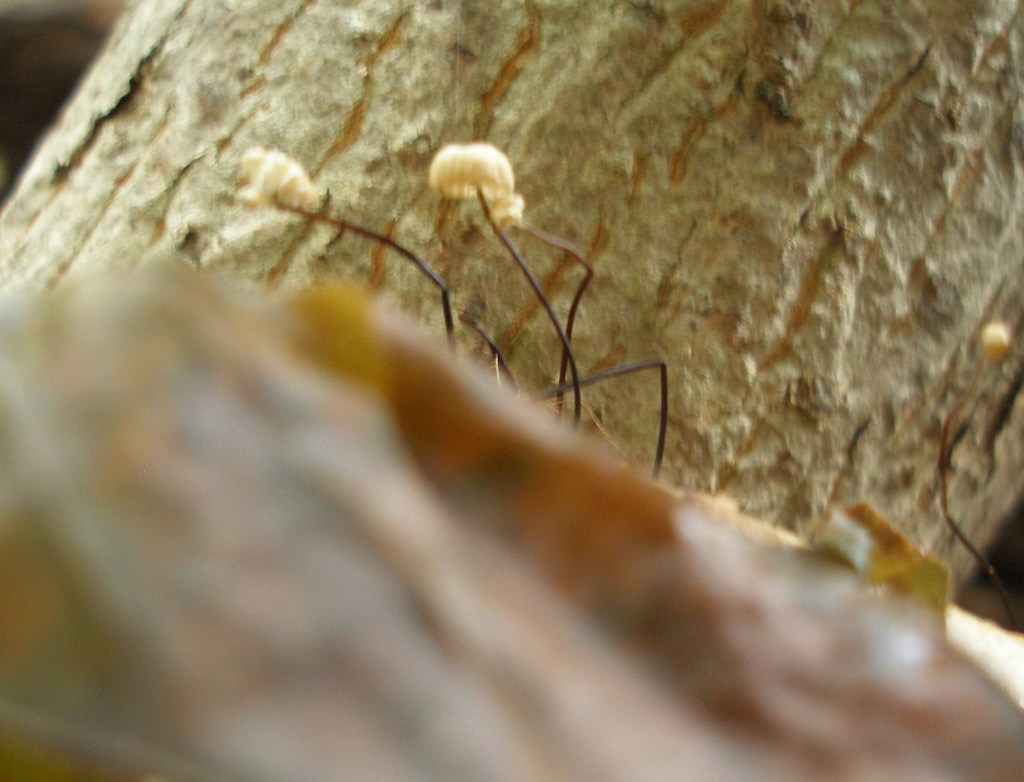
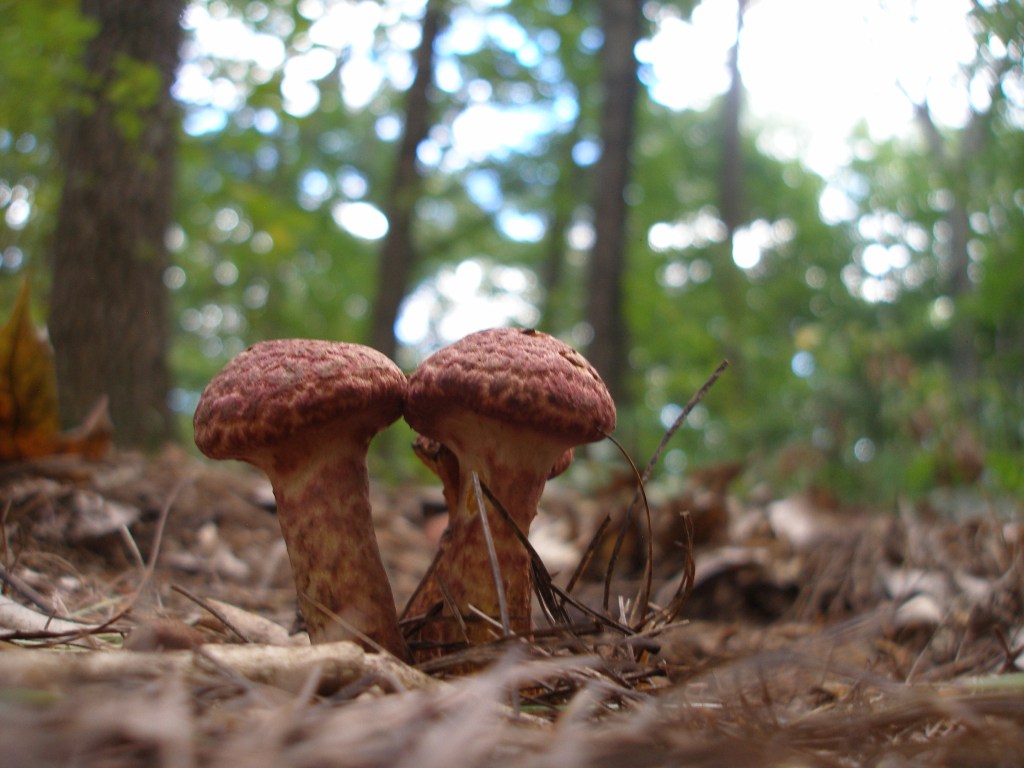
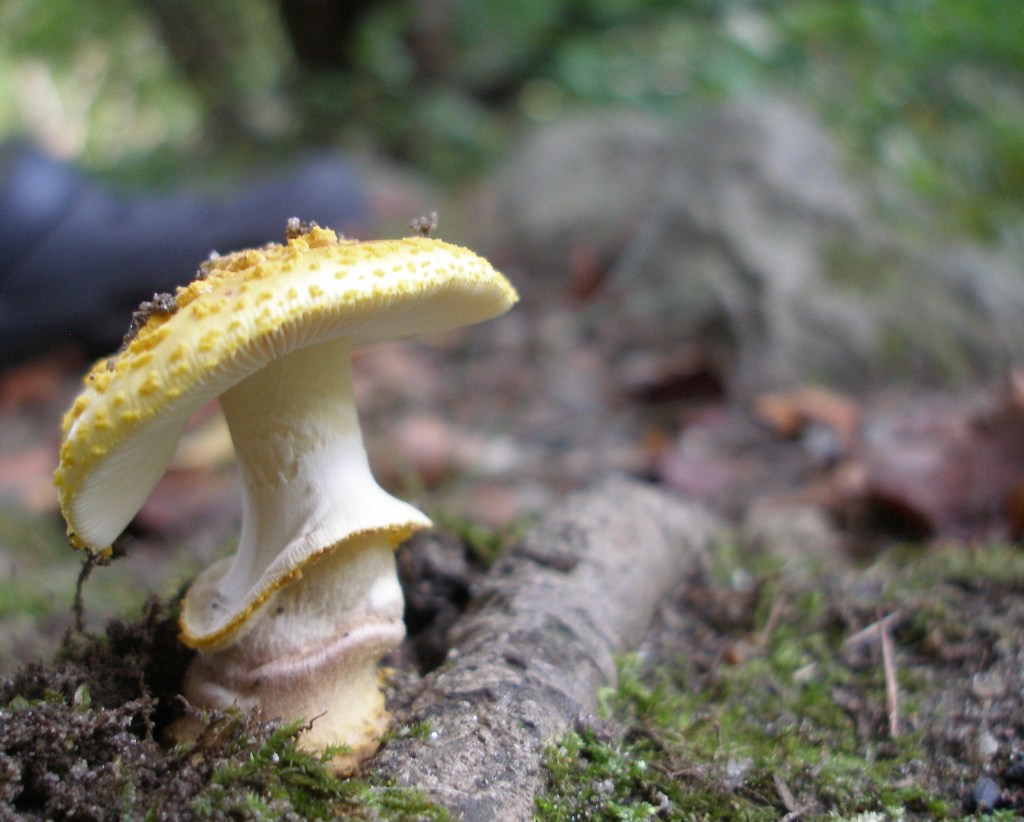
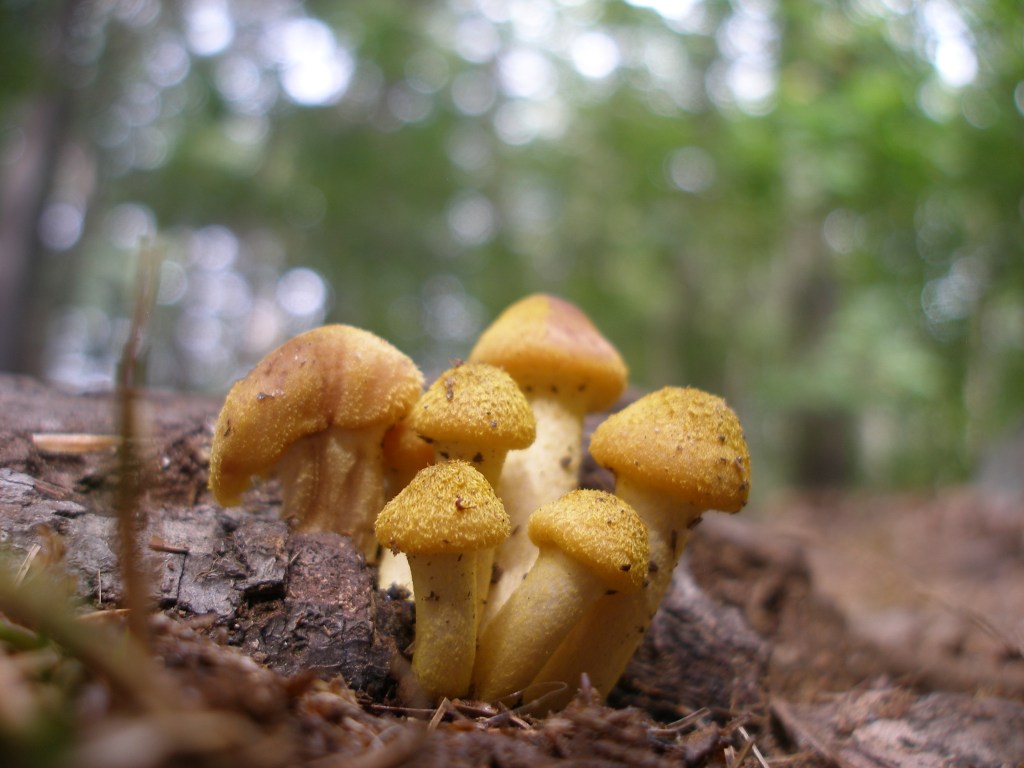
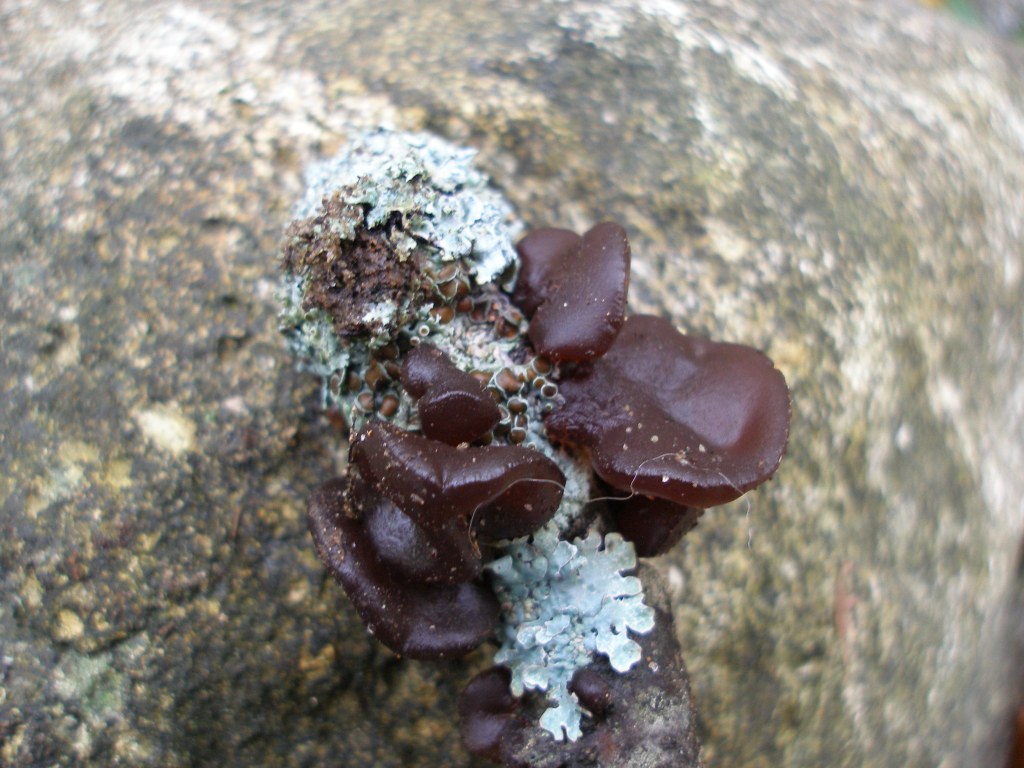
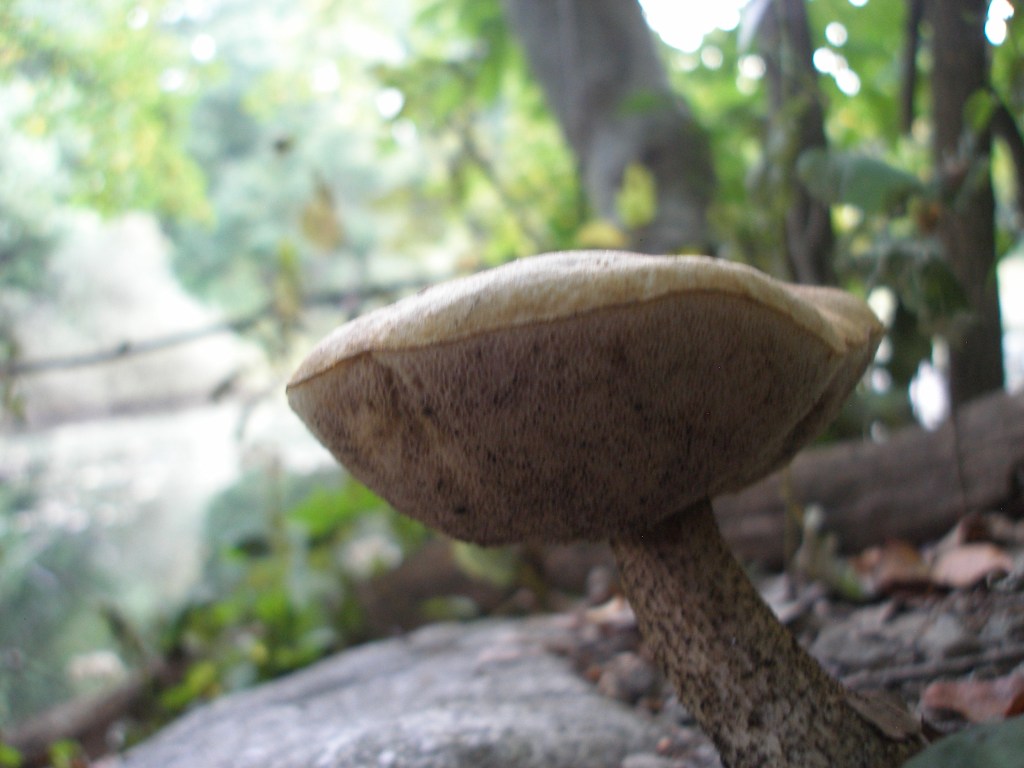
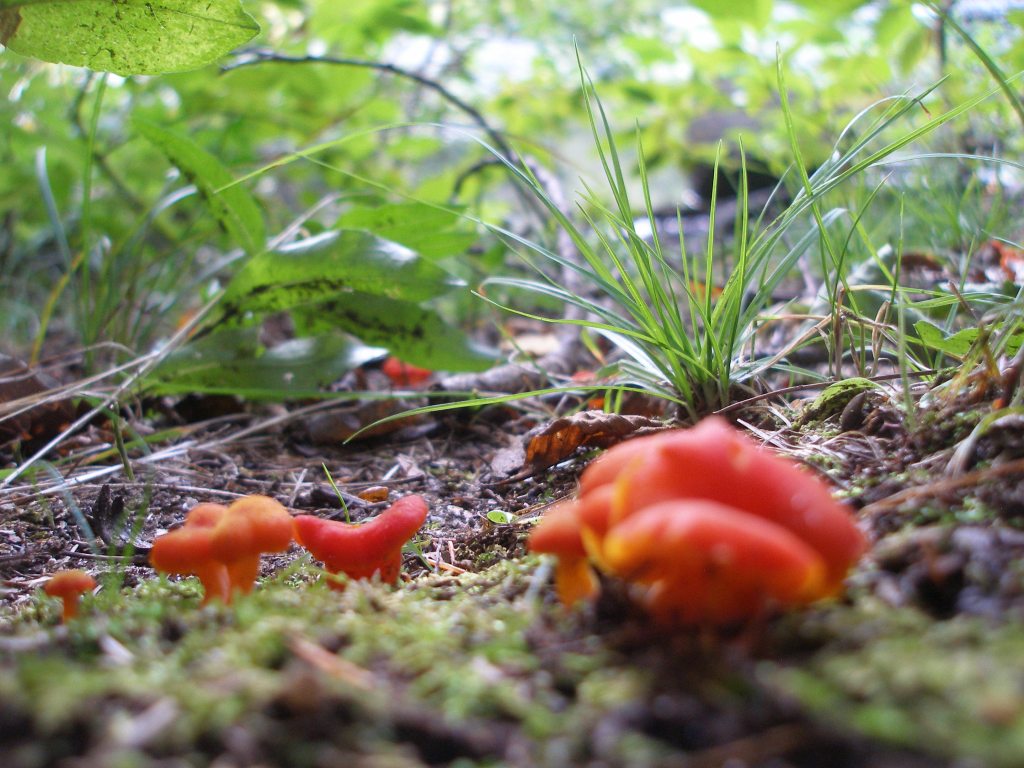
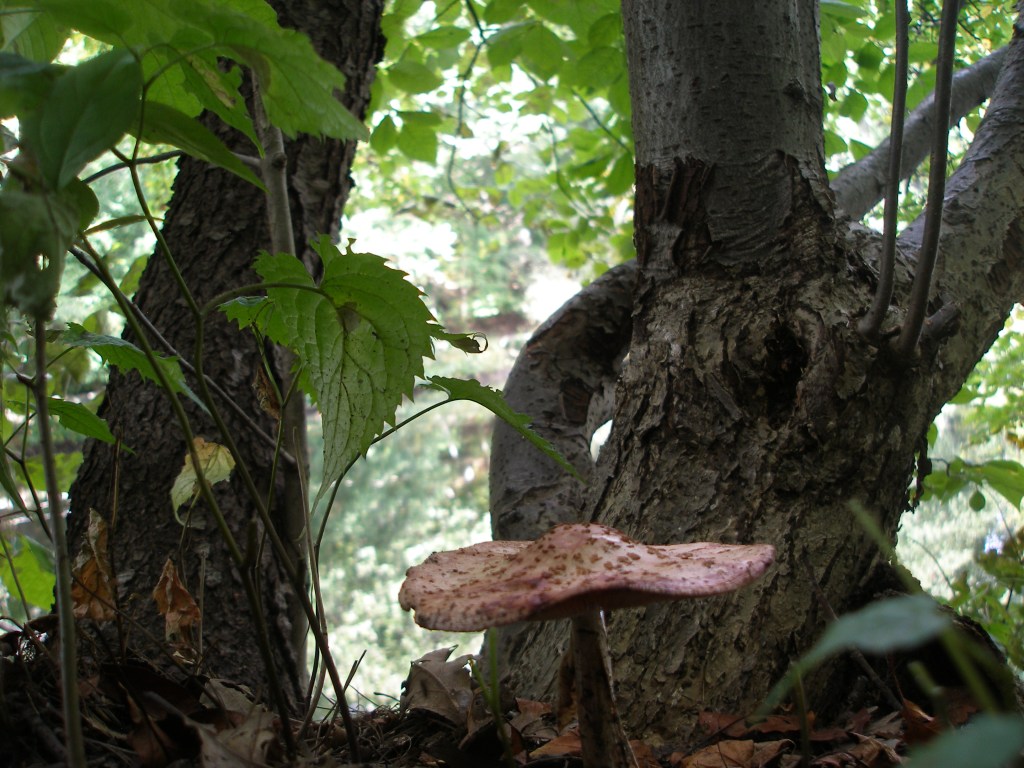
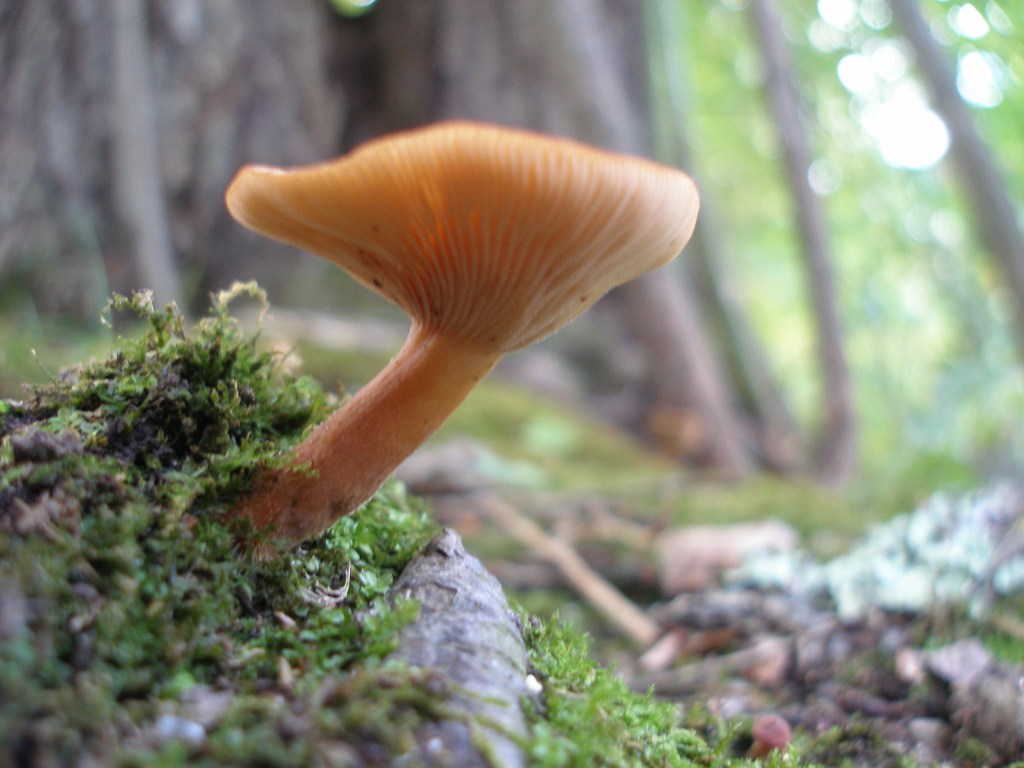
Nature is constantly shifting and not just with the normal seasonal changes these days. This early fall, I would certainly welcome some quiet green time on my morning walks in Menotomy Rocks Park (Arlington, Massachusetts, USA), but nature had its own ideas. After abundant rain all summer, amazing fungi were popping up everywhere and calling out to have their portraits taken. In the last photo below, the lighting was perfect to capture falling spores.

For those interested in learning more, Merlin Sheldrake’s, Entangled Life; How Fungi Make Our Worlds, Change Our Minds & Shape Our Futures seems destined to become a modern classic with its vivid descriptions and wonderful stories. His ability to convey his appreciation of the finely tuned relationships in the network of life seems highly relevant in our times when that understanding is so badly needed.

Eye Training for Backyard Gardeners

Training to become a garden designer in Japan may involve apprenticeship to a master designer and years of traveling to view beautiful natural and manmade landscapes. Few of us desire (or can afford) to spend years doing that, but there are many ways we can train ourselves. For those in the Western world who wish to create their own Japanese gardens, it is possible to design a self-study program using ideas from the Japanese training process. Here are some ideas which helped me train my own eyes in Japanese aesthetics.

  • Visit places of natural beauty: An early goal might be to simply observe nature in a totally open way. With practice, it becomes possible to understand what it is about a specific scene that produces a particular response. I visit places of natural beauty regularly and particularly value a park within walking distance which teaches me about local conditions. If I have a strong emotional response, I take a picture to assist me in determining why.
  • Look Inward: Aspects of places which had special meaning to me as a child can be incorporated in a garden design. In my case, I have a special love for mossy woodsy places based on camping trips. The Inward Garden. by Julie Moir Messervy, provides excellent guidance in this process.

  • Experience Japanese gardens: Viewing Japanese gardens teaches how limited elements can be used to suggest various places, moods and subtle natural relationships like the curve of a river bank. If possible develop a relationship with a Japanese garden within traveling distance and visit it at different times of day, in different weather conditions, and in all seasons. Of course, an actual trip to Japan would be wonderful.

  • Learn to sketch: I have found it very useful to make sketches of natural settings and of Japanese gardens. Sketching nature requires me to focus on the essential elements in a scene, and it also helps me focus on the most important details.

  • Study design principles: Many books as well as this Journal* describe principles which apply to Japanese gardens. The academic study of design principles won’t replace the experience of working under a master designer, but it is valuable nonetheless. As to learning from books, I have found it easier to relate to the more intimate and modest courtyard gardens and residential garden designs for practical ideas, but I also value the many spectacular images of larger Japanese gardens for all the various ways they teach me about beauty.

  • Learn by doing: The garden in your own yard can serve as a laboratory and teacher, and it can be a reflection of your own personal development. In the early stages, rocks and plants moved around a lot until ‘they found their homes.’ Once I had a clear idea of the topography of my garden and the effects I cared about achieving, I found that scale and composition were paramount.

  • Keep a garden album: An album with photographs, drawings and notes provides me with a record of how the garden has changed over time, and how it looks in different seasons. It is satisfying to see what has changed, and improved as a result of my efforts.

*This article was originally published in the November/December, 1998 issue of the Journal of Japanese Gardening, which has since been renamed Sukiya Living; The Journal of Japanese Gardening.

Intelligent Adaptation

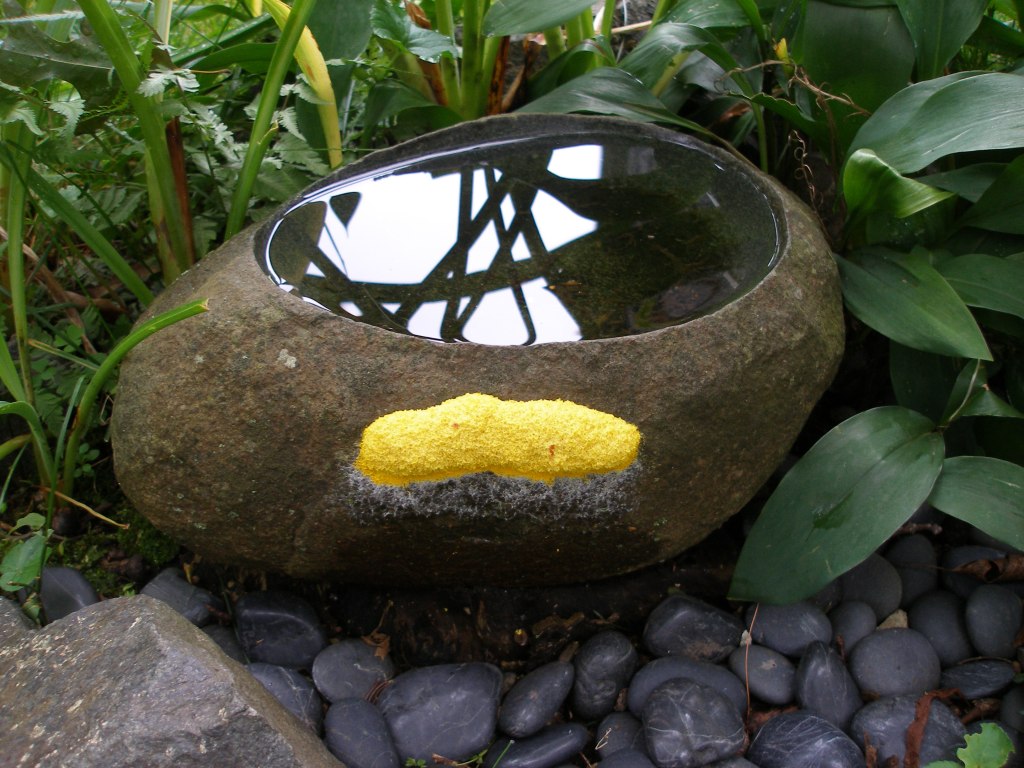
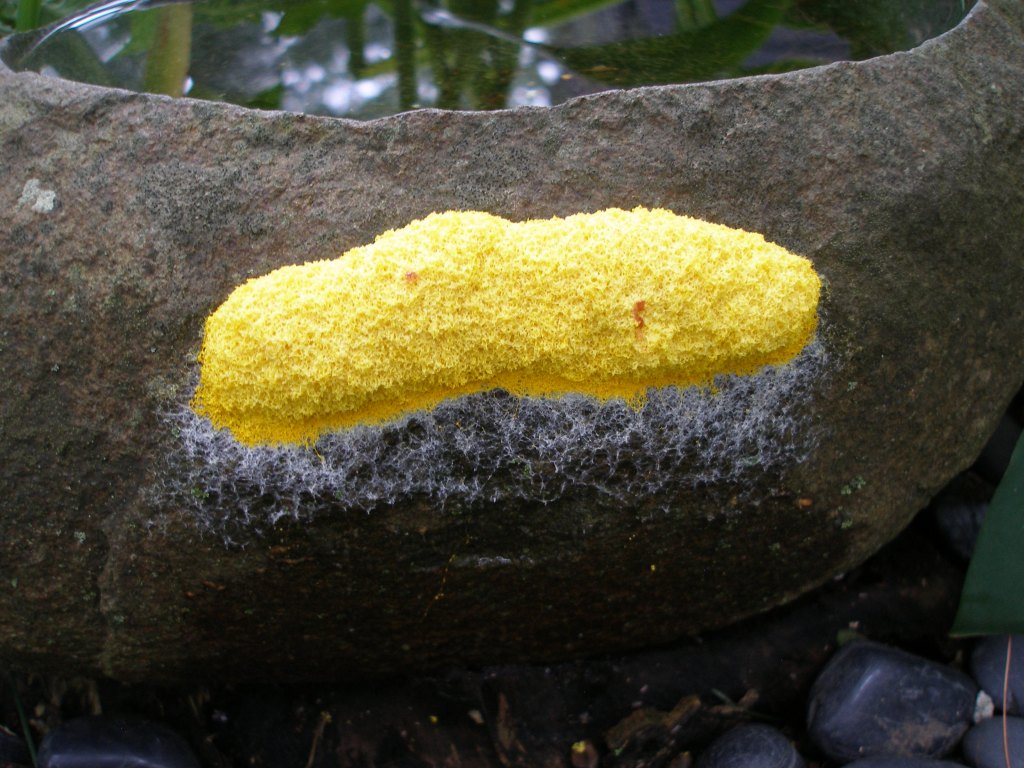
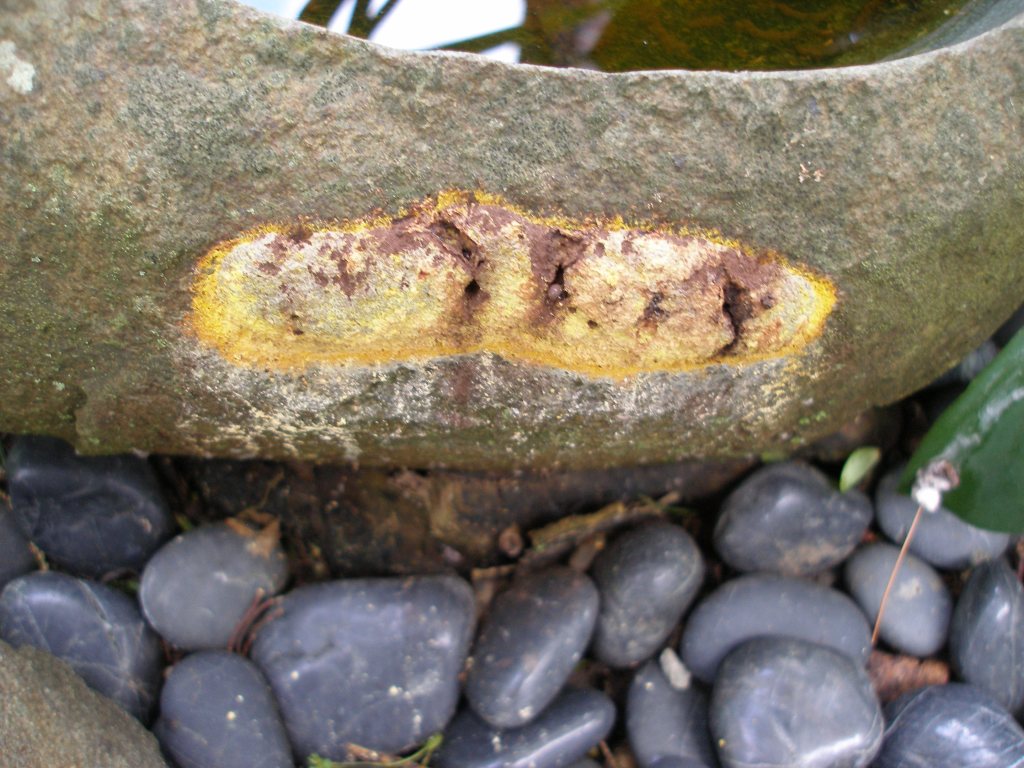
Spending more time observing nature has provided me with opportunities to observe examples of intelligent adaptation up close. When a yellow patch moved up the side of a small basin, I thought this must be a slime mold. These wonderful beings that are neither animals nor plants, make intelligent decisions. After a series of rainy days, this fuligo septica had found a suitable dry place to make a fruiting body and release spores.

Nonhuman intelligence is all over the place. I thought of the octopus in the award winning documentary, My Octopus Teacher, and parrots with brains more similar to our own. These birds make tools, dance and tap out rhythms with small sticks up in trees, seemingly for the pure joy of it. Even mice turn out to be efficient learners with aha moments. And we humans continue to learn how to make natural disasters less disastrous.

Nature is still here teaching lessons. It feels like we might be gaining a new appreciation for how much we can and should care about that. There is a new interest in trees, fungi and how we, too, are dependent upon an interconnected web of life. Even as we grieve actual and imminent losses, many are reconsidering priorities, and leaving stressful jobs with long hours. Time to appreciate and ponder may be one of the most precious resources we have.

Garden Portraits: Holding My Camera Sideways

My garden is a haven more than ever now; a place to get away not only from too much togetherness but from the unsettling news that blasts from the radio and television. When a particular application required that I submit a garden photo with a “portrait” orientation, I found I had vertical shots of trees, leaves and lanterns, but not one that gave a sense for the garden as a place.

So I went out with my camera held up sideways. The first three shots are the result. They surprised me. Compared to the other shots I had taken in this orientation, these three revealed how what I planned and what nature provided worked together; how we had been working together in partnership for some time now.


Pandemic Stories: Art in Nature, An Invitation

When I first came across the installation in Menotomy Rocks Park, early morning light streamed through the trees onto the translucent flags. A sign explained that Nilou Moochhala, the 2021 Artist in Residence in Arlington, Massachusetts had created this work, “Reflecting on Our Pandemic Experience.” As she describes, individual flags were designed in response to interviews she conducted with a diverse cross section of this town of 50,000.

Words were embedded in the flags’ design. I found Freedom, Madness, Tolerance, Humanity, Denial, Inclusive, Collaborative, Wary, Grateful, Unreal, Healing, Cautious, Overwhelming, Devastating, Love, Comforting and Confusing among others. Patterns and colors out to the edges suggested that the stories that inspired the multi-media flag drawings are still going on.

The words, patterns and colors all seemed part of a lively conversation going on within and among the flags, and I was being invited to join in – literally, as I learned. There was an opportunity to add my own responses to the pandemic via an online questionnaire. All responses plus this art work would remain in an archive at the local library.

We are connected like the flags by this pandemic, I thought. None of us can escape being affected in one way or another. Nilou’s art asks us to bear witness to the diversity of experiences. While there are great challenges, grief and suffering, the flags remind us that supportive connection and even growth are also still possible in these dark times. This art asks us not to turn away but toward. It asks us to hold and honor all of it with kindness and care.

Closeup of section of a sign posted at the installation.
Closeup of section of a sign posted at the installation.

Closeup of section of a sign posted at the installation.
Trouble at Menotomy Rocks Park

According to Don Mattheisen’s Menotomy Rocks Park; A Centennial History, this woodland park in the midst of a dense grid of small yards in Arlington, Massachusetts, USA was once called “Devils Den.” Transforming its tangled woods with looming granite outcrops and a swamp into a usable park took considerable will, expense and effort. When muck and leaves began to fill the pond, the town once again secured funds to dredge it out and installed aeration devices.

It was particularly colorful there last October when I started capturing what I noticed there as the seasons changed. It seemed like the ducks had begun to follow me as I walked around the pond. But as the winter’s snow compacted to ice on the paths, only a few ducks remained. In early spring, turtles clustered on a rock jutting out from a wetland area by the side of the pond. Two swans probed for tender new shoots and a pair of Canada geese acted as if this pond was their personal resort. A muskrat swam over to hide in plain view under foliage by the water’s edge and a bull frog’s loud call startled a dog walking by with its owner.

By late May, the robins and red wing blackbirds were as plentiful as ever, but there was only a single duck to be seen, sleeping atop a boulder. Perhaps the others had left to raise their young in a safer place away from dogs and snapping turtles. Then I saw a notice – fish had died and water testing had been requested. As if to ensure I had gotten the message, I saw a squirrel lying by the side of the road next to a rock as I left the park. It was still breathing. I spoke to it in gentle tones wishing it (and all of us) well.

Threats to the natural environment are ever more apparent, and I will continue adding updates to this post if I notice other signs of trouble in Menotomy Rocks Park that are worth sharing.

Only a single duck slept high on a boulder in late May

Many ducks of various species frequented the pond last October

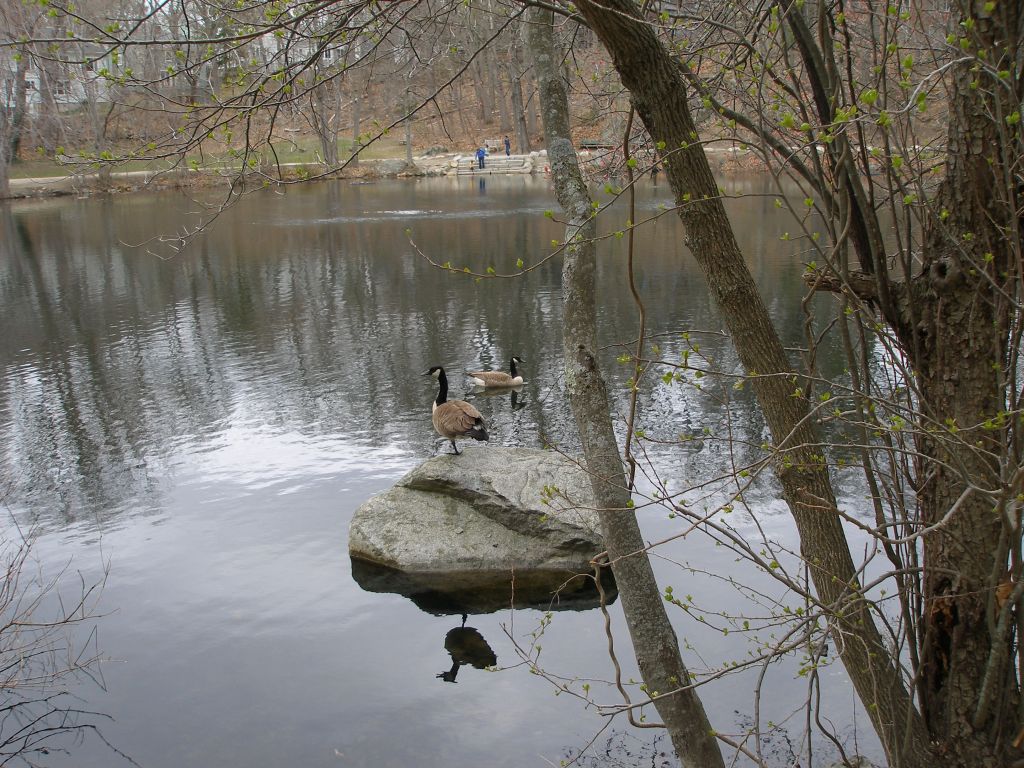
A pair of Canada geese came in early March and stayed for several weeks

Turtles sunning themselves on a rock jutting into the pond on one of the first warm days

Swans probing for tender young shoots in the wetland at the side of the pond

Looking a bit like a small beaver, this muskrat has a narrow tail

The muskrat with its head poking up looks like a rock or log by the edge of the pond
A bullfrog making a rare appearance out in the open on a rock where it can be seen.
A raccoon to left of the tree trunk stared at me while I took its portrait
This park is lucky – people care and have the resources to work at preserving its health. May testing found the water was safe, however later testing in September found toxic algal bloom:
Warning sign posted
Hills pond was treated one year later
Another kind of trouble – rat poison killing owls as well – spring 2022