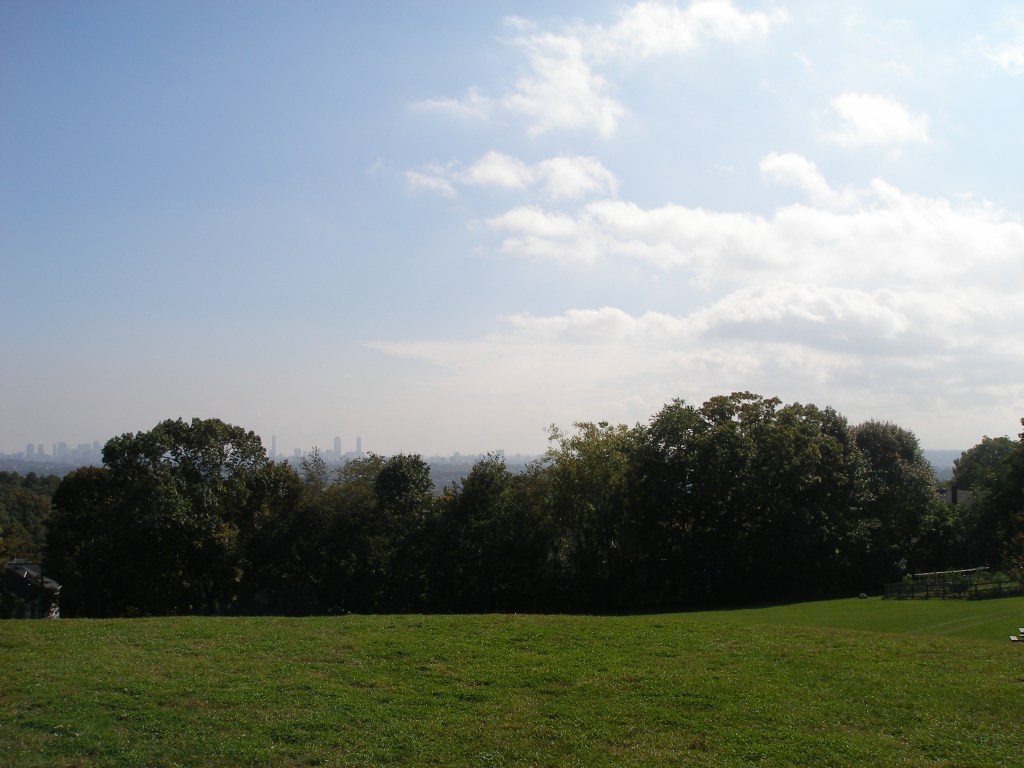
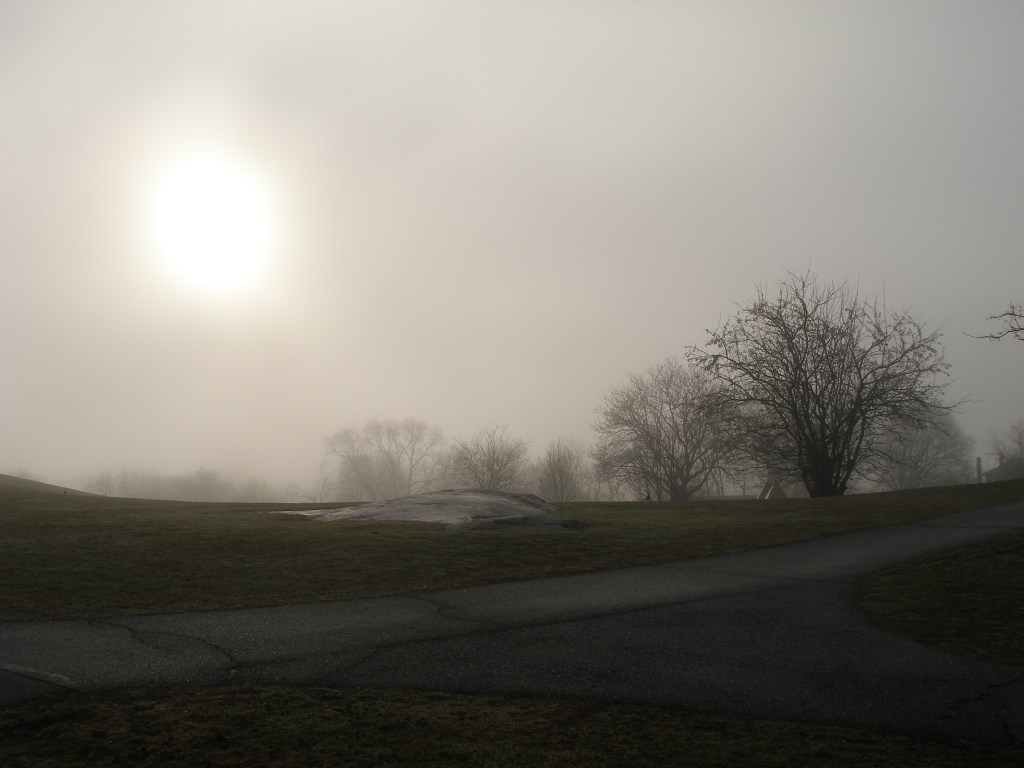
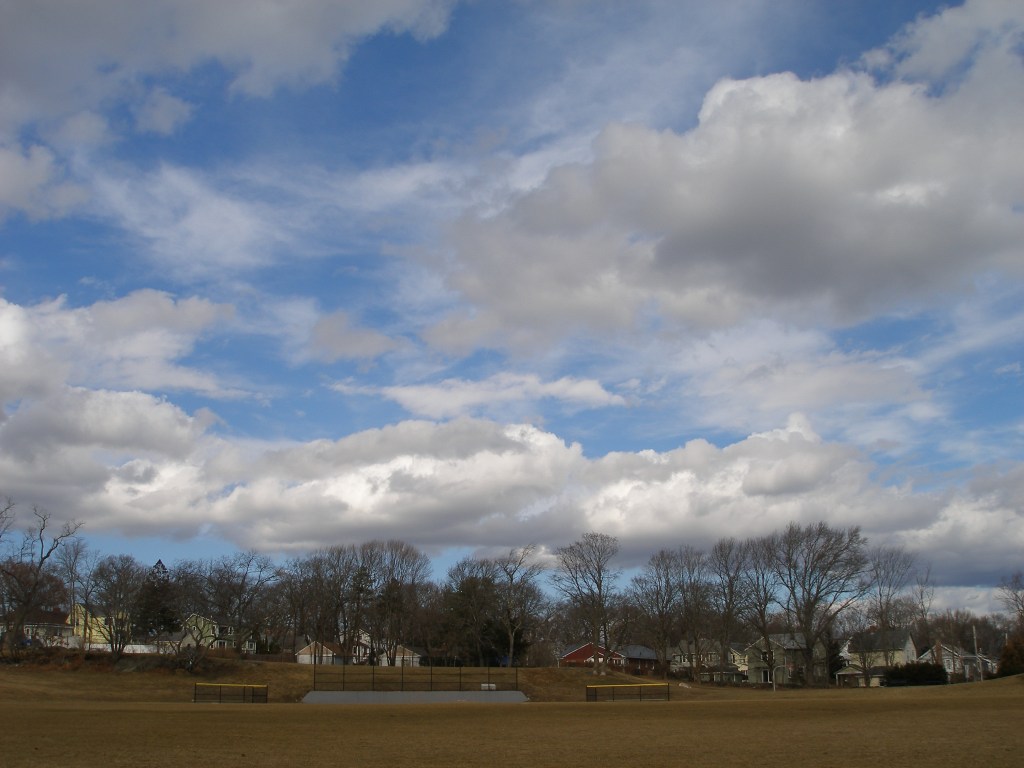
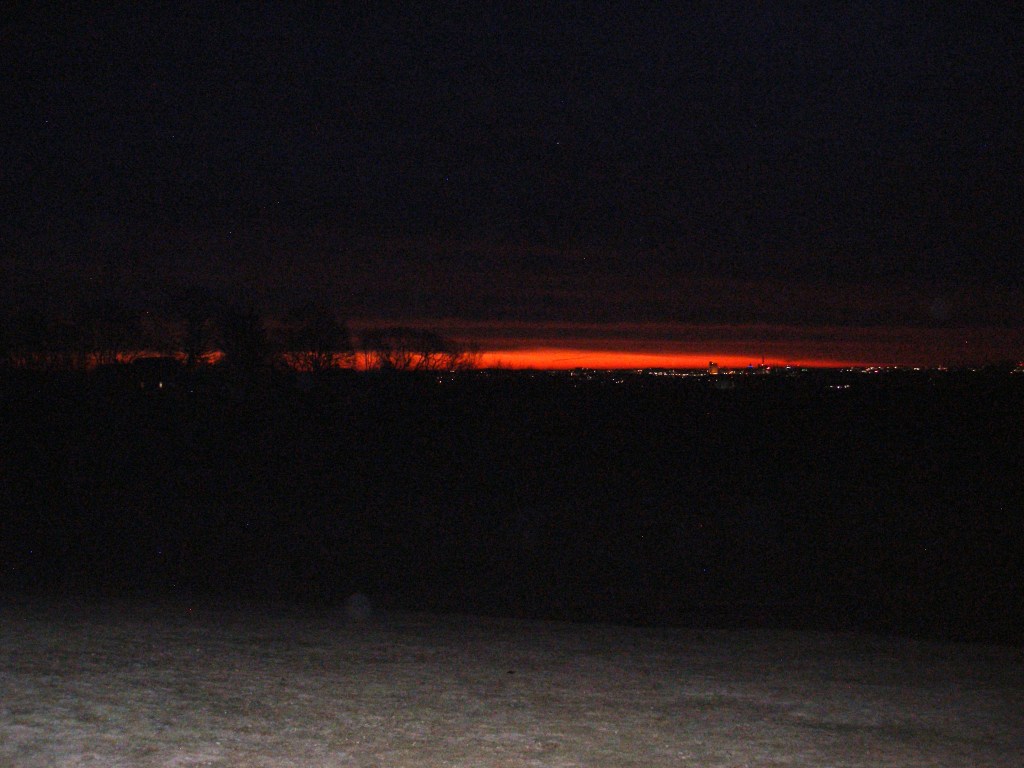
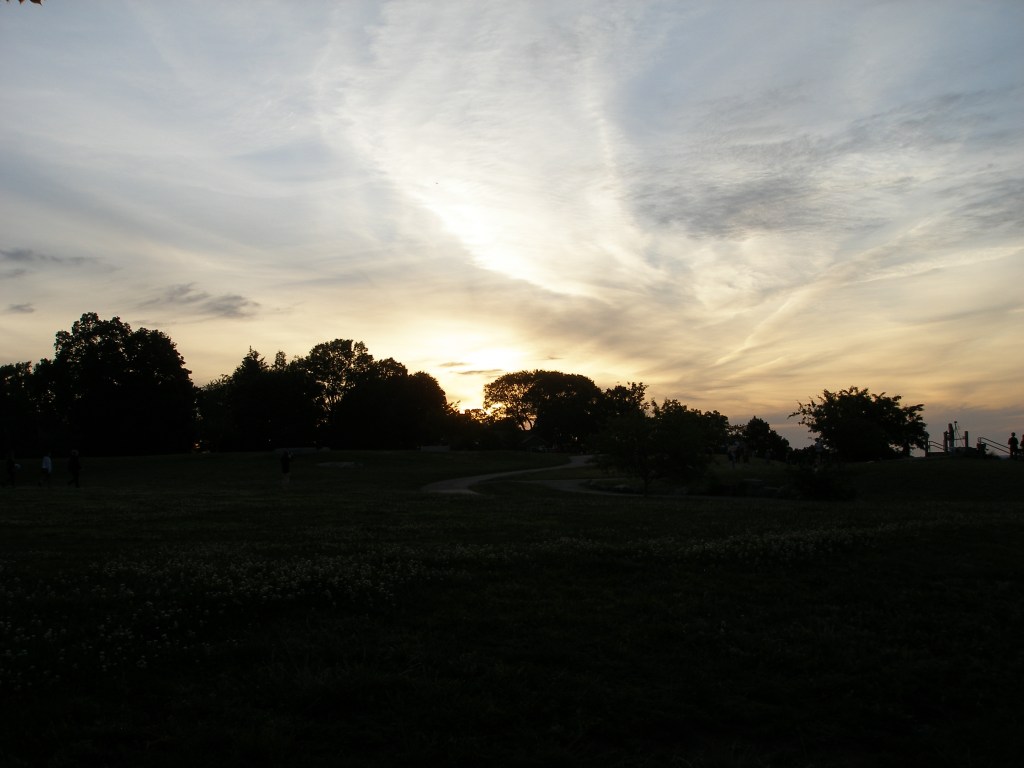
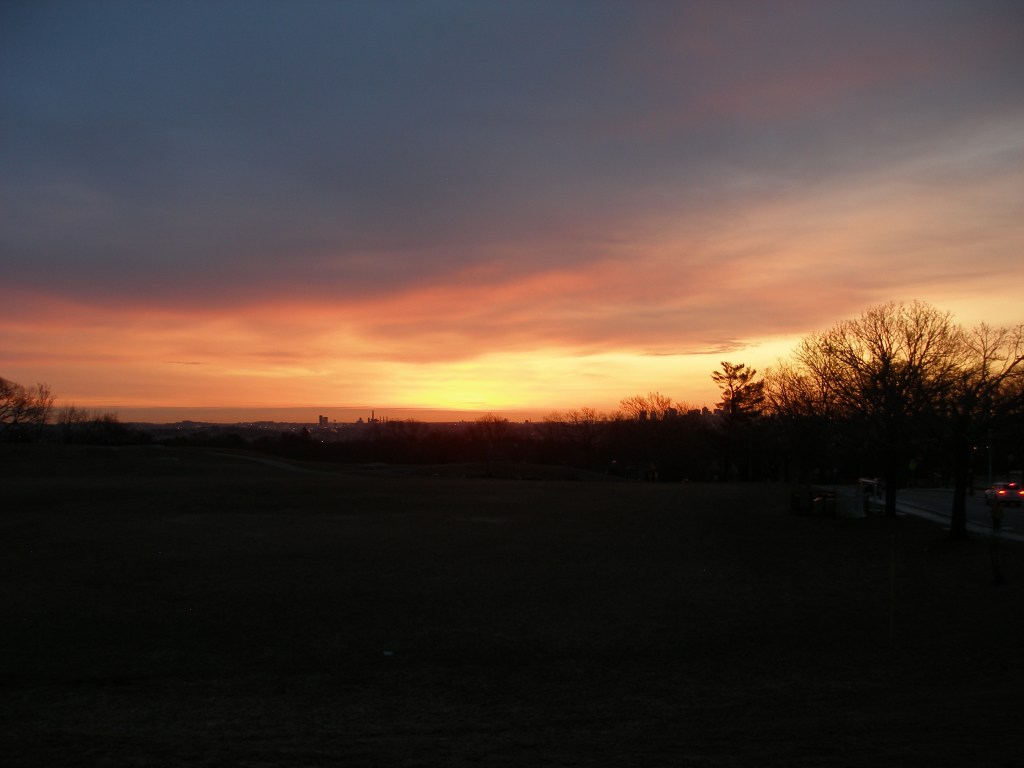
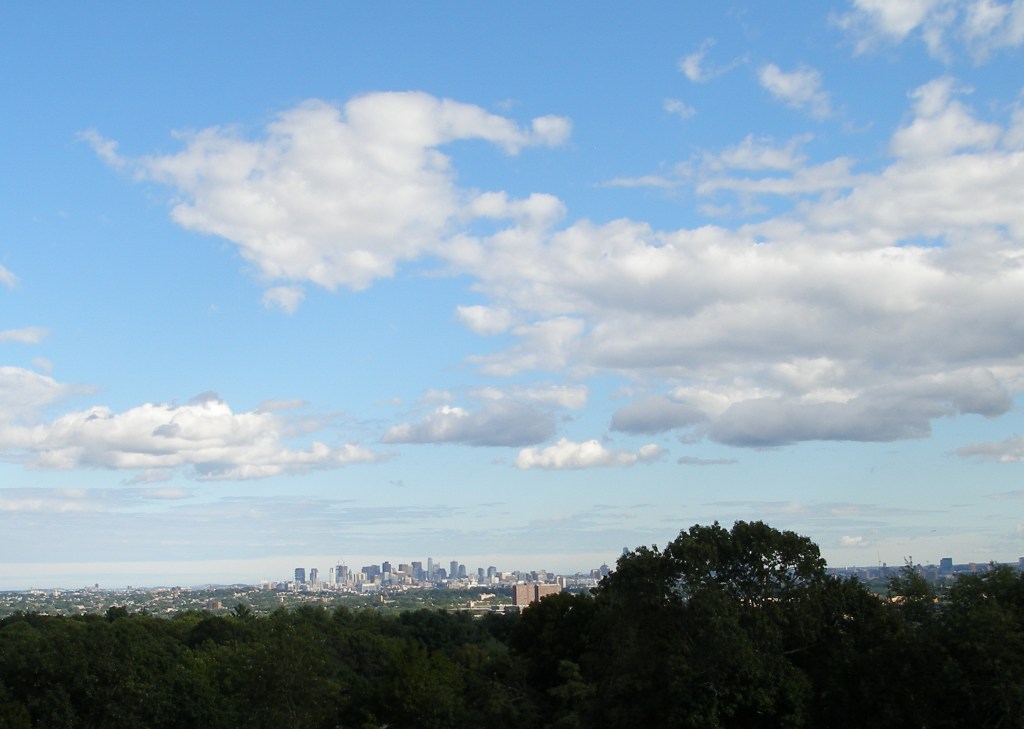
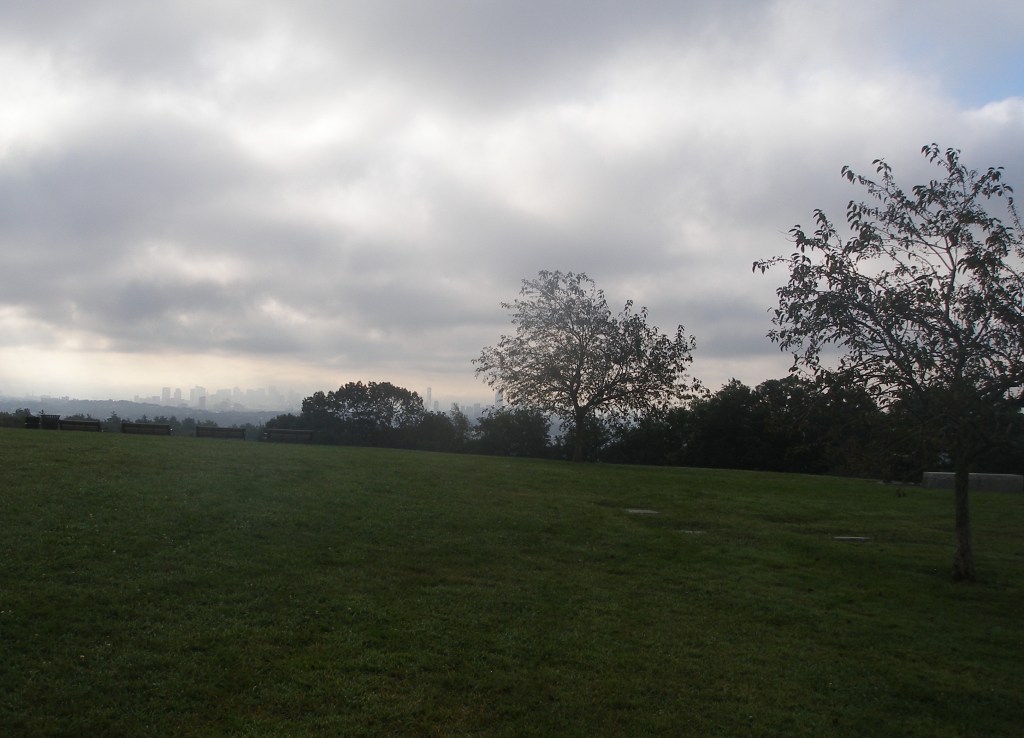
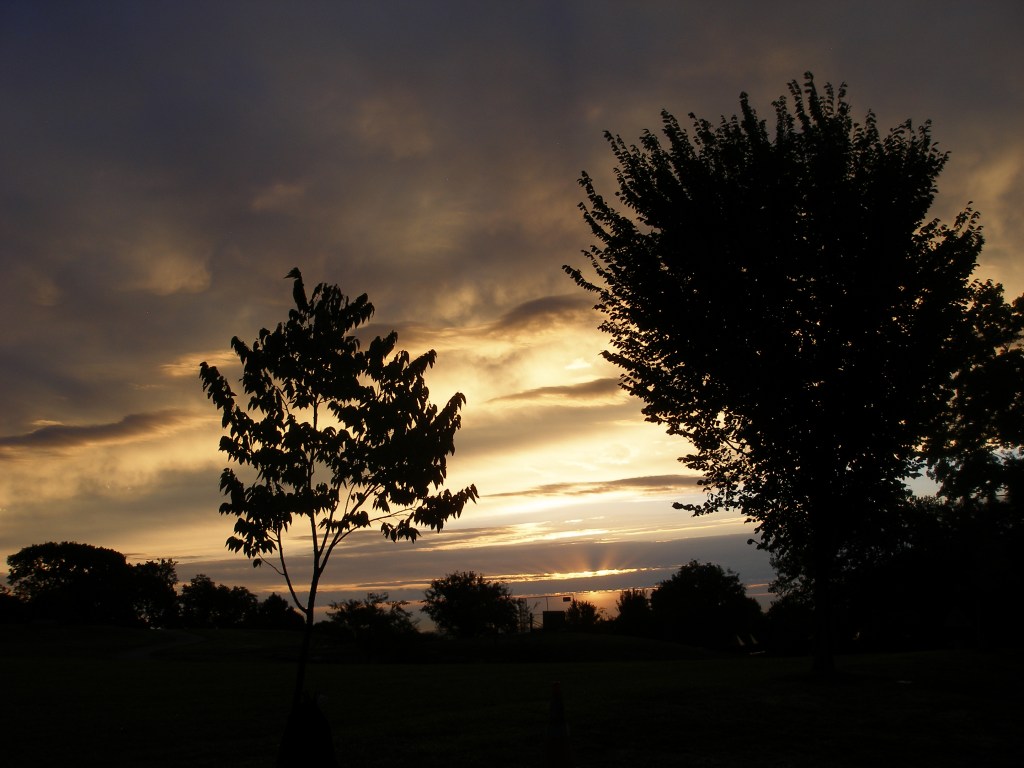
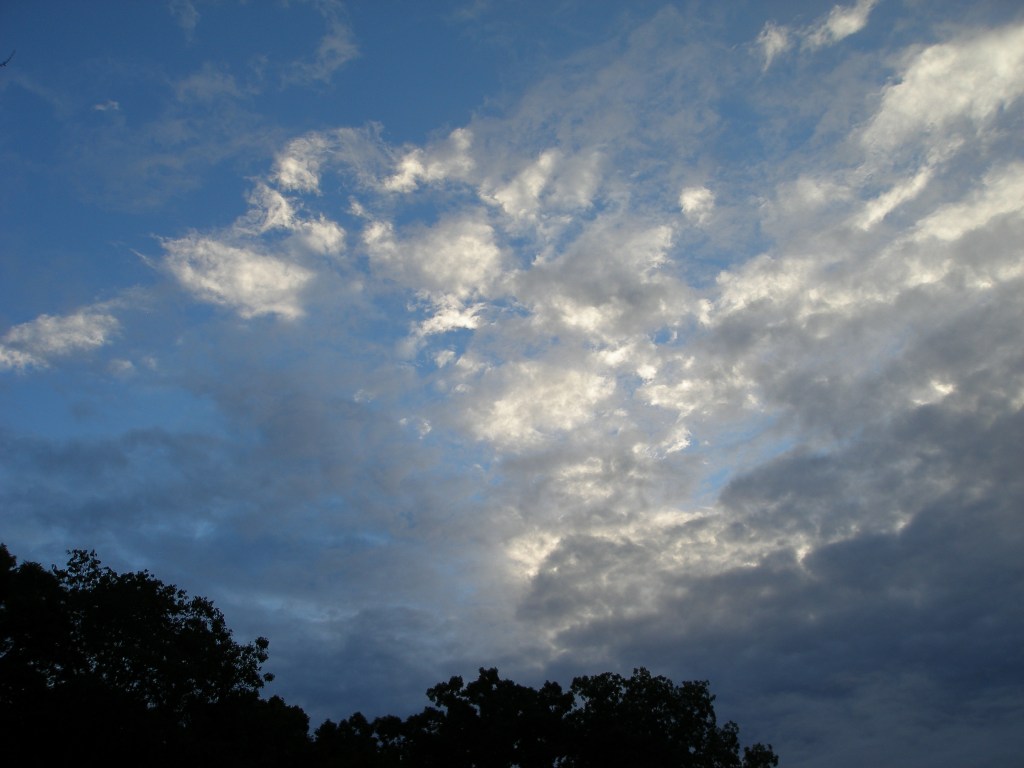
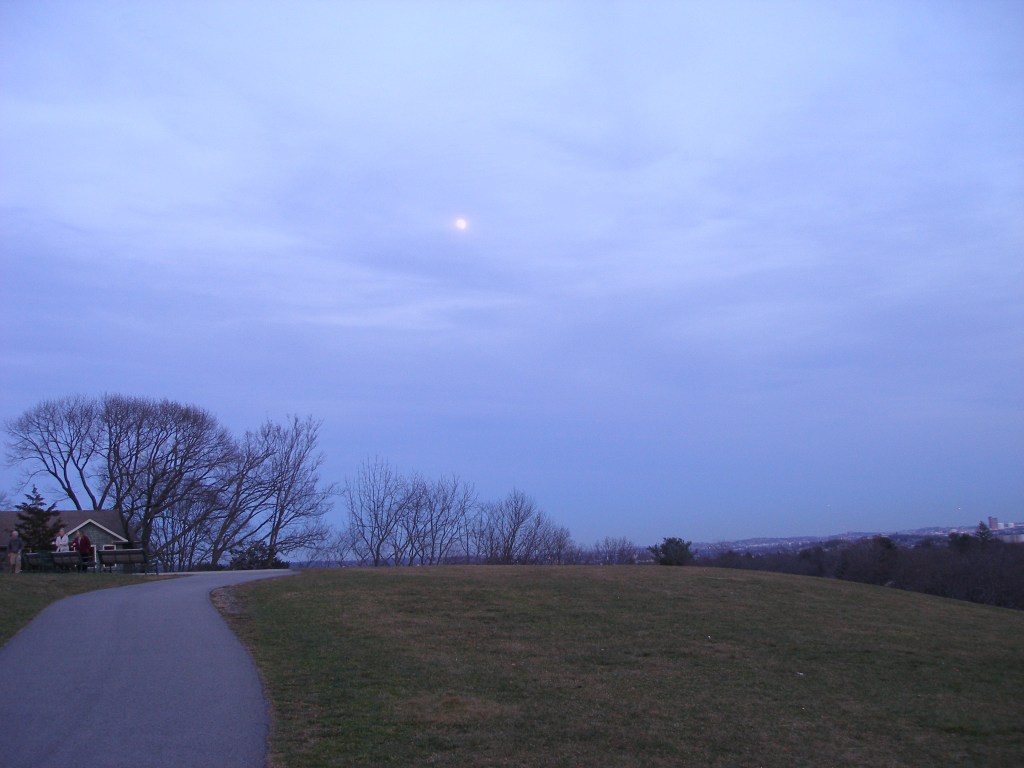
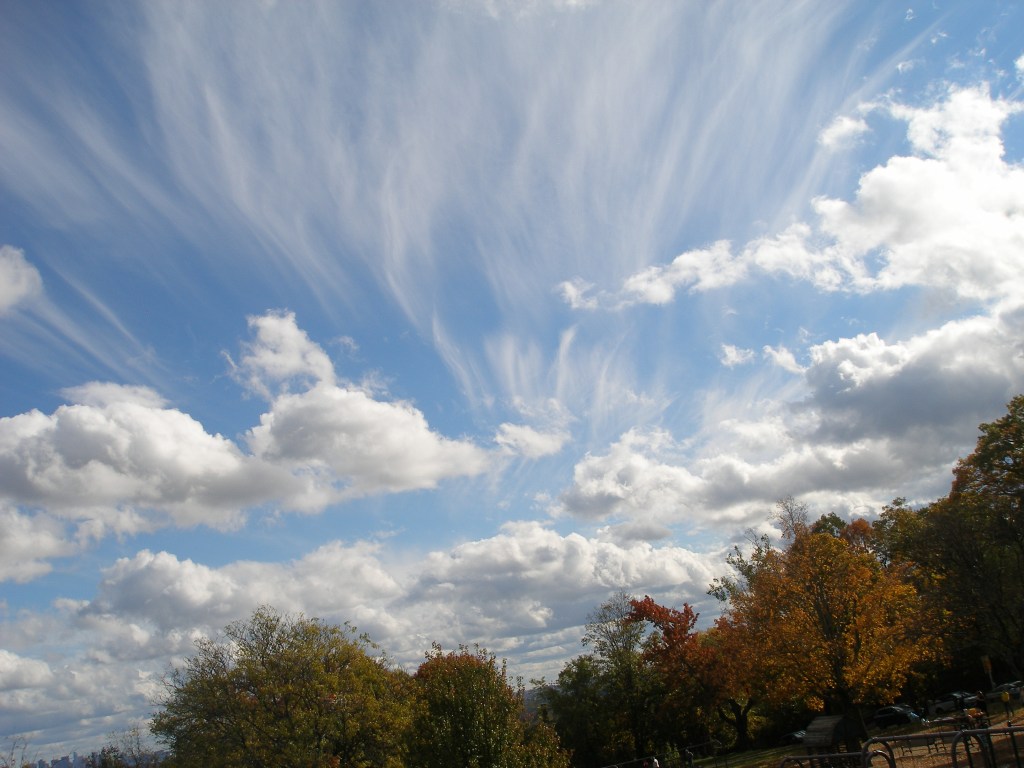
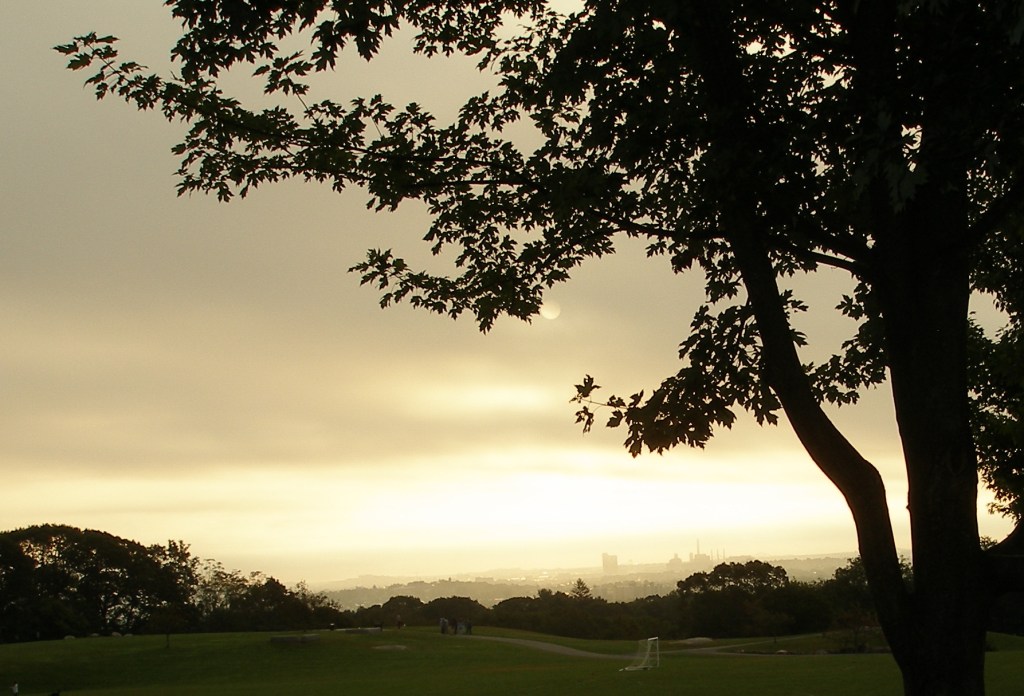
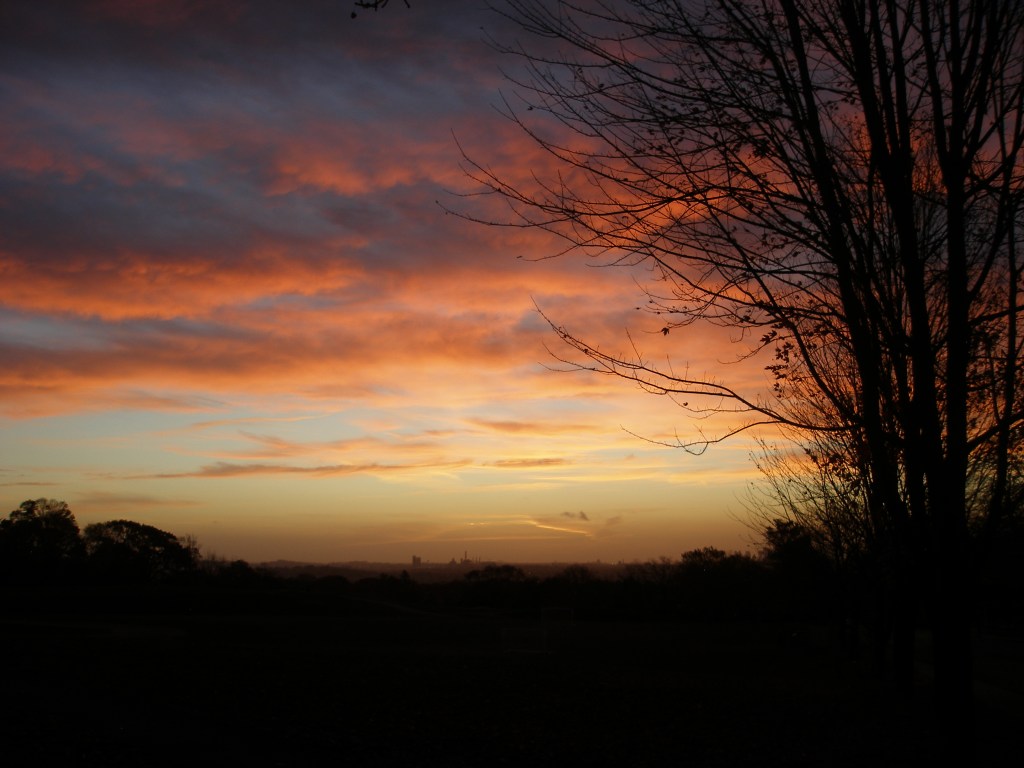
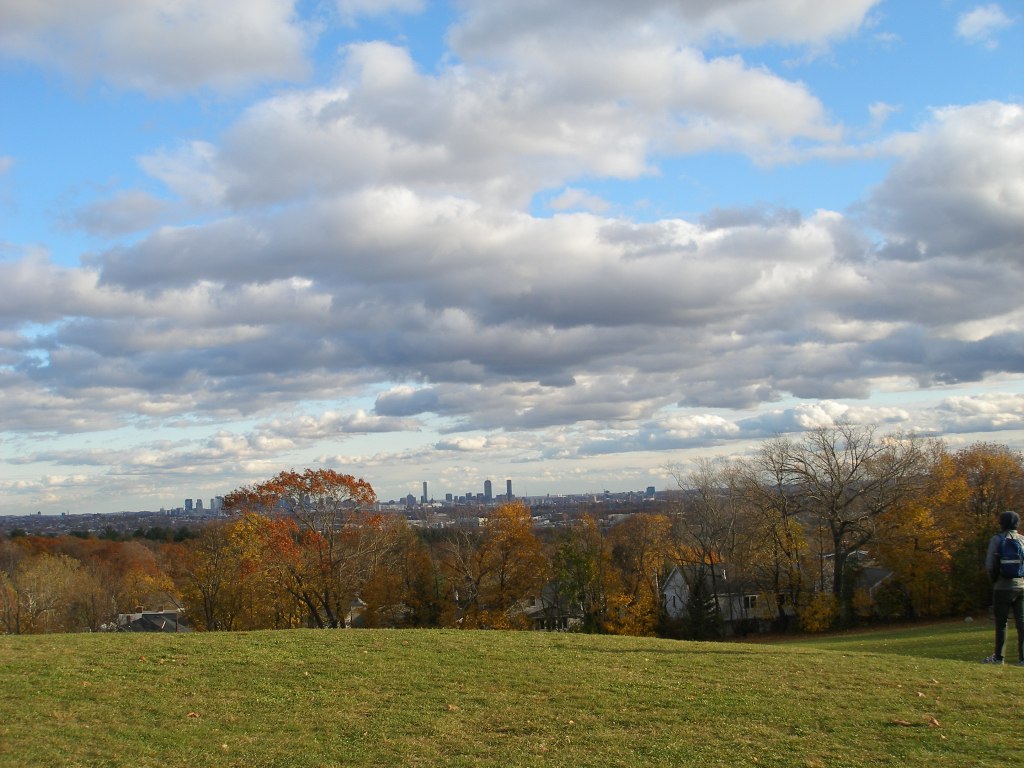
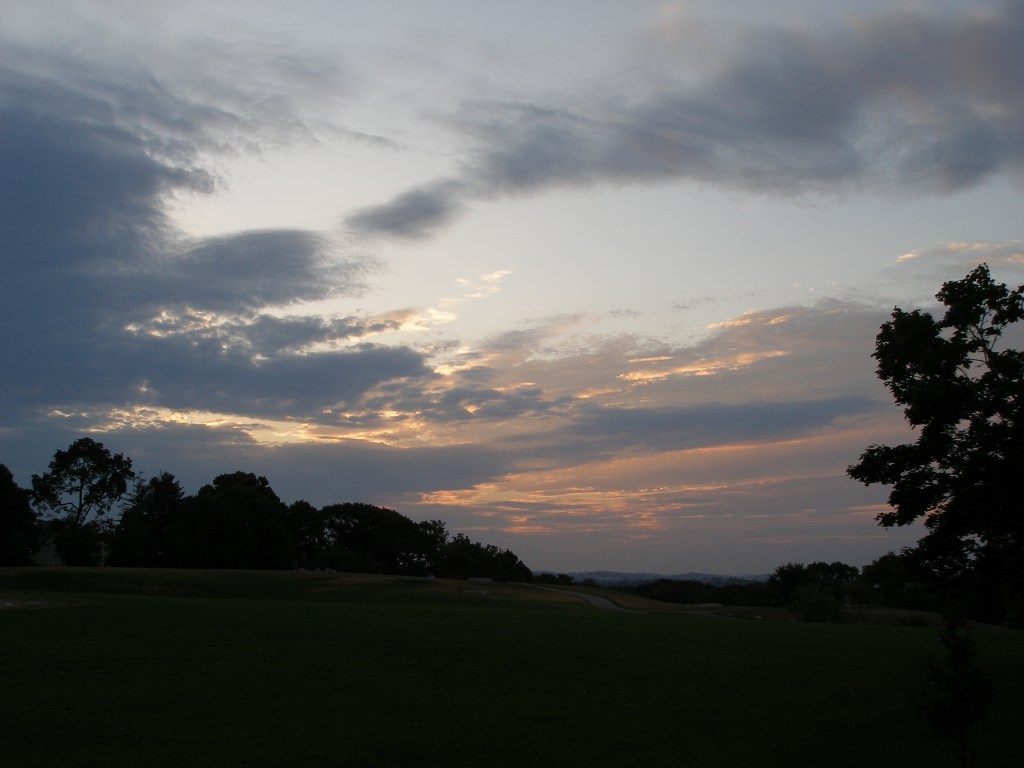
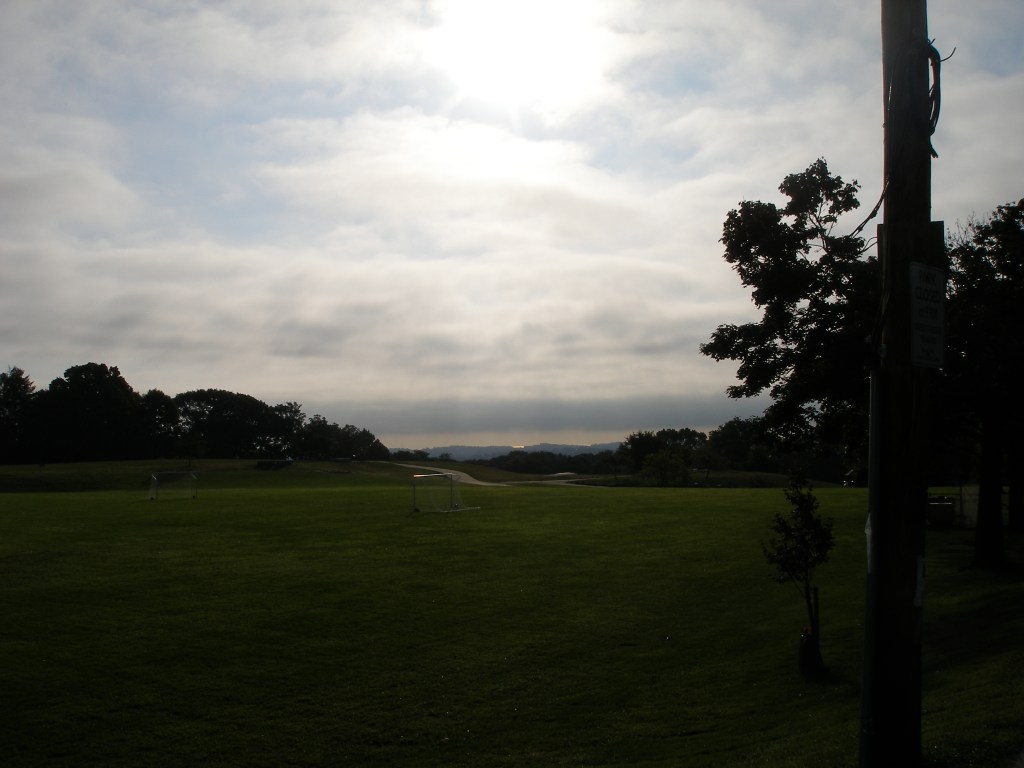
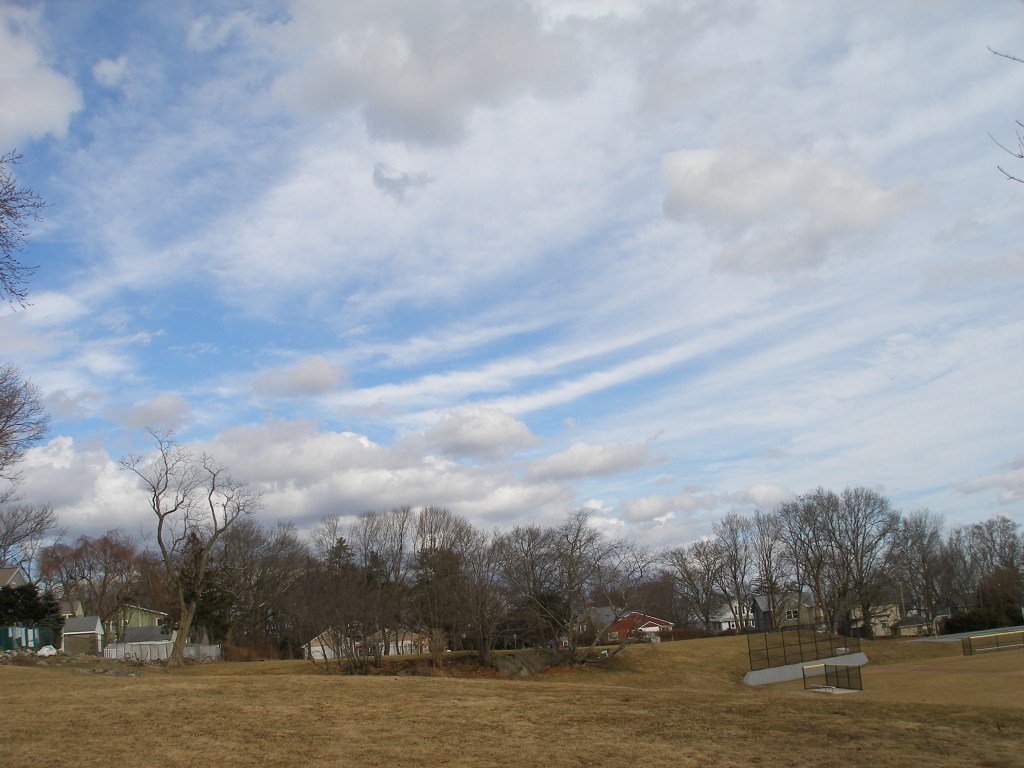
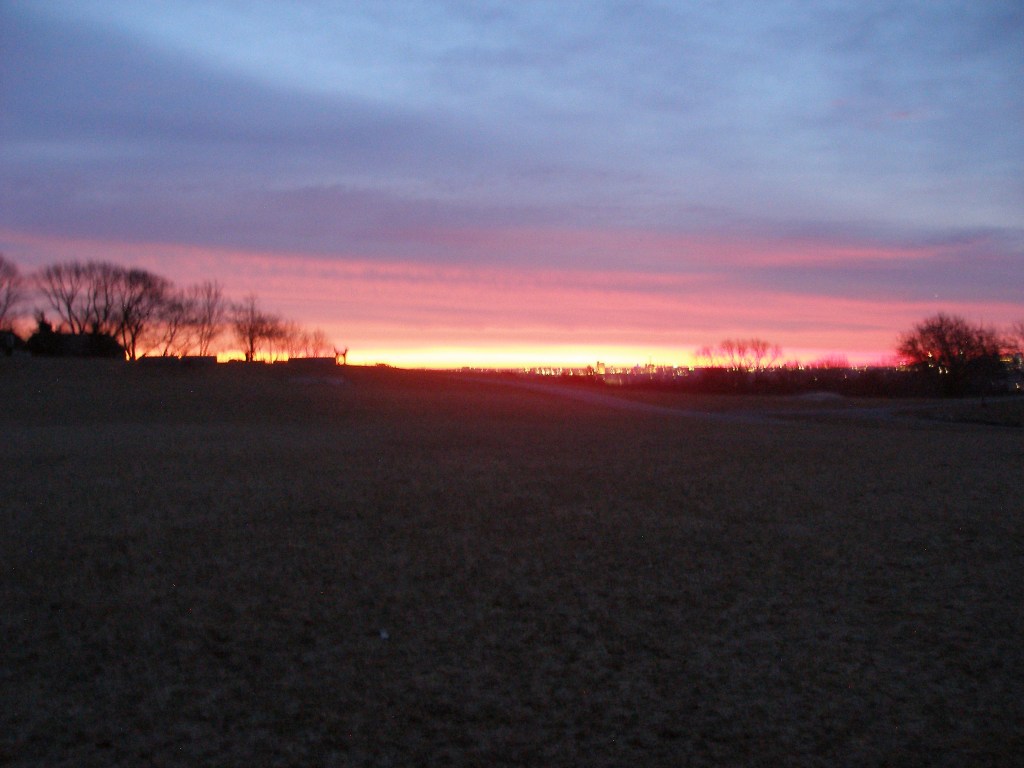
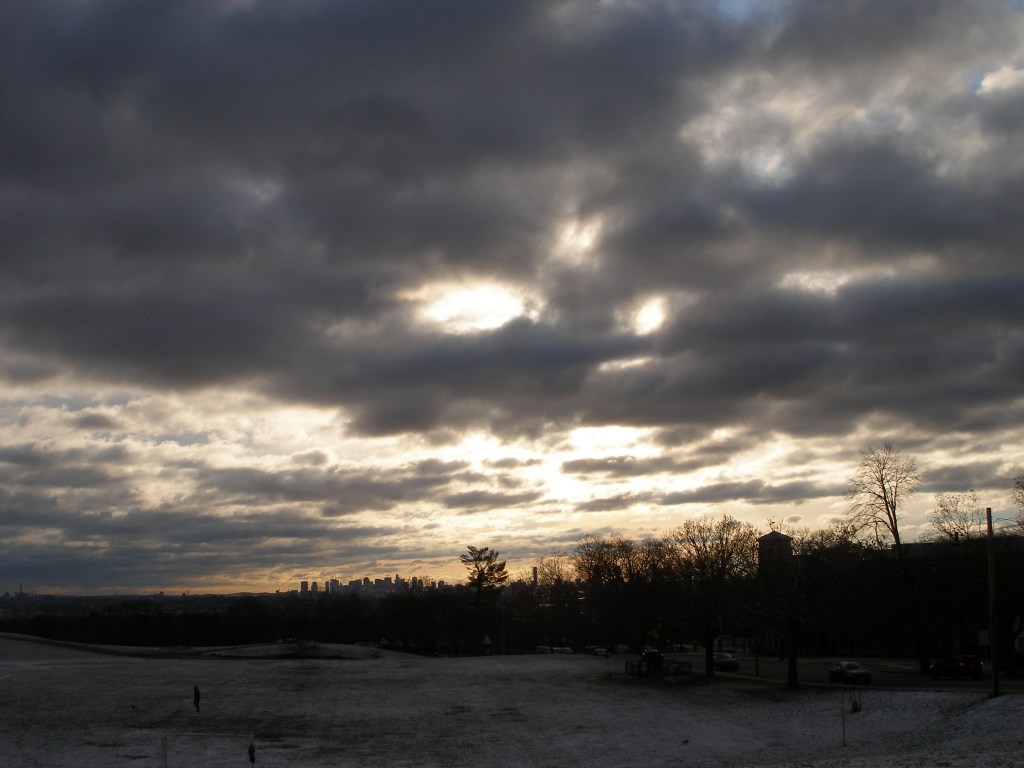
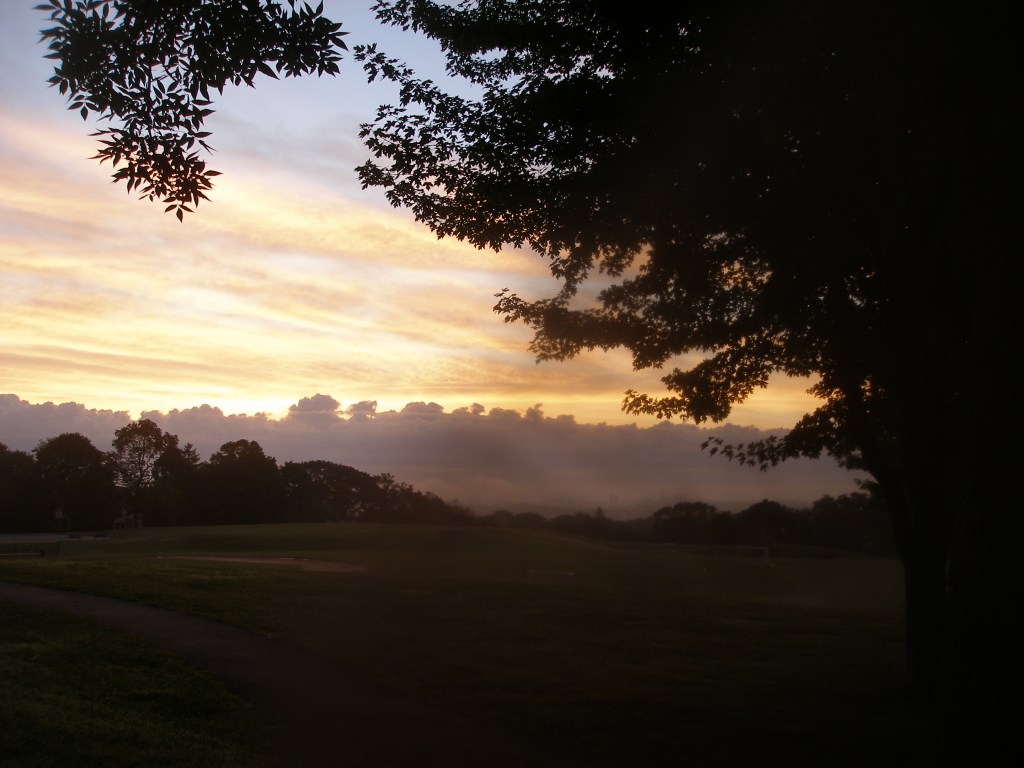
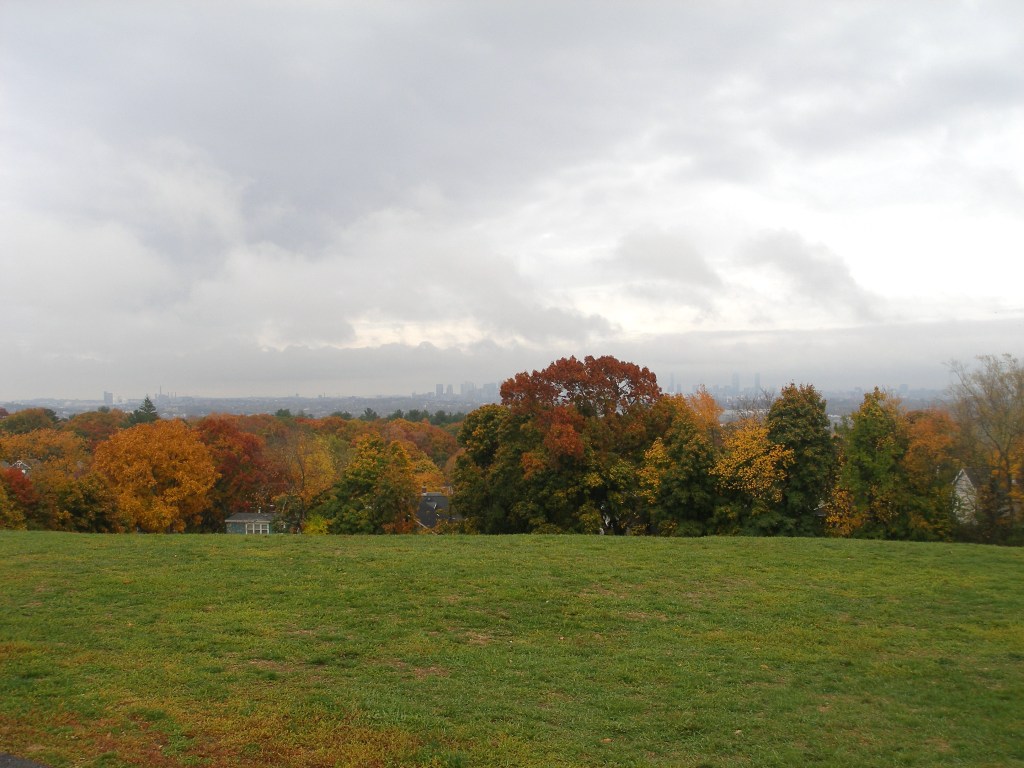
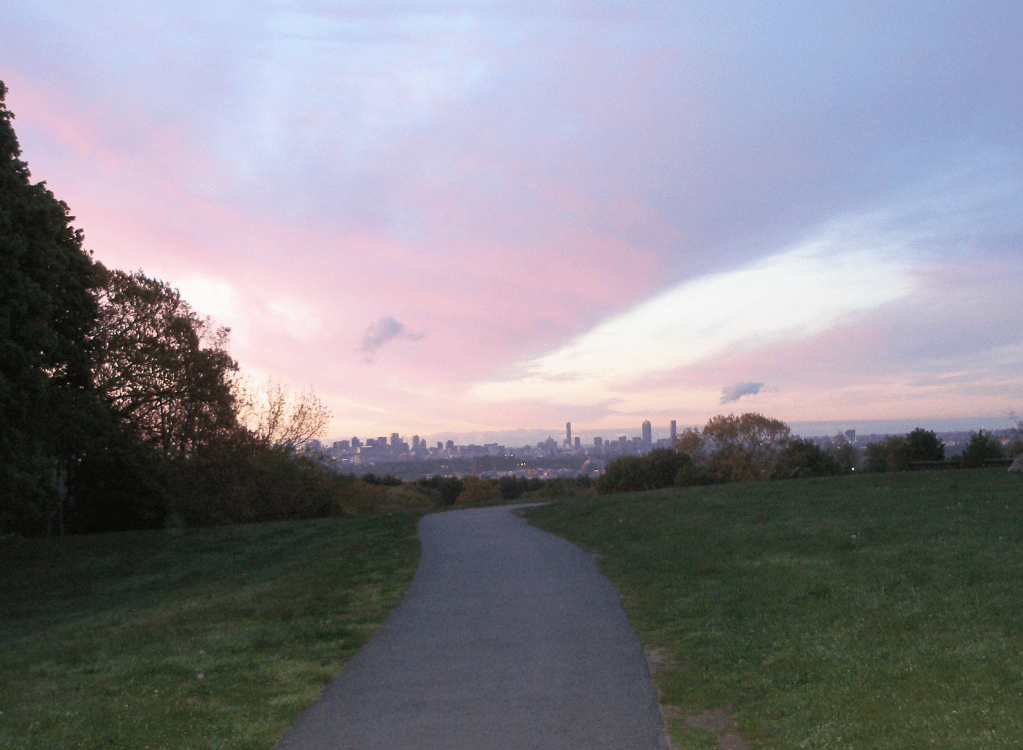
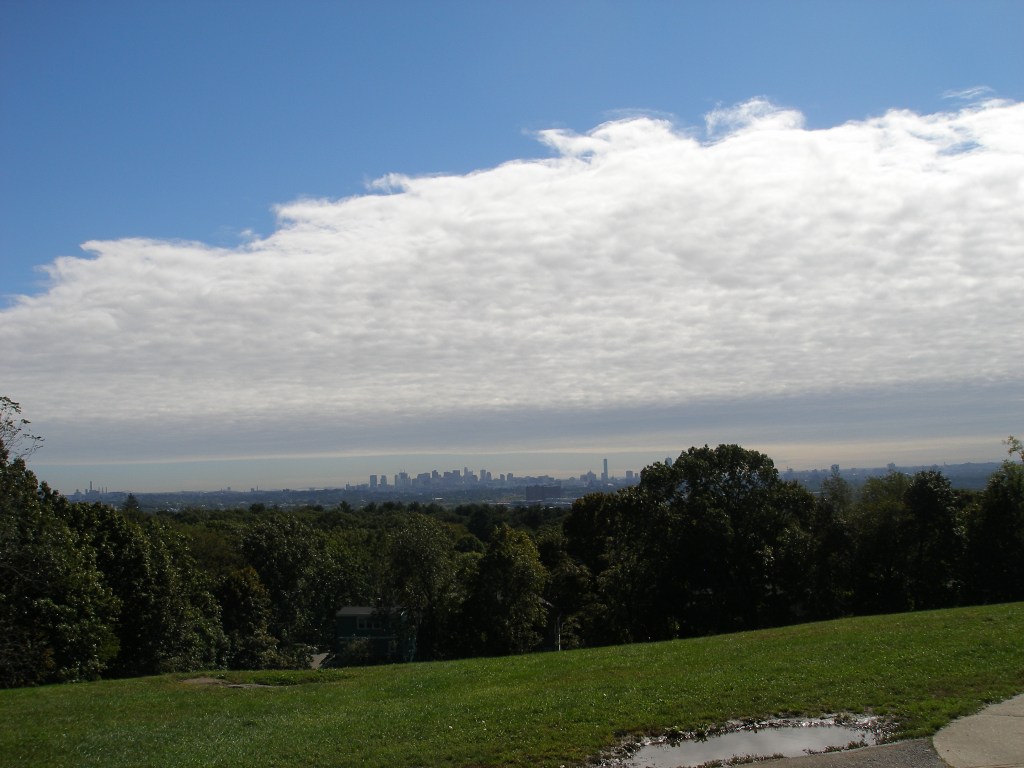
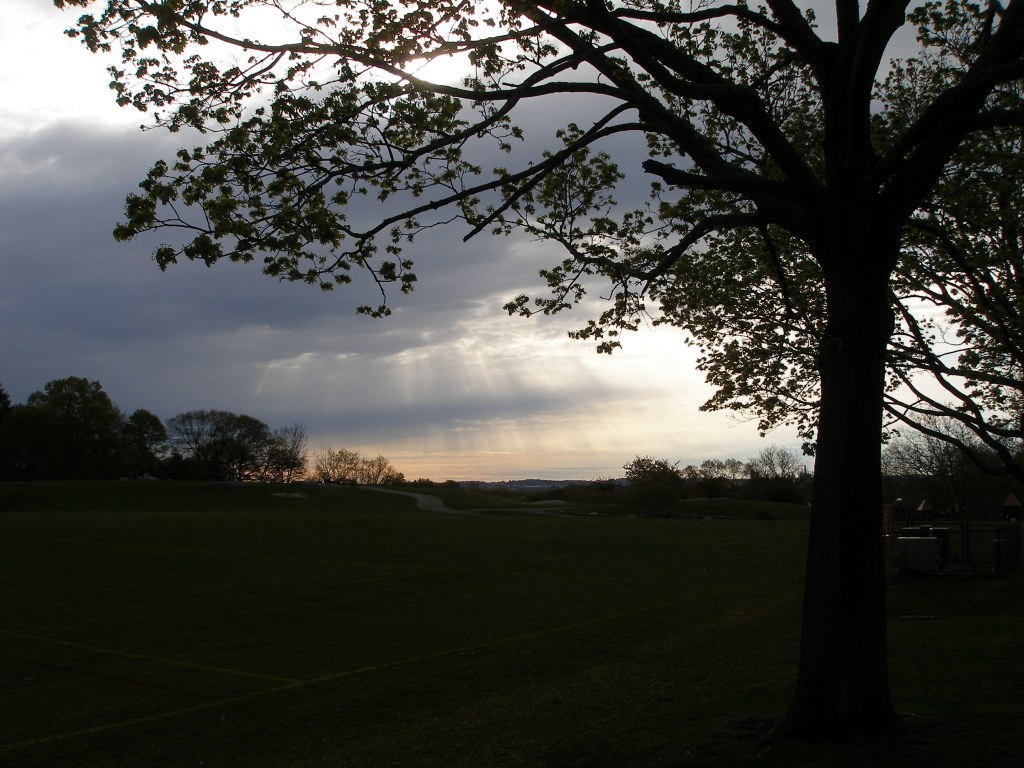
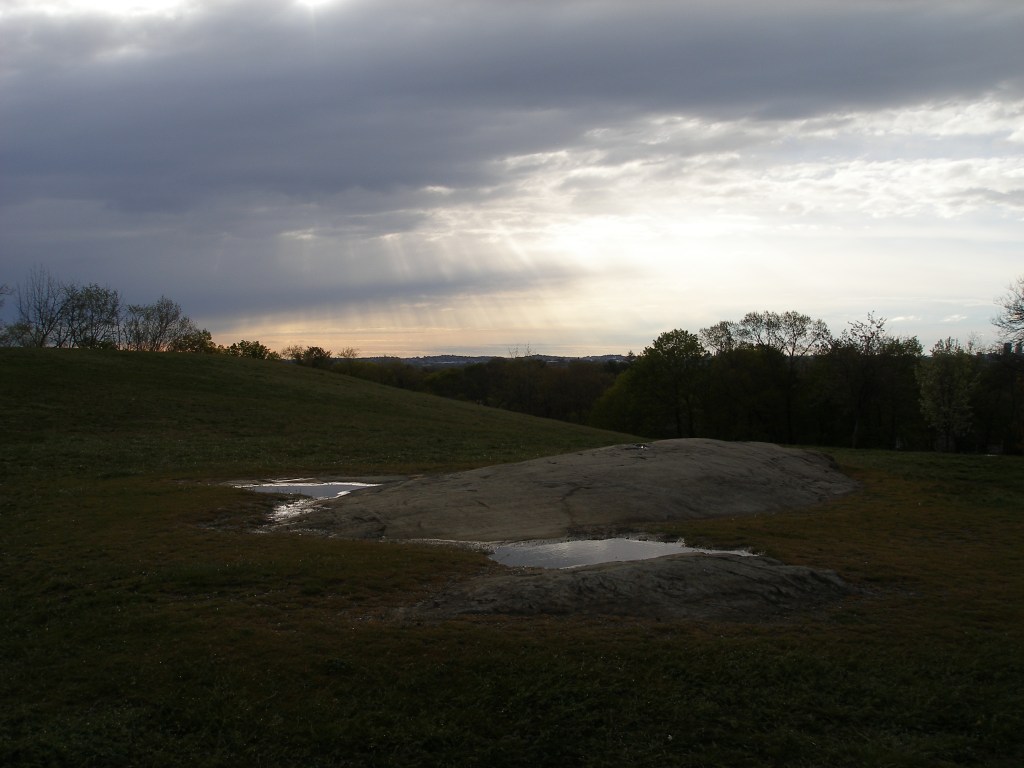
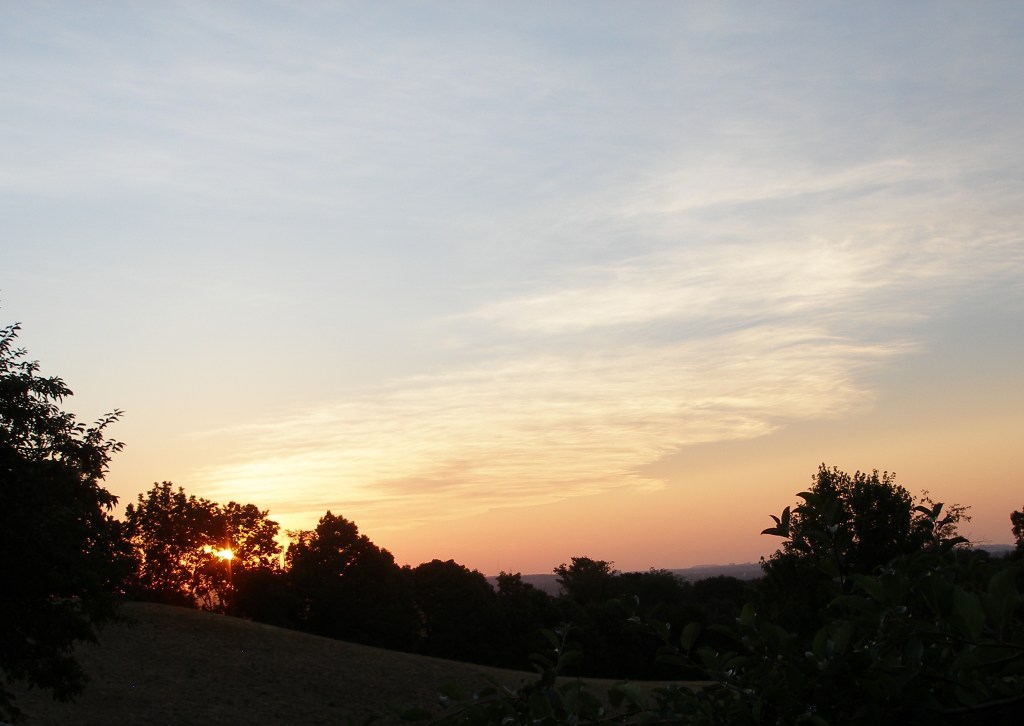
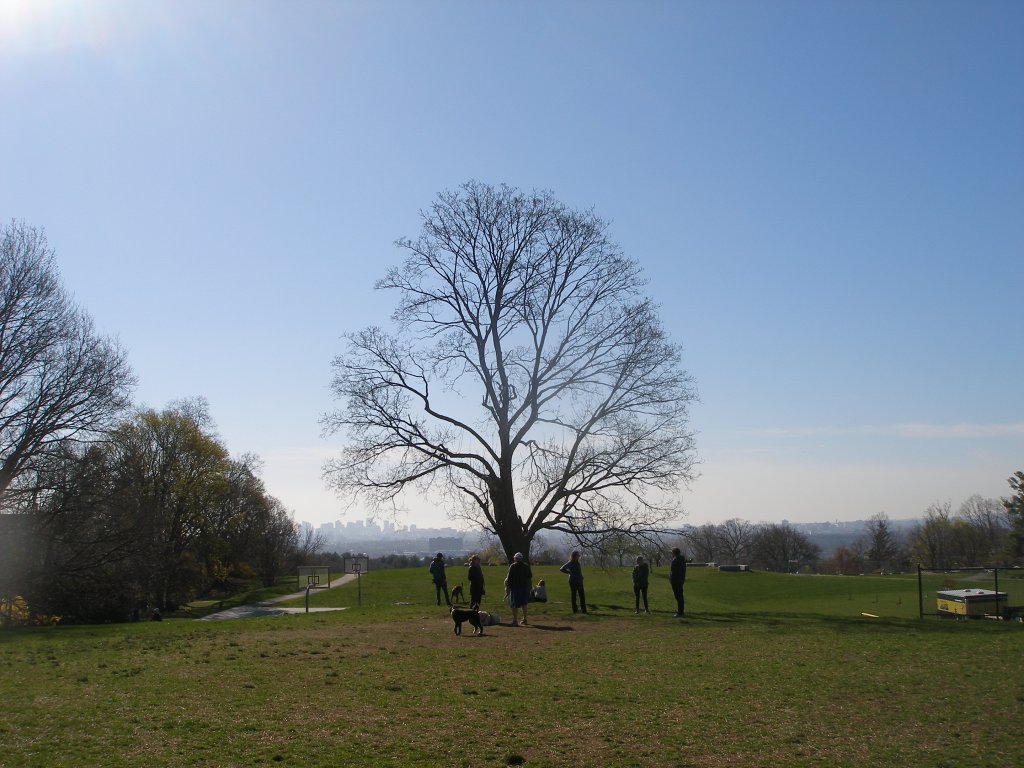
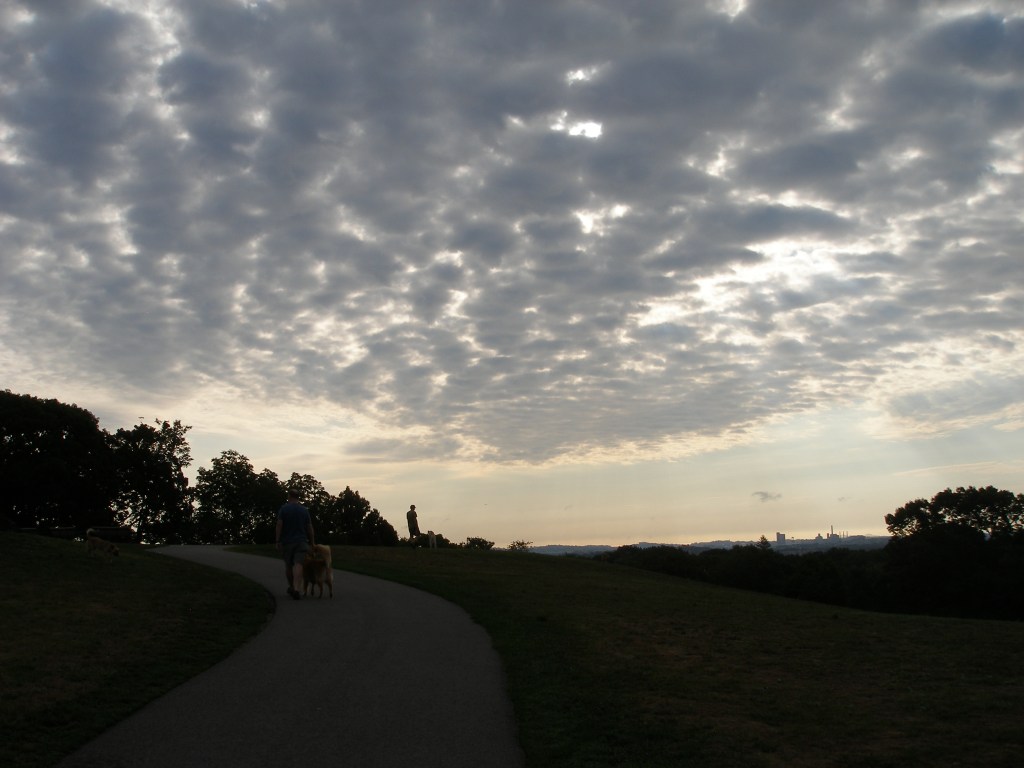
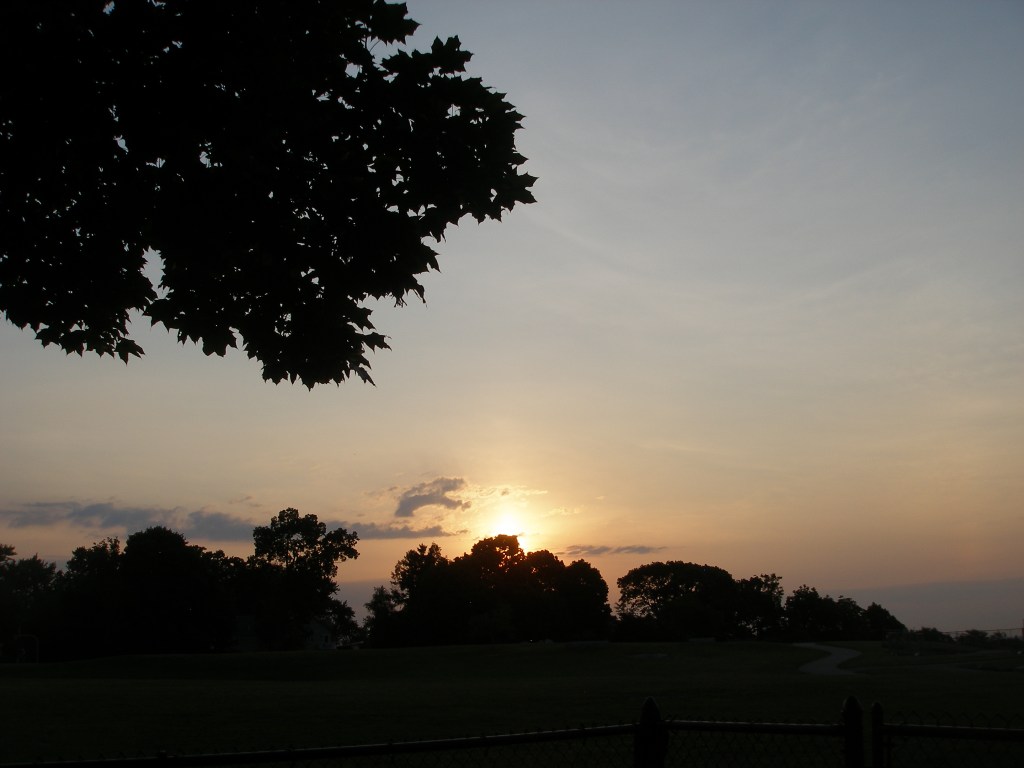
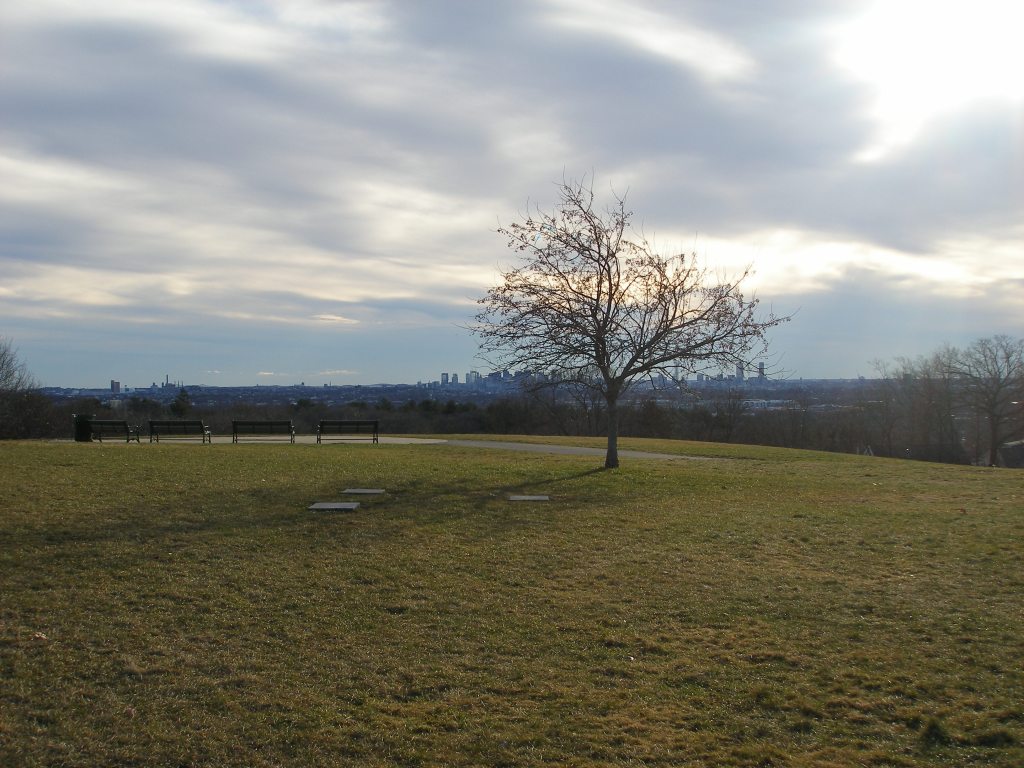
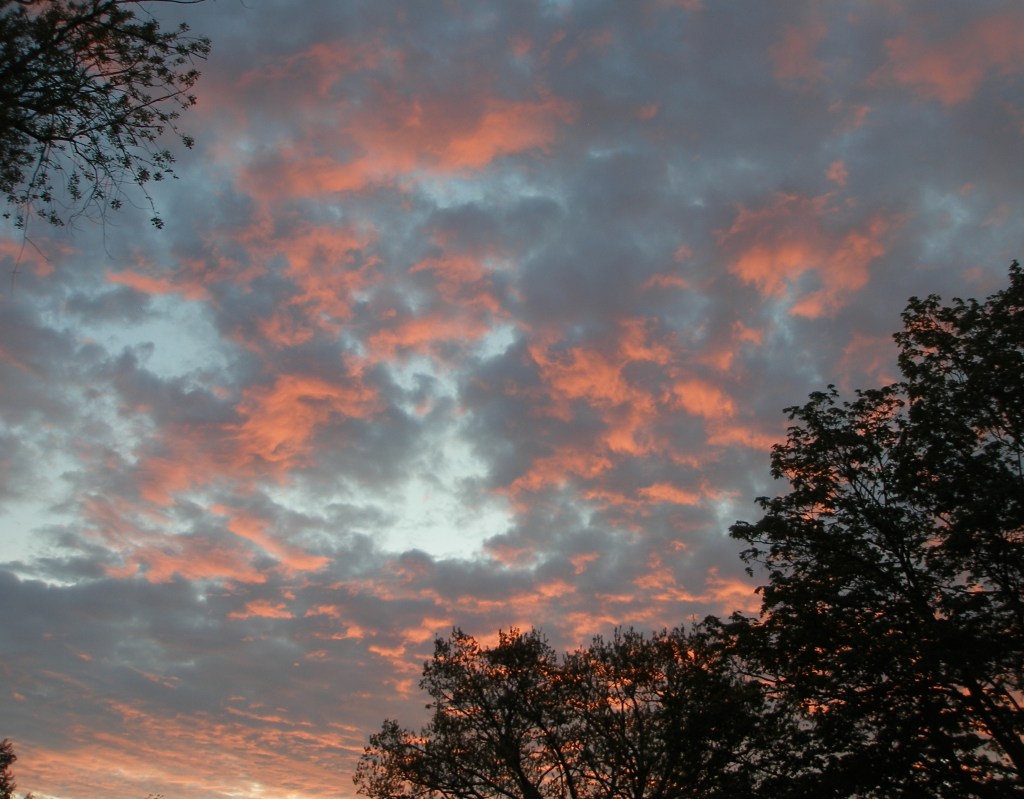
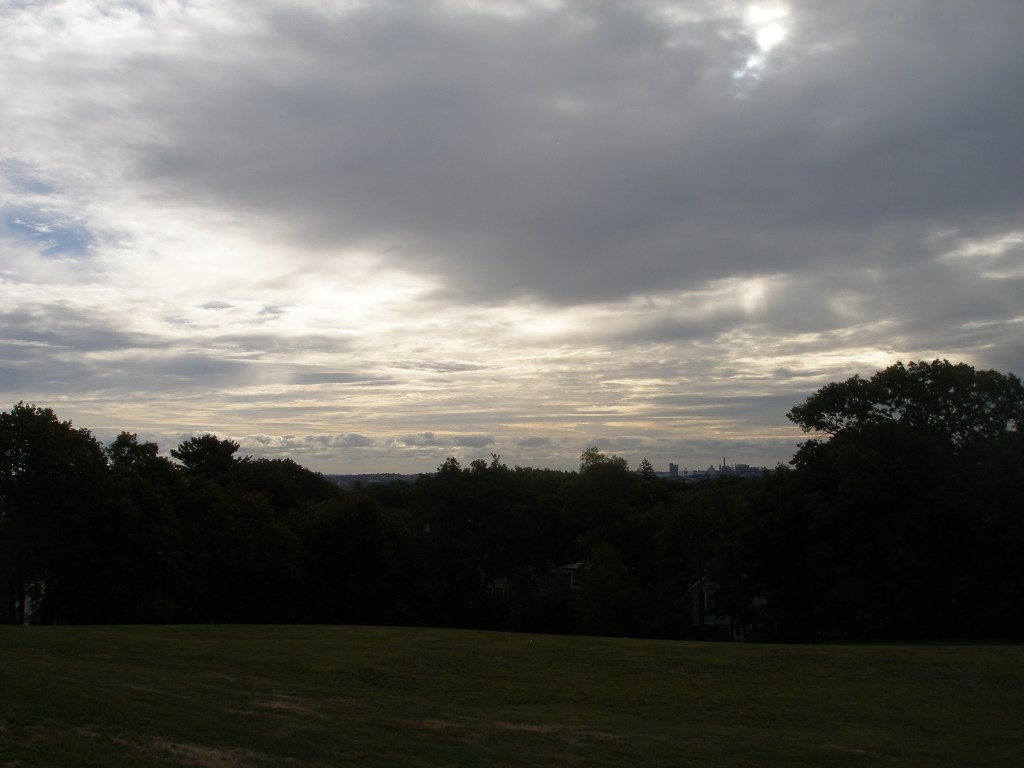
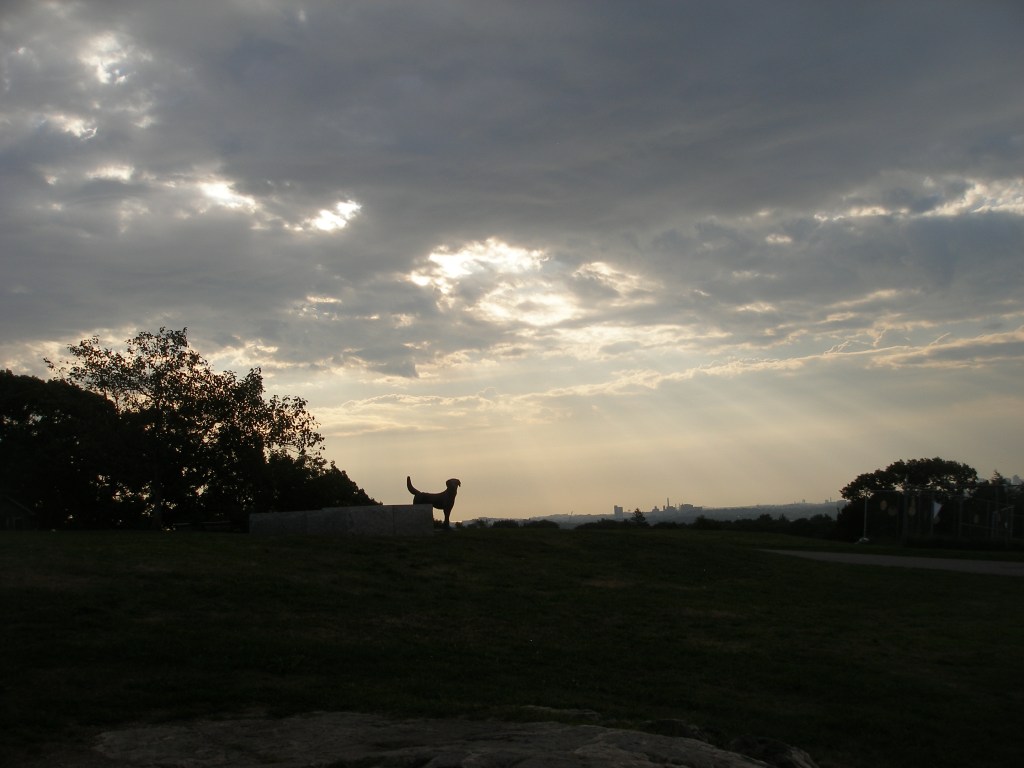
One of the more accessible mindfulness practices is “horizon gazing.” You simply sit comfortably in a place where you can see the horizon. Then you bring a soft, wide mindfulness and a gentle gaze to what is in front of you.
Nearby Robbins Farm Park, with its grassy slope seemed ideal. But where you do this practice is far less important than just taking it in. At any time of day, and in all weather conditions, the sky is there for us. While these photos do not provide the full sensory experience, they do hint, I think, at the wonder, peace and even awe that horizon gazing can provide.
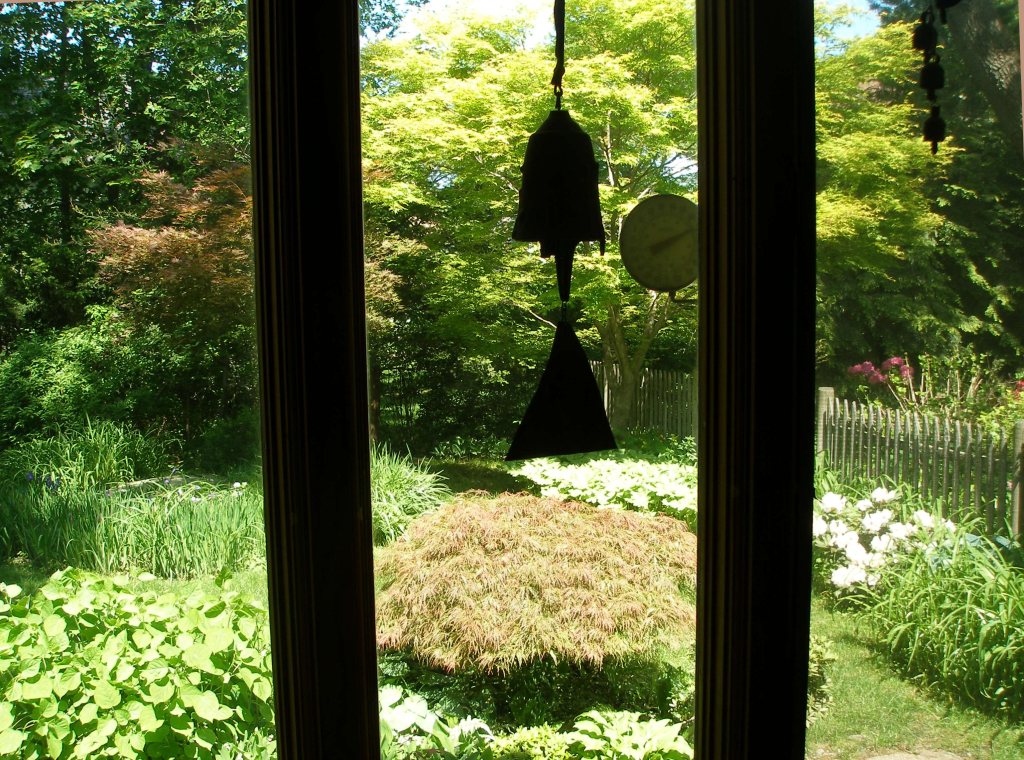
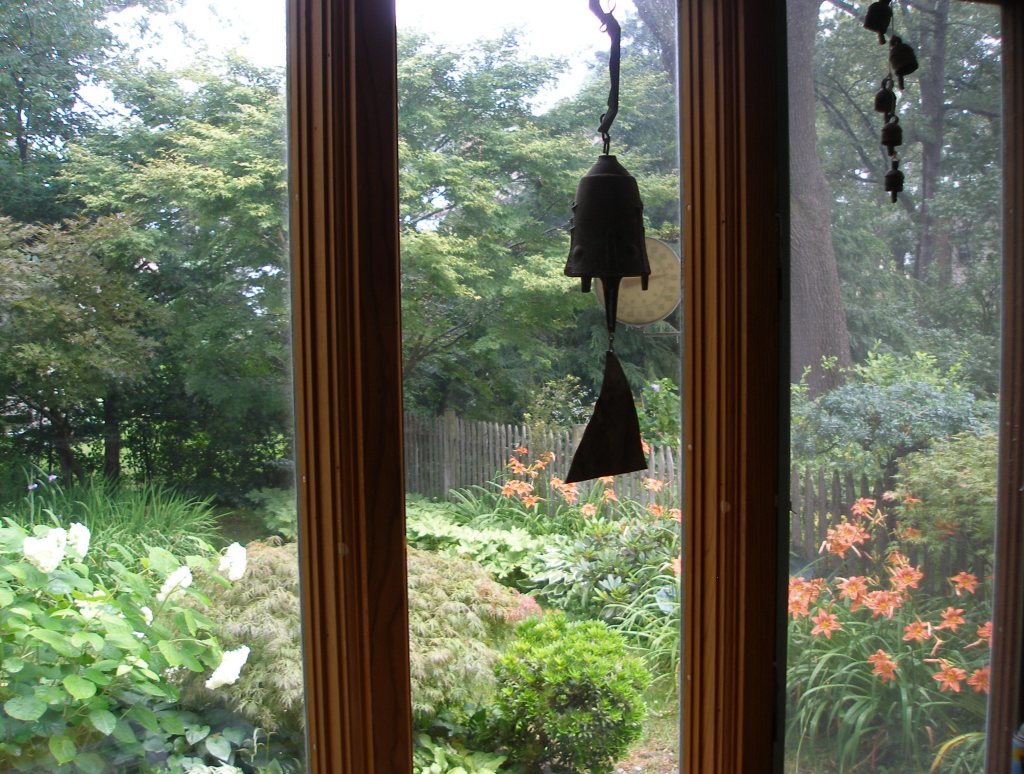
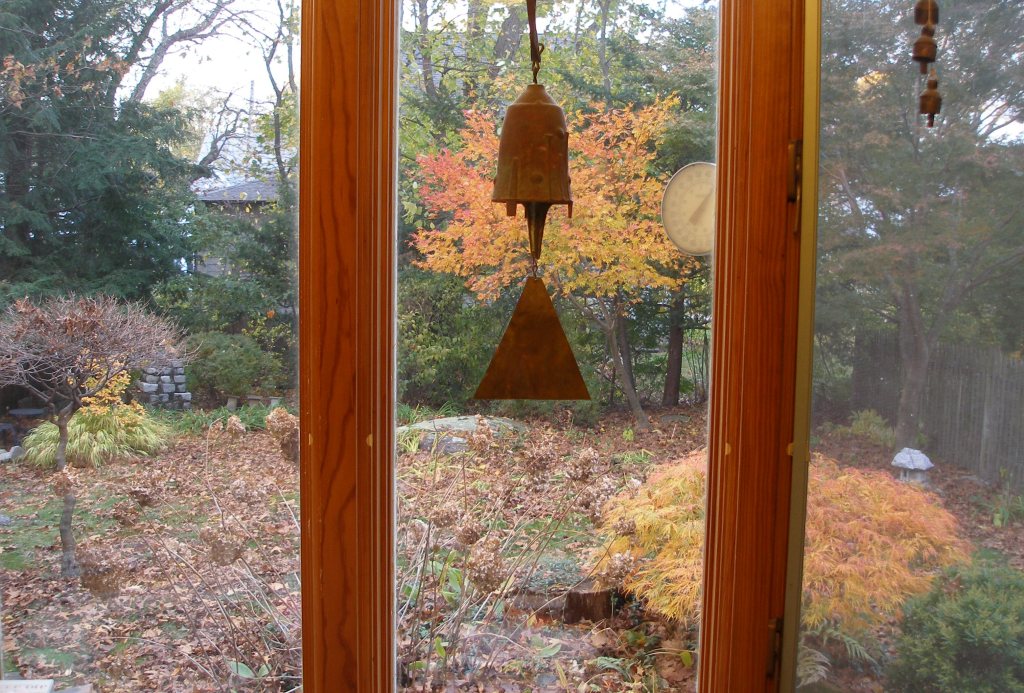
When my Japanese tea ceremony teacher, Giselle Maya, told me that the poetic word for 2022 is “window,” I thought it might be time to revisit “Dream Window” by Peter Grilli. He had metaphorical reasons to choose that title for his poetic film about Japanese gardens. But it is also true that gardens are often viewed through actual windows – Such sight lines are an important consideration in garden design. What do you see through the windows where you live?
Whether another building, a field, undisturbed nature, an empty lot, busy sidewalk or a garden, looking through windows can bring out the poetry of this world. A limited view somehow makes the ever-changing wholeness “out there” easier to relate to.
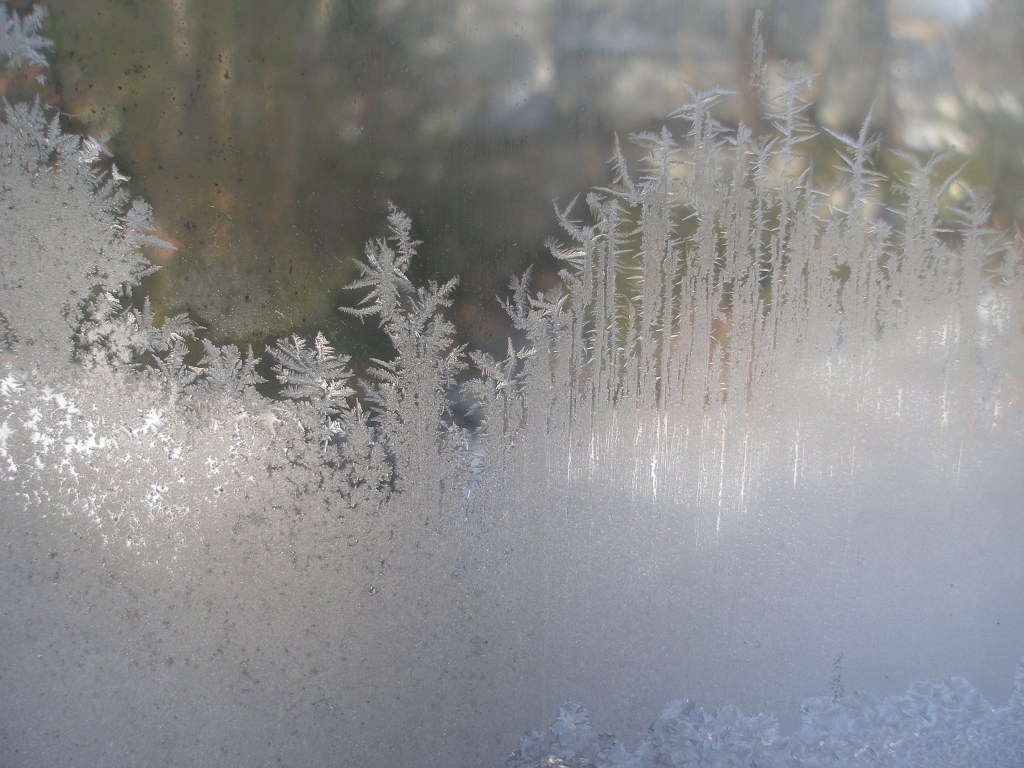
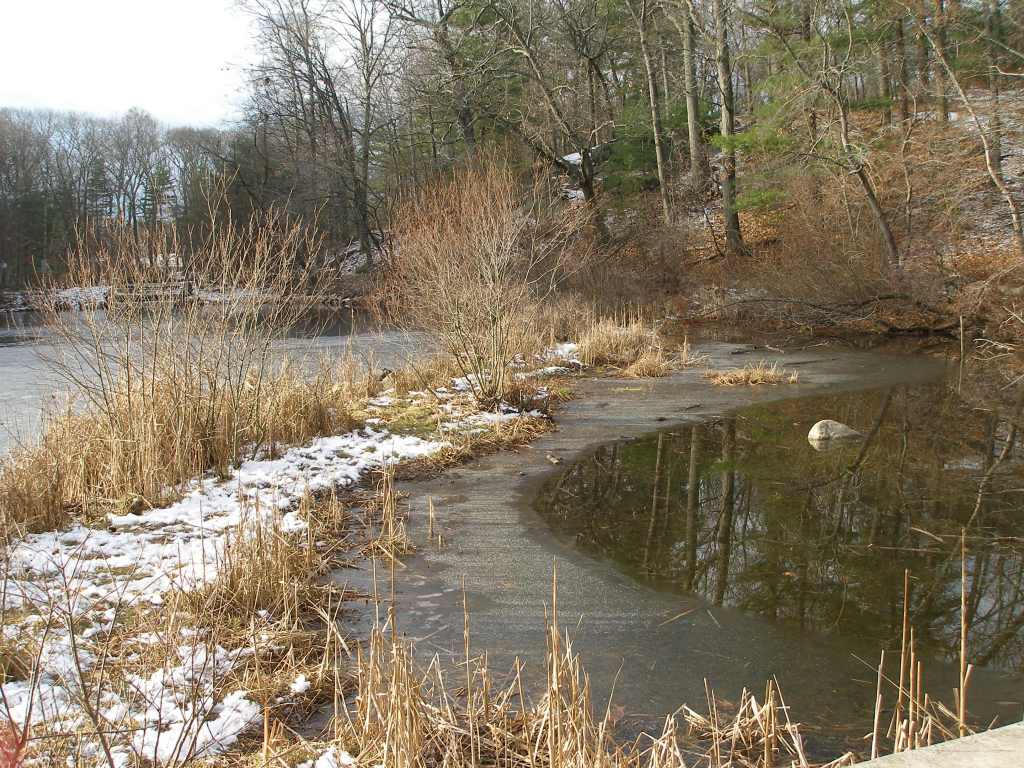
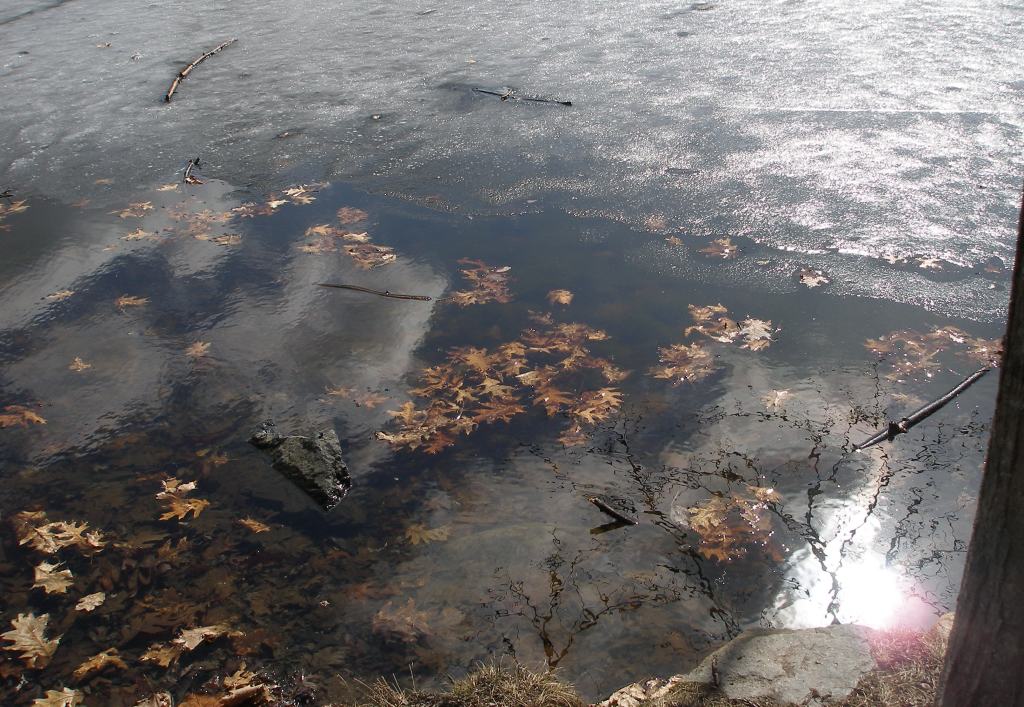
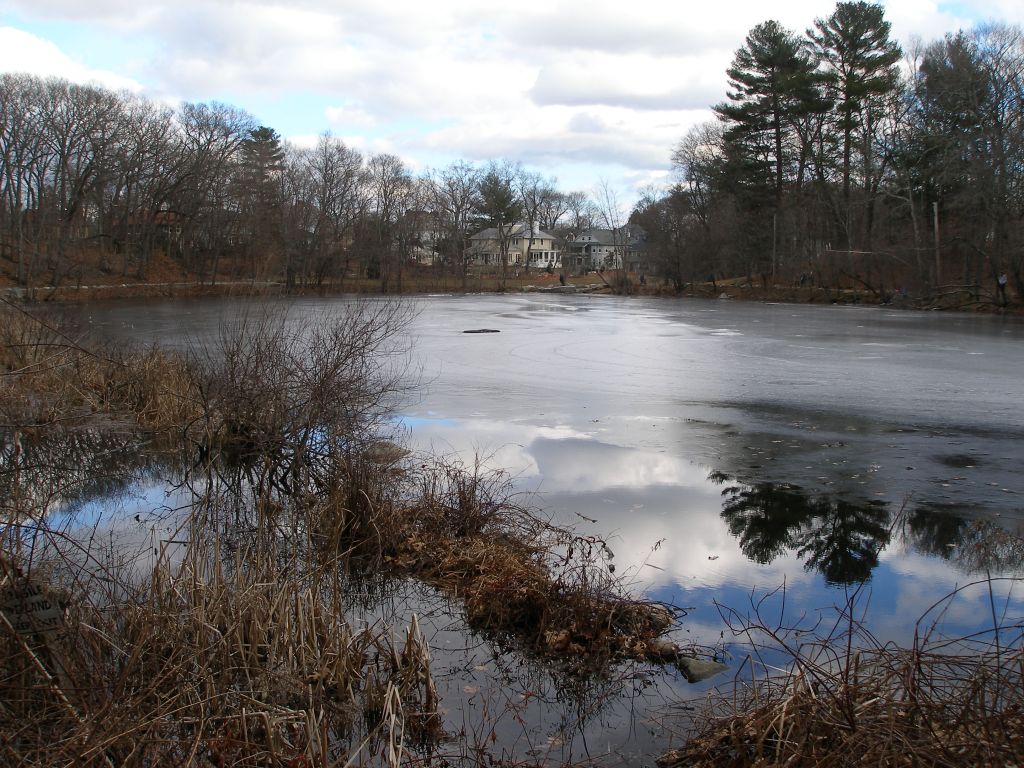
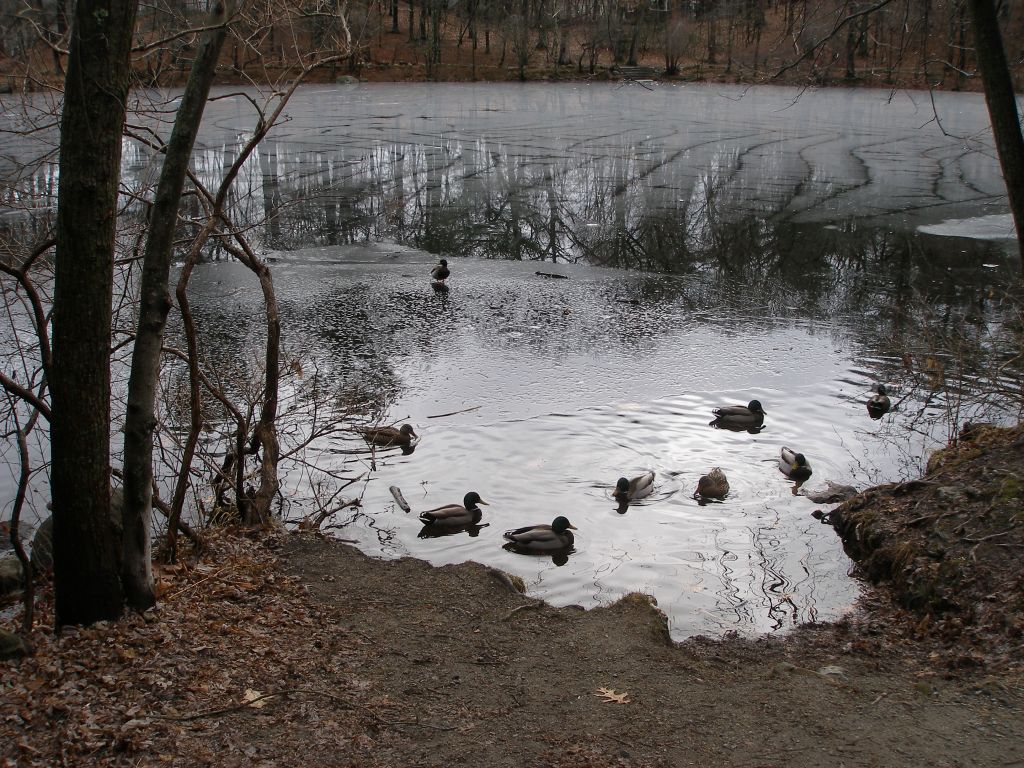
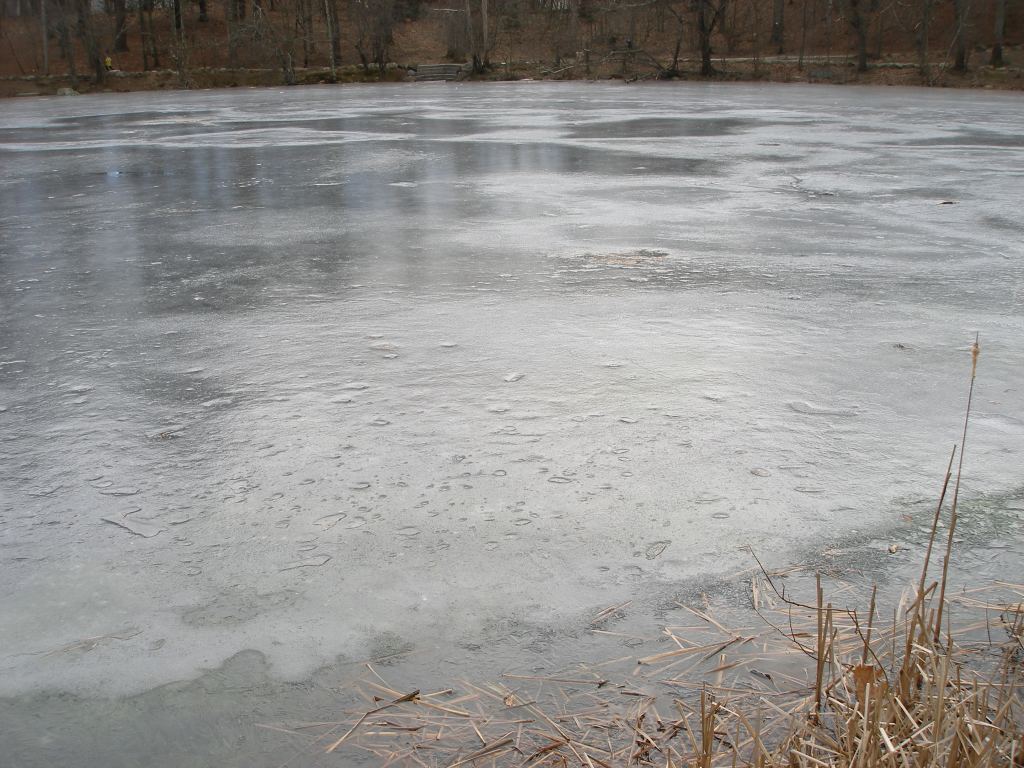
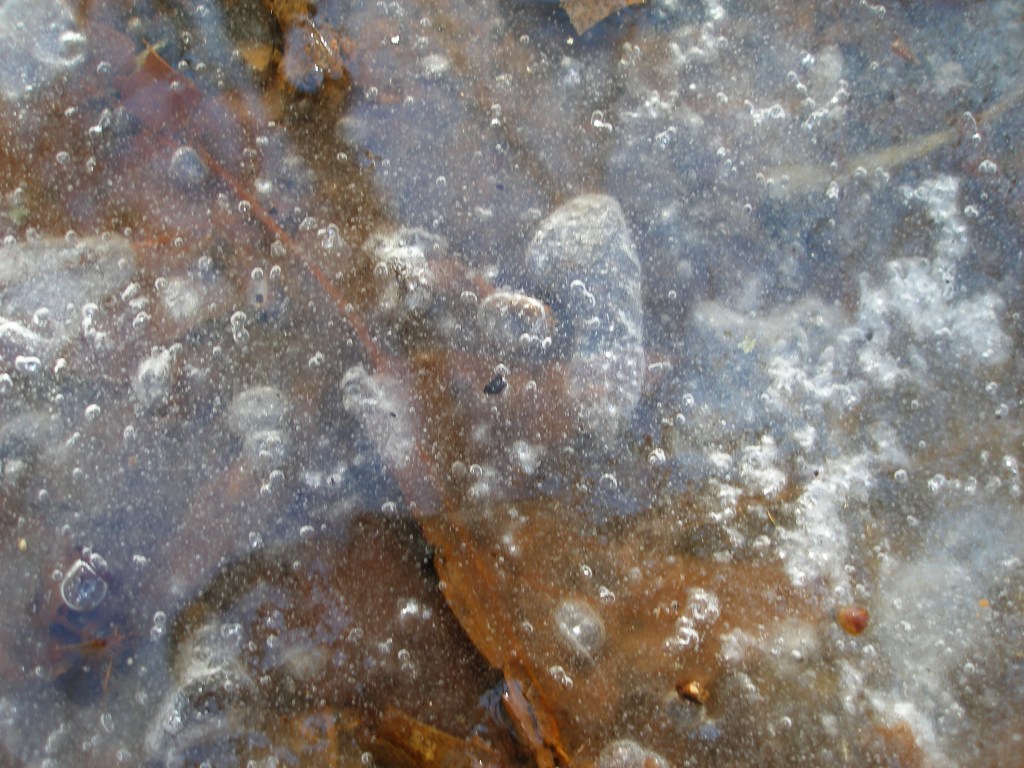
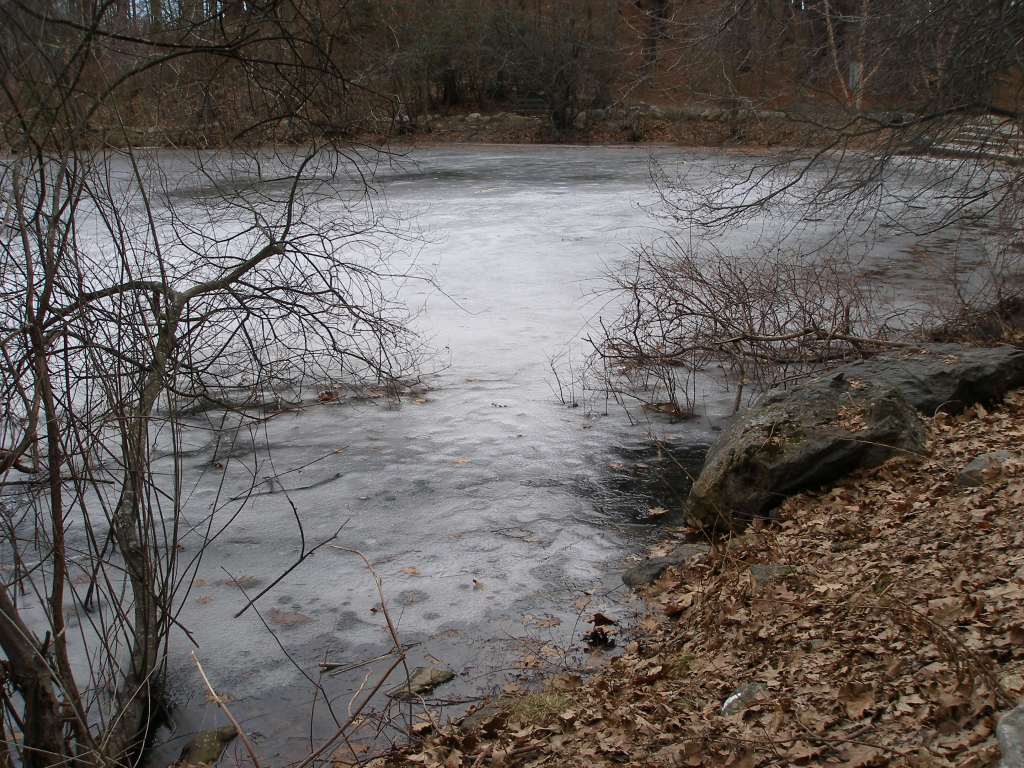
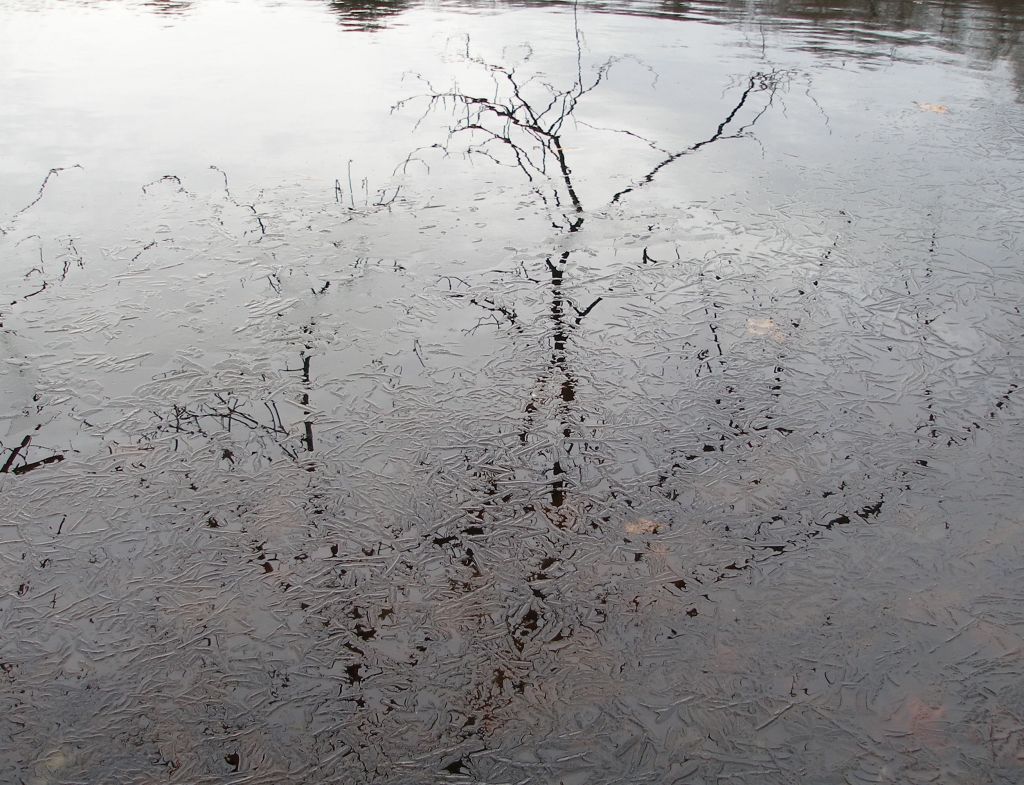
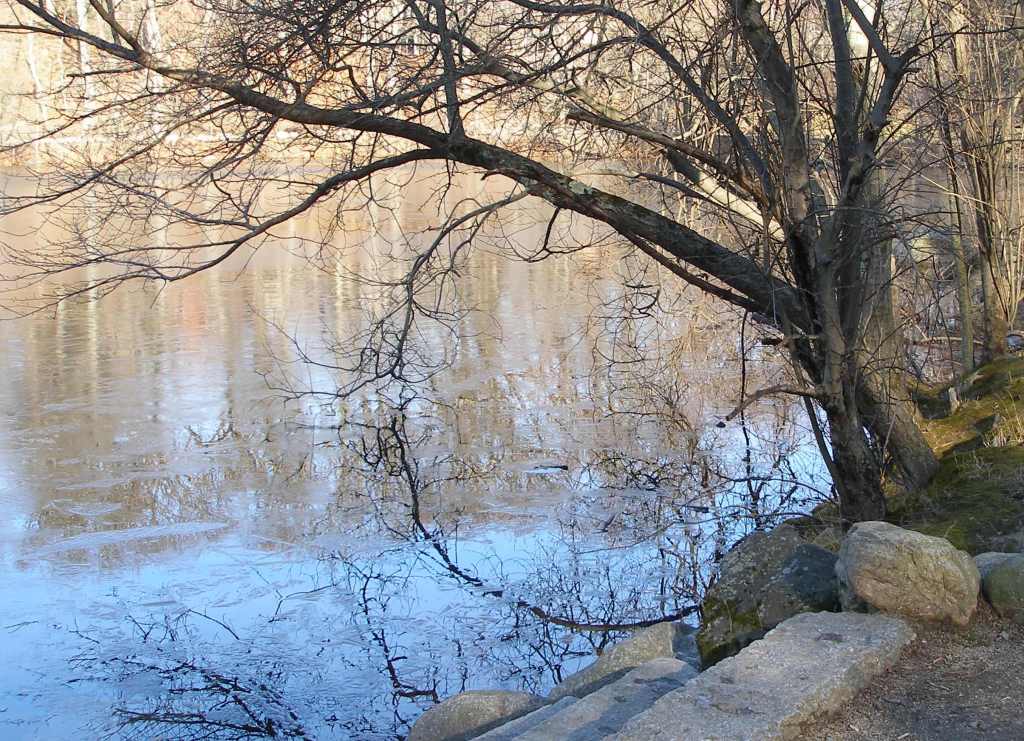
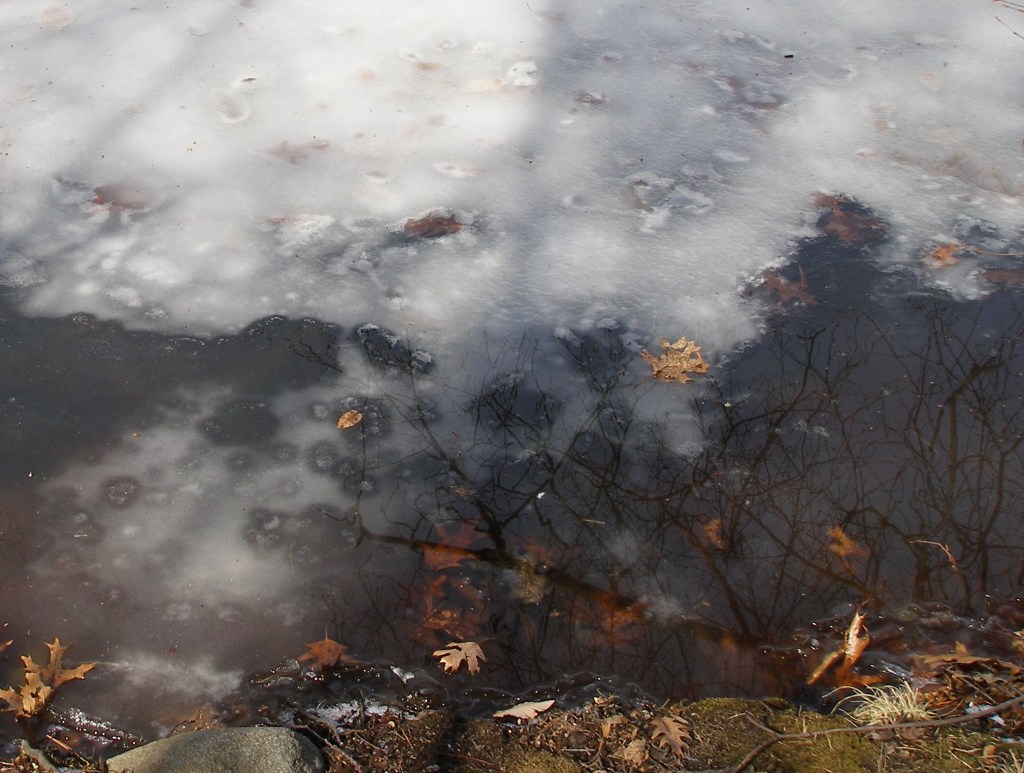
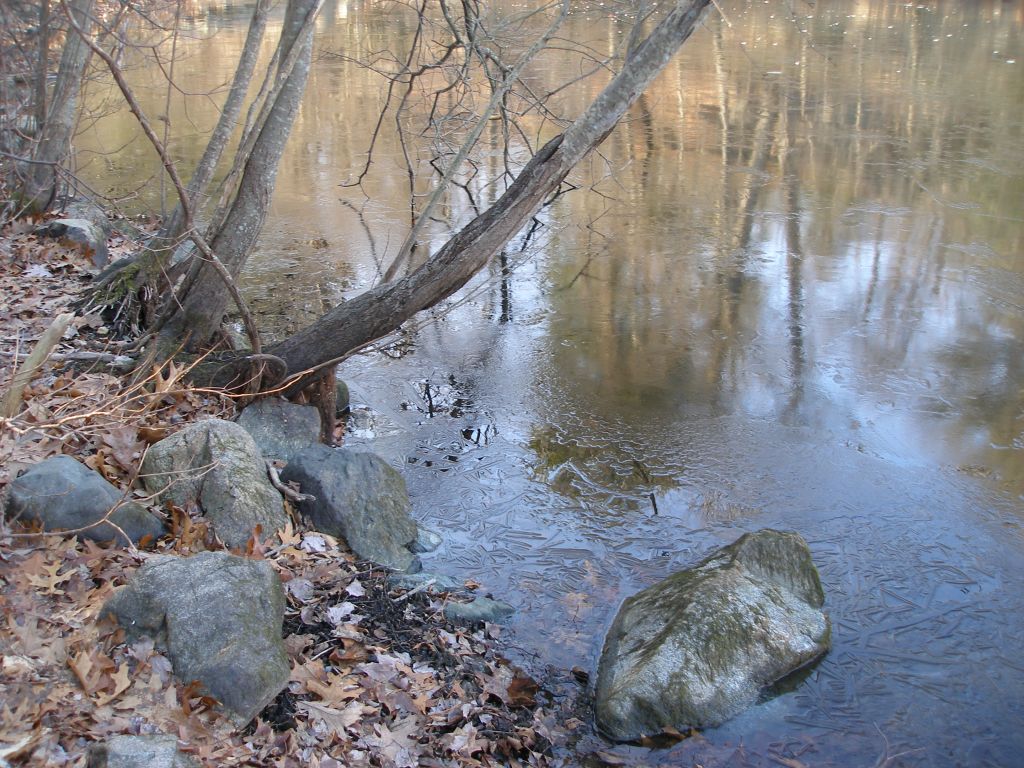
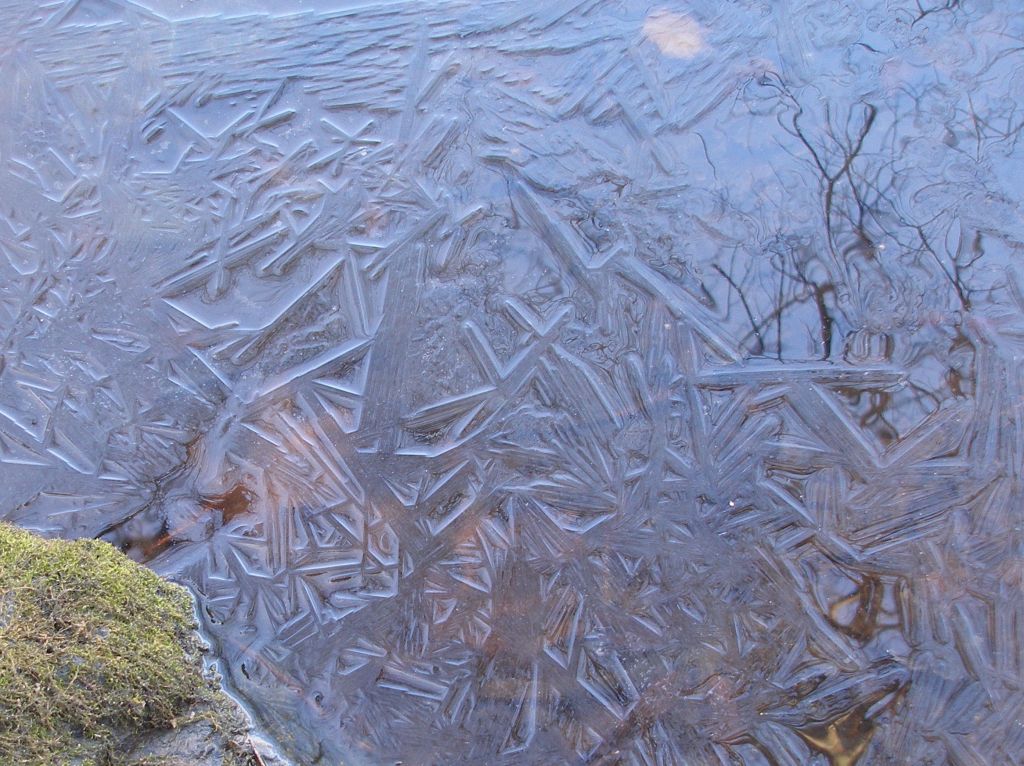
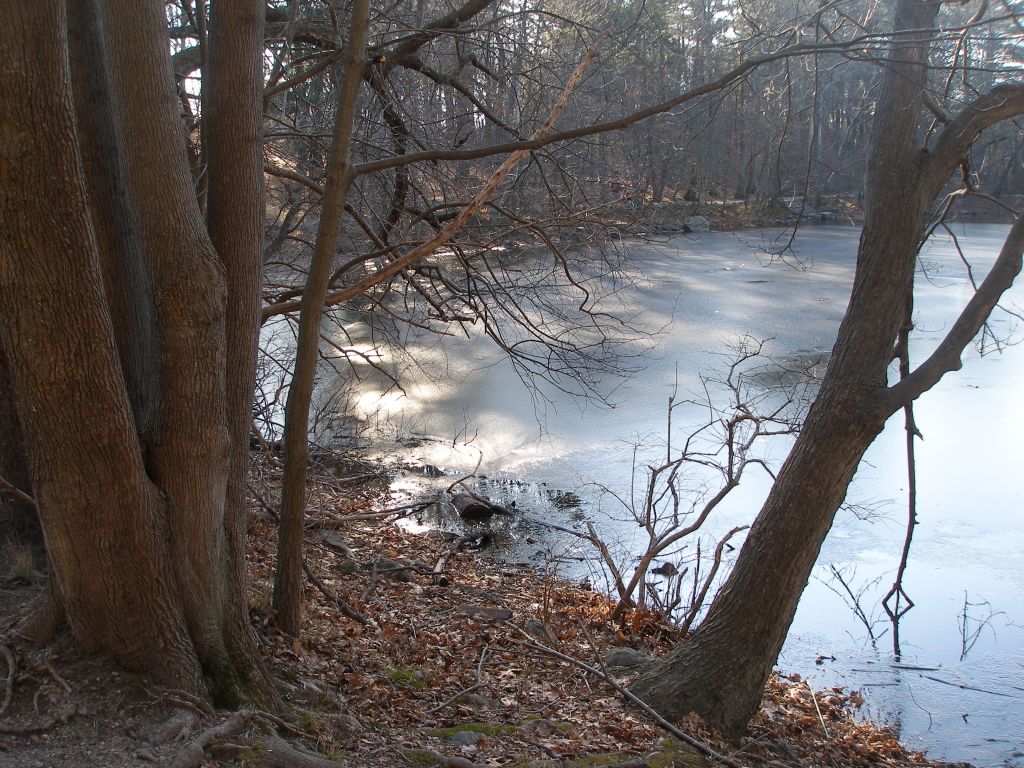
Once I came across a child beating icy Hills Pond with a stick. It made a most appealing bonging sound. Later I heard haunting chirps and zinging at the same pond. Since I was the only one there, I had to assume the ice was making those sounds all by itself. Searching online, I came across Jonna Jinton’s videos with the other worldly, yet peaceful sounds and the beauty of the crack patterns that ice can make as it freezes. Fascinated, I decided to review Jonna’s numbered vlogs in the order they were posted.
Vivid aliveness and a deep appreciation for the changing seasons in unspoiled northern Sweden where Jonna lives informed all that she shared. Living in her very tiny community also required a great deal of hard work just to stay alive and keep warm, along with a willingness to accept dark times – quite literally unavoidable in winter that far north. As she had hoped, Jonna’s online business selling lovely silver jewelry, prints of her photos and large paintings provided a means to support several family members and friends in a place where jobs were hard to find.
Besides her various creative endeavors, the videos show Jonna interacting with beloved pets, renovating buildings, making paints from local materials, and singing to cows. She shares her world in breath-taking drone footage as well as from more intimate camera angles. While she makes clear that she hopes her videos can bring the inspiration of nature to those who lack access, she does not invite envy. Rather she asks each of us to consider what we would like to have in our own precious lives.
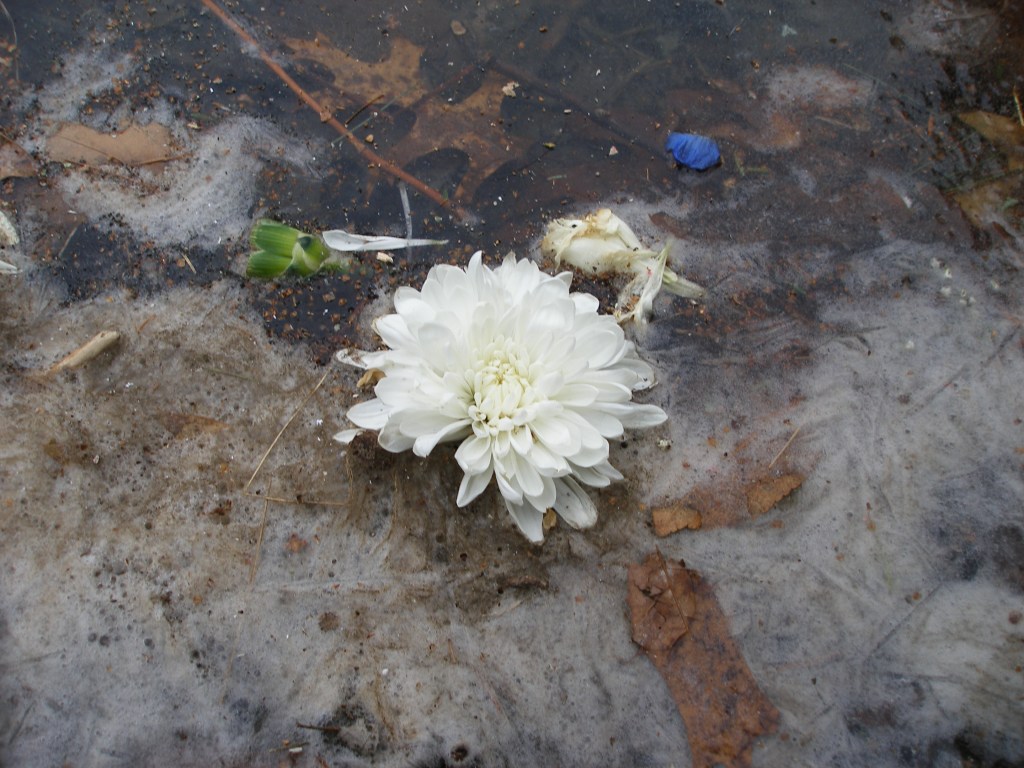
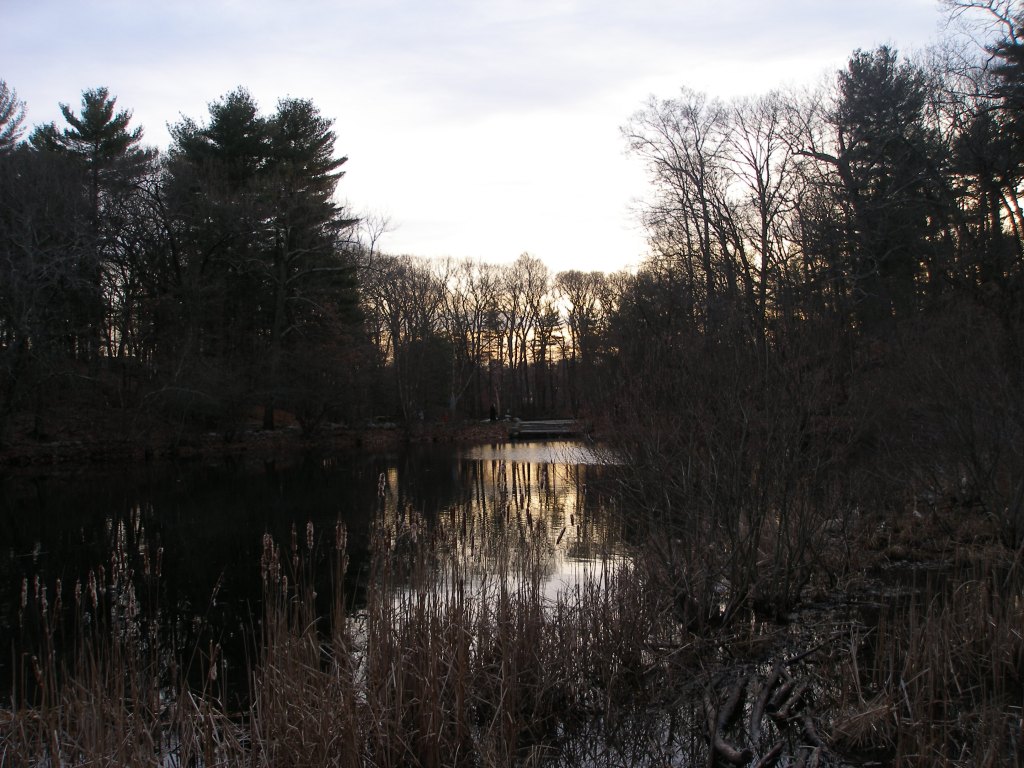
As for me, I am grateful to have a pond nearby where children make bonging sounds. Hills Pond was singing by itself again when I went looking for ice photos this morning inspired by Jonna’s passion for “what ice can do. “ice art.”
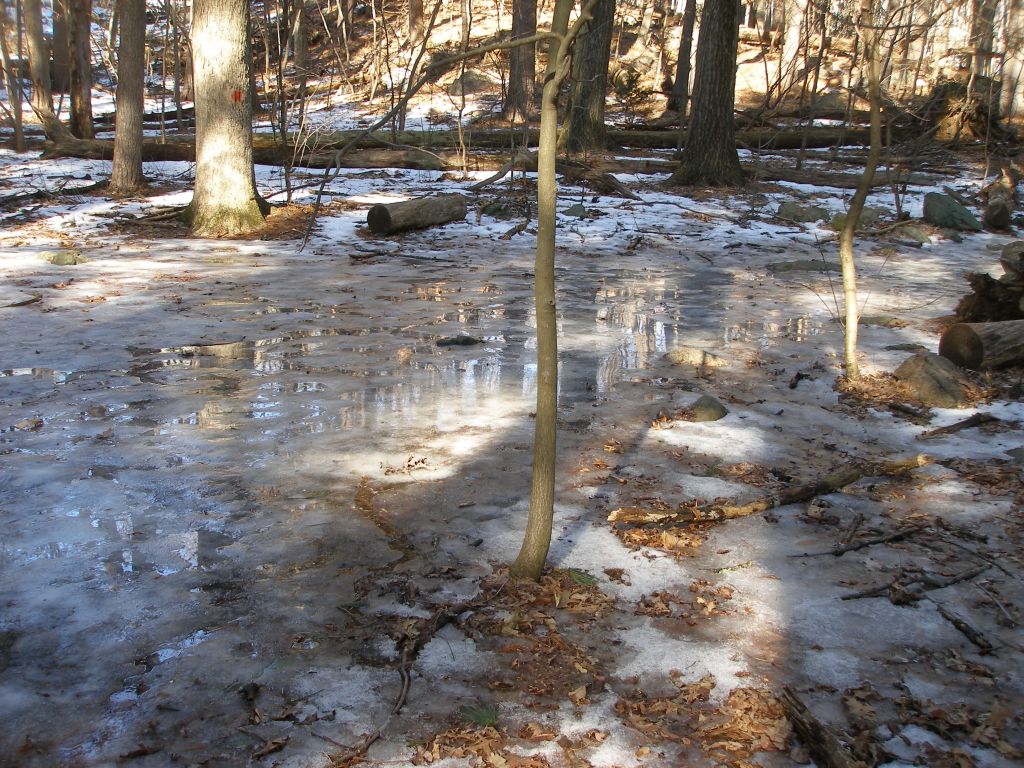
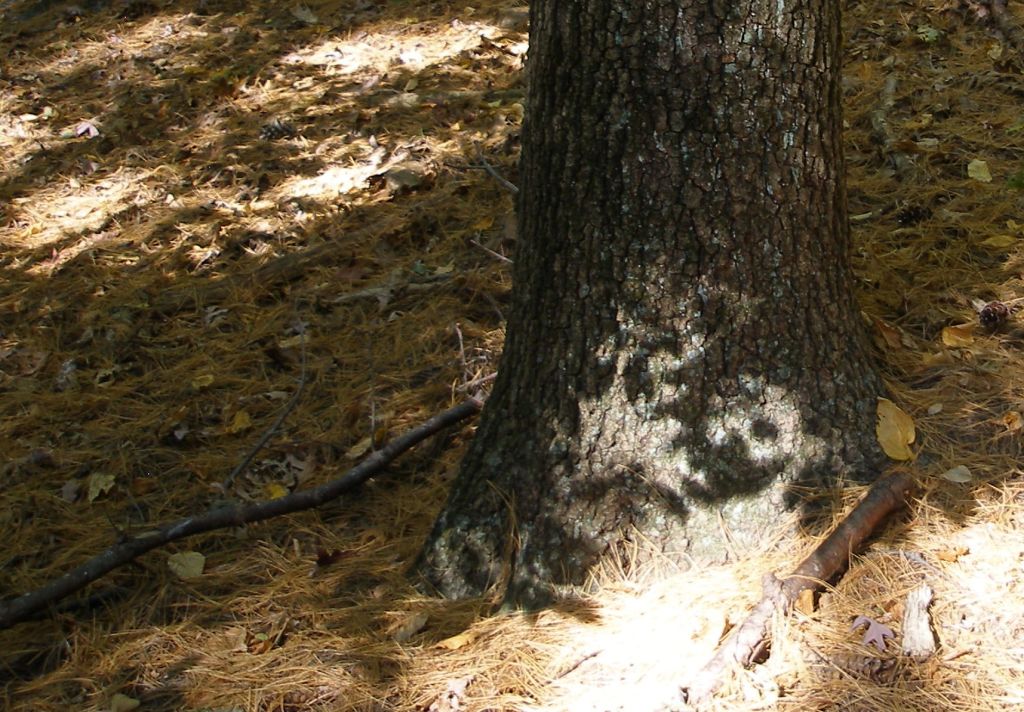
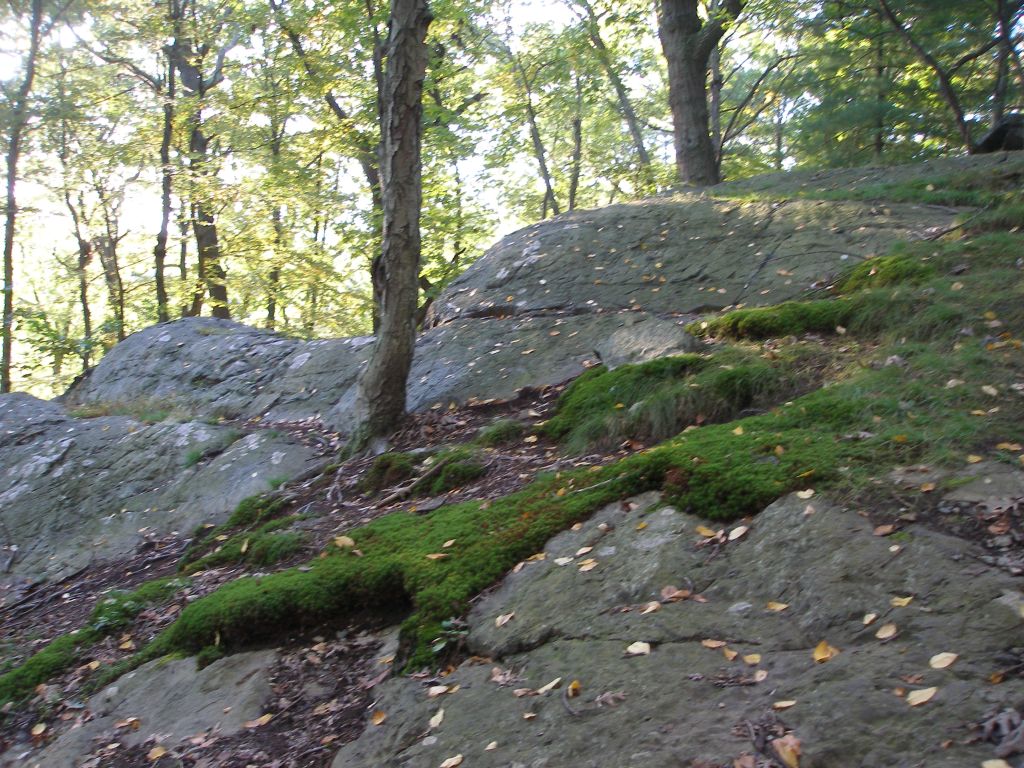
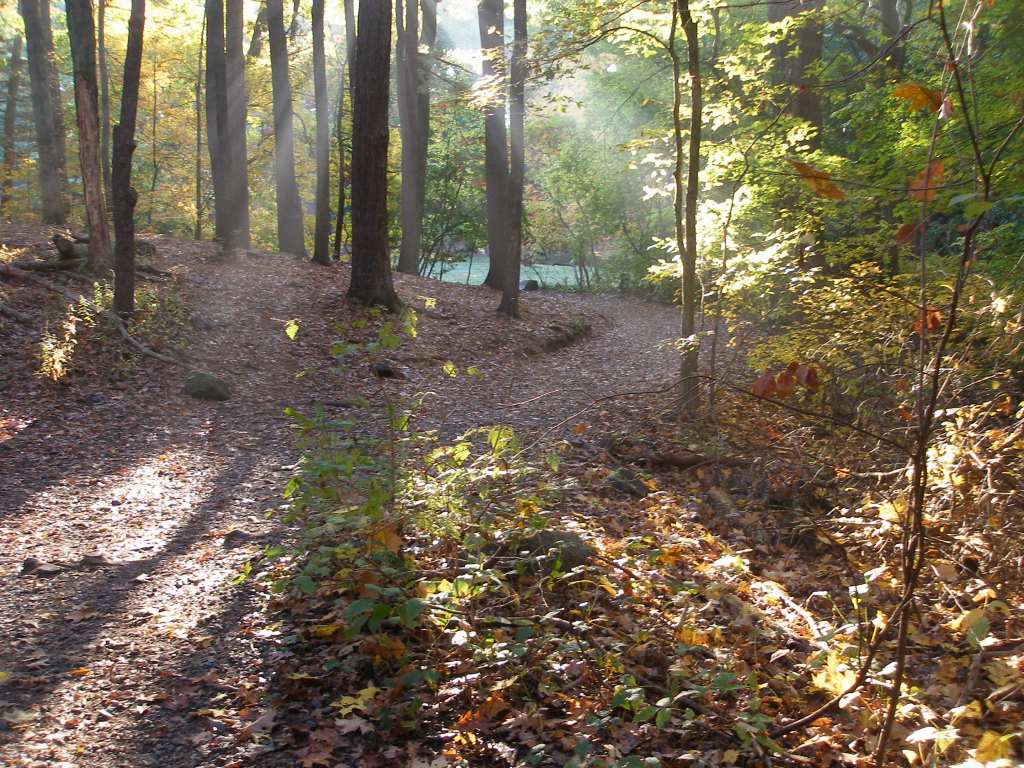
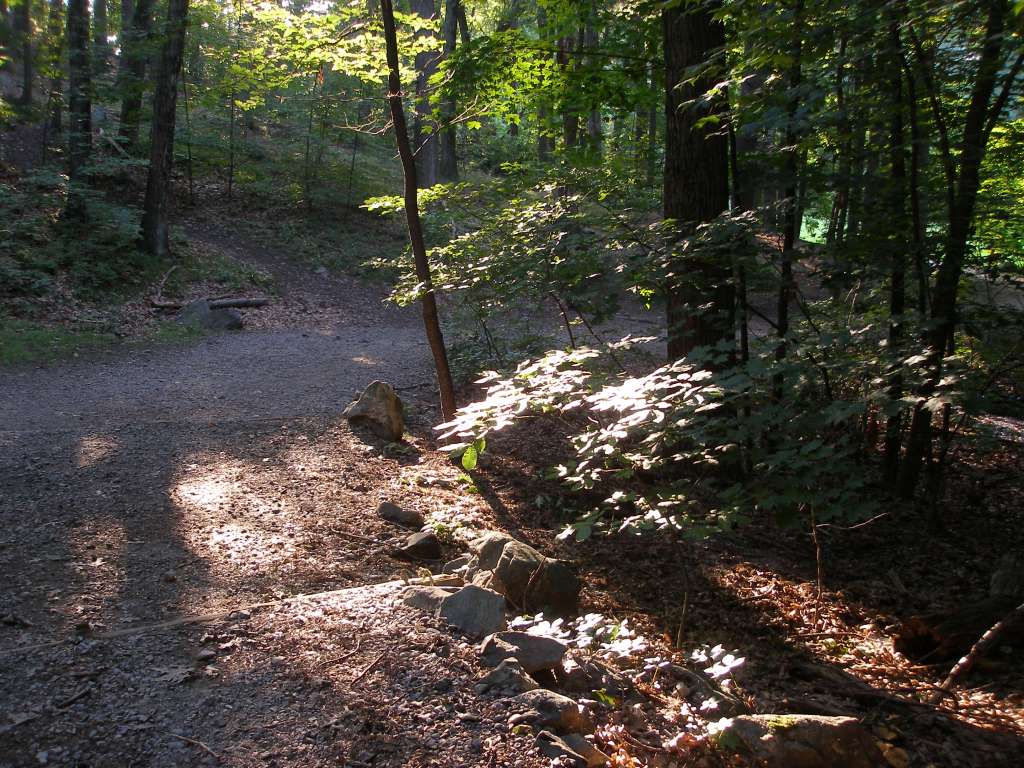
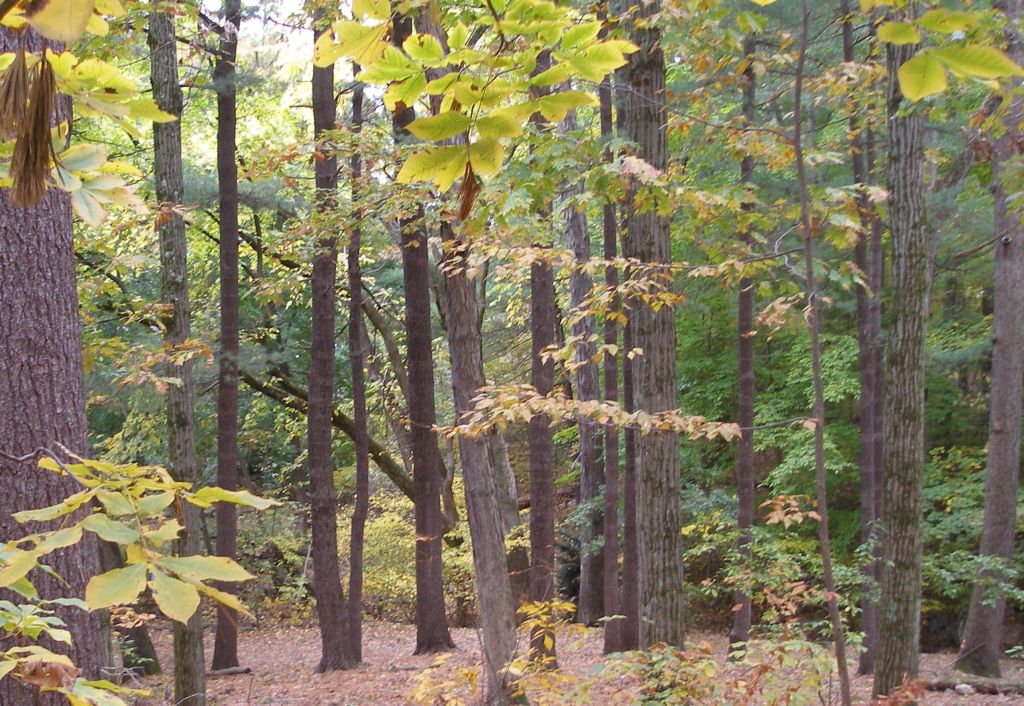
It is natural to notice a muskrat chasing quacking ducks, but the woods can have a quieter energy – There is a lot going on, but it is easier to miss.
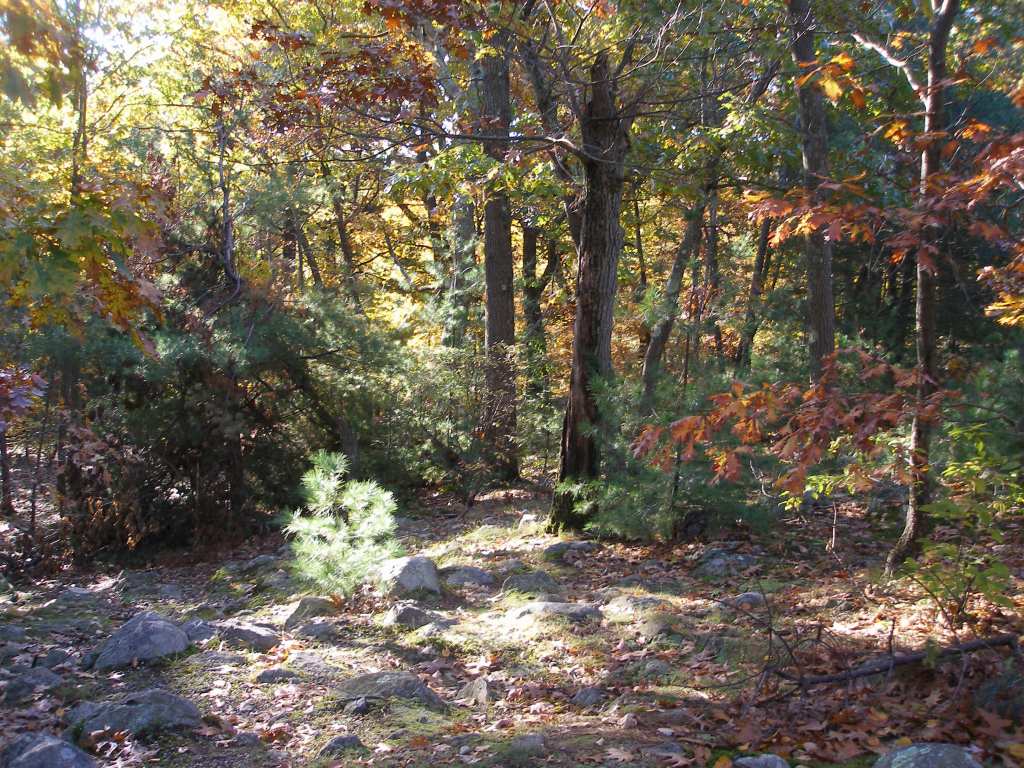
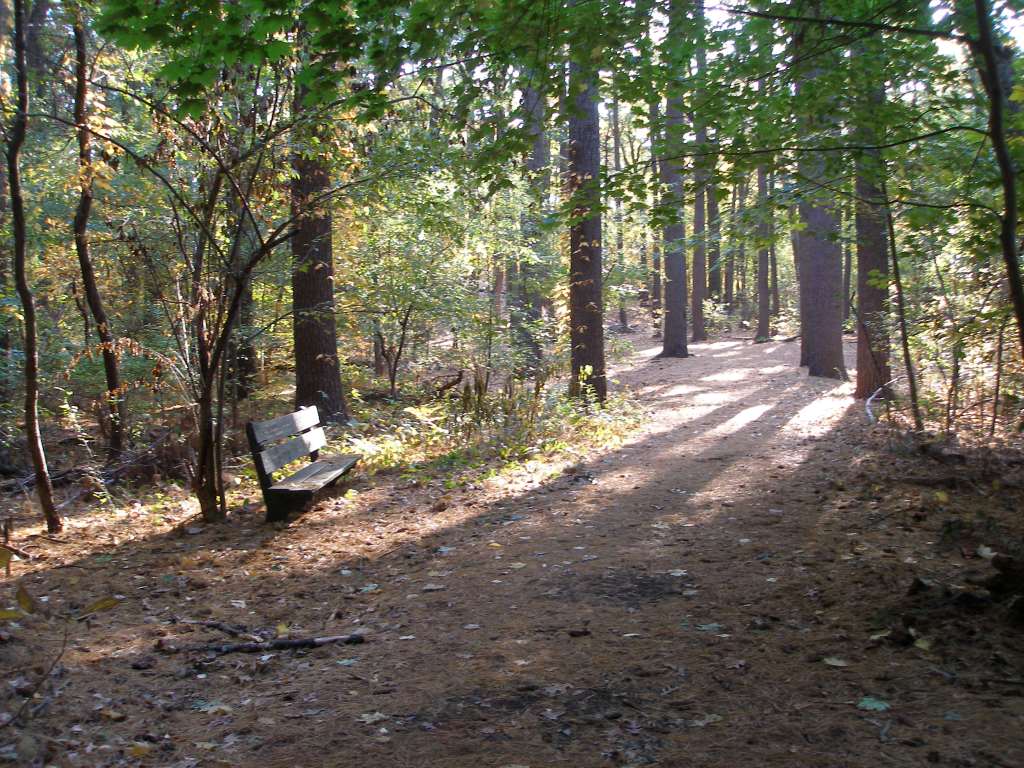
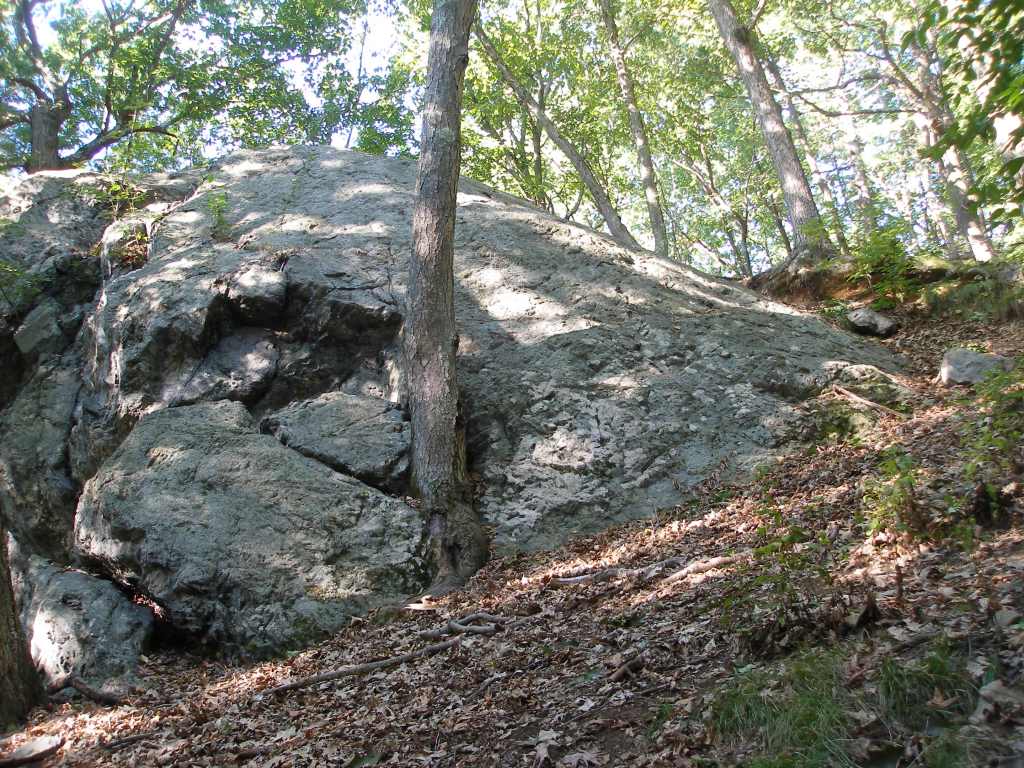
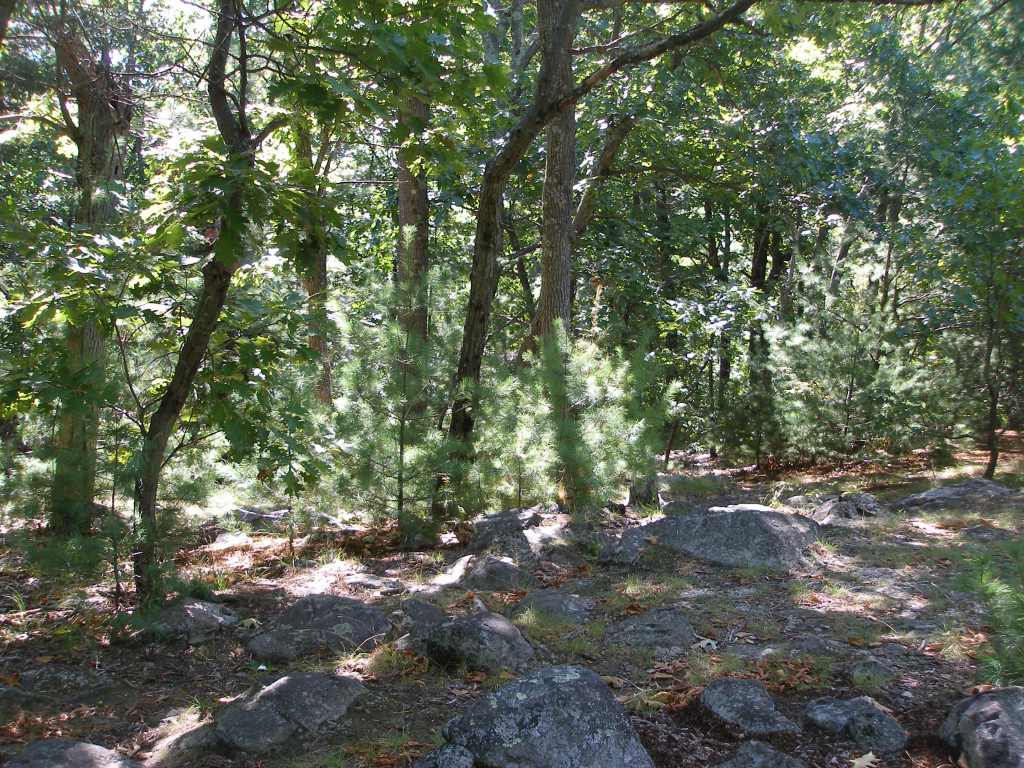
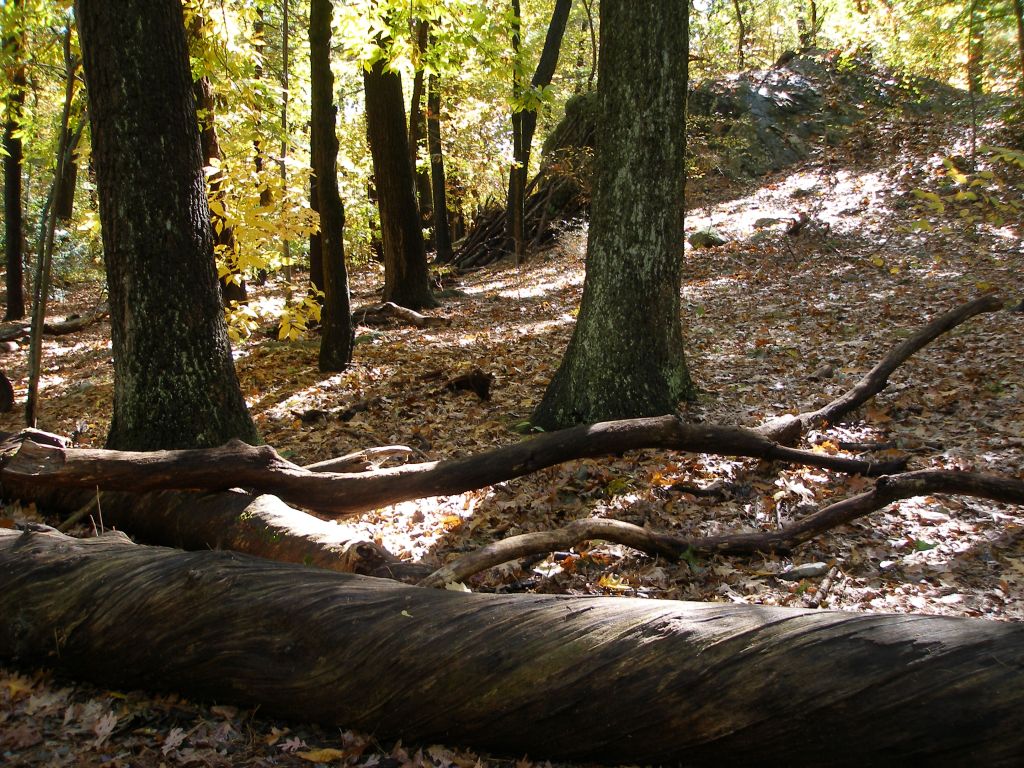
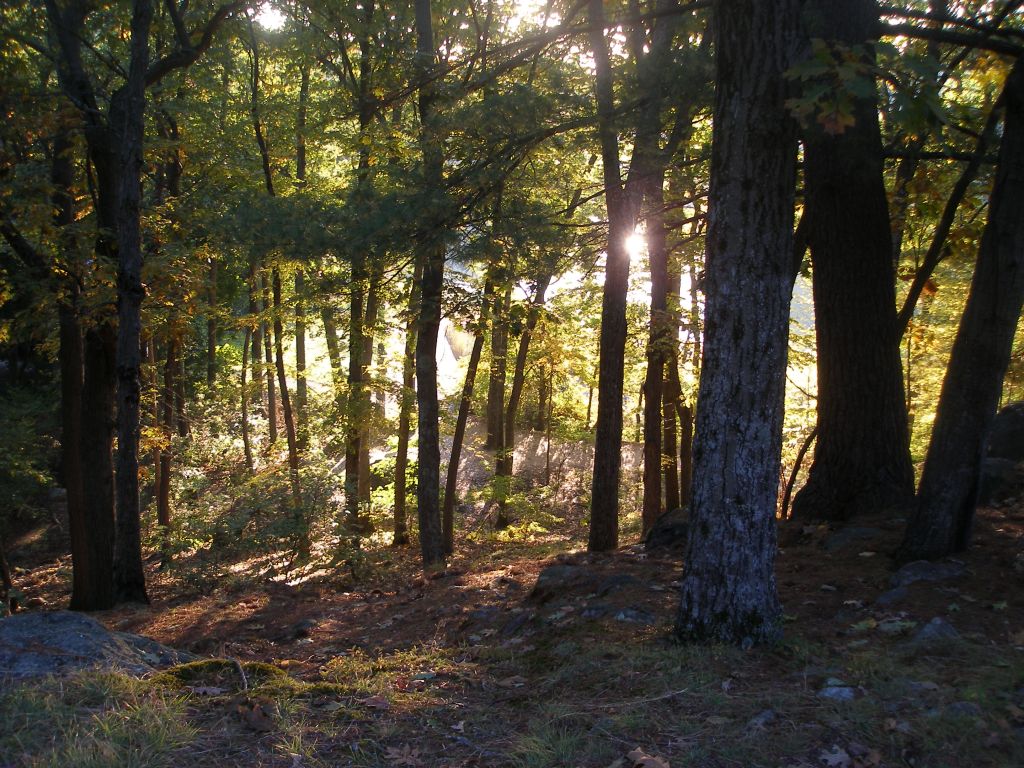
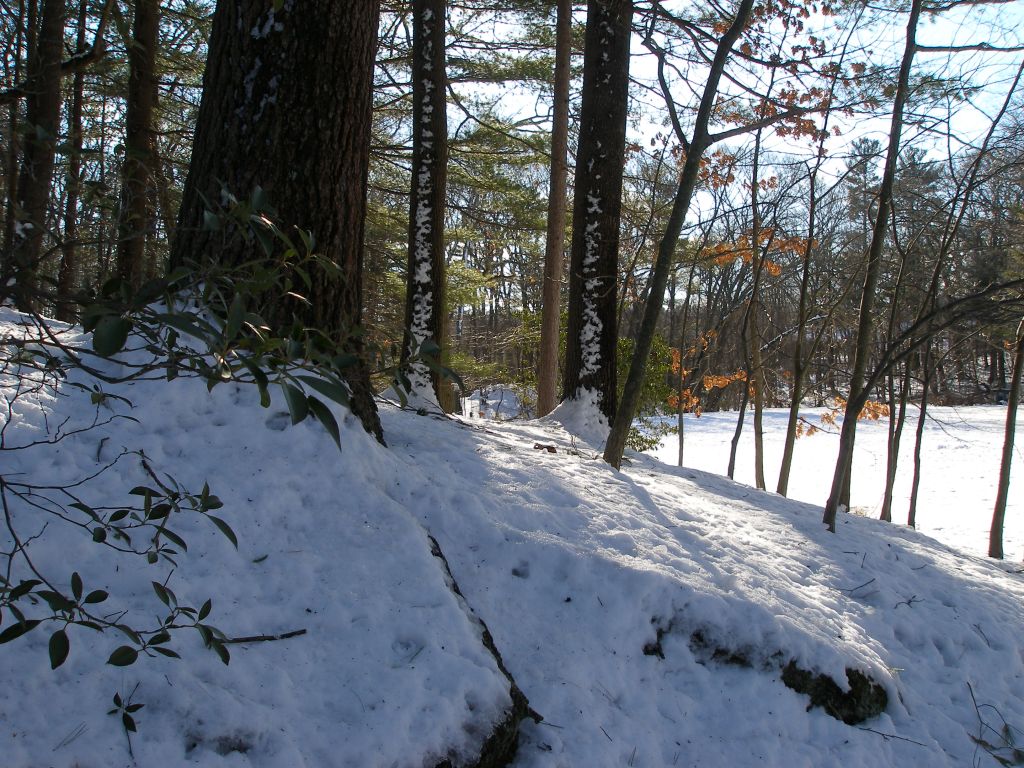
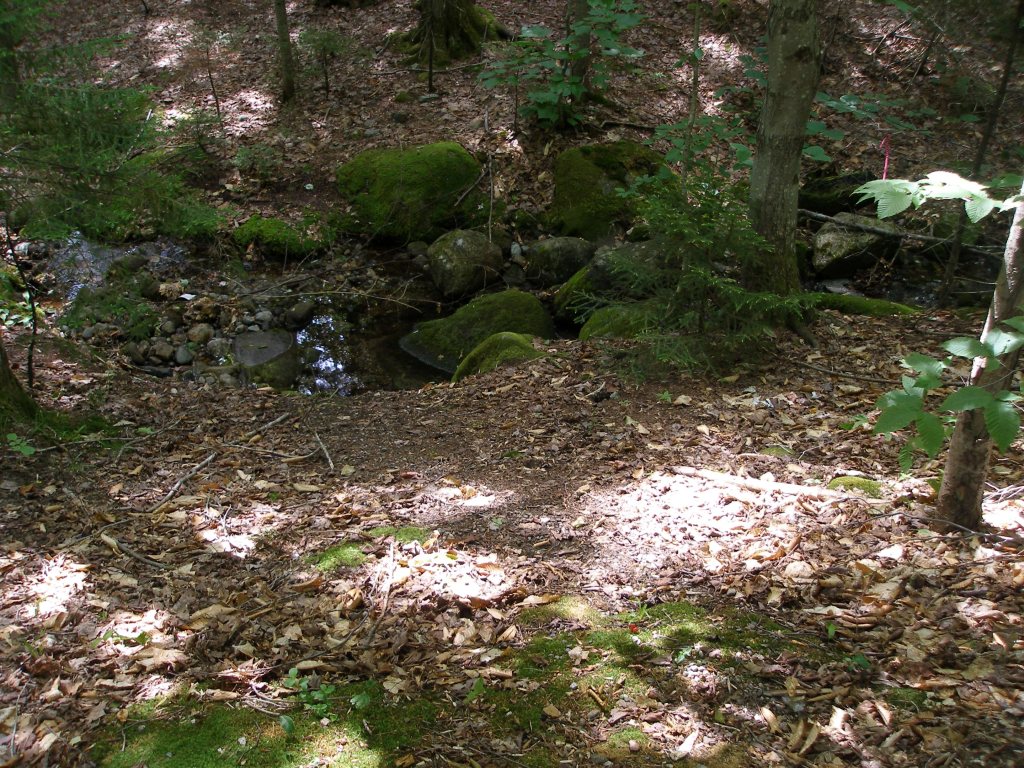
Trees with their roots wrapped around granite outcrops or buried beneath fallen leaves and mounding needles are the backbone here. Warm beams of sunlight suddenly illuminate the all-embracing living wonder while the woods in winter has its own kind of resting beauty.
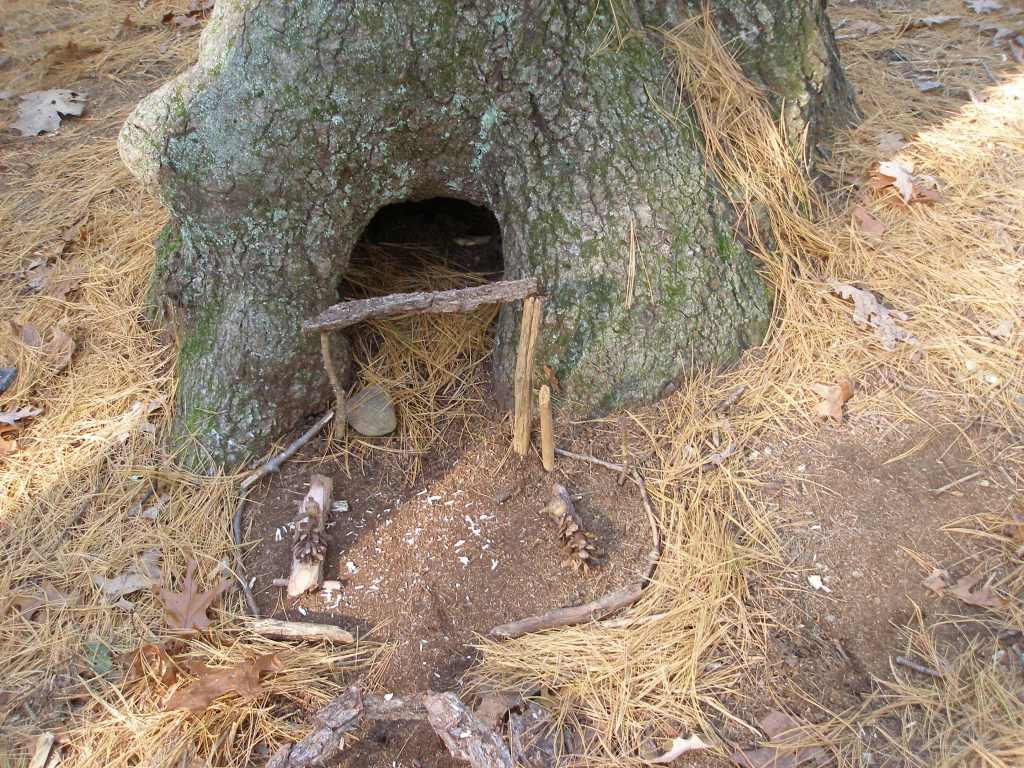
As we walked along the trail, a friend told me that her grandchild loved pine needles. He also liked looking for hollow logs that would make good houses. My friend seemed to share her grandson’s delight in the magical quality that can be sensed just below the surface in many forest settings.
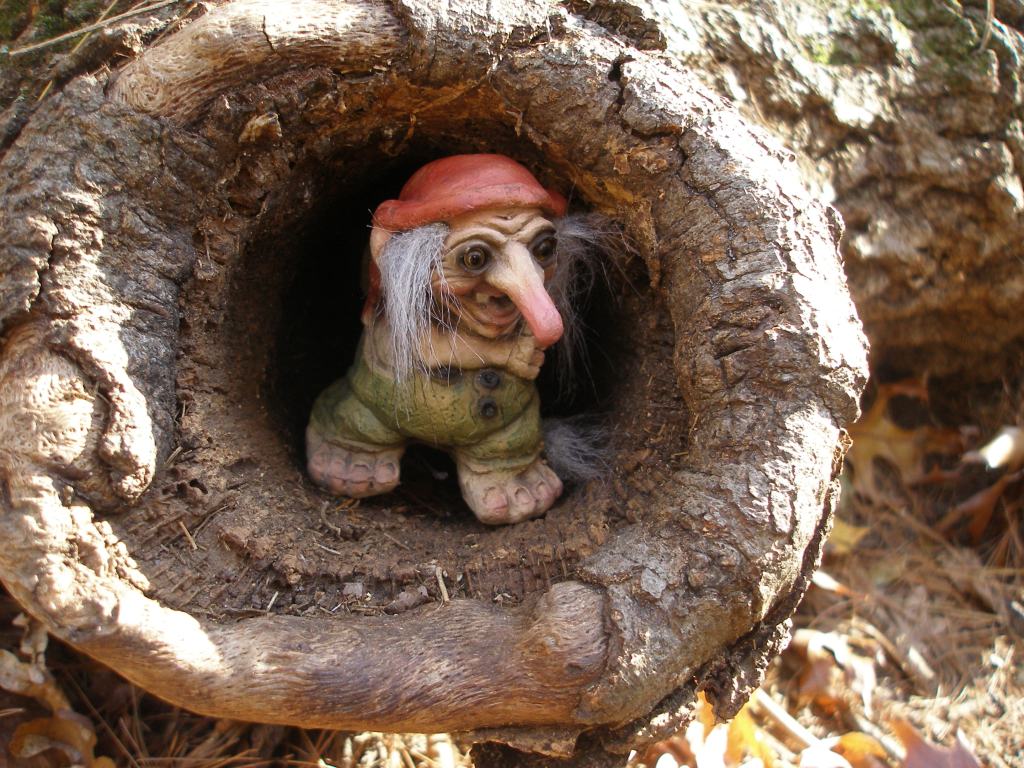
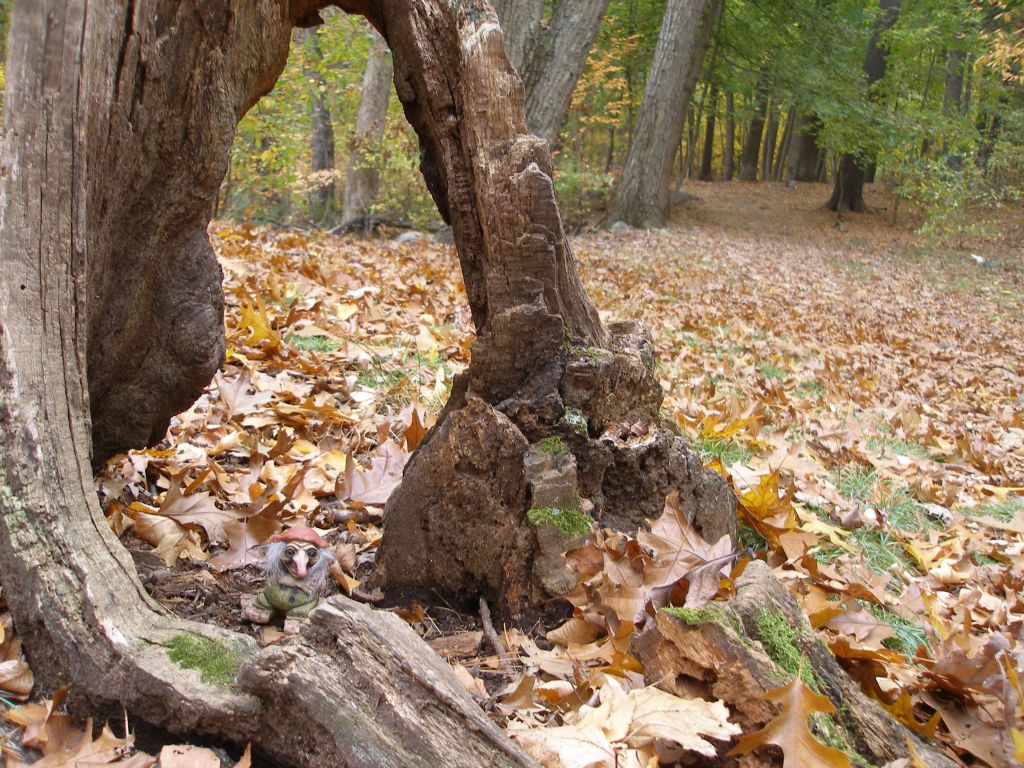
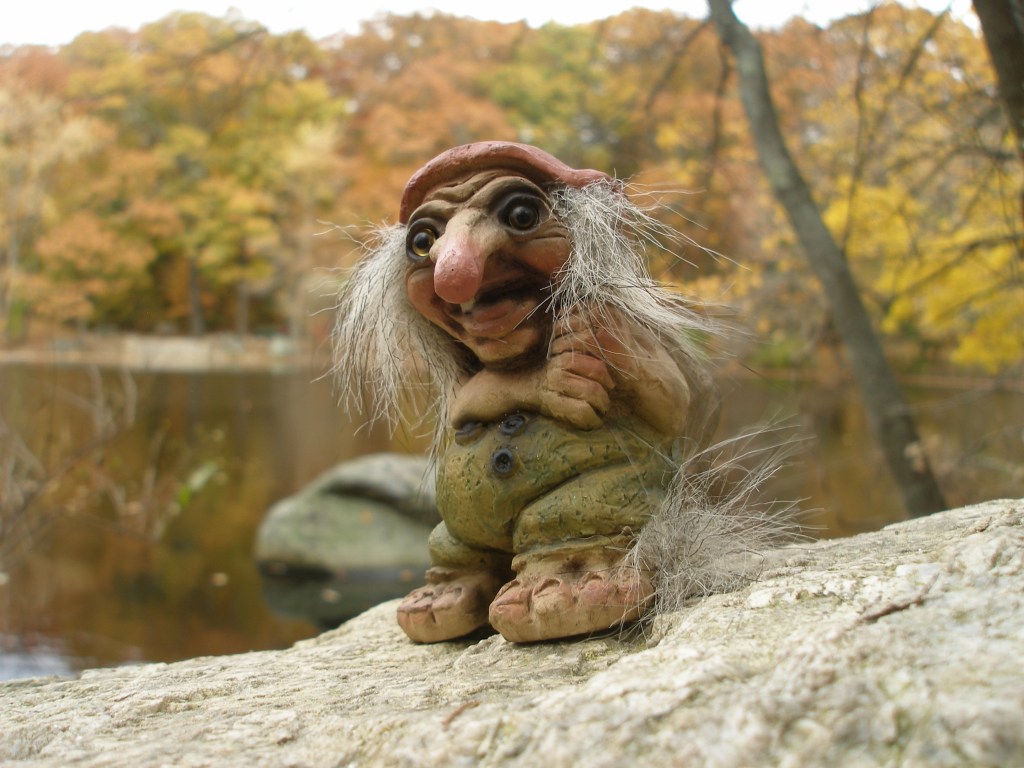
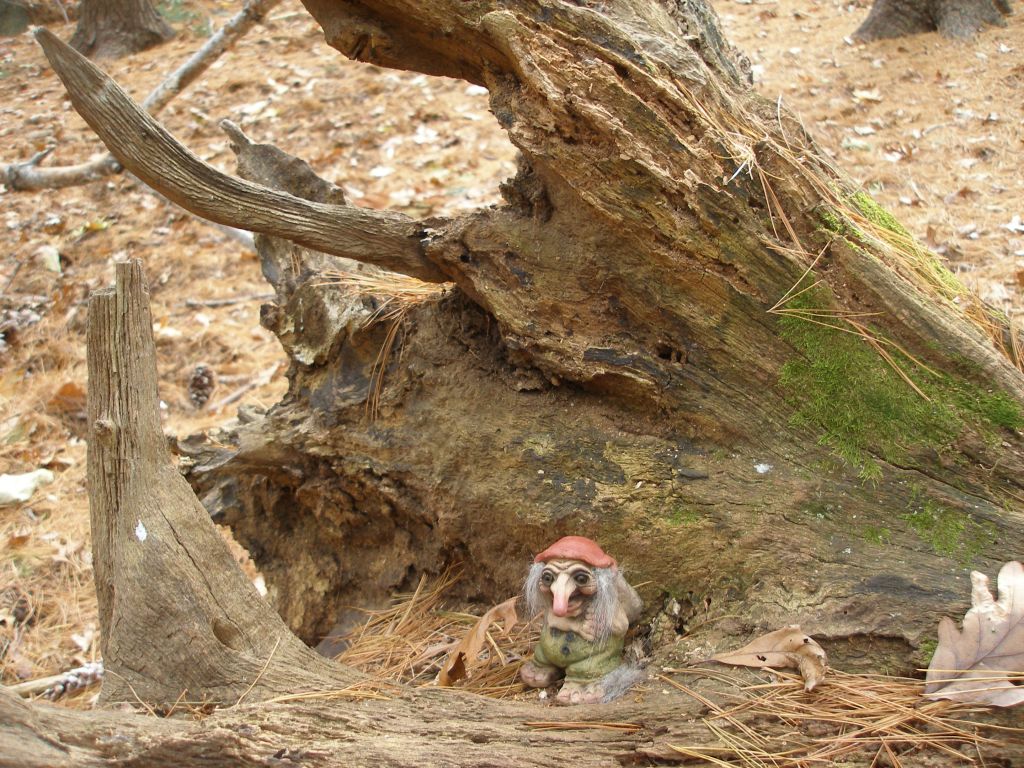
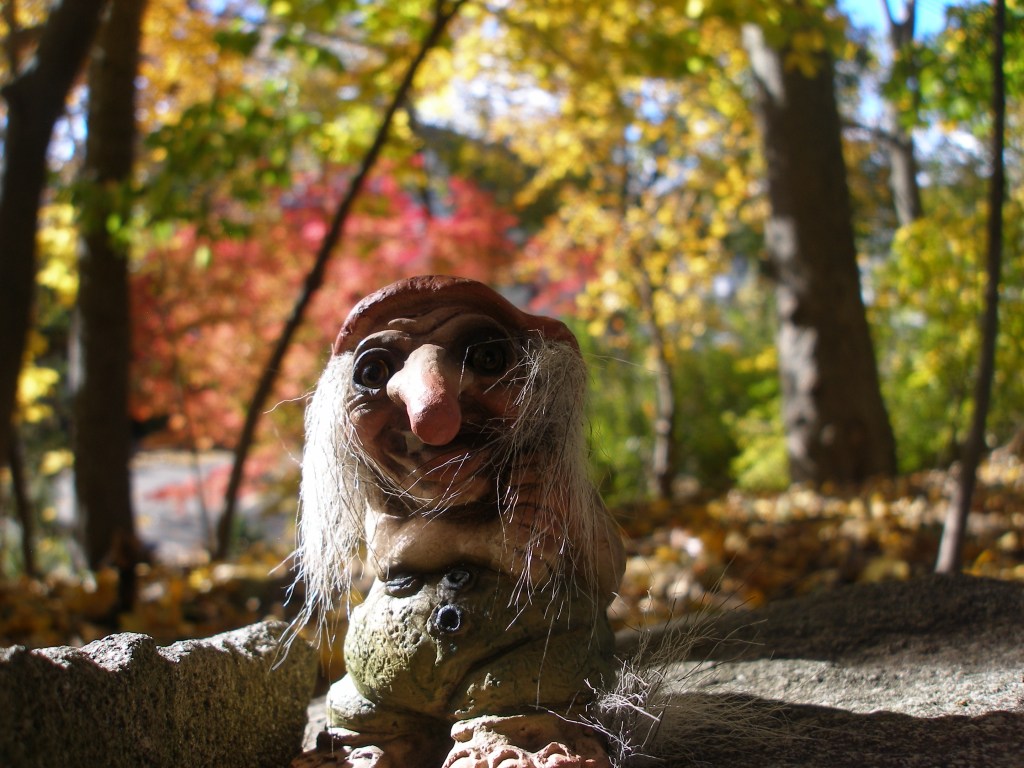
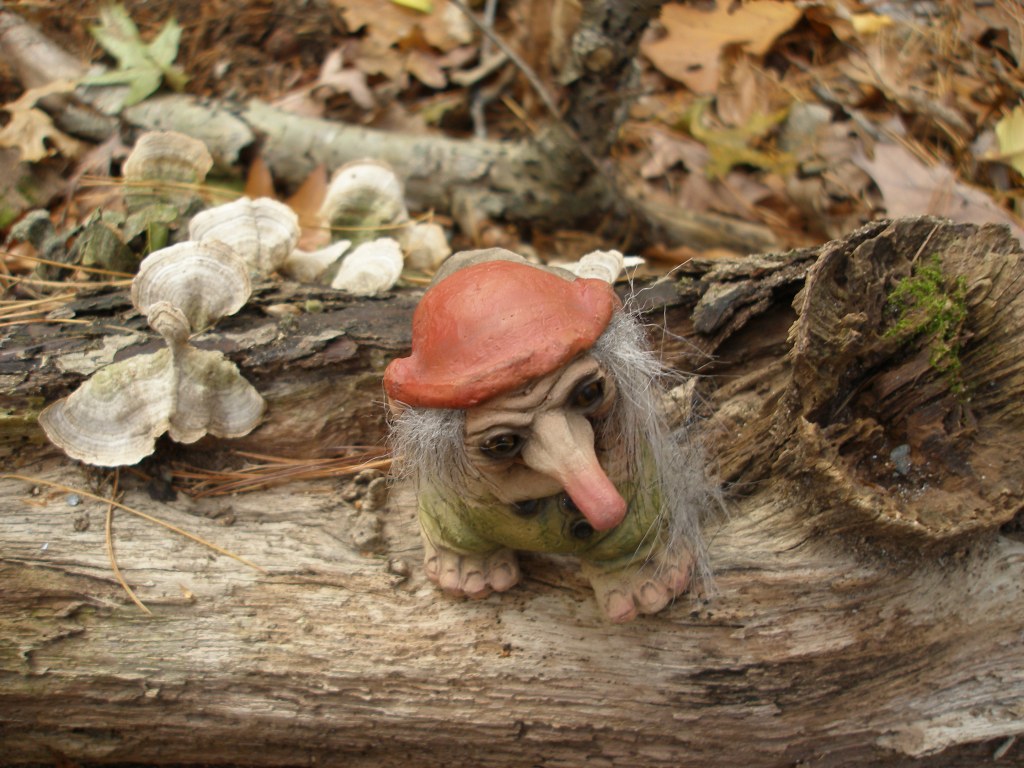
Perhaps because children can be particularly sensitive to the intelligence of other species, or because of their vivid imaginations, looking for or constructing “fairy houses” seems a perfectly natural thing to do. I thought of the troll that my Aunt brought back from Norway at my request. I promised my friend that I would take photos of him in the park.
Indeed, this eager little fellow seemed to be quite at home in these woods far from his native land.
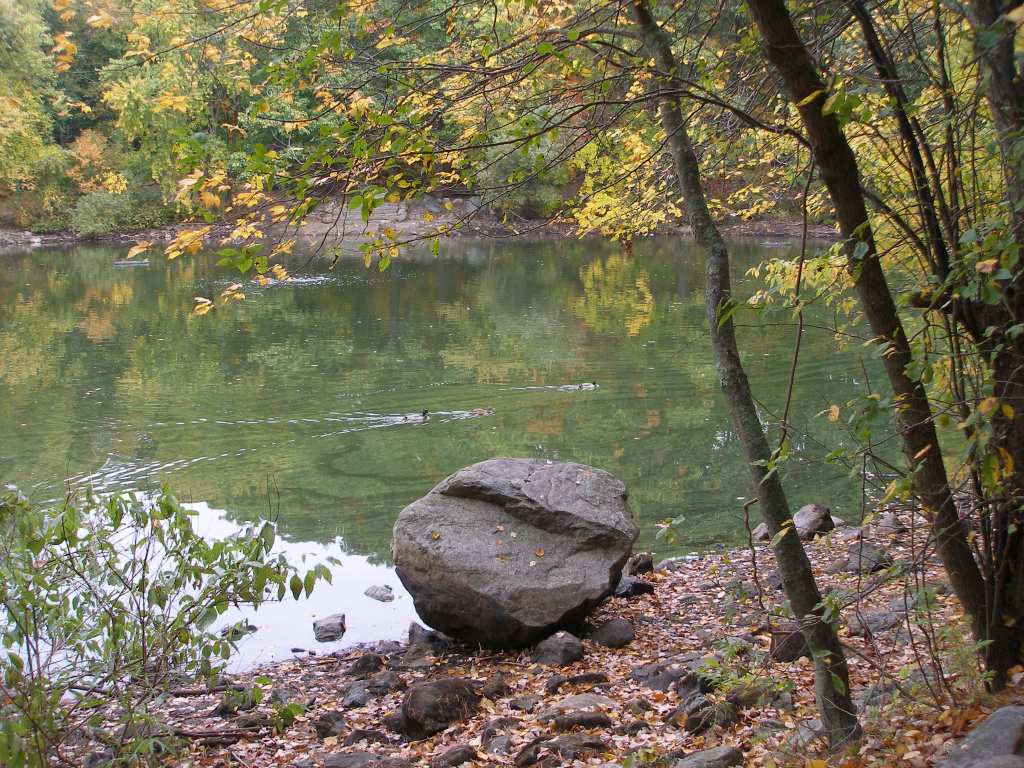
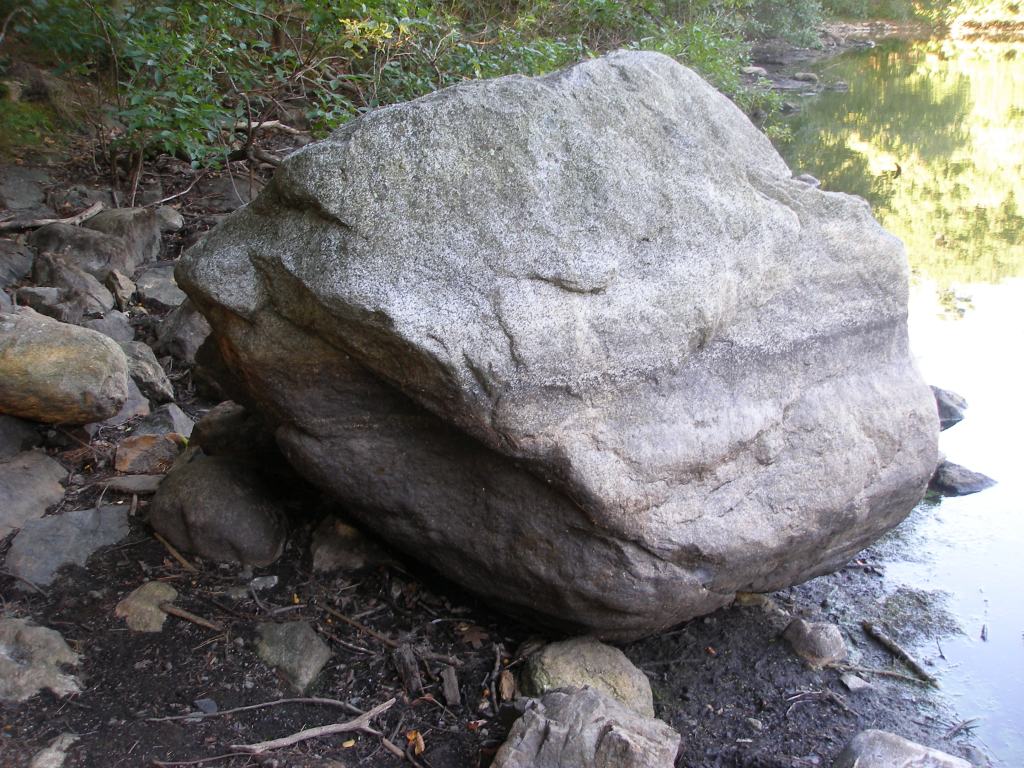
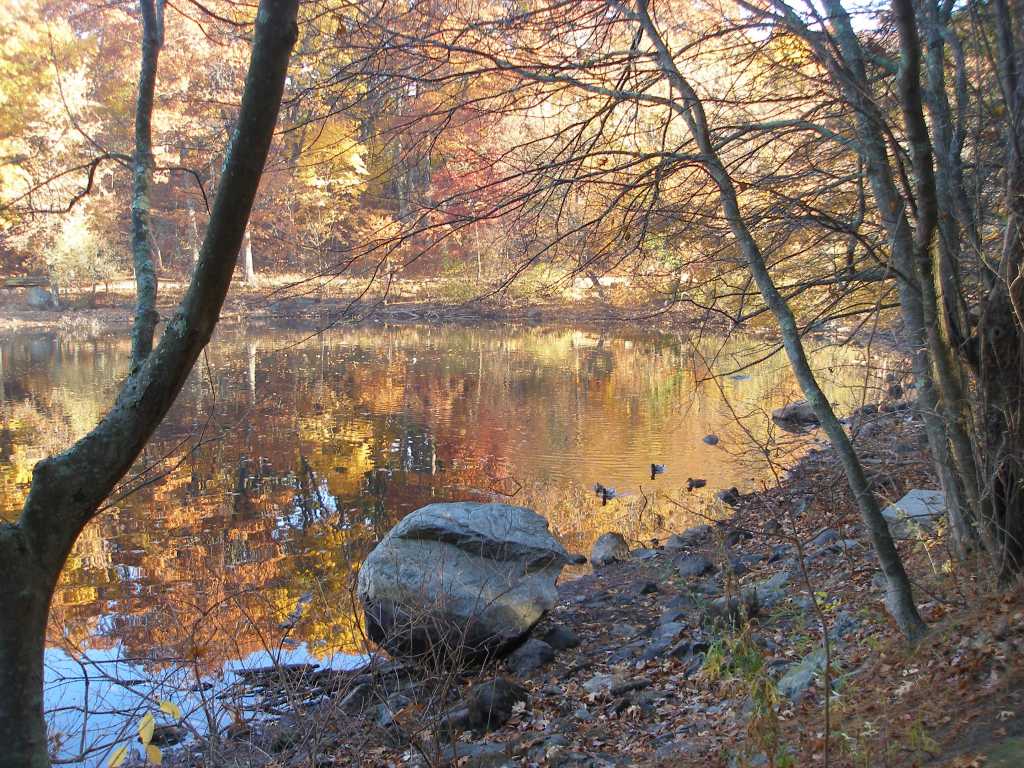
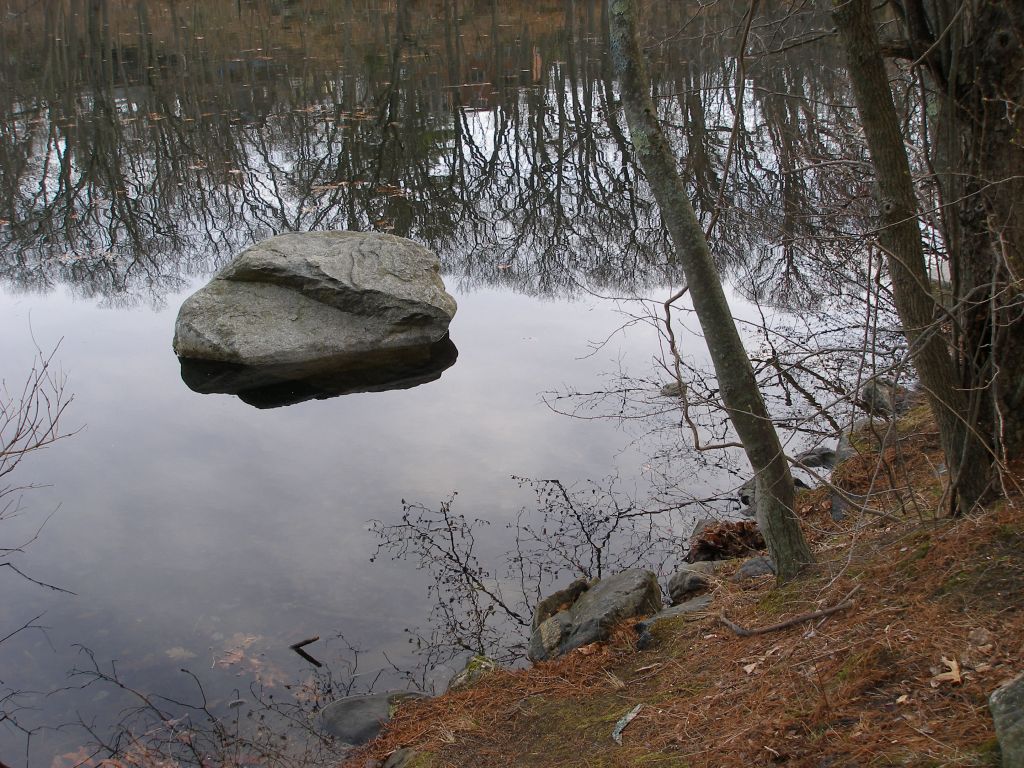
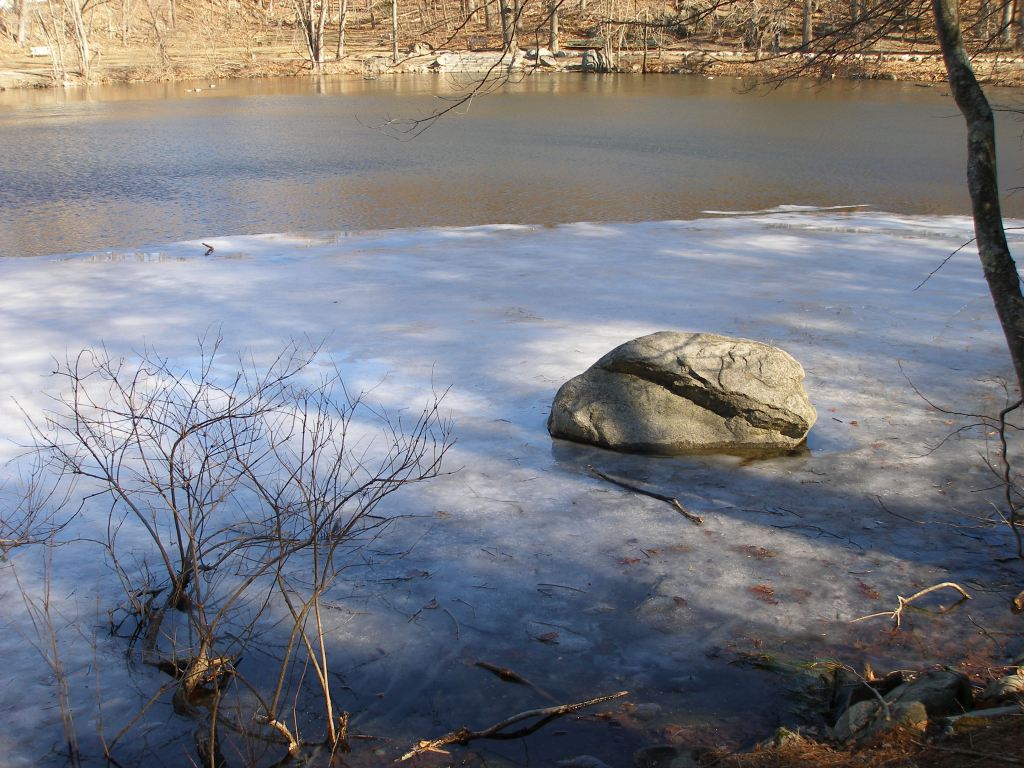
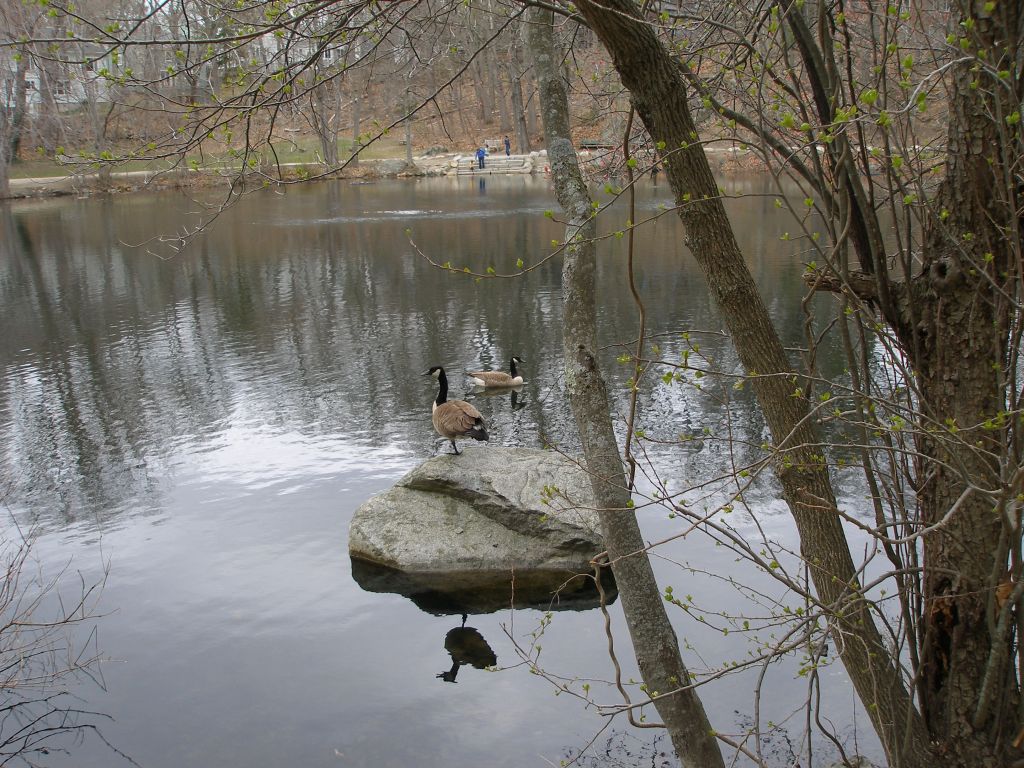
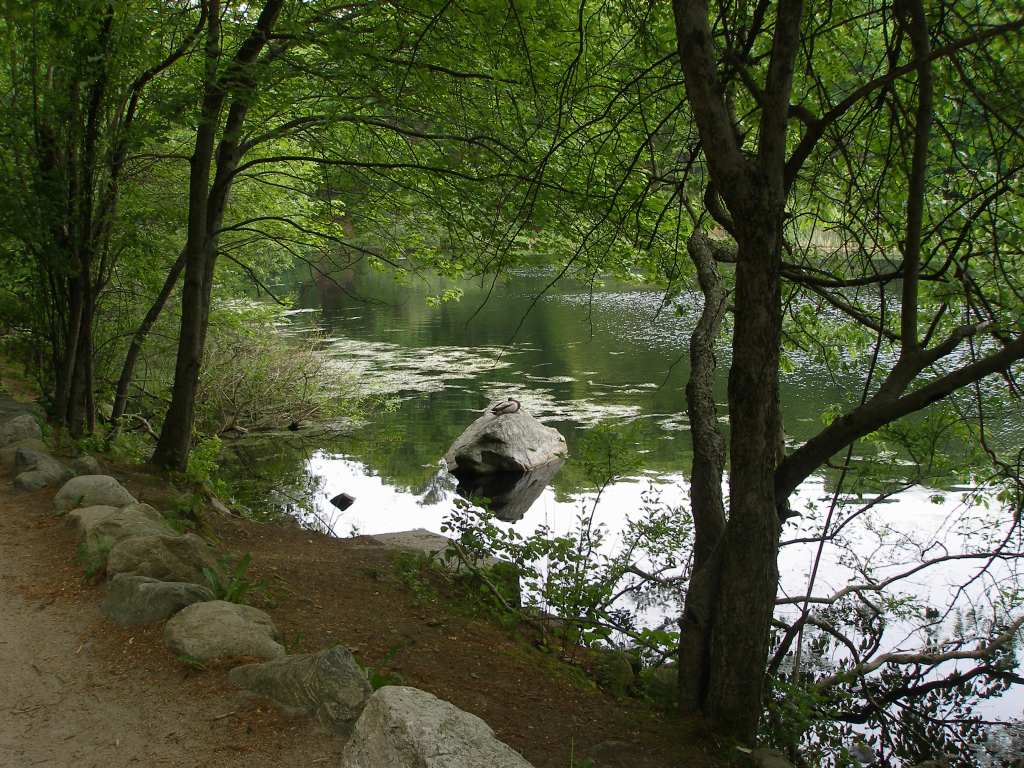
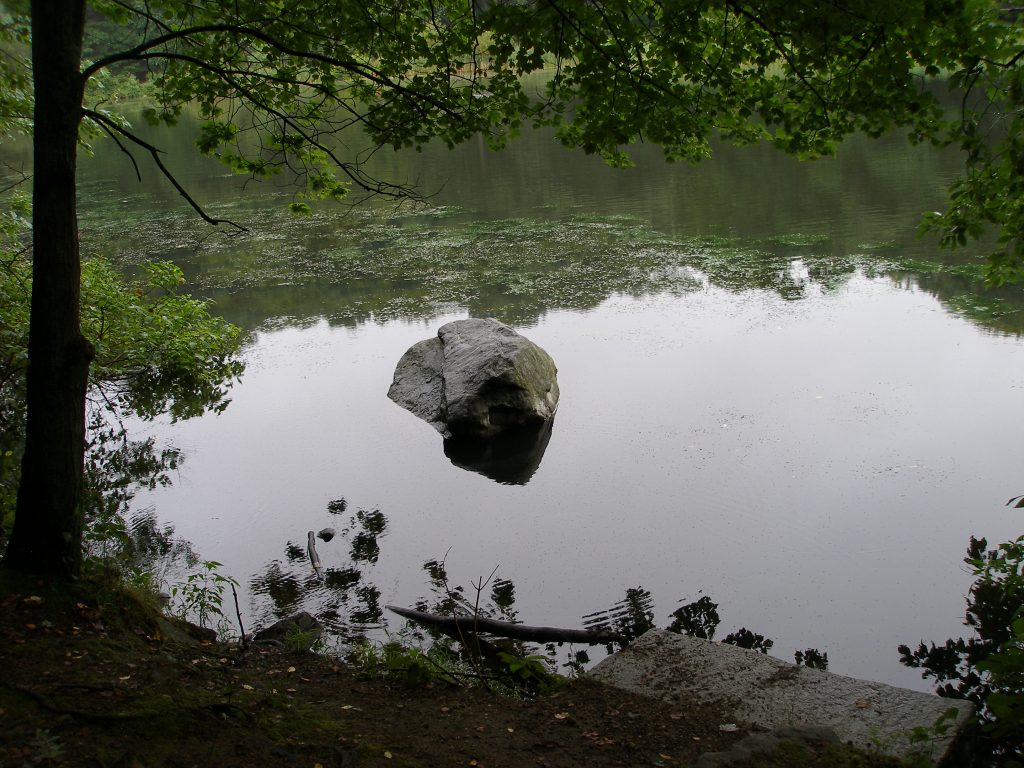
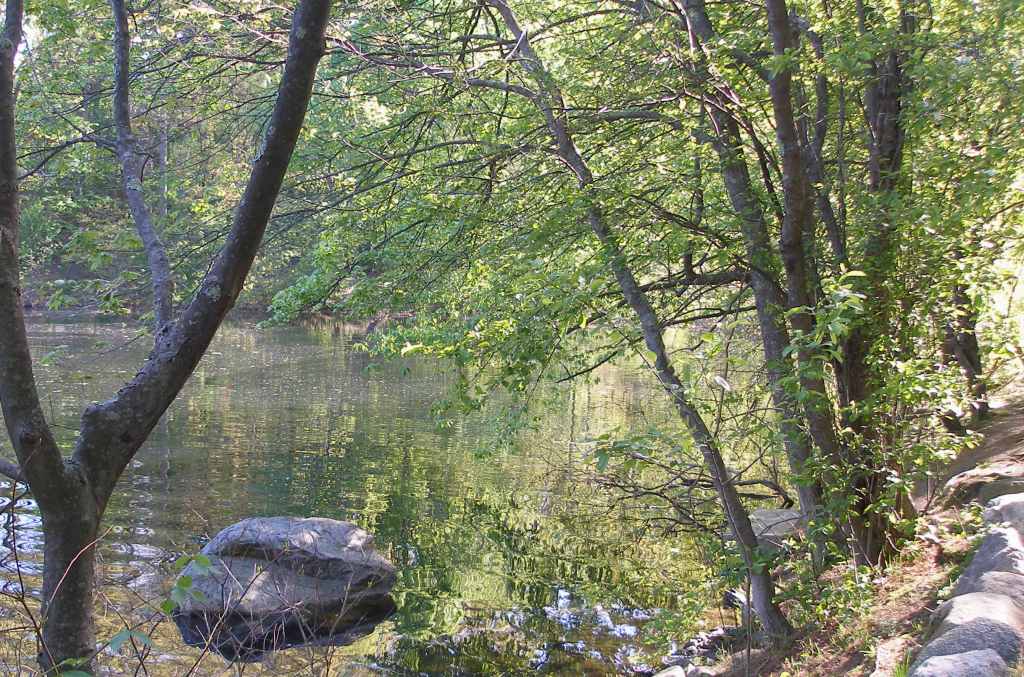
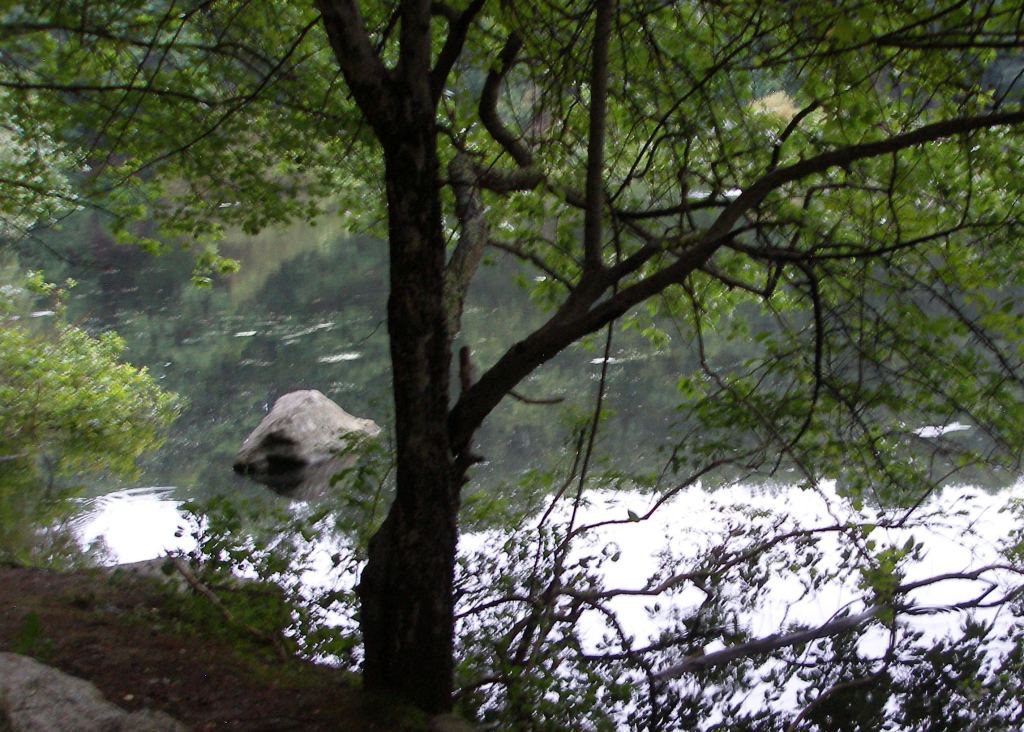
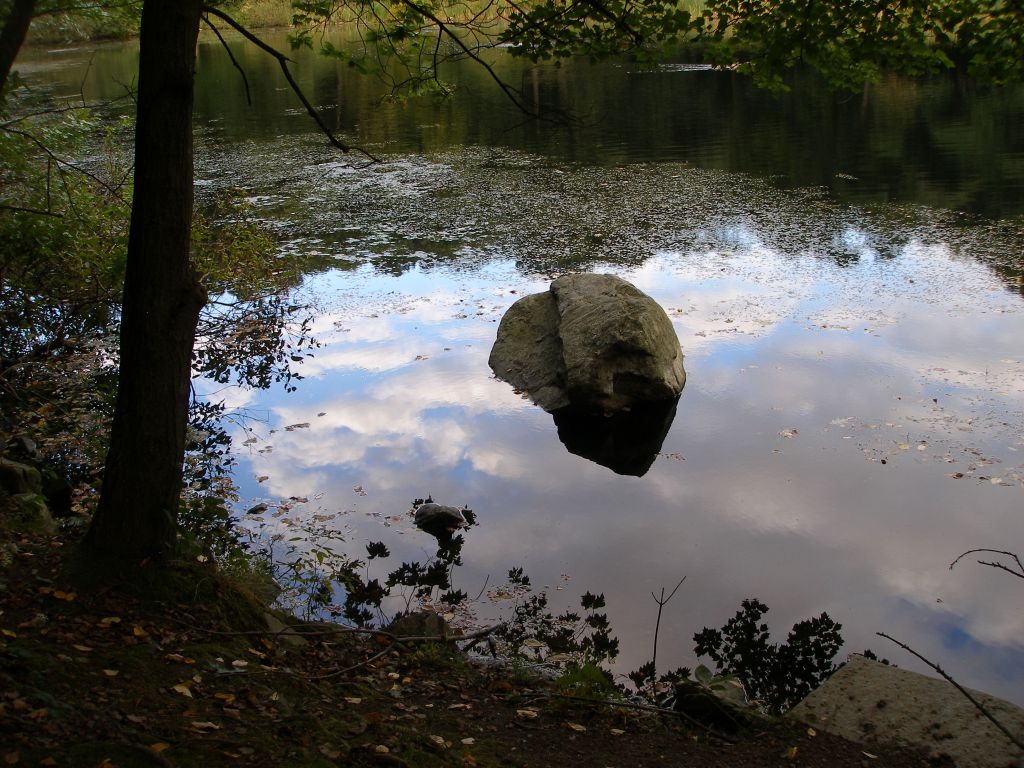
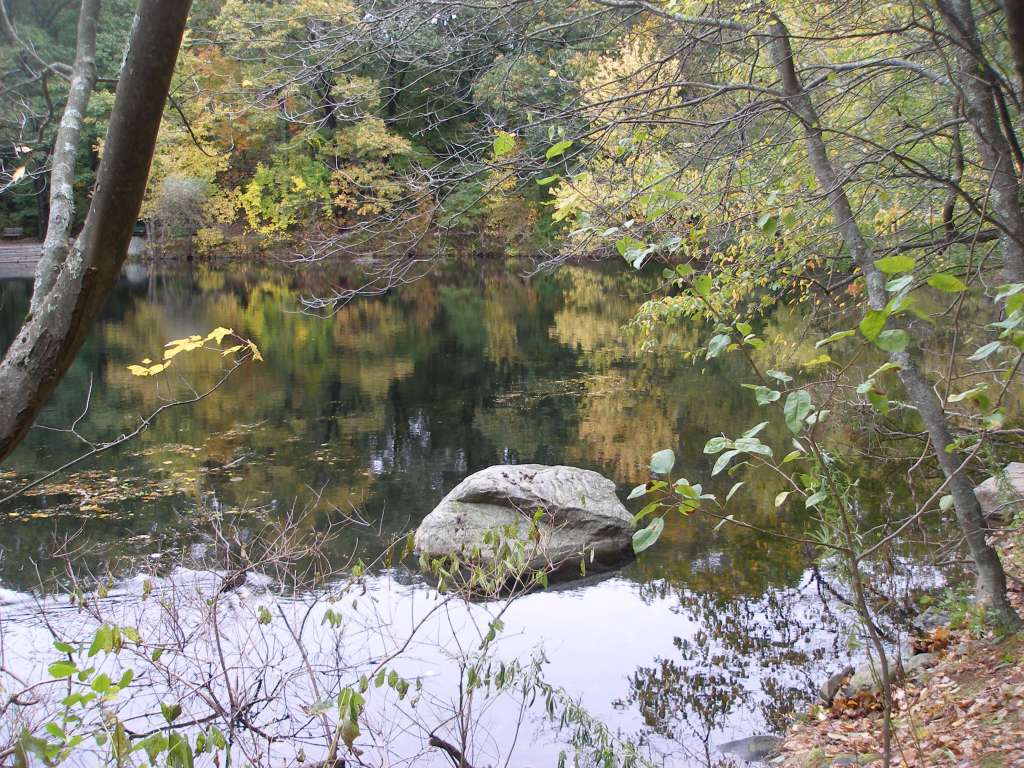
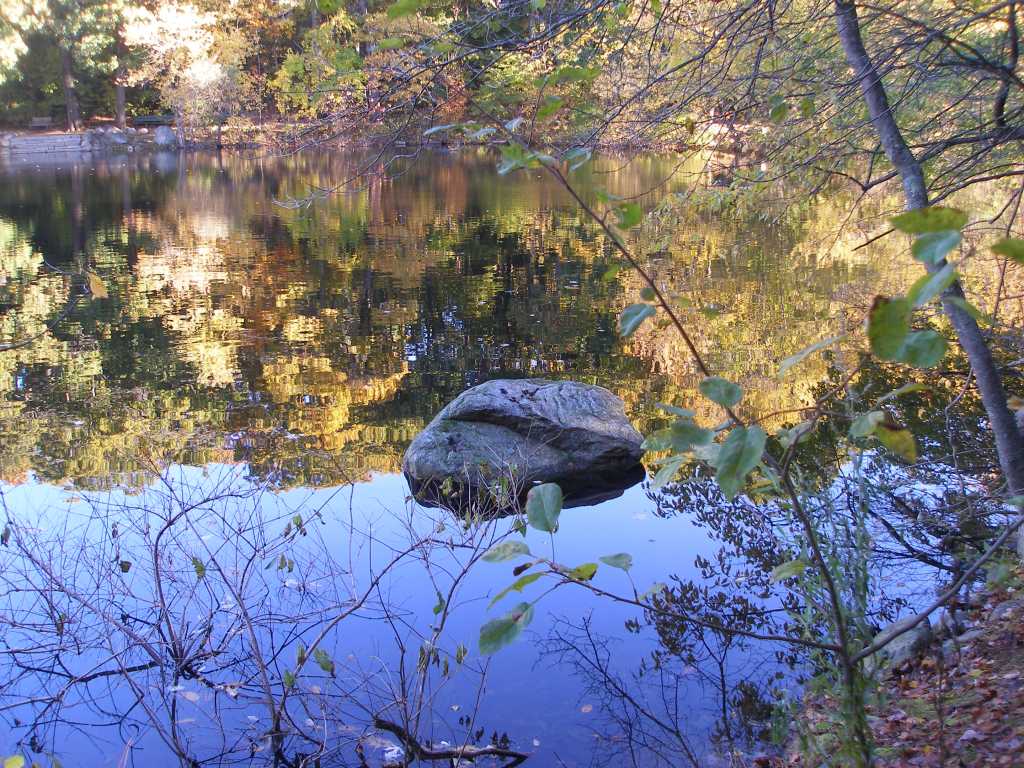
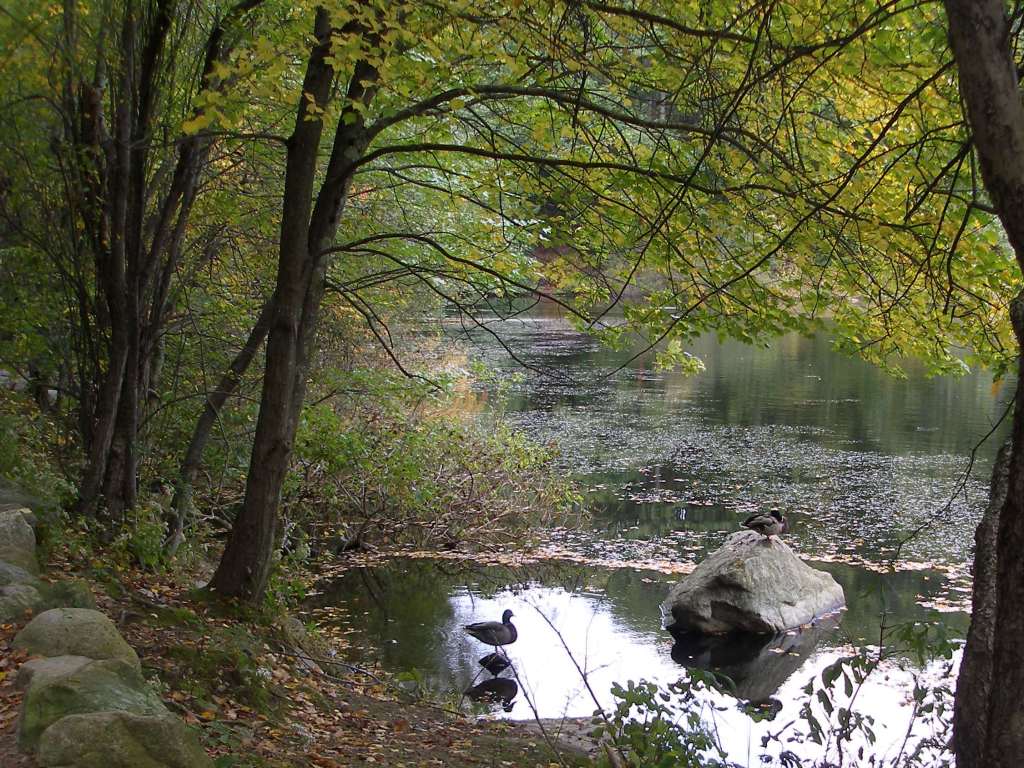
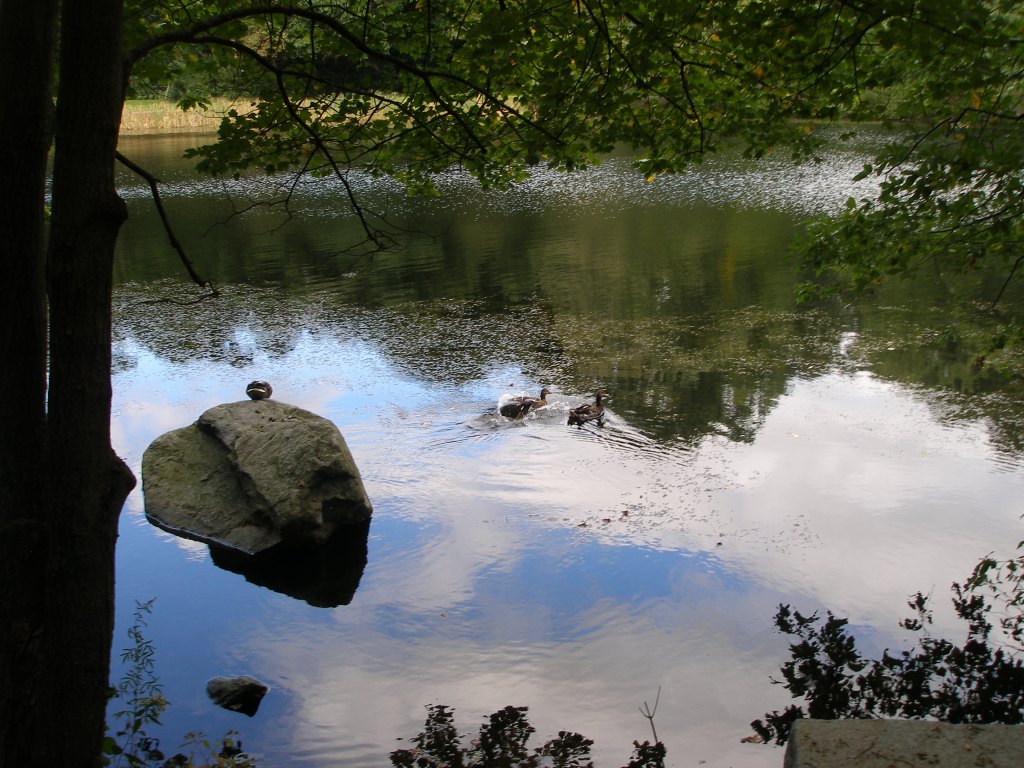
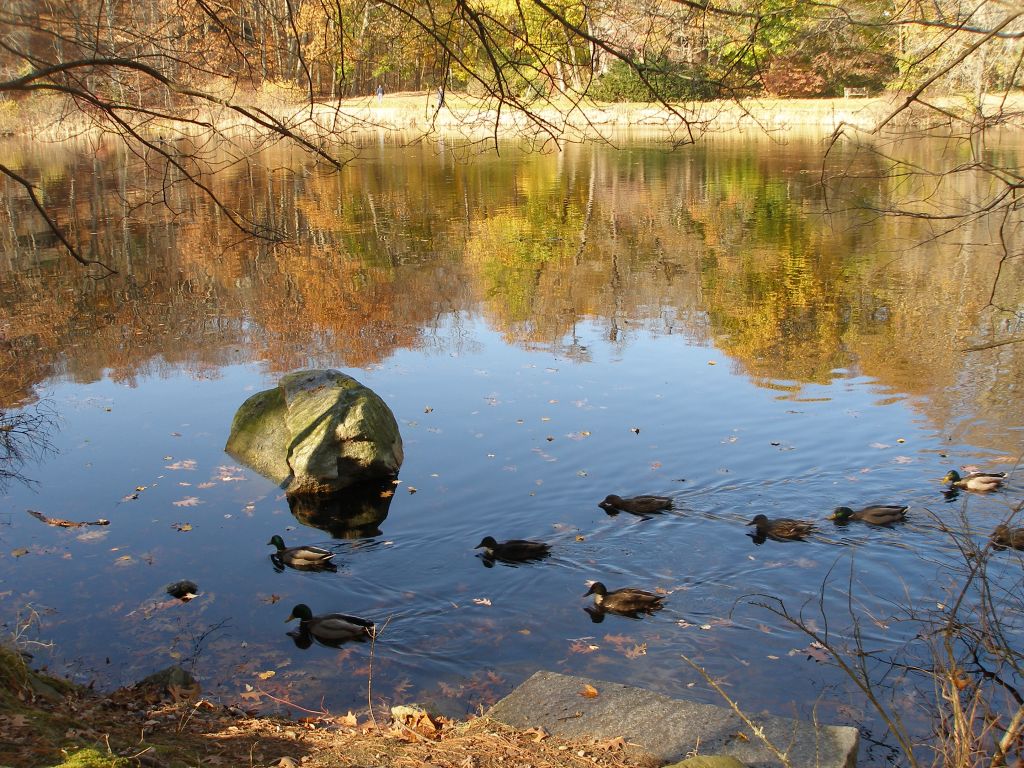
A boulder perched at the edge of Hills Pond when I started the photo series. It became an island as the waters rose. Then ice linked it to land again. In spring, geese and ducks perched on its strong back. There were signs of trouble as algal bloom sullied the water and all the birds left.
Waiting unperturbed, the boulder bore silent witness to ducks returning as brilliant colors in shades of yellow, orange and red mixed with the greens. Though all of this, the boulder sat with perfect equanimity. It had me wondering whether I could be more like that. Probably not, but that I could appreciate (and hopefully remember) its still presence seemed to count for something.
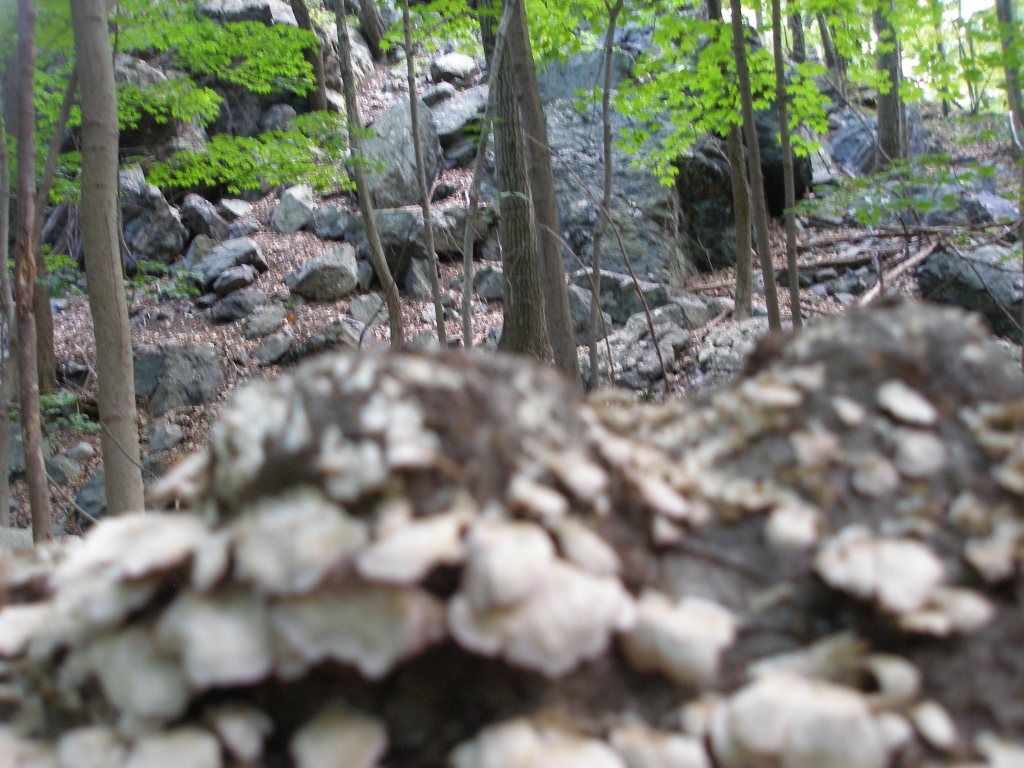
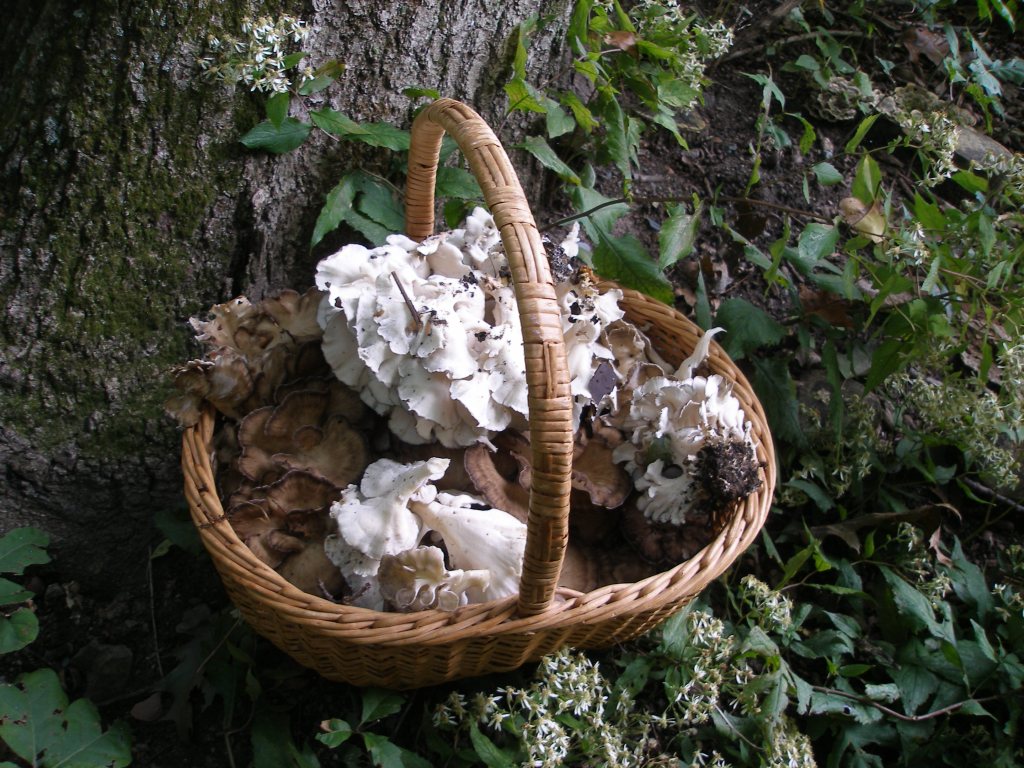
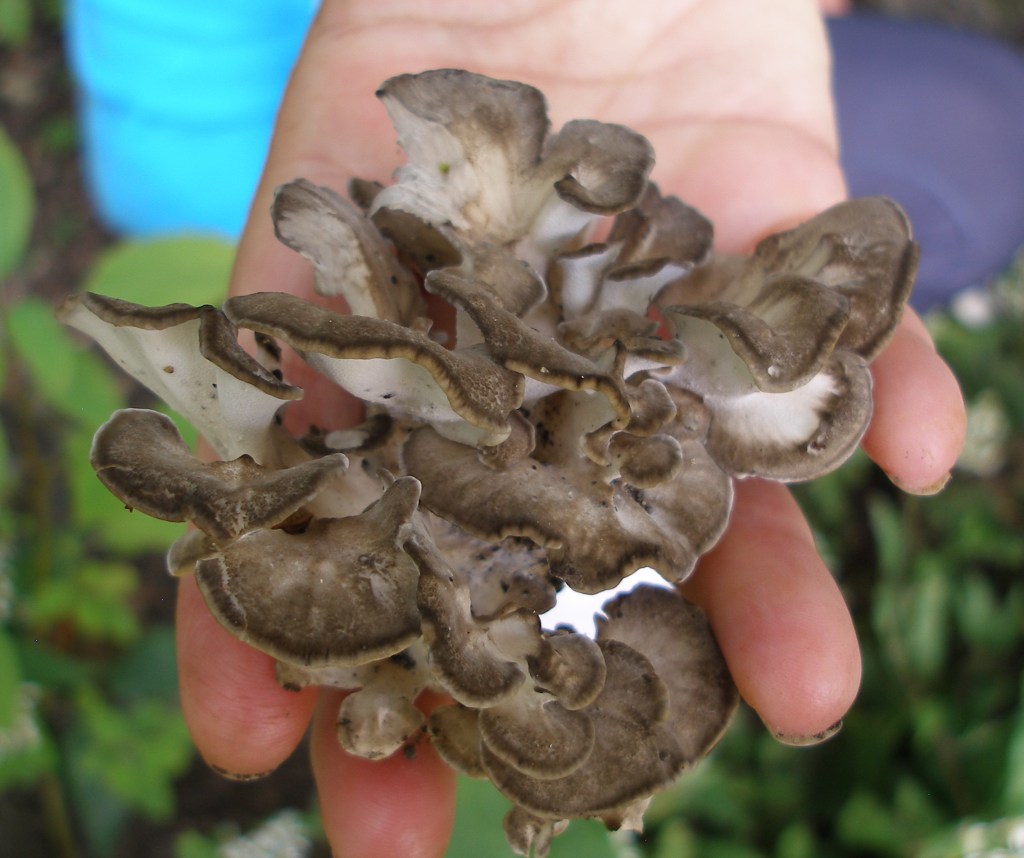
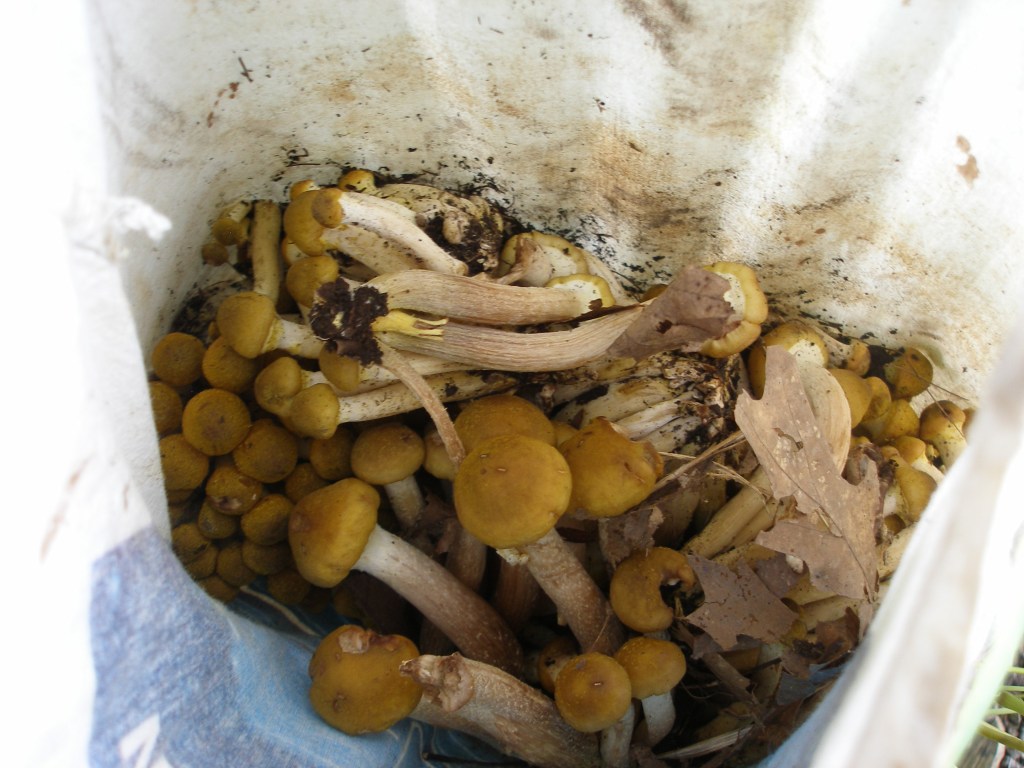
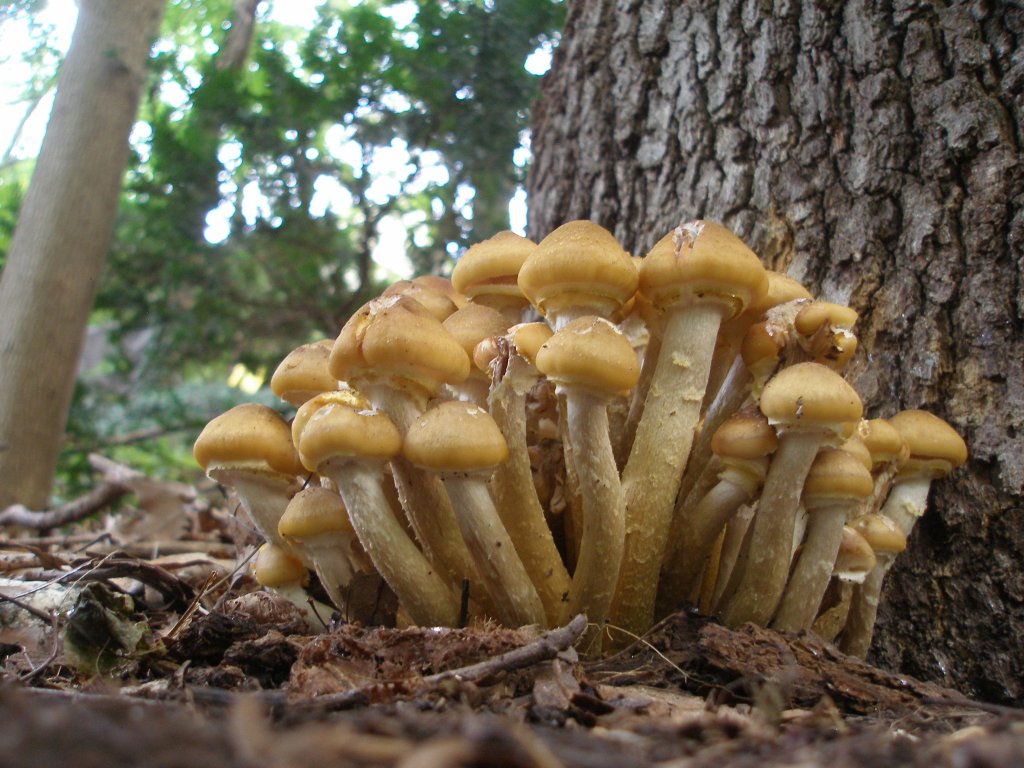
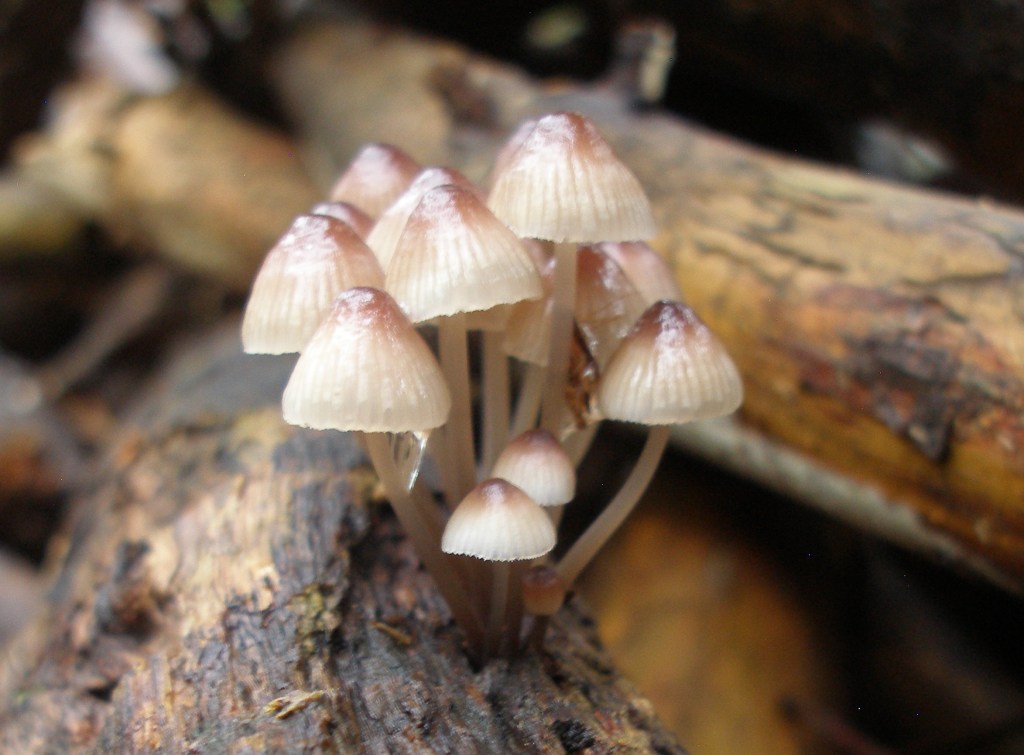
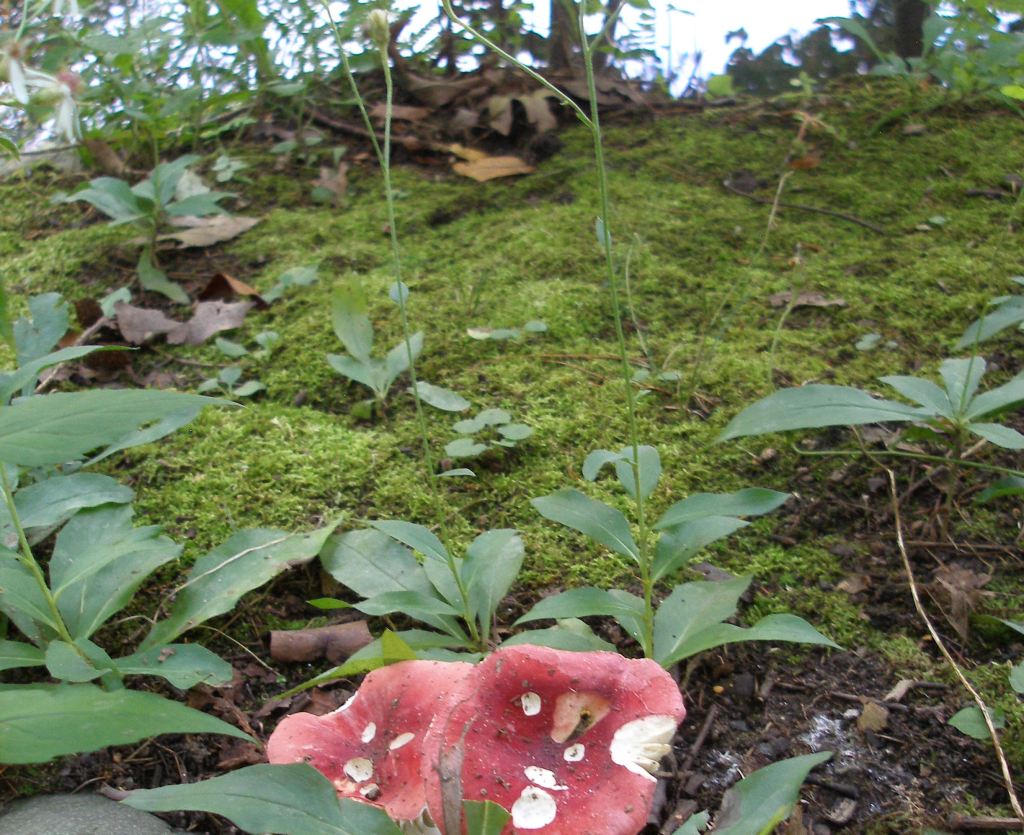
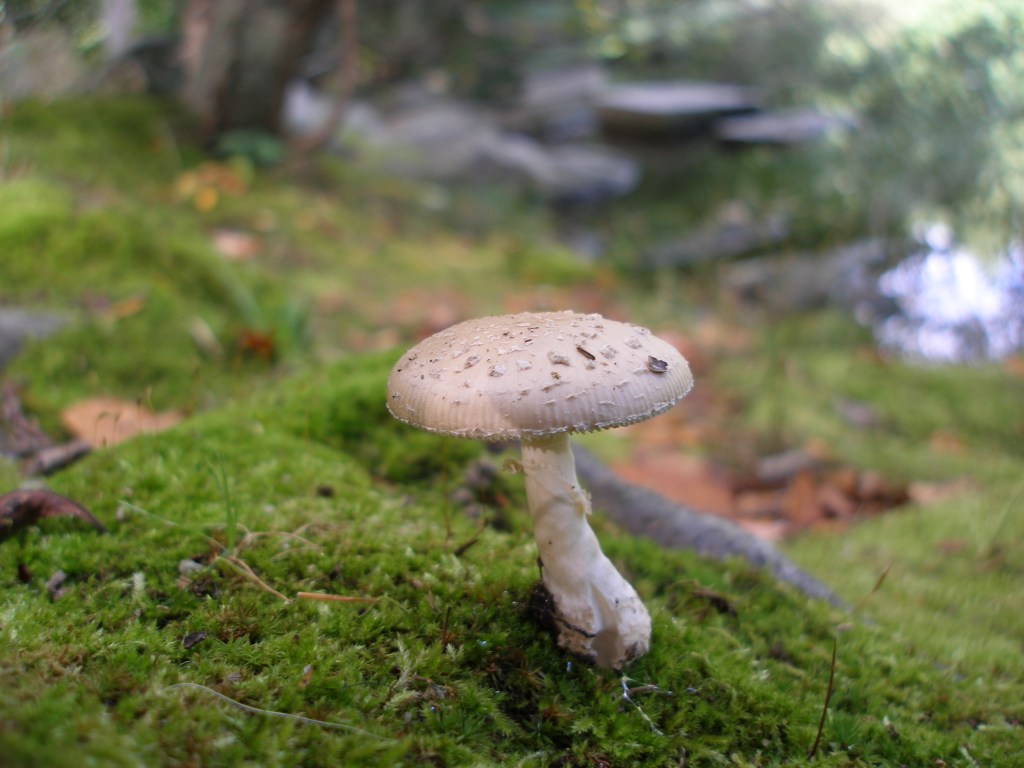
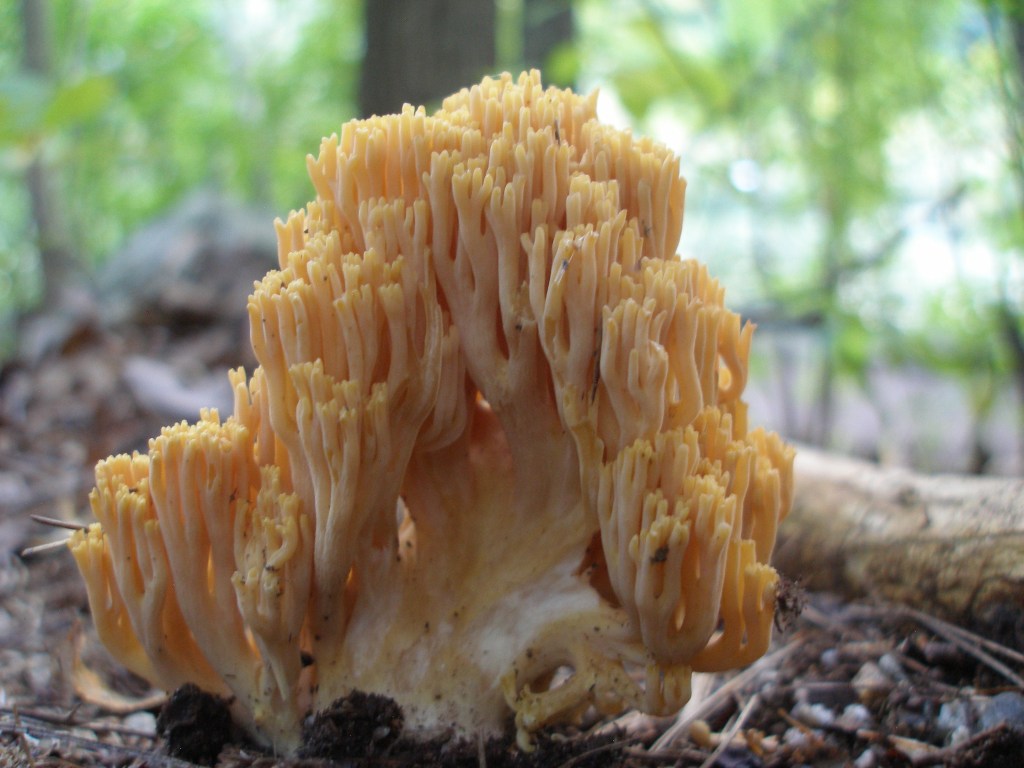
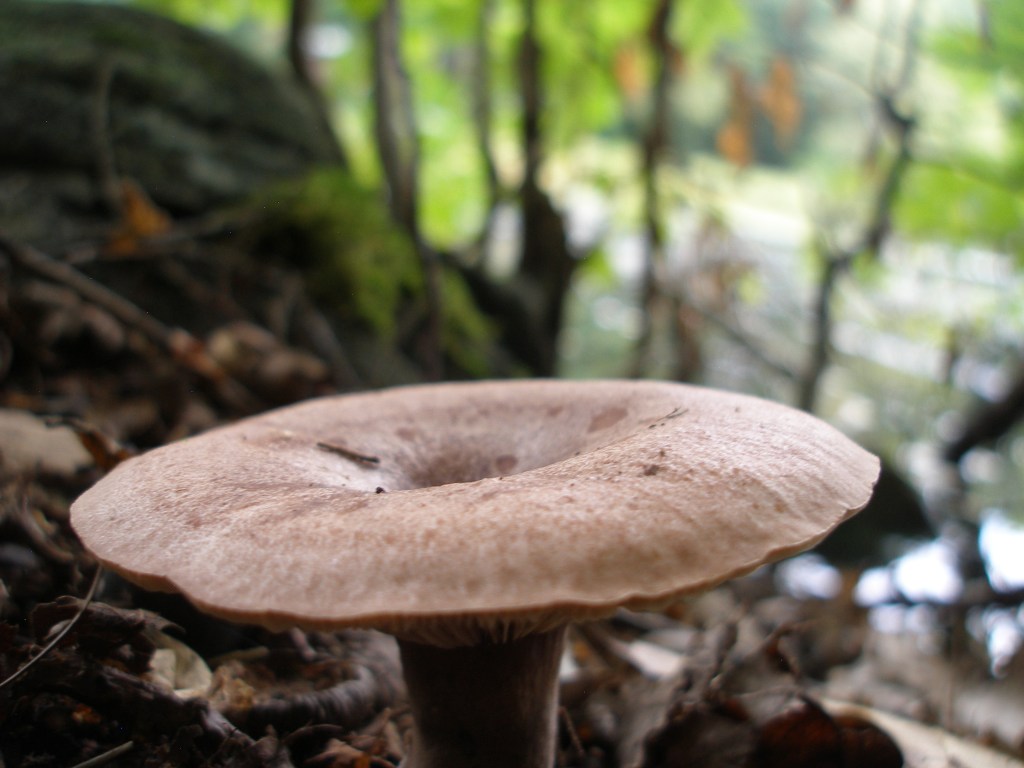
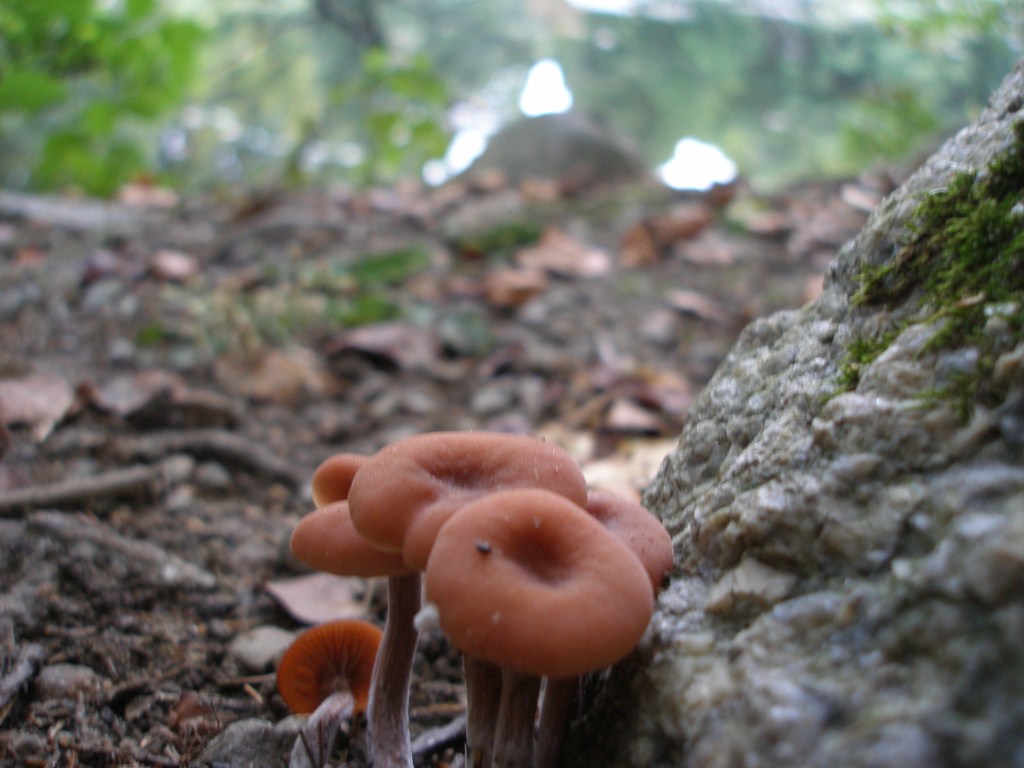
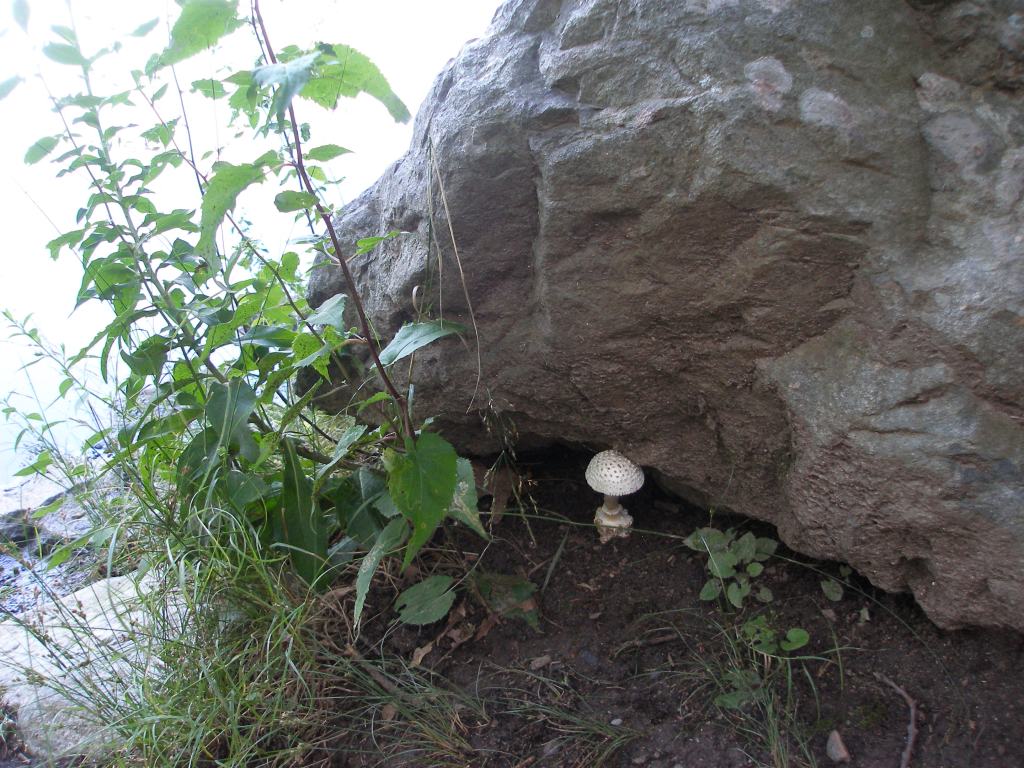
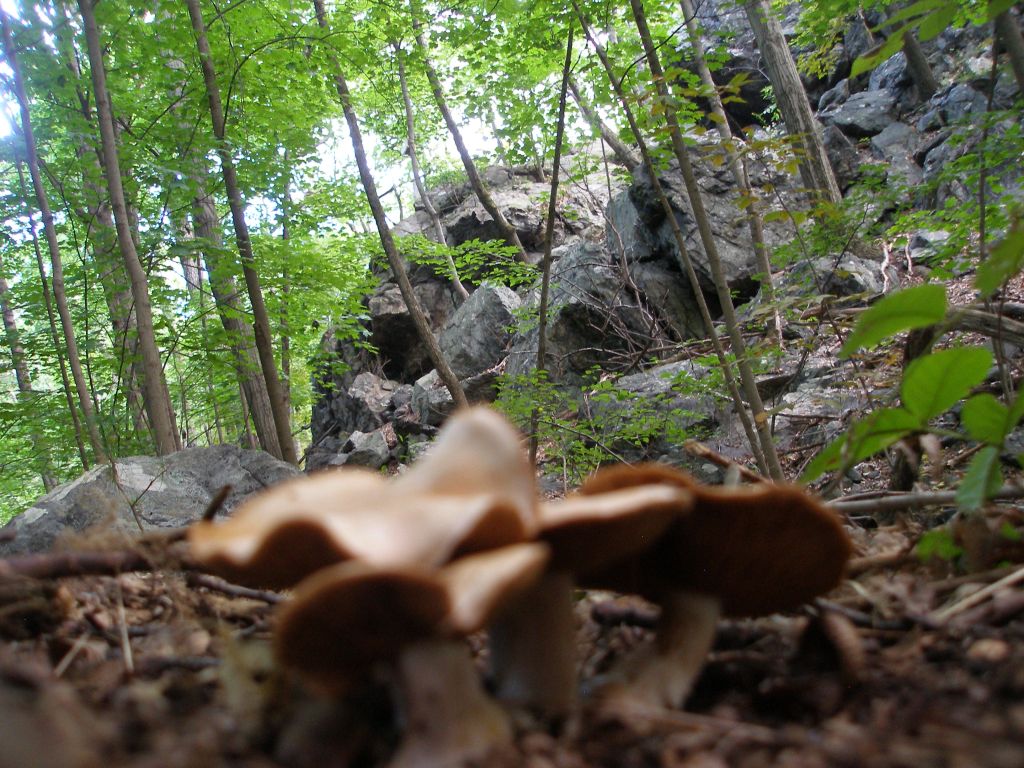
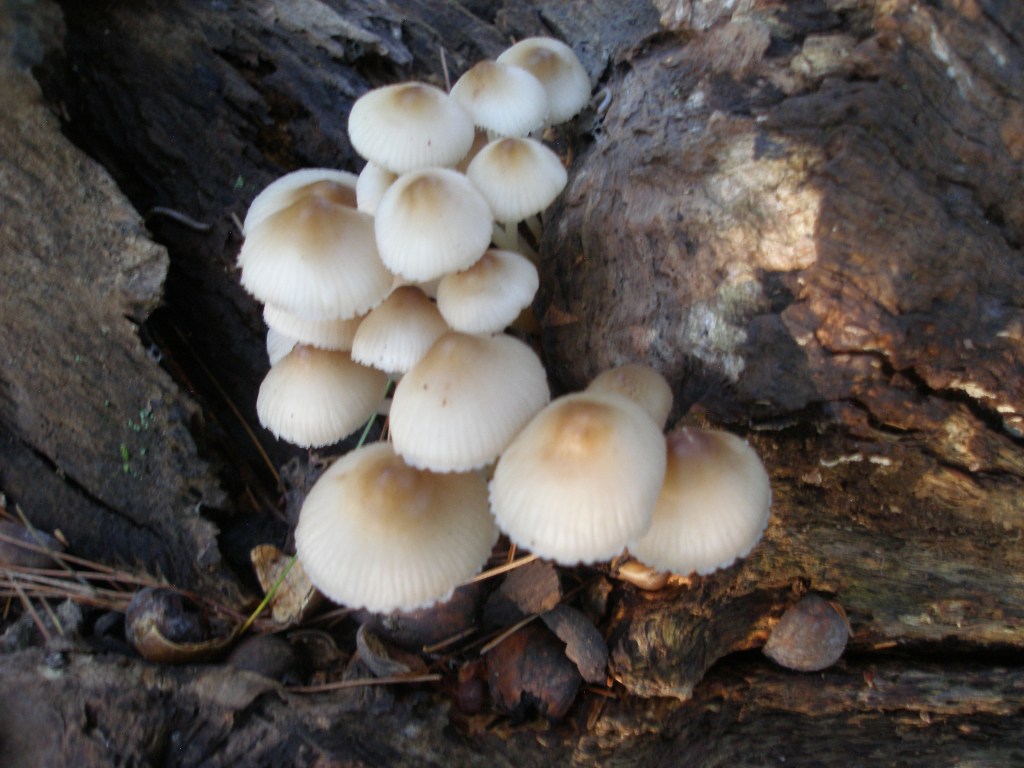
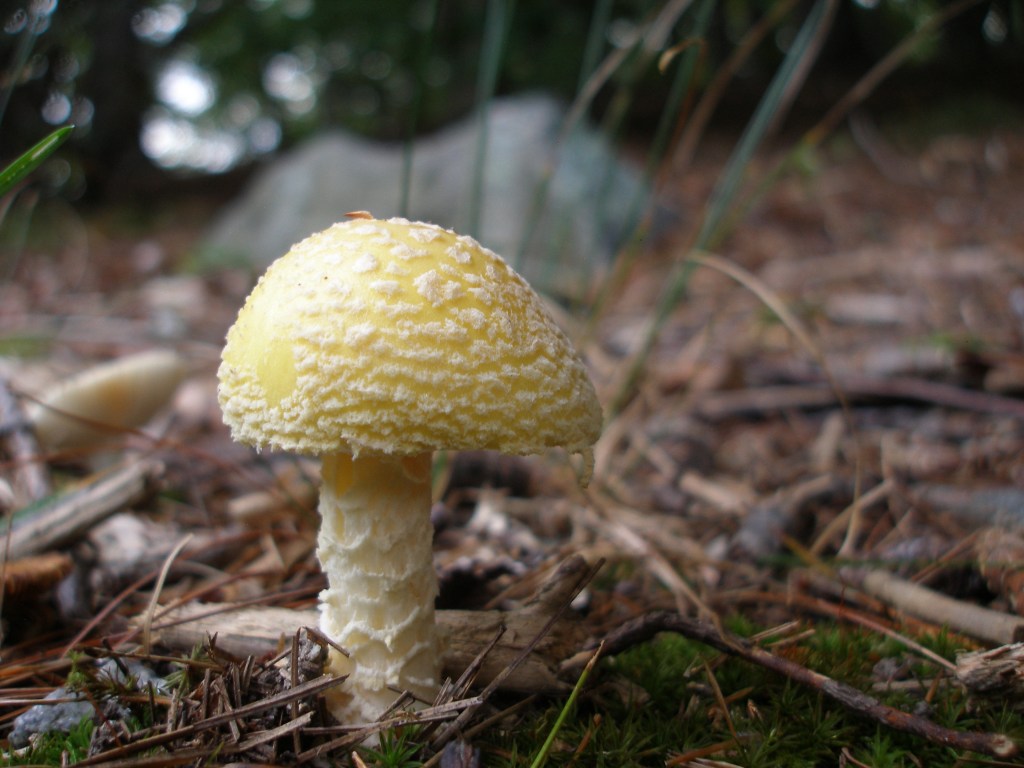
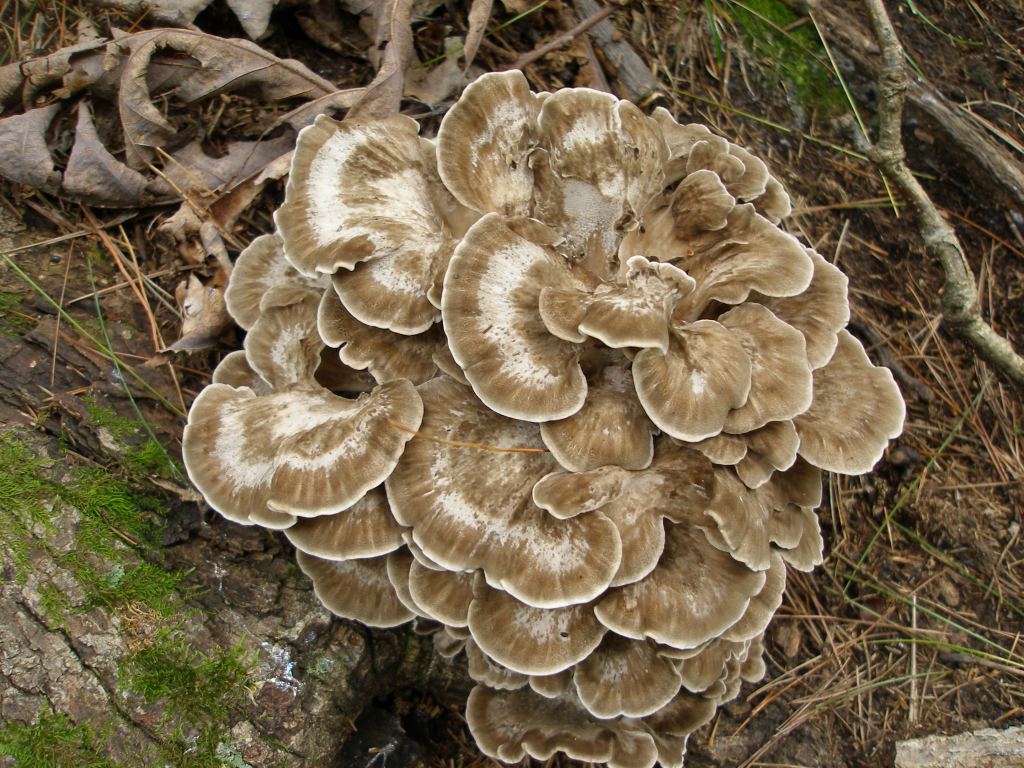
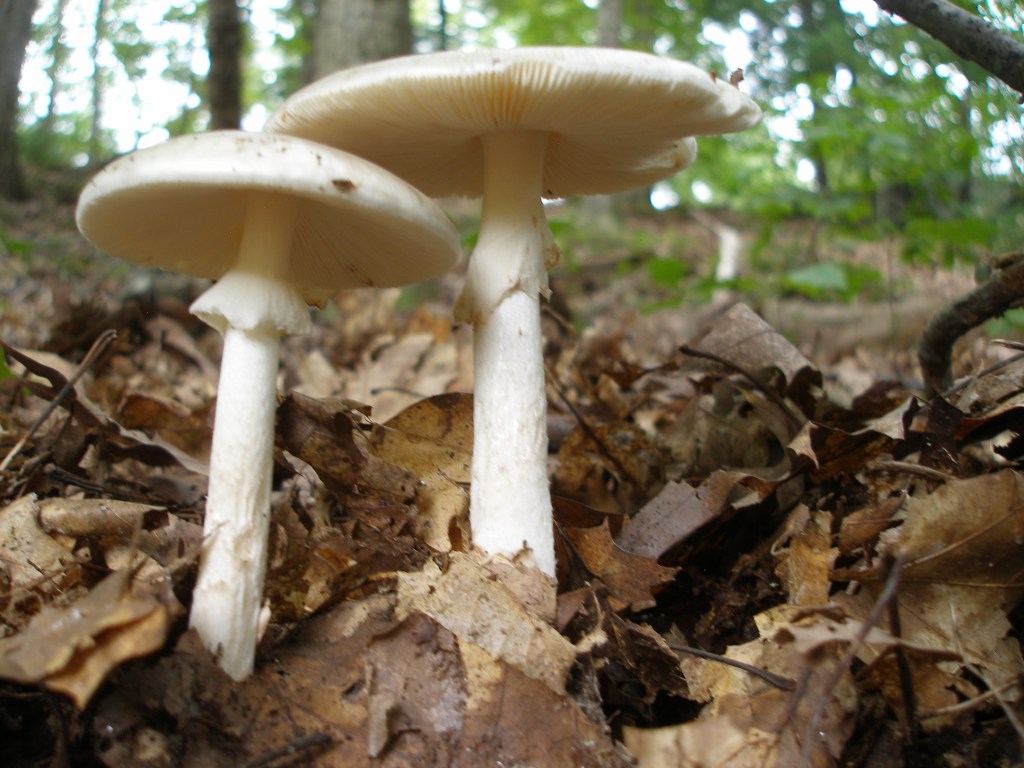
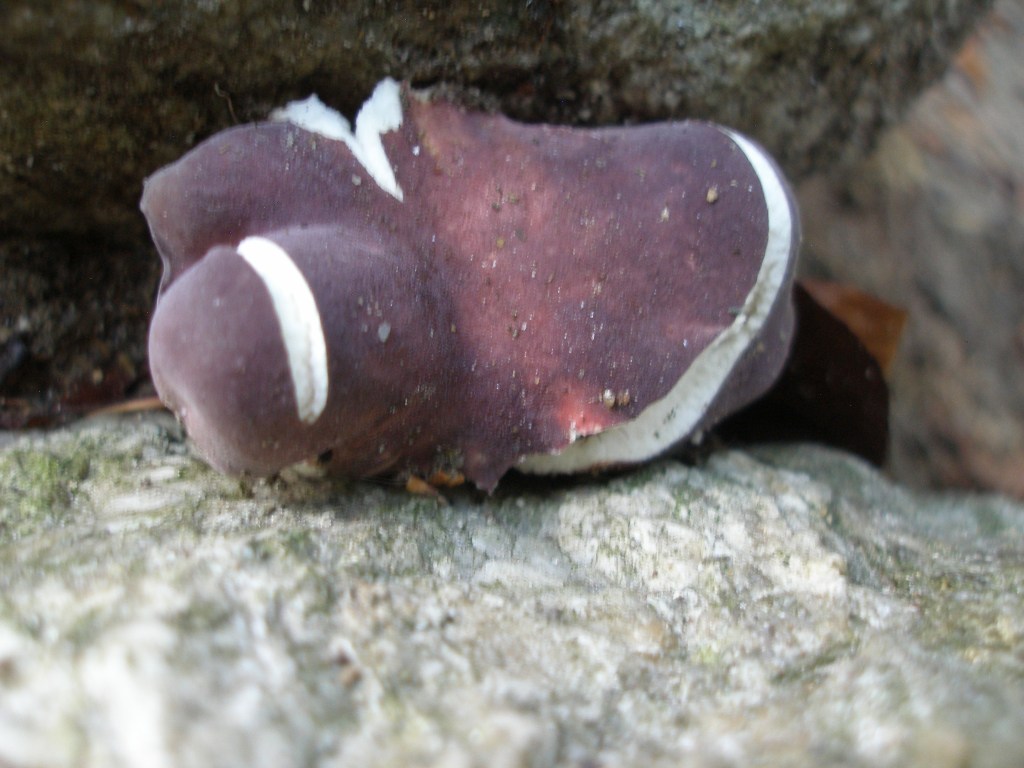
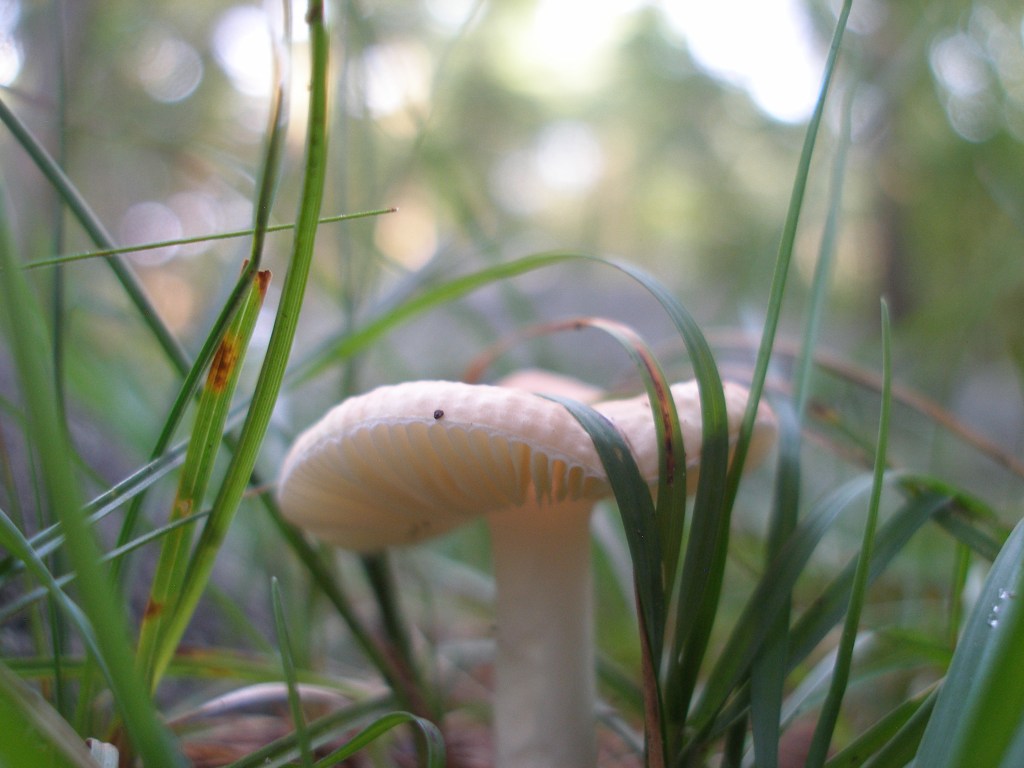
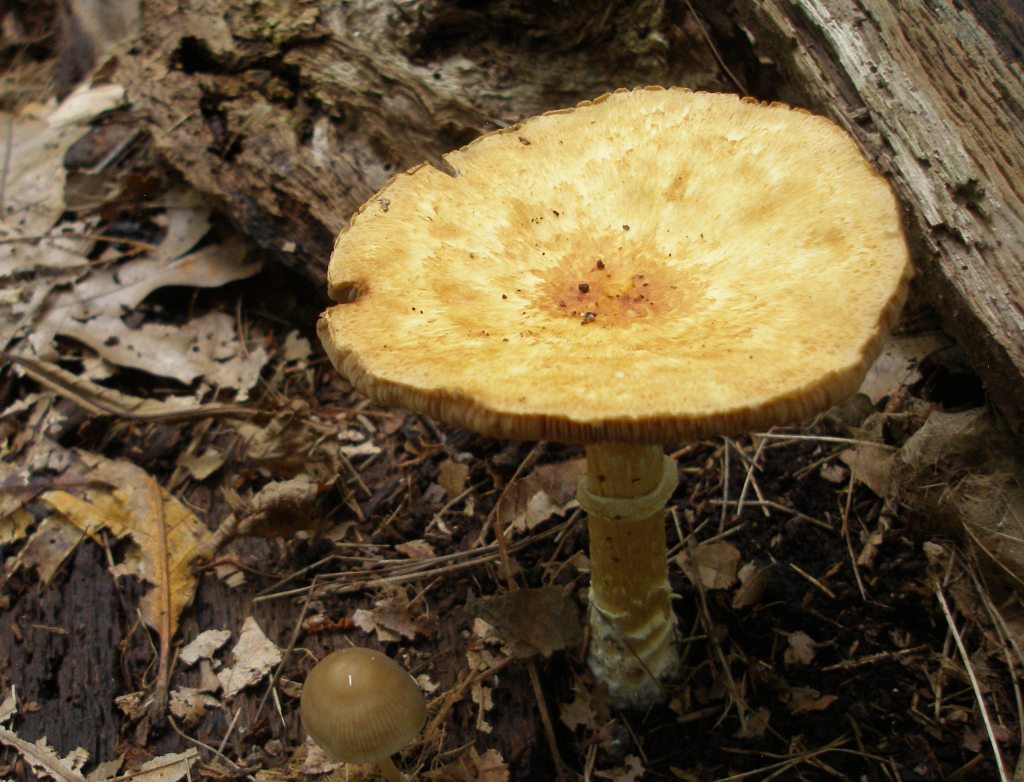
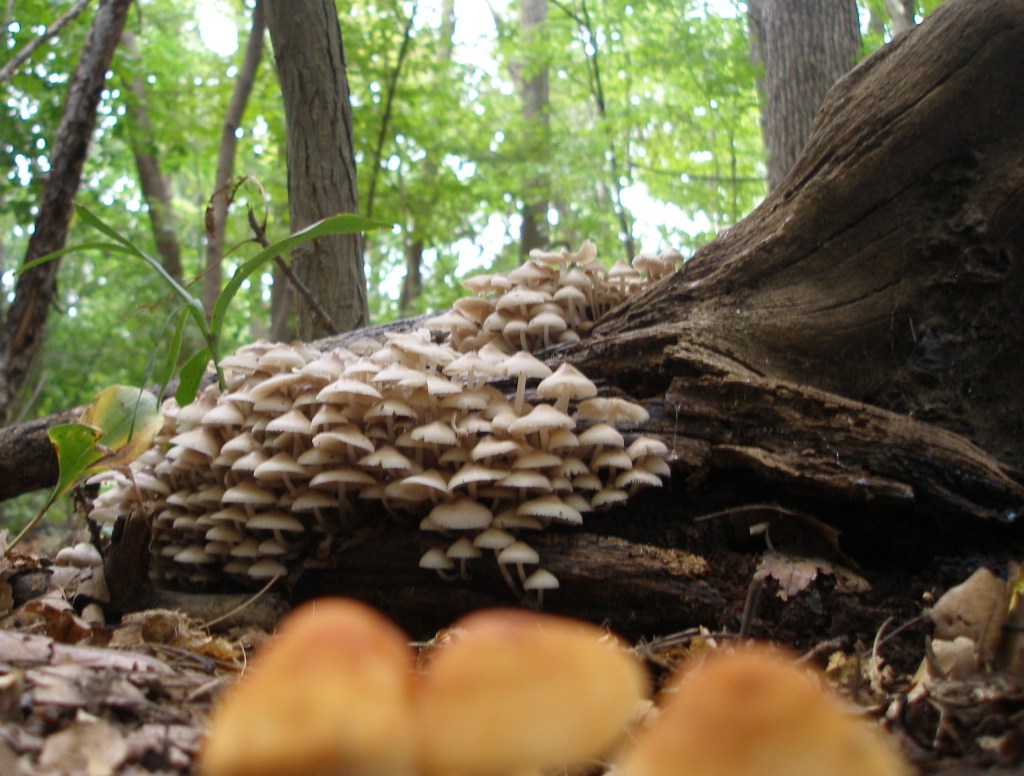
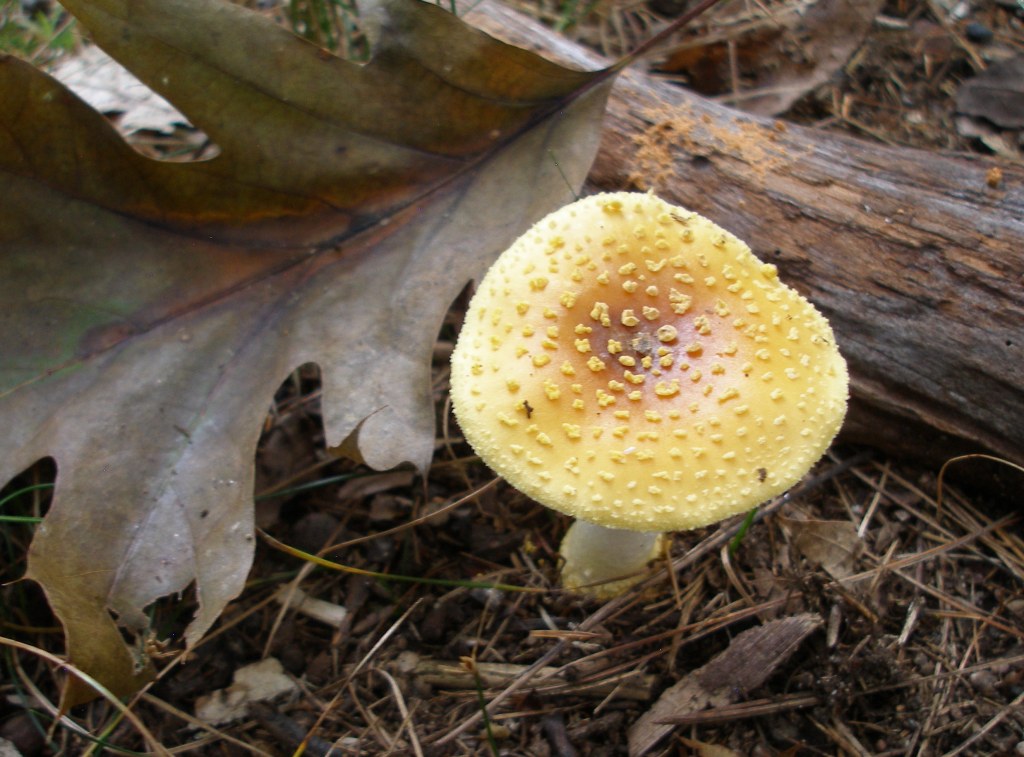
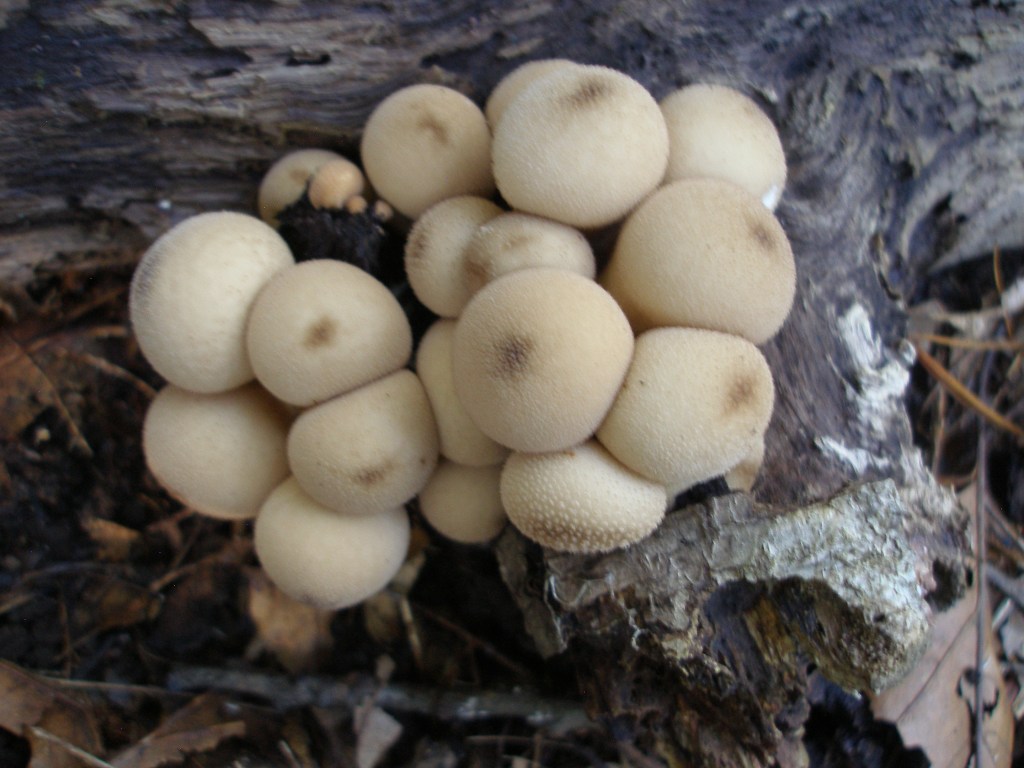
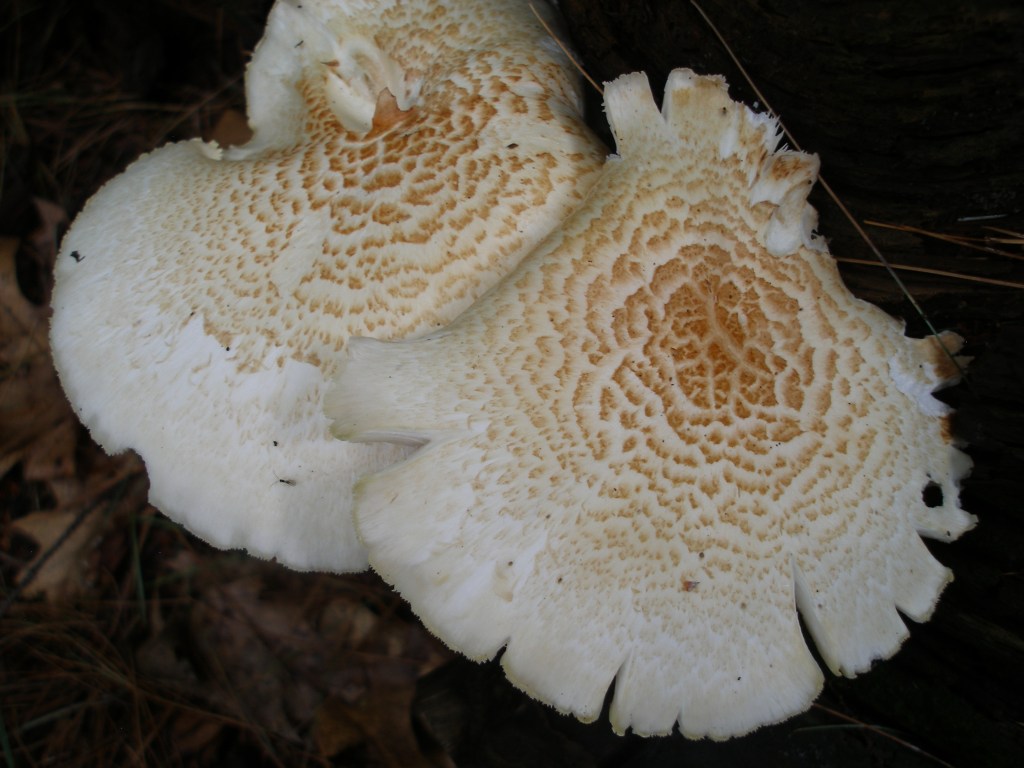
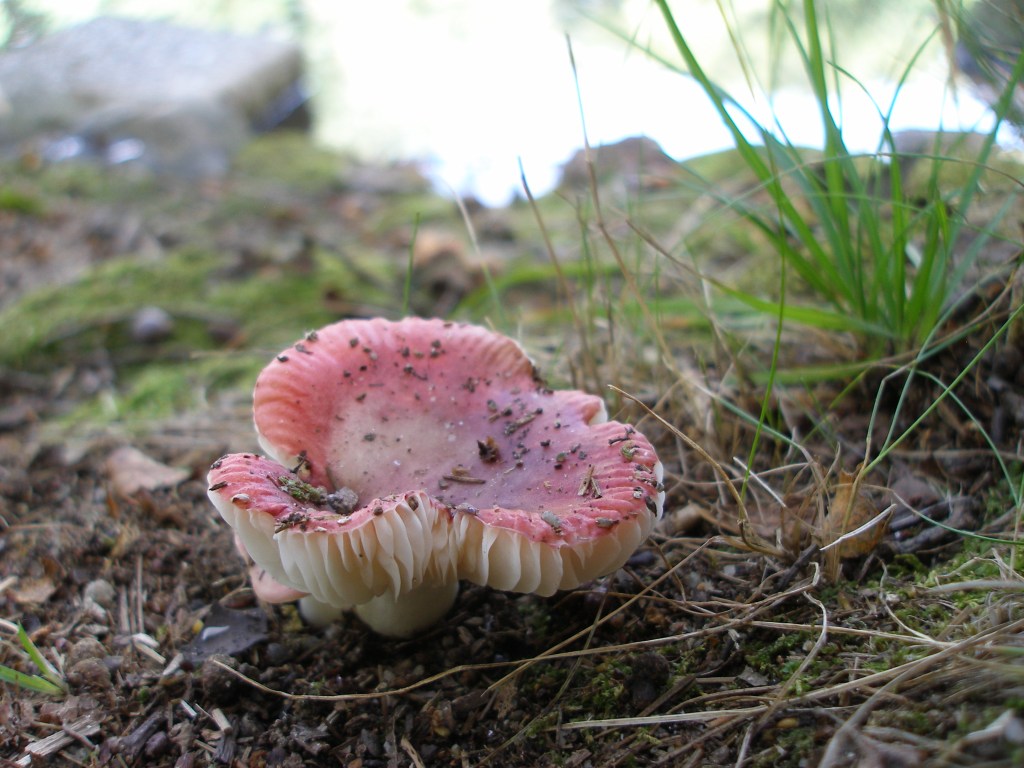
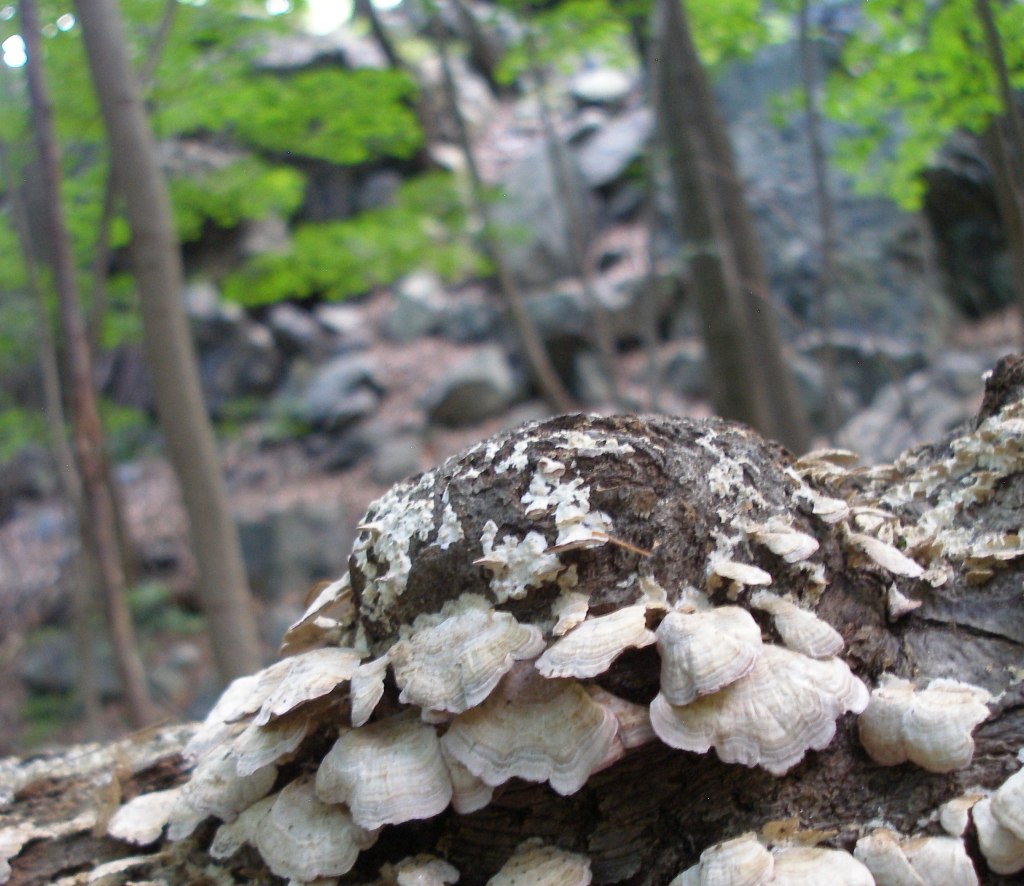
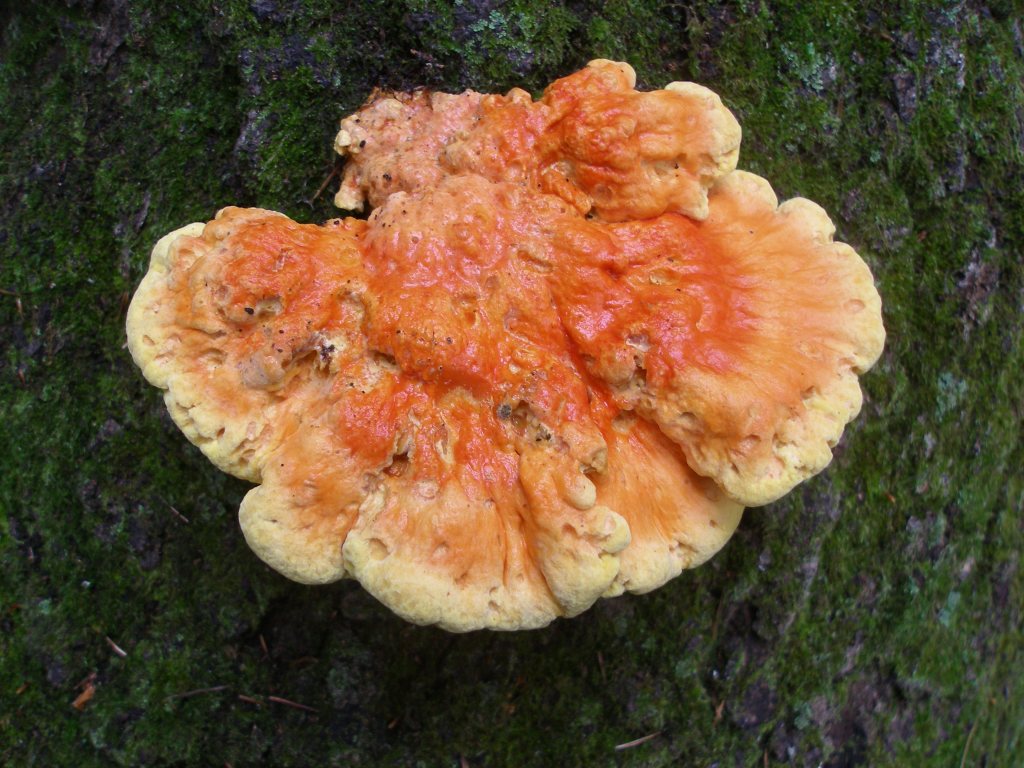
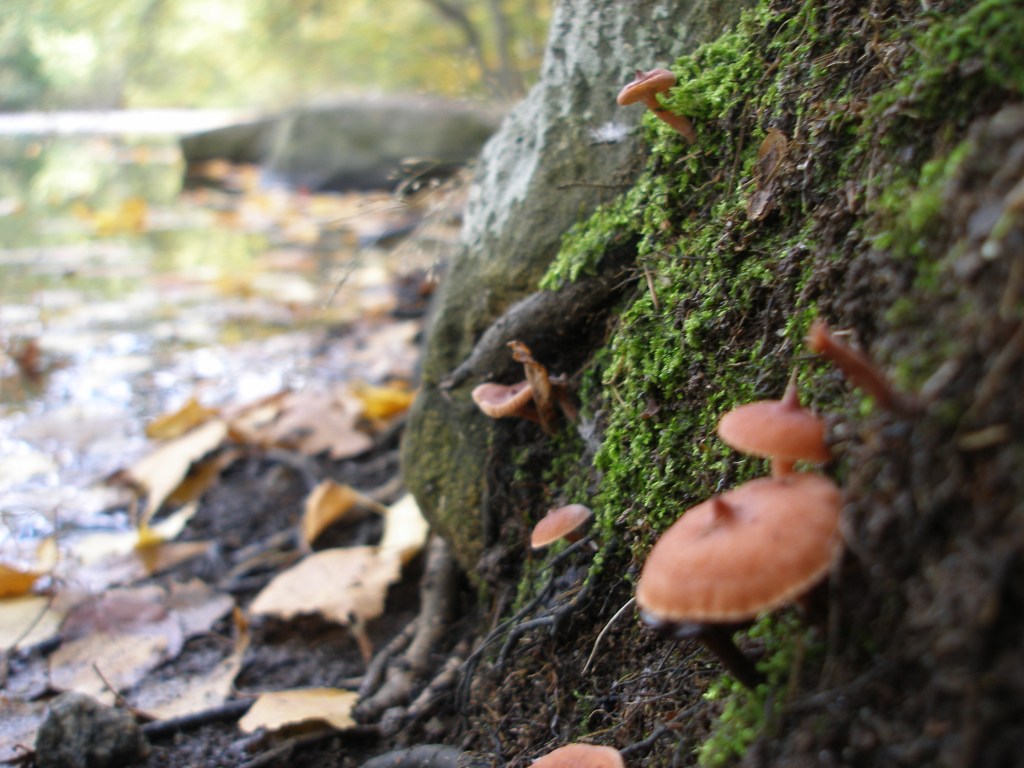
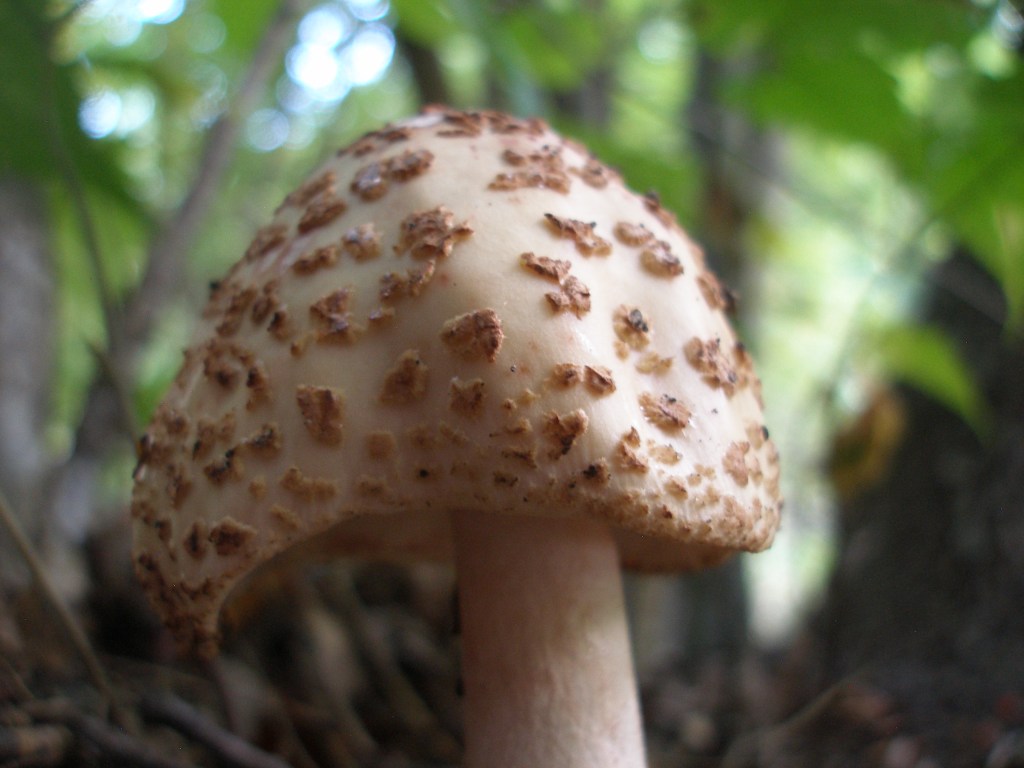
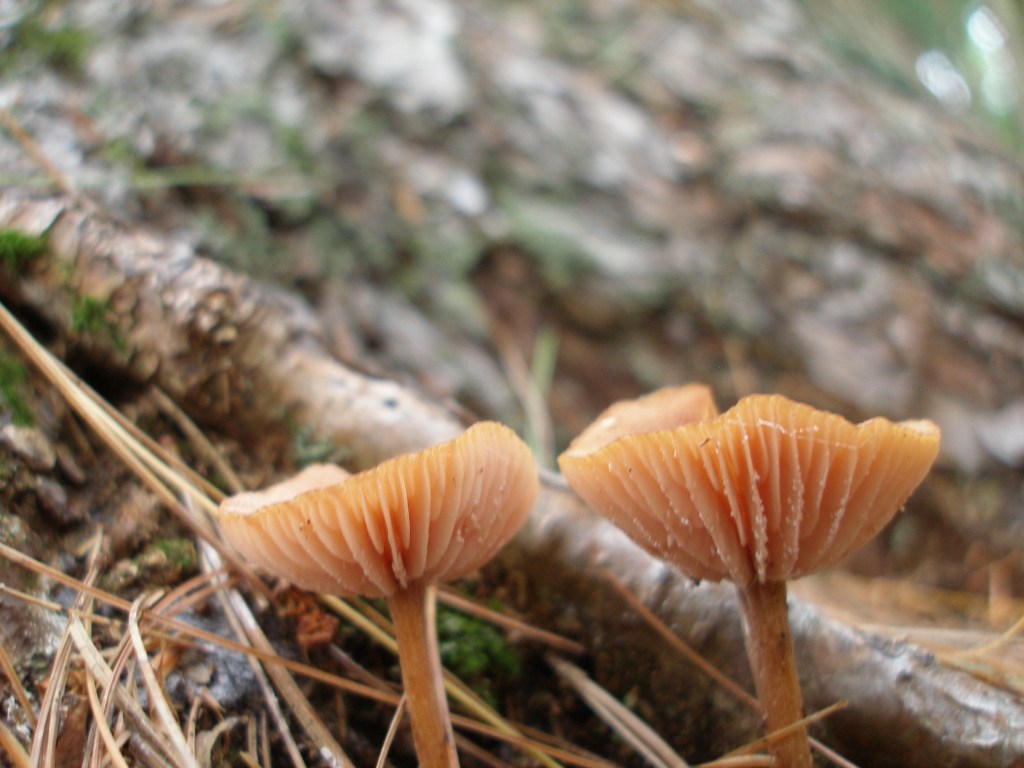
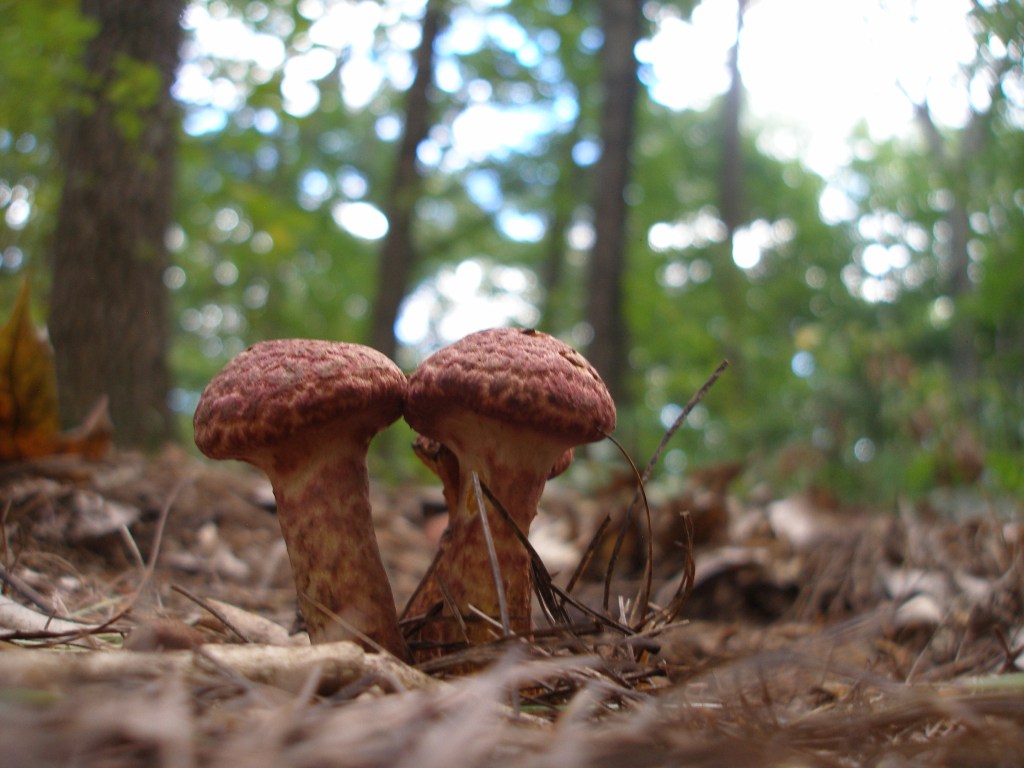
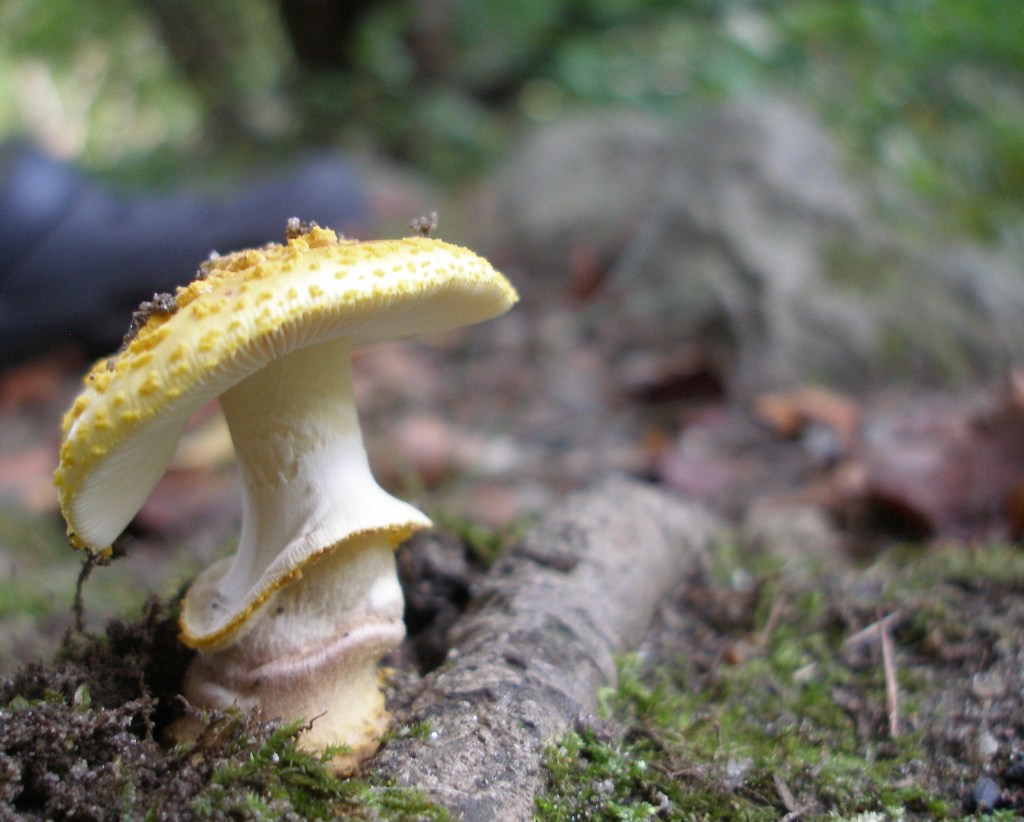
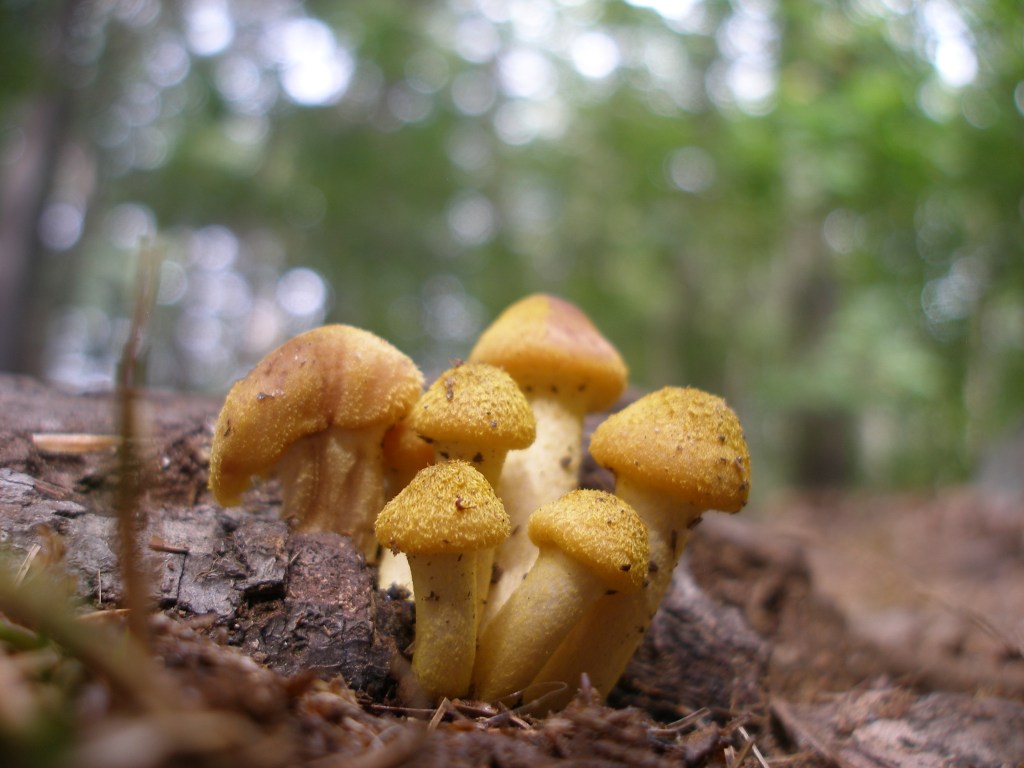
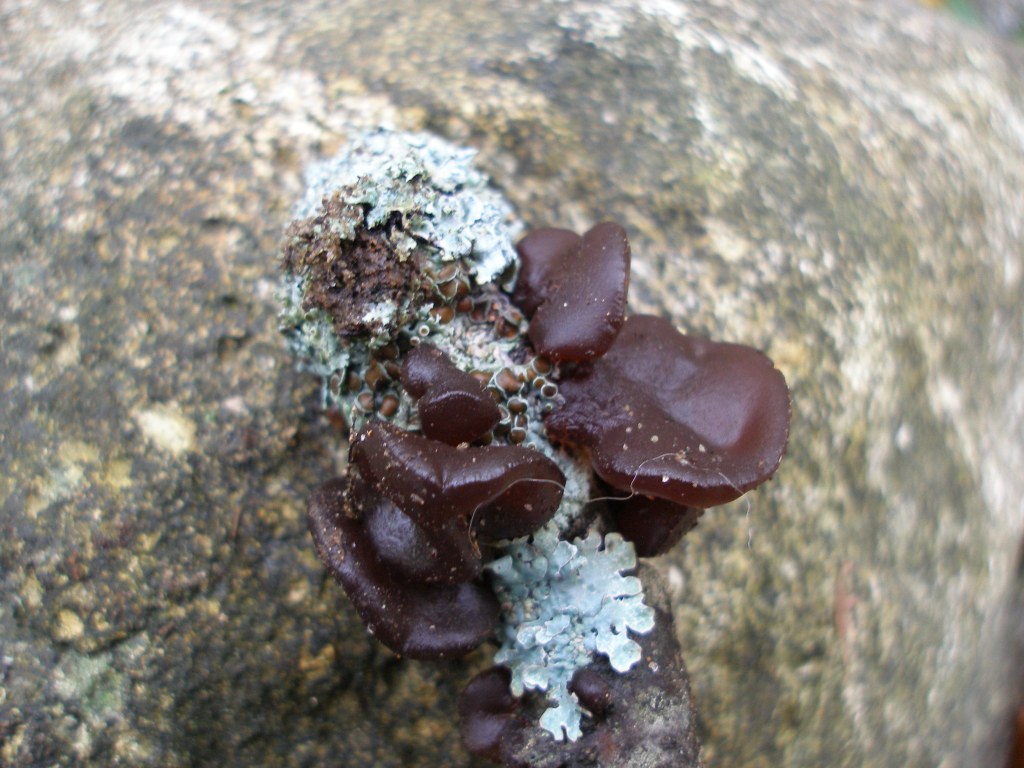
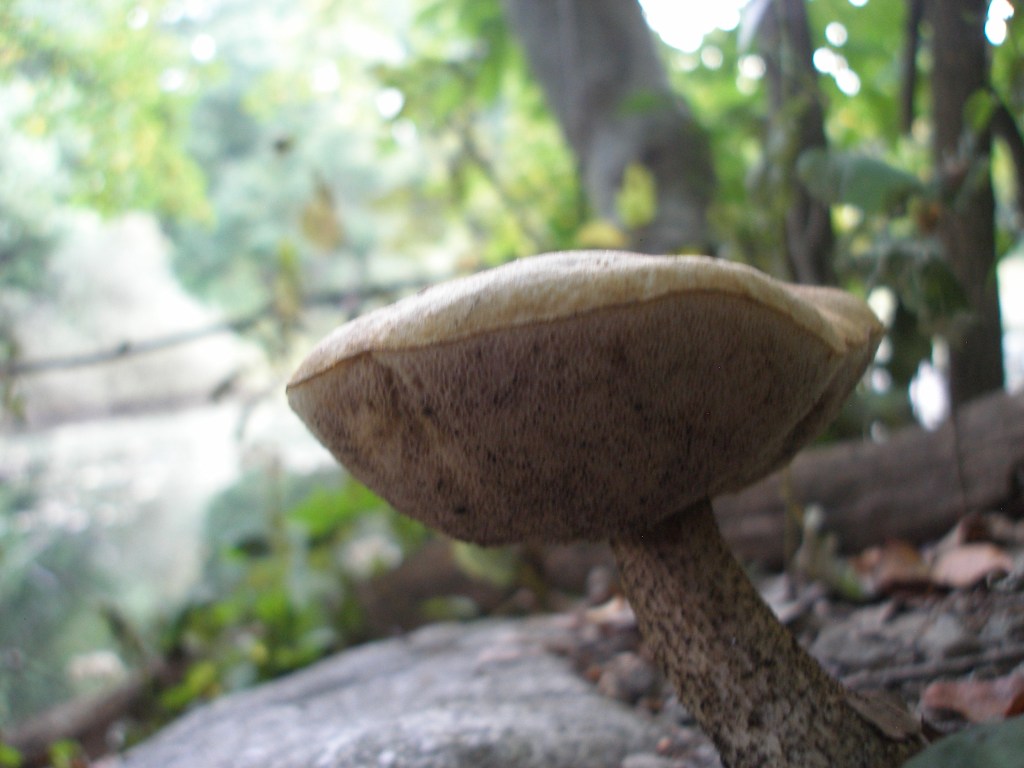
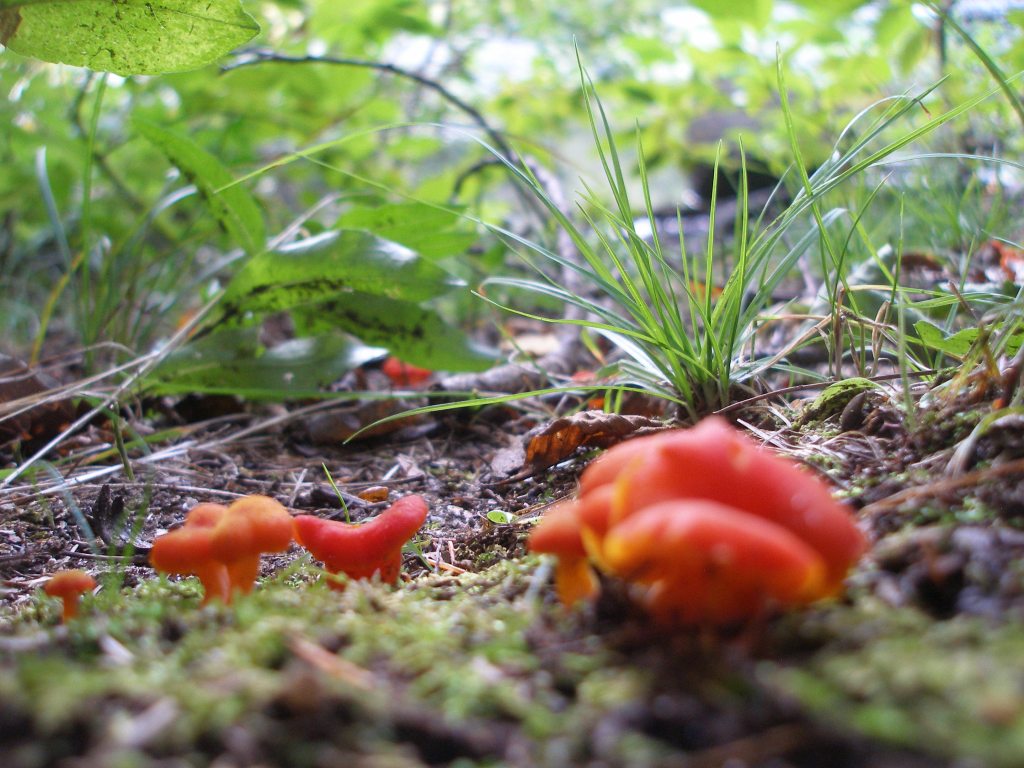
Recently, I came across two people carrying a basket of hen of the woods and a bag full of honey mushrooms. While the number of edible mushrooms each person can gather is limited in Europe, no such limit applies In the United States and these two had gathered so many, they told me they would need to give some away. While books and online resources like this one can be useful, the best way to learn which fungi are safe to eat is to go out with a local expert.
Their value has long been recognized including in works of art. The jade pendant shown in the last photo below bears witness to the reverence accorded to fungi by the Chinese, who use them in their traditional medicine. The Maya carved fascinating mushroom stones, and fungi with psychotropic properties have important cultural significance for certain tribes.
Scientists have verified that fungi can support the health of forests and survive fire. They have been used to control insect pests and to clean up plastic and organic waste. No doubt we will discover more about their many benefits and possible uses for fungi as we learn more about them.
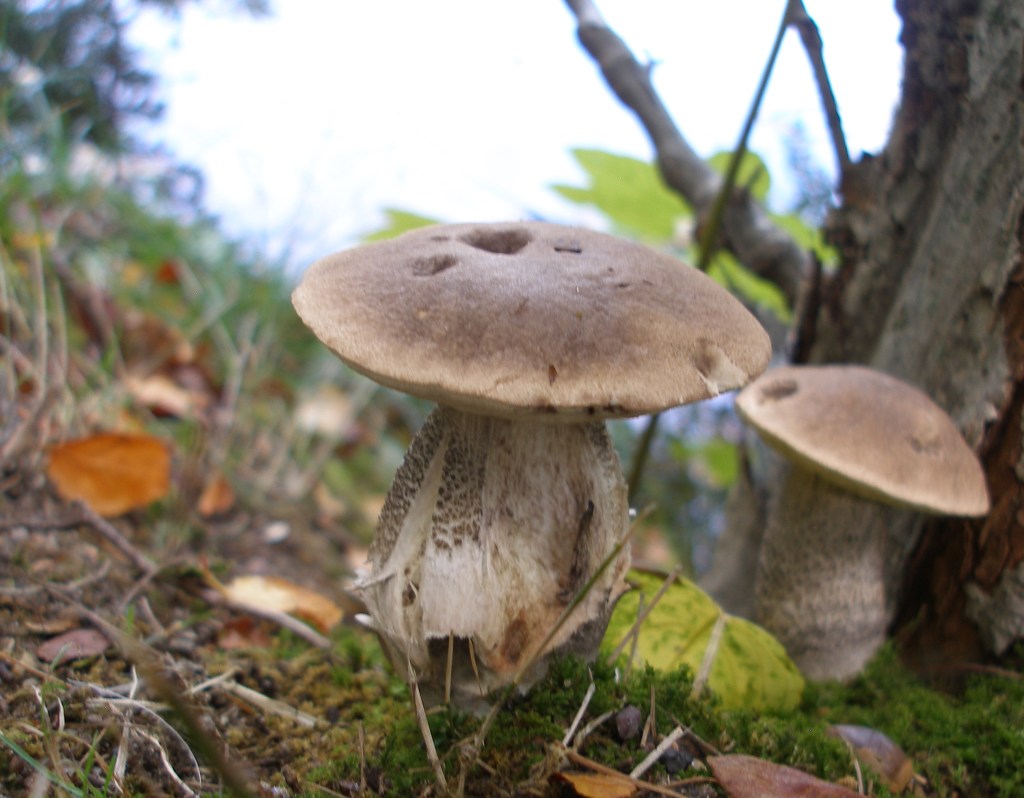
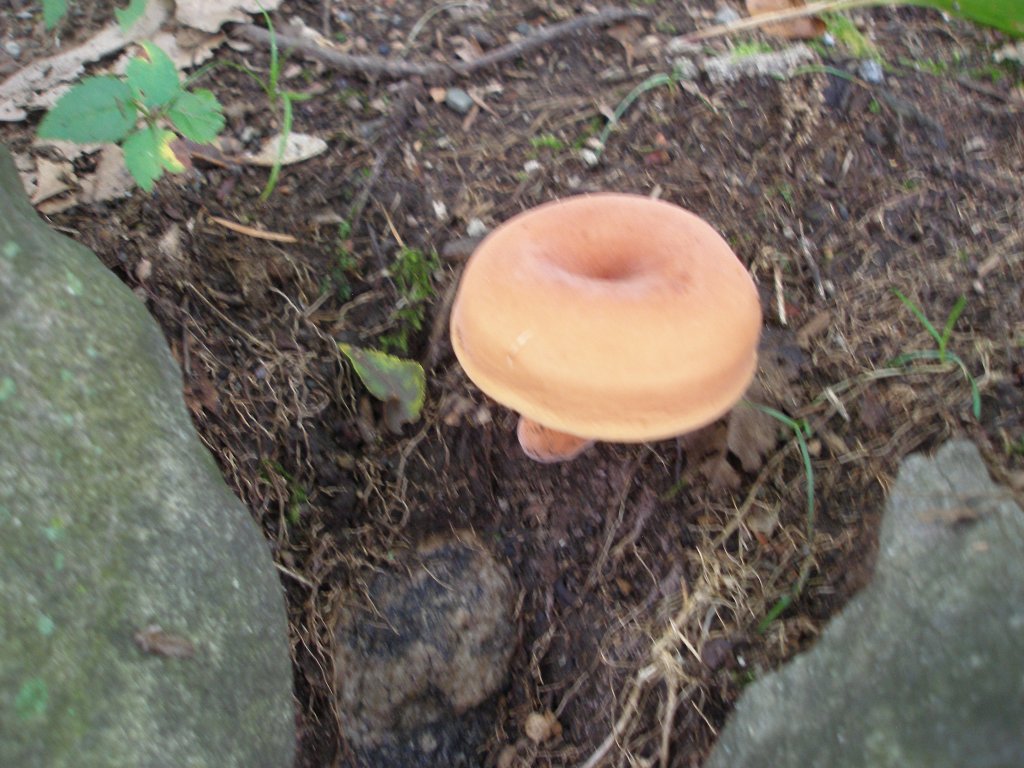
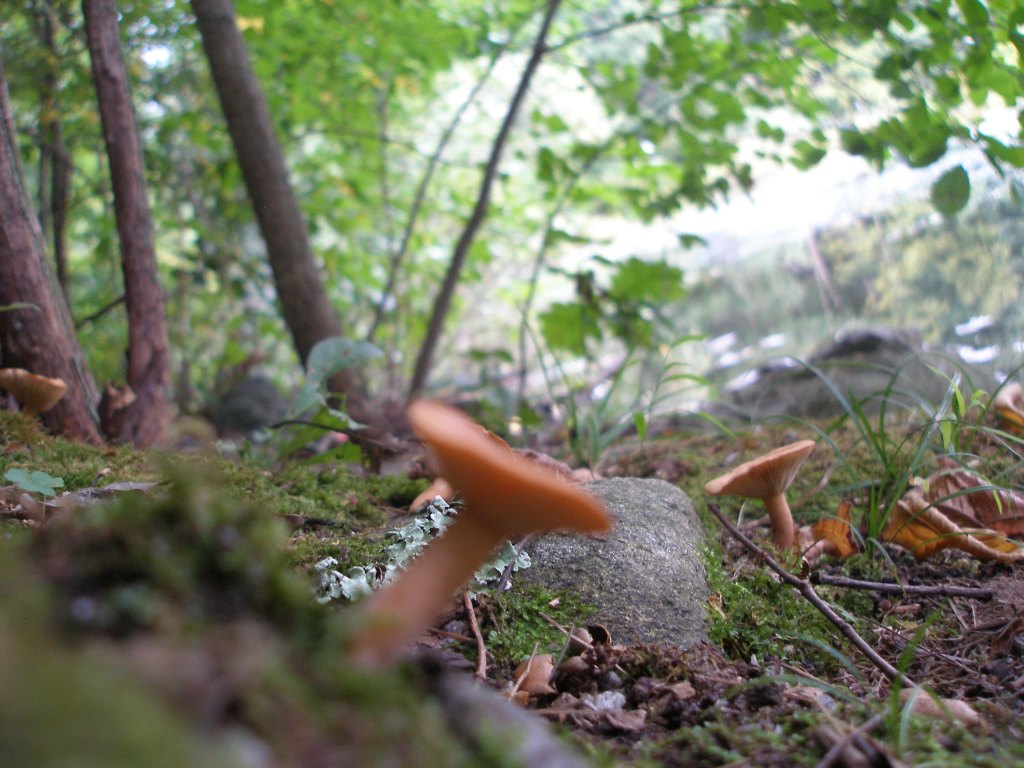
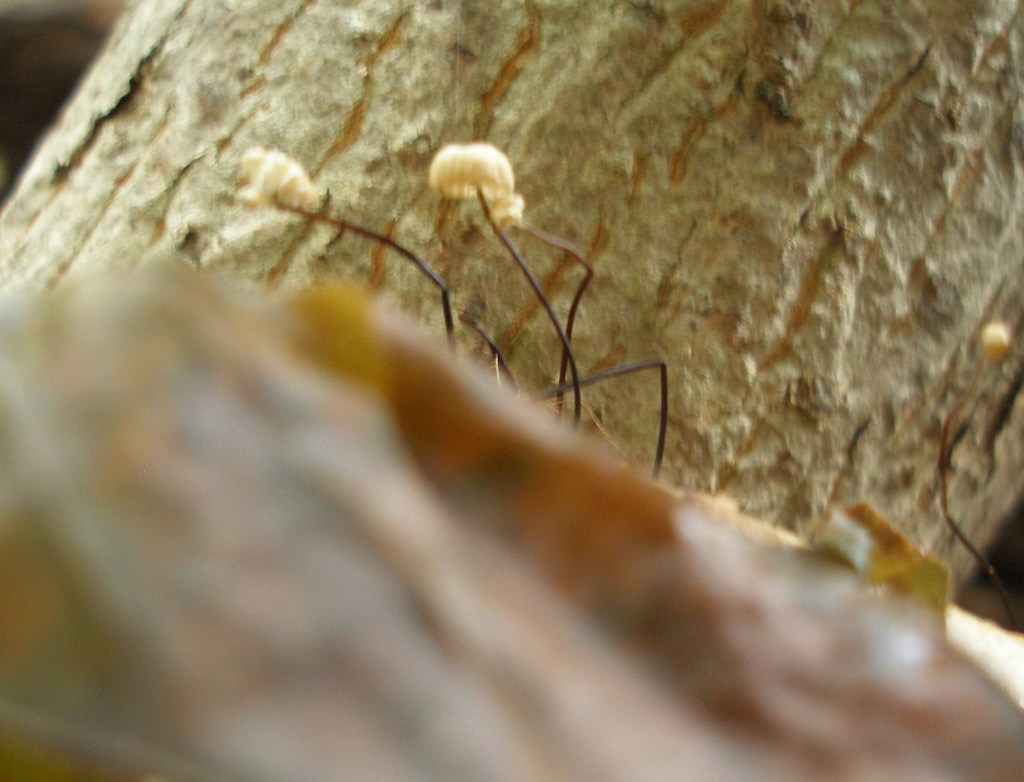
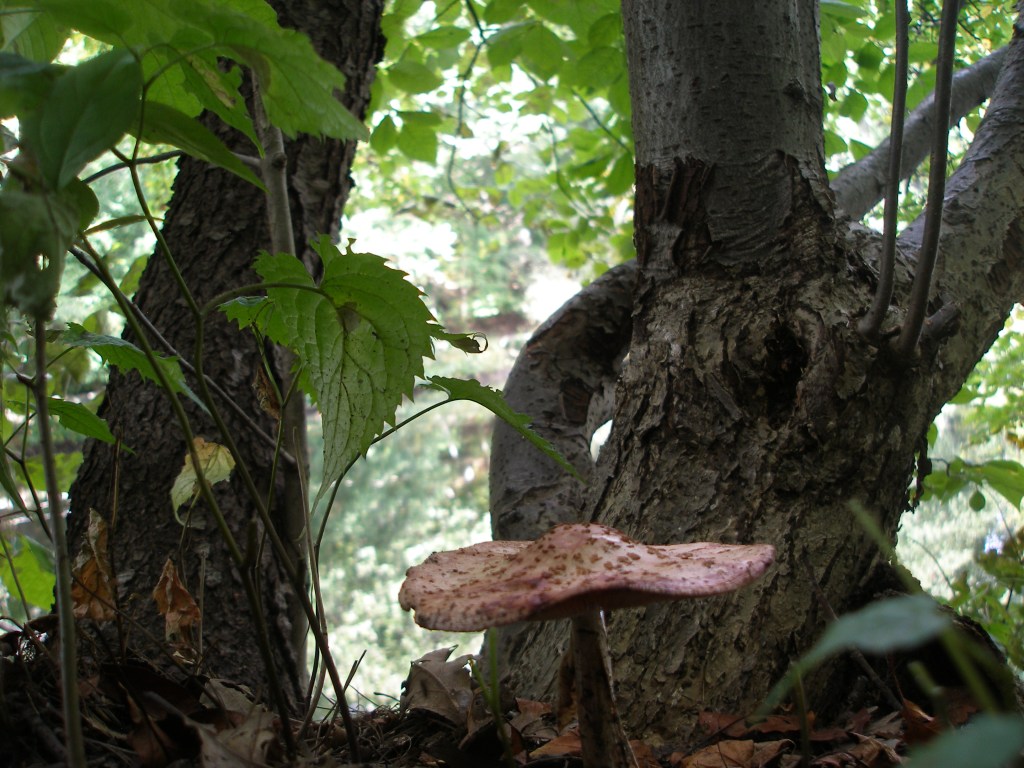
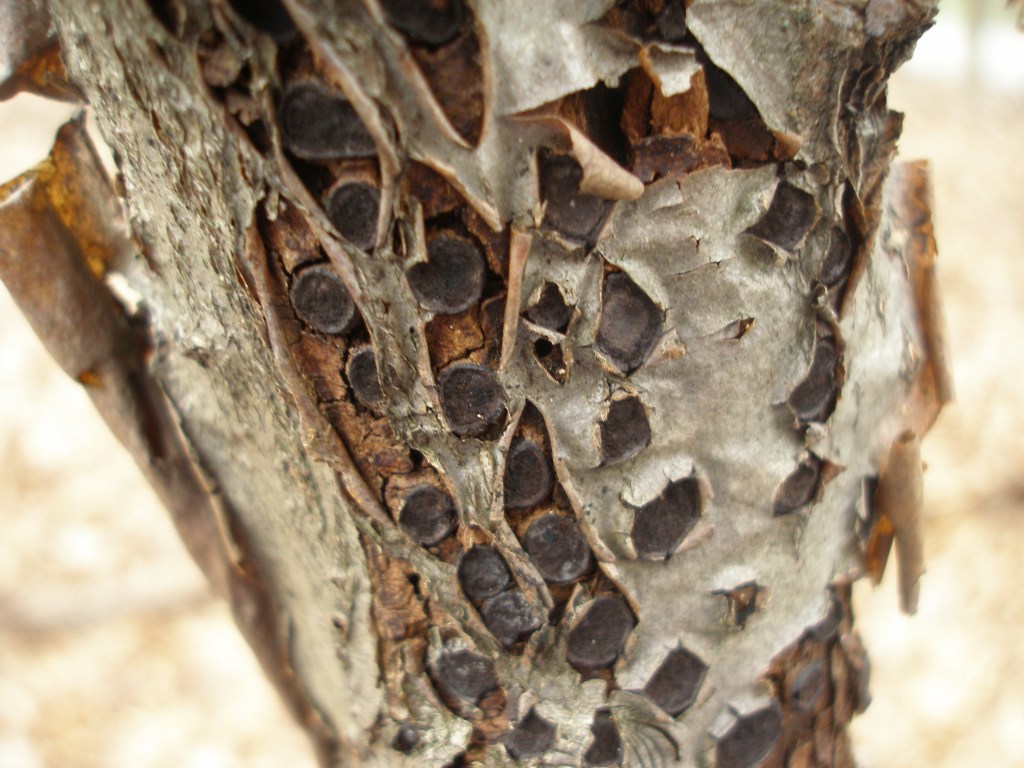
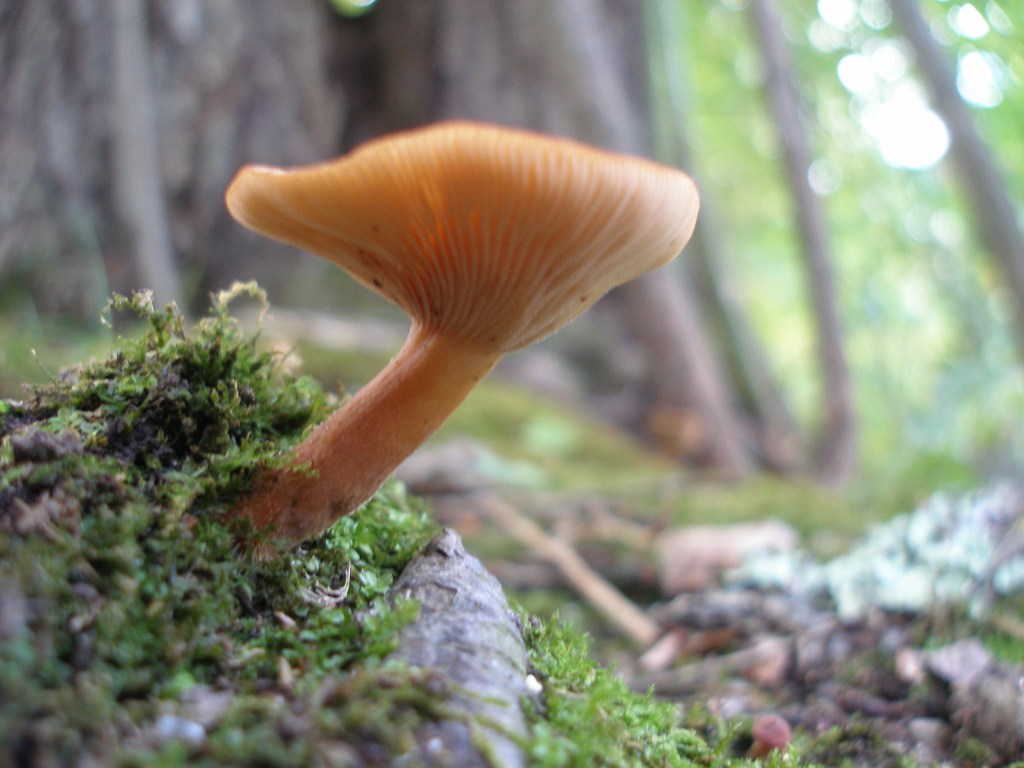
Nature is constantly shifting and not just with the normal seasonal changes these days. This early fall, I would certainly welcome some quiet green time on my morning walks in Menotomy Rocks Park (Arlington, Massachusetts, USA), but nature had its own ideas. After abundant rain all summer, amazing fungi were popping up everywhere and calling out to have their portraits taken.
In the last photo below, the lighting was perfect to capture falling spores.
Merlin Sheldrake’s, Entangled Life; How Fungi Make Our Worlds, Change Our Minds & Shape Our Futures seems destined to become a modern classic with its vivid descriptions and wonderful stories. His ability to convey his appreciation of the finely tuned relationships in the network of life seems highly relevant in our times when that understanding is so badly needed.
Training to become a garden designer in Japan may involve apprenticeship to a master designer and years of traveling to view beautiful natural and manmade landscapes. Few of us desire (or can afford) to spend years doing that, but there are many ways we can train ourselves. For those in the Western world who wish to create their own Japanese gardens, it is possible to design a self-study program using ideas from the Japanese training process. Here are some ideas which helped me train my own eyes in Japanese aesthetics.
Visit places of natural beauty: An early goal might be to simply observe nature in a totally open way. With practice, it becomes possible to understand what it is about a specific scene that produces a particular response. I visit places of natural beauty regularly and particularly value a park within walking distance which teaches me about local conditions. If I have a strong emotional response, I take a picture to assist me in determining why.
Look Inward: Aspects of places which had special meaning to me as a child can be incorporated in a garden design. In my case, I have a special love for mossy woodsy places based on camping trips. The Inward Garden. by Julie Moir Messervy, provides excellent guidance in this process.
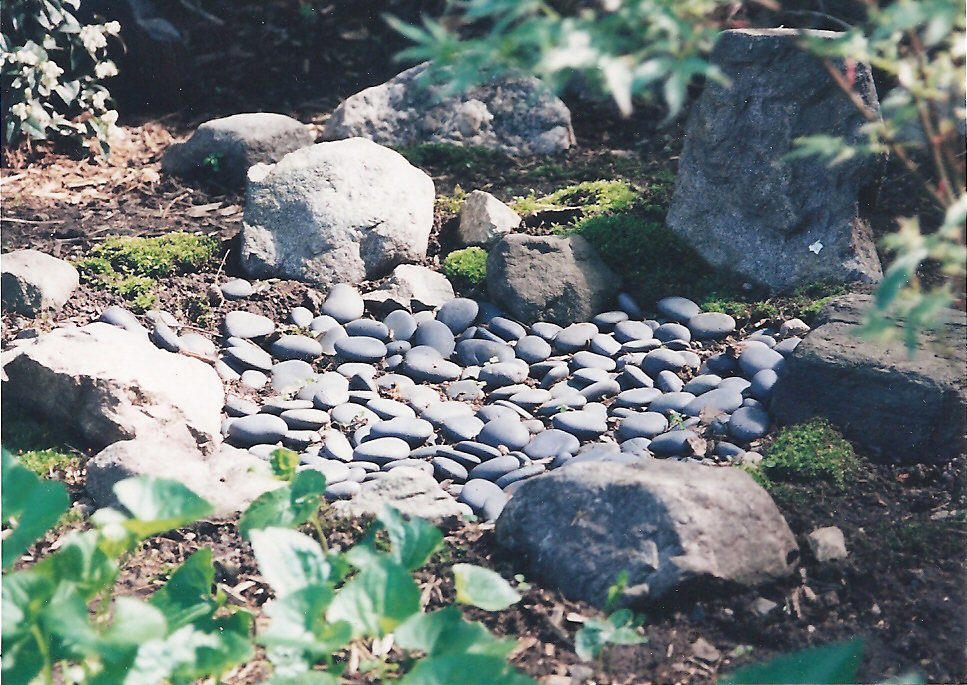
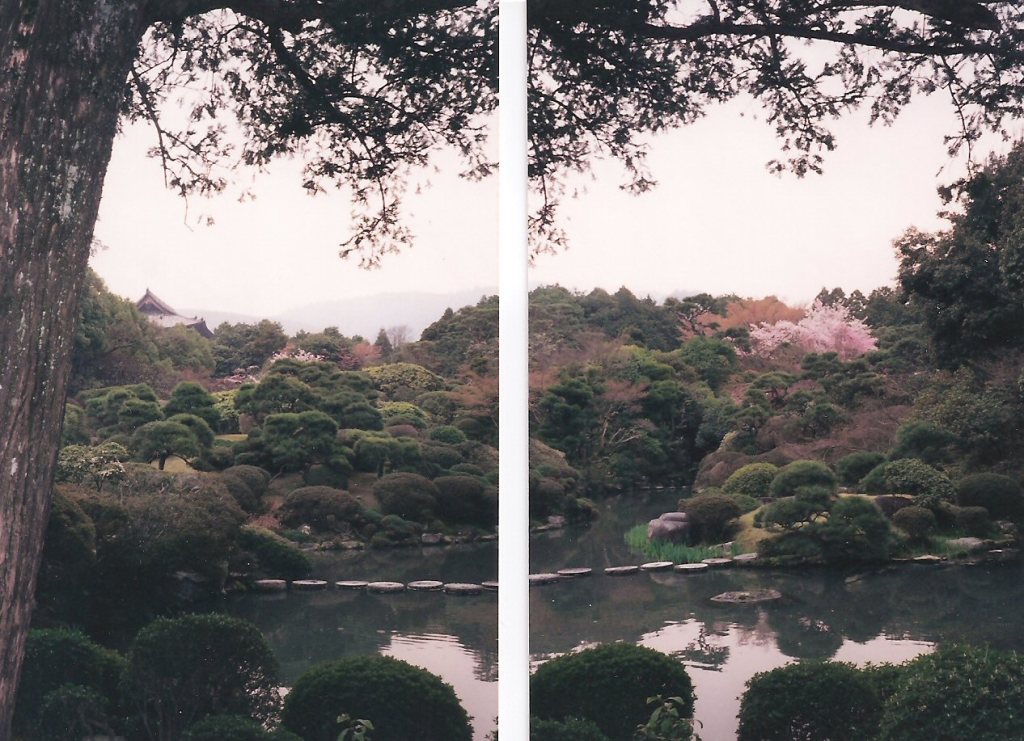
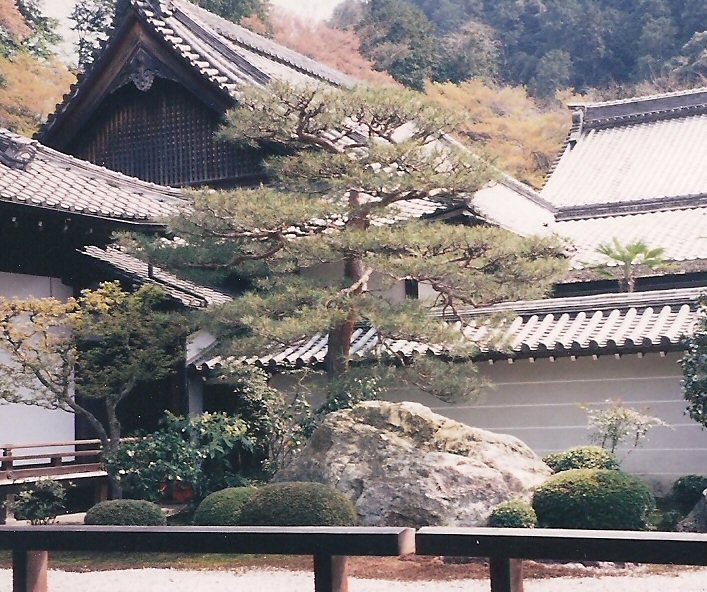
Experience Japanese gardens: Viewing Japanese gardens teaches how limited elements can be used to suggest various places, moods and subtle natural relationships like the curve of a river bank. If possible develop a relationship with a Japanese garden within traveling distance and visit it at different times of day, in different weather conditions, and in all seasons. Of course, an actual trip to Japan would be wonderful.
Learn to sketch: I have found it very useful to make sketches of natural settings and of Japanese gardens. Sketching nature requires me to focus on the essential elements in a scene, and it also helps me focus on the most important details.
Study design principles: Many books as well as this Journal* describe principles which apply to Japanese gardens. The academic study of design principles won’t replace the experience of working under a master designer, but it is valuable nonetheless. As to learning from books, I have found it easier to relate to the more intimate and modest courtyard gardens and residential garden designs for practical ideas, but I also value the many spectacular images of larger Japanese gardens for all the various ways they teach me about beauty.
Learn by doing: The garden in your own yard can serve as a laboratory and teacher, and it can be a reflection of your own personal development. In the early stages, rocks and plants moved around a lot until ‘they found their homes.’ Once I had a clear idea of the topography of my garden and the effects I cared about achieving, I found that scale and composition were paramount.
Keep a garden album: An album with photographs, drawings and notes provides me with a record of how the garden has changed over time, and how it looks in different seasons. It is satisfying to see what has changed, and improved as a result of my efforts.
*This article was originally published in the November/December, 1998 issue of the Journal of Japanese Gardening, which has since been renamed Sukiya Living; The Journal of Japanese Gardening.
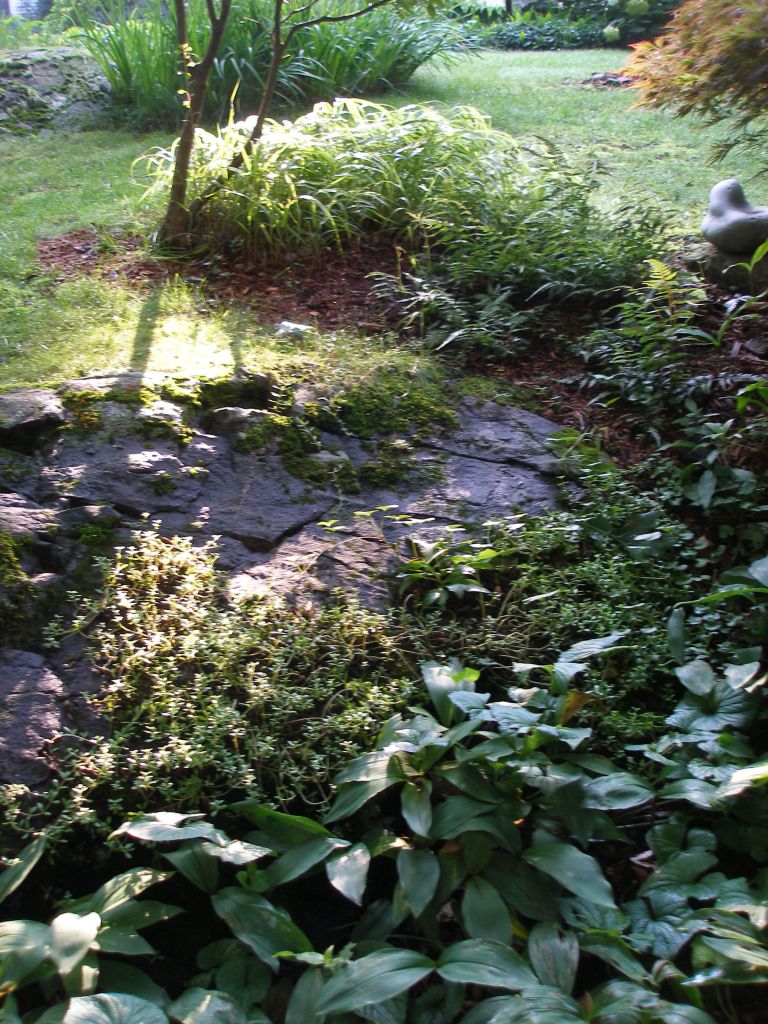
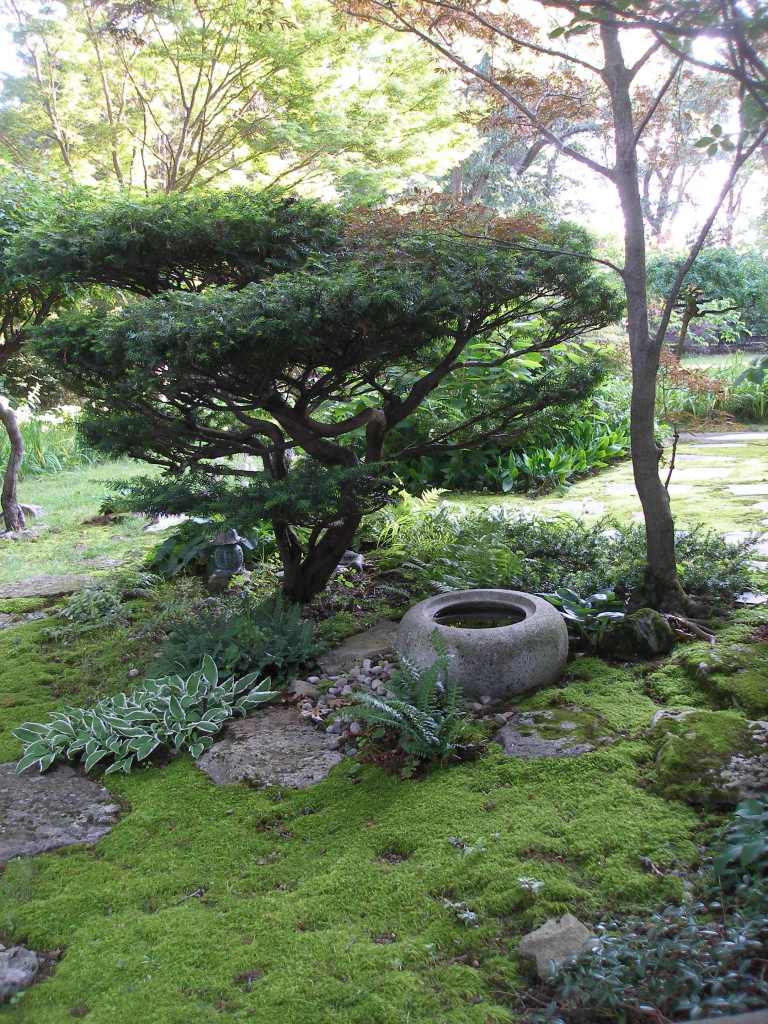
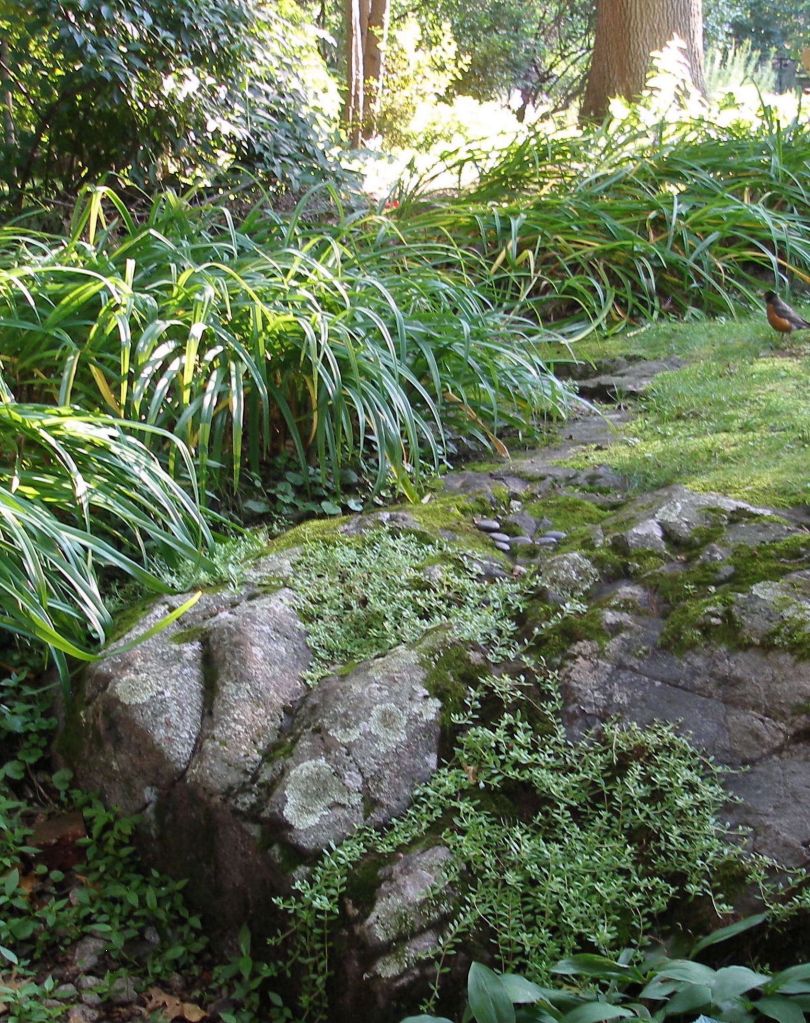
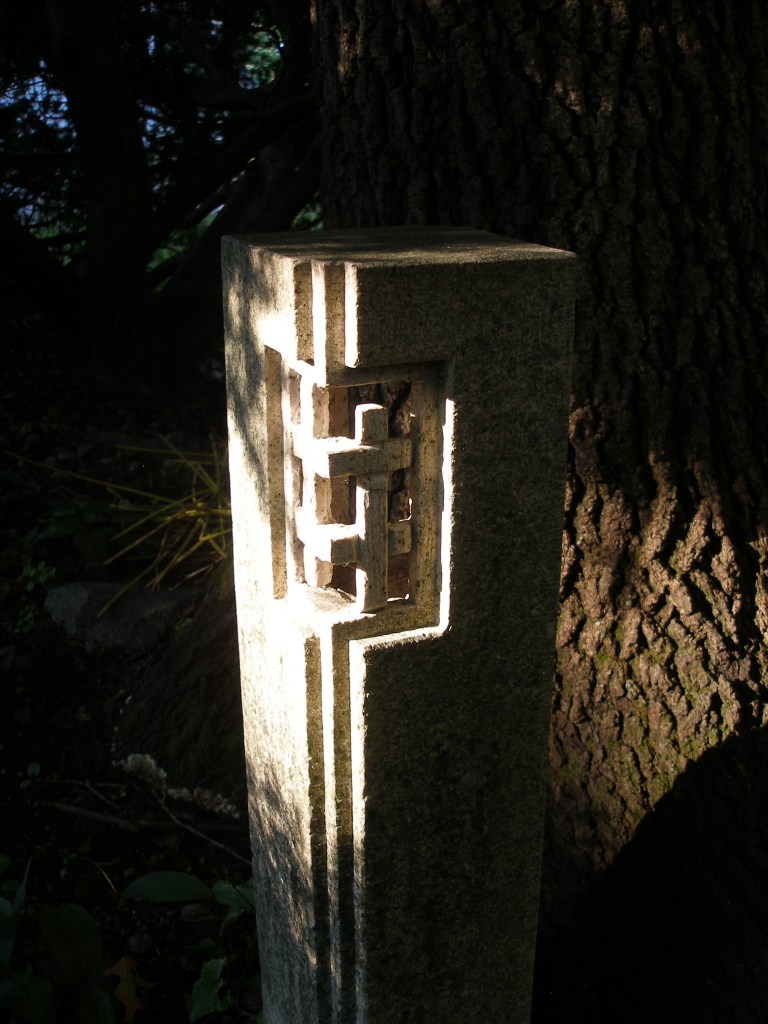
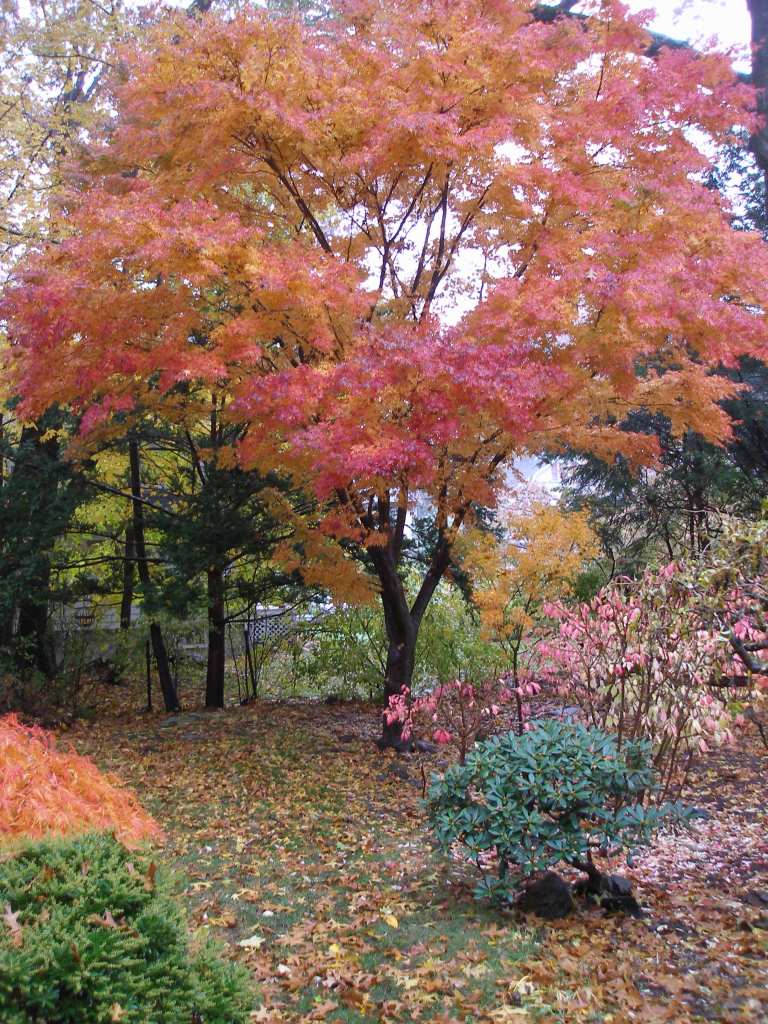
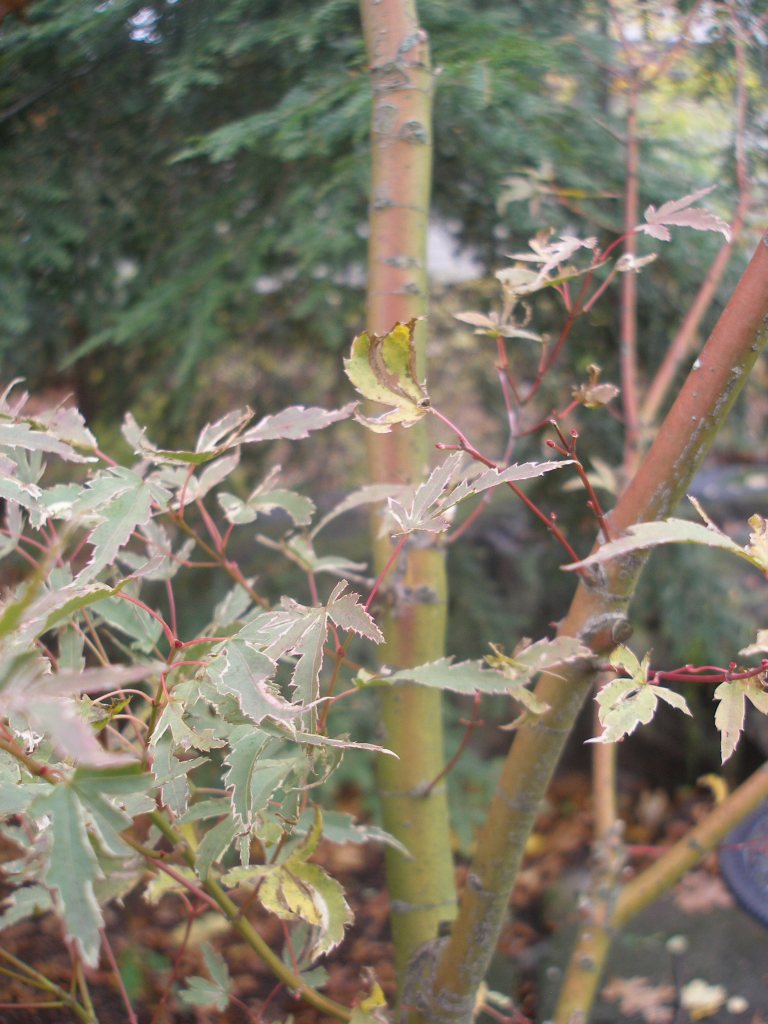
My garden is a haven more than ever now; a place to get away not only from too much togetherness but from the unsettling news that blasts from the radio and television. When a particular application required that I submit a garden photo with a “portrait” orientation, I found I had vertical shots of trees, leaves and lanterns, but not one that gave a sense for the garden as a place.
So I went out with my camera held up sideways. The first three shots are the result. They surprised me. Compared to the other shots I had taken in this orientation, these three revealed how what I planned and what nature provided worked together; how we had been working together in partnership for some time now.